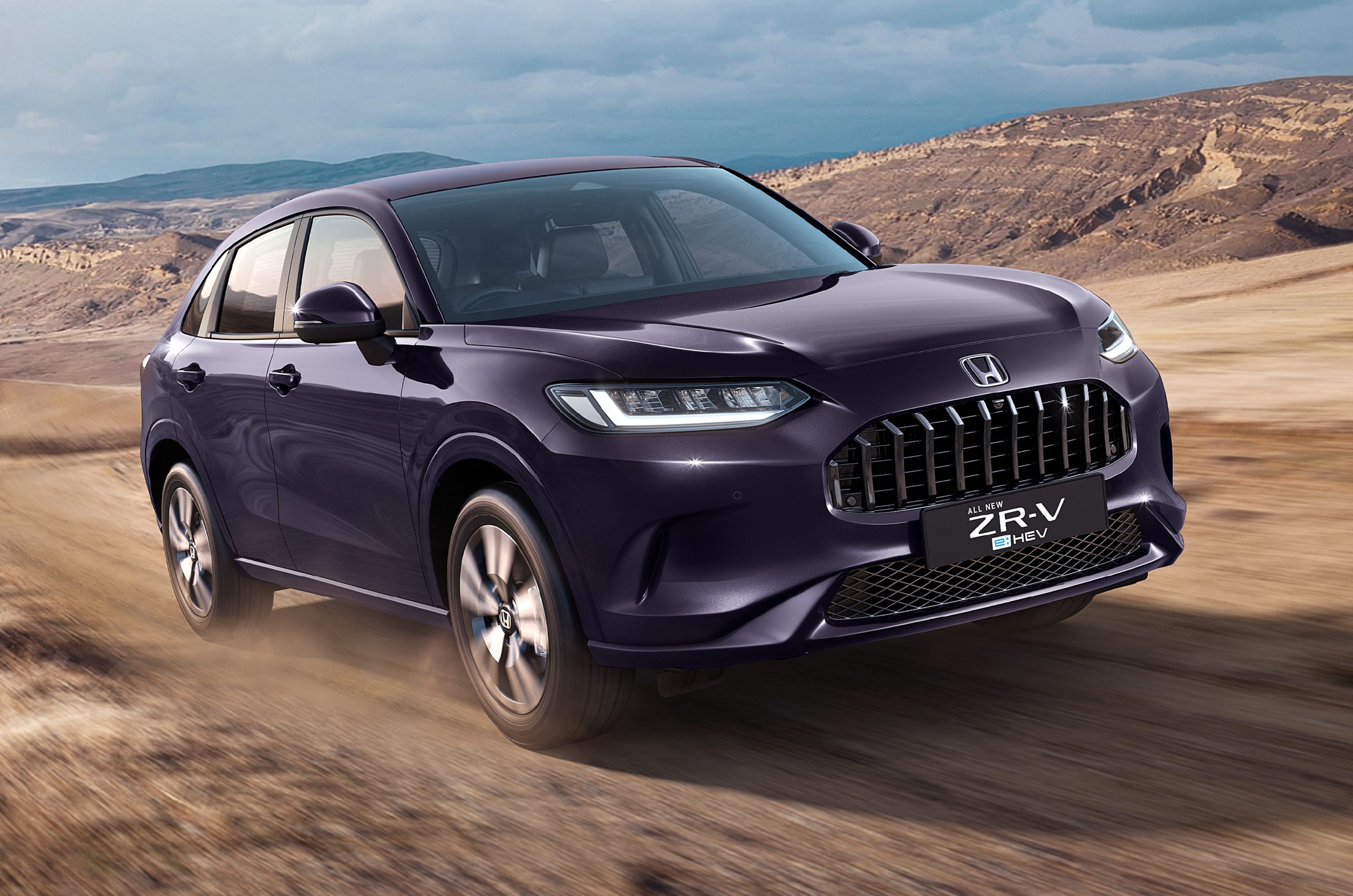
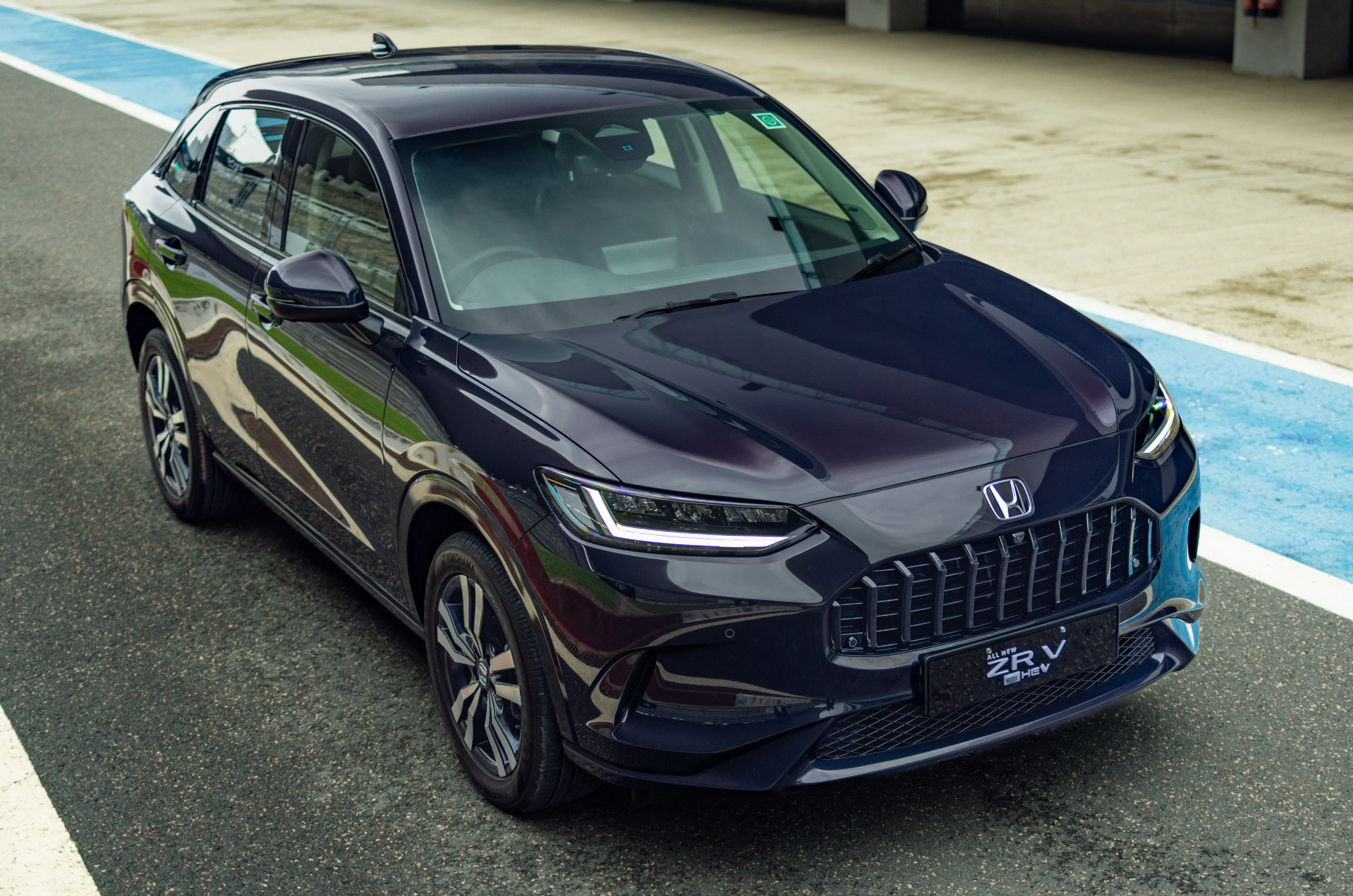
Honda has launched the ZR-V in India at an introductory price of Rs 48 lakh (ex-showroom). The SUV sits at the top of the Japanese carmaker’s India lineup as its flagship offering. Available only in a single, fully loaded variant, the ZR-V rivals premium SUVs such as the Skoda Kodiaq, Volkswagen Tayron and Tiguan. Imported from Japan as a completely built unit (CBU), the ZR-V will be sold in limited numbers, with Honda allocating 60 units each in the first two batches. Customer deliveries have already commenced, and the initial 120-unit allocation has been fully spoken for.
Here’s everything you need to know about the Honda ZR-V hybrid.
184hp strong-hybrid powertrain with claimed 22.79kpl efficiency
Gets all-LED lights, 18-inch alloys and dual exhaust tips
Features include Level 2 ADAS and powered front seats
1. What powertrain does the Honda ZR-V hybrid get?
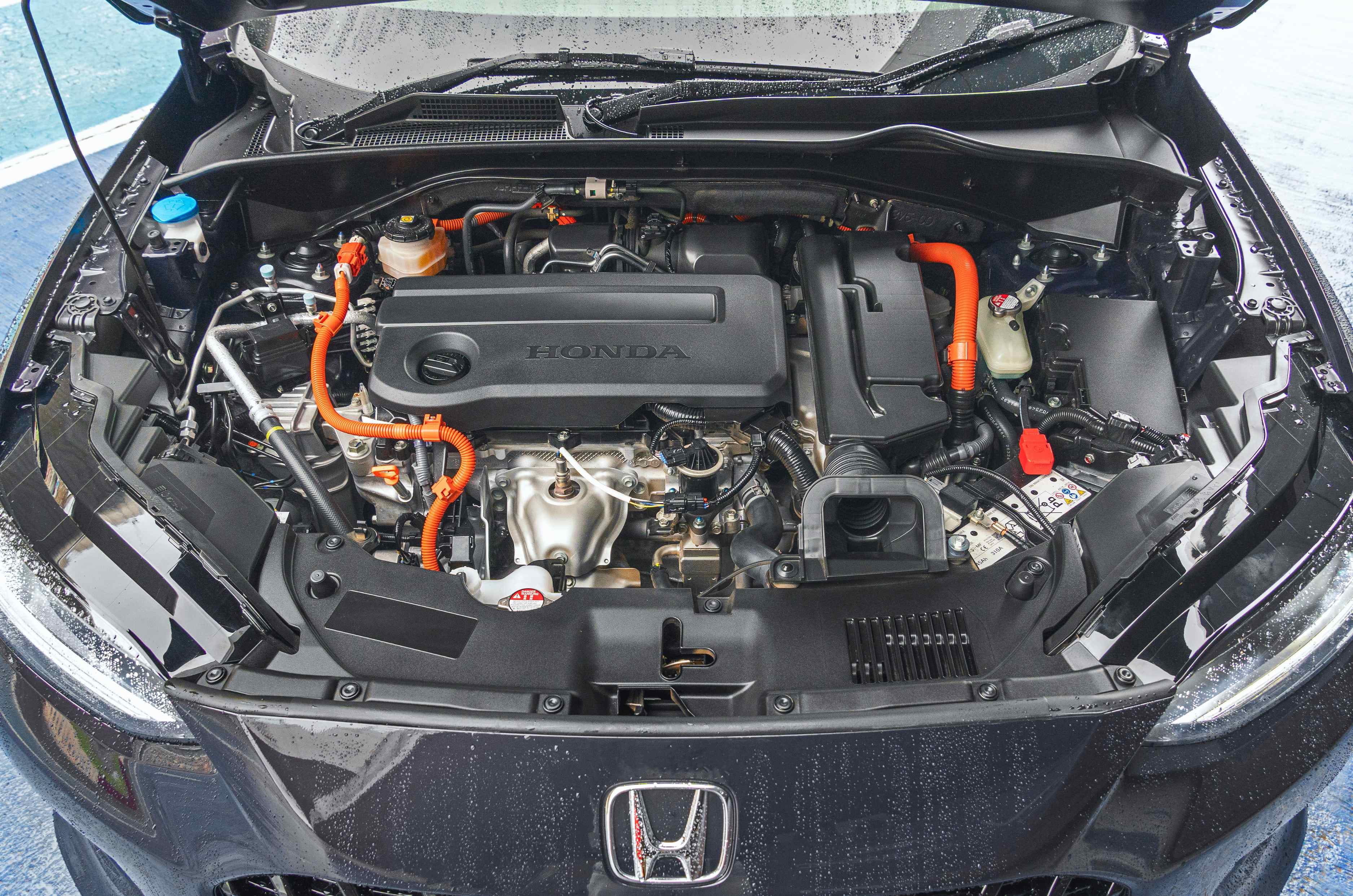
The India-spec ZR-V Hybrid uses a 2.0-litre four-cylinder petrol engine paired with a dual-motor strong-hybrid setup and an e-CVT automatic gearbox. The combined system output stands at 184hp and 315Nm, with power sent to the front wheels.
Honda claims a 0-100kph time of 8 seconds and a top speed of 172kph. Internationally, the ZR-V is also available with a 1.5-litre turbo-petrol engine and an all-wheel-drive setup.
2. What fuel efficiency does the Honda ZR-V hybrid offer?
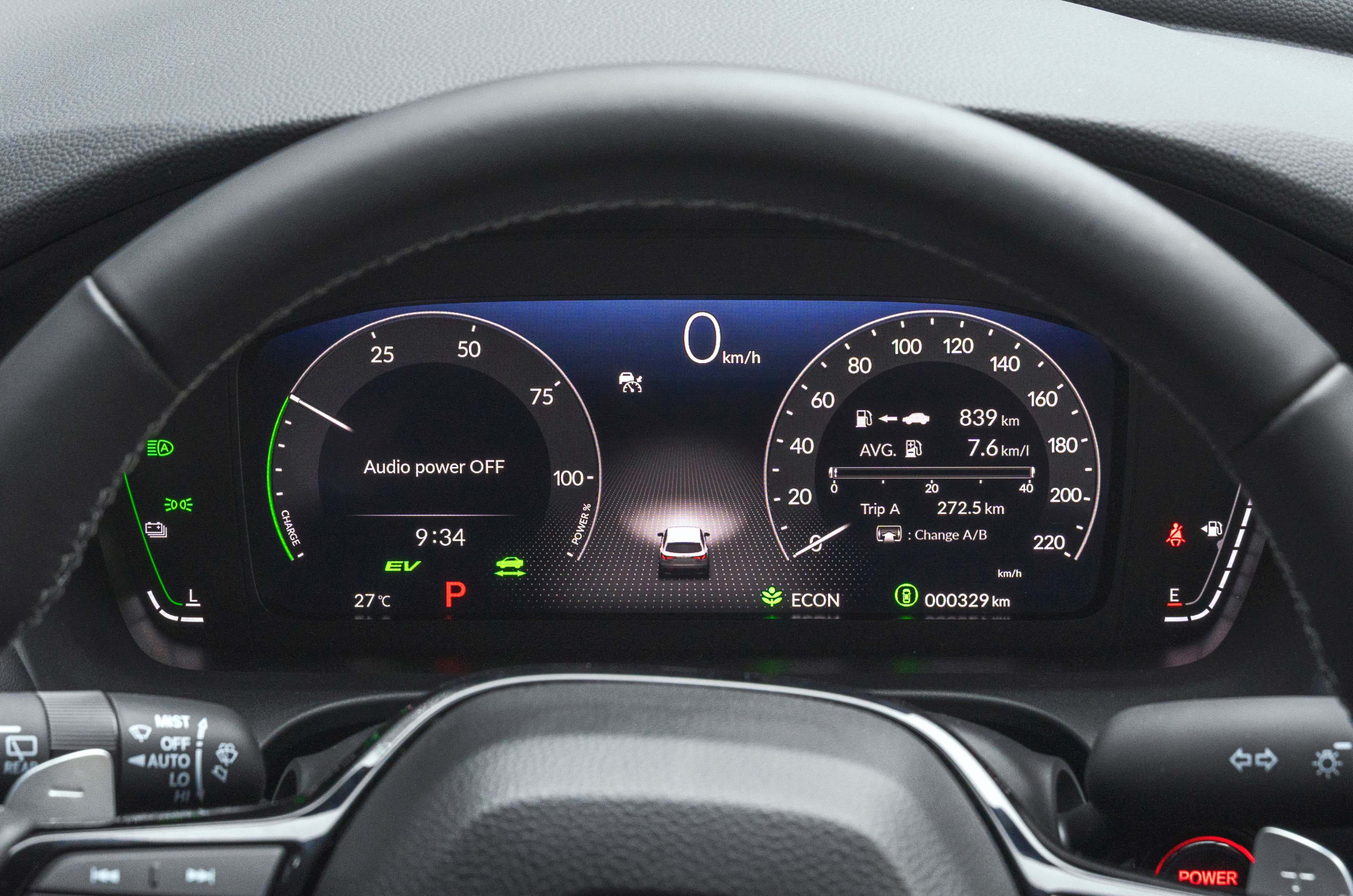
Honda pegs the ZR-V hybrid’s fuel efficiency at 22.79kpl. The strong-hybrid setup allows the SUV to run in EV-only mode at lower speeds and during light-throttle driving conditions, helping improve efficiency in city use.
3. What does the Honda ZR-V look like?
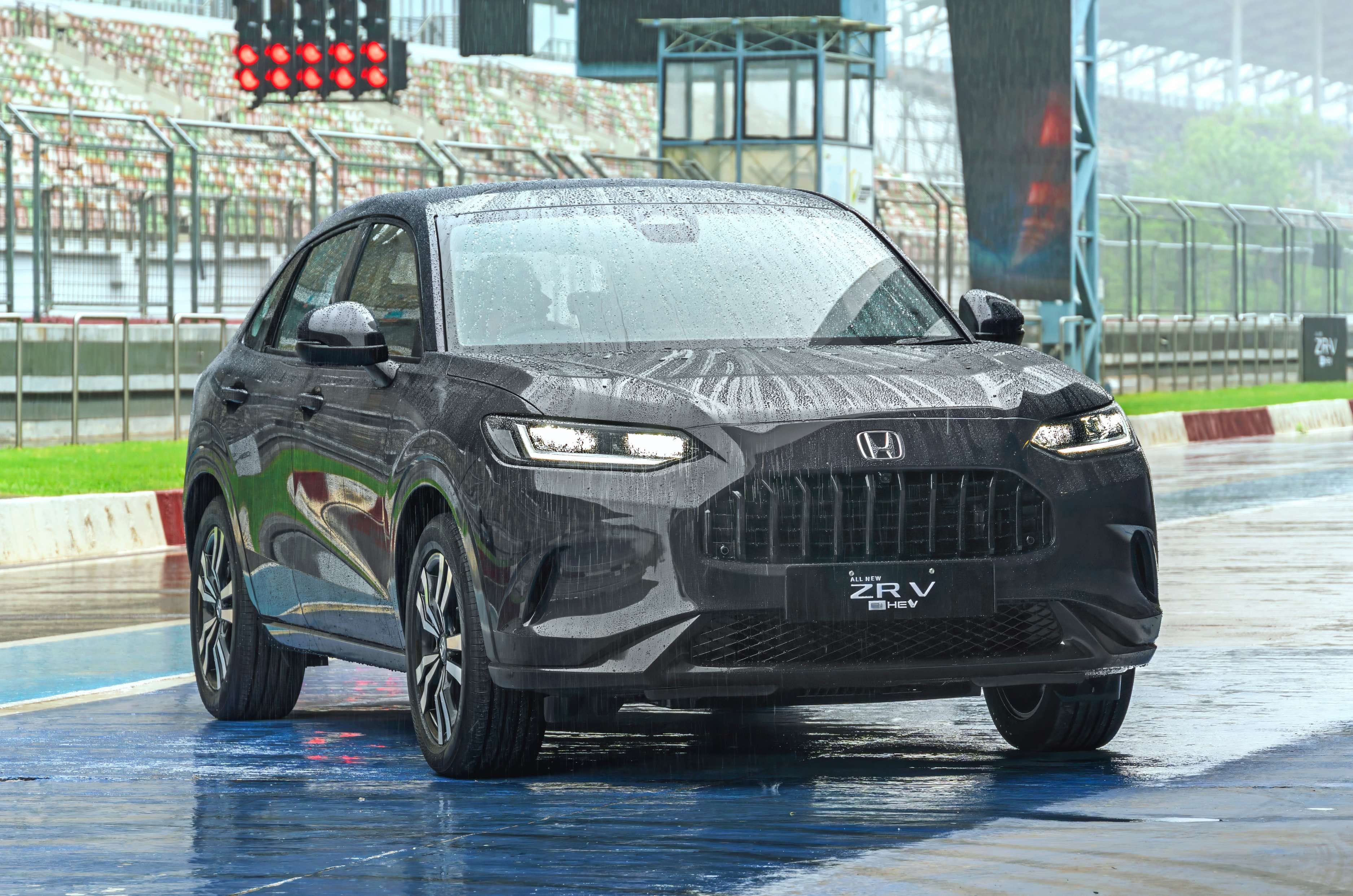
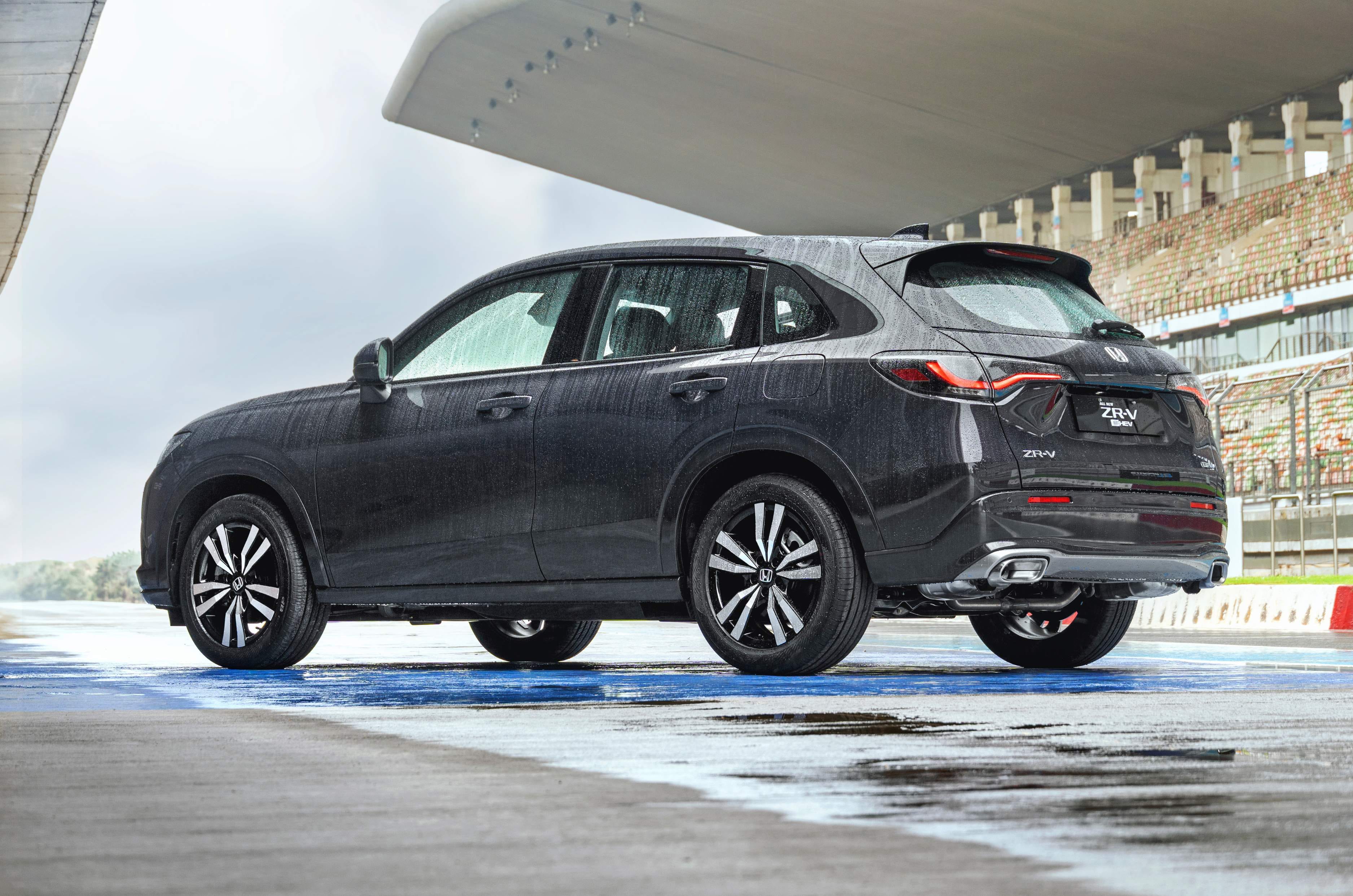
The ZR-V has a clean and relatively sleek design compared to its rivals. At the front, it features slim LED headlights with L-shaped daytime running lamps, a black grille and a bumper with functional air vents on both sides.
The SUV rides on 18-inch alloy wheels and gets body-coloured cladding around the wheel arches. At the rear, the ZR-V features LED tail-lights with U-shaped lighting elements, dual exhaust outlets integrated into the bumper and a roof-mounted spoiler, as well as a wiper and washer.
4. What is the Honda ZR-V’s interior like?
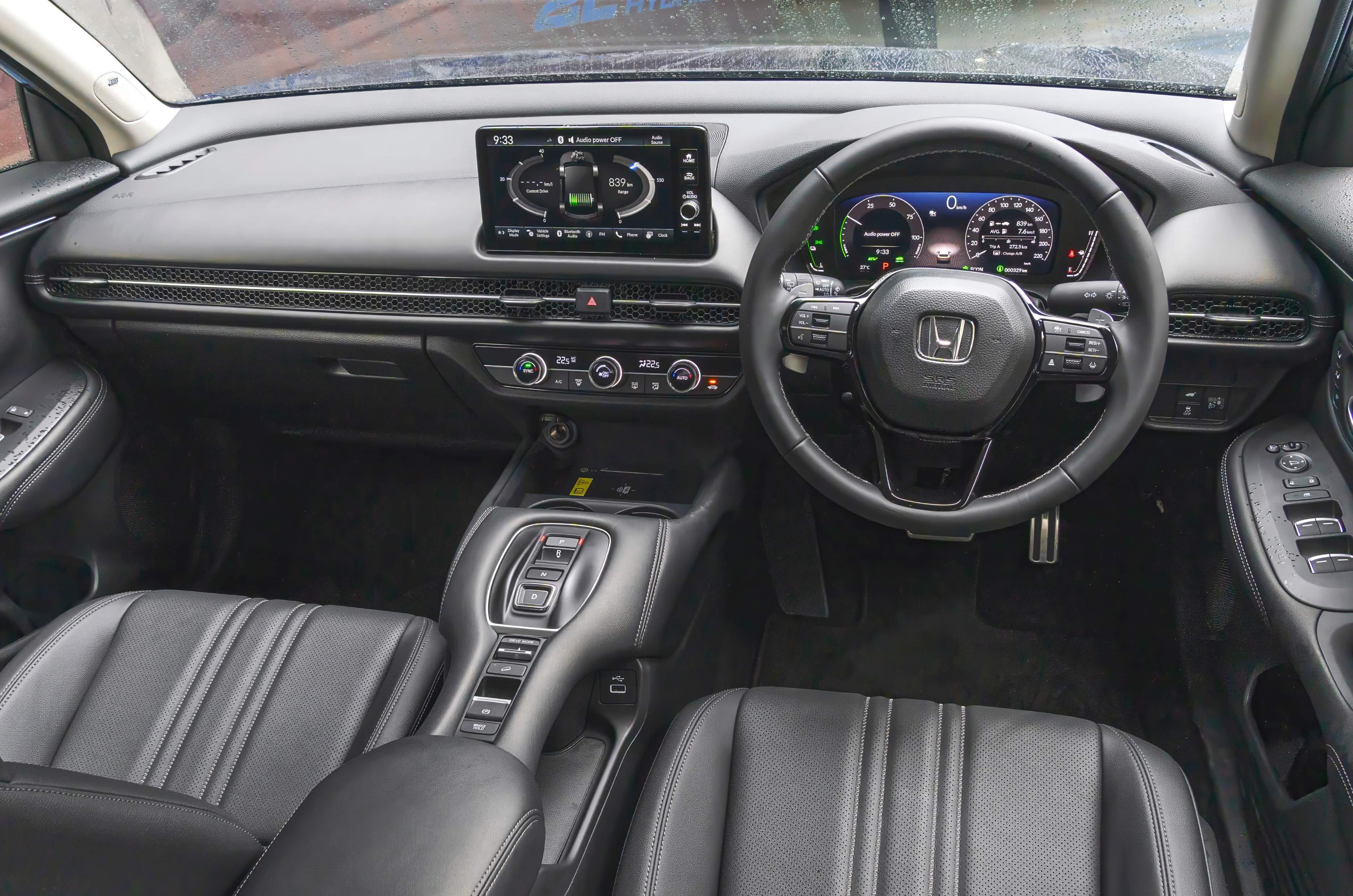
Inside, the ZR-V gets a simple dashboard layout with plenty of physical buttons and knobs for functions such as climate control and audio controls. The centre console also uses physical buttons for gear selection.
The SUV gets a dual-screen setup featuring a 9-inch touchscreen infotainment system with wireless Android Auto and Apple CarPlay, along with a 10.25-inch digital driver’s display. Honda is also offering leatherette upholstery, dual-zone climate control, a wireless charger, powered front seats, ambient lighting, a powered tailgate and a 12-speaker Bose sound system. Both rows get centre armrests as well.
However, unlike many rivals in this segment, the ZR-V does not get ventilated seats or a sunroof.
5. What colour options does the Honda ZR-V get?
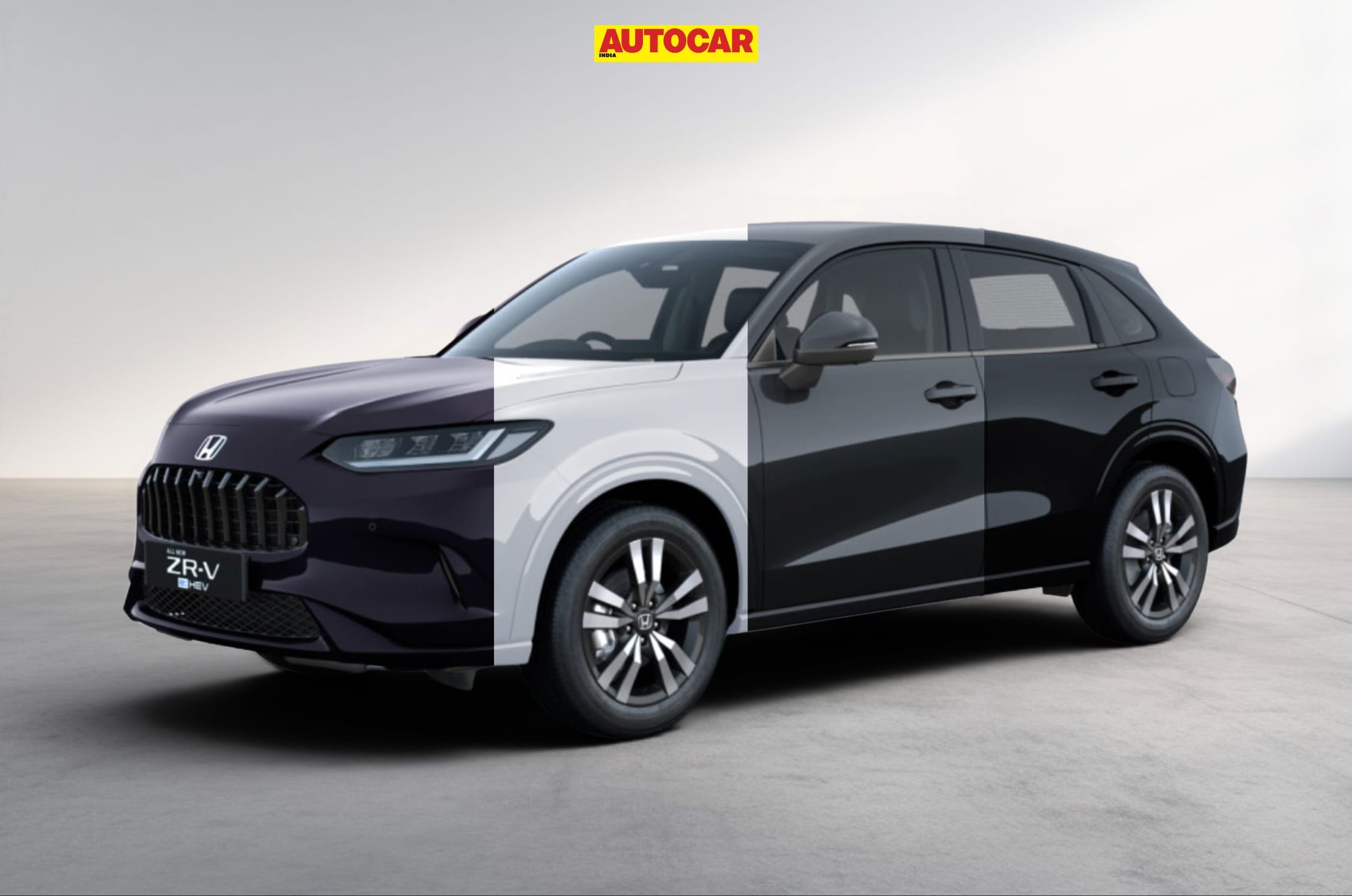
Honda will offer the ZR-V hybrid in four exterior colour options in India: Crystal Black Pearl, Twilight Mist Black Pearl, Platinum White Pearl and Meteoroid Grey Metallic.
6. What safety and ADAS features does the ZR-V get?
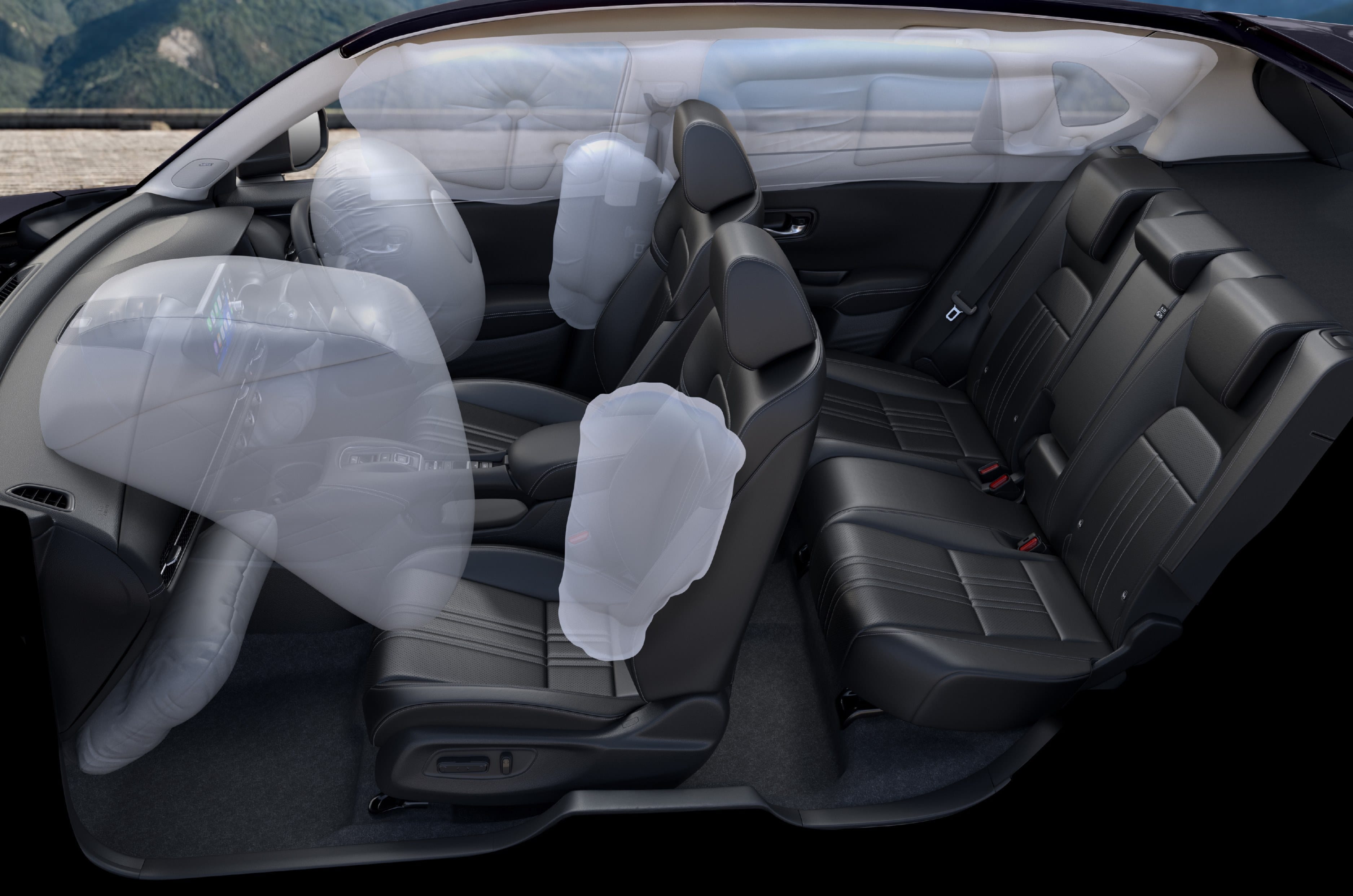
The Honda ZR-V comes equipped with eight airbags, front and rear parking sensors, a 360-degree surround-view camera, hill-descent control, hill-start assist, electronic parking brake with auto hold, vehicle stability assist and disc brakes on all four wheels.
The Level 2 ADAS suite includes collision mitigation braking, adaptive cruise control with low-speed follow, lane-keeping assist, road-departure mitigation, auto high beam and lead-car departure notification. Other safety equipment comprises a driver-attention monitor, rain-sensing wipers, ISOFIX mounts and an acoustic vehicle alert system for EV driving at low speeds.
7. What are the Honda ZR-V’s dimensions?
The Honda ZR-V measures 4,567mm in length, 1,840mm in width and 1,621mm in height and has a 2,655mm wheelbase. Honda says the SUV offers up to 1,313 litres of cargo space with the 60:40 split-folding rear seats folded down. The ZR-V rides on 18-inch alloy wheels and has a turning radius of 5.5 metres.
Compared to its rivals, the ZR-V is smaller overall and is available only as a five-seater. Most of its similarly priced rivals offer a third row and a larger overall footprint.
8. How much does the Honda ZR-V cost in India
Variant
Price (ex-showroom)
ZR-V e:HEV
Rs 48 lakh
The Honda ZR-V is offered in a single, fully loaded e:HEV variant priced at Rs 48 lakh (introductory, ex-showroom). Since it is imported via the CBU route, availability is limited. Honda has confirmed that the first two allocations comprised 60 units each, all of which have been reserved. A third batch is expected, although the company is yet to announce its arrival timeline. Customer deliveries have already commenced, and the initial 120-unit allocation has been fully spoken for.
दिल्ली के जंतर-मंतर पर कई दिनों तक चले विरोध प्रदर्शन के बाद कॉकरोच जनता पार्टी का एक वीडियो सोशल मीडिया पर वायरल हो रहा है। इसमें सीजेपी से जुड़े कई लोग एक होटल में पार्टी करते दिखाई दे रहे हैं। इससे अलावा प्रदर्शनस्थल पर सीजेपी कार्यकर्ताओं के जश्न मनाते वीडियो भी जमकर वायरल हो रहे हैं। इन वीडियो पर मचे बवाल के बाद सीजेपी के मुख्य प्रवक्ता सौरव दास और प्रख्यात लेखिका तवलीन सिंह के जवाब भी चर्चा में है। ALSO READ: धर्मेंद्र प्रधान पर पोस्ट से BJP में बवाल! अपराजिता सारंगी की बेटी अर्चिता राहर घिरीं, पार्टी नेताओं ने जताई नाराजगी
महेश जेठमलानी ने उठाए फंडिंग पर सवाल?
इस वीडियो को सुप्रीम कोर्ट के सीनियर एडवोकेट महेश जेठमलानी ने अपने सोशल मीडिया प्लेटफॉर्म पर शेयर किया है। वायरल वीडियो में CJP के कुछ लोग एक होटल में पार्टी करते हुए दिखाई दे रहे हैं। वहां जश्न का माहौल है और नाच-गाना भी चल रहा है।
Seriously?
The CJP leadership throwing a victory party at a hotel! After Delhi witnessed days of violence, these so-called youth activists switched on the music and began dancing.
More serious questions:
Who funded the travel, food, accommodation, equipment and logistics… pic.twitter.com/KSl4GIu0gr
तवलीन सिंह ने एक्स पर अपनी पोस्ट में कहा, भाजपा अब कॉकरोच को एक 'फाइव-स्टार होटल' में पार्टी करते हुए दिखाकर उन्हें बदनाम करने की कोशिश कर रही है। क्या हम यह पूछ सकते हैं कि इतने सारे भाजपा मंत्रियों और उनकी संतानों के पास डिजाइनर कपड़े और कार्टियर के चश्मे खरीदने के लिए पैसे कहाँ से आते हैं? ALSO READ: प्रधान के बाद अब गडकरी निशाने पर! 100% शुद्ध पेट्रोल के लिए 'E20 जनता पार्टी' मैदान में
The BJP is now trying to defame the cockroaches by showing them at a party in a ‘five-star hotel.’ Can we ask how so many BJP ministers and their progeny afford designer clothes and Cartier glasses?
कॉकरोच जनता पार्टी के मुख्य प्रवक्ता सौरव दास ने जंतर-मंतर पर प्रदर्शन के बाद सीजेपी के कार्यकर्ताओं साथ पार्टी और डांस करने के वायरल वीडियो पर की जा रही टिप्पणियों पर प्रतिक्रिया दी है। सौरव दास ने सोशल मीडिया प्लेटफॉर्म एक्स पर लिखा, 'इससे एक बार फिर साफ़ हो जाता है कि सरकार और गोदी एंकर, जेन-ज़ी और नई पीढ़ी की सोच और भाषा को समझ ही नहीं पा रहे हैं।'
उन्होंने कहा कि हम जितने दिन जरूरत होगी, उतने दिन सड़क पर बैठ सकते हैं। हम नाचते-गाते हुए भी प्रदर्शन कर सकते हैं। हम हाथ में कोल्ड कॉफी लेकर भी आंदोलन को संगठित कर सकते हैं। बदलाव के लिए लड़ने के लिए हमारा वैसा दिखना जरूरी नहीं है, जैसा पिछली पीढ़ियां किसी आंदोलन से उम्मीद करती हैं।
It just goes to show that the government and godi anchors simply do not understand the language of Gen Z and younger generations.
We can sit on the road for as long as it takes. We can protest while dancing. We can organise while sipping cold coffee. We can fight for change… https://t.co/3URTemFOoA
सौरव दास ने कहा कि यही इस पीढ़ी की पहचान है-आत्मविश्वासी, रचनात्मक, जुझारू और ऐसी, जिसे किसी एक तयशुदा छवि में बांधा नहीं जा सकता। अंकल-आंटी चाहे जितनी शिकायत करते रहें, उन्हें हमारी इस पीढ़ी के साथ जीना और हमें स्वीकार करना ही होगा।
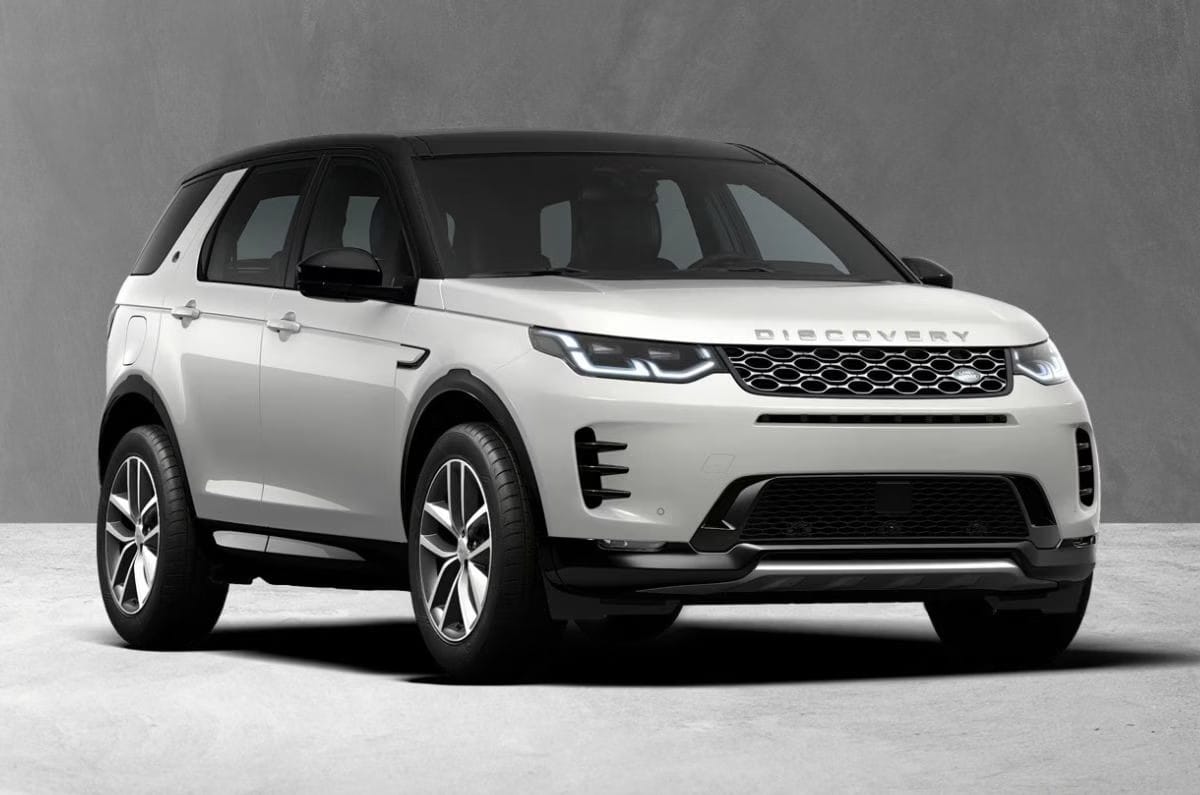
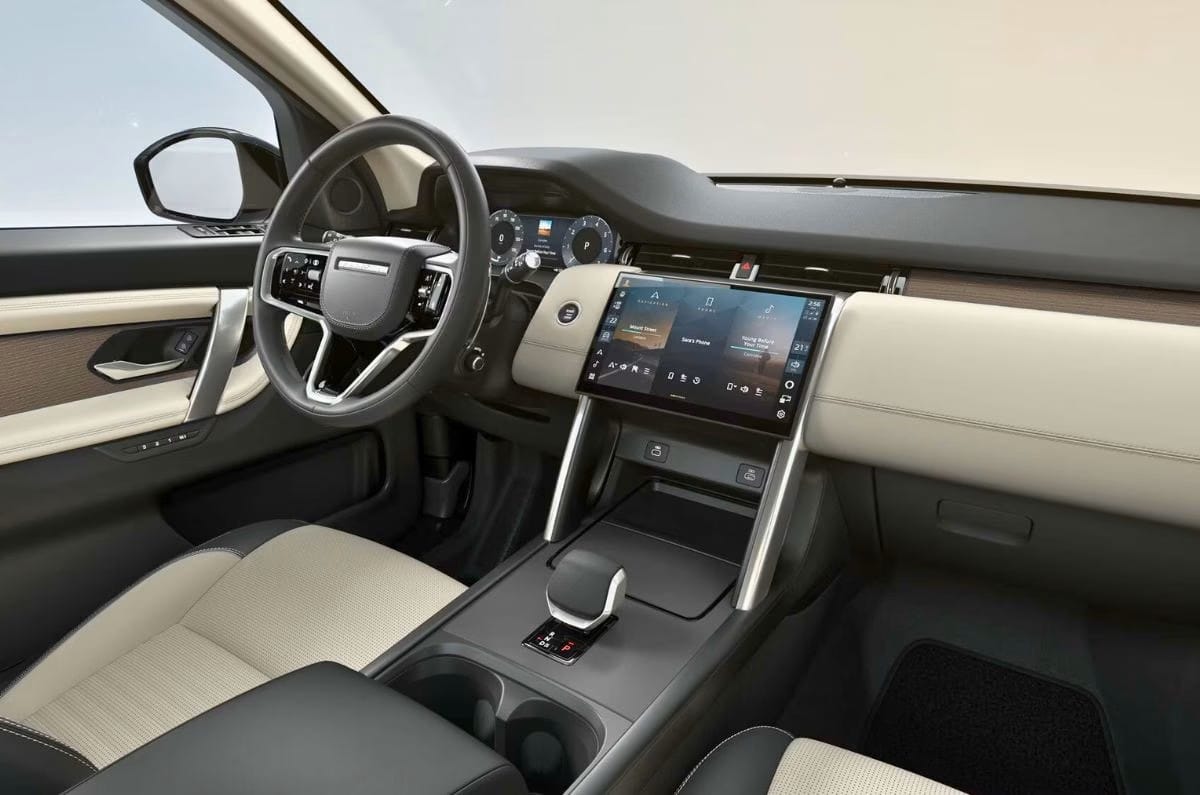
Land Rover will end production of the Discovery Sport in December 2026, bringing the entry-level SUV’s 11-year production run to a close. The model remains configurable as of now, but factory orders have already ceased in several European markets, including France, Germany and Spain.
Speaking to Autocar UK, a JLR spokesperson confirmed the timeline, saying production will end in December 2026 as part of the model’s normal lifecycle, with manufacturing already being phased out in selected markets.
Discovery Sport was JLR’s best-selling model in 2016
EU GSR2 safety rules contributed to the SUV’s retirement
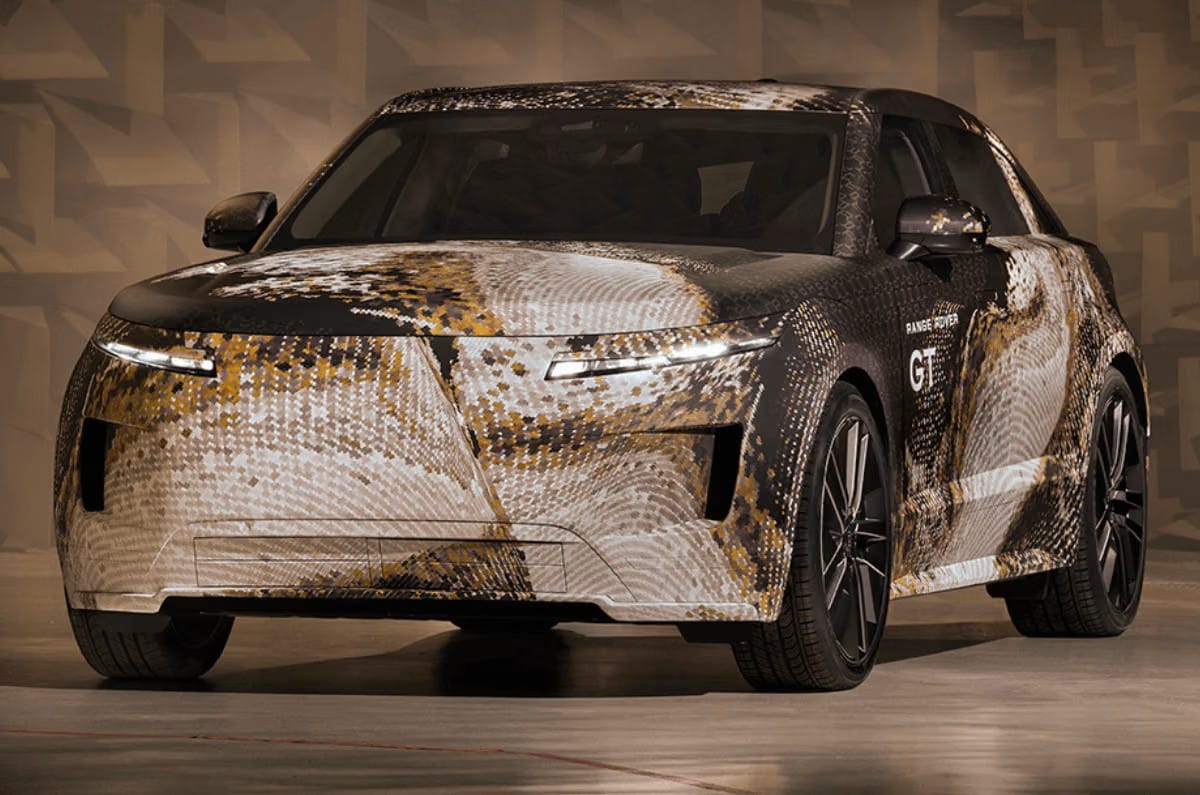
Range Rover GT expected to replace it on the Halewood plant production line
Discovery Sport sales declined sharply in recent years
The Discovery Sport was launched in 2015 as a replacement for the Freelander, and became JLR’s best-selling model in its first full year on sale, with more than 122,000 units sold globally in 2016. It received a facelift in 2020, introducing a revised platform and interior, but demand has fallen significantly since then.
In 2025, JLR sold less than a tenth of the Discovery Sport’s 2016 volume, making it the company’s lowest-selling model. It was followed by the full-size Land Rover Discovery, which is also expected to be phased out as it approaches 10 years since its debut.
GSR2 rules contribute to Discovery Sport’s exit
The Discovery Sport’s withdrawal from several European markets coincides with the introduction of the European Union’s updated General Safety Regulation 2 (GSR2) requirements, which mandate additional safety systems not fitted to the SUV.
While JLR updated its newer models to comply with the regulations, the report states that upgrading the ageing Discovery Sport was likely not commercially viable given its stage in the product lifecycle. Porsche recently took a similar approach by ending production of the ICE Macan rather than updating it to meet the new rules.
Range Rover Evoque and Velar to remain on sale
The Discovery Sport’s retirement raised questions about the future of the closely related Range Rover Evoque, which is built alongside it at JLR’s Halewood plant in the UK. However, Range Rover Managing Director Martin Limpert told Autocar UK that the company has no immediate plans to discontinue the Evoque.
Limpert said JLR’s current focus is on launching the electric Range Rover and Range Rover Sport, while continuing to support the Evoque and Velar with updates and special editions. He added that the brand has a loyal customer base for both models and cannot renew every product simultaneously.
Range Rover GT
According to the report, the Discovery Sport’s retirement is expected to free up production capacity for the upcoming Range Rover GT, an all-electric grand tourer based on JLR’s new EMA architecture. The Evoque could remain in production until the Land Rover Defender Sport arrives next year, although JLR has not confirmed a replacement for the Discovery Sport.
While not the first compact SUV to hit the market, the Maruti Suzuki Vitara Brezza didn’t take long to zoom past its peers and rise to the top of its segment. It wasn’t the best looking, most exciting, most powerful or best equipped, but instead, and in true Maruti fashion, it locked in perfectly to what the average Indian wanted more. It was well priced, it was spacious and practical, it was reliable and it had incredibly good fuel economy.
That was almost a decade ago, and now in its second generation, with the ‘Vitara’ dropped from its name, the Brezza has retained those same safe and stable qualities. The compact SUV customer, however, has evolved and in 2026, perhaps playing it safe isn’t the silver bullet it once was. It’s no surprise then, that the brand has tried to introduce some excitement in the form of the 1.0-litre Boosterjet turbo-petrol, an engine it has been very selective in its use of.
With the engine has come some mild cosmetic updates and a few feature additions, and we’ve spent a day with the car to see if they all add up to make for a more compelling package.
2026 Maruti Brezza Exterior Design and Engineering – 7/10
Boxy shape that hints at big interior space; red Turbo accents feel a bit forced.
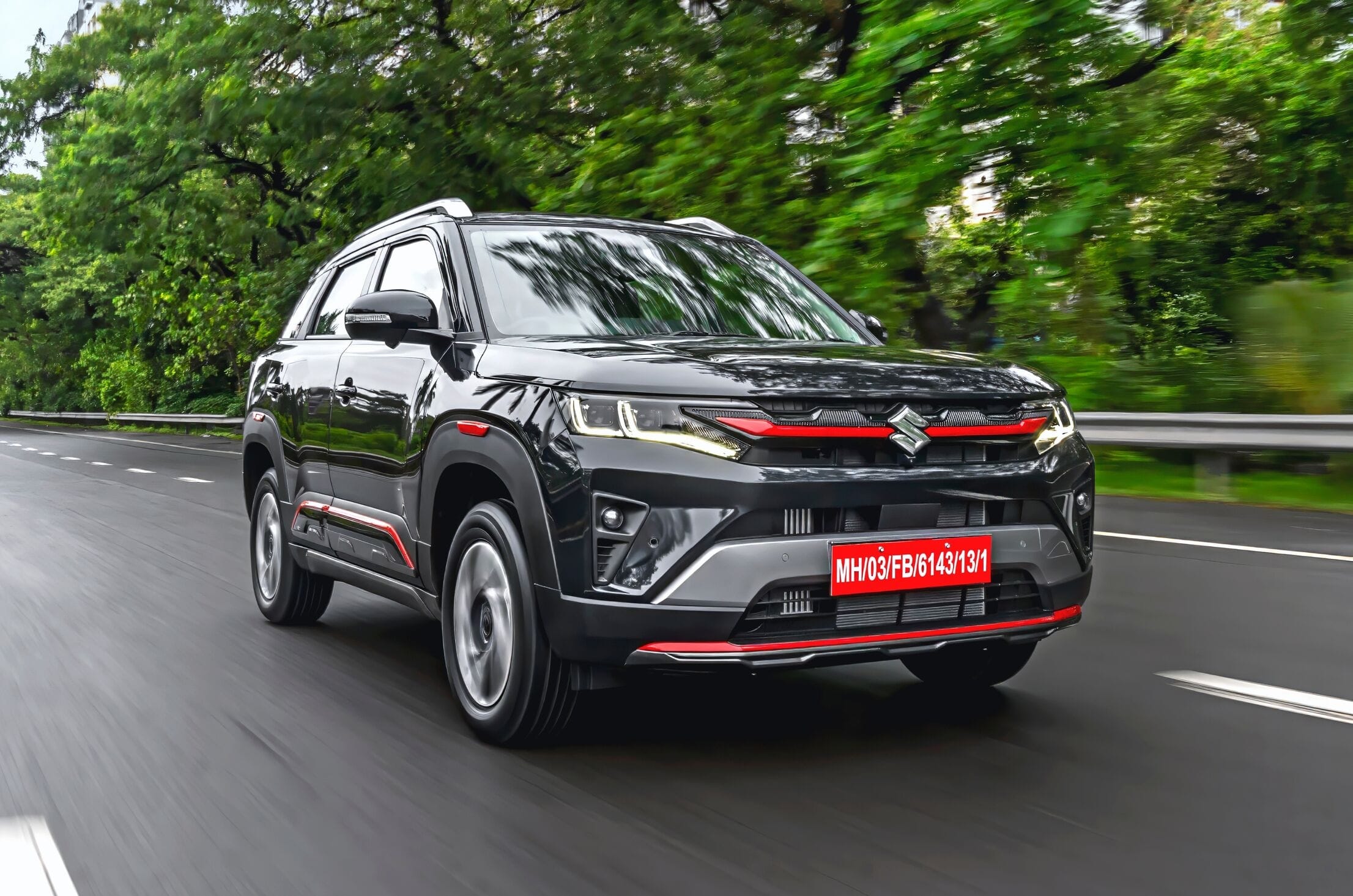
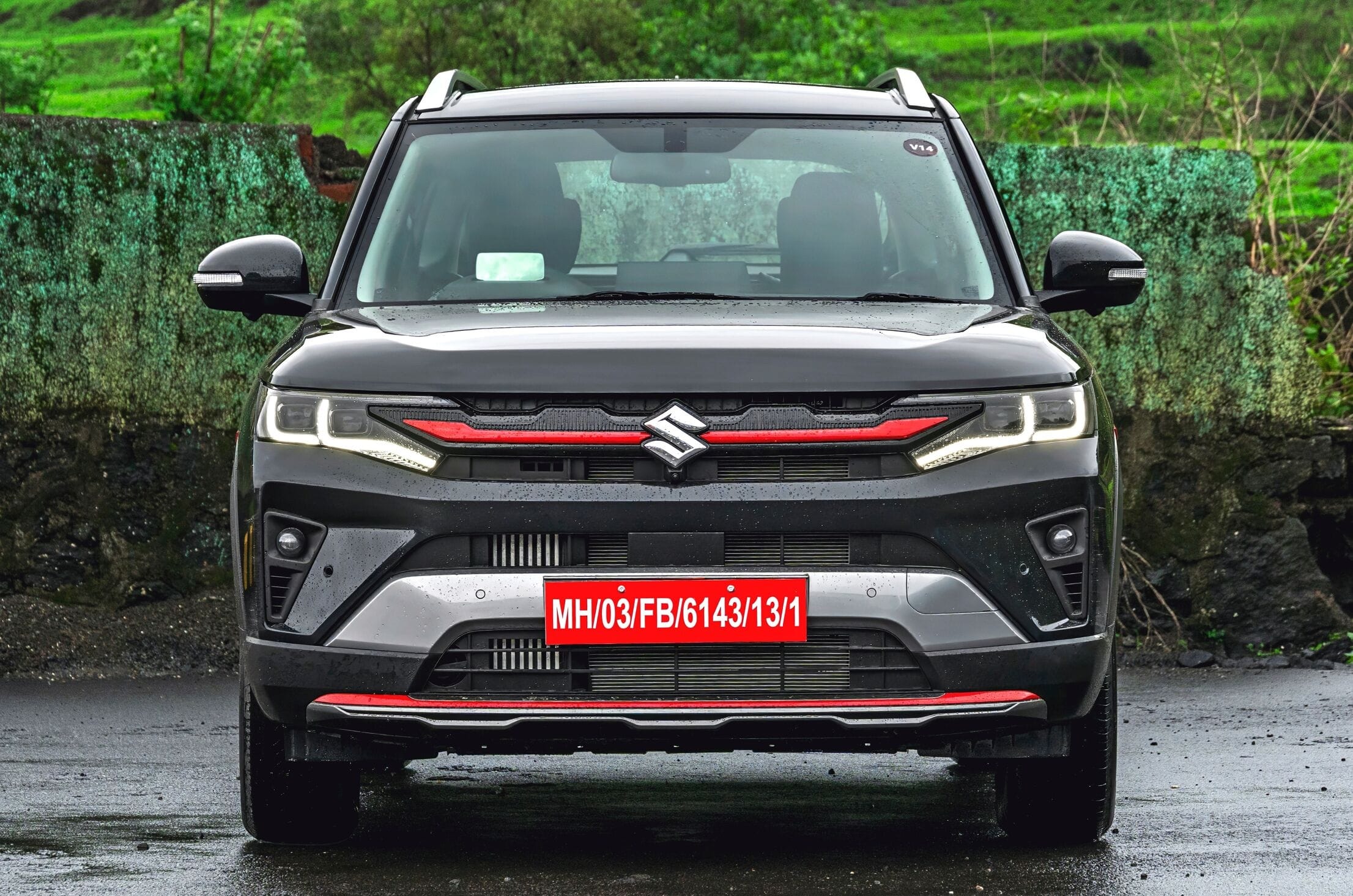
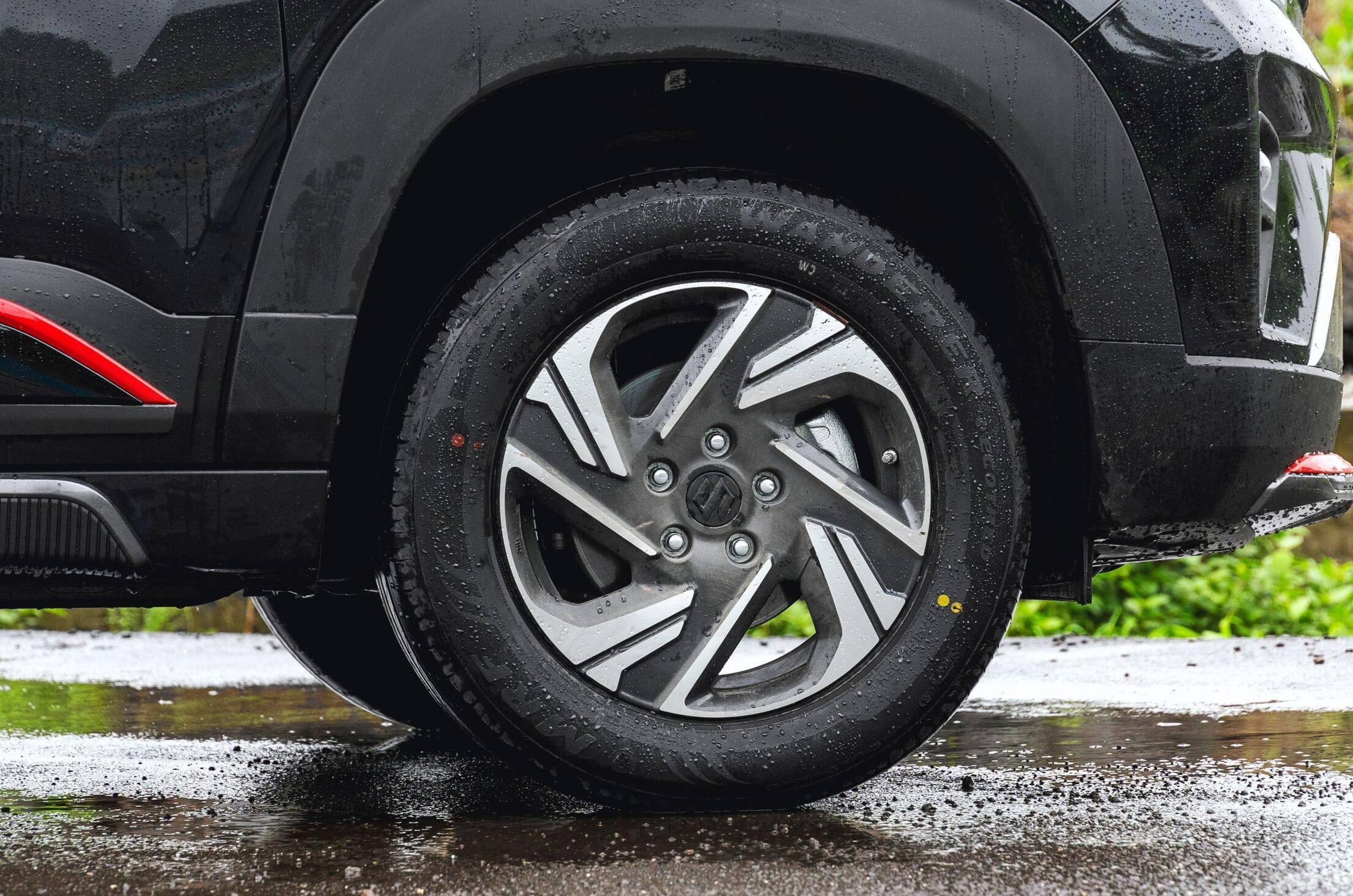
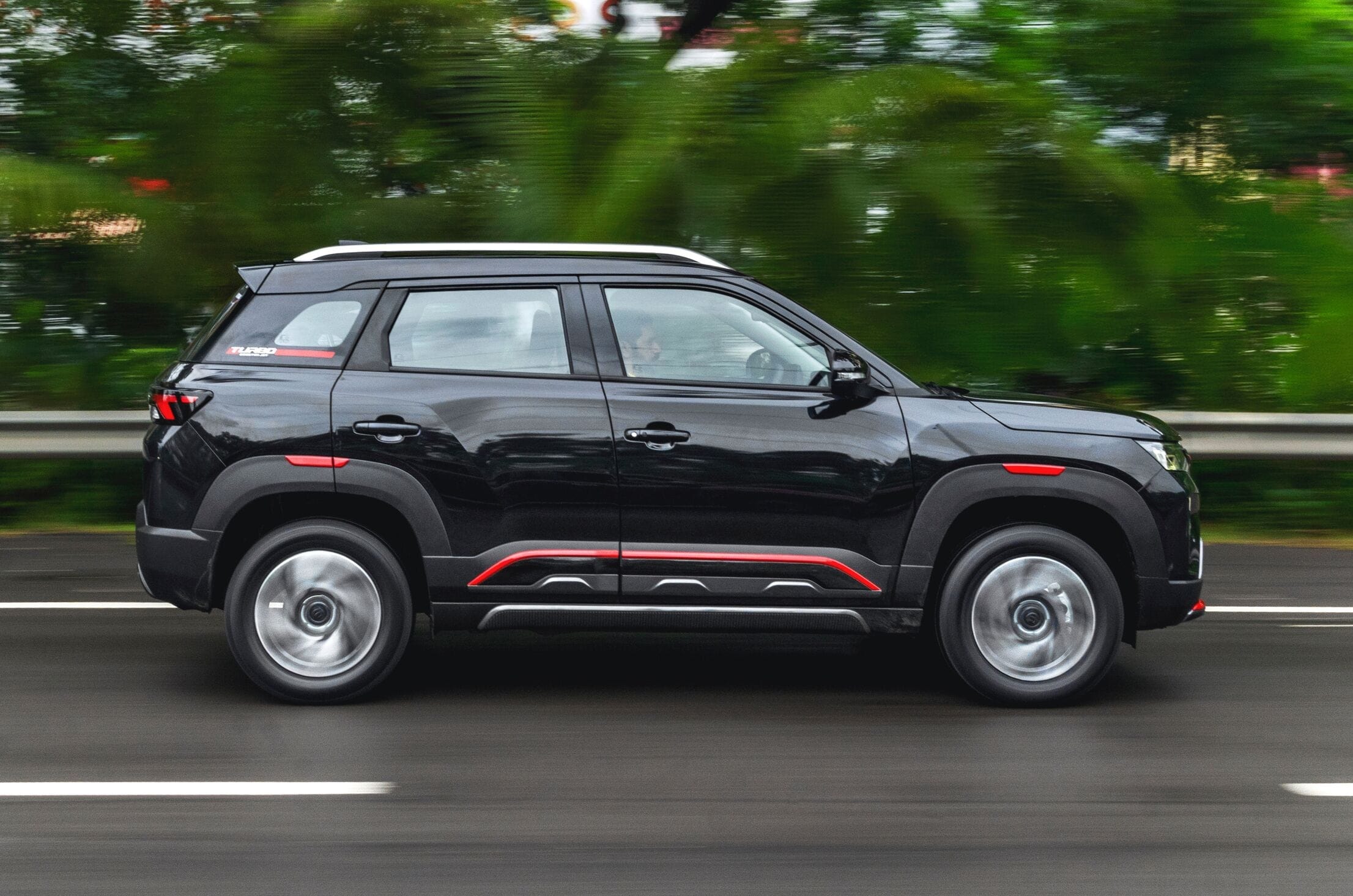
In typical Maruti fashion, this is a very mild facelift, and only if you’ve regularly lived with the outgoing model might you be able to spot the changes. Up front, the grille trim has been revised slightly, the front bumper looks cleaner and less like a bull bar, and there are triangular housings for the fog lamps. There are almost no changes to the sides or rear, save for a bit more garnish on the side cladding, a new four-spoke dual-tone design for the 16-inch alloy wheels and some vertical slats in the base of the rear bumper, unique to the turbo model.
Also unique to turbo-petrol models are smatterings of red trim everywhere, from the grille, to the side skirts, to the bumpers and even on the wheel arches. While the idea is to give the turbo models a sporty identity, the execution feels lazy – more like aftermarket accessories than a special body kit, like what was offered on the old Baleno RS.
There are no other changes to the outside, and you get the same square and boxy shape as before, pointing to the space on the inside. As before, the body appears a bit too large for the chassis, with the wheels looking disproportionately small and inset compared to the bodywork.
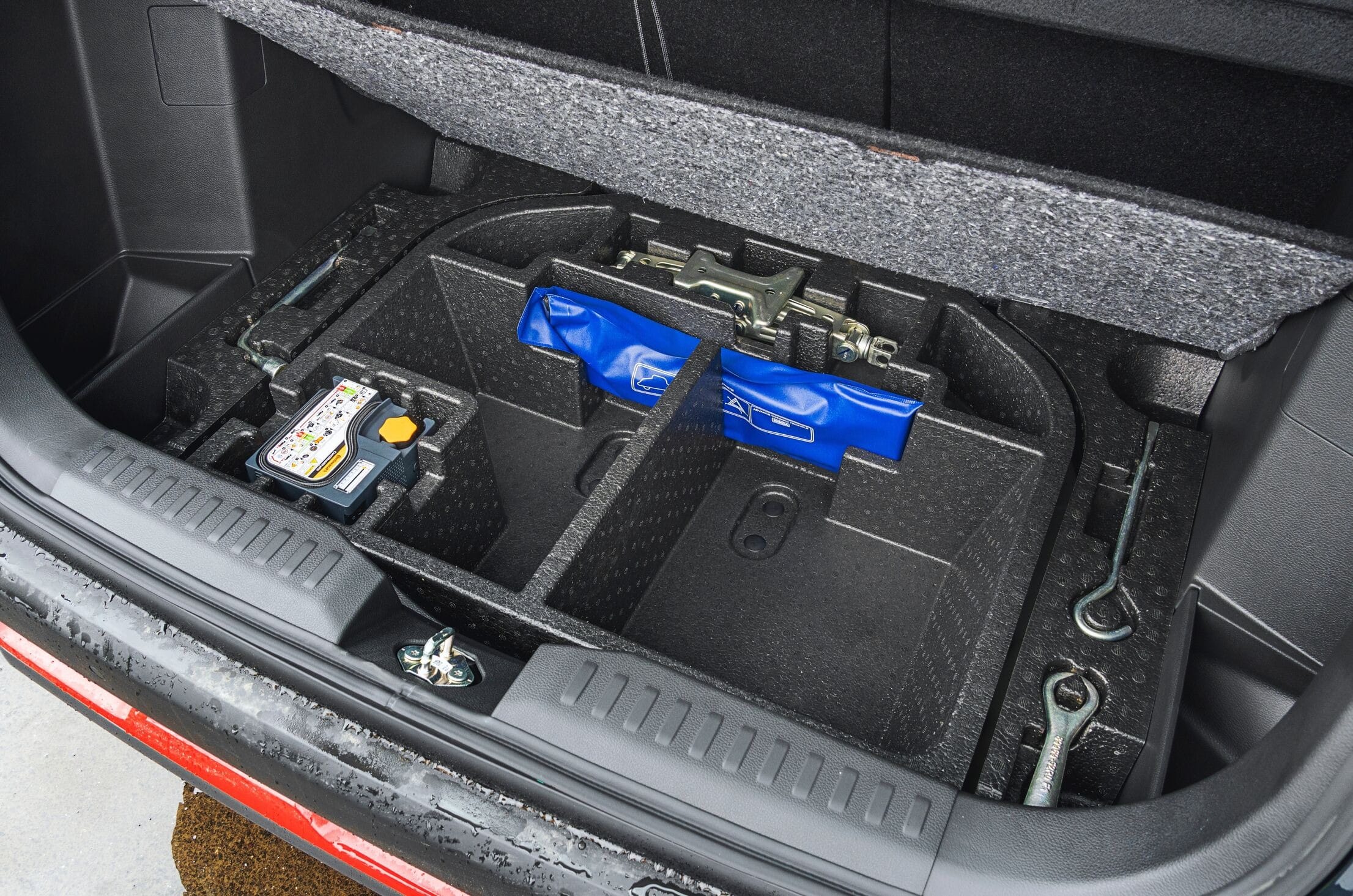
Boot volume remains the same at 328 litres, and as always, its square shape offers up more practicality than the number suggests. A big change, however, is that there is no longer a spare tyre on offer; just a puncture repair kit and tyre inflator. This is because CNG models have moved to an underfloor tank design to free up more luggage space, and like in the Victoris, that’s resulted in the removal of the spare tyre in all models.
2026 Maruti Brezza Interior Space and Comfort – 8/10
Remains one of the most spacious in the segment; decent quality levels all around.
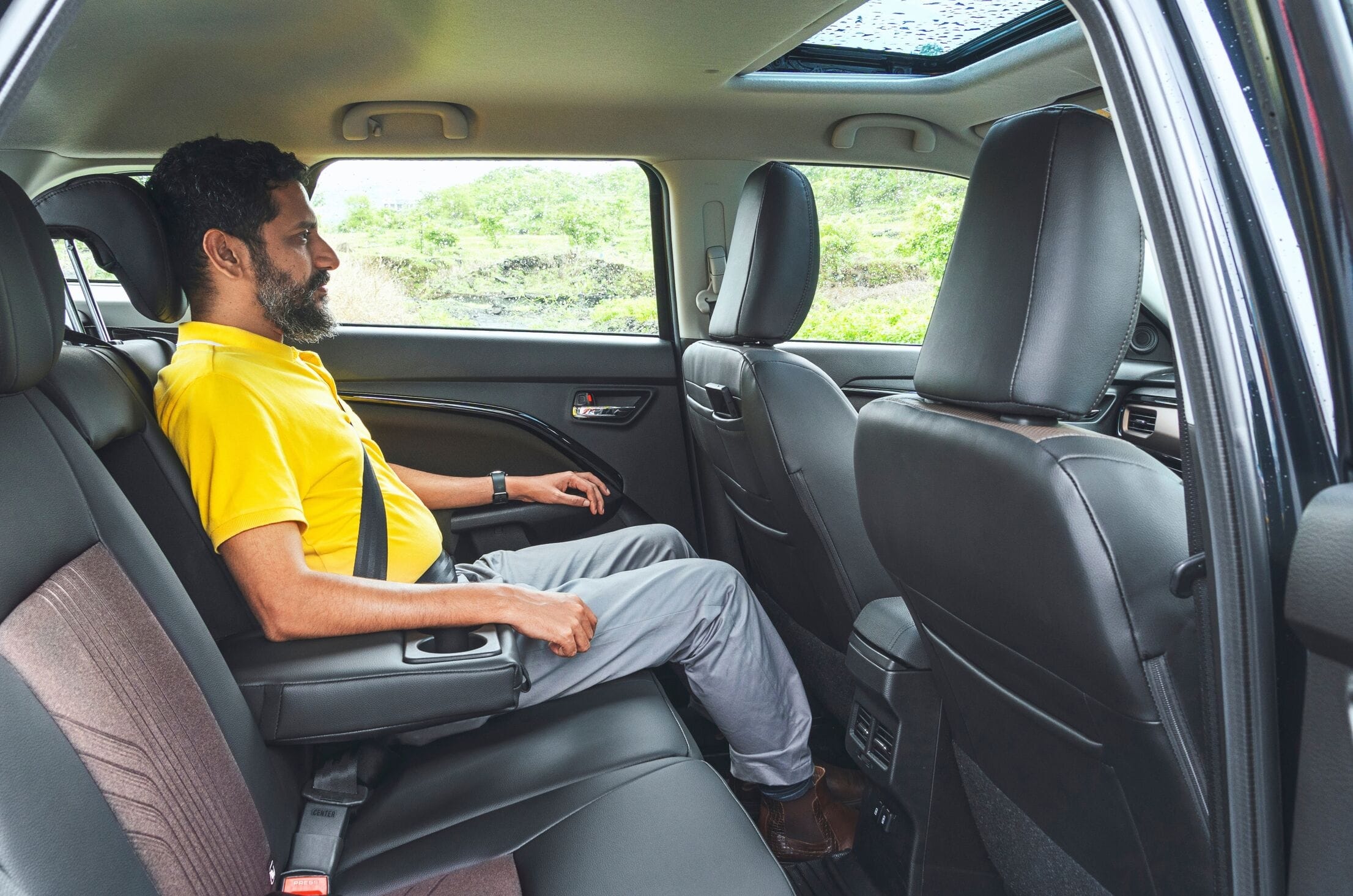
The tall, unabashedly boxy shape has meant that interior space is good, and the Brezza remains one of the few compact SUVs that can seat five adults in true comfort. Seat comfort is adequate, erring more on the firm than the outright soft side, but the design is accommodating for even large adults. The seats are trimmed, on this top ZXi+ variant, in a new bronze and black leatherette upholstery, which looks classier than before.
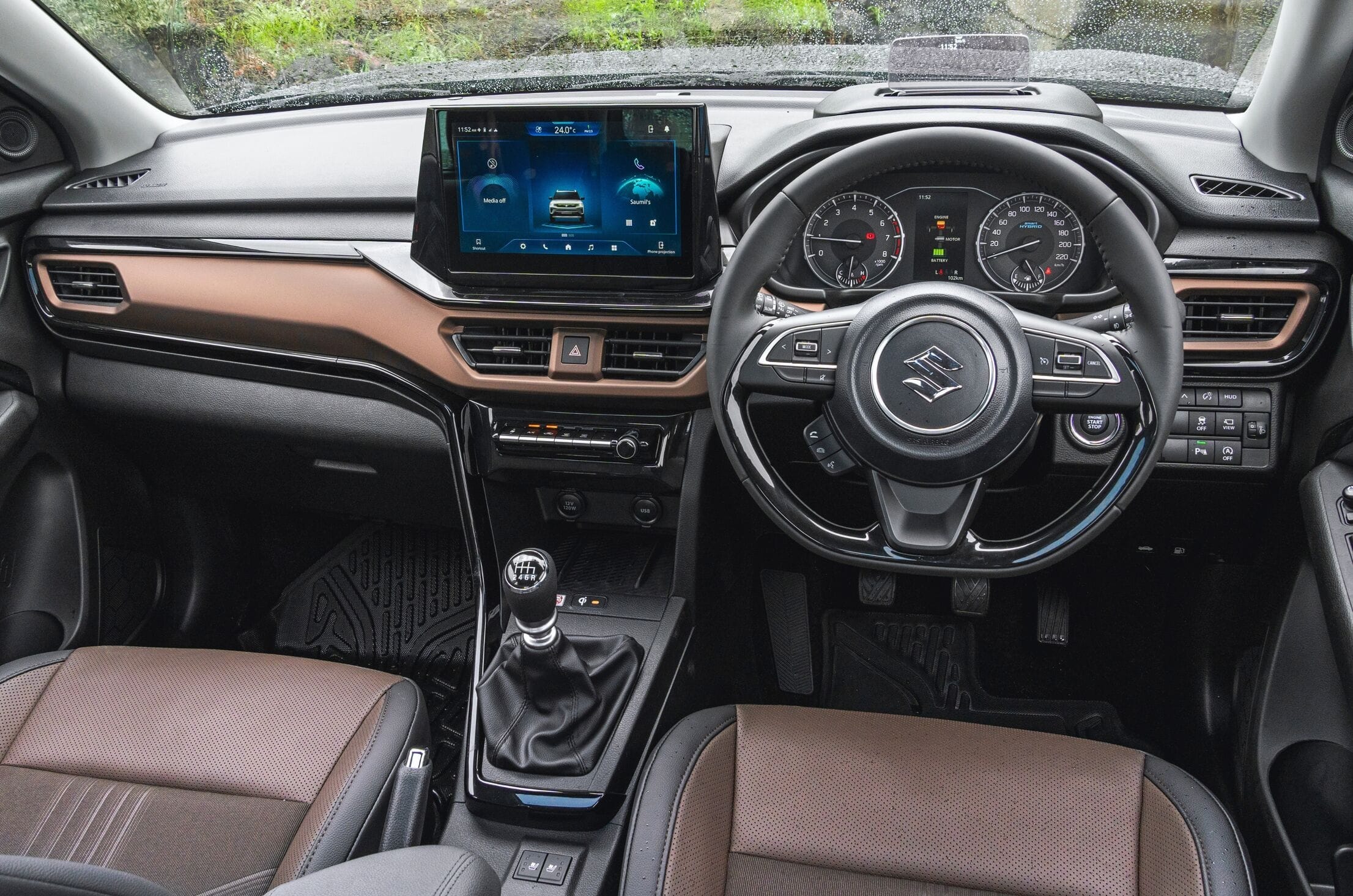
In fact, bronze and black is the theme for this interior, replacing the maroon and brushed silver of before, and you can see that mainly in the dashboard trim and door cards. The other subtle visual difference is that the once single-colour ambient lighting can now be set to one of 64 colours selectable from the touchscreen.
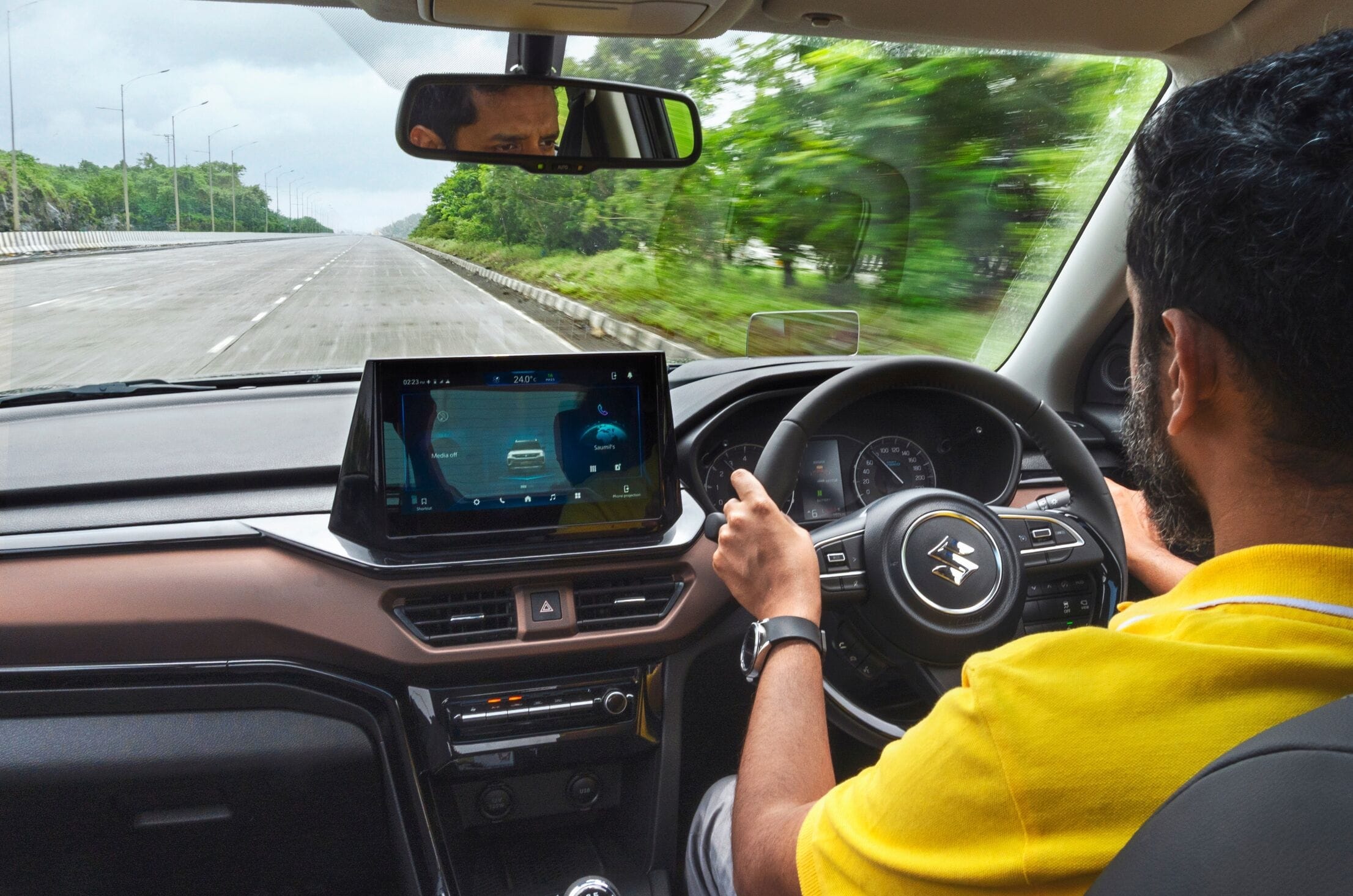
And finally, the touchscreen on the top variants is the 10.1-inch unit from the Victoris, though the large, free-standing housing it sits in hasn’t changed and still feels like a visual distraction while driving. While the cabin doesn’t immediately scream ‘quality’ like some newer entrants to the segment, in true Japanese car fashion, it feels hardy and well put together in an understated way.
2026 Maruti Brezza Features and Safety – 7/10
Gets some key feature enhancements, but still not up there with the segment best.
With the new touchscreen hardware comes the updated ‘Smartplay Pro X’ software we saw on the Victoris as well. It’s smoother and looks more up-to-date, and features a host of connectivity features, including wireless Apple CarPlay and Android Auto. There is still no digital driver’s display, but the analogue dials are clear and easy to read, and there’s always the flip-open HUD to look at as well.
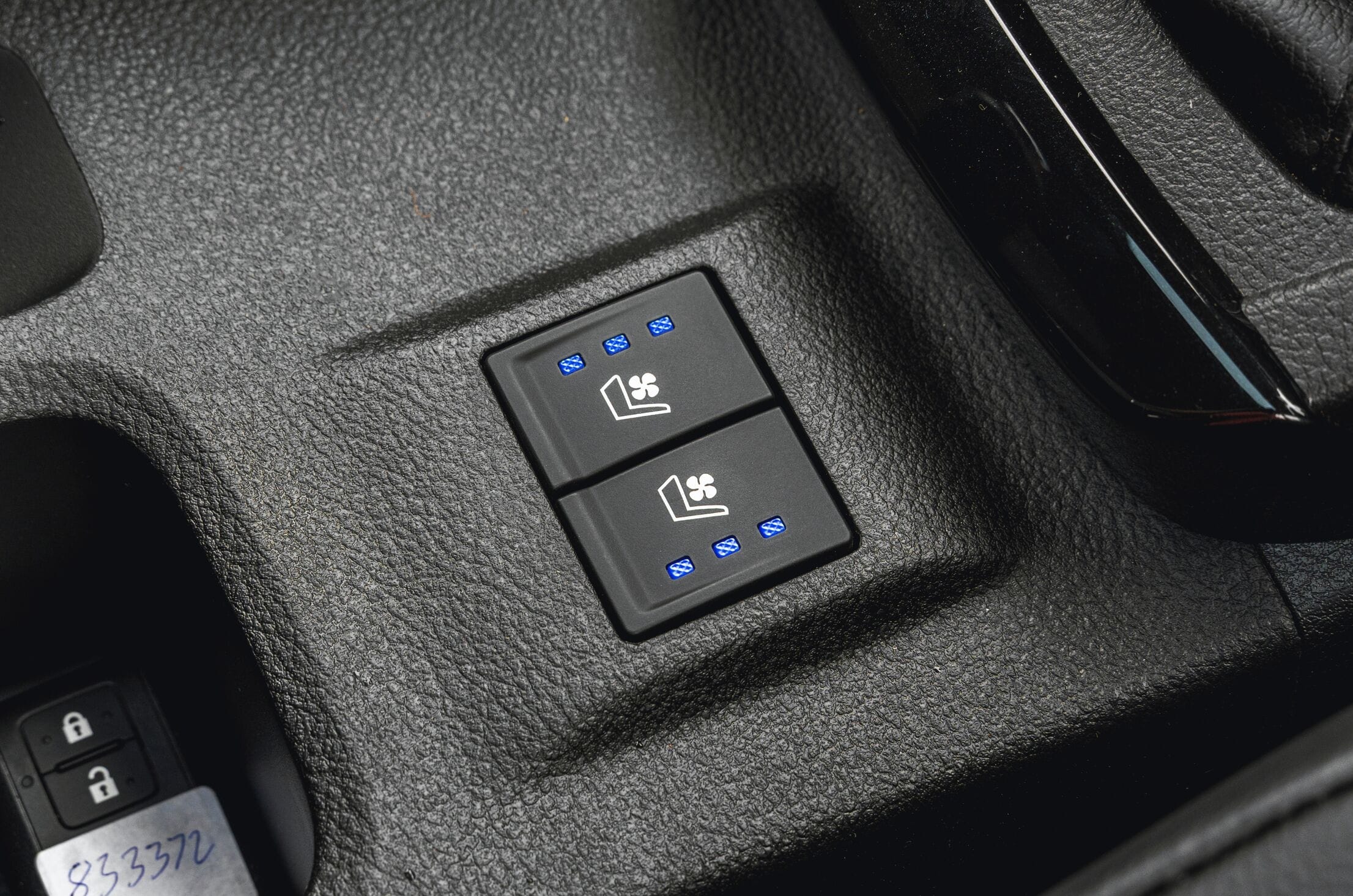
Other additions include a ventilation function for the wireless charger, and ventilated front seats, but sought-after features rivals offer that aren’t found here include powered front seats, rear window blinds and a panoramic sunroof – the Brezza continues with a single-pane unit.
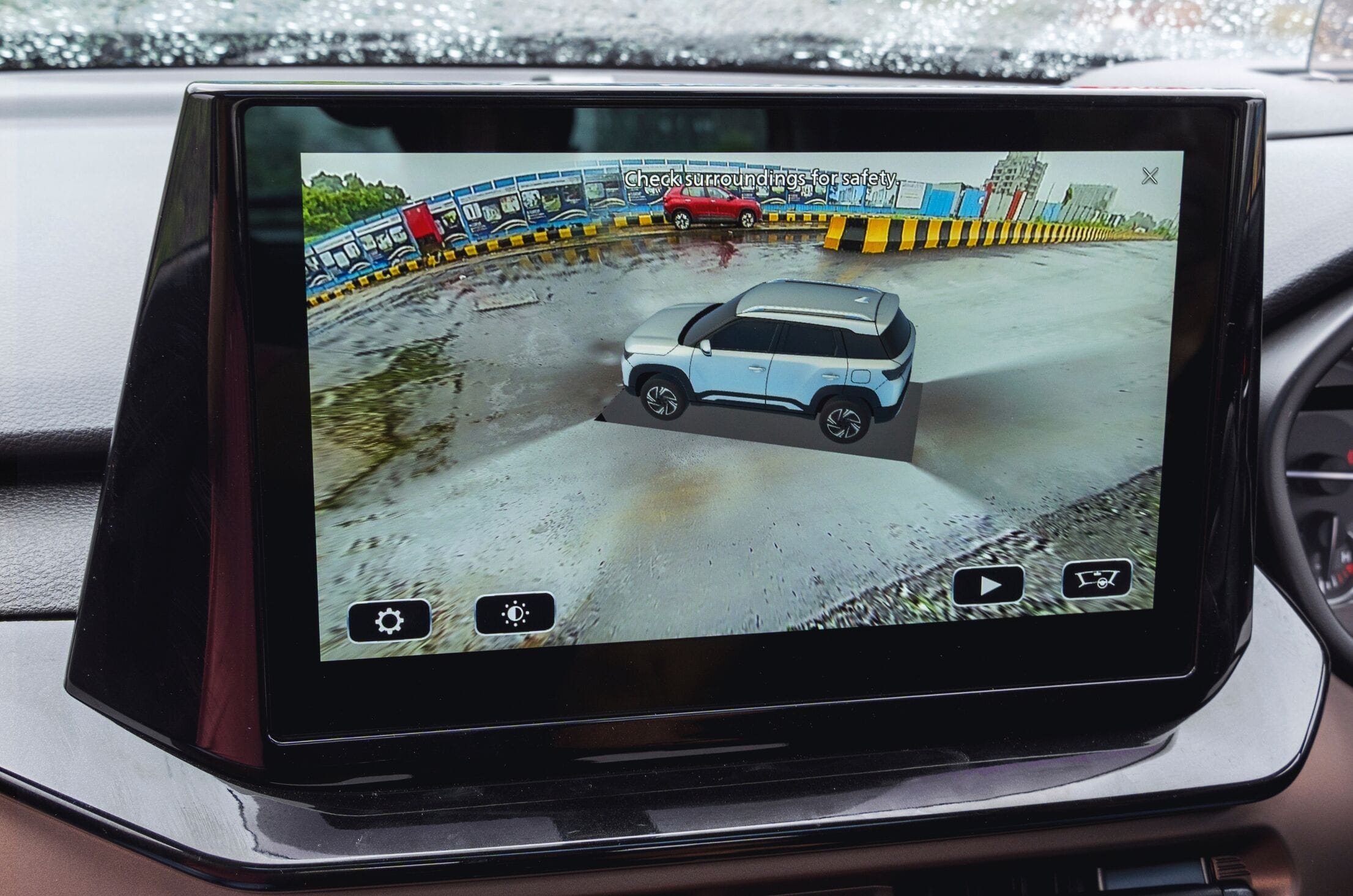
On the safety front, there have been a few additions too, most notable of which are front parking sensors. This has enabled a few more advanced driver assists, such as blind-spot warning and rear cross-traffic alert, though it’s not the full ADAS system that you get in the Victoris, or which rivals offer. Still, the Brezza now holds a 5-star Bharat NCAP crash test rating, which should reassure some buyers who were on the fence about the SUV.
2026 Maruti Brezza Performance and Refinement – 7/10
Turbo-petrol engine lacks outright punch but instead aces driveability.
The Brezza was thus far unique in the segment for having a 1.5-litre naturally aspirated petrol engine. While this larger-displacement engine prevented it from availing of compact-car tax benefits, Maruti still managed to price it quite competitively. The engine itself was brilliant, feeling far more effortless than the 1.2-litre naturally aspirated engines of rivals, while being incredibly fuel efficient. This engine continues in the updated Brezza, and remains the only way to have an automatic gearbox.
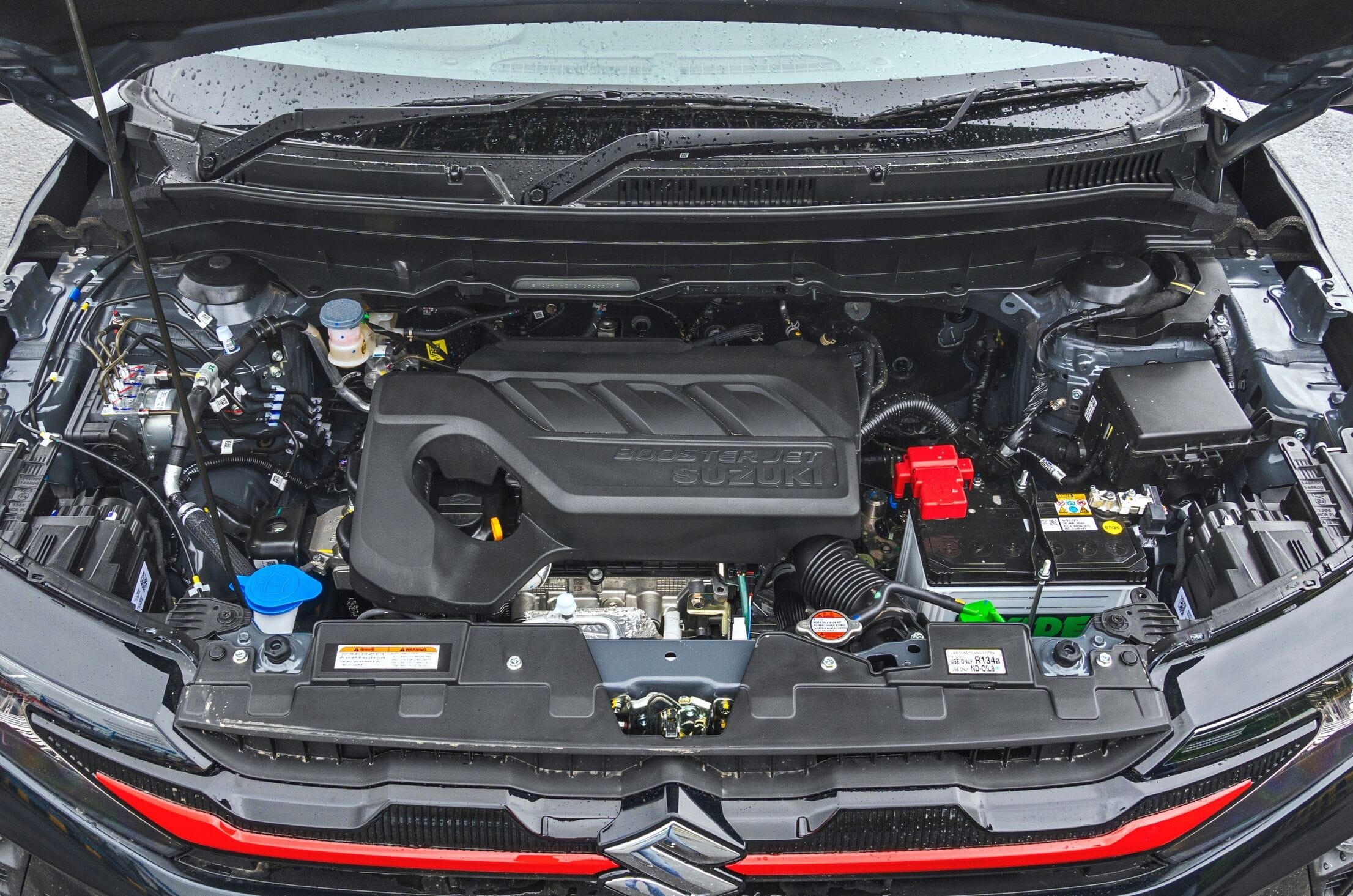
What we’re driving today, however, is the new addition to the range, which is the 1.0-litre ‘Boosterjet’ direct-injection turbo-petrol engine, finally letting the Brezza to join every other compact SUV in the segment in offering a turbo option. First seen briefly in the Gen 1 Baleno RS, this engine was then locally assembled and re-introduced in the Fronx (and its cousin the Toyota Taisor), and now has finally made its way into the Brezza, with an uprated power output of 110hp and torque output of 170Nm.
What strikes you immediately is refinement, and only when you absolutely wring it out will you get some hint of that three-cylinder thrum; commendably, it’s more audible outside than in the car. The next thing is driveability, which is excellent. There’s very little hesitation at low revs – something you typically find in 1.0-litre turbo-petrol compact SUVs – and the Brezza Turbo sets off smoothly, with almost no lag. In fact, you can set off in second or even third with little issue.
Some credit must go to the satisfying and progressive 6-speed manual (which replaces the 5-speed in the 1.5-litre engine as well), as well as the light and easy-to-modulate clutch, both of which are a joy to use.
Though it makes 31Nm more than the 1.5-litre naturally aspirated petrol, and does so from just 2,000rpm, it is tuned to be so smooth and linear, you don’t really feel the added punch. In our tests, the 1.0 Turbo accelerated from 0-100kph in a modest 12.36sec, just 0.3sec quicker than the old 1.5 NA petrol manual version (with the 5-speed manual). The added mid-range boost was more apparent in in-gear acceleration, where it was a few seconds quicker than the 1.5 from 20-80kph in third gear and 40-100kph in fourth.
While off-the line performance was smooth and general tractability in any gear was commendable, we did find ourselves downshifting one or two gears to overtake on the highway, and through the rev range, some flat spots and hesitation did appear. All things considered, the 1.0 Boosterjet is a welcome addition to the Brezza line-up.
2026 Maruti Brezza Mileage and Efficiency – 9/10
Bucks the downsized turbo petrol trend by being spectacularly efficient.
Though they make more power and torque than their naturally aspirated brethren, downsized direct-injection turbo petrols are often earn higher official fuel efficiency ratings due to these being tested in a lab under ideal conditions. In the real world, however, the reality proves to be different, as once the turbo comes into effect, fuel consumptions spikes.
The Brezza Turbo flips the script with an official rating slightly lower than the 1.5 NA, but still incredibly high at 19.96kpl for the higher variants and 20.47kpl for the lower variants.
The best news is that in the real world, the fuel economy seems like it will be excellent too. Despite our day of hard driving and non-stop shooting, the onboard fuel computer showed anywhere between 11 and 14kpl, while other turbo petrols have dropped into single digits with the advent of E20 petrol. Maruti’s mild-hybrid system with a bit of electric assist no doubt helps deliver these numbers, but we wish the engine stop/start was a little quicker to engage. Stay tuned, however, for the full Autocar India real world mileage test, which we will do soon.
2026 Maruti Brezza Ride Comfort and Handling – 8/10
Not the most enthusiastic handler but rides comfortably enough.
Where the pre-facelift Brezza had a light and loose steering that wouldn’t automatically return to the centre position, which was typical of Marutis of that era, this has been corrected to a great extent with the facelift. It still doesn’t have a lot of feel or feedback, but some weight has been dialled in and it returns to centre on its own now. This has robbed some low-speed ease of manoeuvrability, but a small and near-imperceptible amount.
High-speed lane changes, as a result of this added weight, feel a lot more secure to perform. For the most part, the Brezza feels planted, but its tall and boxy form on a narrow footprint make it quite susceptible to cross winds. In corners, too, it feels quite top heavy, and combined with the disconnected steering, doesn’t encourage you to push it hard around corners.
Ride quality is decent but should have been a bit better. Considering this engine is undoubtedly lighter than the 1.5 and the wheel size hasn’t gone up from 16 inches, Maruti could have taken the opportunity to relax the suspension setup a bit. It continues to err on the brittle side, but far from the point of being uncomfortable.
2026 Maruti Brezza Value for Money – 8/10
Turbo engine offered across entire model range, and priced lower than 1.5.
The biggest news is that Maruti hasn’t positioned the 1.0 Turbo above the 1.5 petrol, and has instead passed on the sub-4m tax benefits to the customer. The Boosterjet is available across all four variants – LXi, VXi, ZXi and ZXi+, while the 1.5 NA manual, auto and CNG skip one variant each. It’s a big price difference too, with a 1.5 AT costing over Rs 2 lakh more than the equivalent 1.0 MT. One can only wonder if Maruti will offer the 6-speed AT with the Boosterjet at some stage, as it does in the Fronx.
The Turbo is a welcome addition to the range, even if not necessarily from an outright performance standpoint, but simply from one of positioning. While the Boosterjet may have felt premature for Maruti in 2017, with far greater acceptance of downsized engines today, the huge tax benefits and the engine being locally assembled now, it was a no-brainer to introduce it in the Brezza. It’s a strong and confident statement, and we hope it finds its way into the hatchbacks too.
Given the aggressive pricing of Rs 7.4 lakh to Rs 13.55 lakh, the Brezza’s positioning in the segment has only improved, and you can forgive that it doesn’t have all the features of some newer rivals; the updates it has got are welcome. Similarly, you can forgive that the design hasn’t changed too much or that the turbo’s performance is not explosive, given that these fit perfectly with Maruti’s – and the Brezza’s – positioning of reliable, efficient and no-nonsense motoring.
Not long after the success of the Cockroach Janta Party’s (CJP) protests, a new social media-led campaign calling itself the E20 Janta Party has cropped up. It demands that Indian vehicle owners be given the option to purchase ethanol-free petrol alongside E20 fuel, as well as the resignation of Union Road Transport and Highways Minister Nitin Gadkari, who is a major proponent of the government’s ethanol blending policy.
For context, the E20 rollout started in April 2025, and it was mandated as the baseline petrol blend exactly one year later – all in an effort to reduce dependence on crude oil imports. This is despite the fact that E20 compliance was mandated in April 2023 as part of the BS6 Phase 2 emission norms, which means a hefty chunk of vehicles plying on Indian roads are not E20-compliant.
E20 Janta Party wants more transparency and options for fuel
No demands for E20 to be discontinued
Inspired by the CJP’s satirical, meme-driven approach, E20 Janta Party declared itself as a consumer rights movement that is not seeking the withdrawal of E20 petrol, but instead greater transparency and freedom of choice at fuel stations. Although ethanol-free fuel has been available in the form of 100-octane premium petrol (XP100, Speed100, and Power100), it’s sold only at select fuel stations and costs significantly more than standard E20, limiting its feasibility for most motorists.
“Our demand is very clear. E20 Janta Party is a people-powered movement demanding transparency, accountability, and the right of every Indian to know how the E20 policy affects their vehicles, wallets, and consumer rights,” the group said in a social media post. The campaign even referenced CJP’s initial call to mobilisation with a post stating, “What if all bike/car owners come together?”
The E20 Janta Party says it is not opposed to ethanol blending, nor is it asking for subsidies or free fuel. Instead, it wants fuel stations to offer consumers the choice between unblended petrol and ethanol-blended fuel. E20 Janta Party is also demanding transparent fuel labelling, publication of government data on the costs and benefits of different fuel blends, and independent scientific studies into mileage, engine performance, emissions, and maintenance costs, with the findings made publicly available.
Support pouring in for E20 Janta Party
At the time of writing, E20 Janta Party’s Twitter and Instagram accounts have attracted over 31,000 followers cumulatively, and the campaign has even begun attracting support beyond social media. Political commentator Tehseen Poonawalla announced a “Gaadi March” on July 31 against the E20 policy, while the Delhi Taxi and Tourist Transporters and Tour Operators Association planned a march to Parliament on August 4. The taxi association has raised concerns over fuel efficiency, maintenance costs and engine performance, particularly in older vehicles.
Govt continues to stand strong on ethanol blending policy
In recent months, motorists have expressed heightened acrimony surrounding the impact of E20 petrol on fuel efficiency and vehicle durability, whereas the government remains steadfast in its defence of the policy, saying E20 is a safe and cleaner fuel backed by scientific evaluation. A few weeks ago, prominent manufacturers like Maruti Suzuki, Toyota, and Hero Motocorp also backed E20 at a government briefing, notably claiming that they have found no significant concerns regarding accelerated wear and tear in older, non-compliant vehicles.
Petroleum Minister previously ruled out offering pure petrol or E10 alongside E20
Replying to a question in Parliament last week, Minister of State for Petroleum Suresh Gopi said the government had not received any “widespread or substantiated” complaints linking E20 petrol to vehicle performance issues. Petroleum Minister Hardeep Singh Puri earlier shot down the prospect of offering unblended and E10 petrol alongside E20, citing tremendous logistical issues like separate storage, transportation, and dispensing infrastructures.
Ethanol content in petrol could increase; diesel likely to be blended with isobutanol
Toyota will debut the new-generation 2026 Hilux in India tomorrow, July 28. The Hilux, currently in its eighth-generation avatar in the country, was launched in March 2022 and has been a relative success, especially against the likes of the Isuzu V-Cross pickup. With the new-generation model, teasers suggest that Toyota will give the Hilux a full design overhaul, making it look more modern and offering a handful of new features. Here’s everything you can expect from the 2026 Toyota Hilux in India:
1. What is the expected price of the 2026 Toyota Hilux in India
New-gen Hilux’s price could range between Rs 32 lakh and Rs 40 lakh (ex-showroom)
With the new-generation update, Toyota is expected to raise the Hilux’s prices by a considerable margin. For reference, the current model is priced from Rs 28.52 lakh to Rs 36 lakh (ex-showroom). So, the upcoming new-generation Hilux is likely to have a price tag of somewhere between Rs 32 lakh and Rs 40 lakh (ex-showroom).
2. What engine option will power the 2026 Toyota Hilux?
The Hilux’s 2.8-litre diesel engine could be offered with a 48V ‘neoDrive’ tech
International-spec ninth-generation Toyota Hilux shown for representational purposes only.
As the upcoming new-gen model is based on the same IMV platform as the current Hilux, Toyota is expected to offer it with the same 2.8-litre diesel engine that produces 204hp, 420Nm with a 6-speed manual transmission, and 240hp, 500Nm with a 6-speed torque converter automatic gearbox. A 4×4 AWD system is expected to be offered as standard with a low-range transfer case. A small improvement, however, could be a new 48V mild-hybrid system, called the ‘neoDrive’ on the Fortuner, which would slightly improve the fuel efficiency of the Toyota pickup.
Notably, the international-spec ninth-generation Hilux is also offered as an all-electric vehicle with a 59.2kWh battery pack, delivering a WLTP-claimed range of 240km, and front- and rear-axle-mounted electric motors with a combined output of 196hp. However, the Hilux EV’s India launch is highely unlike in the country.
3. What are the exterior design changes on the 2026 Toyota Hilux?
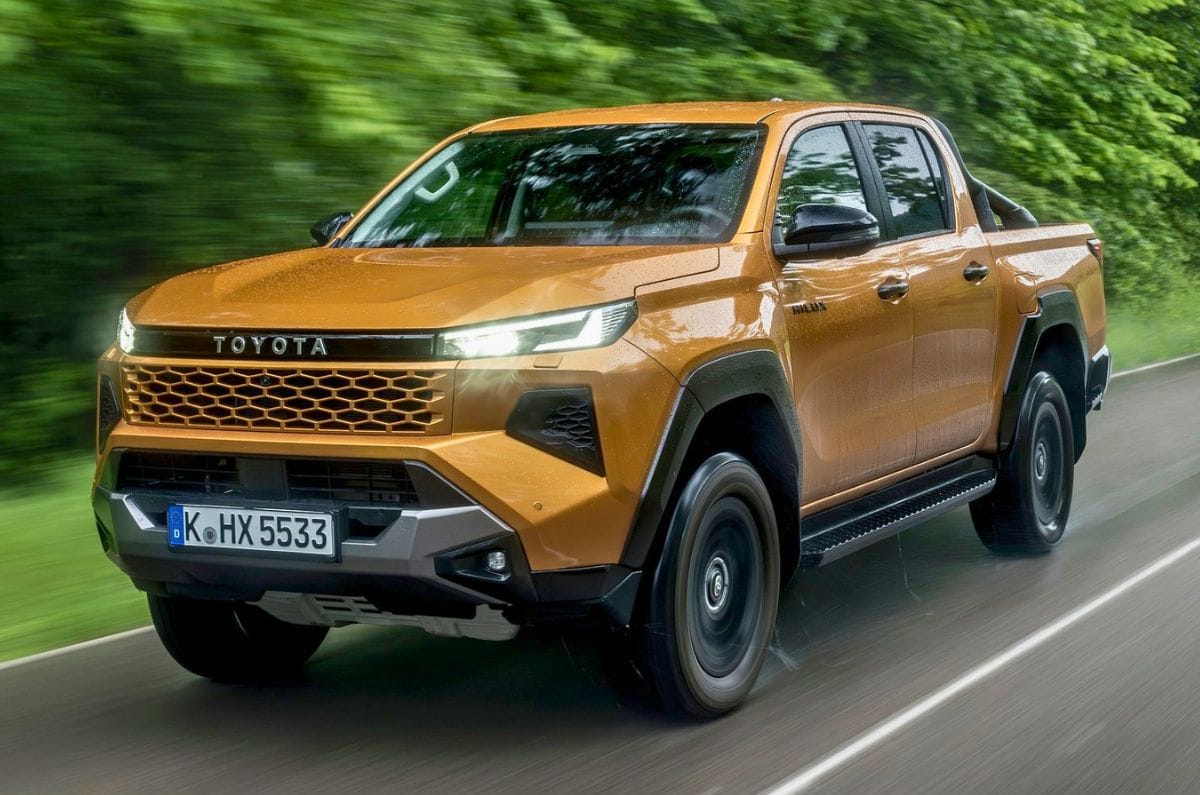
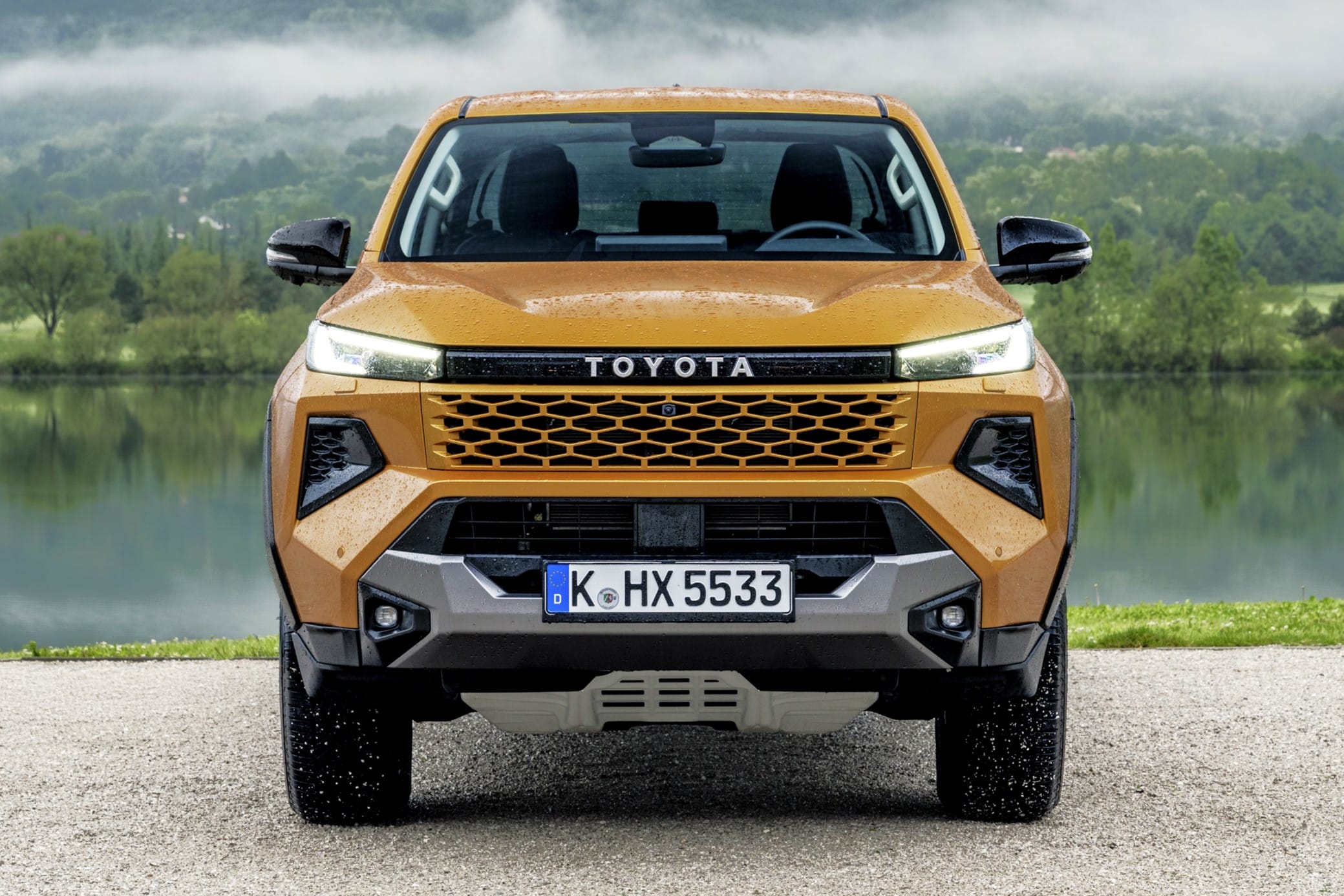
Has slimmer headlights, a square grille and an aggressive-looking front bumper
International-spec ninth-generation Toyota Hilux shown for representational purposes only.
Compared to the current model, the international-spec ninth-generation Hilux has plenty of prominent creases and angles that make it look more aggressive. At the front, it gets slimmer LED headlights with LED DRLs, connected via a gloss black strip that features ‘Toyota lettering’. The grille is squarer than before and features prominent angular honeycomb-mesh design elements.
On the bumper, there are two quadrangle-shaped black air intakes on either side of the grille. The lower section of the bumper looks very aggressive with strong creases, wide air intakes, a silver skid plate, and two LED fog lamps.
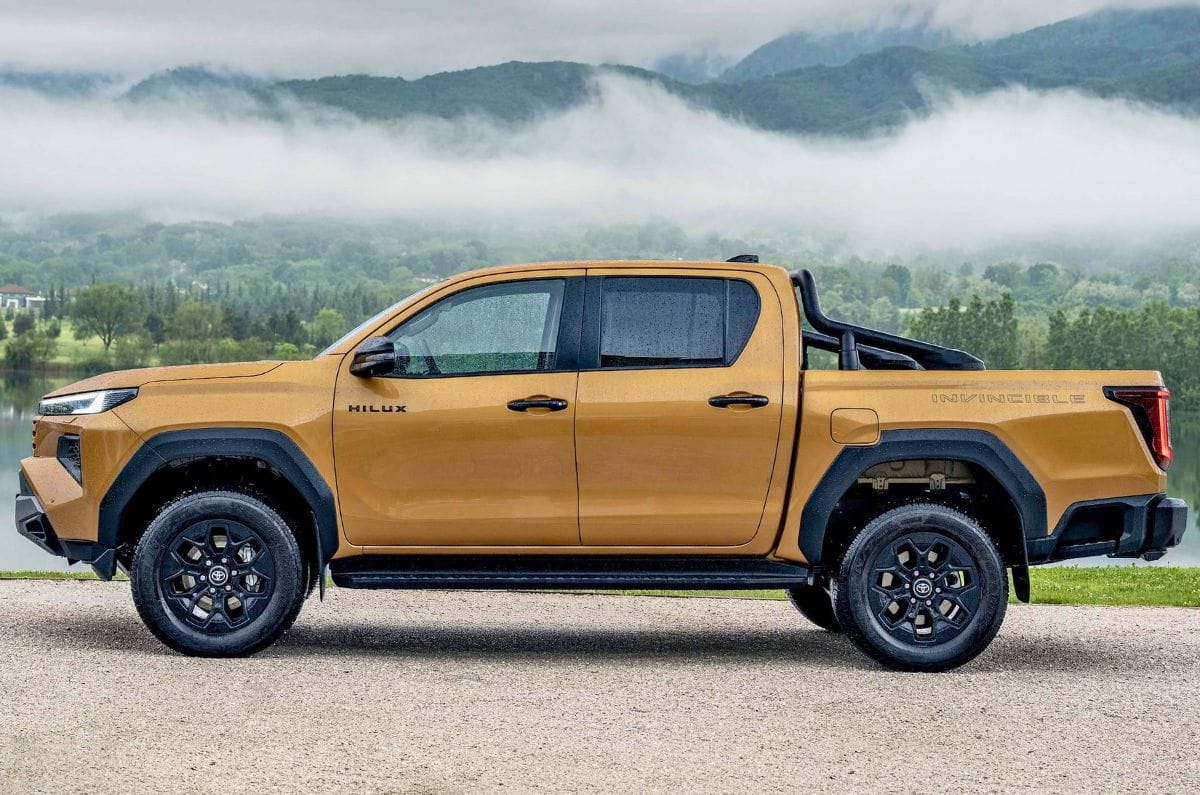
Gets a cleaner side profile, but the square wheel arches add to its character
International-spec ninth-generation Toyota Hilux shown for representational purposes only.
Compared to the front, the side profile design is cleaner. The international model gets 18-inch black alloy wheels, squared-off black cladding on wheel arches and a footboard for easier ingress and egress. The outside rearview mirrors (ORVMs) and door handles are black, and the truckbed features a roll cage finished in black for added contrast.
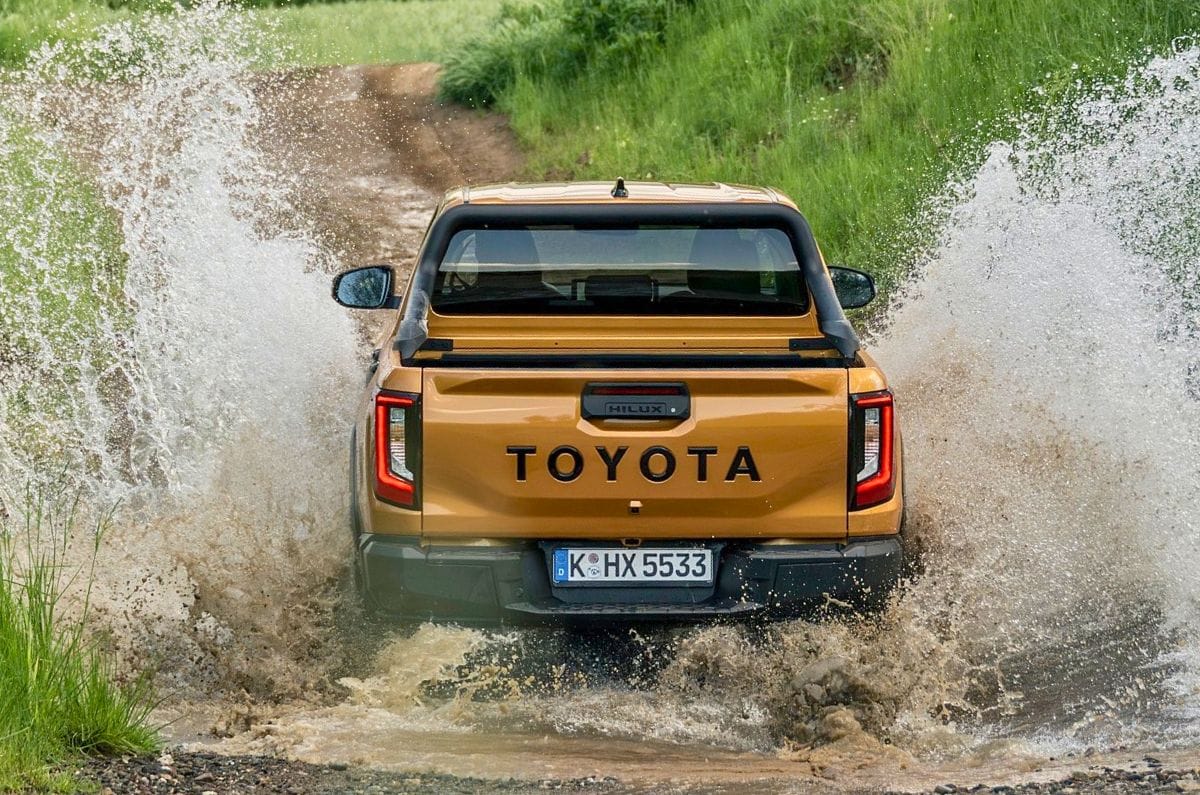
Features new wraparound taillights but a similar Toyota badging on the tailgate
International-spec ninth-generation Toyota Hilux shown for representational purposes only.
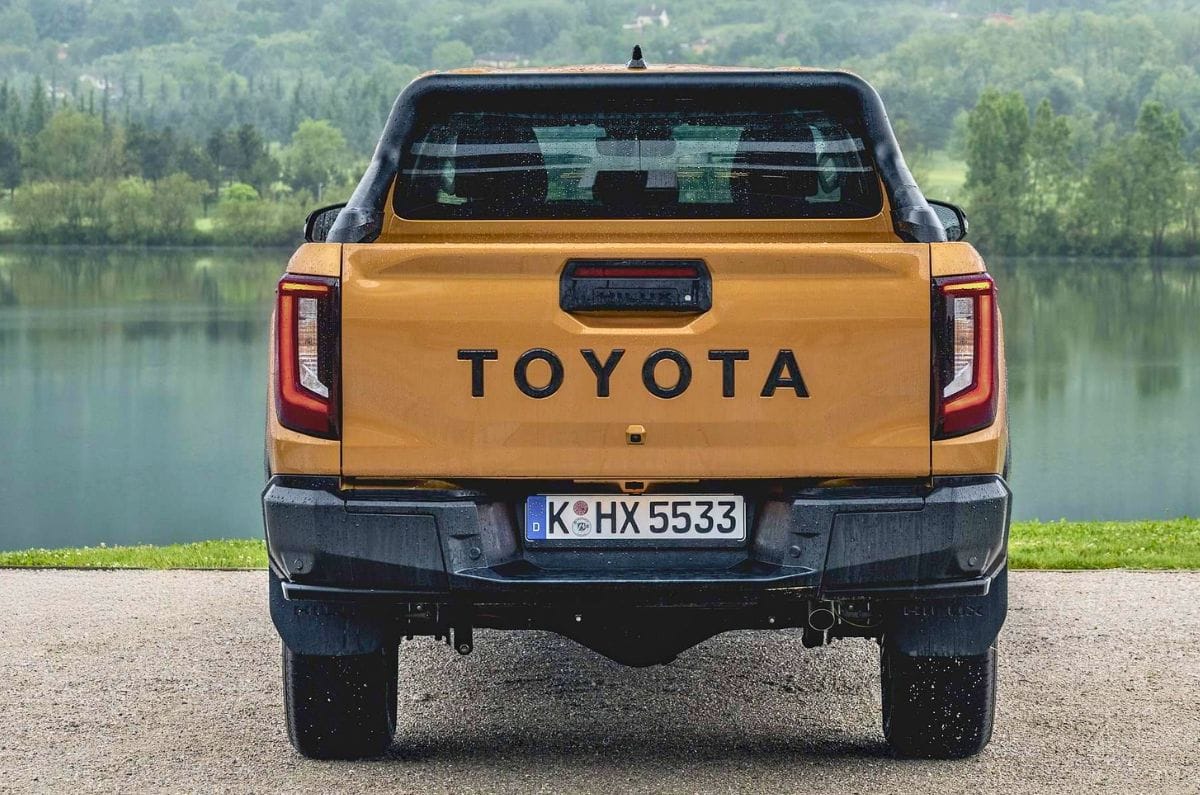
The 2026 Toyota Hilux’s rear features C-shaped wraparound LED taillights. The tailgate features massive ‘Toyota’ lettering in black, and the tailgate handle is also finished in black. The rear bumper is chunky and integrates a step to climb onto the truck bed.
4. What are the interior design changes on the 2026 Toyota Hilux?
The international model gets a revamped all-black cabin with two screens
Japan-spec ninth-generation Toyota Hilux shown for representational purposes only.
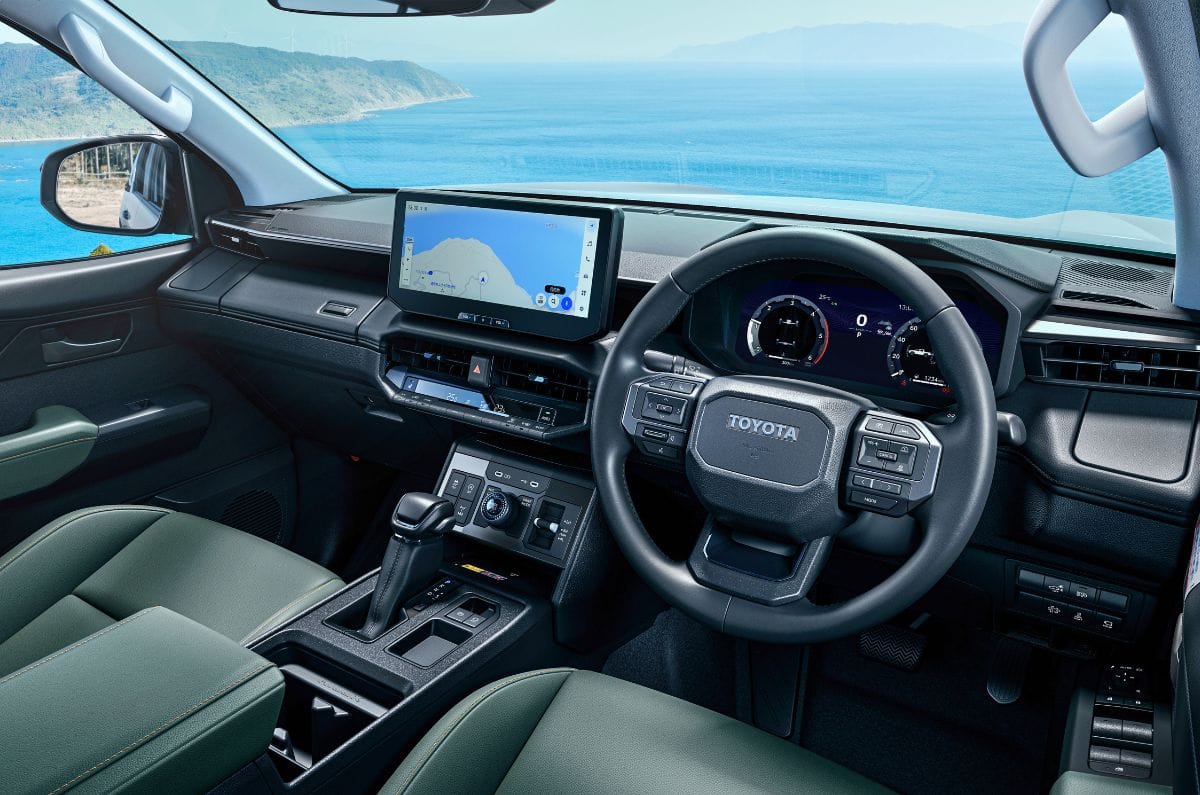
While the India-spec Hilux’s interior is yet to be teased, it is expected to be revamped entirely like the international model. With a chunky 3-spoke steering wheel with physical buttons, a 12.3-inch digital driver’s display and a same-sized touchscreen infotainment system, it looks more modern than the outgoing model. With a mix of soft-touch leatherette materials and hard plastics, it seems to be equal parts contemporary and rugged. Unlike modern-day cars, the new-gen Hilux offers a plethora of physical controls on the centre console and transmission tunnel. Like the current model, the international-spec ninth-gen Hilux features an all-black cabin.
5. What features does the 2026 Toyota Hilux have?
360-degree camera, dual-zone AC, and powered seats are expected to be offered
International-spec ninth-generation Toyota Hilux shown for representational purposes only.
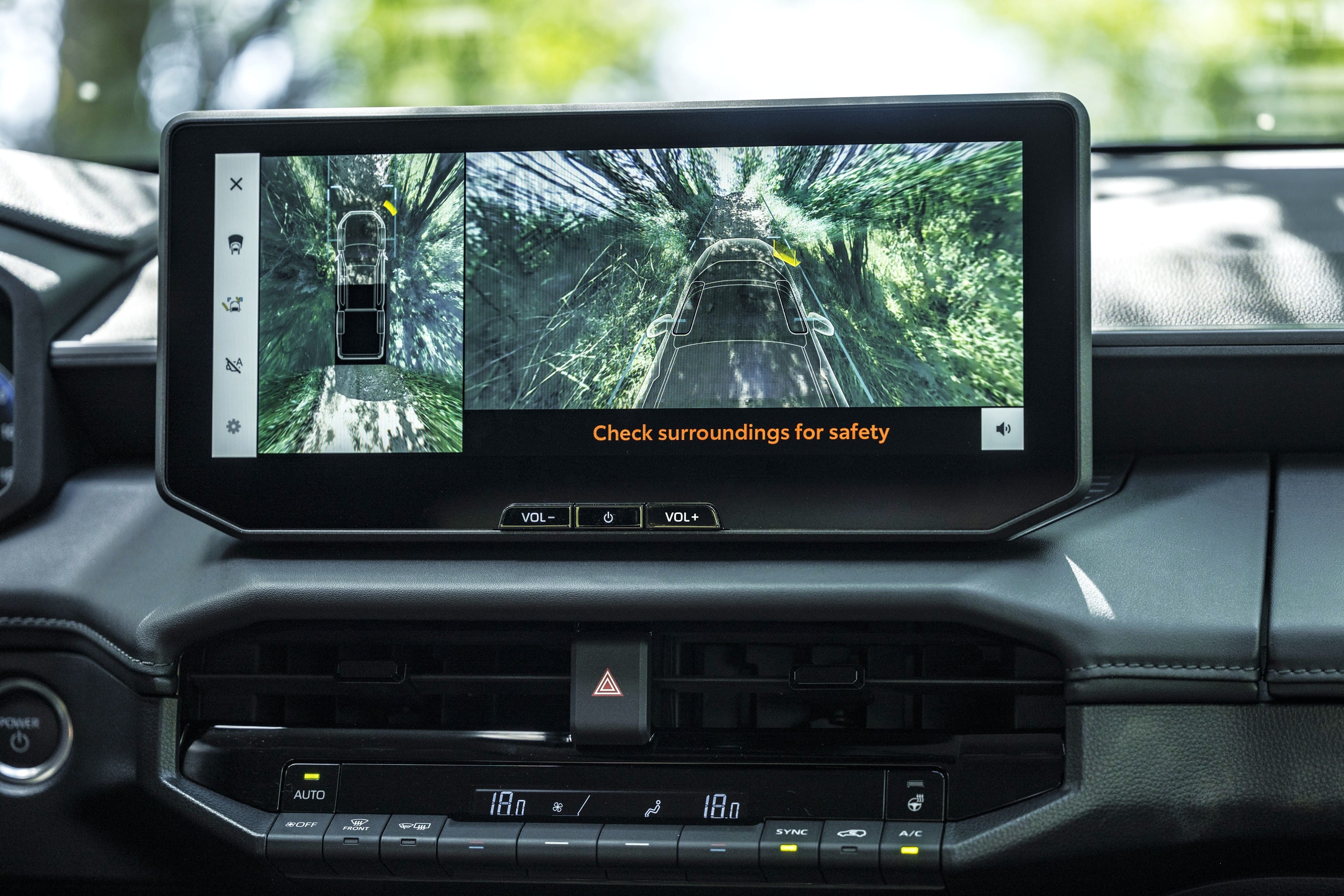
New features onboard the ninth-generation Toyota Hilux include a 360-degree camera system with a blind-spot monitor, dual-zone automatic climate control, powered and ventilated front seats, heated ORVMs and an advanced driver assistance system (ADAS) suite. Other features include the aforementioned 12.3-inch screens, a 9-speaker JBL audio system, a 220V power outlet for front passengers and front and rear parking sensors. The feature suite of the India-spec 2026 Hilux is expected to be similar to the international-spec model.
6. Which cars will the 2026 Toyota Hilux rival in India
The 2026 Hilux will continue its rivalry with only one car in India
The new-generation Toyota Hilux will continue to rival the Isuzu V-Cross in India, which received a minor update in February 2026. Notably, the V-Cross is priced from Rs 25.50 lakh to Rs 30.28 lakh (ex-showroom).
भारत की अनाहत सिंह वर्ल्ड स्क्वैश जूनियर चैंपियनशिप के फाइनल में पहुंचने वाली 21 साल में पहली भारतीय खिलाड़ी बनने के बाद अब इसे जीते वाली भी पहली भारतीय खिलाड़ी बन गई हैं। विश्व में 20वीं रैंकिंग की खिलाड़ी अनाहत ने ओंटारियो में खेली गई विश्व जूनियर स्क्वाश चैंपियनशिप के महिला एकल के फाइनल में शनिवार को मिस्र की रुकय्या सलेम को 11-3, 11-7, 11-9 से हराया।
इससे पहले अपना पहला विश्व जूनियर खिताब जीतने की कोशिश कर रहीं अनाहत, 2005 में जोशना चिनप्पा के बाद फाइनल में पहुंचने वाली पहली भारतीय खिलाड़ी बनीं थी। उन्होंने 3/4 सीड खिलाड़ी को 11-3, 8-11, 11-4, 11-6 से हराकर चैंपियनशिप मैच में अपनी जगह पक्की की थी।
What a moment!
India’s National Anthem is played as Anahat Singh wins World Junior Squash Championship! pic.twitter.com/eyROi3DiEz
अनाहत ने खिताब जीतने के बाद कहा, ‘‘यह मेरे लिए बहुत मायने रखता है। मुझे अब भी ऐसा लग रहा है जैसे मैं सपना देख रही हूं।’’दिल्ली की इस 18 वर्षीय खिलाड़ी ने कहा, ‘‘पिछले चार वर्षों से मैं सेमीफाइनल और क्वार्टर फाइनल में हार रही थी। अगर कोई मुझसे पूछे तो मैं हमेशा यही कहती हूं, ‘यह टूर्नामेंट मेरे लिए अभिशाप है’ और मैं इस प्रतियोगिता में कभी अच्छा प्रदर्शन नहीं कर पाई हूं।’’
अनाहत की यह जीत और भी खास है क्योंकि जूनियर सर्किट में यह उनका आखिरी साल था।उन्होंने कहा, ‘‘जूनियर स्तर पर यह मेरा आखिरी साल है और इसे जीतने का यह मेरे पास आखिरी मौका था। इसलिए यह मेरे लिए बहुत मायने रखता है।’’
अनाहत ने कहा कि वह टूर्नामेंट के फाइनल में खेलने के अनुभव का आनंद लेना चाहती थीं।उन्होंने कहा, ‘‘मुझे पता था कि अगर मैं तनाव में होती हूं तो अच्छा प्रदर्शन नहीं कर पाती हूं, इसलिए मैं कोर्ट पर उतरी और अच्छी तरह से शॉट लगाए। मैं विश्व चैंपियनशिप के फाइनल में खेलने के हर पल का आनंद लेना चाहती थी।’’
Anahat Singh, the Ist Indian to win the World Junior Squash Individual Championships, said it was her final attempt at the junior level. She gave her 100 percent & won the title.
— Doordarshan Sports (@ddsportschannel) July 26, 2026
सिंह ने कहा, “मैंने कुछ महीने पहले ब्रिटिश जूनियर ओपन में (सेमीफाइनल प्रतिद्वंदी) बारब के खिलाफ खेला था और वह भी ऐसा ही कड़ा मुकाबला था, इसलिए मुझे पता था कि सेमीफाइनल में भी मुझे बहुत अच्छा खेलना होगा। मैंने चार वर्ल्ड जूनियर टूर्नामेंट खेले हैं और क्वार्टर-फाइनल और सेमीफाइनल में हार गई थी, इसलिए फाइनल में पहुंचने से मेरे माता-पिता और कोच बहुत खुश थे।”
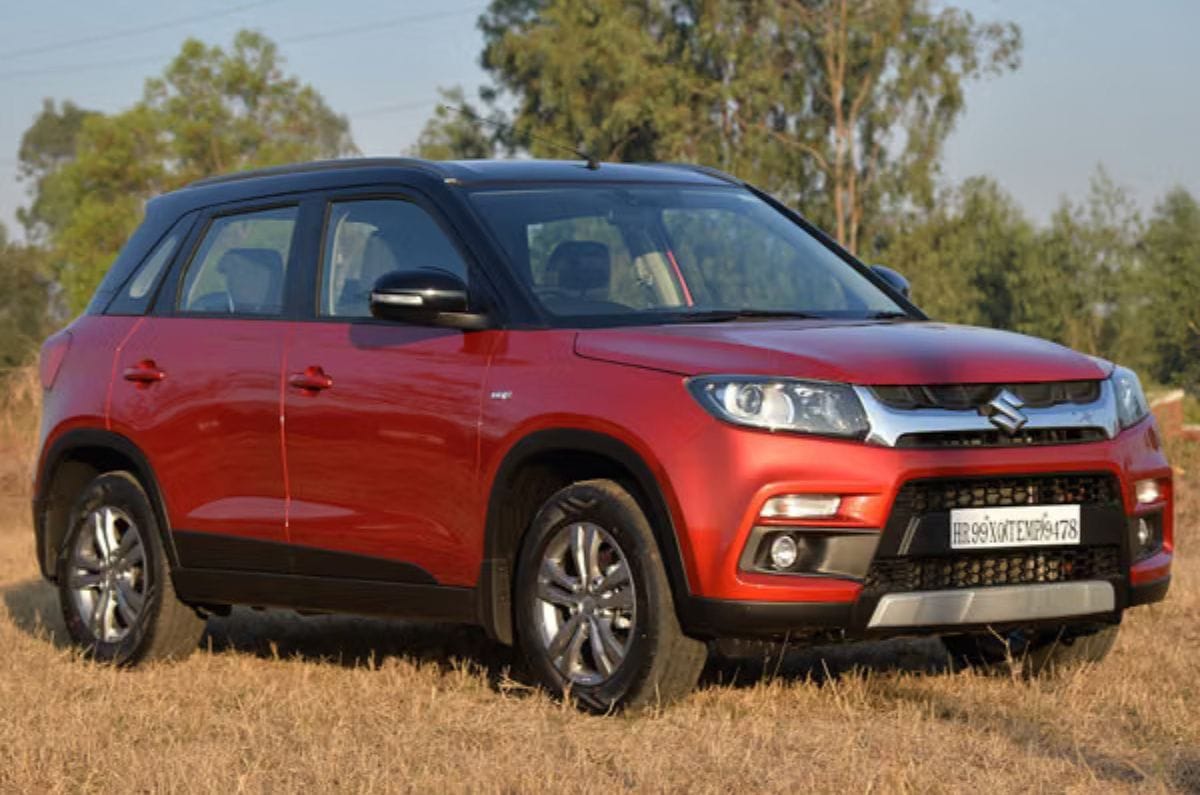
Maruti Suzuki India has launched the 2026 Brezza at a starting price of Rs 7.40 lakh. This marks the first major update for the second-generation model introduced in 2022. Meanwhile, cumulative sales of the Brezza have surpassed the 15 lakh mark (15,14,717 units), and given the ongoing strong customer demand for compact SUVs – 3,97,609 units in Q1 FY2027 with 24% year-on-year (YoY) growth – Maruti will be looking to capitalise on this segment’s momentum with the updated model.
Maruti Brezza: 15 lakh units and counting
With domestic market sales of 14.6 lakh units (14,61,889 units) and exports of 52,828 units, the Maruti Brezza’s cumulative sales have surpassed the 15 lakh mark (15,14,717 units). The Brezza remains the best-selling compact SUV in India, with a yawning 422,478-unit lead over the Tata Nexon (10,92,239 units). The Tata Punch, which crossed the 800,000 milestone earlier this month, is the third highest-selling compact SUV.
Maruti Brezza cumulative sales: 15.1 lakh units since launch
Launched on March 8, 2016
Fiscal year
Units
YoY% change
Brezza exports
FY2016
5,563
–
0
FY2017
1,08,640
–
1,197
FY2018
1,48,462
36.65%
865
FY2019
1,57,880
6.34%
1,222
FY2020
1,10,641
-29.92%
546
FY2021
94,635
-14.46%
4,451
FY2022
1,13,751
20.19%
21,254
FY2023
1,45,665
28.05%
20,991
FY2024
1,69,897
16.63%
423
FY2025
1,89,163
11.33%
663
FY2026
1,80,104
-4.78%
1,111
FY2027*
37,488
-20.31%
105
Total
14,61,889
52,828
*April-June 2026
From diesel roots to multi-powertrain strategy
For the first four years of its existence, the Brezza was available only with a diesel engine – the Fiat-sourced 1.3-litre DDiS turbocharged 88hp powerplant, which was discontinued in April 2020 when Maruti Suzuki exited diesel. In February 2020, to comply with the BS VI emission norms, Maruti introduced the 1.5-litre K15B petrol engine in the new Brezza. The strategic move to have only diesel power in the initial years paid off, and the Brezza was India’s best-selling SUV for four straight years – FY2017 (1,08,640 units), FY2018 (1,48,462 units), FY2019 (1,57,880 units) and FY2020 (1,10,641 units).
First-generation Brezza
In FY2021, sales dropped 14 percent YoY to 94,635 units, which also meant that the Brezza lost its No. 1 SUV title to the Hyundai Creta (1,20,035 units) that year and has not regained it since then. Despite registering double-digit growth in FY2022, FY2023, FY2024 and FY2025, the highest overall ranking the Brezza could manage since FY2020 was No. 2 in FY2021.
Q1 FY2027 Dip and the Facelift Wait Effect
In FY2027’s first quarter (April-June 2026), the Maruti Brezza has sold 37,488 units, down 20 percent YoY (Q1 FY2026: 47,044 units), a decline which can be attributed to potential buyers awaiting the launch of the MY2026 Brezza, which gets exterior and interior updates, new features and an additional turbo-petrol engine option.
With 14.6 lakh units sold in the domestic market from launch till end-June 2026, the Brezza accounts for a third or 34 percent of Maruti Suzuki’s total UV sales of 42.7 lakh units (42,71,696 UVs) in the same period. Will the new MY2026 Brezza, which has received a 5-star Bharat NCAP crash safety rating, deliver new sales momentum for this popular SUV category remains to be seen.
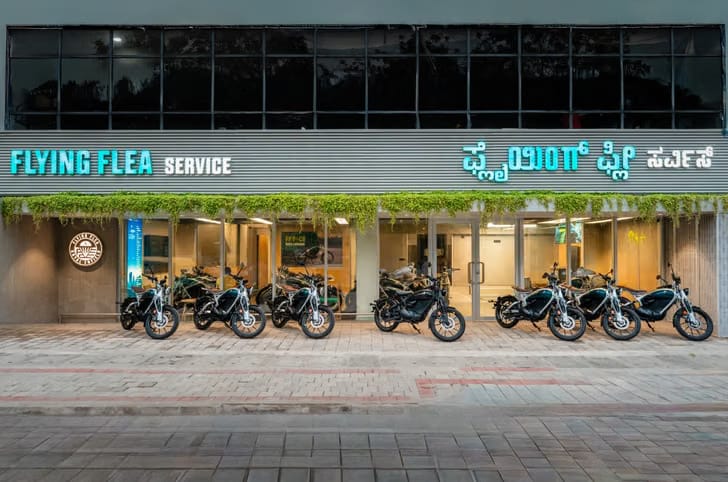
Flying Flea has expanded its retail presence in Bengaluru from a single store to 11 touchpoints across the city. The expansion follows what the brand describes as exceptional interest in its first product, the Flying Flea C6.
Flying Flea expands to 11 retail touchpoints in Bengaluru
C6 priced at Rs 2.79 lakh (ex-showroom, Bengaluru)
3.91kWh battery delivers a claimed IDC range of 154km
Flying Flea Bengaluru retail expansion: New touchpoints
Service network follows a hub-and-spoke model
The brand has confirmed that six of the new outlets are already operational, while the remaining five will open in the first week of August. The operational dealerships are located in Whitefield, Rajajinagar, Kalyan Nagar, Electronic City, Banashankari and Yelahanka. The upcoming outlets will be located in Marathahalli, Peenya, Nagarabhavi, B Narayanapura and Kengeri.
Flying Flea’s service network follows a hub-and-spoke model, with a dedicated service hub in BTM Layout handling specialised technical support and multiple spoke centres across the city catering to routine maintenance. All C6 owners also receive 24×7 roadside assistance as standard.
The Flying Flea C6 is priced at Rs 2.79 lakh (ex-showroom, Bengaluru), or Rs 1.99 lakh under the Battery-as-a-Service programme. It is powered by a 3.91kWh battery pack paired with a permanent magnet synchronous motor producing 15.4kW and 60Nm. Flying Flea claims an IDC range of 154km, a 0-60kph time of 3.7 seconds and a top speed of 115kph.
Flying Flea is following a city-by-city rollout strategy, with Bengaluru serving as its first market. The brand says it will progressively expand to other major metro cities as part of a phased rollout.
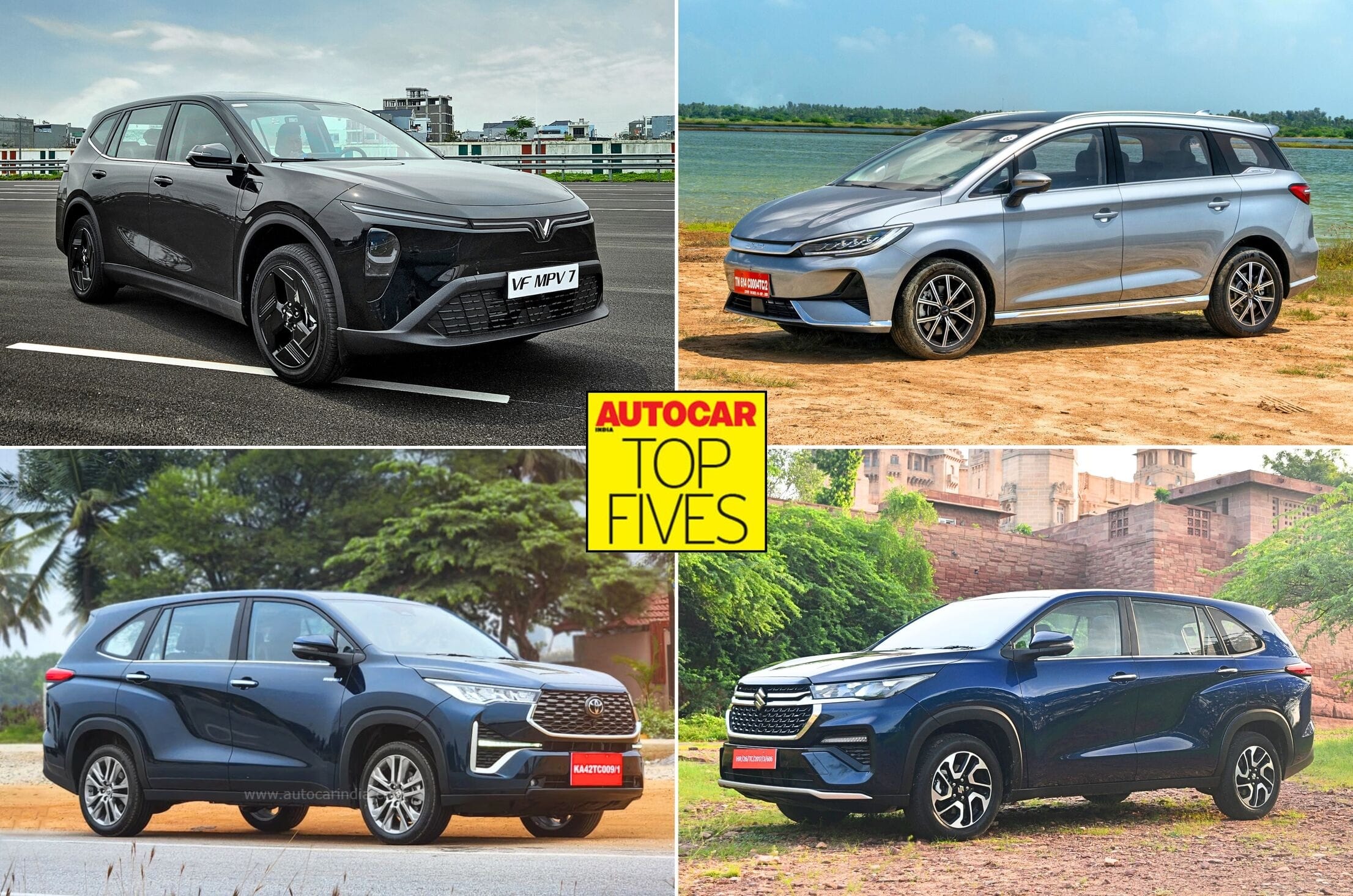
MPVs may not be the most glamorous of body styles, but they are arguably the most practical vehicles you can buy, especially if you have a large family to haul around. And if you are looking at the premium end of the market, you have a very diverse range of options to choose from, including petrol, diesel, electric and also hybrid MPVs. Here, we have ranked the five best MPVs you can currently buy if you have a budget of around Rs 30 lakh.
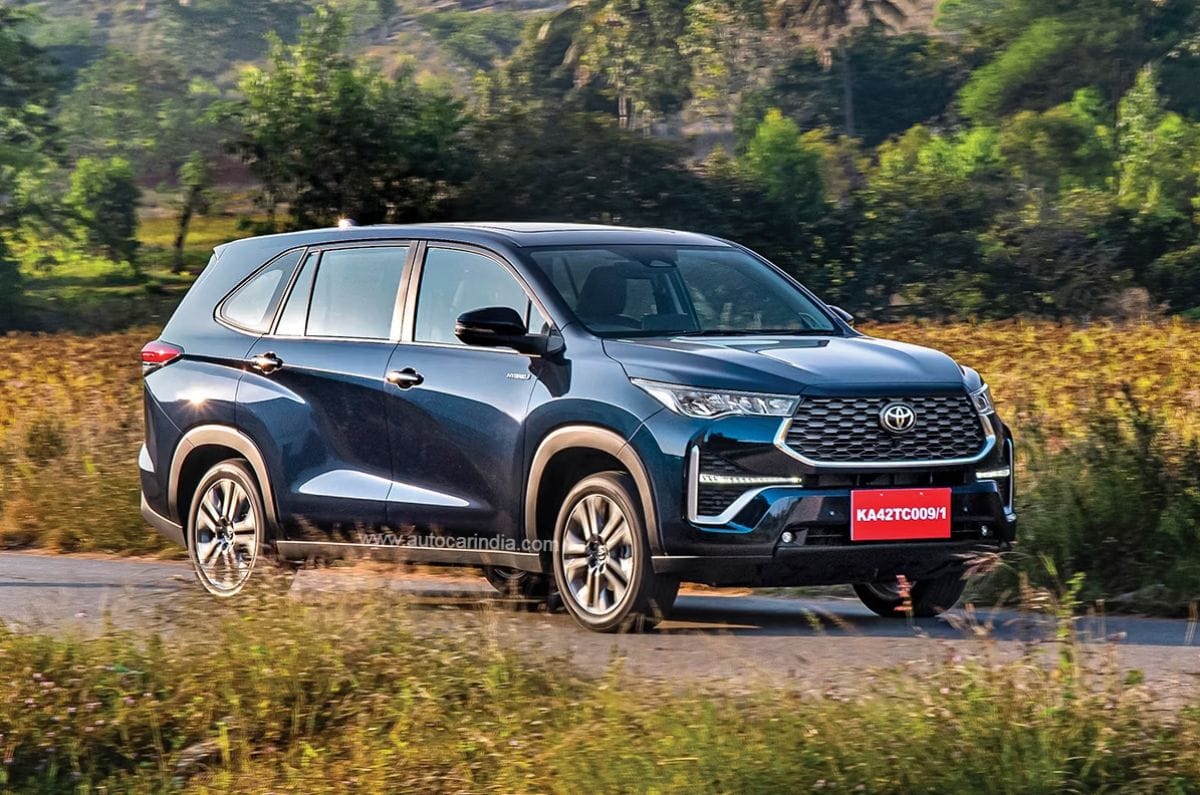
1. Toyota Innova Hycross
Price: Rs 19.53 lakh-31.20 lakh
The Toyota Innova Hycross’s sleeve is its amazingly efficient and smooth 184hp 2.0-litre petrol-hybrid powertrain. It also has a premium-feeling and well-kitted-out interior with sufficient space even in the third row. The hybrid variants are steeply priced, but they are preferred over the more affordable 173hp 2.0-litre naturally aspirated petrol variants that aren’t efficient and miss out on several features.
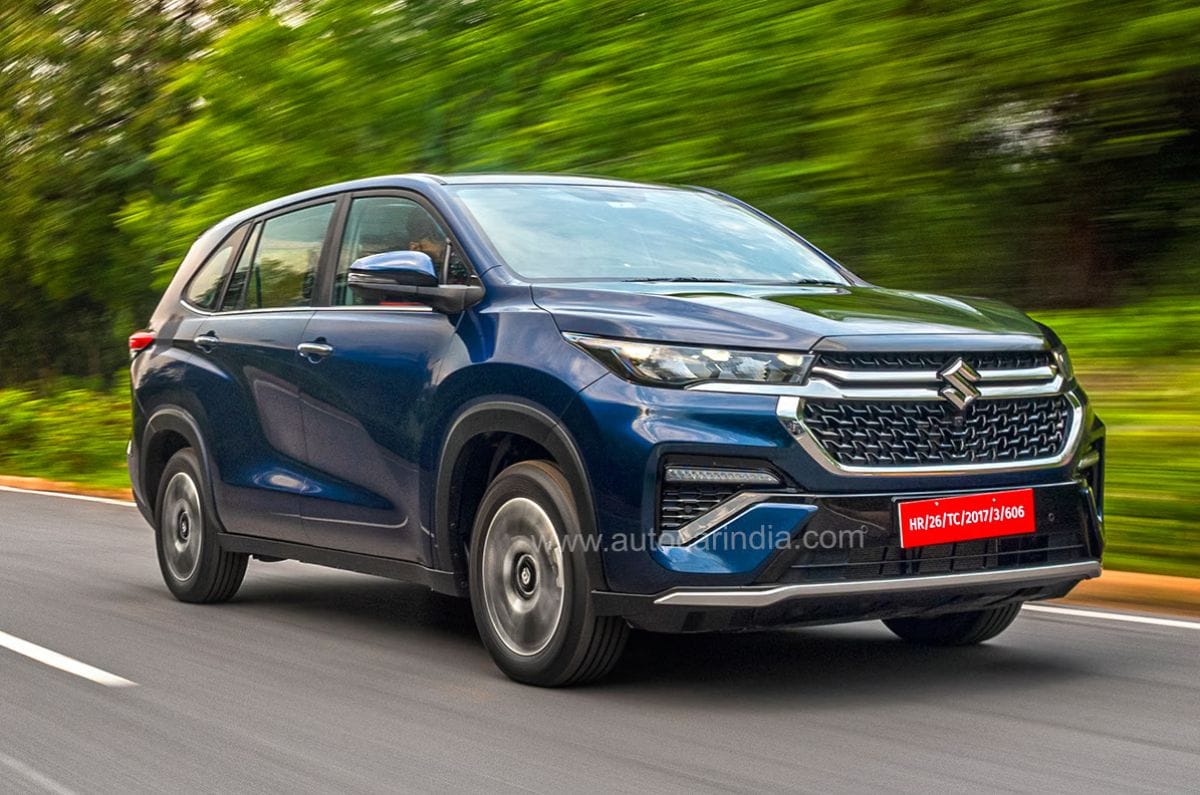
2. Maruti Suzuki Invicto
Price: Rs 24.97 lakh-Rs 28.60 lakh
The Maruti Invicto is a badge-engineered Innova Hycross that only gets the petrol-hybrid powertrain. It’s got the same spacious interior, comfortable ride quality and an impressive tested average fuel economy of up to 14.06kpl. However, not having the regular petrol engine explains the higher starting price. Top variants, though, are more affordable as they miss out on some features like the powered second-row ottoman seats and ADAS suite.
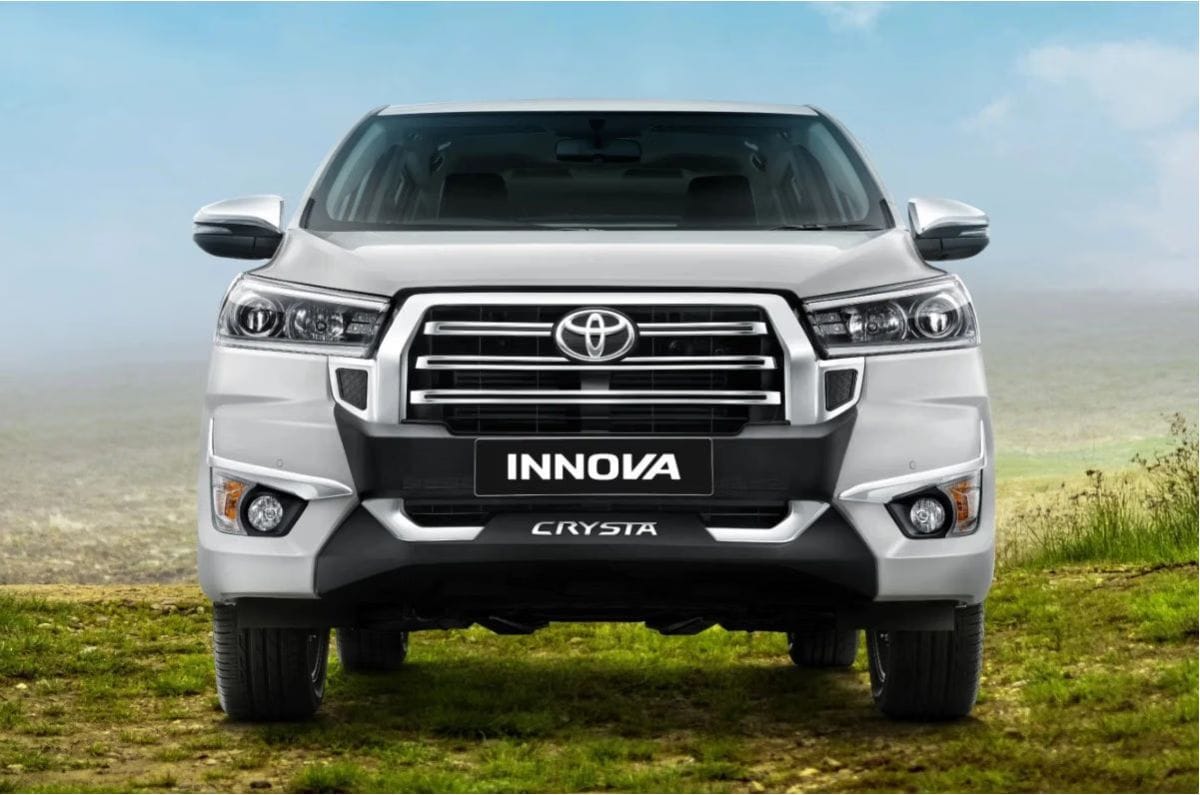
3. Toyota Innova Crysta
Price: Rs 19.18 lakh-25.98 lakh
The Innova Crysta is well past its prime, and that shows in its interior and equipment list. It’s also expensive, especially in the company of its much newer rivals. However, it is arguably the most dependable and reliable people mover that feels like it is built to last, has an efficient 150hp 2.4-litre diesel engine, and is practical and comfortable as well. This is also the only diesel MPV left in the mass market, making it ideal for people who travel long distances frequently.
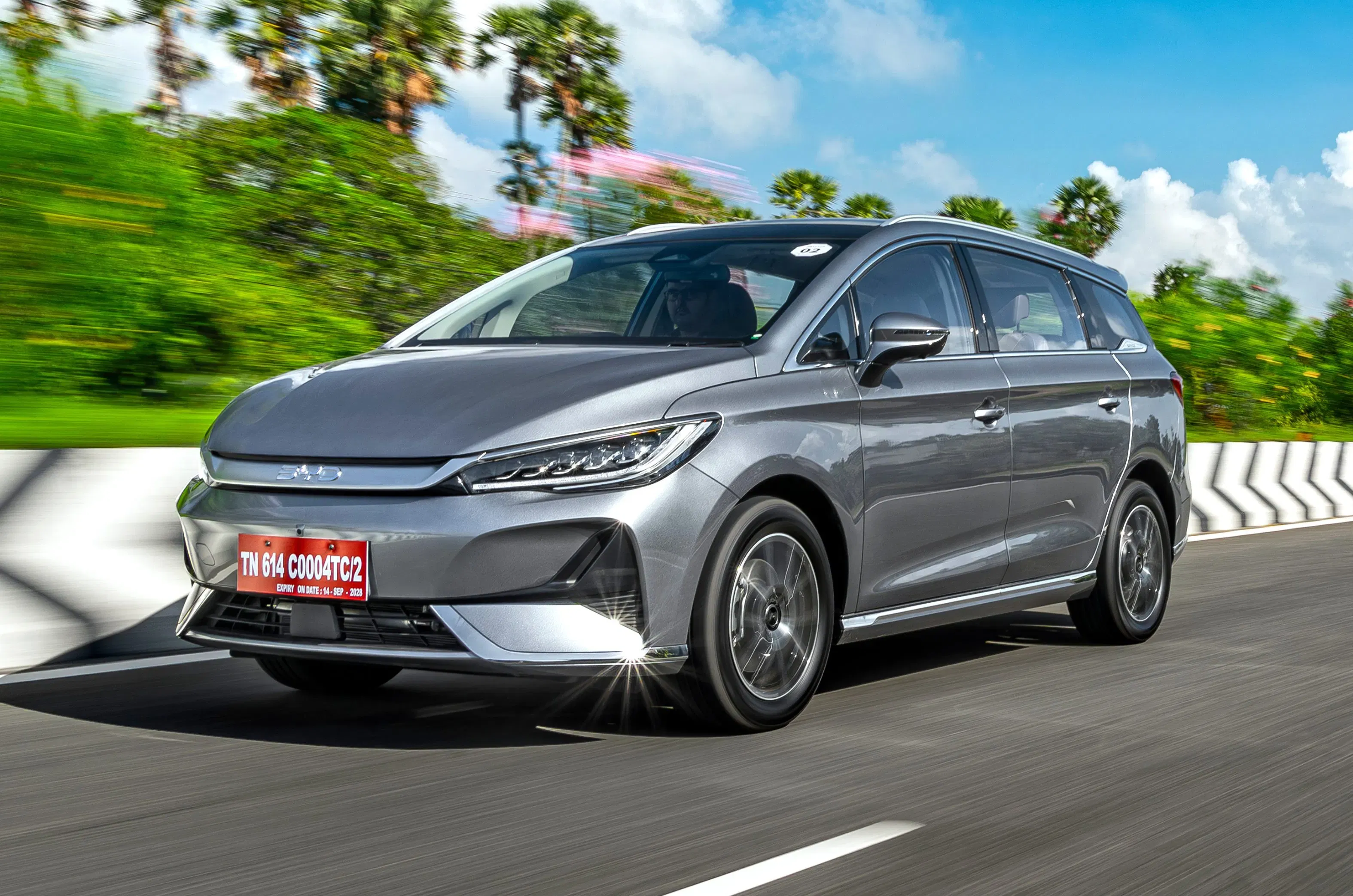
4. BYD eMax 7
Price: Rs 26.90 lakh-29.90 lakh
The eMax 7 doesn’t have the flexibility of the petrol, hybrid or diesel MPVs. It is also the least spacious of all here, but it’s a well-equipped electric MPV that can ferry up to seven people in silence and comfort and has sufficient range for urban use. A sparse sales and service network, however, remains a limitation. If you are living in a tier-1 city, the eMax 7 makes for a cost-effective people mover, but outstation trips will require some planning.
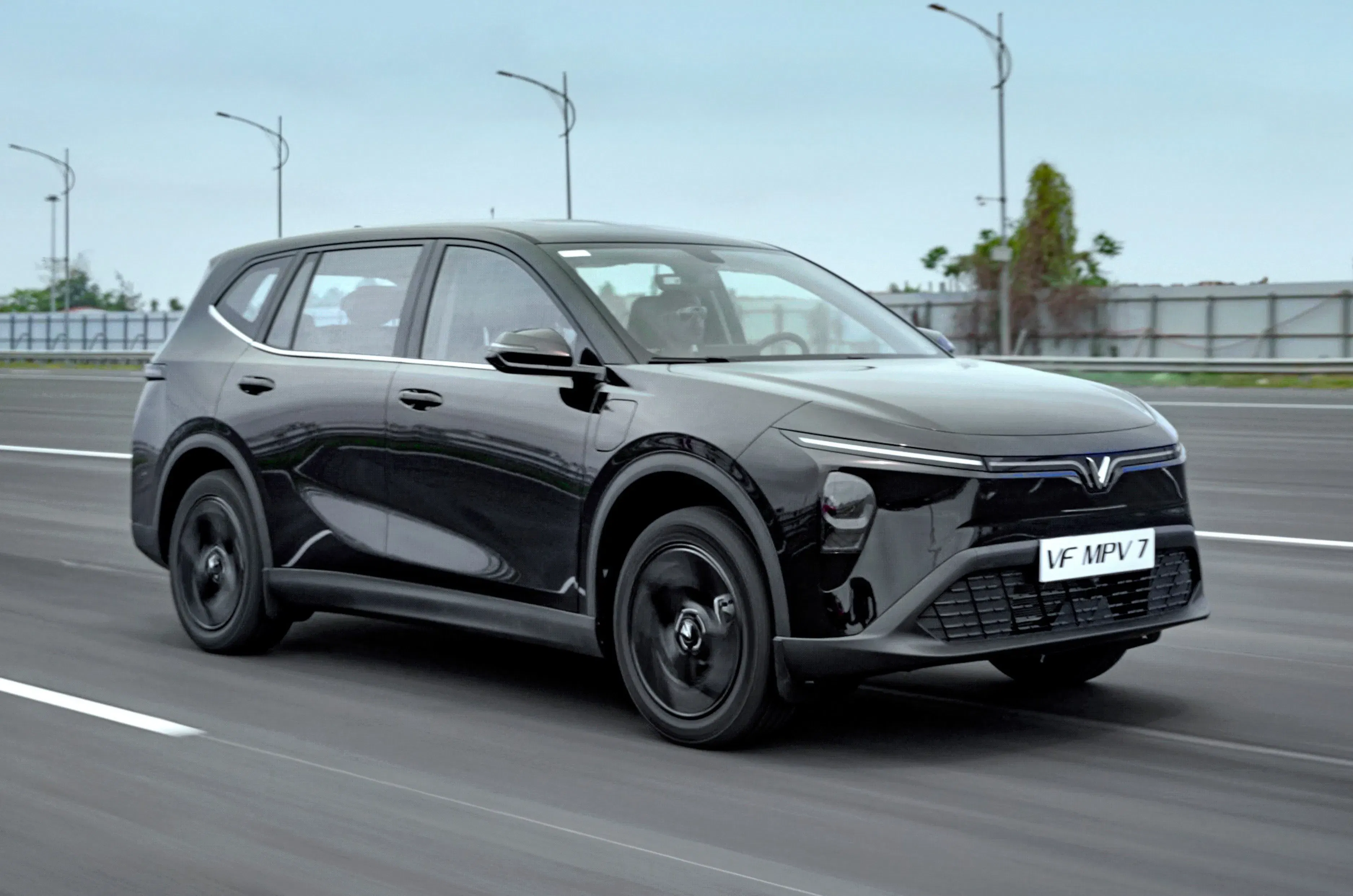
5. Vinfast VF MPV 7
Price: Rs 24.49 lakh
The VF MPV 7 is the newest MPV here, and it gets the fundamentals right – space, practicality and a claimed 500km range. At 204hp, the VF7 along with the eMax 7 are two of the most powerful MPVs in this segment. However, it misses out on several features, which particularly sticks out at its price point, it’s ride and handling leaves a lot to be desired for, and you’ll also have to contend with Vinfast’s relatively sparse network currently.