Mahindra wins chaotic Formula E Tokyo E-Prix

Formula-E-Tokyo-Race

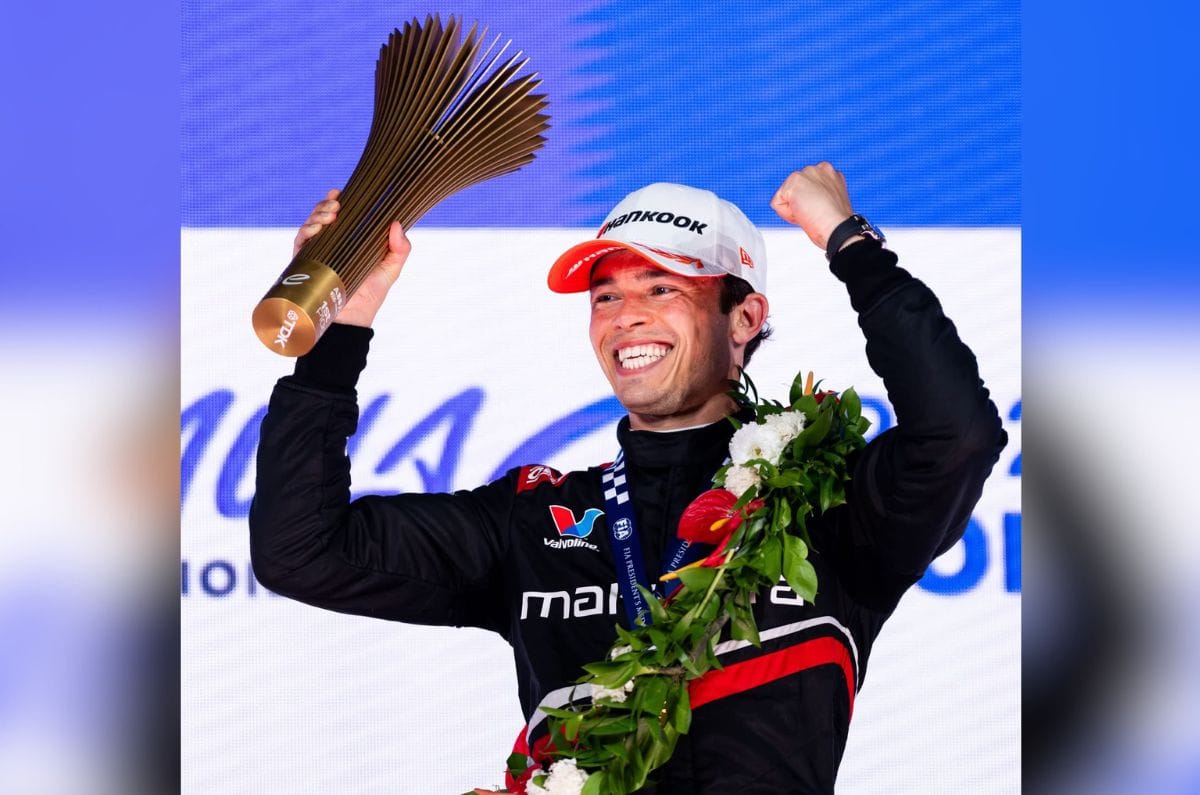
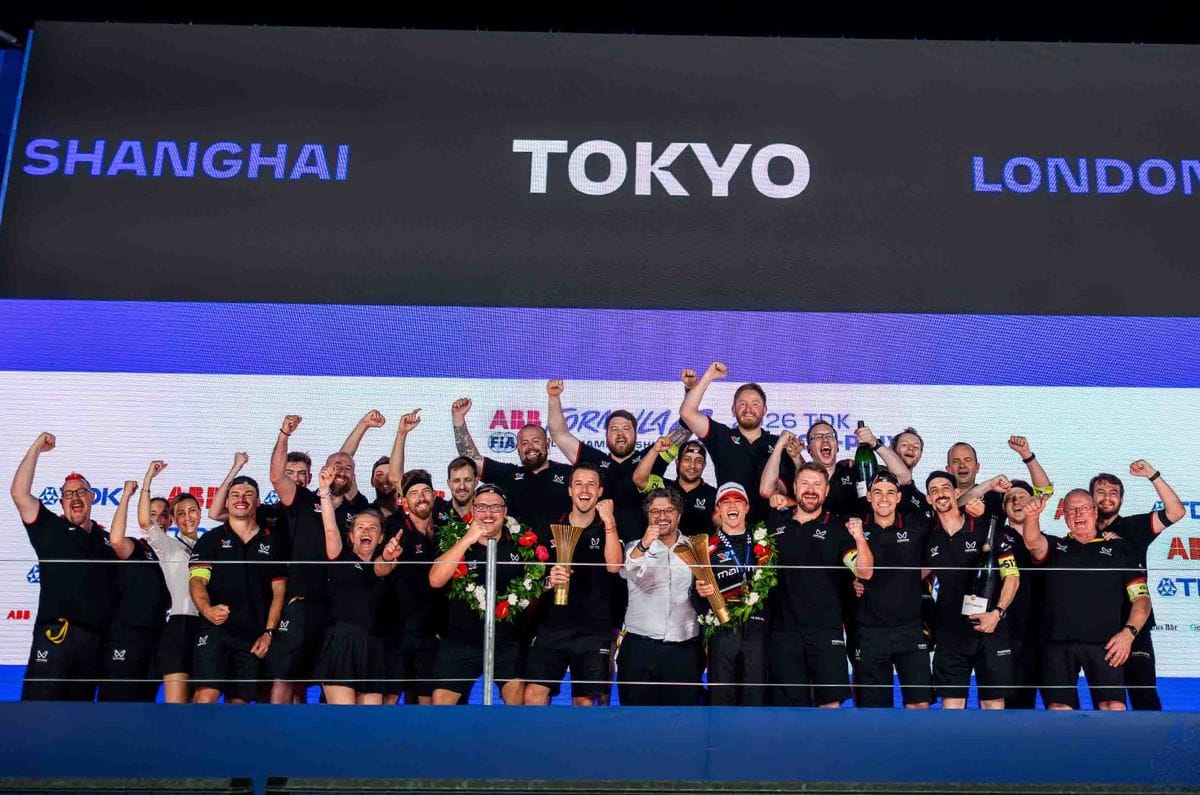
Mahindra Racing and Nyck de Vries aced the strategy on a drying track to win the Tokyo E-Prix. This marks de Vries and the Indian team’s second win of the season after the Monaco E-Prix.

The chaotic race also flipped the title picture, with Andretti’s Jake Dennis taking the overall lead after a strong recovery drive from P17 to P3 in the race.

  1. De Vries wins, 0.683sec ahead of Cassidy
  2. Dennis takes championship lead after podium finish 

Nyck de Vries wins Tokyo E Prix for Mahindra

With heavy rainfall just before the race start, Mahindra opted to split the strategy between its two drivers. Polesitter Edoardo Mortara started the race on what, at the time, appeared to be the favourable wet setup. De Vries, meanwhile, had his tyre pressure set up for dry conditions.

The drying track ultimately played into de Vries’s favour. He activated his final Attack Mode to move into the lead on Lap 28. A late-race Red Flag made it a one-lap dash to the chequered flag, and de Vries held his ground to take victory. This is the first time since the 2017/18 season that Mahindra has won two races in a single season.

“We were a little bit lucky today. We opted for a drying track, and in hindsight, that worked out in our favour. We got a poor start, but I think it was very important to save energy at the beginning of the race because once the track dried, you needed it,” de Vries said.

“We had some more luck at the end with the red flag because Jake [Dennis] was coming on strong in Attack Mode. I’m very happy and proud of the team who executed a great race to get our second win of the season.” 

Citroen opted for a similar strategy that paid off, with Nick Cassidy finishing second, followed by Andretti’s Dennis.
Mortara crashes out

It was a race of mixed fortunes for Mahindra. Polesitter Mortara remained in podium contention for a large chunk of the race but collided with Joel Eriksson on Lap 32, causing a pile-up on track and triggering the Red Flag.

“It’s a disappointing result on a day when we showed quite a lot of performance. When you start from pole, and everything is fully wet, there’s very little to gamble,” Mortara explained.

“I started with the wet setup, and this wasn’t the right call. But fortunately, we split the strategy, and it worked out very well for Nyck [de Vries], so I’m very happy for the team.” 

2026 Formula E championship standings 

Dennis takes the overall championship lead after a difficult Tokyo E-Prix weekend for his rivals Mitch Evans and Pascal Wehrlein. With just two more races to go, he holds a two-point advantage over Evans in the standings. Wehrlein, meanwhile, is three points behind Evans.

Mortara holds on to fifth place overall, while de Vries’s victory has moved him up to ninth place overall in the drivers’ championship.

The Tokyo round also saw Porsche wrap up the manufacturers’ title, winning it for the second season in a row. As for the teams’ championship, Jaguar currently holds the overall lead, 14 points ahead of Porsche. Mahindra is fourth overall, just one point behind third-placed Andretti.

Formula E will now head to London for the season finale on August 15-16.

5 वजहों से Nifty में पांच दिनों की गिरावट के बाद तेजी, IT Stocks के दम पर Sensex में 600 अंकों का उछाल

Share Market Rally: हफ्ते के पहले कारोबारी दिन आज लगातार पांच कारोबारी दिनों की गिरावट का सिलसिला टूटा। अमेरिका और ईरान के बीच हमले थमे तो मार्केट उछल पड़ा। घरेलू इक्विटी बेंचमार्क इंडेक्स सेंसेक्स इंट्रा-डे में 500 प्वाइंट्स से अधिक उछल पड़ा तो निफ्टी भी 24150 के पार चला गया। ब्रोडर लेवल पर भी रौनक है और निफ्टी मिडकैप 100 और निफ्टी स्मॉलकैप 100 एक-एक फीसदी से अधिक मजबूत हुए हैं। अब इक्विटी बेंचमार्क इंडेक्सेज की बात करें तो फिलहाल 10:13 AM पर सेंसेक्स 564.06 प्वाइंट्स यानी 0.74% की बढ़त के साथ 76,623.83 और निफ्टी 50 भी 159.35 प्वाइंट्स यानी 0.67% की बढ़त के साथ 23,926.80 पर है। इंट्रा-डे में सेंसेक्स 655.87 प्वाइंट्स चढ़कर 76,715.64 और निफ्टी 197.05 प्वाइंट्स उछलकर 23,964.50 तक पहुंचा था।

Share Market Rally: ये है वजह

अमेरिका और ईरान के थमे हमले

पश्चिमी एशिया में एक बार फिर अमेरिका और ईरान के बीच युद्ध शुरू हो गया था लेकिन अब जब हमले थमे हैं तो इसने मार्केट में रौनक बिखेर दी।

कच्चे तेल में गिरावट

अमेरिका और ईरान के बीच हमले रुके तो इससे वैश्विक जियोपोलिटिकल टेंशन ढीला पड़ा और कच्चा तेल फिसल पड़ा। वैश्विक बेंचमार्क ब्रेंट क्रूड 5% टूटकर प्रति बैरल $86 के करीब आ गया। इससे मार्केट को सपोर्ट मिला।

डॉलर की कमजोरी

वीकेंड में अमेरिका ने ईरान पर बमबारी रोक दी जिससे तेल की कीमतें नीचे आई और ग्लोबल बाजार में निवेशकों का भरोसा बढ़ा। इसके चलते डॉलर पर दबाव बना है। फिलहाल डॉलर इंडेक्स 101.2 के लेवल पर दिख रहा है। डॉलर की कमजोरी से मार्केट को सपोर्ट मिला है।

India VIX में गिरावट

मार्केट की घबराहट को मापने वाले इंडिया विक्स में गिरावट ने रौनक बढ़ा दी। फिलहाल यह 5.63% की फिसलन के साथ 13.24 पर है। इसमें गिरावट का मतलब वोलैटिलिटी कम होने की संभावना और इसमें उछाल का मतलब वोलैटिलिटी बढ़ने की आशंका है।

IT Stocks में जोरदार तेजी

मार्केट को आईटी शेयरों की ताबड़तोड़ खरीदारी से शानदार सपोर्ट मिला है जिसका निफ्टी इंडेक्स ढाई फीसदी मजबूत हुआ है। इसे एफएमसीजी, फार्मा, और रियल्टी सेक्टर से भी अच्छा सपोर्ट मिला है जिनके निफ्टी इंडेक्सेज में 1-1% से अधिक बढ़त है। सरकारी और प्राइवेट बैंकों के निफ्टी इंडेक्स में भी आधे-आधे फीसदी की बढ़त है।

स्टॉक मार्केट में आज की लाइव हलचल के लिए यहां जुड़ें

डिस्क्लेमर: यहां मुहैया जानकारी सिर्फ सूचना के लिए दी जा रही है। यहां बताना जरूरी है कि मार्केट में निवेश बाजार जोखिमों के अधीन है। निवेशक के तौर पर पैसा लगाने से पहले हमेशा एक्सपर्ट से सलाह लें। मनीकंट्रोल की तरफ से किसी को भी पैसा लगाने की यहां कभी भी सलाह नहीं दी जाती है।

MG Windsor long-term review, 15,000km report

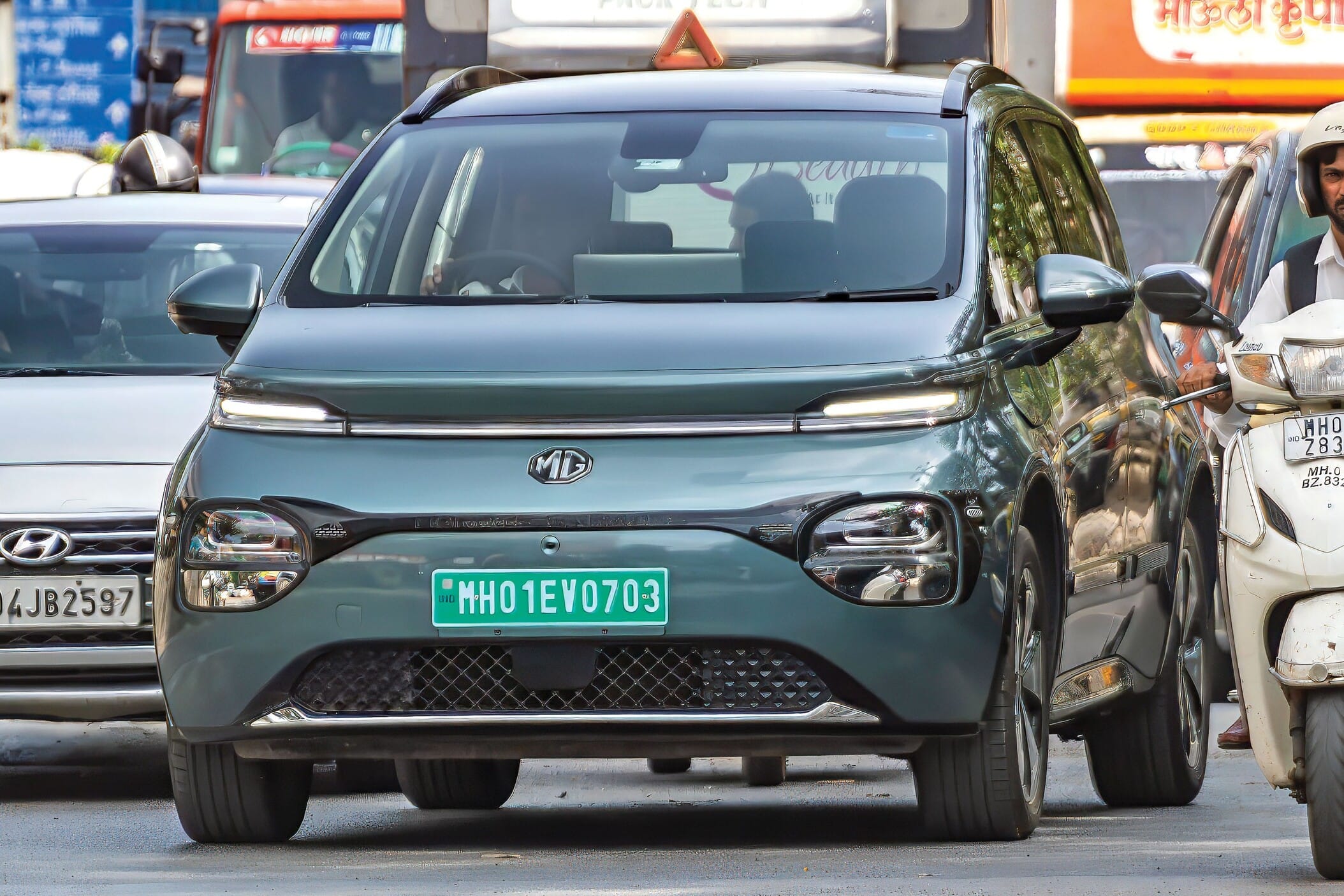
mg windsor in traffic

The more time I spend with our long-term MG Windsor EV, the easier it becomes to understand why it is India’s bestselling EV. It is one of those cars that slips effortlessly into daily life.

Its biggest strength is how easy it is to drive. The motor delivers power smoothly and predictably, making city commutes stress-free, while the regenerative braking is among the best-calibrated in the segment. Even in its strongest setting, it feels intuitive rather than abrupt. A proper single-pedal mode would have been welcome, but the Windsor remains one of the most user-friendly EVs around.

Smooth power delivery and well-calibrated regen make the Windsor one of the most user-friendly city cars.

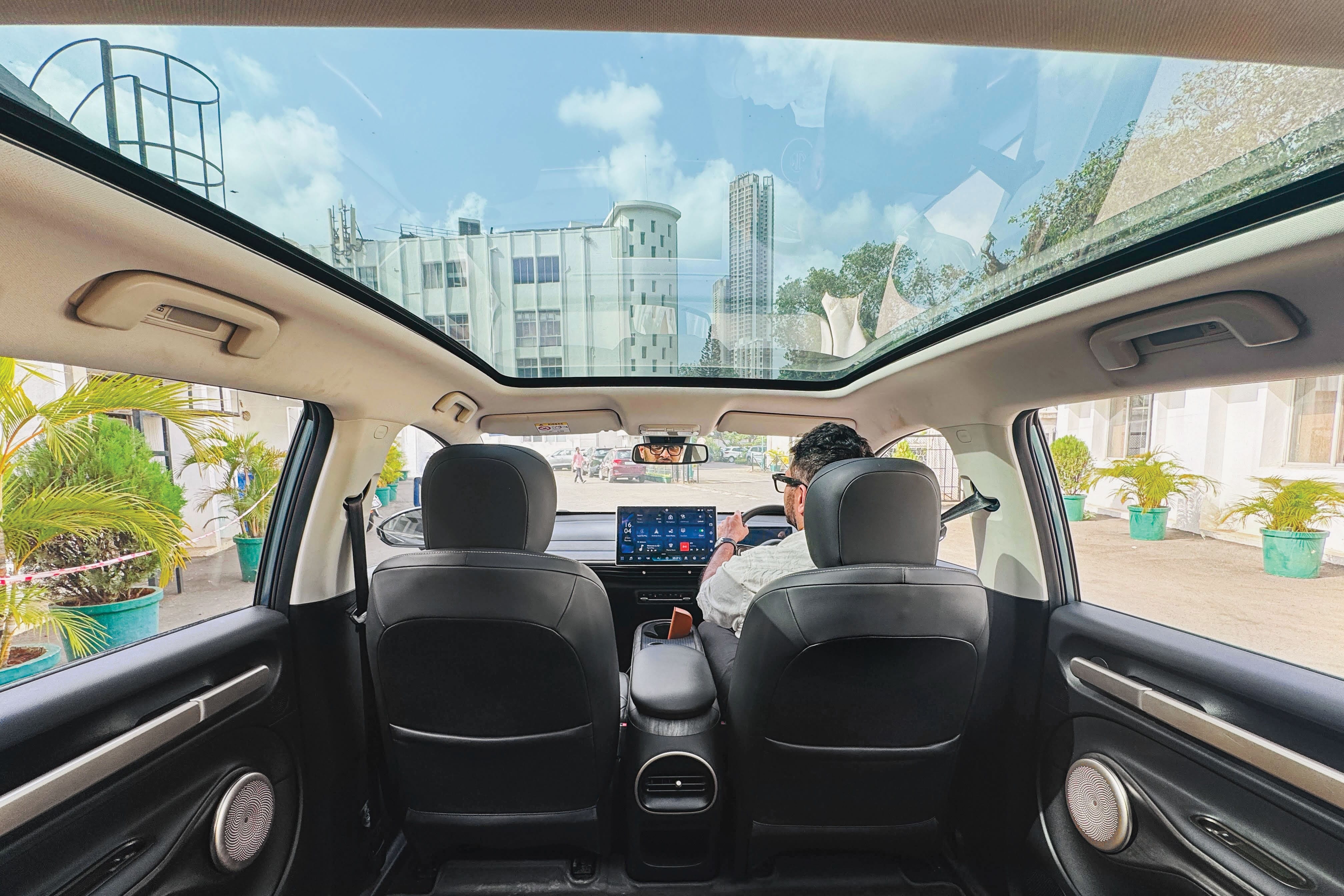
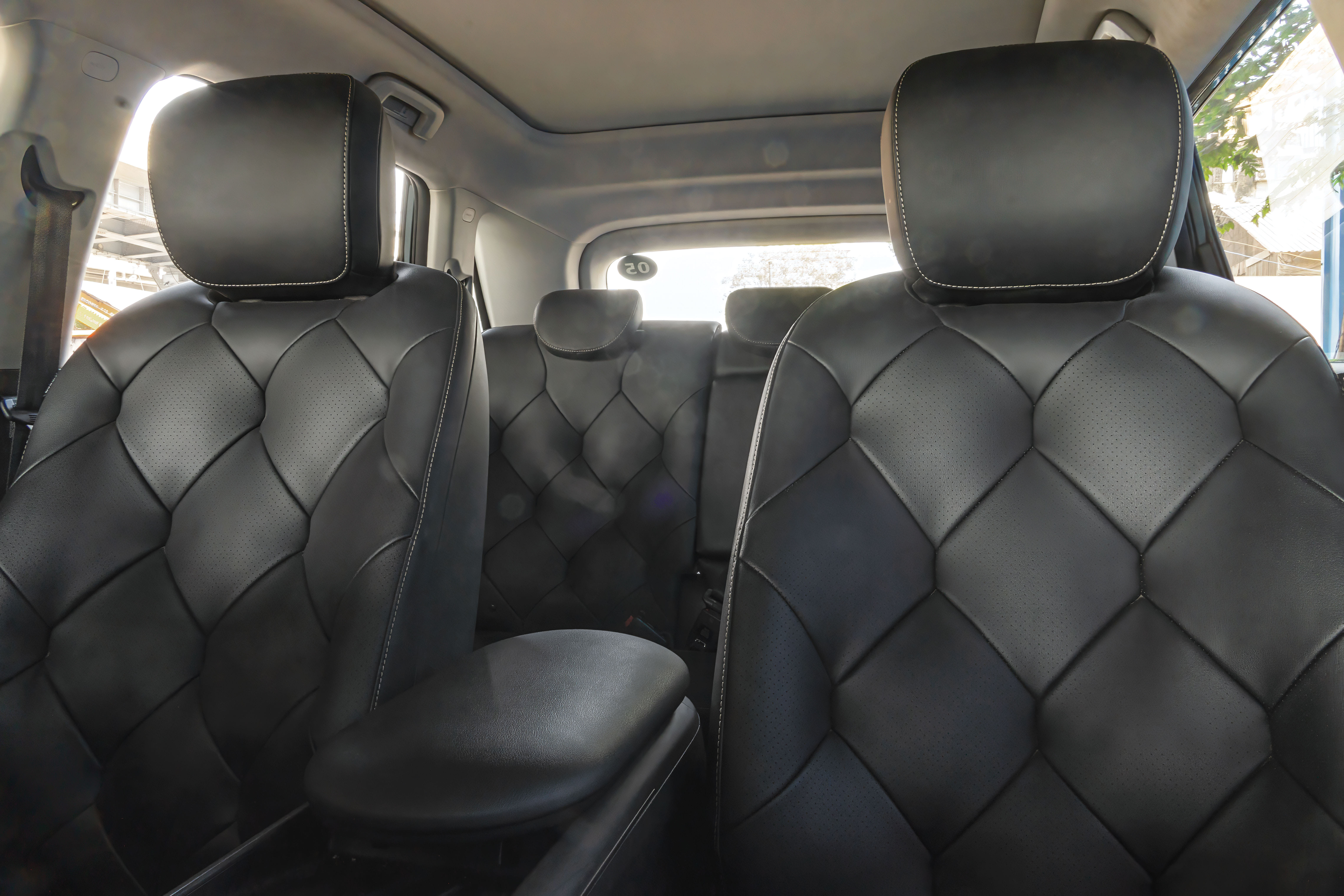
The spacious cabin continues to be a highlight. The combination of a cab-forward design, large windows and generous dimensions creates an airy feel, while rear-seat passengers enjoy excellent headroom and legroom. My family was genuinely surprised by the amount of space on offer, and while the heavily quilted seats look premium, slimmer occupants may find them uncomfortable over a longer drive.

The cab-forward design and generous glass area create a genuinely spacious and airy ambience.

Performance has also impressed. Whether in city traffic or on my regular Mumbai-to-Pune drives, the Windsor has never felt short of power. It cruises comfortably at highway speeds, has enough performance in reserve for overtakes, and offers sufficient real-world range to complete the journey without any charging stops.

Not everything is perfect, though. The large glass area can make the cabin heat up quickly when parked in the sun, and the black leatherette upholstery does little to help. Highway refinement could also be better, with noticeable road noise filtering into the cabin. The ride remains comfortable for the most part, but sharp bumps and expansion joints can occasionally catch it out.

Road noise becomes noticeable at high speeds, taking away an otherwise refined experience.

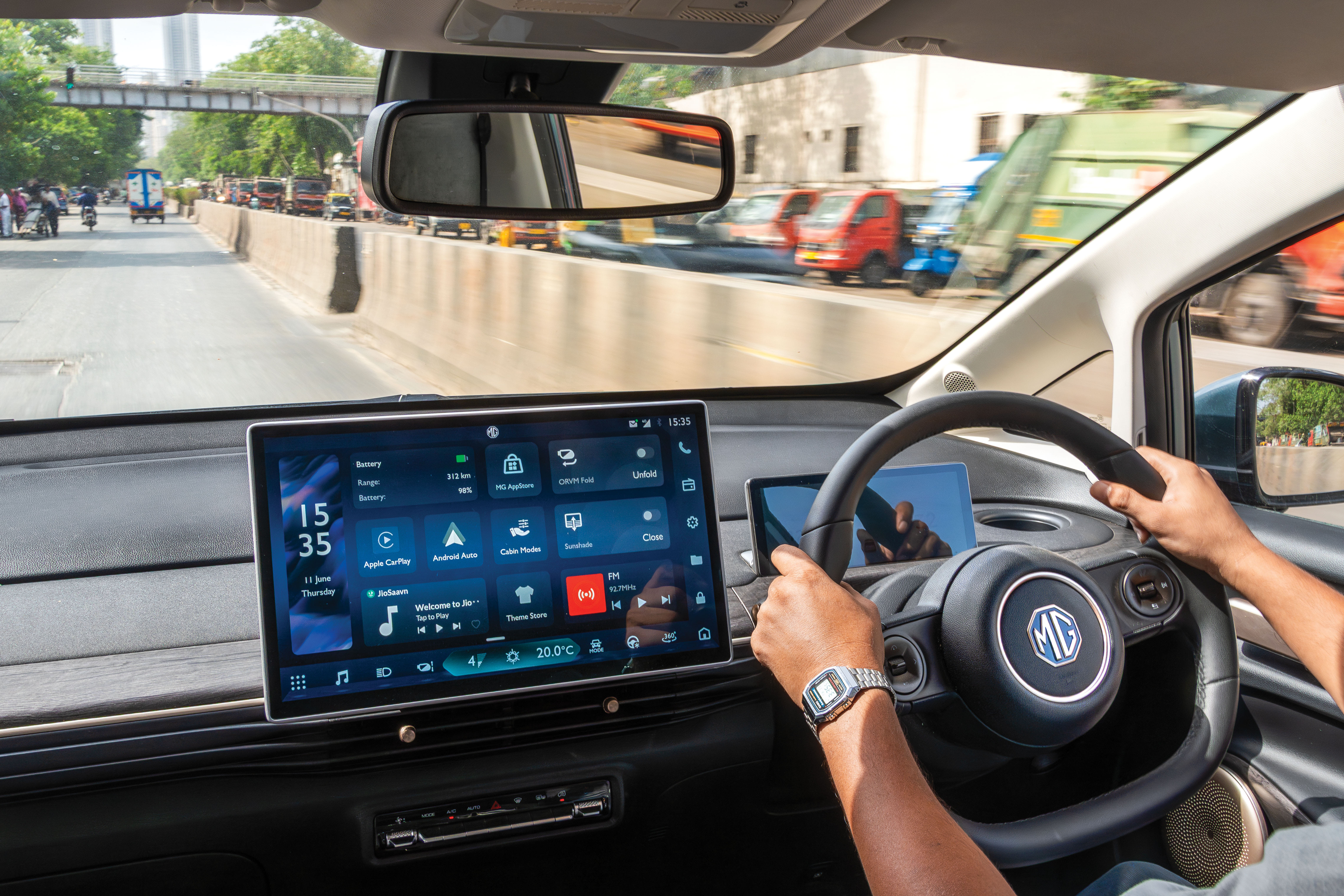
The touchscreen-based controls still require acclimatisation. While shortcuts on the steering wheel make tasks such as mirror adjustment easier over time, physical controls would have been more convenient. The 15-inch display also feels slightly too large, requiring a stretch to reach functions at the far end.

Touch mirror and sunshade controls are too bad; physical controls would be far more convenient.

Even so, the Windsor EV continues to impress as an all-round package. Its blend of space, ease of driving, performance and usable range explains exactly why it has resonated so strongly with Indian buyers and why I’m going to hang on to it for a while longer.

MG Windsor Essence 38kWh test data
Odometer 14,900km
Price Rs 16.53 lakh (ex-showroom)
Economy 6.5km/kWh (this month)
Maintenance CostNone
Faults None 
Previous reportsJanuary 2026, March 2026

8 things to know before buying the TVS Jupiter 125

8 things to know before buying the TVS Jupiter 125

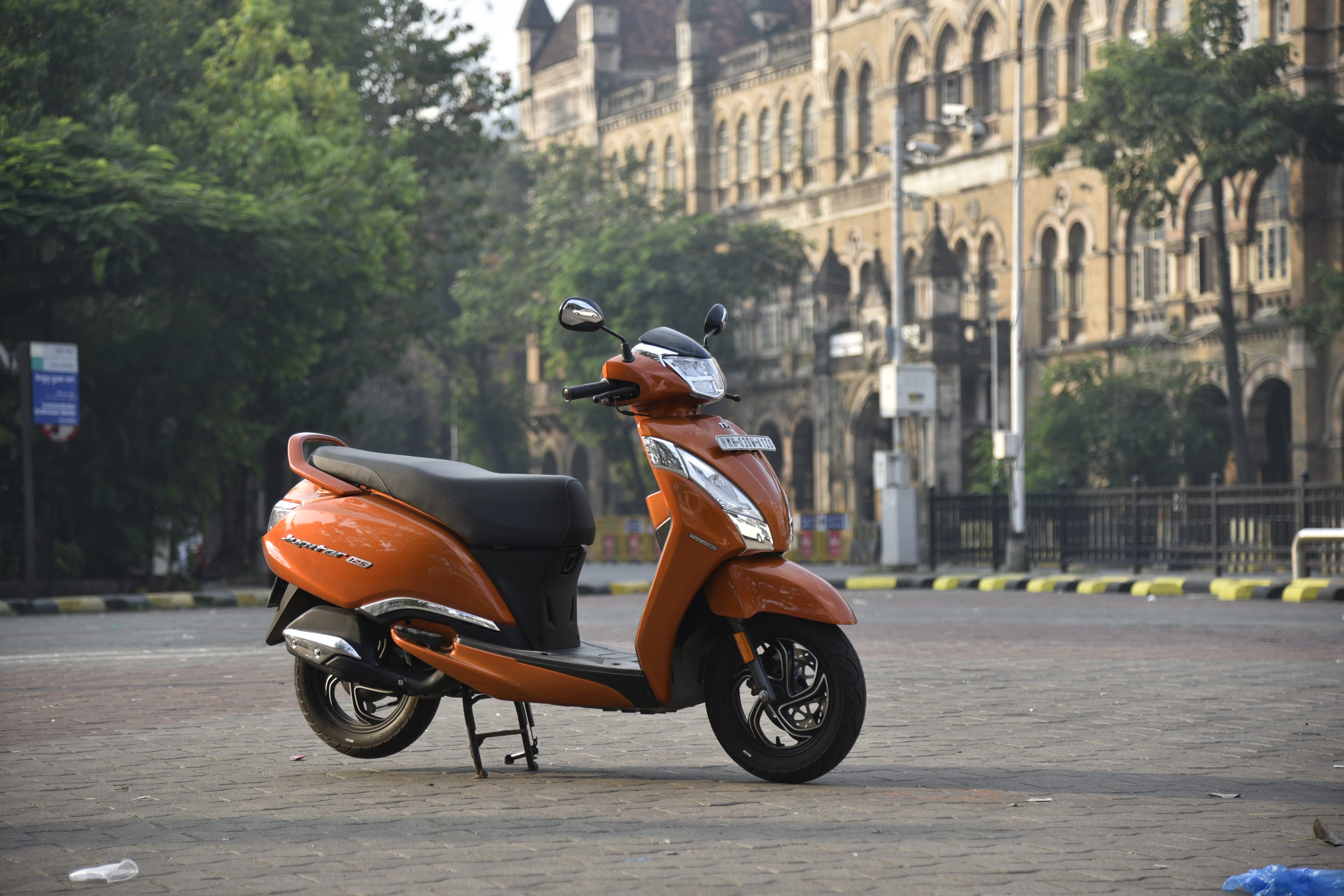
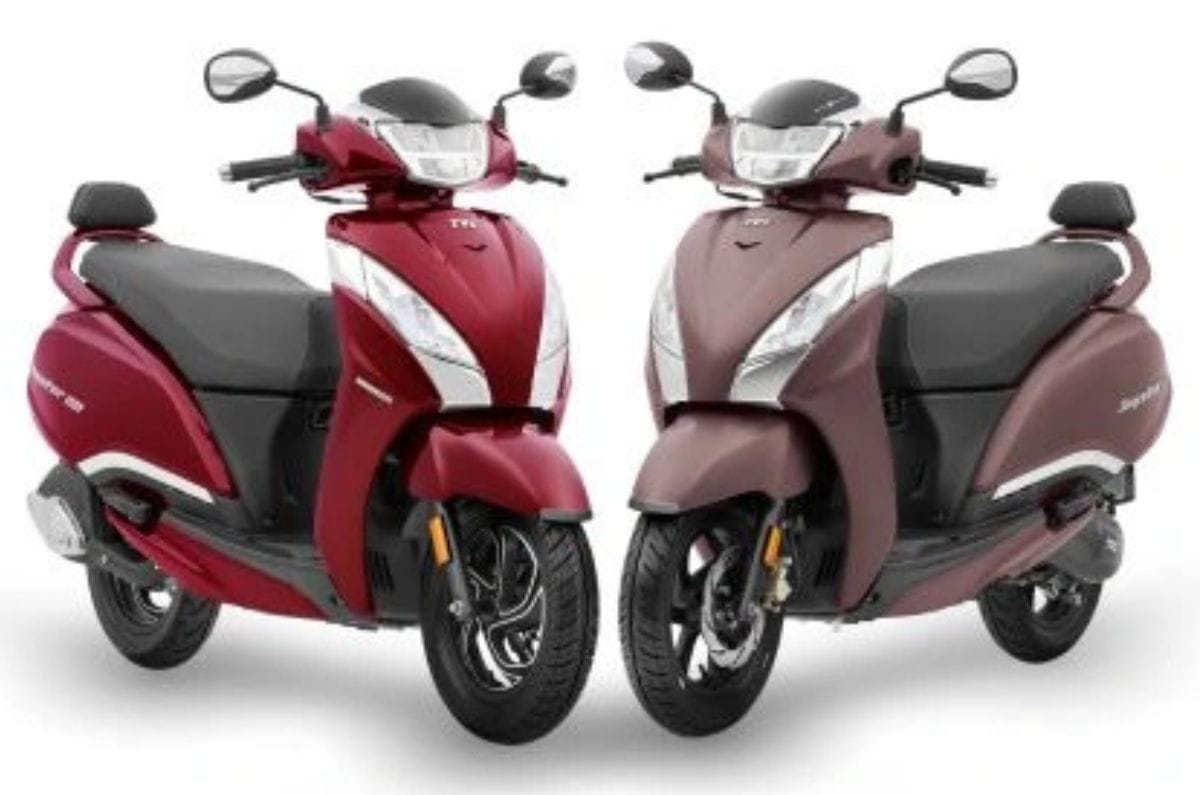
The TVS Jupiter 125 is the brand’s premium family scooter, positioned above the Jupiter 110. It stands out for its practicality, thanks to its underfloor fuel tank, spacious underseat storage and feature-rich equipment list. Here are answers to some of the most commonly asked questions about it.

1. What is the price of the TVS Jupiter 125?

The TVS Jupiter 125 is available in four variants – Drum Alloy, Disc Alloy, DT SXC and SmartXonnect. Prices start at Rs 87,171 for the Drum Alloy variant and go up to Rs 95,772 for the range-topping SmartXonnect variant (both ex-showroom).

2. What variants of the TVS Jupiter 125 are available?

The Jupiter 125 range comprises four variants. The Drum Alloy serves as the entry point, followed by the Disc Alloy. Above it sits the DT SXC variant, while the SmartXonnect is the range-topper with the most comprehensive feature set.

3. What engine does the TVS Jupiter 125 use?

The Jupiter 125 is powered by a 124.8cc, single-cylinder, air-cooled, fuel-injected engine producing 8.15hp at 6,500rpm and 10.5Nm at 4,500rpm. It is paired with a CVT automatic transmission.

4. What is the fuel tank capacity and underseat storage of the TVS Jupiter 125?

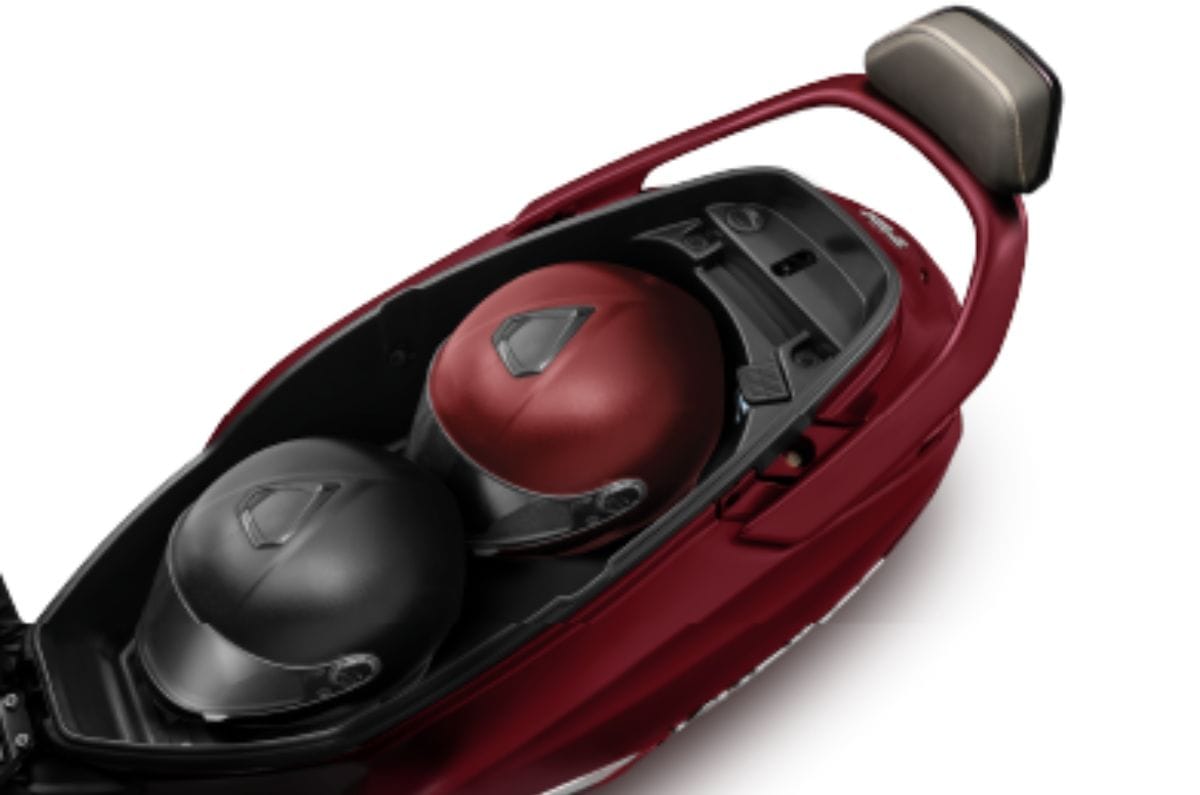
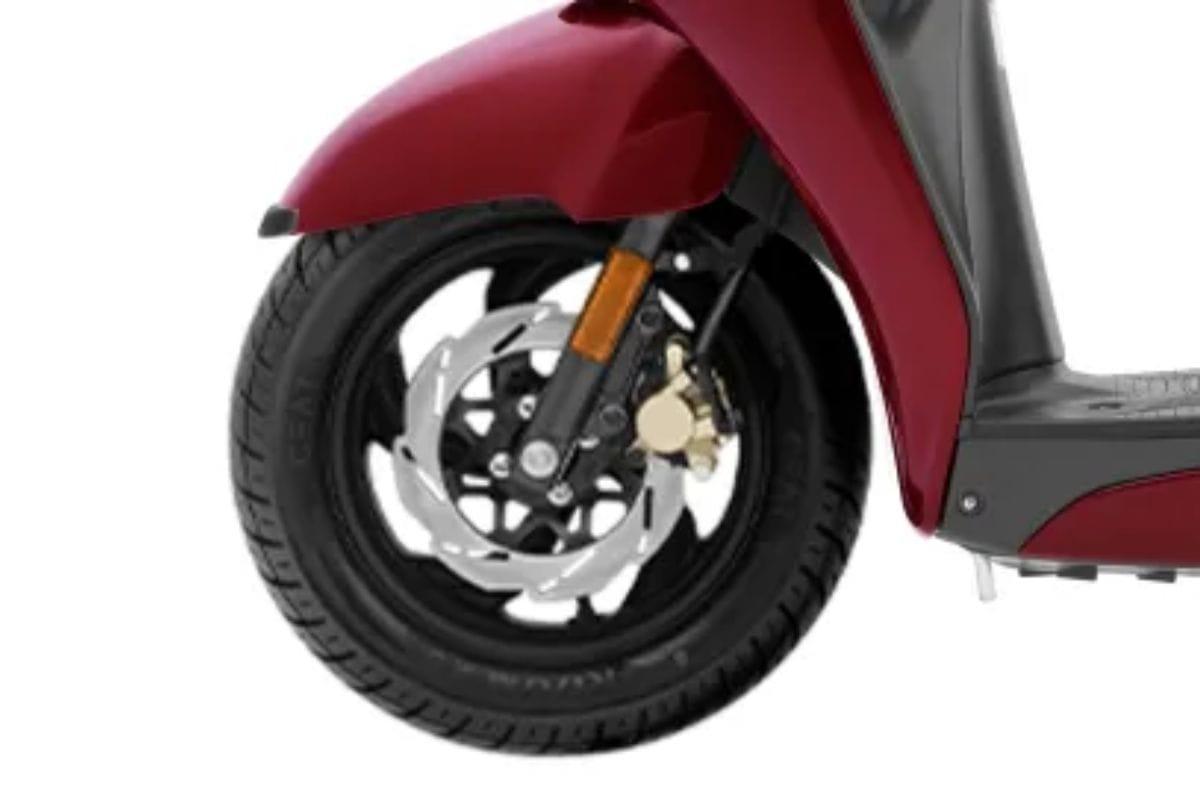
The Jupiter 125 gets a 5.1-litre fuel tank positioned beneath the floorboard, freeing up space for a 33-litre underseat storage compartment. TVS says the storage area is large enough to accommodate two full-face helmets, while the front-mounted fuel filler allows refuelling without opening the seat.

5. What features does the TVS Jupiter 125 have?

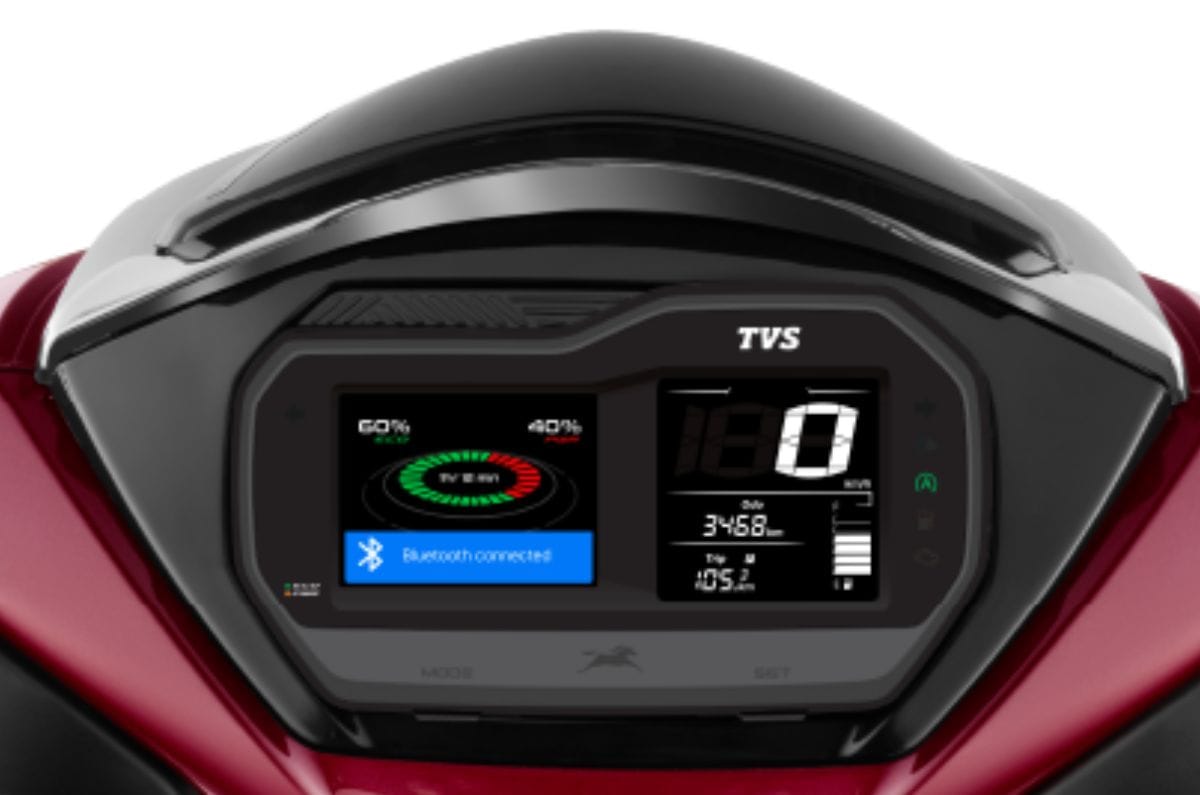
Depending on the variant, the Jupiter 125 comes equipped with a digital instrument cluster with Bluetooth connectivity via TVS SmartXonnect, turn-by-turn navigation, call and SMS alerts, voice assist and distance-to-empty. Higher variants also get an LED headlight, a front-mounted external fuel filler, iGO Assist and Emergency Brake Warning (EBW).

6. What are the kerb weight, seat height and ground clearance of the TVS Jupiter 125?

The Drum Alloy variant has a kerb weight of 108kg, while the Disc Alloy, DT SXC and SmartXonnect variants weigh 109kg. Seat height is 765mm, while ground clearance stands at 163mm across the range.

7. What braking hardware does the TVS Jupiter 125 get?

The Drum Alloy variant gets drum brakes at both ends, while the Disc Alloy, DT SXC and SmartXonnect variants feature a front disc and rear drum setup. All variants come equipped with TVS’ Combi-braking system.

8. What colours is the TVS Jupiter 125 available in?

The TVS Jupiter 125 is offered in multiple colour options, with availability varying depending on the variant. These include Dawn Blue Matte, Titanium Grey Matte, Ivory Matte Blue, Ivory Brown, Ivory Grey, Ivory Matte Copper Bronze, Elegant Red, White and Black

Mercedes-AMG GT 63 Pro F1 safety car image gallery

Mercedes-AMG GT 63 Pro F1 safety car on track

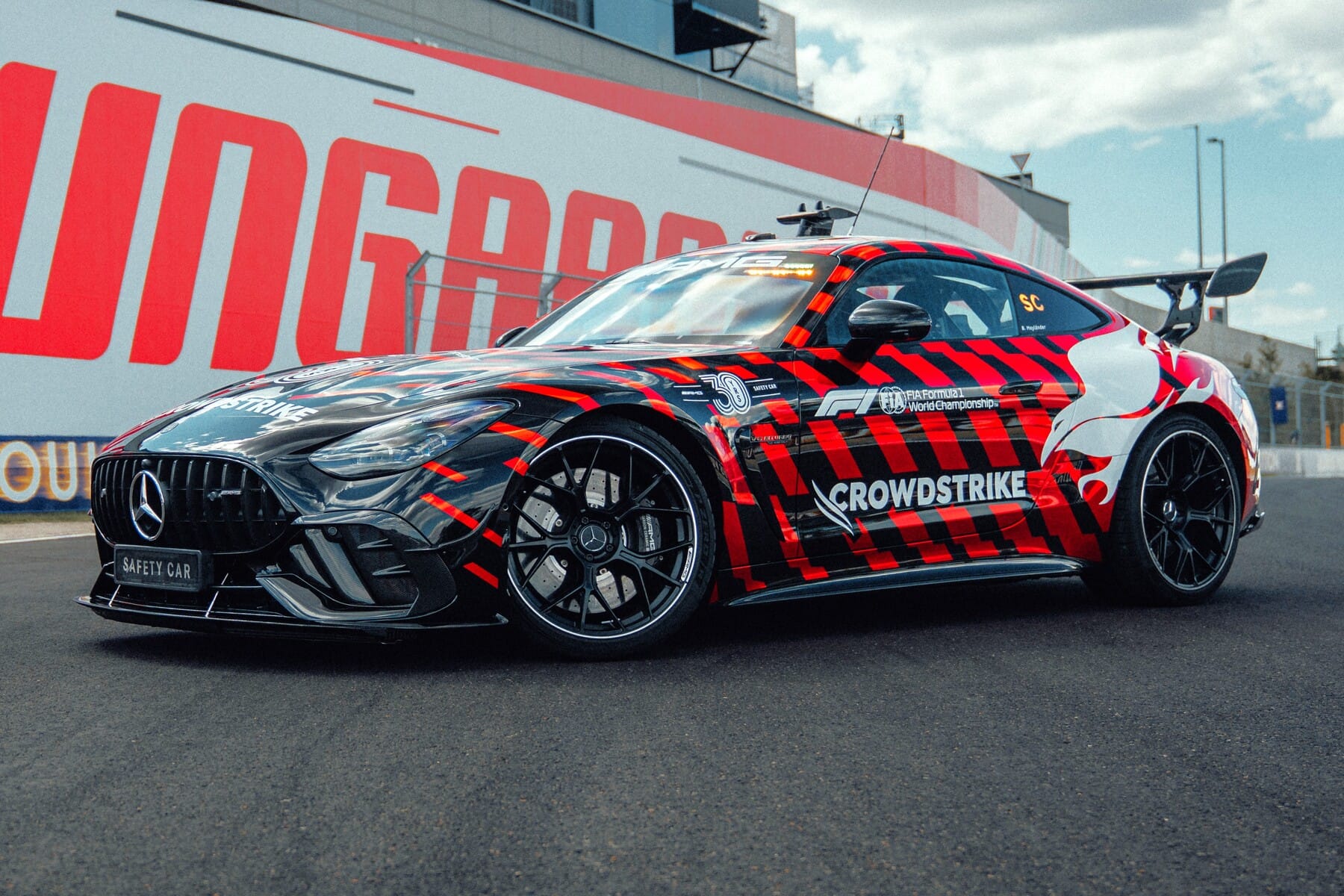
Mercedes-Benz has unveiled the new AMG GT 63 Pro 4Matic+ as the new F1 safety car, replacing the prior AMG GT Black Series from the Hungarian Grand Prix onwards. Powered by a 4.0-litre twin-turbo V8 producing 612 hp and 850 Nm, it is the first F1 safety car to feature an all-wheel-drive system, improving traction in wet and low-grip conditions. The car also benefits from revised aerodynamics, including a new front splitter, active rear wing, and dive planes for greater stability at high speeds. An integrated LED signalling system in the rear wing enhances visibility for drivers following behind during safety car periods. The Hungarian Grand Prix will also mark 30 years of Mercedes supplying safety cars to Formula 1, with the new AMG GT 63 Pro wearing a special anniversary livery and will be driven by Bernd Mayländer.

Honda Rebel 300 image gallery

Honda Rebel 300 front three quarter

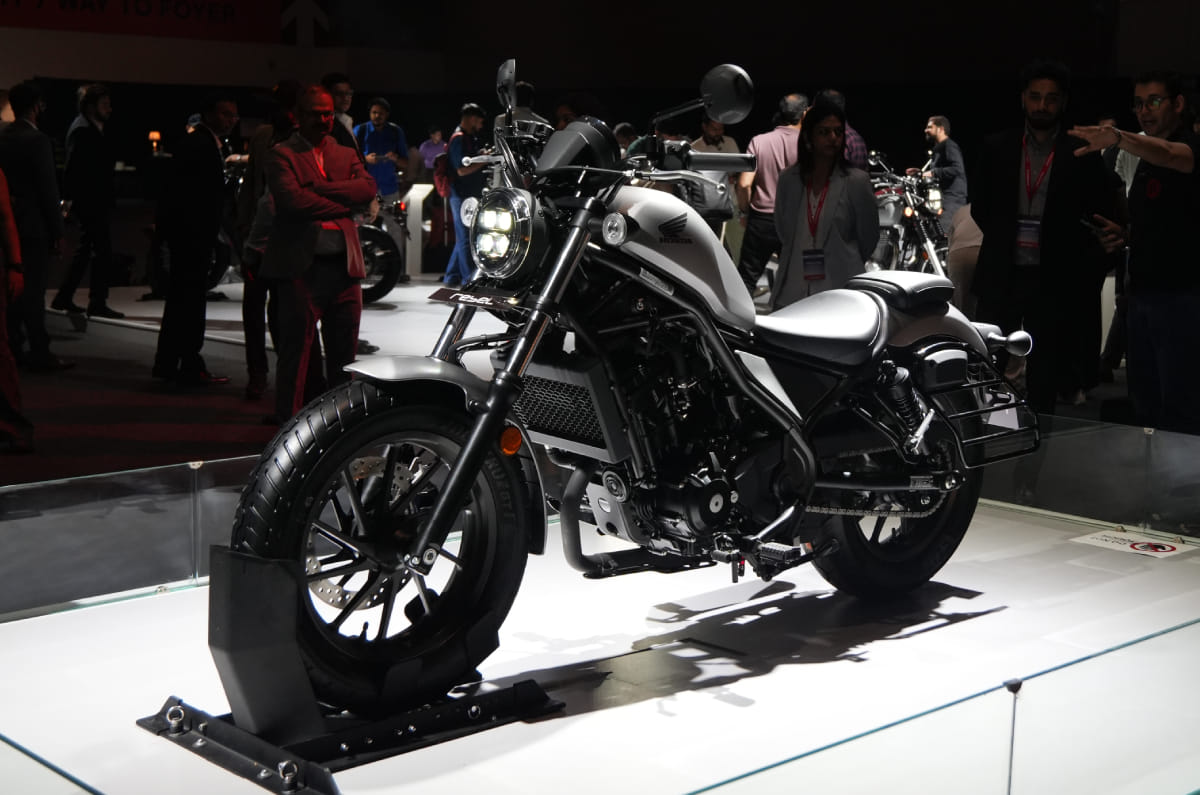
Honda has finally announced that the Rebel 300 will be officially launched in India over the next few months. The bobber-styled cruiser will be manufactured in India and is powered by a 286cc single-cylinder, liquid-cooled engine producing around 30hp and 27.5Nm, paired with a six-speed gearbox. Alongside the standard variant, Honda will also offer a version equipped with its E-Clutch technology, which automates clutch operation while still allowing the rider to use the clutch lever manually whenever desired.

Key design elements include a teardrop-shaped fuel tank, a round LED headlight, a two-piece seat and a short, stubby exhaust. The Rebel 300 has a notably low 690mm seat height, making it particularly accessible to a wide range of riders. Suspension duties are handled by a 41mm telescopic fork at the front and twin rear shock absorbers, while braking is via disc brakes at both ends with dual-channel ABS.

Mercedes-Benz CTO Jörg Burzer on India R&D and future product development

Mercedes-Benz CTO Jorg Burzer

Mercedes-Benz’s Research and Development centre in Bengaluru has evolved from a hardware-focused engineering hub into one of the company’s key global R&D centres, with teams working across software, ADAS, electric powertrains and physical vehicle development. In this interview, Jörg Burzer, Member of the Board and Chief Technology Officer, Development & Procurement at Mercedes-Benz Group AG, discusses the centre’s expanding capabilities, the role of AI in vehicle development, the future of autonomous driving, and why he believes every Mercedes-Benz has “a bit of India” in it.

A lot of global auto OEMs have large R&D centres in India. Beyond cost, what are the benefits of having such large setups in India

Yes, it’s not only cost; you see, the competence level is so high. If you look at our centre, we will be celebrating its 30th anniversary here in India, and over these years, it has only grown in size and capability. We started with hardware, but now it’s massively into software, infotainment and autonomous driving. The team in India is contributing heavily on ADAS, for instance, and we are working on Level 3 and Level 4 with the team in India. So, all in all, I would say it’s competence, speed and agility that are good here. 

Is the Mercedes development centre mainly a digital unit, or is physical development also being undertaken here?

Oh certainly, we have lots of hardware development. There are many test benches, and you’ll see lots of physical testing and development taking place here. Even beyond powertrain, there’s a lot of physical development taking place along with our vendors here too. And then, on electric vehicles, we’re working on the powertrains and batteries too. And yes, on the digital side, there’s lots of AI work, not just on the product, but also on process development. So yes, the centre is a full-scope R&D centre, a blend of the digital and physical. For example, we do a lot of work on the simulation of sheet metal forming and welding here. 

Besides engineering, does the India centre also do design and styling work for your products?

On the design side, at Mercedes, we have this philosophy that we are creating a global product, and so we have a global design. This might change a little bit – obviously, we are adapting our design, which might be enriched by certain market trends – but for us, it’s very important that it is a global design, so we have one design hat. So, our styling team is based in Germany, where we have our design centre, and that’s important for us to maintain the global approach. 

Software is today a leveller, even phone manufacturers can make a car today. Do you view this as a threat? 

I see this as an opportunity because, for instance, you can develop a software stack for ADAS, but at the end you have to apply it to hardware. One interesting bit, to my knowledge, is that we are the only OEM doing a Level 2++ ADAS with a combustion engine, otherwise you only see this on EVs. To do this in a combustion engine environment, you know, with things like a transmission, it’s more complicated, so that’s where our expertise in traditional technologies, along with our developments in software, has an advantage. And of course, we have tremendous respect for our competitors and we are seeing what they are doing, but for me, I think if you do this mix right, you will be at the forefront of development.

Past Mercedes cars stood for robust engineering. What do you think a Mercedes 10 years from now would be all about? 

Obviously there will be tech, but there will be more. I can give you a good example, one of the most important characteristics and values of a Mercedes-Benz is safety. We do plenty of crash tests every year for our cars that we launch, plus there’s a lot that we are doing with autonomous driving too, for instance, what we are doing with Nvidia. And here we have a lot of redundancy. We have a traditional software stack with massive amounts of info like what is a stop sign in every different market, for example. But there’s an end-to-end stack where the software is trained by the behaviour of the driver in traffic, but what we are doing is we have both stacks, so if the end-to-end system does not know what to do, then it can fall back to the classic system. So, we create a safety environment, where we know there is always a solution. 

On redundancy, what is your view of a wide sensor stack like radars, lidars and cameras, or is AI with cameras only fine? 

We are using AI, yes, but we have radars too. We have to use AI to create efficiency in the simulation and training, but you have to also think about the sensor set, and for me, I am convinced you have to have a multiple sensor set, not just one type. So, like on the S Class, we have multiple cameras, radars and ultrasonic sensors too. 

Does the India R&D centre develop products or platforms independently of headquarters, or is it more synergetic?  

For us, it’s very important that we do everything as a team. So, for me personally, it’s very important to have a global perspective in R&D because the innovations and technology solutions are so complex that you can only master them as a team. There are a lot of competencies, but there is not one single team in the world that can say, ‘I am the one that can create a platform.’ It’s always teamwork, and if you look at all industries, automotive engineering is the ultimate for teamwork. So for us, R&D is one big team. And with regards to the India centre, I love to say that in each and every Mercedes, there is a bit of India in it.
 

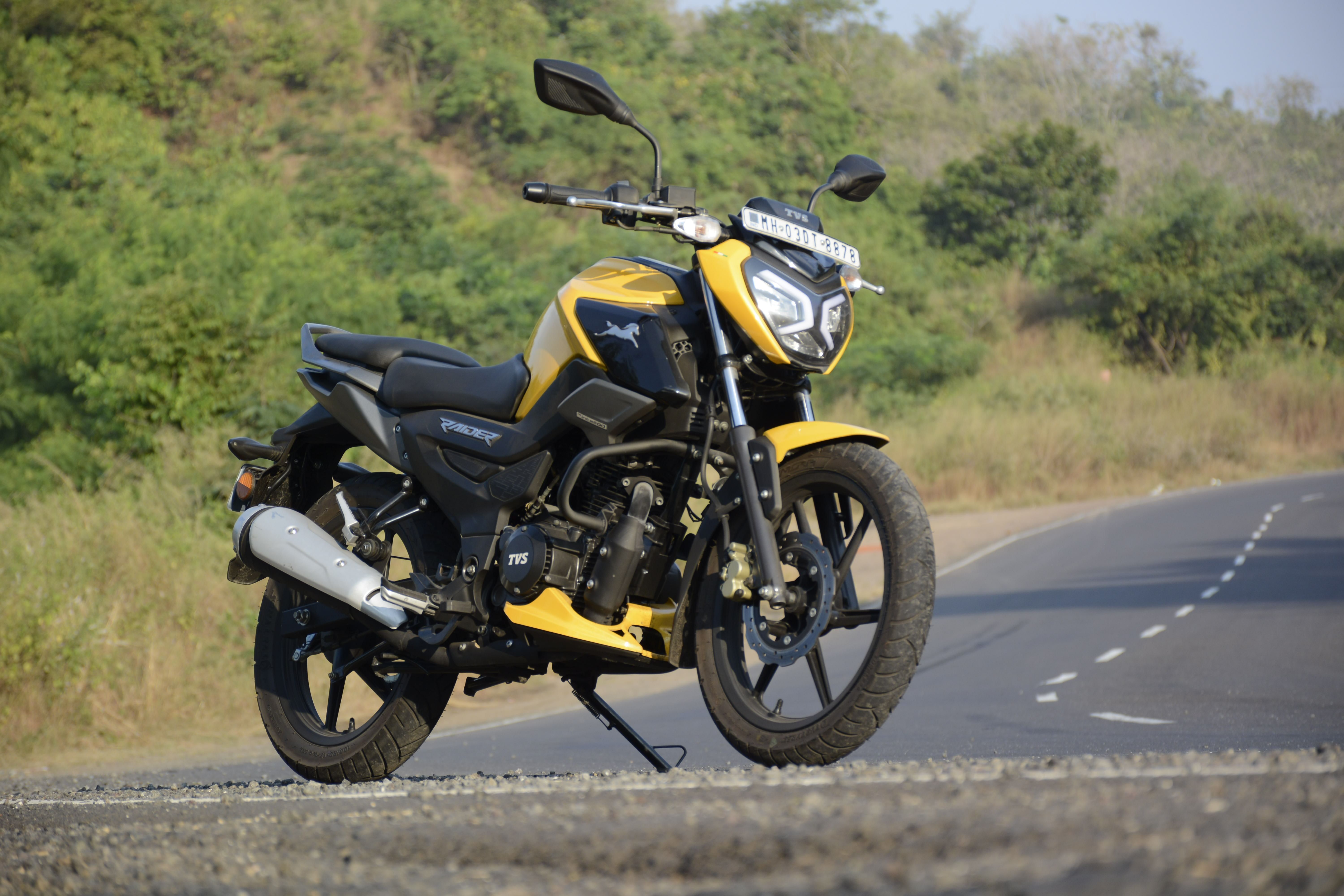
5 things to know before buying the TVS Raider 125

5 things to know before buying the TVS Raider 125

The TVS Raider 125 is one of the brand’s most popular motorcycles. Earlier this year, it crossed 19 lakh cumulative sales since its launch in 2021, accounting for nearly a third of TVS’ total motorcycle sales over that period. Here are answers to some of the most commonly asked questions about the sporty commuter.

1. What is the price of the TVS Raider 125?

The TVS Raider 125 is available in seven variants – Drum, Single Seat, Split Seat, iGO, SSE, SXC DD and TFT DD. Prices start at Rs 83,410 for the Drum variant and go up to Rs 99,620 for the range-topping TFT DD (both ex-showroom, Delhi).

2. What engine does the TVS Raider 125 use?

The Raider 125 is powered by a 124.8cc air and oil-cooled, single-cylinder engine producing 11.2hp at 7,500rpm and 11.75Nm at 6,000rpm. The Single Seat and Drum variants, which do not get TVS’ iGO Assist system, produce a slightly lower 11.2Nm of torque.

3. What features does the TVS Raider 125 have?

The Raider 125 is available with two instrument cluster options. All variants get an LCD display, while the range-topping TFT DD features a 5-inch TFT display with voice assist, call management, on-console notifications and turn-by-turn navigation. The TFT DD and SXC DD variants also disc brakes at both ends with single-channel ABS, while the remaining variants use a front disc and rear drum setup, except for the base Drum variant, which gets drum brakes at both ends. The Raider also comes with TVS’ Glide Through Technology, which allows the motorcycle to crawl forward at low speeds without any throttle input, similar to the creep function on an automatic car.

4. What is the kerb weight and ground clearance of the TVS Raider 125?

Kerb weight varies slightly across the range. The SSE, iGO and Split Seat variants weigh 123kg, the Drum and Single Seat variants weigh 124kg, while the TFT DD and SXC DD variants weigh 125kg. Ground clearance is rated at 180mm across the lineup.

5. What colours is the TVS Raider 125 available in?

The Raider 125 is available in 13 colour options across two alloy wheel finishes. Models with red alloy wheels are offered in Grey, Black and Red. Variants with black alloy wheels are available in Blue, Red, Purple, Yellow, Grey and Black, along with four Marvel-inspired liveries based on Black Panther, Iron Man, Deadpool and Wolverine.

All accessories that can void your car warranty

All accessories that can void your car warranty

Personalising your car with aftermarket accessories is one of the first things many owners do after taking delivery, but not every accessory out there is safe from warranty denial. While there are plenty of ways to accessorise your car without voiding the warranty, some go a step further and void your car insurance as well. So before going ‘Pimp My Ride’ over your car, here’s a list of accessories that void your car warranty.

Note: An aftermarket accessory does not void the car’s entire warranty. If a component is affected by a modification, a manufacturer can only deny warranty claims for that component, meaning that the coverage for unrelated parts of the vehicle remains intact. 

Mechanical upgrades

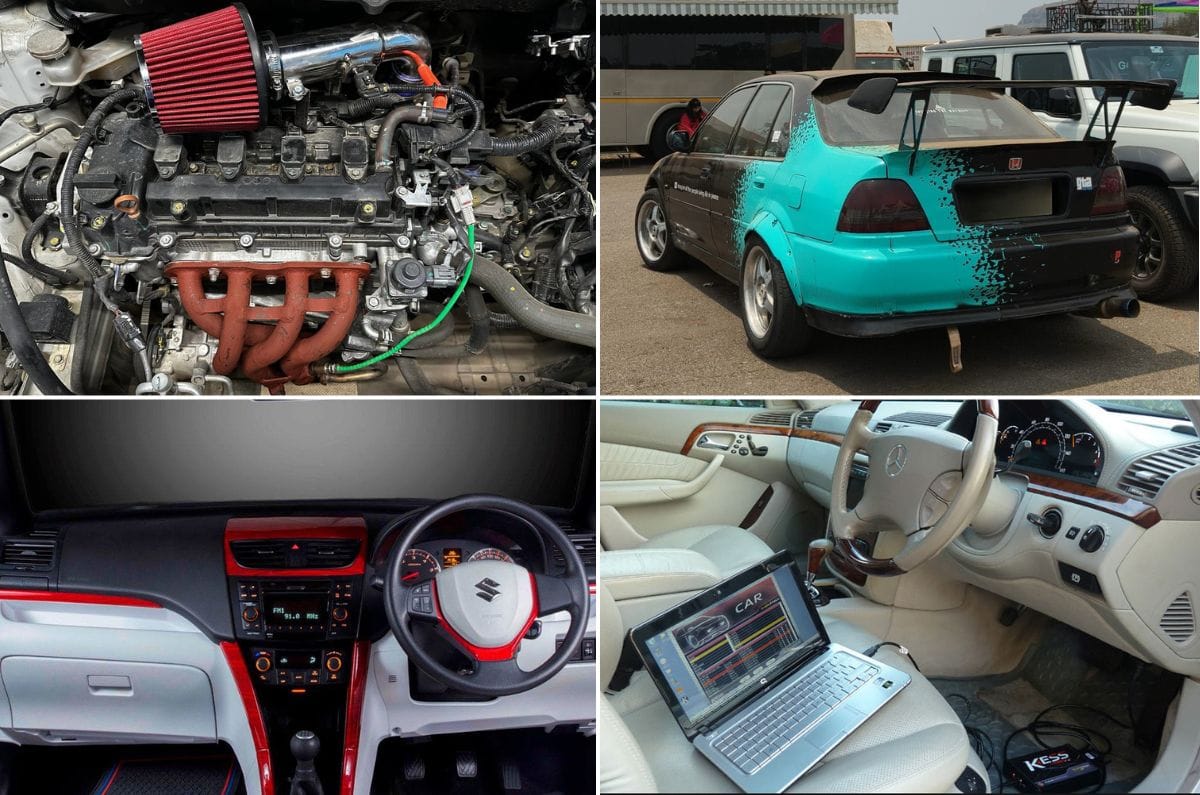
While performance upgrades to increase your car’s power output seem like fun and games at first sight, it’s a huge red flag to car manufacturers. Surely such upgrades bring a thrill when behind the wheel, but performance enhancements to your car aren’t recommended by the majority of car manufacturers as they void the warranty. These include upgrades under the bonnet to increase power output, including a turbocharger, supercharger, air intakes, exhaust system adjustments, other internal engine parts or even adding a CNG kit. Additionally, raising or lowering your car’s ride height and suspension tweaks will void your warranty.

Exterior cosmetic modifications

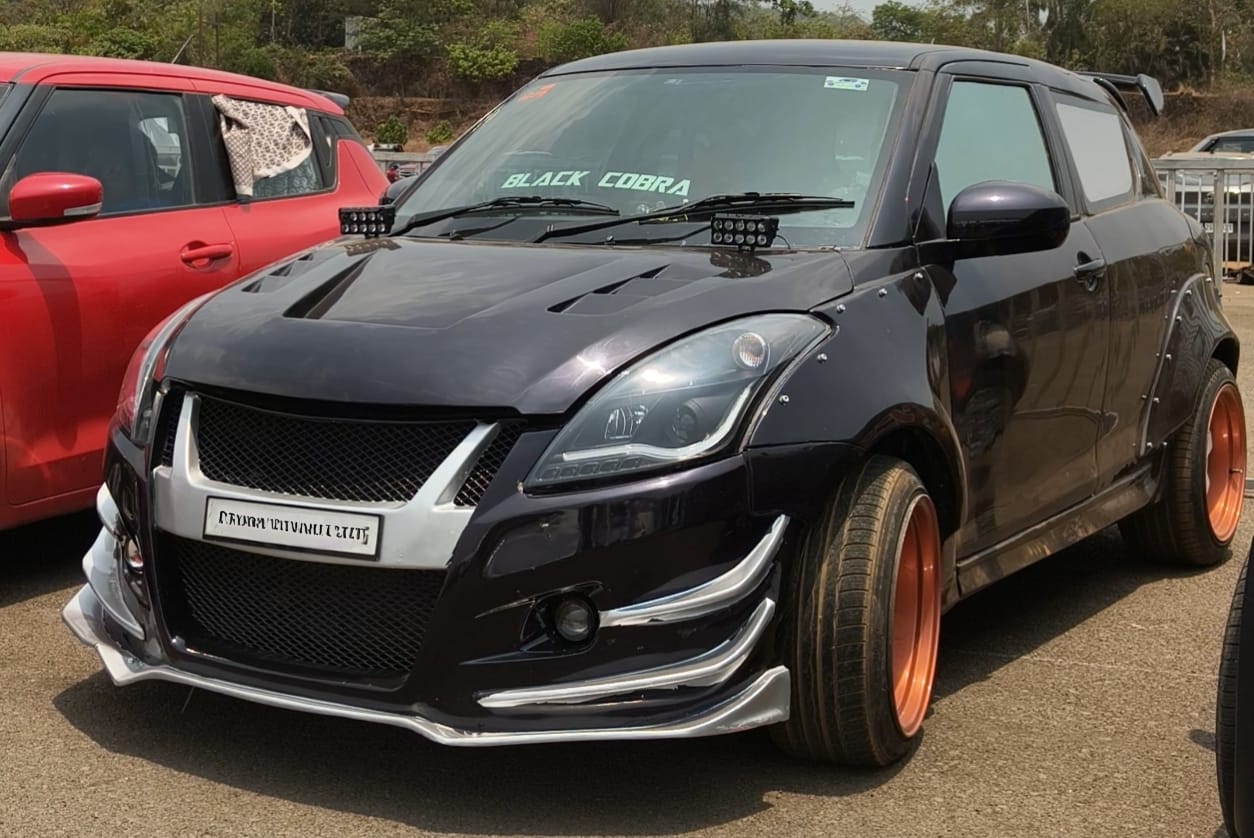
Car manufacturers can deny warranty if you install parts that are welded/drilled to your car’s exterior. Parts such as bodykits, spoilers, bumpers, flared wheel arches, sunroof, window tints, etc. come under this category. Even changing your car’s exterior colour or adding functional accessories like roof racks isn’t spared from warranty cancellations. But if you’re looking for exterior car accessories, most car manufacturers provide a long list of OEM modifications. These not only ensure that you make your car look cosmetically better, but also avoid warranty cancellations.

Interior accessories

Credit: Pegasis Premium

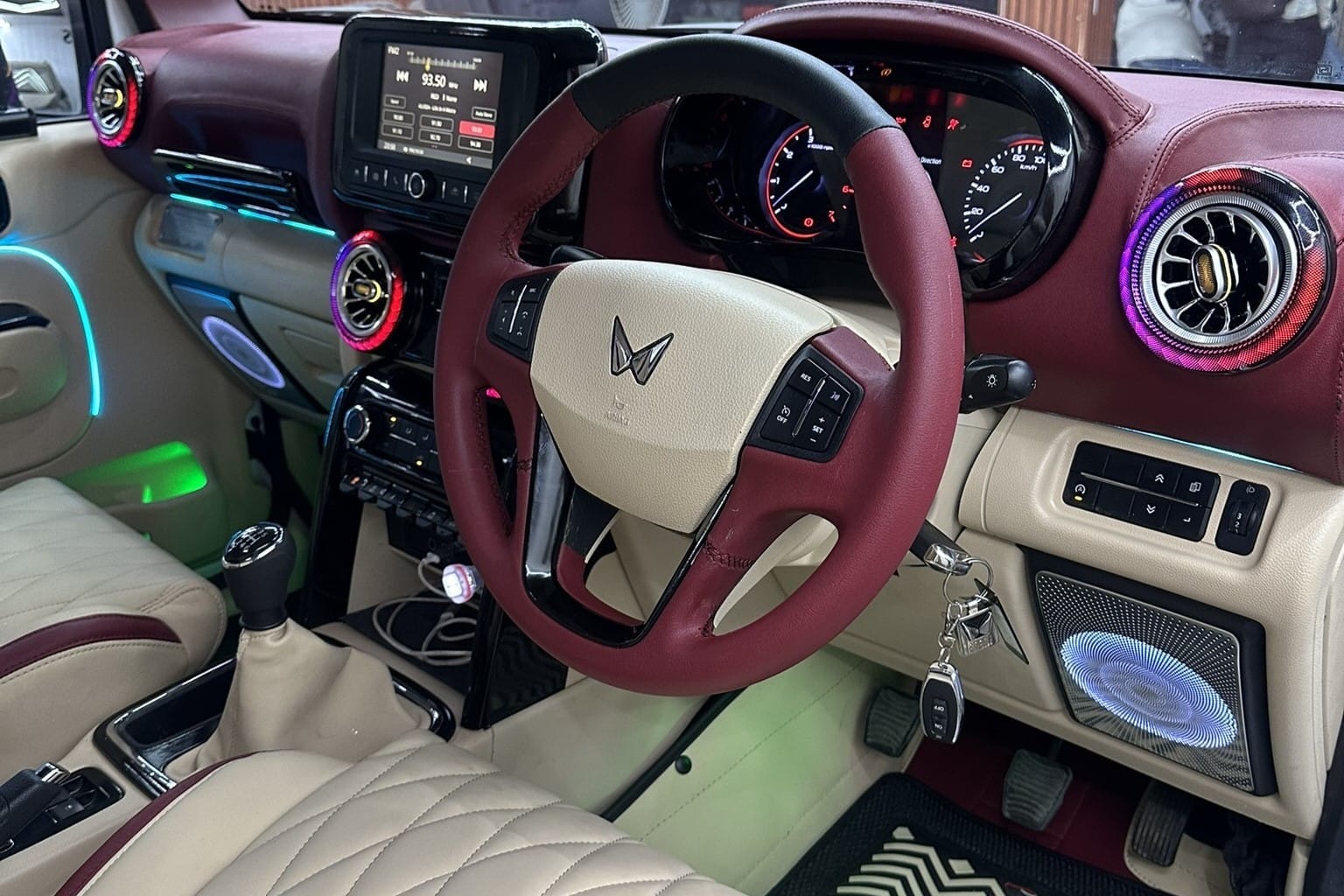
Manufacturers are just as strict about what happens inside the cabin. Seat covers that need stitching, drilling or cutting into the factory upholstery and custom seat upholstery jobs can all be flagged during a warranty inspection. Swapping out the steering wheel, gear knob or pedals for aftermarket units, especially ones that involve rewiring for airbag or infotainment functions, is another common red flag. Aftermarket touchscreen head units and ambient lighting kits that require cutting into the dashboard or splicing into the car’s wiring loom fall in the same bracket. As with exterior styling, most manufacturers offer a range of OEM interior accessories, such as seat covers and floor mats designed to fit without any cutting or drilling, that let you personalise the cabin without risking your warranty.

Electrical tampering

Image credit: Motoring Masters via YouTube

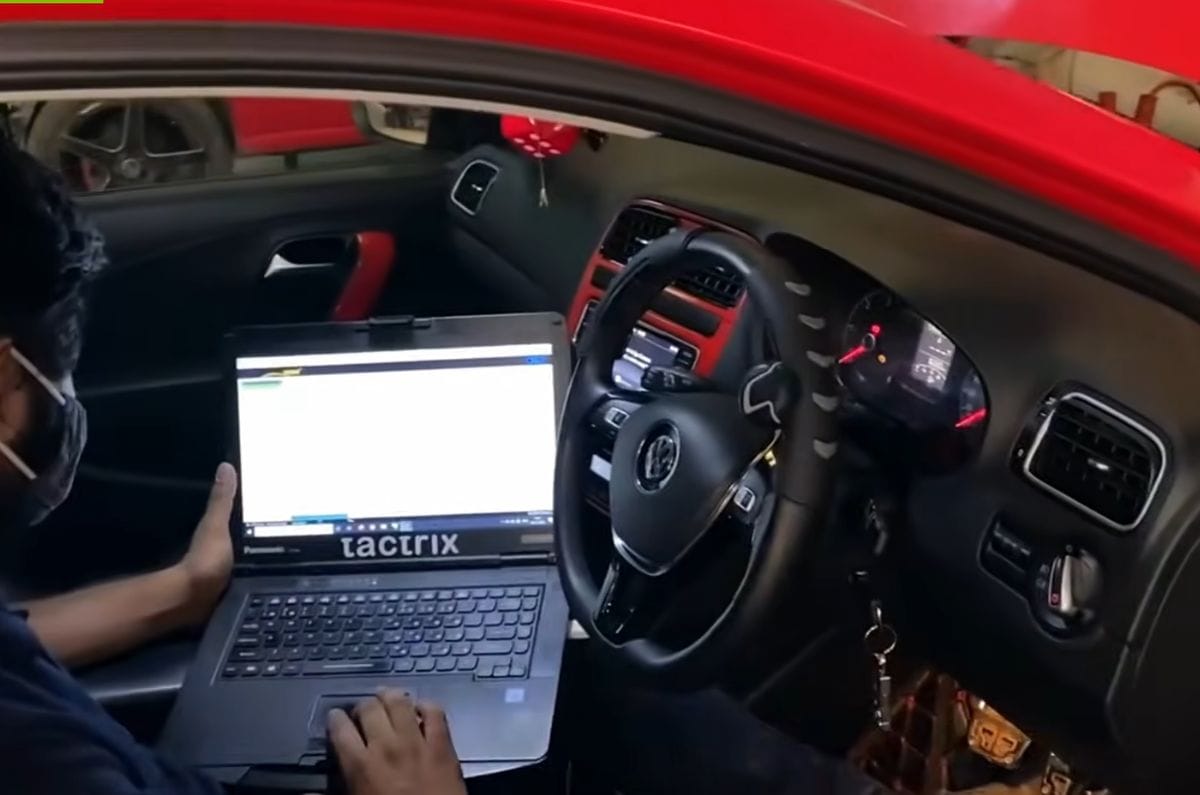
Altering your car’s electrical and wiring systems is also a reason why car manufacturers tend to void warranties. Remapping your car’s ECU, changing/cutting default vehicle wiring for accessories like headlamps, tail-lamps, cameras (dash cam/parking cam), aftermarket, and sound systems that draw power directly from the fuse box also fall under this category. Any accessory that needs a wire cut or rerouted, rather than simply plugged in, is best cleared with your manufacturer or an authorised dealer before installation.

Buyer Beware

Most warranty disputes in India come down to how an accessory was fitted, not just what was fitted. A plug-and-play, non-invasive accessory sourced from an authorised dealer is usually safe; anything that involves cutting, drilling, welding or splicing into the car’s original systems is a risk. When in doubt, it’s always worth checking with your manufacturer or authorised service centre before you accessorise.

2026 F1: Norris wins Hungarian GP

Norris F1 Hungarian GP

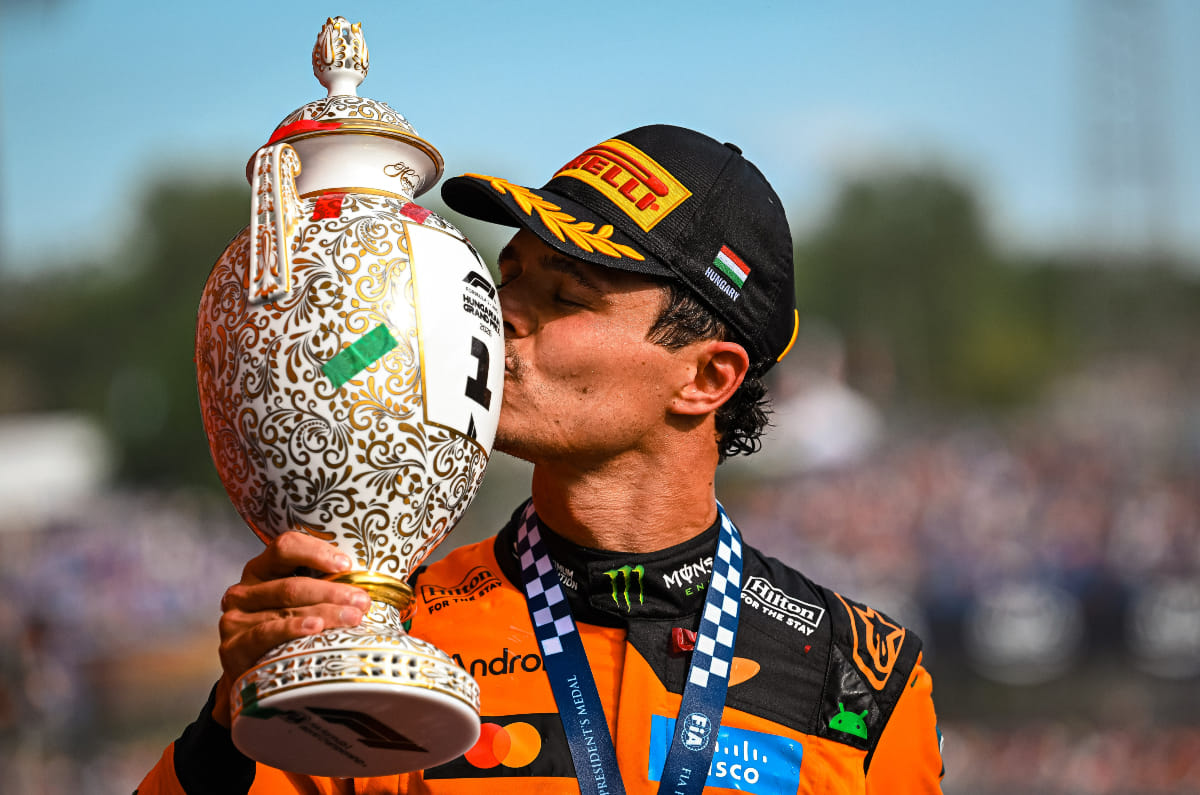
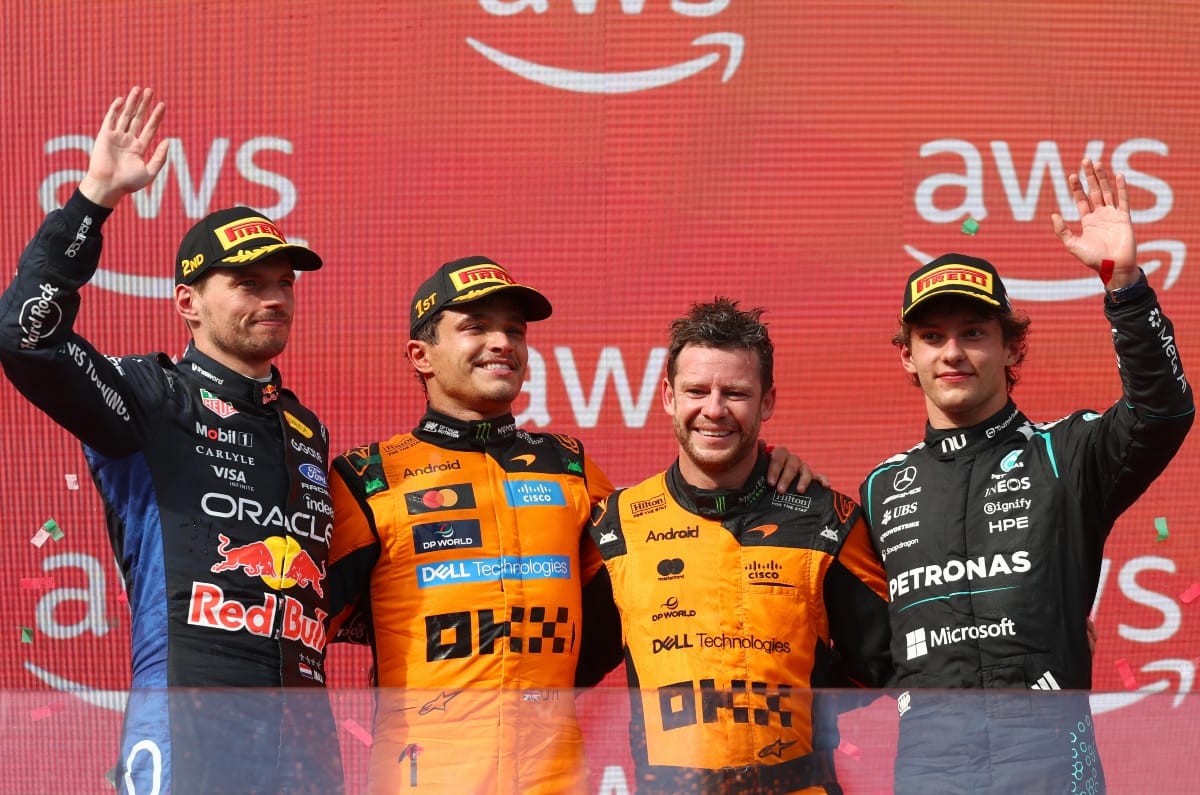
Lando Norris converted pole position into victory at the Hungarian GP, securing his and McLaren’s first win of the 2026 season. He finished over 15 seconds clear of Max Verstappen, while Kimi Antonelli completed the podium to further extend his championship lead.

  1. Norris wins, 15.080 sec from Verstappen
  2. Hamilton moves up to second overall in drivers’ championship

Norris scores first win of F1 2026

Piastri retires with gearbox issue

F1 Hungarian GP McLaren

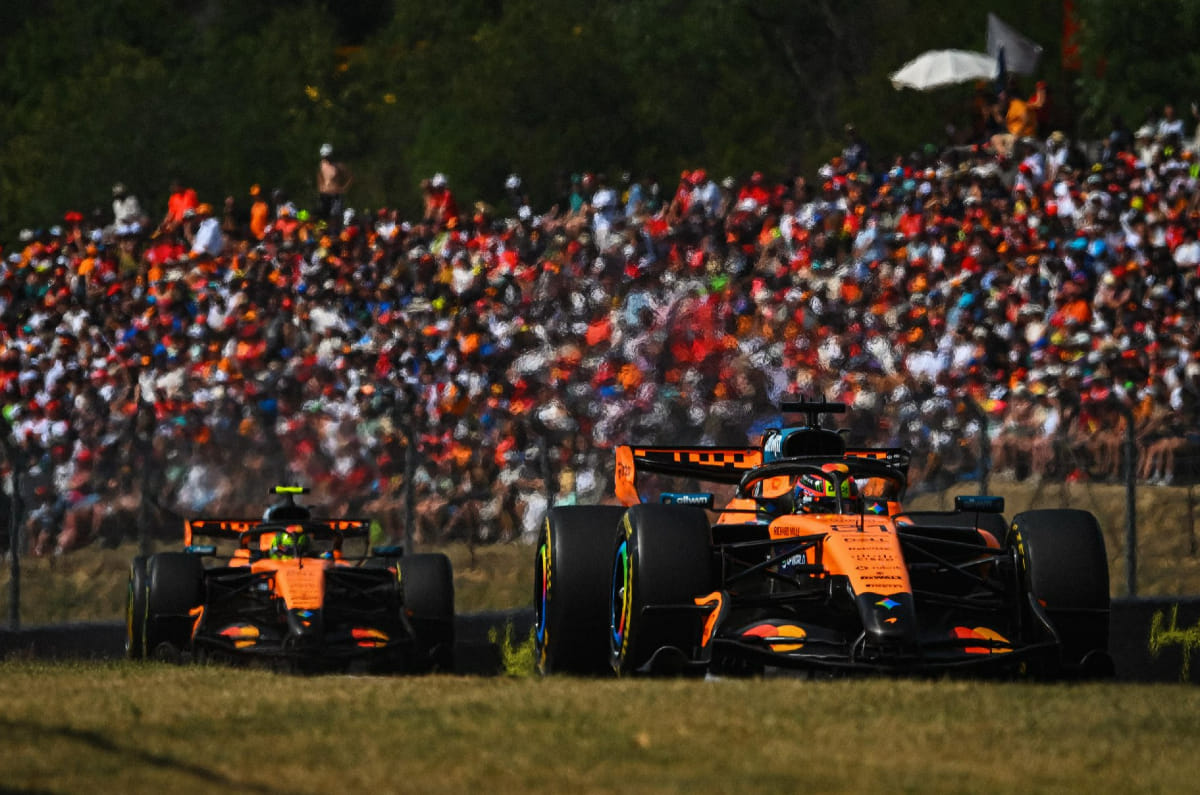
Oscar Piastri grabbed the lead from his McLaren teammate at Turn 2 on the opening lap. The duo held position for the first half of the race, but Piastri found himself released in traffic after his second pit stop, caught up in the battle between Carlos Sainz and Fernando Alonso. The McLaren driver ended up making contact with Sainz, with the latter being handed a five-second penalty for ignoring blue flags.

Out at front Norris was lapping significantly faster, and gained enough time to pit and re-join the track in the lead. Things went from bad to worse for Piastri as he stopped on lap 56 with an apparent gearbox failure. 

A controlled drive thereafter handed Norris his first win of the 2026 F1 season. “My pace today was probably some of the best pace I’ve ever had. The car was beautiful to drive and I felt very confident, so a great race. To get it back in terms of going long, which is certainly not what I was expecting, but the pace was so good I could always extend the stints, and fresh tyres then always won me the race. I’m just happy to be back and see the number one again,” the reigning world champion said.

Verstappen, Antonelli complete podium

F1 Hungarian GP podium

Piastri’s retirement triggered the Virtual Safety Car that shuffled the order. Verstappen and Antonelli, who had just pitted for fresh tyres, stayed out and inherited P2 and P3 ahead of the Ferrari duo of Lewis Hamilton and Charles Leclerc.

Hamilton’s hopes of finishing on the podium were dashed when he was handed a five-second penalty for speeding in the pitlane. He dropped to fifth place in the final classifications after the penalty was applied, behind his teammate Leclerc.

Isack Hadjar crossed the finish line in sixth place. George Russell recovered to P7 after a disastrous start that saw him drop as low as P19 after his anti-stall kicked in. Both Racing Bull drivers scored points, with Liam Lawson P8 and Arvid Lindblad P10. Audi’s Nico Hulkenberg separated the two in ninth place.

2026 F1 championship standings

Antonelli heads into the summer break with a 50-point lead at the top of the standings. Russell’s recent misfortune, meanwhile, has dropped him to third in the championship, while Hamilton moves up to second place overall with nine points separating the two.

The 2026 F1 season will resume with the Dutch GP at Zandvoort on August 21-23.

2026 F1 Hungarian GP results

Pos

Driver

Team

1

Lando Norris

McLaren

2

Max Verstappen

Red Bull Racing

3

Kimi Antonelli

Mercedes

4

Charles Leclerc

Ferrari

5

Lewis Hamilton

Ferrari

6

Isack Hadjar

Red Bull Racing

7

George Russell

Mercedes

8

Liam Lawson

Racing Bulls

9

Nico Hulkenberg

Audi

10

Arvid Lindblad

Racing Bulls

11

Gabriel Bortoleto

Audi

12

Pierre Gasly

Alpine

13

Lance Stroll

Aston Martin

14

Fernando Alonso

Aston Martin

15

Franco Colapinto

Alpine

16

Esteban Ocon

Haas

17

Alex Albon

Williams

18

Carlos Sainz

Williams

19

Oliver Bearman

Haas

NC

Oscar Piastri

McLaren

NC

Sergio Perez

Cadillac

NC

Valtteri Bottas

Cadillac