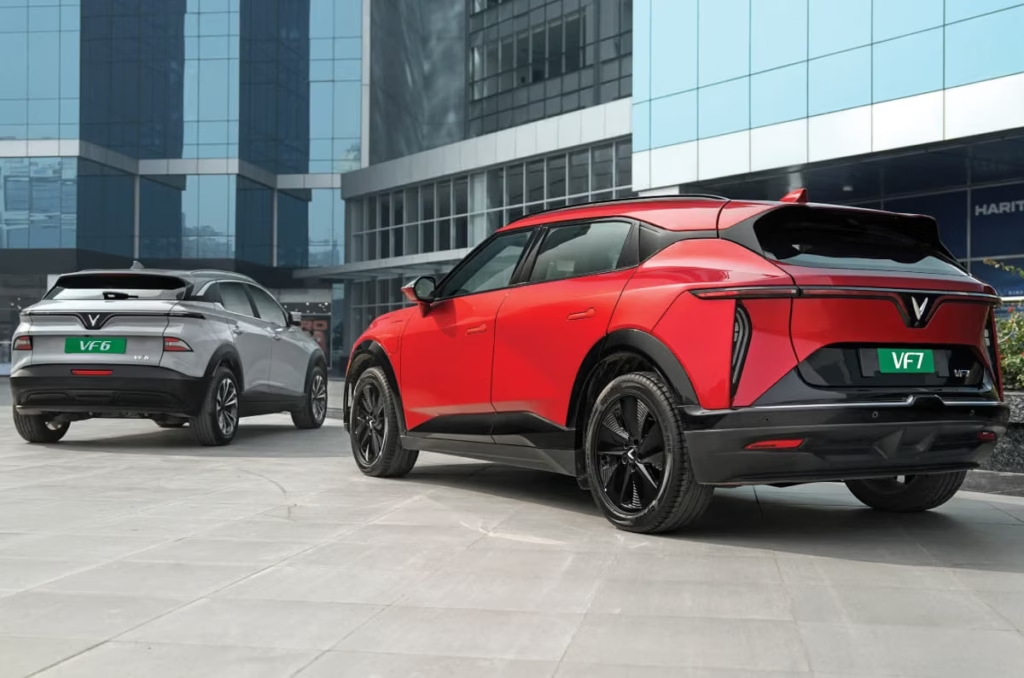
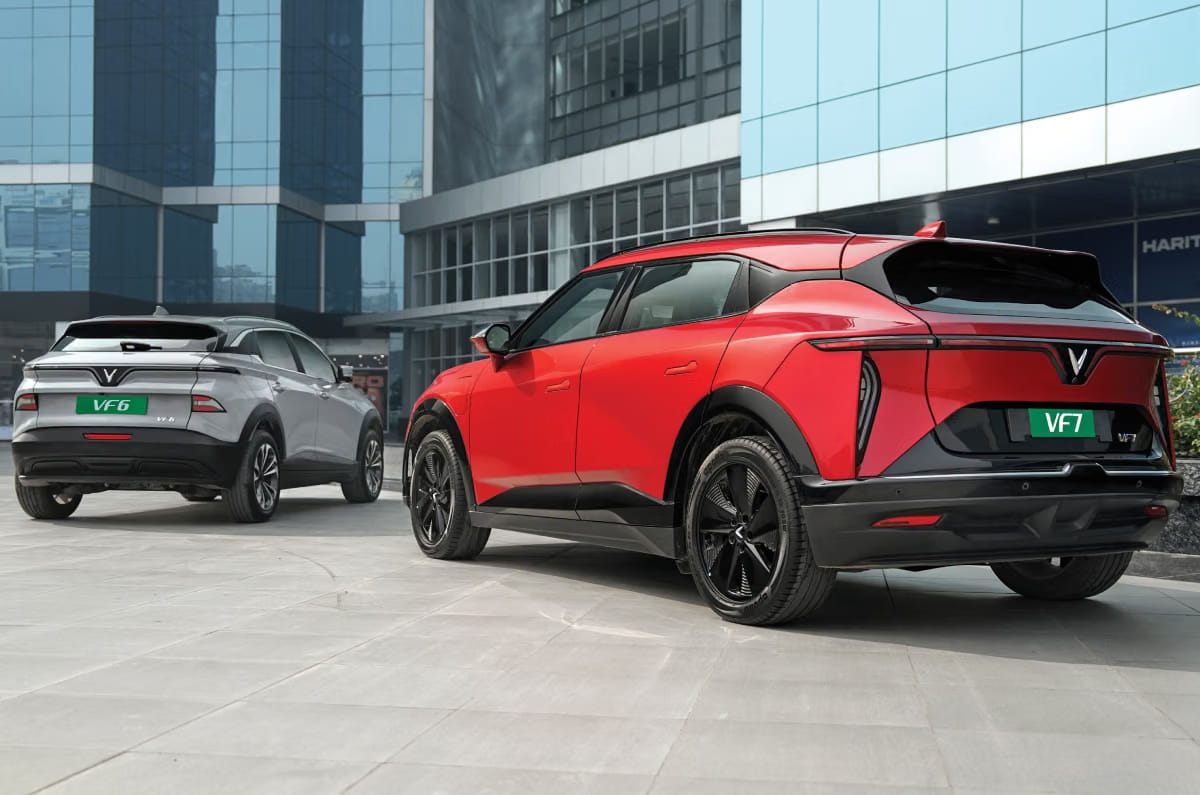
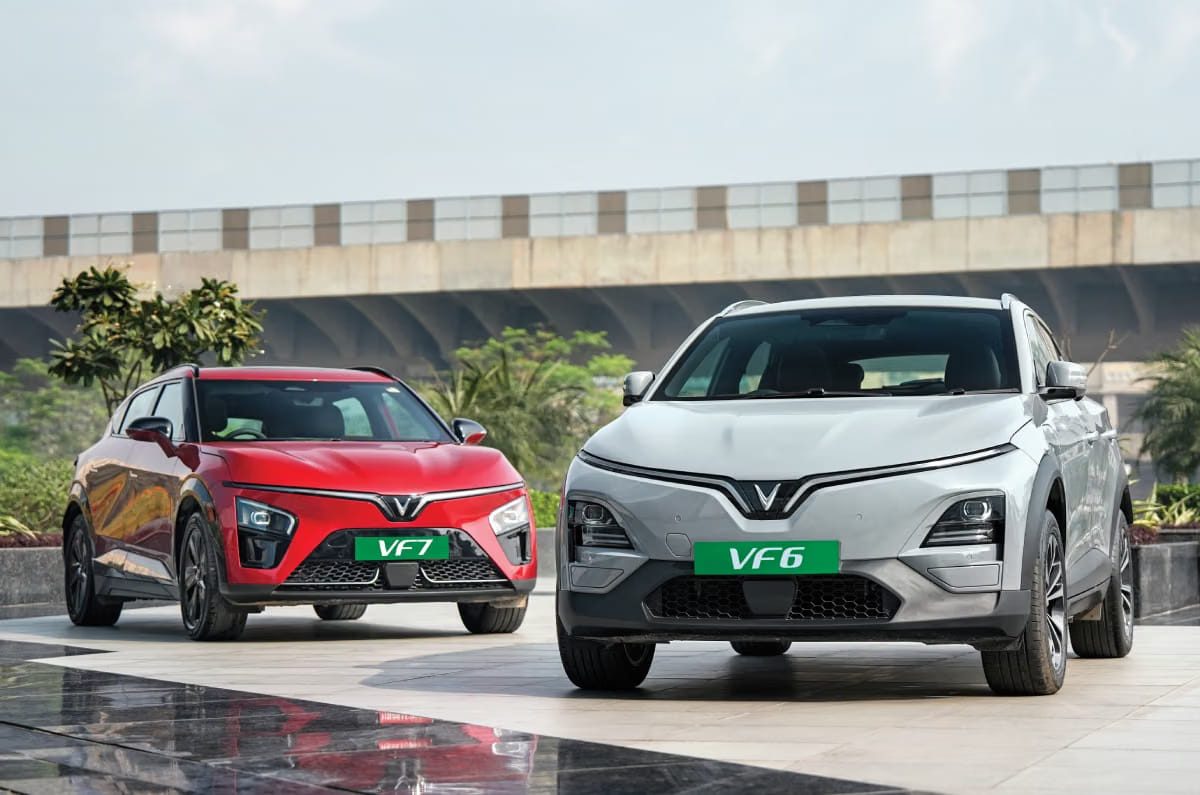
Vinfast plans to design, develop and manufacture electric vehicles specifically for India as it expands its operations in the country. The Vietnamese EV maker has also received investment approval for Phase 2 of its Thoothukudi plant in Tamil Nadu, although it has not disclosed the investment amount, additional production capacity or timeline for the expansion.
Phase 2 of Vinfast’s Thoothukudi plant gets investment approval
Vinfast to increase sourcing from Indian suppliers
India-specific EVs won’t be existing cars adapted for the market
Vinfast says its upcoming models will not simply be existing products adapted for India. The company plans to develop them specifically for local requirements and with a higher level of localisation.
“For upcoming models, Vinfast’s approach is not simply to bring existing products from our global portfolio into the market, but to design, develop and manufacture products specifically for India, tailored to the needs of local customers, while also targeting a much higher level of localisation,” a Vinfast spokesperson told our sister publication, Autocar Professional.
The company said it has conducted market studies and customer clinics to understand Indian customer requirements. Feedback from these exercises has already been used to make changes to products such as the VF6 and VF7 for the Indian market.
VF6, VF7 CKD assembly to continue
VinFast currently assembles the VF6 and VF7 from completely knocked down (CKD) kits at its Thoothukudi facility. The company has clarified that it has neither changed nor suspended production plans for the two SUVs and will continue CKD assembly for India. The clarification follows a Reuters report that had raised questions over the carmaker’s production plans for the two models.
Vinfast said India remains an important part of its long-term business and manufacturing strategy, adding that the initial response to its products has helped it consistently rank among the five largest electric passenger vehicle brands in India.
Vinfast to expand local supplier base
The carmaker is also working to increase sourcing from Indian suppliers. It has held supplier conferences in India and Vietnam involving more than 300 Indian suppliers to explore sourcing opportunities and increase localisation.
“Building a sustainable and resilient supply chain is the foundation of Vinfast’s long-term strategy in India. Accordingly, we are accelerating our operations in line with the ‘Make in India’ direction,” the spokesperson said.
Vinfast is also engaging with government agencies on policy measures aimed at supporting further production and investment by global EV manufacturers in India. The company described the approval for Phase 2 of the Thoothukudi plant as an important step towards expanding its manufacturing capacity.
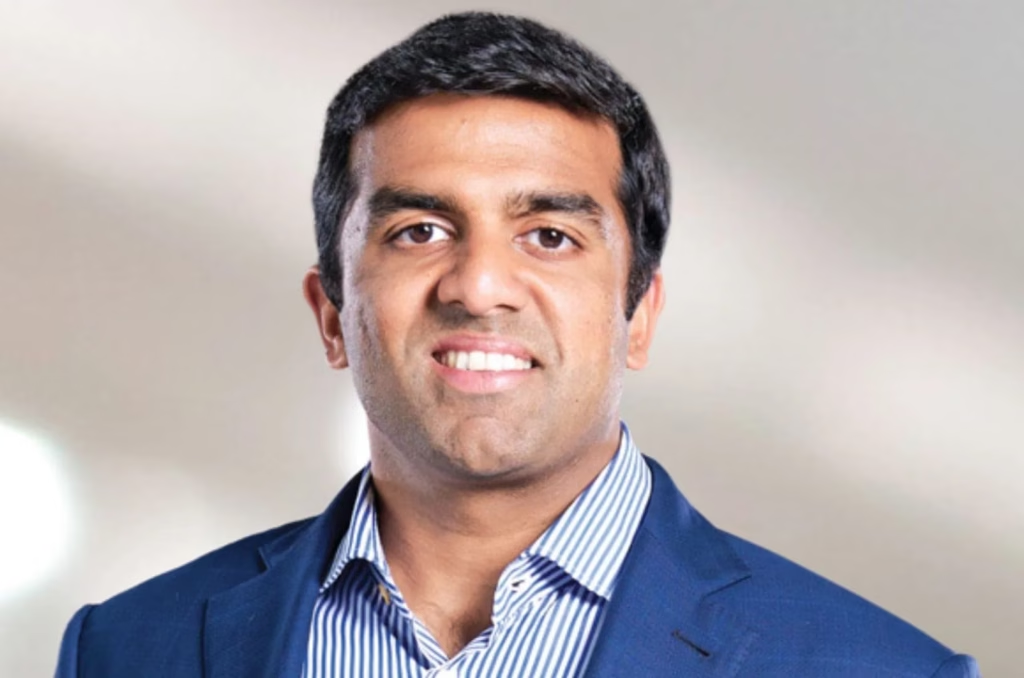
JSW MG Motor India has appointed Parth Jindal as chairman with immediate effect. Jindal has been a board member of the company – a joint venture between JSW Group and SAIC Motor – since its formation and has been involved in its product strategy, manufacturing expansion and localisation programme.
Parth Jindal’s role at JSW
Jindal holds several senior positions across the JSW Group. He is managing director of JSW Cement and JSW Paints, chairman of JSW Dulux and a director on the board of JSW Energy. He is also the founder of JSW Sports and chairman and co-owner of the Indian Premier League team Delhi Capitals.
JSW MG Motor India is a joint venture between JSW Group and SAIC Motor. The company says it has sold more than 1.5 lakh electric vehicles since its first EV launch, with the MG Windsor being its bestselling EV in India.
The appointment comes as JSW MG expands its electric vehicle portfolio and manufacturing operations in India.
Spinny has expanded its partnerships with Nissan, JSW MG Motor and Tesla, covering new-car exchanges, pre-owned EVs and other vehicle ownership services. The tie-ups span different stages of the ownership cycle, including buying, selling, exchanging and upgrading vehicles.
Nissan customers can get exchange benefits of up to Rs 75,000
Tesla has appointed Spinny as a preferred exchange partner
JSW MG Motor India partnership focuses on certified pre-owned EVs
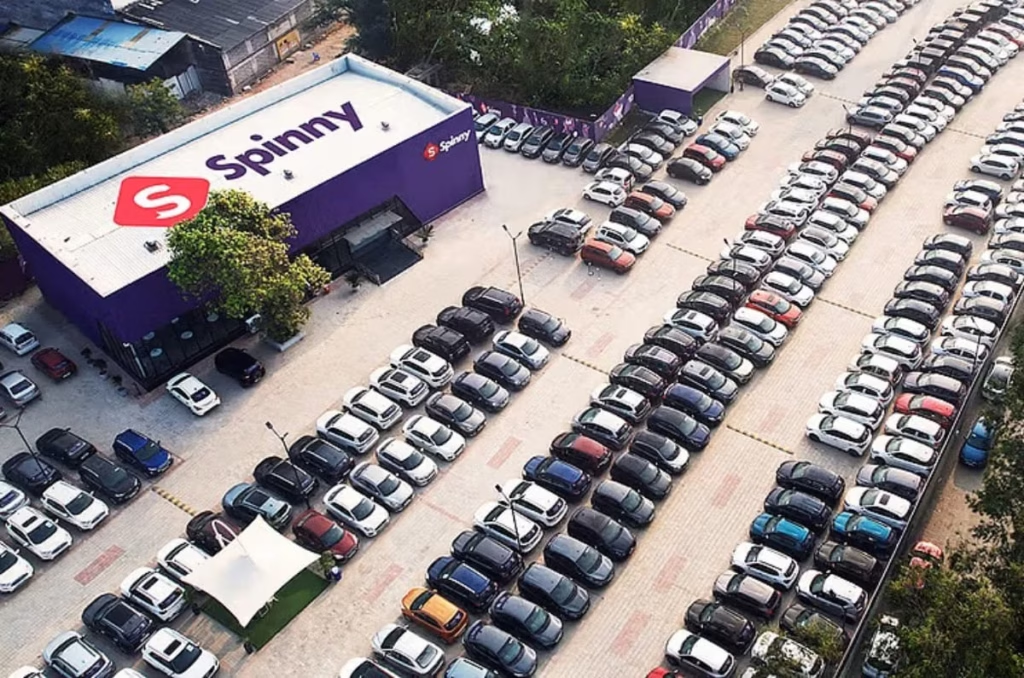
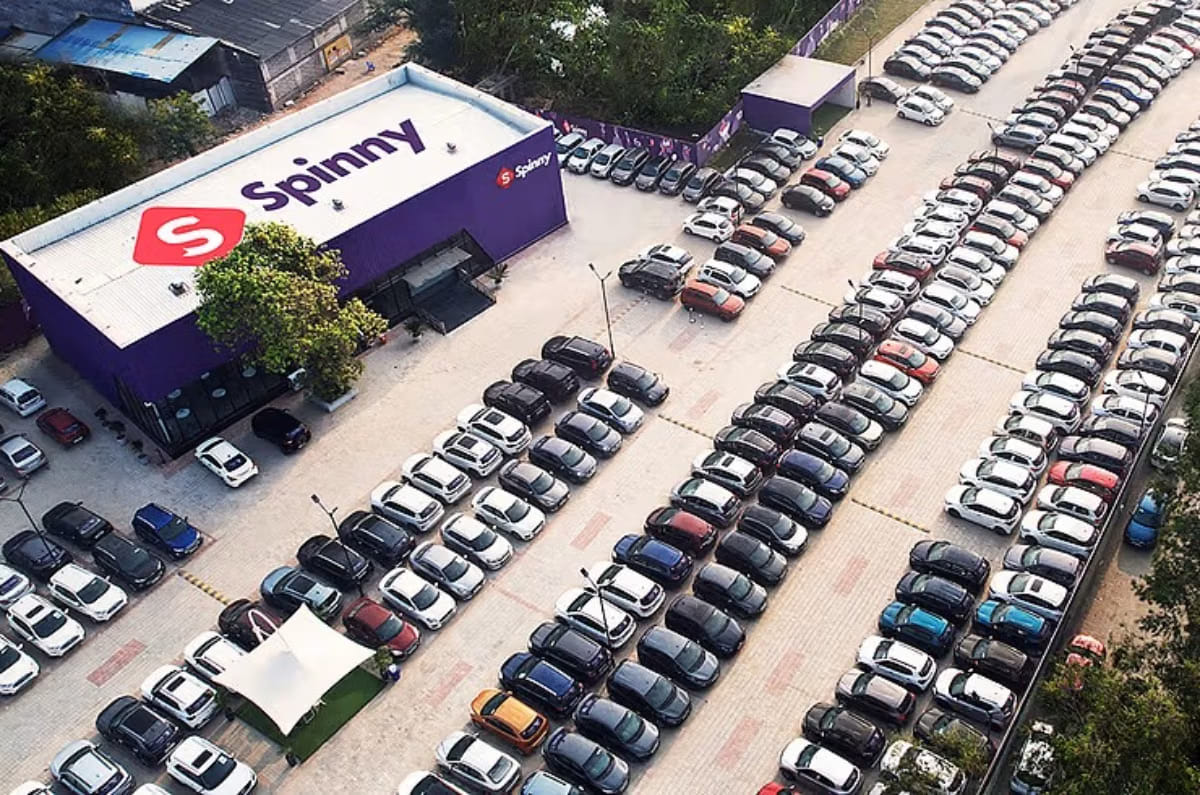
Spinny operates across more than 80 cities with 57+ Car Hubs, 17 Spinny Parks and 15+ Integrated Restoration Centres, according to the company.
Nissan, Tesla exchange programmes
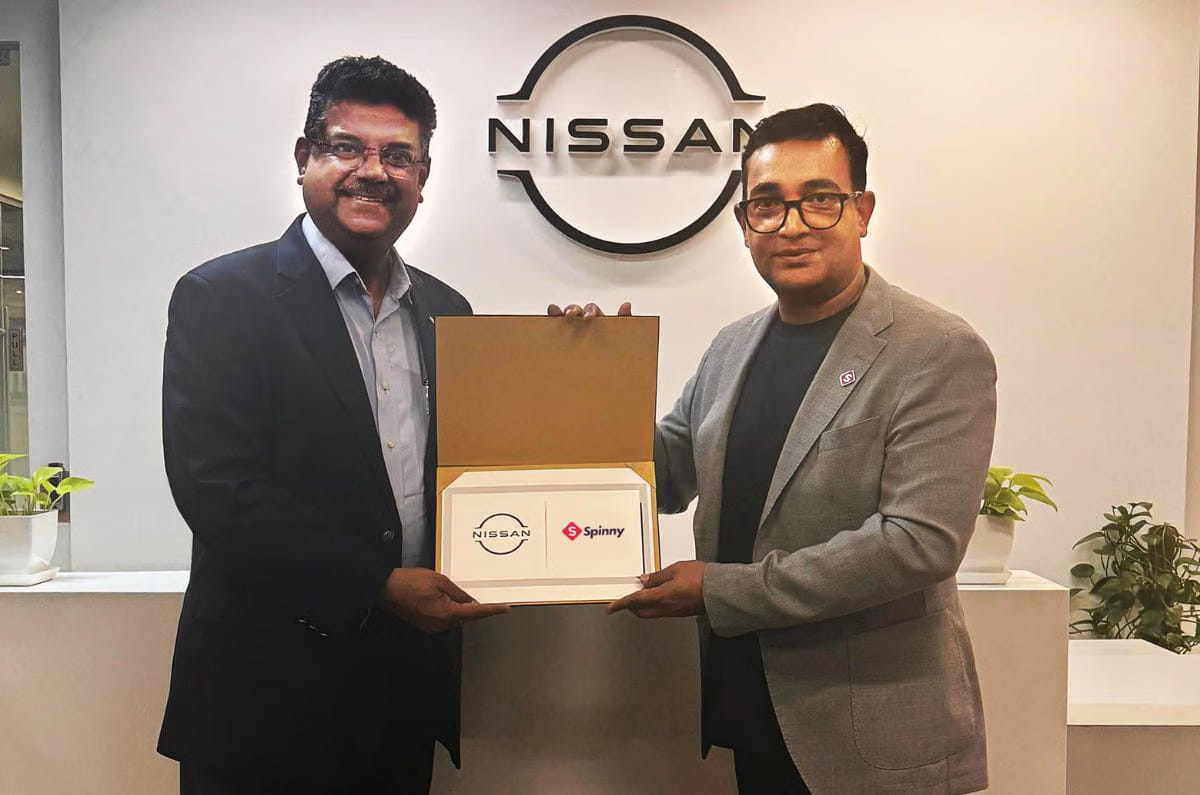
Under the Nissan partnership, customers buying a new Nissan can have their existing vehicle evaluated and exchanged through Spinny. The programme includes a 55-minute vehicle exchange process and benefits of up to Rs 75,000. A Spinny-issued Buying Letter is accepted as proof of exchange.
Tesla has appointed Spinny as a preferred exchange partner under its Switch and Save programme. The arrangement allows customers to sell an existing internal-combustion vehicle when buying a new Tesla.
Spinny expands pre-owned EV operations
The partnership with JSW MG Motor India focuses on the pre-owned EV market. It combines JSW MG Motor India’s electric-mobility expertise with Spinny’s vehicle evaluation, certification, refurbishment and retail capabilities.
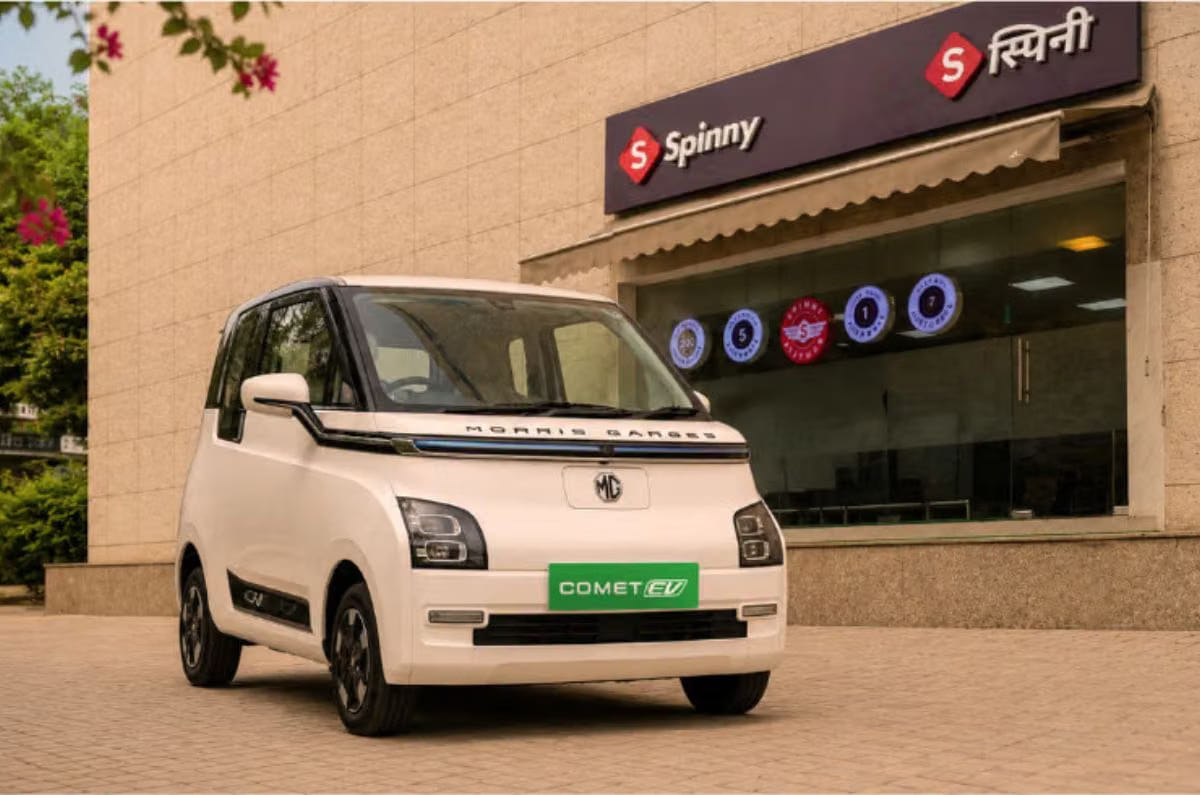
The programme covers the MG Comet EV, MG Windsor EV and MG ZS EV. Customers buying certified pre-owned MG EVs through Spinny will receive a battery health assessment and certification, continuity of the OEM warranty and fixed pricing, along with Spinny’s inspection and refurbishment processes.
Spinny said its EV evaluation process also includes battery health assessment and certification for customers selling their electric vehicles. The service is currently available in Bengaluru, Chennai, Delhi NCR, Hyderabad, Kochi, Mumbai, Pune, Jaipur, Ahmedabad, Kolkata, Lucknow, Chandigarh and Coimbatore.
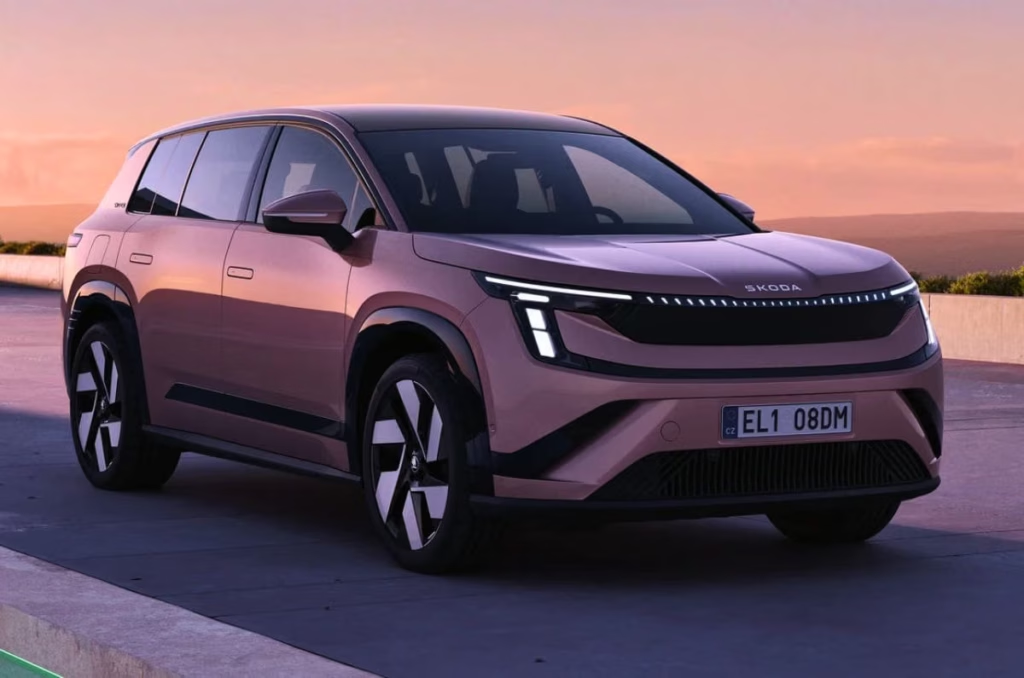
In a rapidly evolving and diversifying market like India, Skoda’s lineup has strictly been limited to just petrol models until now, with petrol itself shrinking and currently making up less than 50 percent of the overall market. The Czech carmaker is now finally looking to diversify, having announced an aggressive CNG plan, a return to diesel with the Superb and also EVs, but in limited batches of fully imported models. However, a locally made EV is still crucially missing from the lineup. Autocar India understands that this gap is expected to finally be addressed in 2028 with a locally produced EV.
India-made Skoda EV details
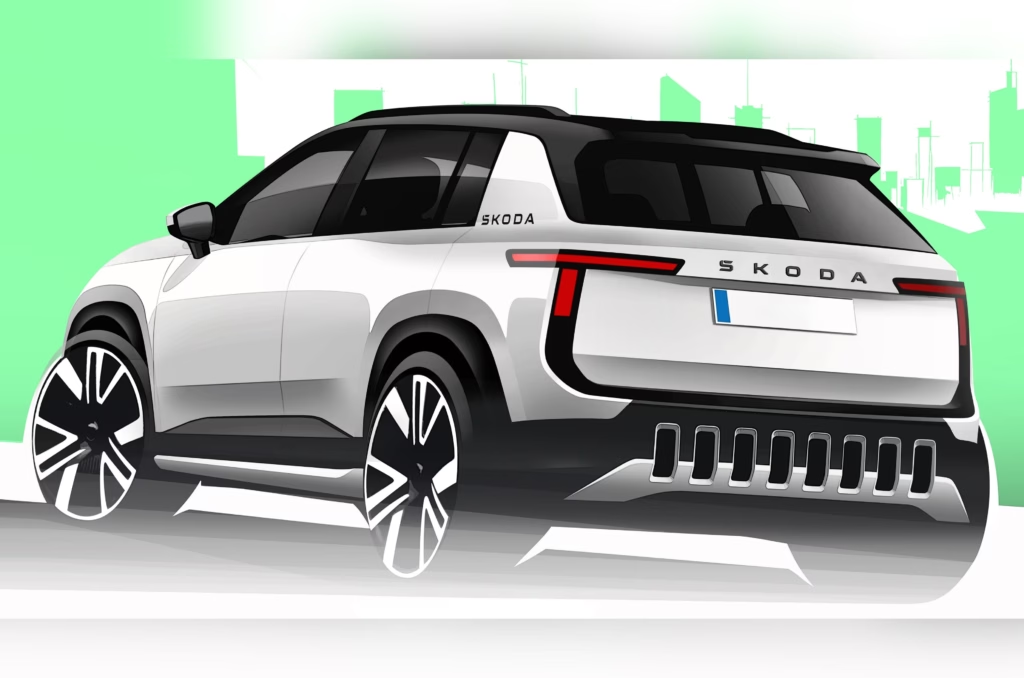
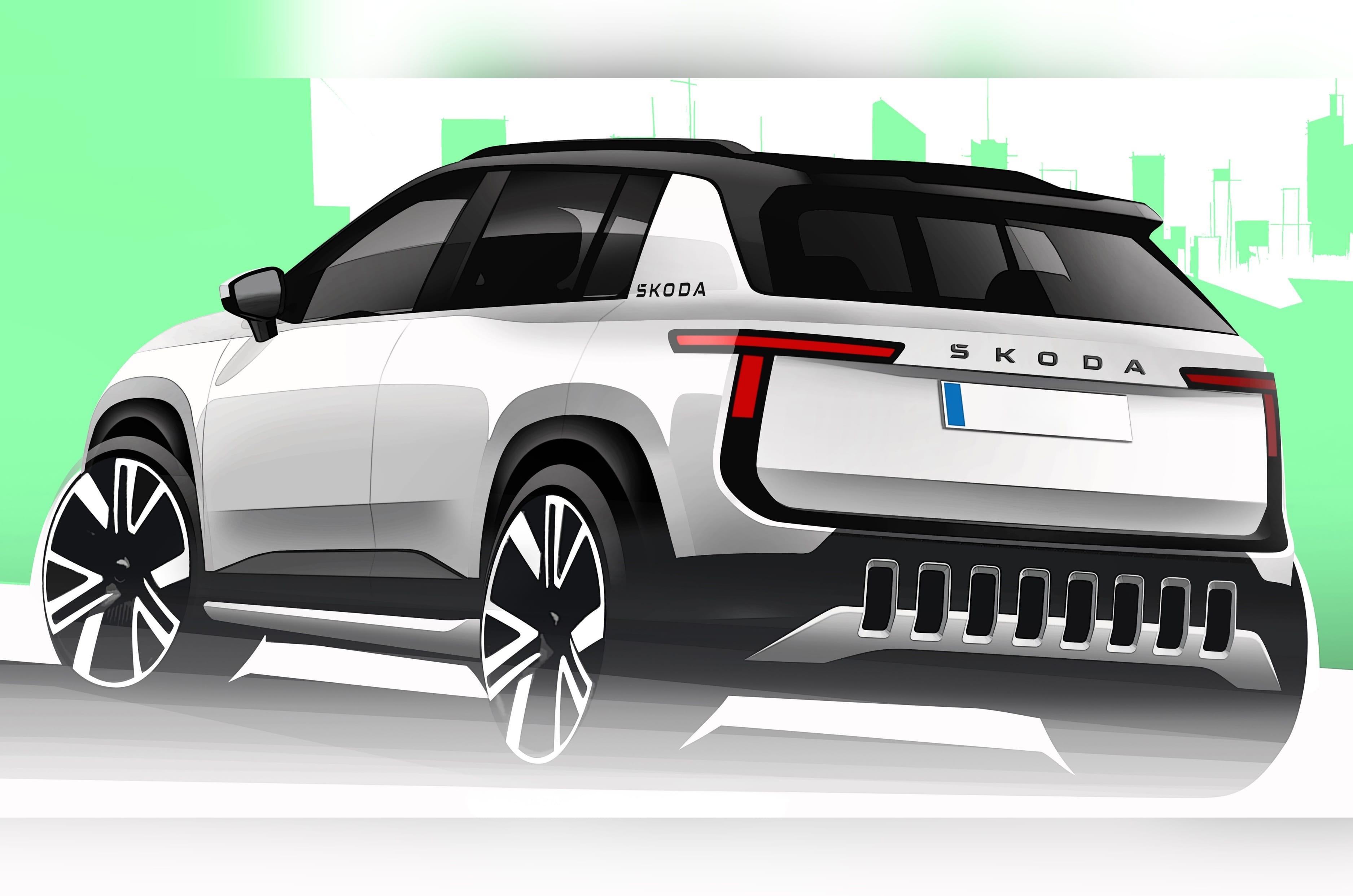
Having announced a fresh barrage of products, Skoda has now moved on to what it is internally referring to as the India 3.0 programme. The programme is expected to support a CNG-powered Kylaq in 2027 and two locally manufactured battery electric vehicles starting in 2028 – the first will be a 5-seater, followed by a 7-seater at a later stage.
“We know we have to do electric, so we are now thinking about what would be the best option for an electric car in India,” Martin Jahn, Skoda Auto board member for sales and marketing, told Autocar India on the sidelines of the updated Slavia’s launch.
While Jahn did not disclose specific details about the EVs, as we’ve reported previously, the EV programme is likely to use an adaptation of the Volkswagen Group’s China Main Platform, or CMP. The version being developed for India is referred to as the India Main Platform, or IMP, and will be tailored to local costs and market requirements.
The group intends to leverage an existing electric architecture while localising the platform, battery system and key components. A high level of localisation will be essential to price the models competitively in India’s mainstream EV market. Speaking to Autocar India, Skoda India brand director Ashish Gupta also acknowledges saying, “The volume EVs are going to come when there is localisation, and that is something which we are working on heavily.”
Where will the investment for the new EVs come from?
That’s the most important question, with new investment being key to designing, developing and engineering Skoda’s locally-made EVs. We understand the carmaker is close to finalising its next phase of investment in India. The company hasn’t officially disclosed the size or structure of the proposed investment, but sources say it could be around one billion euros.
Skoda is examining different ways to fund and execute the EV programme, including bringing in a strategic partner. As previously reported, Skoda Auto Volkswagen India is in the final stages of discussions for an alliance with the JSW Group. The proposed structure is likely to give the Indian conglomerate a majority stake and bring in the much-needed capital for the EV programme.
The discussions have yet to reach a formal conclusion, and the final structure and scope of the proposed alliance are still to be announced. Skoda Auto Volkswagen India is also examining other funding routes if the partnership does not materialise.
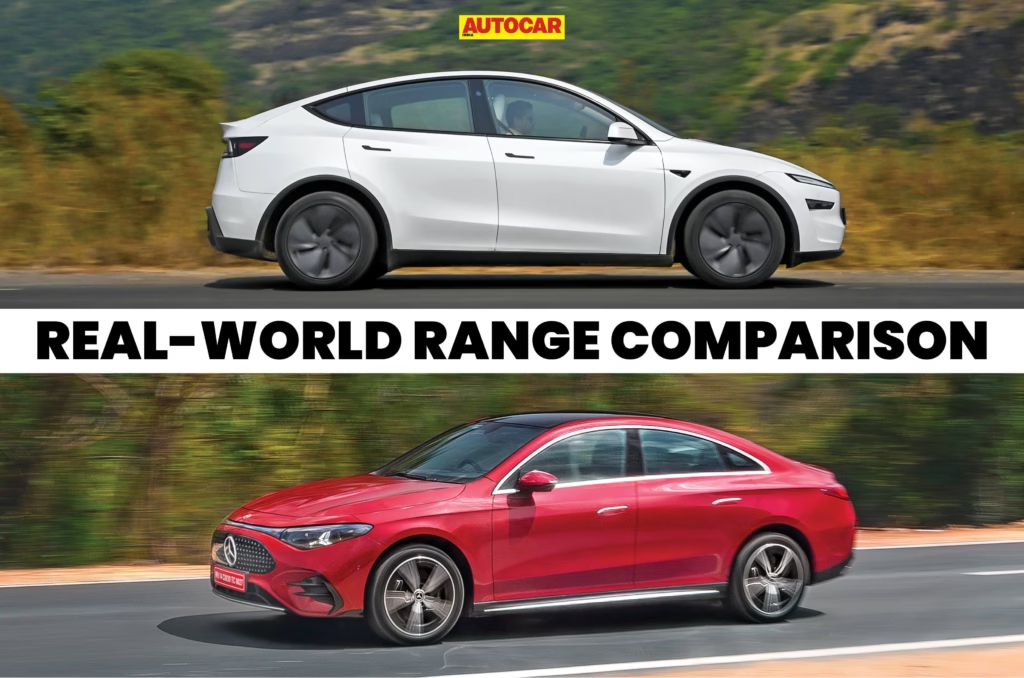
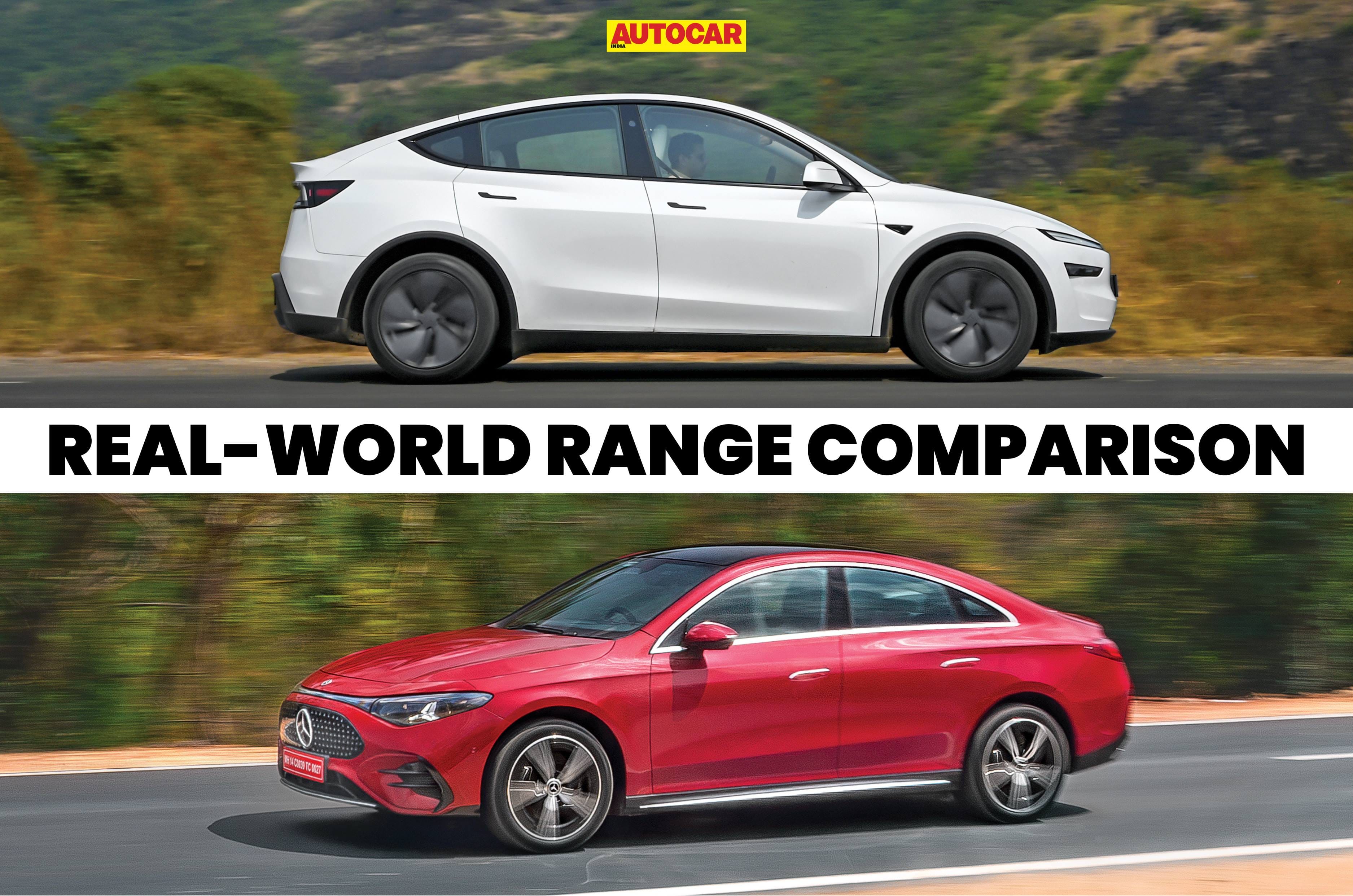
The Tesla Model Y and Mercedes-Benz CLA EV are two zero-emission offerings priced below Rs 65 lakh, but they take very different approaches. The Model Y is a crossover and Tesla’s only model on sale in India, while the CLA sedan is the entry point to Mercedes-Benz’s EV range. They also use different battery sizes and claim different ranges. We recently put both to our comprehensive range tests to see how they compare in the real world.
Tesla Model Y vs Mercedes CLA EV: Specifications, price
Model Y Premium
CLA EV 250+ AMG Line
Battery size (kWh)
60
85
Power (hp)
299
272
Torque (Nm)
420
335
Drive layout
RWD
RWD
Claimed range (km)
500
792
Kerb weight (kg)
1,928
2,055
Price (in Rs lakh)
50.89
60.50
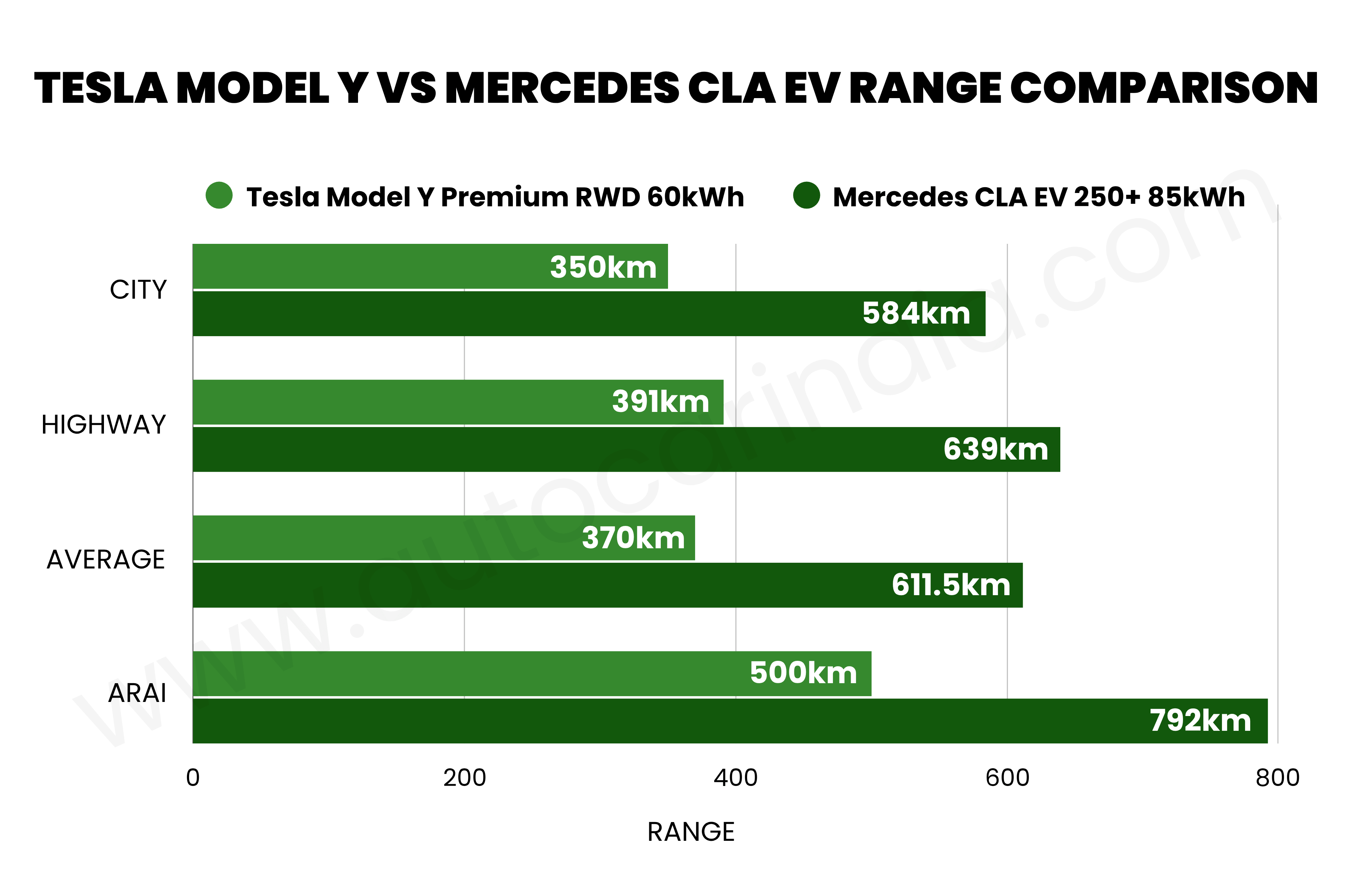
Both are rear-wheel-drive electric vehicles, but the CLA 250+ AMG Line has a much larger 85kWh battery compared to the Model Y Premium RWD’s 60kWh unit. This gives the CLA a claimed range of 792km, significantly higher than the Model Y’s 500km.
The Tesla, however, makes more power and torque at 299hp and 420Nm, compared with 272hp and 335Nm for the CLA. The Model Y is also lighter at 1,928kg versus 2,055kg for the CLA.
There is also a noticeable price difference. The Model Y Premium RWD costs Rs 50.89 lakh – Rs 9.61 lakh less than the CLA 250+ AMG Line, which is priced at Rs 60.50 lakh.
Tesla Model Y vs Mercedes CLA EV: Real-world range
Model Y Premium
CLA EV 250+ AMG Line
City (km)
350
584
Highway (km)
391
639
Average (km)
370
611.5
Clearly, the CLA 250+, with its larger battery pack, has the upper hand in real-world range despite weighing more. In our tests, it managed 584km in the city and 639km on the highway, compared with 350km and 391km, respectively, for the Model Y. The two-speed gearbox, with its taller 5:1 second gear that enables greater efficiency at higher speeds, also contributed to the EV’s highway efficiency. This gives the CLA an average real-world range of 611.5km, which is 241.5km more than the Model Y’s 370km.
Its slightly lower drag coefficient of 0.21 versus 0.22 for the Model Y is also a contributor to its higher range. That said, a 0.22Cd figure is still excellent for a crossover.
The Mercedes sedan also has stronger regenerative braking. In the strongest regen mode, the CLA EV slowed from 80kph to 20kph in 6.98 seconds, covering 96.36 metres. The Tesla Model Y took 8.28 seconds and needed 116.71 metres to cover the same speed reduction. One-pedal driving is available on both EVs.
Autocar India’s range testing
For our real-world range comparisons, we begin with each car’s battery fully charged and tyre pressures set as per the manufacturer’s recommendations. We drive the cars on a fixed loop covering both city and highway stretches while maintaining set average speeds. We then calculate the range based on the percentage of charge consumed. The AC is set to 22deg C in auto mode, and we use features such as the music system, lights and ventilated seats as needed, just as a regular user would. This approach ensures consistency and gives a clear idea of what to expect in actual conditions.
Ex-showroom prices mentioned above are as of August 20, 2026.
Skoda Auto India plans to bring electric vehicles from its global portfolio to India in limited volumes next year as the Czech automaker looks to establish its presence in the EV market. According to Ashish Gupta, Brand Director, Skoda Auto India, the company needs an electric vehicle in its portfolio not only to meet future regulatory requirements but also to remain relevant as EV adoption gathers pace in India.
Skoda India to bring EVs: Additional details
“A lot of things are under discussion. So, for meeting the CAFÉ norms, there are a lot of opportunities available along with electrification, which has to be the cornerstone of meeting all compliance regulations. So that is something which we are aggressively working on,” Gupta told our sister publication, Autocar Professional.
Gupta added that the company needs an electric car in its portfolio since adoption has grown in the last 3 months owing to increasing fuel prices. While Skoda has yet to announce a specific locally manufactured EV for India, Gupta confirmed that the company plans to introduce EVs from its global line-up next year.
“It may not be a local EV, but yes, we just had two blockbuster launches globally of the Epiq and the Peaq. The Elroq is the best-selling EV in Europe. So these are opportunities available to us in limited batches,” he said. He added that in the current duty structure, it will not be possible to bring them at price points that will get volumes. “But definitely we need to urgently showcase our EV credentials and the proof point to India,” he added.
This will allow Skoda to establish a presence in the EV market without immediately committing to the significant investment required to localise an electric model. With imported EVs still facing a challenging cost structure, Gupta said the initial objective would be to demonstrate the brand’s technology and capabilities rather than chase mass-market volumes.
Skoda India’s hybrid ambitions take a slow gear
Skoda’s approach to hybrids, meanwhile, appears less certain. Gupta said the company had previously viewed hybrids as a potentially stronger opportunity than EVs in India, but market data over the past two years has changed his assessment.
“Two years ago, I would have said I would take a bet on hybrid more than EV. But the tax structure has not helped anybody. In the last year, pure hybrids have stayed at 2% of the market. They have not gone beyond that. So, I am not sure whether hybrid is the right way to go. And what the last 6 months have also shown us is that people are more than willing to go for EVs now,” he said.
The current trade and taxation structure also influences the company’s hesitation. Gupta said the India-EU Free Trade Agreement, while potentially creating opportunities for imported petrol and diesel models, does not provide similar benefits for EVs and hybrid electric vehicles. “I think from a global portfolio point of view, and if I want to bring the cars from the global portfolio with the contours of the FTA as they are, petrol and diesel will definitely be an opportunity. The diesel opportunity opens up; HEVs and electrics do not have any benefit, unfortunately,” he said.
Gupta said the brand’s positioning in India is a bit above mass and below luxury. “That’s our natural positioning; that’s why customers buy us as well, and if we try to sell to cheap customers, they don’t buy us. If we try to sell to expensive customers, they don’t buy from us. So we have to stay true to our positioning and how customers see us,” he said. The immediate priority, Gupta adds, is to get EVs into the country as the company continues to assess which powertrains can deliver the right combination of regulatory compliance, customer demand and commercial viability.
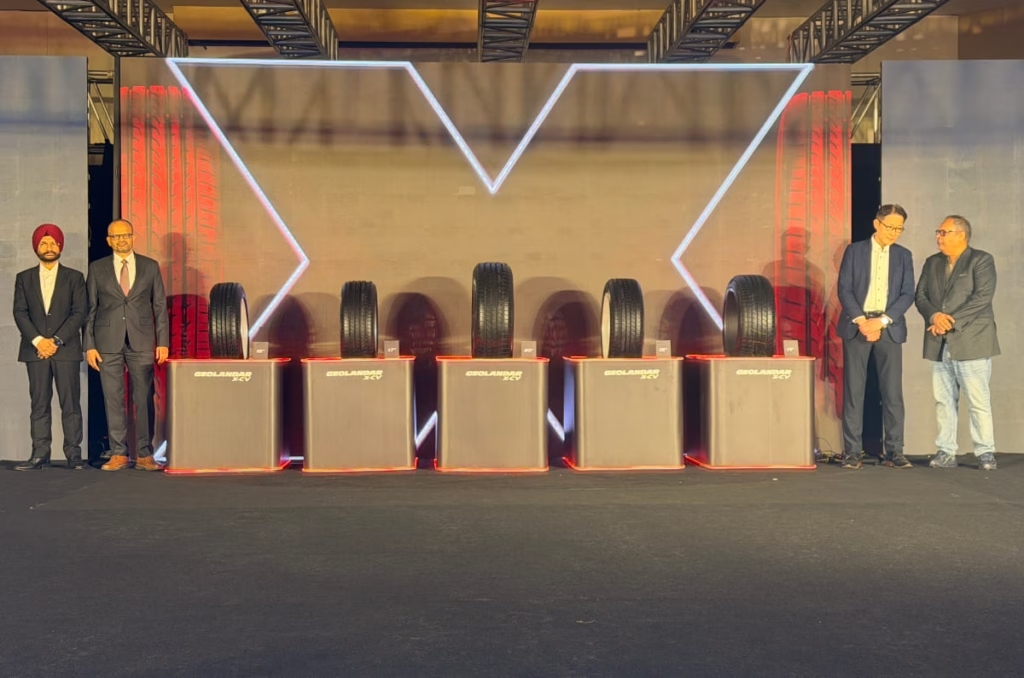
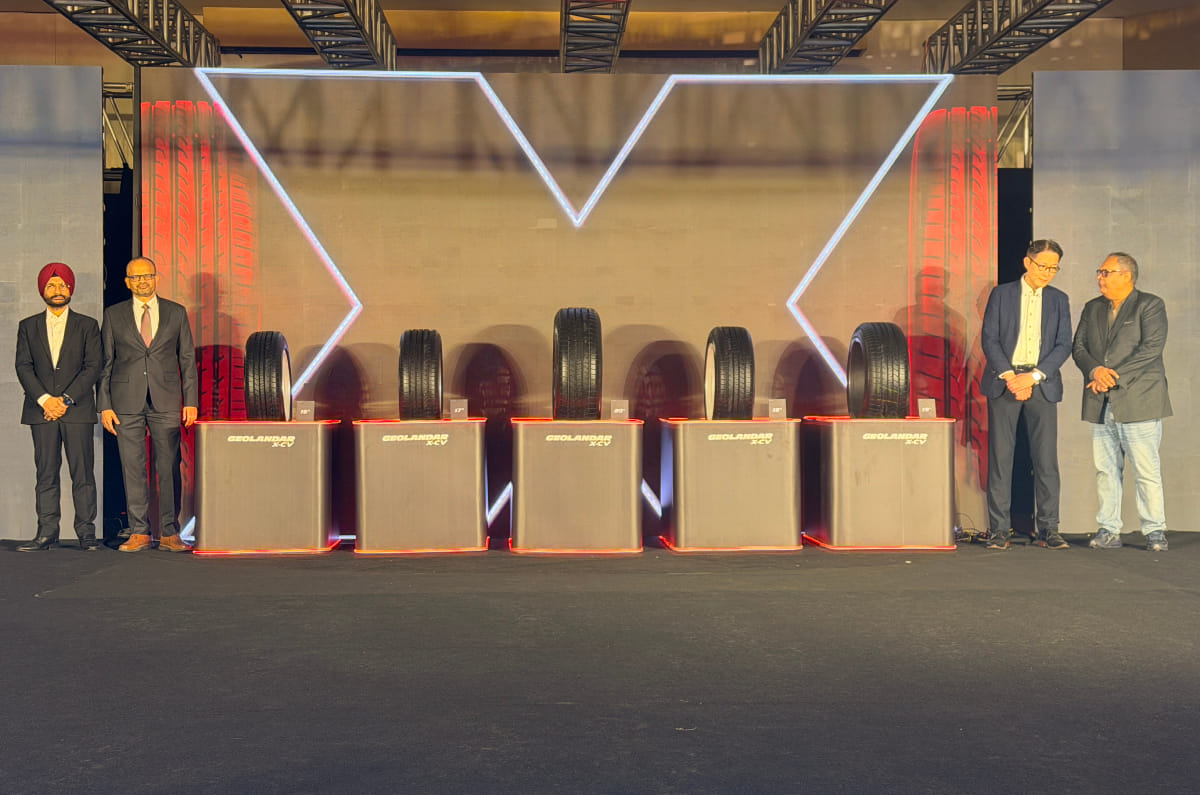
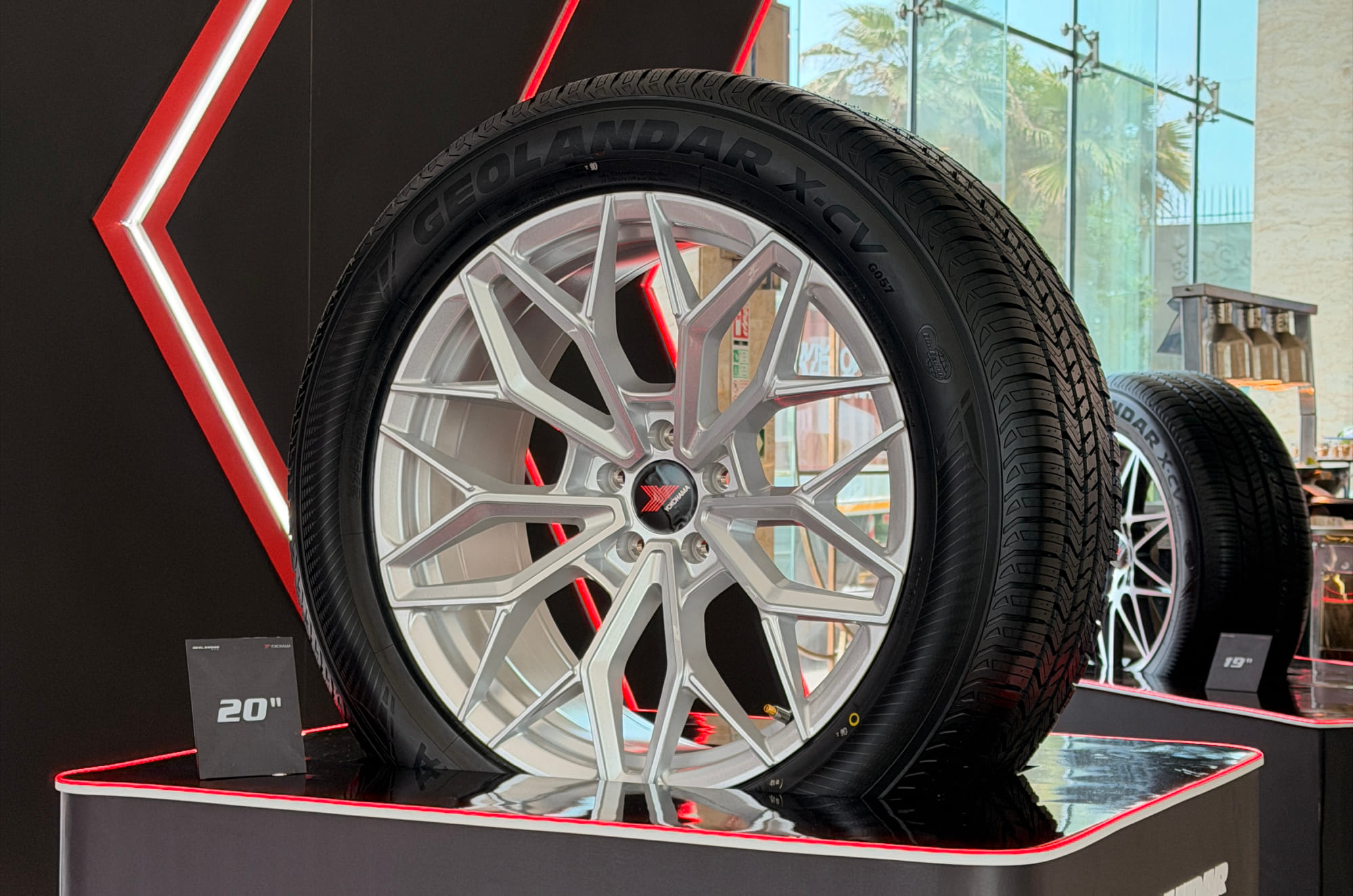
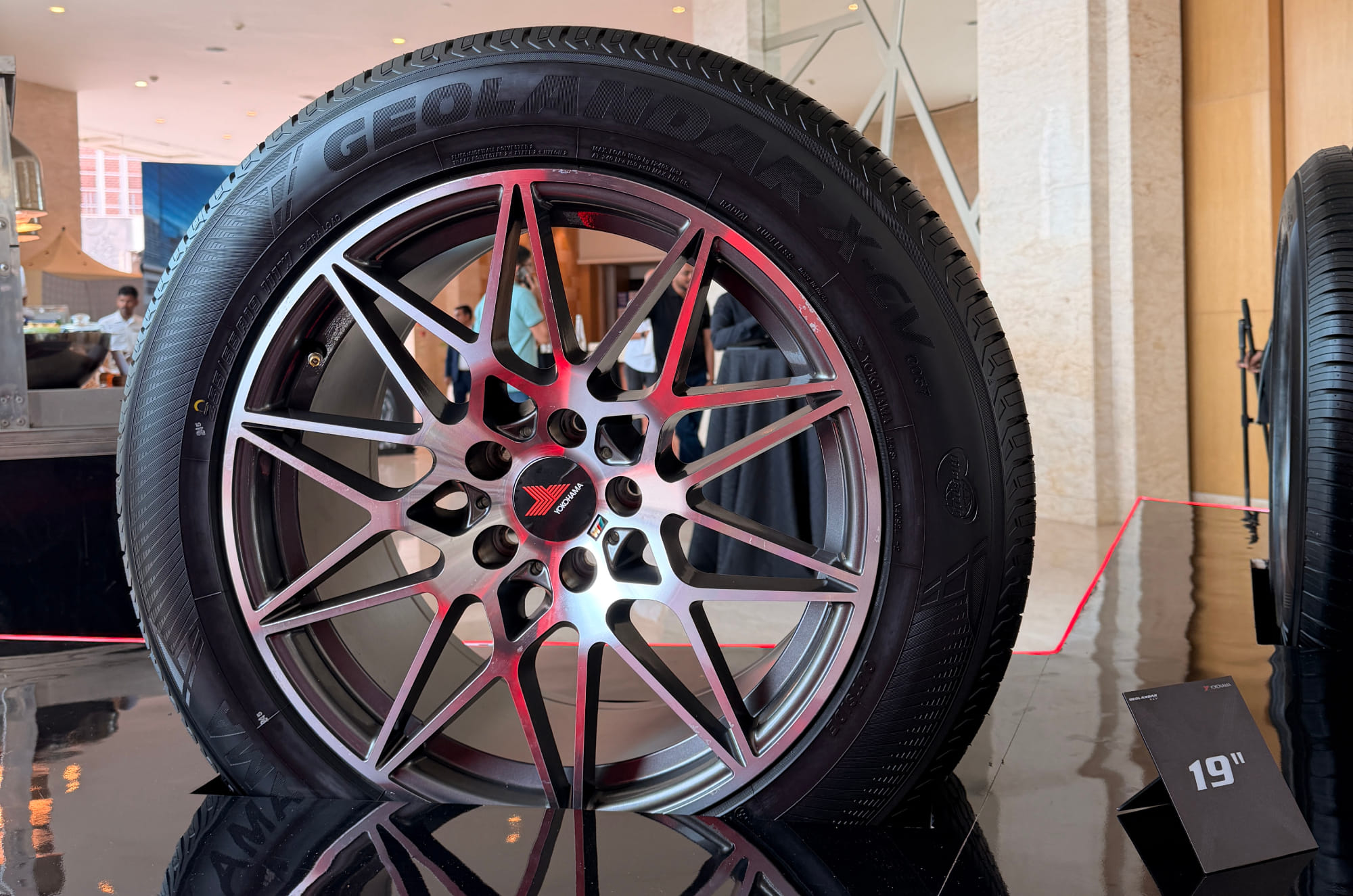
Yokohama India has launched the Geolandar X-CV tyre range for crossover and premium SUVs. Originally developed for larger luxury SUVs, the locally manufactured Geolandar X-CV is now being offered in 16-inch wheel sizes for the first time, expanding its reach to compact and midsize SUVs. The range will eventually be available in 32 sizes spanning 16 to 20 inches, with 17 sizes available immediately and the remaining 15 sizes set to be introduced over the next two to three months. Yokohama claims the new tyre delivers 20 percent better wet grip and 10 percent longer tyre life than its conventional tyre, based on the company’s internal testing.
Available in 32 sizes from 16-20 inches
Claimed 20 percent better wet grip and 10 percent longer tyre life
17 sizes available now; remaining to follow
Yokohama Geolandar X-CV: what does it fit?
The Geolandar X-CV has been developed for a wide range of crossover and premium SUVs. Yokohama says it is suitable for compact and midsize models such as the Maruti Suzuki Brezza, Kia Sonet, Tata Nexon EV, Harrier EV, Mahindra XUV700 and Kia Seltos, while also catering to luxury SUVs including the BMW X5, Porsche Cayenne, Volvo XC90, Mercedes-Benz GLS, Audi Q7 and Range Rover models.
Yokohama Geolandar X-CV: features
According to Yokohama, the Geolandar X-CV has been developed to meet the requirements of crossover SUVs and electric vehicles. It features an asymmetric tread pattern, four wide circumferential grooves, Micro Silica compound, 2D and 3D sipes, five-pitch variation technology, a reinforced two-ply sidewall and a full nylon cover. The company says these technologies are designed to improve wet grip, cornering stability, braking performance, wear characteristics, durability, high-speed stability and cabin refinement.
The tyre is also EV-compatible, with its construction designed to handle the higher weight and instant torque characteristics of electric SUVs while maintaining durability and driving refinement. The Geolandar X-CV will be available from August 2026 through Yokohama Club Network outlets and select authorised dealers, with a no-cost EMI offer available at launch.
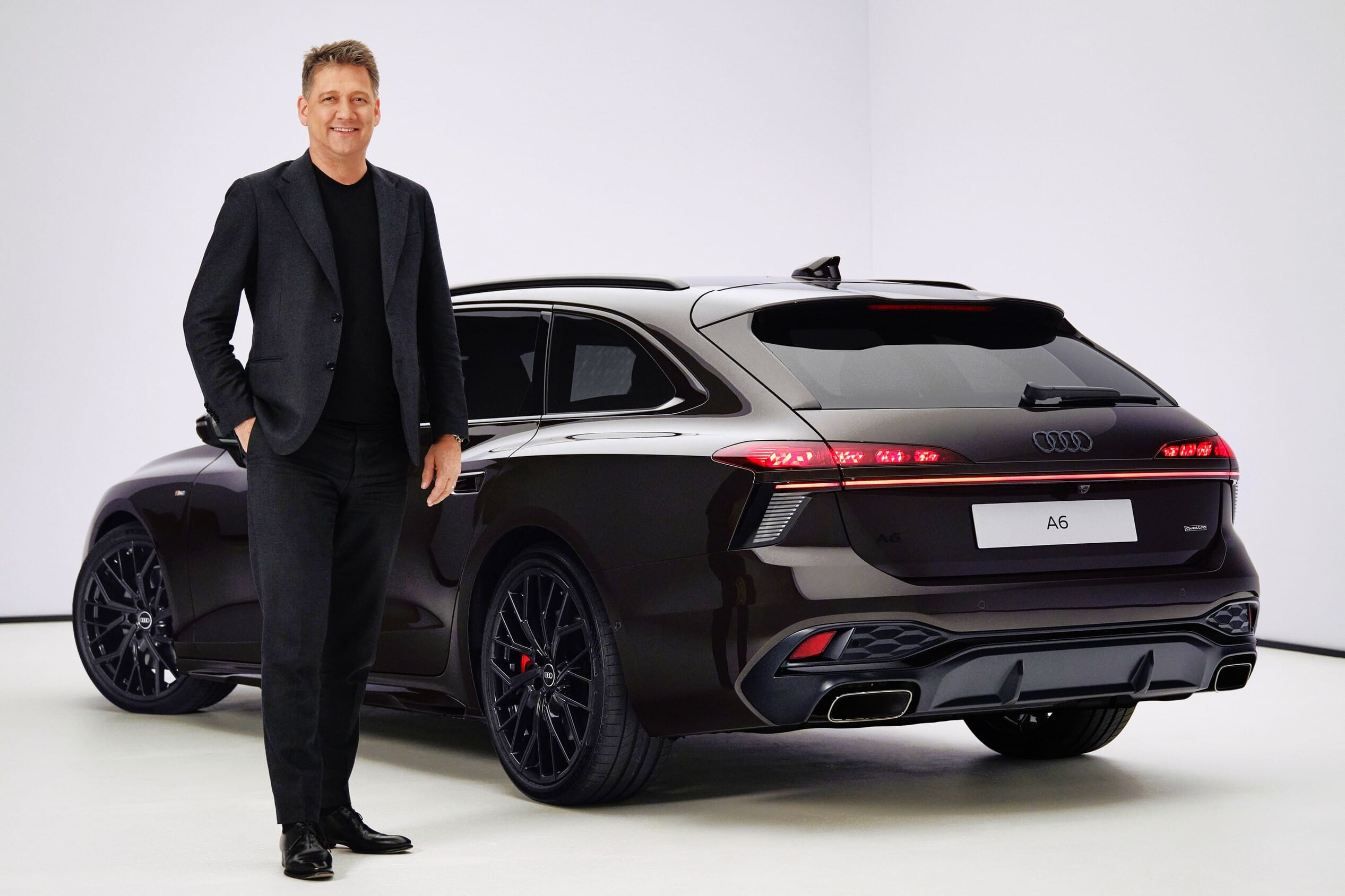
Audi will pursue a broader powertrain strategy spanning battery-electric vehicles, plug-in hybrids and combustion engines, stepping away from its earlier plan to become an all-electric carmaker. Global CEO Gernot Döllner said he reviewed Audi’s all-electric strategy after taking charge and decided that the company needed a more balanced product and powertrain mix to address the varying pace of EV adoption across markets.
“When I joined Audi, there was an all-electric strategy in place, which was one of the first things I reviewed,” Döllner told Autocar India in an exclusive interview. “We found a more balanced strategy between plug-in hybrids, especially important for Europe, combustion engine and electric.”
Global EV sales downturn lent ICE powertrains more time
The slower-than-expected pace of EV adoption in several global markets has extended the relevance of combustion engines and plug-in hybrids. Audi expects to retain a focused combustion-engine and plug-in-hybrid portfolio, particularly for SUVs.
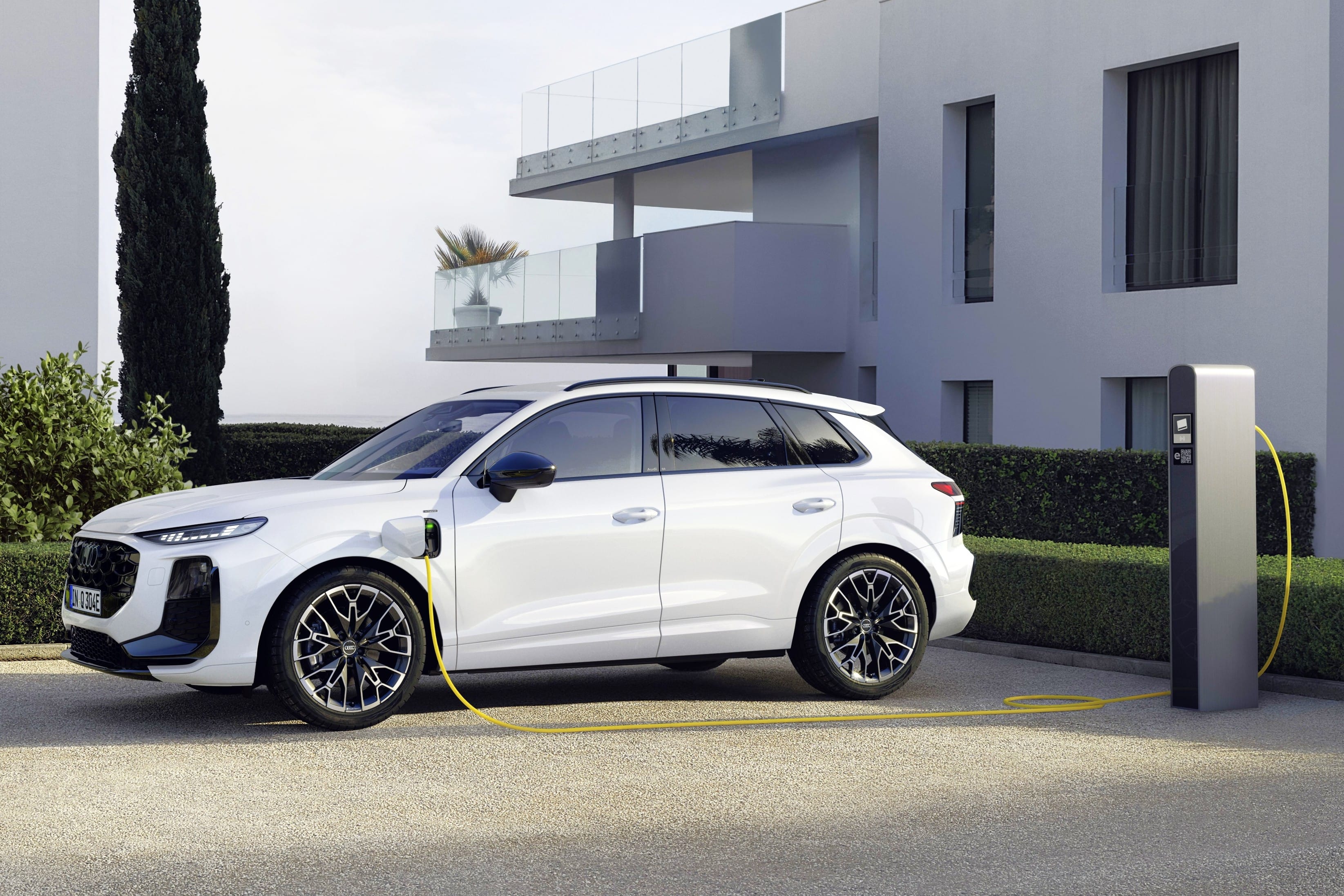
Audi Q3 PHEV
The company has recently completed a major investment cycle covering new petrol and diesel engines, plug-in hybrids and battery-electric vehicles designed to meet Euro 7 and other global regulations.
“For sure, the majority of our investment will be in battery electric. That’s a given,” Döllner said.
Audi will continue to invest selectively in combustion engines, including efficiency improvements and transmission technology, but Döllner expects the pace of innovation to be much faster in EVs.
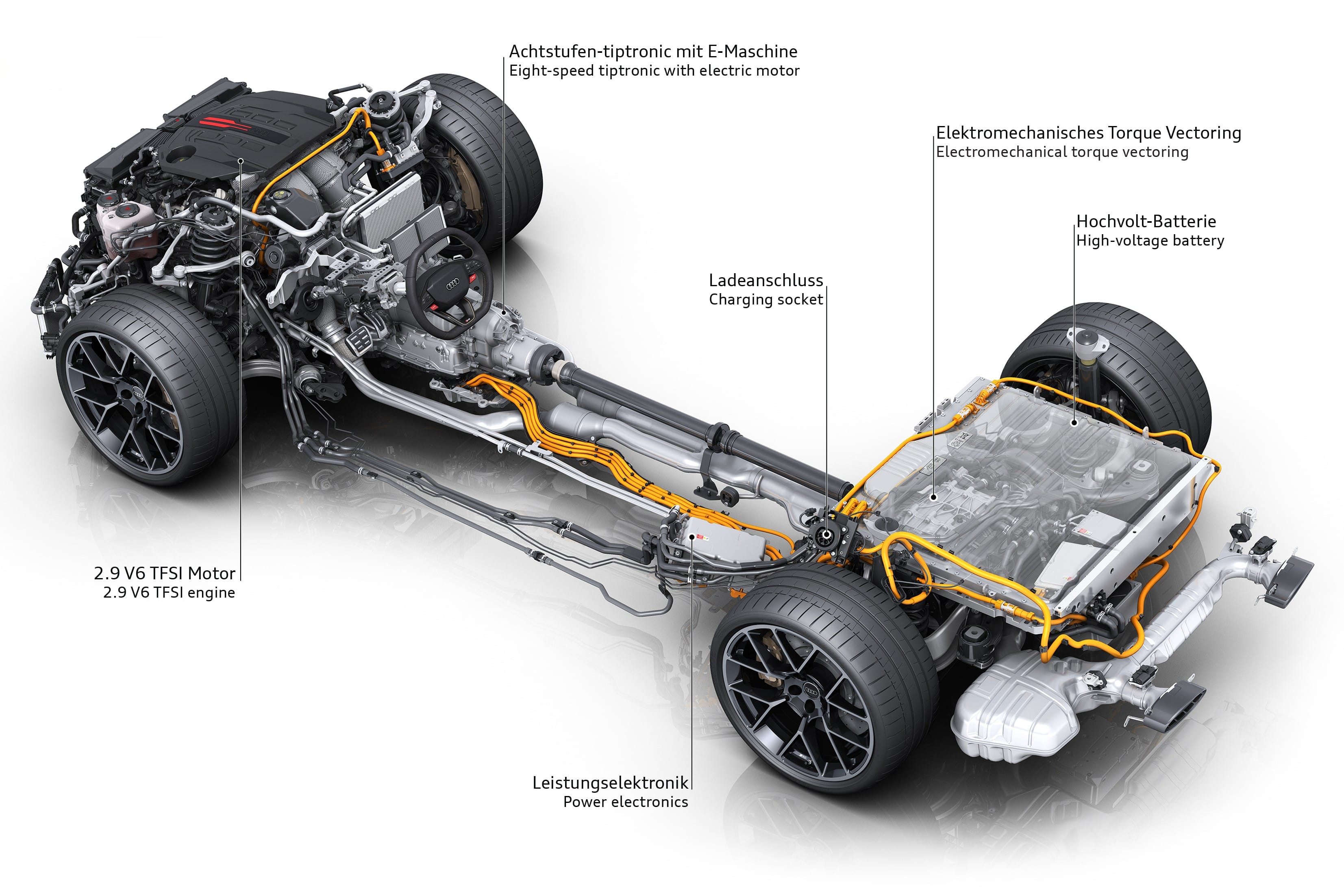
Audi RS5 plug-in hybrid powertrain
“The combustion engine is fairly mature. It’s at the very end of a 100-year innovation cycle, and battery electric is still at the very beginning, to be honest,” he said. “The dominant part of our investment will definitely be on the battery-electric side.”
Electric remains Audi’s leading technology
Audi’s decision to retain combustion engines and plug-in hybrids does not alter its long-term direction towards electric vehicles.
“Electric is, for Audi, still the leading technology,” Döllner said. “It’s our main priority to step by step become more electric.”
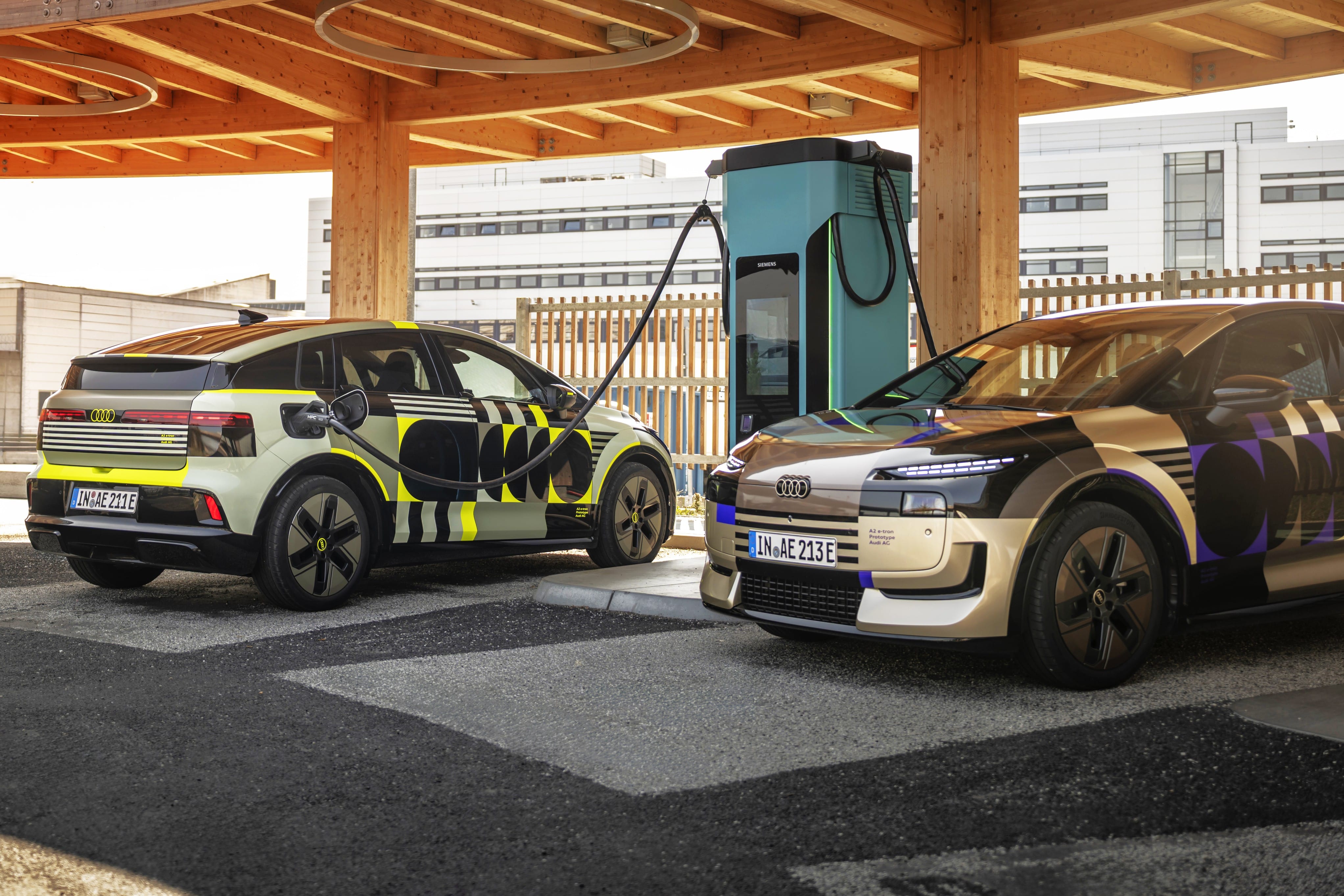
Prototypes of upcoming Audi A2 e-tron
Audi currently has four battery-electric model lines globally and expects to increase this to five by the end of the year, with some available in more than one body style. The company will, however, tailor the powertrain mix to individual regions. Plug-in hybrids will be particularly important in Europe, while the requirements of the US market will influence Audi’s future combustion-engine and PHEV portfolio, especially for SUVs.
In India, Audi’s immediate focus remains on petrol and electric vehicles. Diesel is not part of its current plan. The case for plug-in hybrids will depend partly on whether they receive any benefit under the India-EU FTA. New electric products are also planned for India.
Audi Q6 e-tron
“From what I know, we also have decided to enter with new products in the electric segment in India,” Döllner said.
Audi has decided to assemble an electric vehicle in India, Autocar India learns, although the model and launch timing are still being worked out. The move from fully imported EVs to local assembly is now a question of when, rather than if.
The company was among the first luxury carmakers to enter India’s EV market with models such as the e-tron, e-tron Sportback, e-tron GT and Q8 e-tron. High import duties, however, restricted their reach and affected their resale-value proposition.
Audi Q6 e-tron
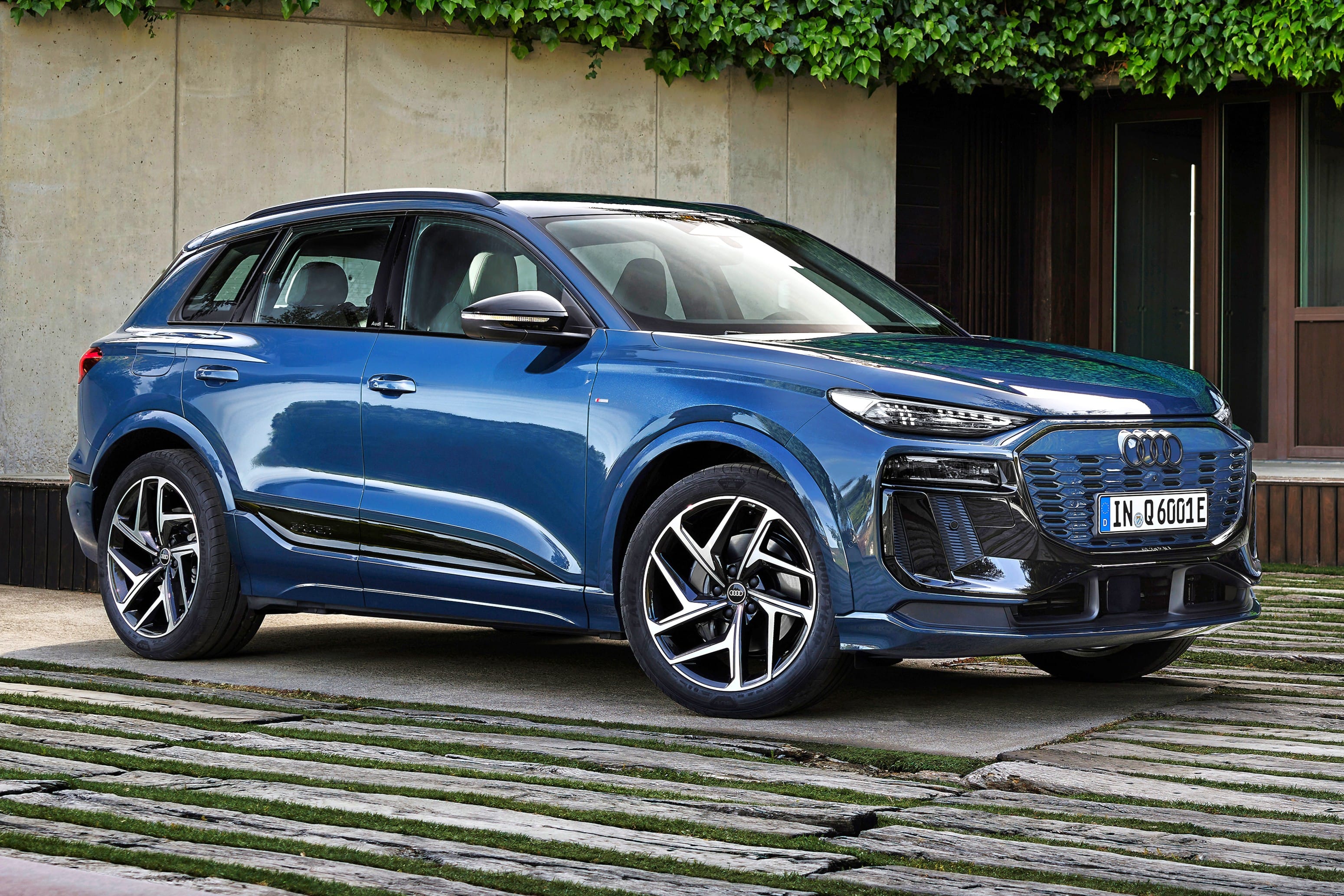
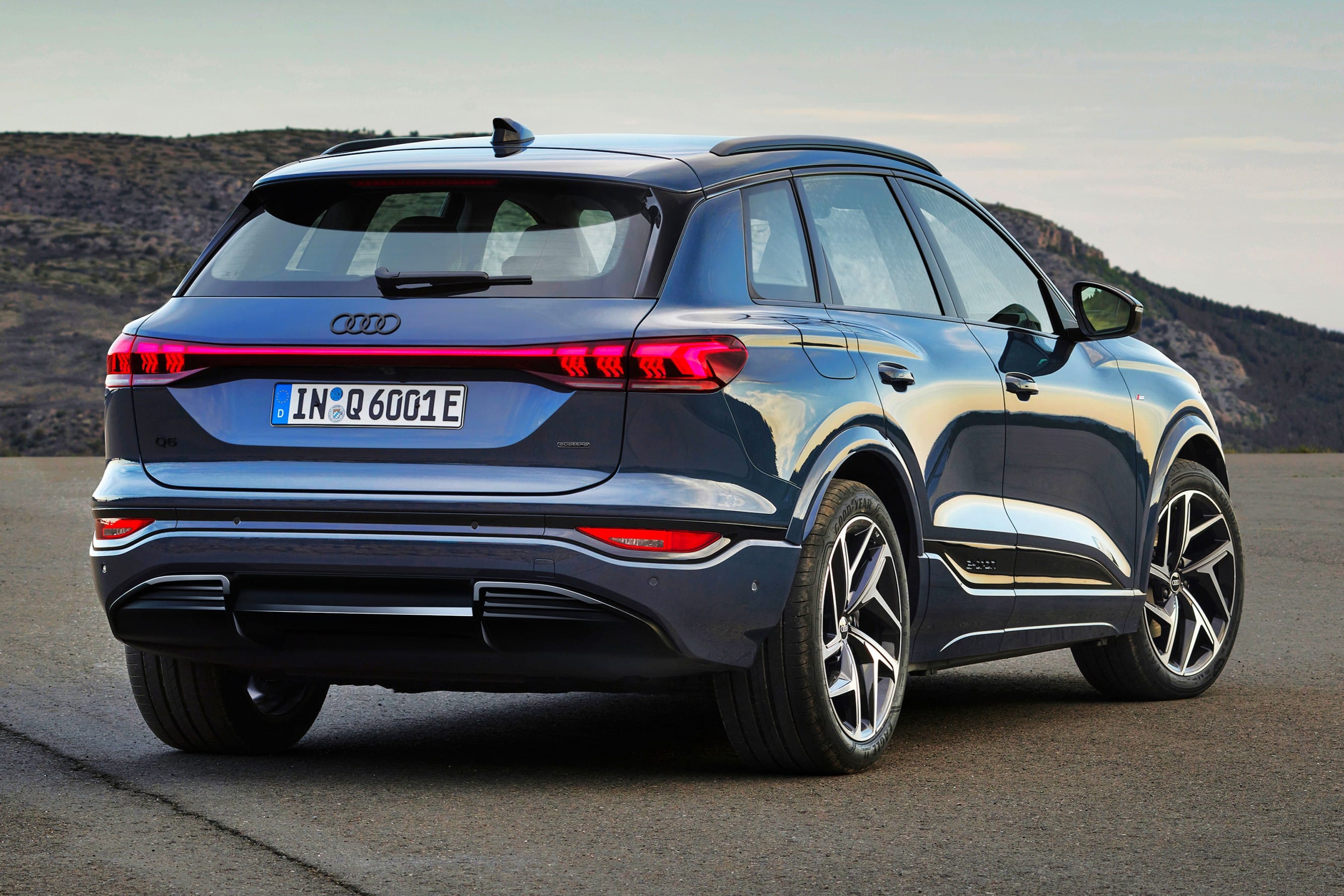
The Q6 e-tron is among the products being studied, but Audi has not decided which EV will be assembled in India. The selected model will need to offer the right combination of volume, pricing and suitability for local conditions.
Audi believes electric SUVs make more practical sense in India because their ground clearance is better suited to local road conditions. Sedans have not been ruled out, but SUVs offer a more practical proposition for battery-electric vehicles in the country.
Regional focus to shape future products
The broader powertrain approach is part of Döllner’s effort to make Audi more responsive to the requirements of individual regions.
“Audi has to act much more regional,” he said. “The times where we had a one size fits all, and we then bring it to China, just extend the wheelbase and do the same car, that doesn’t work anymore. We have to listen carefully to the markets.”
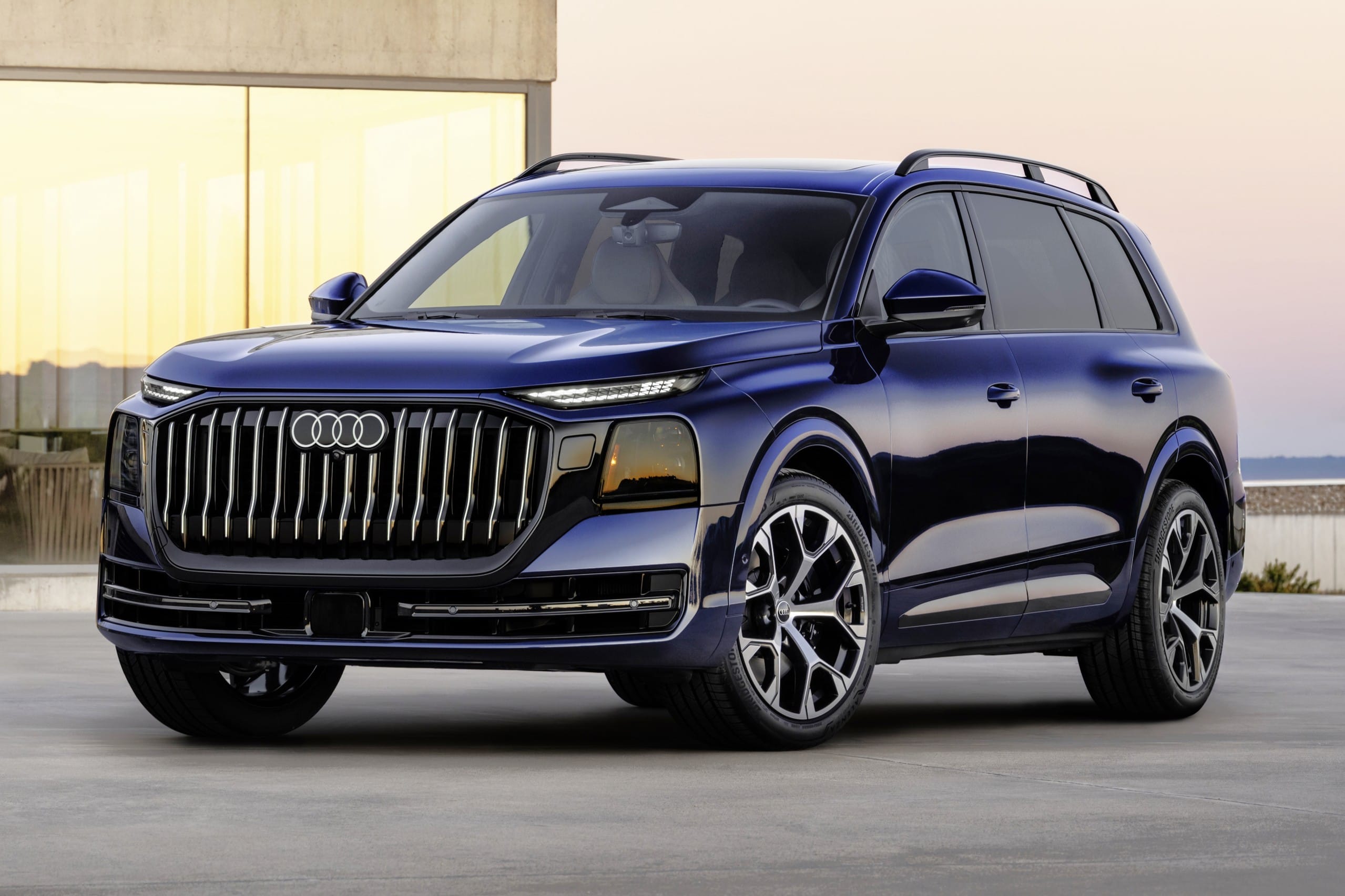
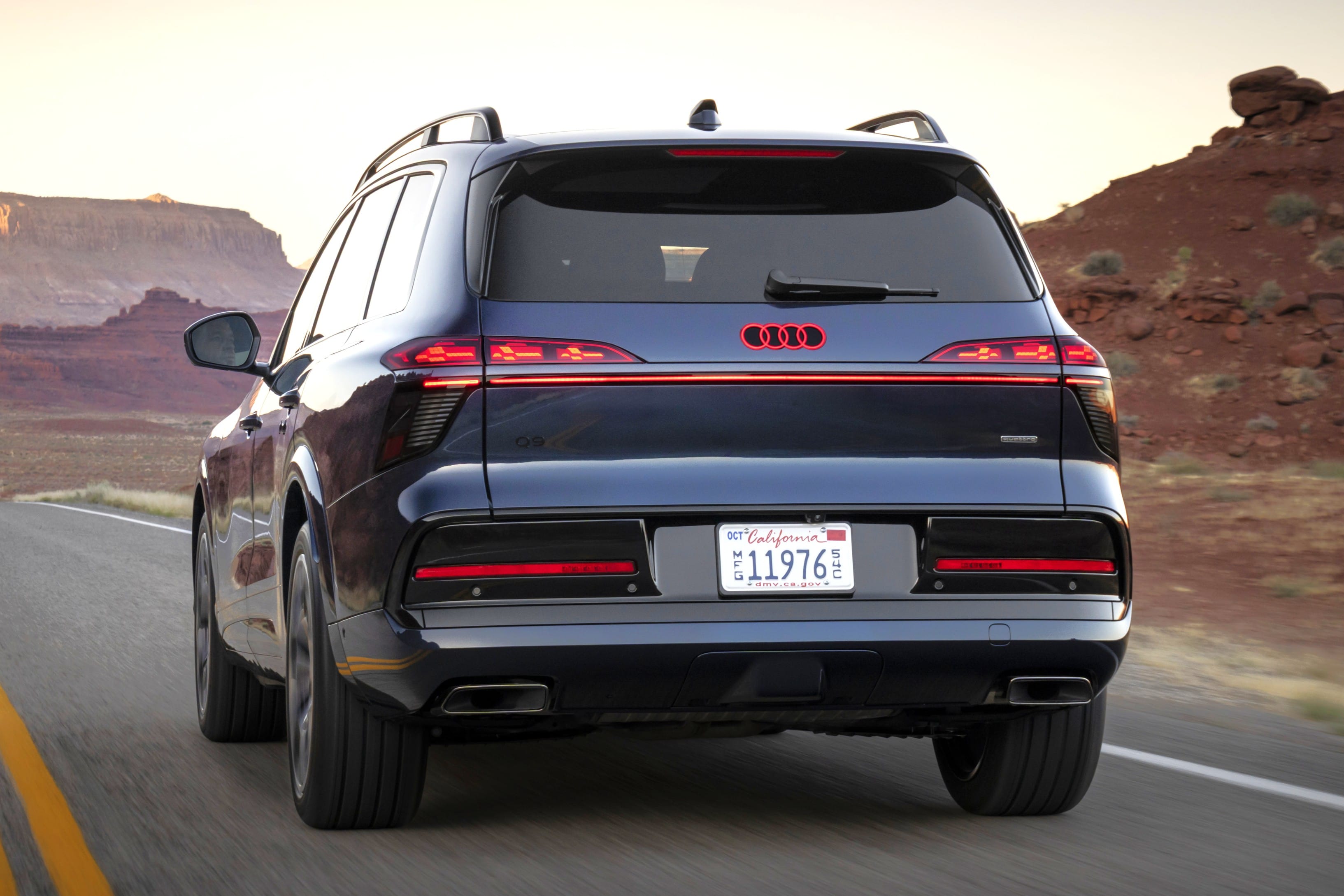
The Q9 is the first clear example of that approach. Conceived around the requirements of American customers, it will be the first Audi to make its market debut in the US.
Audi Q9
“The Q9 is a perfect proof point of a car. The biggest Audi we’ve ever built,” Döllner said. “That car would not be there without the American market.”
India does not yet generate the volumes required for Audi to develop country-specific models. Local requirements covering ground clearance, suspension, tyres, weather, dust and fuel quality are, however, fed into its global development process. The introduction of new models in India is also expected to move closer to their global launches, helping Audi benefit from the interest created when a vehicle is revealed internationally.
Döllner said the improvement in India’s manufacturing and automotive technology has changed how the country is viewed within the global industry.
Audi Q9
“India is also an excellent proof point. It’s really unbelievable what the car industry has developed in India and what level of perfection and technology products are delivered,” he said.
“In the past, there has been this strong European automotive industry, and the world has turned around. Now we have a very dynamic Chinese market, a growing and rising Indian automotive industry. The US is a story of its own.”
“What keeps me awake at night is if we are able to change fast enough,” Döllner said. “We have to speed up.”
Skoda Auto Volkswagen India and the JSW Group are in the final stages of discussions for a manufacturing joint venture, we have learned. The two companies are likely to sign a non-binding memorandum of understanding (MoU) within the next two months. The proposed venture is currently being discussed as a 51:49 joint venture, with the JSW Group expected to hold the majority stake.
Emails seeking comments were sent to Skoda Auto Volkswagen India and the JSW Group on Tuesday, but neither company responded till the time of publishing. Autocar Professional, our sister publication, understands senior global executives from Skoda Auto and Volkswagen are expected to visit India in the second fortnight of August. The proposed alliance with the JSW Group is expected to be among the key subjects on the agenda as the two sides work towards signing the non-binding MoU.
Equity infusion could fund EV development
The proposed partnership comes as Skoda Auto Volkswagen India prepares its next round of investments in electrification and localisation. The equity infusion from the JSW Group is expected to fund the development and localisation of electric vehicles and support future product programmes.
A large part of the investment is expected to go towards vehicles based on the India Main Platform (IMP), Volkswagen Group’s EV architecture for India. The IMP is derived from the China Main Platform (CMP), allowing the group to use an existing EV architecture and adapt it to Indian regulations, the local supplier base and localisation requirements.
The platform is expected to underpin multiple electric SUVs for the Skoda and Volkswagen brands over the next few years. Higher localisation will be key to bringing down costs and reducing dependence on imports. The scope of discussions goes beyond manufacturing. We understand that the sales and marketing operations across the group’s brands are also part of the talks. A few years ago, the sales organisations of Skoda, Volkswagen, Audi, Porsche and Lamborghini were integrated with the manufacturing business under Skoda Auto Volkswagen India. This has also brought the premium brands within the scope of the discussions.
JSW’s broader automotive strategy
For the JSW Group, the proposed venture is part of a broader effort to build an integrated automotive business across passenger vehicles, commercial vehicles, batteries, manufacturing and exports. Unlike JSW MG Motor India, the proposed Skoda Auto Volkswagen venture will have no Chinese participation, allowing the group to further de-risk its automotive business from China-linked partnerships. We understand the alliance will also help diversify JSW Group’s passenger vehicle operations while creating a Make in India manufacturing base serving both domestic and export markets by leveraging Volkswagen Group’s global production and distribution network. The proposed India-EU Free Trade Agreement is also expected to strengthen the business case for exports from India to Europe over the longer term, making exports an important part of the proposed alliance.
The partnership also fits into the group’s wider automotive plans. JSW already has its joint venture with MG, has set up JSW Motors as a separate passenger vehicle business for products outside the MG alliance, operates JSW Greentech for buses and commercial vehicles, and is investing in cell manufacturing and localisation. The group is looking to connect these businesses with its existing strengths in steel, paints and energy, creating greater vertical integration across its automotive operations.
Localisation of some models being studied
We understand the alliance will also look to leverage manufacturing assets across the JSW Group wherever feasible. This includes the JSW Motors facility at Sambhaji Nagar, formerly Aurangabad, where higher localisation of products such as the Skoda Kodiaq and select Audi models is being evaluated. The aim is to improve localisation levels while making better use of the group’s existing manufacturing footprint.
The alliance is also evaluating the localisation of the next-generation Kodiaq platform. If approved, it could underpin a locally manufactured three-row SUV positioned in the Mahindra XUV 7XO segment. Localising the platform would allow Skoda Auto Volkswagen to compete in one of the country’s largest SUV segments with significantly higher local content.
Following the signing of the non-binding MoU, the two sides are expected to finalise the equity structure, including the shareholding pattern, before moving towards definitive agreements and the required approvals. The discussions are currently centred on a 51:49 joint venture, with the JSW Group expected to hold the majority stake.
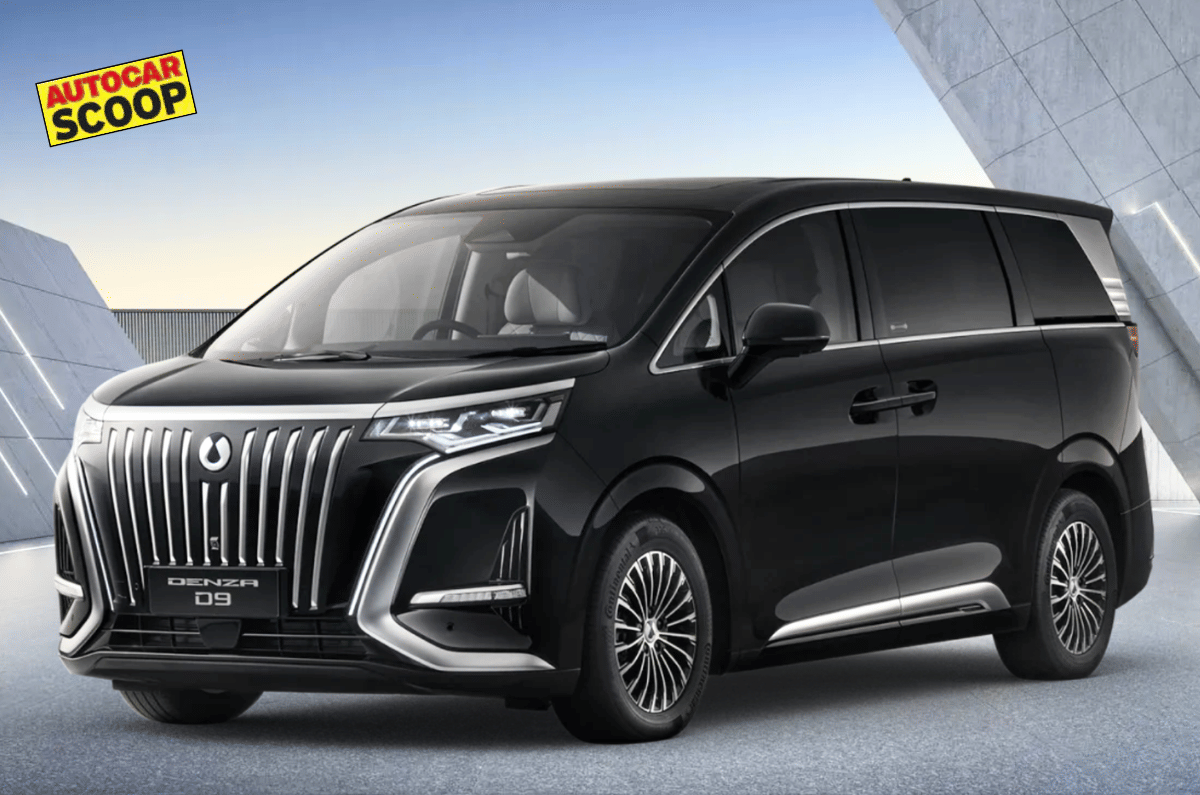
BYD, the world’s largest electric vehicle maker, is in the final stages of bringing its luxury brand Denza to India, with the D9 executive MPV likely to lead the rollout, we have learned. The Chinese carmaker is targeting its first launch around Diwali 2026. However, the launch could move to the Bharat Mobility Global Expo in February 2027 if there is a delay.
It is studying a portfolio of two to three Denza models for India, largely positioned in the Rs 80 lakh-Rs 1 crore price bracket within the first year itself. If the D9 arrives around Diwali, BYD is likely to use the mobility show for a broader showcase of the Denza brand and its proposed India portfolio.
D9 to lead India rollout
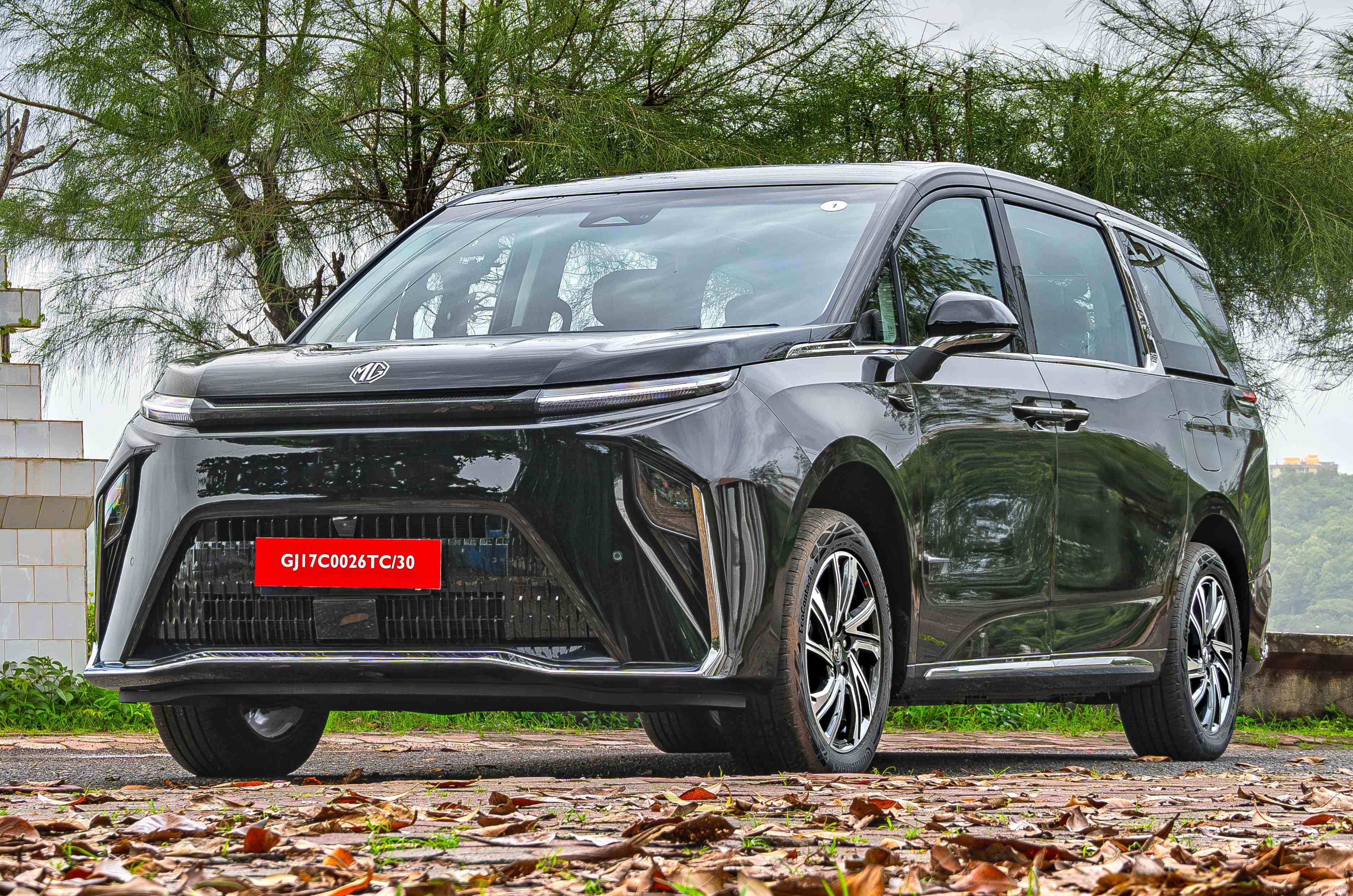
The D9 will compete directly with the electric MG M9 and occupy the space below the Toyota Vellfire and Lexus LM. The Toyota Vellfire is priced between Rs 1.20 crore and Rs 1.30 crore, while the Lexus LM ranges from Rs 2.15 crore to Rs 2.69 crore. This leaves room for BYD to position the D9 as an executive electric MPV in the Rs 80 lakh-Rs 1 crore bracket.
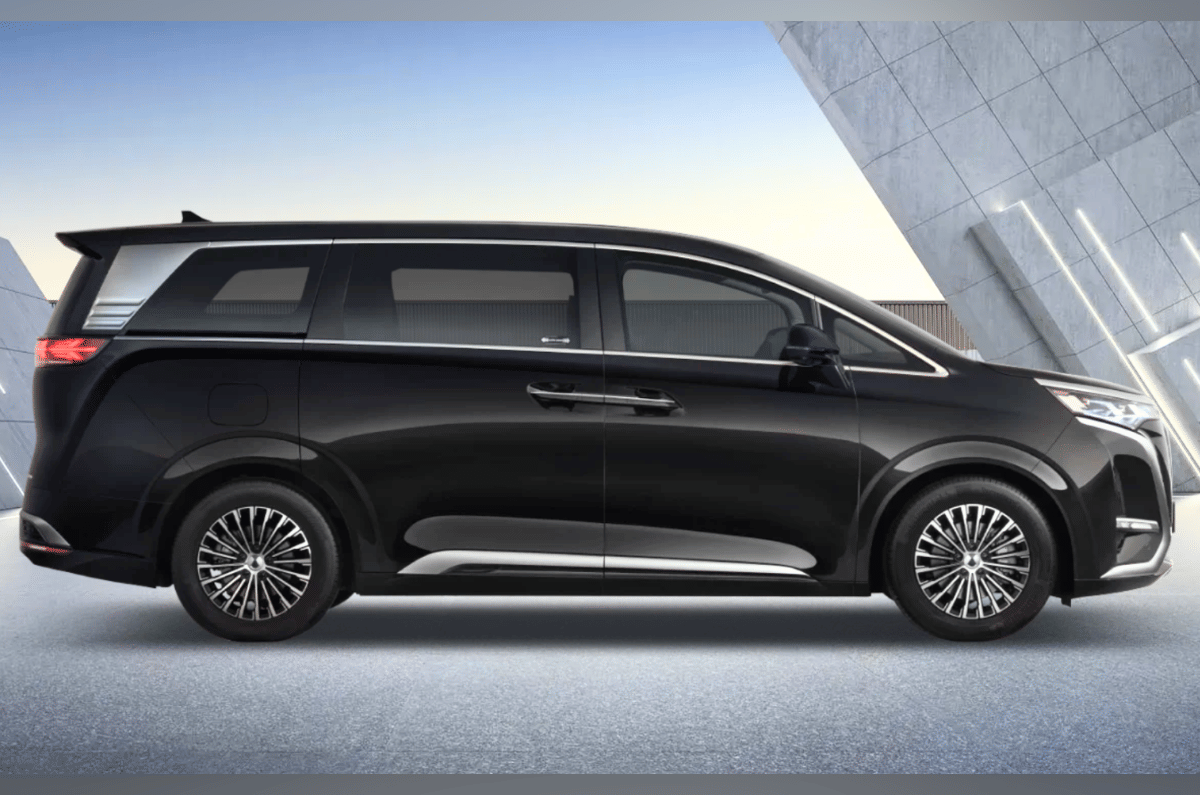
International-spec BYD Denza D9 electric MPV shown for representative purposes only.
The D9 is available globally with electric and plug-in hybrid powertrains. BYD is likely to give priority to the electric version in India. Plug-in hybrids face a significant tax disadvantage over pure electric vehicles, which are subject to 5 percent GST, making the PHEV harder to price competitively. The plug-in hybrid version could be considered at a later stage.
D9 could be sold via dedicated Denza outlets
Initially, the Denza models are expected to be imported as completely built units (CBUs). This will allow BYD to enter the market quickly and assess demand before taking a call on its longer-term India plans. BYD may also set up dedicated Denza outlets rather than sell the models through its existing retail network. This would separate Denza from BYD’s current line-up, which comprises the Atto 3, Seal, Sealion 7 and eMax 7.
MG M9 electric MPV.
The D9 will arrive at a time when the executive MPV segment is seeing fresh activity. The MG M9 has brought an electric alternative to the segment, while the Vellfire and Lexus LM operate at significantly higher price points. BYD is likely to position the D9 above the MG M9 but below the two Toyota group models, targeting buyers seeking a chauffeur-driven alternative to a luxury SUV.
Denza will take BYD into a price bracket dominated by established luxury brands. The challenge will not be limited to the product. BYD will also have to convince buyers that its retail and after-sales experience can meet expectations in the Rs 80 lakh-Rs 1 crore segment.