Hero MotoCorp flags proposed two-wheeler CAFE norms as business risk

Hero MotoCorp flags proposed two-wheeler CAFE norms as business risk

Hero MotoCorp has identified the proposed extension of Corporate Average Fuel Economy (CAFE) norms to two-wheelers as a potential business risk, stating that a sudden rollout could significantly increase development costs and impact profitability in India’s price-sensitive motorcycle market.

  1. Hero says sudden implementation could increase compliance costs
  2. Company is upgrading ICE engines and expanding EV portfolio
  3. Bharat Stage 7 norms also listed among future regulatory priorities

Hero calls for realistic implementation of proposed CAFE norms

Hero MotoCorp has identified the proposed extension of Corporate Average Fuel Economy (CAFE) norms to two-wheelers as a potential business risk, stating that a sudden rollout could significantly increase development costs and impact profitability in India’s price-sensitive motorcycle market.

In its FY2025-26 annual report, Hero said CAFE regulations, which currently apply to passenger vehicles, are proposed to be extended to two-wheelers. Unlike emission norms that regulate tailpipe pollutants, CAFE standards require manufacturers to meet fleet-wide fuel efficiency targets across the vehicles they sell.

The company acknowledged that stricter fuel efficiency standards could help reduce fuel consumption, lower running costs for customers and reduce dependence on imported oil. However, it warned that a rapid implementation could leave manufacturers with limited time to redesign products, upgrade technologies and prepare their supplier base.

Hero added that passing higher compliance costs on to customers would be difficult in India’s highly price-sensitive two-wheeler market, putting additional pressure on profitability.

To prepare for future regulations, Hero said it is improving the efficiency of its internal combustion engines, increasing the use of lightweight materials and expanding its electric vehicle portfolio to help meet future fleet-wide fuel efficiency requirements.

The company also said it is investing in multiple low-emission technologies instead of relying solely on battery electric vehicles. Alongside EVs, Hero is developing motorcycles capable of running on higher ethanol blends, reflecting its view that multiple powertrain technologies will continue to play a role in India’s mobility transition.

Hero added that its R&D investments are increasingly focused on future regulatory requirements, including cleaner powertrains, connected vehicle technologies and digital capabilities.

BS7 norms also on Hero’s radar

The annual report also lists Bharat Stage 7 emission norms for two-wheelers among the policy issues on which Hero is engaging with the Society of Indian Automobile Manufacturers (SIAM). The company said it is advocating for implementation timelines and targets that are realistic and technically feasible for the industry, although it did not disclose when either the proposed CAFE norms or BS7 regulations could come into effect.
 

Hero का नया इलेक्ट्रिक स्कूटर लॉन्च, 187km रेंज और 90km/h टॉप स्पीड, जानें कीमत

Hero Vida VX2 Plus 4.4kWh: अगर आप रोजाना यूज के लिए नई बाइक खरीदने की सोच रहे हैं, तो यह खबर आपके लिए अच्छी साबित हो सकती है। दरअसल, Hero MotoCorp के इलेक्ट्रिक मोबिलिटी ब्रांड, Vida ने Vida VX2 Plus 4.4kWh नाम का एक नया स्कूटर लॉन्च किया है। जिसकी स्टैंडर्ड कीमत 1.44 लाख रुपये (एक्स-शोरूम, दिल्ली) है। हालांकि, ऑफिशियल वेबसाइट पर इसकी कीमत 1.14 लाख रुपये बताई गई है। यह कीमत सेंट्रल PM E-Drive सब्सिडी और 2,000 रुपये की छूट घटाने के बाद तय की गई है। इस स्कूटर में मौजूदा VX2 Plus 3.4kWh वाली ही मोटर और ज्यादातर इक्विपमेंट दिए गए हैं, लेकिन इसमें बड़ी बैटरी पैक है जिससे इसकी रेंज बढ़ जाती है। अब चलिए Vida VX2 Plus के इस नए वेरिएंट के फीचर्स और स्पेसिफिकेशन के बारे में जानते हैं।

Hero Vida VX2 Plus 4.4kWh: बैटरी और रेंज

Vida VX2 Plus में 4.4kWh का बैटरी पैक दिया गया है, जो दो 2.2kWh की रिमूवेबल बैटरी के साथ आएगा। रिमूवेबल बैटरी होने की वजह से यूजर्स इसे आसानी से स्कूटर से निकालकर घर या ऑफिस में चार्ज कर सकते हैं। रेंज की बात करें तो, बड़ी बैटरी क्षमता वाला यह इलेक्ट्रिक स्कूटर एक बार चार्ज करने पर 187 किलोमीटर की IDC-सर्टिफाइड रेंज देता है, जो मौजूदा 3.4kWh वाले वर्जन की 146km रेंज से 41 किलोमीटर ज्यादा है।

Hero Vida VX2 Plus 4.4kWh: चार्जिंग

Vida VX2 Plus 4.4kWh के साथ 1kW का Zap चार्जर मिलता है, जबकि इसके स्टैंडर्ड वर्जन में 580W का चार्जर आता है। साथ में मिलने वाले AC चार्जर से बैटरी को 0 से 80% तक चार्ज होने में 3 घंटे 17 मिनट, 20 से 80% तक चार्ज होने में 2 घंटे 28 मिनट और 0 से 100% तक चार्ज होने में 5 घंटे 8 मिनट लगते हैं। इसके अलावा, यह स्कूटर DC फास्ट चार्जिंग को भी सपोर्ट करता है, जिससे स्टैंडर्ड टेस्ट कंडिशन्स में इसे 0 से 80% तक चार्ज होने में 65 मिनट और 0 से 100% तक पूरी तरह चार्ज होने में 150 मिनट (2 घंटे 30 मिनट) लगते हैं।

Hero Vida VX2 Plus 4.4kWh: टॉप स्पीड और डाइमेंशन

इस इलेक्ट्रिक स्कूटर में 6kW (8.98hp) की परमानेंट मैग्नेट सिंक्रोनस मोटर लगी है। इसकी टॉप स्पीड 90km/h है और यह 3.1 सेकंड में 0 से 40km/h की रफ्तार पकड़ सकता है। इस EV की ग्रेडिबिलिटी 18 डिग्री है। डाइमेंशन की बात करें तो, स्कूटर की सीट की ऊंचाई 777mm, सीट की लंबाई 851mm, कर्ब वेट 120kg, सीट के नीचे 27.2 लीटर का स्टोरेज और सामने की तरफ 4.8 लीटर का एक्स्ट्रा स्टोरेज कम्पार्टमेंट है।

Hero Vida VX2 Plus 4.4kWh: हार्डवेयर और फीचर्स

Vida इलेक्ट्रिक स्कूटर में CBS के साथ आगे डिस्क और पीछे ड्रम ब्रेक का सेटअप है, और इसमें दोनों तरफ 12-इंच के अलॉय व्हील्स दिए गए हैं। फीचर्स की बात करें तो, इस EV में इको, राइड और स्पोर्ट राइडिंग मोड्स, 4.3-इंच का TFT डिस्प्ले, स्मार्टफोन कनेक्टिविटी और टर्न-बाय-टर्न नेविगेशन जैसे फीचर्स मिलते हैं। यह स्कूटर ओवर-द-एयर (OTA) अपडेट्स को भी सपोर्ट करता है।

यह भी पढ़ें: Ferrari 849 Testarossa Review: 1,050 PS पावर वाली इस सुपरकार में क्या है खास? जानें कीमत से परफॉर्मेंस तक सब कुछ

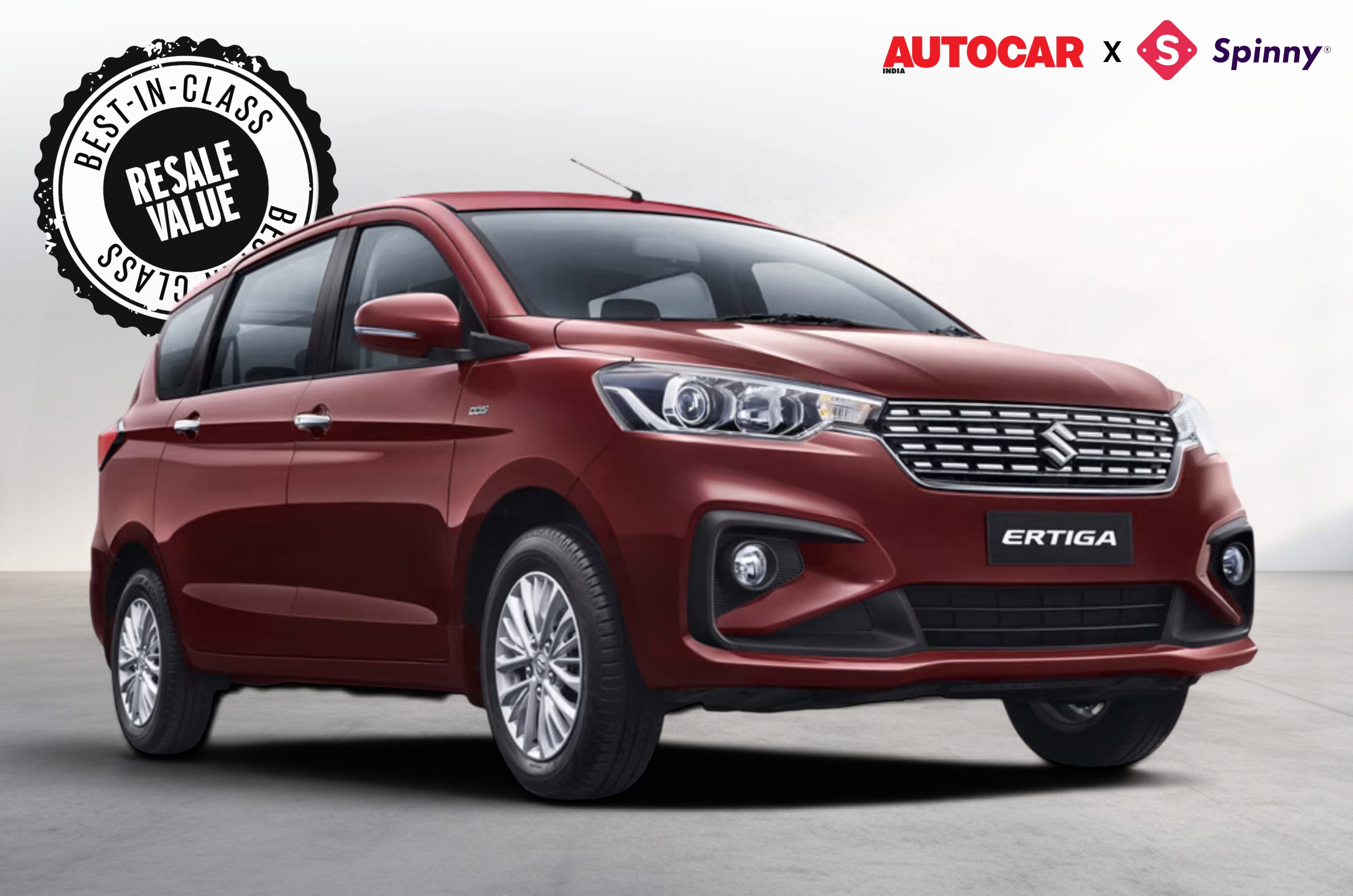
Used car study 2026: Maruti Ertiga holds its value best among MPVs

Maruti Ertiga resale value

Conducted in association with Spinny, India’s leading pre-owned car platform, the fourth edition of our Used Car Study analyses real-world resale values across a broad spectrum of vehicles sold in the Indian market to assess depreciation trends over a five-year ownership period. The study is based on actual transactional data shared by Spinny for vehicles sold between January 1 and August 31, 2025.

In this part of the resale value study series, we take a look at the MPV segment:

MPVs resale value 

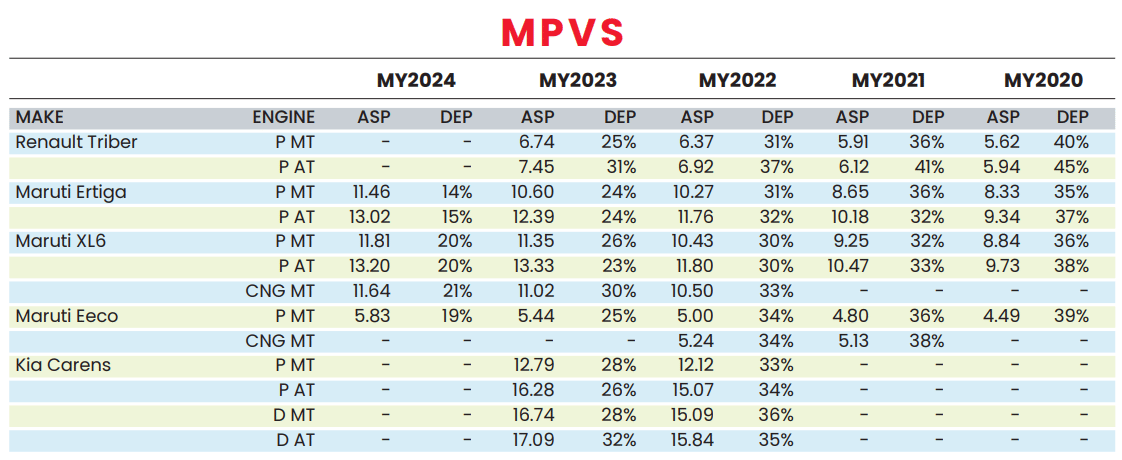
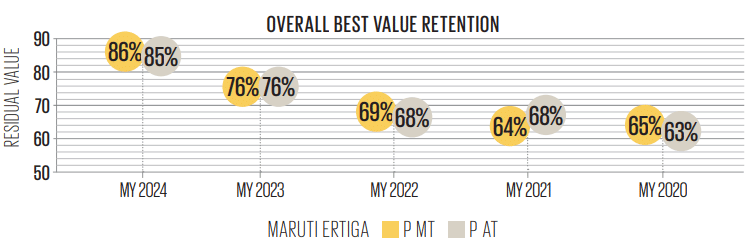
The MPV segment spans a broad price spectrum, starting with the affordable Maruti Eeco and extending up to premium offerings such as the Kia Carens. Dominating the segment in terms of resale value retention, however, is the Maruti Ertiga, which continues to exhibit the flattest depreciation trend over a five-year period.

Meanwhile, the Renault Triber showed the highest depreciation, more so for the AMT variants. Due to limited used market transaction data, the Toyota Innova Crysta and Hycross have been excluded from this study. 

As per the study, the average selling price of a five-year-old MPV retailed through Spinny was Rs 7.47 lakh. Comparable figures for three-year-old and one-year-old MPVs were Rs 10.50 lakh and Rs 11.16 lakh, respectively. Average depreciation over the same periods worked out to 38.5 percent, 33.10 percent and 18.15 percent, respectively.

Autocar-Spinny resale value study methodology 

The analysis covers the average selling prices (ASPs) of vehicles retailed through Spinny’s network across nine cities – Delhi-NCR, Bengaluru, Hyderabad, Pune, Chennai, Mumbai, Lucknow, Ahmedabad and Kolkata.

For the purposes of this study, depreciation has been defined as the percentage difference between a vehicle’s original on-road price in its year of manufacture and its resale value in 2025. In instances where a model was offered with multiple engine options using the same fuel type, the data has been consolidated and averaged. Variant-wise differences have similarly been averaged out.

Discontinued models and powertrain options have been excluded. Additionally, premium vehicles priced above Rs 30 lakh, electric vehicles and certain low-volume models have not been included due to limited transaction data and insufficient sample sizes.

Volvo India confirms two new flagship EVs for 2026

Volvo

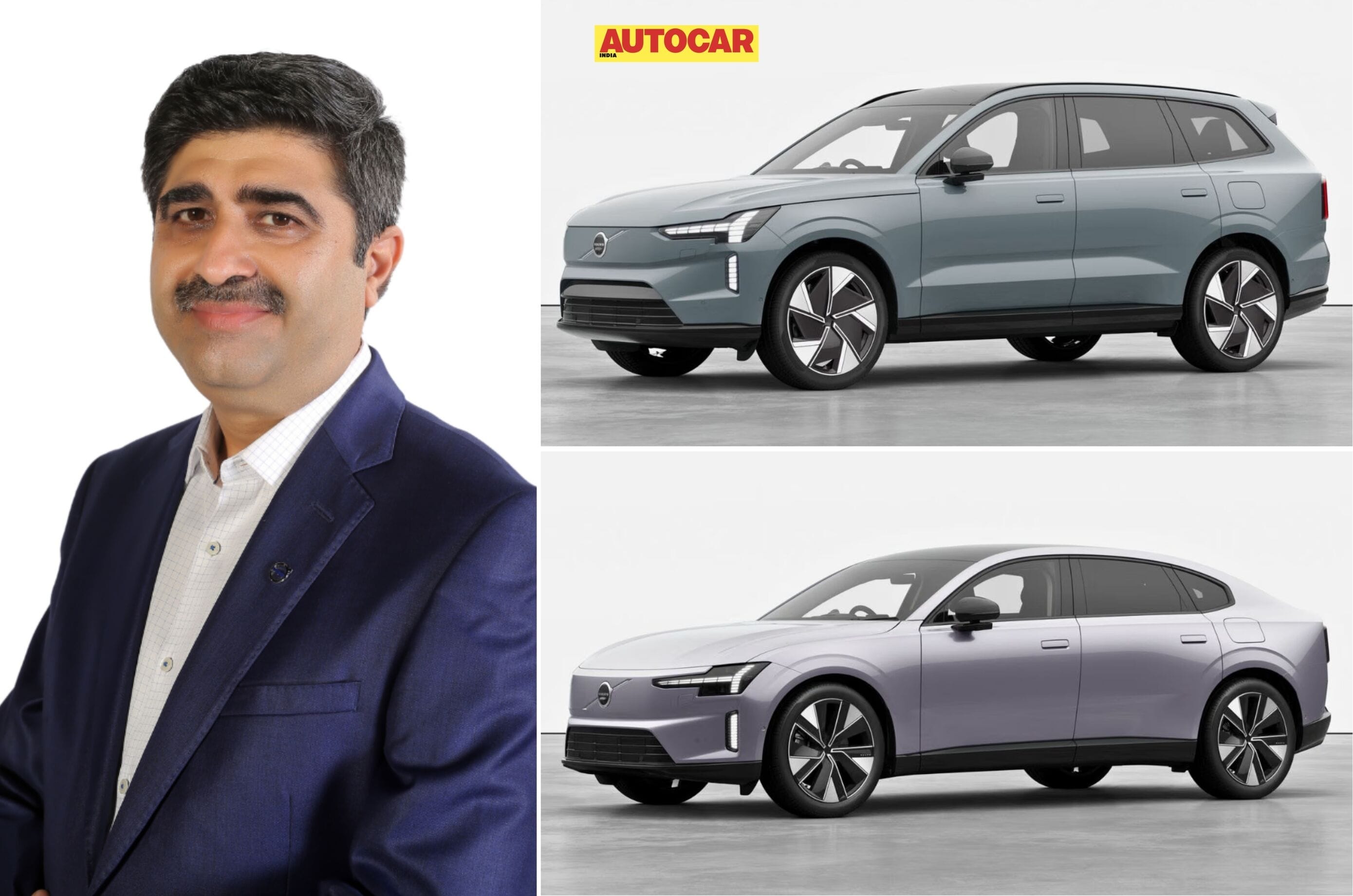
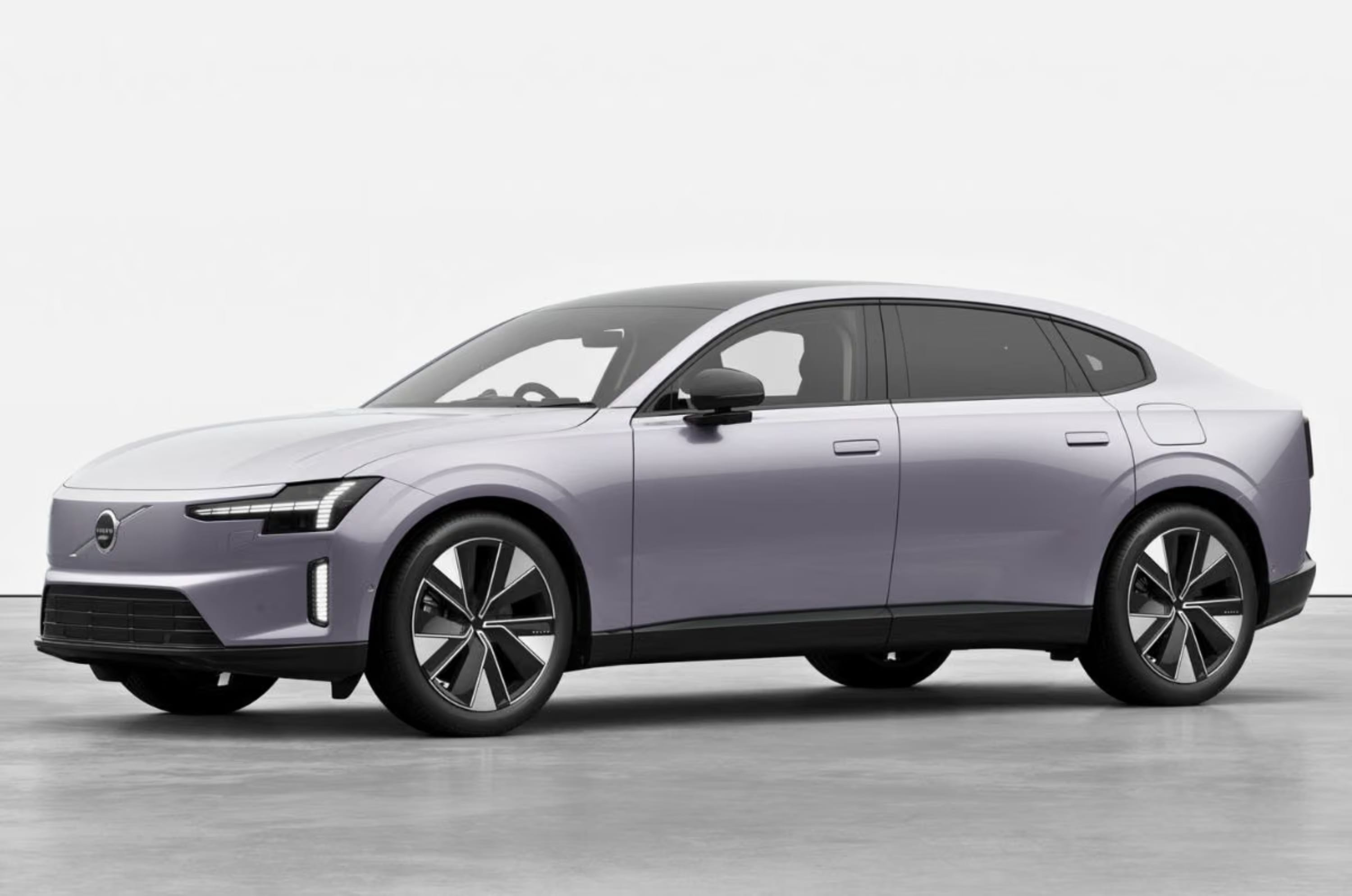
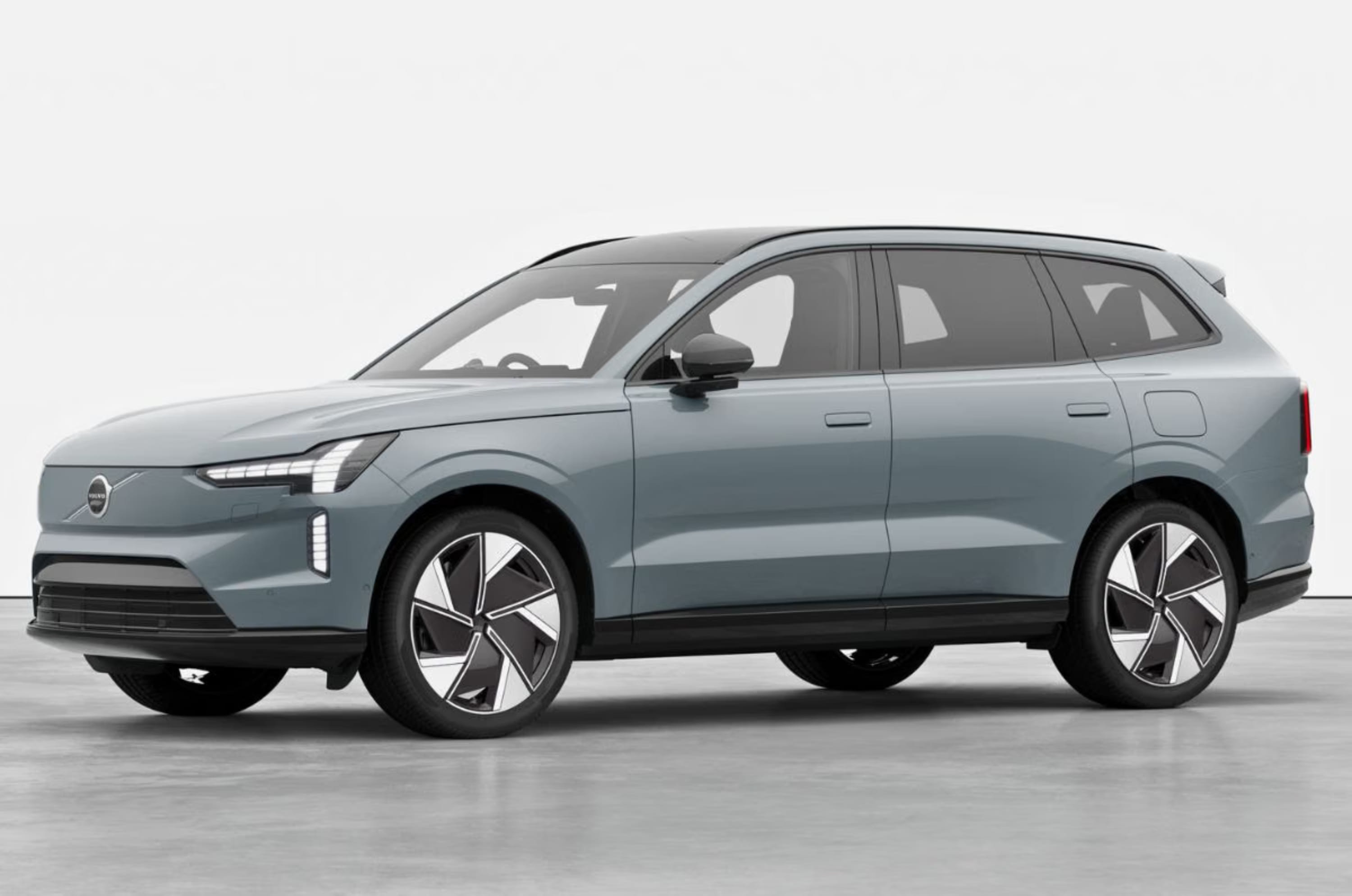
Volvo India has confirmed it will expand its electric vehicle portfolio with two new 90-series EVs over the coming months. While the company stopped short of naming the models, it said the line-up will comprise a flagship sedan and SUV, confirming our earlier report that the ES90 sedan and EX90 SUV were being lined up for India.

  1. One in every four Volvos sold in India is now electric
  2. Volvo says it will continue launching one EV every year

ES90 sedan and EX90 SUV expected to join the line-up

Volvo ES90

Speaking to our sister publication, Autocar Professional, Volvo Car India Managing Director Jyoti Malhotra said the company remains committed to introducing one new electric vehicle every year in India. “We have promised that we’ll bring one electric car every year. We brought in the EX30, and now we’ll be bringing two new electric cars in the 90 series later this year or in the next few months. They are from our 90 series – an SUV and a sedan,” Malhotra said.

Although Volvo has not officially confirmed the names, the company’s current global EV portfolio indicates the upcoming models are likely to be the ES90 electric sedan and the EX90 electric SUV. 

Volvo EX90

Both new flagship EVs are based on Volvo’s SPA2 architecture and use an 800V electrical system, supporting faster charging than the brand’s current EVs. The ES90 is expected to rival the BMW i5, while the EX90 will sit above the EC40 as Volvo’s flagship electric SUV. Both models are likely to be launched in India by Q3 2026.

EVs account for one in four Volvo sales

Volvo said electric vehicles now account for around one in every four cars it sells in India, with the remaining portfolio comprising mild-hybrid models such as the recently updated XC60 and XC90. The company also reported around 6 percent year-on-year growth in FY2026 and said it received an encouraging response to the EX30, which entered a new price point for the brand. Volvo also refreshed the XC60 and XC90 during the past year, with Malhotra saying both models have been well received by existing and new customers alike.

Malhotra reiterated that Volvo’s long-term goal remains to become an all-electric carmaker, although the company no longer has a fixed 2030 deadline because EV adoption varies across global markets. “Our end goal is still the same. We want to become an all-electric car company. But we are not saying that we want to do it by 2030,” he said.

He added that Volvo will continue offering both electric and mild-hybrid models in India as customer demand evolves.

Used car study 2026: Mahindra XUV700 holds its value best among executive SUVs

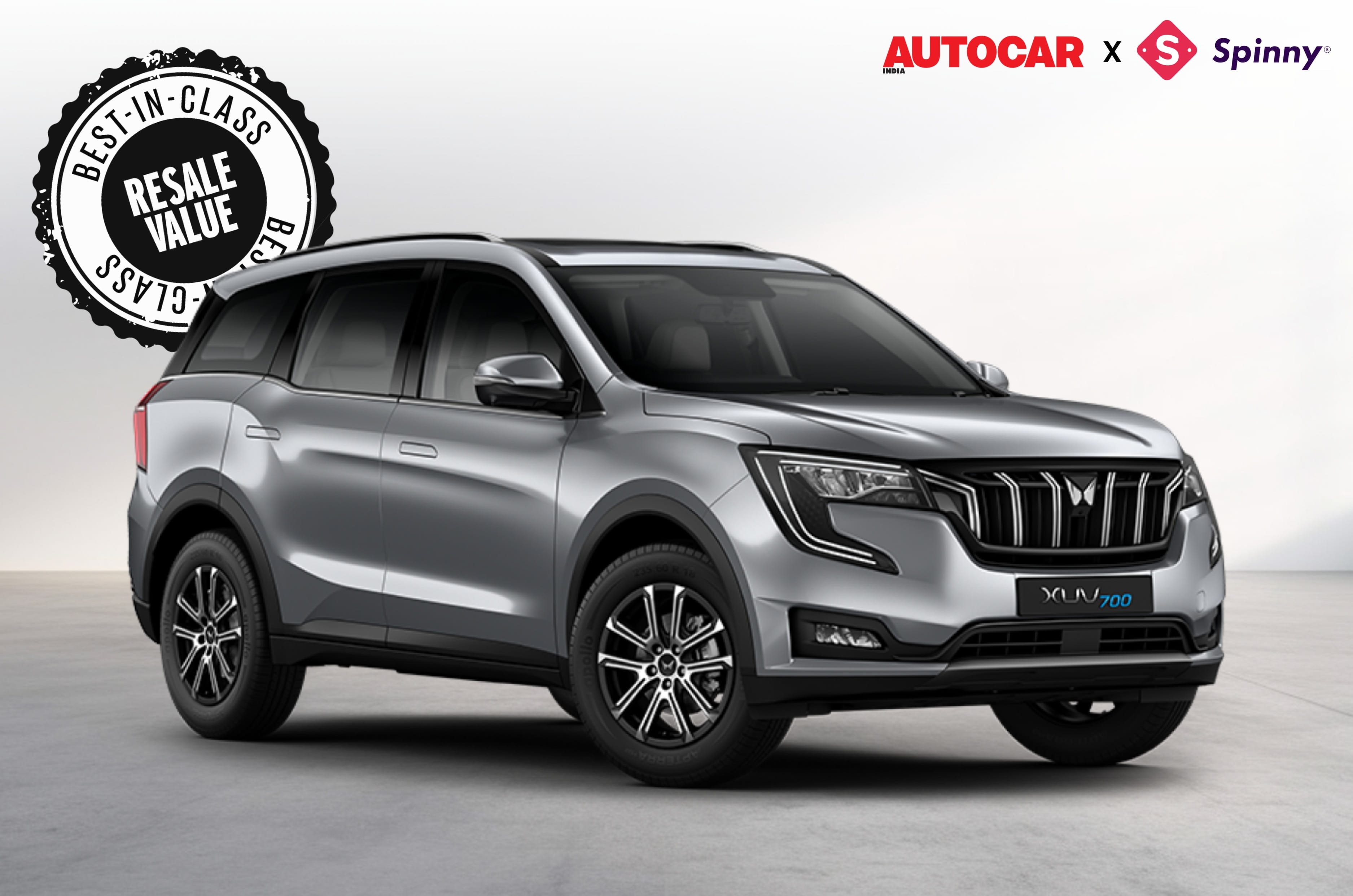
Mahindra XUV700 resale value

Conducted in association with Spinny, India’s leading pre-owned car platform, the fourth edition of our Used Car Study analyses real-world resale values across a broad spectrum of vehicles sold in the Indian market to assess depreciation trends over a five-year ownership period. The study is based on actual transactional data shared by Spinny for vehicles sold between January 1 and August 31, 2025.

In this part of the resale value study series, we take a look at the executive SUV segment:

Executive SUVs resale value 

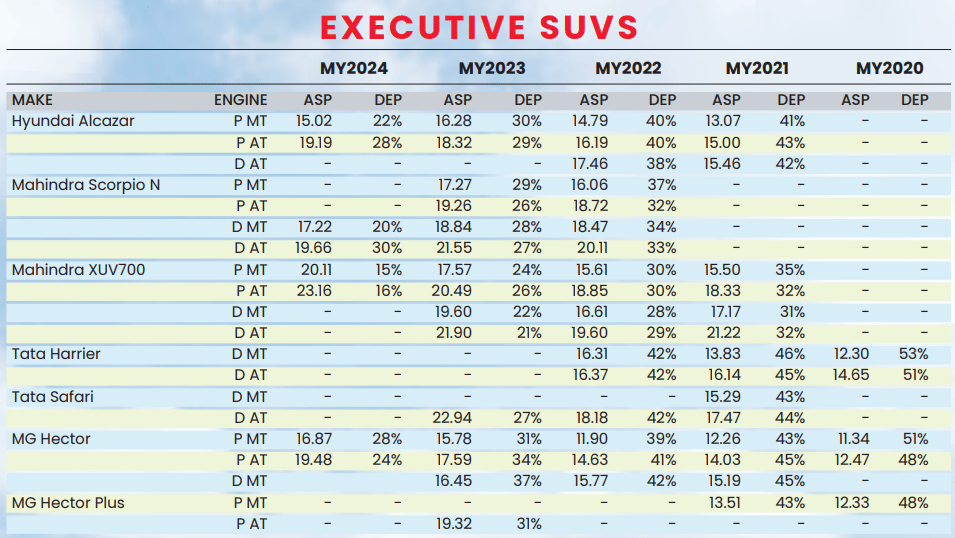
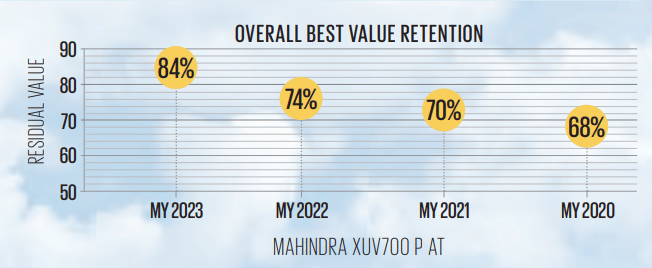
The Mahindra XUV700 has emerged as one of the strongest performers in the used car market, with all variants retaining value impressively well. Particularly noteworthy are the petrol variants, which display the flattest depreciation curves over a four-year period. In fact, one-year-old used examples are trading at only 15-16 percent below their average on-road prices, underlining the SUV’s exceptionally strong market demand.

By comparison, five-year-old examples of the Tata Harrier and MG Hector depreciate significantly more, with resale values falling to less than half of their original purchase prices. The Mahindra Scorpio N also holds better value than its rivals, and overall, the Mahindra SUVs display slower depreciation than their Tata counterparts. 

As per the study, the average selling price of a five-year-old executive SUV retailed through Spinny was Rs 12.6 lakh. Comparable figures for three-year-old and one-year-old executive SUVs were Rs 16.80 lakh and Rs 18.84 lakh, respectively. Average depreciation over the same periods worked out to 50 percent, 36.41 percent and 22.90 percent, respectively.

Autocar-Spinny resale value study methodology 

The analysis covers the average selling prices (ASPs) of vehicles retailed through Spinny’s network across nine cities – Delhi-NCR, Bengaluru, Hyderabad, Pune, Chennai, Mumbai, Lucknow, Ahmedabad and Kolkata.

For the purposes of this study, depreciation has been defined as the percentage difference between a vehicle’s original on-road price in its year of manufacture and its resale value in 2025. In instances where a model was offered with multiple engine options using the same fuel type, the data has been consolidated and averaged. Variant-wise differences have similarly been averaged out.

Discontinued models and powertrain options have been excluded. Additionally, premium vehicles priced above Rs 30 lakh, electric vehicles and certain low-volume models have not been included due to limited transaction data and insufficient sample sizes.

Yamaha का नया इलेक्ट्रिक स्कूटर लॉन्च, मिलेगी 117 km की IDC रेंज, जानें कीमत

Yamaha Aerox E: Yamaha ने भारत में अपना नया इलेक्ट्रिक स्कूटर Yamaha Aerox E लॉन्च कर दिया है। इसकी शुरुआती एक्स-शोरूम कीमत 2.82 लाख रुपये (दिल्ली) रखी गई है। इस इलेक्ट्रिक स्कूटर को पिछले साल पेश किया गया था और अब इसे भारत के कुछ शहरों में खरीदने के लिए उपलब्ध करा दिया गया है। फिलहाल Yamaha Aerox E दिल्ली, बेंगलुरु, चेन्नई, मुंबई और पुणे में बिक्री के लिए उपलब्ध है। बता दें कि यह इलेक्ट्रिक स्कूटर बाजार में मौजूद Ather 450 Apex, TVS X और Ola S1 Pro जैसे दमदार इलेक्ट्रिक स्कूटर को टक्कर देगा।

पावरट्रेन और रेंज

Yamaha Aerox E में दो 1.5kWh की हटाने योग्य (Removable) बैटरी पैक दिए गए हैं। इसमें Permanent Magnet Synchronous Motor (PMSM) लगी है, जो 9.4 kW (12.60hp) की पावर और 48Nm का टॉर्क जनरेट करती है। कंपनी के अनुसार, यह इलेक्ट्रिक स्कूटर फुल चार्ज होने पर 117 किलोमीटर तक की IDC सर्टिफाइड रेंज दे सकता है। वहीं, Power Mode में Boost फीचर ऑन करने पर इसकी टॉप स्पीड 95.5 किमी/घंटा तक पहुंच सकती है।

बैटरी चार्जिंग की बात करें तो, एक बैटरी पैक को 0 से 100% चार्ज होने में करीब 3 घंटे 10 मिनट का समय लगता है। अगर दोनों बैटरियों को एक साथ चार्ज किया जाए, तो इन्हें पूरी तरह चार्ज होने में लगभग 6 घंटे 20 मिनट लग सकते हैं।

Yamaha Aerox E का डिजाइन और डायमेंशन

देखने में, Aerox E काफी हद तक अपने पेट्रोल वाले मॉडल, Aerox 155 जैसी ही लगती है। इसमें सबसे बड़ा बदलाव नया TFT डिस्प्ले है, जिसने ICE मॉडल वाले LCD कंसोल की जगह ली है। इसके अलावा, इसमें आपको शार्प बॉडीवर्क के साथ वही स्पोर्टी मैक्सी-स्कूटर स्टाइलिंग मिलती है। इस स्कूटर का व्हीलबेस 1,360mm और कर्ब वेट 139 kg है, जो इसे स्टैंडर्ड Aerox 155 से लगभग 13 kg भारी बनाता है।

इस इलेक्ट्रिक स्कूटर में 14-इंच के अलॉय व्हील्स दिए गए हैं। इसमें आगे की तरफ 110/80 टायर और पीछे की तरफ 140/70 टायर मिलते हैं, जो इसे बेहतर स्टेबिलिटी और स्पोर्टी राइडिंग अनुभव देने में मदद करते हैं।

Yamaha Aerox E के फीचर्स

Yamaha नई Aerox E में इकॉनमी, स्टैंडर्ड और पावर राइडिंग मोड देता है। इस इलेक्ट्रिक स्कूटर में बूस्ट मोड, रिवर्स मोड और ट्रैक्शन कंट्रोल सिस्टम भी है। इसकी अन्य खासियतों में Yamaha Y-Connect के साथ ब्लूटूथ कनेक्टिविटी, आगे और पीछे डिस्क ब्रेक, LED हेडलैंप और LED टेललैंप, TFT इंस्ट्रूमेंट क्लस्टर और सिंगल-चैनल ABS शामिल हैं।

यह भी पढ़ें: 9 जुलाई को होगा Nissan Tekton का ग्लोबल डेब्यू, Creta-Seltos को देगी कड़ी टक्कर