Mahindra Scorpio N Z8L vs XUV 7XO AX7L top trims compared

Mahindra Scorpio N Z8L vs XUV 7XO AX7L top trims comparison

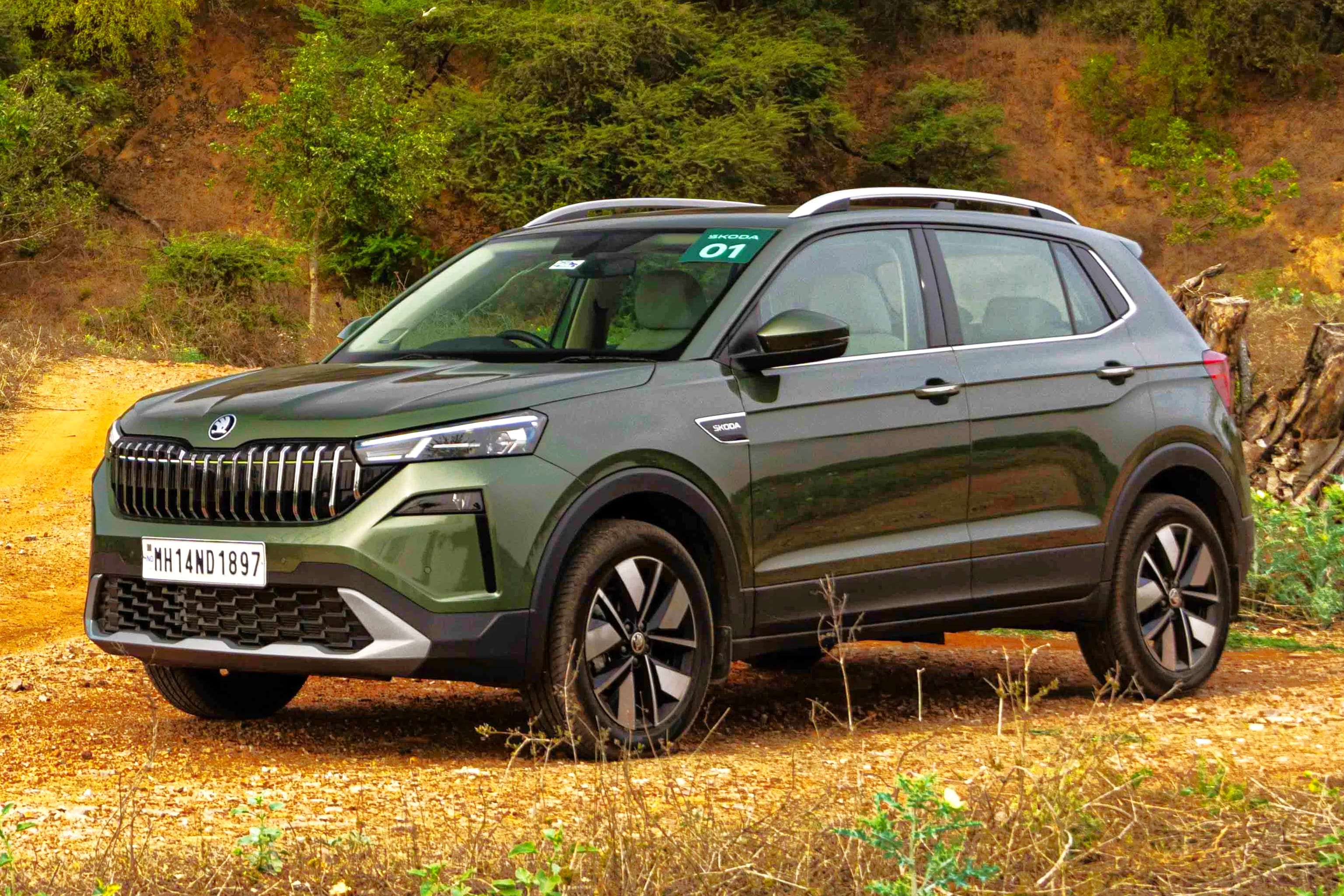
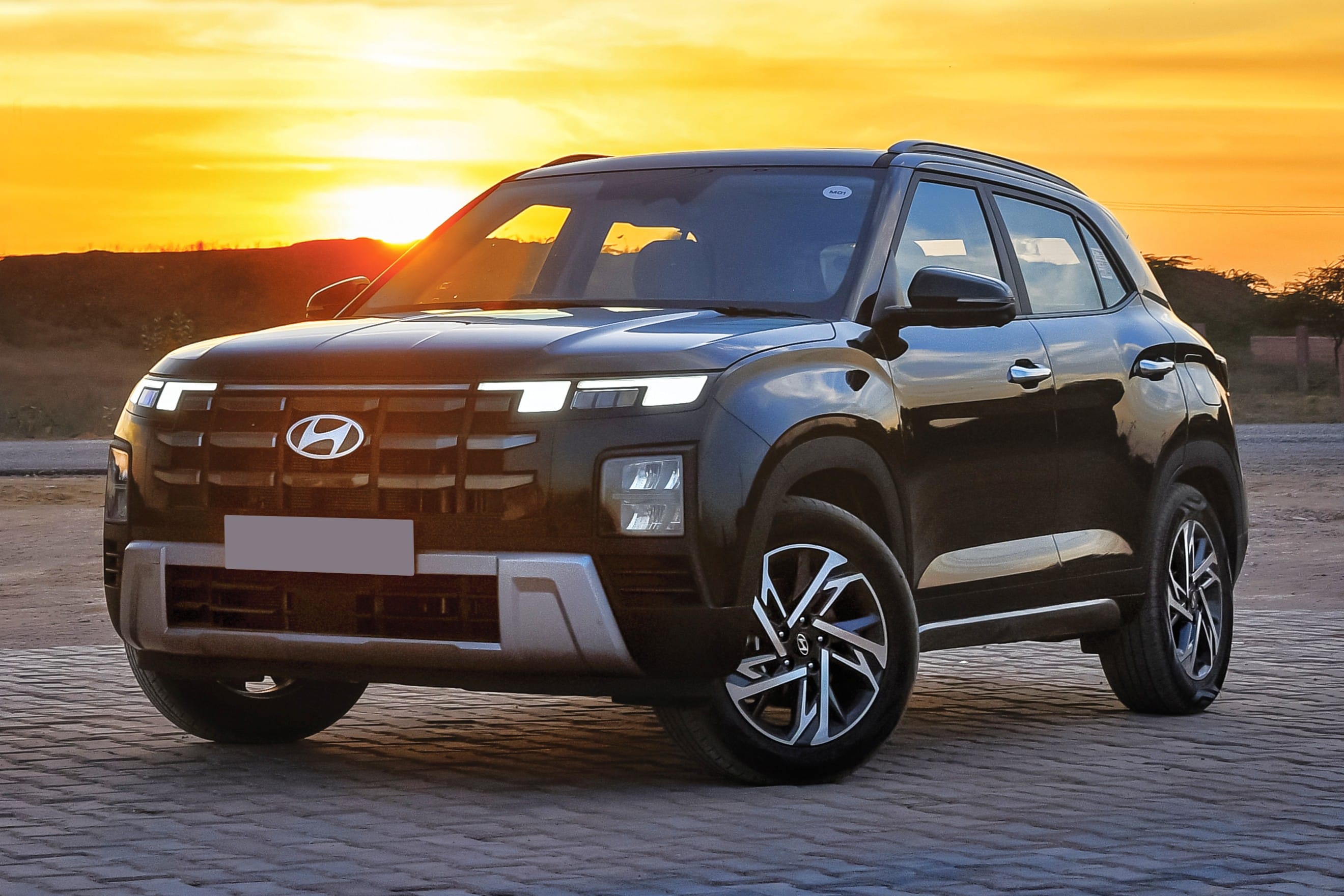
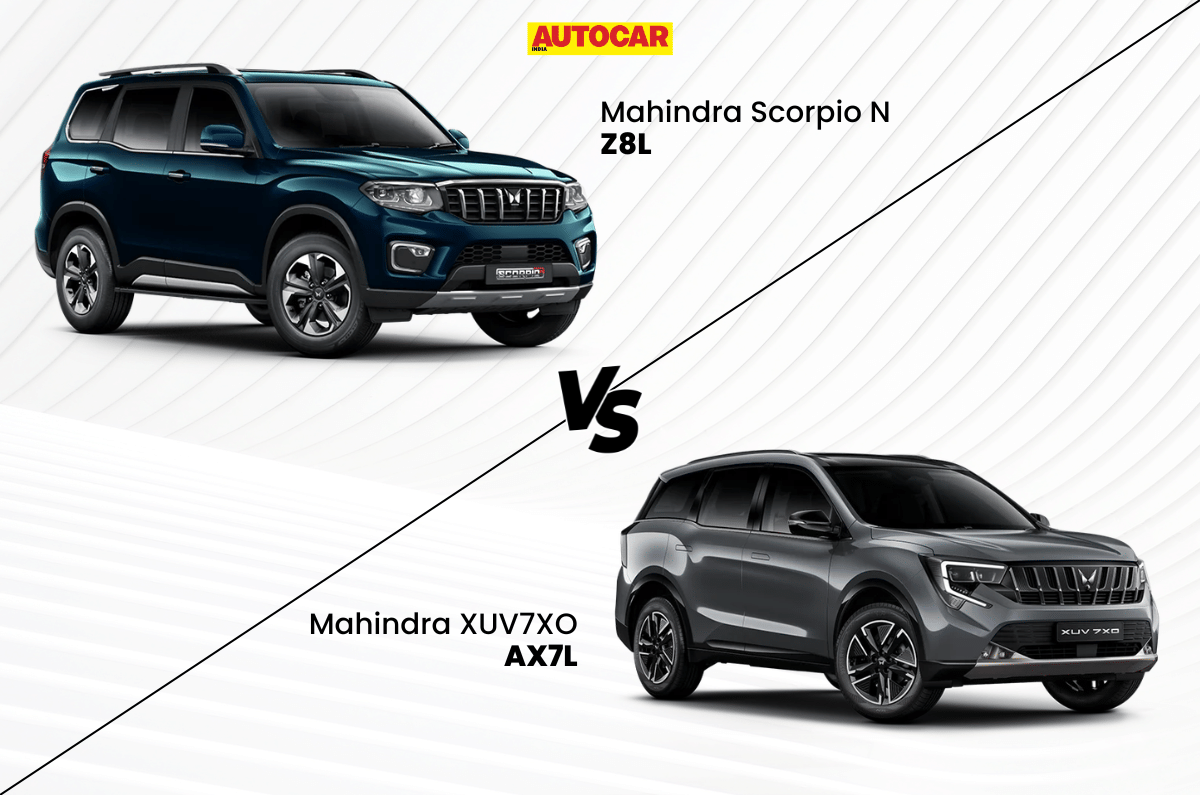
The Mahindra Scorpio N and XUV 7XO are popular three-row SUVs offered by the Indian carmaker. While the Scorpio N uses a ladder-frame chassis, the XUV 7XO is based on a monocoque construction. Both SUVs received mid-life updates in 2026 and are now well-equipped by modern standards. However, they differ in areas such as dimensions, powertrain tuning, features and pricing. To see how they compare, we have put their top trims, the Scorpio N Z8L and XUV 7XO AX7 L, head-to-head.

Mahindra Scorpio N Z8L vs XUV 7XO AX7L: Dimensions


Scorpio N

XUV 7XO

Length (mm)

4,662

4,695

Width (mm)

1,917

1,890

Height (mm)

1,857

1,755

Wheelbase (mm)

2,750

2,750

Seat layout

6/ 7

6/ 7

The two SUVs have the same 2,750mm wheelbase and offer both six- and seven-seat layouts. However, the XUV 7XO is 33mm longer than the Scorpio N, while the Scorpio N is 27mm wider and 102mm taller.

Mahindra Scorpio N Z8L vs XUV 7XO AX7L: Powertrain


Scorpio N

XUV 7XO

Engine

2-litre turbo petrol / 2.2-litre diesel2-litre turbo petrol / 2.2-litre diesel

Power (hp)

203 / 175203/ 185

Torque (Nm)

370-380 / 370-400380/ 420-450

Gearbox

6MT or 6AT6MT or 6AT
Drive layoutRWD / RWD, 4WDFWD / FWD, AWD

Both use the same 2-litre turbo-petrol and 2.2-litre diesel engines, but their outputs differ. The petrol engines make 203hp in both SUVs, while the XUV 7XO’s diesel is more powerful at 185hp versus 175hp in the Scorpio N. Depending on the gearbox, the XUV 7XO also produces more torque with its diesel engine, at 420-450Nm compared to 370-400Nm in the Scorpio N.

The Scorpio N has a proper 4WD system (with low range) and offers it with both the manual and automatic gearboxes in diesel form. The XUV 7XO, meanwhile, gets an AWD system only with the diesel automatic version. When not equipped with four-wheel drive, the Scorpio N uses a RWD layout, which gives it better traction on hilly terrains. The non-AWD XUV 7XO, meanwhile, uses a front-wheel-drive setup.

Mahindra Scorpio N Z8L vs XUV 7XO AX7L: Exterior


Scorpio N

XUV 7XO

Headlights

Auto LED

Auto LED

Taillights

LED

LED

DRLs

LED

LED

Front fog lamps

LED

LED with cornering function

Wheels

18-inch alloys

19-inch alloys
Door handlesPull typeFlush fitting
Chrome finish on door handlesYesNo

Powered ORVMs with indicators

Yes

Yes

Roof rails

Yes

Yes

Shark-fin antenna

Yes

Yes

Rear spoiler

Yes

Yes

Both SUVs get LED headlights, tail-lights and DRLs, along with powered ORVMs, roof rails, a shark-fin antenna and a rear spoiler. However, the XUV 7XO gets larger 19-inch alloy wheels compared to the Scorpio N’s 18-inch units, while its front fog lamps also add a cornering function. The Scorpio N uses conventional pull-type door handles with chrome detailing, whereas the XUV 7XO gets flush-fitting handles without chrome.

Mahindra Scorpio N Z8L vs XUV 7XO AX7L: Interior, features


Scorpio N

XUV 7XO

Driver’s display

10.25 inch

12.3 inch

Central touchscreen

12.3 inch

12.3 inch
Passenger touchscreenNA12.3 inch

Android Auto, Apple CarPlay

Wireless

Wireless
Type-C USB portsFront and rearFront and rear

Audio system

12-speaker Sony

16-speaker Harman Kardon

Push-button start/stop

Yes

Yes

Sunroof

Panoramic

Panoramic

Powered tailgate

No

No

Climate control

Dual-zone

Dual-zone

Seat upholstery

Leatherette

Leatherette

Steering wheel adjustment

Tilt

Tilt and telescopic

Wireless phone charger

Front

Front and rear

Driver’s seat adjustment

Powered

Powered

Co-driver’s seat adjustment

Manual

Powered

Ventilated front seats

Yes

Yes
Ventilated second-row seatsNoOutboard only (both 6 and 7 seater versions)
Boss modeNoYes
Bring your own device mountsNoYes

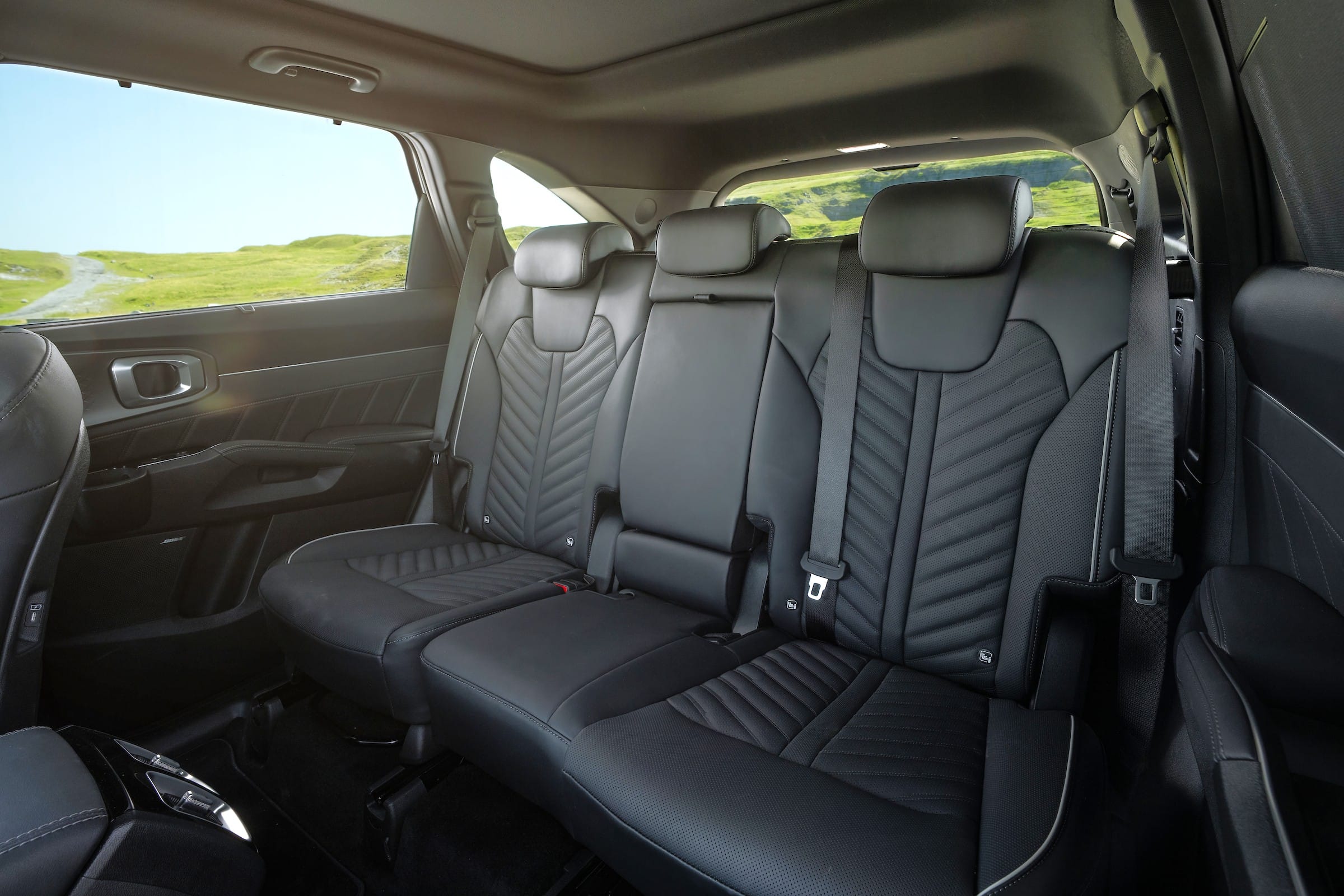
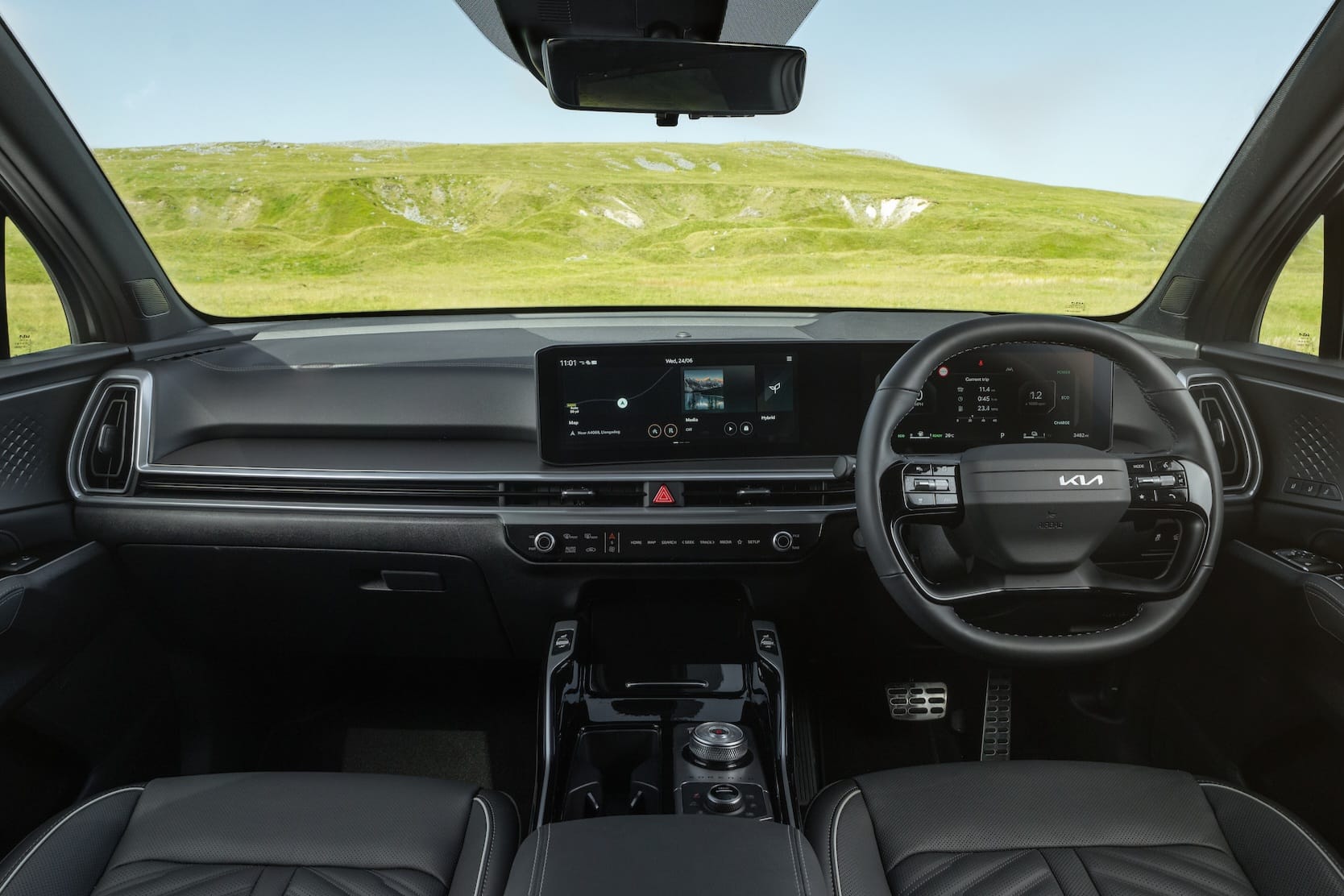
The XUV 7XO has an edge in cabin tech, with a larger 12.3-inch driver’s display and an additional 12.3-inch passenger touchscreen, which the Scorpio N does not offer. It also gets a 16-speaker Harman Kardon system versus the Scorpio N’s 12-speaker Sony setup. Both get wireless Android Auto and Apple CarPlay, panoramic sunroofs, dual-zone climate control, powered driver’s seats and ventilated front seats.

There are also a few other differences. The XUV 7XO gets a telescopic steering adjustment, powered co-driver’s seat, wireless phone charging for both front and rear passengers, and ventilated outboard second-row seats. It also offers Boss Mode and bring-your-own-device mounts, which are not available on the Scorpio N. Interestingly, neither SUV gets a powered tailgate.

Mahindra Scorpio N Z8L vs XUV 7XO AX7L: Driving tech


Scorpio N

XUV 7XO

Drive modes

Zip, Zap, Zoom (diesel only)

Zip, Zap, Zoom (diesel only)

Terrain modes

Normal, Snow, Mud and Ruts, Sand (diesel only)

No
Low range 4WDYesNo

Electronic locking differential

4WD only

No

Paddle shifters

AT only

AT only

Cruise control

Adaptive

Adaptive

Both SUVs offer the same three drive modes, namely Zip, Zap and Zoom, along with adaptive cruise control and paddle shifters with the automatic gearbox. However, the Scorpio N has a clear advantage for off-road use, with terrain modes for Normal, Snow, Mud and Ruts, and Sand. It also gets low-range 4WD system, as mentioned before, and an electronic locking differential, features that are not available on the XUV 7XO.

Mahindra Scorpio N Z8L vs XUV 7XO AX7L: Safety


Scorpio N

XUV 7XO

Airbags

6

7

ADAS

Level 2

Level 2

Camera setup

540-degree

540-degree

Parking sensors

Front and rear

Front and rear

Electronic parking brake

Yes

Yes

All-wheel disc brakes

Yes

Yes
ABSYesYes

TPMS

Yes

Yes

IRVM

Auto-dimming

Auto-dimming

Rear wiper, washer and defogger

Yes

Yes

Hill hold assist

Yes

Yes

Hill descent control

Yes

Yes

ESC

Yes

Yes

This is one area where the two SUVs aren’t that far apart, especially in their respective top trims. Both get Level 2 ADAS, 540-degree cameras, front and rear parking sensors, all-wheel disc brakes, ABS, TPMS, auto-dimming IRVMs, electronic parking brakes, hill hold assist and hill descent control. The XUV 7XO does have a small advantage with seven airbags, compared with six in the Scorpio N.

Mahindra Scorpio N Z8L vs XUV 7XO AX7L: Prices and verdict


Scorpio N

XUV 7XO

Petrol MT

21.31-21.69

Petrol AT

22.87-23.05

24.29-24.49

Diesel MT 

21.99-22.25

23.29

Diesel AT

23.49-25.49

24.79-25.79

Clearly, the Mahindra XUV 7XO AX7L is more expensive than the Scorpio N Z8L. The price gap is smallest for the petrol AT, at Rs 1.24-1.44 lakh, while the diesel AT carries a difference of Rs 1.30-1.31 lakh. For the diesel manual, the XUV 7XO is also more expensive by Rs 1.04-1.30 lakh. The Scorpio N is also the only one of the two available with a petrol manual at the top end.

Without a doubt, the two SUVs are well equipped, but their focus is quite different. The Scorpio N is better suited to buyers who want to go off-road, thanks to its ladder-frame construction and the 4WD system. The XUV 7XO, on the other hand, is better suited to those looking for a three-row SUV for city and highway use, with some mild off-road ability. Additionally, its monocoque construction and dampers with DCx piston valves are aimed at delivering a more comfortable ride. 

Overall, we recommend the XUV 7XO for its overall package, offering higher engine outputs, a more premium cabin and additional features, a relatively more usable third row and better ride and handling. It does command a slight premium over the Scorpio N, but we think the added cost is justified.
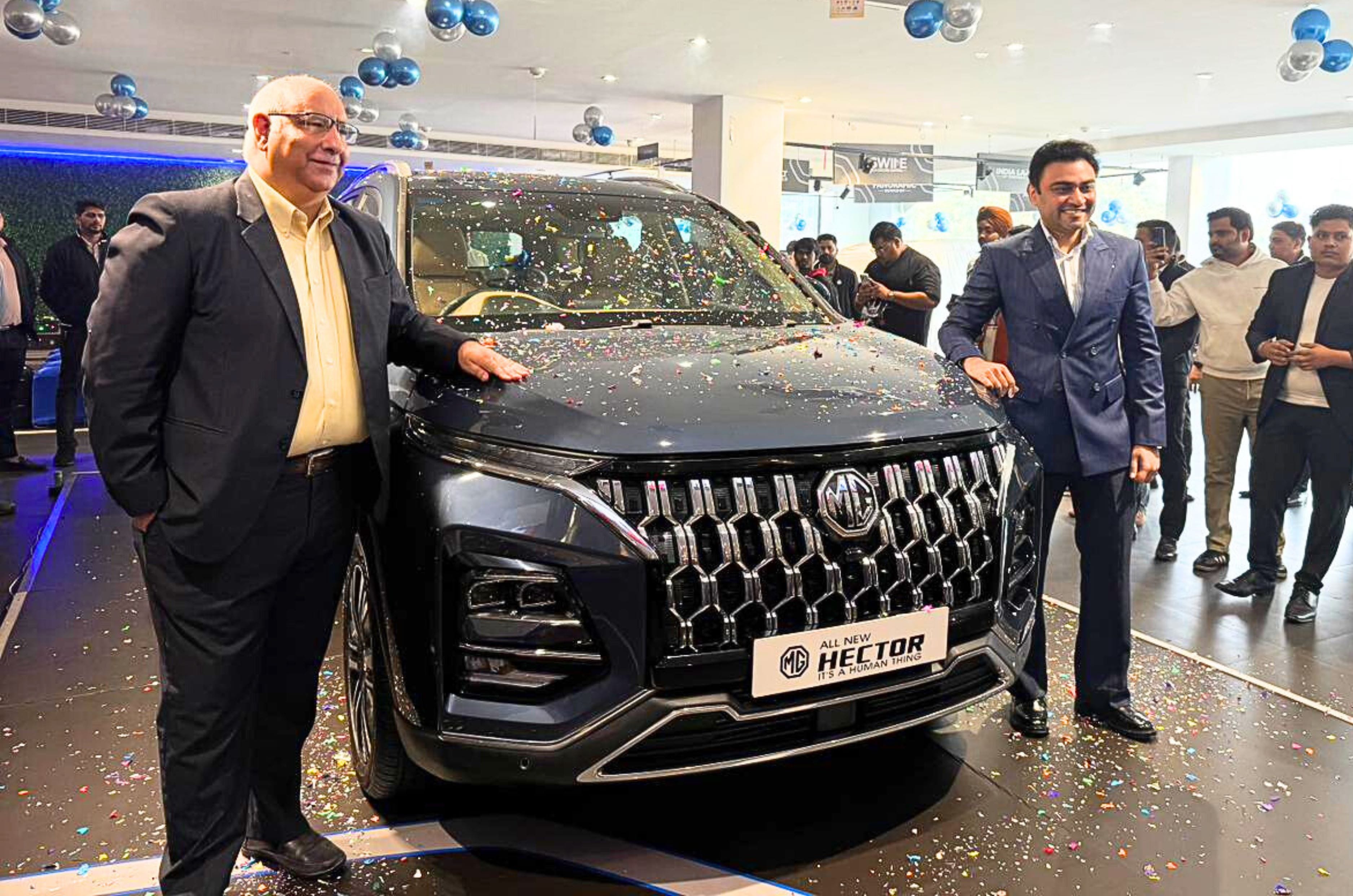
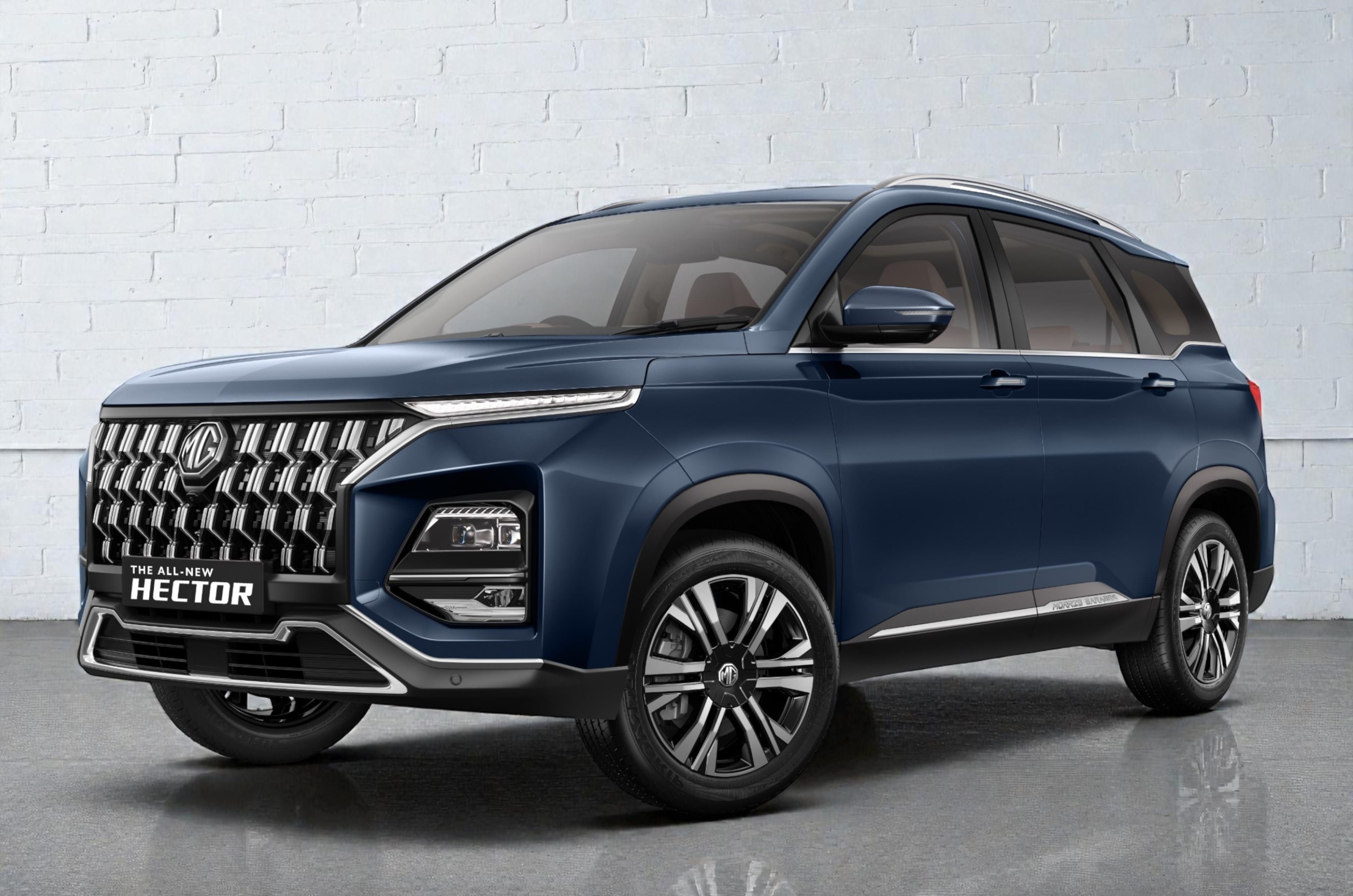
MG celebrates 7-year anniversary of Hector with up to Rs 60,000 in benefits

mg hector

MG has introduced an anniversary programme for the Hector to commemorate seven years since the SUV first launched in India. The Hector was MG’s debut offering for the Indian market and resonated quite well with buyers thanks to its refined petrol and diesel engines, spacious and comfortable cabin, and extensive features list. By May 2022, over 80,000 units of the Hector were sold, and production hit the 1,00,000 milestone in December that year.

MG Hector discounts in August 2026

To celebrate the Hector’s 7-year anniversary, MG is offering benefits of up to Rs 60,000 for the SUV this month. These benefits include exchange bonuses, loyalty rewards, corporate offers, and anniversary discounts, and all Hector bookings placed during August 2026 will be eligible for them. Hector buyers can also take advantage of 100 percent on-road price funding with tenures of up to 84 months, along with 100 percent funding support on accessories.

Pricing for the Hector starts at Rs 11.99 lakh and extends to Rs 20 lakh (ex-showroom). The Hector is available solely with a 143hp 1.5-litre 4-cylinder turbo-petrol engine paired with either a 6-speed manual or a CVT automatic gearbox. 5-seat and 7-seat configurations are available for the Hector.

Audi global CEO backs broader powertrain mix as regional strategy takes shape

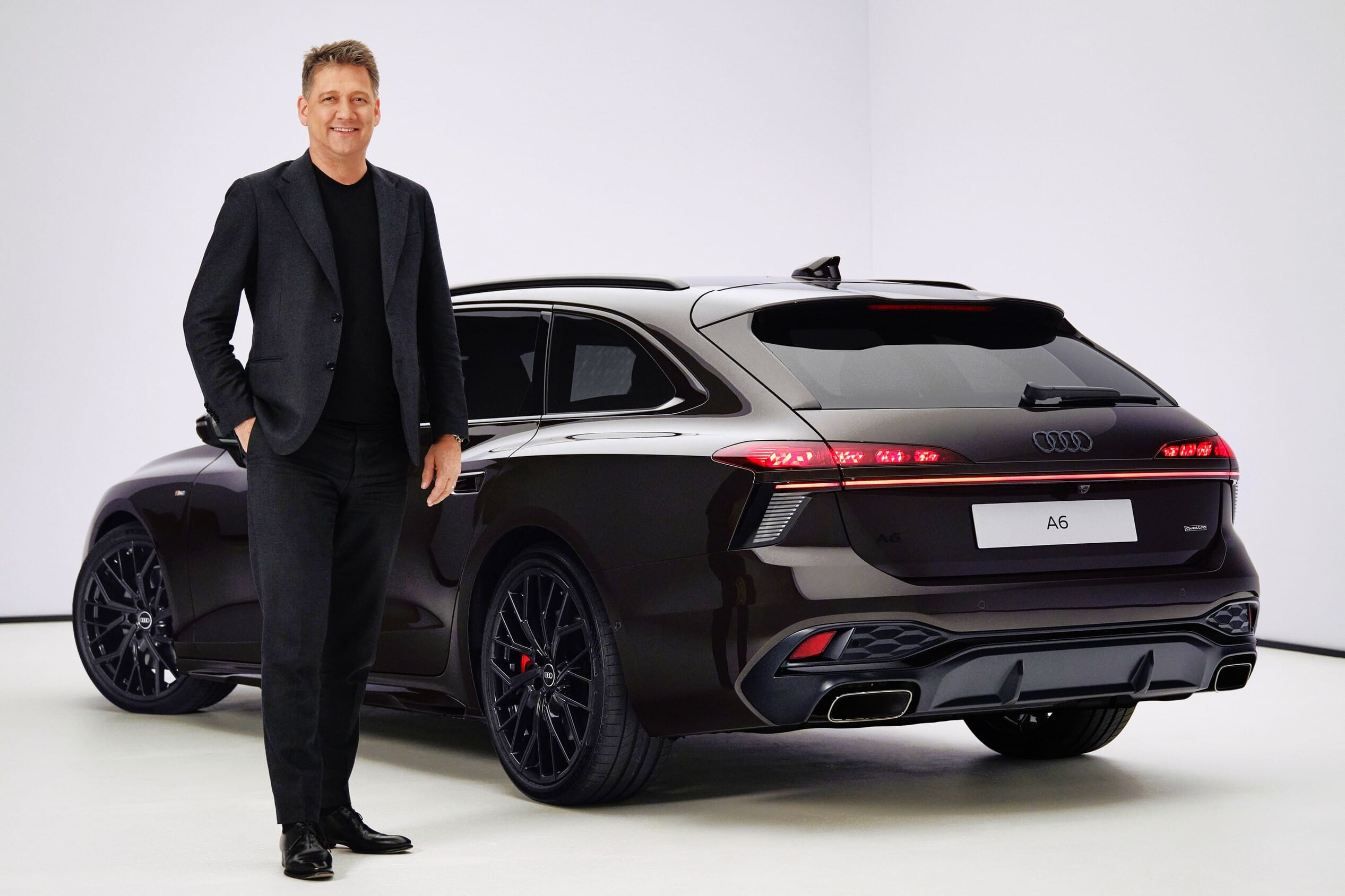
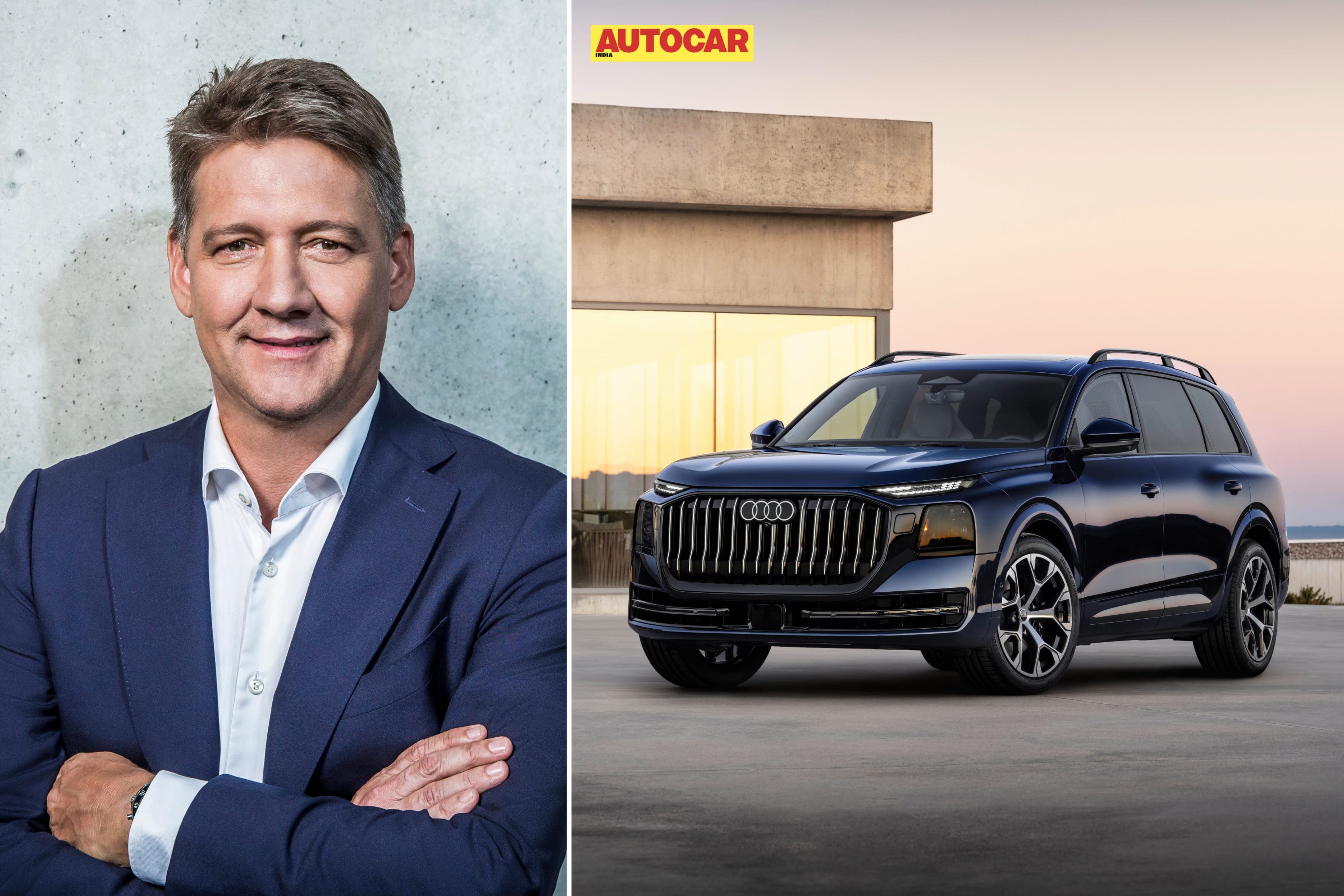
Audi CEO Gernot Dollner next to an A6 Avant

Audi will pursue a broader powertrain strategy spanning battery-electric vehicles, plug-in hybrids and combustion engines, stepping away from its earlier plan to become an all-electric carmaker. Global CEO Gernot Döllner said he reviewed Audi’s all-electric strategy after taking charge and decided that the company needed a more balanced product and powertrain mix to address the varying pace of EV adoption across markets.

“When I joined Audi, there was an all-electric strategy in place, which was one of the first things I reviewed,” Döllner told Autocar India in an exclusive interview. “We found a more balanced strategy between plug-in hybrids, especially important for Europe, combustion engine and electric.”

Global EV sales downturn lent ICE powertrains more time

The slower-than-expected pace of EV adoption in several global markets has extended the relevance of combustion engines and plug-in hybrids. Audi expects to retain a focused combustion-engine and plug-in-hybrid portfolio, particularly for SUVs.

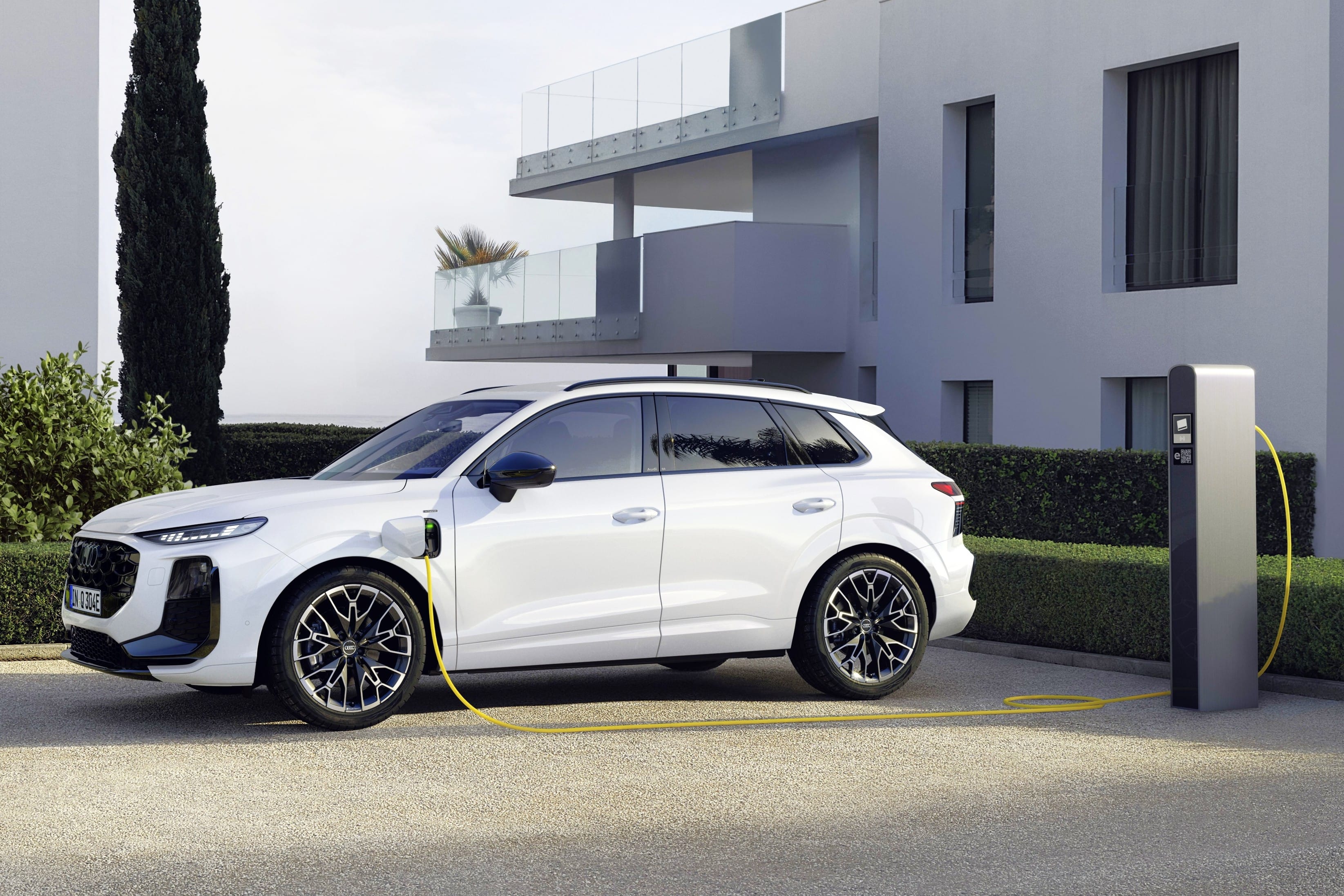
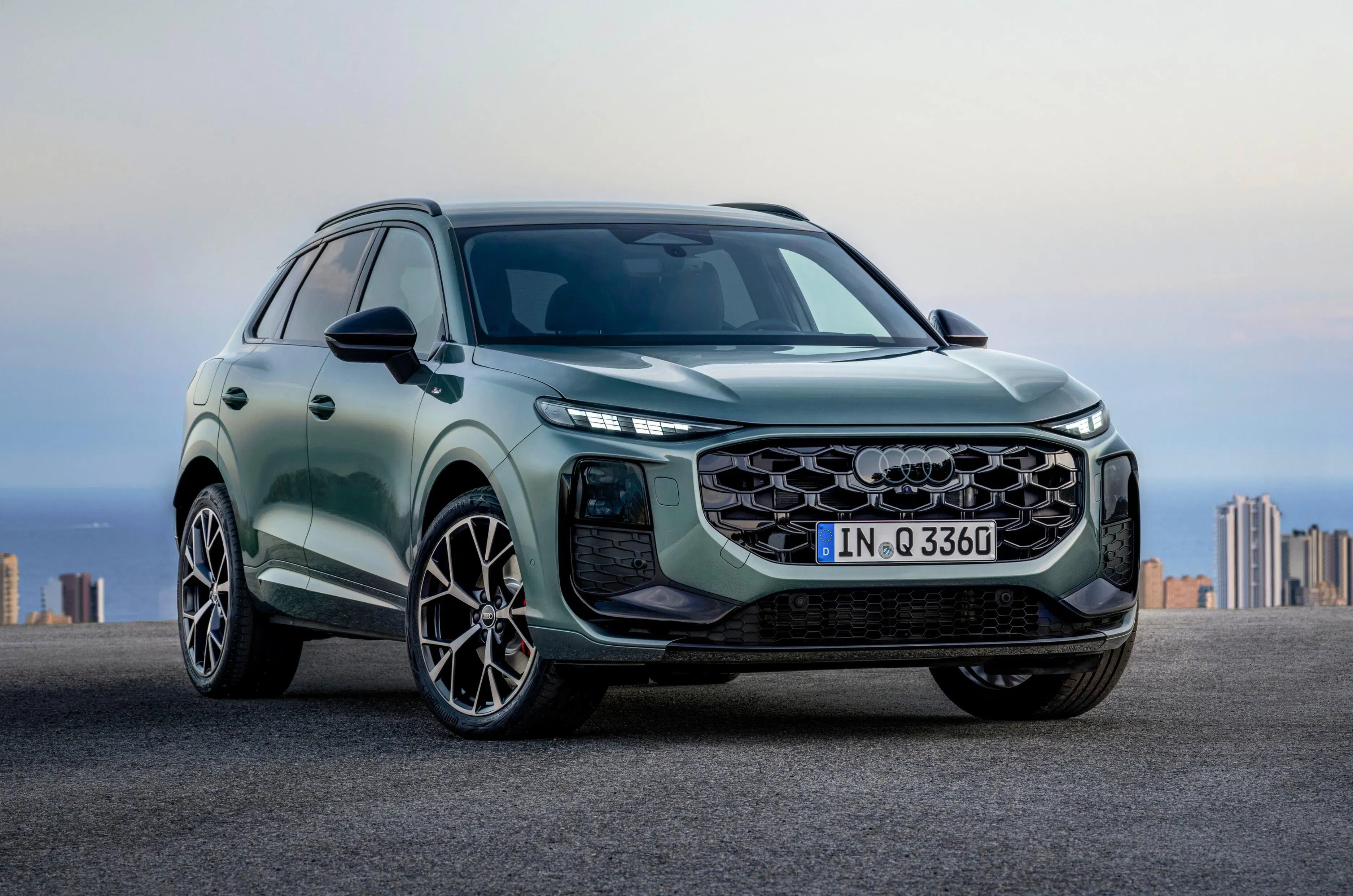
Audi Q3 PHEV

The company has recently completed a major investment cycle covering new petrol and diesel engines, plug-in hybrids and battery-electric vehicles designed to meet Euro 7 and other global regulations.

“For sure, the majority of our investment will be in battery electric. That’s a given,” Döllner said.

Audi will continue to invest selectively in combustion engines, including efficiency improvements and transmission technology, but Döllner expects the pace of innovation to be much faster in EVs.

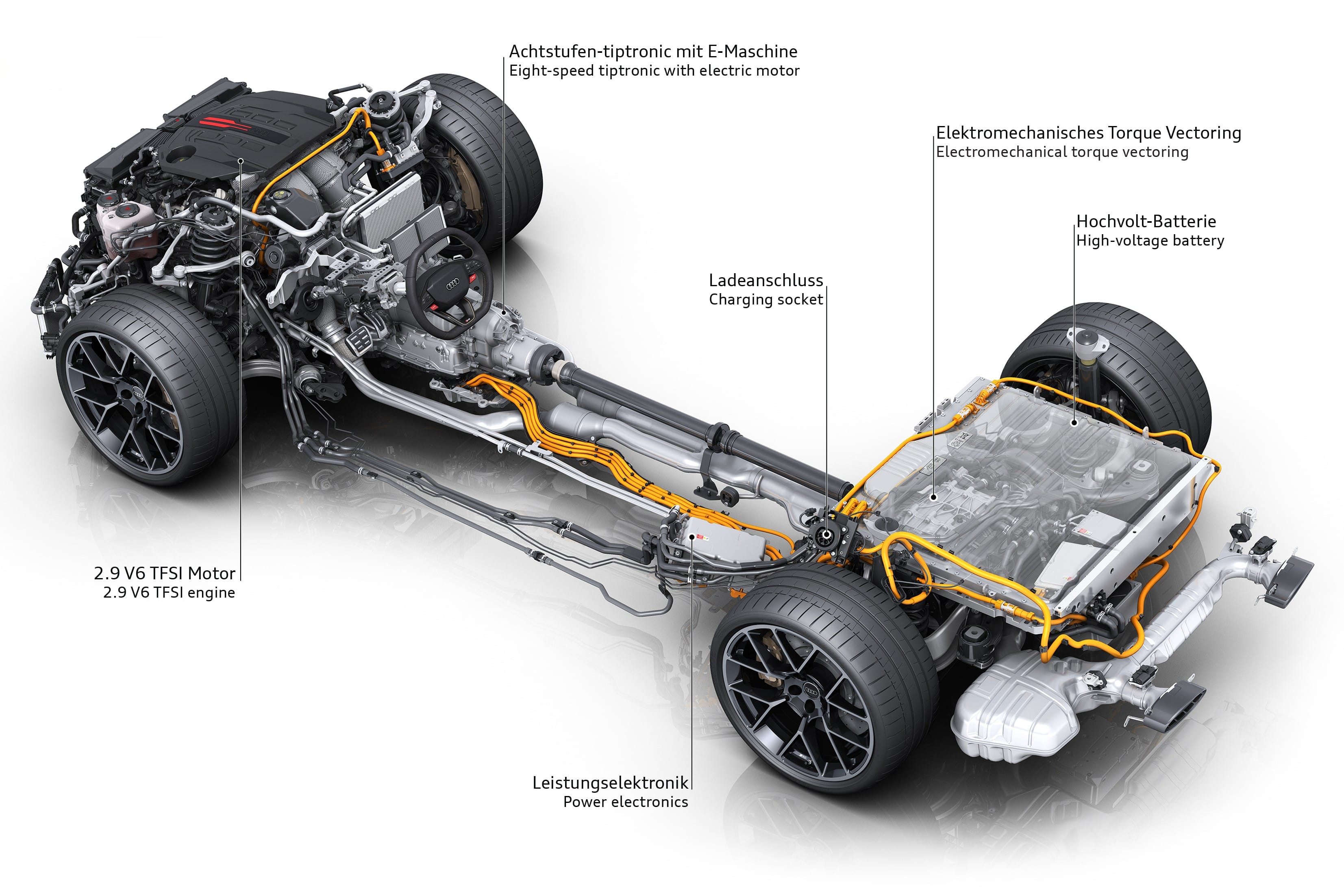
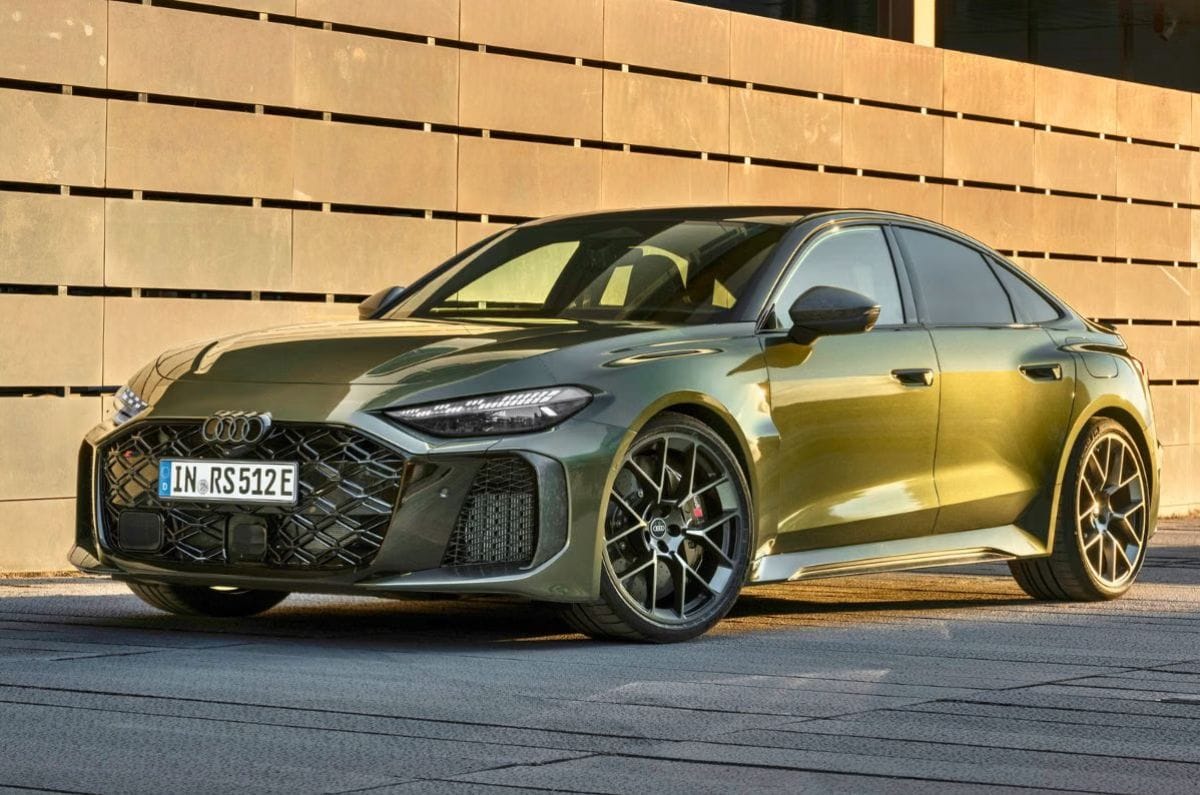
Audi RS5 plug-in hybrid powertrain

“The combustion engine is fairly mature. It’s at the very end of a 100-year innovation cycle, and battery electric is still at the very beginning, to be honest,” he said. “The dominant part of our investment will definitely be on the battery-electric side.”

Electric remains Audi’s leading technology

Audi’s decision to retain combustion engines and plug-in hybrids does not alter its long-term direction towards electric vehicles.

“Electric is, for Audi, still the leading technology,” Döllner said. “It’s our main priority to step by step become more electric.”

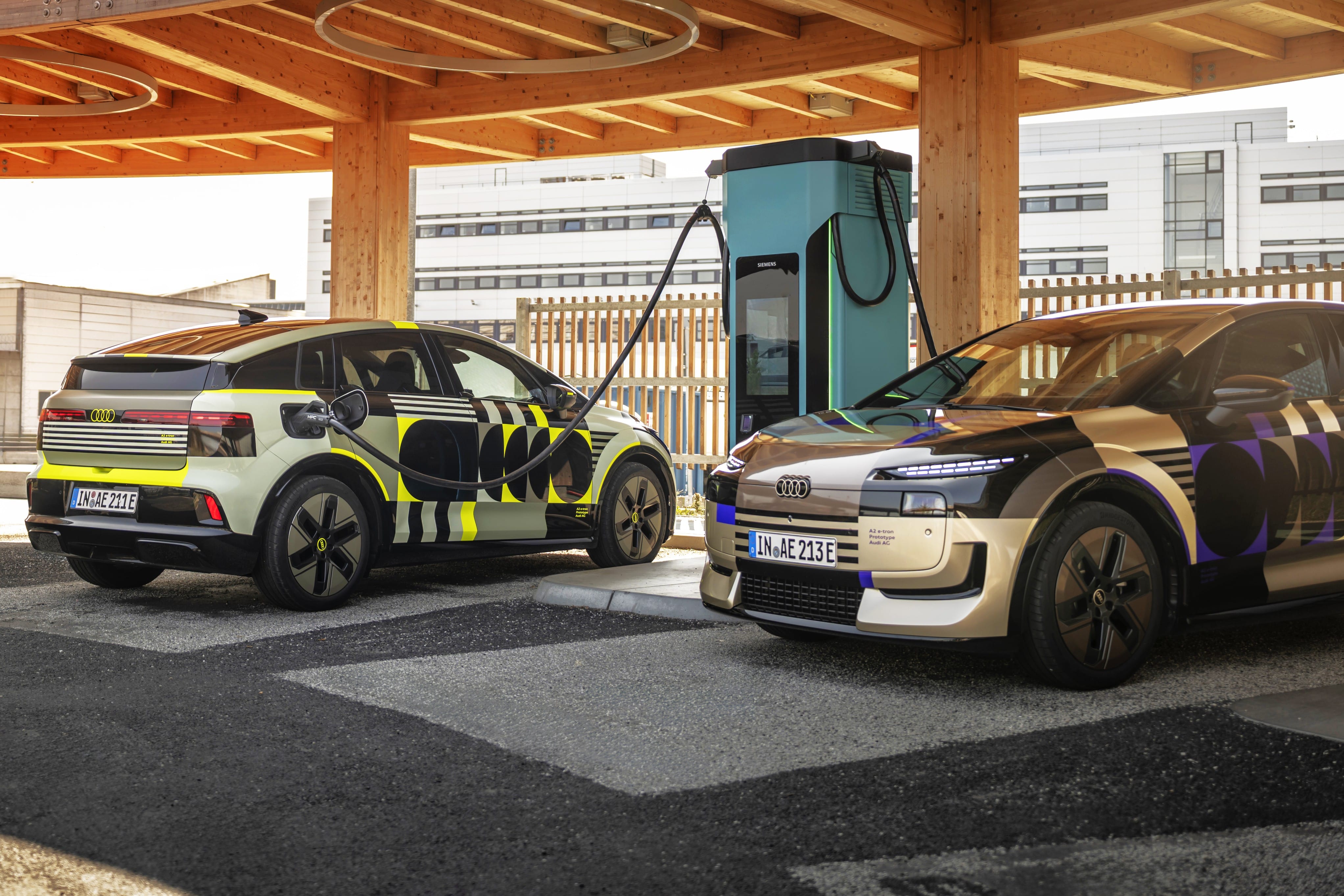
Prototypes of upcoming Audi A2 e-tron

Audi currently has four battery-electric model lines globally and expects to increase this to five by the end of the year, with some available in more than one body style. The company will, however, tailor the powertrain mix to individual regions. Plug-in hybrids will be particularly important in Europe, while the requirements of the US market will influence Audi’s future combustion-engine and PHEV portfolio, especially for SUVs.

In India, Audi’s immediate focus remains on petrol and electric vehicles. Diesel is not part of its current plan. The case for plug-in hybrids will depend partly on whether they receive any benefit under the India-EU FTA. New electric products are also planned for India.

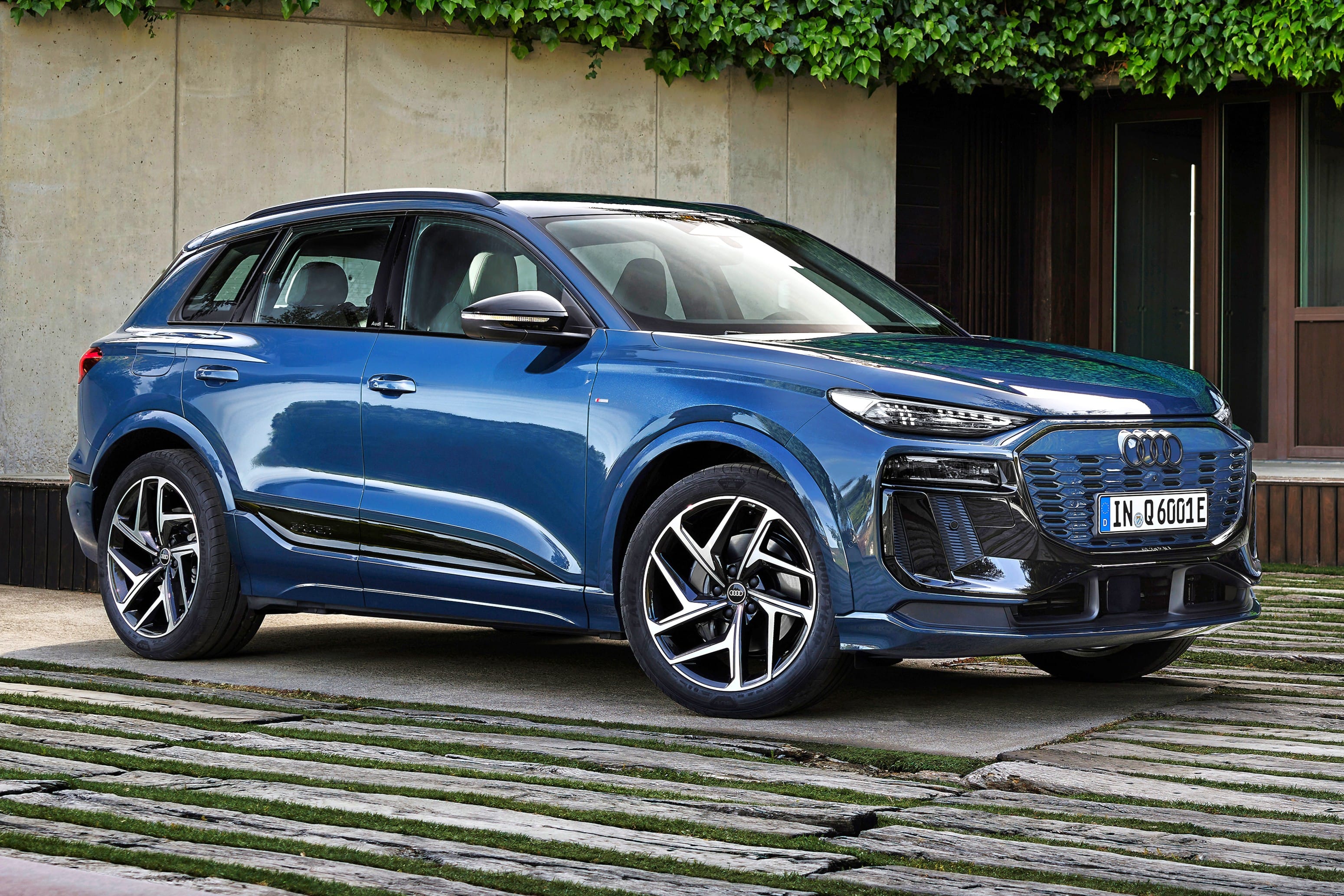
Audi Q6 e-tron

“From what I know, we also have decided to enter with new products in the electric segment in India,” Döllner said.

Audi has decided to assemble an electric vehicle in India, Autocar India learns, although the model and launch timing are still being worked out. The move from fully imported EVs to local assembly is now a question of when, rather than if.

The company was among the first luxury carmakers to enter India’s EV market with models such as the e-tron, e-tron Sportback, e-tron GT and Q8 e-tron. High import duties, however, restricted their reach and affected their resale-value proposition.

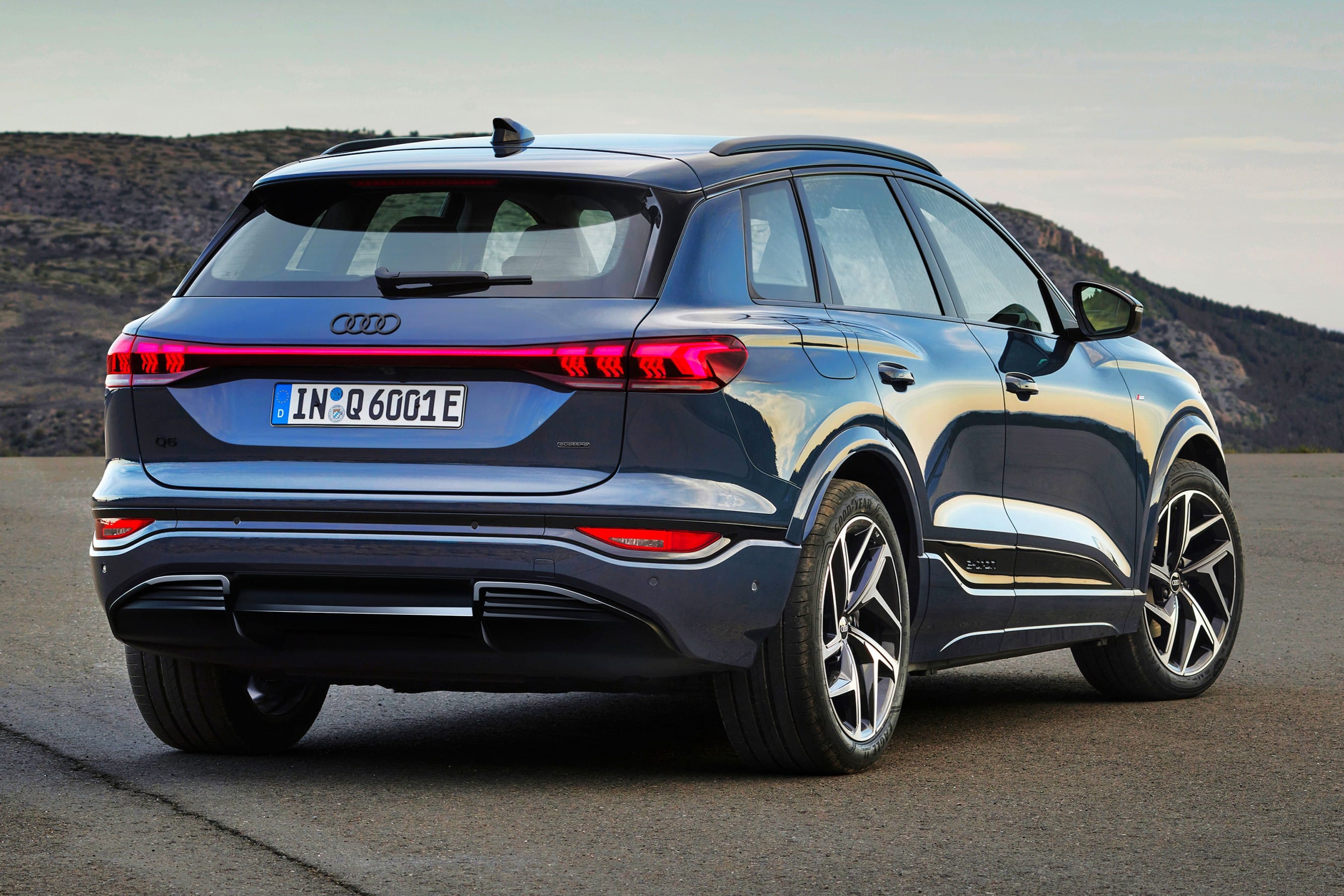
Audi Q6 e-tron

The Q6 e-tron is among the products being studied, but Audi has not decided which EV will be assembled in India. The selected model will need to offer the right combination of volume, pricing and suitability for local conditions.

Audi believes electric SUVs make more practical sense in India because their ground clearance is better suited to local road conditions. Sedans have not been ruled out, but SUVs offer a more practical proposition for battery-electric vehicles in the country.

Regional focus to shape future products

The broader powertrain approach is part of Döllner’s effort to make Audi more responsive to the requirements of individual regions.

“Audi has to act much more regional,” he said. “The times where we had a one size fits all, and we then bring it to China, just extend the wheelbase and do the same car, that doesn’t work anymore. We have to listen carefully to the markets.”

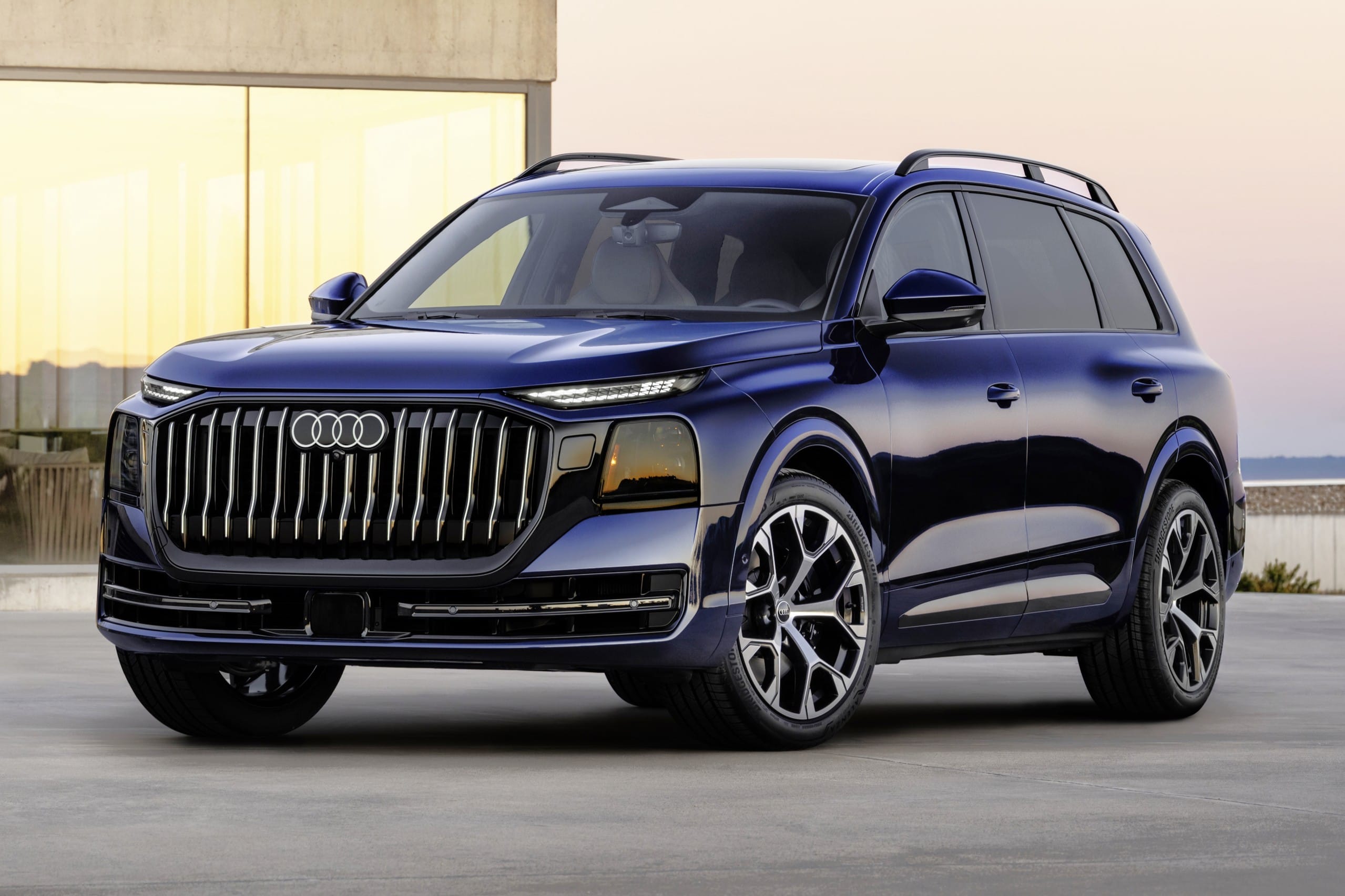
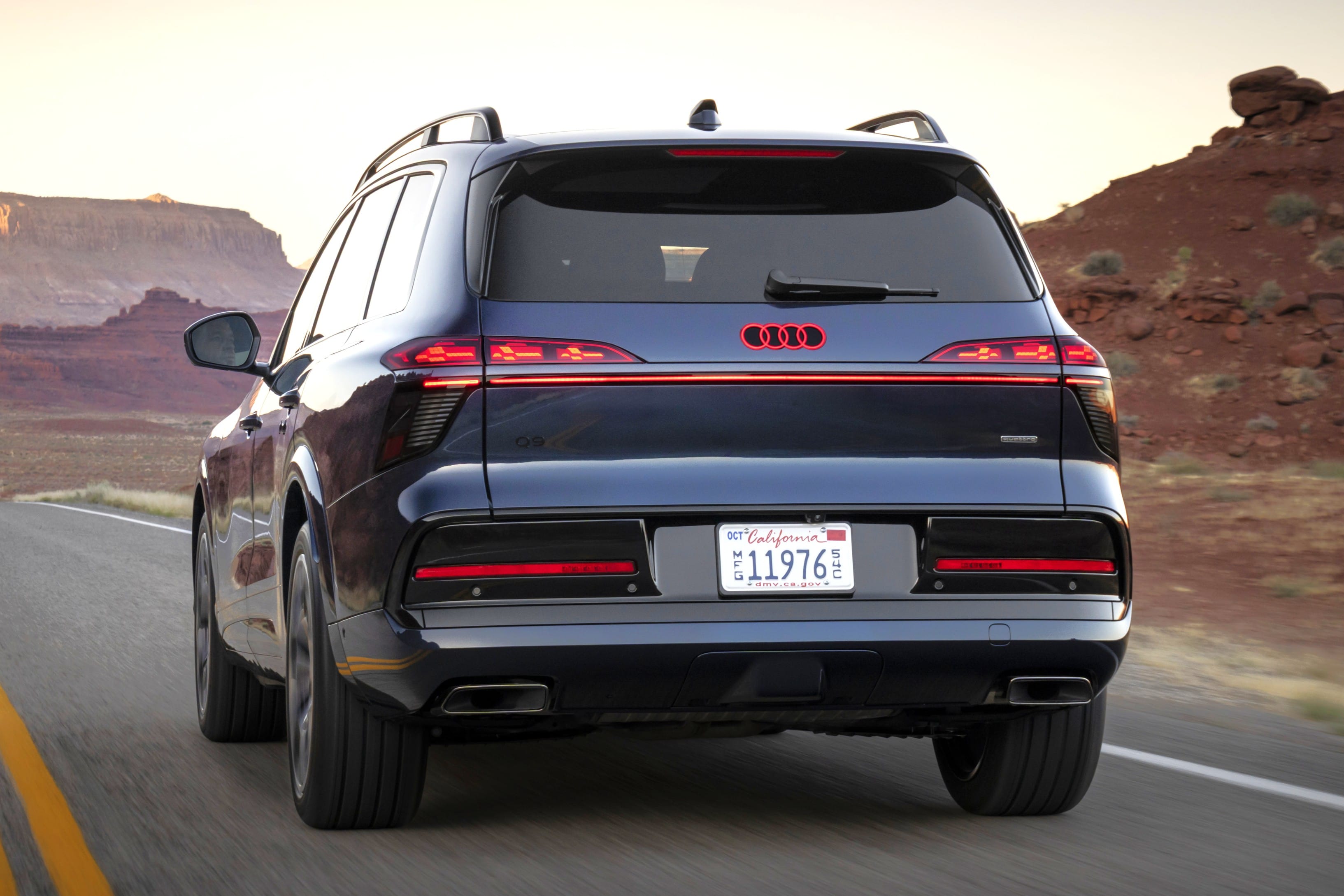
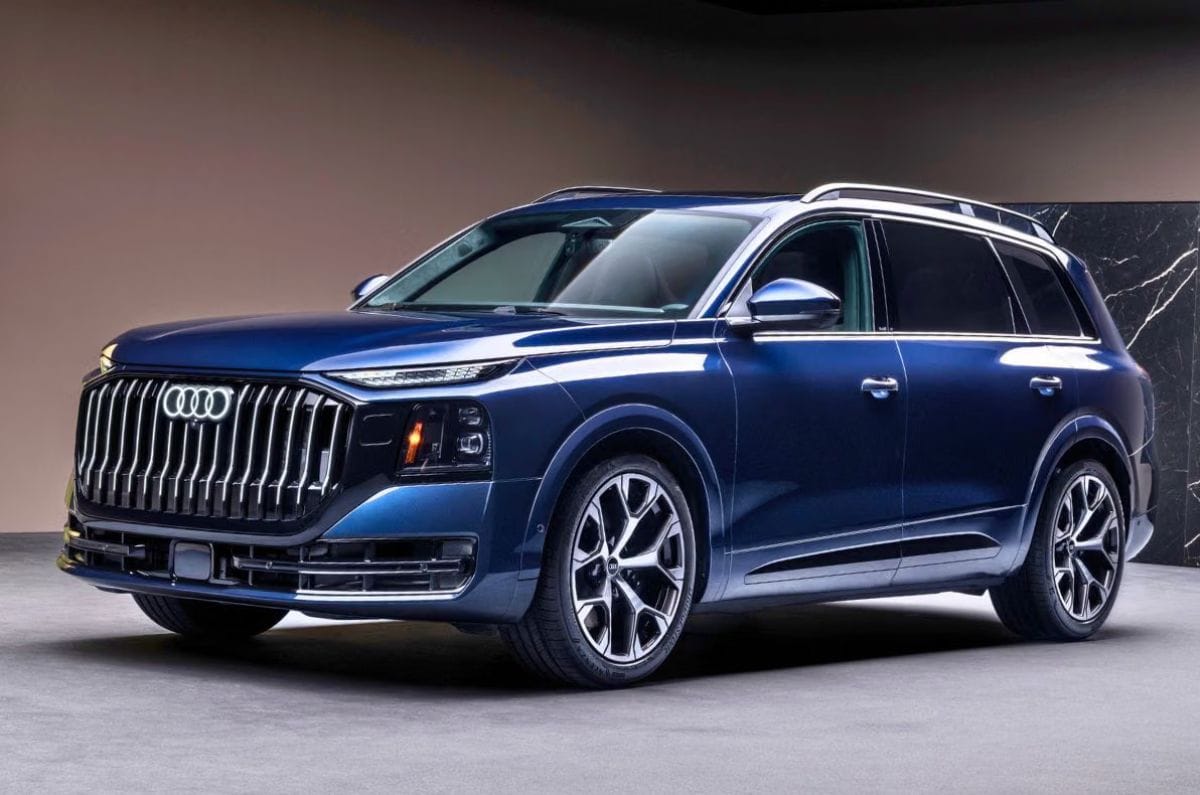
The Q9 is the first clear example of that approach. Conceived around the requirements of American customers, it will be the first Audi to make its market debut in the US.

Audi Q9

“The Q9 is a perfect proof point of a car. The biggest Audi we’ve ever built,” Döllner said. “That car would not be there without the American market.”

India does not yet generate the volumes required for Audi to develop country-specific models. Local requirements covering ground clearance, suspension, tyres, weather, dust and fuel quality are, however, fed into its global development process. The introduction of new models in India is also expected to move closer to their global launches, helping Audi benefit from the interest created when a vehicle is revealed internationally.

Döllner said the improvement in India’s manufacturing and automotive technology has changed how the country is viewed within the global industry.

Audi Q9

“India is also an excellent proof point. It’s really unbelievable what the car industry has developed in India and what level of perfection and technology products are delivered,” he said.

“In the past, there has been this strong European automotive industry, and the world has turned around. Now we have a very dynamic Chinese market, a growing and rising Indian automotive industry. The US is a story of its own.”

“What keeps me awake at night is if we are able to change fast enough,” Döllner said. “We have to speed up.”

Lamborghini Revuelto Miura 60 celebrates brand’s seminal supercar

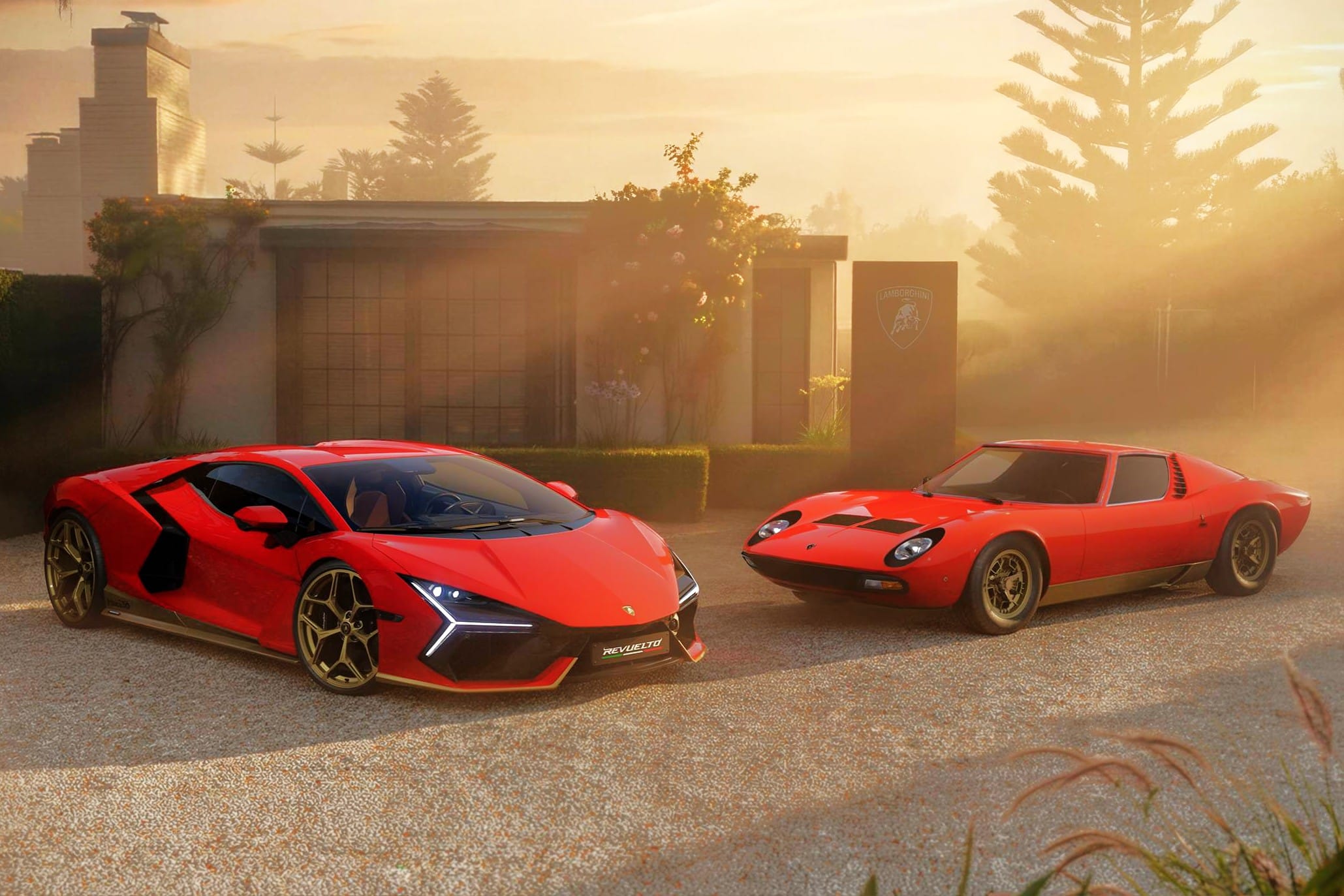
Lamborghini Revuelto Miura 60 Homage

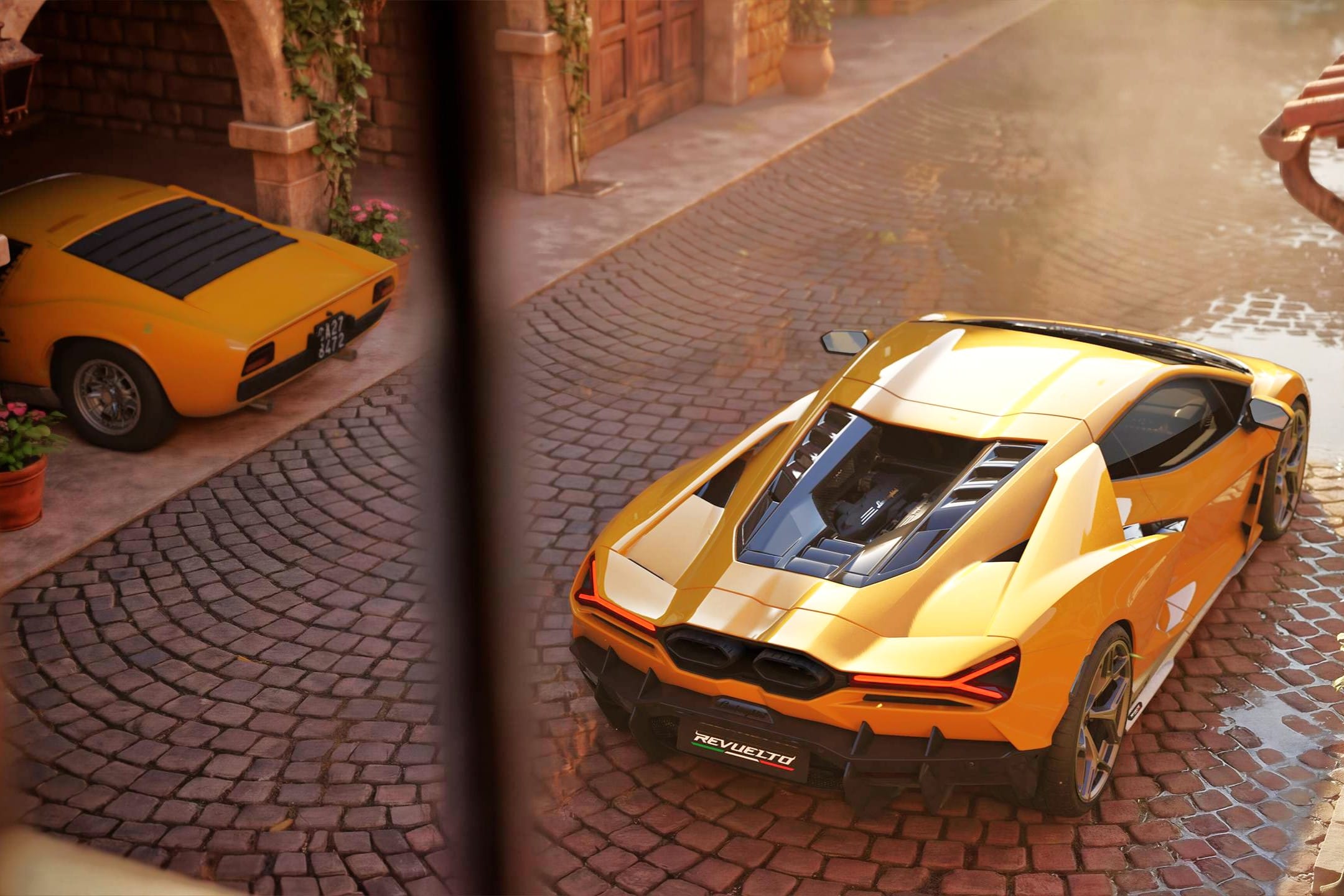
Lamborghini has unveiled the Revuelto Miura 60 Homage, a limited-run edition of its flagship plug-in hybrid supercar created to commemorate the 60th anniversary of the legendary Miura – widely considered to be the genesis of the supercar formula. Developed by Lamborghini’s Ad Personam personalisation division in collaboration with Centro Stile, the Revuelto Miura 60 Homage is limited to 99 units worldwide and will make its public debut at the 2026 Monterey Car Week.

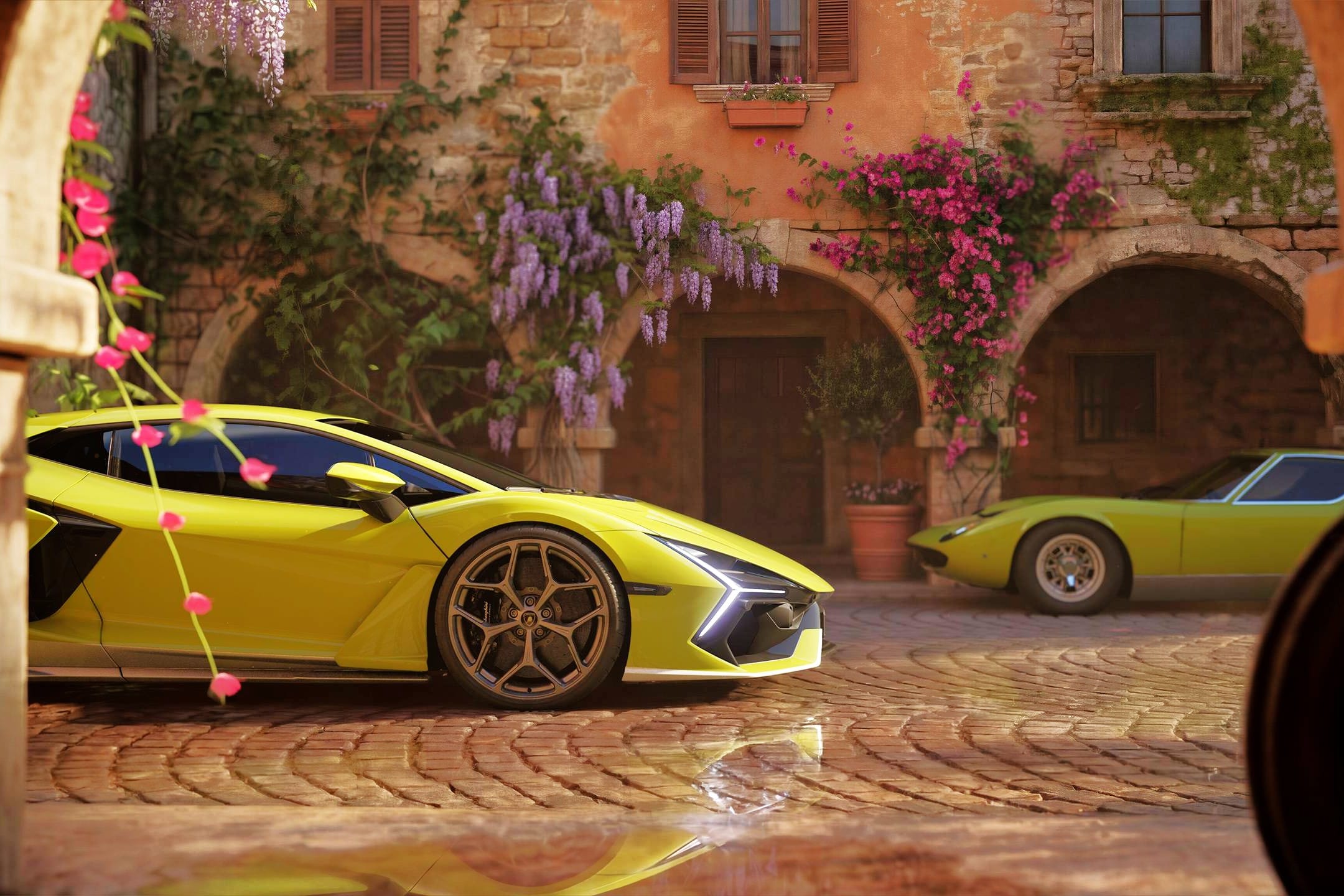
Lamborghini Revuelto Miura 60 Homage exterior and interior

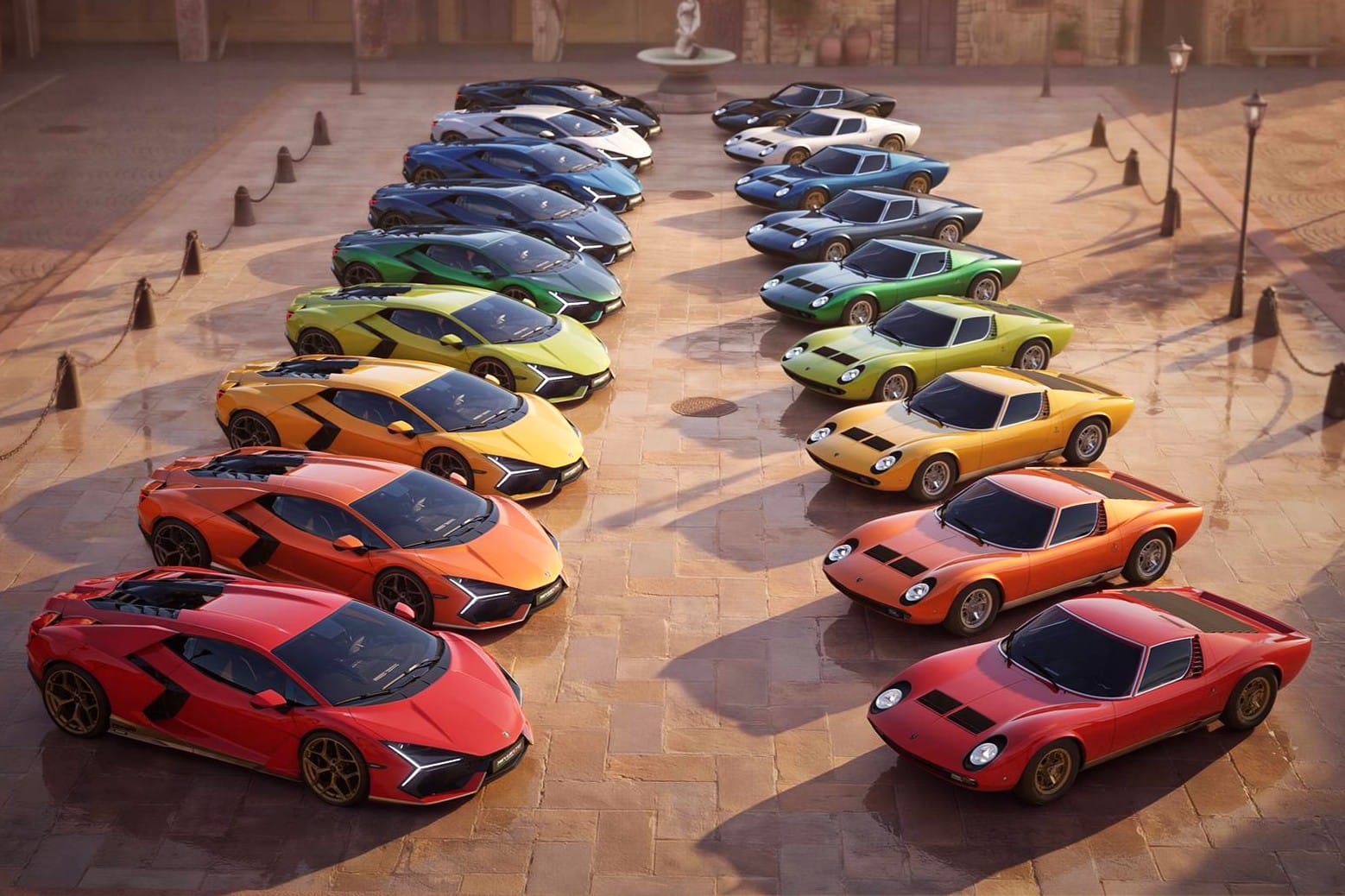
Many of the Miura’s signature design cues have been incorporated into the Revuelto Miura 60 Homage, including nine heritage-inspired exterior colours: Arancio, Bianco Monocerus, Blu Notte, Blu Tahiti, Giallo, Nero Noctis, Rosso Arancio, Verde Metallic, and Verde Scandal.

There are also two exclusive liveries inspired by classic Miura specifications, specifically Oro Elios accents with gloss gold-coloured wheels, and Grigio Nimbus detailing paired with matte titanium-finished wheels. Owners of original Miuras can even work with Lamborghini’s Ad Personam division to recreate their classic car’s original colour combination on the new Revuelto.

Additional styling revisions include Miura-inspired lower-body graphics, a discreet ‘Miura 60’ logo integrated into the side graphics, a gloss black Lamborghini wordmark at the rear, black brake calipers, and a matte black finish for the exhaust tips.

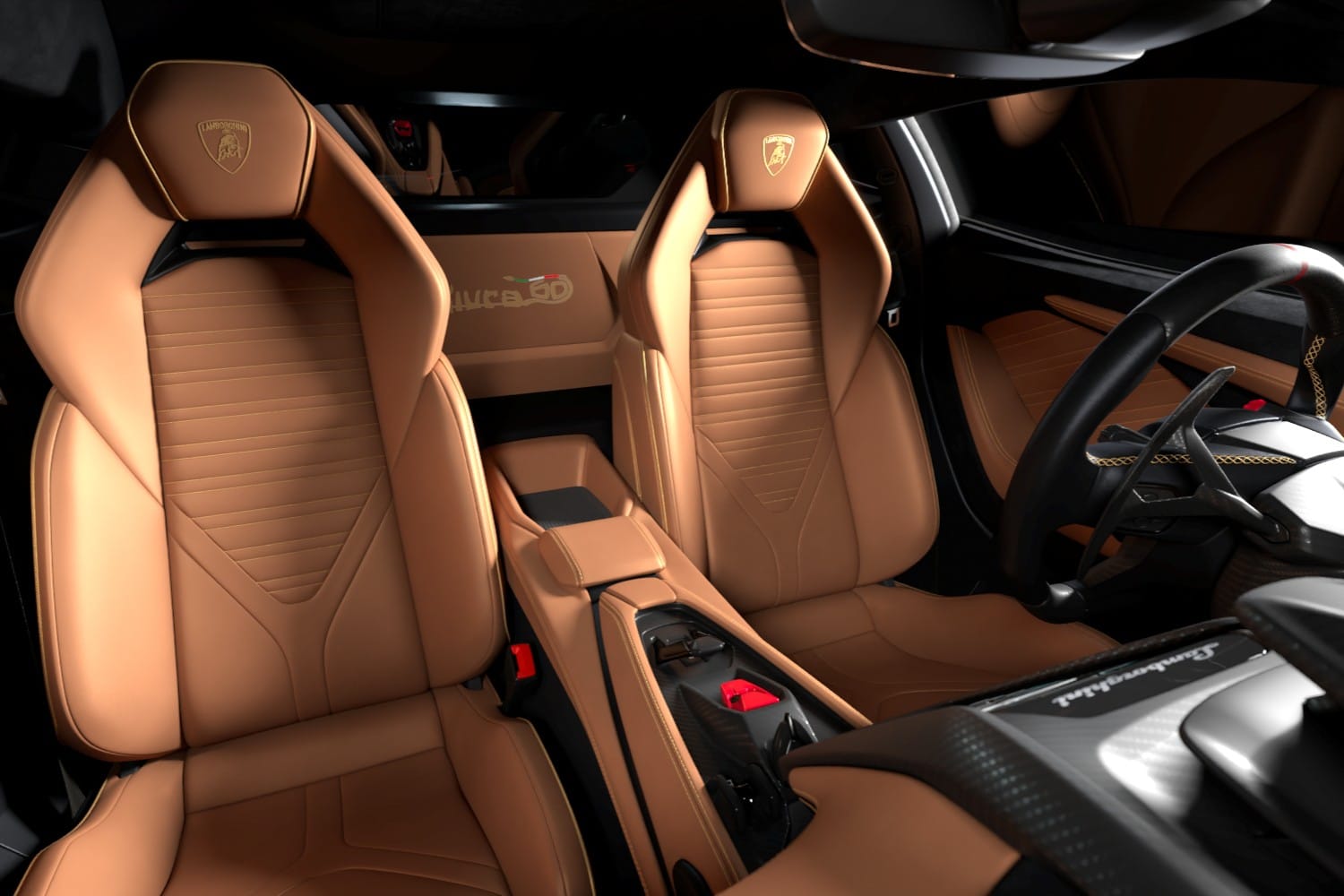
Inside, the retro theme continues with tan leather upholstery, classic ‘cannelloni’ seat stitching inspired by that of the Miura, and ‘Miura 60’ embroidery between the seats. Every example also receives a ‘Miura 60° – Serie Speciale 1 di 99’ carbonfibre plaque, identifying it as one of the 99 produced.
Lamborghini Revuelto Miura 60 Homage powertrain

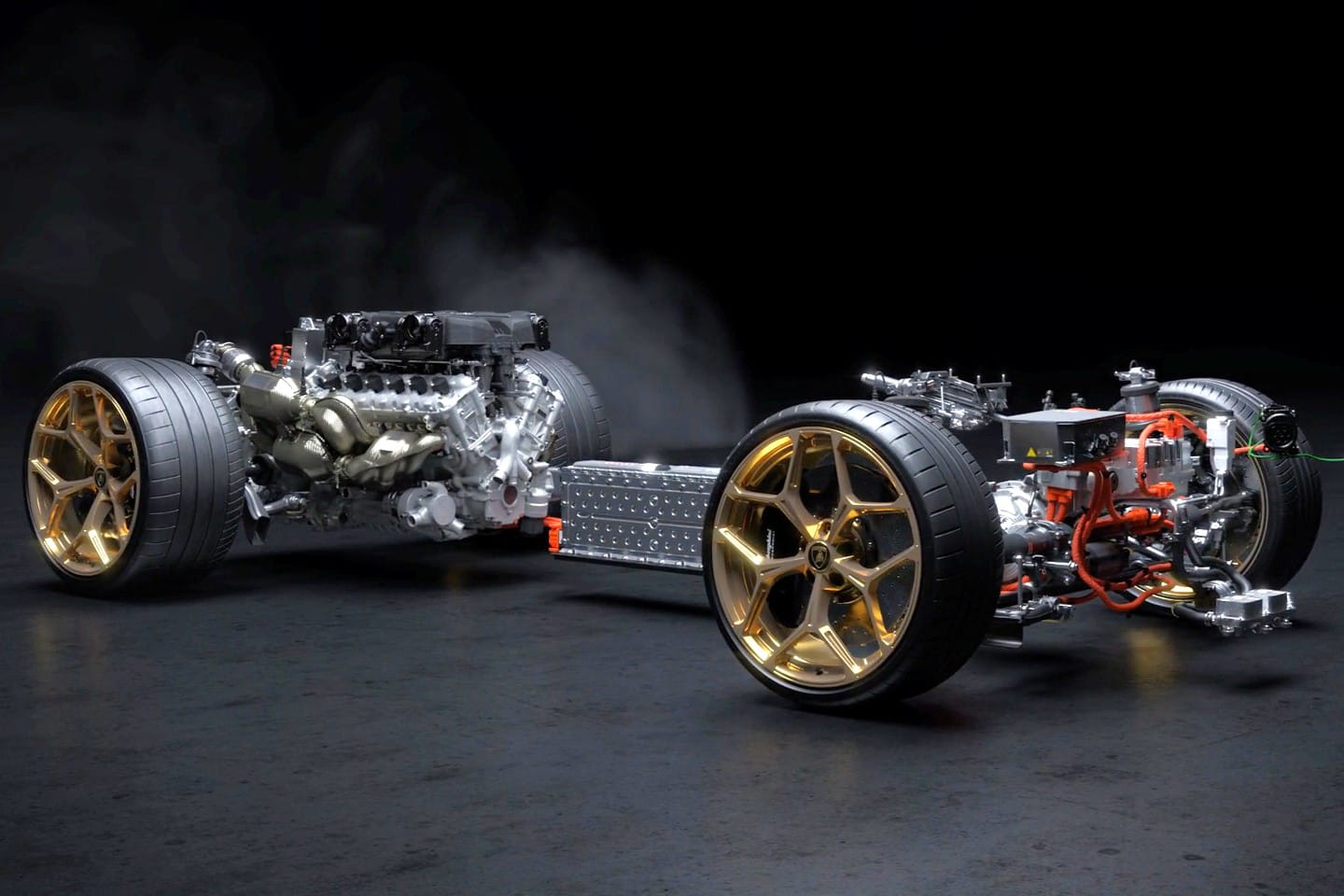
Mechanically, the Revuelto Miura 60 Homage remains identical to the standard version, which means it’s powered by a 6.5-litre naturally aspirated V12 paired with three electric motors, producing a combined 1,015hp and 807Nm. Power is sent to all four wheels via an 8-speed dual-clutch automatic, enabling a claimed 0-100kph sprint in 2.5 seconds and a top speed north of 350kph.

Lamborghini has not announced pricing for the Revuelto Miura 60 Homage. However, the special edition is expected to command a significant premium over the standard Revuelto, which is priced at Rs 8.89 crore (ex-showroom) in India, before options.

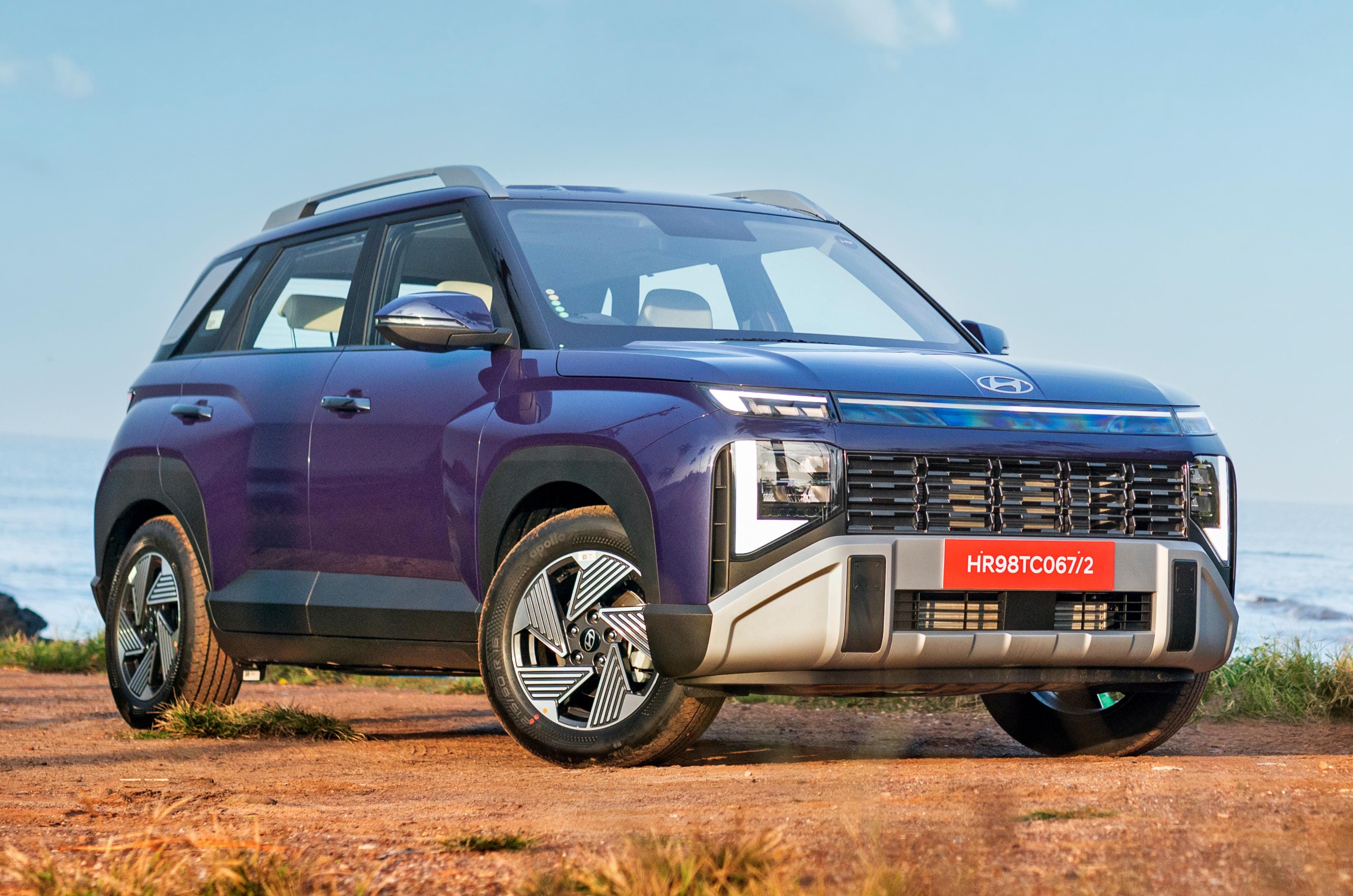
Has the latest crop of midsize SUVs dented the Hyundai Creta’s dominance?

hyundai creta h1 2026 sales compared to rivals

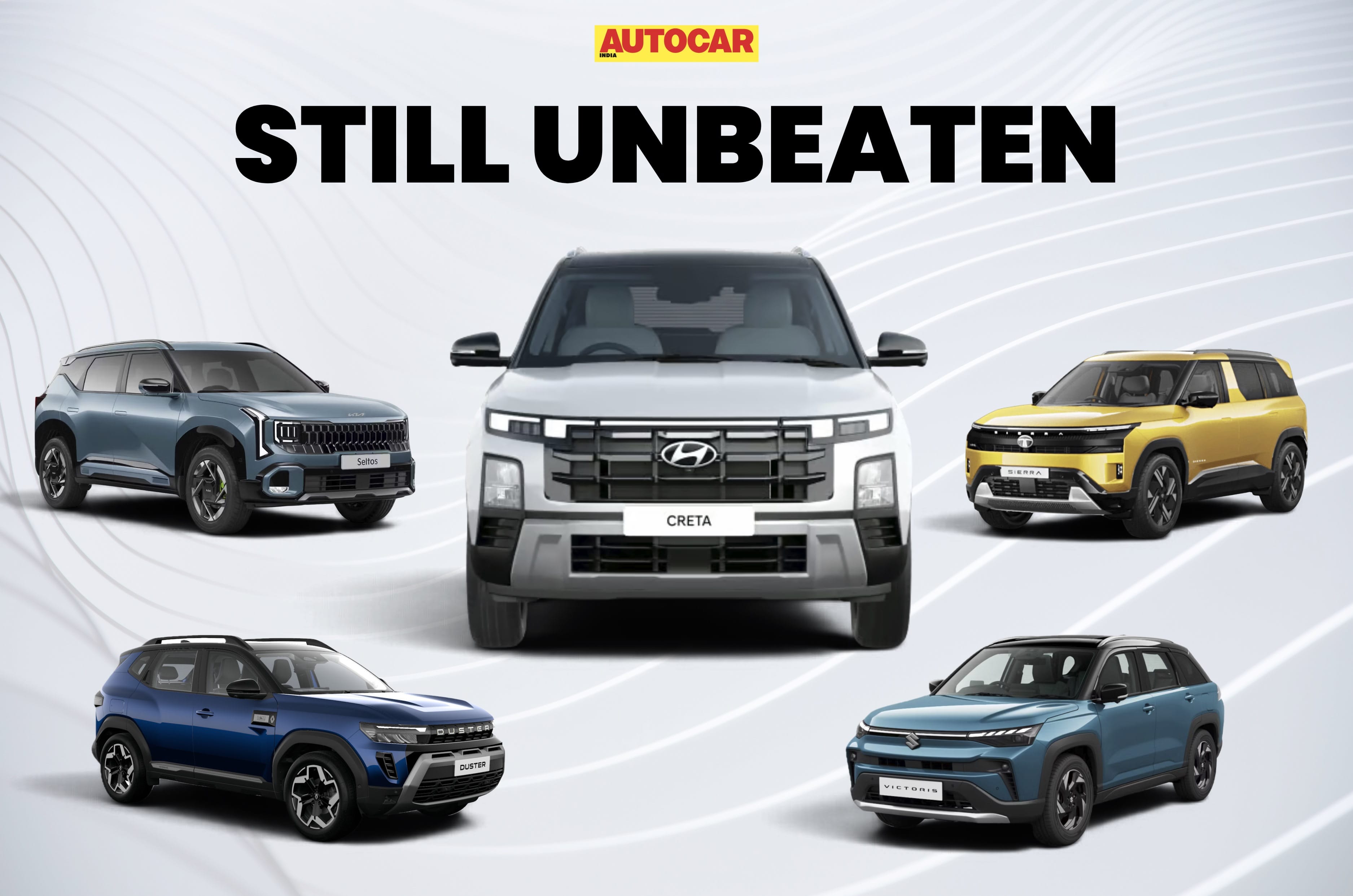
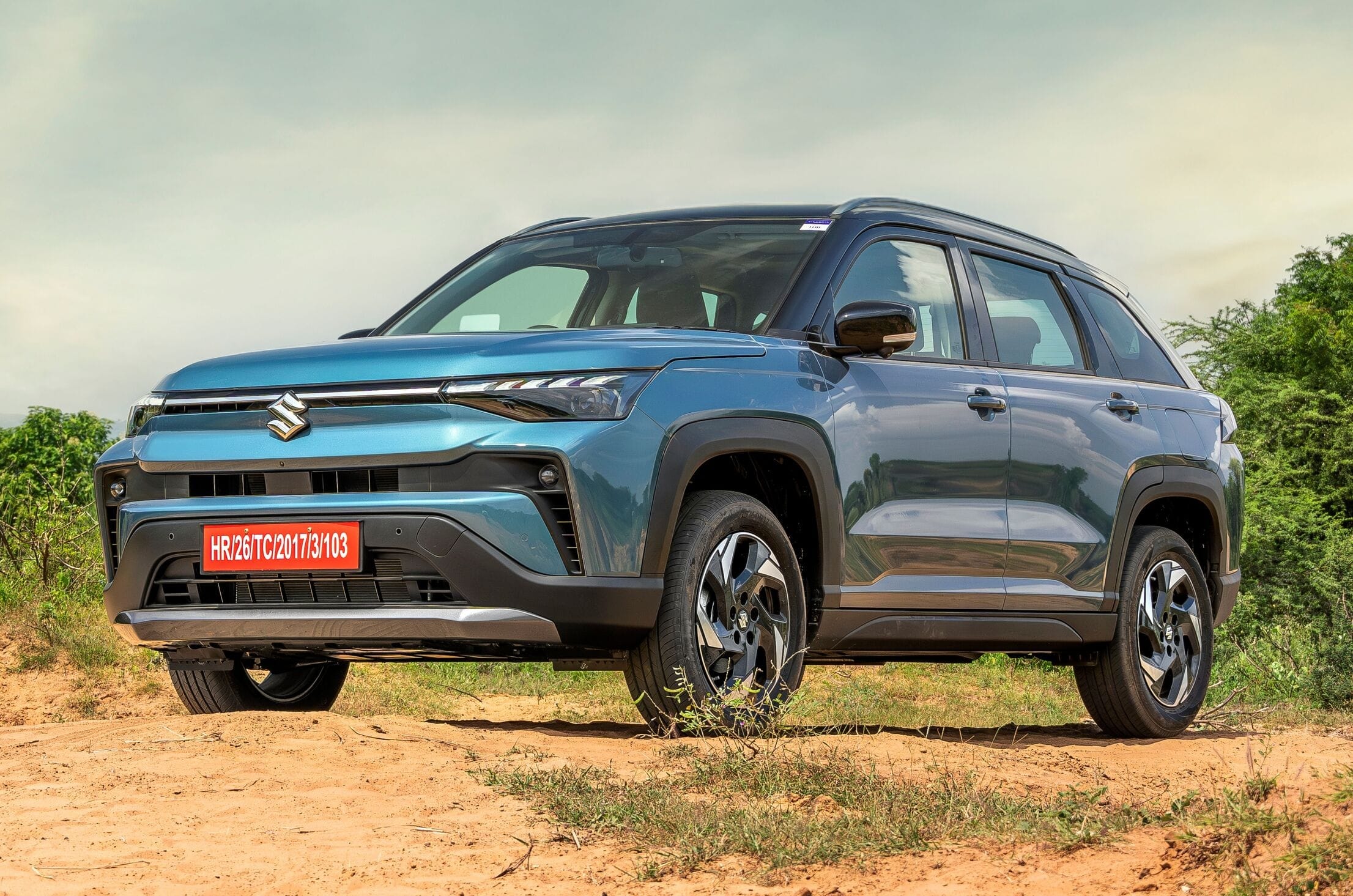
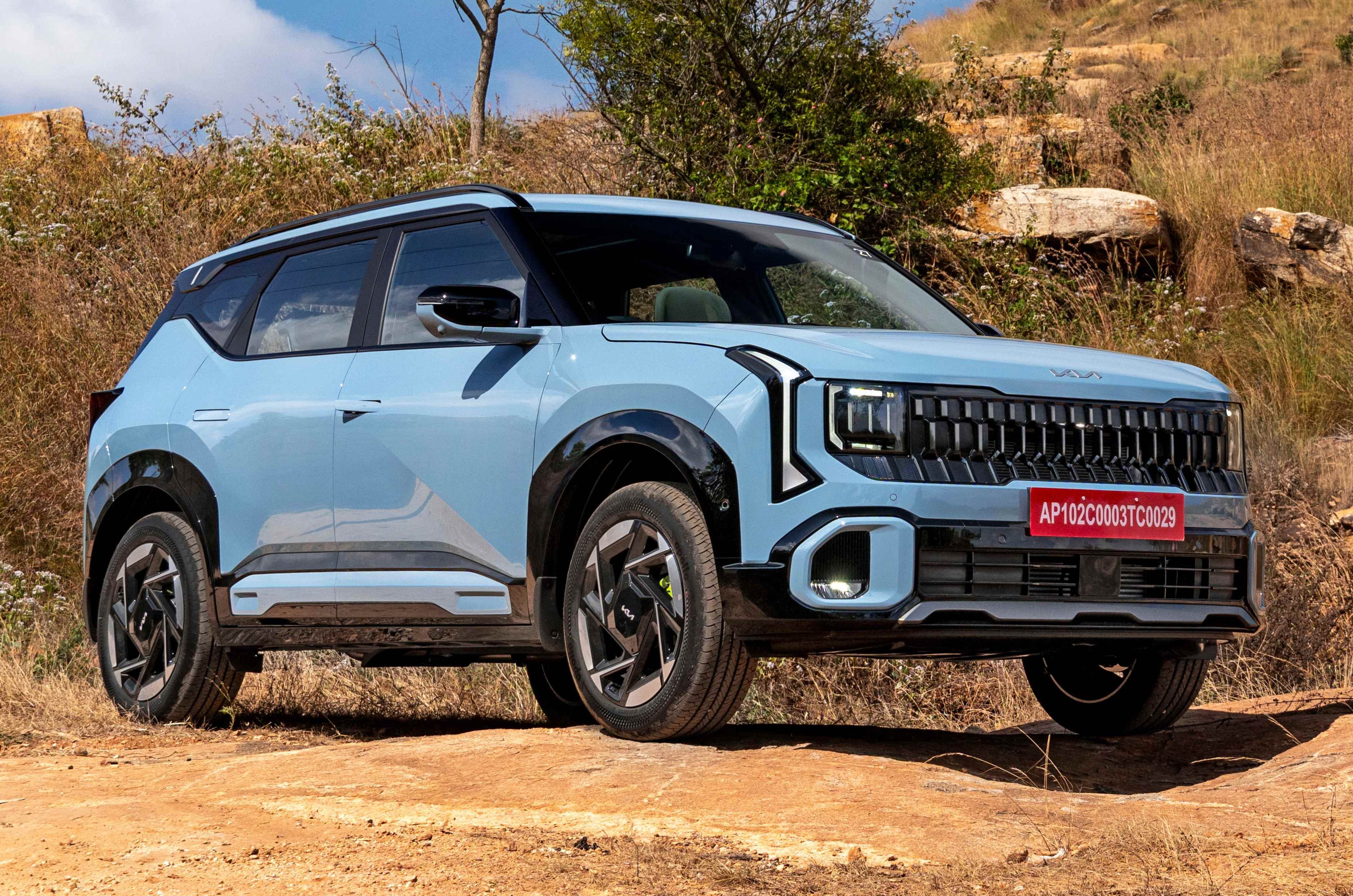
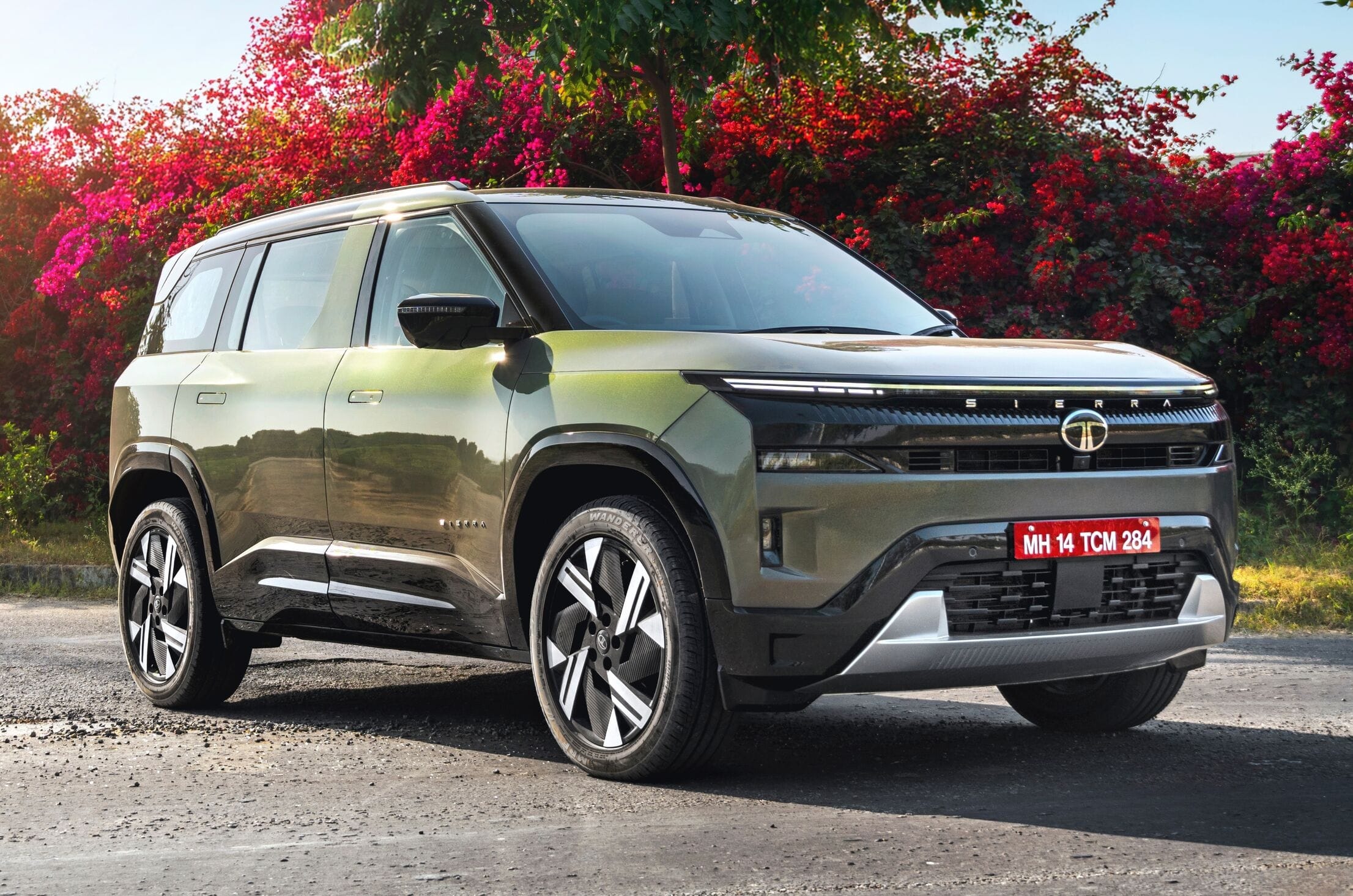
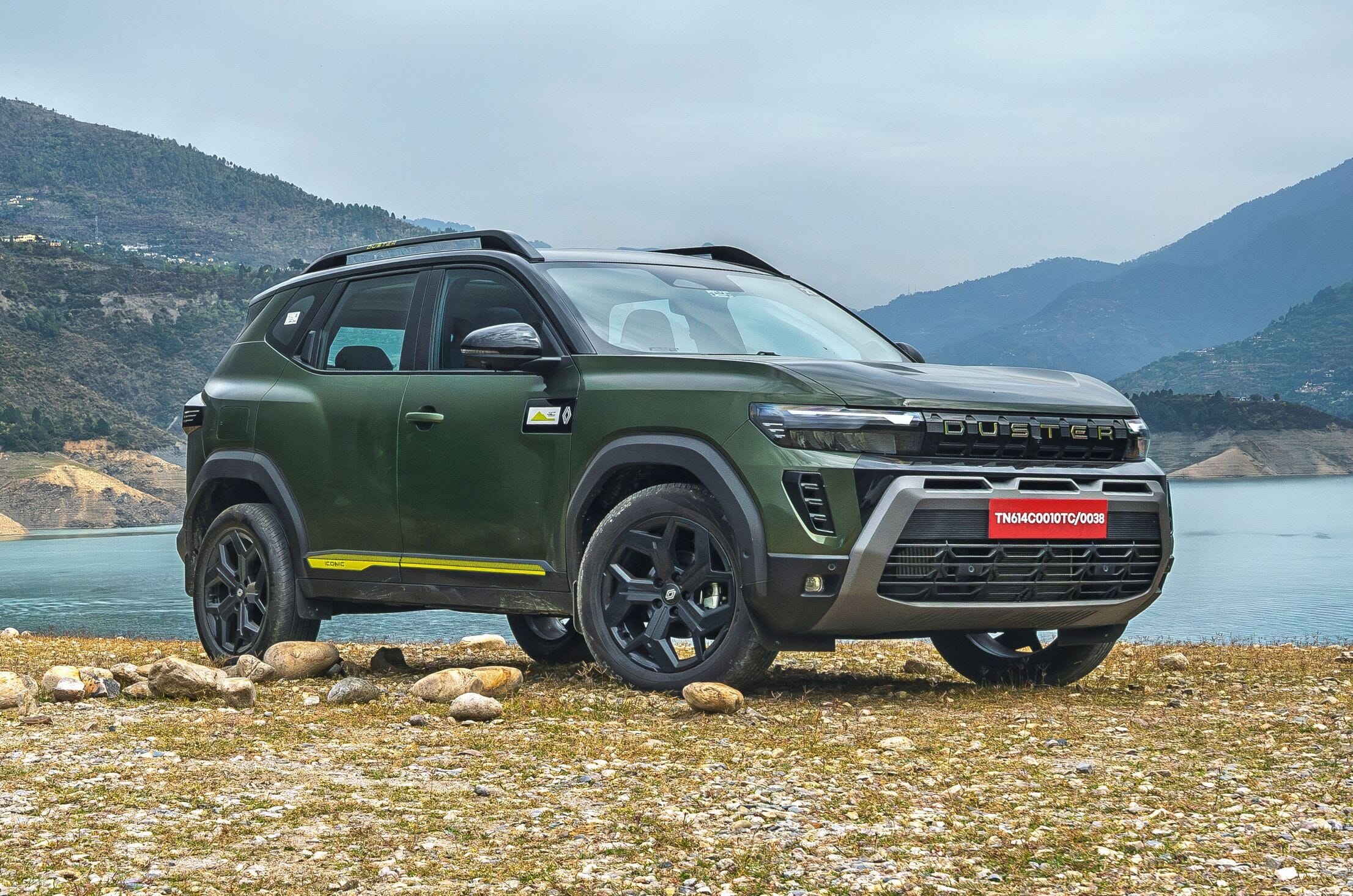
The Hyundai Creta wasn’t the first midsize SUV to hit the Indian market, but it sure is the most popular one of them all. At the start of 2026, however, many believed that the Creta’s dominance on the sales charts was in jeopardy on account of new and upcoming entrants in the midsize SUV space, like the Maruti Suzuki Victoris, Tata Sierra, Kia Seltos, and Renault Duster, as well as the facelifted Skoda Kushaq and Volkswagen Taigun.

If things were to pan out that way, it would be bad news for Hyundai, since the Creta is the Korean carmaker’s bread-and-butter in India. Now that we have sales data for the first half of calendar 2026, and production, deliveries have stabilized for this fresh barrage of midsize SUVs, let’s take a look if any model has eaten into the Creta’s market, or if the Hyundai SUV continues to rule its segment.

Hyundai Creta vs latest midsize SUV sales in H1 2026

ModelJanuaryFebruaryMarchAprilMayJuneTotal
Hyundai Creta^17,92117,93817,83815,29115,2357,16891,391
Maruti Victoris15,24013,02111,06213,70110,85310,03573,912
Kia Seltos*10,63910,30811,04110,56610,5979,65462,805
Tata Sierra7,0037,1009,0037,3166,6066,39243,420
Skoda Kushaq*^^2,3071,8511,3109926,460
Renault Duster1,4022,3591,2671,0116,039
Volkswagen Taigun*^^1,5431,2811,1824,006

^Includes Creta Electric sales

*May include carryover sales of outgoing models

^^Sales counted from the facelift’s month of launch

Six months into 2026, the Creta has managed to retain its moniker of midsize SUV sales champion, averaging over 15,000 sales a month. Compared to H1 2025 (1,00,560 units sold), the Creta’s sales are actually 9.12 percent down YoY, but the Hyundai SUV is still far ahead of its rivals on the chart. That said, though the newer midsize SUVs haven’t dethroned the Creta, they’ve done a lot to grow the segment.

The next bestselling midsize SUV during H1 2026 was the Victoris, which fell 17,479 units behind the Creta. For perspective, you could fit the sales of the Duster, Kushaq, and Taigun within that gap and still come up around 1,000 units short. Launched in September 2025, the Victoris had a few months to establish itself in the market, and differentiates itself from the Creta by offering CNG and strong hybrid powertrains, which appeal to buyers seeking practicality and fuel efficiency, as well as Maruti’s famed peace of mind.

In third position comes the Seltos, which in theory should’ve been stiff competition for the Creta, with the Kia SUV offering a near-identical set of powertrains, a more modern platform (which will even underpin the next-gen Creta), similar pricing, and greater safety credentials by way of a 5-star Bharat NCAP rating. That said, the Seltos did record a whopping 70.28 percent YoY surge in sales, clearly reflecting the boosted popularity of the second-gen model.
The Sierra is Tata’s most formidable contender against the Creta to date, but sold less than half of what the Hyundai SUV did in H1 2026. It should be noted that the Sierra’s sales were initially production-constrained, with Tata steadily increasing manufacturing capacity every month to meet demand. The Sierra is undoubtedly a more feature-packed offering than the Creta, but also costs more. Concerns around fit-and-finish and Tata’s aftersales experience also play a role here.

Renault made its long-awaited return to the midsize SUV space with the new Duster in March, with deliveries commenced in April, but it hasn’t quite set the H1 sales chart alight. Like the Sierra, the Duster’s production is being increased in a phased manner, which could explain the relatively low sales numbers. The Duster has a lot going for it, like aggressive pricing, muscular looks, and a competitive feature set, but the SUV’s exclusively turbo-petrol powertrain line-up limits its appeal for many buyers. A strong hybrid powertrain is set to join the Duster line-up by Diwali 2026, and could pique buyer interest further.

Facelifts of the Kushaq and Taigun were launched in March and April, respectively – nearly five years since the midsize SUVs originally went on sale in India. Both packed some long-requested feature additions and changes, which led to demand spikes in subsequent months. Much like the Duster, though, the Kushaq and Taigun are available with turbo-petrol engines only, and are also on the dimensionally smaller side of the segment, which means they’re best-suited for enthusiast buyers.

Why does the Creta keep selling?

The biggest reason behind the Creta’s persistent reign on the midsize SUV sales charts is its deeply well-established brand name and perception. Many Indian car buyers are very conservative and safe in their purchasing decisions, and seeing a consistently high number of Cretas on the road every single day builds the image of it being the best option in the segment by virtue of sheer popularity. Not to mention, the more ubiquitous and established the car, the better its resale value, which is also very important to most Indian buyers.

Another key driver behind the Creta’s popularity is its proven reliability and no-nonsense ownership experience. Though many of the Creta’s rivals are just as, if not more durable, the Hyundai SUV’s reliability comes alongside a decently long list of features, a comfortable and well-built interior, great levels of refinement, a wide variety of powertrains, and an easy driving experience – making for an excellent overall package.

The Creta is even among the few in its segment to offer a diesel engine, which many midsize SUV buyers still prefer. For those who primarily commute in the city, there’s a smooth naturally aspirated petrol engine on offer, while enthusiast buyers can pick from the sporty Creta N Line range, which is powered by a direct-injection turbo-petrol motor. Basically, there’s something for everyone, and that’s exactly why the Creta is still unbeaten.

You’ll only be in the game if you have local assembly in India: Audi global CEO

Audi India plans

Audi is preparing a new plan for India built around a stronger product portfolio, greater local assembly and faster introduction of its global models, as the German luxury carmaker seeks to regain momentum in one of the world’s most promising automotive markets.

Global CEO Gernot Döllner said India is becoming increasingly important to Audi and the company is now working towards the right product and operating structure for the market. “We will see a substantial portfolio, but it has to be focused to be able to be successful in India,” Döllner told Autocar India in an exclusive interview. “Every successful strategy starts with products. Without products, it does not make sense.”

Audi’s renewal plan with focus on new products 

The renewal will begin with the new-generation Q3 in the fourth quarter of 2026, followed by the A5 in the first half of 2027. The Q9 flagship SUV is also being evaluated for India, with work underway to assemble it locally. These three models could reach the market within around twelve months. Audi also plans to reduce the delay between global and Indian launches, which has left parts of its local range out of step with competitors in recent years.

The carmaker is targeting a doubling of its share of India’s luxury-car market from around 8-9 percent to 18-20 percent over the next three to five years.

The new-gen Q3 will be the first to arrive under Audi’s new model onslaught. 

“India is an increasingly important market, and we have to be honest. We have been struggling to find the right setup in that market,” Döllner said. “I hope that we now, with the decisions that we have taken over the past years, are able to step by step find our position in the market. Trade agreements will help in the future, but we still have to clean up some things that we did wrong in the past.”

Audi sees the long-term potential but is still working out the volumes and cost structure needed to make the business viable. “We somehow still have not found the right complete volume and setup and business case behind that for the brand,” said Döllner.

Local assembly is only step one

Greater local content will be necessary for Audi to compete in India, where import duties and adverse currency movements have pushed up prices. “You will be only in the game if you have local content and you follow these rules that are implemented. That’s what we have to do,” Döllner said.

Locally assembled models are expected to account for around 90-95 percent of Audi’s future India business, Autocar India learns. Fully imported vehicles will largely be restricted to niche and brand-shaping models.

Audi currently assembles its core models at the Skoda Auto Volkswagen India facility in Chhatrapati Sambhajinagar. The EA888 2.0-litre petrol engine used across much of the range is also assembled in India. The company is working on the local assembly case for the Q9 and studying what would be required to assemble its 3.0-litre engine in India.

Audi is considering localising the 3.0-litre V6 for the Q9 in India. 

The Q9 will sit above the Q7 and add a new flagship to Audi’s India portfolio. It has been developed with greater emphasis on rear-seat occupants and is expected to offer different seating configurations, an important consideration in India’s chauffeur-driven luxury segment. Deep component sourcing will take longer. The relatively small volumes generated by individual luxury models make it difficult to create a viable domestic supplier base for every part. Audi will widen local assembly first and increase local content where the volumes support it.

New-generation models are becoming more expensive because of additional technology and regulatory requirements. The stronger euro has compounded that increase by raising the cost of imported vehicles and parts.

“The very strong euro compared to the dollar and other currencies is really hitting us badly, especially in markets like India where, due to the big competition, the margins are quite critical,” Döllner said.

Audi does not plan to counter the cost increase by offering stripped-down variants. Its sales data over the past five years shows that Indian luxury-car buyers favour better-equipped versions. The top variant accounts for around 55 percent of sales, the middle version for 35 percent and the entry variant for just 10 percent.

The new Q3 and A5 will therefore be positioned competitively, but pricing alone will not be Audi’s play. The company believes buyers will pay for the latest technology and features if the product delivers enough value.

India-EU FTA opens the door for niche imports 

The RS5 is under consideration for India to be brought as a brand shaper. 

The India-EU free trade agreement, expected within nine to twelve months, adds a second lever. Lower duties open the door to niche imports, what Audi India head Balbir Singh Dhillon calls “brand shapers” and “the cherry on the cake.” This could lift CBUs from 5 percent of the mix to perhaps 10. The RS5 is under consideration, though as a plug-in hybrid it sits in a regulatory grey zone: nobody yet knows whether PHEVs will qualify for concessional duties. Pure-ICE bruisers like the RS Q8 face no such ambiguity.

The India-EU FTA could allow Audi to introduce more niche and high-performance models. Imports, however, will remain a small part of the business, with locally assembled models continuing to drive volumes.

Even with a wider locally assembled range, Döllner expects profitability to remain challenging. “Even with the local content, the margin situation in India is not fun,” he said. 

Maruti Brezza vs Tata Nexon real world CNG mileage comparison

Brezza CNG and Nexon CNG

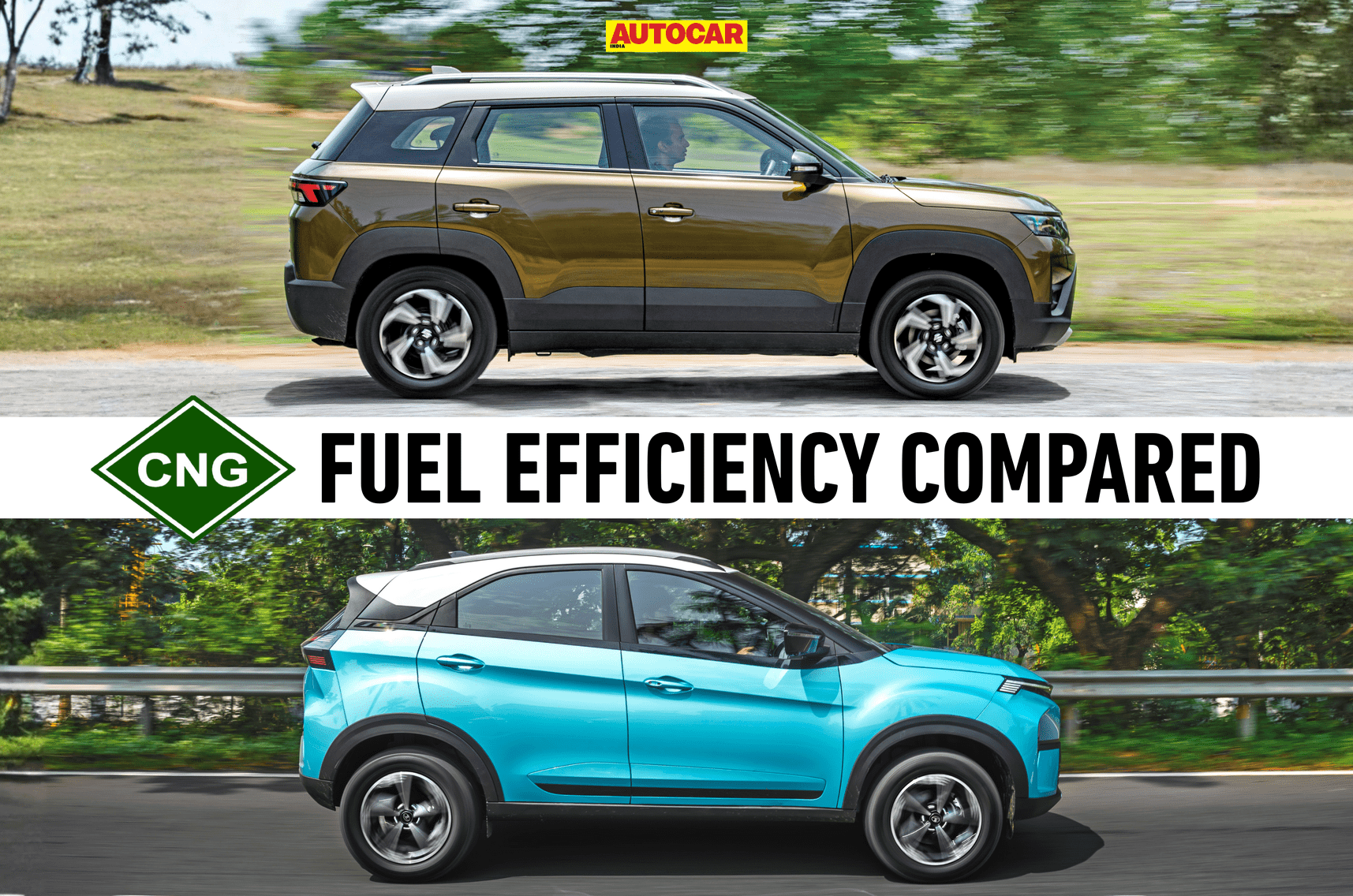
The Maruti Brezza and Tata Nexon are two of the few compact SUVs to offer a factory-fitted CNG kit. Both are also among the best-selling models for their respective brands, and since CNG cars are known to offer good mileage, it makes sense to compare these two and see which is more fuel-efficient in the real world. Keep reading to find out more.

Maruti Brezza CNG vs Tata Nexon CNG: Specs and price

Compact SUVBrezzaNexon

Engine

4 cyl, petrol-CNG3 cyl, petrol-CNG
TurbochargedNoYes

Displacement (cc)

1,4621,199

Power (hp)

101 (petrol), 88 (CNG)120 (petrol), 100 (CNG)

Torque (Nm)

137 (petrol), 122 (CNG)170

Transmission

5-speed manual6-speed manual
Claimed CNG mileage (km/kg)25.524

CNG tank (litres)

5560
Petrol tank (litres)4844
Boot space (litres)Not disclosed321

Price range (Rs, lakh)

9.17-11.468.3-13.42

While the Brezza uses a four-cylinder naturally aspirated engine, the Nexon gets a three-cylinder turbocharged unit. Notably, no other compact SUV currently offers a CNG kit with a turbocharged engine. The Nexon has a clear performance advantage over the Brezza. In petrol guise, its 1.2-litre turbo-petrol engine produces 120hp and 170Nm, giving it a 19hp and 33Nm edge over the Brezza’s 1.5-litre naturally aspirated petrol engine, which develops 101hp and 137Nm. 

In CNG mode too, the Nexon leads with 100hp and 170Nm, compared to the Brezza CNG’s 88hp and 122Nm. That gives the Nexon a 12hp and 48Nm advantage in CNG form. It also gets a 6-speed manual, compared with the Brezza’s 5-speed unit, and a larger 60-litre CNG tank (dual-cylinder setup). The Maruti, meanwhile, uses a more conventional cylinder arrangement.

The Brezza’s 1,462cc engine also crosses the 1,200cc threshold for the lower 18 percent GST slab, so it’s taxed at 40 percent. That shows up in pricing, too, with the Brezza’s entry price sitting Rs 95,000 above the Nexon’s. At the top end, though, the Tata is Rs 2.1 lakh pricier than the equivalent Brezza CNG variant.

Maruti Brezza CNG vs Tata Nexon CNG: Real-world mileage

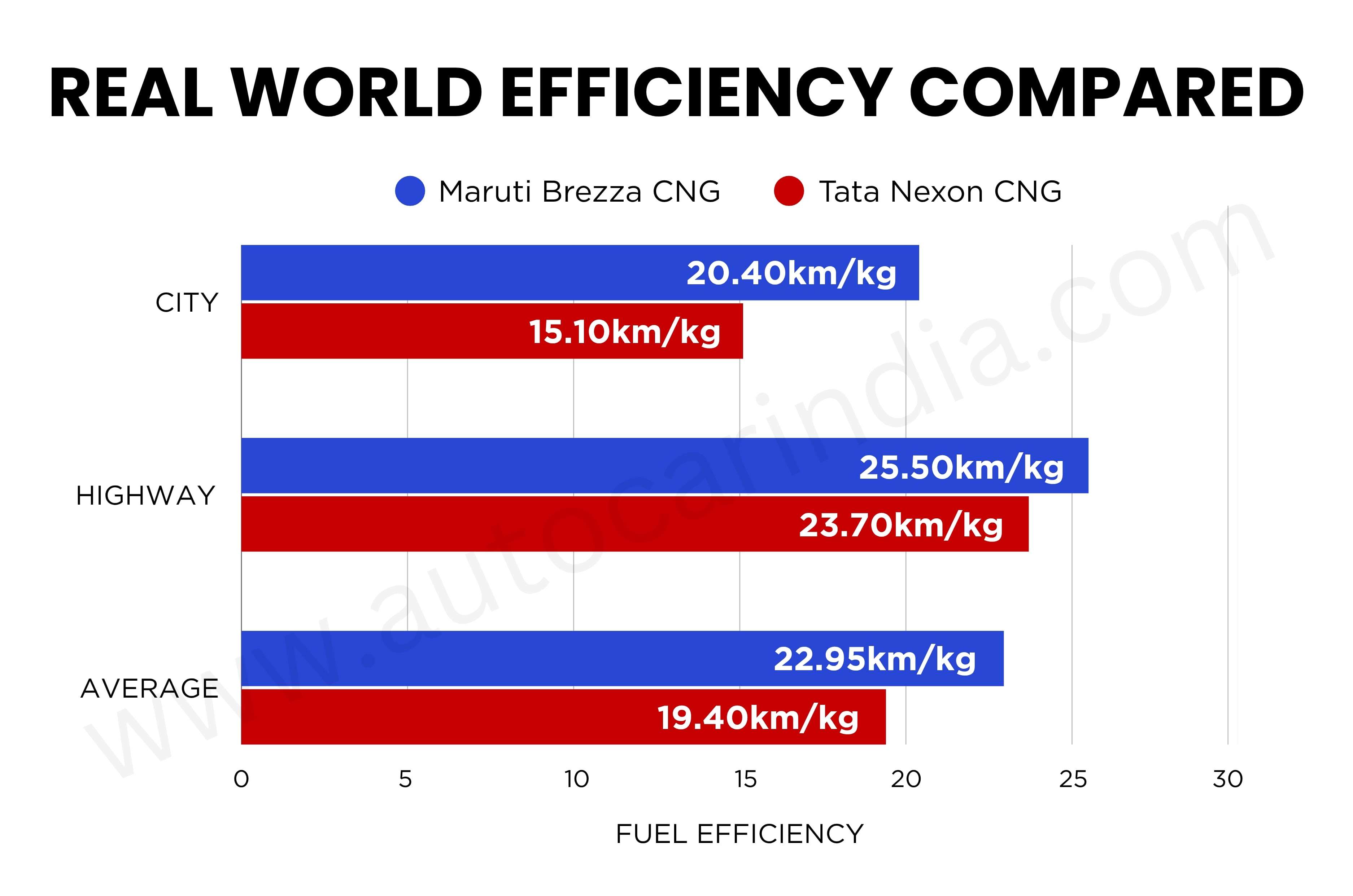
The Brezza CNG is clearly more efficient in real-world use than the Nexon CNG. In the city, it returns 5.3km/kg more than the Tata SUV. The Brezza maintains its lead on the highway as well, but the gap narrows to 1.8km/kg. As a result, the average figure also favours the Brezza, which is ahead by 3.55km/kg.

Part of the Brezza’s efficiency advantage comes from its much lighter kerb weight and a naturally aspirated setup. It should be noted that the Nexon’s CNG setup does not significantly affect drivability or performance in everyday use. It can also be started directly in CNG mode, and even the added weight of the kit – 120kg more than the petrol Nexon – does not make it feel breathless or strained.

Autocar India’s fuel efficiency testing

Before our real-world fuel efficiency tests, we fill our test cars’ tanks to the brim and maintain tyre pressures based on the manufacturer’s recommendations. These cars are driven in fixed city and highway loops in and around Navi Mumbai, and we maintain certain average speeds. Throughout the tests, there is only one person in each car, running the air conditioner and other electricals, such as the audio system, indicators and wipers, when required, just like a regular user would. Periodic driver swaps further neutralise variations in driver patterns. At the end of each cycle, we calculate efficiency by refilling the tanks to full.

Kia Sorento to launch on September 4

kia sorento

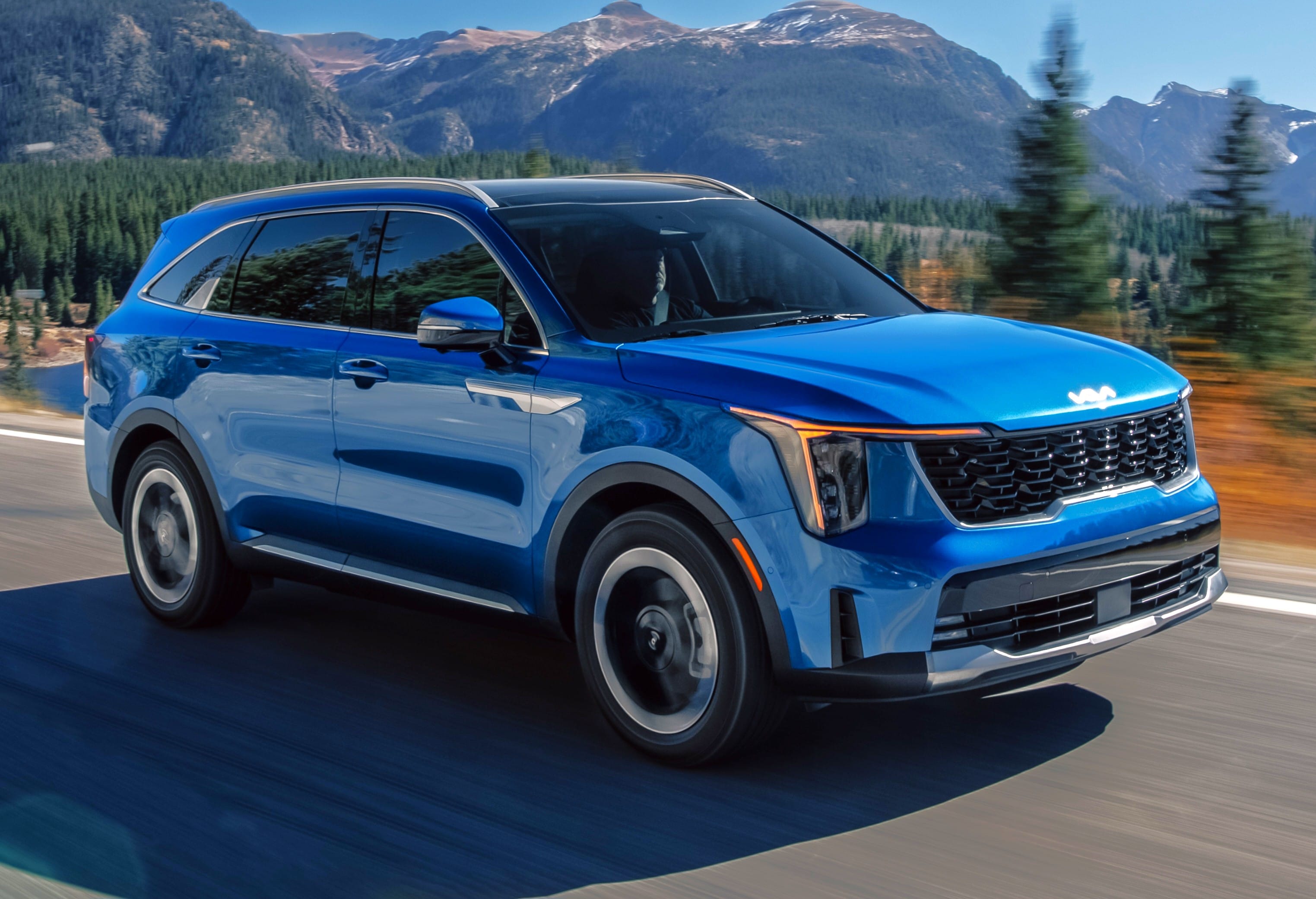
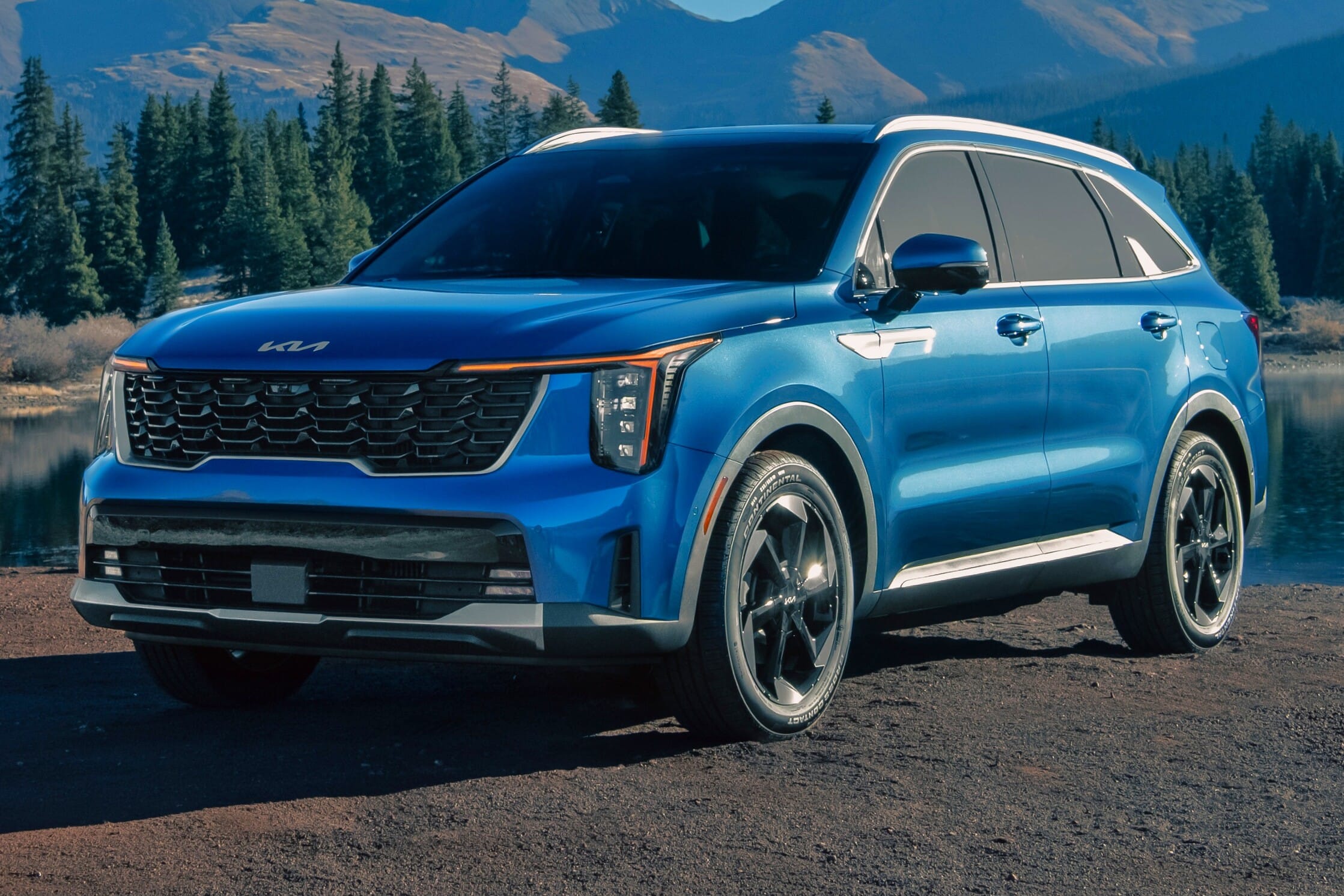
The Kia Sorento three-row SUV will go on sale in India on September 4, 2026. It will be positioned above the Seltos as Kia India’s flagship ICE SUV, and will also be the carmaker’s first hybrid model for the Indian market. Official bookings for the Sorento opened very recently too.

Kia Sorento India price estimate and rivals

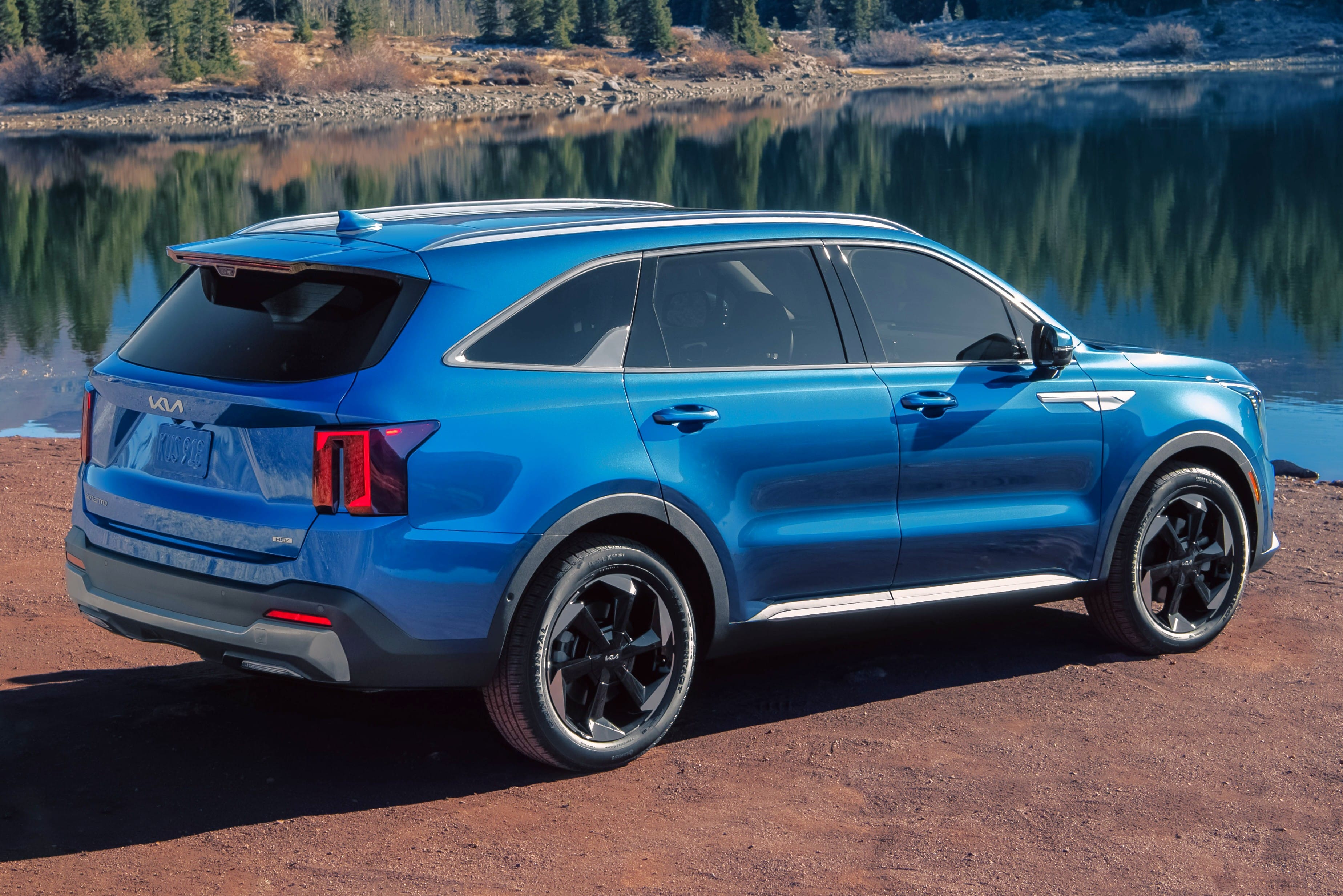
US-spec Kia Sorento. Image used for representation only.

Since the Sorento is anticipated to be locally assembled, expect pricing to start at around Rs 40 lakh (ex-showroom). At that price point, the Sorento will rival premium three-row SUVs like the Volkswagen Tayron, MG Majestor, Skoda Kodiaq, Toyota Fortuner, and Jeep Meridian.

Kia Sorento powertrain options

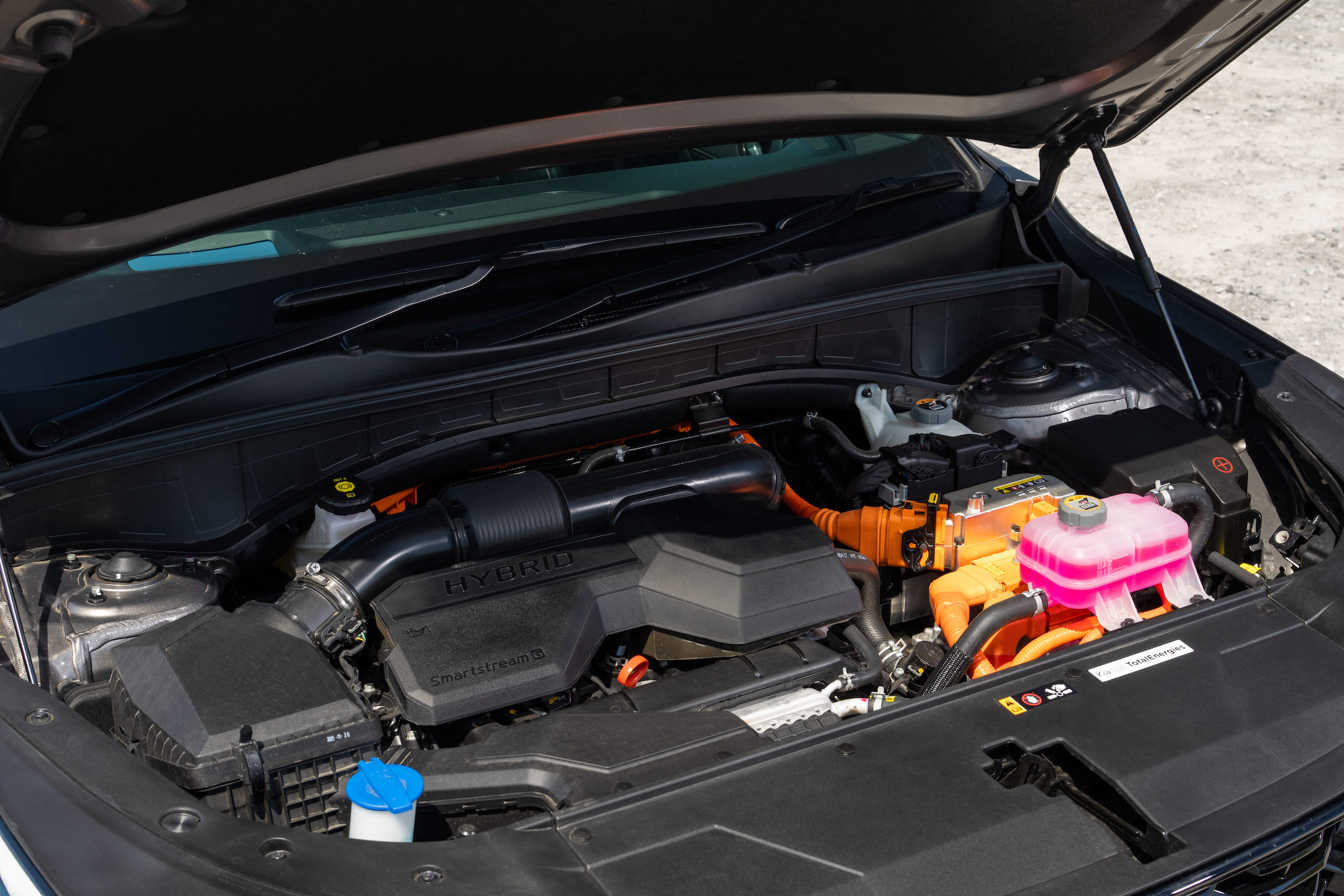
Kia will offer the Sorento with hybrid and diesel powertrains in India. If the international-spec Sorento is anything to go by, the India-spec model could feature a 1.6-litre 4-cylinder turbo-petrol hybrid setup developing 238hp and 380Nm, along with a 2.2-litre diesel engine outputting 202hp and 441Nm – this mill is used in the Kia Carnival too. Both Sorento engines are likely to be paired with automatic transmissions. Though the global-spec Sorento can be had in FWD and AWD guises, it remains to be seen whether the latter drive layout will be available for Indian buyers.

Kia Sorento exterior and interior

The Sorento sports a subtly aggressive design, with highlights like vertically oriented LED headlamps and tail-lamps, T-shaped amber-coloured DRLs, a wide ‘Tiger Nose’ grille, dual-tone alloy wheels, mildly flared wheel arches, and muscular bumpers. In terms of dimensions, the global-spec Sorento measures 4,815mm in length, 1,900mm in width, and 1,700mm in height, along with a wheelbase of 2,815mm. Should these hold true for the India-spec model, the Sorento will be larger than most of its rivals.

Inside, the India-spec Sorento is likely to be offered with 6-seat and 7-seat configurations. Boot space is rated at 179 litres with all three rows up, extendable to a cavernous 1,996 litres. Notable elements on the premium-looking dashboard include dual 12.3-inch displays, a four-spoke steering wheel with an offset Kia logo, large vertical AC vents on both extremities, a touch-capacitive panel on the centre console, and a rotary drive selector.

The Sorento is expected to pack creature comforts like ventilated front seats, dual-zone climate control, wireless Apple CarPlay and Android Auto, a powered driver’s seat, a panoramic sunroof, Level 2 ADAS, a heads-up display, an electronic parking brake, ambient lighting, a wireless charging pad, and more.
 

Hyundai Creta discounts go up to Rs 1 lakh in August 2026

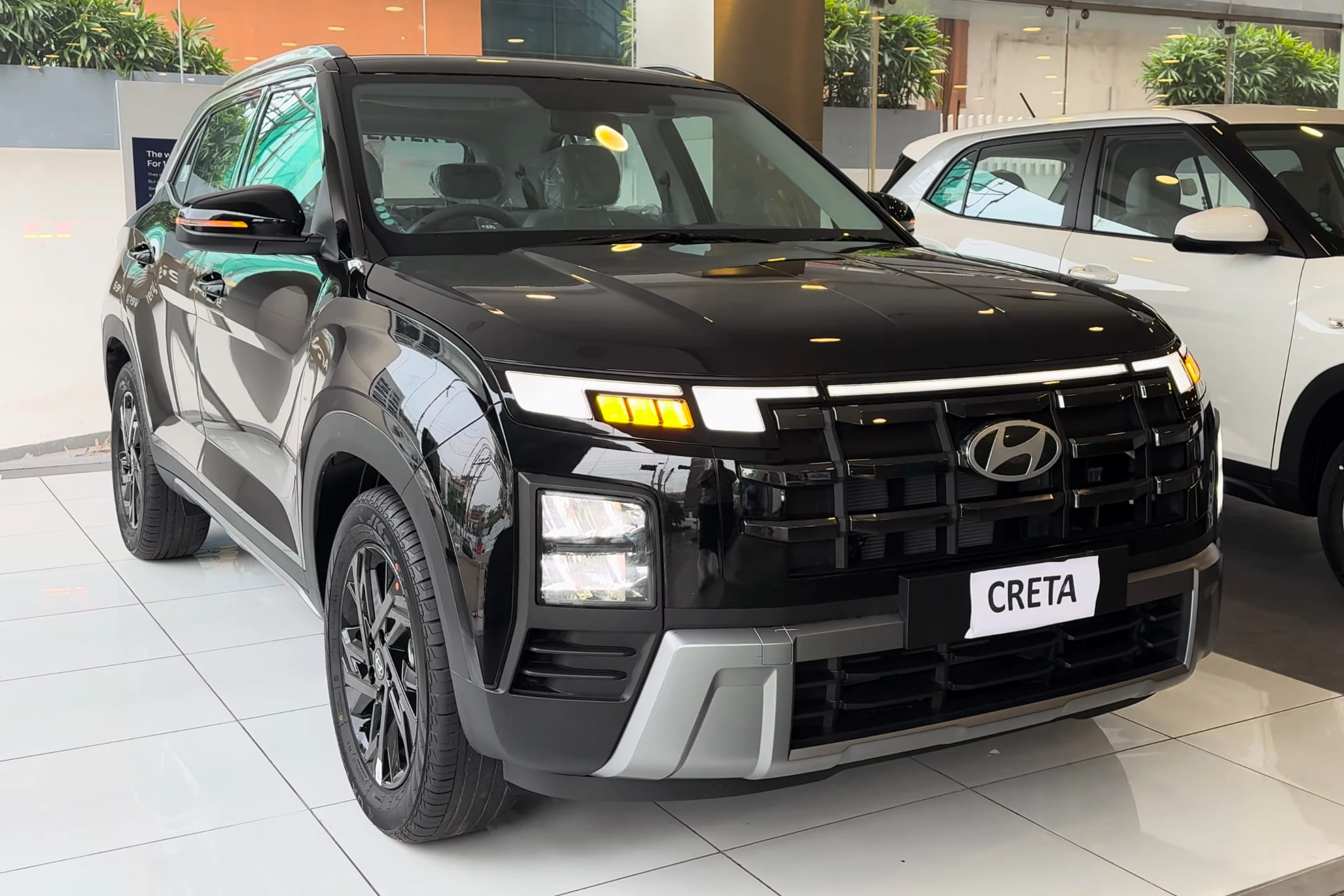
hyundai creta in showroom

Hyundai India is offering compelling benefits on the Creta, Verna, Exter, Grand i10 Nios, Aura, Creta Electric, i20, Venue, and Alcazar this month. These benefits comprise cash discounts, scrappage/exchange bonuses, corporate offers, and additional upgrade incentives.

Disclaimer: Offers/benefits may vary by city and are subject to stock availability. Buyers are advised to check with their local dealer for exact figures.

Hyundai Creta discounts in August 2026

Up to Rs 1 lakh

The base E petrol trim of the Creta gets benefits of up to Rs 85,000 this month, while the SUV’s CVT variants are available at up to Rs 90,000 off. Benefits on all other Creta petrol and N Line variants total Rs 1 lakh in August. Meanwhile, buyers of any diesel Creta variant get a much lower benefit of up to Rs 10,000. The Hyundai Creta price (including N Line) starts at Rs 10.91 lakh and extends to Rs 19.95 lakh.

Hyundai Venue offers in August 2026

Up to Rs 5,000

Buyers looking to bring home a Venue this month don’t get much in the way of offers, with only a benefit of up to Rs 5,000 on all of the compact SUV’s variants. The Venue price range, including the N Line variants, is Rs 8 lakh to Rs 15.65 lakh.

Hyundai Exter offers in August 2026

Up to Rs 55,000

Though the Exter received an update earlier this year, units of the pre-facelift model continue to be available. The pre-facelift Exter’s EX and EX(O) trims (petrol and CNG) get a benefit of up to Rs 10,000 only, while all other variants can be had at up to Rs 55,000 off. As for the facelifted Exter, benefits stand at up to Rs 10,000 for the base HX2 variants, and up to Rs 50,000 for all other variants. Prices for the 2026 Exter start at Rs 5.81 lakh and extend to Rs 9.46 lakh.

Hyundai Verna discounts in August 2026

Up to Rs 95,000

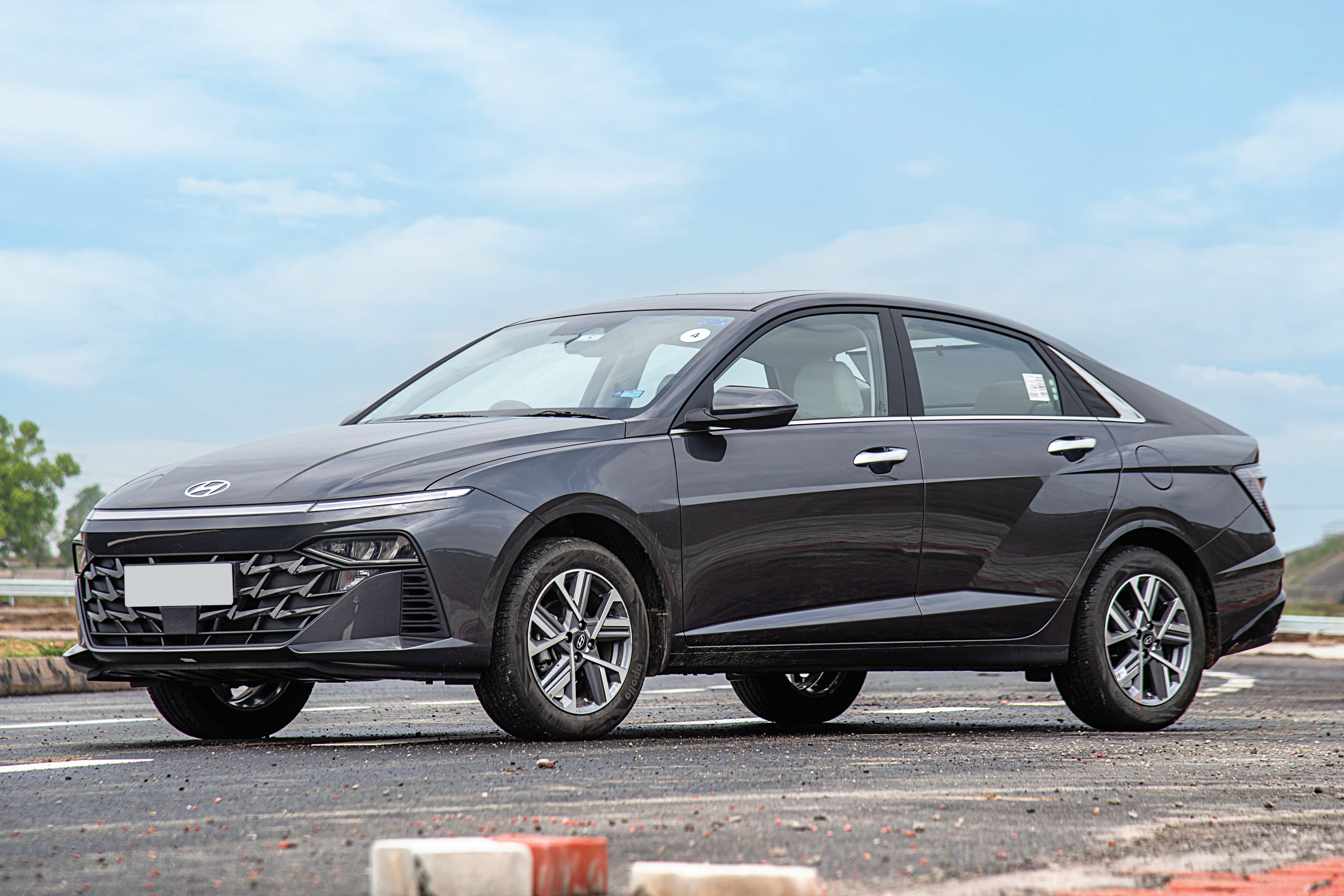
CVT variants of the pre-facelift Verna sedan feature benefits of up to Rs 95,000, while all other variants get up to Rs 70,000 off. Those looking to purchase the updated Verna, on the other hand, can take advantage of up to Rs 65,000 in benefits across all variants. Prices for the 2026 Verna start at Rs 10.99 lakh and climb to Rs 18.26 lakh.

Hyundai Creta Electric discounts in August 2026

Up to Rs 50,000

All variants of the Creta’s EV derivative, the Creta Electric, are available with benefits of up Rs 50,000 in August, which is a fair bit lower than the maximum Rs 85,000 discount offered last month. Offered with 42kWh and 51.4kWh battery options, the Creta Electric is priced between Rs 18.03 lakh and Rs 23.67 lakh, exclusive of home charger and installation costs.

Hyundai Alcazar discounts in August 2026

Up to Rs 75,000

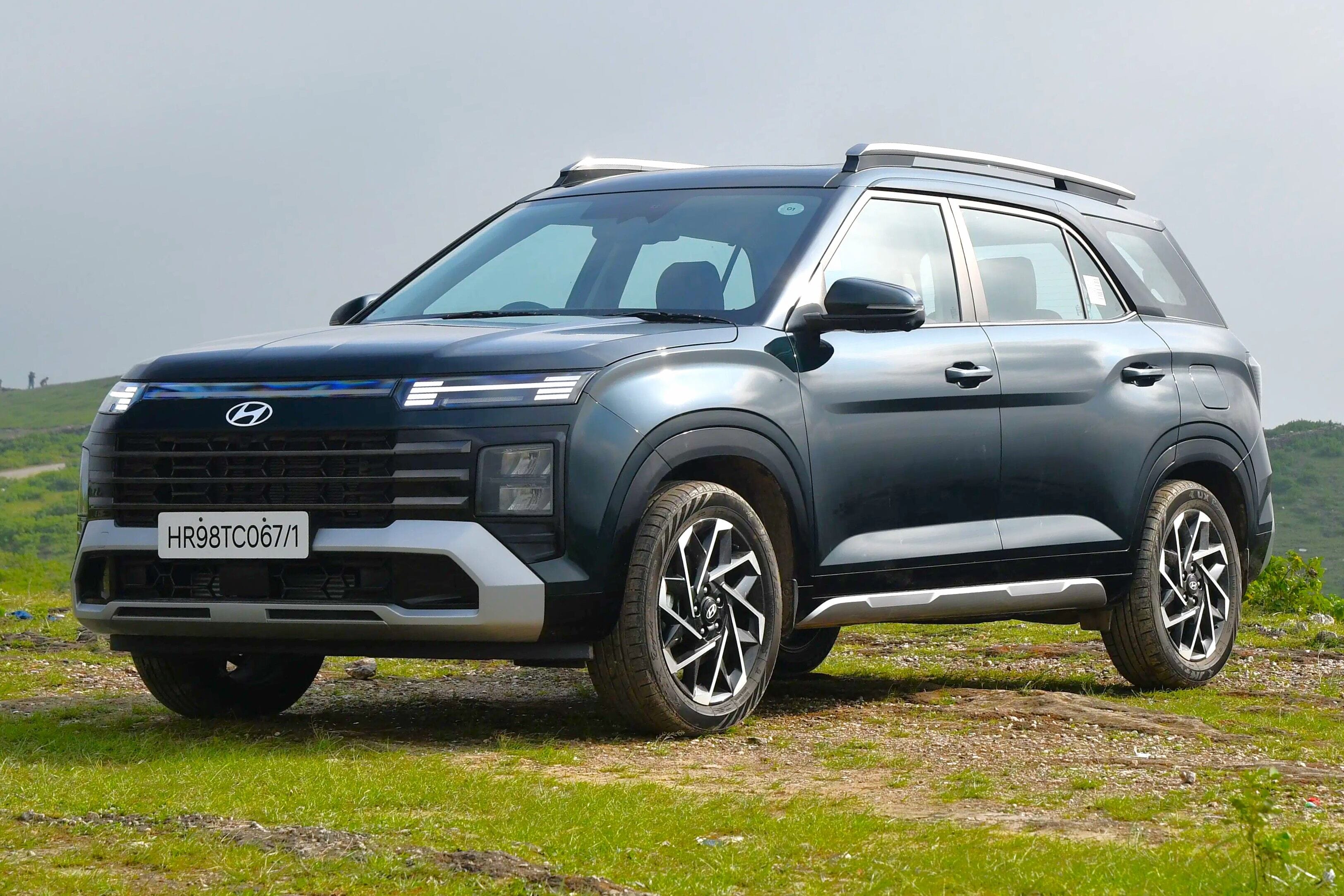
Much like last month, petrol variants of the Alcazar three-row SUV can be purchased with benefits ranging up to Rs 75,000. Meanwhile, diesel Alcazar variants get benefits of up to Rs 45,000. The Hyundai Alcazar price range is Rs 14.51 lakh to Rs 21.10 lakh.

Hyundai Grand i10 Nios discounts in August 2026

Up to Rs 70,000

Hyundai’s most affordable model in India, the Grand i10 Nios, gets up to Rs 25,000 in benefits for its base Era variant. All other petrol variants of the Grand i10 Nios sport much higher benefits of up to Rs 70,000. Lastly, all CNG variants of the hatchback are available at up to Rs 65,000 off. The Grand i10 Nios price starts at Rs 5.60 lakh and tops off at Rs 8.04 lakh.

Hyundai i20 offers in August 2026

Up to Rs 45,000

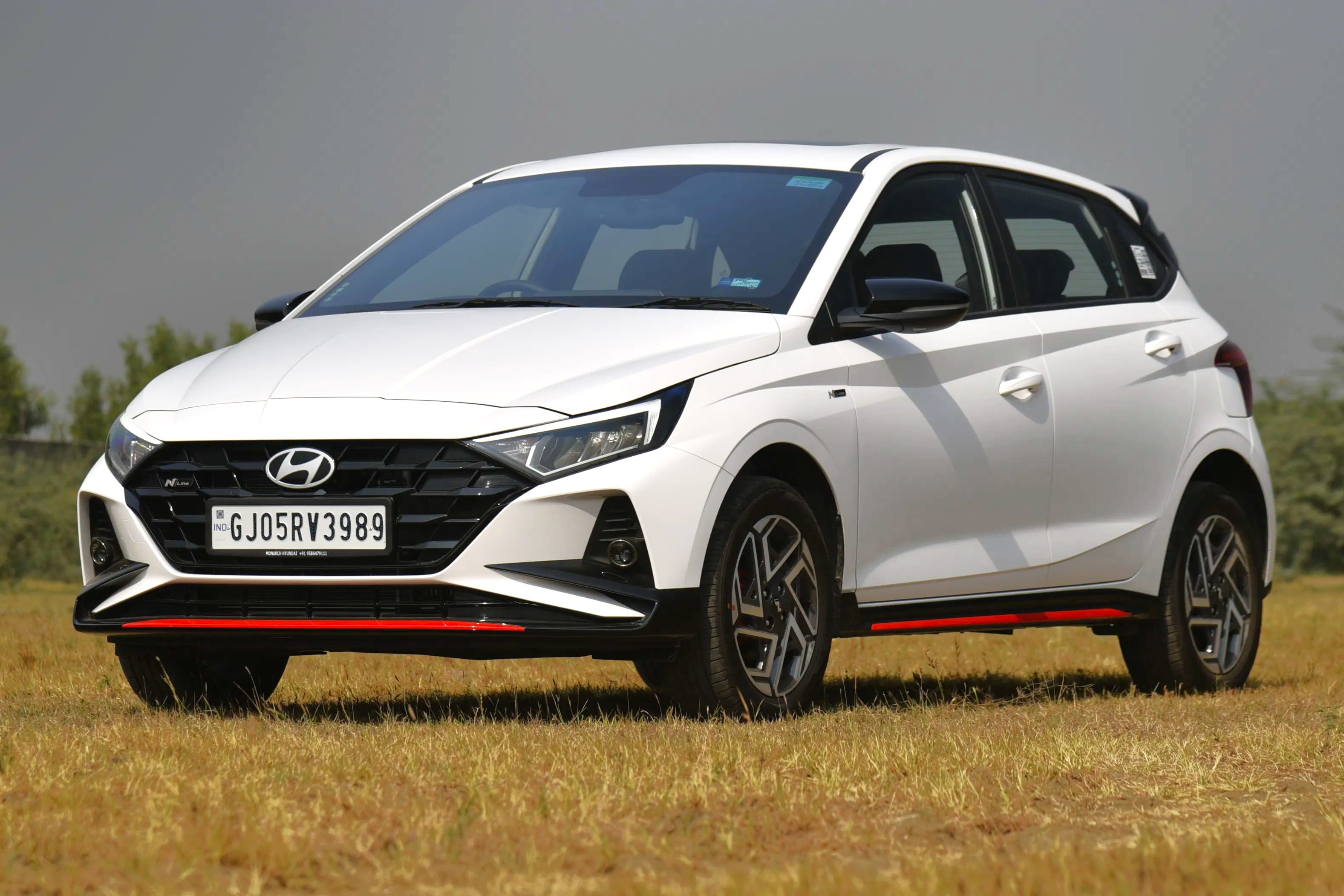
Aside from the base Era variant of the i20, which is available at up to Rs 25,000 off, all variants of the premium hatchback (including the sporty N Line versions) can be purchased with up to Rs 45,000 in benefits. Pricing for the standard and N Line variants of the i2 ranges from Rs 6 lakh to Rs 11.59 lakh.

Hyundai Aura offers in August 2026

Up to Rs 30,000

The S, SX, and Corporate CNG variants of the Aura compact sedan are available with benefits totalling Rs 30,000. Meanwhile, all other petrol variants of the Aura get benefits of up to Rs 20,000 this month. The Aura is priced from Rs 6 lakh to Rs 8.6 lakh.

All prices are ex-showroom, India.

New Bajaj Pulsar 125 leaked ahead of launch

Pulsar 125 spotted at a dealership

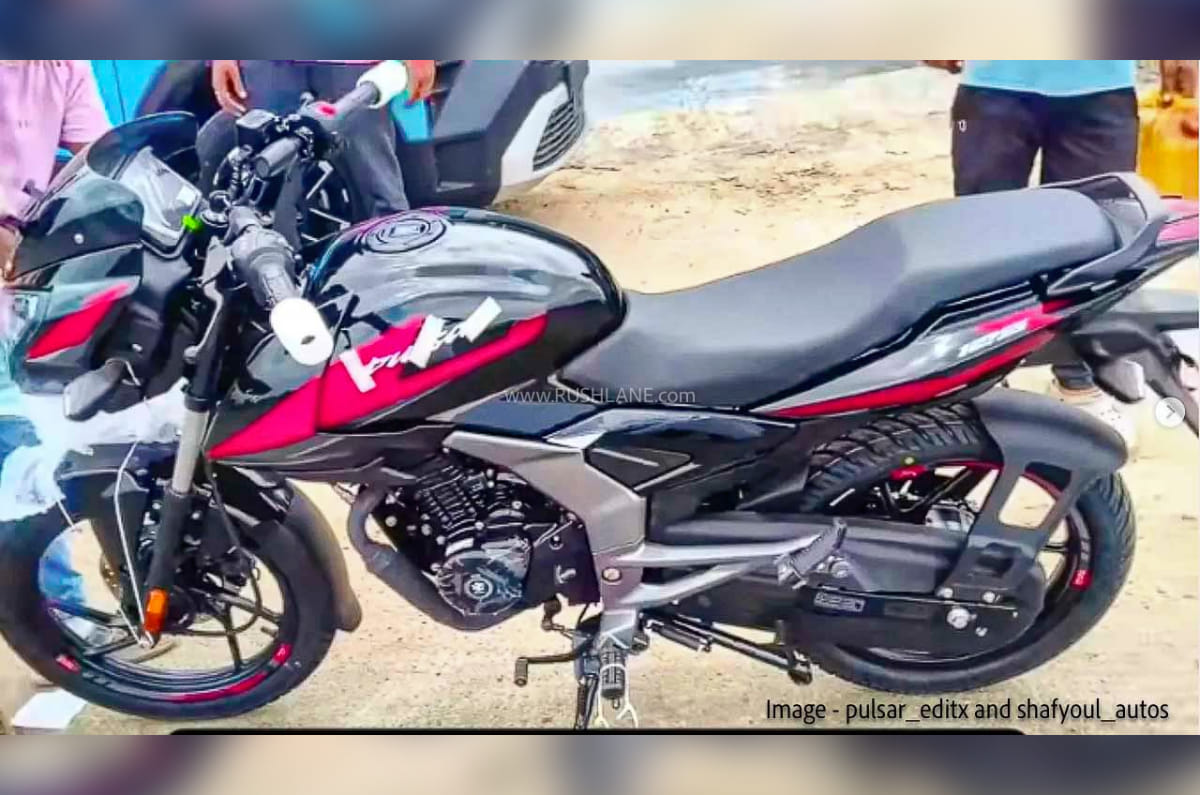
Earlier this week, Bajaj confirmed that it would unveil the revamped Classic Pulsar range on August 12. Now, images of the next-generation Pulsar 125 at a dealership have surfaced online, giving us our first clear look at what to expect.

  1. All-new Pulsar 125 spotted at dealership ahead of August 12 launch
  2. Gets a new frame with a rear monoshock
  3. Likely to feature a new engine

All-new Bajaj Pulsar 125: What to expect

The new Pulsar 125 gets an all-new chassis and what appears to be a heavily revised engine

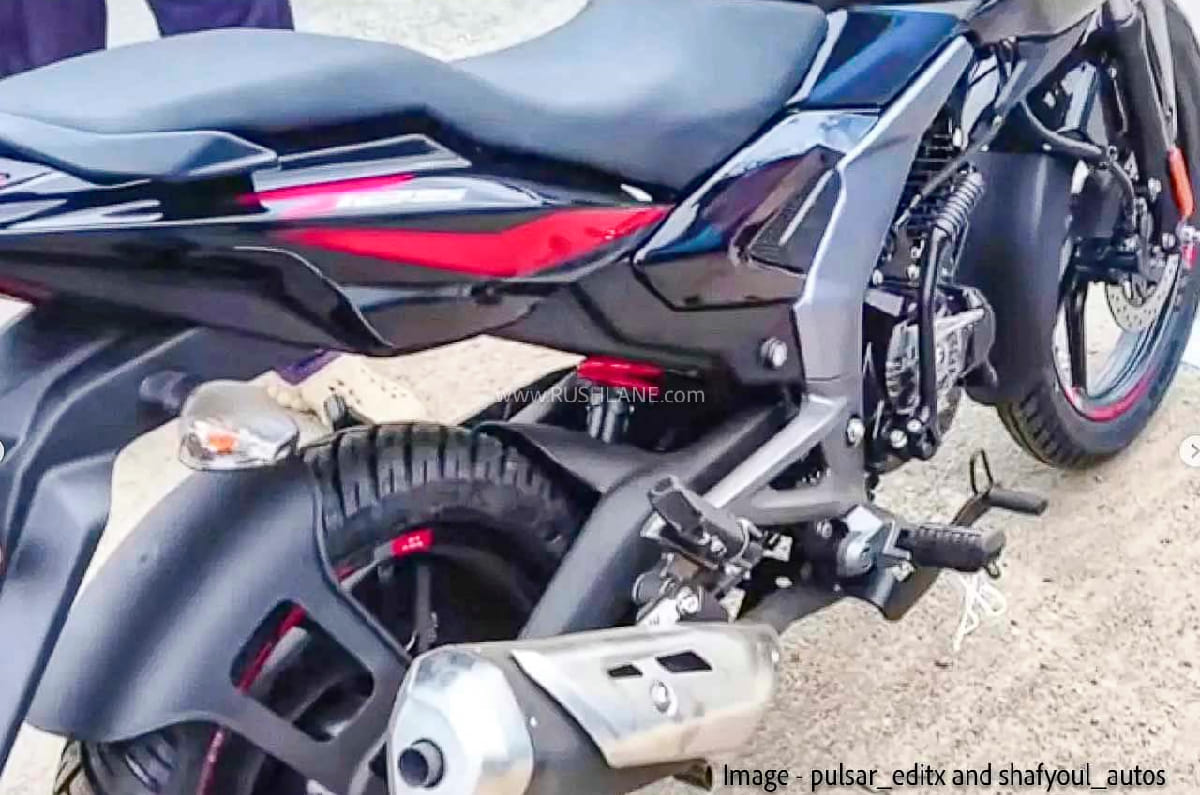
The upcoming Pulsar 125 was spotted testing earlier this year, and these latest images confirm that it sits on a significantly reworked platform. The frame appears to be an entirely new unit, likely a single downtube setup rather than the double cradle chassis used on the outgoing Pulsar 125. Another notable hardware change is the adoption of a rear monoshock, replacing the twin shock absorbers that have been a hallmark of the Classic Pulsar range for over two decades. Up front, the motorcycle continues with a conventional telescopic fork. 

The bike runs on 17-inch alloy wheels – the design of which appears similar to what’s seen on the current Pulsar 125 and Pulsar N125 – shod in what appears to be MRF rubber, with a disc brake at the front and a drum at the rear. The bike seen in the images is a single-seat version, but Bajaj could offer a split-seat variant as well. Lastly, the gear lever appears to be a more modern setup of a toe-only shifter without the heel piece seen on older Pulsars.

The bike is expected to feature an all-new engine, and that does appear to be the case visually – the casings look different from the outgoing unit and the exhaust header routing has been redesigned. For reference, the current Pulsar 125 is powered by a 124.4cc single-cylinder engine producing 11.8hp at 8,500rpm and 10.8Nm at 6,500rpm.

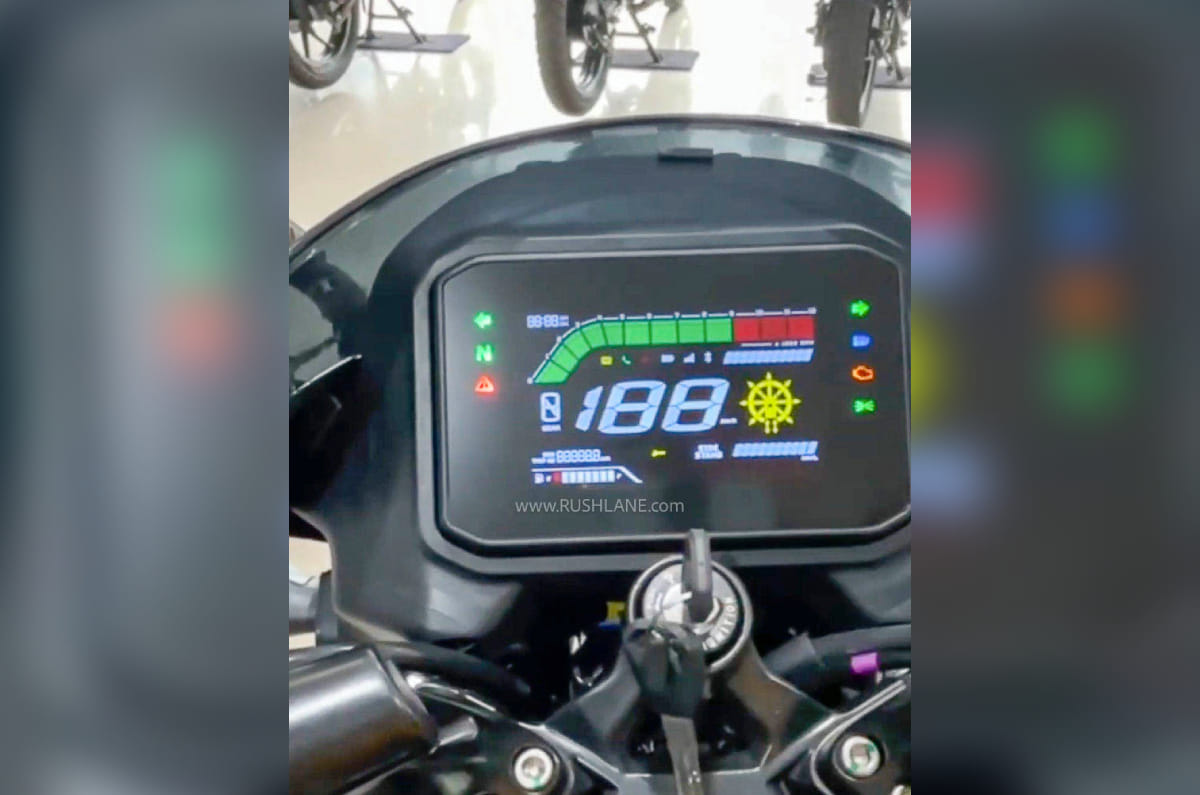
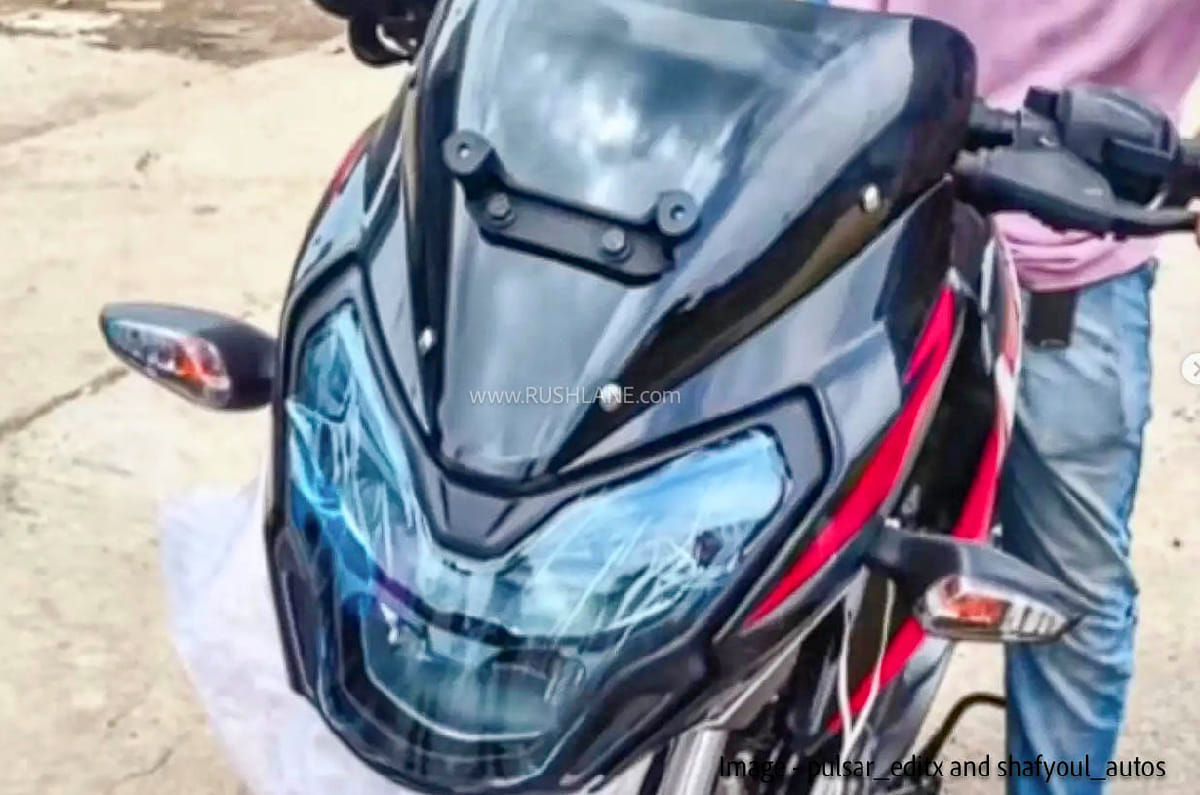
Styling retains familiar Pulsar proportions but introduces a number of modern touches. The overall design of the fuel tank and tank shrouds is familiar, but the side panels have been completely redesigned. The tail section also appears slimmer than before, and the motorcycle uses halogen indicators. Another notable update is the addition of a colour LCD instrument cluster.

The new Pulsar 125 will take on rivals such as the TVS Raider 125, Hero Xtreme 125R and Honda CB125 Hornet in one of India’s most competitive motorcycle segments. Pricing will be announced at the August 12 launch, but we could see a slight increase over the current model’s starting price of Rs 92,341 (ex-showroom, Delhi).

Image source: Rushlane