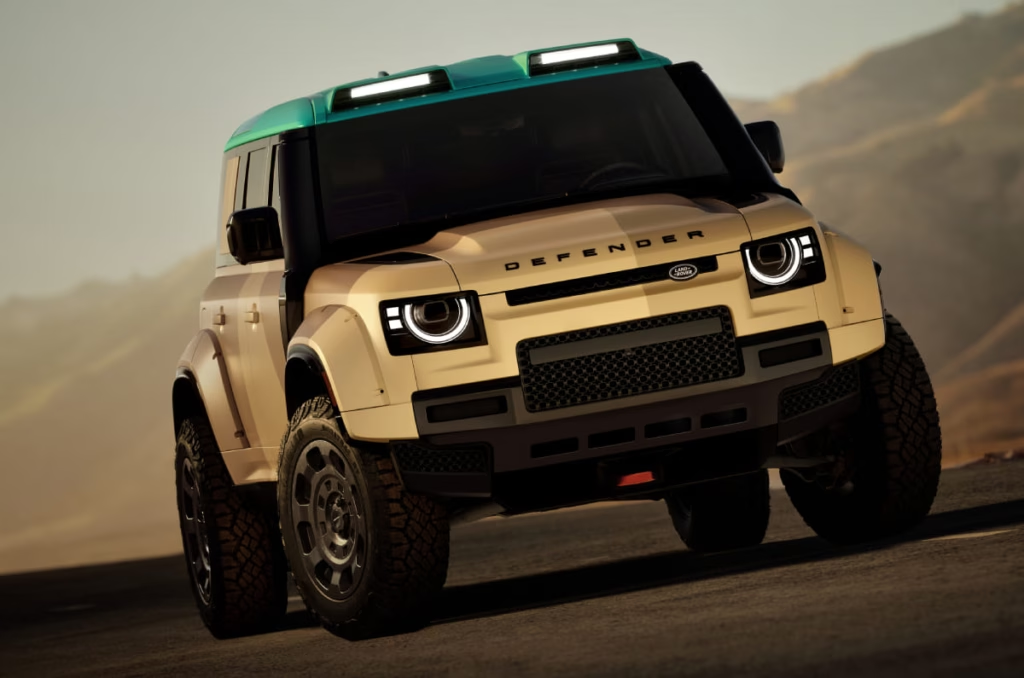
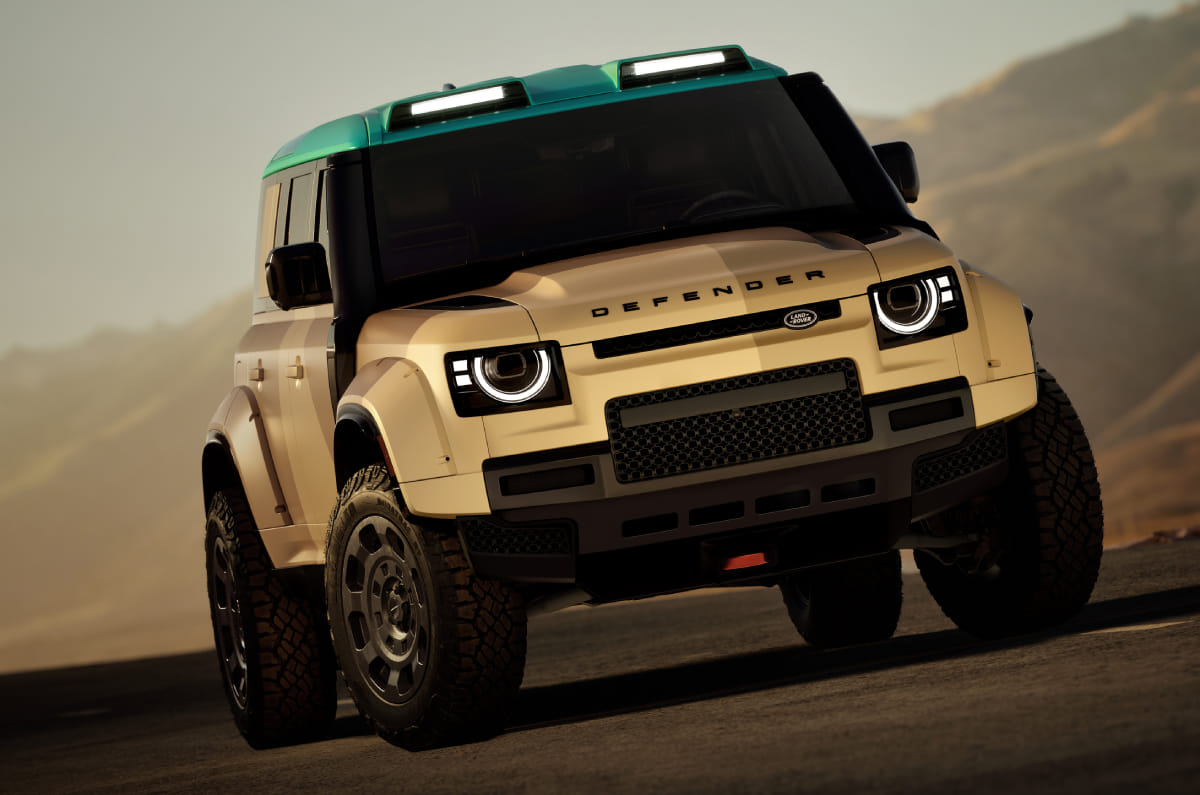
Defender has revealed the Dakar, a limited-run road-legal version of its Dakar Rally-winning D7X-R competition car. Previewed as a Design Preview Model at Monterey Car Week, the Defender Dakar is based on the Defender OCTA and retains the rally car’s body architecture, transmission, driveline and 4.4-litre twin-turbo V8 engine. Reservations are scheduled to open in early 2027, while full technical specifications will be revealed during the 2027 Dakar Rally.
Based on the Dakar-winning Defender D7X-R rally car
Gets 635hp twin-turbo V8 and rally-derived suspension
Reservations to open in early 2027
Defender Dakar exterior
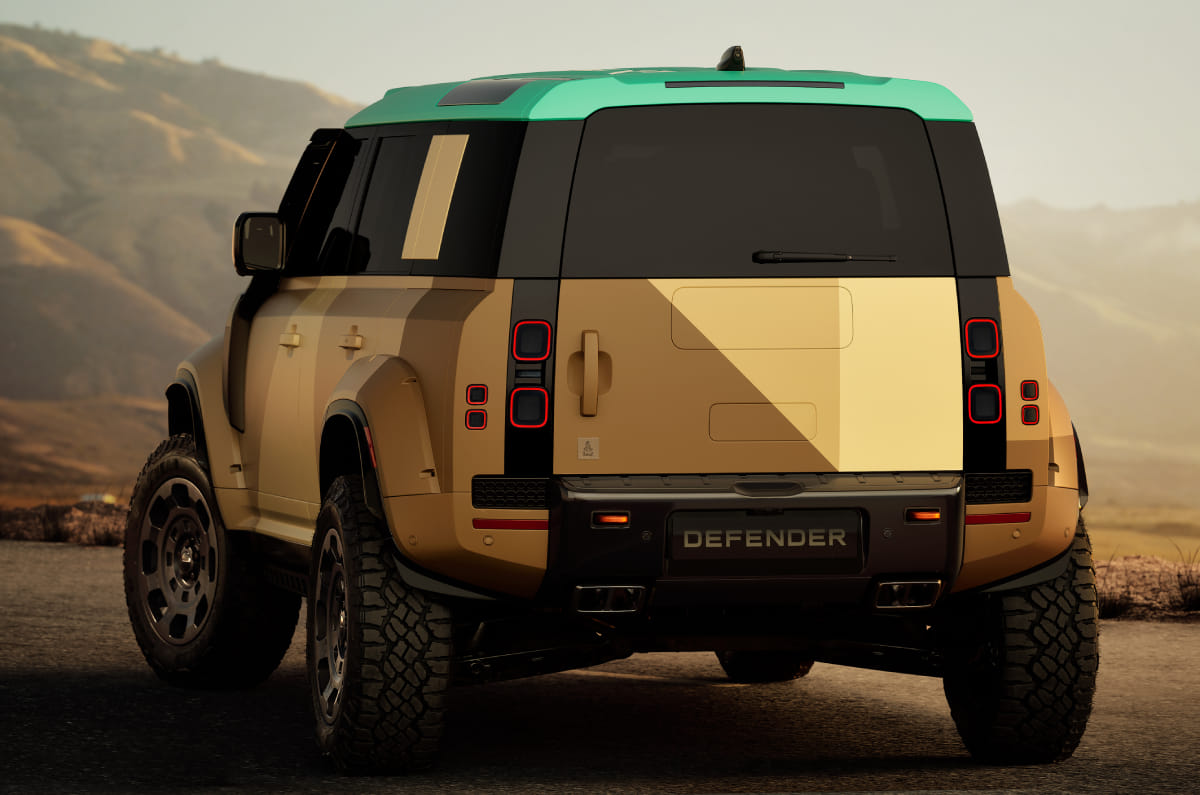
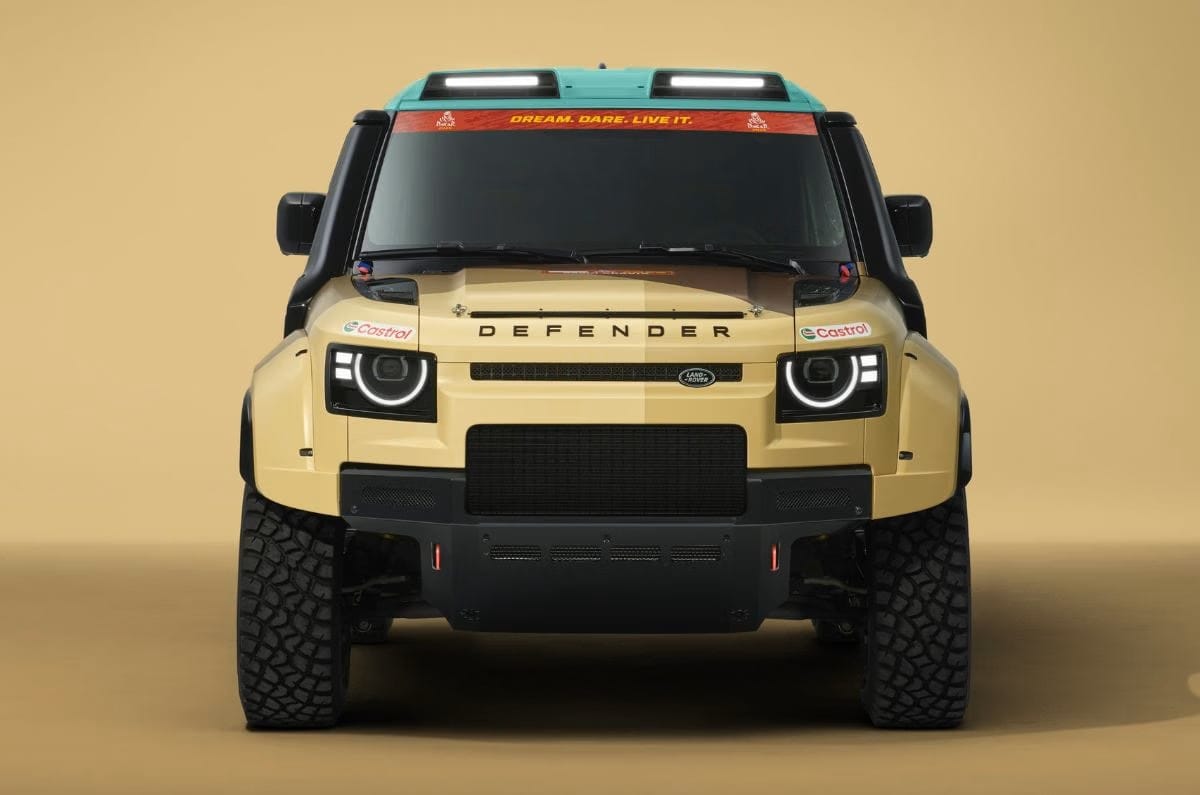
The Defender Dakar features several changes inspired by the D7X-R rally car. These include a wider track, increased ride height, 35-inch all-terrain tyres on forged 20-inch wheels, and coil suspension with Bilstein Advanced dampers. It also introduces new Dunes and Gravel drive modes, along with Flight Mode, which has been developed to improve stability during landings over uneven terrain.
The exterior also gets roof-mounted auxiliary lights, a fixed metal roof, carbon-fibre bonnet, carbon-fibre raised air intakes, extended wheel arches with exposed rivets, signature mud flaps, a tailgate blanking panel, a front undershield and additional underbody protection. Buyers will be able to choose from several paint finishes, including the Dakar Sand and Yanbu Turquoise combination inspired by the race-winning D7X-R.
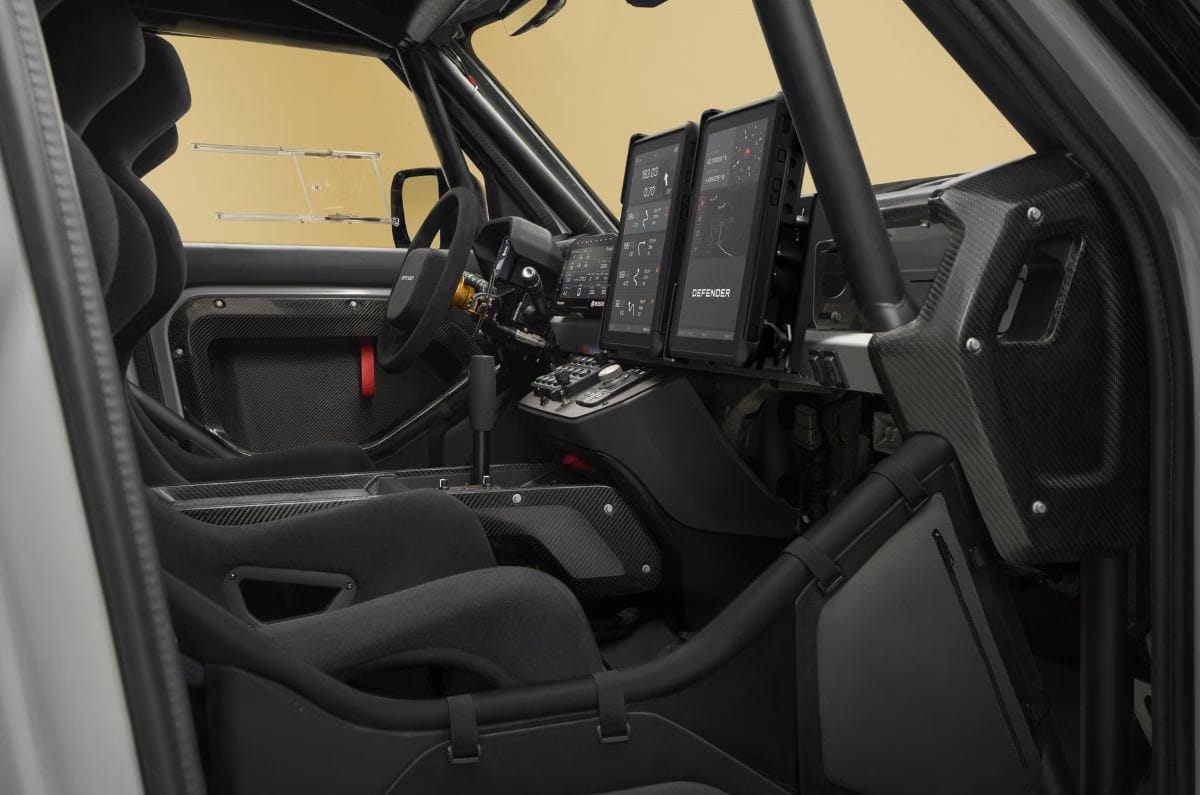
The cabin adopts a more purpose-built layout than the Defender OCTA. It features a 2+2 seating configuration with unique front race seats, while four-point racing harnesses will be available as an option. The rear storage area has been designed to accommodate race helmets, and the load bay includes dedicated mounting points for the spare wheel and an air compressor.
Defender Dakar powertrain
Powering the Defender Dakar is the same 4.4-litre twin-turbocharged V8 engine used in the D7X-R rally car and based on the Defender OCTA. The engine develops 635hp and 750Nm, with Defender stating that it runs unrestricted compared to the competition version. The SUV also retains the D7X body architecture, transmission and driveline from the rally car.
The Defender Dakar has been revealed as a limited-run model and will be available to reserve from early 2027. Defender has not announced pricing or production numbers yet. Additional technical details and final specifications will be revealed during the 2027 Dakar Rally.
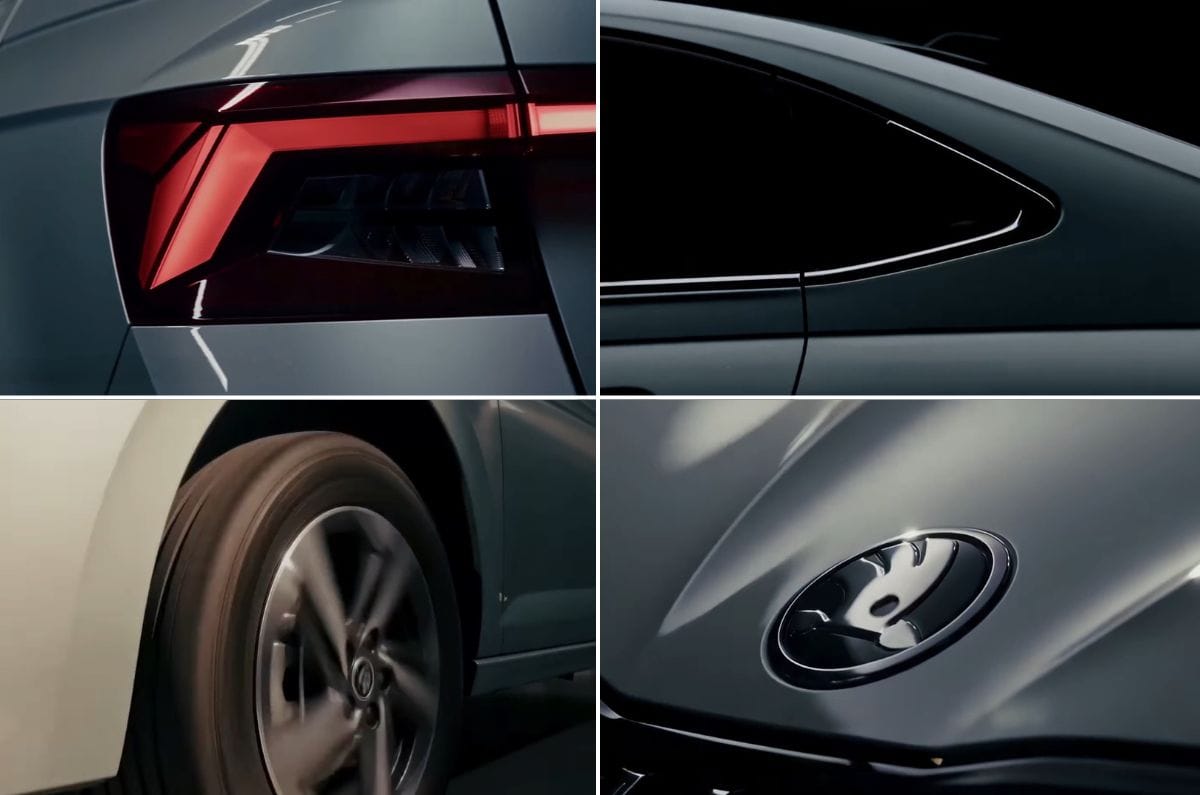
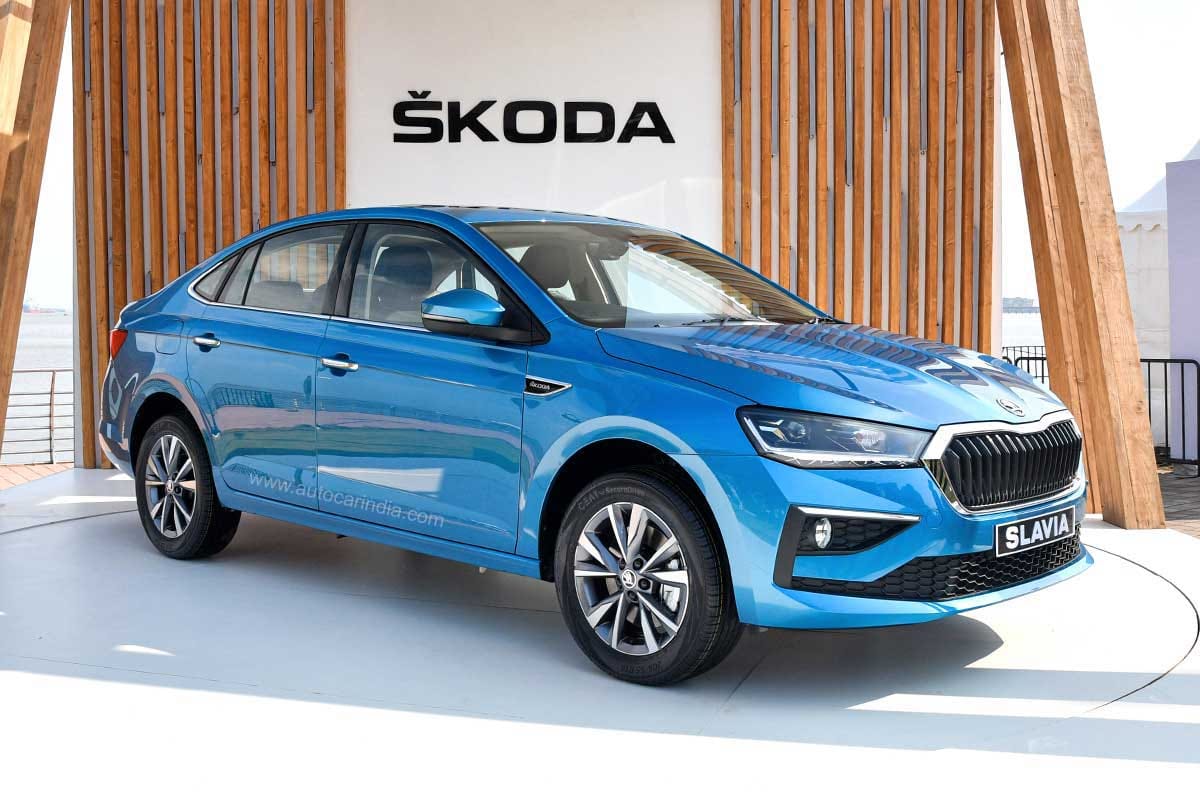
Skoda is set to give the Slavia a mid-life update, over four years after it first went on sale in February 2022. It will be the second Skoda model to receive a major update this year, following the Kushaq facelift. From expected pricing and engine options to the new features it could pack, here’s everything we expect from the updated Skoda Slavia.
What new features will the Skoda Slavia facelift add?
Current Skoda Slavia’s interior shown for representation only.
Several new features that were introduced with the 2026 Kushaq could make their way to the Slavia, such as a rear-seat massaging function and sequential turn indicators. The current 10.1-inch touchscreen and 10.25-inch driver’s display are likely to be replaced with larger units featuring new graphics and features. A 360-degree camera upgrade over the presently on offer rear-only unit can also be expected. Like the Kushaq, a variable-displacement compressor instead of the fixed-displacement unit could also be offered with the new Slavia to improve AC performance.
What cosmetic updates are likely with the Skoda Slavia facelift?
Being a facelift, one can expect design tweaks to the illumination bits, including headlights, tail-lights, front grille and alloy wheels. Kushaq-like segmented LED DRLs integrated into the front grille are anticipated, and new colours could also be introduced. On the inside, the overall layout is not likely to undergo any changes with the mid-lifecycle update.
How many engine choices will the Skoda Slavia facelift offer?
Both the 115hp-1.0 TSI and 150hp-1.5 TSI turbo-petrol engine options are expected to be carried over. Like the current car, the facelift may continue to offer a 6-speed manual gearbox with the smaller engine and a 7-speed dual-clutch automatic unit with the larger, more powerful motor. However, the 6-speed torque converter automatic transmission option offered with the Slavia 1.0 TSI will be upgraded with an 8-speed unit, something that we have exclusively reported before.
What is the Skoda Slavia facelift’s expected price?
Current Skoda Slavia.
Being an update, a slight price increase across trims is likely. For reference, the current Slavia starts at Rs 10 lakh and goes up to Rs 18.19 lakh, ex-showroom. The Skoda Slavia goes directly against the Volkswagen Virtus (Rs 10.70 lakh-19.20 lakh), Honda City (Rs 12 lakh-21.44 lakh) and Hyundai Verna (Rs 10.99 lakh-18.26 lakh), the latter two of which received facelifts earlier this year.
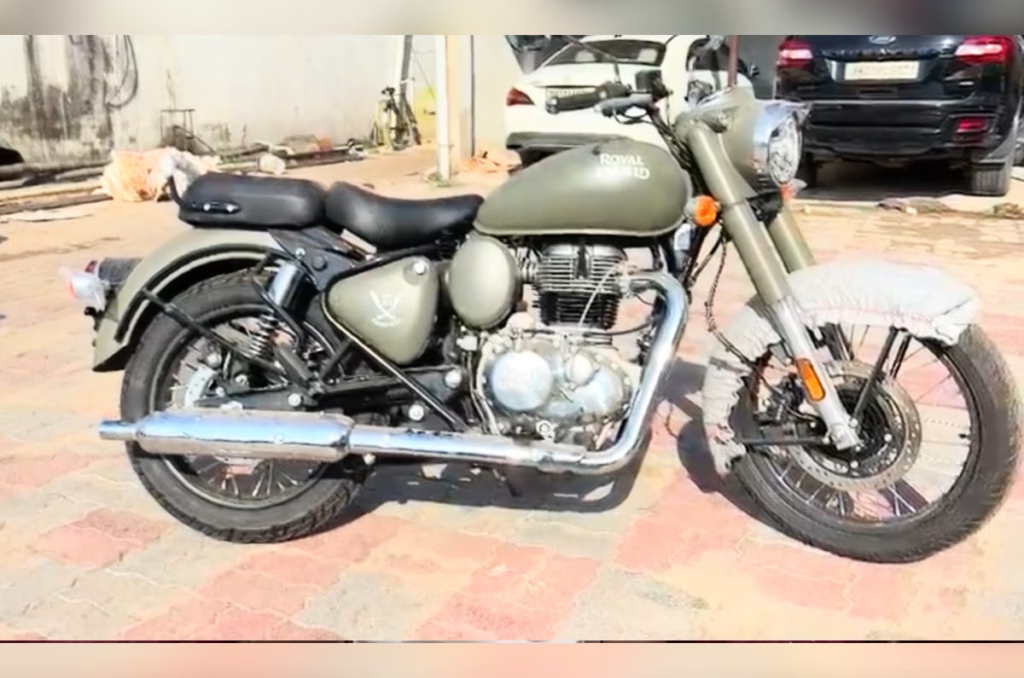
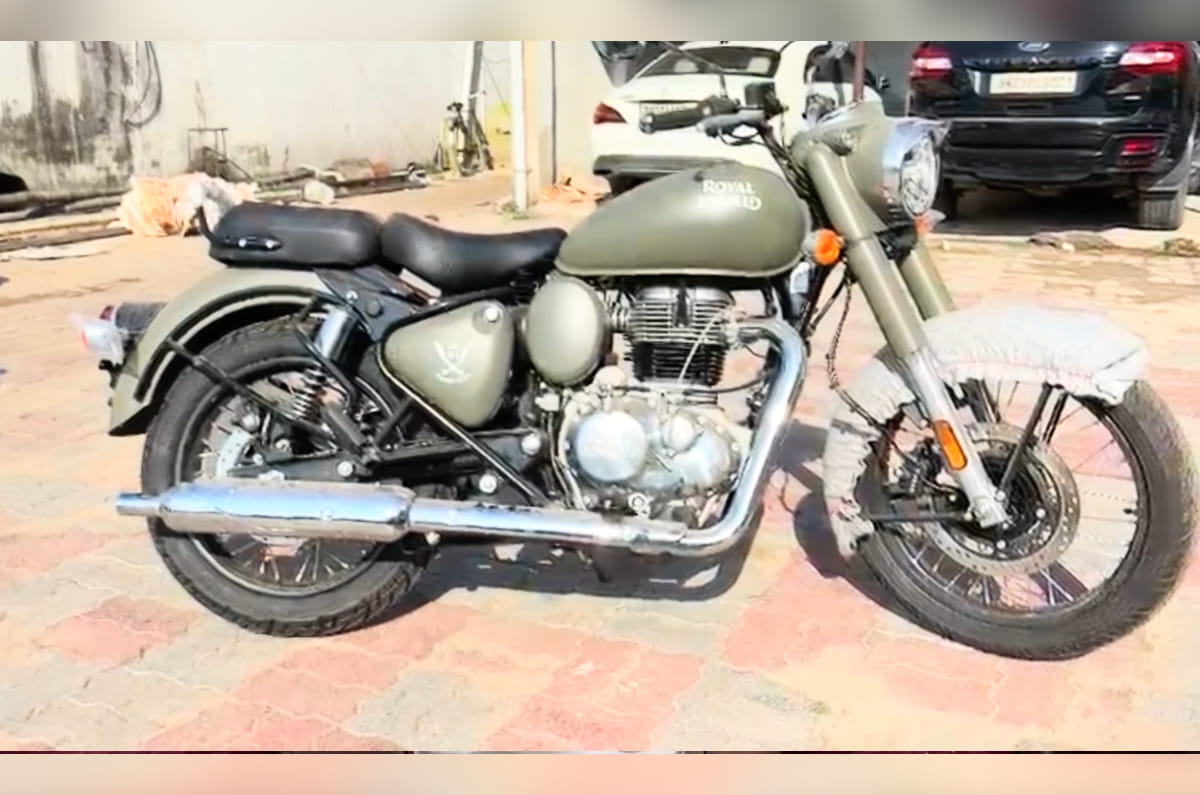
A new special edition of the Royal Enfield Classic 350 has been spotted at a dealership. The Classic 350 Gorkha Edition is finished in matte military green and features imagery drawn from one of the most decorated regiments in the Indian Army – the Gorkha Regiment.
Royal Enfield Classic 350 Gorkha Edition spotted at a dealership
Finished in matte military green with crossed Khukri insignia on the side panels
Chrome engine casings, exhaust and wire-spoke rims
Royal Enfield Classic 350 Gorkha Edition: What we know
Mechanically identical to the rest of the Classic 350 range
From the video of the bike at a dealership, the Gorkha Edition features chrome-finished engine casings and exhaust, and rides on chrome wire-spoke rims, unlike some of the colourways for the Classic 350 that get blacked-out elements and alloy wheels. The Gorkha Edition sticker on the side panels prominently features the crossed Khukri (traditional knife) insignia associated with the Gorkha Rifles.
Mechanically, the Gorkha Edition is expected to be identical to the rest of the Classic 350 range, powered by the 349cc J-series single-cylinder engine producing 20.2hp and 27Nm, paired with a 5-speed gearbox. The Classic 350 was recently updated with a slip-and-assist clutch and a USB Type-C charging port on dual-channel ABS variants, and considering this is a special edition, we could expect these updates to be included on this bike.
Royal Enfield has not officially announced the Gorkha Edition or confirmed pricing, but given that it appears to have reached dealerships, a launch in the near future is likely.
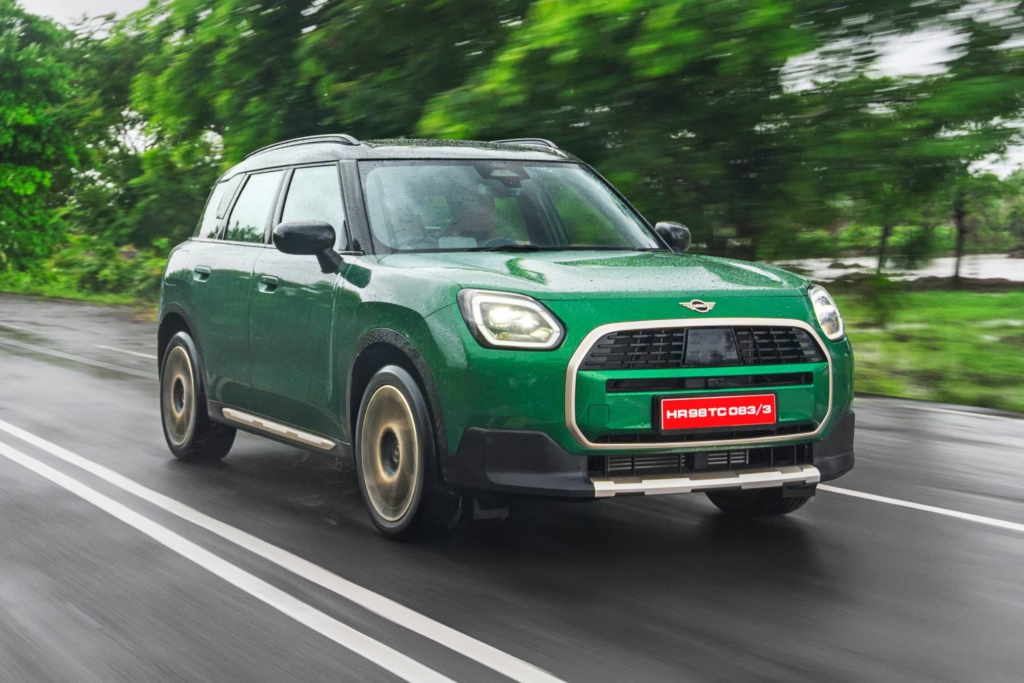
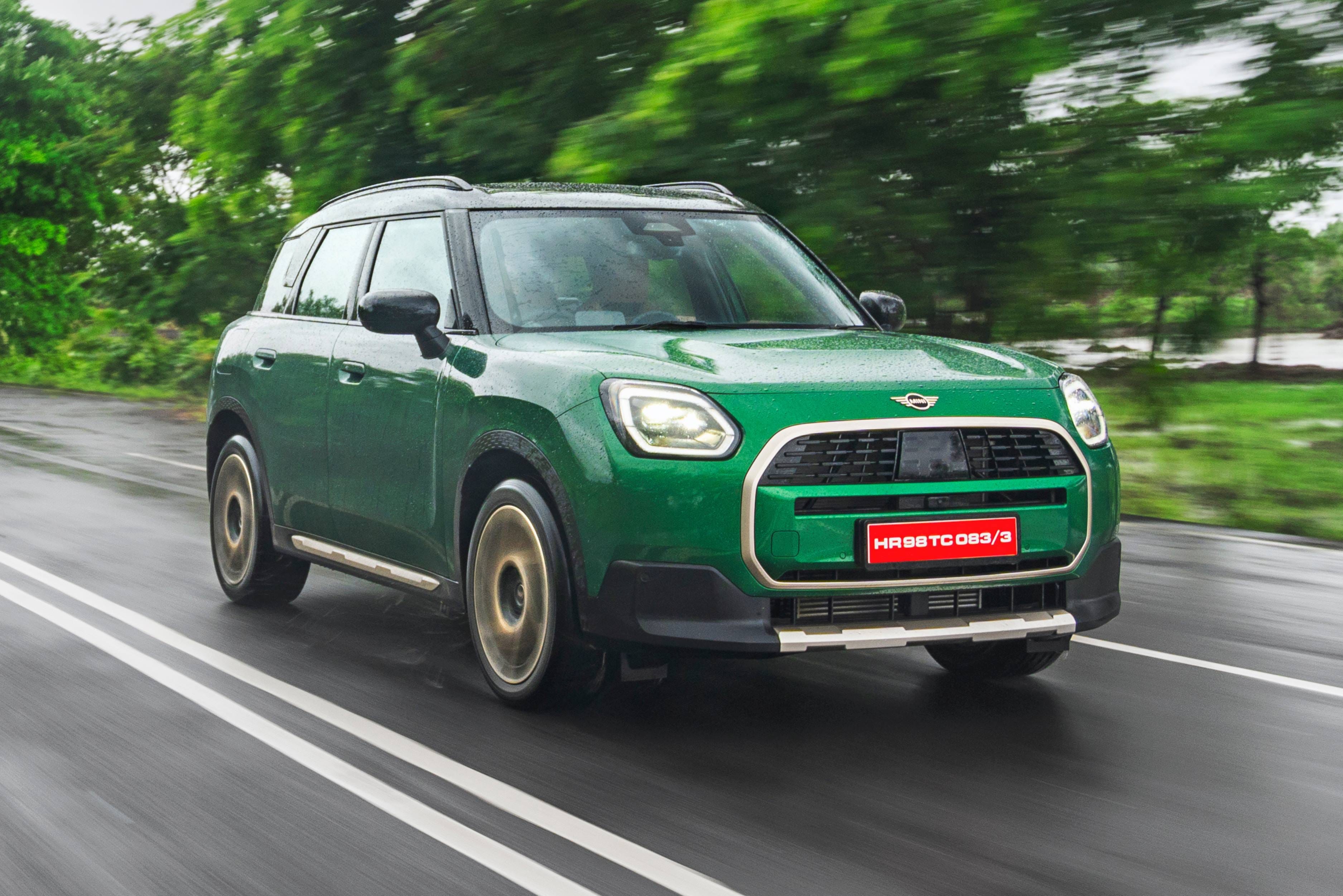
It’s all too easy to start every review of the Mini Countryman with some variation of the phrase ‘the Mini that’s not so mini’, because that’s always been true. The SUV of the Mini range, by definition, is always going to fit that description; the difference this time is that Mini itself is onboard with the idea. Where previously it was always marketed as a Mini first and an SUV second, this time the script has been flipped. No longer content with being a niche offering for the fashion forward, they want this to be your family car, or more specifically your first luxury SUV. You’ll see how the vehicle attempts to achieve that in the paragraphs ahead, but the intent is clear with the price of this locally assembled third-generation ‘U25’ Countryman C, which at Rs 47 lakh (ex-showroom), is bang on par with ‘conventional’ entry luxury SUVs, like the Mercedes-Benz GLA, Audi Q3 and even its own cousin, the BMW X1.
2026 Mini Countryman C Exterior Design and Engineering – 9/10
Clearly prioritises practicality more this time, but retains that Mini charm.
Looks sharper, boxier and visibly larger than before.
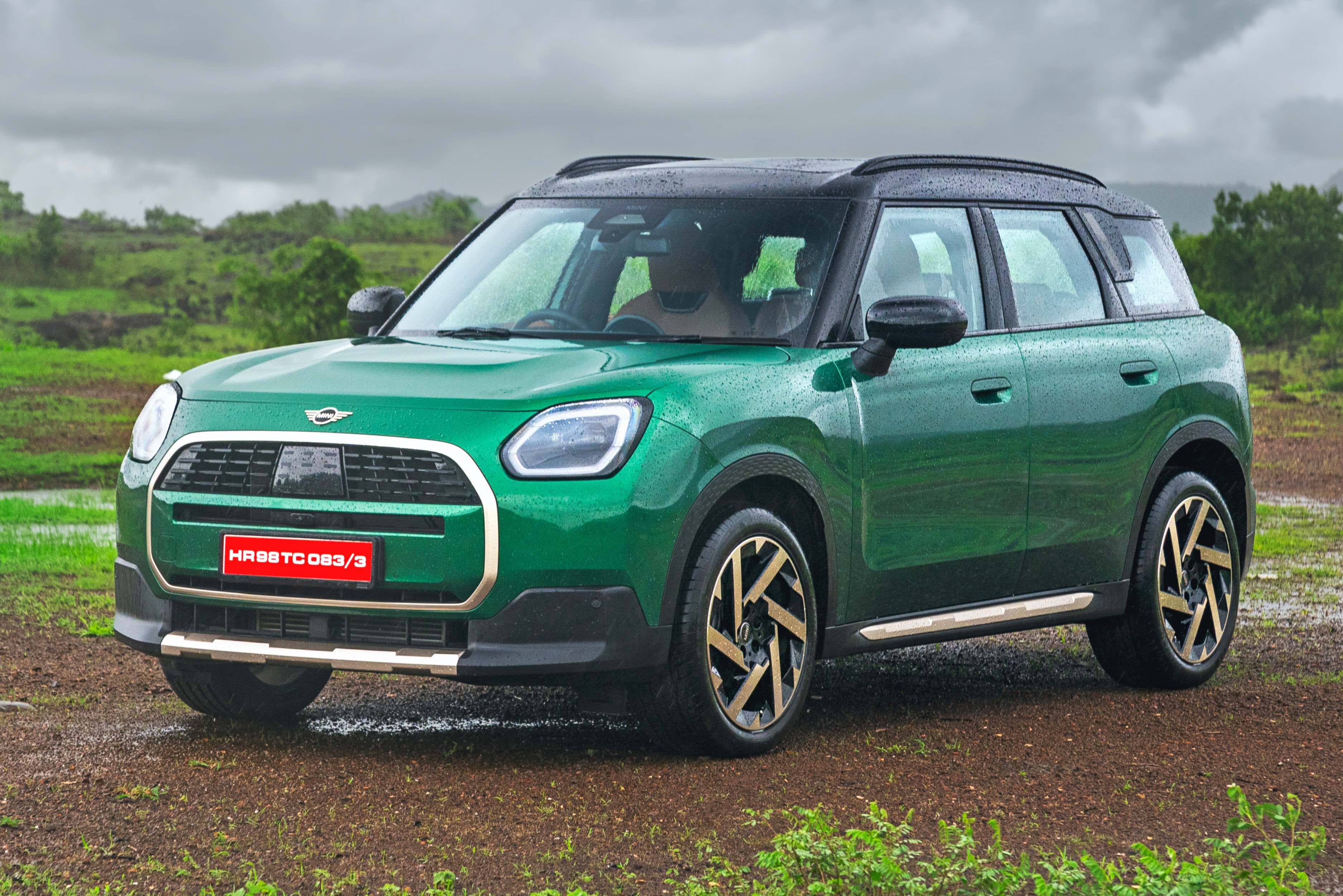
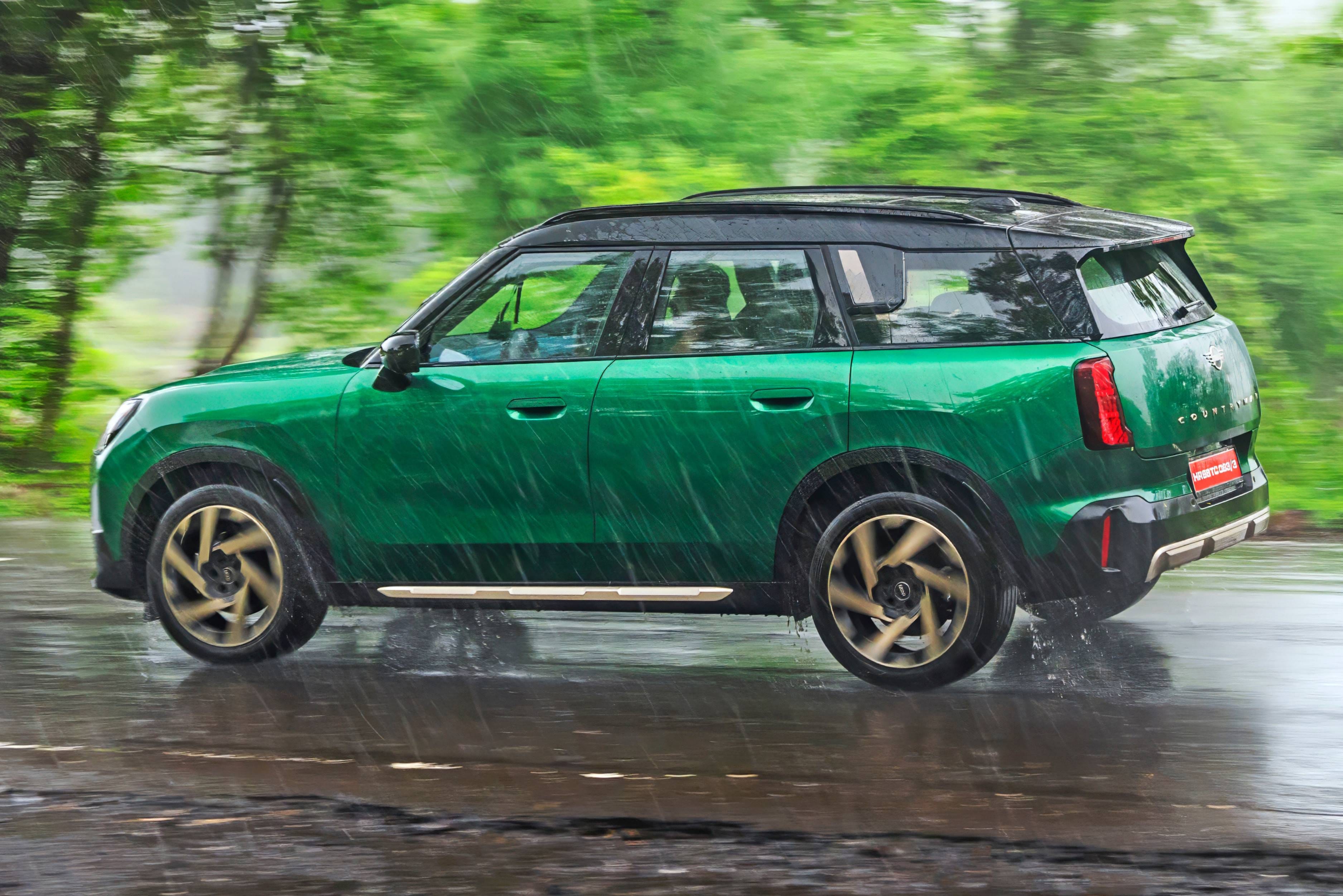
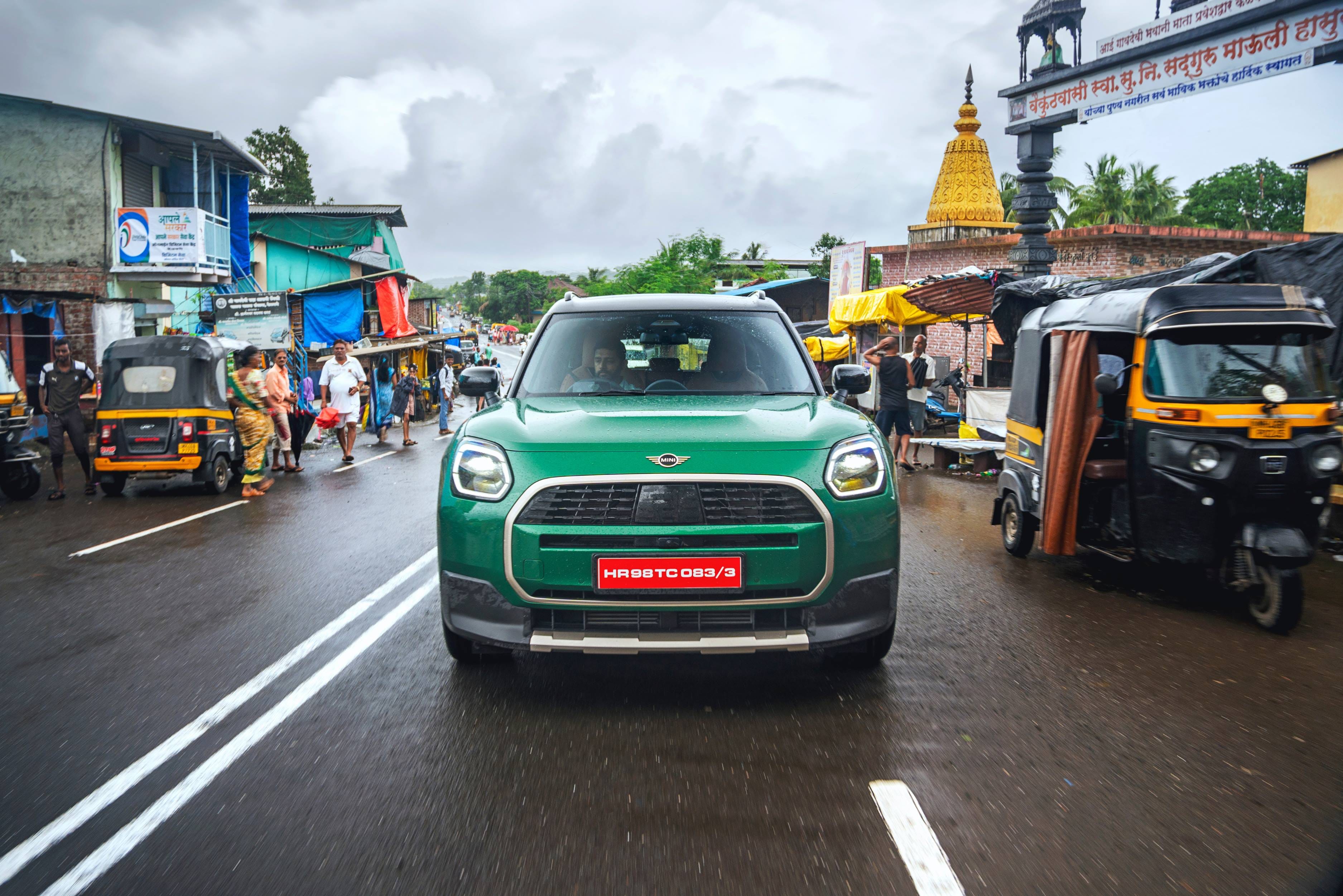
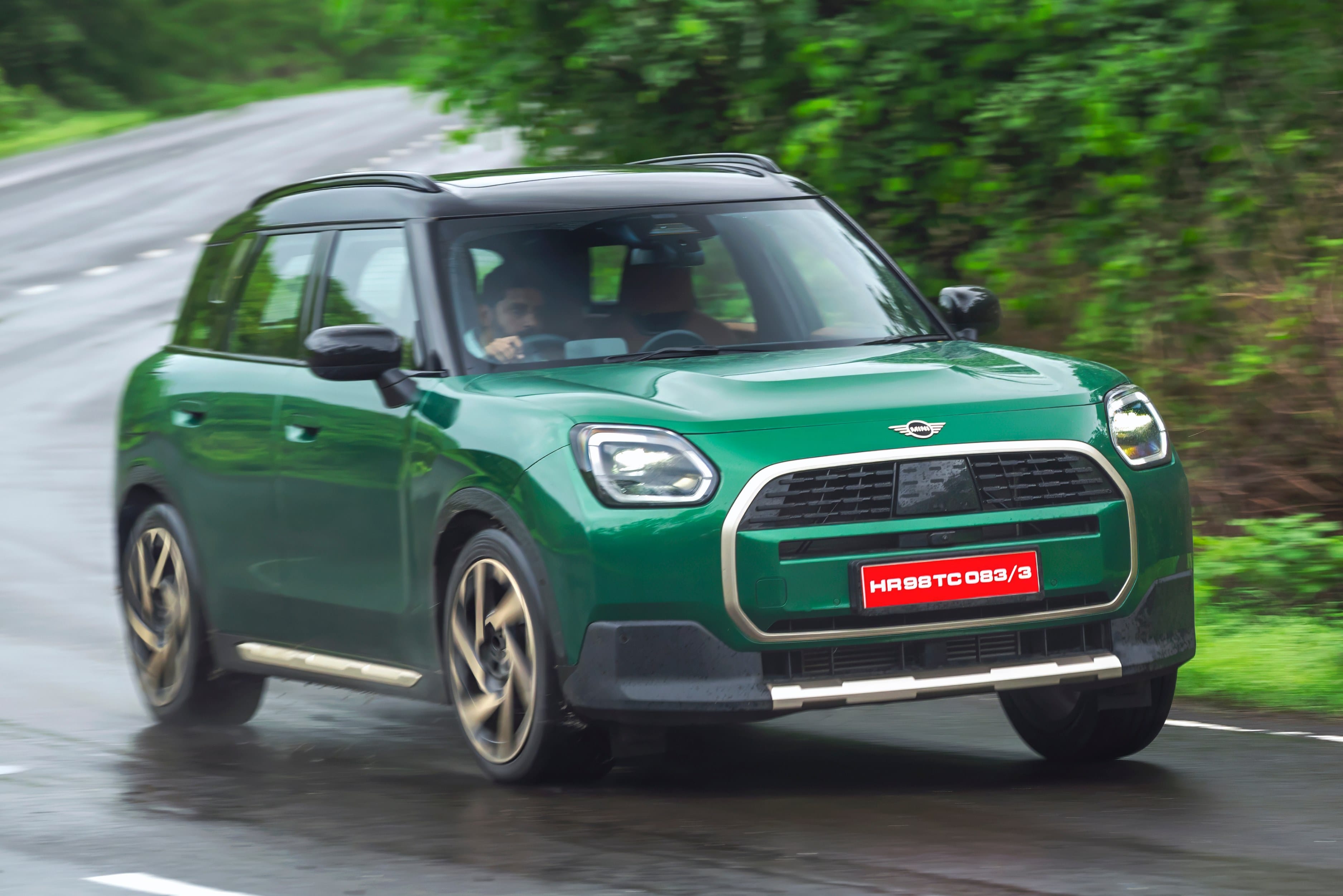
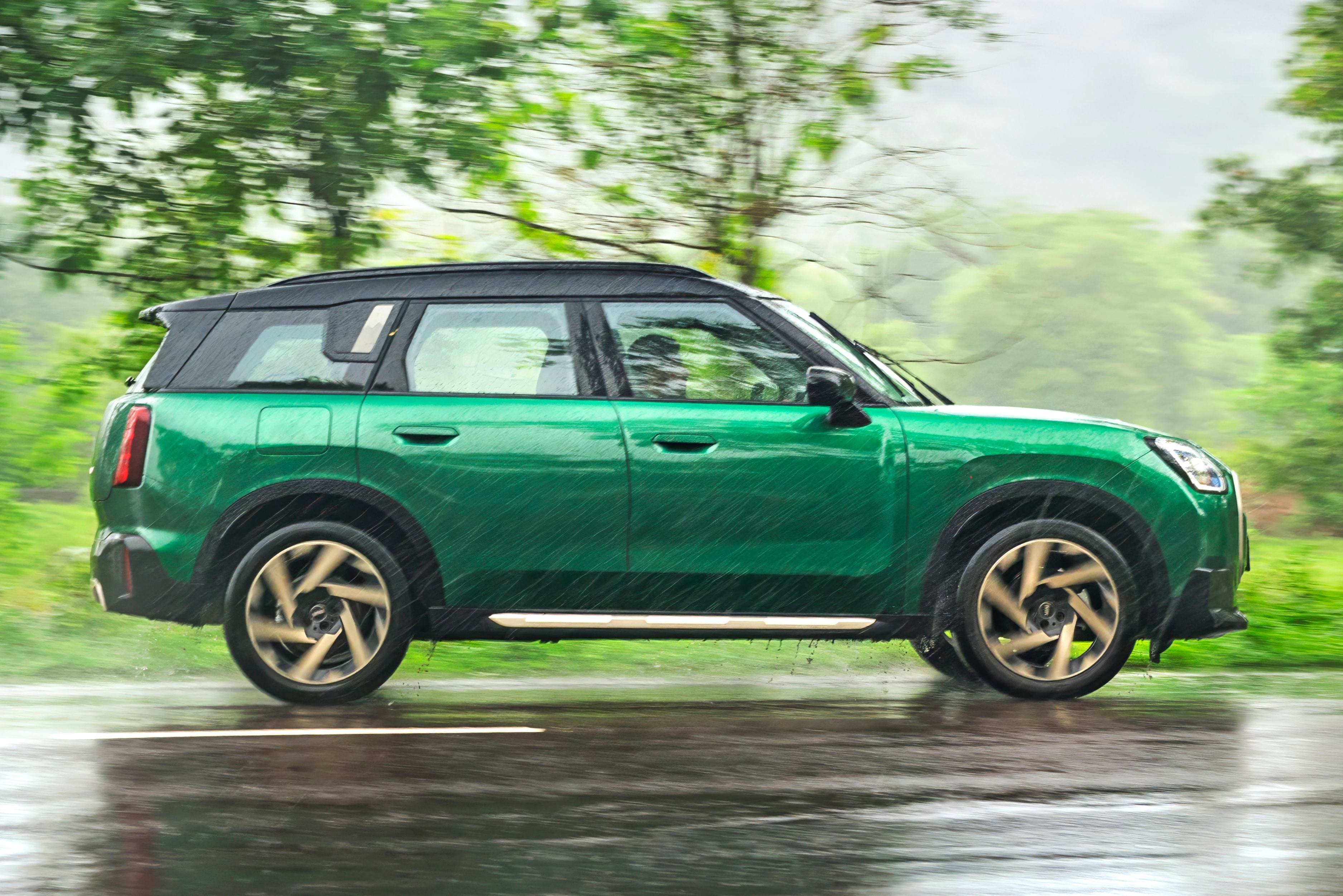
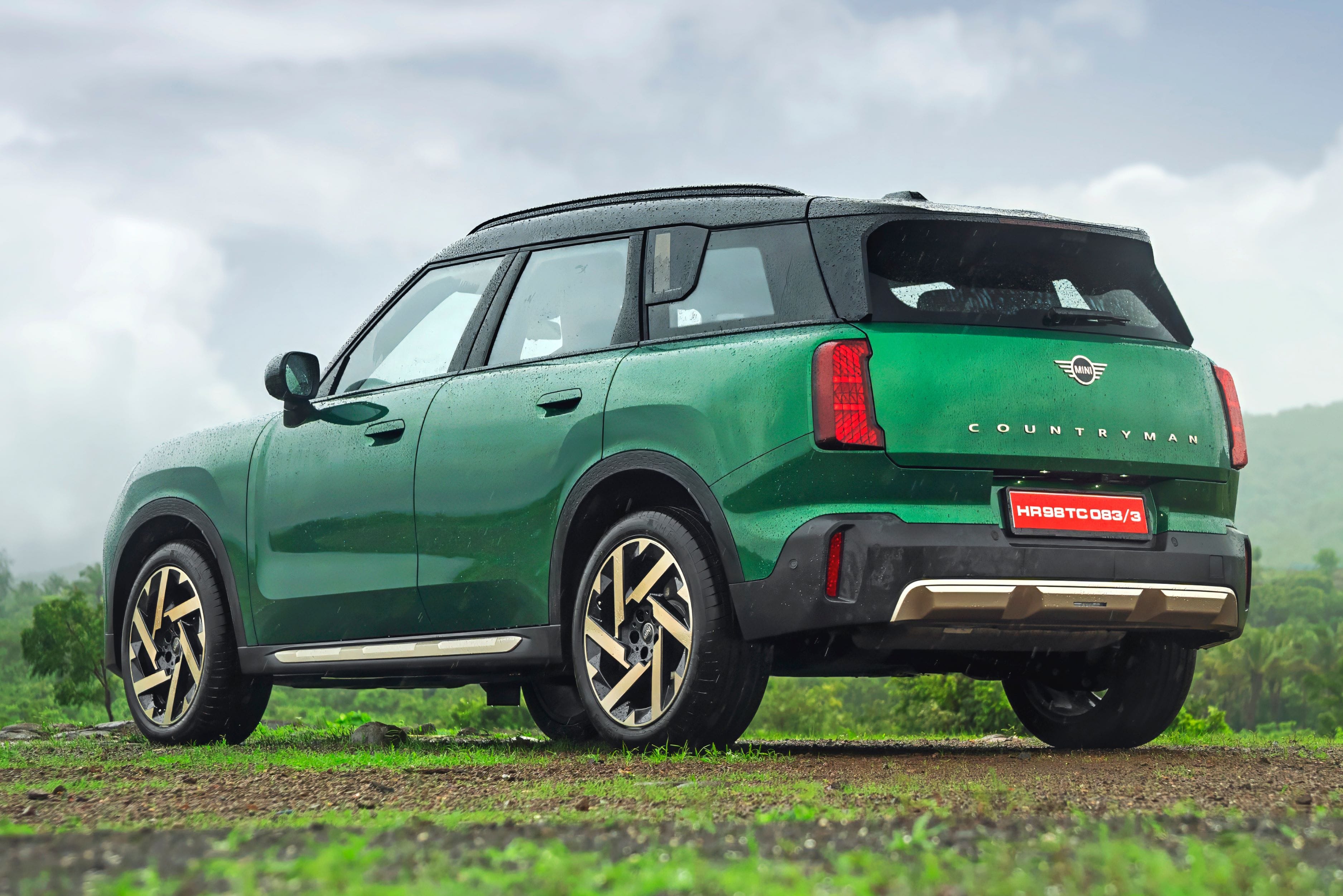
As with every successive generation, the new Countryman has grown (it’s now the tallest SUV in the class, with the highest ground clearance), but this time it has deliberately been made to ‘look’ large as well. Gone are the cartoonish and bulbous features of previous models, and in their place are smaller, sharper, more angular elements. The headlamps, grille and even the roofline have a boxier look, and this points to the greater space inside. It’s more recognisable as a Mini from the rear, where the familiar cues of a contrast roof, ‘Countryman’ lettering on the tailgate and Union Jack tail-lamps are easy to spot.
We’ve seen this look already in the Countryman Electric, and all that’s changed here is the grille that isn’t closed off. We’ve also already seen it on the CBU-imported Countryman JCW All4, which, apart from its more powerful engine and AWD, gets a sportier body kit.
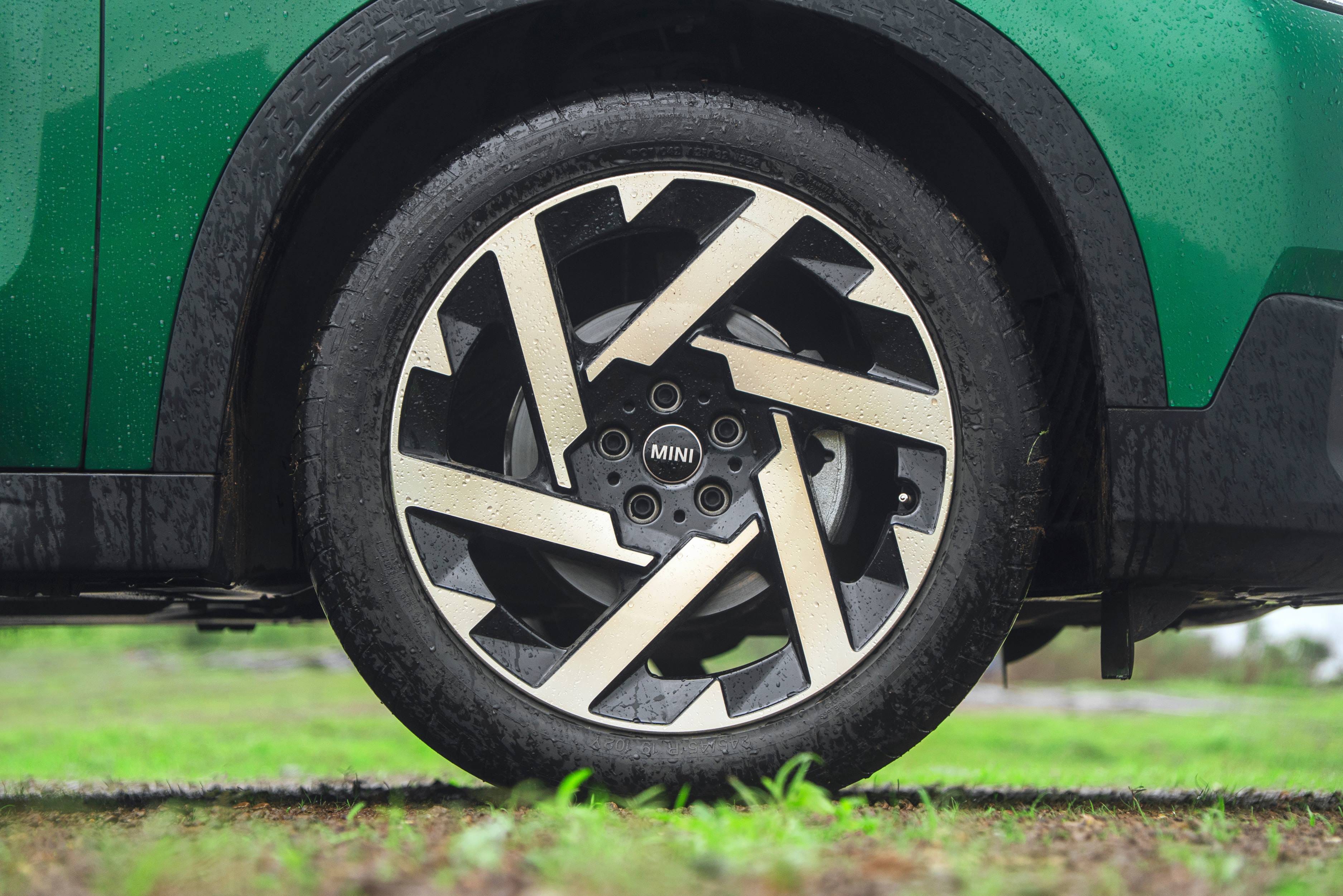
19-inch alloys look great, but they hurt ride quality.
This one being a locally assembled model, however, it’s available in a single, fully loaded ‘Favoured’ spec with no optional extras, save for some accessories. It looks the business, however, with champagne-coloured accents all around, the contrast roof as well as huge 19-inch dual-tone alloy wheels. You get a choice of five colours, but Mini has been sure to pick more extroverted options than conventional luxury SUVs – British Racing Green is still the most popular Mini colour bought in India.
2026 Mini Countryman C Interior Space and Comfort – 8/10
Genuinely usable space and practicality make it feasible as a luxury SUV.
Generous headroom and legroom at the rear, though thigh support is not the best.
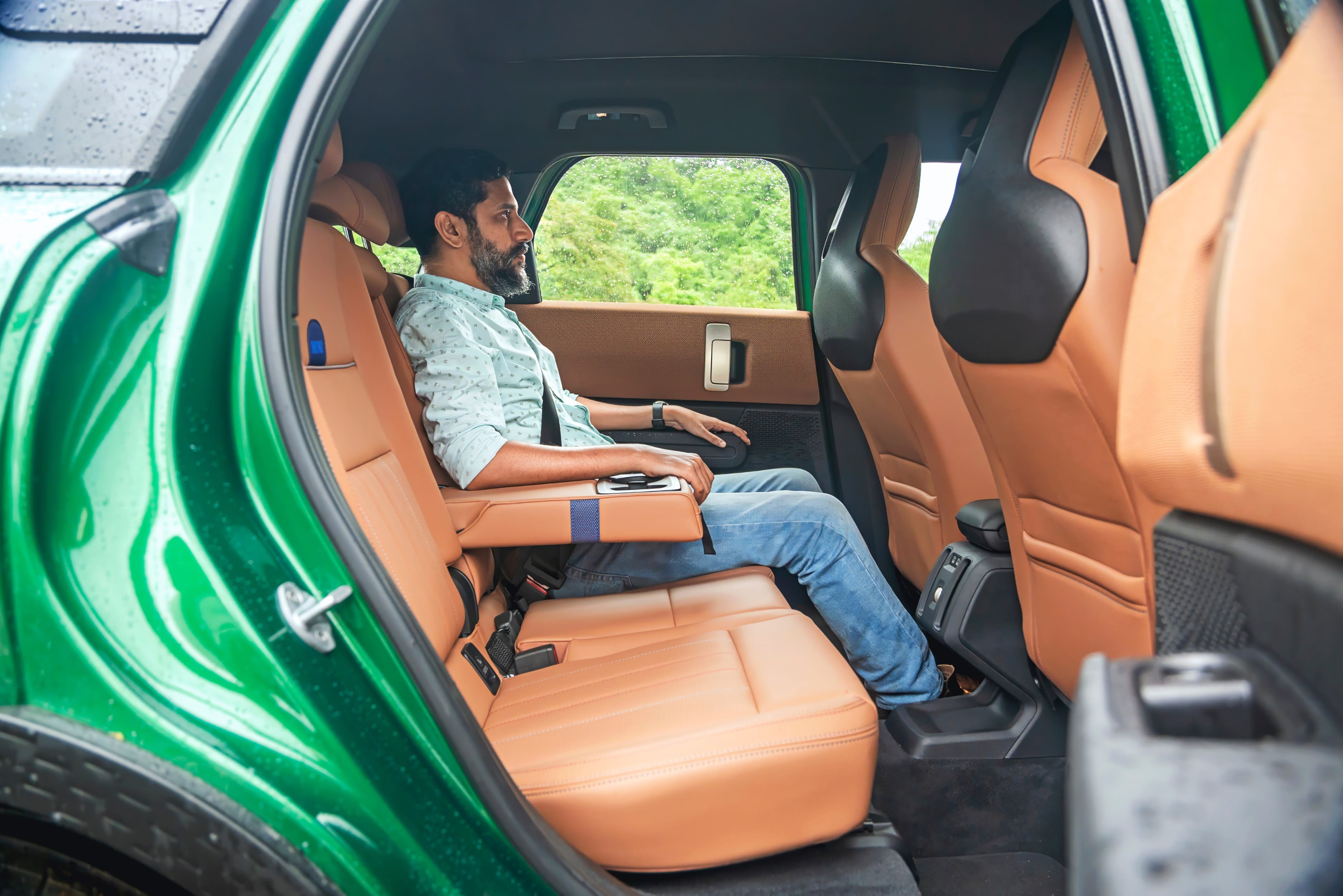
The results of the grown dimensions are immediately obvious in the greater interior space. It feels larger and airier than any Countryman before it, and betters some rivals in this regard. Without the battery of the EV, the floor is lower, giving a comfier seating position, though rear-seat thigh support is still not the best. And though the huge panoramic sunroof lets some light in, we wish the windows were a touch larger. Still, this can realistically be used as a chauffeur-driven car now.
The other area where it delivers more than the EV is the boot, whose volume has gone up by 50 litres to 505 litres. You can free up some more by sliding the rear seat forward on rails, and what’s more, they’ve even included a space-saver spare tyre, which you don’t get in the EV.
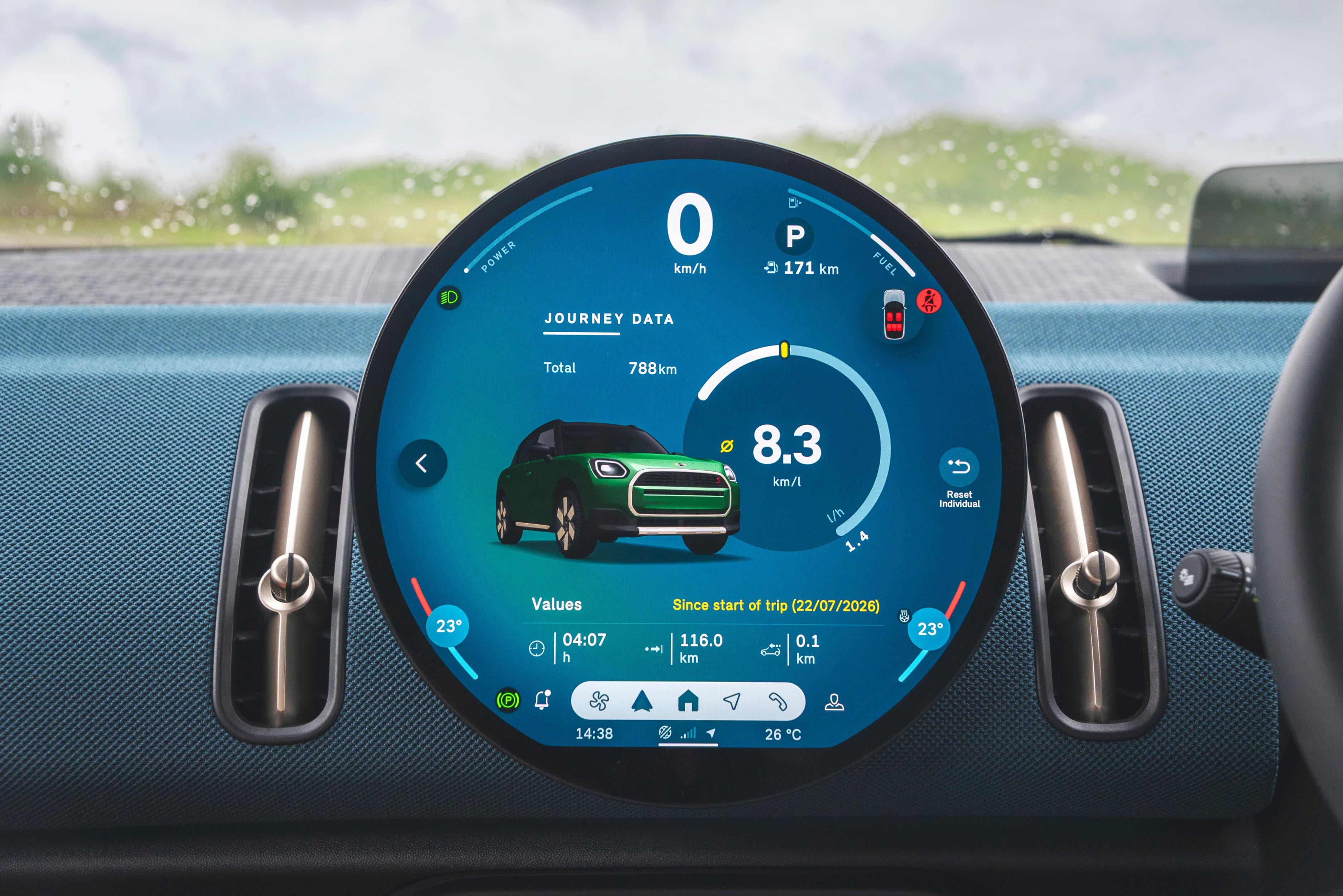
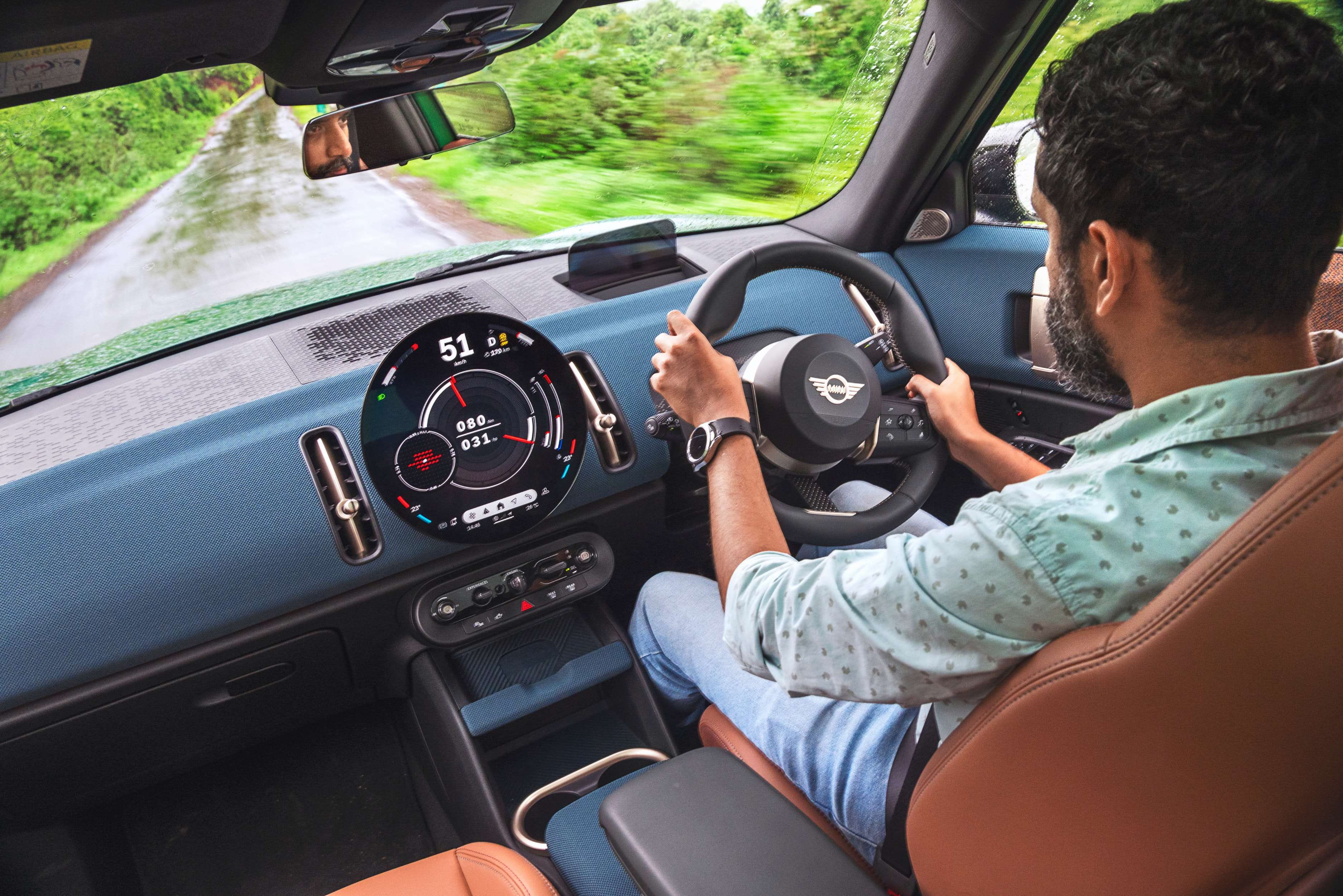
In the front seat, there’s no mistaking this for anything but a Mini, thanks to the clean dashboard with a big circular touchscreen at the centre. While this does function as the speedometer, a nod to the original Mini, there is also a flip-up HUD, which presents the info in your line of sight.
Knitted fabric on the door cards and dashboard lends the cabin an upmarket feel.
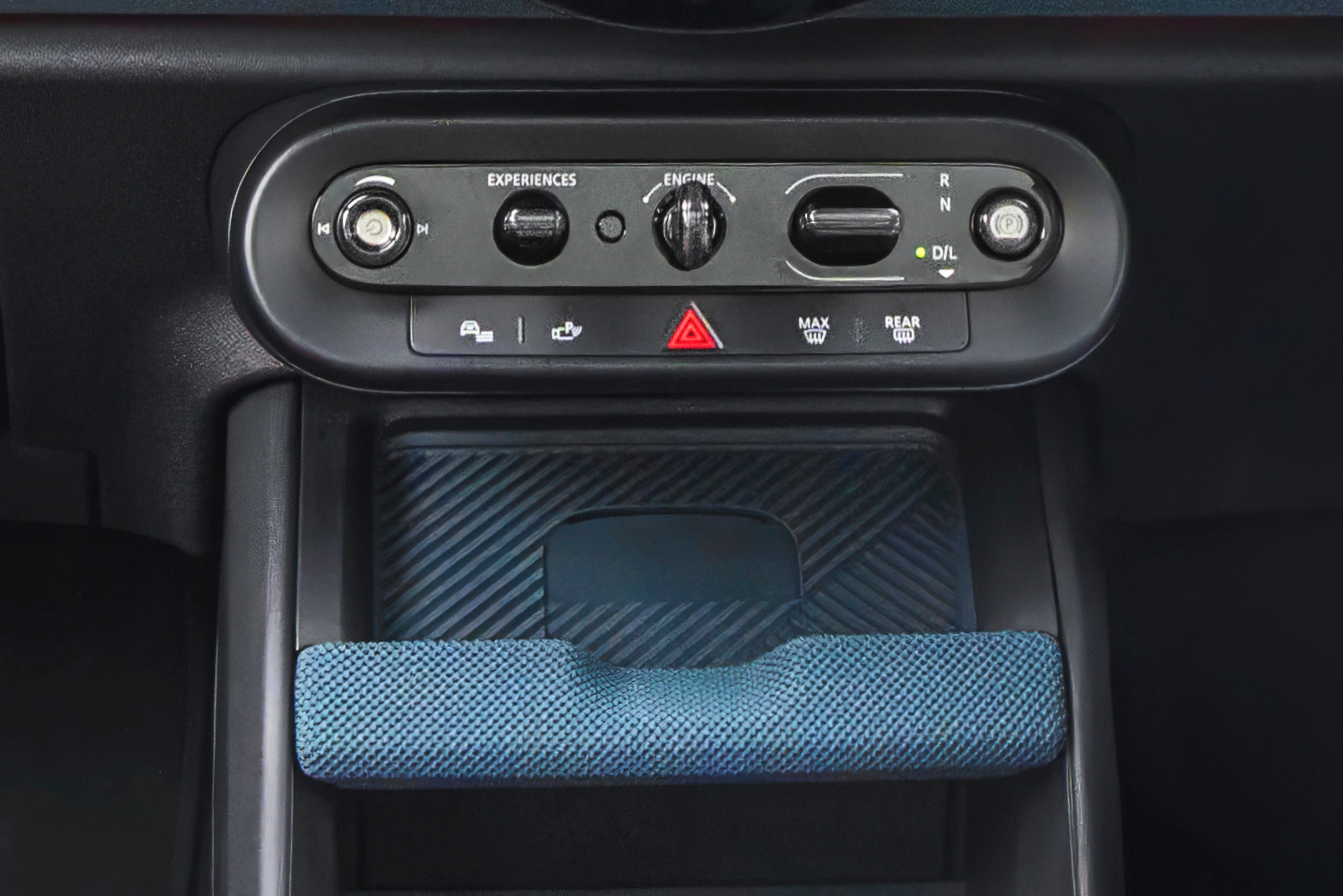
The dash is trimmed in an upmarket-feeling knitted fabric, which then extends onto the door cards, where it blends from blue to brown in colour. There are plenty of uniquely Mini touches, like slim, vertical AC vents, a row of toggle switches to start the car and change modes, more champagne gold trim and vertical inside door handles. But there is also more BMW switchgear than ever before, which, though high quality, looks a bit ordinary.
Storage space and ergonomics are well thought out, with an open centre console, a neat covered storage box and a sliding armrest. The front seats, meanwhile, are large and accommodating and give a commanding view outward.
2026 Mini Countryman C Features and Safety – 8/10
Generously kitted out with lots of standard equipment, on par with rivals.
Edge-to-edge circular screen is responsive, high-res and full of cutesy graphics.
As mentioned before, there is only one variant of the Countryman C, with a fixed features list and no optional add-ons. It’s a generous spec that features more than what some rivals offer, including wireless Apple CarPlay and Android Auto, powered front seats with memory and massage function for the driver, surround camera with auto park function, a Harman/Kardon audio system, heated steering wheel, panoramic sunroof, 13.7-inch diameter OLED touchscreen, heads-up display, voice assistant, wireless phone charging and a digital key system, to name a few.
As seen on all current-generation Minis, the dish-like circular touchscreen is a work of art. Where the previous generation housed a rectangular touchscreen within the circle, the new one is an edge-to-edge circular screen. It’s responsive, bright, high of resolution and full of Mini-typical cutesy graphics. Even the audio cues aren’t like normal cars, with cute ethereal chimes replacing boring warning beeps. There aren’t drive modes but Experience Modes (more on these later), which not only change the colour of the ambient lighting, but the screen display and can even activate certain features, like the seat massage.
Hard buttons only for few functions such as media controls and Experience Modes
However, once the novelty fades, you start to realise this circular design isn’t great ergonomically. While there, thankfully, are hard buttons for music volume and track control, as well as dri- sorry, Experience Modes, AC controls and all other functions are on the screen. With no bezel or edge to rest your hand on, and small, rounded graphics to tap, it is quite tricky to perform basic functions on the move. And as it’s based on BMW’s current i-Drive system, there are far too many sub-menus to go through.
2026 Mini Countryman C Performance and Refinement – 7/10
Downsized turbo-petrol engine lacks the zest associated with a Mini.
Performance feels merely adequate from the 156hp, 1.5-litre turbo-petrol engine.
This car shares its UKL1 architecture with the BMW X1, as well as its 1.5-litre three-cylinder direct-injection turbo-petrol engine. As in the BMW, it produces 156hp and 240Nm, sent to the front wheels via a 7-speed dual-clutch automatic gearbox, and as in the BMW, it feels merely adequate. While easier to digest in the X1, which has long since transitioned from ‘Ultimate Driving Machine’ to comfy family cruiser, the Mini’s go-kart intentions are still on display, and the expectation for more performance is higher.
Like in modern BMWs, the Experience Modes are mostly cosmetic, with only Green (Eco) and Go Kart (Sport) altering drive performance. Expectedly, the former dulls things down, while the latter primes the engine and gearbox to be more reactive, and they work as expected. There is, however, no scope to set individual parameters in any mode; for instance, ESC is off by default in Go Kart mode and you can’t turn it back on.
Gearbox is intuitive and quick, but there’s no manual control whatsover.
Also missed are paddle shifters, or in fact any means of shifting manually, though the gearbox is quite intuitive and quick to shift for the most part. It’s only at crawling speeds where this powertrain falls into the triple-whammy trap of turbo lag, gearbox hesitation and no off-boost power that’s typical of downsized engines. Things improve drastically in the mid-range, where the Countryman C feels most comfortable.
The engine also remains pretty refined for the most part, and it’s only if you absolutely stretch it out that you’re made aware it’s a three-cylinder unit.
2026 Mini Countryman C Mileage and Range – 8/10
Decent for a reasonably large turbocharged petrol luxury SUV.
Fuel economy is officially rated at 15.92kpl.
The advantage of the sizing-down is, of course, fuel economy, which will no doubt be better than with a larger 2.0-litre engine. It’s officially rated at 15.92kpl, which is not bad for a turbo petrol luxury SUV, and you realise that it’s because it’s not too heavy – clocking in at around 1,700kg. Other factors helping this include a quick-acting engine stop/start system and a good drag coefficient of just 0.26. Expect a real-world average comfortably in the two digits. And like all new BMW cars, this one is E25 compliant.
2026 Mini Countryman C Ride Comfort and Handling – 7/10
Still fun, but drives like a big car now; large wheels hurt ride quality.
Handling is a noticeable departure from the Go Kart feel that’s typified all modern Minis.
More so even than the powertrain, the Go Kart feel that’s typified all modern Minis comes from the chassis setup and handling, and this new Countryman represents the first noticeable departure. But that’s not necessarily a bad thing, and is in keeping with its new, more grown-up luxury-SUV persona.
The steering is much lighter and not as tightly wound as before, for a start, and that means despite the increased size, the Countryman is even easier to manoeuvre. What you lose in the process is some urgency in direction changes and some agility, but you don’t mind that thanks to the aforementioned benefits.
It feels reassuring and has great road-holding at highway speeds,
The good news is the suspension setup still allows it to handle corners tidily and with not too much body roll. And this despite being slackened off quite a bit to be noticeably comfier and more compliant than the previous Countryman. It also has great road-holding at high speeds and feels far more reassuring at highway speeds, and the overall sensation is that you’re commandeering a proper SUV rather than a high-riding hatchback. The only spoilsport here are the 19-inch wheels; while they look great, they crash hard through potholes and even over some steeper speed breakers.
2026 Mini Countryman C Price and Verdict – 8/10
Competitive pricing and big space make it a credible rival to other entry luxury SUVs.
The Mini Countryman C is priced at Rs 47.5 lakh (ex-showroom, India) which is incredibly competitive. It ducks under both, the Mercedes GLA and BMW X1, with only the entry-level version of the Audi Q3 being slightly cheaper. The best part is that, where previous locally assembled Countrymans (Countrymen?) felt stripped down compared to their CBU counterparts, here you get a well turned out and generously equipped luxury SUV that doesn’t leave you wanting.
It’s clear that Mini is on a war footing to break into the mainstream, and that’s something it certainly can’t do with its hatchbacks, which remain fun to drive and upmarket, but ultimately niche fashion statements. The Countryman C delivers on space, features, luxury and comfort that’s more than a match for others in the segment, and despite a slightly underwhelming engine, adds some much-needed pizzazz to the ranks of entry level luxury SUVs.
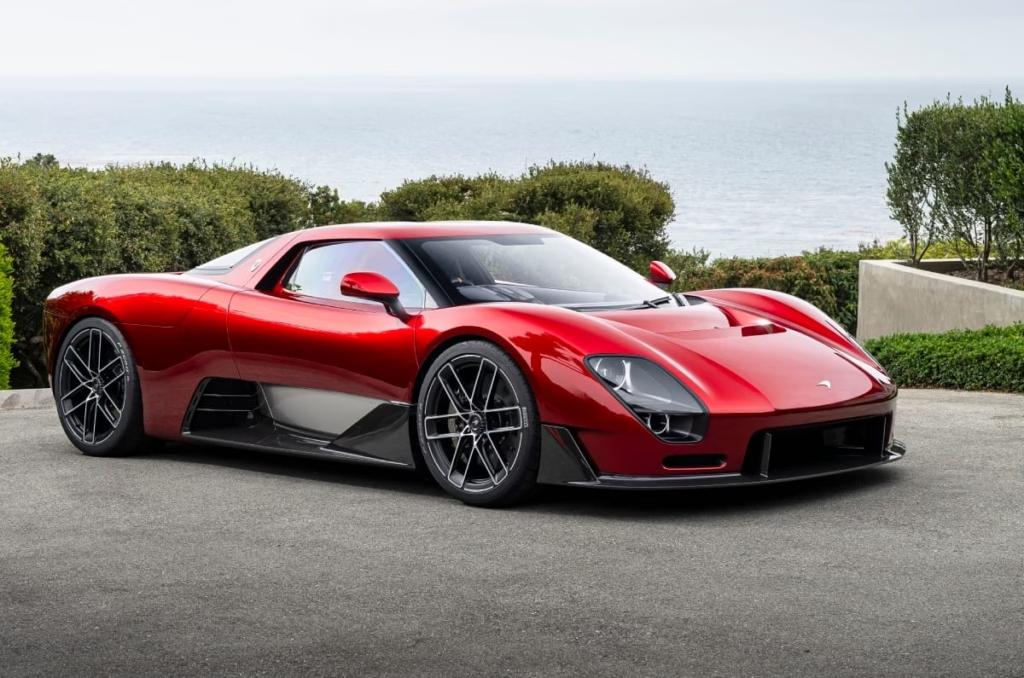
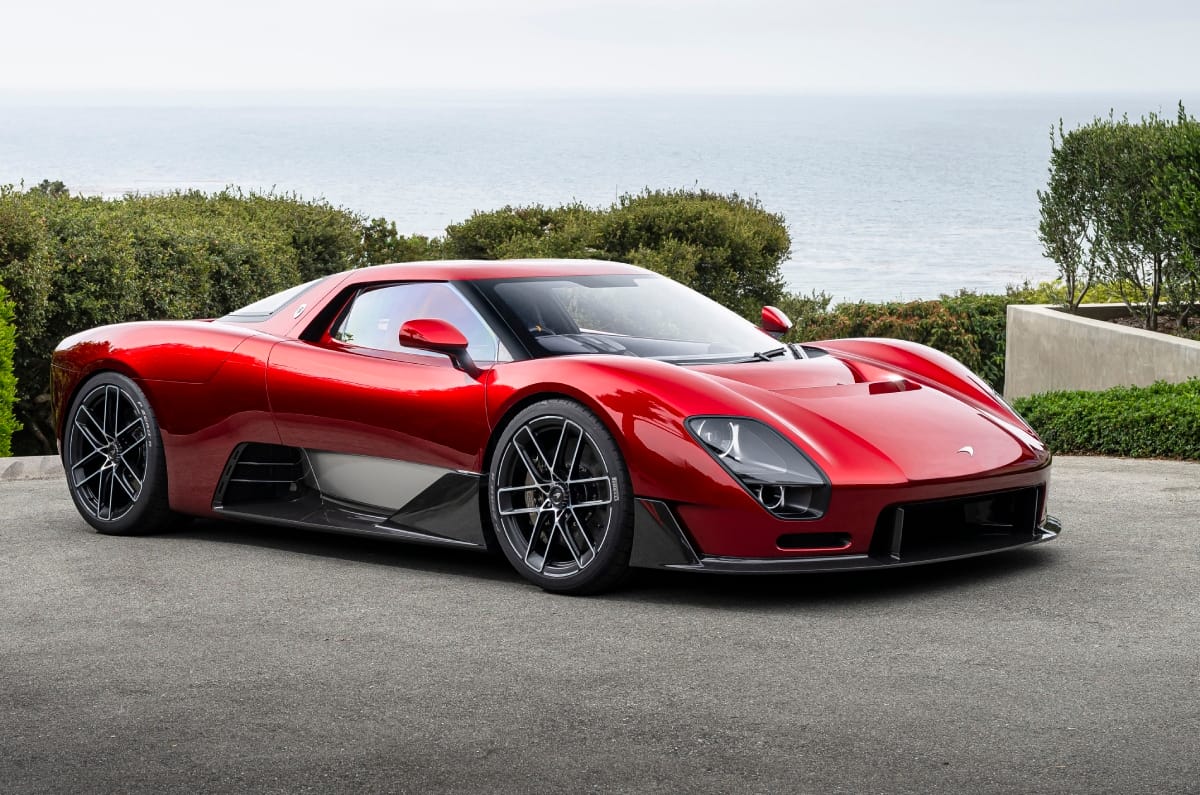
McLaren has revealed the McL 6GT concept at the 2026 Monterey Car Week. Inspired by Bruce McLaren’s unfinished M6GT road car project from the late 1960s, it previews a production model due in 2028 and becomes the first McLaren since the F1 to feature a manual transmission.
First manual McLaren since the F1 launched in 1992
Inspired by Bruce McLaren’s original M6GT road car
Production version confirmed for launch in 2028
McLaren McL 6GT exterior
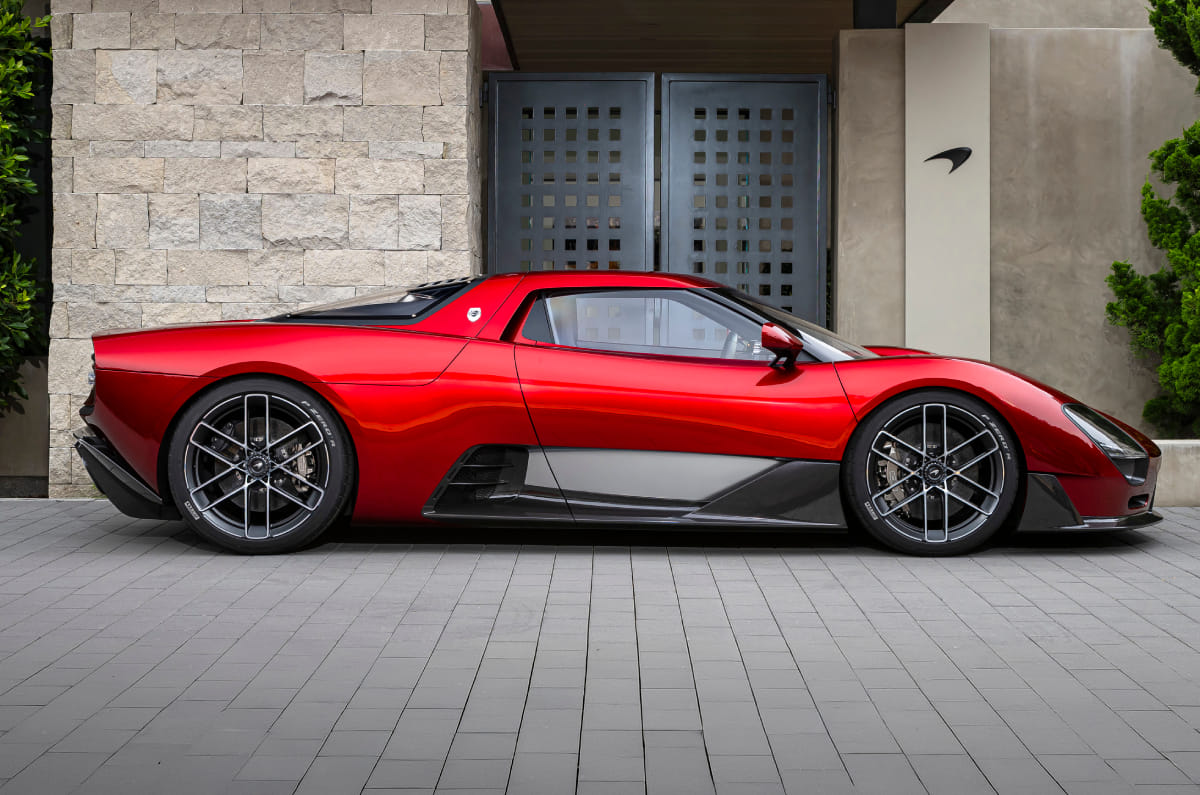
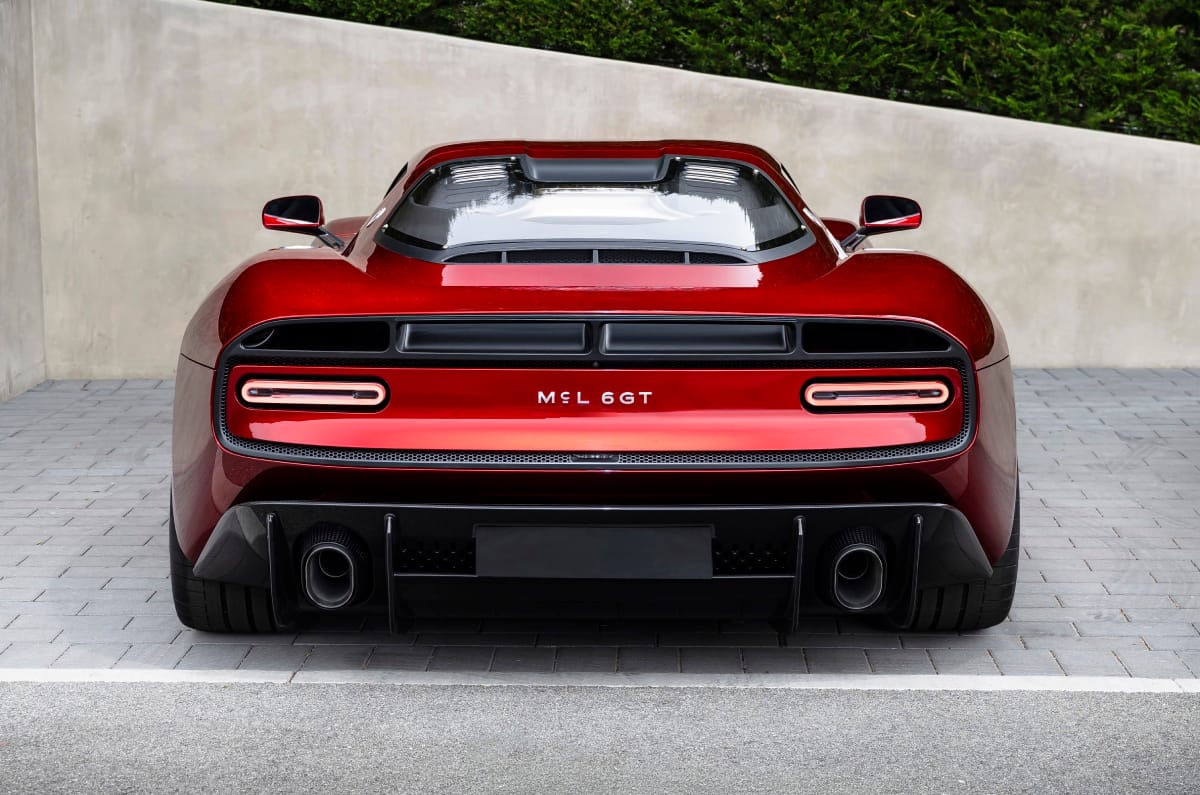
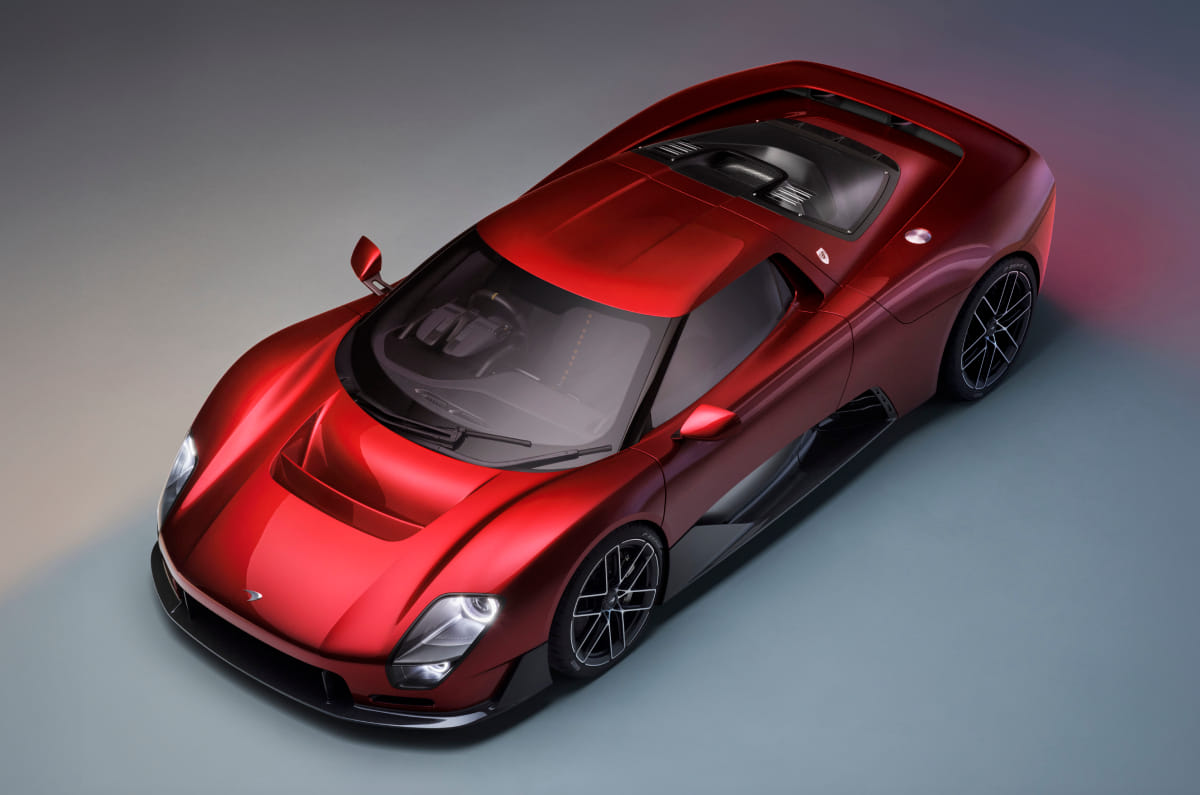
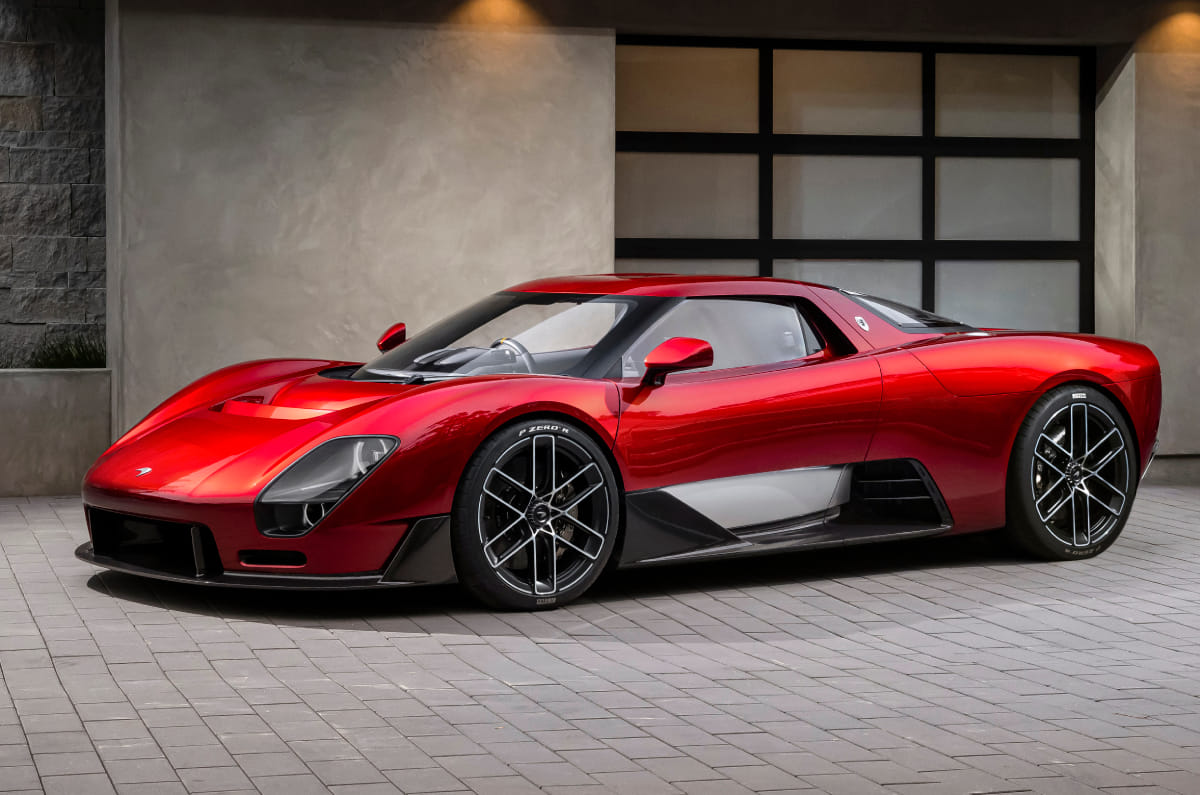
The McL 6GT takes inspiration from the original M6GT, the road-going version of the M6A Can-Am race car that Bruce McLaren had intended to build before the project was abandoned. The concept combines classic proportions with a contemporary design, featuring a low nose, wide stance, clean surfacing and a Kammback-style rear. McLaren says the car has been developed to honour the original M6GT while previewing a future low-volume production model.
The concept is built around a carbon-fibre monocoque with carbon-fibre body panels. Other design details include a new “Racing Loop” tail-light signature, Bruce McLaren’s signature on the engine cover and the historic Speedy Kiwi emblem engraved into the fuel filler cap.
McLaren McL 6GT interior
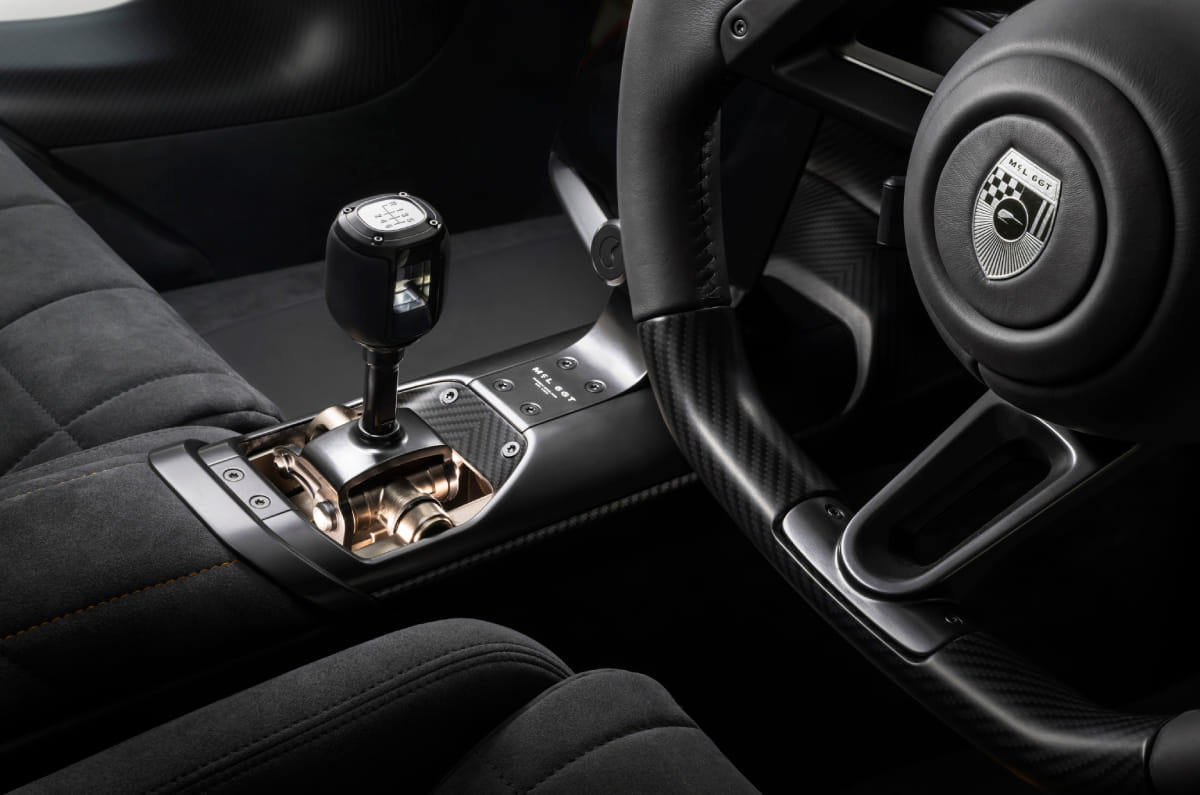
The cabin combines modern technology with design cues inspired by the original M6GT. It features a digital instrument display, machined aluminium controls, exposed carbon-fibre trim and upholstery patterned after the quilted seats of Bruce McLaren’s road car. Physical switchgear has been retained throughout, while the manual gear lever incorporates a three-dimensional Speedy Kiwi emblem. McLaren says the interior has been designed to prioritise driver engagement while maintaining the simplicity of the original M6GT.
McLaren McL 6GT powertrain
Power comes from a rear-mounted V8 petrol engine paired with a manual transmission, driving the rear wheels. It is the first McLaren road car to offer a manual gearbox since the F1, which was introduced in 1992. The company has not disclosed engine output, displacement or performance figures.
McLaren says the McL 6GT has been engineered to deliver a more mechanical driving experience, with hydraulic steering, traditional controls and a manual gearshift forming the core of the driving experience.
McLaren McL 6GT production
McLaren has confirmed that the McL 6GT will enter production in 2028 as a low-volume model positioned outside the brand’s core product range. It joins the company’s growing line-up of limited-production models inspired by its history, although pricing and production numbers have not yet been announced.
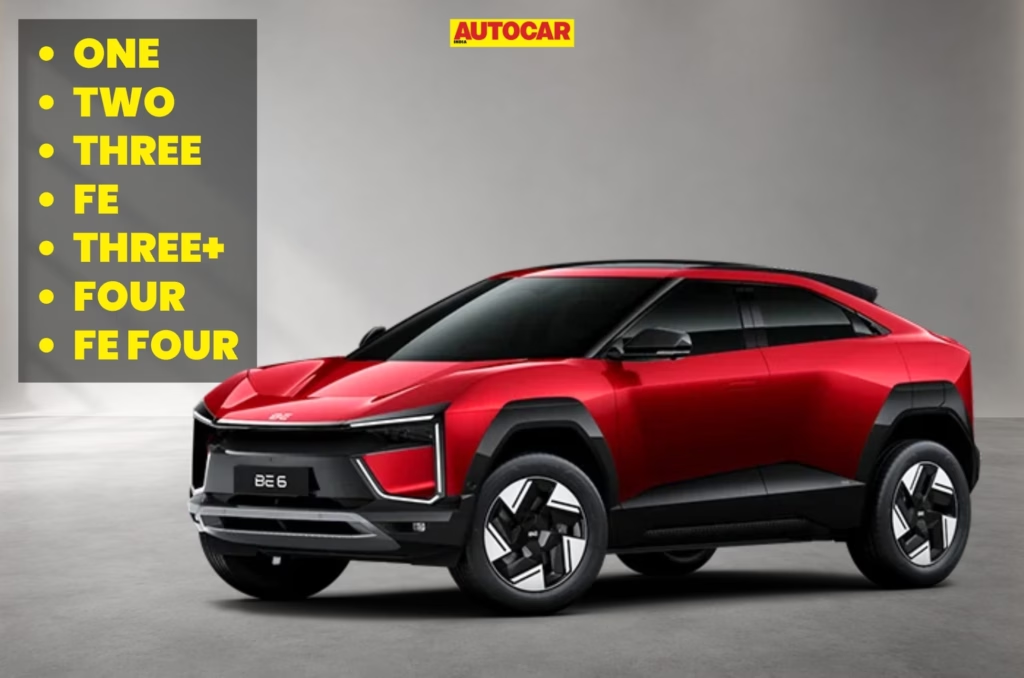
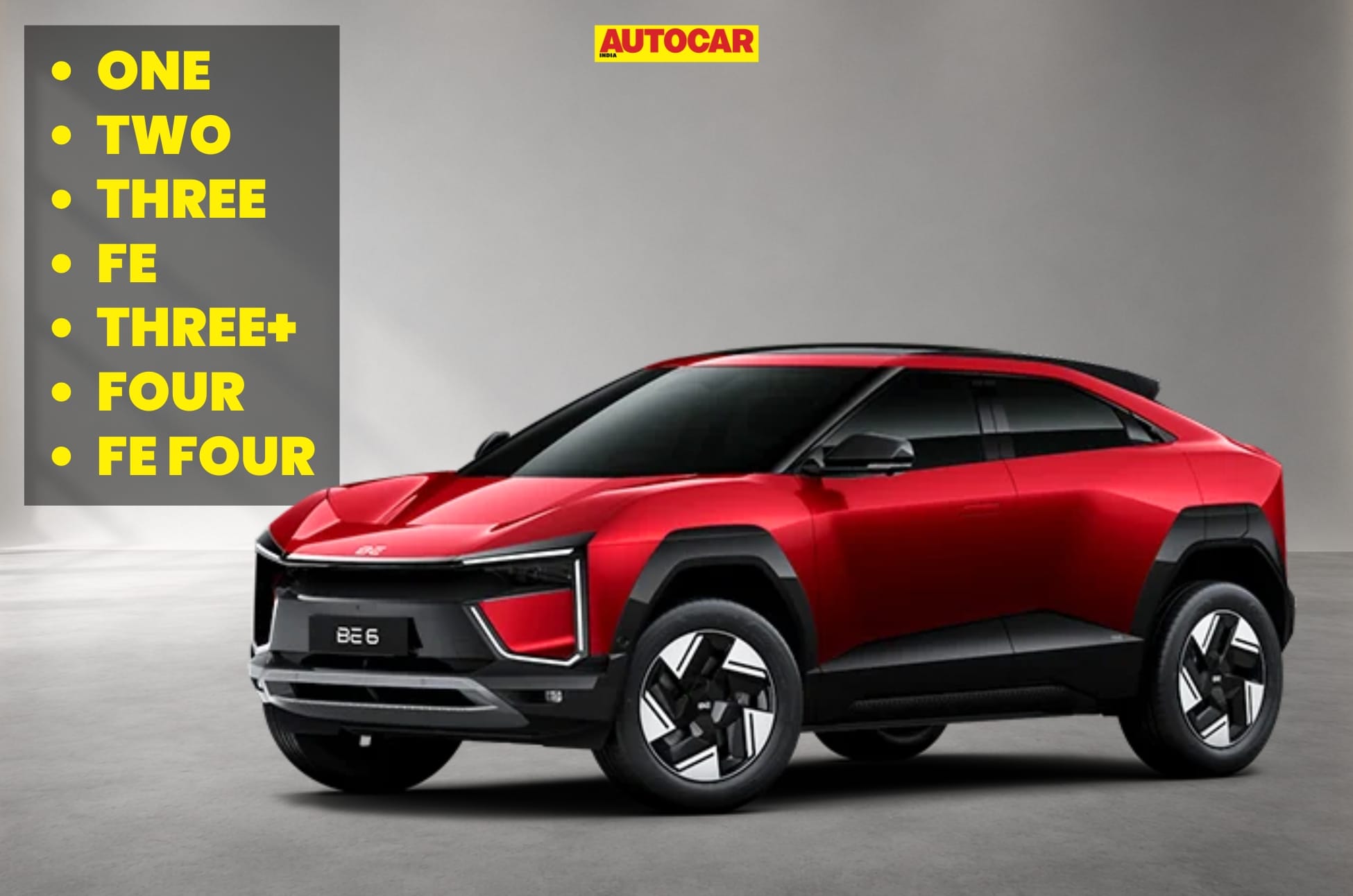
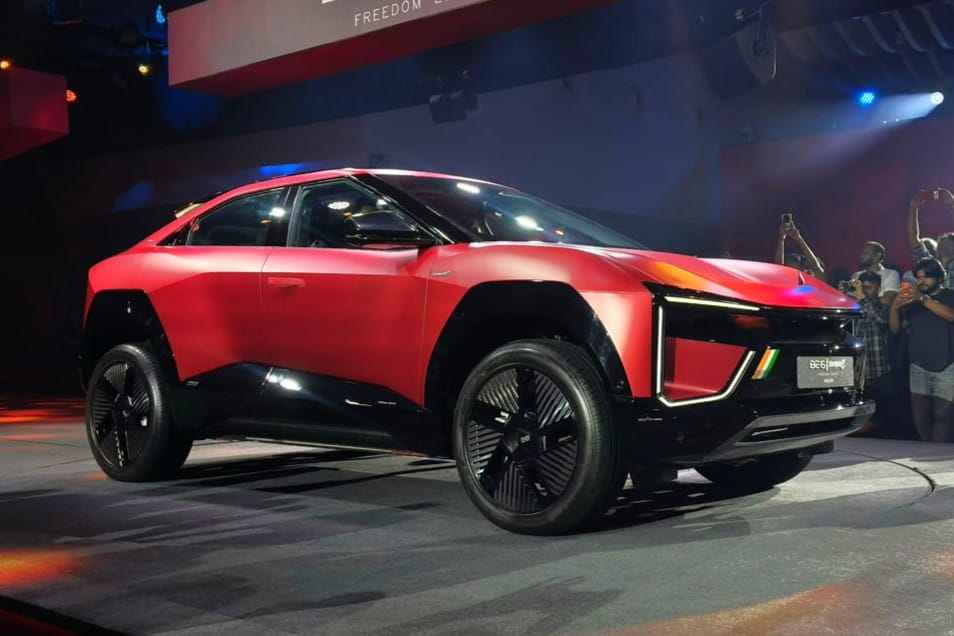
Mahindra has rejigged the line-up of its entry-level born-electric SUV, the BE 6, and added a ‘Sporteq’ suffix to its name. The BE 6 Sporteq also gets some additional features, a new 70kWh battery option, and more. Let’s take an in-depth look at the BE 6 Sporteq line-up.
Mahindra BE 6 Sporteq price and powertrains
Mahindra BE 6 Sporteq price list* (Rs, lakh)
59kWh
70kWh
79kWh
One
19.45
–
–
Two
20.95
–
–
Three
21.95
22.95
–
Three+
–
23.95
24.95
Four / Launch Edition
–
–
26.95
FE
–
–
24.45
FE Four
–
–
26.95
*Exclusive of home charger and installation costs.
Pricing for the BE 6 Sporteq starts at Rs 19.45 lakh – a Rs 85,000 increase over the outgoing BE 6 – climbing all the way up to Rs 26.95 lakh. Seven BE 6 Sporteq variants are on offer, namely One, Two, Three, Three+, Four, FE, and FE Four. The ‘FE’ trims refer to the BE 6 Sporteq Formula E Freedom Edition, which gets sportier cosmetic tweaks. There’s a Launch Edition of the BE 6 Sporteq too, which is based on the top-spec Four variant and comes with unique exterior and interior finishes.
BaaS now available
Mahindra has also joined the BaaS (battery-as-a-service) bandwagon with the BE 6 Sporteq. With BaaS opted, the price of the lower-spec One and Two variants drops to Rs 11.45 lakh and Rs 12.95 lakh, respectively – a reduction of Rs 8 lakh – and the battery rental fee is pegged at Rs 3.75/km. BaaS pricing for other BE 6 Sporteq variants is yet to be revealed.
Mahindra BE 6 Sporteq powertrain details
59kWh
70kWh
79kWh
Motor setup
Rear
Rear
Rear
Power (hp)
231
245
286
Torque (Nm)
380
380
380
Drive layout
RWD
RWD
RWD
MIDC-claimed range (km)
548
651
683
10-100 percent 7.2kW AC charging (hrs)
8.7
10.2
11.7
10-100 percent 11.2kW AC charging (hrs)
6
7
8
20-80 percent DC charging time (mins)
20 (120kW)
20 (160kW)
20 (180kW)
The BE 6 Sporteq retains the 59kWh and 79kWh battery options of the prior model, but adds the 70kWh pack that was introduced with the Mahindra XEV 9S. As before, all batteries are wired up to a single 380Nm rear-mounted (RWD) motor, outputting 231hp in 59kWh guise, 245hp in 70kWh spec, and 286hp in the 79kWh variants. MIDC-certified range stands at 548km, 651km, and 683km, respectively. All three batteries support 11.2kW and 7.2kW AC charging, while DC charging support is capped at 120kW for the 59kWh, 160kW for the 70kWh, and 180kW for the 79kWh units.
Mahindra BE 6 Sporteq colour options
Mahindra BE 6 Sporteq Formula E Freedom Edition in Rosso Impulso.
Seven exterior colours are available for the standard BE 6 Sporteq, specifically Deep Forest, Desert Myst, Everest White, Firestorm Orange, Ruby Velvet (new addition), Stealth Black, and Tango Red. The FE variants get an exclusive Rosso Impulso finish, but can’t be had with the Deep Forest, Desert Myst, Tango Red, and Ruby Velvet option. Meanwhile, the BE 6 Sporteq Launch Edition comes finished solely in Graphite Storm.
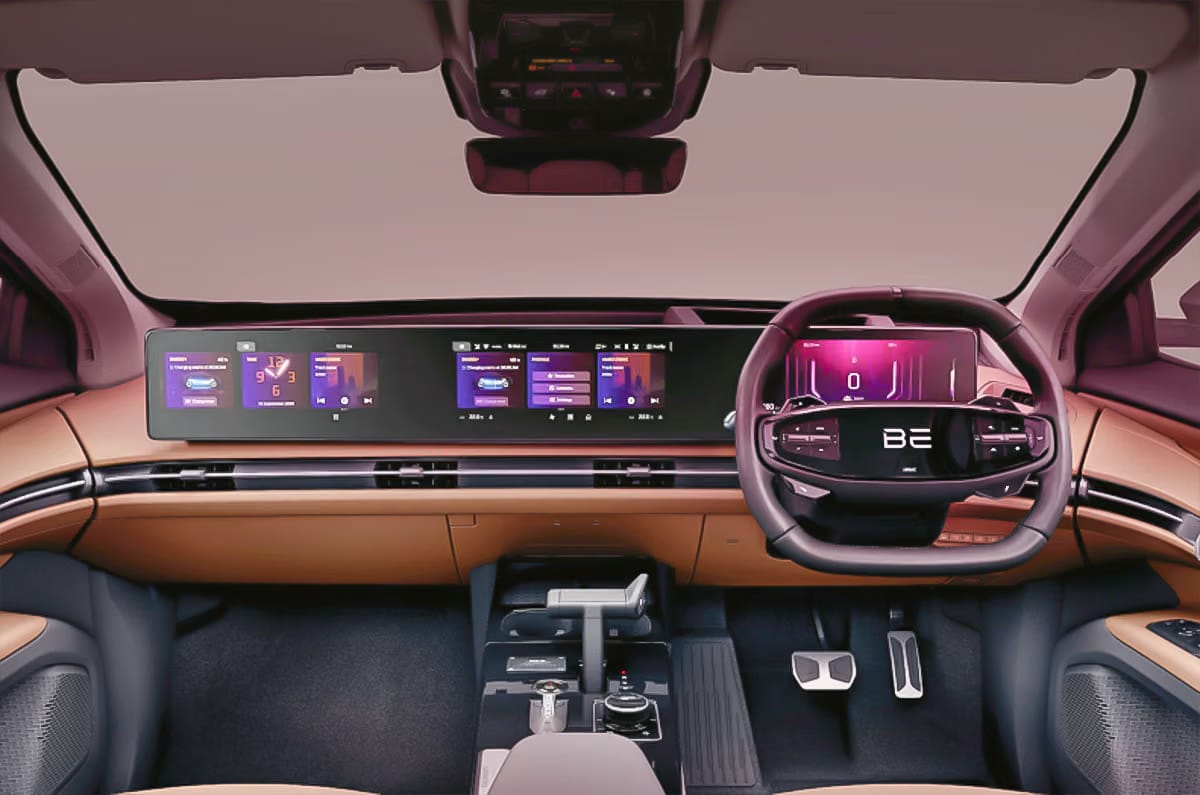
A total of four colour schemes are on offer for the cabin. The base BE Sporteq One variant gets a Sage Green and Grey interior finish, while the Two, Three, Three+, and Four variants are finished in Racing Tan and Black. FE variants offer a unique Black and Firestorm Orange colour scheme, while the Launch Edition gets a Racing Tan finish (pictured).
Mahindra BE 6 Sporteq variant-wise features
One
Battery options: 59kWh
6 airbags
Rear-view camera with parking sensors
Tyre pressure monitoring system
Tyre inflator
Front and rear disc brakes
Rain-sensing wipers
ESP
Brake-by-wire technology
Electronic brake booster
Driver drowsiness detection system
Electronic parking brake
LED headlamps with DRLs
Automatic headlamps
Illuminated Mahindra emblems
LED tail-lamps
Height-adjustable driver’s seat
Push-button start/stop
Tilt and telescopic steering
12.3-inch infotainment touchscreen
12.3-inch digital driver’s display
Halo loop dashboard design
Wireless Android Auto and Apple CarPlay
Steering wheel with physical controls and illuminated Mahindra logo
Revive emergency function (grants extra range at 0 percent battery to reach charging station)
Multi-level regenerative braking
Frequency-dependent dampers
Cruise control
Virtual engine sounds
Connected car tech
Tribe Drive function to keep track of friends/family while on road trips
6-speaker sound system
OTA software updates
Cabin pre-cooling function
Electrically adjustable ORVMs with indicators
Three Type-C USB ports (15W and 65W up front, 65W rear)
Rear demister
Cooled console storage
60:40 split second-row seats with two-step recline
Second-row armrest
Two
Battery options: 59kWh
Features over One
16-speaker Harman Kardon sound system with Dolby Atmos
Digital Key and NFC card support
12.3-inch passenger screen (triple-display setup)
Parental lock for passenger screen
Horizontal dashboard layout
Leatherette-wrapped instrument panel and door trims
Leatherette steering wheel
Leatherette gear selector
540-degree camera (360 degrees + underfloor view)
Manual drive-video recording
TPMS with individual tyre monitoring
Front parking sensors
User profiles with automatic detection
Dual-zone climate control
Auto-dimming IRVM
Auto defogger
Wireless charging pad
Three / FE
Battery options: 59kWh, 70kWh, 79kWh
Features over Two
Fixed panoramic glass roof
LED DRLs with welcome/goodbye animations
Sequential front and rear indicators
Additional Type-C USB port in second row
Acoustic-laminated door glass
6-way powered driver’s seat with memory (Three only)
Ventilated front seats (Three only)
ORVM reverse auto-dip function (Three only)
Adaptive suspension (FE only)
Dual 12.3-inch screens with halo dashboard (FE only)
Unique virtual engine sounds (FE only)
Carpet lamps (FE only)
Three+
Battery options: 70kWh, 79kWh
Features over Three
Auto regen function
C-shaped front LED DRLs with animation
Front fog lamps
C-shaped LED tail lamps
Personalised messaging and animations in rear light bar
Cornering lamps
Auto Booster lamps
Passive keyless entry
Flush door handles
Powered tailgate with gesture control
Music and light show function
Ambient lighting
Carpet lamps
Level 2 ADAS (1 radar, 1 camera)
Second front wireless charging pad
Parcel shelf
Four / FE Four
Battery options: 79kWh
Features over Three+
Adaptive suspension
Knee airbag (7 airbags total)
Google Gemini integration in infotainment system
Gaming and karaoke suites
Private audio function (routes infotainment audio to Bluetooth device)
Dolby Vision
Heads-up display
Auto park assist
Cabin air purifier
Ambient lighting elements in panoramic glass roof
Level 2+ ADAS (5 radars, 1 camera)
Dashcam function with Intrusion Alert
Approach and walk-away lock/unlock
One-touch auto up/down driver window
Touch-capacitive start/stop button (FE Four only)
Touch-capacitive virtual engine sound button (FE Four only)
Dual 12.3-inch displays with halo dashboard (FE Four only)
Which Mahindra BE 6 Sporteq variant should you buy?
Three is our value pick
The BE 6 Sporteq Three variant offers the best value and most choice in the line-up. It gets all the crucial safety kit from the One and Two varants, you can choose from all three battery options, and the sportier-looking FE variant is available as an alternative too. Moreover, the BE 6 Sporteq Three packs nice-to-have goodies like a triple-screen setup, panoramic glass roof, ventilated front seats, a powered driver’s seat, welcome/goodbye sequences for the DRLs, and more.
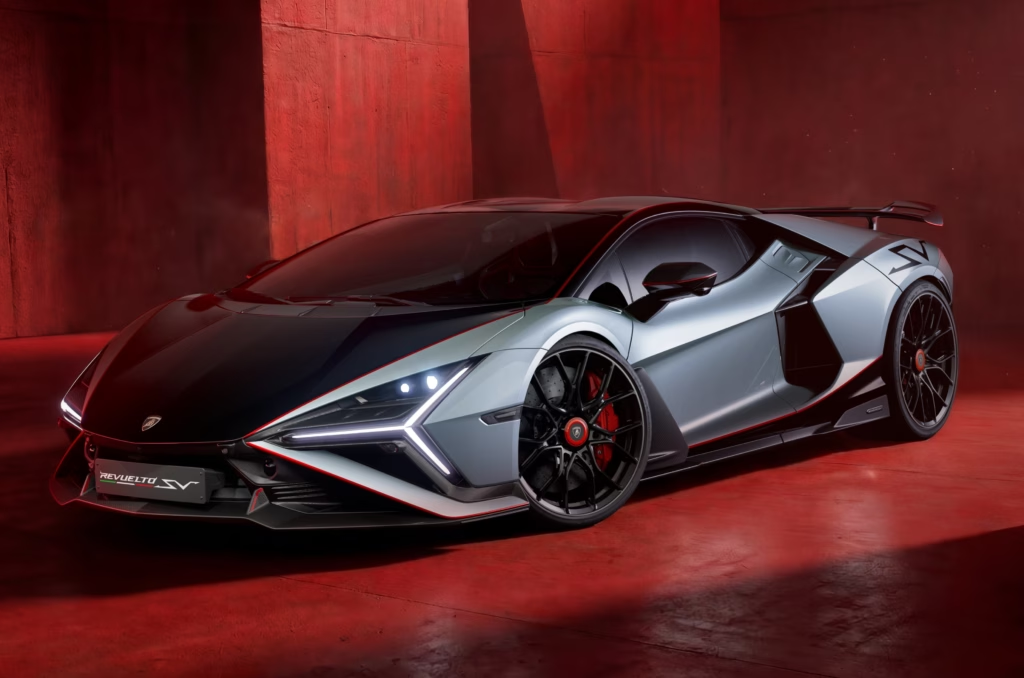
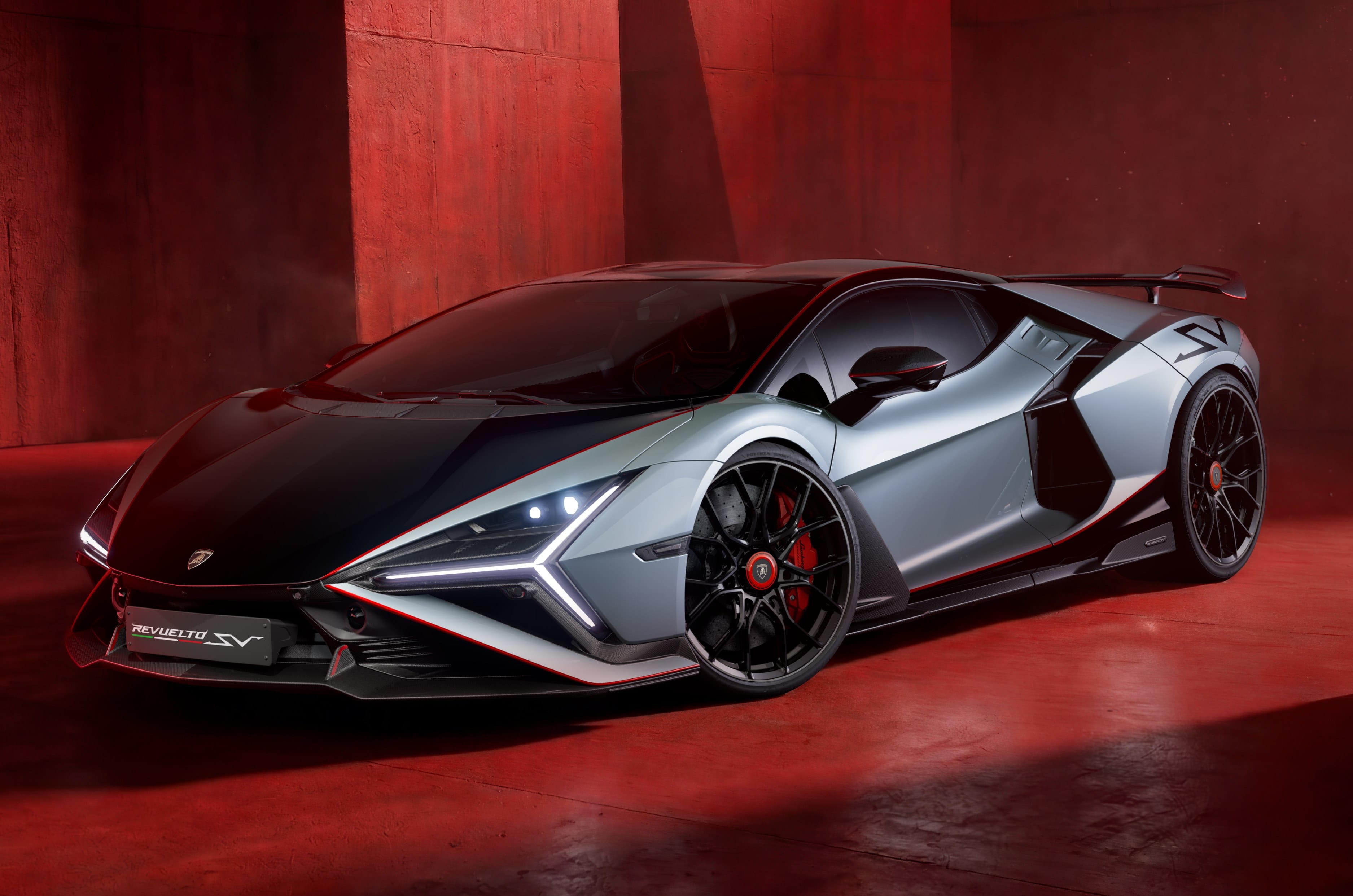
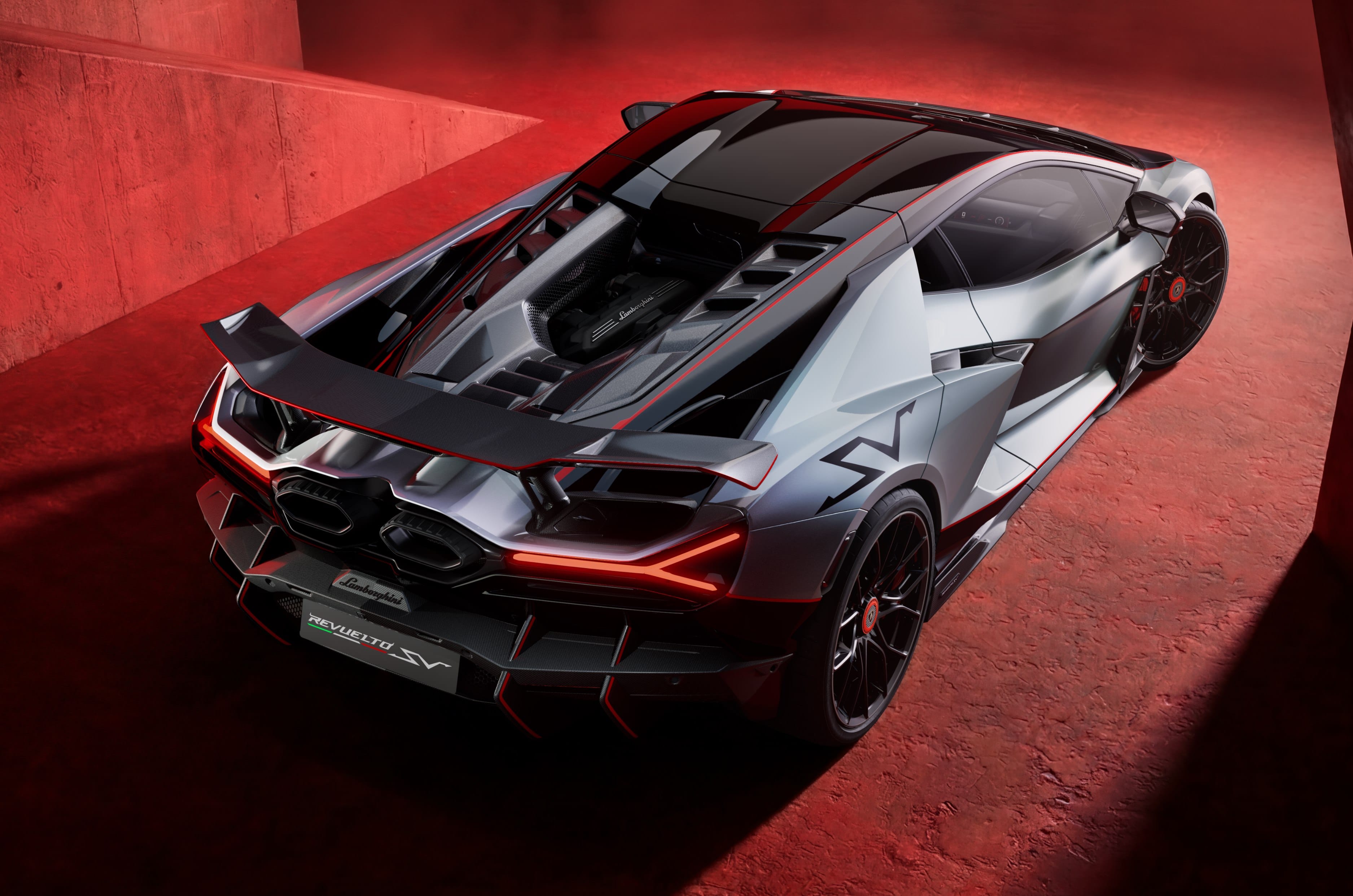
Lamborghini has unveiled the Revuelto Super Veloce (SV), a more extreme version of the Italian marque’s flagship series-production supercar. Only 1,963 units of the Revuelto SV will be built – a reference to Lamborghini’s founding year – and that too for the brand’s “most loyal customers and collectors.” Pricing has not been disclosed yet, but the SV is expected to command a significant premium over the vanilla Revuelto, which costs Rs 8.89 crore before options.
Lamborghini Revuelto SV powertrain and performance
Makes 50hp more than the standard Revuelto
The Revuelto SV carries forward the standard model’s 825hp 6.5-litre naturally aspirated V12 (which revs to a wailing 9,500rpm), 7.3kWh battery pack, and trio of electric motors, but the latter’s output has been uprated from 190hp to 299hp. Combined output for the Revuelto SV’s V12 PHEV powertrain stands at 1,065hp – up 50hp over the standard version. The 8-speed dual-clutch automatic gearbox and AWD layout remain unchanged.
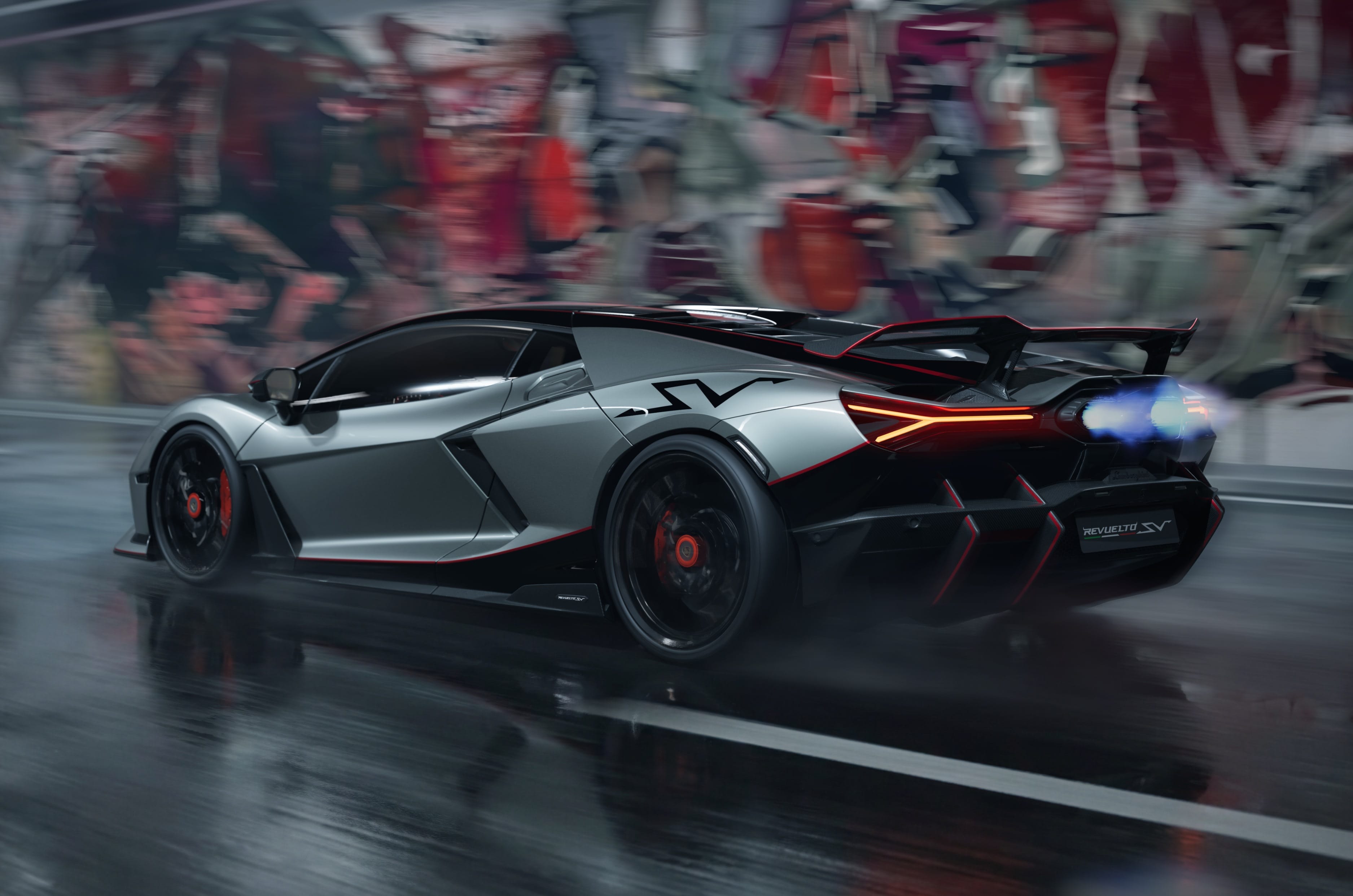
0-100kph flashes by in a brisk 2.4 seconds (claimed) for the Revuelto SV, with 0-200kph taking just 6.7 seconds. The top speed, meanwhile, remains in excess of 345kph. A new sports exhaust system is part of the package, and thanks to weight savings, the Revuelto SV boasts a power-to-weight ratio of 602.4hp/tonne, which is up from the standard version’s 571.4hp/tonne. A new ‘Pilota’ drive mode has been introduced too, unlocking a custom motorsport-derived state of tune built around a bespoke five-stage traction control system that adapts to track conditions and tyre wear.
Enhanced suspension damping and braking system
On the dynamics front, Lamborghini has upgraded the Revuelto SV’s suspension with manually adjustable dampers derived from GT3 racing, which promise a 17 percent increase in agility and a 10 percent bump in lateral grip over the Revuelto. The SV also packs a revised braking control system and new CCM-R carbon-ceramic brake discs (420mm up front, 410mm at the rear), claiming an 11 percent higher peak deceleration, 23 percent better heat dissipation, and a 12 percent drop in brake disc temperatures.
Thanks to all of the aforementioned mechanical improvements, the Revuelto SV clocked a lap time of 1:41.6 around Hockenheimring, making it the second-fastest car to be officially timed at the German circuit.
Lamborghini Revuelto SV exterior updates
More menacing body kit
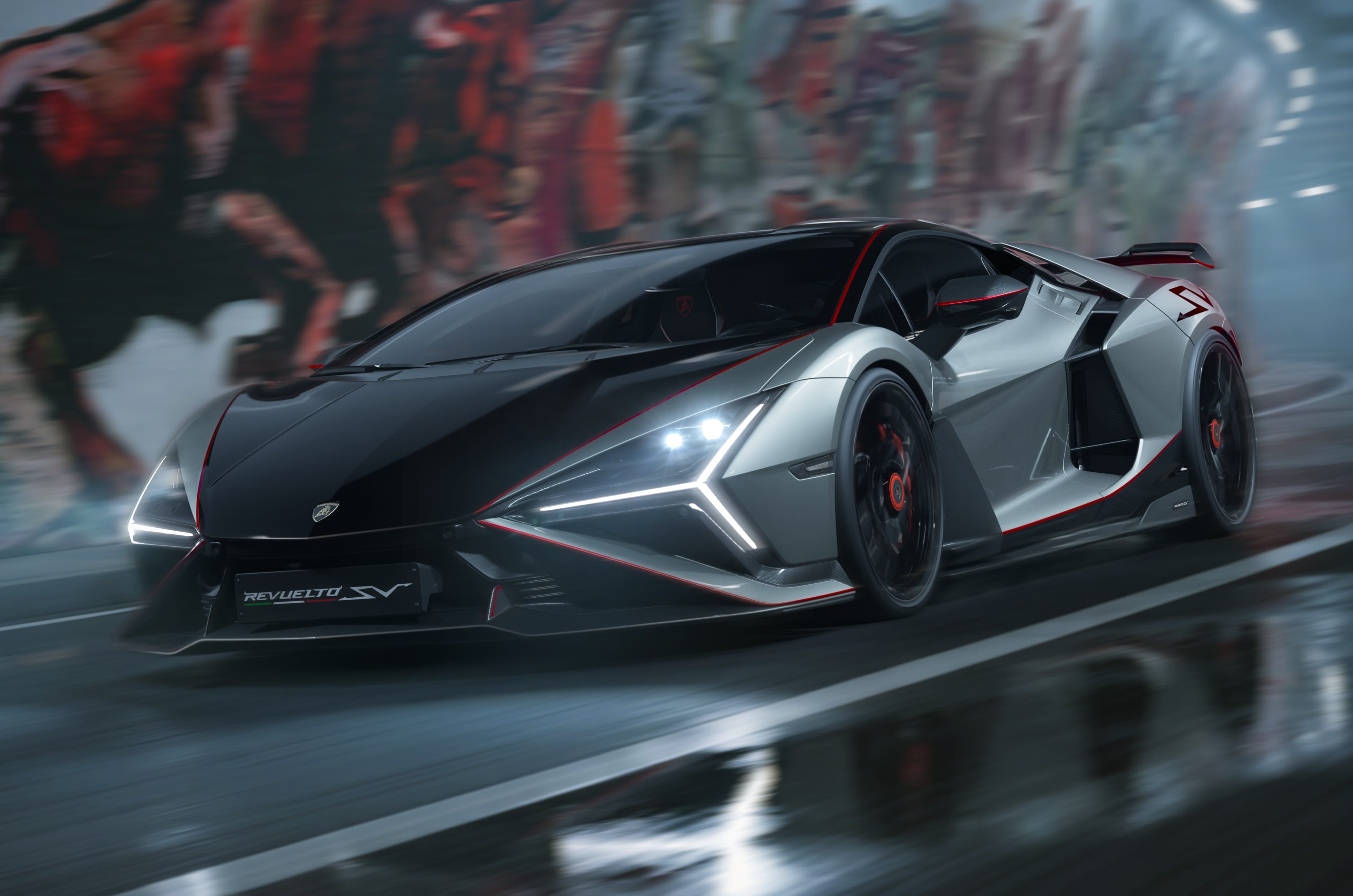
On the outside, the Revuelto SV looks much more aggressive than the standard version, courtesy of a new front diffuser with red accents, a revised rear diffuser, a massive rear wing, exclusive SV liveries and badging, contrast accents, and extensive use of carbon-fibre trim pieces. It also features a fresh set of lightweight centre-lock alloy wheels (20 inches front, 21 inches rear) shod in bespoke Bridgestone Potenza Race R tyres.
Lamborghini Revuelto SV interior updates
Bucket seats and new interior finishes
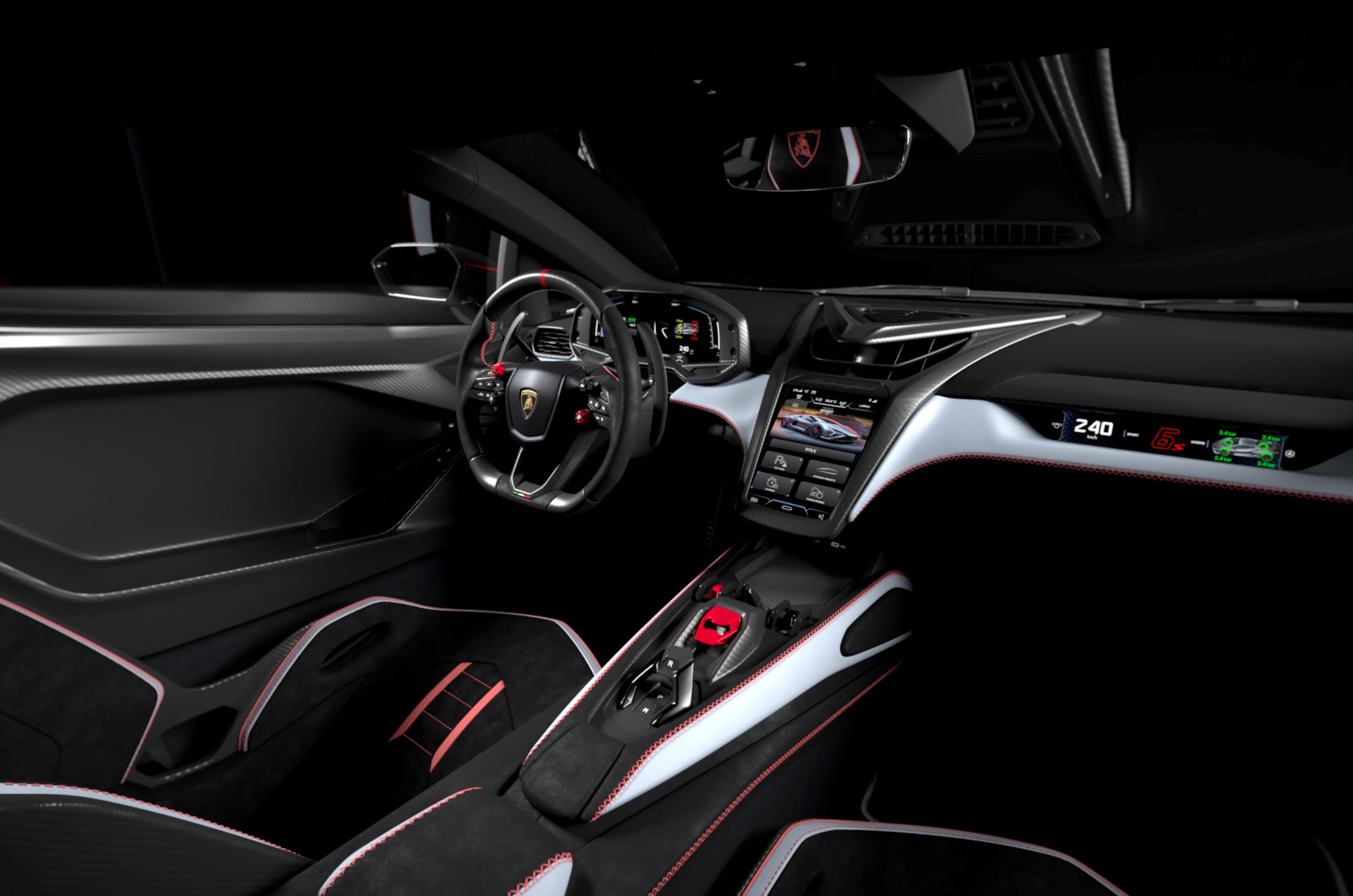
The Revuelto SV’s interior layout is largely unchanged from that of the standard version, but you do get new racing bucket seats, SV badging, and an expanded roster of upholsteries and colour options.
RBI loan pricing proposal: रिजर्व बैंक ऑफ इंडिया (RBI) ने लोन प्राइसिंग के लिए एक नया फ़्रेमवर्क प्रस्तावित किया है। इसका मकसद छोटे लोन के लिए फ़्लोटिंग इंटरेस्ट रेट, स्प्रेड और कुल लागत में बदलाव को उधार लेने वालों के लिए ज़्यादा पारदर्शी बनाना है। रिजर्व बैंक ऑफ इंडिया (लोन और एडवांस पर इंटरेस्ट रेट) निर्देश, 2026 का ड्राफ़्ट कमर्शियल बैंकों, क्षेत्रीय ग्रामीण बैंकों, को-ऑपरेटिव बैंकों, ऑल-इंडिया फ़ाइनेंशियल इंस्टीट्यूशन और नॉन-बैंकिंग फ़ाइनेंशियल कंपनियों (NBFCs) – जिनमें हाउसिंग फ़ाइनेंस कंपनियां भी शामिल हैं उनपर लागू होगा। प्रस्तावित निर्देश 1 अप्रैल, 2027 से लागू होने वाले हैं।
यहां वे मुख्य प्रस्ताव दिए गए हैं जिनके बारे में कर्ज लेने वालों को पता होना चाहिए।
फ़्लोटिंग लोन रेट के लिए साफ रीसेट फ़्रेमवर्क
प्रस्तावित फ़्रेमवर्क के तहत, लेंडर को फ़िक्स्ड और फ़्लोटिंग-रेट लोन की कीमत तय करने के लिए इंटरनल या एक्सटर्नल बेंचमार्क के साथ रिस्क-बेस्ड स्प्रेड का इस्तेमाल करना होगा। बेंचमार्क, रीसेट फ़्रीक्वेंसी और रीसेट की तारीख लोन एग्रीमेंट में बताई जानी चाहिए।
फ़्लोटिंग-रेट लोन के लिए, बेंचमार्क रीसेट की अवधि तीन महीने से ज़्यादा नहीं हो सकती। हालांकि, यह जरूरत कुछ छोटी रेगुलेटेड संस्थाओं(जिनमें बेस लेयर की NBFCs शामिल हैं) के लिए अनिवार्य नहीं होगी।
इजी होम फाइनेंस के चीफ फ़ाइनेंशियल ऑफ़िसर विकास कुमार मिश्रा ने कहा कि प्रस्तावित फ़्रेमवर्क से फ़्लोटिंग-रेट पर लोन लेना ज़्यादा अनुमान लगाने लायक हो सकता है। मिश्रा ने कहा, “हर फ़्लोटिंग रेट को ज़्यादा से ज़्यादा तीन महीने के रीसेट साइकल वाले साफ़ बेंचमार्क से जोड़ने से उन उधार लेने वालों के लिए ज़रूरी अनुमान लगाने की सुविधा मिलती है जिन्होंने पहले असमान ट्रांसमिशन देखा है।”
कर्ज लेने वालों के लिए, इसका मतलब यह नहीं है कि EMI में कोई बदलाव नहीं होगा। फ़्लोटिंग-रेट लोन तब भी महंगा हो सकता है जब बेस बेंचमार्क बढ़ता है। इसके बजाय, प्रस्तावित नियमों का मकसद बेंचमार्क और रीसेट मैकेनिज़्म को ज़्यादा साफ़ बनाना है।
लेंडर के लिए लोन स्प्रेड बदलने पर सीमाएं
RBI ने इस बात पर पाबंदियां प्रस्तावित की हैं कि लेंडर बेंचमार्क पर लिए जाने वाले स्प्रेड में कैसे बदलाव कर सकते हैं।
स्प्रेड में क्रेडिट रिस्क प्रीमियम, ऑपरेटिंग कॉस्ट, टर्म प्रीमियम और बिज़नेस स्ट्रैटेजी से जुड़ी बातें शामिल हो सकती हैं। क्रेडिट रिस्क प्रीमियम में तब बदलाव किया जा सकता है जब उधार लेने वाले का क्रेडिट प्रोफाइ बदलता है, बशर्ते उसकी समीक्षा की जाए। हालांकि, फ़्लोटिंग-रेट लोन पर स्प्रेड के अन्य हिस्सों में तीन साल तक कोई बदलाव नहीं किया जा सकता है। तीन साल की अवधि की गिनती पहली बार लोन की रकम मिलने या पिछली बार स्प्रेड में बदलाव होने (जो भी बाद में हुआ हो)से की जाएगी। मिश्रा ने कहा कि ज़्यादातर स्प्रेड कंपोनेंट्स में तीन साल की प्रस्तावित स्थिरता से कर्जदाता के लिए EMI में होने वाले बदलावों को समझना आसान हो सकता है।
उन्होंने कहा, “लोन स्प्रेड पर तीन साल की प्रस्तावित स्थिरता एक अहम बदलाव है।” “लोन मिलने या उसमें बदलाव के बाद ज़्यादातर स्प्रेड कंपोनेंट्स को तीन साल के लिए फिक्स करने से अनिश्चितता कम होनी चाहिए और EMI में होने वाले बदलावों को समझना आसान हो जाना चाहिए।”
JSA एडवोकेट्स एंड सॉलिसिटर्स के पार्टनर सिद्धार्थ मनचंदा ने भी ‘स्प्रेड’ से जुड़े प्रावधान को ड्राफ्ट के अहम हिस्सों में से एक बताया। उन्होंने कहा कि तीन साल की अवधि के दौरान स्प्रेड के नॉन-क्रेडिट-रिस्क वाले हिस्से को बढ़ाने की इजाज़त नहीं होगी, जबकि इसमें कटौती बिना किसी भेदभाव के करनी होगी।
₹50,000 तक के लोन के लिए APR की एक तय सीमा (सीलिंग) हो सकती है
प्रस्तावित फ्रेमवर्क में छोटे लोन (स्मॉल-टिकट बॉरोइंग) के लिए भी एक खास प्रावधान है। RBI चाहता है कि लेंडर माइक्रोफाइनेंस लोन और कम रकम वाले लोन के लिए सालाना ब्याज दर (APR) की एक तय सीमा (सीलिंग) लागू करें। APR में ब्याज दर के साथ-साथ बाकी सभी चार्ज और फीस भी शामिल होंगे। कम रकम वाले लोन का मतलब ₹50,000 तक का पर्सनल लोन है।
इससे लोन लेने की कुल लागत की तुलना करना आसान हो सकता है, खासकर तब जब फीस और दूसरे चार्ज लागत का एक बड़ा हिस्सा हों। मनचंदा ने कहा कि छोटे लोन के मामले में, बताई गई ब्याज दर (हेडलाइन इंटरेस्ट रेट) से हमेशा उधार लेने वाले की कुल लागत का पता नहीं चलता।
उन्होंने कहा, “उस सेगमेंट में हेडलाइन रेट कभी भी असल बात नहीं होती थी। असल बात फीस का पूरा ढांचा होती थी। सब कुछ एक ही नंबर में समेटना ही वह बदलाव है जिसे असल में महसूस किया जाएगा।”
ब्याज की गणना का तरीका होगा एक जैसा
RBI ने ब्याज की गणना के लिए एक कॉमन तरीका भी सुझाया है। ज़्यादातर लोन के लिए, ब्याज हर महीने के आधार पर लिया जाएगा और इसकी गणना ‘एक्चुअल/एक्चुअल डे-काउंट कन्वेंशन’ का इस्तेमाल करके रोजाना कम होते बैलेंस पर की जाएगी। खेती से जुड़े लोन के लिए कुछ खास छूट होंगी। इस कदम से रेगुलेटेड लेंडर्स (कर्ज़ देने वाली संस्थाओं) के बीच ब्याज की गणना का तरीका एक जैसा हो जाएगा।
मौजूदा लोन 2029 तक नए फ्रेमवर्क में आ जाएंगे
सुझाए गए बदलावों का असर आखिरकार मौजूदा बेंचमार्क-लिंक्ड लोन पर भी पड़ेगा। RBI ने सुझाव दिया है कि इंटरनल या एक्सटर्नल बेंचमार्क से जुड़े सभी मौजूदा लोन को 1 अप्रैल 2029 तक एक बार की मैपिंग प्रक्रिया के ज़रिए नए फ्रेमवर्क में बदल दिया जाए। इस बदलाव के लिए उधार लेने वाले की मंज़ूरी ज़रूरी होगी।
बदली हुई ब्याज दर, बदलाव से ठीक पहले लागू दर से ज़्यादा नहीं हो सकती, और लेंडर्स बदलाव के लिए कोई फ़ीस नहीं ले सकते।
मिश्रा ने कहा कि नए लोन के लिए प्रस्तावित लागू होने की तारीख और मौजूदा लोन के लिए बदलाव की समय-सीमा के बीच दो साल का समय लेंडर्स को अपने सिस्टम और कम्युनिकेशन प्रोसेस को अपडेट करने का मौका देता है। उन्होंने कहा, “समय-सीमा भी महत्वपूर्ण है। नए नियम 1 अप्रैल 2027 से नए लोन पर लागू करने का प्रस्ताव है, जबकि सभी मौजूदा फ्लोटिंग रेट लोन के 1 अप्रैल 2029 तक नए फ्रेमवर्क में बदलने की उम्मीद है।”
NBFC लोन अपने-आप रेपो-लिंक्ड नहीं होंगे
ड्राफ़्ट में सभी लेंडर्स के लिए एक्सटर्नल बेंचमार्क का इस्तेमाल करना ज़रूरी नहीं है।
कमर्शियल बैंकों को फ्लोटिंग-रेट पर्सनल लोन और फ्लोटिंग-रेट MSME लोन को एक्सटर्नल बेंचमार्क से जोड़ना होगा। NBFC, क्षेत्रीय ग्रामीण बैंकों, को-ऑपरेटिव बैंकों और अखिल भारतीय वित्तीय संस्थानों के लिए, एक्सटर्नल बेंचमार्क से जुड़ना वैकल्पिक रहेगा।
इसलिए, NBFC से फ्लोटिंग-रेट लोन लेने वालों को यह नहीं सोचना चाहिए कि लोन अपने-आप RBI रेपो रेट से जुड़ जाएगा। ड्राफ़्ट अभी फ़ाइनल नहीं है। प्रस्तावित निर्देश 1 अप्रैल 2027 से लागू होने हैं, बशर्ते RBI फ्रेमवर्क को फ़ाइनल कर ले।
(डिस्क्लेमर: मनीकंट्रोल.कॉम पर दिए गए विचार एक्सपर्ट के अपने निजी विचार होते हैं। वेबसाइट या मैनेजमेंट इसके लिए उत्तरदाई नहीं है। यूजर्स को मनी कंट्रोल की सलाह है कि कोई भी निवेश निर्णय लेने से पहले सार्टिफाइड एक्सपर्ट की सलाह लें।
N Chandrasekaran has resigned as chairman of Tata Sons but will continue in the role until the end of his current term in February, according to a source familiar with the matter, Reuters reported on Wednesday. The development comes months after Tata Sons deferred a decision on Chandrasekaran’s reappointment amid differences with Tata Trusts chairman Noel Tata over the future governance of the conglomerate.
Why Chandrasekaran Is Stepping Down: Tata Trusts Rift Explained
Tata Sons is the holding company of the Tata Group and oversees more than 30 companies, including Tata Consultancy Services (TCS), Tata Motors and Air India. Tata Trusts, the group’s philanthropic arm, owns a 66 per cent stake in Tata Sons.
In February, Tata Sons postponed a decision on extending Chandrasekaran’s tenure after Noel Tata opposed the move, Reuters reported at the time. According to a source cited by Reuters, Noel Tata had sought several conditions, including a commitment that Tata Sons would never be listed. Chandrasekaran was unwilling to make such a commitment, the source said.
The two sides have also disagreed over board representation, Reuters reported, citing people familiar with the matter.
What This Means for Tata Motors, TCS and Air India
Tata Sons did not immediately respond to a Reuters request for comment, while Chandrasekaran could not be reached for comment.
Chandrasekaran joined the Tata Group in 1987 and became CEO of TCS in 2009. He was appointed as the chairman of Tata Sons in February 2017 and his second 5-year tenure will come to an end on February 20, 2027.
The leadership uncertainty comes as the Tata Group faces challenges across several businesses. Reuters has reported that Air India has come under regulatory scrutiny following a fatal crash, while TCS has faced pricing pressure. Jaguar Land Rover (JLR) has also been dealing with the impact of a cyberattack that disrupted production and affected Britain’s economic output.
Over the past few years, Mahindra celebrated Independence Day by debuting all-new models (Thar Roxx and XUV700), concept cars that preview upcoming models (Vision S, Vision T, Thar.e, and more), or even fresh platforms and technologies (Nu_IQ and INGLO). The tradition will continue in 2026, with Mahindra set to host a blowout on August 15. Here’s what you can expect.
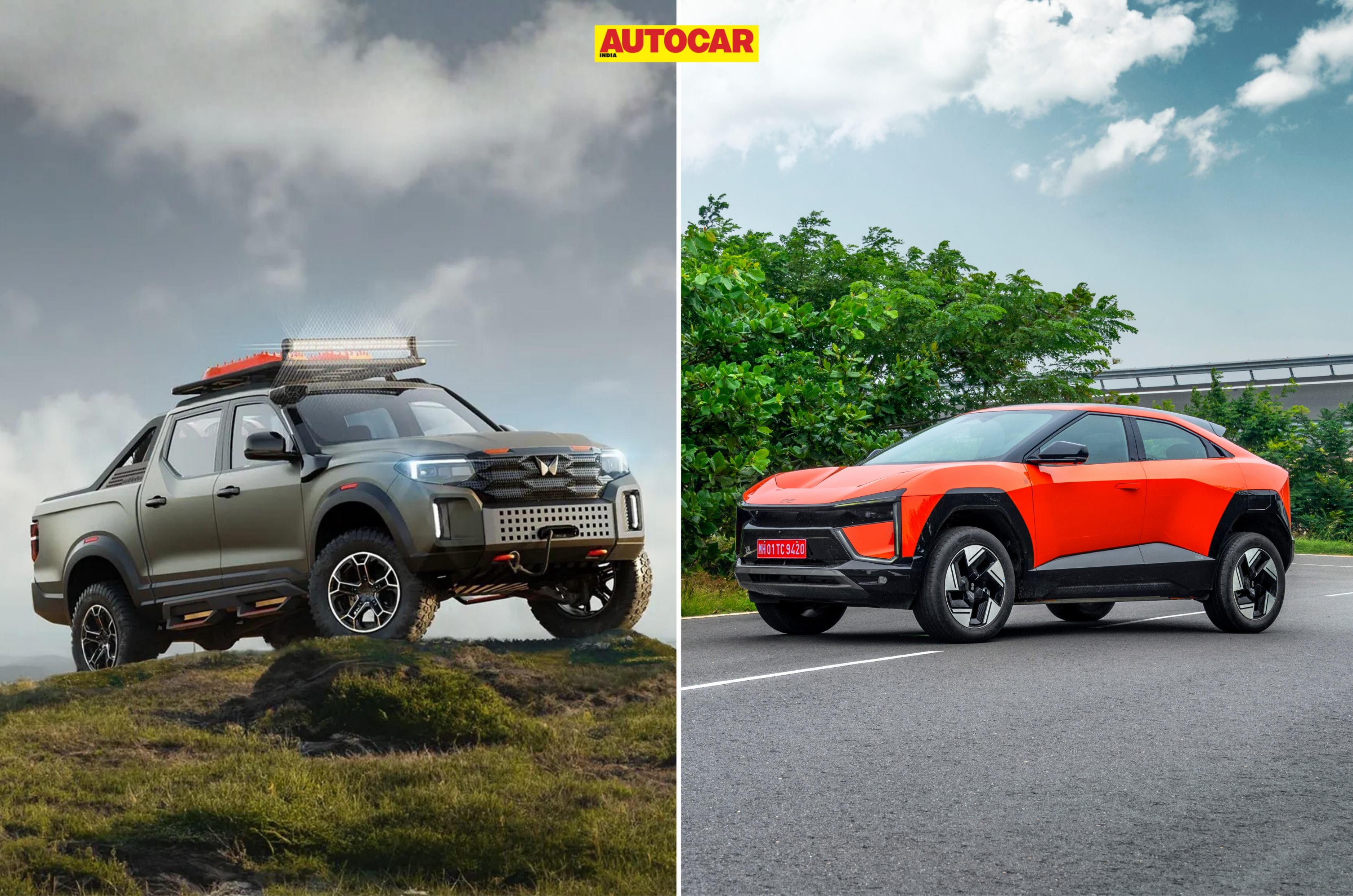
Closer-to-production-spec Mahindra Scorpio N pickup truck
Mahindra’s Hilux rival is likely just days away from its unveil
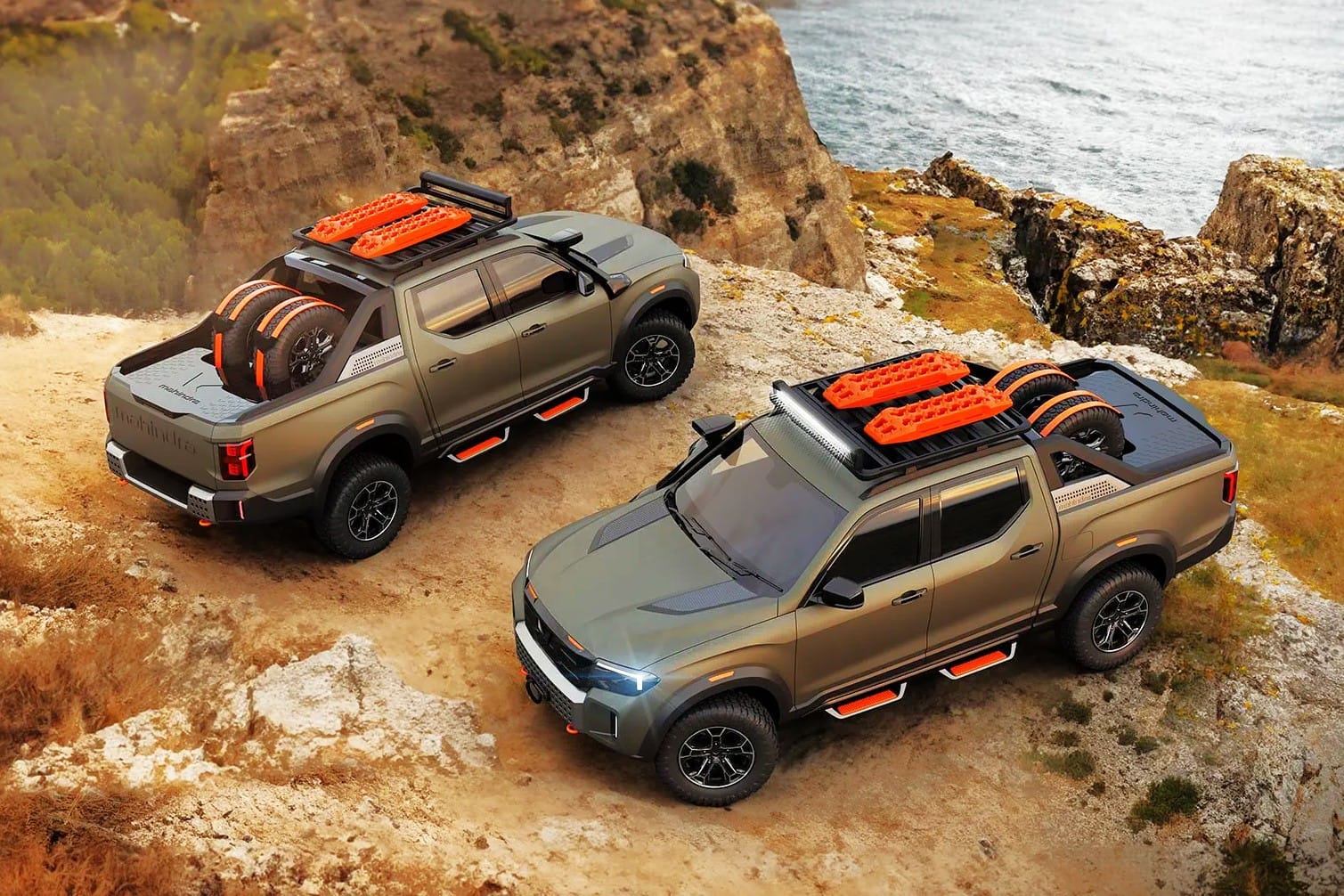
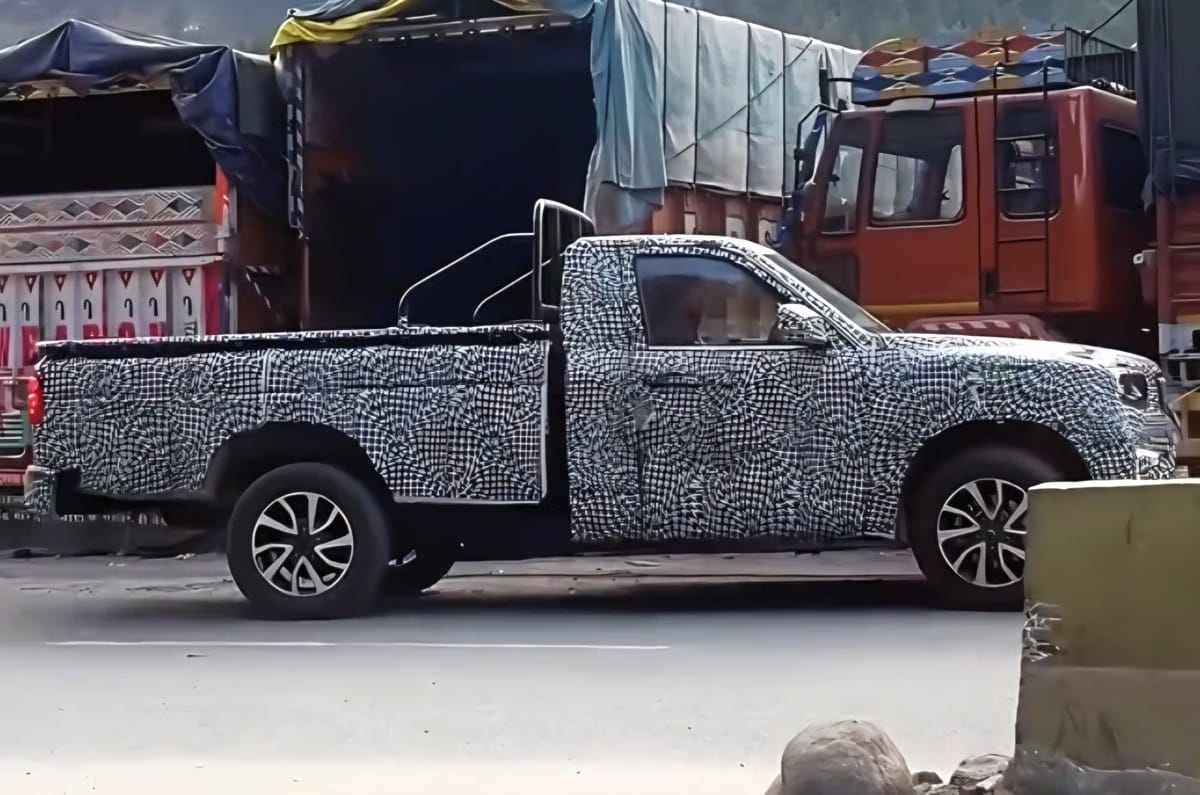
First previewed at Mahindra’s 2023 Independence Day event by way of the Global Pik Up Concept, the Scorpio N pickup truck is expected to finally break cover in a closer-to-production guise at this year’s celebration. Mahindra has been testing the Scorpio N pickup on Indian roads for quite some time, with prototypes sporting a single-cab configuration and an extended load bed. It remains to be seen if the final versions will sport a similar body style.
Credit: vashusinghyt via Instagram
Styling elements for the pickup truck are anticipated to largely mirror those of the Scorpio N SUV, possibly with more rugged cues for differentiation. Under the bonnet, we expect the Scorpio N pickup to retain the SUV’s 203hp 2.0-litre direct-injection turbo-petrol and 175hp 2.2-litre diesel engines, with 6-speed manual and 6-speed automatic gearbox options. 4WD is expected to be on offer as well.
The Scorpio N pickup is likely to rival the Toyota Hilux, which has done well to grow the popularity of the lifestyle pickup truck segment in India and make it a more lucrative space – one where Mahindra’s formula of tough, off-road-capable ladder-frame offerings fits quite well.
Mahindra BE 6 Sporteq variant
Gets triple-display setup and more conventional dashboard design
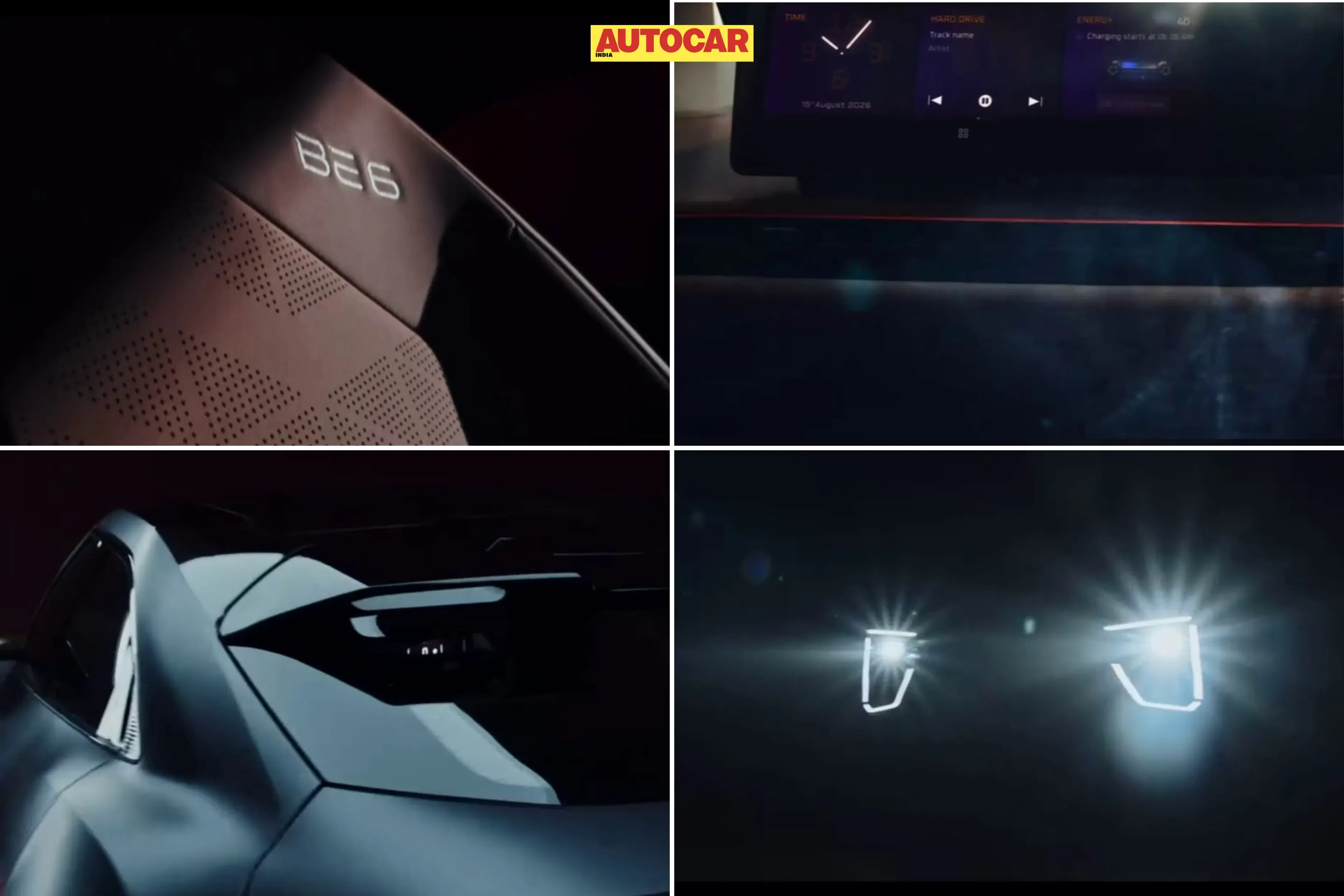
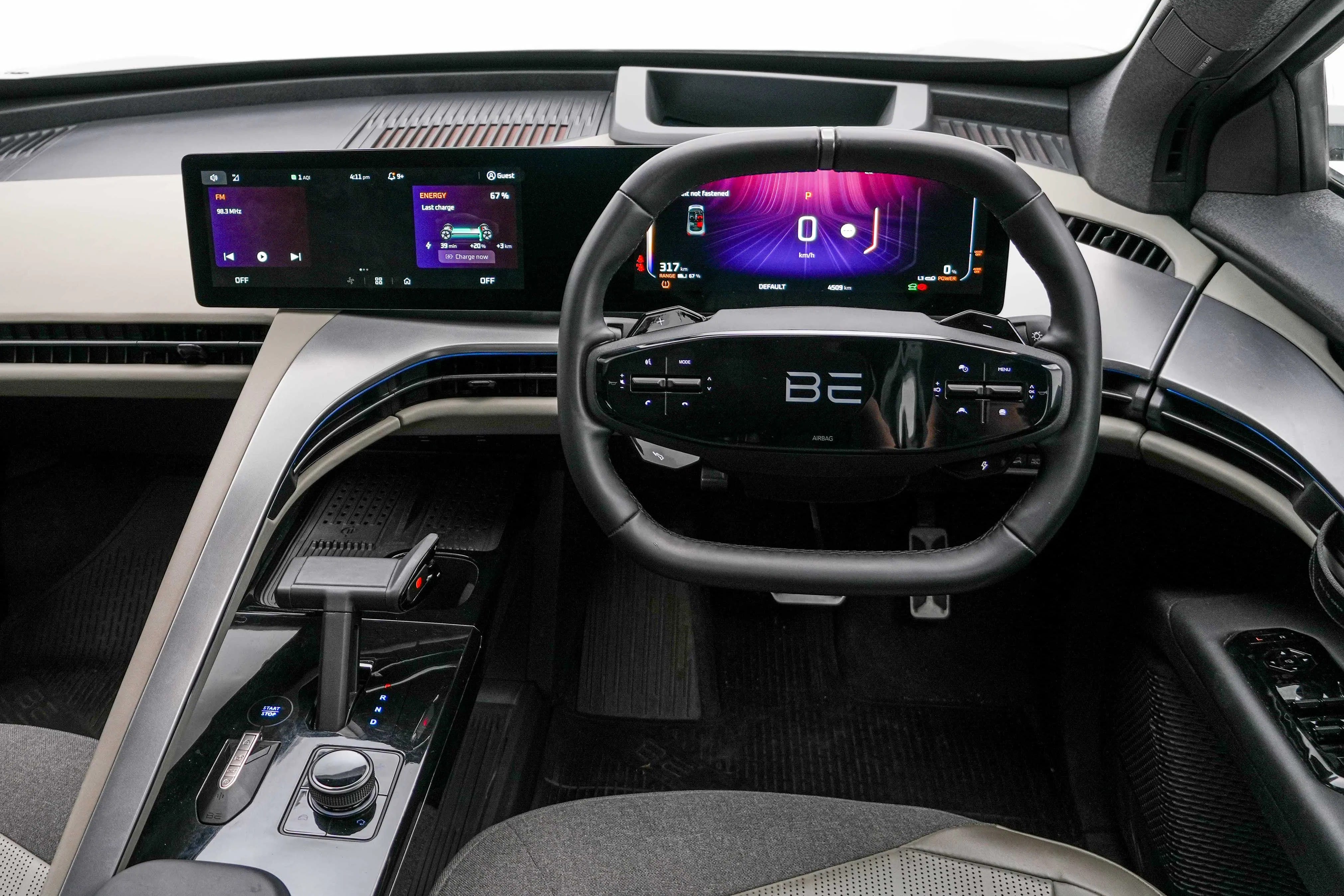
Mahindra will debut a new Sporteq variant of the BE 6 electric SUV on August 15. The BE 6 Sporteq’s key update is the addition of a passenger display on the inside, forming a triple-screen setup like those of the larger XEV 9e and XEV 9S. It will also sport a redesigned dashboard that eschews the large divider between the front seats, which was an ergonomic flaw that restricted access to the wireless charging pad and USB Type-C ports for the co-driver, and did not leave enough space for a second cupholder.
Current Mahindra BE 6 dashboard. Image used for representation only.
In addition to the aforementioned updates, the BE 6 Sporteq may offer new interior upholstery and colour options. Since the Sporteq is likely to be positioned as the new top-spec BE 6 variant, expect it to come with the 79kWh, rear-motor powertrain outputting 286hp and 380Nm, and claiming an MIDC range of 683km. As for pricing, the BE 6 Sporteq is anticipated to command a slight premium over the current top-spec Pack Three 79kWh variant, which costs Rs 26.9 lakh (ex-showroom).




.jpg)