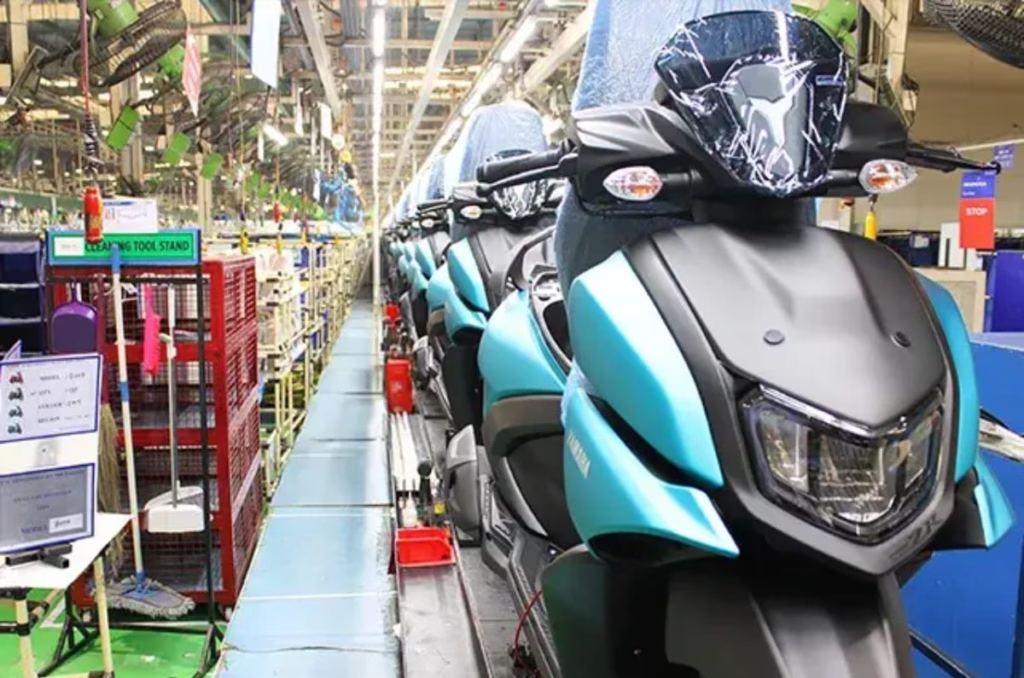
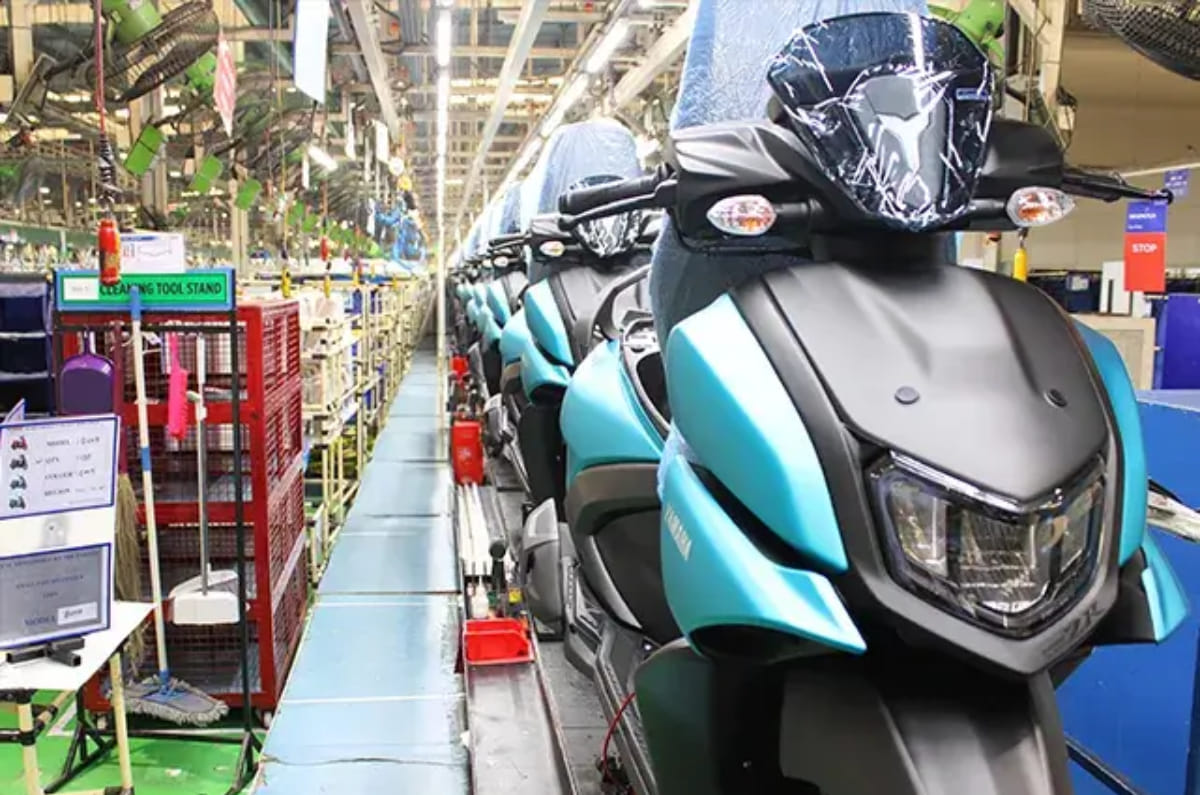
Yamaha Motor India has begun evaluating additional manufacturing capacity as it expects its existing 1.5 million unit annual output to be fully utilised within the next two to three years. The Japanese two-wheeler maker operates plants in Surajpur, Uttar Pradesh and Kanchipuram, Tamil Nadu, with a combined annual capacity of 1.5 million units, and is weighing whether to expand within its current footprint or invest at a new location.
Yamaha India’s 1.5 million unit annual capacity expected to be fully utilised within 2-3 years
Domestic sales up 41 percent to 4.1 lakh units in H1 2026
Annual sales target of 50,000 units set for the newly launched YZF-R2
Yamaha India capacity expansion: Key details
New plant requires 3-4 years of lead time; expansion within existing sites also being considered
Hajime Aota, Chairman of the Yamaha Motor India Group, said the company still has space to expand at its existing facilities, reducing the immediate pressure to acquire new land. The decision on expansion – whether at Surajpur, Kanchipuram or elsewhere – will depend on manufacturing processes, supplier allocation and longer-term domestic and export requirements. “At this moment, we have capability and we have space,” Aota said, while noting that planning for a new greenfield facility typically requires a lead time of three to four years.
Yamaha expects its total volumes (including exports) to exceed 1.1 million units in 2026, with domestic sales up 41 percent to 4.1 lakh units in the first half of the year. The company expects H2 volumes to be higher, supported by festive demand and new product launches. On the YZF-R2, which debuted yesterday at Rs 2.30 lakh, Yamaha has set an annual domestic sales target of 50,000 units.
Aota described India and Indonesia as Yamaha’s two biggest global growth engines, with India offering the stronger long-term growth opportunity. However, he noted that India must continue improving manufacturing productivity and technical capabilities to narrow the gap with Indonesia and expand its role in Yamaha’s global manufacturing network. The company employs approximately 10,000 people across its Indian operations and has invested over Rs 2,000 crore in research, development and manufacturing in India over the past eight to ten years. The quantum of investment required for the next phase of expansion has not been disclosed.
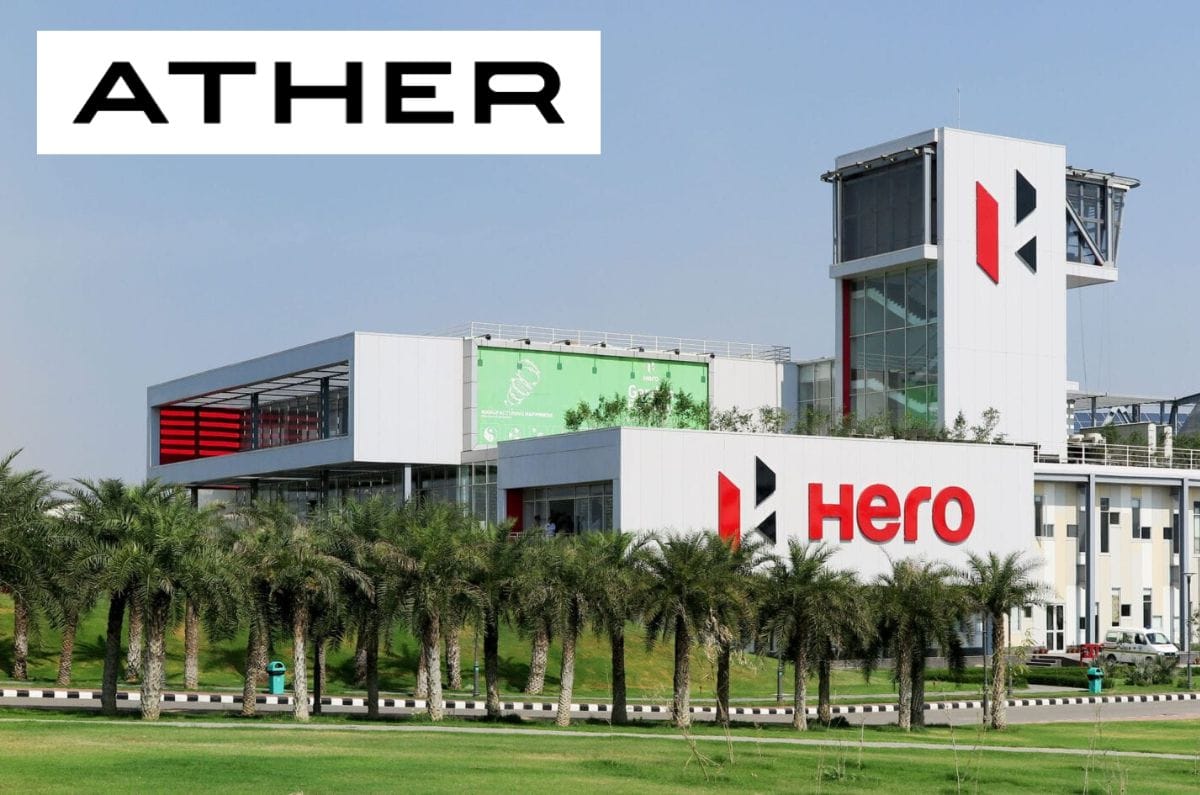
Hero MotoCorp will invest up to Rs 1,758 crore to increase its stake in Ather Energy, taking its holding in the electric two-wheeler maker from 29.88 percent to approximately 32.8 percent on a fully diluted basis.
Hero MotoCorp will buy existing Ather shares worth up to Rs 1,758 crore
Its stake will rise from 29.88 percent to approximately 32.8 percent
The deal comes shortly after Hero’s separate Rs 1,000 crore investment in Ather
The investment was approved by Hero MotoCorp’s Committee of Directors on August 27 and will involve the purchase of existing Ather shares from an existing shareholder. This makes it a secondary transaction, rather than a fresh issue of equity by Ather. The deal will be funded entirely through cash and is expected to be completed by September 3, 2026. No government or regulatory approvals are required.
The latest investment comes shortly after Hero announced plans to invest up to Rs 1,000 crore in Ather through a preferential issue. Ather subsequently allotted Hero convertible warrants worth Rs 959.99 crore as part of that investment.
The two transactions are separate, with the earlier investment involving securities issued by Ather and the latest Rs 1,758 crore deal involving the purchase of existing shares. Taken together, Hero has committed up to around Rs 2,758 crore to Ather through the two transactions.
Hero has been an investor in Ather for several years and is already its largest shareholder. The latest investment will further strengthen its position in the company as Ather continues to expand its electric two-wheeler business and charging network across India.
Ather’s turnover has grown significantly over the past three financial years, rising from Rs 1,753.8 crore in FY2024 to Rs 2,255 crore in FY2025 and Rs 3,671.76 crore in FY2026.
The company designs, manufactures and sells electric two-wheelers and operates its own charging network with an open-source connector that’s shared with Vida. Ather’s portfolio includes the 450 range and Rizta, while its presence has expanded across the country. As for the brand’s immediate plans, Ather is slated to launch its first-model based on the EL platform tomorrow, at its community day, intended to slot in below the Rizta.
US Stock Market: भारतीय रिटेल निवेशकों के लिए अमेरिकी शेयर बाजार में निवेश करना अब काफी आसान और किफायती हो गया है। पराग पारिख की GIFT City स्थित इकाई ‘PPFAS GIFT’ ने अपने दो प्रमुख इंटरनेशनल फंड्स में न्यूनतम निवेश सीमा को $5000 से घटाकर सिर्फ $500 कर दिया है।
यानी अब एंट्री टिकट में सीधे 90% की कटौती कर दी गई है, जिससे आम निवेशक भी कम रकम के साथ S&P 500 और Nasdaq 100 जैसे दिग्गजों में पैसा लगा सकेंगे।
₹4.79 लाख नहीं, अब सिर्फ ₹48000 से करें शुरुआत
रुपए और डॉलर के मौजूदा एक्सचेंज रेट (लगभग ₹95.74 प्रति डॉलर) के हिसाब से इस कटौती का सीधा गणित ये है कि, पहले $5000 की न्यूनतम सीमा के कारण निवेशकों को कम से कम ₹4.79 लाख की भारी-भरकम राशि की जरूरत होती थी।अब $500 की नई सीमा लागू होने के बाद आप मात्र ₹48000 से यूएस मार्केट में अपना पोर्टफोलियो शुरू कर सकते हैं।
PPFAS GIFT ने सोशल मीडिया प्लेटफॉर्म ‘X’ पर इस फैसले की जानकारी देते हुए बताया कि इस कदम का मकसद छोटे निवेशकों के लिए ग्लोबल इन्वेस्टिंग के दरवाजे खोलना है।
Access global investing at a lower entry point.
The minimum investment for our Outbound Passive Funds has been reduced from US$5,000 to US$500.
Explore the Parag Parikh IFSC S&P 500 Fund of Fund & Parag Parikh IFSC Nasdaq 100 Fund of Fund.
यह बदलाव PPFAS Alternate Asset Managers IFSC द्वारा GIFT City से ऑफर किए जाने वाले दो आउटबाउंड पैसिव फंड्स पर लागू हुआ है:
Parag Parikh IFSC S&P 500 Fund of Fund: यह फंड अमेरिका की 500 सबसे बड़ी लिस्टेड कंपनियों के इंडेक्स (S&P 500) को ट्रैक करने वाले एक्यूपुलेटिंग ETFs और UCITS में निवेश करता है। यह अमेरिकी लार्ज-कैप मार्केट में ब्रॉड एक्सपोजर देता है।
Parag Parikh IFSC Nasdaq 100 Fund of Fund: यह फंड Nasdaq 100 इंडेक्स में पैसिव निवेश की सुविधा देता है। इसमें अमेरिका की टॉप 100 गैर-वित्तीय कंपनियां शामिल हैं, जिनमें टेक्नोलॉजी और टेक-ओरिएंटेड ग्रोथ कंपनियों की हिस्सेदारी सबसे ज्यादा है।
आम निवेशकों के लिए क्यों अहम है यह फैसला?
जो निवेशक अपने कुल पोर्टफोलियो का 5% या 10% हिस्सा ही अमेरिकी बाजार में लगाना चाहते थे, उनके लिए ₹4.8 लाख एकमुश्त लगाना काफी मुश्किल था।
अब केवल ₹48000 में निवेशक अपने पोर्टफोलियो को ग्लोबल डाइवर्सिफाई कर सकते हैं। GIFT City के जरिए इन फंड्स में निवेश करने पर भारतीय निवासियों को अलग से किसी विदेशी ब्रोकरेज अकाउंट खोलने का झंझट नहीं रहता।
GIFT City के जरिए कैसे काम करता है निवेश?
गुजरात स्थित GIFT City भारत का पहला इंटरनेशनल फाइनेंशियल सर्विसेज सेंटर (IFSC) है। यहां वित्तीय सेवाएं भारतीय रुपए के बजाय विदेशी मुद्रा (यूएस डॉलर) में ऑफर की जाती हैं। निवासी भारतीय नागरिक लिबरलाइज्ड रेमिटेंस स्कीम(LRS) नियमों के तहत अपनी गाढ़ी कमाई को डॉलर बेस करेंसी वाले इन दोनों फंड्स में पार्क कर सकते हैं।
कम एंट्री टिकट का मतलब जोखिम कम होना नहीं!
न्यूनतम निवेश घटने से फंड में एंट्री आसान हुई है, लेकिन इससे जुड़ा मार्केट रिस्क कम नहीं हुआ है। निवेशकों का रिटर्न अमेरिकी शेयर बाजार के प्रदर्शन के साथ-साथ डॉलर के मुकाबले रुपए की चाल पर निर्भर करेगा। S&P 500 इंडेक्स स्थिर और ब्रॉड मार्केट एक्सपोजर देता है, जबकि Nasdaq 100 इंडेक्स ज्यादा टेक-फोकस्ड होने के कारण ज्यादा वोलेटाइल हो सकता है।
अगर आप अपने निवेश को एपल, माइक्रोसॉफ्ट, गूगल या एनवीडिया जैसी दिग्गज अमेरिकी कंपनियों में लगाना चाहते थे, तो GIFT City के रास्ते PPFAS का यह फैसला आपके एंट्री बैरियर को 90% तक खत्म कर देता है। हालांकि, किसी भी इंटरनेशनल फंड में दांव लगाने से पहले अपनी रिस्क कैपेसिटी और करेंसी रिस्क का आकलन जरूर कर लें।
Disclaimer: यहां मुहैया जानकारी सिर्फ सूचना के लिए दी जा रही है। यहां बताना जरूरी है कि मार्केट में निवेश बाजार जोखिमों के अधीन है। निवेशक के तौर पर पैसा लगाने से पहले हमेशा एक्सपर्ट से सलाह लें। मनीकंट्रोल की तरफ से किसी को भी पैसा लगाने की यहां कभी भी सलाह नहीं दी जाती है।
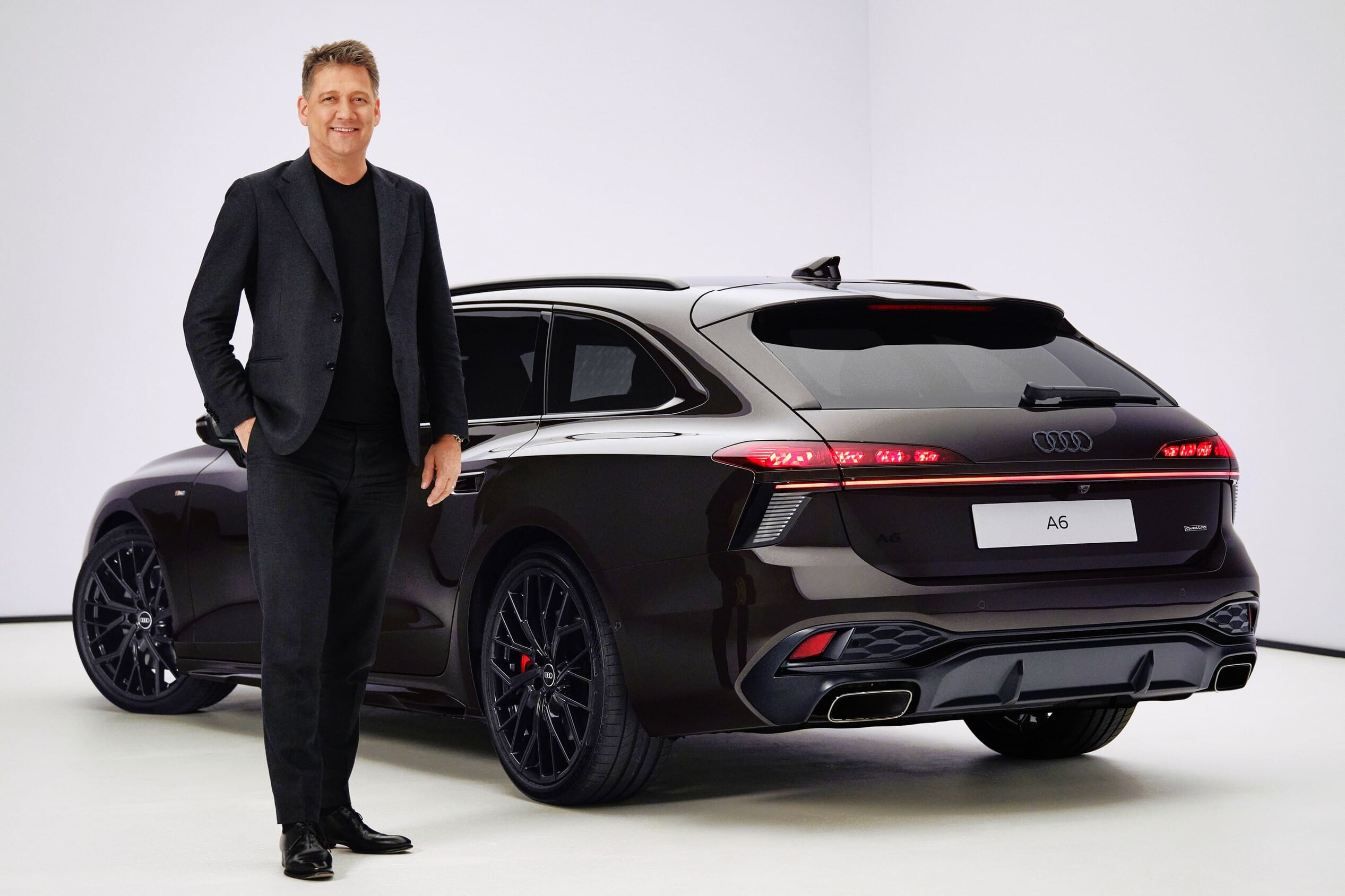
Audi will pursue a broader powertrain strategy spanning battery-electric vehicles, plug-in hybrids and combustion engines, stepping away from its earlier plan to become an all-electric carmaker. Global CEO Gernot Döllner said he reviewed Audi’s all-electric strategy after taking charge and decided that the company needed a more balanced product and powertrain mix to address the varying pace of EV adoption across markets.
“When I joined Audi, there was an all-electric strategy in place, which was one of the first things I reviewed,” Döllner told Autocar India in an exclusive interview. “We found a more balanced strategy between plug-in hybrids, especially important for Europe, combustion engine and electric.”
Global EV sales downturn lent ICE powertrains more time
The slower-than-expected pace of EV adoption in several global markets has extended the relevance of combustion engines and plug-in hybrids. Audi expects to retain a focused combustion-engine and plug-in-hybrid portfolio, particularly for SUVs.
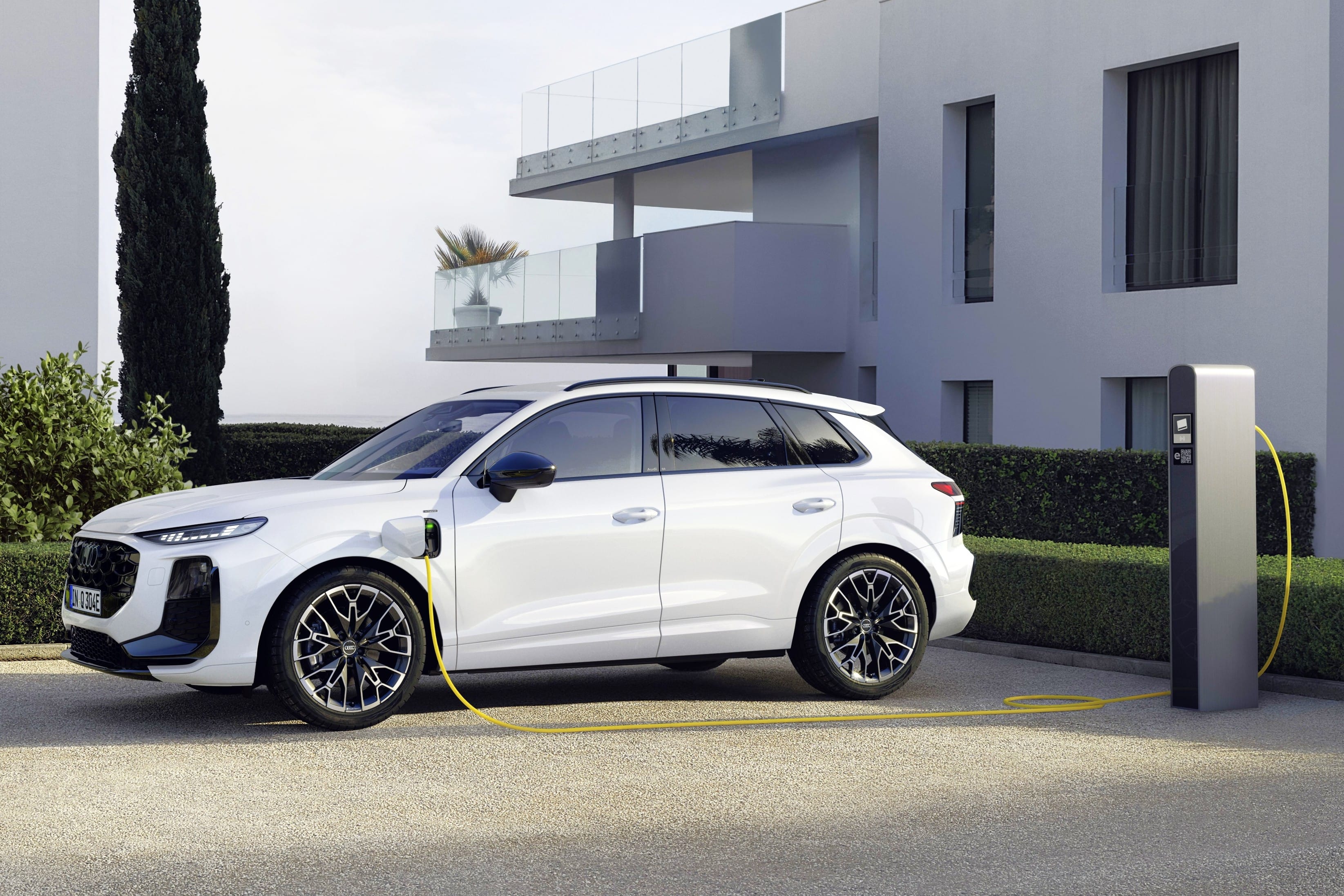
Audi Q3 PHEV
The company has recently completed a major investment cycle covering new petrol and diesel engines, plug-in hybrids and battery-electric vehicles designed to meet Euro 7 and other global regulations.
“For sure, the majority of our investment will be in battery electric. That’s a given,” Döllner said.
Audi will continue to invest selectively in combustion engines, including efficiency improvements and transmission technology, but Döllner expects the pace of innovation to be much faster in EVs.
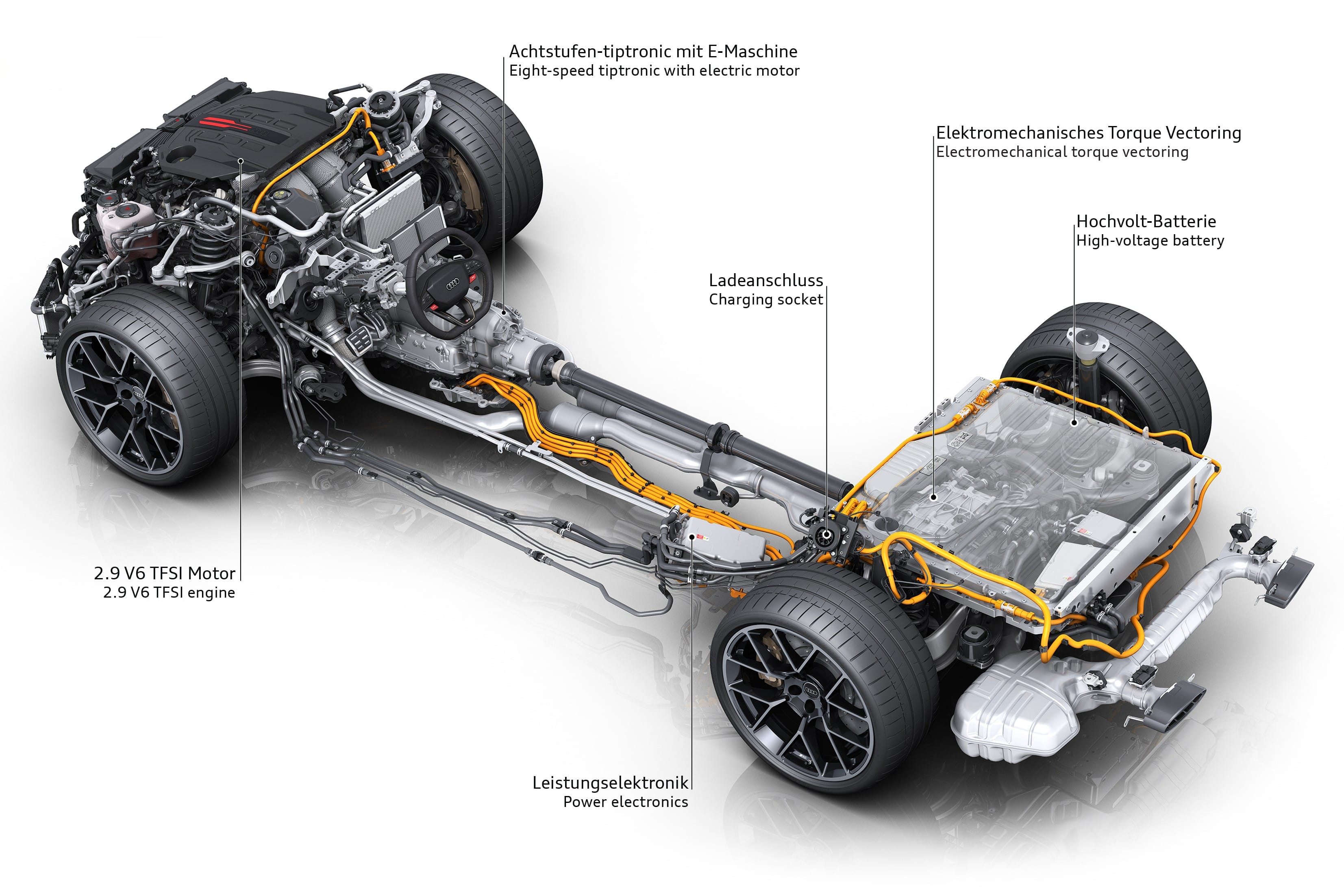
Audi RS5 plug-in hybrid powertrain
“The combustion engine is fairly mature. It’s at the very end of a 100-year innovation cycle, and battery electric is still at the very beginning, to be honest,” he said. “The dominant part of our investment will definitely be on the battery-electric side.”
Electric remains Audi’s leading technology
Audi’s decision to retain combustion engines and plug-in hybrids does not alter its long-term direction towards electric vehicles.
“Electric is, for Audi, still the leading technology,” Döllner said. “It’s our main priority to step by step become more electric.”
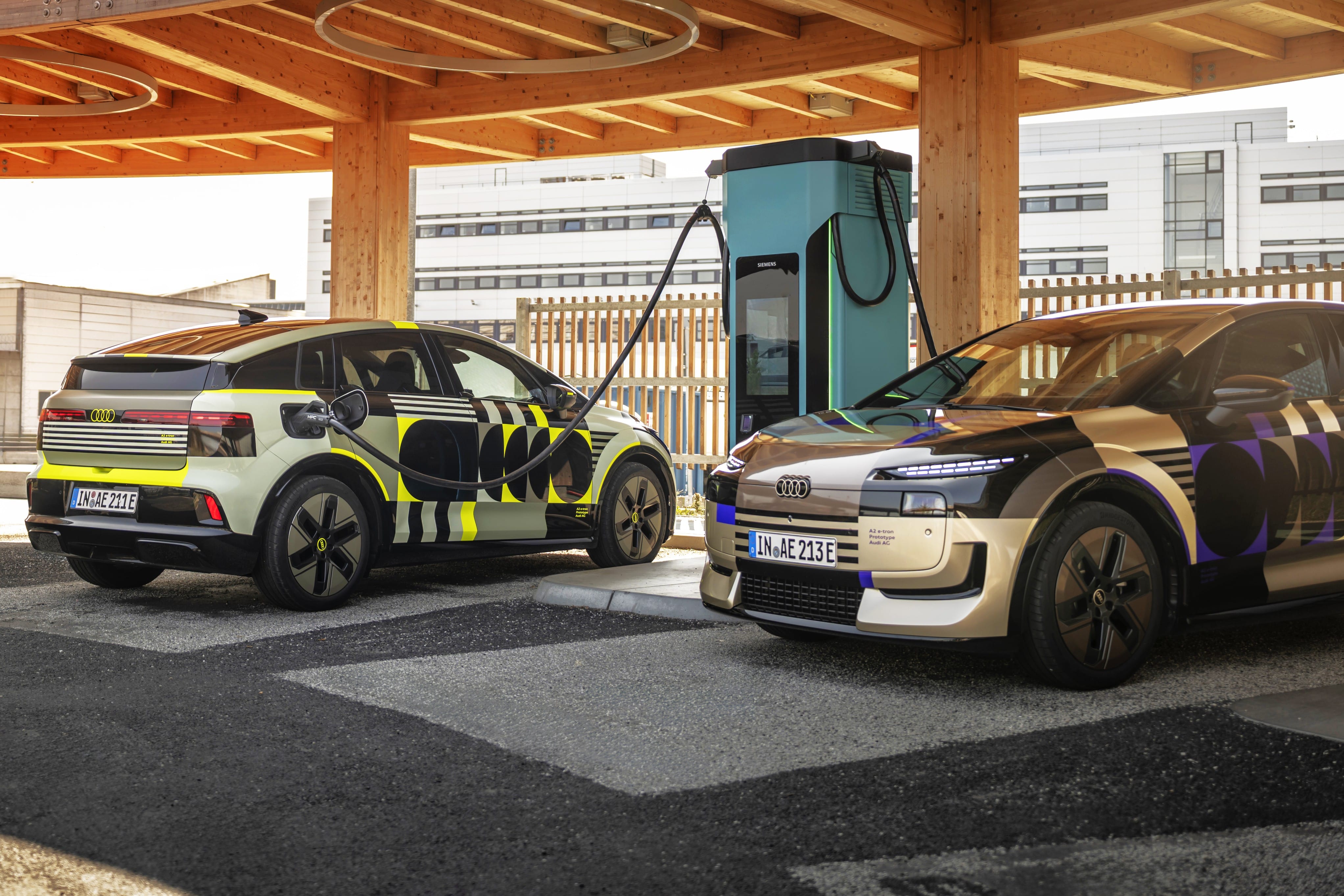
Prototypes of upcoming Audi A2 e-tron
Audi currently has four battery-electric model lines globally and expects to increase this to five by the end of the year, with some available in more than one body style. The company will, however, tailor the powertrain mix to individual regions. Plug-in hybrids will be particularly important in Europe, while the requirements of the US market will influence Audi’s future combustion-engine and PHEV portfolio, especially for SUVs.
In India, Audi’s immediate focus remains on petrol and electric vehicles. Diesel is not part of its current plan. The case for plug-in hybrids will depend partly on whether they receive any benefit under the India-EU FTA. New electric products are also planned for India.
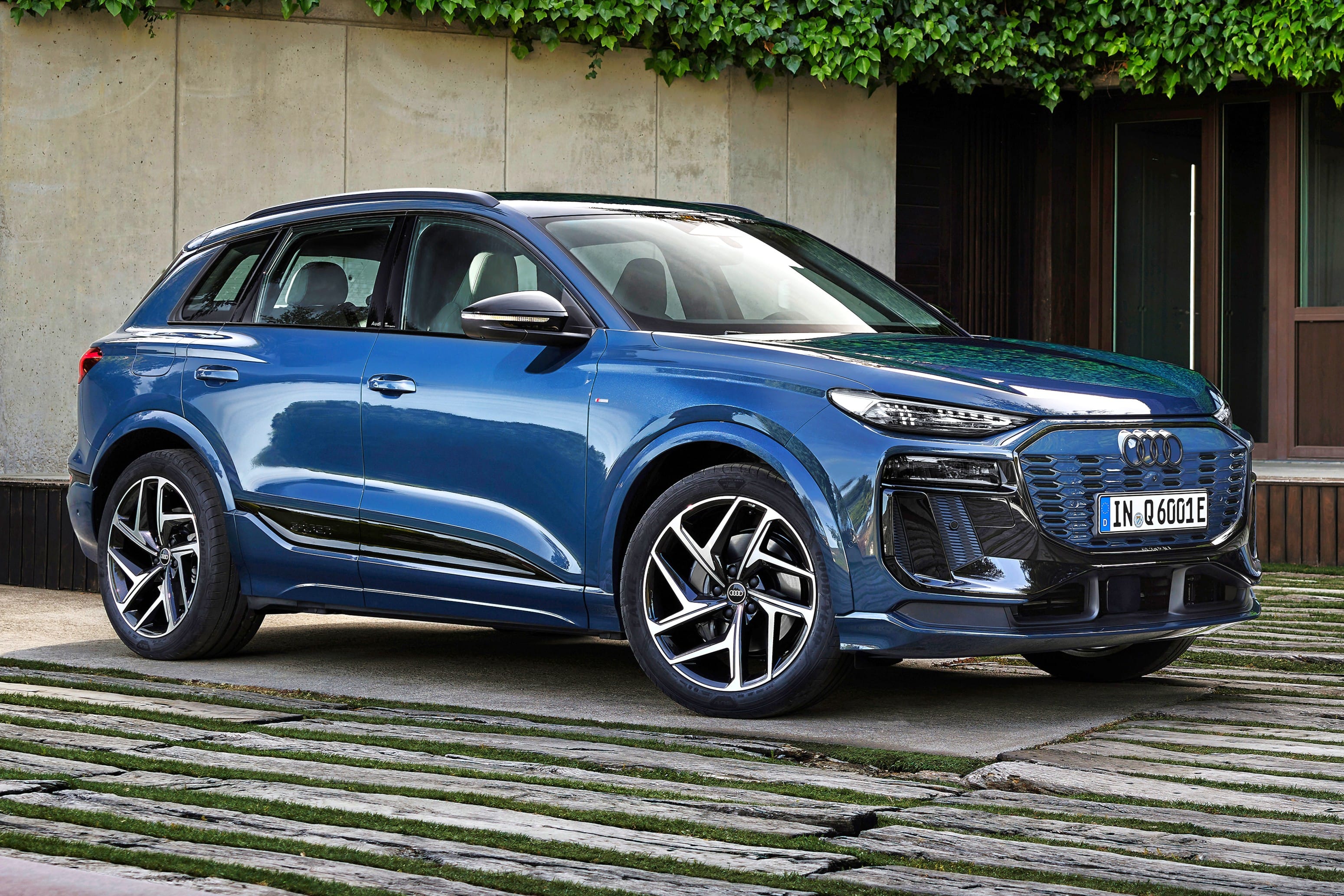
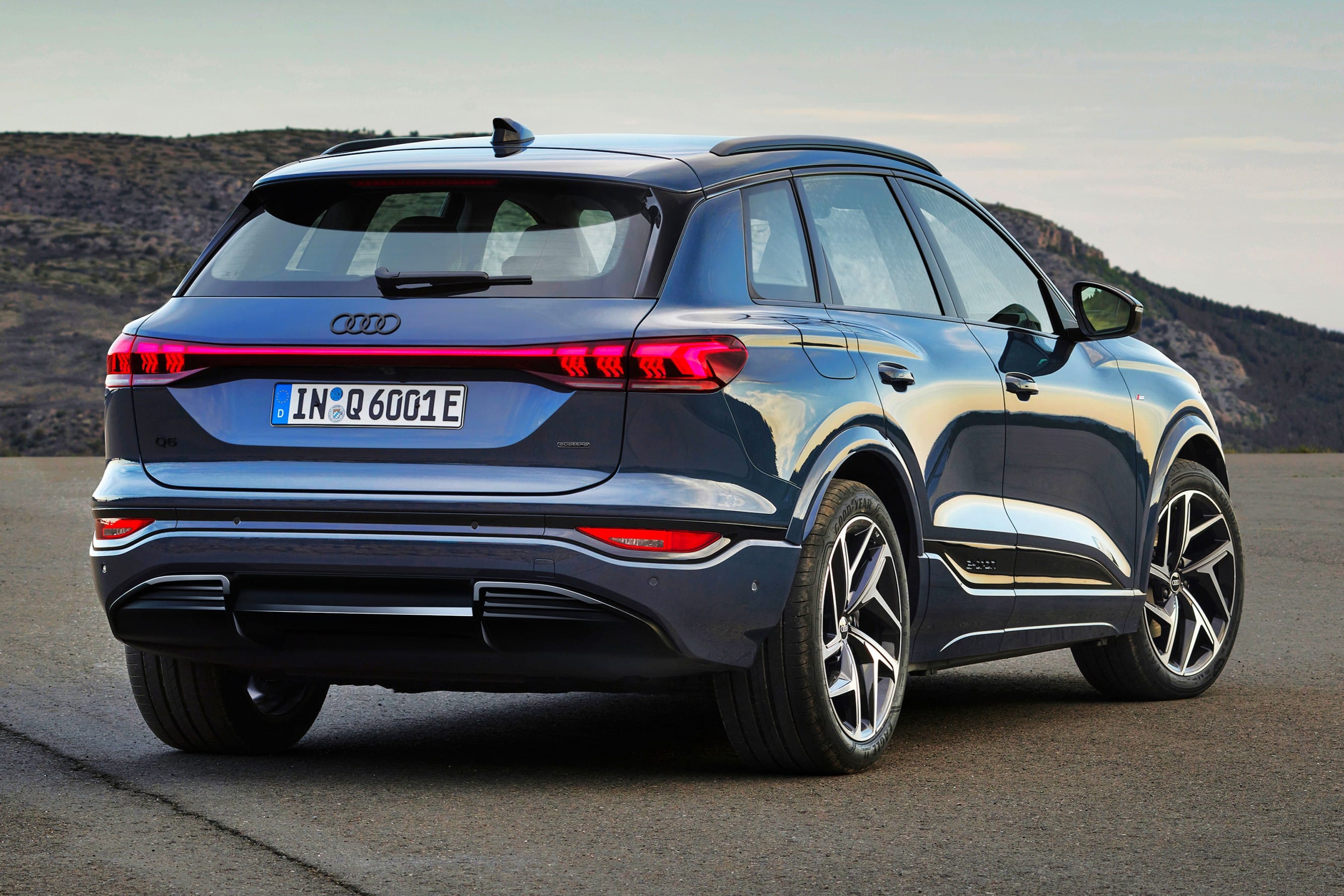
Audi Q6 e-tron
“From what I know, we also have decided to enter with new products in the electric segment in India,” Döllner said.
Audi has decided to assemble an electric vehicle in India, Autocar India learns, although the model and launch timing are still being worked out. The move from fully imported EVs to local assembly is now a question of when, rather than if.
The company was among the first luxury carmakers to enter India’s EV market with models such as the e-tron, e-tron Sportback, e-tron GT and Q8 e-tron. High import duties, however, restricted their reach and affected their resale-value proposition.
Audi Q6 e-tron
The Q6 e-tron is among the products being studied, but Audi has not decided which EV will be assembled in India. The selected model will need to offer the right combination of volume, pricing and suitability for local conditions.
Audi believes electric SUVs make more practical sense in India because their ground clearance is better suited to local road conditions. Sedans have not been ruled out, but SUVs offer a more practical proposition for battery-electric vehicles in the country.
Regional focus to shape future products
The broader powertrain approach is part of Döllner’s effort to make Audi more responsive to the requirements of individual regions.
“Audi has to act much more regional,” he said. “The times where we had a one size fits all, and we then bring it to China, just extend the wheelbase and do the same car, that doesn’t work anymore. We have to listen carefully to the markets.”
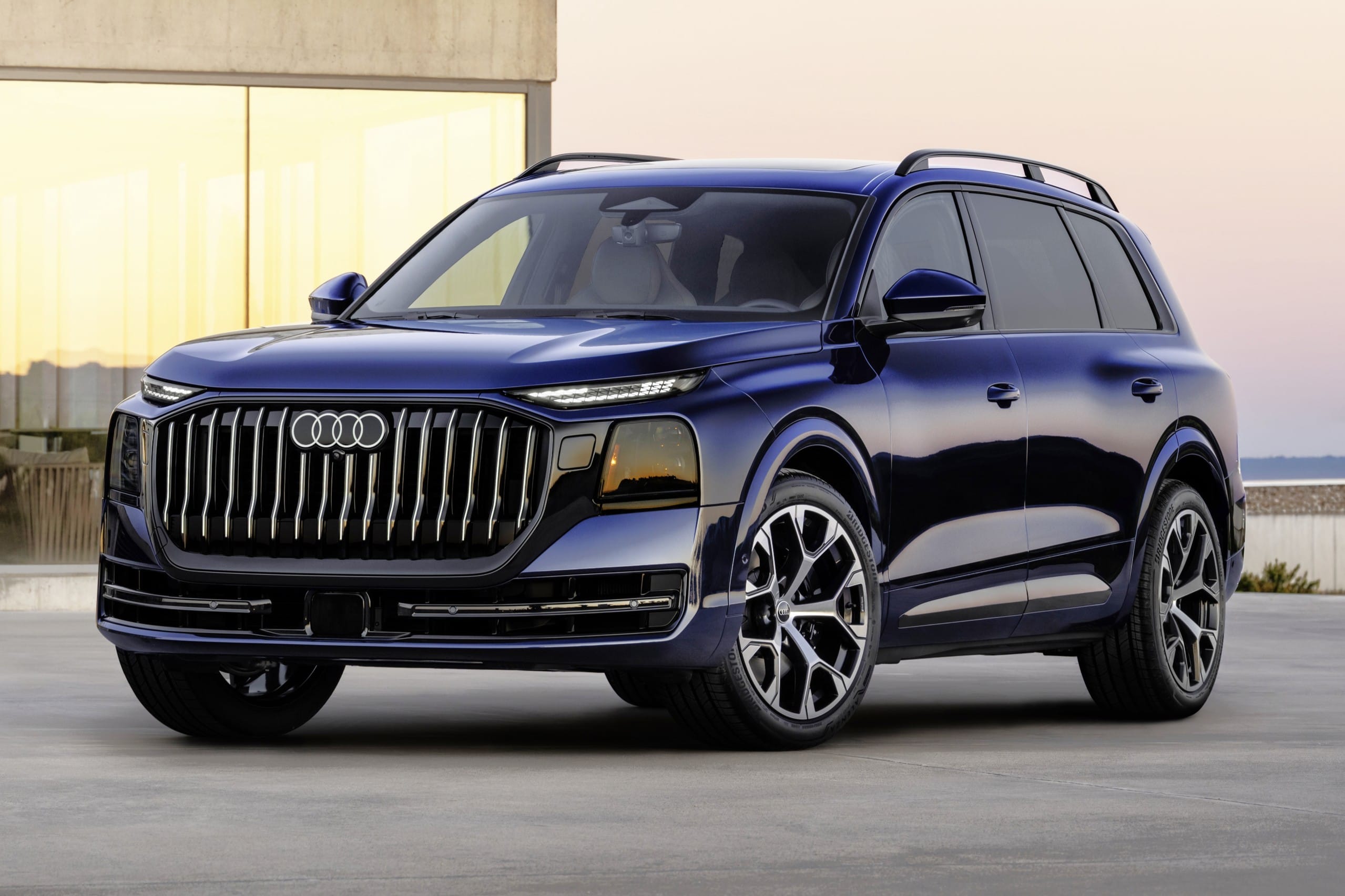
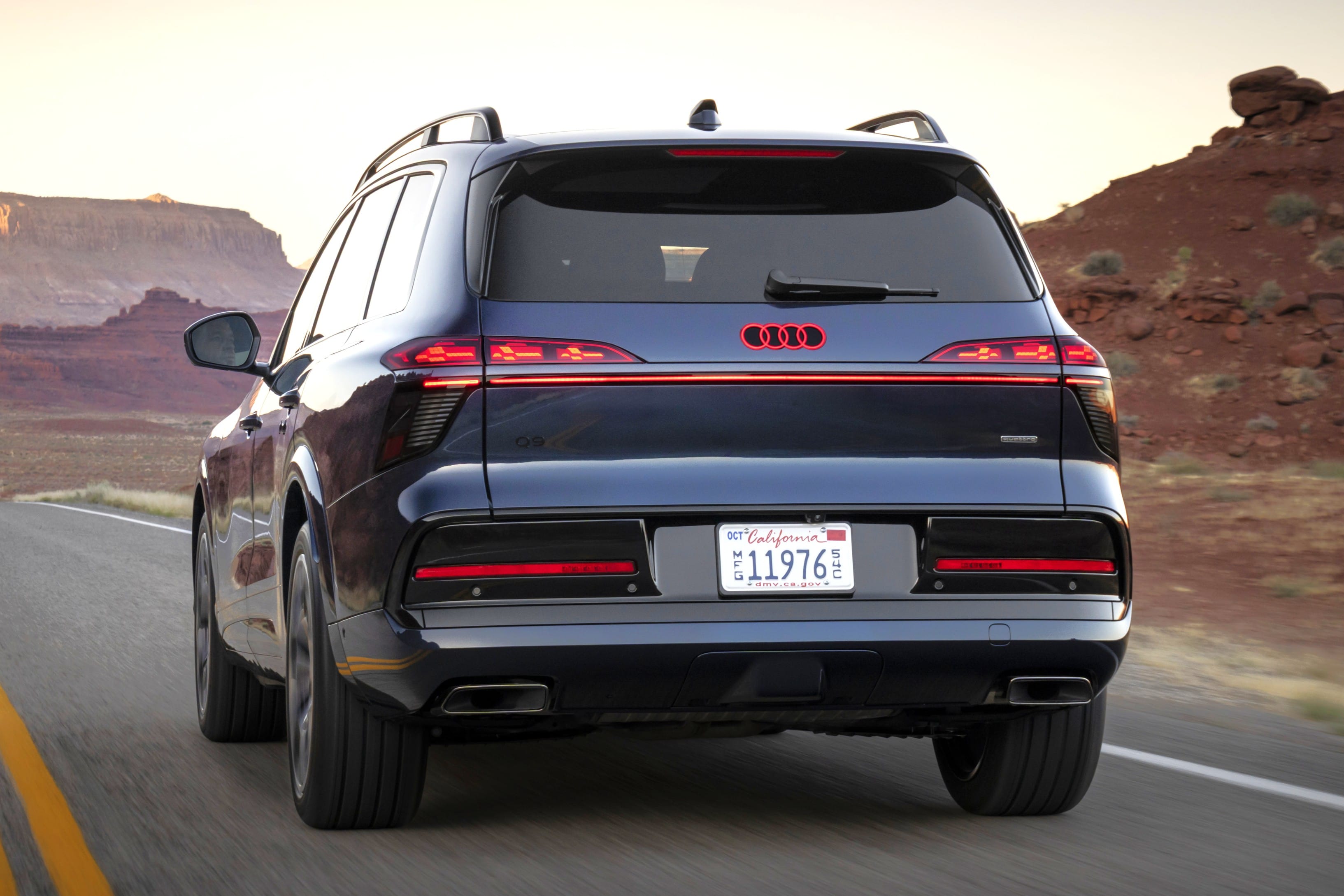
The Q9 is the first clear example of that approach. Conceived around the requirements of American customers, it will be the first Audi to make its market debut in the US.
Audi Q9
“The Q9 is a perfect proof point of a car. The biggest Audi we’ve ever built,” Döllner said. “That car would not be there without the American market.”
India does not yet generate the volumes required for Audi to develop country-specific models. Local requirements covering ground clearance, suspension, tyres, weather, dust and fuel quality are, however, fed into its global development process. The introduction of new models in India is also expected to move closer to their global launches, helping Audi benefit from the interest created when a vehicle is revealed internationally.
Döllner said the improvement in India’s manufacturing and automotive technology has changed how the country is viewed within the global industry.
Audi Q9
“India is also an excellent proof point. It’s really unbelievable what the car industry has developed in India and what level of perfection and technology products are delivered,” he said.
“In the past, there has been this strong European automotive industry, and the world has turned around. Now we have a very dynamic Chinese market, a growing and rising Indian automotive industry. The US is a story of its own.”
“What keeps me awake at night is if we are able to change fast enough,” Döllner said. “We have to speed up.”
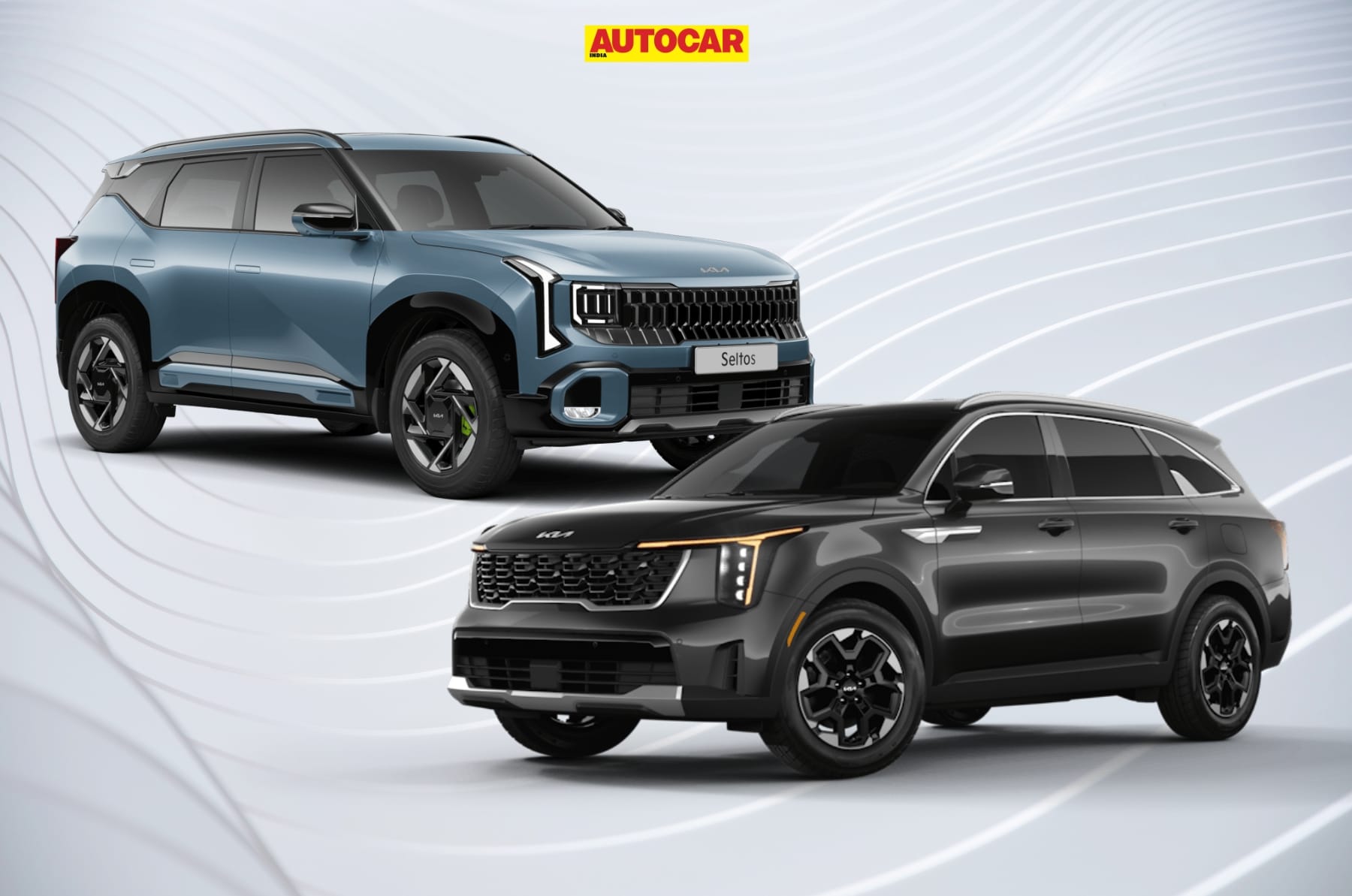
Kia India has outlined its multi-powertrain strategy for the Indian market, confirming that hybrid powertrains and factory-fitted CNG models are under development. Speaking to our sister publication Autocar Professional, Kia India executive Atul Sood said the company will continue to invest across multiple powertrain technologies as it works towards having eight electrified models in its India lineup by 2030. “We’re looking at the complete gamut of technologies available. We want to give all options to our customers, so then we leave it to them to decide what they want to go in for,” Sood said.
Factory-fitted CNG models under development
Strong-hybrid planned for Sorento, Seltos, Carnival
Eight electrified models planned
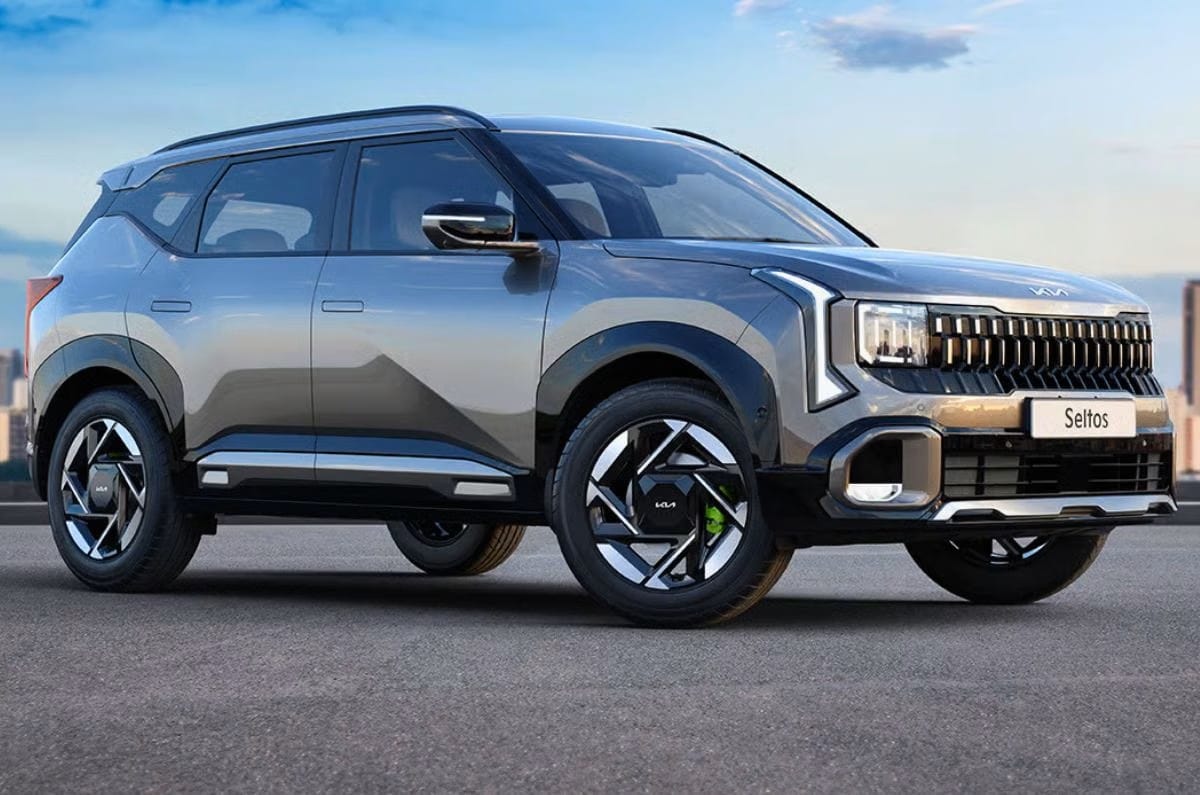
Kia’s electrification roadmap includes both battery electric vehicles and strong hybrids. he company already sells four EVs in India – the EV6, EV9, Carens Clavis EV and the recently launched Syros EV in India, and has also confirmed that a strong-hybrid version of the Seltos is under development. Sood said Kia’s current priority is to localise the hybrid technology to make it more cost competitive, but did not specify a launch timeline.
When asked about a fully electric Seltos, similar to Hyundai’s Creta Electric, Sood said the company is studying the possibility but has not taken a final decision.
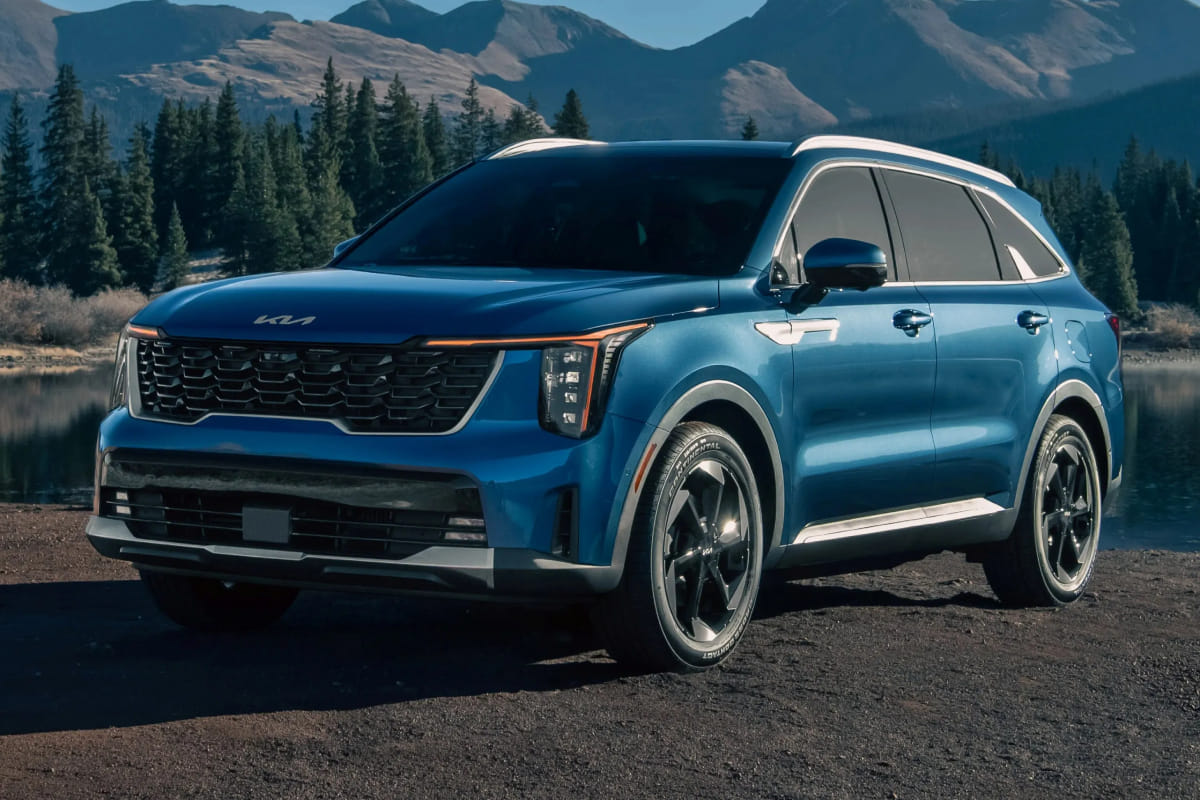
Aside from the Seltos, Kia is also preparing to introduce the Sorento in India in the coming months. Expected to be locally assembled, the three-row SUV is likely to become the brand’s first strong-hybrid model for the Indian market. According to our previous reporting, the Carnival is also expected to receive a strong-hybrid powertrain for India.
With four EVs already on sale and hybrid powertrain planned for the Seltos, Sorento and Carnival, Kia would have seven electrified models in its lineup, suggesting that another model – likely from its compact SUV range, such as the Sonet or Syros, could also gain a hybrid powertrain to meet its target of eight electrified models by 2030.
Factory-fitted CNG models in the works
Kia has also confirmed that it is developing factory-fitted CNG models for India. At present, the brand does not offer any factory-fitted CNG vehicles, instead relying on dealer-installed retrofit kits for the Carens. However, Sood said engineering work towards factory-fitted CNG models is “strong work in progress”, although he did not provide a timeline for their introduction.
He added that Kia is evaluating the technology across multiple models in its lineup, rather than limiting it to MPVs, as it assesses demand across different vehicle segments.
Royal Enfield has said that internal combustion engine (ICE) motorcycles will remain central to its business even after the launch of its first Flying Flea electric motorcycle. The company detailed its long-term strategy in its latest annual report under a new framework called RE-BALANCE.
Royal Enfield will continue investing in new ICE motorcycles alongside EVs.
Brazil is now the company’s largest and fastest-growing international market.
In the company’s annual report, Eicher Motors Executive Chairman Siddhartha Lal said Royal Enfield is committed to building its electric future but will continue investing in petrol-powered motorcycles for as long as possible. The RE-BALANCE strategy focuses on balancing investments in ICE and EVs, improving customer experiences, driving profitable growth and advancing sustainability.
While the company acknowledged that changing consumer preferences and dependence on ICE motorcycles pose long-term business risks, it said it will address these through product innovation, stronger brand relevance and deeper engagement with younger customers.
Royal Enfield said the RE-BALANCE strategy will guide its gradual expansion into electric mobility while continuing to invest in its established ICE portfolio. Its EV ambitions will be led by the Flying Flea brand, and Royal Enfield says that Flying Flea is designed to complement, rather than replace, its existing ICE lineup.
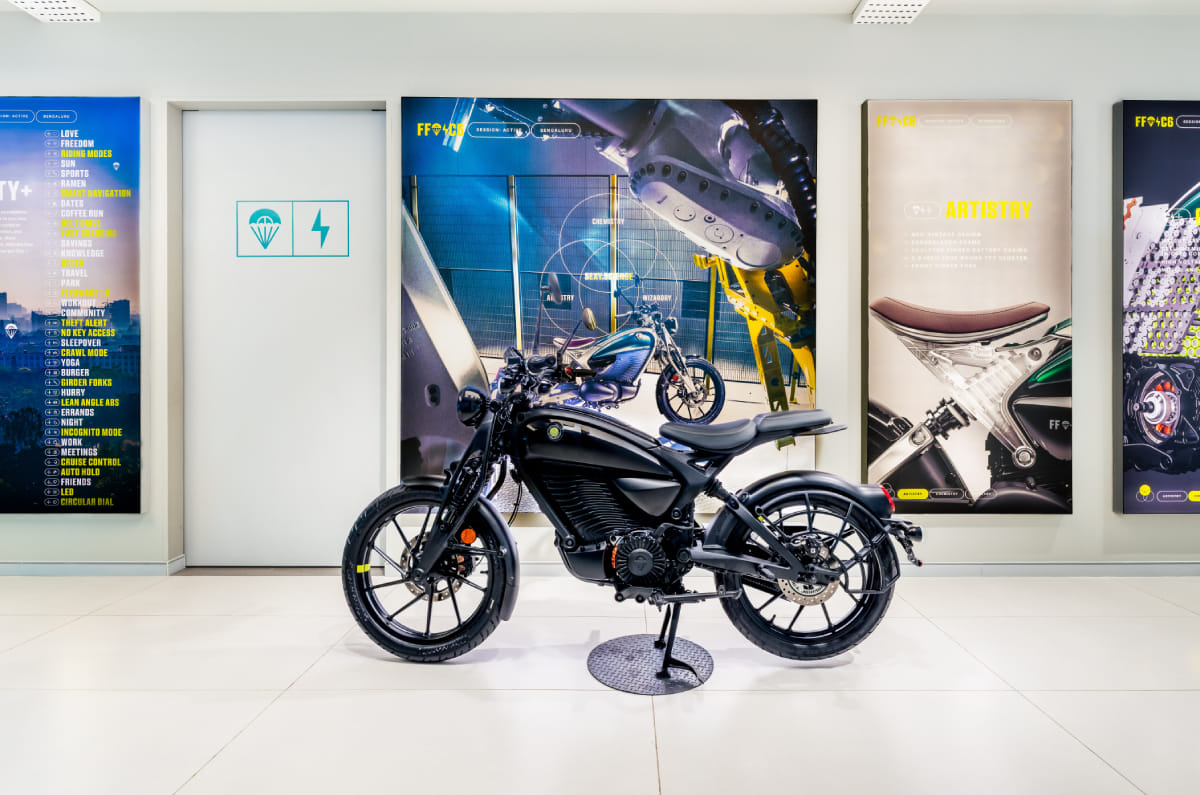
The C6, which is the first model under the brand, was showcased across several cities before its launch in India alongside the opening of the first Flying Flea store in Bengaluru. The motorcycle is priced at Rs 2.79 lakh (ex-showroom Bengaluru) and with Battery as a service (BaaS), the price comes down to Rs 1.99 lakh.
The annual report also highlighted Royal Enfield’s continued global expansion. Brazil emerged as its largest and fastest-growing international market, while the company further strengthened its overseas manufacturing footprint with new assembly facilities in Bangladesh and Thailand.
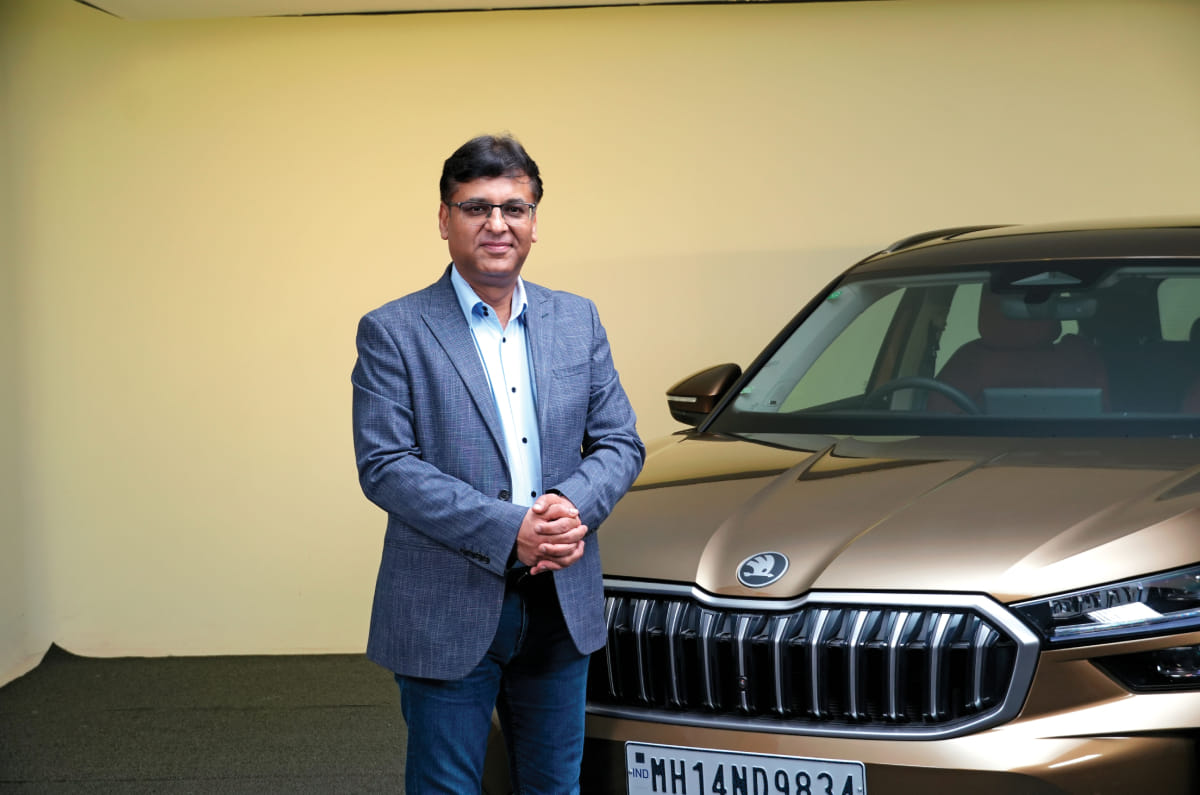
Skoda Auto India has had a busy year, with the launch of the Kylaq, the return of the Kodiaq, an expanding dealer network and plans to strengthen its presence across multiple segments. The company is also preparing for an electric future while continuing to invest in its petrol-powered portfolio. In this interview, Brand Director Ashish Gupta talks about Skoda’s sales growth, the launch of the Kodiaq RS, upcoming model updates, EV strategy and the steps being taken to improve the ownership experience in India.
On his first year at the helm of Skoda India.
Coming from Volkswagen, I’ve basically switched to the other side of the office, but I’d say it’s been challenging but exhilarating. I’m more than satisfied with the year, from the brand side, sales and also setting the foundation for the future. All our KPIs – brand image, awareness, consideration, network coverage, dealer profitability, customer satisfaction, market coverage, etc. – have improved, and we have done really well. In sales, we went from number eleven to seven, and we also became number four in the global sales ranking for Skoda, just slightly behind the UK.
On the launch of the Kodiaq RS.
The Kodiaq is our flagship. It came here in 2017, and we have it on sale again. At the same time, this year marks 125 years for Skoda in motorsport, and it’s also about 50 years since the RS badge was first born, so we thought it would be great to bring in the Kodiaq RS as the pinnacle of our engineering and motorsport heritage. It’s coming in as a fully built unit, and we have only 50 units; allocation is a challenge when it’s a bestseller abroad, but we have the option of another batch later on.
On the Kylaq driving Skoda’s sales growth.
Yes, a large portion of our sales came from the Kylaq, but that was also because we were running out the Kushaq, which was due for an update and has now been launched. So, the demand for the Kushaq was always there. Also, it’s only been two months, so it’s too early to qualify, but we have seen an uptake of about 40% in sales, and the order book is solid.
On the Slavia and the upcoming update.
The Slavia is a very special model for us. SUVs are the flavour of the season, but sedans are doing fine too, and we are among the few manufacturers in the world that still have a sedan portfolio, all of which are doing well. In India, the Slavia continues our sedan legacy of models like the Octavia, Superb and Rapid, and so, yes, it will see an update, but it’s early to specify details.
On the company’s electric vehicle plans.
If you want to be a relevant player in that space, you have to have a local play, so that’s what we are working on. EV penetration was 7% in May, up from 4.5% at the end of last year, so yes, this is a space where we will accelerate our plans, but you cannot do this suddenly, as there are factors like the supply chain to consider. But there’s an international portfolio too that we can look at.
On the possibility of the Peaq making it to India.
Bringing in a global model is very difficult as far as pricing goes, and the EU-FTA, as you know, does not give benefits to EVs for now. So, for now, we have to look at what makes sense, and yes, a larger EV is easier to manage pricing with. And yes, the Peaq is certainly on my radar. We will look at the specifications and see how we can best manage that with pricing, as you cannot have a high-priced CBU but be low on equipment. So, we are working on this. My ambition is to get the global portfolio to India.
On a petrol-only portfolio and flex-fuel cars.
If you see, year to date, the petrol market is about 46%, which used to be above 50% last year, so there is a shift, but the market is also growing by 20%. So even if the share of other fuels is rising, the absolute volume of petrol is increasing, so I’m not worried about our current portfolio. As for flex fuel, yes, ethanol is a longer-term strategy that the government wants, so we have to look at it, and we are, but there is work to manage this, as we have to look at the engine portfolio and manage our strict emission norms too.
On addressing Skoda’s dealer experience.
If you look at our customer experience scores, they have been improving. Sales have grown by almost 12 percent over the last year, and customer experience for service has improved by 18 to 20 percent. So, are we perfect? No, but the trend has improved and is only rising. Also, we are now present at about 335 touchpoints in 183 cities and are just inaugurating our 200th workshop in India, so we are getting closer to our customers. We have competitive service packs and excellent parts availability. Today, we have a parts service rate of more than 96 percent at our warehouses and dealerships, which is among the best in the industry.
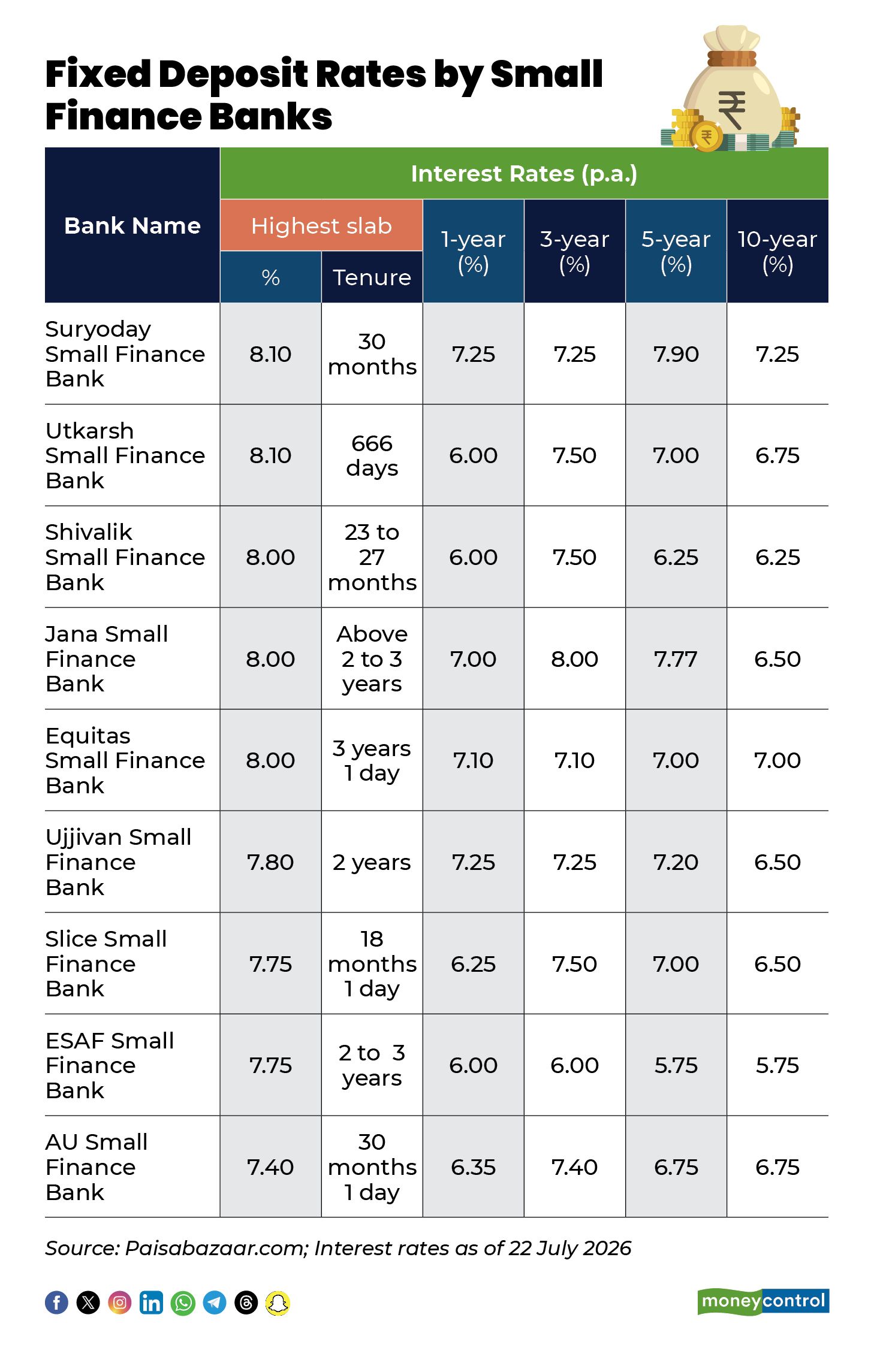
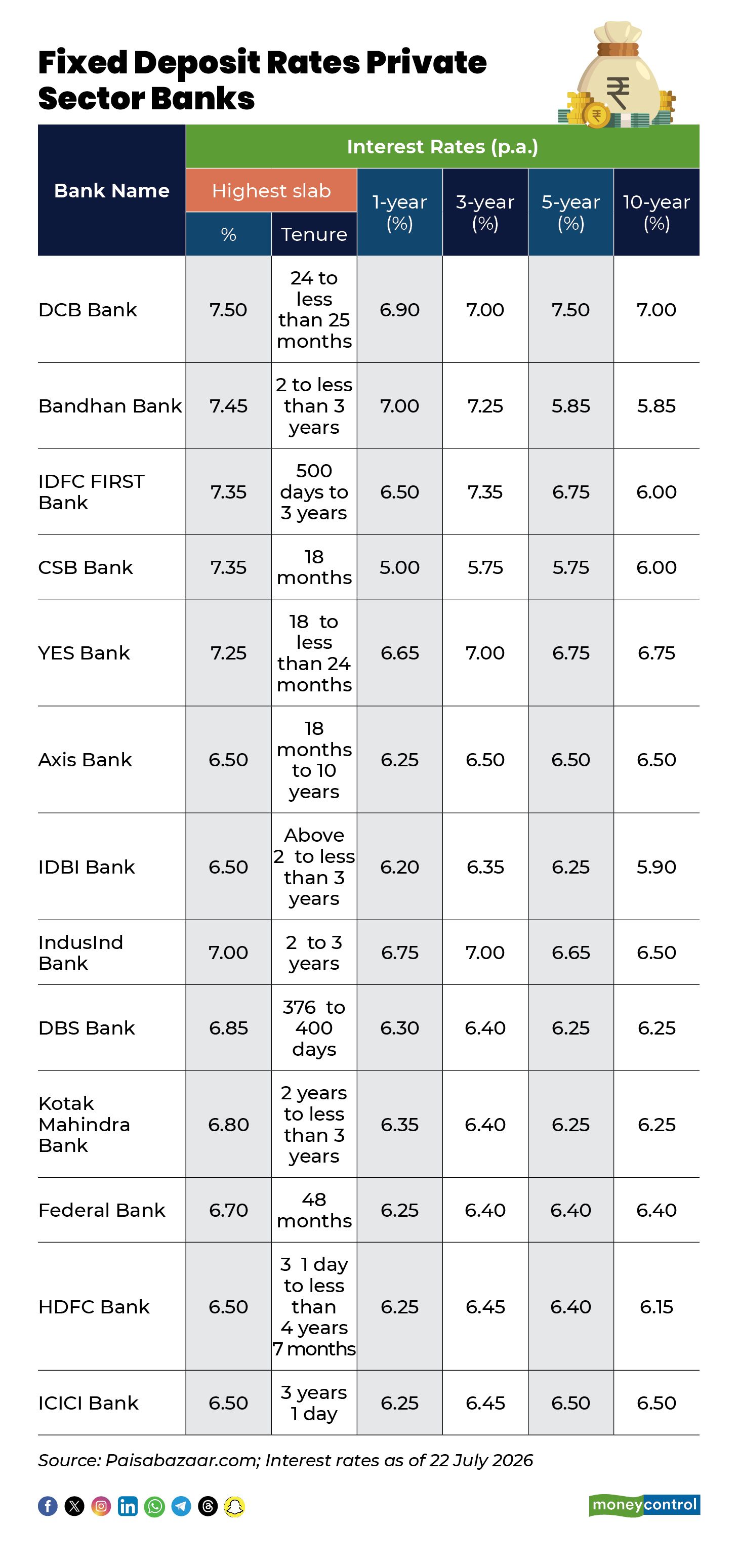
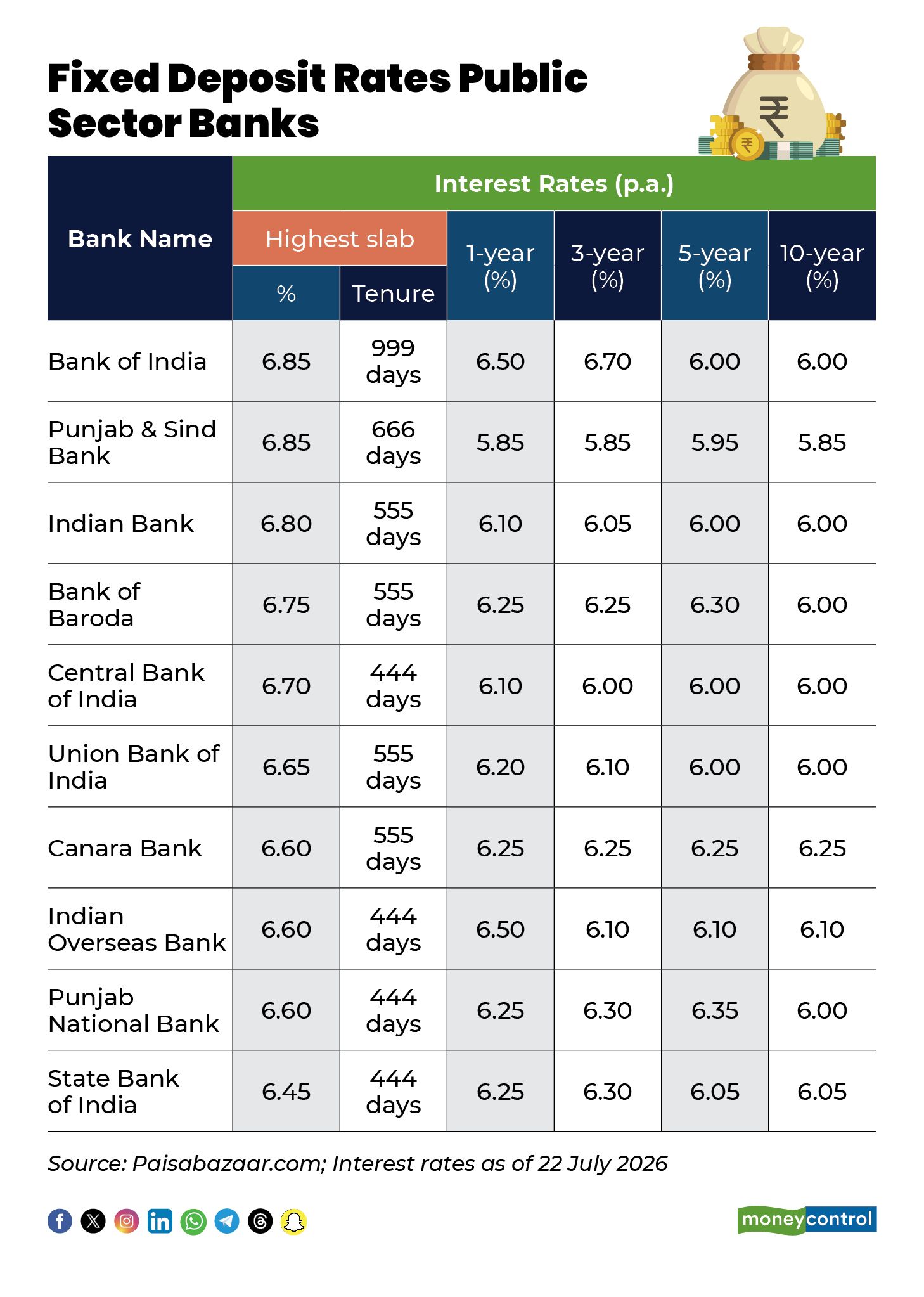
Invest in FD : अगर आप भी उन इन्वेस्टर्स में से एक जो फिक्स्ड डिपॉजिट यानी एफडी (FD)में निवेश करना चाहते है तो आप आसानी से इन बैंकों से 8.1 फीसदी तक का इंटरेस्ट कमा सकते हैं। स्मॉल फाइनेंस बैंक सबसे ज़्यादा FD रेट के साथ सबसे आगे हैं, वहीं प्राइवेट और पब्लिक सेक्टर के लेंडर भी अलग-अलग समय में अच्छा रिटर्न दे रहे हैं।
FD इंटरेस्ट रेट में थोड़ा सा भी अंतर लंबे समय में रिटर्न को काफी बढ़ा सकता है, खासकर बड़ी रकम इन्वेस्ट करने वाले सीनियर सिटिजन के लिए। FD बुक करने से पहले अलग-अलग बैंकों के रेट की तुलना करने से बिना ज़्यादा रिस्क लिए इंटरेस्ट इनकम को ज़्यादा से ज़्यादा करने में मदद मिल सकती है। निवेश से पहले यहां देखें उन बैंकों के लिस्ट जो दे रहे है सबसे ज्यादा रिटर्न।
सूर्योदय स्मॉल फाइनेंस बैंक 8.10 परसेंट तक के फिक्स्ड डिपॉजिट इंटरेस्ट रेट दे रहा है।
उत्कर्ष स्मॉल फाइनेंस बैंक 8.10 परसेंट तक के फिक्स्ड डिपॉजिट इंटरेस्ट रेट दे रहा है।
इक्विटास स्मॉल फाइनेंस बैंक 8.00 परसेंट तक के फिक्स्ड डिपॉजिट इंटरेस्ट रेट दे रहा है।
जन स्मॉल फाइनेंस बैंक 8.00 परसेंट तक के फिक्स्ड डिपॉजिट इंटरेस्ट रेट दे रहा है।
शिवालिक स्मॉल फाइनेंस बैंक 8.00 परसेंट तक के फिक्स्ड डिपॉजिट इंटरेस्ट रेट दे रहा है।
उज्जीवन स्मॉल फाइनेंस बैंक 7.80 प्रतिशत तक की फिक्स्ड डिपॉजिट ब्याज दरें दे रहा है।
DCB बैंक 7.50 परसेंट तक के फिक्स्ड डिपॉजिट इंटरेस्ट रेट दे रहा है।
बंधन बैंक 7.45 परसेंट तक के फिक्स्ड डिपॉजिट इंटरेस्ट रेट दे रहा है।
CSB बैंक 7.35 परसेंट तक के फिक्स्ड डिपॉजिट इंटरेस्ट रेट दे रहा है।
IDFC FIRST बैंक 7.35 परसेंट तक के फिक्स्ड डिपॉजिट इंटरेस्ट रेट दे रहा है।
SBM बैंक इंडिया 7.35 परसेंट तक के फिक्स्ड डिपॉजिट इंटरेस्ट रेट दे रहा है।
सिटी यूनियन बैंक 7.25 परसेंट तक के फिक्स्ड डिपॉजिट इंटरेस्ट रेट दे रहा है।
बैंक ऑफ़ इंडिया 6.85 परसेंट तक के फिक्स्ड डिपॉज़िट इंटरेस्ट रेट दे रहा है।
पंजाब एंड सिंध बैंक 6.85 परसेंट तक के फिक्स्ड डिपॉज़िट इंटरेस्ट रेट दे रहा है।
इंडियन बैंक 6.80 परसेंट तक के फिक्स्ड डिपॉज़िट इंटरेस्ट रेट दे रहा है।
बैक ऑफ़ बड़ौदा 6.75 परसेंट तक के फिक्स्ड डिपॉज़िट इंटरेस्ट रेट दे रहा है।
सेंट्रल बैंक ऑफ़ इंडिया 6.70 परसेंट तक के फिक्स्ड डिपॉज़िट इंटरेस्ट रेट दे रहा है।
बैंक ऑफ़ महाराष्ट्र 6.65 परसेंट तक के फिक्स्ड डिपॉज़िट इंटरेस्ट रेट दे रहा है।
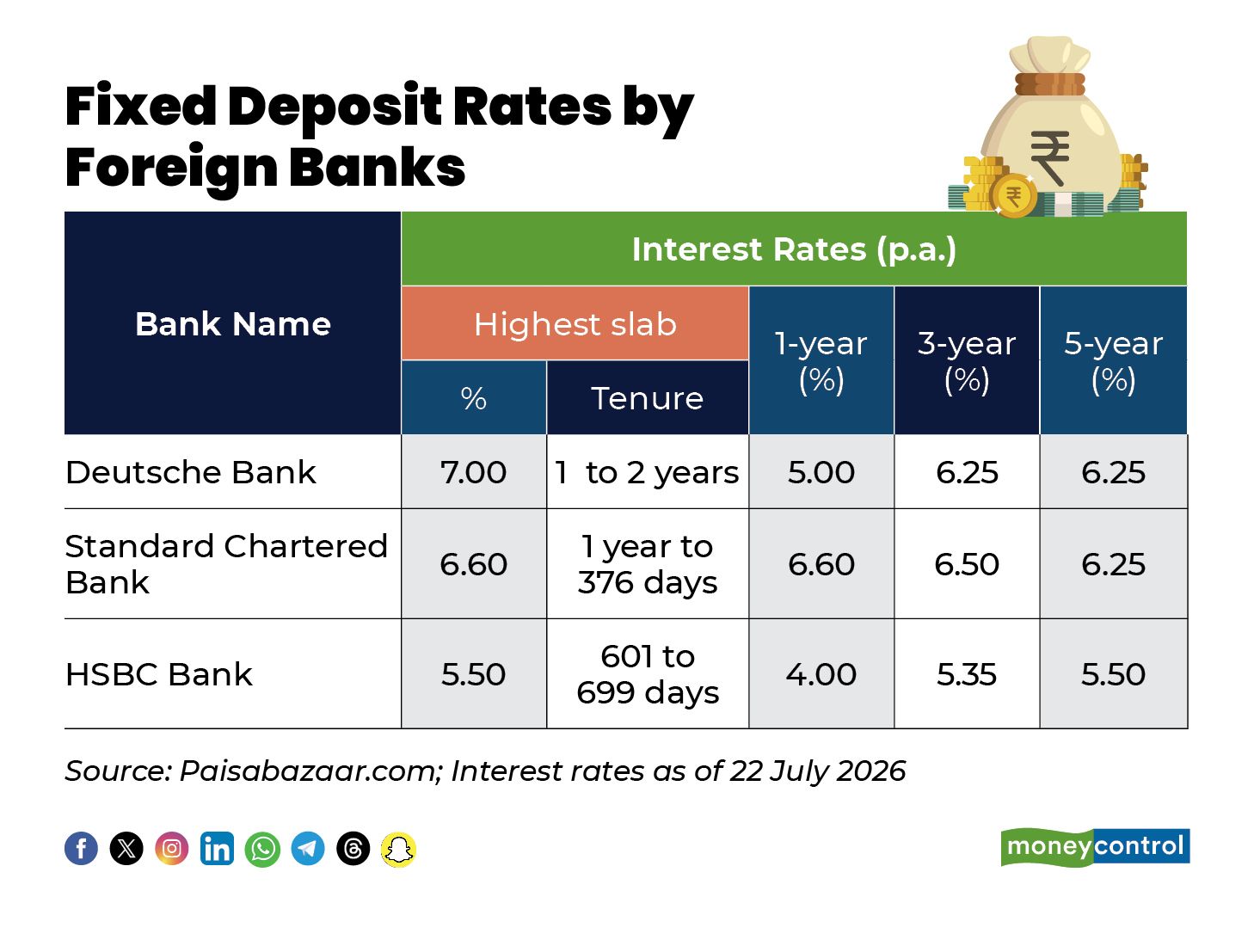
ड्यूश बैंक 7.00 परसेंट तक के फिक्स्ड डिपॉजिट इंटरेस्ट रेट दे रहा है।
स्टैंडर्ड चार्टर्ड बैंक 6.60 परसेंट तक के फिक्स्ड डिपॉजिट इंटरेस्ट रेट दे रहा है।
HSBC बैंक 5.50 परसेंट तक के फिक्स्ड डिपॉजिट इंटरेस्ट रेट दे रहा है।
एक्सपर्ट्स का सुझाव है कि 5 लाख रुपये के इंश्योरेंस कवर में रहने के लिए कई बैंकों में डिपॉजिट बांट लें, ज़्यादा रिटर्न के लिए छोटे फाइनेंस बैंकों का चुनिंदा इस्तेमाल करें, और लिक्विडिटी की जरूरतों के हिसाब से डिपॉजिट की अवधि तय करें। डिपॉजिट इंश्योरेंस प्रोटेक्शन और स्थिर रिटर्न के साथ, FD रिटायर लोगों के लिए एक भरोसेमंद इन्वेस्टमेंट का तरीका बना हुआ है।
(डिस्क्लेमर: मनीकंट्रोल.कॉम पर दिए गए विचार एक्सपर्ट के अपने निजी विचार होते हैं। वेबसाइट या मैनेजमेंट इसके लिए उत्तरदाई नहीं है। यूजर्स को मनी कंट्रोल की सलाह है कि कोई भी निवेश निर्णय लेने से पहले सार्टिफाइड एक्सपर्ट की सलाह लें।
10 Lakh Investment Options & Strategies: अपने जीवन का पहला ₹10 लाख का फंड जमा करना किसी भी व्यक्ति के लिए बहुत बड़ा फाइनेंशियल माइलस्टोन होता है। चाहे यह पैसा सैलरी की बचत, बोनस, बिजनेस प्रॉफिट, या किसी प्रॉपर्टी की बिक्री से आया हो, इसे हासिल करने के बाद सबसे बड़ा सवाल यही होता है कि इस ₹10 लाख को कहां और कैसे इन्वेस्ट करें ताकि भविष्य में इससे बड़ा वेल्थ बनाया जा सके।
फाइनेंशियल विशेषज्ञों का मानना है कि ₹10 लाख का निवेश करने के लिए ‘वन साइज फिट्स ऑल’ यानी एक जैसा नियम सब पर लागू होने का फॉर्मूला काम नहीं करता। आइए आपको बताते हैं कि सही रणनीति के साथ अपने ₹10 लाख को कैसे निवेश करें।
निवेश से पहले निपटाएं ये 3 सबसे जरूरी काम
₹10 लाख को सीधे बाजार में लगाने की जल्दबाजी न करें। सबसे पहले इन तीन बुनियादी बातों को मजबूत करें:
1- इमरजेंसी फंड: क्या आपके पास कम से कम 6 महीने के खर्चों के बराबर इमरजेंसी फंड है? अगर नहीं, तो इस ₹10 लाख में से कुछ हिस्सा लिक्विड फंड या बैंक एफडी में अलग रखें।
2- हेल्थ इंश्योरेंस: अपने और परिवार के लिए पर्याप्त हेल्थ कवर जरूर लें ताकि मेडिकल इमरजेंसी में आपकी बचत न डूबे।
3- महंगे कर्ज: अगर आप पर क्रेडिट कार्ड का बिल या पर्सनल लोन जैसा कोई भारी ब्याज वाला कर्ज है, तो निवेश करने से पहले उसे चुकता करें।
एक साथ पैसा लगाने से बचें, स्टैगर्ड तरीका अपनाएं
बाजार में होने वाले उतार-चढ़ाव के जोखिम को कम करने के लिए पूरा ₹10 लाख एक बार में निवेश न करें। अपने पैसे को किसी लिक्विड फंड में रखें और वहां से अगले 6 से 12 महीनों के दौरान सिस्टमैटिक ट्रांसफर प्लान (STP) के जरिए इक्विटी फंड्स में ट्रांसफर करें। इससे बाजार के ऊंचे और निचले दोनों स्तरों का फायदा मिलेगा और रिस्क कम होगा।
अपने वित्तीय लक्ष्यों के हिसाब से बांटें पैसा
हर निवेशक का लक्ष्य अलग होता है, इसलिए समय सीमा के हिसाब से अपने पैसों का बंटवारा करें:
शॉर्ट टर्म गोल (1 से 3 साल): अगर आपको बच्चे की पढ़ाई, कार या घर की डाउन पेमेंट के लिए जल्द पैसा चाहिए, तो लो-रिस्क ऑप्शन जैसे डेट म्यूचुअल फंड, एफडी या आर्बिट्राज फंड चुनें।
लॉन्ग टर्म गोल (5 साल से ज्यादा): रिटायरमेंट या लंबी अवधि के वेल्थ क्रिएशन के लिए इक्विटी म्यूचुअल फंड्स (Flexi Cap, Large Cap), एनपीएस, या डायरेक्ट स्टॉक्स में निवेश करें।
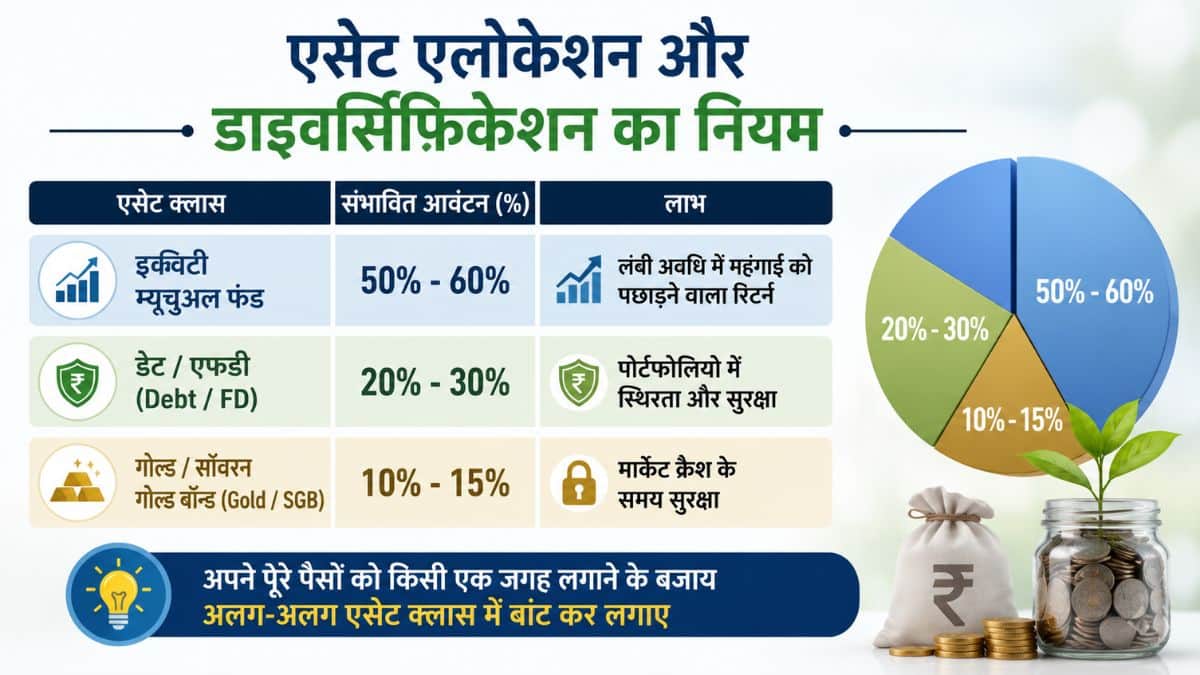
एसेट एलोकेशन और डाइवर्सिफिकेशन का नियम
पोर्टफोलियो की नियमित समीक्षा करें
₹10 लाख का निवेश करने के बाद रोज-रोज के बाजार के उतार-चढ़ाव को देखकर पैनिक न हों। अगर आप पहले से एसआईपी (SIP) चला रहे हैं, तो उसे जारी रखें। साल में एक या दो बार अपने पोर्टफोलियो की समीक्षा करें और जरूरत पड़ने पर रीबैलेंसिंग करें।
Disclaimer: यहां मुहैया जानकारी सिर्फ सूचना के लिए दी जा रही है। यहां बताना जरूरी है कि मार्केट में निवेश बाजार जोखिमों के अधीन है। निवेशक के तौर पर पैसा लगाने से पहले हमेशा एक्सपर्ट से सलाह लें। मनीकंट्रोल की तरफ से किसी को भी पैसा लगाने की यहां कभी भी सलाह नहीं दी जाती है।
Hero MotoCorp has approved an additional investment of up to Rs 1,000 crore in Ather Energy, further strengthening its backing of the Bengaluru-based electric scooter maker ahead of a crucial product offensive.
Hero approves additional investment of up to Rs 1,000 crore in Ather
Hero remains Ather’s largest shareholder with a 29.48 percent stake
Investment comes ahead of Ather’s next phase of product expansion
Hero’s additional investment in Ather: What to expect?
The investment comes at a significant time for Ather, which recently confirmed that it will unveil the mass-market EL platform scooter
The investment will be made through a preferential allotment of equity shares or equity-linked convertible securities, subject to regulatory and shareholder approvals.
Hero has been an investor in Ather since 2016 and currently holds a 29.48 percent stake in the company on a fully diluted basis, making it Ather’s largest shareholder. The latest capital infusion is expected to be completed within 15 days of receiving the required regulatory and corporate approvals.
The investment comes at a significant time for Ather, which recently confirmed that it will unveil its first mass-market EL platform scooter at Community Day on August 29. Expected to be priced in the Rs 1 lakh-1.25 lakh range, the new scooter will be Ather’s first all-new platform since the 450 and is aimed at significantly expanding the company’s addressable market.
The additional funding also follows Ather’s recent partnership with LICO Materials to establish a collection and recycling ecosystem for end-of-life lithium-ion batteries. Under the partnership, batteries from Ather’s EV fleet will be processed at LICO’s recycling facility in Karnataka, where they will either be repurposed for second-life applications or recycled to recover critical materials that can be fed back into the battery supply chain. The initiative supports compliance with India’s Battery Waste Management Rules while helping reduce dependence on imported battery materials.