Stocks to Buy: ये 5 स्टॉक्स 55% तक रिटर्न दे सकते हैं, एक्सपर्ट्स ने खरीदने की सलाह दी

Stocks to Buy: शेयर बाजार में उतार-चढ़ाव के बीच ब्रोकरेज फर्मों ने 5 कंपनियों पर खरीदारी की सलाह दी है। इनमें पावर, इंफ्रास्ट्रक्चर, डेटा सेंटर, रिटेल और क्विक कॉमर्स जैसे तेजी से बढ़ते सेक्टर शामिल हैं। ब्रोकरेज के हिसाब से इन शेयरों में 55% तक रिटर्न मिल सकता है। आइए जानते हैं इन 5 स्टॉक्स में ब्रोकरेज को क्या संभावनाएं दिख रही हैं।

  1. Cummins India

ब्रोकरेज फर्म Macquarie ने Cummins India पर ‘आउटपरफॉर्म’ रेटिंग बरकरार रखी है। ब्रोकरेज ने ₹6,150 का टारगेट प्राइस दिया है। मौजूदा स्तर से इसमें करीब 18.43% का रिटर्न मिल सकता है।

पावर जनरेशन कंपनी के लिए बड़ा बिजनेस बना हुआ है। डेटा सेंटर की बढ़ती मांग भी कंपनी की ग्रोथ में अहम भूमिका निभा रही है। साथ ही CPCB IV+ इंजन वारंटी अवधि से बाहर आने पर आफ्टरमार्केट बिजनेस से अतिरिक्त अवसर मिलने की उम्मीद है।

2. Adani Enterprises

मोतीलाल ओसवाल ने अदाणी ग्रुप की फ्लैगशिप कंपनी Adani Enterprises पर ‘Buy’ रेटिंग के साथ ₹3,880 का टारगेट प्राइस दिया है। ब्रोकरेज के मुताबिक, इसमें करीब 25% तक का उछाल देखने को मिल सकता है।

कंपनी एयरपोर्ट, सड़क, रिन्यूएबल एनर्जी, डेटा सेंटर, कॉपर और स्ट्रैटेजिक मैन्युफैक्चरिंग जैसे कारोबार में मौजूद है। ब्रोकरेज को इन लॉन्ग टर्म बिजनेस से ग्रोथ की उम्मीद है।

3. NTPC

Bernstein ने सरकारी पावर कंपनी NTPC पर ‘Buy’ रेटिंग के साथ ₹450 का टारगेट प्राइस दिया है। ब्रोकरेज के मुताबिक शेयर में करीब 32% तक बढ़ोतरी की गुंजाइश है।

ब्रोकरेज के मुताबिक, भारत में बैटरी एनर्जी स्टोरेज सिस्टम की भूमिका उम्मीद से बड़ी हो सकती है। रिन्यूएबल एनर्जी के साथ स्टोरेज बिजनेस NTPC के लिए बड़ा अवसर बन सकता है।

4. Avenue Supermarts

CLSA ने Avenue Supermarts पर ‘हाई-कन्विक्शन आउटपरफॉर्म’ रेटिंग दी है। ब्रोकरेज ने ₹5,723 का टारगेट प्राइस रखा है। इससे शेयर में करीब 49% का रिटर्न मिलने की संभावना है।

ब्रोकरेज का कहना है कि कंपनी का कम ऑपरेटिंग कॉस्ट मॉडल और कम कीमत पर सामान बेचने की रणनीति इसकी बड़ी ताकत है। प्राइवेट लेबल कारोबार और नए स्टोर्स का विस्तार भी ग्रोथ को सहारा दे सकता है।

5. Eternal 327

CLSA ने जोमैटो और ब्लिंकिट की पैरेंट कंपनी Eternal को खरीदने की सलाह के साथ ₹506 का टारगेट प्राइस दिया है। ब्रोकरेज के मुताबिक इसमें करीब 55% तक की तेजी देखने को मिल सकती है।

Blinkit का विस्तार इस निवेश की बड़ी वजहों में शामिल है। कंपनी नए शहरों में पहुंच बढ़ा रही है और डार्क स्टोर्स की संख्या भी बढ़ा रही है। Zomato Gold के जरिए ऑर्डर की बढ़ती संख्या और फूड डिलीवरी बिजनेस में सुधार से भी ग्रोथ की उम्मीद है।

Stocks to Watch: 31 अगस्त को ये 14 स्टॉक्स फोकस में रहेंगे, मिल सकता है तगड़ी कमाई का मौका

Disclaimer: मनीकंट्रोल.कॉम पर दिए गए सलाह या विचार एक्सपर्ट/ब्रोकरेज फर्म के अपने निजी विचार होते हैं। वेबसाइट या मैनेजमेंट इसके लिए उत्तरदायी नहीं है। यूजर्स को मनीकंट्रोल की सलाह है कि कोई भी निवेश निर्णय लेने से पहले हमेशा सर्टिफाइड एक्सपर्ट की सलाह लें।
Jawa 42 FJ All Stars Image Gallery

Jawa 42 FJ All Stars Image Gallery
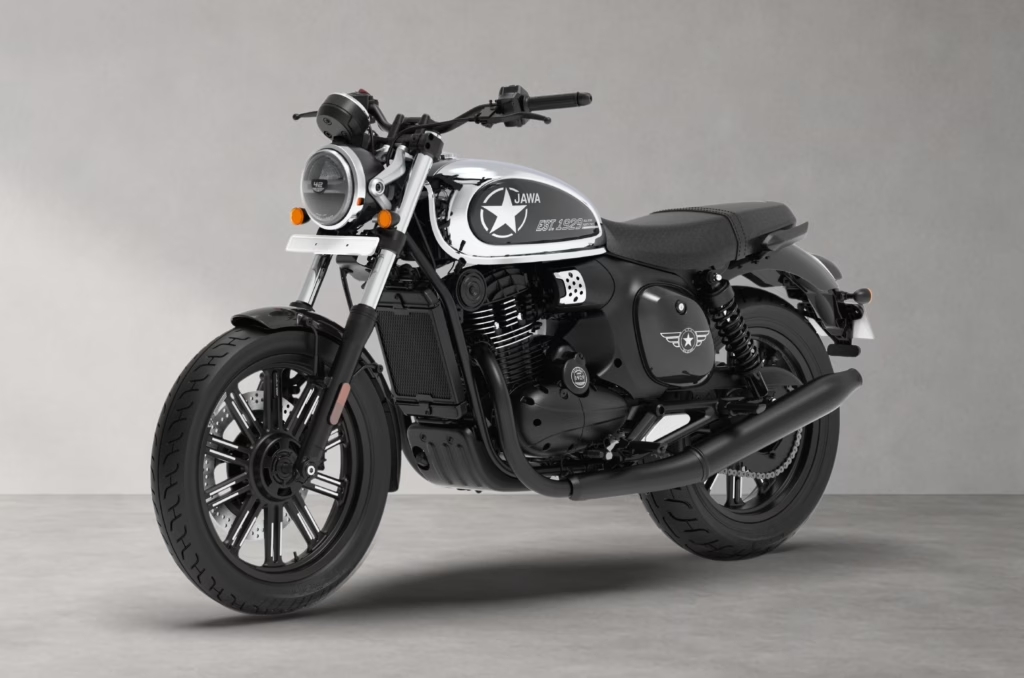
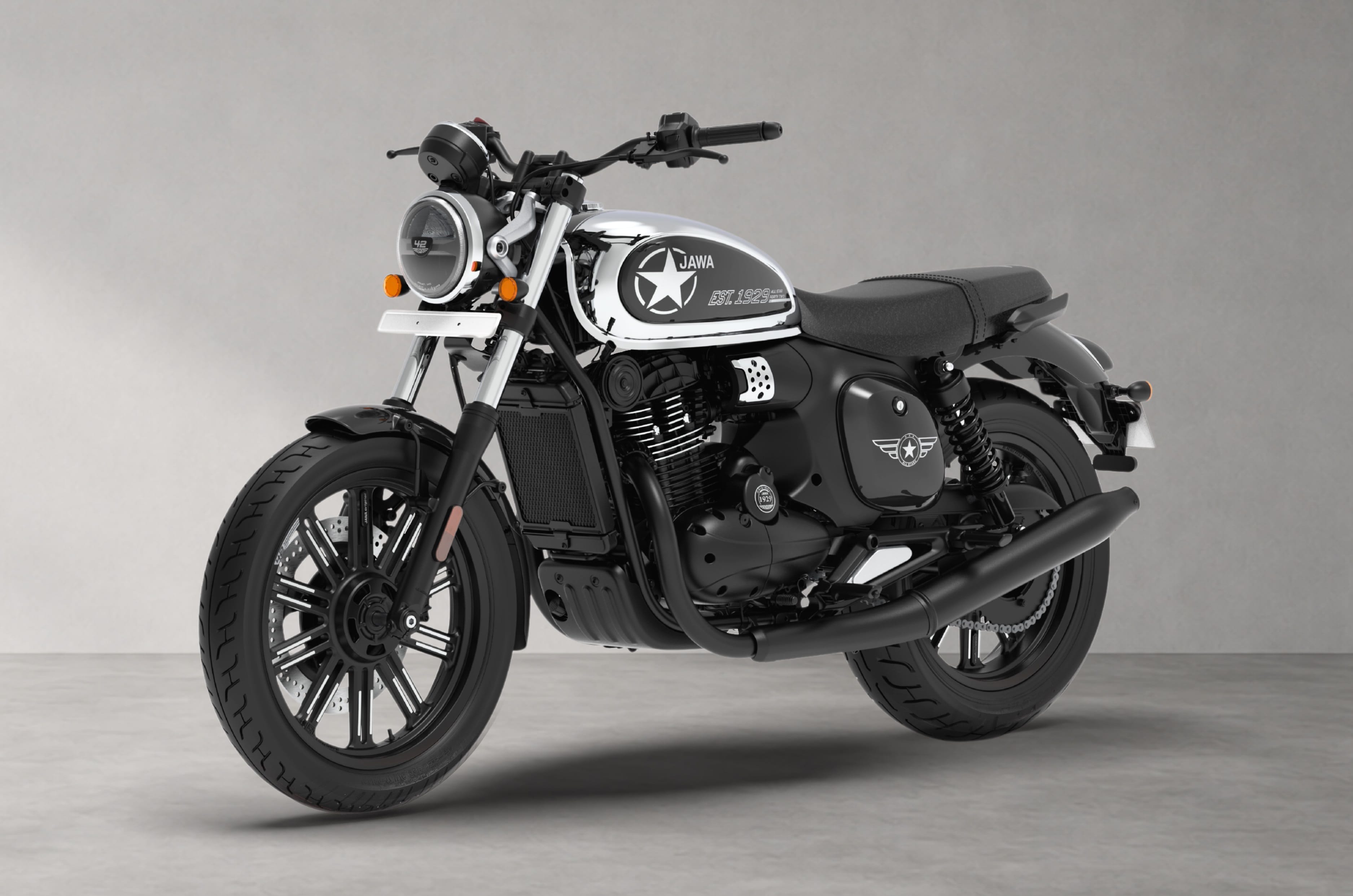
Front left quarter of the Jawa 42 FJ in All Stars Chrome colour.

Jawa has launched the 42 FJ All Stars, a new range of its neo-classic roadster, with prices starting at Rs 2.02 lakh and going up to Rs 2.16 lakh (ex-showroom, New Delhi).

The All Stars range is available in six colourways, Chrome, Nebula Blue, Matte Black with Red Clad, Matte Black with Black Clad, Aurora Green and Red, all with a Star on either side of the tank. The Chrome version is the most expensive at Rs 2.16 lakh, while the Aurora Green and Red versions are priced at Rs 2.02 lakh. The 42 FJ All Stars is available at Jawa Yezdi dealerships across India. The motorcycle retains the 334cc, liquid-cooled, DOHC single-cylinder engine, which produces 29.17hp at 7,500rpm and 29.62Nm of torque at 5,500rpm and is paired with a six-speed gearbox.

Also remain unchanged are the 42 FJ’s distinctive brushed aluminium tank panels, the double-cradle frame, 41mm telescopic front fork, and gas-charged twin rear shocks with five-step preload adjustment.

Tata Sierra vs Harrier: Diesel AT performance compared

Tata Sierra vs Harrier: Diesel AT performance compared

The Tata Sierra is one of the newer midsize SUVs to offer a diesel engine, a powertrain that is becoming increasingly rare in the segment. Positioned below the Harrier in Tata’s SUV lineup, the Sierra gets a 1.5-litre diesel engine, while a 2.0-litre diesel powers the larger Harrier. Both SUVs are available with a 6-speed automatic gearbox, but with different engines under the hood, how do they compare in terms of performance? Let’s find out.

Tata Sierra vs Harrier diesel AT: Specifications and price

The Sierra’s smaller engine offers less performance, but it is also more affordable

Tata Sierra vs Harrier diesel AT: Specifications and price


Tata Sierra 1.5D AT

Tata Harrier 2.0D AT

Engine

4-cyl, turbo-diesel

4-cyl, turbo-diesel

Displacement (cc)

1,497

1,956

Power (hp)

118

170

Torque (Nm)

280

350

Kerb weight (kg)

NA

1,823

Power-to-weight (hp per tonne)

93.25

Torque-to-weight (Nm per tonne)

191.99

Price range (Rs, lakh)

15.99-21.29

18.85-25.40  

The Tata Harrier gets a larger 2.0-litre diesel engine, making 52hp and 70Nm more than the Sierra’s 1.5-litre diesel. Tata is yet to reveal the Sierra diesel’s kerb weight, but it will be lower than the Harrier diesel’s weight because of its smaller size. For reference, the Sierra’s turbo-petrol AT weighs 1,552kg.

The Sierra diesel also has a clear price advantage. Its starting price is Rs 2.86 lakh lower than the Harrier’s, while the top-spec Sierra diesel undercuts the Harrier by a substantial Rs 4.11 lakh.

Tata Sierra vs Harrier diesel AT: 0-100kph acceleration test

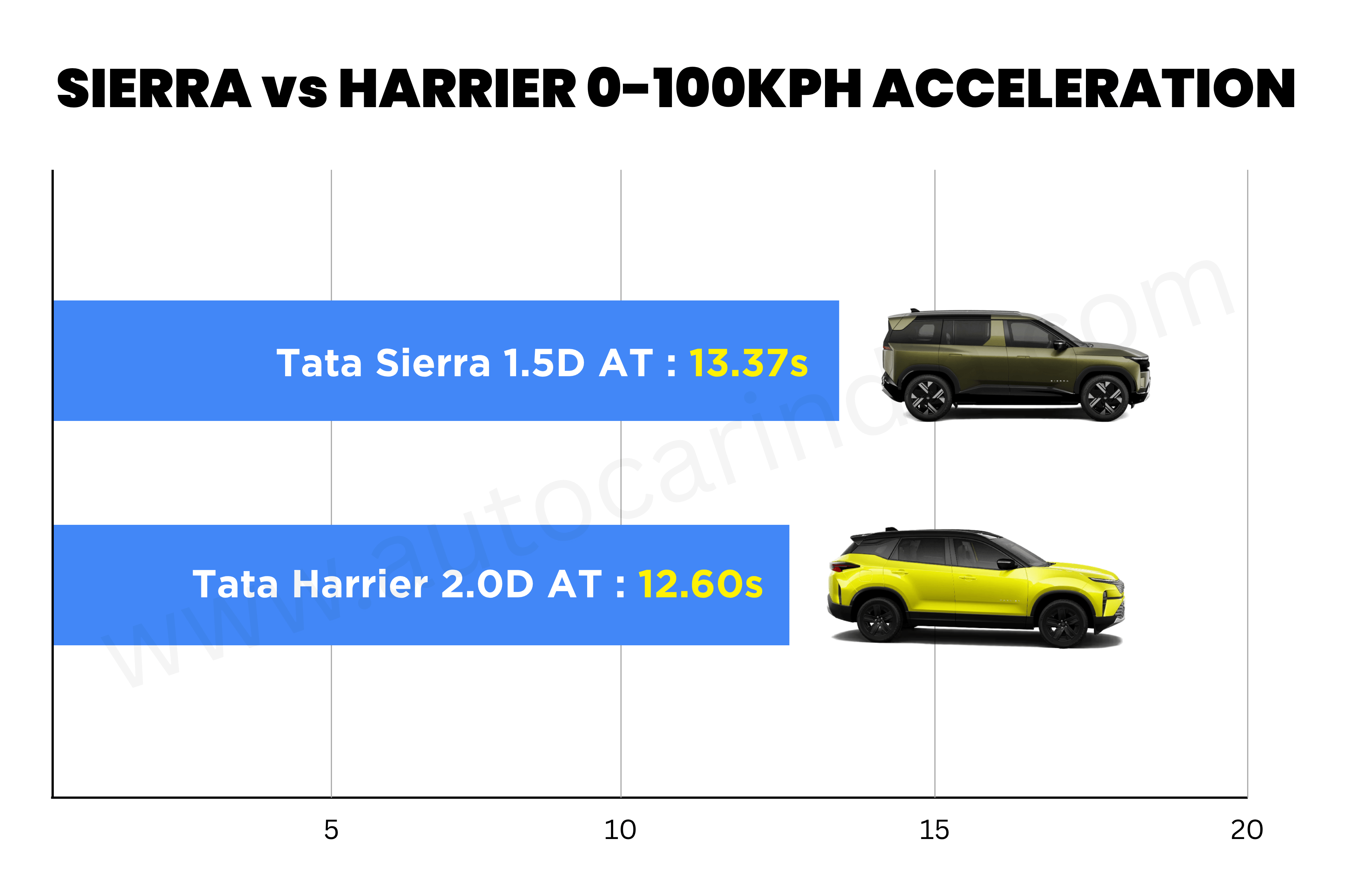
The Harrier is 0.77s faster than the Sierra to reach 100kph from a standstill

Tata Sierra vs Harrier diesel AT: Acceleration from rest (in seconds)


Tata Sierra 1.5D AT

Tata Harrier 2.0D AT

20kph

1.44

1.33

40kph

3.53

2.94

60kph

5.93

5.16

80kph

9.31

8.30

100kph

13.37

12.60

The Harrier diesel-AT gets off the line 0.11 seconds quicker than the Sierra diesel-AT and continues to pull ahead as speeds rise. By 60kph, the Harrier’s lead grows to 0.77 seconds, a gap it maintains through to 100kph.

Tata Sierra vs Harrier diesel AT: Rolling acceleration tests

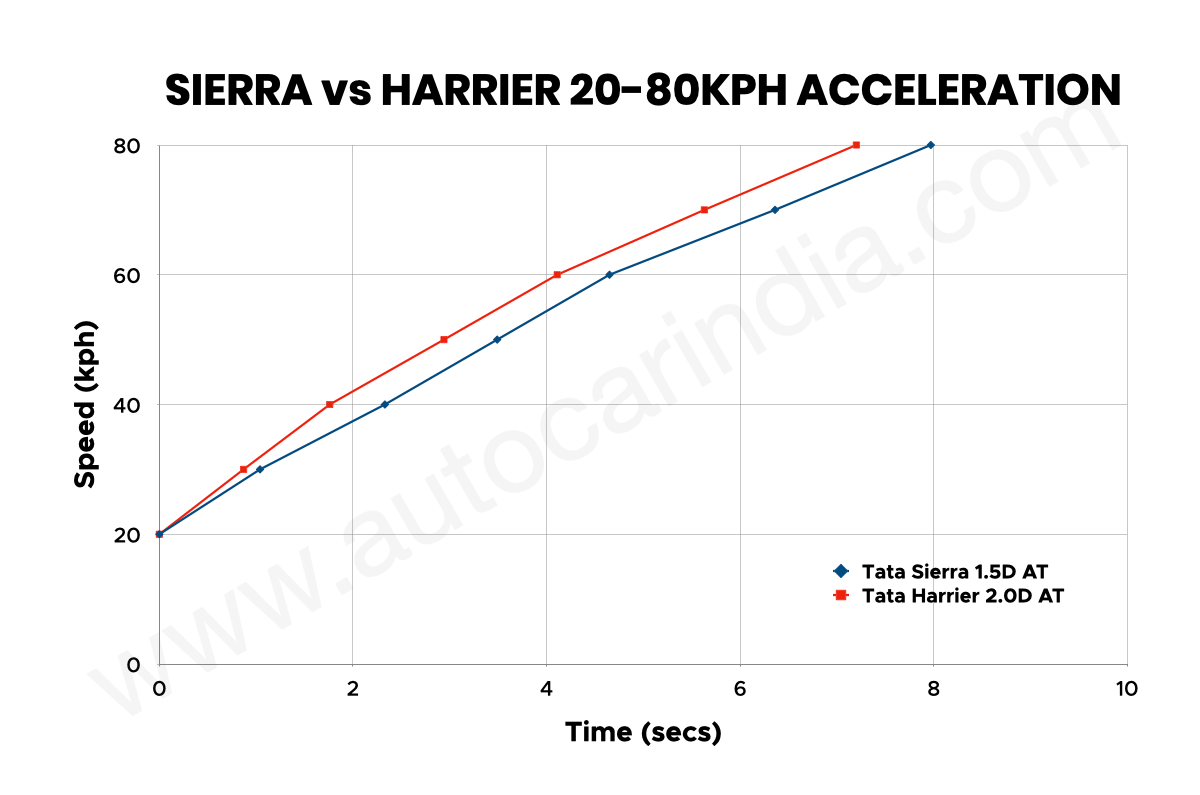
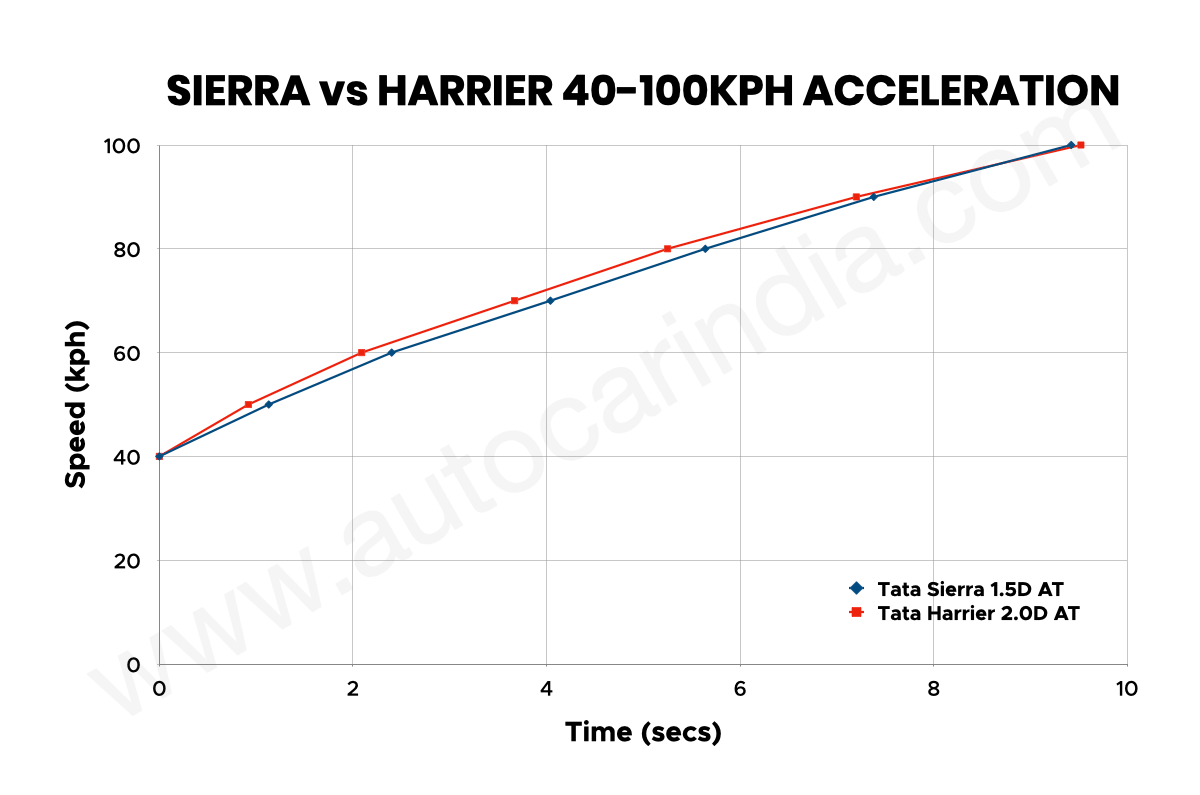
While the Harrier clocks a faster 20-80kph run, the Sierra is quicker to do 40-100kph

Tata Sierra vs Harrier diesel AT: Rolling acceleration (in seconds)


Tata Sierra 1.5D AT

Tata Harrier 2.0D AT

20-80kph

7.97

7.20

40-100kph

9.42

9.52

In the rolling acceleration tests, the Harrier diesel-AT is again quicker in the 20-80kph test, taking 0.77 seconds less than the Sierra diesel-AT.

However, the Sierra clocks a 0.10-second quicker 40-100kph time. In the real world, we noticed that the Sierra’s 1.5-litre engine builds power linearly and lacks the midrange punch associated with diesel engines. On the other hand, the Harrier offers a punchy mid-range and the powertrain feels more responsive to throttle inputs. 

Autocar India’s testing standards

Before we conduct our performance tests, we check and maintain tyre pressures based on the manufacturer’s recommendation and ensure the car has a full tank of fuel. The car is then tested in a controlled environment with two people on board, and the data is collected via highly accurate GPS-based timing equipment.

30 की उम्र में सालाना 1-2 लाख की कमाई, टेक कर्मचारी की परेशानी सुनकर लोगों ने बताए आमदनी बढ़ाने के तरीके

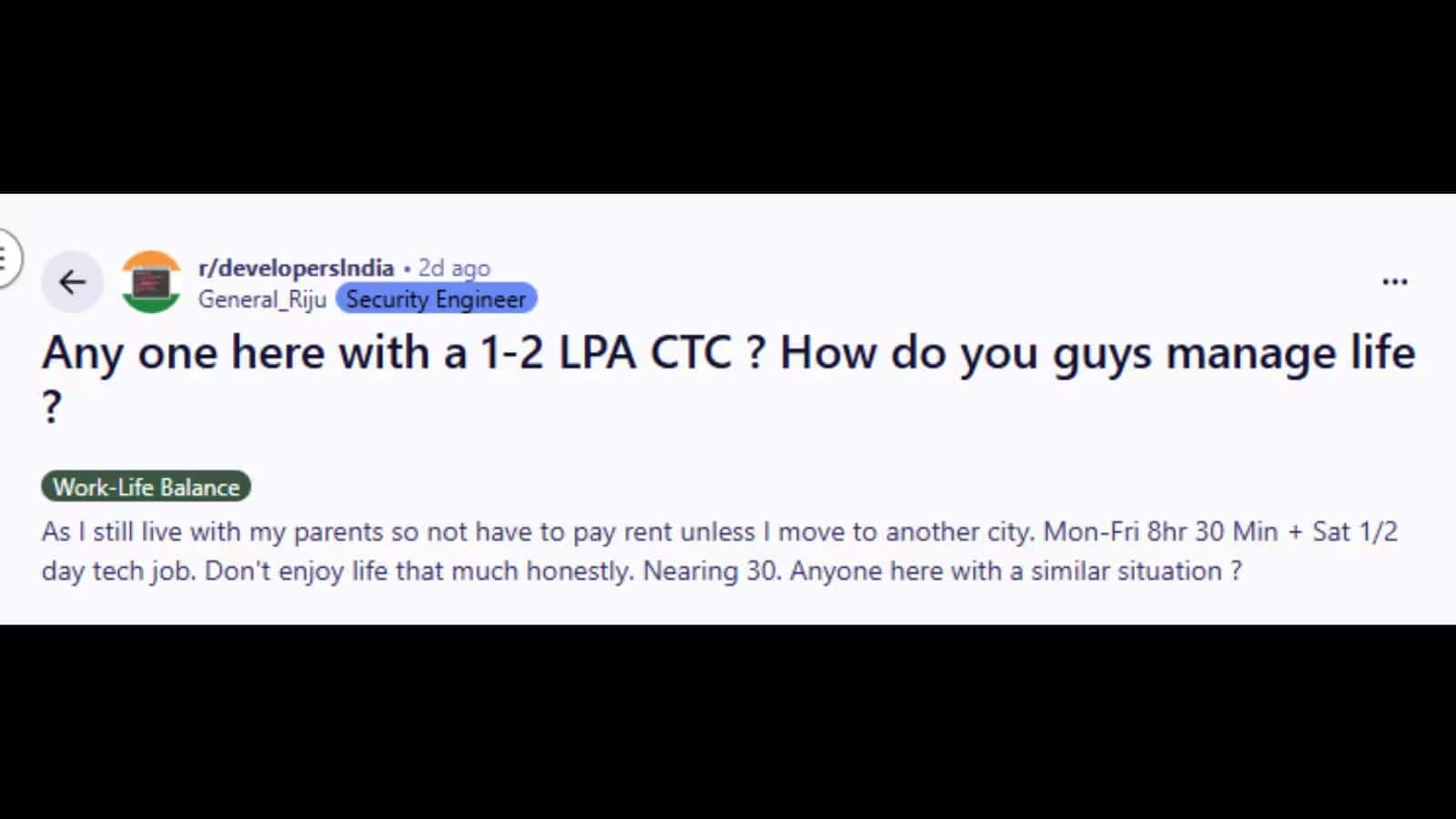
कोलकाता के एक तकनीकी कर्मचारी की कम सैलरी और रोजमर्रा की परेशानियों से जुड़ी पोस्ट ने सोशल मीडिया पर नई चर्चा छेड़ दी है। करीब 30 साल के इस कर्मचारी की सालाना कमाई सिर्फ 1 से 2 लाख रुपये है। माता-पिता के साथ रहने के कारण उन्हें किराए का खर्च नहीं उठाना पड़ता, फिर भी उनका कहना है कि जिंदगी में मनमुताबिक खुशियां और सुविधाएं जुटाना मुश्किल हो रहा है। तकनीकी क्षेत्र में काम करने के बावजूद इतनी कम आय ने उन्हें अपने भविष्य और जीवनशैली को लेकर सोचने पर मजबूर कर दिया है।

उन्होंने रेडिट पर अन्य लोगों से पूछा कि आखिर इतनी कम कमाई में लोग अपने खर्च और निजी जिंदगी के बीच संतुलन कैसे बनाते हैं। उनकी यह बात कई नौकरीपेशा लोगों को अपनी शुरुआती नौकरी और सीमित वेतन के दिनों की याद दिला रही है।

हफ्ते में साढ़े पांच दिन नौकरी

रेडिट पोस्ट के मुताबिक, वह सोमवार से शुक्रवार तक करीब 8.5 घंटे रोज काम करते हैं और शनिवार को भी आधे दिन की ड्यूटी होती है। इतनी मेहनत के बावजूद कम वेतन मिलने से उन्हें अपने भविष्य और जीवनशैली को लेकर चिंता है।

इसी परेशानी ने उन्हें रेडिट पर सवाल पूछने के लिए मजबूर किया कि आखिर इतने कम वेतन में लोग खर्च, करियर और निजी जिंदगी के बीच संतुलन कैसे बनाते हैं।

किसी ने 2.4 लाख से शुरू किया, आज 40 लाख कमा रहा

पोस्ट पर कई लोगों ने अपने अनुभव साझा किए। एक उपयोगकर्ता ने बताया कि उसने अपने करियर की शुरुआत 2.4 लाख रुपये सालाना वेतन से की थी। करीब नौ साल बाद उसकी आय बढ़कर 40 लाख रुपये सालाना हो गई। उसने सलाह दी कि मौजूदा कमाई से परेशान होने के बजाय लगातार नई चीजें सीखते रहना चाहिए और समय-समय पर बेहतर अवसर के लिए नौकरी बदलनी चाहिए।

10 हजार रुपये महीने से शुरुआत

एक अन्य उपयोगकर्ता ने बताया कि उसने अपने करियर की शुरुआत महज 10 हजार रुपये महीने की कमाई से की थी। यानी सालाना आय करीब 1.2 लाख रुपये थी। बाद में उसे पता चला कि बाजार में उसी तरह के काम के लिए दूसरे लोग ज्यादा पैसा कमा रहे हैं। इसके बाद उसने अपने कौशल पर काम किया और कंपनियां बदलता गया। उसके मुताबिक, अब उसकी सालाना आय 15 लाख रुपये से ज्यादा है।

‘1-2 लाख में गुजारा करना बहुत मुश्किल’

एक यूजर ने मौजूदा महंगाई का हवाला देते हुए कहा कि आज के समय में सालाना 1-2 लाख रुपये में जीवन चलाना बेहद मुश्किल है। उसके मुताबिक, कम से कम 3-4 लाख रुपये सालाना तक पहुंचना जरूरी है, क्योंकि 20-30 हजार रुपये महीना भी अब कई लोगों के लिए सिर्फ जरूरतें पूरी करने जितना ही रह गया है।

वहीं, एक अन्य यूजर ने बेहद साधारण तरीके से खर्च संभालने की बात कही और कम कीमत वाले खाने-पीने के विकल्पों का उदाहरण दिया।

कुछ लोगों के लिए कम वेतन भी ‘सीखने’ का मौका

चर्चा में एक कर्मचारी ने बताया कि उसने तीन साल पहले 1.5 लाख रुपये सालाना से शुरुआत की थी। इससे पहले वह उसी कंपनी में सिर्फ 3 हजार रुपये महीने की इंटर्नशिप कर रहा था। उसका कहना था कि कम वेतन पर नौकरी तब तक जारी रखी जा सकती है, जब तक वहां अच्छा काम सीखने और नए कौशल विकसित करने का मौका मिल रहा हो। उसने खुद दो परियोजनाओं पर शुरू से अंत तक काम किया और इस अनुभव को अपने करियर के लिए महत्वपूर्ण बताया।

Trends (25)

रेडिट की चर्चा का सीधा संदेश

इस पूरी चर्चा में एक बात बार-बार सामने आई कम शुरुआती वेतन का मतलब यह नहीं कि करियर वहीं रुक जाएगा। कई लोगों ने अपने अनुभव के जरिए बताया कि कौशल बढ़ाने, बेहतर अवसर तलाशने और सही समय पर नौकरी बदलने से आय में बड़ा बदलाव आ सकता है।

हालांकि, कोलकाता के इस कर्मचारी की परेशानी यह भी दिखाती है कि कम वेतन, बढ़ते खर्च और लंबे कामकाजी घंटों के बीच संतुलन बनाना आज कई युवा कर्मचारियों के लिए आसान नहीं है।

मुंबई-गुरुग्राम की चमक छोड़ भोपाल लौटे कारोबारी, आखिर ऐसा क्या मिला कि वापस जाने का मन नहीं?

10 things to know before buying the Honda ADV 160

10 things to know before buying the Honda ADV 160

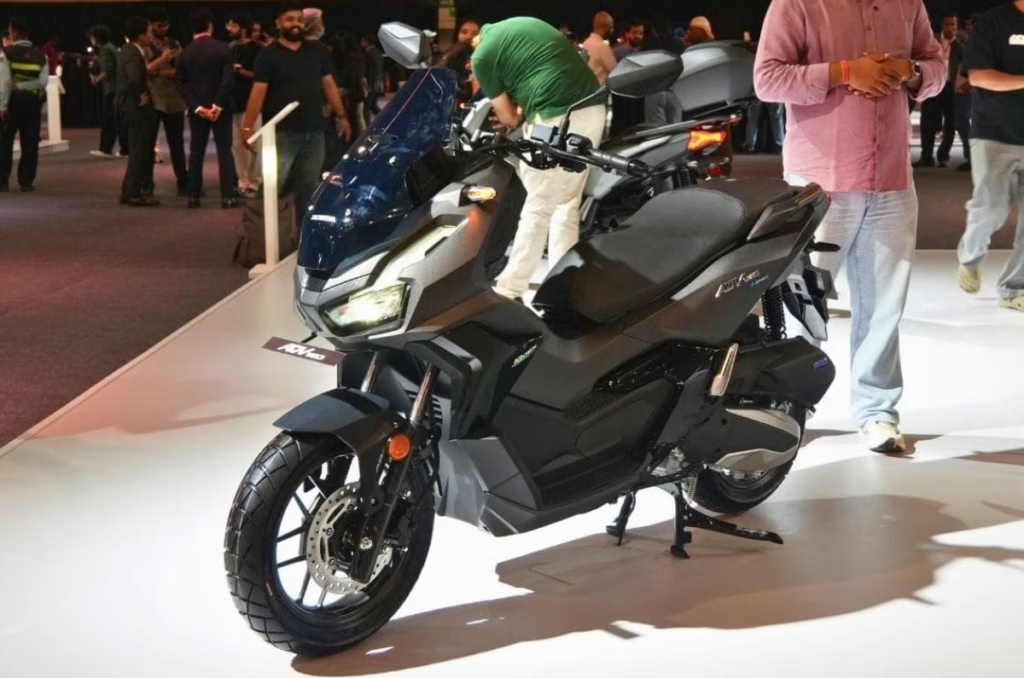
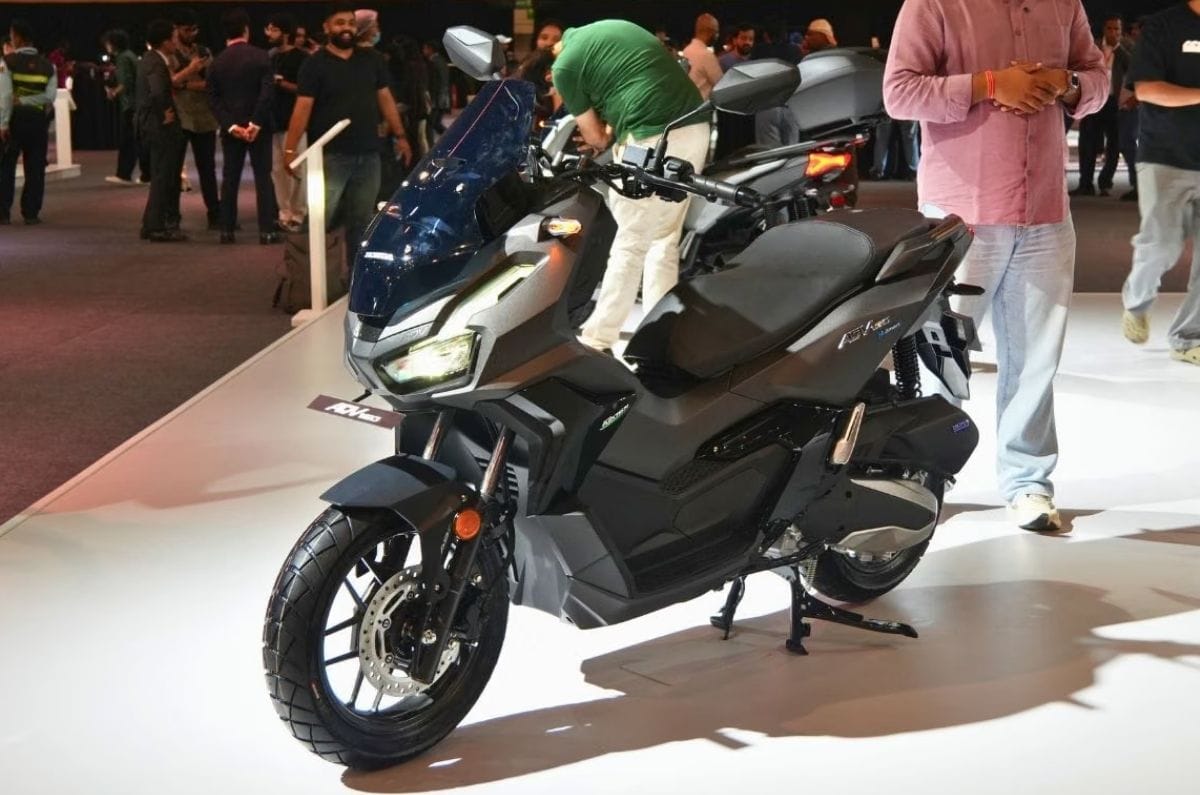
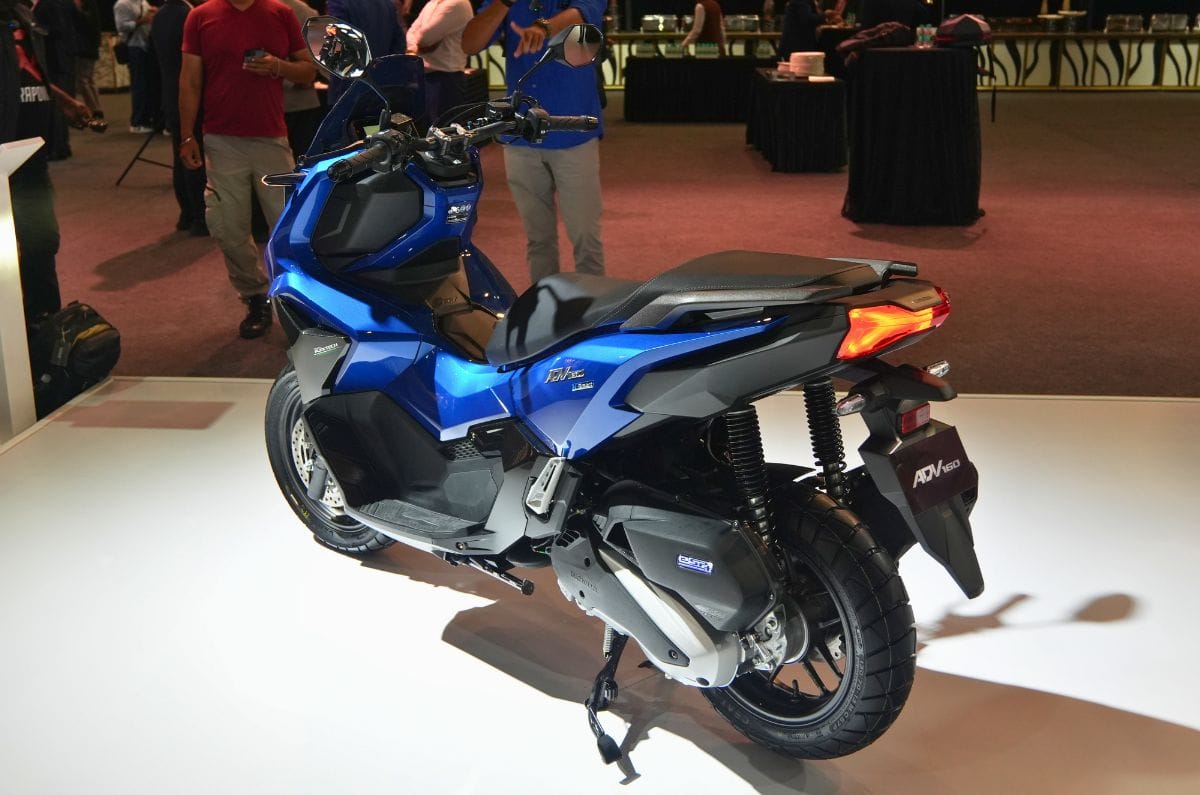
The ADV 160 marks Honda’s entry into India’s rapidly growing maxi-scooter segment, but it has one key differentiator that sets it apart from the liquid-cooled maxi-scooters already on sale – E85 flex-fuel compatibility. Here are a few things you need to know before buying India’s first flex-fuel-compatible scooter.

1. How much does the Honda ADV 160 cost?

The Honda ADV 160 is priced at Rs 1.70 lakh (ex-showroom, Bengaluru), making it one of the more premium scooters on sale in India.

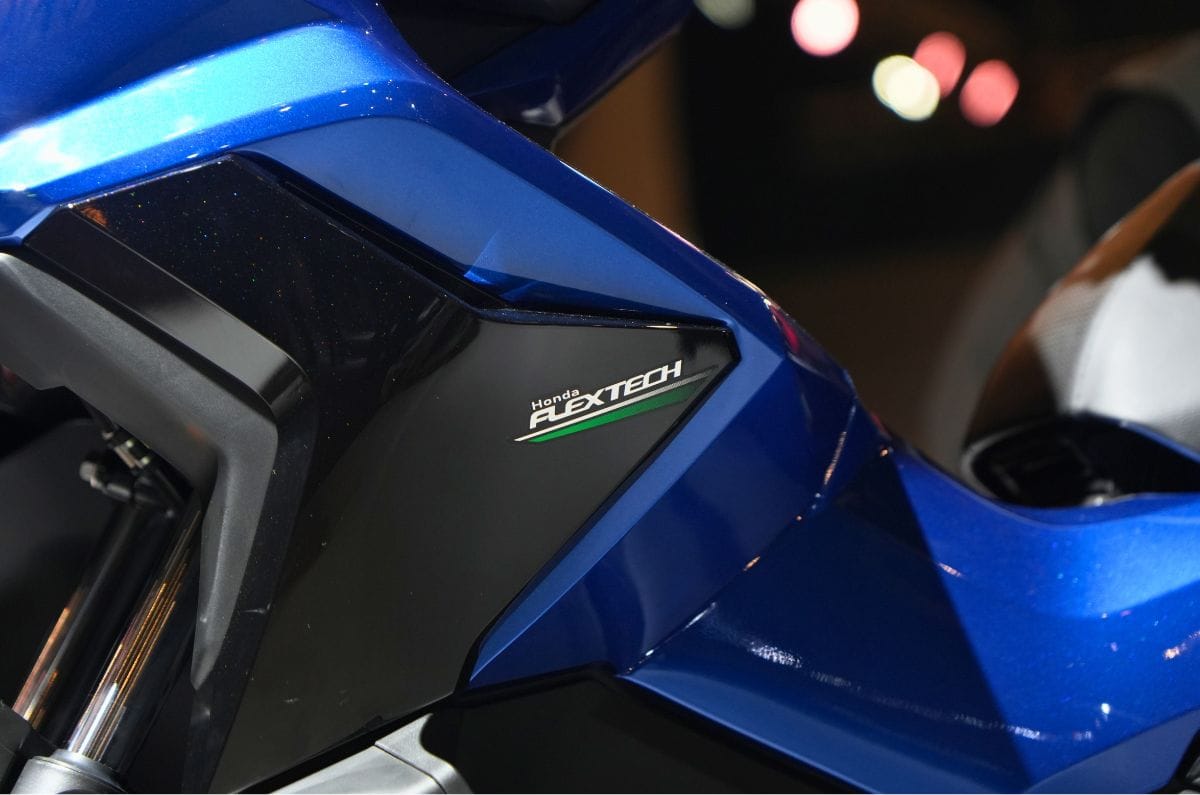
2. Is the Honda ADV 160 E85 compatible?

Yes. The ADV 160 is Honda’s first two-wheeler in India to be compatible with E85 fuel. Its engine can run on petrol containing anywhere between 0 and 85 percent ethanol, without the rider having to make any changes.

3. What engine does the Honda ADV 160 get?

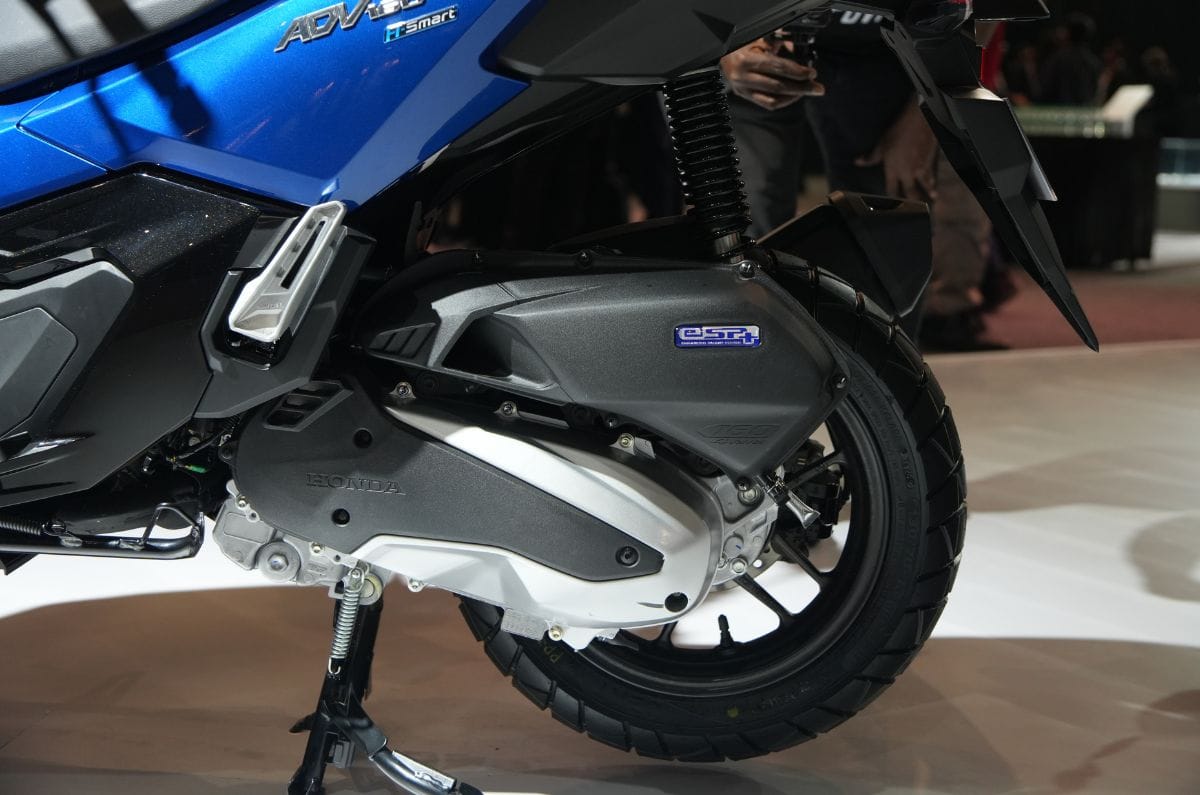
Power comes from a 156.93cc, single-cylinder, liquid-cooled engine producing 16.3hp and 14.9Nm. It is paired with a CVT automatic gearbox.

4. How heavy is the Honda ADV 160?

The ADV 160 tips the scales at 133kg kerb, which is noticeably heavier than a conventional 125cc scooter, although it also packs in a higher-displacement engine that puts out more power than a conventional air-cooled mill powering regular scooters.

5. How much ground clearance does the Honda ADV 160 have?

The ADV 160 has 165mm of ground clearance, which, along with its larger wheels, should make it better suited to broken roads and speed breakers than most conventional scooters.

6. What are its wheel sizes?

It gets a 14-inch front and 13-inch rear wheel, both larger than those on most mainstream Indian scooters and in line with some of its compatriots. 

7. Does the ADV 160 get ABS?

Yes, but only single-channel ABS, operating on the front wheel with a rear disc brake.

8. Does it get traction control?

Yes. Honda’s HSTC (Honda Selectable Torque Control) is standard, helping reduce rear-wheel slip on low-grip surfaces.

9. How practical is the ADV 160?

It gets 27 litres of underseat storage, along with a USB Type-C charging port. While adding to the premium appeal, the 5-inch TFT instrument cluster also offers smartphone connectivity through Honda RoadSync.

10. Is the ADV 160 actually an adventure scooter?

Not in the traditional sense. Despite its styling, ground clearance and larger wheels, the ADV 160 is primarily a road-going scooter. Its hardware is better suited to dealing with poor roads and occasional rough surfaces than serious off-road riding. 

2026 Hyundai Ioniq 5 real world range tested, explained

2026 Hyundai Ioniq 5 real world range tested, explained
Hyundai Ioniq 5 real world range

The 2026 update for the Hyundai Ioniq 5 brought with it some cosmetic updates and a larger 84kWh battery. More significantly, its pricing and positioning have changed. While the previous model, with its 72.6kWh battery, was priced at Rs 45 lakh and was considered the value king of its segment, that claim is harder to justify for the new model, which now costs Rs 55.7 lakh.

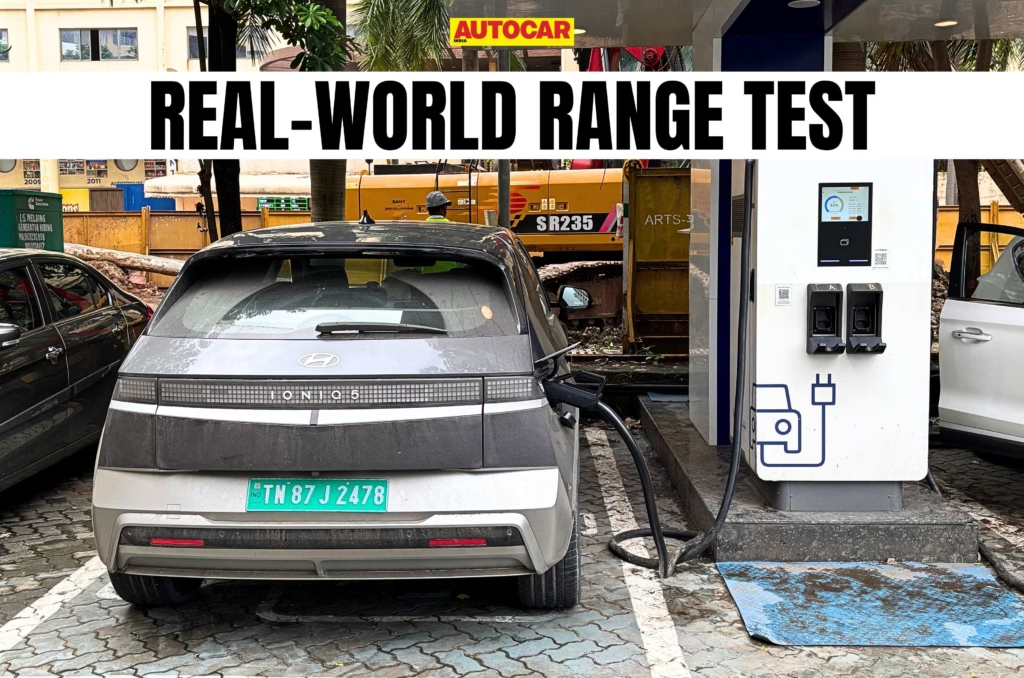
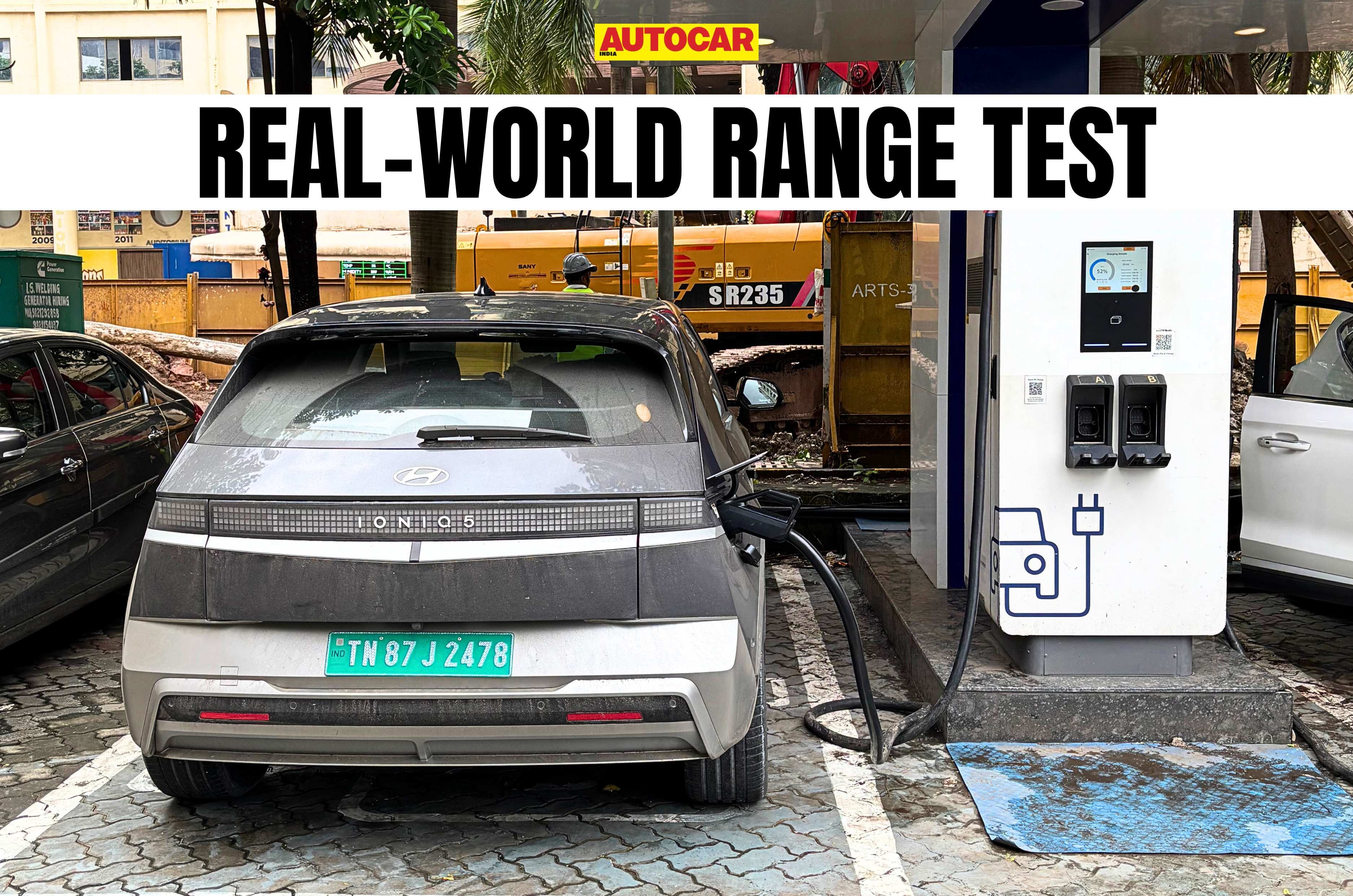
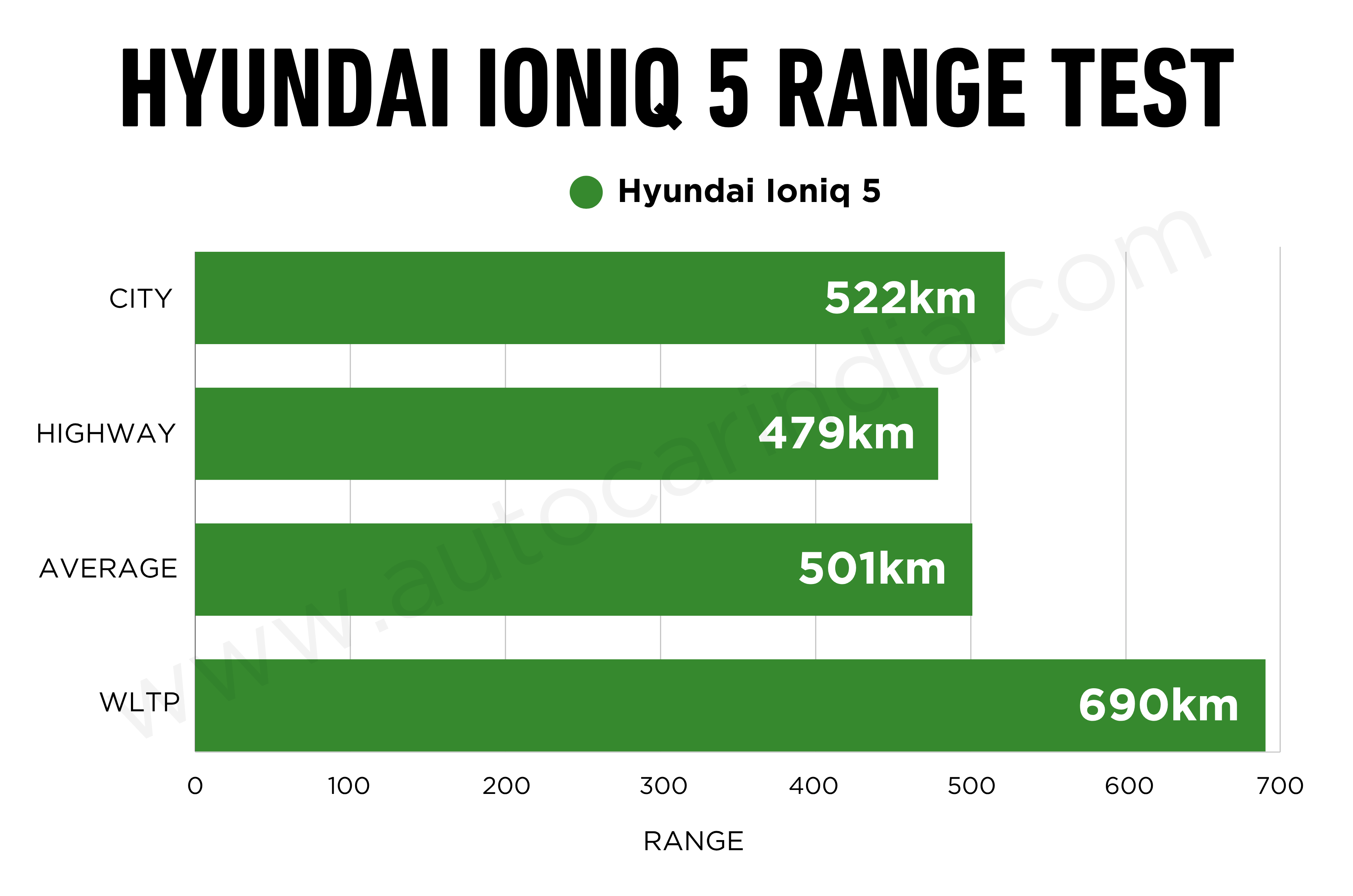
Hyundai says the larger battery helps the 2026 Ioniq 5 deliver an ARAI-certified range of 690km. We put that claim to the test to determine its real-world efficiency.

  1. Weighs 2,165kg; 150kg more than before
  2. 0-80 percent took 22 minutes on a 150kW DC fast charger
  3. Max charging speed of 350kW

Hyundai Ioniq 5 real-world range and charging tested 

The 2026 Hyundai Ioniq 5 is powered by a rear-mounted PMSM motor producing 229hp and 350Nm. Paired with a larger 84kWh lithium-ion battery pack using Nickel Manganese Cobalt (NMC) cell chemistry, it now boasts a claimed ARAI range of 690km, up from 631km in the previous 72.6kWh version. The Ioniq 5 offers four drive modes — Eco, Normal, Sport and Snow. For our tests, we used Eco mode, with regenerative braking set to Level 2 in the city and Level 1 on the highway.

In city conditions, the Ioniq 5 returned an efficiency of 6.22km/kWh, translating to an estimated range of around 523km. On the highway, efficiency dropped slightly to 5.71km/kWh, resulting in an extrapolated range of 479km. With an overall efficiency of 5.96km/kWh, the Ioniq 5 can realistically deliver about 501km on a full charge.

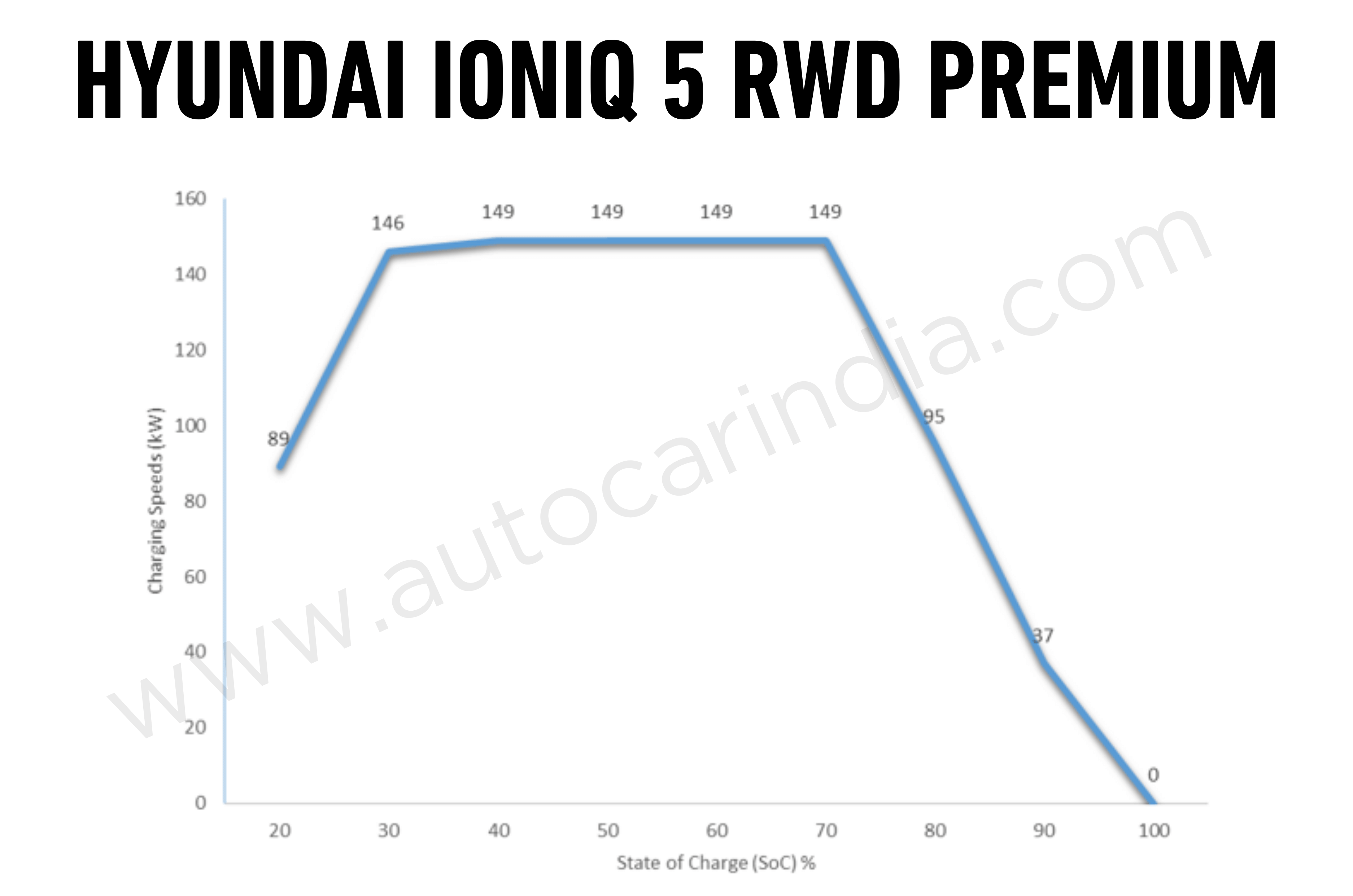
Hyundai claims the Ioniq 5 can support DC fast-charging speeds of up to 350kW. We charged it using a 150kW DC fast charger and recorded a peak charging rate of 149kW. Impressively, the charging speed remained close to its peak from 30 percent to 70 percent state of charge, before tapering off rapidly. In terms of charging times, the Ioniq 5 took 22 minutes to charge from 20 to 80 percent, and a further 32 minutes to reach 100 percent.

Autocar India’s range testing

Before our real-world range tests, the battery of our test car was fully charged, and we maintained tyre pressures in accordance with the manufacturer’s recommendations. The car was driven on a weekday in Navi Mumbai city and on the adjoining state highway in a fixed loop, and we maintained the set average speeds. At the end of each cycle, we calculated the range based on the percentage charge consumed.

Throughout our tests, the climate control was set to 22deg C in a full-auto setting, and other electricals, such as the audio system, indicators and ventilated front seats, were used when required, just as a regular user would. We take pride in our testing data, which isn’t merely consistent but also gives users an accurate indication of what they can expect in the real world.

भारत का वो Indie Singer जिसने Music के सारे नियम बदल दिए | Anuv Jain | Indie Sensation

भारत का वो Indie Singer जिसने Music के सारे नियम बदल दिए | Anuv Jain | Indie Sensation

जिस दर्द को शब्दों में कह पाना मुश्किल था, Anuv Jain ने उसे संगीत में बदल दिया। 11 साल की उम्र में पिता कोमा में चले गए। कुछ साल बाद उन्हें हमेशा के लिए खो दिया। घर की मुश्किलें बढ़ीं, माँ ने परिवार संभाला।
Anuv ने Family Business में भी वक्त दिया, लेकिन दिल हमेशा Music में था।
आखिर माँ से सिर्फ एक मौका मांगा, अपने सपने को चुनने का। और आज Anuv Jain दुनिया भर में अपने गानों से करोड़ों लोगों के दिल छू रहा है। कभी-कभी जिंदगी का सबसे बड़ा दर्द ही हमारी सबसे बड़ी पहचान बन जाता है।
@anuvjain

Anuv Jain music journey, Anuv Jain Coke Studio, Anuv Jain Originals Song, Anuv Jain live Shows

#thebetterindia #goodnews #positivestories #indianews #thebetterindiahindi #hindi

Follow us for more:

Facebook: https://www.facebook.com/thebetterindia.hindi
Instagram: https://www.instagram.com/thebetterindia.hindi/
Twitter: https://twitter.com/TbiHindi
LinkedIn: https://www.linkedin.com/company/the-better-india-hindi/

Website: https://hindi.thebetterindia.com/

सुभाष चंद्रा के रिपेमेंट प्लान में नया मोड़, LICHF, केनरा बैंक, यूनियन बैंक NCLT के एप्रूवल को चैलेंज करेंगे

एलआईसी हाउसिंग फाइनेंस, केनरा बैंक और यूनियन बैंक ऑफ इंडिया ने एस्सेल ग्रुप के चेयरमैन सुभाष चंद्रा के रिपेमेंट प्लान का विरोध किया है। वे चंद्रा के पर्सनल इनसॉल्वेंसी मामले को नेशनल कंपनी लॉ ट्राइब्यूनल से मिले एप्रूवल को अपीलीय ट्राइब्यूनल में चैलेंज करेंगे।

तीनों मिलकर NCLAT में रिपेमेंट प्लान को करेंगे चैलेंज

LIC Housing Finance, Canara Bank और Union Bank of India ने कहा है कि चंद्रा की इनसॉल्वेंसी प्रोसिडिंग्स में उनकी (तीनों की मिलाकर) 8.45 फीसदी वोटिंग शेयर है। उन्होंने कहा कि वे इस रिपेमेंट प्लान का विरोध करते हैं। इस बारे में LIF HF ने एक बयान जारी किया है। इसमें कहा गया है, “इस प्लान को आखिर में इसलिए मंजूरी मिली क्योंकि दूसरे फाइनेंशियल क्रेडिटर्स की तरफ से पेश प्लान के पक्ष में कुल 80.81 फीसदी वोट मिले।”

तीनों ने NCLT  में भी रिपेमेंट का विरोध किया था

एलआईसी एचएफ ने कहा कि वह तुरंत नेशनल कंपनी लॉ एपेलेट ट्राइब्यूनल (NCLAT) में अपील फाइल करेगी। इसमें उसके साथ दूसरी सरकारी फाइनेंशियल इंस्टीट्यूशंस भी होंगे। Canara Bank ने कहा है कि उसने रिपेमेंट प्लान का विरोध किया था। वह NCLT के ऑर्डर को NCLAT में चैलेंज करेगा।

इन तीनों का कुल वोटिंग शेयर सिर्फ 8.45 फीसदी 

केनरा बैंक ने कहा है, “उसने (1.60 वोटिंग शेयर) दूसरी सरकारी कंपनियों एलआईसी एचएफ (6.09 फीसदी वोटिंग शेयर) और यूनियन बैंक ऑफ इंडिया (0.76 फीसदी वोटिंग शेयर) के साथ इस प्लान का विरोध किया था और चंद्रा की तरफ से पेश 6.25 करोड़ रुपये के रिपेमेंट प्लान के खिलाफ वोटिंग की थी। “

मामले की फॉरेंसिक ऑडिट की भी मांग की गई थी

बैंक ने यह भी कहा है कि उसने फॉरेंसिक ऑडिट की भी मांग की थी, लेकिन उसके पास माइनॉरिटी वोटिंग शेयर होने से उसके प्रस्ताव को मंजूरी नहीं मिली। अब वह NCLT के ऑर्डर को NCLAT में चुनौती देगा। Union Bank of India ने भी कहा है कि उसने भी रिजॉल्यूशन प्लान को खारिज किया है। उसने NCLT के समक्ष भी इस रिपेमेंट प्लान का विरोध किया था।

NCLT ने चंद्रा के रिपेमेंट प्लान को दी है मंजूरी 

उसने कहा है कि कुछ प्राइवेट क्रेडिटर्स (लोन देने वाले) का वोटिंग शेयर ज्यादा होने से NCLT में रिपेमेंट प्लान को मंजूरी मिल गई। बैंक ने कहा है कि वह जल्द NCLAT में इस प्लान को चैलेंज करेगा। इससे पहले NCLT ने सुभाष चंद्रा की तरफ से पेश रिपेमेंट प्लान को मंजूरी दे दी थी। इंडियाबुल्स हाउसिंग फाइनेंस की तरफ से फाइल इनसॉल्वेंसी मामले में चंद्रा ने यह रिपेमेंट प्लान पेश किया था।

यह भी पढ़ें: Union Budget 2027: यूनियन बजट 2027 बनाने की प्रक्रिया शुरू, सरकार ने जारी किया सर्कुलर

रिपेमेंट प्लान के तहत 22,000 करोड़ पेमेंट के दावे का सेटलमेंट होगा 

NCLT ने इस मामले में जो आदेश दिया है, उसके तहत क्रेडिटर्स (कर्ज देने वालों) की तरफ से पेश 22,000 करोड़ रुपये से ज्यादा के दावों के सेटलमेंट के लिए सुभाष चंद्र 6.5 करोड़ रुपये चुकाएंगे। दिग्गज प्राइवेट बैंक HDFC Bank भी इस मामले में अपील करने के बारे में सोच रहा है। एचडीएफसी बैंक ने 27 अगस्त को कहा था कि उसने भी इस रिपेमेंट प्लान का विरोध किया था।

‘इन्हें खुद खाओ’: रिश्वत के आरोप में भीड़ ने महाराष्ट्र FDA अधिकारी को घेरा, मुंह में एक्सपायर्ड बिस्किट ठूंसने की कोशिश की

महाराष्ट्र के संभाजीनगर में उस वक्त अजीबोगरीब स्थिति बन गई, जब गुस्साई भीड़ ने एक फूड एंड ड्रग एडमिनिस्ट्रेशन (FDA) अधिकारी को घेर लिया और उस पर एक्सपायर्ड बिस्किट के पैकेट फेंकने लगी। NDTV के मुताबिक, भीड़ अधिकारी से कह रही थी, “इन्हें खुद खाओ।”

अधिकारी पर आरोप था कि उन्होंने एक ऐसे दुकानदार को बचाने के लिए रिश्वत ली थी जो कथित तौर पर एक्सपायर हो चुके सामान बेच रहा था। इस हंगामे के बीच, कुछ लोगों ने उनके मुँह में एक्सपायर हो चुके बिस्किट ठूंसने की भी कोशिश की।

लेकिन इतना गुस्सा क्यों?

NDTV के अनुसार, यह गुस्सा एक स्थानीय पान की दुकान पर एक्सपायर्ड (समय-सीमा खत्म हो चुके) प्रोडक्ट बेचने के आरोपों की वजह से भड़का। स्थानीय लोगों का आरोप है कि एक दो साल का बच्चा उस दुकान से खरीदे गए नमकीन स्नैक मिक्स को खाने के बाद बीमार पड़ गया और उसे चक्कर आने लगे।

बच्चे की हालत बिगड़ने पर उसे इलाज के लिए अस्पताल ले जाया गया।

इस घटना से छत्रपति संभाजीनगर के लोगों में गुस्सा फैल गया और उन्होंने FDA ऑफिस से संपर्क करके शिकायत दर्ज कराई। इसके बाद, FDA का एक अधिकारी मौके पर पहुंचा और दुकान की जांच शुरू की।

हालांकि, स्थानीय लोगों का आरोप है कि जांच से पहले ही उस नमकीन स्नैक मिक्स को हटा दिया गया था, जिसका इस घटना से संबंध था। जांच के दौरान, अधिकारी को पान की दुकान पर एक्सपायर्ड बिस्कुट के कई पैकेट बिकते हुए मिले।

एक्सपायर्ड पैकेट जब्त तो कर लिए गए, लेकिन स्थानीय लोगों का दावा है कि दुकानदार के खिलाफ कोई कार्रवाई नहीं की गई। उनका आरोप है कि अधिकारी रिश्वत लेकर मामले को रफा-दफा करने की कोशिश कर रहा था।

बता दें कि यह घटना राज्य भर में खाद्य सुरक्षा नियमों के उल्लंघन के खिलाफ FDA की बड़ी कार्रवाई के दौरान सामने आई है। हाल के हफ्तों में, खाद्य कंपनियों को कई नोटिस जारी किए गए हैं और अधिकारी खाद्य पदार्थों में मिलावट, एक्सपायर्ड प्रोडक्ट्स की बिक्री और अन्य खामियों को लेकर जांच कर रहे हैं।

यह भी पढ़ें: Nepal Flood: तबाही के बाद नेपाल से बहकर भारत आ रहे शव, गंडक नदी में मिलीं 3 लाशें, सामान भी बहकर आया