2 reasons to buy the Maruti Alto K10, 2 reasons not to

2 reasons to buy the Maruti Alto K10, 2 reasons not to

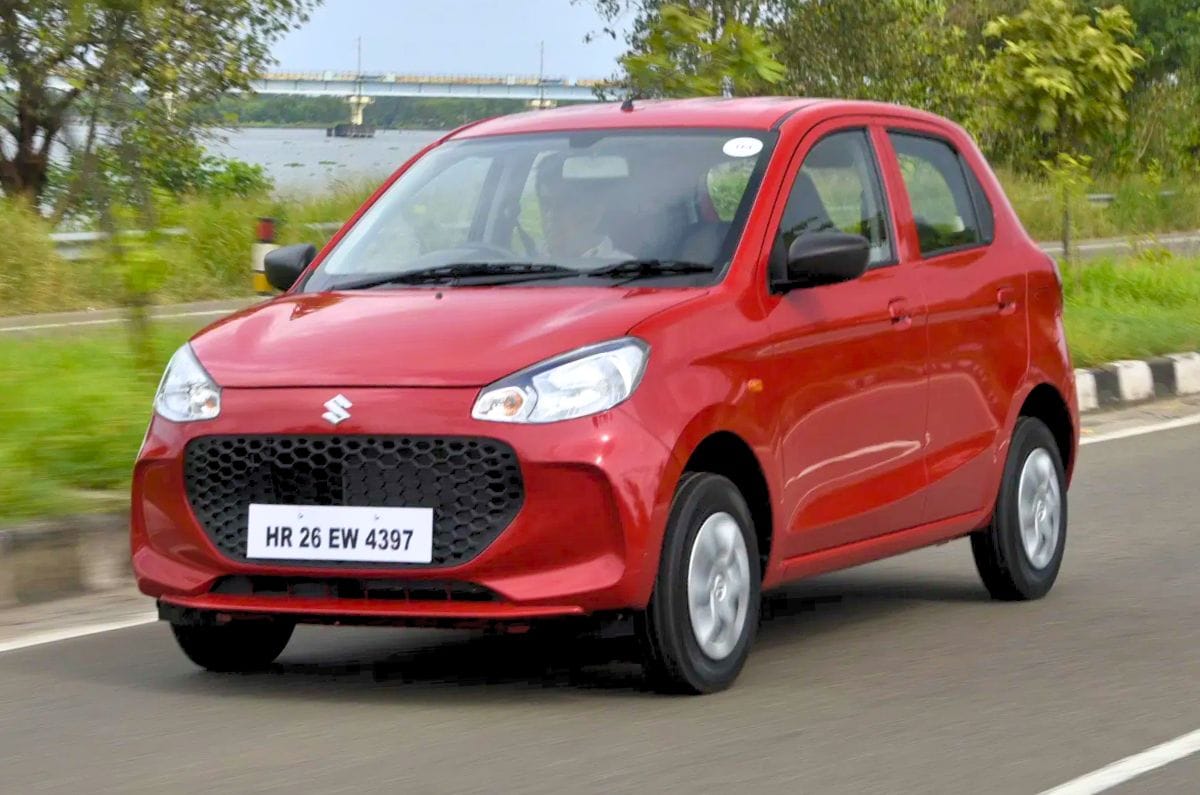
The Maruti Alto K10 is one of the most affordable cars in India. It is offered with a potent engine, a fairly equipped cabin and a price tag that, despite a drop in hatchback sales over the years, has kept the Alto K10 a very relevant car in the market. But should you buy it? Here are two reasons to buy the Alto K10 and two reasons not to. 

Reasons to buy the Maruti Alto K10

Gets a zippy engine
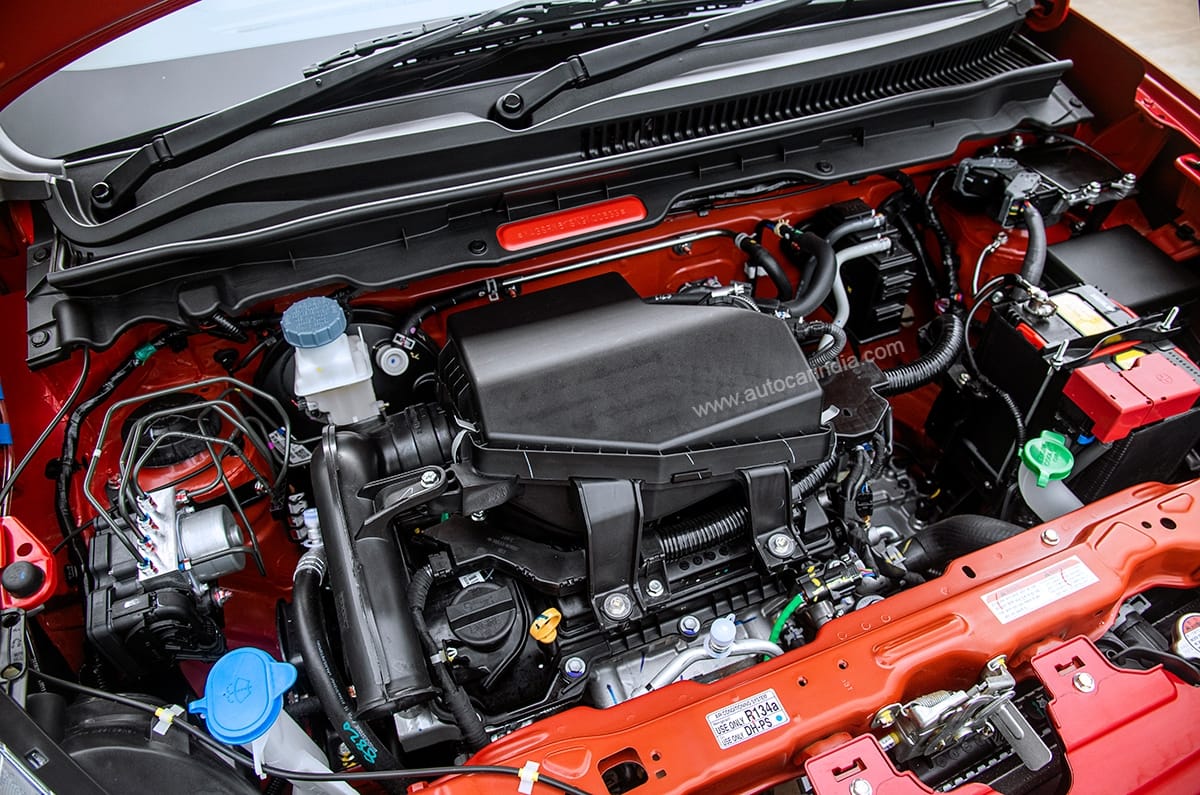
Maruti offers the Alto K10 with a 1.0-litre 3-cylinder naturally aspirated petrol engine mated either with a 5-speed manual or a 5-speed automated manual transmission (AMT). Although producing just 69hp and 91Nm, the Alto K10’s engine feels zippy, especially with the manual transmission, which allows the Alto to accelerate vigorously. 

The engine feels the strongest in the top half of the rev range, where it also gets quite vocal. However, the engine never sounds harsh or strained, even in high revs. At city driving speeds, minor taps on the accelerator pedal are enough to keep up with the traffic. Low-speed jerkiness is, however, felt in stop-and-go traffic.
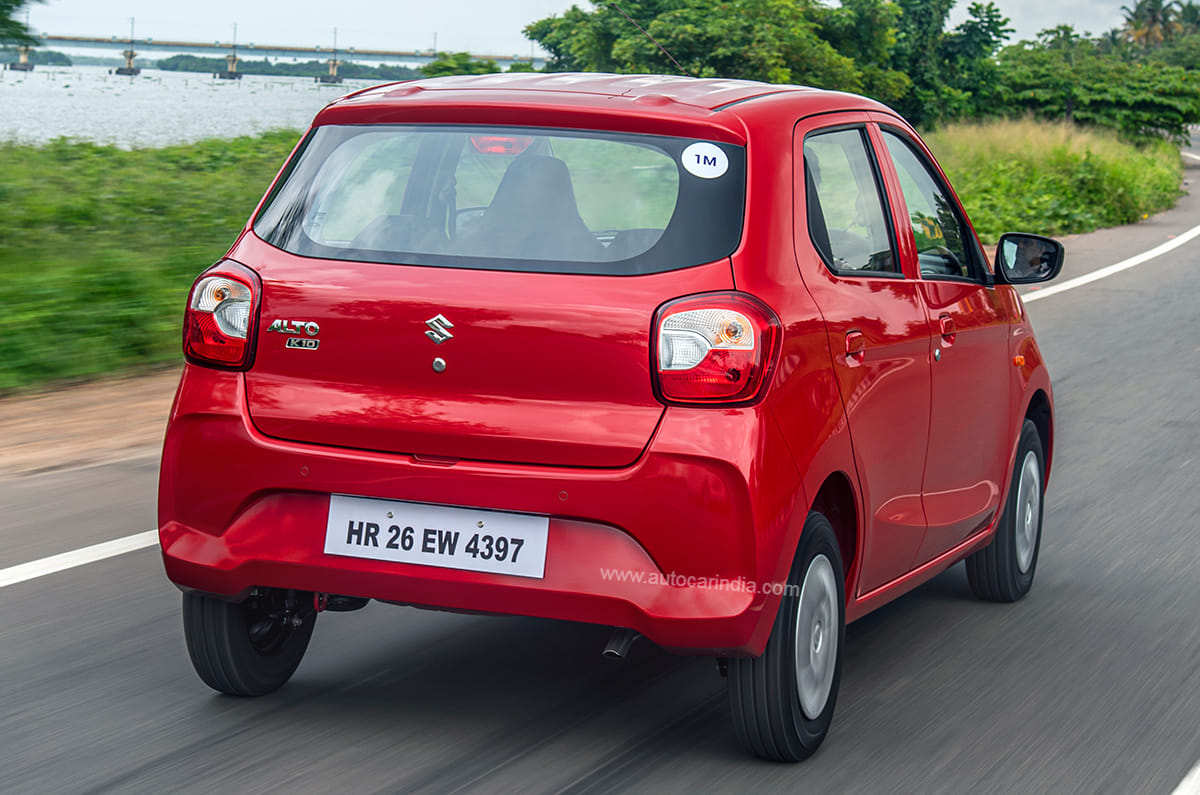
Compared to the manual gearbox, the AMT feels lethargic and takes some time to shift, especially through lower gears. However, the gearbox responds quite well during kickdown, but high-speed overtakes still require planning. It is in city traffic, especially in stop-and-go situations, where the AMT shines with the creep function, making it easier to modulate the throttle while crawling through the traffic. 

Offers an easy ownership experience

The Alto K10, since its dawn in 2010, and even after rising input costs and inflation, has remained one of the most affordable cars in India, priced from Rs 3.70 lakh. Not only is the Alto K10’s initial cost one of the lowest in the market, but its running costs are also low, mainly due to its high fuel efficiency, which Maruti claims is over 24kpl. The cost of parts and service is also relatively cheap, making the Alto K10 easy to maintain over the years.
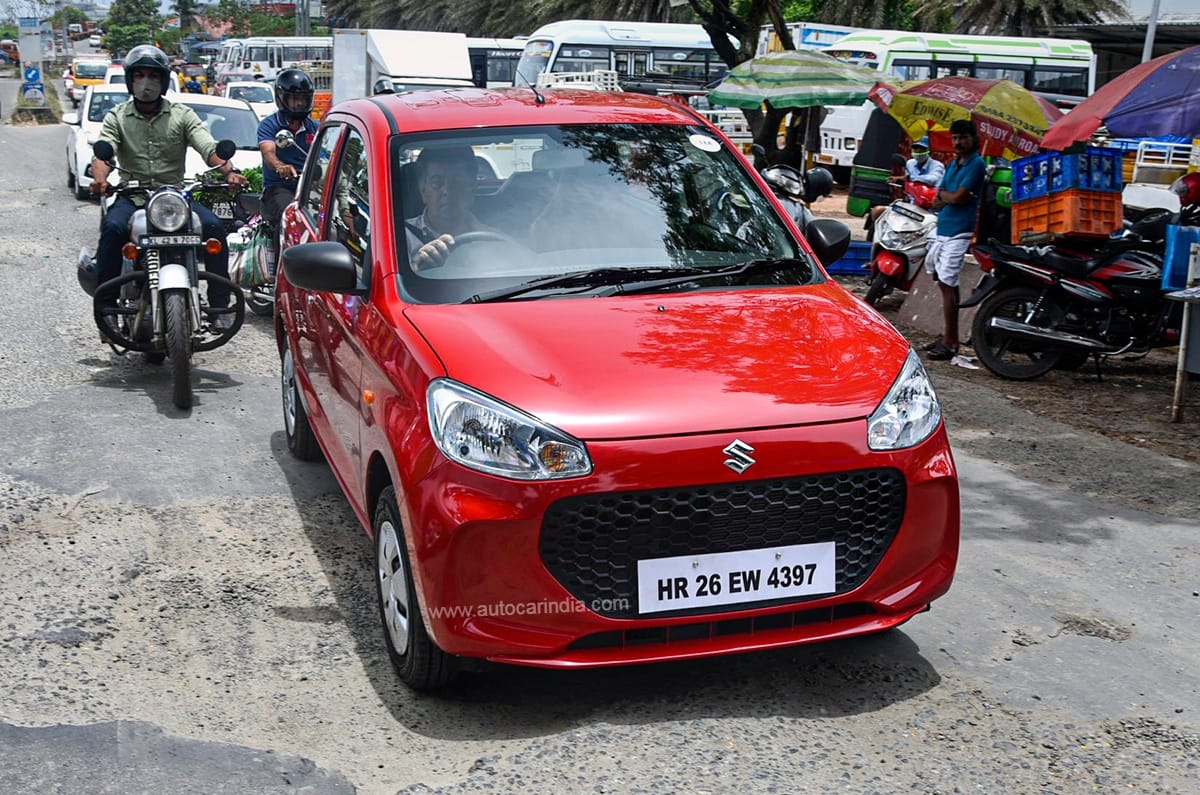
Its compact form factor also makes it easier not only to navigate narrow city lanes, but also to park it in smaller spaces, which will be appreciated by newer drivers. The suspension system also feels robust, and makes the Alto K10 feel built to take a lot of beating without any stress. The quality of materials inside the cabin is quite good and can withstand years of wear and tear.

Reasons not to buy the Maruti Alto K10

Feels unsettled at high speeds
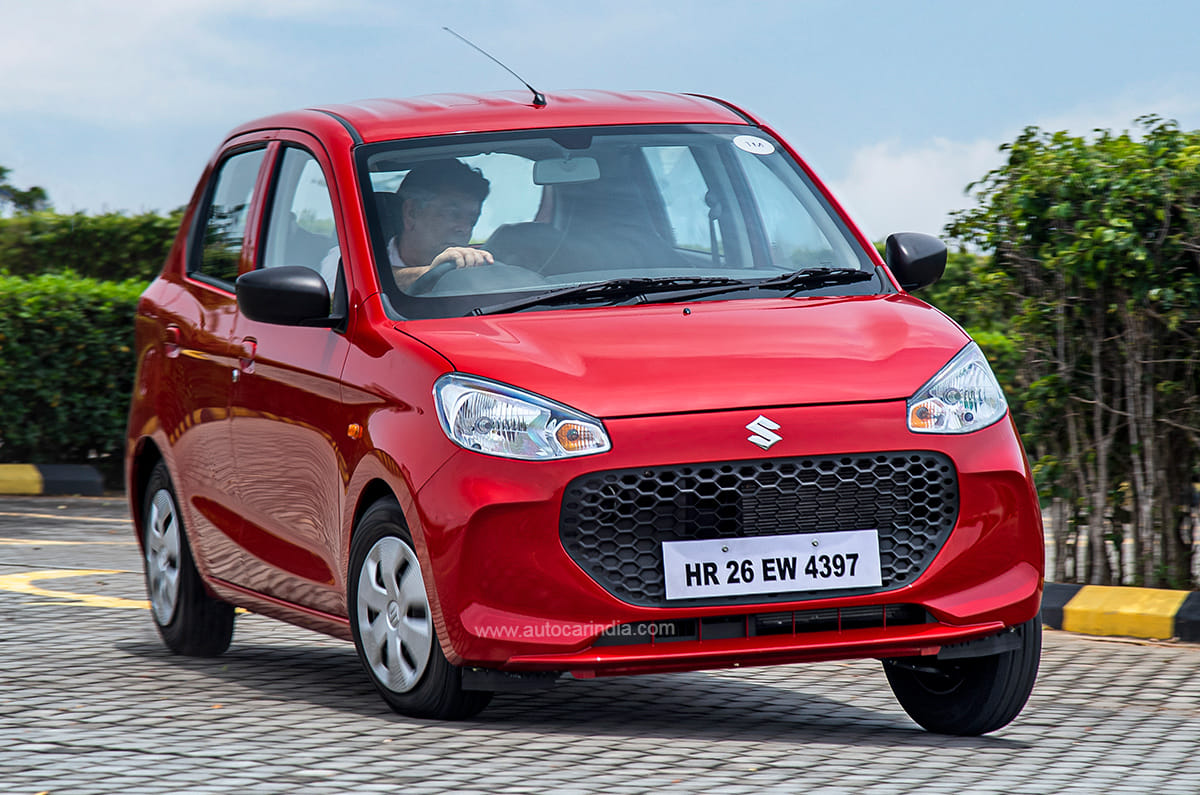
While the Alto K10 gets a peppy engine that loves to rev, the lack of proper steering feel does not inspire much confidence to push the hatchback to triple-digit speeds. At high speeds, a lot of steering corrections have to be made to stay in the correct lines, and a fair bit of body roll is also felt inside the cabin. Under hard braking too, the Alto K10 does not feel sure-footed and shimmies a bit, especially on uneven terrain.

Higher variants are expensive
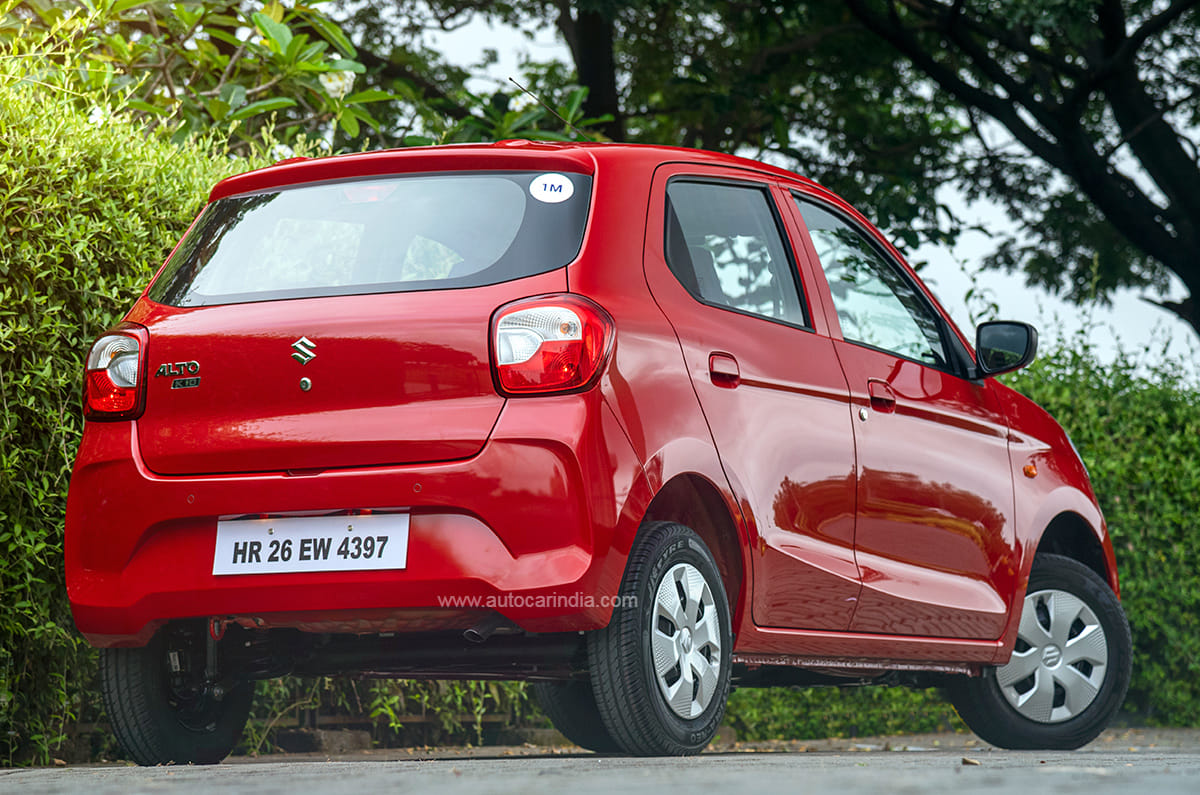
Although the Maruti Alto K10’s price starts at Rs 3.70 lakh, it goes up to Rs 5.45 lakh, which does not feel affordable, especially for a car whose price is at the core of its appeal. The AMT prices, which range from Rs 4.95 lakh to Rs 5.45 lakh, are especially high and feel out of reach compared to the manual variants, making a buyer think twice before choosing an AMT over the manual. 

Prices are ex-showroom, India.

New Bajaj Pulsar 150 leaked before launch

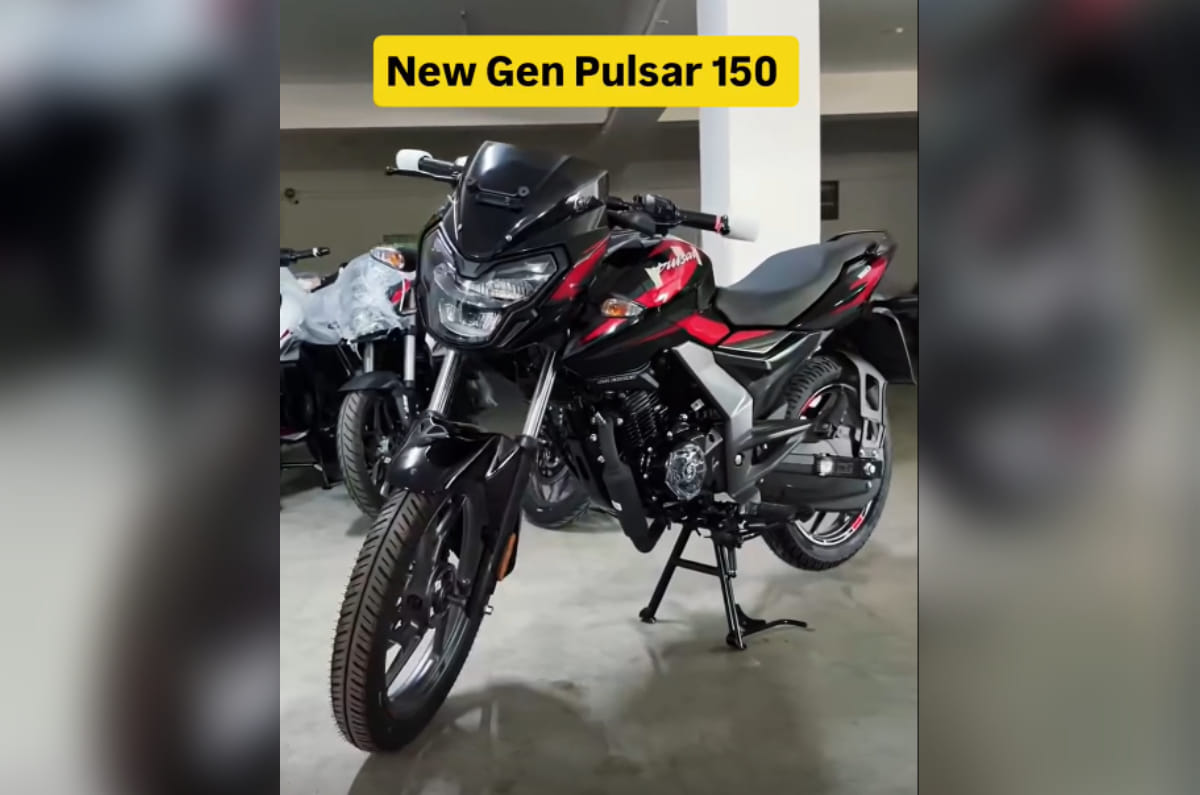
New Pulsar 150 at dealership

It’s no secret that Bajaj is working on multiple product launches over the next few months. We know the updated Pulsar N160 will launch on August 12, while the all-new Pulsar 125 was also spotted at a dealership earlier this week. Now, the new Bajaj Pulsar 150, too, has been spotted at a dealership, giving a production-ready look at the motorcycle ahead of its expected launch in the near future.

  1. Gets a new air- and oil-cooled engine
  2. Features a new single-downtube frame with monoshock rear suspension

All-new Bajaj Pulsar 150 details

Shares design DNA and platform with the all-new Pulsar 125

The new Pulsar 150 sits on an entirely new platform with a single-downtube frame like the one seen on the all-new Pulsar 125 earlier this week. This replaces the older architecture that has underpinned the Classic Pulsar range for years. Suspension comprises a telescopic fork at the front and a preload-adjustable monoshock at the rear, again mirroring the new Pulsar 125’s setup and marking an upgrade over the outgoing model’s twin-shock arrangement.

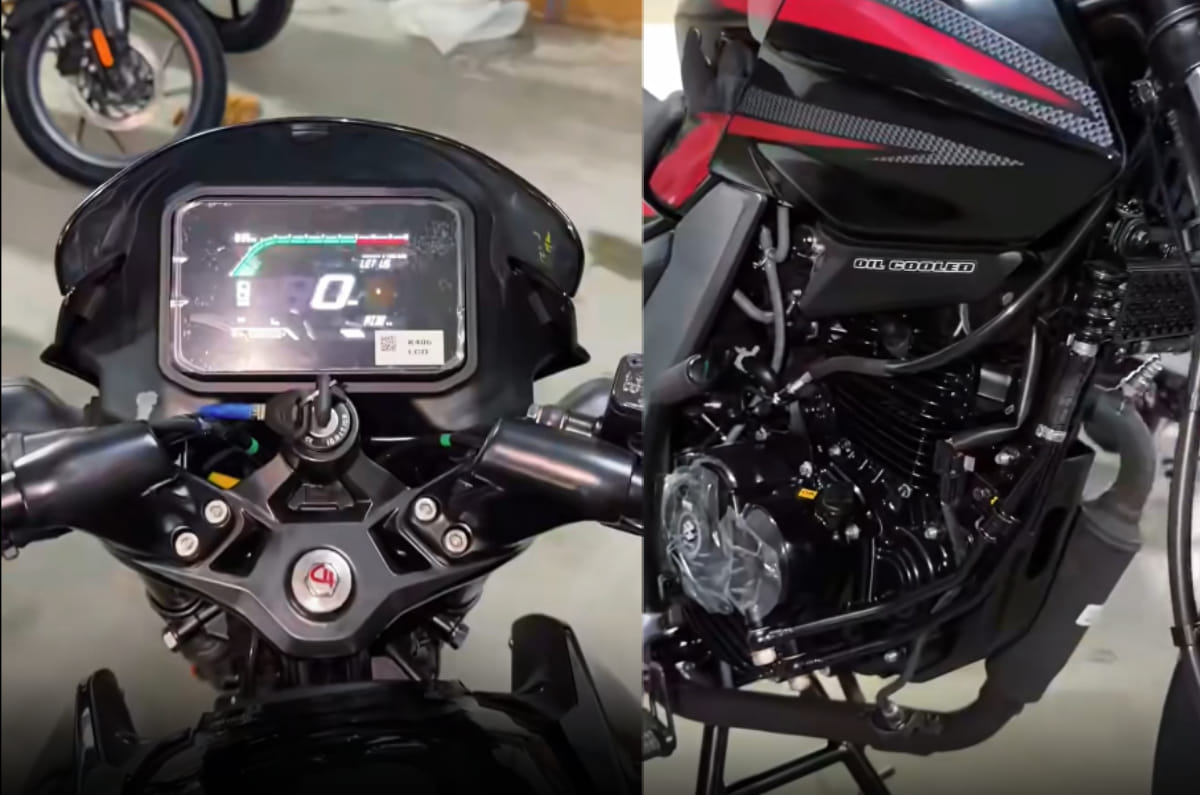
More notably, Bajaj has also made a significant change to the engine. The outgoing Pulsar 150 uses an air-cooled motor, but the new unit adds oil cooling. Improved thermal management could also allow Bajaj to extract more performance from the engine, but official output figures are yet to be revealed. For reference, the current Pulsar 150 is powered by a 149.5cc single-cylinder air-cooled engine producing 14hp and 13.3Nm of torque.

Even design-wise, the bike adopts several styling cues from the new Pulsar 125, including a redesigned headlight cowl, the familiar muscular fuel tank with extensions and a sleeker tail section featuring the signature twin LED tail-lights. The updated colour LCD instrument cluster also appears to have been carried over.

Bajaj has scheduled an event for August 12, and we’ve learnt that the updated Pulsar N160 will be among the launches. There is still no official word on whether the all-new Pulsar 125 and Pulsar 150 will also debut at the event. However, given that the new Pulsar 150 has already started reaching dealerships, a launch appears to be just around the corner.

Image source: Akram Saifullah

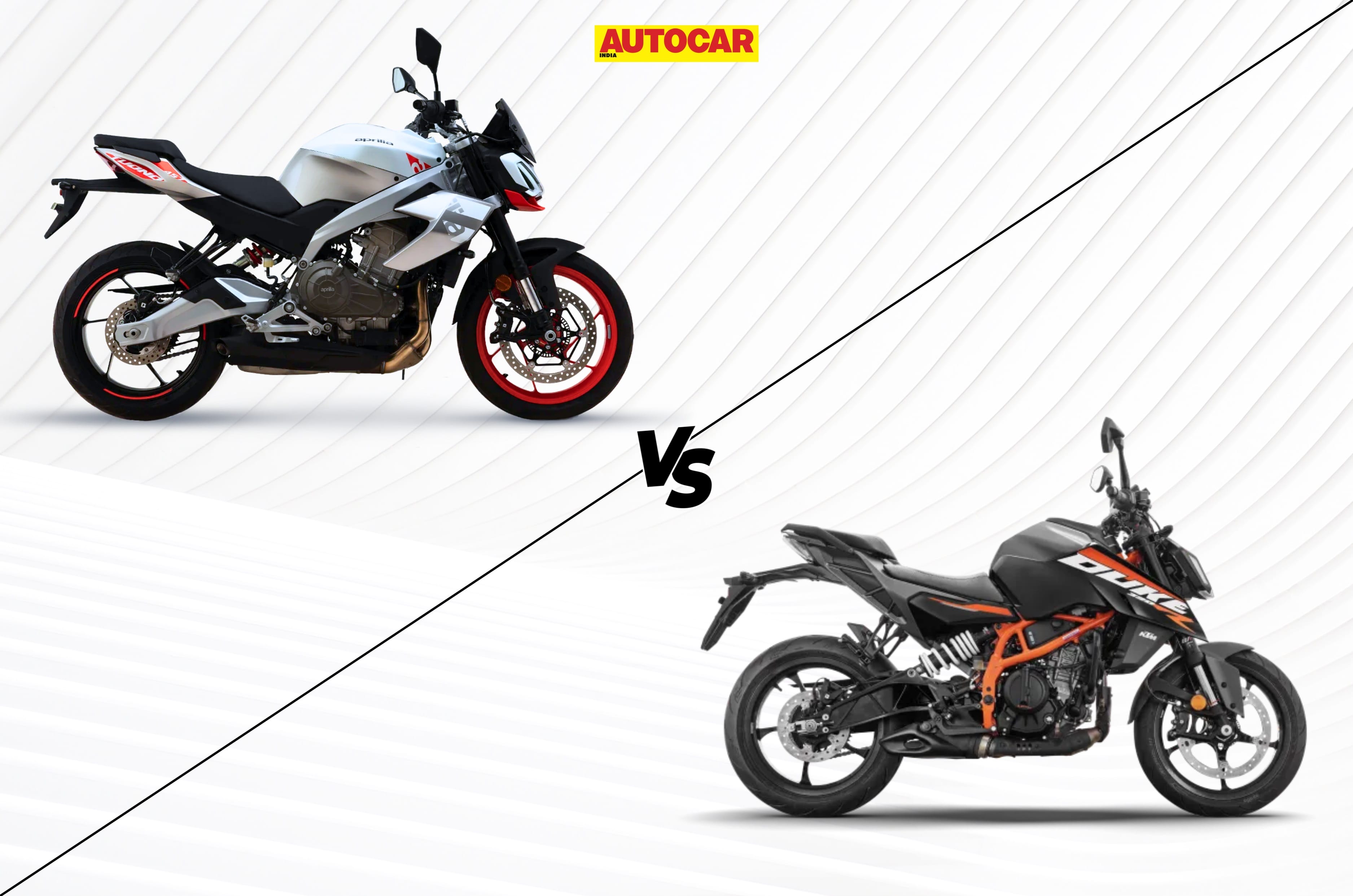
Aprilia Tuono 457 Special Edition vs KTM 390 Duke R: Price and spec comparison

Aprilia Tuono 457 Special Edition vs KTM 390 Duke R: Price and spec comparison

At the time of the Aprilia Tuono 457’s original launch, this comparison looked like a slam dunk in favour of the KTM 390 Duke (now the KTM 390 Duke R). It was less expensive, offered more features and was markedly more comfortable to ride. However, Aprilia has now updated the Tuono 457, and there’s a new, confusing “Special Edition” moniker. With the KTM being more expensive now, let’s see how these two European – but manufactured here in Maharashtra – sport-nakeds stack up on paper.

Aprilia Tuono 457 Special Edition vs KTM 390 Duke R: Engine and output

Tuono was and remains more powerful than Duke


Aprilia Tuono 457 Special Edition

KTM 390 Duke R

Engine

457cc, twin-cylinder, liquid cooled

398.63cc, single-cylinder, liquid cooled

Power

47.6hp

46hp

Torque

43.5Nm

39Nm

Gearbox

6-speed

6-speed

Power-to-weight ratio

272hp/tonne

273.3hp/tonne

Aprilia didn’t make any changes to the powertrain side of things for the Special edition, so the Tuono retains its parallel twin-cylinder 457cc engine that makes 47.6hp of power and 43.5Nm of torque. Contrast this against the Duke R’s single-cylinder 399cc engine making 45.3hp of power and 39Nm of torque, and the Tuono’s gain in power might look marginal on paper, its engine is markedly smoother across the rev range whereas the KTM’s engine gets smoother after 6,000rpm.

Aprilia Tuono 457 Special Edition vs KTM 390 Duke R: Dimensions and weight


Aprilia Tuono 457 Special Edition

KTM 390 Duke R

Fuel tank capacity

13 litres

15 litres

Ground clearance

NA

183mm

Kerb weight

175kg

168.3kg

Seat height

800mm

800mm

Wheelbase

NA

NA

Aprilia India’s website has not been updated at the time of publishing to reflect the complete details of the Tuono 457 Special Edition so these numbers are for the ‘regular’ Tuono. As such, some changes in kerb weight and seat height are likely. Neither Aprilia nor KTM shares wheelbase numbers in India, and Aprilia also doesn’t list the ground clearance for the Tuono. The KTM does get the larger fuel tank of the two which could mean marginally longer tank-to-tank distance for the 390 Duke R.

Aprilia Tuono 457 Special Edition vs KTM 390 Duke R: Tyres, brakes, and suspension

Tuono’s likely to have improved its front and rear suspensions


Aprilia Tuono 457 Special Edition

KTM 390 Duke R

Tyres

110/70R17, 150/60R17

110/70R17, 150/60R17

Brakes

320mm radial disc, 220mm floating disc (Dual-channel ABS)

320mm radial disc, 240mm floating disc (Dual-channel ABS)

Suspension

USD forks with 120mm travel,

Monoshock with 130mm travel

USD forks with 150mm travel, Monoshock with 150mm travel

When the Tuono 457 was launched, the suspension was said to be too firm for Indian conditions. With the Special Edition, Aprilia tells us that both the front and rear suspensions have been reworked, with softer compression and rebound damping with spring preload to the front USD forks, and softer compression damping with spring preload to the rear mono shock. Front and rear preload is adjustable for further fine tuning. The KTM retains its impressive suspension and it offers even more adjustability (compression and rebound at the front, preload and rebound at the rear) with more travel on both ends. 

Aprilia Tuono 457 Special Edition vs KTM 390 Duke R: Features

KTM’s stronghold. Remains that way!

This was a marked advantage for the KTM, especially when it was almost a lakh cheaper than the Aprilia. Even with the prices increased now, the Duke R still offers more features than the Tuono 457 Special Edition; the only model trumping the 390 Duke R on value being the 390 Duke with the 350cc engine. In addition to matching the Tuono with dual-channel ABS, full LED lighting, riding modes, TFT cluster, and traction control the KTM offers bi-directional quickshifter as standard (available as an accessory for the Tuono), cornering ABS, and cruise control. Another small difference is that the KTM’s brake and clutch levers are adjustable whereas Aprilia has made only the brake lever adjustable with the Tuono 457 Special Edition. So, if rider aids had convinced you to side with KTM, Aprilia’s Special Edition is unfortunately unlikely to change your mind.

Overall though, Aprilia has aimed to address almost all the initial complaints with this Special Edition model. Apart from the changes discussed above, the Tuono 457 Special Edition also gets a taller handlebar, a revised seat with a different profile, and a windscreen as standard.

Aprilia Tuono 457 Special Edition vs KTM 390 Duke R: Price

Aprilia Tuono 457 Special Edition costs Rs 55,000 more than the KTM 390 Duke R


Aprilia Tuono 457 Special Edition

KTM 390 Duke R

Price 

Rs 3.45 lakh

Rs 4 lakh

With all of these updates, Aprilia has launched the Tuono 457 Special Edition at Rs 4 lakh (ex-showroom, Maharashtra), an increase of Rs 2,000 over the ‘regular’ Tuono it replaces in India. The KTM 390 Duke R on the other hand costs Rs 3.45 lakh (ex-showroom, Maharashtra), thanks to the new GST slabs. Because of GST, we also have a 390 Duke with a 350cc engine at Rs 2.84 lakh (ex-showroom, Maharashtra). The Duke (without the R) shares all the electronic features with the Duke R, except for the slight reduction in power and torque figures. As things stand, the Aprilia Tuono 457 Special Edition costs Rs 55,000 more than the KTM 390 Duke R; and Rs 1.16 lakh more than the KTM 390 Duke.


Maruti Brezza vs Tata Nexon real world CNG mileage comparison

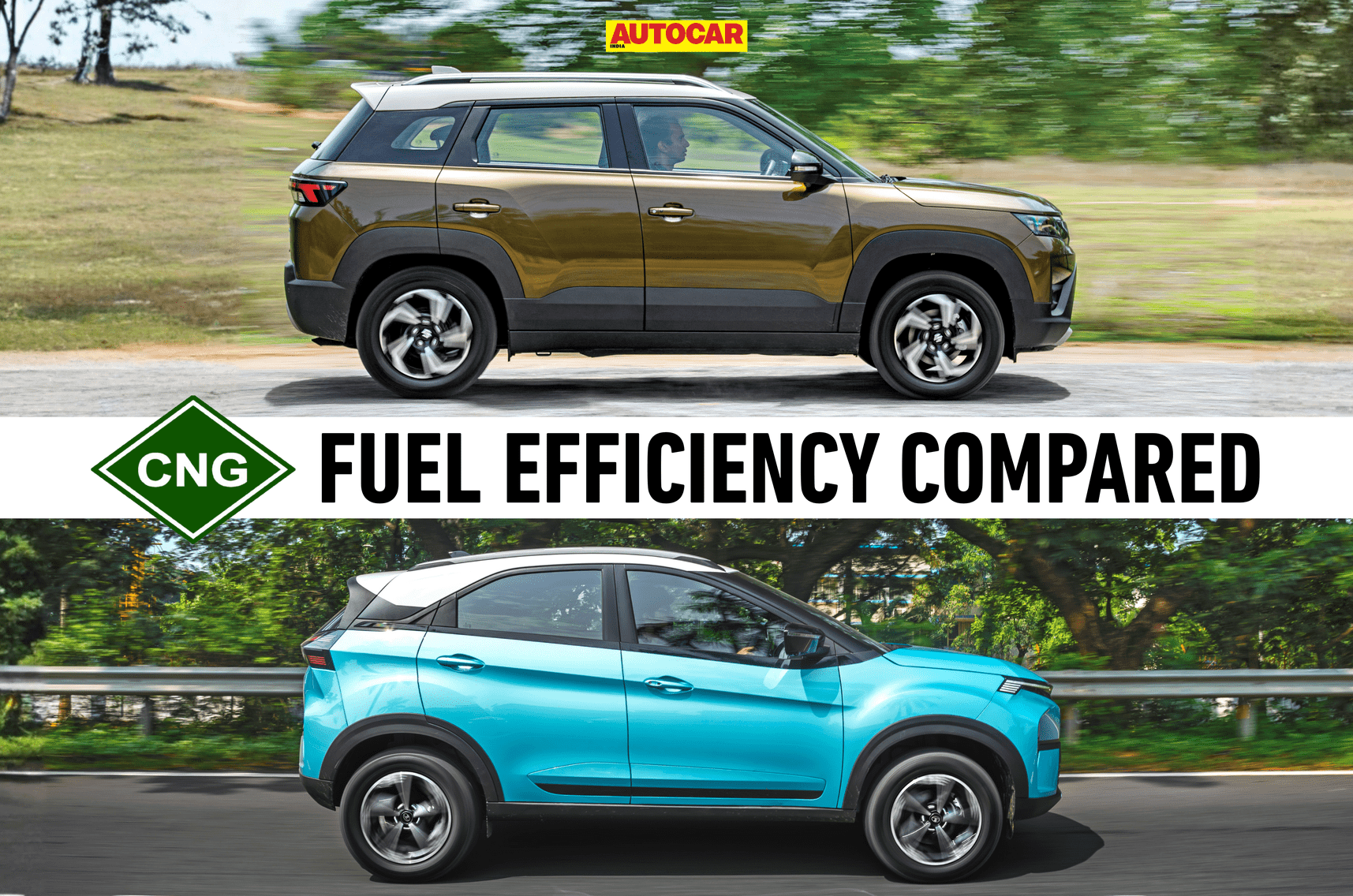
Brezza CNG and Nexon CNG

The Maruti Brezza and Tata Nexon are two of the few compact SUVs to offer a factory-fitted CNG kit. Both are also among the best-selling models for their respective brands, and since CNG cars are known to offer good mileage, it makes sense to compare these two and see which is more fuel-efficient in the real world. Keep reading to find out more.

Maruti Brezza CNG vs Tata Nexon CNG: Specs and price

Compact SUVBrezzaNexon

Engine

4 cyl, petrol-CNG3 cyl, petrol-CNG
TurbochargedNoYes

Displacement (cc)

1,4621,199

Power (hp)

101 (petrol), 88 (CNG)120 (petrol), 100 (CNG)

Torque (Nm)

137 (petrol), 122 (CNG)170

Transmission

5-speed manual6-speed manual
Claimed CNG mileage (km/kg)25.524

CNG tank (litres)

5560
Petrol tank (litres)4844
Boot space (litres)Not disclosed321

Price range (Rs, lakh)

9.17-11.468.3-13.42

While the Brezza uses a four-cylinder naturally aspirated engine, the Nexon gets a three-cylinder turbocharged unit. Notably, no other compact SUV currently offers a CNG kit with a turbocharged engine. The Nexon has a clear performance advantage over the Brezza. In petrol guise, its 1.2-litre turbo-petrol engine produces 120hp and 170Nm, giving it a 19hp and 33Nm edge over the Brezza’s 1.5-litre naturally aspirated petrol engine, which develops 101hp and 137Nm. 

In CNG mode too, the Nexon leads with 100hp and 170Nm, compared to the Brezza CNG’s 88hp and 122Nm. That gives the Nexon a 12hp and 48Nm advantage in CNG form. It also gets a 6-speed manual, compared with the Brezza’s 5-speed unit, and a larger 60-litre CNG tank (dual-cylinder setup). The Maruti, meanwhile, uses a more conventional cylinder arrangement.

The Brezza’s 1,462cc engine also crosses the 1,200cc threshold for the lower 18 percent GST slab, so it’s taxed at 40 percent. That shows up in pricing, too, with the Brezza’s entry price sitting Rs 95,000 above the Nexon’s. At the top end, though, the Tata is Rs 2.1 lakh pricier than the equivalent Brezza CNG variant.

Maruti Brezza CNG vs Tata Nexon CNG: Real-world mileage

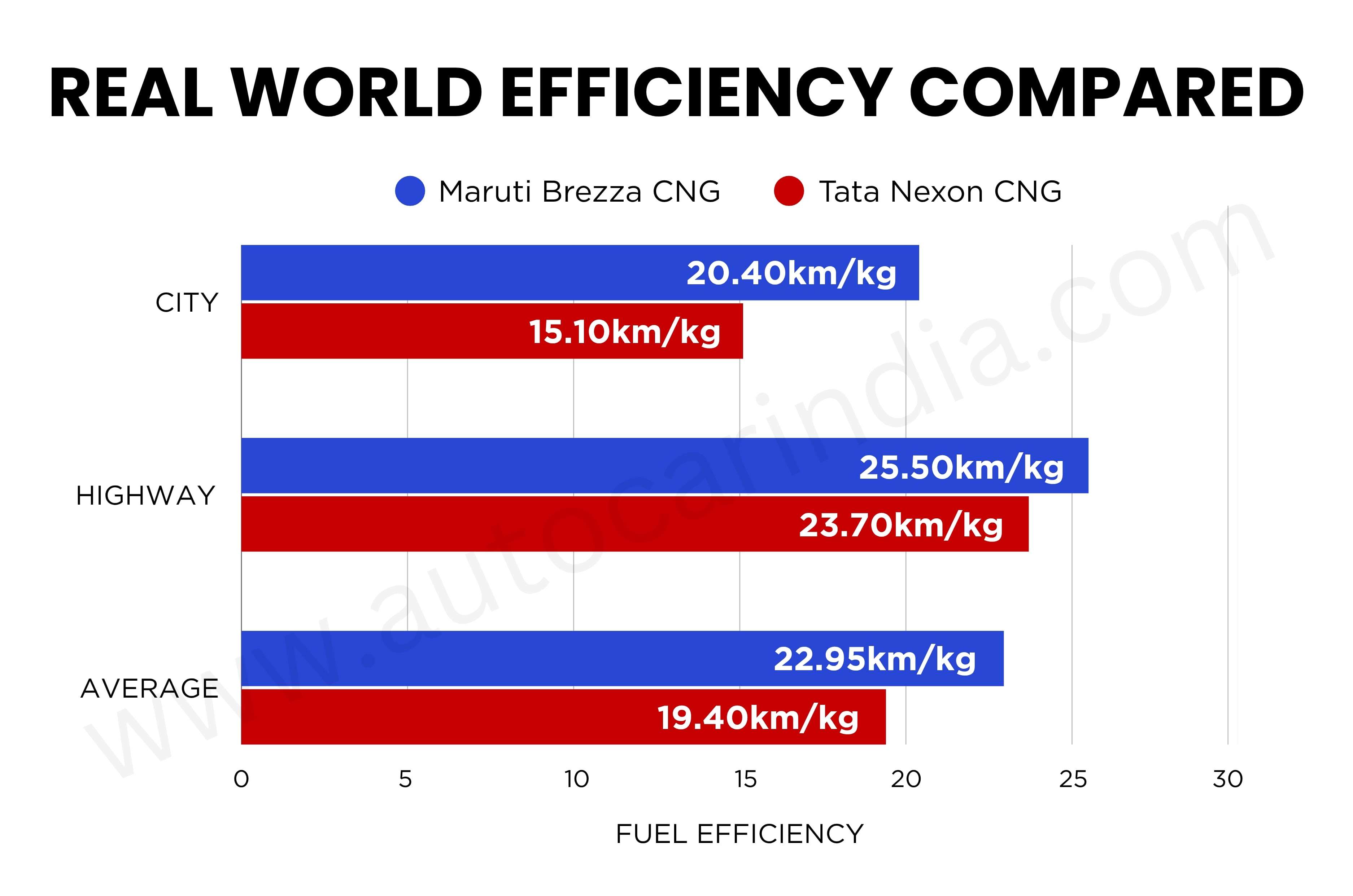
The Brezza CNG is clearly more efficient in real-world use than the Nexon CNG. In the city, it returns 5.3km/kg more than the Tata SUV. The Brezza maintains its lead on the highway as well, but the gap narrows to 1.8km/kg. As a result, the average figure also favours the Brezza, which is ahead by 3.55km/kg.

Part of the Brezza’s efficiency advantage comes from its much lighter kerb weight and a naturally aspirated setup. It should be noted that the Nexon’s CNG setup does not significantly affect drivability or performance in everyday use. It can also be started directly in CNG mode, and even the added weight of the kit – 120kg more than the petrol Nexon – does not make it feel breathless or strained.

Autocar India’s fuel efficiency testing

Before our real-world fuel efficiency tests, we fill our test cars’ tanks to the brim and maintain tyre pressures based on the manufacturer’s recommendations. These cars are driven in fixed city and highway loops in and around Navi Mumbai, and we maintain certain average speeds. Throughout the tests, there is only one person in each car, running the air conditioner and other electricals, such as the audio system, indicators and wipers, when required, just like a regular user would. Periodic driver swaps further neutralise variations in driver patterns. At the end of each cycle, we calculate efficiency by refilling the tanks to full.

Ducati Monster V2 to launch on August 10

Ducati Monster V2 to launch on August 10

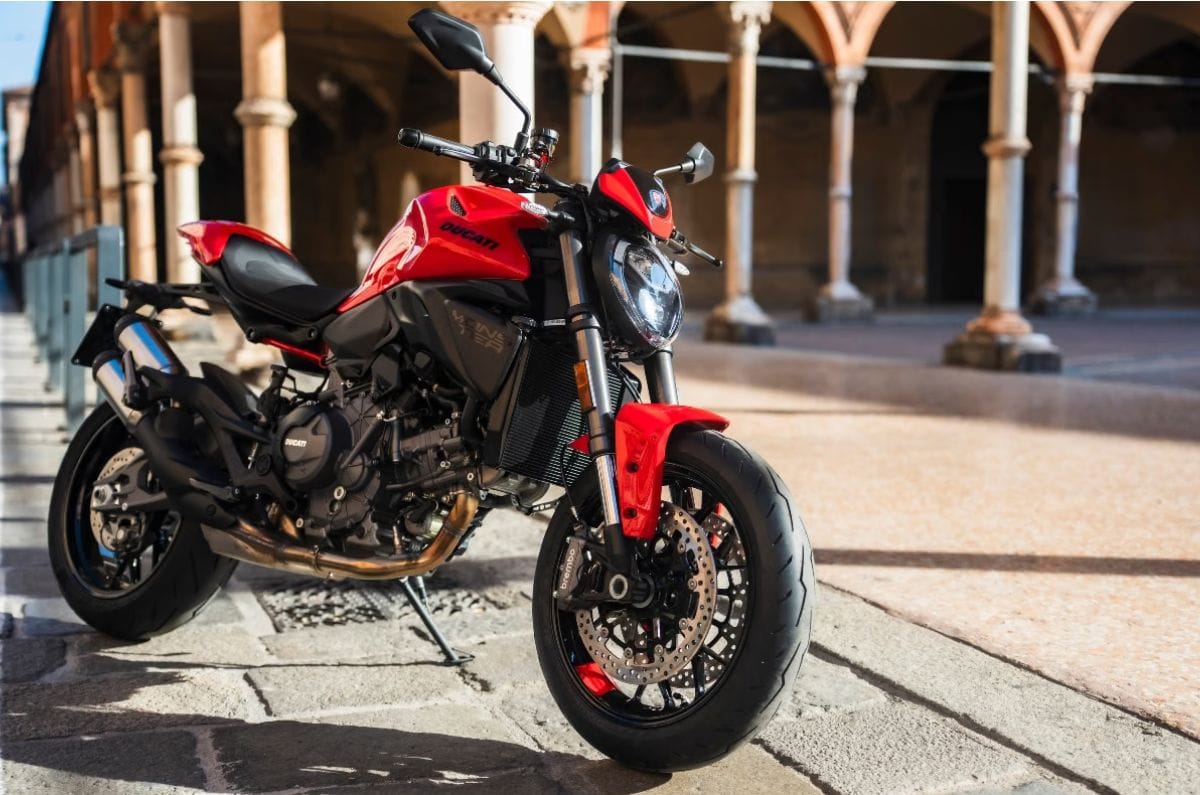
After patenting the design just a few weeks ago, Ducati is now all set to launch the Monster V2 in India. Compared to the outgoing model’s 937cc V-twin, the V2 is expected to have a smaller 890cc engine but with no change in power and ~2Nm less torque (91.1Nm vs 93Nm). The Monster V2 will also be 4kg lighter than the outgoing model. Other changes are to the chassis and a bigger tank design.

  1. Gets a smaller 890cc V-twin shared with the Panigale V2 and other models
  2. Features a new monocoque chassis 
  3. 4kg lighter (wet weight, no fuel) than the outgoing model

Bringing the Monster’s hefty design back

Tank now looks bigger like Monsters of yesteryear, but capacity remains unchanged

The engine, although new to the Monster, is shared with other Ducatis like the Panigale V2, Streetfighter V2 and Multistrada V2. Even though the power figures are very similar to the outgoing Monster, peak power of 111hp is now available earlier in the rev range (9,000rpm vs 9,250rpm), however, peak torque now comes in later at 7,250rpm (vs 6,500rpm). Under the skin, there are further changes. The Monster V2 gets a monocoque chassis compared to the outgoing model’s aluminium frame. The tank also looks bigger now even though the capacity itself remains the same at 14-litres.

The other notable difference is the reduced weight. Coming in at 175kg (wet weight, no fuel), the Monster V2 will be 4kg lighter than the outgoing model. Currently, Ducati India has priced the Monster at Rs 13.84 lakh (ex-showroom), and we’ll have to wait for the prices for the Monster V2.

Volkswagen launches Virtus Anniversary Edition at Rs 19.20 lakh

VW Virtus Anniversary Edition launched

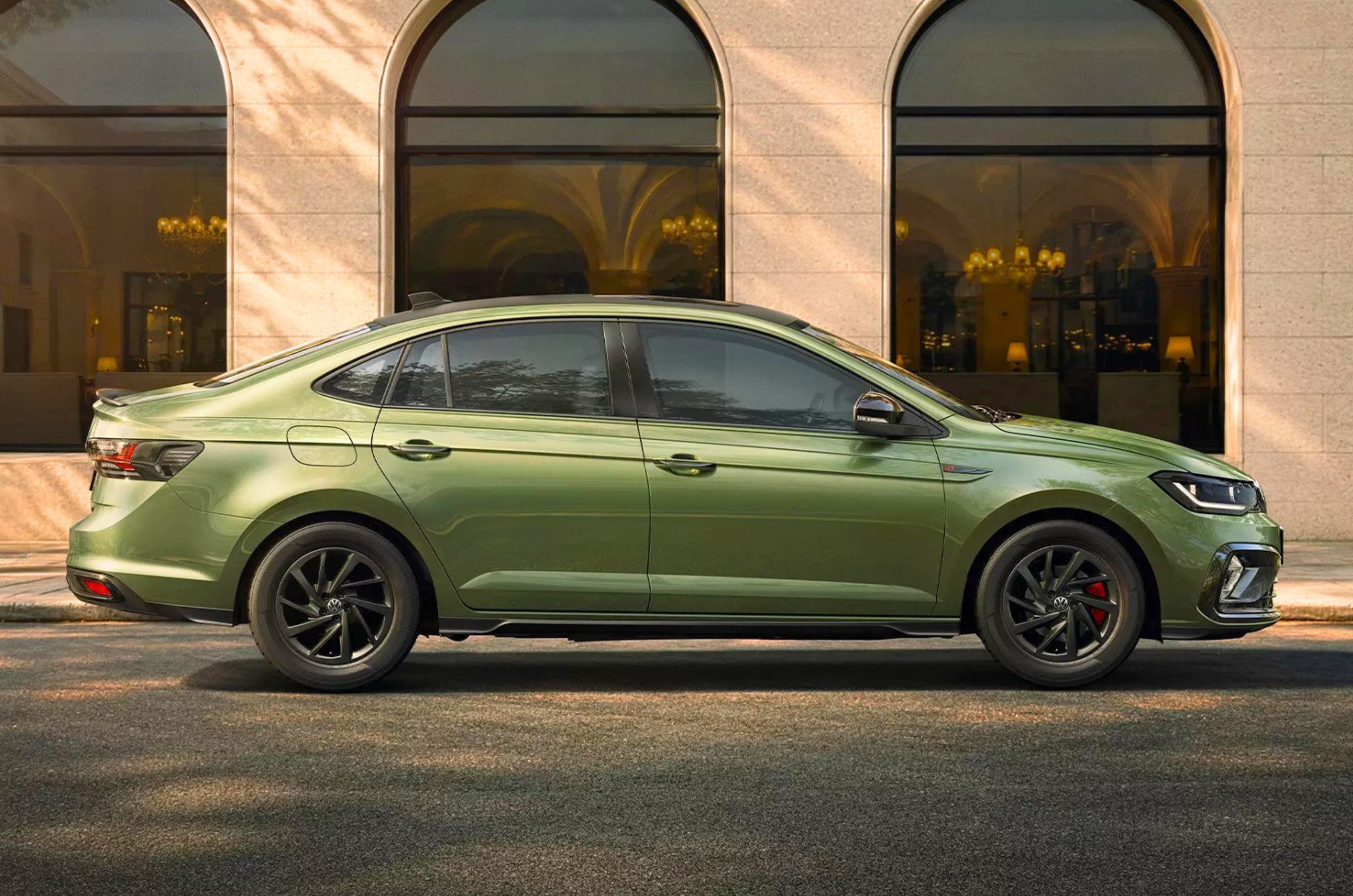
Volkswagen has launched the Anniversary Edition of the Virtus sedan at Rs 19.20 lakh (ex-showroom, India). It arrives about four years after the model was first introduced in the India market. The Virtus Anniversary Edition is based on the top-spec GT Plus Sport trim of the VW sedan, so it shares several of the latter’s visual aesthetics and feature set. The price of the Anniversary Edition identical to the trim that it’s based on, despite offering additional equipment.

  • Based on the top-spec GT Plus Sport trim
  • Finished in an exclusive Avocado Pearl colour
  • Features puddle lamps, 360-degree cameras, front parking sensors and more
  • Only available with the 1.5 TSI engine and DSG gearbox

Volkswagen Virtus Anniversary Edition: Exterior and interior features

The Anniversary Edition of the Volkswagen Virtus comes finished in an Avocado Pearl exterior colour, which Volkswagen says is exclusive to this edition. It also gets a contrasting black roof, black alloy wheels with red brake calipers and a black boot-lip spoiler – all of which are shared with the GT Plus Sport. Other shared design features include a gloss-black front bumper trim, darkened headlamps and tail-lamps housings, an all-black interior theme with gloss-black inserts on the dashboard.

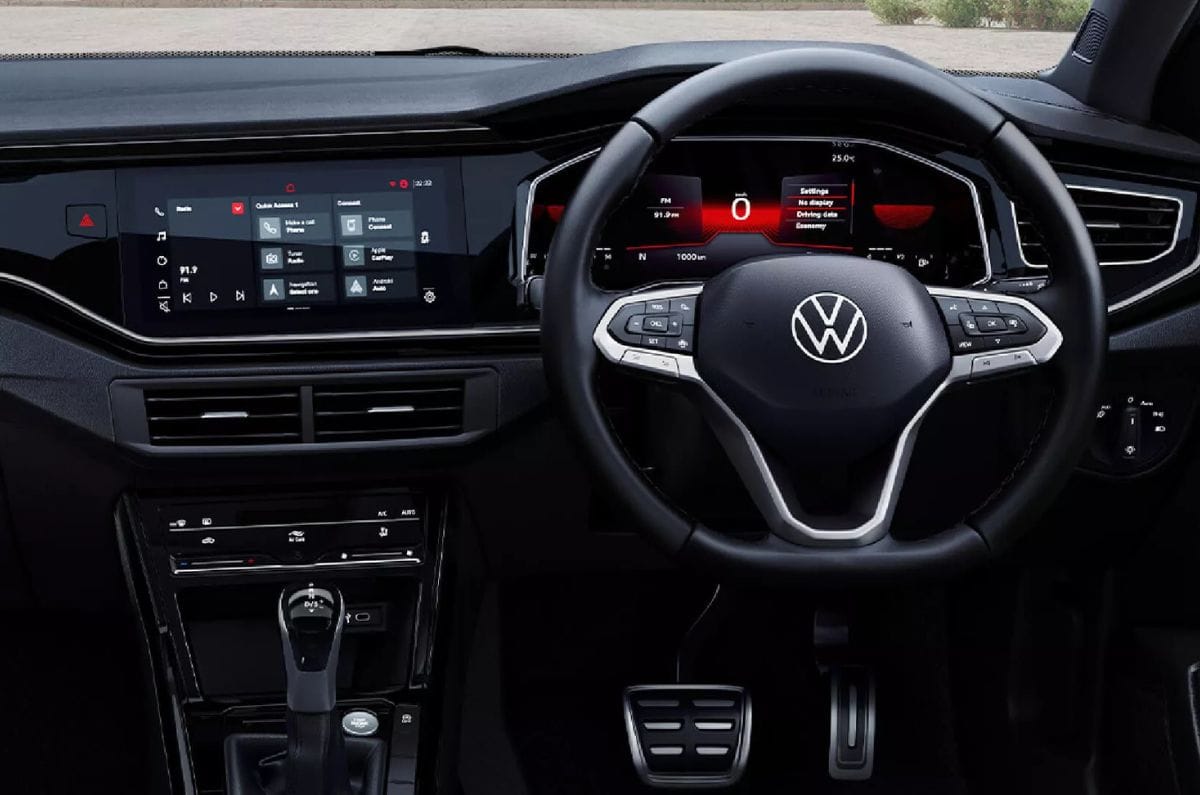
Volkswagen Virtus GT Plus Sport interior
Volkswagen Virtus GT Plus Sport’s interior shown for representational purposes only.

On the equipment front, the Virtus Anniversary Edition is offered with official Volkswagen accessories like puddle lamps, a 360-degree camera system and front parking sensors. Since it’s based on the fully loaded GT Plus Sport trim, the Anniversary Edition shares all of its other feature set too. This includes the likes of leatherette upholstery, red ambient lighting, ventilated front seats, a powered sunroof, a 10-inch touch-infotainment screen, automatic climate control, an 8-speaker audio system and paddle shifters.

Safety features of the limited-run Virtus Anniversary Edition are also familiar. This means that it gets 6 airbags, electronic stability control, traction control, hill-start assist, and ABS with EBD, among others. 

Volkswagen Virtus Anniversary Edition: Engine and gearbox

Under the bonnet of the Volkswagen Virtus Anniversary Edition is the same 1.5 TSI engine and 7-speed DSG (dual-clutch automatic) gearbox. This 1.5-litre four-cylinder turbo-petrol mill features direct injection, developing 150hp and 250Nm of torque. This engine and gearbox pairing has a claimed fuel economy of 19.62kpl. Meanwhile, the standard Virtus is also available with a 1.0-litre three-cylinder turbo-petrol engine with direct injection, which makes 115hp and 178Nm. This TSI unit can be mated with either a 6-speed manual or a 6-speed torque-converter automatic transmission.

Also read

BMW X1 LWB launch on August 21

Kia Carens Clavis gets benefits of up to Rs 1.2 lakh in August 2026

Meta CEO Mark Zuckerberg ने भारत से मांगी माफी, 5-6 घंटे तक Facebook से हटाया गया था PM Modi का वीडियो

mark jukerburg_modi

Meta के CEO मार्क जुकरबर्ग ने भारत में अपने सोशल मीडिया प्लेटफॉर्म पर Child Sexual Abuse Material (CSEAM) और Deepfake Content की उपलब्धता को लेकर माफी मांगी है। इलेक्ट्रॉनिक्स एवं सूचना प्रौद्योगिकी मंत्रालय (MeitY) के सूत्रों के मुताबिक, Zuckerberg ने Meta के वरिष्ठ वैश्विक अधिकारियों की मंत्रालय के साथ हुई बैठक के दौरान इस मामले पर खेद जताया।  Meta, Facebook, Instagram और WhatsApp की पैरेंट कंपनी है।

ALSO READ: E20 Petrol : क्या सरकार ला रही है Flex-Fuel वाहनों के लिए नई पॉलिसी? सरकार ने दिया बड़ा अपडेट

हटाया था PM Modi का वीडियो

Zuckerberg की यह माफी ऐसे समय में सामने आई है जब इससे पहले बुधवार को एक संसदीय समिति ने प्रधानमंत्री नरेंद्र मोदी के Facebook वीडियो को हटाए जाने के मामले में Meta प्रमुख को तीन दिन के भीतर माफी मांगने को कहा था। प्रधानमंत्री मोदी का छात्रों और Gen Z को संबोधित करने वाला वीडियो कुछ समय के लिए Facebook से हटाए जाने पर समिति ने गंभीर नाराजगी जताई थी।

समिति ने चेतावनी दी थी कि यदि माफी नहीं मांगी गई तो Meta को मिलने वाली कानूनी सुरक्षा यानी Safe Harbour protection वापस लेने की दिशा में कदम उठाया जा सकता है। ऐसी स्थिति में संबंधित मामलों में अभियोजन और FIR दर्ज होने का रास्ता खुल सकता है।

लोकसभा सचिवालय की ओर से इलेक्ट्रॉनिक्स एवं सूचना प्रौद्योगिकी मंत्रालय के सचिव को भेजे गए पत्र में कहा गया कि प्रधानमंत्री नरेंद्र मोदी का छात्रों और Gen Z को संबोधित करने वाला वीडियो Facebook से करीब 5-6 घंटे तक हटाया जाना समिति ने गंभीरता से लिया था। यह वीडियो परीक्षा से जुड़े विवादों और पेपर लीक के खिलाफ सरकार की कार्रवाई को लेकर प्रधानमंत्री के संदेश से संबंधित था। समिति ने इस घटना को लेकर Meta से स्पष्टीकरण और जवाबदेही की मांग की थी।

मेटा की टीम को सरकार ने बुलाया था 

सरकार पीएम मोदी का वीडियो फेसबुक से हटाने से भी नाराज थी। मोदी ने 23 जुलाई को यह वीडियो पोस्ट किया था। इसमें उन्होंने पेपर लीक को बड़ी समस्या बताया था। उन्होंने ऐसे मामलों की जल्द सुनवाई के लिए फास्ट ट्रैक कोर्ट बनाने की भी बात कही थी। आईटी मंत्रालय और मेटा के अधिकारियों के बीच 2 दिन की बैठक चल रही है। सरकार ने मेटा की ग्लोबल टीम को दिल्ली बुलाया है। 5 अगस्त को बैठक का पहला दिन था।

मार्क जुकरबर्ग को दिया गया था 3 दिन का समय 

समिति की ओर से कहा गया था कि मेटा  प्रमुख मार्क जुकरबर्ग को मामले में माफी मांगनी चाहिए। अगर निर्धारित समय में माफी नहीं आती है, तो समिति भारत में उपलब्ध कानूनी संरक्षण को वापस लेने की दिशा में कदम उठाने पर विचार कर सकती है। यह मामला इसलिए महत्वपूर्ण है क्योंकि Safe Harbour protection इंटरनेट प्लेटफॉर्म को यूजर्स द्वारा पोस्ट की गई सामग्री के लिए कुछ कानूनी सुरक्षा प्रदान करता है, बशर्ते वे लागू नियमों और कानूनी दायित्वों का पालन करें।

क्यों महत्वपूर्ण हुआ मामला

प्रधानमंत्री के सोशल मीडिया पोस्ट को हटाए जाने की घटना ने भारत में Big Tech platforms, content moderation और social media accountability को लेकर बहस को तेज कर दिया था।  Meta की ओर से पहले इस वीडियो को गलती से हटाए जाने की बात सामने आई थी और वीडियो बाद में बहाल कर दिया गया था।


Zuckerberg ने अधिकारियों के जरिए भेजी माफी


MeitY के सूत्रों के अनुसार, Mark Zuckerberg ने प्लेटफॉर्म के संचालन में हुई गलतियों को लेकर शीर्ष अधिकारियों के माध्यम से अपनी माफी पहुंचाई। सूत्रों ने बताया कि बैठक के दौरान Meta ने यह भी स्वीकार किया कि कुछ खास तरह के कंटेंट को ज्यादा लोगों तक पहुंचाने के लिए बड़ी रकम का भुगतान किया गया था। सूत्र के मुताबिक, Meta ने गलती स्वीकार करते हुए माफी मांगी और इस पर अफसोस जताया। हालांकि, मंत्रालय की ओर से इस संबंध में अभी सार्वजनिक रूप से विस्तृत बयान सामने नहीं आया है।

CSEAM और महिलाओं के खिलाफ आपत्तिजनक कंटेंट पर भी सख्ती

बीजेपी सांसद निशिकांत दुबे की अध्यक्षता वाली सूचना प्रौद्योगिकी संबंधी संसदीय स्थायी समिति ने उन intermediary platforms के खिलाफ कार्रवाई की मांग की, जहां CSEAM और महिलाओं के खिलाफ अपमानजनक सामग्री उपलब्ध होने का आरोप है। सूत्रों के मुताबिक, समिति की ओर से यह भी स्पष्ट किया गया कि जो प्लेटफॉर्म खुद तय करते हैं कि किस यूजर को कौन-सा कंटेंट दिखाया जाएगा, उन्हें केवल intermediary की सामान्य परिभाषा के तहत सुरक्षा नहीं दी जा सकती। समिति ने कथित तौर पर कहा कि ऐसे मामलों में IT Act के तहत Safe Harbour protection लागू नहीं होगा।

Google India को लेकर भी समिति ने मांगी कार्रवाई

संसदीय समिति ने Google India से जुड़े एक कथित साइबर फ्रॉड मामले का भी उल्लेख किया है। समिति के अनुसार, शिकायतकर्ताओं ने आरोप लगाया कि फर्जी ऐप्स के माध्यम से निवेश करने पर उन्हें 48 लाख रुपये से अधिक का नुकसान हुआ। पत्र में कहा गया कि Hyderabad Cyber Police की कार्रवाई में Google India के प्रमुख को कथित साइबर धोखाधड़ी से जुड़े मामले में सह-आरोपी के तौर पर शामिल किए जाने की बात सामने आई है। समिति ने इस मामले में भी भारत सरकार से Google India के खिलाफ इसी तरह की कार्रवाई करने की इच्छा जताई है।

CJP प्रोस्टेट पर बोले CJI- युवाओं की बात सुननी चाहिए, हिंसा का जवाब हिंसा नहीं हो सकता

सुप्रीम कोर्ट ने बुधवार को छात्र प्रदर्शनकारियों से जुड़े एक मामले की सुनवाई के दौरान अधिकारियों और सुरक्षा बलों से संयम बरतने की सलाह दी। कोर्ट ने कहा कि युवा छात्रों के विरोध प्रदर्शन के दौरान हिंसा रोकने के लिए अगर हिंसक तरीके अपनाए गए, तो इससे स्थिति और बिगड़ सकती है।

ALSO READ: No Insurance, No Fuel प्रोजेक्ट क्या है, सुप्रीम कोर्ट क्यों करना चाहता है लागू और आप पर कैसे पड़ेगा असर

भारत के मुख्य न्यायाधीश (CJI) सूर्यकांत की अध्यक्षता वाली पीठ ने यह टिप्पणी कॉकरोच जनता पार्टी (CJP) की कथित भूमिका को लेकर दायर याचिका पर सुनवाई के दौरान की। CJI सूर्यकांत ने कहा कि हिंसा का जवाब हिंसा नहीं है, युवाओं की बात सुनना जरूरी है। याचिका में दिल्ली समेत देश के अन्य हिस्सों में छात्र प्रदर्शनों के दौरान हुई हिंसा और कथित पत्थरबाजी को लेकर कार्रवाई की मांग की गई है।


 सुप्रीम कोर्ट ने इस मामले को छात्र प्रदर्शनों के दौरान हुई हिंसा से संबंधित अन्य लंबित याचिकाओं के साथ जोड़ दिया है। कोर्ट ने कहा कि सभी मामलों की सुनवाई एक साथ की जाएगी।


'अधिकारियों को बहुत सावधानी से कदम उठाना होगा'

CJI सूर्यकांत ने कहा कि लोकतंत्र में शांतिपूर्ण मार्च के दौरान सुरक्षा बलों और अधिकारियों को भी संयम बरतना चाहिए। उन्होंने कहा कि अधिकारियों को यह सुनिश्चित करने के लिए बेहद सावधानी से काम करना होगा कि युवा हिंसा की ओर न बढ़ें।

कोर्ट ने कहा कि हिंसा का जवाब हिंसा से देने से स्थिति और गंभीर हो सकती है। पीठ ने यह भी कहा कि प्रदर्शनकारियों की बात सुनना और यह समझना कि वे किस मुद्दे को लेकर आंदोलन कर रहे हैं, स्थिति को संभालने का सबसे प्रभावी तरीका हो सकता है। सुप्रीम कोर्ट ने कानून-व्यवस्था संभालने वाली एजेंसियों के विवेक पर भरोसा जताते हुए कहा कि आगे की कार्रवाई से पहले केंद्र सरकार का पक्ष भी देखा जाएगा।


20 जुलाई के 'चलो संसद' मार्च के दौरान हुई थी हिंसा


यह मामला 20 जुलाई को दिल्ली में कॉकरोच जनता पार्टी के 'चलो संसद' मार्च के दौरान हुई हिंसा से जुड़ा है। यह मार्च NEET-UG पेपर लीक विवाद को लेकर देशभर में चल रहे छात्र प्रदर्शनों के बीच आयोजित किया गया था। दिल्ली के जंतर-मंतर और आसपास के कई इलाकों में प्रदर्शनकारियों और सुरक्षा बलों के बीच झड़प की खबरें सामने आई थीं। दिल्ली पुलिस के अनुसार, इस दौरान 65 से अधिक प्रदर्शनकारी और 200 से ज्यादा पुलिसकर्मी घायल हुए थे।


पैलेट गन के इस्तेमाल पर भी उठा था विवाद

प्रदर्शन के दौरान सुरक्षा बलों द्वारा कथित तौर पर प्लास्टिक पैलेट के इस्तेमाल को लेकर बाद में राजनीतिक विवाद भी खड़ा हो गया। रिपोर्टों में दावा किया गया कि कई प्रदर्शनकारियों को गंभीर चोटें आईं। द इंडियन एक्सप्रेस की रिपोर्ट के हवाले से सामने आई जानकारी के अनुसार CRPF की एक आंतरिक जांच में पाया गया कि 20 जुलाई के प्रदर्शन के दौरान Rapid Action Force (RAF) के एक जवान ने पैलेट गन से सात राउंड फायर किए थे। रिपोर्ट के मुताबिक, इनमें से पांच पैलेट प्रदर्शनकारियों को लगे थे।


सुप्रीम कोर्ट ने क्या कहा?


सुप्रीम कोर्ट ने स्पष्ट किया कि लोकतांत्रिक व्यवस्था में शांतिपूर्ण प्रदर्शन के दौरान प्रशासन और सुरक्षा बलों को संयम से काम लेना चाहिए। कोर्ट ने कहा कि युवाओं के विरोध को समझना और उनकी बात सुनना जरूरी है, क्योंकि बल प्रयोग से तनाव कम होने के बजाय स्थिति और बिगड़ सकती है। अब इस मामले के साथ छात्र प्रदर्शनों से जुड़ी अन्य लंबित याचिकाओं पर भी संयुक्त रूप से सुनवाई की जाएगी।

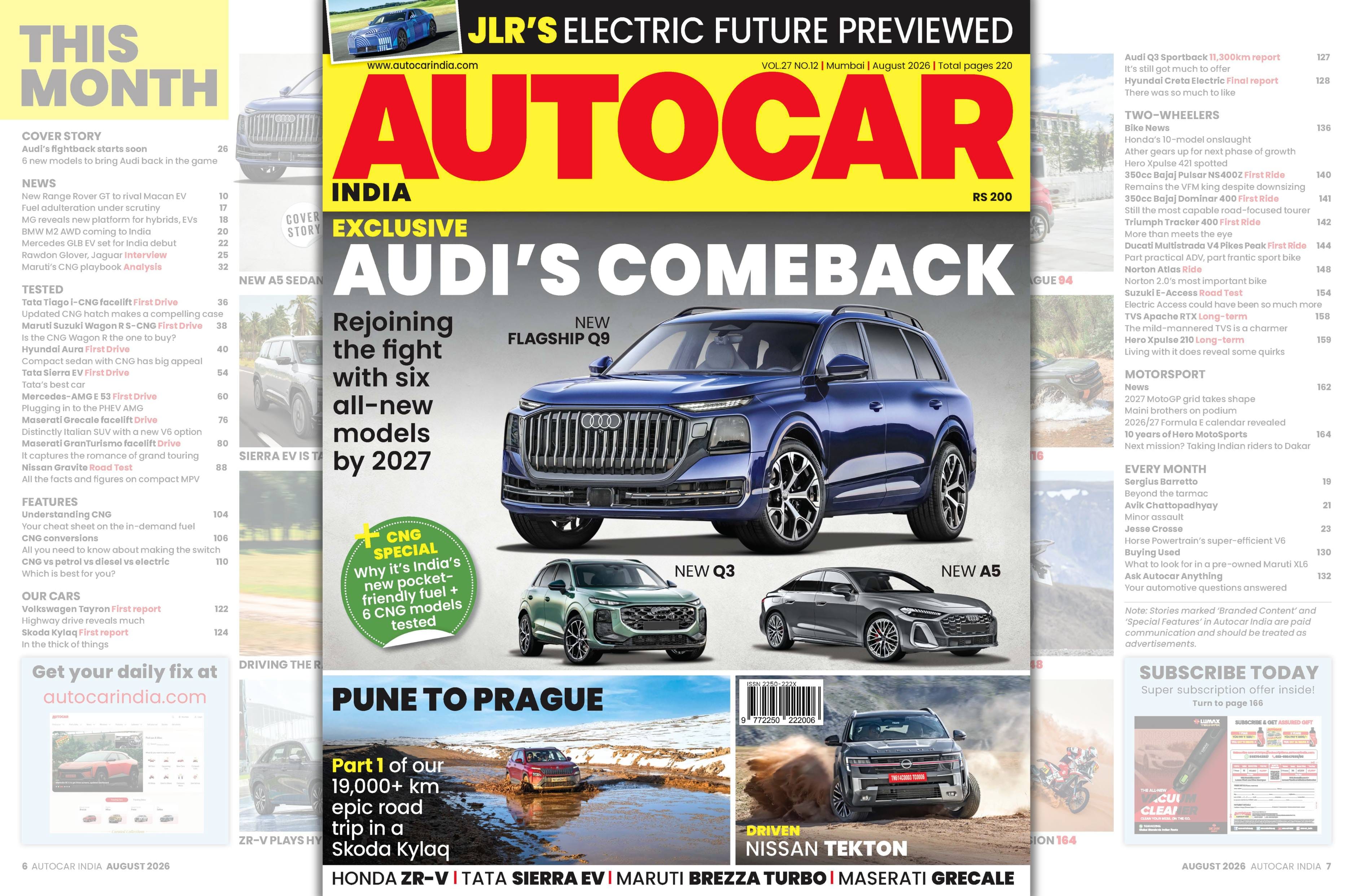
Audi’s big India comeback, Tata Sierra EV first drive: Autocar India August 2026

Autocar India August 2026

Our August 2026 issue has all the exclusive details of Audi India’s most ambitious product offensive in over a decade, with six all-new locally assembled models planned over the next 18 months. We also get behind the wheel of Jaguar’s camouflaged Type 01 prototype and drive the Range Rover Sport EV at Goodwood. Closer to home, we find out if the Tata Sierra EV lives up to its billing as the best Tata on sale, while the Nissan Tekton is put through a 700km-plus real-world test from Chandigarh to Leh. We also break down India’s new most popular fuel in our CNG special, with five models tested back-to-back. On two wheels, the new Norton Atlas is ridden in Iceland, while a special Ducati takes on some of Maharashtra’s tricky trails. All this while a Skoda Kylaq sets off on an epic 19,351km drive from Pune to Prague.

Audi’s Big Comeback: Cover Story

Audi was once India’s bestselling luxury brand. Today, it is a shadow of that. Now, with six all-new locally assembled models planned by end-2027, the four rings are back on the offensive. We have all the details and speak to Audi India head Balbir Singh Dhillon and Audi AG chairman Gernot Dollner about the upcoming cars. 

Jaguar Type 01: Drive

Jaguar has walked away from 90 years of combustion heritage, cancelled every existing model and started again with a blank sheet of paper. The Type 01 is the result – a five-metre all-electric grand tourer with a 1,000hp three-motor setup, 600km of range and a starting price north of Rs 3 crore. We drive a camouflaged prototype at JLR’s Gaydon test track to find out if the boldest bet in the car industry’s history has legs. 

Range Rover Sport EV: Drive

Under its familiar skin sits an 800V architecture, two Land Rover-developed 326hp motors and a 118.5kWh battery validated over 60,000 hours of testing. The electric Range Rover Sport arrives in India around March 2027 and could set a new luxury benchmark for the brand. We drive a prototype at Goodwood to find out if it lives up to that promise. 

Tata Sierra EV: First Drive

The best Tata in years gets the brand’s smoothest powertrain yet. The Sierra EV comes in rear-wheel-drive and all-wheel-drive forms, with the AWD variant making a class-leading 306hp and bringing the first AWD option in this segment. We drive all variants, including a proper off-road test, to see if it lives up to the hype. 

Honda ZR-V: Drive

Honda’s first hybrid SUV in India arrives as a full import from Japan, packing a 184hp strong-hybrid powertrain and a claimed 22.8kpl. We get a brief first taste at the Buddh International Circuit to find out if it delivers on its promise.

Mercedes-AMG E 53 Hybrid 4Matic+: First Drive

The new E 53 pairs a 3.0-litre straight-six with a 28.6kWh battery for 585hp and up to 100km of electric range. It is a PHEV AMG that also does daily commutes without a drop of fuel. But has electrification enhanced the AMG experience, or diluted it? 

CNG Special: Features

CNG now accounts for nearly 20 percent of India’s passenger car market. We explain everything you need to know about the fuel – what it is, how it works and whether an aftermarket conversion makes sense. We also road test five CNG models: the Tata Tiago iCNG, Maruti Wagon R S-CNG, Hyundai Aura CNG, Maruti Brezza Turbo (petrol) and Maruti Victoris S-CNG.

Tata Nexon: Petrol vs Diesel vs Electric vs CNG

The Nexon is one of the few cars in India offered with four distinct powertrain options. We test every variant – turbo-petrol, diesel, CNG and electric – with real-world performance and efficiency figures to find the sweet spot of the range. The result might just surprise you.

Skoda Kylaq: Pune to Prague, Part 1

A made-in-India Skoda Kylaq sets off on a near-20,000km adventure from its birthplace at Skoda’s Chakan plant to Skoda Auto’s headquarters in Prague. Part 1 covers India, Nepal, Tibet and China – including a detour to Mount Everest Base Camp.

Norton Atlas: Ride

TVS’s second Norton – and the brand’s most important – debuts in Iceland. The Atlas is a 585cc parallel-twin adventure tourer with 70hp, a full electronics suite and 19-inch front wheel. We ride 200km of sweeping mountain roads and gravel trails to find out if it can justify the hype and, crucially, a competitive price tag.

Ducati Multistrada V4 Pikes Peak: First Ride

The most focused Multistrada money can buy blurs the line between a practical ADV and an out-and-out sport bike. With Ohlins semi-active suspension, a single-sided swingarm and a race-mode, it promises to be two bikes in one. We find out if the price premium is worth it.

Suzuki E-Access: Road Test

Suzuki’s first electric scooter carries a big name and an even bigger price tag. It gets some things right, but in a segment that rewards value, performance and range, does the Access badge alone justify the Rs 1.92 lakh asking price?

SIAM withdraws E20 fuel contamination communication

E20

The Society of Indian Automobile Manufacturers (SIAM) has withdrawn its earlier communication to the Ministry of Petroleum and Natural Gas regarding E20 fuel contamination, stating that media reports had selectively quoted excerpts from the document and that some of the figures cited require further verification.

  1. Earlier communication withdrawn pending further verification
  2. SIAM reiterates support for the government’s E20 programme
  3. Petroleum Ministry says enhanced fuel quality checks are in place

The clarification follows media reports that cited portions of the communication relating to chloride and moisture contamination in E20 petrol and an increase in the replacement of certain vehicle components.

SIAM says figures require further verification

In a statement issued on Tuesday night, SIAM said, “SIAM has taken note of certain media reports that have cited excerpts from a SIAM communication, with specific and selective focus on chloride and sulphur content in fuel. SIAM wishes to clarify the matter and place it in its correct context for the benefit of the public and all stakeholders.”

It added that the communication formed part of routine technical discussions between industry bodies, automobile manufacturers, oil marketing companies (OMCs) and testing agencies.

“Some numbers quoted in the communication needs authentication through collection of elaborate data from various regions across the country followed by a comprehensive consultation with our member OEMs,” SIAM said.

The industry body added, “The referred numbers reported in the media need authentication and therefore SIAM is withdrawing its earlier communication.”

A news report published by a leading business channel on Tuesday, which has since been removed, had cited excerpts from the communication, claiming SIAM had flagged a rise in the replacement of fuel injectors, fuel pumps and other components, while also highlighting chloride contamination of up to 500mg/kg in some fuel samples.

Industry body reaffirms support for E20 rollout

SIAM said the Ministry of Petroleum and Natural Gas has already introduced a 3ppm guideline for chloride and sulphur in ethanol blended into petrol, while OMCs have strengthened quality checks across the fuel supply chain. According to the industry body, “all of these steps fully meet the needs of the automobile industry.” 

The industry body also reiterated its support for the nationwide rollout of E20 petrol, stating that there is “no cause for concern” for consumers and that such technical issues have routinely been addressed between automakers and OMCs.

Government reiterates fuel quality monitoring

Earlier on Tuesday, the Petroleum Ministry said fuel quality is monitored regularly by state-run OMCs and highlighted enhanced testing protocols following reports related to SIAM’s communication on E20 fuel quality.