We see a drop in India due to PHEV import duty uncertainty: Lamborghini CEO

We see a drop in India due to PHEV import duty uncertainty: Lamborghini CEO
We see a drop in India due to PHEV import duty uncertainty:  Lamborghini CEO

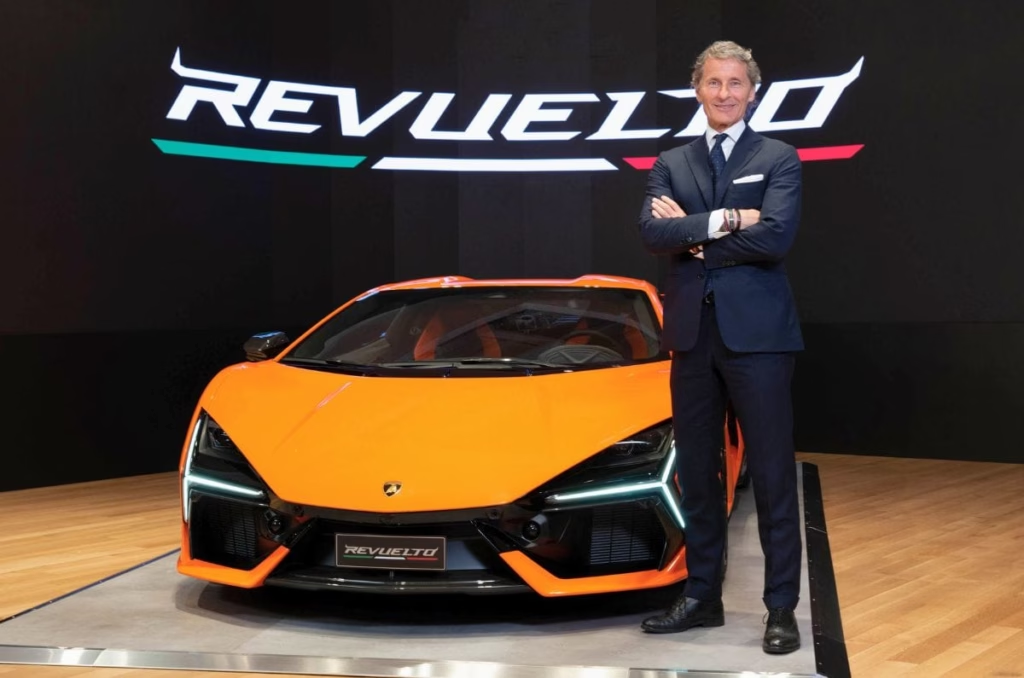
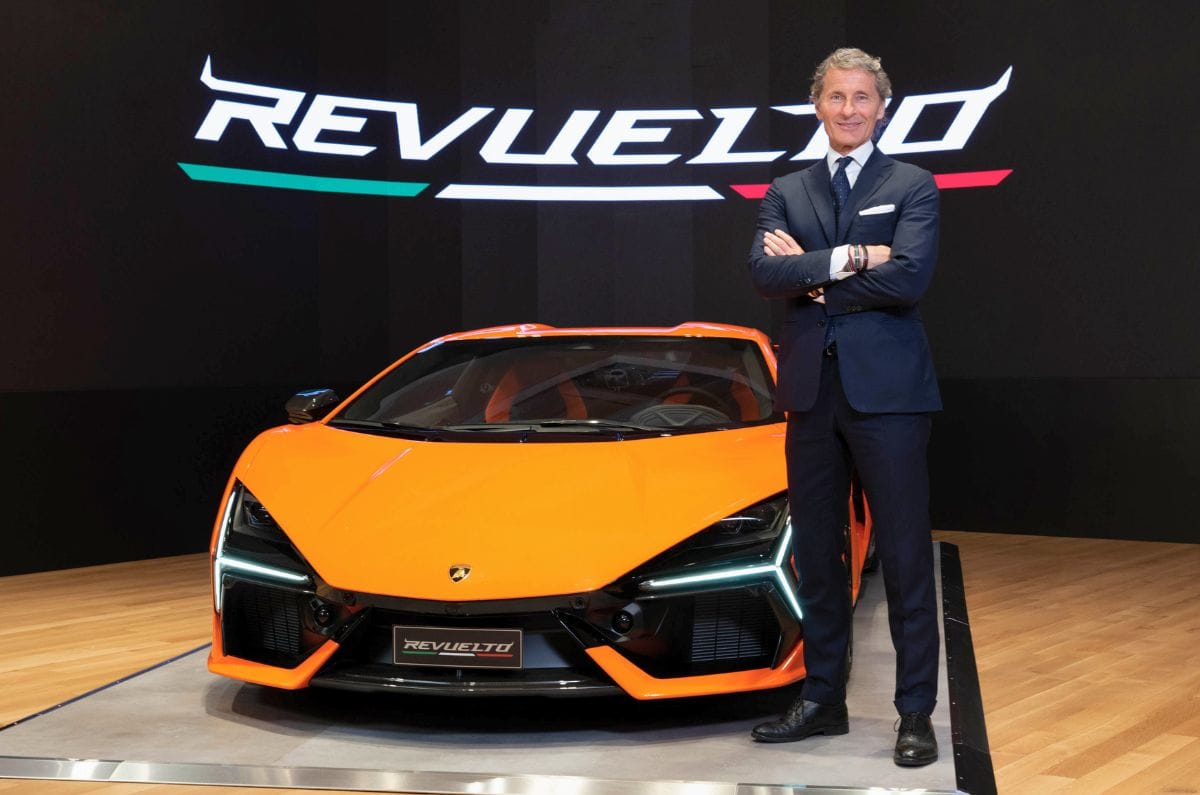
On the sidelines of the world premiere of the Lamborghini Revuelto SV, the brand’s president and CEO, Stephan Winkelmann, spoke to journalists about the new flagship hybrid supercar, the move away from EVs and even the Indian market.

India-EU FTA hybrid uncertainty could pose a problem 

A hot topic at the moment is the India-EU free trade agreement (FTA) soon to come into effect, which promises to make imported cars a whole lot more affordable. While that’s great news for most super-sportscar brands, it’s not so for Lamborghini, as the India-EU FTA offers no clarity about benefits for hybrid cars, which make up the Italian brand’s entire range.

“The decision was made, I think, at the beginning of the year to lower the import taxes, but not for PHEVs,” said Winkelmann, responding to a question from Autocar India. “So, we see a drop in the market due to the uncertainty which is created by this. And there is still not enough clarity.”

While other brands do have some pure-ICE models, the prices of which are already being reduced ahead of the FTA’s introduction, at present, hybrid and EV models continue to attract the full import duty as before. Having moved away from pure-ICE models entirely, Lamborghini unfortunately bears the full brunt, at least for now.
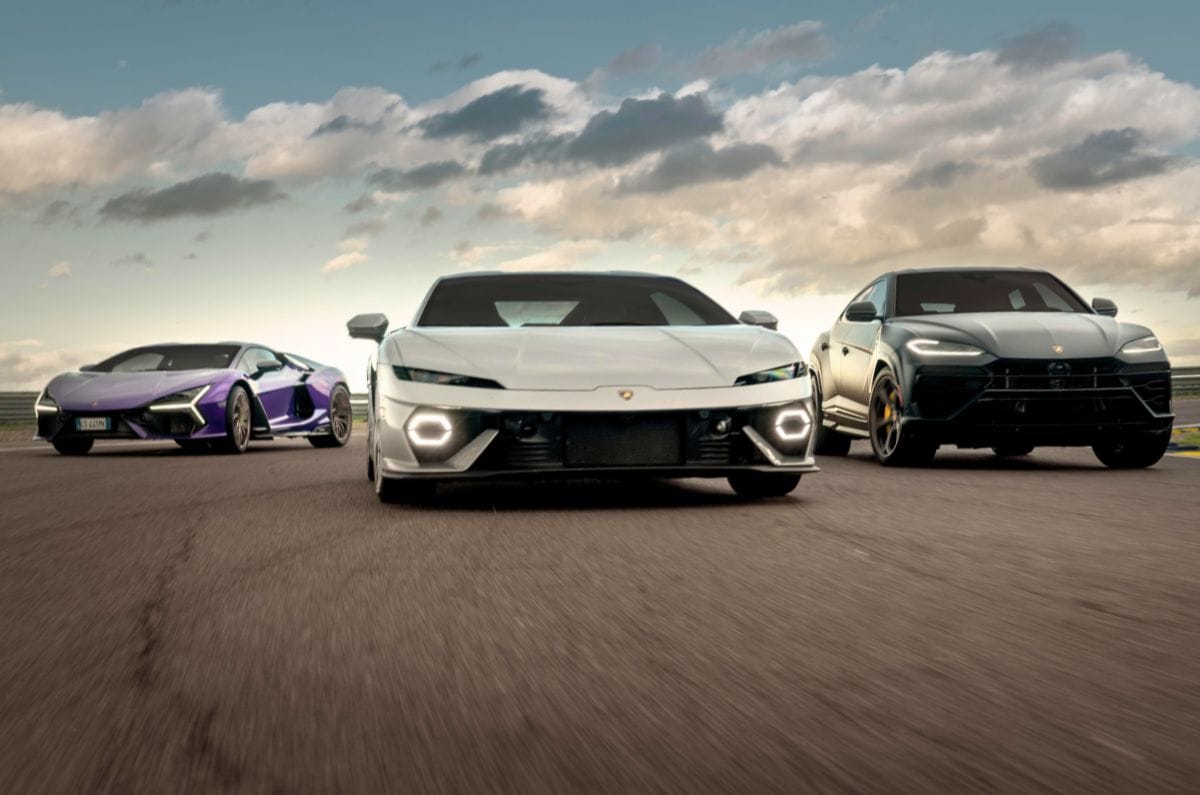
Lamborghini’s current line-up features only hybrid models. 

“I think this will come only in four years’ time. And this, for sure, is not helping the decision to buy a plug-in hybrid car, which is coming from [Lamborghini].”

Can ethanol-blended petrol work in Lamborghinis?

Regarding another hot topic in our country at the moment, Winkelmann responded to another question from Autocar India, suggesting that given the uncertainty around traditional fuels, blended biofuels were not off the table for Lamborghini.

“In Europe, we are extremely positive about it and are going to make a decision on biofuels soon,” he said, highlighting that any decision around the matter would have to start from its home region. “For us, this is a very important market, as you might know.” 

He was quick to point out that the quality of fuel is what’s most important for any of Lamborghini’s models and their high-performance plug-in hybrid powertrains. While ethanol blending does increase the RON (Research Octane Number) of the fuel, it also depends on the petrol it is being blended with, which varies from market to market.

“They already exist, those fuels, but it always depends on how good they are. If you have a low octane, then you cannot use them for our type of cars. You have to have a minimum of 95 octane, and this is sometimes, with the few fuels around the globe, not available,” he stated, reiterating that such a decision would have to be globally compatible. “I don’t know exactly how this is in India.”

Revuelto SV arrives before Revuelto Roadster

As for the main event, Lamborghini has just revealed the Revuelto SV, the hotter version of its flagship V12 PHEV supercar, limited to 1,963 units. With increased performance, redone suspension and far more advanced aerodynamics, its goal is to surpass the Revuelto to become the highest-performance Lamborghini of them all. SV models date all the way back to the Miura SV from 1971, but this is the first time an SV has been launched so soon after the standard model, arriving before even a convertible Roadster model.
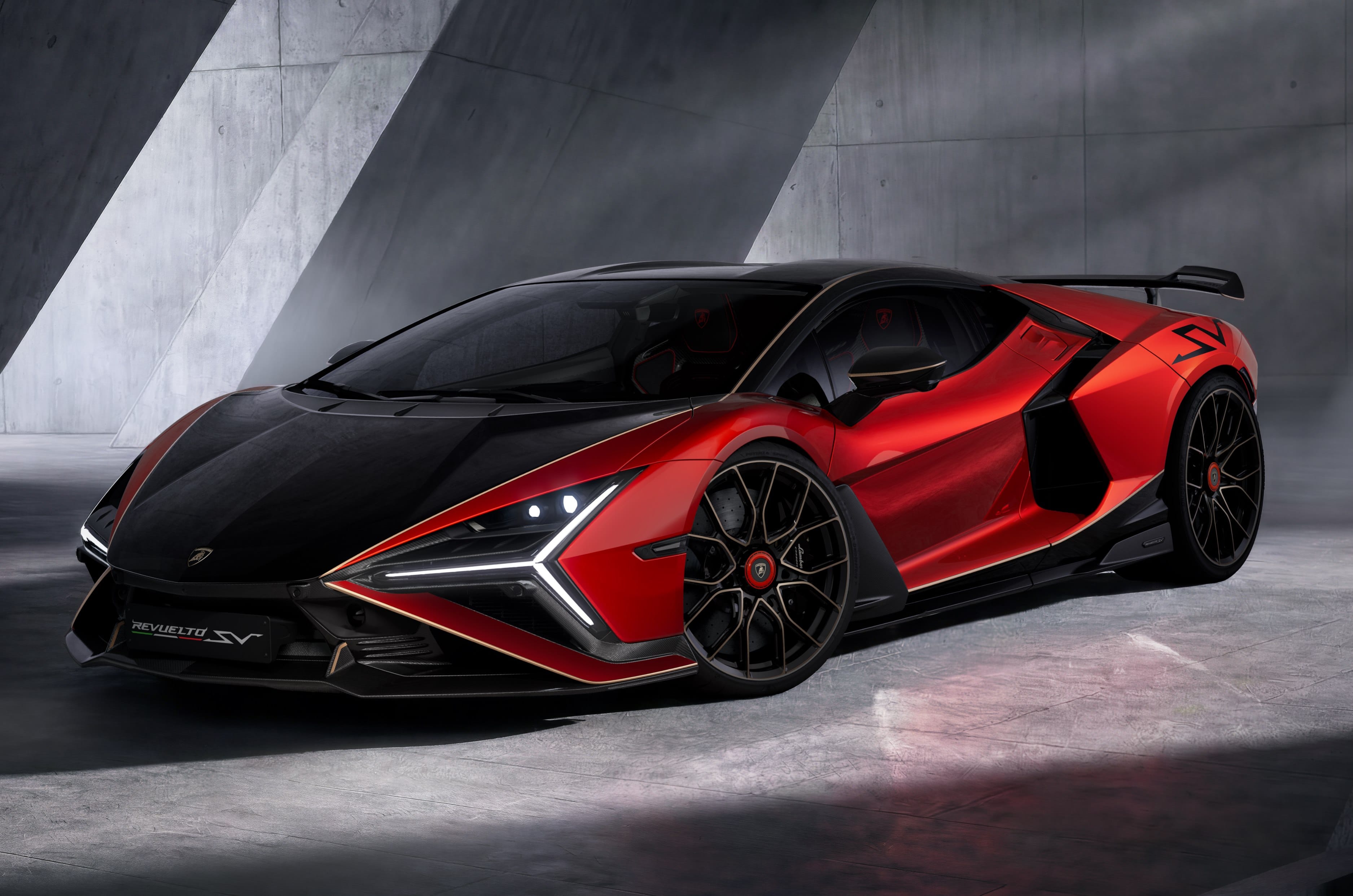
“I have to tell you that the coupe was and is so successful that it was exceeding all our expectations, even the most positive ones,” Winkelmann said in response to Autocar India. “So, we decided to go immediately from Revuelto to Revuelto Superveloce. And the first feedbacks we are getting on the Superveloce are really outstanding.”

The additional 50hp is extracted from an upgraded battery and motor rather than from the V12 engine, which Lamborghini says was intentional, as it allowed for better control and faster distribution of the power.

“We use the battery to create more boost and a better distribution of power output than only with the internal combustion engine. Also, together with the torque vectoring, the feeling of driving a car at speed is very much improved in comparison with the [purely] internal combustion engine guise of the past generations,” Winkelmann said.

Lamborghini customers don’t want EVs 

That said, the engine is essential. Not long before rival Ferrari unveiled its first EV, the Luce, Lamborghini announced its decision to delay its own first electric offering, the Lanzador, which was scheduled to launch before 2030. The Lanzador – also a low-slung four-seat crossover – will now get a hybrid powertrain instead, as an EV would simply not be emotional enough for Lamborghini customers.
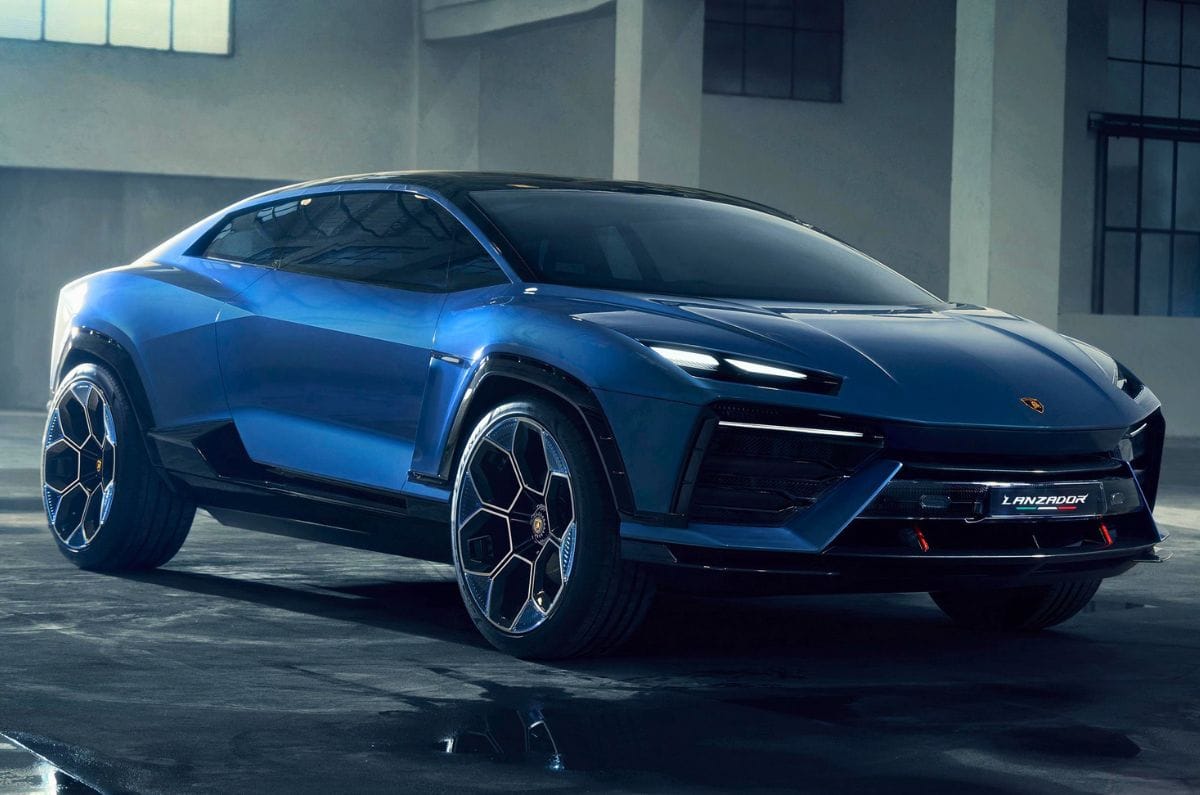
 “Why? Because the customer behaviour towards what we were proposing at the beginning of this decade has changed; they are not adopting electric cars,” said Winkelmann. “I’m talking about our type of customers, because you don’t buy a Lamborghini because you need a Lamborghini or you need a car; you buy it because you want to fulfil your dreams. We are not selling mobility; we are selling emotions.”

He also stated that, Indian regulations aside, the brand’s all-PHEV line-up has proven to be a successful approach, at once helping meet prevailing and upcoming emissions regulations while also retaining the emotional appeal of an ICE engine that’s core to the brand.

“You have the sound, the vibration of an internal combustion engine, but you also have all the advantages of the new technology,” he said. “The combination of battery and internal combustion engine for us is not a transition period, but it’s really something which is here to stay.”
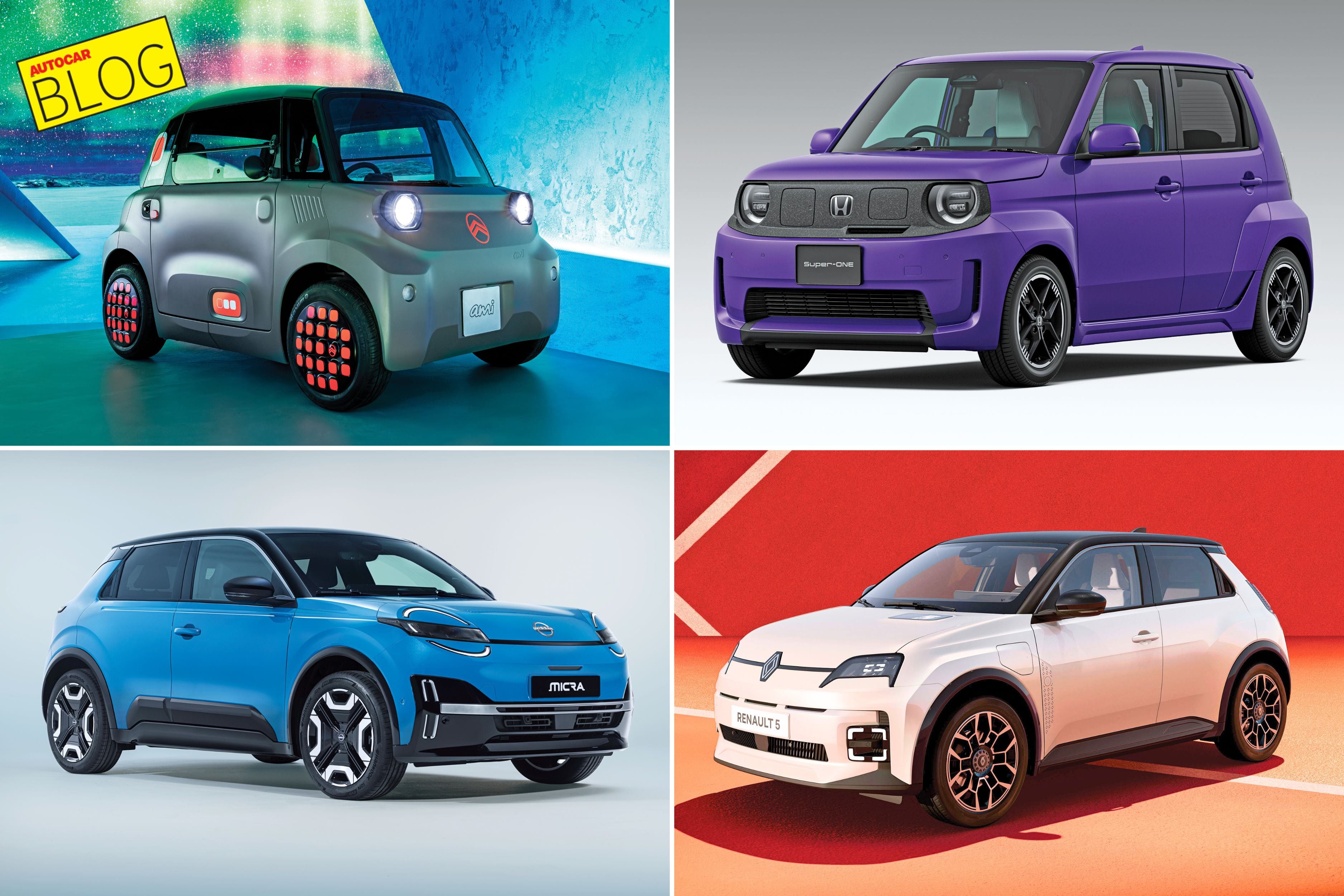
Opinion: Why India needs a small car assault

Opinion: Why India needs a small car assault
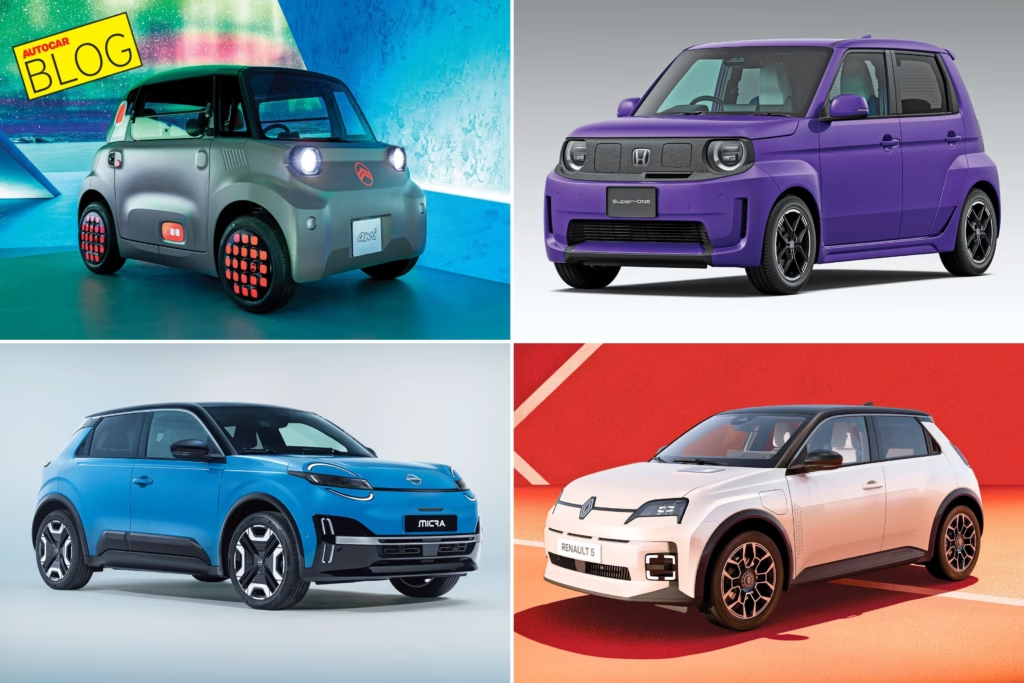
Citroen AMI, Honda Super N, Renault 5, Nissan Micra.

The CAFE 3 norms are just eight months away. Things will certainly get tighter and tougher for automakers, in terms of upping the number of clean power options as well as light-weighting their current brawn-ish SUVs. If one has to bring a 30 percent reduction in fleet-average performance and move from MIDC to WLTP test results, an automaker has very little leeway in terms of just about making it. 

As a product planner, I would seriously take this as an opportunity to bring the focus back onto the entry-level small car. In fact, all product planners should be doing the same, irrespective of what your current portfolio is. The policymakers are sending out a clear message to the Indian automobile industry – relook and revive the small car, for you have neglected it for quite some time now!

And why not? It’s not just for developing markets; look at the developed world too. The otherwise ostentatious European is seriously evaluating the small car once again. Even the more aware and conscious American is. Japan has always been a ready reference for all. Tomorrow’s car buyer is going frugal and smart once again. Going back to the basics. Without compromising on comfort and features. And the automakers have prepared themselves for such times. Some started almost a decade ago, with varying outcomes, but the efforts have been commendable and great teachers on how to approach the future. 

The Citroën Ami. The Fiat Topolino and Multiplina. The Renault 5 and its hot hatchback cousin, the Alpine A290. The Nissan Micra. The Smart For2. The Honda Super N. The Microlino and Microletta. And I have not even gone into what the Chinese have launched over the last 12 months. 

This is the attack of the “minors”. Electric. Power-packed. Feature-rich. Head-turning looks. Both microcars as well as conventional entry-level little runabouts. They are not cheap-looking, frugally engineered, cost-compromised, low-on-status offers that one never wants. They are clean, conscious and very cool. They cater to the sceptical youth and the wizened elder alike.

For years, Japan and Europe have been the homes of such cars. It is time India takes over that role. And it makes perfect business sense too. If we are to increase car penetration and grow the market to a size even half of that of China, given our consumption power, there is no other way but to make the entry-level car the hero of the script. Whether electric, CNG or hybrid. It is the responsibility of brands like Maruti Suzuki, Hyundai, Toyota, Tata and Honda to make this happen. Only then will we create a mature and sustainable market with a rich and robust pipeline of two-wheeler owners who will want to look up!

Tata Motors plans UK, Europe export push by FY28

Tata Motors plans UK, Europe export push by FY28
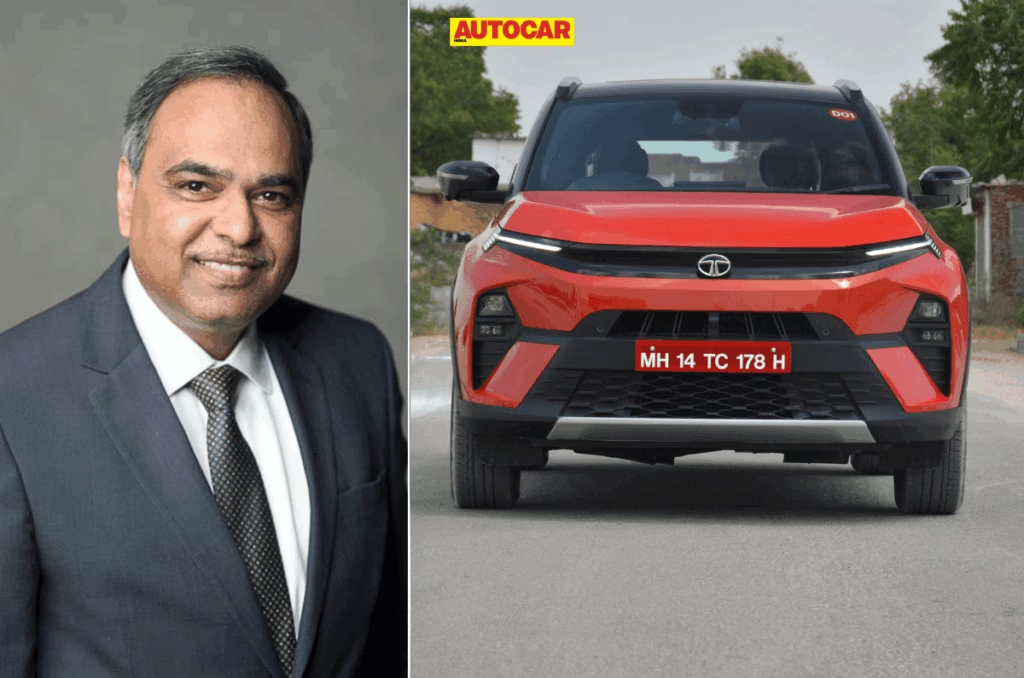
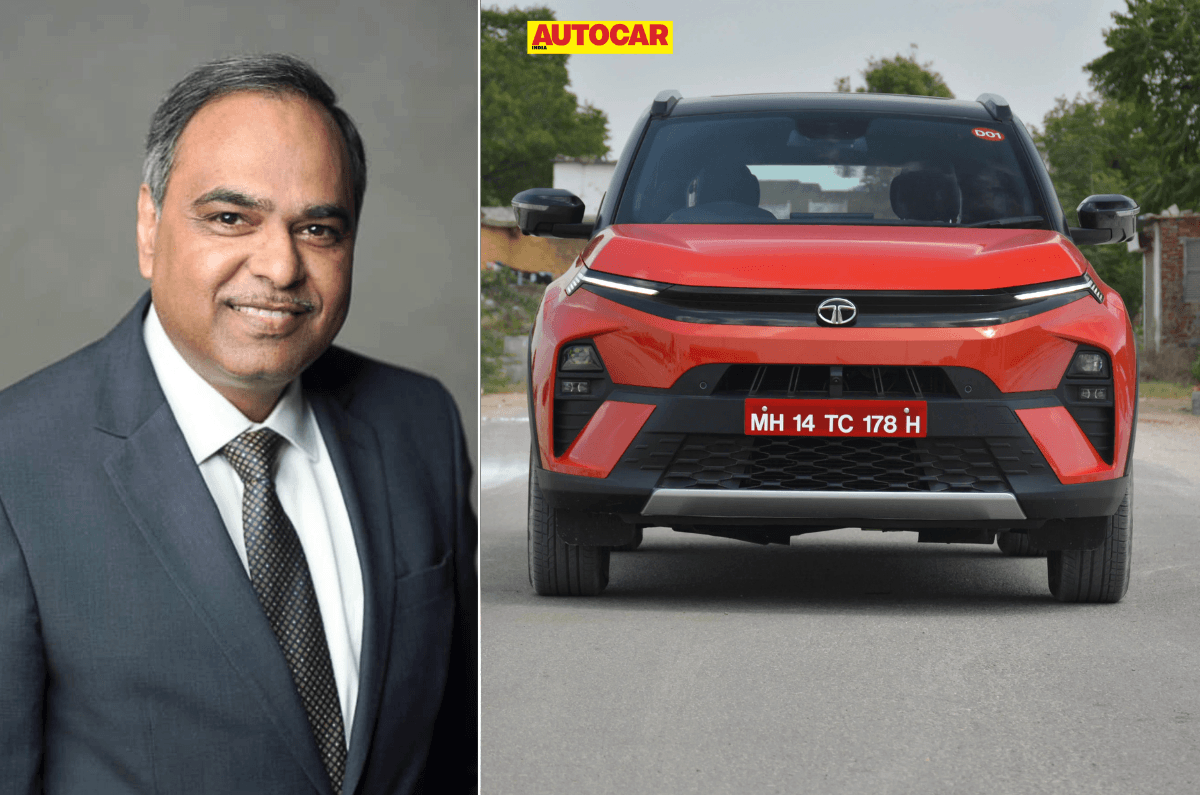
Shailesh Chandra

Tata Motors is preparing to expand into new overseas markets as part of its broader international growth strategy. Speaking during the company’s Q1 FY27 earnings call, Managing Director and CEO Shailesh Chandra said, “There will be either at the end of this financial year or maybe early next financial year we will open another big market.”

While the company has not officially named the market, Tata Motors has previously indicated that it is evaluating opportunities in the UK and Europe as part of its next phase of export expansion.

  1. UK, Europe among Tata Motors’ identified focus regions
  2. Exports to Australia and Malaysia also being explored
  3. South Africa continues to drive current export growth

Tata Motors preparing next overseas expansion

Chandra said Tata Motors has identified several priority overseas markets over the next two to three years, covering both internal combustion engine and electric vehicle portfolios. “We have in the next two to three years some key focus markets identified… which would be ICE-focused markets as well as EV-focused markets,” Chandra said.

The comments build on Tata Motors’ earlier confirmation that it had begun preparations for a UK market entry. The company has already started work on vehicle certification and is preparing its sales and aftersales network, although it has not announced a launch timeline. Tata Motors has also not disclosed sales targets or investment plans for either the UK or Europe.

Tata Group Chairman N. Chandrasekaran had earlier said the company would deepen its presence in South Africa while exploring opportunities in Australia and Malaysia, adding that Tata Motors also plans to look more closely at the UK and Europe.

South Africa continues to drive export growth

While Tata Motors prepares for its next phase of international expansion, South Africa continues to drive the company’s current export growth. Tata Motors returned to the country’s passenger vehicle market in 2025 and currently sells the Punch, Curvv, Harrier and Tiago through its partnership with Motus Holdings.

Explaining the recent growth in exports, Chandra said, “This quarter will be equally strong because, as you know, we opened South Africa last year… Since then we have been expanding our product range as well as the number of outlets and dealerships.”

Tata Motors sold 2,408 passenger vehicles in international markets during the first quarter of FY27, up from 970 units in the corresponding period last year. Although exports have more than doubled, they still account for a small share of the company’s overall passenger vehicle volumes.

Ultraviolette registers highest monthly sales yet in July 2026

Ultraviolette registers highest monthly sales yet in July 2026
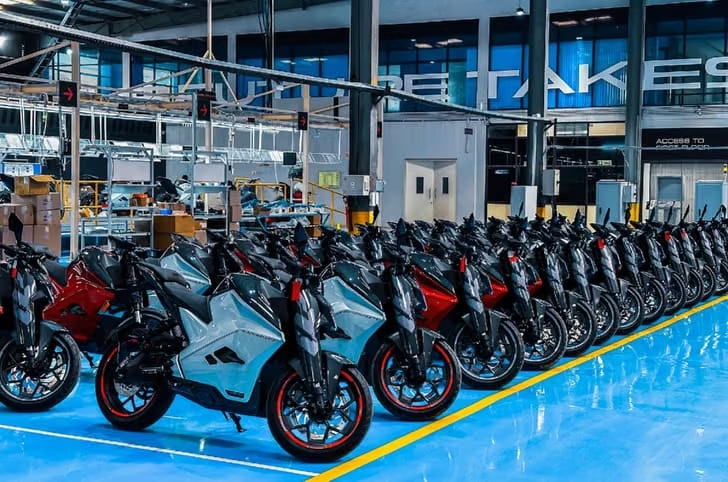
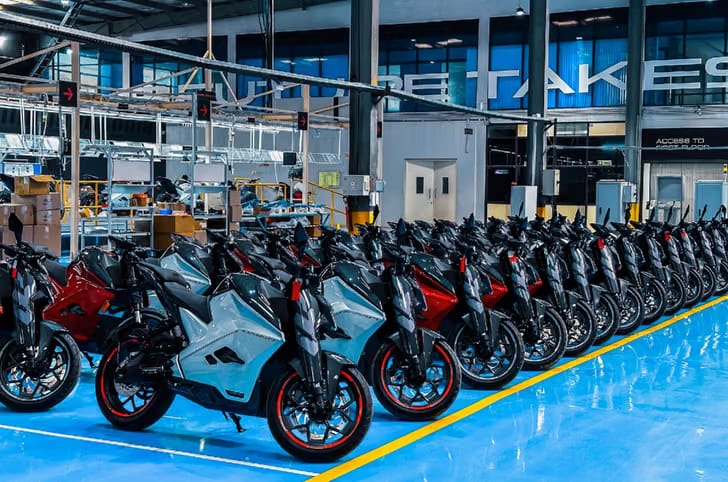
Multiple Ultraviolette F77 bikes inside the factory

Since their inception, Ultraviolette Automotive has been focussed on the premium end of the EV two-wheeler market with their products prices from Rs 2.49 lakh to Rs 4.59 lakh, a challenge for high sales numbers. However, with the changing winds in the ICE world, Ultraviolette looks to have turned a corner for the better. With almost no direct competition, this shouldn’t be a surprise, but it’s noteworthy regardless.

  1. Ultraviolette registers 406 percent increase in sales YoY
  2. BaaS and more versatile X-47 model looks to have helped this
  3. Ultraviolette has two more lower price models in the works

Largest EV motorcycle monthly sales in July 2026

Only behind Revolt and Oben

As per the retail sales data on the Vaahan portal, Ultraviolette Automotive has delivered 694 units in July 2026, a 406 percent increase compared to last year. Till July 2026, the brand has sold 3200 vehicles, the best since the brand was founded in 2023. Although the increase in sales numbers could be attributed to them offering more products, it’s hard not to consider this a sign of premium motorcycle buyers now trusting EV motorcycles more.

The brand is showing no signs of slowing down either. Already present in 40 locations across India, the brand intends to increase that number to 100 by the end of 2026. It’s worth mentioning that they had recently opened their first showroom in the North east, in Aizwal, Mizoram. The focussed efforts from the brand should help them finish the year on a high note, considering the upcoming festive season.

If we consider the sales numbers of other EV manufacturers who sell motorcycles, the brands ahead of Ultraviolette are Revolt Motors (6,876 units so far in 2026) and Oben Electric (3,347 units so far in 2026). However, it should be noted that Ultraviolette operates at a considerably higher premium level compared to these two brands. Other EV manufacturers who currently offer EV motorcycles in their lineup are Ola, KLB Komaki, Matter Motor Works, Okaya EV, Wardwizard Innovations, and the latest entrant Royal Enfield with their Flying Flea sub brand.

In addition to their current lineup of four motorcycles (F77 Mach 2, F77 Superstreet, X-47, and X-47 Desert Wing), Ultraviolette is also preparing to launch their first-ever scooter, the Tesseract, and an off-roader, the Shockwave. The Shockwave, starting at Rs 1.75 lakh, is aimed at eco-friendly and efficient city commutes and short weekend, adventure-focussed rides. The Tesseract on the other hand is expected to be priced at Rs 1.45 lakh with a claimed 261km IDC range and a top speed of 125kph. Deliveries for the Shockwave were previously supposed to start in Q2 2026 (we’re currently in Q3), and the Tesseract delivery has been delayed to Q1 of 2027.

What made this possible for Ultraviolette

The brand has upcoming challenges and opportunities

The two biggest factors that look to have helped the brand increase their numbers are the BaaS option from the brand for all their motorcycles and of course, the uncertainty surrounding ICE vehicles at the moment. The brand, however, is also looking to improve their existing international presence. Speaking to Autocar Professional, the CEO Narayan Subramaniam said “India is a key market but we were clear right at the start that we need to take this brand global. Europe is critical because it has amongst the most stringent certification processes. While the F-77 has been certified for sale in Europe, certification for the X-47 is at an advanced stage, and the bike should hit the European market this year as well. At present, we are in about 10 countries across Europe, including Germany, France, the UK, Spain, Portugal, the Netherlands, Belgium and Italy.”

With their current momentum and the upcoming favourable winds, the brand is looking to increase their numbers and subsequently their market share further. The only other player currently capable to take them head on, surprisingly, is Royal Enfield, who started selling their Flying Flea C6 in April 2026 with a Scrambler-like S6 on the way; but, their sales numbers are much lower with the brand selling a total of 124 units till July 2026. That said, the Flying Flea C6 is currently available only in Bengaluru.

Developments on the EV motorcycle space have been slow mainly because customers are expected to pay higher prices for a less capable machine for the money, especially compared to their ICE counterparts. The EV two-wheeler market has so far been carried forward by scooters. As such, EV motorcycles doing even a small fraction of the 13 million vehicle sales done by ICE two-wheelers should be phenomenal, and assuming Ultraviolette Automotive continues to make the right moves, it should remain a key name in the field.

सूर्य ग्रहण को लेकर बड़ी खबर, 12 अगस्त को इन देशों में कुछ देर के लिए सूरज हो जाएगा पूरी तरह गायब

आसमान में जल्द ही एक बेहद खास खगोलीय घटना देखने को मिलने वाली है। 12 अगस्त को सूर्य ग्रहण के दौरान चंद्रमा कुछ समय के लिए सूर्य के सामने आ जाएगा और उसकी रोशनी को ढक देगा। इस नजारे को लेकर दुनिया के कई हिस्सों में लोगों के बीच उत्सुकता है। खास बात यह है कि करीब 1.5 करोड़ लोग उस इलाके में होंगे, जहां सूर्य पूरी तरह चंद्रमा के पीछे छिपा दिखाई देगा। स्पेन, आइसलैंड के साथ ग्रीनलैंड, रूस और पुर्तगाल के कुछ हिस्सों में पूर्ण सूर्य ग्रहण देखा जा सकेगा।

वहीं, यूरोप और उत्तरी अफ्रीका के कई इलाकों में इसका आंशिक प्रभाव नजर आएगा। कुछ शहरों में सूर्य का 90 फीसदी से ज्यादा हिस्सा ढका रहेगा, जिससे आसमान का नजारा काफी अलग दिखाई देगा। हालांकि, ग्रहण देखने के लिए आंखों की सुरक्षा का विशेष ध्यान रखना जरूरी होगा।

स्पेन में मिलेगा सबसे शानदार नजारा

पूर्ण सूर्य ग्रहण देखने के लिए उत्तरी और पूर्वी स्पेन को सबसे बेहतर जगहों में माना जा रहा है। लियोन, वलाडोलिड, जारागोजा, तेरुएल और वेलेंसिया पूर्ण ग्रहण के दायरे में आएंगे। पश्चिमी स्पेन में पूर्ण ग्रहण की शुरुआत करीब 18:27 GMT यानी स्थानीय समयानुसार रात 8:27 बजे होगी। अलग-अलग स्थानों के आधार पर पूर्ण ग्रहण करीब 110 सेकंड तक रह सकता है। हालांकि स्पेन की राजधानी मैड्रिड और बार्सिलोना पूर्ण ग्रहण की पट्टी से थोड़ा बाहर रहेंगे। इसके बावजूद वहां रहने वाले लोग सूर्य का 99 फीसदी से ज्यादा हिस्सा ढका हुआ देख सकेंगे।

यूरोप के कई शहरों में दिखेगा आंशिक ग्रहण

पूर्ण सूर्य ग्रहण का नजारा भले ही सीमित इलाकों में दिखे, लेकिन आंशिक ग्रहण का दायरा काफी बड़ा होगा। यूरोप के ज्यादातर हिस्सों में शाम के समय सूर्य आंशिक रूप से ढका नजर आएगा। पेरिस में करीब 92 फीसदी, लंदन में 91 फीसदी और बर्लिन में लगभग 85 फीसदी सूर्य ढका रहेगा। यूरोप के पूर्वी हिस्सों में समस्या यह होगी कि कई जगह सूर्य ग्रहण के अपने अधिकतम स्तर पर पहुंचने से पहले ही सूरज डूब जाएगा। यानी वहां लोग ग्रहण का सबसे गहरा चरण नहीं देख पाएंगे।

उत्तरी अफ्रीका में भी दिखेगा ग्रहण

उत्तरी अफ्रीका के कुछ हिस्सों में भी आंशिक सूर्य ग्रहण दिखाई देगा। अल्जीयर्स में करीब 98 फीसदी और कैसाब्लांका में लगभग 87 फीसदी सूर्य ढका नजर आएगा। हालांकि इन दोनों शहरों में भी सूर्य के पूरी तरह अस्त होने के कारण ग्रहण का आखिरी हिस्सा दिखाई नहीं देगा।

अमेरिका और कनाडा में कितना दिखेगा?

अटलांटिक के दूसरी तरफ स्थिति कुछ अलग होगी। वहां ग्रहण सुबह और दोपहर के समय दिखाई देगा, लेकिन उत्तरी अमेरिका पूर्ण ग्रहण की मुख्य पट्टी से काफी दूर रहेगा। कनाडा के सेंट जॉन्स में करीब 53 फीसदी, मॉन्ट्रियल में 18 फीसदी और टोरंटो में लगभग 8 फीसदी सूर्य ढका दिखाई देगा। अमेरिका में अलास्का के कुछ हिस्सों में करीब 37 फीसदी तक ग्रहण देखा जा सकेगा। वहीं बाकी इलाकों में इसका असर काफी कम रहेगा। उत्तर-पूर्वी मेन में करीब 28 फीसदी, न्यूयॉर्क में लगभग 10 फीसदी और मिडवेस्ट के कई हिस्सों में लगभग नगण्य ग्रहण दिखाई देगा।

अगला पूर्ण सूर्य ग्रहण कब?

अगर 12 अगस्त का ग्रहण आपके इलाके में दिखाई नहीं देता, तो अगला बड़ा मौका ज्यादा दूर नहीं है। 2 अगस्त 2027 को अगला पूर्ण सूर्य ग्रहण होगा, जिसकी पट्टी दक्षिणी स्पेन, उत्तरी अफ्रीका और यमन से होकर गुजरेगी। सूर्य ग्रहण के दौरान सीधे सूर्य की ओर देखना आंखों के लिए खतरनाक हो सकता है, इसलिए इसे देखने के लिए उचित प्रमाणित सोलर-व्यूइंग चश्मे या सुरक्षित उपकरण का इस्तेमाल करना जरूरी है।

Audi global CEO backs broader powertrain mix as regional strategy takes shape

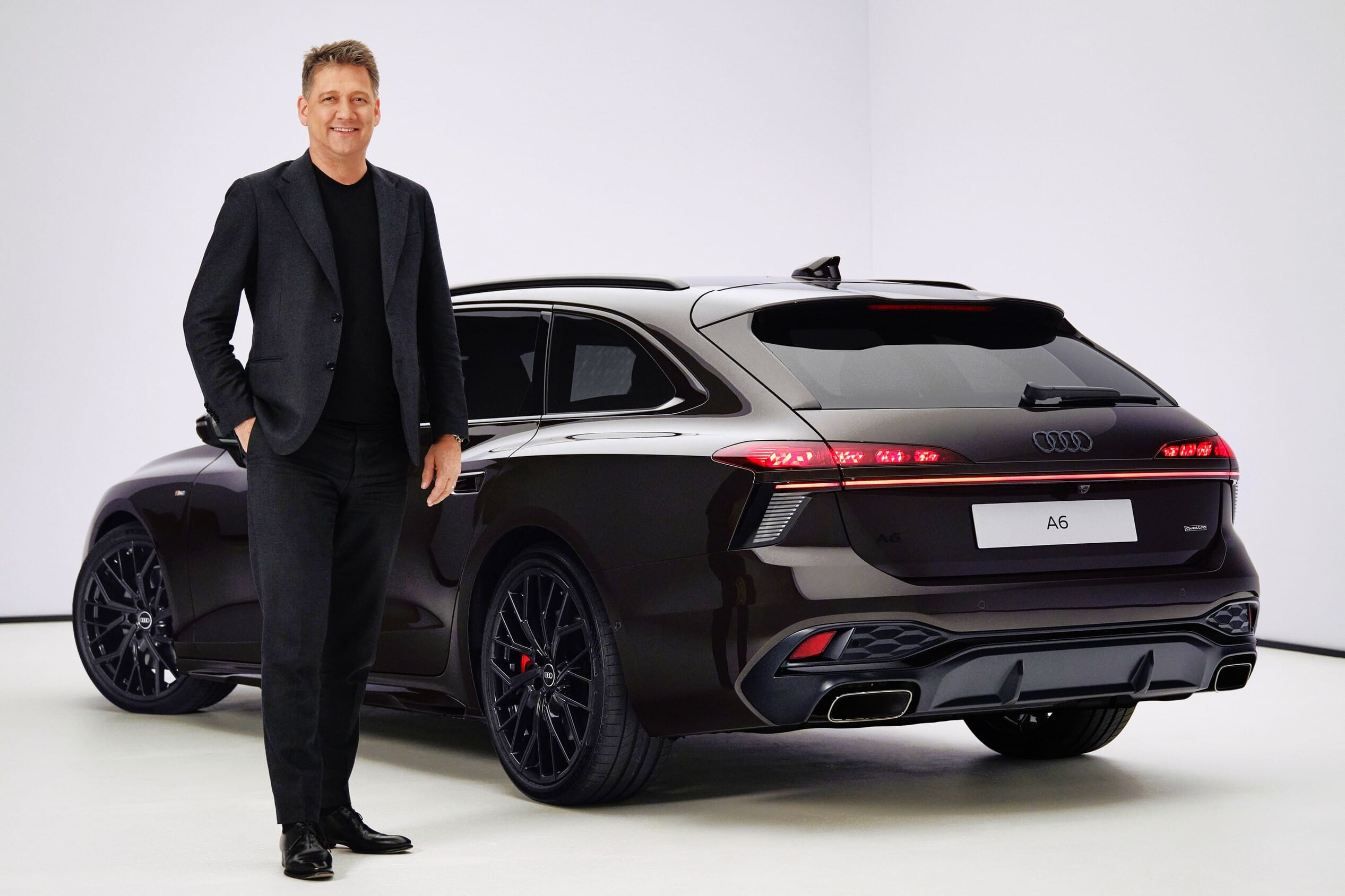
Audi CEO Gernot Dollner next to an A6 Avant

Audi will pursue a broader powertrain strategy spanning battery-electric vehicles, plug-in hybrids and combustion engines, stepping away from its earlier plan to become an all-electric carmaker. Global CEO Gernot Döllner said he reviewed Audi’s all-electric strategy after taking charge and decided that the company needed a more balanced product and powertrain mix to address the varying pace of EV adoption across markets.

“When I joined Audi, there was an all-electric strategy in place, which was one of the first things I reviewed,” Döllner told Autocar India in an exclusive interview. “We found a more balanced strategy between plug-in hybrids, especially important for Europe, combustion engine and electric.”

Global EV sales downturn lent ICE powertrains more time

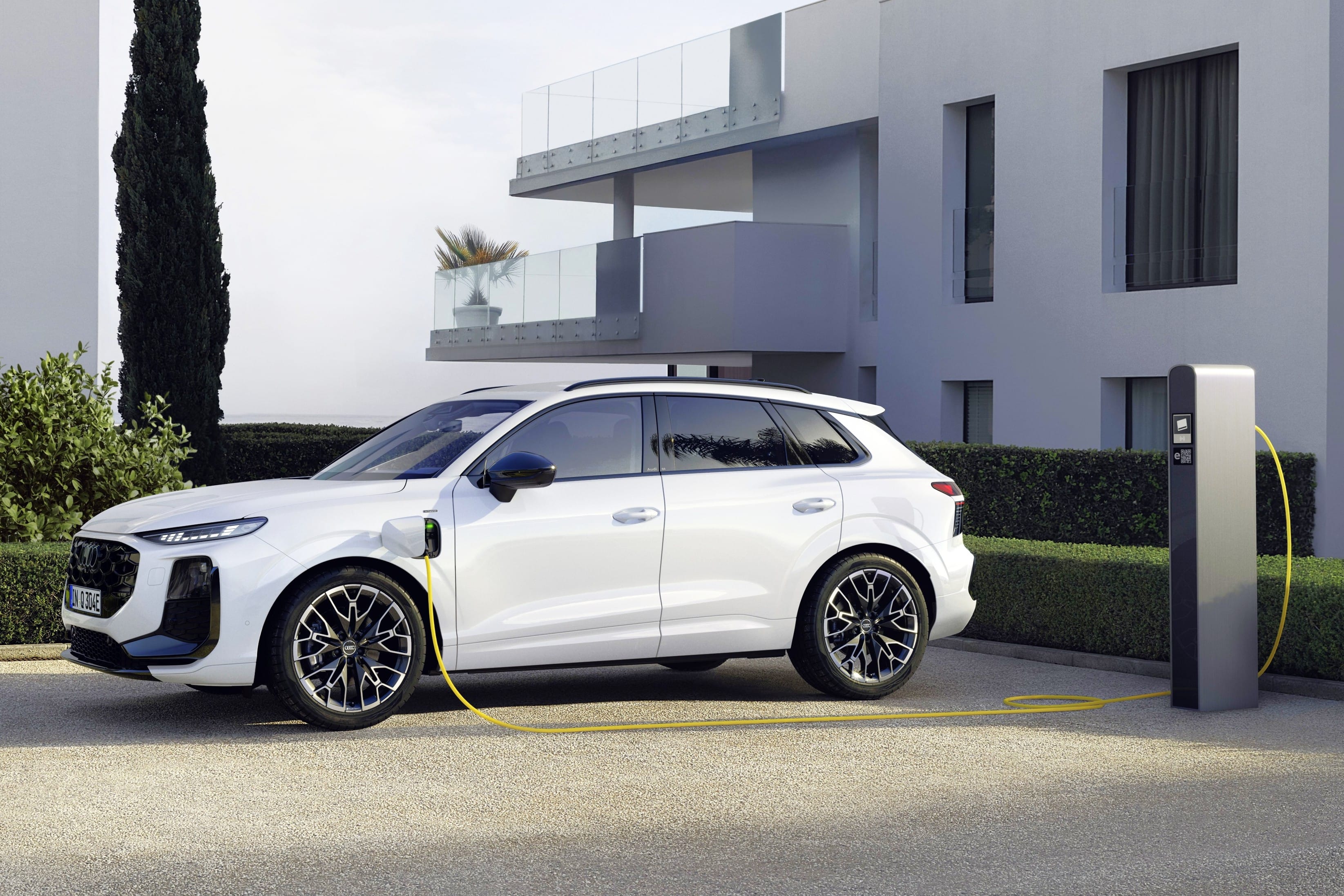
The slower-than-expected pace of EV adoption in several global markets has extended the relevance of combustion engines and plug-in hybrids. Audi expects to retain a focused combustion-engine and plug-in-hybrid portfolio, particularly for SUVs.

Audi Q3 PHEV

The company has recently completed a major investment cycle covering new petrol and diesel engines, plug-in hybrids and battery-electric vehicles designed to meet Euro 7 and other global regulations.

“For sure, the majority of our investment will be in battery electric. That’s a given,” Döllner said.

Audi will continue to invest selectively in combustion engines, including efficiency improvements and transmission technology, but Döllner expects the pace of innovation to be much faster in EVs.

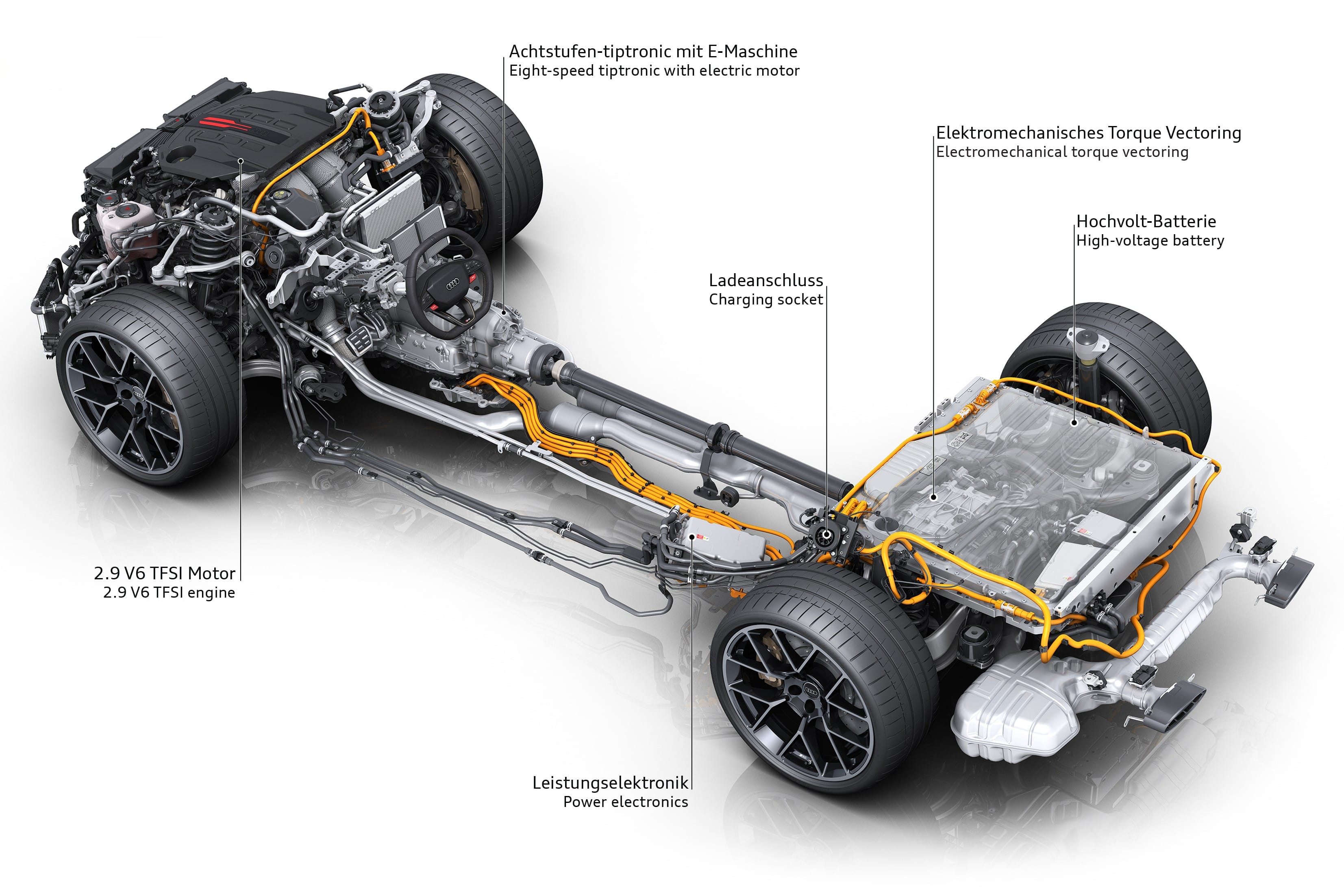
Audi RS5 plug-in hybrid powertrain

“The combustion engine is fairly mature. It’s at the very end of a 100-year innovation cycle, and battery electric is still at the very beginning, to be honest,” he said. “The dominant part of our investment will definitely be on the battery-electric side.”

Electric remains Audi’s leading technology

Audi’s decision to retain combustion engines and plug-in hybrids does not alter its long-term direction towards electric vehicles.

“Electric is, for Audi, still the leading technology,” Döllner said. “It’s our main priority to step by step become more electric.”

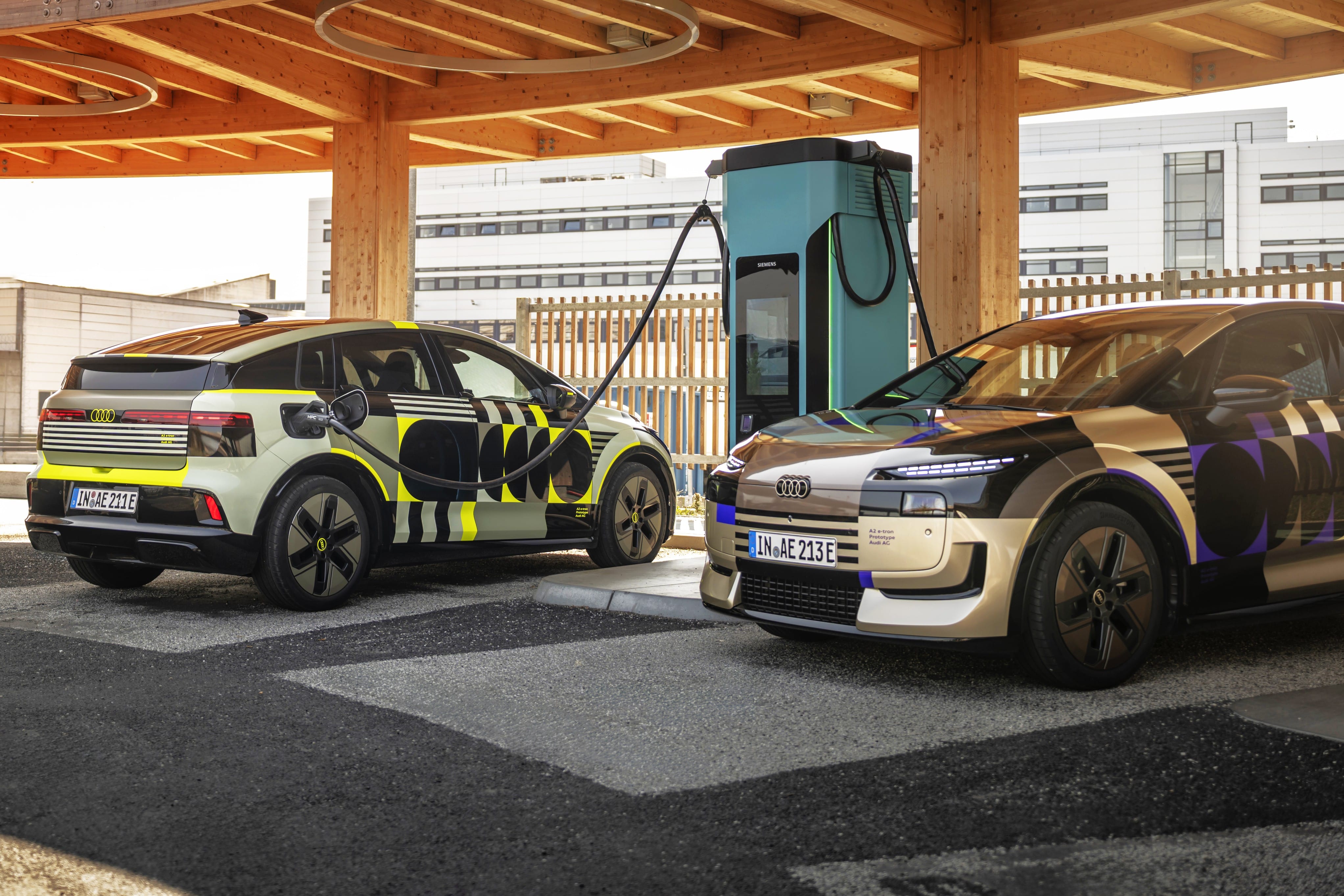
Prototypes of upcoming Audi A2 e-tron

Audi currently has four battery-electric model lines globally and expects to increase this to five by the end of the year, with some available in more than one body style. The company will, however, tailor the powertrain mix to individual regions. Plug-in hybrids will be particularly important in Europe, while the requirements of the US market will influence Audi’s future combustion-engine and PHEV portfolio, especially for SUVs.

In India, Audi’s immediate focus remains on petrol and electric vehicles. Diesel is not part of its current plan. The case for plug-in hybrids will depend partly on whether they receive any benefit under the India-EU FTA. New electric products are also planned for India.

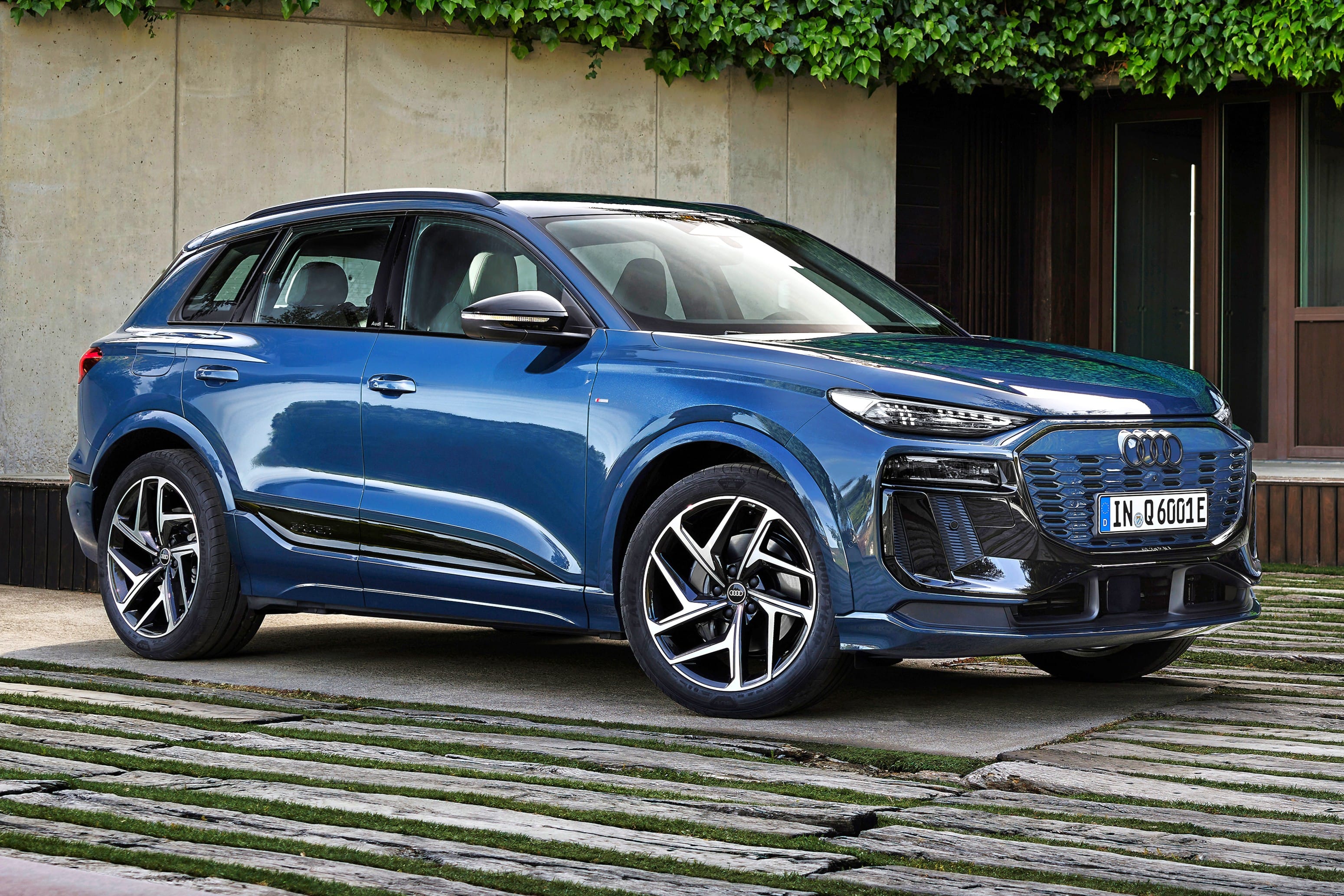
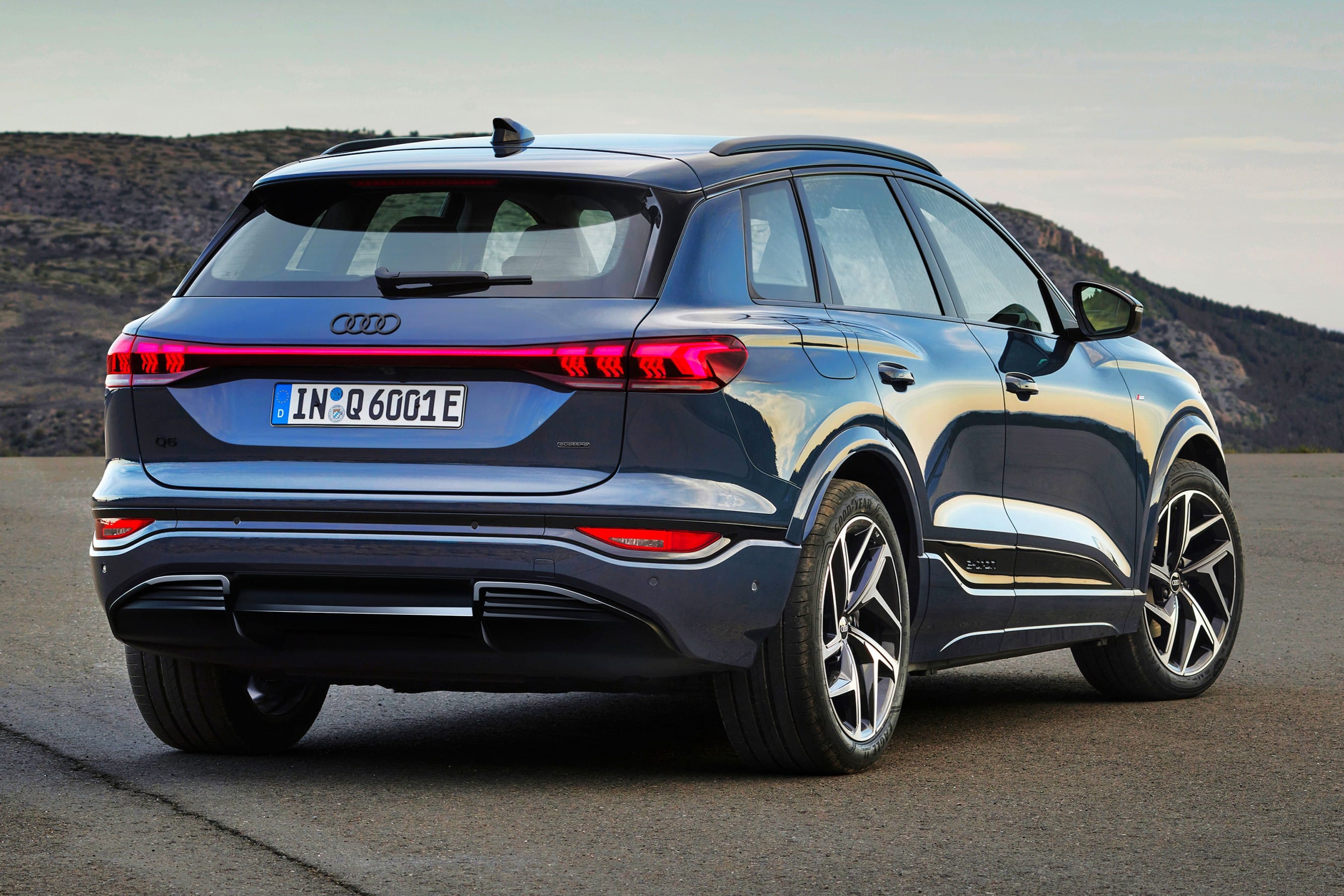
Audi Q6 e-tron

“From what I know, we also have decided to enter with new products in the electric segment in India,” Döllner said.

Audi has decided to assemble an electric vehicle in India, Autocar India learns, although the model and launch timing are still being worked out. The move from fully imported EVs to local assembly is now a question of when, rather than if.

The company was among the first luxury carmakers to enter India’s EV market with models such as the e-tron, e-tron Sportback, e-tron GT and Q8 e-tron. High import duties, however, restricted their reach and affected their resale-value proposition.

Audi Q6 e-tron

The Q6 e-tron is among the products being studied, but Audi has not decided which EV will be assembled in India. The selected model will need to offer the right combination of volume, pricing and suitability for local conditions.

Audi believes electric SUVs make more practical sense in India because their ground clearance is better suited to local road conditions. Sedans have not been ruled out, but SUVs offer a more practical proposition for battery-electric vehicles in the country.

Regional focus to shape future products

The broader powertrain approach is part of Döllner’s effort to make Audi more responsive to the requirements of individual regions.

“Audi has to act much more regional,” he said. “The times where we had a one size fits all, and we then bring it to China, just extend the wheelbase and do the same car, that doesn’t work anymore. We have to listen carefully to the markets.”

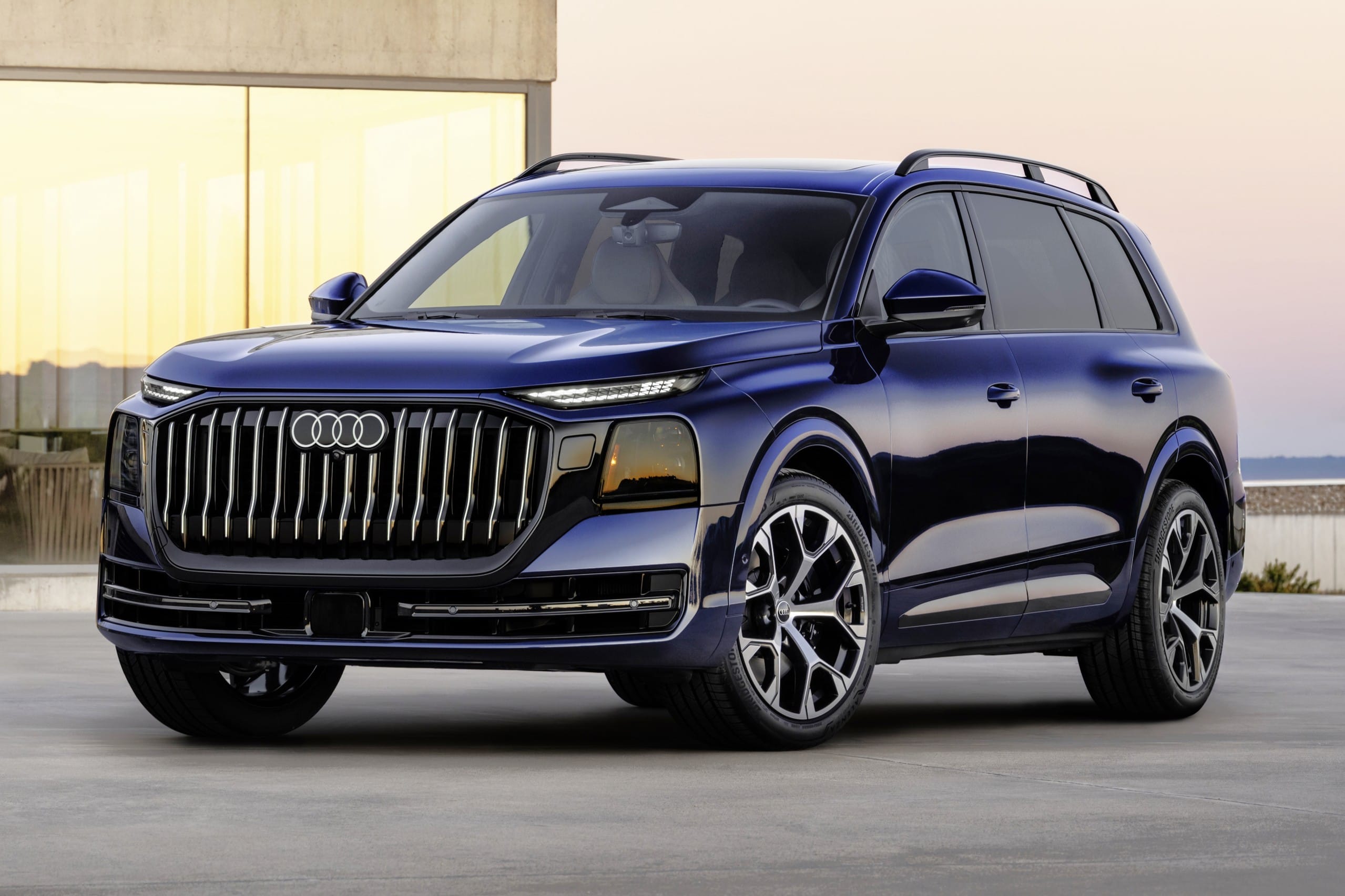
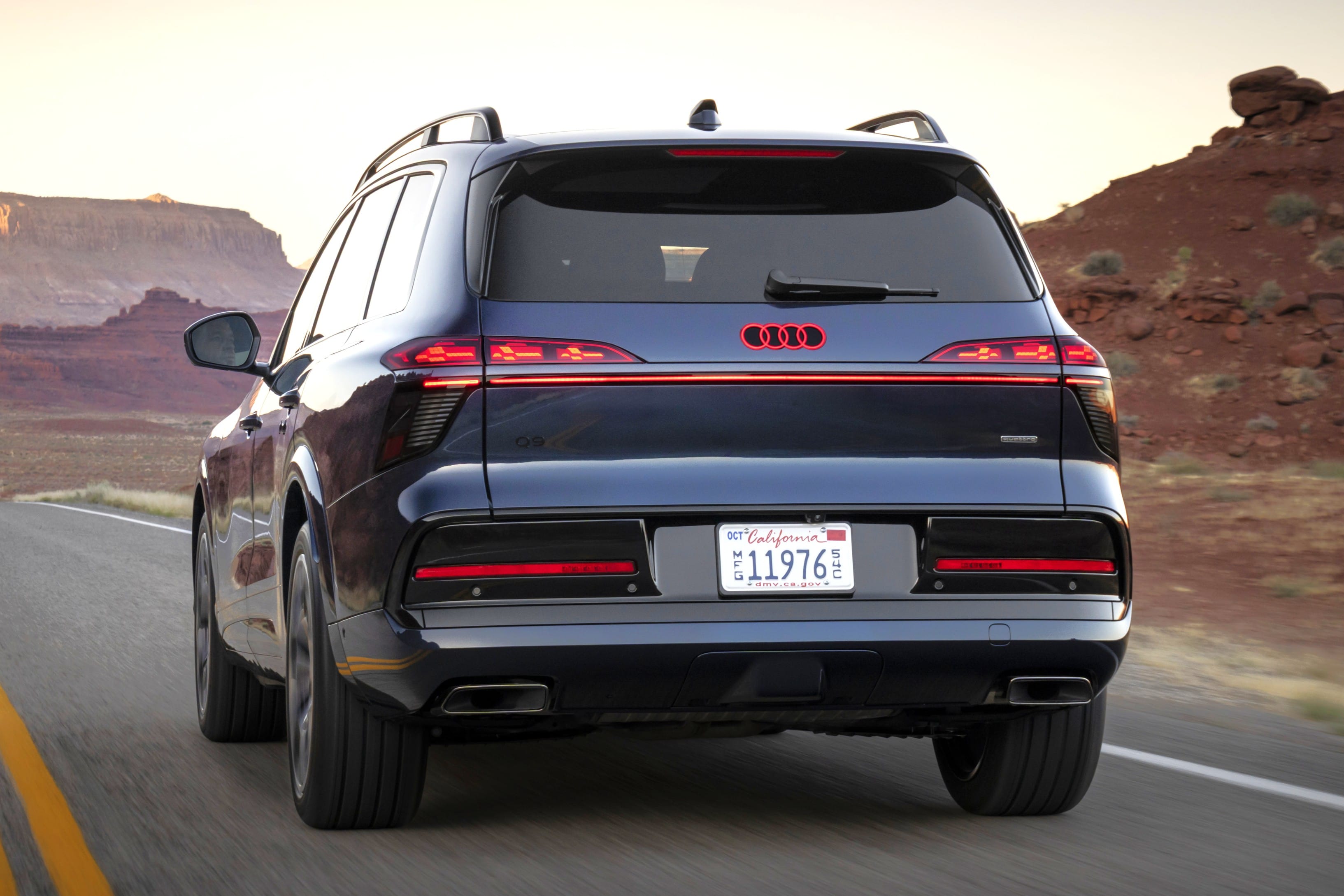
The Q9 is the first clear example of that approach. Conceived around the requirements of American customers, it will be the first Audi to make its market debut in the US.

Audi Q9

“The Q9 is a perfect proof point of a car. The biggest Audi we’ve ever built,” Döllner said. “That car would not be there without the American market.”

India does not yet generate the volumes required for Audi to develop country-specific models. Local requirements covering ground clearance, suspension, tyres, weather, dust and fuel quality are, however, fed into its global development process. The introduction of new models in India is also expected to move closer to their global launches, helping Audi benefit from the interest created when a vehicle is revealed internationally.

Döllner said the improvement in India’s manufacturing and automotive technology has changed how the country is viewed within the global industry.

Audi Q9

“India is also an excellent proof point. It’s really unbelievable what the car industry has developed in India and what level of perfection and technology products are delivered,” he said.

“In the past, there has been this strong European automotive industry, and the world has turned around. Now we have a very dynamic Chinese market, a growing and rising Indian automotive industry. The US is a story of its own.”

“What keeps me awake at night is if we are able to change fast enough,” Döllner said. “We have to speed up.”

Skoda planning to export Kylaq to Europe powered by 1.5 TSI engine

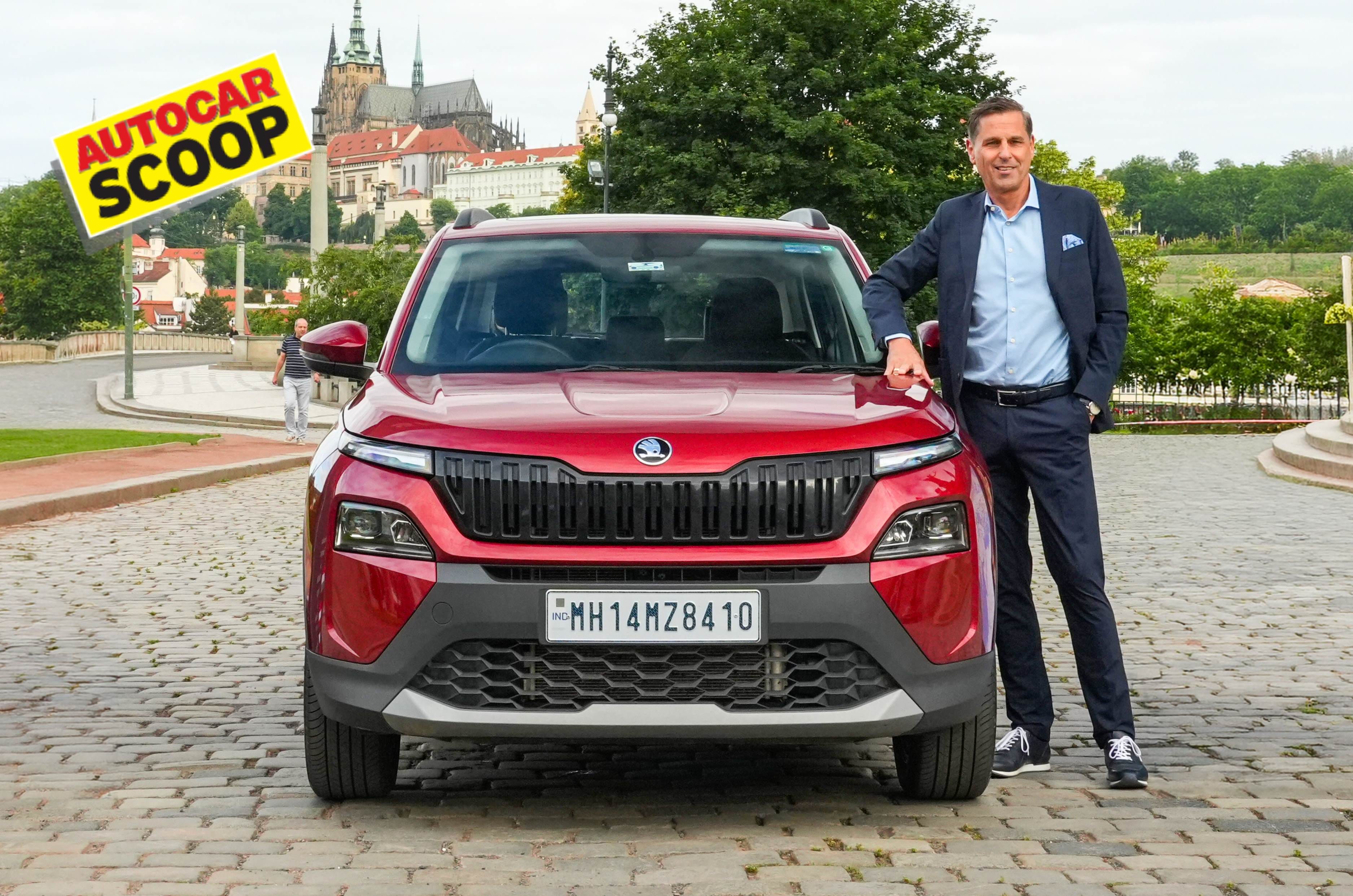
skoda kylaq next to ceo klaus zellmer

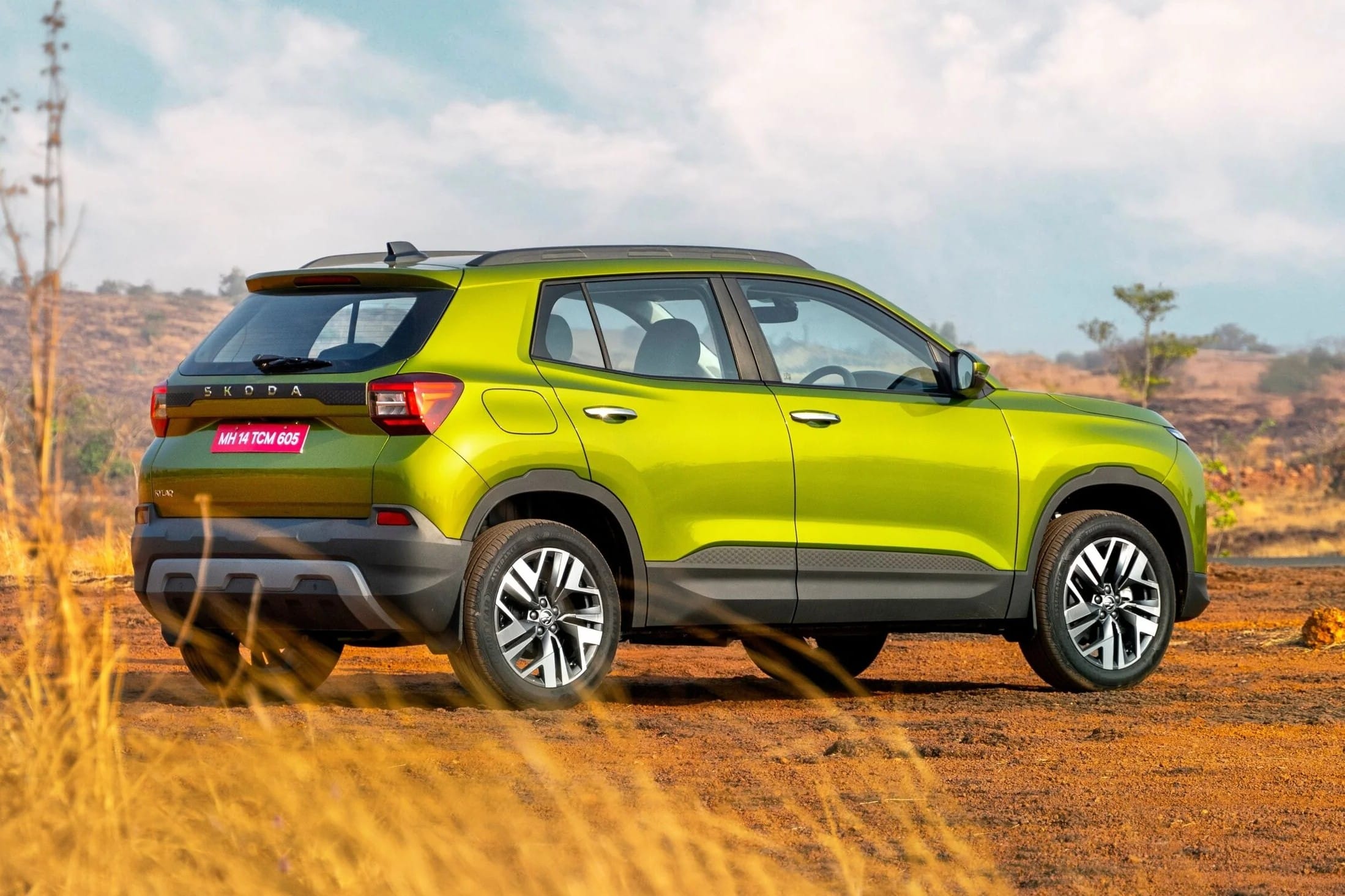
Skoda is considering exporting the made-in-India Kylaq to the European market as a crossover alternative to the Fabia hatchback. Launched here at the tail-end of 2024, the Kylaq is the third Skoda model to come out of Skoda-VW’s ‘India 2.0’ strategy and the Czech carmaker’s smallest SUV to date. While the Kylaq is designed specifically for the Indian market, Skoda feels the compact SUV carries enough pedigree and appeal for European customers.

Autocar India’s recent Pune to Prague drive, a 19,000km cross continent drive that covered several European countries, including the Czech Republic, the brand’s home country, established the Kylaq as a product that could blend in well in some of Skoda’s key markets. “We’re looking into a possibility or an opportunity to bring Kylaq to Europe, but there are a lot of barriers, a lot of homologation questions,” Skoda CEO Klaus Zellmer told us after the conclusion of the cross-continent Kylaq road trip.

1.0 TSI or 1.5 TSI for the Euro-spec Kylaq?

We reported about Kylaq’s export plans to Europe in June 2026 issue of the Autocar India magazine.

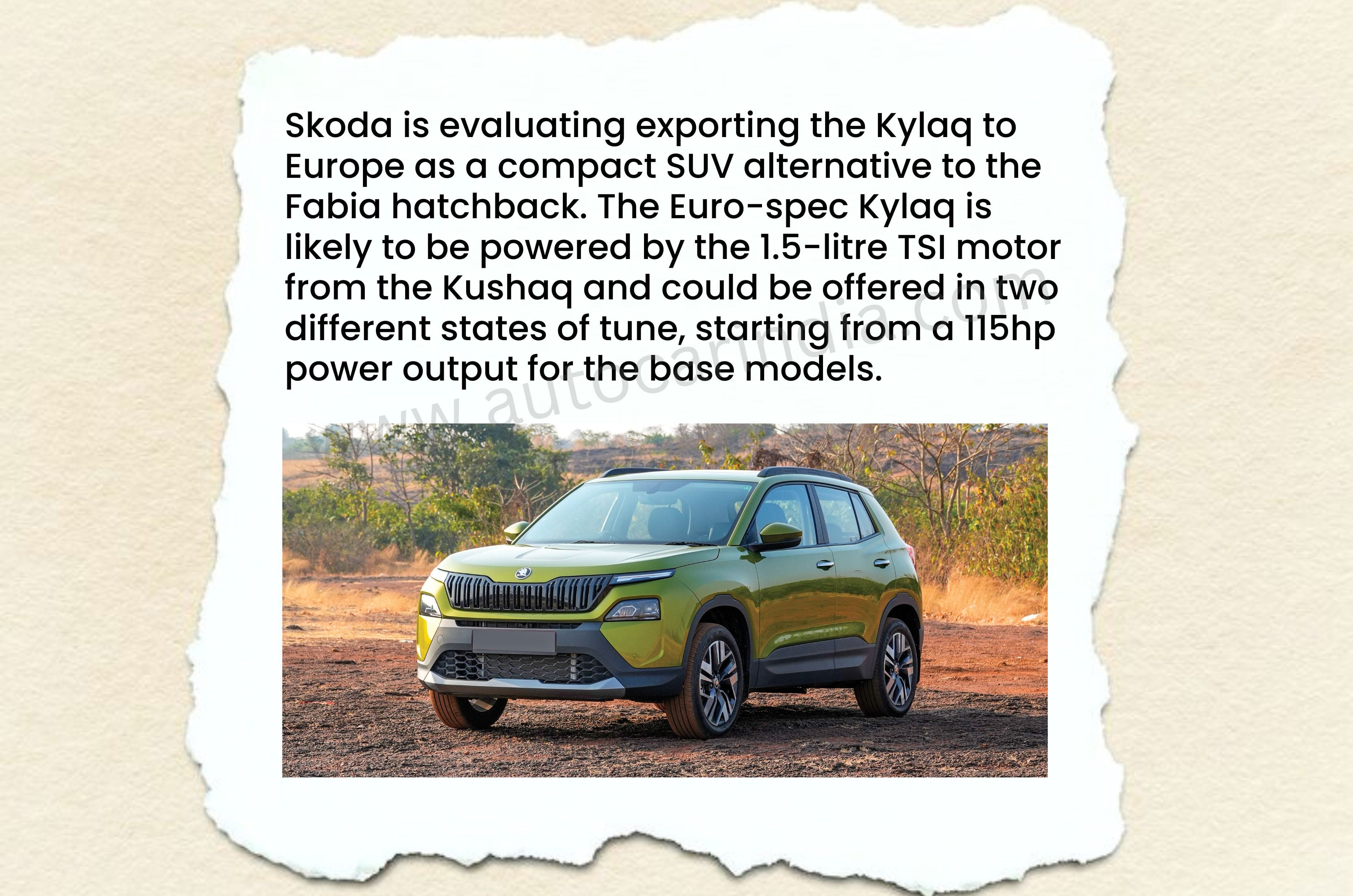
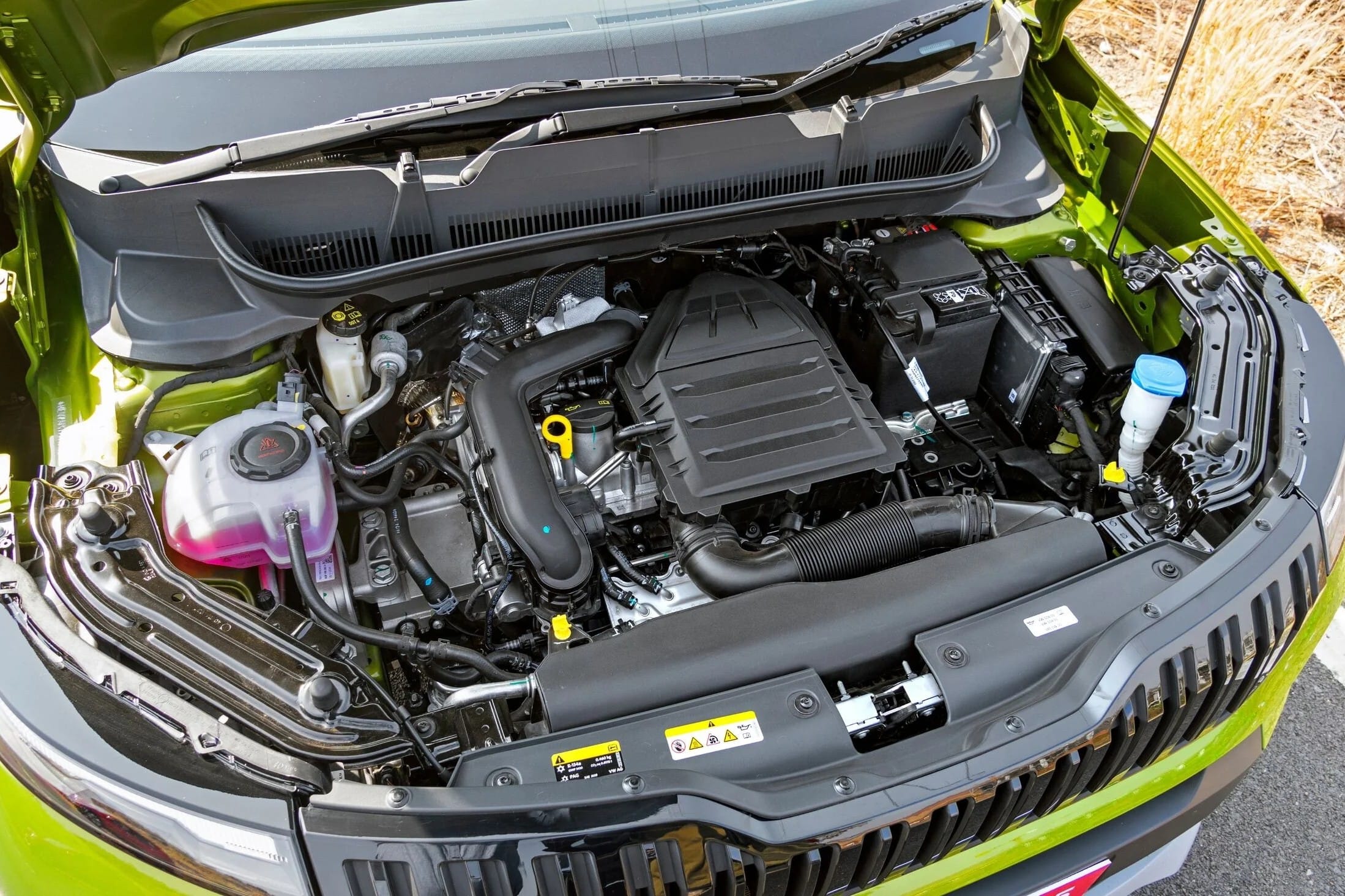
In India, the Kylaq is powered solely by the locally manufactured 115hp 1.0-litre 3-cyl direct-injection turbo-petrol engine (1.0 TSI), which can be had with either a 6-speed manual or 6-speed automatic. For Europe, however, Skoda might equip the Kylaq with the 1.5-litre 4-cyl direct-injection turbo-petrol mill (1.5 TSI) seen in the Slavia and Kushaq, paired to a 7-speed DCT.

The 1.5 TSI engine is used in Skoda’s other models and is already Euro 7 compliant making it the logical choice for export markets. However, from a cost perspective the 1.0 TSI is more attractive as it is a three-cylinder unit and is locally produced. However, the 1.0 TSI does not meet Euro 7 standards and upgrading it to the latest emission standards will call for significant upfront investment which will impact the overall cost of the Kylaq for exports.

If Skoda decides on the 1.5 TSI the export version of the Kylaq, it will likely be in a lower 115hp state of tune to help meet the Euro 7 targets. In fact, the Kylaq 1.5 TSI could be offered in two states of tune for the European market, but its not clear what the other power output of the engine would be.

Beyond emission regulations, the Kylaq would have to meet Europe’s safety, security and other homologation requirements that would again add to the cost of the vehicle.

India-EU FTA and weak rupee helps Kylaq’s export business case

The incoming India-EU FTA, in conjunction with the depreciating rupee against the euro, makes a strong case for exporting the Kylaq to Europe. Piyush Arora, the MD of Skoda Auto Volkswagen India Private Limited (SAVWIPL), said that the India-EU FTA will “open up opportunities” for SAVWIPL across all of its business verticals, including CBU imports, components, fully developing new models for India, and exporting cars to the European market.

A final decision has not been taken. However, a European programme would mark a significant step for Skoda Auto Volkswagen India by moving the country’s role beyond developing and manufacturing vehicles for India and other emerging markets to supplying a product to the carmaker’s home region.

With inputs from Hormazd Sorabjee

JSW Group and Skoda-VW manufacturing joint venture MoU expected within 2 months

JSW Group and Skoda-VW manufacturing joint venture MoU expected within 2 months

Skoda Auto Volkswagen India and the JSW Group are in the final stages of discussions for a manufacturing joint venture, we have learned. The two companies are likely to sign a non-binding memorandum of understanding (MoU) within the next two months. The proposed venture is currently being discussed as a 51:49 joint venture, with the JSW Group expected to hold the majority stake.

Emails seeking comments were sent to Skoda Auto Volkswagen India and the JSW Group on Tuesday, but neither company responded till the time of publishing. Autocar Professional, our sister publication, understands senior global executives from Skoda Auto and Volkswagen are expected to visit India in the second fortnight of August. The proposed alliance with the JSW Group is expected to be among the key subjects on the agenda as the two sides work towards signing the non-binding MoU.

Equity infusion could fund EV development

The proposed partnership comes as Skoda Auto Volkswagen India prepares its next round of investments in electrification and localisation. The equity infusion from the JSW Group is expected to fund the development and localisation of electric vehicles and support future product programmes.

A large part of the investment is expected to go towards vehicles based on the India Main Platform (IMP), Volkswagen Group’s EV architecture for India. The IMP is derived from the China Main Platform (CMP), allowing the group to use an existing EV architecture and adapt it to Indian regulations, the local supplier base and localisation requirements.

The platform is expected to underpin multiple electric SUVs for the Skoda and Volkswagen brands over the next few years. Higher localisation will be key to bringing down costs and reducing dependence on imports. The scope of discussions goes beyond manufacturing. We understand that the sales and marketing operations across the group’s brands are also part of the talks. A few years ago, the sales organisations of Skoda, Volkswagen, Audi, Porsche and Lamborghini were integrated with the manufacturing business under Skoda Auto Volkswagen India. This has also brought the premium brands within the scope of the discussions.

JSW’s broader automotive strategy

For the JSW Group, the proposed venture is part of a broader effort to build an integrated automotive business across passenger vehicles, commercial vehicles, batteries, manufacturing and exports. Unlike JSW MG Motor India, the proposed Skoda Auto Volkswagen venture will have no Chinese participation, allowing the group to further de-risk its automotive business from China-linked partnerships. We understand the alliance will also help diversify JSW Group’s passenger vehicle operations while creating a Make in India manufacturing base serving both domestic and export markets by leveraging Volkswagen Group’s global production and distribution network. The proposed India-EU Free Trade Agreement is also expected to strengthen the business case for exports from India to Europe over the longer term, making exports an important part of the proposed alliance.

The partnership also fits into the group’s wider automotive plans. JSW already has its joint venture with MG, has set up JSW Motors as a separate passenger vehicle business for products outside the MG alliance, operates JSW Greentech for buses and commercial vehicles, and is investing in cell manufacturing and localisation. The group is looking to connect these businesses with its existing strengths in steel, paints and energy, creating greater vertical integration across its automotive operations.

Localisation of some models being studied

We understand the alliance will also look to leverage manufacturing assets across the JSW Group wherever feasible. This includes the JSW Motors facility at Sambhaji Nagar, formerly Aurangabad, where higher localisation of products such as the Skoda Kodiaq and select Audi models is being evaluated. The aim is to improve localisation levels while making better use of the group’s existing manufacturing footprint.

The alliance is also evaluating the localisation of the next-generation Kodiaq platform. If approved, it could underpin a locally manufactured three-row SUV positioned in the Mahindra XUV 7XO segment. Localising the platform would allow Skoda Auto Volkswagen to compete in one of the country’s largest SUV segments with significantly higher local content.

Following the signing of the non-binding MoU, the two sides are expected to finalise the equity structure, including the shareholding pattern, before moving towards definitive agreements and the required approvals. The discussions are currently centred on a 51:49 joint venture, with the JSW Group expected to hold the majority stake.

With inputs from Ketan Thakkar.

BMW reportedly puts its upcoming G-Class, Defender rival on ice

bmw x5 off-road

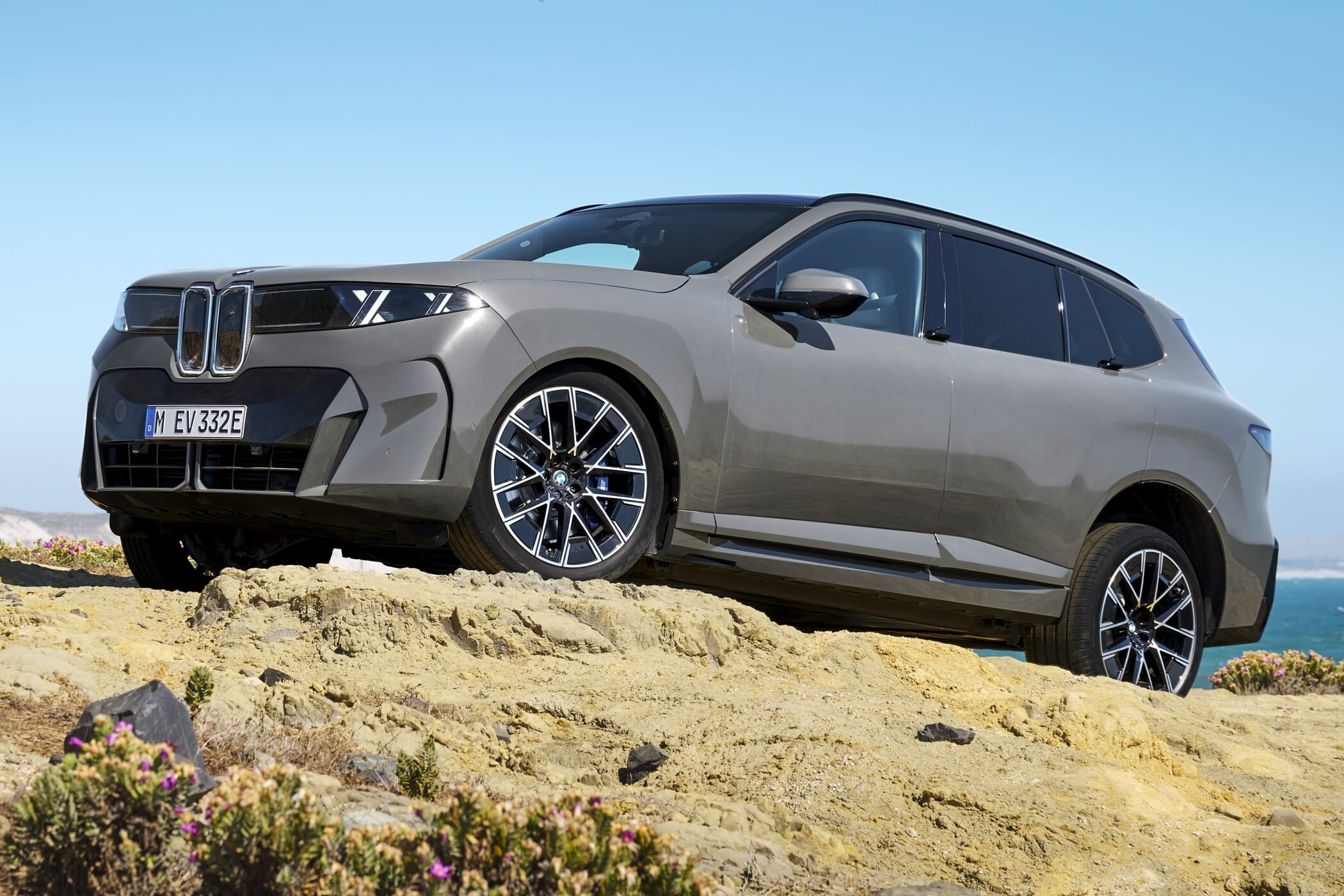
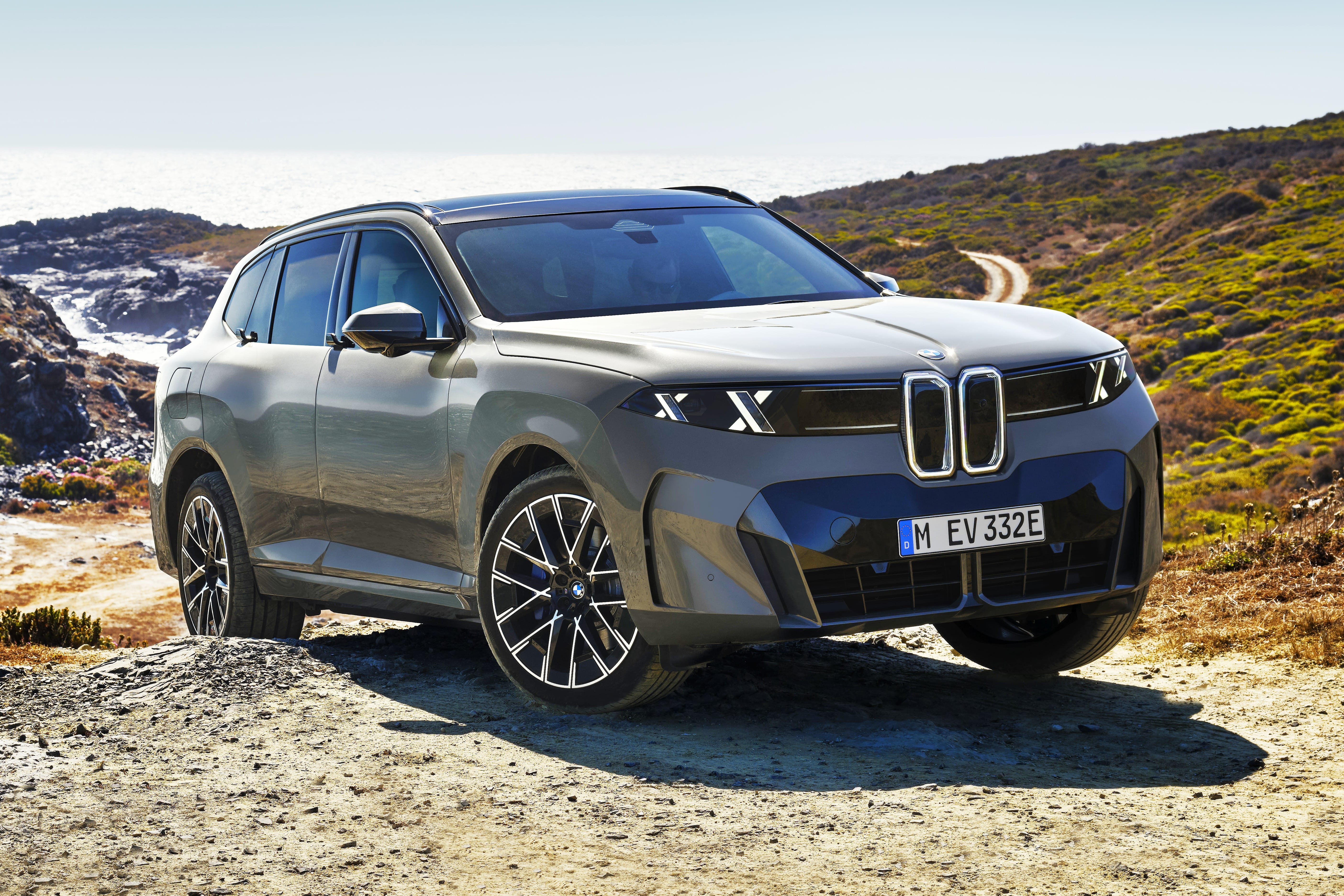
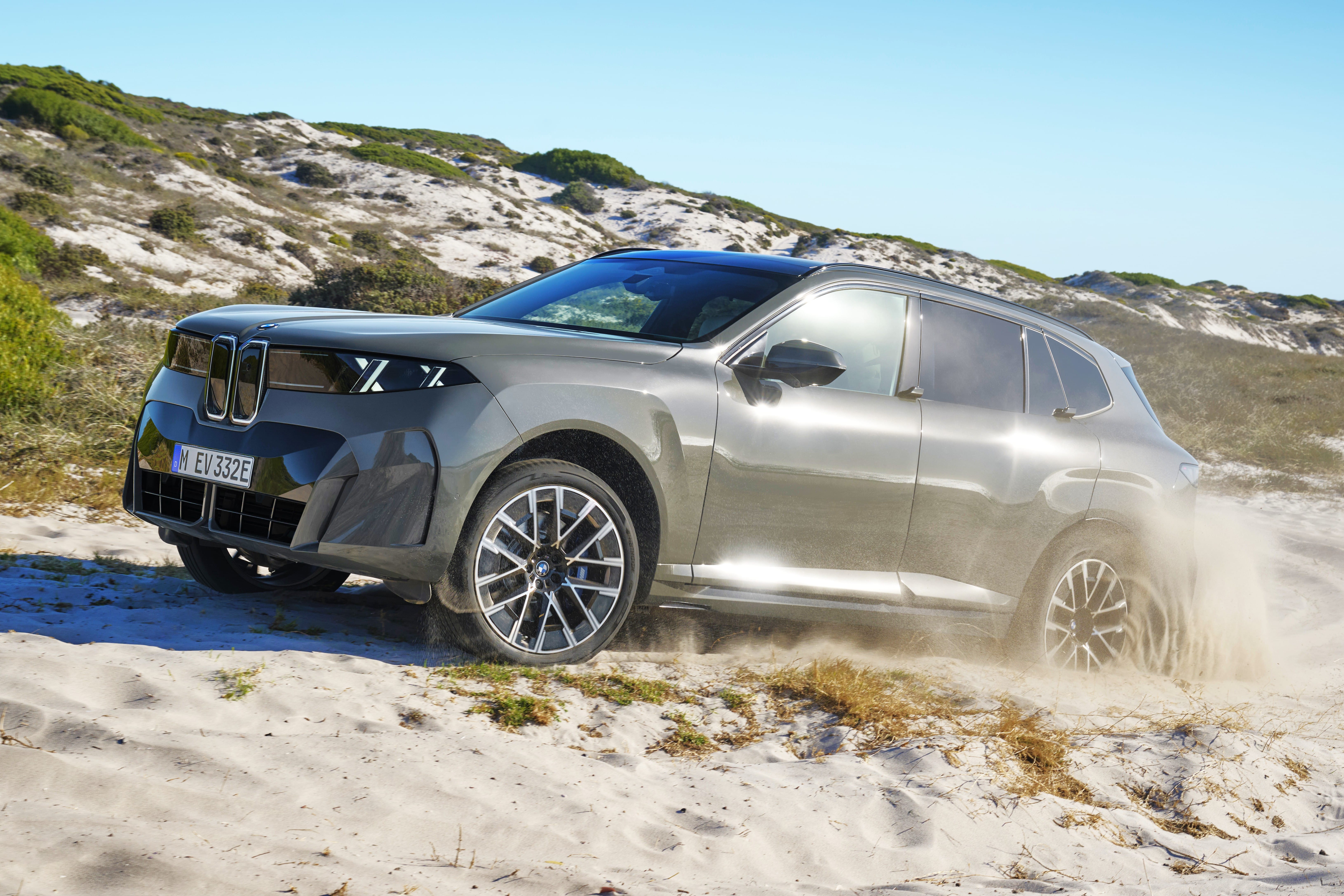
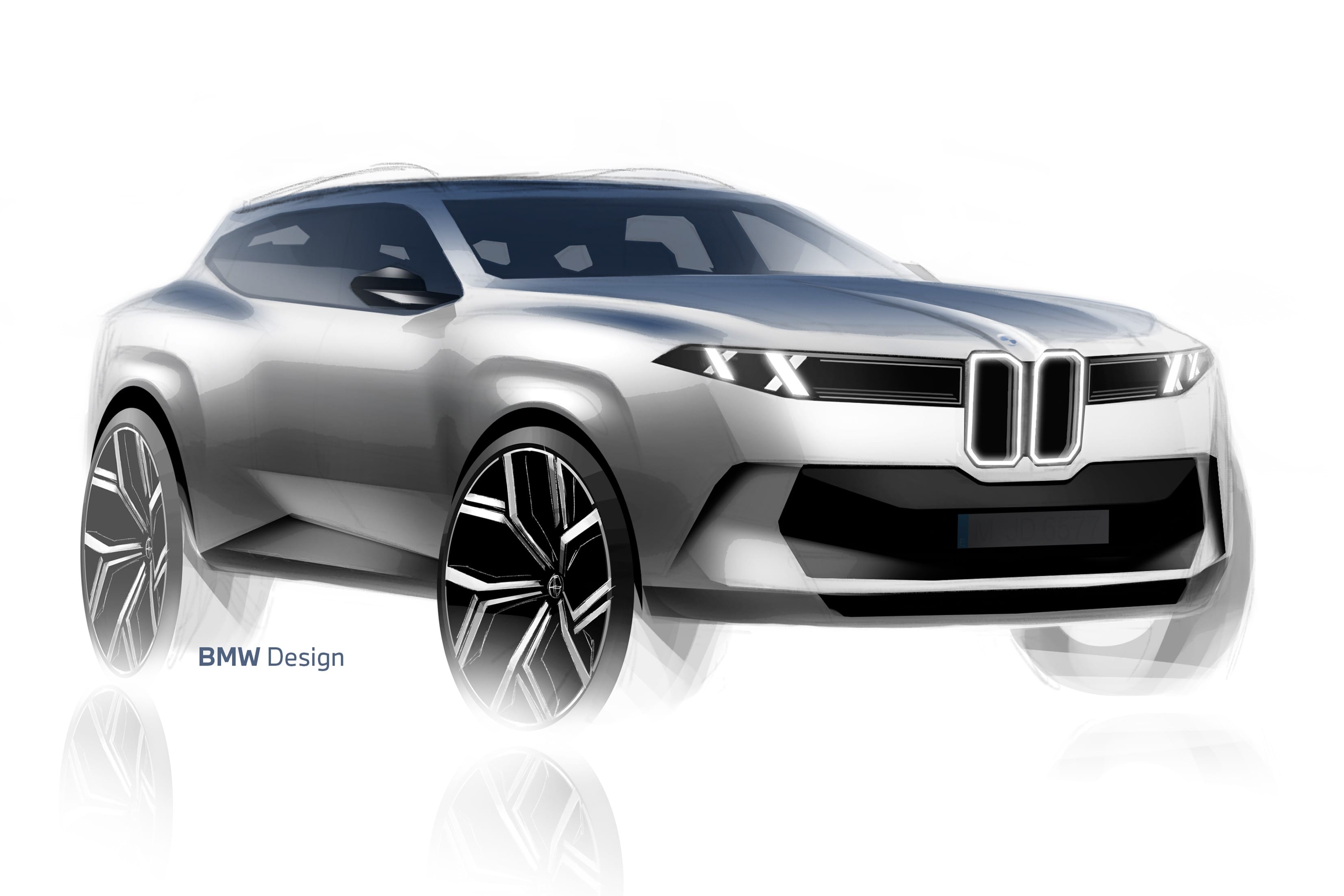
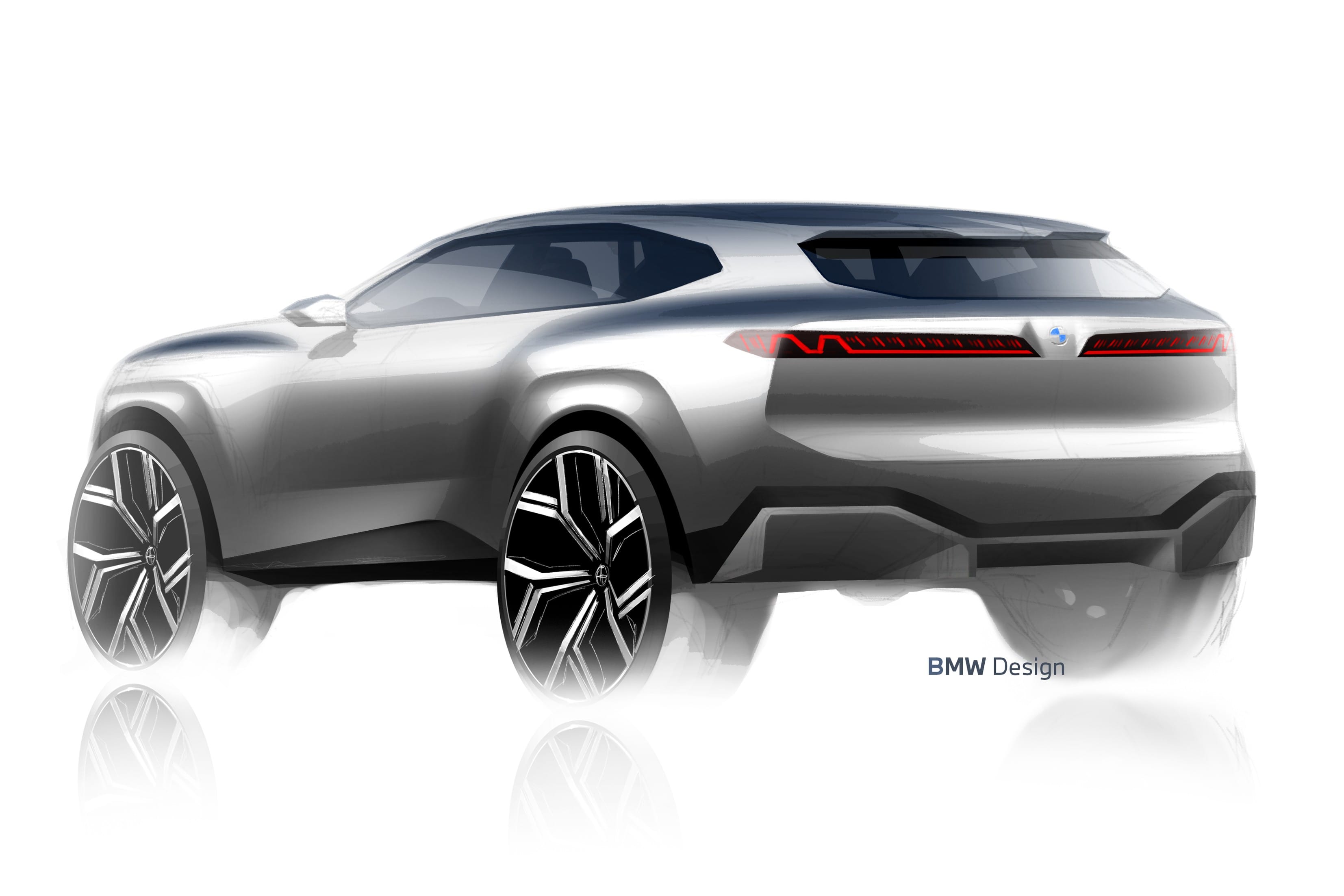
BMW’s luxury off-roader project, codenamed G74, has reportedly failed to receive final internal approval and is on hold due to changing global market conditions. The rugged luxury SUV was purported to be BMW’s rival to the Mercedes-Benz G-Class and Land Rover Defender, but it’s now uncertain whether it will ever reach production.

Market pressures prompt BMW to re-evaluate product portfolio

Fifth-gen BMW X5. Image used for representation only.

According to recent media reports, one of the reasons behind the G74 project’s halt is concern over the size of the luxury off-roader segment relative to the investment required to develop a dedicated model. BMW is also adopting a more disciplined approach to its model portfolio in light of increasing competition in markets like China, as well as tariffs, trade barriers, currency fluctuations, tightening emissions regulations in Europe, and broader geopolitical uncertainty.

Speaking after the company’s second-quarter financial results, CEO Milan Nedeljković said BMW is re-evaluating which technologies, model variants, and powertrains it will need in the coming years instead of assuming existing development programmes remain viable. “In all these areas, we are taking significant steps and increasing the pace. For example, we are once again reviewing which technologies, model variants and drivetrains we will need in the future. In addition, we are looking at where new partnerships could make economic and technological sense,” he noted.

Fifth-gen BMW X5. Image used for representation only.

Nedeljković highlighted the rapid deterioration of market conditions in China as a key concern for the portfolio review. He said Chinese manufacturers are increasingly expanding into Europe, Latin America, and other global markets, creating additional competitive pressure. Although Nedeljković did not mention the G74 directly, insiders claim the off-road SUV has already become one of the first casualties of BMW’s ongoing product review.

The G74 was reportedly targeting a 2029 launch, and sources say BMW can still approve or cancel projects up to around 18 months before production begins. BMW has not officially confirmed the cancellation of the G74 yet, and since the project is currently on hold rather than permanently scrapped, there remains scope for it to return if market conditions improve.

Everything we know about the BMW G74 off-road SUV

Fifth-gen BMW X5 design document. Image used for representation only.

While BMW never officially confirmed the existence of the G74 project, reports over the past few years suggested the carmaker was developing a purpose-built off-road SUV to rival the G-Class and Defender. In reference to the luxury off-roader segment, a senior BMW manager told Autocar UK in 2025: “We’re aware of the market potential [of such a vehicle]. It’s more than just discussions. We have been planning this for a while. It will definitely need an internal combustion engine.” Earlier this year, BMW M boss Frank van Meel even added to the speculation by stating he ‘wouldn’t say no’ to an off-road SUV fettled by the performance division.

The G74 project was expected to be underpinned by a heavily-modified derivative of the existing CLAR platform, which also underpins the fifth-gen BMW X5. This would have allowed the G74 to be offered with multiple powertrain options, including plug-in hybrid and fully electric, and the SUV’s production was ostensibly planned for BMW’s Spartanburg plant in South Carolina.

Fifth-gen BMW X5 design document. Image used for representation only.

Reports suggest the BMW G74 was designed with a 7-seat layout in mind, while the exterior featured a rugged iteration of the Neue Klasse design language and a bootlid-mounted spare wheel. The SUV was even mooted to be christened the X8, and serve as a spiritual successor to the BMW XM, which is expected to be discontinued in 2028.

Suzuki Vision E-Sky prototype spied testing for the first time

Suzuki-Vision-E-Sky-front-quarter

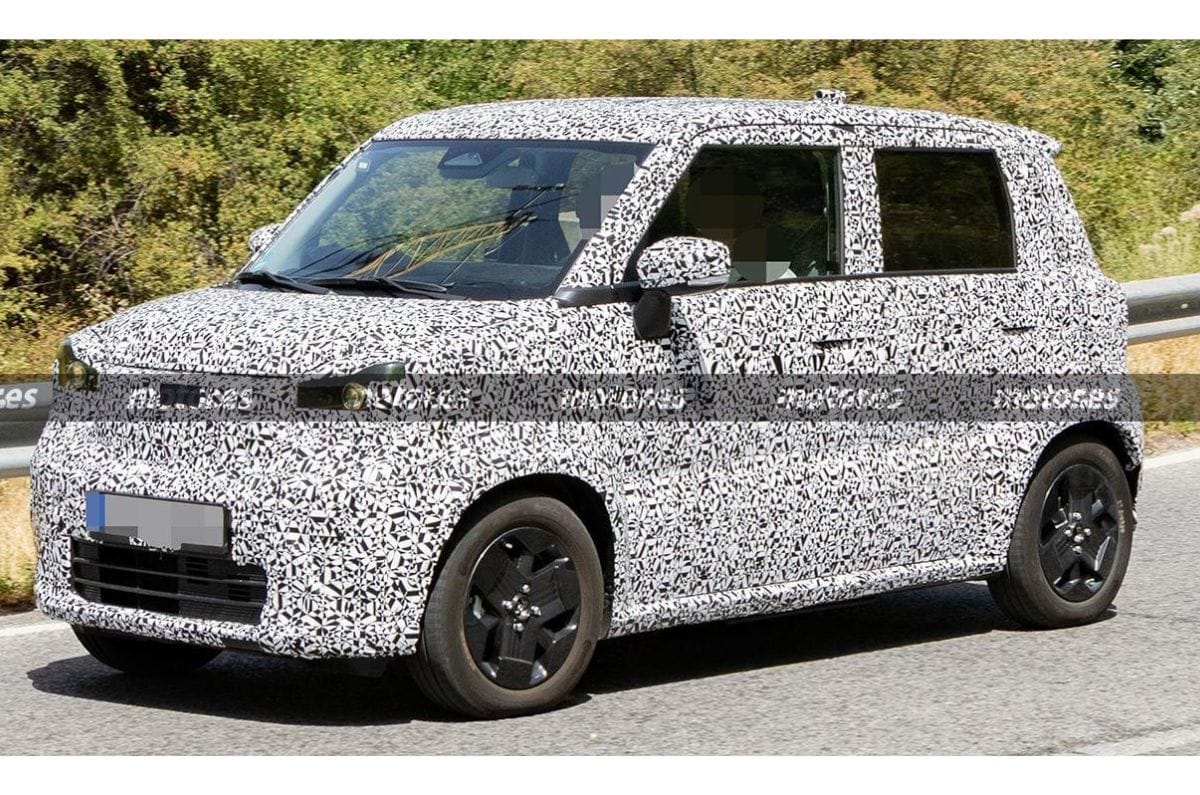
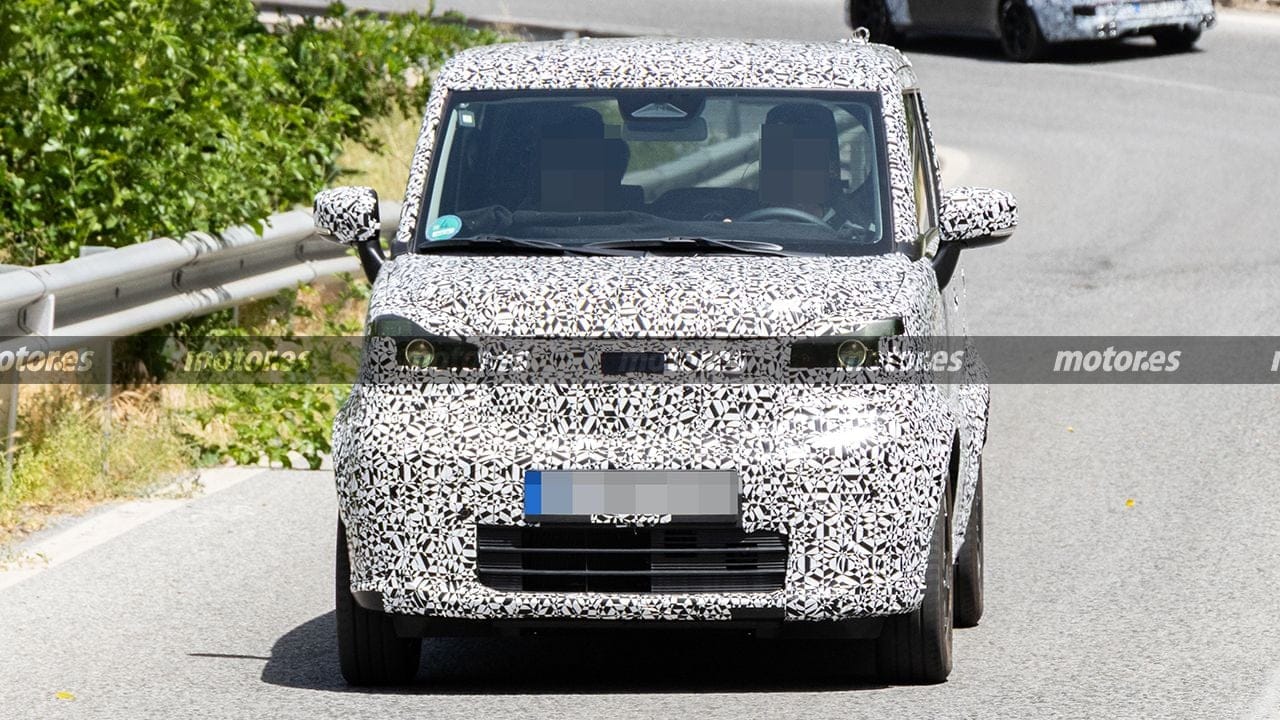
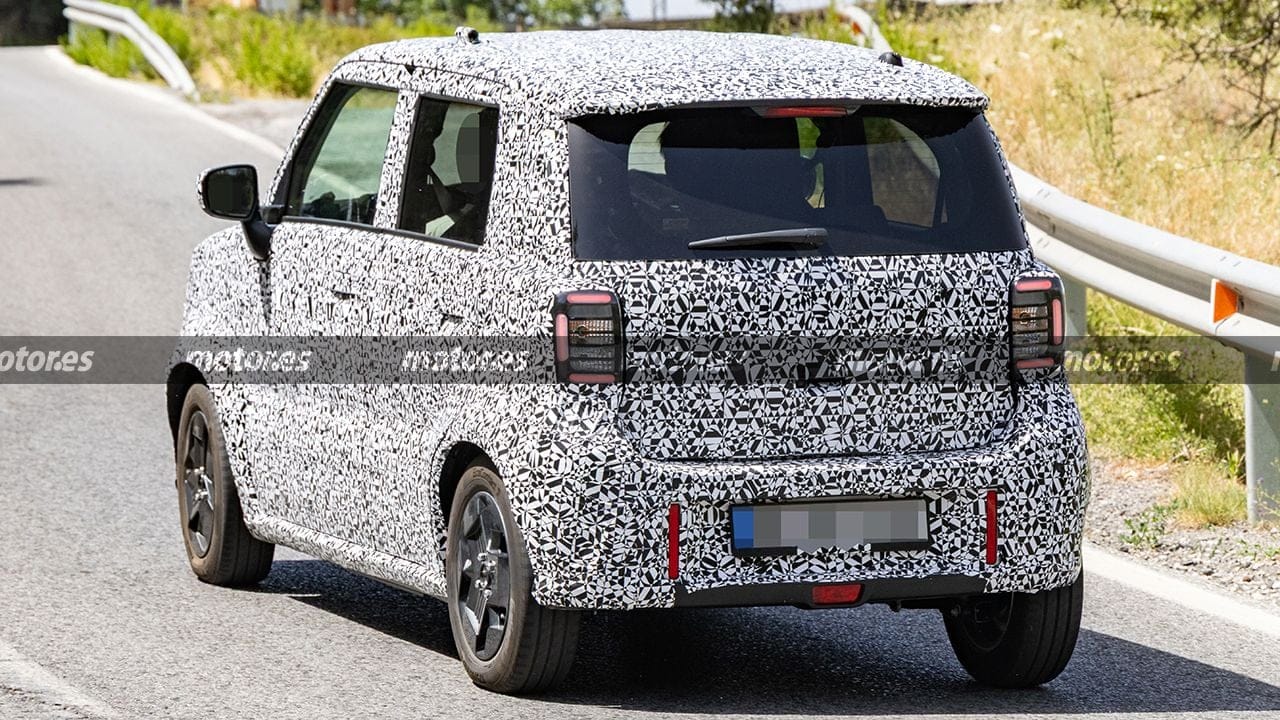
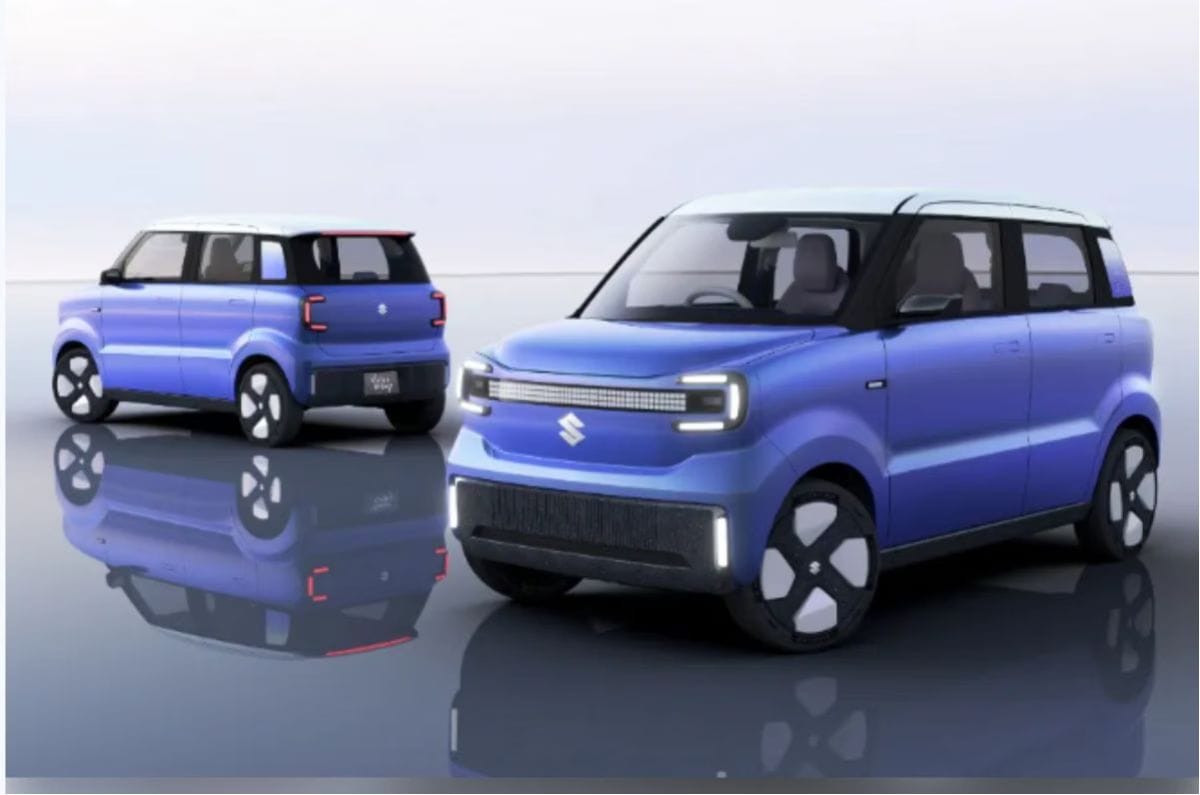
A camouflaged prototype of the Suzuki Vision E-Sky was recently spied testing in Europe, giving as a hint for the first time at what the production model could look like. The Suzuki Vision E-Sky concept was previewed at the Japan Mobility Show last year as the brand’s urban-centric, entry-level born EV. It’s expected to go on sale abroad next year. 

  1. Vision e-Sky concept was previewed with over 270km claimed range 
  2. It measures under 3.4 meters in length, meaning it’s smaller than a S-Presso 
  3. Production-spec model is expected to go on sale globally next year 

Suzuki Vision e-sky prototype spied testing in Europe 

The heavily camouflaged vehicle seems to be an early-stage prototype, which is why it was seen wearing temporary headlamps, whereas the original concept featured LED headlamps with a connecting LED band. What stands out most are its proportions – its tall and upright, but the narrow track width gives it a very compact footprint. For reference, the concept measured 3,395mm in length, 1,475mm in width, and 1,625mm in height; this makes it taller than the Maruti Suzuki S-Presso but its length and width figures fall short of the latter.

Other highlights that can be spotted include traditional pull-type door handles, door-mounted wing mirrors (these were pillar mounted on the concept), aero-optimised alloy wheels and also a large cooling inlet on the bumper. At the back, the test mule featured vertically stacked tail lamps and reflectors on the bumper. Overall, the design seems clean and fuss-free, staying true to the original concept. 

Although these spy shots do not give us a glimpse at the interior, the Vision E-sky concept came with a floating dashboard design with large, dual digital screens and a squircle steering wheel. Given its compact dimensions, however, it is likely that this vehicle will be best suited only for four adults.

Suzuki Vision e-sky specifications  

Suzuki didn’t disclose any specifications during the concept’s debut at the Japan Mobility Show last year, but only hinted that it will offer more than 270km of range. Given its dimension, it can be expected to be powered by a battery ranging between 30-35kWh. 

Suzuki Vision E-Sky concept 

The production version of the Suzuki Vision E-Sky is expected to go on sale globally in 2027. Notably, Maruti Suzuki does have an entry-level, low-cost EV on cards for India. It’s internally codenamed the Y2V and is expected to arrive in the Indian market by 2028 to specifically cater to the entry-level EV segment, and the production version of the Vision E-Sky could very well fit the bill. The Y2V hatchback is part of Maruti Suzuki’s plan to launch six EVs by FY2031, covering different segments from hatchbacks to SUVs. In India, the Y2V could squarely be positioned against the MG Comet EV. 

Image Credit – Motor.es