Govt proposes extending PUCC validity for BS6 cars from 1 to 3 years

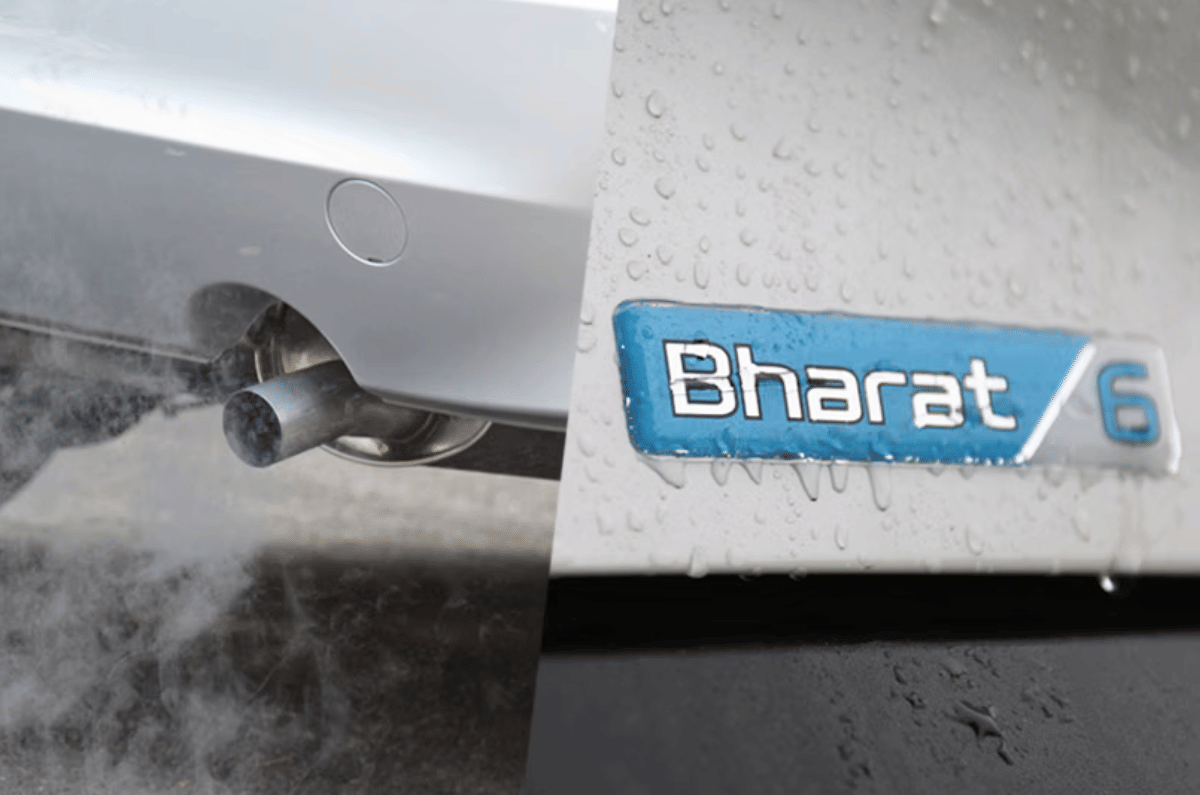
Bharat Stage 6

The Ministry of Road Transport and Highways has proposed extending the validity of the Pollution Under Control Certificate (PUCC) for BS6 (Bharat Stage 6) private vehicles that are up to six years old. Under the draft notification, these vehicles would need a PUCC update once every three years, instead of the current one-year validity. For BS6 cars between six and 10 years old, the certificate would continue to be renewed annually, while vehicles older than 10 years would require a new PUCC every six months, the draft added.

Bharat Stage emission norms are standards instituted by the government to regulate the emissions of air pollutants from motor vehicles. India introduced the first phase of BS6 norms in April 2020, followed by the second phase in April 2023, which remains in effect today.

What about BS4 and older cars?

The proposed relaxation is limited to up to six-year-old BS6 cars. As per the notification, owners of BS4 cars will still have to renew their PUCC in every six months, and all motor vehicles complying with BS1, BS2 and BS3 emission norms will have to renew their respective certificates in every three months.

Bharat Stage emission norms in India so far

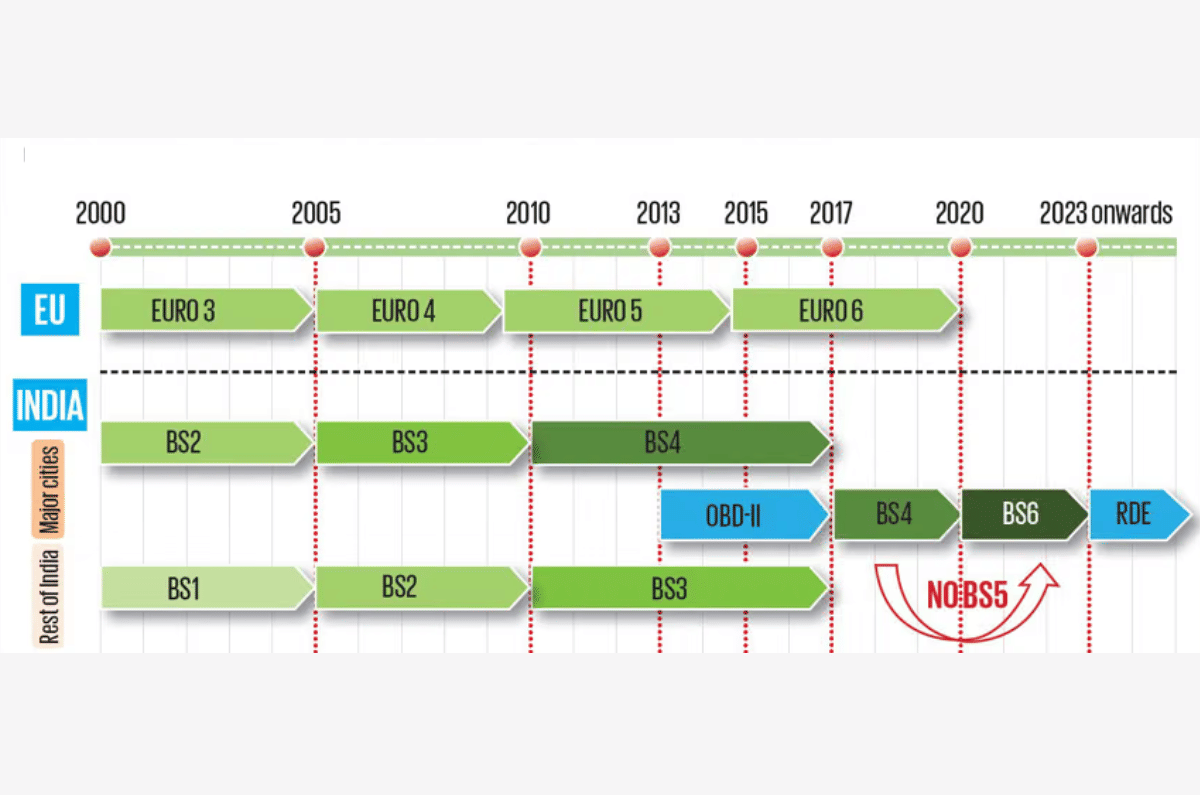
Bharat Stage emission norms timeline
Bharat Stage emission norms timeline.

India introduced Bharat Stage emission norms in 2000 with the official rollout of BS2 standards. BS2 was based on European emission regulations, with the main difference being the test cycle’s top speed – 90kph for BS2 norms compared to 120kph in Europe. India remained one stage behind Europe until 2010, after which the oil industry couldn’t supply the low-sulphur fuel needed to jump to BS5. Europe, meanwhile, moved to BS6 systematically.

JSW could acquire majority stake in Volkswagen’s India business

JSW and VW

JSW Group is in advanced talks to acquire a stake in Skoda Auto Volkswagen India, with the proposed deal potentially giving the Sajjan Jindal-led conglomerate a majority holding in Volkswagen AG’s India business, according to a Bloomberg report.

  1. Terms of the deal are yet to be finalised
  2. Skoda Auto Volkswagen India held 2.34 percent market share in FY2026
  3. JSW already owns 35 percent of JSW MG Motor India

The report says the proposed investment would bring fresh capital into Skoda Auto Volkswagen India, which oversees the group’s Skoda, Volkswagen, Audi, alongside luxury and super-luxury marques like Porsche, Lamborghini, and Bentley brands in the country. Both sides are aiming to reach an agreement in the coming weeks, although the terms are not settled and a transaction may not follow, the report said.

Volkswagen declines to comment

A Volkswagen spokesperson did not confirm the discussions, saying only that the company regularly evaluates opportunities to support its strategy in India’s passenger vehicle market. Bloomberg added that the terms of the proposed transaction are still being negotiated and may change before any agreement is reached.

What the deal could mean

If completed, the deal would mark JSW Group’s second major investment in India’s passenger vehicle industry after acquiring a 35 percent stake in MG Motor India from SAIC in 2023. The joint venture, JSW MG Motor India, began operations in 2024.

For Volkswagen, the investment could strengthen its position in India, where Skoda Auto Volkswagen India accounted for 2.34 percent of passenger vehicle sales in FY2026, according to FADA data. By comparison, Kia India held a 5.94 percent share, while JSW MG Motor India accounted for 1.40 percent. The additional investment could also support the group’s future product and business plans in the country.

India remains a focus market for Volkswagen 

India has become an increasingly important market for Volkswagen as it reshapes its global operations. According to the Bloomberg report, the company is looking to strengthen its presence outside Europe following its withdrawal from Russia and its planned exit from China.

With inputs from Dhruv Dhaka

JSW could acquire majority stake in Volkswagen’s India business

JSW and Skoda VW

JSW Group is in advanced talks to acquire a stake in Skoda Auto Volkswagen India, with the proposed deal potentially giving the Sajjan Jindal-led conglomerate a majority holding in Volkswagen AG’s India business, according to a Bloomberg report.

  1. Terms of the deal are yet to be finalised
  2. Skoda Auto Volkswagen India held 2.34 percent market share in FY2026
  3. JSW already owns 35 percent of JSW MG Motor India

The report says the proposed investment would bring fresh capital into Skoda Auto Volkswagen India, which oversees the group’s Skoda, Volkswagen, Audi, alongside luxury and super-luxury marques like Porsche, Lamborghini, and Bentley brands in the country. Both sides are aiming to reach an agreement in the coming weeks, although the terms are not settled and a transaction may not follow, the report said.

Volkswagen declines to comment

A Volkswagen spokesperson did not confirm the discussions, saying only that the company regularly evaluates opportunities to support its strategy in India’s passenger vehicle market. Bloomberg added that the terms of the proposed transaction are still being negotiated and may change before any agreement is reached.

What the deal could mean

If completed, the deal would mark JSW Group’s second major investment in India’s passenger vehicle industry after acquiring a 35 percent stake in MG Motor India from SAIC in 2023. The joint venture, JSW MG Motor India, began operations in 2024.

For Volkswagen, the investment could strengthen its position in India, where Skoda Auto Volkswagen India accounted for 2.34 percent of passenger vehicle sales in FY2026, according to FADA data. By comparison, Kia India held a 5.94 percent share, while JSW MG Motor India accounted for 1.40 percent. The additional investment could also support the group’s future product and business plans in the country.

India remains a focus market for Volkswagen 

India has become an increasingly important market for Volkswagen as it reshapes its global operations. According to the Bloomberg report, the company is looking to strengthen its presence outside Europe following its withdrawal from Russia and its planned exit from China.

With inputs from Dhruv Dhaka

New Yamaha electric scooter details revealed

yamaha electric scooter design

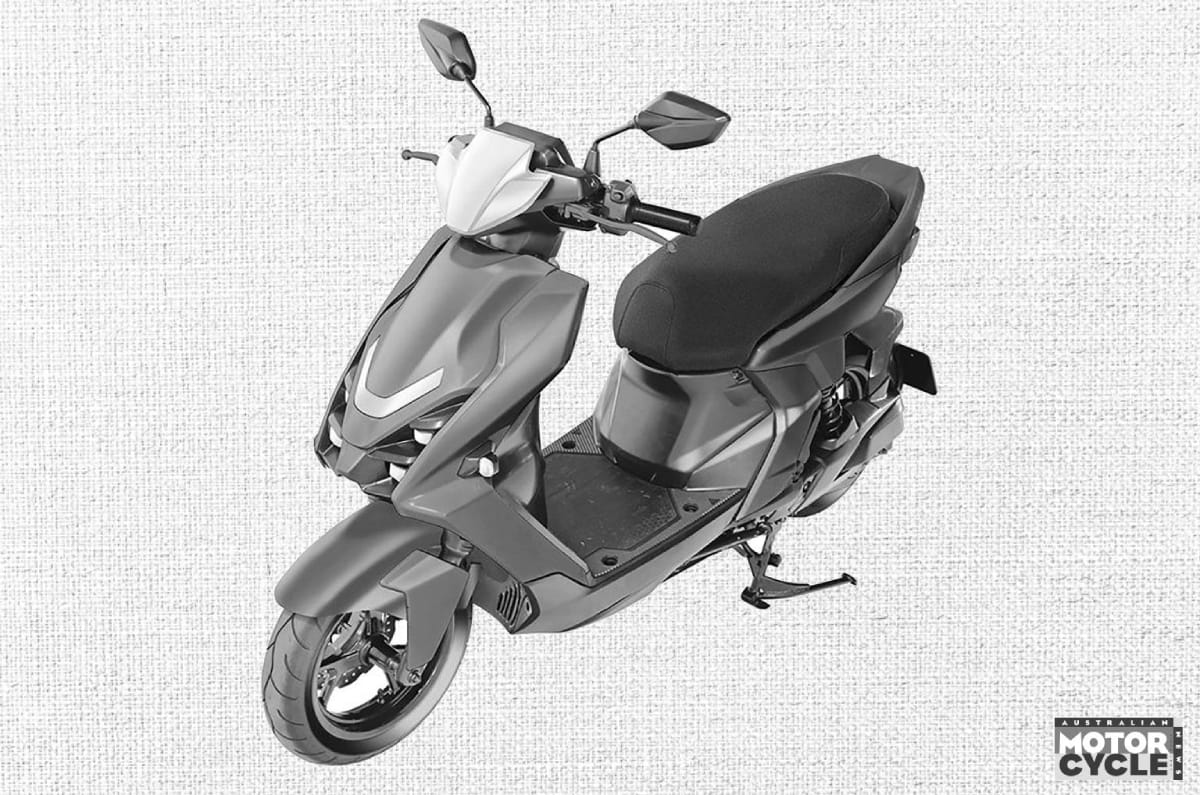
A Japanese design registration has surfaced showing what appears to be a production-ready Yamaha electric scooter. While the model doesn’t correspond to anything in the brand’s current lineup, its overall silhouette draws inspiration from the RayZR 125, albeit with several notable departures from the norm in terms of its mechanical layout.

  1. New Yamaha electric scooter surfaces in Japanese design registration
  2. Features a centrally mounted motor with belt drive
  3. Overall silhouette draws inspiration from the RayZR 125

New Yamaha electric scooter: What we know

The centrally mounted motor drives the rear wheel via a belt

The most significant detail revealed by the design registration is the scooter’s drivetrain. Unlike the Yamaha Aerox-E, which uses a swingarm-mounted motor, this scooter features a centrally mounted motor (like on the EC-06) that transmits power to the rear wheel via a belt drive. 

The registration also reveals that the battery is housed beneath the seat, with the design suggesting it could be swappable. Another interesting detail is the rear suspension layout. The twin shock absorbers are mounted much further forward on the swingarm than is typical, straddling the battery compartment beneath the seat. The scooter also gets disc brakes at both ends, a telescopic front fork and a long single-piece seat.

Other visible details include a distinctive headlight featuring two rectangular LED units flanking a centrally positioned V-shaped DRL. The tail-light also has a sharp, angular design, while the inside of the front apron appears to house multiple storage pockets. The absence of a visible keyhole suggests keyless ignition and seat access, and a small TFT display is also visible.

Yamaha’s global electric two-wheeler lineup remains relatively limited. In Europe, the company sells the Neo’s, a compact urban commuter with a claimed range of 68km. In India, Yamaha currently offers the EC-06, based on the River Indie, alongside the in-house-developed Aerox-E. Judging by its proportions and design, this newly patented scooter could be positioned as a 125cc-equivalent model, which could make it well suited to our market. That said, this is only a Japanese design registration at this stage, and Yamaha has not announced any details regarding the scooter or a potential production timeline.

Source: AMCN

Hero MotoCorp enters German market with XPulse 200 4V

XPulse 200 4V Pro

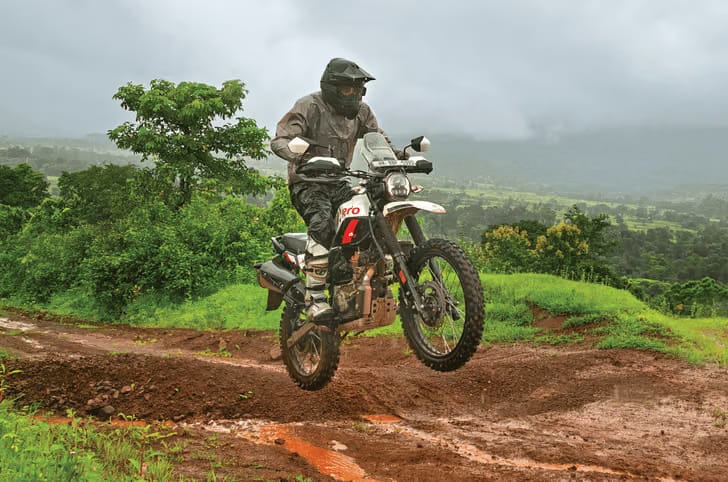
Hero MotoCorp has officially entered the German market, taking its international footprint to 53 countries. Germany becomes the brand’s fifth active market in Europe, alongside Italy, Spain, France and the UK.

  1. Hero enters Germany through a distribution partnership with Austria-headquartered KSR Group
  2. Initial retail network of over 28 outlets across major German cities
  3. Brand enters the German market with the XPulse 200 4V

Hero MotoCorp Germany: What’s on offer

The XPulse 200 4V is Hero’s debut product in the German market

Hero has partnered with Austria-headquartered KSR Group to manage sales, logistics and after-sales operations in Germany. The initial retail network spans more than 28 sales and service outlets across major German cities, with plans to expand to 30 outlets. To support the launch, Hero is offering a five-year warranty package, comprising a standard three-year manufacturer warranty and a two-year promotional extension.

The initial product lineup consists of the standard and Pro variants of the XPulse 200 4V, priced at €2,990 (Rs 3.30 lakh) and €3,290 (Rs 3.62 lakh), respectively. For reference, in India the two variants are priced at Rs 1.45 lakh and Rs 1.57 lakh (ex-showroom), respectively.

As Hero continues to expand its presence in international markets with its adventure motorcycle lineup, it is also working on a significantly more capable offering. The upcoming Xpulse 421 has been spotted testing multiple times in recent months and will be built on an all-new platform with a new liquid-cooled engine. An EICMA 2026 debut appears likely, with a market launch expected to follow in 2027.

Dev Vadchhedia

Volkswagen Group to cut model line-up by up to 50 percent by 2030

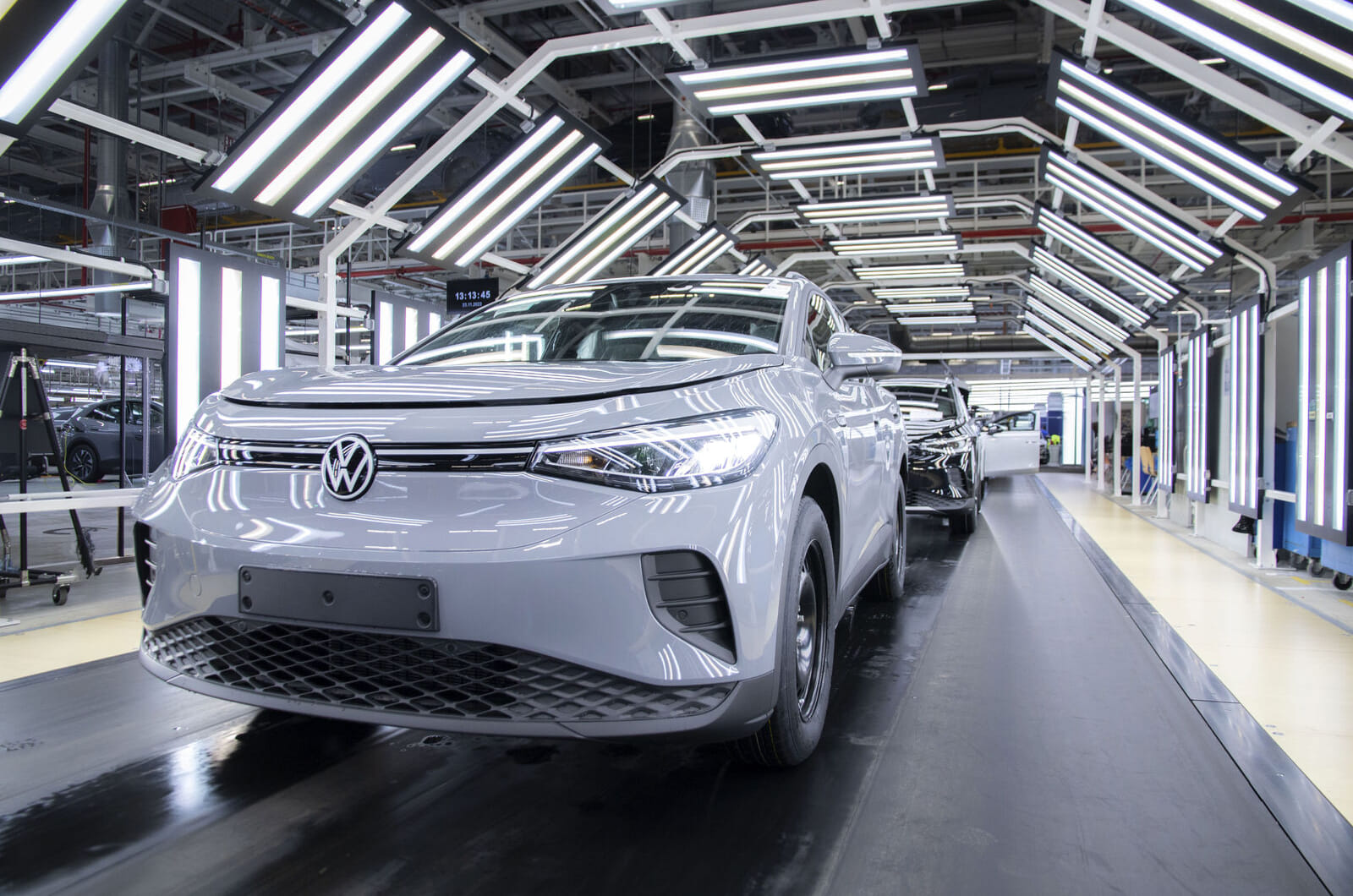
VW

The Volkswagen Group plans to reduce its global model line-up by up to 50 percent by 2030 as part of a wider restructuring of its business. The Group will also cut the number of variant options offered across its portfolio by up to 75 percent and reduce production capacity, as it looks to lower costs and simplify its operations. Volkswagen has not named the models that will be discontinued.

  1. Future line-up to focus on the ‘most attractive market segments’
  2. Annual production capacity to fall to around 9 million vehicles, from 10 million
  3. Platforms and electronic architectures will also be consolidated

Volkswagen Group to halve model line-up by 2030

The product changes form part of 12 initiatives that the Volkswagen Group plans to implement by 2030. The company said it will gradually “streamline” its model line-up by up to 50 percent, concentrating its portfolio on “the most attractive market segments”.

Volkswagen is also targeting a 75 percent reduction in what it calls “offering complexity”, which includes the number of equipment options available across its models. The company said this will allow it to focus investment and development resources on products that deliver the “greatest added value for customers and the highest value contribution” to the Group.

The Group has not confirmed which models will be affected by the reduction. Its portfolio spans Volkswagen, Skoda, Seat, Cupra, Audi, Porsche, Bentley and Lamborghini, among other brands.

“We are making the Volkswagen Group faster, more resilient and more competitive, through less complexity, focused technologies, and an even stronger alignment of products, development and production with regional markets,” said Volkswagen Group CEO Oliver Blume.

VW Group to reduce platforms, production capacity

Volkswagen also plans to reduce the number of platforms and electronic architectures used across the Group, with the aim of increasing the use of common technologies across its brands. The company will focus on technologies with what it describes as “high scaling potential”.

Annual production capacity will be reduced to around 9 million vehicles. Before the Covid-19 pandemic, the Group had established capacity to produce around 12 million vehicles annually and has already reduced this by about 2 million units. Volkswagen said further reductions are planned in Europe and China.

The restructuring comes as Volkswagen faces increased competition from Chinese carmakers, regulatory pressures, tariffs and geopolitical tensions. These factors have contributed to the Group’s profits falling by around half since 2021.

Up to 100,000 Volkswagen Group job cuts reported

The restructuring could also result in further workforce and factory reductions. Around 50,000 job cuts had already been outlined under earlier restructuring measures. Reports suggest Volkswagen could increase its planned workforce reduction to a total of 100,000 jobs and close four plants in Germany. However, the Group has not confirmed further job cuts or factory closures. 

The plants reportedly under consideration for closure are Hanover, Emden, Zwickau and Audi’s Neckarsulm facility. It remains unclear whether the sites would be closed or whether Volkswagen could seek buyers for them.

Honda to increase focus on premium scooters and motorcycles for India

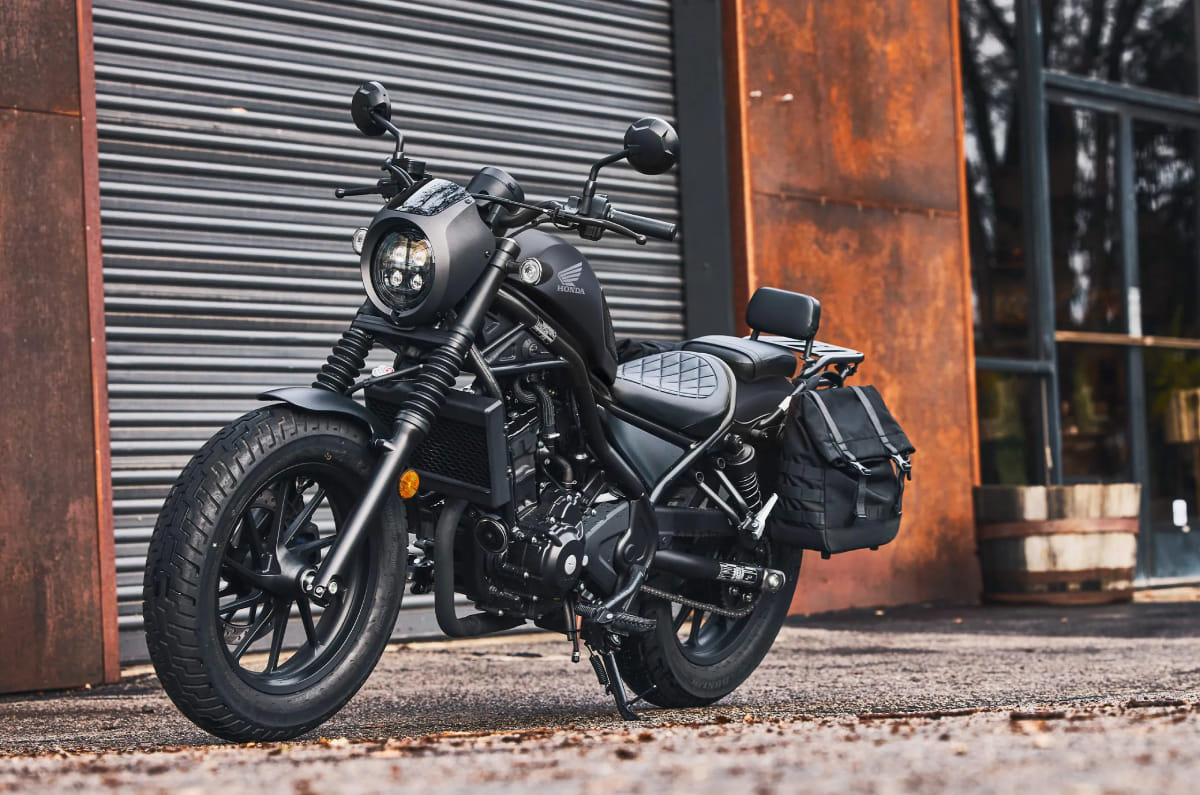
Honda Rebel 300 static image

Honda Motorcycle & Scooter India (HMSI) is sharpening its focus on premium scooters and mid-capacity motorcycles. The strategy marks a significant evolution for Honda, whose India business has long been anchored by high-volume commuter products such as the Activa scooter and Shine motorcycle.

  1. More premium products incoming
  2. Localisation will be key to affordability

The company says this has been done to retain younger buyers whose purchasing decisions are increasingly driven by design, technology and global products rather than just affordability. “Today’s customers, especially Gen Z and Gen Alpha, expect easy access to information through their smartphones and the internet,” HMSI president and CEO Tsutsumu Otani told Autocar Professional in an interview.

“Customers today don’t just compare models available in India; they also explore products offered in Asia, Europe and the United States,” he added.

Otani also said that Honda’s objective is no longer confined to winning first-time buyers but also to ensuring customers continue to remain within the brand as their aspirations evolve.

“The most important thing is not just market share. The key question is how we can increase loyal Honda customers,” he said. “Selling a vehicle is a one-time transaction. If customers do not choose Honda again when they purchase their next vehicle, that is not a good outcome for us.”

Industry analysts say the shift comes as India’s two-wheeler market becomes increasingly segmented, with premium motorcycles, feature-rich scooters and electric two-wheelers emerging as the fastest-growing parts of the industry.

Honda plans to draw more extensively from its global portfolio while increasing localisation to make premium products commercially viable for India.

“For our premium and step-up models, HMSI intends to leverage Honda’s global portfolio. We are also preparing new models based on Honda’s global portfolio,” Otani said.

He added that localisation would remain central before introducing any global model in India, both to improve affordability and strengthen domestic manufacturing.

While Otani declined to identify future products, Autocar Professional understands Honda is developing several new programmes covering 125cc and 150cc motorcycles, scooters, electric scooters, and 350cc and 500cc motorcycles. Although individual products and launch schedules remain undisclosed, the pipeline is consistent with the company’s strategy of building a broader premium portfolio while retaining customers within the Honda brand.

Honda is also giving India a larger role in product development as it seeks to shorten development cycles and improve localisation.

“‘Made in India’ means the supply chain exists in India. So, we have already changed our R&D process as well,” Otani said.

Asked whether Honda was now ready to design and develop products specifically for India, he replied, “Yes.”

The company’s strategy extends beyond internal-combustion products. Honda currently has a limited presence in India’s electric two-wheeler market but plans to expand its EV portfolio as adoption accelerates.

Otani said the company remained cautious about the pace of electrification because charging infrastructure and customer usage patterns were still evolving.

“Our first priority is to closely monitor the EV market in India and understand how it is developing,” he said.

At the same time, Honda sees growing opportunities in premium scooters as buyers seek larger engines, more features and stronger styling without sacrificing everyday practicality.

Otani said the challenge would be to localise advanced components and powertrains sufficiently to offer premium products at prices acceptable to Indian consumers.

The broader strategy reflects Honda’s attempt to reposition itself for a market where younger buyers increasingly expect global products adapted for local conditions rather than stripped-down versions developed solely for affordability.

For Honda, the next phase of growth may depend less on expanding its share of commuter motorcycles and scooters and more on building a complete portfolio that keeps customers within the brand as they move into premium motorcycles, larger scooters and electric mobility.

With input from Kiran Murali

Autocar India completes Pune to Prague road trip in Skoda Kylaq

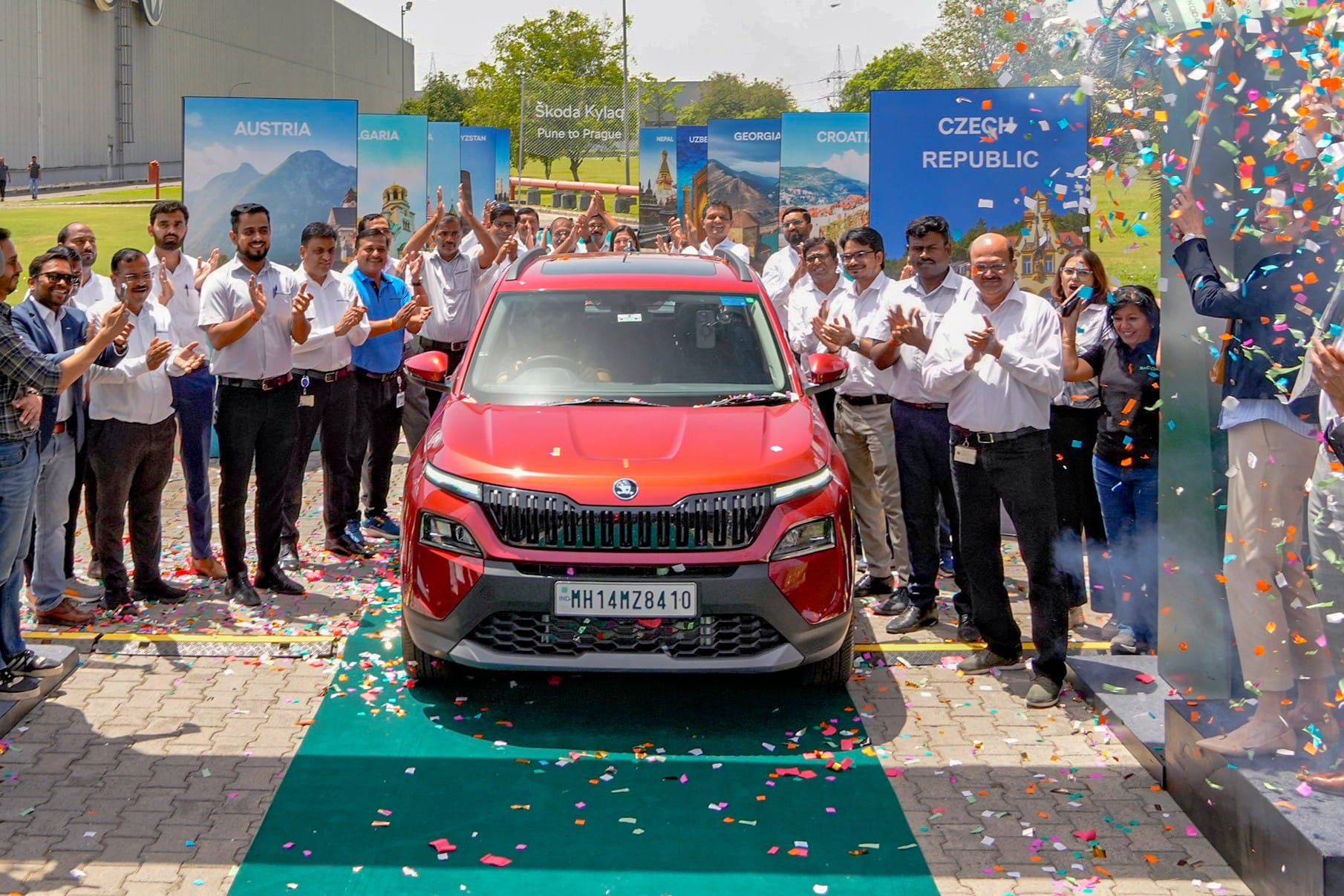
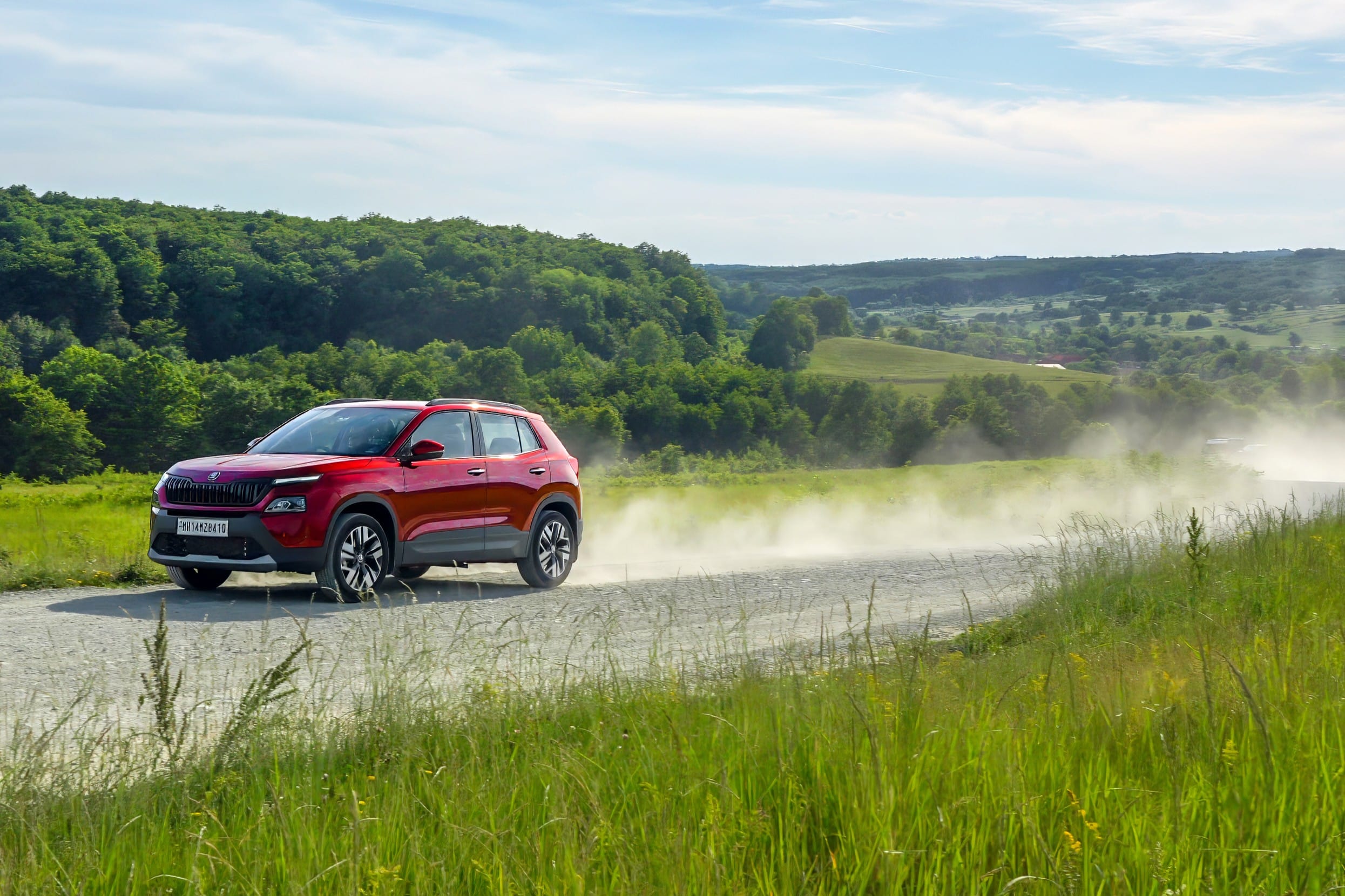
skoda kylaq p2p

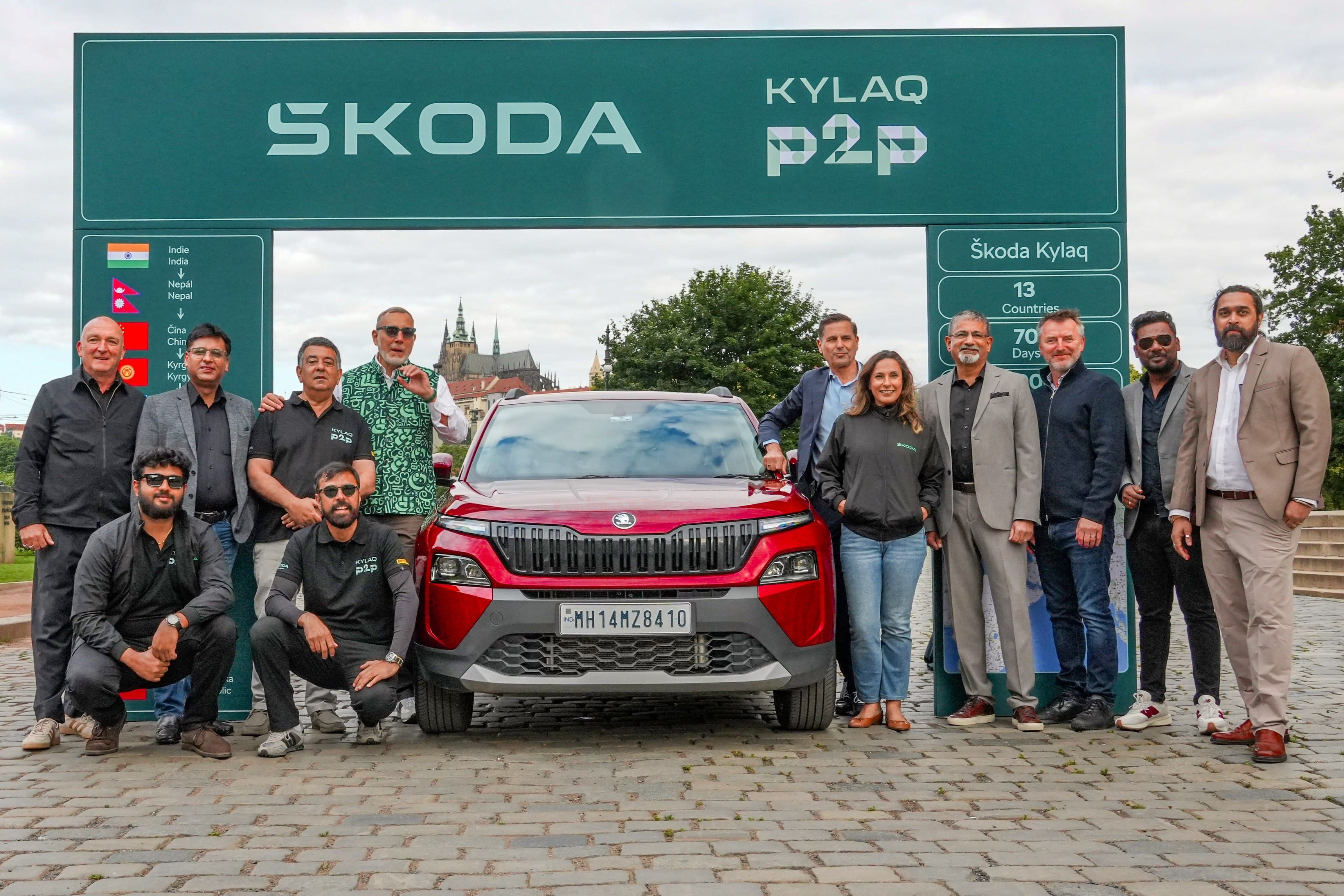
Autocar India, in collaboration with Skoda India, has completed the Pune-to-Prague (P2P) road trip in the Kylaq compact SUV. This is one of the longest overland expeditions ever undertaken in a made-in-India passenger vehicle, with the Kylaq covering 19,351km over a span of 70 days.

As the name suggests, P2P began at the Skoda Auto Volkswagen India manufacturing facility in Pune, and concluded in Prague – the home of the Czech carmaker – spanning two continents and 13 countries along the way.

Skoda Kylaq proves its engineering mettle in P2P

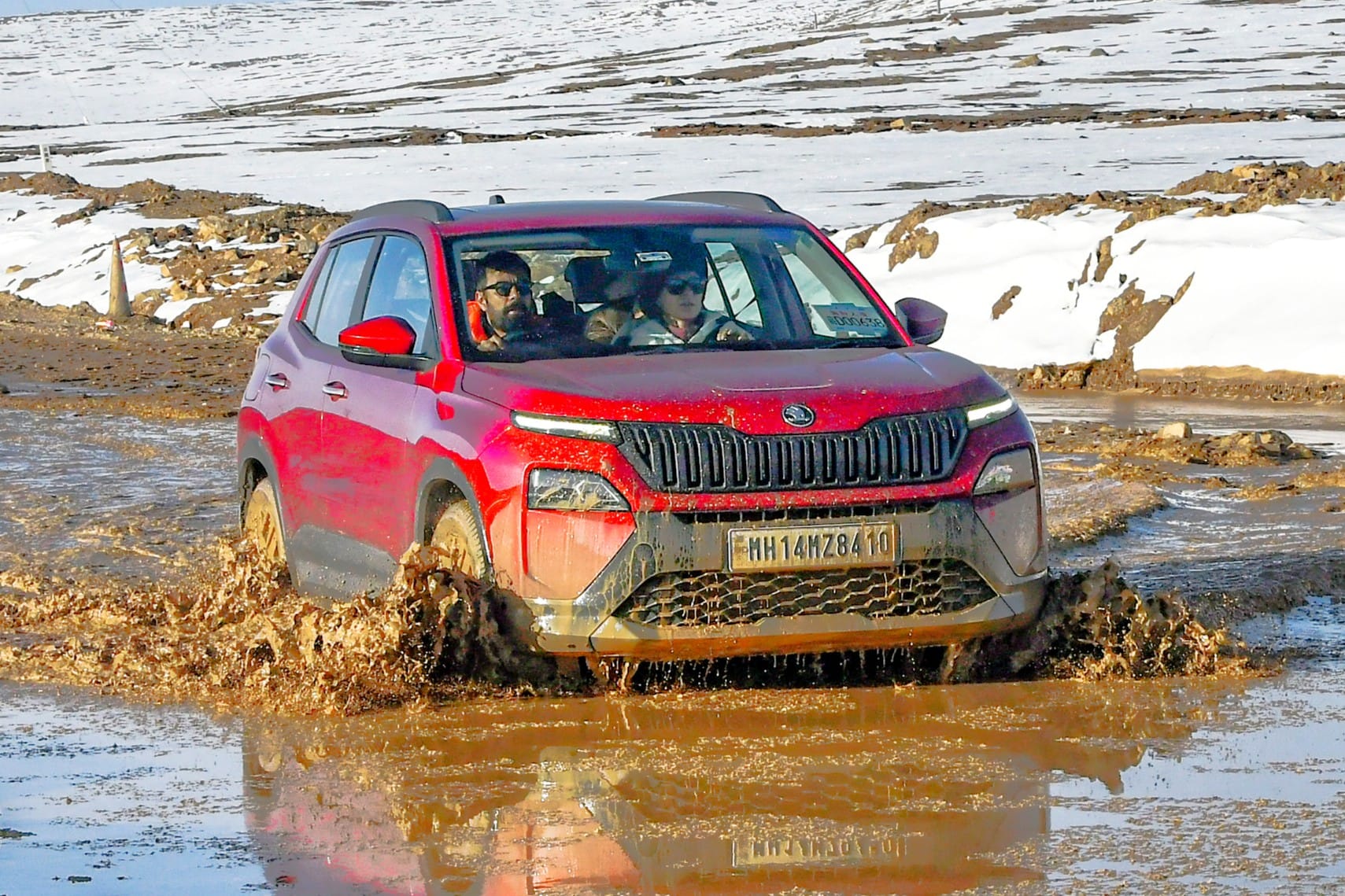
During the P2P road trip, the Kylaq experienced a smorgasbord of terrains and climates. Starting in Pune, the compact SUV travelled through Mumbai, Vadodara, Udaipur, Jaipur, Agra, Lucknow, and Gorakhpur, before crossing into Nepal. The journey then continued across the Tibetan Plateau in China, the ancient Silk Road through Kyrgyzstan, Uzbekistan, and Kazakhstan, before heading into Georgia, Türkiye, Bulgaria, Romania, Hungary, and Slovakia, eventually concluding in Prague.

Throughout the drive, the Kylaq encountered altitudes ranging from -154 metres to 5,364 metres above sea level, while temperatures varied between -12 deg-C and 43 deg-C. The Kylaq also tackled mountain passes, high-altitude plateaus, sweeping long-distance highways, and historic trade routes, exposing the compact SUV to diverse road, weather, and driving conditions. At the end, the Kylaq finished the journey with no issues – not even a puncture or a scratch.

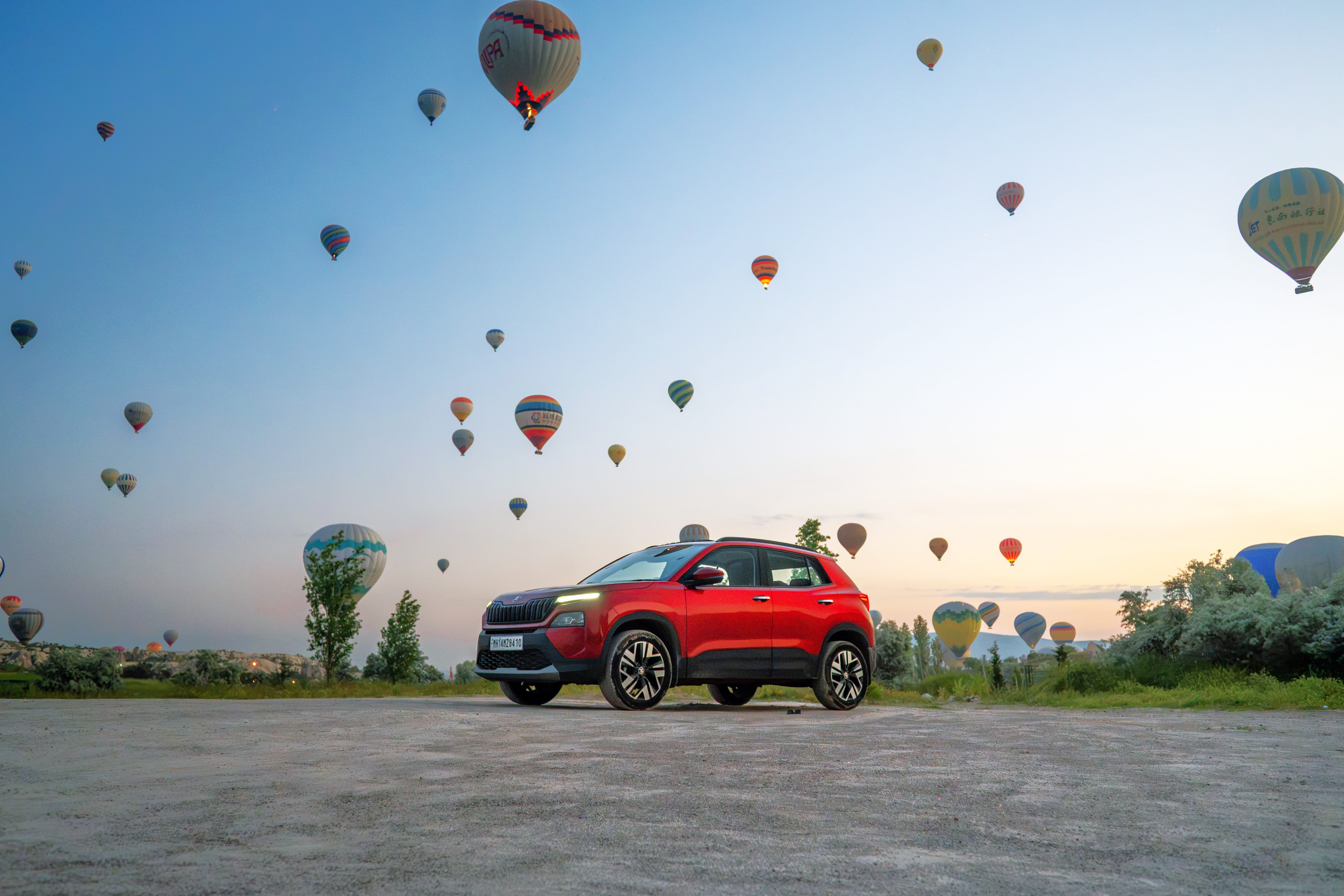
Highlights during the Kylaq P2P trip included stumbling upon a classic car rally in Bratislava, checking out the Transylvanian Bran Castle in Bucharest, witnessing glowing hot air balloons at the crack of dawn in Cappadocia, crossing the Bosphorus bridge that connects Asia and Europe, barrelling down the arrow-straight roads of Kazakhstan, visiting the 17th-century Potala Palace in China, and so much more.

Commenting on the achievement, Ashish Gupta, brand director of Skoda India, said that the Kylaq P2P was a “powerful demonstration of what Indian engineering and manufacturing can achieve on the global stage.”

H1 2026 luxury car sales: Mercedes-Benz remains in pole position

H1 2026 luxury car sales

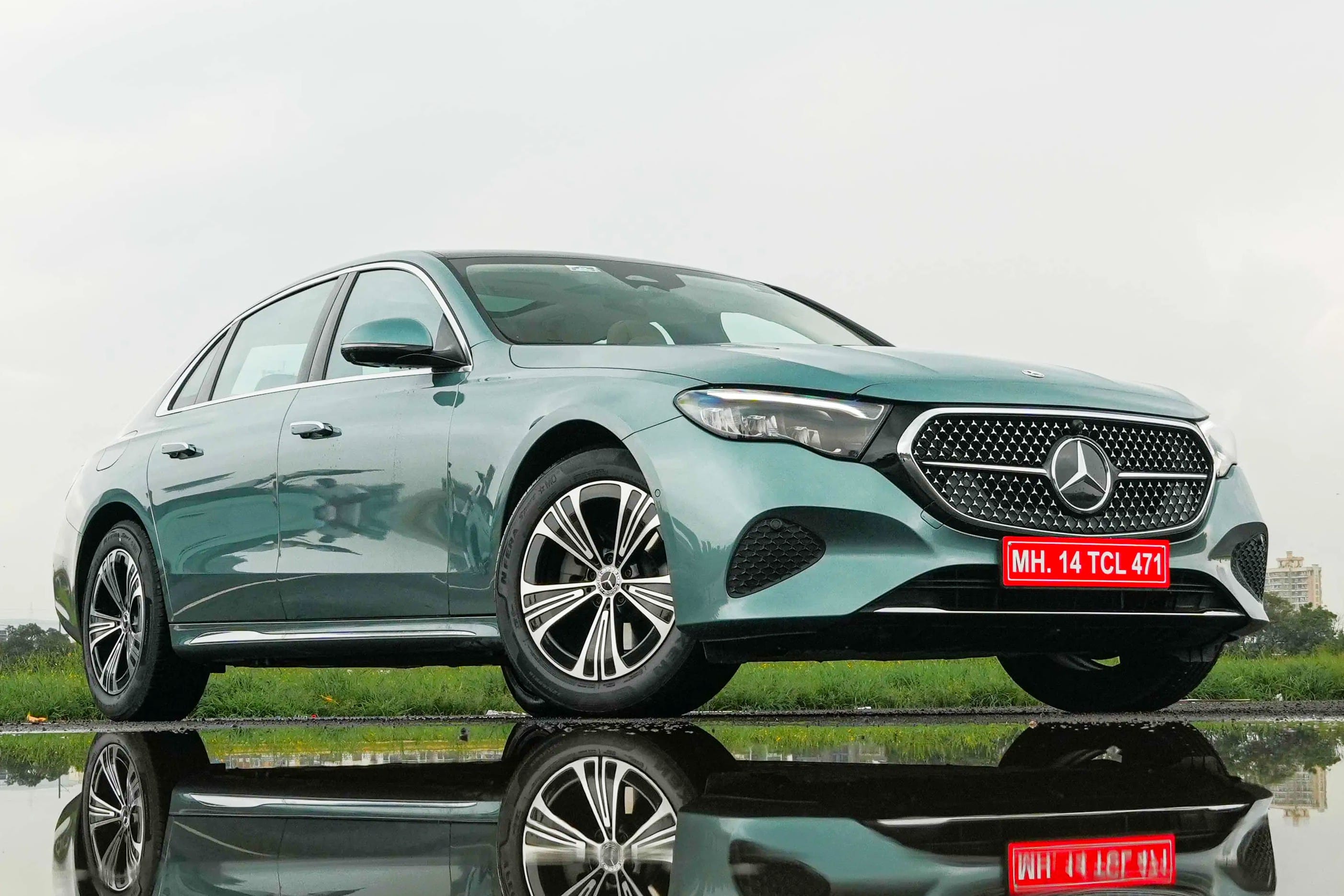
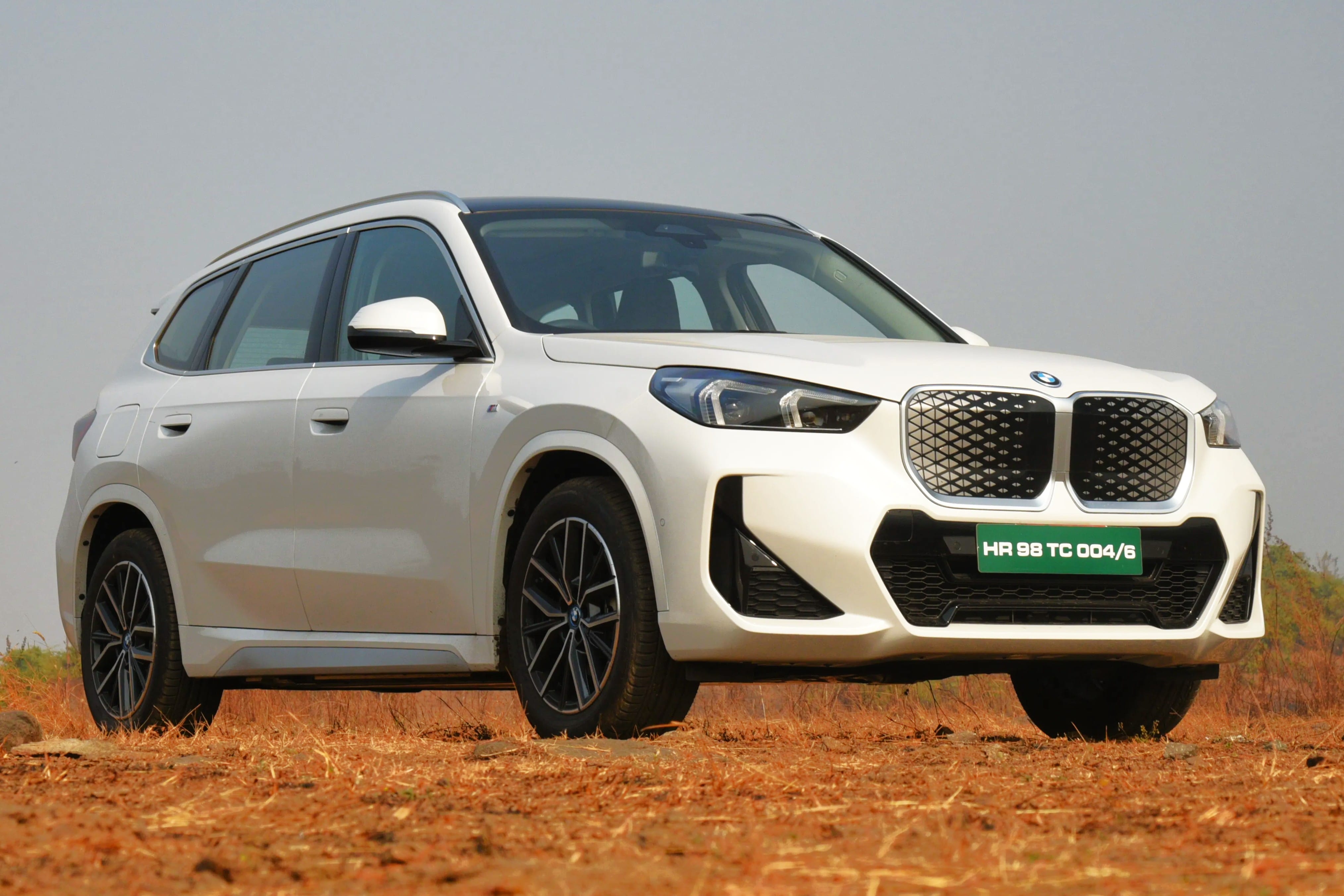
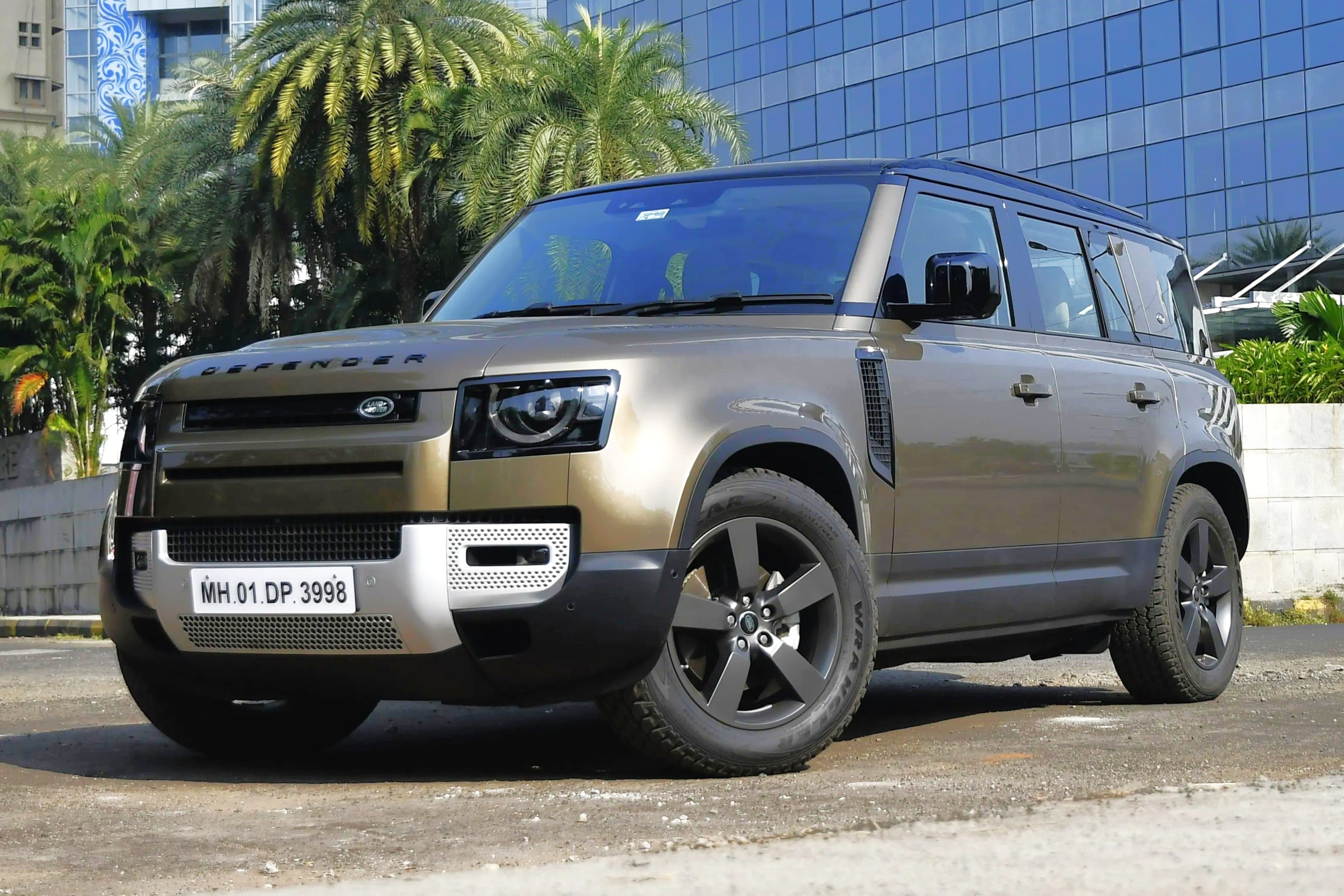
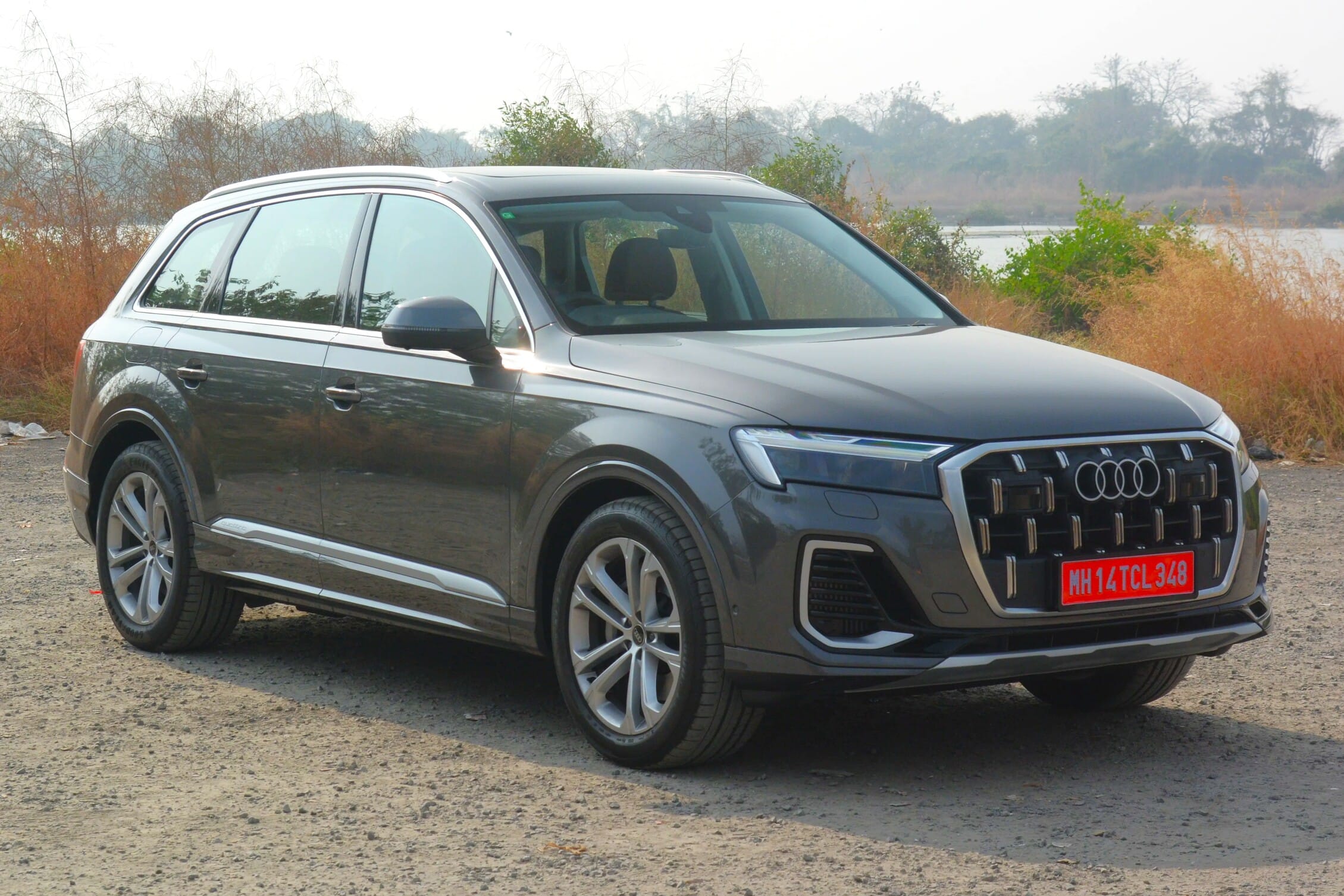
During the first six months of 2026, the luxury segment of the Indian passenger vehicle market recorded a healthy 4 percent growth in sales volumes. Mercedes-Benz retained its long-running lead on the sales chart, followed by BMW and Jaguar Land Rover (JLR) to round off the podium.

H1 2026 luxury car sales chart

RankBrandH1 2026 salesH1 2025 salesDifference
1Mercedes-Benz India9,7689,013+9 percent
2BMW Group India9,0757,756+17 percent
3JLR India*3,0393,199-5 percent
4Audi India*2,1822,118+3 percent
5Volvo India*874840+4 percent
6Lexus India*759737+3 percent
7Porsche India*319409-22 percent

*Data obtained from VAHAN.

1. Mercedes-Benz: 9,768 units, up 9 percent YoY

Mercedes India achieved its best-ever H1 sales numbers in 2026, with 4,637 units coming just from Q2 of this year – also a record. The entry-level CLA Electric, which was launched earlier this year in India, experienced strong demand and helped increase Mercedes’ EV share to 14 percent. The E-Class LWB held onto its position as Mercedes India’s bestseller, while the carmaker’s Top-End segment saw a 20 percent sales bump thanks to prevailing demand for the S-Class, V-Class, Maybach, and AMG models.

2. BMW: 9,075 units, up 17 percent YoY

While BMW didn’t shift the most units overall in H1 2026, it clocked the highest YoY growth in sales at 17 percent, which is a record performance for the carmaker. With 2,359 EVs sold in H1 2026 – a staggering 78 percent YoY uptick – BMW is the bestselling luxury EV brand in India. LWB models continued to rake in the numbers for BMW too – one in every two BMWs sold during H1 2026 was an LWB. BMW’s SUV sales also jumped 35 percent YoY during this time, and comprised 65 percent of its overall volumes.

3. JLR: 3,039 units, down 5 percent YoY

JLR is one of only two luxury carmakers to have recorded a downturn in sales during H1 2026. Land Rover’s luxury SUV and off-roader line-up is currently carrying the brand in India, with Jaguar unlikely to launch its upcoming Type 01 electric GT here before the second half of 2027. The soon-to-be-finalised India-UK FTA will also drop prices for CBU models like the Range Rover SV and the Range Rover Sport SV.

4. Audi: 2,182 units, up 3 percent YoY

Audi has been light on new launches lately, with it having launched just the SQ8 in India during H1 2026. Despite that, the German carmaker managed to clock a 3 percent YoY increase in sales. Audi is expected to launch the new-gen Q3 in India this year, along with all-electric models like the A6 e-tron, Q6 e-tron, and facelifted e-tron GT.

5. Volvo: 874 units, up 4 percent YoY

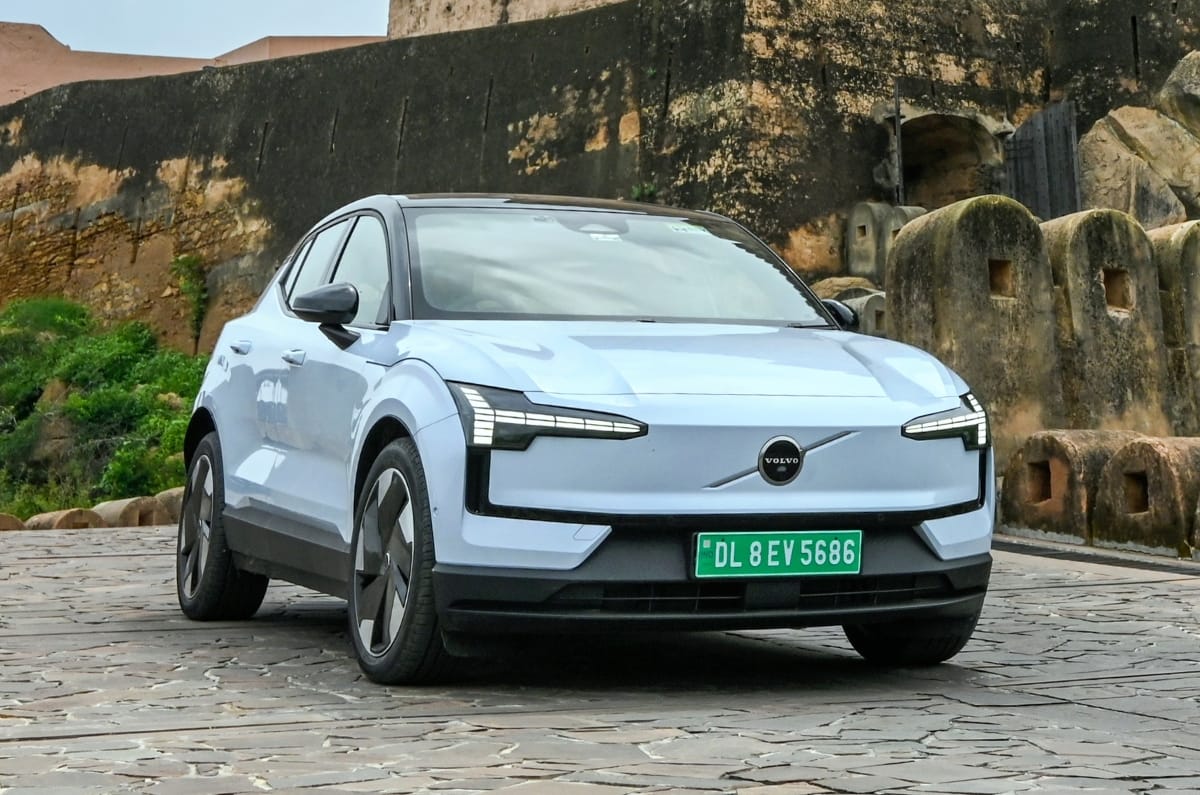
Volvo India launched updated versions of the XC60 and XC90 SUVs, as well as the EX30 EV, in 2025, which helped bump the Swedish carmaker’s sales by 4 percent YoY in H1 2026. Before 2026 draws to a close, Volvo is anticipated to launch two more EVs: the ES90 sedan and the EX90 SUV.

6. Lexus: 759 units, up 3 percent YoY

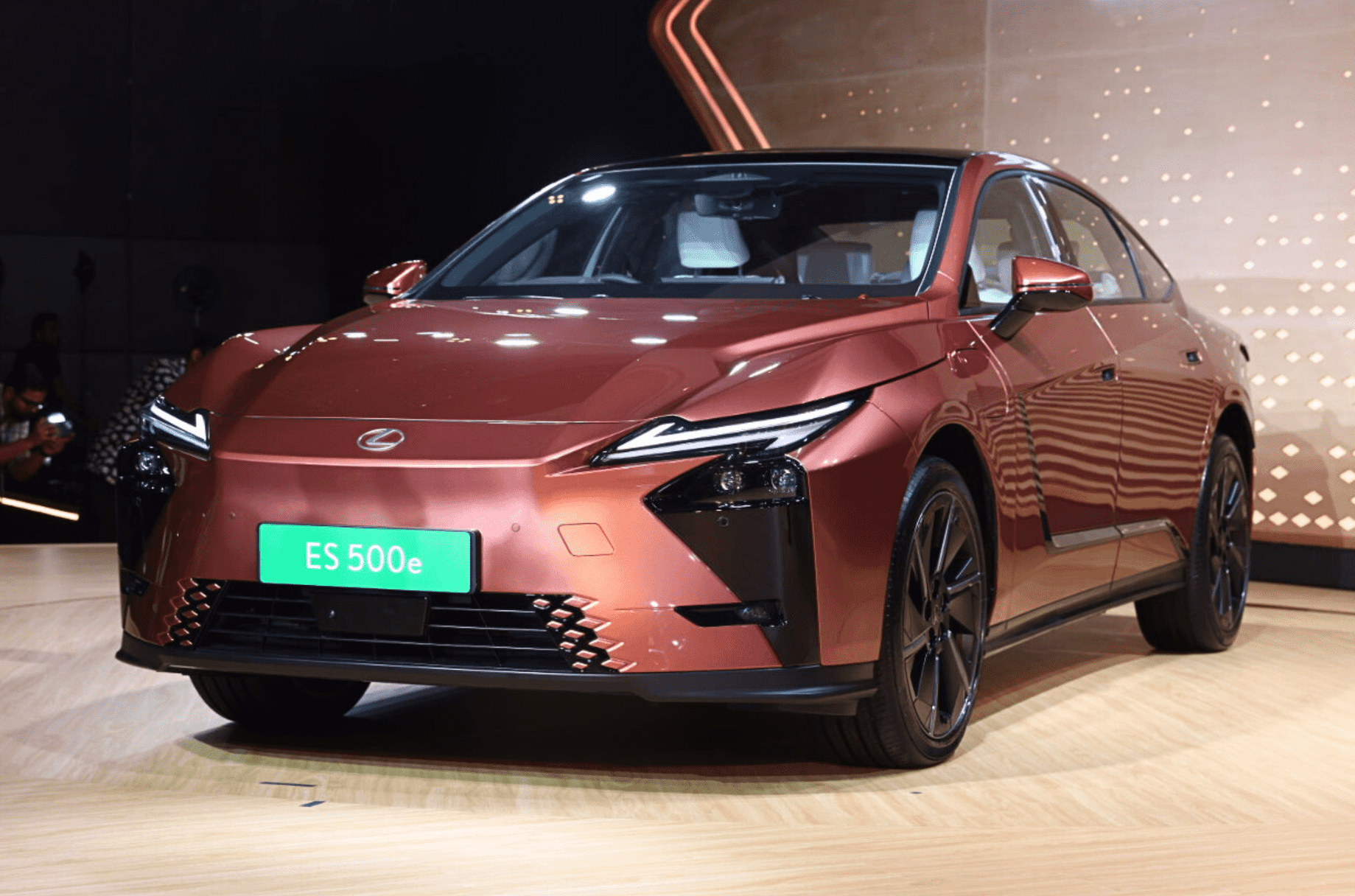
Lexus India clocked upward sales movement of 3 percent in H1 2026. The Japanese carmaker launched the new-gen ES in all-electric ‘500e’ guise during this timeframe, and is expected to make the luxury sedan’s hybrid version available in India in the coming months too.

7. Porsche: 319 units, down 22 percent YoY

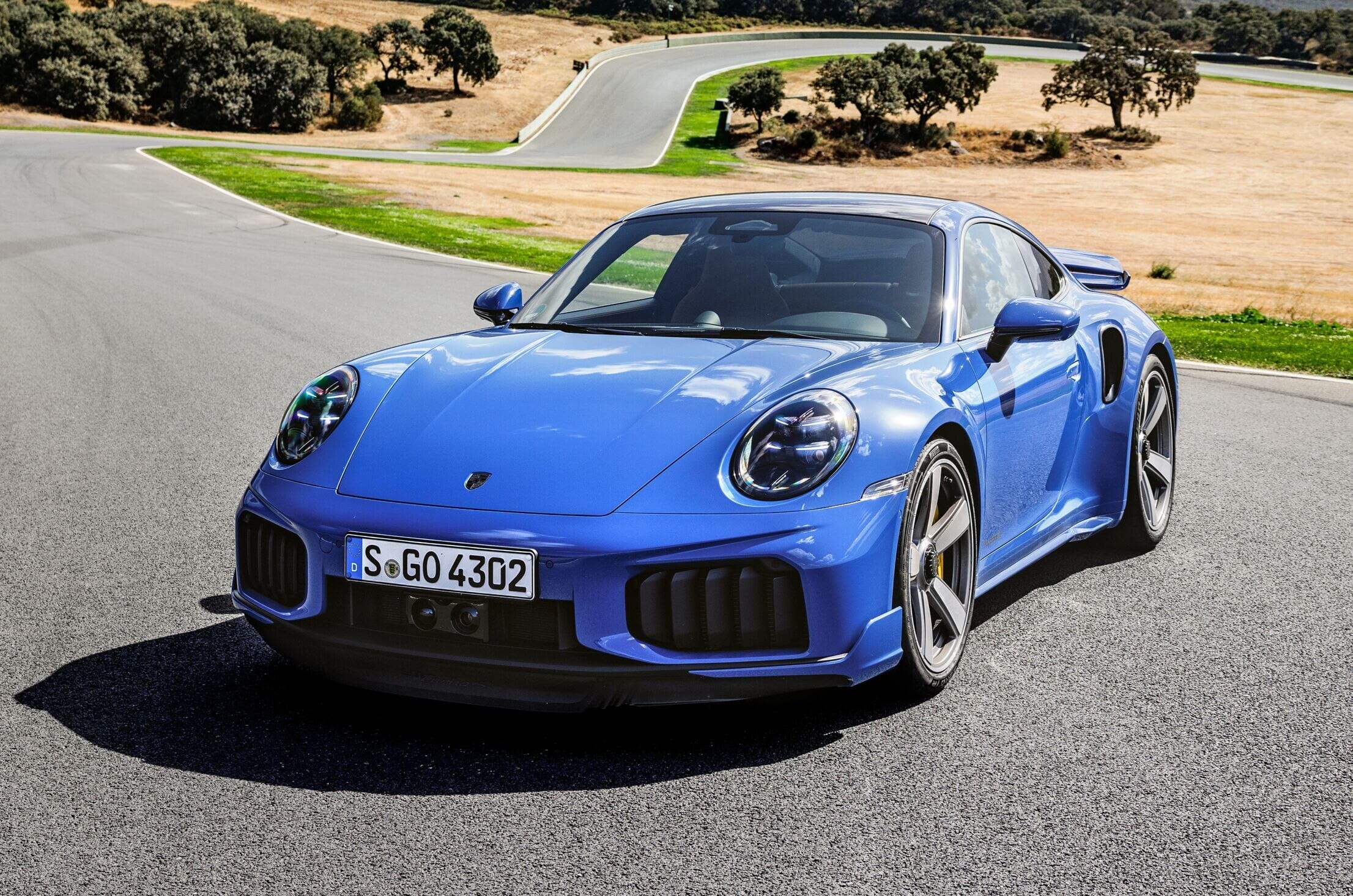
At 22 percent, the highest YoY decline in H1 2026 luxury car sales was recorded by Porsche India. This is likely a result of prospective Porsche buyers holding off on their purchases due to the India-EU FTA, which was signed earlier this year. Once implemented, the FTA would reduce prices for Porsche models in India, as they’re manufactured in Europe and fully imported here.

Video: भारतीयों की सेविंग्स की आदत के पीछे क्या है असली वजह, यूरोप में 10 साल रहे शख्स ने बताए 4 बड़े कारण

भारत में बचत करना सिर्फ एक अच्छी आदत नहीं, बल्कि जिंदगी का अहम हिस्सा माना जाता है। ज्यादातर परिवार बचपन से ही बच्चों को पैसे संभालकर खर्च करने और भविष्य के लिए बचत करने की सीख देते हैं। नौकरी लगने के बाद भी लोगों की पहली प्राथमिकता अक्सर सेविंग्स बढ़ाना और आने वाले समय के लिए आर्थिक सुरक्षा तैयार करना होती है। वहीं, यूरोप के कई देशों में रहने वाले लोगों की जीवनशैली इससे काफी अलग नजर आती है। वहां लोग भविष्य की चिंता के बजाय वर्तमान में खुलकर खर्च करते हुए दिखाई देते हैं।

आखिर दोनों जगहों की सोच में इतना बड़ा अंतर क्यों है? क्या इसकी वजह सिर्फ लोगों की मानसिकता है या इसके पीछे कोई और कारण भी छिपा है? इसी सवाल का जवाब यूरोप में लंबे समय से रह रहे एक भारतीय कंटेंट क्रिएटर ने अपने अनुभव के आधार पर दिया है, जिसने सोशल मीडिया पर नई चर्चा छेड़ दी है।

  1. इलाज का खर्च सबसे बड़ी चिंता

मुकुल के मुताबिक, यूरोप में लोग टैक्स और सोशल सिक्योरिटी के जरिए हेल्थकेयर का लाभ लेते हैं। किसी बड़ी मेडिकल इमरजेंसी में उन्हें इलाज के खर्च की ज्यादा चिंता नहीं करनी पड़ती।

वहीं भारत में कई परिवारों को अस्पताल का खर्च खुद उठाना पड़ता है। यही वजह है कि लोग मेडिकल इमरजेंसी के लिए पहले से पैसे बचाकर रखते हैं।

  1. बच्चों की पढ़ाई पर होता है भारी खर्च

उन्होंने बताया कि यूरोप के कई देशों में सरकारी स्कूलों में अच्छी और मुफ्त या बेहद कम खर्च वाली शिक्षा मिल जाती है। जहां भारत में बड़ी संख्या में माता-पिता अपने बच्चों को प्राइवेट स्कूलों में पढ़ाना चाहते हैं, जहां फीस और दूसरे खर्च काफी ज्यादा होते हैं। इसलिए बच्चों की पढ़ाई के लिए पहले से बचत करना जरूरी माना जाता है।

  1. रिटायरमेंट के लिए खुद बनाना पड़ता है सहारा

मुकुल का कहना है कि यूरोप में सोशल सिक्योरिटी और पेंशन जैसी सुविधाएं लोगों को भविष्य को लेकर कुछ राहत देती हैं।

जबकि भारत में अधिकतर लोग अपनी रिटायरमेंट के लिए खुद ही पैसा जोड़ते हैं। नौकरी के दौरान लगातार बचत करने की यही एक बड़ी वजह है।

  1. शादियों पर होता है लाखों का खर्च

उन्होंने ये भी कहा कि भारत में शादी सिर्फ एक समारोह नहीं, बल्कि बड़ा पारिवारिक आयोजन होती है। कई परिवार शादी पर अपनी सालों की बचत खर्च कर देते हैं।

यूरोप में आमतौर पर शादियां काफी सादगी से होती हैं, इसलिए वहां लोगों पर ऐसा आर्थिक दबाव कम होता है।

लोगों ने क्या कहा?

वीडियो सोशल मीडिया पर तेजी से वायरल हुआ और इस पर लोगों ने अलग-अलग राय दी।

एक यूजर ने लिखा, “आपकी बातें हमेशा जानकारी बढ़ाने वाली होती हैं।”

दूसरे यूजर ने कहा, “भारत में सिर्फ अपने लिए नहीं, बल्कि माता-पिता और पूरे परिवार की जिम्मेदारी भी निभानी पड़ती है। खासकर 90 के दशक की पीढ़ी पर ये दबाव ज्यादा है।”

एक अन्य व्यक्ति ने लिखा, “आपके सभी पॉइंट सही हैं।”

वहीं एक यूजर का कहना था कि भारत की बड़ी आबादी भी इसकी एक अहम वजह है, क्योंकि इतनी बड़ी जनसंख्या को सभी तरह की सरकारी सुविधाएं देना आसान नहीं है।

बचत की आदत के पीछे सिर्फ सोच नहीं, व्यवस्था भी

मुकुल आनंद का मानना है कि भारत और यूरोप के लोगों की बचत की आदत में सबसे बड़ा फर्क उनके देश की व्यवस्था से आता है। जहां यूरोप में कई जरूरी खर्चों का बोझ सरकार और सोशल सिक्योरिटी सिस्टम संभाल लेते हैं, वहीं भारत में लोगों को अपने भविष्य की सुरक्षा के लिए खुद पहले से आर्थिक तैयारी करनी पड़ती है।

Viral Post: ‘ऑफिस में सिर्फ 3 मिनट, रास्ते में 1 घंटा…’ मुंबई की बारिश पर महिला प्रोफेशनल का पोस्ट हुआ वायरल