July was a stacked month for car launches in India. It was during these 31 days that we got models such as the Maruti Suzuki Brezza facelift, ninth-gen Toyota Hilux, Nissan Tekton and Honda ZR-V. It appears that August 2026 is set to be a fairly busy month for new car launches in India, too. Here are some cars that we know will be introduced next month, and some that could.
Mahindra Scorpio N facelift
Debut date: August 15, 2026
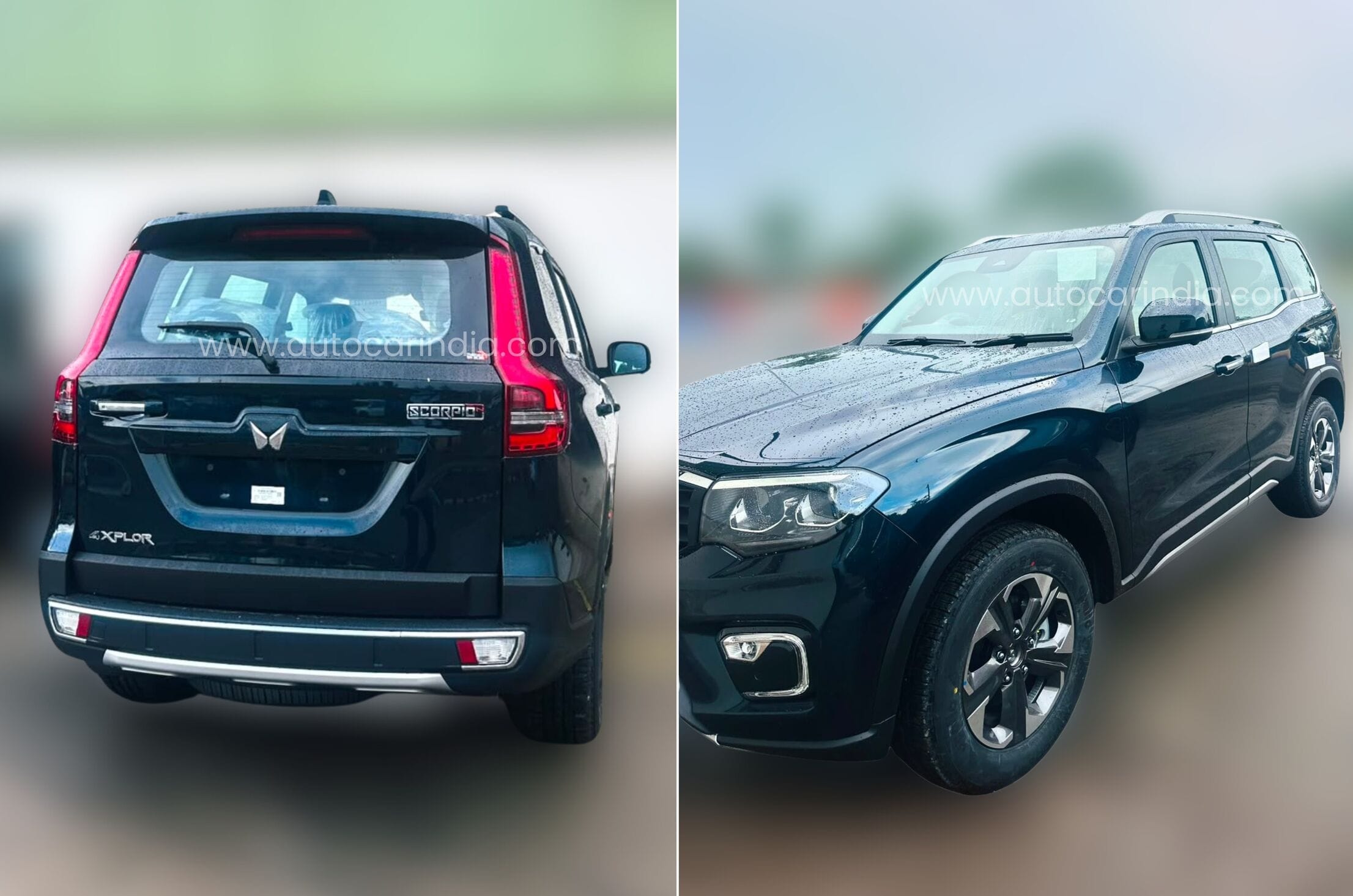
One of the cars that Mahindra could debut this Independence Day is the Scorpio N facelift. It’ll be mechanically unchanged over the outgoing model, but the exterior will now feature new two-tone alloy wheels. Unlike the exterior, there are more updates to the interior of the Scorpio N facelift.
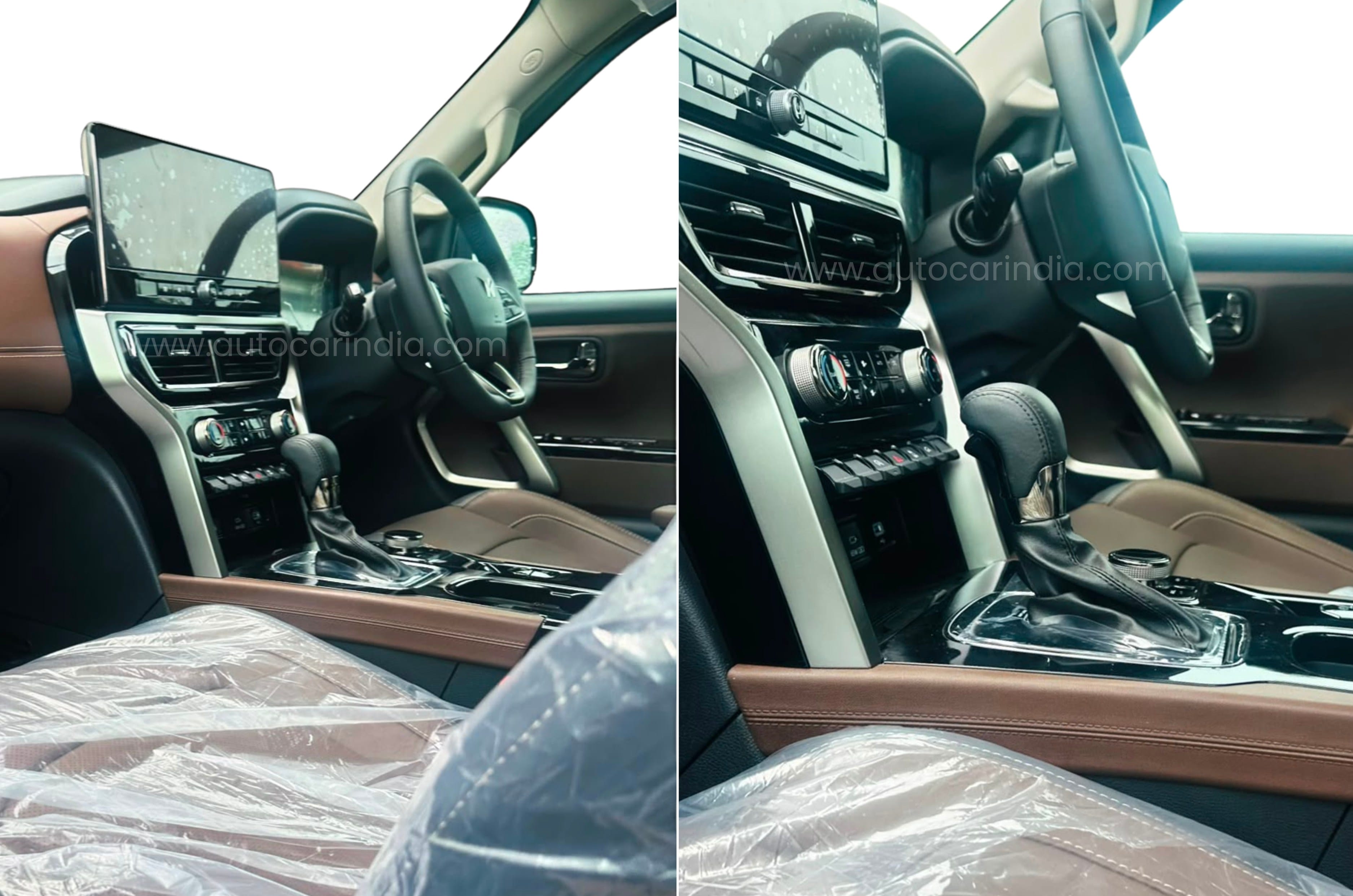
Recently leaked images show a revised centre console with repositioned AC vents and a new tablet-style infotainment touchscreen mounted above. There’s also a new digital driver’s display visible in these spy shots. These screens look similar to the 10.25-inch units found on the Thar Roxx. These updates could push up the price of the Mahindra Scorpio N facelift, with the pre-facelift model currently priced from Rs 13.49 lakh to Rs 24.95 lakh.
Updated Mahindra BE 6
Debut date: August 15, 2026
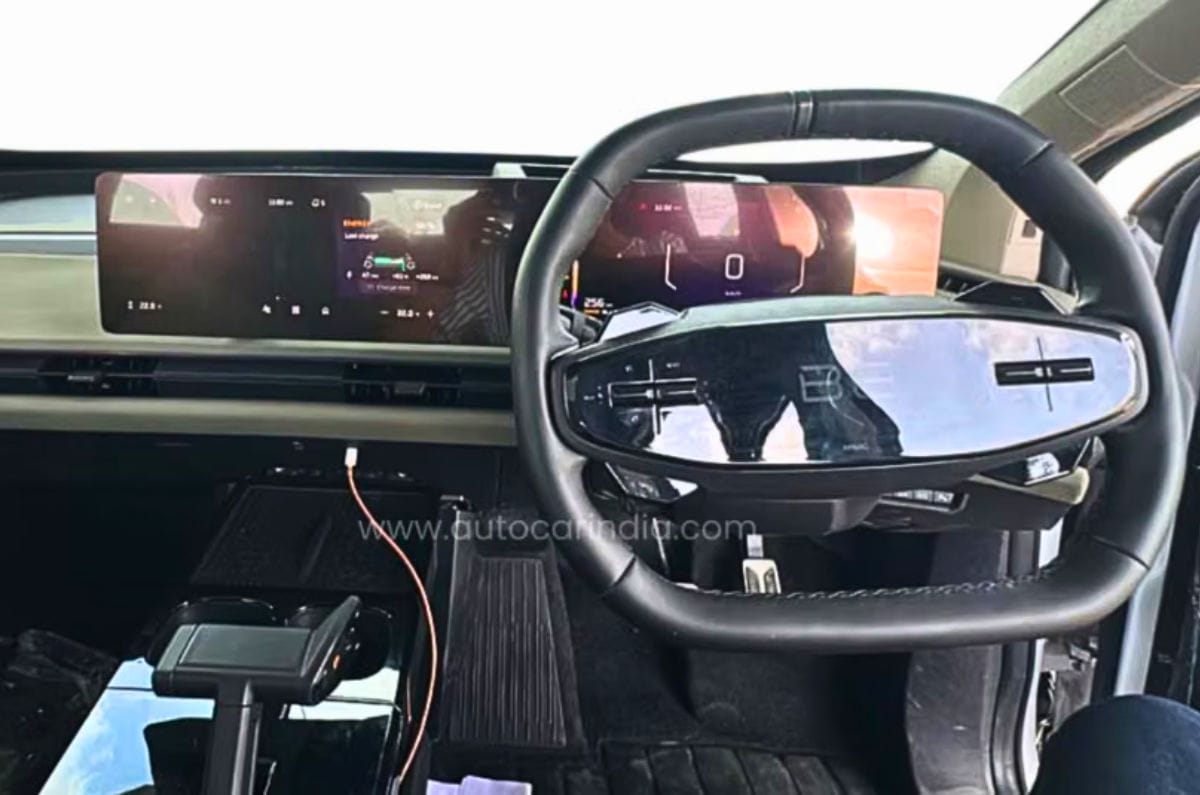
Another Mahindra car that could be introduced on August 15 is the updated BE 6. While the midsize EV is still relatively new in the market (launched in November 2024), Mahindra is expected to spec it up with a triple-screen setup as seen in the brand’s other models such as the XEV 9e, XEV 9S and also the combustion-powered XUV 7XO.
Another big change on the inside is the deletion of the distinctive halo design effect that separates the driver and front passenger in the outgoing model, as shown in this spy shot. Mahindra is also set to offer a new black-and-tan colour upholstery with the updated BE 6. The rest of the updated Mahindra BE 6 is unlikely to see major updates, though prices are likely to be revised upward. For reference, the EV is currently priced between Rs 18.90 lakh to Rs 26.90 lakh.
Near-production Mahindra Vision S
Debut date: August 15, 2026
Mahindra has been busy testing the Vision S prototype for a while now, and a public debut of its near-production version is expected this Independence Day. Note that the production-spec model is still sometime away from being launched, which is expected to happen in 2027. While the actual name of this new compact SUV remains under wraps, it’ll be slotted above the XUV 3XO in Mahindra’s line-up. The Vision S concept was underpinned by the Nu_IQ platform, meaning compatibility compatible with petrol, diesel, hybrid and fully electric powertrains.
Skoda Slavia facelift
Debut date: August 18, 2026
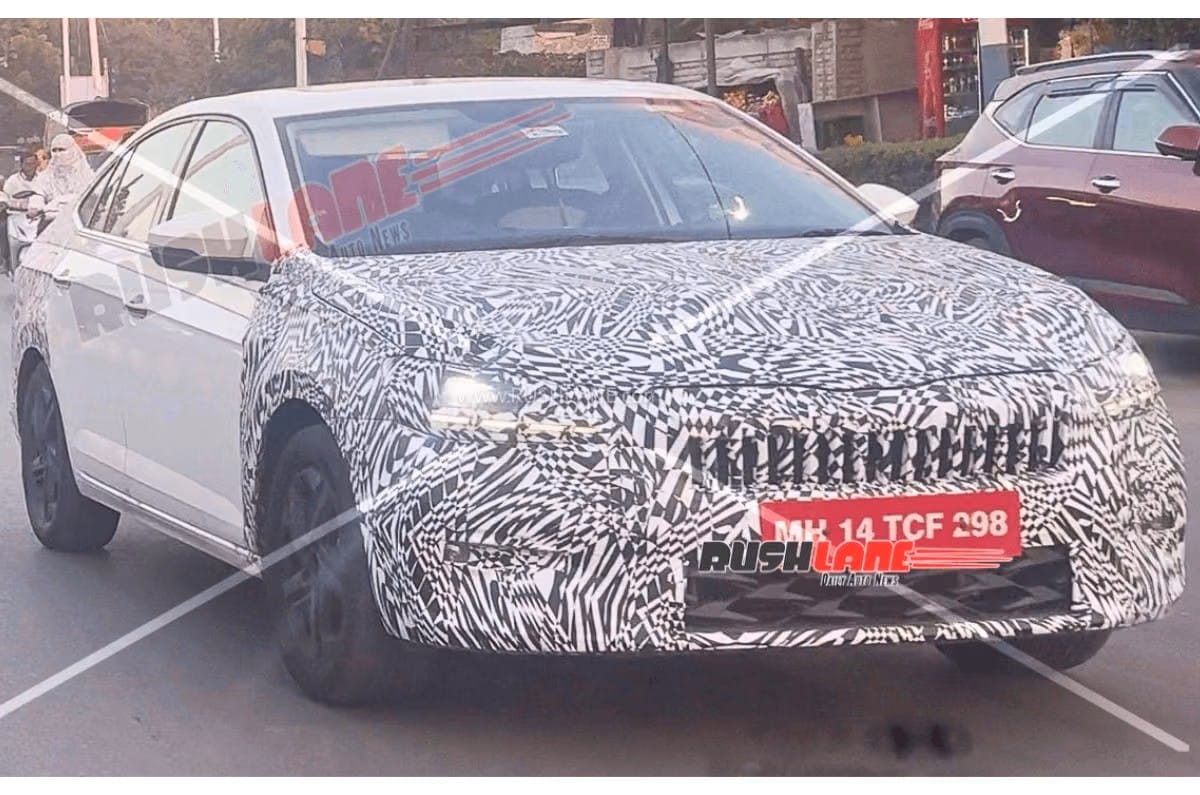
The Skoda Slavia was first launched in February 2022. Four-and-a-half years on, the Czech brand will be introducing the Slavia facelift come August 18, 2026. Changes on the outside of this updated midsize sedan include a new front grille with integrated LED elements and revised front and rear lights. The Slavia facelift is also expected to get mildly redesigned bumpers, a new design for the alloy wheels and front parking sensors.
The Skoda Slavia facelift could feature new cabin upholstery, and perhaps even the massage function for the rear seats as seen in the Kushaq facelift. This update could also bring a larger 10.25-inch digital driver’s display. While the 1.0-litre TSI and 1.5-litre TSI engines are to be carried over, the former is expected to be offered with a new 8-speed torque-converter automatic gearbox. All of these updates could raise prices, which currently range from Rs 10.00 lakh to Rs 18.19 lakh.
New MG EV, PHEV
Debut date: August 2026 (date unknown)
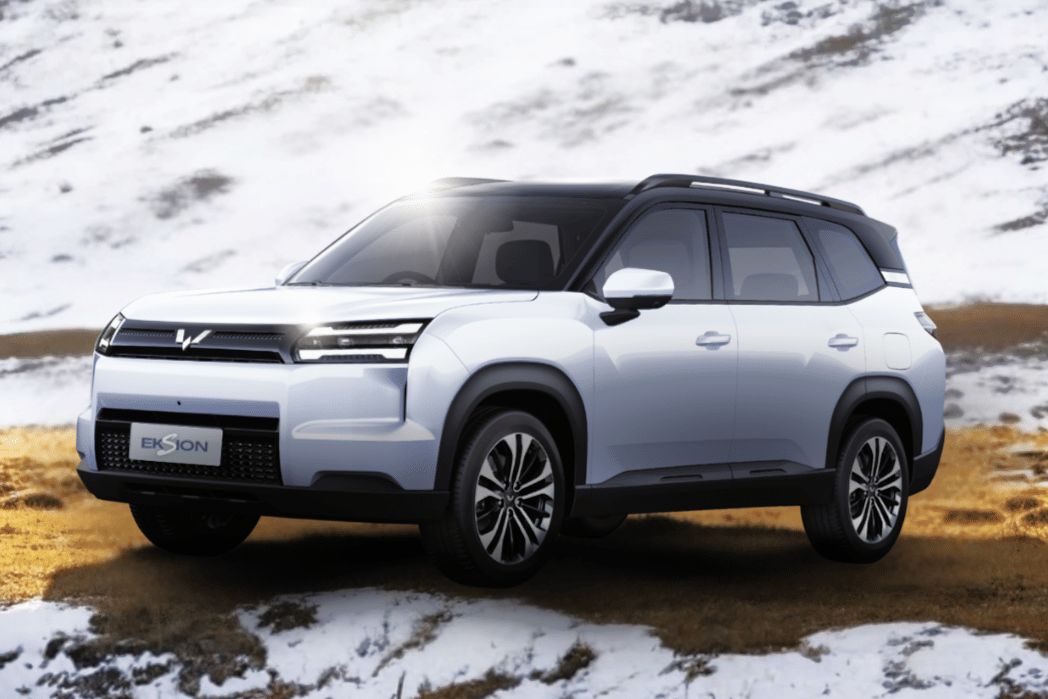
Based on the Chinese-market Wuling Eksion SUV, JSW MG is set to debut its India-spec all-electric and PHEV (plug-in hybrid vehicle) versions this August. The upcoming JSW MG SUV will be underpinned by the brand’s ADAPT (Advanced Drive Architecture Platform Technology) platform. The new Eksion-based electric SUV will rival the likes of the Mahindra XEV 9S, while the plug-in hybrid version is to take on the diesel-automatic variants of the Mahindra XUV 7XO and Tata Safari.
Wuling Eksion EV shown for representation purposes only.
The fully electric model will feature a 69kWh battery pack and a single, front-mounted electric motor generating 201hp and 310Nm. The upcoming EV’s official claimed range is around 600km. As for the new plug-in hybrid SUV, it combines a 1.5-litre Atkinson-cycle petrol engine, an electric motor and a 20.5kWh LFP battery pack. The latter produces up to 195hp and 230Nm, whilst the petrol engine makes 105hp and 130Nm of its own. For the Eksion PHEV version, Wuling claims an all-electric range of 125km and a combined range north of 1,000km.
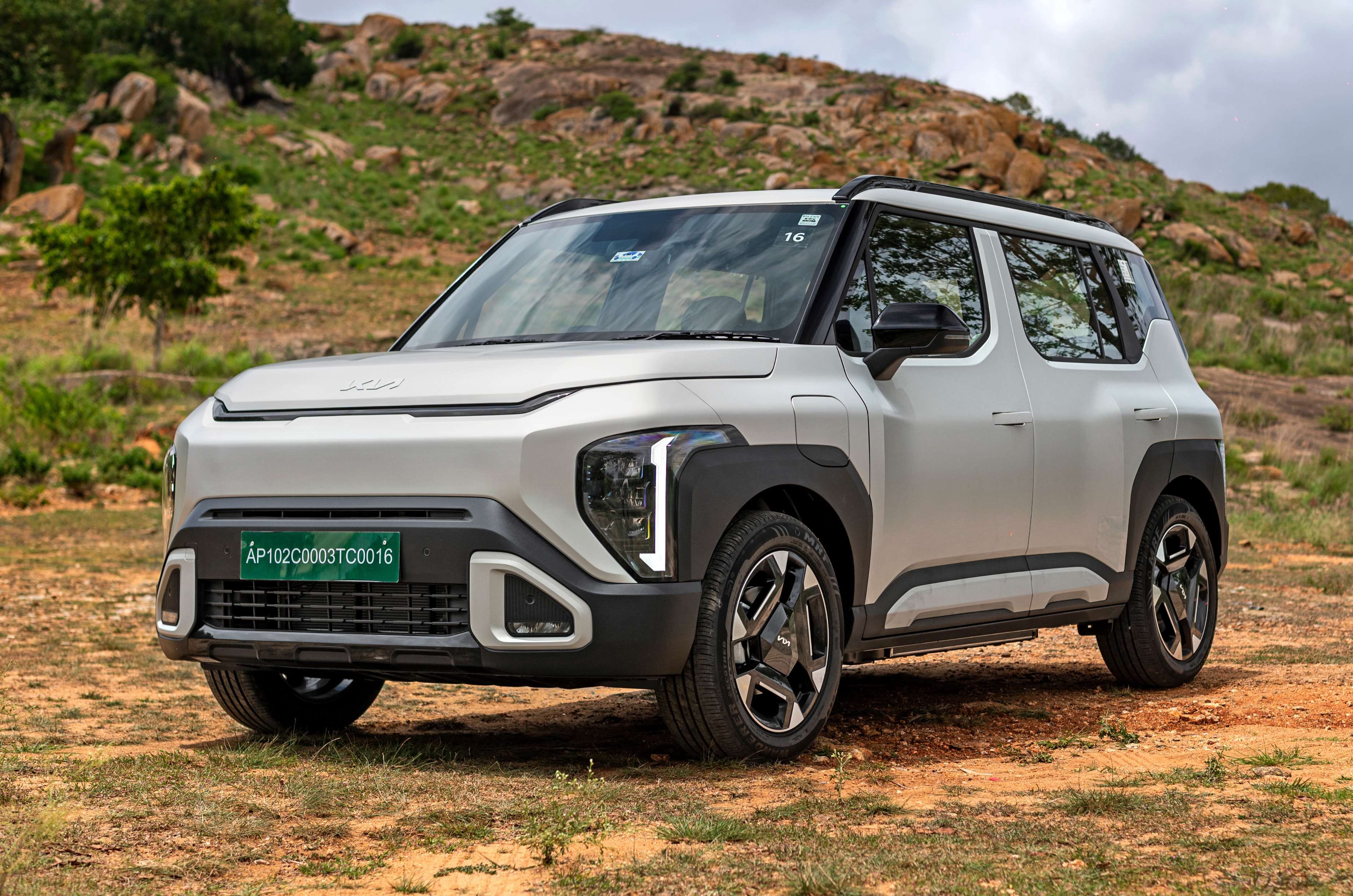
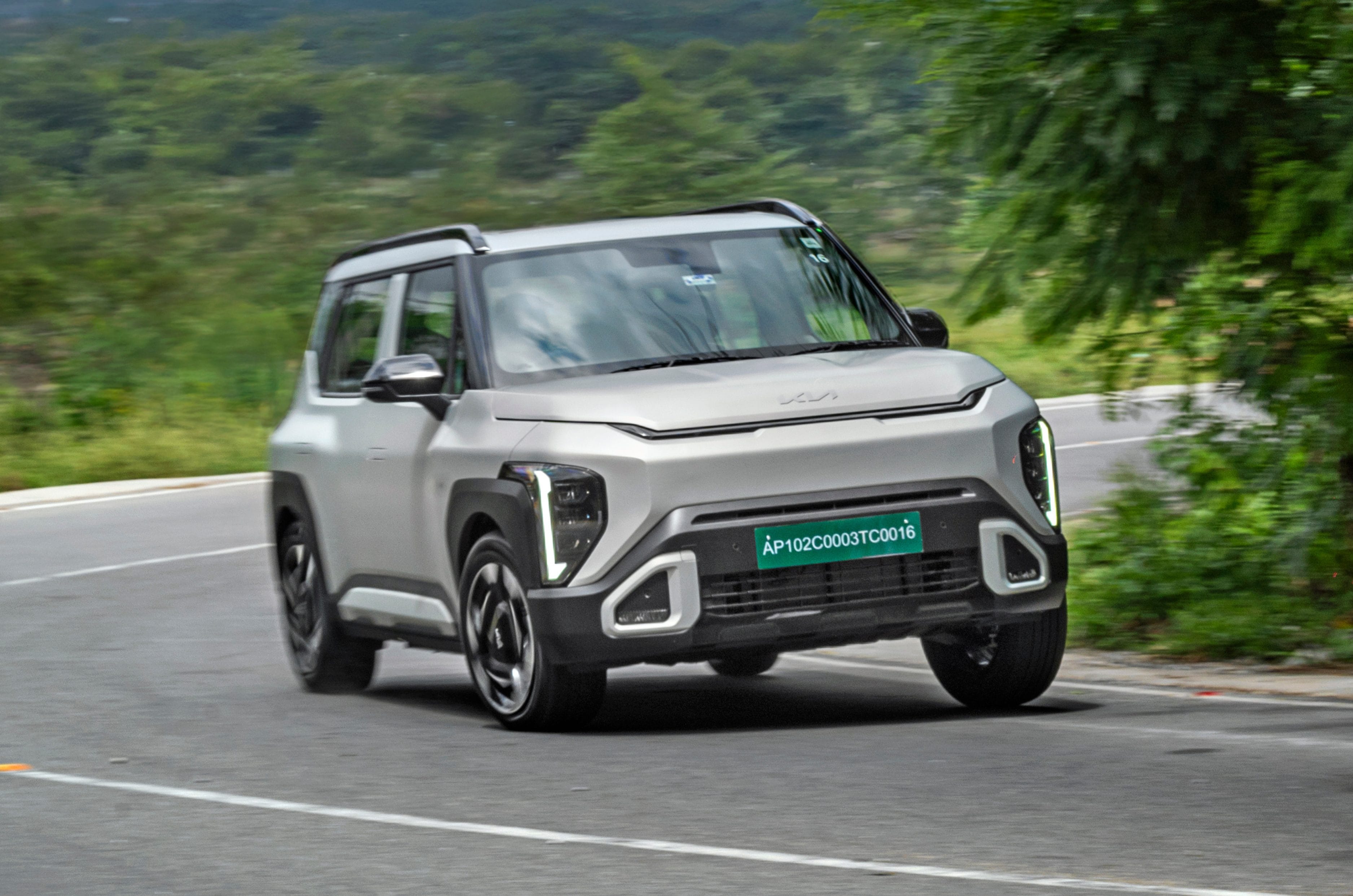
After the Carens Clavis EV, the Kia Syros EV is the carmaker’s second mass-market zero-emission vehicle in India. The electric Syros rivals the Mahindra XUV 3XO EV and the Tata Nexon EV, and we recently got behind the wheel to find out what it does well and where it falls short. If you are planning to bring this Kia EV home, here are three reasons to consider it and two reasons why you may want to think again.
Pros
Impressive performance and range
First, let’s discuss some numbers. The Kia Syros EV is offered with two battery pack options: 42kWh and 51.4kWh. Both power a front axle-mounted electric motor, producing 135hp with the smaller battery and 171hp with the larger unit. Torque remains the same at 255Nm for both versions.
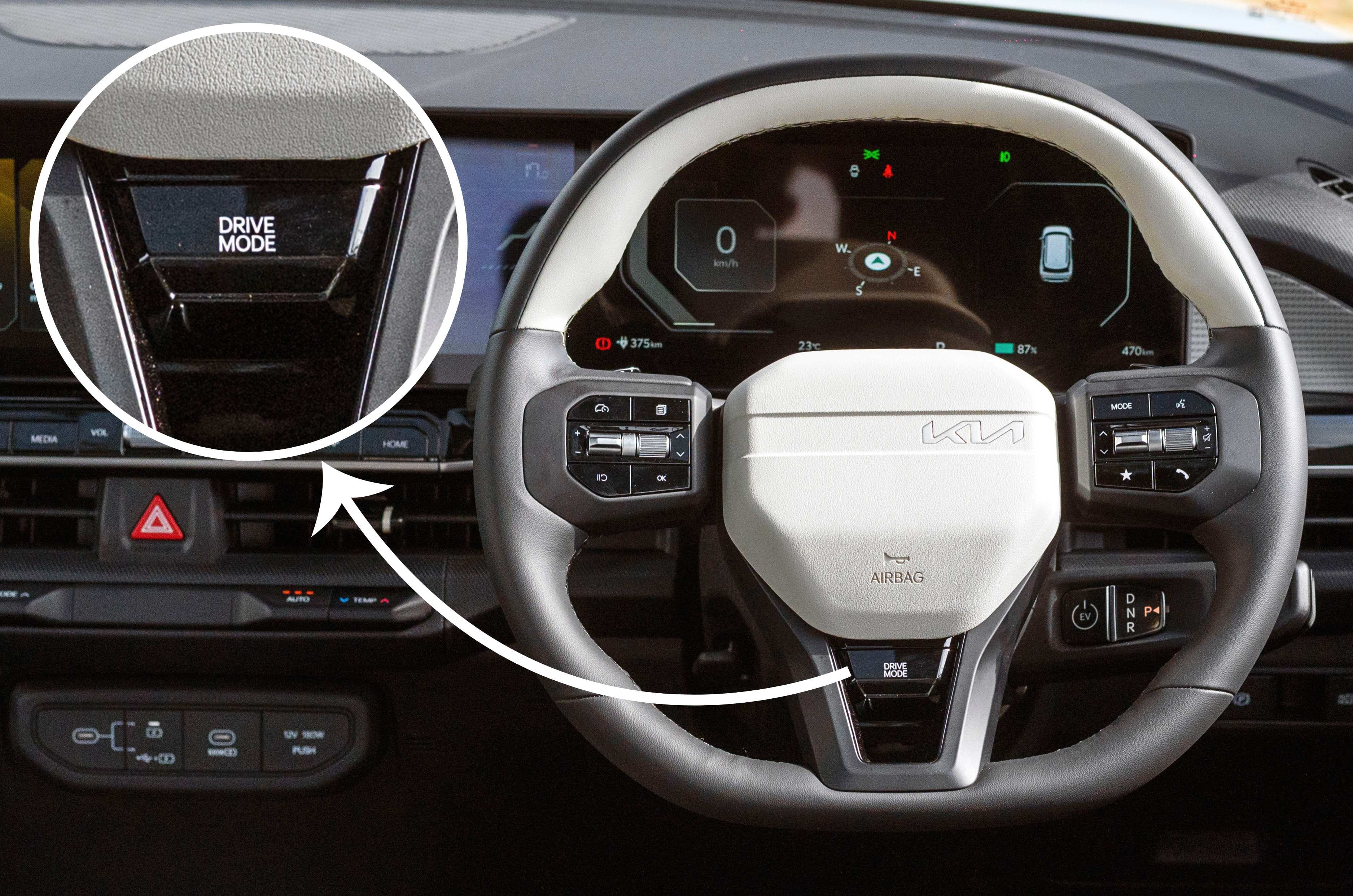
We drove the 51.4kWh version, which Kia claims can sprint from 0-100kph in 8.1 seconds. In our experience, performance was brisk. The EV comes with Eco, Normal and Sport drive modes, and throttle response becomes a little sharper as you move through them. Initial response across modes is linear, though there is a strong shove as you press the throttle further. Even in Eco and Normal, overtaking is effortless, and there is rarely a need to switch to Sport for a quick pass.
The MIDC range is 526km for the 51.4kWh battery pack and 443km for the 42kWh unit. While our short drive wasn’t enough to verify these figures, the larger battery should comfortably deliver around 400km of real-world range on a single charge.
Spacious and practical cabin
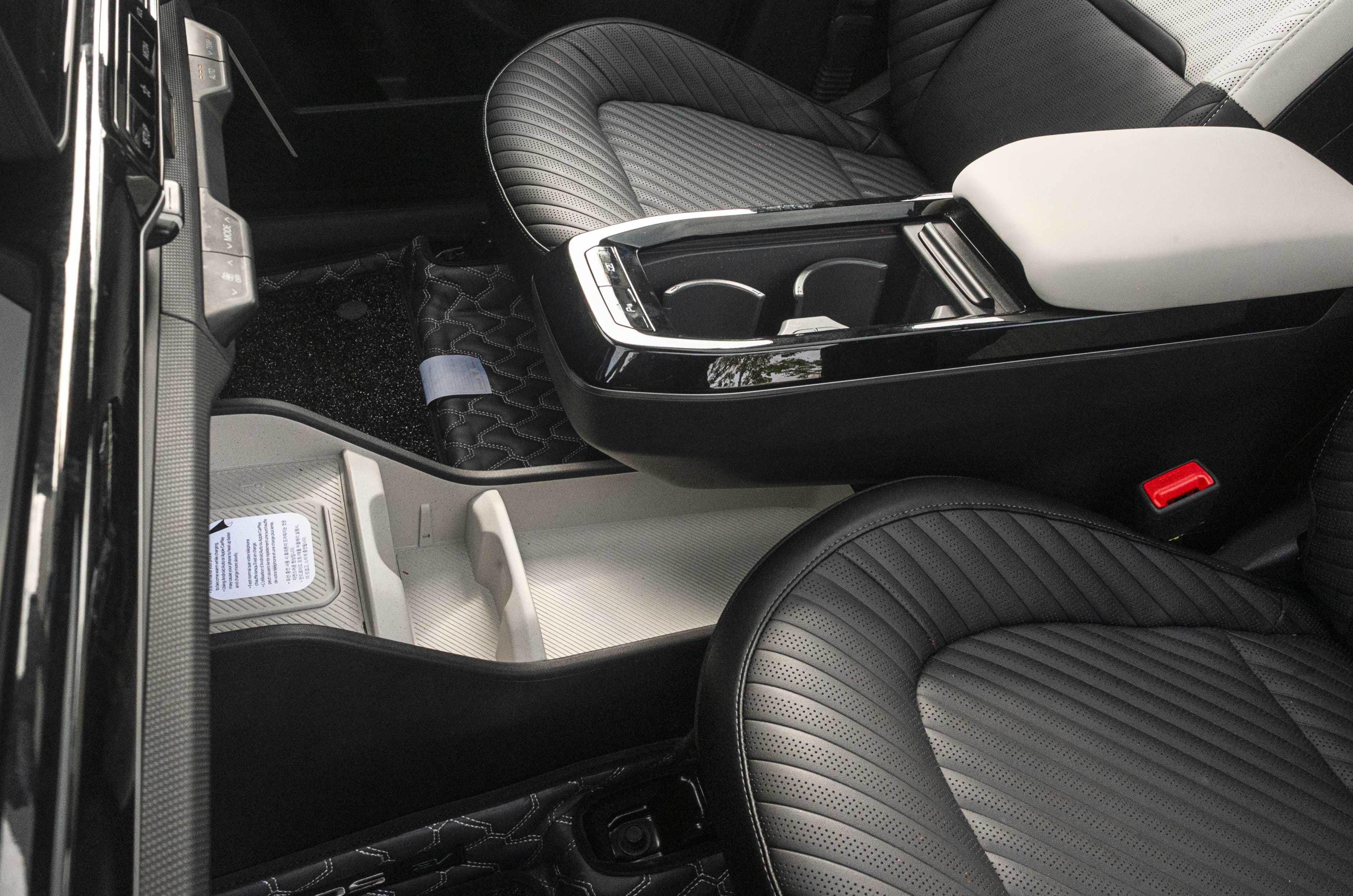
Like the ICE version, the Syros EV offers plenty of space for passengers. Since the drive selector is placed on the steering column, Kia has redesigned the centre console to create more storage space. Its upper section gets a small storage area below the armrest and two cup holders with a sliding cover. The console’s lower section offers a larger storage space for a bag, another cup holder and a wireless phone charger. Also, the front door pockets are large enough to hold a couple of bottles and an umbrella.
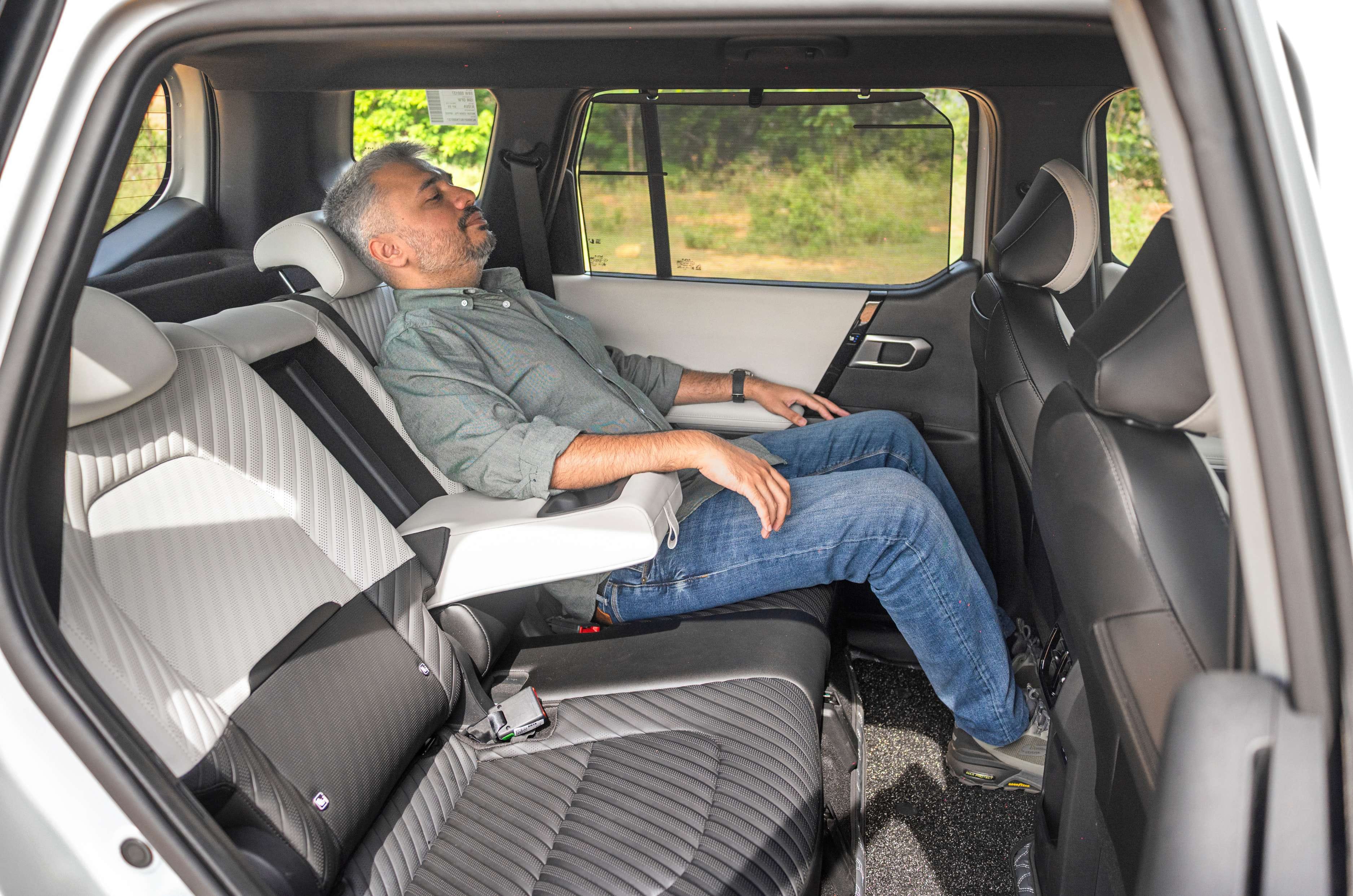
The front seats are comfortable and supportive, and the rear-seat space continues to be one of the compact SUV’s biggest strengths, with plenty of room all around. The battery pack raises the floor slightly, but sliding the rear bench backwards makes it much more comfortable. The EV’s flat floor is another advantage, and rear-seat ventilation (for the base) has been carried over from the ICE version.
The boot space remains unchanged at 390 litres with the rear seat pushed back and 465 litres with it slid forward. Rear seats can also be folded to carry larger items, and being an EV, it also offers a 16-litre frunk (front boot).
Feature-packed
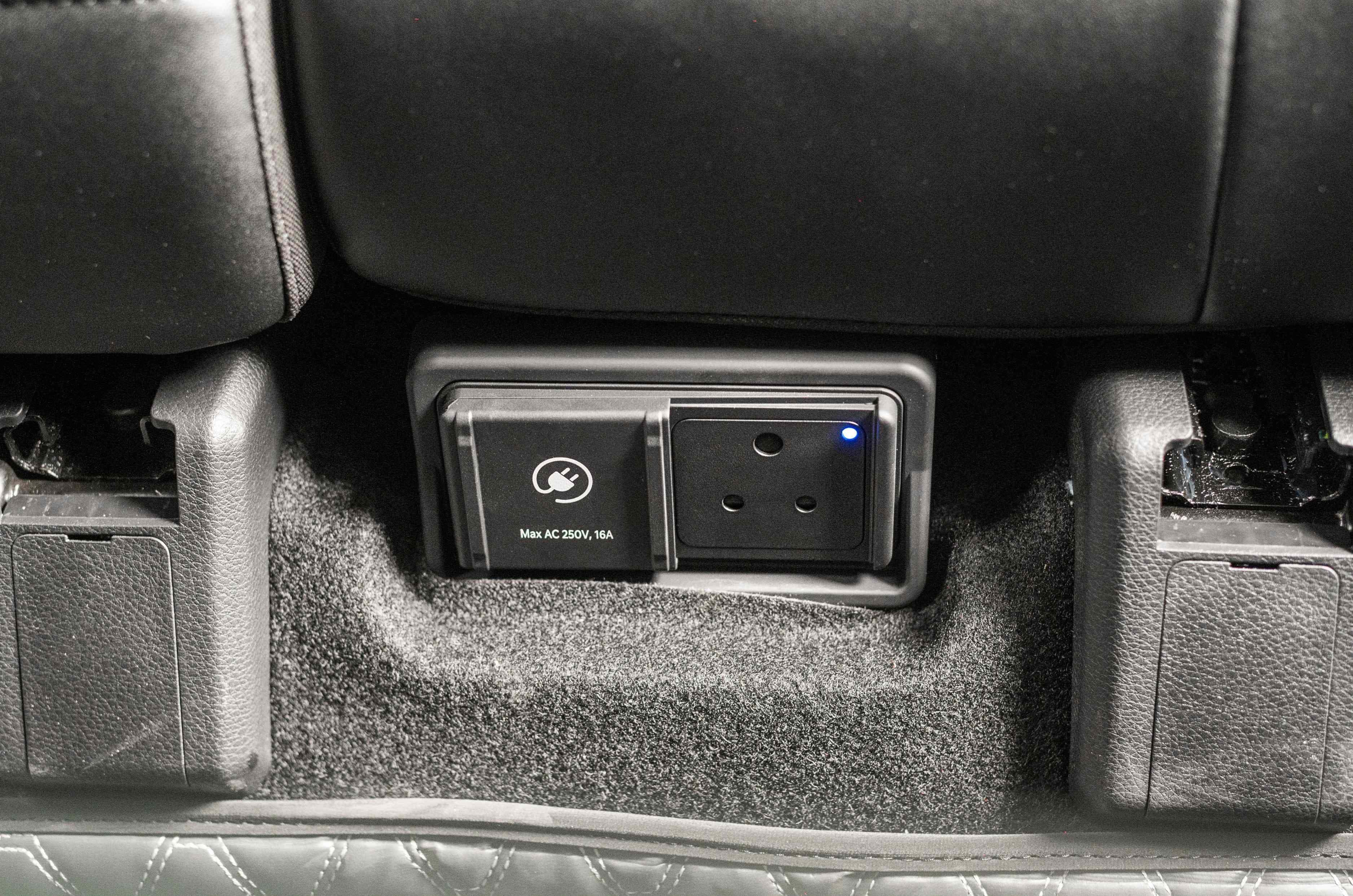
The EV gets Kia’s Trinity Panoramic Display, which includes two 12.3-inch screens for infotainment and the driver’s display, along with a 5-inch screen for the climate control. Wireless Android Auto and Apple CarPlay are offered, while the top trims also feature an eight-speaker Harman Kardon sound system. To pamper occupants at the back, AC vents and sunblinds are standard across the range. The household-style three-pin socket in the back seat is exclusive to the top-spec X-Line trim.
As for safety, the Syros EV comes with six airbags, all-wheel disc brakes, tyre-pressure monitoring and Isofix child-seat mounts as standard. The X-Line trim also gets a 360-degree camera and an ADAS (advanced driver assistance systems) suite with features such as adaptive cruise control with stop-and-go, lane-keep assist, forward and rear collision avoidance and a blind-spot camera. Notably, the ICE version no longer gets ADAS.
At the time of writing, the Syros EV has not yet received an official crash-safety rating. However, since the ICE version has already earned a 5-star Bharat NCAP crash-safety rating, the EV is expected to achieve a similar result.
Cons
Body roll through the corners
The ride on the Syros EV is slightly more absorbent than the ICE version, although there is still an underlying firmness. This helps keep the car stable, but because it is tall and narrow, there is noticeable body roll around the corners.
Pricey at the top end
The Kia Syros EV is priced from Rs 13.5 lakh for the 42kWh version, while the 51.4kWh Extended Range starts at Rs 17 lakh. The fully loaded X-Line trim is priced at Rs 20 lakh. At this price, it competes with the Tata Nexon EV (Rs 12.49 lakh-17.49 lakh) and Mahindra XUV 3XO EV (Rs 13.89 lakh-14.69 lakh) compact SUVs, as well as larger EVs such as the MG Windsor EV (Rs 14.7 lakh-19 lakh) and Maruti e Vitara (Rs 15.99 lakh-19.99 lakh).
Top-spec Kia Syros X-Line.
The 42kWh version does offer strong value for money, but the larger 51.4kWh Extended Range version is a tougher sell. It costs noticeably more than its direct rivals and even overlaps with higher-battery versions of the MG Windsor EV and Maruti e Vitara. While the Syros EV has several strengths, many buyers may want a bigger SUV for similar money. Kia’s Battery-as-a-Service (BaaS) scheme lowers the upfront purchase cost, but similar plans are also available with the MG and Maruti EVs.
Ex-showroom prices mentioned above are as of July 30, 2026.
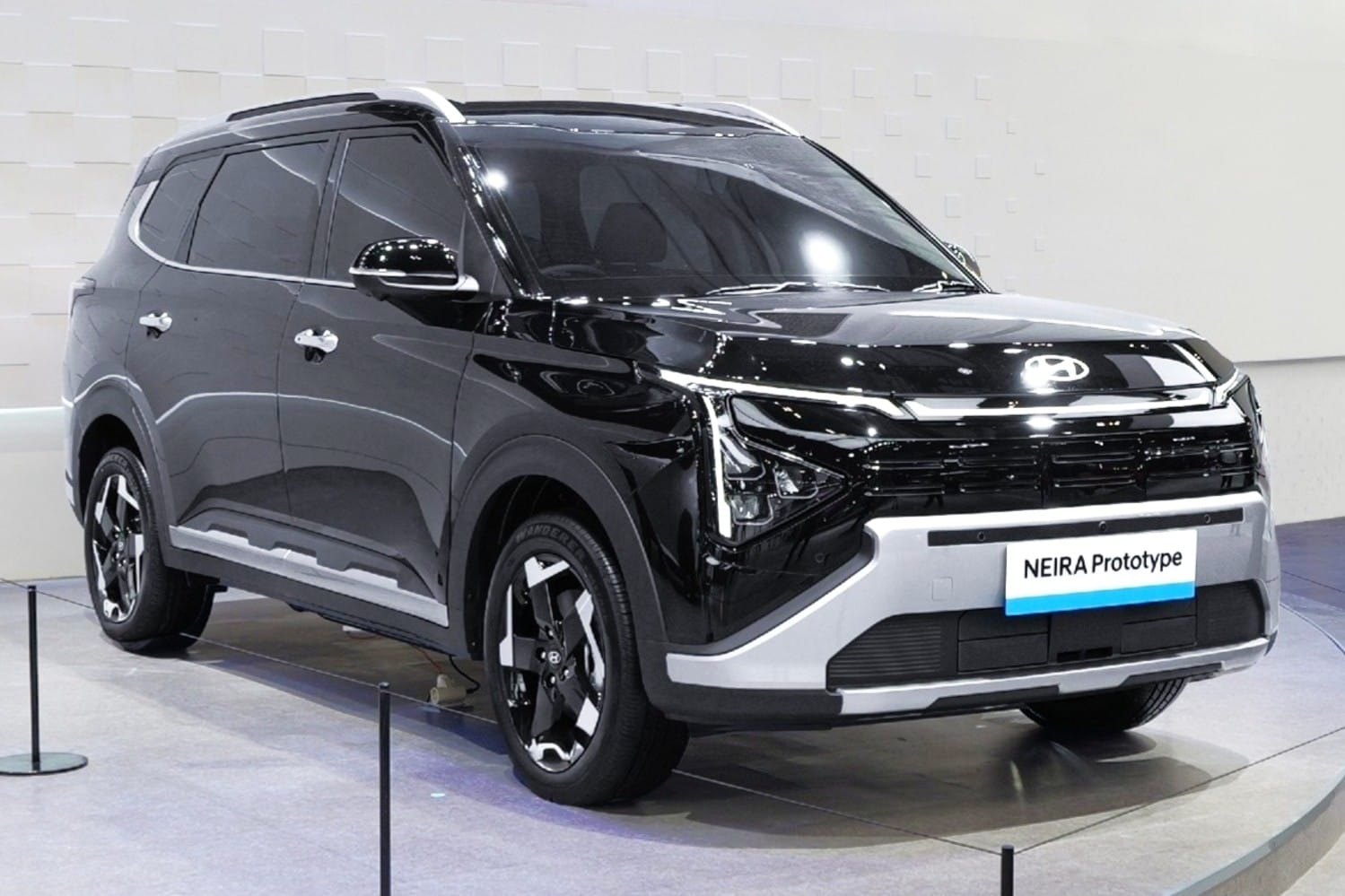
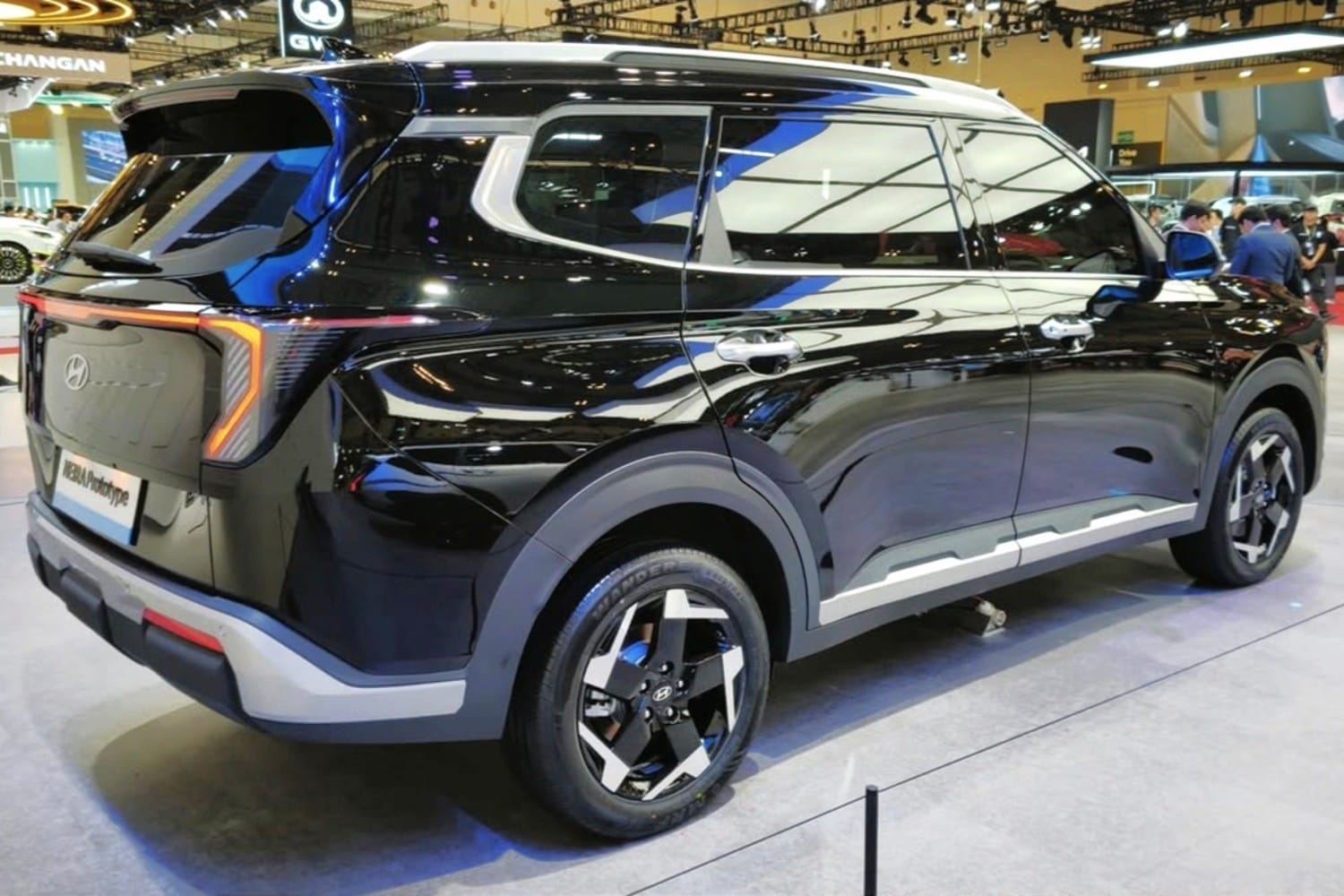
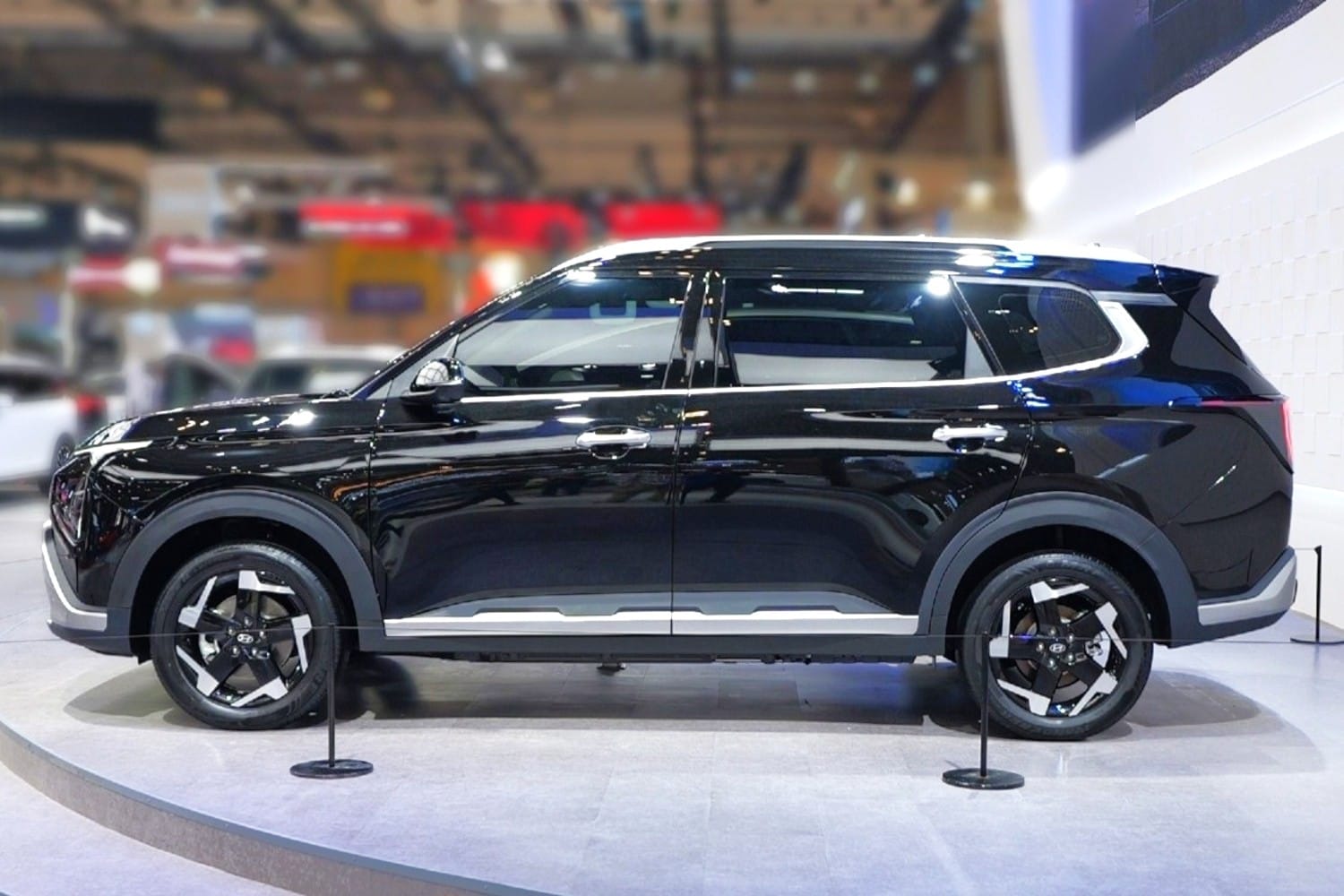
At GIIAS 2026 in Indonesia, Hyundai pulled the covers off the Neira Concept, which hints at an upcoming electric MPV for the Indonesian market. Evidently, the Neira Concept is a rebadged version of the Kia Carens Clavis EV, which has been on sale in India since July 2025. This isn’t surprising as Kia and Hyundai are sister brands under the Hyundai Motor Group umbrella.
Hyundai Neira Concept exterior design
Same design as that of the Carens Clavis EV, but with mild changes
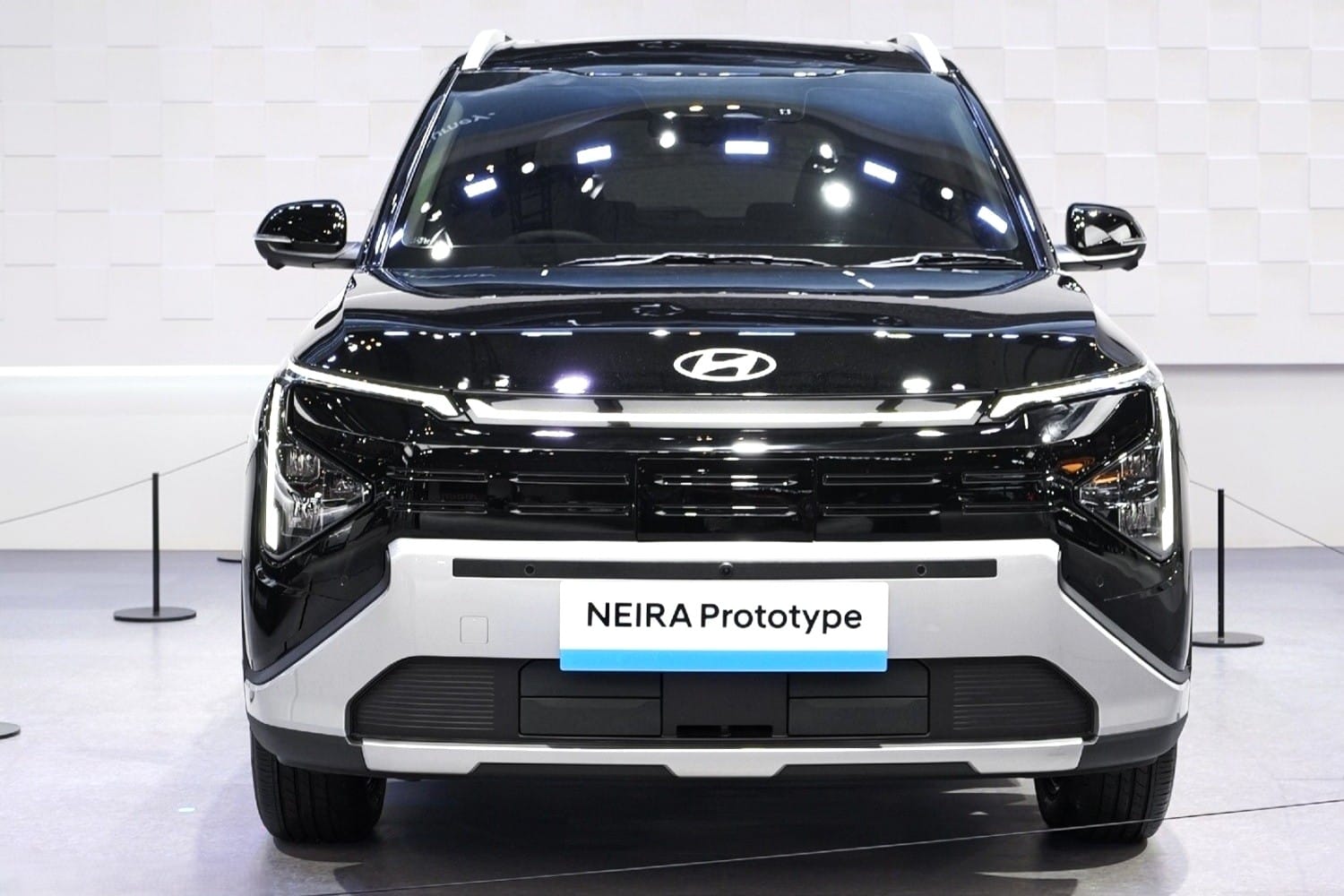
The Neira Concept retains most of the Carens Clavis EV’s styling cues, but with subtle tweaks. Up front, the Neira Concept sports two rows of horizontal slats between the connected LED strip up top and the silver cladding below, and the charging port flap is more rectangular in shape. Expectedly, the Neira Concept bears a Hyundai emblem on the leading edge of its bonnet, and its bumper is also much chunkier than that of the Carens Clavis EV.
Credit: indra_fathan via Instagram
Over to the side, the only differences on the Neira Concept are its alloy wheels, a triple-ridge design for the skirt cladding, and chrome door handles – the Carens Clavis EV has body-coloured door handles. The rear end of the Neira Concept sets itself apart from the Carens Clavis EV’s with a different bumper design, more silver cladding, and a Hyundai badge on the bootlid.
Hyundai Neira Concept interior and features
Identical dashboard layout to the Carens Clavis EV
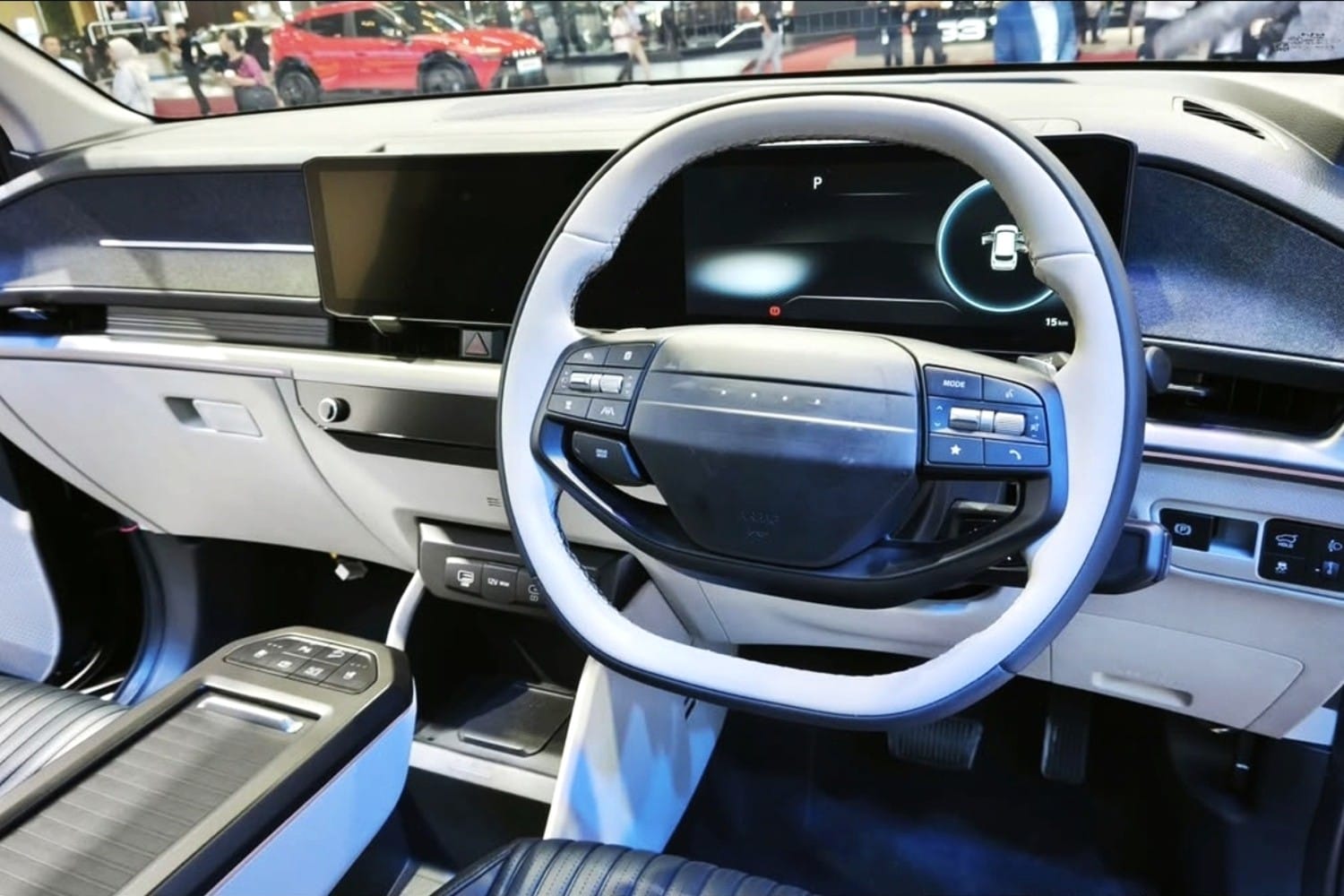
The similarities to the Carens Clavis EV carry over inside the Neira Concept as well. In fact, were it not for the Neira’s black seat upholstery and four-dot Hyundai motif on the two-spoke flat-bottomed steering wheel, you’d be hard-pressed to find any differences between these two electric MPVs.
Credit: indra_fathan via Instagram
They have the exact same dashboard layout, dual 12.3-inch screens, AC control panel, and floating centre console. As for seating layout, the Neira Concept displayed on the pavilion was a 7-seater, a configuration offered for the Carens Clavis EV too. The Kia MPV can also be had as a 6-seater with second-row captain’s chairs.
Hyundai Neira Concept battery and range
Could retain the Carens Clavis EV’s 42kWh and 51.4kWh batteries
Hyundai did not disclose what’s under the skin of the Neira Concept, but if the exterior and interior are anything to go by, it could share the Carens Clavis EV’s 42kWh and 51.4kWh battery options. Both packs are wired up to a 255Nm front-mounted motor, which outputs 135hp in 42kWh guise and 171hp in the 51.4kWh variants.
MIDC-claimed range stands at 404km for the smaller battery and 490km for the bigger unit. A 10-100 percent charge using an 11kW AC wallbox requires 4 hours for the 42kWh battery and 4.45 hours for the 51.4kWh pack. Both batteries take 39 minutes to charge from 0-80 percent using a 100kW DC charger.
Could the Hyundai Neira come to India
Hyundai plans to launch an MPV in India by the end of the decade
During its 2025 Investor Day, Hyundai confirmed that a new MPV will join its India line-up by 2030. At the time, Hyundai had only two MPVs in its global portfolio: the mainstream Stargazer and premium Staria. Given Hyundai’s usage of phrases like ‘family mover’ and ‘mobility for all’ to describe its India-bound MPV, the Stargazer was speculated to be the front-runner for the role, but now, the production-spec Neira seems likely too.
The Carens Clavis EV is an established model, so launching a mildly-differentiated Hyundai-badged version of it in India would take much less time than an entirely new MPV would. It’s also one of the most affordable yet feature-packed three-row EVs in the Indian market, so it’s quite a solid base for Hyundai’s own MPV offering. That said, this is speculation, so only time will tell if Hyundai will bring the Neira to India.
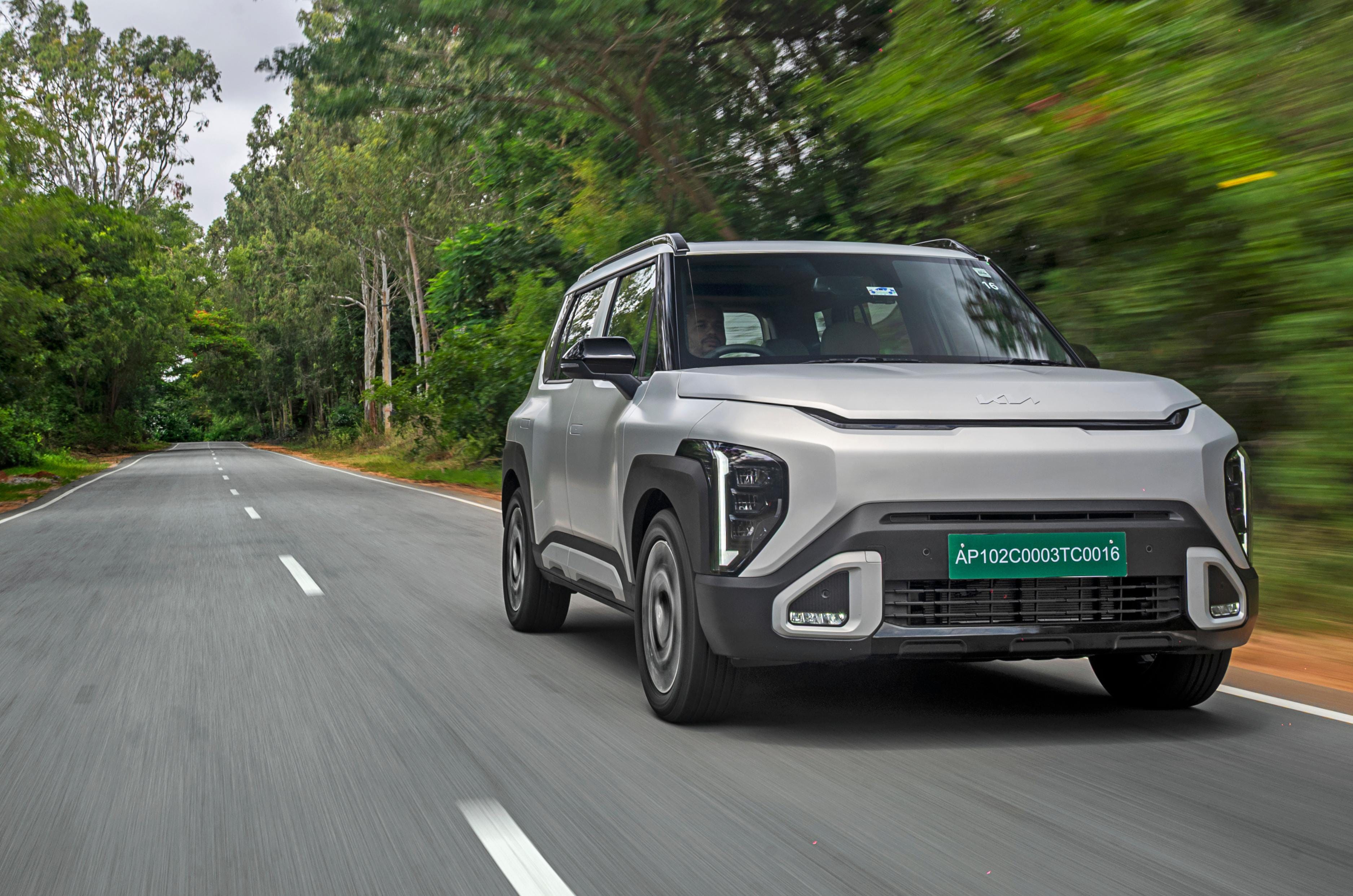
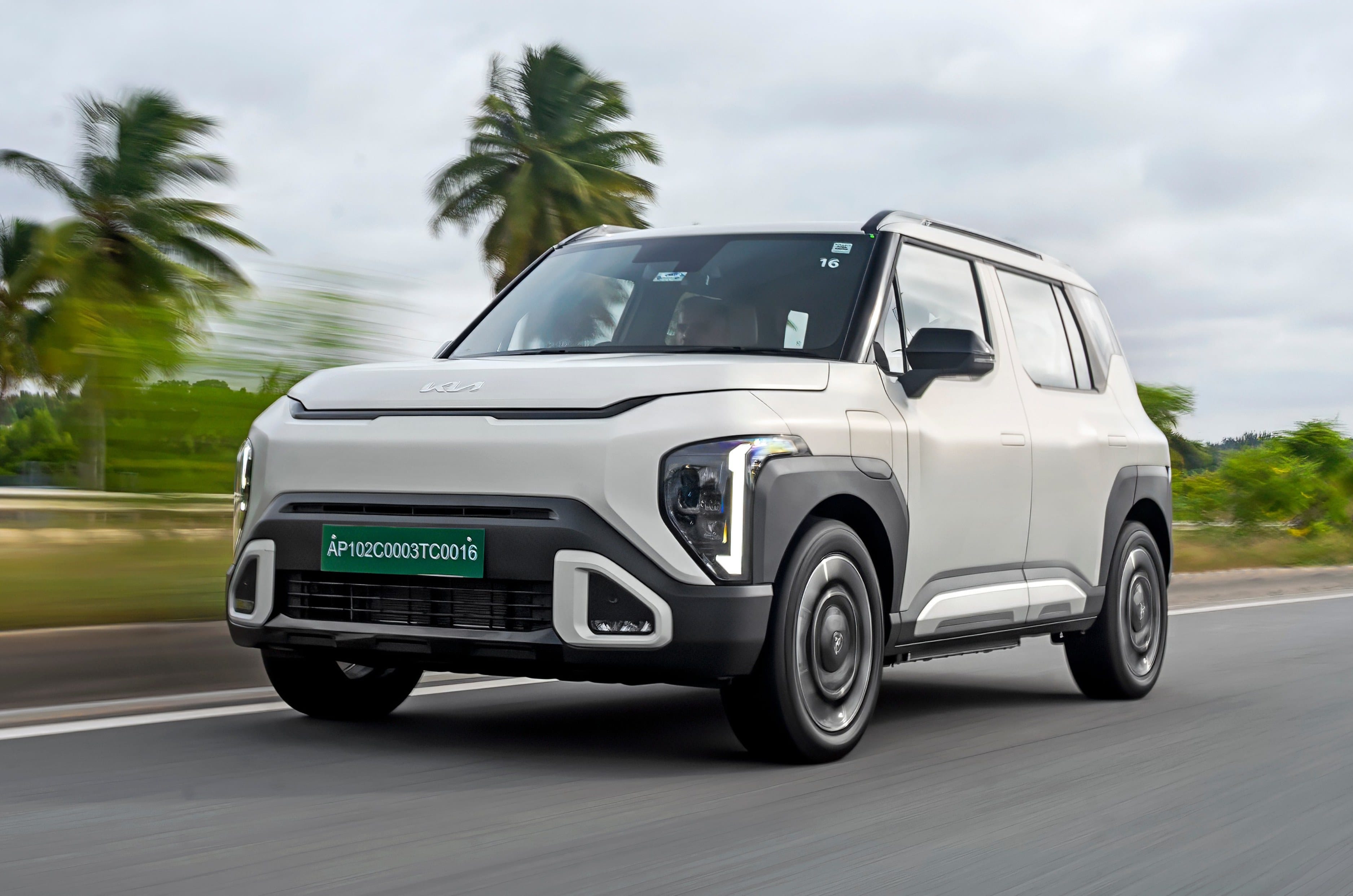
Kia has chosen the Syros to be its second mass market EV for the Indian market. Despite its superb packaging, oddball styling and high initial prices held back the original ICE version against traditional compact SUV rivals. However, EV customers are generally more accepting of avant-garde design, so can the Syros EV find success where the ICE version couldn’t? We drove it in Bengaluru to find out.
Kia Syros EV Exterior Design and Engineering – 7/10
EV has a slimmer intake above the number plate and slightly different lower bumper
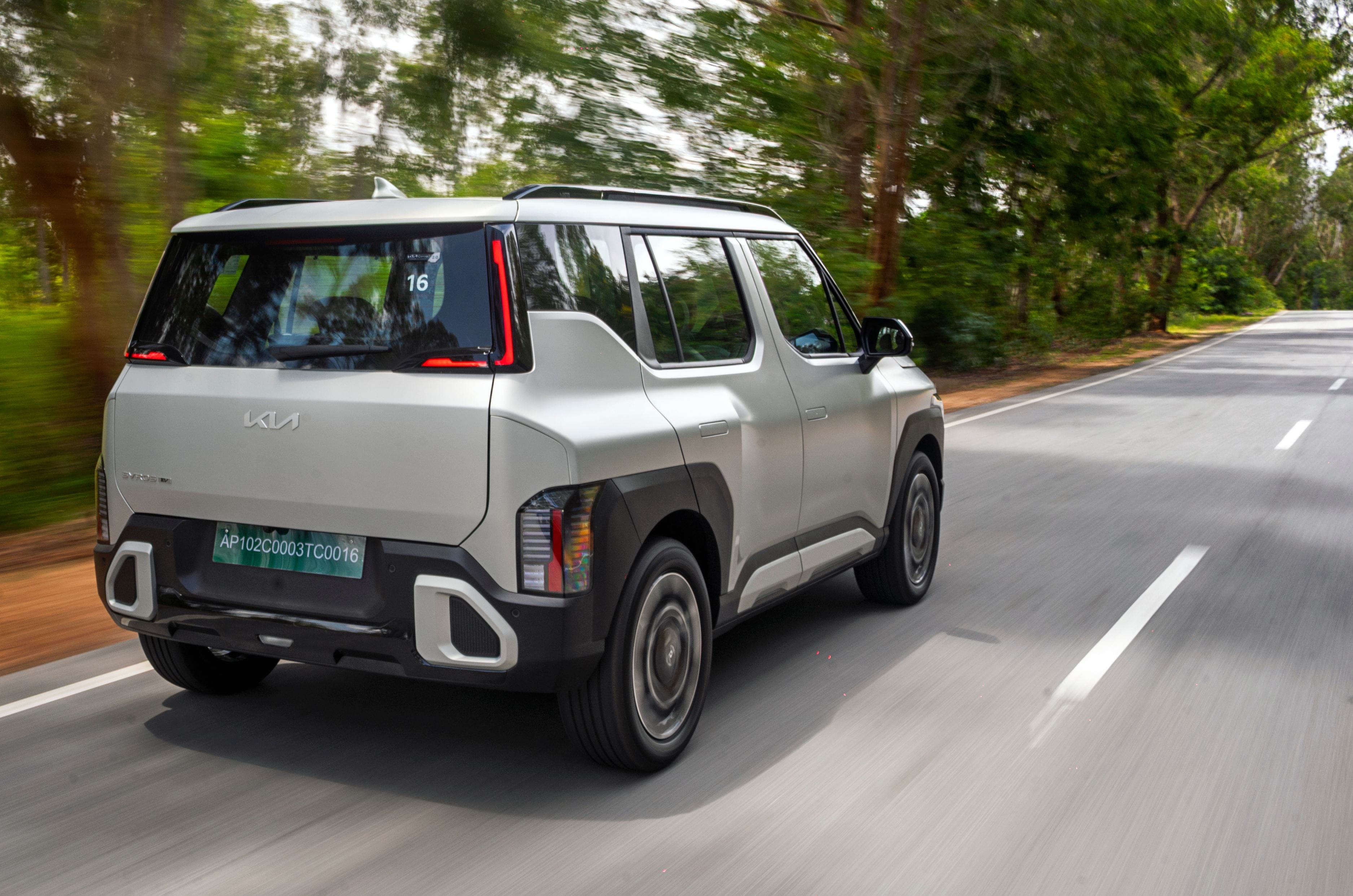
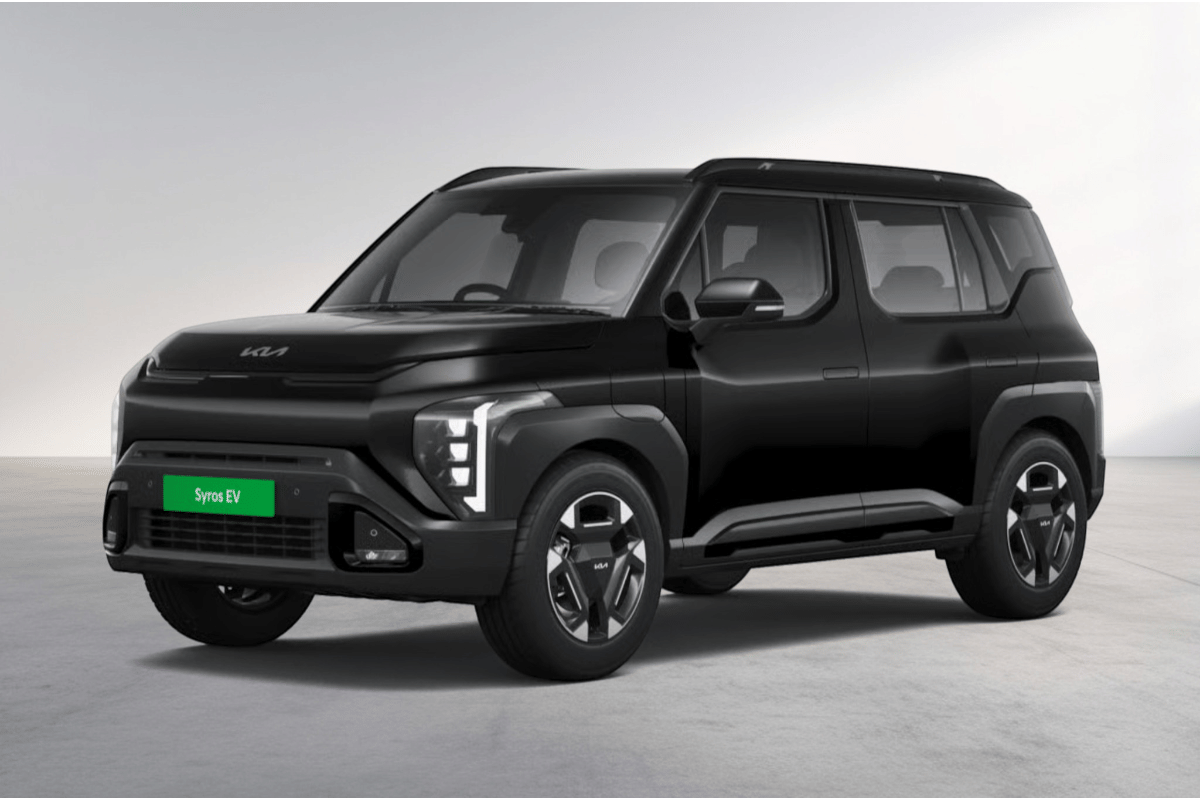
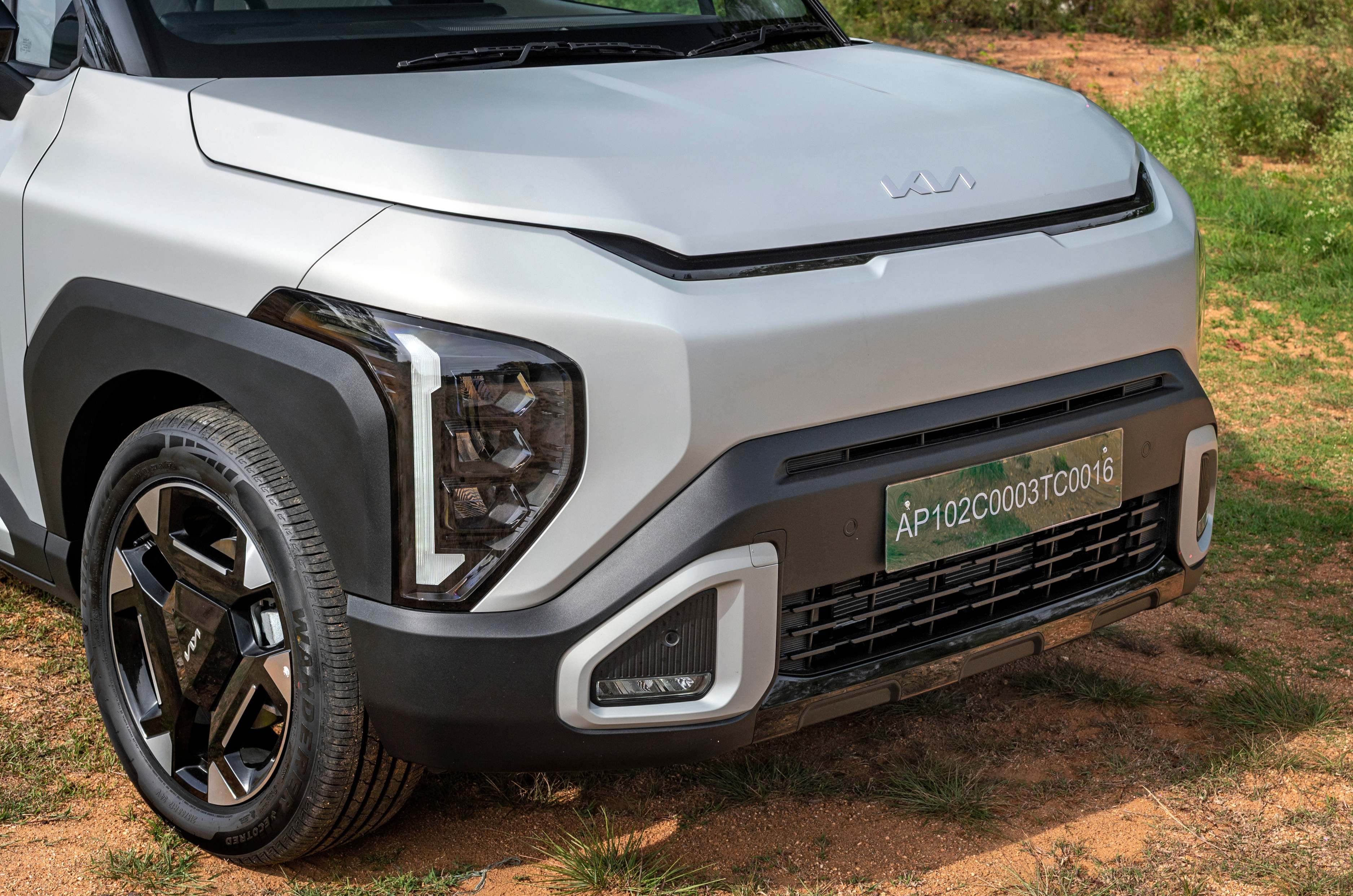
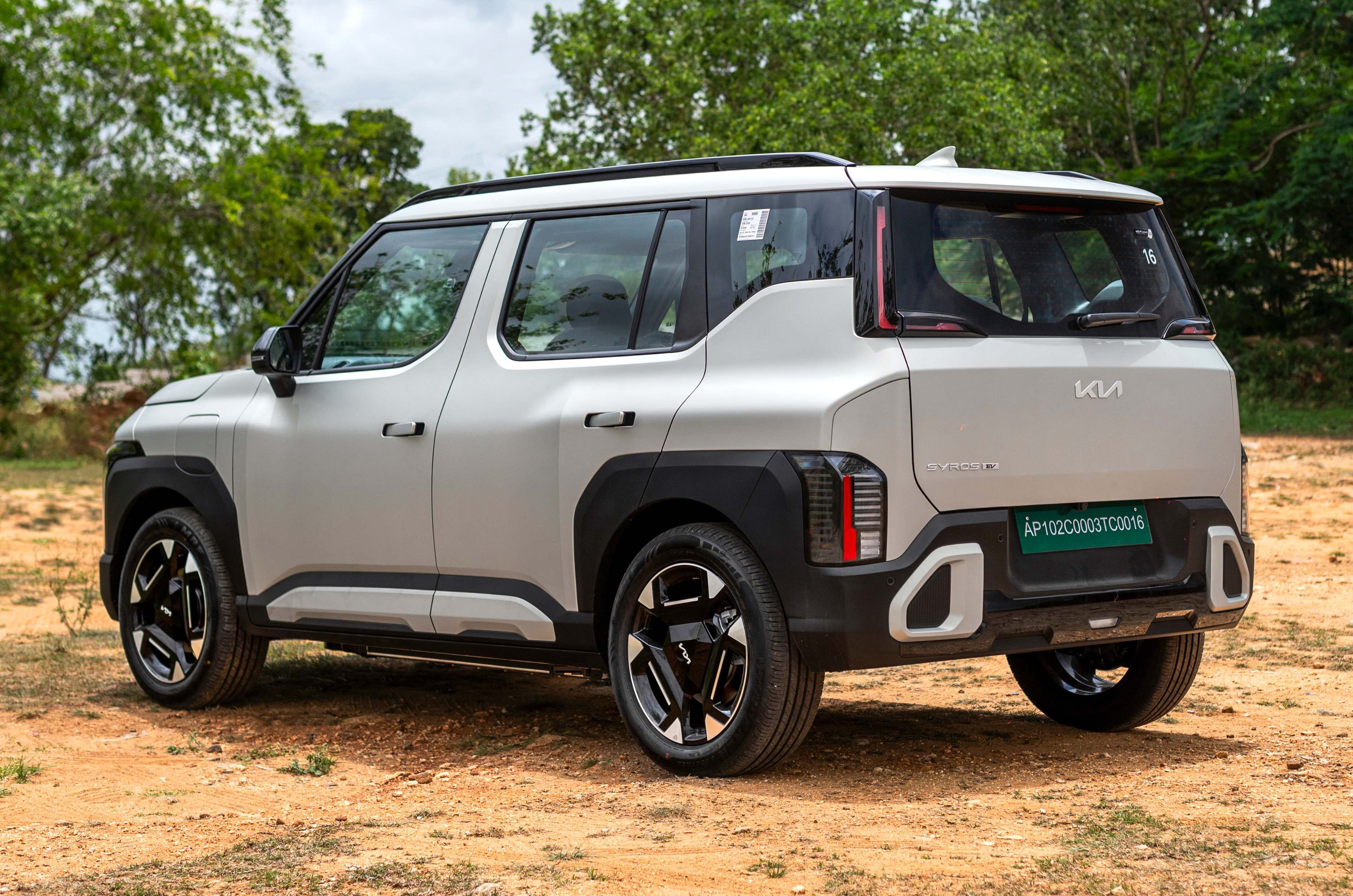
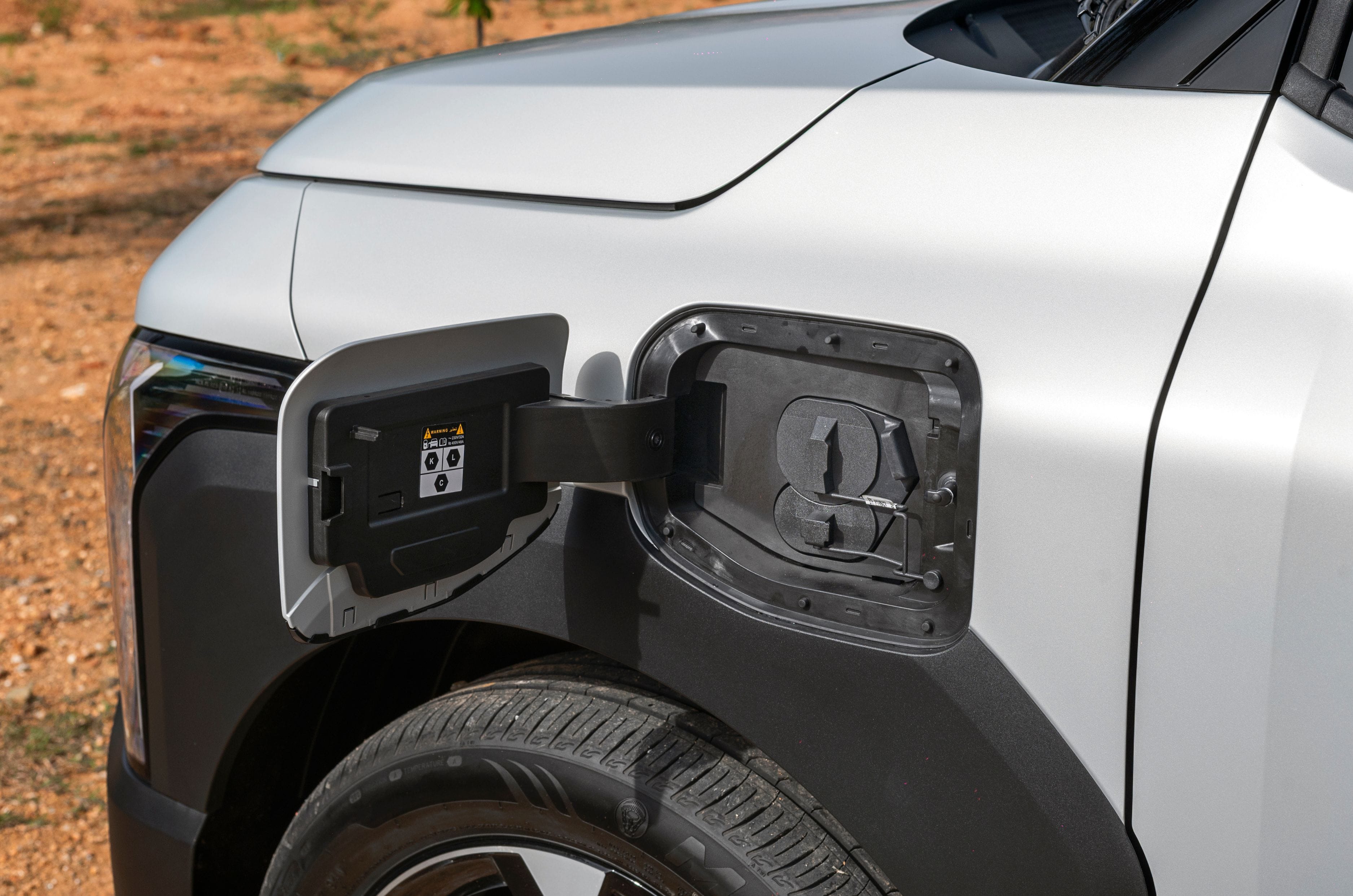
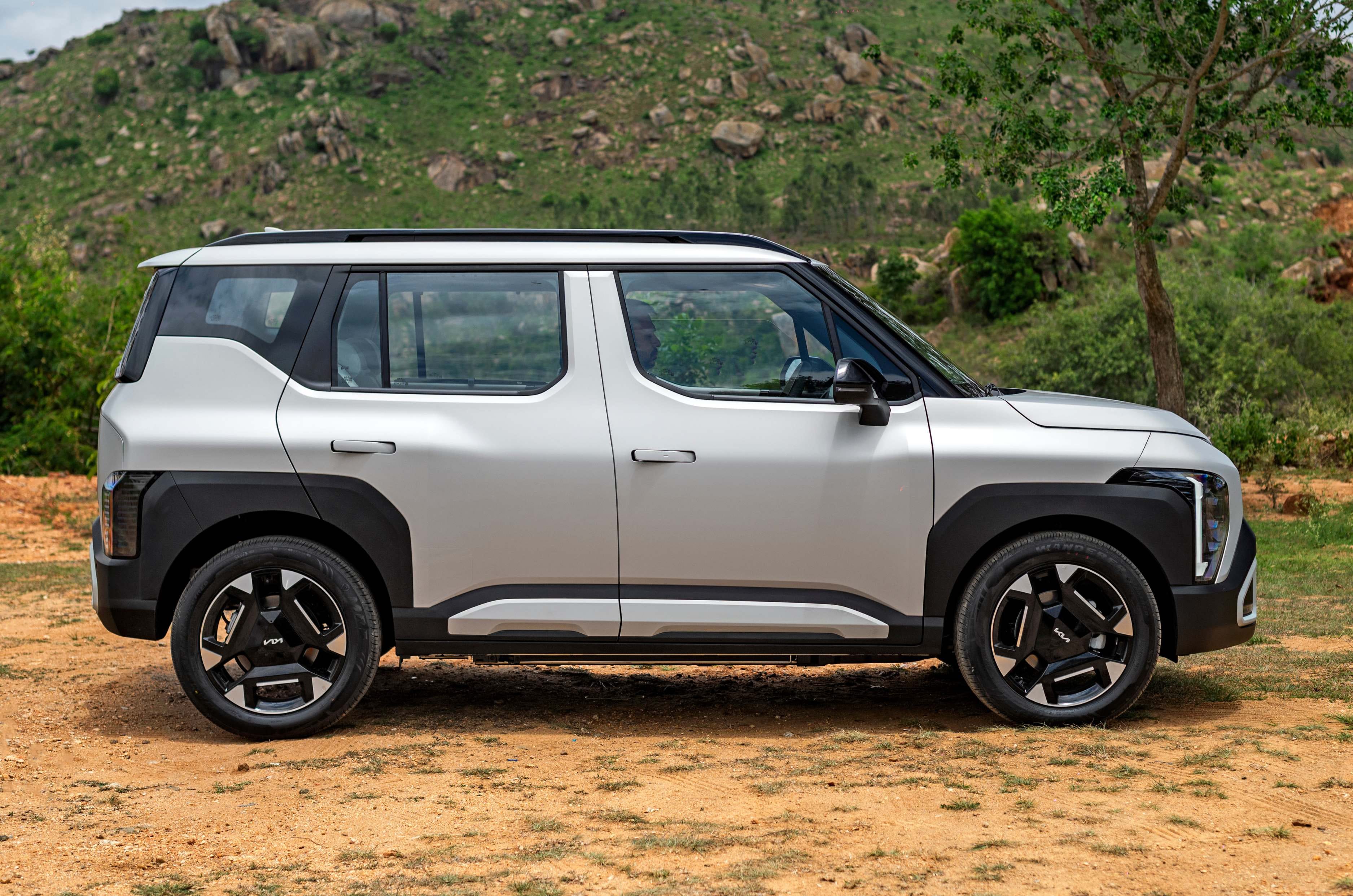
A game of spot the difference between the Syros EV and the ICE version would prove challenging for the casual observer, so here is the cheatsheet. Up front, the bumper is ever so slightly different, with a slimmer cooling slot above the number plate and minor tweaks to the body-coloured triangular pods that house the LED fog lamps. Apart from the charging port on the front left fender and the shorter roof rails, the profile is unchanged. Crouch down, though, and you’ll notice the battery pack is visible, like it is on the Hyundai Creta Electric. Kia claims ground clearance is 197mm which is 7mm more than the ICE version. The tri-spoke 17-inch alloys are the same ones that debuted on the ICE car but were discontinued with the facelift. No differences round the back either, save for an EV badge on the tailgate.
Split lighting lifts the otherwise bland rear
If you didn’t like the way the Syros looked, the EV isn’t going to change your mind. It is distinctive, though – like a Japanese kei car only larger, and Korean. Its blanked-off fascia looks appropriate on an EV, and the vertically oriented headlights give it a unique look. The cladding lower down on the bumper carries on to the wheel arches, doors and the rear, adding some muscle. Breaking up the large greenhouse are the pronounced B-pillar and the upward kink in the C-pillar, both of which are neatly done. And while the tailgate looks a bit blank, the split lighting – with L-shaped elements framing the rear windscreen and larger units at the edge of the bumper – looks great when lit up.
Syros EV Interior Space and Comfort – 10/10
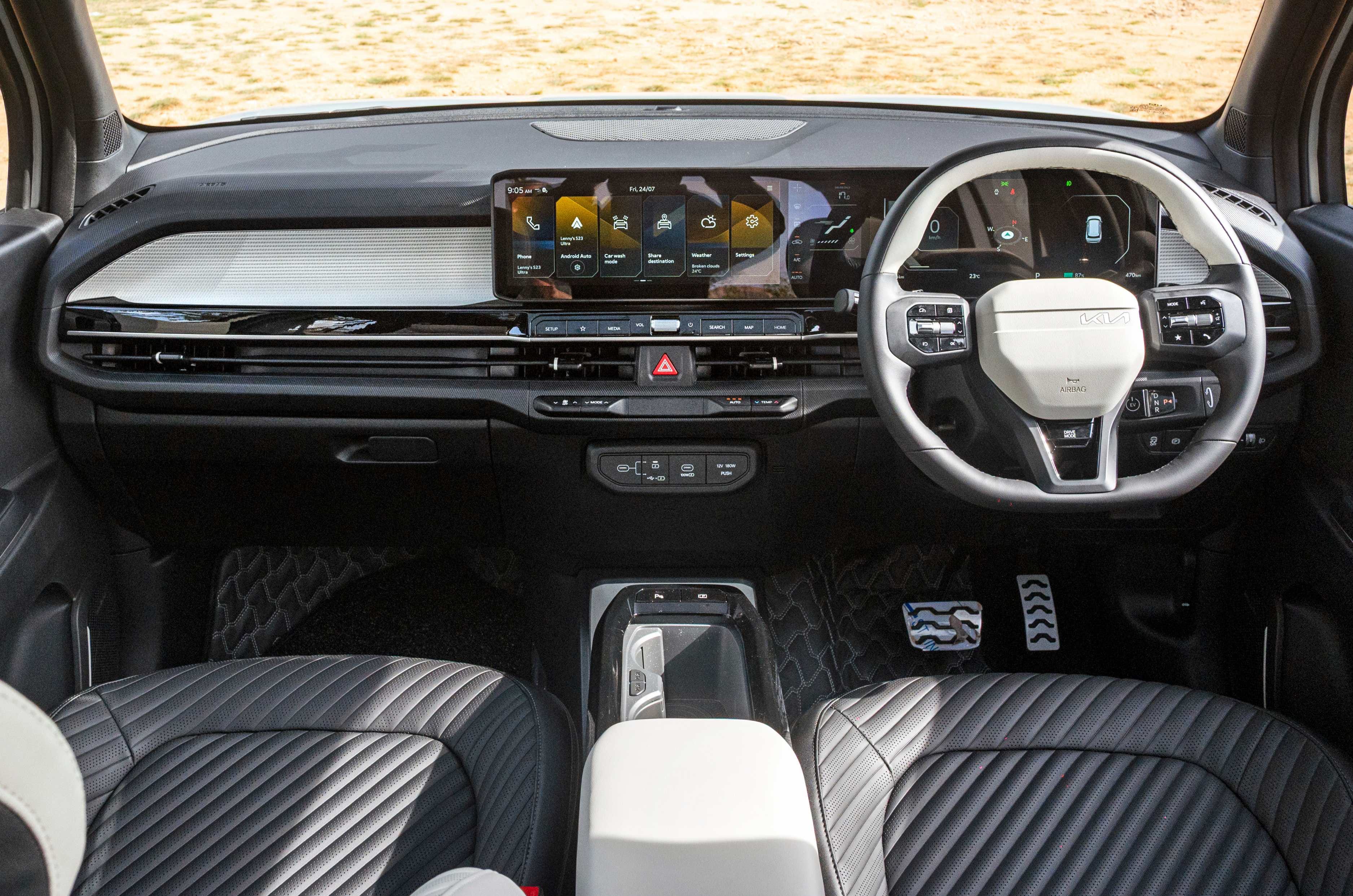
Dash layout is identical to the ICE version, but it gets the 3-spoke ‘wheel from the Seltos
Step inside and you start to understand why the Syros EV looks the way it does. Space for passengers, their knick-knacks and luggage is in abundance. With the EV’s drive selector positioned on the steering column, Kia has re-engineered the centre console to liberate a lot more storage. It now has two levels: the top floating portion has a small cubby under the armrest, along with two cupholders with their own sliding cover, while the lower level has a large storage area for a bag or such, another cupholder and a wireless charger. The front door pockets are just as accommodating, with room for a couple of bottles and an umbrella.
New center console has a lot of storage spaces
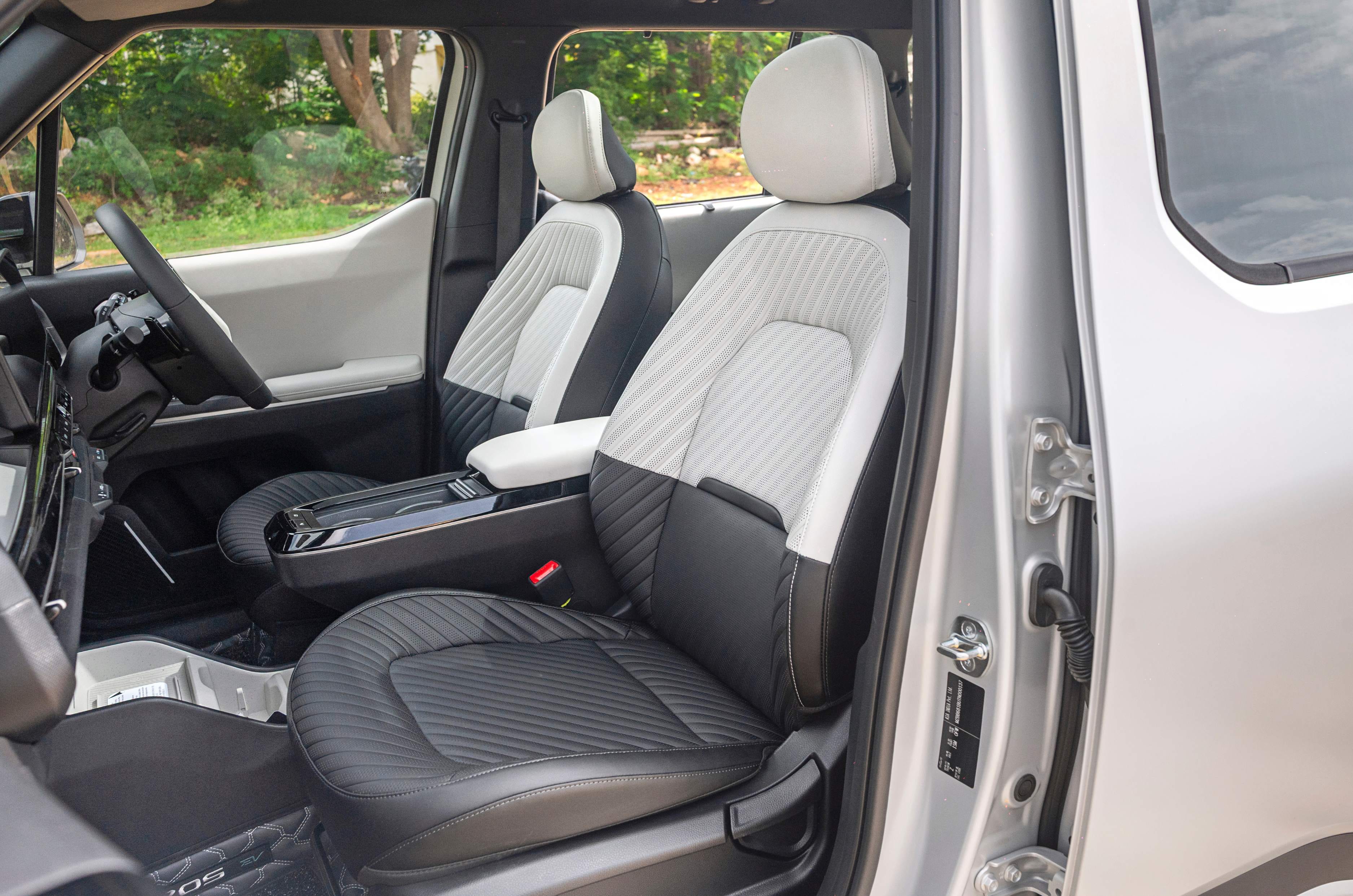
The front seats are supportive and comfortable, with heating and ventilation along with 4-way power adjustment for the driver. While the dash layout is unchanged, the EV gets the Seltos’ three-spoke steering wheel, but adjustment is still limited to rake and not reach. The EV uses a slightly different colour palette inside: our HTX+ test car gets a smart-looking black-and-off-white theme, the X-Line features a darker black-and-green ambience, while all other trims get an airy light grey and pastel blue theme. While most surfaces are hard plastic, the quality of the materials, fit and finish is top notch.
Front seats are comfy with heating, ventilation for both and power adjustment for the driver
The back seat remains a highlight, with plenty of room all around. The floor is slightly higher because of the battery pack, which means thigh support isn’t as good as in the ICE version. However, if you slide the bench back and stretch out, this isn’t much of an issue. A benefit of the raised floor is that it is now completely flat. Ventilation for the seat base carries over, but the backrest still misses out, as Kia says it would restrict its recline angle.
Higher floor slightly affects thigh support, but there’s ample room to stretch out
Boot space is identical to the ICE Syros at 390 litres with the seat all the way back, and 465 litres with it slid forward. The rear seats also split-fold – though not completely flat – to carry longer items. There is a 16-litre frunk too, though it is rather narrow.
Kia Syros EV Features and Safety – 9/10
Sitting proud on the dash is what Kia calls the Trinity Panoramic Display, comprising two 12.3-inch screens for the infotainment and driver’s display, with a 5-inch screen in between for the HVAC controls. The driver’s display is logically laid out, easy to read and offers some customisation, while the infotainment is sharp, snappy and has a clean UI. The EV gets a dedicated tab that shows several parameters related to the battery, range and energy consumption. It can also help find the nearest charger, condition the battery before charging, as well as set up charging schedules.
Handy drive mode button to cycle between Eco, Normal and Sport modes
The infotainment also offers wireless Android Auto and Apple CarPlay and, on the top trims, powers a superb Harman Kardon audio system with eight speakers, including one on the dash and a subwoofer in the boot. Sunblinds and rear AC vents are standard, while the massive panoramic sunroof features on all but the bottom two trims. Our second-from-top HTX+ also gets an integrated dashcam.
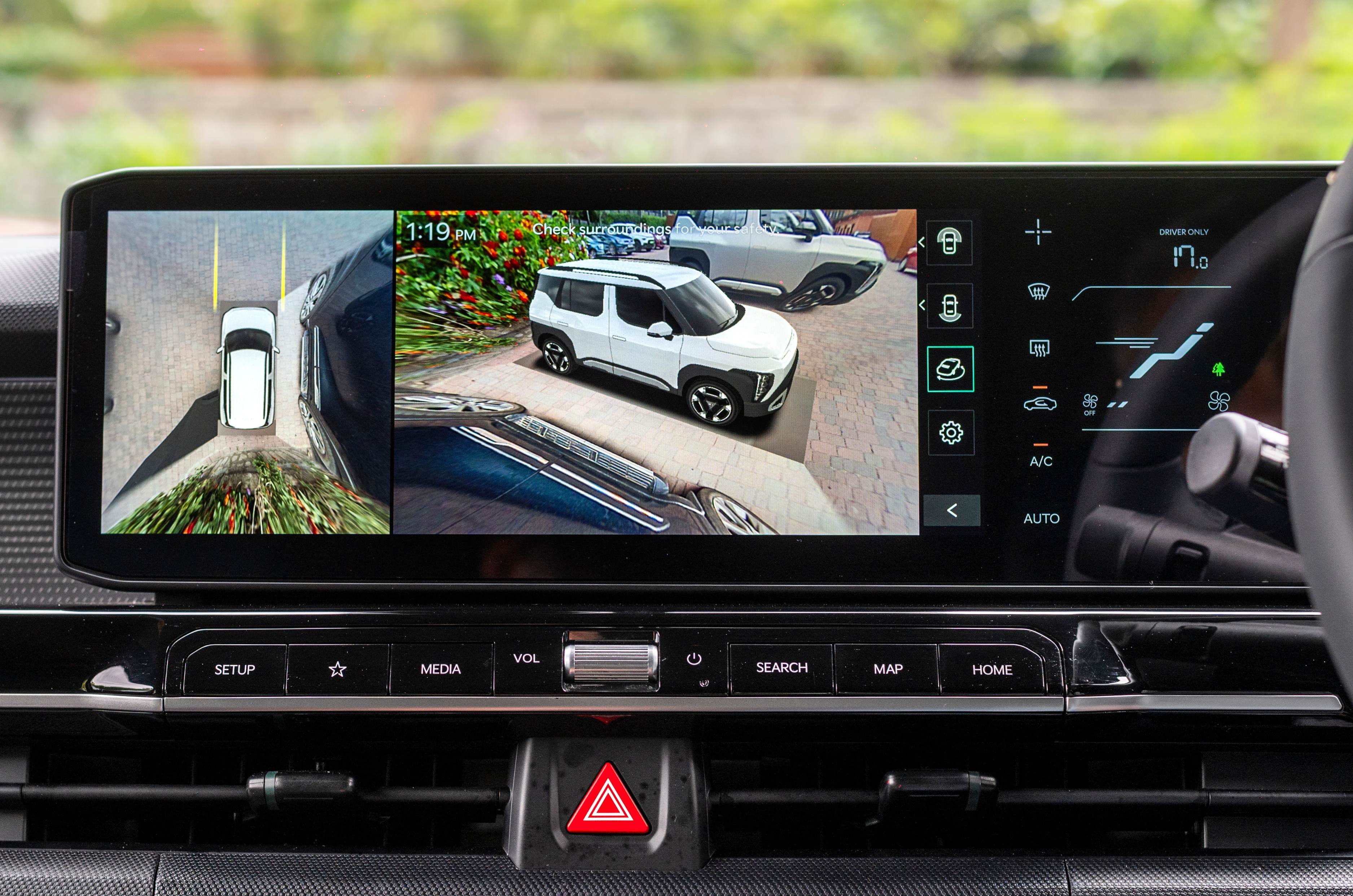
360-degree camera is sharp, but only available on top X-Line trim
Overall, the Syros EV is very well equipped, but some features are available only on the top X-Line variant, including Level 2 ADAS, ambient lighting, a 360-degree camera and a household-style three-pin socket in the back seat. Restricting features to the top trim isn’t unusual; however, the X-Line can only be had in Aurora Black Pearl or Matte Graphite, which might not be to all tastes.
V2L power outlet under the rear seat
The standard safety suite is robust, including six airbags, all-wheel disc brakes, tyre pressure monitoring and ISOFIX mounts. The ADAS suite is also comprehensive, including adaptive cruise control with stop-and-go, lane keep assist, forward and rear collision avoidance, and a blind-spot camera. At the time of writing, the Syros EV does not yet have an official crash safety rating, but considering the ICE version has a five-star BNCAP rating, a similar result for the EV can be expected.
Kia Syros EV Performance and Refinement – 9/10
The Syros EV is available with the same 42kWh and 51.4kWh NMC battery packs as the Carens Clavis EV and the Hyundai Creta Electric. Here too, they power a single motor on the front axle producing 135hp with the smaller battery and 171hp with the extended-range version. Torque is identical on both at 255Nm.
Borrows the 42 and 51.4kWh battery packs from the Carens Clavis EV
Performance was brisk on our 51.4kWh test car, with the 0-100kph sprint claimed to take 8.1 seconds. There are three drive modes to choose from – Eco, Normal and Sport – with each sharpening throttle response a little more than the last. Initial response in all modes is linear so as not to overwhelm those who aren’t used to the instant torque, but there is a strong shove as you get further into the throttle. Overtaking, then, is quite effortless, even in Eco and Normal, almost never needing a switch to Sport for a quick pass.
Initial acceleration is linear, but there is plenty of shove for quick overtakes
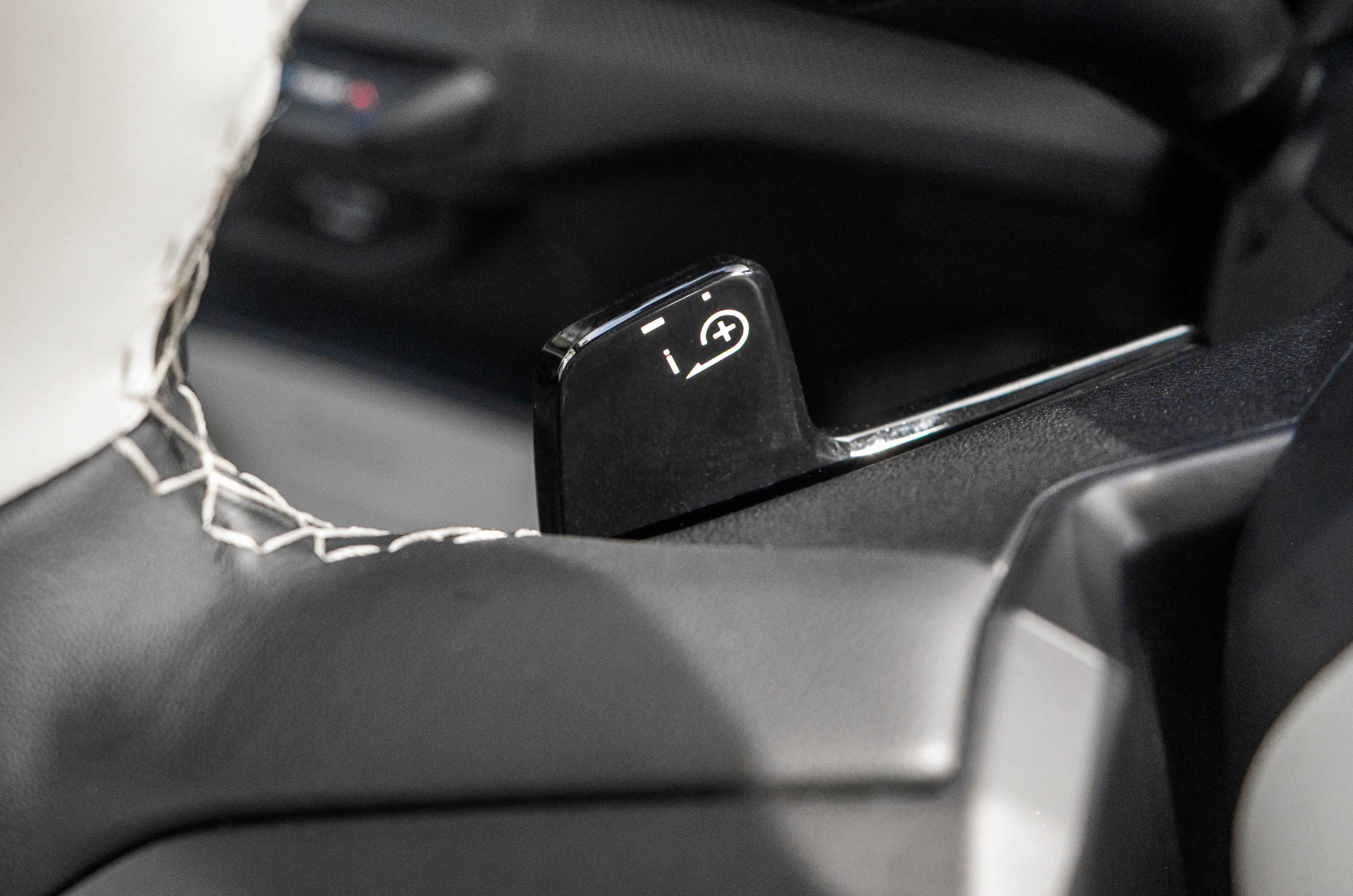
The regen braking modes – selected via the paddle shifters – are also very well calibrated, with a noticeable increase in resistance in each mode and the ability to turn it off completely. Holding the left paddle engages one-pedal driving, which uses regen to bring the car to a full stop. It works quite seamlessly and can be very convenient once you get used to it.
Regen modes are well calibrated and the i-Pedal function is handy in the city
Refinement is good too, with no noticeable motor whine making its way into the cabin. It’s so quiet, in fact, that Kia has added a virtual humming sound to warn pedestrians. Since there is no engine note inside the cabin, you do hear a bit more road noise, but at no point does it become intrusive.
Kia Syros EV Range and Efficiency – 8/10
Claimed MIDC range for the 51.4kWh battery is 526km, while the 42kWh unit claims 443km. Our short drive didn’t allow us to test these claims, but if the real-world range we achieved in the Clavis EV and Creta Electric is anything to go by, the Syros EV Extended Range should comfortably manage around 400km on a single charge. We will verify this when we have the car for longer.
Capable of DC fast charging at up to 100kW
Topping up a depleted battery from 10 to 80 percent is said to take 39 minutes on a 100kW DC fast charger. The same charge using the optional 11kW wallbox charger, is said to take almost five hours for the Extended Range and four hours for the Standard Range.
Kia Syros EV Ride Comfort and Handling – 8/10
The ride on the Syros EV is a touch more absorbent than on its ICE counterpart. Sharp bumps don’t come through to the cabin as abruptly, but there is still an underlying firmness to it. This firmness is there to help body control, but being a tall, narrow car, there is still a fair bit of body roll through the corners. It does feel stable though, and overall grip is strong.
There’s plenty of body roll, but it remains stable through the bends
Steering feel is also good, and it weighs up as speeds rise, which helps with high-speed stability. The four-wheel disc brakes are strong too, bringing the Syros to a confident halt when you drop the anchors. Overall, it isn’t the most entertaining car to drive, but it feels stable and secure at speed while being easy to manoeuvre in tight spaces.
Kia Syros EV Value for Money – 7/10
Introductory prices for the Syros EV start at Rs 13.5 lakh for the 42kWh version and Rs 17 lakh for the 51.4kWh Extended Range. If you want the fully loaded X-Line, that’ll be a cool Rs 20 lakh. To reduce the upfront purchase cost, a BaaS scheme is available with prices starting at Rs 7.99 lakh, and battery rental costing Rs 3.3 per kilometre. To sweeten the deal, Kia is offering a 15-year/unlimited-kilometre HV battery warranty for the first owner, along with an assured buyback value of up to 80 percent after three years.
Its pricing means the Syros EV rivals the Tata Nexon EV and Mahindra XUV 3XO EV, as well as larger EVs like the MG Windsor and Maruti e Vitara. As such, the 42kWh Syros EV makes for a very compelling option, undercutting its rivals in the sub-four-metre EV space. It is easily the most spacious in this segment and is very well equipped even in the lower trims. However, its case weakens with the 51.4kWh Extended Range. It is significantly pricier than its immediate rivals, overlapping with the larger-battery versions of the Windsor and e Vitara. While the Syros EV has its merits and even outdoes them in some areas, buyers might find the allure of a bigger car for the same money too hard to resist.
Toyota has launched the ninth-generation Hilux in India for the 2026 model year. One of the Japanese brand’s most iconic nameplates, this new Hilux is priced between Rs 31.99 lakh and Rs 36.69 lakh (ex-showroom, India), making it up to Rs 3.47 lakh more expensive than the previous-gen Hilux. The closest competitor to the Hilux is the Isuzu V-Cross. So, does the 2026 Toyota Hilux make a good proposition if you’re in the market for a lifestyle pickup truck? Let’s find out.
1. What does the 2026 Toyota Hilux look like?
The new model looks sharp yet intimidating
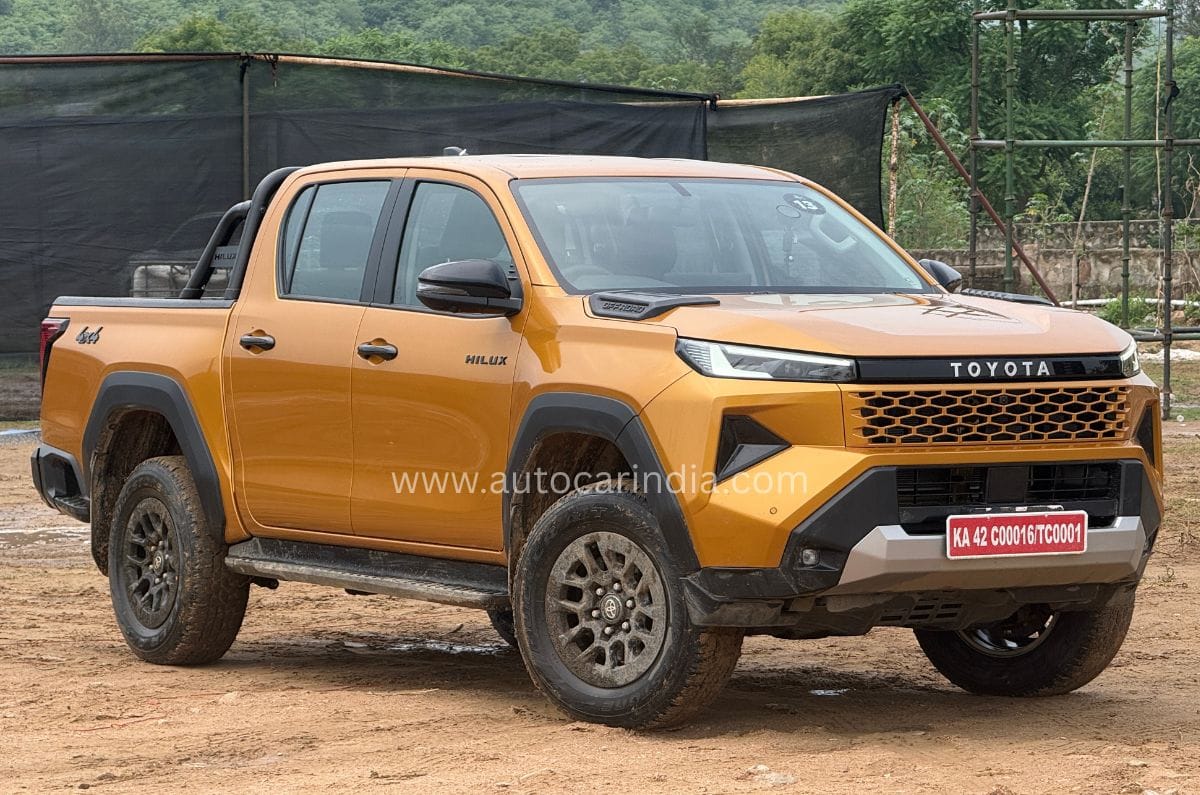
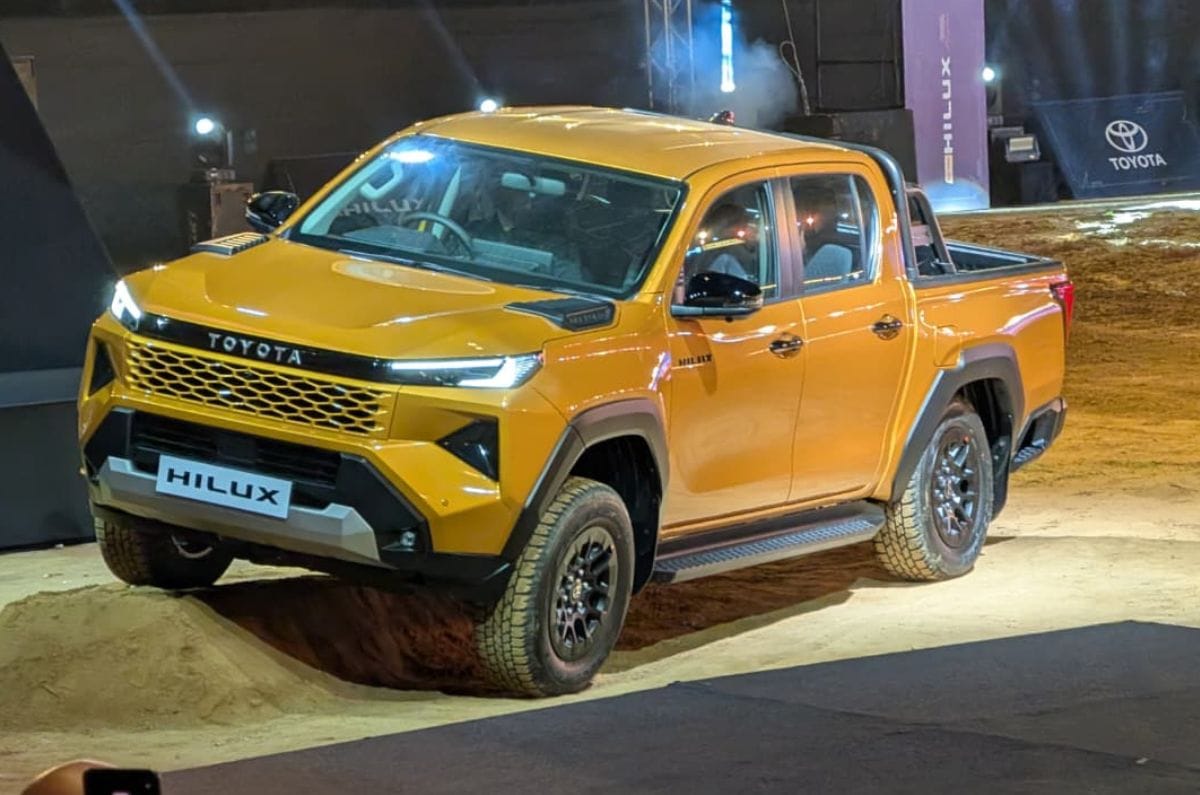
When it comes to its size, the new Hilux is 5mm shorter than the model it replaces. In terms of their width, height and wheelbase though, these two share identical dimensions. However, the sculpted and upright front fascia of the new Hilux looks imposing, with the bold ‘TOYOTA’ lettering adding to the overall butch appeal. The honeycomb front grille, sleek LED headlamps and C-shaped LED elements in the tail-lamps add a touch of modernity to this design.
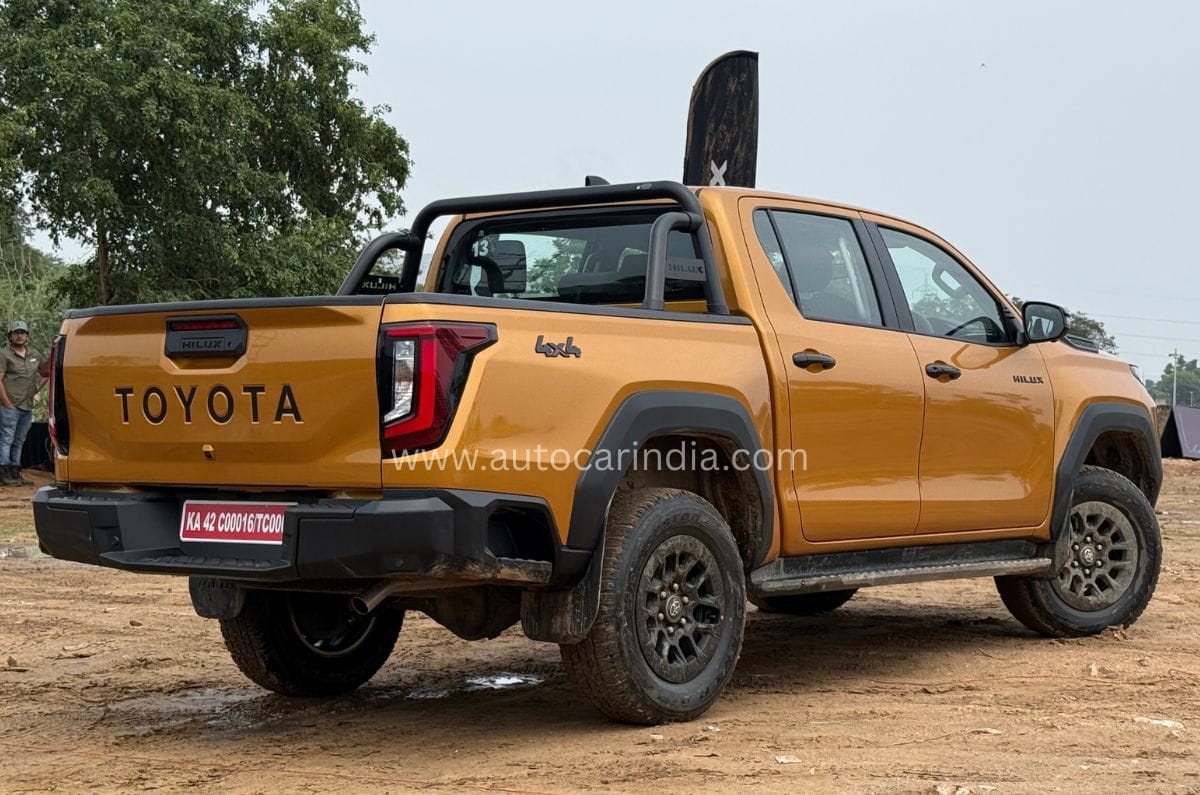
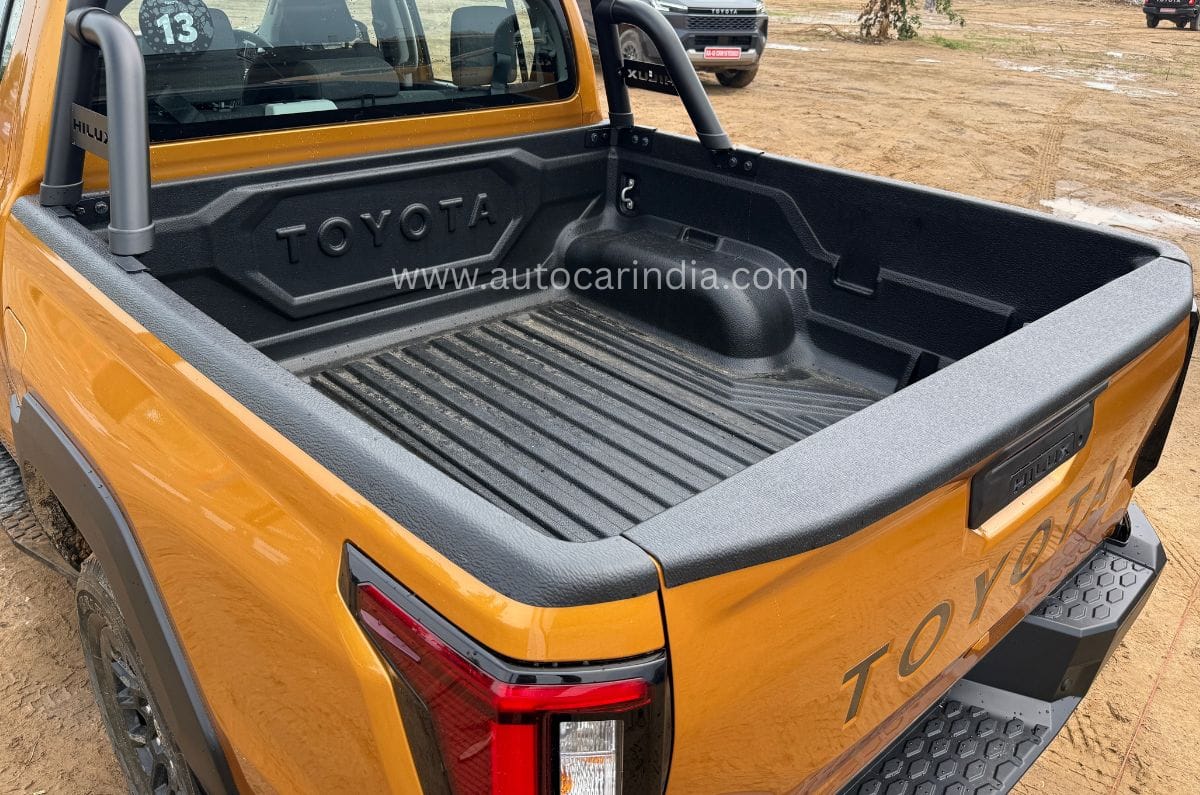
The new Hilux is sold in the ‘Double Cab’ configuration, but the wheel sizes have shrunk from 18 to 17 inches. The flared wheel arches sport black plastic cladding, while the ORVM housings, door handles, running boards, alloy wheels, roll bars and rear bumper are also finished in black. The latter has integrated steps that make accessing the bed easier from all three sides. Moreover, the tailgate features large ‘TOYOTA’ lettering as well.
2. How is the interior of the 2026 Toyota Hilux?
The cabin looks relatively simple and ergonomics shouldn’t be an issue
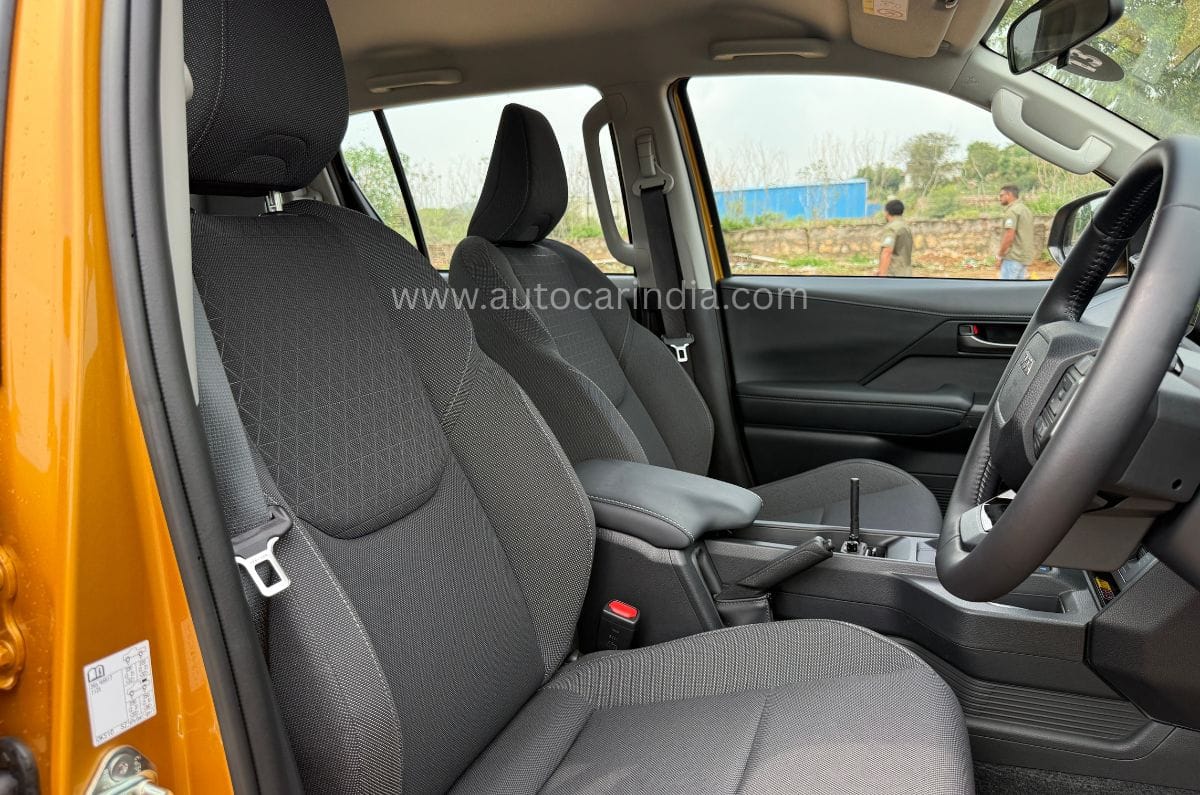
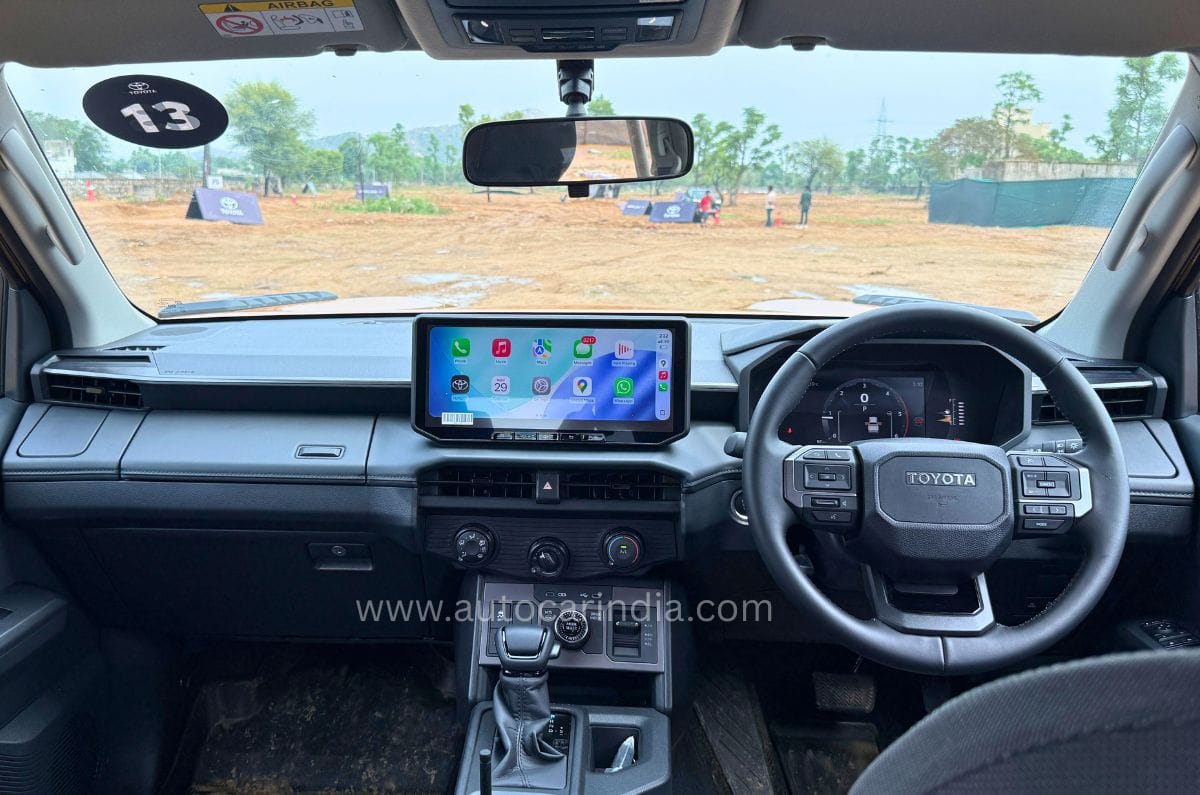
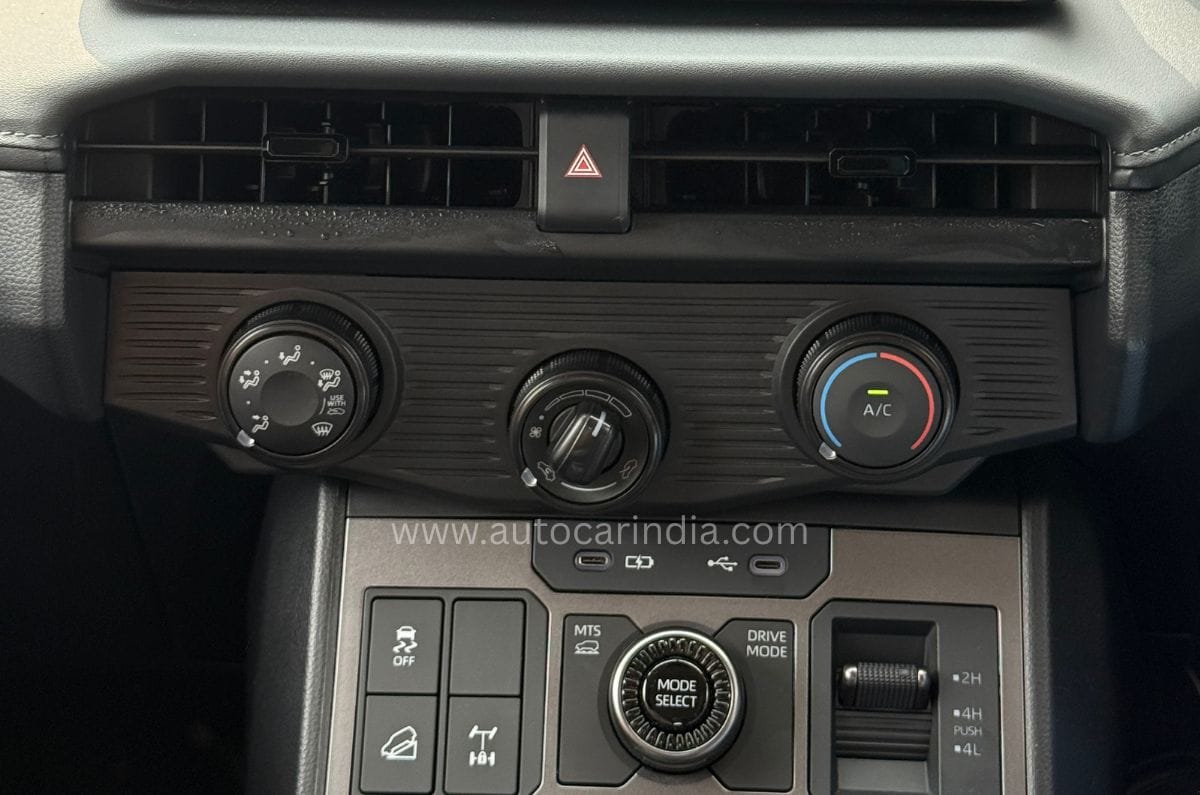
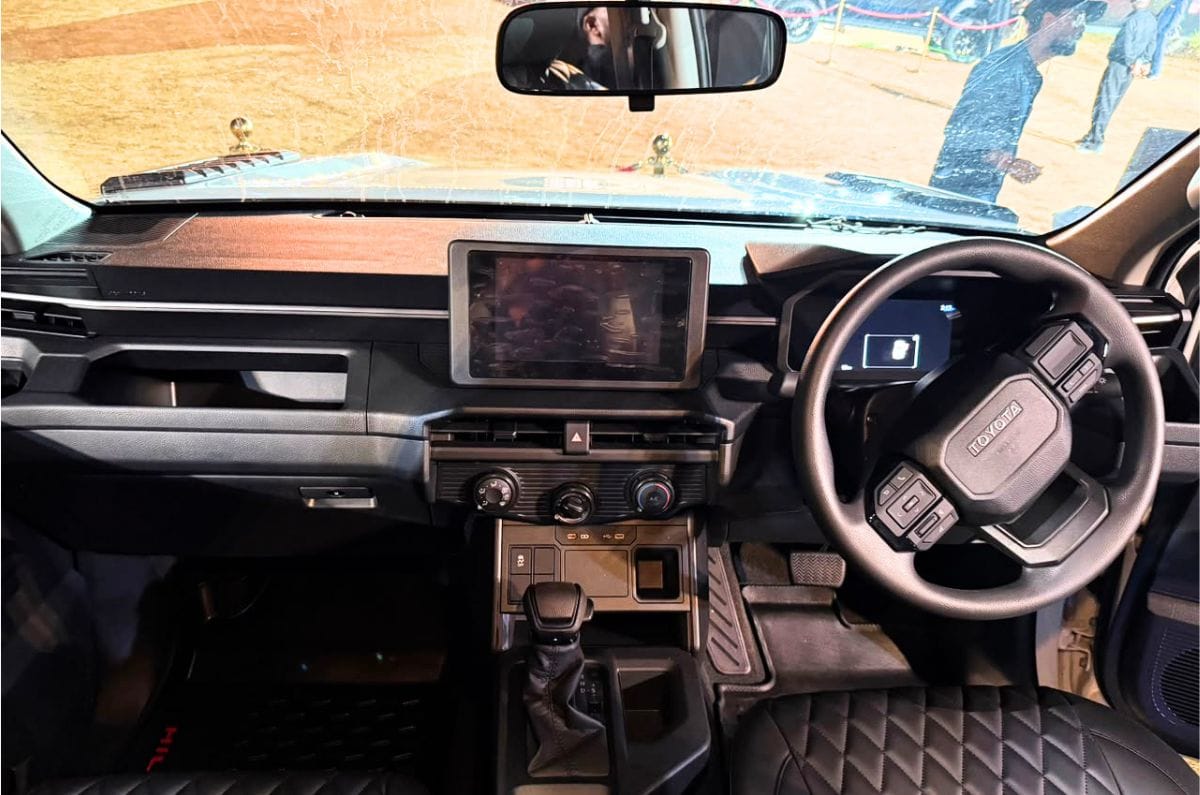
Once you haul yourself inside the 2026 Toyota Hilux, there are a few things that will catch your attention. While some surfaces are covered in leatherette, there are enough hard-wearing plastics in this cabin to remind you of its old-school pickup truck origins. Even the top-spec Hilux variant gets an all-black interior theme, manually operated front seats and fabric upholstery. The bare-bones climate control panel also looks out of place in a vehicle this expensive.
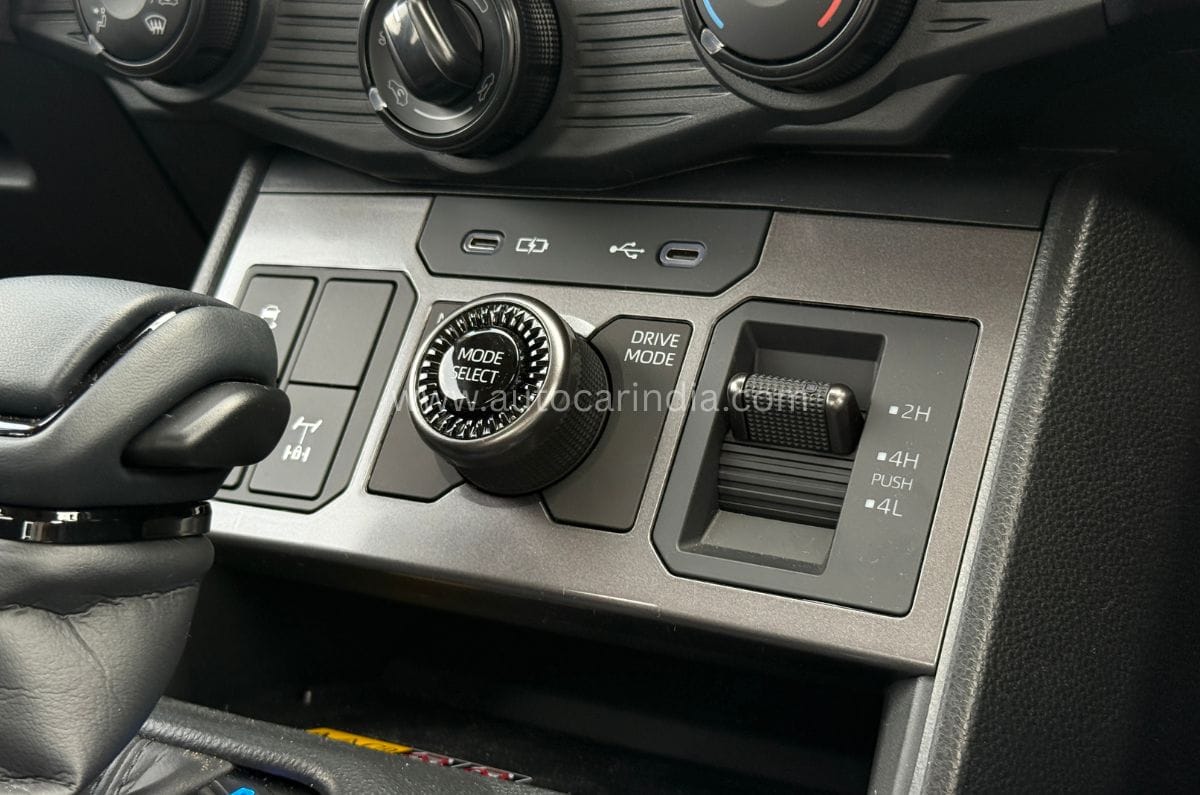
On the other hand, the three-spoke steering wheel, button-operated glovebox release, toggle-style four-wheel drive (4WD) switch and a rotary drive mode selector look good and work as expected. There are also 7 airbags, 360-degree cameras, wireless Apple CarPlay & Android Auto, wireless charging, a 12.3-inch infotainment display, and an 8-speaker audio system. The abundance of physical controls is another advantage in a utility-based lifestyle truck like the Hilux. The high seating position plus the flat and low-set dashboard should make judging gaps easier. Stepping into the back shouldn’t be too troublesome, courtesy of the fixed running boards and oversized rear grab handles.
3. Is the 2026 Toyota Hilux well-equipped?
Some of the cost-cutting measures here are perplexing
The new Hilux costs more than its predecessor, but this hasn’t resulted in more equipment. While the design language used here looks modern, expected amenities like leatherette upholstery and powered and ventilated seats are missing. There is no dual-zone automatic climate control – in fact, there’s no auto AC at all. Another modern feature that’s been given a miss is an auto-dimming IRVM (inside rearview mirror). Even the digital driver’s display of the new India-spec Hilux is a downsized 7.0-inch unit – international-spec versions get a 12.3-inch panel.
4. What are the powertrain specifications of the 2026 Toyota Hilux?
The ninth-gen Hilux isn’t mechanically too different to its predecessor
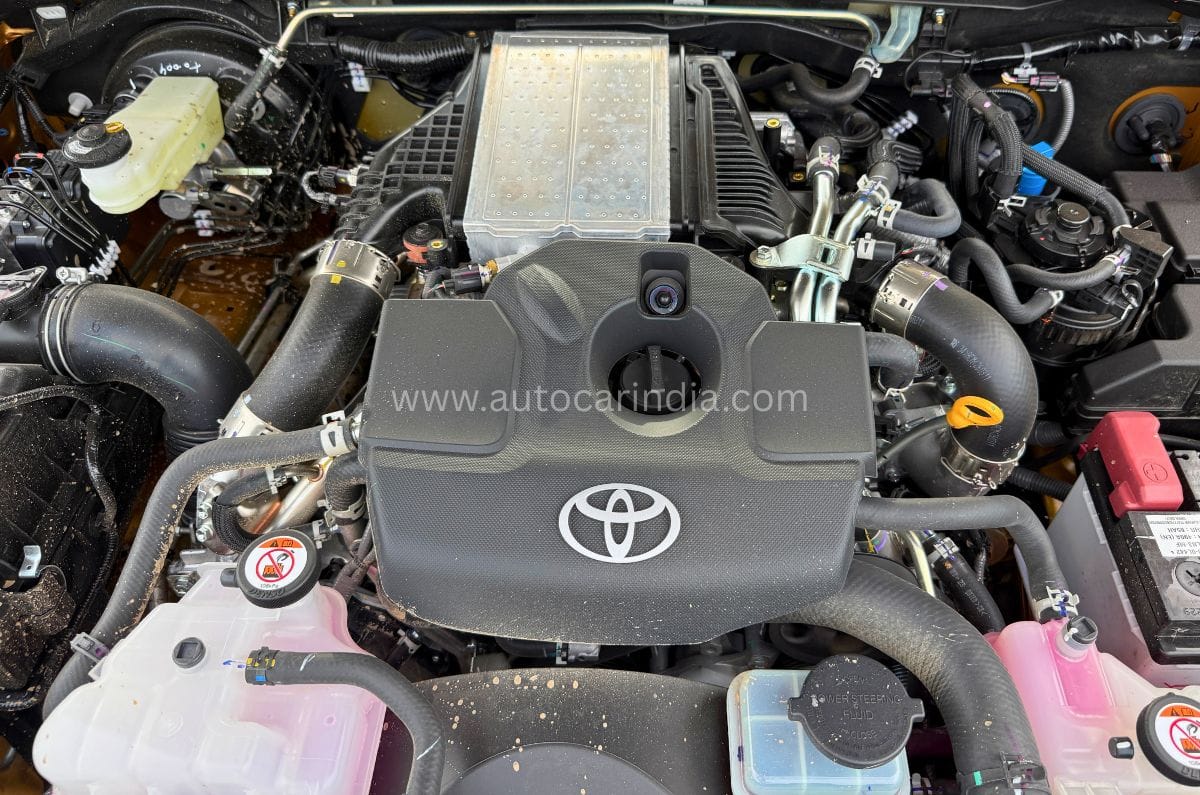
The 2026 Toyota Hilux shares its IMV underpinning and diesel-automatic powertrain with the eighth-gen model. This means the output of the 2.8-litre four-cylinder turbo-diesel engine remains the same, at 204hp and 500Nm. While the old model was available with a 6-speed manual gearbox as well, its replacement is only offered with a 6-speed torque converter automatic. Customers still get to pick between two-wheel drive (2WD) and four-wheel drive (4WD) options, but the 48-volt mild-hybrid system available in global models remains out of reach to buyers here.
5. Will the 2026 Toyota Hilux work well as a pickup truck?
The ninth-gen Hilux isn’t mechanically too different to its predecessor
At its core, the Toyota Hilux is a pickup truck. Therefore, it can be had with the brand’s Multi Terrain Select (MTS) system, downhill assist control, a rear differential lock and an electronic limited-slip differential. These off-road-centric systems, along with the rugged leaf spring rigid rear axle and hydraulic engine mounts, should allow the Hilux to traverse challenging terrain without much fuss.
Toyota also offers a tailgate assist system, which basically allows the drop-down gate to be lowered in a controlled manner. In terms of practicality, the new Hilux can carry up to 500kg worth of cargo in its bed, with tie-down points available to secure the cargo. The three integrated steps in the rear bumper will come in handy if you want to get onto the rear bed for loading or unloading items.
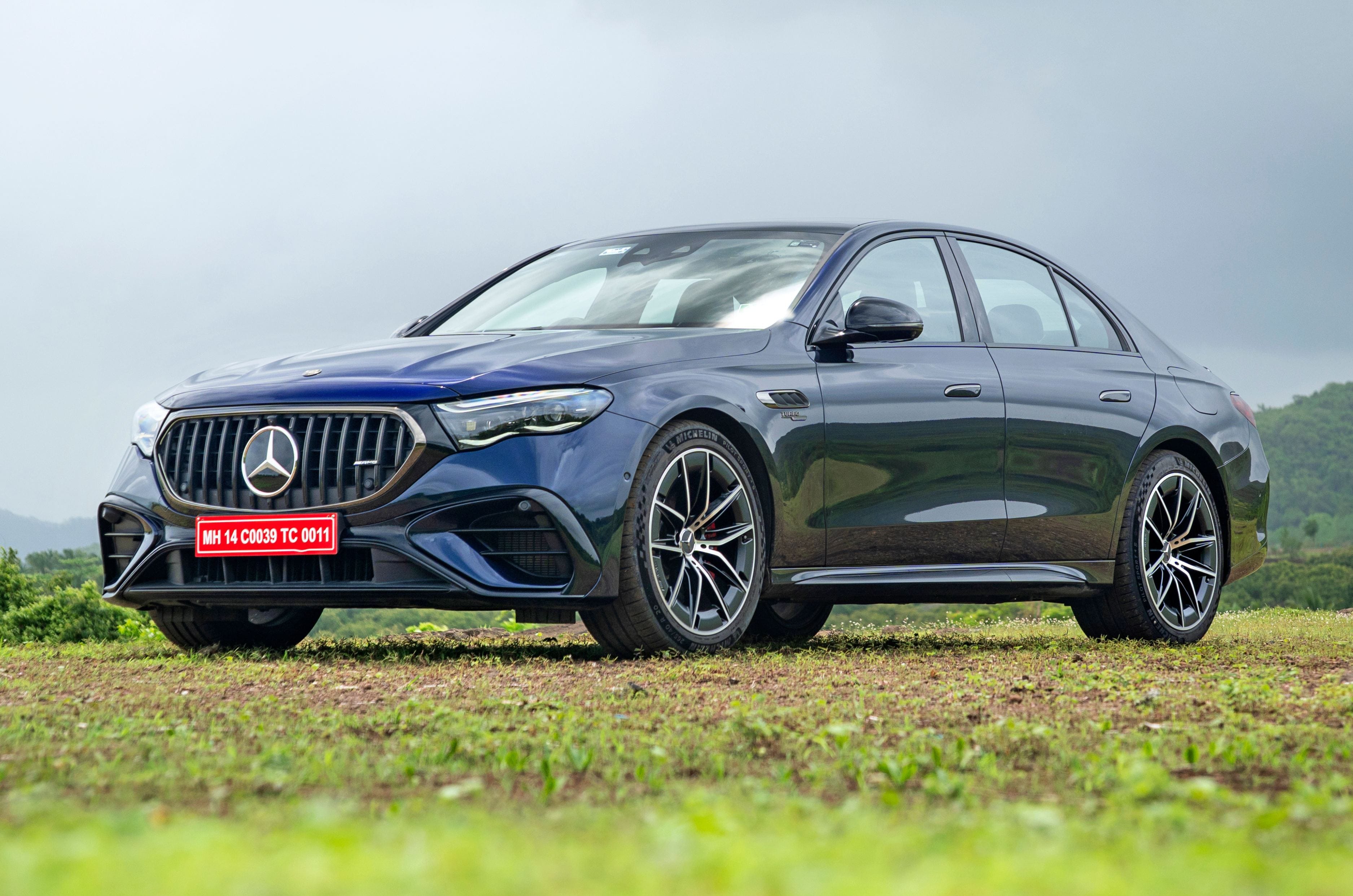
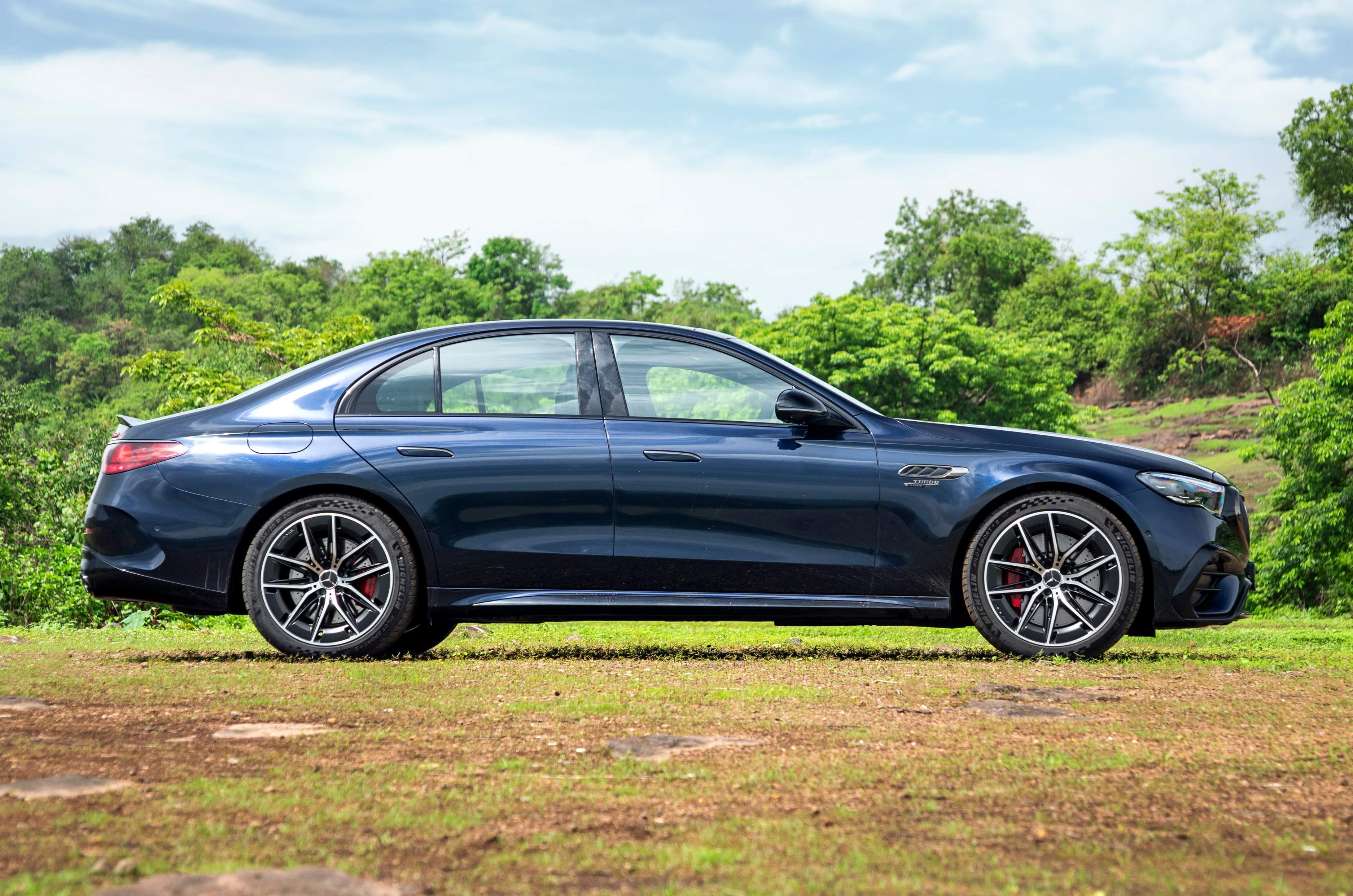
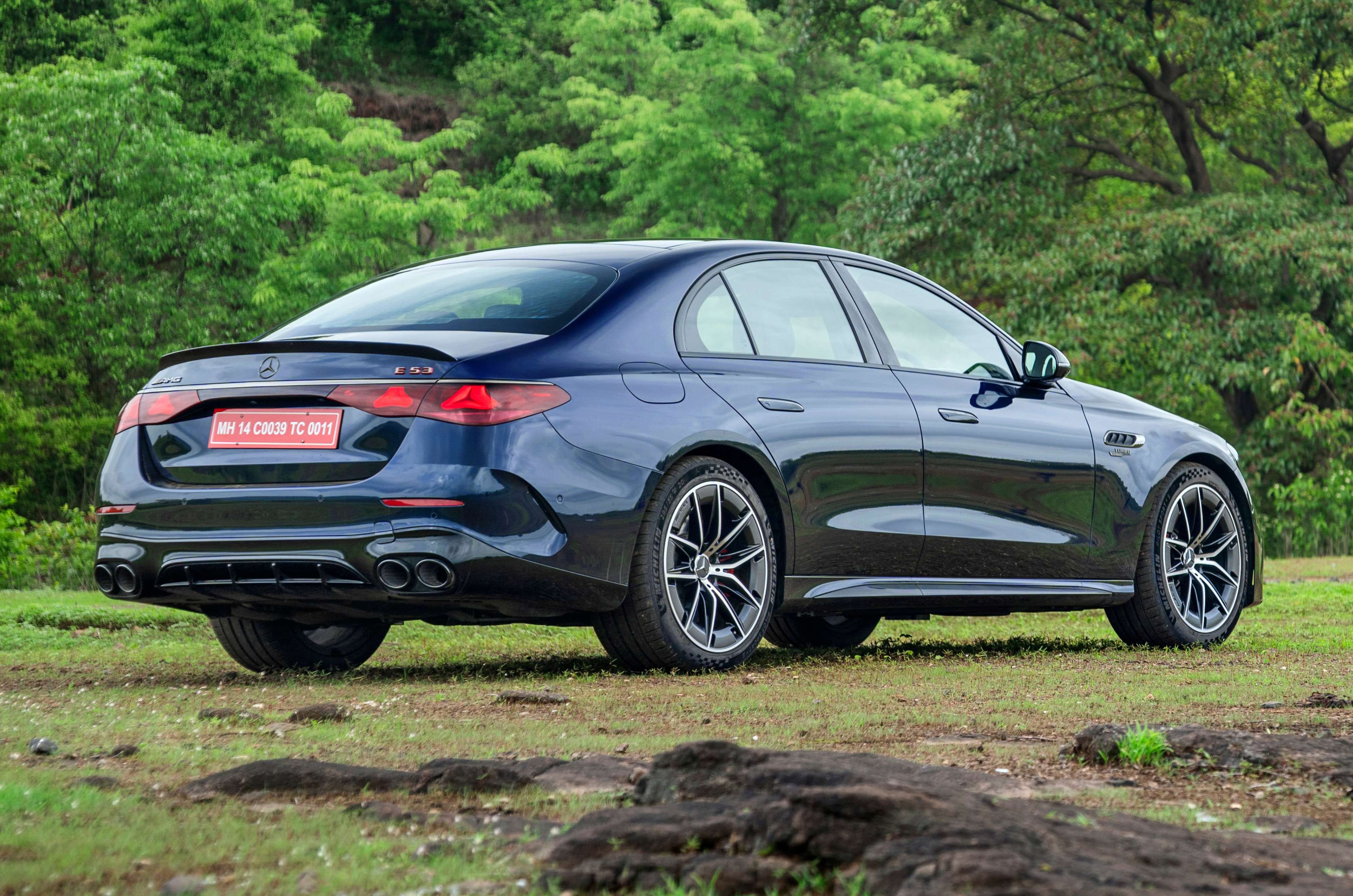
Mercedes-Benz has bolstered the E-Class range in India with the performance-focused AMG E 53 plug-in hybrid, which is priced at Rs 1.45 crore (ex-showroom). Unlike the regular India-spec E-Class, which is an LWB (long-wheelbase) model, the AMG E 53 PHEV is a shorter SWB (standard-wheelbase) version. It’s also the only AMG version of the current-gen E-Class on sale worldwide. If you’re interested in bringing home the AMG E 53 PHEV, we’ve listed the performance sedan’s most prominent strengths and weaknesses below.
Pros
Exciting powertrain
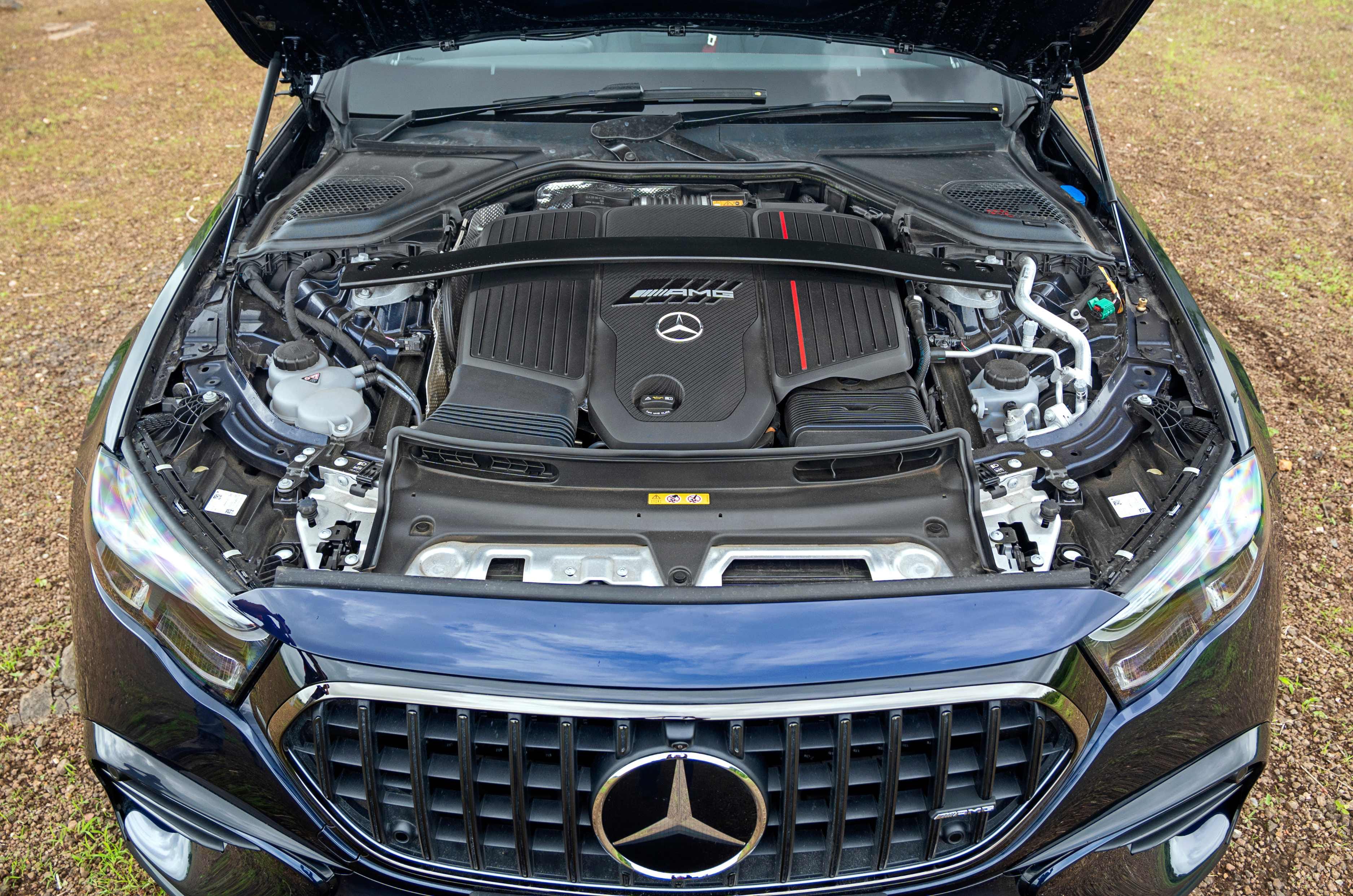
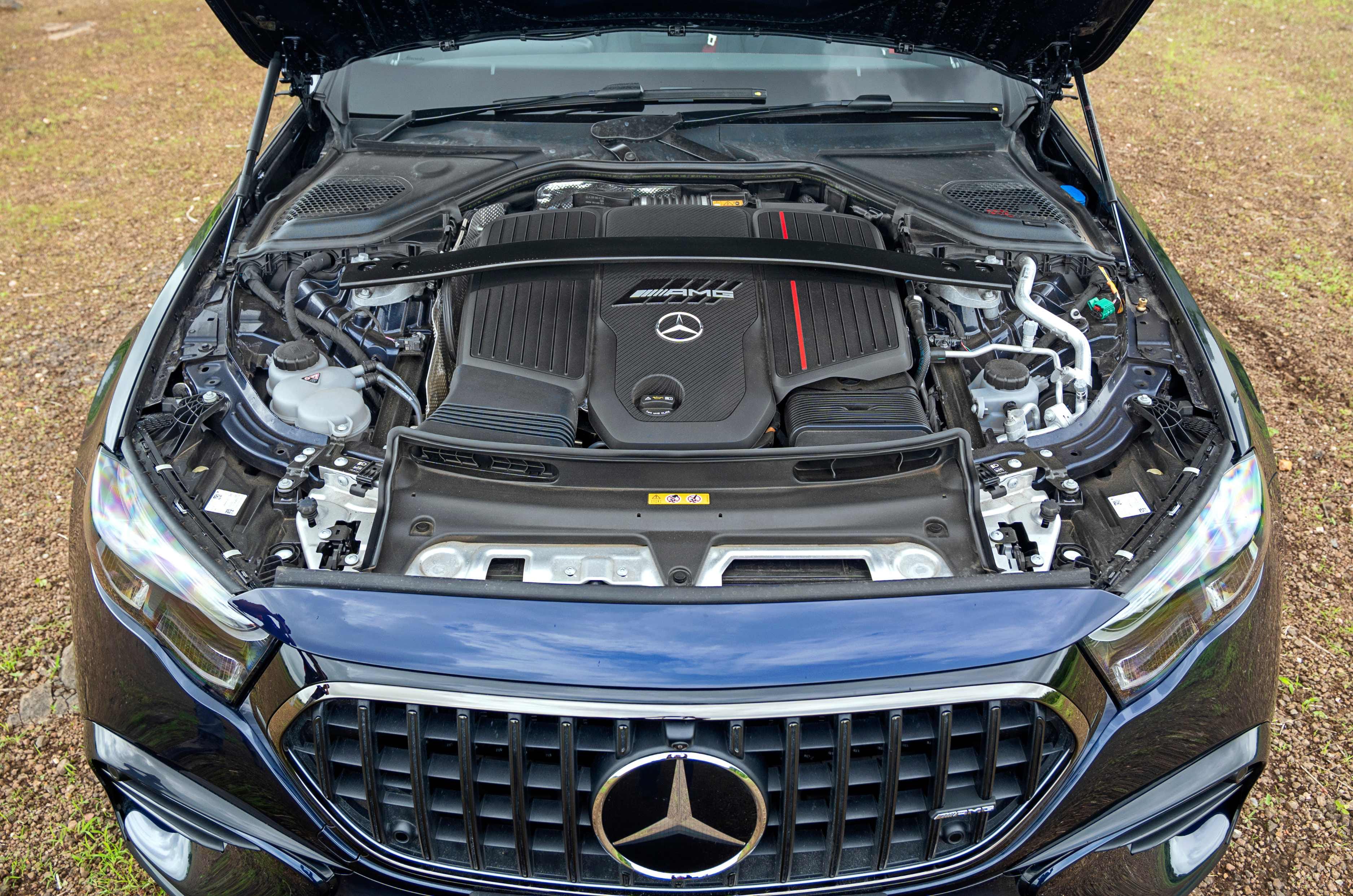
The E 53 comes with a plug-in hybrid setup that marries a 449hp 3.0-litre turbo-petrol straight-six, a 28.6kWh battery pack and an electric motor housed within the 9-speed automatic gearbox. The combined output is 585hp and 750Nm (612hp when using launch control), which is routed to all four wheels via Mercedes’s 4Matic+ AWD system.
As we noted in our Mercedes-AMG E 53 PHEV review, it’s a blast to drive in its most aggressive Sport+ drive mode. Both the engine and electric motor operate at maximum capacity, providing rapid but smooth acceleration and strong power delivery. The gearbox also feels well-suited to the powertrain, with quick shifts and an ‘M’ mode that gives you full control and doesn’t intervene even if you hit the redline. That said, the gearbox can feel clunky and too eager at crawling city speeds, as it tends to constantly shuffle through the lower gears.
For the E 53, Mercedes-AMG claims a 0-100kph time of 4 seconds with launch control and an electronically limited top speed of 250kph, which rises to 280kph with the optional AMG Driver’s Package.
Usable electric range
Thanks to its 28.6kWh battery, the E 53 claims a 100km all-electric range, which, in the real world, will likely hover in the 75-90km ballpark. This is more than enough to complete daily urban commutes without burning a drop of petrol, making the E 53 surprisingly affordable to run, at least in the city.
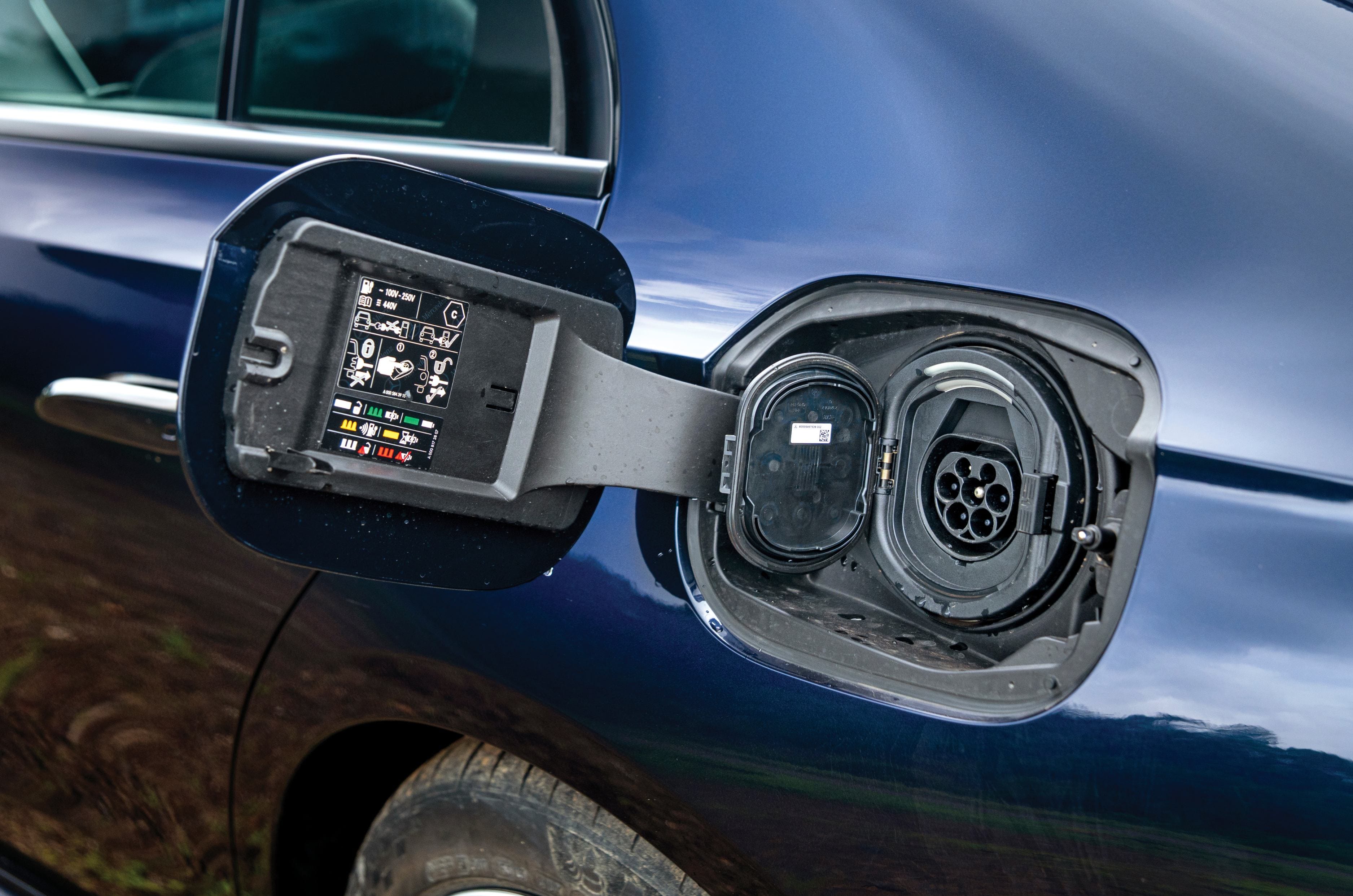
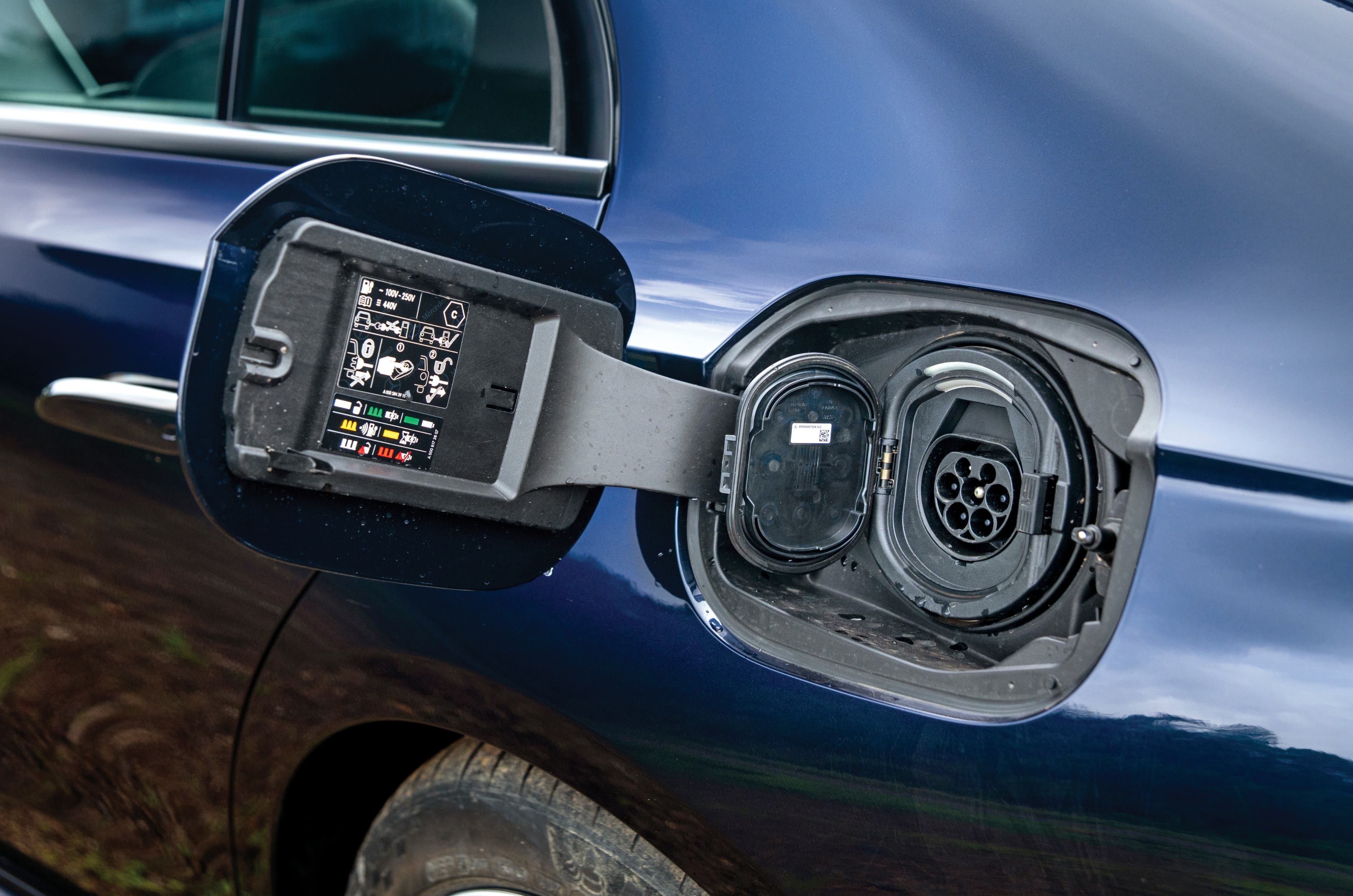
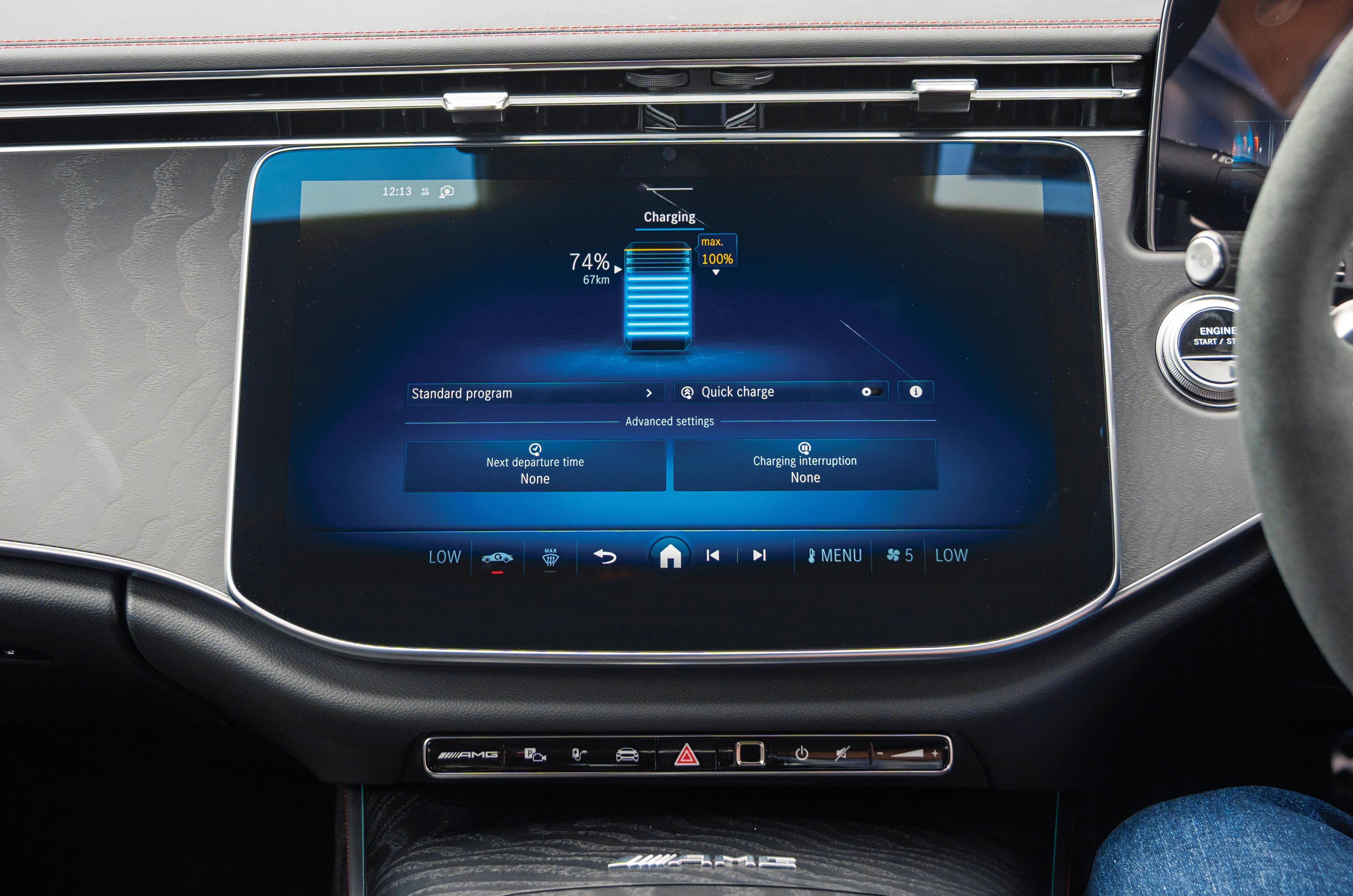
Once the battery begins to deplete, the straight-6 engine fires up and drives the wheels, but even then, the hybrid system pitches in via constant regenerative braking and electric assistance, ensuring the E 53 feels responsive while delivering better fuel efficiency than an equivalent pure-petrol performance sedan. As for charging, an 11kW AC wallbox takes 2.25 hours for a 0-100 percent charge, while a 60kW DC fast charger takes 20 minutes for a 10-80 percent top-up.
Fantastic handling
Around the bends, the E 53 feels remarkably composed, even though it lugs around a fairly substantial battery pack – its low placement helps keep the centre of gravity down. Body roll is kept in check. The Sport and Sport+ drive modes noticeably tighten up the car; the dampers become more responsive, and the steering gains heft.
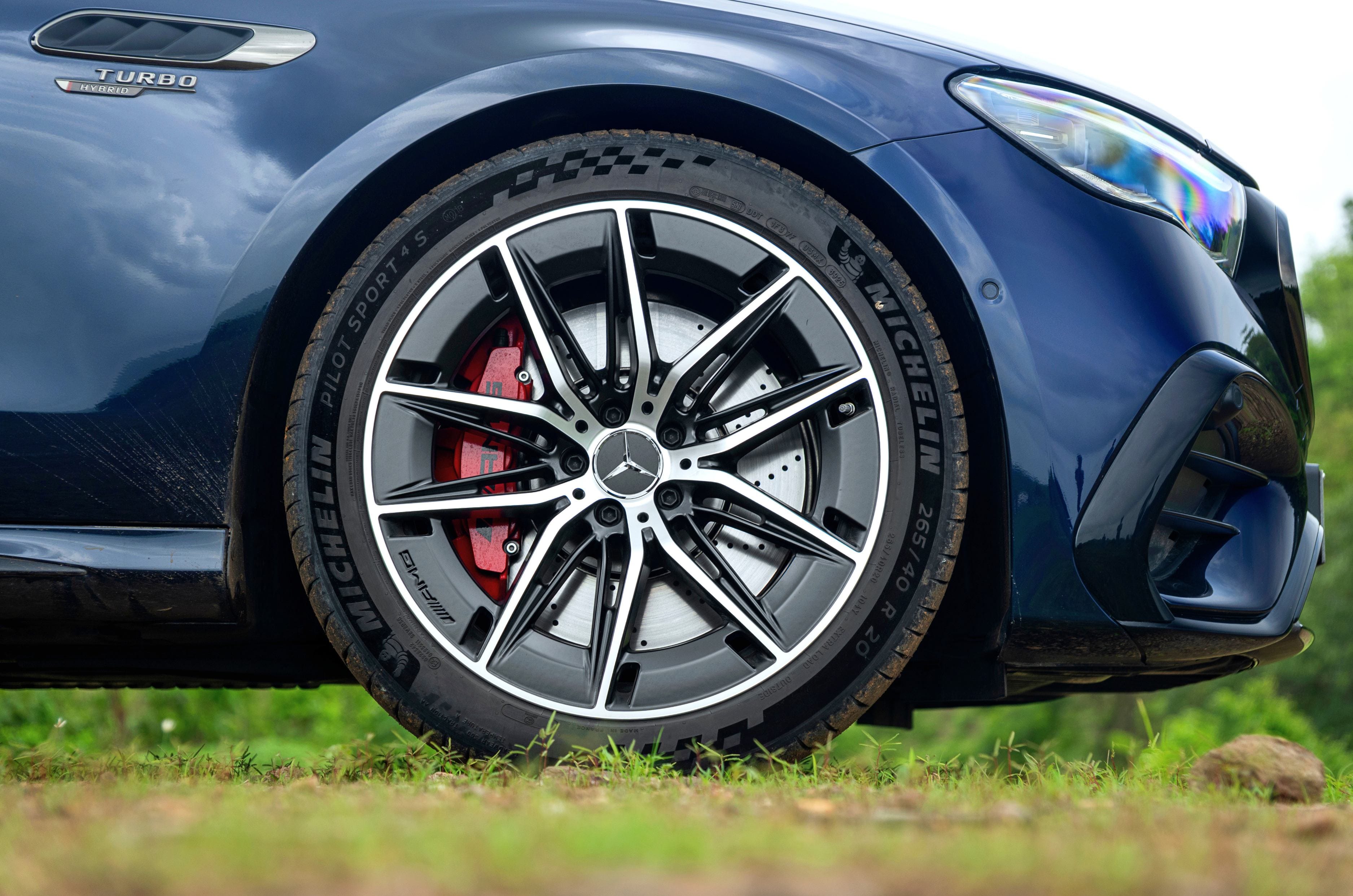
The AWD system is rear-biased, and the Michelin Pilot Sport 4S tyres confidently deploy all that power to the road. Rear-wheel steering of up to 2.5 degrees is also included, aiding stability through high-speed corners.
Cons
Unnatural brake feel
Despite being fitted with massive 390mm discs up front and regenerative braking, the E 53 doesn’t deliver a natural or consistent pedal feel. Stopping power is strong, but the spongy, inconsistent brake pedal puts a damper on an otherwise fun driving experience.
Poor in-cabin ergonomics
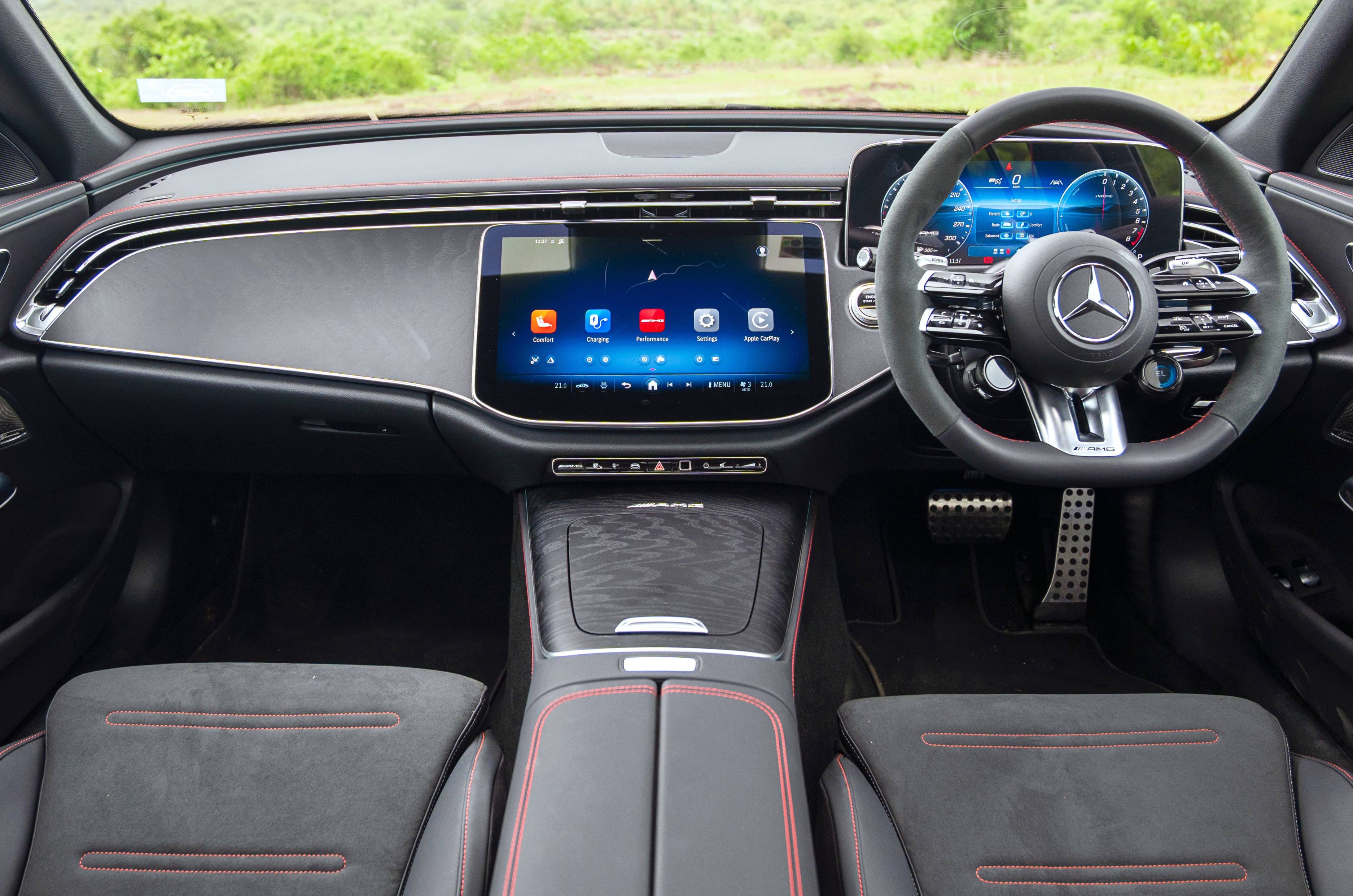
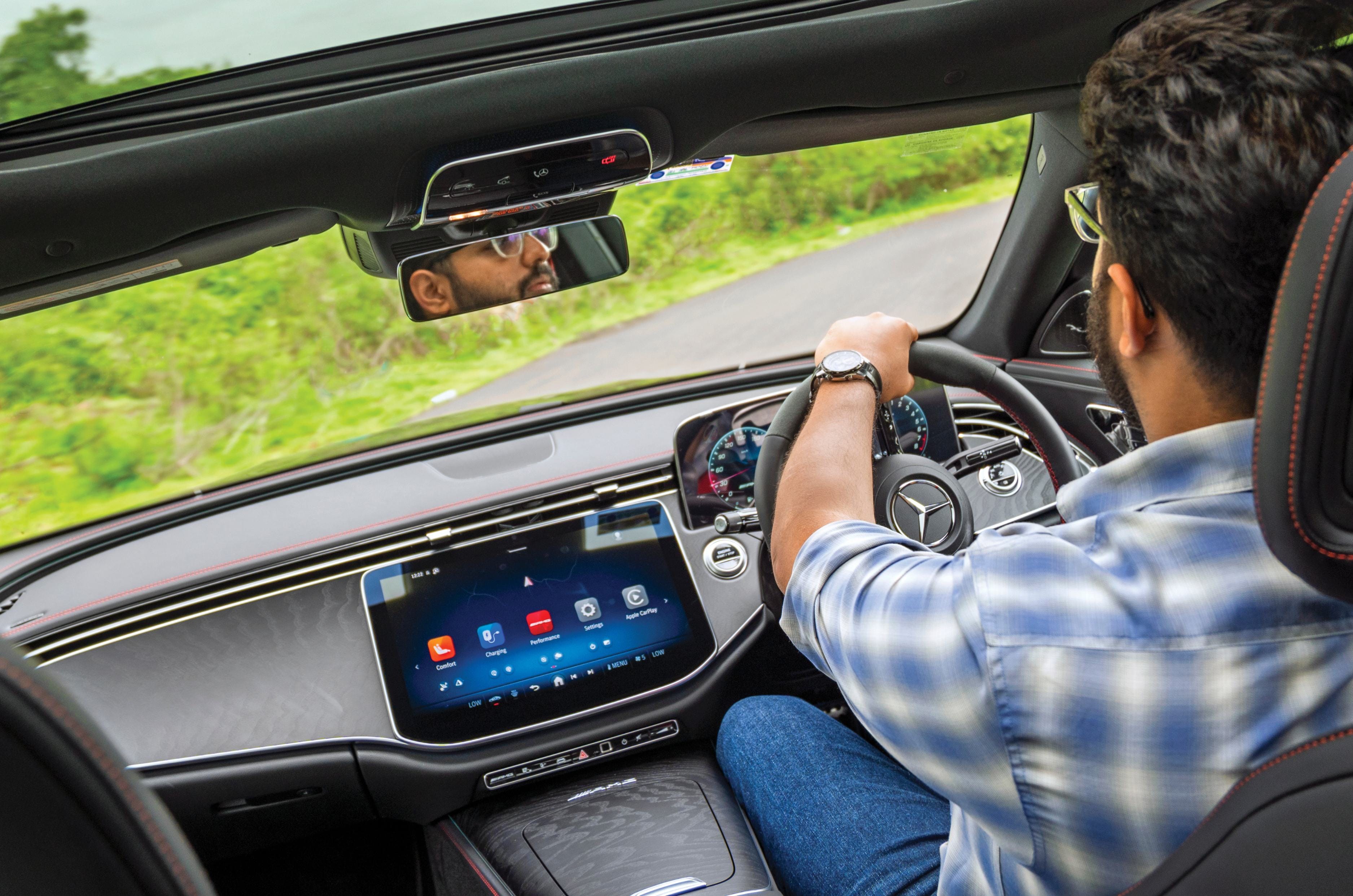
While the interior layout of the E 53 looks and feels very upmarket, its ergonomics suffer due to a glaring absence of physical controls. Much of the in-cabin functionality is folded into the large 14.4-inch central touchscreen, which isn’t all that intuitive to use while on the move. The touch-capacitive controls on the steering wheel further add to the frustration.
Compromised boot space
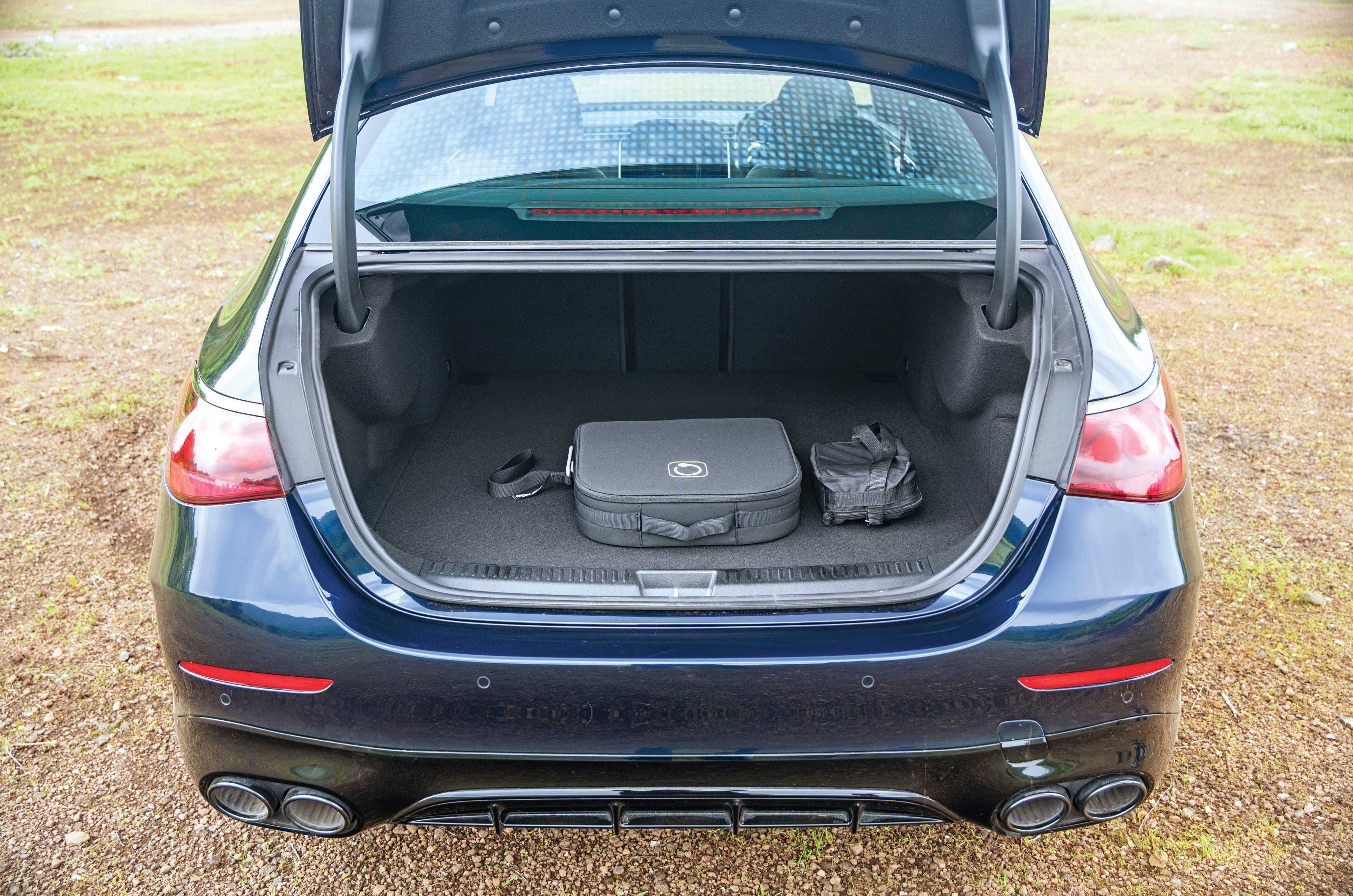
While the battery pack helps enhance the E 53’s performance and daily usability, its placement beneath the boot floor significantly eats into luggage capacity. At 370 litres, the E 53’s boot is 170 litres smaller than that of the standard E-Class. There’s no spare wheel either, with its space instead occupied by the charging cable and puncture repair kit.
AIIMS NORCET 11 Registration 2026: नर्सिंग के क्षेत्र में विशेषज्ञता रखने वाले और इसमें करियर बनाने के इच्छुक उम्मीदवारों के लिए जरूरी अपडेट है। अखिल भारतीय आयुर्विज्ञान संस्थान (AIIMS), नई दिल्ली ने नर्सिंग ऑफिसर रिक्रूटमेंट कॉमन एलिजिबिलिटी टेस्ट (NORCET) 11 के लिए आवेदन प्रक्रिया शुरू कर दी है। इस भर्ती प्रक्रिया के जरिए एम्स नई दिल्ली और दूसरे हिस्सा लेने वाले एम्स और सरकारी मेडिकल संस्थानों में नर्सिंग ऑफिसर के 2,218 पदों पर नियुक्ति की जाएगी। योग्य और इच्छुक उम्मीदवार 13 अगस्त तक एम्स के आधिकारिक परीक्षा पोर्टल aiimsexams.ac.in के जरिए अपनी एप्लीकेशन जमा कर सकते हैं। यह भर्ती नर्सिंग ऑफिसर (ग्रुप B) पोस्ट के लिए पे मैट्रिक्स के लेवल 7 (प्री-रिवाइज्ड पे बैंड Rs 9,300-34,800 और ग्रेड पे Rs 4,600) पर हो रही है।
एम्स नॉरसेट 11 पंजीकरण 2026: आवेदन करने के लिए योग्यता
नॉरसेट 11 के लिए आवेदन करने वाले उम्मीदवारों के पास नीचे दी गई शैक्षिक योग्यता में से कोई एक होनी चाहिए :
इंडियन नर्सिंग काउंसिल (INC) या स्टेट नर्सिंग काउंसिल से मान्यता प्राप्त इंस्टिट्यूट या यूनिवर्सिटी से बीएससी (ऑनर्स) नर्सिंग, बीएससी नर्सिंग, या पोस्ट-बेसिक बीएससी नर्सिंग, साथ ही स्टेट नर्सिंग काउंसिल या इंडियन नर्सिंग काउंसिल के साथ नर्स और मिडवाइफ के तौर पर रजिस्ट्रेशन।
आईएनसी या स्टेट नर्सिंग काउंसिल से मान्यता प्राप्त इंस्टिट्यूट से जनरल नर्सिंग और मिडवाइफरी (GNM) में डिप्लोमा, साथ ही स्टेट नर्सिंग काउंसिल या इंडियन नर्सिंग काउंसिल के साथ नर्स और मिडवाइफ के तौर पर रजिस्ट्रेशन, और जरूरी योग्यता मिलने के बाद कम से कम 50 बेड वाले हॉस्पिटल में दो साल का अनुभव।
एम्स ने साफ किया है कि जीएनएम आवेदकों के लिए जरूरी दो साल का अनुभव कोर्स पूरा करने, रिजल्ट घोषित करने और स्टेट नर्सिंग काउंसिल या इंडियन नर्सिंग काउंसिल के साथ रजिस्ट्रेशन के बाद मिलना चाहिए।
एम्स नॉरसेट 11 रजिस्ट्रेशन 2026: उम्र सीमा
सभी एम्स संस्थान के लिए आवेदकों की उम्र सीमा 18 से 30 साल है। उम्र में छूट संबंधित हिस्सा लेने वाले संस्थान के भर्ती नियमों के अनुसार लागू होगी। ऑनलाइन पंजीकरण की आखिरी तारीख 13 अगस्त, 2026 को कैंडिडेट की उम्र तय करने के लिए कट-ऑफ तारीख माना जाएगा।
एम्स नॉरसेट 11 रजिस्ट्रेशन 2026: आवेदन शुल्क
जनरल/OBC: Rs 3,000
SC/ST/EWS: Rs 2,400
बेंचमार्क डिसेबिलिटी वाले लोग (PwBD): छूट मिलेगी
उम्मीदवार आवेदन शुल्क डेबिट कार्ड, क्रेडिट कार्ड या नेट बैंकिंग से दे सकते हैं। एम्स ने कहा है कि एप्लीकेशन फीस नॉन-रिफंडेबल है। हालांकि, परीक्षा में बैठने वाले SC/ST कैंडिडेट की दी गई फीस रिजल्ट आने के बाद उनके कैटेगरी सर्टिफिकेट के वेरिफिकेशन के बाद वापस कर दी जाएगी।
एम्स नॉरसेट 11 रजिस्ट्रेशन 2026: जरूरी तारीखें
ऑनलाइन रजिस्ट्रेशन : 24 जुलाई से 13 अगस्त, 2026 (शाम 5 बजे तक)
एनओसी जमा करने की आखिरी तारीख (सरकारी कर्मचारियों के लिए): 18 अगस्त, 2026 (शाम 5 बजे तक)
परीक्षा पूरे भारत में निर्धारित परीक्षा केंद्रों पर कंप्यूटर-बेस्ड टेस्ट (CBT) मोड में होगी। एम्स ने कैंडिडेट्स को यह भी बताया है कि दिए गए परीक्षा केंद्र को बदलने की रिक्वेस्ट पर विचार नहीं किया जाएगा।
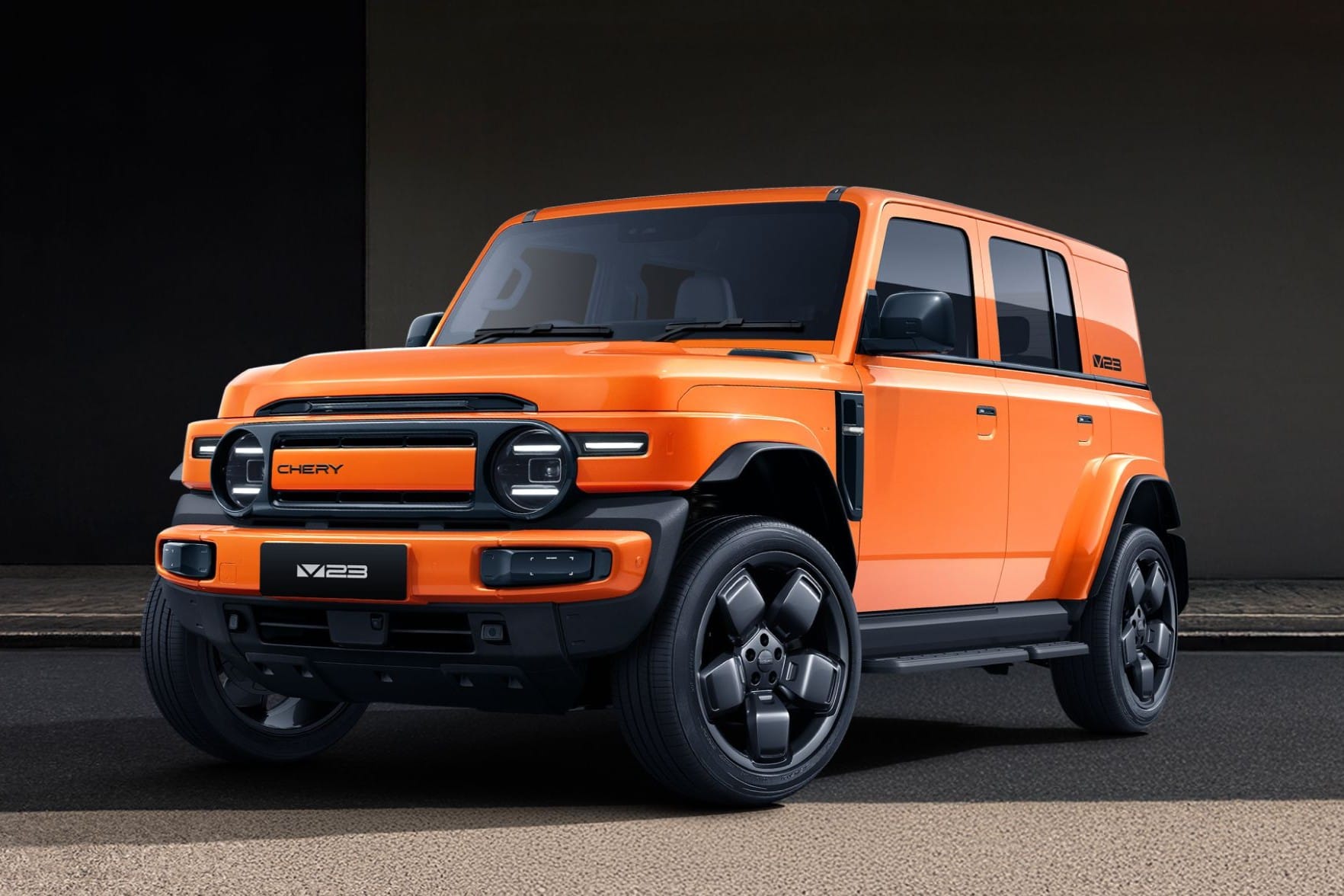
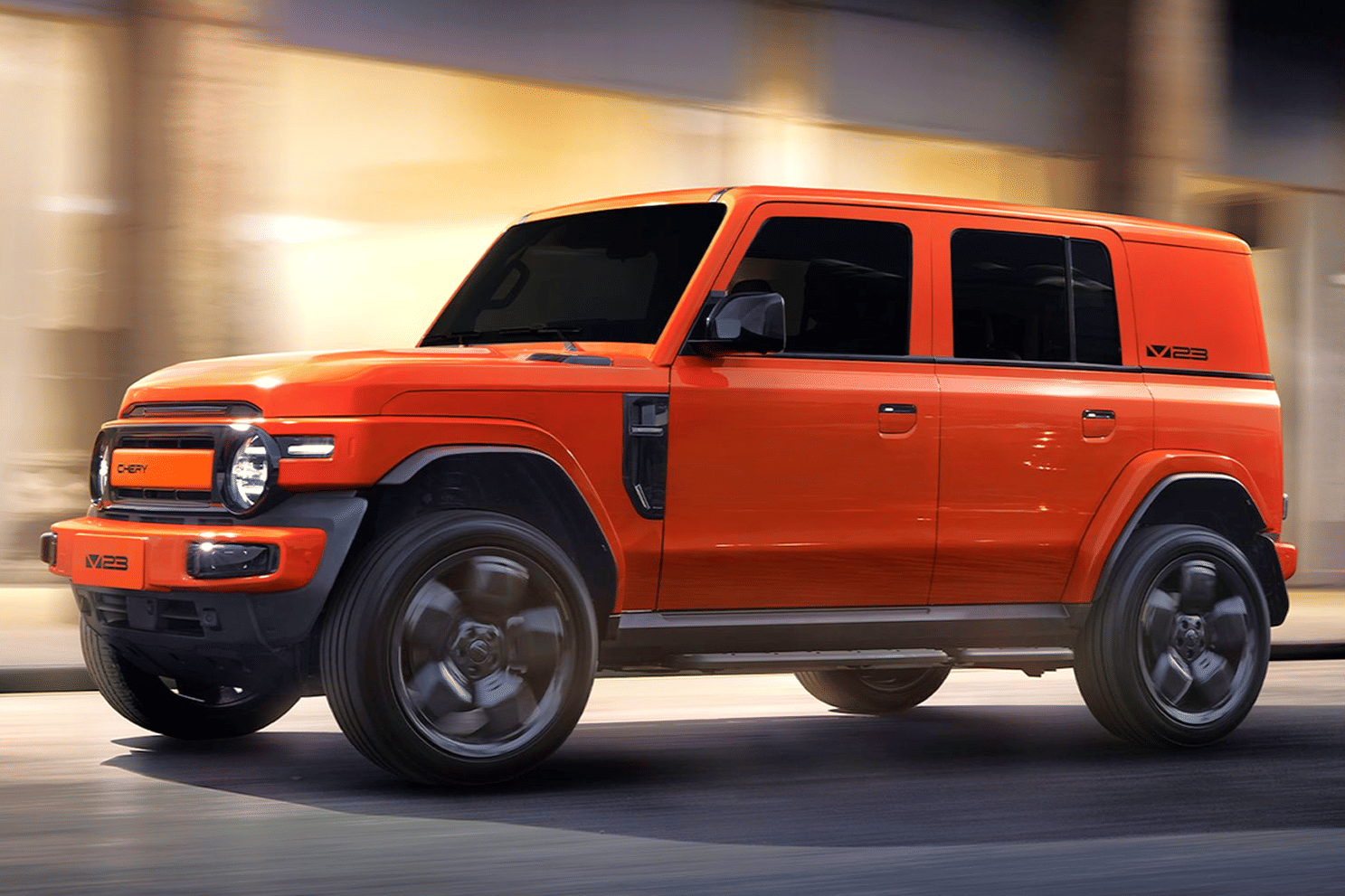
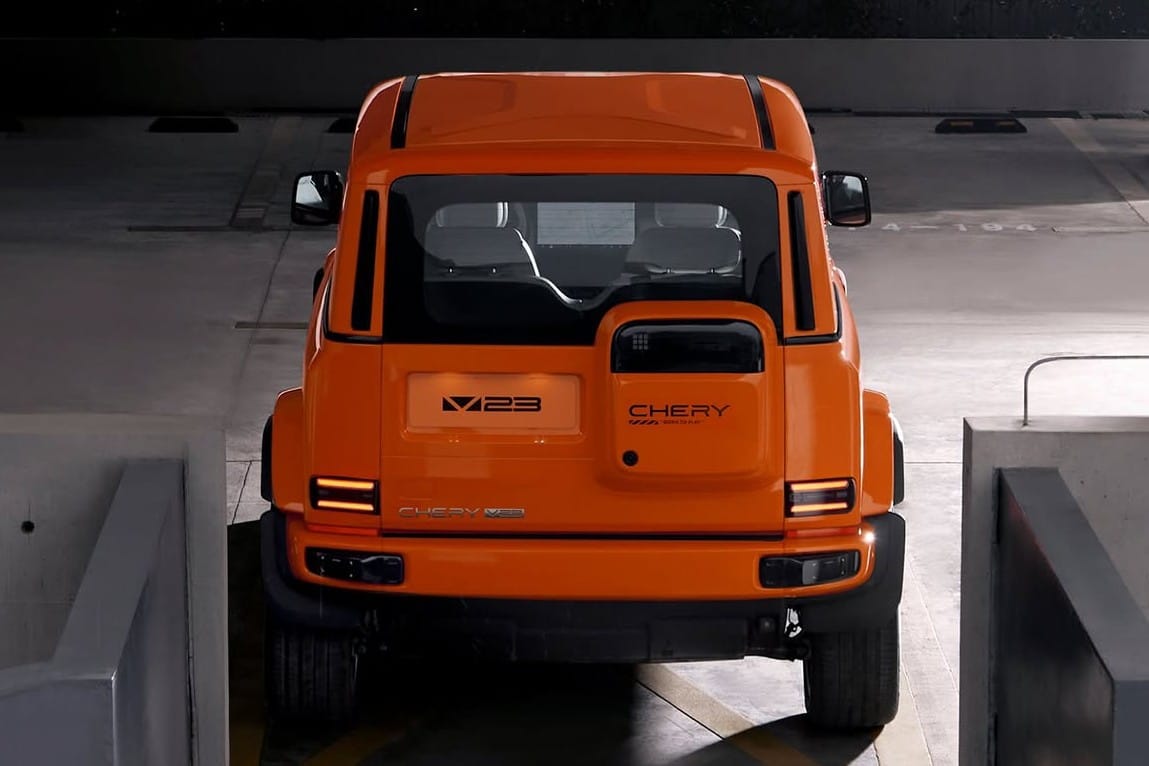
JSW Motors’ third model, an electric SUV based on the Chery iCar V23, is expected to be sold with a dual-motor all-wheel drive powertrain in India, per our sources. This EV will be the first mass-market electric off-roader in India, and its closest rival will be the Mahindra Thar Roxx, which is ICE-powered, but also a 5-door off-road-focused SUV. We even reported previously that JSW’s iCar V23-based EV may be priced under Rs 20 lakh (ex-showroom).
JSW Motors’ iCar V23-based electric SUV: Powertrain
In global markets, the dual-motor AWD version of the iCar V23 packs an 81.76kWh NMC battery pack with an NEDC-certified range of 430km. Combined output is pegged at 211hp and 292Nm, which makes for a rather brisk 0-100kph time of 7.5 seconds (claimed). Top speed is rated at 140kph. The global-spec iCar V23 also supports up to 6.6kW AC and 104kW DC charging speeds.
JSW Motors’ iCar V23-based electric SUV: Exterior and interior
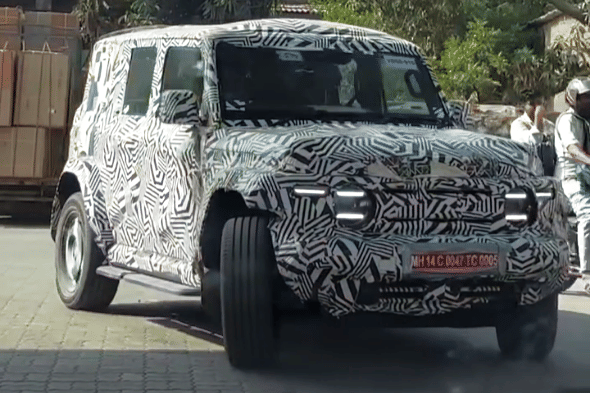
Credit: @torqueculturee via Instagram
Test mules of JSW’s iCar V23-based EV have been spotted on Indian roads on several occasions, hinting at a very similar design to that of the global model. For reference, the global-spec iCar V23 measures 4,220mm in length, 1,915mm in width, and 1,845mm in height, with a wheelbase of 2,735mm. It also has an unladen ground clearance of 210mm.
Size-wise, then, the iCar V23 slots between the Maruti Jimny and Thar Roxx. Styling highlights for the iCar V23 include butch and boxy proportions, muscular bumpers, flared and squared-off fenders, 21-inch alloy wheels, circular LED headlamps, low-set rectangular tail-lamps, and a bootlid-mounted spare wheel.
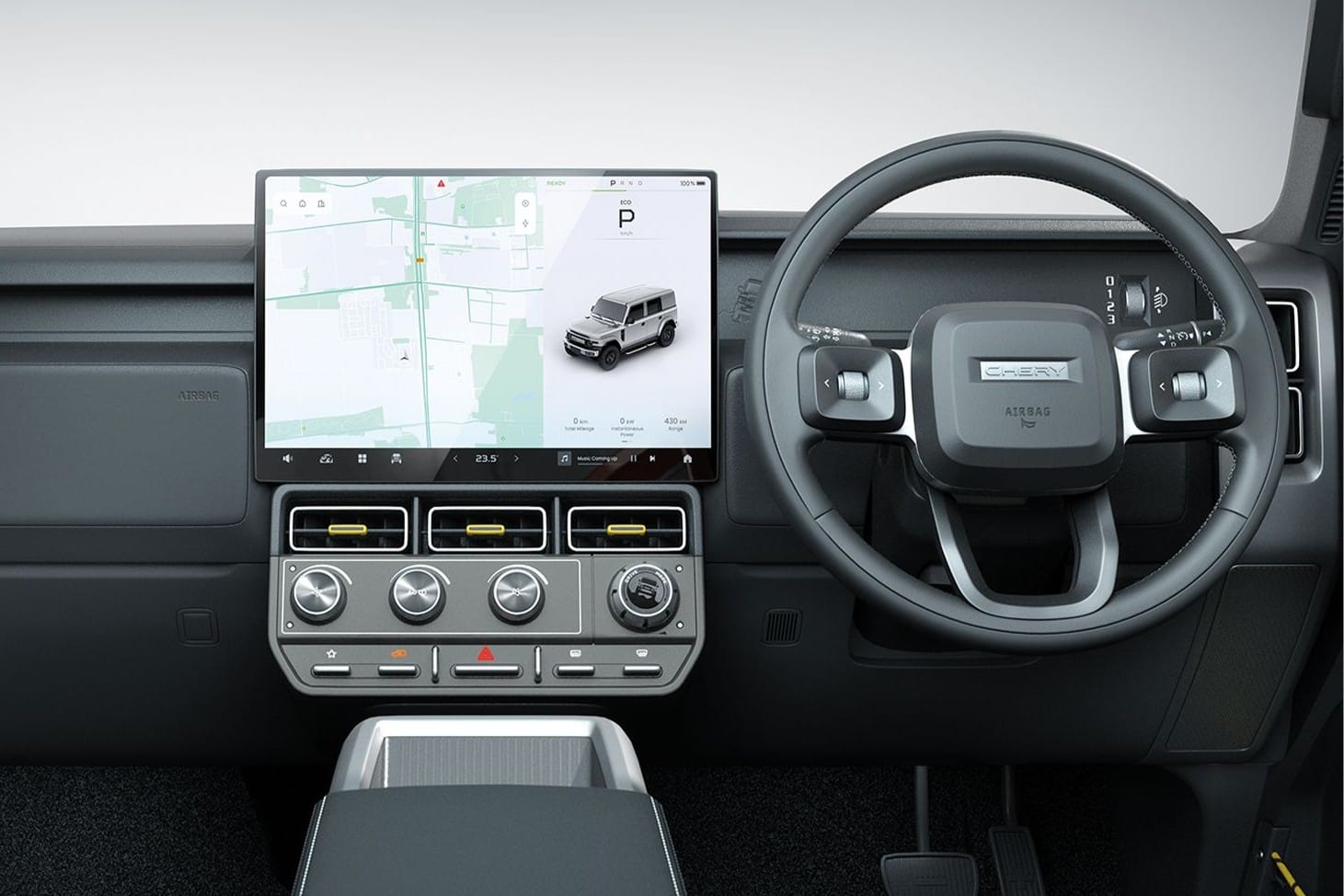
Inside, the iCar V23 sports a minimalist dashboard layout, comprising a massive 15.4-inch infotainment touchscreen, a three-spoke steering wheel, and two rows of physical controls on the centre console. As for features, the global-spec iCar V23 packs wireless Apple CarPlay and Android Auto, a 540-degree camera, six drive modes, ADAS, powered and ventilated front seats, V2L functionality, a digital key, a 7-speaker sound system, and more.
The Mercedes-AMG E53 Hybrid 4MATIC+ arrives at a time when performance cars are being asked to do more than simply go fast. It has to deliver the pace and character expected of an AMG while embracing electrification to meet increasingly stringent emissions norms and changing buyer expectations. The result is a plug-in hybrid performance sedan that combines a 3.0-litre turbo-petrol inline-six engine with an electric motor for a formidable system output of 585hp, while also offering enough electric-only range for mundane daily drives.
But this isn’t just an E-Class with a bigger battery and more power. The E53 gets AMG-specific chassis hardware, all-wheel drive, rear-wheel steering and a suite of performance-focused electronics designed to counter the added weight. Can this electrified AMG still deliver the thrills enthusiasts expect while remaining a genuinely usable luxury sedan every day?
Mercedes-AMG E53 Exterior Design and Engineering
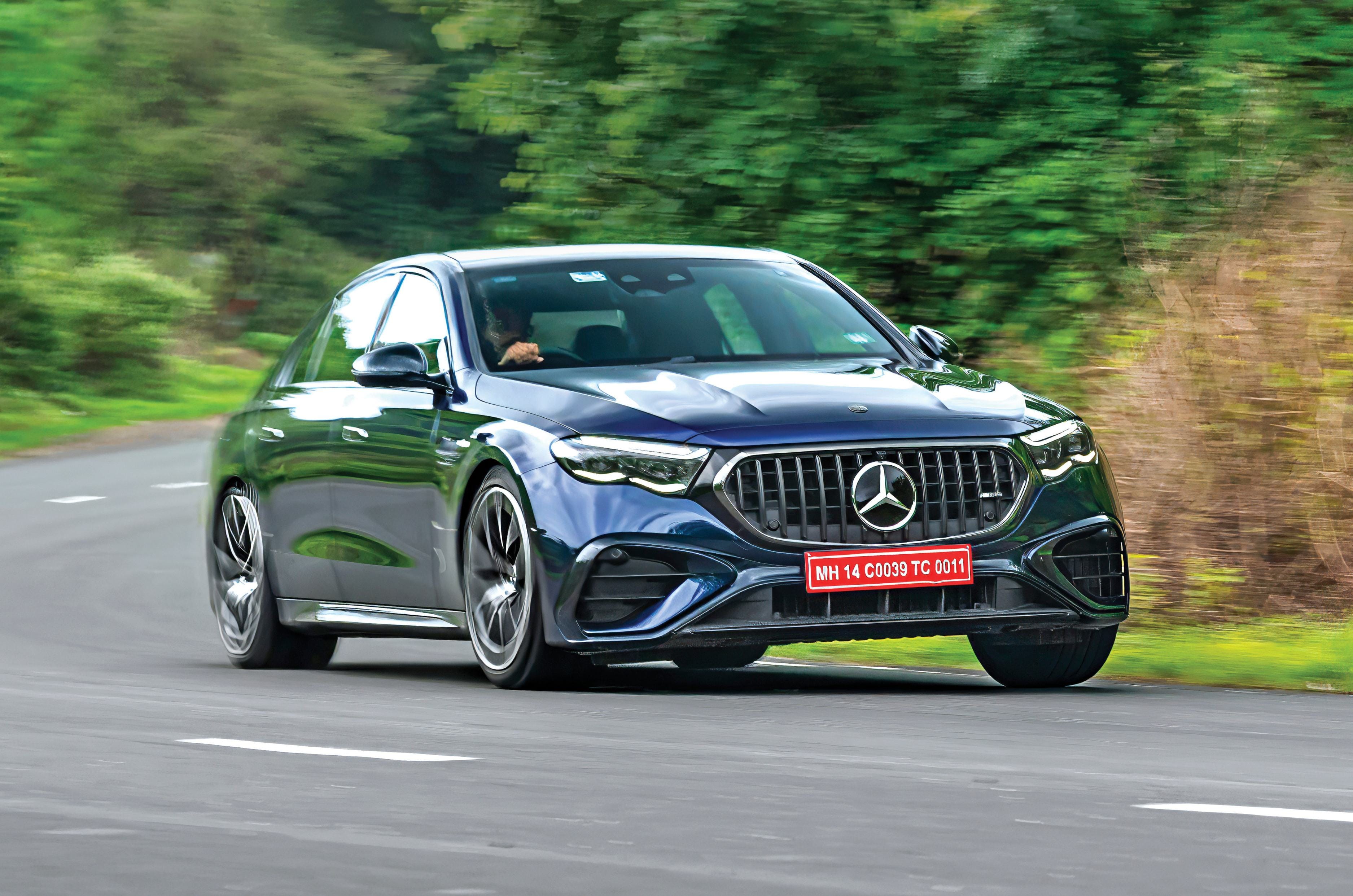
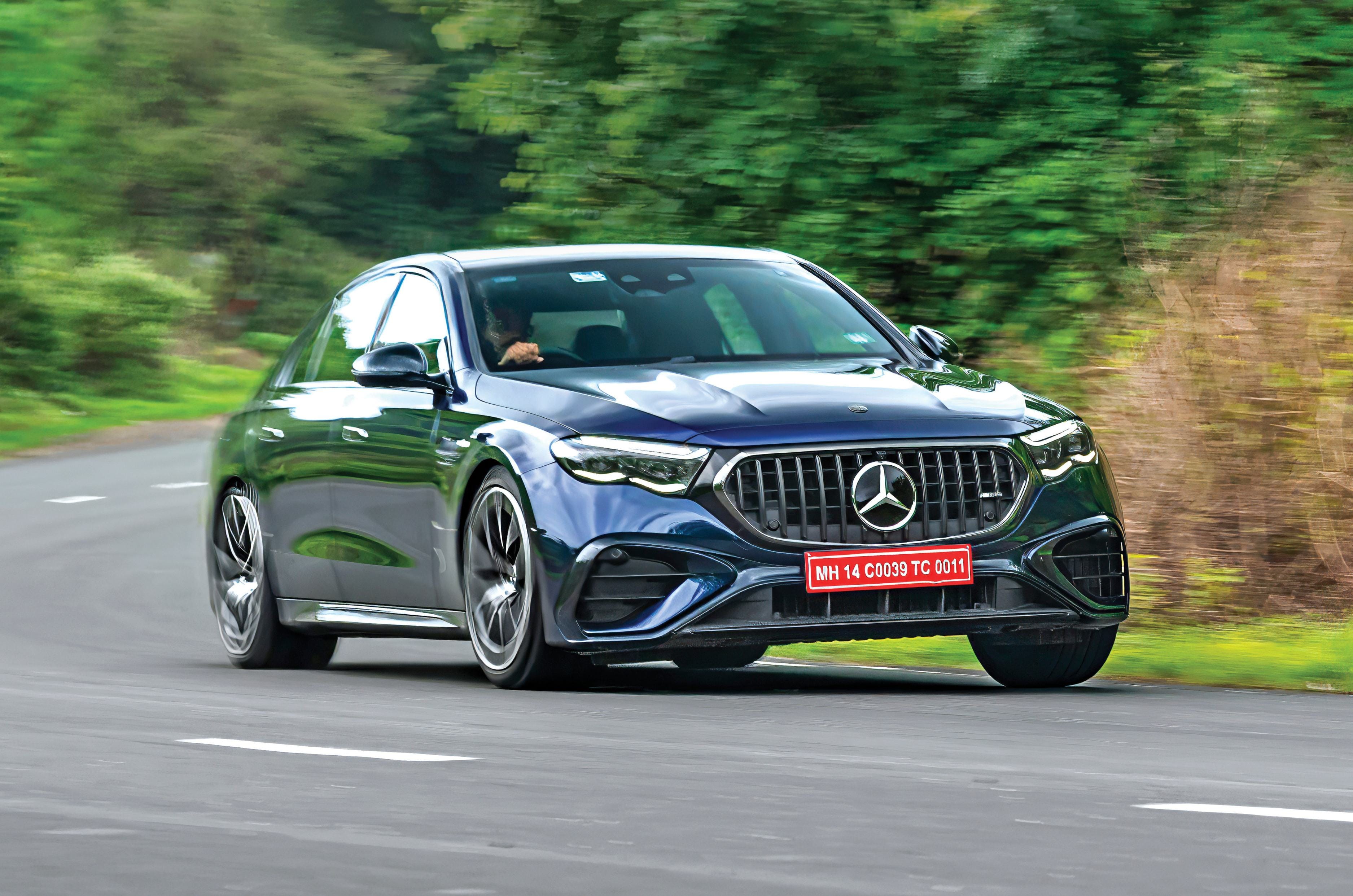
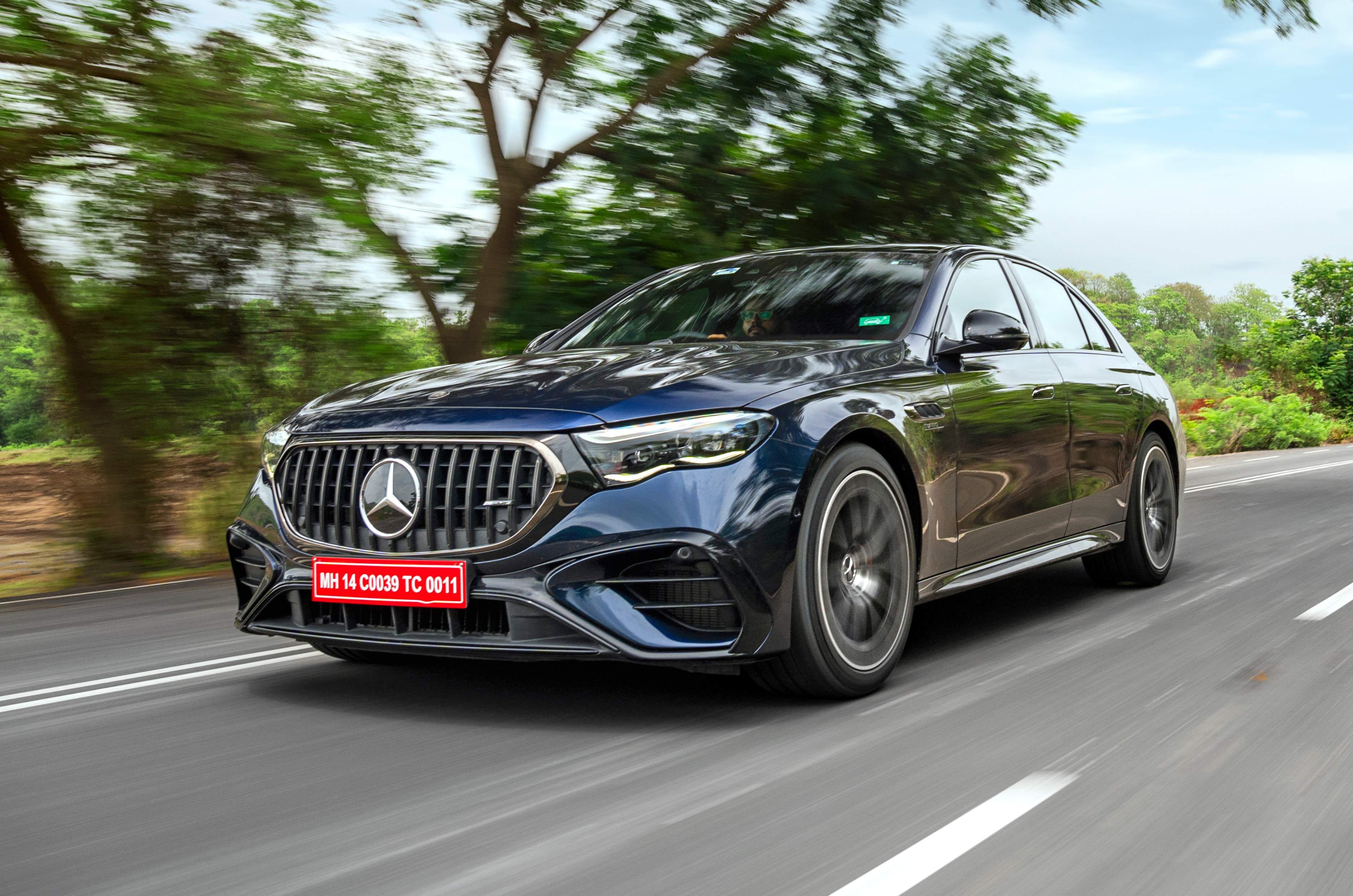
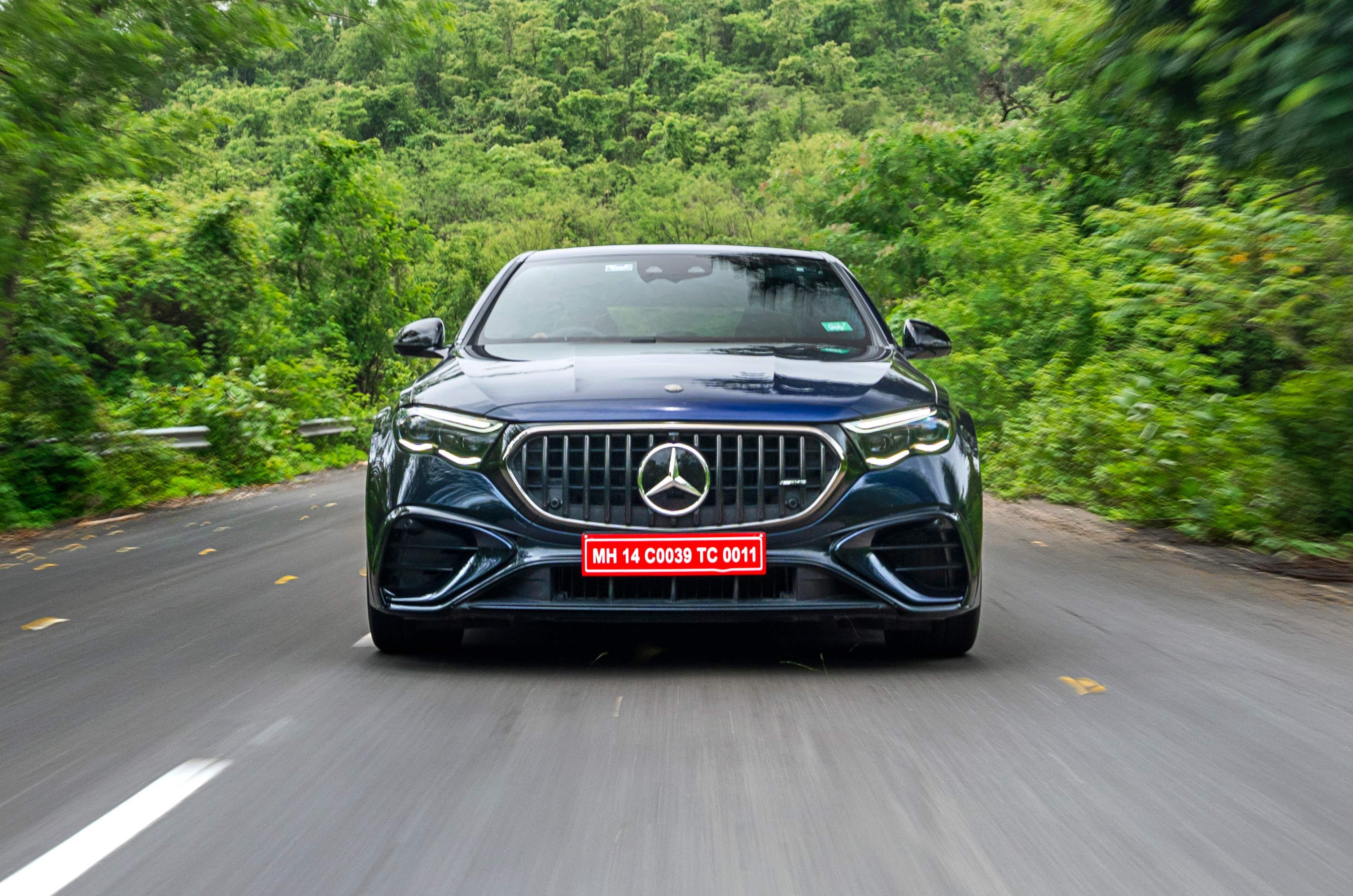
Expectedly, the E 53 has put on quite a bit of muscle. The front bumper is sportier, with large air dams. The Panamericana grille gets illuminated surrounds and is wide enough to gulp massive amounts of air to cool the engine, while the power lines on the bonnet add more intent to its character.
The E53 has good amount of muscle with aggressive bumpers, big grille and power lines
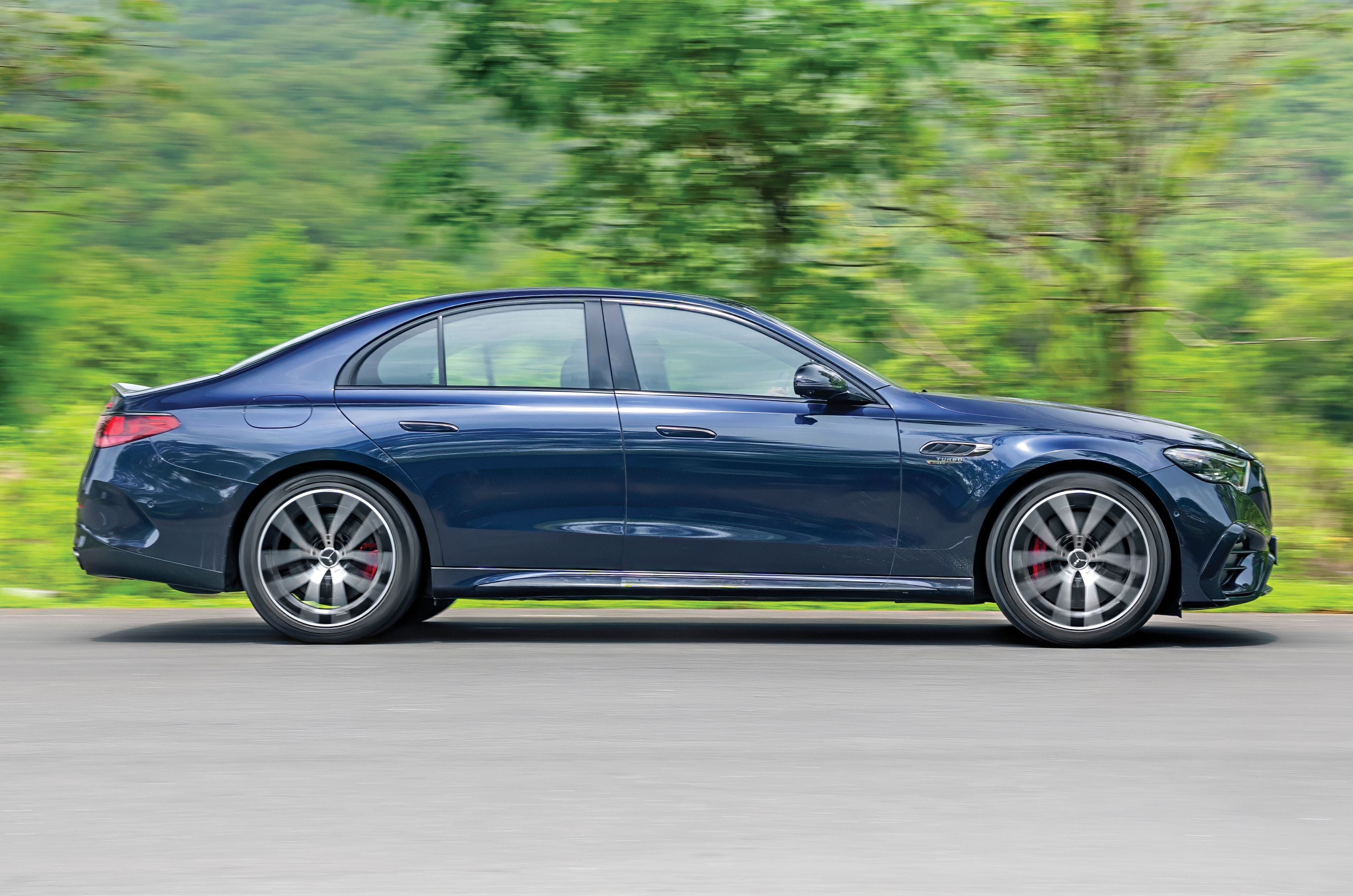
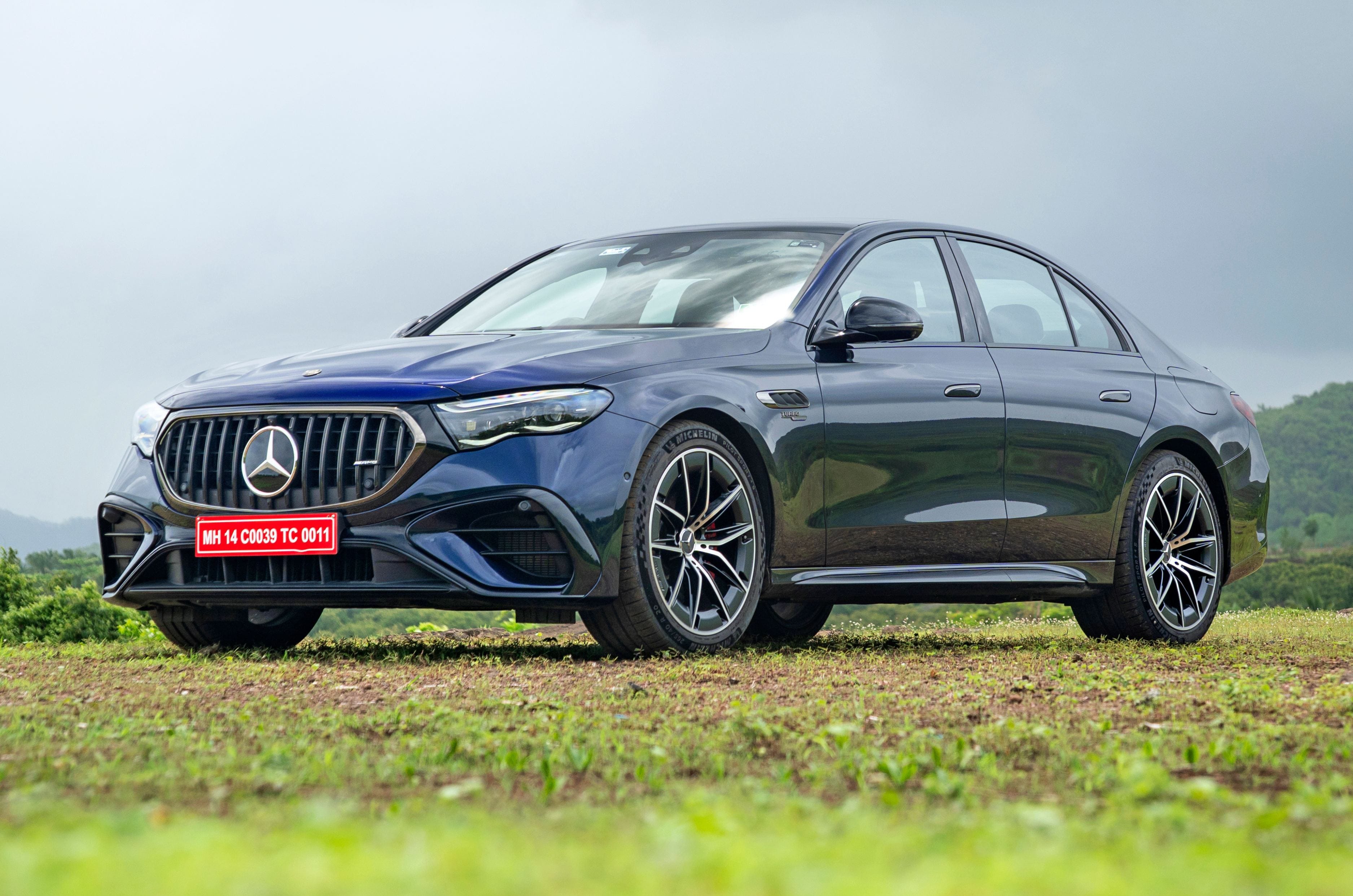
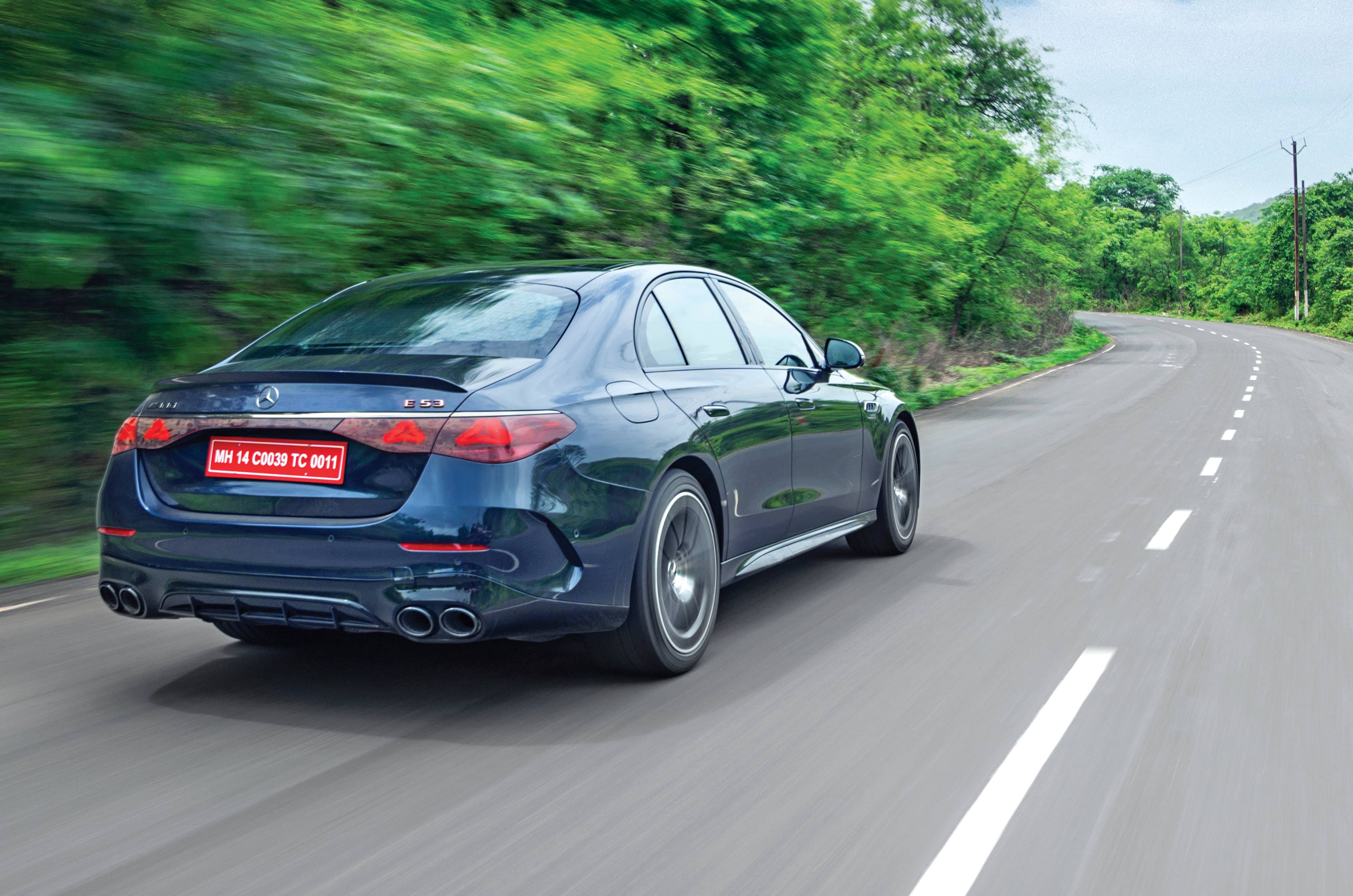
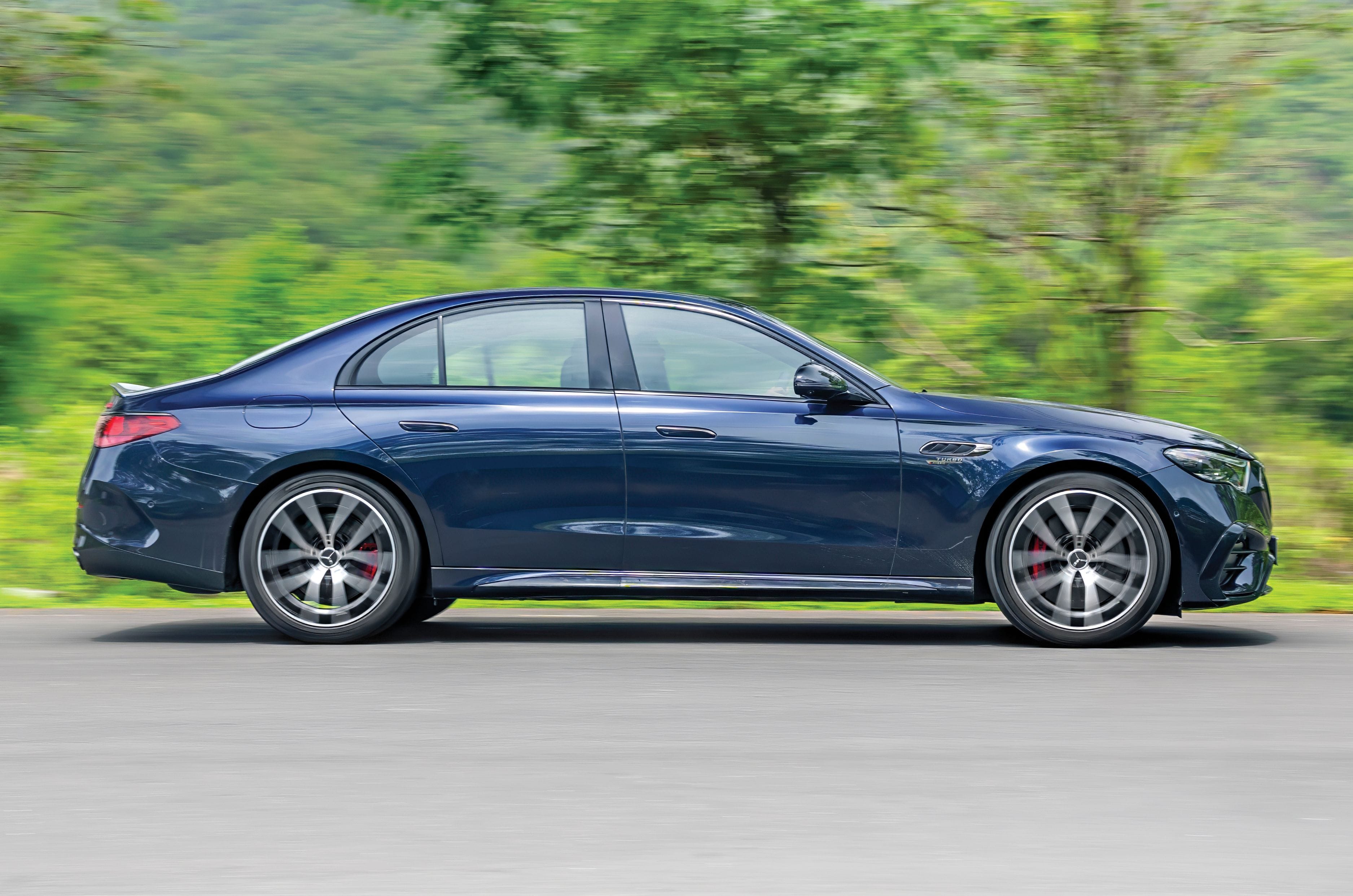
The profile flaunts flared wheel arches, larger 20-inch wheels (the last-gen E 53 featured 19-inchers) and, like before, a standard wheelbase, giving it sportier proportions than the long-wheelbase E-Class.
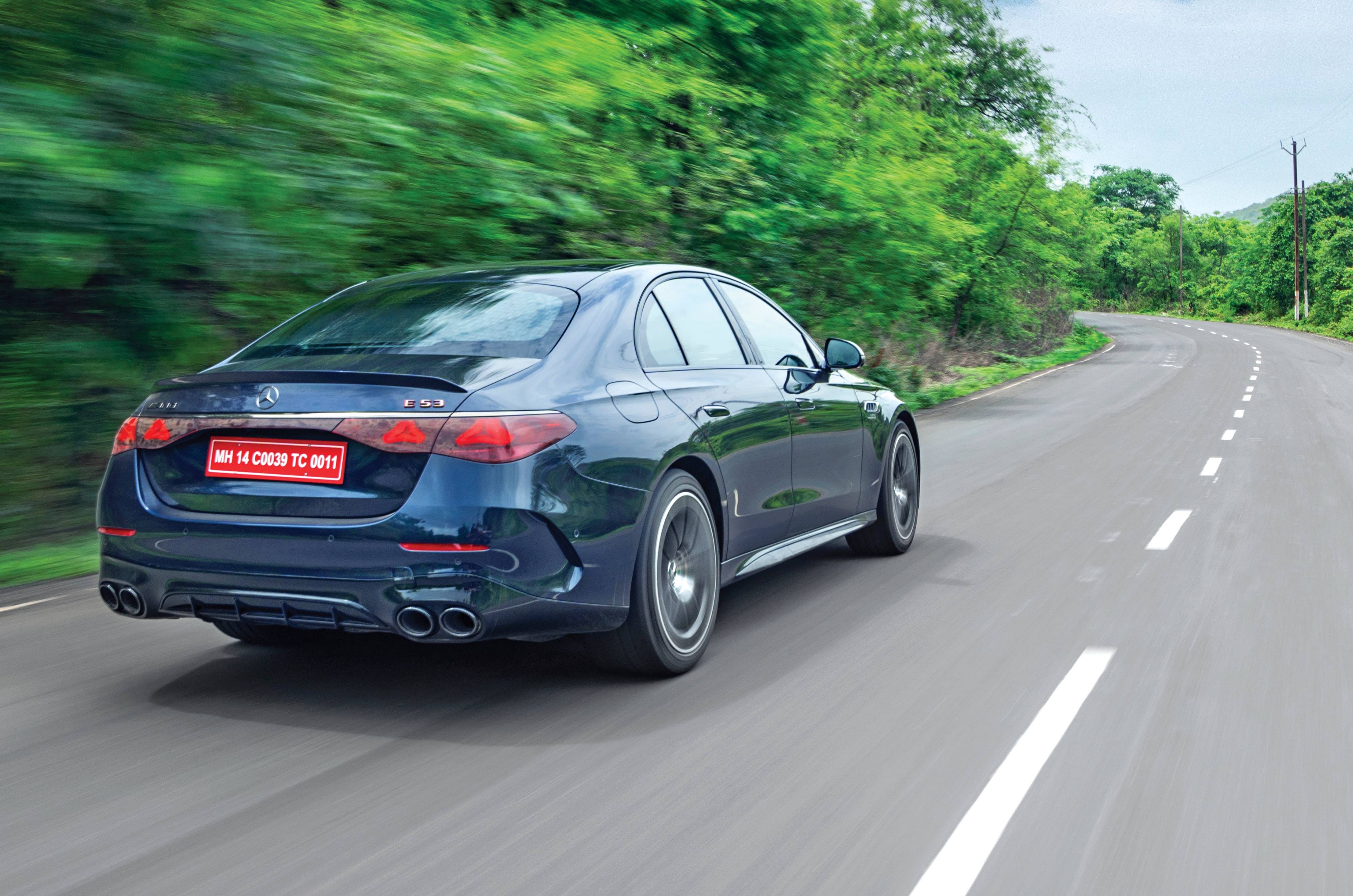
At the rear, there’s an E 53 badge with red highlights, a quad-exhaust setup that isn’t actually connected to the exhaust pipes, a diffuser and a ducktail spoiler that’s large enough to be noticed but won’t do much for downforce.
Not being a long wheelbase gives it perfect proportions
Overall, it’s a handsome-looking car with just the right amount of restraint. However, if you’re looking for a bit more visual drama, you’ll have to pay extra for the MANUFAKTUR paint finishes, as the standard colour palette is more E-Class than AMG.
Mercedes-AMG E53 Interior Space and Comfort
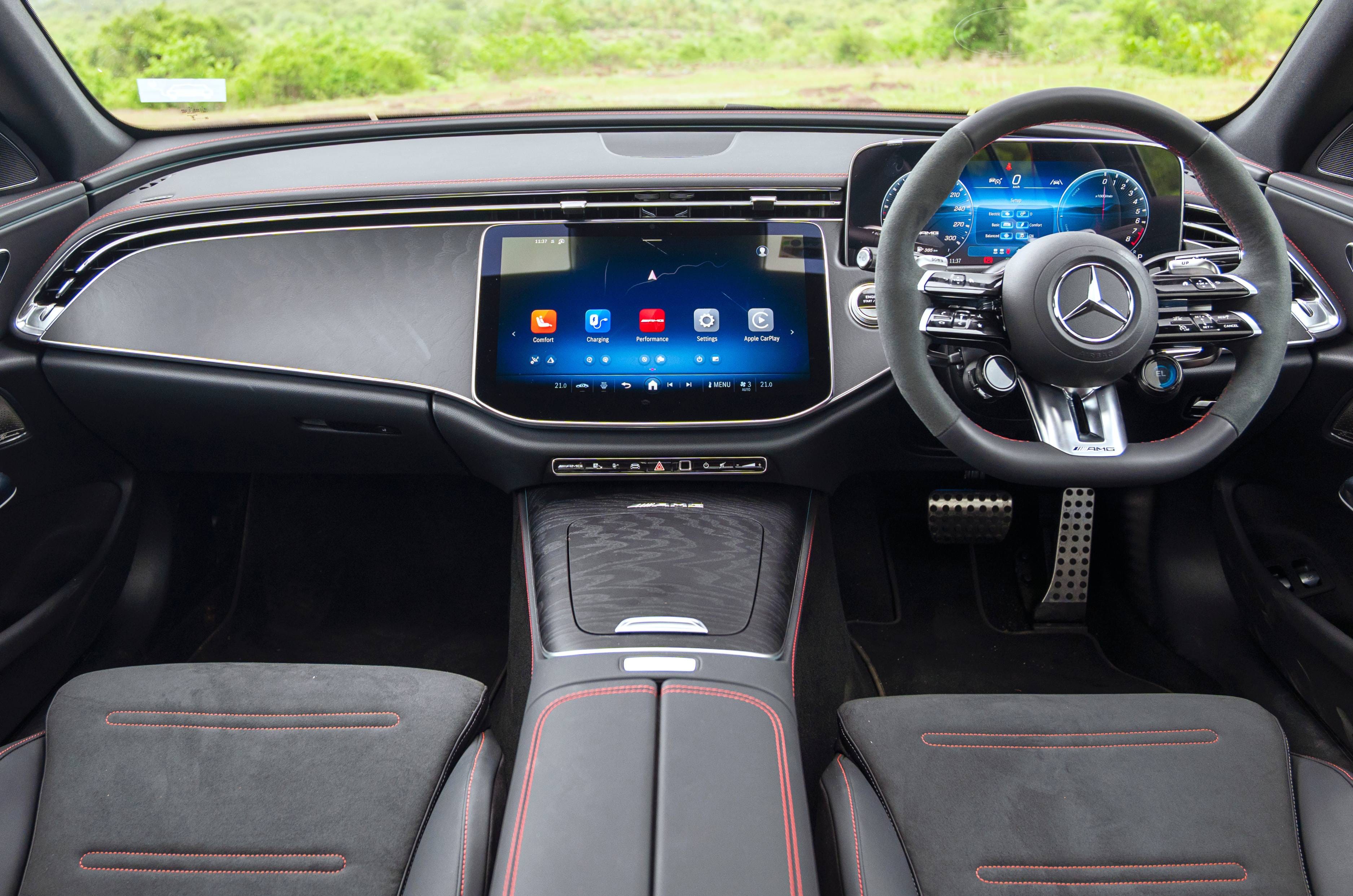
Inside, the E 53 strikes an appealing balance between luxury and sportiness. Instead of carbon-fibre or piano-black trim, Mercedes has used open-pore wood that feels rich and tactile. A large central MBUX touchscreen dominates the dashboard, while the passenger display found on the standard E is absent – not particularly bothersome given how good the main screen is.
Red and black upholstery looks racy while open pore wood adds luxe factor
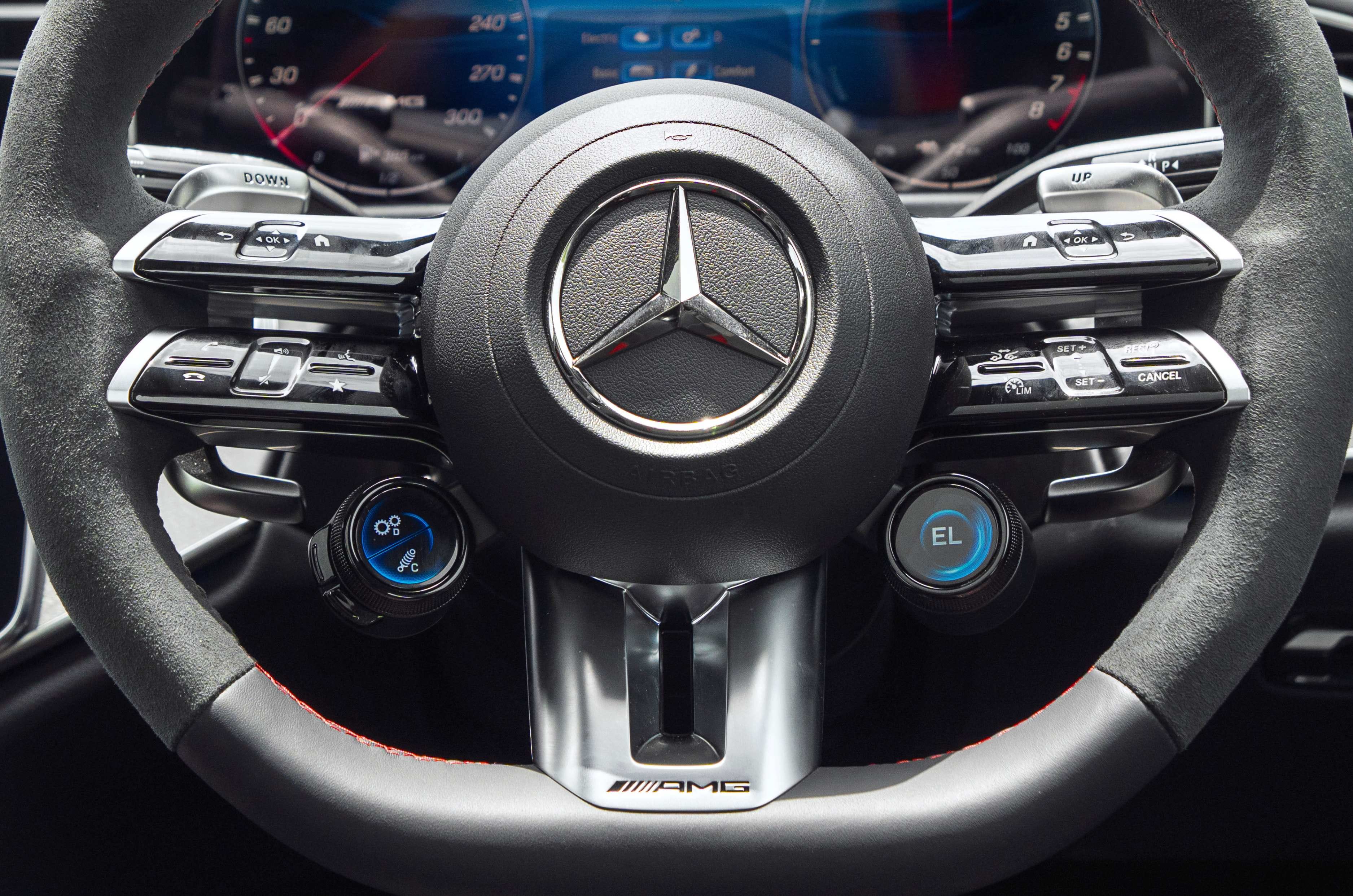
The AMG sports seats offer plenty of support and adjustment, although ventilated and massage functions are missing. Likewise, the chunky AMG steering wheel feels superb in hand but is cluttered with touch-sensitive controls that remain frustrating to use.
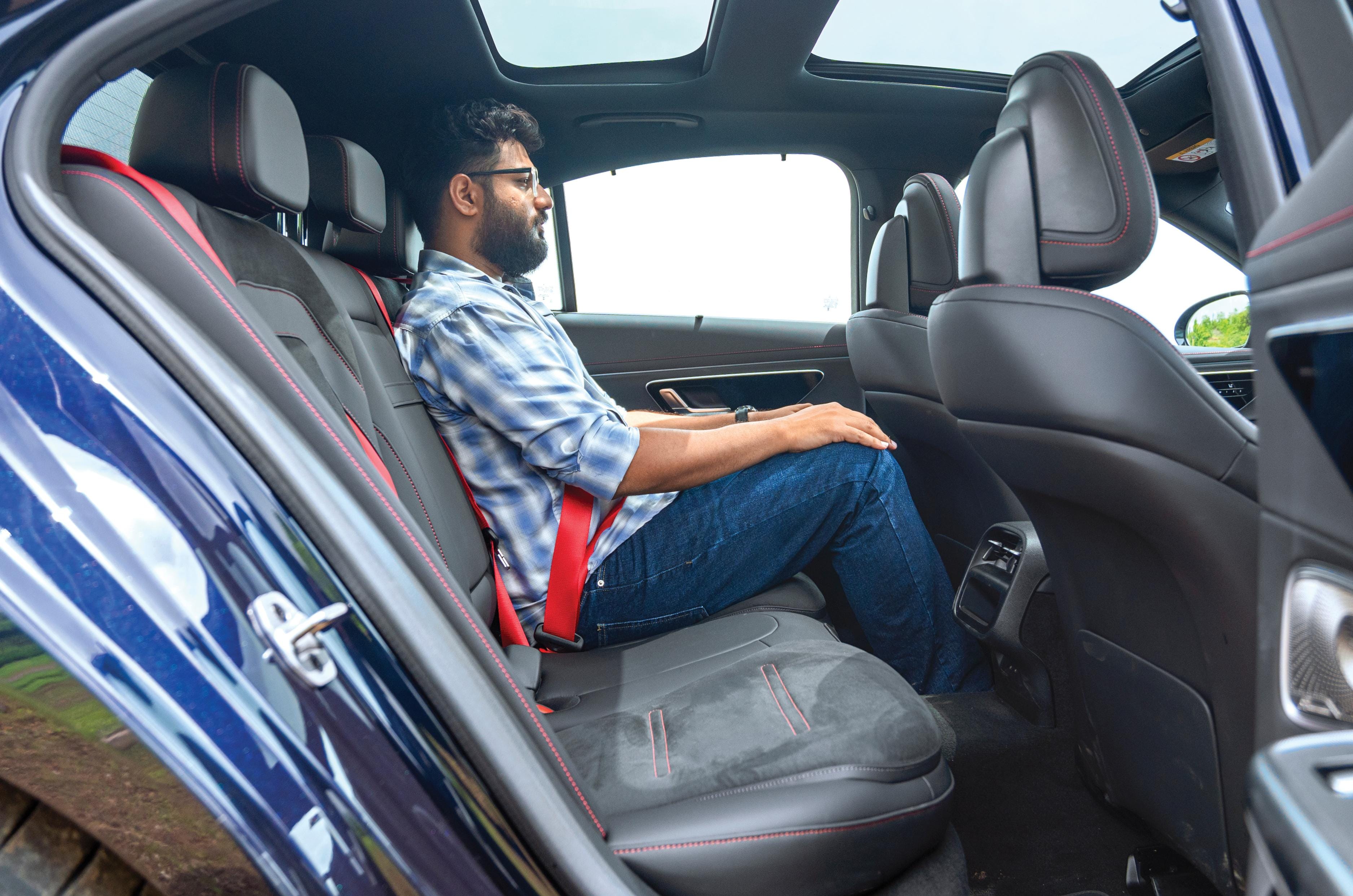
Rear-seat space is naturally tighter than the long-wheelbase E-Class, but there’s still enough room for two adults to travel comfortably. Manual sunblinds and a panoramic sunroof add to the ambience, although the large transmission tunnel makes this a strict four-seater.
There’s good space in the rear despite this not being a long wheelbase
The boot, however, sees the biggest compromise. At 370 litres, it’s 170 litres smaller than the standard E-Class because the battery sits beneath the floor. There’s no spare wheel either, with its space instead occupied by the charging cable and puncture repair kit.
Mercedes-AMG E53 Features and Safety
The E 53 is a well-equipped sedan despite missing features such as ventilated seats. The centre screen is the brains of the operation and, unfortunately, many of the controls are routed through it, making them difficult to operate on the move.
We’ve praised the MBUX infotainment system for its clear interface and high-resolution display, but usability isn’t its strongest suit. The large screen makes it difficult to accurately select the desired function while driving.
Too many controls on the steering is distracting
The E 53 gets a comprehensive suite of driver assistance systems, including Lane Keep Assist, Automatic Emergency Braking, Rear Cross Traffic Alert and Blind Spot Monitoring. Thankfully, these systems can also be switched off manually if required.
The 360-degree camera is crisp and high-resolution, while the 17-speaker Burmester 4D audio system delivers an exceptional listening experience. As impressive as the sound system is, however, it ultimately plays second fiddle to the performance on offer.
Mercedes-AMG E53 Performance and Refinement
Like before, the new E 53 is powered by a 3.0-litre turbo-petrol straight-six engine. This time, however, it gets support from a 28.6kWh battery pack and an electric motor, taking the combined output to 585hp and 750Nm.
585hp six-cylinder engine makes 150hp more than before
Unlike the bigger PHEV AMGs, the E 53 isn’t an ‘E PERFORMANCE’ model, which means the electric motor is mounted within the gearbox housing rather than integrated into the rear axle. Power is sent to all four wheels via the familiar 9-speed automatic transmission, and the E 53 gets a host of drive modes that are noticeably different from one another.
‘Individual’ lets you tailor the engine, gearbox and suspension to your liking. ‘Battery Hold’ prevents the car from using the battery charge, saving it for when you truly need it. ‘EL’ is the full-electric mode, provided there’s sufficient charge in the battery. ‘Comfort’ offers a more relaxed setup, ‘Sport’ sharpens the responses, and ‘Sport+’ is the most aggressive setting.
Naturally, Sport+ is the mode you’ll spend most of your time in if you want the E 53 to feel like a proper AMG. The exhaust note, the urgency of the power delivery and the firmer suspension all come together beautifully. With the engine and electric motor working at full tilt, straight-line performance is genuinely rapid. Acceleration is smooth yet thrilling, as the engine piles on speed rapidly without the neck-snapping brutality of a powerful EV. Power delivery is strong and linear across the rev range, and the gearbox complements the aggressive character of Sport+ perfectly. 0-100kph takes just 4 secs with the ‘Race Start’ which is essentially launch control included in the AMG Dynamic Plus package as power jumps up to 612hp.
For greater driver involvement, you can also engage ‘M’ mode, which gives you full manual control of the gearbox. It will happily bounce off the limiter without automatically upshifting until you pull a paddle.
The exhaust note is a bit of a mixed bag. It’s genuine, but it’s also channelled into the cabin through the speakers and a subwoofer in the boot. It’s not the ideal solution because, outside the car, the engine and exhaust produce a genuinely enjoyable snarl. Still, in an era of synthesised, computer-generated soundtracks, a real exhaust note—even if it’s amplified through the speakers—is worth appreciation.
Switch to Comfort mode and the E 53 adopts an entirely different character. It’s calm, refined and smooth, with gentler power delivery that’s well suited to long-distance cruising.
Where the powertrain disappoints is in city traffic and slow stop-start driving. The gearbox is simply too eager and, even in Comfort mode, it feels a bit like walking an overexcited Rottweiler. It’s constantly trying to surge forward and grab the next gear before you’ve asked it to. The constant shuffling through the lower gears results in unnecessary jerks that spoil the experience.
The solution is to engage EL mode. It’s almost as if it was designed specifically for this scenario. In EL, the E 53 feels smooth and effortless. There’s very little noise apart from the drone generated by the Michelin Pilot Sport 4S tyres, which can be quite rumbly, especially on concrete surfaces.
Braking is less convincing, however. Despite massive 390mm front discs and regenerative braking, the pedal never delivers a natural or consistent feel. Stopping power is strong, but the spongy, inconsistent pedal detracts from an otherwise polished driving experience.
Mercedes-AMG E53 Mileage and Efficiency
One of the biggest talking points of the new E 53 isn’t its staggering performance, but the fact that it can deliver it without constantly visiting a fuel station. This plug-in hybrid marks a significant shift in AMG’s philosophy, combining electrification with a silky-smooth six-cylinder engine to create a performance sedan that’s as comfortable commuting as it is attacking a mountain road.
Charging via an 11kW AC charger will replenish the battery in 2.25 hrs; No DC charging option
The headline figure is a claimed electric-only range of up to 100km, courtesy a 28.6kWh battery pack. You can expect 75-90km on electric power alone making it entirely possible to complete daily urban commutes without firing up the engine.
Once the battery begins to deplete, the turbocharged 3.0-litre inline-six takes centre stage. Even then, the hybrid system continues to contribute through regenerative braking and electric assistance, ensuring the E 53 feels responsive while reducing fuel consumption compared to a conventional performance sedan. Mercedes has also equipped the car with four regenerative braking modes, allowing drivers to maximise energy recovery or opt for a more natural driving experience. For owners with access to home or workplace charging, fuel stops could become surprisingly infrequent. Charging is equally convenient, with the 11kW AC onboard charger replenishing the battery in around three hours.
28.6kWh battery allows for an electric-only range of 100km
Mercedes-AMG E53 Ride Comfort and Handling
For those who enjoy being behind the wheel, the E 53 delivers in abundance. Despite carrying the additional weight of a sizable battery pack, it feels remarkably composed. In Sport and Sport+, the car tightens up noticeably. Body roll is kept firmly in check, the dampers become more alert, and the steering gains welcome heft. What impresses most is how well the chassis disguises its mass. The battery may add considerable weight, but it’s mounted low in the car, lowering the centre of gravity and lending the E 53 impressive stability through fast corners.
The rear-biased 4MATIC+ all-wheel-drive system plays a major role here. The rear wheels can turn up to 2.5 degrees, which isn’t a huge amount, as you’ll still find yourself making the occasional three-point turn. Above 60kph, however, they turn in the same direction as the front wheels, adding another layer of stability through corners.
It is over 400kg heavier than the last-gen model but you just can’t feel it from behind the wheel
The Michelin Pilot Sport 4S tyres aren’t the quietest, but they allow the driver to deploy the combined output with confidence, even when exiting slower bends. Turn-in is crisp, and while the steering isn’t overflowing with feedback, it’s accurate enough to place the car confidently on a winding road.
At low speeds, the adaptive AMG Ride Control suspension does an admirable job of filtering out broken tarmac, expansion joints and sharp-edged potholes. It isn’t perfect, though. Compared with the last-generation E 53, which rode on smaller 19-inch wheels with taller-profile tyres, the new car’s 20-inch wheels have sacrificed a degree of ride compliance. As a result, the low-profile tyres transmit the occasional thud over particularly nasty potholes.
The adaptive dampers mated with the active engine mounts offer terrific stability
Ultimately, the Mercedes-AMG E 53 Hybrid 4MATIC+ isn’t as razor-sharp as a dedicated sports sedan, nor is it as pillowy as the standard E-Class. Instead, it strikes an impressive middle ground, blending everyday comfort with genuine driver engagement. It’s a car that feels just as at home soaking up kilometres on the expressway as it does carving through a series of fast, flowing corners.
Mercedes-AMG E53 Value for Money
Prices start at Rs 1.45 crore for the Performance Edition and Rs 1.48 crore for the Racing Edition. In this price range, there isn’t a direct rival to the E 53. The BMW M5 is both more powerful and considerably more expensive, while the BMW M4 is effectively rivalled by the Mercedes-AMG CLE 53 as a two-door coupe. The Audi RS5, meanwhile, hasn’t been launched in India yet.
The E 53 succeeds because it doesn’t try to be everything at once. It delivers the pace, handling and character expected of an AMG while introducing meaningful electric-only capability that genuinely enhances everyday usability. The brakes may lack the natural feel you’d expect from a performance sedan, and the gearbox can feel over-eager in slow-moving traffic, but these shortcomings do little to overshadow what is otherwise a remarkably accomplished package.
Fast, engaging and surprisingly efficient, the new E53 Hybrid is one of the most complete performance sedans on sale today. More importantly, it proves that electrification doesn’t have to dilute the AMG experience—it can make it even more usable.
Toyota has launched the ninth-generation Hilux in India with prices ranging between Rs 31.99 lakh and Rs 36.69 lakh (ex-showroom). As a pick-up truck, the Toyota Hilux caters to a very niche audience, with the only other alternative in the market being the Isuzu D-Max V-Cross. This latest-gen model brings a contemporary design and a more feature-packed interior, but under the skin, the Hilux has remained largely unchanged from its predecessor.
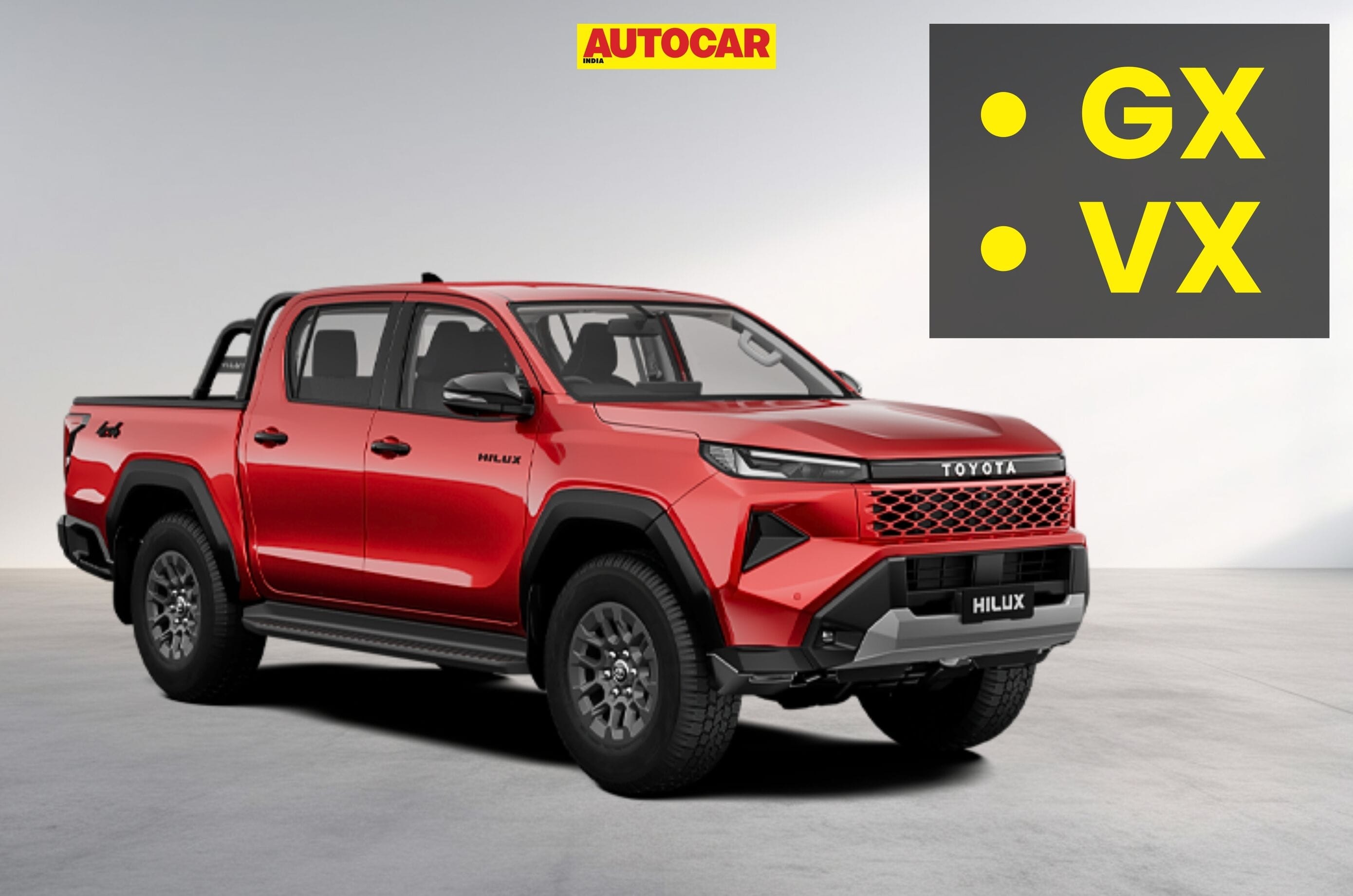
The new Toyota Hilux is available in two trims – GX and VX – with a single engine and gearbox combination, but with both 4×2 and 4×4 drive configurations. Here in this article, we are taking a close look at exactly what you get in each trim and which ones worth your money.
Toyota Hilux engine options, specifications
Under the hood, both trims of the Hilux feature a 2.8-litre, four-cylinder diesel engine that produces 240hp and 500Nm. A 6-speed torque converter automatic gearbox is standard across the range, but there’s no manual gearbox option like there was on its predecessor.
The base GX trim can be had in either 4×2 or 4×4 drive configurations, while the top VX trim comes solely in 4×4 configuration. Notably, this is the first time Toyota is offering the option of a 4×2 setup on the Hilux in India; the previous model came with 4×4 as standard.
Toyota Hilux exterior and interior colour options
Toyota is offering a total of six monotone colour options with the new Hilux, namely Sulphur Metallic, Platinum Pearl White Metallic, Attitude Black, Ash, Emotional Red and Super White – Sulphur Metallic and Attitude Black are only available on the top VX trim. The interior, irrespective of the trim, comes with an all-black finish for a rugged appeal.
Hilux GX interior pictured here.
Now let’s take a closer look at exactly what features are available in each of the two trims:
Toyota Hilux variant-wise features explained
GX – 2.8 diesel AT 4×2/4×4
LED headlamps
Integrated side and rear bed steps
Electrically adjustable ORVMs
Rear fog lamps
Tailgate Assisted Rear Deck Door
Front and rear height adjustable headrests
6-way manually adjustable driver’s seat
4-way manually adjustable co-passenger seat
7.0-inch digital driver’s display
8.0-inch touchscreen infotainment
4-speaker audio system
Wired Apple CarPlay and Android Auto
Manual AC
Steering mounted controls
Front seats armrest
Tilt and telescopic steering adjust
7 Airbags
Vehicle stability control
Height adjustable front seat belts
3-point seatbelt with reminders for all seats
Rear parking camera
Day and Night inside IRVM
Electronic drive control – 2WD/4WD (4×4 variant only)
4WD with high and low range (4×4 variant only)
Electronic differential lock (4×4 variant only)
VX – 2.8 diesel AT 4×4
Features over and above GX
LED headlamps with welcome function
LED daytime running lamps
Puddle lamps
Hood ornament
Wheel arch cladding
Front and rear LED fog lamps
LED tail lamps
Auto-fold ORVMs
Sharkfin antenna
Soft-touch material on dashboard
Illuminated door scuff plates
Larger 12.3-inch touchscreen infotainment
8-speaker sound system
Wireless Apple CarPlay and Android Auto
Wireless charger
Drive modes (Eco, Normal and Sport)
Keyless entry and go
Cruise control
Rear centre armrest with cupholders
Connected car tech
PM 2.5 Air filter
TPMS
360-degree surround view camera
Hill descent control (4×4 variant only)
Multi-terrain select traction control (4×4 variant only)
2026 Toyota Hilux: which variant should you buy?
Between the GX and VX, we’d recommend opting for the fully-loaded VX trim with the 4×4 system as standard. The base GX trim misses out on several convenience features, which particularly stick out at this price point. Moreover, if you are considering buying a Hilux, its best to opt it with the 4×4 system which will allow you to exploit the full breath of potential that this pickup truck offers. The fact that the top trim is rather well priced, costing just Rs 70,000 more than its predecessor, further sweetens the deal.