Jaguar Type 01 interior revealed ahead of October 6 debut

Jaguar Type 01 interior revealed ahead of October 6 debut

Jaguar has revealed the interior of the upcoming Type 01 electric GT. The Type 01’s cabin is inspired by the Type 00 concept on which it is based, and is as radical as its exterior design. Jaguar will debut the production-spec Type 01 in New York on October 6.

  1. Has a ‘central spine’ spanning the length of the cabin
  2. Gets a screen in front of the driver and a central screen for AC controls
  3. Misses out on a rear windscreen, but features digital rearview cameras

Jaguar Type 01 interior revealed

4-seater electric GT has a minimalist cabin divided into four individual spaces
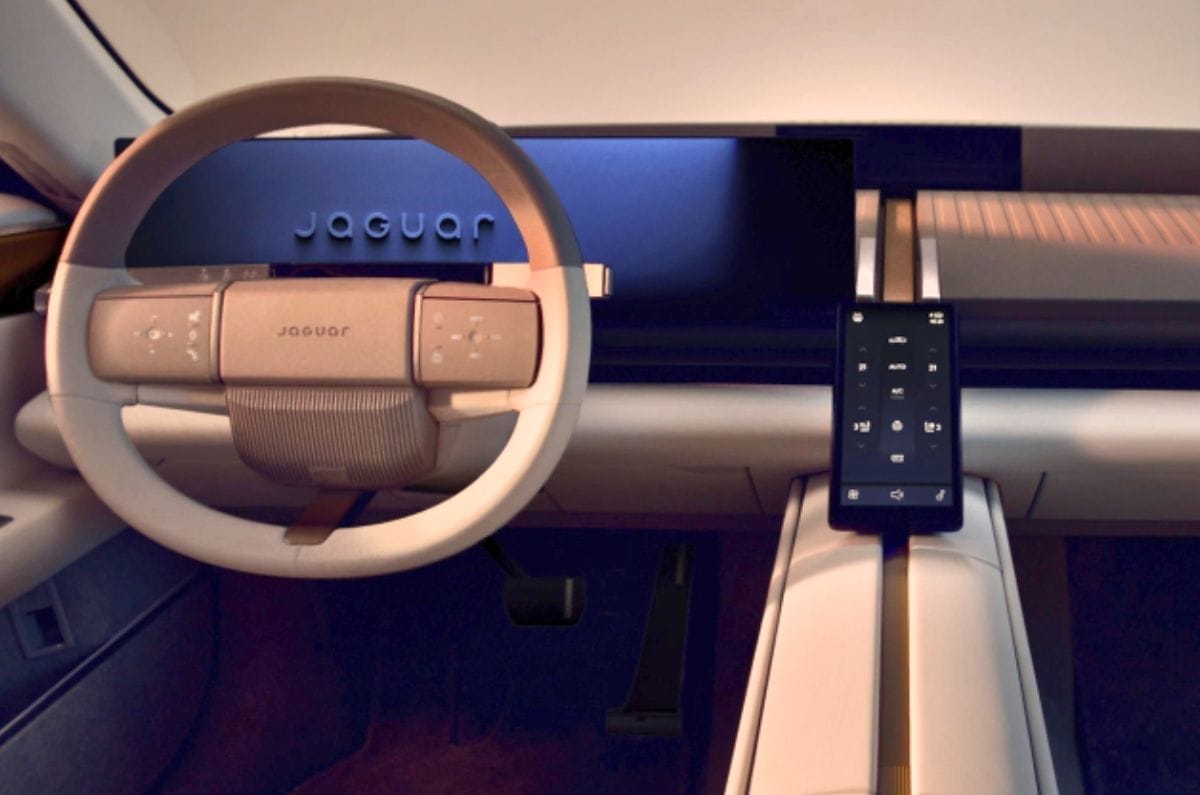
Jaguar’s “hidden on-demand technology” is integrated into the EV’s architecture. 

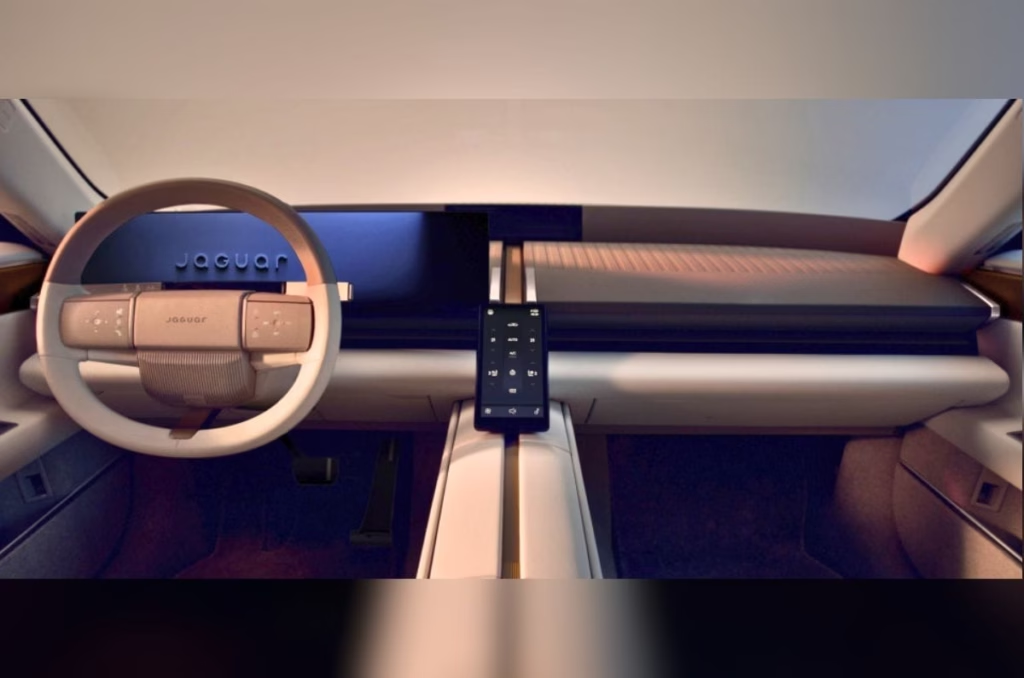
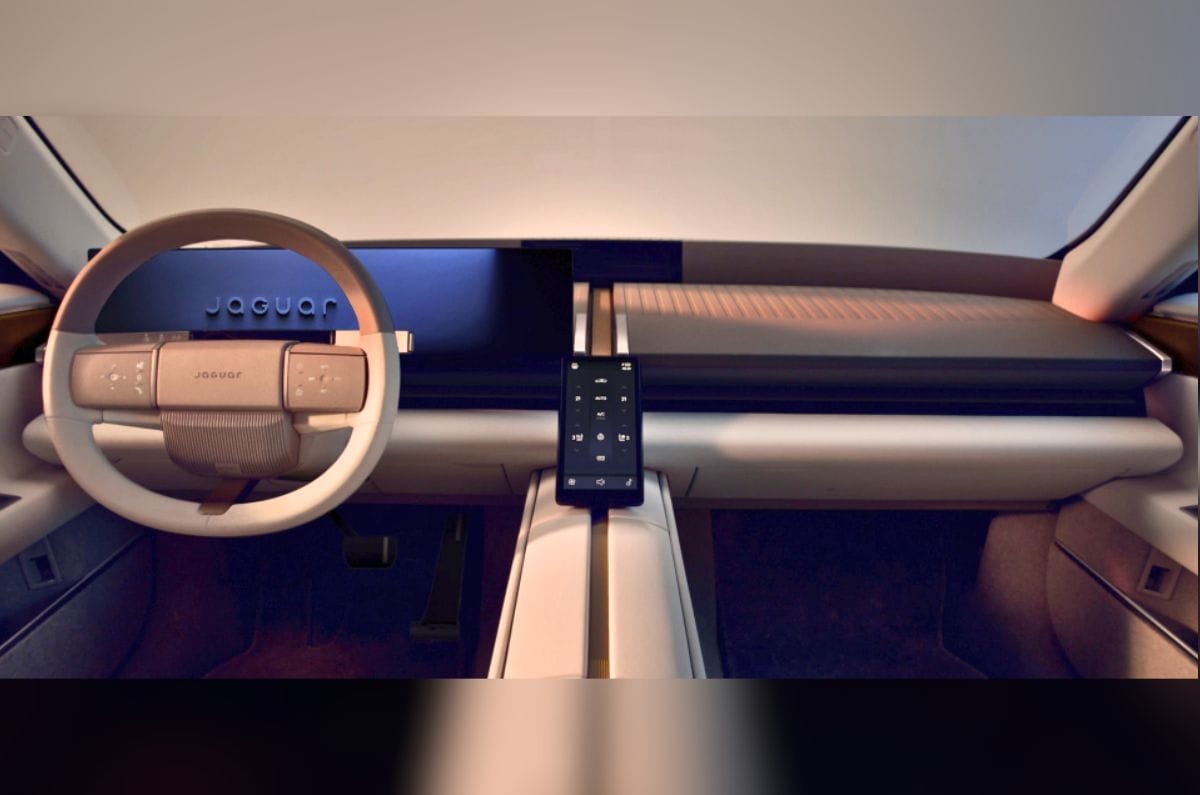
The interior design of the Jaguar Type 01 concept takes inspiration from the Type 00 concept, calling it “a concept car vision brought to production”. The production-spec model features a ‘central spine’ spanning the length of the cabin and divides it into four individual segments – one each for every passenger. This central spine has a brass finish and features a small screen at the front for operating the climate controls. This AC control screen and another display on the dashboard are being called “hidden on-demand technology”, which, Jaguar says, is integrated into the EV’s architecture. 
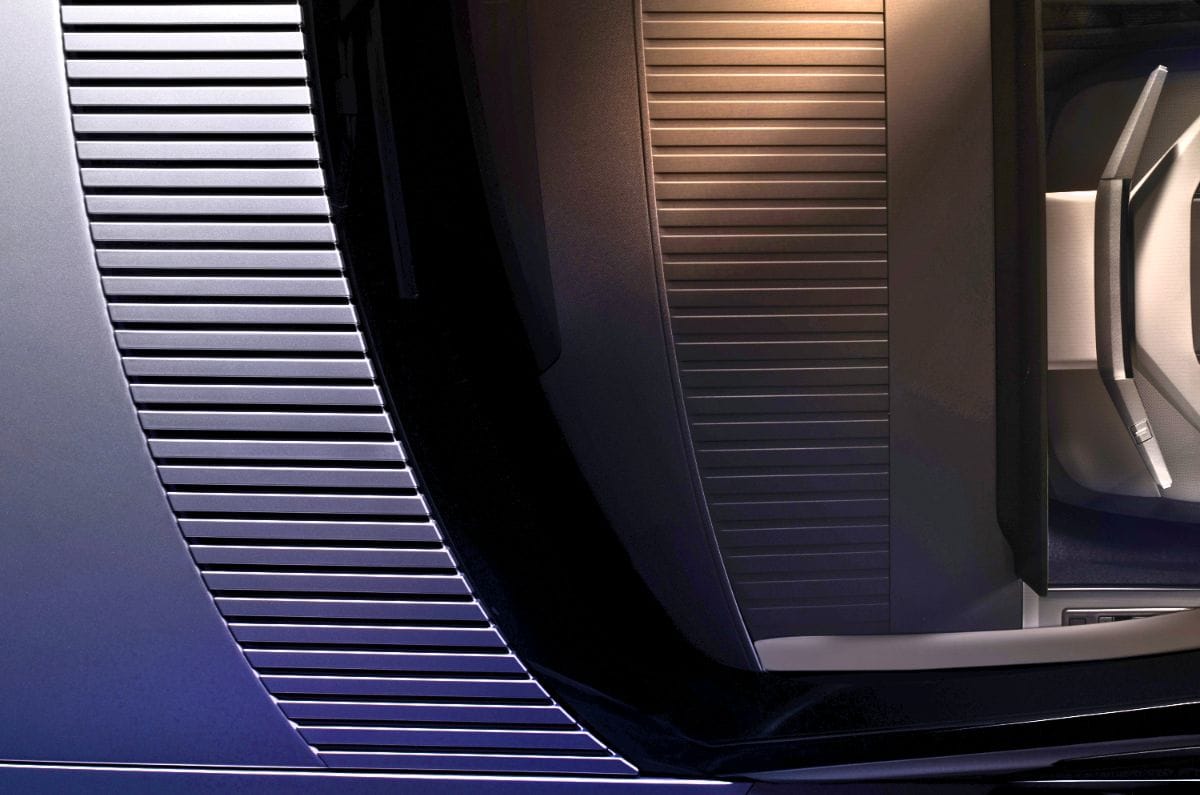
Strikethrough elements on the dashboard are similar to those on the bonnet’s top lip.

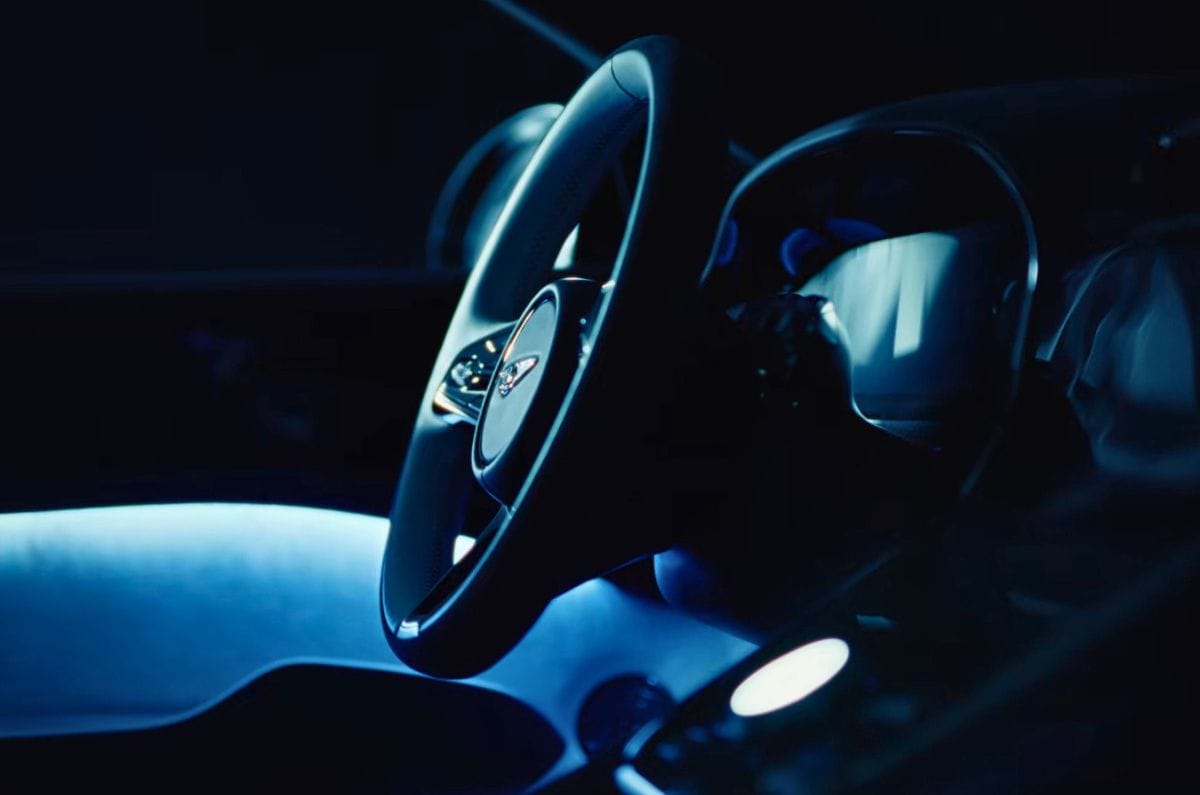
The interior features a 2-spoke steering wheel with touch-enabled buttons and a distinct dashboard design for the driver and front passenger areas. There’s a digital screen in front of the driver and ‘strikethrough’ elements in front of the co-driver. Similar ‘strikethrough’ design elements are also present on the top lip of the bonnet to fuse the Type 01’s exterior and interior design. 
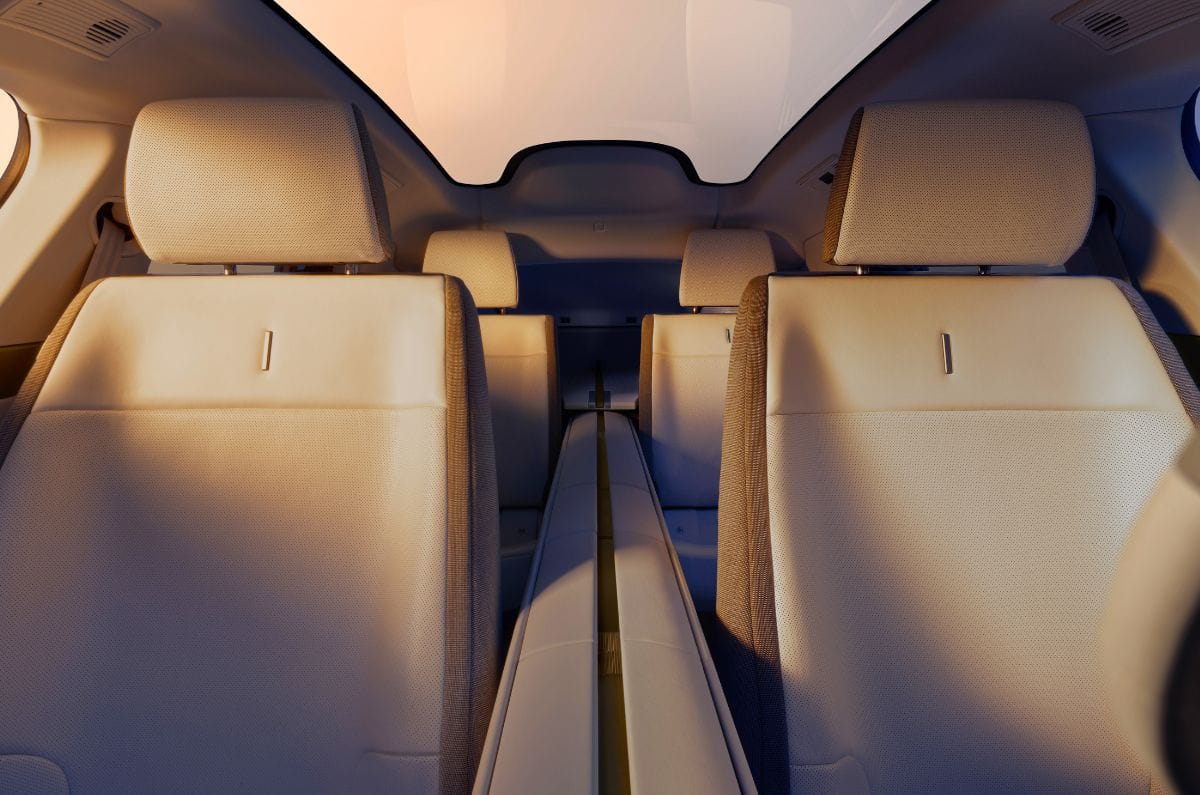
There is no glass rear windscreen.

A low swooping roof can also be seen with panoramic glass, which is likely to feature customisable lighting patterns. The Jaguar Type 01 does not feature a rear windscreen but digital rearview cameras instead. It features four seats with a dual-tone upholstery.

The doors sport the same brass finish as the central spine but additionally feature Jaguar’s ‘leaper’ logo. Jaguar says that the Type 01’s interior is inspired by travertine stone (a type of natural limestone) and textures of artisan textiles for a “deeply sensorial experience”.

Jaguar Type 01: Other details

Built on the JEA platform; will offer over 700km of range
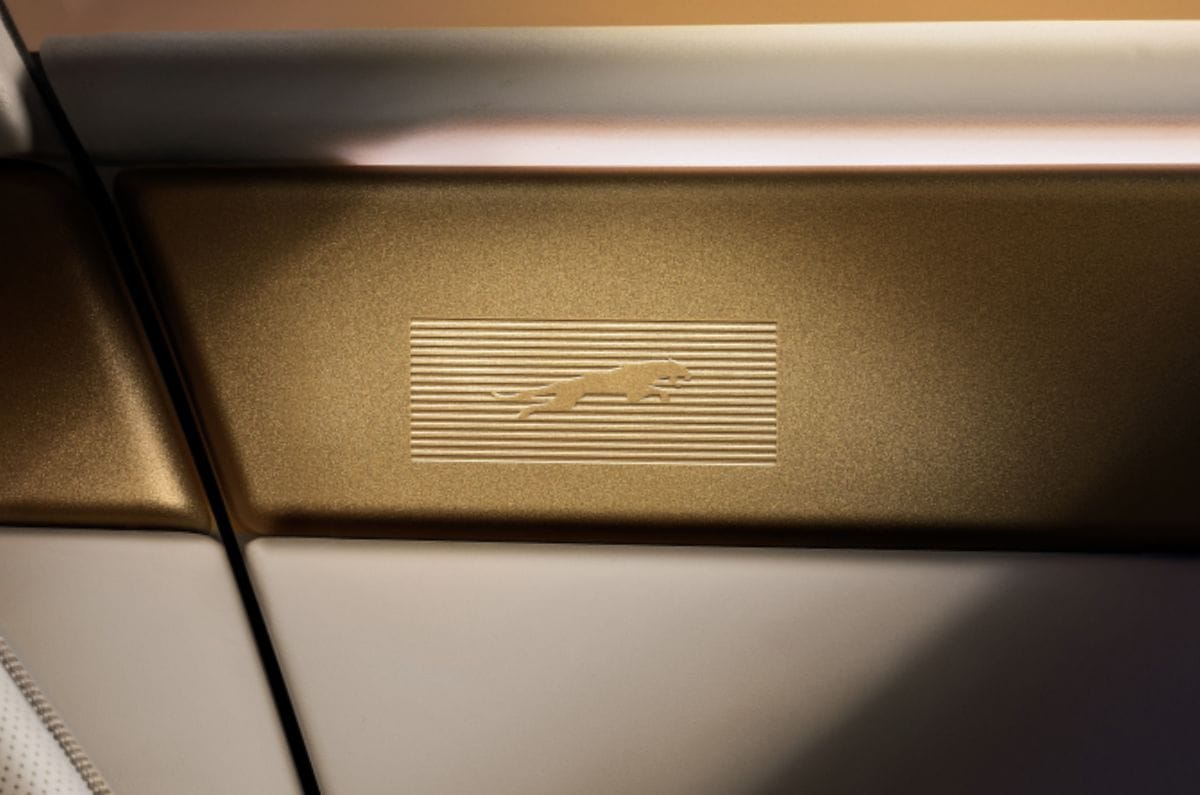
The top section of the doors feature the Jaguar leaper logo. 

The Jaguar Type 01 will debut in New York on October 6, 2026, as the luxury marque’s first car after its ‘reinvention’ as an all-electric brand. It will be underpinned by the Jaguar Electric Architecture (JEA), offering a claimed range of over 700km and featuring three electric motors producing over 1,000hp. It is expected to arrive in international markets by the first half of 2027 as a rival to the Ferrari Luce, Audi e-tron GT, Porsche Taycan and Mercedes-AMG GT 4-Door Coupe.
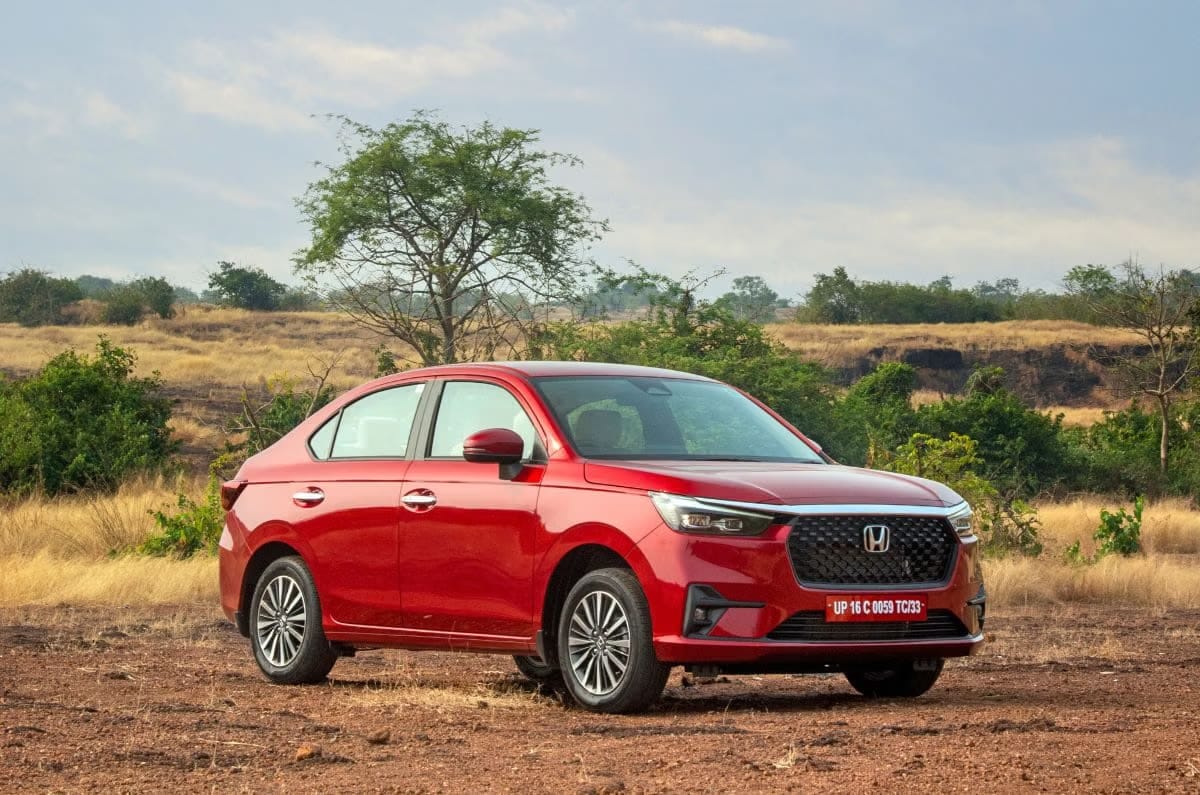
3 reasons to buy the Honda Amaze and 3 reasons to avoid it

Honda Amaze front three quarter static

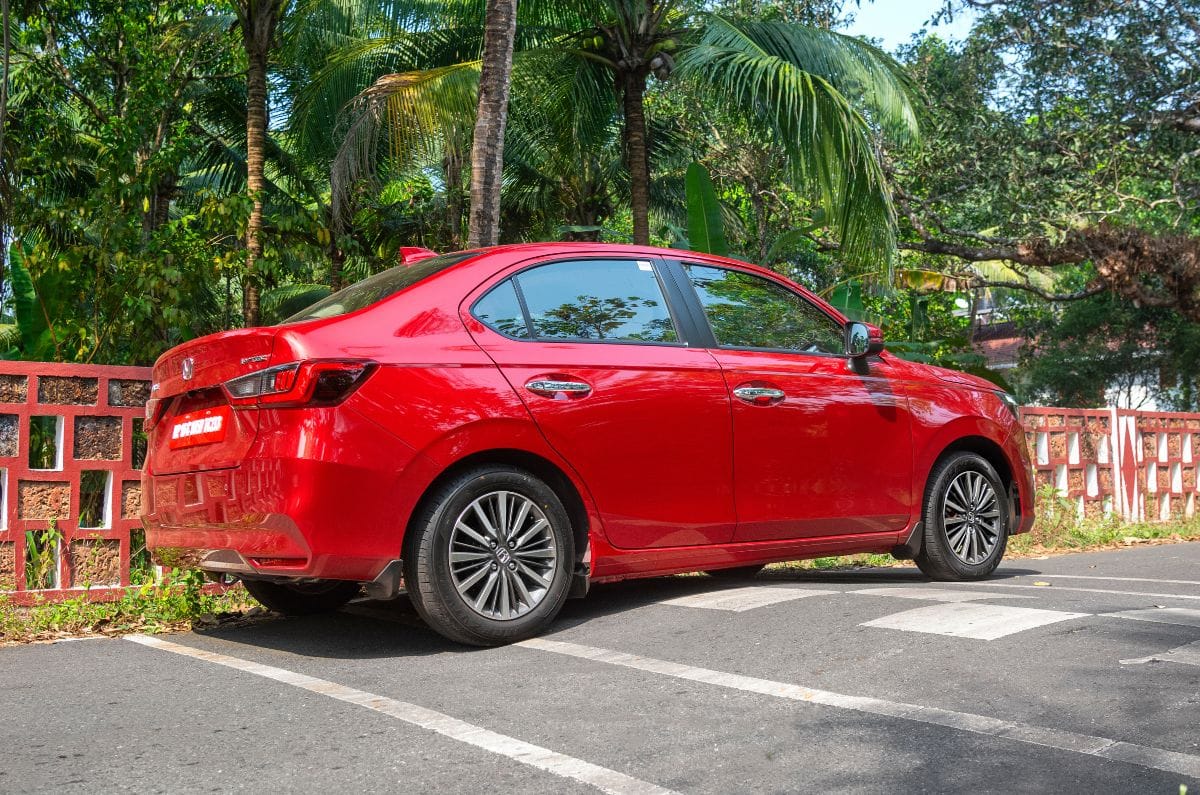
Honda sells both the second-gen and third-gen iterations of the Amaze in India. However, our focus here would be solely on the latter as it’s the latest and thus the best-equipped to tussle with other sub-4-metre sedans. As the Japanese brand’s most affordable offering, the Amaze carries a price tag of between Rs 7.65 lakh and 10.00 lakh (ex-showroom). Considering the brand’s badge appeal and some segment-first features, should you buy the Honda Amaze? Let’s find out.

Reasons to buy the Honda Amaze

Rear-seat comfort and a spacious boot

Usable interior space and a large boot add practicality to the Amaze

Honda Amaze rear seats

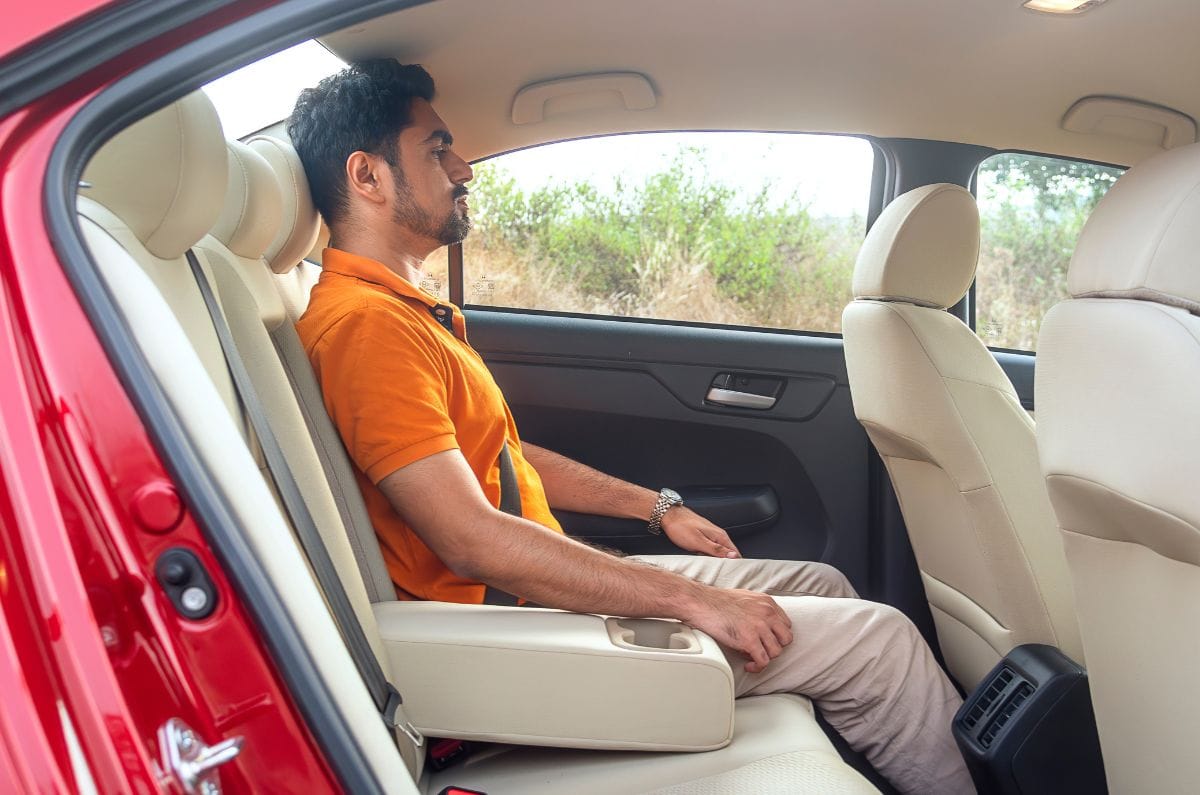
The rear seats of the Amaze are especially more comfortable than the front ones. Not only do the outer seats provide ample support, but their backrest angle is good too. Making these back seats more comfortable is the usable amount of kneeroom and legroom on offer, partly helped by the scooped-out portion of the front seatbacks. Further aiding comfort here are the dedicated AC vents, a centre armrest with cupholders, and headrests for all three passengers.

Honda Amaze boot space

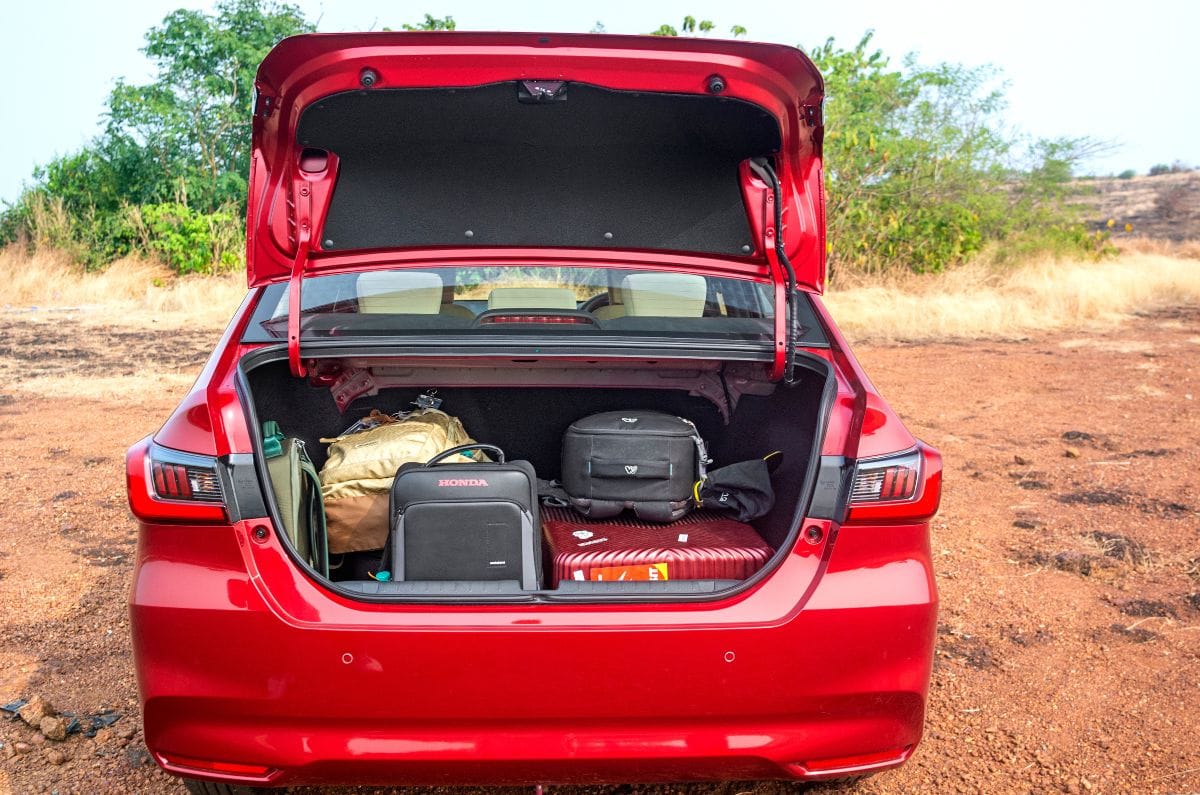
As for the Amaze’s luggage-carrying capacity, its 416-litre boot is one of the most spacious in the segment, easily trumping the Maruti Dzire and Hyundai Aura. While the loading lip is high, The Amaze’s boot offers plenty of width and depth to accommodate your luggage.

Easy to live with

The Amaze gets several user-friendly details right while also feeling more premium

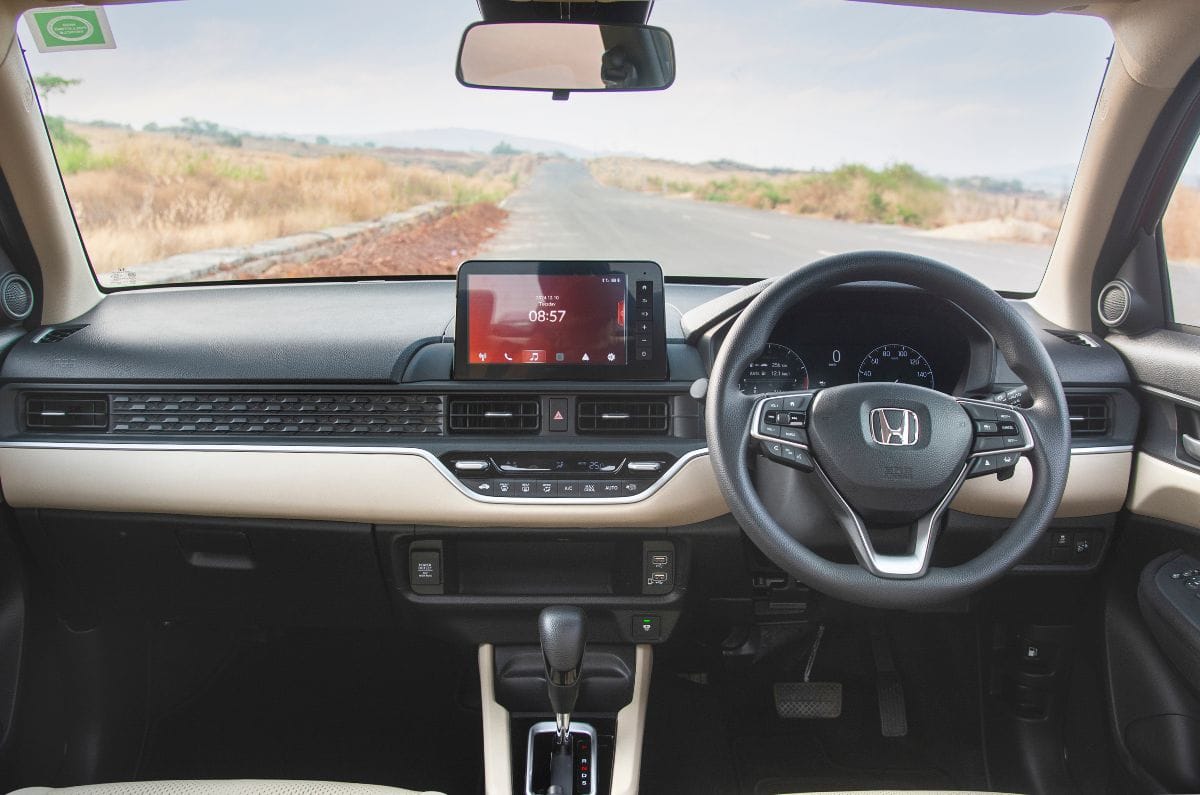
The Amaze’s beige-black interior theme, an expansive glass area and a low-set dashboard make its cabin feel light and airy. This two-tone colour scheme, along with the high perceived quality and overall levels of fit & finish, make the Honda Amaze’s interior feel more premium over its rivals.

Honda Amaze interior

The light steering and clutch, a tight turning radius plus an easy-to-use manual gearbox mixed with good all-round visibility, make pottering around town easy. If you go for the CVT (continuously variable transmission) option, driving the Honda Amaze becomes a hassle-free affair. It comes with paddle shifters that react promptly and also come in handy when there’s a need for engine braking. Meanwhile, the physical controls for the HVAC system allow users to adjust the temperature or the fan speed without getting too distracted.

ADAS is available

This is the only car in its class to feature advanced driver-assistance systems

Honda Amaze front tracking

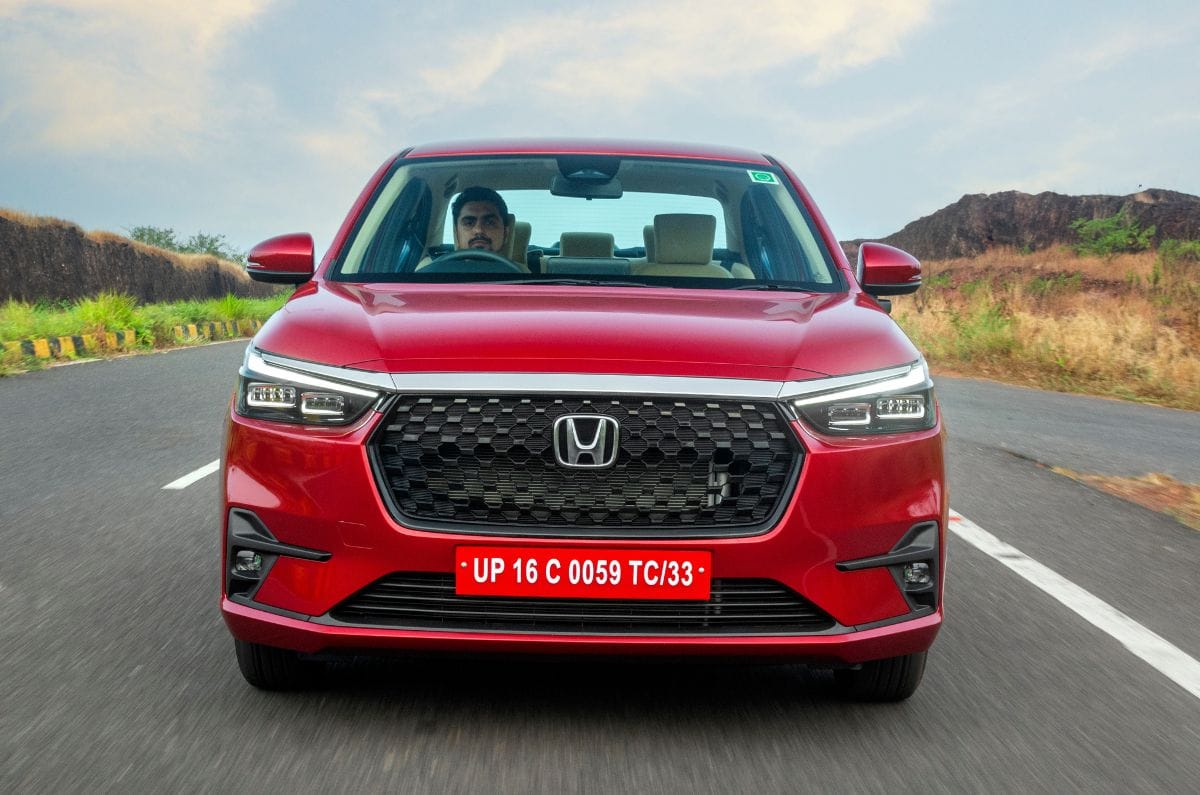
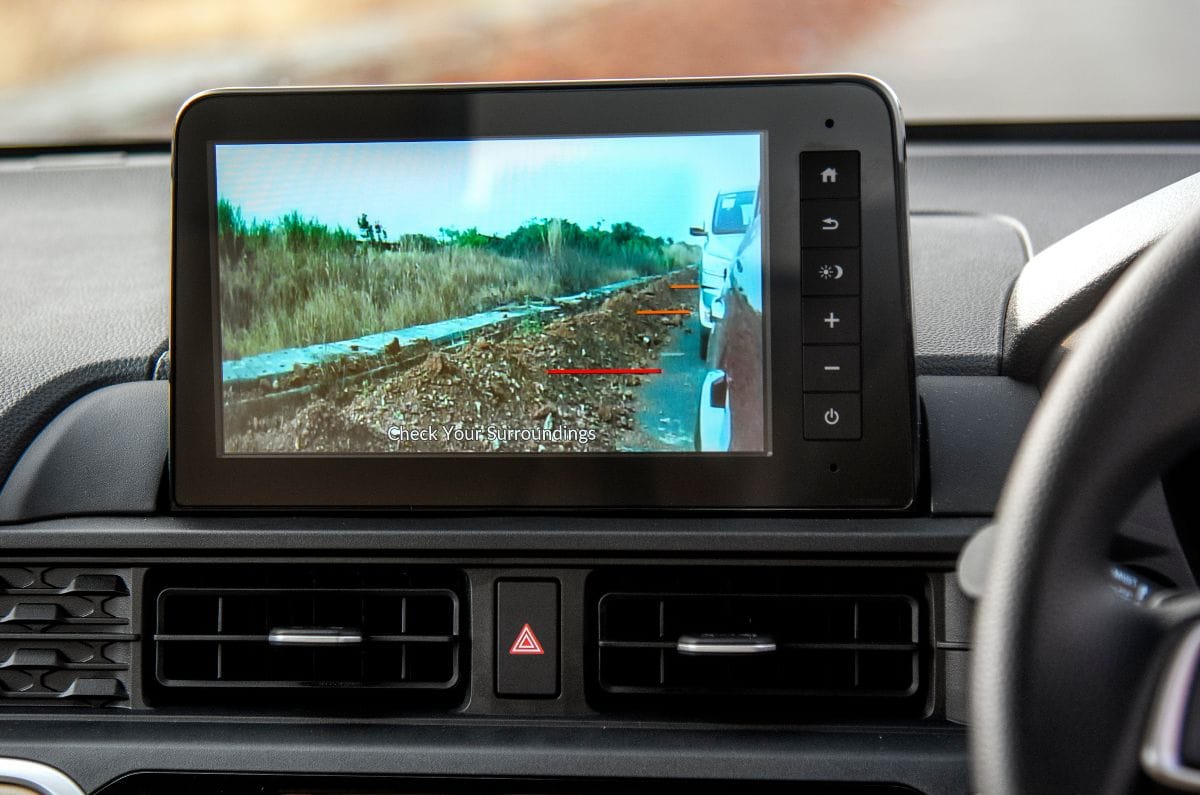
The Amaze is offered with the camera-based Honda Sensing ADAS (advanced driver-assistance systems) suite on the top-spec ZX trim. For those who want that extra layer of active safety nannies, features such as adaptive cruise control with autonomous emergency braking, lane-keeping assist and automatic high-beam will be useful add-ons. The Amaze can also be had with the brand’s LaneWatch Camera system, which displays the camera feed on the infotainment screen, aiding situational awareness.

Reasons to avoid the Honda Amaze

Poor cabin insulation

The Amaze’s cabin is quite an audible one

One of the aspects of driving the Honda Amaze is its lack of proper cabin insulation. Apart from engine and road noises, even ambient sounds from the outside world make it into this cabin with relative ease. This means that the Amaze’s cabin never really feels as relaxing as it could have been.

Underwhelming performance

This Honda sedan lacks engine punch to keep up with some rivals

The 1.2-litre four-cylinder petrol engine of the Honda Amaze is happy to rev to its redline without complaint, but it isn’t a punchy unit. While there’s enough grunt once you get past the 4500rpm mark, this engine feels weak below 2,000rpm. Honda has tried to counter this by providing shorter ratios for the first and second gears.

Honda Amaze soft suspension

However, this leads to one having to downshift constantly when driving in bumper-to-bumper traffic or even when trying to drive away from speed-breakers. Even though the CVT masks this engine’s weak low-end and mid-range performance, pushing it results in the type’s characteristic rubber-band effect becoming apparent. The soft suspension means that the Amaze sags under load, raising the risk of scraping the belly on large speed-breakers. It also causes the Amaze to roll noticeably in the corners.

Pricier than rivals

The Amaze remains the most expensive offering in its segment

Honda Amaze LaneWatch camera

Unlike the top-spec Maruti Dzire, which is Rs 64,000 cheaper the fully loaded Honda Amaze, it still gets a powered sunroof and a 360-degree camera setup. The Amaze also lacks Type-C USB ports, offering just Type-A and 12-volt outlets. While the higher price tag of the top-spec trim can be explained away due to the inclusion of ADAS, buyers would still want the aforementioned missing features at this price bracket.

Also read

Tata Sierra vs Kia Seltos diesel AT performance comparison

Kia Seltos vs Tata Sierra diesel automatic: Real world mileage compared

BYD Sealion 7 vs Kia EV6: Performance, Range, Regen Compared

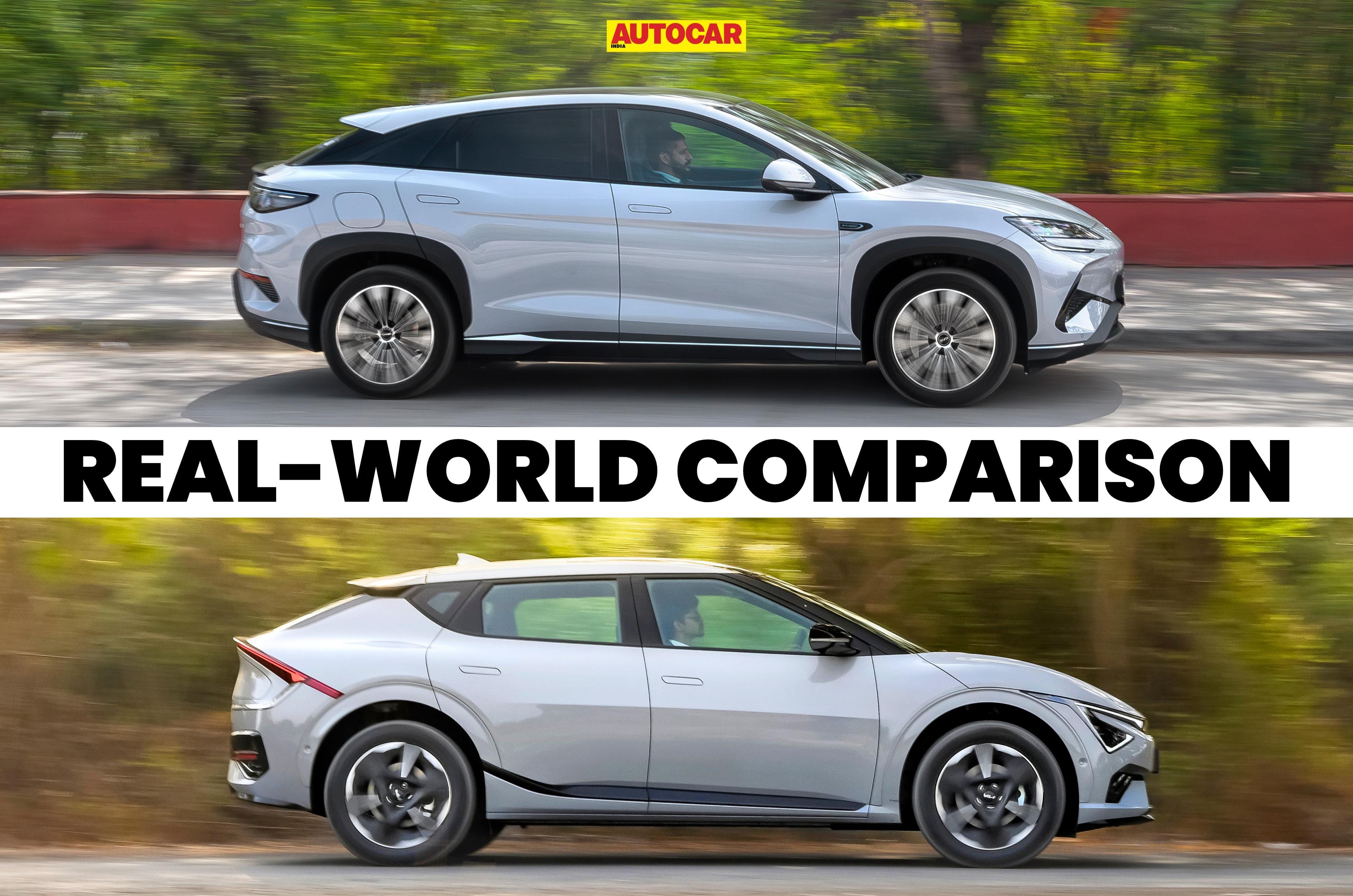
BYD Sealion 7 vs Kia EV6 compared

The BYD Sealion 7 and Kia EV6 are premium EV offerings, roughly priced between Rs 50-70 lakh. They’ve both got modern designs, premium cabins and punchy performance. They are also fully imported as completely built units (CBU) and rival cars like the Hyundai Ioniq 5 and BMW iX1. In this story, we compare the performance, range and regen of the respective top-spec variants of both cars.

BYD Sealion 7 vs Kia EV6: Specifications, price

The Sealion 7 is bigger, has more performance and is less expensive

BYD Sealion 7 Performance AWD vs Kia EV6 GT Line AWD: Specifications, price


Sealion 7 Performance AWD

EV6 GT Line AWD

Battery Size (kWh)

82.56 

84

Power (hp)

530

325

Torque (Nm)

690

605

Claimed Range (km)

542 (NEDC)

663 (ARAI)

Kerb weight (kg)

2,340

NA

Power-to-weight*

226.49

NA

Torque-to-weight^

294.87

NA

Price (in Rs lakh)

Rs 55.9 lakh

Rs 65.97 lakh

*Power-to-weight is hp per tonne

^Torque-to-weight is Nm per tonne

The BYD Sealion 7 is bigger in every dimension – length, width, height and even wheelbase, but the Kia gets a bigger 84kWh NMC battery (versus an 82.56kWh LFP battery in the Sealion 7). In terms of performance, the Sealion 7 makes 205hp and 85Nm more than the EV6. And while the EV6 is available in an AWD setup only, the Sealion 7 is available in a RWD layout with less performance. The big difference is how they are priced, and the price difference between the top-spec trims of these cars is roughly Rs 10 lakh.

BYD Sealion 7 vs Kia EV6: Performance tests

With 205hp and 85Nm more, the Sealion 7 is quicker in all our tests

BYD Sealion 7 Performance AWD vs Kia EV6 GT Line AWD: Performance tests


BYD Sealion 7

Kia EV6

Winner

0-100kph (sec) 

4.43

5.16

Sealion 7

20-80kph (sec)

2.48

2.77

Sealion 7

40-100kph (sec) 

2.91

3.49

Sealion 7

With the difference in performance between these two, it was a little easier to predict the outcome. In all the performance tests, the Sealion 7 was faster. It completed the 0-100kph run in 4.43s and is 0.73s faster than the EV6. Again, 20-80kph and 40-100kph runs are 0.29s and 0.58s faster than the EV6, respectively.

BYD Sealion 7 vs Kia EV6: Regen and range tests

Kia EV6 has stronger regen modes and offers better range overall

BYD Sealion 7 Performance AWD vs Kia EV6 GT Line AWD: Regen and range

Regen mode

BYD Sealion 7

Kia EV6

Winner

One-pedal

NA

NA

–

High

236.44m / 18.13s

105.49m / 7.6s

Kia EV6

Medium

–

146.75m / 10.95s

Kia EV6

Low

421.22m / 32.16s 

365.88m / 26.85s

Kia EV6

The BYD gets two regen modes – Standard and High, whereas the EV6 gets four, including the option of a single pedal driving mode. In all the modes, the EV6 showed stronger regenerative braking than the Sealion 7. In their respective highest regen mode, the Sealion 7 takes more than twice as long to slow down from 80-20kph when compared to the Kia EV6.

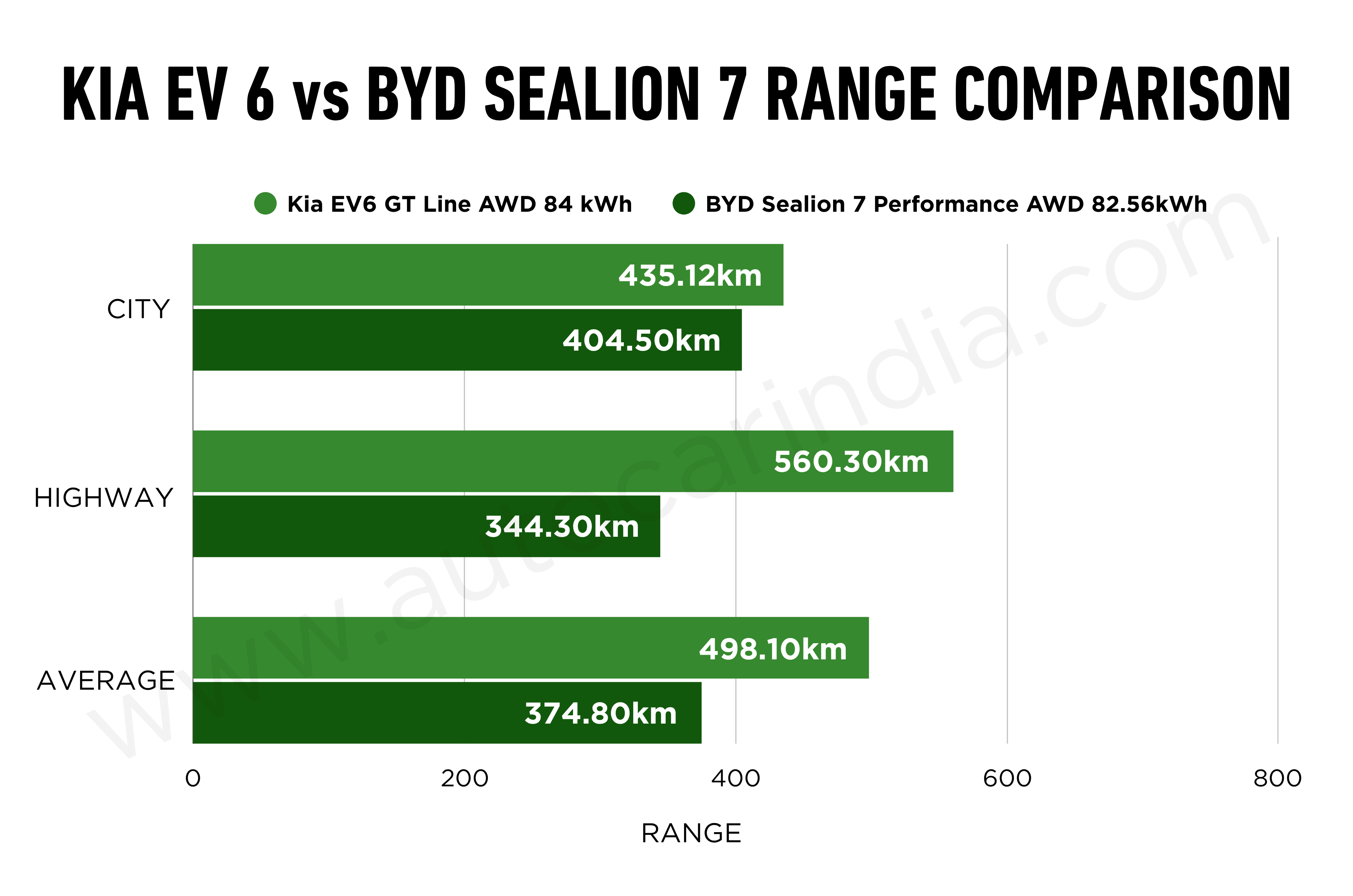
In our real-world range tests, we found the Kia to be more efficient than the BYD. In the city, the EV6 delivered an efficiency of 5.18km/kWh versus 4.90km/kWh for the Sealion 7. Thanks to the stronger regen modes in the EV6, you can expect a real-world range of 435km in the city, whereas with the Sealion 7 you can expect 405km – about 30km less than the EV6.

On the highway, the difference is even wider – the EV6 becomes more efficient (6.67km/kWh), and the Sealion 7 becomes even less efficient (4.17km/kWh) than in the city. One can expect a real-world range of 344km with the Sealion 7, whereas the EV6 will go 216km further!

BYD Sealion 7 vs Kia EV6: Verdict

The BYD Sealion 7 is priced from Rs 49.9 lakh for the RWD variant to Rs 55.9 lakh for the top-spec AWD variant, and is the more affordable option here, while also being the more powerful EV. The Kia EV6 GT-Line AWD is the more expensive pick and costs Rs 65.97 lakh. If budget isn’t an issue, the Kia EV6 will be a better all-rounder. It has better range, faster charging speeds and multiple regenerative braking modes, including single-pedal driving that makes city driving that much easier.

Autocar India’s testing standards

Before we conduct our performance tests, we check and maintain tyre pressures per the manufacturer’s recommendations and ensure the car is charged to 100 percent. The car is then tested in a controlled environment with two people on board, and the data is collected via highly accurate GPS-based timing equipment.

For our real-world range test, we begin with each car’s battery fully charged and tyre pressures set as per the manufacturer’s recommendations. We drive the cars on a fixed loop covering both city and highway stretches while maintaining set average speeds. We then calculate the range based on the percentage of charge consumed. The AC is set to 22deg C in auto mode, and features such as the music system, lights and ventilated seats are used as needed, just as a regular user would. This approach ensures consistency and gives a clear idea of what to expect in daily use.

To test regenerative braking, we pre-select a level of regen braking, completely lift off the throttle pedal and allow the car to decelerate till under 20kph. This procedure is then repeated for as many levels of regenerative braking the EV packs in. The deceleration rate, distance covered and time taken to go from 80kph to 20kph are recorded on a GPS-based Vbox system.

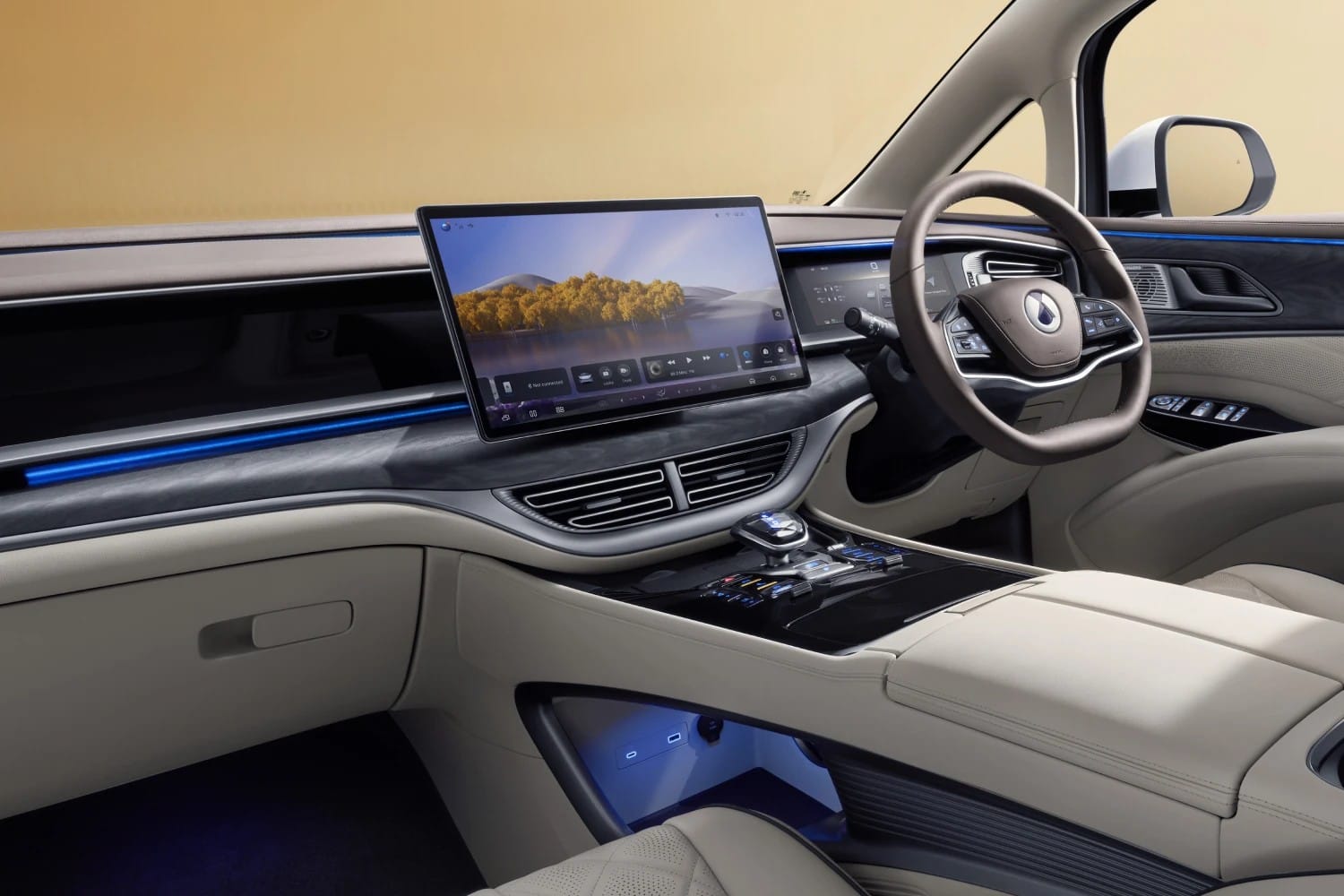
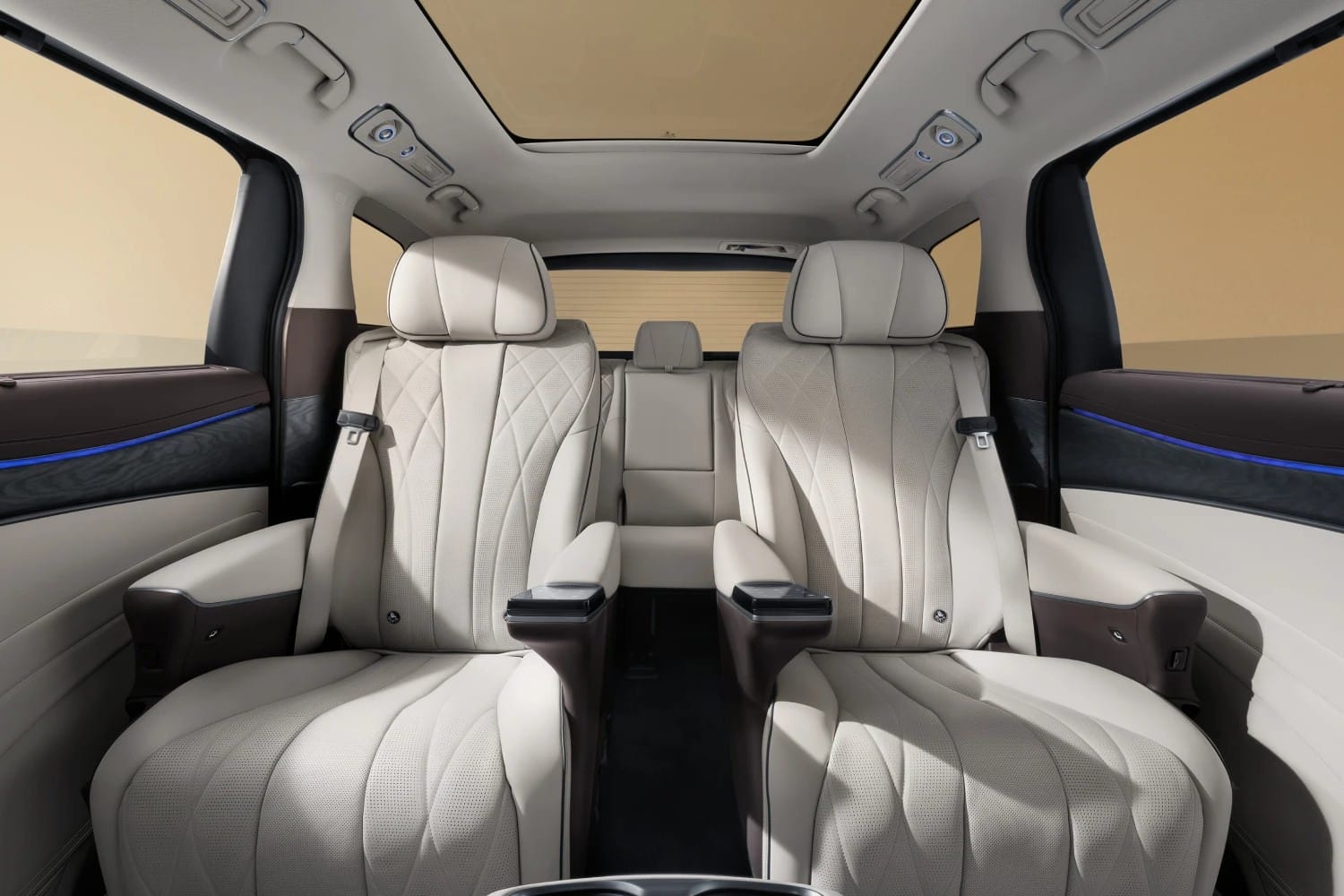
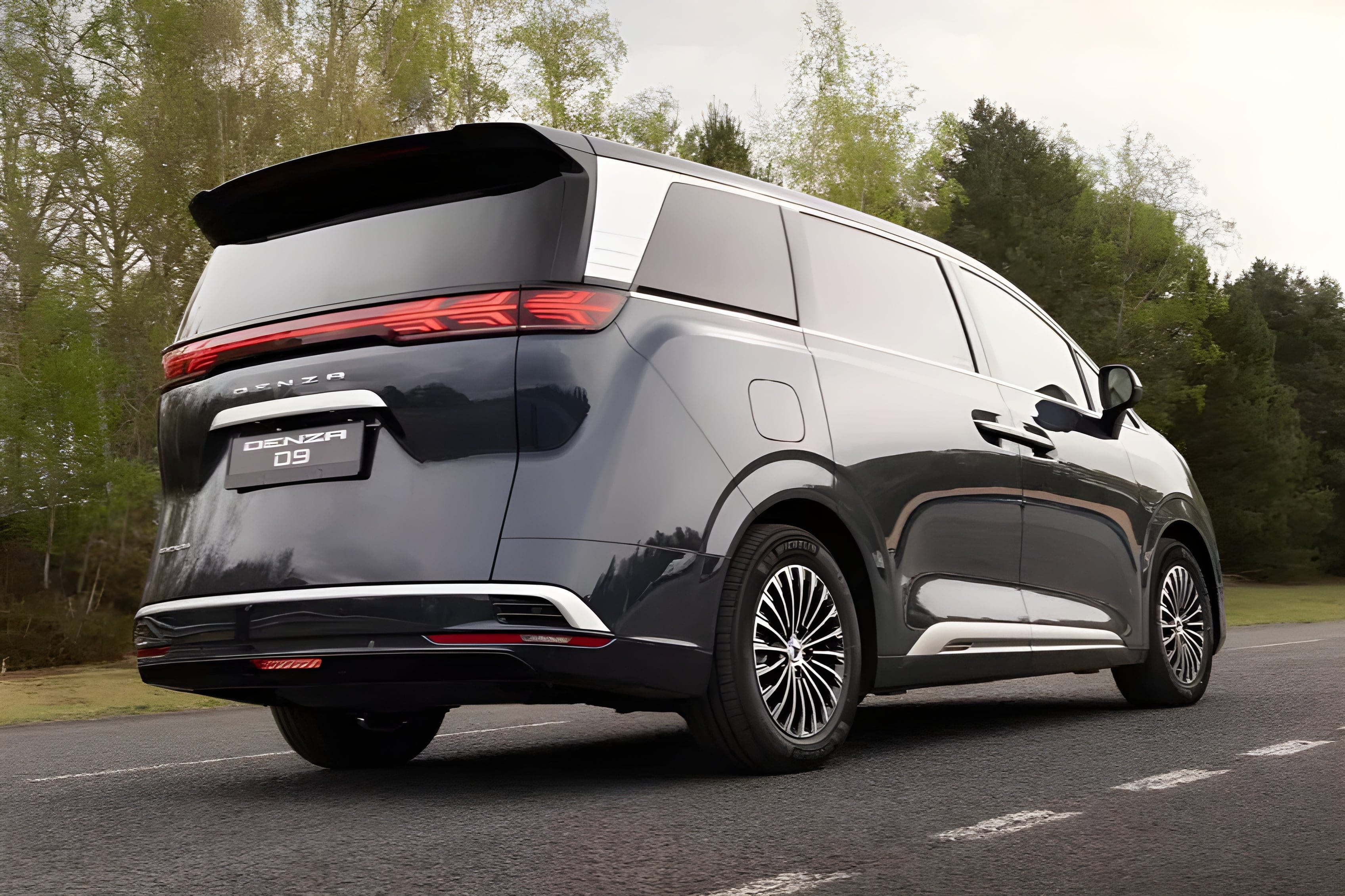
What to expect from the upcoming Denza D9

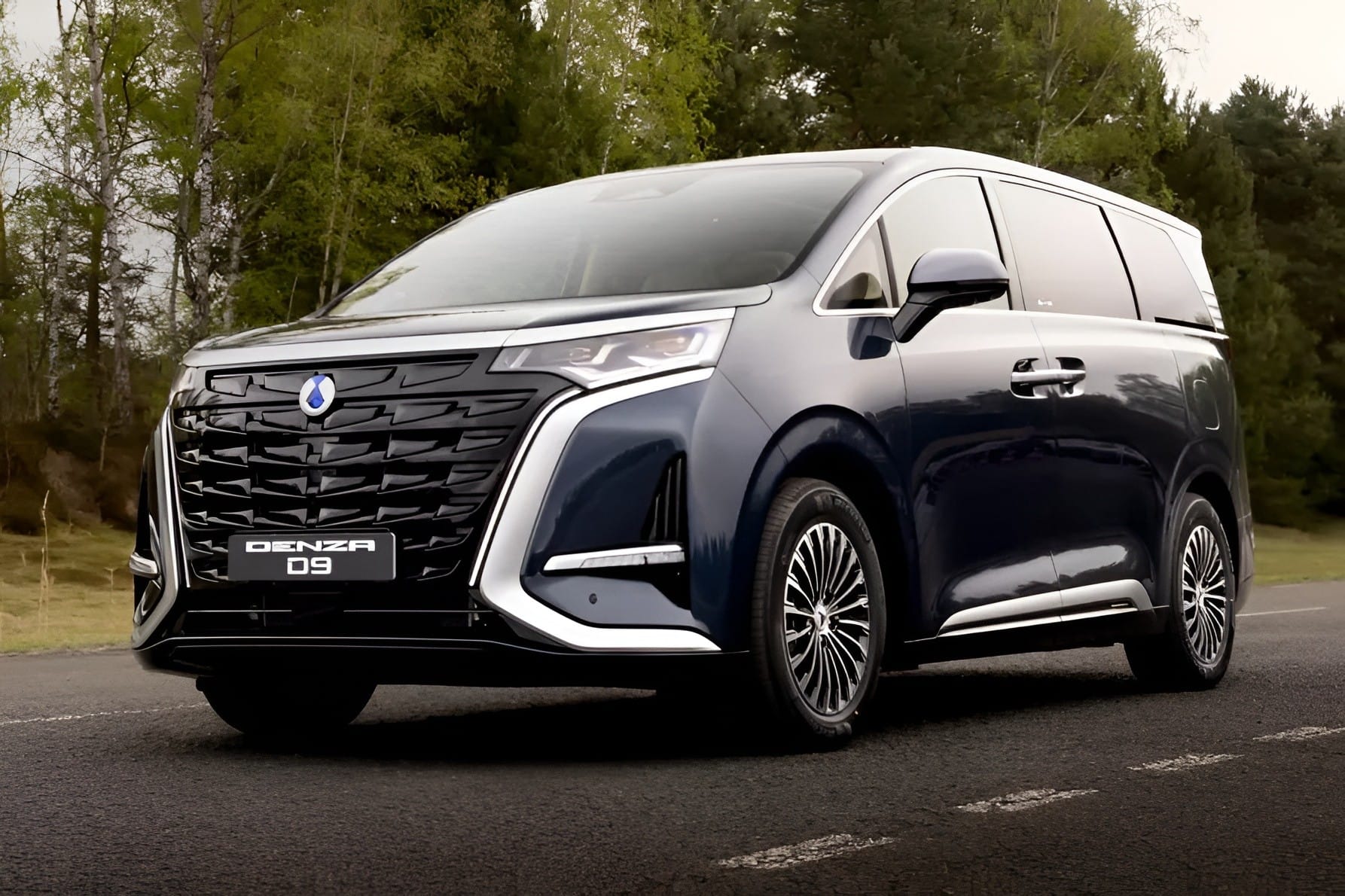
Denza D9 front quarter static

We exclusively reported that BYD would bring its luxury sub-brand Denza to our market. The Chinese carmaker will enter our shores with the debut of the D9 luxury MPV. While a festive season launch is being considered, if delayed, it could be moved to the Bharat Mobility Global Expo in February 2027. Ahead of its arrival in India, here’s all that you can expect from the Denza D9.

1. What seating configurations will the Denza D9 offer?

The Denza D9 is expected to offer a 2+2+3 seating configuration. Rivals like the Toyota Vellfire and Lexus LM offer the same configuration, while the latter offers a 2+2 configuration as well. The MG M9 and Mercedes-Benz V-Class offer a 2+2+2 configuration, while the Merc is also available in a 2+2 seat layout like the LM.

2. How large is the Denza D9?


Denza D9

MG M9

Toyota Vellfire

Lexus LM

Mercedes-Benz V-Class

Length (mm)

5,250

5,270

5,005

5,125

5,370

Width (mm)

1,960

2,000

1,850

1,890

1,928

Height (mm)

1,920

1.800

1,950

1,940

1,901

Wheelbase (mm)

3,110

3,200

3,000

3,000

3,430

The global-spec Denza D9 is 5,250mm long, 1,960mm wide, 1,920mm tall and has a 3,110mm wheelbase. Compared to other luxury MPVs in our market, the D9 is longer, wider and has a longer wheelbase longer than the Toyota and Lexus, but is shorter than the other two. But compared to the M9 and Mercedes-Benz V-Class, the D9’s dimensions are overall smaller.

3. Will the Denza D9 arrive in India as a CBU or be locally assembled?

Initially, the Denza D9 is expected to be sold as a full import in India. This will allow Denza to enter the market quickly, assess demand and take long-term decisions accordingly.

4. What features are expected on the Denza D9?

As for equipment, the global-spec D9 gets a 15.6-inch infotainment screen with Apple CarPlay and Android Auto, 10.25-inch digital driver’s display, panoramic sunroof, 8-way powered front seats with ventilation and massage functions, ambient lighting, triple-zone air conditioning, 14-speaker Dynaudio audio system, air purifier, wireless phone charger, 12-inch head-up display, powered tailgate and sliding rear doors.

Safety features include multiple airbags, an ADAS suite, surround view cameras, ESC, traction control, ISOFIX Mounts, hill hold control, driver fatigue warning and distraction detection, TPMS, and an auto-dimming IRVM.  

5. What features are the second row occupants likely to get in the Denza D9?

The second row captain chairs have built-in leg rests and have 10-way power adjustment with memory and come with ventilation and massage functions. There’s also a powered boss mode, retractable tables, and a refrigerator as well. Additionally, LED displays integrated within the armrests of the second row seats control various car functions.  

6. What powertrains are expected to power the Denza D9?

Globally, the Denza D9 is available in all-electric and plug-in hybrid versions. However, BYD is likely considering the former option for India, as EVs are subject to a lower 5 percent GST. Plug-in hybrid variants could be considered at a later stage.

While exact specifications remain under wraps, the global-spec D9 electric is powered by a 103.6kW battery pack. This battery pack can be had in a FWD configuration with a motor producing 314hp and 360Nm of torque. AWD versions add a 61hp, 110Nm motor, bringing the combined power output to 373hp and 470Nm of torque.

FWD versions get an NEDC-claimed range of 600km, while AWD versions have a claimed range of 580km. As far as charging is concerned, the D9 supports up to 11kW and 166kW outputs on AC and DC charging, respectively.

7. Will the Denza D9 be sold alongside other models from the BYD stable?

To maintain distinction between BYD and its sub-brand, the Denza D9 is expected to be sold via dedicated Denza outlets rather than through its existing retail network.

8. What is the expected price of the Denza D9?

Expect the Denza D9 to have an ex-showroom price of around Rs 90 lakh. The D9 will compete in the growing luxury MPV space and will be positioned above the all-electric MG M9 (Rs 79.95 lakh), but undercut the strong-hybrid-powered Toyota Vellfire (Rs 1.20 crore) and Lexus LM (Rs 2.20 crore to Rs 2.75 crore), and the Mercedes V-Class (Rs 1.40 crore), which offers petrol and diesel engines.

Bentley Torcal EV interior teased ahead of September 23 reveal

Bentley Torcal EV interior teased ahead of September 23 reveal

The upcoming Bentley Torcal’s interior design has been teased ahead of its global debut on September 23. The Torcal is Bentley’s first take on an all-electric car, whose pre-production began in November 2025 at the manufacturer’s Crewe facility in England. 

  1. The teaser shows physical buttons for dual-zone AC and volume controls
  2. A rotary dial on the centre console is used to select between 4 drive modes
  3. Drive modes alter mechanical settings and the in-cabin environment

Originally slated to debut in 2025, the Torcal has been delayed as Bentley revised its electric plans in response to weakening global demand for luxury EVs.

Bentley Torcal EV interior teased: What was spotted?

Bentley will offer a lot of physical buttons with the Torcal EV

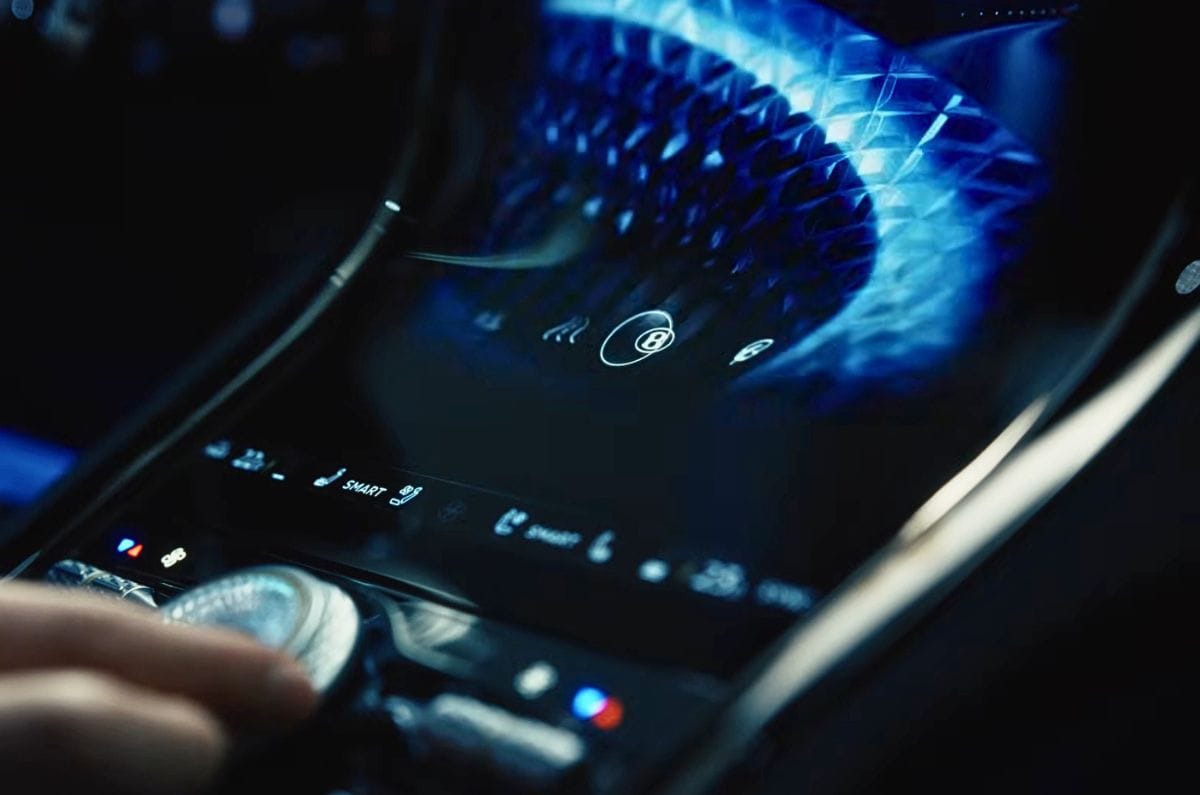
While the full interior will be seen on September 23, the teaser reveals that Bentley, always known for its tactile interior controls, is not doing away with physical buttons on the Torcal. The Torcal will get these physical controls on the steering wheel and the centre console. 

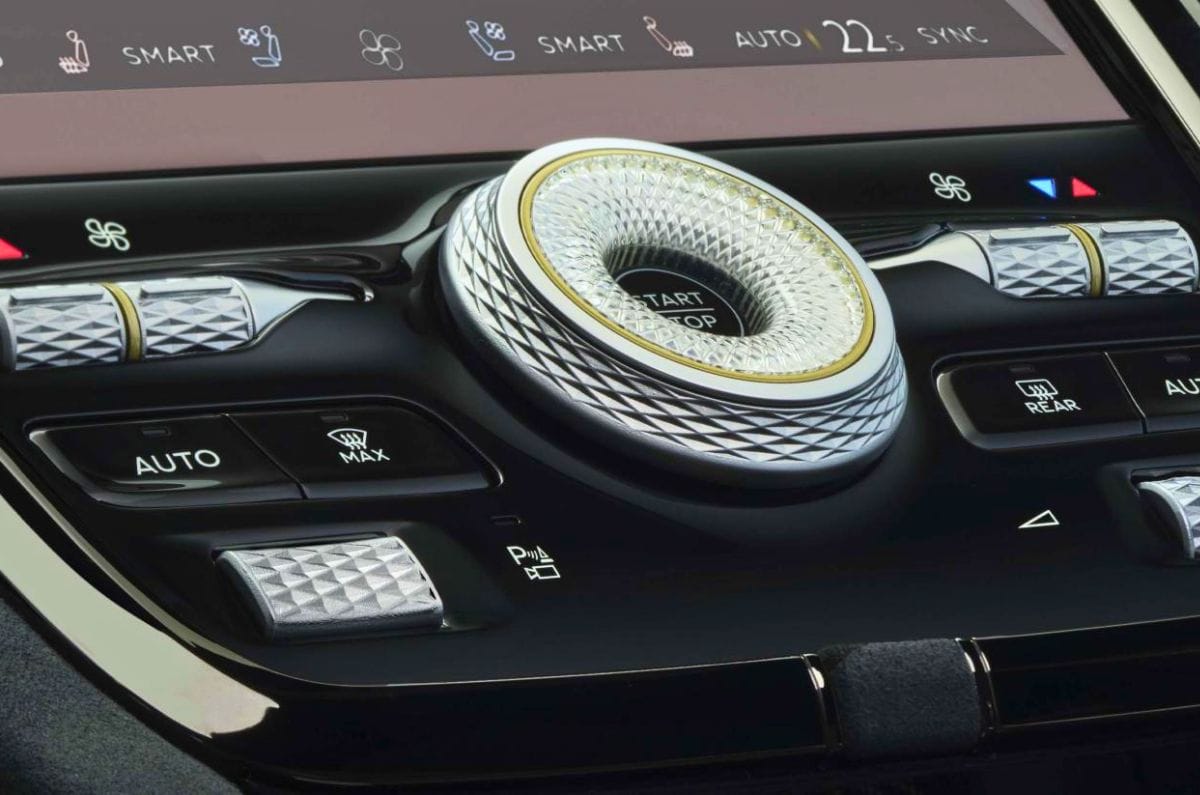
The teaser video also reveals a curved climate control panel on the centre console, which could be integrated with the infotainment system, like on the Porsche Cayenne Electric. Beneath the screen are a slew of physical controls for AC, volume and starting/stopping the EV. In fact, the temperature, blower control buttons and volume scroller are not only finished in silver for added contrast but also textured.

Another standout feature is the illuminated rotary dial surrounding the push-button start/stop. This control operates the ‘Curation Engine’, tailoring the EV’s character through four drive modes: Bentley, Comfort, Sport, and Refresh. Each mode goes beyond adjusting the vehicle’s driving dynamics, also transforming the cabin atmosphere by altering the lighting, soundscape, and even air quality for a distinct sensory experience for the user.

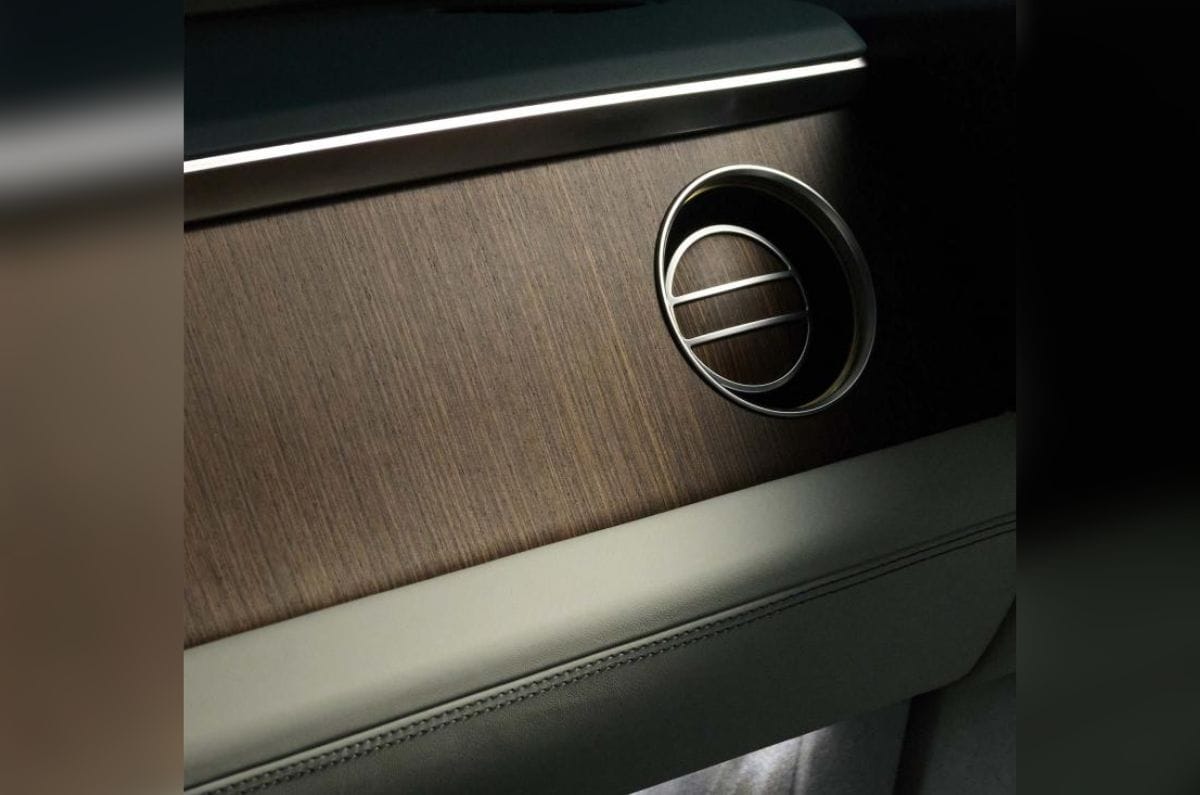
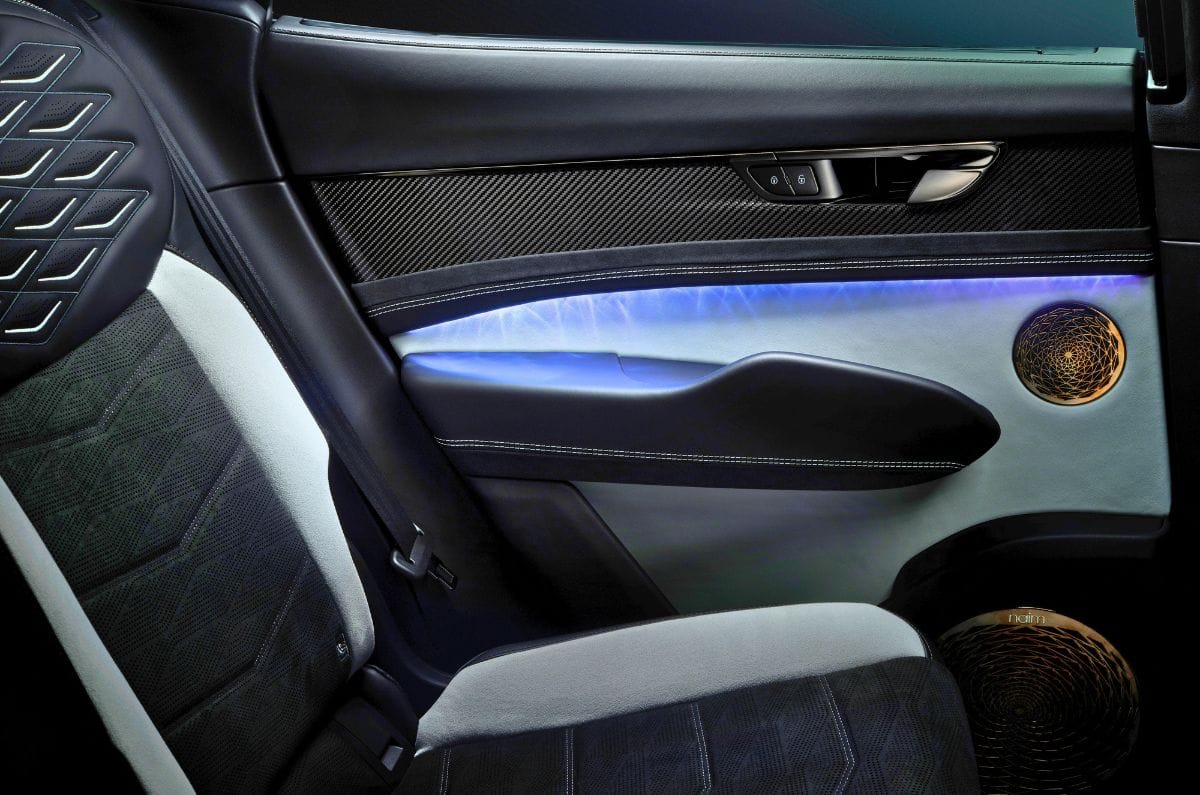
Other bits seen on the teaser include winged seat headrests, light-coloured seat upholstery with embroidered Bentley logos, a mix of fabric, carbon-fibre and leather materials on the door pads with ambient lighting, and carbon-fibre and wooden trims on the dashboard. Physical buttons for locking and unlocking the doors, circular speakers and circular AC vents can also be spotted. 

Bentley Torcal EV: Other details

Built on the PPE platform; will get a 113kWh battery pack with around 500km range

The Bentley Torcal EV shares its underpinnings with the Volkswagen Group’s PPE platform. The Bentley EV will not only share the platform with the Porsche Cayenne Electric, but will also use its 113kWh battery supporting up to 390kW DC fast-charging speeds. Commenting on the Torcal’s range, Bentley’s director of design, Robin Page, previously told our sister publication Autocar UK that “customers are basically telling us that 300-350 miles (483-563km) is that sweet spot”. 

The Bentley Torcal is expected to be offered with a dual-motor all-wheel-drive setup as standard. However, it will be interesting to see whether it matches the Cayenne Electric Turbo’s total output of 1,156hp and 1,500Nm. 

जालंधर के युवक ने बताया रूस का एक्सपीरिएंस:फल तोड़ने की नौकरी बता एजेंट ने भेजा; अब जंगल में फंसा, गंदा कमरा, टूटे बैड; 5 VIDEO डाले

जालंधर से रूस गए एक युवक ने ट्रैवल एजेंट की ठगी का पर्दाफाश कर आपबीती सुनाई है। युवक ने दिल्ली एयरपोर्ट से मॉस्को पहुंचने तक के 5 वीडियो में अपना एक्सपीरियंस शेयर करते हुए कहा- कोई भी एजेंट के चक्कर में फंसकर रूस मत आना। हमें यहां जंगल में छोड़ दिया है। अब समझ नहीं आ रहा है कि कहां जाएं? एजेंट ने जो वादे किए, वे हकीकत में बहुत बुरे निकले। युवक ने वीडियो में बताया कि उसका नाम आकाशदीप है। वह जालंधर के रामनगर का रहने वाला है। 15 जून 2026 को वह दिल्ली से फ्लाइट पकड़कर मॉस्को पहुंचा था। उसे जालंधर के ही एजेंट पवन कुमार ने यहां भेजा। उसने कहा था कि मॉस्को में फल तोड़ने का काम है। इसके मोटे पैसे मिलेंगे। रहने को AC कमरे और बढ़िया खाना मिलेगा। युवक का आरोप है कि एजेंट का आदमी उसे जंगल के बीच बने कबाड़खाने जैसे घर में छोड़ गया है। उसके साथ हरियाणा और राजस्थान के भी युवक हैं। बाथरूम जैसे एक कमरे में 10 लोग सो रहे हैं। उसने कहा कि किसी एजेंट पर भरोसा मत करो। ये युवकों को झांसा देकर रूसी सेना में भर्ती करवा रहे हैं। जानिए, युवक ने वीडियोज में अपना क्या एक्सपीरिएंस बताया युवक ने रहने की जगह के ये PHOTOS दिखाए यहां देखिए, युवक के बनाए पांचों वीडियो 1. दिल्ली से मॉस्को की फ्लाइट में वीडियो बनाया 2. जंगल में फंसने का हाल बताया 3. रास्ते में जहां रुके, उस जगह को दिखाया 4. कबाड़ जैसी जगह में रुके, माहौल और टॉयलेट दिखाया 5. छोटा सा कमरा दिखाया, जिसमें सभी युवक ठहरे हैं ॰॰॰॰॰॰॰॰॰॰॰॰॰ यह खबर भी पढ़ें… महिला डॉक्टर ने शादीशुदा होकर खुद को बताया सिंगल:जालंधर में पासपोर्ट बनाया, गुपचुप कनाडा भागी, पति बोला- गहने-कैश भी ले गई जालंधर की एक महिला डॉक्टर (डेंटिस्ट) ने शादीशुदा होने के बावजूद पासपोर्ट दफ्तर में खुद को अविवाहित बताकर नया पासपोर्ट बनवा लिया और कनाडा चली गई। पति का आरोप है कि पत्नी घर से नकदी और गहने लेकर गई और सरकारी दस्तावेजों में गलत जानकारी देकर पासपोर्ट हासिल किया। पढ़ें पूरी खबर…

RAC यात्रियों के लिए खुशखबरी! अब AC कोच में मिलेगी पूरी बेडरोल किट, रेलवे ने जारी किया निर्देश

ट्रेन के एसी कोच में RAC टिकट पर सफर करने वाले यात्रियों के लिए अच्छी खबर है। रेल मंत्रालय ने एसी कोच में RAC (रिजर्वेशन अगेंस्ट कैंसलेशन) टिकट पर सफर करने वाले यात्रियों को लेकर नया निर्देश जारी किया है। मंत्रालय ने सभी रेलवे जोन से कहा कि, RAC टिकट पर सफर करने वाले यात्रियों को भी यात्रा के दौरान पूरी बेडरोल किट, यानी चादर, कंबल और तकिया समेत सभी जरूरी सामान उपलब्ध कराया जाए। ये फैसला लगातार मिल रही शिकायतों के बाद दोबारा स्पष्ट किया गया है, ताकि RAC यात्रियों को किसी तरह की परेशानी का सामना न करना पड़े।

रेल मंत्रालय ने बताया कि, उसे लगातार शिकायतें मिल रही थीं कि RAC टिकट पर सफर करने वाले कई यात्रियों को चादर, कंबल और तकिया जैसी बेडरोल सुविधाएं नहीं मिल रही हैं या पूरी किट उपलब्ध नहीं कराई जा रही है। RAC में दो यात्रियों को एक ही बर्थ पर यात्रा करनी पड़ती है, जब तक उन्हें कन्फर्म बर्थ नहीं मिल जाती।

RAC यात्रियों को मिले बेडरोल

रेल मंत्रालय ने साफ किया कि, एसी चेयर कार को छोड़कर सभी एसी कोच में RAC टिकट पर सफर करने वाले हर यात्री को भी अन्य कन्फर्म यात्रियों की तरह पूरी बेडरोल किट दी जाए। मंत्रालय ने सभी रेलवे जोन को निर्देश दिया कि, इस नियम का सख्ती से पालन किया जाए, ताकि यात्रा के दौरान किसी भी यात्री को असुविधा का सामना न करना पड़े। अधिकारियों को निर्देश दिया कि, मौजूदा नियमों का पूरी तरह पालन किया जाए। मंत्रालय ने कहा कि, एसी कोच में यात्रा करने वाले सभी पात्र RAC यात्रियों को बिना किसी भेदभाव के चादर, कंबल और अन्य बेडरोल का सामान उपलब्ध कराया जाए, ताकि सभी को समान सुविधा मिल सके।

बेड ना मिलने पर किससे करे शिकायत

रेलवे का कहा कि, नए निर्देशों का उद्देश्य ये सुनिश्चित करना कि RAC यात्रियों को भी यात्रा के दौरान पूरी बेडरोल सुविधा मिले और उन्हें किसी तरह की असुविधा न हो। अगर RAC टिकट पर एसी कोच में सफर के दौरान आपको चादर, कंबल या तकिया नहीं मिलता है, तो सबसे पहले कोच अटेंडेंट या टीटीई से इसकी मांग करें। यदि इसके बाद भी सुविधा उपलब्ध नहीं कराई जाती, तो आप रेलवे के शिकायत पोर्टल या हेल्पलाइन के माध्यम से शिकायत दर्ज करा सकते हैं।

Which 2026 Mahindra Scorpio N variant should you buy?

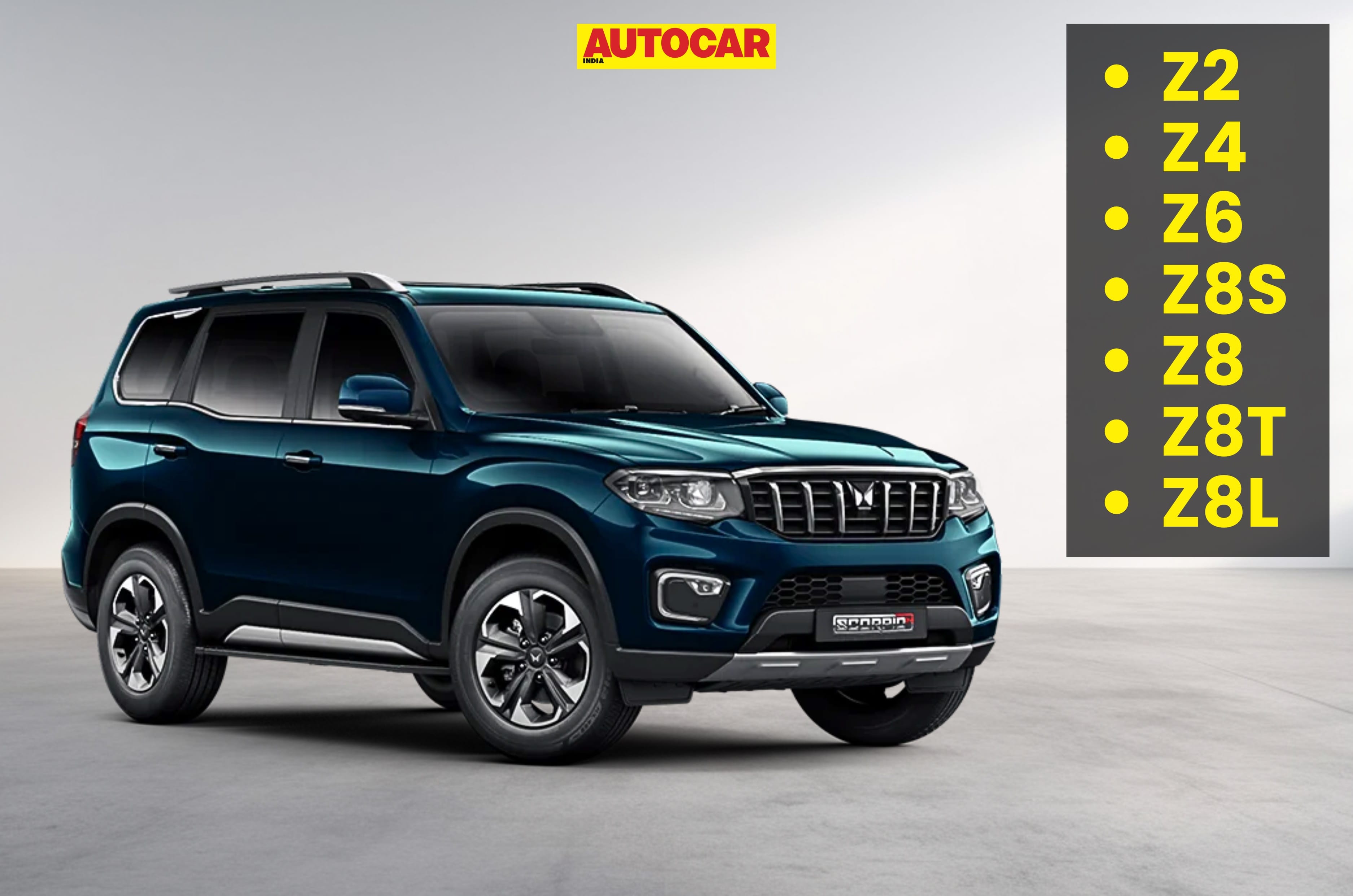
2026 Mahindra Scorpio N facelift variants

The 2026 Mahindra Scorpio N facelift offers buyers all the familiar bits that this body-on-frame SUV has been known for while introducing minor cosmetic tweaks and new features on the inside. The 2026 Scorpio N soldiers on with the same powertrain options as its pre-facelift predecessor, but prices have gone up. Having said all that, which variant should you buy?

2026 Mahindra Scorpio N facelift powertrain options

This facelift hasn’t brought about any major mechanical changes to the SUV

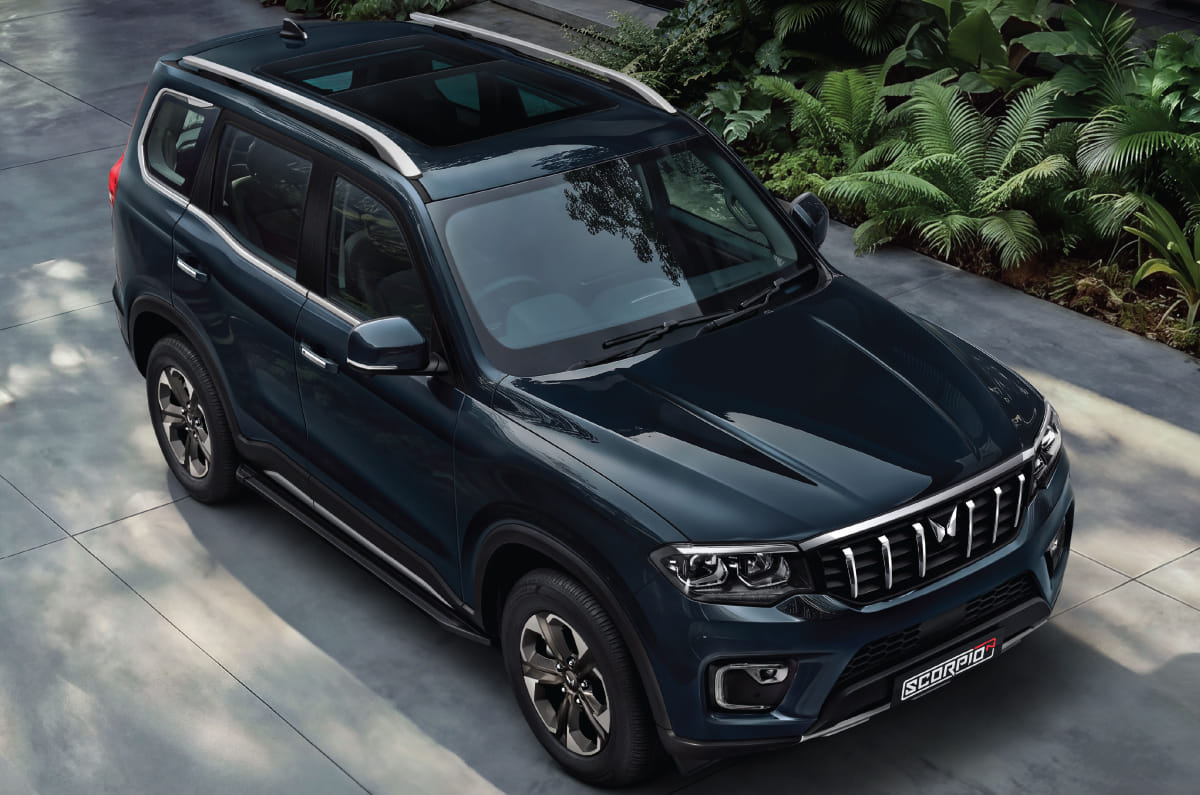
2026 Mahindra Scorpio N facelift front top quarter

Powertrain specifications

Mahindra Scorpio N facelift 2.0 turbo-petrol

Mahindra Scorpio N facelift 2.2 diesel

Type

4 cyls, direct-injection

4 cyls, direct-injection

Displacement

1,997cc

2,184cc

Power

203hp

132hp/175hp

Torque

370Nm/380Nm

370Nm/400Nm

Manual transmission

6-speed MT

6-speed MT

Automatic transmission

6-speed AT

6-speed AT

Drive configuration

2WD

2WD/4WD

Fuel capacity

57 litres

57 litres

Under the vast bonnet of the Scorpio N facelift are the same set of turbocharged engines that powered the previous model. The petrol unit uses the 2.0-litre mStallion direct-injection mill that produces 203hp and 370Nm when mated to a 6-speed manual transmission (MT) or 380Nm of torque when paired with the 6-speed torque-converter automatic (AT). In this case, power is sent only to the rear wheels.

Then there’s the 2.2-litre mHawk direct-injection diesel engine, which is available in two states of tune. In the lower Z2 and Z4 diesel MT variants, this mill develops 132hp and 300Nm of torque – transmission duties are handled by a 6-speed manual gearbox. Higher variants of the diesel-powered Scorpio N facelift get the 175hp version of this oil burner, putting out either 370Nm (MT) or 400Nm (AT) of torque. Do note that four-wheel drive is only available on the diesel variants but can be had with either manual or automatic gearboxes.

2026 Mahindra Scorpio N facelift variant-wise features

Z2 price range: Rs 13.69 lakh-Rs 14.19 lakh

  • Dual-barrel halogen headlamps
  • ORVM-integrated turn indicators
  • LED tail-lamps
  • 17-inch steel wheels
  • Front and rear disc brakes
  • Steering-mounted audio controls
  • Tilt-adjustable steering
  • Power windows
  • Manually adjustable ORVMs (outside rearview mirrors)
  • One-touch tumble second-row seat
  • Fold and tumble third row
  • Rear-seat centre armrest
  • Manual AC with rear vents
  • 8.0-inch touch-infotainment system
  • 4.2-inch monochrome MID (multi-information display)
  • 4-speaker audio system
  • First- and second-row USB ports
  • Third-row 12-volt outlet
  • 2 airbags
  • Rear parking sensors
  • ABS with EBD
  • Electronic stability control
  • Hill-hold control
  • Hill-descent control
  • Isofix anchors
  • Three-point seatbelts for all rows


Z4 price range: Rs 15.57 lakh-Rs 18.03 lakh

Features over Z2

  • Black roof rails
  • Rear spoiler
  • 17-inch steel wheels with cover
  • Steering-mounted audio and cruise controls
  • Driver’s side ‘anti-pinch’ window function
  • Electrically adjustable ORVMs
  • Driver’s seat-height adjustment and lumbar support
  • Wired Apple CarPlay and Android Auto
  • Rear AC blower control
  • Rear wiper, washer and defogger
  • Selectable 4WD system (Z4 diesel)


Z6 price range: Rs 17.17 lakh-Rs 18.82 lakh

Features over Z4

  • Zip, Zap and Zoom drive modes (diesel 2WD only)
  • Electric sunroof
  • Rearview camera


Z8S price range: Rs 17.79 lakh-Rs 19.89 lakh

Features over Z6

  • LED projector headlamps
  • Sting-shaped LED DRLs (daytime running lamps)
  • Sequential LED turn indicators
  • 17-inch diamond-cut alloy wheels
  • UV- and IR-cut glass (side windows only)
  • Brown and black leatherette upholstery
  • Leather-wrapped steering wheel and gear lever
  • 12.3-inch touch-infotainment system
  • 10.25-inch digital instrument cluster
  • Wireless Apple CarPlay
  • Free one-year Adrenox Connect subscription
  • Built-in Amazon Alexa
  • 65W Type-C front and rear USB ports
  • Front-facing camera
  • Information on roll and pitch, altitude, G-force, etc. (via Adventure Statistics)
  • 6 airbags
  • Driver-drowsiness detection
  • E-call and SOS alert


Z8 price range: Rs 19.86 lakh-Rs 21.41 lakh

Features over Z8S

  • Automatic headlamps and wipers
  • Passive keyless entry
  • Push-button ignition
  • Power-folding ORVMs
  • ‘Anti-pinch’ function for co-driver’s window
  • Dual-zone automatic climate control
  • Wireless charger
  • Free two-year Adrenox Connect subscription
  • TPMS (tyre-pressure monitoring system)


Z8T price range: Rs 20.38 lakh-Rs 24.39 lakh

Features over Z8

  • 18-inch diamond-cut alloy wheels
  • 6-way powered driver’s seat
  • Ventilated front seats
  • 12-speaker Sony audio system
  • Auto-dimming IRVM (inside rearview mirror)
  • Electronic parking brake
  • Selectable 4WD system (Z8T diesel)
  • Normal, Snow, Mud/Ruts and Sand terrain modes (diesel 4WD)
  • Electronic brake-locking differential


Z8L price range: Rs 21.31 lakh-Rs 25.49 lakh

Features over Z8T

  • Panoramic sunroof
  • 540-degree camera system
  • Blind-view monitor
  • Adaptive cruise control (AT versions only)
  • Speed-limit assist (AT versions only)
  • Forward-collision warning
  • Auto-emergency braking
  • Lane-departure alert
  • Lane-keep assist
  • High-beam assist
  • Traffic-sign recognition


2026 Mahindra Scorpio N facelift colours

The facelift has brought with it two new colour options

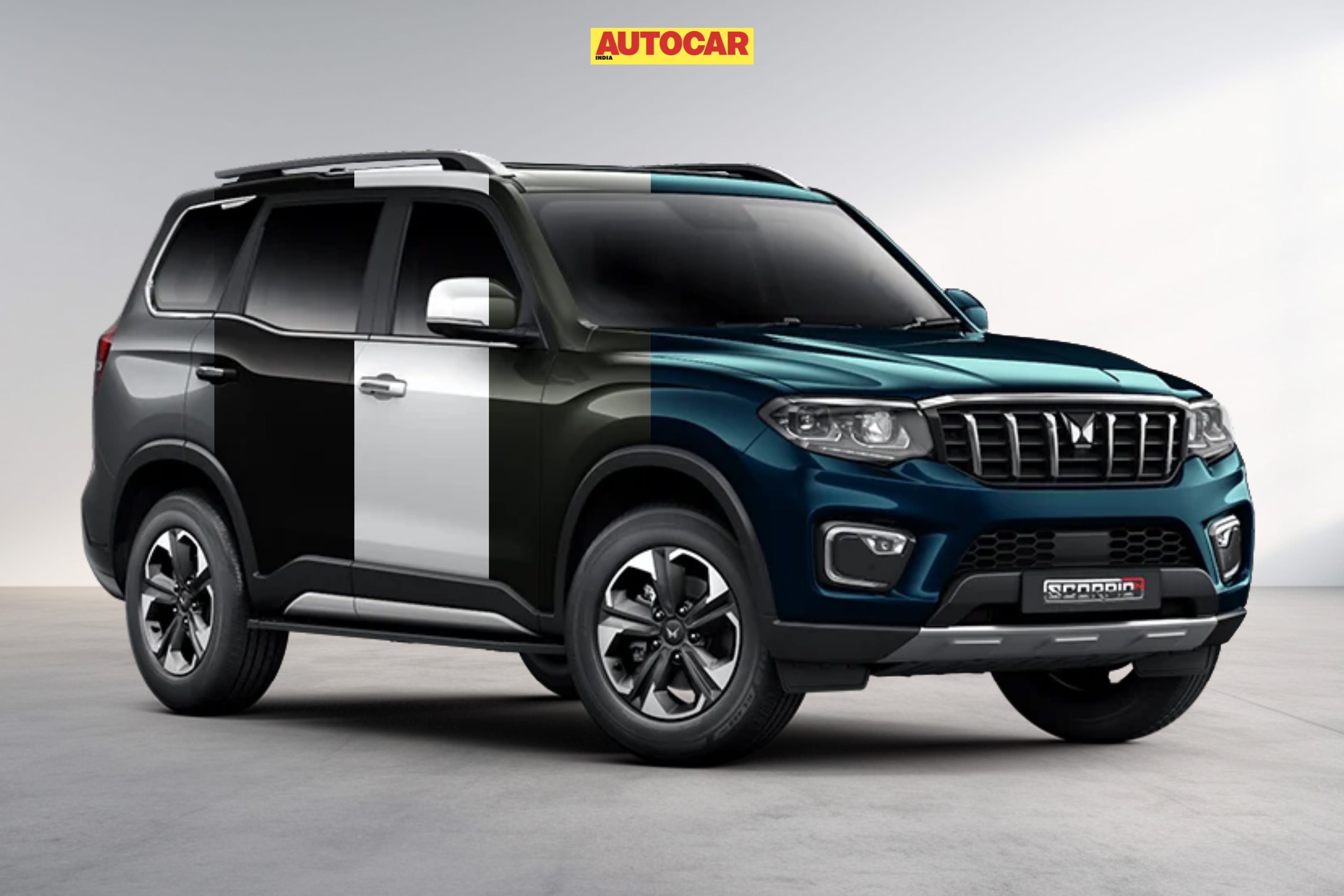
2026 Mahindra Scorpio N facelift colours

With this update, the Mahindra Scorpio N retains three colours from its predecessor: Deep Forest, Everest White and Stealth Black. However, it does get two new shades. These include an all-new colour, Oceanic, and Galaxy Grey, which replaces another grey option called Valyrian Silver. There are no dual-tone colours available.

2026 Mahindra Scorpio N facelift: Which variant should you buy?

The second-to-top trim with the diesel-automatic powertrain is a good pick

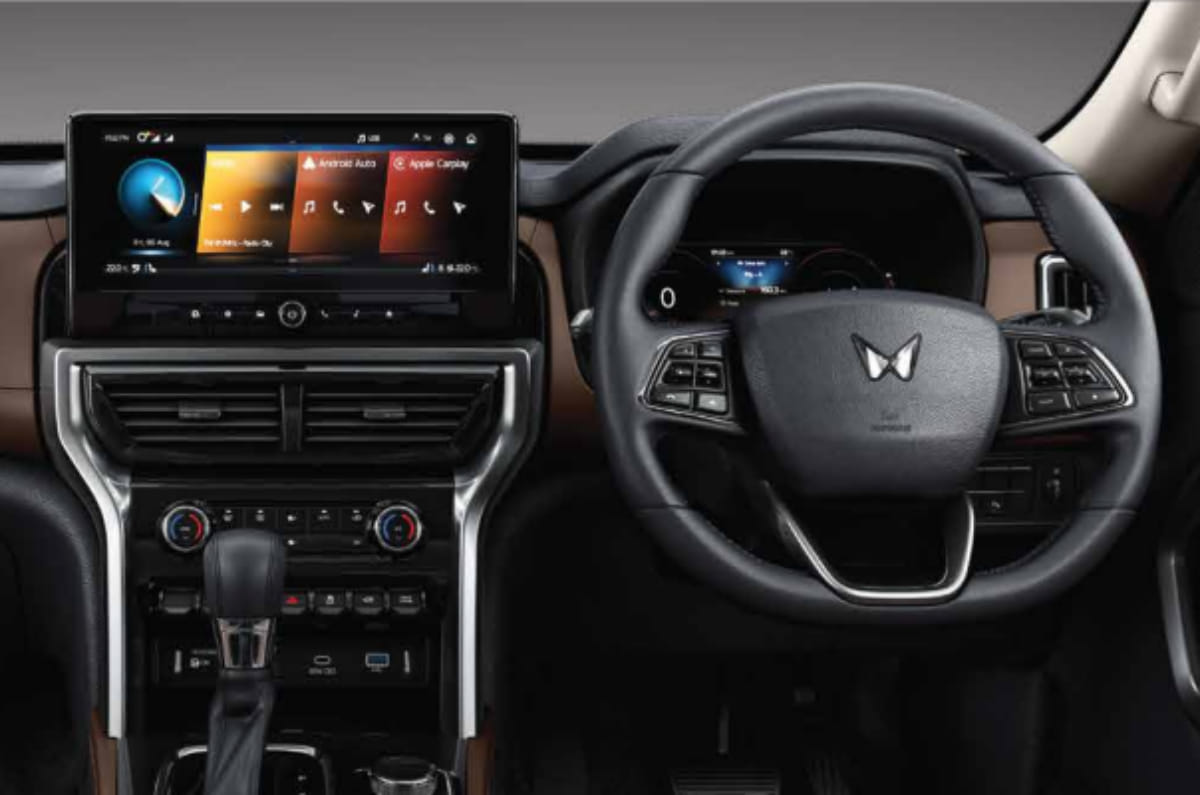
2026 Mahindra Scorpio N facelift interior

The Z8T trim with the turbo-diesel engine and 6-speed torque-converter automatic (AT) is our pick of the bunch. This is because it offers a laundry list of modern convenience and safety features, catering to almost every need that a buyer looking for an SUV at this price point is likely to have. If you’re someone who finds themselves driving through inclement weather regularly, or you intend to do a bit of off-roading, the 4×4 version has enough mechanical and electronic assistance to back you up. However, try to avoid the Z2, Z4 and Z6 trims as these only get two airbags – that’s unacceptable at this price point.

Also read

3 reasons to buy the Mahindra Scorpio Classic, 2 reasons not to

What to expect from the BMW 7 Series, i7 facelift ahead of launch

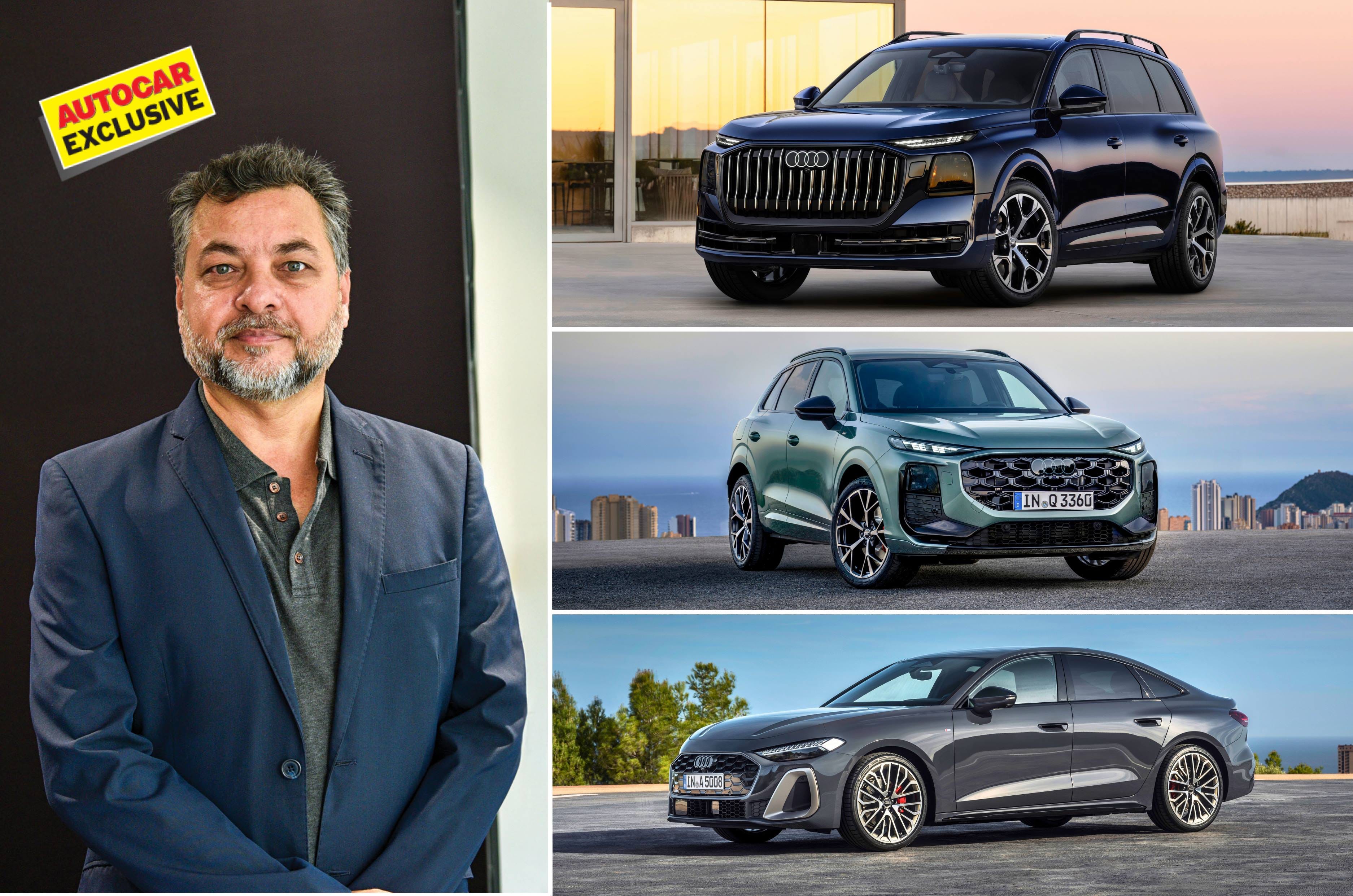
Audi India boss confirms 3 new launches by 2027

Audi India boss confirms 3 new launches by 2027

After years on the sidelines, Audi India is finally in attack mode. The next 12 months will see a barrage of all-new metal. First comes the third-generation Q3 this month, followed by the A5 in February 2027 and then the recently unveiled Q9 flagship SUV by the second half of 2027. “Three models in less than 12 months’ time,” confirms Balbir Singh Dhillon, head of Audi India.

The crucial detail is not the cadence but the sourcing. These will not be costly completely built-up (CBU) imports but will be assembled at the Skoda Auto Volkswagen Group plant in Chhatrapati Sambhajinagar. Model-to-model replacement, as Dhillon points out, needs little fresh capital because the heavy lifting was done years ago. “To be successful in India, you have to make in India,” he says. “Irrespective of any FTA, we will still make in India. That will remain the core strategy.”

Let’s take a close look at what to expect from each model:

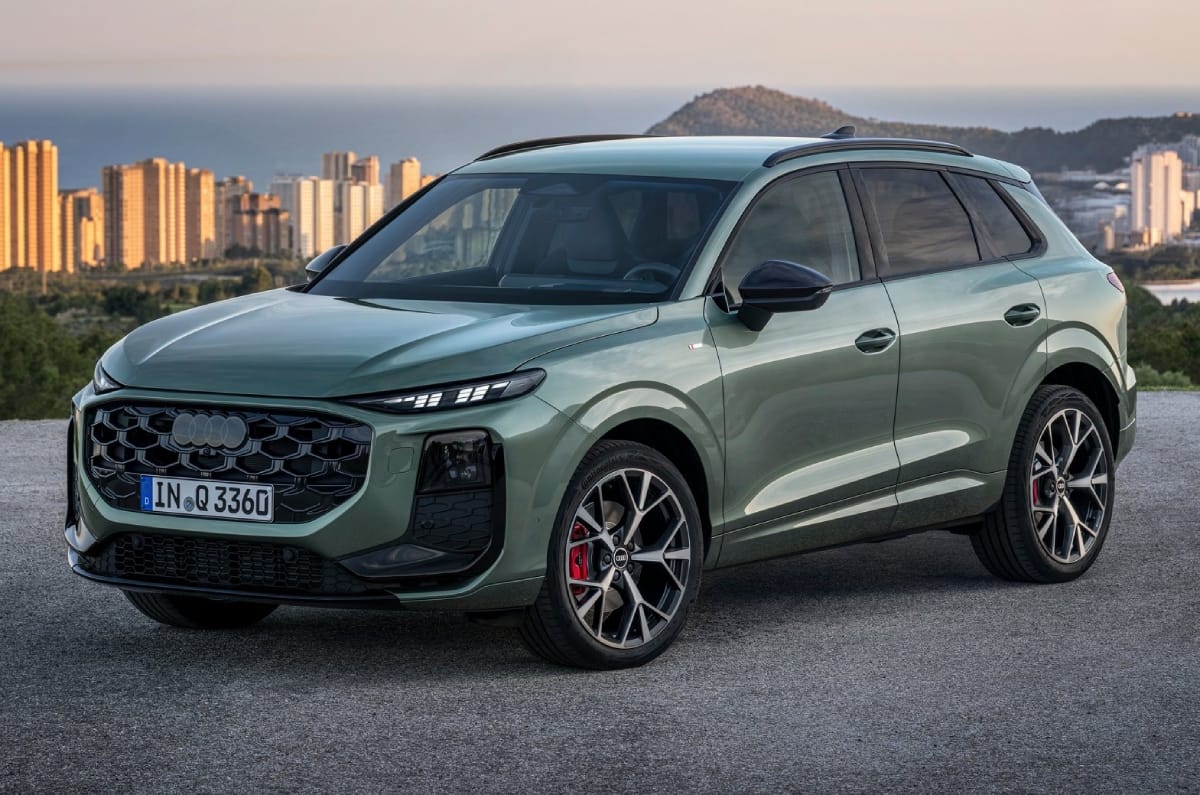
Audi Q3 

Launch: August 2026, estimated price: Rs 50 lakh

Audi Q3

A big leap over the second-gen model in tech and styling, the third-gen Q3 was revealed last June. It is available in petrol, diesel and plug-in hybrid options in overseas markets, but in India, it’ll have a 204hp, 2.0 turbo-petrol paired with a 7-speed dual-clutch and standard Quattro all-wheel drive. The AWD will give it an edge over the BMW X1 and Mercedes-Benz GLA. Expected in both SUV and Sportback body styles, the Q3 will ride on 18-inch alloys and should get a spare under the boot floor. Kit is expected to include an 11.9-inch digital driver’s display, a 12.8-inch touchscreen, three-zone auto AC and a large sunroof.

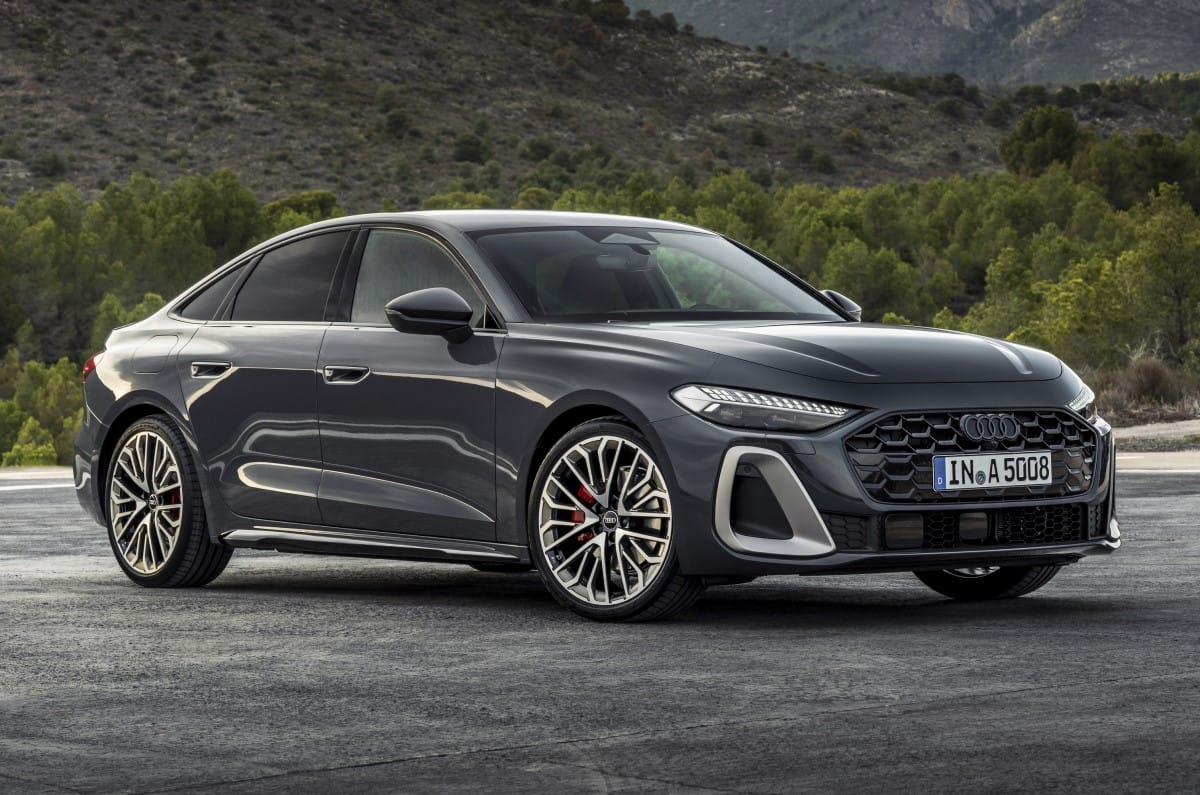
Audi A5

Launch: February 2027, estimated price: Rs 60 lakh

Audi A5

Revealed in 2024 and updated with hybrid powertrains last year, the A5 will replace the ageing A4 in Audi India’s line-up. Based on the new Premium Platform Combustion (PPC) architecture, it is larger than the A4 and shares its high-tech interior with newer Audis like the Q6 e-tron, including an optional 10.9-inch passenger-side touchscreen display. India is expected to get the same 204hp, 2.0 turbo-petrol engine and 7-speed dual-clutch transmission as the Q3, though only in front-wheel-drive form. While overseas markets also get a 265hp Quattro variant, it isn’t expected for India. 

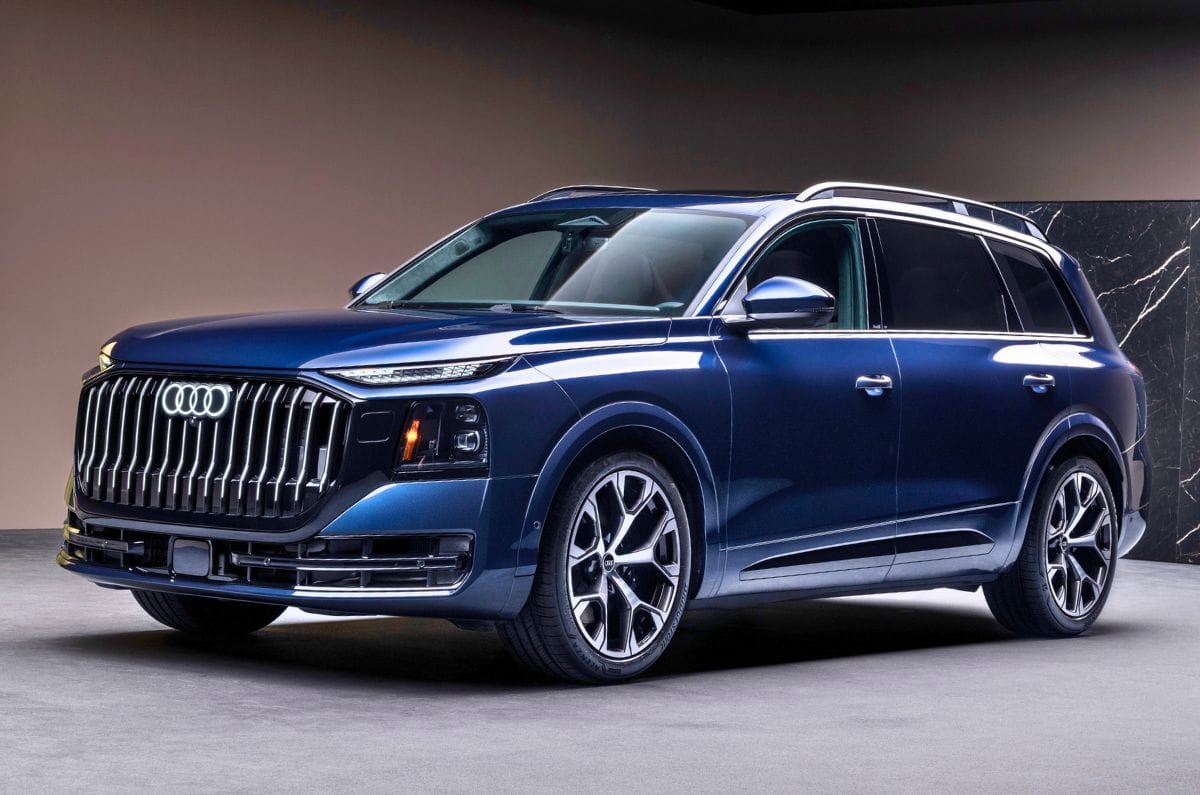
Audi Q9 

Launch: H2 2027, estimated price: Rs 1.40 crore-1.50 crore

Audi Q9

The Q9 sits above the Q7 and Q8, at the very top of the range and is Audi’s new flagship. It’s also the first time Audi has used the ‘9’ designation, and with the A8 gone, this three-row giant is now the standard-bearer for the brand. At more than 5.3 meters in length, this isn’t a stretched Q7; it’s a class-size jump that finally gives Audi a genuine rival to the Mercedes-Benz GLS and BMW X7, a fight it has sat out for far too long. It will get a sole engine option in India: a 3.0-litre V6 petrol producing 367hp and 550Nm, driving all four wheels through an 8-speed automatic. Sadly, there will be no diesel engine option for India. 

Network expansion to compliment new launches 

Hardware alone will not do it. The retail network is being rebuilt in parallel. “Today we have 29 showrooms. By the end of next year, we’ll be at 40,” says Dhillon, with virtually every existing outlet currently torn up for conversion to Audi’s global ‘progressive’ showroom format. The new locations alone, he reckons, will contribute a quarter of the planned growth. Add a thriving Audi Approved Plus used-car operation, which now sells one pre-owned car for every new one and sits on a database of 20,000 pre-owned buyers ripe for upgrade, and the machinery for a volume push is in place.

The stated ambition is bold. “Today we are at about 8, 9 percent market share. I want to double it to maybe reach 18 to 20 percent in the next three to five years,” says Dhillon. In volume terms, that means more than doubling sales to cross 10,000 units within three years, outpacing the luxury market that is itself expected to grow. 

For the first time in years, Audi India has a genuine arsenal: a fresh Q range from Q3 to Q9, a striking new sedan, a rebuilt network and a loyal customer base waiting to be rewarded. There will still be gaps in the product lineup, but the intent is there, and this opening salvo is just the start of an offensive built to sustain itself, with future products already being hatched, many of them aimed squarely at those very holes in the line-up. 2027 promises to be a turning point. It’s game on for Audi.

JSW MG ‘Hector Hawk’ SUV to launch on August 28

MG Hector Hawk

JSW MG Motor India will launch its new SUV on August 28. Expected to be called the Hector Hawk, it will be the first model based on the company’s new ADAPT platform and will be offered with both battery electric (EV) and plug-in hybrid (PHEV) powertrains. 

  1. EV version expected with a 69.2kWh battery pack
  2. PHEV likely to offer up to 125km electric-only range
  3. Likely to rival the Mahindra XEV 9S and XUV 7XO

JSW MG Hector Hawk: what to expect

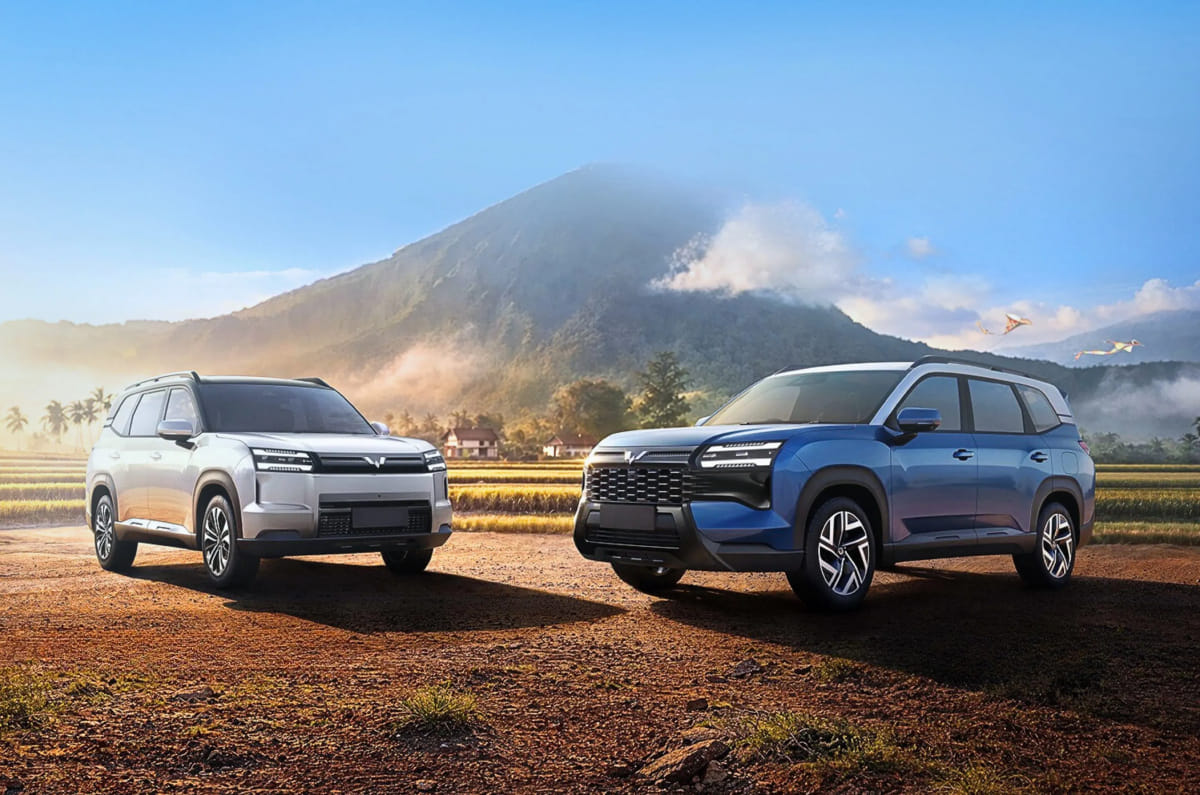
Wuling Starlight EV. Image used for representative purposes only. 

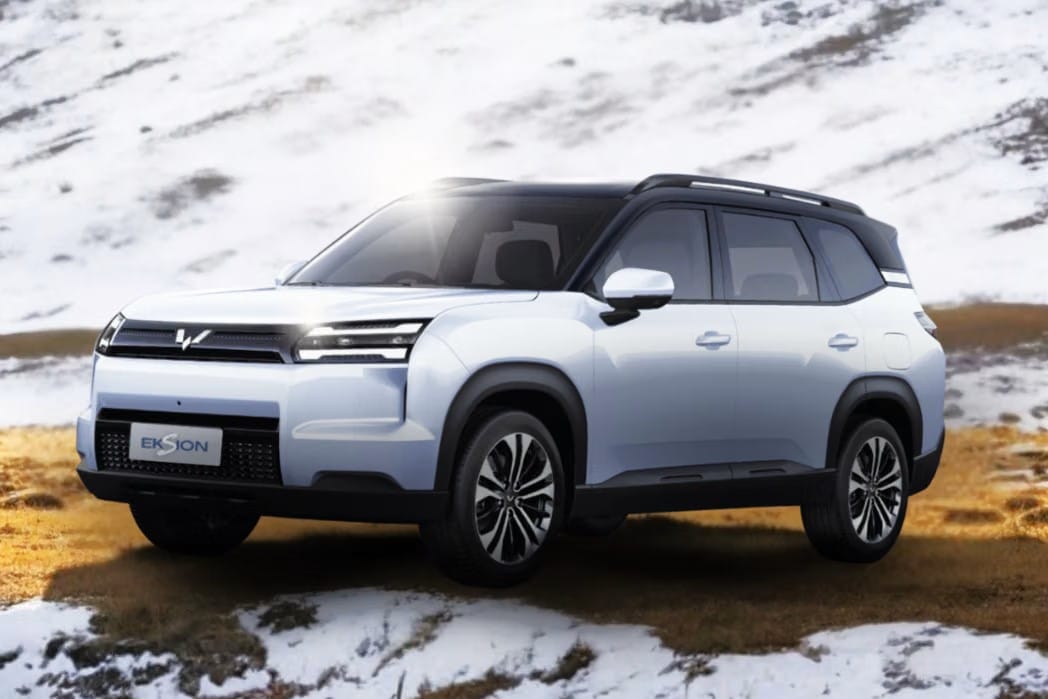
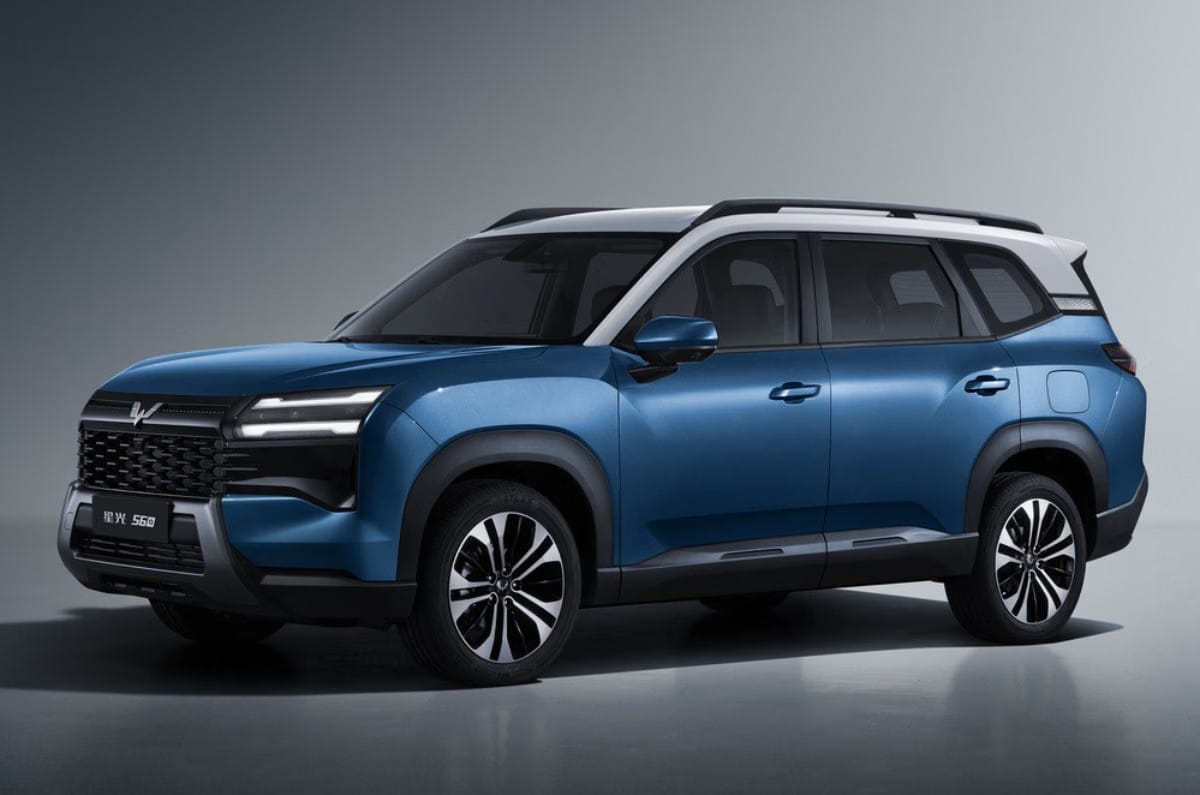
The Hector Hawk is based on the Wuling Starlight 560 sold in international markets which measures 4.7m in length, 1.85m in width and 1.7m in height. The car has been spied testing on our roads with spy shots revealing rectangular LED headlamps with LED daytime running lamps (DRLs) at the top and bottom, a blanked-off grille (expected to be the EV version), wraparound LED tail-lamps, a roof-mounted spoiler and a charging port on the left rear fender. 

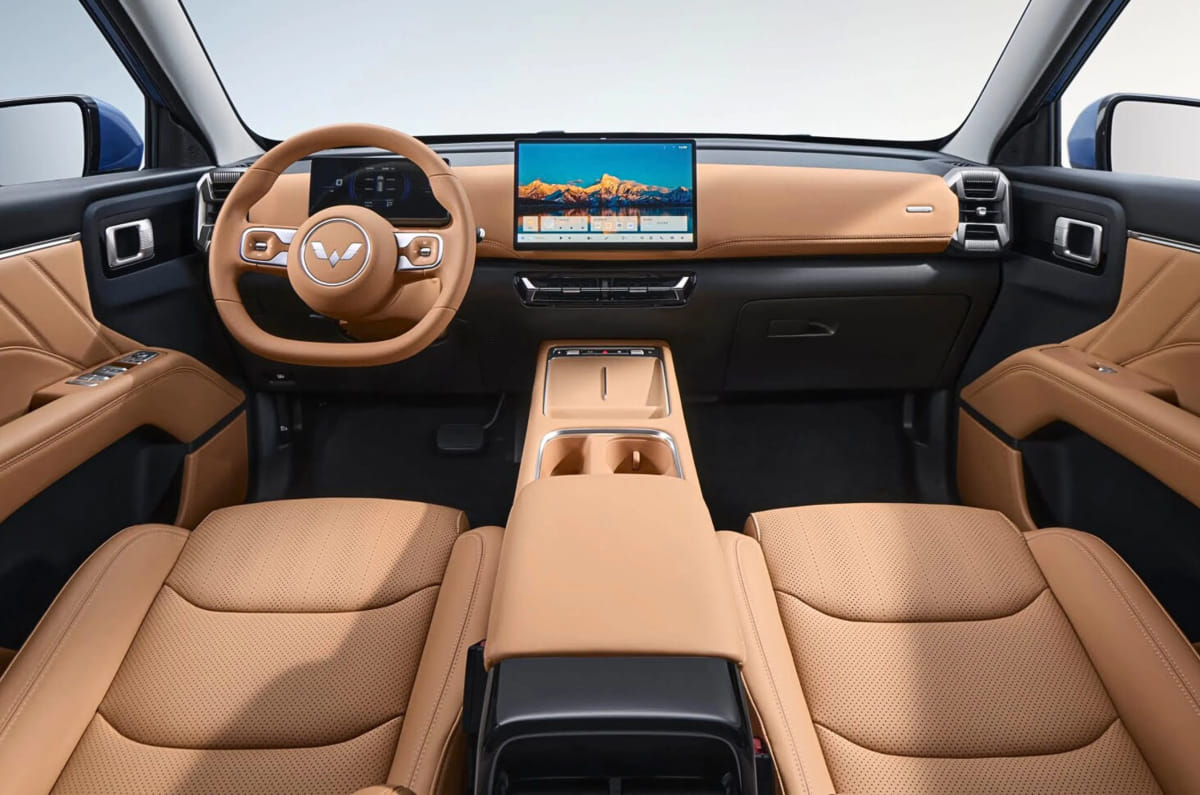
Wuling Starlight 560’s dashboard shown for representative purposes only. 

Inside, the SUV is expected to feature a minimalist dashboard with an 8.8-inch digital instrument cluster and a 12.8-inch touchscreen infotainment system. Other expected features include a panoramic sunroof, powered and ventilated front seats, a 50W wireless phone charger, a 6-speaker sound system and automatic climate control with rear AC vents.

The safety suite could have 6 airbags as standard, a tyre-pressure monitoring system (TPMS), hill-hold assist, an electronic parking brake, a rear parking camera with sensors and advanced driver assistance systems (ADAS).

Powertrains and platform

Wuling Starlight PHEV. Image used for representative purposes only. 

The EV version is expected to get a 69.2kWh battery pack paired with a 201hp, 310Nm front-mounted electric motor, offering a CLTC-claimed range of 530km. The PHEV version is expected to combine a 1.5-litre petrol engine with a 20.5kWh battery pack and an electric motor, offering a total output of 195hp and 230Nm and an all-electric range of 125km.

Strong hybrid powertrain based on ADAPT

The Hector Hawk will be the first model in India based on MG’s ADAPT platform, which supports battery electric, plug-in hybrid, range-extender and strong-hybrid powertrains. JSW MG has confirmed that it will initially focus on EVs and PHEVs.

In MG’s India lineup, the Hector Hawk is expected to be positioned above the current Hector. The EV version is likely to rival the Mahindra XEV 9S, while the PHEV is expected to take on the Mahindra XUV 7XO and Tata Safari.