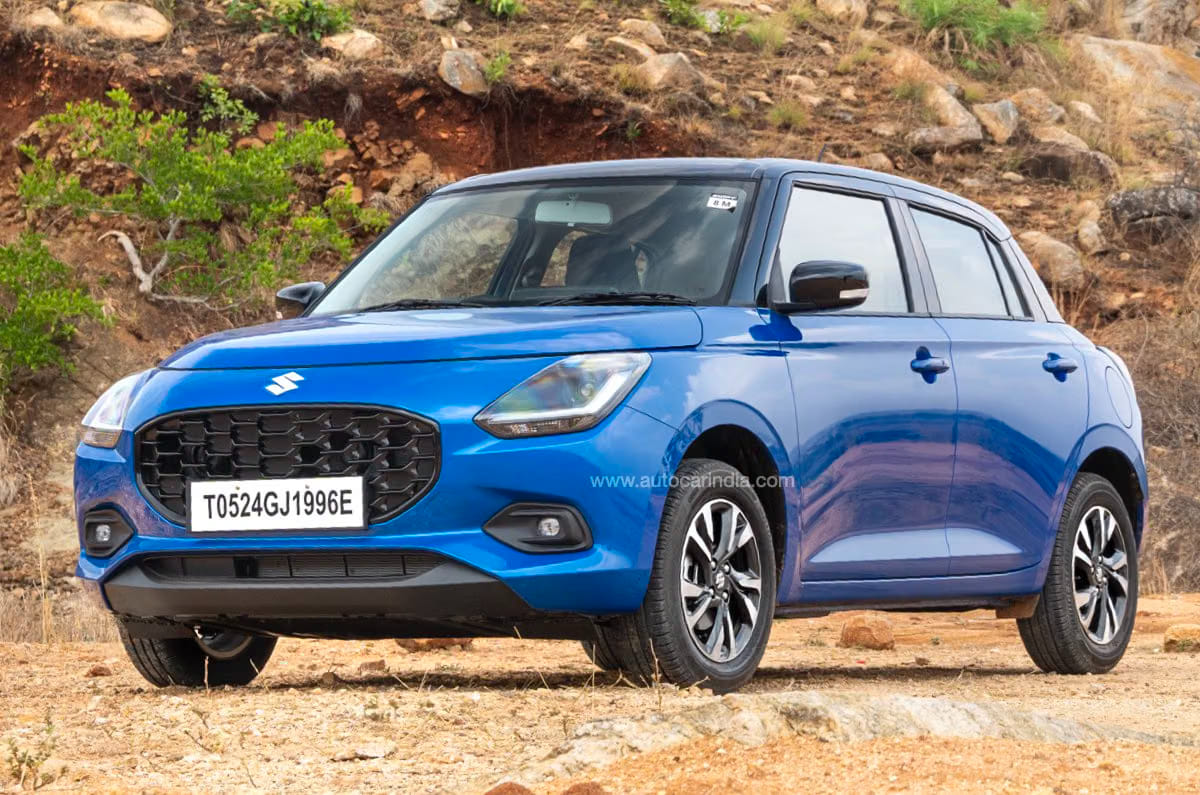
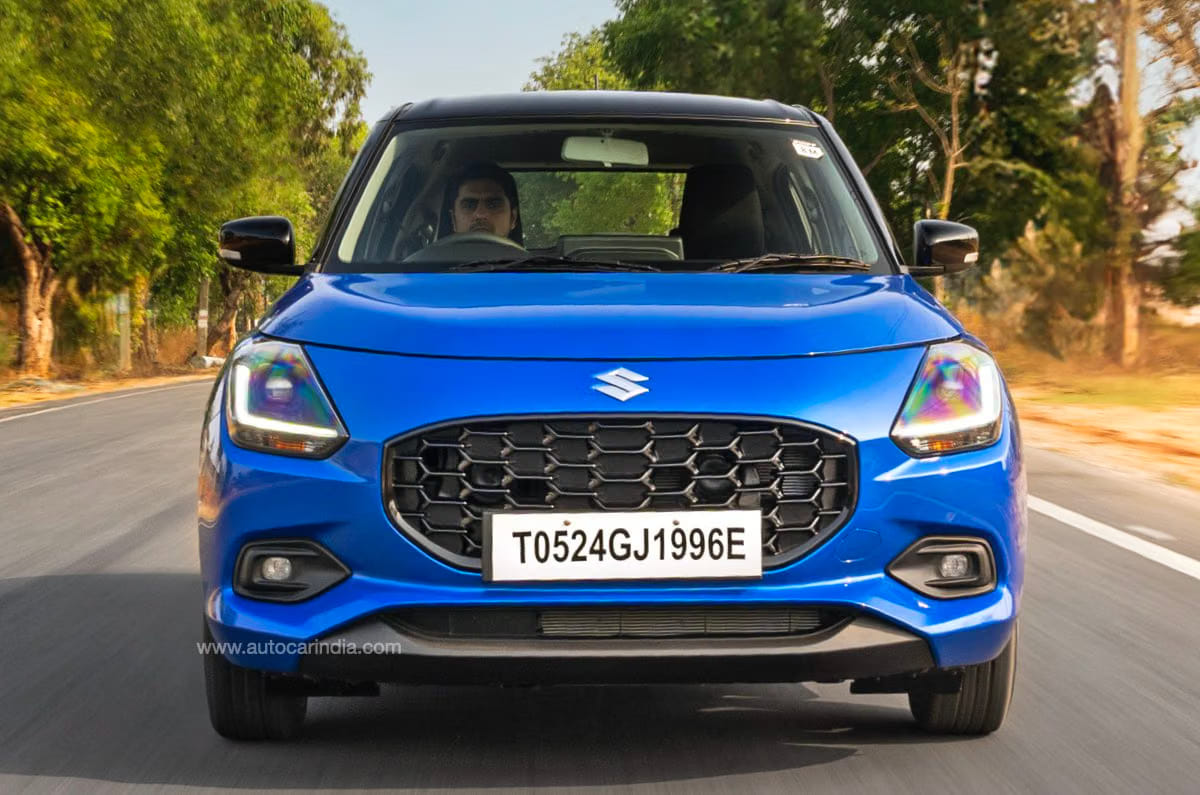
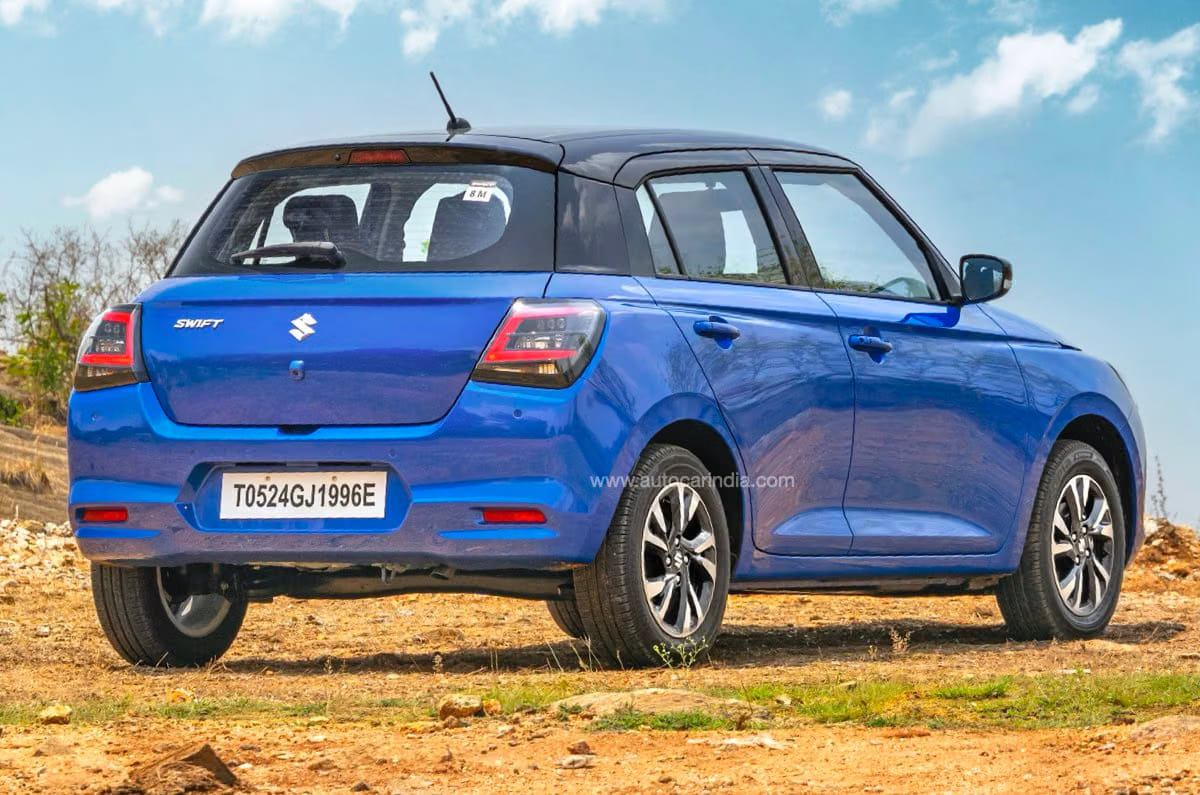
The Maruti Suzuki Swift remains one of the most popular premium hatchbacks in India. It combines compact dimensions with light controls, strong fuel efficiency and engaging driving manners, making it well suited to everyday use. However, buyers should also be aware of a few compromises before making a purchase.
Here are three reasons to consider the Swift, and three reasons to look elsewhere.
Reasons to buy
Excellent real-world fuel efficiency
Low running costs without compromising everyday usability
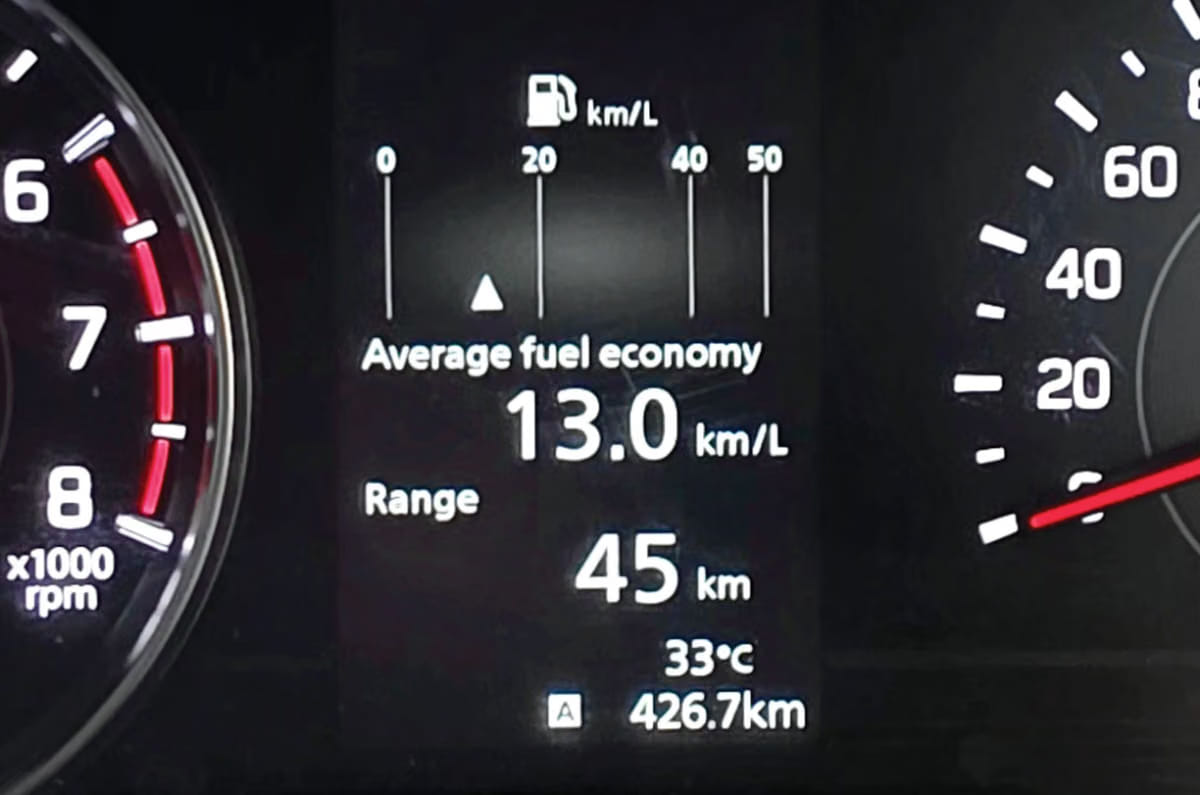
Hilariously good fuel economy, even in rushhour, start-stop traffic.
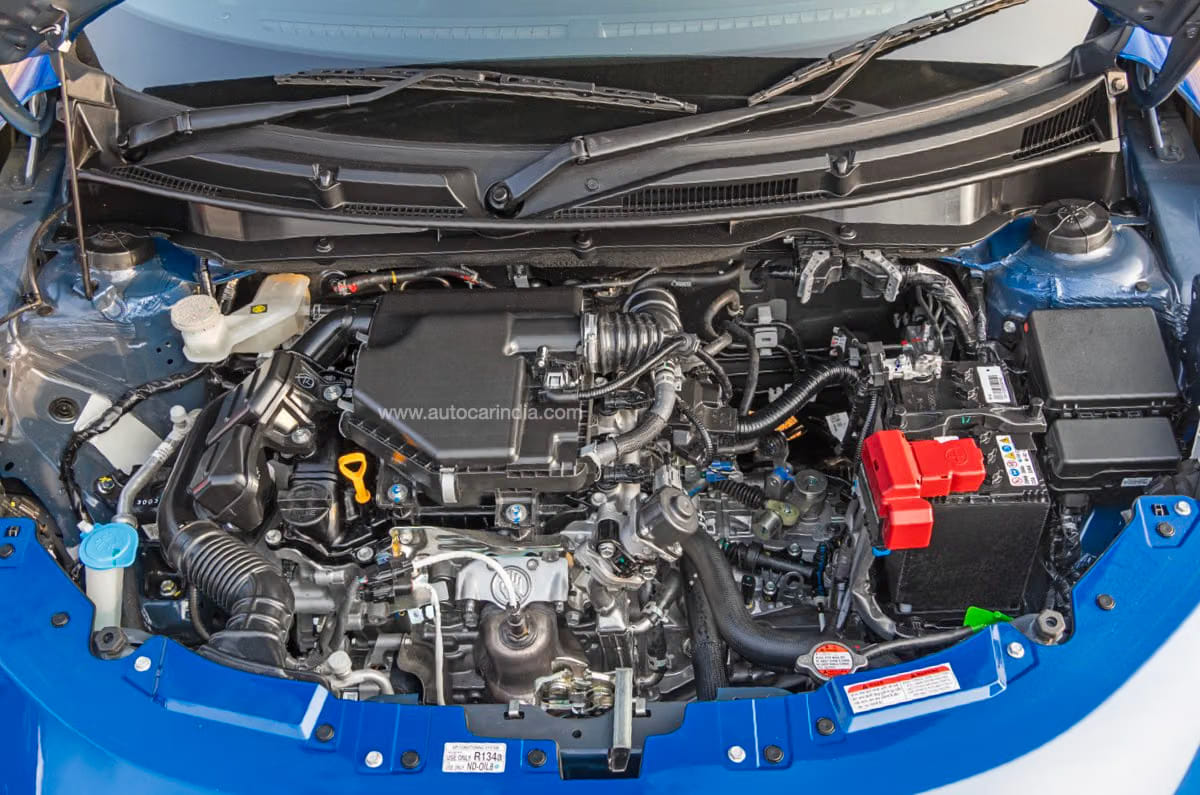
Fuel efficiency is one of the Swift’s biggest strengths. Its 1.2-litre, three-cylinder petrol engine is tuned to prioritise efficiency while remaining easy to drive in everyday conditions. In Autocar India’s real-world tests, the manual returned 14kpl in the city and 19kpl on the highway, while the AMT managed 12.7kpl and 19.1kpl respectively.
The engine delivers smooth low-speed responses, the clutch is light, the 5-speed manual gearbox offers short, precise shifts and is pleasant to use, and the automatic stop-start system further helps reduce fuel consumption in traffic.
Engaging handling and light controls
Fun to drive without compromising everyday usability
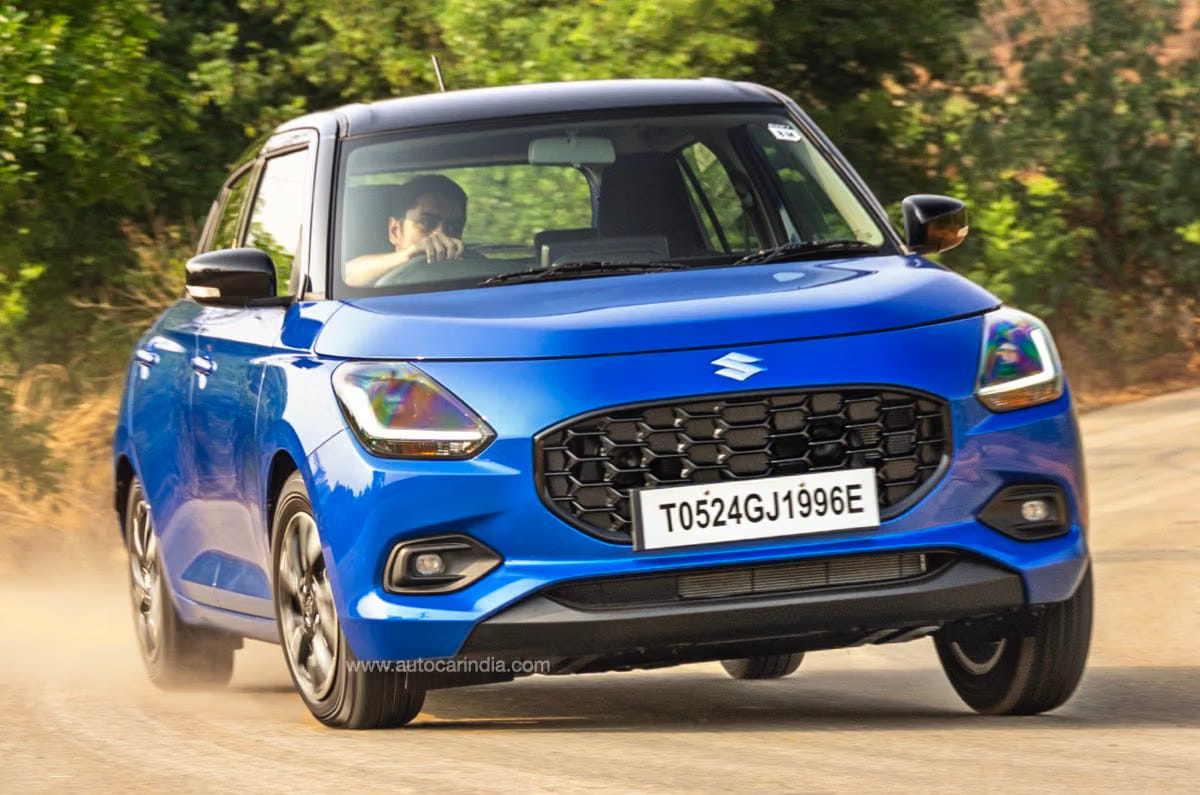
The Swift continues to be one of the more enjoyable hatchbacks to drive. Steering is precise, body roll is well controlled and front-end grip inspires confidence on winding roads, while its compact dimensions make it equally easy to manoeuvre through city traffic.
Ride quality is comfortable for everyday driving, although sharper bumps are felt more noticeably than in some rivals. Braking performance is confidence inspiring and the light steering and controls make it effortless to drive every day.
Practical and well equipped
Comfortable cabin with a well-rounded feature list
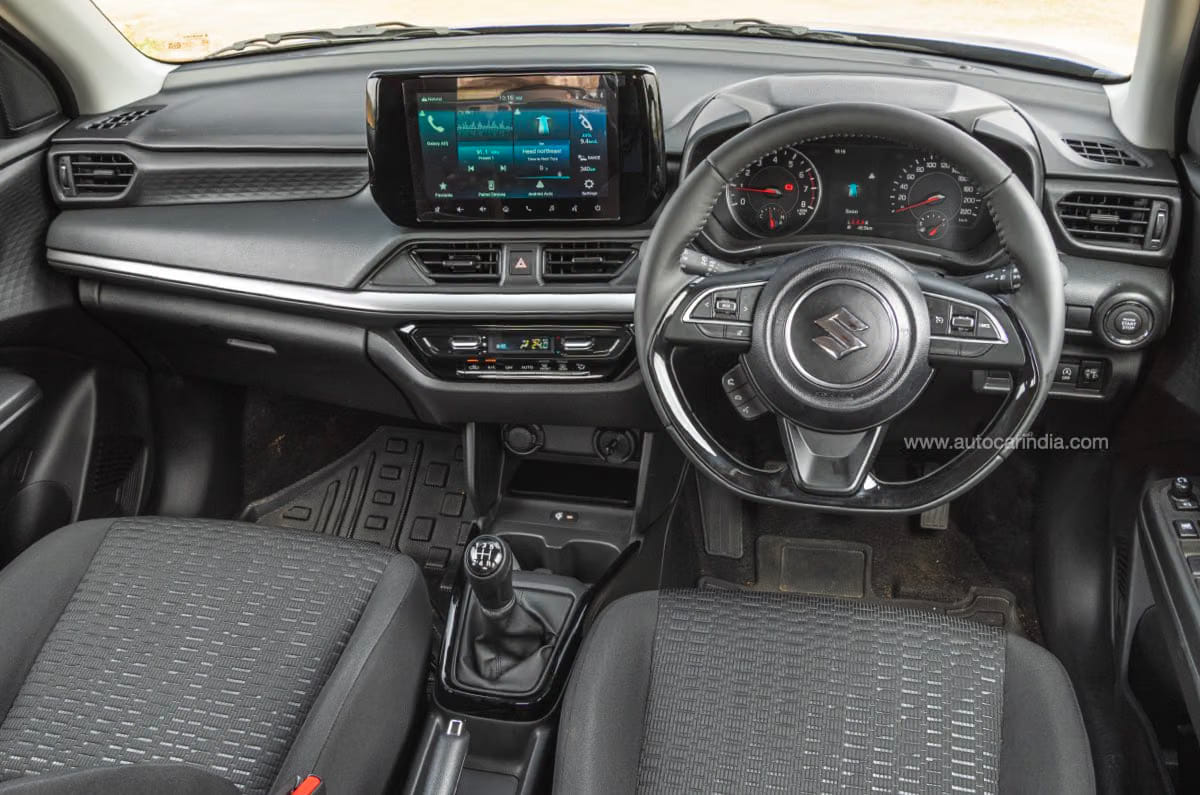
The Swift offers a comfortable driving position, supportive front seats and adequate rear-seat space for two adults. Storage spaces around the cabin are generous, and the 265-litre boot is sufficient for everyday luggage.
Higher variants add a 9-inch touchscreen with wireless Android Auto and Apple CarPlay, wireless charger, rear AC vents, connected-car technology and automatic climate control. Six airbags are offered as standard across the range, strengthening its safety package.
Reasons to skip
Engine lacks enthusiasm
Performance takes a back seat to efficiency
The Swift’s 1.2-litre petrol engine is refined in everyday driving but isn’t particularly exciting to drive. Its 82hp and 112Nm outputs are adequate for city commuting and highway cruising, but enthusiastic drivers may find the mid-range and top-end performance lacking.
The three-cylinder engine also transmits mild vibrations into the cabin at idle, something buyers accustomed to four-cylinder engines may notice.
AMT feels dated
Convenient in traffic but not the smoothest automatic
The 5-speed AMT works well for relaxed city driving, but under hard acceleration, gearshifts remain slow and noticeable. This affects performance and makes the automatic feel less engaging than the manual version.
Buyers looking for a smoother automatic driving experience may prefer hatchbacks that offer CVT, DCT or torque-converter automatic gearboxes.
Top variants face stronger competition
Pricing overlaps with larger hatchbacks
The Swift’s higher variants are priced close to larger premium hatchbacks such as the Baleno that offer more cabin space, greater comfort and a richer interior experience. While the Swift remains well equipped, its cabin relies heavily on hard plastics, which makes it feel less premium than some rivals.
For buyers shopping at the top end of the range, it is worth comparing alternatives before making a decision.
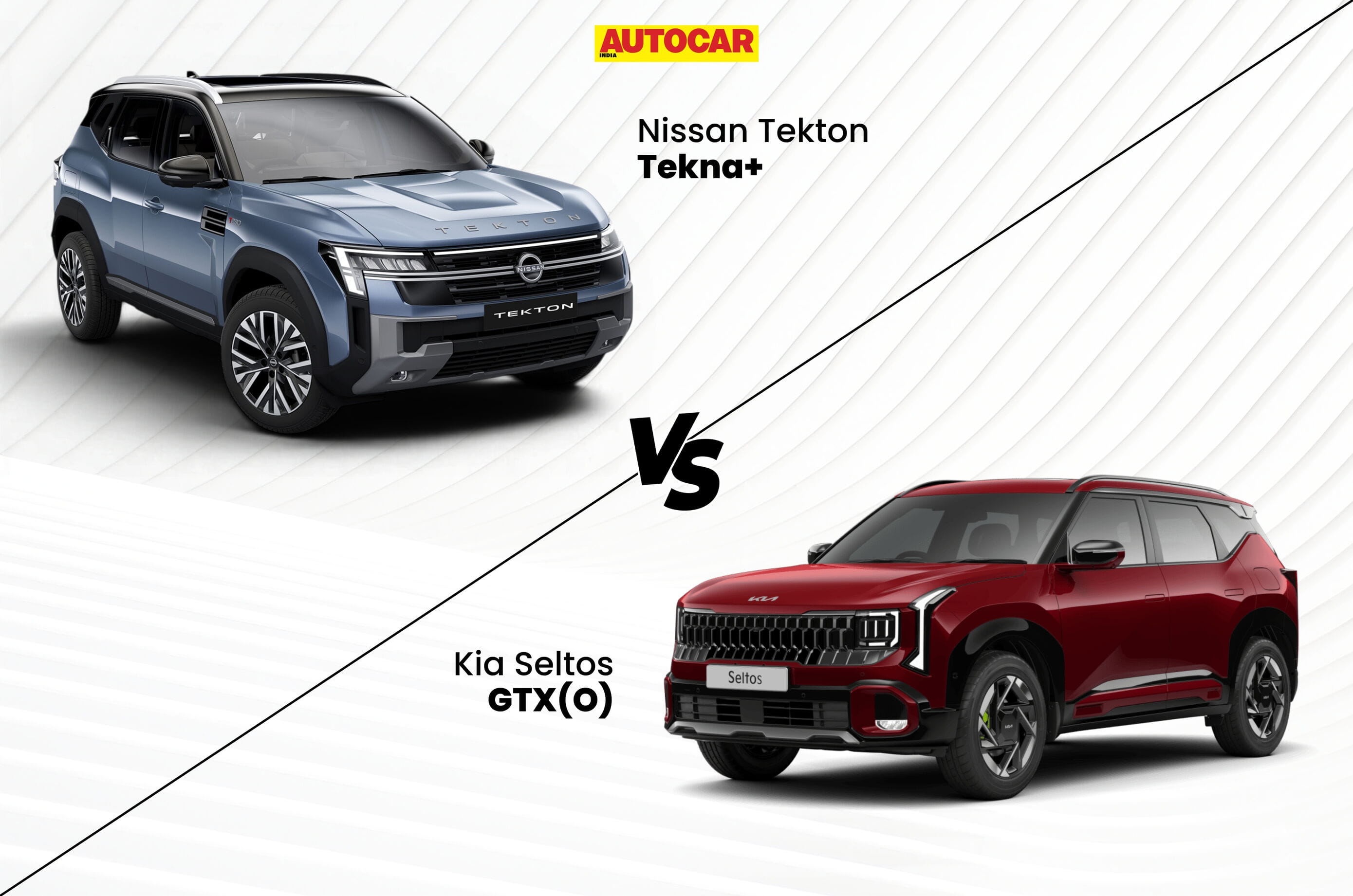
The Nissan Tekton is the latest entrant in the burgeoning midsize SUV segment, within which the Kia Seltos is a very popular option. The Seltos underwent a generational upgrade earlier in 2026, offering larger dimensions, better safety credentials, and more features. To that end, let’s take an in-depth look at the top-spec Tekton Tekna+ and Seltos GTX(O) trims to find out which midsize SUV is better value for money.
Nissan Tekton vs Kia Seltos: Top trim dimensions
Tekton is smaller than Seltos overall, but offers higher ground clearance and boot space
Nissan Tekton vs Kia Seltos top trim dimensions compared
Tekton
Seltos
Difference
Length (mm)
4,349
4,460
-111
Width (mm)
1,815
1,830
-15
Height (mm)
1,674
1,635
+39
Wheelbase (mm)
2,657
2,690
-33
Ground clearance (mm)
212
200
+12
Boot space (litres)
518
447
+71
Wheel size (inches)
18
18
0
Though the Seltos is considerably longer and slightly wider than the Tekton, the Nissan SUV is taller, partly by way of its 12mm higher ground clearance. The Tekton further one-ups the Seltos with a substantially larger boot capacity. In terms of wheel size, however, both midsize SUVs come with 18-inch alloys.
Nissan Tekton vs Kia Seltos: Top trim engine and gearbox options
Tekton has more powerful 4-cyl turbo-petrol engine, but Seltos offers diesel option
Nissan Tekton vs Kia Seltos top trim powertrains compared
Tekton
Seltos
Engine
1.0 turbo-petrol / 1.3-litre turbo-petrol
1.5 diesel / 1.5 turbo-petrol
No. of cylinders
3 / 4
4 / 4
Power (hp)
100 / 163
116 / 160
Torque (Nm)
166 / 280
250 / 253
Gearbox
6MT / 6DCT
6AT / 7DCT
The Tekton is available with 100hp 1.0 turbo-petrol MT and 163hp 1.3 turbo-petrol DCT powertrains in its top-spec Tekna+ trim, whereas the Seltos GTX(O) can be had in either 1.5 turbo-petrol DCT or 1.5 diesel AT guise. Offering the latter powertrain is a major plus point for the Seltos, as many midsize SUV buyers still favour diesel engines.
That said, buyers interested in these SUVs’ 4-cyl turbo-petrol variants would likely lean in the Tekton’s favour, as its 1.3-litre engine is not only smaller than the Seltos’ 1.5-litre mill, but also develops 3hp and 27Nm more. Additionally, the Tekton’s wet-clutch DCT should make for smoother operation at slower speeds than the Seltos’ dry-clutch unit.
It’s also worth noting that for budget-constrained buyers whose usage is primarily in the city, the Tekton’s 1.0 turbo-petrol option is a good choice. However, it’s paired solely with a 6-speed manual, which isn’t as convenient in stop-go city traffic as an automatic transmission.
Nissan Tekton vs Kia Seltos: Top trim exterior features
Tekton stands out with powered tailgate and rear fog lamps
Nissan Tekton vs Kia Seltos top trim exterior features compared
Tekton
Seltos
Headlamps
LED
LED
LED DRLs
Yes
Yes
Welcome/goodbye lighting sequence
Yes
Yes
Puddle lamps
Optional
No
Tail-lamps
Connected LED
Connected LED
Fog lamps
Front, rear
Front
Rear spoiler
Yes
Yes
Electrically adjustable ORVMs
Yes
Yes
Auto-folding ORVMs
Yes
Yes
Shark-fin antenna
Yes
Yes
Roof rails
Yes
Yes
Powered tailgate
Yes
No
Colour
Monotone, dual-tone
Monotone, dual-tone, matte
Both the Tekton and Seltos are quite evenly matched on this front, but the Nissan SUV edges ahead thanks to the inclusion of rear fog lamps and a powered tailgate. The latter feature can be quite handy in instances where your hands are full and you can’t prop the bootlid up yourself.
While the Seltos does offer four more monotone colours than the Tekton does, the Kia SUV only gets two dual-tone options – the Tekton features five. However, the Seltos is the only one here to offer a matte paint finish as part of its X-Line cosmetic package, which can be opted for at no additional cost.
Nissan Tekton vs Kia Seltos: Top trim interior features
Seltos is better-equipped than the Tekton
Nissan Tekton vs Kia Seltos top trim interior features compared
Tekton
Seltos
Panoramic sunroof
Yes
Yes
Touchscreen size
10.1 inches
12.3 inches
Driver’s display
10.25 inches
12.3 inches
Heads-up display
No
Yes
Wireless Apple CarPlay, Android Auto
Yes
Yes
Powered driver seat
6-way
10-way
Memory, welcome functions for driver seat
No
Yes
Powered co-driver seat
6-way
No
Lumbar adjustment
Manual
Powered
Cabin air purifier
Yes
Yes
Automatic climate control
Dual-zone
Dual-zone
Rear AC vents
Yes
Yes
Seat upholstery
Leatherette
Leatherette
Wireless charging pad
Optional
Yes
Sound system
6-speaker Arkamys
8-speaker Bose
Ventilated front seats
Yes
Yes
60:40 split rear seats
Yes
Yes
Rear sunshades
Optional
Yes
Rear armrest
Yes
Yes
Connected car tech
Yes
Yes
Ambient lighting
48 colours
64 colours
Coming to interior features, the Seltos easily takes the victory. Compared to the Tekton, the Seltos gets larger screens, a heads-up display, broader electrical adjustment and powered lumbar adjust for the driver’s seat (along with memory and welcome functions), a Bose sound system with more speakers, and an expanded roster of colours for the ambient lighting system. The Tekton’s sole edge over the Seltos in this department is a powered co-driver seat.
Nissan Tekton vs Kia Seltos: Top trim driving features
Tekton allows you to alter steering feel, Seltos gets terrain modes
Nissan Tekton vs Kia Seltos top trim driving features compared
Tekton
Seltos
Drive modes
Eco, Comfort
Eco, Normal, Sport
Steering modes
Eco, Comfort
No
Paddle Shifters
Yes
Yes
Cruise Control
Adaptive
Adaptive
Terrain modes
No
Snow, Mud, Sand
While the Seltos offers three drive modes instead of the Tekton’s two, the Nissan SUV additionally gets presets to adjust the steering feel. However, the Seltos is the only one here to pack terrain modes.
Nissan Tekton vs Kia Seltos: Top trim safety features
Seltos features more advanced ADAS and built-in dashcams
Nissan Tekton vs Kia Seltos top trim safety features compared
Tekton
Seltos
Bharat NCAP rating
5 stars
5 stars
Airbags
6
6
Parking sensors
Front, rear
Front, rear, side
Camera setup
360-degree
360-degree
Front and rear dashcams
Optional
Yes
Electronic parking brake
DCT only
Yes
ADAS
Level 2
Level 2+
TPMS
Yes
Yes
Driver drowsiness detection
Yes
Yes
Hill start assist
Yes
Yes
Front and rear disc brakes
Yes
Yes
ESC
Yes
Yes
Auto-dimming IRVM
Yes
Yes
Rain-sensing wipers
Yes
Yes
While both SUVs are equipped with pretty much every safety feature you need, the Seltos emerges as the winner thanks to its inclusion of side parking sensors and built-in dashcams. Moreover, the Seltos’ Level 2+ ADAS suite packs 28 features, which is nearly double the Tekton’s 15 ADAS functions.
Nissan Tekton vs Kia Seltos: Top trim prices and verdict
Tekton is up to Rs 5.08 lakh more affordable
Nissan Tekton vs Kia Seltos top trim price compared
Tekton
Seltos
Price range (In Rs, lakh)
16.49-18.59
21.57-21.82
Pricing is a sweeping victory for the Tekton, as its range-topping Tekna+ trim starts at Rs 16.49 lakh by way of the aforementioned budget-friendly 1.0 turbo MT powertrain, whereas the Seltos GTX(O) starts at Rs 21.57 lakh – a delta of over Rs 5 lakh. Comparing the top-spec DCT variants of both SUVs, the Tekton is just shy of Rs 3 lakh cheaper than the Seltos, which is quite a big gap.
Therefore, if your budget is around Rs 20 lakh, the Tekton is the obvious choice. If you can stretch your budget by a few more lakhs, though, the Seltos is the better option. Kia India’s service network and retail footprints are also much more widespread than Nissan’s, which is an important consideration for buyers.
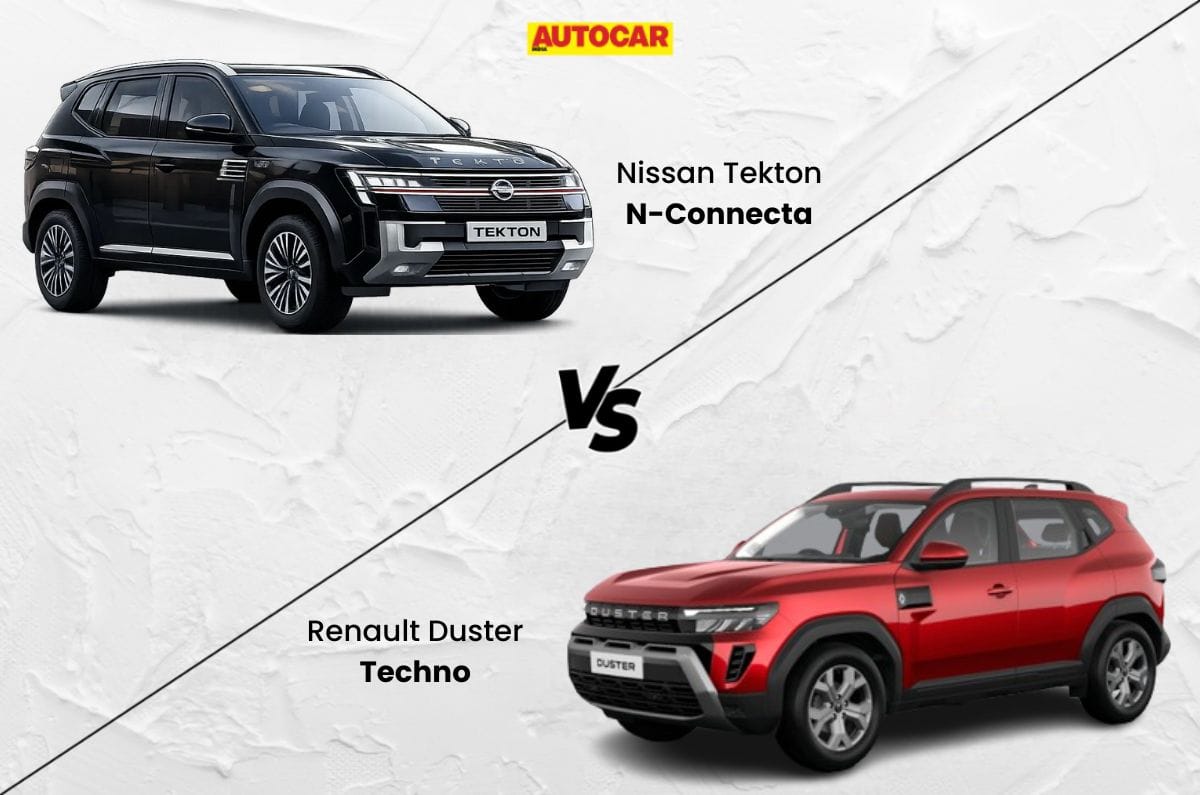
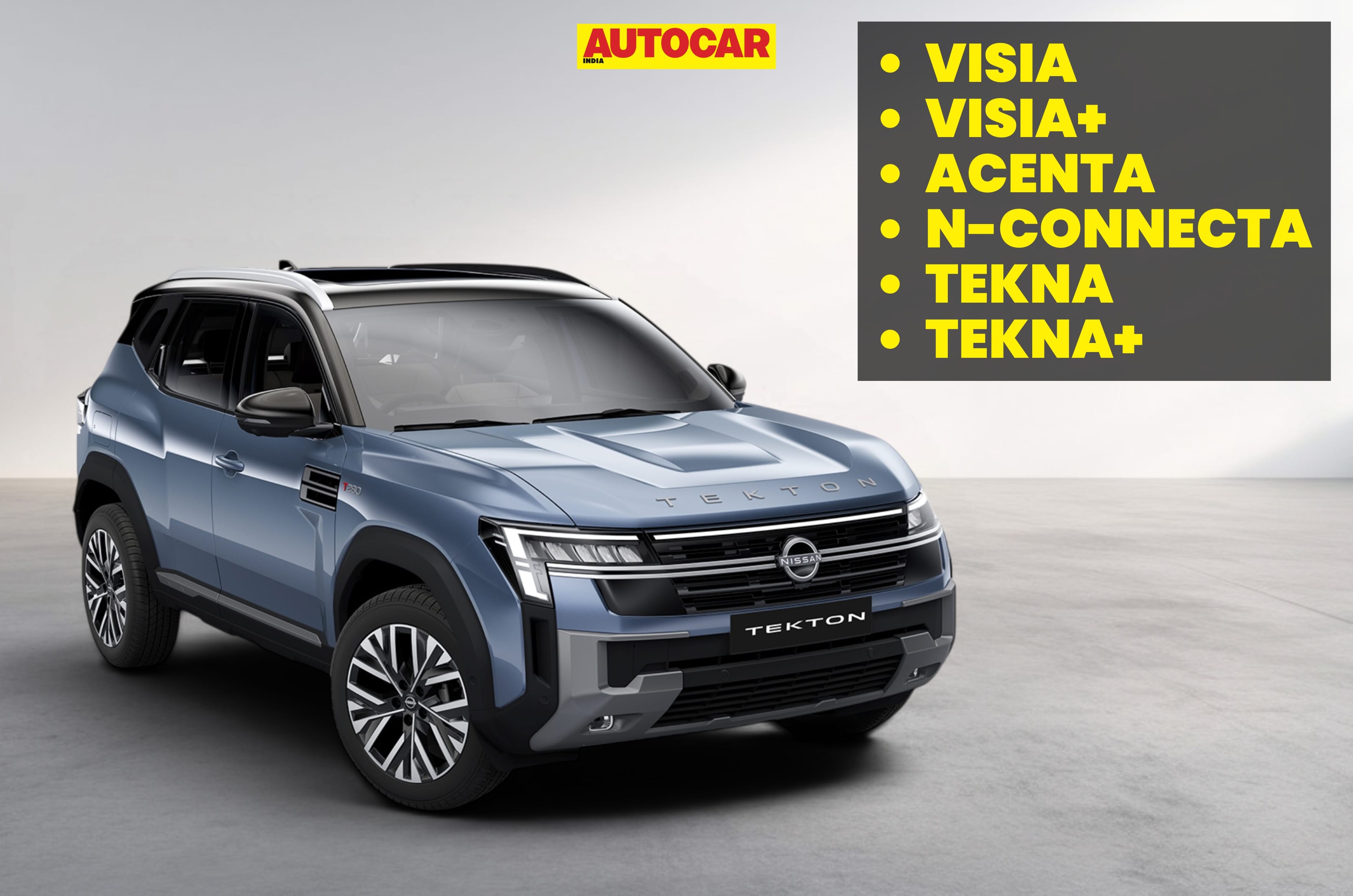
The Nissan Tekton was recently launched in India as the Japanese manufacturer’s flagship SUV in the country. It is being offered in five trims: Visia, Visia+, Acenta, N-Connecta, Tekna, and Tekna+, among which the mid-spec N-Connecta is offered with all the available powertrain options. At its price point, the Renault Duster’s mid-spec Techno variant is also available with the same powertrains. So, should you choose the Tekton’s N-Connecta over the Duster’s Techno? We find out.
Nissan Tekton vs Renault Duster: Dimensions
The Duster is slightly taller than the Tekton
Nissan Tekton vs Renault Duster: Dimensions and other specifications
Nissan Tekton
Renault Duster
Difference
Length (mm)
4,348
4,346
+2
Width (mm)
1,815
1,815
None
Height (mm)
1,674
1,701
-27
Wheelbase (mm)
2,657
2,657
None
Ground clearance (mm)
212
212
None
Boot space (litres)
518
518
None
The dimensions of the Nissan Tekton and Renault Duster are similar. While the Duster is slightly taller than the Tekton, it would not make a difference in the real world.
Nissan Tekton N-Connecta vs Renault Duster Techno: Powertrain
Both mid-spec trims are offered with the same powertrain options
Nissan Tekton N-Connecta vs Renault Duster Techno: Powertrain
Tekton N-Connecta
Duster Techno
Engine*
1.0L TP | 1.3L TP
1.0L TP | 1.3L TP
Power
100hp | 163hp
100hp | 163hp
Torque
160Nm | 280Nm
160Nm | 280Nm
Transmission
6MT | 6MT, 6DCT
6MT | 6MT, 6DCT
*TP = Turbo-petrol engine
^FWD = Front-wheel-drive
As mentioned earlier, the Tekton’s N-Connecta and the Duster’s Iconic are the only trims in both midsize SUVs’ lineups that are offered with all powertrain options. Both SUV trims, hence, are offered with the 100hp, 1.0-litre turbo-petrol engine and the 163hp, 1.3-litre turbo-petrol mill, and have identical power and torque outputs.
Nissan Tekton N-Connecta vs Renault Duster Techno: Exterior
The Tekton N-Connecta is offered with larger alloy wheels
Nissan Tekton N-Connecta vs Renault Duster Techno: Exterior
Tekton N-Connecta
Duster Techno
Headlights
Auto LED
Auto LED
Taillights
Connected LED
Connected LED
DRLs
Connected LED
Connected LED
Front fog lamps
LED
LED
Rear fog lamps
LED
LED
Puddle lamps
Yes
Yes
Wheels
18-inch
17-inch
Powered ORVMs
Yes
Yes
Roof rails
Yes
Yes
Colour
Monotone
Mono and dual tones
While the Nissan Tekton N-Connecta is offered with 18-inch alloy wheels, the Renault Duster Techno sports smaller 17-inch rims. However, the Duster Techno is available with dual-tone exterior hues, unlike the Tekton N-Connecta. Everything else, including LED headlights, LED taillights, LED DRLs, front and rear fog lamps and powered outside rearview mirrors (ORVMs), is the same on both SUV trims.
Nissan Tekton N-Connecta vs Renault Duster Techno: Interior
Duster offers a powered tailgate, but Tekton has a bigger driver’s display
Nissan Tekton N-Connecta vs Renault Duster Techno: Interior and features
Tekton N-Connecta
Duster Techno
Driver’s display
10.25-inch
7-inch
Infotainment screen
10.1-inch
10.1-inch
Android Auto, Apple CarPlay
Wireless
Wireless
Audio system
6-speaker Arkamys
6-speaker Arkamys
Sunroof
Panoramic
Panoramic
Climate control
Dual-zone
Dual-zone
Rear AC vents
Yes
Yes
Air purifier
No
No
Powered tailgate
No
Yes
Seat upholstery
Semi-leatherette
Semi-leatherette
Steering wheel adjustment
Tilt and telescopic
Tilt and telescopic
Wireless phone charger
Yes
Yes
Driver seat adjustment
Manual
Manual
Co-driver’s seat adjustment
Manual
Manual
Cruise control
Yes
Yes
Two major differences between the Tekton N-Connecta and Duster Techno are that the Renault SUV is equipped with a powered tailgate and the Nissan offering is available with a larger driver’s display. Everything else is the same, including a 10.1-inch infotainment system, a 6-speaker sound system, a panoramic sunroof, a wireless phone charger and dual-zone climate control.
Nissan Tekton N-Connecta vs Renault Duster Techno: Safety
Safety tech on both SUV trims is identical
Nissan Tekton N-Connecta vs Renault Duster Techno: Safety features
Tekton N-Connecta
Duster Techno
Airbags
6
6
ADAS
No
No
Camera setup
Rear only
Rear only
Parking sensors
Rear only
Rear only
Electronic parking brake
DCT variant only
DCT variant only
TPMS
Yes
Yes
IRVM
Auto-dimming
Auto-dimming
Rear wiper, washer
Yes
Yes
Rear defogger
Yes
Yes
Hill start assist
Yes
Yes
Hill descent control
No
No
ESC
Yes
Yes
Traction control
Yes
Yes
Both the Nissan Tekton N-Connecta and the Renault Duster Techno are offered with an identical safety suite, including six airbags, a rear parking camera with sensors, a tyre pressure monitoring system (TPMS), a rear wiper, washer and defogger, and hill start assist.
Nissan Tekton N-Connecta vs Renault Duster Techno: Price, verdict
Duster’s Techno has a slightly lower price than the Tekton N-Connecta
Nissan Tekton N-Connecta vs Renault Duster Techno: Ex-showroom prices (Rs, lakh)
Tekton N-Connecta
Duster Techno
1.0L TP 6MT
13.69
13.49
1.3L TP 6MT
14.99
14.49
1.3L TP 6DCT
16.49
15.89
All the variants of the Nissan Tekton N-Connecta are slightly more expensive than the Duster’s Iconic variants. The smaller engine variant is Rs 20,000 more expensive on the Tekton, while the larger engine is Rs 50,000 to Rs 60,000 more expensive on the Nissan midsize SUV. Although the Duster’s Techno trim gets smaller alloys and a smaller driver’s display, it offers a powered tailgate, which would be more useful in the real world. This additional feature and the fact that it is offered at a lower price make the Duster’s mid-spec Techno a more recommendable trim than the Tekton’s N-Connecta.
Nissan re-enters the midsize SUV segment with the Tekton, a badge-engineered version of the Renault Duster. While both SUVs share the same platform, engines and most of their equipment, the Tekton gets Nissan-specific exterior and interior styling, along with a few equipment differences across the variant line-up. Buyers can choose between a 100hp 1.0-litre turbo-petrol engine paired with a 6-speed manual gearbox or a more powerful 163hp 1.3-litre turbo-petrol engine offered with either a 6-speed manual or a 6-speed dual-clutch automatic. Here’s a closer look at what each Tekton variant offers and which one you should consider buying.
2026 Nissan Tekton price and powertrains
Price: Rs 10.49 lakh-18.59 lakh (ex-showroom)
Nissan Tekton variant-wise prices (Rs lakh)
Trim
Visia
Visia+
Acenta
N-Connecta
Tekna
Tekna+
1.0-litre turbo petrol MT
10.49
11.14
11.79
13.69
15.39
16.49
1.3-litre turbo petrol MT
–
–
–
14.99
16.39
–
1.3-litre turbo petrol DCT
–
–
14.99
16.49
17.79
18.59
The Tekton is offered with two turbo-petrol engines. The entry-level 1.0-litre three-cylinder engine develops 100hp and 166Nm and is paired exclusively with a 6-speed manual gearbox. Higher variants get a 1.3-litre four-cylinder turbo-petrol engine option producing 163hp and 280Nm, available with either a 6-speed manual or a 6-speed dual-clutch automatic transmission.
2026 Nissan Tekton colour options
Available in 6 monotone and 5 dual-tone exterior colour options
The Tekton is available in six monotone colours – Onyx Black, Blade Silver, Pearl White, Flare Garnet Red, Indigo Blue and Moonbow Gray. Buyers opting for the range-topping Tekna+ can also choose from five dual-tone paint schemes featuring a black roof. Colour availability varies by variant, with Moonbow Gray available only from the Tekna onwards, while dual-tone finishes are exclusive to the Tekna+. The Tekna gets a blue leatherette interior, while the range-topping Tekna+ switches to a tri-tone cabin finished in burgundy, beige and rose gold.
2026 Nissan Tekton variant-wise features
Visia – Rs 10.49 lakh
Automatic LED headlamps and LED DRLs
LED tail-lights
LED turn indicators on ORVMs
17-inch steel wheels with covers
Roof spoiler
Body-coloured ORVMs and door handles
Six airbags
ABS with EBD
ESC, traction control and hill-start assist
TPMS
Rear parking sensors
Rear AC vents
Tilt and telescopic steering adjustment
7-inch digital instrument display
Manual AC
Four power windows with one touch up/down and anti-pinch
Electrically adjustable ORVMs
Height-adjustable driver’s seat
Sliding front armrest
Soft-touch dashboard trim
Four-speaker Arkamys audio system
Speed and impact sensing door unlock
Frameless Wiper
Idle Start Stop
Front and rear skid plate
12V power socket
Visia+ – Rs 11.14 lakh
Features over Visia
9-inch touchscreen infotainment
Wireless Android Auto
Wireless Apple CarPlay
Steering-mounted audio controls
Rear-view camera with dynamic guidelines
Acenta – Rs 11.79 lakh to Rs 14.99 lakh
Features over Visia+
10.1-inch infotainment system
Roof rails
Shark fin antenna
Cruise control (DCT)
Electronic parking brake with auto hold (DCT)
Paddle shifters (DCT)
Smart key
Push-button start
Walk-away lock and approach unlock
Rear defogger, wiper and washer
60:40 split rear seat
Rear centre armrest
Front Type-C charging ports
Rear-view camera
Seat back pocket
Parcel tray
Rear disc brakes (DCT)
Full-size spare wheel
Welcome and Goodbye lighting animation
N-Connecta – Rs 13.69 lakh to Rs 16.49
Features over Acenta
Panoramic sunroof
18-inch alloy wheels
Connected LED headlamps
Connected LED tail-lights
Front and rear fog lamps
Dual-zone automatic climate control
Auto-folding ORVMs
Auto-dimming IRVM
Wireless charger with cooling (DCT)
12V power socket in the trunk
10.25-inch digital instrument cluster
Centre console with cooled storage (DCT)
Blue semi-leatherette upholstery
Leather-wrapped steering wheel
Six-speaker Arkamys surround sound audio system
Acoustic windshield
Sunvisor with vanity mirror and illumination
Remote SmartCard window & sunroof control
Rear Type-C charging ports
Puddle lamps
Tekna – Rs 15.39 lakh to 17.79 lakh
Features over N-Connecta
Diamond-cut 18-inch alloy wheels
Rain-sensing wipers
Air purifier
6-way powered driver’s seat
Ventilated front seats
Ambient lighting
Dual drive modes
Dual steering modes
Blue leatherette upholstery
Hill descent control
Blind spot warning
Traffic sign recognition
Autonomous emergency braking
Adaptive cruise control with stop-and-go function (DCT)
Lane departure warning
Lane keep assist
Driver drowsiness attention warning
Automatic high beam assist
Speed limiter
Distance warning
Front, rear and side parking assist
Remote engine start
Remote lock/unlock
Remote horn and lights
Remote vehicle status
MyNISSAN connected car features (3 years)
Find My Car
Tekna+ – Rs 16.49 lakh to 18.59 lakh
Features over Tekna
Powered tailgate
6-way powered front seats
Leatherette seat upholstery with contrasting accents
360-degree camera
10.1-inch touchscreen with Google
OTA updates
Maps in driver’s display
Which 2026 Nissan Tekton variant should you buy?
N-Connecta trim is the value-for-money pick
The N-Connecta is the sweet spot in the Tekton range. It brings together the larger 10.25-inch digital instrument cluster, panoramic sunroof, dual-zone climate control, 18-inch alloy wheels, premium interior trim, wireless charger, six-speaker audio system and the option of both manual and dual-clutch automatic versions with the 163hp turbo-petrol engine. It delivers most of the equipment buyers in this segment expect without moving into the more expensive top trims.
If your priority is ADAS and connected-car technology, the Tekna is worth considering. It adds a comprehensive driver assistance package, ventilated seats, powered driver’s seat and additional convenience features for a reasonable premium over the N-Connecta.
The Tekna+ is best suited to buyers who specifically want Google built-in, the powered tailgate, 360-degree camera and the full ADAS suite. While it offers the most equipment, the additional features may not justify the price premium for every buyer.
शादी के बाद की पहली यात्रा को यादगार बनाने के लिए एक कपल ने ट्रेन के First AC Coupe को खास अंदाज में सजवाया। फूलों, गुब्बारों और गुलाब की पंखुड़ियों से सजा यह कोच देखने में बेहद खूबसूरत लग रहा था और इसका वीडियो सोशल मीडिया पर तेजी से वायरल हो गया।लेकिन यह रोमांटिक सरप्राइज जल्द ही विवाद में बदल गया, क्योंकि सजावट रेलवे की अनुमति के बिना कराई गई थी। वीडियो सामने आने के बाद भारतीय रेलवे ने मामले को गंभीरता से लिया और जांच शुरू की।
रेलवे ने सुरक्षा नियमों का उल्लंघन मानते हुए संबंधित कर्मचारियों पर कार्रवाई की है और डेकोरेटर के खिलाफ भी कदम उठाए हैं। इस घटना ने ट्रेन में निजी आयोजनों और सुरक्षा नियमों को लेकर नई बहस छेड़ दी है।
वायरल वीडियो में दिखा था खूबसूरत डेकोरेशन
मामला ट्रेन नंबर 11002 नंदिग्राम एक्सप्रेस का है। सोशल मीडिया पर वायरल वीडियो में एक First AC Coupe को बेहद खूबसूरत तरीके से सजाया हुआ देखा गया। कोच में लाल और सफेद गुब्बारे, फूलों की माला, हार्ट शेप डेकोरेशन और गुलाब की पंखुड़ियां बिखरी हुई थीं।
बताया गया कि यह सजावट एक नवविवाहित जोड़े के लिए कराई गई थी, ताकि उनकी ट्रेन यात्रा को यादगार बनाया जा सके।
A First AC coach has reportedly been decorated with a “honeymoon-style” setup.
भारतीय रेलवे ने मामले पर सफाई देते हुए कहा कि कपल ने ऑनलाइन एक डेकोरेशन कंपनी से संपर्क कर निजी तौर पर First AC Coupe सजवाया था। हालांकि, सजावट करने वाली टीम कोच में बिना आधिकारिक अनुमति के दाखिल हुई थी।
रेलवे के अनुसार, यह सुरक्षा नियमों का उल्लंघन है क्योंकि बाहरी लोगों का बिना अनुमति ट्रेन के अंदर प्रवेश करना गंभीर मामला माना जाता है।
जिम्मेदार कर्मचारी पर हुई कार्रवाई
रेलवे ने इस मामले में ड्यूटी पर तैनात चीफ टिकट इंस्पेक्टर गिरीश कुमार को तत्काल प्रभाव से निलंबित कर दिया है। इसके अलावा घटना की पूरी जांच के लिए विभागीय जांच के आदेश दिए गए हैं।
जांच में यह पता लगाया जाएगा कि सुरक्षा में चूक कैसे हुई और इस मामले में और कौन जिम्मेदार है।
डेकोरेटर के खिलाफ दर्ज हुआ केस
रेलवे ने सजावट करने वाले व्यक्ति के खिलाफ भी कार्रवाई की है। डेकोरेटर पर रेलवे एक्ट के तहत मामला दर्ज किया गया है। आरोप हैं कि उसने बिना अनुमति ट्रेन में प्रवेश किया, बिना वैध टिकट यात्रा की और रेलवे संपत्ति में अनधिकृत प्रवेश किया। रेलवे अधिकारियों का कहना है कि ऐसे मामलों में सख्ती जरूरी है, ताकि भविष्य में कोई भी निजी कंपनी सुरक्षा नियमों को नजरअंदाज न करे।
कैसे हुई थी पूरी घटना?
डेकोरेशन कंपनी के अनुसार, यह Coupe जलना से यात्रा करने वाले एक नवविवाहित जोड़े के लिए तैयार किया गया था। टीम कार से छत्रपति संभाजीनगर से पहुंची और कपल के ट्रेन में बैठने से पहले कोच को सजाया गया।
वायरल वीडियो में Coupe के दरवाजे पर गुलाबी पर्दे, छत पर गुब्बारे, खिड़कियों पर फूलों की सजावट और सीट व फर्श पर गुलाब की पंखुड़ियां दिखाई दे रही थीं।
सोशल मीडिया पर लोगों की मिली-जुली प्रतिक्रिया
वीडियो वायरल होने के बाद सोशल मीडिया पर लोगों की अलग-अलग प्रतिक्रियाएं देखने को मिलीं। कुछ लोगों ने इसे शादी के बाद की यादगार शुरुआत बताते हुए पसंद किया, जबकि कई यूजर्स ने सवाल उठाया कि क्या ट्रेन के अंदर इस तरह की सजावट की अनुमति है।
कुछ लोगों ने सुरक्षा को लेकर चिंता भी जताई और कहा कि गुब्बारे व सजावटी सामान आग जैसी आपात स्थिति में परेशानी पैदा कर सकते हैं। वहीं कुछ यूजर्स ने मजाक में इसे “Honeymoon on Wheels” भी कहा।
इंडियन रेलवे (Indian Railways) के कोच का एक ऐसा वीडियो वायरल हो रहा है, जिसने सोशल मीडिया पर बवाल मचा दिया है। वीडियो में एक यात्री ने ट्रेन के फर्स्ट एसी (First AC) कोच को किसी फाइव स्टार होटल के हनीमून सुइट (Honeymoon Suite) की तरह सजाया हुआ दिखता है।वहीं अब ट्रेन के 1AC कोच के एक केबिन को सजाने का मामले ने काफी तूल पकड़ लिया है। सोशल मीडिया पर सुहागरात के कमरे की तरह सजे केबिन का वीडियो वायरल होने के बाद अब रेलवे प्रशासन ने संबंधित TC (टिकट चेकर) को सस्पेंड कर दिया है।
रेलवे ने लिया बड़ा एक्शन
रेल मंत्रालय ने बताया कि 6 जुलाई 2026 को ट्रेन नंबर 11002 नंदीग्राम एक्सप्रेस में सफर कर रहे एक कपल ने अपने फर्स्ट एसी कूपे को सजाने के लिए निजी तौर पर एक ऑनलाइन डेकोरेटर को बुलाया था। मंत्रालय के अनुसार, डेकोरेटर का ट्रेन के कोच में प्रवेश अधिकृत नहीं था। इसे सुरक्षा और नियमों के लिहाज से गंभीर लापरवाही माना गया है। इस मामले में संबंधित टिकट चेकर (TTE) को तत्काल प्रभाव से निलंबित कर दिया गया है। साथ ही पूरे मामले की विभागीय जांच के आदेश दिए गए हैं। जांच रिपोर्ट आने के बाद जिम्मेदार लोगों के खिलाफ नियमों के अनुसार आगे की कार्रवाई की जाएगी।
सोशल मीडिया पर वायरल हो रहे इस वीडियों में एक यात्री ने ट्रेन के फर्स्ट एसी (First AC) कोच को किसी फाइव स्टार होटल के हनीमून सुइट (Honeymoon Suite) की तरह सजा हुआ दिखता है। इस वीडियो के वायरल होने के बाद सोशल मीडिया पर बहस छिड़ गई कि क्या ट्रेन में ऐसा करने की अनुमति है?
वायरल हो रहा वीडियो
वीडियो की शुरुआत स्टेशन पर खड़ी एक ट्रेन से होती है। इसके बाद कैमरा कोच के अंदर आगे बढ़ता है और एक खास फर्स्ट एसी कूपे तक पहुंचता है। कूपे के दरवाजे को पिंक कलर के मोतियों वाले पर्दे और दिल के आकार की सजावट से खूबसूरती से सजाया गया है, जो लोगों का ध्यान तुरंत अपनी ओर खींच लेता है। कूपे के अंदर का नजारा किसी नॉर्मल ट्रेन के डिब्बे जैसा नहीं दिखता। पूरी जगह को खास अंदाज में सजाया गया है। छत पर रेड और सफेद रंग के गुब्बारे लगाए गए हैं, फर्श पर गुलाब की पंखुड़ियां बिखेरी गई हैं और दीवारों व खिड़कियों को गुलाब, गेंदा और रजनीगंधा के ताजे फूलों से सजाया गया है।
Viral Video: सोशल मीडिया पर ट्रेन के फर्स्ट एसी कूपे का एक वीडियो तेजी से वायरल हो रहा है। ट्रेन के फर्स्ट एसी कूपे को न्यूली वेड कपल के लिए फूलों, गुब्बारों और फेयरी लाइट्स से खास अंदाज में सजाया गया है। सोशल मीडिया पर इसकी तस्वीरें और वीडियो तेजी से वायरल हो रहा हैं। इस अनोखी सजावट को देखकर कई लोग हैरान रह गए वहीं कुछ ने इसको ‘चलता-फिरता हनीमून सुइट’ बताया। वहीं कुछ लोगों ने सवाल उठाया कि क्या रेलवे में इस तरह की सजावट की अनुमति होती है। सोशल मीडिया पर ये वीडियो तेजी से वायरल हो रहा है।
वायरल हो रहा वीडियो
वीडियो की शुरुआत स्टेशन पर खड़ी एक ट्रेन से होती है। इसके बाद कैमरा कोच के अंदर आगे बढ़ता है और एक खास फर्स्ट एसी कूपे तक पहुंचता है। कूपे के दरवाजे को पिंक कलर के मोतियों वाले पर्दे और दिल के आकार की सजावट से खूबसूरती से सजाया गया है, जो लोगों का ध्यान तुरंत अपनी ओर खींच लेता है। कूपे के अंदर का नजारा किसी नॉर्मल ट्रेन के डिब्बे जैसा नहीं दिखता। पूरी जगह को खास अंदाज में सजाया गया है। छत पर रेड और सफेद रंग के गुब्बारे लगाए गए हैं, फर्श पर गुलाब की पंखुड़ियां बिखेरी गई हैं और दीवारों व खिड़कियों को गुलाब, गेंदा और रजनीगंधा के ताजे फूलों से सजाया गया है।
A First AC coach has reportedly been decorated with a honeymoon-style setup.
कूपे की नीचे वाली बर्थ पर सफेद चादर बिछाकर लाल और सफेद फूलों की पंखुड़ियों से दिल का बड़ा आकार बनाया गया था। बिस्तर पर भी गुलाब की पंखुड़ियां सजाई गई थीं, वहीं ऊपर की मुड़ी हुई बर्थ पर “आई लव यू” लिखा हुआ सजावटी कट-आउट लगाया गया था। रंग-बिरंगी फेयरी लाइट्स ने पूरे कूपे को और भी आकर्षक बना दिया। यह वीडियो सोशल मीडिया पर तेजी से वायरल हुआ, जहां कई लोगों ने मजाकिया अंदाज में इसे “सुहागरात एक्सप्रेस” नाम दे दिया। जहां कई लोगों ने इस अनोखी सजावट की तारीफ की, वहीं कुछ यूजर्स ने सवाल उठाया कि क्या ट्रेन के कोच को इस तरह सजाने के लिए रेलवे से अनुमति ली गई थी।
यूजर्स ने किए कमेंट
एक यूजर ने लिखा, “मुझे नहीं पता कि यह कानूनी है या नहीं, लेकिन अगर रेलवे कपल्स के लिए ऐसे कूपे उपलब्ध कराए तो यह अच्छी कमाई का जरिया बन सकता है। बस यात्रियों की प्राइवेसी का पूरा ध्यान रखा जाना चाहिए। हम नहीं चाहते कि यह कई होटलों की तरह बेवजह चर्चा का विषय बने।” एक अन्य यूजर ने सवाल किया, “क्या इनके पास इसकी परमिशन है?” एक और कमेंट में कहा गया, “भाई, इसकी इजाजत किसने दी और यह कब से होने लगा? यह बिल्कुल अनएक्सपेक्टेड है, और ये लोग इसमें सहज भी हैं।” वहीं, कुछ लोगों ने मजाकिया अंदाज में इस सजे हुए कूपे को “चलता-फिरता हनीमून सुइट” भी कहा।
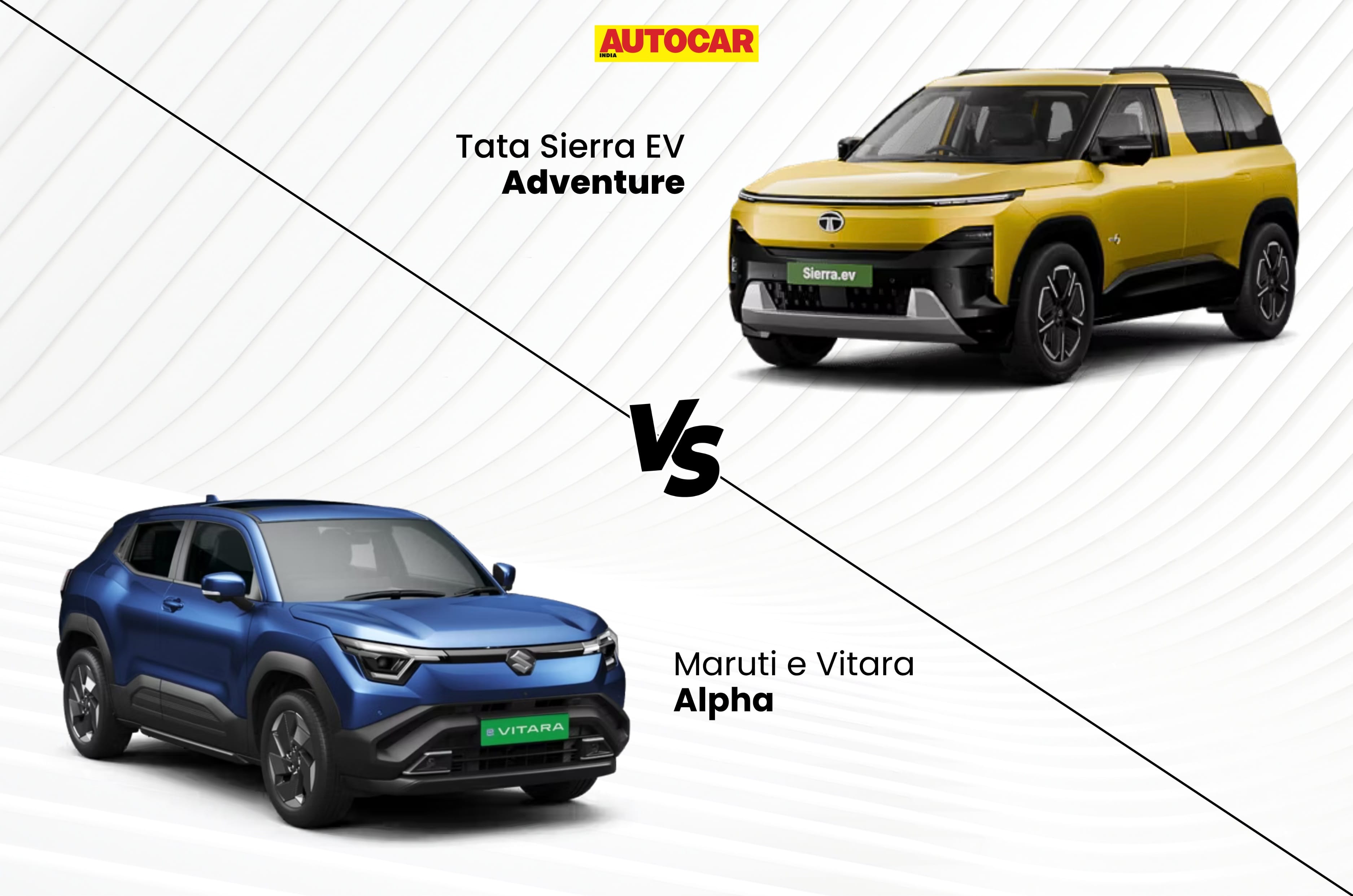
If you’re in the market for an electric midsize SUV priced around Rs 20 lakh, there are plenty of options to choose from. However, today we’ll be looking at the mid-spec Tata Sierra EV with the 63kWh battery, which starts at Rs 20.99 lakh, and the top-spec Maruti e Vitara with the 61kWh battery, priced at Rs 19.99 lakh. Let’s find out how these two midsize SUVs match up when pitted against each other in terms of their dimensions, technical specifications, features and price.
Explore full specs, features and a price breakdown in our Sierra EV vs e Vitara comparison.
Tata Sierra EV mid-spec vs Maruti e Vitara top-spec: Dimensions
Not only is the Tata EV the larger car here, it also has the bigger boot
Tata Sierra EV Adventure 63 vs Maruti e Vitara Alpha dimensions
Tata Sierra EV
Maruti e Vitara
Length (mm)
4,340
4,275
Width (mm)
1,841
1,800
Height (mm)
1,750
1,640
Wheelbase (mm)
2,730
2,700
Boot space (litres)
450
238
Frunk (litres)
55
–
Wheel size (inches)
18
18
Compared to the e Vitara, the Sierra EV is 65mm longer and has a 30mm longer wheelbase. It’s also 41mm wider and stands 110mm taller at the roof. Furthermore, the Sierra EV has the e Vitara beat in terms of luggage-carrying capacity too. Not only does the mid-spec Sierra EV feature a 55-litre frunk, which is missing altogether in the top-spec e Vitara, but the former’s primary boot is a full 212 litres bigger. While the top trim of the Sierra EV gets 19-inch wheels, the Adventure trim sticks to 18 inchers. However, all trims of the e Vitara come with 18-inch alloy wheels.
Tata Sierra EV mid-spec vs Maruti e Vitara top-spec: Exterior features
The mid-spec Sierra EV gets more modern design touches on the outside than the e Vitara
Tata Sierra EV Adventure 63 vs Maruti e Vitara Alpha exterior features
Tata Sierra EV
Maruti e Vitara
LED projector headlamps
Yes (auto)
Yes (auto)
Connected light bar
Yes
No
Front fog lamps
Yes
Yes
Cornering lights
Yes
No
Welcome lights
Yes
No
Powered ORVMs
Yes (with auto-fold function)
Yes (with auto-fold function)
Flush door handles
Yes
No
Body cladding
Yes
Yes
Rear spoiler
Yes
Yes
Compared to the muscular bodywork of the Maruti e Vitara, the Tata Sierra EV sports a more upright and chiselled form. Some of the highlights that the Sierra EV gets but are missing on the e Vitara include additional lighting elements (with suave features like ‘Welcome’ and cornering units), plus front & rear LED light bars. The e Vitara, on the other hand, gets traditional handles for the front doors – the rear units are integrated into the doors. The e Vitara’s body cladding looks quite aggressive, while that of the Sierra EV looks more urbane.
Tata Sierra EV mid-spec vs Maruti e Vitara top-spec: Interior features
Interior of the mid-trim Sierra EV offers a lot of premium-feeling yet useful amenities
Tata Sierra EV Adventure 63 vs Maruti e Vitara Alpha interior features
Tata Sierra EV
Maruti e Vitara
Infotainment screen
12.3-inch
10.1-inch
Digital driver’s display
10.25-inch
10.25-inch
Panoramic sunroof
Yes (voice assisted)
No (fixed single-pane)
Wireless charger
Yes
Yes
Driver’s seat adjustment
6-way manual
10-way powered
Co-driver’s seat adjustment
4-way manual
4-way manual
Thigh-support extender
Yes
No
‘Boss’ mode
Yes
No
Ventilated front seats
Yes
Yes
Automatic climate control
Yes (single-zone)
Yes (dual-zone)
Cooled glovebox
Yes
No
Ambient lighting
Yes
Yes
Audio system
12-speaker JBL Black
8-speaker Infinity
Dolby Atmos
Yes
No
Apple CarPlay & Android Auto
Yes (wireless)
Yes (wireless)
USB Type-C ports
Yes (4 ports)
Yes (4 ports)
Connected car tech
Yes
Yes
Voice assistant
Yes (multiple)
Yes
OTA updates
Yes
Yes
EV route planner
Yes
Yes
Gaming
Yes
No
Rear sunblinds
Yes
No
The interior feature set of the mid-spec Tata Sierra EV Adventure trim is more comprehensive than that of the top-spec Maruti e Vitara. Adding to its creature comforts is the extendable under-thigh support function for the front seats, a ‘boss’ mode to liberate more room at the back, a cooled glovebox, rear sunshades, plus a more premium audio system.
The Tata SUV also gets a large touchscreen, a voice-assisted panoramic sunroof, the brand’s new ‘AirConsole’ gaming system, and native and Amazon Alexa voice assistants. Furthermore, the Sierra EV comes with three 65-watt and one 15-watt Type-C chargers. The e Vitara also gets four USB ports, but they do not support such rapid charging rates.
Tata Sierra EV mid-spec vs Maruti e Vitara top-spec: Other features
Both cars are fairly comparable on this front
Tata Sierra EV Adventure 63 vs Maruti e Vitara Alpha other features
Tata Sierra EV
Maruti e Vitara
Drive modes
Yes (3)
Yes (3)
Terrain modes
Yes (4)
Yes (1)
V2V and V2L
Yes
No
AVAS
Yes
Yes
Where the Sierra EV gets vehicle-to-load (V2L) and vehicle-to-vehicle (V2V) functions, the e Vitara does not. The Maruti EV gets just the Snow terrain mode, while the Sierra EV offers Normal, Wet/Rain, Rough and Custom settings. Both cars feature AVAS, or Acoustic Vehicle Alerting System to alert other road users of their presence.
Tata Sierra EV mid-spec vs Maruti e Vitara top-spec: Safety features
The Tata EV packs a lot more safety nannies than the e Vitara
Tata Sierra EV Adventure 63 vs Maruti e Vitara Alpha safety features
Tata Sierra EV
Maruti e Vitara
Airbags
6
7
ABS with EBD
Yes
Yes
Electronic stability program
Yes
Yes
Hill-hold assist
Yes
Yes
Hill-descent control
Yes
Yes
TPMS
Yes
Yes
360-degree camera
Yes
Yes
Electronic parking brake
Yes (with auto-hold function)
Yes (with auto-hold function)
Auto-dimming IRVM
Yes
Yes
Rain-sensing wipers
Yes
Yes
Auto-dimming IRVM
Yes
Yes
ISOFIX
Yes
Yes
Rear wiper and defogger
Yes
Yes
All-wheel disc brakes
Yes
Yes
Level 2 ADAS
Yes
Yes
The Maruti e Vitara Alpha trim’s Level 2 ADAS (Advanced Driver Assistance Systems) includes adaptive cruise control, front collision warning, auto-emergency braking, blind-spot warning, rear cross-traffic alert, lane-departure warning with lane-departure prevention and adaptive high-beam assist. These are all safety equipment that the Sierra EV offers as well. However, the e Vitara comes with 7 airbags, while the Sierra EV gets the usual 6. Both models get surround-view cameras, front & rear parking sensors, an SOS calling function and an electronic parking brake with auto-hold.
Tata Sierra EV mid-spec vs Maruti e Vitara top-spec: Range and performance
While their battery capacities are comparable, the Sierra EV boasts a distinct power advantage
Tata Sierra EV Adventure 63 vs Maruti e Vitara Alpha range and performance
Tata Sierra EV
Maruti e Vitara
Battery size (kWh)
63
61
Electric motor setup
Single motor, rear
Single motor, front
Drive layout
RWD
FWD
Power (hp)
238
174
Torque (Nm)
315
193
Claimed 0-100kph
–
8.7 seconds
Claimed range (km)
535
543
AC charging
8.9 hrs at 7.2kW (10-100%)
9 hrs at 7.4kW (10-100%)
DC fast charging
25 mins at 110kW (20-80%)
45 mins at 70kW (10-80%)
In terms of battery size, the Sierra EV’s mid-spec variant possess a capacity advantage of 2kWh over the top-spec e Vitara. However, it’s the Maruti EV that manages more range – albeit the difference here is minimal. The Sierra EV’s rear-mounted electric motor is also punchier, offering 64hp and 122Nm more than the e Vitara’s peak output figures.
While both cars are equipped with a single electric motor, the Sierra’s unit powers the rear wheels instead of the front ones. This also means that the Sierra EV should be able to put its power down better than the front-wheel-drive e Vitara, especially on inclines or when the vehicle’s fully loaded. Tata Motors hasn’t specified the 0-100kph time of the mid-spec Sierra EV, but Maruti Suzuki claims that the top-spec e Vitara can do it in 8.7 seconds.
Both Sierra EV and e Vitara support similar AC charging speeds, thus requiring a comparable amount of time to go from 10-100 percent SoC. However, the Tata SUV is capable of accepting higher DC fast-charging rates, which allows it to reach 80 percent SoC ahead of the e Vitara. That said, the Maruti EV DC charging time accounts for the time taken for the battery to go from 10-80 percent, instead of the Sierra EV’s 20-80 percent.
Conclusion
The top-spec Maruti e Vitara Alpha variant is priced at Rs 20.00 lakh, while the mid-spec Tata Sierra EV 63 Adventure variant is priced at Rs 20.99 lakh. While the e Vitara offers 7 airbags and a little extra claimed range, the Sierra EV with the 63kWh battery pack and in the Adventure trim offers better value overall. It has more power, larger dimensions and a lengthy list of features – all of which make the Tata Sierra EV a better value-for-money buy here.
El Nino Update: देश में खरीफ सीजन पर और इकॉनमी के दूसरे सेक्टर्स पर अल नीनो के खतरे को देखते हुए प्रधानमंत्री कार्यालय (PMO) अलर्ट मोड में आ गया है। PIB की एक प्रेस रिलीज के मुताबिक प्रधानमंत्री के प्रधान सचिव डॉ पीके मिश्रा की अध्यक्षता में 7 जुलाई पीएमओ में एक हाई लेवल बैठक आयोजित की गई। इसमें कृषि, बिजली, स्वास्थ्य, ग्रामीण विकास, आर्थिक मामलों और उपभोक्ता मामलों सहित 15 से अधिक मंत्रालयों के सचिवों और वरिष्ठ अधिकारियों ने हिस्सा लिया।
बैठक का उद्देश्य अल नीनो की वजह से पैदा होने वाले हालात और मंत्रालयों की तैयारियों का डिटेल में एनालिसिस करना था। आइए आपको बताते हैं कि इस बैठक से निकल कर क्या खास बातें सामने आई हैं:-
1- मानसून का हाल और अल नीनो का अनुमान
बैठक की शुरुआत में भारतीय मौसम विज्ञान विभाग (IMD) ने जून से लेकर 7 जुलाई तक देश में हुई बारिश का डिटेल पेश किया। मौसम विभाग के महानिदेशक ने बताया कि गुजरात, मध्य प्रदेश, छत्तीसगढ़ और महाराष्ट्र में मानसून के आने में करीब 10 दिनों की देरी हुई। वैसे 7 जुलाई तक हुई बारिश के बाद पूरे भारत में बारिश की कमी घटकर -12% रह गई है।
ऐसा इसलिए हुआ क्योंकि जुलाई के पहले सप्ताह में सामान्य से अधिक बारिश दर्ज की गई है। जुलाई और अगस्त में कमजोर से मध्यम अल नीनो रहने की उम्मीद है। चूंकि मानसून सीजन की 30% से अधिक बारिश जुलाई में ही होती है इसलिए स्थिति पर लगातार नजर रखी जा रही है। मौसम विभाग ने स्पष्ट किया है कि अल नीनो वर्ष का मतलब यह बिल्कुल नहीं है कि उस साल सामान्य से कम या बहुत कम बारिश होगी।
2- कृषि और फसलों को लेकर सरकार की तैयारी
कृषि सचिव ने खरीफ सीजन के दौरान अल नीनो के किसी भी संभावित प्रभाव से निपटने की तैयारियों पर विस्तृत प्रेजेंटेशन दिया। देश के 262 संवेदनशील जिलों के लिए डिस्ट्रिक्ट एग्रीकल्चर कंटिंजेंसी प्लान को अपडेट किया गया है। भारतीय कृषि अनुसंधान परिषद (ICAR) ने जिलों में मौजूद कृषि विज्ञान केंद्रों के लिए भारतीय कृषि में अल नीनो जोखिमों के प्रबंधन पर SOP जारी की है।
बारिश, जलाशयों में पानी, फसल की बुवाई, बाजार के रुझान और कीट/बीमारी की स्थिति की निगरानी के लिए राज्यों के साथ फसल मौसम निगरानी समूह की वीकली बैठकें बुलाई जा रही हैं। कमजोर राज्यों में प्रधानमंत्री फसल बीमा योजना और किसान क्रेडिट कार्ड कवरेज के लिए अभियान शुरू किए गए हैं।
3- खाद्य सामग्री और फर्टिलाइजर का बफर स्टॉक
देश में आवश्यक खाद्य वस्तुओं की उपलब्धता को लेकर भी बैठक में मंथन हुआ। उपभोक्ता मामलों के विभाग ने खुदरा कीमतों की स्थिति और चावल, गेहूं और दालों के पर्याप्त बफर स्टॉक की जानकारी साझा की। उर्वरक विभाग ने बताया कि रबी सीजन के लिए उर्वरकों की पर्याप्त उपलब्धता है। दोनों विभागों को निर्देश दिया गया है कि वे आवश्यक वस्तुओं और उर्वरकों की मैक्रो और माइक्रो दोनों स्तरों पर उपलब्धता की लगातार निगरानी करें।
4- पानी, बिजली और पशुओं के चारे पर फोकस
इस बैठक में पेयजल, सिंचाई और पशुपालन के मोर्चे पर भी मंत्रालयों ने अपनी रिपोर्ट पेश की। पेयजल और स्वच्छता विभाग ने बताया कि स्थिति स्थिर है लेकिन उन्हें संवेदनशील जिलों में माइक्रो लेवल पर प्लानिंग और निगरानी सुनिश्चित करने का निर्देश दिया गया है।
जल संसाधन विभाग ने बताया कि वर्तमान में भूजल और जलाशयों की स्थिति स्थिर है लेकिन पूरे सीजन इस पर लगातार नजर रखी जाएगी। पशुपालन और डेयरी विभाग को निर्देश दिया गया है कि वे सूखे चारे, हरे चारे और पशु आहार की उपलब्धता का आकलन करें। इसके लिए चारा विकास योजनाएं बनाने और राज्यों के साथ नियमित निगरानी के निर्देश दिए गए हैं। बिजली विभाग ने भी उत्पादन और उपलब्धता की स्थिति साझा की।
5- रोजगार, स्वास्थ्य और राज्यों के साथ तालमेल
बैठक में स्वास्थ्य अलर्ट और रोजगार योजनाओं पर भी चर्चा की गई। स्वास्थ्य और परिवार कल्याण विभाग ने बताया कि हीट वेव, हाई ह्यूमिडिटी और डेंगू के प्रकोप की निगरानी के लिए एडवाइजरी जारी हुई हैं। ग्रामीण विकास विभाग ने जानकारी दी कि 1 जुलाई से ‘विकसित भारत- गारंटी फॉर रोजगार और आजीविका मिशन’ के तहत काम शुरू हो गया है और अब तक 1 करोड़ मानव दिवस रोजगार पैदा किया गया है।
PMO का सख्त निर्देश
प्रधानमंत्री के प्रधान सचिव ने स्पष्ट निर्देश दिया कि स्थिति की लगातार निगरानी की जानी चाहिए। मंत्रालयों को कहा गया है कि वे राज्यों के साथ मिलकर जमीनी स्तर पर माइक्रो रणनीति के साथ काम करें ताकि यह सुनिश्चित हो सके कि कृषि और आर्थिक गतिविधियां अल नीनो से प्रभावित न हों।
‘अल नीनो’ का एनर्जी सिस्टम पर सबसे ज्यादा असर
सेंटर फॉर रिसर्च ऑन एनर्जी एंड क्लीन एयर (CREA) के एक नए एनालिसिस के अनुसार, इस साल के अल नीनो का सबसे बड़ा ग्लोबल असर भारत के एनर्जी सिस्टम पर पड़ने वाला है। अल नीनो मौसम का एक ऐसा चक्र है जो बार-बार आता है। इससे दुनिया भर में तापमान बढ़ता है।
भारत के सामने दोहरी चुनौती
अल नीनो की वजह से हवा और बारिश कम होने से टरबाइन और हाइड्रोपावर से बिजली का उत्पादन घटेगा। जबकि तापमान बढ़ने से एयर कंडीशनिंग (AC) की मांग बढ़ेगी, जिसमें बहुत ज्यादा बिजली खर्च होती है। रिपोर्ट में कहा गया है कि साल भर कूलिंग अप्लायंसेज (ठंडा करने वाले उपकरण) के ज्यादा इस्तेमाल से बिजली की मांग 10 टेरावाट-घंटे (TWh) तक बढ़ सकती है, जो दिल्ली की सालाना बिजली खपत का एक-चौथाई हिस्सा है।
यह एनालिसिस जुलाई 2026 से जून 2027 की अवधि के लिए भारत के पावर सेक्टर पर ला नीना से अल नीनो में बदलाव के असर को दिखाता है। रिपोर्ट में कहा गया है, “भारत को बिजली देने में सौर ऊर्जा की भूमिका लगातार बढ़ रही है। अब यह दिन के समय बिजली की 24 प्रतिशत मांग को पूरा करती है। सौर ऊर्जा उत्पादन पर अल नीनो का बहुत कम असर पड़ता है, जिसका मतलब है कि भारत द्वारा लगाया गया हर अतिरिक्त सोलर पैनल और बैटरी ग्रिड को ऐसे खराब मौसम का सामना करने के लिए तैयार करने में मदद करता है।”
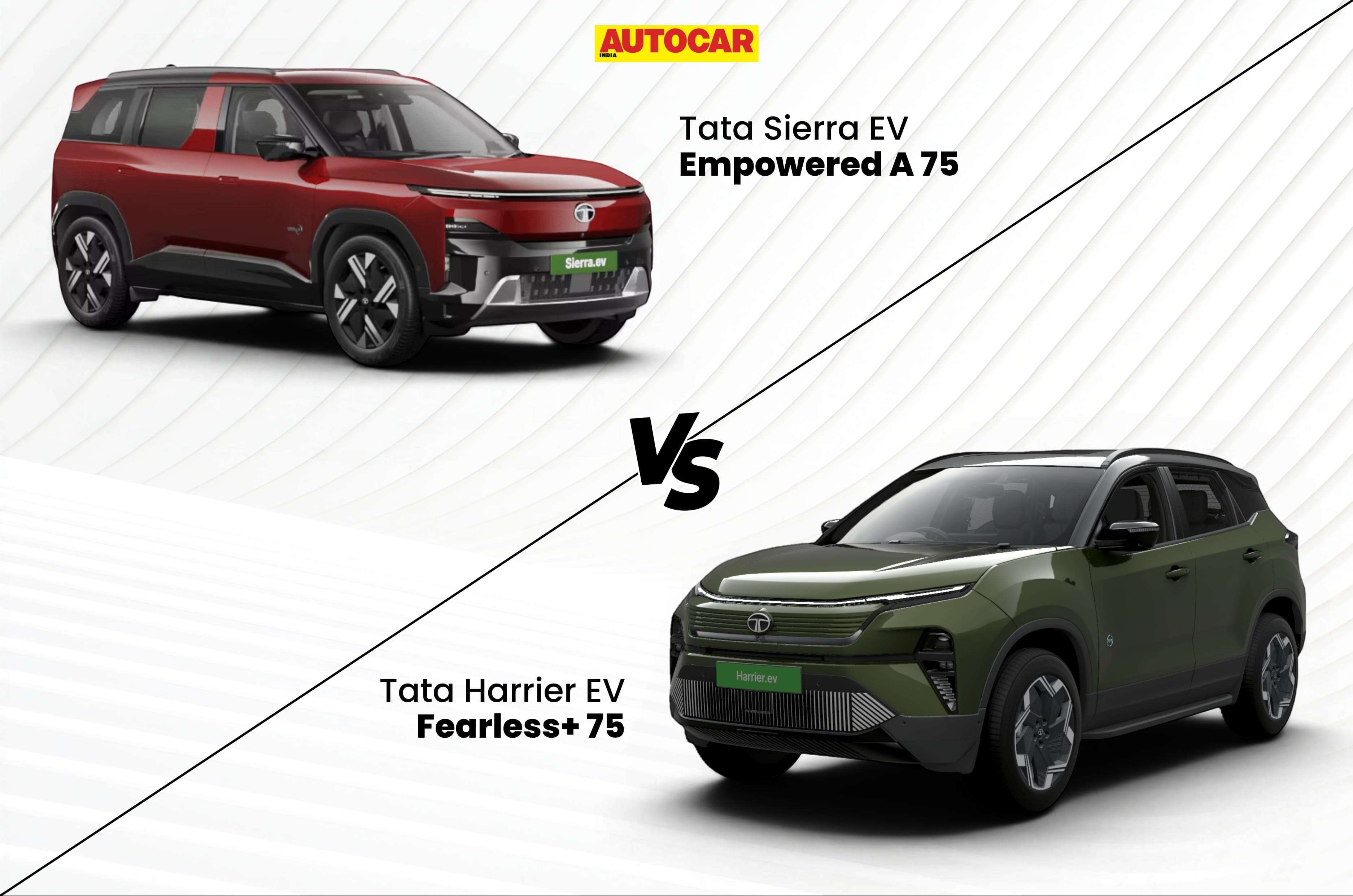
The recently launched Tata Sierra EV is positioned right below its larger sibling, the Harrier EV. However, there’s quite a lot of pricing overlap between the two Tata electric SUVs. To that end, we’ve compared the top-spec Sierra EV Empowered A 75 to the mid-spec Harrier EV Fearless+ 75 to find out which variant delivers better value on paper.
Tata Sierra EV top-spec vs Harrier EV mid-spec: Dimensions
Harrier EV is longer and wider, but Sierra EV is taller and offers greater boot space
Tata Sierra EV Empowered A 75 vs Harrier EV Fearless+ 75 dimensions
Sierra EV
Harrier EV
Length (mm)
4,340
4,607
Width (mm)
1,841
1,922
Height (mm)
1,750
1,740
Wheelbase (mm)
2,730
2,741
Boot space (litres)
622
502
Frunk space (litres)
55 (RWD) / 35 (AWD)
67 (RWD) / 35 (AWD)
Wheel size (inches)
19
19
Expectedly, the Harrier EV is 267mm longer than the Sierra EV, but there’s only an 11mm difference between their wheelbases, suggesting that the smaller SUV doesn’t lose out on much interior space. While the Harrier EV is 81mm wider than the Sierra EV, the latter is 10mm taller. Wheel sizes are matched at 19 inches for both electric SUVs.
Interestingly, the Sierra EV offers 120 litres of additional boot space over the Harrier EV – it’s worth nothing that both SUVs’ boot capacity is measured up until the roof, as opposed to the conventional method, which is up to the parcel tray. In terms of frunk capacity, the RWD Harrier EV offers the bigger one, while their AWD versions are matched in this regard.
Tata Sierra EV top-spec vs Harrier EV mid-spec: Battery and range
Harrier EV offers more power, Sierra EV is quicker and claims higher range figures
Tata Sierra EV Empowered A 75 vs Harrier EV Fearless+ 75 powertrains
Sierra EV
Harrier EV
Battery size (kWh)
75
75
Motor setup
Single, rear / Dual, front and rear
Single, rear / Dual, front and rear
Power (hp)
209 / 306
238 / 313
Torque (Nm)
315 / 504
315 / 504
Drive layout
RWD / AWD
RWD / AWD
Claimed 0-100kph time (seconds)
5.8 (AWD)
6.3 (AWD)
MIDC range (km)
665 / 624
627 / 622
Both the Sierra EV and Harrier EV get 75kWh battery packs, along with single-motor (RWD) and dual-motor (AWD) options. The Harrier EV edges ahead in terms of powertrain output, though the RWD versions of both SUVs feature identical torque figures. Despite the Sierra EV’s slightly lower output, its AWD variant is half a second quicker in the 0-100kph run compared to that of the Harrier EV – this is on account of the Sierra EV being smaller and lighter.
Similarly, MIDC-claimed range is a total victory for the Sierra EV as well. The Sierra EV AWD’s claimed range is 2km higher than that of the Harrier EV AWD, while the RWD version can travel 38km more on a single charge.
Tata Sierra EV top-spec vs Harrier EV mid-spec: Charging times
Both electric SUVs trade punches here
Tata Sierra EV Empowered A 75 vs Harrier EV Fearless+ 75 charging times and warranty details
Sierra EV
Harrier EV
AC charging time (10-100 percent)
10.5hrs (7.2kW)
10.7hrs (7.2kW)
DC charging time (20-80 percent)
26mins (120kW)
25mins (120kW)
Battery warranty
Lifetime warranty and unlimited kilometres
Lifetime warranty and unlimited kilometres
Motor warranty
8 years/1,60,000km (whichever is earlier)
8 years/1,60,000km (whichever is earlier)
Vehicle warranty
3 years/1,25,000km (whichever is earlier)
3 years/1,25,000km (whichever is earlier)
Despite battery capacities being identical for both electric SUVs, the Harrier EV takes slightly longer to charge from 10-100 percent via a 7.2kW AC outlet. On the other hand, the Harrier EV is marginally quicker in a 20-80 percent top-up from a 120kW DC fast charger. Tata offers the same battery, motor, and vehicle warranties for the Harrier EV and Sierra EV, so buyers can rest easy on this front.
Tata Sierra EV top-spec vs Harrier EV mid-spec: Exterior features
Harrier EV additionally offers side step and charging indicator function for the front light bar
Tata Sierra EV Empowered A 75 vs Harrier EV Fearless+ 75 exterior features
Sierra EV
Harrier EV
Headlamps
Automatic LED
Automatic LED
Front light bar
LED
LED
Welcome/goodbye sequence
Yes
Yes
Charging indicator in light bar
No
Yes
Front fog lamps
LED
LED
Cornering lamps
Yes
Yes
Tail-lamps
LED
LED
Rear fog lamps
Yes
Yes
Sequential indicators
Yes
Yes
Side step
No
Yes
Electrically adjustable ORVMs with auto-fold
Yes
Yes
Rear spoiler
Yes
Yes
Rear wiper and washer
Yes
Yes
Shark-fin antenna
Yes
Yes
Roof rails
Yes
Yes
Puddle lamps
Yes
Yes
Coming to exterior features, the Sierra EV and Harrier EV are near-identical. However, the Sierra EV does miss out on a charging indicator in the front light bar, with it instead being situated on the charging port. The Harrier EV additionally offers a side step too, which makes ingress and egress a tad easier.
Tata Sierra EV top-spec vs Harrier EV mid-spec: Interior features
Sierra EV is the only Tata electric car to offer a triple-screen setup
Tata Sierra EV Empowered A 75 vs Harrier EV Fearless+ 75 interior features
Sierra EV
Harrier EV
Touchscreen
12.3 inches
12.3 inches
Digital driver’s display
10.25 inches
10.25 inches
Passenger display
12.3 inches
No
Heads-up display
Yes
No
Automatic climate control
Dual-zone
Dual-zone
Steering-mounted controls
Yes
Yes
Ambient lights
Yes
Yes
Panoramic sunroof
Yes
Yes
Powered driver seat
6-way adjustment
6-way adjustment
Driver seat functions
Memory and welcome
Memory and welcome
Powered co-driver seat
4-way adjustment
4-way adjustment
Ventilated front seats
Yes
Yes
Boss mode
Yes
No
Sound system
12-speaker JBL Black
10-speaker JBL Black
Wireless charging pad
Yes
Yes
Cabin air purifier
Yes
Yes
Powered windows
Front and rear
Front and rear
Rear sunshade
Yes
Yes
Rear AC vents
Yes
Yes
Rear centre armrest
Yes
Yes
Connected car tech
Yes
Yes
V2L, V2V functionality
Yes
Yes
Despite its lower positioning, the Sierra EV pulls a clear lead over the Harrier EV in terms of cabin equipment. Features like a 12.3-inch passenger display, a 12-speaker JBL sound system, and a heads-up display are not offered even on the top-spec Harrier variant. In fact, the Sierra EV is the only electric Tata to come with a triple-screen setup at the moment.
Tata Sierra EV top-spec vs Harrier EV mid-spec: Driving features
Sierra EV comes with extra terrain mode and adaptive cruise control
Tata Sierra EV Empowered A 75 vs Harrier EV Fearless+ 75 driving features
Sierra EV
Harrier EV
Drive modes
Eco, City, Sport
Eco, City, Sport
Battery regen modes
Yes
Yes
Terrain modes
Normal, Wet, Rough, Custom
Normal, Wet, Rough
Cruise control
Adaptive with stop/go functions
Yes
Drift mode
Yes
Yes
Boost mode
AWD only
AWD only
Low-speed cruise control
AWD only
AWD only
Extra terrain modes (AWD only)
Yes
Yes
Both the top-spec Sierra EV and mid-spec Harrier EV are very similar on the driving features front. However, the Sierra EV gets an additional ‘Custom’ terrain mode in the RWD version, as well as adaptive cruise control with stop and go functionality. The latter is much more convenient than the Harrier EV’s standard cruise control, as it can automatically adjust the speed based on proximity to nearby vehicles, and even come to a standstill and set off by itself. AWD versions of both SUVs get additional terrain modes too, namely Snow/Grass, Mud-Ruts, Sand, Rock Crawl, and Custom.
Tata Sierra EV top-spec vs Harrier EV mid-spec: Safety features
Harrier EV has 7 airbags and 5-star BNCAP rating, Sierra EV gets Level 2 ADAS and better camera setup
Tata Sierra EV Empowered A 75 vs Harrier EV Fearless+ 75 safety features
Sierra EV
Harrier EV
Bharat NCAP rating
Yet to be tested
5 stars
Airbags
6
7
Level 2 ADAS
Yes
No
Camera setup
540-degree
Rear only
Parking sensors
Front and rear
Front and rear
Disc brakes
Front and rear
Front and rear
ABS with EBD
Yes
Yes
Electronic stability program (ESP)
Yes
Yes
TPMS
Yes
Yes
Electronic parking brake with auto-hold
Yes
Yes
Auto-dimming IRVM
Yes
Yes
Rain-sensing wipers
Yes
Yes
Rear defogger
Yes
Yes
Driver drowsiness detection
No
Yes
Acoustic vehicle alarm system (AVAS)
Yes
Yes
In the safety department, the Harrier EV holds some notable advantages, specifically a 5-star Bharat NCAP rating (the Sierra EV is yet to be tested, but will likely perform well too), 7 airbags, and driver drowsiness detection. The Sierra EV, though, trades punches with the Harrier EV thanks to safety features like Level 2 ADAS and a 540-degree camera (360-degree with underfloor view).
Tata Sierra EV top-spec vs Harrier EV mid-spec: Prices and verdict
Sierra EV is up to Rs 70,000 cheaper
Tata Sierra EV Empowered A 75 vs Harrier EV Fearless+ 75 price* (Rs, lakh)
Sierra EV
Harrier EV
Difference
RWD
Rs 24.79 lakh
Rs 25.19 lakh
Rs 40,000
AWD
Rs 25.99 lakh
Rs 26.69 lakh
Rs 70,000
*Exclusive of home charger and installation, which costs Rs 49,000 extra.
The Sierra EV Empowered A 75 clearly emerges as the better option over the Harrier EV Fearless+ 75, as the smaller SUV offers considerably more comfort and convenience features, a larger boot, higher claimed range figures, similar powertrain outputs and charging speeds, and greater performance – all while being Rs 40,000-70,000 more affordable.