Electric two-wheeler sales fall 11 percent in August after record July 2026

Electric two-wheeler sales fall 11 percent in August after record July 2026
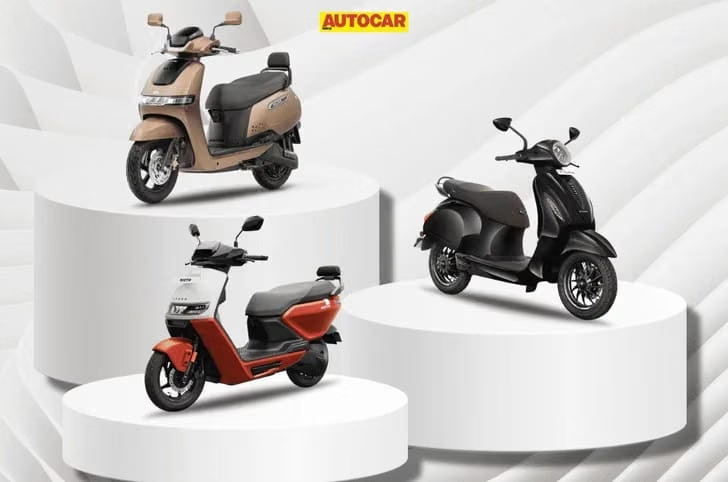
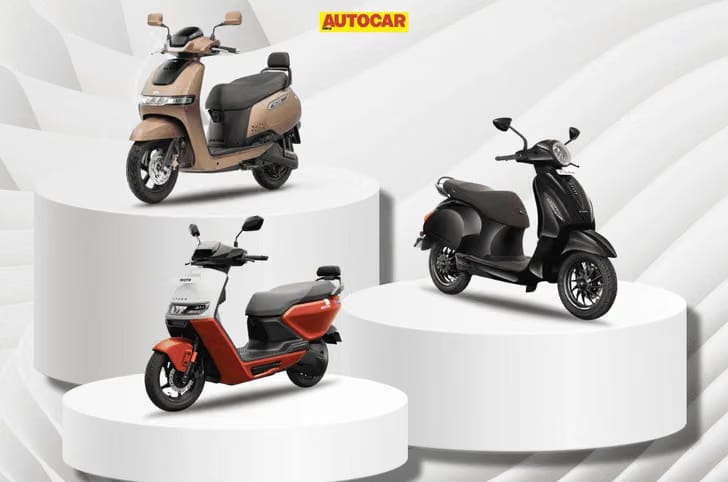
TVS iQube, Bajaj Chetak, and Ather Rizta on a podium graphic

Following a record-setting July that saw the electric two-wheeler segment cross 2 lakh monthly sales for the first time, August delivered a more measured 1,82,936 units – down 11 percent month-on-month but still 67 percent higher than the same month last year. With cumulative sales in the first eight months of the year crossing 13.6 lakh units, already surpassing the full-year tally of 13.4 lakh units in 2025, the 20 lakh annual sales milestone is within reach, with four months and the festive season surge still to go.

  1. Electric two-wheeler retail sales of 1,82,936 units in August 2026
  2. TVS, Bajaj, Ather and Hero Vida account for 75 percent of sales
  3. 2026 sales already exceed the full-year 2025 total

August 2026 electric two-wheeler sales: OEM breakdown

TVS Motor Co: 48,873 units

TVS Motor Company sold 48,873 electric scooters last month – up 91 percent year-on-year and good for a 27 percent market share, up from 23 percent a year ago. While this represents a 12 percent drop from July’s record 55,823 units, cumulative eight-month sales of 3,56,579 units have already exceeded TVS’s full-year CY2025 total of 3,15,082 units. As it stands, TVS is on course to cross 5,25,000 annual electric scooter sales for the first time in 2026.

Bajaj Auto: 41,019 units

Bajaj Auto delivered 41,019 Chetak units in August – a 235 percent year-on-year increase. However, it is worth noting that the comparison is skewed by supply chain disruptions that affected production in August 2025. Like TVS, Bajaj’s sales so far this year, at 3,05,226 units, have already surpassed the brand’s full-year total of 2,79,687 units from 2025. It is now on track to cross 4 lakh annual EV sales for the first time.

Ather Energy: 28,708 units

Ather sold 28,708 units in August, up 49 percent year-on-year, for a 16 percent market share. Cumulative eight-month sales of 2,29,099 units are up 83 percent year-on-year. With the recently introduced Konarc, the brand will be looking to significantly accelerate volumes heading into the festive season.

Vida: 18,978 units

Vida delivered 18,978 units in August, up 38 percent year-on-year but down 17 percent from its best-ever month of 22,989 units in July. Sales from January to August, at 1,48,069 units, are up 151 percent year-on-year, putting the brand on course to cross 2 lakh annual EV sales for the first time.

Ola Electric: 13,849 units

Ola Electric sold 13,849 units in August – down 29 percent from last August and making it the only top-10 brand to register a decline. The company’s eight-month total of 94,307 units is down 39 percent year-on-year. Ola’s market share has dropped sharply to 8 percent from 18 percent a year ago, when it ranked third overall.

Other notable performers

Greaves Electric Mobility delivered 8,612 units, up 89 percent year-on-year, with the Ampere Magnus Neo and the recently updated Magnus G Max both contributing to demand. River Mobility sold 5,134 units of the Indie, up 170 percent year-on-year, while Bgauss Auto sold 4,844 units, up 180 percent from last August. Simple Energy delivered 1,635 units from its One, OneS and Ultra range, with the Simple Wave, expected to go on sale later this month, potentially helping boost those figures further.
Hero MotoCorp aims to be number one Indian EV seller

Hero MotoCorp aims to be number one Indian EV seller
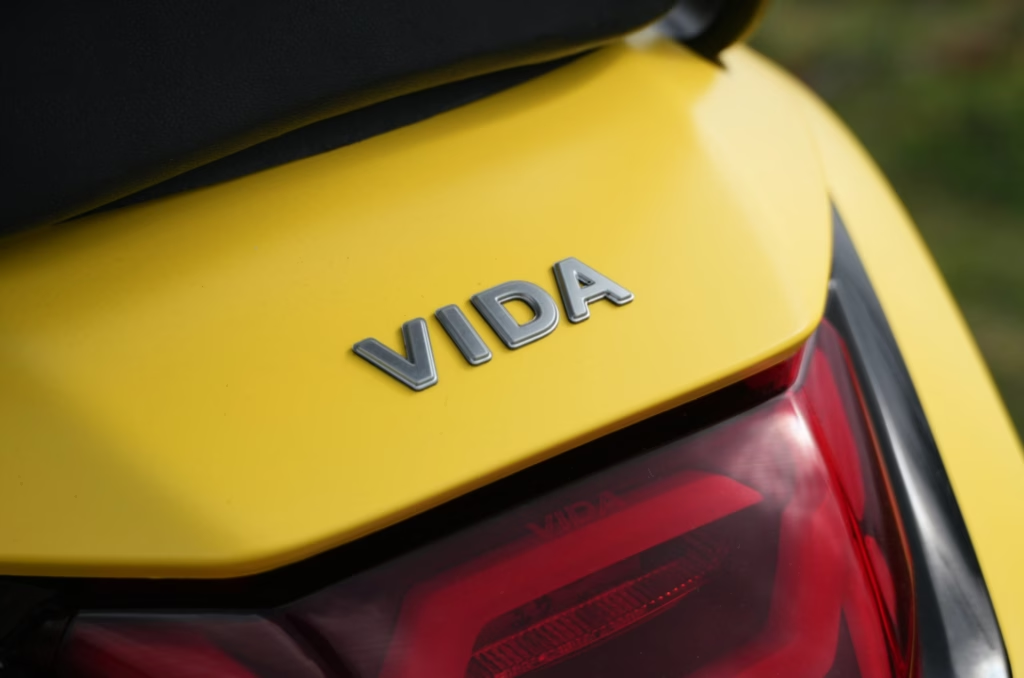
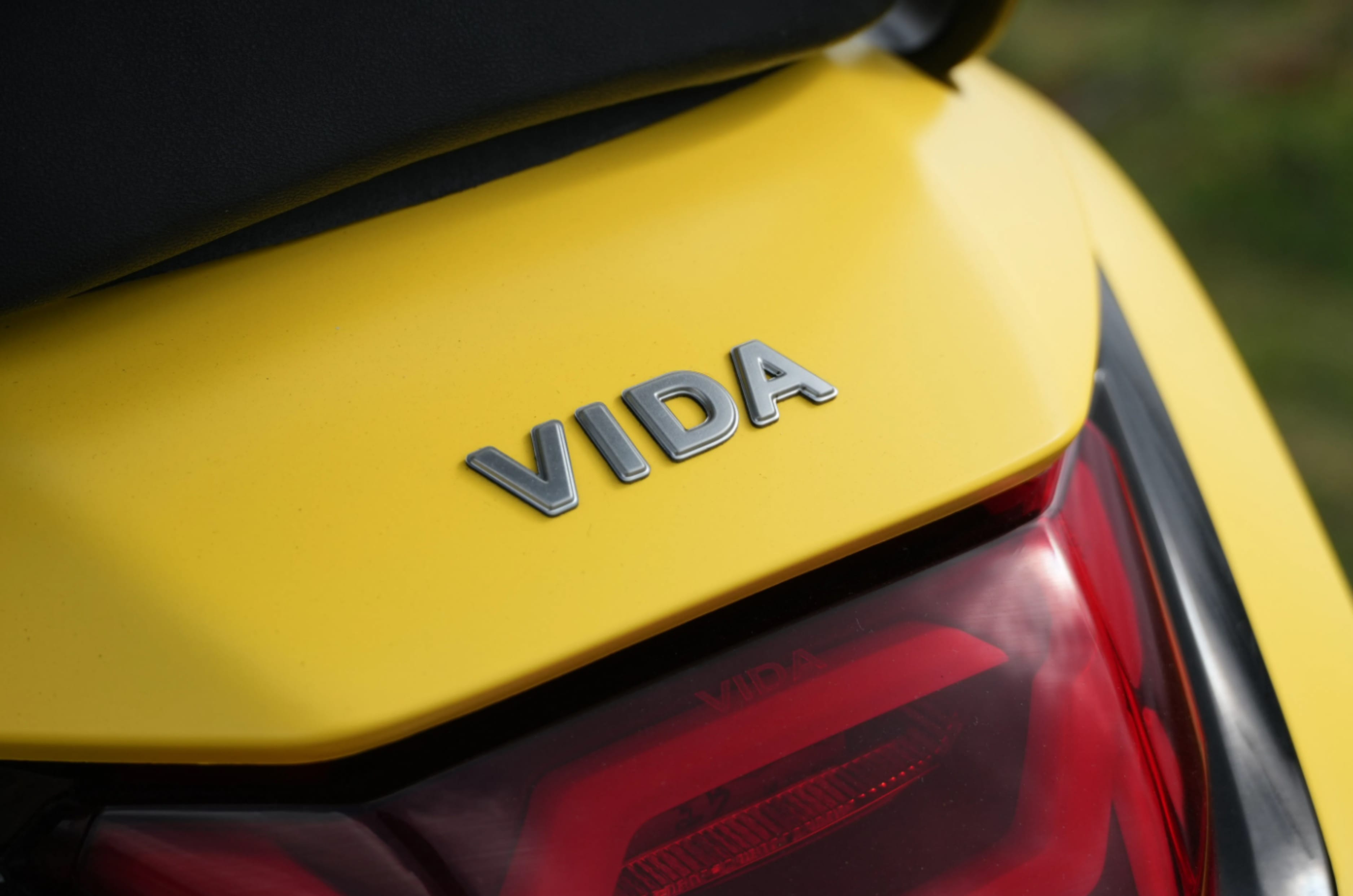
A close-up shot of the Vida logo on the Vida VX2.

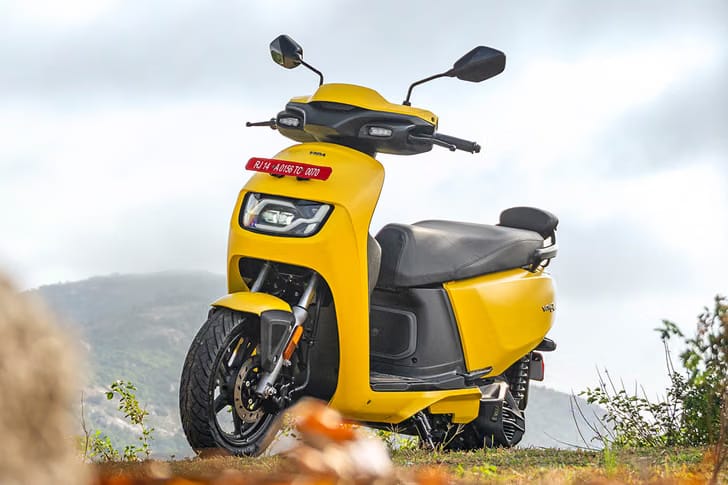
Hero is targeting the top position in India’s electric two-wheeler market as it scales up its Vida business and continues to back Ather Energy. “We clearly are focusing on being number one. There we are not shy of that,” Hero MotoCorp CEO Harshavardhan Chitale told Autocar Professional at the SIAM Annual Convention in New Delhi. He added that Vida and Ather sales, taken together, have already occupied the top position during some months. Considering individual sales numbers from January till August this year, Vida is currently fourth, behind Ather.

  1. Hero currently invests in Ather Energy and Euler Motors; recently increased its Ather investment
  2. Vida currently offers scooters with both fixed and removable batteries
  3. Hero CEO says Ather-Hero joint product may happen in future

Vida is Hero’s EV subsidiary

Company is increasing production and exploring different offerings

Hero initially differentiated the brand through removable batteries, targeting, among others, customers living in apartments without convenient access to charging. The company is now pursuing fixed-battery scooters alongside its removable-battery models. Chitale said the two configurations are attracting different sets of buyers. Fixed batteries allow Hero to offer a more competitively priced product, with the difference between the two configurations at around Rs 10,000.

Vida has gained almost 600 basis points (6 percent) of market share over the past year and is seeing year-on-year growth of around 100 percent, according to Chitale. Demand has prompted Hero to increase production. Chitale said EV capacity would rise by almost 50 percent this month compared with the previous month, followed by a further doubling by December. Demand for removable-battery models has remained strong, despite the introduction of fixed-battery alternatives.

Ather-Hero partnership progress

Charging already integrated, joint product might happen in future

Hero’s EV strategy also includes its investment in Ather, which it has continued to support through successive fundraises, including the most recent one of Rs 1758 crore. For now, the two companies will continue pursuing independent product roadmaps rather than integrating their vehicle platforms. However, that could change as the market matures. Chitale said the companies discuss areas including battery-cell sourcing, software, motors and motor components. Joint sourcing could become an option, although no such arrangement is currently underway.

Charging infrastructure is already an area where both the companies are working together. Hero and Ather are part of an interoperable fast-charging initiative which, according to Chitale, now involves close to 20 companies and nearly 6,000 charging points.

Hero also has an interest in electric commercial vehicle maker Euler Motors. Chitale described Euler as potentially the “next Ather in making” and said Hero would continue supporting the company through its fundraises. The combination of Vida, Ather and Euler gives Hero exposure across electric two-wheelers and commercial vehicles as it seeks a larger share of India’s expanding EV market.

With inputs from Mukul Y. Singh, Hormazd Sorabjee, Ketan Thakkar, and Stephen Raj Antony.

August 2026 retail sales: Tata records highest YoY growth among top 10

August 2026 retail sales: Tata records highest YoY growth among top 10
retail sales

Passenger vehicle retail sales rose 16.14 percent year on year (YoY) in August 2026, with 4,02,398 units sold. Sales, however, declined 3.40 percent compared with July. Maruti Suzuki remained the market leader, while Tata Motors, Mahindra and Hyundai retained the next three positions.

Here is a look at the top 10 passenger vehicle manufacturers by retail sales in August 2026, according to data from the Federation of Automobile Dealers Associations (FADA).

CarmakerAugust 2026 salesMoM changeYoY changeMarket share
Maruti Suzuki1,65,2002.06%22.83%41.05%
Tata Motors57,841-1.59%40.49%14.37%
Mahindra50,245-10.63%6.41%12.49%
Hyundai46,987-1.81%4.84%11.68%
Toyota24,856-15.58%-9.94%6.18%
Kia23,371-8.53%17.60%5.81%
Skoda Volkswagen Group7,469-9.15%-17.64%1.86%
MG 5,784-17.72%-13.01%1.44%
Honda4,968-14.67%12.37%1.23%
Renault3,275-6.56%25.10%0.81%

Maruti Suzuki

Sales: 1,65,200 units | Change: up 22.83 percent YoY

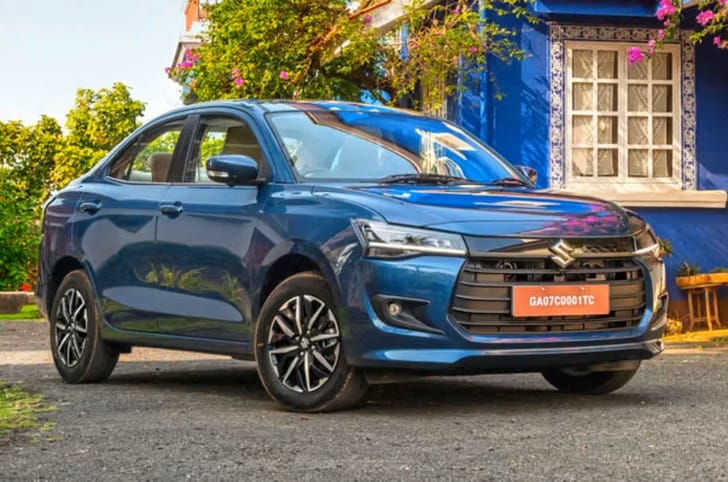
Maruti Suzuki continued to lead the passenger vehicle retail market in August 2026, with 1,65,200 units sold, up 22.83 percent from 1,34,494 units in August 2025. Its market share increased to 41.05 percent, from 38.82 percent a year earlier. Maruti remained well ahead of the other carmakers, with its August sales more than twice those of Tata Motors in second place.

Tata Motors

Sales: 57,841 units | Change: up 40.49 percent YoY

Tata Motors retained second place with 57,841 units sold in August 2026, up 40.49 percent from 41,170 units a year earlier. Its market share increased to 14.37 percent, compared with 11.88 percent in August 2025. Tata also recorded the highest year-on-year growth among the top four carmakers.

Mahindra

Sales: 50,245 units | Change: up 6.41 percent YoY

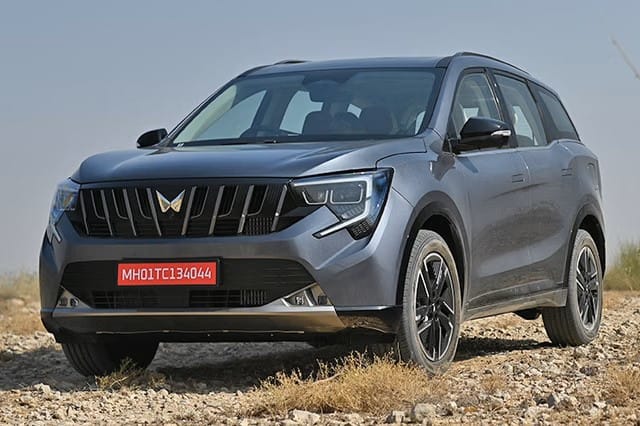
Mahindra remained in third place with 50,245 units, registering a 6.41 percent increase over the 47,220 units sold in August 2025. Its market share stood at 12.49 percent, down from 13.63 percent a year earlier. During the month, Mahindra launched the updated Scorpio N and BE 6 Sporteq and also introduced its Battery-as-a-Service option for the XEV 9e and XEV 9S.

Hyundai

Sales: 46,987 units | Change: up 4.84 percent YoY

Hyundai held fourth place with 46,987 units sold, up 4.84 percent from 44,818 units in August 2025. Its market share stood at 11.68 percent, compared with 12.94 percent a year earlier. Hyundai has also introduced an assured buyback programme for the Creta Electric and announced a price hike of up to 1 percent from September 2026.

Toyota

Sales: 24,856 units | Change: down 9.94 percent YoY

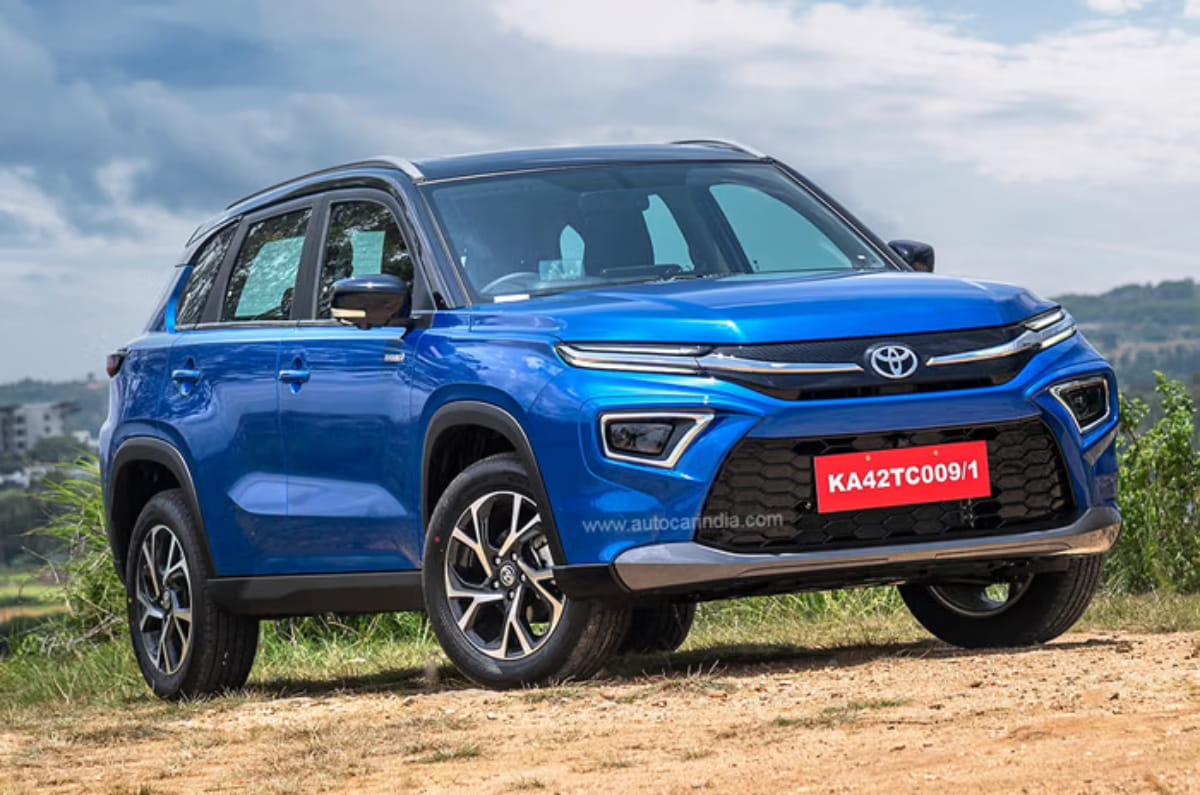
Toyota retained fifth place with 24,856 units, down 9.94 percent from 27,600 units in August 2025. Its market share fell to 6.18 percent, from 7.97 percent a year earlier. Toyota remained ahead of Kia in retail sales, although the gap between the two narrowed to 1,485 units.

Kia

Sales: 23,371 units | Change: up 17.60 percent YoY

Kia recorded 23,371 units in August 2026, an increase of 17.60 percent over the 19,873 units sold in the same month last year. Its market share rose marginally to 5.81 percent, from 5.74 percent in August 2025. The Seltos and Sonet continued to account for a large share of volumes, while the newly launched Syros EV also contributed to the performance.

Skoda Volkswagen 

Sales: 7,469 units | Change: down 17.64 percent YoY

The Skoda Volkswagen Group ranked seventh with 7,469 units sold in August, down 17.64 percent from 9,069 units a year earlier. Its market share stood at 1.86 percent, compared with 2.62 percent in August 2025. The FADA figure combines the retail sales of the group’s brands, including Skoda, Volkswagen, Audi, Porsche, Lamborghini and Bentley.

MG 

Sales: 5,784 units | Change: down 13.01 percent YoY

MG recorded 5,784 units in August 2026, down 13.01 percent from 6,649 units in August 2025. Its market share declined to 1.44 percent, from 1.92 percent a year earlier. The company launched the Hector Tomahawk in both EV and PHEV forms during the month. Bookings for both versions are open, while deliveries of the Tomahawk EV are scheduled to begin in September. Test drives and deliveries for the PHEV are scheduled to start in November.

Honda 

Sales: 4,968 units | Change: up 12.37 percent YoY

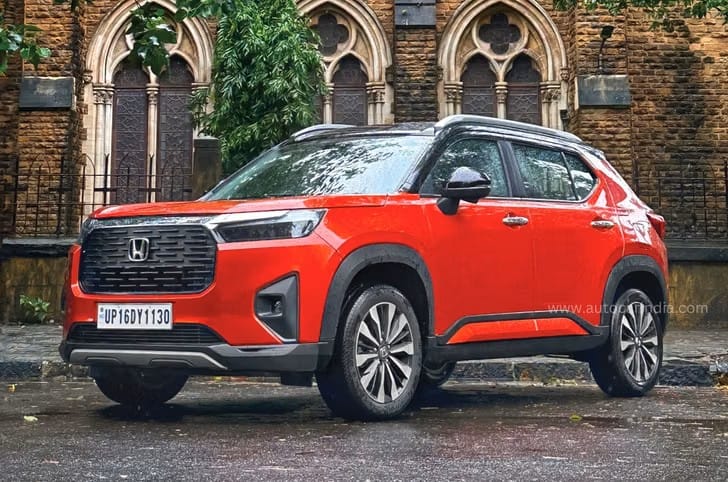
Honda sold 4,968 units in August, up 12.37 percent from 4,421 units in August 2025. Its market share stood at 1.23 percent, compared with 1.28 percent a year earlier. Honda remained ninth among the top 10 carmakers, despite its market share declining slightly year on year. Its retail sales were also down 14.67 percent from July.

Renault

Sales: 3,275 units | Change: up 25.10 percent YoY

Renault completed the top 10 with 3,275 units in August, up 25.10 percent from 2,618 units a year earlier. Its market share increased to 0.81 percent, from 0.76 percent in August 2025. Renault recorded the second-highest YoY growth among the top 10 carmakers, behind Tata Motors. The increase comes as the Duster made its return to Renault’s India line-up, adding a new model to its existing range. Retail sales were down 6.56 percent from July.

CNG, hybrid and EVs overtake petrol in August

The passenger vehicle fuel mix also saw a change in August. CNG, hybrids and EVs together accounted for 41.95 percent of retail sales, exceeding the 40.85 percent share of petrol for the first time. CNG accounted for 25.28 percent of sales, followed by diesel at 17.21 percent, hybrids at 9.04 percent and EVs at 7.63 percent.

In August 2025, petrol accounted for 46.37 percent of PV retail sales, while CNG, hybrid and EV shares stood at 21.47 percent, 7.96 percent and 5.83 percent, respectively. 

Two-wheeler retail sales up 19.7 percent in August

Two-wheeler retail sales up 19.7 percent in August

Two-wheeler retail sales in India rose 19.69 percent year on year to 17,14,610 units in August 2026, according to the Federation of Automobile Dealers Associations (FADA). The segment recorded its highest-ever August sales, although volumes declined 5.70 percent from July, when dealers retailed 18,18,289 two-wheelers. August 2025 sales stood at 14,32,537 units.

  1. Retail sales reach 17.15 lakh units, highest for an August
  2. Share of EVs in two-wheeler sales crosses 10 percent in a non-festive month
  3. Honda leads the market as dealers turn optimistic ahead of the festive season

FADA attributed the strong year-on-year growth to healthy rural demand and improved affordability following the GST 2.0 rollout. The month-on-month decline was attributed to the seasonal monsoon slowdown, rainfall in some regions and the inauspicious Shravan/Aadi period.

Rural two-wheeler retail grew 20.25 percent year on year in August, slightly ahead of the 19.07 percent growth recorded in urban markets. Compared with July, however, two-wheeler sales fell 6.85 percent in rural areas and 4.38 percent in urban centres.

EVs accounted for 10.68 percent of total two-wheeler retail sales in August, up from 7.66 percent a year ago. The share of electric models was 11.24 percent in July. FADA noted that August was the first non-festive month in which EVs comprised over 10 percent of two-wheeler sales.

As for fuel type, petrol continued to dominate the two-wheeler market with an 89.23 percent share, while CNG and LPG models together accounted for 0.08 percent.

Honda Motorcycle and Scooter India remained the largest two-wheeler OEM in August with a 26.09 percent market share, retailing 4,47,342 units. Hero MotoCorp was second with 4,13,996 units and a 24.15 percent share, while TVS Motor Company sold 3,53,746 units and had a 20.63 percent share.

Bajaj Auto retailed 1,57,149 two-wheelers, giving it a 9.17 percent share, followed by Suzuki Motorcycle India with 1,04,217 units and a 6.08 percent share. Royal Enfield recorded 94,448 units and a 5.51 percent share.

Among the electric-focused manufacturers listed separately by FADA, Ather Energy sold 28,757 units and had a 1.68 percent share, while Ola Electric registered 13,852 units and a 0.81 percent share. Greaves Electric Mobility, River Mobility and BGauss recorded 8,613, 5,141 and 4,845 units, respectively.

With the festive season approaching, FADA expects two-wheeler demand to strengthen in September. Rural cash flows and late-season rainfall remain key factors that could influence sales, while the continued shift towards alternative powertrains is expected to support the market.

Dealer sentiment for September remains positive, with 67.09 percent of dealers expecting growth, 27.35 percent expecting a flat market and 5.56 percent anticipating de-growth. For the September-November period, 81.62 percent of dealers expect the market to grow.

With inputs from Eshisha Java

Opinion: The Konarc is Ather’s ticket to the big leagues

Opinion: The Konarc is Ather's ticket to the big leagues
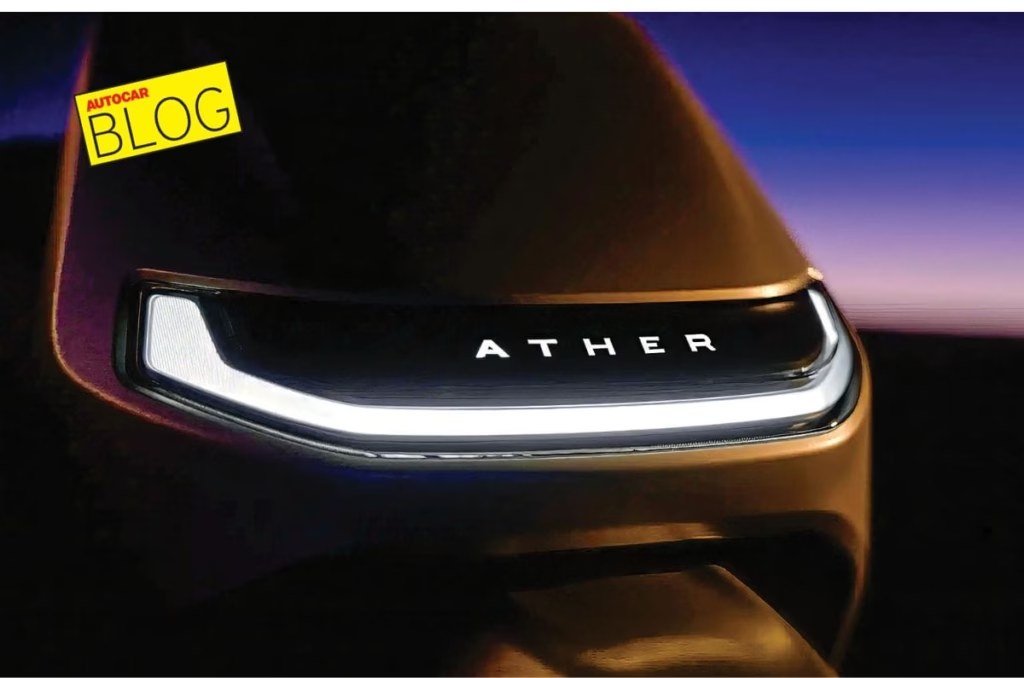
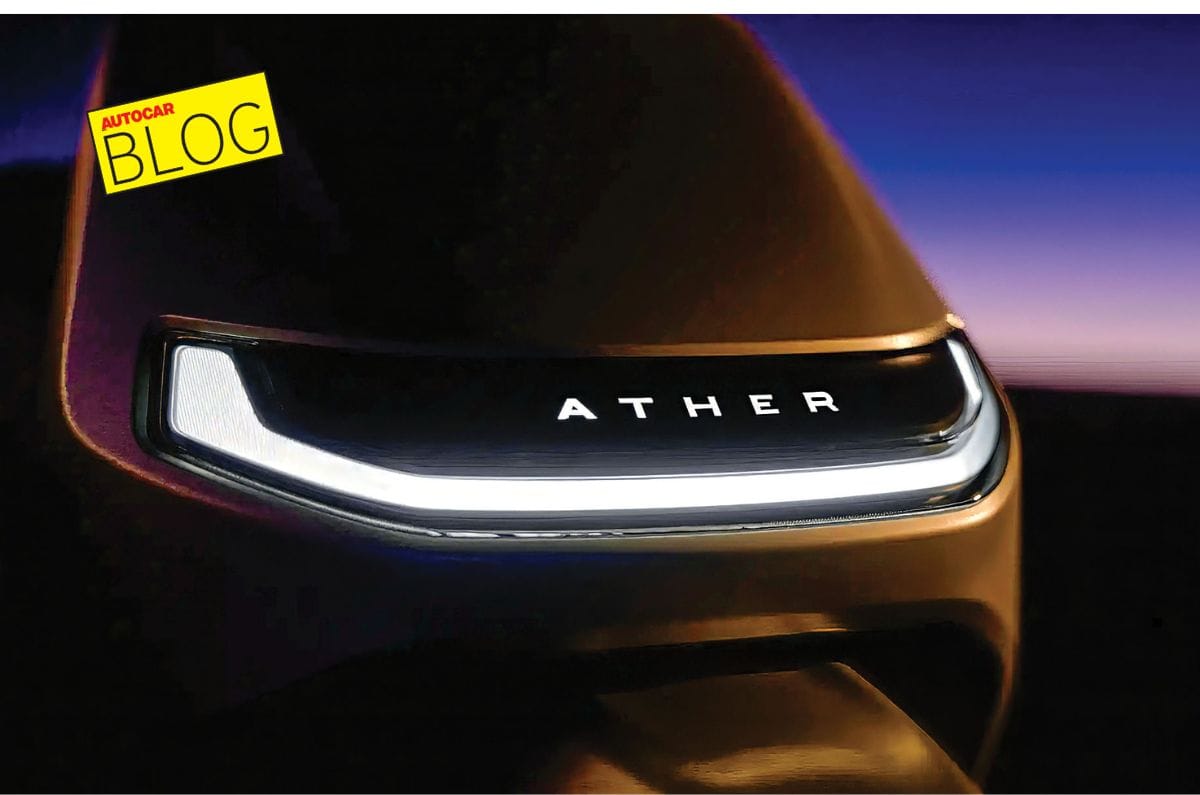
Ather Konarc DRL in a dark studio

Ather has a wonderful problem on its hands. The company says that it is now raking in a monthly demand of around 50,000 units from its dealer base, but is struggling to supply much more than half that figure. Fortunately, the solution is just a few months away, and the upcoming manufacturing facility in Chhatrapati Sambhajinagar will begin to scale up in the first half of next year.

The Konarc plays a key role in Ather’s growth ambitions. This scooter is based on a new steel platform that’s designed to be cheaper and faster – not only to build, but also to service. With this cost-effective new platform in place, the expectation was that the Konarc would occupy a new space for Ather, one that slots in comfortably below the Rizta and 450 models. As it turns out, that is not entirely the case. 

The base Konarc is priced at Rs 99,999, which is a good Rs 22,000 less than the base Rizta. Ather is excited about the new market space that this scooter will unlock for them, and it surely will bring in a new client base. However, a closer examination of the spec sheet suggests that the base Konarc variant is a bit too stripped down, and we’d suggest you pick from the next variant onwards.

When you do that, you’ll realise that the Konarc is effectively priced on par with the Rizta for a similar battery pack size, and this took me by surprise. Conversations with company officials unearthed the very sound rationale that manufacturing input costs have risen by a massive 30-40 percent over the past year. However, I still can’t shake the feeling that the Konarc is not as affordable as expected. 

To be fair, most EVs have gotten quite a bit more expensive in the recent past, and the iQube range is priced at a similar level to the Konarc. However, that’s before you pay the extra amount for Ather’s optional StackPro features, which is something you’d want to do because they add valuable appeal and functionality. What I find disappointing is that none of the Konarc S models come with a full colour TFT display, and that means it’s not compatible with a lot of Ather’s more uniquely clever features like pothole alerts, WhatsApp alerts, voice control and more. 

While the Konarc is not as affordable as expected, there is no doubt that it lives up to Ather’s premium image. Quality and finish are excellent, and more importantly, it is genuinely comfortable to ride, which isn’t something you could say about previous Athers. The fundamentals are in place with this scooter, and that is a solid win for the company.

The fact remains that Ather is already experiencing such big demand for its existing scooters, which don’t come cheap. The customer’s appetite to spend appears to be in place, and the new Konarc will certainly widen it, although I’m sure it will also eat into the Rizta’s market share. With its superior comfort, practical on-board charger and promise of lower running costs, I’m convinced it’s a better scooter than the more flashy looking Rizta. Whether customers feel the same way remains to be seen, but Ather appears well on course to reach new heights in 2027.

Skoda evaluating CNG with 1.0 TSI-powered Slavia, Kushaq, Kylaq

Skoda evaluating CNG with 1.0 TSI-powered Slavia, Kushaq, Kylaq

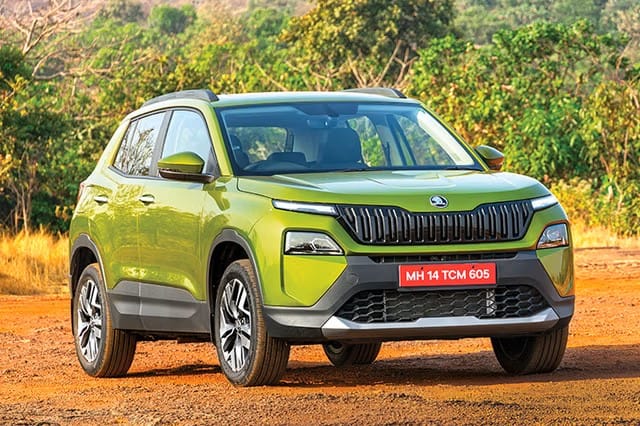
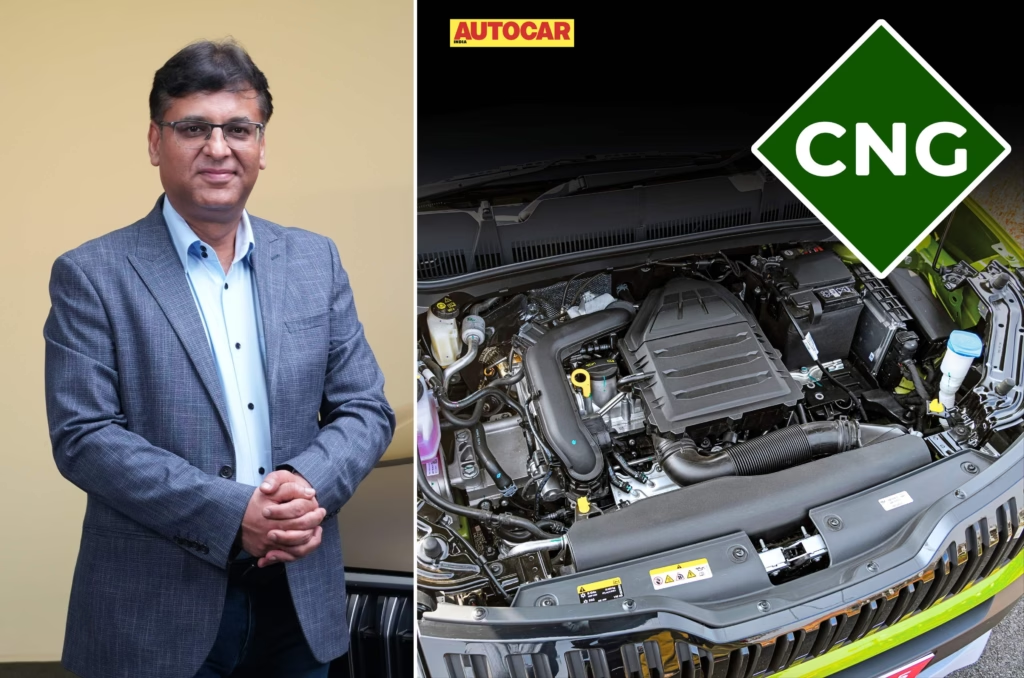
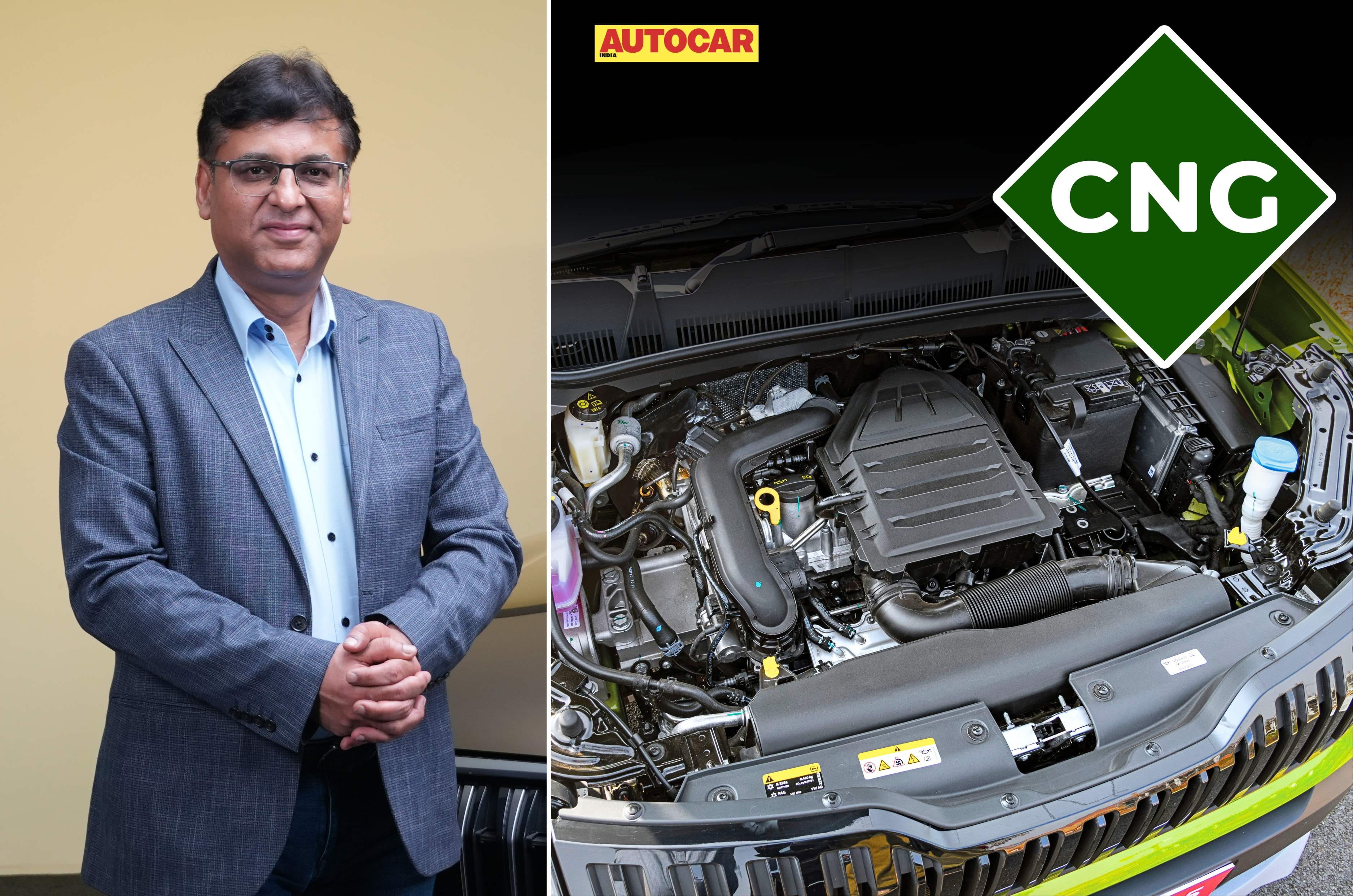
Skoda is planning to expand its product portfolio in India, including the possible introduction of a CNG powertrain with the 1.0-litre turbo-petrol engine powering the Kylaq, Slavia and Kushaq. Speaking about the plans, Skoda India brand director Ashish Gupta told our sister publication Autocar Professional, “The 1.0-litre engine and the MQB A0-IN platform are common across the Kylaq, Kushaq and Slavia. So, all three products are open.”

Skoda’s CNG plans in India

Skoda’s powertrain diversification plan is an attempt to stay relevant in India

Talking about the CNG plans, Gupta further said, “The Middle East crisis and policy noise on ethanol blending have affected consumer sentiment on petrol, resulting in a drop in market share. To stay relevant, we have to diversify.” “The Kylaq segment is the priority where we are trying to tackle CNG,” he added.

The Skoda Kylaq is powered by a 1.0-litre, three-cylinder, direct-injection turbo-petrol engine, which it shares with the larger Slavia and Kushaq. The engine produces 115hp and 172Nm and is available with both manual and automatic transmission options.

For the potential CNG version, Skoda is evaluating how to balance fuel efficiency with the performance expected from its models. Gupta said, “Compared to petrol, a 10-15 percent drop in performance with CNG is acceptable to customers. So I have to make sure that I get the right product, right solution, at the right value proposition, at the right time.”

Gupta also believes there is scope for CNG-powered cars at relatively higher price points, beyond the traditionally budget-focused segment. “There is a potential for the right car at the right price point. Even premium customers who are okay with buying a CNG car purely for the economic benefits they derive,” he said.

TVS overtakes Honda for the first time in July scooter sales

TVS overtakes Honda for the first time in July scooter sales

India’s scooter market came close to the 800,000-unit mark in July 2026, with nine OEMs dispatching 798,190 units, up 24 percent year on year. TVS Motor Co overtook Honda Motorcycle & Scooter India for the first time to lead the market for the month.

  1. TVS scooter sales up 40 percent to 2,56,675 units
  2. Honda sales fall 12 percent to 2,33,337 units
  3. Electric scooters account for 21 percent of July wholesales

TVS overtakes Honda for the first time

TVS Motor Co has overtaken Honda Motorcycle & Scooter India (HMSI) to become India’s largest scooter manufacturer in monthly wholesales for the first time in July 2026. TVS dispatched 2,56,675 units, up 40 percent year on year, while Honda dispatched 2,33,337 units, down 12 percent. The difference between the two stood at 23,338 units.

July’s overall scooter wholesales of 7,98,190 units were just 1,810 units short of the 8 lakh mark. It was the second-highest monthly tally after October 2025, when over 8.24 lakh scooters were dispatched. July was also the sixth month in the past seven to cross 7 lakh units, with April falling short by just 8,007 units.

TVS’ scooter market share increased to 32 percent in July from 28 percent in the same month last year, while Honda’s share fell from 41 percent to 29 percent.

TVS’ EVs drive growth

TVS’ ICE scooter range, comprising the Jupiter, NTorq and Zest, accounted for 1,97,289 units in July, up 23 percent year on year. Its electric scooters, the iQube and Orbiter, contributed 59,386 units, up 158 percent.

Honda’s ICE scooters, comprising the Activa 110/125 and Dio 110/125, accounted for 2,32,073 units, down 12 percent from 265,364 units in July 2025. The company’s Activa-e and QC1 electric scooters together contributed 1,264 units, up 467 percent from 263 units a year ago.

HMSI unveiled its third electric scooter, the QC 3, on July 24. The company remains India’s largest scooter exporter, with 1,56,938 units shipped in July, up 36 percent year on year. TVS was second with 53,254 units, up 43 percent.

Suzuki, Hero and Bajaj follow

Suzuki Motorcycle India dispatched 1,20,998 scooters in July, up 28 percent year on year, taking its market share to 15 percent from 14 percent a year ago. The Access 125 remains its best-selling scooter, ahead of the Avenis and Burgman Street, which also use the same 125cc engine. The new e-Access contributed 825 units.

Hero MotoCorp dispatched 61,347 scooters, up 33 percent, giving it an 8 percent market share. Its ICE scooters, the Destini 125, Pleasure and Xoom, accounted for 38,640 units, up 11 percent, while Vida electric scooters contributed 22,707 units, up 102 percent.

Bajaj Auto dispatched 48,684 units, up 301 percent year on year from 12,134 units in July 2025. The tally comprised 47,184 Chetaks and 1,500 Yulu EVs. Its scooter market share consequently rose to 6 percent from 2 percent.

Yamaha and Ather continue to grow

India Yamaha Motor dispatched 36,783 scooters in July, up 53 percent year on year. The Fascino and Ray ZR together accounted for 31,945 units, up 46 percent, while the 155cc Aerox contributed 4,544 units, up 102 percent. Yamaha also dispatched 294 EC-06 electric scooters to its Blue Square dealerships.

Ather Energy dispatched 31,044 scooters in July, up 106 percent year on year, doubling its market share to 4 percent. The company is set to unveil its first EL platform-based scooter at Ather Community Day on August 29.

River Mobility dispatched a record 6,039 Indie electric scooters in July, up 226 percent year on year. Piaggio Vehicles, which sells the Vespa and Aprilia brands in India, dispatched 3,283 scooters, up 40 percent.

Electric scooters account for 21 percent of sales

Electric scooter wholesales reached 1,70,243 units in July, up 168 percent year on year from 63,560 units in July 2025. Volumes were also up 16 percent over June 2026, when 1,46,668 electric scooters were dispatched.

EVs consequently accounted for 21 percent of total scooter wholesales in July, compared with 10 percent a year ago.

TVS dispatched a record 59,386 iQube and Orbiter scooters in July, giving it an EV penetration of 35 percent for the month. Between January and July 2026, TVS has dispatched 1.52 million scooters, of which 314,104 were electric, meaning roughly one in every five scooters sold by TVS during the period was an EV.

Bajaj Auto’s 48,684-unit July tally included 47,184 Chetaks and 1,500 Yulu EVs, while Ather dispatched 31,044 units and Hero’s Vida range contributed 22,707 units.

The three Japanese electric scooter manufacturers – Honda, Suzuki and Yamaha – together dispatched 2,383 units in July.

Scooter sales on track for record CY2026

Cumulative scooter wholesales for January-July 2026 stood at 5.21 million units, up 32 percent from 3.95 million units during the same period last year. The seven-month tally already represents 69 percent of the record 7.52 million scooters sold in CY2025.

At the current pace, the scooter industry is on track to cross 9 million units in CY2026 for the first time.

Scooters accounted for 41 percent of India’s 1.92 million two-wheeler wholesales in July. Motorcycles accounted for 1.075 million units, or 56 percent, while mopeds contributed 50,497 units, or 3 percent.

Ultraviolette registers highest monthly sales yet in July 2026

Ultraviolette registers highest monthly sales yet in July 2026
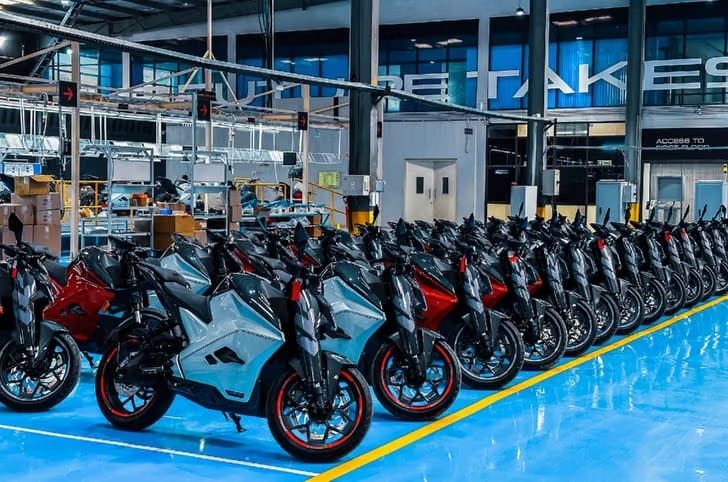
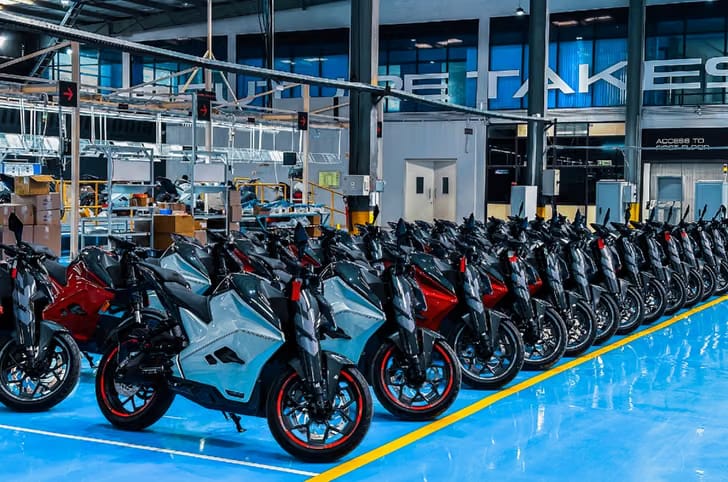
Multiple Ultraviolette F77 bikes inside the factory

Since their inception, Ultraviolette Automotive has been focussed on the premium end of the EV two-wheeler market with their products prices from Rs 2.49 lakh to Rs 4.59 lakh, a challenge for high sales numbers. However, with the changing winds in the ICE world, Ultraviolette looks to have turned a corner for the better. With almost no direct competition, this shouldn’t be a surprise, but it’s noteworthy regardless.

  1. Ultraviolette registers 406 percent increase in sales YoY
  2. BaaS and more versatile X-47 model looks to have helped this
  3. Ultraviolette has two more lower price models in the works

Largest EV motorcycle monthly sales in July 2026

Only behind Revolt and Oben

As per the retail sales data on the Vaahan portal, Ultraviolette Automotive has delivered 694 units in July 2026, a 406 percent increase compared to last year. Till July 2026, the brand has sold 3200 vehicles, the best since the brand was founded in 2023. Although the increase in sales numbers could be attributed to them offering more products, it’s hard not to consider this a sign of premium motorcycle buyers now trusting EV motorcycles more.

The brand is showing no signs of slowing down either. Already present in 40 locations across India, the brand intends to increase that number to 100 by the end of 2026. It’s worth mentioning that they had recently opened their first showroom in the North east, in Aizwal, Mizoram. The focussed efforts from the brand should help them finish the year on a high note, considering the upcoming festive season.

If we consider the sales numbers of other EV manufacturers who sell motorcycles, the brands ahead of Ultraviolette are Revolt Motors (6,876 units so far in 2026) and Oben Electric (3,347 units so far in 2026). However, it should be noted that Ultraviolette operates at a considerably higher premium level compared to these two brands. Other EV manufacturers who currently offer EV motorcycles in their lineup are Ola, KLB Komaki, Matter Motor Works, Okaya EV, Wardwizard Innovations, and the latest entrant Royal Enfield with their Flying Flea sub brand.

In addition to their current lineup of four motorcycles (F77 Mach 2, F77 Superstreet, X-47, and X-47 Desert Wing), Ultraviolette is also preparing to launch their first-ever scooter, the Tesseract, and an off-roader, the Shockwave. The Shockwave, starting at Rs 1.75 lakh, is aimed at eco-friendly and efficient city commutes and short weekend, adventure-focussed rides. The Tesseract on the other hand is expected to be priced at Rs 1.45 lakh with a claimed 261km IDC range and a top speed of 125kph. Deliveries for the Shockwave were previously supposed to start in Q2 2026 (we’re currently in Q3), and the Tesseract delivery has been delayed to Q1 of 2027.

What made this possible for Ultraviolette

The brand has upcoming challenges and opportunities

The two biggest factors that look to have helped the brand increase their numbers are the BaaS option from the brand for all their motorcycles and of course, the uncertainty surrounding ICE vehicles at the moment. The brand, however, is also looking to improve their existing international presence. Speaking to Autocar Professional, the CEO Narayan Subramaniam said “India is a key market but we were clear right at the start that we need to take this brand global. Europe is critical because it has amongst the most stringent certification processes. While the F-77 has been certified for sale in Europe, certification for the X-47 is at an advanced stage, and the bike should hit the European market this year as well. At present, we are in about 10 countries across Europe, including Germany, France, the UK, Spain, Portugal, the Netherlands, Belgium and Italy.”

With their current momentum and the upcoming favourable winds, the brand is looking to increase their numbers and subsequently their market share further. The only other player currently capable to take them head on, surprisingly, is Royal Enfield, who started selling their Flying Flea C6 in April 2026 with a Scrambler-like S6 on the way; but, their sales numbers are much lower with the brand selling a total of 124 units till July 2026. That said, the Flying Flea C6 is currently available only in Bengaluru.

Developments on the EV motorcycle space have been slow mainly because customers are expected to pay higher prices for a less capable machine for the money, especially compared to their ICE counterparts. The EV two-wheeler market has so far been carried forward by scooters. As such, EV motorcycles doing even a small fraction of the 13 million vehicle sales done by ICE two-wheelers should be phenomenal, and assuming Ultraviolette Automotive continues to make the right moves, it should remain a key name in the field.

Audi India boss confirms 3 new launches by 2027

Audi India boss confirms 3 new launches by 2027

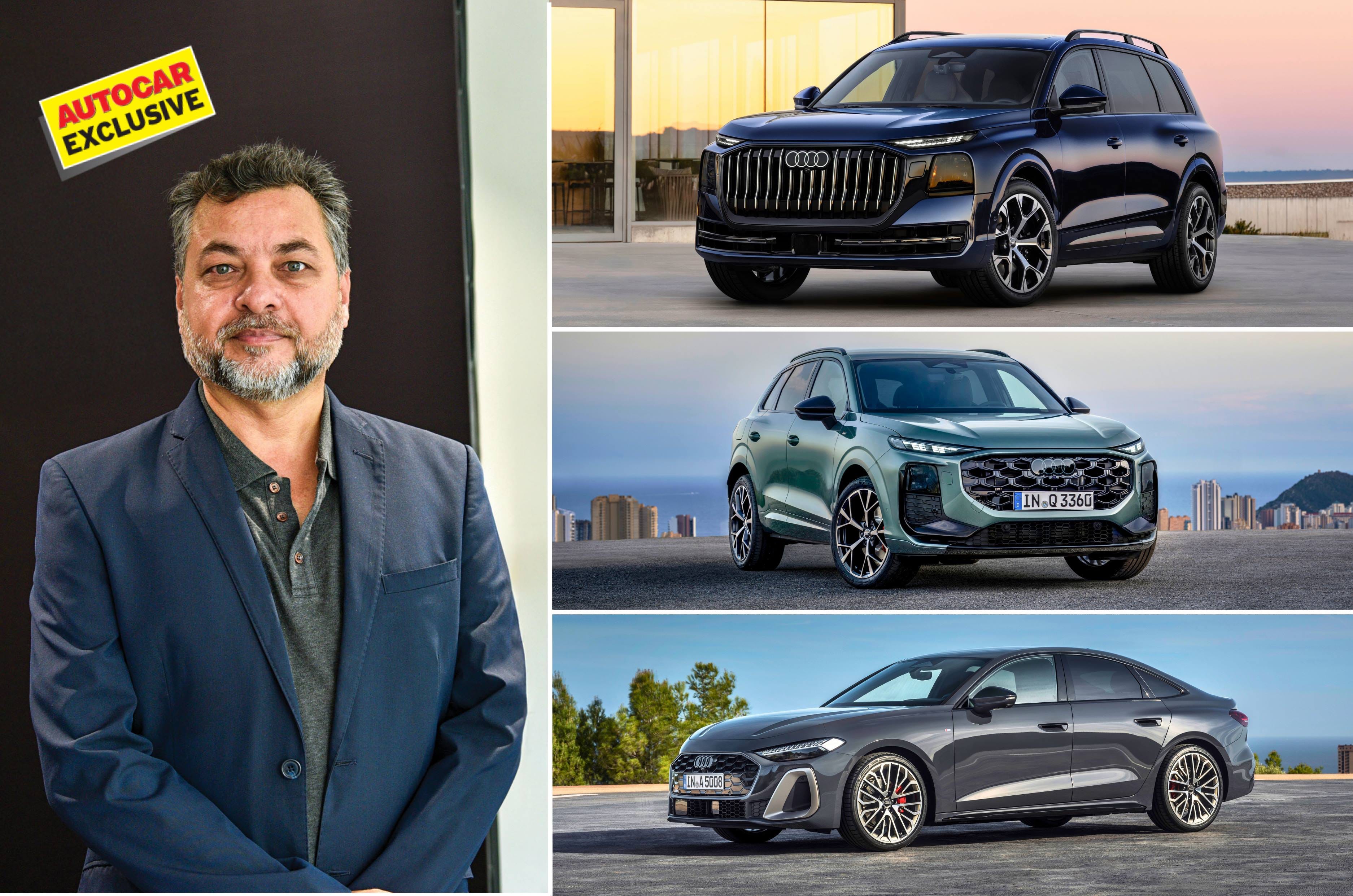
After years on the sidelines, Audi India is finally in attack mode. The next 12 months will see a barrage of all-new metal. First comes the third-generation Q3 this month, followed by the A5 in February 2027 and then the recently unveiled Q9 flagship SUV by the second half of 2027. “Three models in less than 12 months’ time,” confirms Balbir Singh Dhillon, head of Audi India.

The crucial detail is not the cadence but the sourcing. These will not be costly completely built-up (CBU) imports but will be assembled at the Skoda Auto Volkswagen Group plant in Chhatrapati Sambhajinagar. Model-to-model replacement, as Dhillon points out, needs little fresh capital because the heavy lifting was done years ago. “To be successful in India, you have to make in India,” he says. “Irrespective of any FTA, we will still make in India. That will remain the core strategy.”

Let’s take a close look at what to expect from each model:

Audi Q3 

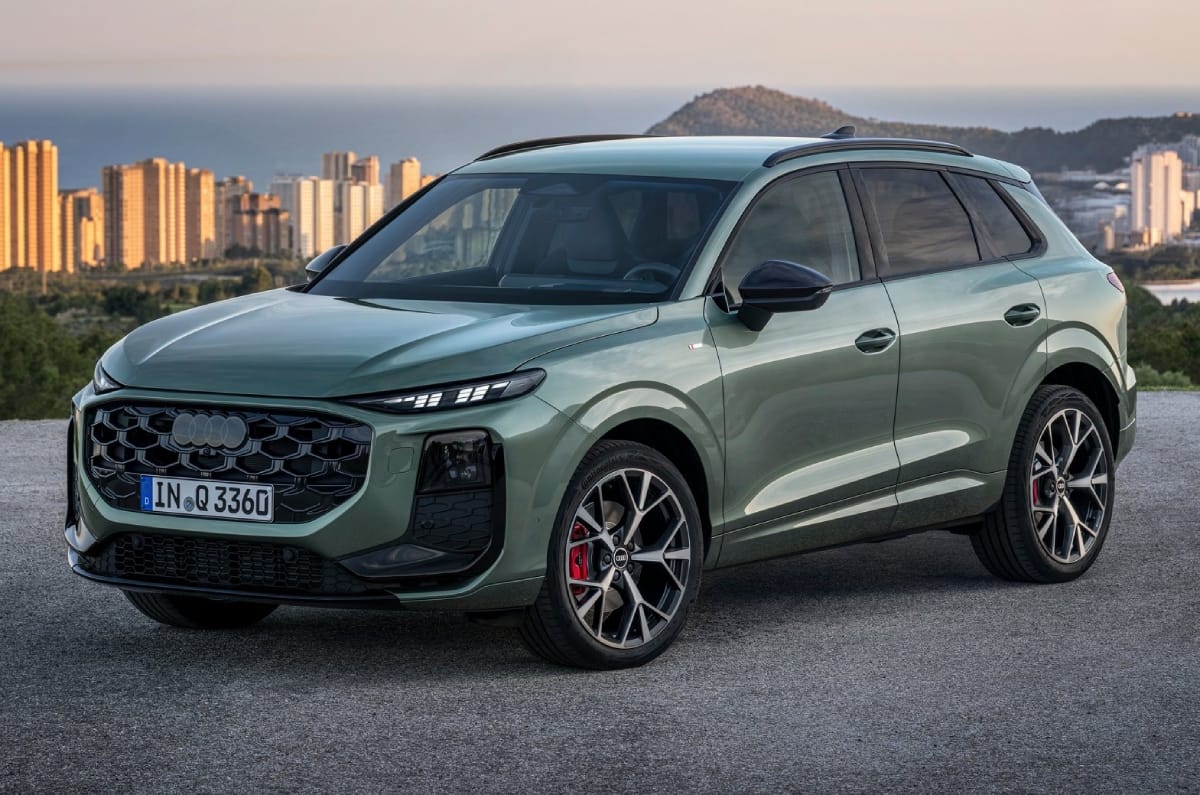
Launch: August 2026, estimated price: Rs 50 lakh

Audi Q3

A big leap over the second-gen model in tech and styling, the third-gen Q3 was revealed last June. It is available in petrol, diesel and plug-in hybrid options in overseas markets, but in India, it’ll have a 204hp, 2.0 turbo-petrol paired with a 7-speed dual-clutch and standard Quattro all-wheel drive. The AWD will give it an edge over the BMW X1 and Mercedes-Benz GLA. Expected in both SUV and Sportback body styles, the Q3 will ride on 18-inch alloys and should get a spare under the boot floor. Kit is expected to include an 11.9-inch digital driver’s display, a 12.8-inch touchscreen, three-zone auto AC and a large sunroof.

Audi A5

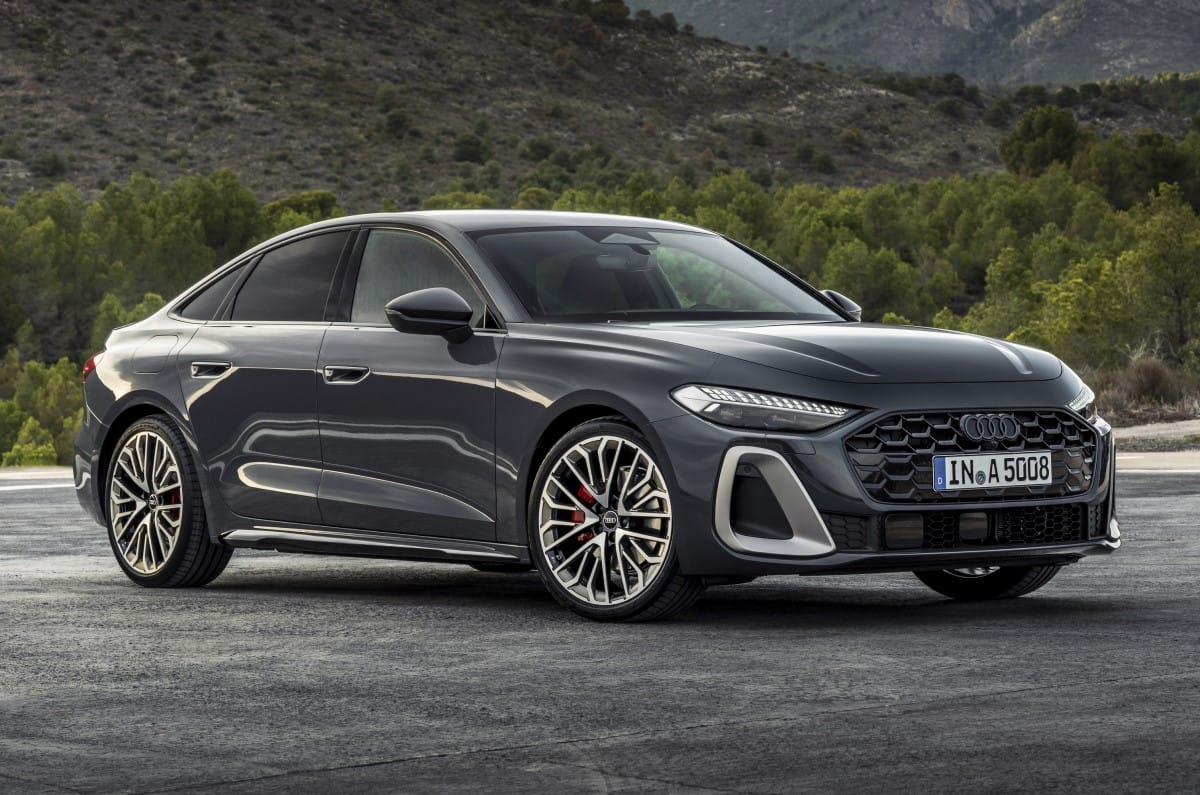
Launch: February 2027, estimated price: Rs 60 lakh

Audi A5

Revealed in 2024 and updated with hybrid powertrains last year, the A5 will replace the ageing A4 in Audi India’s line-up. Based on the new Premium Platform Combustion (PPC) architecture, it is larger than the A4 and shares its high-tech interior with newer Audis like the Q6 e-tron, including an optional 10.9-inch passenger-side touchscreen display. India is expected to get the same 204hp, 2.0 turbo-petrol engine and 7-speed dual-clutch transmission as the Q3, though only in front-wheel-drive form. While overseas markets also get a 265hp Quattro variant, it isn’t expected for India. 

Audi Q9 

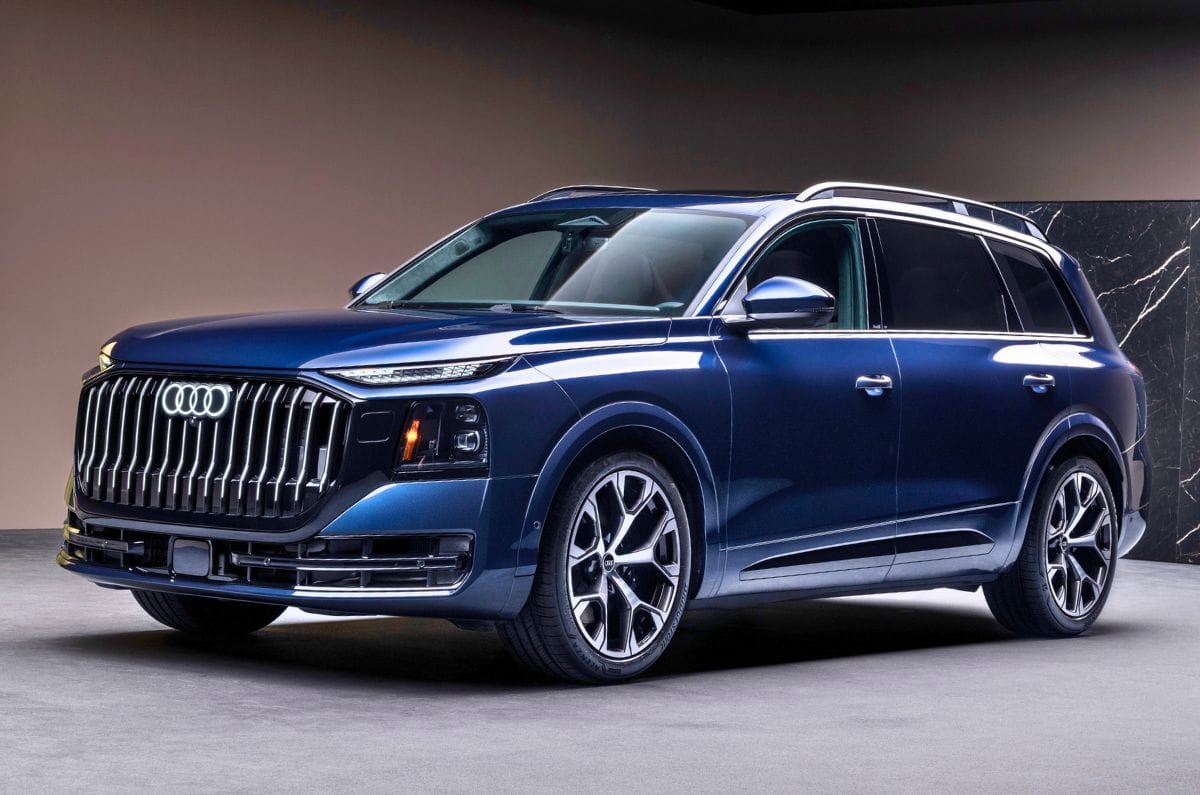
Launch: H2 2027, estimated price: Rs 1.40 crore-1.50 crore

Audi Q9

The Q9 sits above the Q7 and Q8, at the very top of the range and is Audi’s new flagship. It’s also the first time Audi has used the ‘9’ designation, and with the A8 gone, this three-row giant is now the standard-bearer for the brand. At more than 5.3 meters in length, this isn’t a stretched Q7; it’s a class-size jump that finally gives Audi a genuine rival to the Mercedes-Benz GLS and BMW X7, a fight it has sat out for far too long. It will get a sole engine option in India: a 3.0-litre V6 petrol producing 367hp and 550Nm, driving all four wheels through an 8-speed automatic. Sadly, there will be no diesel engine option for India. 

Network expansion to compliment new launches 

Hardware alone will not do it. The retail network is being rebuilt in parallel. “Today we have 29 showrooms. By the end of next year, we’ll be at 40,” says Dhillon, with virtually every existing outlet currently torn up for conversion to Audi’s global ‘progressive’ showroom format. The new locations alone, he reckons, will contribute a quarter of the planned growth. Add a thriving Audi Approved Plus used-car operation, which now sells one pre-owned car for every new one and sits on a database of 20,000 pre-owned buyers ripe for upgrade, and the machinery for a volume push is in place.

The stated ambition is bold. “Today we are at about 8, 9 percent market share. I want to double it to maybe reach 18 to 20 percent in the next three to five years,” says Dhillon. In volume terms, that means more than doubling sales to cross 10,000 units within three years, outpacing the luxury market that is itself expected to grow. 

For the first time in years, Audi India has a genuine arsenal: a fresh Q range from Q3 to Q9, a striking new sedan, a rebuilt network and a loyal customer base waiting to be rewarded. There will still be gaps in the product lineup, but the intent is there, and this opening salvo is just the start of an offensive built to sustain itself, with future products already being hatched, many of them aimed squarely at those very holes in the line-up. 2027 promises to be a turning point. It’s game on for Audi.

Vida surpasses 3 lakh sales milestone

Vida VX2 static

Vida, Hero MotoCorp’s electric two-wheeler brand, has surpassed the 3 lakh retail sales milestone in the Indian market. As per the latest Vahan numbers, cumulative retail sales from November 2022 till August 1, 2026 are 300,458 units.

  1. Vida sold its first 1 lakh units in around 33 months
  2. Whereas, the 2 lakh to 3 lakh sales milestone took just 5 months
  3. With its strong growth trajectory, Vida could garner over 2-lakh sales in a single year for the first time.

Vida’s BaaS has been a key sales driver

Vida currently has coverage across India with over 900 touchpoints

The surge in demand for the Vida e-scooters is seen in the strong growth, particularly over the past year. While the first 1 lakh units were sold in around 33 months, the run from 1 lakh to 2 lakh units took a little over seven months. Now the last 1 lakh units – from 2 lakh to 3 lakh – have taken just five months, reflecting the surging demand for Vida e-scooters this year. With July (22,883 units) being the new monthly high, beating the previous best of June (21,893 units) this year.

From 4 percent in CY2024 to 11 percent in CY2026 Year-to-date, Hero Vida has reaped strong gains in India’s booming e-2W market. Expect it to achieve total retail sales of around 2.25 lakh units this calendar year.

It’s been a noteworthy run for the world’s largest two-wheeler company in the EV space. Vida now stands at No. 4 in the e-2W market share after TVS Motor Co, Bajaj Auto and Ather Energy and is ahead of Ola Electric and Greaves Electric Mobility.

With strong sales tailwinds emanating from a growing number of ICE buyers transitioning to e-mobility due to the multiple price hikes in petrol in May 2026 as well as the upcoming festive season, it can be expected that Vida will maintain the same strong growth trajectory. This would mean Hero MotoCorp’s annual e-2W sales will cross the 2-lakh units milestone in a single calendar year for the first time in CY2026. Estimate them to be in the region of 2.25 lakh to 2.35 lakh units.

Another strategic sales driver for Vida has been the introduction of the Battery-As-a-Service (BaaS) ownership model which significantly reduces the upfront ownership cost, making electric mobility more affordable and accessible to a wider customer base, and has since been adopted by Ather Energy and TVS Motor among a host of other OEMs.

The company, which opened its first Experience Centre in November 2022, currently has coverage across India with over 900 touchpoints spanning 415 cities and 700-plus dealers. Hero MotoCorp enables Vida users to access charging at over 5,900 locations including the Ather Grid network owned by Ather Energy in which Hero MotoCorp is an early investor (with a 29.48 percent stake at present) and has recently invested an additional Rs 1,000 crore.

Manufacturing capacity expansion is also on the cards for Vida. In May this year, Hero MotoCorp revealed details of its planned capital expenditure of over Rs 1,500 crore in FY2027. Cognisant of the strong growth potential in its e-2W business, the company has outlined a strategic manufacturing expansion for its Vida brand. Having already ramped up capacity by 66 percent from 15,000 units per month to 25,000 units, the company has outlined plans for further expansion by doubling monthly capacity to 50,000 units at its plant in Chittoor in Andhra Pradesh to cater to growing demand.