Genesis reveals flagship GV90 EV as its most luxurious model yet

Genesis reveals flagship GV90 EV as its most luxurious model yet

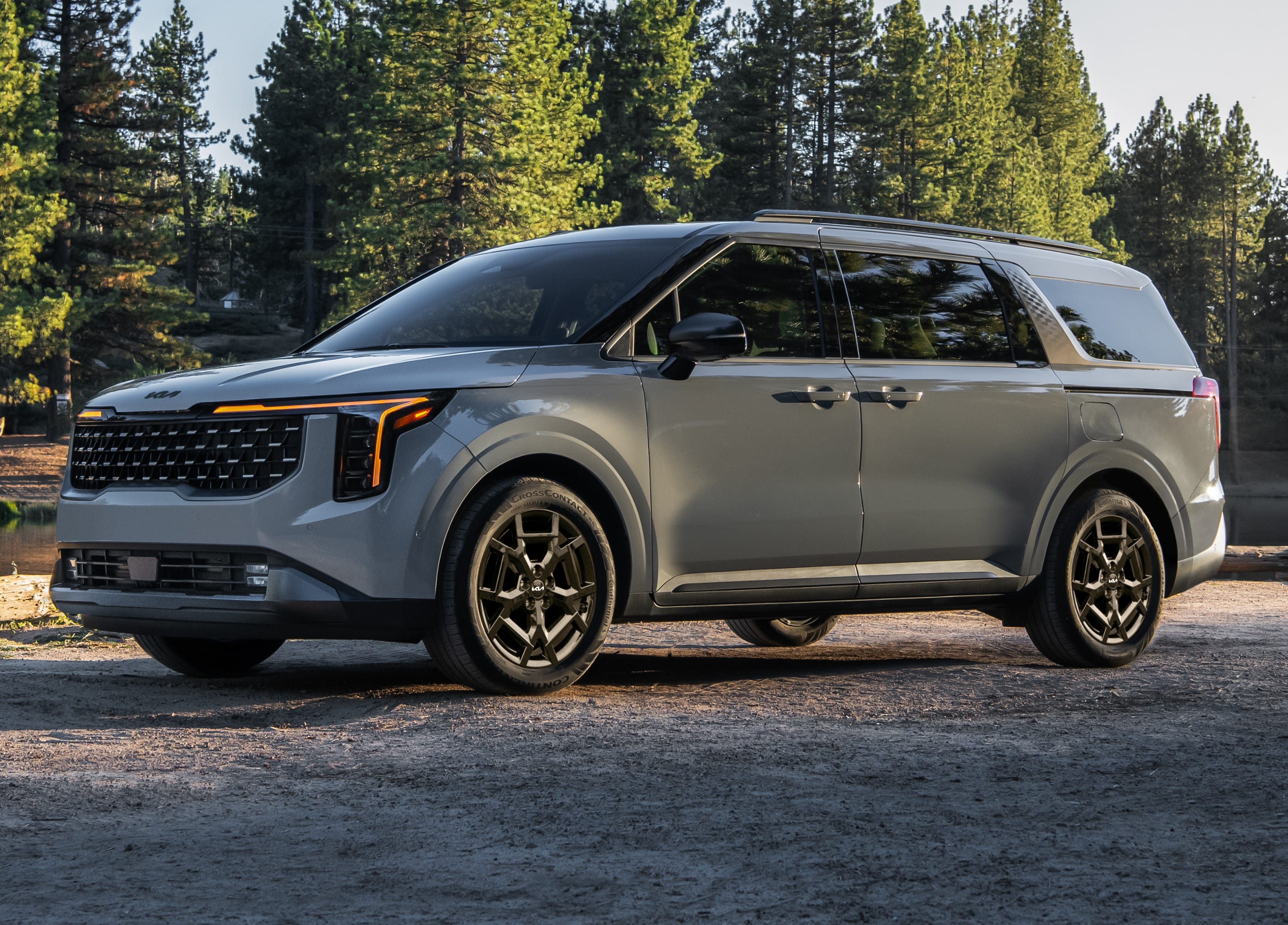
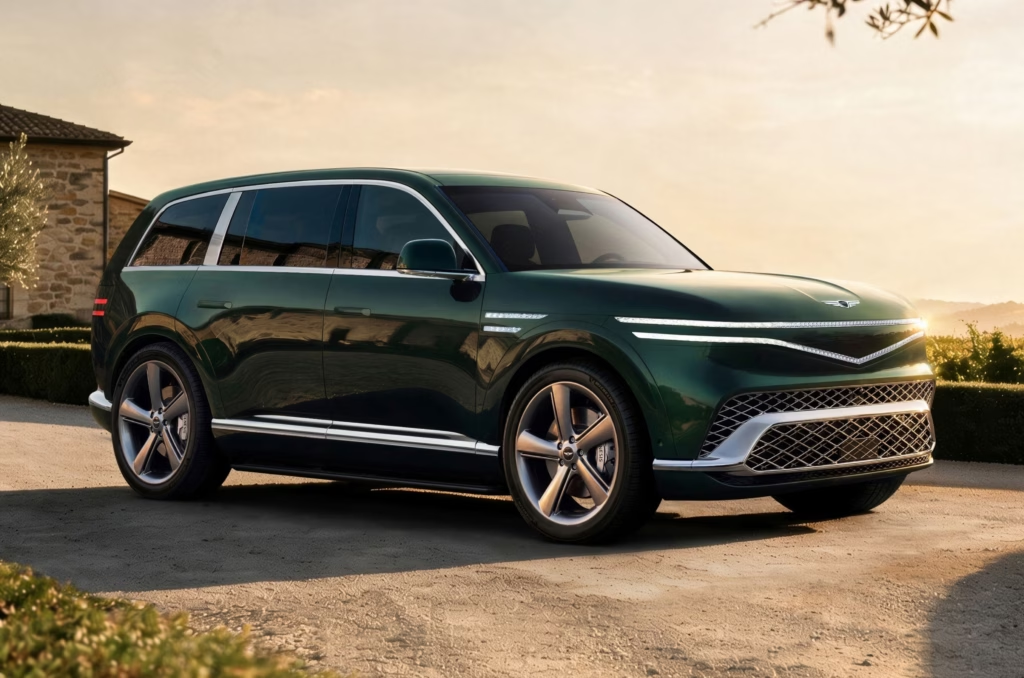
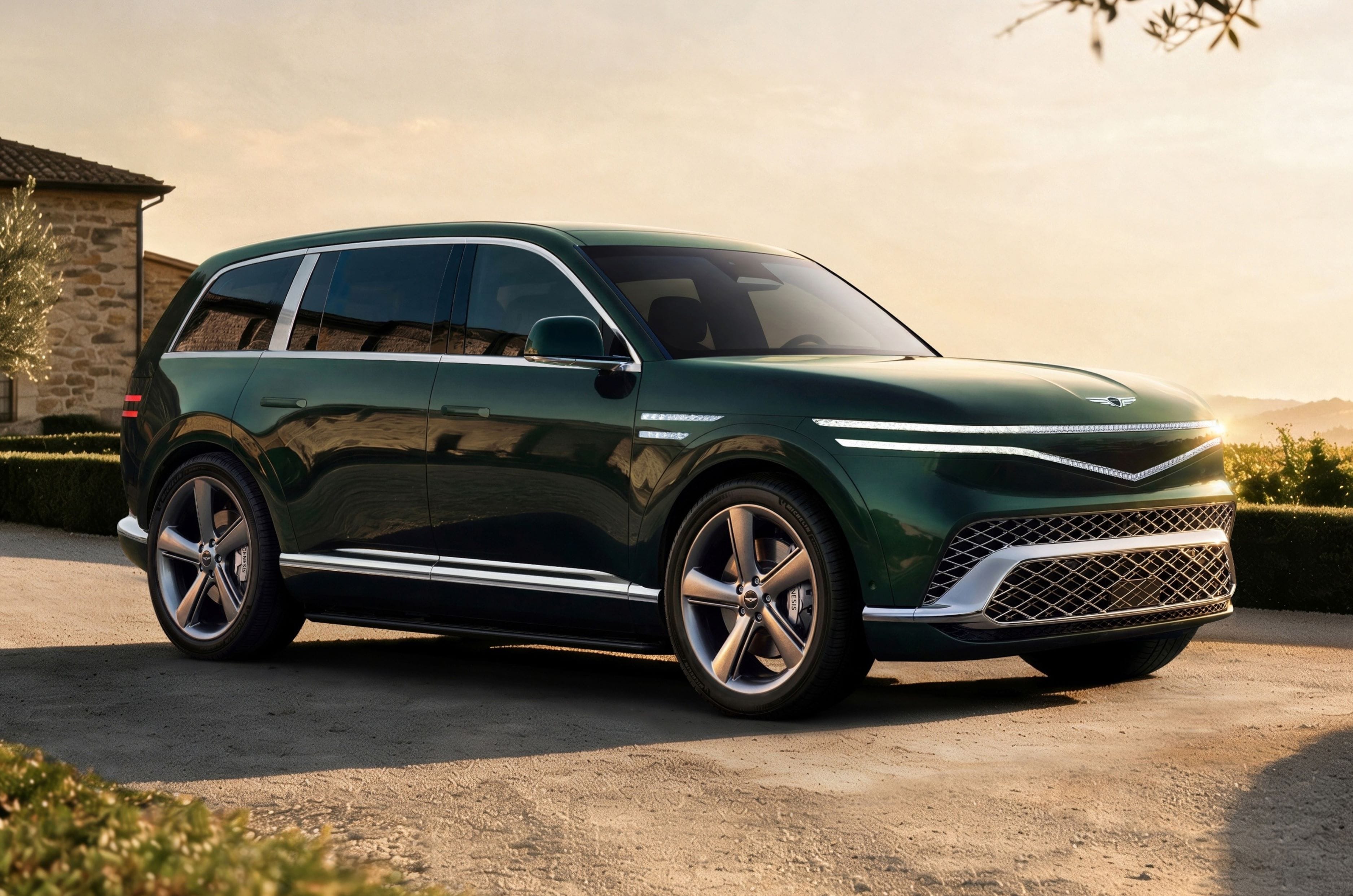
Genesis has revealed the GV90 EV as its new flagship SUV. Showcased in its production-ready avatar, the GV90 is the largest and most luxurious Genesis model to date. It is based on the 2024 Neolun Concept (Neolun translates to ‘New Moon’) and retains most of the concept’s exterior design, but sports a more polished cabin. It gets the largest-ever battery on any Hyundai model yet, and a dual-motor AWD setup.

  1. 5.3-metre length is closer to the Rolls-Royce Cullinan
  2. 123.5kWh battery offers around 500km range
  3. Dual-motor AWD setup produces 544hp, 800Nm
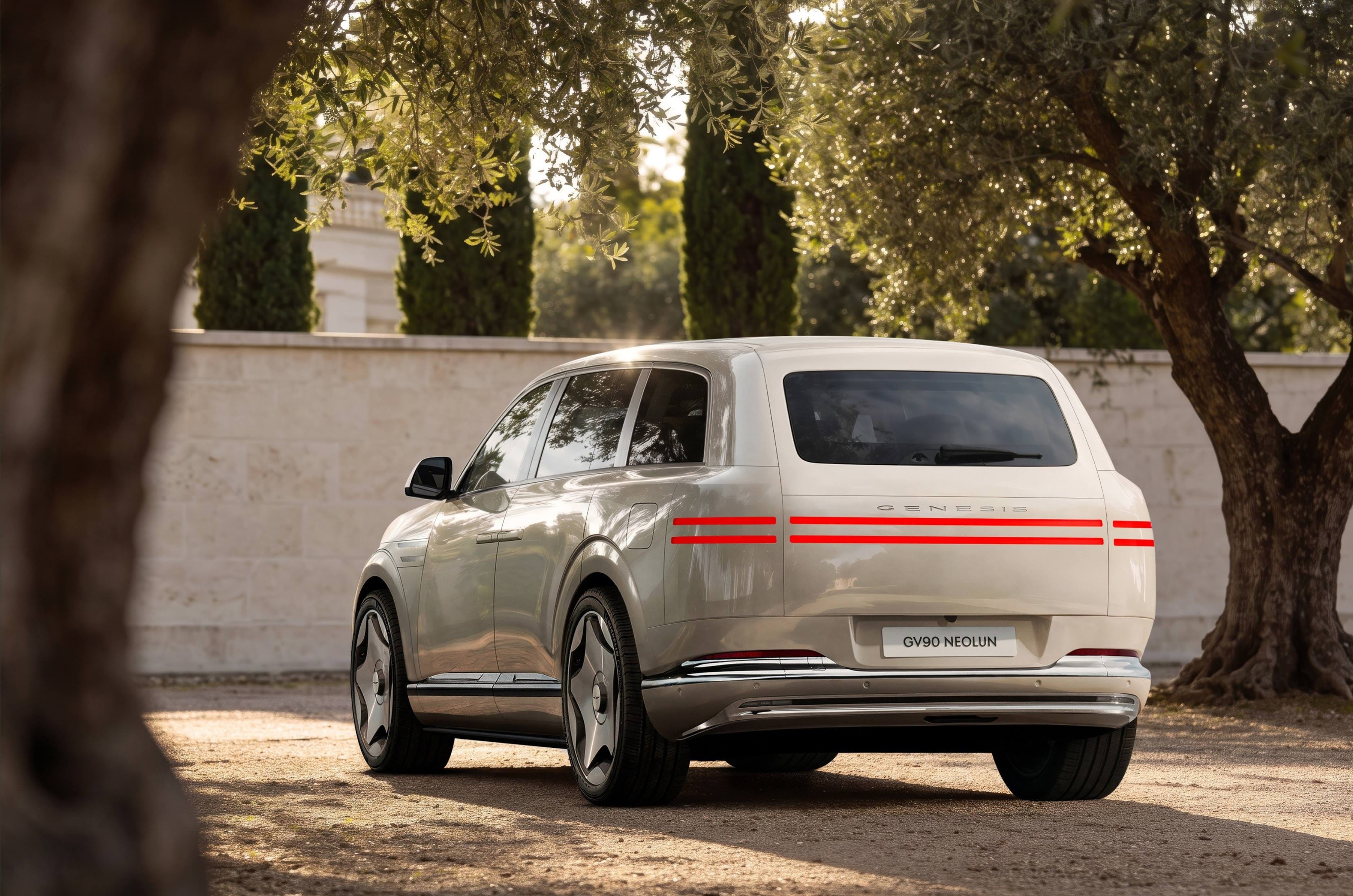
  4. 4-seater variant gets coach doors, hidden B-pillar

Genesis is offering the GV90 globally in two versions: the standard GV90 and the GV90 Neolun, with 7- and 4-seater layouts, respectively.

Genesis GV90 powertrain details

Producing 544hp and 800Nm, it is the most-powerful EV for the Hyundai group yet
The Genesis GV90 eSUV is offered with a 123.5kWh battery, the biggest ever for the larger Hyundai group, which offers around 500km range (as per the manufacturer’s internal testing). The battery powers dual electric motors, which deliver a combined output of 544hp and 800Nm, the most of any EV in the larger Hyundai group. The battery pack can be charged from 10-80 percent in 22 minutes using a 350kW DC fast charger. 

Each motor of the GV90 gets its own e-LSD (limited-slip differential), another first for the Hyundai group, through which “power is efficiently supplied to all four wheels during high-speed cornering for agile handling”. It also enhances the EV’s grip on snowy, rainy or uneven roads. The GV90 also gets multi-chamber air suspension that adjusts ride height to road conditions, and dual-valve adaptive dampers that soften or stiffen for a pliant ride in all situations. The EV gets rear-axle steering, enabling the rear wheels to turn up to five degrees.
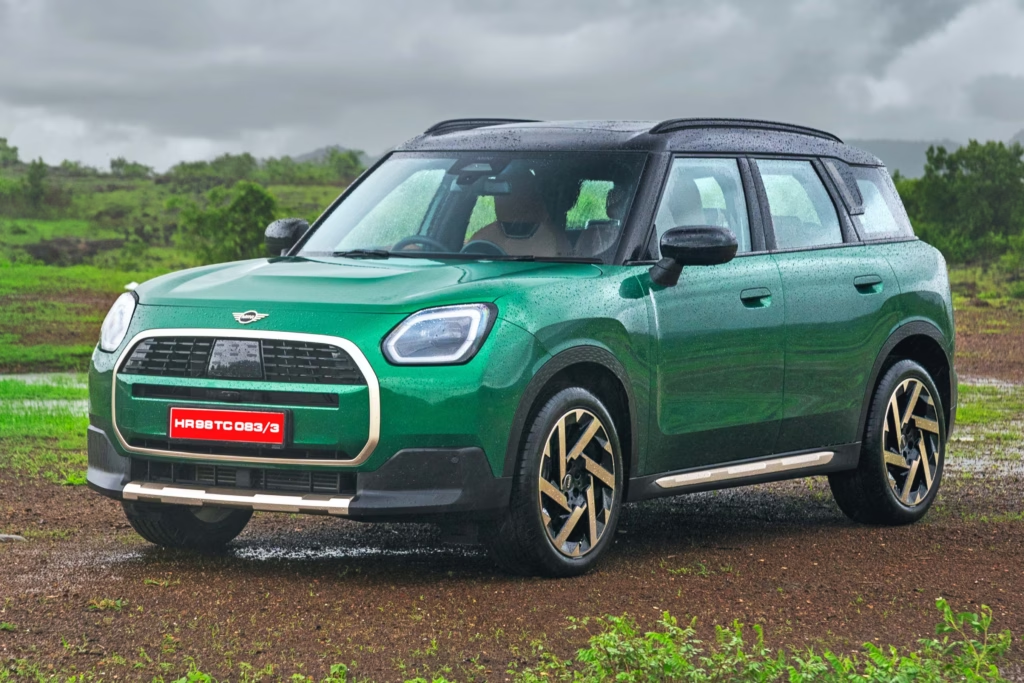
3 reasons to buy the 2026 Mini Countryman C and 2 reasons not to

3 reasons to buy the 2026 Mini Countryman C and 2 reasons not to
2026 Mini Countryman C

The third-generation Mini Countryman C is the most accessible version of the entry-level luxury SUV sold here, positioned below the JCW All4. Like any car, the Countryman C has its share of strengths and weaknesses. Here are three reasons to consider the Mini SUV, along with two reasons why you might want to look at the Mercedes-Benz GLA, Audi Q3 or BMW X1.
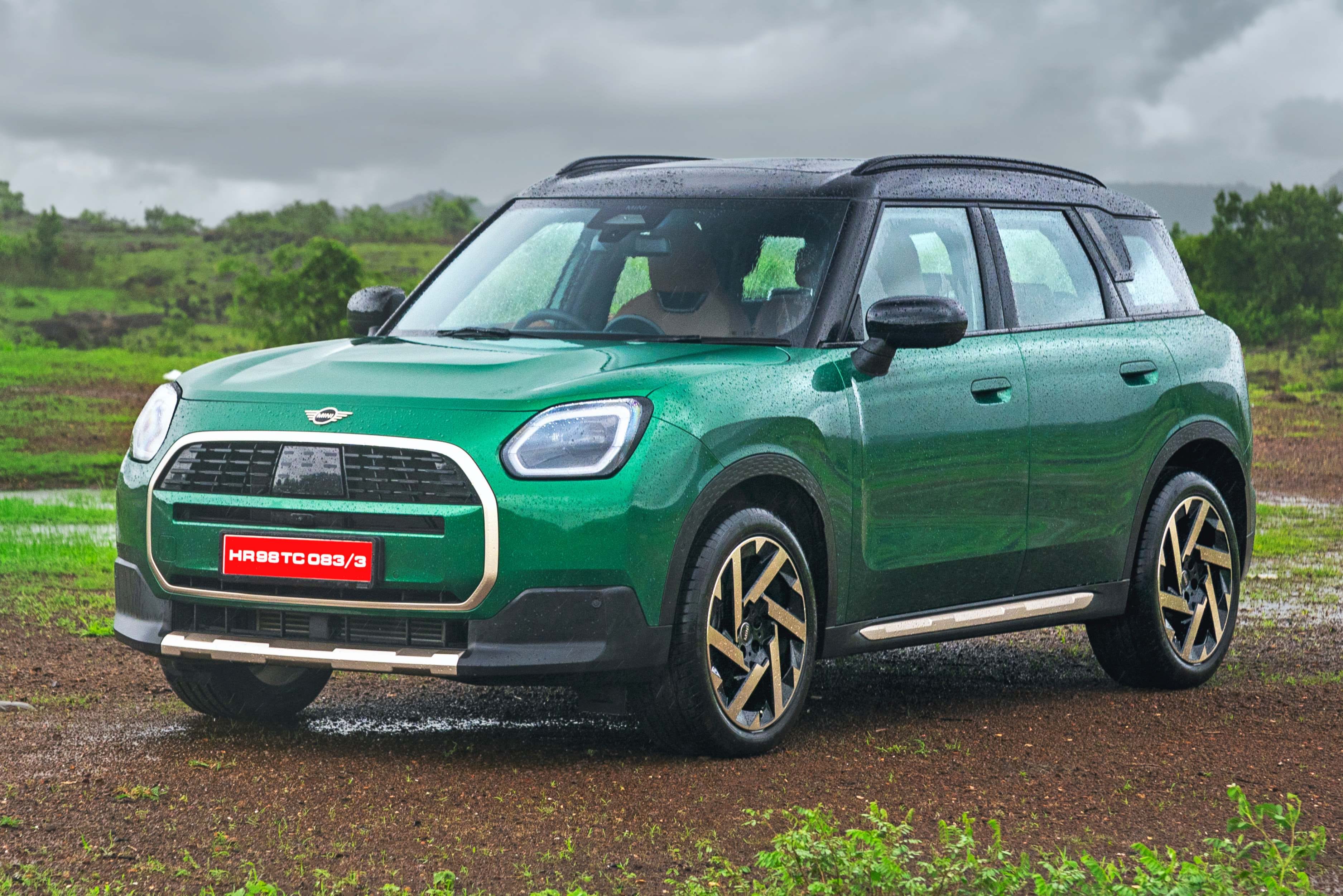
Funky yet premium look

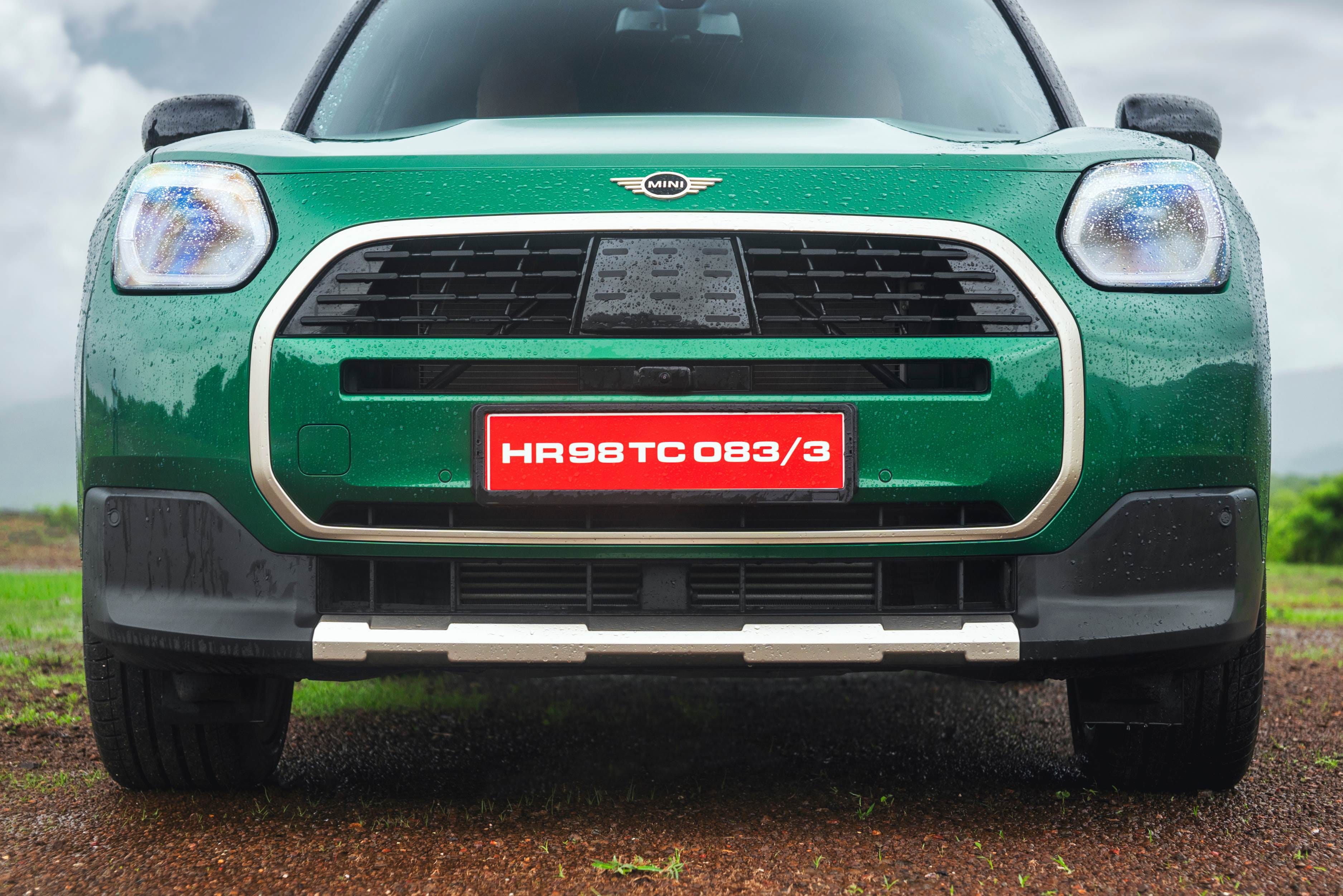
2026 Mini Countryman C front

The new Countryman looks sharper, boxier and larger than before. It has grown in size and is now the tallest SUV in the segment while also offering the highest ground clearance. However, Mini has also made it look large, replacing the rounder styling of the earlier model with smaller, sharper and more angular details.

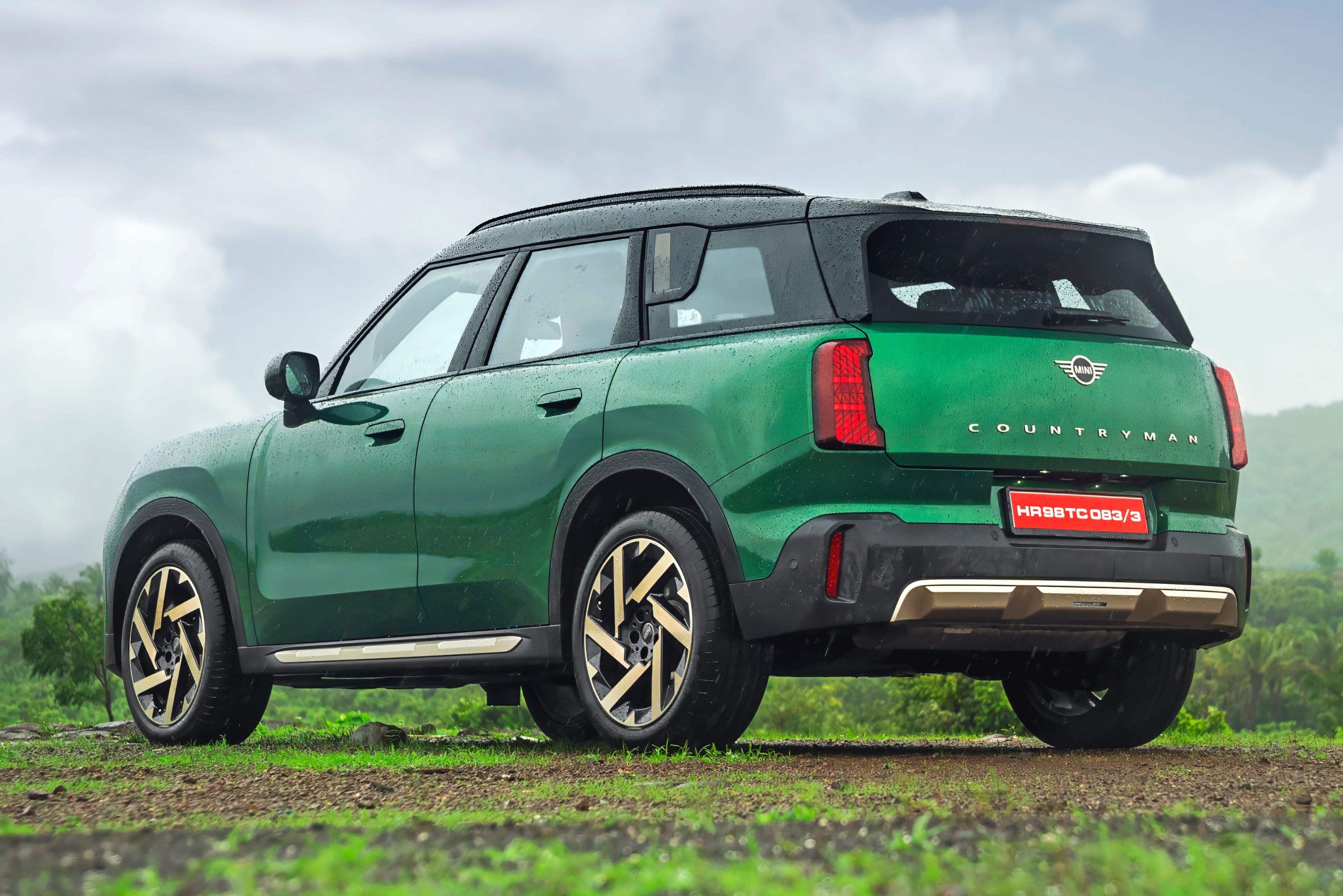
2026 Mini Countryman C rear

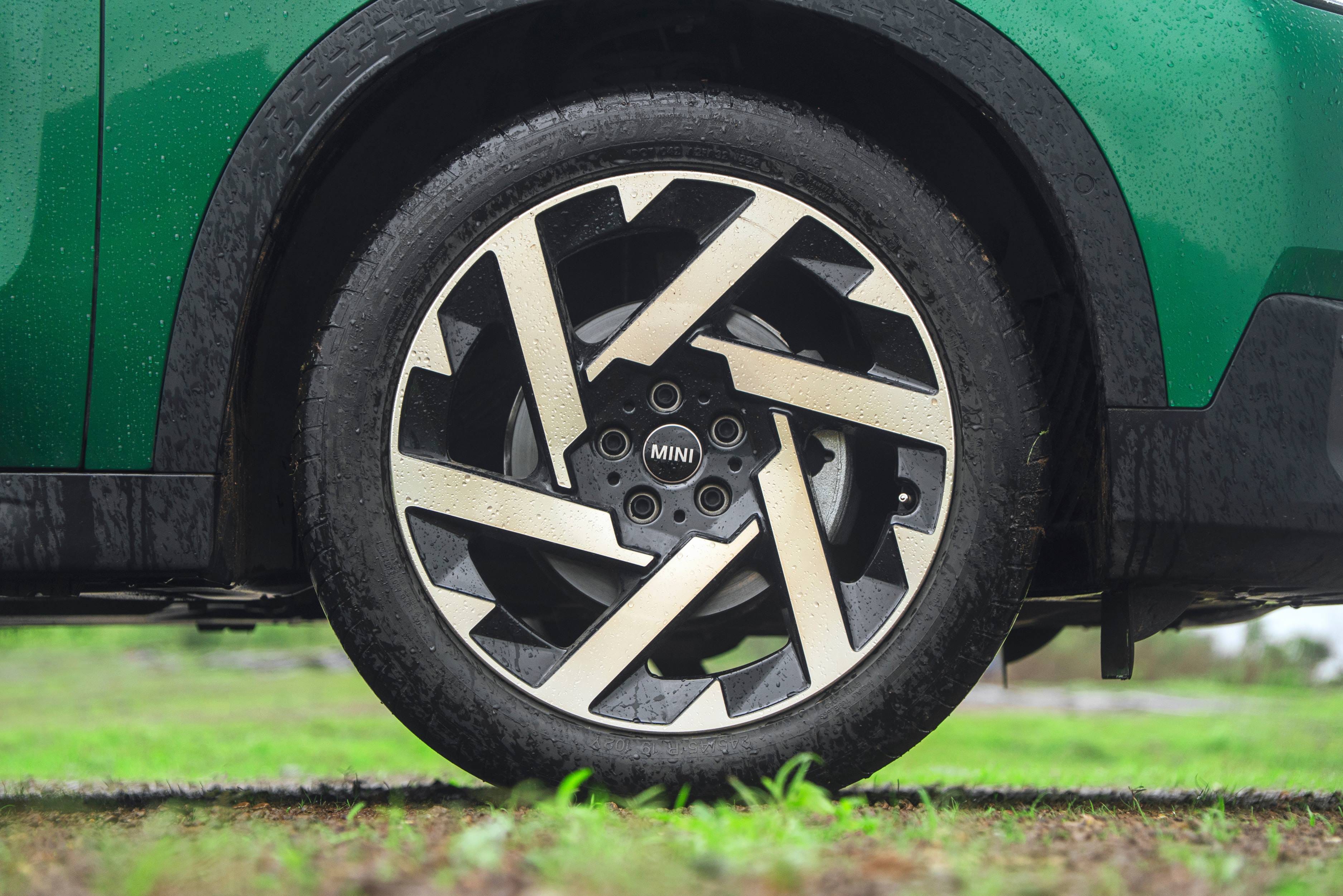
Even the headlights, grille and roofline now have a boxier design. From the rear, it is easily identifiable as a Mini, thanks to the contrast roof, ‘Countryman’ lettering on the tailgate and Union Jack-style tail-lamps. It also gets champagne-coloured accents, a contrast roof and large 19-inch dual-tone alloy wheels. There are five exterior colours to choose from, with more expressive shades than those usually seen on conventional luxury SUVs.

Loaded with features

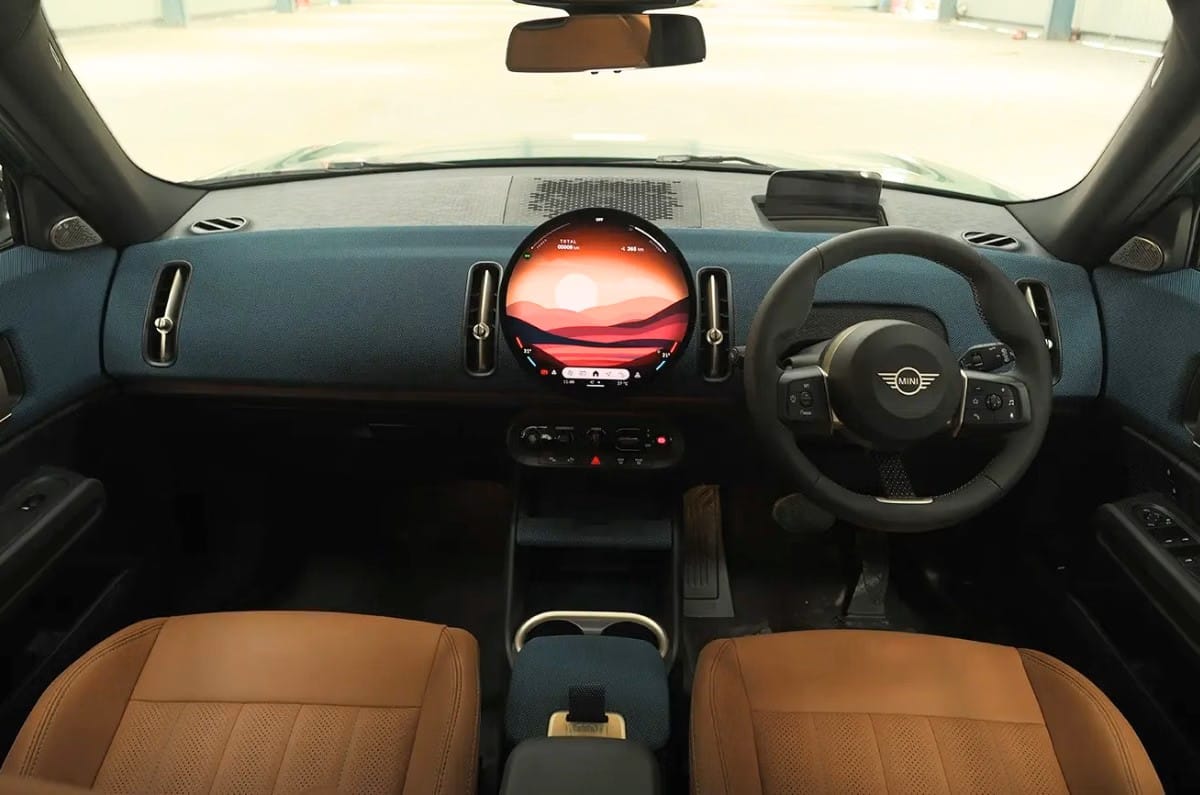
The Countryman C comes with a generous list of features, including wireless Apple CarPlay and Android Auto, powered front seats with memory and a massage function for the driver, a surround-view camera with auto park, a Harman Kardon sound system, a heated steering wheel, a panoramic sunroof, a head-up display, a voice assistant, wireless phone charging and a digital key.

Good space and practicality

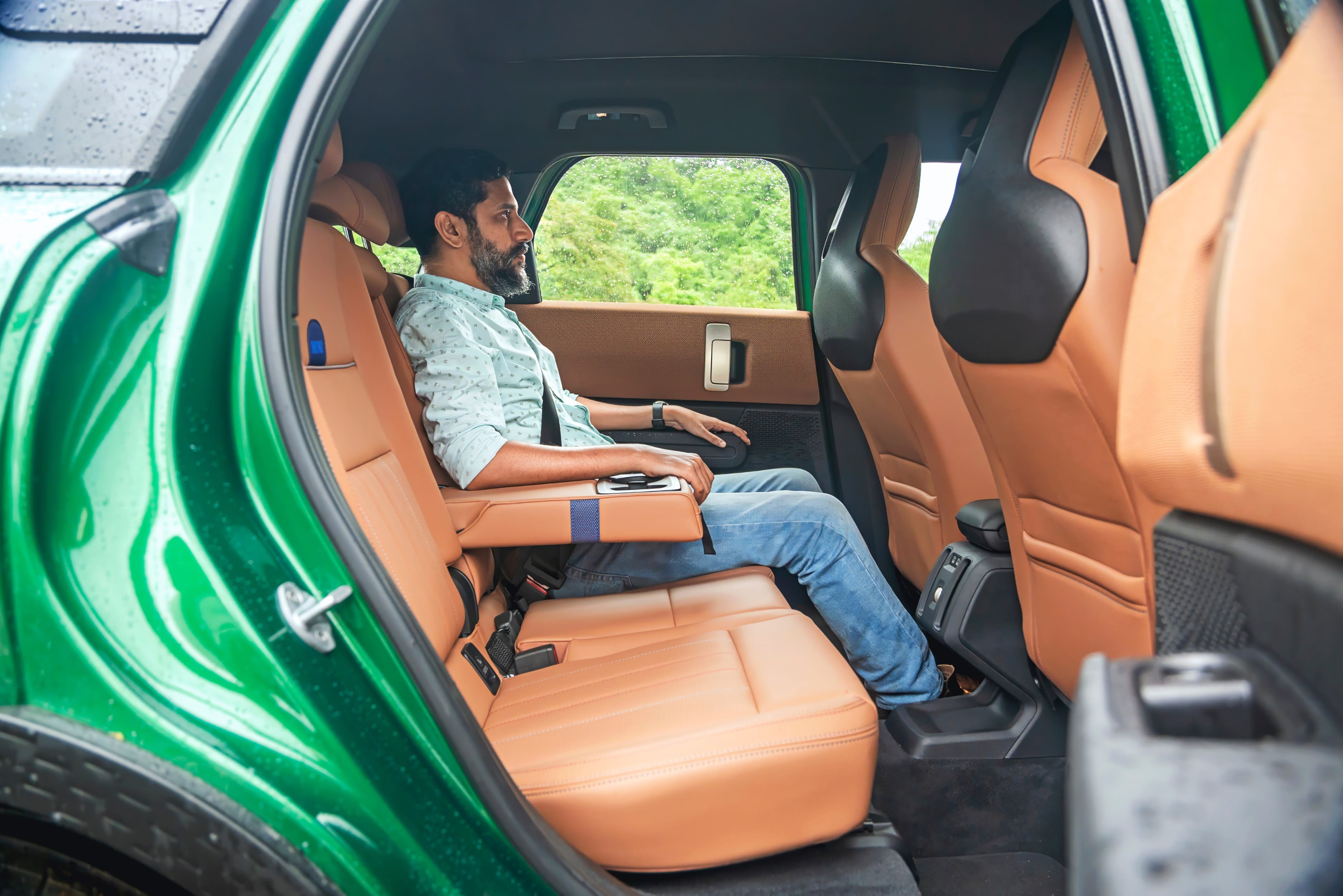
2026 Mini Countryman C rear seat space

It feels roomier and more open than any previous Countryman, and it also has an advantage over some rivals in this area. Compared to the Countryman Electric, the Countryman C’s floor sits lower, making the seating position more comfortable. The large panoramic sunroof also makes the cabin feel brighter.

Boot space is another area where the Countryman C has an edge over the EV. Capacity has increased by 50 litres to 505 litres, and sliding the rear seats forward can free up even more space. It also comes with a space-saver spare wheel, which the EV does not get. 

Practicality has also been well thought out, with an open centre console, a covered storage box and a sliding armrest. The front seats are large and comfortable, while the high seating position gives a good view outside.

Reasons to avoid the 2026 Mini Countryman C

Engine, gearbox clunky at low speeds

The Experience Modes are also mostly cosmetic. Only Green (Eco) and Go Kart (Sport) modes change drive performance. Eco makes the powertrain calmer, while Go Kart makes it more responsive. There is no option to adjust individual settings, and ESC is switched off by default in Go Kart mode, with no option to turn it back on.

There are no paddleshifters either or any other way to change gears manually. The gearbox is generally quick and easy to work with, but at very low speeds, the powertrain suffers from turbo lag and gearbox hesitation.

Large wheels hurt ride quality

2026 Mini Countryman C alloy wheels

Yes, the 19-inch wheels look great, but they do affect the ride. They crash hard through potholes and even over some steeper speed breakers. That said, the suspension keeps the SUV controlled around corners with limited body roll despite being tuned to be more comfortable and compliant than the previous Countryman.

Kia confirms Sonet, Carens Clavis hybrids by 2029

Kia confirms Sonet, Carens Clavis hybrids by 2029

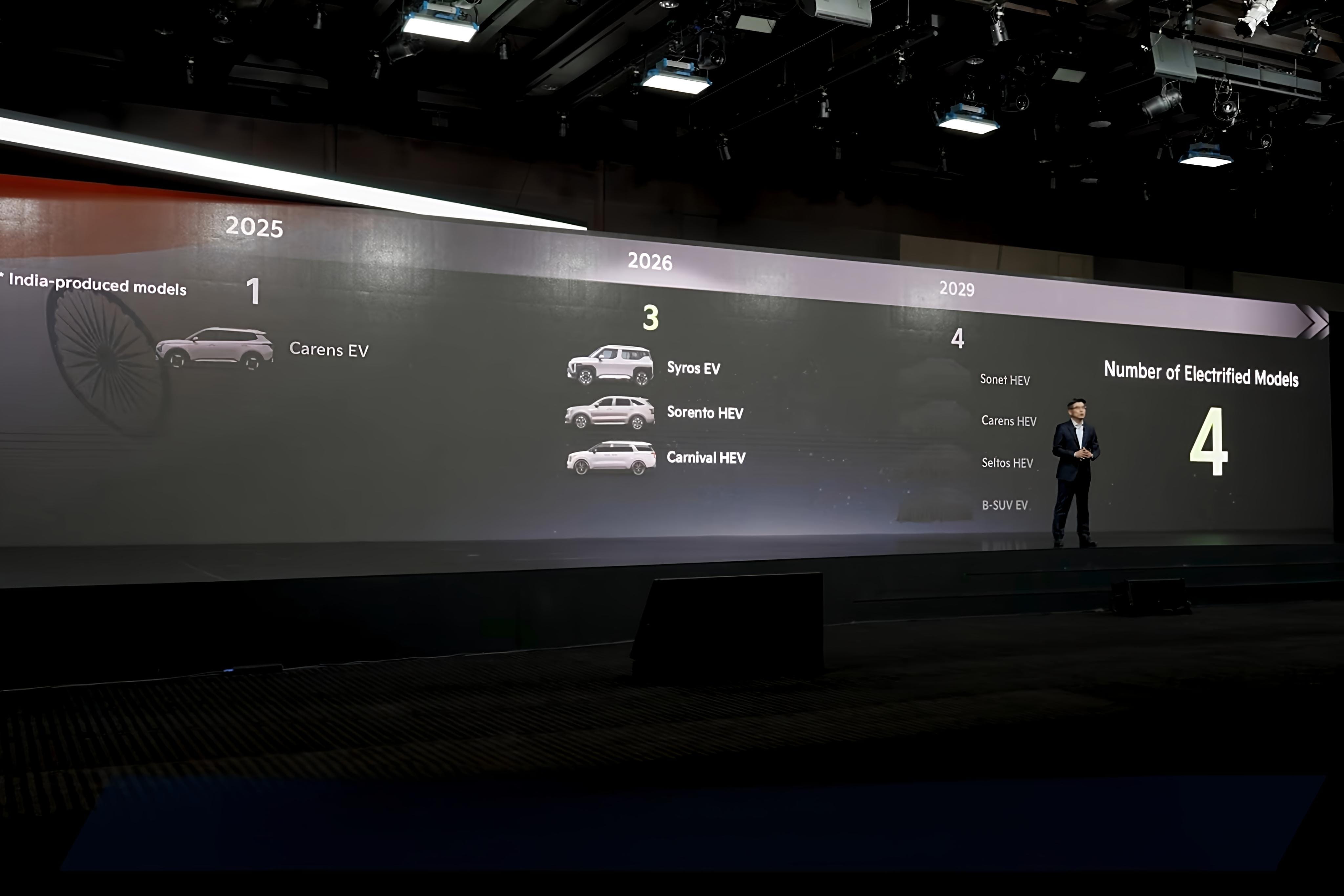
At its 2026 CEO Investor Day event, Kia President and CEO Ho Sung Song confirmed that the Sonet and Carens Clavis will have hybrid powertrains in India by 2029. Additionally, the Korean carmaker also announced that it will introduce a locally developed B-segment electric SUV. “From 2027 onward, we will extend hybrid electric vehicle (HEV) offerings to key local models such as the Sonet, Carens and Seltos, while introducing a locally developed B-SUV EV,” said Song. 

  1. Sonet and Carens Clavis hybrids to arrive on next-gen versions. 
  2. Locally developed and made B-segment SUV to be all-electric.
  3. Carnival and Sorento hybrids to arrive this year.

Kia Sonet, Carens Clavis hybrid: Additional details

Kia’s most affordable model, the Sonet, is due for a next-generation update in 2027, and it will receive a hybrid powertrain by 2028 or 2029. Exact technical details are unknown at the moment, but the carmaker has been working on a strong-hybrid powertrain for the Sonet, as we previously reported.

The second-generation Sonet will move to the K1 platform, which underpins the Venue and Syros currently. This platform will not only be hybrid-compatible but also support the latest electrical and electronics (E&E) architecture, enabling over-the-air updates and remote diagnostics, while also addressing the lack of rear seat space in the current version. 

Current Kia Carens Clavis used for representation.

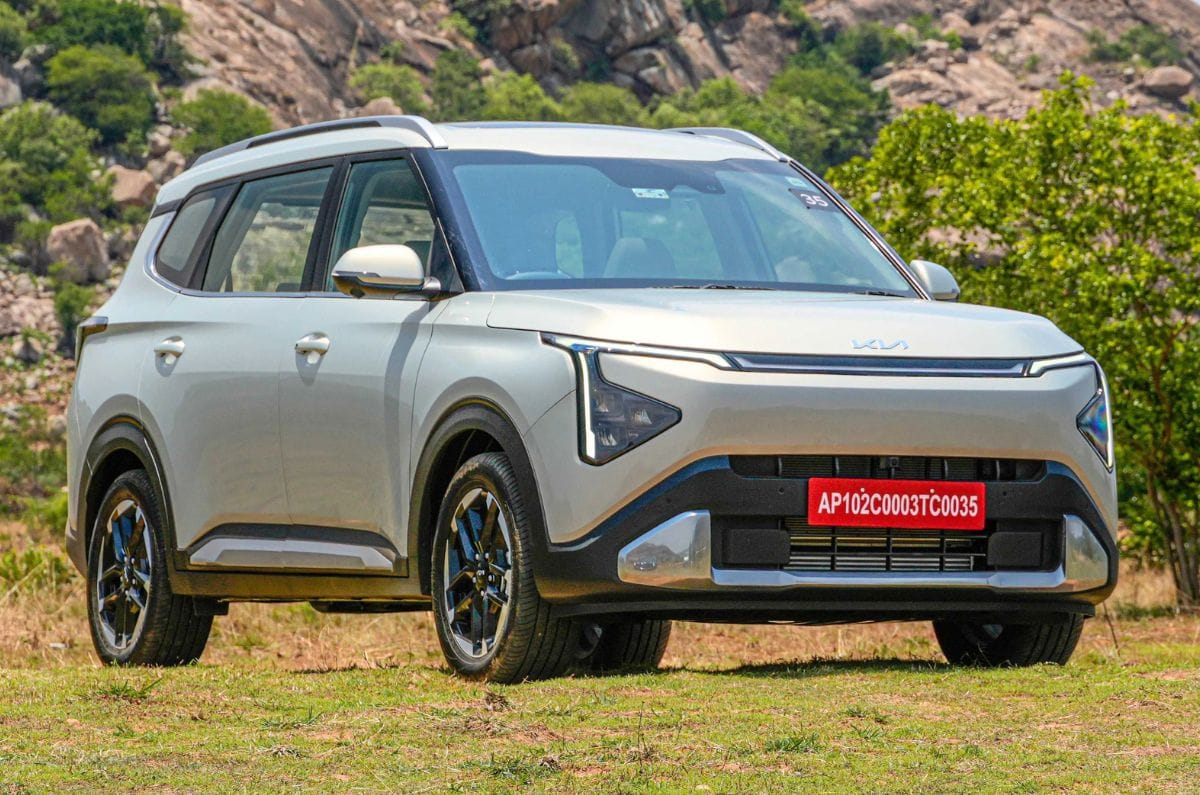
The Kia Carens Clavis MPV will also get a hybrid powertrain in its next-generation version by 2029. Currently, the MPV is offered in naturally aspirated petrol, turbo-petrol, diesel, and all-electric powertrains. However, it is expected to utilise the Seltos’ hybrid setup, which is due in 2027. Our sources suggest that the Seltos hybrid is expected to be based on the existing 115hp, 1.5-litre naturally aspirated engine.

Kia B-segment electric SUV: Additional details 

Previously, we reported that Kia has been evaluating a B-segment SUV, and we have now learnt that it will be electric. Secondly, the SUV will be developed and made locally. Specifications of this model are yet to be finalised. We expect this model to slot in between the Syros and Seltos, likely measuring around 4.2 metres in length. It will be Kia’s contender in the growing midsize electric SUV space.

Kia Carnival hybrid: Additional details 

Global-spec Carnival hybrid used for representation

Kia has also confirmed that the Carnival hybrid is set for a launch sometime this year. While exact technical details remain unknown, the global-spec Carnival strong-hybrid is powered by a 1.6-litre turbo-petrol engine paired with a hybrid system. It develops a combined output of 242hp and 367Nm, while power is sent to the front wheels via a 6-speed automatic gearbox.

By 2030, the Korean carmaker plans to expand its lineup to ten models comprising ICE, hybrid and EV-powered models. Out of these, eight models will be electrified, Song stated.

Skoda India to bring EVs as limited imports next year

Skoda India to bring EVs as limited imports next year
Skoda Peaq front quarter static

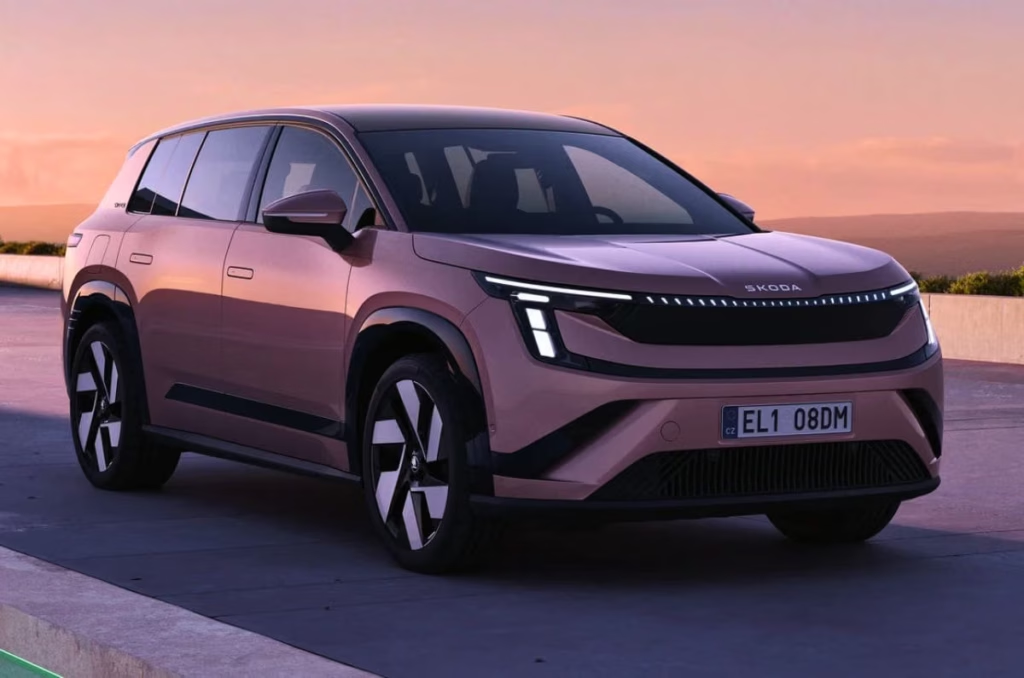
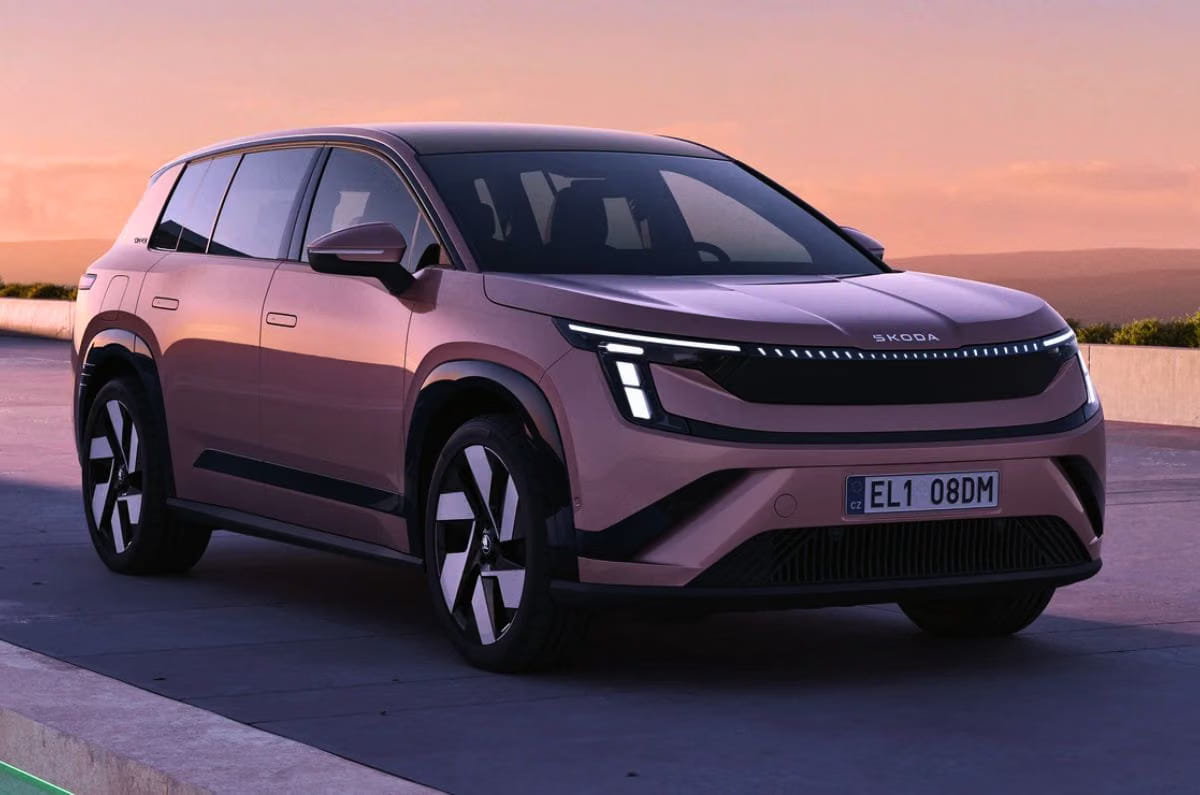
Skoda Auto India plans to bring electric vehicles from its global portfolio to India in limited volumes next year as the Czech automaker looks to establish its presence in the EV market. According to Ashish Gupta, Brand Director, Skoda Auto India, the company needs an electric vehicle in its portfolio not only to meet future regulatory requirements but also to remain relevant as EV adoption gathers pace in India.

Skoda India to bring EVs: Additional details 

“A lot of things are under discussion. So, for meeting the CAFÉ norms, there are a lot of opportunities available along with electrification, which has to be the cornerstone of meeting all compliance regulations. So that is something which we are aggressively working on,” Gupta told our sister publication, Autocar Professional.

Gupta added that the company needs an electric car in its portfolio since adoption has grown in the last 3 months owing to increasing fuel prices. While Skoda has yet to announce a specific locally manufactured EV for India, Gupta confirmed that the company plans to introduce EVs from its global line-up next year.

“It may not be a local EV, but yes, we just had two blockbuster launches globally of the Epiq and the Peaq. The Elroq is the best-selling EV in Europe. So these are opportunities available to us in limited batches,” he said. He added that in the current duty structure, it will not be possible to bring them at price points that will get volumes. “But definitely we need to urgently showcase our EV credentials and the proof point to India,” he added. 

This will allow Skoda to establish a presence in the EV market without immediately committing to the significant investment required to localise an electric model. With imported EVs still facing a challenging cost structure, Gupta said the initial objective would be to demonstrate the brand’s technology and capabilities rather than chase mass-market volumes. 

Skoda India’s hybrid ambitions take a slow gear 

Skoda’s approach to hybrids, meanwhile, appears less certain. Gupta said the company had previously viewed hybrids as a potentially stronger opportunity than EVs in India, but market data over the past two years has changed his assessment.

“Two years ago, I would have said I would take a bet on hybrid more than EV. But the tax structure has not helped anybody. In the last year, pure hybrids have stayed at 2% of the market. They have not gone beyond that. So, I am not sure whether hybrid is the right way to go. And what the last 6 months have also shown us is that people are more than willing to go for EVs now,” he said. 

The current trade and taxation structure also influences the company’s hesitation. Gupta said the India-EU Free Trade Agreement, while potentially creating opportunities for imported petrol and diesel models, does not provide similar benefits for EVs and hybrid electric vehicles. “I think from a global portfolio point of view, and if I want to bring the cars from the global portfolio with the contours of the FTA as they are, petrol and diesel will definitely be an opportunity. The diesel opportunity opens up; HEVs and electrics do not have any benefit, unfortunately,” he said. 

Gupta said the brand’s positioning in India is a bit above mass and below luxury. “That’s our natural positioning; that’s why customers buy us as well, and if we try to sell to cheap customers, they don’t buy us. If we try to sell to expensive customers, they don’t buy from us. So we have to stay true to our positioning and how customers see us,” he said. The immediate priority, Gupta adds, is to get EVs into the country as the company continues to assess which powertrains can deliver the right combination of regulatory compliance, customer demand and commercial viability.

With inputs from Ketan Thakkar

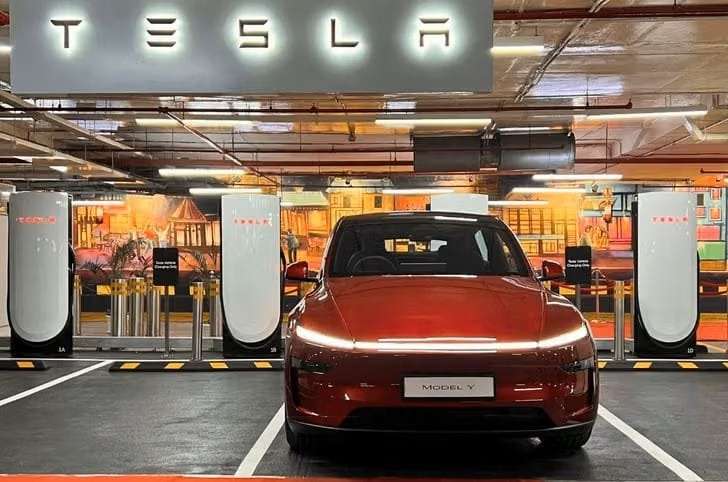
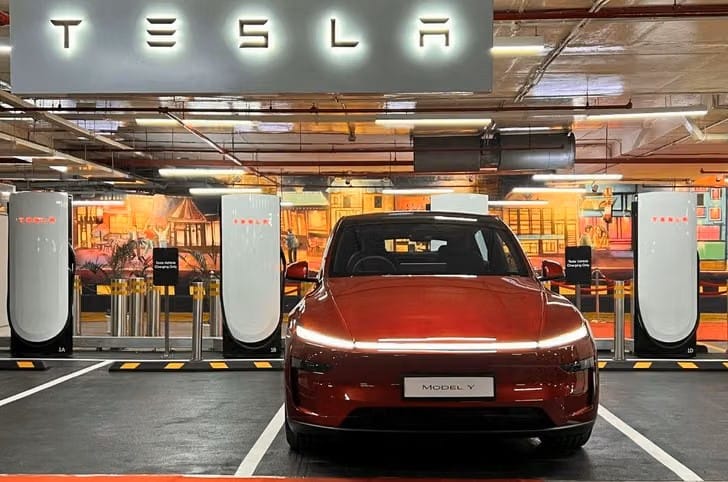
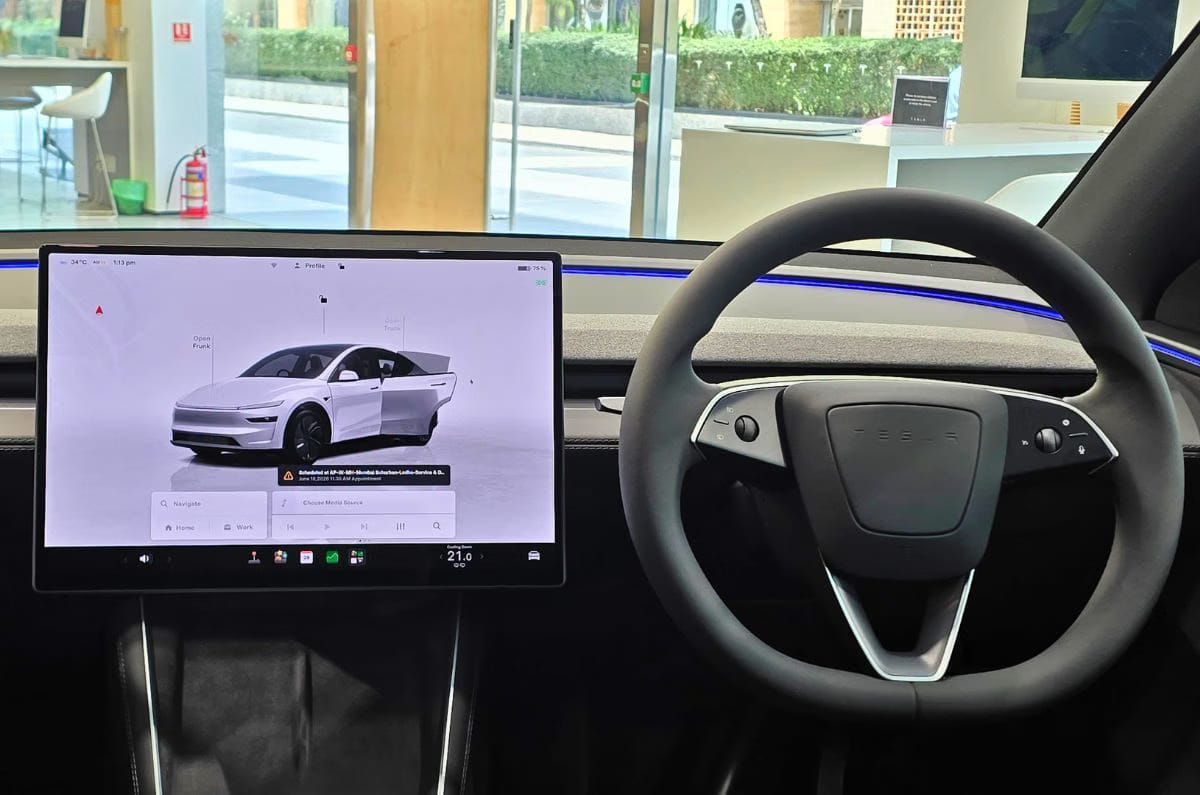
Tesla Model Y India sales cross 600 units with 115 delivered in July

Tesla Model Y India sales cross 600 units with 115 delivered in July
Tesla

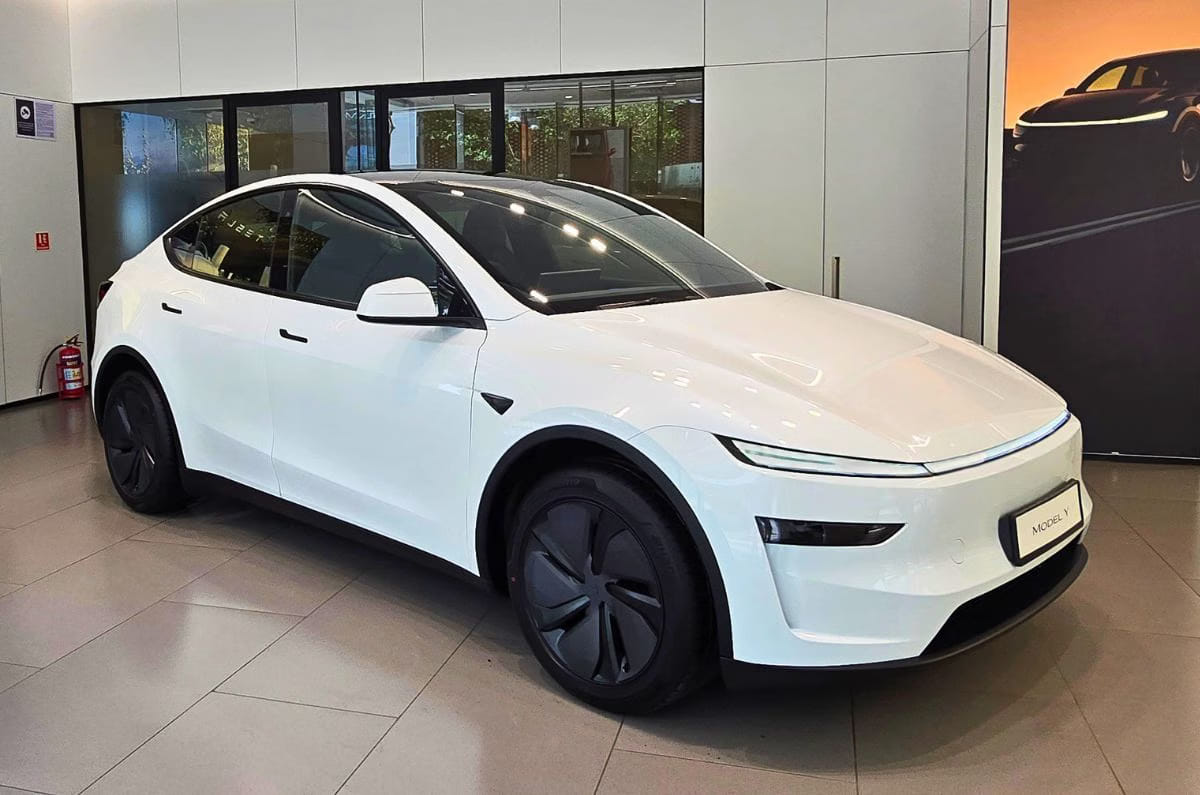
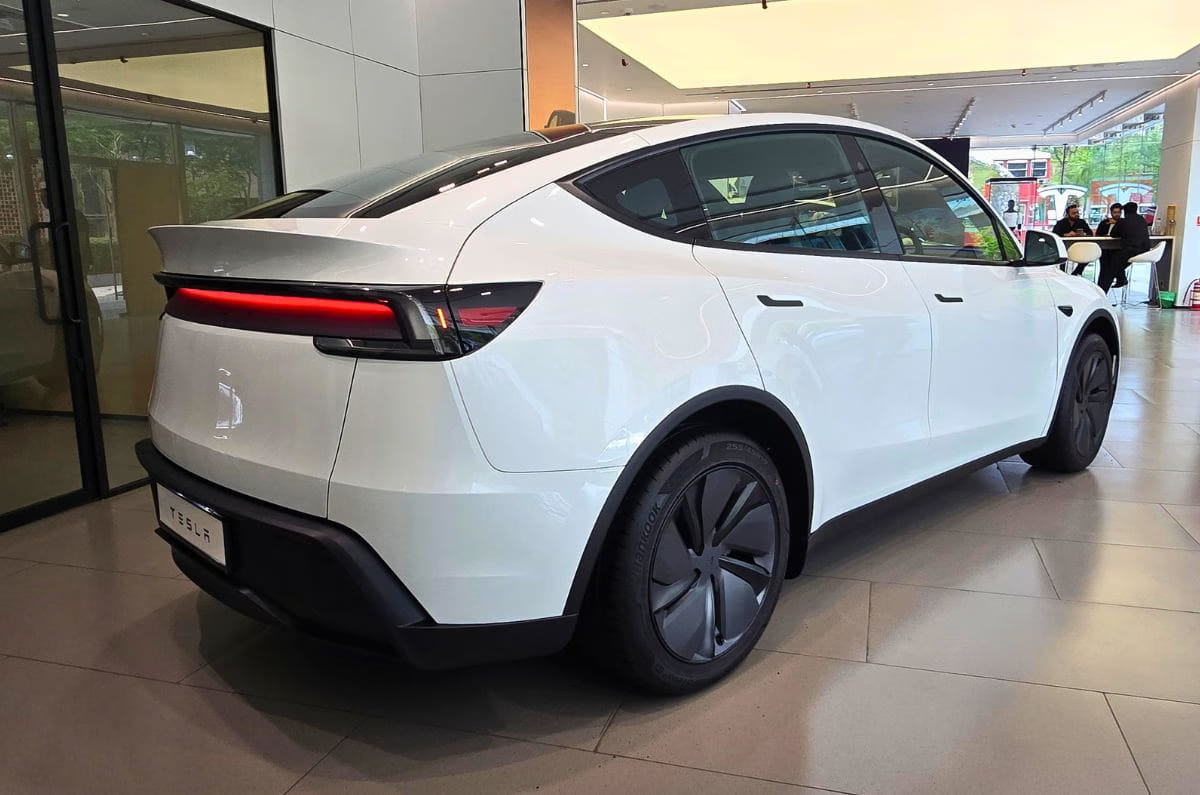
Tesla India recorded its highest-ever monthly retail sales in July 2026, delivering 115 Model Y SUVs according to Vahan data. The American EV maker’s previous best stood at 69 units, achieved in September and December 2025. The strong performance follows Tesla’s Rs 9 lakh price cut for the Model Y in June, which lowered its starting price to Rs 50.89 lakh (ex-showroom).

  1. Tesla holds a 16 percent share of the luxury EVs sold in July
  2. Over 600 units of cumulative sales so far
  3. Tesla Model Y priced between Rs 50.89 lakh and Rs 61.99 lakh (ex-showroom)

Tesla Model Y price cut drives July sales

Tesla delivered 115 Model Ys in July, up 203 percent from 38 units sold in June. The sharp increase came after the company reduced the Model Y’s starting price by Rs 9 lakh to Rs 50.89 lakh in June, improving its competitiveness in the luxury EV segment. Before the price revision, demand for the electric SUV had remained relatively limited.

Tesla becomes third-largest luxury EV brand

The July performance gave Tesla a 16 percent share of the 736 luxury electric passenger vehicles retailed during the month, placing it behind BMW India (390 units) and Mercedes-Benz India (174 units), while ahead of Volvo Auto India (51 units). Tesla’s cumulative India sales have now reached 578 units since deliveries began in September 2025, giving it an 8 percent share of the 6,825 luxury EVs sold during the same period. The company has already retailed 60 vehicles in the first 16 days of August, taking cumulative sales past the 600-unit mark.

Tesla’s record monthly sales also contributed to India’s highest-ever monthly electric passenger vehicle retail sales of 34,033 units in July. The company accounted for 0.33 percent of the overall electric passenger vehicle market during the month.

Tesla currently offers the Model Y in five-seat and six-seat Model Y L versions, priced between Rs 50.89 lakh and Rs 61.99 lakh (ex-showroom). The five-seat Premium RWD variant uses a 64kWh battery with a claimed 500km WLTP range, while the Premium Long Range RWD gets an 84.2kWh battery with a claimed 661km WLTP range. Tesla says the six-seat Model Y L features a dual-motor all-wheel-drive setup with a claimed 681km WLTP range. The Model Y also is now available in India with new artificial intelligence features, the most significant being the Grok AI assistant. 

With inputs from Dhruv Dhaka

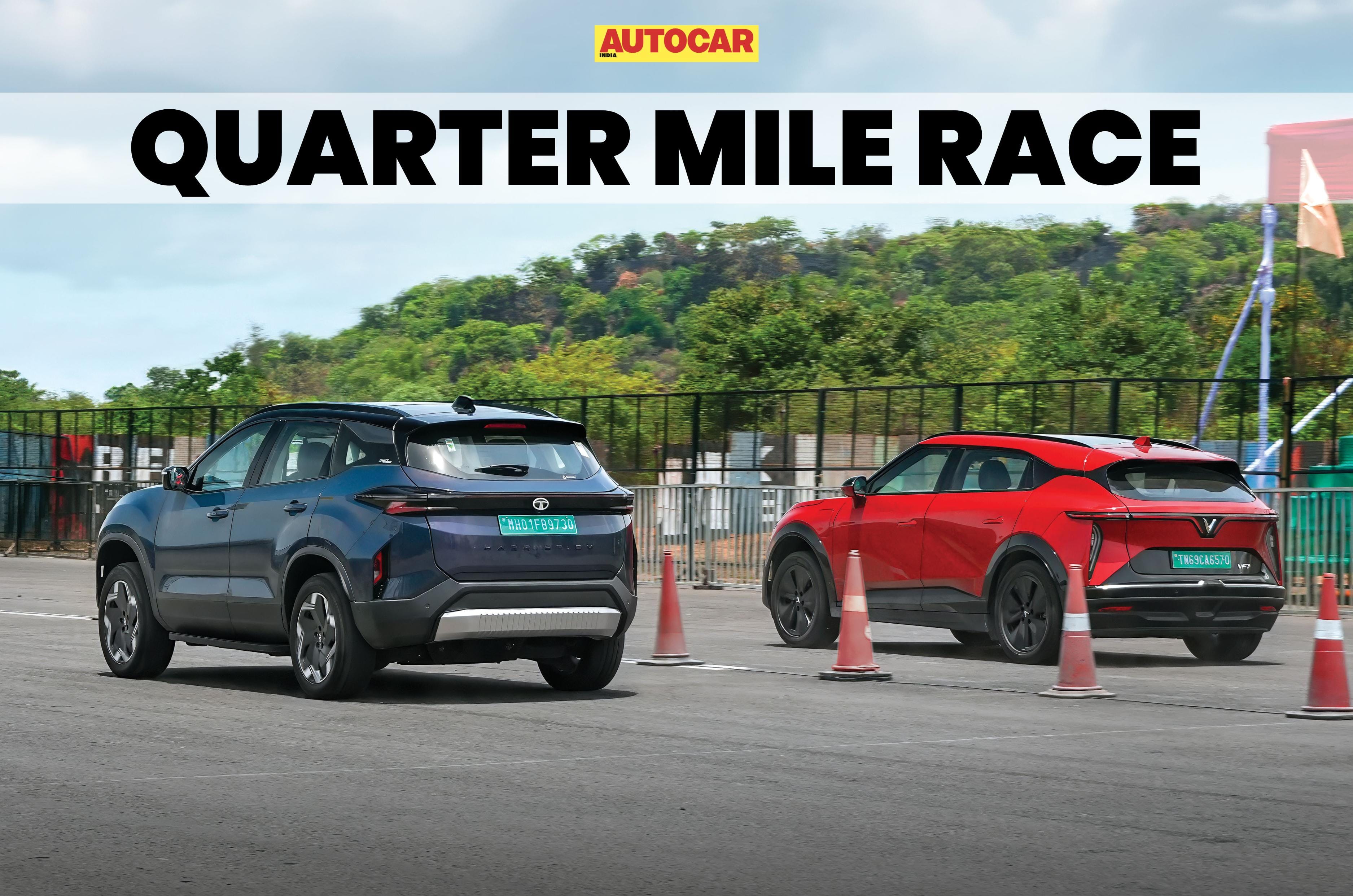
Tata Harrier EV vs Mahindra XEV 9e vs Vinfast VF 7: quarter mile race

Tata Harrier EV vs Mahindra XEV 9e vs Vinfast VF 7: quarter mile race
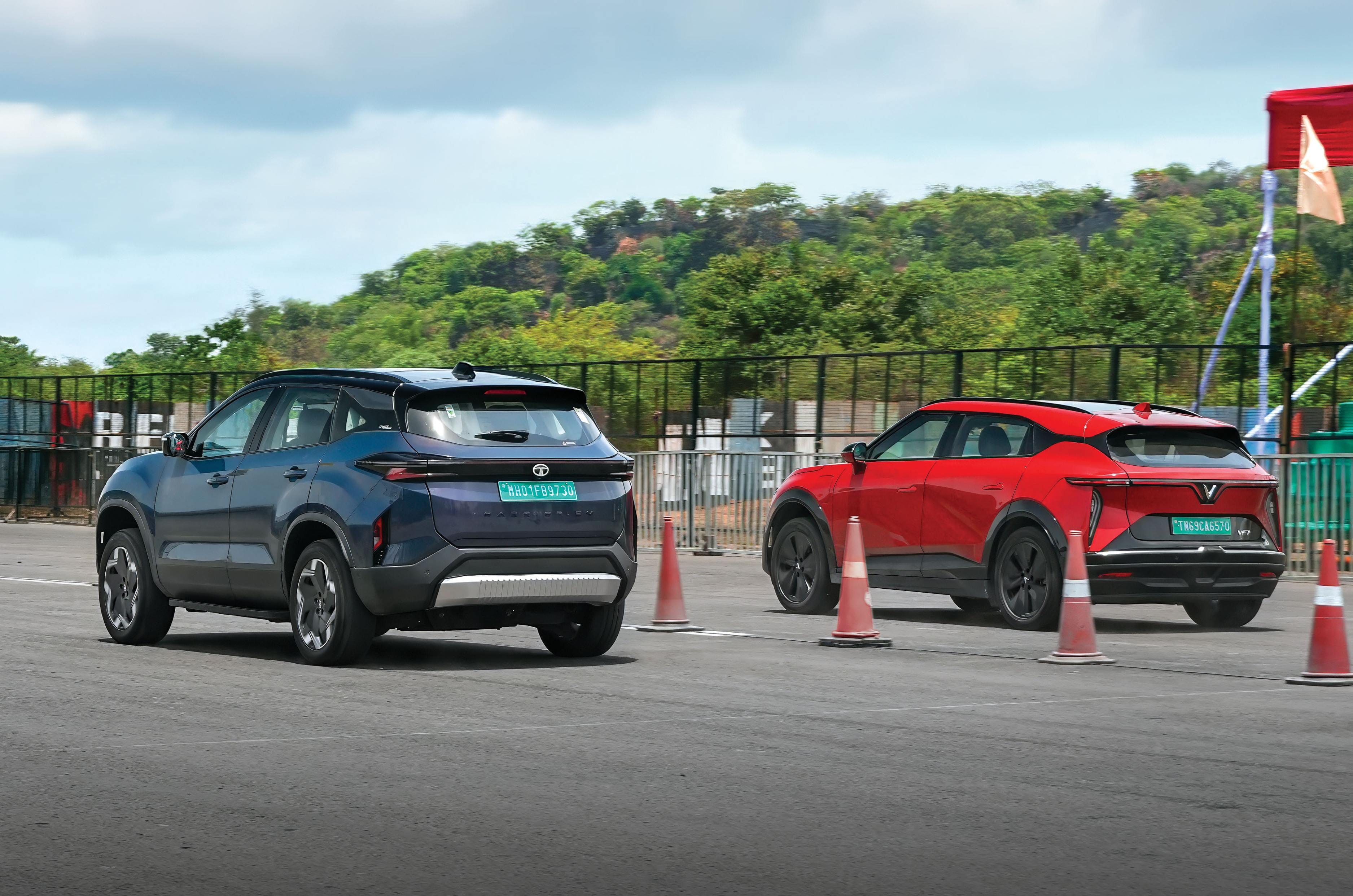
Tata Harrier EV vs Vinfast VF 7 performance

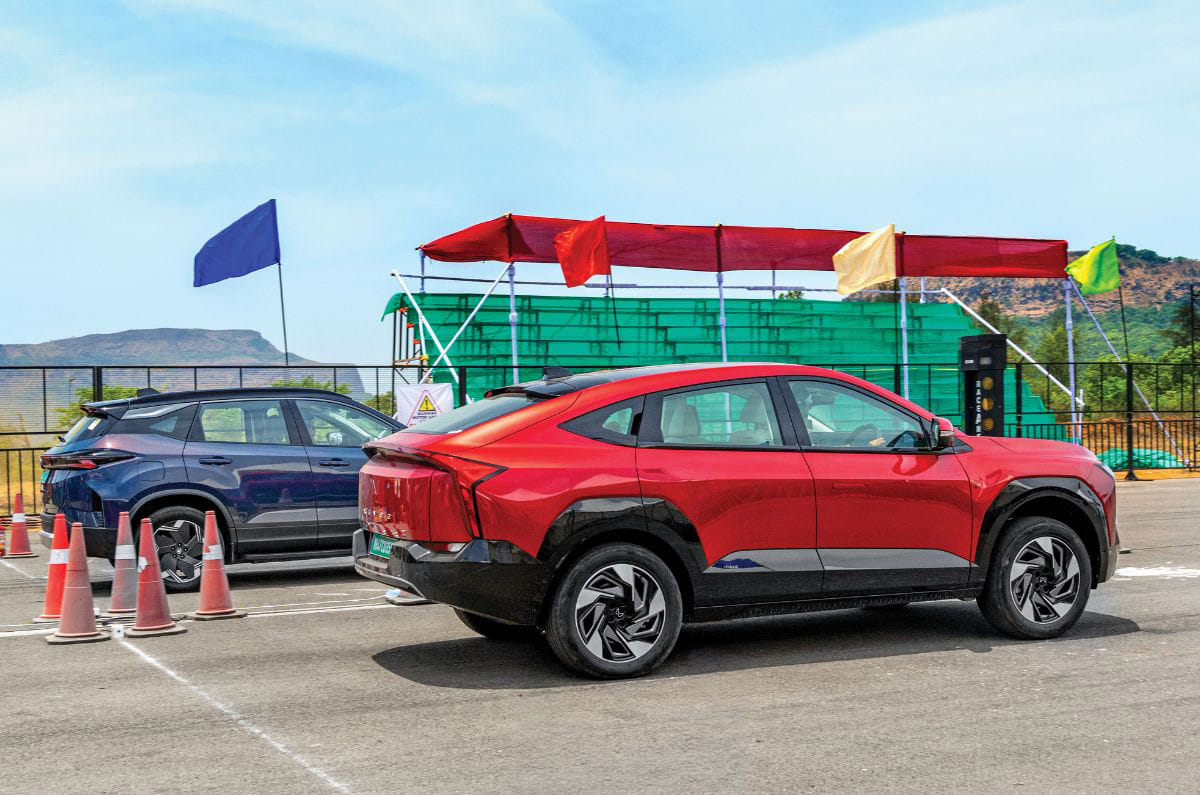
There’s no simpler way to compare one car’s performance to another than with a head-to-head quarter-mile race. Following the shootout between the newest crop of midsize SUVs, in this edition of Autocar India’s quarter-mile racing series, we’ve brought together three premium electric SUVs including the Tata Harrier EV, the Mahindra XEV 9e and the Vinfast VF7. Let’s find out which one here is the quickest down the drag strip.

Round 1: Tata Harrier EV vs Mahindra XEV 9e 

ModelTata Harrier EVMahindra XEV 9e
Battery 75kWh 79kWh 
Electric Motor setupDual Motor, AWDSingle Motor, RWD
Power 313hp286hp
Torque 504Nm 380Nm 
Weight 2335kg 2201kg 

Between these two homegrown EVs, the Harrier EV has an advantage for not only being more powerful, but it also has all-wheel drive as opposed to XEV 9e’s rear-wheel drive setup. Both SUVs are heavy-weights, but the Mahindra has an advantage for being 134kg lighter. On whose favour will the scales tip? Let’s find out.

The Harrier EV’s all-wheel drive system gives it a clear advantage in this race, giving it a comfortable win in Race 1 by a big margin of over seven tenths. Despite not being able to turn off traction control, the grip from the AWD system is enough for it to gap the Mahindra. Race 2 is a repeat, but the Mahindra does manage to close the gap, losing by half a second this time around.

Model 

Tata Harrier EV

Mahindra XEV 9e

Race 1 

14.35 sec 

15.02 sec

Race 2

14.26 sec 

14.92 sec 

Round 2: Tata Harrier EV vs Vinfast VF 7 

ModelTata Harrier EVVinfast VF 7 
Battery 75kWh 70kWh 
Electric Motor setupDual Motor, AWDDual Motor, AWD
Power 313hp353hp
Torque 504Nm 500Nm 
Weight 2335kg 2218kg 

After winning the home-grown battle, the Harrier EV is lined up against another similarly powered, similarly priced and AWD-equipped EV in the form of the Vietnamese Vinfast VF7. This time, however, the Harrier EV is on the back foot – it’s less powerful, weighs more and the advantage of all-wheel drive has been wiped away. 

The Vinfast does allow you to turn traction control off, which results in a much better launch than the Harrier EV. In Race 1, both SUVs are neck-and-neck off the line, but the VF7 soon builds a lead and manages to maintain it all the way till the finish, crossing the line four tenths faster than the Tata. The Harrier EV does manage to narrow the gap in Race 2, but the advantage the VF7 gains at launch is hard for the Tata to overcome, and it loses out by 0.29sec.   

Model 

Tata Harrier EV

Vinfast VF7 

Race 1 

13.85 sec 

14.25 sec

Race 2

13.94 sec 

14.23 sec 

Autocar India’s testing standards

Before we conduct our performance tests, we check and maintain tyre pressures based on the manufacturer’s recommendation and ensure the car has a full tank of fuel. The car is then tested in a controlled environment and the data is collected via highly accurate GPS-based timing equipment.

With inputs from Saptarshi Mondal 

Shiprocket IPO: अलॉटमेंट जारी, 19 अगस्त को हो सकती है लिस्टिंग; GMP दे रहा तगड़े मुनाफे का संकेत

Shiprocket IPO: टेमासेक के निवेश वाली ई-कॉमर्स एनेबलमेंट प्लेटफॉर्म शिपरॉकेट के आईपीओ का अलॉटमेंट जारी हो चुका है। जिन निवेशकों ने इस बुक-बिल्डिंग इश्यू में आवेदन किया था, वे अब अपना अलॉटमेंट स्टेटस ऑनलाइन चेक कर सकते हैं। अब निवेशकों की नजर 19 अगस्त 2026 को संभावित लिस्टिंग पर है। इस बीच ग्रे मार्केट प्रीमियम (GMP) भी मजबूत लिस्टिंग गेन का संकेत दे रहा है।

GMP क्या संकेत दे रहा है?

Investorgain के मुताबिक, Shiprocket IPO का लेटेस्ट GMP ₹38 है। कंपनी के शेयर ग्रे मार्केट में इश्यू प्राइस के मुकाबले 39.18% के प्रीमियम पर कारोबार कर रहे हैं।

कंपनी के IPO का अपर प्राइस बैंड ₹97 प्रति शेयर था। ऐसे में मौजूदा GMP के आधार पर शिपरॉकेट की लिस्टिंग करीब ₹135 पर होने के संकेत मिल रहे हैं। हालांकि, GMP केवल ग्रे मार्केट का अंदाजा होता है। असल लिस्टिंग मार्केट की मांग, सेंटीमेंट और ओपनिंग बिड्स पर निर्भर करेगी।

कितना मुनाफा हो सकता है?

Shiprocket IPO का लॉट साइज 154 शेयर था। अपर प्राइस बैंड ₹97 होने के कारण एक लॉट के लिए निवेशकों को ₹14,938 लगाने पड़े।

अगर ₹38 GMP और 39.18% संभावित प्रीमियम के आधार पर शेयर ₹135 पर लिस्ट होता है, तो प्रति शेयर ₹38 का फायदा हो सकता है। ऐसे में आपके निवेश की रकम अच्छी खासी बढ़ सकती है।

  • 1 लॉट (154 शेयर) का संभावित मुनाफा: ₹5,852
  • 5 लॉट (770 शेयर) का संभावित मुनाफा: ₹29,260

यानी एक लॉट की ₹14,938 की शुरुआती निवेश रकम बढ़कर करीब ₹20,790 हो सकती है, जो करीब 39.18% के संभावित रिटर्न के बराबर है। हालांकि वास्तविक मुनाफा लिस्टिंग प्राइस पर निर्भर करेगा।

एक्सपर्ट्स की क्या राय है?

SBI Securities का शिपरॉकेट IPO पर पॉजिटिव रेटिंग दी है। ब्रोकरेज का मानना है कि कर्ज घटने से बैलेंस शीट मजबूत होगी। साथ ही, ब्याज खर्च कम होने से मुनाफे में सुधार आ सकता है। वहीं Swastika Financial ने ‘न्यूट्रल’ रेटिंग दी है। उसका कहना है कि यह IPO 2-3 साल के नजरिए वाले हाई-रिस्क निवेशकों के लिए ज्यादा सही है।

Ventura Securities के मुताबिक, कंपनी की नेटवर्थ ₹1,524.29 करोड़ है। FY26 में ऑपरेशन से ₹52.64 करोड़ का पॉजिटिव कैश फ्लो रहा। हालांकि, थर्ड-पार्टी लॉजिस्टिक्स पार्टनर्स पर अधिक निर्भरता और कोर बिजनेस से ज्यादा रेवेन्यू आना इसके प्रमुख जोखिम हैं।

शिपरॉकेट का वैल्यूएशन कैसा है

Geojit Investments ने भी IPO पर पॉजिटिव राय दी है। ब्रोकरेज का कहना है कि ₹97 के अपर प्राइस बैंड पर कंपनी का वैल्यूएशन FY26 के आधार पर करीब 3.6 गुना EV/Sales है। यह इसकी लिस्टेड प्रतिस्पर्धियों की तुलना में आकर्षक माना जा सकता है।

ब्रोकरेज का मानना है कि Shiprocket का मर्चेंट बेस बढ़ रहा है। टेक्नोलॉजी आधारित प्लेटफॉर्म और ई-कॉमर्स लॉजिस्टिक्स बाजार में मजबूत स्थिति है। ये चीज इसे मध्यम से लंबी अवधि के निवेशकों के लिए दिलचस्प बनाती है।

Tube Investments Share Price: कमजोर बाजार में सरपट दौड़ा शेयर, 9% उछला, मैनजमेंट कमेंट्री से ब्रोकरेज बुलिश

Disclaimer: मनीकंट्रोल.कॉम पर दिए गए सलाह या विचार एक्सपर्ट/ब्रोकरेज फर्म के अपने निजी विचार होते हैं। वेबसाइट या मैनेजमेंट इसके लिए उत्तरदायी नहीं है। यूजर्स को मनीकंट्रोल की सलाह है कि कोई भी निवेश निर्णय लेने से पहले हमेशा सर्टिफाइड एक्सपर्ट की सलाह लें।

Kia dealer sets national record delivering 150 Syros EVs in one day

Kia dealer sets national record delivering 150 Syros EVs in one day
kia syros ev delivery record

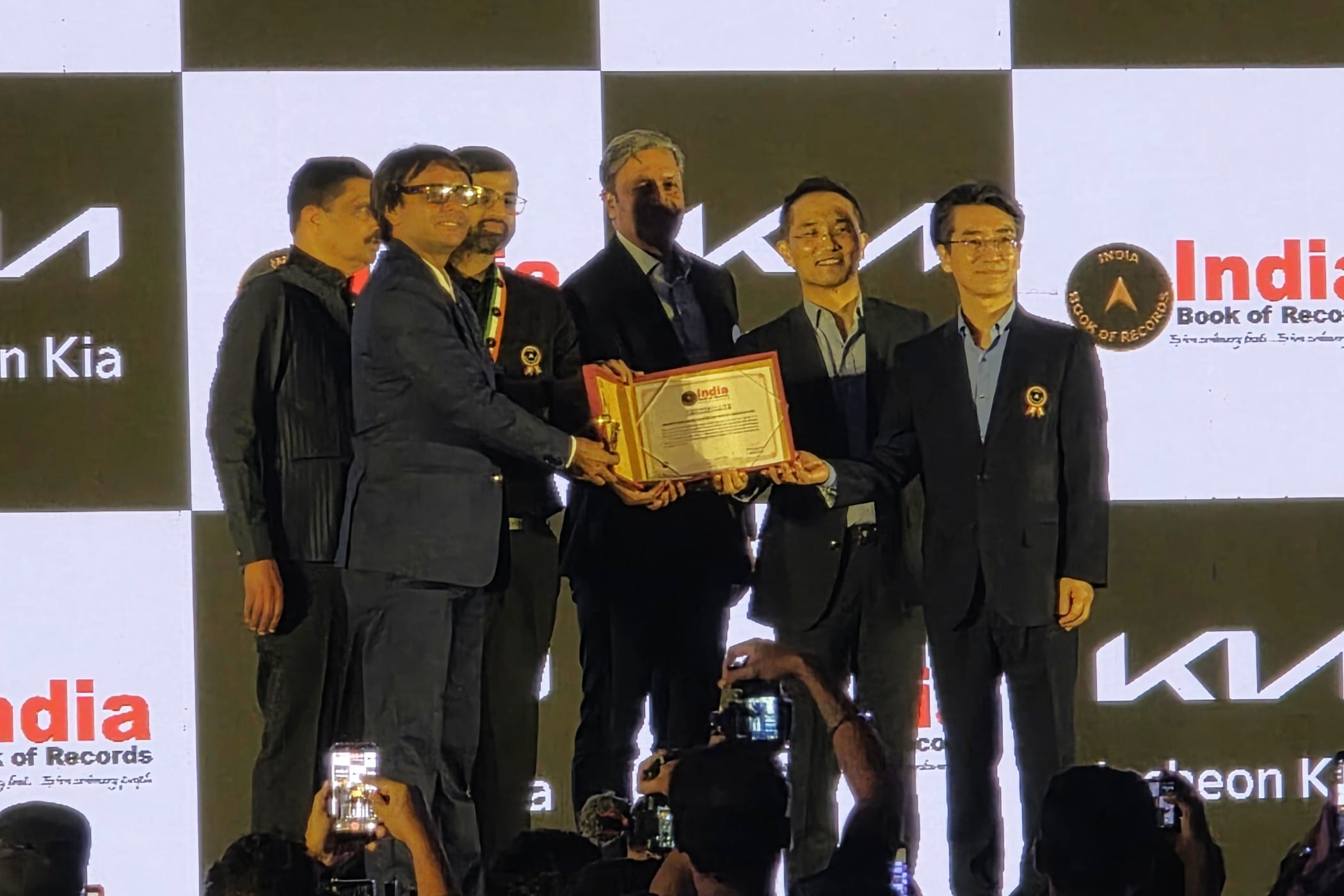
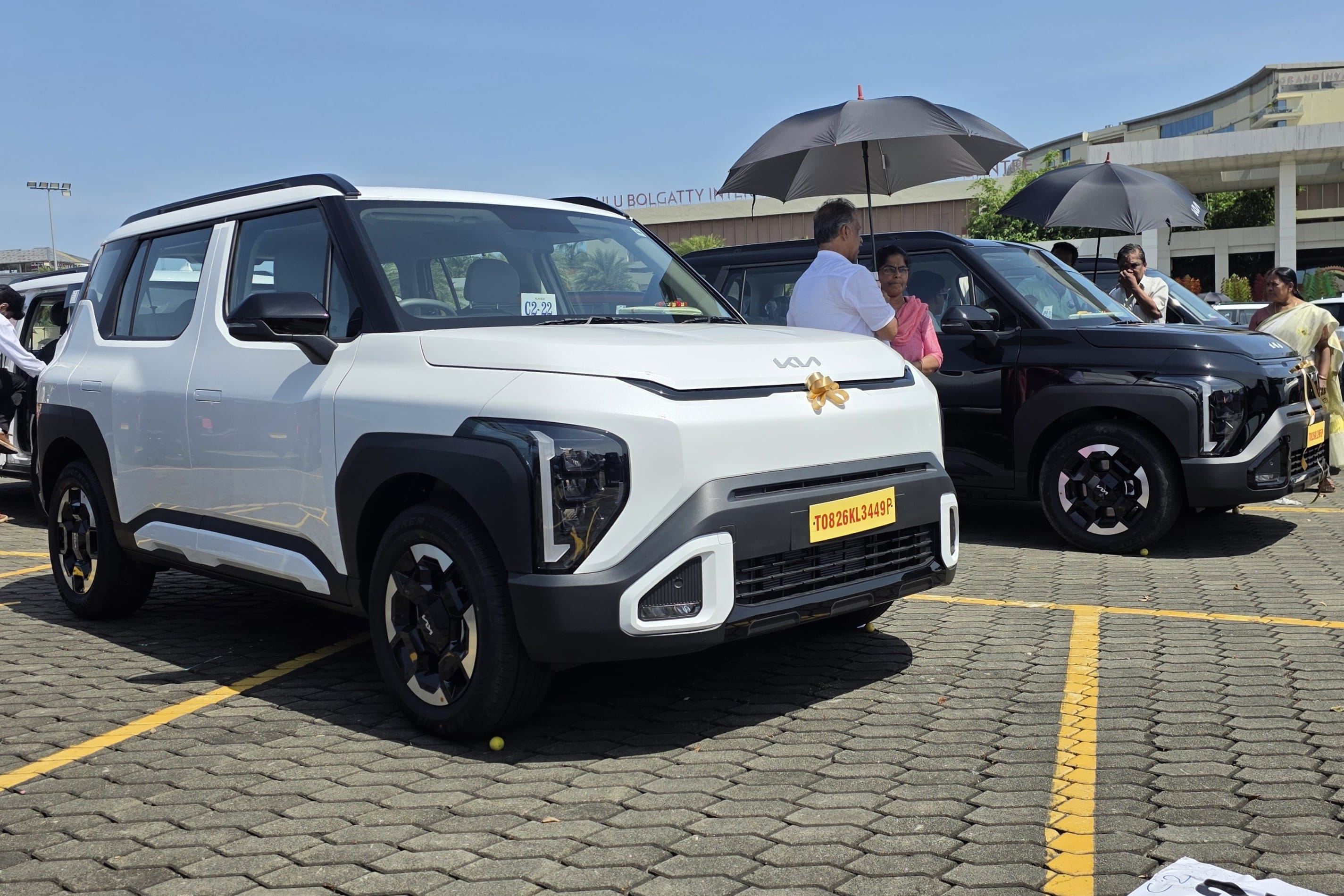
Kia India dealer partner Incheon Kia has set a new national record for the most electric cars of a single model delivered in a single day. 150 units of the recently launched Syros EV were handed over to customers by Incheon Kia in Kochi on August 17.

Incheon Kia sets a completely fresh record with the Syros EV

Coinciding with Malayalam New Year, Incheon Kia’s mega-delivery feat was certified by the India Book of Records. This is an entirely new record, as India Book of Records does not have any prior records for maximum single-model EVs delivered in a single day. The 150 cars formed the first batch of Kia Syros EVs delivered to customers in Kochi.

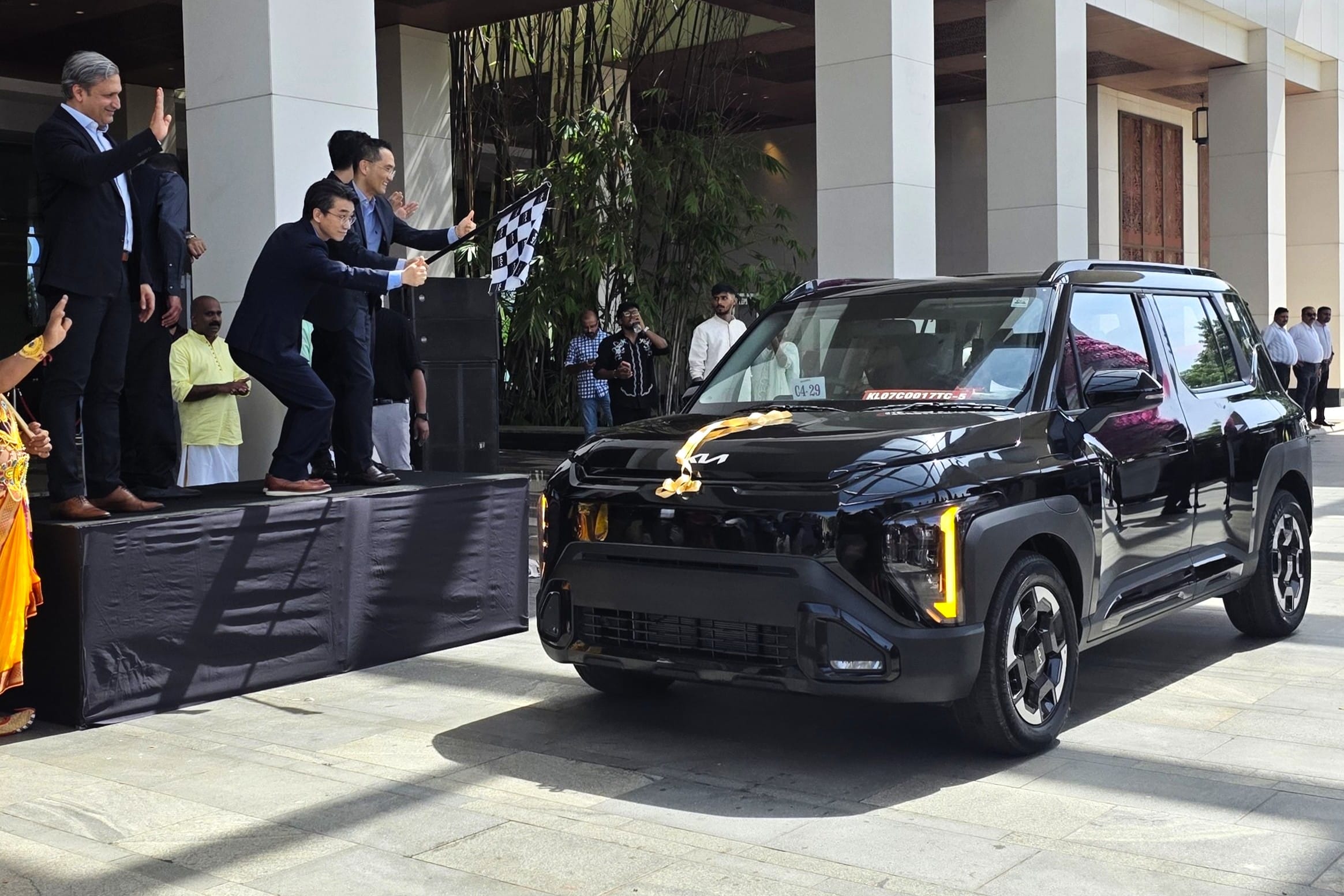
Following the deliveries, the Syros EVs were flagged off individually by senior Kia India executives, including MD and CEO Gwanggu Lee (pictured). Incheon Kia said it has received more than 650 bookings for the Syros EV, with 150 of those cars now delivered. The dealer is also closing on 50,000 sales since its inception seven years ago, with 10,000 sales projected for this year alone.

Kia Syros EV details

Launched on July 23, the Syros EV is Kia’s second mass-market electric model for the Indian market. The compact SUV is offered with 42kWh and 51.4kWh battery options, both of which are wired up to a 255Nm front-mounted motor producing 135hp and 171hp, respectively. In terms of MIDC-claimed range, the 42kWh battery manages 443km, while the 51.4kWh pack is rated at 526km. Pricing for the Syros EV starts at Rs 13.5 lakh and top off at Rs 30 lakh (ex-showroom), and it rivals the Tata Nexon EV and Mahindra XUV 3XO.

All you need to know about the upcoming MG Hector Tomahawk

All you need to know about the upcoming MG Hector Tomahawk

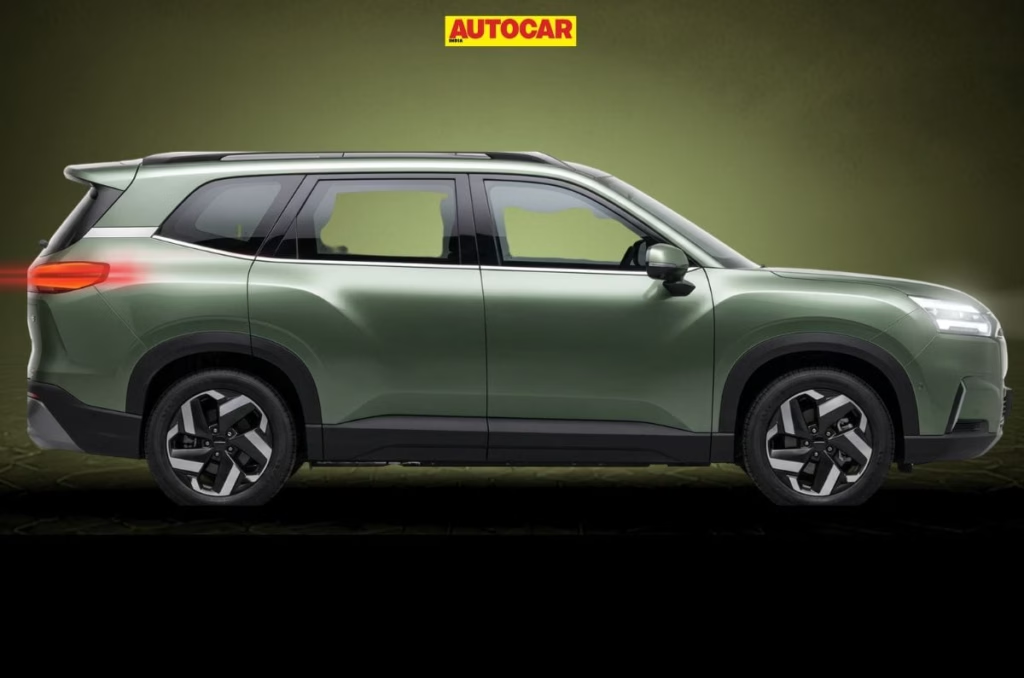
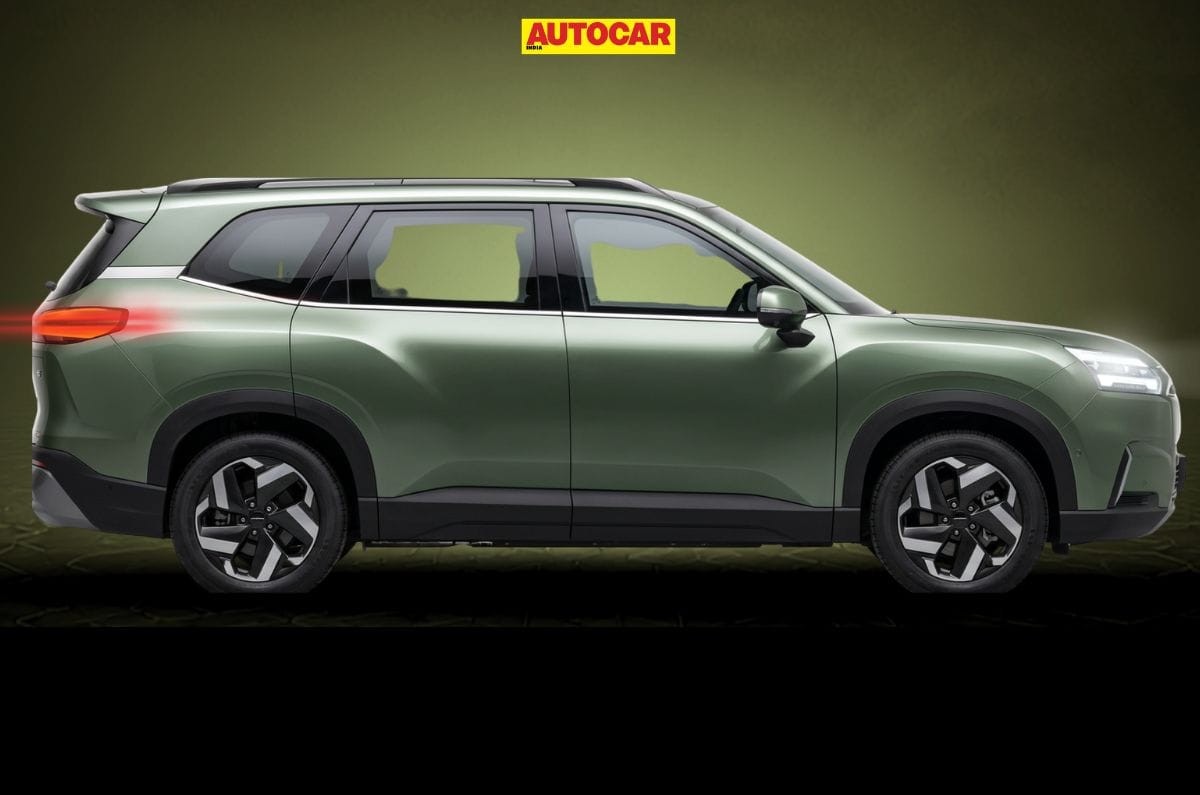
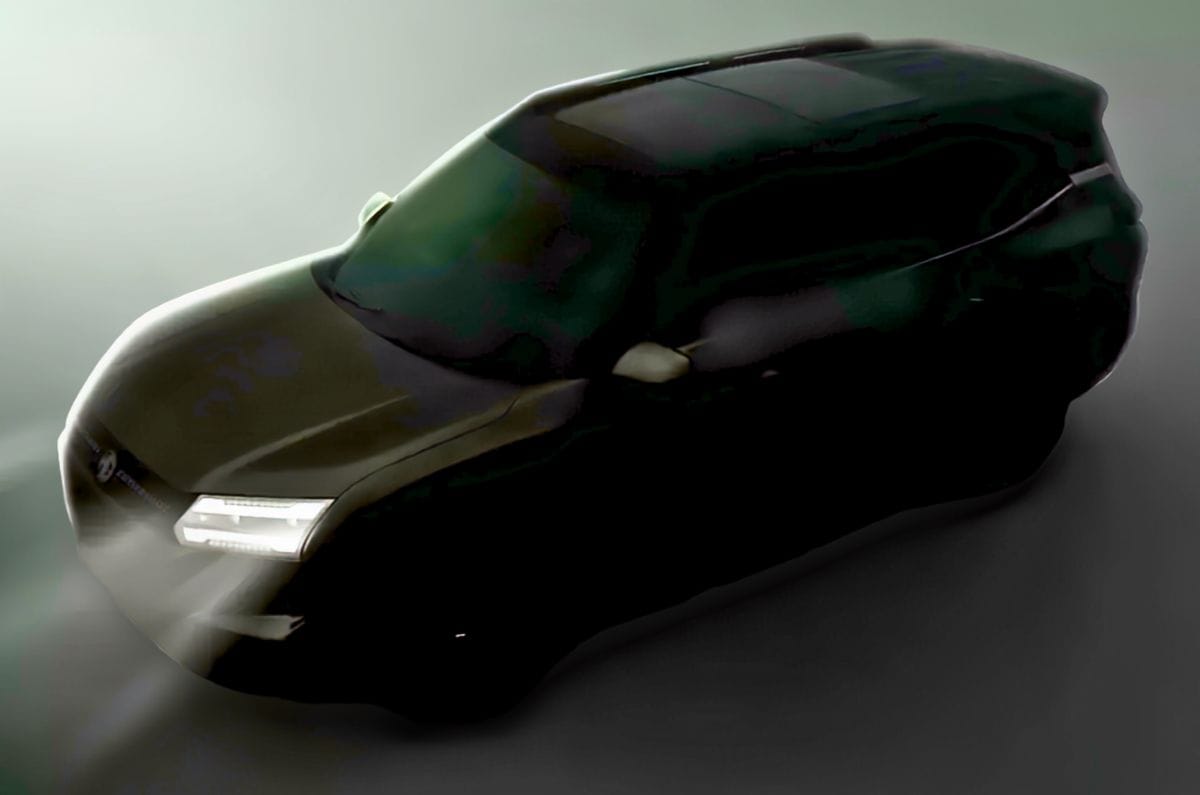
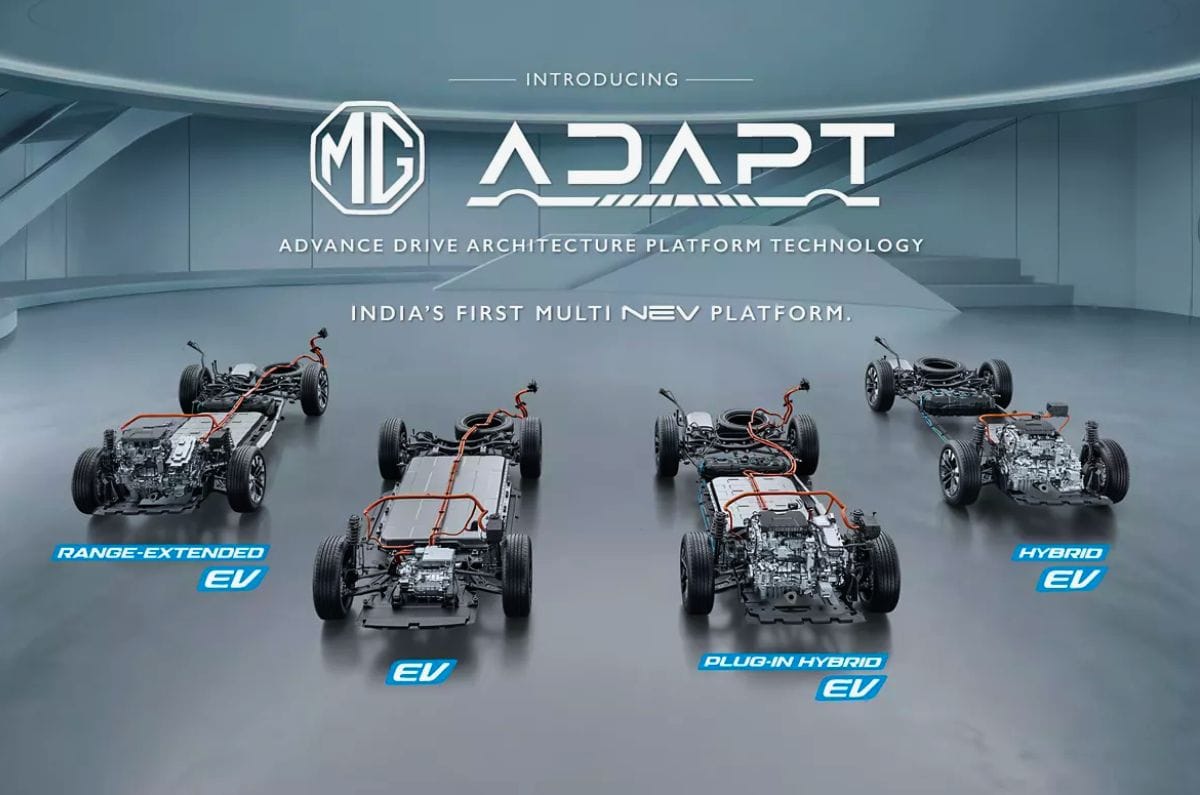
MG India is gearing up to unveil its upcoming SUV, the Hector Tomahawk, on August 26, 2026. It will be the first MG model in the country to be based on the new ADAPT architecture, which supports both electric and hybrid powertrains. Here’s everything you need to know about the upcoming MG Hector Tomahawk ahead of its debut.

Will the MG Hector Tomahawk be an EV or a PHEV?

MG will offer it as an EV first, followed by a PHEV version later

MG will debut the Hector Tomahawk in its all-electric avatar on August 26, followed by a PHEV version in the coming months. 

What is the expected price of the MG Hector Tomahawk?

Hector Tomahawk is expected to be competitively priced like other MG models

Like other MG models, the Hector Tomahawk is expected to be sold at a competitive price. The EV version could be priced between Rs 18-25 lakh, serving as an alternative to the Kia Carens Clavis EV and Mahindra XEV 9S, while the PHEV version is expected to be priced between Rs 20-30 lakh, as a rival to the Mahindra XUV 7XO and Tata Safari. 

Is the Hector Tomahawk an electric version of the existing MG Hector?

The upcoming Hector Tomahawk is completely unrelated to the existing Hector 

Although the upcoming MG Hector Tomahawk carries the ‘Hector’ name, it is not related to the existing MG Hector. The Hector Tomahawk EV is based on the Wuling Starlight 560 SUV and uses the company’s new ADAPT platform, which supports EVs as well as hybrid powertrains, including range-extender EVs, plug-in hybrids, and strong hybrids. In contrast, the existing MG Hector is based on the Baojun 530 SUV, which is also sold as the Chevrolet Captiva in international markets. 

What is the real-world range of the MG Hector Tomahawk?

EV could offer up to 500km range; PHEV could offer over 1,000km

Wuling Starlight 560 EV (left) and PHEV (right).

The MG Hector Tomahawk’s specifications have not been revealed yet, but it is expected to share its mechanical components with the Wuling Starlight 560 SUV, on which it is based. Hence, the Hector Tomahawk EV is expected to have a 69.2kWh battery paired with a 201hp electric motor mounted on the front axle. The setup is claimed to deliver a 530km range under the CLTC testing cycle, which could translate to a real-world range of around 450-500km.

The Hector Tomahawk PHEV is expected to use a 1.5-litre naturally aspirated petrol engine paired with a 20.5kWh battery. This setup produces a combined output of 195hp and 230Nm on the Wuling Starlight 560, with an electric-only CLTC range of 125km. With the petrol engine included, the total range exceeds 1,000km.

What will the MG Hector Tomahawk SUV look like?

Exterior and interior design are expected to be similar to the Wuling Starlight 560

Image source: @punekar__nikhil on Instagram

Numerous spy shots and teaser videos have given us a glimpse of the MG Hector Tomahawk’s design, which will closely resemble the Wuling Starlight 560. At the front, it will feature rectangular projector LED headlights with LED DRL strips above and below them, connected by a gloss-black panel with illuminated elements. The EV will get a blanked-off grille, while the PHEV could feature air inlets. The SUV will also get black wheel-arch cladding and 18-inch wheels. At the rear, wraparound LED taillights will mirror the design of the front DRLs. The India-spec model will, however, get new alloy wheels, some decals on the C-pillar and new logos. 

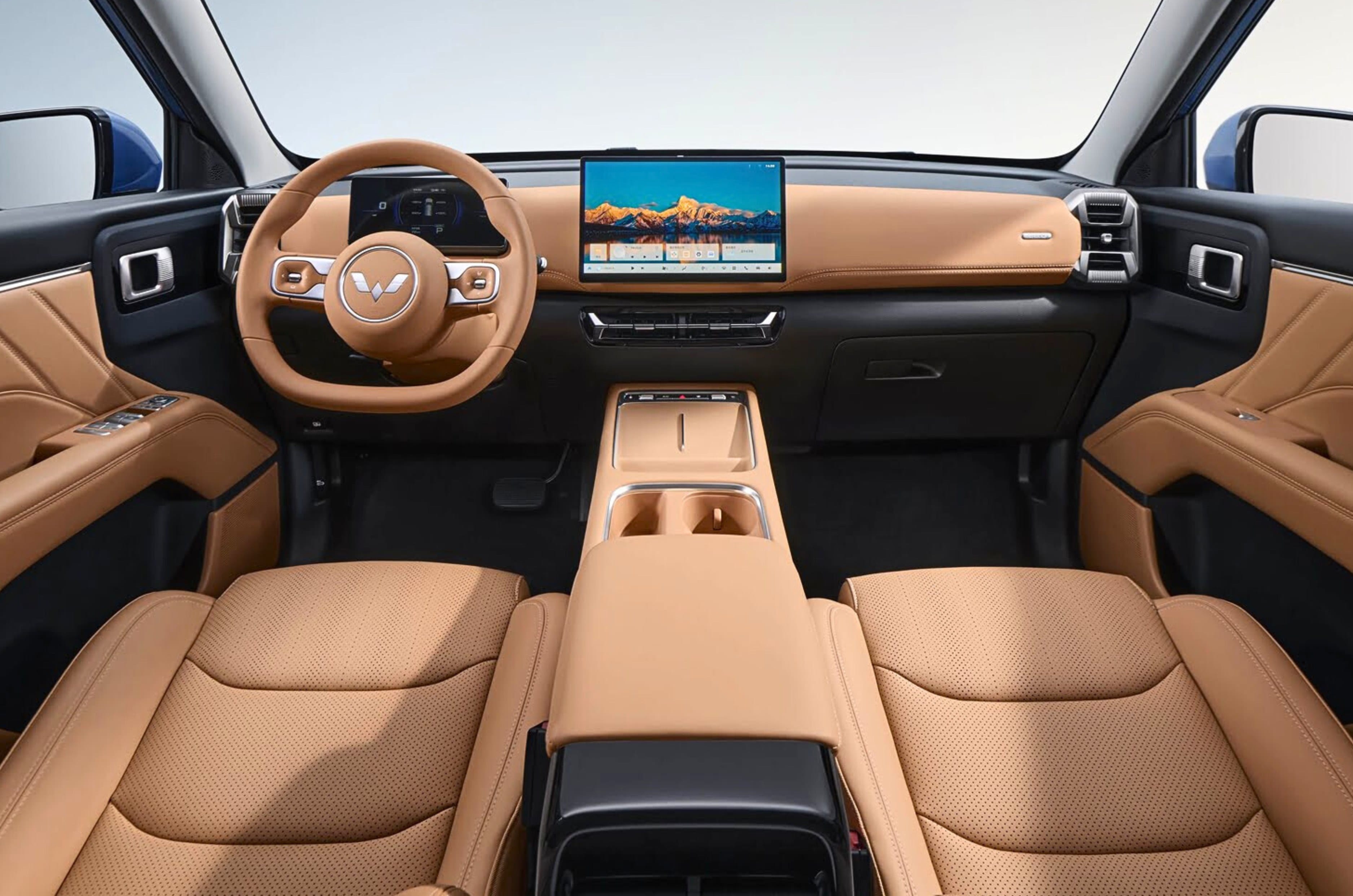
Wuling Starlight 560’s dashboard is shown for representative purposes only. 

Inside, the Tomahawk is expected to have a minimalist dashboard with a free-standing 8.8-inch digital driver’s display, a 12.8-inch touchscreen infotainment system and a 2-spoke steering wheel. It is unlikely to get physical controls for the air-conditioning. The SUV will offer seven seats with leatherette upholstery. Expected features include a panoramic sunroof, powered and ventilated front seats, a wireless phone charger, six airbags as standard, an electronic parking brake, a rear parking camera with sensors and ADAS.