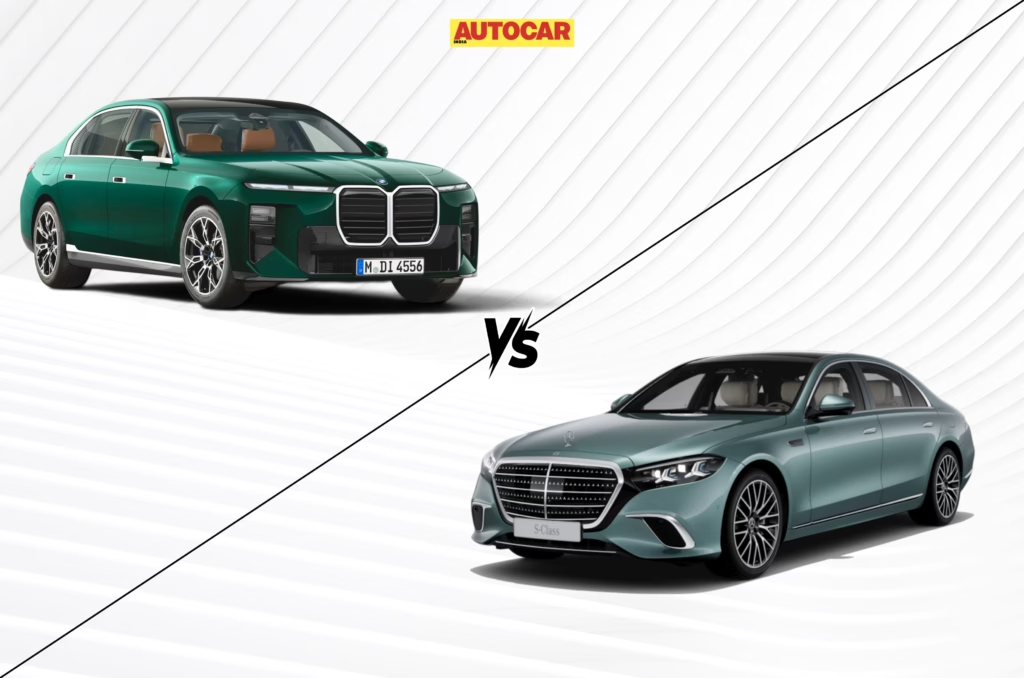
2026 BMW 7 Series vs Mercedes S-Class: Which is the better sedan?

2026 BMW 7 Series vs Mercedes S-Class: Which is the better sedan?
2026 BMW 7 Series vs Mercedes S-Class: Which is the better luxury sedan?

BMW has launched the facelifted 7 Series in India, bringing a redesigned exterior and interior, more features, and a more powerful powertrain. Its arch-rival, the Mercedes-Benz S-Class, also received a facelift earlier this year. The two have been fierce competitors in the luxury sedan segment since their respective introductions. Now that the updated versions are on sale, which one makes the better buy? Let’s find out.

2026 BMW 7 Series vs Mercedes S-Class: Dimensions

The 7 Series has a slightly larger wheelbase and is overall a bit longer than the S-Class

2026 BMW 7 Series vs Mercedes S-Class: Dimensions and other specifications


BMW 7 Series

Mercedes S-Class

Difference

Length (mm)

5,395

5,304

+91

Width (mm)

1,950

1,921

+29

Height (mm)

1,550

1,503

+47

Wheelbase (mm)

3,215

3,216

-1

Boot space (litres)

540

345

+195

The 2026 BMW 7 Series is longer and slightly taller than the S-Class, while the two sedans have a similar wheelbase and width. The BMW also offers a 195-litre larger boot, giving it a clear advantage in terms of luggage capacity. The 7 Series is also expected to offer more cabin space, as the S-Class’ underbody battery pack for its plug-in-hybrid (PHEV) powertrain takes up some of the available space.

2026 BMW 7 Series vs Mercedes S-Class: Powertrain specs

Both sedans get similar engines, but the S-Class has a PHEV powertrain

2026 BMW 7 Series vs Mercedes S-Class: Engine specifications and driving tech


BMW 7 Series

Mercedes S-Class

Engine

3.0-litre 6-cyl petrol  

3.0-litre 6-cyl petrol  

Hybrid type

Mild hybrid

Plug-in hybrid 

Power (hp)

400

435

Torque (Nm)

540

680

Transmission

8-speed AT

9-speed AT

Drivetrain

RWD

RWD

Fuel efficiency

NA

32.3kpl (WLTP)

0-100kph

5.4 seconds

5.7 seconds

Top speed

250kph

250kph

All-electric range

NA

115km (WLTP)

Both the BMW 7 Series and Mercedes-Benz S-Class are powered by 3.0-litre six-cylinder petrol engines. However, the S-Class gets a plug-in hybrid (PHEV) powertrain, while the 7 Series is offered with a mild-hybrid setup. As a result, the S-Class has a claimed all-electric range of 115km, a feature the 7 Series does not offer. BMW is yet to reveal the 7 Series’ claimed fuel efficiency, but the S-Class PHEV will be the more efficient of the two.

The S-Class is also more powerful, producing 35hp and 140Nm more than the 7 Series. Despite this, it is 0.3 seconds slower from 0-100kph, with the added weight of the PHEV components likely contributing to the difference.

Both sedans are rear-wheel-drive (RWD) models and come equipped with air suspension and rear-axle steering.

2026 BMW 7 Series vs Mercedes S-Class: Exterior

Exterior features are similar on both luxury sedans

2026 BMW 7 Series vs Mercedes S-Class: Exterior


BMW 7 Series

Mercedes-Benz S-Class

Headlights

Auto LED

Auto LED

DRLs

LED

LED

Taillights

LED

LED

Carpet lights

Yes

Yes

Other illumination

Grille surrounds

Grille surrounds

Alloy wheels

20-inch

20-inch

On the exterior front, the features are similar, with both sedans getting an all-LED lighting system, including illuminated grille surrounds and carpet lights. The alloy wheel sizes are also similar at 20 inches.

2026 BMW 7 Series vs Mercedes S-Class: Interior, features

The 7 Series offers larger screens

2026 BMW 7 Series vs Mercedes S-Class: Interior and features


BMW 7 Series

Mercedes-Benz S-Class

Instrumentation screen

Panoramic iDrive display

12.3-inch display

Infotainment screen

17.9-inch

14.4-inch

Front passenger display

14.6-inch 

12.3-inch

Android Auto, Apple CarPlay

Wireless

Wireless

Head-up display

Coloured, 3D

Coloured, AR-based

Audio system

35-speaker Bowers & Wilkins

31-speaker Burmester

Rear screen

Yes, one 31.3-inch display

Yes, two 13.1-inch displays

Roof

Panoramic glass roof

Panoramic sunroof

Climate control

4-zone

4-zone

Seat upholstery

Leather

Leather

Wireless phone charger

Both rows

Both rows 

1st row seat heating, ventilation, massage

Yes

Yes

2nd row seat heating, ventilation, massage

Yes

Yes

Window sunshades

Yes, powered

Yes, powered

Rear windshield sunshade

Yes, powered

Yes, powered

Powered doors

Yes

Yes

Powered tailgate

Yes

Yes

Ambient lighting

Yes

64 colours

USB ports

Type-A and C

Type-A and C

Connected car tech

Yes

Yes

While both sedans are loaded with features, the 7 Series emerges as the more tech-laden of the two. It gets a larger infotainment and passenger display, along with BMW’s Panoramic iDrive display, which shows key instrumentation across the lower portion of the windscreen. Its rear-seat entertainment display is also larger than the two rear entertainment screens offered in the S-Class.

While this is unlikely to influence a buying decision, one notable distinction is the roof design. The 7 Series gets a panoramic glass roof, whereas the S-Class is equipped with a panoramic sunroof.

2026 BMW 7 Series vs Mercedes S-Class: Safety

S-Class offers more airbags

2026 BMW 7 Series vs Mercedes S-Class: Safety features


BMW 7 Series

Mercedes-Benz S-Class

Airbags

7

15

ADAS

Level-2 

Level-2

Camera setup

360-degree

360-degree

Driver monitor camera

Yes

Yes

Parking sensors

Front and rear

Front and rear

Auto park assist

Yes

Yes

Parking brake

Electronic

Electronic

Disc brakes

Front and rear

Front and rear

TPMS

Yes

Yes

IRVM

Auto-dimming

Auto-dimming 

Hill start assist

Yes

Yes

Hill descent control

Yes

Yes

ESC

Yes

Yes

The Mercedes-Benz S-Class gets 15 airbags, eight more than the BMW 7 Series. However, both sedans offer a similar suite of safety features, including Level 2 advanced driver assistance systems (ADAS), a 360-degree camera, and auto-parking assistance.

2026 BMW 7 Series vs Mercedes S-Class: What to choose?

7 Series is slightly more affordable than the S-Class

2026 BMW 7 Series vs Mercedes S-Class: Prices (ex-showroom)

Model

Price range (in Rs, crore)

BMW 7 Series

1.95

Mercedes-Benz S-Class

2.20-2.38

The BMW 7 Series is Rs 25 lakh more affordable than the S-Class, yet it offers more technology, a larger boot, and quicker 0-100kph acceleration. With all these advantages at a significantly lower price, the 7 Series makes a stronger case for itself and is the more recommendable choice over the S-Class.

Prices are ex-showroom, India.

Renault Duster gets benefits of up to Rs 1.8 lakh in September 2026

Renault Duster gets benefits of up to Rs 1.8 lakh in September 2026
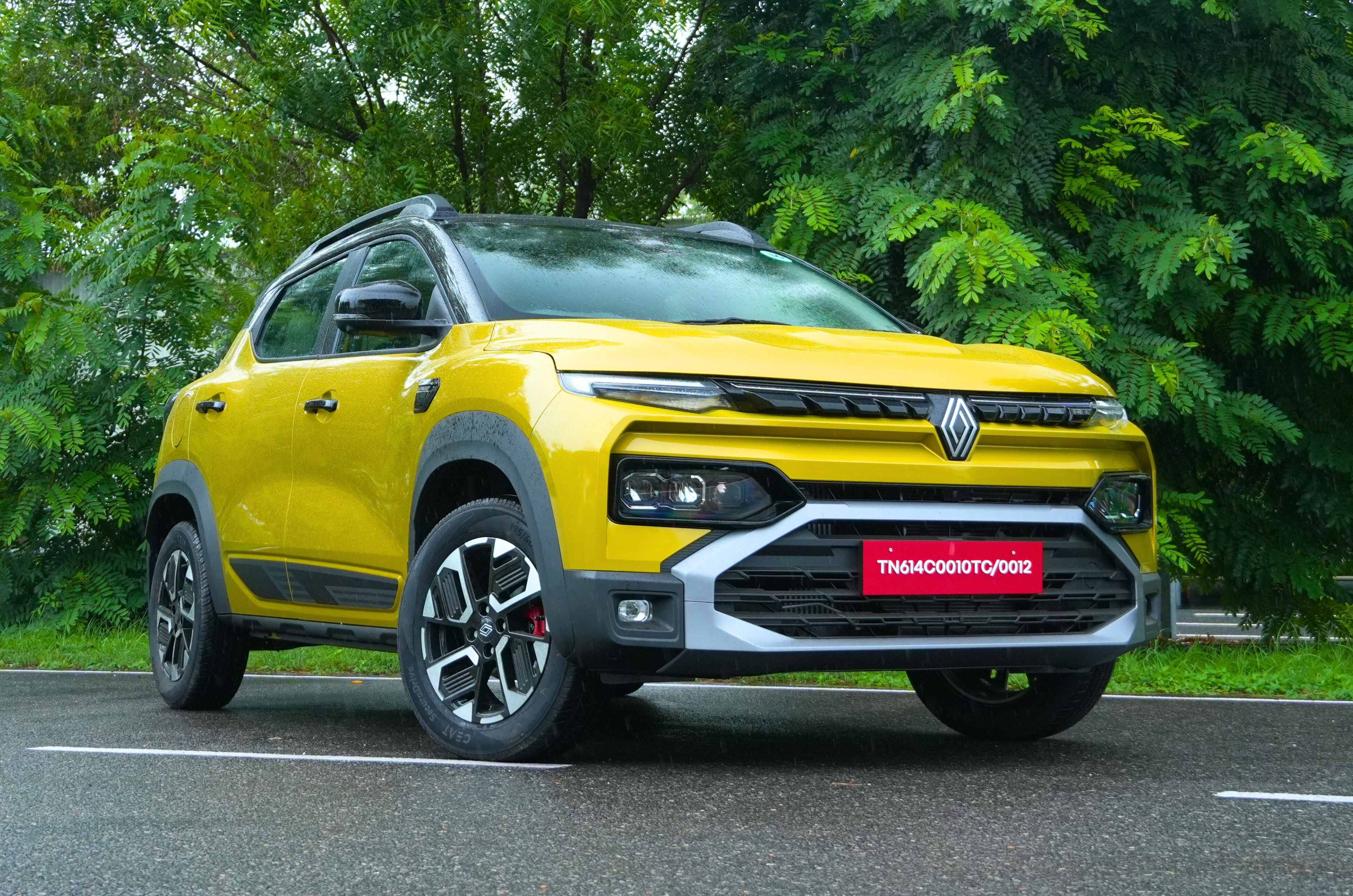
Renault Duster front quarter static

Renault India is offering substantial benefits across its portfolio in September 2026. For the first time, the latest-gen Duster is available with attractive benefits. Additionally, the French carmaker is offering cash discounts, exchange or scrappage benefits, loyalty schemes and a corporate or rural offer on its line-up. 

Disclaimer: Offers/benefits may vary by city and are subject to stock availability. Buyers are advised to check with their local dealer for exact figures. Customers can also check out Renault India’s official website for further details.

Renault Duster offers in September 2026 

Benefits of up to Rs 1.8 lakh

Select variants of the Duster SUV are available with benefits of up to Rs 1.8 lakh. These include a cash discount of up to Rs 30,000 and an exchange or scrappage bonus of up to Rs 50,000. Upgrading from a Renault car gets customers a loyalty benefit of Rs 10,000, but buyers upgrading from an older iteration of the Duster get a loyalty benefit of Rs 1 lakh. The Renault midsize SUV has a price range of Rs 10.49 lakh to Rs 18.49 lakh.

Renault Kiger offers in September 2026

Benefits of up to Rs 85,000

The Renault Kiger gets benefits of up to Rs 85,000 depending on the variant. These include a cash discount of up to Rs 30,000, a loyalty benefit of up to Rs 25,000 and an exchange or scrappage bonus of up to Rs 25,000. There’s also a corporate or rural offer of up to Rs 5,000. Renault’s crossover is priced between Rs 5.81 lakh and Rs 10.40 lakh.  

Renault Triber offers in September 2026 

Benefits of up to Rs 50,000

The Triber is available with benefits of up to Rs 50,000. These comprise a cash discount of up to Rs 20,000, an exchange or scrappage benefit of up to Rs 25,000 and a corporate or rural offer of up to Rs 5,000. Prices for the Renault MPV range between Rs 5.81 lakh and Rs 8.53 lakh.

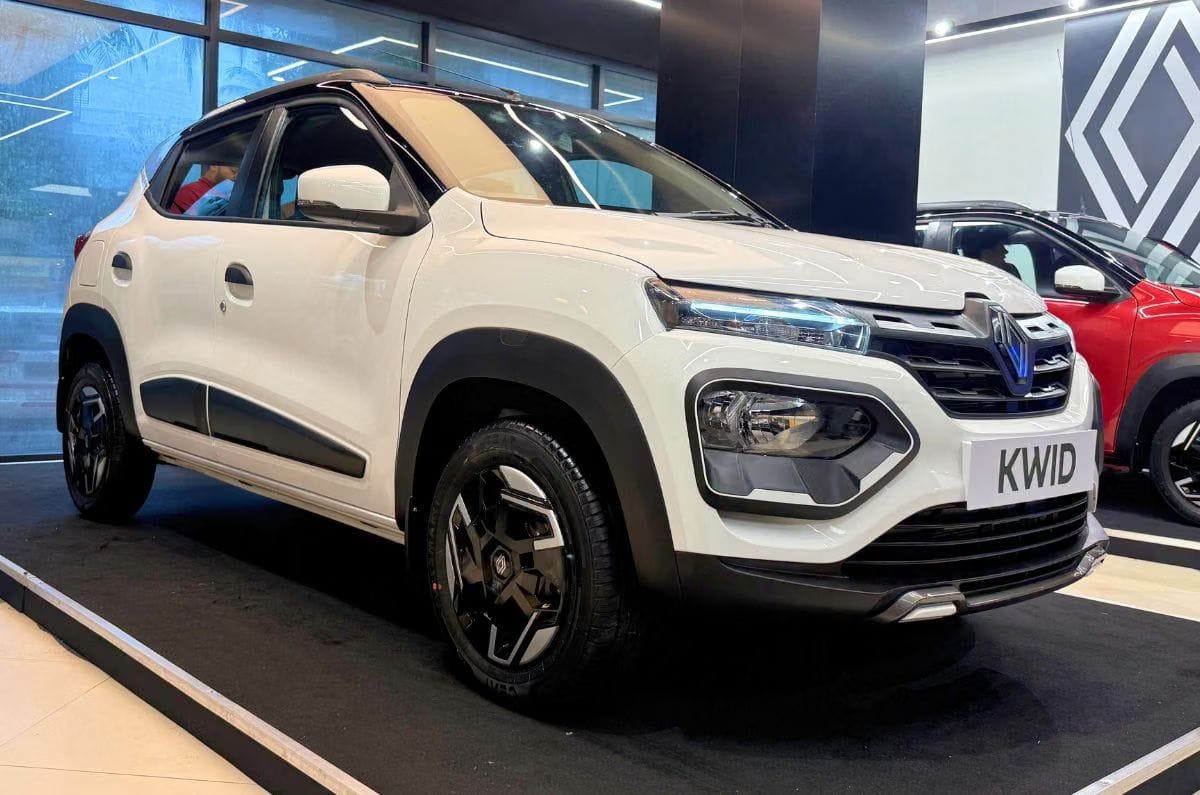
Renault Kwid offers in September 2026 

Benefits of up to Rs 40,000

The Kwid is available with benefits of up to Rs 40,000. Select variants of Renault’s most affordable car get a cash discount of up to Rs 15,000 and a scrappage bonus of up to Rs 25,000. The entry-level hatchback has a starting price of Rs 4.53 lakh, while its top variant costs Rs 5.61 lakh. 

Maruti Victoris gets benefits of up to Rs 1.35 lakh in September 2026

Maruti Victoris gets benefits of up to Rs 1.35 lakh in September 2026
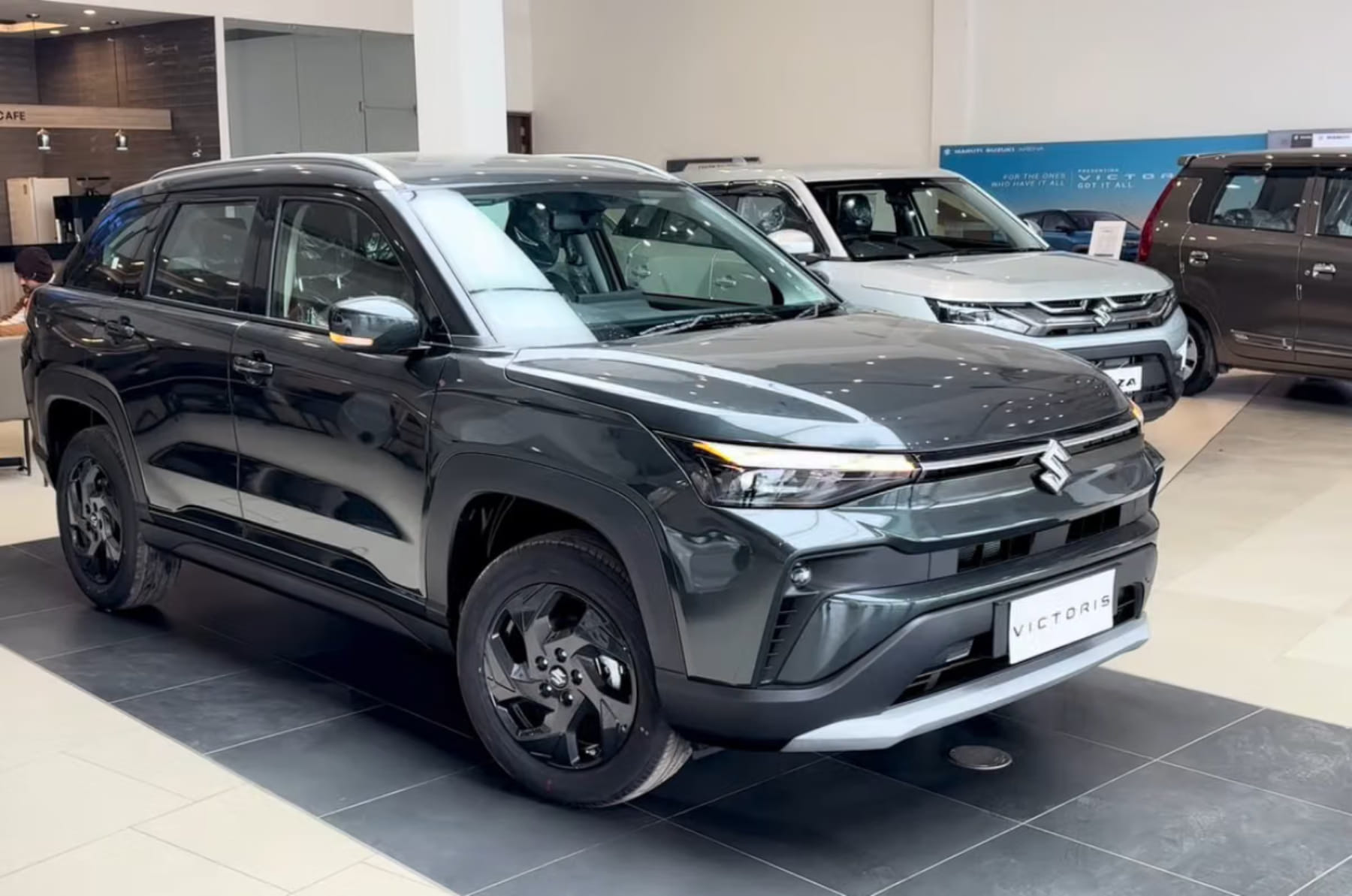
Maruti Victoris

Maruti Suzuki is offering discounts on the Victoris, Swift, Wagon R, Alto K10, Celerio, S-Presso and Eeco in September 2026. The highest benefits this month are available on the Victoris strong hybrid, at up to Rs 1.35 lakh, while its petrol and CNG variants get benefits of up to Rs 85,000. These offers comprise cash discounts, exchange or scrappage bonuses, loyalty benefits, additional discounts and institutional discounts, depending on the variant.

Note: These offers are applicable until September 30 and may vary by city, dealership and stock availability. Please check with your nearest Maruti Arena dealership for the exact discounts.

Maruti Victoris discounts in September 2026

Up to Rs 1.35 lakh off

The Victoris strong hybrid gets benefits of up to Rs 1.35 lakh. These include a Rs 20,000 cash discount, exchange benefits of up to Rs 50,000, an additional discount of up to Rs 35,000, a Rs 30,000 loyalty benefit and a Rs 10,000 institutional discount. Customers opting for scrappage can avail of a bonus of up to Rs 45,000 instead of the exchange benefit.

The petrol and CNG variants get benefits of up to Rs 85,000. Both are eligible for an exchange bonus of up to Rs 30,000, an additional discount of up to Rs 15,000, a Rs 20,000 loyalty benefit and a Rs 10,000 institutional discount. The scrappage bonus is capped at Rs 25,000 for petrol variants and Rs 20,000 for CNG variants. The Victoris rivals the Hyundai Creta, Kia Seltos, Tata Sierra and Honda Elevate and is priced from Rs 10.50 lakh to Rs 19.99 lakh.

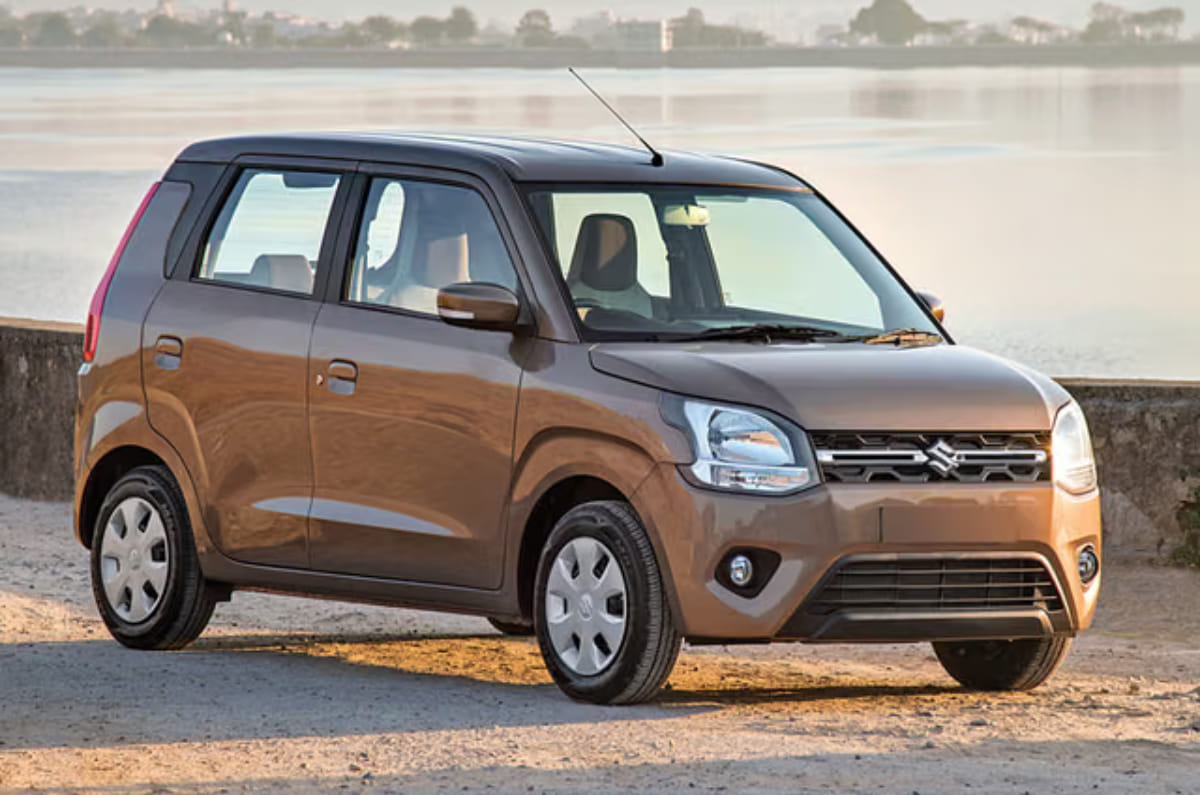
Maruti Wagon R discounts in September 2026

Up to Rs 57,500 off
 

The Wagon R petrol gets benefits of up to Rs 57,500, comprising a Rs 30,000 cash discount, exchange bonus of up to Rs 15,000, additional discount of Rs 10,000 and institutional discount of Rs 2,500. Customers opting for scrappage can avail of a Rs 10,000 bonus instead of the exchange benefit. The CNG version gets benefits of up to Rs 47,500, including a Rs 20,000 cash discount, exchange bonus of up to Rs 15,000, additional discount of Rs 10,000 and institutional discount of Rs 2,500. Priced between Rs 4.99 lakh and Rs 7.24 lakh, the Wagon R rivals the Tata Tiago and Citroen C3.

Maruti Alto K10 discounts in September 2026

Up to Rs 52,500 off

The Alto K10 LXi petrol gets benefits of up to Rs 52,500, comprising a Rs 25,000 cash discount, exchange bonus of up to Rs 15,000, additional discount of Rs 10,000 and institutional discount of Rs 2,500. Other petrol variants get benefits of up to Rs 42,500, with the cash discount reduced to Rs 15,000.

CNG variants get benefits of up to Rs 37,500, including a Rs 10,000 cash discount, exchange bonus of up to Rs 15,000, additional discount of Rs 10,000 and institutional discount of Rs 2,500. A Rs 10,000 scrappage bonus is available instead of the exchange benefit. This rival to the Renault Kwid is priced between Rs 3.70 lakh and Rs 5.45 lakh.

Maruti Swift discounts in September 2026

Up to Rs 45,000 off

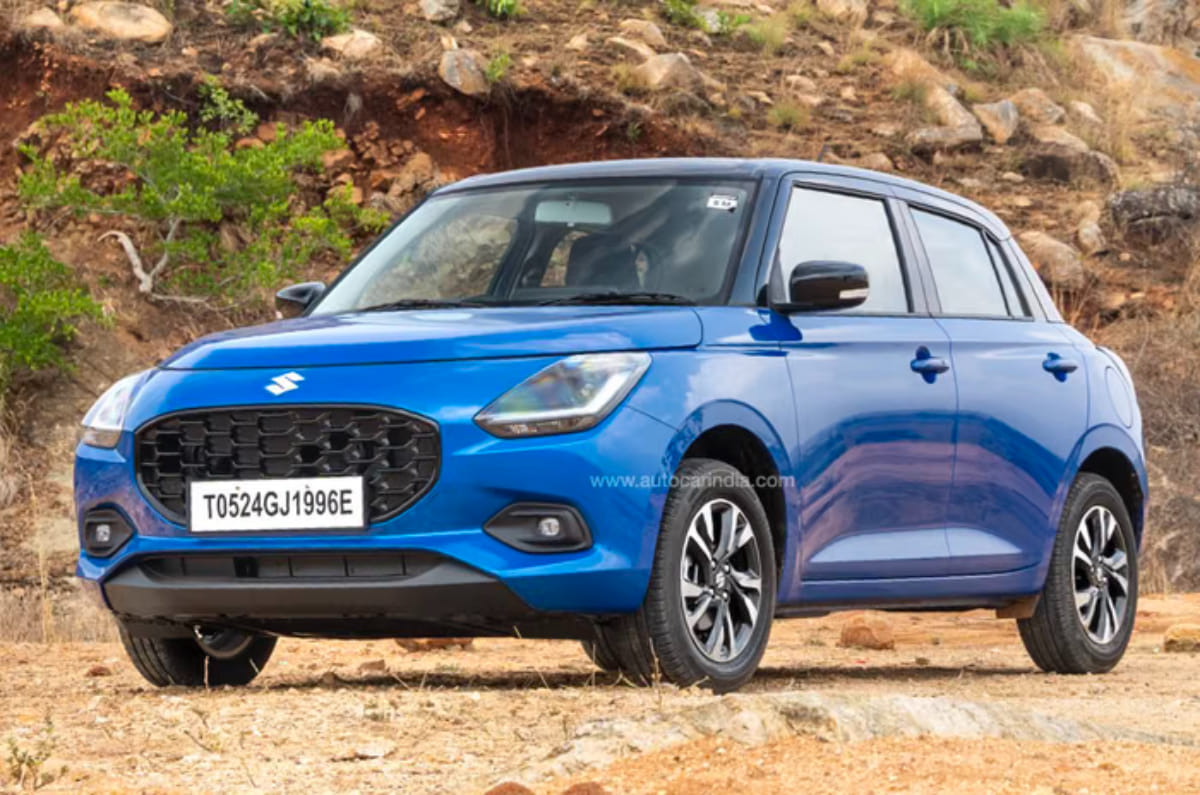
Petrol variants of the Swift get benefits of up to Rs 45,000, comprising a Rs 15,000 cash discount, exchange bonus of up to Rs 15,000, additional discount of Rs 10,000 and institutional discount of Rs 5,000. A Rs 10,000 scrappage bonus is available instead of the exchange benefit. CNG variants get benefits of up to Rs 30,000, comprising an exchange bonus of up to Rs 15,000, additional discount of Rs 10,000 and institutional discount of Rs 5,000.

The Swift is priced between Rs 5.84 lakh and Rs 8.74 lakh and rivals the Hyundai Grand i10 Nios and Tata Tiago.

Maruti Celerio discounts in September 2026

Up to Rs 42,500 off

The Celerio gets benefits of up to Rs 42,500 across its variants. These comprise a Rs 15,000 cash discount, exchange bonus of up to Rs 15,000 or a Rs 10,000 scrappage bonus , additional discount of Rs 10,000 and institutional discount of Rs 2,500. A rival to the Tata Tiago and Renault Kwid, the Celerio has a starting price of Rs 4.70 lakh, with the top-spec variant costing Rs 6.75 lakh.

Maruti Eeco discounts in September 2026

Up to Rs 42,500 off

The Eeco petrol gets benefits of up to Rs 42,500, comprising a Rs 15,000 cash discount, exchange bonus of up to Rs 15,000, additional discount of Rs 10,000 and institutional discount of Rs 2,500. The CNG version gets benefits of up to Rs 32,500, including a Rs 5,000 cash discount, exchange bonus of up to Rs 15,000, additional discount of Rs 10,000 and institutional discount of Rs 2,500. There is no applicable scrappage bonus for the Eeco this month.  The Eeco is priced from Rs 5.28 lakh to Rs 6.46 lakh.

Maruti S-Presso discounts in September 2026

Up to Rs 37,500 off

The S-Presso petrol gets benefits of up to Rs 37,500, comprising a Rs 10,000 cash discount, exchange bonus of up to Rs 15,000, additional discount of Rs 10,000 and institutional discount of Rs 2,500. A Rs 10,000 scrappage bonus is available instead of the exchange benefit. Maruti’s most affordable offering currently, the S-Presso is priced from Rs 3.50 lakh to Rs 5.27 lakh and rivals the Renault Kwid and its stablemate Alto K10.

Benefits up to Rs 3 lakh on Mahindra Scorpio N in September 2026

Benefits up to Rs 3 lakh on Mahindra Scorpio N in September 2026
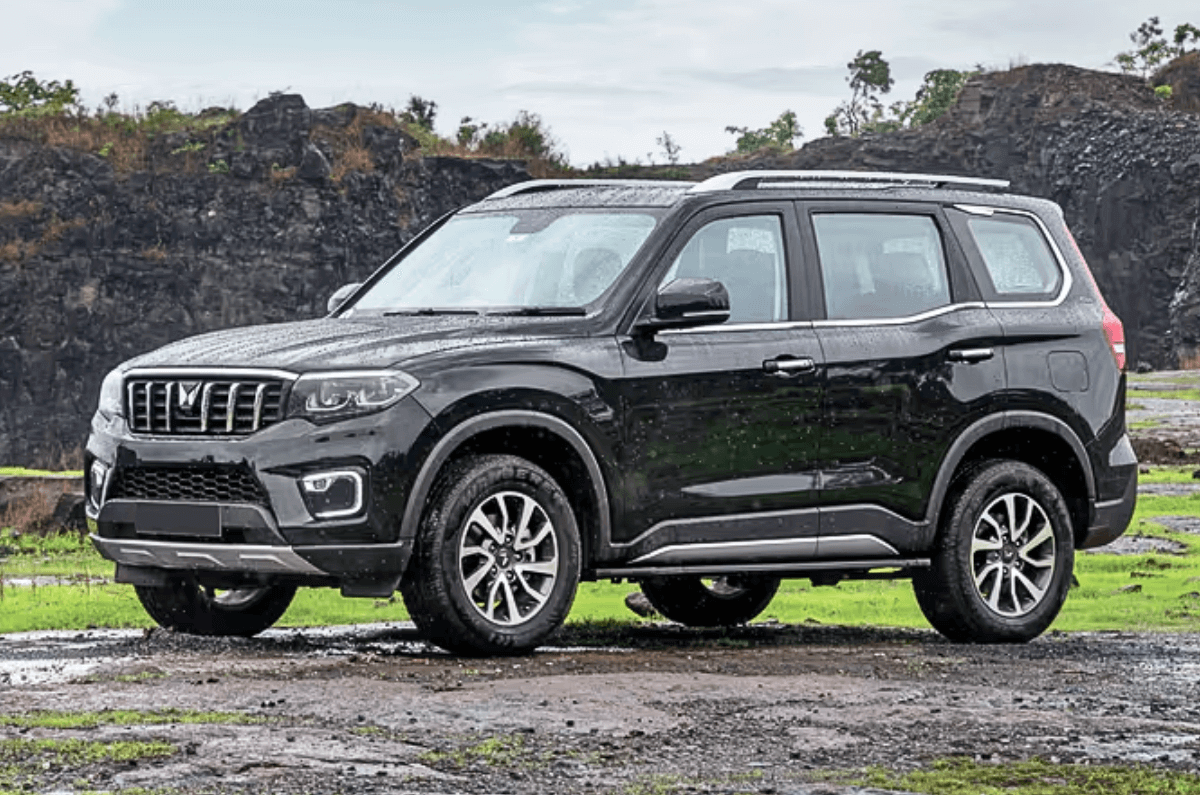
Mahindra Scorpio N front quarter static

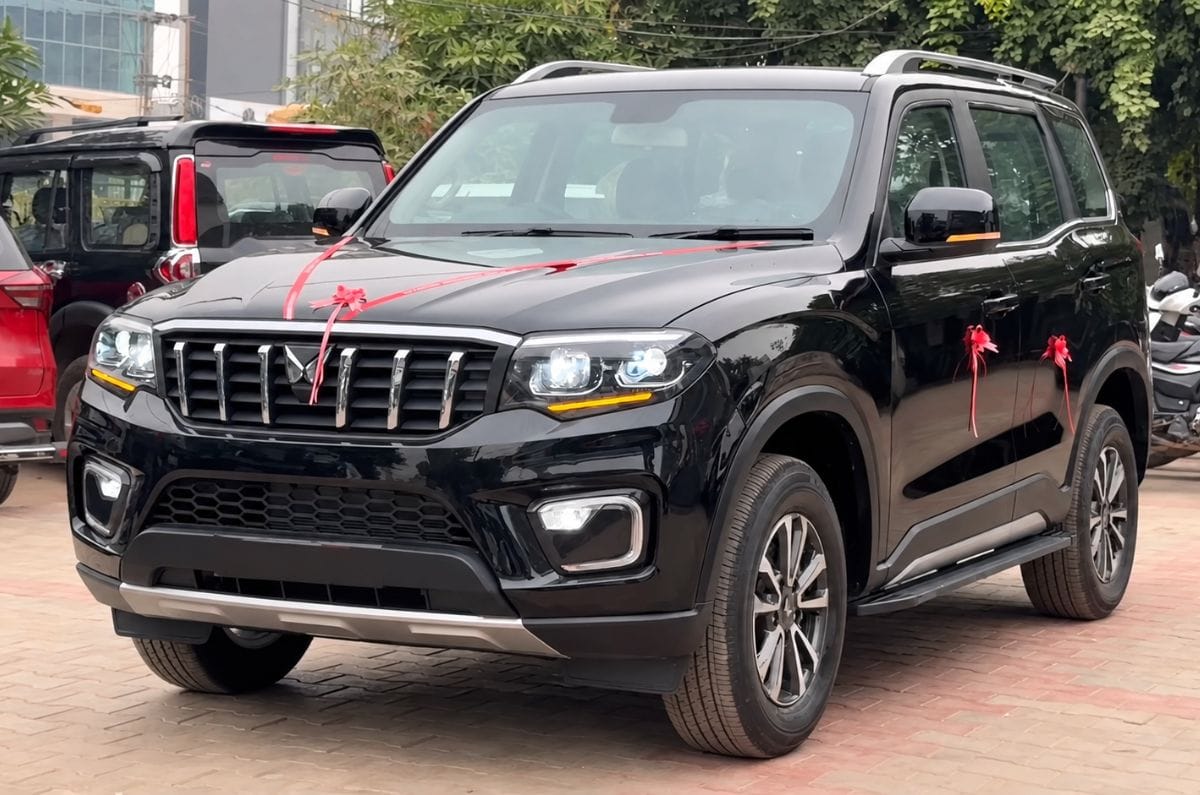
September 2026 offers on Mahindra models, including the Scorpio N, Thar Roxx, 3-door Thar and XUV 3XO. The maximum benefits are available with the older Scorpio N stock, followed by the Thar Roxx. However, the XUV 7XO, or any EV, including BE 6 Sporteq, XEV 9e and XEV 9S, are not carrying any official benefits. Let us take a look at the model-wise offer breakdown for Mahindra models in India for the month of September 2026.

Note: The mentioned offers are applicable till September 30 and may vary by city, dealership and stock availability. Please check with your nearest Mahindra dealership for the exact figures.

Mahindra Scorpio N September 2026 offers

Up to Rs 3 lakh

Older-spec Mahindra Scorpio N

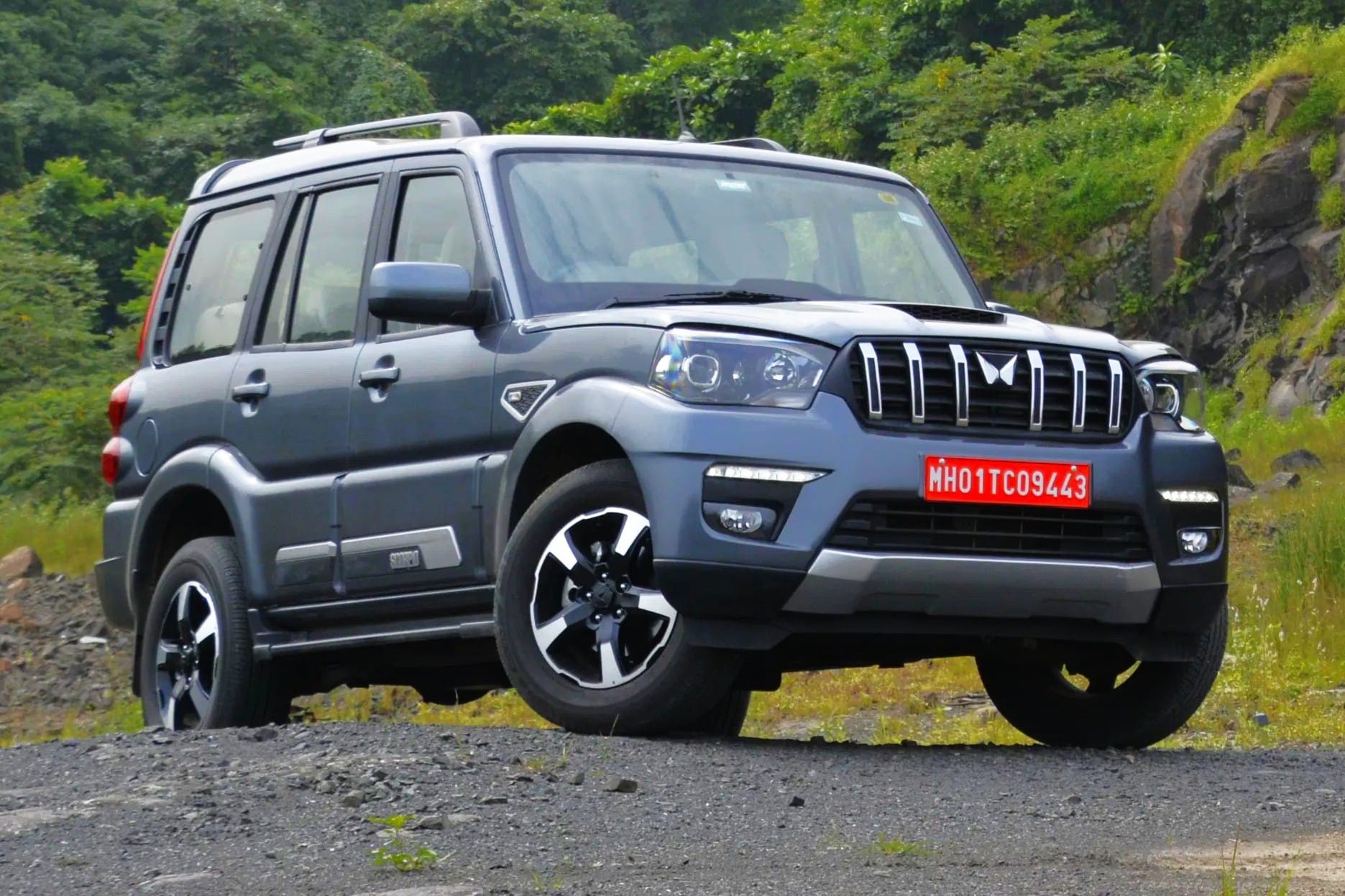
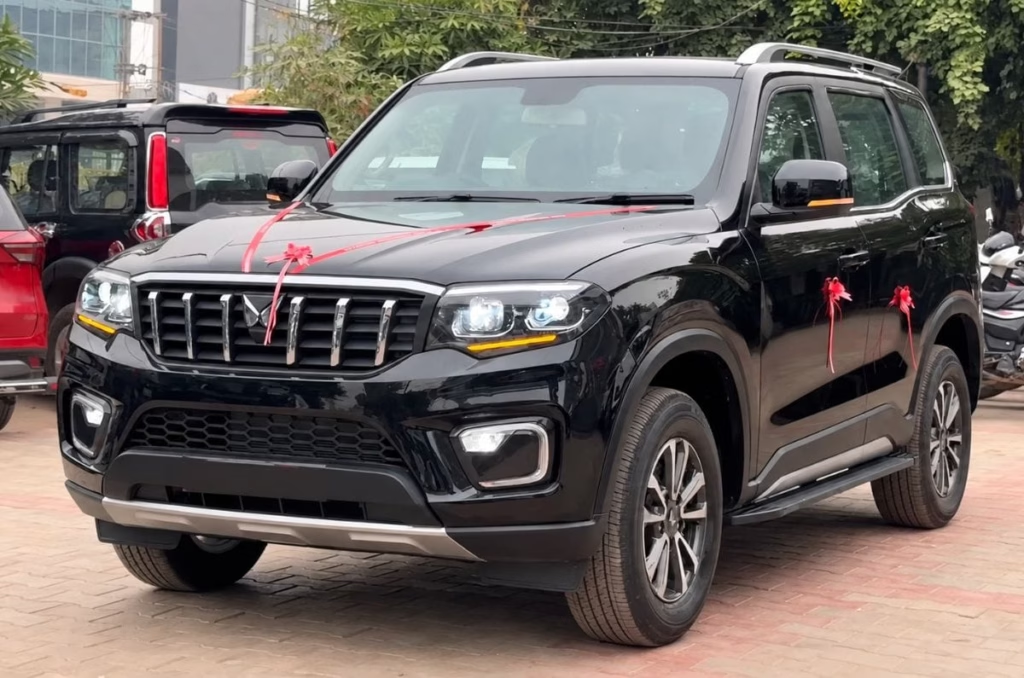
Select variants of the older-stock Mahindra Scorpio N are being offered with benefits up to Rs 3 lakh. This includes consumer offers of up to Rs 1.50 lakh, cash discounts of up to Rs 1.25 lakh and free accessories worth up to Rs 25,000. The current-spec Mahindra Scorpio N is priced from Rs 13.69 lakh to Rs 25.49 lakh and serves as an alternative to 3-row SUVs like the Tata Safari, Mahindra XUV 7XO, MG Hector Plus and Hyundai Alcazar. 

Mahindra Thar Roxx September 2026 offers

Up to Rs 2.40 lakh

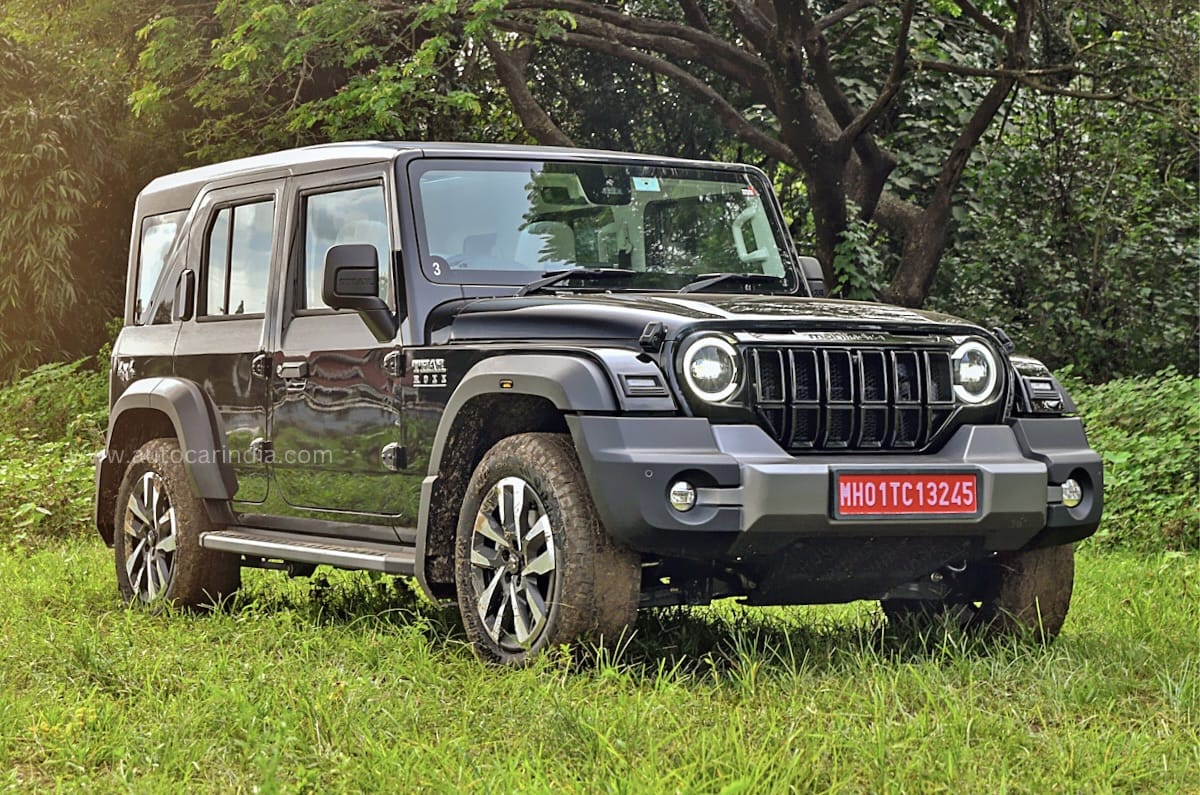
Select variants of the Mahindra Thar Roxx are available with offers of up to Rs 2.40 lakh in September 2026. Total benefits include consumer offers of up to Rs 1.20 lakh, cash discounts of up to Rs 90,000 and free accessories of up to Rs 30,000, depending on the variant chosen. The Mahindra Thar Roxx prices range from Rs 12.52 lakh to Rs 23.52 lakh. It locks horns with the Force Gurkha 5-door and can be considered an alternative to midsize SUVs like the Hyundai Creta, Tata Sierra and Renault Duster.

Mahindra XUV 3XO September 2026 offers

Up to Rs 1.20 lakh

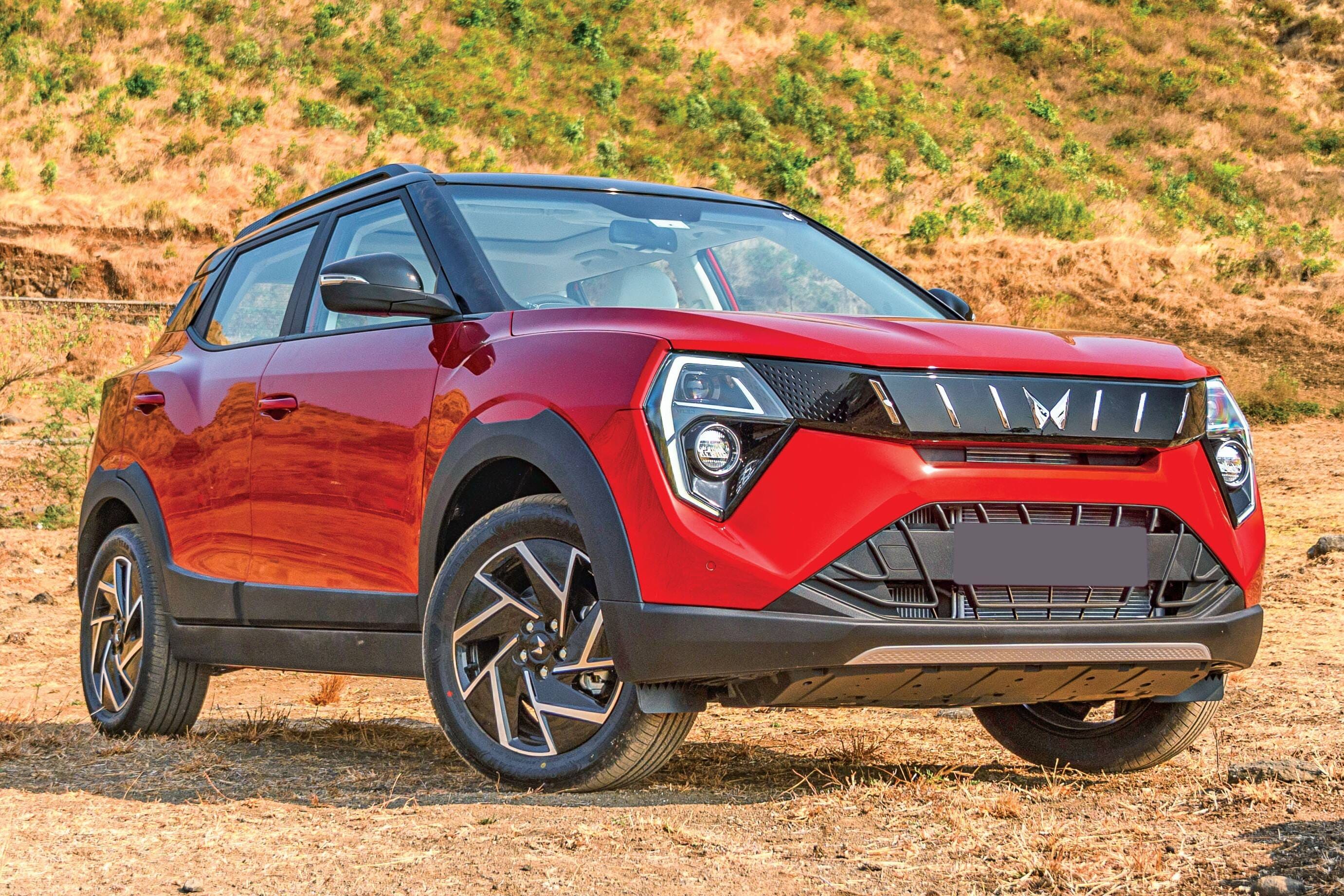
The Mahindra XUV 3XO is offered with total benefits of up to Rs 1.20 lakh, depending on the selected variant. These include up to Rs 60,000 in consumer offers, up to Rs 40,000 cash discount and up to Rs 20,000 worth of free accessories. The Mahindra XUV 3XO is priced from Rs 7.79 lakh to Rs 15.04 lakh, and rivals compact SUVs such as the Tata Nexon, Hyundai Venue, Kia Sonet, and Maruti Suzuki Brezza.

Mahindra Scorpio Classic September 2026 offers

Up to Rs 1.10 lakh

The Scorpio Classic is being offered with total benefits of up to Rs 1.10 lakh in September 2026. Along with consumer offers worth Rs 50,000, it also includes a cash discount of up to Rs 30,000 and free accessories worth up to Rs 30,000, depending on the variant. Prices of the Mahindra Scorpio Classic range from Rs 3.37 lakh to Rs 17.40 lakh.

Mahindra Thar 3-door September 2026 offers

Up to Rs 1 lakh

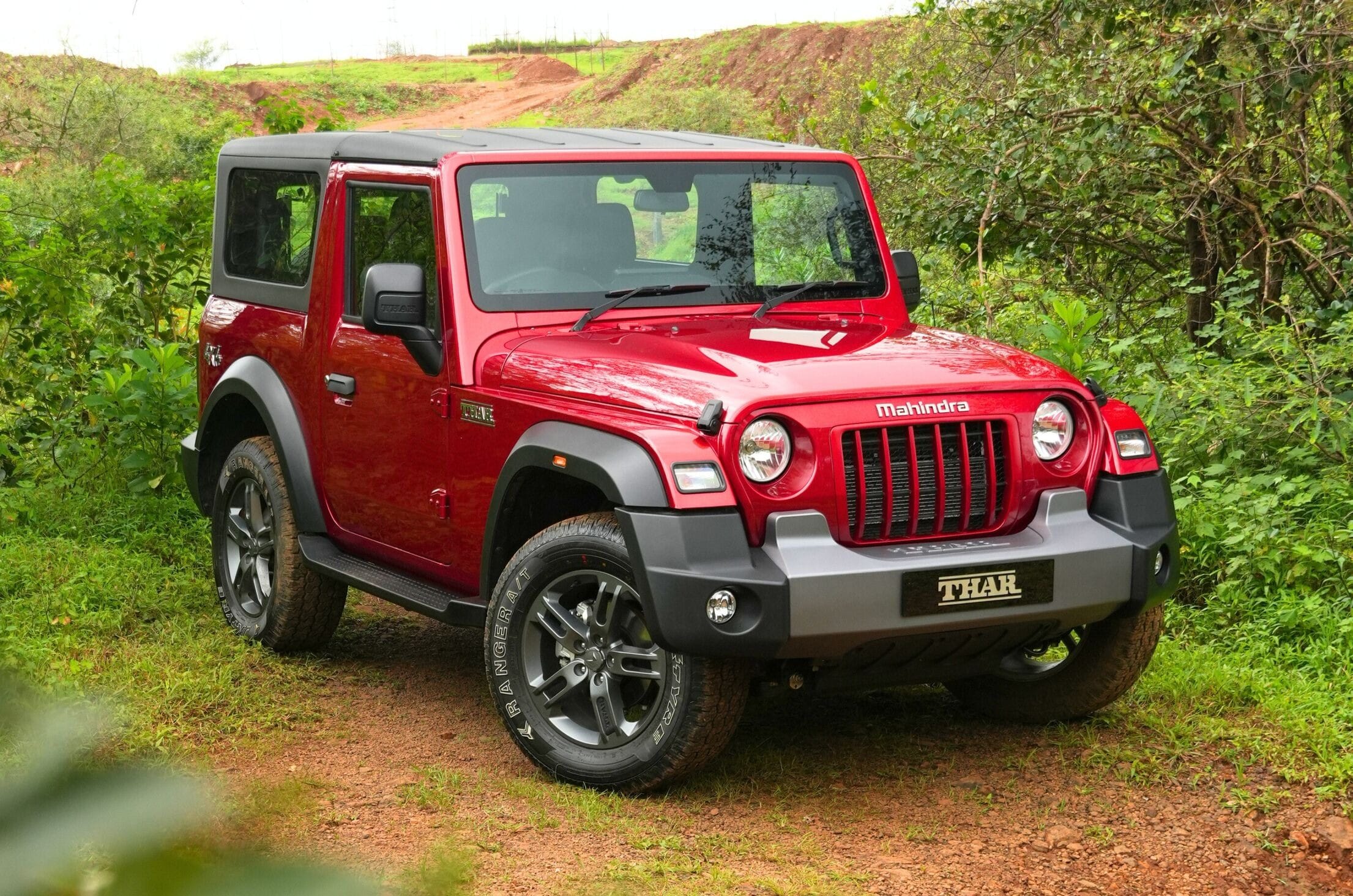
Mahindra is offering the 3-door Thar’s four-wheel-drive (4WD) variants with benefits of up to Rs 1 lakh, which includes consumer offers of up to Rs 50,000, cash discounts of up to Rs 30,000 and free accessories worth up to Rs 20,000. The rear-wheel-drive (RWD) variants, however, are offered with no official offers. The Mahindra Thar is priced from Rs 10.32 lakh to Rs 18 lakh and it locks horns with Force Gurkha 3-door and can be considered an alternative to the Maruti Suzuki Jimny.

Mahindra Bolero Neo (including Neo Plus) September 2026 offers

Up to Rs 50,000

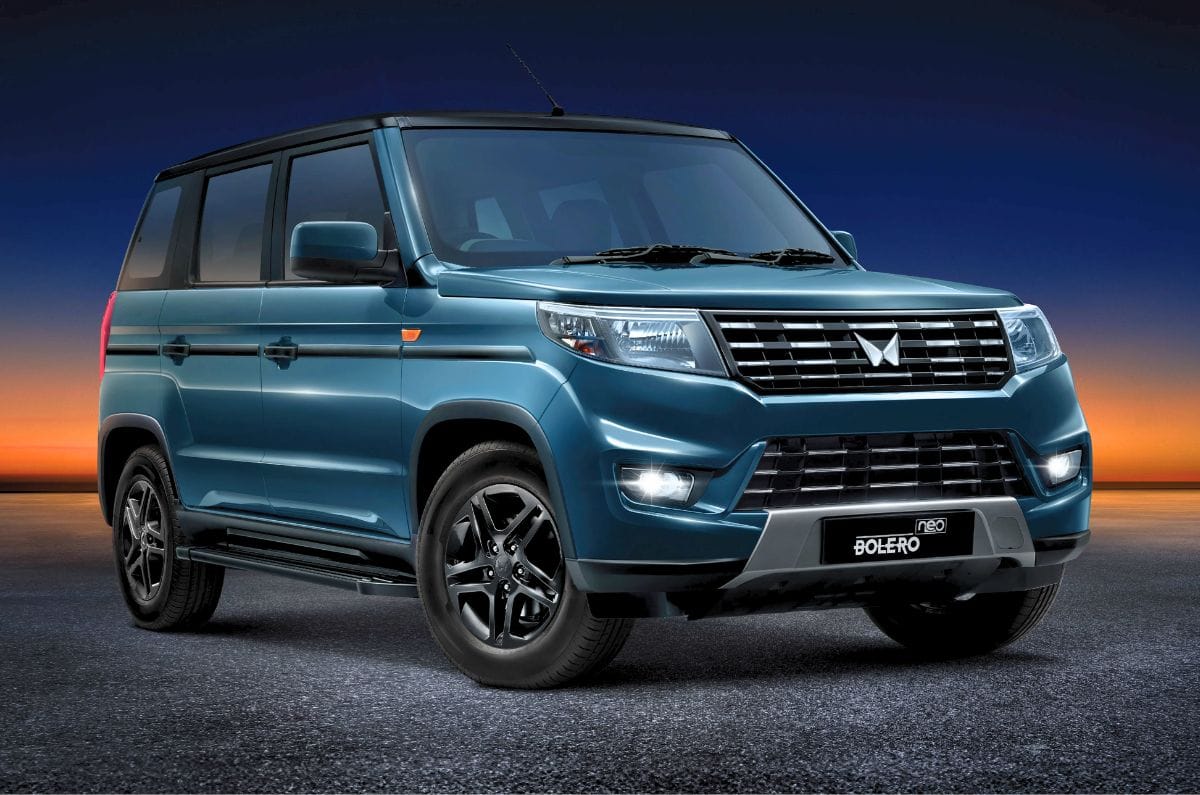
Mahindra is offering the Bolero Neo Plus with offers up to Rs 50,000, including a consumer offer of up to Rs 25,000, a cash discount of up to Rs 15,000 and free accessories worth up to Rs 10,000, depending on the variant. The Bolero Neo gets lower benefits of up to Rs 20,000, which includes a consumer offer and a cash discount of up to Rs 10,000 each. The Bolero Neo Plus is priced from Rs 11.39 lakh to Rs 13.49 lakh, while the smaller Bolero Neo prices range from Rs 8.99 lakh to Rs 10.79 lakh. 

Prices are ex-showroom, India.
Benefits up to Rs 75,000 on Tata Nexon in September 2026

Benefits up to Rs 75,000 on Tata Nexon in September 2026

Tata Motors has revealed offers on its combustion-powered cars for September 2026. The highest benefits are available on the Curvv, followed by the Nexon. There are offers on the Altroz, Harrier, Sierra, Sierra, Tigor, and pre-2026 Tiago stock available at some dealerships. These offers will provide some relief from the price hike introduced by the carmaker earlier this month.

Note: These offers, applicable until September 30, may vary by city, dealership and stock availability. Please check with your nearest Tata dealership for the exact figures.

Tata Curvv offers in September 2026

Up to Rs 1.25 lakh

Just like last month, The Tata Curvv is available with offers of up to Rs 1.25 lakh in September. These include a discount of Rs 30,000, a scrappage benefit of Rs 45,000 and a loyalty benefit of Rs 50,000. Tata recently rejigged the Curvv’s variant line-up by introducing more features in entry-level and mid-spec trims.

Tata Nexon offers in September 2026

Up to Rs 75,000

Benefits up to Rs 1.25 lakh on Tata Curvv in August 2026

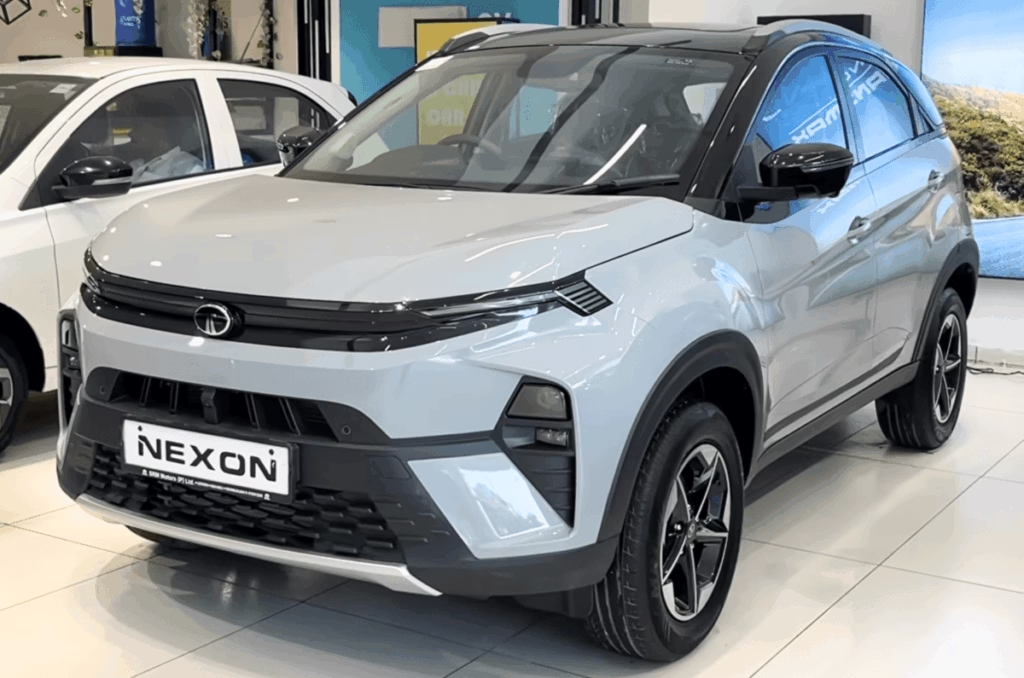
Next, the Tata Nexon is available with offers of up to Rs 75,000. For petrol-manual trims – Smart+, Smart+S, Pure, Pure S, Pure+, Pure+ S and Pure+ PS – the offers include a discount of Rs 10,000, an intervention offer of Rs 45,000 and a scrappage benefit of Rs 20,000. Other petrol trims of the compact SUV get up to Rs 55,000, comprising a discount of Rs 10,000, intervention offer of Rs 25,000 and scrappage benefit of Rs 20,000. 

The Nexon CNG gets offers of up to Rs 60,000, including a discount of Rs 10,000, intervention offer of Rs 25,000 and scrappage benefit of Rs 25,000. Meanwhile, the diesel version gets a scrappage benefit of Rs 20,000.

Tata Altroz offers in September 2026

Up to Rs 55,000

The Tata Altroz gets offers of up to Rs 55,000. Petrol trims, excluding Smart, get up to Rs 35,000, including a discount of Rs 15,000 and a scrappage benefit of Rs 20,000. Its CNG version gets up to Rs 55,000, comprising a discount of Rs 15,000, an intervention offer of Rs 20,000 and a scrappage benefit of Rs 20,000. The Altroz diesel gets up to Rs 35,000, including a discount of Rs 15,000 and a scrappage benefit of Rs 20,000.

Tata Harrier offers in September 2026

Up to Rs 45,000

Benefits up to Rs 1.25 lakh on Tata Curvv in August 2026

The Tata Harrier diesel gets offers of up to Rs 45,000, including a discount of Rs 10,000 and a scrappage benefit of Rs 35,000. There is no discount on the Harrier turbo-petrol trims.

Tata Safari offers in September 2026

Up to Rs 45,000

Like the Harrier, the Tata Safari diesel also gets offers of up to Rs 45,000 in September. It gets the same discount and scrappage benefits. Also, there is no discount on the Safari turbo-petrol trims.

Pre-2026 Tata Tiago offers in September 2026

Up to Rs 35,000

Pre-2026 Tata Tiago offers in September 2026

Pre-2026 Tata Tiago models get offers of up to Rs 35,000. Petrol trims, excluding XE, get a discount of Rs 15,000, an intervention offer of Rs 5,000 and a scrappage benefit of Rs 15,000. The pre-2026 CNG version, also excluding the XE trim, gets the same offers.

Tata Tigor offers in September 2026

Up to Rs 30,000

The Tata Tigor gets offers of up to Rs 30,000. These include a discount of Rs 15,000 and a scrappage benefit of Rs 15,000.

Tata Sierra offers in September 2026

Up to Rs 30,000

Tata Sierra offers in September 2026

Lastly, the Tata Sierra gets offers of up to Rs 30,000 in September 2026. For both the diesel and petrol versions, buyers can avail of a Rs 30,000 benefit through a discount, scrappage or loyalty benefit.

Tata Harrier EV discounts go up to Rs 2.75 lakh in September 2026

Tata Harrier EV discounts go up to Rs 2.75 lakh in September 2026
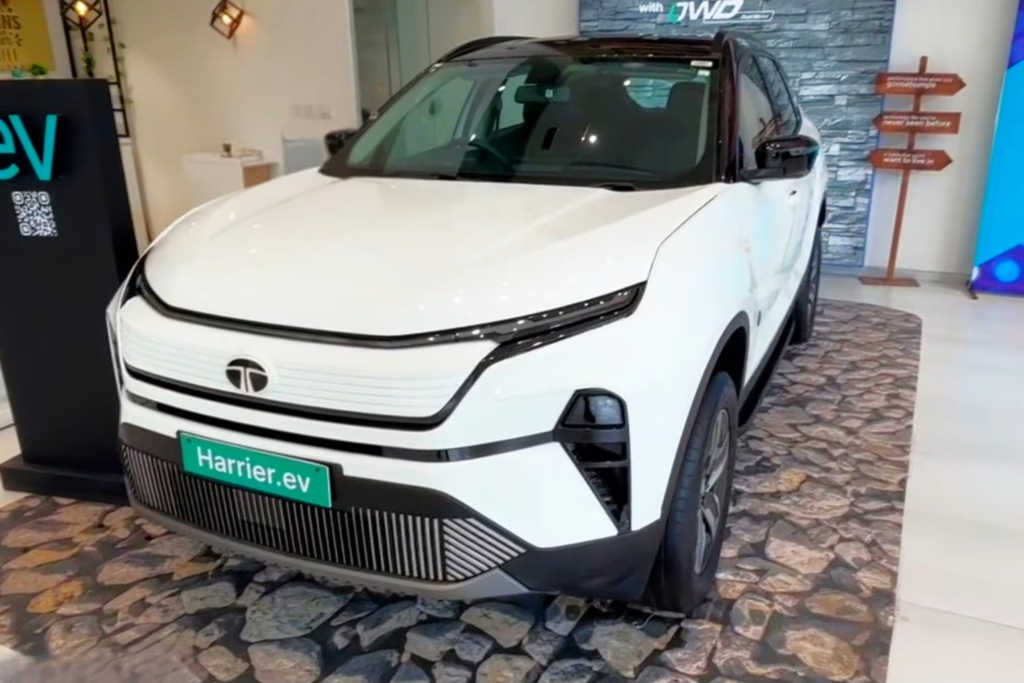
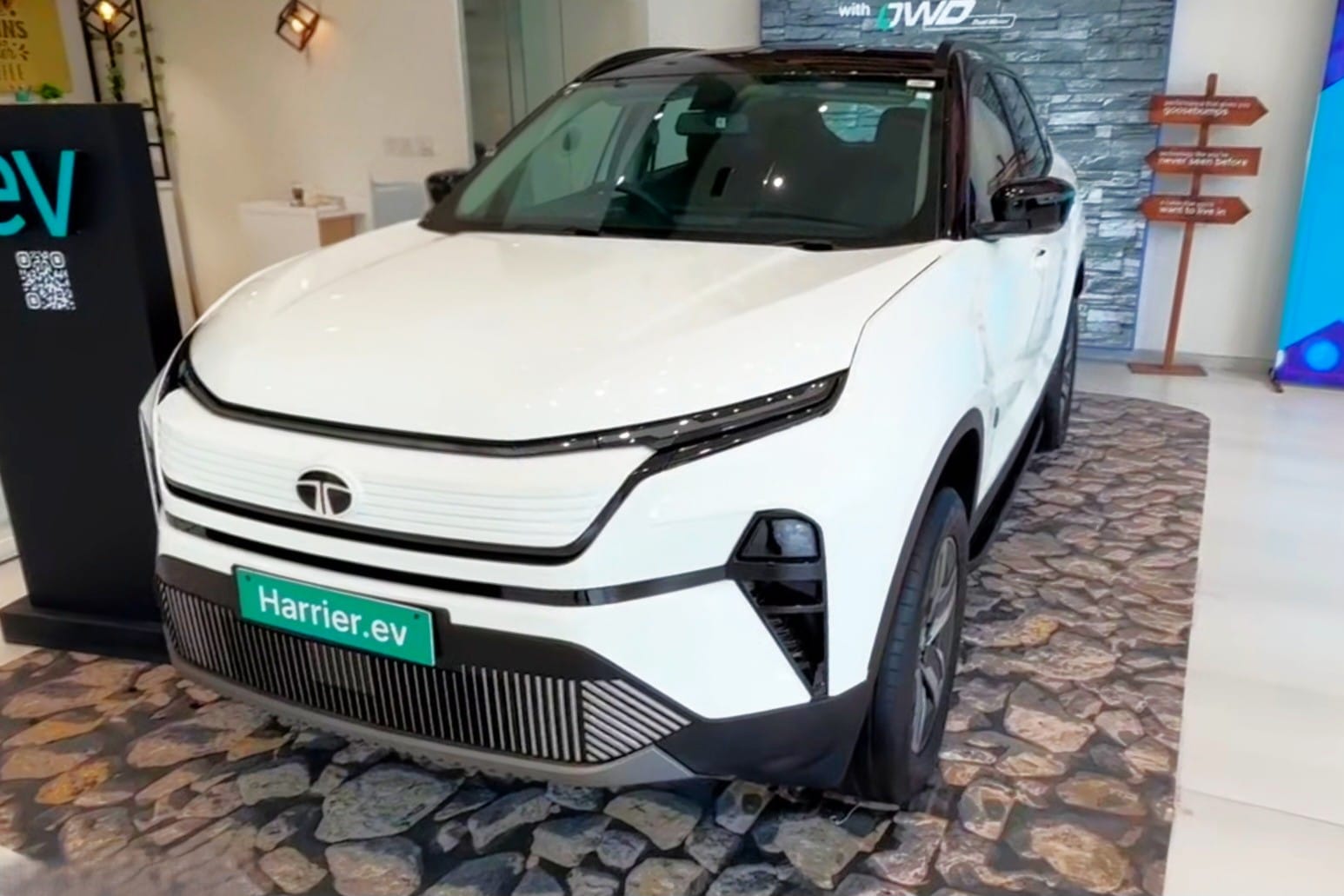
tata harrier ev in showroom

Tata Motors is offering enticing discounts throughout September to those looking to bring home one of its electric models such as the Harrier EV, Curvv EV and Nexon EV, among others. Depending on the model and variant, the available benefits include cash discounts, intervention offers, exchange/scrappage bonuses and loyalty incentives.

Disclaimer: Offers/benefits may vary by city and are subject to stock availability. Buyers are advised to check with their local dealer for exact figures.

Tata Harrier EV offers in September 2026

Benefits of up to Rs 2.75 lakh

Tata’s current flagship electric car, the Harrier EV, can be purchased with maximum benefits of Rs 2.75 lakh for the mid-spec Fearless and top-spec Empowered trim levels. These include an intervention offer of Rs 1 lakh, an exchange/scrappage bonus of up to Rs 75,000 and a loyalty incentive of up to Rs 1 lakh. Meanwhile, the lower-spec Adventure trim of the Harrier EV is available with a reduced intervention offer of Rs 75,000, bringing its total benefits to Rs 2.5 lakh. The Harrier EV is priced in the Rs 21.79 lakh-29.79 lakh range, excluding premiums for cosmetic packages.

Tata Curvv EV offers in September 2026

Benefits of up to Rs 3.35 lakh

Discounts on the Curvv EV climb to Rs 3.35 lakh for variants available prior to the coupe-SUV’s SeriesX update in May 2026. These comprise a Rs 3 lakh cash discount and an exchange/scrappage bonus of up to Rs 35,000. However, the base Curvv EV Creative variant (pre-SeriesX) gets a lower Rs 2.5 lakh cash discount, lowering the total savings to Rs 2.85 lakh. The Curvv’s current SeriesX variants come with a maximum benefit of Rs 65,000, courtesy of an exchange/scrappage offer of up to Rs 35,000 and a Rs 30,000 loyalty bonus. Prices for the Curvv EV range from Rs 17.19 lakh to Rs 19.39 lakh.

Tata Nexon EV offers in September 2026

Benefits of up to Rs 45,000

All variants of the Nexon EV are available with benefits of up to Rs 45,000 this month. These comprise a cash discount of Rs 10,000 and an exchange/scrappage bonus of up to Rs 35,000. The Nexon EV price starts at Rs 12.49 lakh and tops out at Rs 17.69 lakh, excluding premiums for cosmetic packages.

Tata Punch EV offers in September 2026

Benefits of up to Rs 1.45 lakh

Pre-facelift Tata Punch EV rear quarter

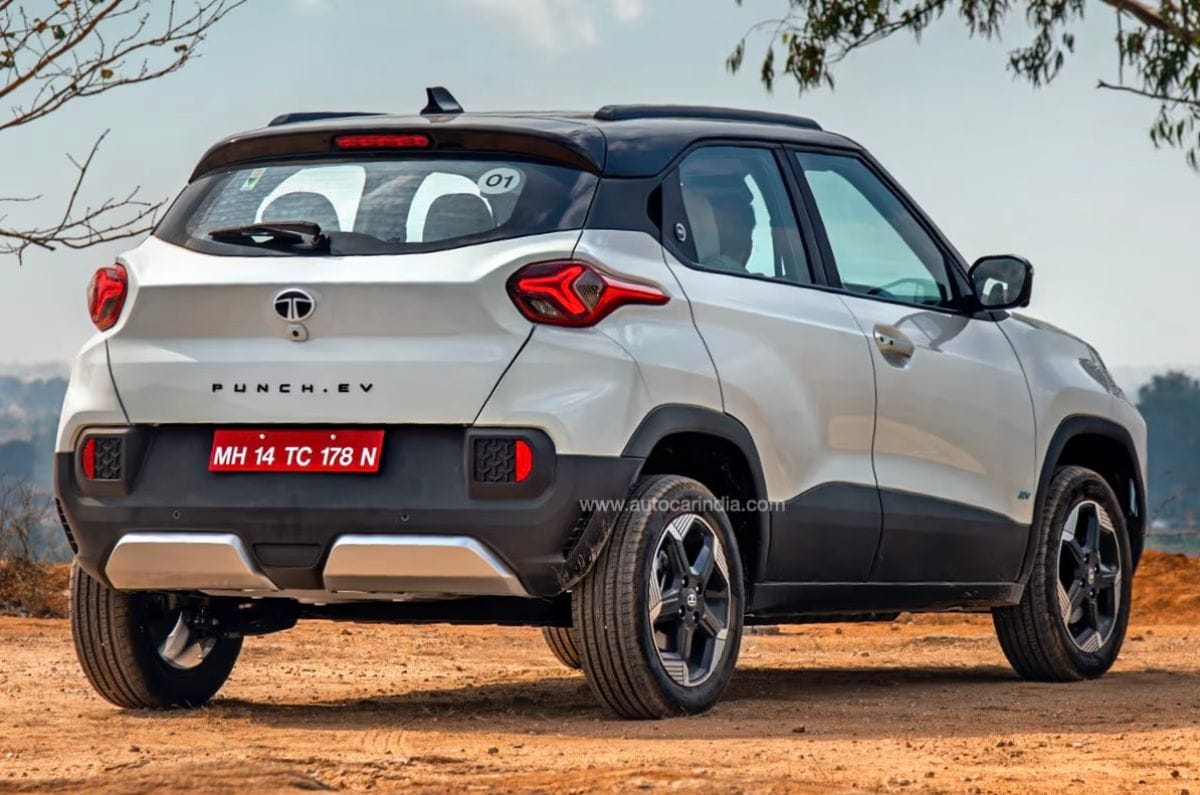
Long Range (35kWh) variants of the pre-facelift Punch EV are being offered with benefits of up to Rs 1.45 lakh, including a Rs 1.1 lakh cash discount and an exchange/scrappage bonus of up to Rs 35,000. Medium Range (25kWh) variants, on the other hand, get a lower cash discount of Rs 90,000, which works out to a benefit of Rs 1.25 lakh. Lastly, the base Smart variant is available with a Rs 60,000 cash discount, so the total benefit for it adds up to Rs 95,000. The facelifted Punch EV is not available with any discounts in September.

Tata Tiago EV offers in September 2026

Benefits of up to Rs 1.45 lakh

Pre-facelift Tata Tiago EV front quarter

Like the Punch EV, the pre-facelift Tiago EV can be purchased with maximum benefits of Rs 1.45 lakh for the mid-spec XT Long Range (24kWh) variant. These comprise a Rs 70,000 cash discount, a Rs 50,000 intervention offer and an exchange/scrappage bonus of up to Rs 25,000. The higher-spec XZ+ Long Range variant instead gets a Rs 1 lakh cash discount but no intervention offer, amounting to total benefits of Rs 1.25 lakh. Lastly, all Medium Range (19kWh) variants are available with a Rs 40,000 cash discount, translating to combined benefits of Rs 65,000.

Kia Clavis discounts go up to Rs 1.20 lakh in September 2026

Kia Clavis discounts go up to Rs 1.20 lakh in September 2026
Kia Carens Clavis showroom image front quarter

Kia has announced a range of enticing offers for buyers this September. These schemes come in the form of cash offers, exchange or scrappage benefits, loyalty incentives and corporate discounts. The most lucrative of deals are being offered with the Carnival and Carens Clavis MPV range. Kia’s discounts will be valid from September 1 to September 30, 2026.

Disclaimer: Offers/benefits may vary by city and are subject to stock availability. Buyers are advised to check with their local dealer for exact figures.

Kia Carnival offers in September 2026

Benefits up to Rs 1.50 lakh

Kia Carnival Front Right Three Quarter

The Korean brand’s flagship MPV in India, the Carnival, is being offered with benefits amounting to Rs 1.50 lakh this month. This is only applicable on the 2026 model year (MY26) of the Kia Carnival, and it takes into account an exchange offer of Rs 1 lakh and a corporate discount of up to Rs 50,000. There’s only one variant of the Kia Carnival on sale, which is priced at Rs 59.65 lakh.

Kia Carens Clavis offers in September 2026

Benefits up to Rs 1.20 lakh

Select internal-combustion variants of the MY25 Carens Clavis are available this month with cash offers of Rs 70,000 and loyalty benefits of Rs 20,000. Buyers can also avail exchange offers worth Rs 30,000 or scrappage incentives of Rs 20,000. In all, the Carens Clavis (MY25) can be had with benefits amounting to Rs 1.20 lakh.

Kia Carens Clavis front quarter

Meanwhile, select variants of the Carens Clavis (MY26) available with discounts of up to Rs 65,000. This includes a cash offer of Rs 10,000, loyalty incentives of Rs 20,000, an exchange benefit of Rs 30,000 or a scrappage discount of Rs 20,000. The Kia Carens Clavis is priced between Rs 11.39 lakh and Rs 20.00 lakh.

Kia Carens Clavis EV offers in September 2026

Benefits up to Rs 55,000

Kia Carens Clavis EV Front View

The Carens Clavis EV is available in September 2026 with a loyalty bonus of Rs 20,000, a corporate discount of up to Rs 15,000, an exchange or scrappage offer worth Rs 20,000. These benefits are only offered with MY26 cars, and their combined value goes up to Rs 55,000. Meanwhile, the Kia Carens Clavis EV is priced from Rs 18.04 lakh to Rs 25.00 lakh.

Kia Sonet offers in September 2026

Benefits up to Rs 50,000

Kia Sonet Front Right Three Quarter

Buyers going for the Kia Sonet (MY26) this month can avail discounts totalling Rs 50,000. Depending on the variant, there’s a cash offer of Rs 15,000 and a corporate scheme worth up to Rs 15,000. Then there’s an exchange discount of Rs 20,000 or a scrappage incentive worth Rs 15,000. The price of the Kia Sonet ranges between Rs 7.41 lakh and Rs 13.80 lakh.

Kia Syros offers in September 2026

Benefits up to Rs 35,000

Kia Syros front quarter

Those buying an internal-combustion variant of the Syros (MY26) will be offered a corporate discount worth up to Rs 15,000. They can also choose from either an exchange offer or scrappage benefits worth Rs 20,000 – the combined discount on the Syros stands at Rs 35,000. Meanwhile, the Kia Syros ICE line-up starts at Rs 8.42 lakh and goes up to Rs 15.00 lakh.

Kia Carens offers in September 2026

Benefits up to Rs 35,000

Kia Carens Front Right Three Quarter

The non-CNG variants of the MY26 Kia Carens are being offered with a corporate discount of up to Rs 15,000 and scrappage benefits amounting to Rs 20,000 or an exchange offer worth Rs 10,000. Like with the Syros, customers of the Carens can avail discounts of up to Rs 35,000 this month. There’s only one variant of the Kia Carens, which comes in at Rs 11.12 lakh.

All prices are ex-showroom, India.

Also read

Kia Carens, Carens Clavis CNG specs, launch timeline announced

Kia unveils Syros flex-fuel concept


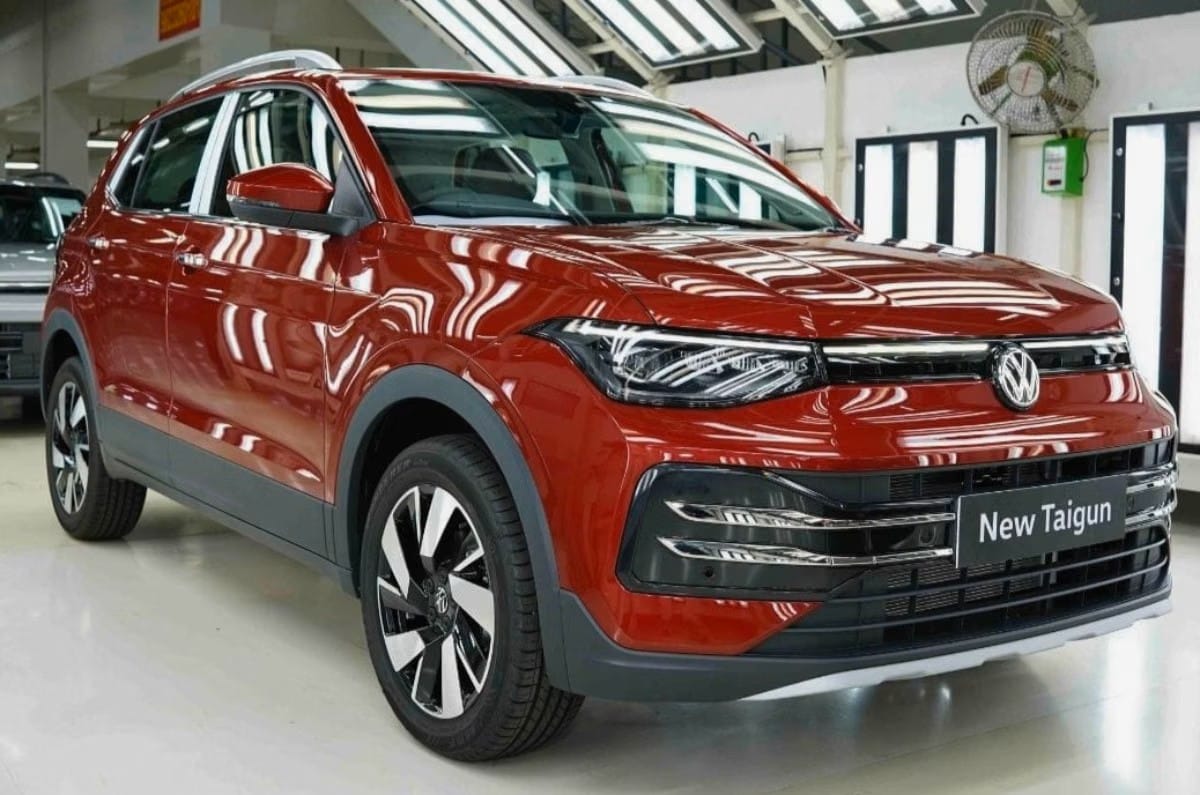
MY2025 Volkswagen Taigun gets up to Rs 3.5 lakh discount in September 2026

MY2025 Volkswagen Taigun gets up to Rs 3.5 lakh discount in September 2026
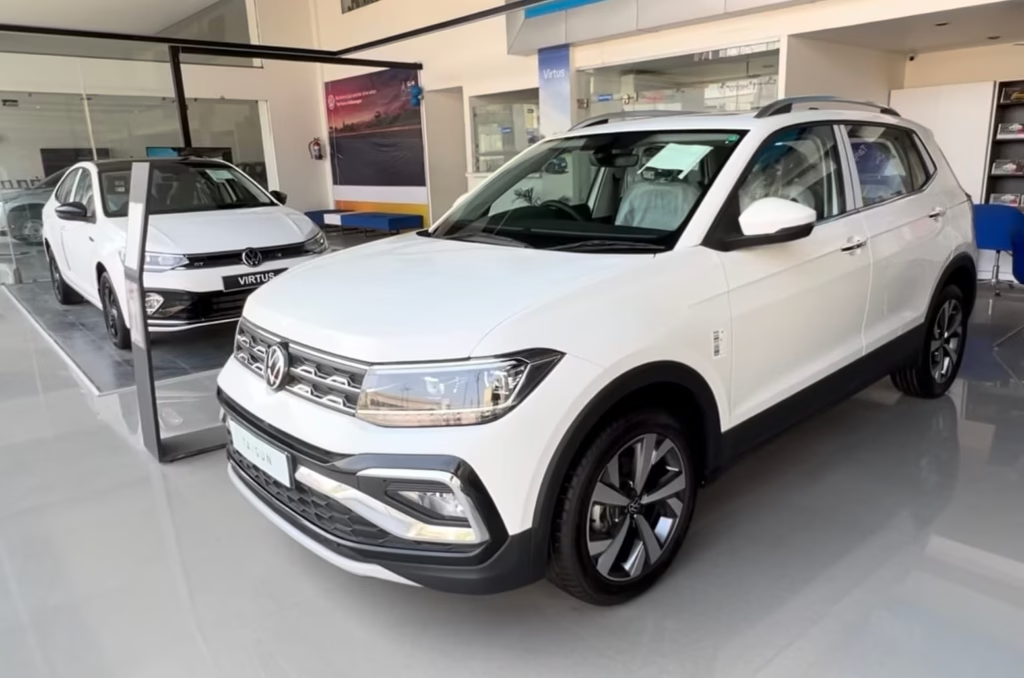
Taigun

Volkswagen is offering benefits on the Virtus, Taigun, Tiguan R-Line and Tayron in September 2026. The benefits vary by model, variant and model year, and comprise cash discounts, exchange or scrappage bonuses and loyalty benefits.

Disclaimer: Discounts vary from city to city and are subject to stock availability. Check with your local dealership for exact figures.

Volkswagen Tiguan R-Line discounts in September 2026

Up to Rs 6 lakh off

The Tiguan R-Line gets benefits of up to Rs 6 lakh in September 2026. These comprise a Rs 3.5 lakh cash discount, a Rs 2 lakh exchange bonus and a Rs 50,000 loyalty bonus. Customers opting for scrappage can get Rs 20,000 instead of the Rs 2 lakh exchange bonus.

Volkswagen Taigun discounts in September 2026

Up to Rs 3.5 lakh off

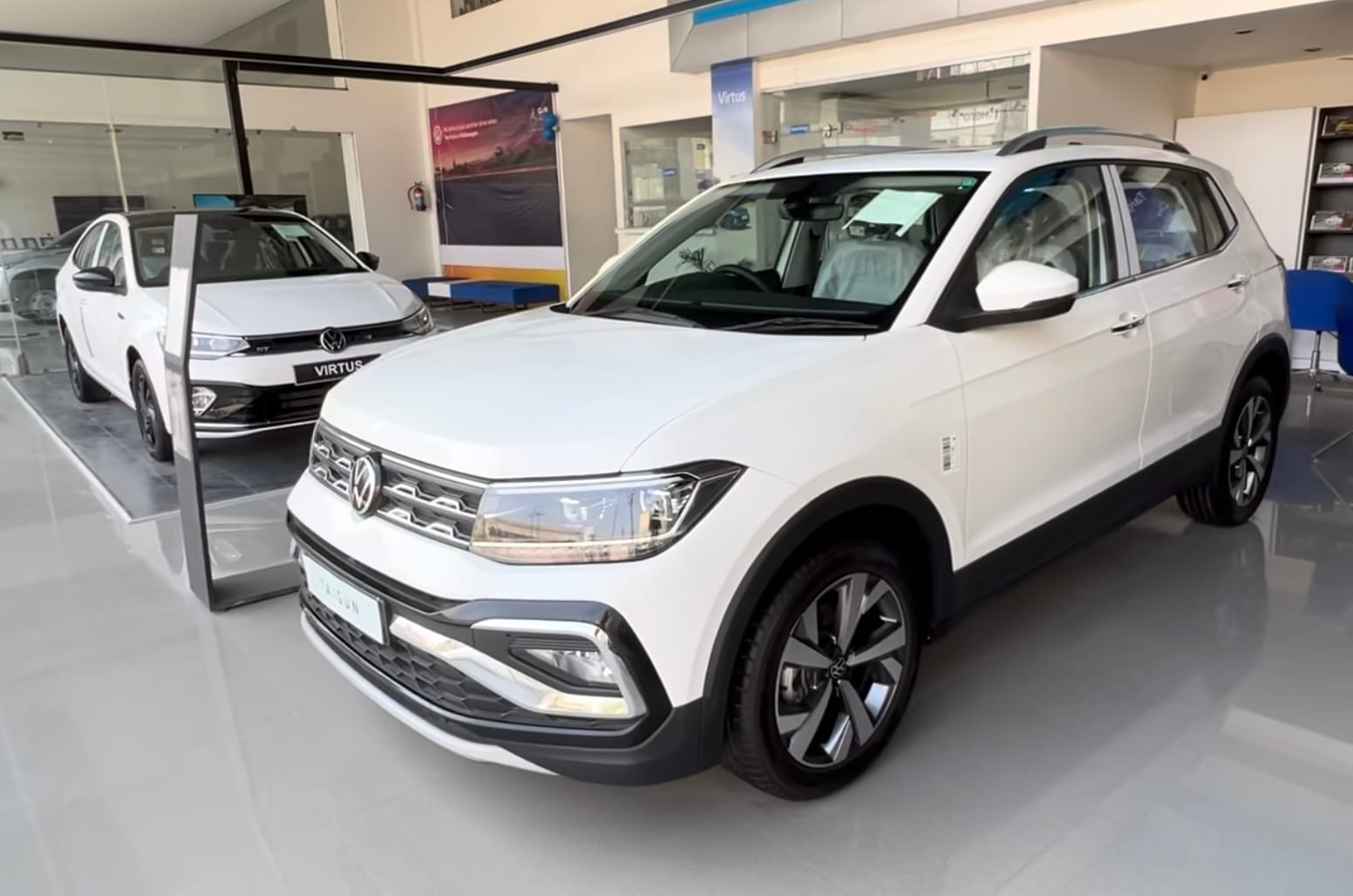
Volkswagen is offering different benefits on the outgoing Taigun and the updated Taigun this month. The outgoing Taigun gets higher benefits, with MY2025 cars getting a cash discount of up to Rs 2 lakh, along with Rs 1 lakh in liquidation support. MY2026 cars get a cash discount of up to Rs 1 lakh. Eligible buyers can also get a Rs 30,000 exchange bonus or a Rs 20,000 scrappage benefit, along with a Rs 20,000 loyalty benefit.

On the updated Taigun, cash discounts range from Rs 20,000 to Rs 25,000, depending on the variant. The GT Line gets Rs 20,000, while the Topline AT and GT Plus DSG Sport get Rs 25,000. A Rs 30,000 exchange bonus or a Rs 20,000 scrappage benefit, as well as a Rs 20,000 loyalty benefit, is also available on eligible variants.

The exchange and scrappage benefits cannot be combined, and customers can choose either a loyalty or a corporate benefit.

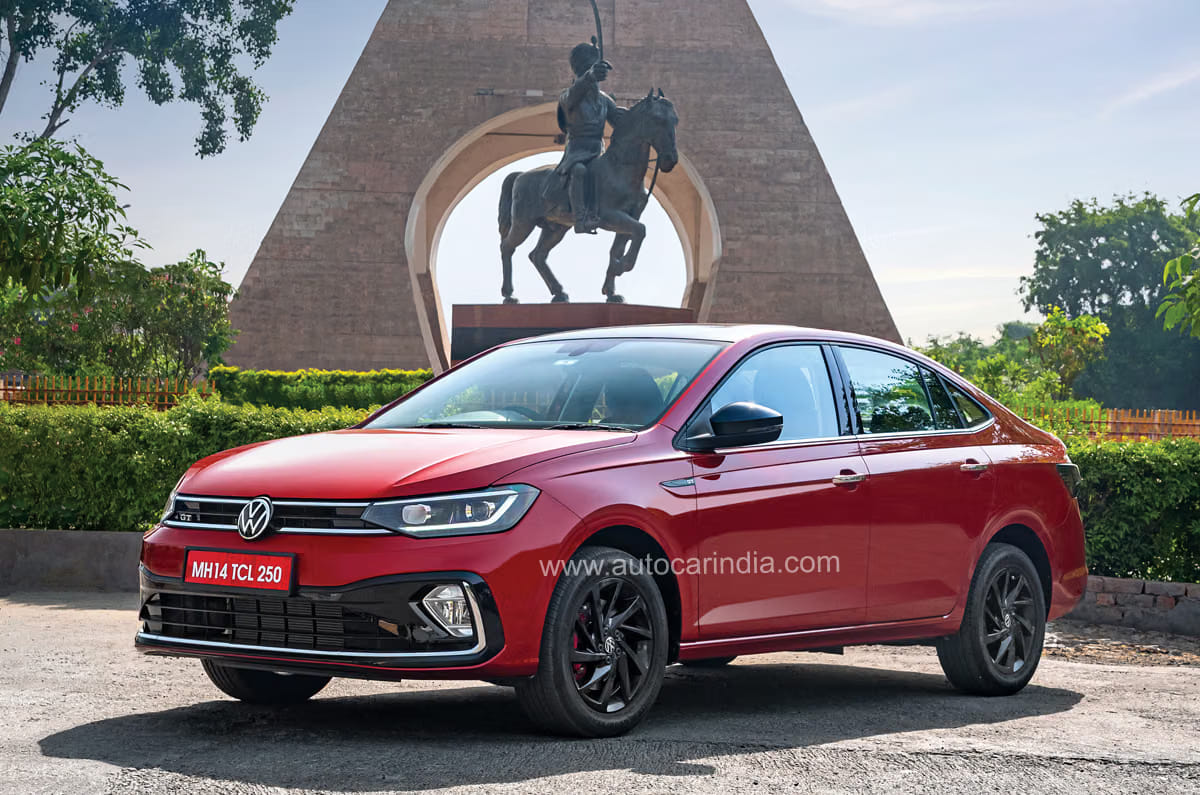
Volkswagen Virtus discounts in September 2026

Up to Rs 1.55 lakh off

Volkswagen is offering different benefits on the Virtus, depending on the variant and model year this month. MY2025 cars get a cash discount of up to Rs 75,000, while MY2026 cars get up to Rs 50,000 off. Eligible buyers can also get a Rs 30,000 exchange bonus or a Rs 20,000 scrappage benefit, along with a Rs 50,000 loyalty benefit.

The highest benefit is available on the MY2025 Virtus Topline MT and AT, which get a Rs 75,000 cash discount, a Rs 30,000 exchange bonus and a Rs 50,000 loyalty benefit, taking the total to Rs 1.55 lakh. The MY2026 Topline variants get a Rs 50,000 cash discount, making the maximum benefit Rs 1.30 lakh when combined with the exchange and loyalty benefits.

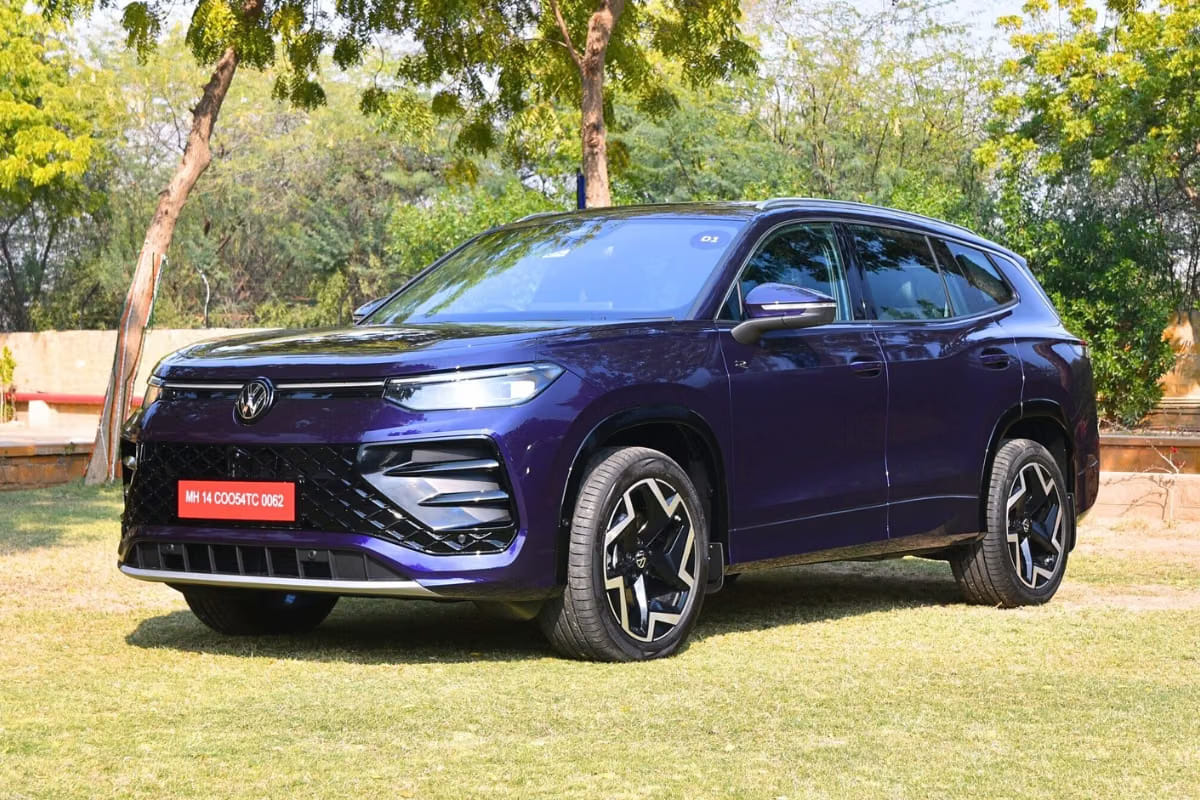
Volkswagen Tayron discounts in September 2026

Up to Rs 1.5 lakh off

The Tayron, available in R-Line and Life variants, gets benefits of up to Rs 1.5 lakh. There is no cash discount, but buyers can get a Rs 1 lakh exchange bonus and a Rs 50,000 loyalty bonus. Alternatively, the exchange bonus can be replaced by a Rs 20,000 scrappage bonus.

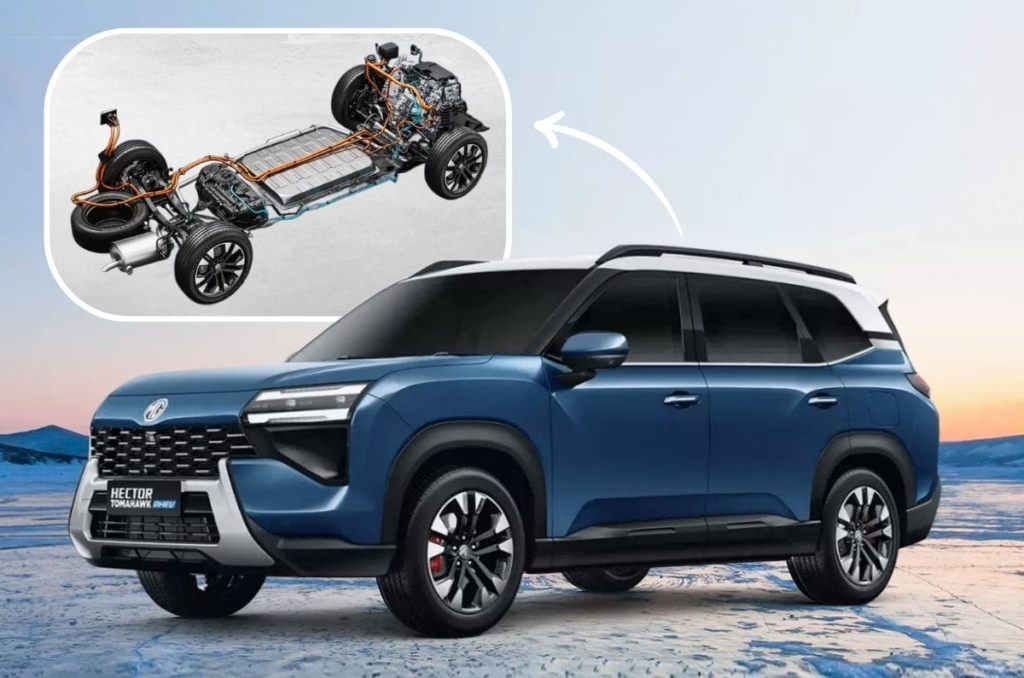
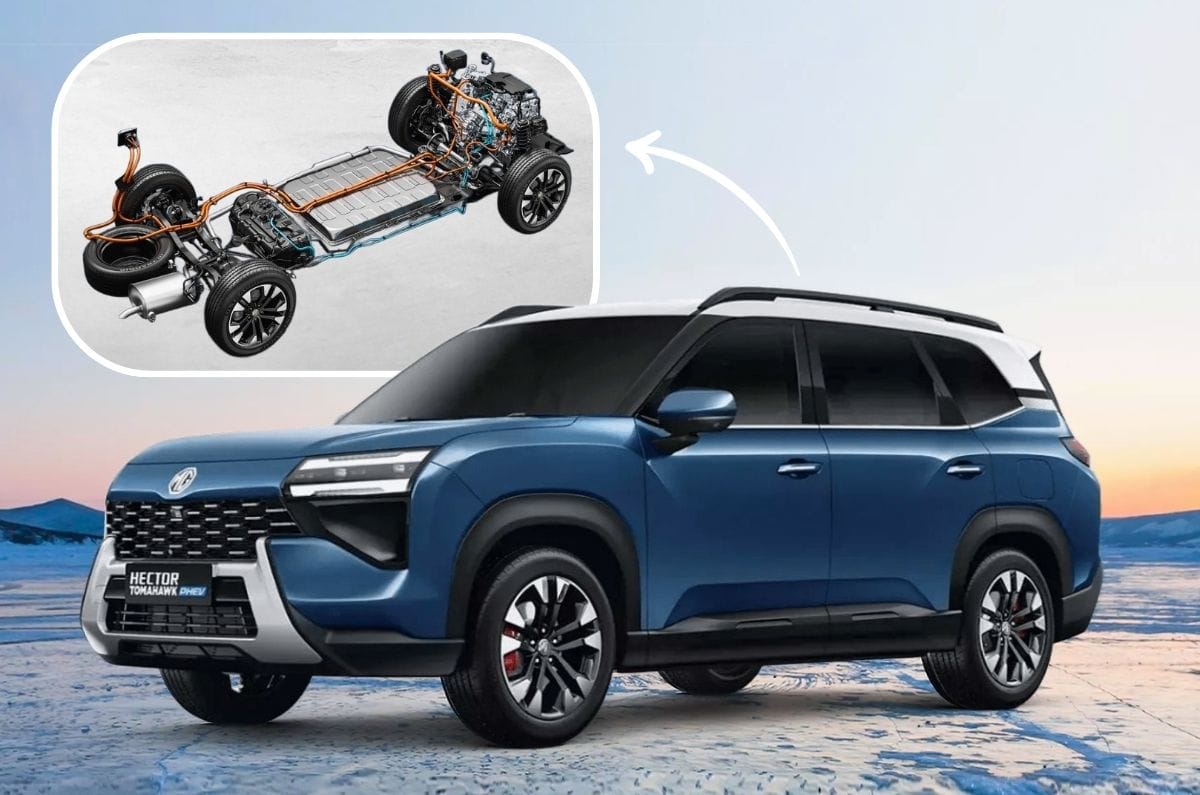
MG Hector Tomahawk PHEV powertrain explained

MG Hector Tomahawk PHEV powertrain explained

MG has introduced the Hector Tomahawk PHEV as India’s first mass-market plug-in hybrid, with prices ranging from Rs 25.70 lakh to Rs 27.80 lakh (ex-showroom). It combines a 1.5-litre petrol engine with a 20.5kWh battery and electric motor, allowing it to offer electric-only driving as well as the longer range of a petrol engine. But how does the Hector Tomahawk PHEV’s hybrid system work, and how does it differ from the strong-hybrid systems already offered by Maruti Suzuki, Toyota and Honda Let’s take a closer look. 

MG Hector Tomahawk PHEV powertrain: All you need to know

Gets an electric motor powered by a 20.5kWh battery and a 1.5-litre petrol engine

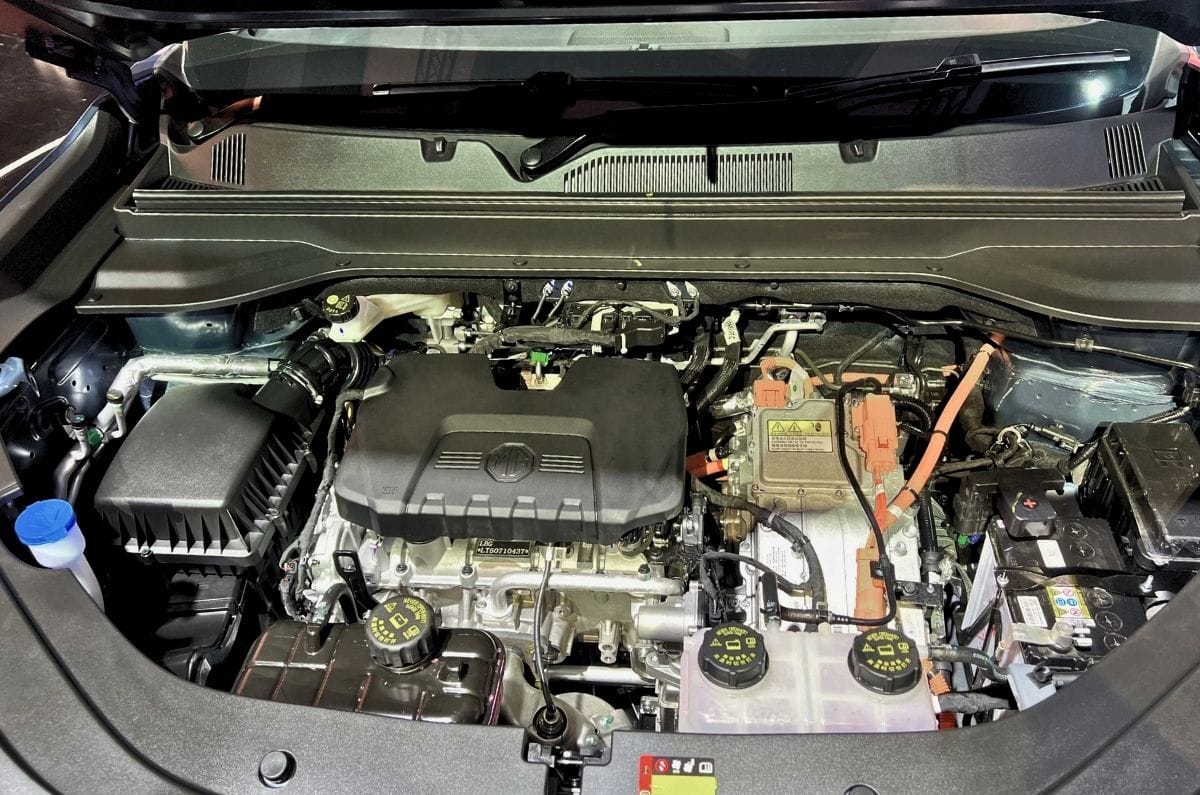
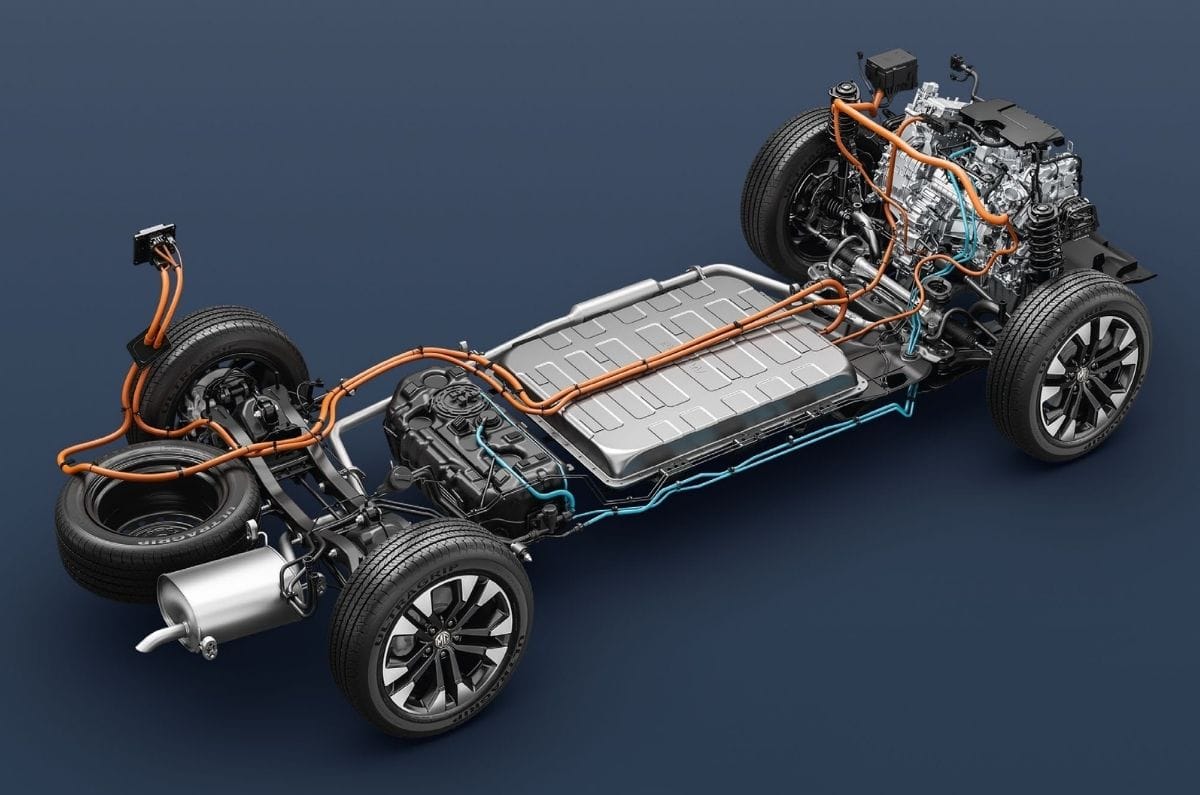
The Hector Tomahawk PHEV combines a 1.5-litre naturally aspirated petrol engine with a 20.5kWh battery and an electric motor. The petrol engine uses the Atkinson cycle and produces 102hp and 125Nm, while the permanent-magnet synchronous motor develops 201hp and 237Nm. The system sends a combined 198hp and 230Nm to the front wheels.

The petrol engine is paired with a Dedicated Hybrid Transmission (DHT) with an e-clutch, while the battery uses lithium iron phosphate (LFP) chemistry. Unlike a conventional hybrid, the Hector Tomahawk PHEV’s battery can be charged externally, allowing it to operate as an EV for more than 115km, according to MG, before the petrol engine kicks in.

How is the Hector Tomahawk PHEV different from a strong-hybrid powertrain?

Honda, Toyota and Maruti Suzuki offer strong-hybrid powertrains in models such as the City Hybrid, Urban Cruiser Hyryder, Innova Hycross, Grand Vitara, Victoris and Invicto. These systems also use an electric motor and battery, but their battery packs are charged through regenerative braking and the combustion engine rather than an external power source. They can drive the wheels on electric power for short periods but do not offer the extended electric driving capability of a plug-in hybrid.

The Hector Tomahawk PHEV’s 20.5kWh battery can be charged from the grid, giving it a greater electric driving capability. It supports 25kW DC charging, which MG claims takes 35 minutes for a 30-80 percent charge. A 3.3kW AC charger is said to take 7.5 hours for a 10-100 percent charge.

MG claims a 43.2 percent thermal efficiency for the petrol engine and around 50kpl combined fuel efficiency. The company pegs the combined range with a fully charged battery and the 52-litre fuel tank brimmed at over 1,100km.

MG offers it with four primary drive modes

The MG Hector Tomahawk PHEV can operate in four primary drive modes: EV, Series Hybrid, Parallel Hybrid and Engine Direct. Each mode uses the petrol engine, electric motor and battery differently. Here is how each one works.

  • EV mode: The battery alone powers the electric motor, which drives the wheels. The petrol engine remains switched off, making this the mode used for electric-only driving.
  • Series Hybrid mode: The petrol engine runs as a generator to produce electricity. It recharges the battery pack, which powers the electric motor driving the front wheels. The engine therefore does not directly power the wheels in this mode.
  • Parallel Hybrid mode: Both the petrol engine and electric motor drive the wheels. This allows the powertrain to combine the engine’s output with electric assistance when higher performance is required.
  • Engine Direct drive mode: The petrol engine drives the wheels directly through the hybrid transmission, reducing energy conversion losses associated with generating electricity and then using the motor to drive the wheels. This mode is primarily suited for high-speed cruising.

However, MG is offering no way to change these drive modes manually. The automaker claims the system shuffles between the modes in just 0.1 seconds, depending on the Hector Tomahawk PHEV’s state of charge, speed, throttle input and road conditions.

MG Hector Tomahawk PHEV prices

Although it’s a plug-in hybrid, the Hector Tomahawk PHEV comes with a BaaS option

MG Hector Tomahawk PHEV prices (ex-showroom)

Trim

Non-BaaS prices

BaaS prices

Upfront cost saving

Exclusive

Rs 25.70 lakh

Rs 21.79 lakh + 3.2 per km

Rs 3.91 lakh

Essence

Rs 27.80 lakh 

Rs 23.89 lakh + 3.2 per km

Rs 3.91 lakh

Both the Exclusive and Essence trims get the same powertrain, but certain features differ. Interestingly, the Hector Tomahawk PHEV is being offered with a Battery-as-a-Service (BaaS) scheme, just like the manufacturer’s EVs. This scheme reduces the upfront cost by a significant Rs 3.91 lakh.

As mentioned earlier, the MG Hector Tomahawk PHEV is the sole plug-in hybrid in India, offering a more fuel-efficient alternative to three-row SUVs such as the Tata Safari and Mahindra XUV 7XO.

Prices are ex-showroom, India.
All you need to know about the MG Hector Tomahawk EV and PHEV

All you need to know about the MG Hector Tomahawk EV and PHEV

MG launched the Hector Tomahawk in India in both all-electric (EV) and plug-in hybrid (PHEV) versions, with prices starting from Rs 19.50 lakh and Rs 25.70 lakh, respectively. Both models are offered with a lot of new-age technology and have piqued the interest of enthusiasts. Here’s everything you need to know about the MG Hector Tomahawk EV and Hector Tomahawk PHEV. 
1. What are the exterior differences between the EV and PHEV?

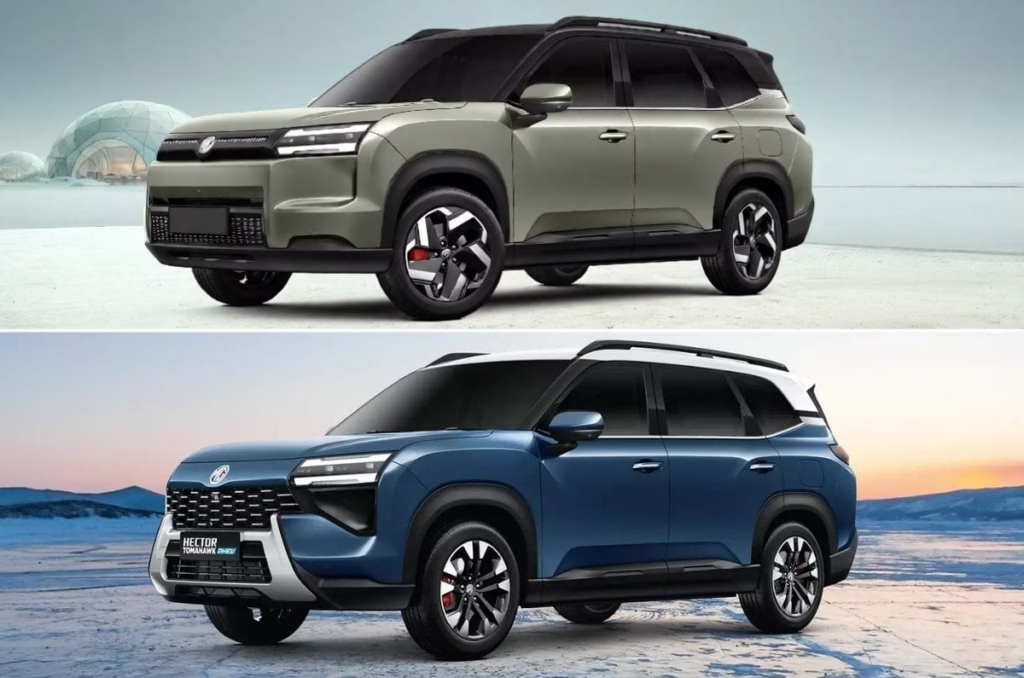
Both versions get different grilles, front bumpers, and alloy wheels

EV
PHEV
 

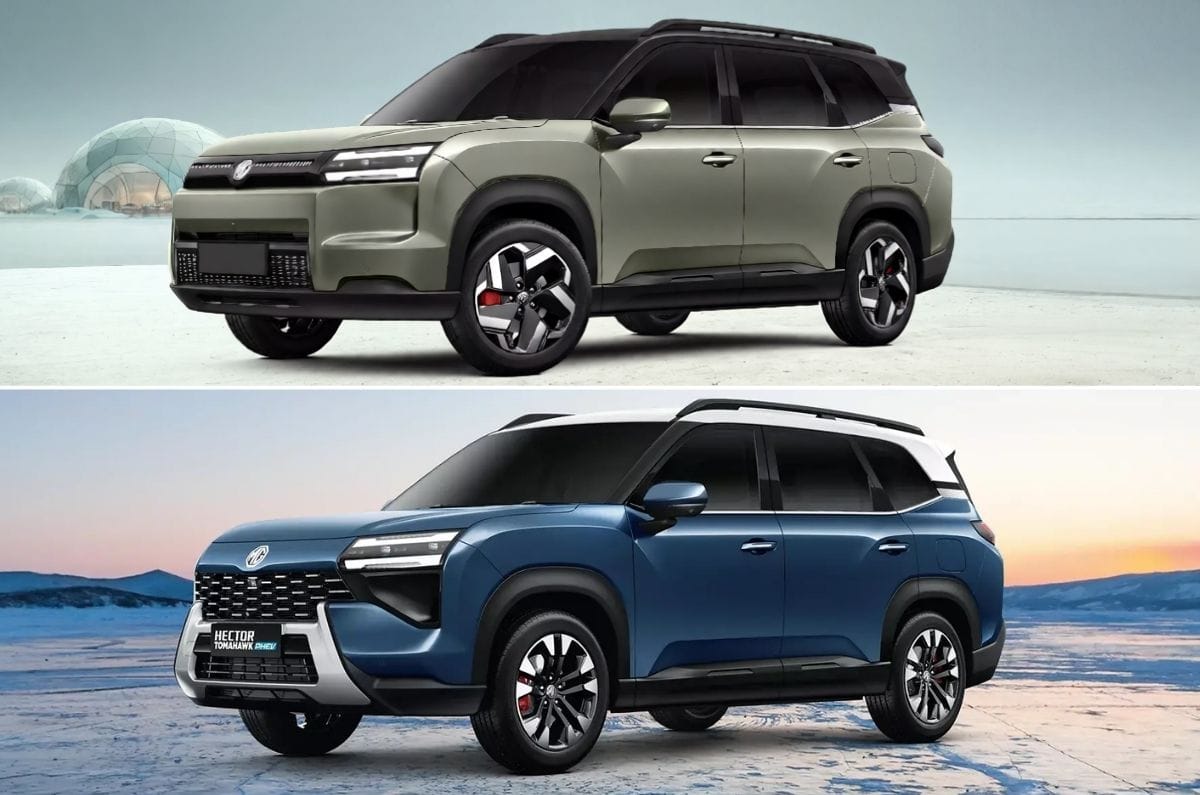
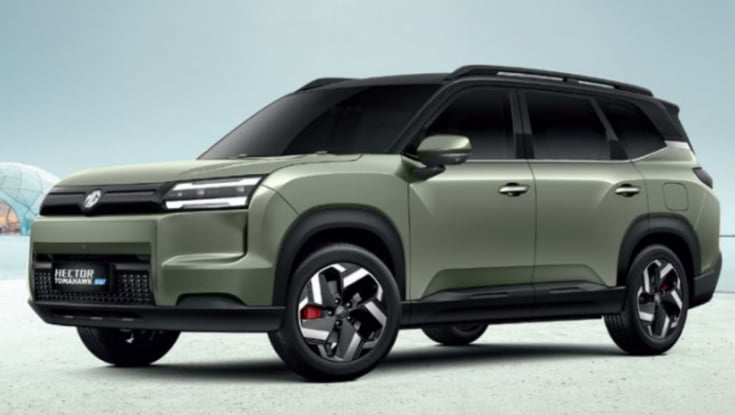
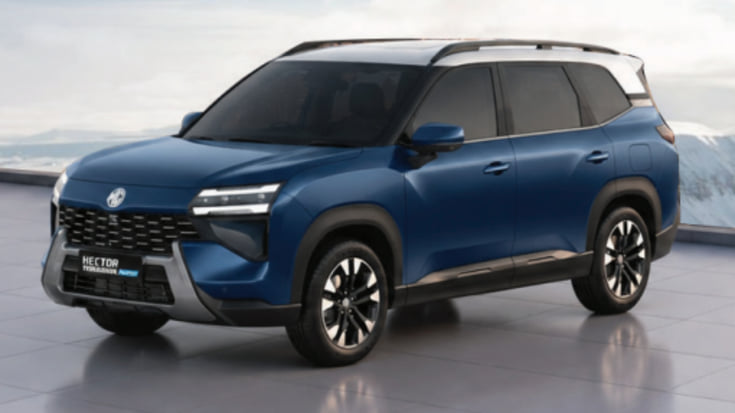
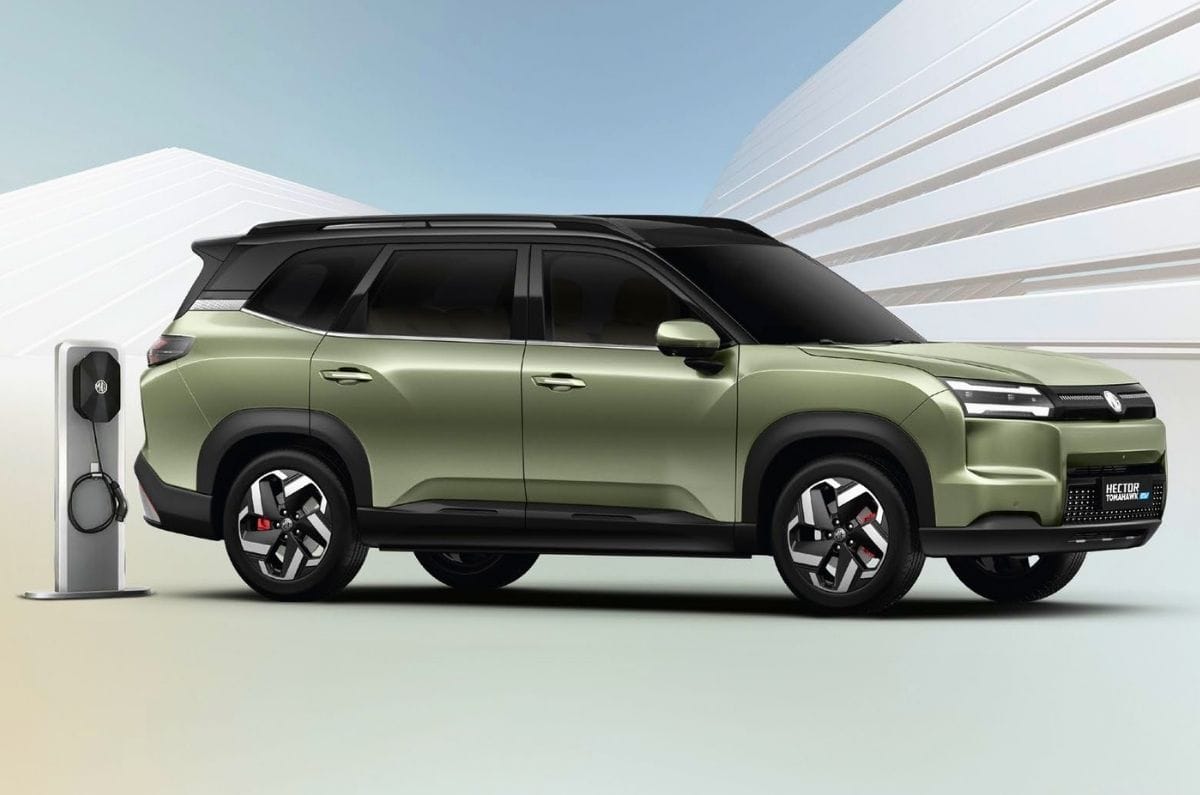
Both the Hector Tomahawk’s EV and PHEV versions have some design differences. While the EV gets a blanked-off gloss-black grille, the PHEV gets a functional grille with chrome inserts and black trims underneath the headlights. The front bumper design is also different, with the PHEV getting a silver bullbar-like element in the centre that the EV misses. The headlights and illuminated MG logo are, however, shared. 

Not much is different in the side profile, except for the 18-inch alloy designs and red callipers on the top-spec Hector Tomahawk PHEV. If you opt for a dual-tone shade, the EV will have a black roof, while the PHEV will have a white roof. The rear design, however, is identical for both versions of the SUV.

2. What are the interior differences between the EV and PHEV?

Save for a luggage cover and different cabin themes, everything else is the same

MG Hector Tomahawk EV gets a beige and black cabin theme.

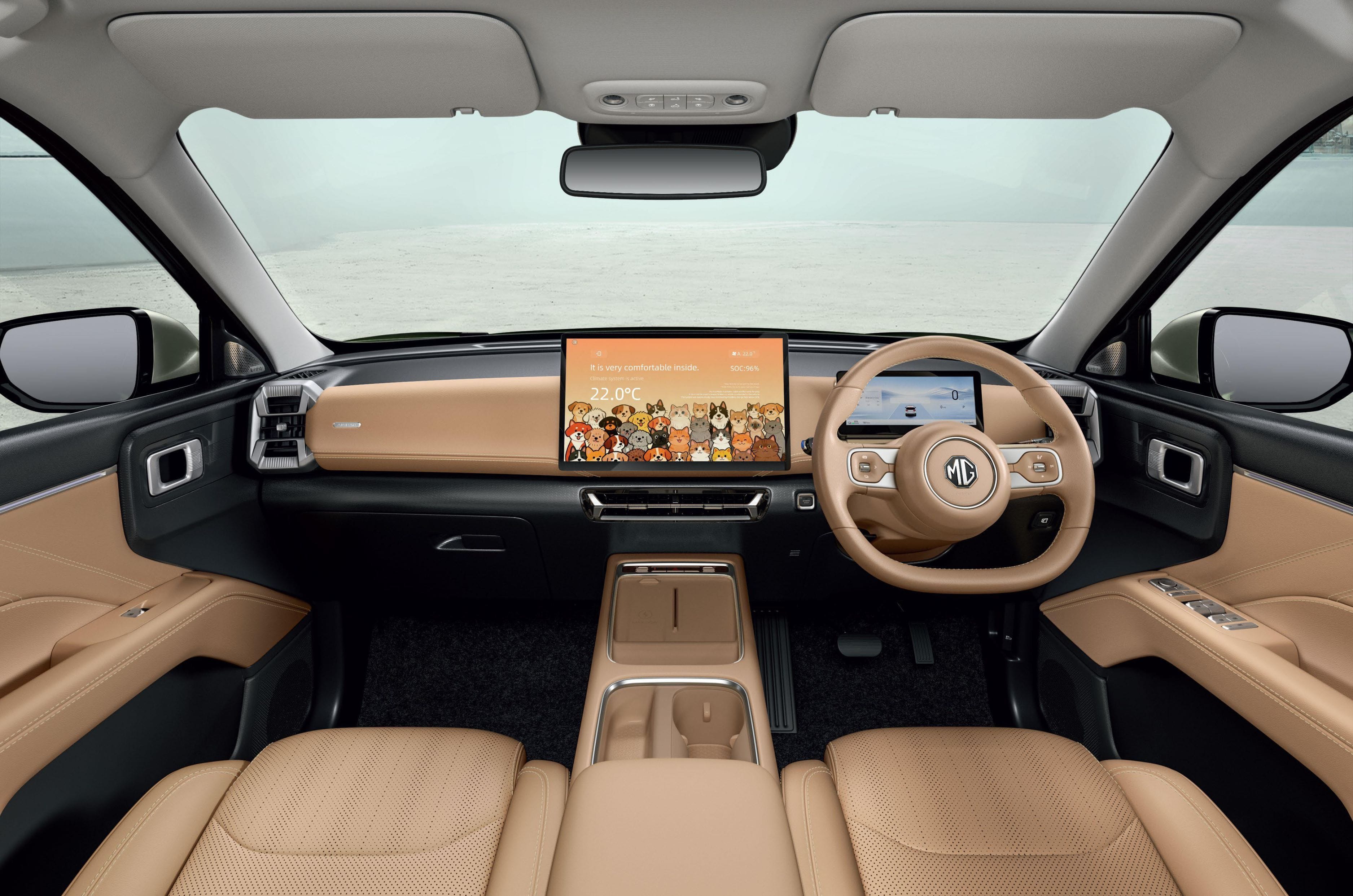
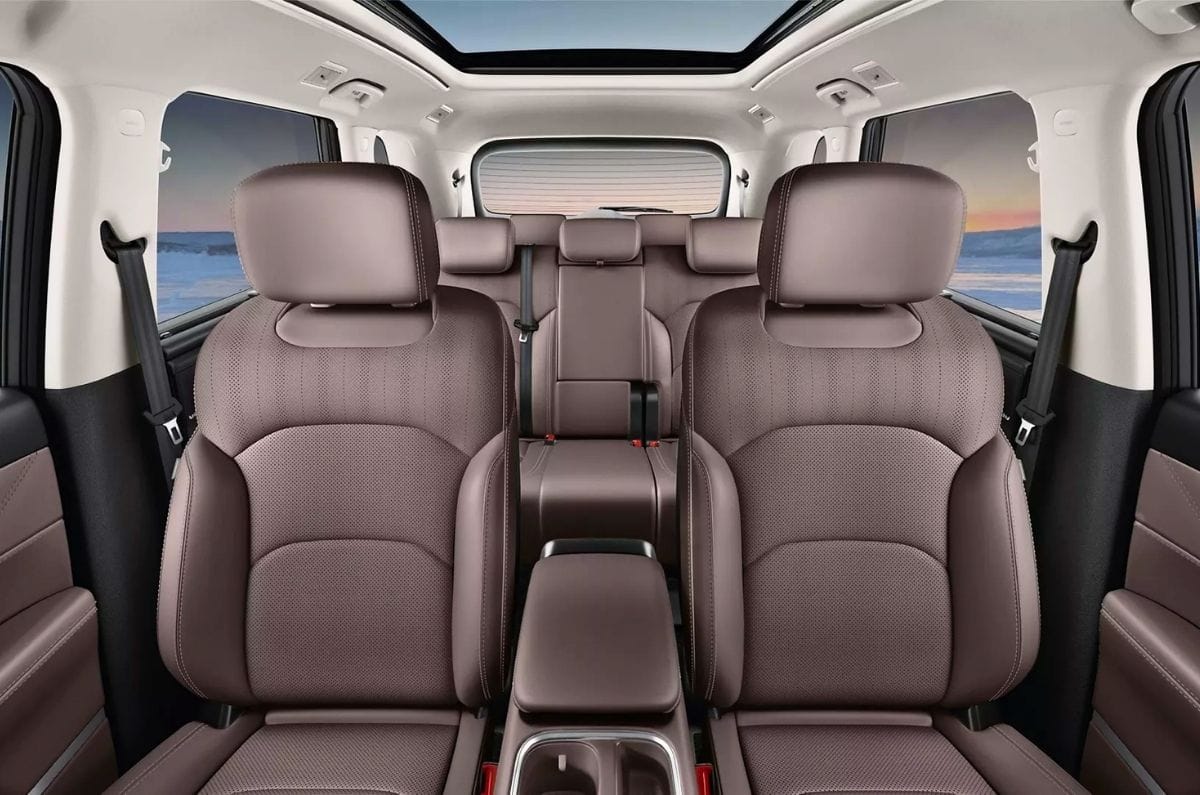
Save for a rolling luggage shade on the 5-seater variants of the EV, and a different cabin theme – brown and black on the EV and a darker brown and black on the PHEV – there is no visible difference. Everything else is the same, including the feature suite: a 15.6-inch touchscreen infotainment system, an 8.8-inch digital driver’s display, a 10-speaker Infinity sound system, a panoramic sunroof, powered and ventilated front seats with memory function for the driver’s seat, and a 50W fast wireless charger. 

MG Hector Tomahawk PHEV gets a brown and black cabin theme.

The safety suite is also identical in both Hector Tomahawk versions, which includes 6 airbags, a 360-degree camera with an under-bonnet view, Level 2 advanced driver assistance systems (ADAS) and a tyre pressure monitoring system (TPMS). 

3. What is the boot space on the MG Hector Tomahawk EV and PHEV?

EV and PHEV versions offer up to 610 litres and 192 litres of boot space, respectively

5-seater MG Hector Tomahawk EV’s boot space. 

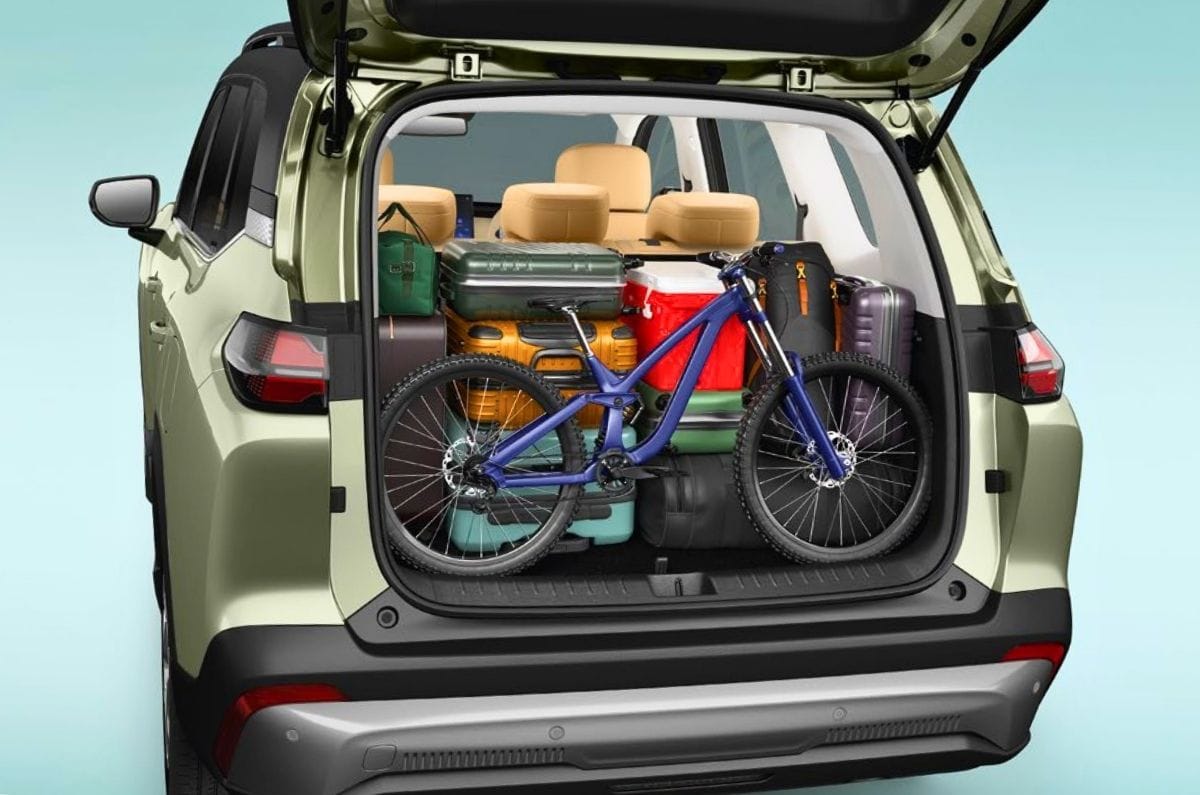
The MG Hector Tomahawk EV is offered in either a 5-seater or a 7-seater version. The 5-seater offers 610-litre boot space, with all rows up, which can be expanded to 1,053 litres by folding down the rear row. The 7-seater version offers a 192-litre boot space with all rows up,  and 528 litres when the third row is folded. 

The PHEV, offered only as a 7-seater, offers 192-litre boot space like the EV’s 7-seater version, expandable to 528 litres by folding the third row. Neither the EV nor the PHEV version of the Hector Tomahawk are offered with a frunk (storage space under the bonnet). 

4. What are the powertrain specifications of the MG Hector Tomahawk PHEV and EV?

PHEV gets a 1.5L engine and 20.5kWh battery; EV offers a 69.2kWh battery pack

The MG Hector Tomahawk PHEV gets a 1.5-litre naturally aspirated petrol engine and a 20.5kWh battery pack, offering a combined output of 198hp and 230Nm. The front-wheel-drive (FWD) SUV has an all-electric range of around 115km and a total range including the petrol engine of around 1,100km. 

The MG Hector Tomahawk EV, on the other hand, gets a 69.2kWh battery pack, mated to a front-axle-mounted electric motor producing 204hp and 310Nm. It has a claimed range of 517km.  

5. Can the Hector Tomahawk PHEV be charged at a public EV charging station?

It supports 25kW DC fast charging

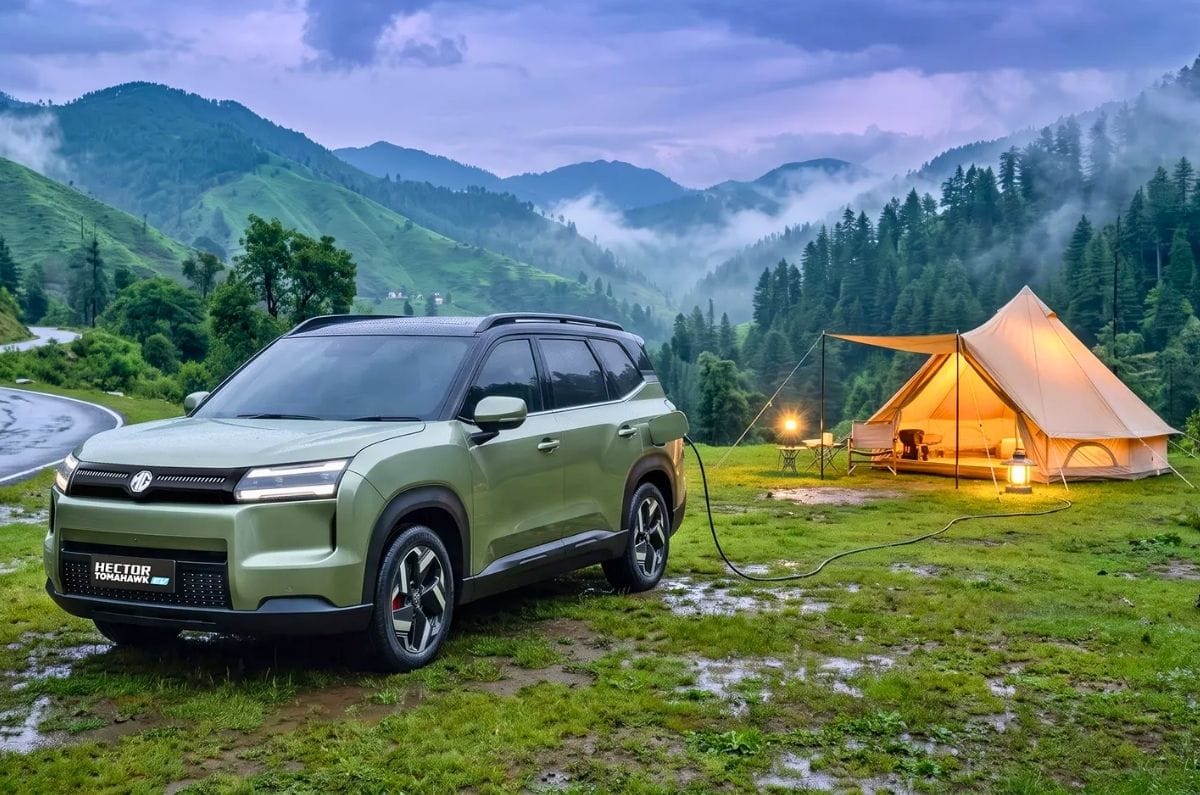
Yes, being a plug-in hybrid (PHEV), the MG Hector Tomahawk PHEV supports 25kW DC fast charging. This can replenish the battery from 30 to 80 percent in 35 minutes, like a typical EV. MG is also offering it with a 3.3kW home charger, which can recharge the battery pack from 10 to 100 percent in 7.5 hours.

6. Are the MG Tomahawk EV and PHEV more affordable with BaaS?

BaaS reduces the EV’s and PHEV’s initial prices by up to Rs 6.01 lakh and 3.91 lakh, respectively 

MG Hector Tomahawk EV, PHEV BaaS vs non-BaaS prices (in Rs, lakh)


Without BaaS

With BaaS

Initial cost difference

EV

19.50 to 23.50

13.99 to 17.49*

Up to 6.01

PHEV

25.70 to 27.80

21.79 to 23.89^

3.91

*Battery subscription fee is Rs 4.9 per km per month

^Asks for a battery subscription fee of Rs 3.2 per km per month

The BaaS (Battery-as-a-Service) option reduces the upfront price of the MG Hector Tomahawk EV by Rs 6.01 lakh and the PHEV by Rs 3.91 lakh. However, you then pay a battery rental fee for every kilometre you drive: Rs 4.90 per km for the EV and Rs 3.20 per km for the PHEV. At these rates, the upfront savings from BaaS are effectively used up after around 1.22 lakh km. The break-even point is 1,22,653 km for the EV and 1,22,187 km for the PHEV.

In simple terms, if you expect to drive less than 1.22 lakh km over the entire ownership period, BaaS could be the more affordable option because of its lower initial cost. However, if you plan to drive more than 1.22 lakh km, buying the Hector Tomahawk with the battery included is likely to save you more money in the long run.

There is also another factor to consider. Under the BaaS plan, you do not own the battery, so your long-term costs depend on the rental agreement. If MG increases the per-kilometre fee or changes the contract in the future, your running costs could also increase. So, while BaaS would be more affordable for most buyers, purchasing the vehicle with the battery included may offer greater certainty in running cost calculations.

Prices are ex-showroom, India.