Tarun Garg, MD and CEO of Hyundai India, confirmed on the company’s Q1 FY27 earnings call that the brand will launch a new mid-size SUV during the festive season. Following this, the brand will also launch a new compact electric SUV within this fiscal year.
New mid-size SUV likely to offer an underbody-mounted CNG kit.
Compact electric SUV to sit on a new architecture and utilise Exide batteries.
New Hyundai mid-size SUV: What do we know so far?
To sit below the Creta and likely offer petrol and CNG powertrains
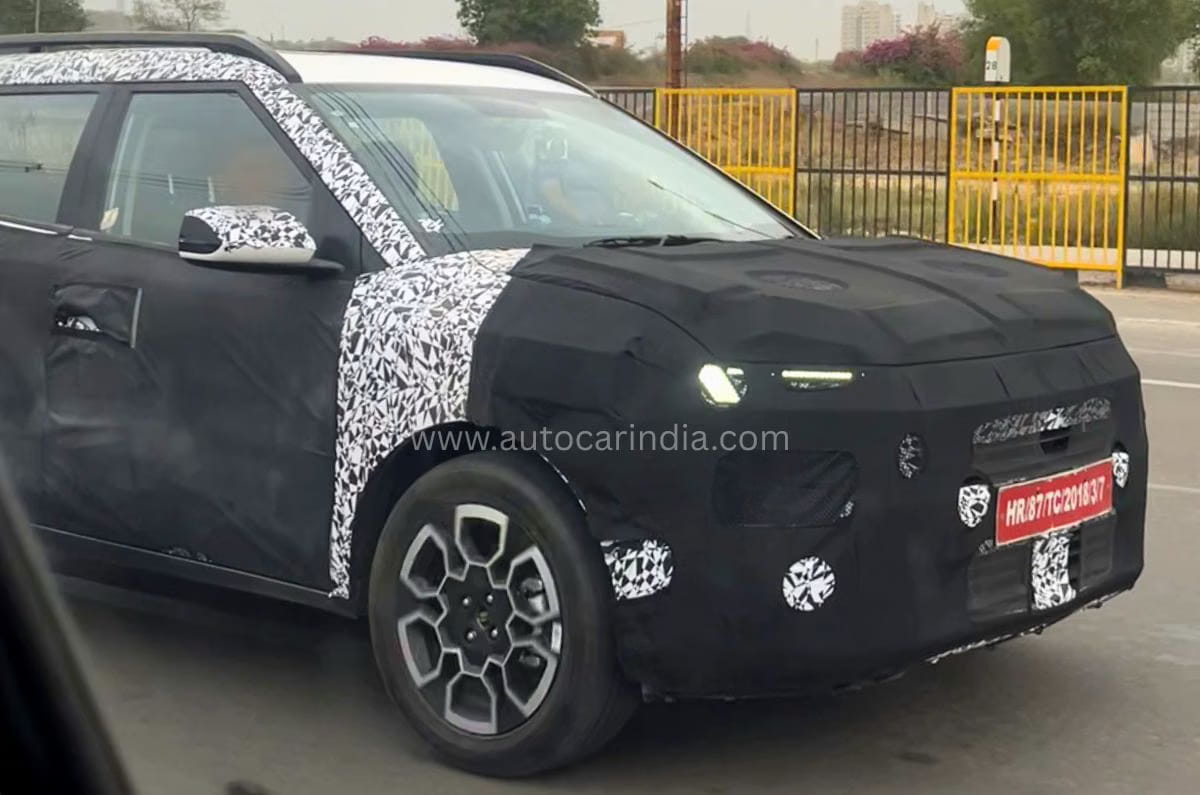
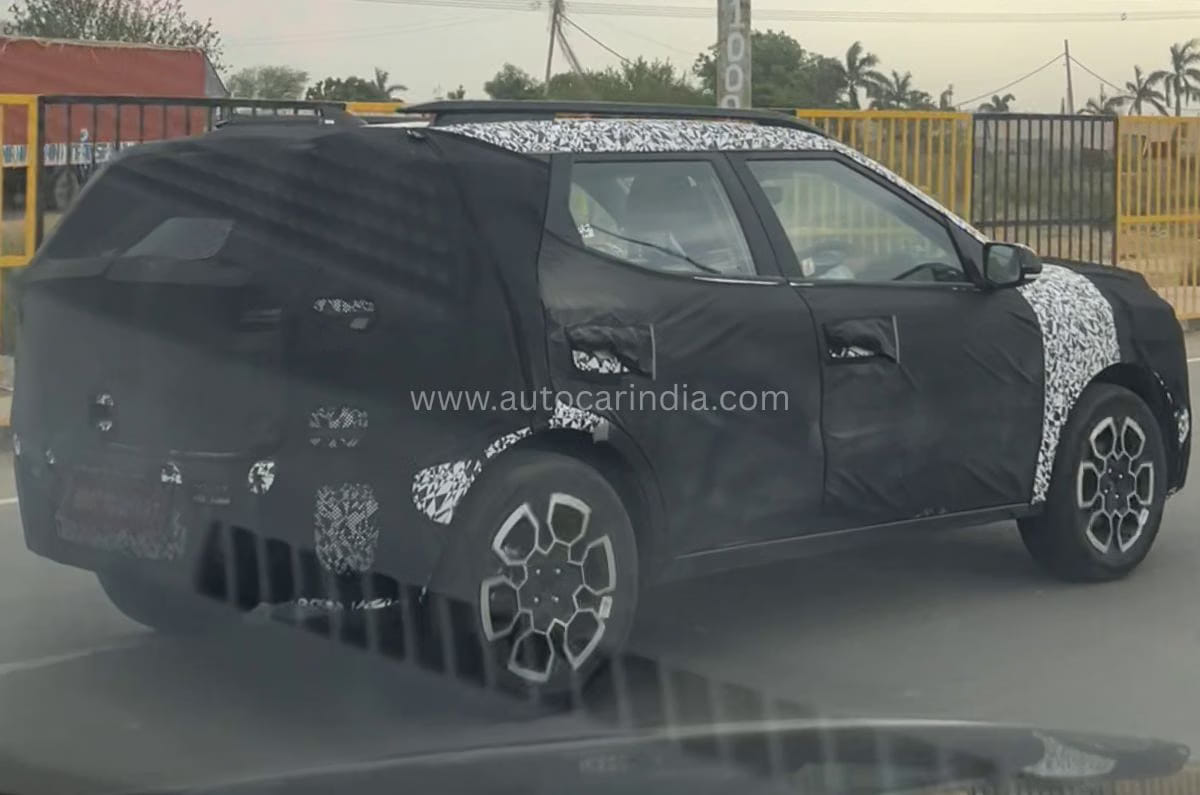
Before the next-generation Creta debuts in 2027, Hyundai will introduce another product in the mid-size SUV space during the festive season to strengthen its presence. This SUV (codename: Bc4i) will utilise the Bayon crossover’s platform that’s sold abroad. It will measure around 4.18 metres in length, suggesting that it would be positioned below the Creta.
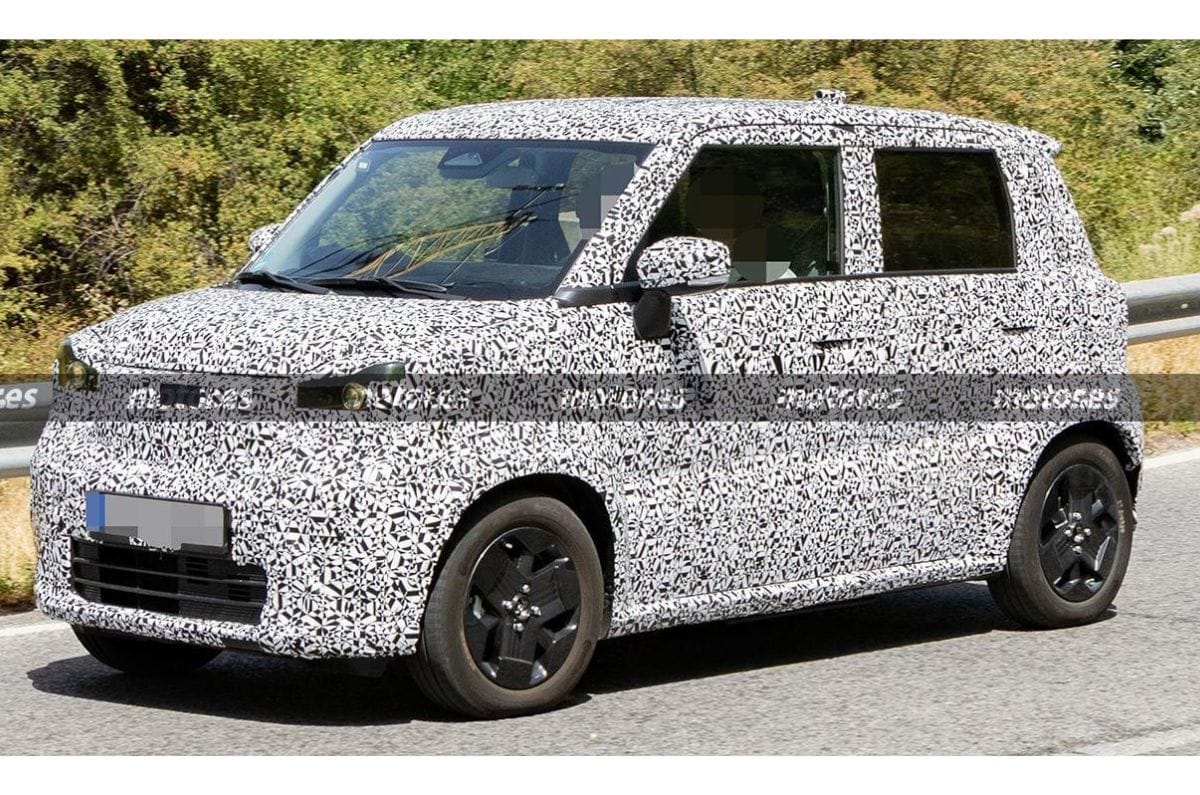
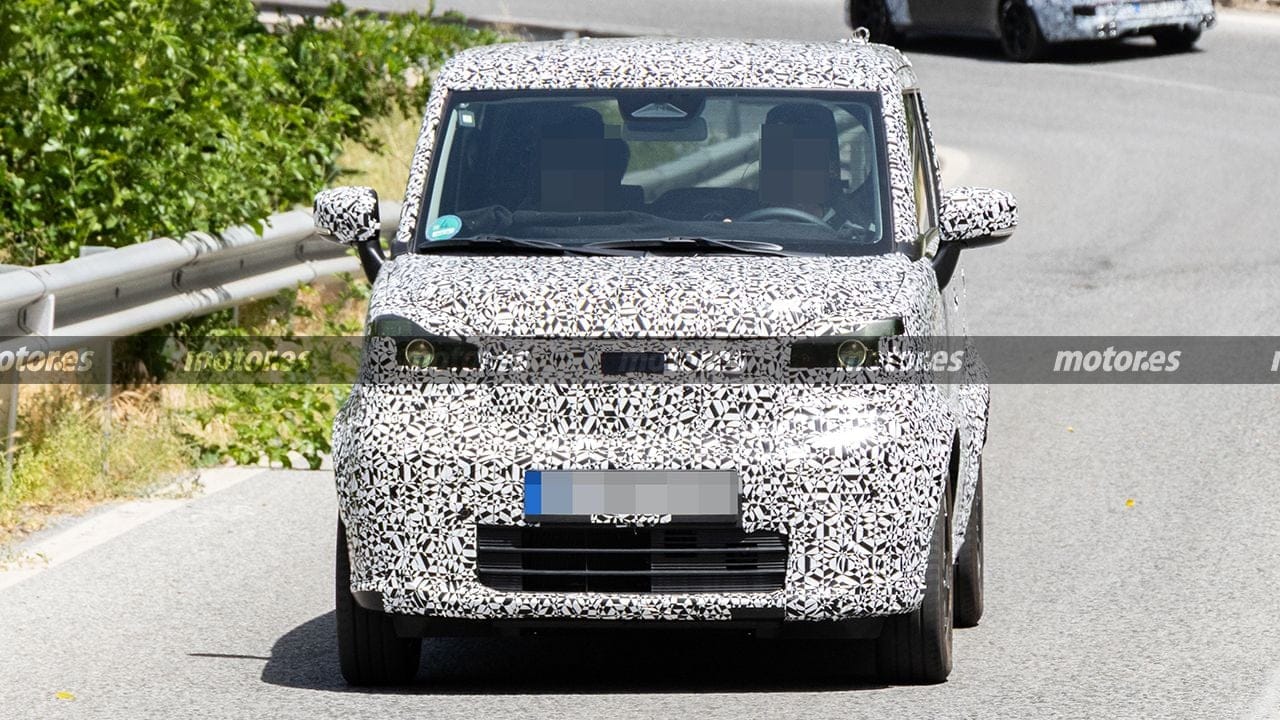
Heavily camouflaged mules of this mid-size SUV have been spied abroad and on our roads, giving a glimpse of what it could look like. Prototypes were spotted with a crossover-esque design, roof rails, dual-tone alloys, split lamp design, rising windowline and all-wheel disc brakes. While the interior has not been spied yet, Hyundai is likely to load it up with features and advanced driver assistance systems (ADAS).
The model will be powered by a 1.5-litre naturally aspirated engine, our sources indicate. This engine already powers the Creta and can be paired with either a manual or CVT gearbox. Additionally, Hyundai is expected to pair a CNG kit with this engine, making it the first CNG-powered model above 4 metres in its lineup. The kit would be fitted to its underbody, like the Maruti Victoris, but also have a spare wheel, unlike the Maruti.
With a second contender in the mid-size SUV segment, Hyundai is taking a similar approach to Maruti Suzuki, which has the Victoris and Grand Vitara in this space. While this SUV will come with economical powertrains and occupy the lower rung, the new-gen Creta sitting above it will come with wider powertrain options, including a hybrid.
New Hyundai compact electric SUV: What to expect?
Expected to rival the likes of the Kia Syros EV, Tata Nexon EV, and Mahindra XUV 3XO EV
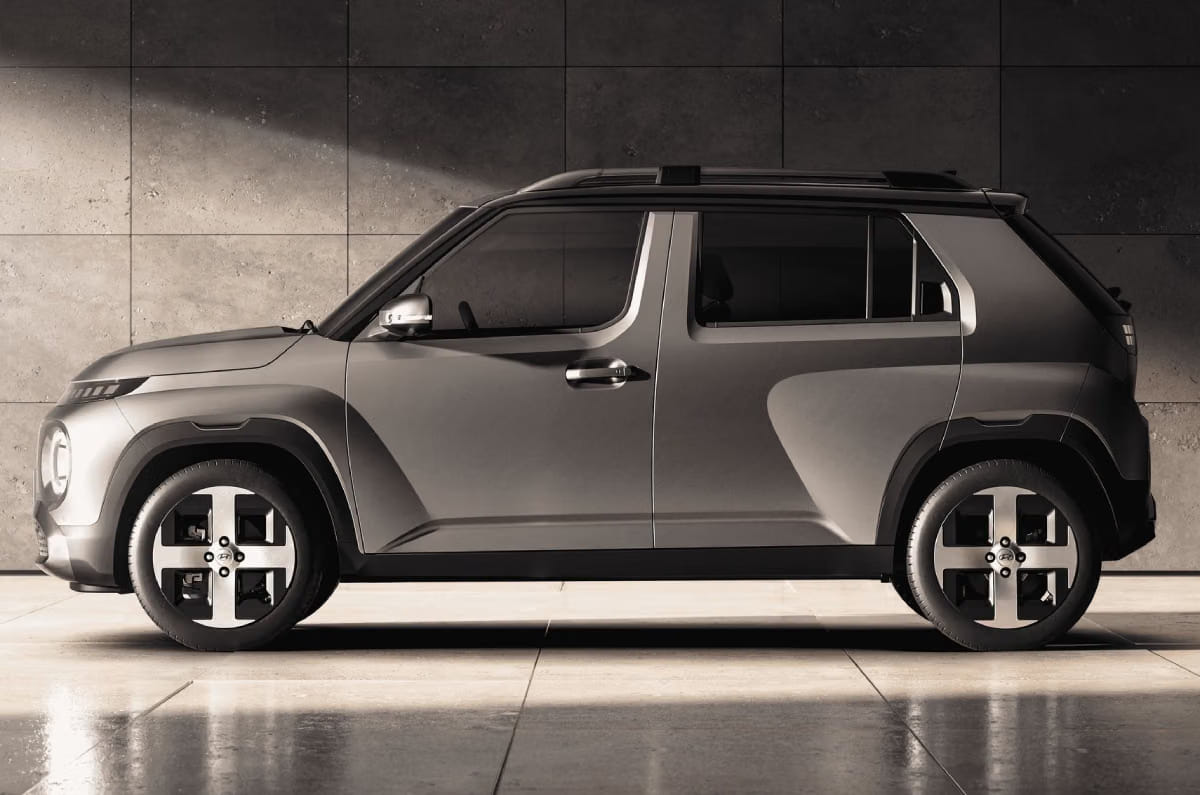
Hyundai Inster used for representation
Following the mid-size SUVs’ launch, Hyundai will also introduce a challenger in the growing compact electric SUV space. The arrival of this SUV was first announced back in 2025, when the carmaker stated that it would be localised and “designed, engineered and built in India for Indian customers.”
During the earnings call, the brand confirmed that the EV would be built on a new architecture rather than being an EV counterpart of the Venue. Codenamed HE1i, it is expected to sit on the E-GMP (K) platform, which is also utilised by the Inster sold abroad. It will be produced at the carmaker’s Sriperumbudur facility in Tamil Nadu and use localised batteries from Exide. The eSUV will be offered in standard range and long range versions. While specifications are yet to be confirmed for this model, for reference, the Euro-spec Inster is offered with 42kWh (standard range) and 49kWh (long range) battery packs with WLTP ranges of 300km and 355km respectively.
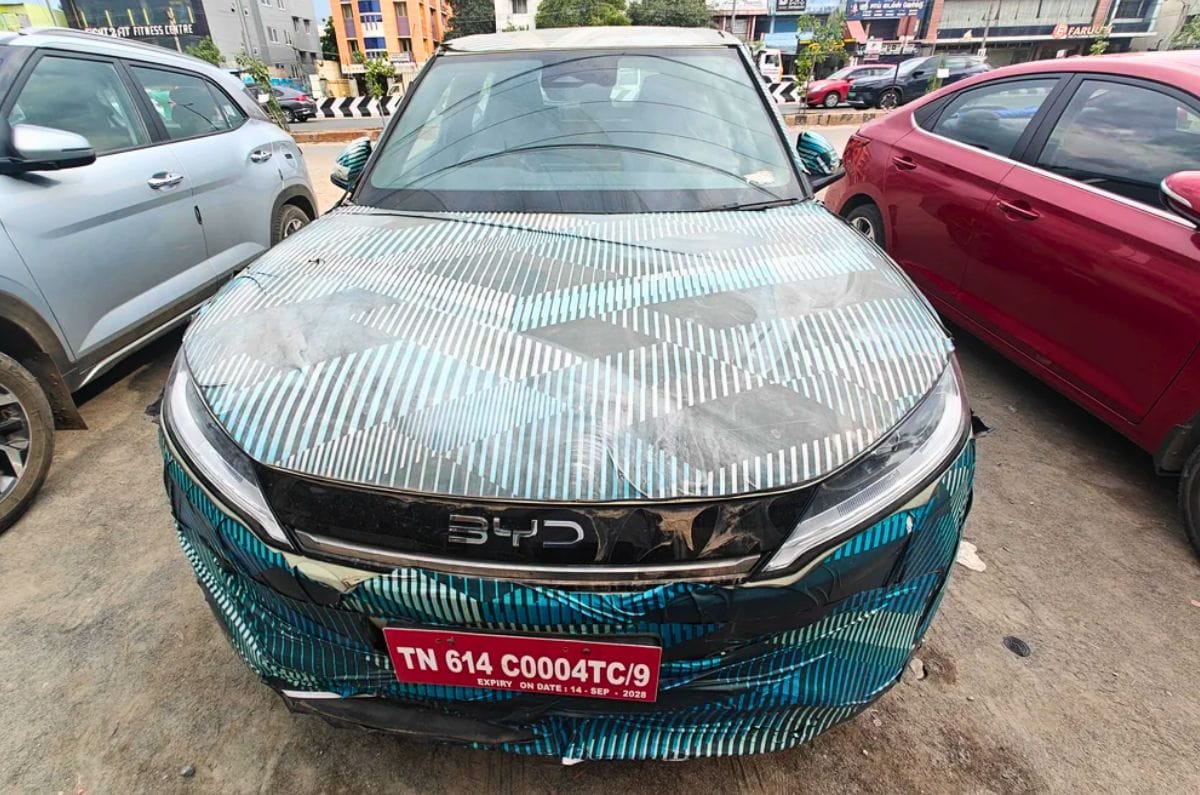
The BYD Atto 2 midsize SUV, expected to launch in India this year, has been spotted testing again. The spy shots reveal some exterior design elements of the upcoming Atto 2 similar to the internationally available model. The Atto 2 is offered in both EV and PHEV versions internationally.
Spy shots show the SUV’s front fascia and the side profile
Europe-spec EV gets up to 64.8kWh battery with 430km range
PHEV gets a 1.5L petrol engine and up to 18kWh battery
BYD Atto 2 spied: What was spotted?
Shows sleek LED headlights, alloy wheel design and a free-standing infotainment
Image source: @lostcheetos on r/CarsIndia
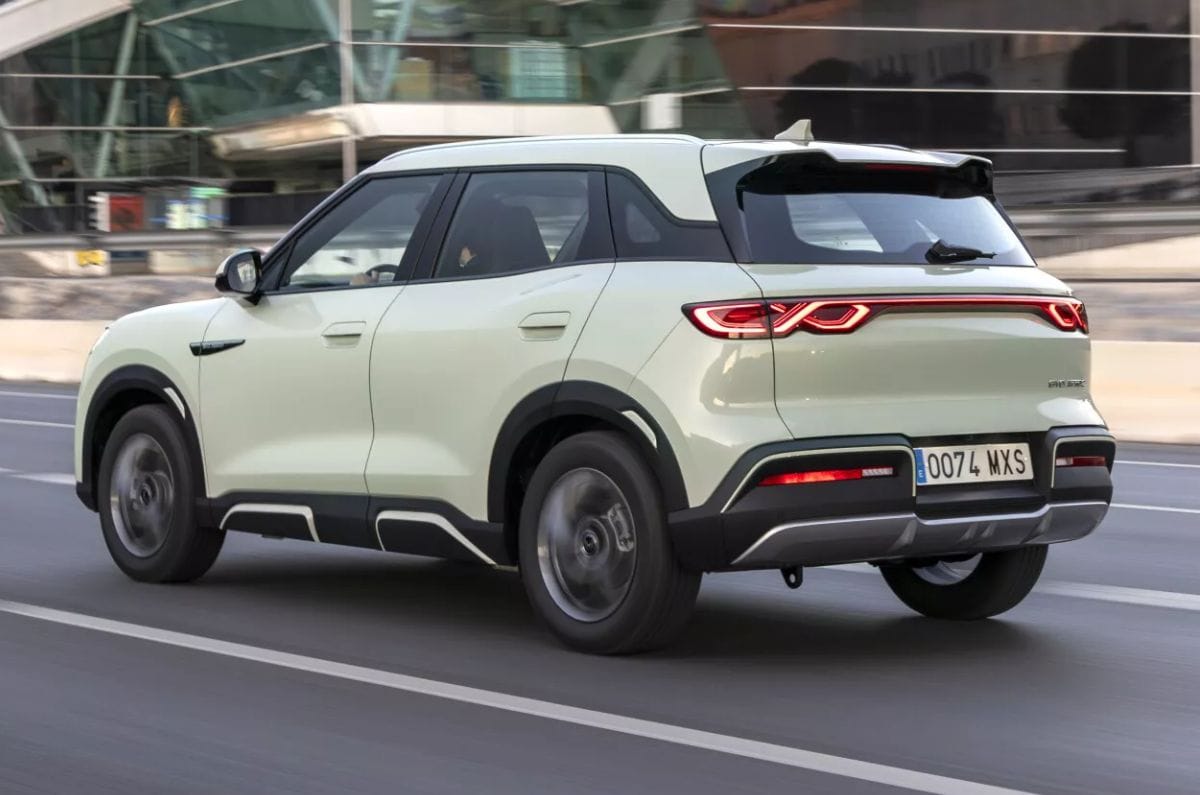
The spy shots show the Atto 2’s fascia and side profile, and although under camouflage, some design elements can be seen. These include the sleek headlights joined by a gloss-black trim with a BYD badge, the petal-shaped design elements on the alloys and the simple door handles. Keen-eyed viewers can also spot black cladding on the wheel arches and lower portion of the body. While the rear design is yet to be spied, it is expected to have connected LED taillights and a black bumper with some silver accents, like the international model.
A closer look inside the test mule reveals a camera-based ADAS sensor on the windscreen, a free-standing touchscreen infotainment system, and all-black upholstery on the seats.
Upcoming BYD Atto 2: Other details
The EV has a WLTP-claimed range of 430km, and the PHEV has a 1,000 km range
As mentioned earlier, the Atto 2 is offered in both all-electric (EV) and plug-in hybrid (PHEV) versions. In the European market, the Atto 2 EV is available with either a 45.1kWh or a 64.8kWh battery, with a WLTP-claimed range of up to 430km. Both battery versions are available with a front-axle-mounted (FWD) electric motor producing up to 201hp and 310Nm. BYD claims a 0-100kph time of 7.9 seconds and a top speed of 170kph.
International-spec BYD Atto 2 shown for representative purposes only.
The plug-in hybrid version, called the Atto 2 DM-i, is offered with a 97hp 1.5-litre 4-cylinder petrol engine and a choice of 7.8kWh or 18kWh battery mated with a 197hp front-axle-mounted (FWD) electric motor. The Atto 2 PHEV has a combined system output of up to 212hp and 300Nm and a total WLTP-claimed range of 1,000km.
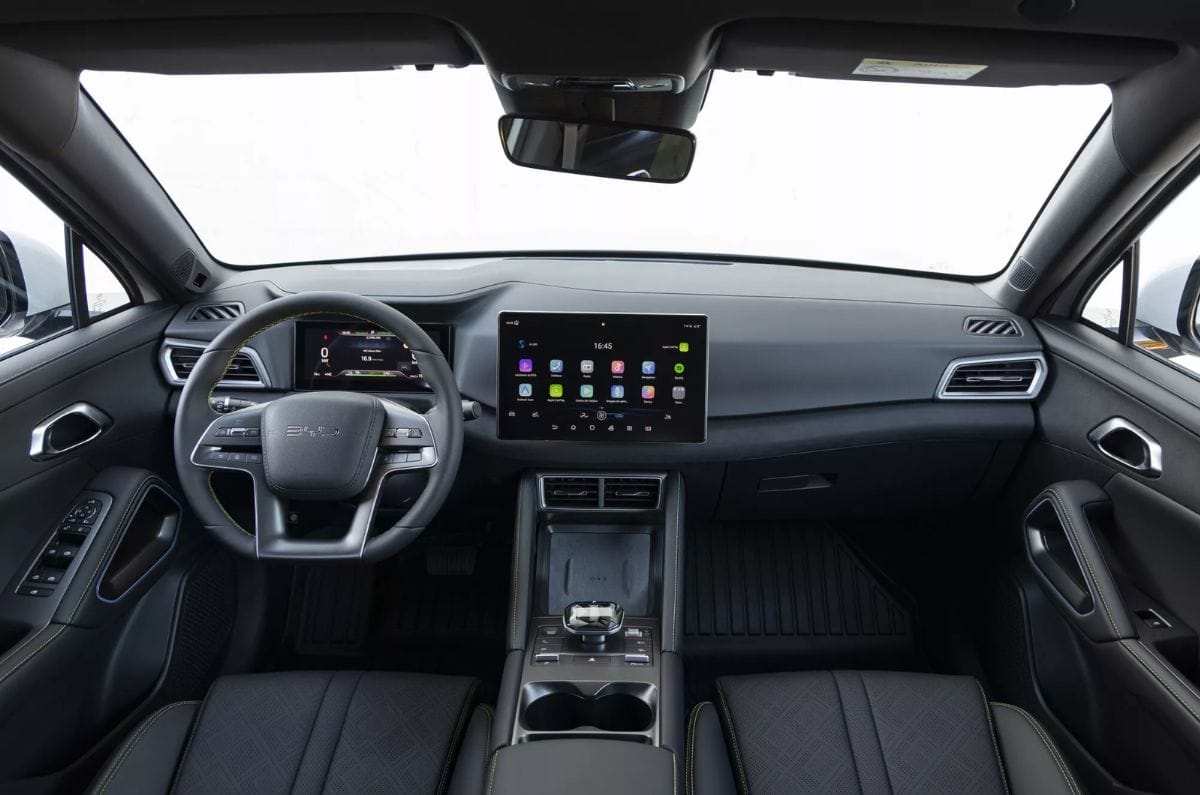
Gets two interior themes and a minimalistic dashboard with two screens
International-spec BYD Atto 2’s dashboard shown for representative purposes only.
The Atto 2’s cabin is identical for both the EV and PHEV versions, offered with either an all-black or a beige-and-black interior theme. The minimalistic dashboard features a free-standing 12.8-inch rotatable touchscreen infotainment system with integrated AC controls, an 8.8-inch digital driver’s display, and a chunky 3-spoke steering wheel with physical buttons. Features include a panoramic sunroof, 6-speaker audio system, a 50W wireless phone charger, a 360-degree camera, a vehicle-to-load (V2L) charging function, and front and rear parking sensors. The India-spec model could get a similar feature suite.
Currently, BYD sells only EVs in India. However, the manufacturer showcased its proprietary DM-i plug-in hybrid in June, revealing that the Seal U will launch as the first model with this powertrain by the end of 2026. So, it remains to be seen whether BYD expands its plug-in-hybrid plans to the Atto 2, or offers it in an electric-only guise in the country.
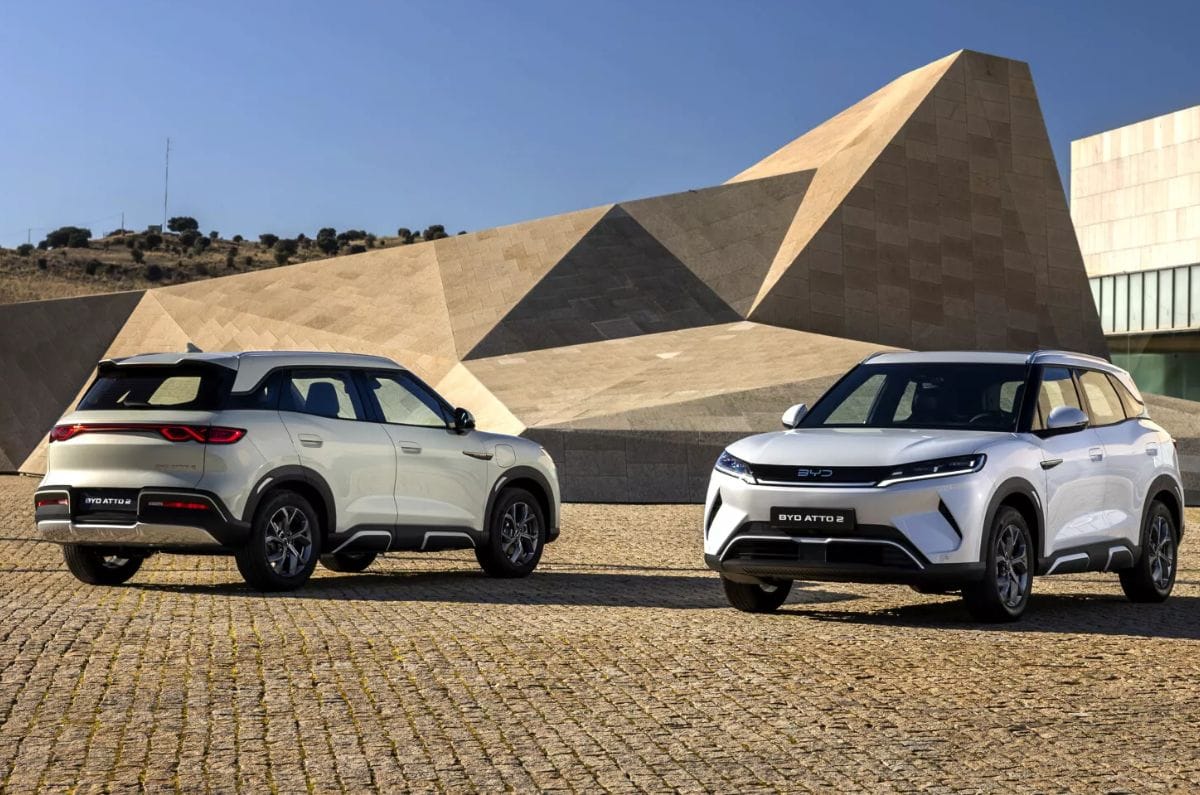
International-spec BYD Atto 2 shown for representative purposes only.
The BYD Atto 2 EV is expected to rival the Hyundai Creta Electric, Tata Sierra EV, Mahindra BE 6 and Maruti e Vitara. The Atto 2 PHEV will offer a more efficient option to the Hyundai Creta, Kia Seltos, Tata Sierra, Renault Duster, Nissan Tekton, Maruti Victoris and Grand Vitara, and MG Astor.
July was a stacked month for car launches in India. It was during these 31 days that we got models such as the Maruti Suzuki Brezza facelift, ninth-gen Toyota Hilux, Nissan Tekton and Honda ZR-V. It appears that August 2026 is set to be a fairly busy month for new car launches in India, too. Here are some cars that we know will be introduced next month, and some that could.
Mahindra Scorpio N facelift
Debut date: August 15, 2026
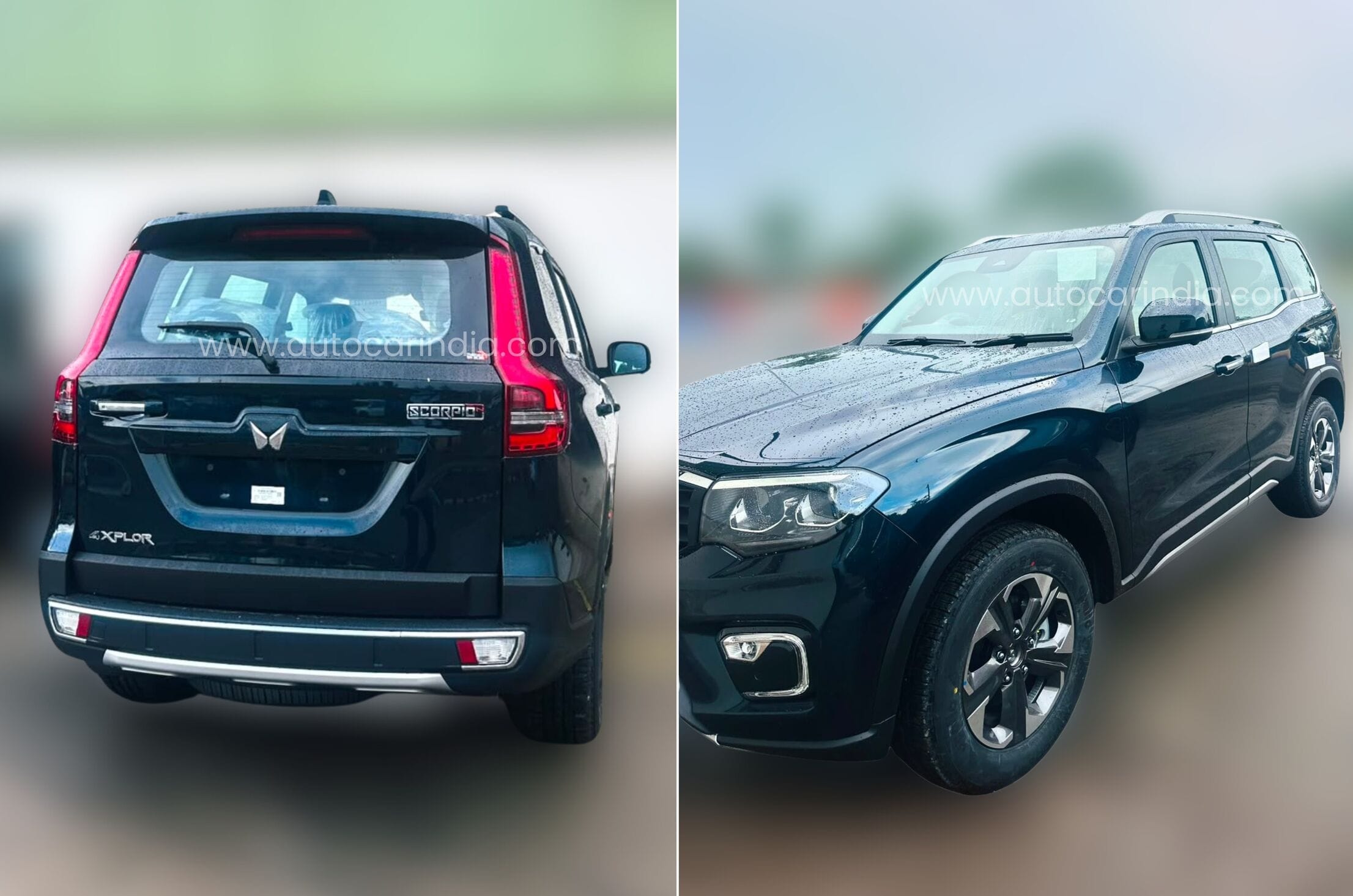
One of the cars that Mahindra could debut this Independence Day is the Scorpio N facelift. It’ll be mechanically unchanged over the outgoing model, but the exterior will now feature new two-tone alloy wheels. Unlike the exterior, there are more updates to the interior of the Scorpio N facelift.
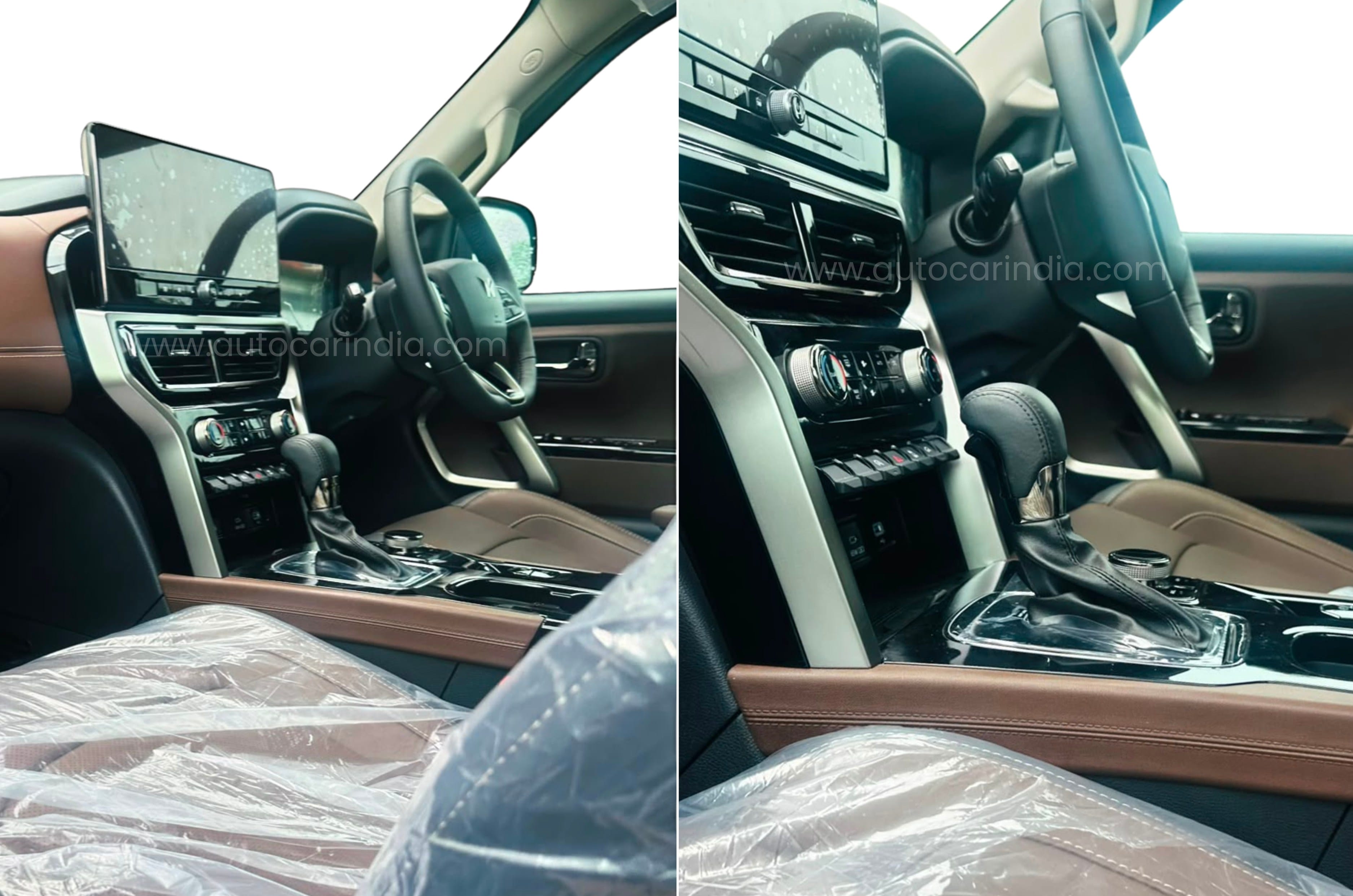
Recently leaked images show a revised centre console with repositioned AC vents and a new tablet-style infotainment touchscreen mounted above. There’s also a new digital driver’s display visible in these spy shots. These screens look similar to the 10.25-inch units found on the Thar Roxx. These updates could push up the price of the Mahindra Scorpio N facelift, with the pre-facelift model currently priced from Rs 13.49 lakh to Rs 24.95 lakh.
Updated Mahindra BE 6
Debut date: August 15, 2026
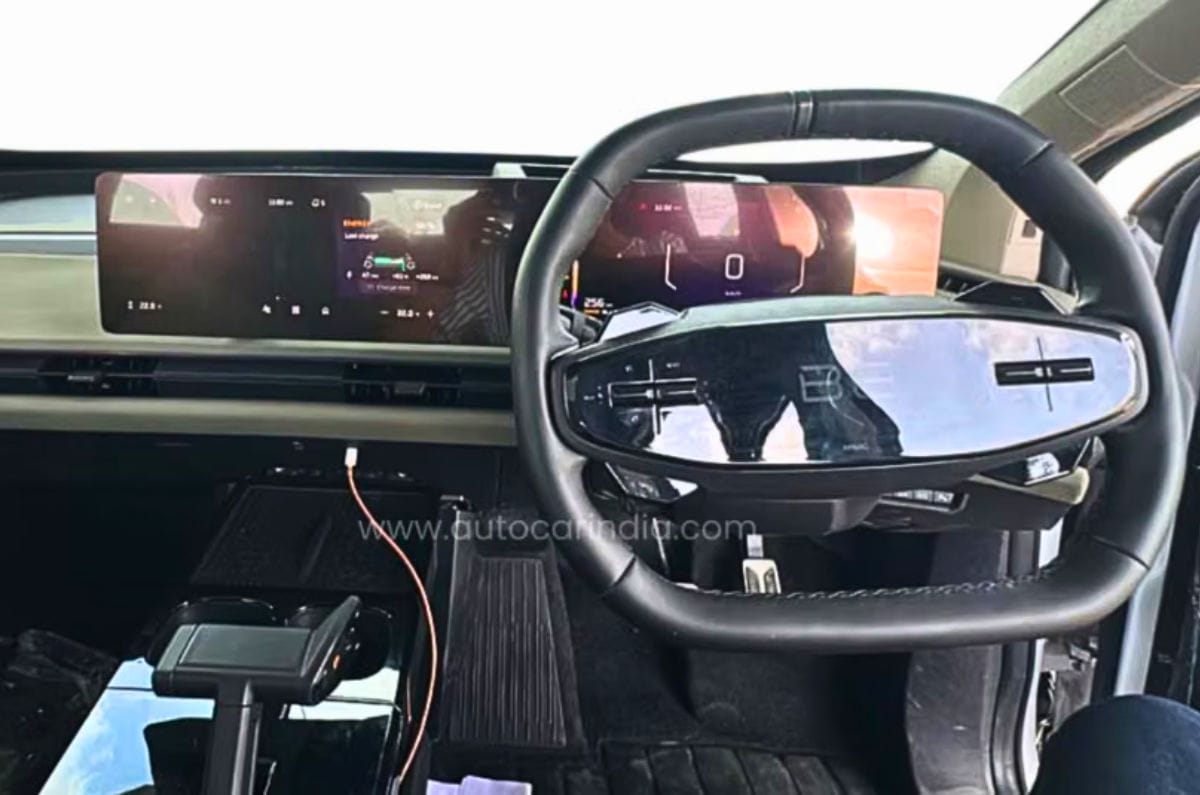
Another Mahindra car that could be introduced on August 15 is the updated BE 6. While the midsize EV is still relatively new in the market (launched in November 2024), Mahindra is expected to spec it up with a triple-screen setup as seen in the brand’s other models such as the XEV 9e, XEV 9S and also the combustion-powered XUV 7XO.
Another big change on the inside is the deletion of the distinctive halo design effect that separates the driver and front passenger in the outgoing model, as shown in this spy shot. Mahindra is also set to offer a new black-and-tan colour upholstery with the updated BE 6. The rest of the updated Mahindra BE 6 is unlikely to see major updates, though prices are likely to be revised upward. For reference, the EV is currently priced between Rs 18.90 lakh to Rs 26.90 lakh.
Near-production Mahindra Vision S
Debut date: August 15, 2026
Mahindra has been busy testing the Vision S prototype for a while now, and a public debut of its near-production version is expected this Independence Day. Note that the production-spec model is still sometime away from being launched, which is expected to happen in 2027. While the actual name of this new compact SUV remains under wraps, it’ll be slotted above the XUV 3XO in Mahindra’s line-up. The Vision S concept was underpinned by the Nu_IQ platform, meaning compatibility compatible with petrol, diesel, hybrid and fully electric powertrains.
Skoda Slavia facelift
Debut date: August 18, 2026
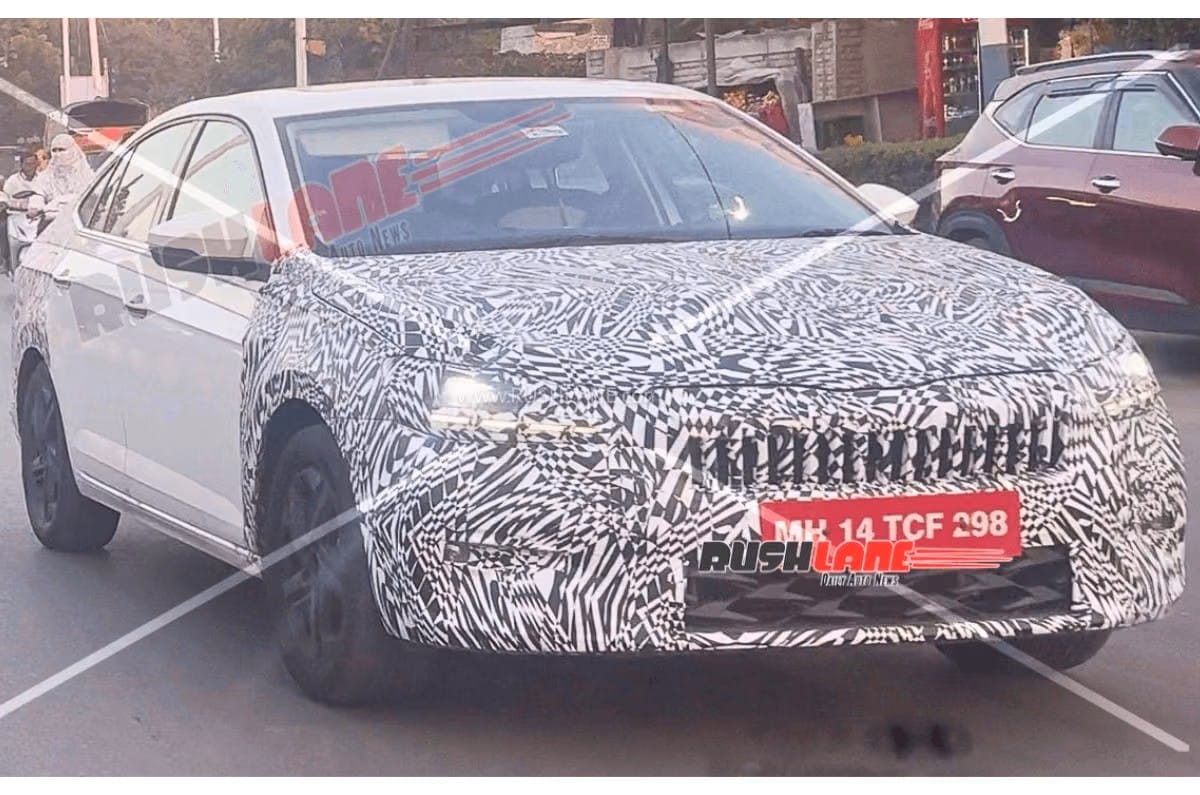
The Skoda Slavia was first launched in February 2022. Four-and-a-half years on, the Czech brand will be introducing the Slavia facelift come August 18, 2026. Changes on the outside of this updated midsize sedan include a new front grille with integrated LED elements and revised front and rear lights. The Slavia facelift is also expected to get mildly redesigned bumpers, a new design for the alloy wheels and front parking sensors.
The Skoda Slavia facelift could feature new cabin upholstery, and perhaps even the massage function for the rear seats as seen in the Kushaq facelift. This update could also bring a larger 10.25-inch digital driver’s display. While the 1.0-litre TSI and 1.5-litre TSI engines are to be carried over, the former is expected to be offered with a new 8-speed torque-converter automatic gearbox. All of these updates could raise prices, which currently range from Rs 10.00 lakh to Rs 18.19 lakh.
New MG EV, PHEV
Debut date: August 2026 (date unknown)
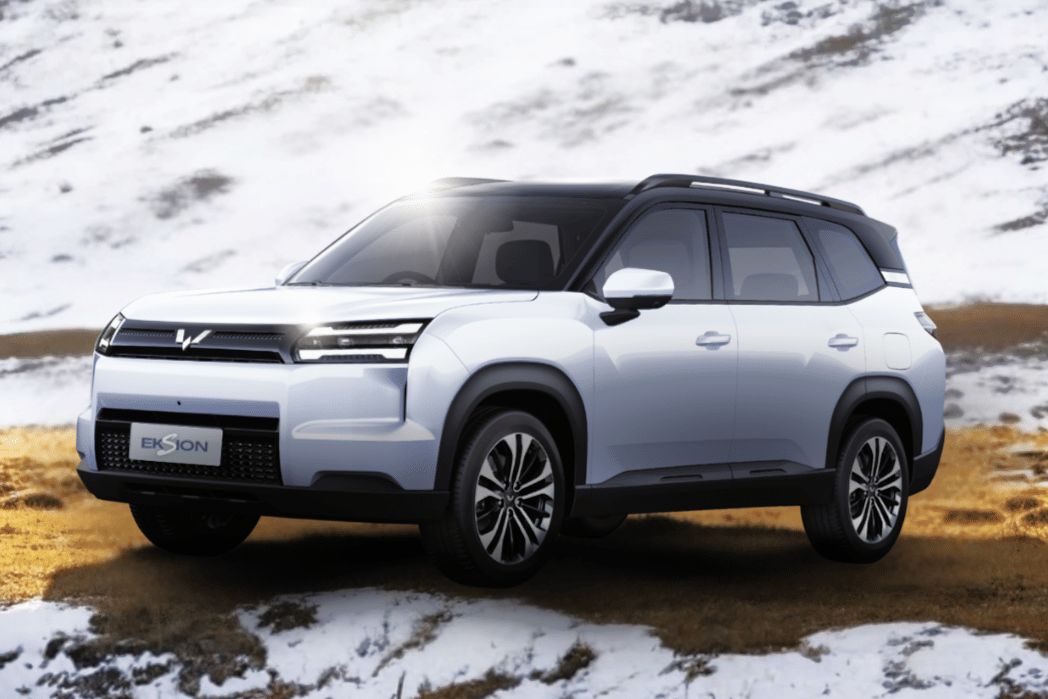
Based on the Chinese-market Wuling Eksion SUV, JSW MG is set to debut its India-spec all-electric and PHEV (plug-in hybrid vehicle) versions this August. The upcoming JSW MG SUV will be underpinned by the brand’s ADAPT (Advanced Drive Architecture Platform Technology) platform. The new Eksion-based electric SUV will rival the likes of the Mahindra XEV 9S, while the plug-in hybrid version is to take on the diesel-automatic variants of the Mahindra XUV 7XO and Tata Safari.
Wuling Eksion EV shown for representation purposes only.
The fully electric model will feature a 69kWh battery pack and a single, front-mounted electric motor generating 201hp and 310Nm. The upcoming EV’s official claimed range is around 600km. As for the new plug-in hybrid SUV, it combines a 1.5-litre Atkinson-cycle petrol engine, an electric motor and a 20.5kWh LFP battery pack. The latter produces up to 195hp and 230Nm, whilst the petrol engine makes 105hp and 130Nm of its own. For the Eksion PHEV version, Wuling claims an all-electric range of 125km and a combined range north of 1,000km.
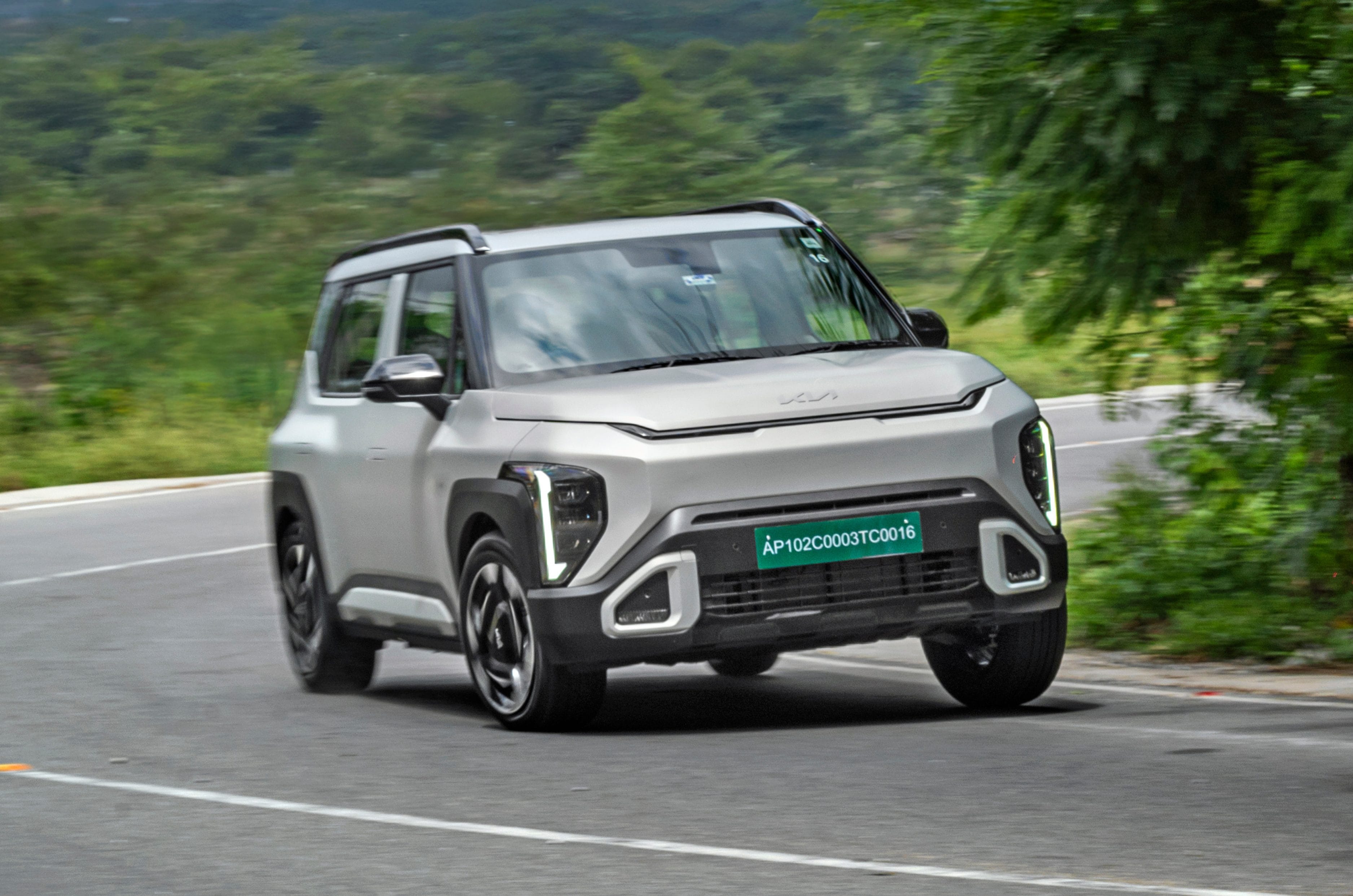
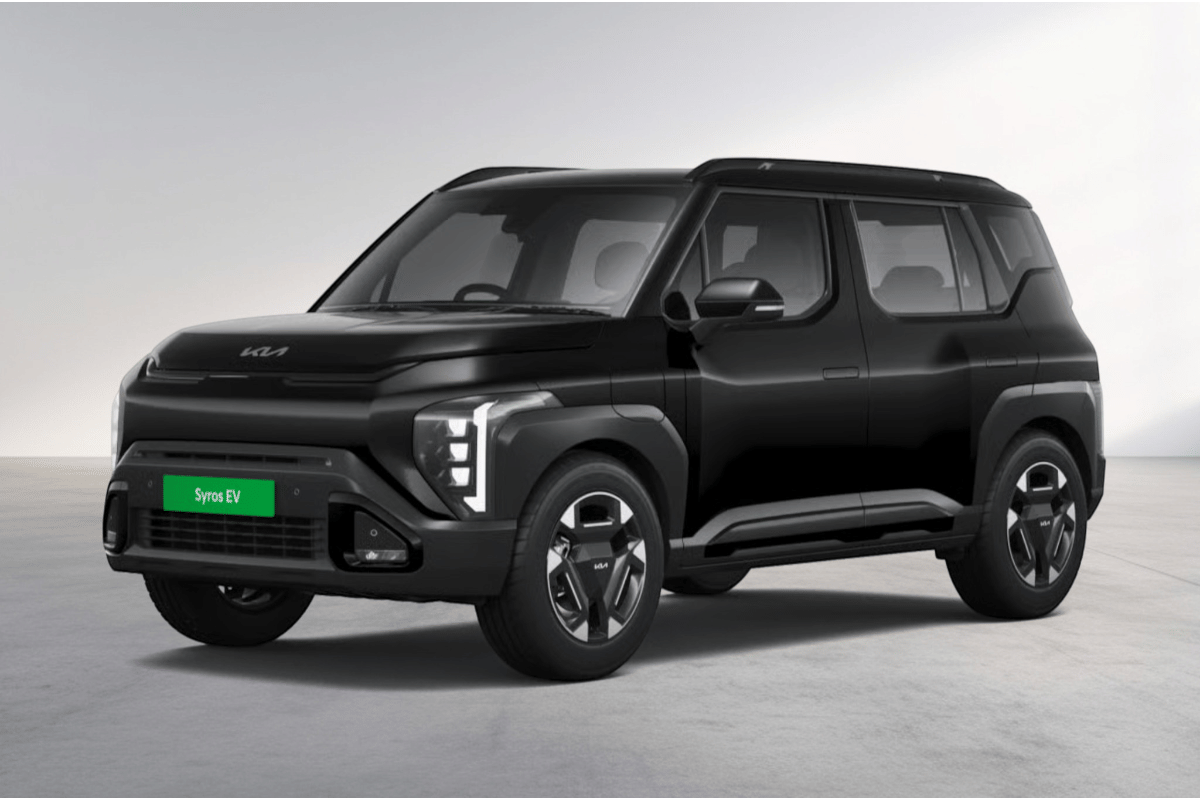
After the Carens Clavis EV, the Kia Syros EV is the carmaker’s second mass-market zero-emission vehicle in India. The electric Syros rivals the Mahindra XUV 3XO EV and the Tata Nexon EV, and we recently got behind the wheel to find out what it does well and where it falls short. If you are planning to bring this Kia EV home, here are three reasons to consider it and two reasons why you may want to think again.
Pros
Impressive performance and range
First, let’s discuss some numbers. The Kia Syros EV is offered with two battery pack options: 42kWh and 51.4kWh. Both power a front axle-mounted electric motor, producing 135hp with the smaller battery and 171hp with the larger unit. Torque remains the same at 255Nm for both versions.
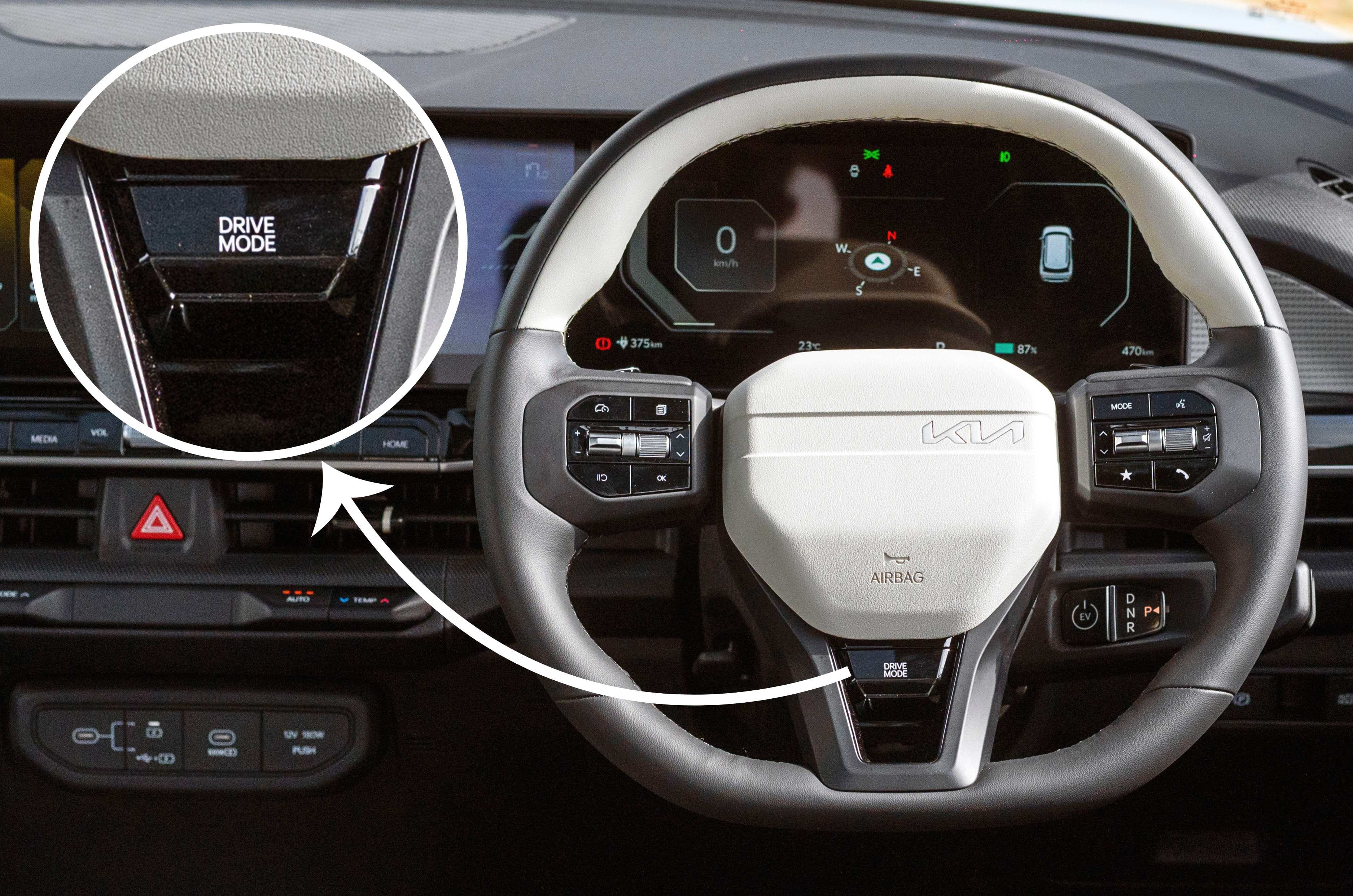
We drove the 51.4kWh version, which Kia claims can sprint from 0-100kph in 8.1 seconds. In our experience, performance was brisk. The EV comes with Eco, Normal and Sport drive modes, and throttle response becomes a little sharper as you move through them. Initial response across modes is linear, though there is a strong shove as you press the throttle further. Even in Eco and Normal, overtaking is effortless, and there is rarely a need to switch to Sport for a quick pass.
The MIDC range is 526km for the 51.4kWh battery pack and 443km for the 42kWh unit. While our short drive wasn’t enough to verify these figures, the larger battery should comfortably deliver around 400km of real-world range on a single charge.
Spacious and practical cabin
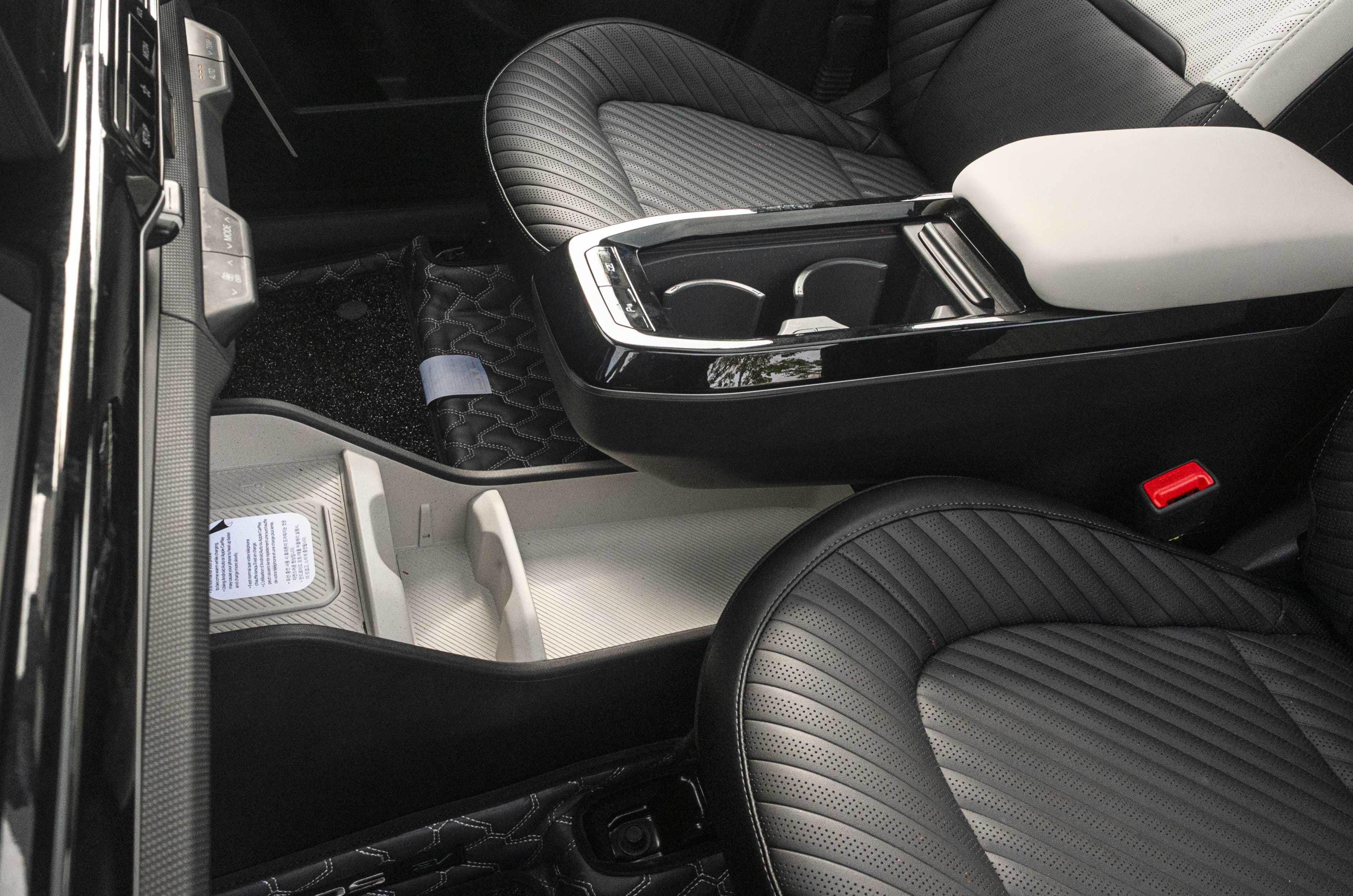
Like the ICE version, the Syros EV offers plenty of space for passengers. Since the drive selector is placed on the steering column, Kia has redesigned the centre console to create more storage space. Its upper section gets a small storage area below the armrest and two cup holders with a sliding cover. The console’s lower section offers a larger storage space for a bag, another cup holder and a wireless phone charger. Also, the front door pockets are large enough to hold a couple of bottles and an umbrella.
The front seats are comfortable and supportive, and the rear-seat space continues to be one of the compact SUV’s biggest strengths, with plenty of room all around. The battery pack raises the floor slightly, but sliding the rear bench backwards makes it much more comfortable. The EV’s flat floor is another advantage, and rear-seat ventilation (for the base) has been carried over from the ICE version.
The boot space remains unchanged at 390 litres with the rear seat pushed back and 465 litres with it slid forward. Rear seats can also be folded to carry larger items, and being an EV, it also offers a 16-litre frunk (front boot).
Feature-packed
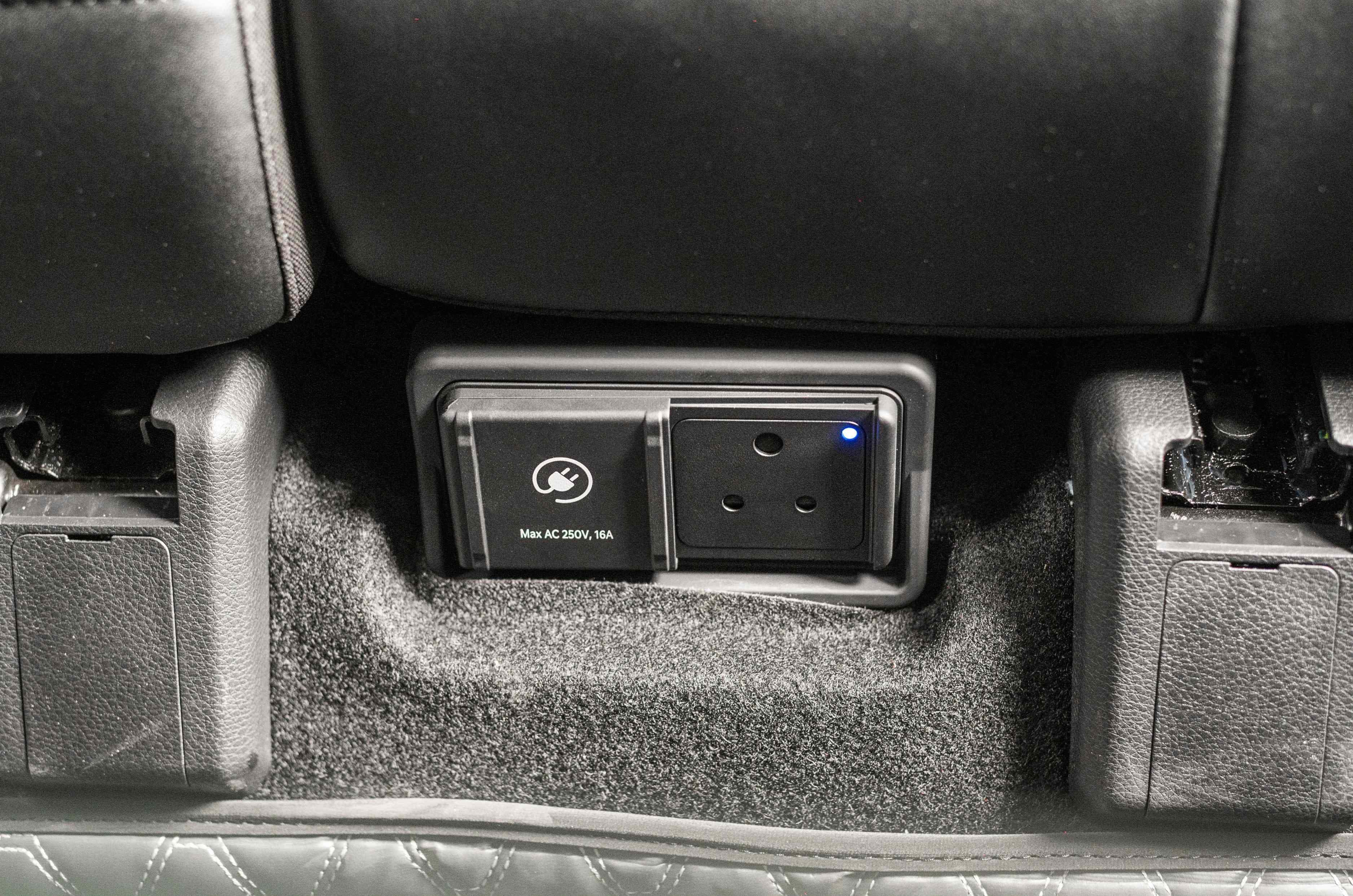
The EV gets Kia’s Trinity Panoramic Display, which includes two 12.3-inch screens for infotainment and the driver’s display, along with a 5-inch screen for the climate control. Wireless Android Auto and Apple CarPlay are offered, while the top trims also feature an eight-speaker Harman Kardon sound system. To pamper occupants at the back, AC vents and sunblinds are standard across the range. The household-style three-pin socket in the back seat is exclusive to the top-spec X-Line trim.
As for safety, the Syros EV comes with six airbags, all-wheel disc brakes, tyre-pressure monitoring and Isofix child-seat mounts as standard. The X-Line trim also gets a 360-degree camera and an ADAS (advanced driver assistance systems) suite with features such as adaptive cruise control with stop-and-go, lane-keep assist, forward and rear collision avoidance and a blind-spot camera. Notably, the ICE version no longer gets ADAS.
At the time of writing, the Syros EV has not yet received an official crash-safety rating. However, since the ICE version has already earned a 5-star Bharat NCAP crash-safety rating, the EV is expected to achieve a similar result.
Cons
Body roll through the corners
The ride on the Syros EV is slightly more absorbent than the ICE version, although there is still an underlying firmness. This helps keep the car stable, but because it is tall and narrow, there is noticeable body roll around the corners.
Pricey at the top end
The Kia Syros EV is priced from Rs 13.5 lakh for the 42kWh version, while the 51.4kWh Extended Range starts at Rs 17 lakh. The fully loaded X-Line trim is priced at Rs 20 lakh. At this price, it competes with the Tata Nexon EV (Rs 12.49 lakh-17.49 lakh) and Mahindra XUV 3XO EV (Rs 13.89 lakh-14.69 lakh) compact SUVs, as well as larger EVs such as the MG Windsor EV (Rs 14.7 lakh-19 lakh) and Maruti e Vitara (Rs 15.99 lakh-19.99 lakh).
Top-spec Kia Syros X-Line.
The 42kWh version does offer strong value for money, but the larger 51.4kWh Extended Range version is a tougher sell. It costs noticeably more than its direct rivals and even overlaps with higher-battery versions of the MG Windsor EV and Maruti e Vitara. While the Syros EV has several strengths, many buyers may want a bigger SUV for similar money. Kia’s Battery-as-a-Service (BaaS) scheme lowers the upfront purchase cost, but similar plans are also available with the MG and Maruti EVs.
Ex-showroom prices mentioned above are as of July 30, 2026.
Market news : आज बाजार के लिए ग्बोबल और घरेलू संकेत अच्छे हैं। गिफ्टी निफ्टी करीब 70 अंक ऊपर कारोबार कर रहा है। FIIs ने कैश और वायदा में मिलाकर करीब 4700 करोड़ की खरीदारी की है। इंडेक्स में दो दिनों में करीब 19000 नेट शॉर्ट कॉन्ट्रैक्ट कवर किए गए हैं। क्रूड में भी नरमी है। यह 90 डॉलर प्रति बैरल के नीचे फिसल गया है। यहां हम आपके लिए तमाम समाचार प्लेटफॉर्मों पर चल रही आज की ऐसी अहम खबरों की एक सूची जारी कर रहें हैं जो भारतीय और अंतर्राष्ट्रीय बाजारों को प्रभावित कर सकते हैं।
मार्केट ओवरव्यू
30 जुलाई को उतार-चढ़ाव भरे ट्रेडिंग सेशन के बाद भारतीय बेंचमार्क इंडेक्स बढ़त के साथ बंद हुए। IT शेयरों में आई तेजी का असर रियल्टी,कैपिटल गुड्स,हेल्थकेयर और कुछ बड़े शेयरों में आई कमजोरी से संतुलित हो गया। कारोबार के अंत में सेंसेक्स 273.55 अंक या 0.35 प्रतिशत बढ़कर 77,928.15 पर और निफ्टी 66.95 अंक या 0.28 प्रतिशत बढ़कर 24,317.15 पर बंद हुआ। ब्रॉडर इंडेक्स का प्रदर्शन मुख्य इंडेक्स के मुकाबले कमजोर रहा। निफ्टी मिडकैप इंडेक्स 0.4 प्रतिशत और स्मॉलकैप इंडेक्स 0.6 प्रतिशत नीचे बंद हुए।
विदेशी निवेशकों के रुझान पर एक नजर
30 जुलाई को विदेशी संस्थागत निवेशकों (FIIs)ने लगातार तीसरे सेशन में भी खरीदारी जारी रखी और ₹3,623 करोड़ के भारतीय शेयर खरीदे। इससे घरेलू बाजार में उनका भरोसा बना रहने का संकेत मिलता है। इसके उलट,घरेलू संस्थागत निवेशकों (DIIs) ने लगातार पांच सेशन से चली आ रही खरीदारी का सिलसिला तोड़ दिया और वे नेट सेलर बन गए,क्योंकि उन्होंने ₹1,864 करोड़ के शेयर बेचे।
कमोडिटी न्यूज
स्ट्रेट ऑफ हॉर्मुज से कुछ जहाज निकलने की खबरों से क्रूड में थोड़ी नरमी आई है। ब्रेंट 89 डॉलर के पास पहुंच गया है। इधर US में दरें ना बढ़ने से सोना 4100 डॉलर के पार चला गया है। चांदी भी 2.5 फीसदी उछली है।
चिप शेयरों में दिखी जोरदार तेजी
अमेरिका में कल चिप शेयरों में जोरदार रिबाउंड दिखा। मैक्रॉन,वेस्टर्न डिजिटल,सैनडिस्क और SK HYNIX ADR में 15 से 26% तक का उछाल आया। वहीं सॉफ्टवेयर कंपनियों पर दबाव दिखा। Accenture और Cognizant पांच से छह परसेंट फिसले। इंफोसिस का ADR भी 5% नीचे आय।
चिप शेयरों में जोरदार खरीदारी से एशियाई बाजारों में रौनक देखने को मिल रही है। निक्केई 5% तो कॉस्पी 16% दौड़ा है। कॉस्पी में सैमसंग 20% तो SK HYNIX 30% तक दौड़े हैं। उधर अमेरिकी बाजारों में भी कल शानदार तेजी दिखी। नैस्डैक करीब तीन परसेंट उछला। वहीं, डाओ जोंस भी तेजी के साथ बंद हुआ।
टाटा स्टील का Q1 मुनाफा 12% बढ़ा, 24% बढ़ा वेदांता का मुनाफा,मार्जिन में सुधार
पहली तिमाही में टाटा स्टील के नतीजे अनुमान के करीब रहे हैं। कंपनी के मुनाफे में 12 परसेंट तो आय में 14 परसेंट की बढ़ोतरी देखने को मिली है। मार्जिन में भी एक फीसदी की बढ़त हुई है। करीब 33,900 करोड़ के कैपेक्स को बोर्ड से मंजूरी मिल गई है। वहीं वेदांता का मुनाफा 24% बढ़ा है। मार्जिन में भी सुधार दिखा है।
10% बढ़ा LIC हाउसिंग का मुनाफा, टोरेंट फार्मा का मुनाफा बढ़ा
पहली तिमाही में LIC हाउसिंग फाइनेंस का मुनाफा 10% बढ़ा है। हालांकि इसकी ब्याज से होने वाली कमाई करीब एक परसेंट बढ़ी है। दूसरी ओर टोरेंट फार्मा का मुनाफा 3% बढ़ा है। इसके मार्जिन में भी सुधार दिखा है।
अनुमान से कमजोर रहे स्विगी के नतीजे, फूड डिलिवरी,इंस्टामार्ट ग्रोथ कमजोर
स्विगी के नतीजे अनुमान से कमजोर रहे हैं। पहली तिमाही में कंपनी का घाटा कम हुआ है। इसकी आय में 37 फीसदी का उछाल दिखा है। लेकिन फूड डिलिवरी का ग्रॉस ऑर्डर वैल्यू और इंस्टामार्ट का नेट ऑर्डर वैल्यू अनुमान से कम रहा है।
निफ्टी की चार कंपनियों के नतीजे आज
नतीजों के लिहाज से आज बेहद अहम दिन है। आज निफ्टी की चार कंपनियों,ITC, MARUTI,सन फार्मा और बजाज फिनसर्व के रिजल्ट आएंगे। ITC का मुनाफा 12% घट सकता है ,मार्जिन पर भी दबाव संभव है। सिगरेट की वॉल्यूम ग्रोथ निगेटिव हो सकती है। वहीं डिक्सन,गेल,ABB समेत वायदा की 9 कंपनियों के नतीजों का भी इंतजार रहेगा।
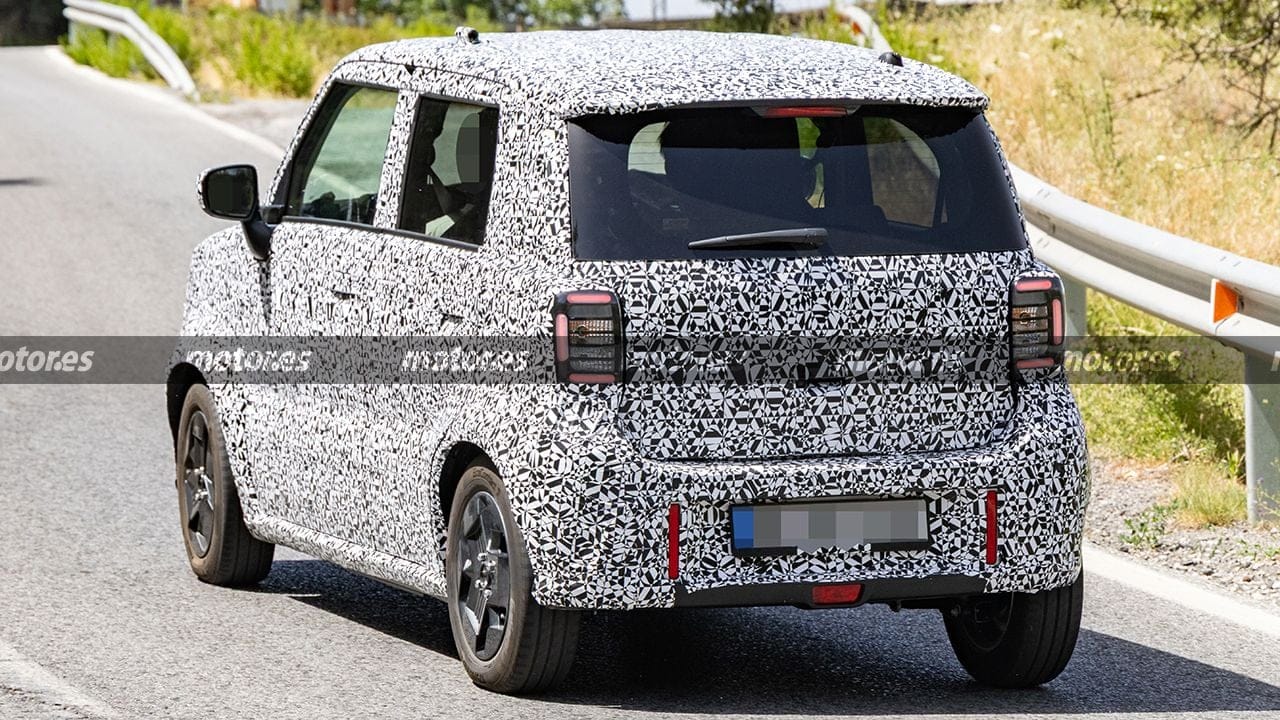
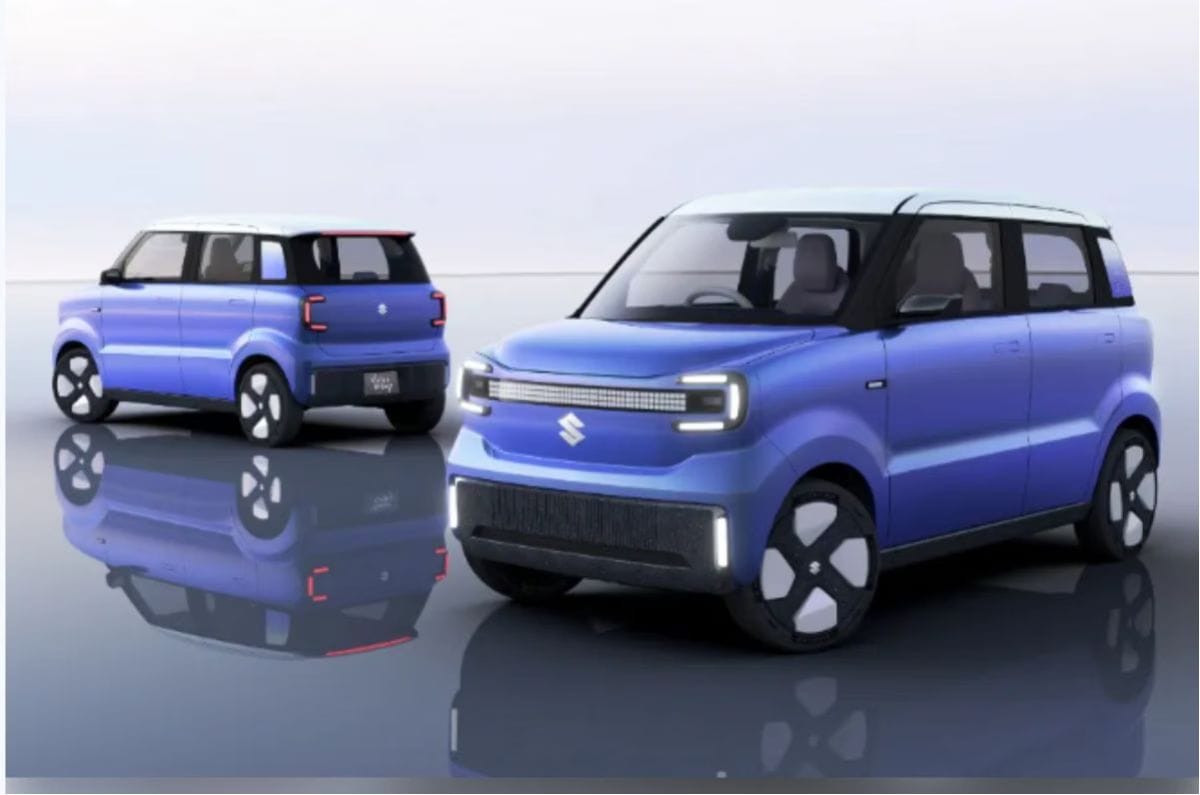
A camouflaged prototype of the Suzuki Vision E-Sky was recently spied testing in Europe, giving as a hint for the first time at what the production model could look like. The Suzuki Vision E-Sky concept was previewed at the Japan Mobility Show last year as the brand’s urban-centric, entry-level born EV. It’s expected to go on sale abroad next year.
Vision e-Sky concept was previewed with over 270km claimed range
It measures under 3.4 meters in length, meaning it’s smaller than a S-Presso
Production-spec model is expected to go on sale globally next year
Suzuki Vision e-sky prototype spied testing in Europe
The heavily camouflaged vehicle seems to be an early-stage prototype, which is why it was seen wearing temporary headlamps, whereas the original concept featured LED headlamps with a connecting LED band. What stands out most are its proportions – its tall and upright, but the narrow track width gives it a very compact footprint. For reference, the concept measured 3,395mm in length, 1,475mm in width, and 1,625mm in height; this makes it taller than the Maruti Suzuki S-Presso but its length and width figures fall short of the latter.
Other highlights that can be spotted include traditional pull-type door handles, door-mounted wing mirrors (these were pillar mounted on the concept), aero-optimised alloy wheels and also a large cooling inlet on the bumper. At the back, the test mule featured vertically stacked tail lamps and reflectors on the bumper. Overall, the design seems clean and fuss-free, staying true to the original concept.
Although these spy shots do not give us a glimpse at the interior, the Vision E-sky concept came with a floating dashboard design with large, dual digital screens and a squircle steering wheel. Given its compact dimensions, however, it is likely that this vehicle will be best suited only for four adults.
Suzuki Vision e-sky specifications
Suzuki didn’t disclose any specifications during the concept’s debut at the Japan Mobility Show last year, but only hinted that it will offer more than 270km of range. Given its dimension, it can be expected to be powered by a battery ranging between 30-35kWh.
Suzuki Vision E-Sky concept
The production version of the Suzuki Vision E-Sky is expected to go on sale globally in 2027. Notably, Maruti Suzuki does have an entry-level, low-cost EV on cards for India. It’s internally codenamed the Y2V and is expected to arrive in the Indian market by 2028 to specifically cater to the entry-level EV segment, and the production version of the Vision E-Sky could very well fit the bill. The Y2V hatchback is part of Maruti Suzuki’s plan to launch six EVs by FY2031, covering different segments from hatchbacks to SUVs. In India, the Y2V could squarely be positioned against the MG Comet EV.
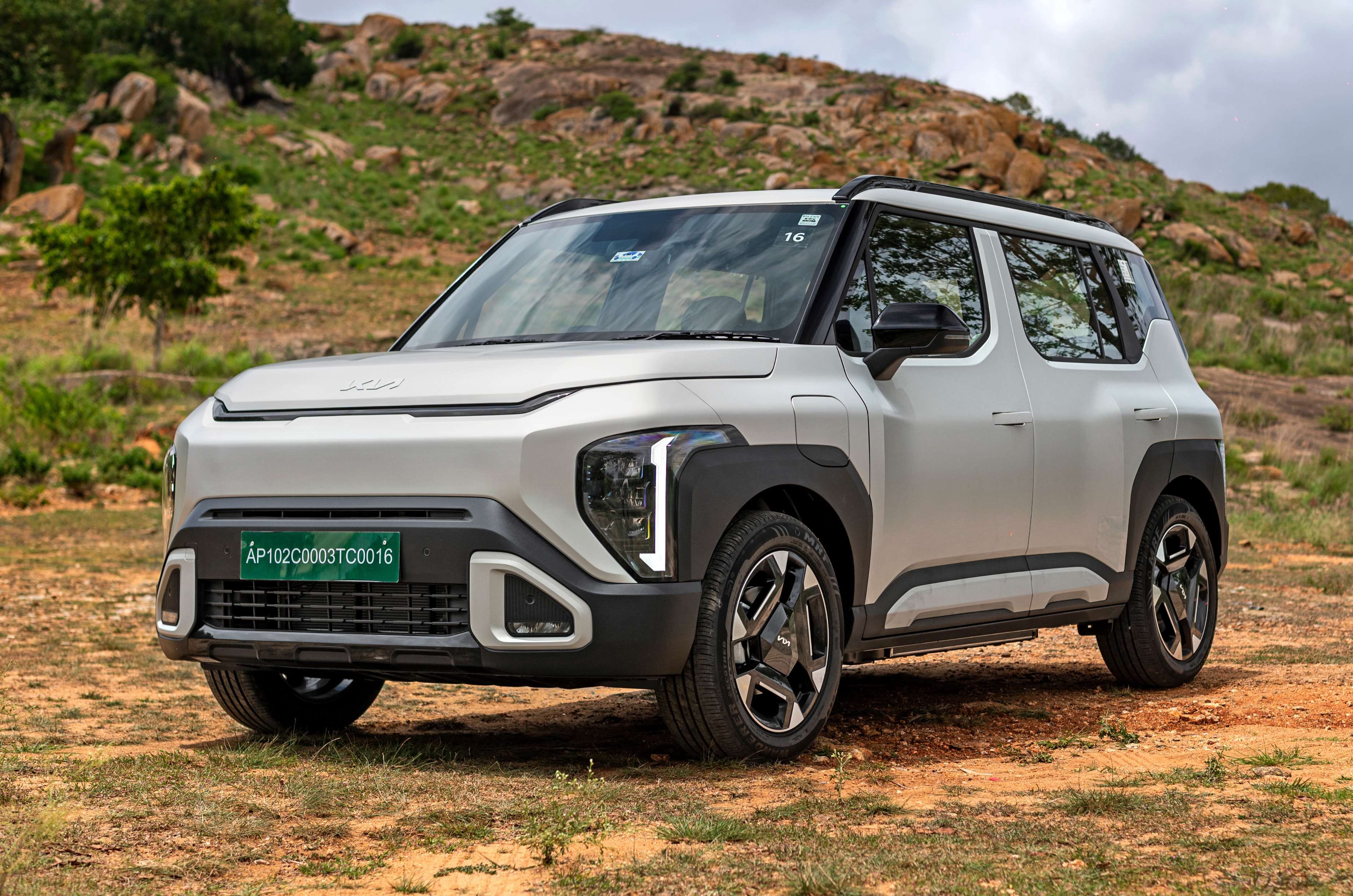
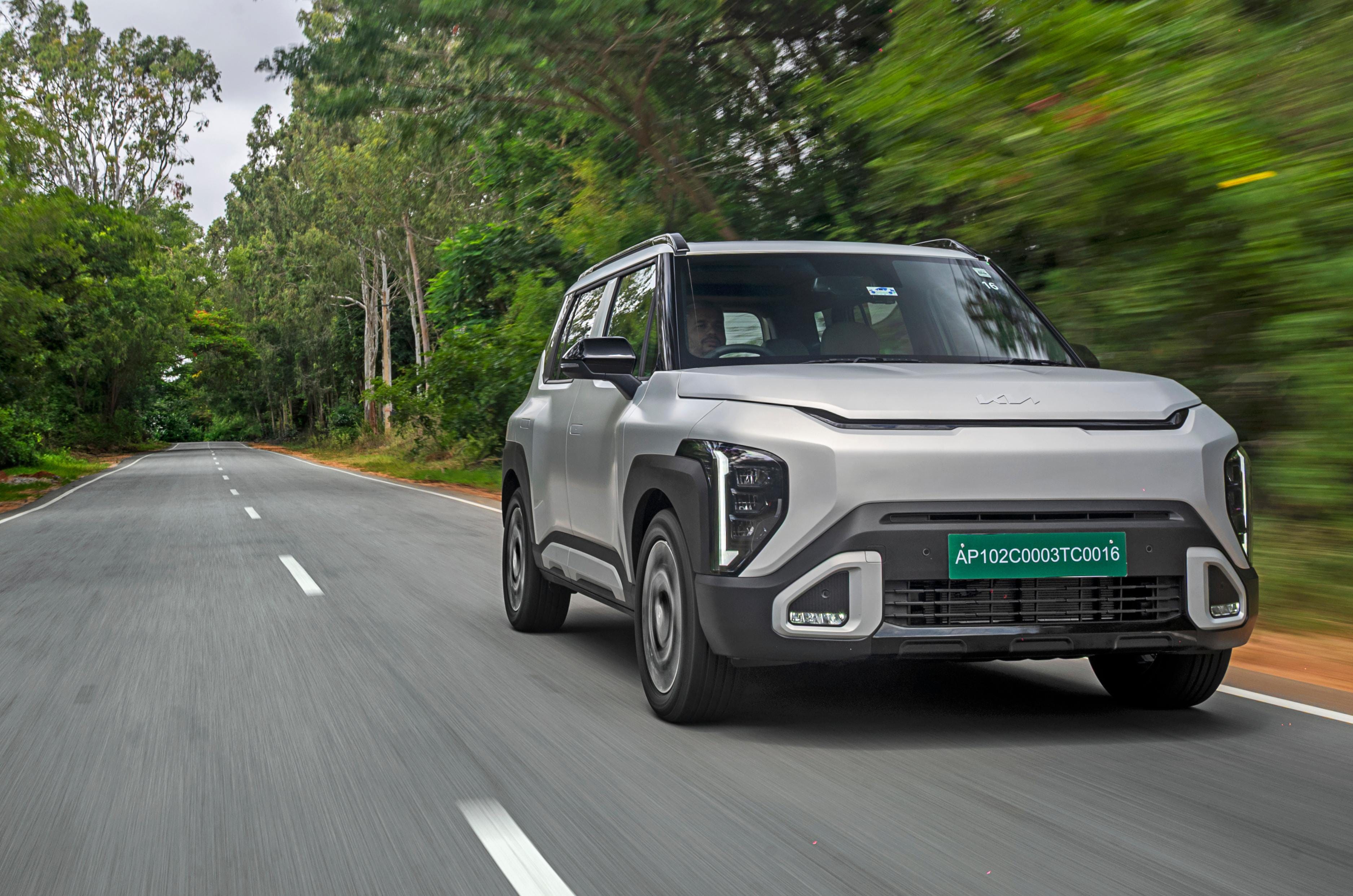
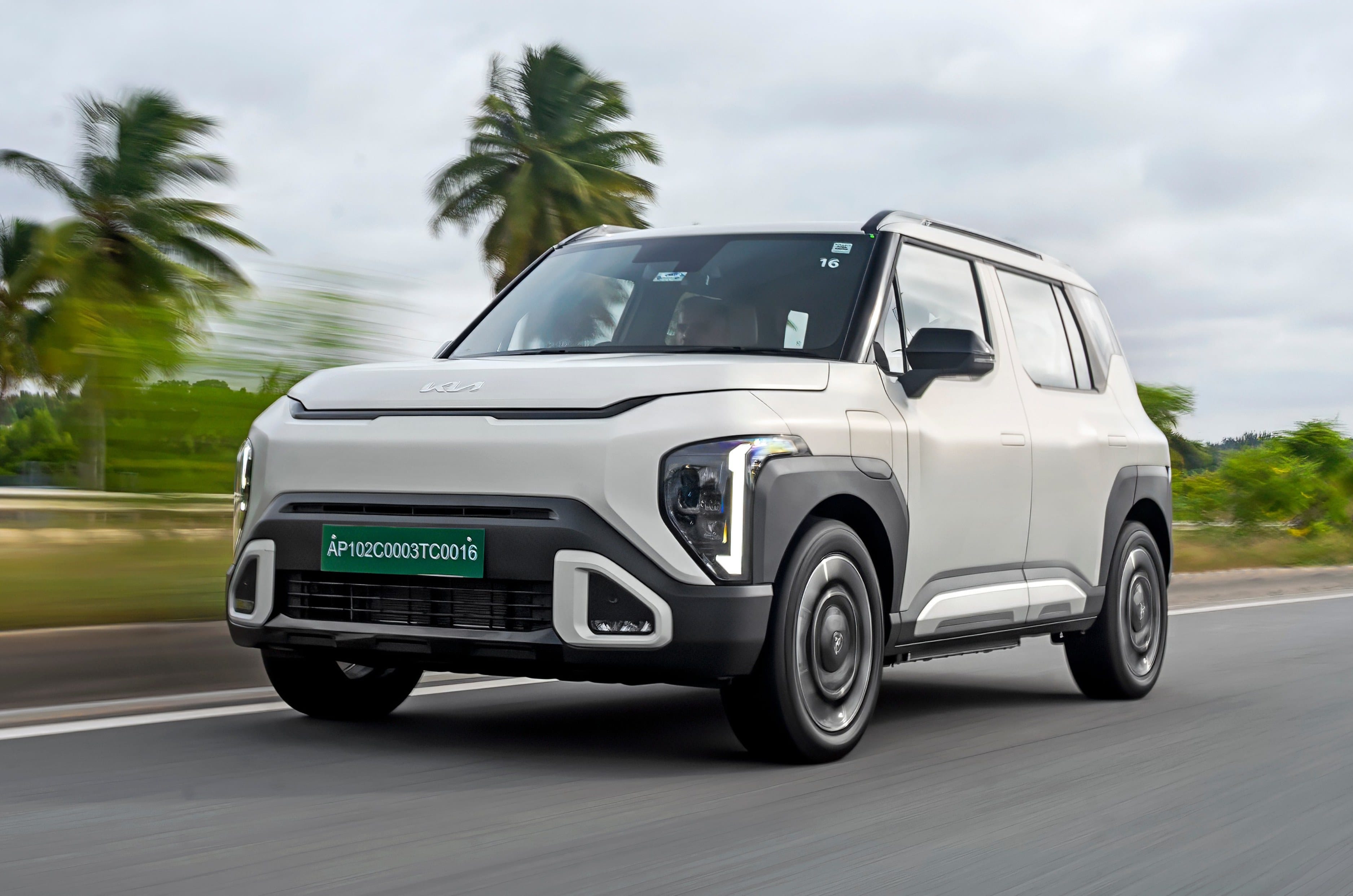
Kia has chosen the Syros to be its second mass market EV for the Indian market. Despite its superb packaging, oddball styling and high initial prices held back the original ICE version against traditional compact SUV rivals. However, EV customers are generally more accepting of avant-garde design, so can the Syros EV find success where the ICE version couldn’t? We drove it in Bengaluru to find out.
Kia Syros EV Exterior Design and Engineering – 7/10
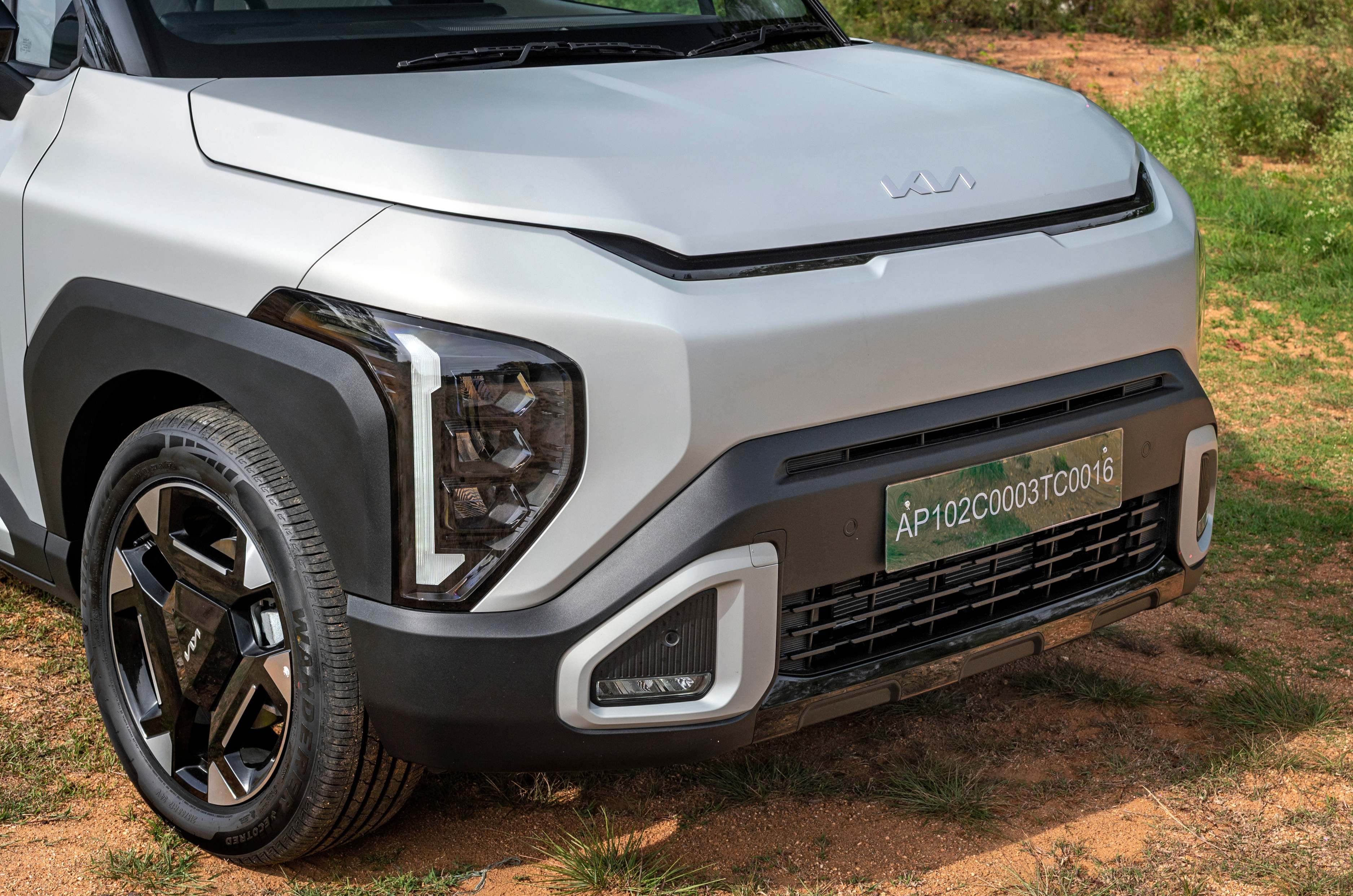
EV has a slimmer intake above the number plate and slightly different lower bumper
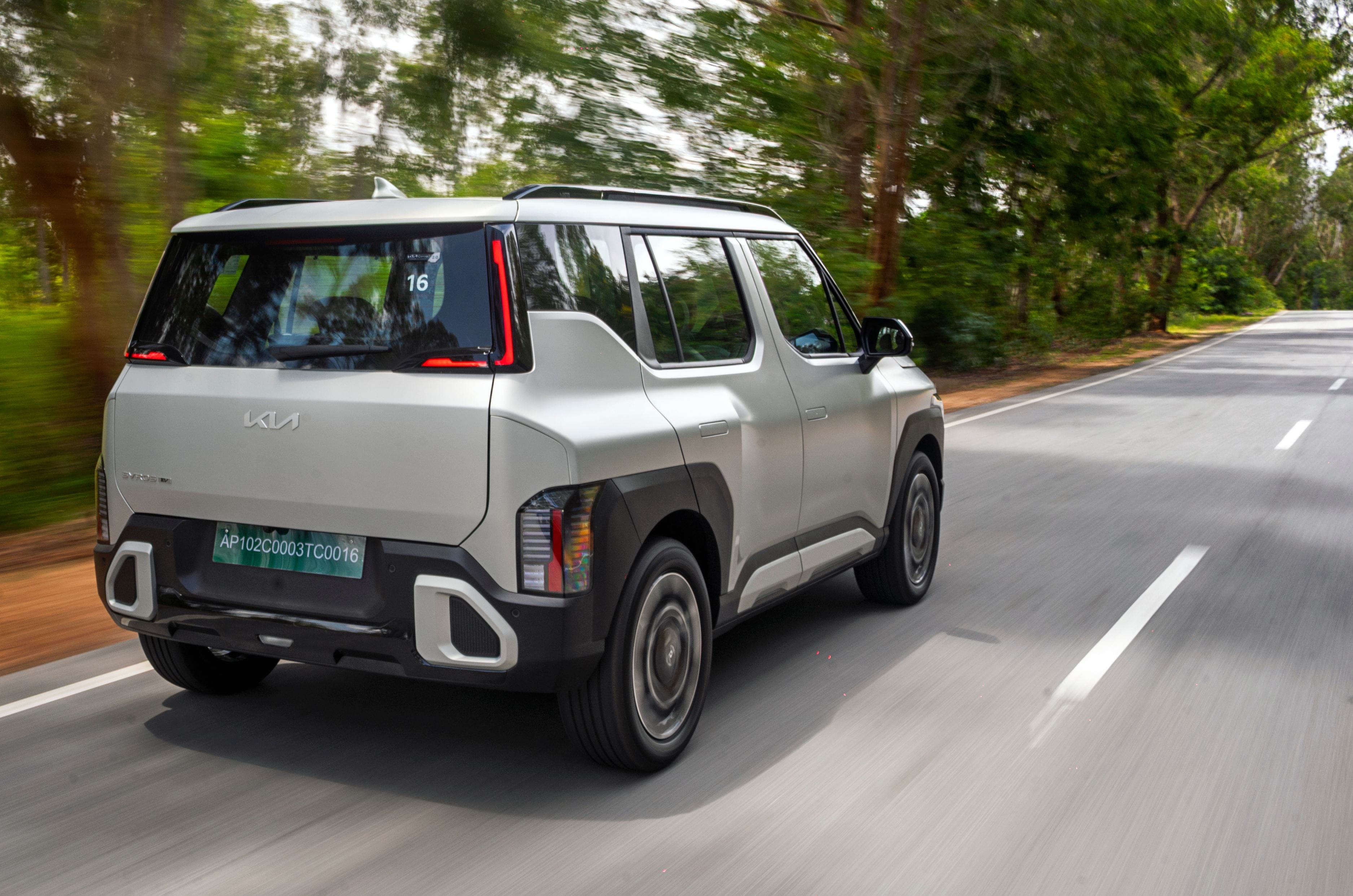
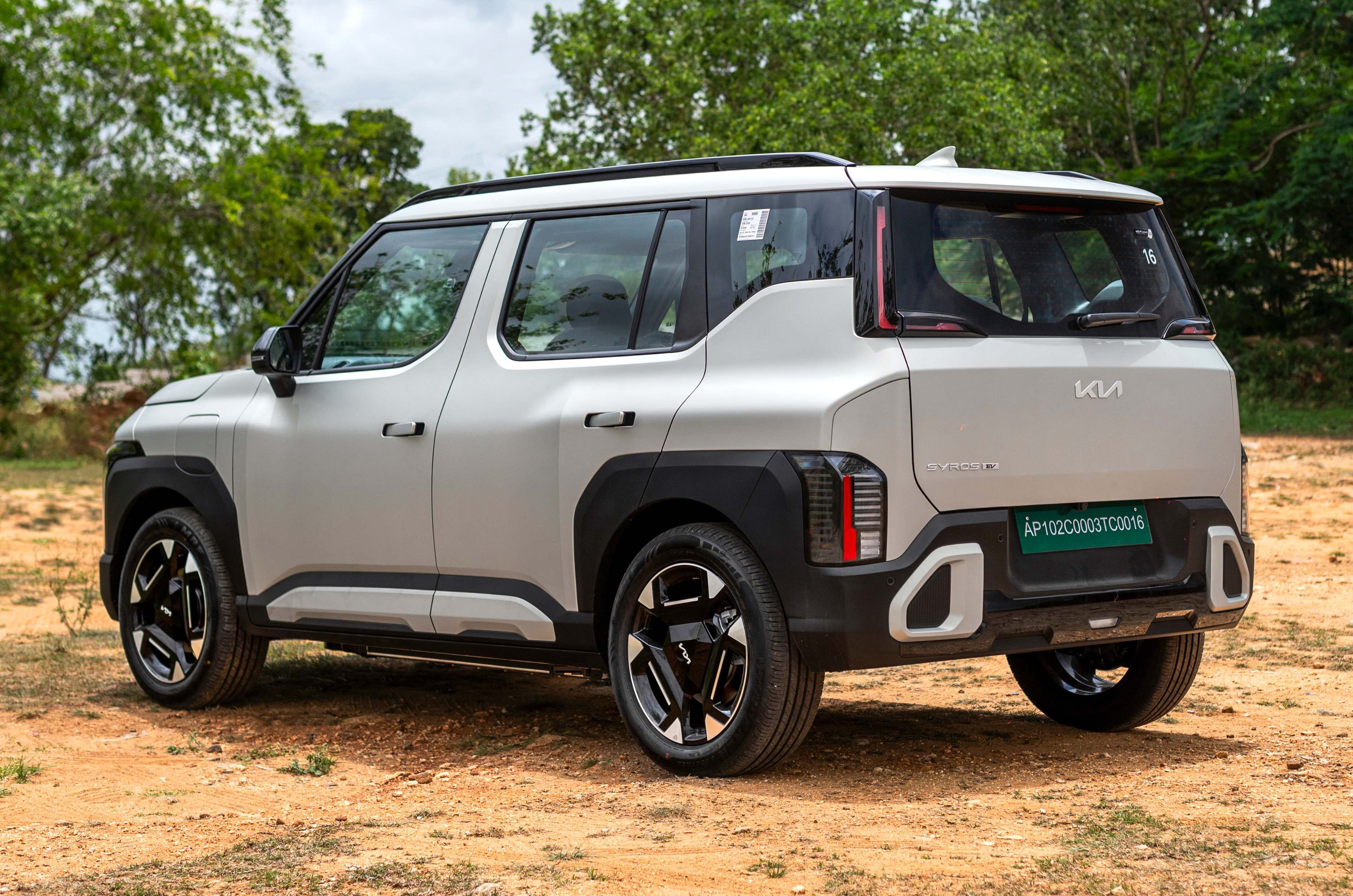
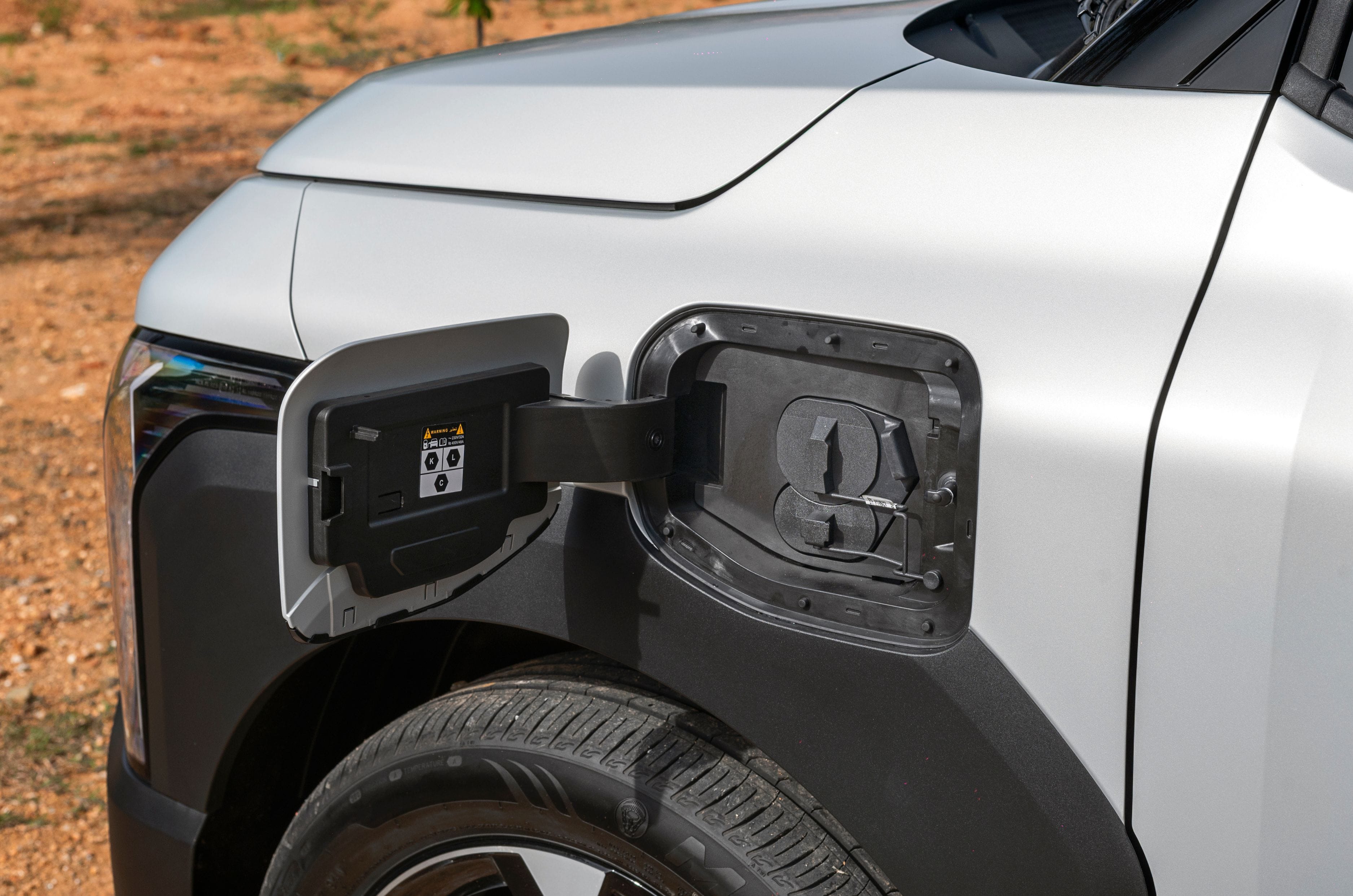
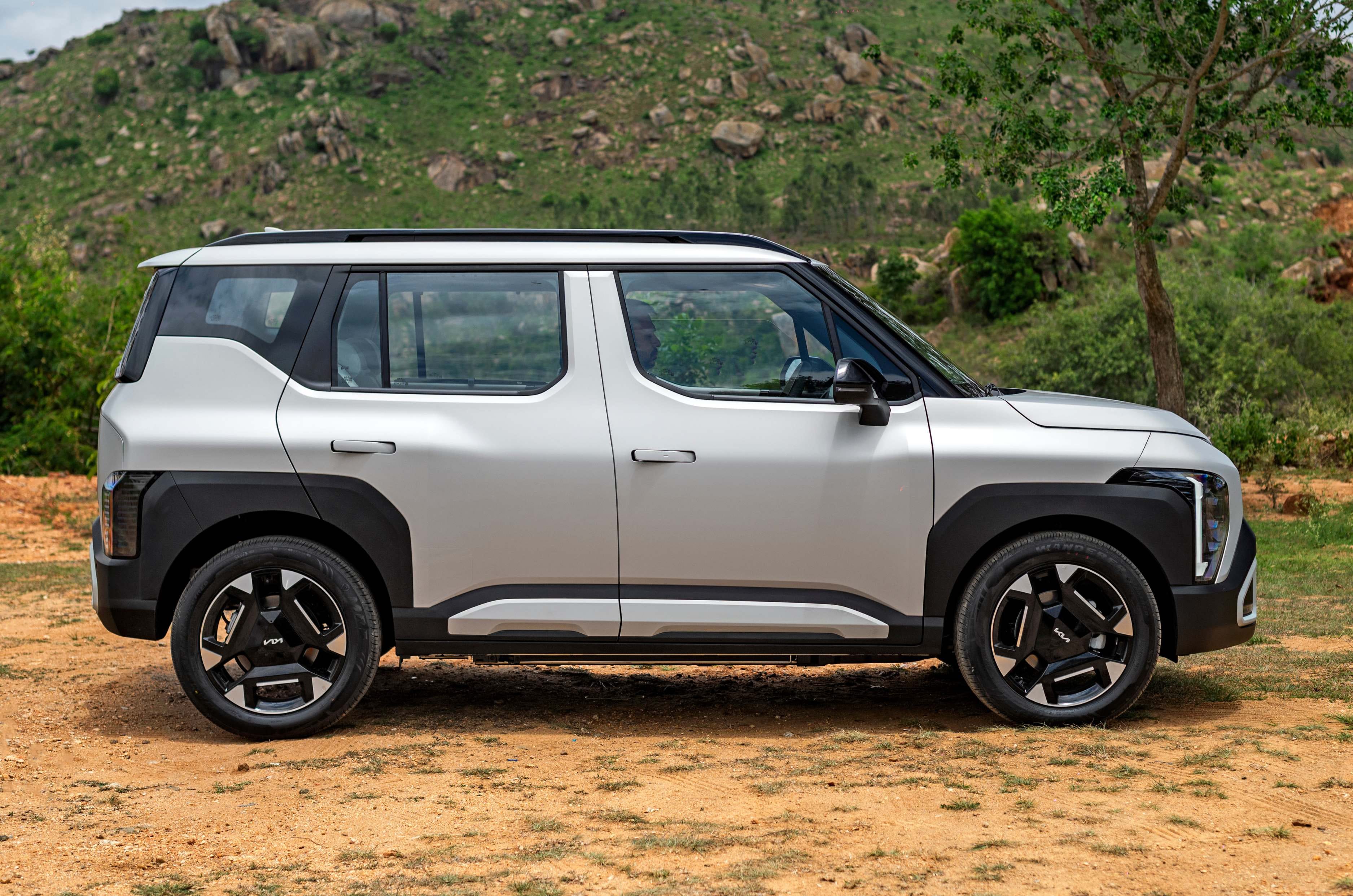
A game of spot the difference between the Syros EV and the ICE version would prove challenging for the casual observer, so here is the cheatsheet. Up front, the bumper is ever so slightly different, with a slimmer cooling slot above the number plate and minor tweaks to the body-coloured triangular pods that house the LED fog lamps. Apart from the charging port on the front left fender and the shorter roof rails, the profile is unchanged. Crouch down, though, and you’ll notice the battery pack is visible, like it is on the Hyundai Creta Electric. Kia claims ground clearance is 197mm which is 7mm more than the ICE version. The tri-spoke 17-inch alloys are the same ones that debuted on the ICE car but were discontinued with the facelift. No differences round the back either, save for an EV badge on the tailgate.
Split lighting lifts the otherwise bland rear
If you didn’t like the way the Syros looked, the EV isn’t going to change your mind. It is distinctive, though – like a Japanese kei car only larger, and Korean. Its blanked-off fascia looks appropriate on an EV, and the vertically oriented headlights give it a unique look. The cladding lower down on the bumper carries on to the wheel arches, doors and the rear, adding some muscle. Breaking up the large greenhouse are the pronounced B-pillar and the upward kink in the C-pillar, both of which are neatly done. And while the tailgate looks a bit blank, the split lighting – with L-shaped elements framing the rear windscreen and larger units at the edge of the bumper – looks great when lit up.
Syros EV Interior Space and Comfort – 10/10
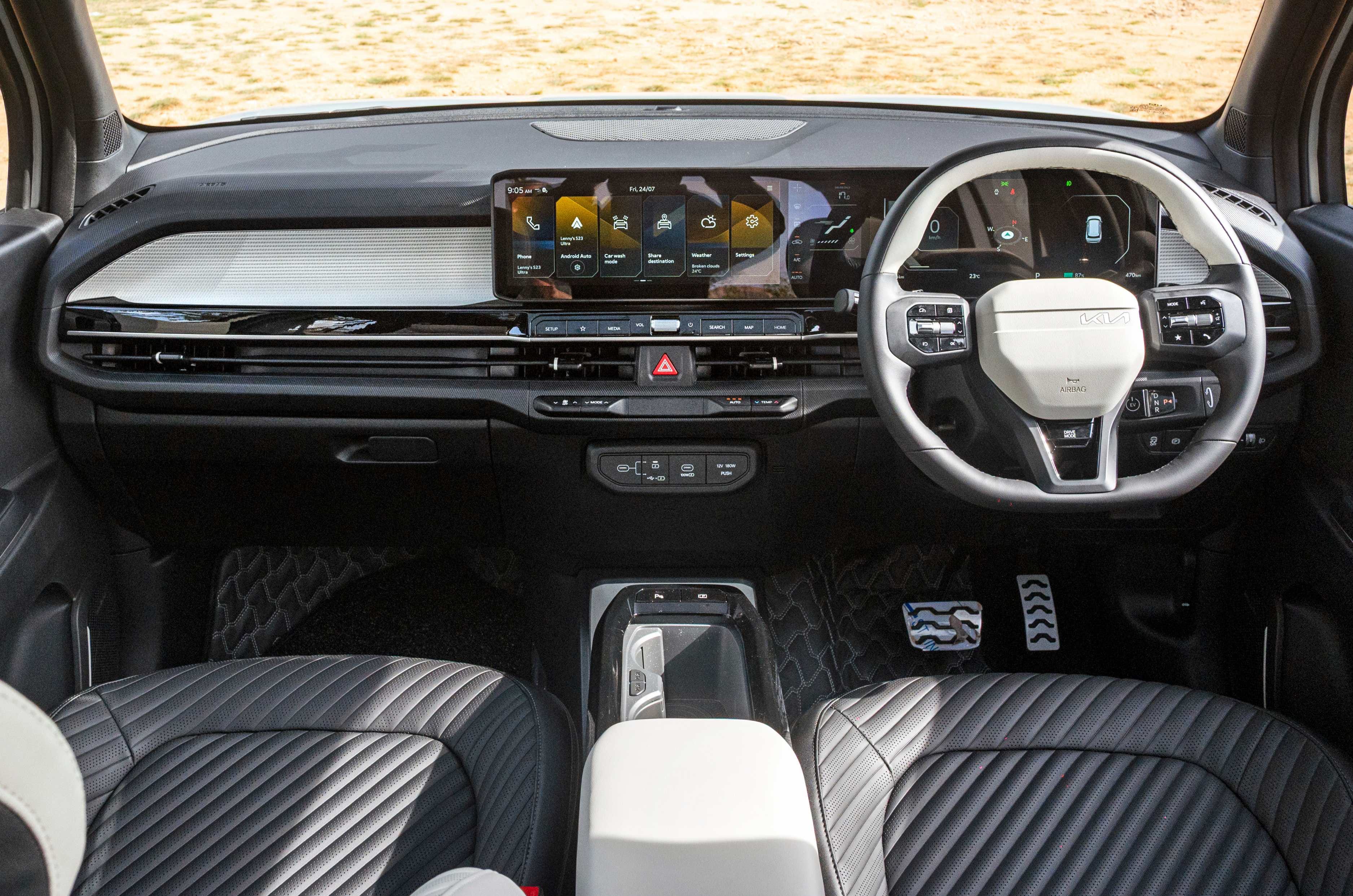
Dash layout is identical to the ICE version, but it gets the 3-spoke ‘wheel from the Seltos
Step inside and you start to understand why the Syros EV looks the way it does. Space for passengers, their knick-knacks and luggage is in abundance. With the EV’s drive selector positioned on the steering column, Kia has re-engineered the centre console to liberate a lot more storage. It now has two levels: the top floating portion has a small cubby under the armrest, along with two cupholders with their own sliding cover, while the lower level has a large storage area for a bag or such, another cupholder and a wireless charger. The front door pockets are just as accommodating, with room for a couple of bottles and an umbrella.
New center console has a lot of storage spaces
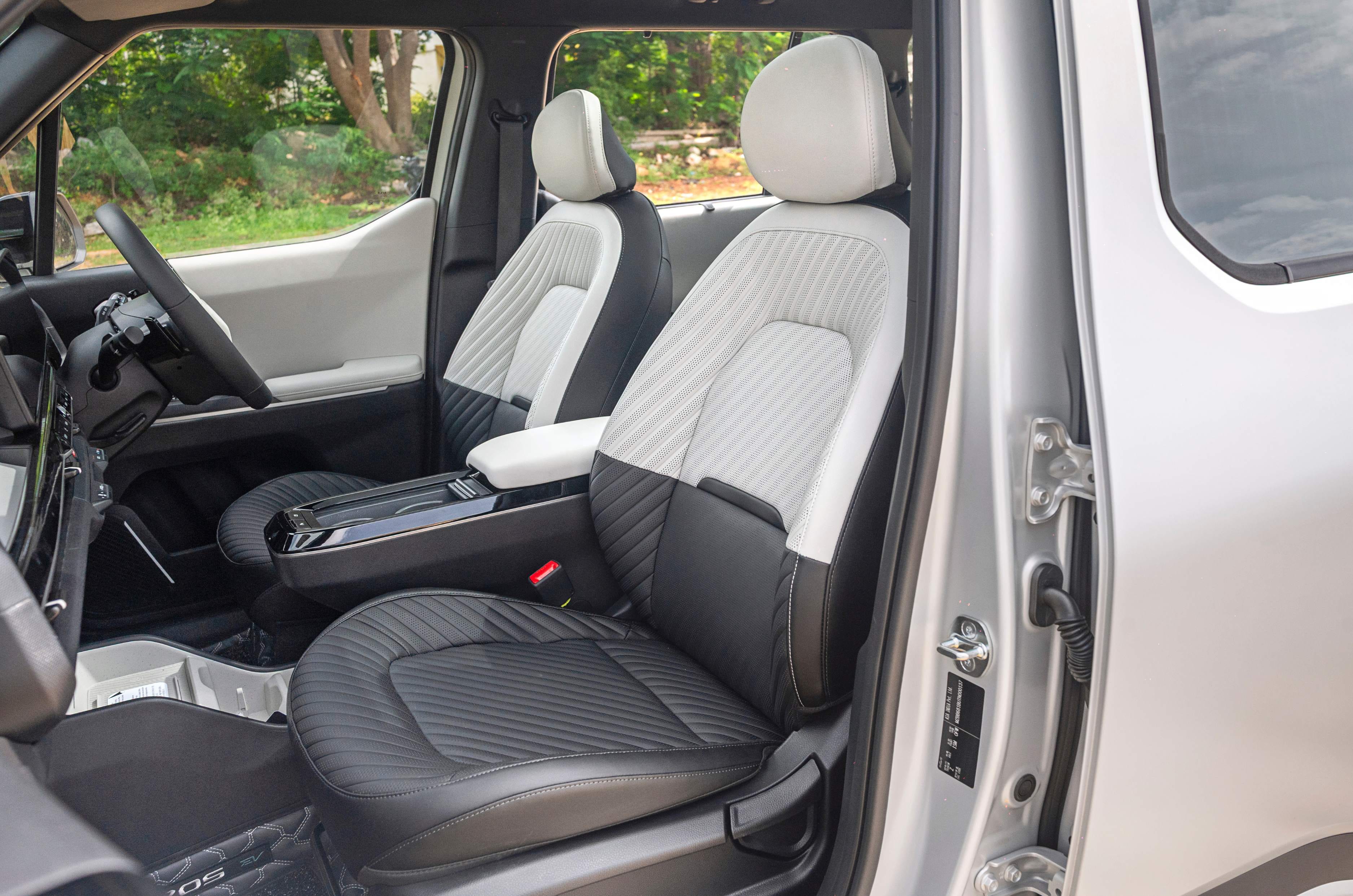
The front seats are supportive and comfortable, with heating and ventilation along with 4-way power adjustment for the driver. While the dash layout is unchanged, the EV gets the Seltos’ three-spoke steering wheel, but adjustment is still limited to rake and not reach. The EV uses a slightly different colour palette inside: our HTX+ test car gets a smart-looking black-and-off-white theme, the X-Line features a darker black-and-green ambience, while all other trims get an airy light grey and pastel blue theme. While most surfaces are hard plastic, the quality of the materials, fit and finish is top notch.
Front seats are comfy with heating, ventilation for both and power adjustment for the driver
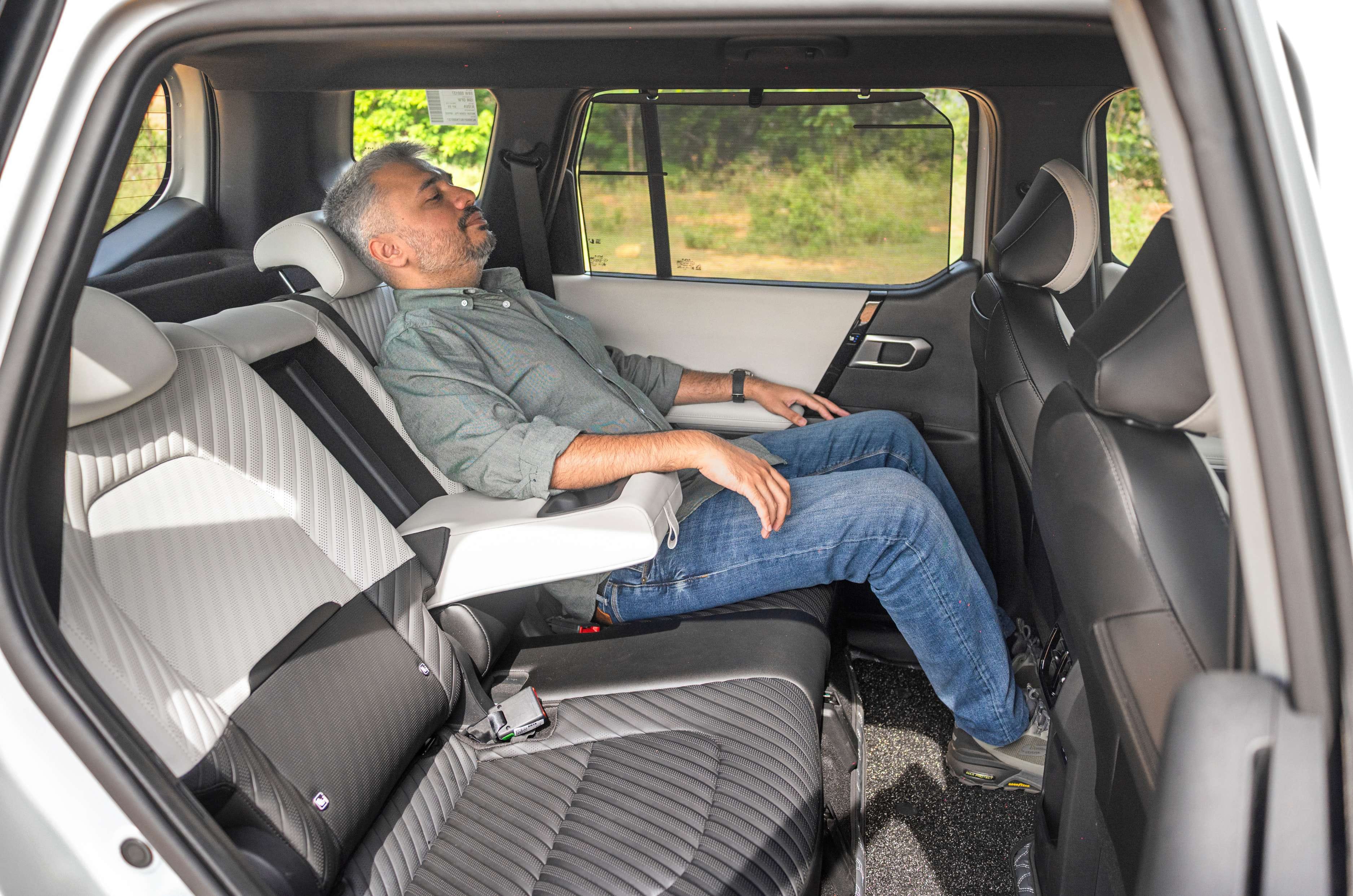
The back seat remains a highlight, with plenty of room all around. The floor is slightly higher because of the battery pack, which means thigh support isn’t as good as in the ICE version. However, if you slide the bench back and stretch out, this isn’t much of an issue. A benefit of the raised floor is that it is now completely flat. Ventilation for the seat base carries over, but the backrest still misses out, as Kia says it would restrict its recline angle.
Higher floor slightly affects thigh support, but there’s ample room to stretch out
Boot space is identical to the ICE Syros at 390 litres with the seat all the way back, and 465 litres with it slid forward. The rear seats also split-fold – though not completely flat – to carry longer items. There is a 16-litre frunk too, though it is rather narrow.
Kia Syros EV Features and Safety – 9/10
Sitting proud on the dash is what Kia calls the Trinity Panoramic Display, comprising two 12.3-inch screens for the infotainment and driver’s display, with a 5-inch screen in between for the HVAC controls. The driver’s display is logically laid out, easy to read and offers some customisation, while the infotainment is sharp, snappy and has a clean UI. The EV gets a dedicated tab that shows several parameters related to the battery, range and energy consumption. It can also help find the nearest charger, condition the battery before charging, as well as set up charging schedules.
Handy drive mode button to cycle between Eco, Normal and Sport modes
The infotainment also offers wireless Android Auto and Apple CarPlay and, on the top trims, powers a superb Harman Kardon audio system with eight speakers, including one on the dash and a subwoofer in the boot. Sunblinds and rear AC vents are standard, while the massive panoramic sunroof features on all but the bottom two trims. Our second-from-top HTX+ also gets an integrated dashcam.
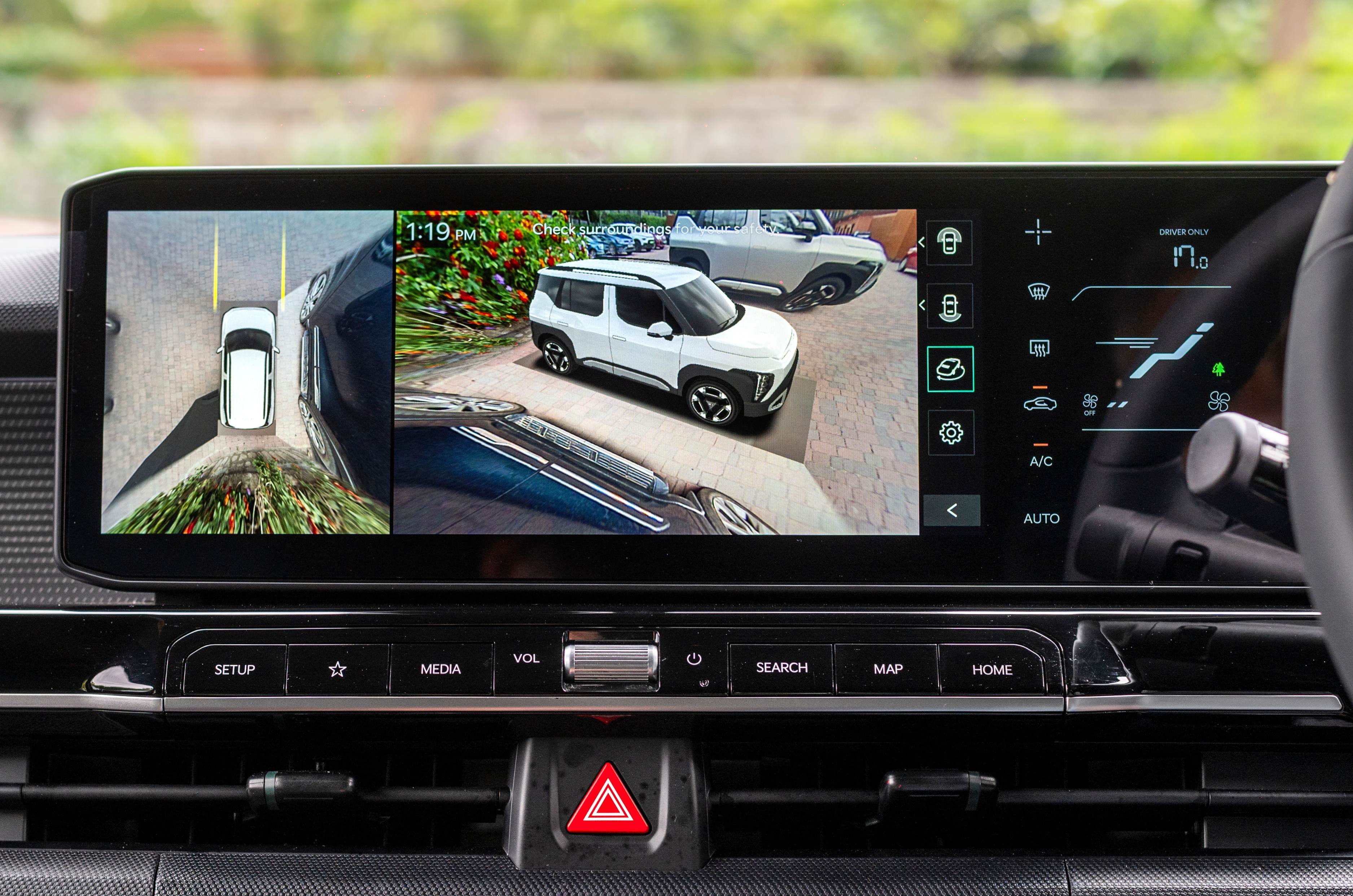
360-degree camera is sharp, but only available on top X-Line trim
Overall, the Syros EV is very well equipped, but some features are available only on the top X-Line variant, including Level 2 ADAS, ambient lighting, a 360-degree camera and a household-style three-pin socket in the back seat. Restricting features to the top trim isn’t unusual; however, the X-Line can only be had in Aurora Black Pearl or Matte Graphite, which might not be to all tastes.
V2L power outlet under the rear seat
The standard safety suite is robust, including six airbags, all-wheel disc brakes, tyre pressure monitoring and ISOFIX mounts. The ADAS suite is also comprehensive, including adaptive cruise control with stop-and-go, lane keep assist, forward and rear collision avoidance, and a blind-spot camera. At the time of writing, the Syros EV does not yet have an official crash safety rating, but considering the ICE version has a five-star BNCAP rating, a similar result for the EV can be expected.
Kia Syros EV Performance and Refinement – 9/10
The Syros EV is available with the same 42kWh and 51.4kWh NMC battery packs as the Carens Clavis EV and the Hyundai Creta Electric. Here too, they power a single motor on the front axle producing 135hp with the smaller battery and 171hp with the extended-range version. Torque is identical on both at 255Nm.
Borrows the 42 and 51.4kWh battery packs from the Carens Clavis EV
Performance was brisk on our 51.4kWh test car, with the 0-100kph sprint claimed to take 8.1 seconds. There are three drive modes to choose from – Eco, Normal and Sport – with each sharpening throttle response a little more than the last. Initial response in all modes is linear so as not to overwhelm those who aren’t used to the instant torque, but there is a strong shove as you get further into the throttle. Overtaking, then, is quite effortless, even in Eco and Normal, almost never needing a switch to Sport for a quick pass.
Initial acceleration is linear, but there is plenty of shove for quick overtakes
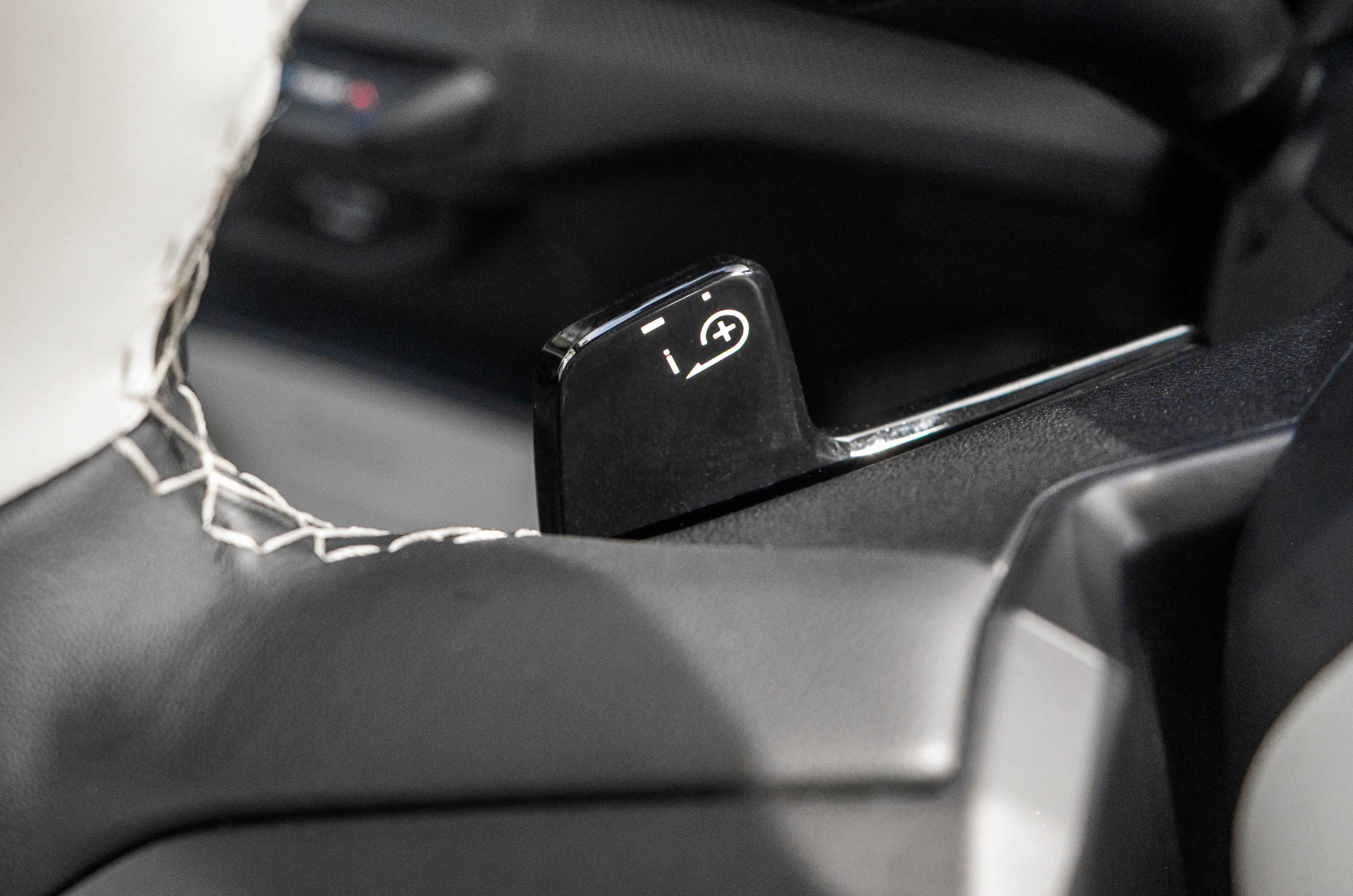
The regen braking modes – selected via the paddle shifters – are also very well calibrated, with a noticeable increase in resistance in each mode and the ability to turn it off completely. Holding the left paddle engages one-pedal driving, which uses regen to bring the car to a full stop. It works quite seamlessly and can be very convenient once you get used to it.
Regen modes are well calibrated and the i-Pedal function is handy in the city
Refinement is good too, with no noticeable motor whine making its way into the cabin. It’s so quiet, in fact, that Kia has added a virtual humming sound to warn pedestrians. Since there is no engine note inside the cabin, you do hear a bit more road noise, but at no point does it become intrusive.
Kia Syros EV Range and Efficiency – 8/10
Claimed MIDC range for the 51.4kWh battery is 526km, while the 42kWh unit claims 443km. Our short drive didn’t allow us to test these claims, but if the real-world range we achieved in the Clavis EV and Creta Electric is anything to go by, the Syros EV Extended Range should comfortably manage around 400km on a single charge. We will verify this when we have the car for longer.
Capable of DC fast charging at up to 100kW
Topping up a depleted battery from 10 to 80 percent is said to take 39 minutes on a 100kW DC fast charger. The same charge using the optional 11kW wallbox charger, is said to take almost five hours for the Extended Range and four hours for the Standard Range.
Kia Syros EV Ride Comfort and Handling – 8/10
The ride on the Syros EV is a touch more absorbent than on its ICE counterpart. Sharp bumps don’t come through to the cabin as abruptly, but there is still an underlying firmness to it. This firmness is there to help body control, but being a tall, narrow car, there is still a fair bit of body roll through the corners. It does feel stable though, and overall grip is strong.
There’s plenty of body roll, but it remains stable through the bends
Steering feel is also good, and it weighs up as speeds rise, which helps with high-speed stability. The four-wheel disc brakes are strong too, bringing the Syros to a confident halt when you drop the anchors. Overall, it isn’t the most entertaining car to drive, but it feels stable and secure at speed while being easy to manoeuvre in tight spaces.
Kia Syros EV Value for Money – 7/10
Introductory prices for the Syros EV start at Rs 13.5 lakh for the 42kWh version and Rs 17 lakh for the 51.4kWh Extended Range. If you want the fully loaded X-Line, that’ll be a cool Rs 20 lakh. To reduce the upfront purchase cost, a BaaS scheme is available with prices starting at Rs 7.99 lakh, and battery rental costing Rs 3.3 per kilometre. To sweeten the deal, Kia is offering a 15-year/unlimited-kilometre HV battery warranty for the first owner, along with an assured buyback value of up to 80 percent after three years.
Its pricing means the Syros EV rivals the Tata Nexon EV and Mahindra XUV 3XO EV, as well as larger EVs like the MG Windsor and Maruti e Vitara. As such, the 42kWh Syros EV makes for a very compelling option, undercutting its rivals in the sub-four-metre EV space. It is easily the most spacious in this segment and is very well equipped even in the lower trims. However, its case weakens with the 51.4kWh Extended Range. It is significantly pricier than its immediate rivals, overlapping with the larger-battery versions of the Windsor and e Vitara. While the Syros EV has its merits and even outdoes them in some areas, buyers might find the allure of a bigger car for the same money too hard to resist.
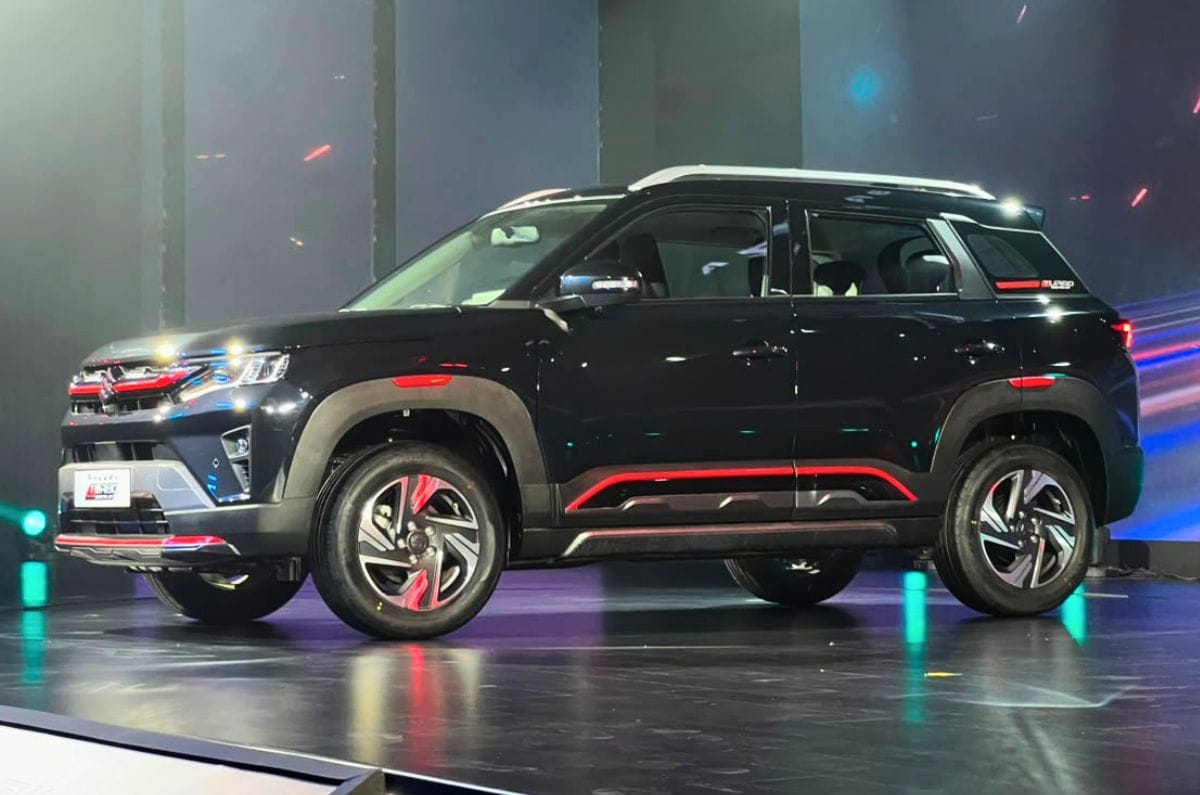
Maruti Suzuki recently launched the 2026 Brezza with prices ranging from Rs 7.40 lakh to Rs 13.55 lakh (ex-showroom). With the midlife update, Maruti has introduced a 1.0-litre direct injection turbo-petrol engine to the Brezza, while also offering a couple of new features and a few new design elements. The 2026 Brezza is being offered in four trims: LXi, VXi, ZXi and ZXi+, and alongside the turbo-petrol engine, a 1.5-litre naturally aspirated petrol mill is also available with a CNG option.
In case you want to know how much you need to pay to get your hands on one, here are the 2026 Maruti Brezza’s on-road prices across major Indian cities.
2026 Maruti Brezza on-road price range
On-road prices of the 2026 Brezza range from Rs 8.26 lakh to Rs 16.81 lakh in major cities
2026 Maruti Brezza price range in major Indian cities (in Rs, lakh)
1.0TP 6MT
1.5P 6MT
1.5P 6AT
1.5CNG 6MT
Ex-showroom
7.40-11.16
8.30-10.50
10.61-13.55
9.30-11.50
Delhi (on-road)
8.26-12.95
9.26-12.18
12.31-15.72
10.67-13.37
Kolkata (on-road)
8.48-12.95
9.51-12.18
12.31-15.72
10.65-13.34
Mumbai (on-road)
8.55-13.17
9.59-12.39
12.52-15.99
10.37-13.11
Bengaluru (on-road)
8.77-13.73
9.84-12.92
13.06-16.67
10.67-13.37
Chennai (on-road)
8.70-13.84
9.76-13.02
13.16-16.81
10.67-13.37
Note: On-road prices may vary based on city-specific registration charges and other cost components, including insurance, FASTag and RTO fees. Please check with your nearest Maruti Suzuki Arena dealership for exact figures.
The 2026 Maruti Suzuki Brezza’s on-road prices are the lowest in Delhi among all the mentioned cities. This is followed by Kolkata, Mumbai and Bengaluru, with Chennai having the highest ask. However, a CNG option on the Brezza is the most affordable in Mumbai. That being said, the difference in on-road price of the top-spec Brezza variants for the 1.0-litre turbo-petrol manual is Rs 89,000, the 1.5-litre petrol manual is Rs 84,000, 1.5-litre petrol automatic is Rs 1.09 lakh.
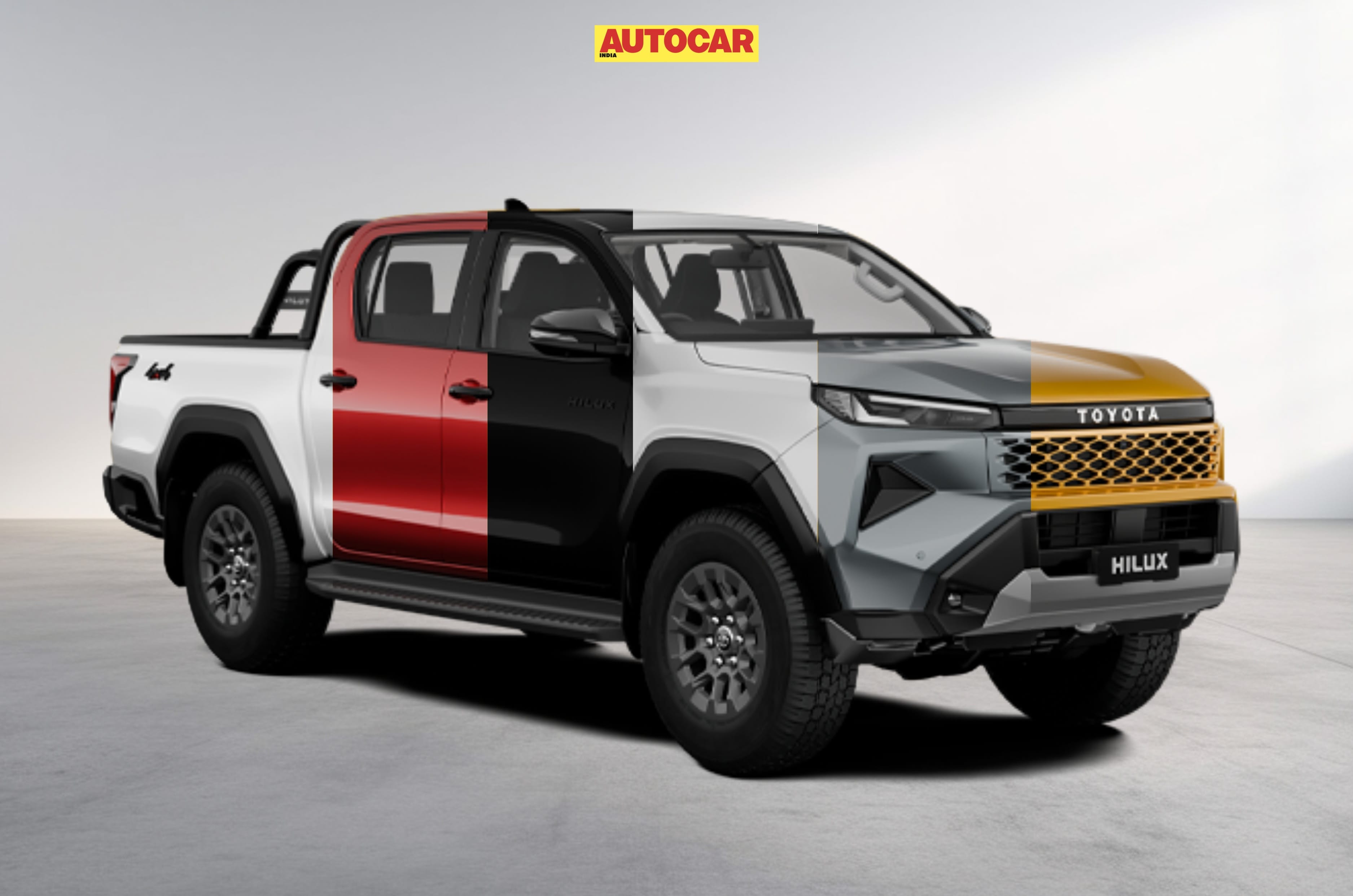
With the launch of the 2026 Hilux, Toyota’s India line-up now has the ninth-generation model of this popular pickup truck. Powered by a 2.8-litre turbo-diesel engine that belts out 204hp and 500Nm of torque, the new Hilux offers buyers a 6-speed automatic transmission (AT) and a choice of 2WD and 4WD drivetrain configurations. Customers can also pick from half-a-dozen exterior colours – all of which are mono-tone shades.
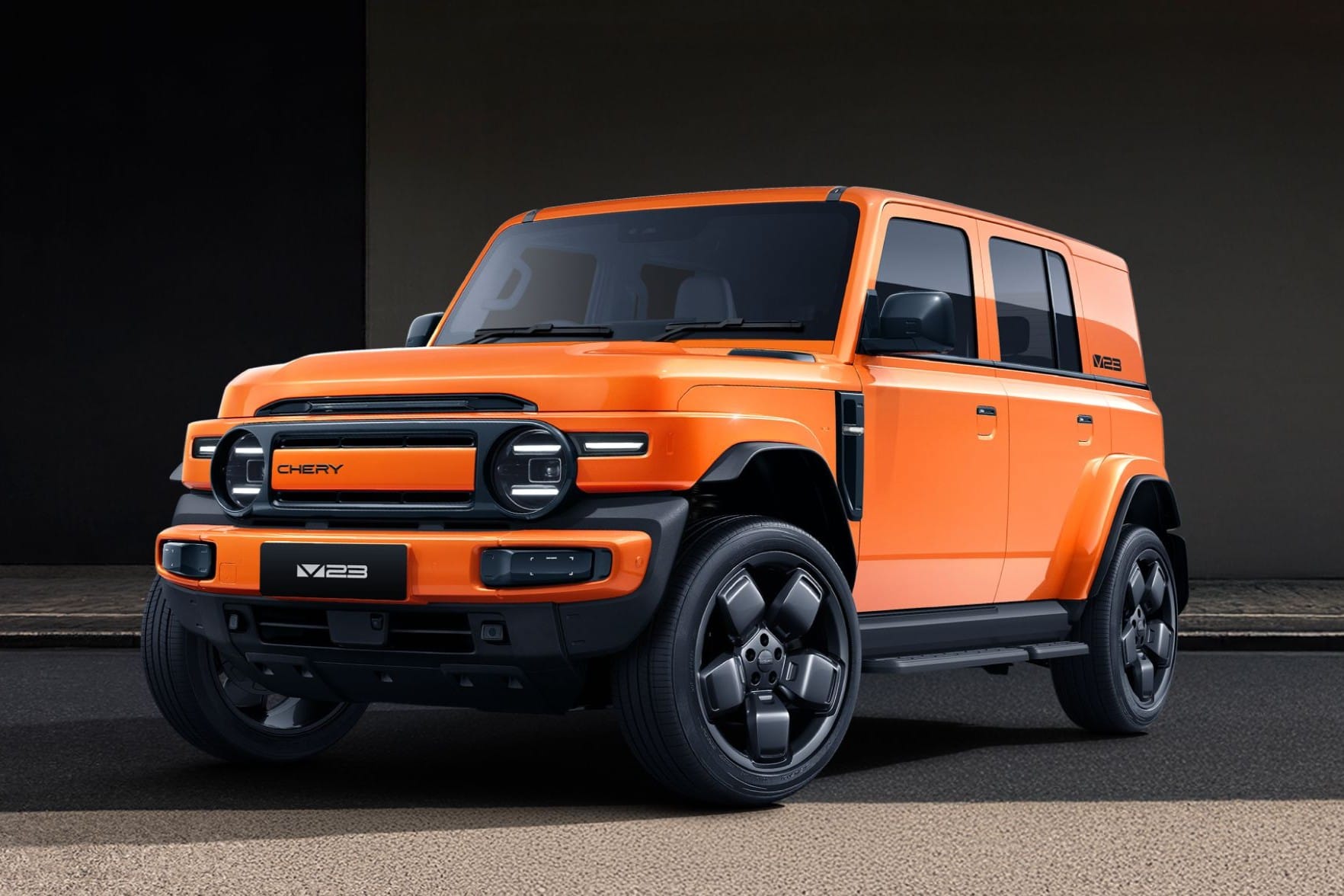
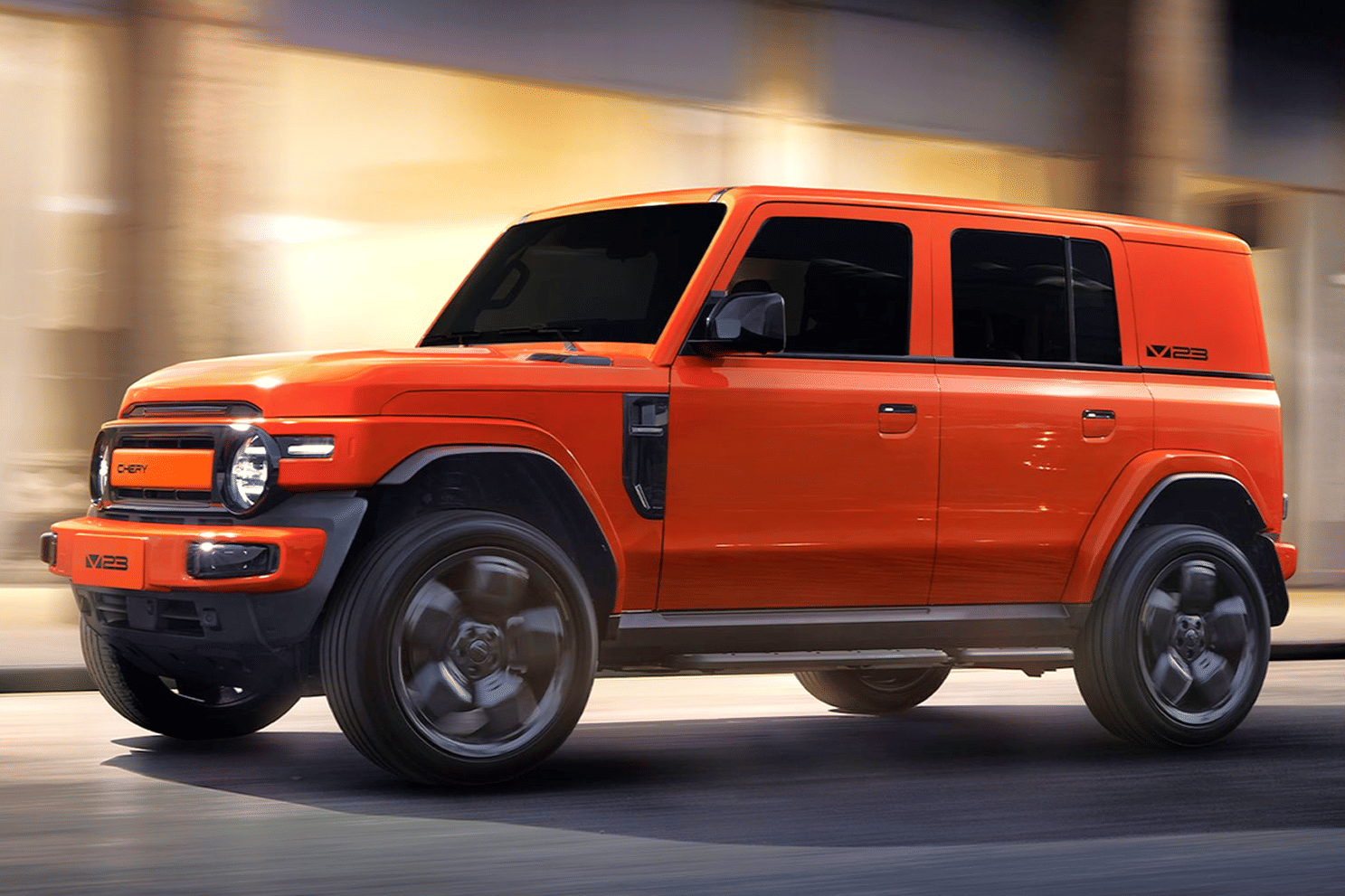
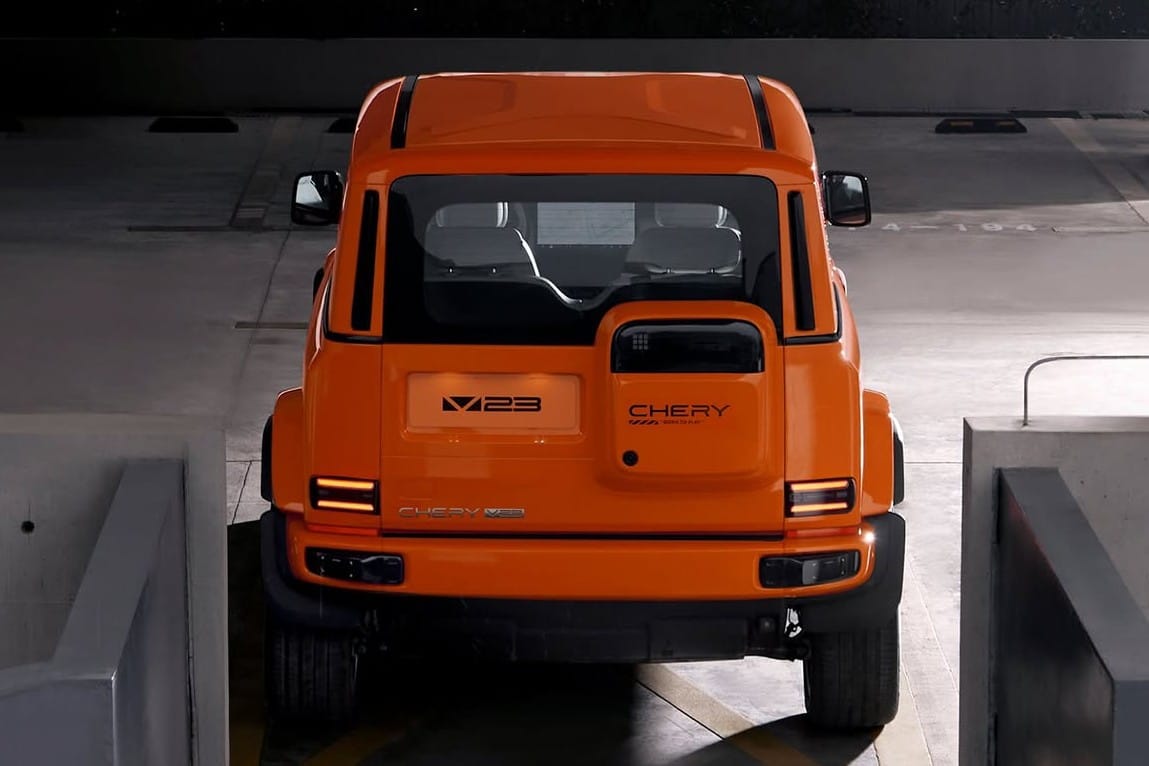
JSW Motors’ third model, an electric SUV based on the Chery iCar V23, is expected to be sold with a dual-motor all-wheel drive powertrain in India, per our sources. This EV will be the first mass-market electric off-roader in India, and its closest rival will be the Mahindra Thar Roxx, which is ICE-powered, but also a 5-door off-road-focused SUV. We even reported previously that JSW’s iCar V23-based EV may be priced under Rs 20 lakh (ex-showroom).
JSW Motors’ iCar V23-based electric SUV: Powertrain
In global markets, the dual-motor AWD version of the iCar V23 packs an 81.76kWh NMC battery pack with an NEDC-certified range of 430km. Combined output is pegged at 211hp and 292Nm, which makes for a rather brisk 0-100kph time of 7.5 seconds (claimed). Top speed is rated at 140kph. The global-spec iCar V23 also supports up to 6.6kW AC and 104kW DC charging speeds.
JSW Motors’ iCar V23-based electric SUV: Exterior and interior
Credit: @torqueculturee via Instagram
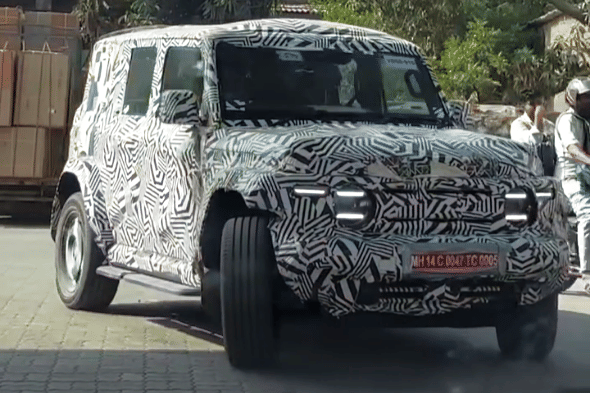
Test mules of JSW’s iCar V23-based EV have been spotted on Indian roads on several occasions, hinting at a very similar design to that of the global model. For reference, the global-spec iCar V23 measures 4,220mm in length, 1,915mm in width, and 1,845mm in height, with a wheelbase of 2,735mm. It also has an unladen ground clearance of 210mm.
Size-wise, then, the iCar V23 slots between the Maruti Jimny and Thar Roxx. Styling highlights for the iCar V23 include butch and boxy proportions, muscular bumpers, flared and squared-off fenders, 21-inch alloy wheels, circular LED headlamps, low-set rectangular tail-lamps, and a bootlid-mounted spare wheel.
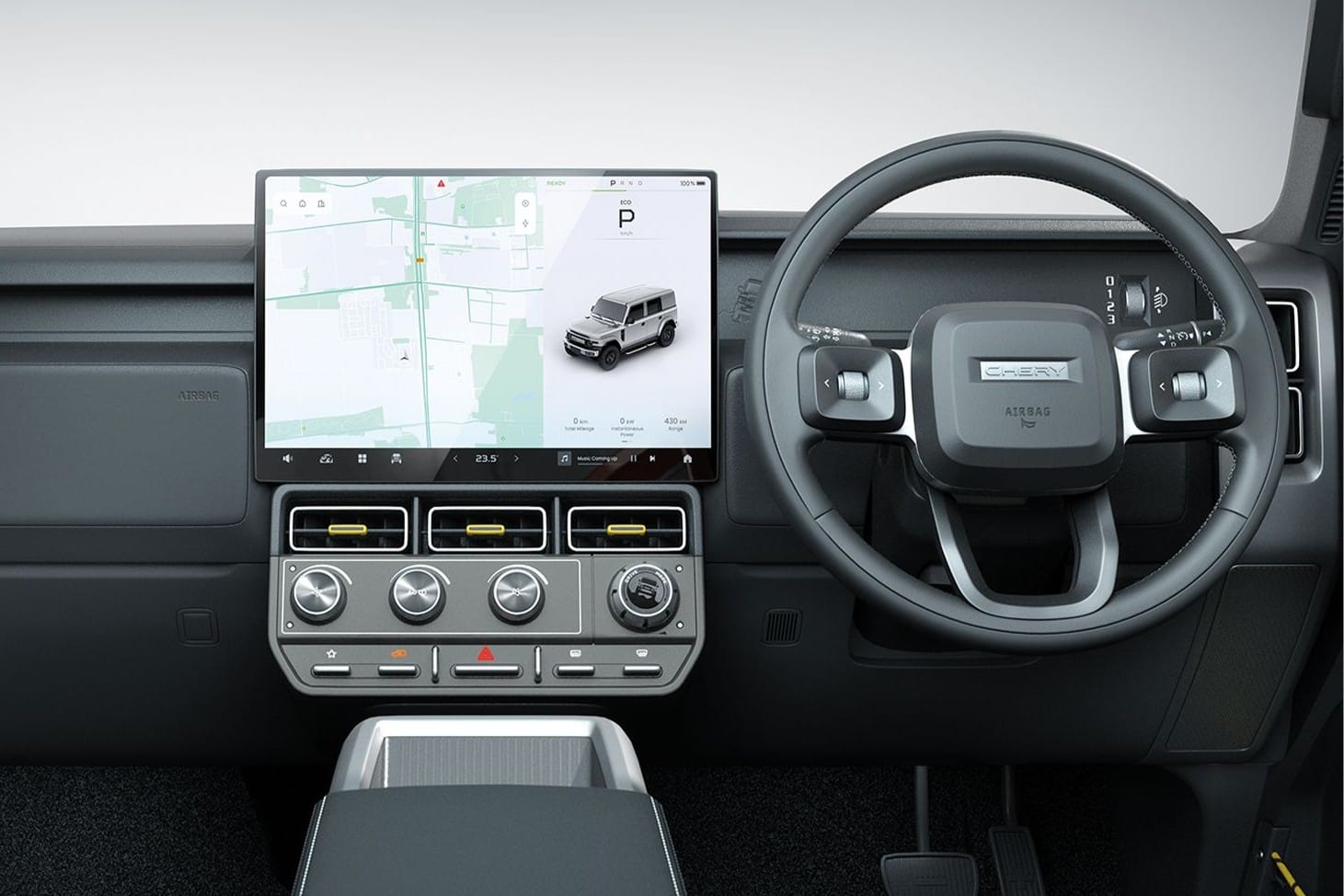
Inside, the iCar V23 sports a minimalist dashboard layout, comprising a massive 15.4-inch infotainment touchscreen, a three-spoke steering wheel, and two rows of physical controls on the centre console. As for features, the global-spec iCar V23 packs wireless Apple CarPlay and Android Auto, a 540-degree camera, six drive modes, ADAS, powered and ventilated front seats, V2L functionality, a digital key, a 7-speaker sound system, and more.