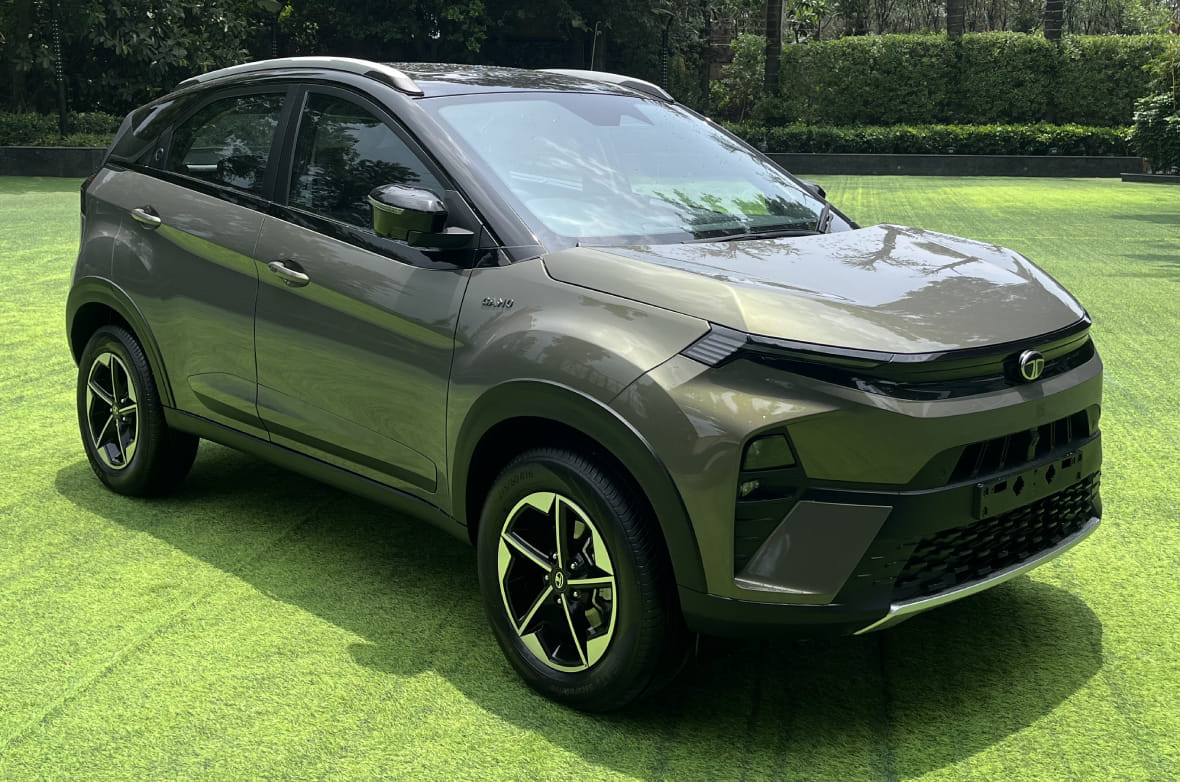
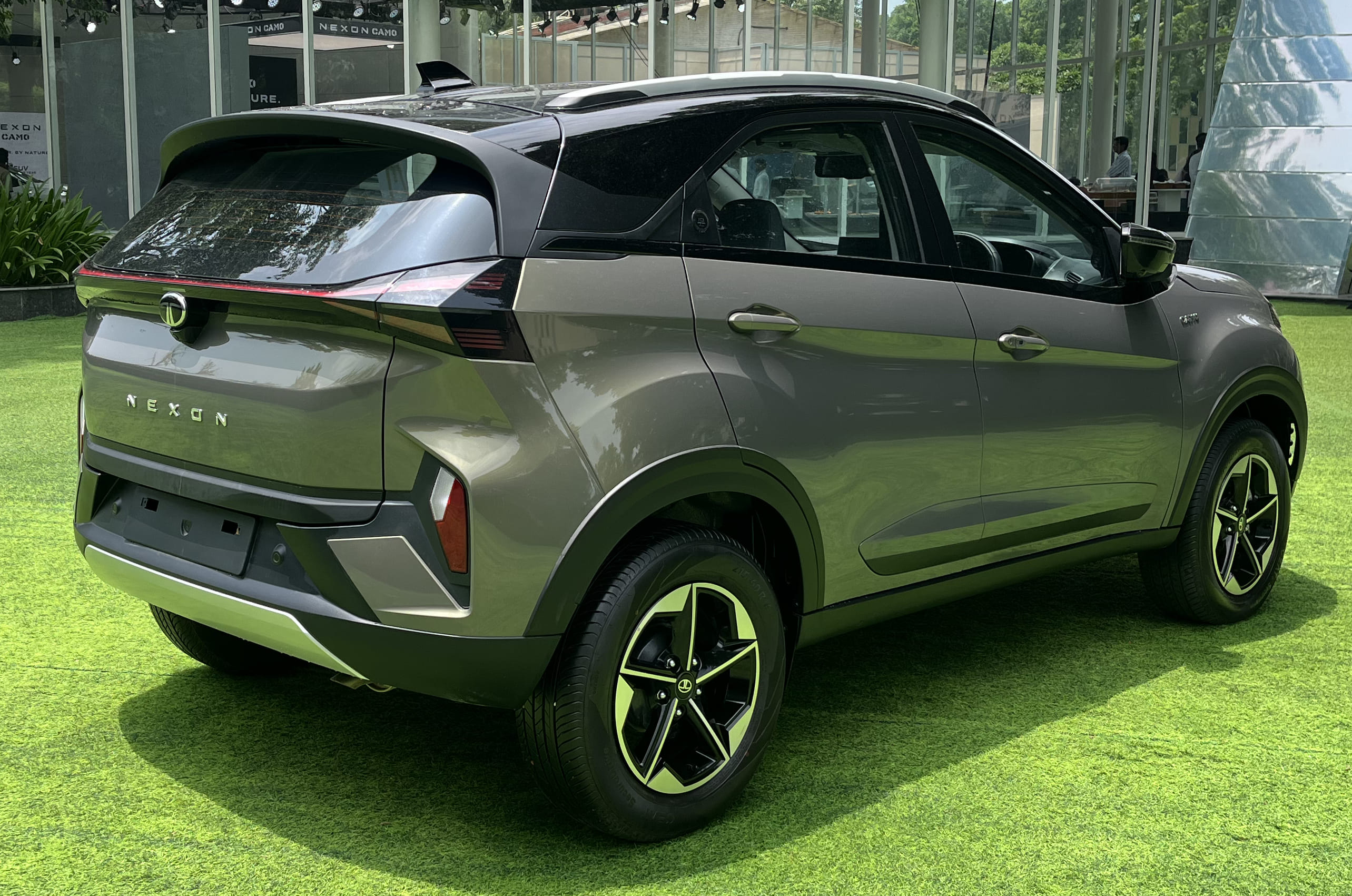
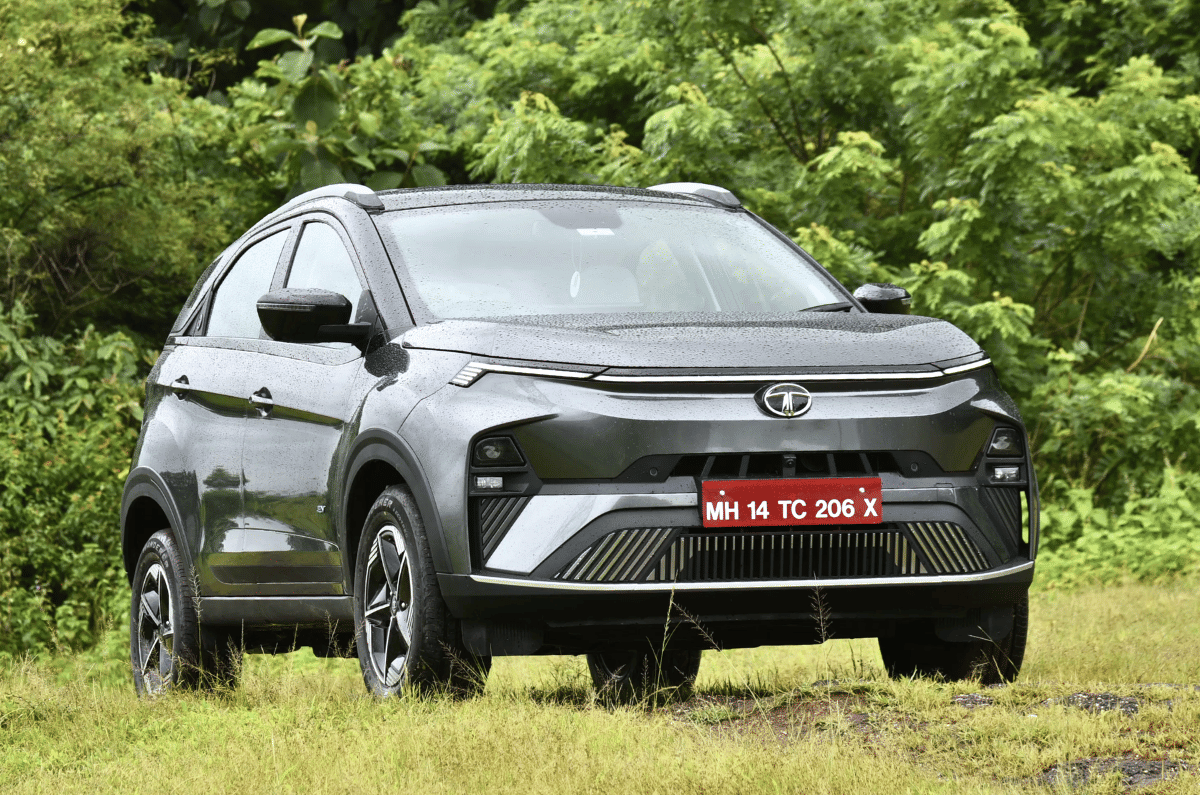
Tata Motors has launched the Nexon Camo Edition at a starting price of Rs 9.99 lakh (ex-showroom). Available for a limited period, the special edition is based on the Creative and higher trims, and adds exclusive exterior colours, Camo-themed detailing, a larger infotainment display and an integrated dashcam, while retaining the existing petrol, diesel and CNG engine options.
Available across 5 trims, depending on the powertrain
Exclusive Munnar Mist and Coorg Cloud paint finishes
New 12.3-inch touchscreen and integrated dashcam
Tata Nexon Camo Edition: what’s new?
The CAMO Edition introduces two exclusive exterior colours: Munnar Mist and Coorg Cloud, along with Camo badging on the front fenders and ‘Camo’ perforation on the front seat headrests.
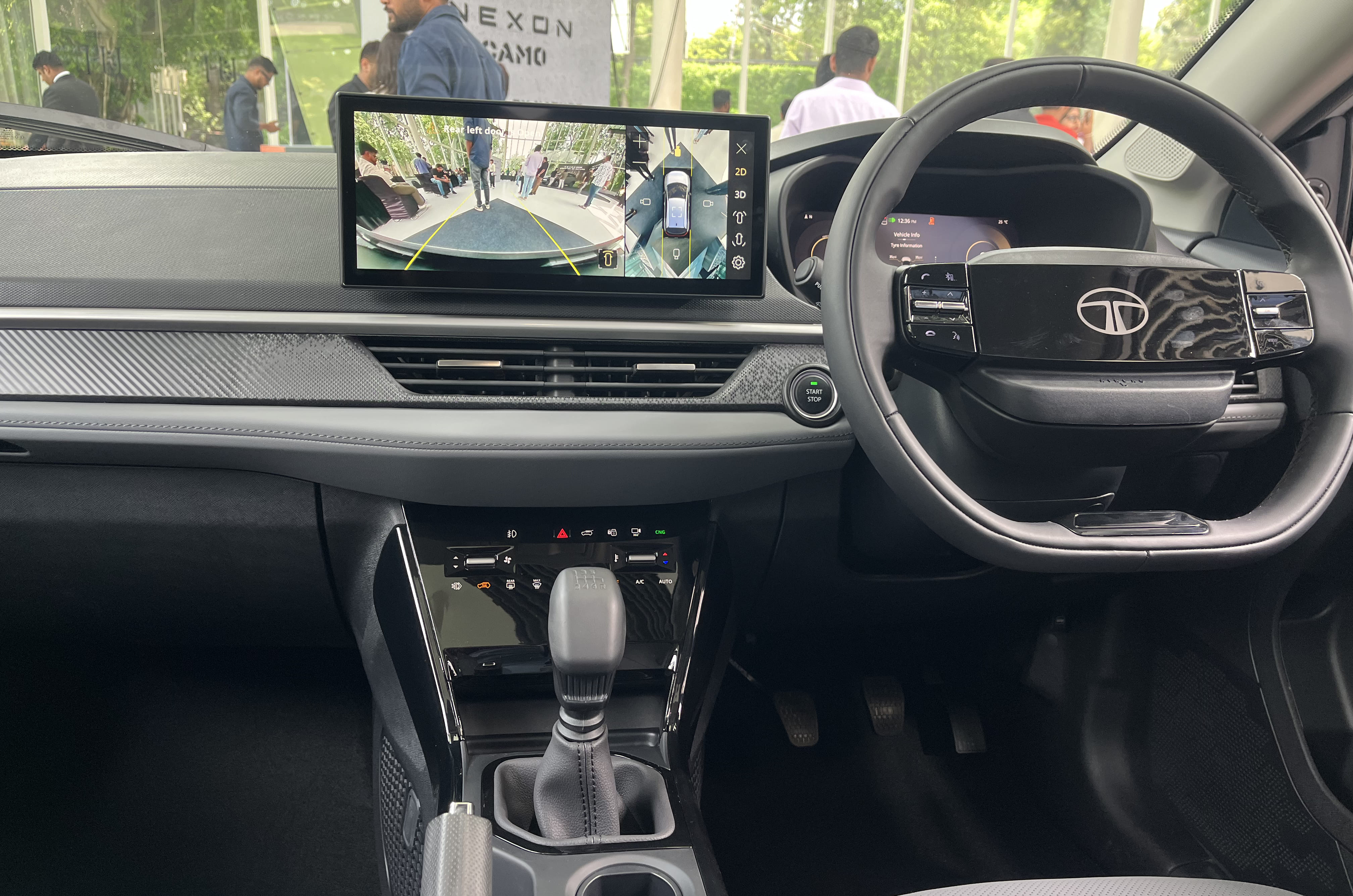
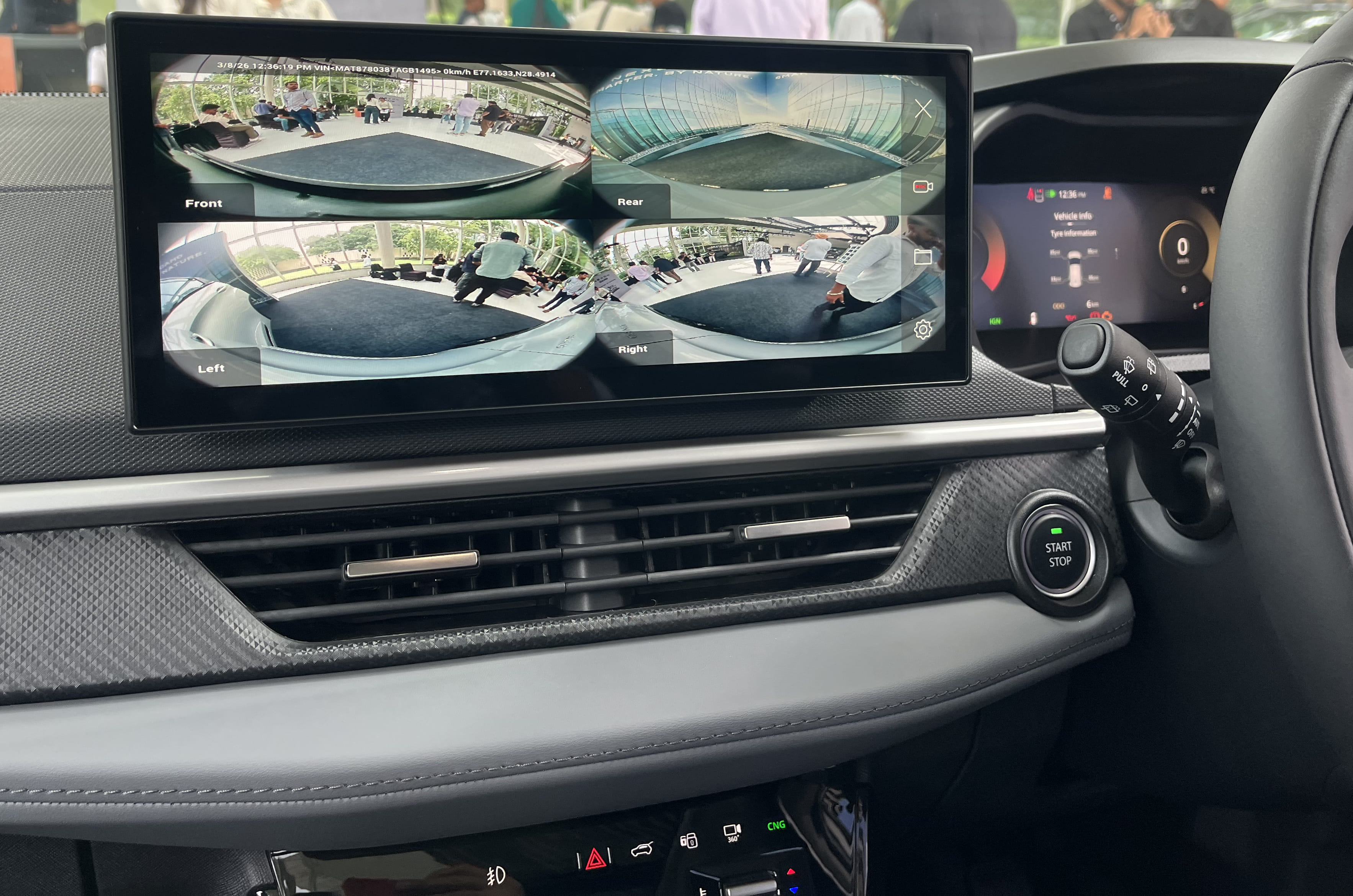
The biggest change inside is the addition of Tata’s 12.3-inch Harman touchscreen infotainment system, replacing the 10.25-inch unit offered on the corresponding variants of the standard Nexon. The 10.25-inch digital instrument cluster is carried over. An integrated dashcam, which works with the 360-degree camera system, has also been added.
Apart from the Camo-specific additions, the Nexon continues with features such as a panoramic sunroof, ventilated front seats, a JBL nine-speaker audio system, wireless Android Auto and Apple CarPlay, a wireless charger, connected car technology, a 360-degree camera with blind view monitor and ADAS, depending on the variant.
The Camo Edition is available with the Nexon’s existing 1.2-litre turbo-petrol, 1.5-litre diesel and 1.2-litre turbo-petrol CNG engines. Outputs remain unchanged at 120hp and 170Nm for the petrol, 115hp and 260Nm for the diesel and 100hp and 170Nm in CNG mode. Transmission options include a 6-speed manual, AMT and 7-speed dual-clutch automatic, depending on the engine and variant.
Tata Nexon Camo Edition: price and rivals
The Nexon Camo Edition is priced from Rs 9.99 lakh (ex-showroom) and is available across Creative, Creative+ S, Creative+ PS, Fearless+ PS and Fearless+ A PS personas, depending on the powertrain. It continues to rival the Maruti Brezza, Hyundai Venue, Kia Sonet, Mahindra XUV 3XO, Skoda Kylaq and Kia Syros.
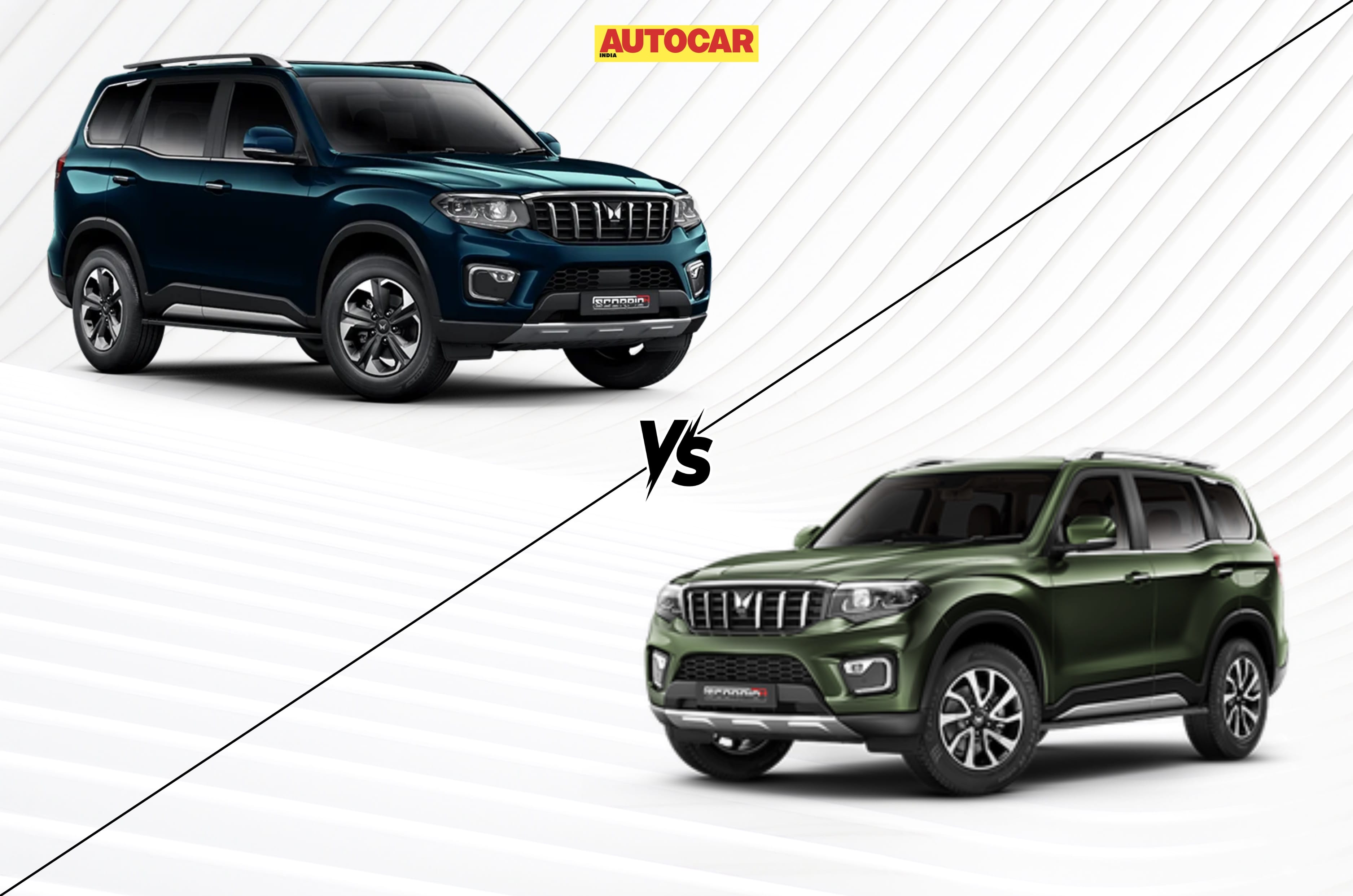
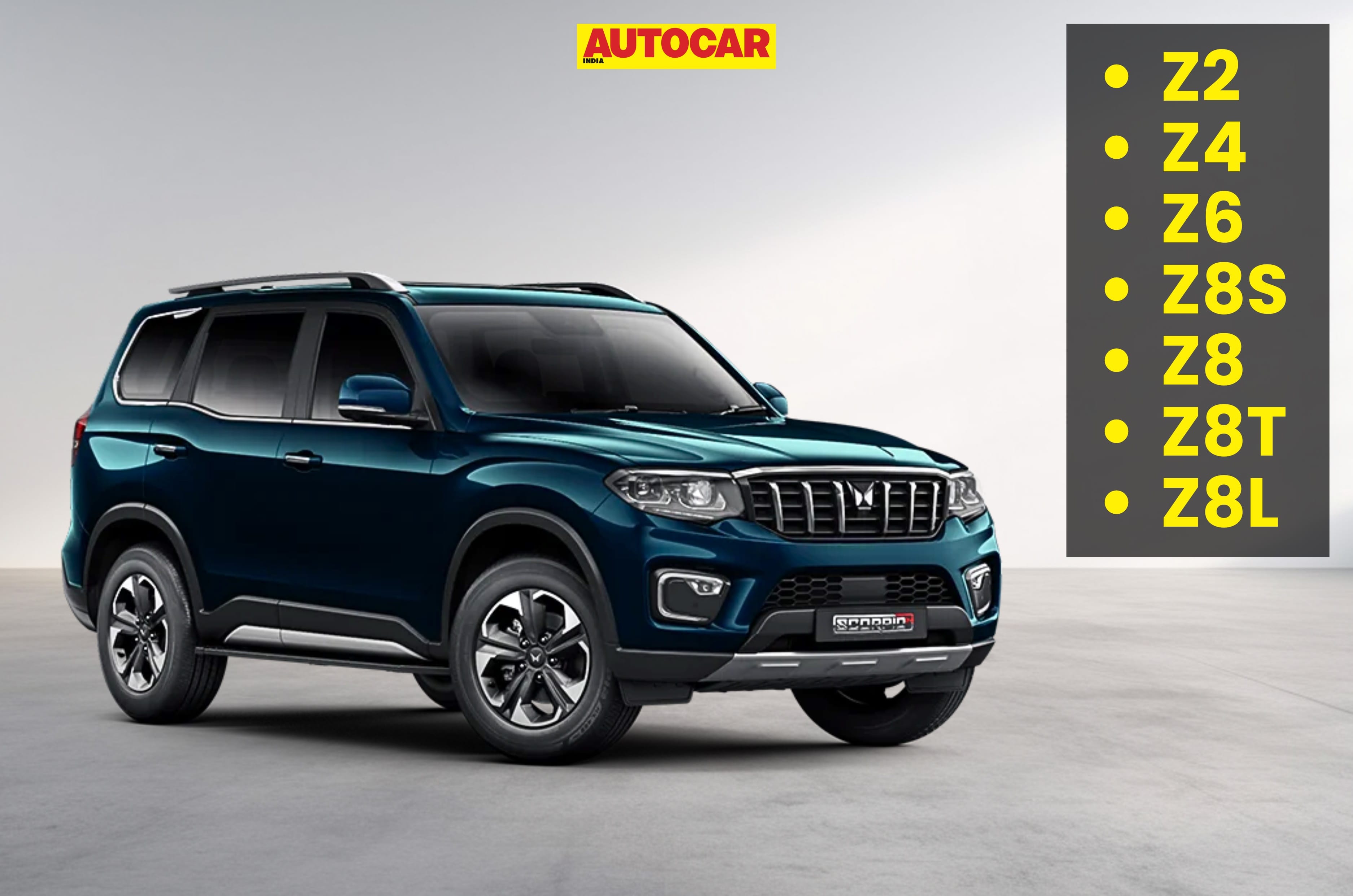
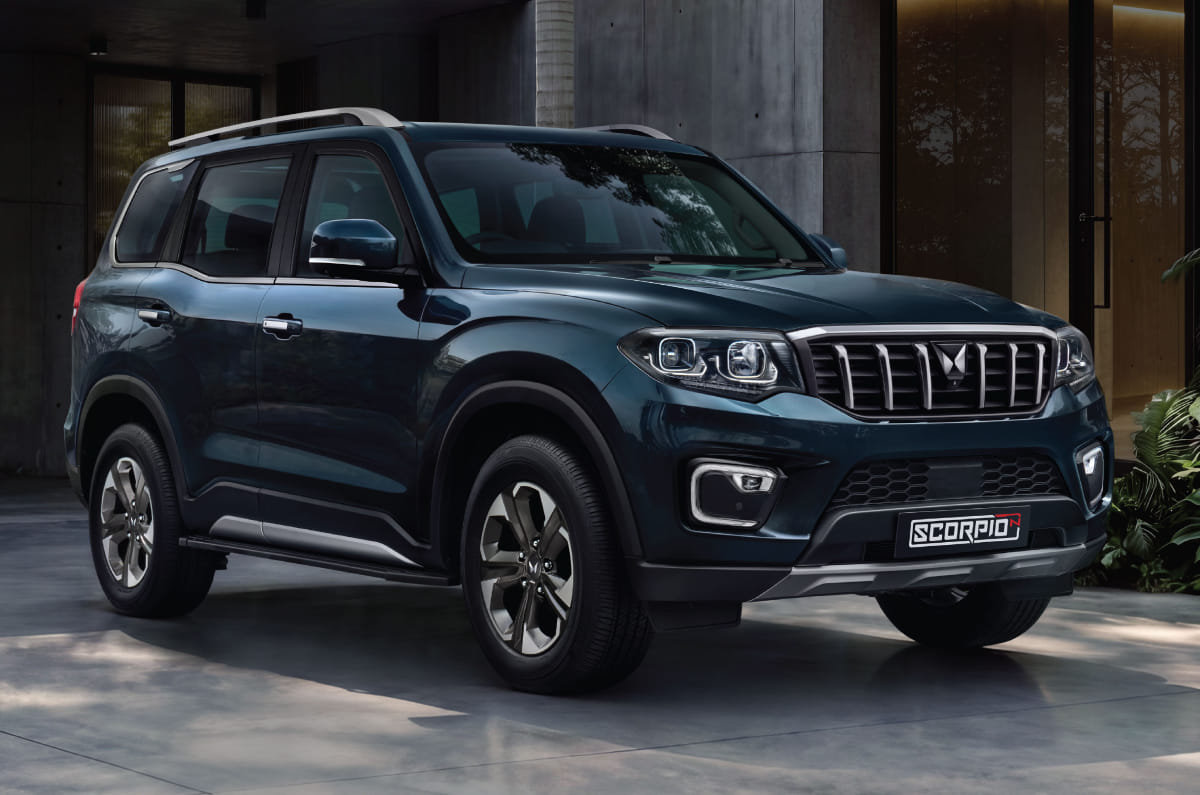
Four years after its introduction, Mahindra has facelifted the Scorpio N for 2026. The Scorpio N facelift gains a revised interior, new features and very minor styling tweaks. We go in-depth, comparing the Scorpio N facelift with its previous version and list out all differences and similarities from exterior, interior, features, engines and price.
Mahindra Scorpio N new vs old: Exterior
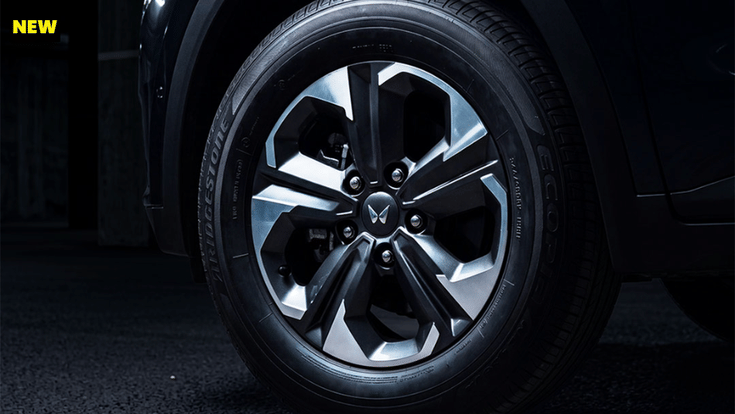
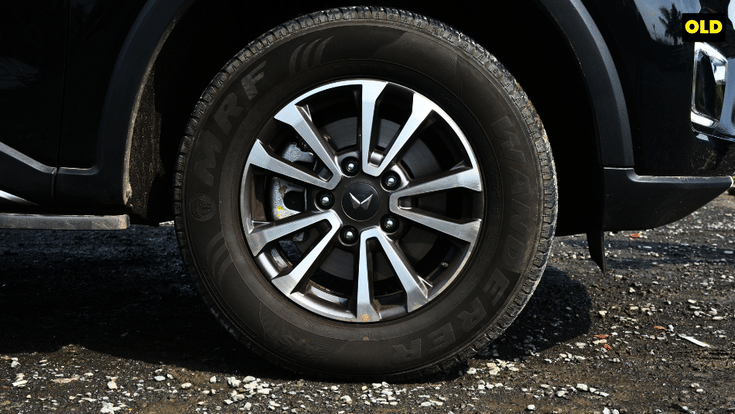
Except for new alloy wheels, everything else remains the same
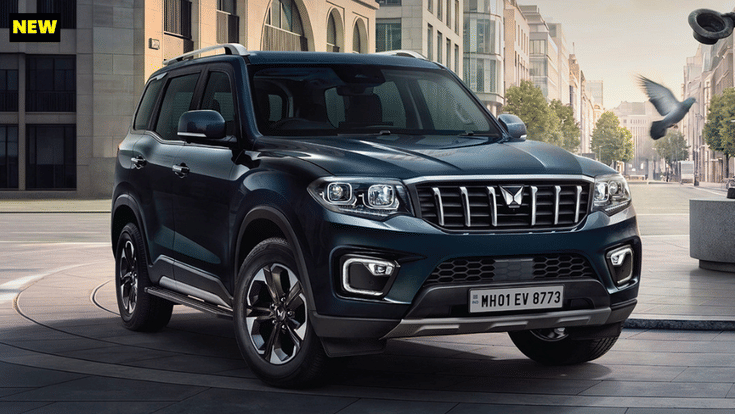
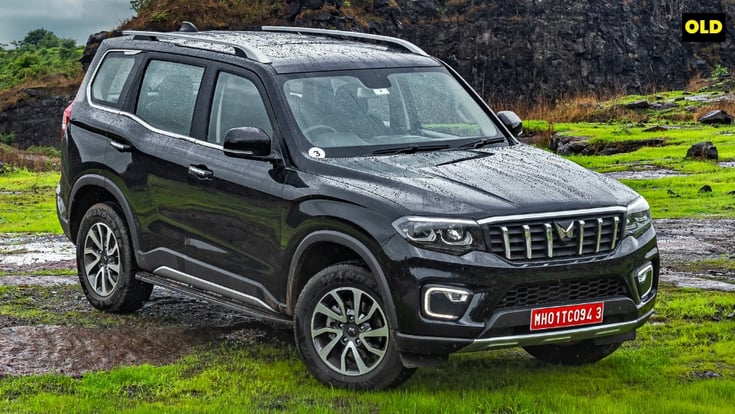
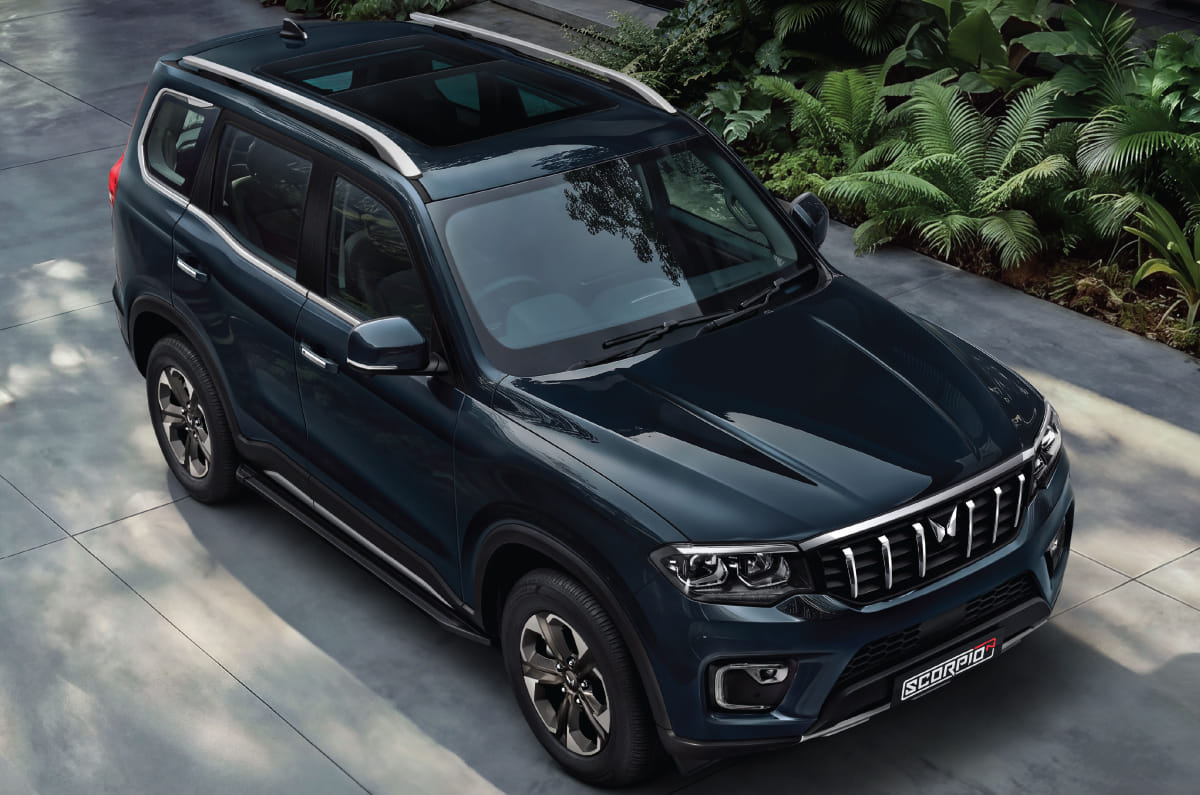
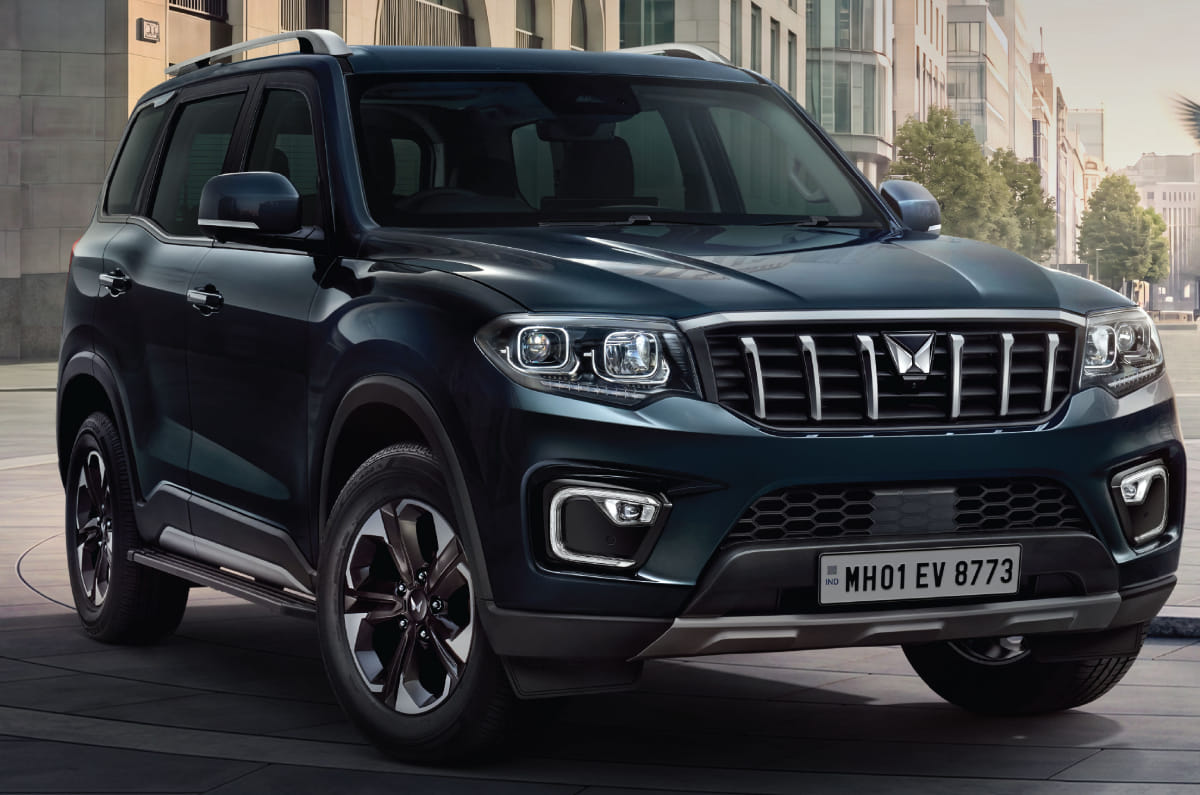
Updates on the outside of the Scorpio facelift aren’t very comprehensive. There’s a new design for the dual-tone 18-inch alloy wheels. Apart from that, things remain unchanged over the older model. The Scorpio N facelift retains the pre-facelift’s butch, and boxy looks, including a rugged design for the bumpers, six-slatted grille, faux skid plates, LED light setups, cladding on the lower sides of the doors, roof rails, and a ‘scorpion tail’ chrome element for the windowline.
Mahindra Scorpio N new vs old: Interior and features
Gets a redesigned dash and new equipment
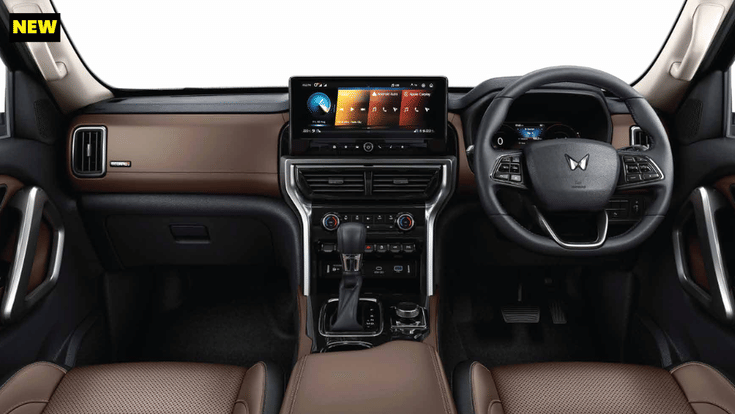
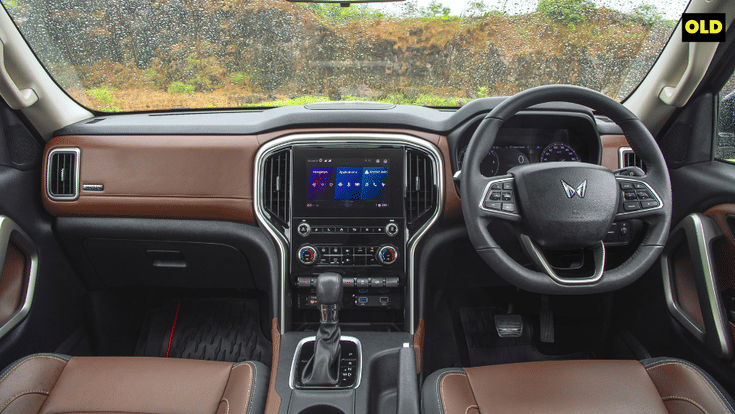
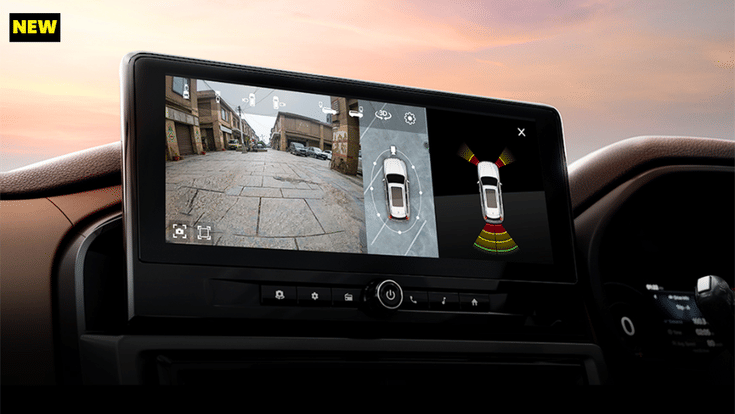
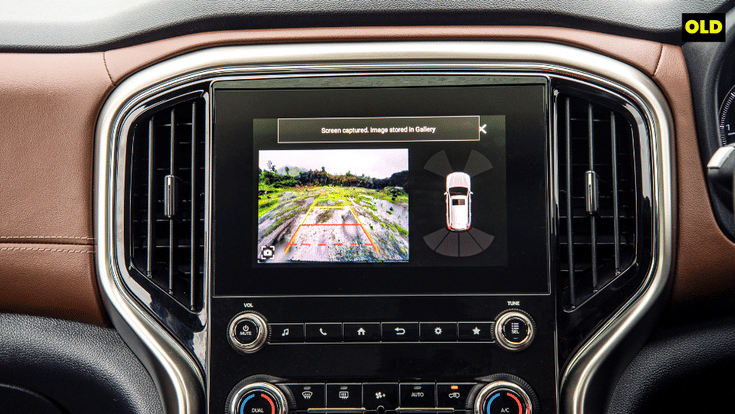
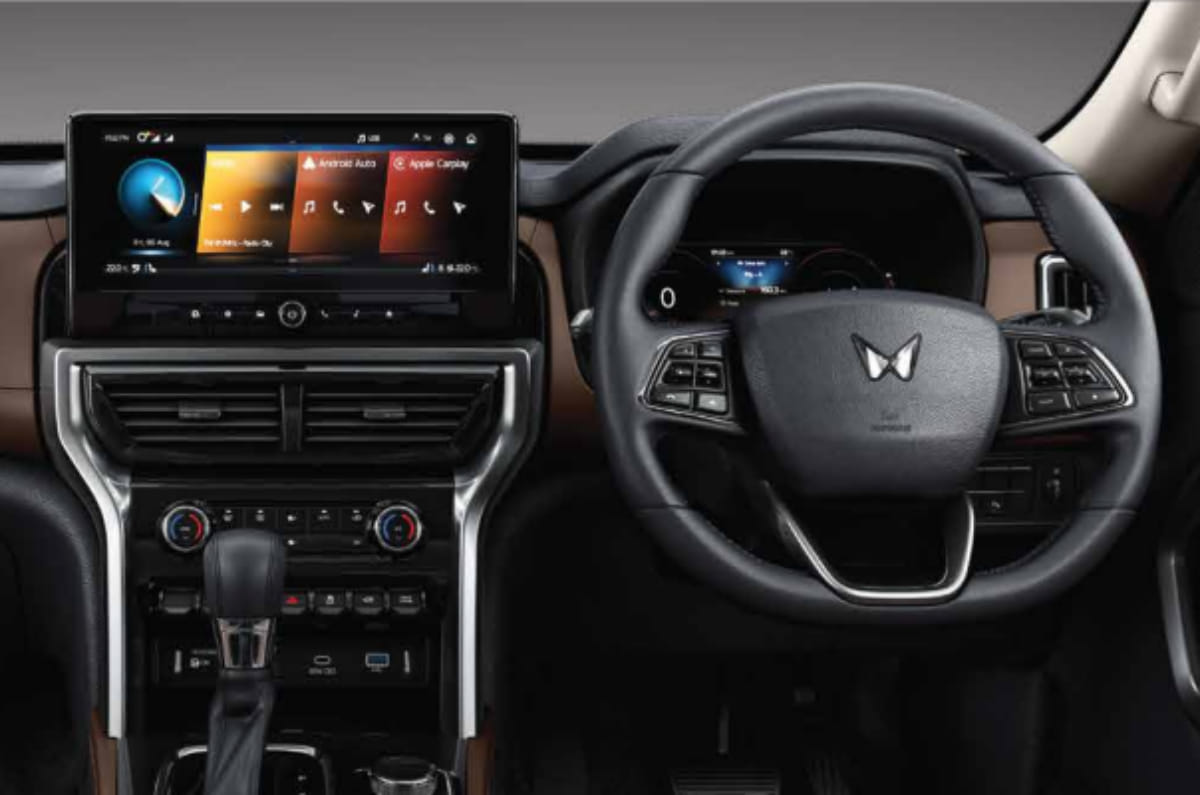
Unlike the exterior, changes to the interior of the Scorpio N facelift are more extensive. The biggest update is the infotainment display, wherein the dash-integrated unit is replaced with a freestanding screen. Secondly, the infotainment screen is a 12.3-inch in size, which is larger than the previous version’s 9-inch unit. The repositioned infotainment screen has also brought about a redesigned centre console, and there’s some new switchgear as well. Vertical aircon vents have now made way for horizontal ones that are placed below the infotainment display. Meanwhile, the previous model’s black and brown colour scheme and seat upholstery design have been carried over.
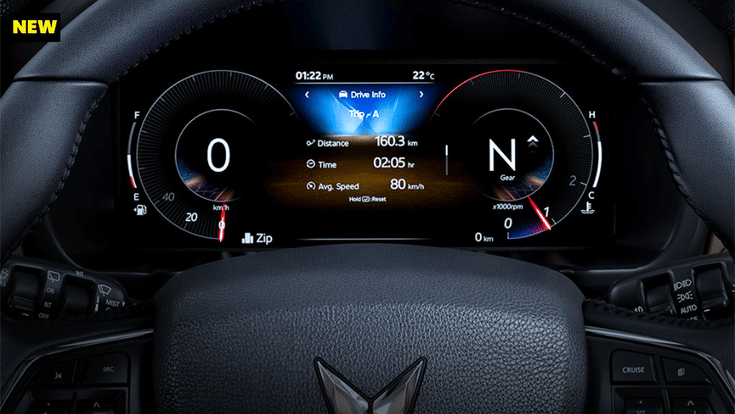
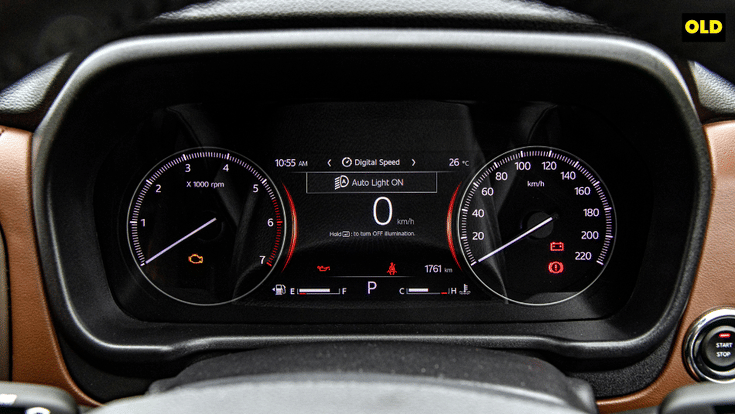
As for equipment, Mahindra has replaced the single-pane sunroof from the older Scorpio N with a much larger panoramic unit in the Scorpio N facelift. Also, the semi-analogue dials with a 7-inch MID from the previous model are replaced by an all-digital 10.25-inch screen, and the front row now gets a 65WType-CC charging port.
A new ‘Adventure Statistics’ feature in the infotainment showcases a plethora of information like engine performance, roll and pitch, compass, altimeter and G-force. On the other hand, the safety kit sees the inclusion of a 540-degree surround view camera and a blind view monitor, replacing the front and rear cameras of the older model.
Mahindra Scorpio N new vs old: Engine and gearbox
Mechanically, things remain unchanged
Under the hood,d the Scorpio N facelift retains the powertrain options from the older model. This includes a 2.0-litre direct-injection turbo-petrol engine and a 2.2-litre turbo-diesel engine with the latter available in two states of tune. The turbo-petrol mill churns out 204hp and 370Nm with the manual gearbox, while automatic versions get slightly higher torque at 380Nm.
On the other hand, lower variants powered by the turbo-diesel unit develop 132hp and 300Nm, while higher variants produce 175hp and 370Nm, with the latter increasing to 400Nm in automatic versions. In diesel guise, only the one above base Z4 and the top-end Z8T and Z8L offer a 4×4 drive layout, while the remaining variants, including the petrol, come standard with RWD. Consumers can choose between a 6-speed manual or a 6-speed torque converter automatic gearbox.
Mahindra Scorpio N new vs old: Price
Updates make the facelift pricier by up to Rs 83,500
As far as price is concerned, the facelifted Scorpio N starts from Rs 13.69 lakh, which is Rs 20,000 pricier than its predecessor. The same is the case at the top end, where the most expensive Z8L 7-seat diesel-automatic 4×4 variant of the facelift is pricier by Rs 54,00 in comparison to the corresponding variant of the older model. Depending on the variant chosen, the newer Scorpio N facelift is more expensive than the pre-facelift version by up to Rs 83,500.
With the newly launched Syros EV and the flagship Sorento SUV inbound, Kia India has been strengthening its presence in our market. At the same time, the Korean carmaker is providing appealing offers on select models currently across its lineup in August 2026. Except for the EV6 and EV9, the remaining models in Kia’s portfolio get cash discounts, exchange or scrappage offers, and corporate benefits.
Disclaimer: Offers/benefits may vary by city and are subject to stock availability. Buyers are advised to check with their local dealer for exact figures.
Kia Carens Clavis offers in August 2026
Benefits of up to Rs 1.2 lakh
The Carens Clavis MPV is available with benefits of up to Rs 1.2 lakh. MY26 models get a cash discount of Rs 10,000, a loyalty benefit of Rs 20,000, a corporate offer of up to Rs 15,000 and either an exchange or scrappage bonus of up to Rs 30,000.
However, MY25 models of the Clavis get up to Rs 75,000 cash discount, and have the same loyalty, exchange/scrappage benefits as the MY26 models, but miss out on a corporate offer. Moreover, only MY25 turbo-petrol variants of the MPV get free extended warranty coverage. Priced from Rs 11.27 lakh to Rs 21.67 lakh, it rivals the likes of the Maruti XL6.
Kia Carnival offers in August 2026
Benefits of up to Rs 1.5 lakh
At up to Rs 1.5 lakh, the Carnival receives the highest benefits among all Kia models this month. MY26 versions either an exchange or scrappage offer of up to Rs 1 lakh, and a corporate offer of up to Rs 50,000, while MY25 versions get only a scrappage offer of Rs 20,000. The Carnival is Kia’s most expensive ICE model in our market and is priced at Rs 59.65 lakh.
Kia Carens Clavis EV offers in August 2026
Benefits of up to Rs 55,000
The all-electric counterpart of the Carens Clavis is offered with benefits of up to Rs 55,000. MY26 versions of the Carens Clavis EV are eligible for a loyalty benefit and corporate offer of Rs 20,0000 and up to Rs 15,000, respectively. Additionally, it’s also available with either a scrappage or exchange offer of Rs 20,000. For MY25 models, only the extended range (ER) variants come with loyalty and scrappage benefits of Rs 20,000 each. Currently, the most affordable electric MPV in our market, it has a price range of Rs 18.04 lakh to Rs 25 lakh. It is Kia’s answer to the BYD e MAX 7 and an MPV alternative to the likes of the Mahindra XEV 9S.
Kia Syros offers in August 2026
Benefits of up to Rs 50,000
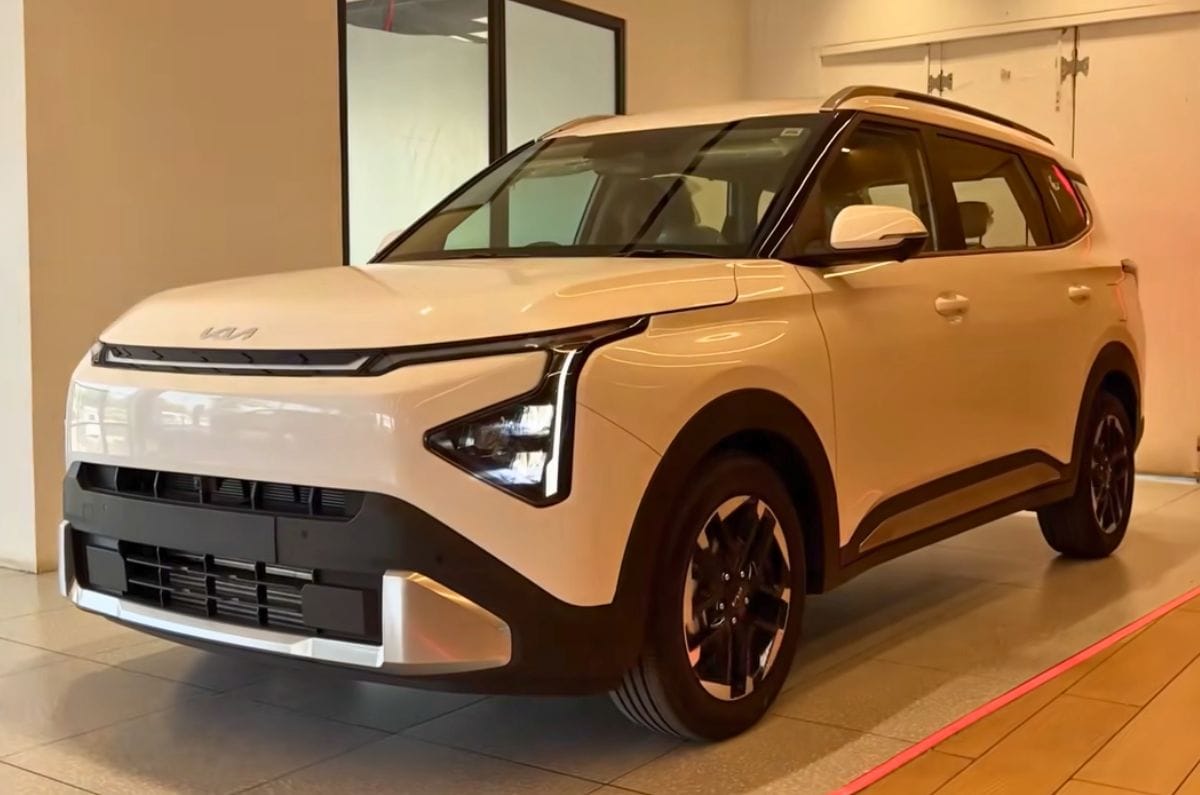
The Syros compact SUV is available with benefits of up to Rs 50,000. The new MY26 model gets a cash discount of up to Rs 10,000, a corporate offer of up to Rs 15,000 and either an exchange or scrappage offer of Rs 20,000. On the other hand, MY25 versions get an exchange or scrappage offer of up to Rs 50,000. Like the Carens Clavis, even the Syros gets free extended warranty. It has a price range of Rs 8.42 lakh to Rs 15.82 lakh, and takes on the likes of the Mahindra XUV 3XO, Hyundai Venue, and Maruti Brezza.
Kia Sonet offers in August 2026
Benefits of up to Rs 45,000
The most affordable Kia offering in India, the Sonet is offered with benefits of up to Rs 45,000. For MY26 models, you get a cash discount of up to Rs 10,000, a corporate offer of up to Rs 15,000, and either an exchange or scrappage benefit of up to Rs 20,000, while MY25 versions of the Sonet only get a scrappage offer. Priced from Rs 7.41 lakh to Rs 14.37 lakh, it takes on rivals like the Skoda Kushaq, Tata Nexon, and contenders alongside the Syros.
Kia Seltos offers in August 2026
Benefits of up to Rs 40,000
The second-generation Seltos, which was introduced earlier this year, is available with benefits of up to Rs 40,000. These include a loyalty benefit and scrappage bonus of Rs 20,000 each.
Meanwhile, the first-generation Seltos only gets a scrappage offer. The second-generation Seltos is priced from Rs 11 lakh and up to Rs 21.82 lakh. The Seltos is Kia’s contender in the mid-size SUV space, which consists of rivals like the Hyundai Creta, Volkswagen Taigun, Renault Duster, Tata Sierra, Skoda Kushaq, MG Astor, Citroen Aircross, Maruti Victoris and Grand Vitara.
Kia Carens offers in August 2026
Benefits of up to Rs 35,000
The budget Kia Carens MPV is offered with benefits up to Rs 35,000. MY26 models get a corporate offer of up to Rs 15,000 and either a scrappage or exchange bonus of up to Rs 20,000. On the other hand, MY25 versions get only a scrappage offer. The Carens rivals the Maruti Ertiga and Toyota Rumion, while its price ranges between Rs 11.02 lakh and Rs 12.88 lakh.
The 2026 Mahindra Scorpio N facelift offers buyers all the familiar bits that this body-on-frame SUV has been known for while introducing minor cosmetic tweaks and new features on the inside. The 2026 Scorpio N soldiers on with the same powertrain options as its pre-facelift predecessor, but prices have gone up. Having said all that, which variant should you buy?
2026 Mahindra Scorpio N facelift powertrain options
This facelift hasn’t brought about any major mechanical changes to the SUV
Powertrain specifications
Mahindra Scorpio N facelift 2.0 turbo-petrol
Mahindra Scorpio N facelift 2.2 diesel
Type
4 cyls, direct-injection
4 cyls, direct-injection
Displacement
1,997cc
2,184cc
Power
203hp
132hp/175hp
Torque
370Nm/380Nm
370Nm/400Nm
Manual transmission
6-speed MT
6-speed MT
Automatic transmission
6-speed AT
6-speed AT
Drive configuration
2WD
2WD/4WD
Fuel capacity
57 litres
57 litres
Under the vast bonnet of the Scorpio N facelift are the same set of turbocharged engines that powered the previous model. The petrol unit uses the 2.0-litre mStallion direct-injection mill that produces 203hp and 370Nm when mated to a 6-speed manual transmission (MT) or 380Nm of torque when paired with the 6-speed torque-converter automatic (AT). In this case, power is sent only to the rear wheels.
Then there’s the 2.2-litre mHawk direct-injection diesel engine, which is available in two states of tune. In the lower Z2 and Z4 diesel MT variants, this mill develops 132hp and 300Nm of torque – transmission duties are handled by a 6-speed manual gearbox. Higher variants of the diesel-powered Scorpio N facelift get the 175hp version of this oil burner, putting out either 370Nm (MT) or 400Nm (AT) of torque. Do note that four-wheel drive is only available on the diesel variants but can be had with either manual or automatic gearboxes.
2026 Mahindra Scorpio N facelift variant-wise features
Driver’s seat-height adjustment and lumbar support
Wired Apple CarPlay and Android Auto
Rear AC blower control
Rear wiper, washer and defogger
Selectable 4WD system (Z4 diesel)
Z6 price range: Rs 17.17 lakh-Rs 18.82 lakh
Features over Z4
Zip, Zap and Zoom drive modes (diesel 2WD only)
Electric sunroof
Rearview camera
Z8S price range: Rs 17.79 lakh-Rs 19.89 lakh
Features over Z6
LED projector headlamps
Sting-shaped LED DRLs (daytime running lamps)
Sequential LED turn indicators
17-inch diamond-cut alloy wheels
UV- and IR-cut glass (side windows only)
Brown and black leatherette upholstery
Leather-wrapped steering wheel and gear lever
12.3-inch touch-infotainment system
10.25-inch digital instrument cluster
Wireless Apple CarPlay
Free one-year Adrenox Connect subscription
Built-in Amazon Alexa
65W Type-C front and rear USB ports
Front-facing camera
Information on roll and pitch, altitude, G-force, etc. (via Adventure Statistics)
6 airbags
Driver-drowsiness detection
E-call and SOS alert
Z8 price range: Rs 19.86 lakh-Rs 21.41 lakh
Features over Z8S
Automatic headlamps and wipers
Passive keyless entry
Push-button ignition
Power-folding ORVMs
‘Anti-pinch’ function for co-driver’s window
Dual-zone automatic climate control
Wireless charger
Free two-year Adrenox Connect subscription
TPMS (tyre-pressure monitoring system)
Z8T price range: Rs 20.38 lakh-Rs 24.39 lakh
Features over Z8
18-inch diamond-cut alloy wheels
6-way powered driver’s seat
Ventilated front seats
12-speaker Sony audio system
Auto-dimming IRVM (inside rearview mirror)
Electronic parking brake
Selectable 4WD system (Z8T diesel)
Normal, Snow, Mud/Ruts and Sand terrain modes (diesel 4WD)
Electronic brake-locking differential
Z8L price range: Rs 21.31 lakh-Rs 25.49 lakh
Features over Z8T
Panoramic sunroof
540-degree camera system
Blind-view monitor
Adaptive cruise control (AT versions only)
Speed-limit assist (AT versions only)
Forward-collision warning
Auto-emergency braking
Lane-departure alert
Lane-keep assist
High-beam assist
Traffic-sign recognition
2026 Mahindra Scorpio N facelift colours
The facelift has brought with it two new colour options
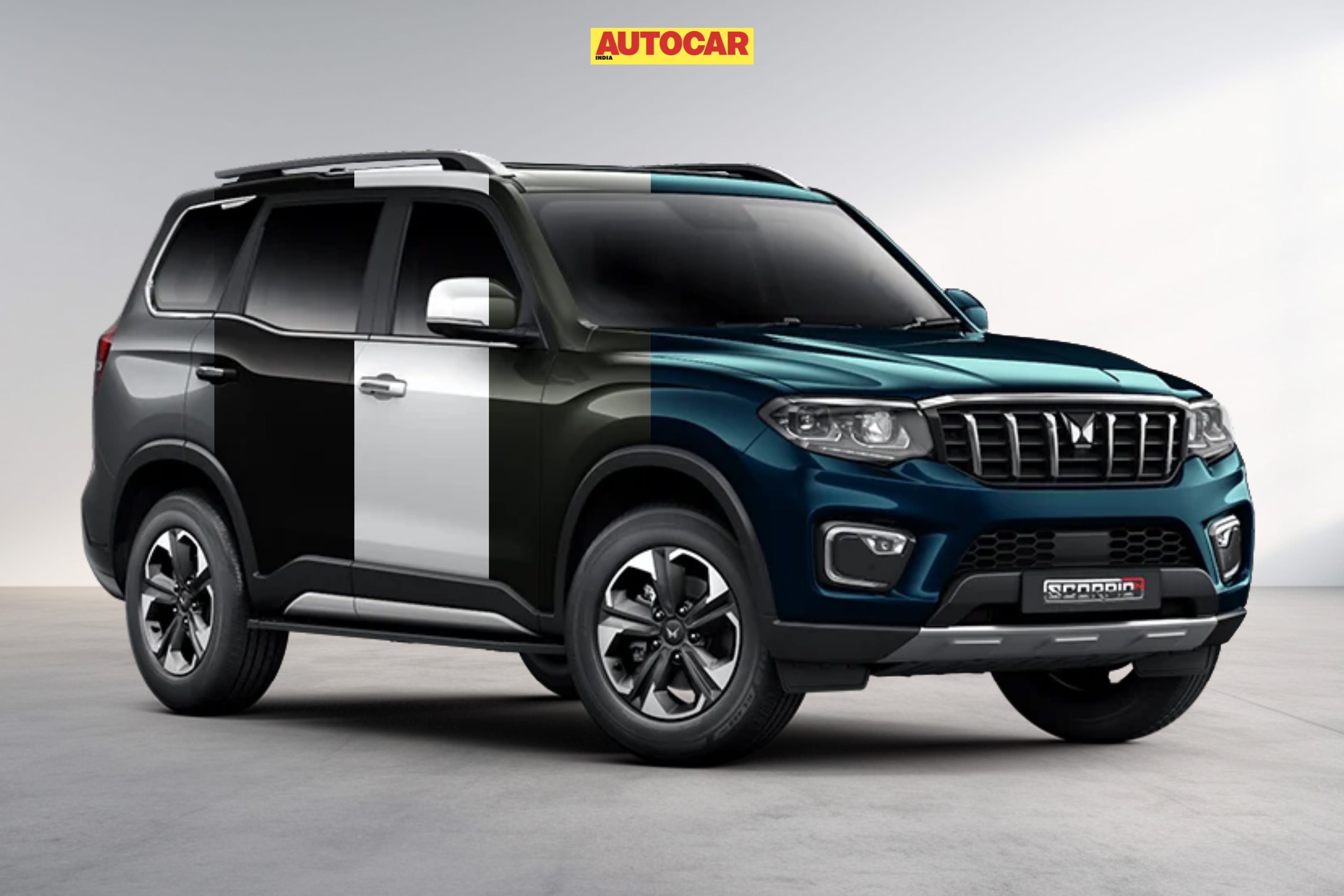
With this update, the Mahindra Scorpio N retains three colours from its predecessor: Deep Forest, Everest White and Stealth Black. However, it does get two new shades. These include an all-new colour, Oceanic, and Galaxy Grey, which replaces another grey option called Valyrian Silver. There are no dual-tone colours available.
2026 Mahindra Scorpio N facelift: Which variant should you buy?
The second-to-top trim with the diesel-automatic powertrain is a good pick
The Z8T trim with the turbo-diesel engine and 6-speed torque-converter automatic (AT) is our pick of the bunch. This is because it offers a laundry list of modern convenience and safety features, catering to almost every need that a buyer looking for an SUV at this price point is likely to have. If you’re someone who finds themselves driving through inclement weather regularly, or you intend to do a bit of off-roading, the 4×4 version has enough mechanical and electronic assistance to back you up. However, try to avoid the Z2, Z4 and Z6 trims as these only get two airbags – that’s unacceptable at this price point.
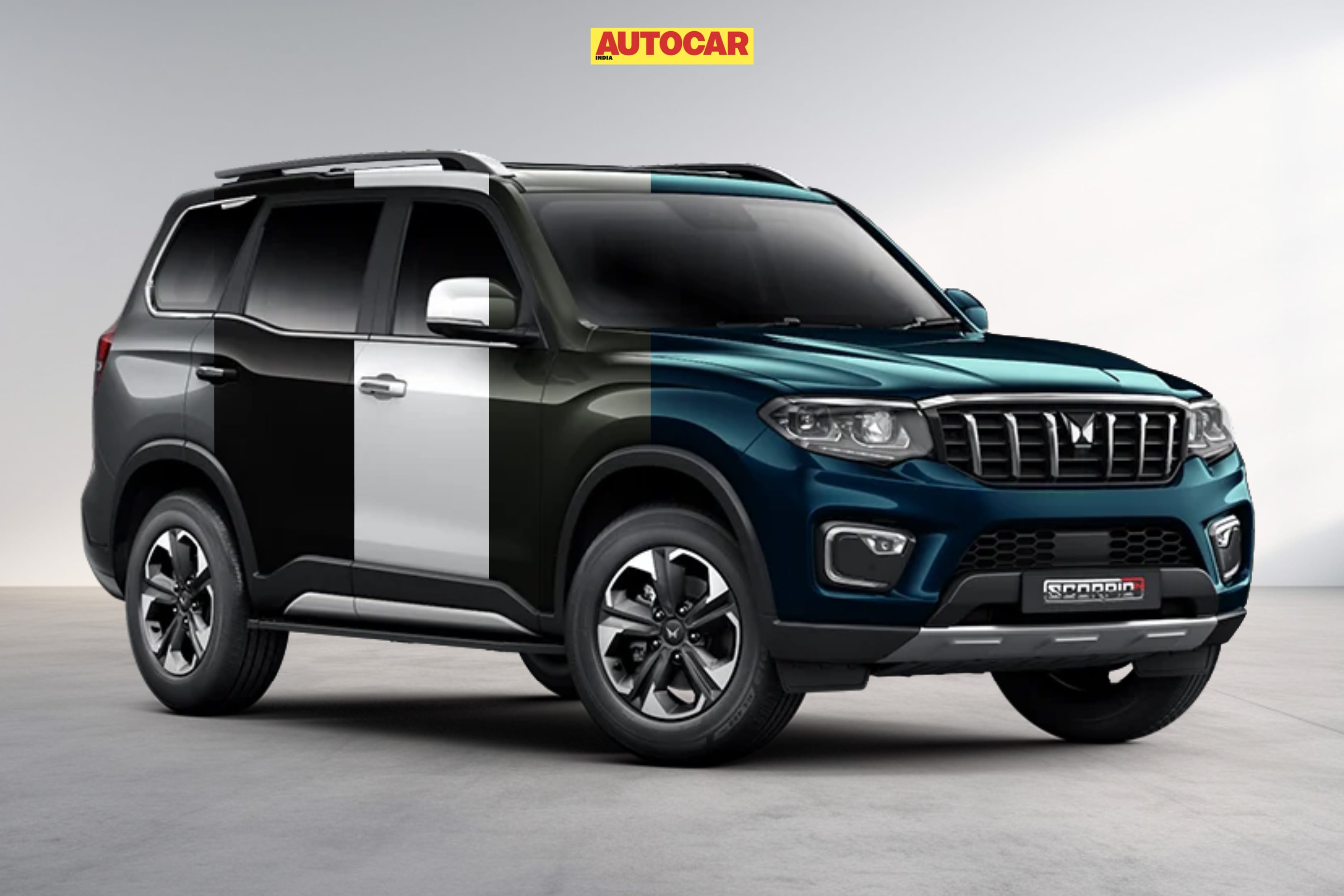
Mahindra has updated the Scorpio N for 2026 with a revised colour palette. The SUV is now available in five exterior shades: Oceanic, Deep Forest, Everest White, Stealth Black and Galaxy Grey. Compared to the outgoing version, Oceanic and Galaxy Grey are the two new additions to the range. At the same time, Valyrian Silver has been discontinued. Deep Forest, Everest White and Stealth Black continue unchanged from the earlier model.
Mahindra has launched the Scorpio N facelift with prices ranging from Rs 13.69 lakh to Rs 25.49 lakh (ex-showroom). While the rugged exterior remains largely unchanged, the facelift introduces new 18-inch diamond-cut alloy wheels on higher variants. Inside, the SUV gets a significantly upgraded cabin with a revised dashboard layout, a 12.3-inch free-floating touchscreen, 10.25-inch digital instrument cluster, panoramic sunroof, 540-degree surround-view camera, revised switchgear and new ‘Adventure Statistics’ display. Convenience has also improved with a 65W USB Type-C charger up front. Mechanically, the Scorpio-N remains unchanged, continuing with its 2.0-litre turbo-petrol and 2.2-litre diesel engines, and is available with a 6-speed manual or a 6-speed torque-converter automatic gearboxes.
NPS Fund Manager: अगर आप नेशनल पेंशन सिस्टम (NPS) में निवेश करते हैं, तो आपका पैसा किसी न किसी पेंशन फंड मैनेजर के पास जाता है। वही आपके पैसे को इक्विटी, डेट और सरकारी बॉन्ड में निवेश करता है।
अगर उसका प्रदर्शन कमजोर लगे, तो आप फंड मैनेजर बदल सकते हैं। लेकिन सिर्फ कुछ महीनों की खराब परफॉर्मेंस देखकर फैसला लेना सही नहीं है। इससे आपके रिटायरमेंट फंड पर असर पड़ सकता है।
1. कब बदलना चाहिए फंड मैनेजर?
एक्सपर्ट्स का कहना है कि अगर कोई फंड मैनेजर लगातार 3 से 5 साल तक अपने बेंचमार्क और दूसरे फंड्स से कमजोर प्रदर्शन करे, तभी बदलाव पर विचार करें।
मान लीजिए दो फंड मैनेजर हैं। एक ने पिछले 4 साल में हर साल औसतन 11% रिटर्न दिया। दूसरे ने सिर्फ 8%। अगर दोनों का जोखिम लगभग बराबर है, तो फंड बदलने की वजह बन सकती है। लेकिन अगर सिर्फ एक साल किसी फंड का रिटर्न कम रहा है, तो घबराने की जरूरत नहीं है।
2. हर साल फंड बदलना क्यों गलत है?
शेयर बाजार हमेशा एक जैसा नहीं चलता। कभी तेजी आती है, कभी गिरावट। ऐसे में हर साल सबसे ज्यादा रिटर्न देने वाले फंड के पीछे भागना नुकसान करा सकता है।
मान लीजिए इस साल फंड A सबसे आगे है। अगले साल फंड B आगे निकल जाए। अगर आप हर साल फंड बदलते रहेंगे, तो हो सकता है कि आप हमेशा देर से एंट्री करें और असली फायदा न मिले। इससे कंपाउंडिंग भी कमजोर पड़ सकती है।
3. सिर्फ रिटर्न देखकर फैसला न लें
फंड चुनते समय सिर्फ रिटर्न पर गौर करना अधूरी तस्वीर दिखा सकता है। यह भी देखिए कि फंड ने जोखिम कितना लिया। बाजार गिरने पर उसने नुकसान कितना रोका। उसका पोर्टफोलियो कितना मजबूत है। फंड मैनेजर की निवेश रणनीति कितनी अनुशासित है।
किसी फंड ने 12% रिटर्न दिया, लेकिन उसके लिए बहुत ज्यादा जोखिम लिया। और दूसरे ने 11% रिटर्न कम जोखिम में दिया, तो दूसरा विकल्प रिटायरमेंट के लिहाज से ज्यादा बेहतर हो सकता है।
4. NPS में कौन-कौन से फंड मैनेजर हैं?
फिलहाल NPS में 10 पेंशन फंड मैनेजर हैं।
SBI Pension Funds
LIC Pension Fund
UTI Pension Fund
HDFC Pension Fund Management
ICICI Pension Fund Management
Kotak Mahindra Pension Fund
Aditya Birla Sun Life Pension Fund Management
Tata Pension Fund Management
Axis Pension Fund Management
DSP Pension Fund Managers
5. Active Choice और Auto Choice में फर्क
अगर आपने Active Choice चुना है, तो यह तय करना आपकी जिम्मेदारी है कि पैसा इक्विटी, कॉरपोरेट डेट और सरकारी बॉन्ड में कितना जाएगा। इसलिए समय-समय पर एसेट एलोकेशन और फंड मैनेजर, दोनों की समीक्षा करें।
अगर आपने Auto Choice चुना है, तो उम्र बढ़ने के साथ सिस्टम खुद एसेट एलोकेशन बदलता रहता है। ऐसे में आपको सिर्फ यह देखना है कि आपका फंड मैनेजर लंबे समय तक लगातार अच्छा प्रदर्शन कर रहा है या नहीं।
ये गलतियां बिल्कुल न करें
सिर्फ पिछले 1 साल का रिटर्न देखकर फंड न चुनें।
हर साल या बार-बार फंड मैनेजर न बदलें।
इक्विटी और डेट फंड के रिटर्न की सीधी तुलना न करें।
सिर्फ ज्यादा रिटर्न के चक्कर में जोखिम को नजरअंदाज न करें।
बाजार गिरते ही घबराकर फंड न बदलें।
NPS कोई एक-दो साल का निवेश नहीं है। यह 20-30 साल की योजना होती है। इसलिए धैर्य रखना सबसे जरूरी है। फंड मैनेजर तभी बदलें, जब लंबे समय तक उसका प्रदर्शन लगातार कमजोर रहे। तभी आपका रिटायरमेंट फंड बेहतर तरीके से बढ़ पाएगा।
NPS में अकाउंट कैसे खोलें?
18 साल या उससे ज्यादा उम्र का कोई भी भारतीय नागरिक NPS में निवेश कर सकता है। इसमें नौकरीपेशा, स्वरोजगार करने वाले, कारोबारी और NRI भी निवेश कर सकते हैं।
आप NPS अकाउंट किसी भी बैंक, पोस्ट ऑफिस से जुड़े Point of Presence (PoP) या ऑनलाइन eNPS पोर्टल के जरिए खोल सकते हैं। अकाउंट खुलने के बाद आपको PRAN (Permanent Retirement Account Number) मिलता है। इसी नंबर के जरिए आप नियमित निवेश कर सकते हैं और अपना पेंशन फंड मैनेज कर सकते हैं।
Disclaimer: यहां दी गई जानकारी सिर्फ सामान्य जागरूकता के लिए है। किसी भी निवेश, लोन, टैक्स, बीमा या दूसरे वित्तीय फैसले लेने से पहले संबंधित एक्सपर्ट्स से सलाह जरूर लें। मनीकंट्रोल किसी भी फाइनेंशियल प्रोडक्ट या सर्विस की सिफारिश नहीं करता।
Sales of India’s 10 highest-selling passenger vehicles reached 2,00,868 units in July 2026, up 37.55 percent from the 1,46,029 units recorded a in the year-ago period. Last month’s sales figures highlight Maruti Suzuki’s strong hold, with six models featuring among the top 10 bestsellers. Tata Motors was the only other brand with more than one model on the list, while Hyundai and Mahindra had one offering each. Demand remained strong across the board, with all but one model registering double-digit year-on-year growth.
Rank
Model
July 2026 sales (units)
July 2025 sales (units)
YoY growth (percent)
1
Maruti Dzire
23,791
20,895
13.86
2
Maruti Wagon R
23,338
14,710
58.65
3
Maruti Ertiga
21,606
16,604
30.13
4
Maruti Swift
21,538
14,190
51.78
5
Tata Punch, Punch EV
21,313
10,785
97.62
6
Maruti Fronx
19,473
12,872
51.28
7
Maruti Baleno
18,241
12,503
45.89
8
Hyundai Creta, Creta Electric
18,088
16,898
7.04
9
Tata Nexon, Nexon EV
17,471
12,825
36.23
10
Mahindra Scorpio, Scorpio Classic
16,009
13,747
16.45
Total
2,00,868
1,46,029
37.55
1. Maruti Dzire
23,791 units
The Maruti Dzire was India’s bestselling passenger vehicle in July, with sales of 23,791 units, up 13.86 percent from 20,895 units in July 2025. It was also the only sedan to feature among the country’s 10 bestselling models and contributed 11.84 percent of the combined sales of the top 10.
2. Maruti Wagon R
23,338 units
With sales of 23,338 units, the Maruti Wagon R finished second. The hatchback recorded a strong 58.65 percent year-on-year growth, selling 8,628 more units than in July last year. It was also one of the three hatchbacks to feature in the top 10 list, all of which are from Maruti Suzuki. Another highlight of the Wagon R is that it is also available in a flex-fuel version compatible with E85 fuel, an option that none of the other models on this list offer.
3. Maruti Ertiga
21,606 units
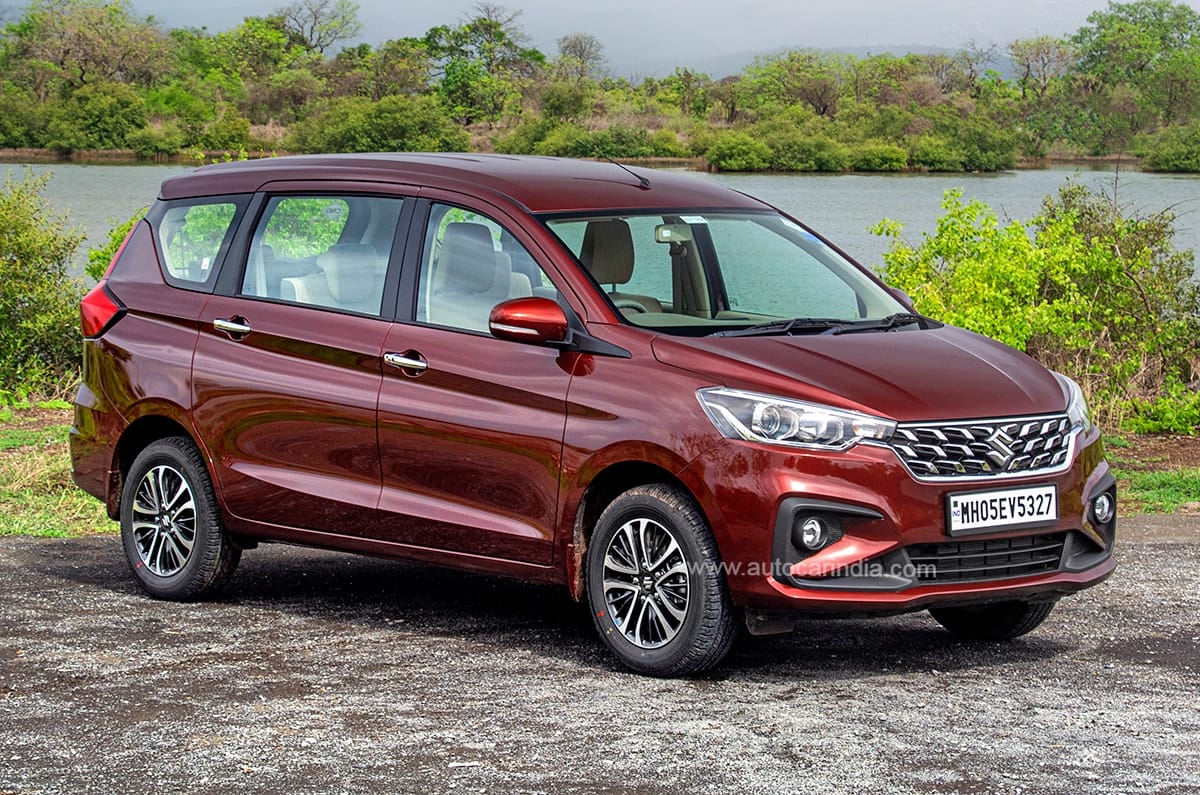
The Maruti Ertiga ranked third with 21,606 units sold, registering 30.13 percent year-on-year growth. Notably, it is the only MPV on the list and managed to secure a place among the country’s three bestselling passenger vehicles.
4. Maruti Swift
21,538 units
Coming in fourth was the Maruti Swift, with sales of 21,538 units. The hatchback recorded a healthy 51.78 percent year-on-year growth and was the second Maruti Suzuki hatchback to feature in the country’s top 10 bestselling models.
5. Tata Punch, Punch EV
21,313 units
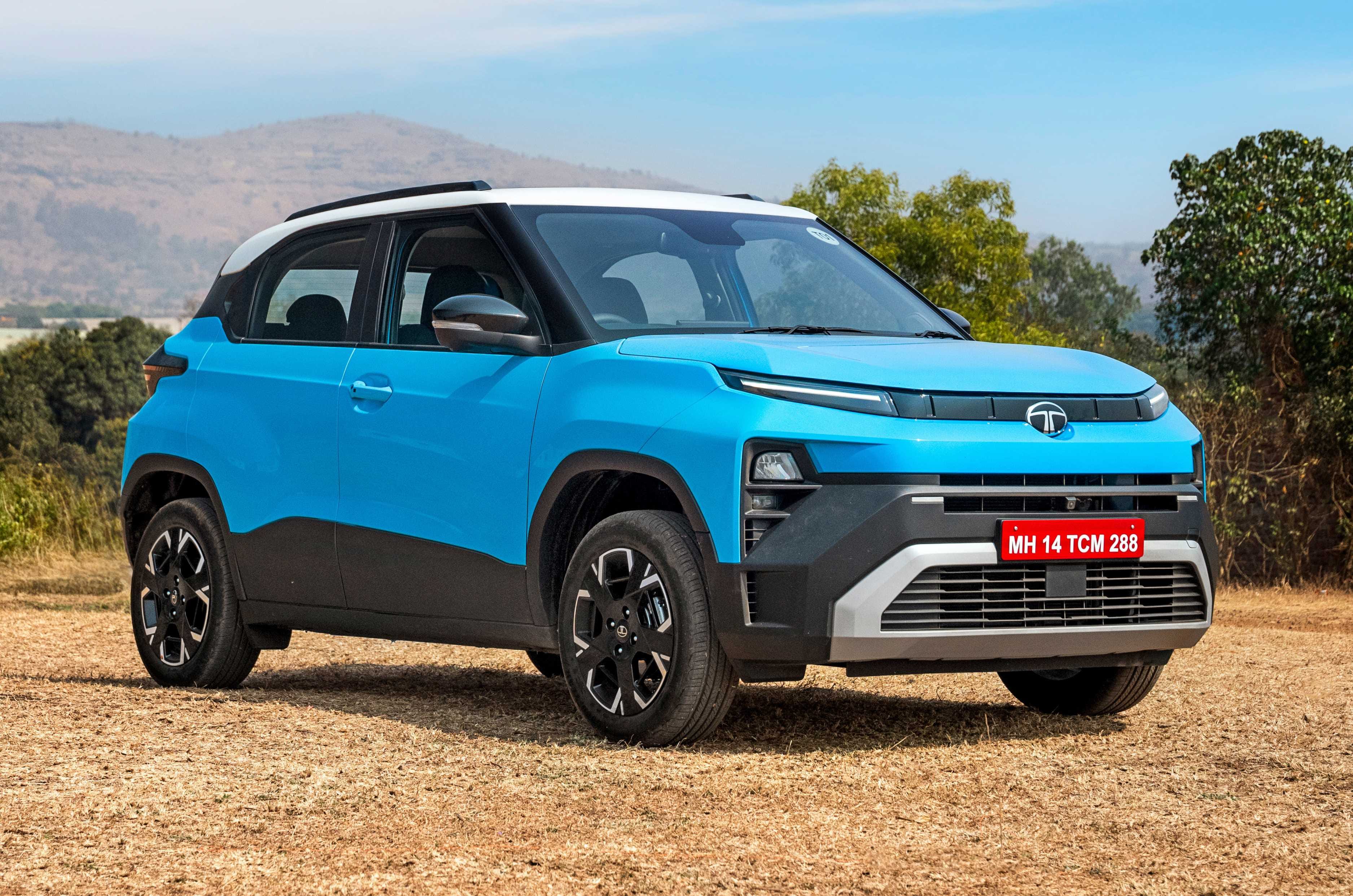
Tata Punch ICE.
Ranking fifth was the Tata Punch and Punch EV, which together sold 21,313 units. Their combined sales were up 97.62 percent year-on-year, nearly doubling from the same month last year. Compared to other models on this list, the sub-compact SUV registered the highest YoY growth. The Punch also recently crossed the 8 lakh sales mark.
6. Maruti Fronx
19,473 units
Selling 19,473 units, the Maruti Fronx secured the sixth spot, registering a 51.28 percent year-on-year growth. It is also Maruti Suzuki’s highest-selling model retailed through the brand’s premium Nexa dealership network.
7. Maruti Baleno
18,241 units
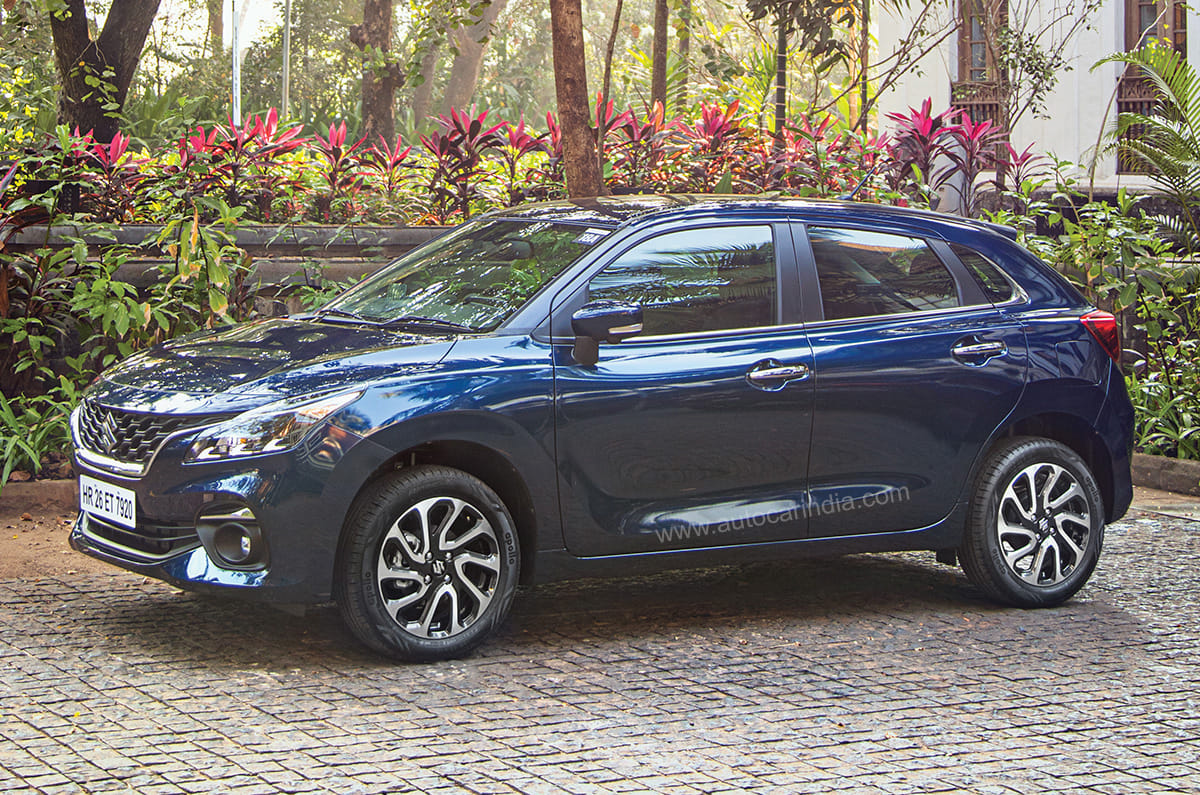
The Maruti Baleno secured the seventh position with 18,241 units, recording a 45.89 percent increase over the same month last year. It rounded off Maruti’s six-model presence in the top 10 and was also the third hatchback on the list. Like the Fronx, the hatchback is retailed through Nexa showrooms.
8. Hyundai Creta, Creta Electric
18,088 units
Next, the Hyundai Creta and Creta Electric together secured the eighth spot with 18,088 units, registering a 7.04 percent year-on-year growth, the lowest among the top 10 models. Recently, Hyundai introduced an assured buyback programme for the Creta Electric, offering a 60 percent buyback value after three years or 45,000km, whichever comes first (terms and conditions apply). The electric SUV is also available with a Battery-as-a-Service (BaaS) option, allowing buyers to lower the upfront purchase cost.
9. Tata Nexon, Nexon EV
17,471 units
Tata Nexon EV.
The ninth position went to the Tata Nexon and Nexon EV, which together sold 17,471 units in July 2026, recording 36.23 percent year-on-year growth. After the Fronx, the Nexon is the only compact SUV to feature on this list.
10. Mahindra Scorpio, Scorpio Classic
16,009 units
Rounding off the top 10 were the Mahindra Scorpio N and Scorpio Classic with combined sales of 16,009 units, up 16.45 percent over the same month last year. Mahindra rolled out the 2026 update for the Scorpio N just today.
Mahindra has launched the Scorpio-N facelift, with prices range from Rs 13.69 lakh to Rs 25.49 lakh (ex-showroom). The SUV has been updated the with a range of feature additions, including a panoramic sunroof, a 540-degree surround-view camera and larger infotainment and instrument displays. The SUV also gets new alloy wheels and additional convenience features, while continuing with its existing petrol and diesel powertrains.
Panoramic sunroof and 540-degree camera added
New 12.3-inch touchscreen and 10.25-inch digital cluster
Skoda Auto Volkswagen India and the JSW Group are in the final stages of discussions for a manufacturing joint venture, we have learned. The two companies are likely to sign a non-binding memorandum of understanding (MoU) within the next two months. The proposed venture is currently being discussed as a 51:49 joint venture, with the JSW Group expected to hold the majority stake.
Emails seeking comments were sent to Skoda Auto Volkswagen India and the JSW Group on Tuesday, but neither company responded till the time of publishing. Autocar Professional, our sister publication, understands senior global executives from Skoda Auto and Volkswagen are expected to visit India in the second fortnight of August. The proposed alliance with the JSW Group is expected to be among the key subjects on the agenda as the two sides work towards signing the non-binding MoU.
Equity infusion could fund EV development
The proposed partnership comes as Skoda Auto Volkswagen India prepares its next round of investments in electrification and localisation. The equity infusion from the JSW Group is expected to fund the development and localisation of electric vehicles and support future product programmes.
A large part of the investment is expected to go towards vehicles based on the India Main Platform (IMP), Volkswagen Group’s EV architecture for India. The IMP is derived from the China Main Platform (CMP), allowing the group to use an existing EV architecture and adapt it to Indian regulations, the local supplier base and localisation requirements.
The platform is expected to underpin multiple electric SUVs for the Skoda and Volkswagen brands over the next few years. Higher localisation will be key to bringing down costs and reducing dependence on imports. The scope of discussions goes beyond manufacturing. We understand that the sales and marketing operations across the group’s brands are also part of the talks. A few years ago, the sales organisations of Skoda, Volkswagen, Audi, Porsche and Lamborghini were integrated with the manufacturing business under Skoda Auto Volkswagen India. This has also brought the premium brands within the scope of the discussions.
JSW’s broader automotive strategy
For the JSW Group, the proposed venture is part of a broader effort to build an integrated automotive business across passenger vehicles, commercial vehicles, batteries, manufacturing and exports. Unlike JSW MG Motor India, the proposed Skoda Auto Volkswagen venture will have no Chinese participation, allowing the group to further de-risk its automotive business from China-linked partnerships. We understand the alliance will also help diversify JSW Group’s passenger vehicle operations while creating a Make in India manufacturing base serving both domestic and export markets by leveraging Volkswagen Group’s global production and distribution network. The proposed India-EU Free Trade Agreement is also expected to strengthen the business case for exports from India to Europe over the longer term, making exports an important part of the proposed alliance.
The partnership also fits into the group’s wider automotive plans. JSW already has its joint venture with MG, has set up JSW Motors as a separate passenger vehicle business for products outside the MG alliance, operates JSW Greentech for buses and commercial vehicles, and is investing in cell manufacturing and localisation. The group is looking to connect these businesses with its existing strengths in steel, paints and energy, creating greater vertical integration across its automotive operations.
Localisation of some models being studied
We understand the alliance will also look to leverage manufacturing assets across the JSW Group wherever feasible. This includes the JSW Motors facility at Sambhaji Nagar, formerly Aurangabad, where higher localisation of products such as the Skoda Kodiaq and select Audi models is being evaluated. The aim is to improve localisation levels while making better use of the group’s existing manufacturing footprint.
The alliance is also evaluating the localisation of the next-generation Kodiaq platform. If approved, it could underpin a locally manufactured three-row SUV positioned in the Mahindra XUV 7XO segment. Localising the platform would allow Skoda Auto Volkswagen to compete in one of the country’s largest SUV segments with significantly higher local content.
Following the signing of the non-binding MoU, the two sides are expected to finalise the equity structure, including the shareholding pattern, before moving towards definitive agreements and the required approvals. The discussions are currently centred on a 51:49 joint venture, with the JSW Group expected to hold the majority stake.