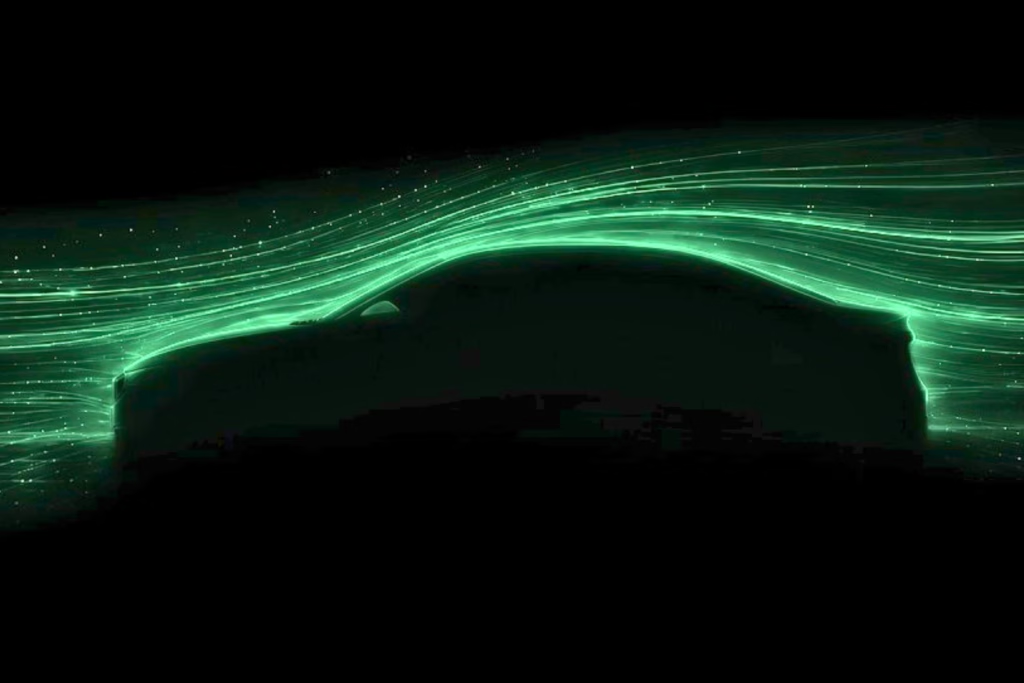
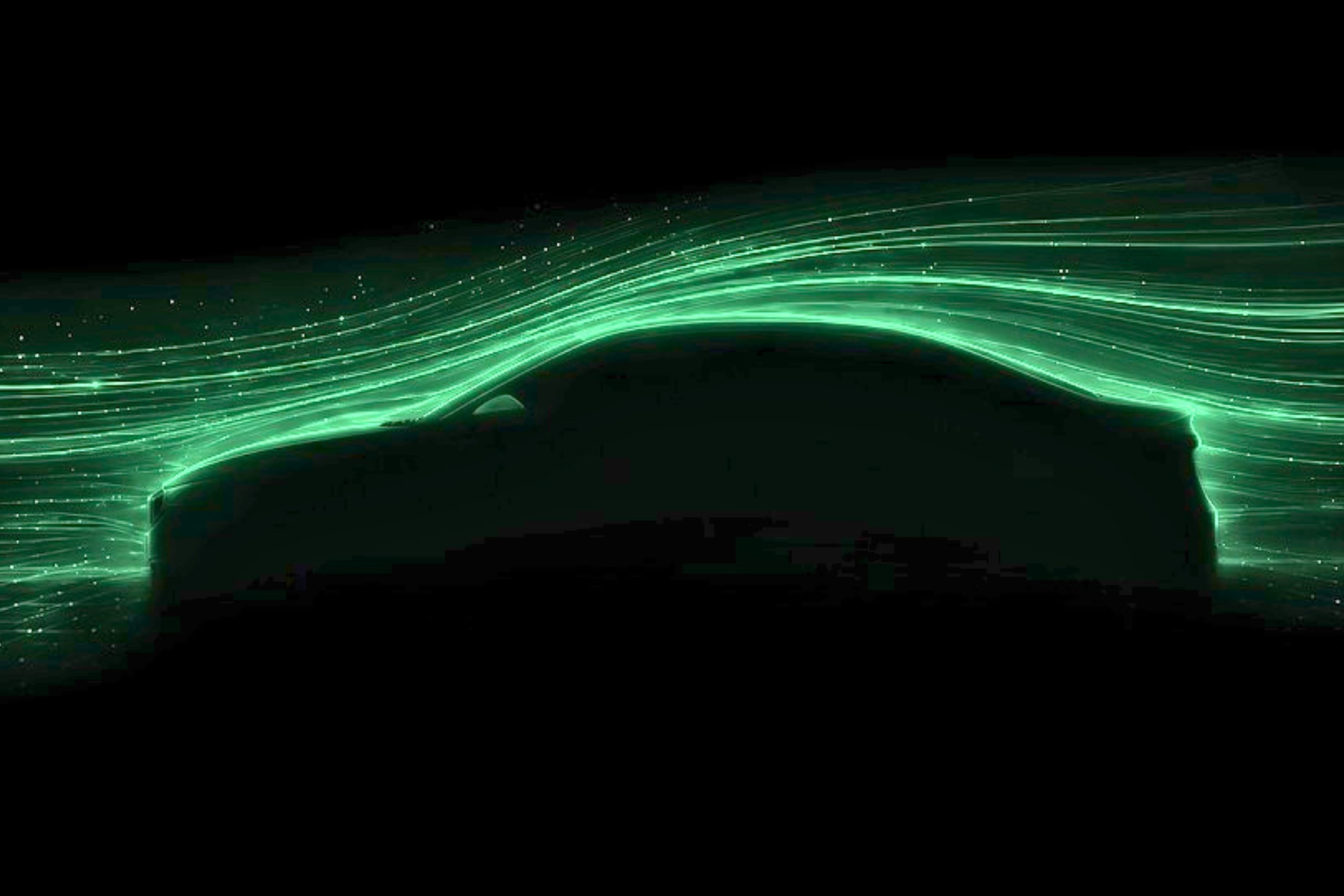
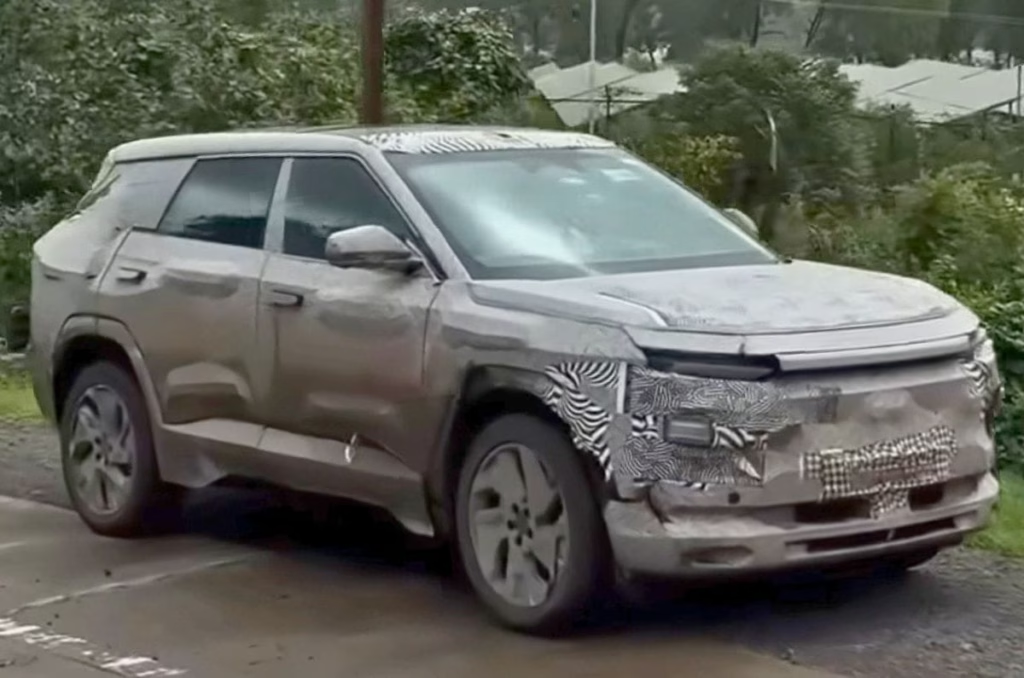
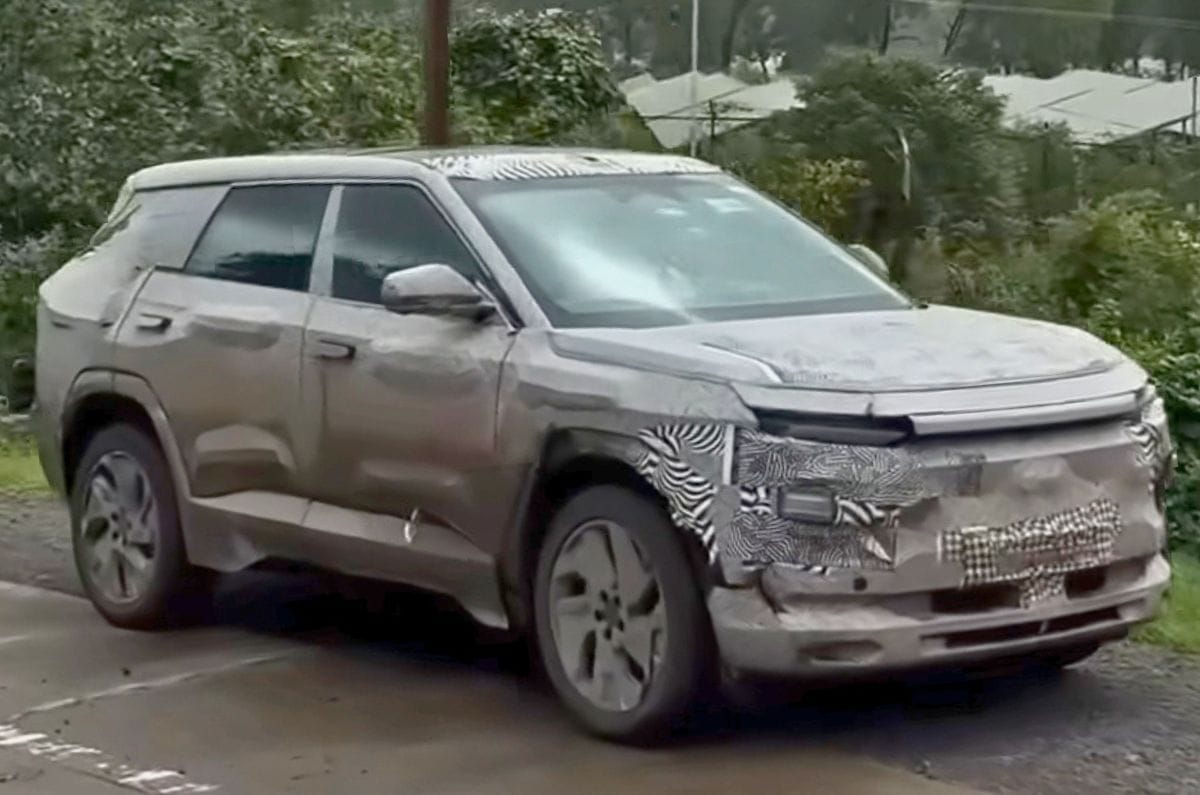
Skoda has teased the much-awaited Slavia facelift ahead of its launch on August 18. Being a mid-lifecycle update, it is expected to bring design changes, new features and an automatic gearbox upgrade for the 1.0 TSI engine.
Skoda Slavia facelift details so far
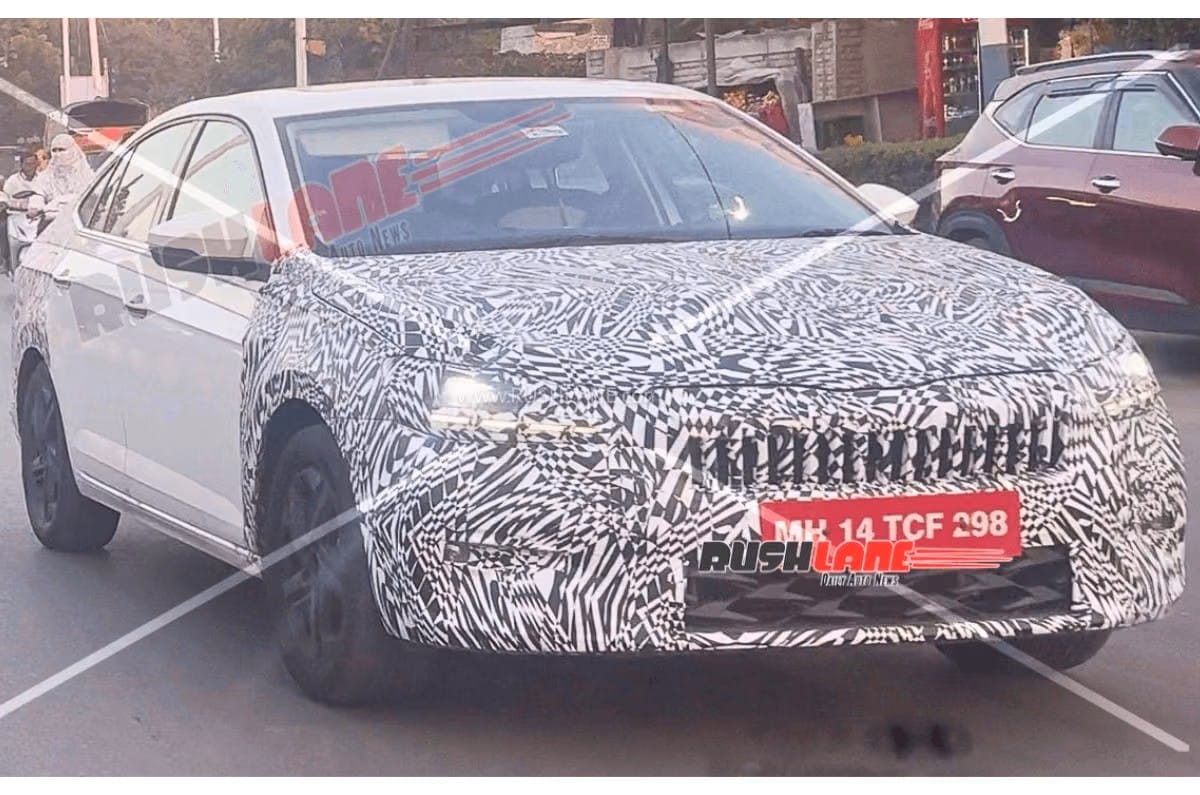
Image credit: Rushlane.
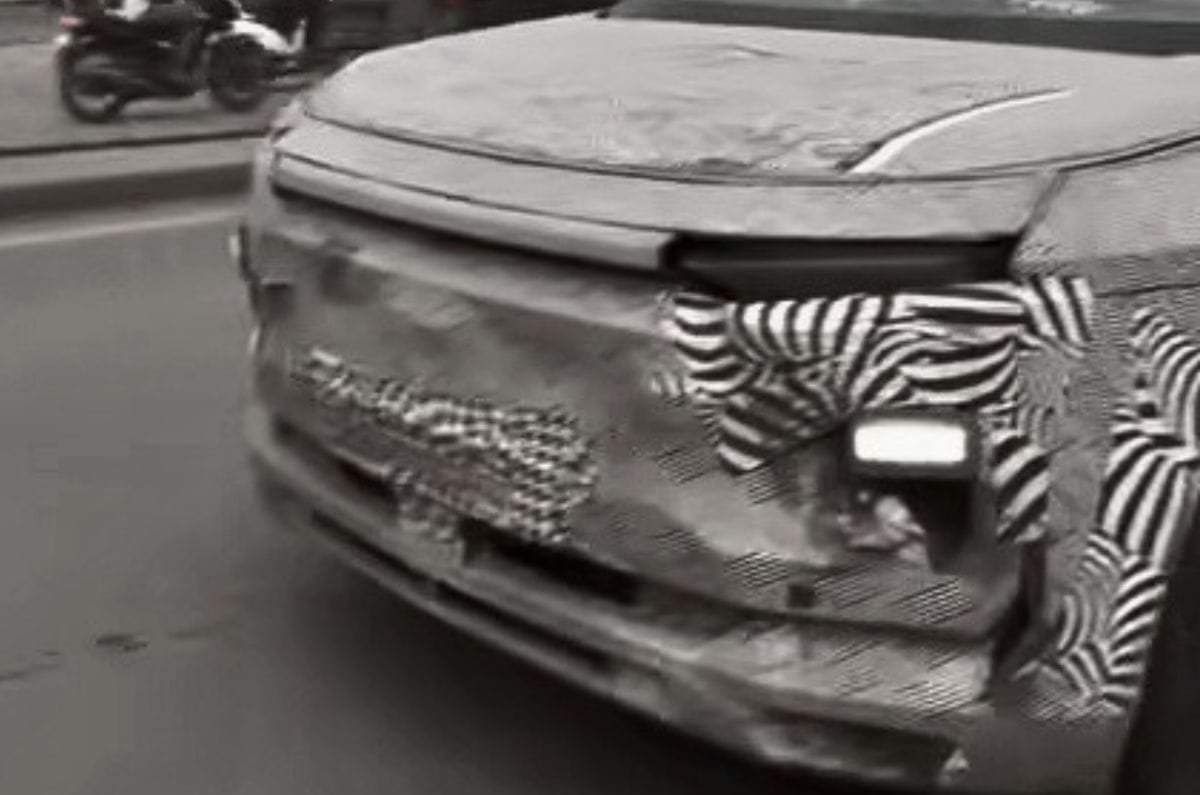
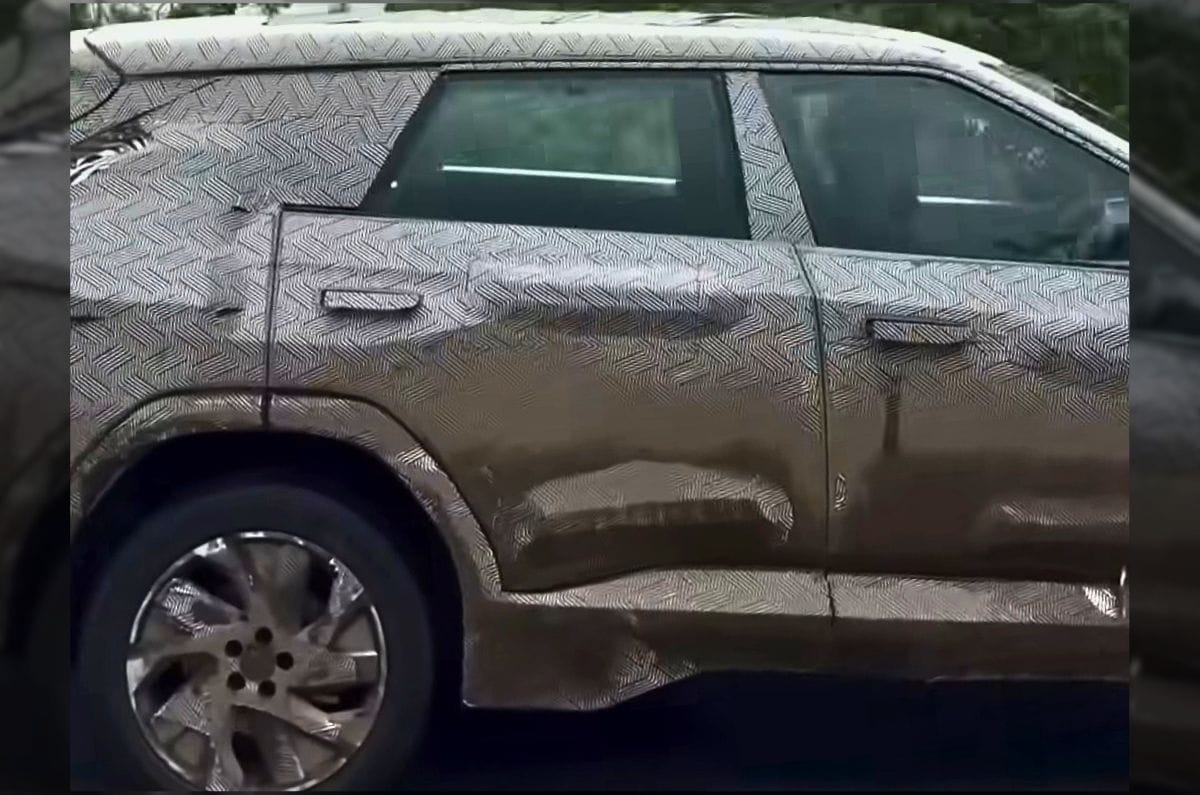
Going the spy shots from before, the sedan is expected to feature updated headlamp units, fog lamp housings and bumpers, along with a new grille with integrated lighting elements, similar to that on the Kushaq. A design refresh for the alloy wheels is likely as well.
Market Trend : 13 अगस्त को बाजार में और गिरावट आई और निफ्टी 0.16 प्रतिशत गिरकर बंद हुआ। बाजार का रुख मंदड़ियों के पक्ष में रहा। NSE पर 1,489 शेयरों में बढ़त के मुकाबले 1,558 शेयरों में गिरावट देखने को मिली। आज भी बाजार में उतार-चढ़ाव के बीच कंसोलिडेशन का दौर जारी रहने की उम्मीद है। बाजार की चाल पर बात करते हुए सीएनबीसी-आवाज के वीरेंद्र कुमार ने कहा कि निफ्टी के लिए पहला रजिस्टेंस 24450-24488/24510 पर और बड़ा रजिस्टेंस 24530-24591 पर है। इसके लिए पहला बेस 24288-24330 पर और बड़ा बेस 24196-24265 पर है।
FIIs की कैश में बिकवाली देखने को मिली है। इंडेक्स में शॉर्ट हुए है। नेट शॉर्ट 1.68 लाख पर रहे हैं। कच्चा तेल अभी भी ऊपर है। US बाजारों से हैंडओवर साइडवेज रहा। AI रैली की संभावना फिर से बनी हुई है। यह IT के लिए निगेटिव है। 24500-24600-24700 पर कॉल राइटिंग हुई है। 24450-24510 पहली बाधा है, इसके ऊपर 24591-24600 पर अगली बाधा है।
24300-24200 पर मजबूत पुट राइटिंग हुई है। 24300-24288 पर सपोर्ट है। फिर 24265-24196 पर अगला बड़ा सपोर्ट है। शुरुआती रेंज 24450-24330 के बीच दिख रही है। बड़ी रेंज 24510-24265 के बीच है। रजिस्टेंस-1 के पास शॉर्ट से निकले/कवर करें,बेस-1 के पास खरीदारी करें। 24510-24530 के ऊपर निकलने पर रेंज बढ़ेगी।
निफ्टी बैंक पर रणनीति
वीरेंद्र कुमार ने कहा कि बैंक निफ्टी के लिए पहला रजिस्टेंस 57888-58040 पर और बड़ा रजिस्टेंस 58189-58271 पर है। इसके लिए पहला बेस 57390/57441-57566 पर और बड़ा बेस 57161-57277 पर है। 57800-58000 से 57500-400 के बीच कंसोलिडेशन देखने को मिल रहा है। अभी शॉर्ट कवरिंग और रेंज ब्रेकआउट के संकेत नहीं है। 57900-58040 से 57510-390 की रेंज पर फोकस करें। रजिस्टेंस-1 के करीब गिरावट में खरीदें/शॉर्ट से निकलें। बड़े ब्रेकआउट के लिए 58189-58271 पार करना जरूरी है। 57390 टूटने पर कमजोरी बढ़ेगी,फिर 58271-189 संभव है।
चकाचक चार्ट वाले शेयर बताने के लिए हमारे साथ जुड़े हैं www.rajeshsatpute.com के राजेश सातपुते। इनकी ओबेरॉय रियल्टी फ्यूचर्स में 1820 रुपए के स्टॉपलॉस के साथ 1900 रुपए के टारगेट के लिए खरीदारी की सलाह है। यूनियन बैंक फ्यूचर्स में भी इनकी 182 रुपए के स्टॉपलॉस के साथ 194 रुपए के टारगेट के लिए खरीदारी की सलाह है।
डिस्क्लेमर: मनीकंट्रोल.कॉम पर दिए गए विचार एक्सपर्ट के अपने निजी विचार होते हैं। वेबसाइट या मैनेजमेंट इसके लिए उत्तरदाई नहीं है। यूजर्स को मनी कंट्रोल की सलाह है कि कोई भी निवेश निर्णय लेने से पहले सर्टिफाइड एक्सपर्ट की सलाह लें।
Volkswagen India has finally begun working on a new compact SUV, which will be a badge-engineered version of the Skoda Kylaq. This will mark its return to the sub-4m category four years after the Polo hatchback’s discontinuation in 2022. At the same time, the upcoming compact SUV is also expected to be the most affordable car in its portfolio in India when it arrives in 2027.
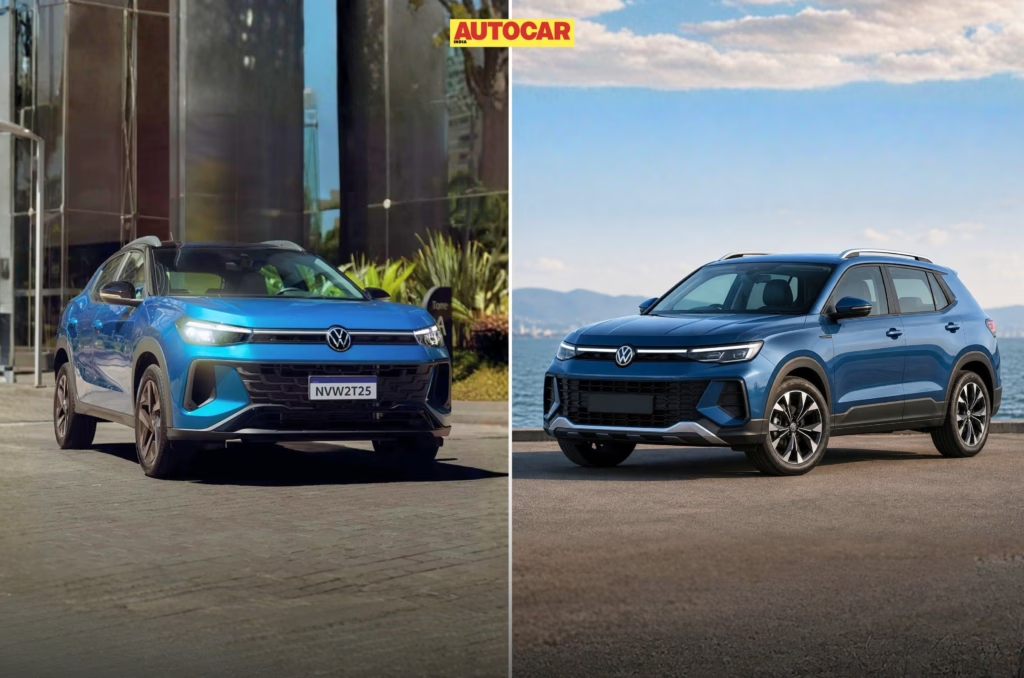
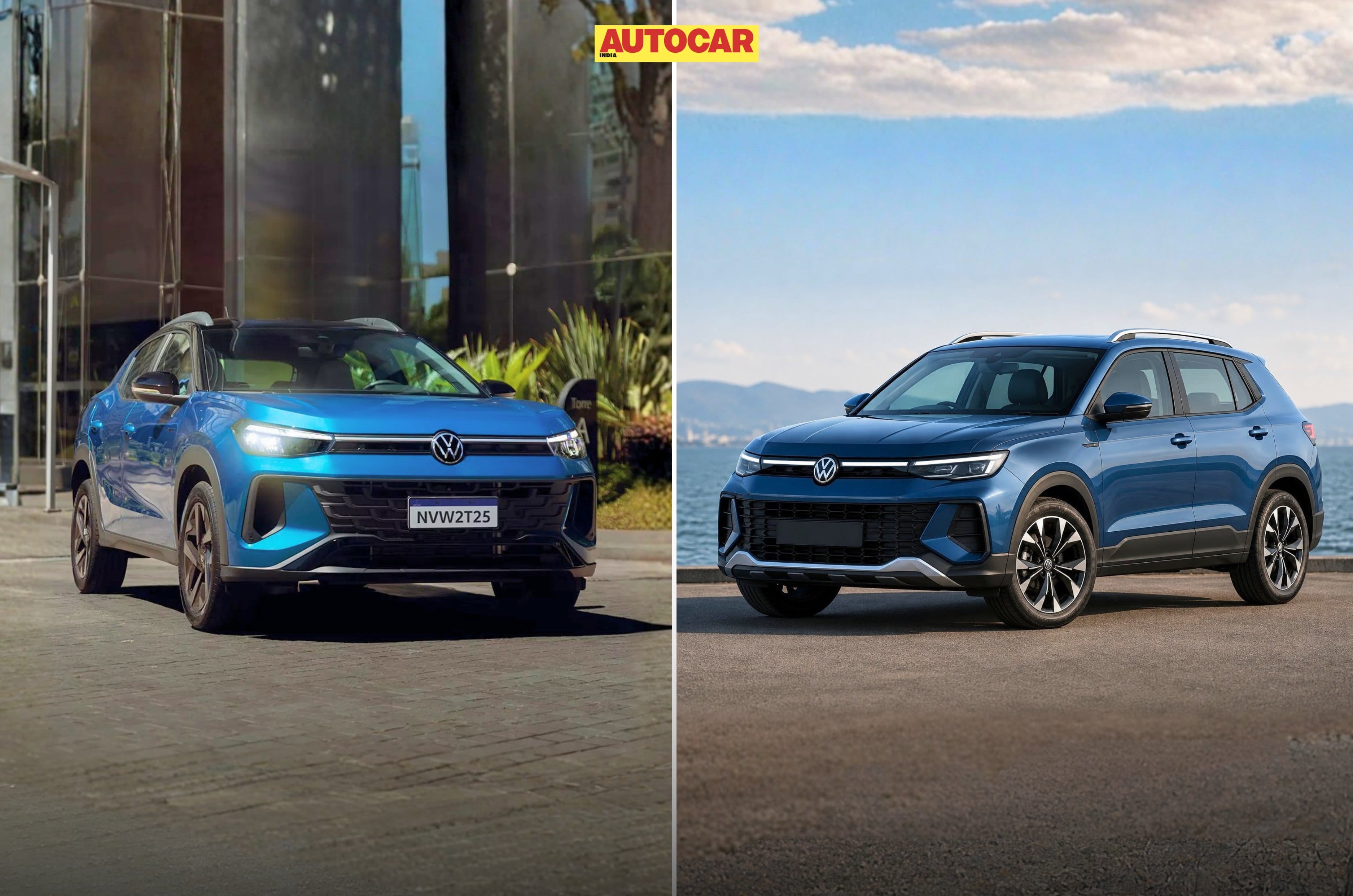
On the other hand, the carmaker already sells an entry-level SUV in the Brazilian market, called the Tera. It is closely related to the Skoda Kylaq and possibly hints at elements that are expected to arrive on VW’s upcoming compact SUV for India.
Volkswagen compact SUV: Expected dimensions
The Tera is 4,151mm long, 1,773mm wide, 1,504mm tall, and gets a 2,566mm long wheelbase. Interestingly, the Terra’s wheelbase is identical to that of the Skoda Kylaq. The India-bound VW compact SUV is expected to have the same wheelbase as the Kylaq, but compared to the Tera, it will be shorter in length to fit India’s sub-4m tax slab.
Volkswagen compact SUV: Expected platform and powertrain
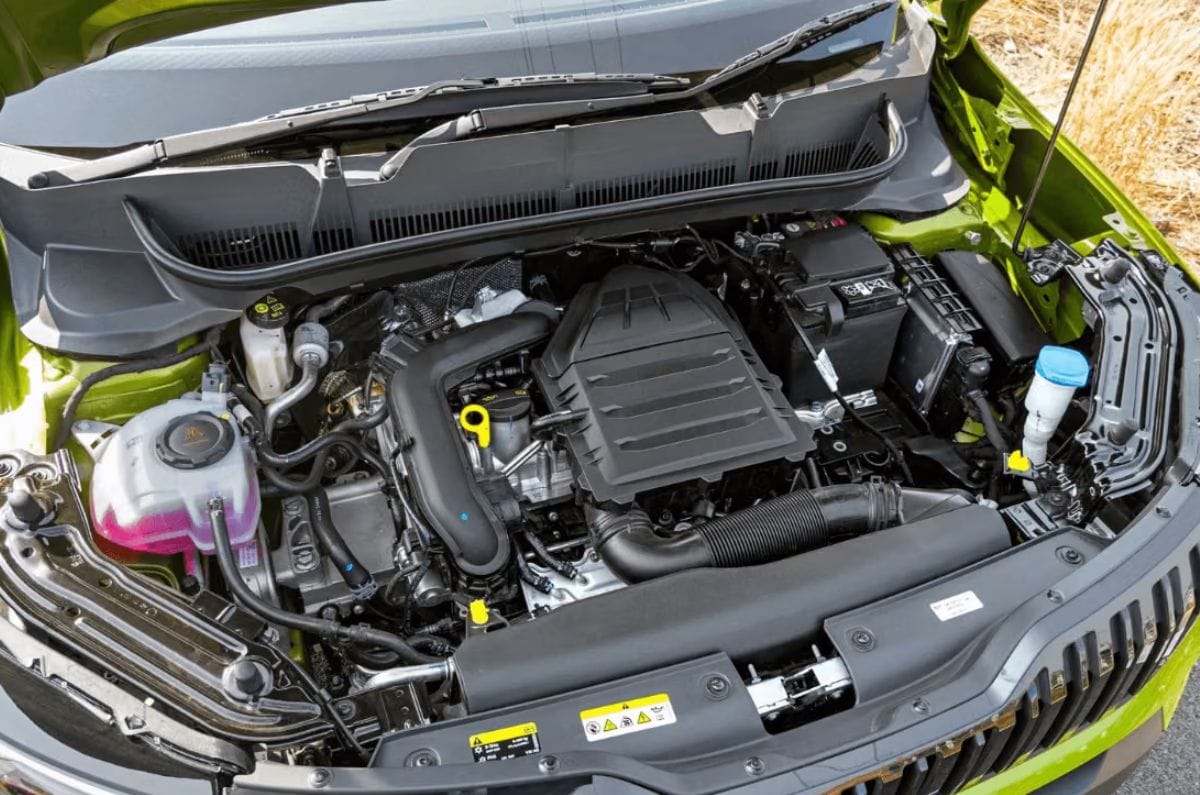
Skoda Kylaq 1.0-litre turbo-petrol engine used for representation.
The Volkswagen Tera sits on the brand’s MQB A0 architecture, while the VW Skoda 2.0 cars (Kushaq, Kylaq, Slavia, Virtus, Taigun) utilise the MQB A0 IN platform. The latter is a close variation of the former and will underpin VW’s upcoming compact SUV.
On the powertrain front, the compact SUV will utilise the same 1.0-litre direct-injection turbo-petrol engine as the Tera, which develops 116hp and 165Nm of torque. But power figures are likely to be closer to the Kylaq’s 1.0-litre turbo-petrol, which produces 115hp and 178Nm of torque. In the case of the VW compact SUV, a manual gearbox would be offered as standard, but automatic versions would swap out the 6-speed AT for the new 8-speed that does duty in the Taigun.
Volkswagen compact SUV: Expected exterior design
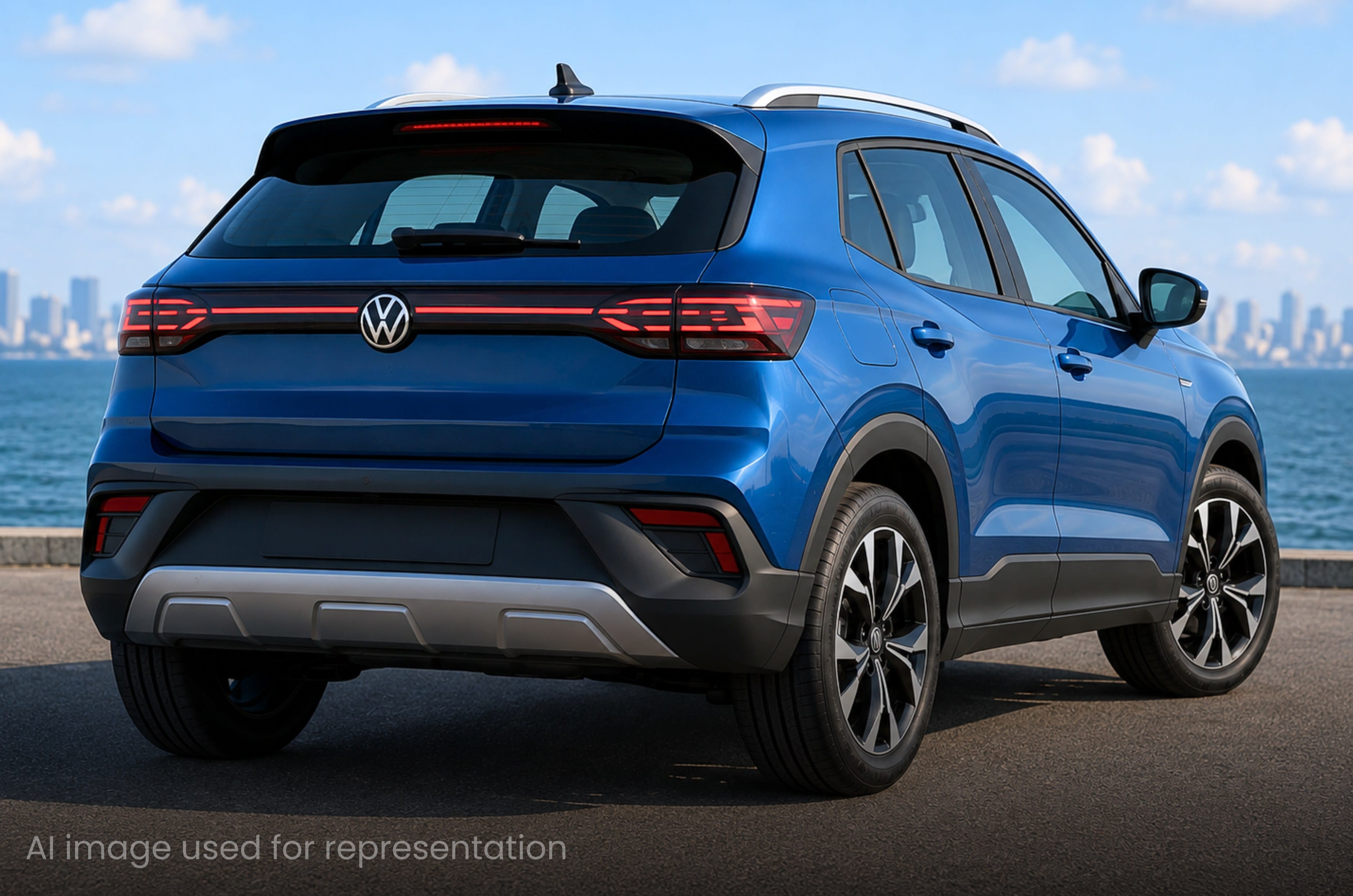
Styling-wise, the upcoming Volkswagen compact SUV is expected to adopt the Tera’s design but is likely to come with some India-specific changes. This could include slim LED headlamps connected by a thin DRL strip, a connected LED tail-lamp setup, cladding for the bumpers and door sills, and roof rails. Volkswagen could also bring illuminated logos, as seen on the Taigun and Tayron R Line. Alloy wheels are expected to have a dual-tone look. Potentially, the brand could spruce things up with GT versions with badges and cosmetic upgrades over standard versions.
Volkswagen compact SUV: Expected interior design and features
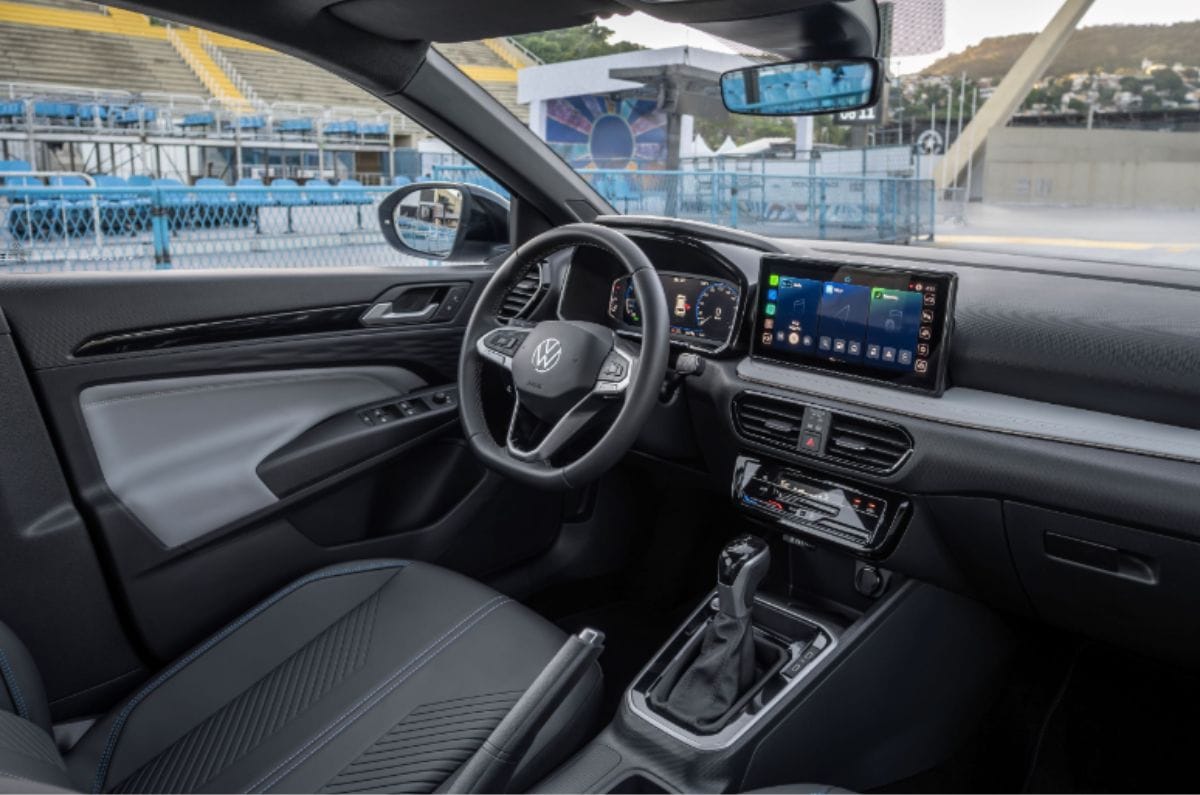
LHD VW Tera interior used for representation.
The Volkswagen Tera already has a lot of commonality with the India 2.0 cars, and some of these parts will likely be carried over to the upcoming compact SUV as well. This could include the flat-bottom three-spoke steering wheel, gear knob, centre console and HVAC control unit, the designs of which look similar to those on the Taigun. Additionally, it could also get a similar 10.25-inch digital driver’s display that’s seen on the Taigun. The Tera, however, is an LHD model, which will be reversed for the India-spec version.
As for equipment, the Volkswagen compact SUV could likely mirror the Skoda Kylaq’s feature set. For reference, the latter gets a 10-inch infotainment system with wireless CarPlay and Android Auto, ambient lighting, a digital driver’s display, a single-pane sunroof, powered and ventilated front seats, automatic climate control and a wireless phone charger.
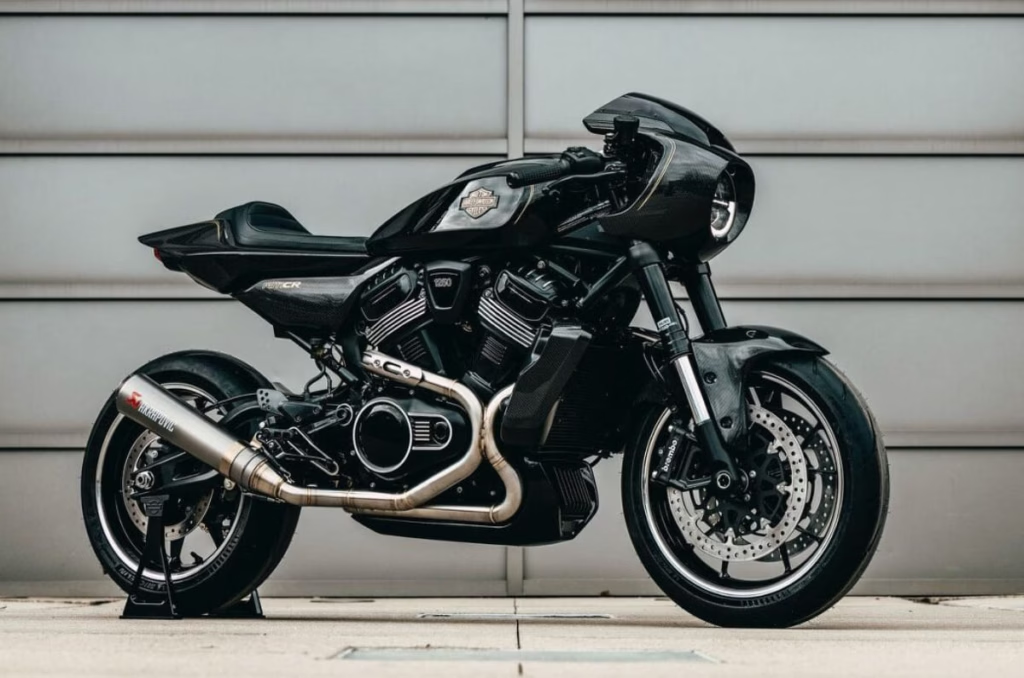
Harley-Davidson has filed trademark applications for the names RMCR and RMXR with the US Patent and Trademark Office, according to reports – the clearest signal yet that a production version of the Revolution Max Cafe Racer concept could be on its way, along with what appears to be a flat-tracker sibling.
Trademark applications for RMCR and RMXR filed in the US
RMCR is believed to be the Revolution Max Cafe Racer; RMXR likely a flat-tracker derivative
Both filed on an intent-to-use basis; production not guaranteed
Harley-Davidson RMCR and RMXR: What to expect
The RMCR concept was previously showcased at the Mama Tried Motorcycle Show earlier this year
Reports suggest the RM prefix in both names stands for Revolution Max – Harley-Davidson’s liquid-cooled DOHC V-twin platform, which is currently available in 975cc and 1,250cc configurations. The CR suffix in RMCR is widely read as standing for Cafe Racer, while XR draws a direct lineage from the company’s storied flat-track heritage – the XR750 race bike and XR1200 being some examples.
The RMCR concept was first shown at the Mama Tried Motorcycle Show in Milwaukee in February this year, featuring pinstriped carbon-fibre bodywork, Brembo brakes and a custom Akrapovic exhaust. The concept featured the larger 1,250cc version of the Revolution Max engine, which produces peak output figures of 150hp and 127.4Nm.
It is worth noting that Harley-Davidson trademarks filed in the past haven’t always made it to production. However, with the company now attempting a new approach with its Back to the Roots strategy, we could see the brand revisit some of the platform styles from its history. Along those lines, flat-tracker and cafe racer concepts based on the Revolution Max platform surfaced in a leaked investor presentation as far back as 2020, although those were early sketches and it’s unclear whether they bear any resemblance to these potential production models.
As with any trademark filing, this doesn’t necessarily mean a production version is imminent, but it does raise the possibility that Harley-Davidson could be preparing new models based on the Revolution Max platform.
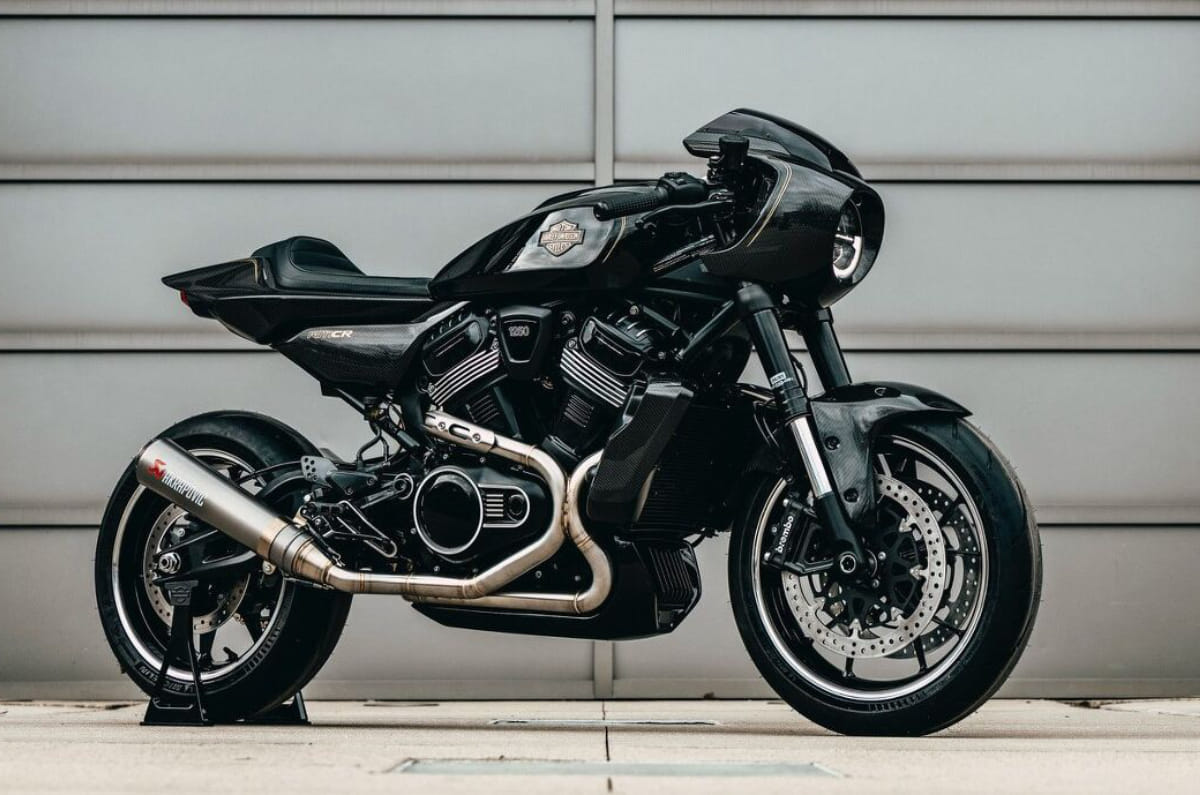
Harley-Davidson has filed trademark applications for the names RMCR and RMXR with the US Patent and Trademark Office, according to reports – the clearest signal yet that a production version of the Revolution Max Cafe Racer concept could be on its way, along with what appears to be a flat-tracker sibling.
Trademark applications for RMCR and RMXR filed in the US
RMCR is believed to be the Revolution Max Cafe Racer; RMXR likely a flat-tracker derivative
Both filed on an intent-to-use basis; production not guaranteed
Harley-Davidson RMCR and RMXR: What to expect
The RMCR concept was previously showcased at the Mama Tried Motorcycle Show earlier this year
Reports suggest the RM prefix in both names stands for Revolution Max – Harley-Davidson’s liquid-cooled DOHC V-twin platform, which is currently available in 975cc and 1,250cc configurations. The CR suffix in RMCR is widely read as standing for Cafe Racer, while XR draws a direct lineage from the company’s storied flat-track heritage – the XR750 race bike and XR1200 being some examples.
The RMCR concept was first shown at the Mama Tried Motorcycle Show in Milwaukee in February this year, featuring pinstriped carbon-fibre bodywork, Brembo brakes and a custom Akrapovic exhaust. The concept featured the larger 1,250cc version of the Revolution Max engine, which produces peak output figures of 150hp and 127.4Nm.
It is worth noting that Harley-Davidson trademarks filed in the past haven’t always made it to production. However, with the company now attempting a new approach with its Back to the Roots strategy, we could see the brand revisit some of the platform styles from its history. Along those lines, flat-tracker and cafe racer concepts based on the Revolution Max platform surfaced in a leaked investor presentation as far back as 2020, although those were early sketches and it’s unclear whether they bear any resemblance to these potential production models.
As with any trademark filing, this doesn’t necessarily mean a production version is imminent, but it does raise the possibility that Harley-Davidson could be preparing new models based on the Revolution Max platform.
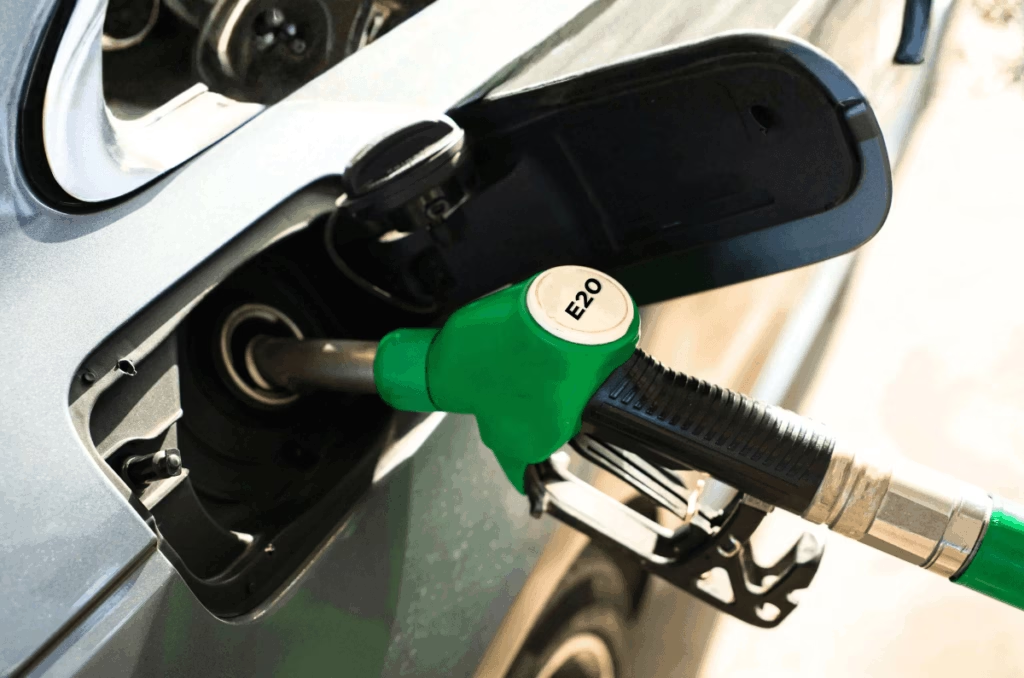
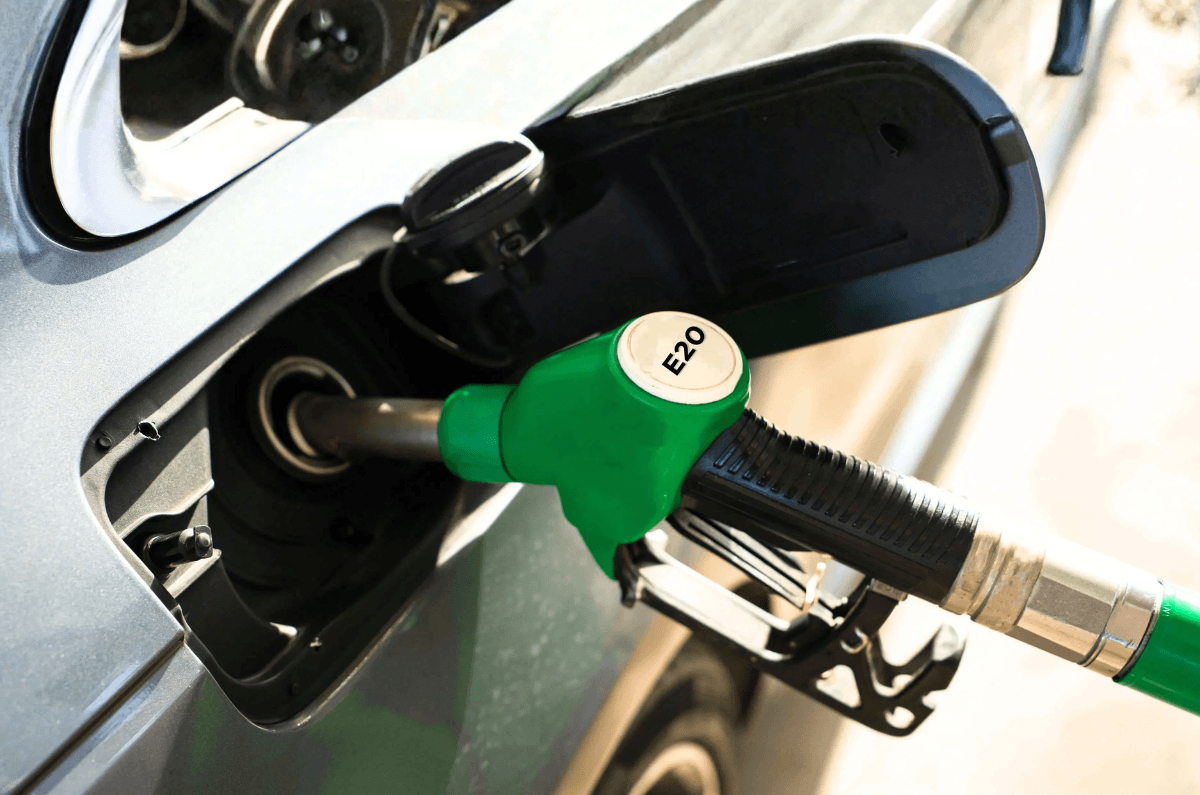
Earlier this month, several media reports said the Society of Indian Automobile Manufacturers (SIAM) had urged the government to introduce mandatory chloride limits in fuel standards after high levels of chloride and moisture were found in E20 petrol. SIAM later withdrew the communication, saying some of the figures mentioned in it needed further verification.
The government has been trying to address growing concerns around E20 with support from the industry. Oil marketing companies (OMCs) have rejected claims of widespread E20 fuel contamination after conducting tests across the country. Brands such as Toyota, Maruti Suzuki and Hero MotoCorp have also publicly backed the E20 programme.
However, separate communications between industry executives investigated by Reuters show that earlier, Maruti Suzuki, Tata Motors and Mahindra had privately raised concerns about contamination in E20. The data compiled by these carmakers was the most extensive fuel testing since E20 was officially rolled out nationwide last year. Their emails reveal that the carmakers were concerned about contaminants such as chloride and moisture in the fuel, which they said were affecting vehicles, even as they publicly supported the government’s E20 rollout.
Data flags high chloride contamination, moisture content
The data reviewed by Reuters shows that the three automobile manufacturers had carried out detailed testing by collecting more than 250 fuel samples from petrol pumps across 21 states and Union Territories over a year. The tests found high chloride levels in many samples from 18 states, along with high moisture content. Interestingly, the emails reviewed by Reuters did not raise any concerns about the authenticity of the data.
State
Number of samples
Chloride (ppm)
Uttar Pradesh
36
1.2-175
Maharashtra
31
10-357
Delhi/NCR
28
1.4-420
Tamil Nadu
27
1.3-24.0
Kerala
24
1.0-2.2
Punjab
20
1.9-110
Karnataka
15
1- 2.2
Rajasthan
14
6.0-570
Madhya Pradesh
11
4.1-550
Source: SIAM via Reuters.
The data showed chloride levels of 6 to 570 parts per million (ppm) in Rajasthan, 1.4 to 420ppm in New Delhi and 10 to 357ppm in Maharashtra. The government’s permissible limit is 3ppm.
High chloride levels in the fuel can corrode vehicle components, while high moisture content can cause a vehicle to stop working immediately after refuelling, SIAM had stated earlier. In group emails exchanged between Maruti, Tata, Mahindra and SIAM, a senior Maruti executive raised concerns about the high chloride readings and said the matter had even been privately discussed with the Ministry of Petroleum on July 26.
Moisture levels found 333 percent above limit
Additionally, the same data showed moisture levels of up to 13,000ppm in Andhra Pradesh and 12,500ppm in Uttar Pradesh, against the government’s permissible limit of 3,000ppm. The exact cause of the contamination is not known. However, SIAM said in its now-withdrawn letter that it had seen an increase in chloride levels since E20 was introduced and asked the government to direct OMCs to identify the root cause.
When asked about the private emails, SIAM told Reuters that the data was meant only for internal circulation, discussion and validation, and had been collected by a very small number of automakers. SIAM added that the communication was withdrawn because the testing basis and sample size were not enough to support firm conclusions and that it had been sent accidentally. The organisation stated further that it plans to conduct a proper scientific study.
As for the high moisture levels, SIAM’s letter said the cause could be poor maintenance of underground storage tanks and pipelines at petrol pumps.
Carmakers raise concerns over vehicle failures
In a July 26 email, a senior Maruti official said that current fuel injectors can tolerate a maximum chloride level of 1ppm, and keeping it below 1ppm in E20 would be in accordance with international standards and discussions with the petroleum ministry. Same is in line with discussion held with the petroleum ministry, he stated.
Meanwhile, a senior Mahindra official wrote that organic chloride was responsible for the rapid vehicle failures in recent times and could damage engines just within 200km. The executive said that most cases reported immediately after refuelling were due to organic chloride and added that Mahindra had “strong evidences” from fuel samples collected at retail outlets. Mahindra later said the conclusions drawn from its executive’s emails were “completely baseless and incorrect”. The company said the industry data was limited and preliminary and that it did not see any issues with E20.
What does the government say?
The Ministry of Petroleum and Natural Gas did not respond to requests for comment made by Reuters. Petroleum Minister Hardeep Singh Puri said on Friday that OMCs had started “rigorous testing” at retail outlets to check for contamination two weeks before SIAM’s letter was received. According to Puri, only four cases of contamination had been found. OMCs, as mentioned earlier, said that their extensive testing had found no reason for alarm over fuel contamination.
LG Electronics India Q1 Results: इलेक्ट्रॉनिक्स कंपनी LG Electronics India ने जून तिमाही में मजबूत नतीजे दिए हैं। कंपनी का नेट प्रॉफिट सालाना आधार पर 27.2% बढ़कर ₹652.8 करोड़ हो गया। पिछले साल इसी तिमाही में यह ₹513.2 करोड़ था।
कंपनी का रेवेन्यू भी 15.5% बढ़कर ₹7,233.3 करोड़ पहुंच गया। एक साल पहले यह ₹6,262.9 करोड़ था। यानी कमाई और मुनाफा दोनों में अच्छी बढ़त दिखी।
ऑपरेटिंग कमाई भी मजबूत रही
LG Electronics India का EBITDA 26.2% बढ़कर ₹904.2 करोड़ हो गया। पिछले साल यह ₹716.2 करोड़ था। वहीं, EBITDA मार्जिन 11.4% से बढ़कर 12.5% हो गया। यानी कंपनी पहले से बेहतर कमाई कर रही है।
AC की बिक्री ने बढ़ाया भरोसा
एयर कंडीशनर की मजबूत मांग कंपनी के लिए बड़ा सहारा बनी। साल 2026 की पहली तिमाही में LG ने 10 लाख से ज्यादा AC बेचे। अब कंपनी को पूरे साल में 20 लाख से ज्यादा यूनिट बेचने की उम्मीद है।
कंपनी के डायरेक्टर और को-चीफ सेल्स एंड मार्केटिंग ऑफिसर संजय चिटकारा ने कहा कि डीलरों के पास स्टॉक अब सामान्य स्तर पर है। रिटेलर भी त्योहारी सीजन की तैयारी में जुट गए हैं। अगर मांग ऐसे ही बनी रही, तो कंपनी अपने सालाना अनुमान से बेहतर प्रदर्शन कर सकती है।
LG Electronics India के शेयर
LG Electronics का शेयर गुरुवार को 1580 रुपये पर लगभग फ्लैट बंद हुआ। पिछले 6 महीने में स्टॉक ने 4.55% का रिटर्न दिया है। वहीं 1 साल के दौरान इसमें करीब 6% की गिरावट आई है। कंपनी का मार्केट कैप 1.07 लाख करोड़ रुपये है।
LG Electronics India का कारोबार
LG Electronics India, LG Electronics की सब्सिडियरी है। कंपनी भारत में टीवी, रेफ्रिजरेटर, वॉशिंग मशीन, एयर कंडीशनर, IT प्रोडक्ट्स और व्हीकल सॉल्यूशंस बनाती और बेचती है। यह एक्सपोर्ट बढ़ाने की तैयारी भी कर रही है।
Disclaimer: यहां मुहैया जानकारी सिर्फ सूचना के लिए दी जा रही है। यहां बताना जरूरी है कि मार्केट में निवेश बाजार जोखिमों के अधीन है। निवेशक के तौर पर पैसा लगाने से पहले हमेशा एक्सपर्ट से सलाह लें। मनीकंट्रोल की तरफ से किसी को भी पैसा लगाने की यहां कभी भी सलाह नहीं दी जाती है।
Sahana Systems Defence Deal: IT और डिफेंस टेक्नोलॉजी कंपनी Sahana Systems Ltd की सब्सिडियरी Sahana Defence Ltd को बड़ा डिफेंस कॉन्ट्रैक्ट मिला है। कंपनी ने भारत सरकार के मिनी रत्न Central Electronics Limited (CEL) के साथ लंबी अवधि का समझौता किया है। यह डील सरकार की ‘मेक इन इंडिया’ पहल के तहत हुई है।
समझौते के तहत उत्तर प्रदेश के साहिबाबाद में CEL के परिसर में इलेक्ट्रॉनिक वॉरफेयर (EW) इक्विपमेंट और वेपन पेरिफेरी मैन्युफैक्चरिंग फैसिलिटी बनाई जाएगी और उसका संचालन भी किया जाएगा।
10 साल की होगी डील
यह कॉन्ट्रैक्ट शुरुआती तौर पर 10 साल के लिए है। अगर सबकुछ ठीक रहा, तो कॉन्ट्रैक्ट 5 साल और बढ़ाया जा सकता है।
Sahana Defence इस फैसिलिटी को बनाने, चलाने, मेंटेनेंस करने, मार्केटिंग करने और यहां बने प्रोडक्ट्स को कमर्शियल स्तर पर बाजार तक पहुंचाने की जिम्मेदारी संभालेगी।
क्या बनेगा इस फैसिलिटी में?
नई यूनिट में इलेक्ट्रॉनिक वॉरफेयर सिस्टम और हथियारों से जुड़े पेरिफेरी इक्विपमेंट बनाए जाएंगे। इसका मकसद भारत में ही डिफेंस मैन्युफैक्चरिंग को मजबूत करना और रणनीतिक तकनीकों में आत्मनिर्भरता बढ़ाना है।
कंपनी का कहना है कि CEL के मौजूदा इंफ्रास्ट्रक्चर का फायदा उठाकर वह डिफेंस सेक्टर के लिए मजबूत मैन्युफैक्चरिंग प्लेटफॉर्म तैयार करेगी।
कंपनी ने क्या कहा?
Sahana Systems के चेयरमैन और मैनेजिंग डायरेक्टर प्रतीक काकड़िया ने कहा कि यह साझेदारी कंपनी के लिए बड़ा मील का पत्थर है। उनके मुताबिक, इससे डिफेंस कारोबार में लंबे समय तक रेवेन्यू की बेहतर दृश्यता मिलेगी और भविष्य की ग्रोथ को मजबूत आधार मिलेगा।
Sahana Systems क्या काम करती है?
साल 2013 में स्थापित Sahana Systems का मुख्यालय अहमदाबाद में है। कंपनी आर्टिफिशियल इंटेलिजेंस (AI), मशीन लर्निंग, IoT, ब्लॉकचेन, बिजनेस इंटेलिजेंस और IT आउटसोर्सिंग जैसी तकनीकी सेवाएं देती है।
इसके अलावा कंपनी डिफेंसटेक, फिनटेक, हेल्थटेक और एडुटेक सेक्टर में भी काम करती है। Sahana Systems का दावा है कि वह सरकारी संस्थानों, रक्षा संगठनों और वित्तीय संस्थानों के साथ कई प्रोजेक्ट्स पर काम कर रही है।
Disclaimer: यहां मुहैया जानकारी सिर्फ सूचना के लिए दी जा रही है। यहां बताना जरूरी है कि मार्केट में निवेश बाजार जोखिमों के अधीन है। निवेशक के तौर पर पैसा लगाने से पहले हमेशा एक्सपर्ट से सलाह लें। मनीकंट्रोल की तरफ से किसी को भी पैसा लगाने की यहां कभी भी सलाह नहीं दी जाती है।
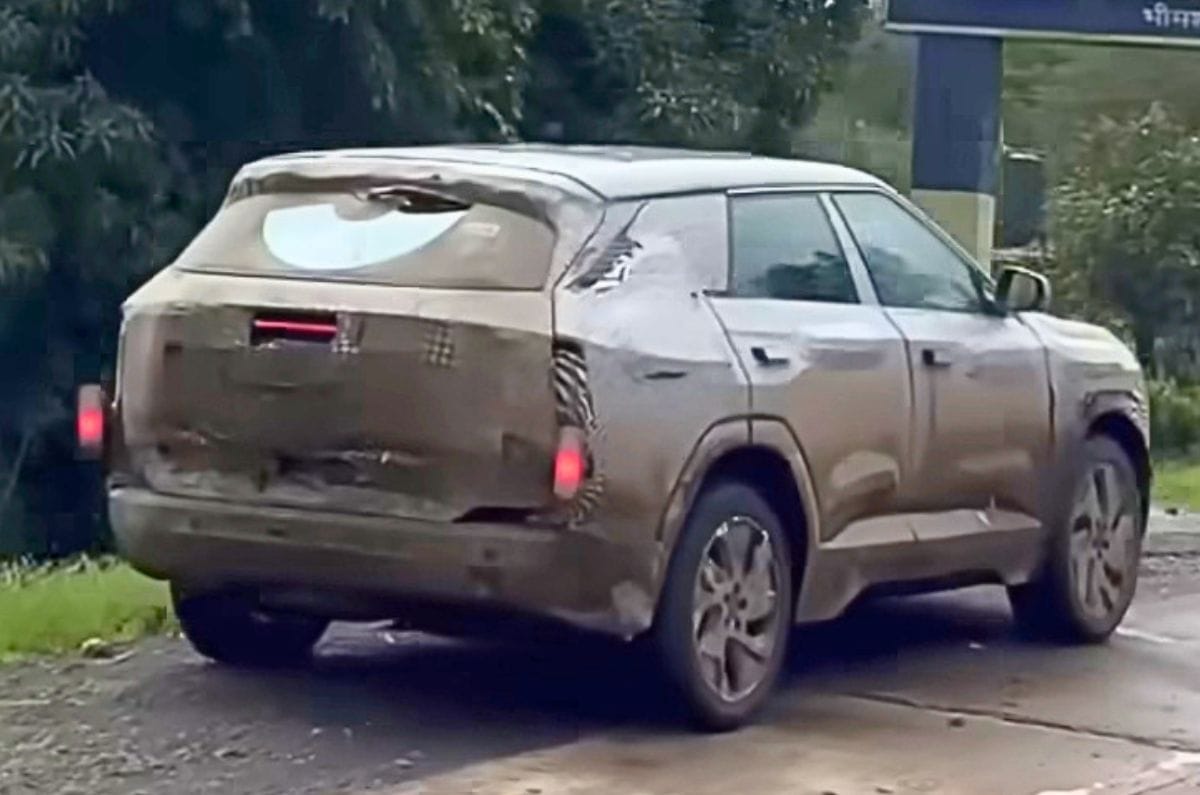
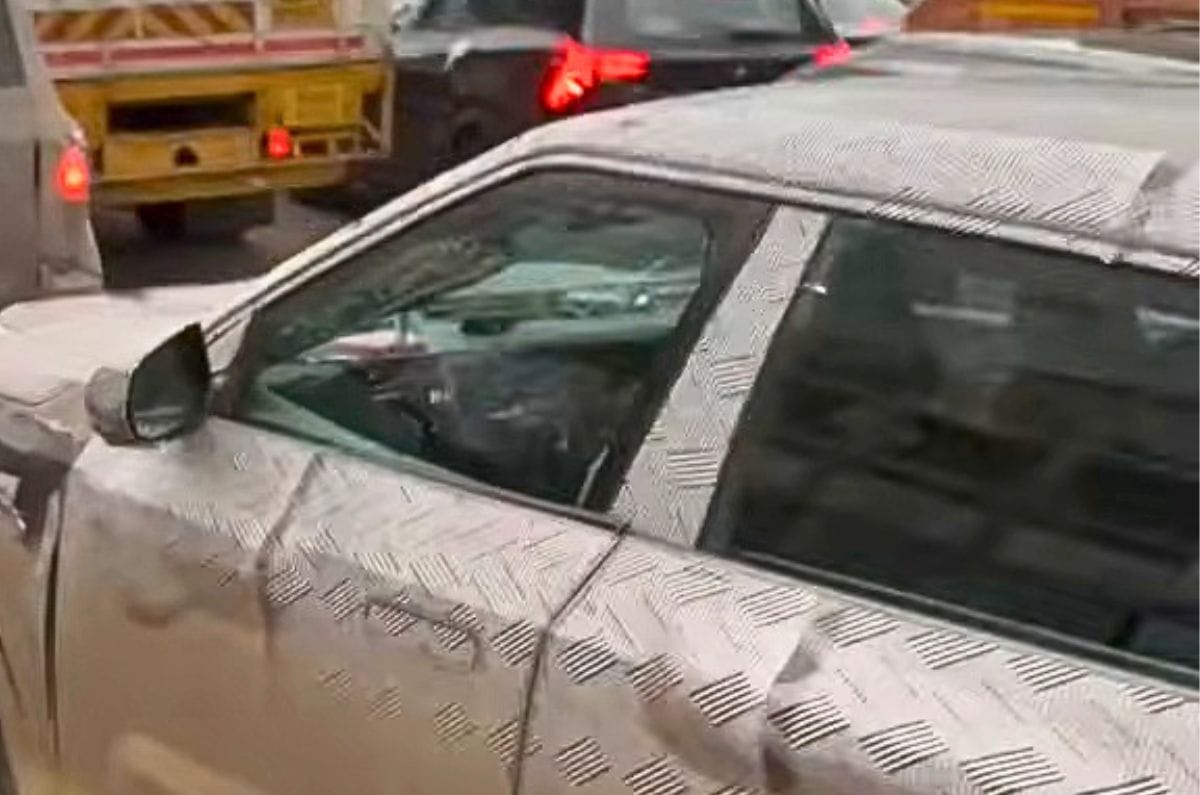
Mahindra’s upcoming BE 07 electric SUV has been spotted testing again, this time offering the clearest look yet at its exterior design. The latest test mule appears to feature a close-to-production version of the exterior design, while also providing a brief glimpse of the cabin.
The front lighting elements and retractable door handles can be seen
Three screens on the dashboard can also be spotted
Mahindra BE 07 spied: What could be seen?
The front lighting and Mercedes-like retractable handles can be seen
Image source: @AutoVerseByShrey on YouTube
Despite the heavy camouflage, the latest spy shots provide a clearer look at the BE 07’s exterior design. At the front, the SUV features slim LED DRLs, which are expected to resemble the C-shaped units seen on the BE 6. The headlights are positioned vertically beneath the DRLs. As expected of an EV, the grille is largely blanked off, while air inlets in the lower section of the bumper help cool the internal components. The lower bumper also features two distinct crevices, which could house the BE 07’s fog lamps.
Image source: @AutoVerseByShrey on YouTube
In profile, one of the most interesting details is the set of retractable door handles, which appear to draw inspiration from those seen on more premium Mercedes-Benz models. The BE 07 also gets aero-optimised alloy wheels, along with heavily creased cladding around the wheel arches and along the lower section of the body. The outside rear-view mirrors (ORVMs) also feature camera pods, confirming a surround-view camera system.
Image source: @AutoVerseByShrey on YouTube
The rear design of the BE 07 EV could also be seen with makeshift taillights generally associated with an early test mule. The rear wiper is expected to be positioned such that it is hidden under the rear spoiler of the production model. A prominent bulge on the tailgate and the simple rear bumper can also be seen.
A triple-screen layout on the dashboard could be seen
Image source: @AutoVerseByShrey on YouTube
A previous test mule sported a triple-screen setup on the dashboard, which is also present in the recently spied prototype. Other expected elements likely to be present on the production-spec model include a modern-looking steering wheel with an illuminated ‘BE’ logo, multicolour ambient lighting, a glass roof with illuminated elements, a wireless phone charger and a 5-seat configuration.
Mahindra BE 07: Other details
Expected to borrow the BE 6’s platform and battery options
The Mahindra BE 07 is expected to go on sale in 2027. It will be based on the INGLO platform, which also underpins the BE 6, XEV 9e and XEV 9S. It is likely to use the same 59kWh and 79kWh battery packs as the BE 6, although its larger size and body are expected to result in a slightly lower claimed range. The BE 07 will rival the Mahindra XEV 9e, VinFast VF7, Tata Harrier EV and BYD Atto 3.
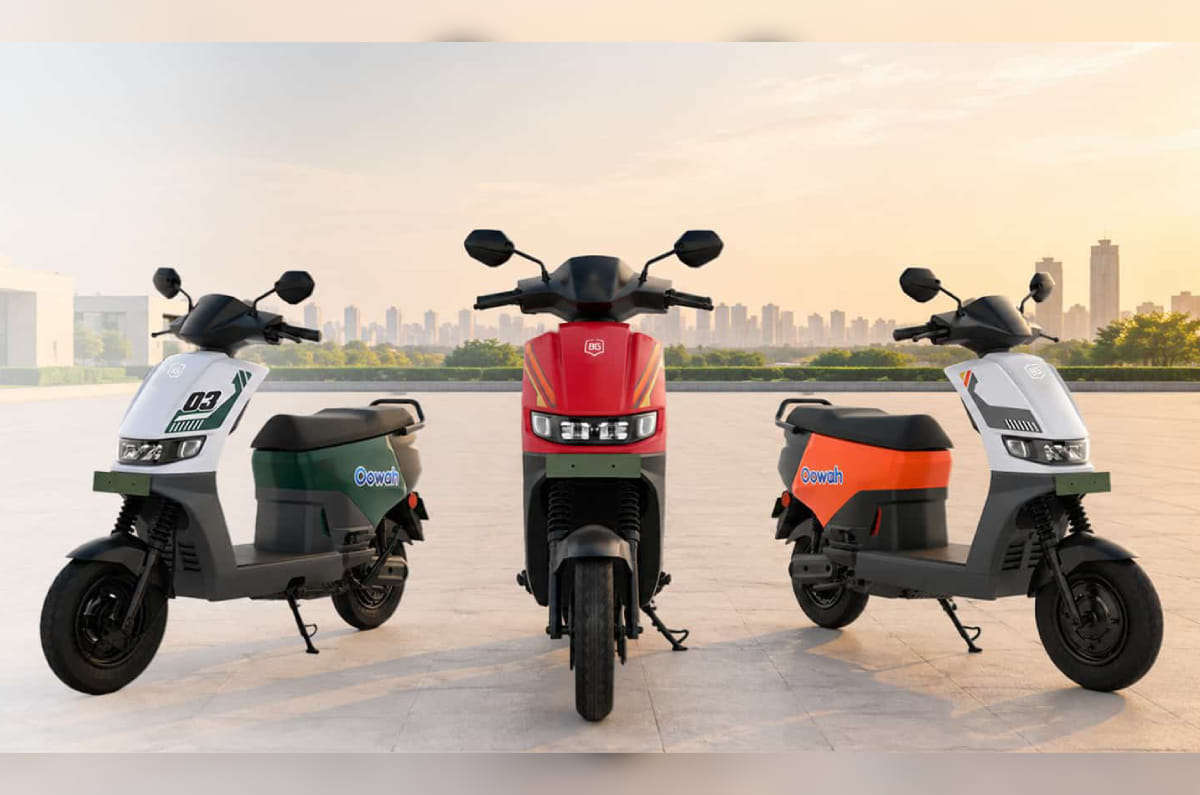
EV manufacturer BGauss has launched the new OoWah MAX Plus scooter as part of their EV Pop which will sit above the existing OoWah EX. The brand says the scooter’s design and features have been centered around making urban commutes easier and that the model is aimed at first-time and young EV buyers.
Same motor as the OoWah EX, but a 0.7kWh bigger battery
Comes bundled with a 750W charger
What’s new on the OoWah MAX Plus
Essentially, the removable battery and colourways
The MAX Plus continues with the brand’s PMSM hub motor with 2.4kWh peak power (1.5kWh continuous), but a larger 3kWH LFP battery. The battery is rated by ARAI for 145km range, and it’s removable for charging at home. Despite the increase in size, top speed remains capped at a claimed 60kph. The battery is also CAN-enabled (Controller Area Network) which the brand says will allow it to continuously communicate with the vehicle. Both the motor and the battery are rated for IP67. It’s worth mentioning that BGauss previously had a MAX scooter that had the same but non-removable 3kWh battery. Besides that, the MAX Plus gains a reverse assist and a distance to empty indicator into the instrument cluster.
Going back to the scooter, the brand is bundling a 750W charger at no extra cost. With it, the scooter is rated to charge from 0-80 percent in 3 hours and 30 minutes, with 0-100 percent taking 4 hours and 55 minutes. Note that according to the spec sheet on BGauss website, with a 1350W charger the scooter can charge to 100 percent in 2 hours and 50 minutes, although details on the charger’s cost or availability are unclear. Dimensions for the scooter remain the same, with an accessible 765mm seat height and 160mm ground clearance, but the kerb weight has gone up to 104kg (compared to 97kg for the EX). The under seat storage is 21 litres.
Elsewhere too things remain the same with all LED lighting, drum brakes, CBS, and convenience features like limp home mode, USB charging, and the same warranties (3 years/36,000km for the vehicle and charger; 3 years/50,000km for the battery). The warranties are extendable up to 5 years/75,000km.
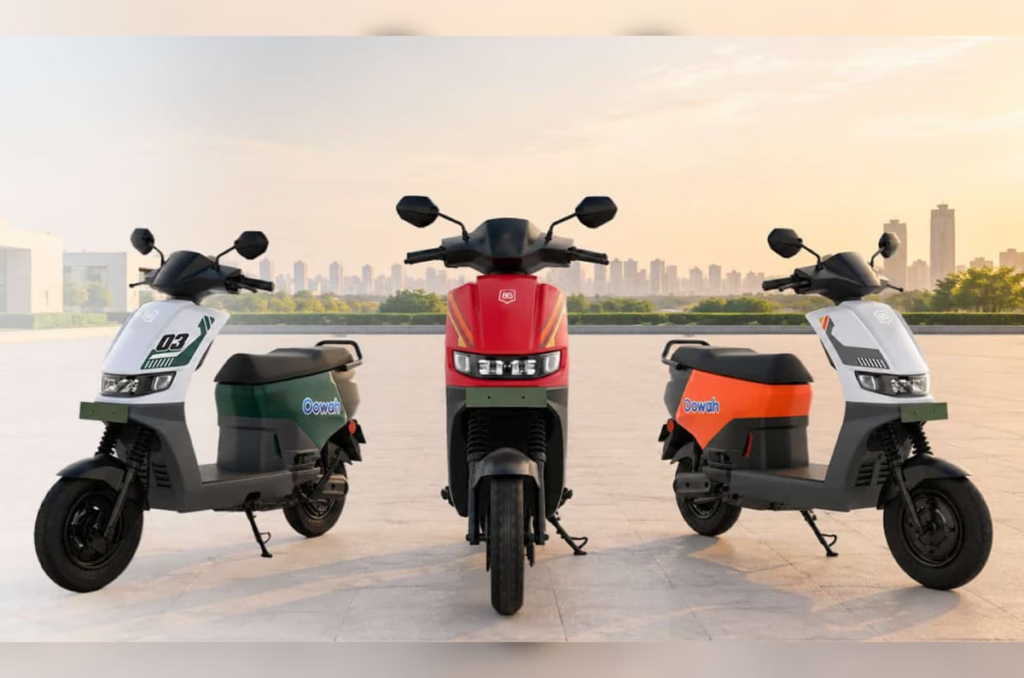
BGauss has priced the OoWah MAX Plus at Rs 1.23 lakh (ex-showroom) and the scooter is available in Emerald Shadow, Jamun Punch, Tangy Toma, and Zesty Red colours. The OoWah EX also continues to be available at Rs 94,990 (ex-showroom) and now has the same four colour options.