
Kia evaluating new B- and C-segment models for India

Kia evaluating new B- and C-segment models for India
Upcoming Kia models in India

Kia has a barrage of new products lined up for India over the next couple of years, which includes the likes of the Sorento, Seltos and Carnival hybrids and also the next-generation Sonet. However, despite the expansive lineup of products, there will still be a couple of key gaps in the carmaker’s portfolio in India. 

Specifically speaking, given Kia’s price and positioning strategy, there exists a gap between the Syros and Seltos, and going forward, there will be a space to fill between the Seltos and Sorento as well. Our sources have indicated that Kia is looking to address these exact gaps with two additional models that could launch by 2028-29. 

New Kia B-segment model: what to expect?

The new-gen Seltos (priced between Rs 10.99 lakh – Rs 21.82 lakh) has moved a notch up on the premium-ness ladder, leaving a sizeable space between itself and the Syros (priced between Rs 8.42 lakh – Rs 15 lakh). Kia is looking at a two-pronged strategy to tackle the midsize SUV segment, much like Hyundai will be doing with the Creta and upcoming Bayon-based SUV.  

This upcoming B-segment model is expected to slot in the sweet spot between the Syros and the Seltos, likely measuring around 4.2 meters in length. It is not clear yet what exactly will be the body style of this upcoming model, but Kia could be leaning towards an SUV given the market’s preference. It can be expected to be powered by Kia’s existing petrol and diesel engines along with an electrified powertrain option as well.

New Kia C-segment model: what to expect?

When the Sorento arrives later this year, it is expected to be priced between Rs 30-35 lakh (ex-showroom), meaning there will be a sizeable gap created between the Seltos and Sorento. This is expected to be filled up by a new C-segment model that will be positioned against the likes of the Hyundai Alcazar and other three-row SUVs. This, too, is expected to come with a diverse range of powertrain options, including electrified ones. 

While the B-segment model is all but confirmed, Kia is still understood to be studying the feasibility of the C-segment model, and is yet to take a final call on it. 

Kia has previously confirmed that it plans to expand local portfolio to 10 models by 2030, and these two upcoming models will be a crucial part of the puzzle. In fact, sources say the carmaker is even mulling setting up another assembly line at its plant to address the production of these upcoming models. These models are expected to give Kia a much more complete lineup as it looks to solidify its place among the top five carmakers in India.

With inputs from Ketan Thakkar
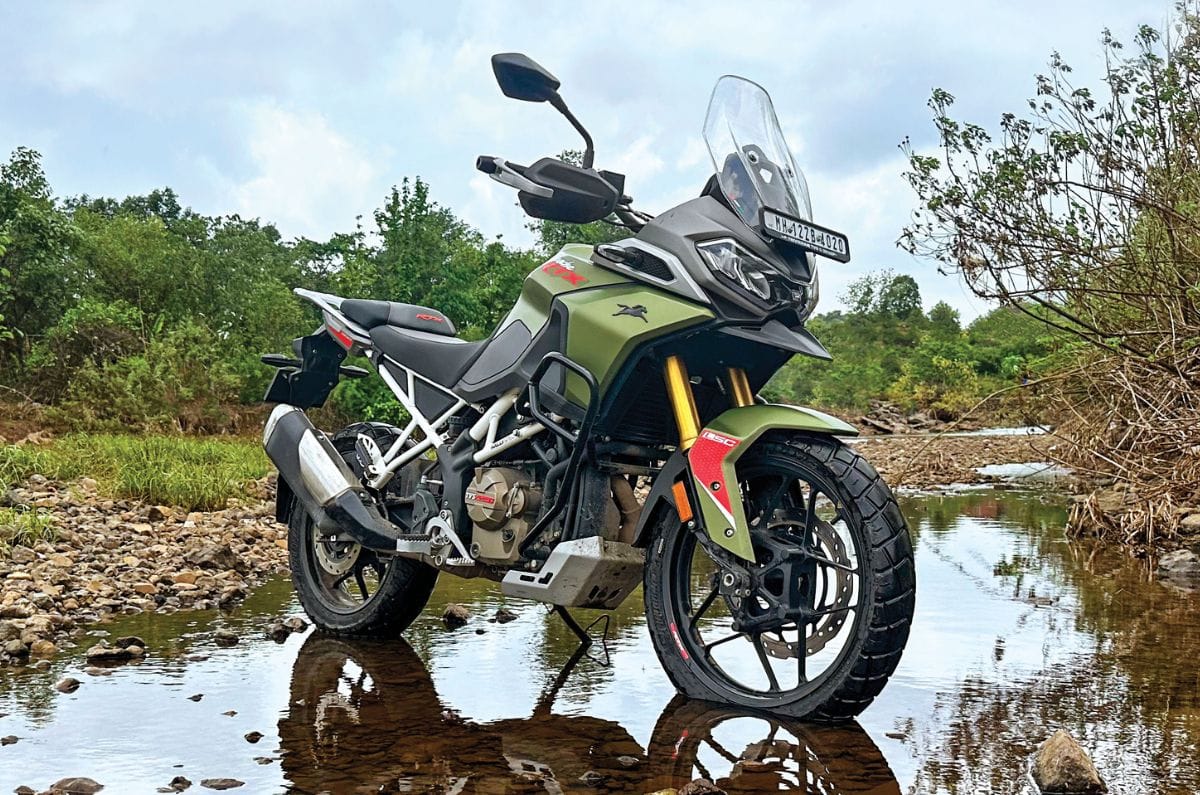
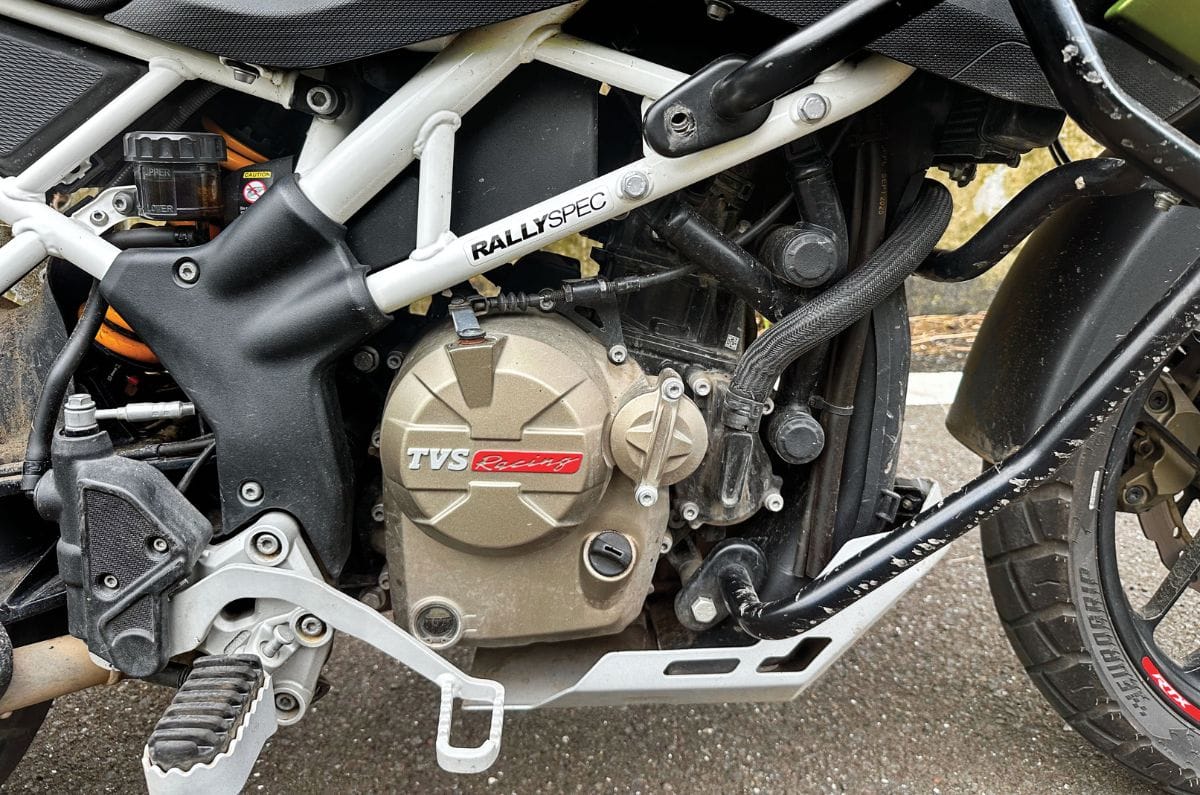
TVS Apache RTX BTO long-term review, 4,500km report

TVS Apache RTX BTO long-term review, 4,500km report

This is the second time, after the original RR 310 in 2017, that TVS has created enormous excitement over a brand-new premium bike and then struggled to deliver. The RTX 300’s massive waiting periods have been well documented now, and like many customers, we have also had to wait nearly a year after its launch to get a long-term test bike.
I hopped off the Xpulse 210 that I’ve been riding for months and onto the RTX, and the first impression was… dull. The engine seems to lack zing and excitement at lower revs, and it all felt very calm and controlled. At first, this was disappointing, and to be honest, I didn’t care for the bike much on that initial commute home. It was quick, comfy and effortless, but simply lacked spice or drama.

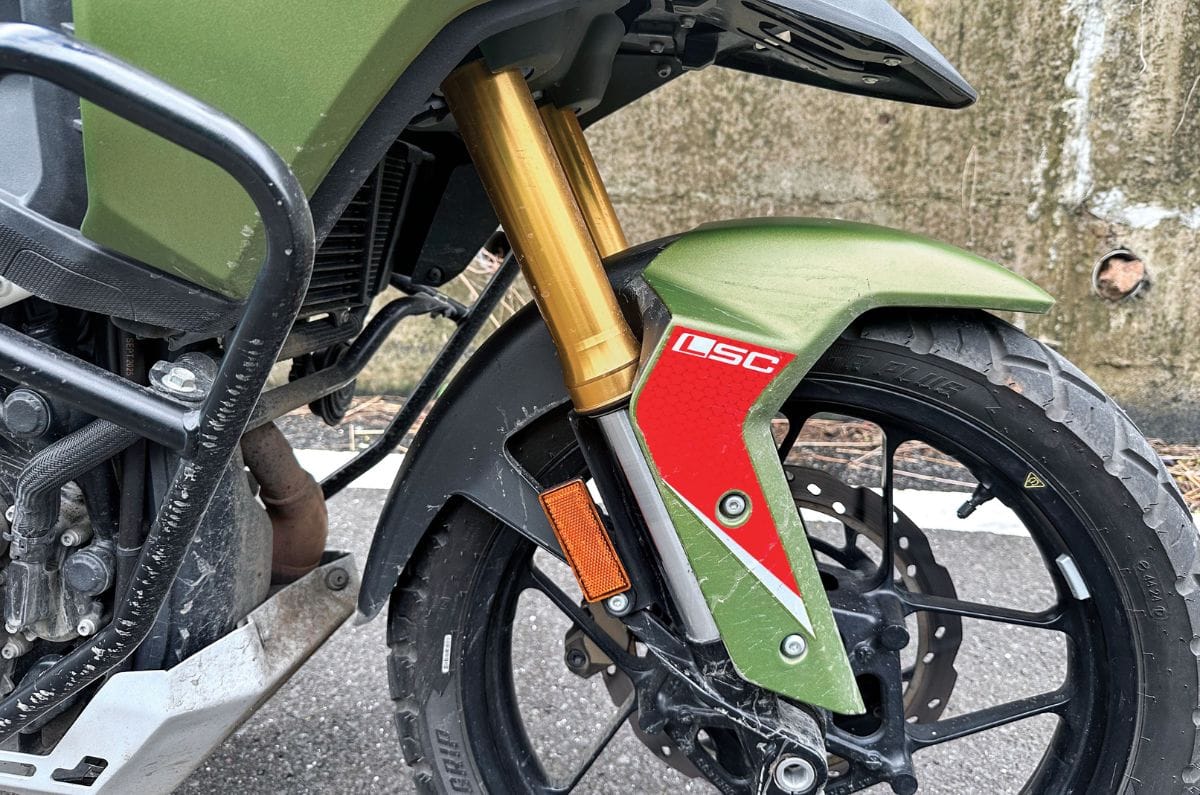
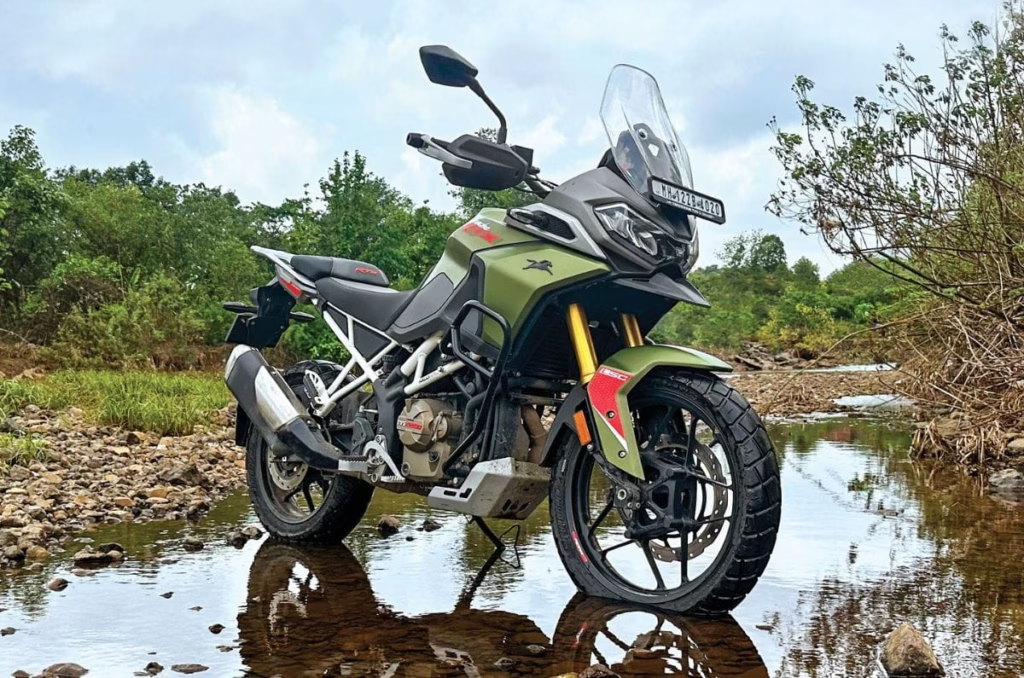
The adjustable Showa suspension does a great job of soaking up bad roads.

Having now spent a few weeks with the bike, my opinion has evolved. The bike still feels the same, but I have grown to like its demeanour. While it is a mild-mannered gentleman of a motorcycle that almost never encourages bad behaviour, it still gets me from point A to B at a quick pace and in very good comfort. While lacking in drama, the engine is superbly tractable and never threatens to stall at low revs in thick traffic. This efficient, almost Honda-like character is bolstered by a fabulous feel-good factor.

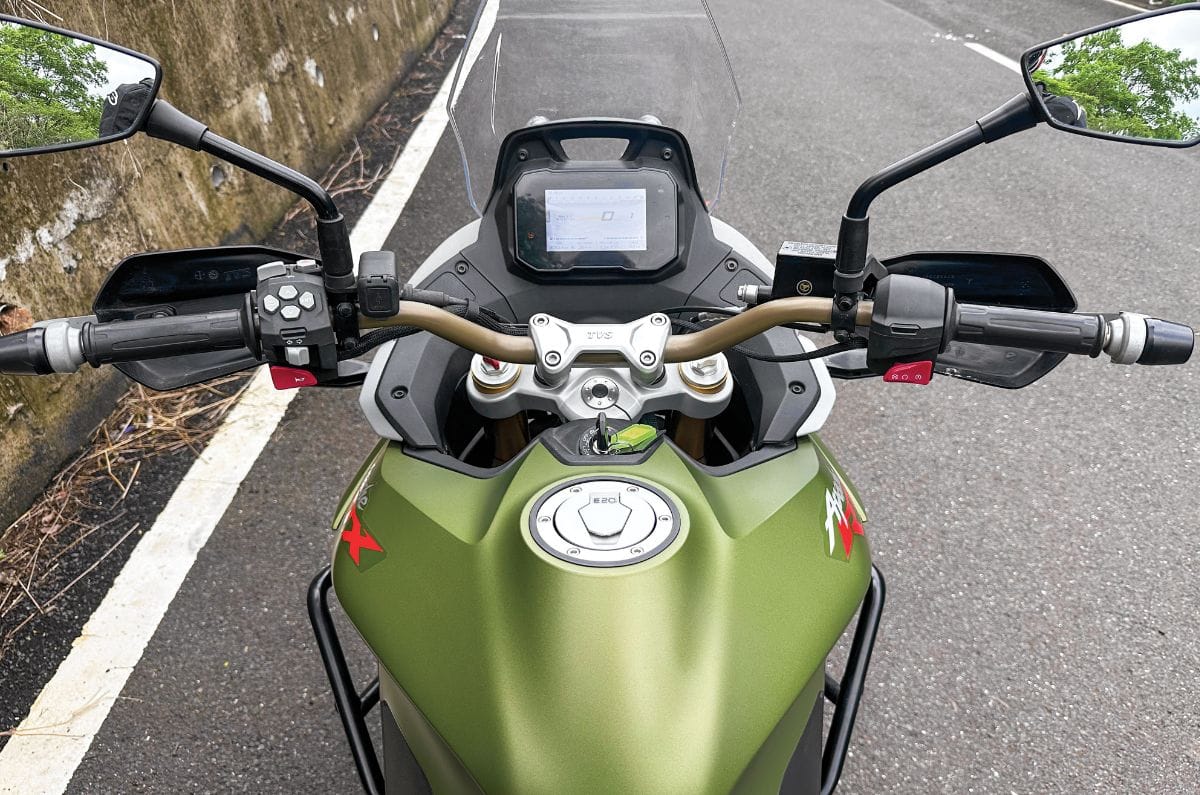
The look and size from the rider’s POV are of a much more expensive bike.

The rider’s point of view is fabulous, and the whole tank area, as well as the TFT and windscreen, feel like they were off a bike that cost three times the price. It even feels like a large motorcycle when you’re sitting on it, and TVS has achieved something truly special in how it can give you this experience at such a low price.

The quickshifter occasionally causes a short cut in power delivery.

On the topic of features, some of them have been highly appreciable, while others could stand to improve. As someone who doesn’t check tyre pressures as often as I should, the tyre pressure monitoring system has been great. I also love the fact that the bike remembers to keep the traction control and rear ABS off, and I don’t have to deactivate them on every ignition cycle. However, as we reported before, the engine does occasionally hesitate under acceleration at lower speeds, and this has to do with the quickshifter sensitivity. I’ve deactivated it for now, and doing so has solved the issue, but I do miss using it.

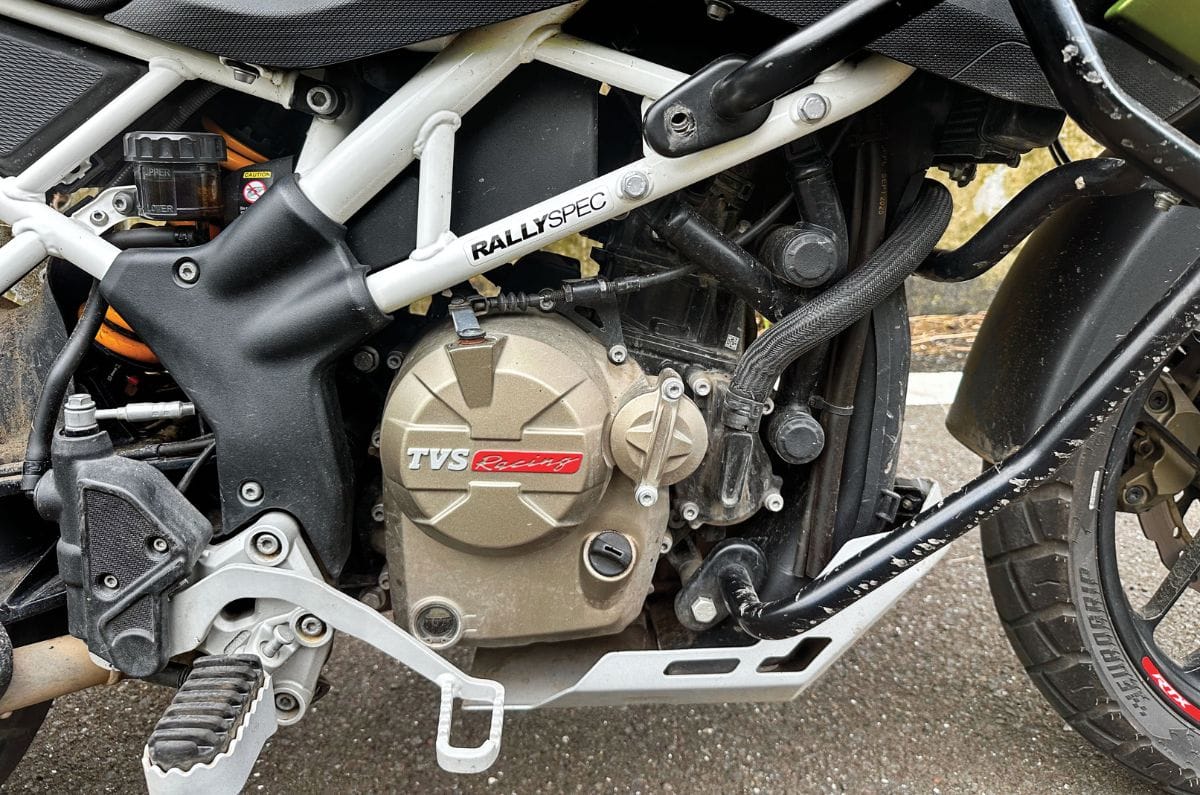
The motor is tractable and has good performance, but is a bit low on character.

Beyond that, the RTX is proving to be everything that we discovered in our initial reports. It has fantastic suspension comfort with a taut, but absorptive setup. The chassis is stable and communicative, and it gives you the confidence to ride over rough surfaces at speed without concern. Seating comfort is also fabulous, and while the engine may not blow your socks off, it certainly performs well and can easily cruise at triple digit speeds.

As for vibrations, they certainly exist but haven’t been bothersome so far. I’d like to spend more time with the bike, especially on the highway before sharing whether there are any situations where the vibrations become a pain. We’ll save that for the next report. 

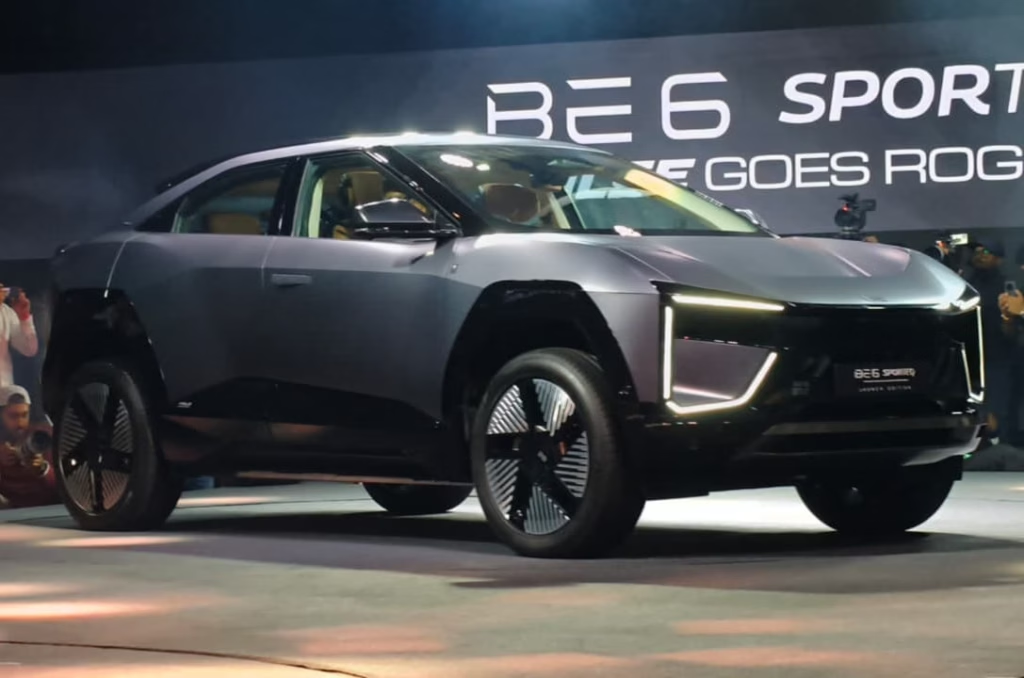
Mahindra BE 6 Sporteq launched at Rs 19.45 lakh

Mahindra BE 6 Sporteq launched at Rs 19.45 lakh
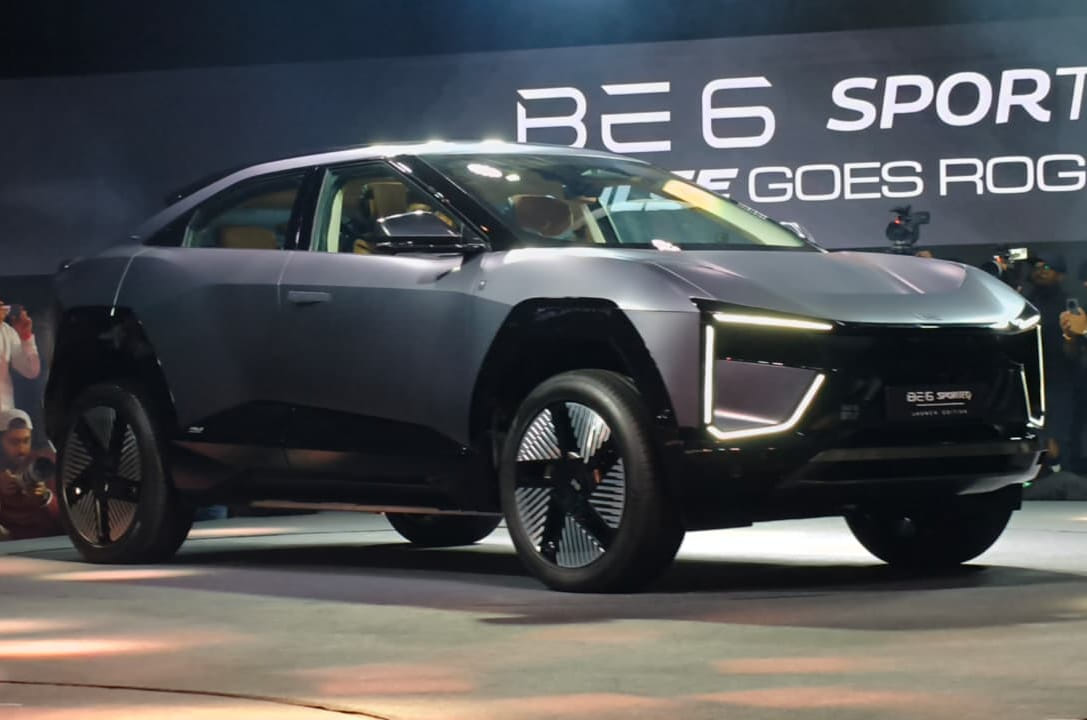
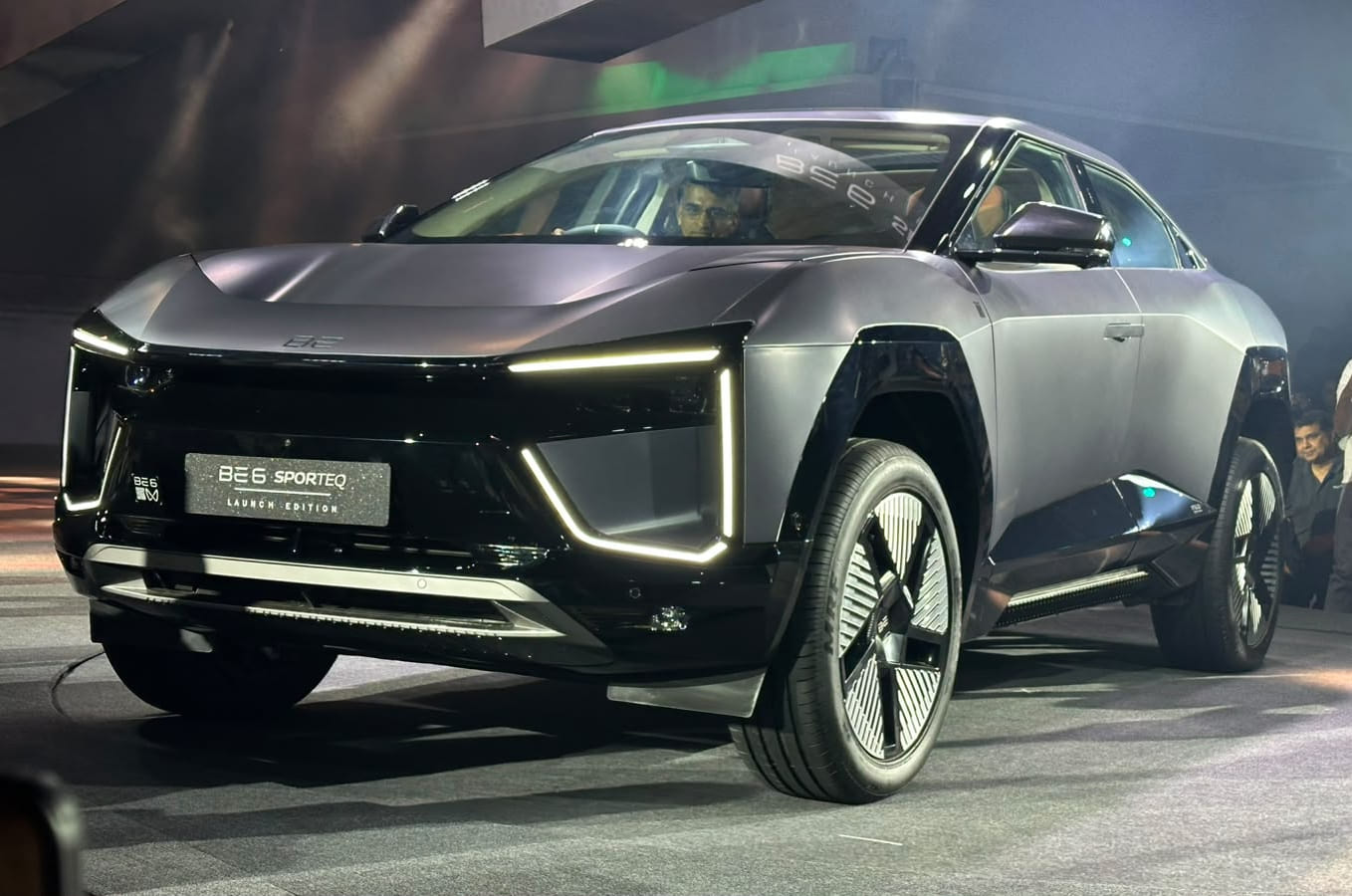
Mahindra BE 6 Sporteq

Mahindra has launched the BE 6 Sporteq at a starting price of Rs 19.45 lakh (ex-showroom). Positioned as the new flagship variant in the BE 6 range, the Sporteq brings a redesigned dashboard, a new triple-screen layout, new connected features and fresh interior trim, while retaining the existing powertrain options. The standard BE 6 is currently priced between Rs 18.90 lakh and Rs 26.90 lakh (ex-showroom), with the Sporteq commanding a premium.

  1. Triple 12.3-inch screen layout and redesigned dashboard
  2. No mechanical changes over the standard BE 6
  3. New TEQ software features including Google Gemini integration

Mahindra BE 6 Sporteq exterior

On the outside, the Sporteq retains the BE 6’s coupe-SUV styling, including the LED lighting, sharp body creases, flush-fitting door handles and 20-inch alloy wheels. The primary changes on the Sporteq launch edition are a ‘Sporteq’ badge and a new Graphite Storm paint shade. 

Mahindra BE 6 Sporteq interior and features

The biggest changes are inside the cabin. The Sporteq replaces the standard dual-screen setup with three 12.3-inch displays, similar to the layout seen on the XEV 9e and XEV9s. It also gets a redesigned dashboard that replaces the earlier halo-like loop around the driver with a cleaner horizontal layout.

The new dashboard improves access to the wireless charging pad and USB Type-C ports, while also creating additional storage space. The Sporteq also introduces a black-and-tan cabin theme, with revised upholstery and dashboard trim.

The BE 6 SportEQ builds on the regular BE 6’s equipment list while adding a number of new connected and software-based features. Mahindra has introduced six new “TEQ” technology suites, bringing features centred around personalisation, connectivity and vehicle functions.

New additions include TEQ_Me, which automatically recognises the driver and loads a personalised user profile, TEQ_Talk with Google Gemini integration, and TEQ_xting, which allows owners to display personalised messages on the rear tailgate display.

The SUV also gets TEQ_Drive, which adds features such as a custom drive mode, Tribe Drive, Drift Mode, Acceleration Boost and the new Revive SOS function. Mahindra says Revive SOS can provide enough energy to drive up to 13km to the nearest charging station after the battery reaches zero percent. The feature can be used up to five times over the battery’s lifetime.

Apart from these Sporteq-specific updates, the SUV continues to offer features such as a panoramic glass roof, Harman Kardon audio system, ventilated front seats, dual-zone climate control, wireless Apple CarPlay and Android Auto, connected car technology, a 360-degree camera, ADAS and multiple drive modes.

Mahindra BE 6 Sporteq powertrain

The BE 6 Sporteq continues with Mahindra’s existing electric powertrain. It is offered with 59kWh and 79kWh battery packs paired with a rear-mounted electric motor producing up to 286hp and 380Nm. The larger battery pack delivers a claimed MIDC range of up to 682km.

Charging options and performance figures remain unchanged from the standard BE 6.

Mahindra BE 6 Formula E Freedom Edition revealed

Mahindra BE 6 Formula E Freedom Edition revealed
Mahindra BE 6 Formula E Freedom Edition

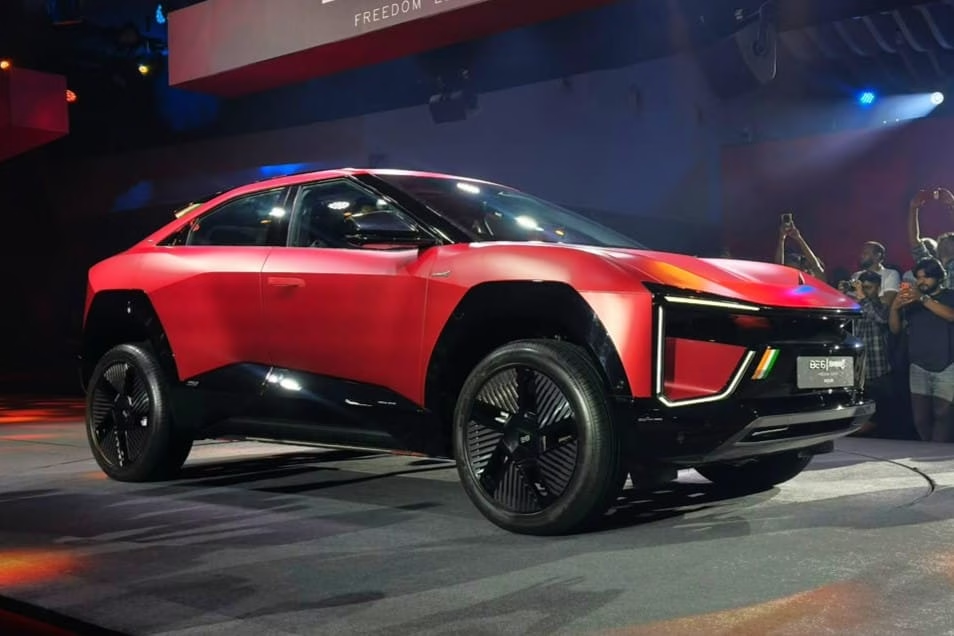
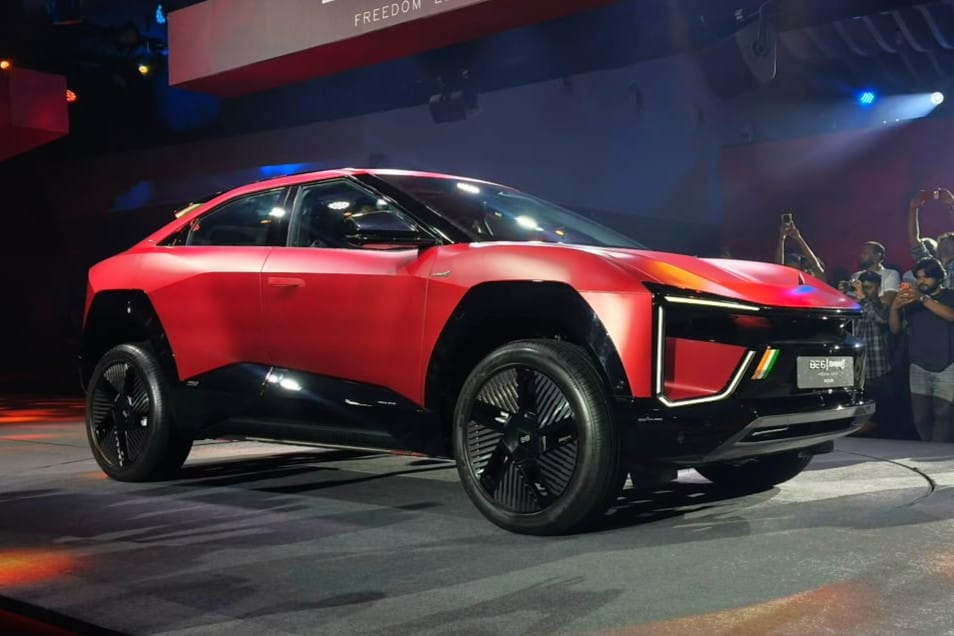
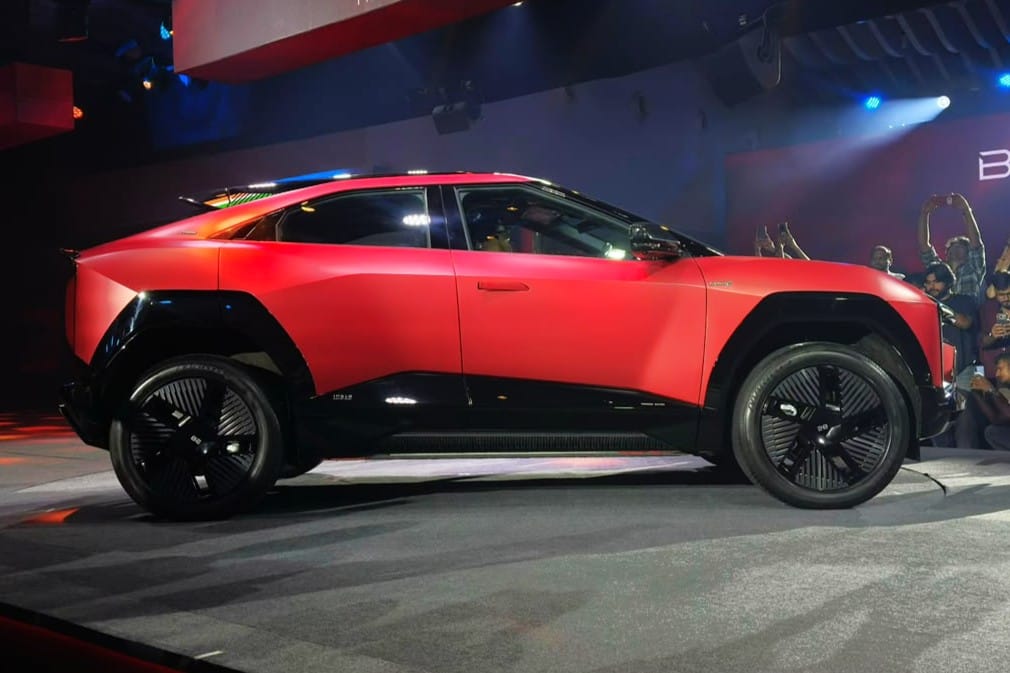
Mahindra has unveiled a new Freedom Edition of the BE 6 Formula E. This version debuts less than a year after the prior BE 6 Formula E edition went on sale, and notably eschews its more aggressive styling cues in favour of the standard BE 6’s design, along with a few unique touches.

Mahindra BE 6 Formula E Freedom Edition exterior and interior

As noted previously, the BE 6 Formula E Freedom Edition no longer sports the previous version’s slim front and rear DRLs, circular LED headlamps, and chunkier bumpers. Instead, it looks quite similar to the standard BE 6, with C-shaped front and rear DRLs and sleeker bumpers. That said, the Freedom edition retains ‘Formula E’ badging on the front fenders, and additionally gets a new Rosso Impulso colour option and tri-colour decals peppered across the bodywork.

Inside, the BE 6 Formula E Freedom Edition features no changes to the overall layout, but gets special touches like a Firestorm Orange colour scheme, leatherette and suede upholstery, a ‘Formula E Freedom Edition’ plaque, Formula E decals on the panoramic glass roof, and more. Notably, the updated Formula Edition continues to sport the halo-like loop on the dashboard that separates the driver and co-driver, instead of the more conventional layout seen in the BE 6 Sporteq. That also means it comes with dual 12.3-inch screens, not a triple-screen setup.

Coming to creature comforts, the BE 6 Formula E Freedom Edition packs a 16-speaker Harman Kardon sound system, dual-zone climate control, a wireless charging pad, dual-zone climate control, ambient lighting, and more. It gets a 540-degree camera (360 degrees + underfloor view) as well, which neither the standard BE 6 nor the prior Formula E were offered with.

5 things to know before buying the Avore EX2

5 things to know before buying the Avore EX2

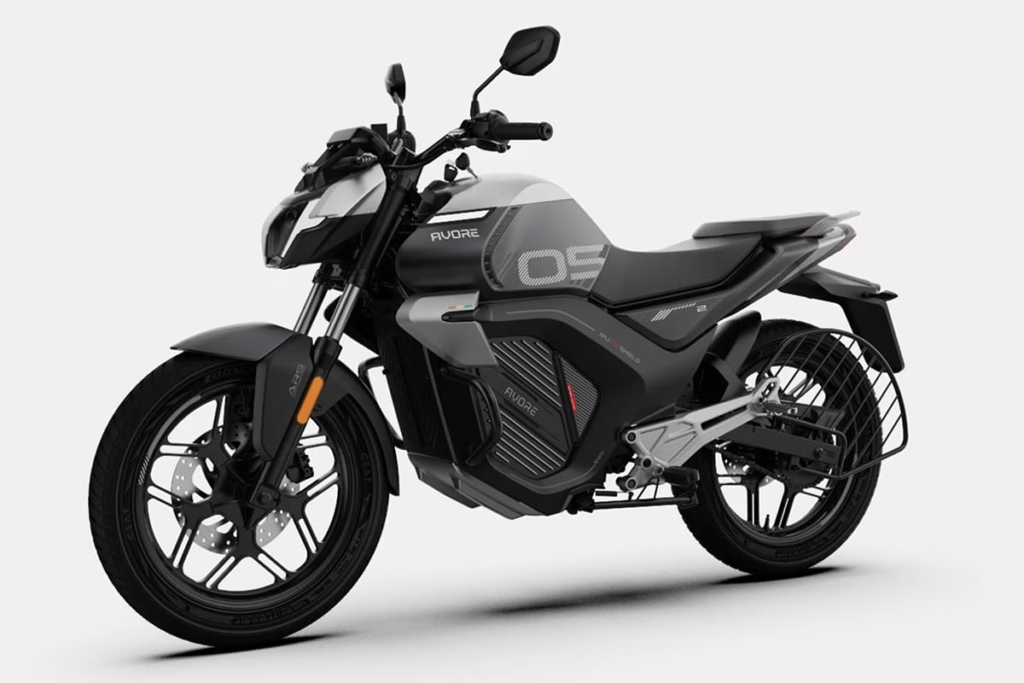
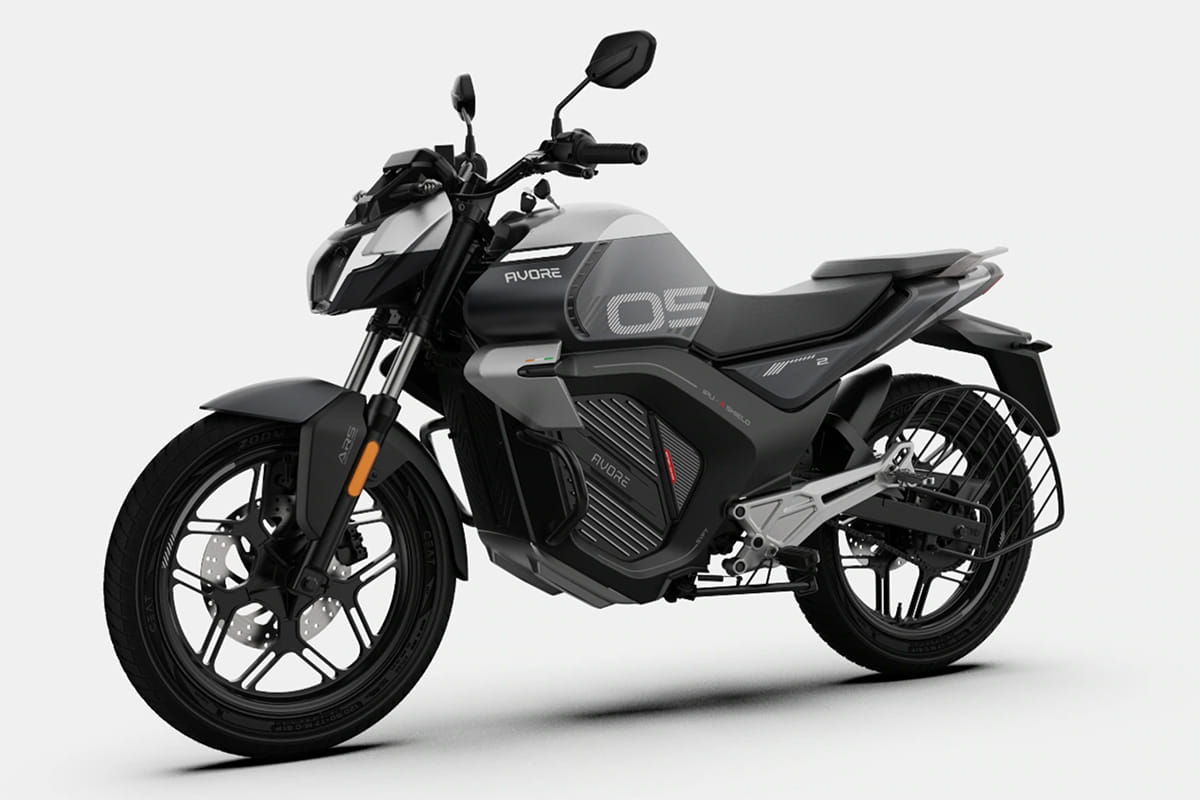
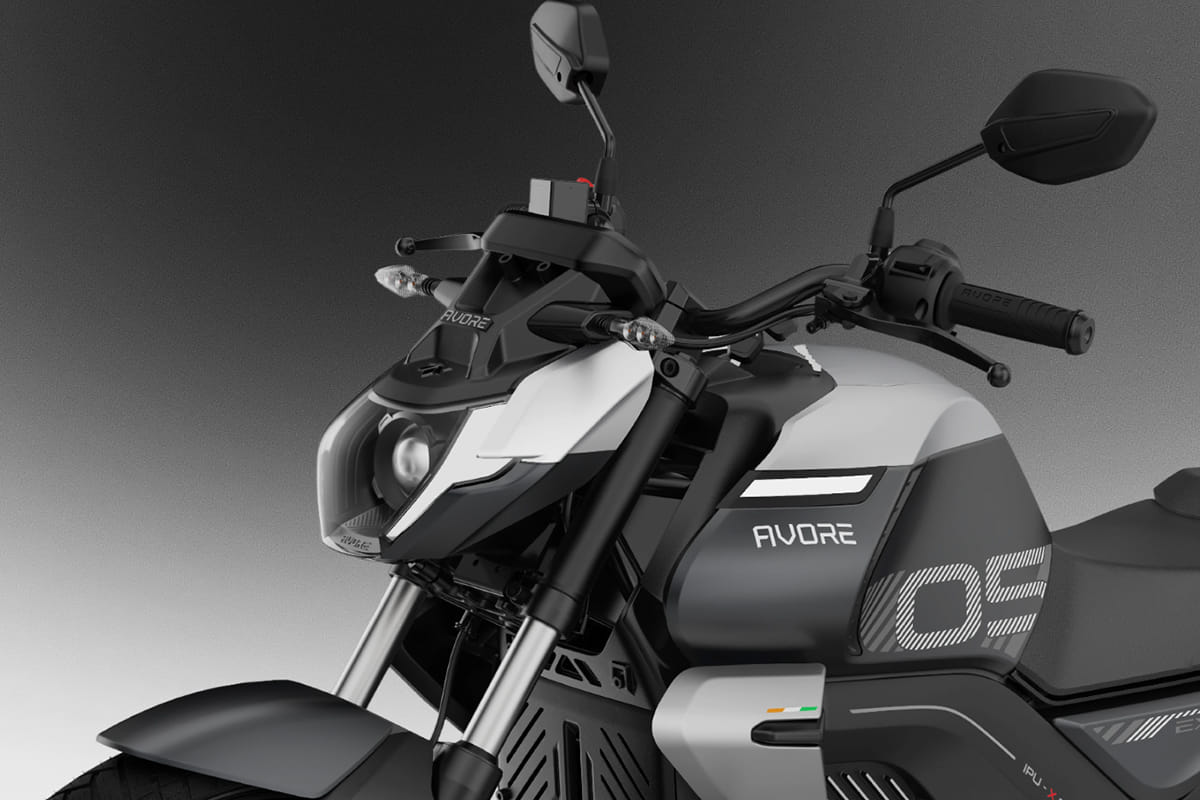
The Avore EX2 is the mid-spec electric motorcycle in Avore’s lineup. It gets a 5kWh battery, a 7.5kW motor and a claimed IDC range of 255km.

1. What is the Avore EX2’s price?

The Avore EX2 is priced at Rs 1.46 lakh (introductory, ex-showroom). It sits below the EX2S, which is priced at Rs 1.70 lakh.

2. What battery and motor does it get?

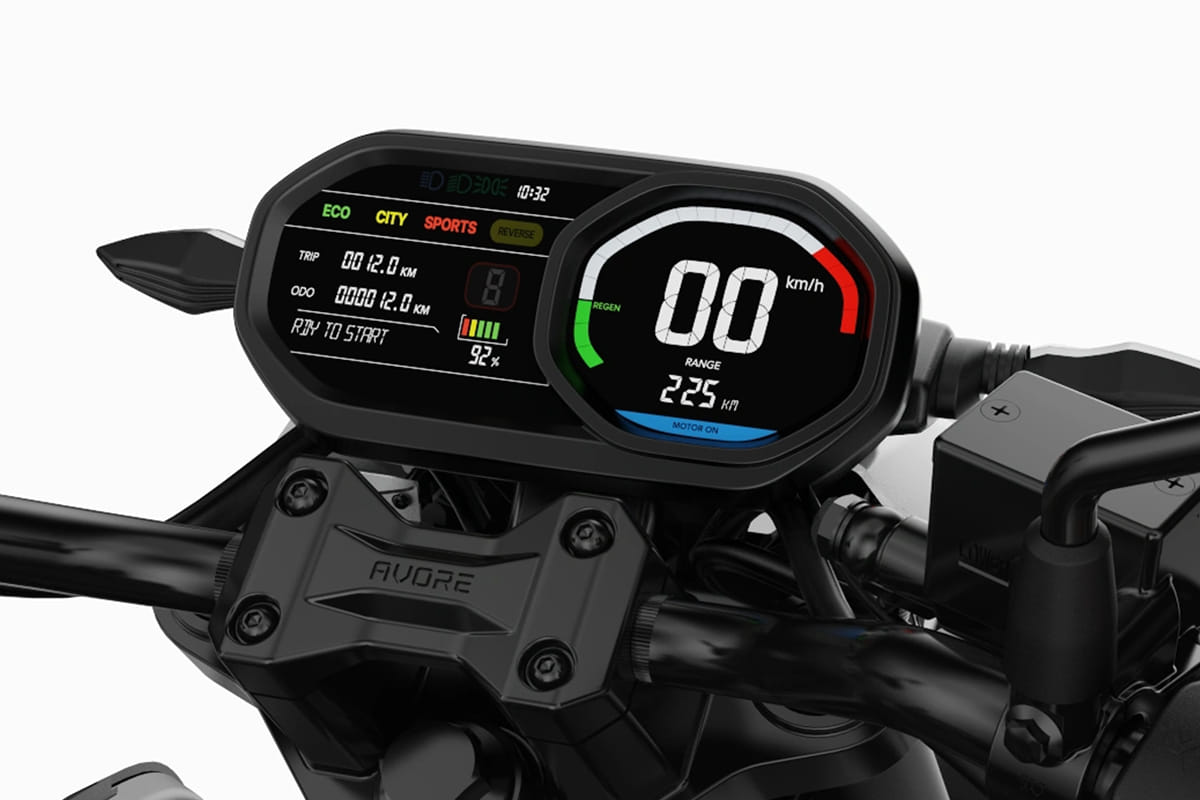
The EX2 uses a 5kWh battery pack paired with a 7.5kW PMSM motor. It has a claimed 255km IDC range and a 100kph top speed. It gets four riding modes: Reverse, Eco, City and Sport.

3. What features does it get?

The EX2 gets a segmented colour LCD display with Bluetooth connectivity and navigation. Other features include cruise control, hill hold, regenerative braking and keyless operation. It also gets vehicle tracking, geofencing and anti-theft alerts.

4. What are its dimensions?

The Avore EX2 has a 790mm seat height and weighs 154kg in kerb form. Suspension duties are handled by telescopic front fork and a rear monoshock. It gets disc brakes at both ends with CBS.

5. What colours is it available in?

The Avore EX2 is available in Stellar Black DT, Starlit Red DT and Meteor Blue DT.

Lamborghini Revuelto SV debuts as supercar’s track-focused version

Lamborghini Revuelto SV debuts as supercar's track-focused version
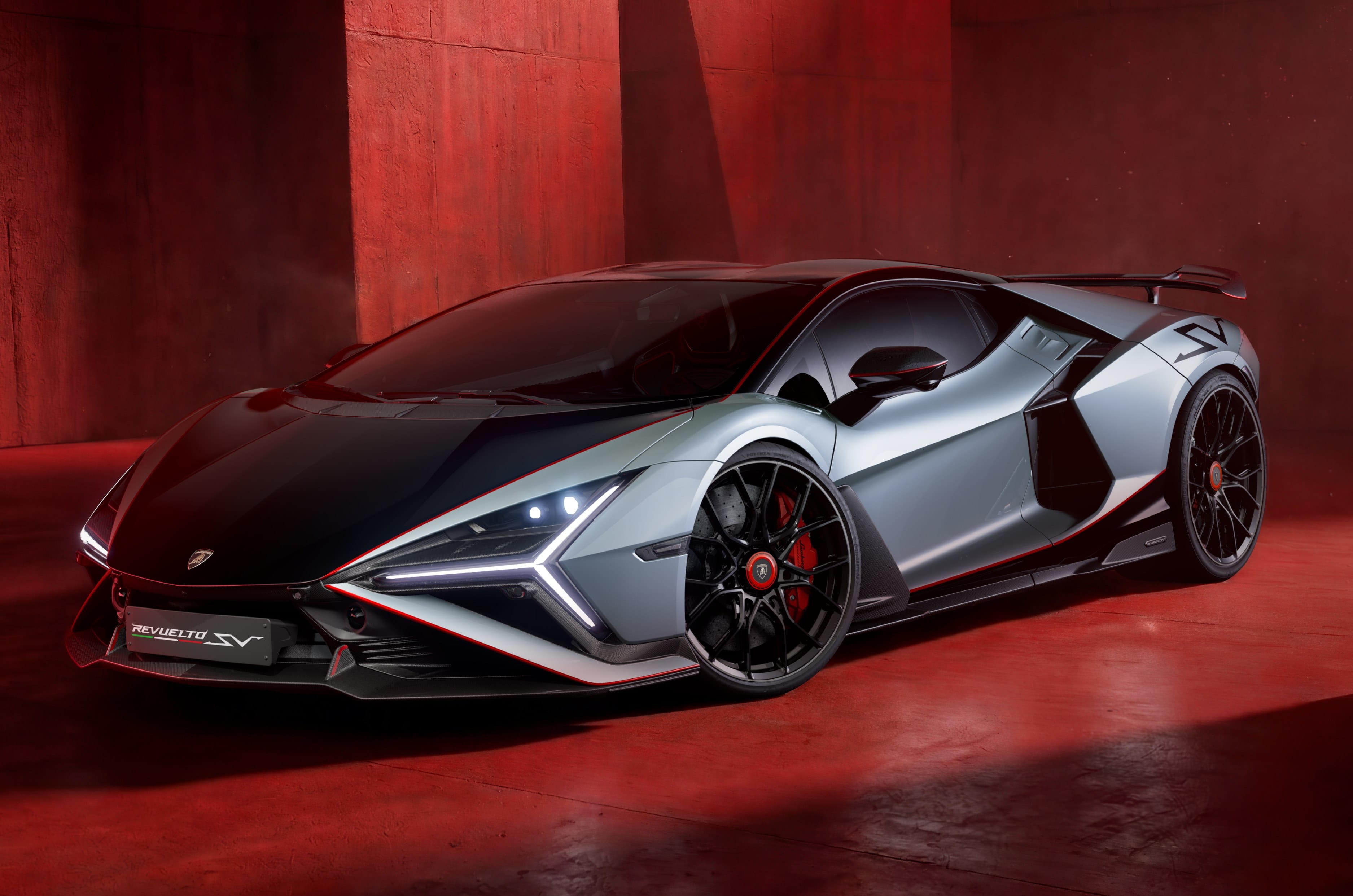
Lamborghini Revuelto SV in studio

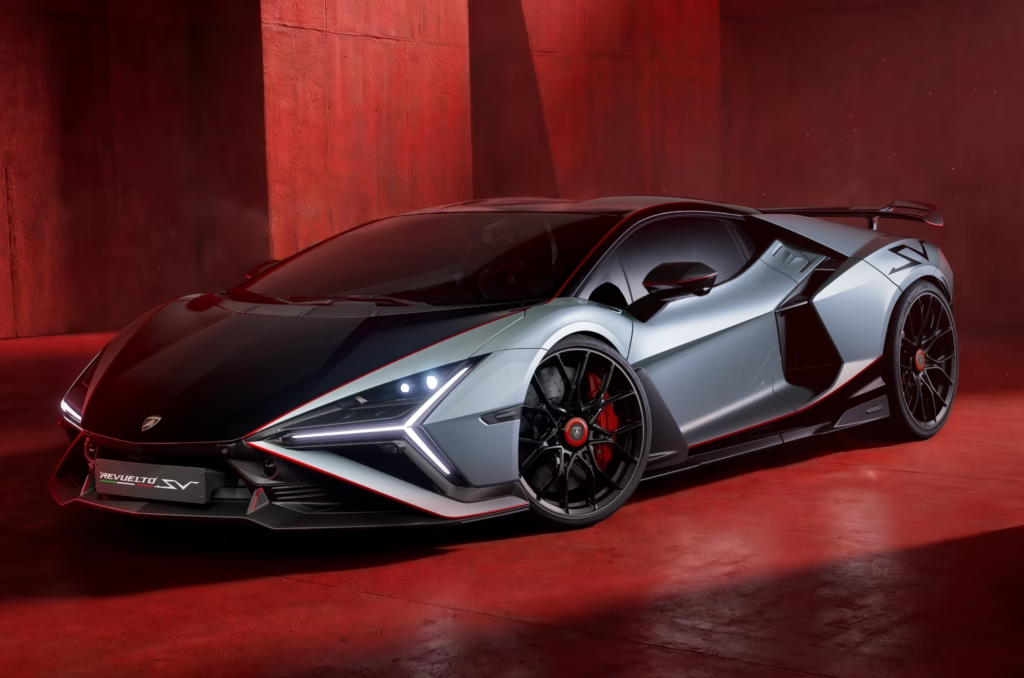
Lamborghini has unveiled the Revuelto Super Veloce (SV), a more extreme version of the Italian marque’s flagship series-production supercar. Only 1,963 units of the Revuelto SV will be built – a reference to Lamborghini’s founding year – and that too for the brand’s “most loyal customers and collectors.” Pricing has not been disclosed yet, but the SV is expected to command a significant premium over the vanilla Revuelto, which costs Rs 8.89 crore before options. 

Lamborghini Revuelto SV powertrain and performance

Makes 50hp more than the standard Revuelto

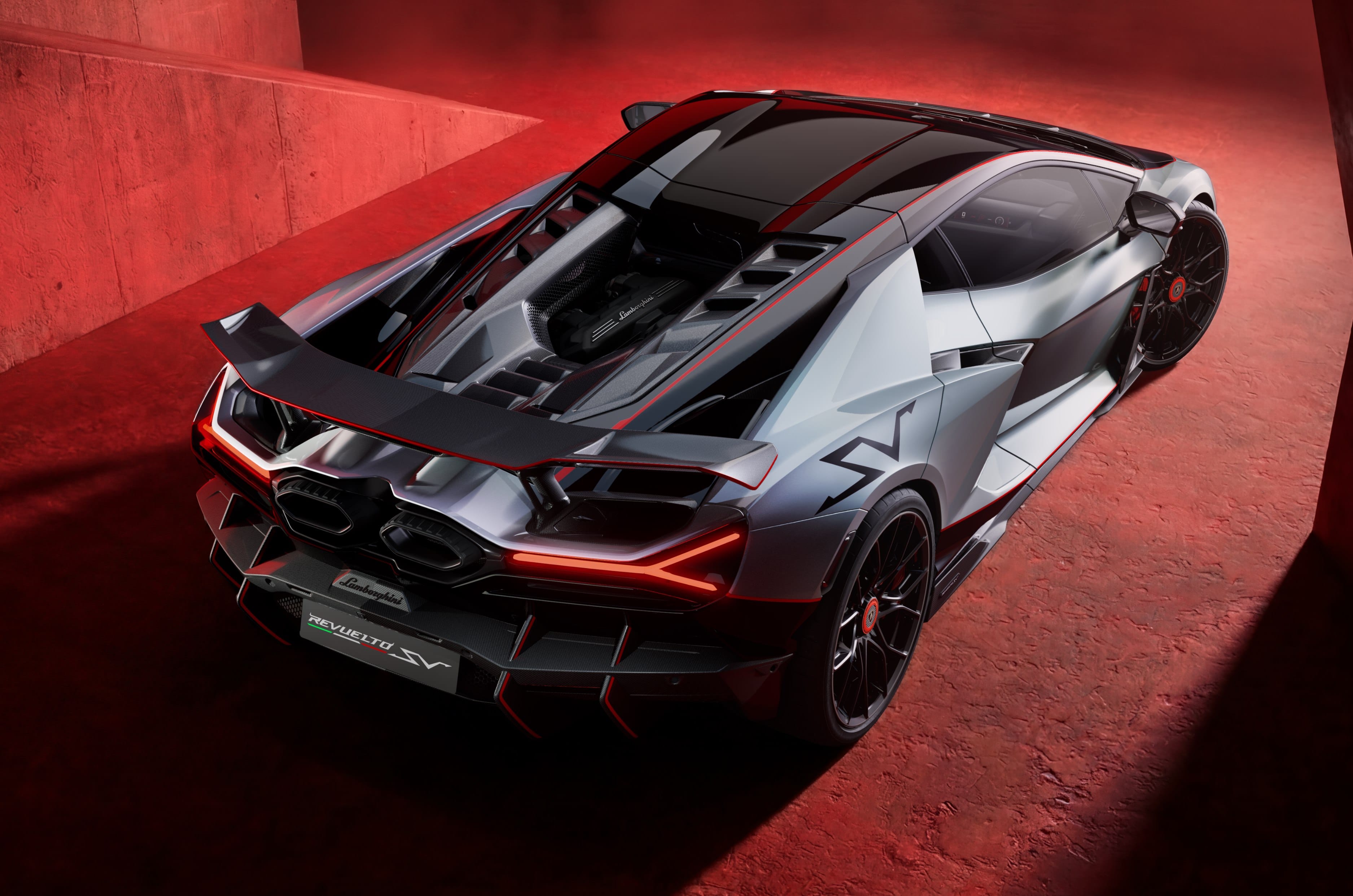
The Revuelto SV carries forward the standard model’s 825hp 6.5-litre naturally aspirated V12 (which revs to a wailing 9,500rpm), 7.3kWh battery pack, and trio of electric motors, but the latter’s output has been uprated from 190hp to 299hp. Combined output for the Revuelto SV’s V12 PHEV powertrain stands at 1,065hp – up 50hp over the standard version. The 8-speed dual-clutch automatic gearbox and AWD layout remain unchanged.

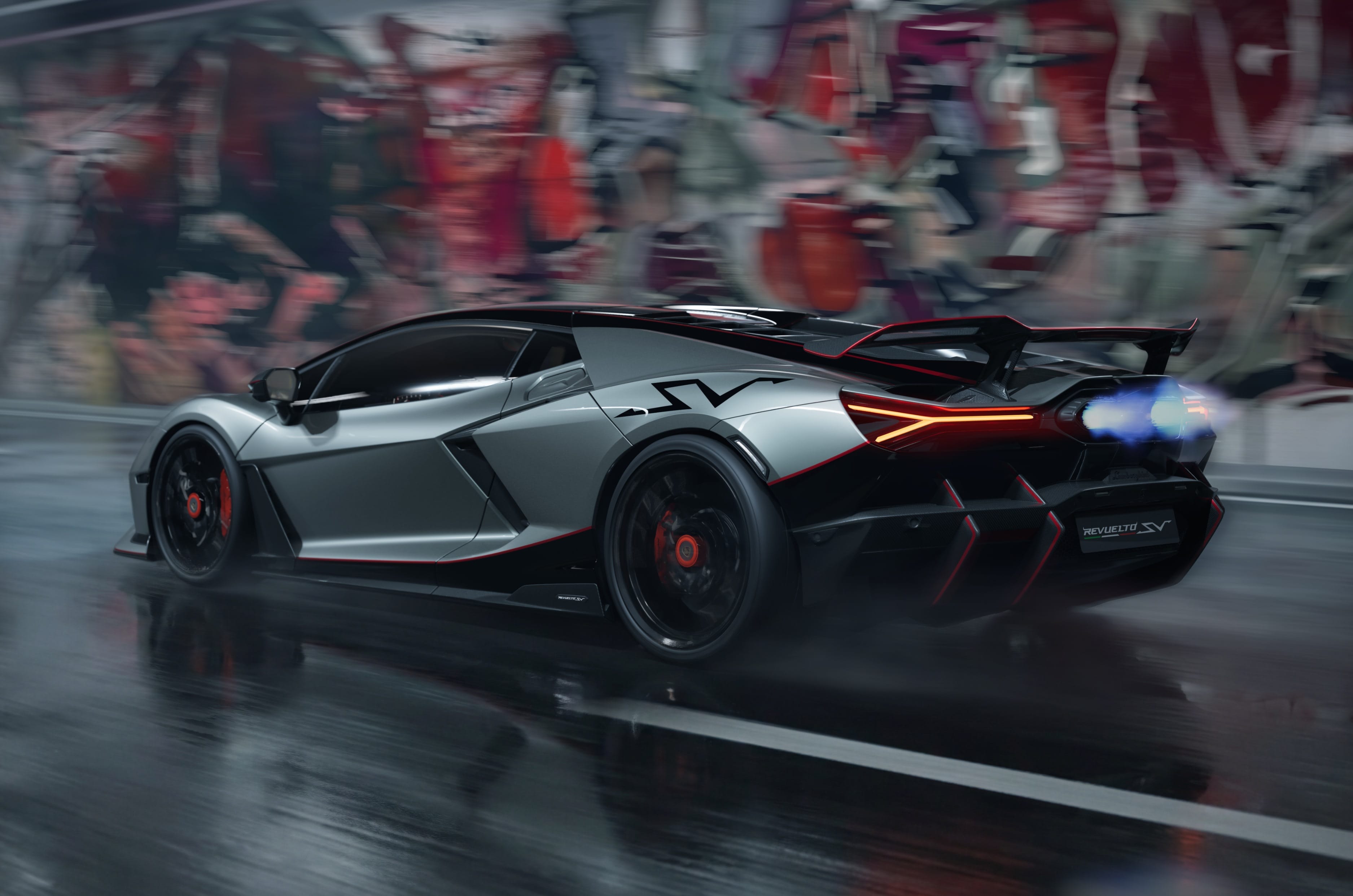
0-100kph flashes by in a brisk 2.4 seconds (claimed) for the Revuelto SV, with 0-200kph taking just 6.7 seconds. The top speed, meanwhile, remains in excess of 345kph. A new sports exhaust system is part of the package, and thanks to weight savings, the Revuelto SV boasts a power-to-weight ratio of 602.4hp/tonne, which is up from the standard version’s 571.4hp/tonne. A new ‘Pilota’ drive mode has been introduced too, unlocking a custom motorsport-derived state of tune built around a bespoke five-stage traction control system that adapts to track conditions and tyre wear.

Enhanced suspension damping and braking system

On the dynamics front, Lamborghini has upgraded the Revuelto SV’s suspension with manually adjustable dampers derived from GT3 racing, which promise a 17 percent increase in agility and a 10 percent bump in lateral grip over the Revuelto. The SV also packs a revised braking control system and new CCM-R carbon-ceramic brake discs (420mm up front, 410mm at the rear), claiming an 11 percent higher peak deceleration, 23 percent better heat dissipation, and a 12 percent drop in brake disc temperatures.

Thanks to all of the aforementioned mechanical improvements, the Revuelto SV clocked a lap time of 1:41.6 around Hockenheimring, making it the second-fastest car to be officially timed at the German circuit.

Lamborghini Revuelto SV exterior updates

More menacing body kit

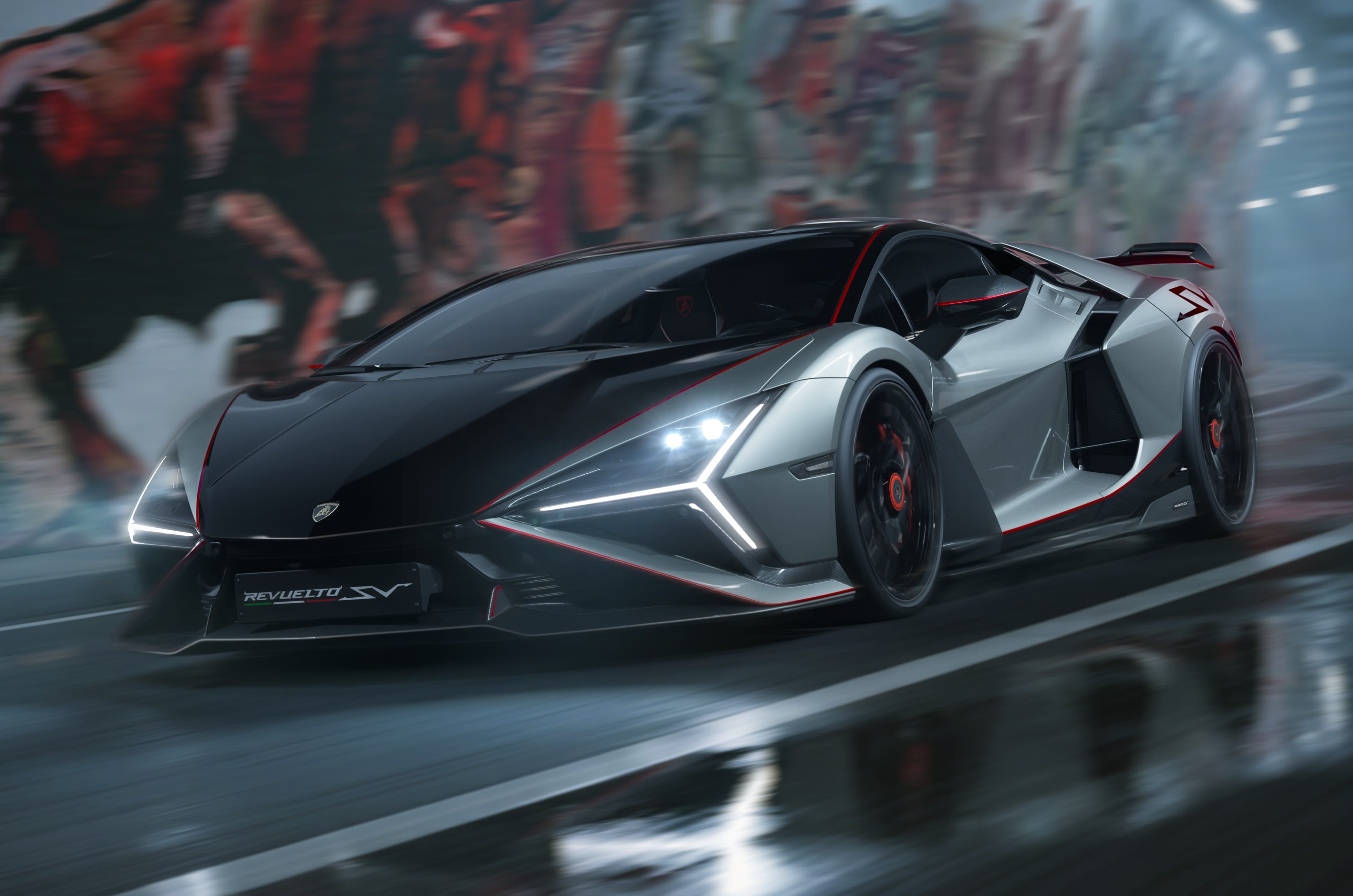
On the outside, the Revuelto SV looks much more aggressive than the standard version, courtesy of a new front diffuser with red accents, a revised rear diffuser, a massive rear wing, exclusive SV liveries and badging, contrast accents, and extensive use of carbon-fibre trim pieces. It also features a fresh set of lightweight centre-lock alloy wheels (20 inches front, 21 inches rear) shod in bespoke Bridgestone Potenza Race R tyres.

Lamborghini Revuelto SV interior updates

Bucket seats and new interior finishes

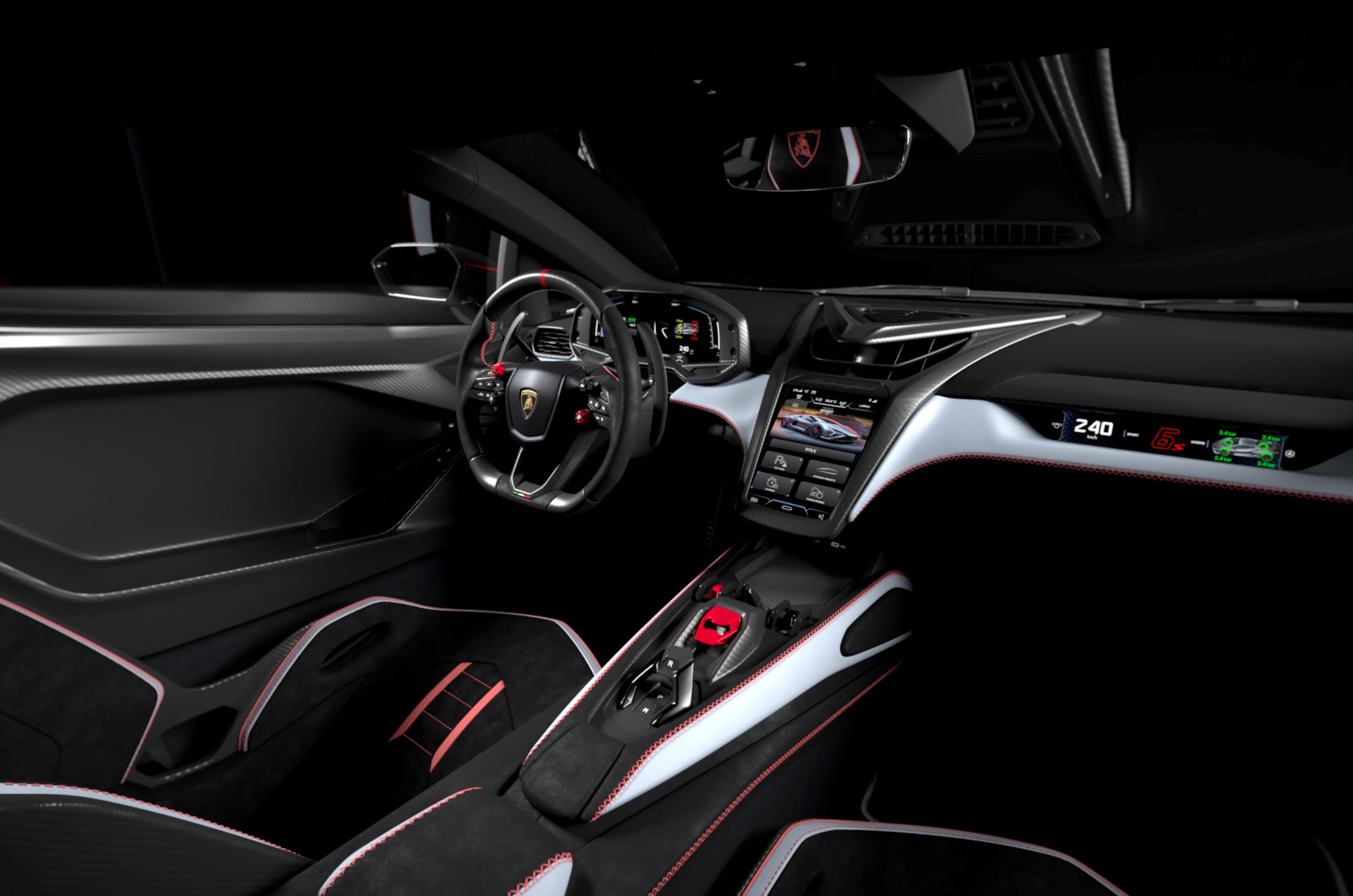
The Revuelto SV’s interior layout is largely unchanged from that of the standard version, but you do get new racing bucket seats, SV badging, and an expanded roster of upholsteries and colour options.

How different is the Mahindra Scorpio Lifestyler from the Scorpio N?

How different is the Mahindra Scorpio Lifestyler from the Scorpio N?
Mahindra Scorpio Lifestyler vs Scorpio N

Mahindra has introduced the Scorpio Lifestyler pickup truck for the Indian market. It utilises the same ladder-frame architecture that underpins the Scorpio N, its three-row SUV stablemate. While the rugged UV maker is no stranger to making pickup trucks, the Scorpio Lifestyler, however, is its first shot at the lifestyle pickup truck segment, which is growing in popularity. In this article, we take a deep dive into the differences between the Scorpio Lifestyler and its three-row SUV counterpart. 

Mahindra Scorpio Lifestyler vs Scorpio N: Exterior design

Mahindra Scorpio Lifestyler front quarter static
Mahindra Scorpio N front quarter static
 

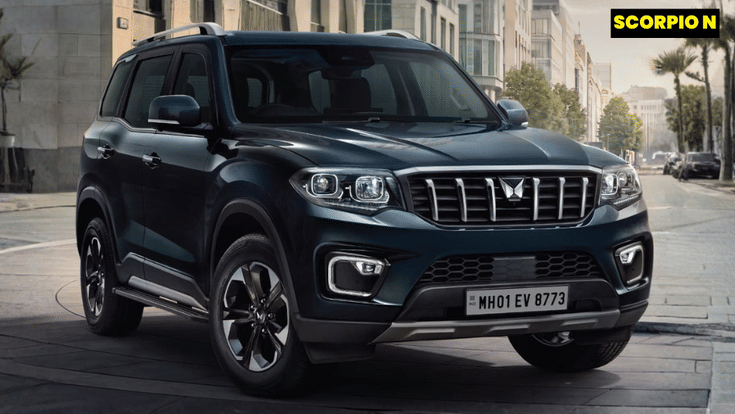
At the front end, the Scorpio N gets two-pod LED headlamps with scorpion tail-shaped LED DRLs positioned on the bumper, surrounding the fog lamps. It also gets a hexagonal grille with six vertical slats in chrome, a chrome strip at the top of the grille, a honeycomb pattern for the air intakes, and a faux silver skid plate. 

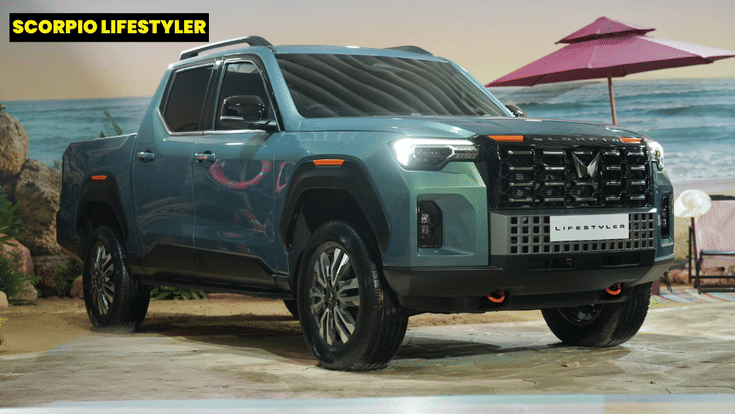
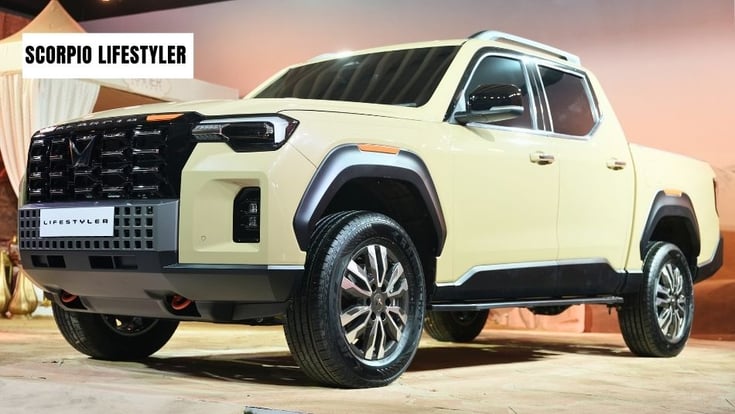
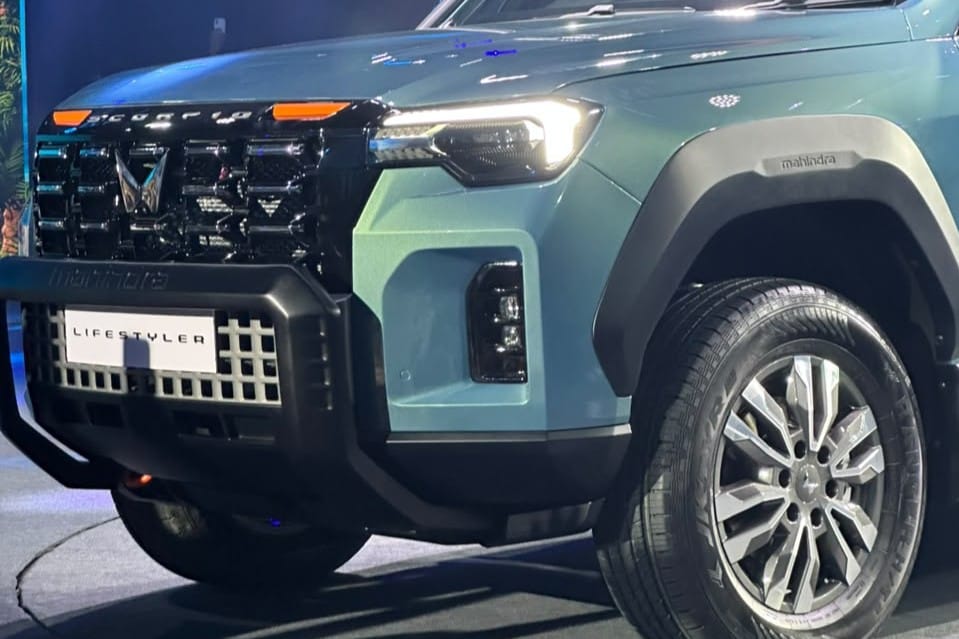
The Scorpio Lifestyler, on the other hand, has slightly slimmer headlamps with L-shaped DRLs, a gloss black grille with Scorpio branding at the top, and segmented chrome slats with orange accents. It also gets a boxier design for its bumper, with a chequered section in the centre.

Mahindra Scorpio Lifestyler alloy wheels
Mahindra Scorpio N alloy wheels
 

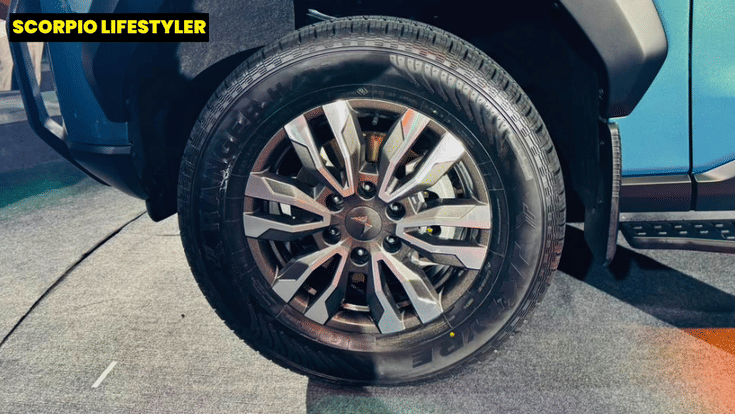
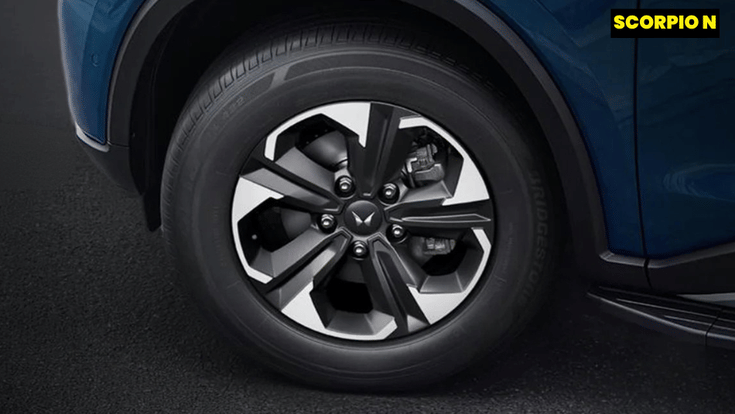
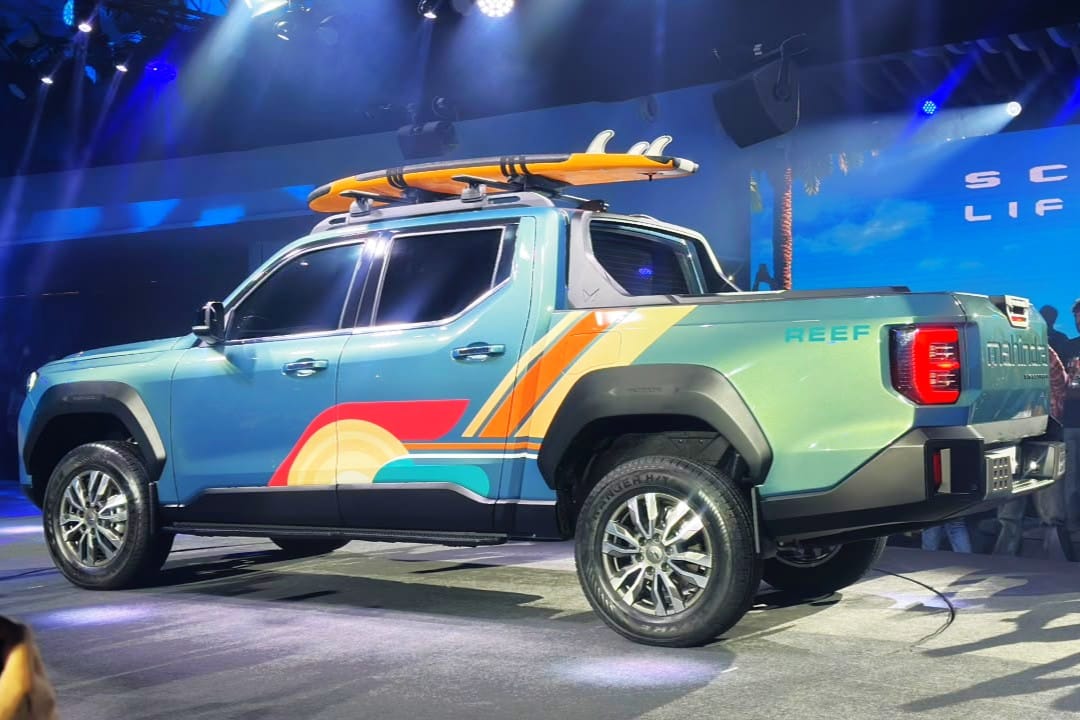
The biggest difference between the Scorpio Lifestyler and the Scorpio N is undoubtedly their body styles. In profile, the Scorpio Lifestyler comes with chunkier cladding for the wheel arches and lower sides of the doors. It also gets a different design for the dual-tone alloy wheels. A commonality between the two is functional roof rails. Although Mahindra has not revealed any specs as of yet, the Lifestyler can be expected to have a longer wheelbase than the Scorpio N to accommodate the rear load bed. Another important detail is that the glasshouse is quite different on both models, with the Lifestyler featuring a distinct upward kink for the rear windows.

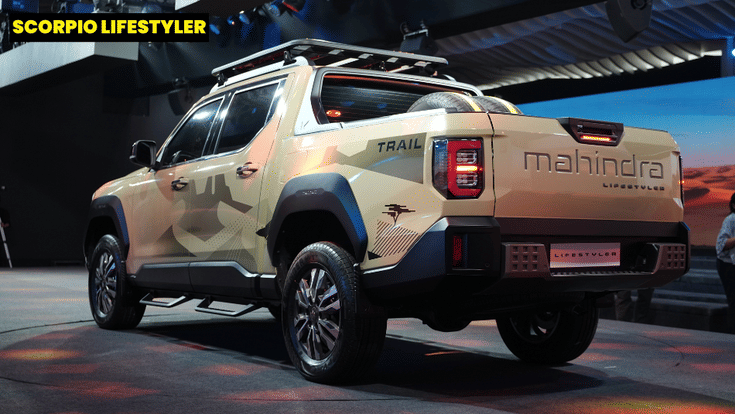
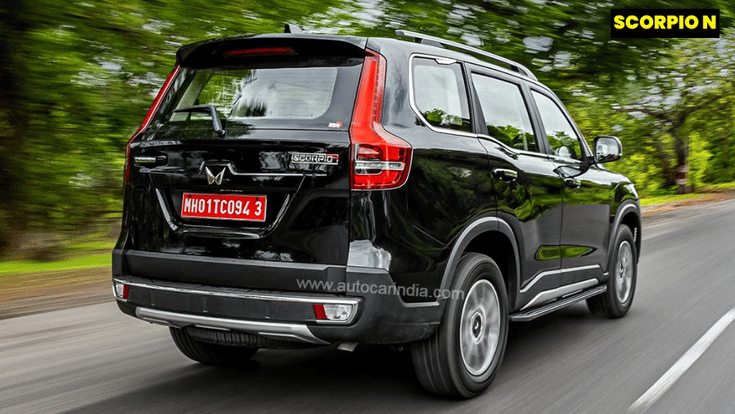
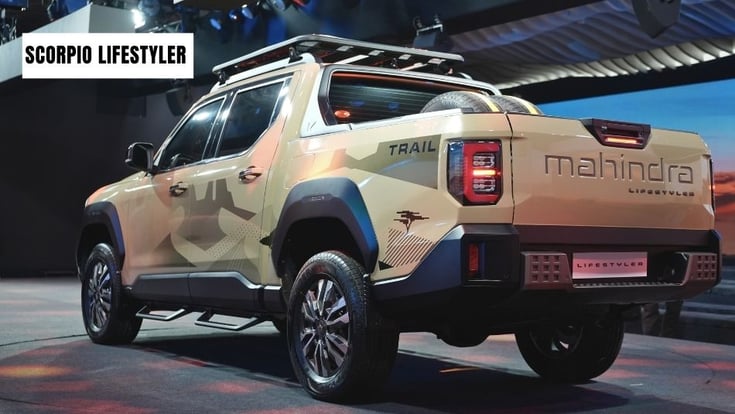
At the rear, the Scorpio N gets vertically oriented LED tail-lamps, while the Scorpio Lifestyler gets smaller rectangular LED tail-lamps with C-shaped signatures. Moreover, while the Scorpio N has the Mahindra twin peaks logo along with Scorpio N branding, the Scorpio Lifestyler comes with large ‘Mahindra Lifestyler’ lettering on the tailgate. Lower down, it gets a rugged black bumper with square design elements, while the Scorpio N has a simpler bumper design. 

Mahindra Scorpio Lifestyler rear quarter static
Mahindra Scorpio N rear quarter tracking
 

Unlike the Mahindra Scorpio N, the Scorpio Lifestyler is available in different editions, namely Reef, Valley, and Trail. Depending on the edition chosen, you get slightly different liveries and unique accessories for its exterior, like a roof rack or snorkel.

Mahindra Scorpio Lifestyler vs Scorpio N: interior design

Mahindra Scorpio Lifestyler Pickup interior
Mahindra Scorpio N interior
 

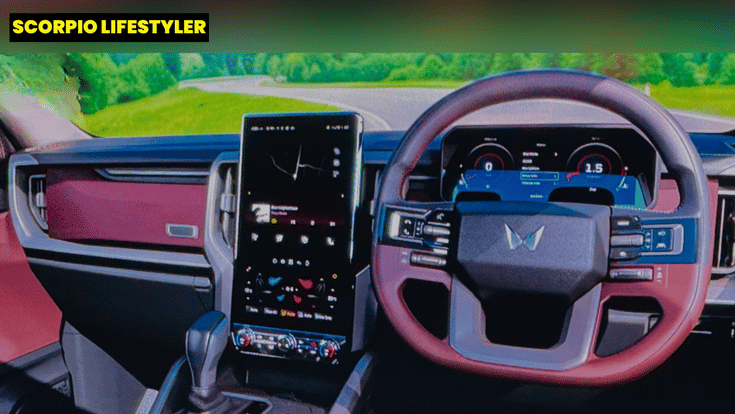
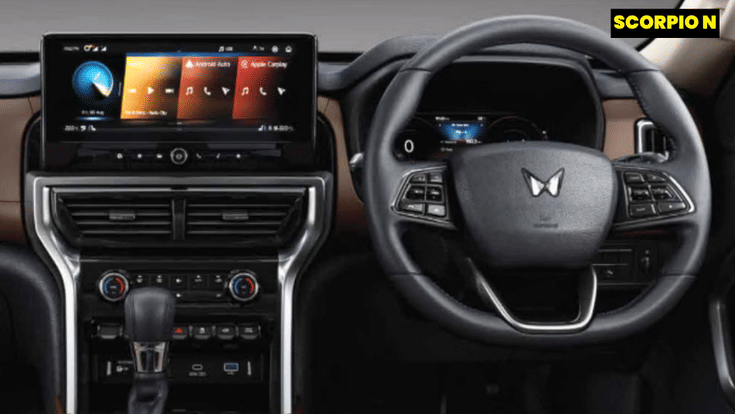
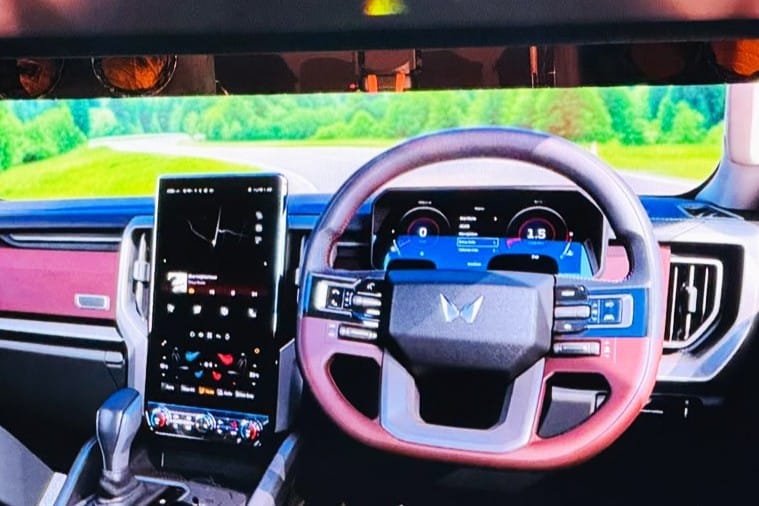
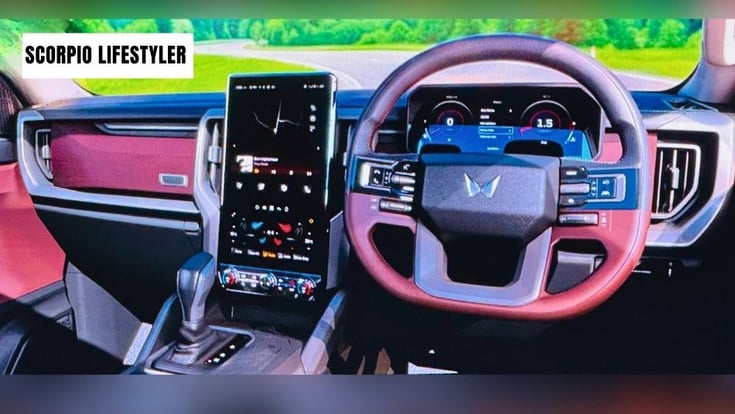
On the inside, the Scorpio Lifestyler receives a revised cabin layout over the Scorpio N. While the latter gets a horizontal infotainment screen and aircon vents, the former gets a larger vertical screen and aircon vents. The steering wheel of the Scorpio Lifestyler also sports a flat-bottom design with unique switchgear over the circular steering wheel in the Scorpio N. Both models come with a digital driver’s display, but the Scorpio N features a traditional instrument binnacle, while the Lifestyler does without it. While the Scorpio Lifestyler has a single pane sunroof, the Scorpio N gets a larger panoramic unit. Another difference is that the Scorpio N has a lot more physical switchgear than the Lifestyler and also a more premium interior with leatherette trim on the dashboard, while the latter gets a more rugged dashboard layout.

Mahindra Scorpio Lifestyler vs Scorpio N: Powertrains 

Mahindra has not revealed detailed specifications of the Scorpio Lifestyler yet, but at the unveiling of the original Global Pik Up concept, the brand had indicated that powertrain options would be shared with the Scorpio N SUV. That means Mahindra’s venerable 2.0-litre turbo-petrol and 2.2-litre diesel engines can be expected to power the new Scorpio Lifestyler. Both engines are expected to come with a 6-speed manual and automatic gearbox, and it will also come with 4WD and shift-on-the-fly capability, along with drive modes for Normal, Grass-Gravel-Snow, Mud-Rut and Sand. Mahindra could, however, tune the engine differently for the pickup truck, so the final specs remain to be seen.

Mahindra has done a commendable job in differentiating the Scorpio Lifestyler from its SUV counterpart even though both models share their underpinnings. It’s not just different on the outside, but the interior, too, looks far more feature-rich and premium despite its rugged appeal. This will now be the third model in the Scorpio range, adding to the previous-gen Classic and the N SUV models.

How has the Mahindra Scorpio Lifestyler evolved from concept?

How has the Mahindra Scorpio Lifestyler evolved from concept?
How has the Mahindra Scorpio Lifestyler vs Scorpio Global Pik Up concept

The Mahindra Scorpio Lifestyler has marked a comeback for a pickup model under the Scorpio nameplate, after the Scorpio Getaway was discontinued in 2019. The Scorpio Lifestyler’s exterior design finds its roots in the 2023 Mahindra Global Pik Up concept, while the interior is inspired by the 2025 Vision T concept. In the production-spec version, the exterior and interior design have undergone noticeable changes. Here’s a detailed account of all the changes. 

Mahindra Scorpio Lifestyler production vs concept: Exterior changes

Gets a boxier grille, but similar headlights and front bumper

Mahindra Scorpio Lifestyler front quarter static
Mahindra Global Pik Up concept front quarter static
 

At the front, the Mahindra Scorpio Lifestyler has similar LED headlights to the Global Pik Up concept, featuring L-shaped LED DRLs and projector lighting elements. The grille, however, is boxier on the production-spec model and has a ‘Scorpio’ badge. The front bumper features square elements for the air inlays and vertically stacked LED fog lamps. The tow hook is finished in a contrasting colour, similar to the Global Pik Up concept. 

The doors look identical, but the alloys, wheel arches and side steps are different

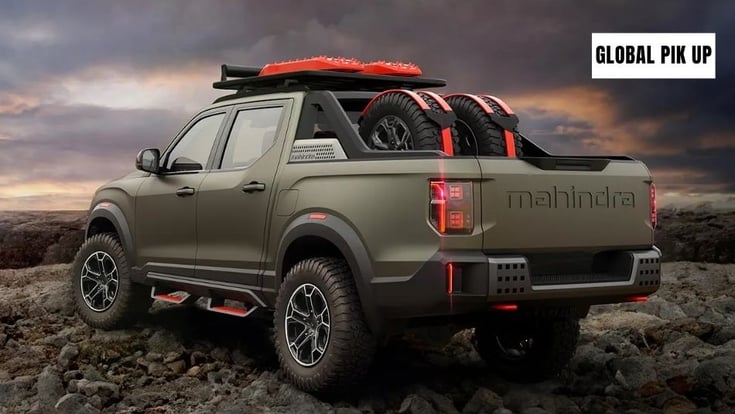
Not much has changed on the production-spec Scorpio Lifestyler from the Global Pik Up concept. The door and truckbed design are identical. A closer look, however, reveals that the production model gets angular wheel arches, a new set of alloy wheels, simpler side steps and a slightly revised roll cage. A snorkel is offered as an accessory on the Scorpio Lifestyler. 

Rear design is mostly similar, the only change being a new model-specific badge

Mahindra Scorpio Lifestyler rear quarter static
Mahindra Global Pik Up concept rear quarter static
 

At the rear, the embossed ‘Mahindra’ name on the tailgate has been retained, but the production-spec model also gets a ‘Lifestyler’ badge. The wraparound taillights get 3-shaped LED lighting elements compared to the C-shaped units in the concept. Look closely, and you will spot a rear camera housed near the tailgate handle, which was absent on the concept. The rear bumper, with a silver finish in the centre and some small square elements, is identical to both versions of the Mahindra pickup truck. 

The Global Pik Up concept’s loading bay featured two spare wheels, which have been removed on the production-spec model.

Mahindra Scorpio Lifestyler production vs concept: Interior changes

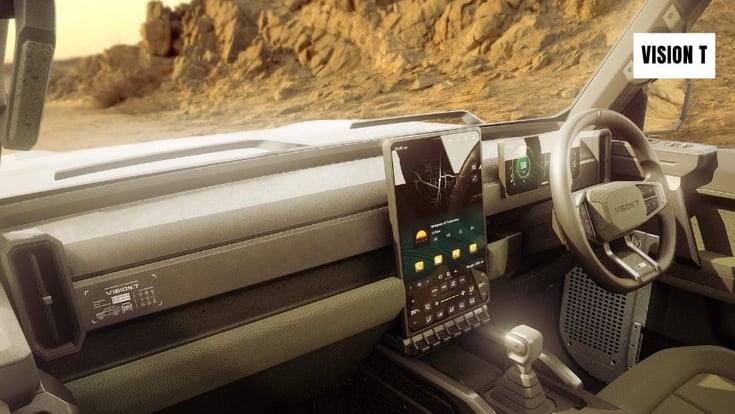
Interior draws heavy inspiration from the 2025 Mahindra Vision T concept

Mahindra Scorpio Lifestyler dashboard design
Mahindra Vision T dashboard design
 

At the 2023 unveiling, Mahindra did not showcase the Global Pik Up concept’s interior. Still, the Mahindra Scorpio Lifestyler’s dashboard is clearly inspired by the 2025 Vision T prototype. The Scorpio Lifestyler gets a larger portrait-oriented touchscreen infotainment system, beneath which is another screen for the dual-zone climate controls. However, the set of buttons underneath the AC control screen has rotary dials on the production model, while the concept features only toggle switches. 

It features a smaller free-standing digital driver’s display, with the UI looking similar to that of the Vision T concept. The chunky 3-spoke steering wheel is also inspired by the Vision T concept, featuring the ‘Twin Peaks’ logo and a lot of physical buttons. Mahindra is yet to offer a full glimpse of the Scorpio Lifestyler’s seat design and other interior elements. 

Mahindra Scorpio Lifestyler powertrain and other details

Expected to borrow the Scorpio N’s powertrain options

The Scorpio Lifestyler will share the ladder-frame chassis and mechanicals with the Scorpio N SUV. Currently, the Scorpio N gets a choice between a 2.0-litre direct-injection turbo-petrol engine and a 2.2-litre direct-injection turbo-diesel engine, both offered with either a 6-speed manual or a 6-speed automatic transmission. The Mahindra Scorpio Lifestyler is also expected to be offered with a four-wheel-drive (4WD) setup to justify its go-anywhere nature. 

Mahindra will launch the Scorpio Lifestyler by March 2027 with a starting price lower than Rs 19.79 lakh (ex-showroom). At this price, it will be an affordable alternative to the Toyota Hilux and Isuzu V-Cross. 

Mahindra Scorpio Lifestyler in pictures

Mahindra Scorpio Lifestyler in pictures
Mahindra Scorpio Lifestyler front quarter

Mahindra has taken the wraps off the much-anticipated pick-up version of the Scorpio N, and has christened it the Scorpio Lifestyler. It has been showcased in three distinct version – Reef, Trail and Valley – each with its own unique livery. This is the production-spec version of the Global Pik up concept that was showcased in 2023. Some of the details from the original concept has been toned down, but it still retains a butch and rugged appeal. What’s notable is not much has been carried over from the regular Scorpio N, with most body panels being unique to the pickup truck. The interior has only been showcased via a digital rendering, but it confirms a large portrait-oriented touchscreen, some handy physical switchgear, a new three-spoke steering wheel and a full-digital instrument cluster. Mahindra hasn’t revealed full specifications yet, but it is expected to share the 2.0-litre turbo-petrol and 2.2-litre diesel engines with the Scorpio N. Prices for the Scorpio Lifestyler will be announced by April 2027, and it has been indicated to be less than Rs 19.79 lakh (ex-showroom).  

Mahindra Scorpio Lifestyler pickup truck unveiled

Mahindra Scorpio Lifestyler pickup truck unveiled
Mahindra Scorpio Lifestyler

Mahindra has pulled the covers off its long-awaited lifestyle pickup truck based on the 2023 Global Pik Up concept, christening it the Scorpio Lifestyler. Underpinned by the same body-on-frame chassis as that of the Scorpio N, the Scorpio Lifestyler will butt heads with the Toyota Hilux and Isuzu D-Max V-Cross in India. The pickup truck will be sold in several global markets too, where it’ll drop the ‘Scorpio’ branding and just be known as the Lifestyler.

Prices for the Mahindra Scorpio Lifestyler are confirmed to start below Rs 19.79 lakh (ex-showroom) in India, with launch pegged by April 2027. The Scorpio Lifestyler would therefore undercut its rivals significantly, both of which start above Rs 25 lakh.

Mahindra Scorpio Lifestyler exterior design

Up front, the Scorpio Lifestyler has high-set LED headlamps with L-shaped DRL signatures, a wide honeycomb-patterned grille with chrome accents, and a ‘Scorpio’ wordmark on the leading edge of the bonnet. Underneath, there’s a muscular skid plate bearing ‘Mahindra’ lettering, a meshed air dam, and vertically oriented LED fog lamps.

Over to the side, the Scorpio Lifestyler features a double-cab configuration, and gets dual-tone alloy wheels shod in off-road tyres, chunky side cladding, roof rails, and a kinked beltline. The rear end of the Scorpio Lifestyler is characterised by vertically oriented LED tail-lamps housing C-shaped DRLs, which flank a large ‘Mahindra’ wordmark molded into the bootlid. Below, the bumper looks similarly rugged to the one up front.

Mahindra Scorpio Lifestyler interior and features

Inside, the Scorpio Lifestyler is much more upmarket than its rugged exterior suggests. The dashboard prominently sports a portrait-oriented infotainment touchscreen flanked by AC vents, below which there’s a climate control panel and various physical controls. Ahead of the driver sits a three-spoke steering wheel and a digital driver’s display, while the transmission tunnel features lots more physical controls. In terms of creature comforts, the Scorpio Lifestyler is likely to pack wireless Apple CarPlay and Android Auto, dual-zone climate control, connected car tech, terrain modes, and more.