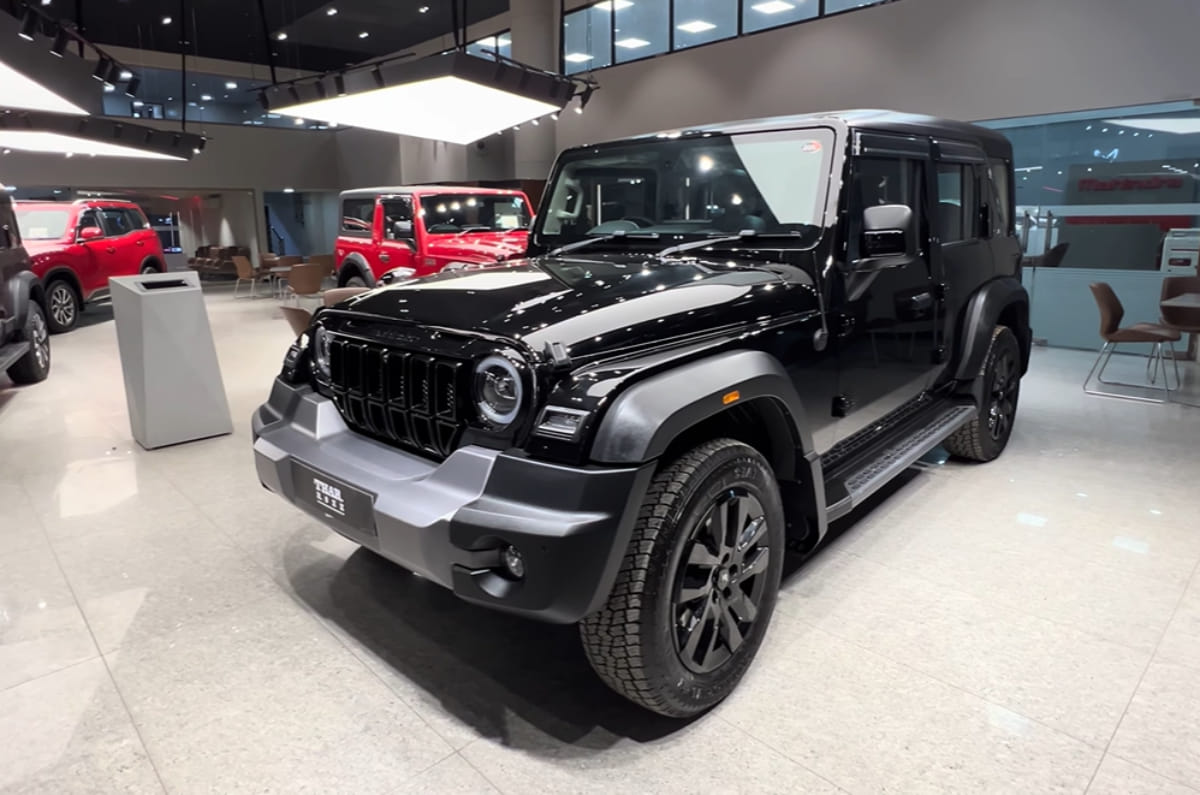
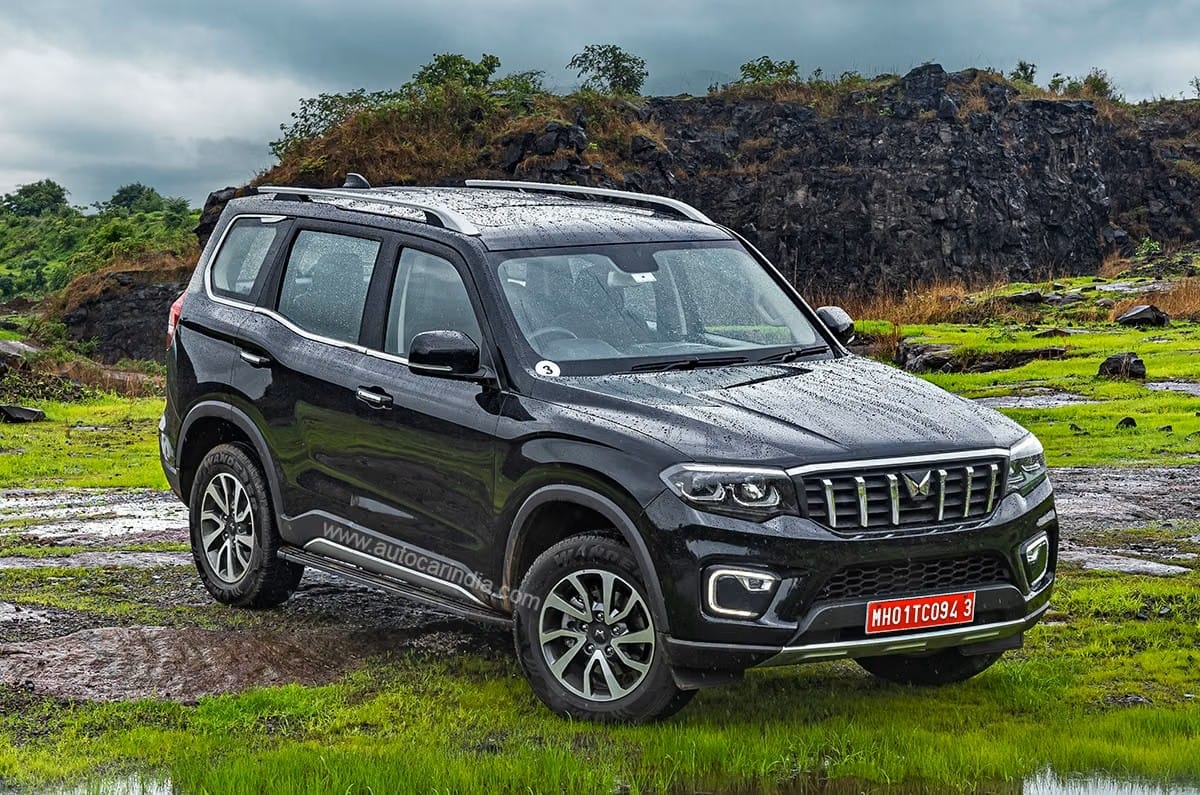
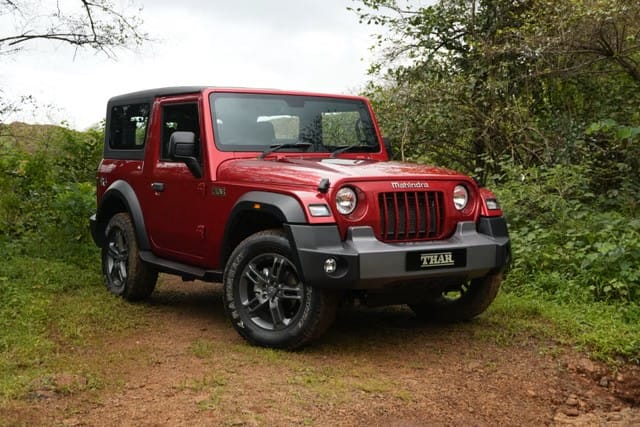
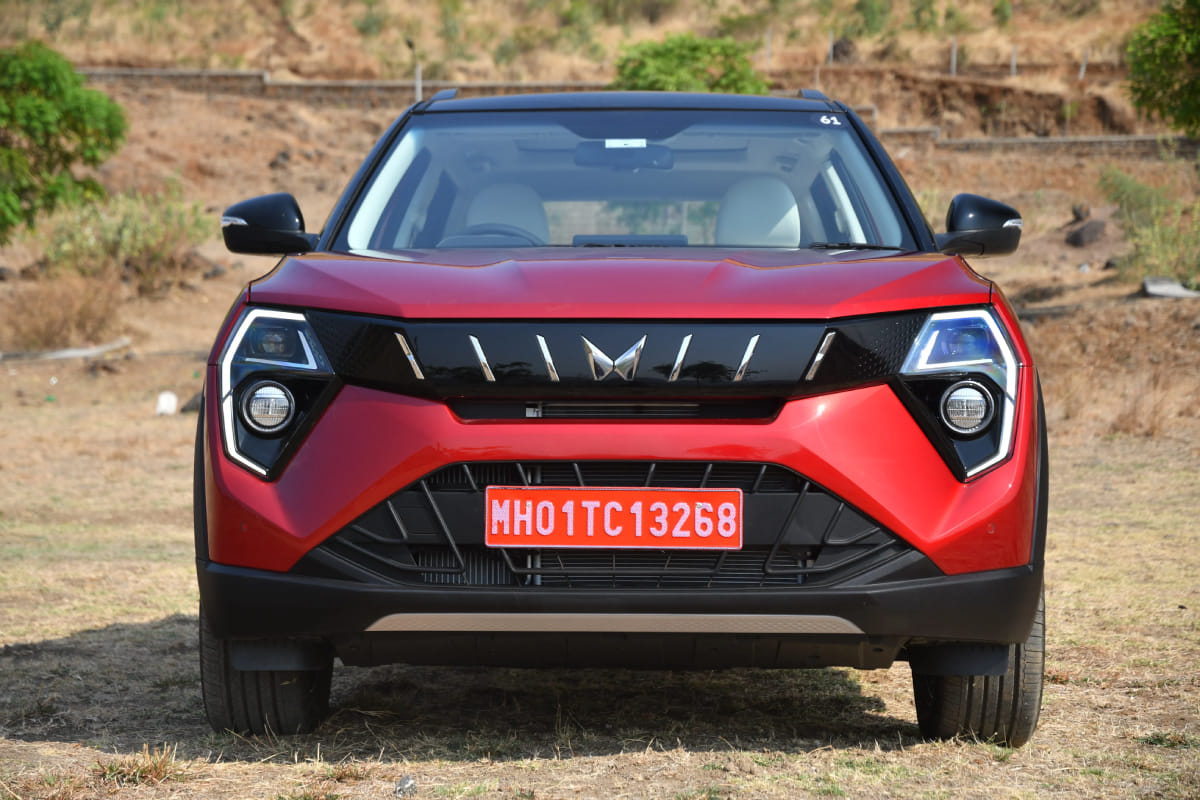
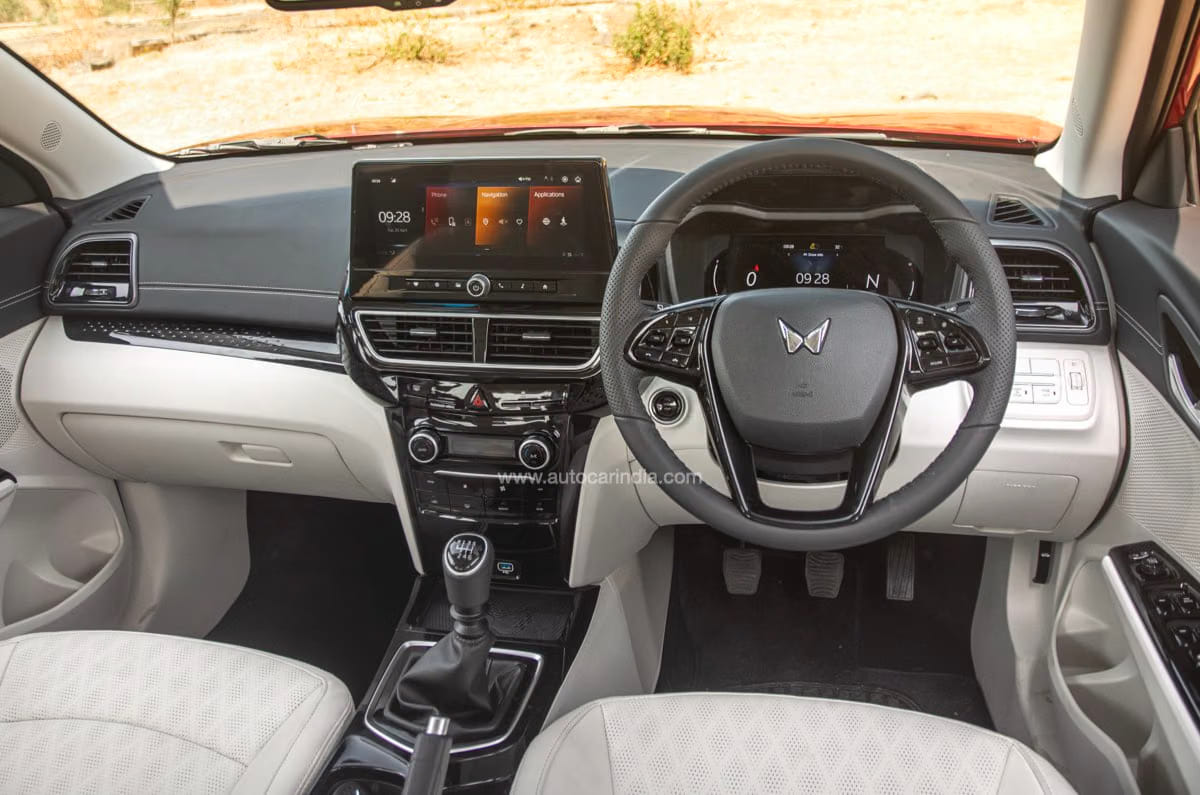
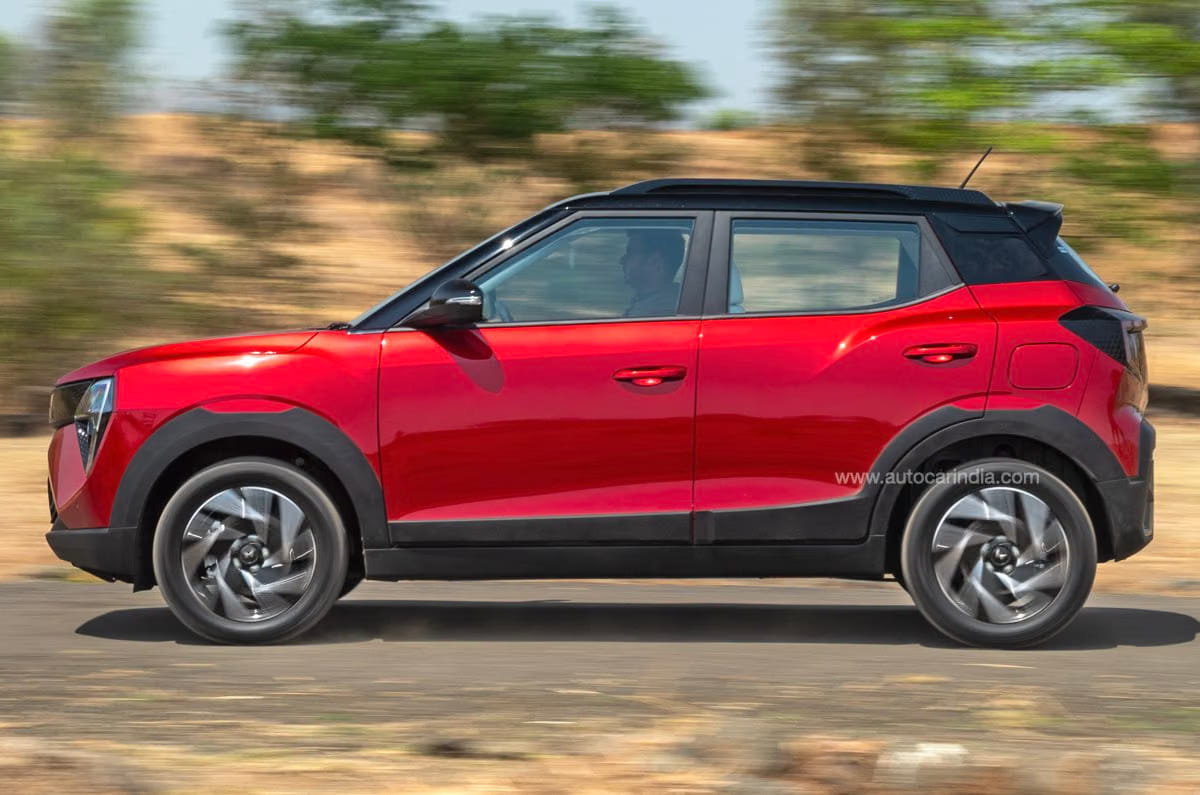
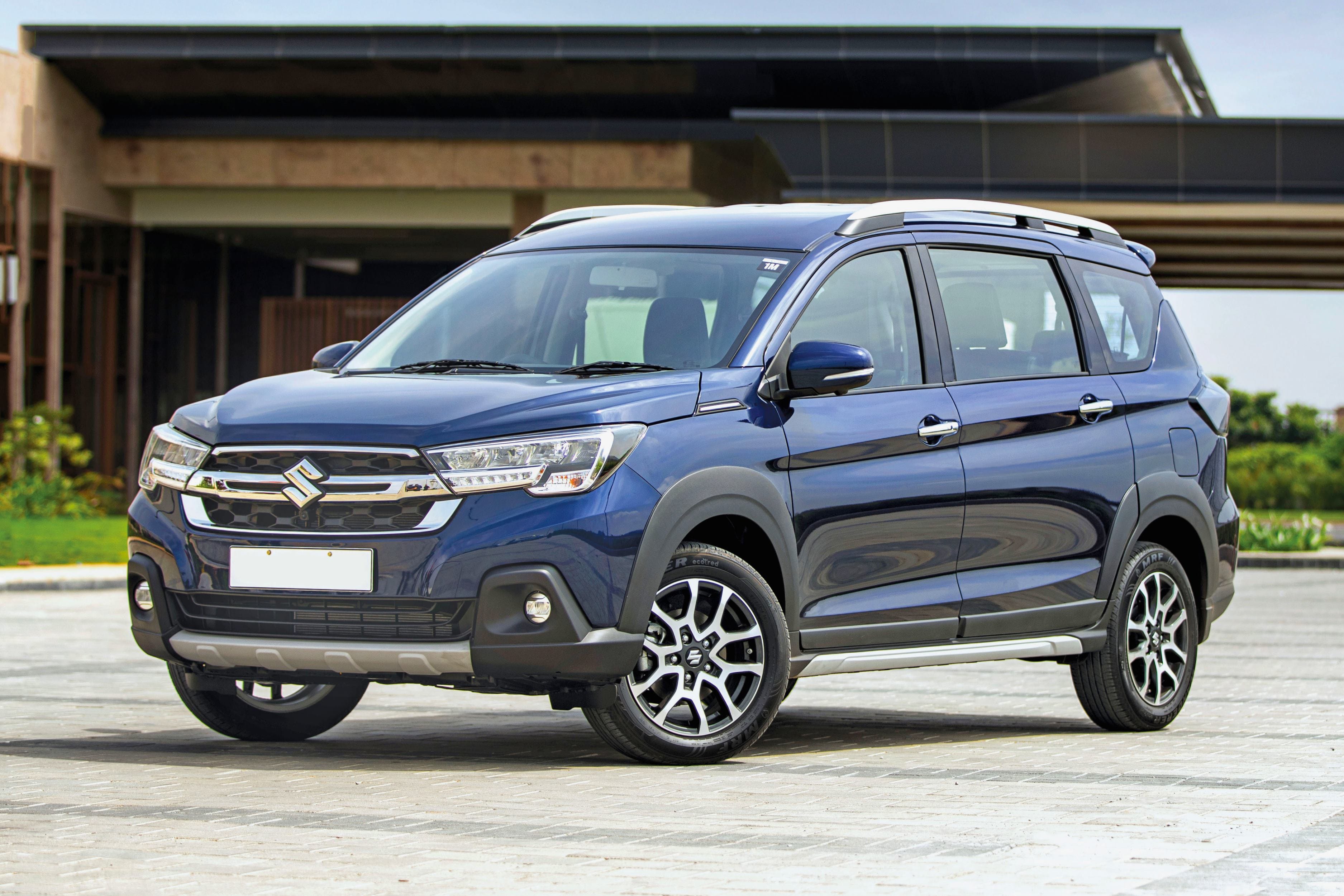
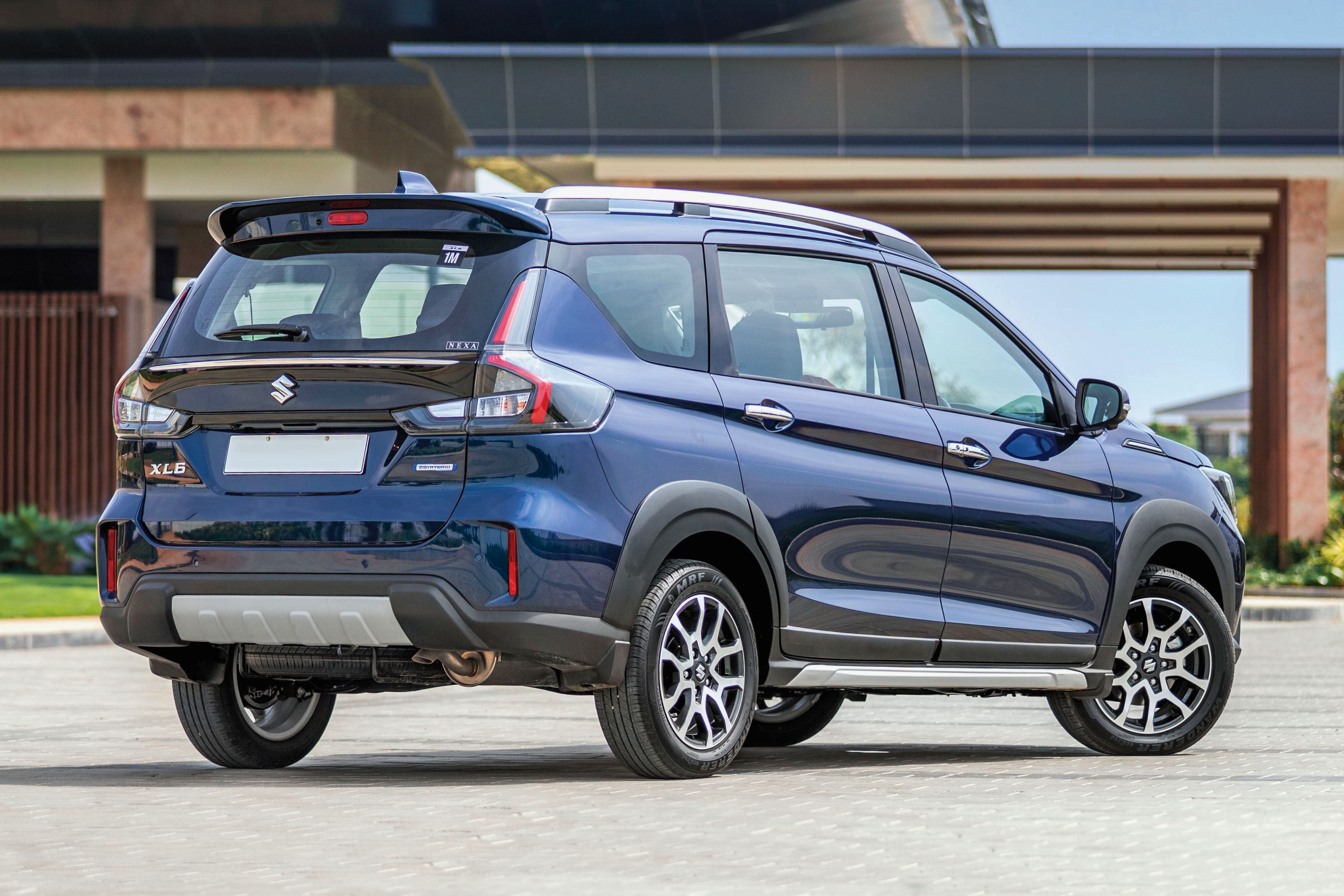
Mahindra is offering discounts across much of its ICE line-up in August 2026. The Thar Roxx and Scorpio N receive the highest benefits among the brand’s mainstream SUVs this month, while offers are also available on the Scorpio Classic, Thar, XUV 3XO, Bolero Neo and Bolero Neo Plus. Offers are valid until August 31 and may vary depending on the region, dealer and stock availability.
Disclaimer: Offers may vary by region, dealer, stock availability and customer eligibility. Please check with your nearest authorised Mahindra dealership for exact details.
Mahindra Scorpio N discounts in August 2026
Up to Rs 1.25 lakh off
The Scorpio N is available with benefits of up to Rs 1,25,000. These include a cash discount of Rs 1,00,000 and accessories worth Rs 25,000. These discounts apply to existing pre-facelift stock available with dealers.
The Scorpio N is priced between Rs 13.69 lakh and Rs 25.49 lakh (ex-showroom). It rivals the Tata Safari and Thar Roxx. It impresses with its smooth petrol and diesel engines and off-road capability, although the third-row seats and luggage space are not great.
Mahindra Thar Roxx discounts in August 2026
Up to Rs 1.20 lakh off
The Thar Roxx receives benefits of up to Rs 1.20 lakh this month. This comprises a cash discount of Rs 92,000 along with a ceramic coating package worth Rs 28,000. Priced between Rs 12.52 lakh and Rs 23.52 lakh, the Thar Roxx rivals the Force Gurkha 5-door and serves as a more practical alternative to the three-door Thar. It combines the Thar’s off-road capability with a more practical cabin, better refinement and stronger road manners.
Mahindra Scorpio Classic discounts in August 2026
Up to Rs 75,000 off
Mahindra is offering benefits of up to Rs 75,000 on the Scorpio Classic. The offer comprises a cash discount of Rs 50,000 and accessories worth Rs 25,000. Priced between Rs 13.37 lakh and Rs 17.40 lakh, the Scorpio Classic continues to appeal with its refined diesel engine and rugged character, although it lacks the features and driving sophistication of newer rivals.
Mahindra Thar discounts in August 2026
Up to Rs 50,000 off
The three-door Thar is available with a cash discount of up to Rs 50,000 this month. Priced between Rs 10.32 lakh and Rs 18.00 lakh, the Thar rivals the Force Gurkha and Maruti Suzuki Jimny. It offers great off-road capability and is offered with refined and punchy petrol and diesel engine options, although luggage space is limited and access to the rear seats can be cumbersome.
Mahindra Bolero Neo and Bolero Neo Plus discounts in August 2026
Up to Rs 45,000 off
The Bolero Neo and Bolero Neo Plus receive cash discounts of up to Rs 45,000. The Bolero Neo is priced between Rs 8.99 lakh and Rs 10.79 lakh, while the Bolero Neo Plus costs Rs 11.39 lakh to Rs 12.49 lakh. Both SUVs are built to withstand rough roads and heavy use, although they are not as refined or as well equipped as newer compact SUVs.
Mahindra XUV 3XO discounts in August 2026
Up to Rs 40,000 off
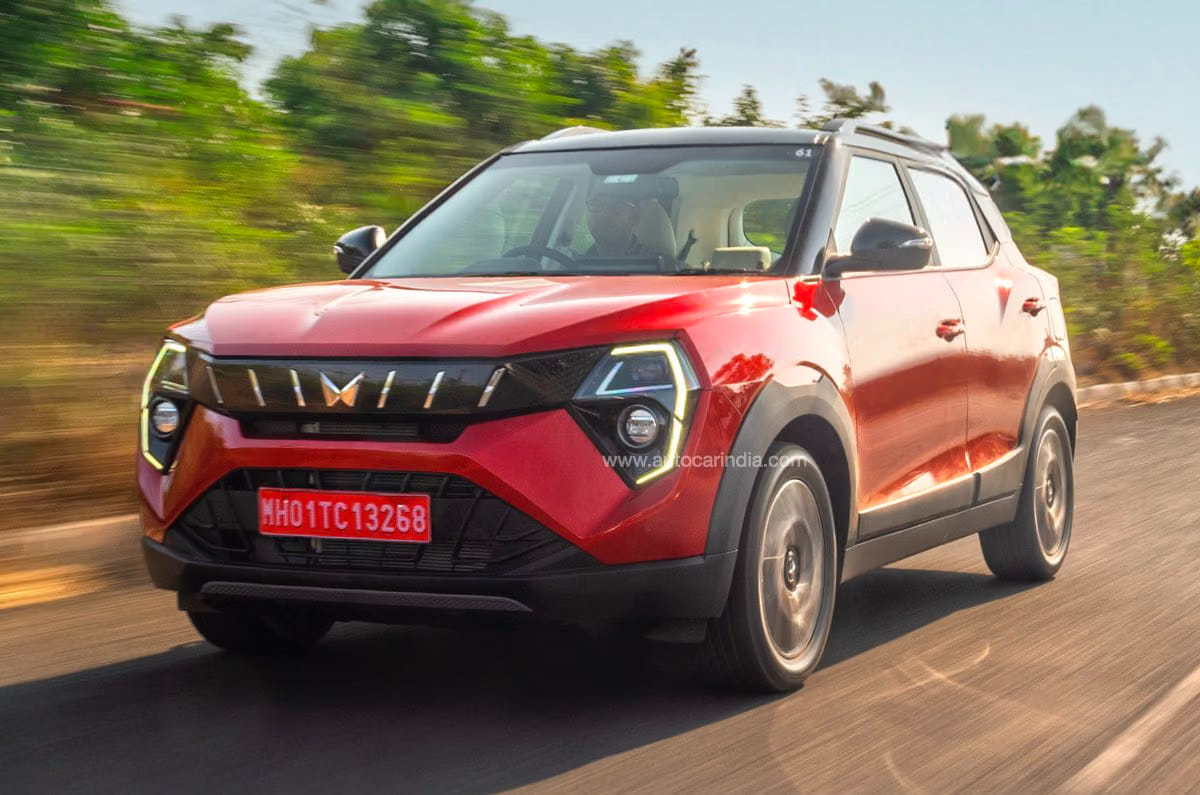
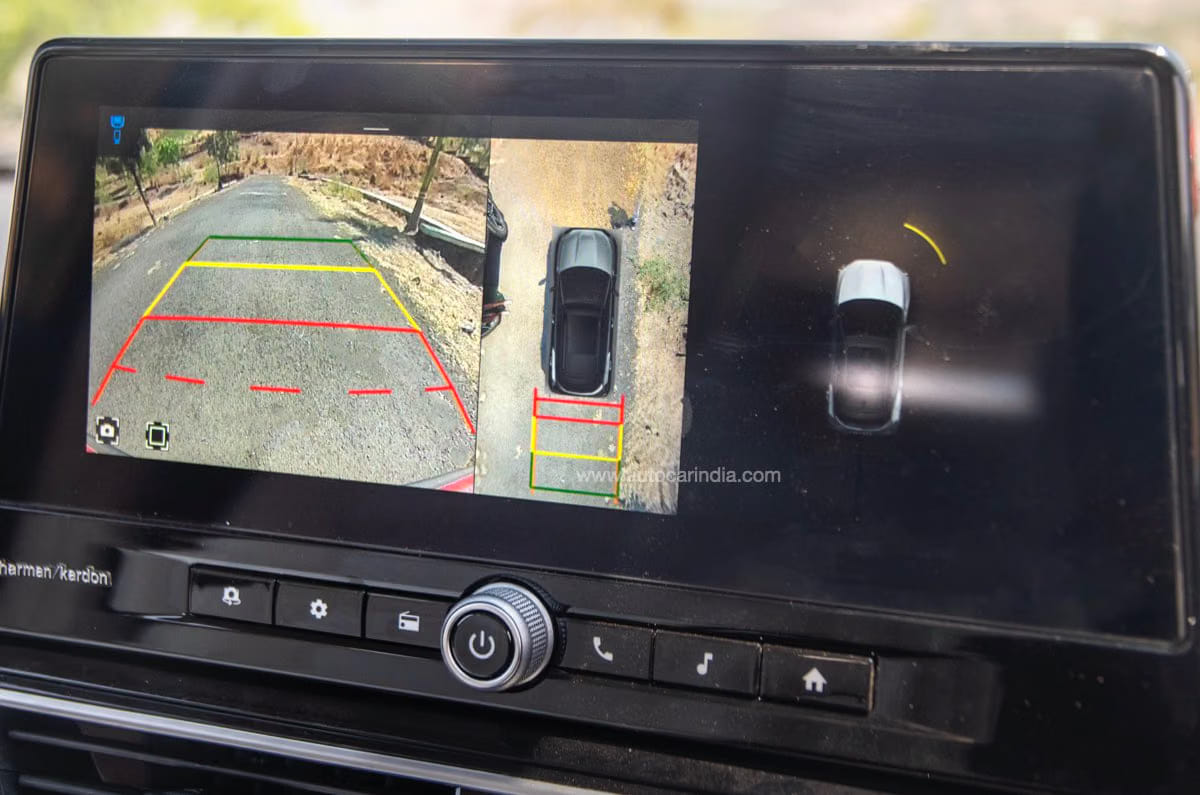
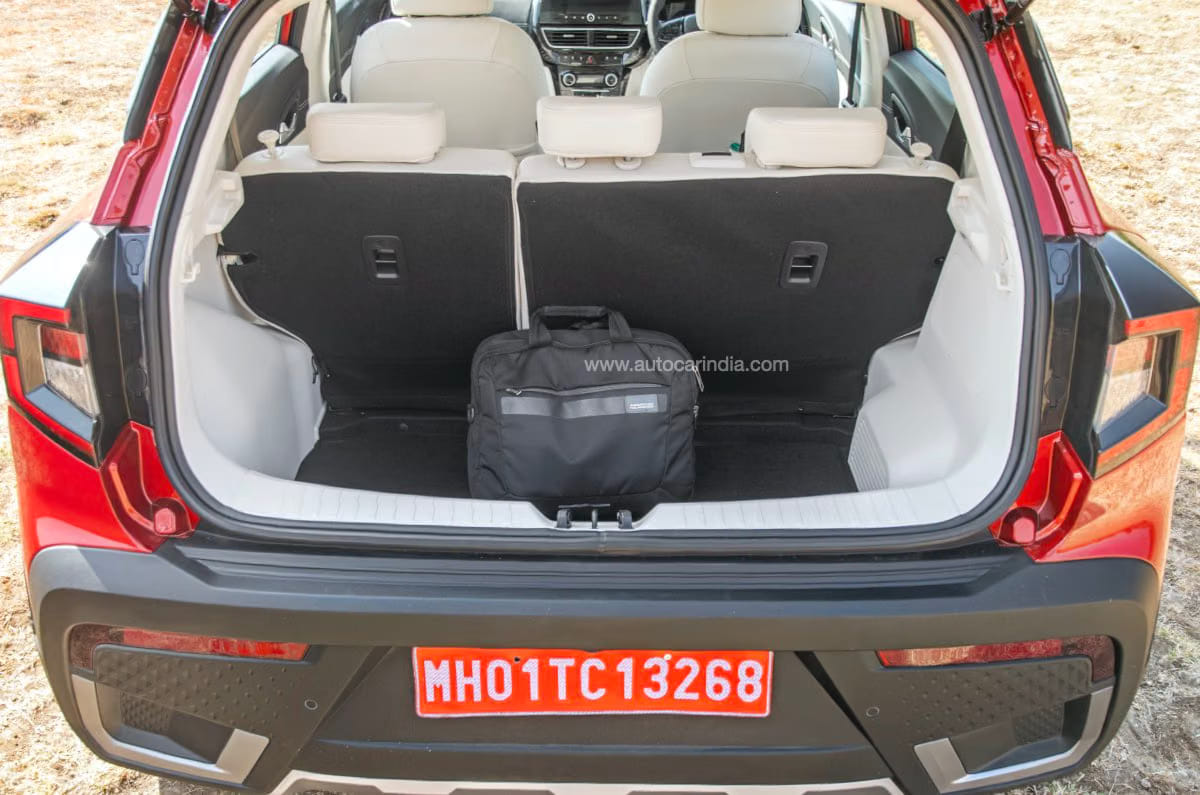
The XUV 3XO is available with a cash discount of up to Rs 40,000 this month. Priced from Rs 7.79 lakh to Rs 15.04 lakh (ex-showroom), the XUV 3XO rivals the Maruti Brezza, Tata Nexon, Hyundai Venue, Kia Sonet, Skoda Kylaq and Nissan Magnite. It offers strong petrol and diesel engines along with a feature-rich cabin, although its boot is smaller than several rivals.
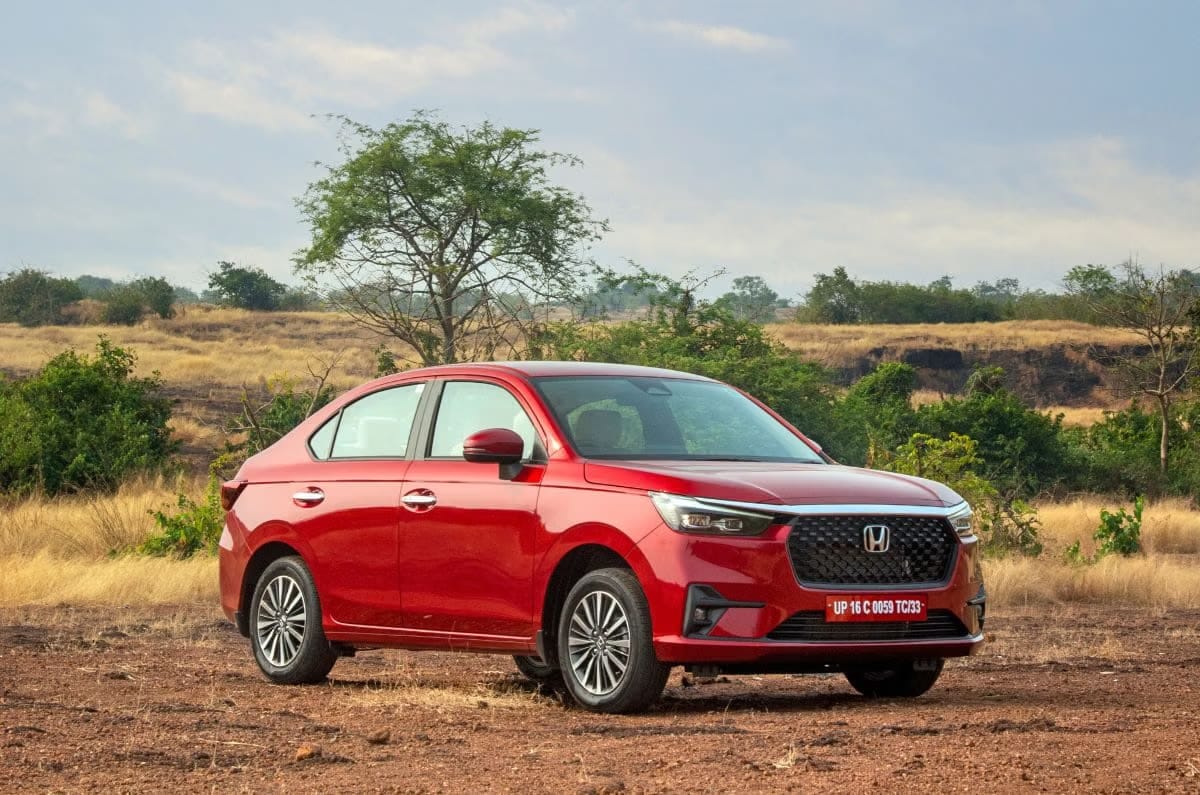
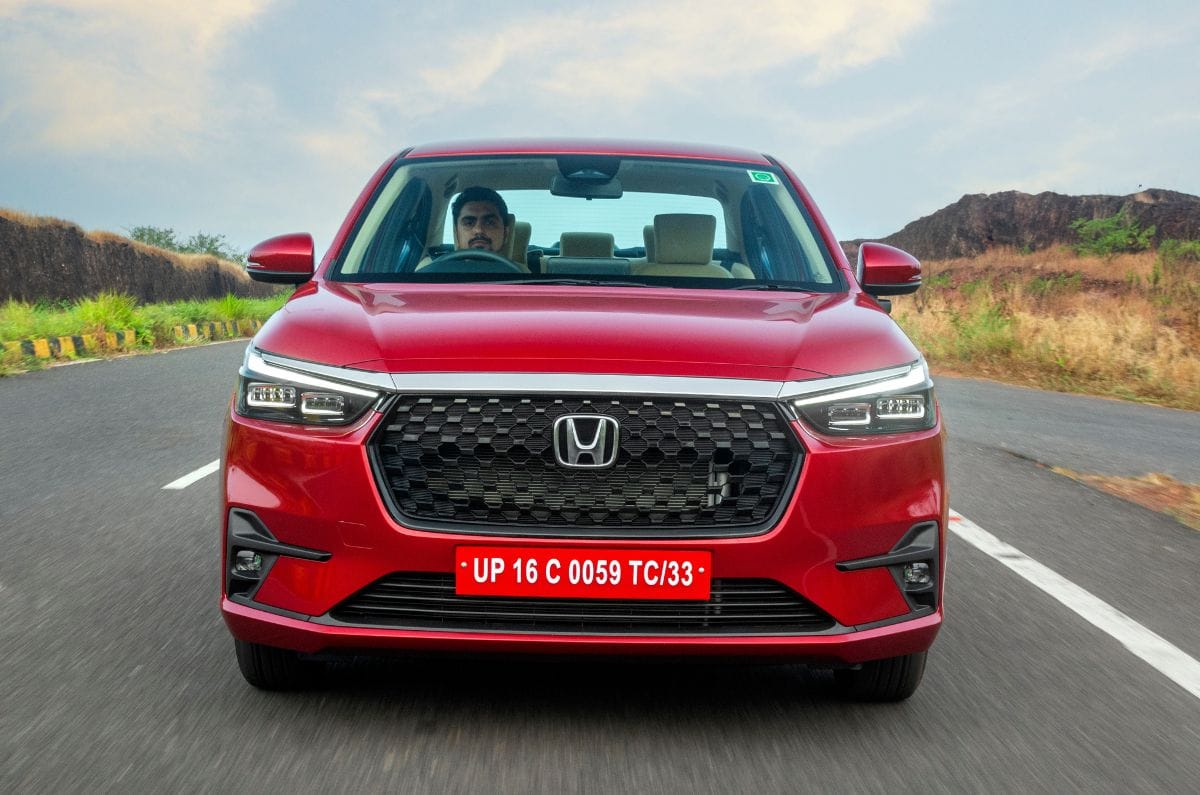
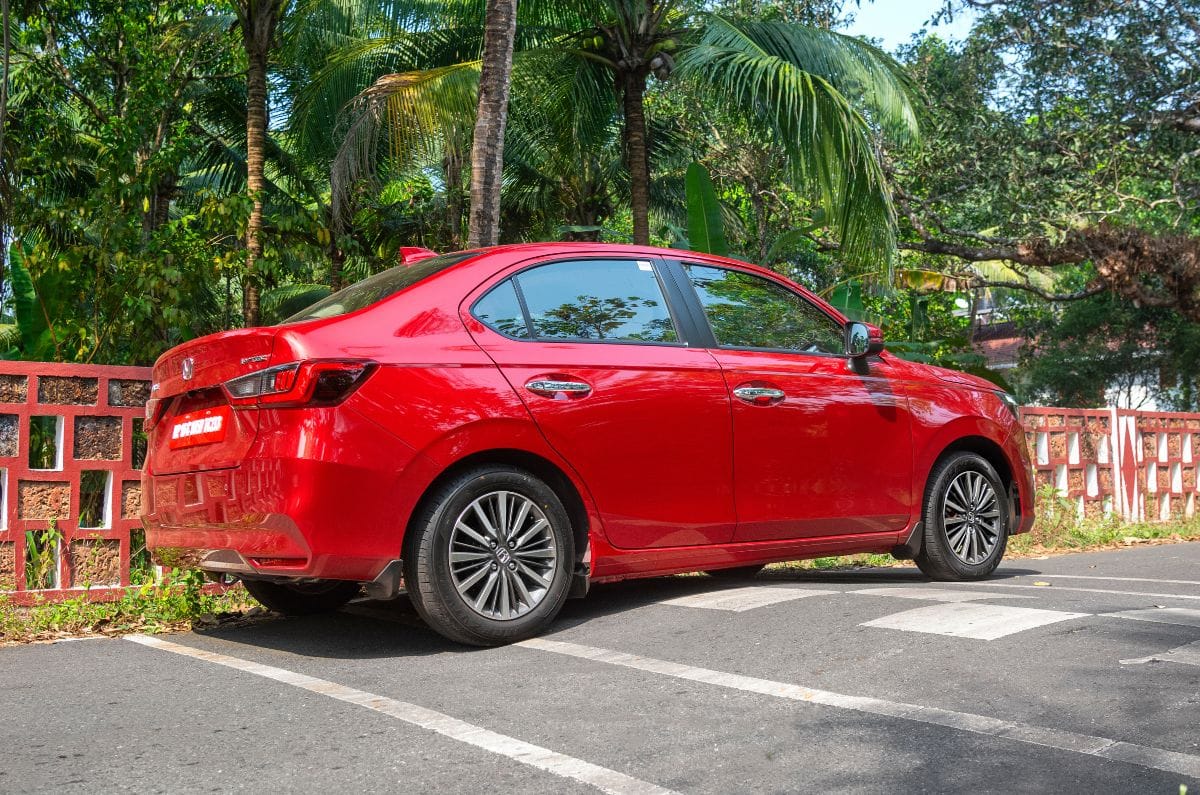
Honda sells both the second-gen and third-gen iterations of the Amaze in India. However, our focus here would be solely on the latter as it’s the latest and thus the best-equipped to tussle with other sub-4-metre sedans. As the Japanese brand’s most affordable offering, the Amaze carries a price tag of between Rs 7.65 lakh and 10.00 lakh (ex-showroom). Considering the brand’s badge appeal and some segment-first features, should you buy the Honda Amaze? Let’s find out.
Reasons to buy the Honda Amaze
Rear-seat comfort and a spacious boot
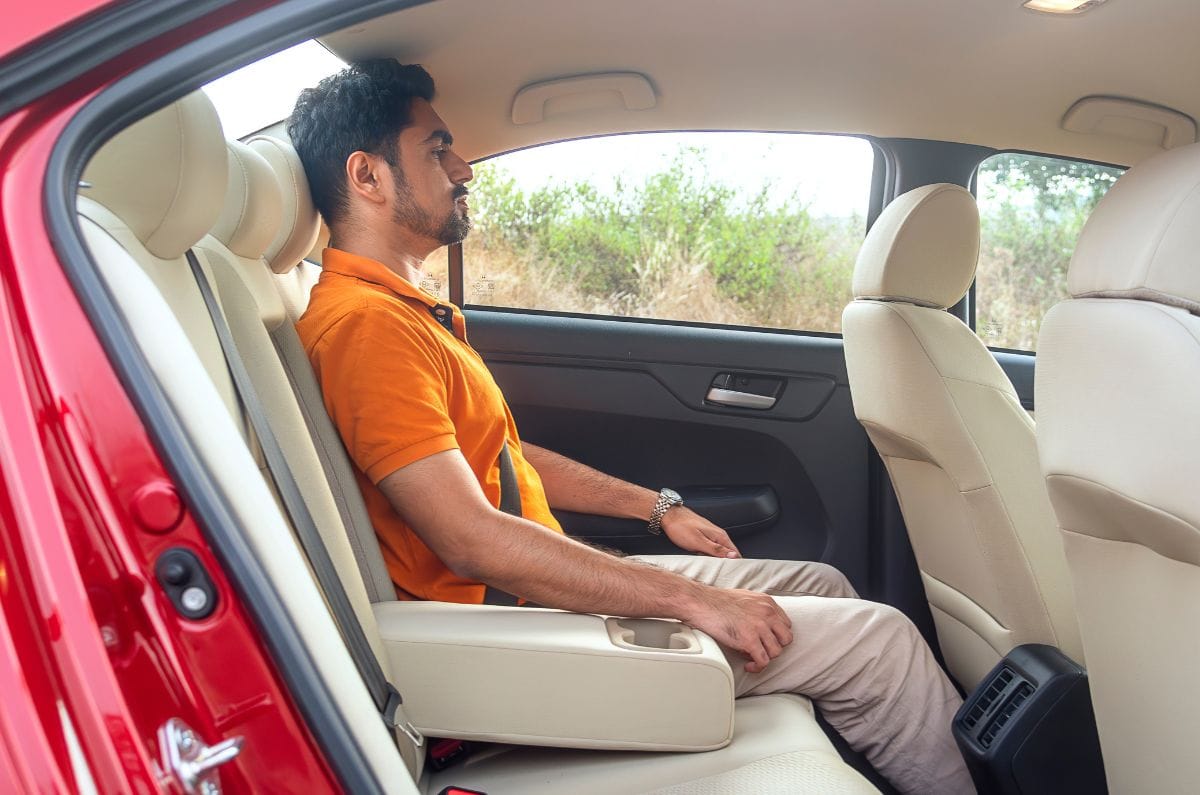
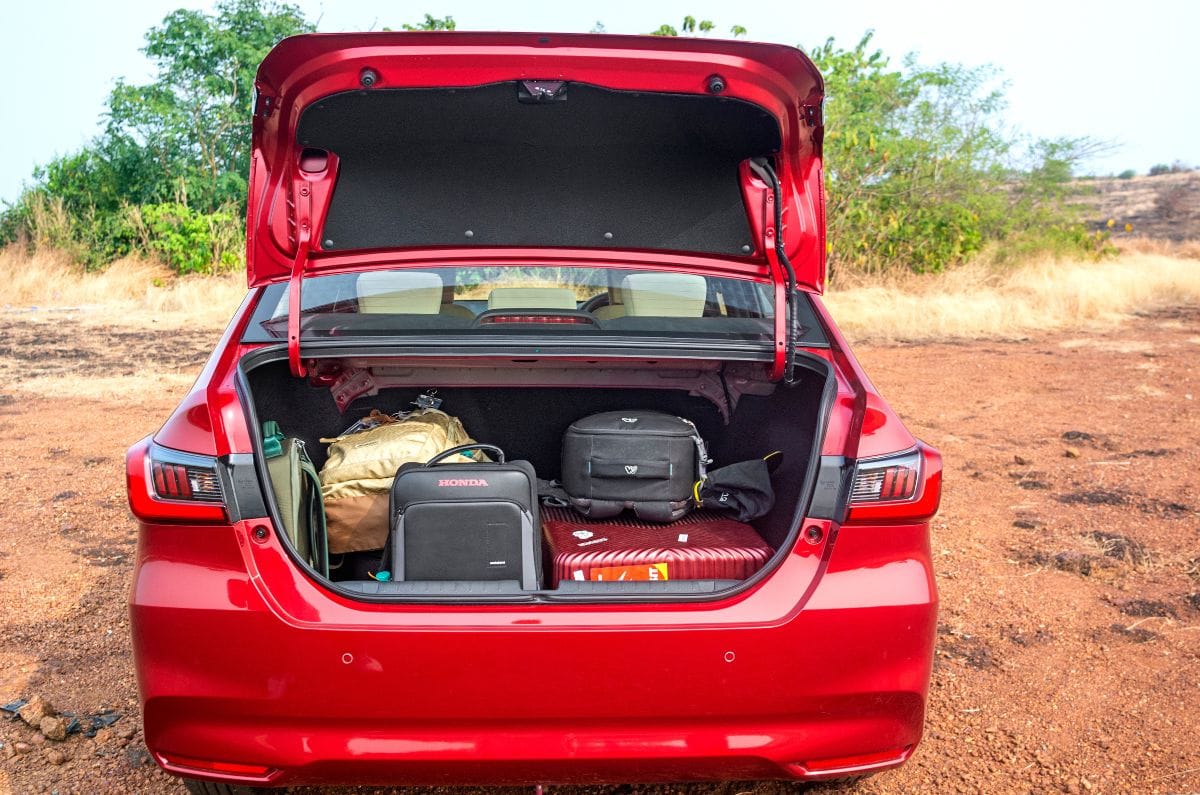
Usable interior space and a large boot add practicality to the Amaze
The rear seats of the Amaze are especially more comfortable than the front ones. Not only do the outer seats provide ample support, but their backrest angle is good too. Making these back seats more comfortable is the usable amount of kneeroom and legroom on offer, partly helped by the scooped-out portion of the front seatbacks. Further aiding comfort here are the dedicated AC vents, a centre armrest with cupholders, and headrests for all three passengers.
As for the Amaze’s luggage-carrying capacity, its 416-litre boot is one of the most spacious in the segment, easily trumping the Maruti Dzire and Hyundai Aura. While the loading lip is high, The Amaze’s boot offers plenty of width and depth to accommodate your luggage.
Easy to live with
The Amaze gets several user-friendly details right while also feeling more premium
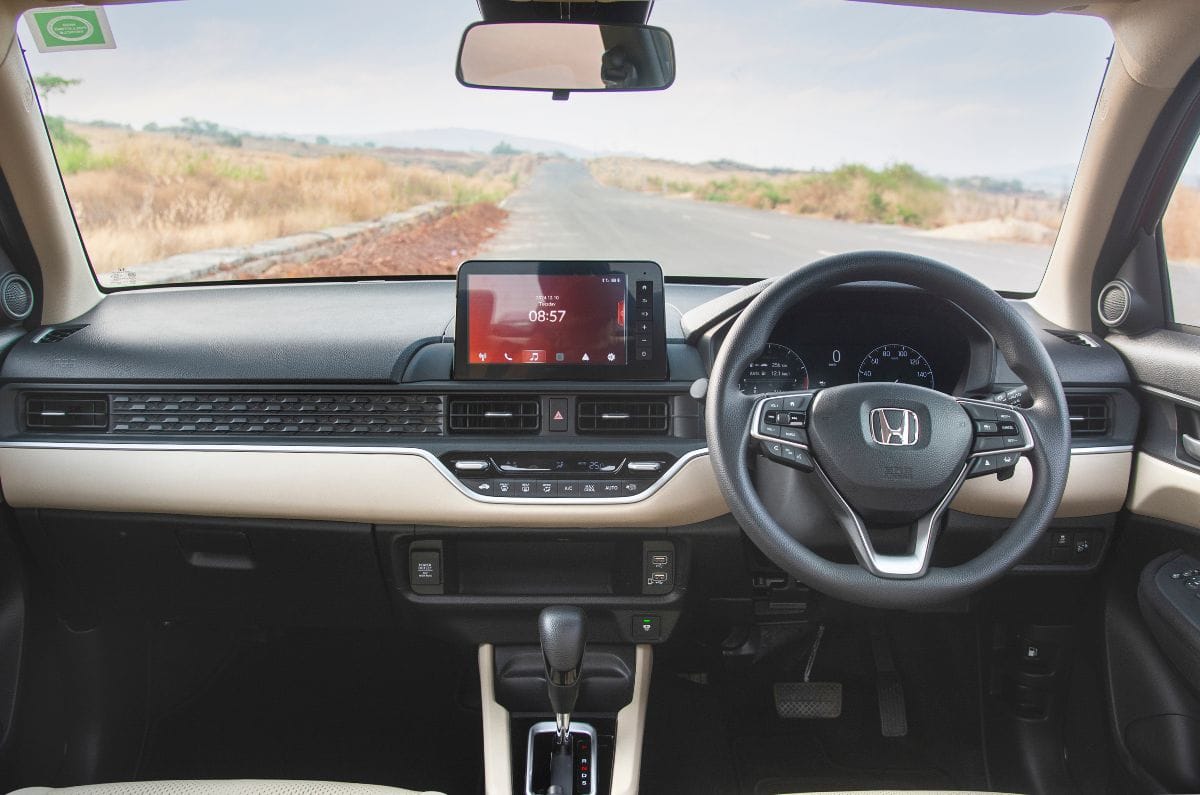
The Amaze’s beige-black interior theme, an expansive glass area and a low-set dashboard make its cabin feel light and airy. This two-tone colour scheme, along with the high perceived quality and overall levels of fit & finish, make the Honda Amaze’s interior feel more premium over its rivals.
The light steering and clutch, a tight turning radius plus an easy-to-use manual gearbox mixed with good all-round visibility, make pottering around town easy. If you go for the CVT (continuously variable transmission) option, driving the Honda Amaze becomes a hassle-free affair. It comes with paddle shifters that react promptly and also come in handy when there’s a need for engine braking. Meanwhile, the physical controls for the HVAC system allow users to adjust the temperature or the fan speed without getting too distracted.
ADAS is available
This is the only car in its class to feature advanced driver-assistance systems
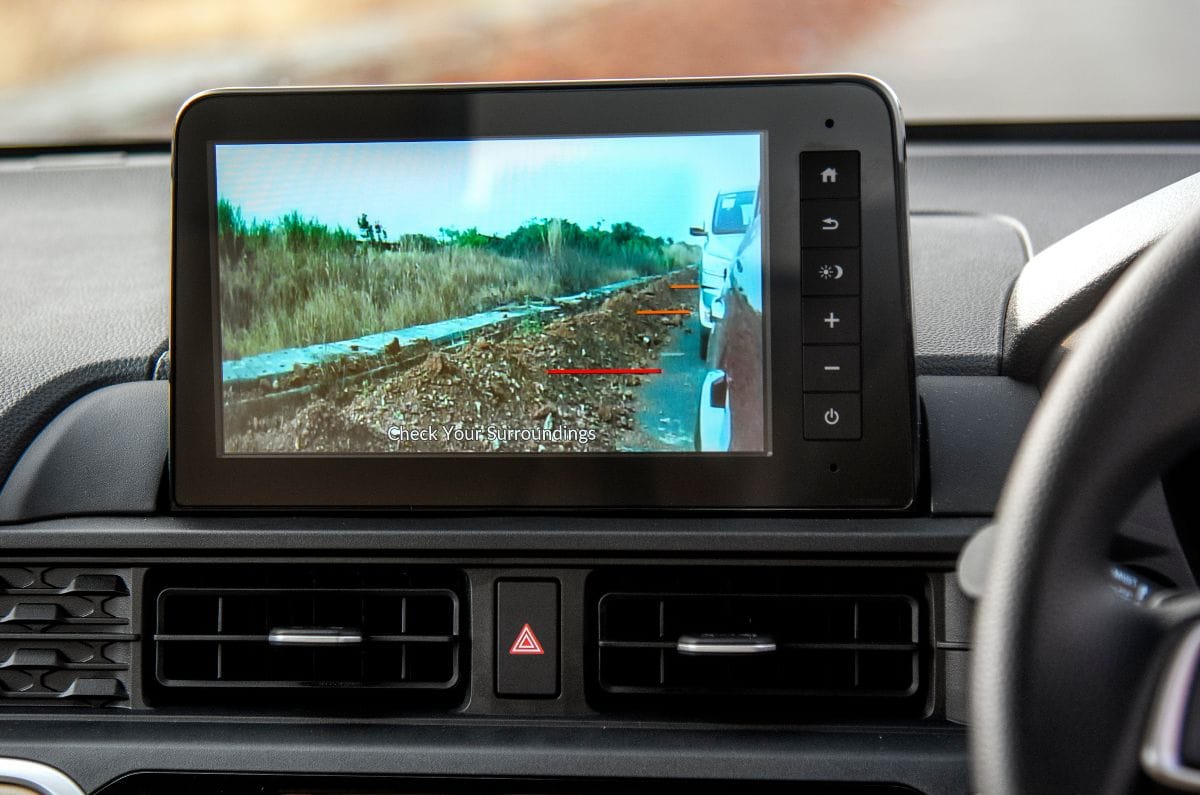
The Amaze is offered with the camera-based Honda Sensing ADAS (advanced driver-assistance systems) suite on the top-spec ZX trim. For those who want that extra layer of active safety nannies, features such as adaptive cruise control with autonomous emergency braking, lane-keeping assist and automatic high-beam will be useful add-ons. The Amaze can also be had with the brand’s LaneWatch Camera system, which displays the camera feed on the infotainment screen, aiding situational awareness.
Reasons to avoid the Honda Amaze
Poor cabin insulation
The Amaze’s cabin is quite an audible one
One of the aspects of driving the Honda Amaze is its lack of proper cabin insulation. Apart from engine and road noises, even ambient sounds from the outside world make it into this cabin with relative ease. This means that the Amaze’s cabin never really feels as relaxing as it could have been.
Underwhelming performance
This Honda sedan lacks engine punch to keep up with some rivals
The 1.2-litre four-cylinder petrol engine of the Honda Amaze is happy to rev to its redline without complaint, but it isn’t a punchy unit. While there’s enough grunt once you get past the 4500rpm mark, this engine feels weak below 2,000rpm. Honda has tried to counter this by providing shorter ratios for the first and second gears.
However, this leads to one having to downshift constantly when driving in bumper-to-bumper traffic or even when trying to drive away from speed-breakers. Even though the CVT masks this engine’s weak low-end and mid-range performance, pushing it results in the type’s characteristic rubber-band effect becoming apparent. The soft suspension means that the Amaze sags under load, raising the risk of scraping the belly on large speed-breakers. It also causes the Amaze to roll noticeably in the corners.
Pricier than rivals
The Amaze remains the most expensive offering in its segment
Unlike the top-spec Maruti Dzire, which is Rs 64,000 cheaper the fully loaded Honda Amaze, it still gets a powered sunroof and a 360-degree camera setup. The Amaze also lacks Type-C USB ports, offering just Type-A and 12-volt outlets. While the higher price tag of the top-spec trim can be explained away due to the inclusion of ADAS, buyers would still want the aforementioned missing features at this price bracket.
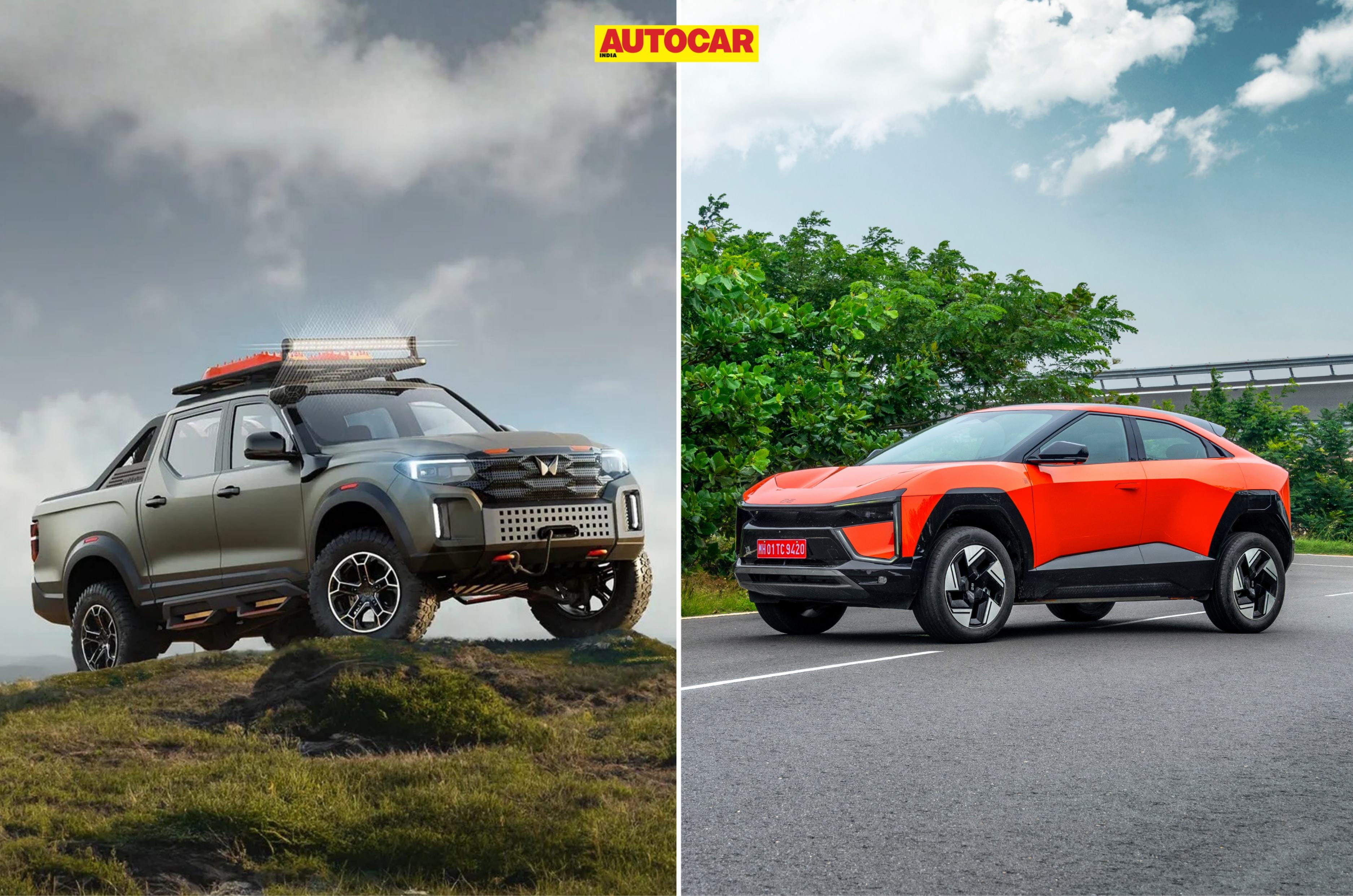
Over the past few years, Mahindra celebrated Independence Day by debuting all-new models (Thar Roxx and XUV700), concept cars that preview upcoming models (Vision S, Vision T, Thar.e, and more), or even fresh platforms and technologies (Nu_IQ and INGLO). The tradition will continue in 2026, with Mahindra set to host a blowout on August 15. Here’s what you can expect.
Closer-to-production-spec Mahindra Scorpio N pickup truck
Mahindra’s Hilux rival is likely just days away from its unveil
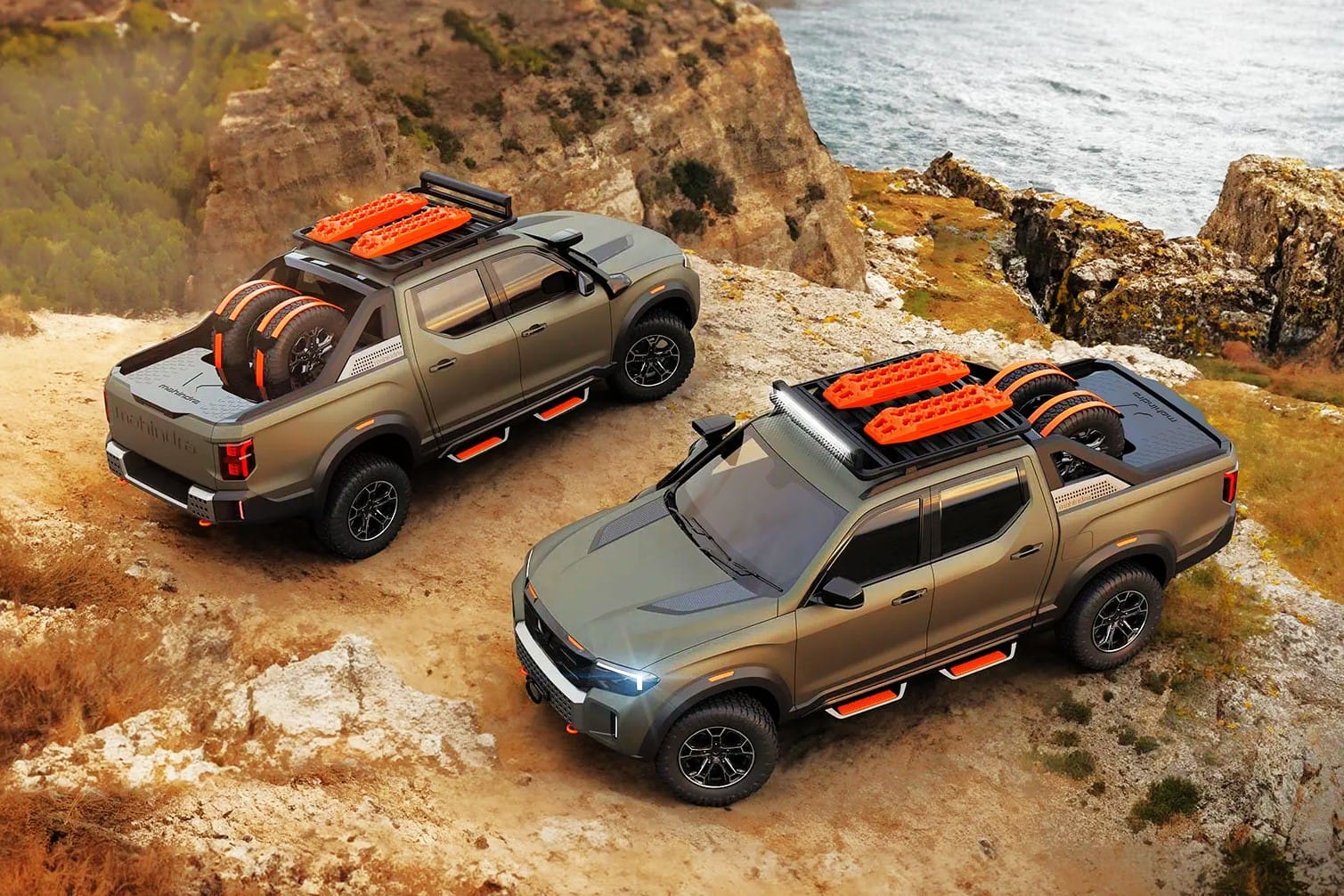
First previewed at Mahindra’s 2023 Independence Day event by way of the Global Pik Up Concept, the Scorpio N pickup truck is expected to finally break cover in a closer-to-production guise at this year’s celebration. Mahindra has been testing the Scorpio N pickup on Indian roads for quite some time, with prototypes sporting a single-cab configuration and an extended load bed. It remains to be seen if the final versions will sport a similar body style.
Credit: vashusinghyt via Instagram
Styling elements for the pickup truck are anticipated to largely mirror those of the Scorpio N SUV, possibly with more rugged cues for differentiation. Under the bonnet, we expect the Scorpio N pickup to retain the SUV’s 203hp 2.0-litre direct-injection turbo-petrol and 175hp 2.2-litre diesel engines, with 6-speed manual and 6-speed automatic gearbox options. 4WD is expected to be on offer as well.
The Scorpio N pickup is likely to rival the Toyota Hilux, which has done well to grow the popularity of the lifestyle pickup truck segment in India and make it a more lucrative space – one where Mahindra’s formula of tough, off-road-capable ladder-frame offerings fits quite well.
Mahindra BE 6 Sporteq variant
Gets triple-display setup and more conventional dashboard design
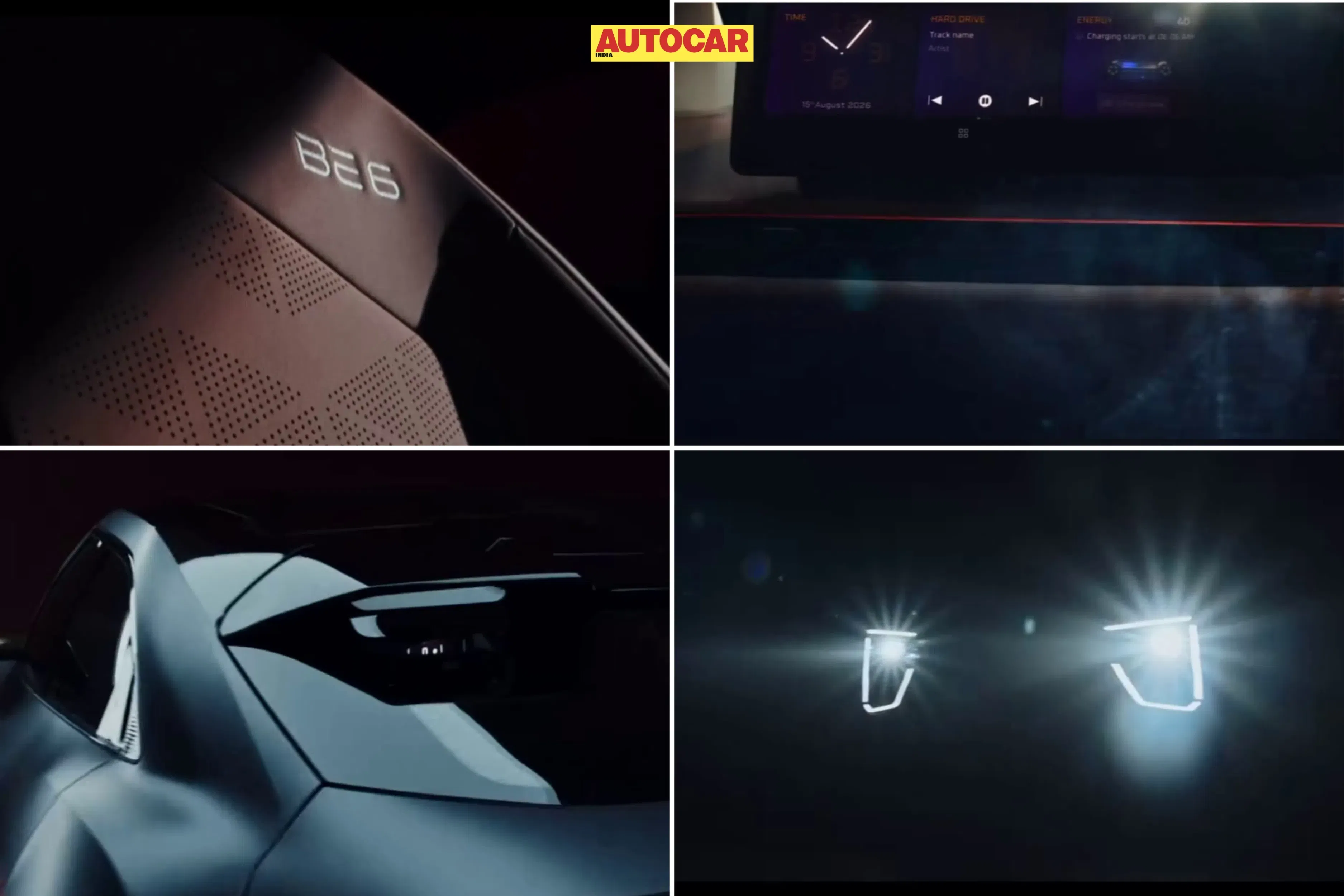
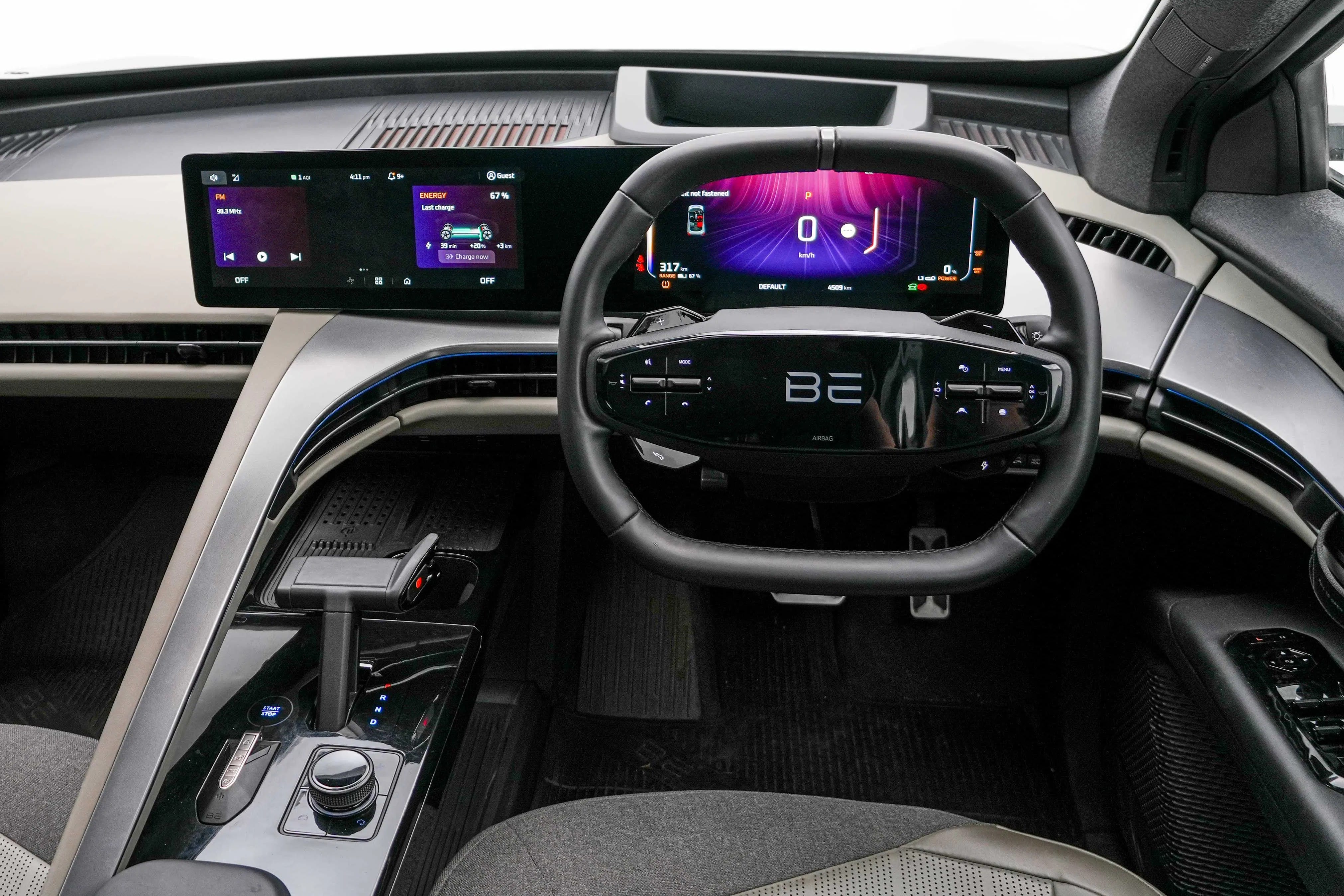
Mahindra will debut a new Sporteq variant of the BE 6 electric SUV on August 15. The BE 6 Sporteq’s key update is the addition of a passenger display on the inside, forming a triple-screen setup like those of the larger XEV 9e and XEV 9S. It will also sport a redesigned dashboard that eschews the large divider between the front seats, which was an ergonomic flaw that restricted access to the wireless charging pad and USB Type-C ports for the co-driver, and did not leave enough space for a second cupholder.
Current Mahindra BE 6 dashboard. Image used for representation only.
In addition to the aforementioned updates, the BE 6 Sporteq may offer new interior upholstery and colour options. Since the Sporteq is likely to be positioned as the new top-spec BE 6 variant, expect it to come with the 79kWh, rear-motor powertrain outputting 286hp and 380Nm, and claiming an MIDC range of 683km. As for pricing, the BE 6 Sporteq is anticipated to command a slight premium over the current top-spec Pack Three 79kWh variant, which costs Rs 26.9 lakh (ex-showroom).
Introduced in 2024, the XUV 3XO debuted as Mahindra’s replacement for the XUV 300 in the compact SUV segment. In fact, this SUV was the first Mahindra model to have the ‘XO’ lettering in its name, a naming convention later adopted for the XUV 7XO. The XUV 3XO comes with a radical exterior, a premium interior and is powered by potent engine options. If you’re considering buying the XUV 3XO, we’ve listed reasons to go for it along with its limitations, so you can decide to look elsewhere.
Reasons to buy the Mahindra XUV 3XO
Upmarket Interior quality
Though its interior may lack panache when compared to rivals, quality and feel, on the other hand, are up there at the top. Top-end versions come with soft-touch leatherette material on the dashboard and door trims, and the perforated leatherette seats feel quite upmarket. Even cabin bits like the leather-wrapped steering wheel, window switches, and wiper and light stalks look like they belong in a pricier car.
Strong engines
The Mahindra XUV 3XO is offered with three engine choices. There’s a 1.2-litre turbo-petrol engine producing 111hp and 200Nm, a 1.2-litre direct-injection turbo-petrol unit developing 131hp and 230Nm, and a 1.5-litre turbo-diesel churning 117hp and 300Nm. The latter two options are the most powerful in their respective segments. A six-speed manual is standard on all engines, while the turbo-petrol can also be paired to a 6-speed torque converter automatic, and the diesel can be mated with a 6-speed AMT.
The XUV 3XO feels at its best when paired with the direct-injection turbo-petrol. With 131hp on tap, power is quickly accessible, and the mid-range punch is pleasing. Its 230Nm torque figure (250Nm in overboost) is way ahead of its rivals and performance is on par with pricier SUVs. Refinement levels are remarkable for a three-cylinder engine and noise levels are kept in check.
Like the petrol, the diesel mill is refined as well, while turbo-lag is well contained at low speeds. Performance feels effortless when getting to cruising speeds. While power isn’t instantaneous, the engine itself feels responsive throughout the power band, and the 300Nm torque comes in handy especially on the highway.
Long feature list
High-end trims of the Mahindra XUV 3XO come equipped with features to the brim. These include dual 10.25-inch screens for the infotainment and digital driver’s display, wireless Apple CarPlay and Android Auto, a panoramic sunroof, 7-speaker Harman Kardon audio system, dual-zone climate control (segment-only), connected car tech, wireless phone charger, drive and steering modes.
As far as safety is concerned, top-spec versions come with level 2 ADAS, a 360-degree camera, front parking sensors, an auto-dimming IRVM, an electronic parking brake with auto hold, and blind-spot detection.
Reasons to not buy the Mahindra XUV 3XO
Low boot space
While the XUV 3XO scores well for rear space and practical in-cabin storage spaces, the same can’t be said for the boot space. With a capacity of 295 litres, it has the smallest boot among its core rivals. Additionally, the low floor and high loading lip make it difficult to put things in and out of the boot.
Expensive top-end variants
Top-end versions of the Mahindra XUV 3XO are quite pricey. With prices of the top-most AX7 L trim ranging from Rs 13.32 lakh to Rs 15.04 lakh with turbo-petrol and diesel engines, you’ve entered mid-size SUV territory. At that price point, one may find a larger, more spacious mid-size SUV in mid-spec guise.
आसमान में जल्द ही एक बेहद खास खगोलीय घटना देखने को मिलने वाली है। 12 अगस्त को सूर्य ग्रहण के दौरान चंद्रमा कुछ समय के लिए सूर्य के सामने आ जाएगा और उसकी रोशनी को ढक देगा। इस नजारे को लेकर दुनिया के कई हिस्सों में लोगों के बीच उत्सुकता है। खास बात यह है कि करीब 1.5 करोड़ लोग उस इलाके में होंगे, जहां सूर्य पूरी तरह चंद्रमा के पीछे छिपा दिखाई देगा। स्पेन, आइसलैंड के साथ ग्रीनलैंड, रूस और पुर्तगाल के कुछ हिस्सों में पूर्ण सूर्य ग्रहण देखा जा सकेगा।
वहीं, यूरोप और उत्तरी अफ्रीका के कई इलाकों में इसका आंशिक प्रभाव नजर आएगा। कुछ शहरों में सूर्य का 90 फीसदी से ज्यादा हिस्सा ढका रहेगा, जिससे आसमान का नजारा काफी अलग दिखाई देगा। हालांकि, ग्रहण देखने के लिए आंखों की सुरक्षा का विशेष ध्यान रखना जरूरी होगा।
स्पेन में मिलेगा सबसे शानदार नजारा
पूर्ण सूर्य ग्रहण देखने के लिए उत्तरी और पूर्वी स्पेन को सबसे बेहतर जगहों में माना जा रहा है। लियोन, वलाडोलिड, जारागोजा, तेरुएल और वेलेंसिया पूर्ण ग्रहण के दायरे में आएंगे। पश्चिमी स्पेन में पूर्ण ग्रहण की शुरुआत करीब 18:27 GMT यानी स्थानीय समयानुसार रात 8:27 बजे होगी। अलग-अलग स्थानों के आधार पर पूर्ण ग्रहण करीब 110 सेकंड तक रह सकता है। हालांकि स्पेन की राजधानी मैड्रिड और बार्सिलोना पूर्ण ग्रहण की पट्टी से थोड़ा बाहर रहेंगे। इसके बावजूद वहां रहने वाले लोग सूर्य का 99 फीसदी से ज्यादा हिस्सा ढका हुआ देख सकेंगे।
यूरोप के कई शहरों में दिखेगा आंशिक ग्रहण
पूर्ण सूर्य ग्रहण का नजारा भले ही सीमित इलाकों में दिखे, लेकिन आंशिक ग्रहण का दायरा काफी बड़ा होगा। यूरोप के ज्यादातर हिस्सों में शाम के समय सूर्य आंशिक रूप से ढका नजर आएगा। पेरिस में करीब 92 फीसदी, लंदन में 91 फीसदी और बर्लिन में लगभग 85 फीसदी सूर्य ढका रहेगा। यूरोप के पूर्वी हिस्सों में समस्या यह होगी कि कई जगह सूर्य ग्रहण के अपने अधिकतम स्तर पर पहुंचने से पहले ही सूरज डूब जाएगा। यानी वहां लोग ग्रहण का सबसे गहरा चरण नहीं देख पाएंगे।
उत्तरी अफ्रीका में भी दिखेगा ग्रहण
उत्तरी अफ्रीका के कुछ हिस्सों में भी आंशिक सूर्य ग्रहण दिखाई देगा। अल्जीयर्स में करीब 98 फीसदी और कैसाब्लांका में लगभग 87 फीसदी सूर्य ढका नजर आएगा। हालांकि इन दोनों शहरों में भी सूर्य के पूरी तरह अस्त होने के कारण ग्रहण का आखिरी हिस्सा दिखाई नहीं देगा।
अमेरिका और कनाडा में कितना दिखेगा?
अटलांटिक के दूसरी तरफ स्थिति कुछ अलग होगी। वहां ग्रहण सुबह और दोपहर के समय दिखाई देगा, लेकिन उत्तरी अमेरिका पूर्ण ग्रहण की मुख्य पट्टी से काफी दूर रहेगा। कनाडा के सेंट जॉन्स में करीब 53 फीसदी, मॉन्ट्रियल में 18 फीसदी और टोरंटो में लगभग 8 फीसदी सूर्य ढका दिखाई देगा। अमेरिका में अलास्का के कुछ हिस्सों में करीब 37 फीसदी तक ग्रहण देखा जा सकेगा। वहीं बाकी इलाकों में इसका असर काफी कम रहेगा। उत्तर-पूर्वी मेन में करीब 28 फीसदी, न्यूयॉर्क में लगभग 10 फीसदी और मिडवेस्ट के कई हिस्सों में लगभग नगण्य ग्रहण दिखाई देगा।
अगला पूर्ण सूर्य ग्रहण कब?
अगर 12 अगस्त का ग्रहण आपके इलाके में दिखाई नहीं देता, तो अगला बड़ा मौका ज्यादा दूर नहीं है। 2 अगस्त 2027 को अगला पूर्ण सूर्य ग्रहण होगा, जिसकी पट्टी दक्षिणी स्पेन, उत्तरी अफ्रीका और यमन से होकर गुजरेगी। सूर्य ग्रहण के दौरान सीधे सूर्य की ओर देखना आंखों के लिए खतरनाक हो सकता है, इसलिए इसे देखने के लिए उचित प्रमाणित सोलर-व्यूइंग चश्मे या सुरक्षित उपकरण का इस्तेमाल करना जरूरी है।
LOOK OUT FOR: Suspension wear, infotainment issues
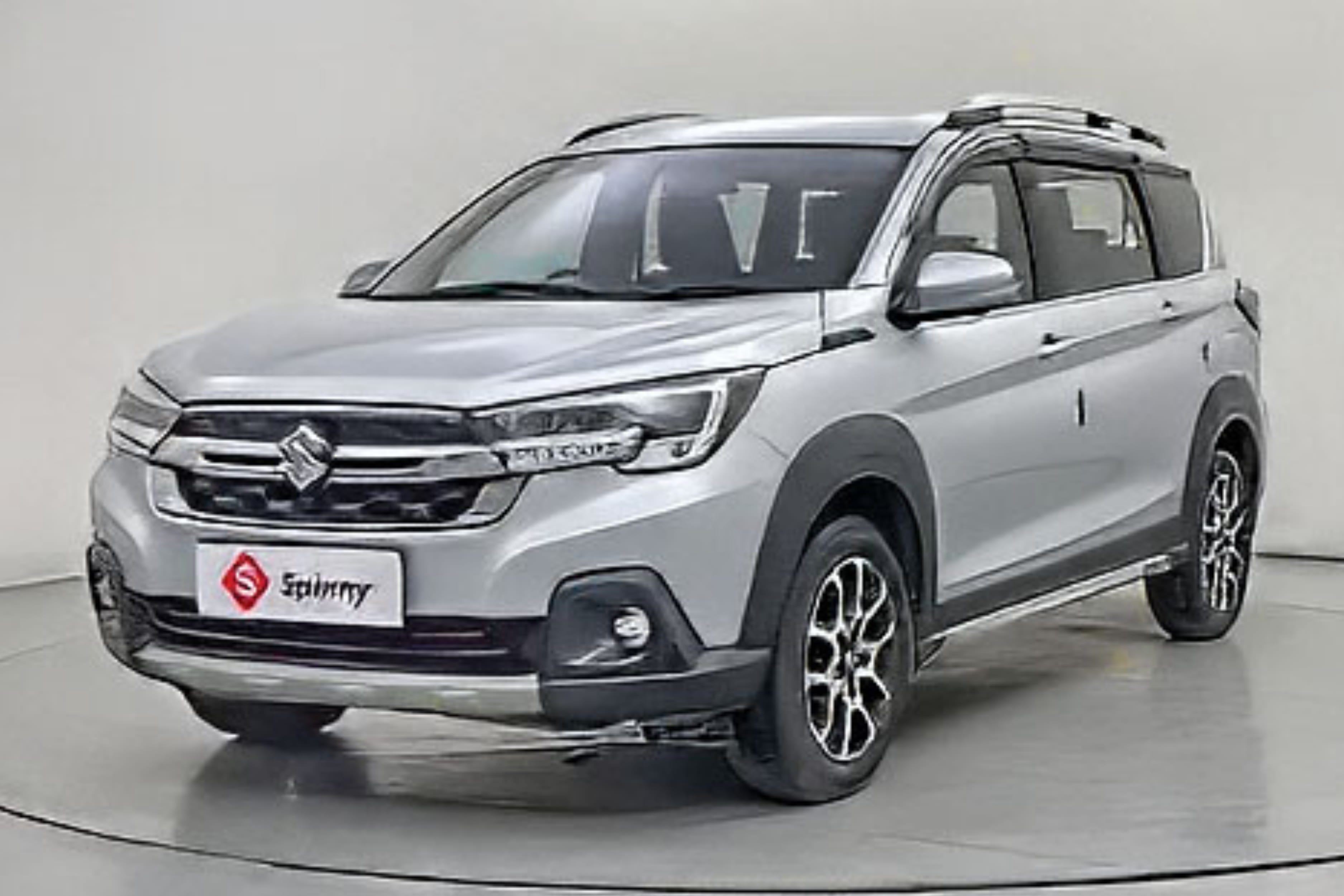
A more premium 6-seat alternative to the venerable Ertiga MPV, the Maruti XL6 has been on sale since 2019 and received a substantial update in 2022. Being a comfortable, practical and easy-to-drive MPV, the updated Maruti XL6 is worth considering as a used buy. Here’s all you need to know.
In terms of cosmetics, not much changed for the XL6 when it got an update in 2022. It got a mildly updated grille with more chrome, a new chrome bar on the tailgate, new 16-inch dual-tone alloy wheels and tweaked tail-lights with smoked clear lens effect. It also got new dual-tone colour options – silver, brown and red – with a contrasting black roof.
Petrol and CNG powertrains; up to 20.97kpl claimed mileage
The biggest change was under the hood, with the XL6 receiving Maruti’s then-new 1.5-litre DualJet petrol engine, with two injectors per cylinder, which put out 103hp and 136.8Nm. The other big highlight was the new 6-speed torque converter automatic gearbox with paddle shifters, replacing the older 4-speeder. The standard 5-speed manual gearbox was carried over as is. It also featured Maruti’s mild-hybrid technology with an integrated starter generator and start-stop technology. The updated XL6 has a claimed fuel efficiency of 20.97kpl with the manual gearbox and 20.27kpl with the auto.
Later in 2022, Maruti launched the XL6 CNG, which was offered in a single Zeta variant and cost about Rs 95,000 more than the equivalent petrol variant. Powered by the same 1.5 engine, it put out a lower 88hp and 121.5Nm in CNG mode, and 101hp and 136Nm in petrol mode, and came paired with the 5-speed manual only. Maruti claimed that the XL6 CNG had a fuel efficiency of 26.32km/kg.
The petrol manual is ideal for most users, as it’s easy to drive, efficient and will be the most affordable to buy. Those with most of their running within the city can opt for the automatic for greater convenience, while high-mileage users will benefit from the CNG’s low running costs.
Maruti Suzuki XL6 variants and features
7-inch touchscreen, ventilated front seats, 360-degree camera, and more
As for variants, there’s three on offer – Zeta, Alpha and Alpha+. The range-topping Alpha+ packs in features like a 7-inch touchscreen infotainment with Android Auto and Apple CarPlay compatibility, auto climate control, leatherette upholstery, LED lights, 360-degree camera, ventilated front seats, connected car tech, cruise control, tyre pressure monitor, traction control and much more. All variants come well equipped, and features like the touchscreen and cruise control are offered right from the base Zeta variant, so choose the one that best fits your budget.
XL6 aftersales details
Being a Maruti product, the XL6 is a proven and reliable MPV that’s also easy to maintain. Spare parts are readily available and affordable, while Maruti’s widespread service network throughout India gives you peace of mind. It’s also worth going for an example that has an extended warranty package, and the XL6’s great resale value also means you’ll recoup a considerable amount when you sell it later on.
What to look out for in a used Maruti Suzuki XL6
Suspension wear
Since the XL6 is a family car, it’s bound to be subjected to heavy loads from time to time. Hence, it’s worth checking out the condition of the suspension. Listen for any noises that come from the suspension, or check if it crashes excessively over bumps and ruts, as these are signs of worn-out suspension bushings. This is not an expensive fix, however.
Infotainment issues
Owners have faced issues with the XL6’s SmartPlay Pro 7-inch infotainment system, like Apple CarPlay/Android Auto disconnections, screen freezing and the display getting stuck. Before purchasing, check that it functions smoothly, pairs up with your phone easily and that the system’s software is up to date.
Potential defect in front seatbelts
XL6 units manufactured between November 2 and November 28, 2022 were recalled by Maruti Suzuki to rectify a possible defect in one of the child parts of the height-adjuster assembly of the front seatbelts, which could lead to seat belt disassembly. Replacement of the faulty part was done free of charge, so make sure this has been taken care of if you’re looking at a car from this time frame.
Second-hand Maruti Suzuki XL6 price and resale value
Rs 8 lakh-12 lakh
The XL6 is still on sale, and being a Maruti, it commands very good value in the resale market. However, refrain from spending over Rs 12 lakh, irrespective of the variant and mileage, as you’d be better off buying a new one. What’s nice, though, is that you’ll also be able to recover a good chunk of your investment once you go on to sell it.
Maruti Suzuki XL6 fact file
Years produced
2022-present
Price when new
Rs 11.29 lakh-14.55 lakh (ex-showroom, India)
Engine
4 cyls, 1462cc, petrol / 4 cyls, 1462cc, petrol+CNG
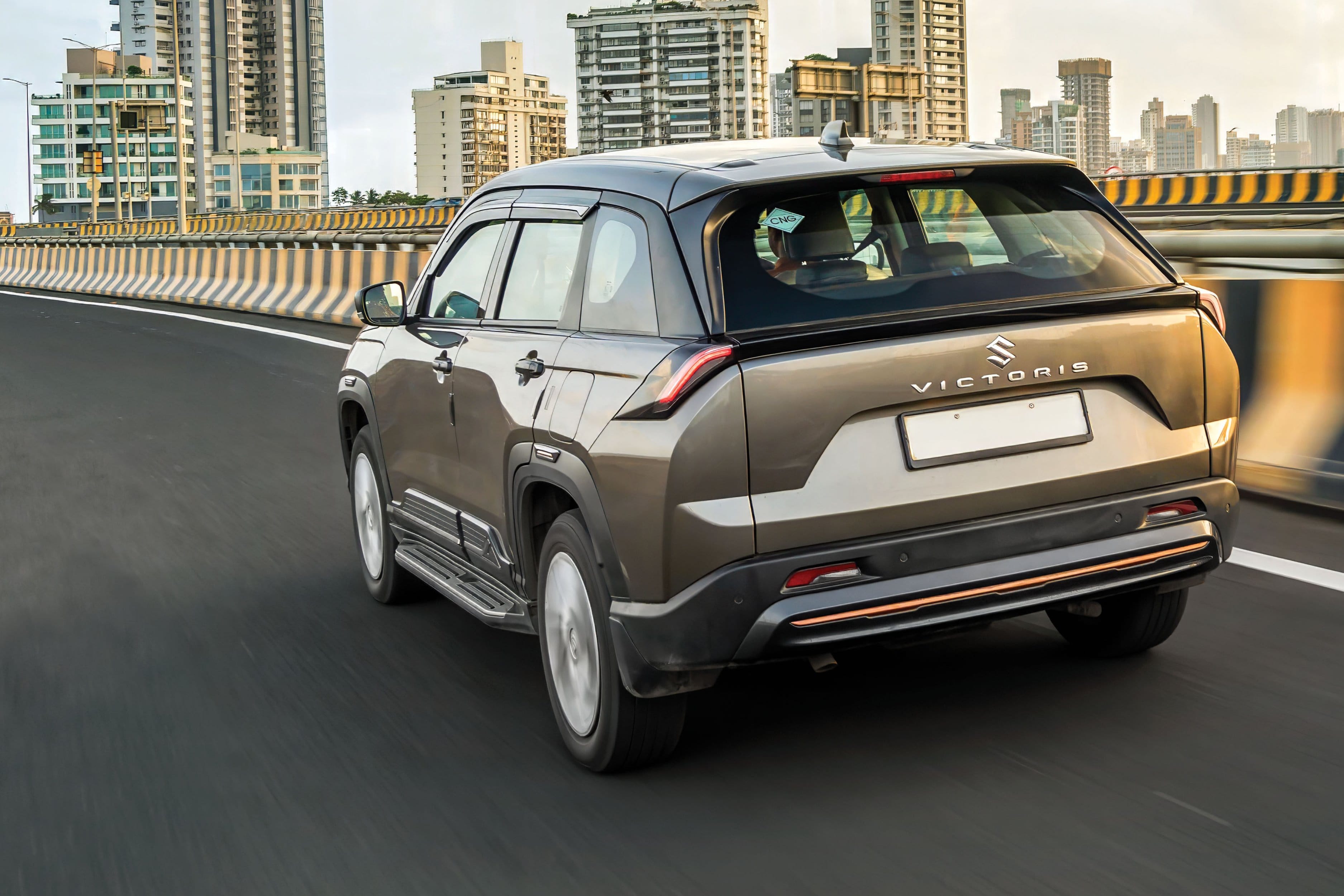
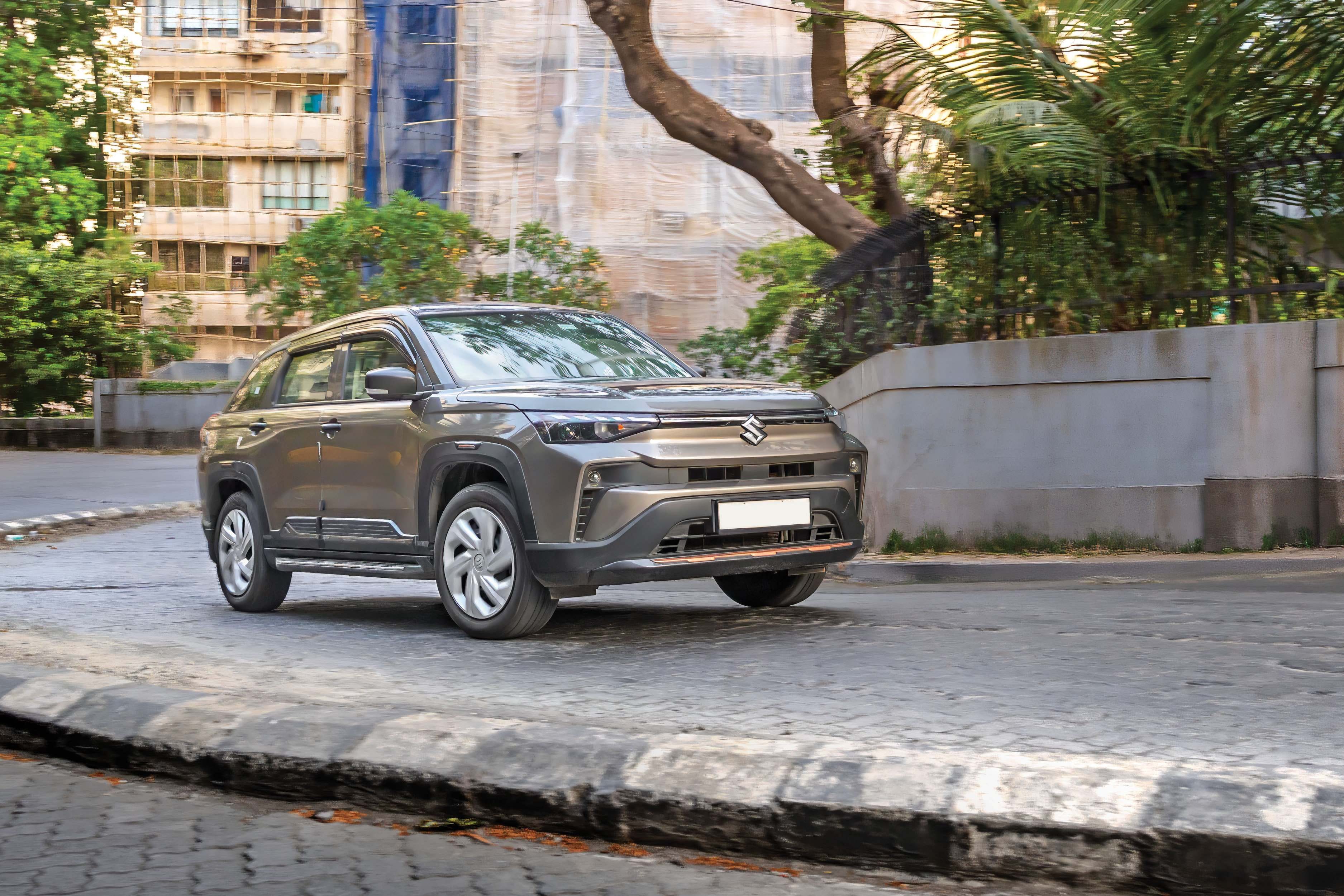
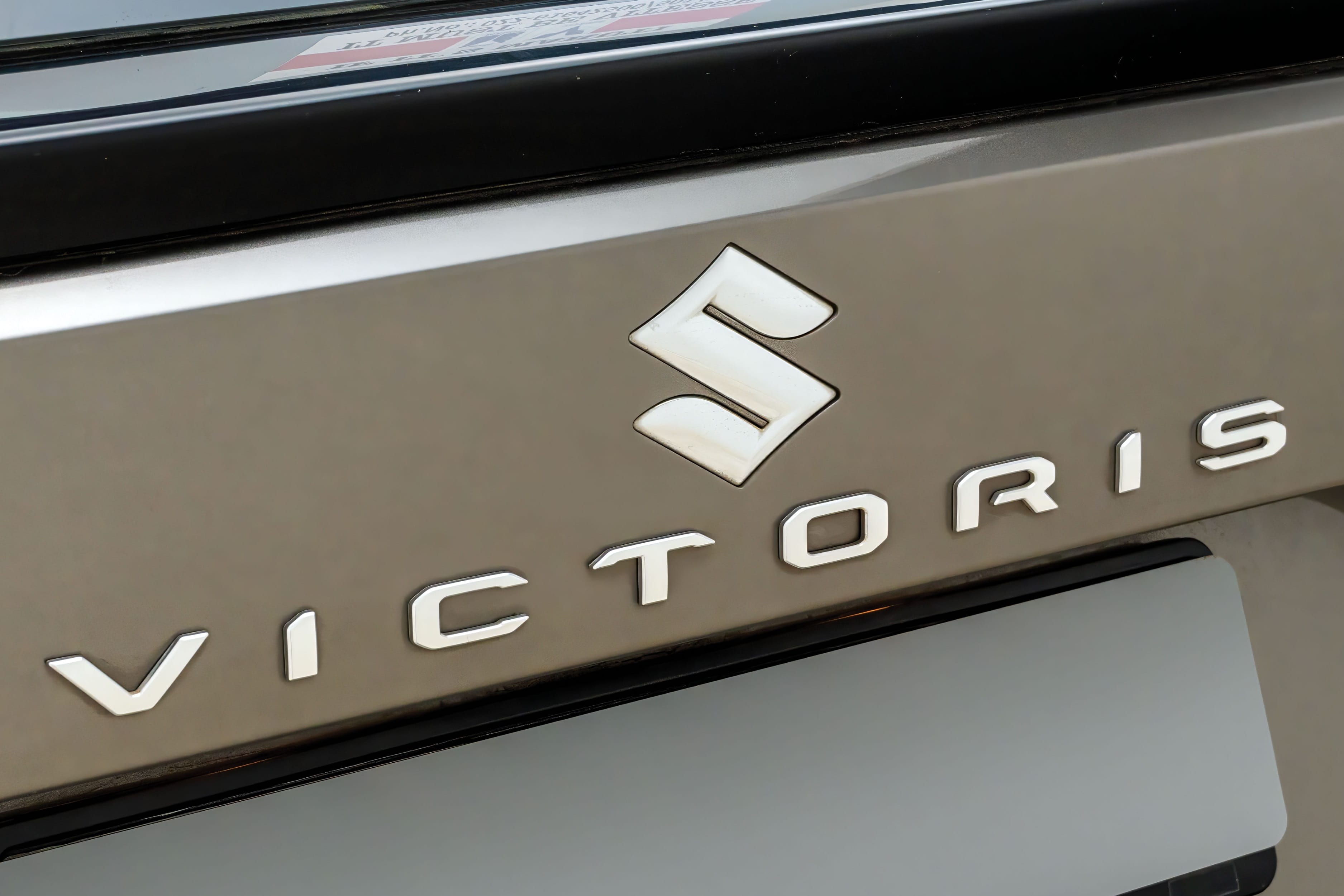
Maruti offers buyers a wide range of powertrain options with the Victoris – a 1.5-litre petrol engine paired with either a manual or automatic transmission, an all-wheel-drive automatic, a strong hybrid, and a CNG version. Interestingly, nearly one in every two Victoris buyers opts for the CNG variant. To understand the reason behind its popularity, we put it through our real-world tests.
City drivability is good; efficiency is impressive.
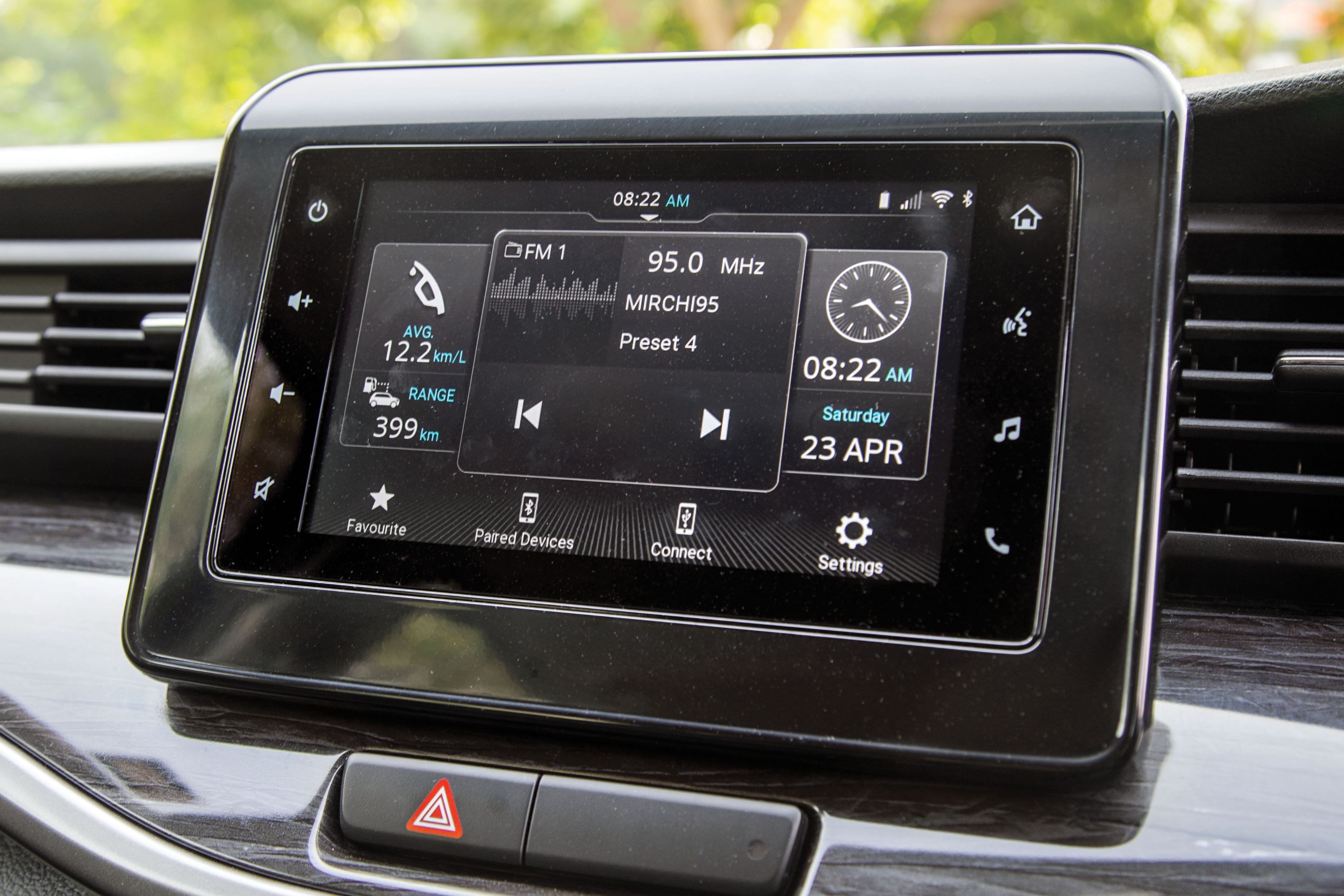
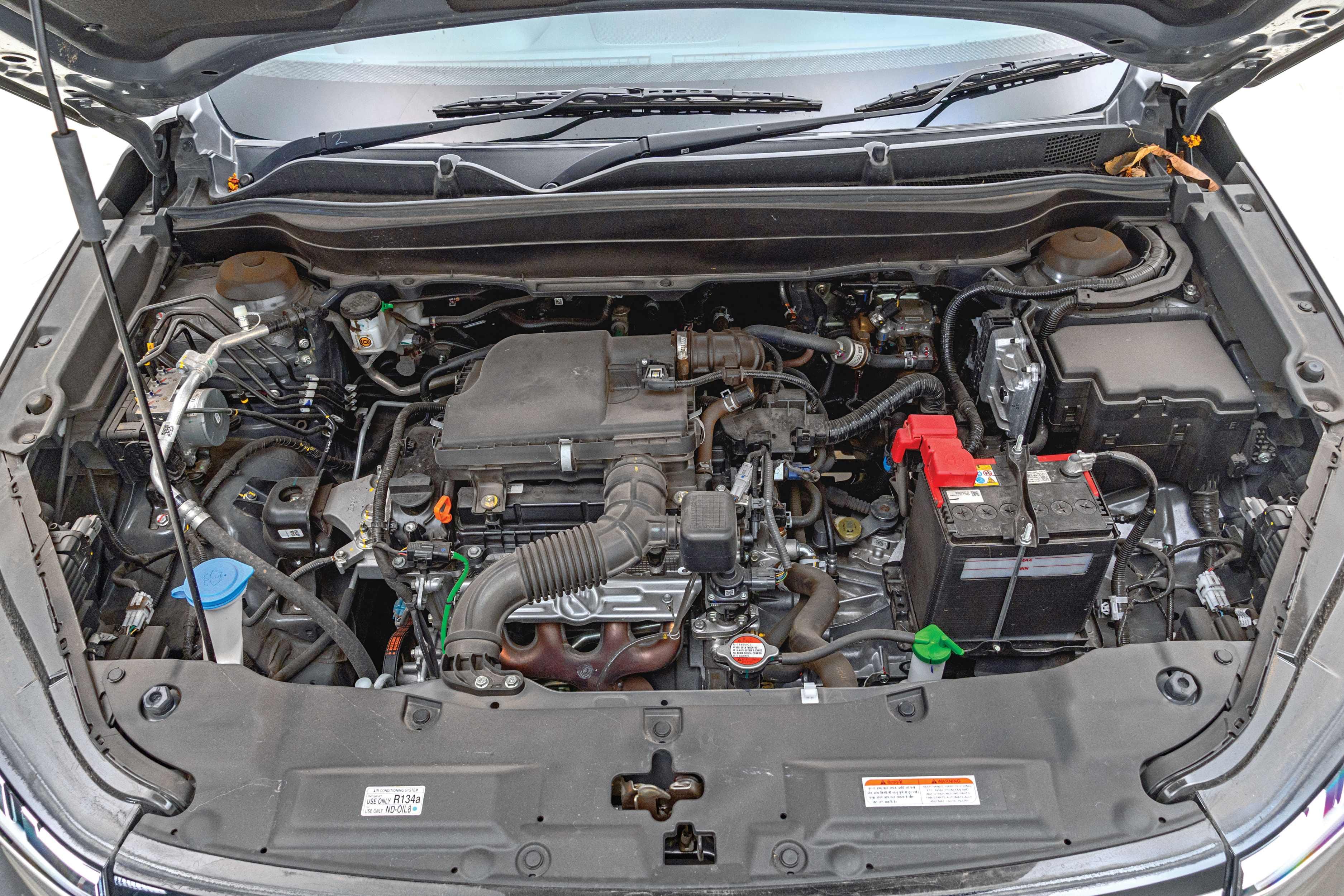
Powered by a 1.5-litre four cylinder engine, the Victoris produces 88hp and 122Nm when running on CNG. While those figures may appear modest on paper, the good news is that the engine feels responsive right from the outset, and overall driveability remains impressive. It is more than capable of keeping pace with city traffic, and up to about 80kph, with the engine spinning below 3,000rpm, there is enough performance on tap to satisfy most users. You do need to be mindful of being in the right gear, and occasionally, you may find yourself revving the engine harder for a quick overtake. On that note, Maruti’s 5-speed manual gearbox remains one of the best in the business, offering precise shifts and a light, effortless action. The clutch is also light, making the Victoris CNG particularly easy to drive.
Maruti Suzuki Victoris S-CNG acceleration times
CNG
Petrol
Speed (Kph)
Time (Sec)
Time (Sec)
20
1.33
1.32
40
3.28
3.22
60
6.31
5.79
80
9.88
8.87
100
15.14
13.43
120
23.44
19.56
That said, performance isn’t effortless, and when it comes to quick overtakes, you’ll need to work the engine harder. But it is only then that the difference between petrol and CNG modes becomes noticeable. In petrol mode, the engine feels freer and more eager to rev, whereas in the CNG mode, it feels slightly more restrained. To put things into perspective, the Victoris accelerates from 0-100kph in 15.14 seconds in CNG mode, making it 1.7 seconds slower than in petrol mode. Performance also tapers off noticeably beyond 100kph, regardless of which mode you are in.
Maruti Suzuki Victoris S-CNG rolling acceleration
Speed (Kph)
Time (Sec)
Time (Sec)
20-80kph (3rd gear)
16.14
15.98
40-100kph (4th gear)
22.45
18.92
Maruti Suzuki Victoris S-CNG mileage – 9/10
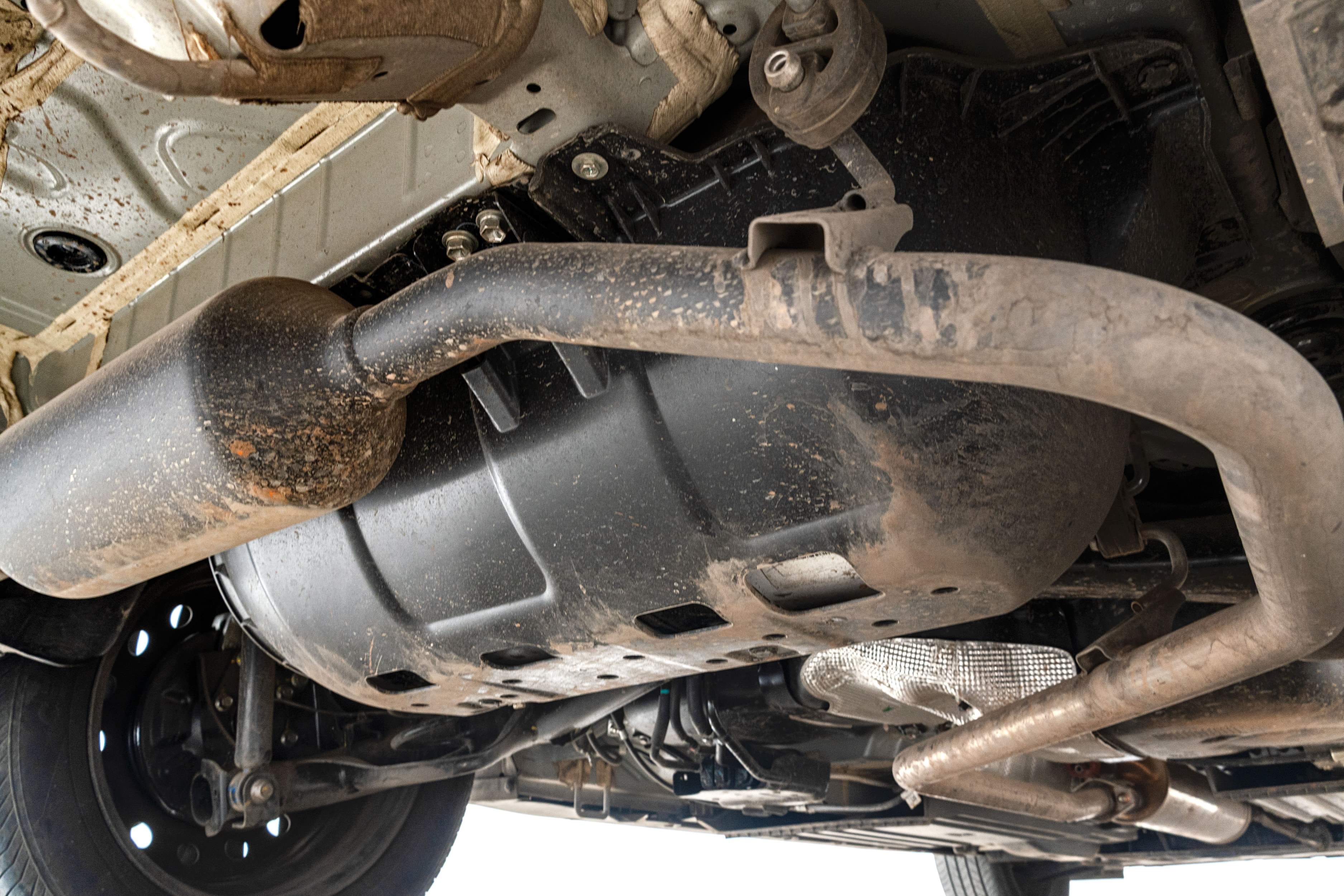
Under-floor CNG tank occupies spare tyre space.
Owners, however, will certainly appreciate this SUV’s efficiency. In our tests, the Victoris CNG delivered 18km/kg in the city and 26km/kg on the highway. The latter figure is particularly impressive, coming close to Maruti’s claimed fuel-efficiency figure of 27.02km/kg.
Its 55-litre CNG tank, mounted beneath the vehicle, can typically hold between 7.4kg and 8kg of gas, depending on ambient conditions and pump pressure. Based on our findings, owners can expect an average real-world driving range of around 180km on a full CNG fill.
Maruti Suzuki Victoris S-CNG ride comfort and handling – 8/10
You’ll need to work its engine harder on hilly terrain or to make quick highway overtakes.
Shifting focus to other aspects, the Victoris inspires confidence on almost every kind of road thanks to its well-sorted underpinnings and expertly judged suspension setup. It feels tough and robust in the way it smothers small undulations and absorbs even sharp road shocks with ease. Even when driven at higher speeds, this Maruti remains composed, riding flat without unnecessary body movements.
Maruti Suzuki Victoris S-CNG features and safety – 8/10
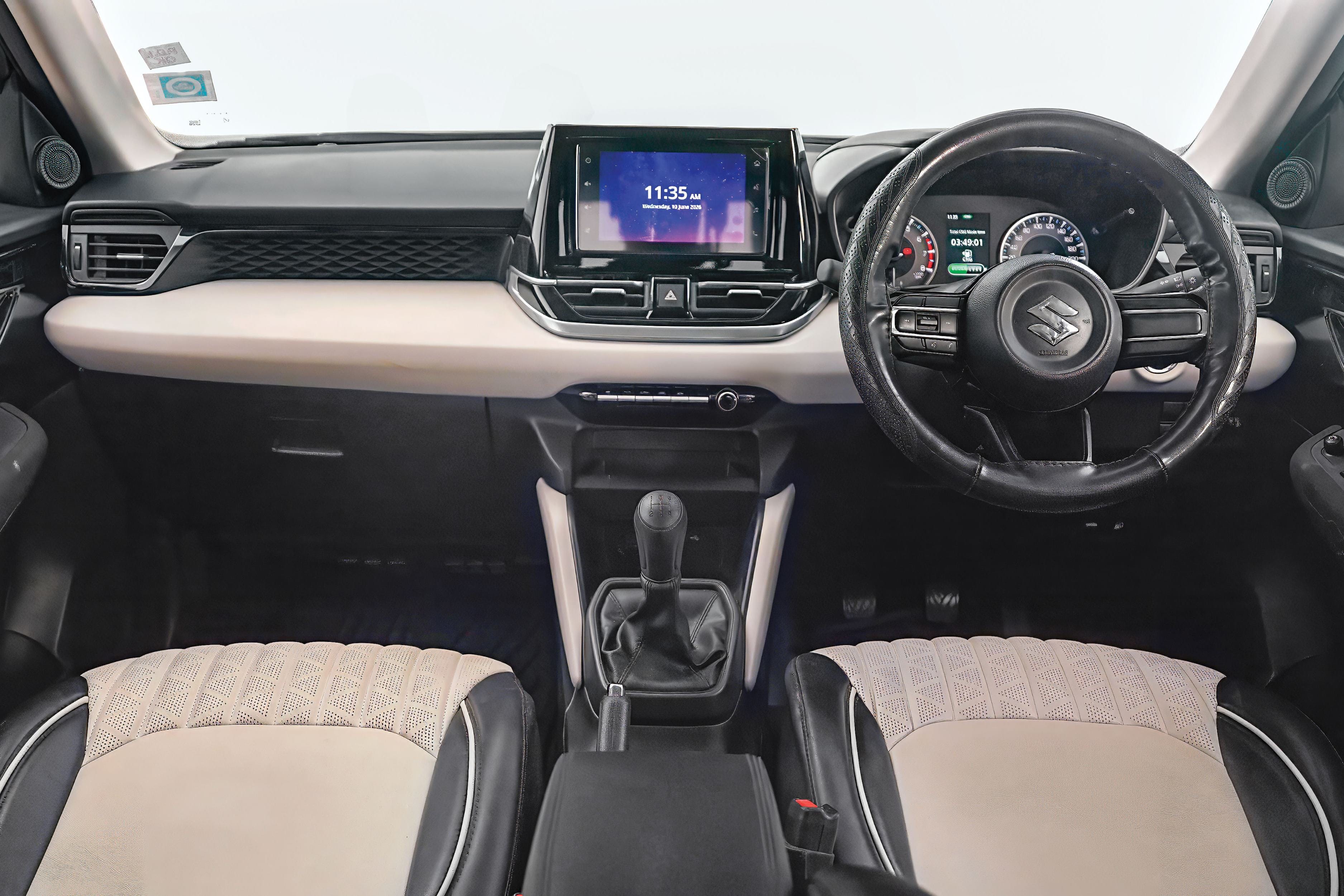
Pleasing dual-tone interiors with generous standard equipment.
As for safety, six airbags, ESP, ABS with EBD and all the essential modern safety features come as standard. Notably, the entry-level LXI variant represents excellent value for money. Priced at Rs 11.5 lakh, it comes equipped with keyless entry, push-button start, automatic climate control, a 7-inch touchscreen with wireless Android Auto and Apple CarPlay, and projector headlamps, among other notable features.
Maruti Suzuki Victoris S-CNG boot space – 8/10
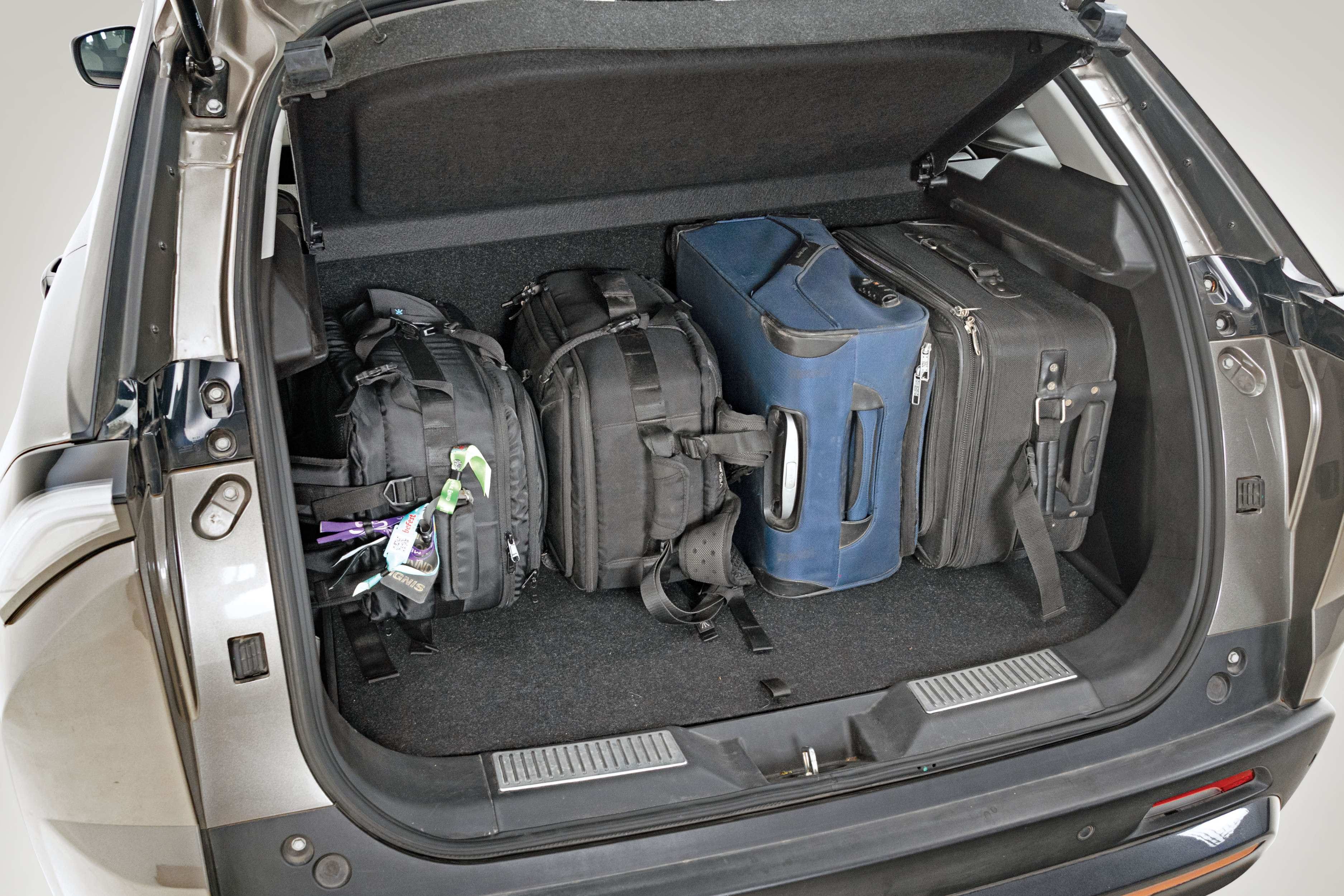
With the under-floor CNG tank, boot space is good.
Maruti has also cleverly packaged the Victoris’ CNG tank beneath the boot floor, which means luggage space remains identical to the petrol version, making it just as practical. The only compromise is the absence of a spare tyre, with CNG variants making do with a tyre inflator kit instead.
Maruti Suzuki Victoris S-CNG verdict- 8/10
It is an efficient, sensible, value-for-money SUV.
In summary, the Victoris is a sensible, efficient and genuinely value-for-money midsize SUV. For buyers with high running requirements who want to keep fuel costs in check, the CNG version is the obvious choice. The drivability is good, the efficiency is excellent, and although it costs around Rs 1 lakh more than an equivalent petrol version, the significantly lower running costs should allow owners to recover that premium over time.
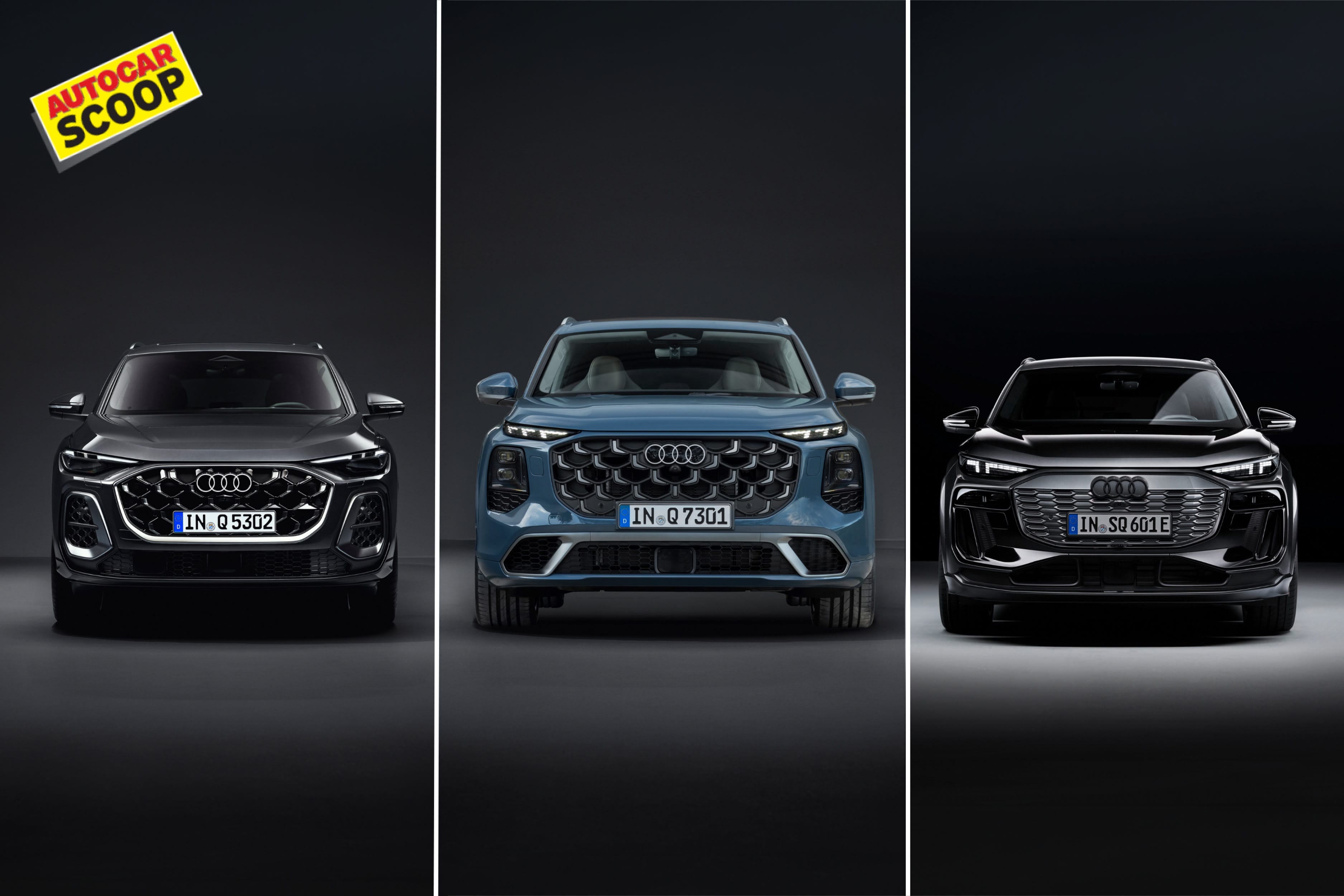
Audi India head Balbir Singh Dhillon recently confirmed 3 new launches in the next 12 months, but we have dug around a bit, and there’s a whole line-up of other models in bound as well. Apart from the new-gen Q3, the A5 and the flagship Q9, Audi will also be bringing the next-gen Q5 and Q7 in 2027. There will also be an EV making a comeback in Audi’s lineup in the form of the Q6 e-tron, and the big news is that all of these models will be locally assembled in India. Essentially, Audi’s entire Q-range will be thoroughly revamped in India by the end of next year.
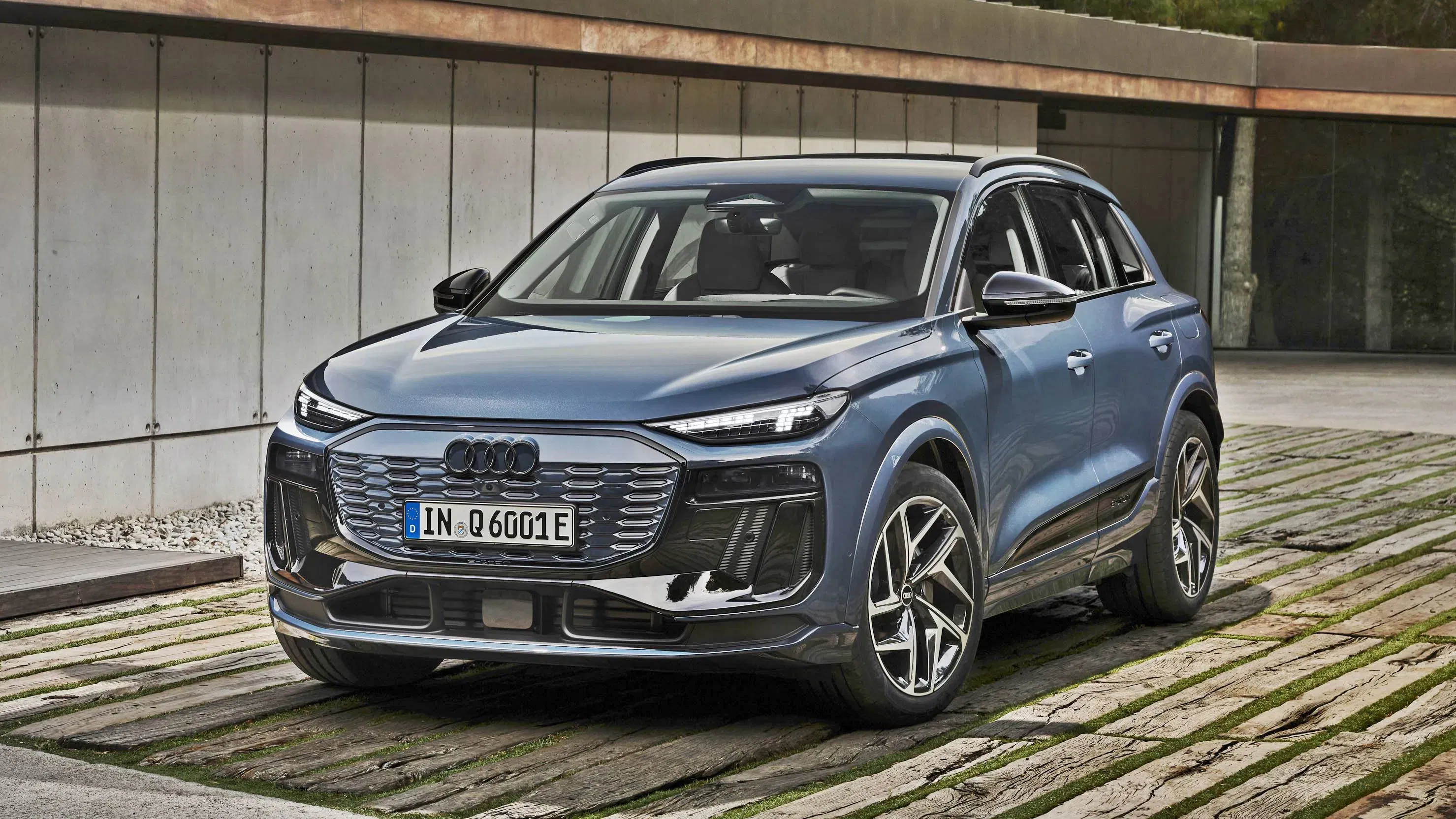
Audi Q6 e-tron
Estimated price: Rs 85 lakh; launch: Mid-2027
The Q6 e-tron will be Audi’s first EV to be assembled here. The electric SUV was the first to be based on the Volkswagen Group’s 800V Premium Platform Electric (PPE) architecture, co-developed with Porsche.
It’ll be offered in SUV and Sportback body styles and is likely to have a 100kWh battery (an 83kWh unit is offered overseas) with a single 306hp rear-mounted motor, offering 641km of WLTP range (656km for the aero-efficient Sportback). The EV also introduced Audi’s latest curved display that comprises an 11.9-inch digital instrument cluster, a 14.5-inch central touchscreen, and an optional 10.9-inch touchscreen display for the front passenger.
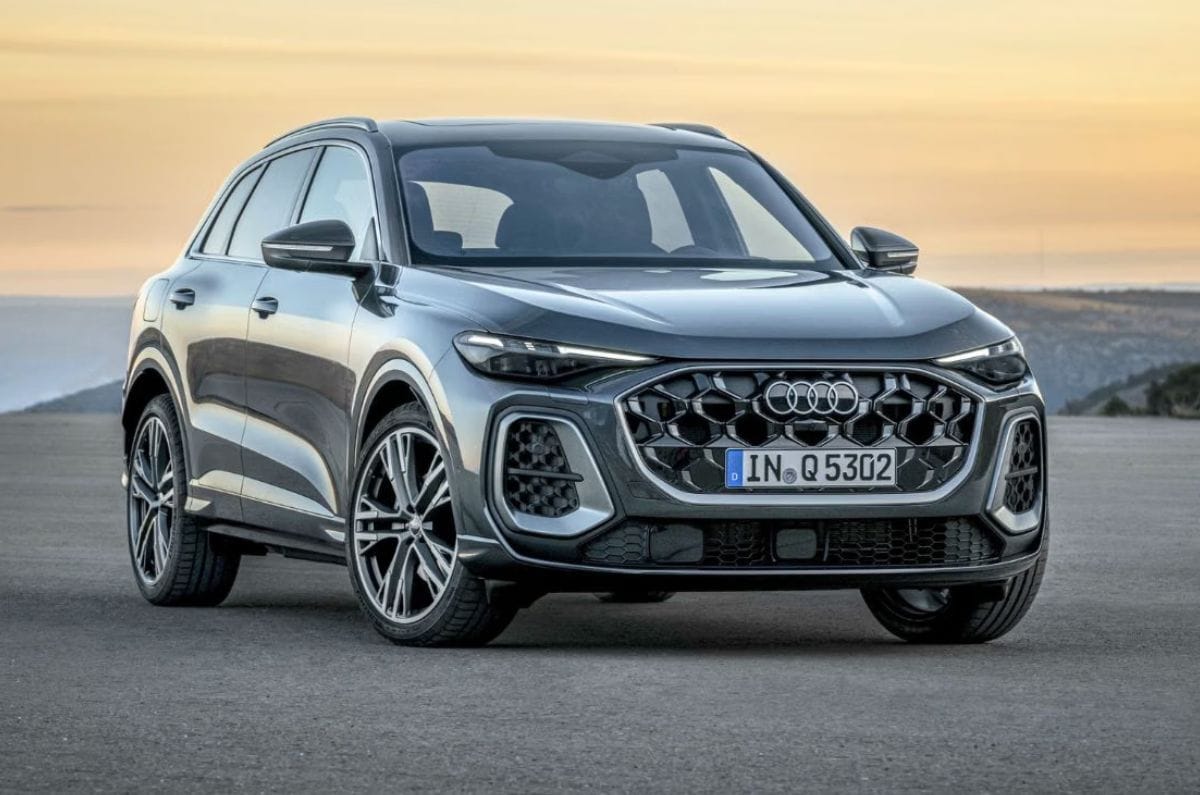
Next-gen Audi Q5
Estimated price: Rs 75 lakh; launch: October 2027
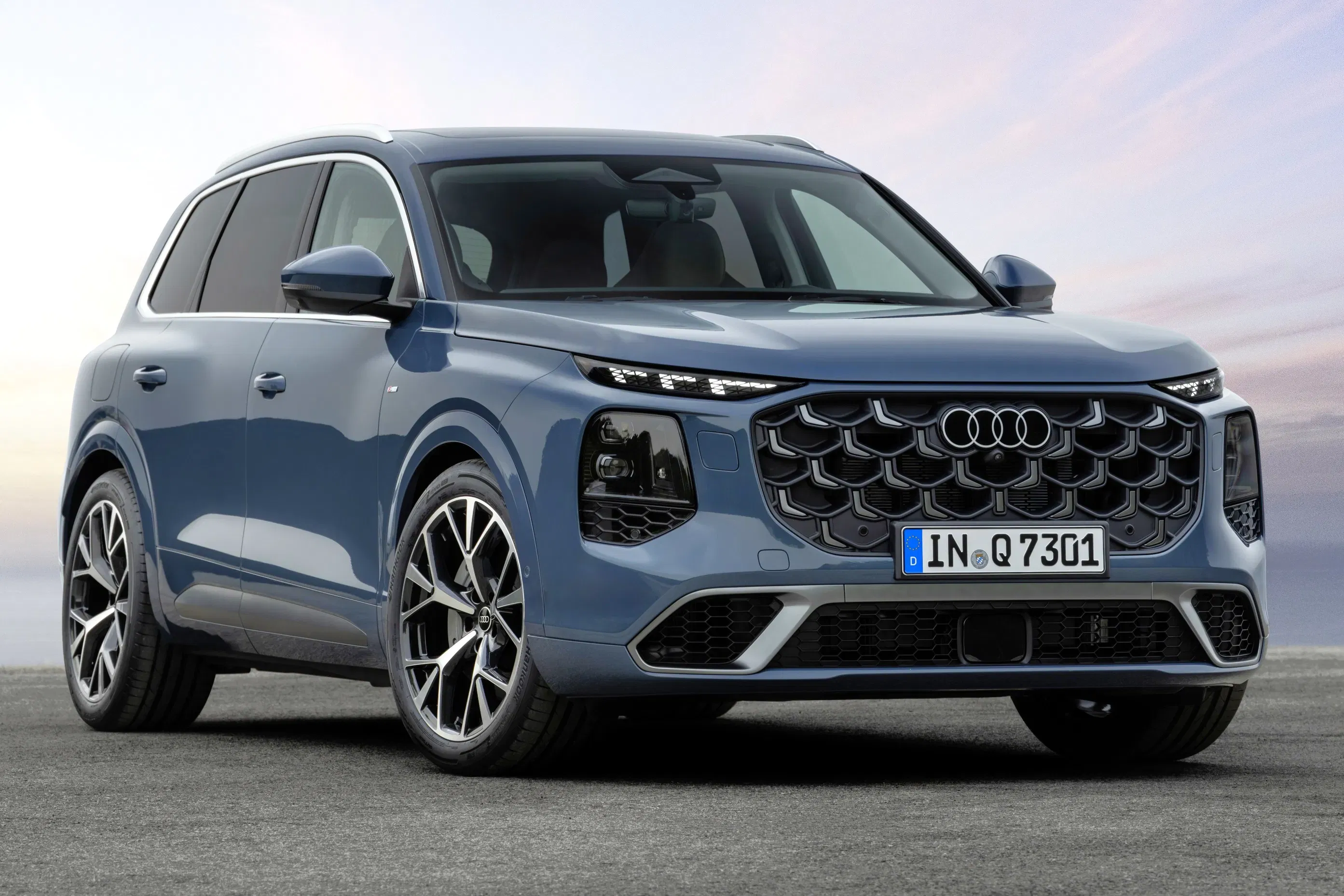
The third-gen Q5 will arrive to take on the Mercedes GLC and BMW X3. Sharing Audi’s latest PPC architecture with the A5, it gets sharper styling than its predecessor, much improved aerodynamics and a thoroughly modern cabin featuring a curved 11.9-inch digital driver’s display and 14.5-inch touchscreen, along with an optional passenger display.
It is expected to use Audi’s localised 2.0 turbo-petrol in a higher 265hp state of tune, paired with a 7-speed dual-clutch automatic and Quattro AWD. There is no word on whether Audi will bring the Sportback or the 367hp SQ5, but the India-EU FTA could create potential for a launch.
Audi Q7
Estimated price: Rs 1.2 crore; launch: December 2027
While the recently revealed Q9 is now Audi’s flagship SUV, the Q7 still has big cachet in India. The third-gen model brings in a brawnier form, which harks back to the original Q7. A three-row, seven-seat layout will be standard, and there will also be the option of a six-seat configuration with captain chairs in the middle row.
Cabin space and quality have been upped. The Q7 will sport Audi’s new triple-screen dash layout. While markets abroad get a mild-hybrid diesel, in India, it is expected to retain the 3.0 V6 turbo-petrol.
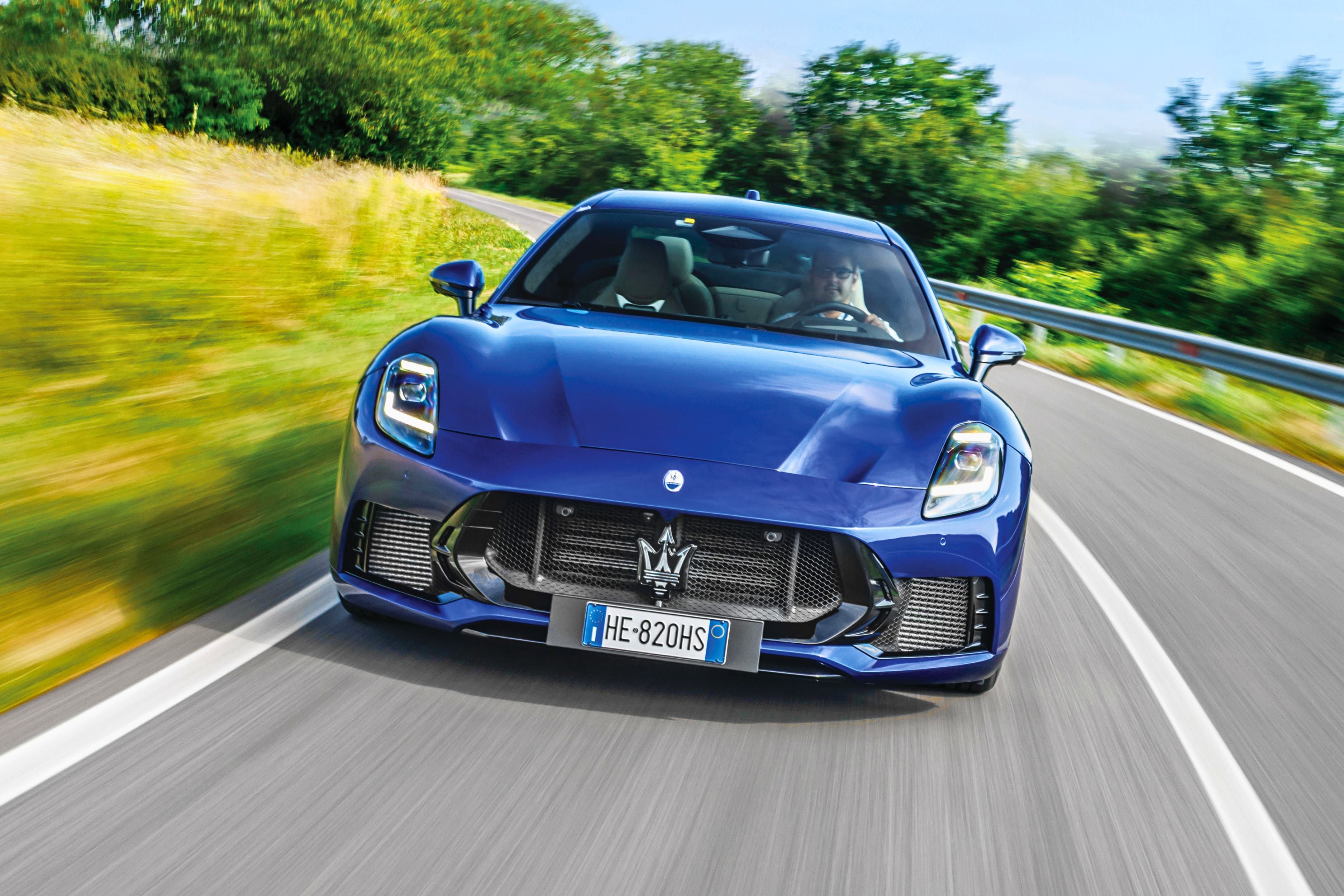
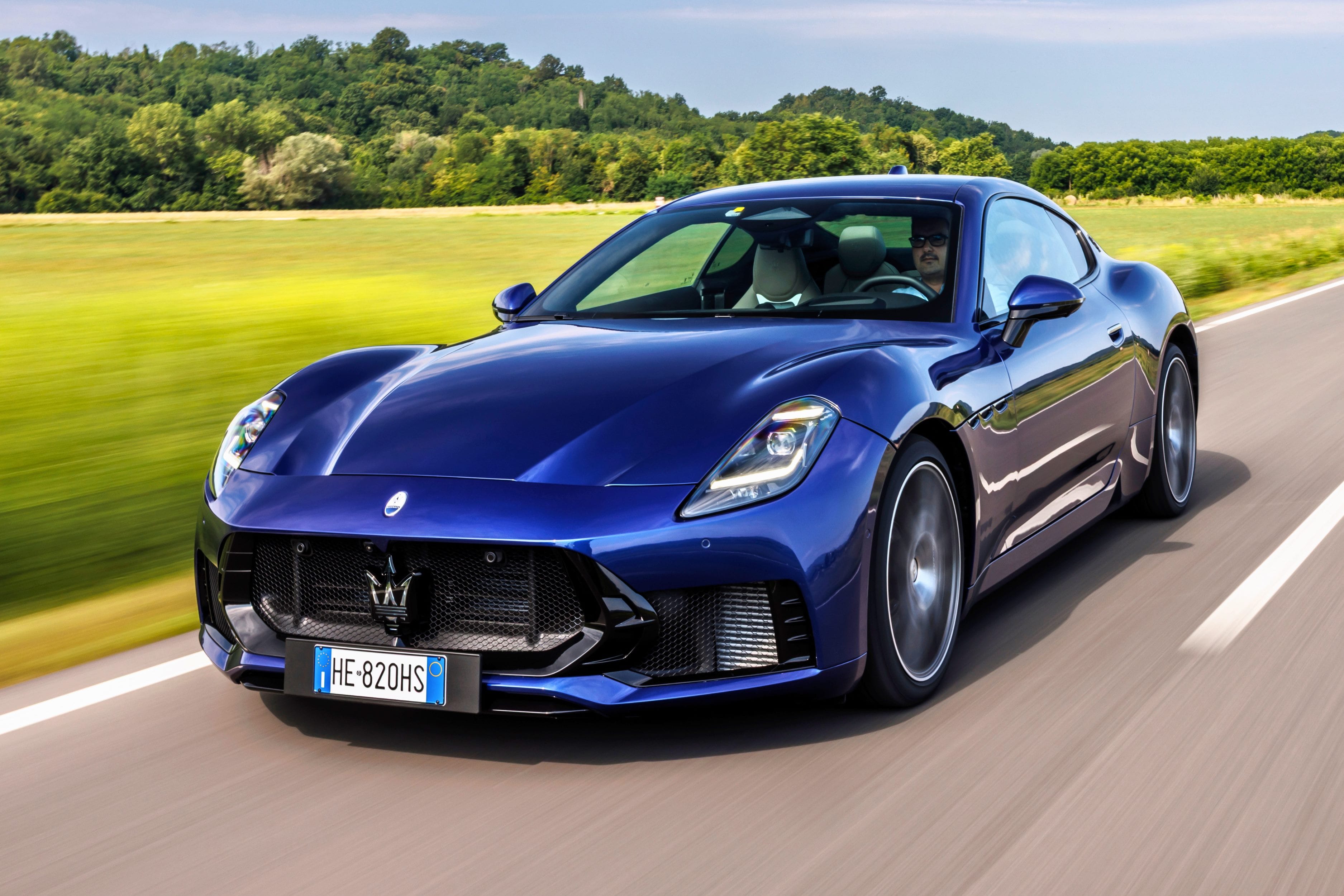
If Lamborghinis look like they’ve time-travelled from the future, and Ferraris appear shaped in wind tunnels, Maseratis are all about sculpture – flowing lines, gentle curves and delicate details. I’m no art connoisseur, but the gorgeous GranTurismo seems very much part of the awe-inspiring scenery at Italian seaside town Trieste’s Piazza Unità d’Italia.
Maserati GranTurismo Exterior Design and Engineering – 9/10
Classic GT proportions and Maserati details make it very eye-catching.
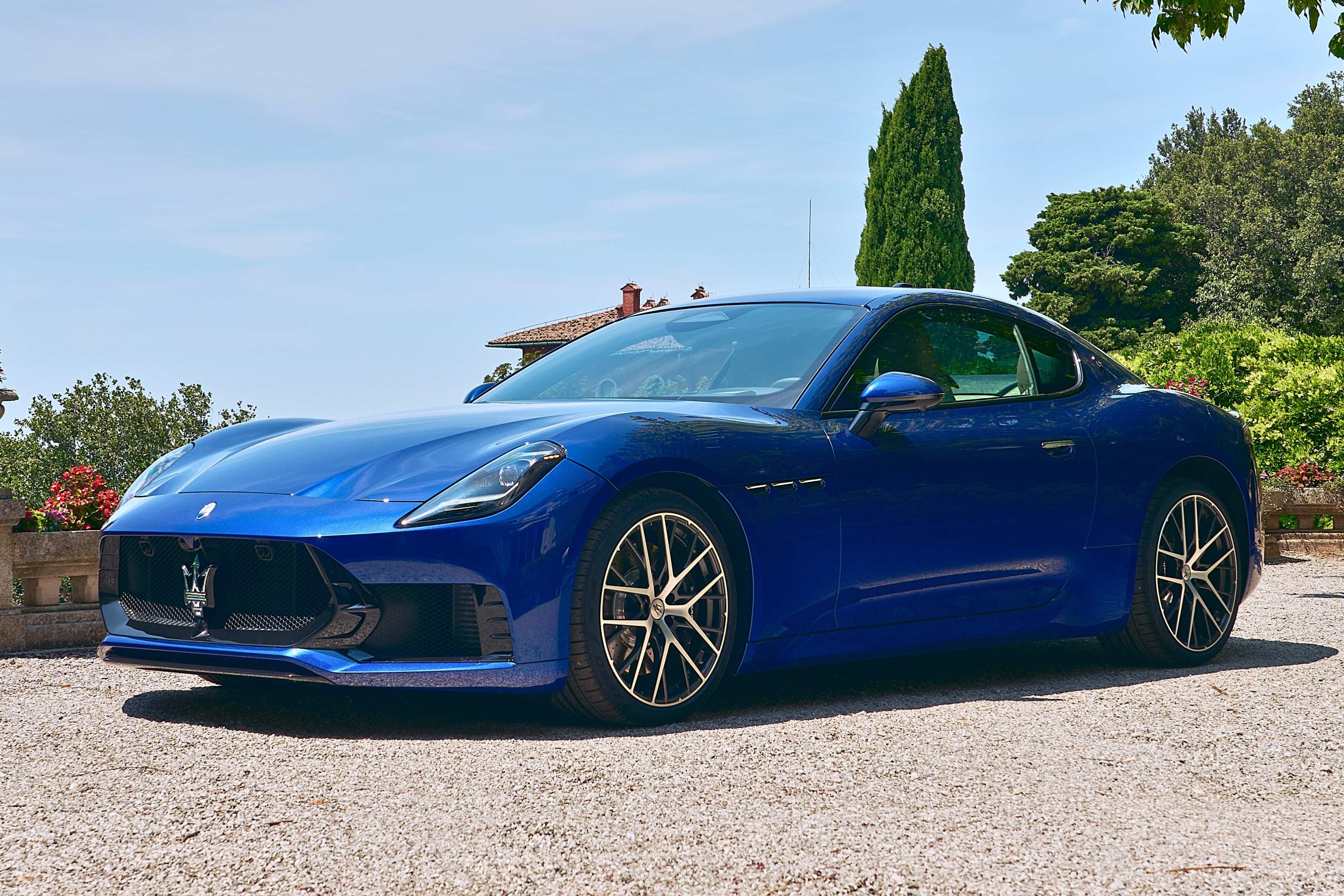
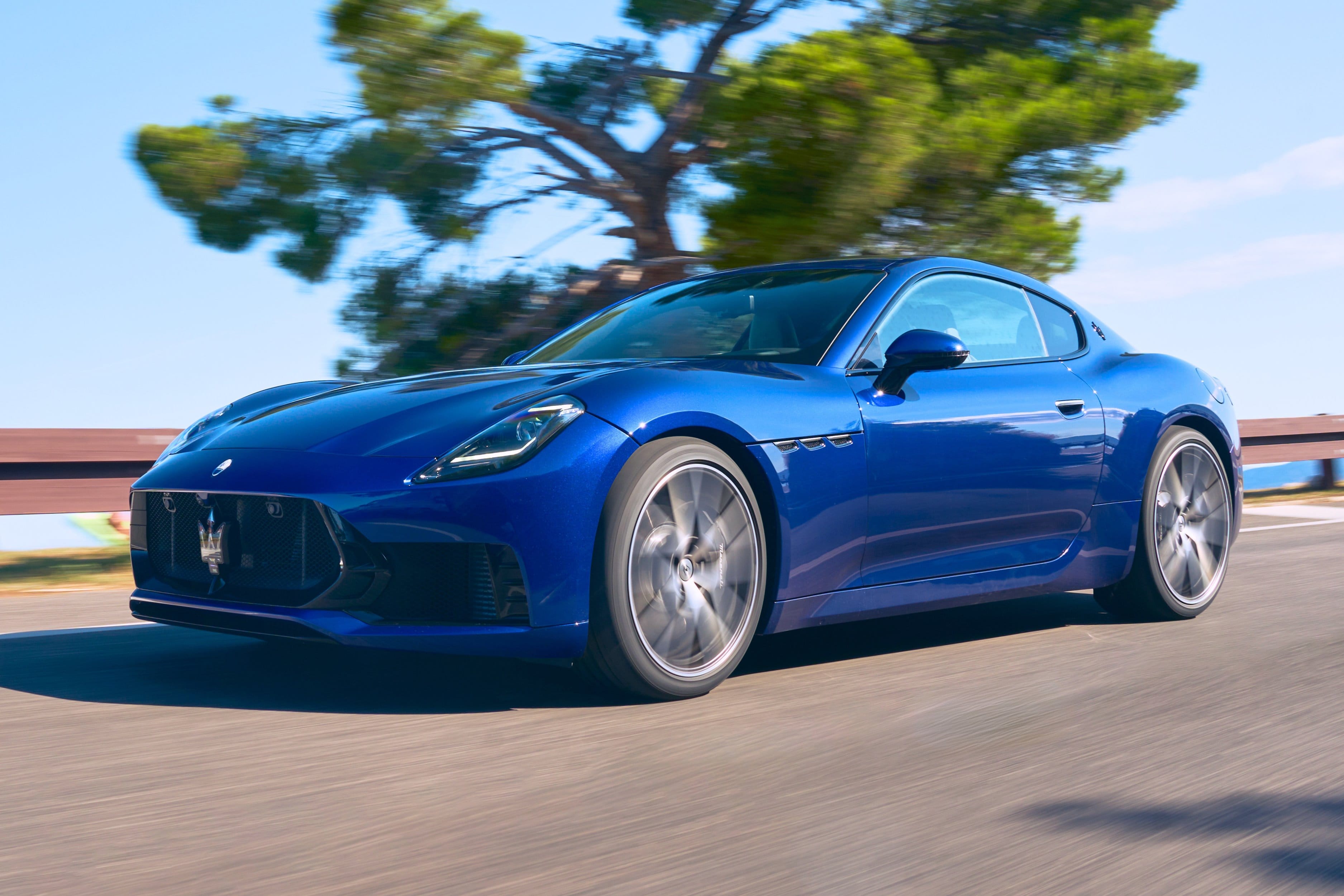
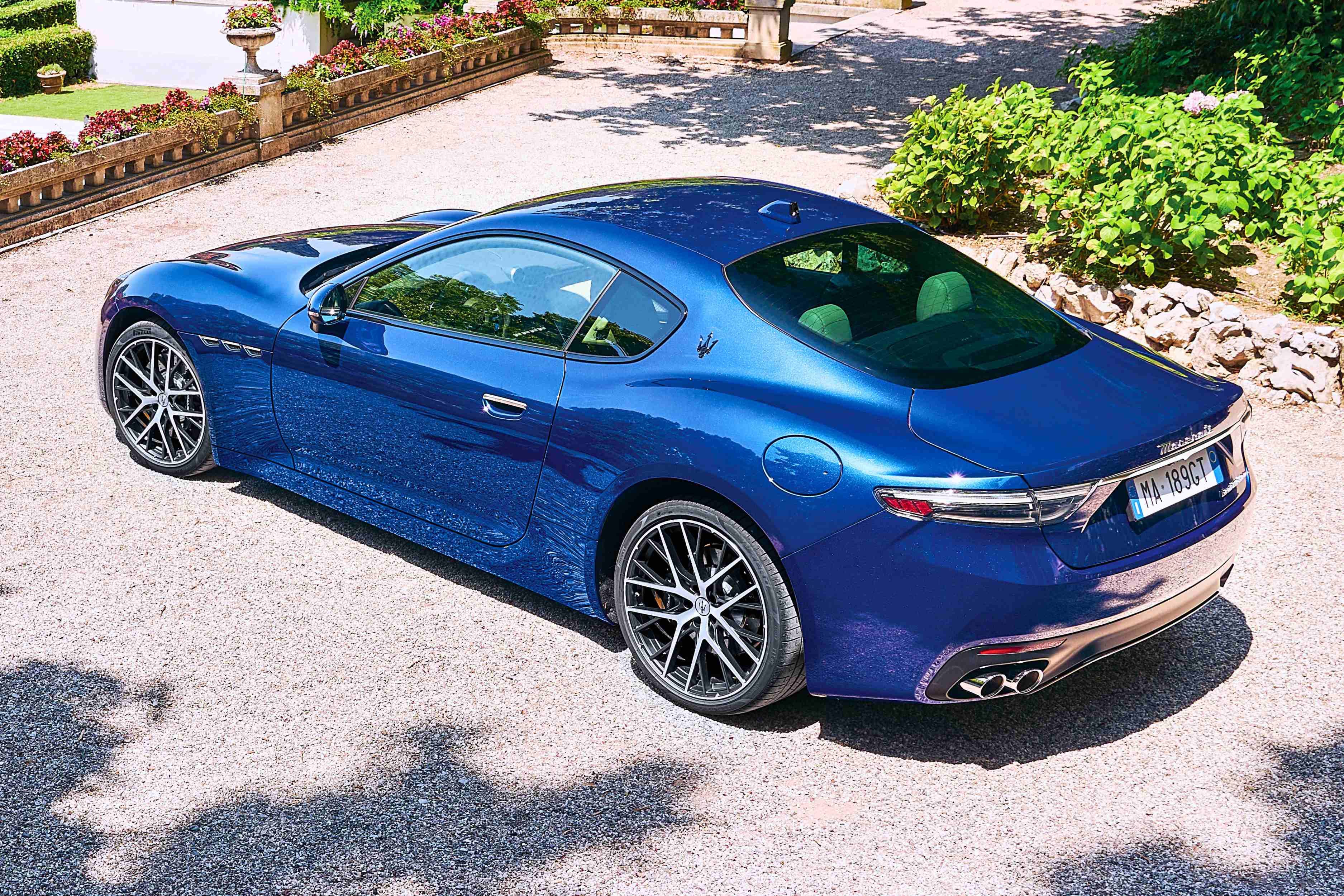
There’s the impossibly long bonnet, the neatly tucked-in cabin and the flowing rear that has become a GranTurismo trademark. Signature Maserati cues remain intact too, from the triple vents behind the front wheels to the distinctive rear quarter window and the Trident proudly displayed on the C-pillar. Even the way the muscular rear haunches merge into the tail has an elegance that’s hard to ignore.
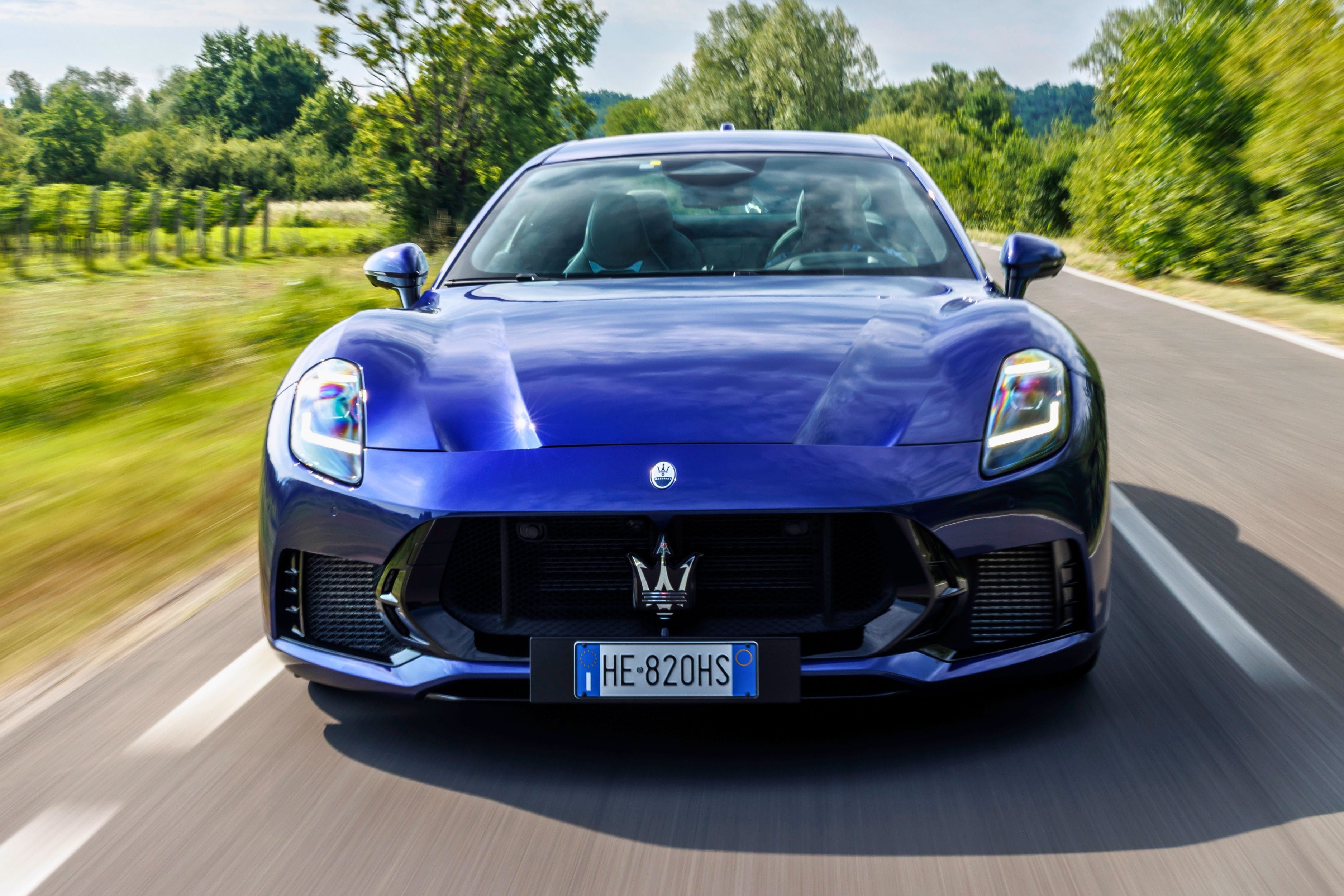
Revised front bumper adds aggression to GranTurismo look.
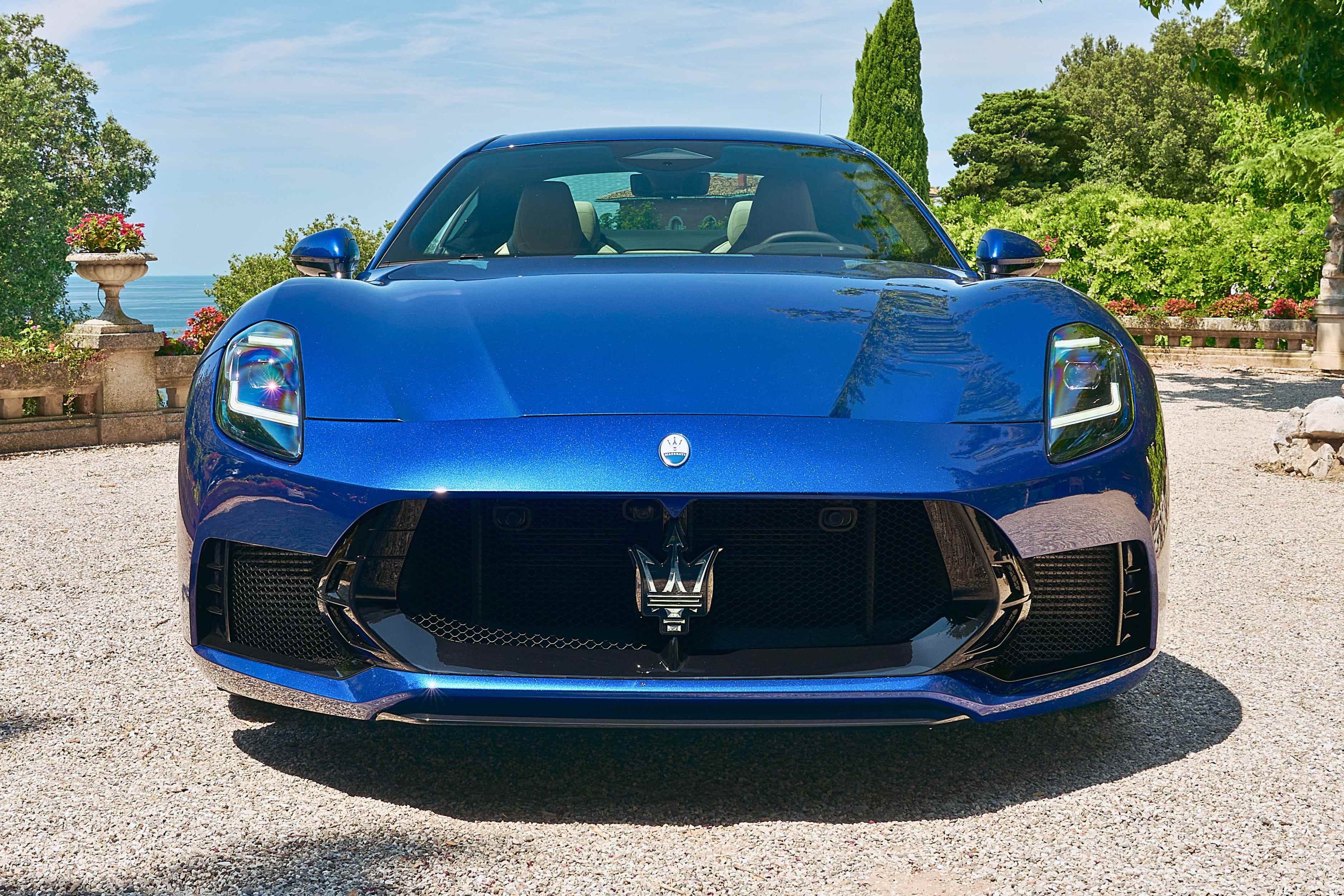
2026’s styling revisions are concentrated at the front. A larger grille sits lower down, flanked by bigger intercooler openings and a more pronounced splitter that together lend the GranTurismo a more aggressive face. At the rear, the clear-lens tail-lamps are the easiest (actually, only) way to identify the updated model. Oh, and if you see a GranTurismo without quad exhausts, you should know that you’re looking at the Folgore or electric version.
Maserati GranTurismo Interior Space and Comfort – 8/10
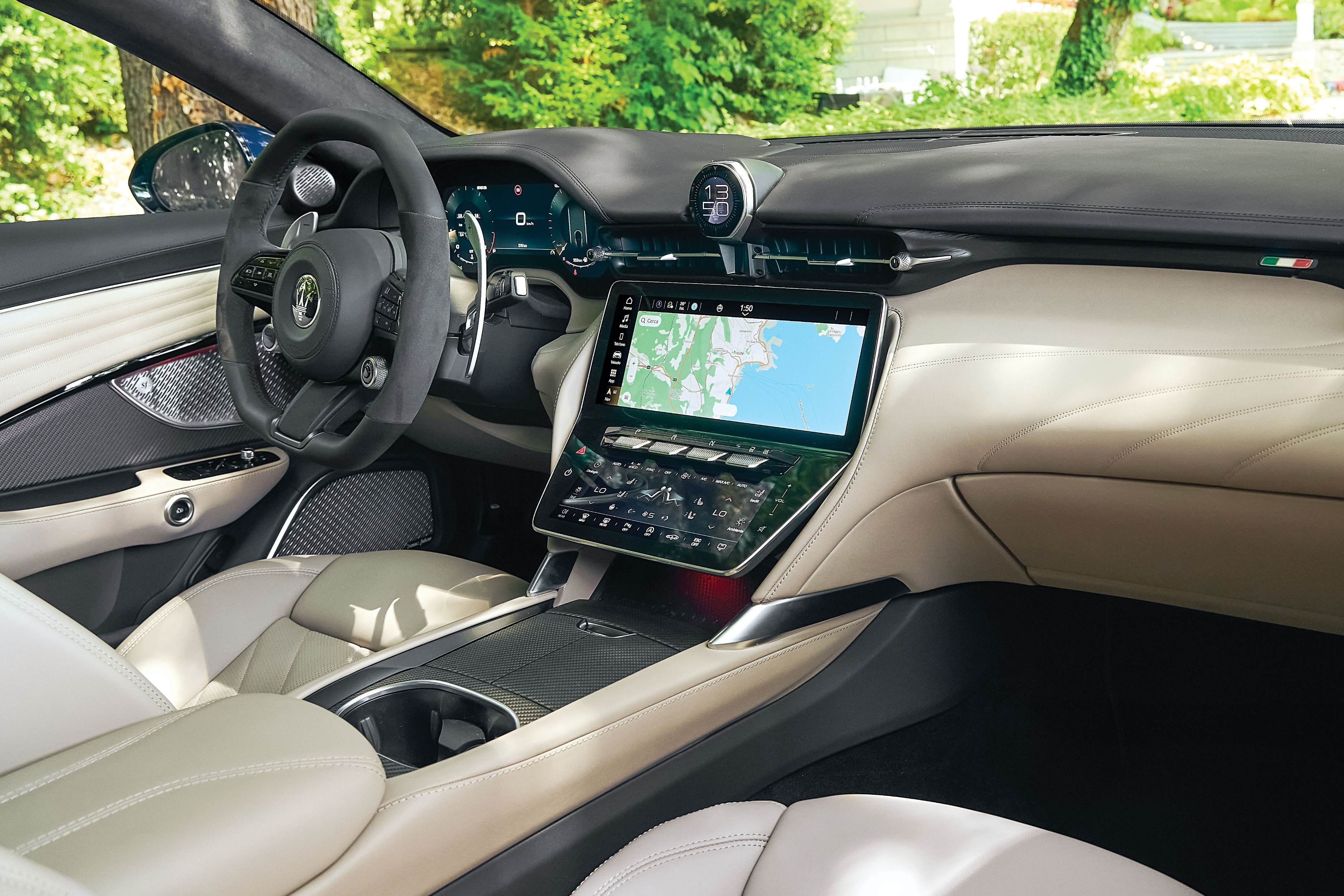
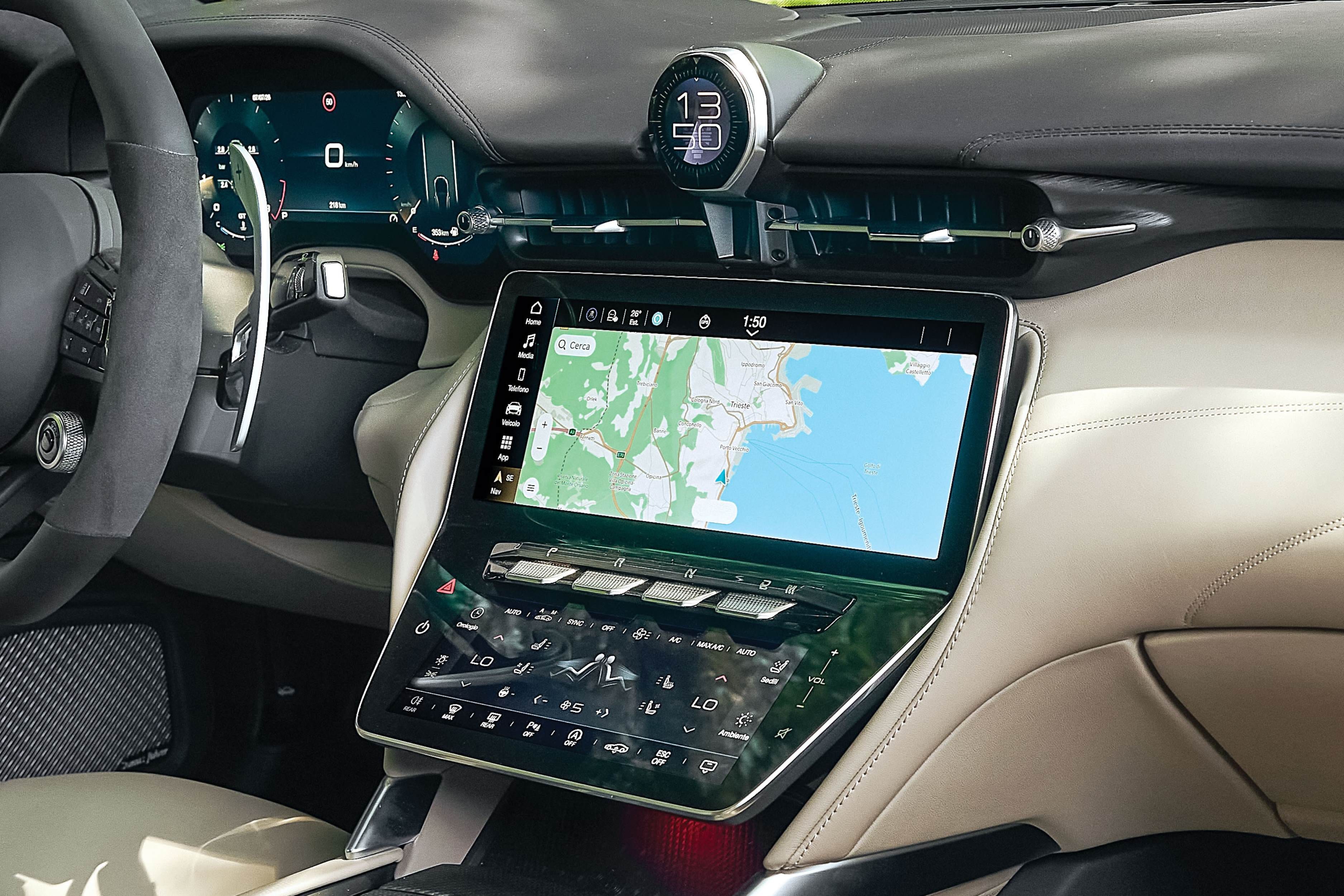
Inside too, the updates are subtle. The basic dash design is unchanged and is characterised by four screens– 12.2-inch digital dials, a 12.3-inch central infotainment screen, an 8.8-inch lower touchscreen and a digital clock.
New steering and redone gear selector switches among the changes inside.
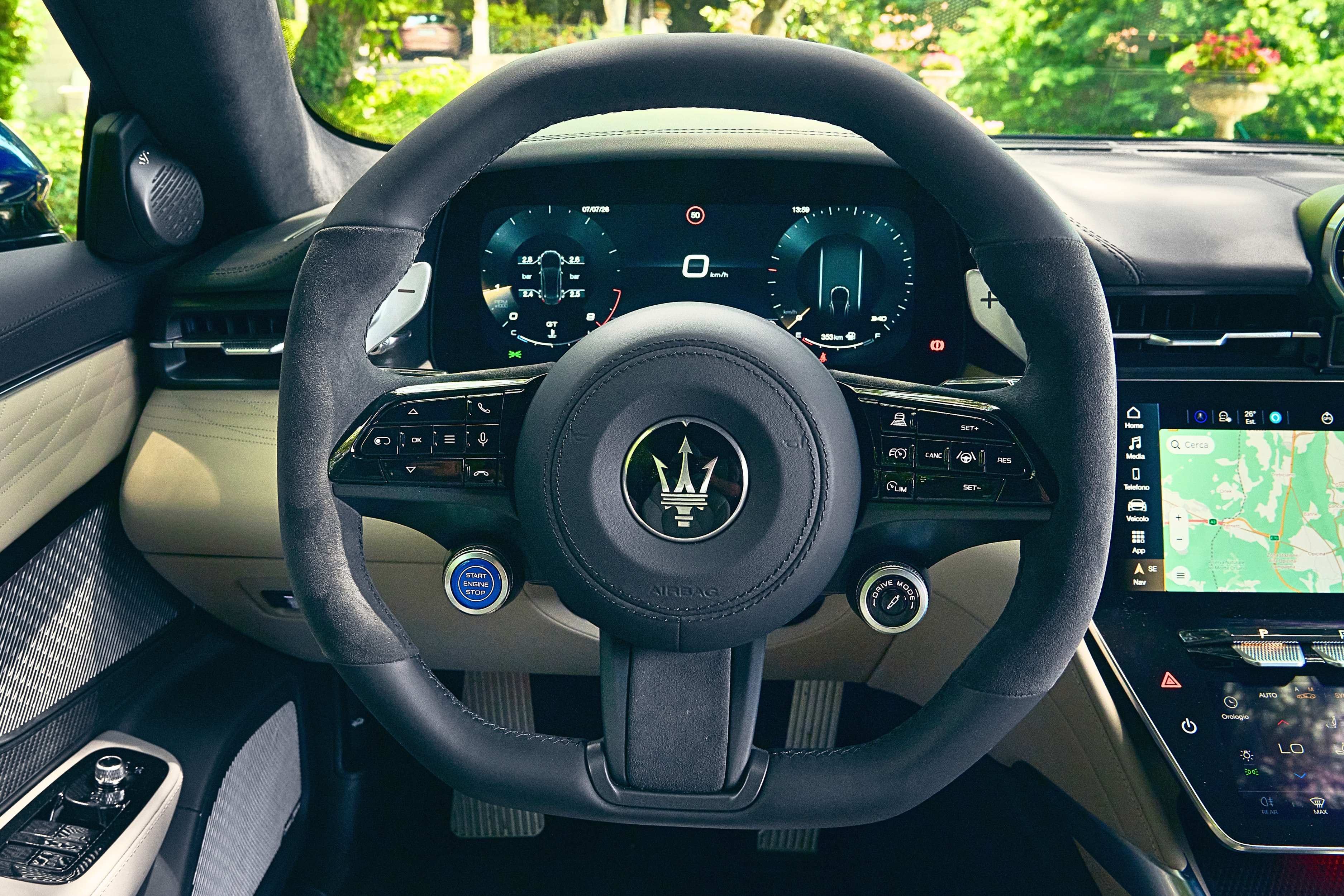
The steering gets a new squared-off design wrapped in Alcantara, and behind it remain the wonderfully oversized aluminium paddle shifters fixed to the steering column. The uninspiring P, R, N and D buttons on the dash make way for feelsome metallic toggles, while the digital clock gets a new glass face to make it look more, ahem, analogue. It works.
Interior is a happy blend of tech and craftsmanship.
Despite the abundance of screens, the cabin retains a handcrafted and very Italian feel thanks to the quality of (most) materials and intricate detailing. Maserati would only be too happy to introduce buyers to its universe of upholstery, colour and trim options to create an interior that’s truly personal. The only ergonomic complaint is the seating position, which doesn’t go quite as low as expected in a car of this nature. On the matter of seats, the GranTurismo’s rear seats aren’t just for show (I’m looking at you, 911). They are genuinely usable for short stints or the odd getaway. There’s a usable boot too, for your Gucci luggage.
Maserati GranTurismo Features and Safety – 7/10
New-age tech meets old-school warmth in here.
The GranTurismo comes with a fair bit of kit as standard. The front seats are powered and heated/ventilated, there’s a fabulous Sonus Faber sound system and enough screens to tell you you’re in 2026. The digital dials are easy to refer to, while the main touchscreen is also easy enough to navigate through. It does feel like a Stellantis group system rather than a bespoke Maserati unit, though. We’re not fans of touchscreens for climate control functions, but Maserati’s solution is among the best of the kind. Swipe sideways across the screen to adjust blower speed and vertically for temperature – intuitive to use on the move.
The safety suite includes camera- and radar-based ADAS.
Maserati GranTurismo Performance and Refinement – 8/10
Modena’s 490hp V6 offers smooth, effortless acceleration; Trofeo’s 590hp is more emotive.
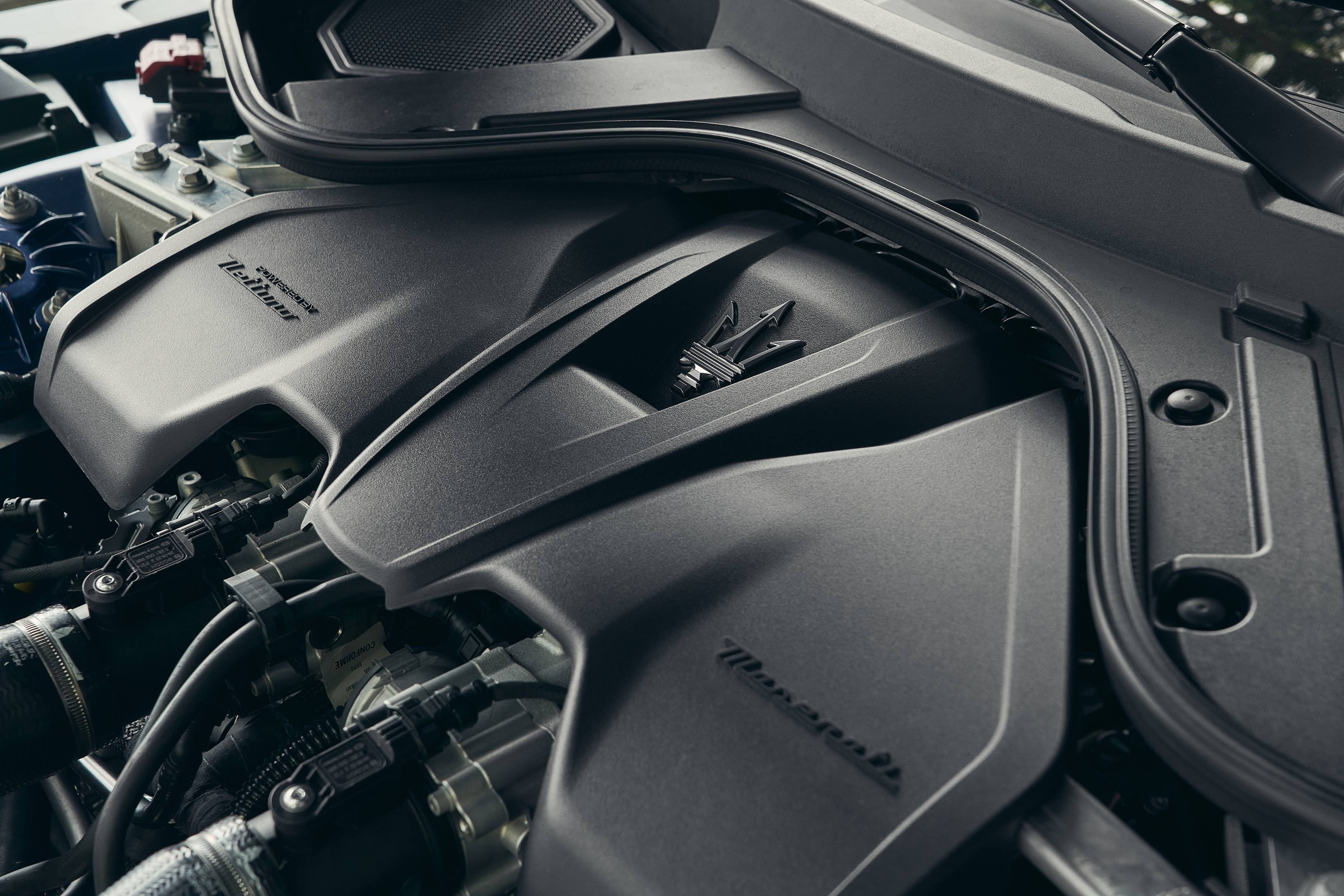
Power comes from Maserati’s own 3.0-litre twin-turbocharged ‘Nettuno’ petrol V6. In Modena guise as tested here, it produces 490hp, while the Trofeo’s output rises to 590hp from the previous 550hp. There’s also the ethanol-blending-proof all-electric Folgore, whose three-motor setup develops 760hp.
GranTurismo Modena does 0-100kph in 3.9 sec; Trofeo takes 3.5 sec.
On the road, the GranTurismo immediately reminds you that it is, above all else, a grand tourer. Despite producing nearly 500hp, it never feels urgent or hyperactive. Instead, its responses are measured and relaxed. Press the throttle harder, and the performance arrives in one smooth, effortless surge rather than an explosive punch. Maserati claims 0-100kph in 3.9 seconds for the Modena and 3.5 seconds for the Trofeo, but it’s the manner in which the speed builds that defines the experience. It launches with elegance rather than violence.
The V6 complements that character perfectly. There’s a constant gruffness to its soundtrack that grows richer as the revs climb. The Trofeo benefits from a more emotive exhaust note.
Maserati GranTurismo Efficiency/Range – 5/10
GranTurismo excels as a grand tourer, prioritising comfort over urgency.
Maserati’s V6 features cylinder deactivation and will shut off the right bank of cylinders at light loads in the interest of better efficiency. As it is, the GranTurismo’s V6 will be more efficient than the V8s in some rivals, but only just. The GranTurismo will happily work through a full tank of 100-octane fuel if you drive with vigour, and even on relaxed drives, you’re looking at real-world figures in the region of 5-6kpl.
The all-electric Folgore does have more to offer with the update. Range is up by 80km to 540km (WLTP) thanks to a new front-axle disconnect function.
Maserati GranTurismo Ride Comfort and Handling – 8/10
At nearly five metres long and weighing around 1.8 tonnes, the GranTurismo is no lightweight sports car. Yet, its standard air-suspension and all-wheel-drive system help disguise its size remarkably well. It doesn’t dart into corners like a Porsche 911, but there’s a lovely fluidity to the way it changes direction. The steering, in particular, deserves praise for its natural weighting and excellent feel.
Air suspension delivers a cushioned ride despite low-profile tyres.
Ride comfort is another highlight. Despite its large wheels and low-profile tyres, the suspension absorbs imperfections with impressive composure. A new ‘Country’ drive mode raises the ride height by 20mm at speeds of up to 120kph, making it particularly relevant for Indian roads.
Maserati GranTurismo Price and Verdict – 8/10
The GranTurismo (and open-top Gran Cabrio) will go on sale in India in the coming months, and we expect the range to start around Rs 2.7 crore (ex-showroom) with the Trofeo’s closer to the Rs 3 crore mark. The all-electric Folgore will also be on offer.
Updated Maserati GranTurismo is expected to cost Rs 2.7-3 crore (ex-showroom).
Similar money could buy you a Porsche 911 GTS or a Mercedes-AMG GT, but I wouldn’t think of the GranTurismo as a direct rival. It’s not as focused as a performance car, but instead excels at a wider range of abilities. The GranTurismo story is as much about luxury as it is about sportiness. Ride comfort is a big plus, and for what it’s worth, the rear seats are usable too. It only helps that the GranTurismo is drop-dead gorgeous.
For the wealthy few shopping in the segment, the GranTurismo deserves a long, hard look. You might just fall for it.
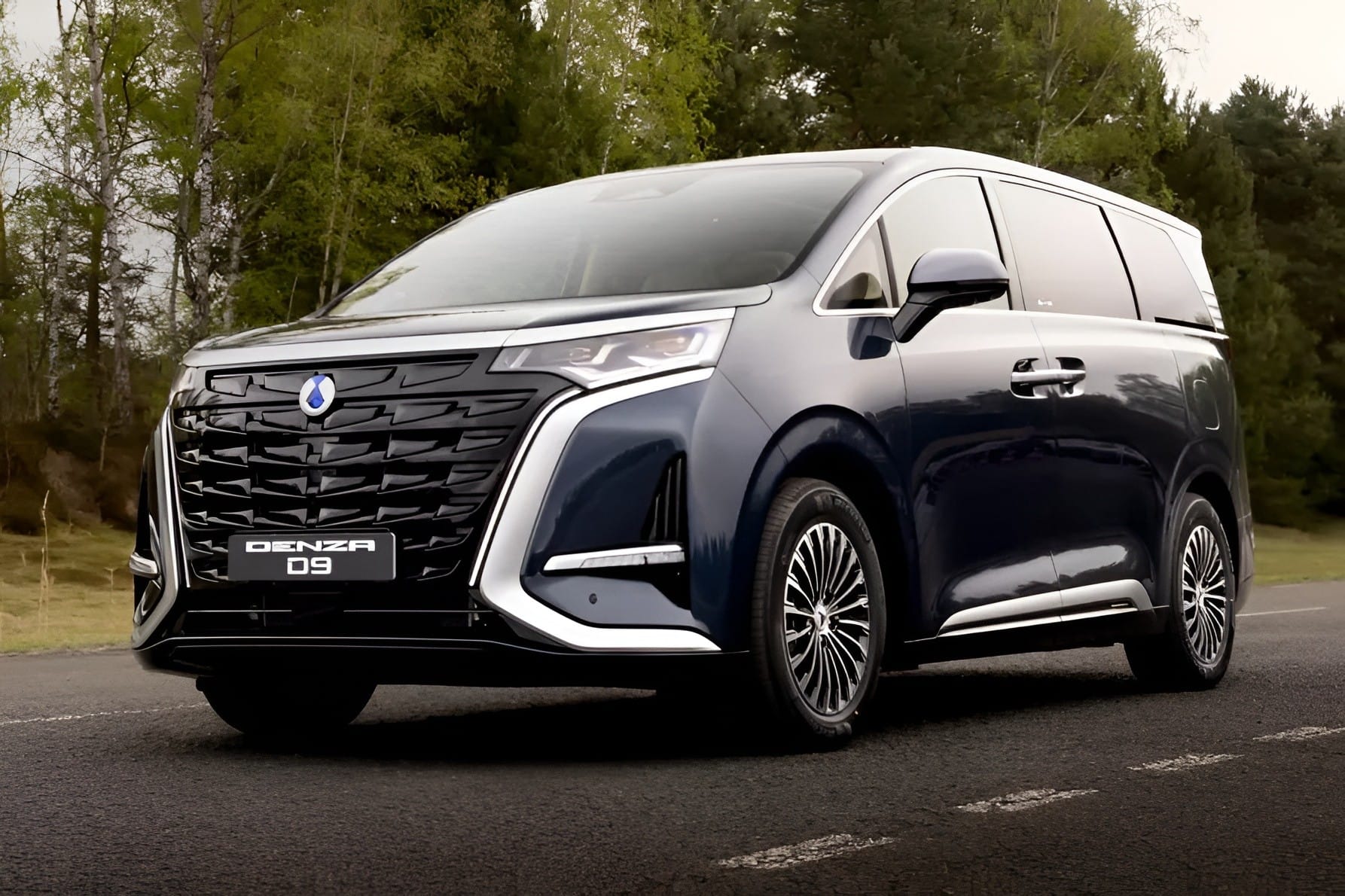
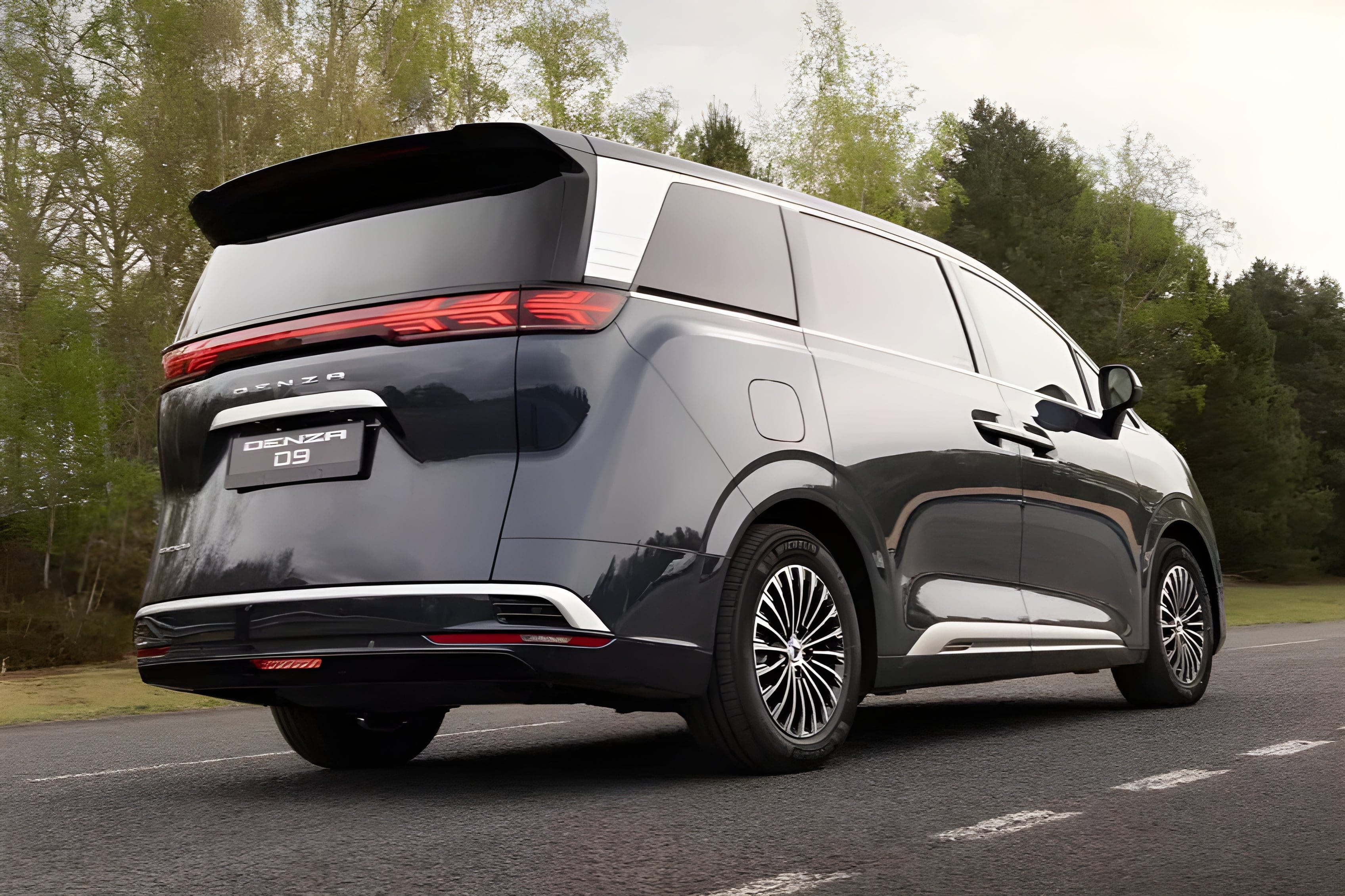
We exclusively reported that BYD would bring its luxury sub-brand Denza to our market. The Chinese carmaker will enter our shores with the debut of the D9 luxury MPV. While a festive season launch is being considered, if delayed, it could be moved to the Bharat Mobility Global Expo in February 2027. Ahead of its arrival in India, here’s all that you can expect from the Denza D9.
1. What seating configurations will the Denza D9 offer?
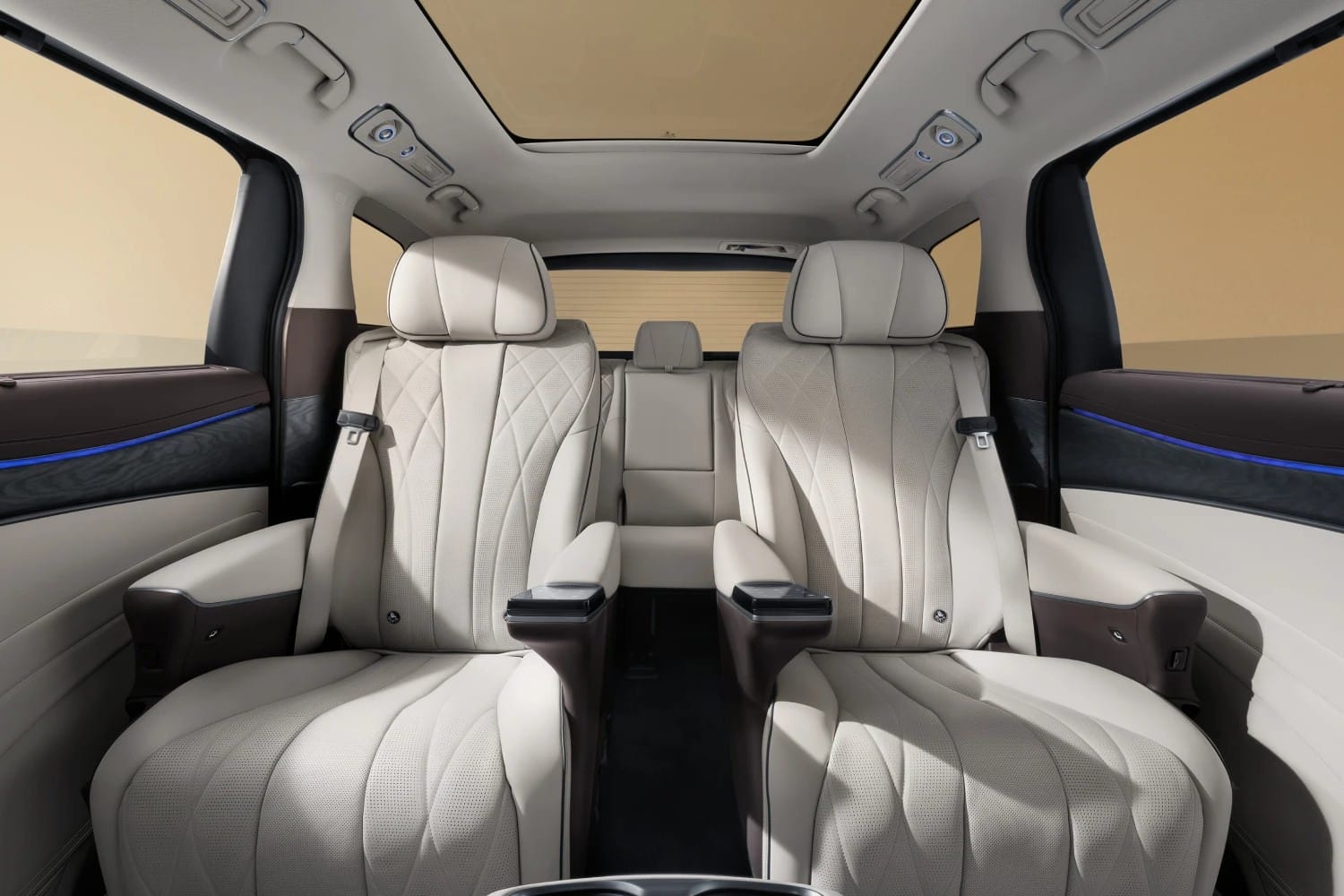
The Denza D9 is expected to offer a 2+2+3 seating configuration. Rivals like the Toyota Vellfire and Lexus LM offer the same configuration, while the latter offers a 2+2 configuration as well. The MG M9 and Mercedes-Benz V-Class offer a 2+2+2 configuration, while the Merc is also available in a 2+2 seat layout like the LM.
2. How large is the Denza D9?
Denza D9
MG M9
Toyota Vellfire
Lexus LM
Mercedes-Benz V-Class
Length (mm)
5,250
5,270
5,005
5,125
5,370
Width (mm)
1,960
2,000
1,850
1,890
1,928
Height (mm)
1,920
1.800
1,950
1,940
1,901
Wheelbase (mm)
3,110
3,200
3,000
3,000
3,430
The global-spec Denza D9 is 5,250mm long, 1,960mm wide, 1,920mm tall and has a 3,110mm wheelbase. Compared to other luxury MPVs in our market, the D9 is longer, wider and has a longer wheelbase longer than the Toyota and Lexus, but is shorter than the other two. But compared to the M9 and Mercedes-Benz V-Class, the D9’s dimensions are overall smaller.
3. Will the Denza D9 arrive in India as a CBU or be locally assembled?
Initially, the Denza D9 is expected to be sold as a full import in India. This will allow Denza to enter the market quickly, assess demand and take long-term decisions accordingly.
4. What features are expected on the Denza D9?
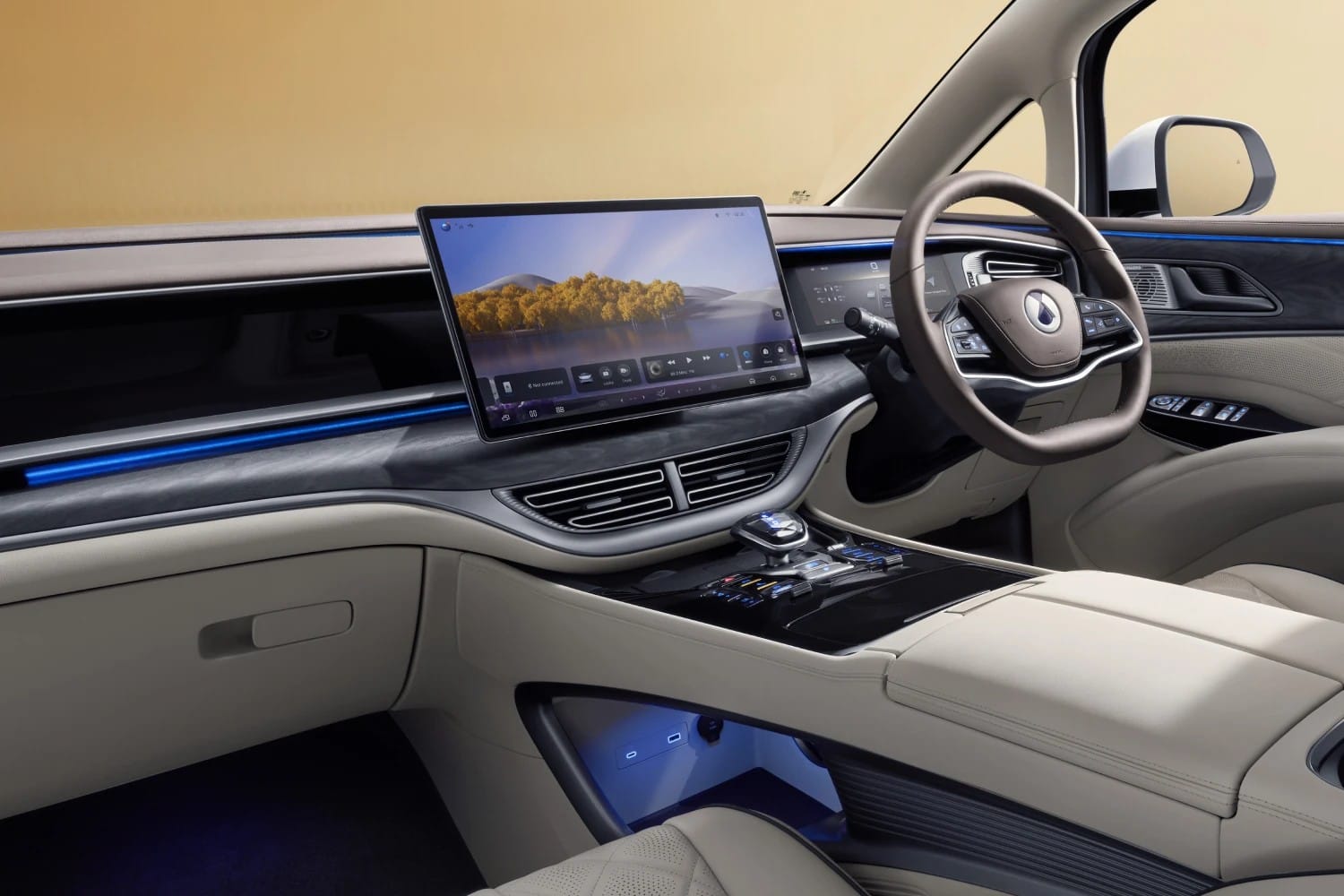
As for equipment, the global-spec D9 gets a 15.6-inch infotainment screen with Apple CarPlay and Android Auto, 10.25-inch digital driver’s display, panoramic sunroof, 8-way powered front seats with ventilation and massage functions, ambient lighting, triple-zone air conditioning, 14-speaker Dynaudio audio system, air purifier, wireless phone charger, 12-inch head-up display, powered tailgate and sliding rear doors.
Safety features include multiple airbags, an ADAS suite, surround view cameras, ESC, traction control, ISOFIX Mounts, hill hold control, driver fatigue warning and distraction detection, TPMS, and an auto-dimming IRVM.
5. What features are the second row occupants likely to get in the Denza D9?
The second row captain chairs have built-in leg rests and have 10-way power adjustment with memory and come with ventilation and massage functions. There’s also a powered boss mode, retractable tables, and a refrigerator as well. Additionally, LED displays integrated within the armrests of the second row seats control various car functions.
6. What powertrains are expected to power the Denza D9?
Globally, the Denza D9 is available in all-electric and plug-in hybrid versions. However, BYD is likely considering the former option for India, as EVs are subject to a lower 5 percent GST. Plug-in hybrid variants could be considered at a later stage.
While exact specifications remain under wraps, the global-spec D9 electric is powered by a 103.6kW battery pack. This battery pack can be had in a FWD configuration with a motor producing 314hp and 360Nm of torque. AWD versions add a 61hp, 110Nm motor, bringing the combined power output to 373hp and 470Nm of torque.
FWD versions get an NEDC-claimed range of 600km, while AWD versions have a claimed range of 580km. As far as charging is concerned, the D9 supports up to 11kW and 166kW outputs on AC and DC charging, respectively.
7. Will the Denza D9 be sold alongside other models from the BYD stable?
To maintain distinction between BYD and its sub-brand, the Denza D9 is expected to be sold via dedicated Denza outlets rather than through its existing retail network.
8. What is the expected price of the Denza D9?
Expect the Denza D9 to have an ex-showroom price of around Rs 90 lakh. The D9 will compete in the growing luxury MPV space and will be positioned above the all-electric MG M9 (Rs 79.95 lakh), but undercut the strong-hybrid-powered Toyota Vellfire (Rs 1.20 crore) and Lexus LM (Rs 2.20 crore to Rs 2.75 crore), and the Mercedes V-Class (Rs 1.40 crore), which offers petrol and diesel engines.