Tata Punch EV Facelift: 2026 टाटा पंच EV फेसलिफ्ट को हाल ही में हुए भारत NCAP क्रैश टेस्ट में 5-स्टार सेफ्टी रेटिंग मिली है। इस इलेक्ट्रिक SUV को एडल्ट ऑक्यूपेंट प्रोटेक्शन के लिए 32 में से 31.09 और चाइल्ड ऑक्यूपेंट प्रोटेक्शन (बच्चों की सुरक्षा) के लिए 49 में से 45 स्कोर मिला है। इस स्कोर के साथ यह भारत के क्रैश टेस्ट प्रोग्राम के तहत टेस्ट किए गए सबसे अच्छी रेटिंग वाले मॉडल्स में शामिल हो गई है।
भारत NCAP स्कोर और क्रैश टेस्ट परफॉर्मेंस
Punch EV फेसलिफ्ट ने एडल्ट ऑक्यूपेंट प्रोटेक्शन असेसमेंट में 32 में से 31.09 और चाइल्ड ऑक्यूपेंट प्रोटेक्शन (बच्चों की सुरक्षा) में 49 में से 45 स्कोर हासिल किया, जिस वजह से इसे दोनों कैटेगरी में फाइव-स्टार रेटिंग मिली। भारत NCAP टेस्ट रिपोर्ट के अनुसार, फ्रंटल ऑफसेट क्रैश टेस्ट में ड्राइवर और आगे बैठे पैसेंजर की सुरक्षा अच्छी रही, जबकि साइड इम्पैक्ट असेसमेंट में भी परफॉर्मेंस शानदार रही।
बता दें कि बच्चों की सुरक्षा जांचने के लिए कार में चाइल्ड रेस्ट्रेंट सिस्टम (CRS) का इस्तेमाल किया गया। इस टेस्ट में भी Punch EV ने अच्छा प्रदर्शन किया और CRS की फिटिंग व डायनामिक परफॉर्मेंस के मामले में बेहतर स्कोर हासिल किया। हालांकि, ध्यान देने वाली बात यह है कि Bharat NCAP के ये स्कोर सिर्फ उसी वेरिएंट के लिए मान्य हैं, जिसका क्रैश टेस्ट किया गया है। इसलिए बाजार में मौजूद Punch EV के हर वेरिएंट को यही सेफ्टी रेटिंग मिलेगी, ऐसा मानना सही नहीं होगा।
Tata Punch EV: सेफ्टी फीचर्स
Punch EV, Tata Motors के Acti.ev आर्किटेक्चर पर बनी है और इसमें कई तरह के एक्टिव और पैसिव सेफ्टी फीचर्स दिए गए हैं। वेरिएंट के आधार पर, इसमें छह एयरबैग, इलेक्ट्रॉनिक स्टेबिलिटी कंट्रोल (ESC), EBD के साथ ABS, ISOFIX चाइल्ड सीट माउंट, सभी पैसेंजर्स के लिए 3-पॉइंट सीट बेल्ट, टायर प्रेशर मॉनिटरिंग सिस्टम (TPMS), 360-डिग्री कैमरा और ड्राइवर की मदद करने वाले दूसरे फीचर्स मिलते हैं।
हालांकि, Bharat NCAP की सेफ्टी रेटिंग सिर्फ कार में दिए गए फीचर्स की लिस्ट देखकर तय नहीं की जाती। इस टेस्ट में कार की बॉडी स्ट्रक्चर की मजबूती, फ्रंट और साइड इम्पैक्ट क्रैश टेस्ट में उसका प्रदर्शन, यात्रियों को सुरक्षित रखने वाले सिस्टम और बच्चों की सुरक्षा से जुड़े फीचर्स को भी ध्यान में रखा जाता है।
खरीदारों को क्या जानना चाहिए
आज के समय में कार खरीदते वक्त क्रैश टेस्ट रेटिंग एक अहम फैक्टर बन गई है, खासकर कॉम्पैक्ट SUV सेगमेंट में, जहां ग्राहक सुरक्षा को काफी महत्व देते हैं। नई Bharat NCAP रिपोर्ट से पता चलता है कि टेस्ट किए गए Tata Punch EV फेसलिफ्ट ने नियंत्रित क्रैश परिस्थितियों में एडल्ट और चाइल्ड पैसेंजर्स की सुरक्षा के मामले में अच्छा प्रदर्शन किया है।
हालांकि, सिर्फ 5-स्टार रेटिंग को हर स्थिति में सुरक्षा की गारंटी नहीं माना जाना जा सकता है। क्रैश के नतीजे गाड़ी की रफ्तार, टक्कर किस जगह लगी, सड़क की हालत और इस बात पर निर्भर कर सकते हैं कि गाड़ी में बैठे लोगों ने सीटबेल्ट पहनी है या नहीं।
वहीं, इलेक्ट्रिक SUV खरीदने वाले ग्राहकों के लिए Bharat NCAP की यह रिपोर्ट एक भरोसेमंद सुरक्षा मानक के रूप में मददगार हो सकती है। हालांकि, कार खरीदने से पहले ग्राहकों को कीमत, फीचर्स, मेंटेनेंस खर्च, रनिंग कॉस्ट और आफ्टर-सेल्स सर्विस जैसे पहलुओं पर भी ध्यान देना चाहिए।
Suzuki has revealed the XL6 facelift at the ongoing 2026 Indonesia Auto Show. Known as the XL7 in this market due to its 7-seat configuration, the refreshed MPV gets cosmetic and feature updates over the current model. While it’ll come to India as the Maruti Suzuki XL6 facelift, it remains to be seen if the brand makes any tweaks to suit local tastes.
Gets a redesigned front grille and bumper
Introduces two new exterior colours
Gets new dashboard trim and a larger 9.0-inch touchscreen
Maruti Suzuki XL6 facelift exterior
The most visible changes on the outside appear at the front
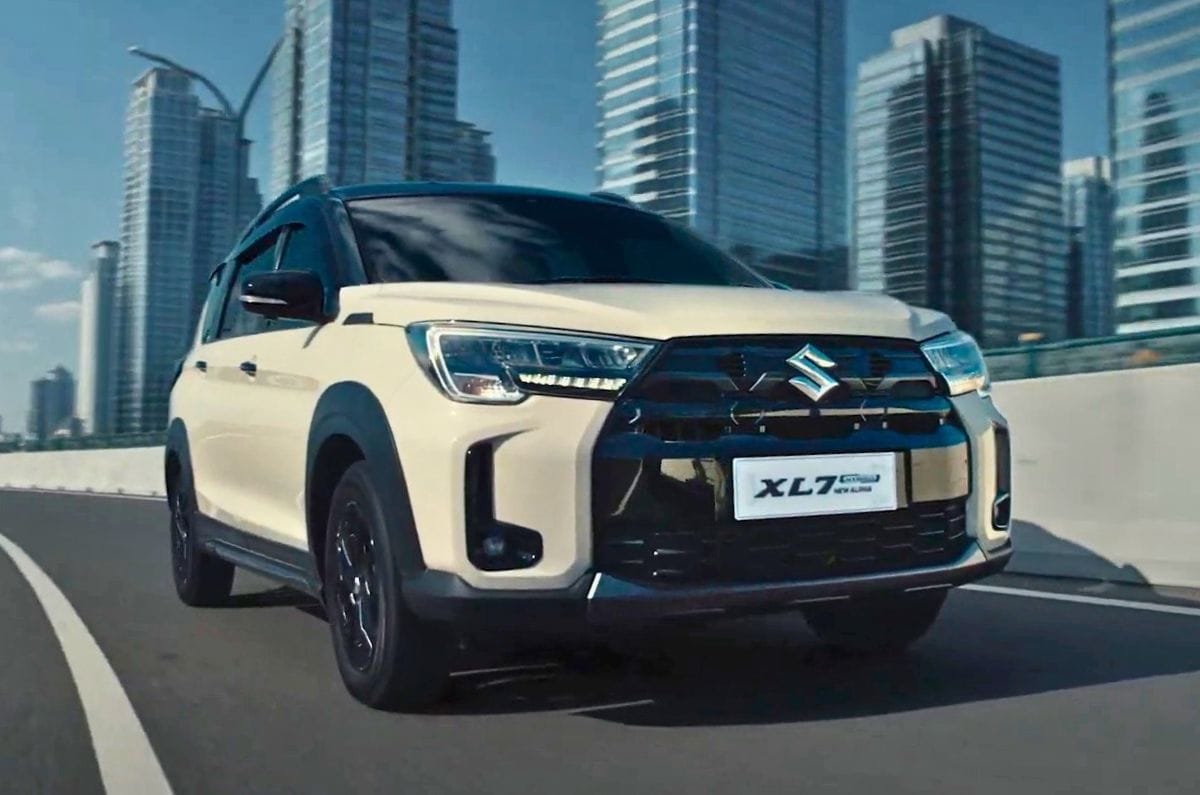
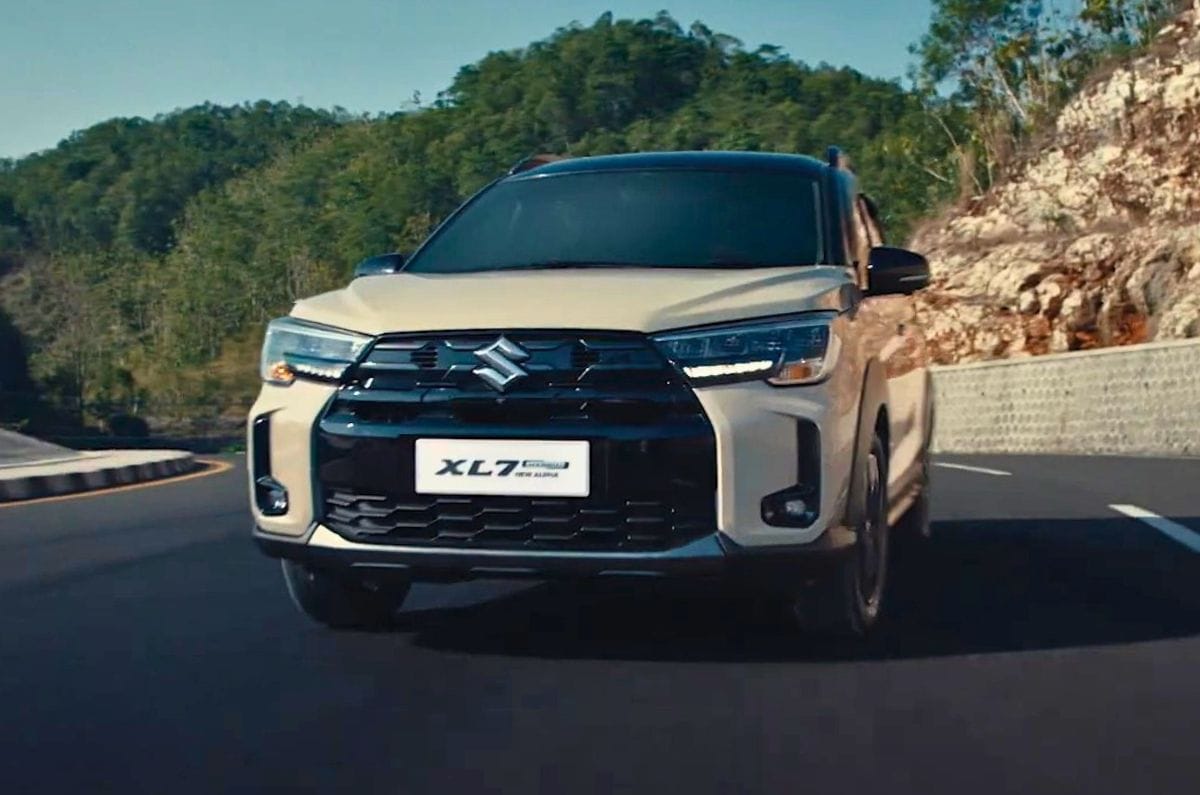
The updated Suzuki XL7 displayed at the Indonesia Auto Show retains the overall silhouette and proportions of the XL6 that we are familiar with here in India. Compared to the current Maruti XL6, the most apparent cosmetic change on the exterior of this facelift is at the front. The new front grille is both taller and wider, thus looks more imposing. It’s now fully finished in black, with the Suzuki logo being the only chrome element here.
The front bumper has been slightly revised and now gets C-shaped air intakes on either sides. At the base of these are the housing for the front fog lamps. While the satin silver garnish on the front bumper remains, its design has been tweaked. Along the sides, the updated XL7 gets dual-tone colours, plus all-black 16-inch alloy wheels, door handles, roof rails and ORVMs (outside rearview mirrors).
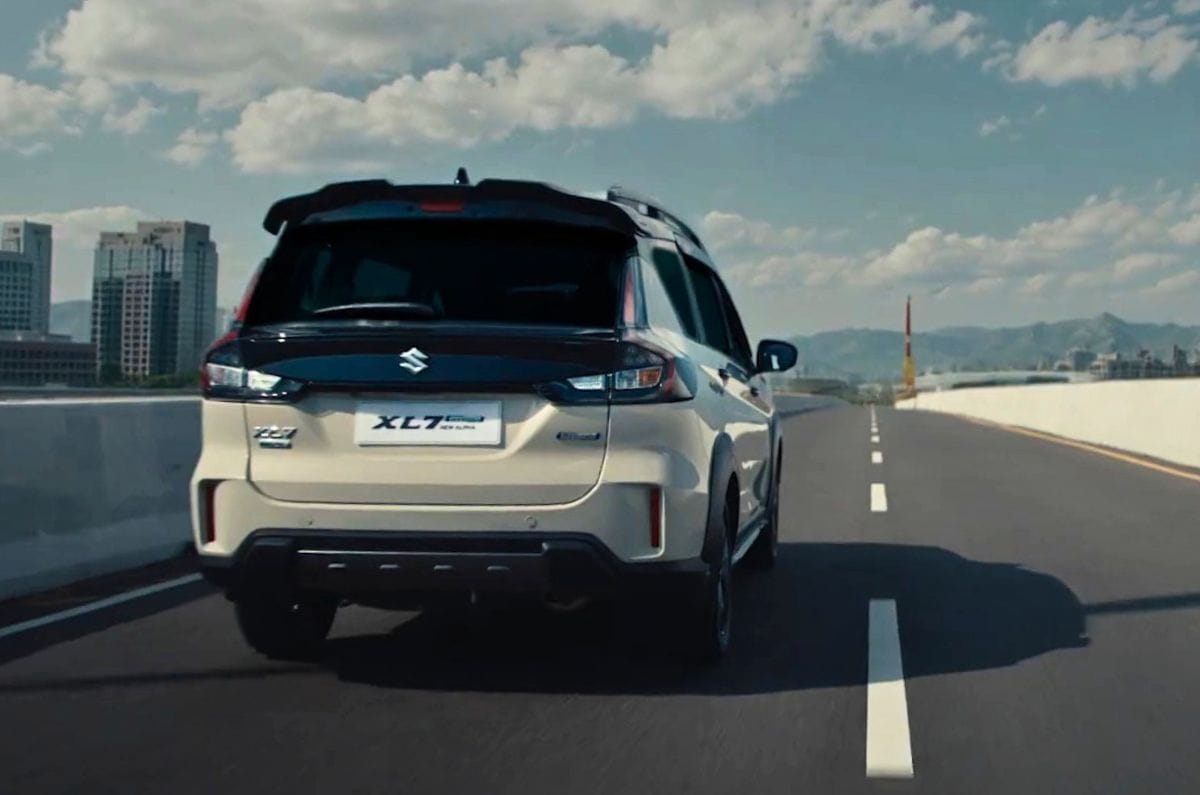
The oversized black cladding for the wheel arches remain, and so does the silver trim below the door cladding. There are also no notable styling changes at the back. The facelift brings two new exterior colours in the Indonesian market: Ice Grayish Blue-Black and Marble Black.
Maruti Suzuki XL6 facelift interior and features
Changes to the interior are even more subtle than on the outside
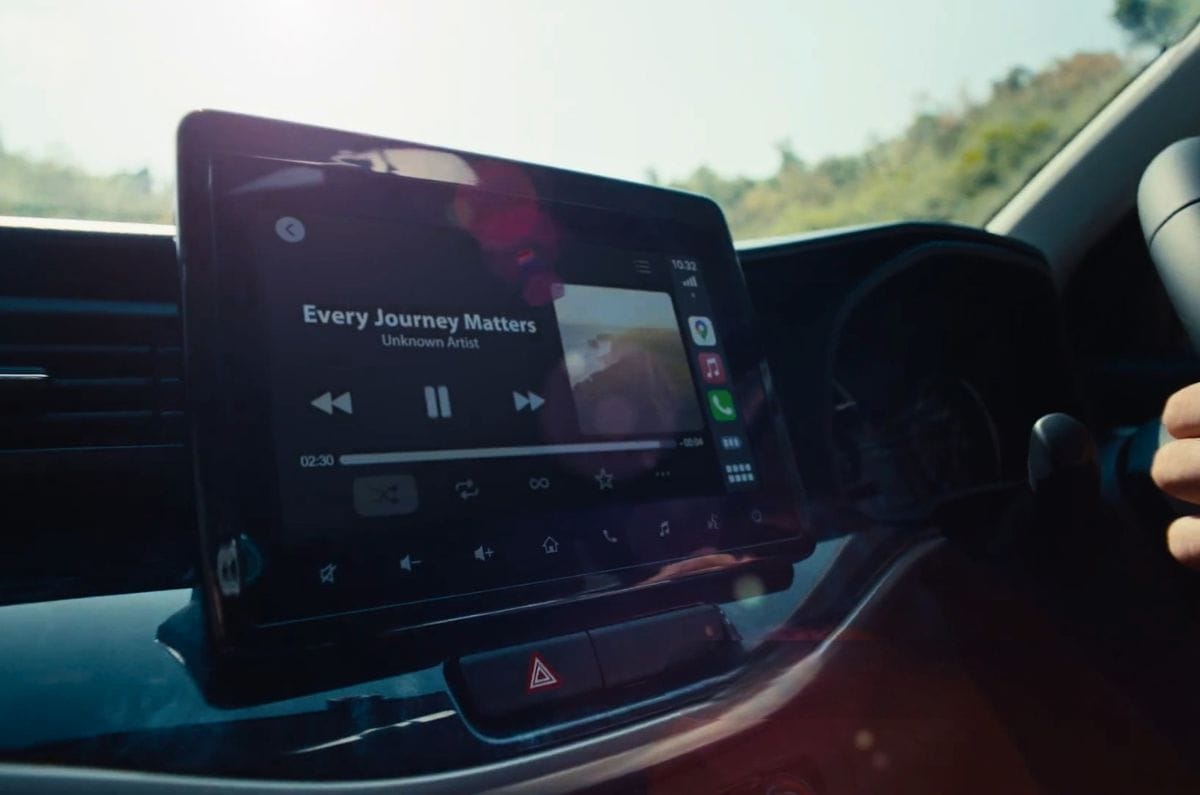
The interior of the Indonesia-spec Suzuki XL7 gets a new trim insert on the dashboard called Metallic Hagane Dark Silver. In Indonesia, all variants of this Suzuki MPV now get a larger 9-inch touchscreen infotainment head unit that supports Apple CarPlay & Android Auto. The audio system has also been updated with a new sound processing software by Arkamys, according to Suzuki.
For reference, top variants of the current India-spec XL6 already gets an Arkamys audio system, 360-degree cameras, a tyre-pressure monitoring system (TPMS) and a digital video recorder (DVR). The updated India-spec model will also retain conveniences such as automatic climate control with rear blower control, ventilated front seats and connected-car tech. Safety features such as 6 airbags, electronic stability program, hill-hold assist and ISOFIX anchor points.
Maruti Suzuki XL6 facelift powertrain
No changes are expected under the bonnet with the India-spec model either
Outgoing Maruti XL6 shown for representation purposes only.
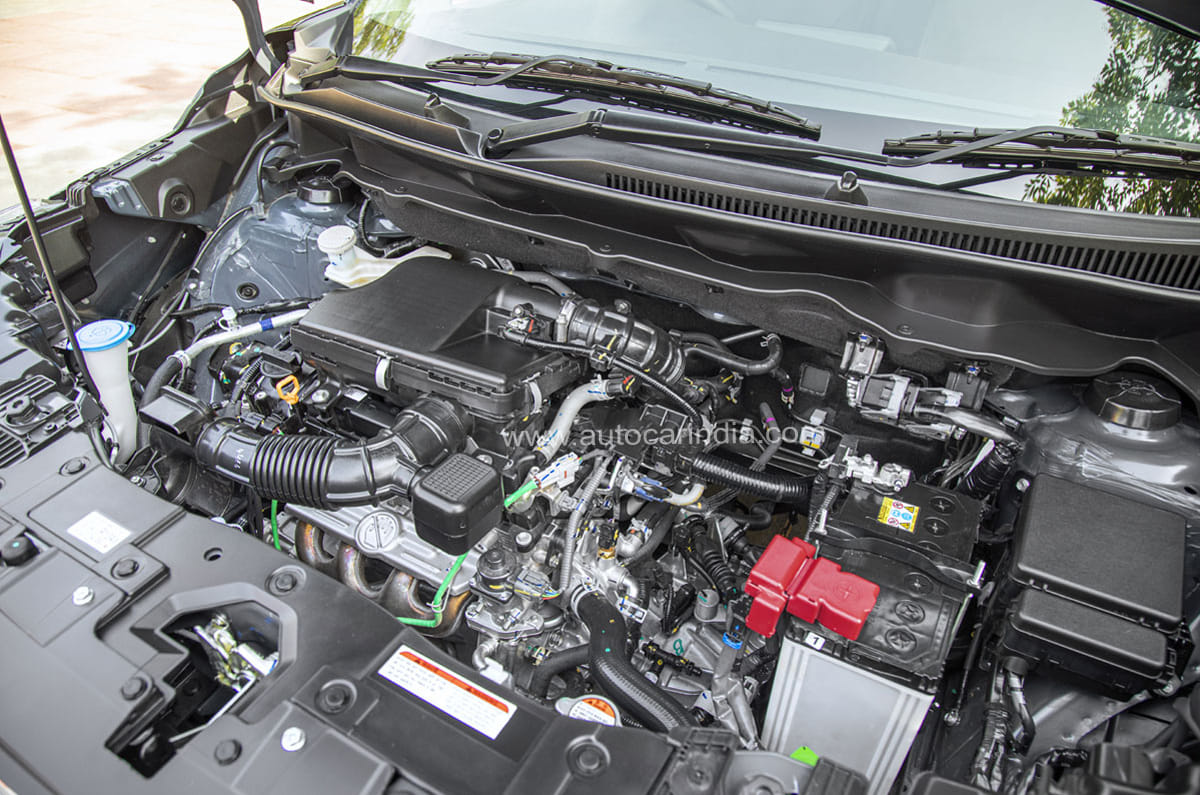
While the Indonesia-spec Suzuki XL7 facelift carries forward the 1.5-litre K15B petrol engine, with the top variants featuring the brand’s mild-hybrid technology. However, the India-spec Maruti Suzuki XL6 facelift is likely to be offered by the same K15C unit that powers the outgoing model. For reference, the latter’s petrol-only version makes 103hp and 139Nm, while the CNG version produces 88hp and 121.5Nm. The transmission options for the current model include a 5-speed manual and a 6-speed automatic.
Maruti Suzuki XL6 facelift expected prices
Upon its arrival, the Maruti Suzuki XL6 facelift is likely to command a slight premium over the current model. For reference, the latter is priced from Rs 11.57 lakh and Rs 13.89 lakh (ex-showroom), with the XL6 facelift .
अगर आप कम बजट में एक ऐसी कॉम्पैक्ट SUV खरीदने की सोच रहे हैं, जिसमें दमदार परफॉर्मेंस के साथ बेहतर ड्राइविंग एक्सपीरियंस मिले, तो 1.0-लीटर टर्बो-पेट्रोल इंजन वाली गाड़ियां आपके लिए एक अच्छा विकल्प हो सकती हैं। दरअसल, Maruti Suzuki ने नई Brezza फेसलिफ्ट के साथ इस सेगमेंट में अपनी एंट्री कर दी है। बता दें कि नई Brezza में 1.0-लीटर टर्बो बूस्टरजेट इंजन दिया गया है, जो इसी तरह के डिस्प्लेसमेंट वाले टर्बोचार्ज्ड पेट्रोल इंजन के साथ पहले से मौजूद कई अन्य सब-4-मीटर SUV की लिस्ट में शामिल हो गई हैं। अब आइए जानते हैं ऐसी 6 SUVs के बारे में, जिन्हें आप खरीदने पर विचार कर सकते हैं।
Maruti Suzuki Brezza facelift
नई Brezza facelift में 1.0-लीटर टर्बो बूस्टरजेट पेट्रोल इंजन है, जो 110.2 PS की पावर और 170 Nm का पीक टॉर्क देता है। इसके अलावा, इस इंजन के साथ 6-स्पीड मैनुअल ट्रांसमिशन मिलता है। हालांकि, कंपनी ने इसमें ऑटोमैटिक ट्रांसमिशन का विकल्प नहीं दिया है। इस कैटेगरी में Brezza के टर्बो वेरिएंट की कीमत 7.40 लाख रुपये (एक्स-शोरूम) से शुरू होती है, जिससे यह इस कैटेगरी की सबसे सस्ती SUV बन जाती है।
Hyundai Venue
इस SUV में 1.0-लीटर टर्बो-पेट्रोल इंजन है, जो 120 PS की पावर और 172 Nm का टॉर्क जनरेट करता है। खरीदार 6-स्पीड मैनुअल गियरबॉक्स और 7-स्पीड डुअल-क्लच ऑटोमैटिक ट्रांसमिशन में से किसी को भी चुन सकते हैं। कीमत की बात करें तो, Hyundai Venue के टर्बो-पेट्रोल वेरिएंट की शुरुआती कीमत 8.91 लाख रुपये (एक्स-शोरूम) है।
Kia Sonet
Kia Sonet में 1.0-लीटर स्मार्टस्ट्रीम T-GDi पेट्रोल इंजन मिलता है, जो 120 PS की पावर और 172 Nm का टॉर्क देता है। यह 6-स्पीड iMT और 7-स्पीड डुअल-क्लच ऑटोमैटिक ट्रांसमिशन के साथ उपलब्ध है। Kia Sonet के टर्बो-पेट्रोल रेंज की शुरुआती कीमत ₹9.25 लाख (एक्स-शोरूम) है।
Skoda Kylaq
अगर आप Skoda Kylaq खरीदने का मन बना रहे हैं तो, आपको यह जानना जरूरी है कि इस SUV में 1.0-लीटर टर्बो-पेट्रोल इंजन मिलता है, जो 115 PS की पावर और 178 Nm का टॉर्क जनरेट करता है। इसमें ग्राहकों को 6-स्पीड मैनुअल और 6-स्पीड टॉर्क कन्वर्टर ऑटोमैटिक ट्रांसमिशन का विकल्प मिलता है। प्राइस देखें तो, Kylaq के टर्बो वेरिएंट की कीमत 7.59 लाख रुपये (एक्स-शोरूम) से शुरू होती है।
Renault Kiger
Renault Kiger में 1.0-लीटर टर्बो-पेट्रोल इंजन मिलता है, जो 100 PS की पावर और 160 Nm का टॉर्क देता है। यह 5-स्पीड मैनुअल ट्रांसमिशन या CVT ऑटोमैटिक के साथ आती है। टर्बो वेरिएंट की कीमतें ₹7.89 लाख (एक्स-शोरूम) से शुरू होती हैं।
Nissan Magnite
Nissan Magnite में भी 1.0-लीटर टर्बो-पेट्रोल इंजन दिया गया है, जो 100 PS की पावर और 160 Nm का टॉर्क जनरेट करता है। इस इंजन के साथ ग्राहकों को 5-स्पीड मैनुअल गियरबॉक्स और CVT ऑटोमैटिक ट्रांसमिशन का विकल्प मिलता है। Magnite के टर्बो वेरिएंट की शुरुआती कीमत 9.25 लाख रुपये (एक्स-शोरूम) है।
कौन सी SUV है सबसे पावरफुल?
इन सभी 6 SUV में से, Hyundai Venue और Kia Sonet सबसे ज्यादा पावर (120 PS) देती हैं, जबकि Skoda Kylaq सबसे ज्यादा टॉर्क (178 Nm) देती है। वहीं, Brezza फेसलिफ्ट सबसे सस्ता ऑप्शन है, जिसके टर्बो-पेट्रोल वेरिएंट की कीमत 7.40 लाख रुपये (एक्स-शोरूम) से शुरू होती है।
जो खरीदार ऑटोमैटिक ट्रांसमिशन वाले ऑप्शन देख रहे हैं, वे Venue, Sonet, Kylaq, Kiger और Magnite पर विचार कर सकते हैं, जबकि Brezza फेसलिफ्ट का टर्बो इंजन अभी सिर्फ 6-स्पीड मैनुअल गियरबॉक्स के साथ उपलब्ध है।
The Mercedes-AMG E53 Hybrid 4MATIC+ arrives at a time when performance cars are being asked to do more than simply go fast. It has to deliver the pace and character expected of an AMG while embracing electrification to meet increasingly stringent emissions norms and changing buyer expectations. The result is a plug-in hybrid performance sedan that combines a 3.0-litre turbo-petrol inline-six engine with an electric motor for a formidable system output of 585hp, while also offering enough electric-only range for mundane daily drives.
But this isn’t just an E-Class with a bigger battery and more power. The E53 gets AMG-specific chassis hardware, all-wheel drive, rear-wheel steering and a suite of performance-focused electronics designed to counter the added weight. Can this electrified AMG still deliver the thrills enthusiasts expect while remaining a genuinely usable luxury sedan every day?
Mercedes-AMG E53 Exterior Design and Engineering
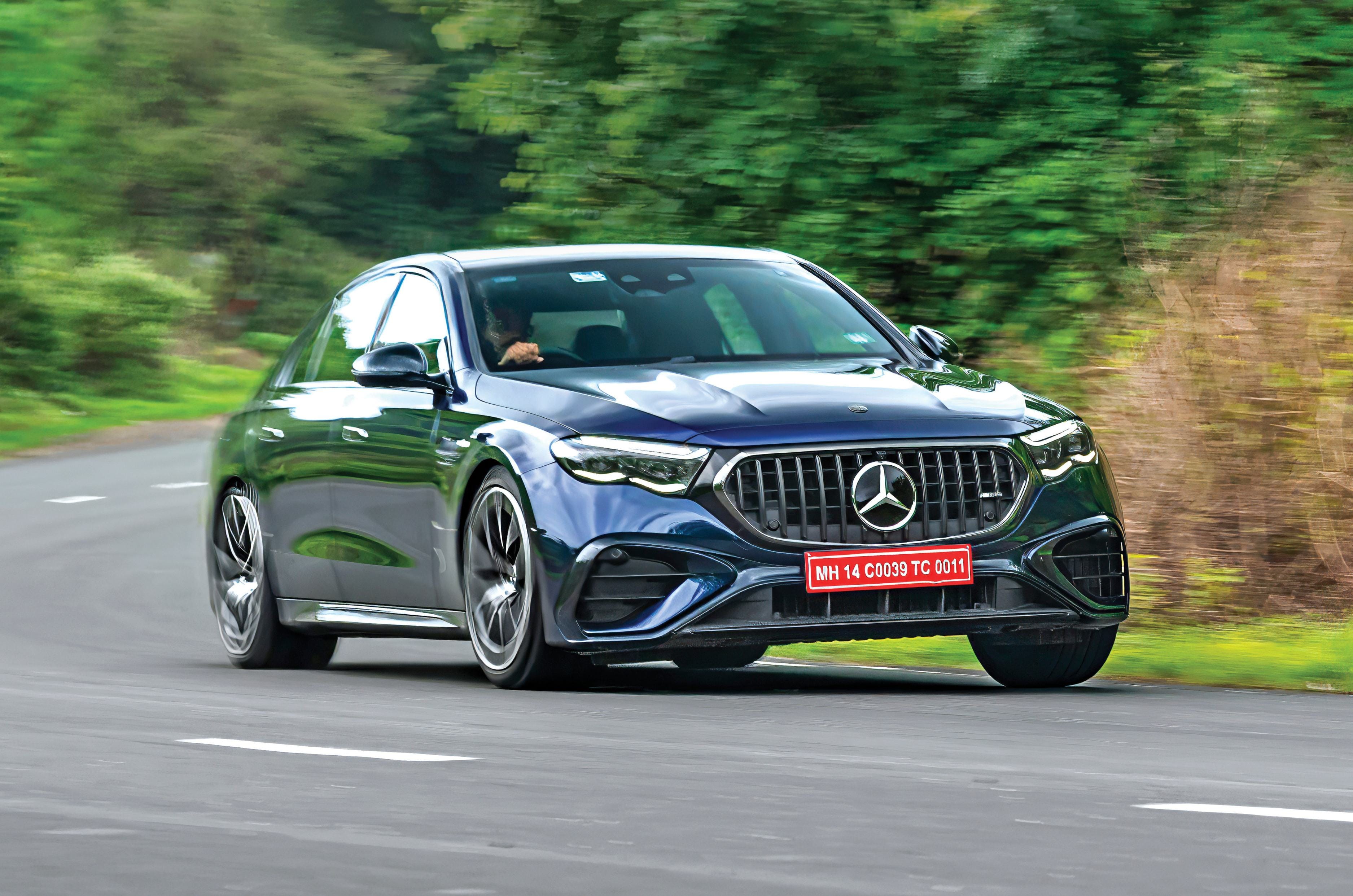
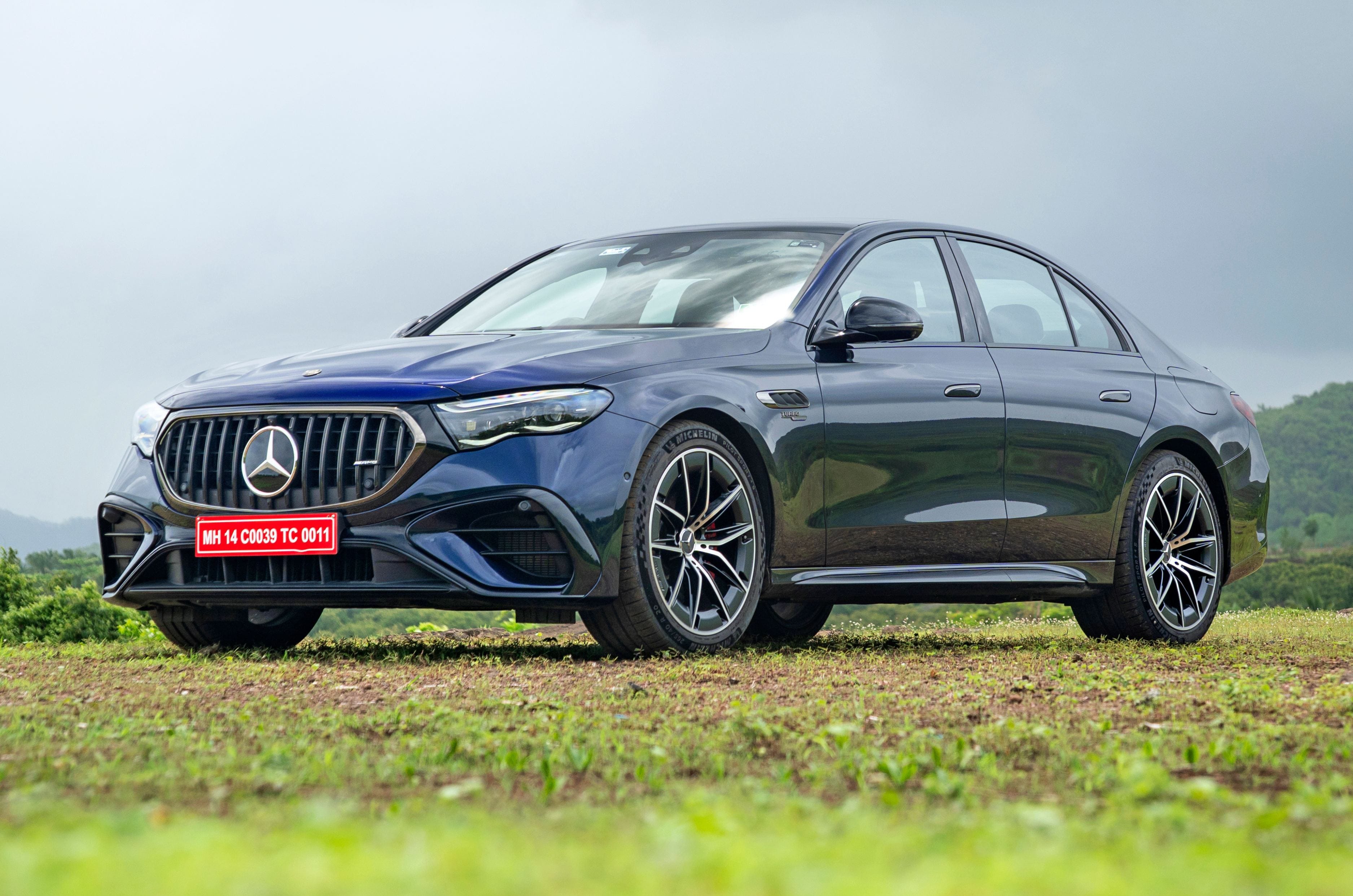
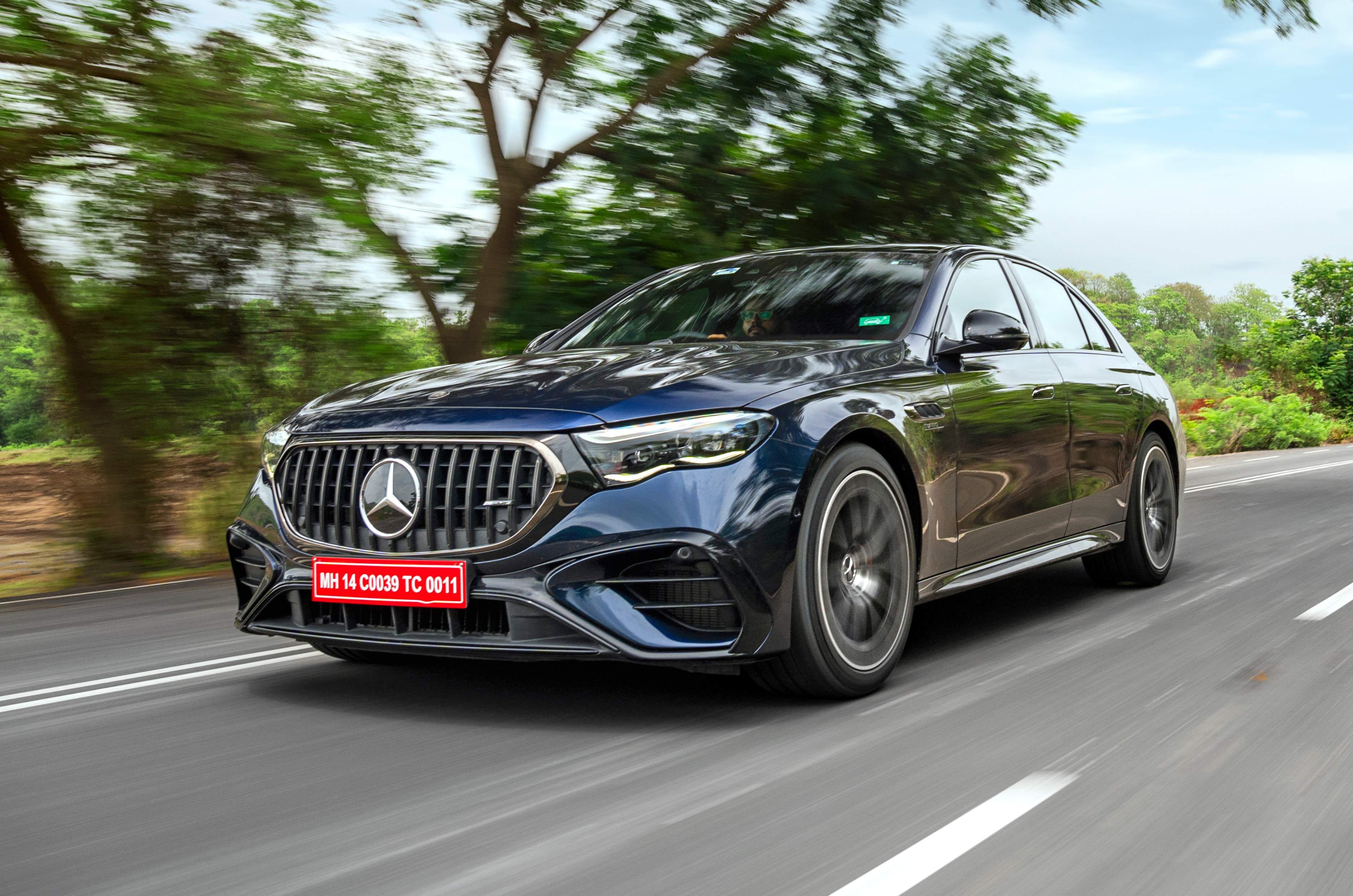
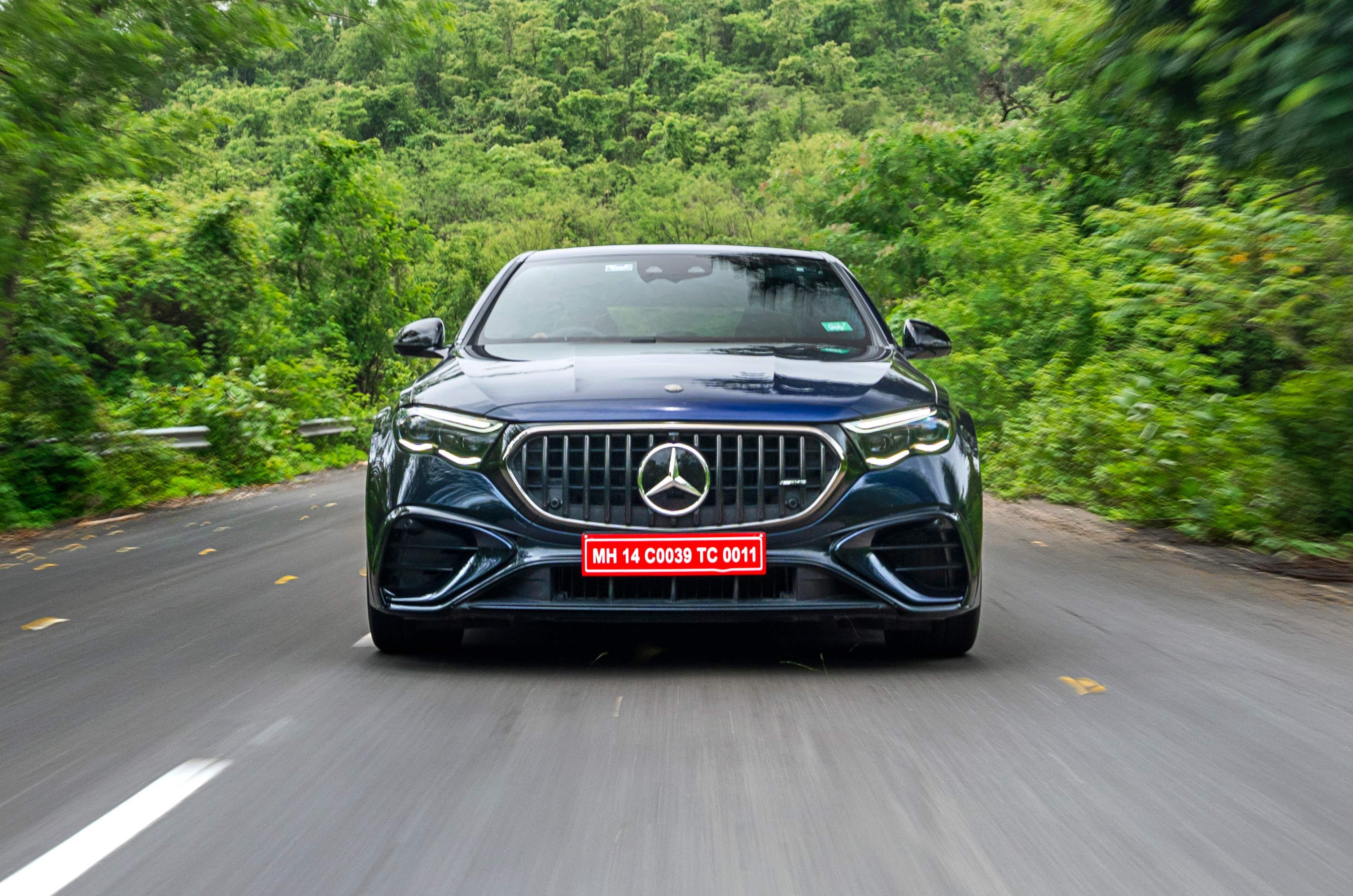
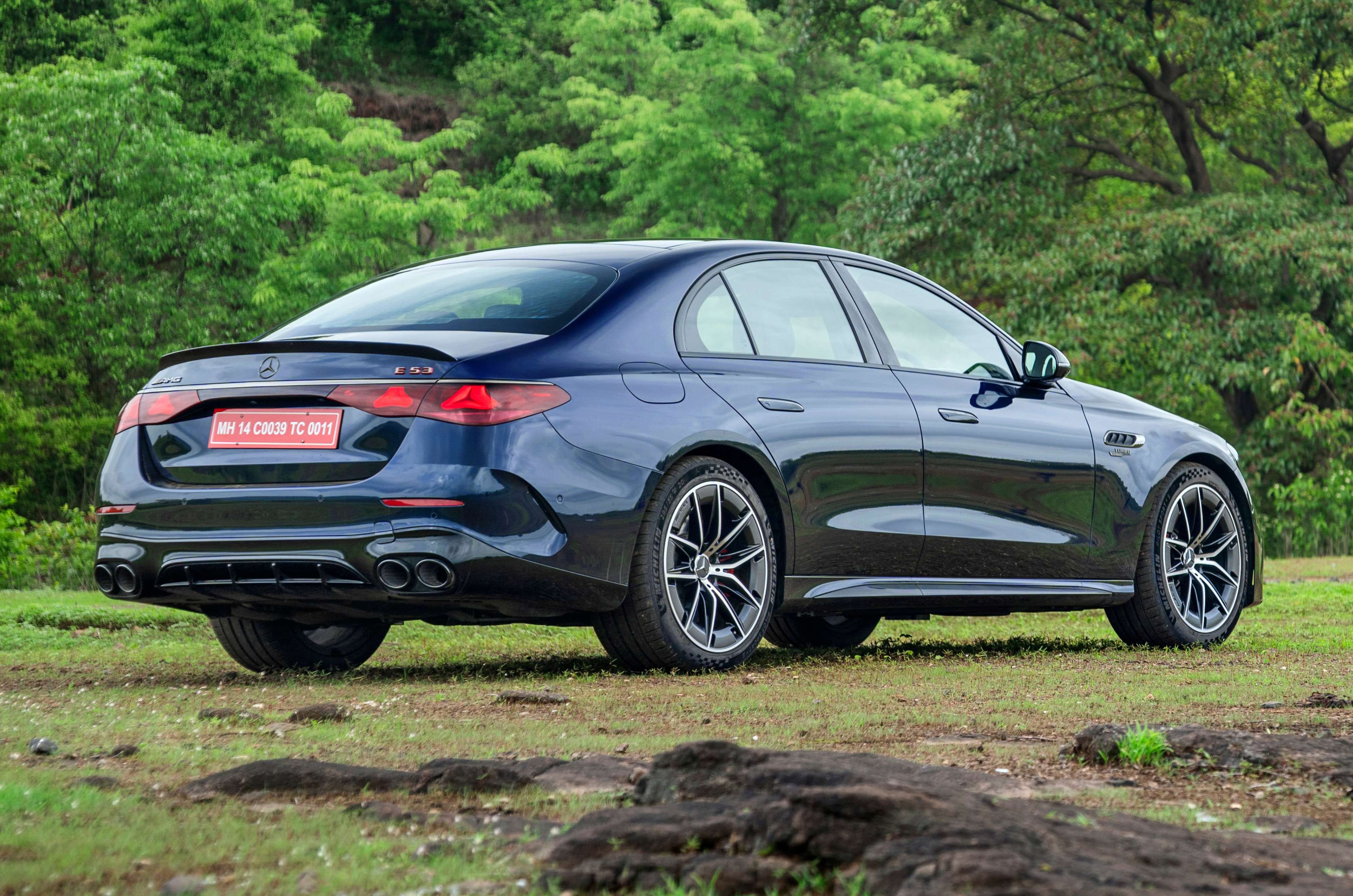
Expectedly, the E 53 has put on quite a bit of muscle. The front bumper is sportier, with large air dams. The Panamericana grille gets illuminated surrounds and is wide enough to gulp massive amounts of air to cool the engine, while the power lines on the bonnet add more intent to its character.
The E53 has good amount of muscle with aggressive bumpers, big grille and power lines
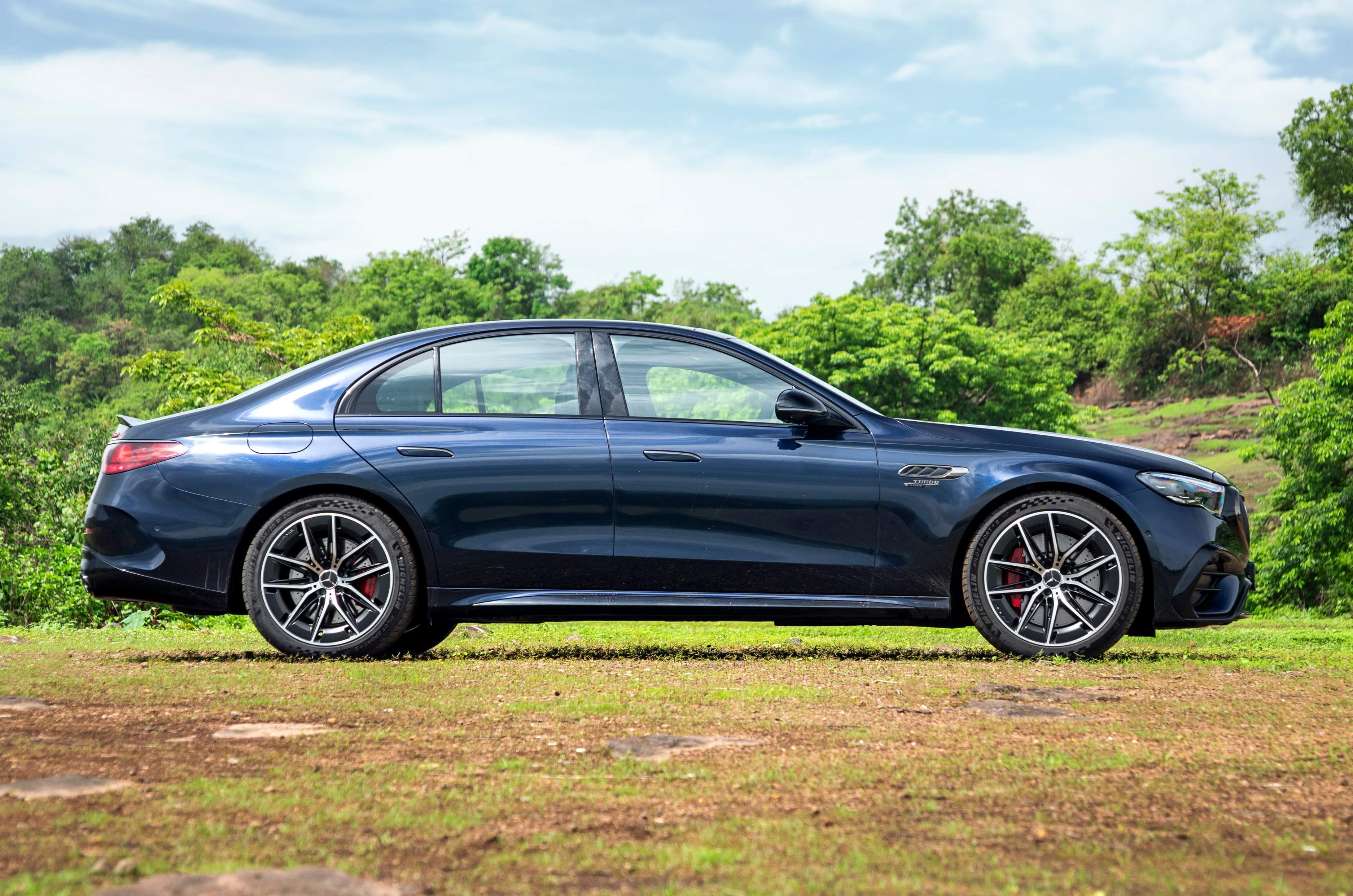
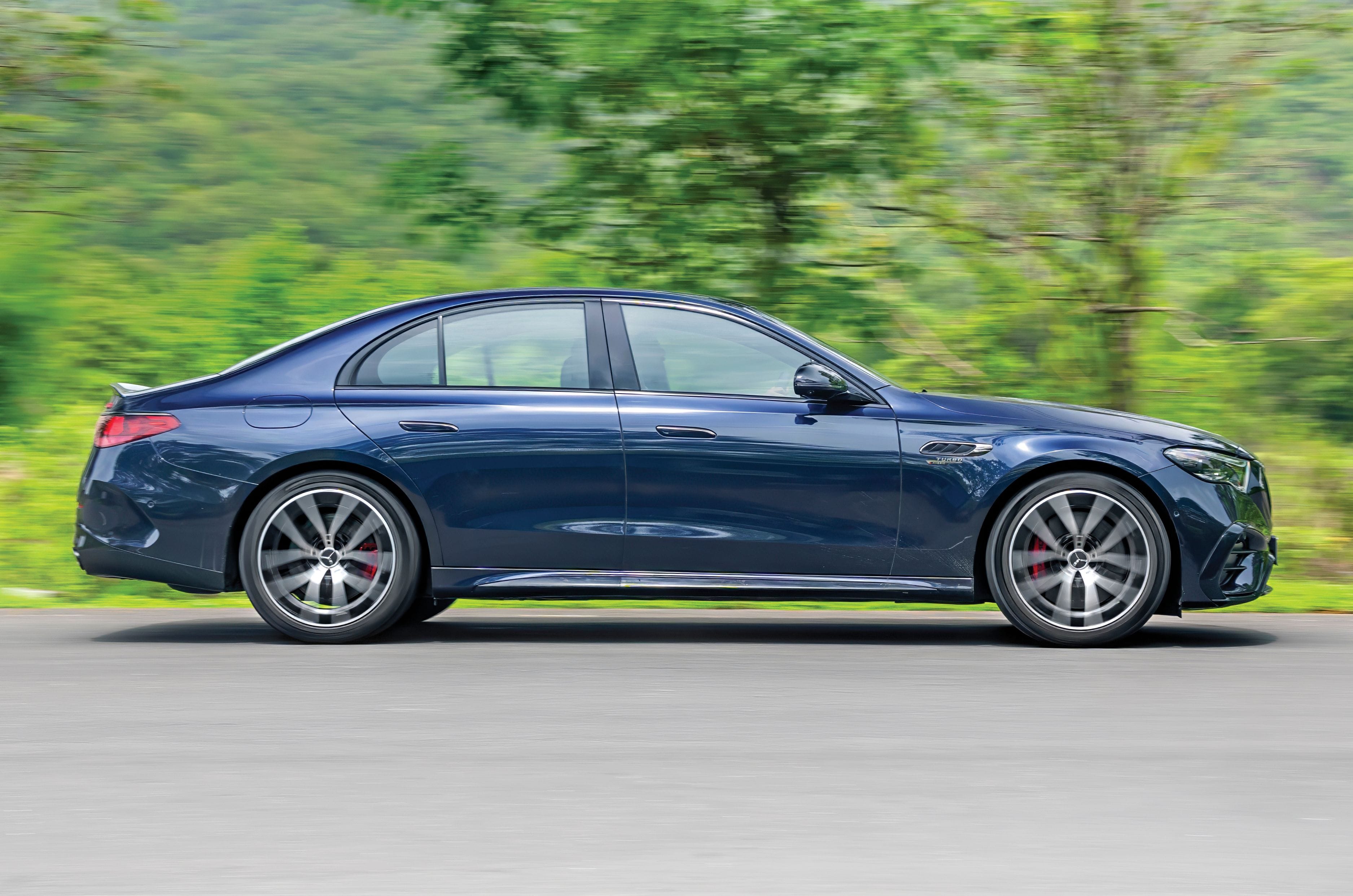
The profile flaunts flared wheel arches, larger 20-inch wheels (the last-gen E 53 featured 19-inchers) and, like before, a standard wheelbase, giving it sportier proportions than the long-wheelbase E-Class.
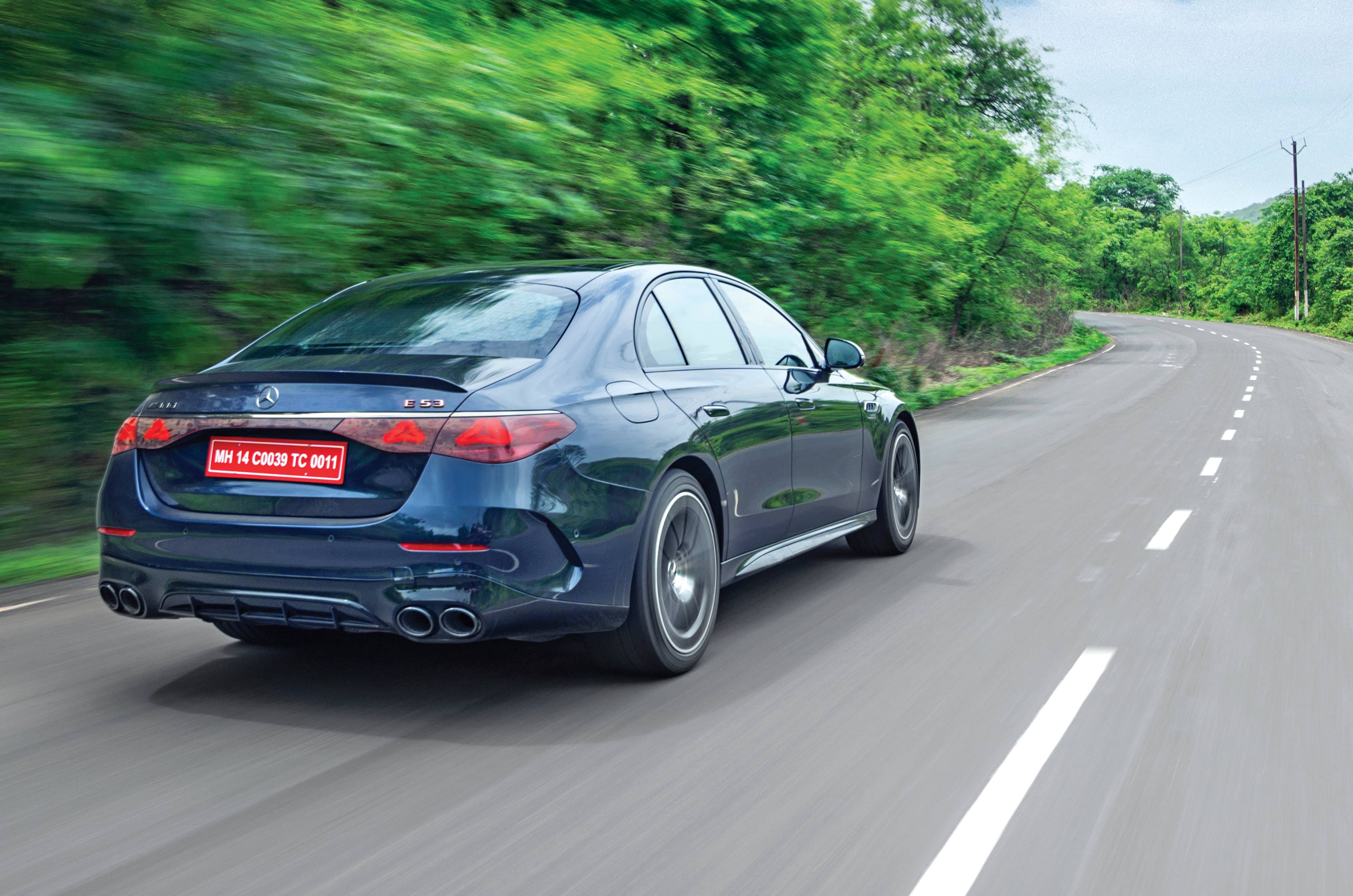
At the rear, there’s an E 53 badge with red highlights, a quad-exhaust setup that isn’t actually connected to the exhaust pipes, a diffuser and a ducktail spoiler that’s large enough to be noticed but won’t do much for downforce.
Not being a long wheelbase gives it perfect proportions
Overall, it’s a handsome-looking car with just the right amount of restraint. However, if you’re looking for a bit more visual drama, you’ll have to pay extra for the MANUFAKTUR paint finishes, as the standard colour palette is more E-Class than AMG.
Mercedes-AMG E53 Interior Space and Comfort
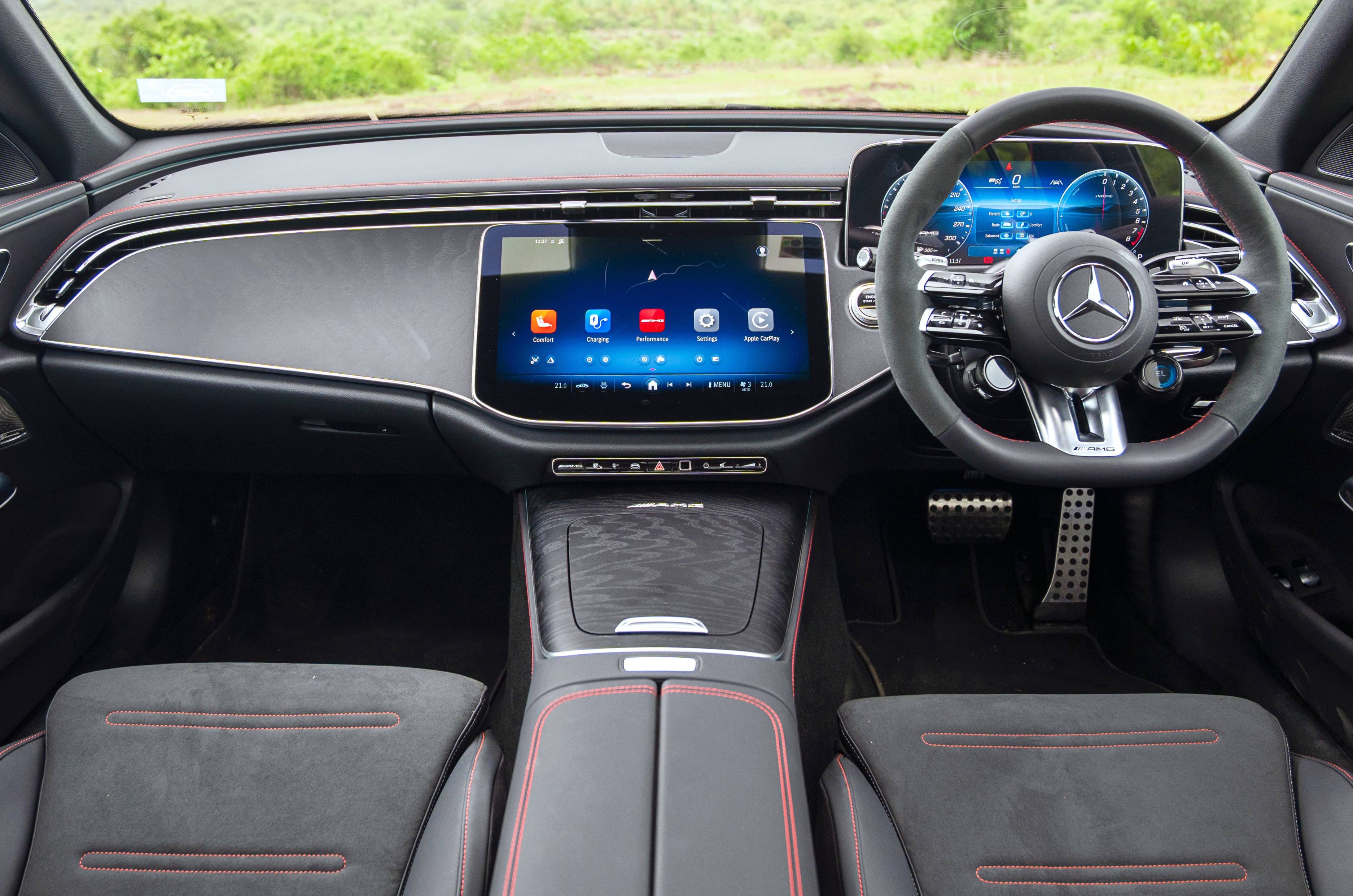
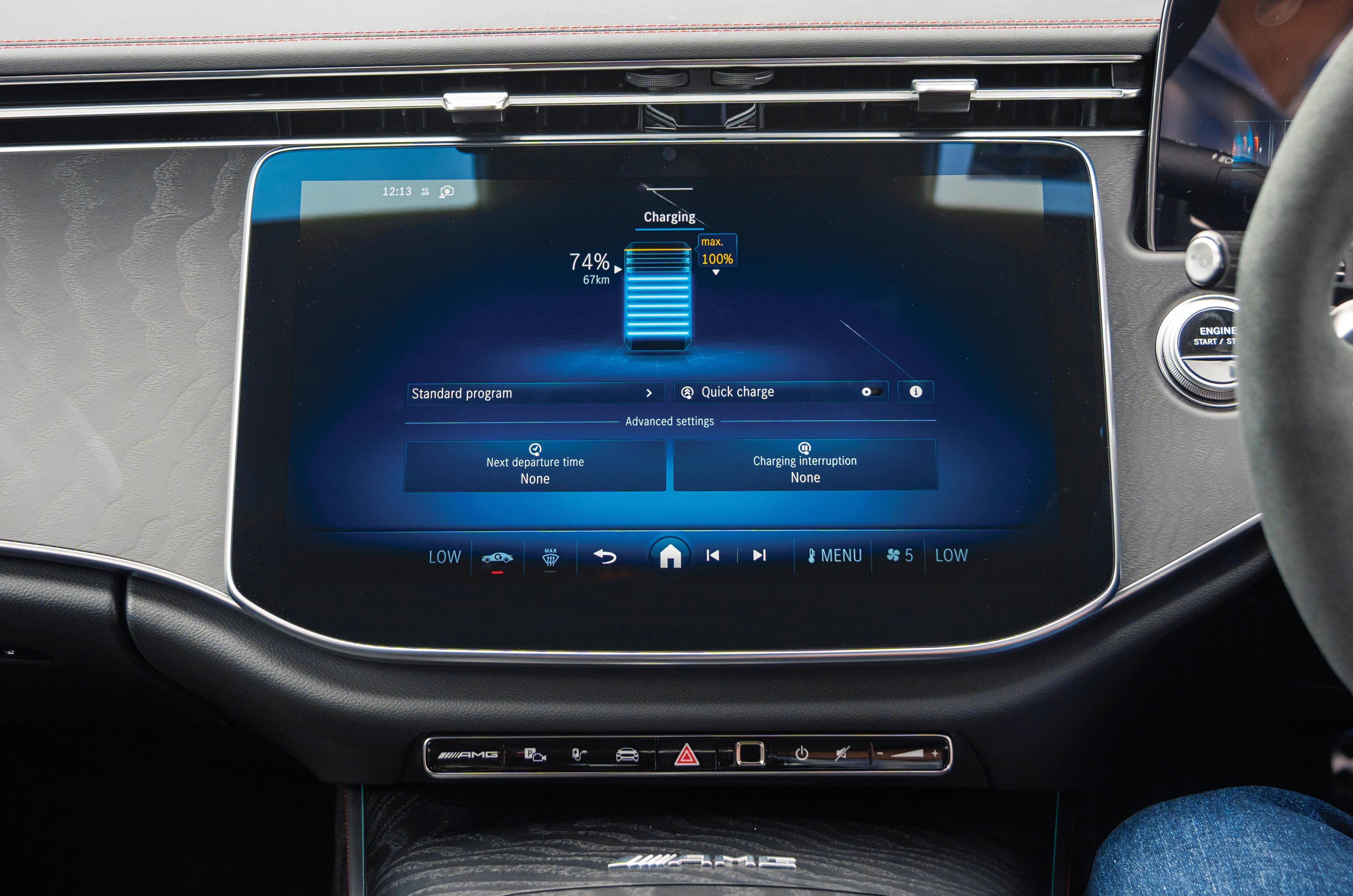
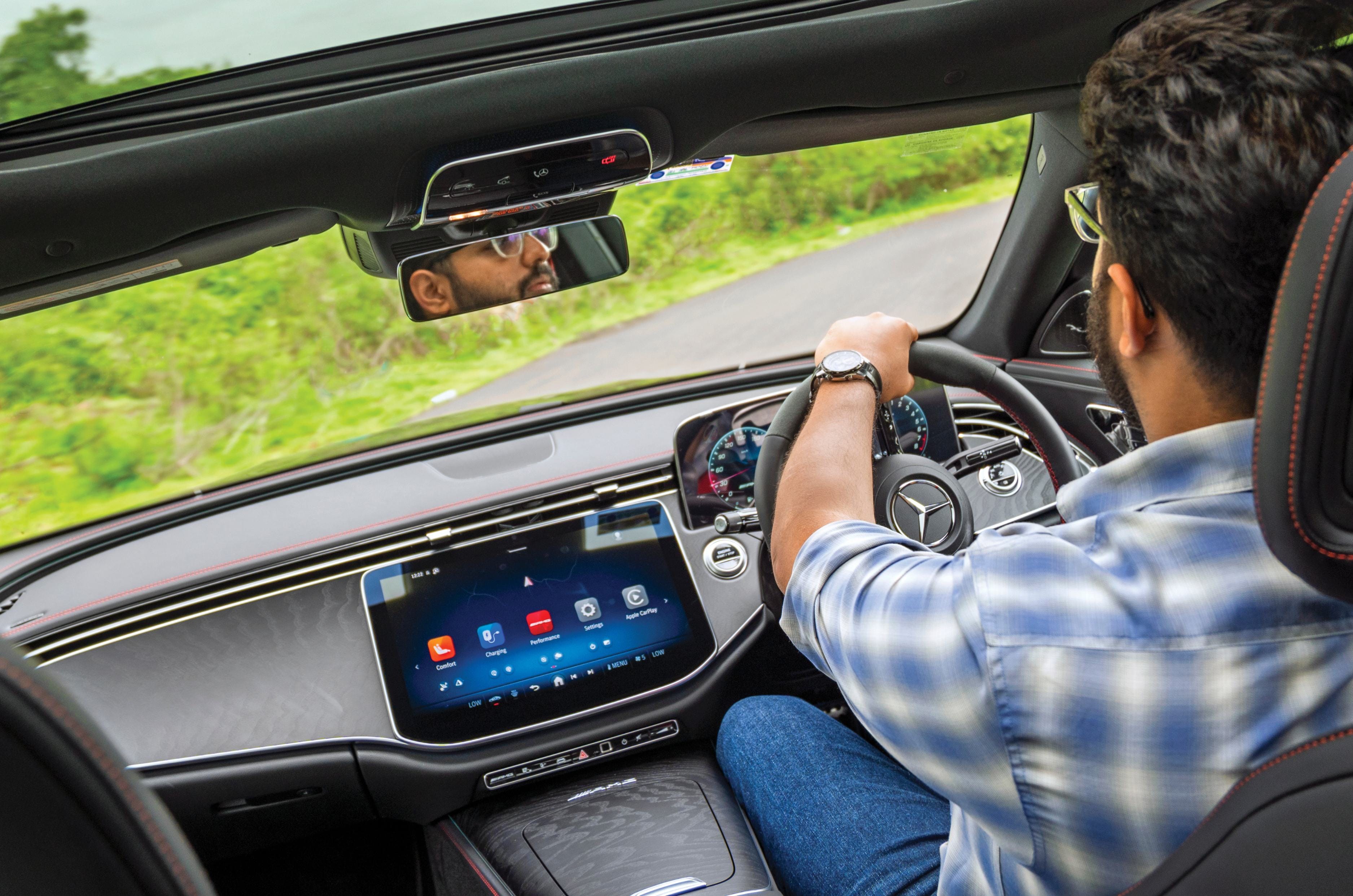
Inside, the E 53 strikes an appealing balance between luxury and sportiness. Instead of carbon-fibre or piano-black trim, Mercedes has used open-pore wood that feels rich and tactile. A large central MBUX touchscreen dominates the dashboard, while the passenger display found on the standard E is absent – not particularly bothersome given how good the main screen is.
Red and black upholstery looks racy while open pore wood adds luxe factor
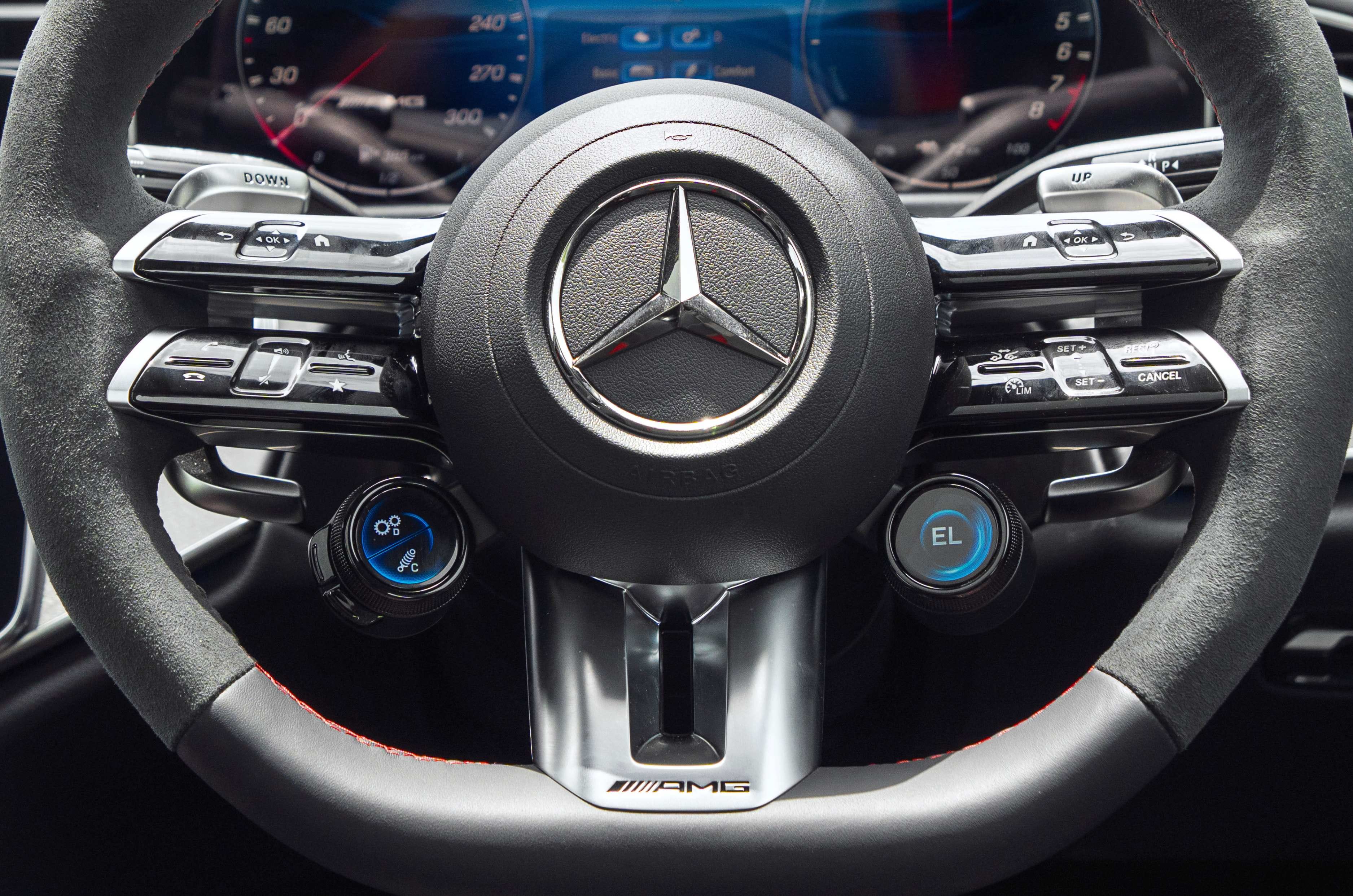
The AMG sports seats offer plenty of support and adjustment, although ventilated and massage functions are missing. Likewise, the chunky AMG steering wheel feels superb in hand but is cluttered with touch-sensitive controls that remain frustrating to use.
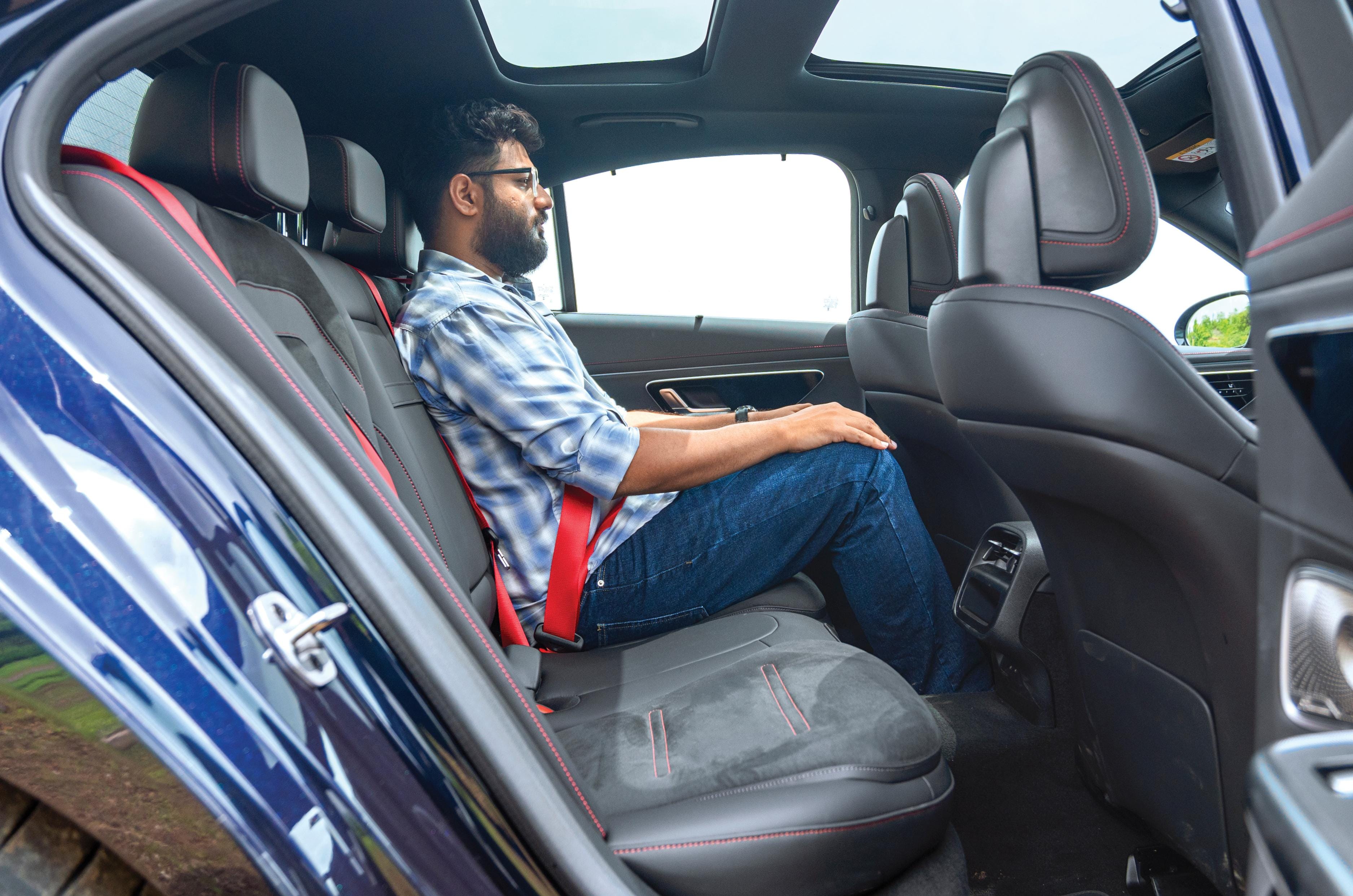
Rear-seat space is naturally tighter than the long-wheelbase E-Class, but there’s still enough room for two adults to travel comfortably. Manual sunblinds and a panoramic sunroof add to the ambience, although the large transmission tunnel makes this a strict four-seater.
There’s good space in the rear despite this not being a long wheelbase
The boot, however, sees the biggest compromise. At 370 litres, it’s 170 litres smaller than the standard E-Class because the battery sits beneath the floor. There’s no spare wheel either, with its space instead occupied by the charging cable and puncture repair kit.
Mercedes-AMG E53 Features and Safety
The E 53 is a well-equipped sedan despite missing features such as ventilated seats. The centre screen is the brains of the operation and, unfortunately, many of the controls are routed through it, making them difficult to operate on the move.
We’ve praised the MBUX infotainment system for its clear interface and high-resolution display, but usability isn’t its strongest suit. The large screen makes it difficult to accurately select the desired function while driving.
Too many controls on the steering is distracting
The E 53 gets a comprehensive suite of driver assistance systems, including Lane Keep Assist, Automatic Emergency Braking, Rear Cross Traffic Alert and Blind Spot Monitoring. Thankfully, these systems can also be switched off manually if required.
The 360-degree camera is crisp and high-resolution, while the 17-speaker Burmester 4D audio system delivers an exceptional listening experience. As impressive as the sound system is, however, it ultimately plays second fiddle to the performance on offer.
Mercedes-AMG E53 Performance and Refinement
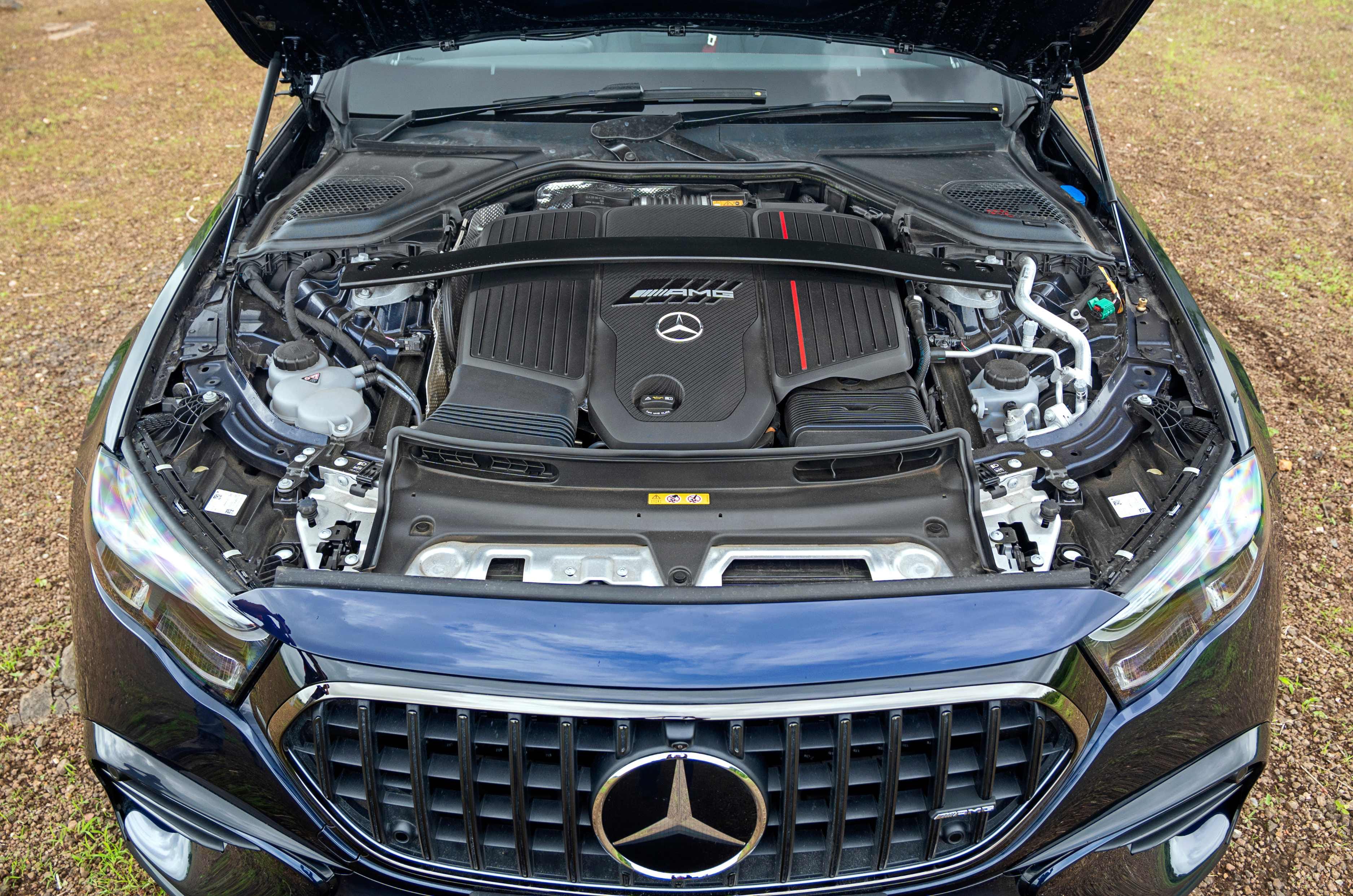
Like before, the new E 53 is powered by a 3.0-litre turbo-petrol straight-six engine. This time, however, it gets support from a 28.6kWh battery pack and an electric motor, taking the combined output to 585hp and 750Nm.
585hp six-cylinder engine makes 150hp more than before
Unlike the bigger PHEV AMGs, the E 53 isn’t an ‘E PERFORMANCE’ model, which means the electric motor is mounted within the gearbox housing rather than integrated into the rear axle. Power is sent to all four wheels via the familiar 9-speed automatic transmission, and the E 53 gets a host of drive modes that are noticeably different from one another.
‘Individual’ lets you tailor the engine, gearbox and suspension to your liking. ‘Battery Hold’ prevents the car from using the battery charge, saving it for when you truly need it. ‘EL’ is the full-electric mode, provided there’s sufficient charge in the battery. ‘Comfort’ offers a more relaxed setup, ‘Sport’ sharpens the responses, and ‘Sport+’ is the most aggressive setting.
Naturally, Sport+ is the mode you’ll spend most of your time in if you want the E 53 to feel like a proper AMG. The exhaust note, the urgency of the power delivery and the firmer suspension all come together beautifully. With the engine and electric motor working at full tilt, straight-line performance is genuinely rapid. Acceleration is smooth yet thrilling, as the engine piles on speed rapidly without the neck-snapping brutality of a powerful EV. Power delivery is strong and linear across the rev range, and the gearbox complements the aggressive character of Sport+ perfectly. 0-100kph takes just 4 secs with the ‘Race Start’ which is essentially launch control included in the AMG Dynamic Plus package as power jumps up to 612hp.
For greater driver involvement, you can also engage ‘M’ mode, which gives you full manual control of the gearbox. It will happily bounce off the limiter without automatically upshifting until you pull a paddle.
The exhaust note is a bit of a mixed bag. It’s genuine, but it’s also channelled into the cabin through the speakers and a subwoofer in the boot. It’s not the ideal solution because, outside the car, the engine and exhaust produce a genuinely enjoyable snarl. Still, in an era of synthesised, computer-generated soundtracks, a real exhaust note—even if it’s amplified through the speakers—is worth appreciation.
Switch to Comfort mode and the E 53 adopts an entirely different character. It’s calm, refined and smooth, with gentler power delivery that’s well suited to long-distance cruising.
Where the powertrain disappoints is in city traffic and slow stop-start driving. The gearbox is simply too eager and, even in Comfort mode, it feels a bit like walking an overexcited Rottweiler. It’s constantly trying to surge forward and grab the next gear before you’ve asked it to. The constant shuffling through the lower gears results in unnecessary jerks that spoil the experience.
The solution is to engage EL mode. It’s almost as if it was designed specifically for this scenario. In EL, the E 53 feels smooth and effortless. There’s very little noise apart from the drone generated by the Michelin Pilot Sport 4S tyres, which can be quite rumbly, especially on concrete surfaces.
Braking is less convincing, however. Despite massive 390mm front discs and regenerative braking, the pedal never delivers a natural or consistent feel. Stopping power is strong, but the spongy, inconsistent pedal detracts from an otherwise polished driving experience.
Mercedes-AMG E53 Mileage and Efficiency
One of the biggest talking points of the new E 53 isn’t its staggering performance, but the fact that it can deliver it without constantly visiting a fuel station. This plug-in hybrid marks a significant shift in AMG’s philosophy, combining electrification with a silky-smooth six-cylinder engine to create a performance sedan that’s as comfortable commuting as it is attacking a mountain road.
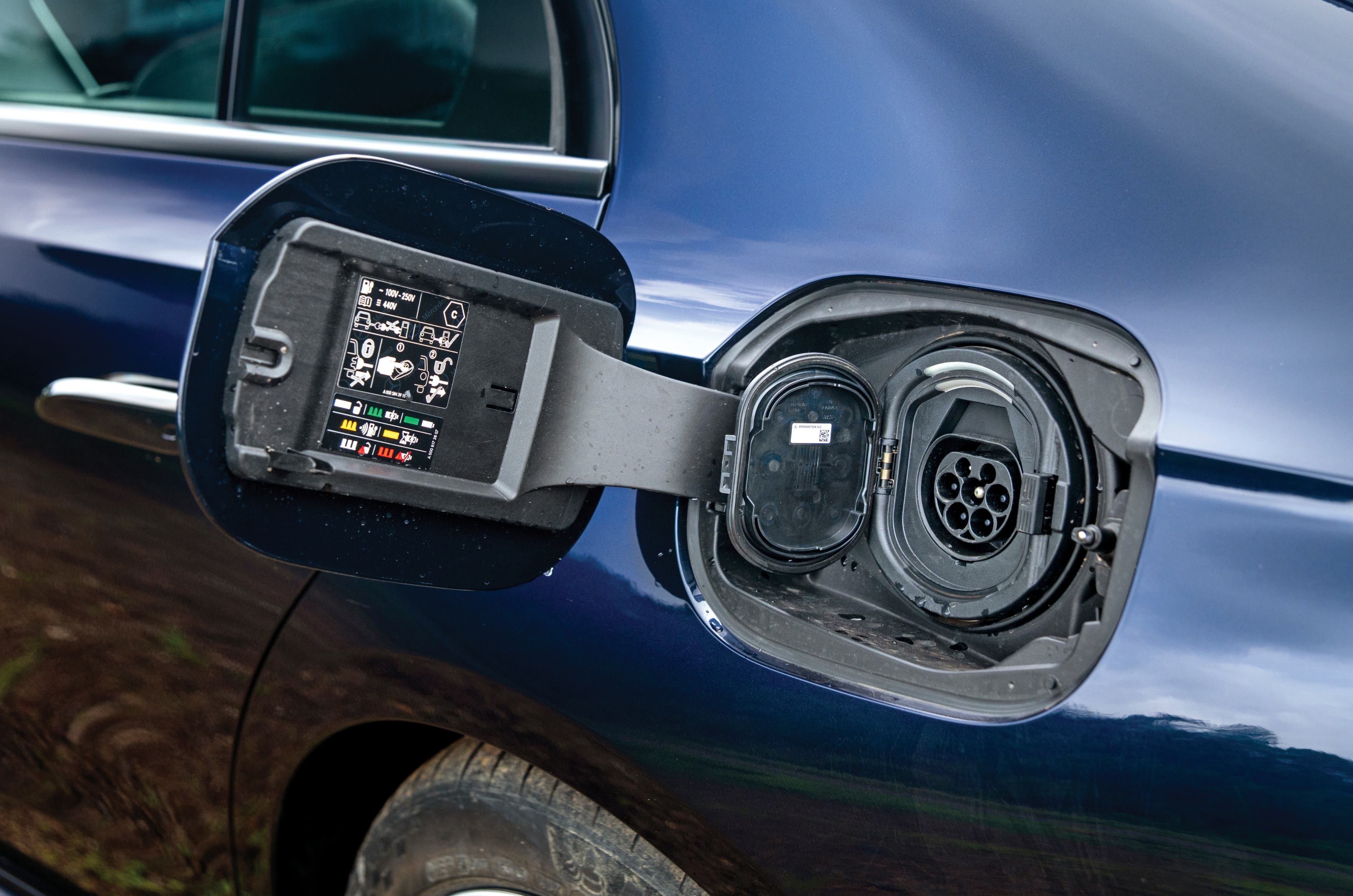
Charging via an 11kW AC charger will replenish the battery in 2.25 hrs; No DC charging option
The headline figure is a claimed electric-only range of up to 100km, courtesy a 28.6kWh battery pack. You can expect 75-90km on electric power alone making it entirely possible to complete daily urban commutes without firing up the engine.
Once the battery begins to deplete, the turbocharged 3.0-litre inline-six takes centre stage. Even then, the hybrid system continues to contribute through regenerative braking and electric assistance, ensuring the E 53 feels responsive while reducing fuel consumption compared to a conventional performance sedan. Mercedes has also equipped the car with four regenerative braking modes, allowing drivers to maximise energy recovery or opt for a more natural driving experience. For owners with access to home or workplace charging, fuel stops could become surprisingly infrequent. Charging is equally convenient, with the 11kW AC onboard charger replenishing the battery in around three hours.
28.6kWh battery allows for an electric-only range of 100km
Mercedes-AMG E53 Ride Comfort and Handling
For those who enjoy being behind the wheel, the E 53 delivers in abundance. Despite carrying the additional weight of a sizable battery pack, it feels remarkably composed. In Sport and Sport+, the car tightens up noticeably. Body roll is kept firmly in check, the dampers become more alert, and the steering gains welcome heft. What impresses most is how well the chassis disguises its mass. The battery may add considerable weight, but it’s mounted low in the car, lowering the centre of gravity and lending the E 53 impressive stability through fast corners.
The rear-biased 4MATIC+ all-wheel-drive system plays a major role here. The rear wheels can turn up to 2.5 degrees, which isn’t a huge amount, as you’ll still find yourself making the occasional three-point turn. Above 60kph, however, they turn in the same direction as the front wheels, adding another layer of stability through corners.
It is over 400kg heavier than the last-gen model but you just can’t feel it from behind the wheel
The Michelin Pilot Sport 4S tyres aren’t the quietest, but they allow the driver to deploy the combined output with confidence, even when exiting slower bends. Turn-in is crisp, and while the steering isn’t overflowing with feedback, it’s accurate enough to place the car confidently on a winding road.
At low speeds, the adaptive AMG Ride Control suspension does an admirable job of filtering out broken tarmac, expansion joints and sharp-edged potholes. It isn’t perfect, though. Compared with the last-generation E 53, which rode on smaller 19-inch wheels with taller-profile tyres, the new car’s 20-inch wheels have sacrificed a degree of ride compliance. As a result, the low-profile tyres transmit the occasional thud over particularly nasty potholes.
The adaptive dampers mated with the active engine mounts offer terrific stability
Ultimately, the Mercedes-AMG E 53 Hybrid 4MATIC+ isn’t as razor-sharp as a dedicated sports sedan, nor is it as pillowy as the standard E-Class. Instead, it strikes an impressive middle ground, blending everyday comfort with genuine driver engagement. It’s a car that feels just as at home soaking up kilometres on the expressway as it does carving through a series of fast, flowing corners.
Mercedes-AMG E53 Value for Money
Prices start at Rs 1.45 crore for the Performance Edition and Rs 1.48 crore for the Racing Edition. In this price range, there isn’t a direct rival to the E 53. The BMW M5 is both more powerful and considerably more expensive, while the BMW M4 is effectively rivalled by the Mercedes-AMG CLE 53 as a two-door coupe. The Audi RS5, meanwhile, hasn’t been launched in India yet.
The E 53 succeeds because it doesn’t try to be everything at once. It delivers the pace, handling and character expected of an AMG while introducing meaningful electric-only capability that genuinely enhances everyday usability. The brakes may lack the natural feel you’d expect from a performance sedan, and the gearbox can feel over-eager in slow-moving traffic, but these shortcomings do little to overshadow what is otherwise a remarkably accomplished package.
Fast, engaging and surprisingly efficient, the new E53 Hybrid is one of the most complete performance sedans on sale today. More importantly, it proves that electrification doesn’t have to dilute the AMG experience—it can make it even more usable.
Petrol Diesel Price Today: हर दिन की शुरुआत सिर्फ सूरज की किरणों से नहीं होती, बल्कि पेट्रोल और डीजल की नई कीमतों से भी होती है, जो आम आदमी की जेब पर सीधा असर डालती हैं। सुबह 6 बजे देश की तेल विपणन कंपनियां (OMCs) ताजा दरें जारी करती हैं, जो अंतरराष्ट्रीय बाजार में कच्चे तेल की कीमतों और डॉलर-रुपए की विनिमय दर में आए बदलावों पर आधारित होती हैं। ये बदलाव रोजमर्रा की जिंदगी को प्रभावित करते हैं, चाहे वो ऑफिस जाने वाला व्यक्ति हो या फल-सब्जी बेचने वाला व्यापारी।
ऐसे में हर दिन की कीमतों की जानकारी रखना सिर्फ जरूरी ही नहीं, बल्कि समझदारी भी है। सरकार की यह प्रणाली पारदर्शिता सुनिश्चित करती है ताकि उपभोक्ताओं को किसी तरह की भ्रमित जानकारी न मिले।
आपके शहर में आज का पेट्रोल-डीजल का भाव
ये रहे 29 जुलाई 2026 के प्रमुख शहरों के पेट्रोल-डीजल के ताजा रेट
नई दिल्ली: पेट्रोल ₹102.12 प्रति लीटर और डीजल ₹95.20 प्रति लीटर।
मुंबई: पेट्रोल ₹111.18 और डीजल ₹97.83 प्रति लीटर।
कोलकाता: पेट्रोल ₹113.47 जबकि डीजल ₹99.82 प्रति लीटर।
चेन्नई: पेट्रोल ₹107.77 और डीजल ₹99.55 प्रति लीटर।
गुरुग्राम: पेट्रोल ₹102.77 तथा डीजल ₹95.44 प्रति लीटर।
नोएडा: पेट्रोल ₹102.12 और डीजल ₹95.56 प्रति लीटर।
बेंगलुरु: पेट्रोल ₹110.93 जबकि डीजल ₹98.80 प्रति लीटर।
भुवनेश्वर: पेट्रोल ₹109.92 और डीजल ₹100.92 प्रति लीटर।
चंडीगढ़: पेट्रोल ₹98.10 तथा डीजल ₹86.09 प्रति लीटर।
हैदराबाद: पेट्रोल ₹115.69 और डीजल ₹103.82 प्रति लीटर।
जयपुर: पेट्रोल ₹112.66 जबकि डीजल ₹97.78 प्रति लीटर।
लखनऊ: पेट्रोल ₹102.05 और डीजल ₹95.55 प्रति लीटर।
पटना: पेट्रोल ₹113.35 तथा डीजल ₹99.36 प्रति लीटर।
तिरुवनंतपुरम: पेट्रोल ₹115.49 और डीजल ₹104.40 प्रति लीटर।
पिछले दो साल से स्थिर क्यों हैं कीमतें?
मई 2022 के बाद से केंद्र और कई राज्यों द्वारा टैक्स में कटौती की गई, जिसके बाद पेट्रोल-डीजल की कीमतों में स्थिरता देखी जा रही है। हालांकि अंतरराष्ट्रीय बाजार में उतार-चढ़ाव होता रहता है, फिर भी भारतीय उपभोक्ताओं के लिए कीमतें तुलनात्मक रूप से स्थिर बनी हुई हैं।
किन कारणों से तय होती हैं ईंधन की कीमतें?
कच्चे तेल की कीमतें:
पेट्रोल और डीजल का उत्पादन मुख्य रूप से कच्चे तेल से होता है। जब अंतरराष्ट्रीय स्तर पर कच्चे तेल की कीमतें बढ़ती हैं, तो इसका असर सीधे भारतीय बाजार पर पड़ता है।
डॉलर के मुकाबले रुपया:
भारत अधिकतर कच्चा तेल आयात करता है, और यह डॉलर में खरीदा जाता है। यदि रुपया कमजोर होता है, तो ईंधन महंगा हो जाता है।
सरकारी टैक्स और शुल्क:
केंद्र और राज्य सरकारें पेट्रोल-डीजल पर भारी टैक्स लगाती हैं, जो खुदरा मूल्य का बड़ा हिस्सा होते हैं। यही कारण है कि राज्यों में कीमतों में अंतर होता है।
रिफाइनिंग की लागत:
कच्चे तेल को इस्तेमाल लायक बनाने की प्रक्रिया (रिफाइनिंग) में भी खर्च होता है। ये लागत कच्चे तेल की गुणवत्ता और रिफाइनरी की क्षमता पर निर्भर करती है।
मांग और आपूर्ति का संतुलन:
बाजार में ईंधन की मांग अगर बढ़ जाती है, तो कीमतें भी ऊपर जाने लगती हैं। खासकर त्योहारों, गर्मी या सर्दी के मौसम में ईंधन की खपत ज्यादा होती है।
कैसे करें अपने शहर की कीमतें SMS से चेक?
अगर आप मोबाइल से ईंधन की कीमत जानना चाहते हैं, तो ये प्रक्रिया आसान है:
Indian Oil ग्राहक: अपने शहर का कोड टाइप करें और उसे “RSP” के साथ 9224992249 पर भेजें।
BPCL ग्राहक: “RSP” लिखकर 9223112222 पर भेजें।
HPCL ग्राहक: “HP Price” लिखकर 9222201122 पर भेजें।
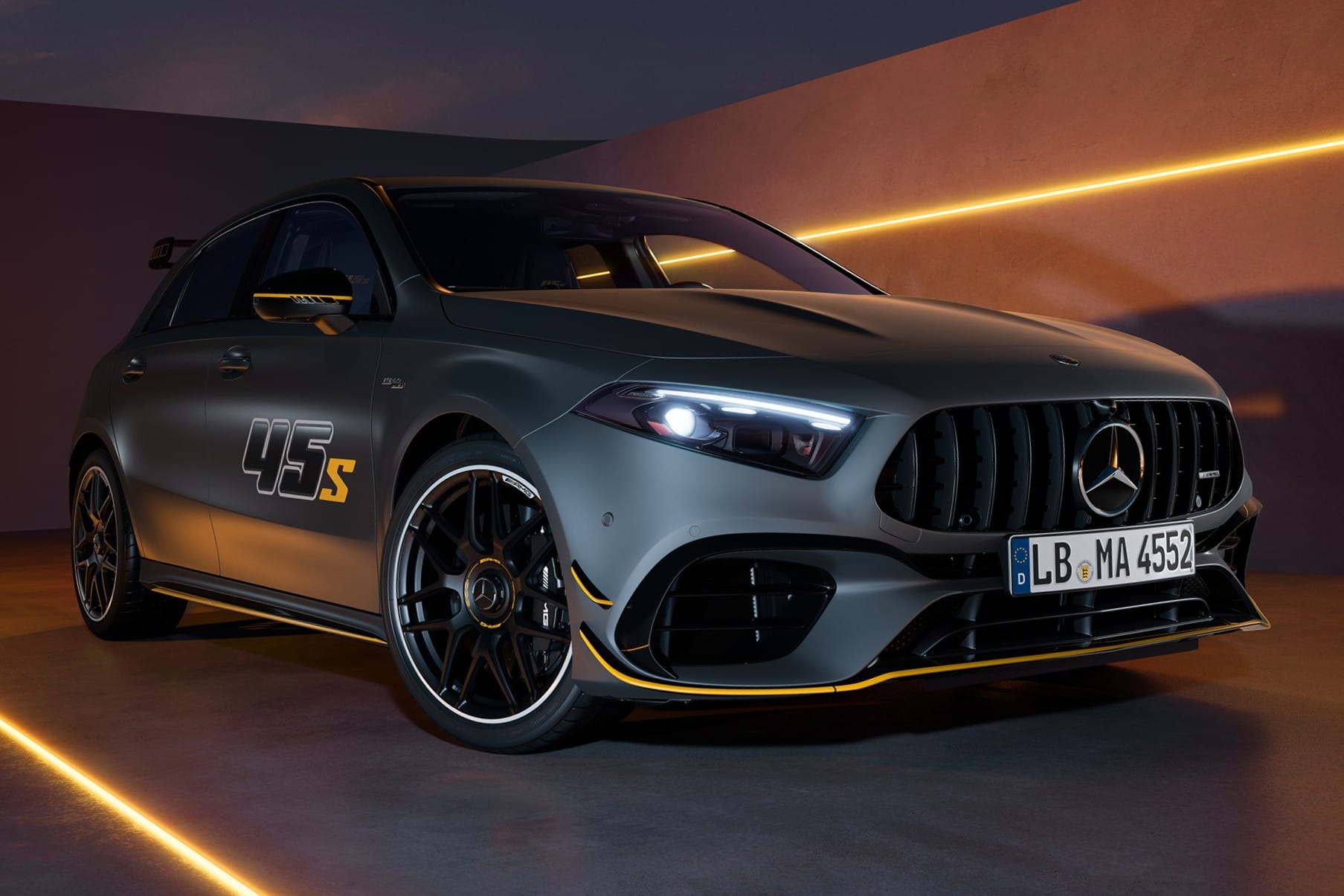
Mercedes-AMG is bidding farewell to the A 45 S hatchback with a Final Edition. The A 45 S hatchback has been on sale for seven years and is positioned as an entry point to the AMG model series. It is being phased out by the carmaker as its engine will not meet upcoming emission norms globally.
Offered with two ‘MANUFAKTUR’ paint choices with optional ’45 S’ graphics.
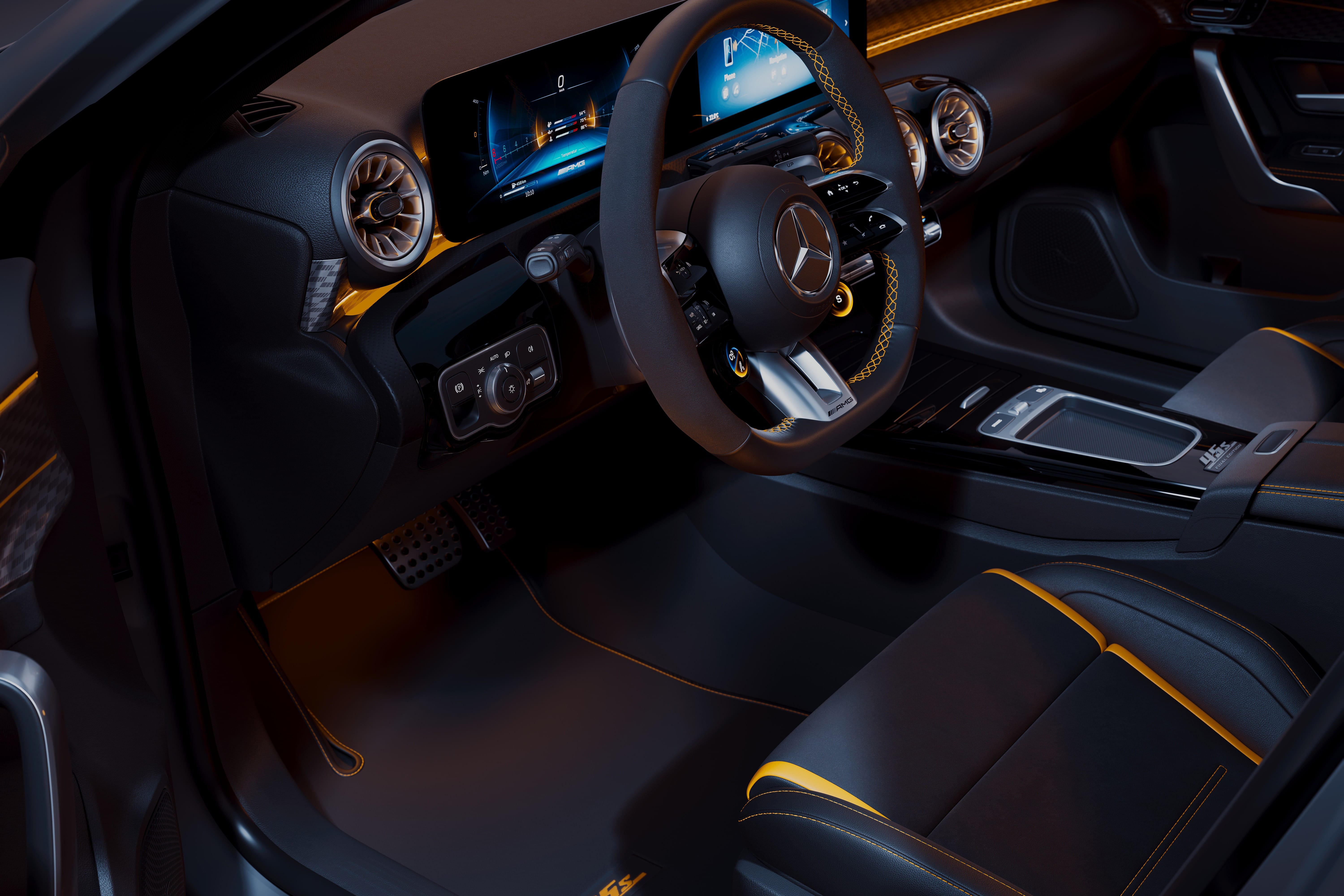
Interior comes with yellow accents throughout and ’45 S’ branding.
Retains standard models’ 421hp, 500Nm, 2.0-litre turbo-petrol engine.
Mercedes-AMG A45 S Final Edition exterior details
Gets the AMG Night Package and Aerodynamics Package as standard fitment
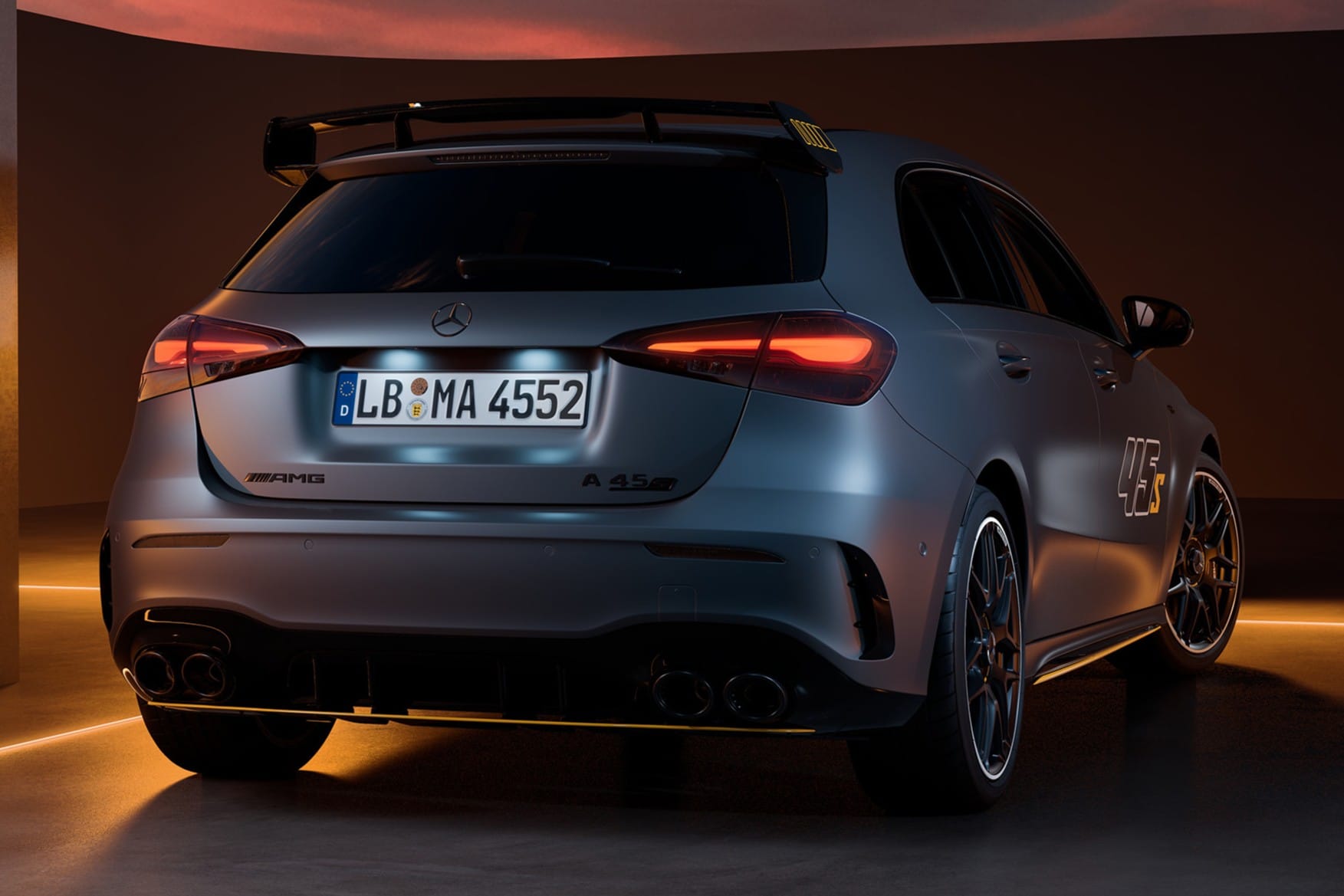
The Final Edition of the AMG A 45 S is available solely with two ‘MANUFAKTUR’ paint options, namely, Mountain Grey Magno or Jet Black non-metallic, while aerodynamic parts get yellow accents. The 19-inch AMG forged wheels sport a cross-spoke design and centre caps with the AMG logo in yellow. As an optional extra, the front doors feature ‘45 S’ graphics and the ORVMs come with an AMG-specific black diamond pattern with a yellow outline. Additionally, the fuel filler cap gets a silver chrome finish with AMG branding and black design elements.
The AMG A 45 S Final Edition comes with the AMG Night Package and the AMG Aerodynamics Package as standard. The Night Package includes a gloss-black finish for the exterior mirror housings and a dark chrome finish for the exhaust tips, grille and badges. The Aerodynamics Package brings an enlarged front splitter and fins at the front, and a spoiler and diffuser finished in gloss-black at the rear.
Mercedes-AMG A45 S Final Edition interior details
Comes with exclusive graphics on the seats and carpets
On the inside, the AMG A 45 S Final Edition carries a black theme with yellow accents. The black-and-yellow theme extends to the seats and floor carpets as well. Additionally, ‘45 S’ graphics are embossed on the front seat headrests and floor carpets. The cabin layout remains unchanged over the standard model, with a dual-screen setup, AMG-spec flat-bottom steering wheel, and turbine-style aircon vents.
Mercedes-AMG A45 S Final Edition Powertrain details
Powered by the same 421hp, 500Nm, 2.0-litre turbo-petrol engine
Things remain the same under the hood of the AMG A 45 S Final Edition. There’s a 2.0-litre turbocharged four-pot engine, while power is sent to all wheels via an 8-speed DCT gearbox. Producing 421hp and 500Nm, it holds the title of being the most powerful series production pure-combustion 4-cylinder car. It can do a 0-100kph sprint in 3.9 seconds and reach speeds of up to 270kph.
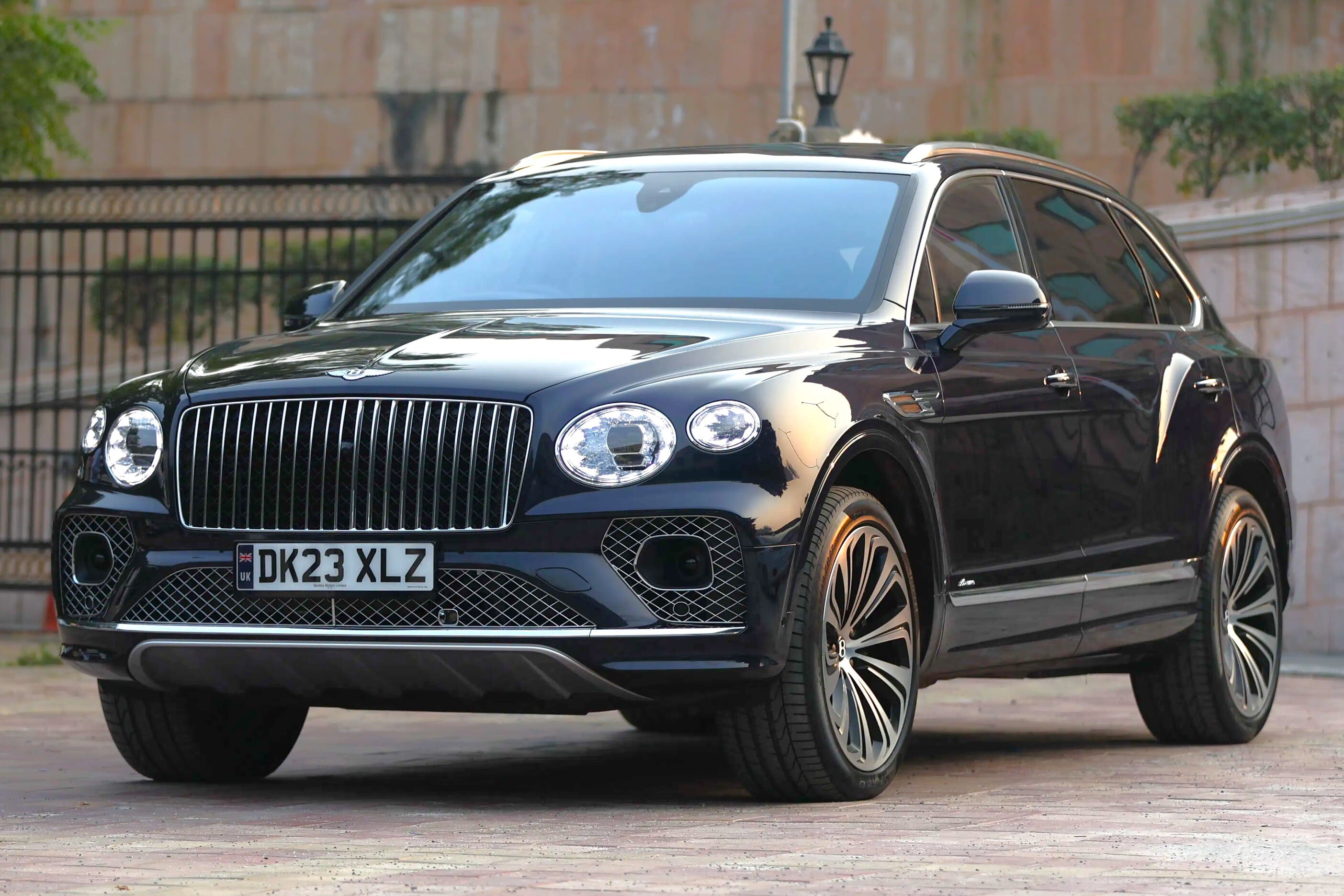
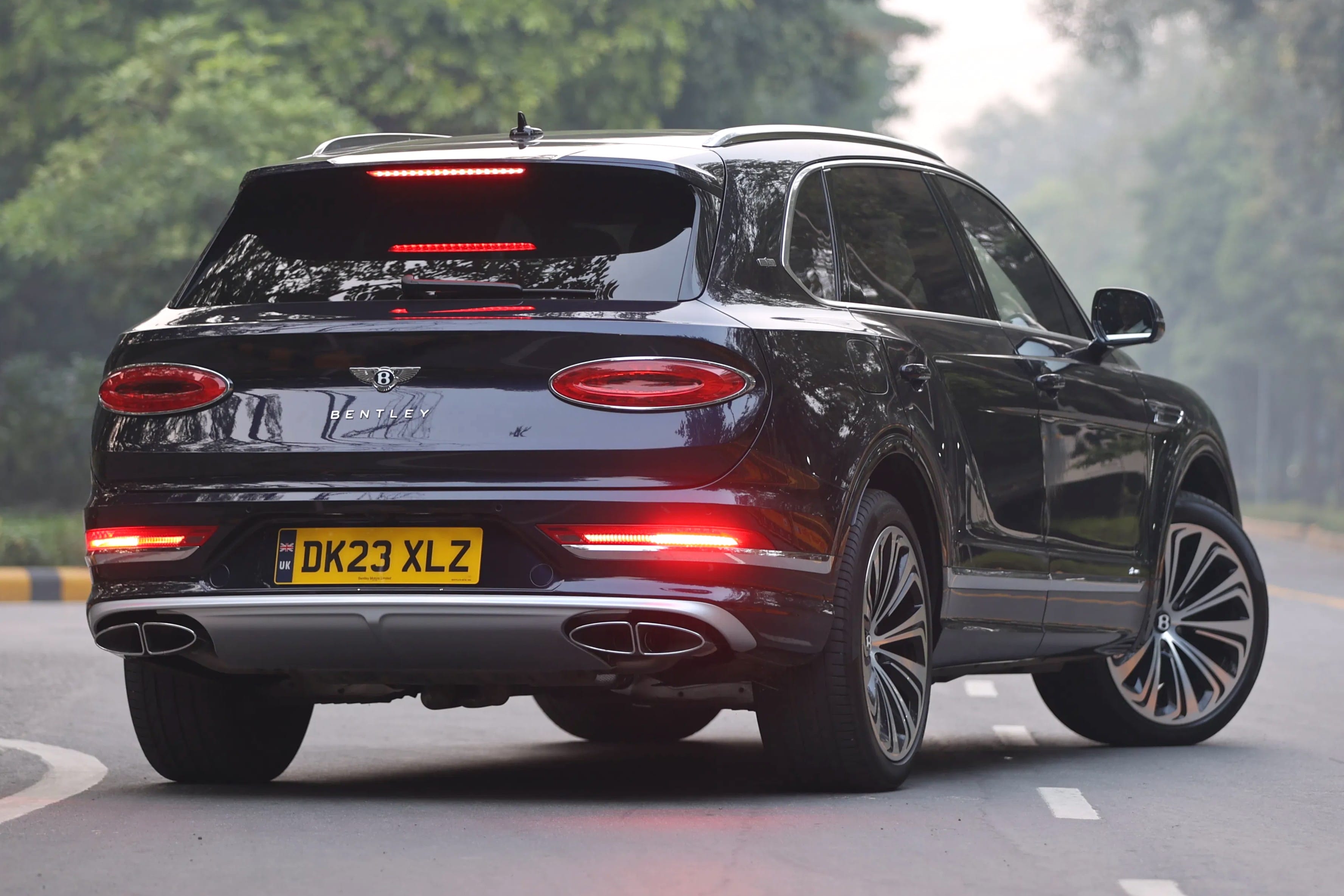
With the India-UK FTA now in effect, Bentley is accepting orders at reduced prices for the Bentayga EWB SUV, according our dealer sources. The Bentayga EWB is the only Bentley model in India to fulfill the criteria for immediate price drops under the terms of the India-UK FTA.
Bentayga EWB qualifies for slashed 30 percent import duty
Only for a limited number of units, though
The last recorded India price of the Bentley Bentayga EWB was Rs 5.9 crore, before options. Bentley India has not confirmed the exact price reduction, but according to the final terms of the India-UK FTA, import duty on British-made petrol vehicles with engines above 3,000cc will drop from 110 percent to 30 percent.
Bentayga EWB price in India (Rs, crore)
Import tariff
Pre-FTA
5.90
110 percent
Post-FTA
3.65 (estimated)
30 percent
Taking that into account, the new India price of the Bentley Bentayga EWB could be in the ballpark of Rs 3.65 crore, before options – a projected price reduction of around Rs 2.25 crore. It should be noted, though, that these slashed prices are applicable only for a quota of 10,000 imported units, which include diesel cars with engines above 2,500cc. The full 110 percent tariff applies to units imported beyond that quota.
PHEV-only Continental GT and Flying Spur won’t see FTA price reduction
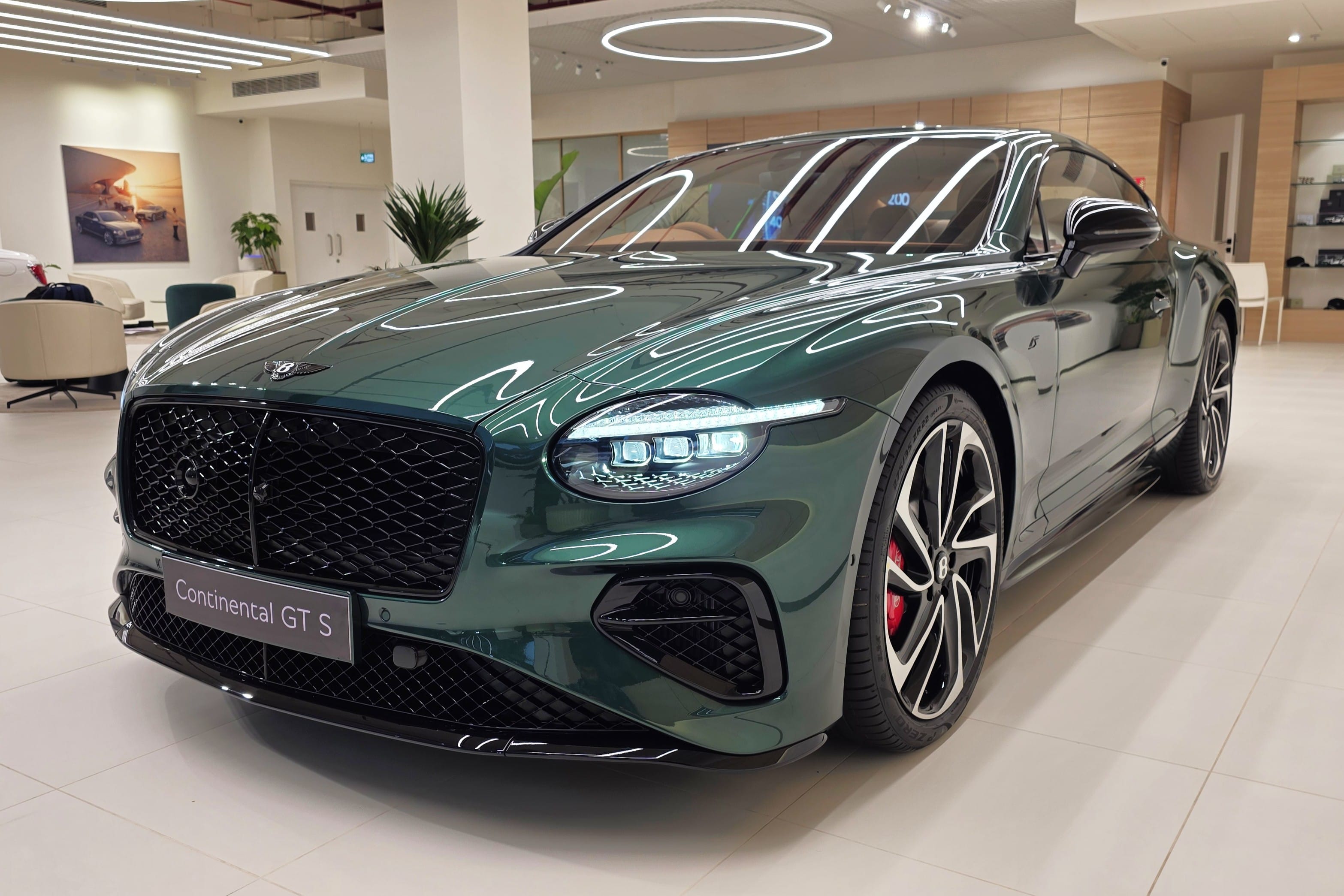
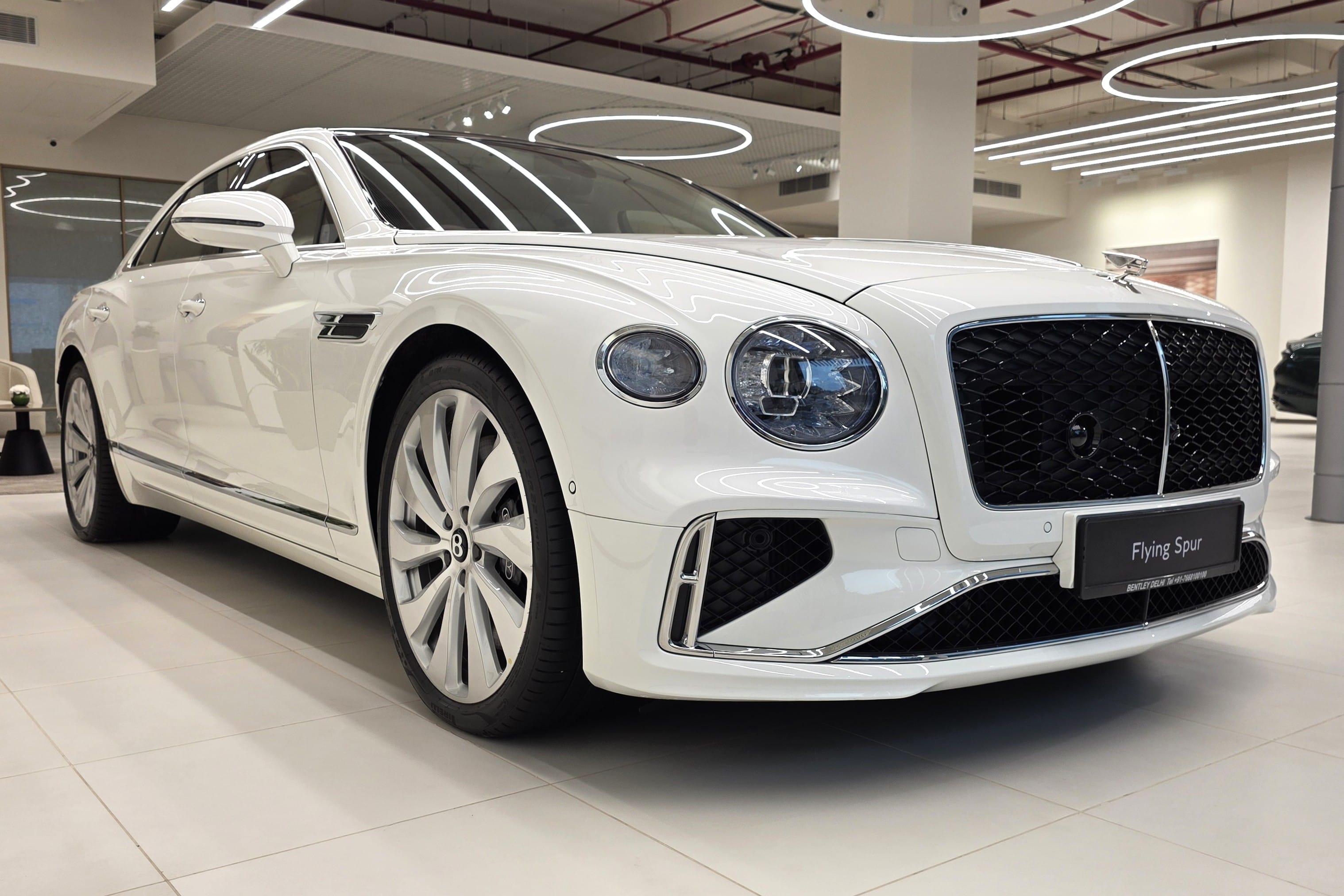
In India, the Bentayga EWB is powered by a 4.0-litre twin-turbo V8 with no electric assist whatsoever, making it the only pure-petrol Bentley available here. Other Bentley India offerings, namely the Continental GT and Flying Spur, come with V8 plug-in hybrid powertrains only.
Since the India-UK FTA disallows tariff cuts on British-made hybrids, EVs, and hydrogen-powered vehicles for the first five years after implementation, the Continental GT and Flying Spur don’t see any price reductions at the moment.
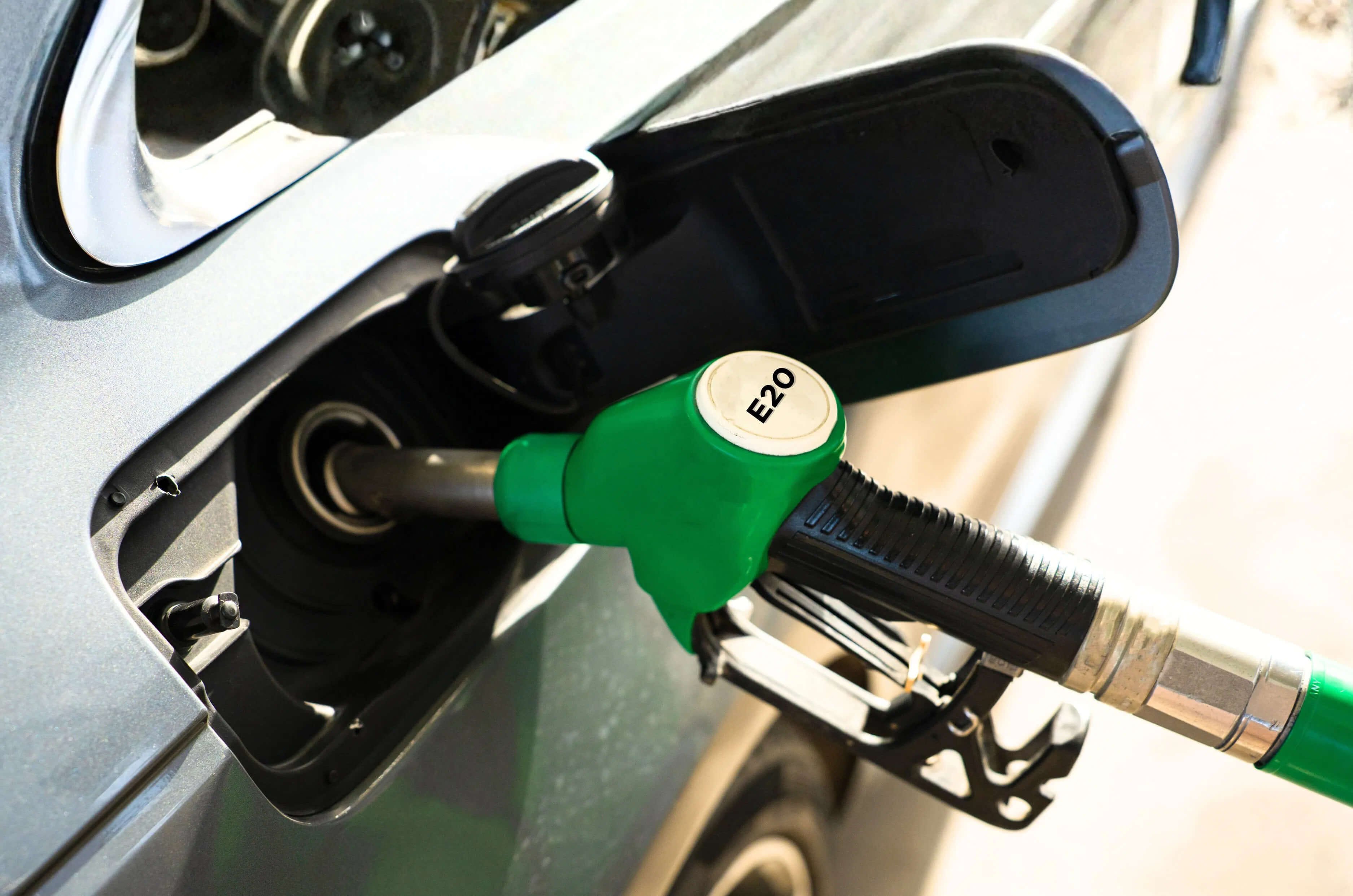
The central government has acknowledged that it has not formally assessed how many vehicles in India are compatible with E20 petrol, despite mandating E20 fuel nationwide and continuing to prepare for higher ethanol blends. The government, however, said laboratory studies and field trials have established the fuel’s safety under prescribed standards.
In a written reply in the Rajya Sabha, Minister of State for Petroleum and Natural Gas Suresh Gopi said the Ministry of Heavy Industries had not assessed the percentage of vehicles in the country that are compatible with E20 fuel.
Government cites laboratory and field trials to support E20 rollout
Mileage drop for E10-calibrated vehicles pegged at 3-5 percent
No verified evidence of widespread E20-related engine failures, says Centre
However, the government’s latest response also raises questions over the rollout timeline. While the Centre formally announced nationwide availability of E20 petrol in mid 2025—five years ahead of its original 2030 target—it now says E19-E20 blends have been in widespread use for more than two-and-a-half years, while E15 and higher ethanol blends have been in active distribution for over three-and-a-half years, covering more than 20 crore two-wheelers and 3 crore petrol passenger vehicles. The response does not explain this apparent discrepancy.
Government reiterates mileage and reliability claims
Addressing concerns around fuel economy, the government said vehicles originally calibrated for E10 petrol could see a 3-5 percent reduction in mileage when running on E20, although actual fuel efficiency depends on driving conditions, driving style and vehicle maintenance.
The government also reiterated that there is no verified evidence of widespread engine failures or vehicle breakdowns linked to ethanol blending.
Government cites laboratory and field testing
According to the government, the Ethanol Blended Petrol (EBP) programme was implemented through a phased process involving NITI Aayog, oil marketing companies, automobile manufacturers, the Automotive Research Association of India (ARAI), the Society of Indian Automobile Manufacturers (SIAM) and the Indian Institute of Petroleum (IIP).
The government said testing covered engine durability, drivability, startability, corrosion resistance, material compatibility, emissions and fuel efficiency. Based on these studies, it said legacy vehicles do not show any significant change in performance or abnormal component wear when operated on E20 petrol.
Government preparing for higher ethanol blends
The government said India’s ethanol production capacity has been planned to meet current E20 requirements while also supporting future petrol demand, higher ethanol blends, flex-fuel vehicles and other biofuel applications, subject to future government approvals. It added that ethanol production continues to follow a diversified feedstock strategy, with only surplus foodgrains being diverted after meeting food security and public distribution requirements.
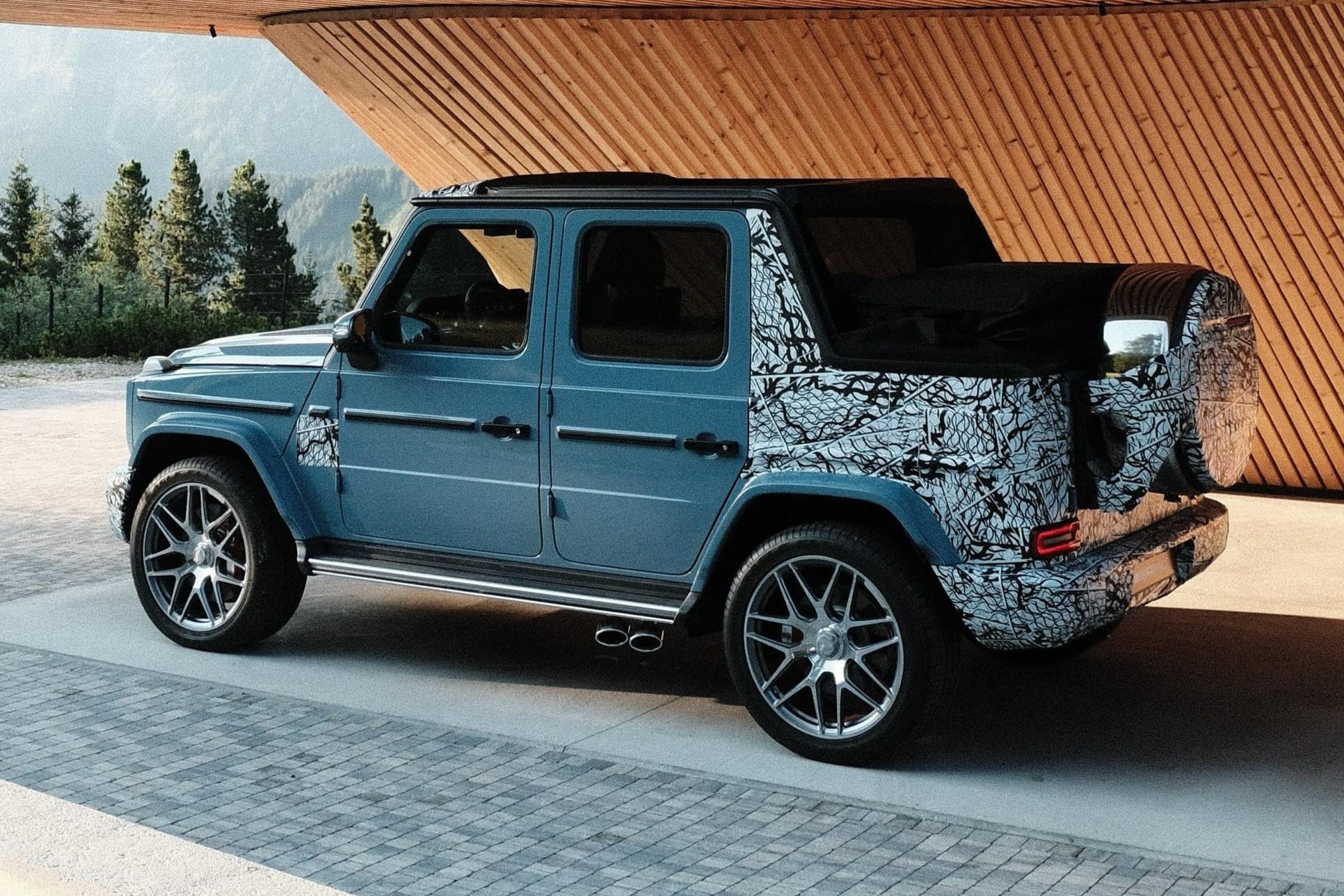
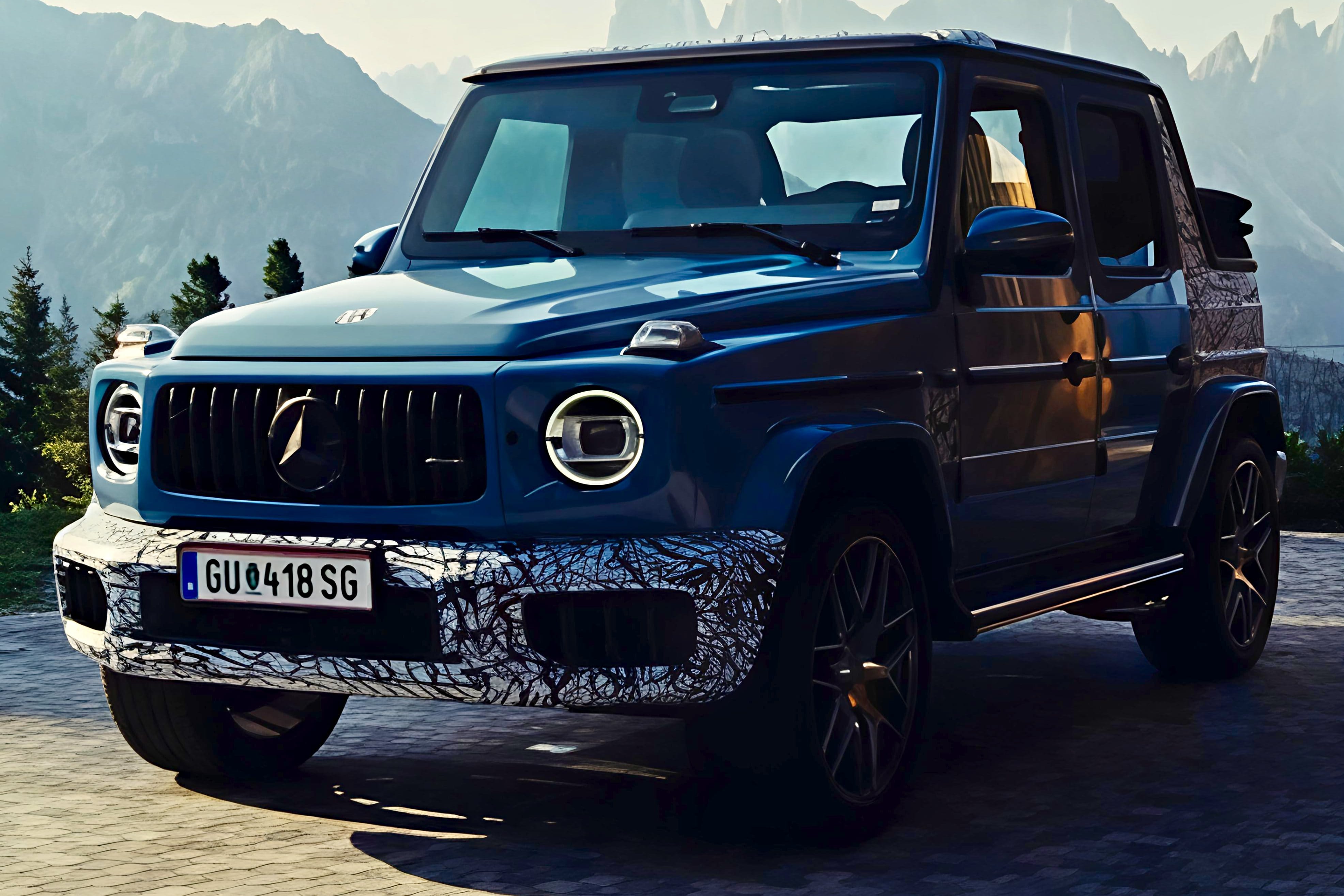
Mercedes-Benz has revealed the first official images of the upcoming G-Class Cabriolet. The arrival of a Cabriolet counterpart of the G-Class comes a decade after its previous version was discontinued. While a launch date has not been announced, the carmaker has already begun testing the SUV in Austria.
Features a foldable roof with powered opening and closing.
Expected to arrive in AMG guise with a 585hp twin-turbo V8 engine.
Open-top versions have long been a part of the G-Class portfolio. The first was introduced as part of the original lineup in 1979, as a two-door short-wheelbase model and was in production till 2013. Then in 2017, the G-Class Maybach 650 Landaulet was introduced. It was a four-door SUV powered by a 630hp 6.0-litre V12 engine.
Sports a powered foldable roof whilst retaining rugged looks
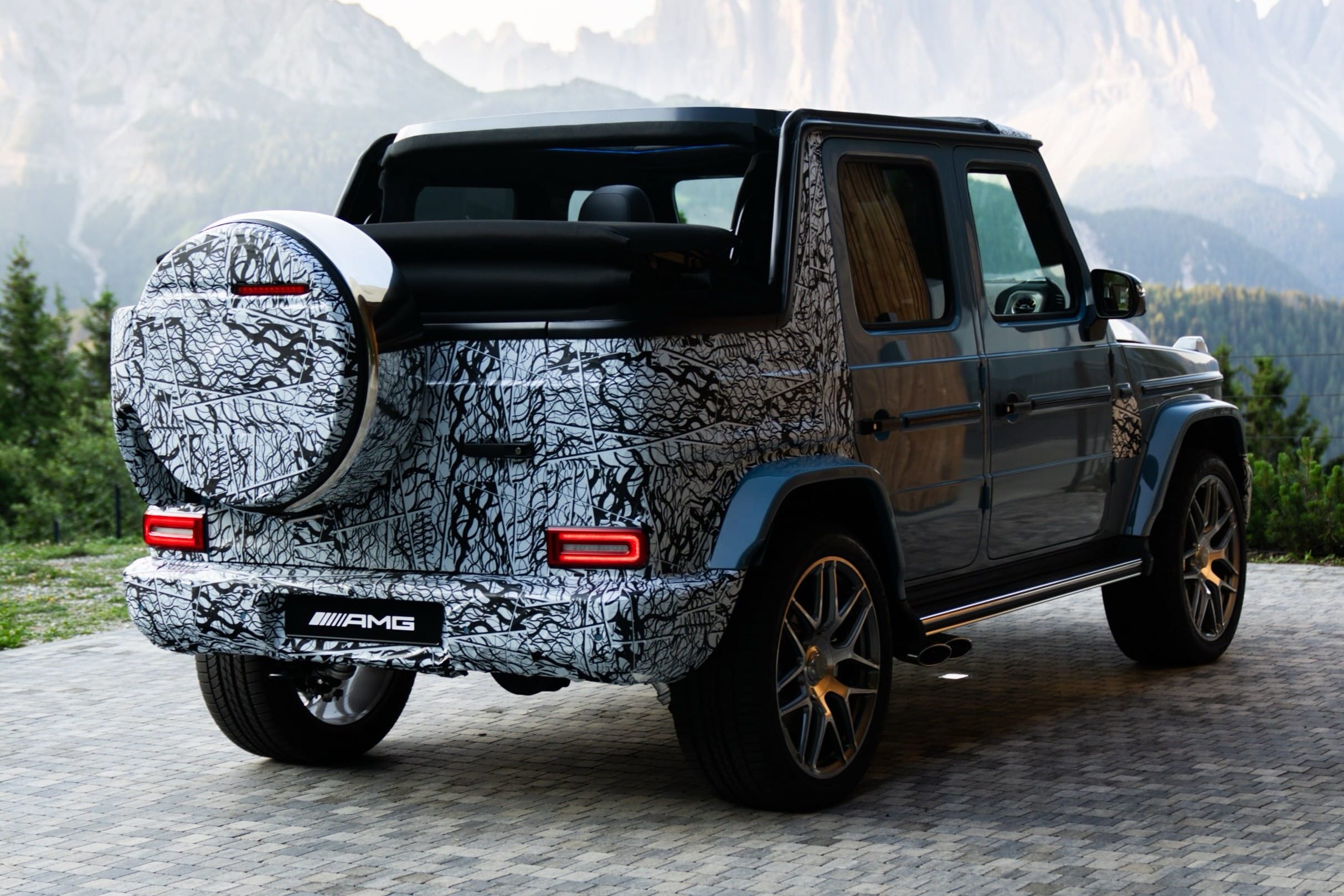
Partially camouflaged images of the G-Class Cabriolet were showcased by the German luxury giant. The main distinction of the cabriolet over the standard G-Class is that the upper rear-most section has been chopped off and in place comes a powered, foldable roof. The exposed boot is used up by the motorised roof when folded.
For the most part, the boxy silhouette of the standard model has been retained. This includes circular LED headlamps, flared wheel arches, side steps, dual exhausts at the side and a similar design for the alloy wheels, which are likely to be 22 inches in size. Despite having changes to its body to accommodate the foldable roof, you continue to get a tailgate-mounted spare wheel.
Expected to retain standard counterparts’ interior layout
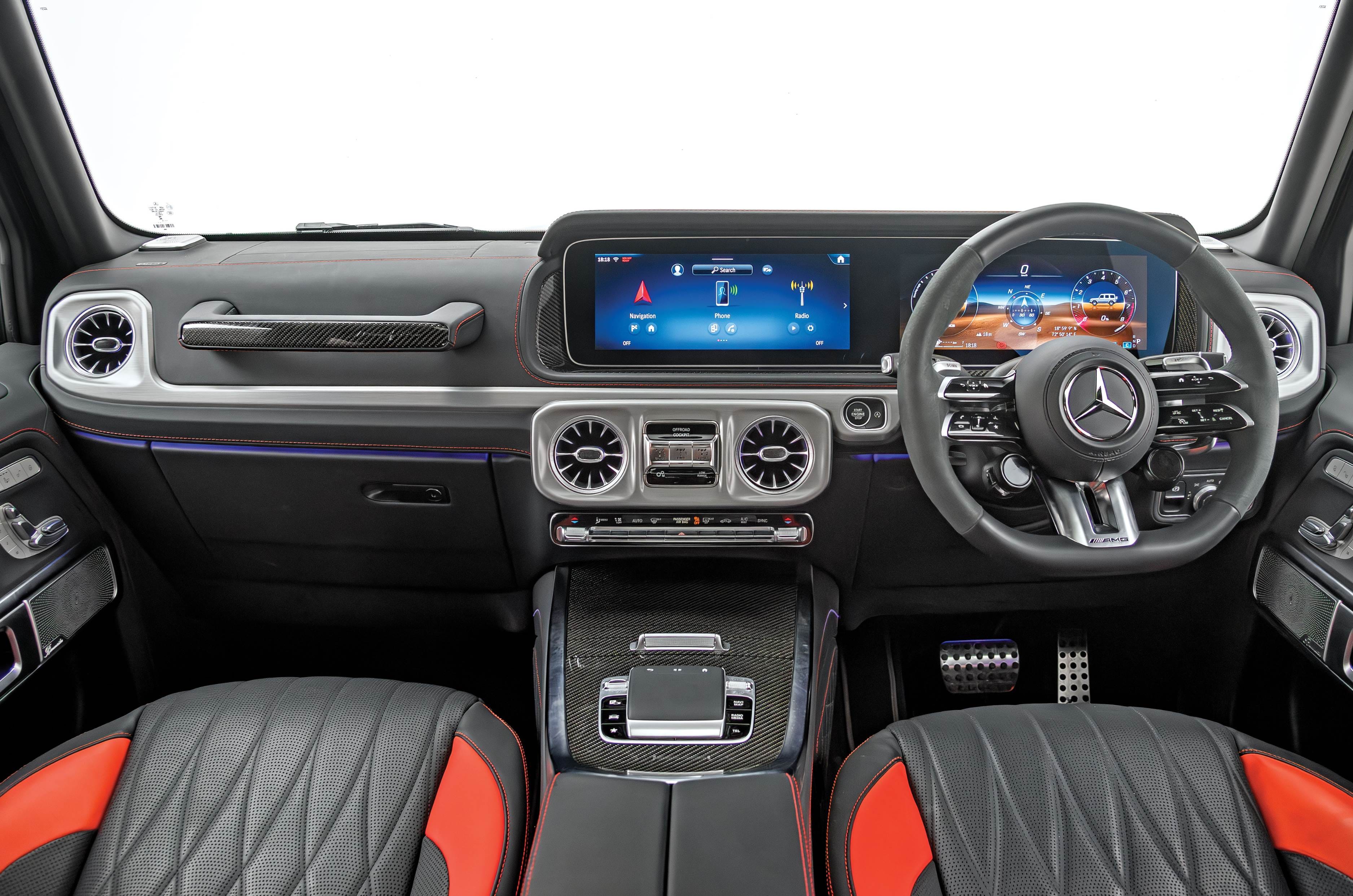
Standard G 63 interior used for representation
Mercedes has not yet revealed the interior of the G-Class Cabriolet. But it is expected to feature a similar cabin layout as the standard counterpart that’s highly configurable. On the regular G-Class, there’s a dual-screen setup for the digital driver’s display and infotainment system, a dashboard-mounted grab handle, and turbine design for the air con vents. The convertible is expected to arrive with additional switchgear to control the foldable roof.
While powertrain details have not been confirmed, ‘AMG’ branded license plates suggest that the G-Class cabriolet would arrive in a ‘G 63’ avatar. For reference, the standard G 63 AMG gets a 4.0-litre twin-turbo V8 petrol engine with 48V mild hybrid assist producing 585hp and 850Nm of torque. The 0-100kph time is claimed at 4.6 seconds, and it can reach a top speed of 220kph.
Though the arrival of the G-Class Cabriolet for India remains to be seen, it will likely be pricier than the standard G-Class SUVs currently in our market if it does come here.
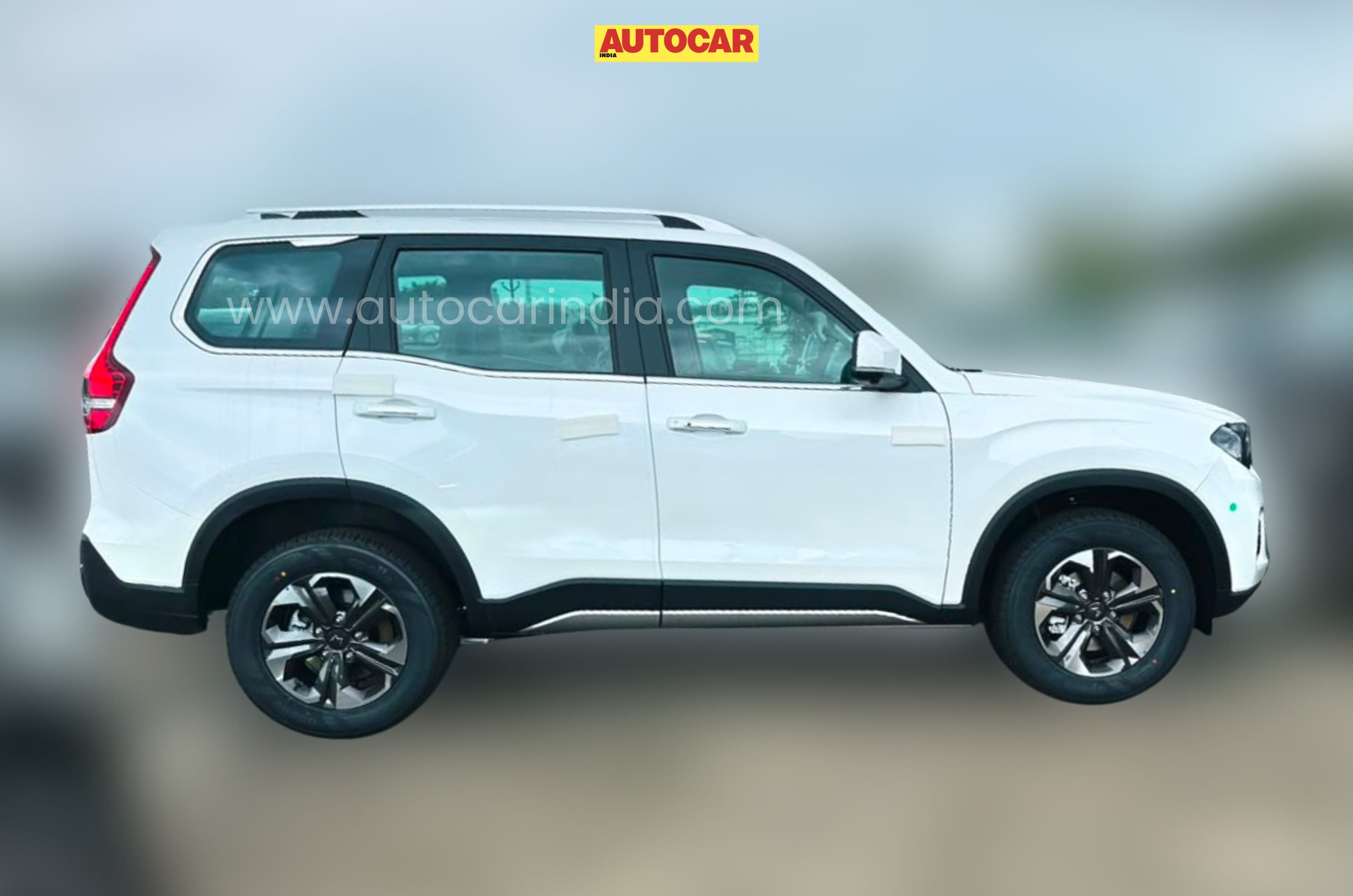
The Mahindra Scorpio N facelift has been spied undisguised, giving a glimpse at the SUV’s new interior and exterior changes. These spy shots reveal that the facelift will see minor changes outside, while the interior will be revamped with fresh features.
Spy shots show Thar Roxx-like 10.25-inch screens inside
New alloy wheels can be seen, but taillights are the same
Expected to continue with the same powertrain options
Mahindra Scorpio N facelift spied: What was spotted?
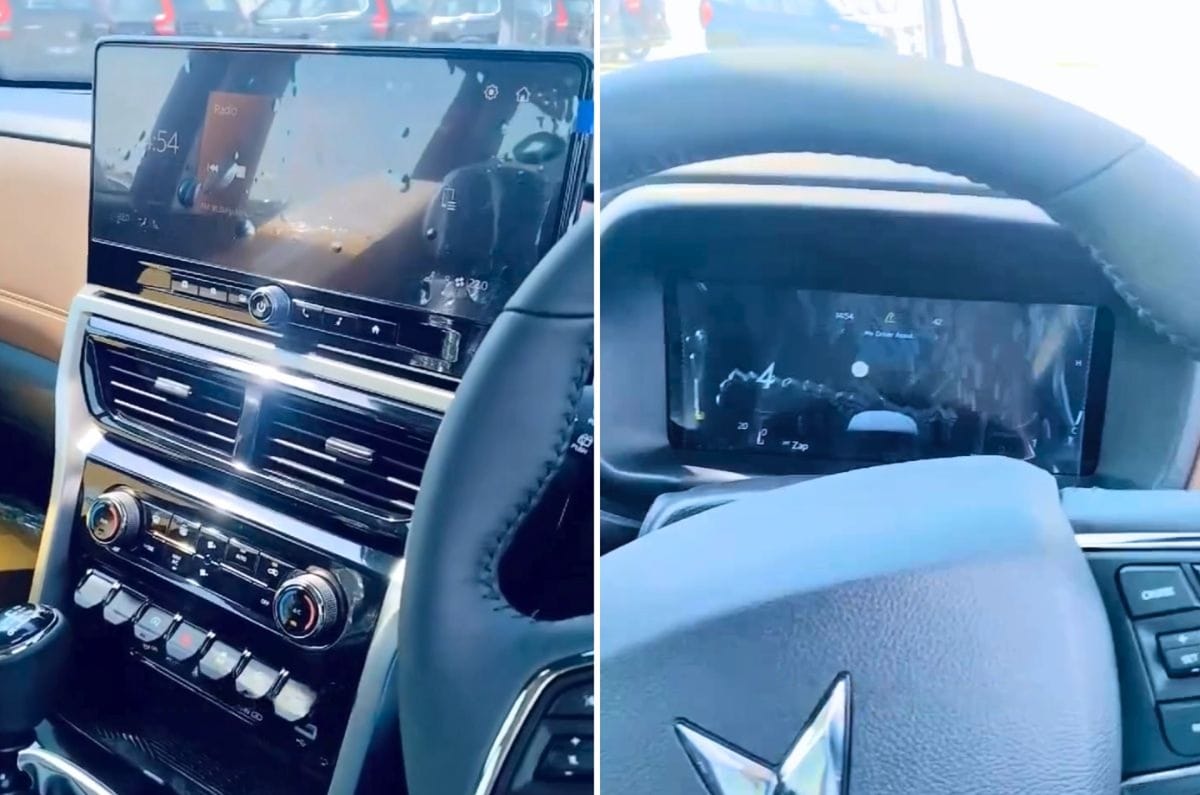
Spy shots reveal new Thar Roxx-like screens, centre AC vents, and switchgear
Image source: @vikey_root_baba_1008 on Instagram
Spy shots of the Mahindra Scorpio N facelift’s interior suggest that Mahindra is continuing with the same brown-and-black dual-tone cabin theme as the current model. What’s different, however, is a Thar Roxx-like free-standing infotainment system and a fully digital driver’s display. On the Thar Roxx, both screens are 10.25 inches. The centre air vents are now positioned beneath the infotainment system. The switchgear on the centre console also seems to have a fresh design.
Other than these changes, everything else looks identical to the current Scorpio N. On the feature front too, it could get a new panoramic sunroof and continue with a wireless phone charger, dual-zone climate control, a 12-speaker Sony sound system, a powered driver’s seat and ventilated front seats.
Alloy wheels have a fresh design, but the taillights are the same as the current model
Only the side profile of the Scorpio N facelift can be seen from the spy shots, which suggest redesigned alloy wheels that look more contemporary than those on the current model. Keen-eyed viewers can also catch a glimpse of the taillights, which seem to be the same LED units as the current model. Other elements, including the chrome beading on the window line with a scorpion tail-like tip, silver roof rails, chrome strips on door handles and black cladding on wheel arches and the lower section of the body, are the same as the current Scorpio N.
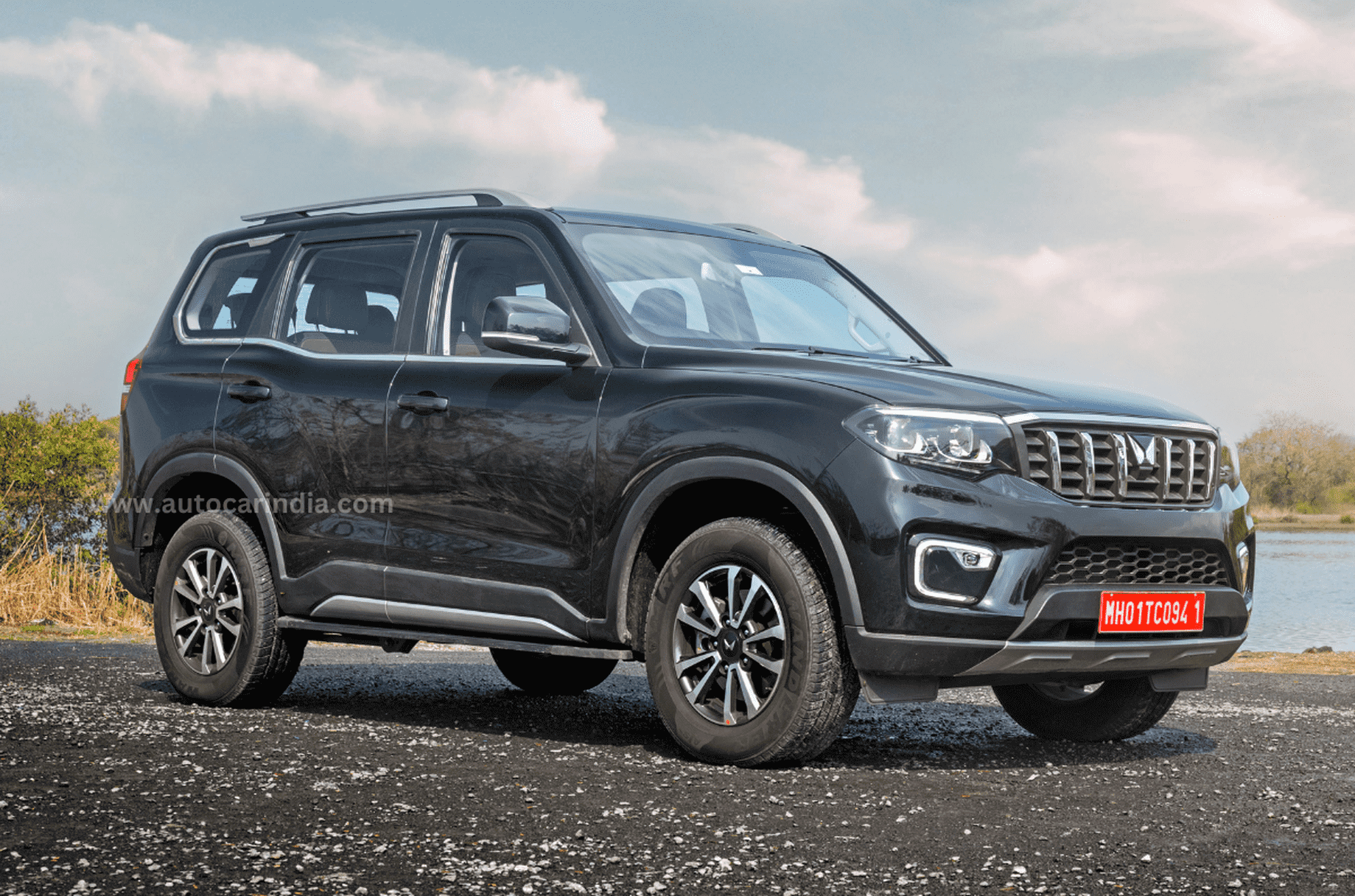
Current-spec Scorpio N’s exterior design shown for representative purposes only.
While a clear view of the facelifted Scorpio N’s fascia is yet to be seen, numerous test mules have hinted at a slightly revised grille with horizontal slats, dual-pod headlights, and a similar bumper with fog lamps with scorpion tail-like design.
Mahindra Scorpio N facelift: Expected powertrains
Expected to continue with the same direct-injection turbo-petrol and diesel options
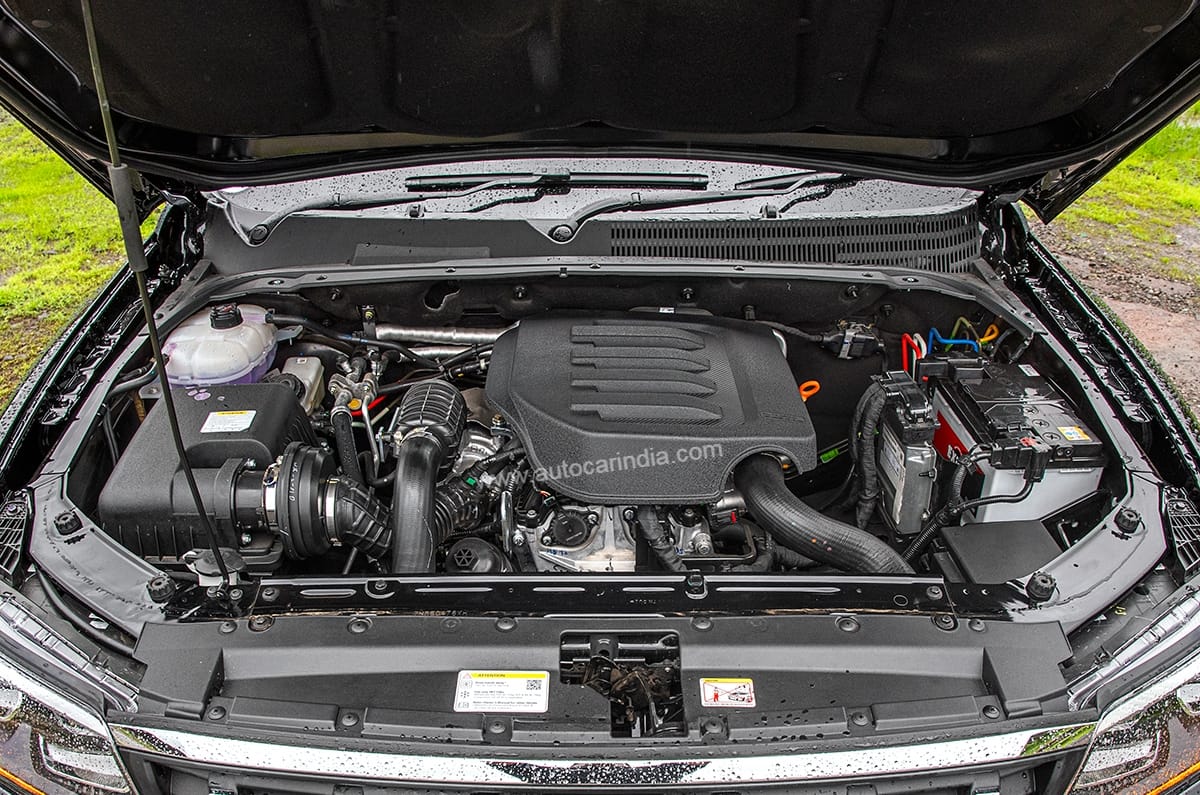
The facelifted Mahindra Scorpio N is expected to continue with the same engine options as the current model. These include a 2.0-litre direct-injection turbo-petrol engine paired with either a 6-speed manual or a 6-speed automatic transmission. It produces 203hp with both gearbox options, while putting out 370Nm with the manual and 380Nm with the torque converter automatic gearbox.
It also gets a 2.2-litre direct-injection diesel engine, which produces 132hp, 300Nm on the lower variants. On the higher variants, this engine produces 175hp, 370Nm with the 6-speed manual transmission, and 175hp, 400Nm with the 6-speed torque converter automatic transmission. Mahindra is also expected to continue a 4×4 option with a low-range transfer case with both transmission options for this diesel engine.
With the facelift, Mahindra is expected to slightly increase prices of the Scorpio N, which currently range from Rs 13.49 lakh to Rs 24.95 lakh (ex-showroom). It will continue to rival the Mahindra XUV 7XO, Hyundai Alcazar, Tata Safari, and MG Hector.