
Mercedes-Benz E 220d long-term review, 14,000km report

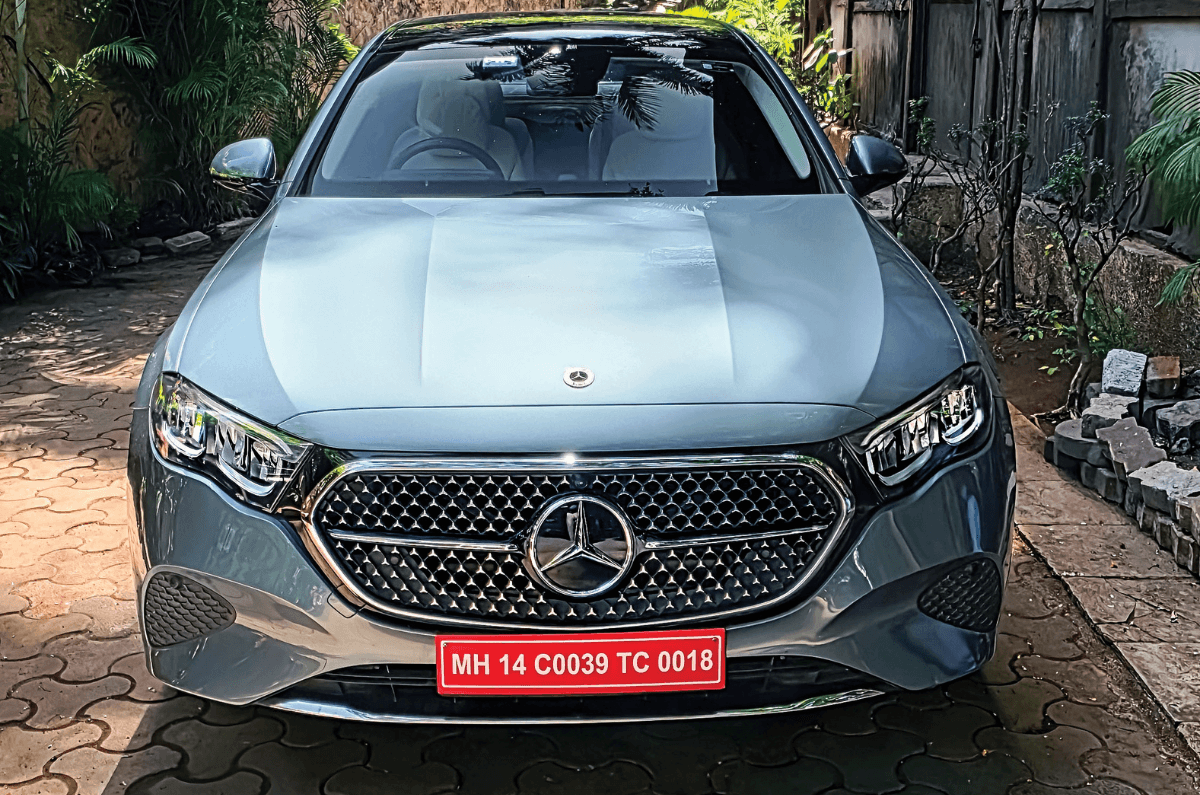
Mercedes-Benz E 220D front

Double-digit fuel economy figures – I haven’t seen those on my daily commute in years! Part of the reason is that I’ve been driving mostly EVs lately, and they don’t use any fuel. And the other is that there are so few diesels, and those that remain have taken quite a hit on the economy front with all those emissions upgrades and various weight increases. So imagine my surprise when this large, heavy, super-luxurious limousine showed me upwards of 12kpl on my traffic-heavy 9km commute. 
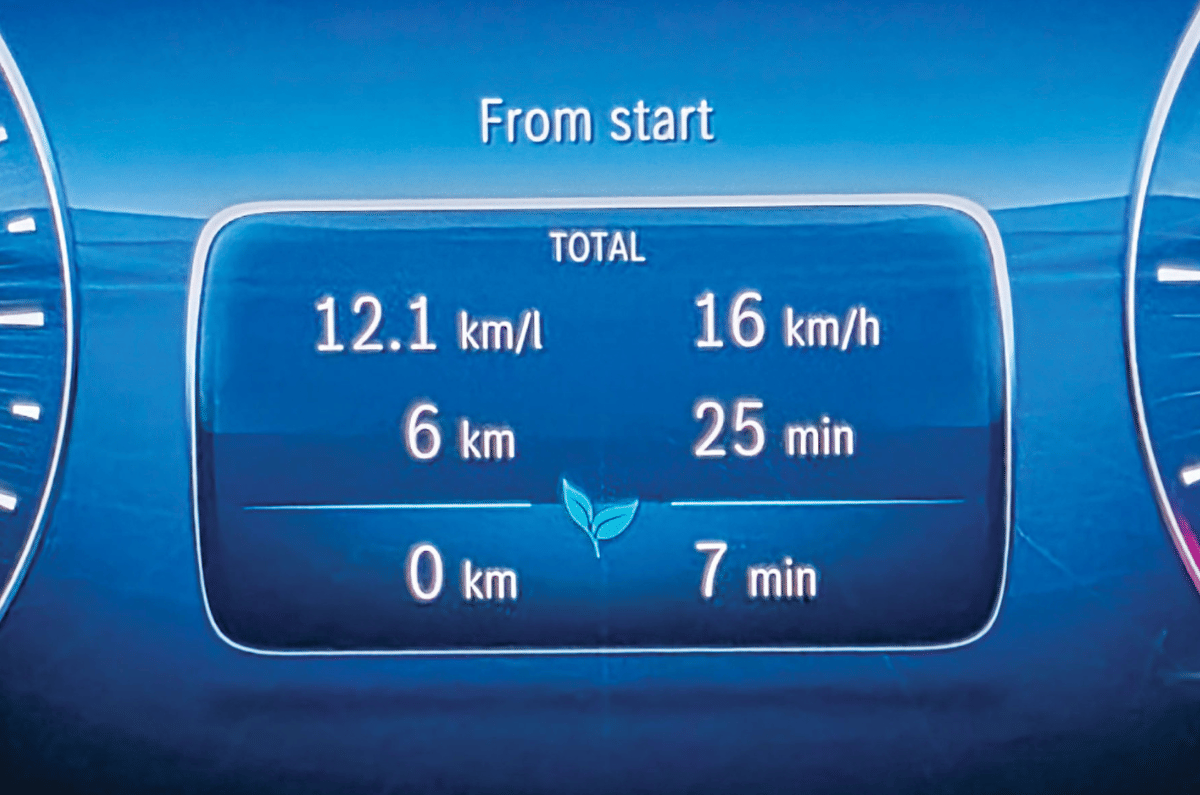
Mercedes-Benz E 220D mileage
Smooth 2.0-litre diesel delivers exceptional economy even in this large and heavy limousine.

The fuel economy is but one of many bright blips on a limo that wastes no time showing you why it’s India’s favourite luxury car. And that’s despite its on-road price knocking on the door of a crore. It looks tremendous, more so in this Verde Silver paint, a shade I’m glad Mercedes added to its otherwise monochrome palette. It’s big but not ungainly, and its 18-inch wheels are a triumph of design – looking elegant and bigger than they actually are.
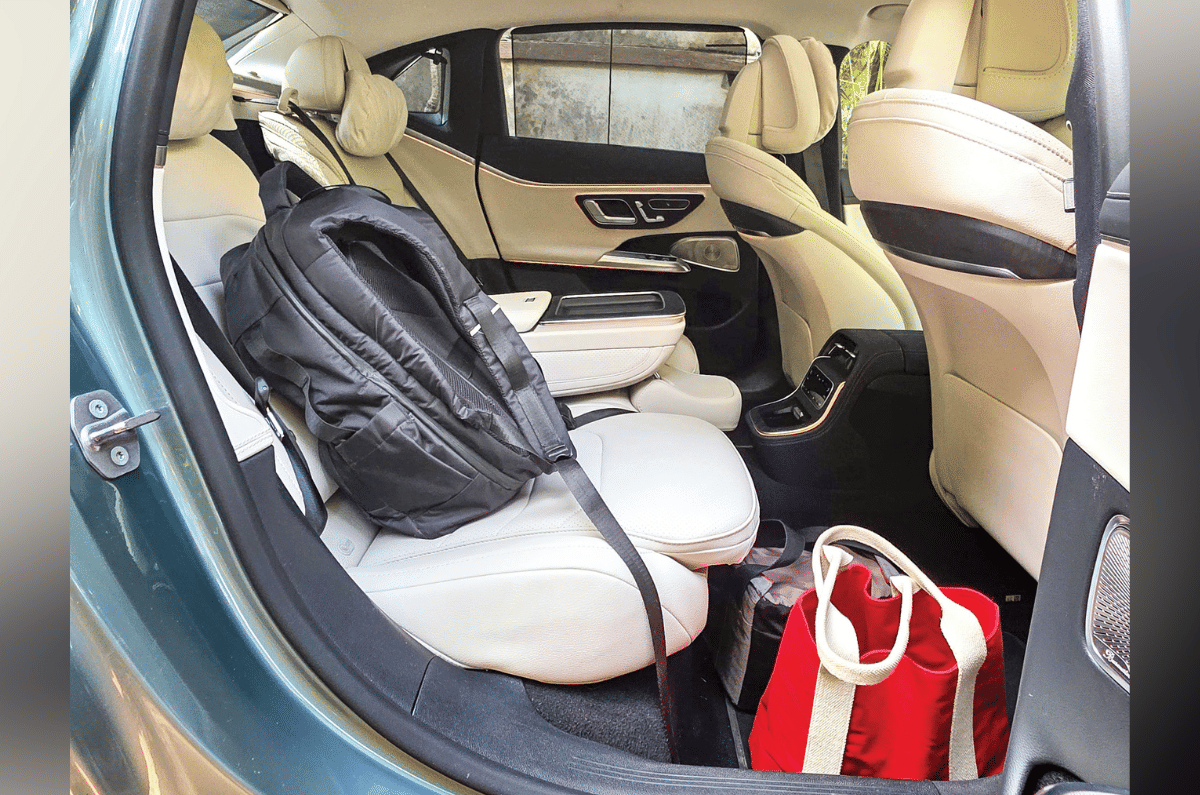
Mercedes-Benz E 220D rear seats
Back seats enjoyed mostly by bags for now.

Sadly, I don’t have a chauffeur, so I can’t experience the best seats the E-Class has to offer; that privilege goes to my bags every day. 

Mercedes-Benz E 220D accelerator pedal
Firm pedal resistance, along with turbo and gearbox lag, can make for abrupt starts from a standstill.

However, the big limo is surprisingly nice from behind the wheel too. I took little time to adjust to its large dimensions, and the steering is quick and responsive, so it wasn’t long before I was pointing its long nose into lanes only just about wide enough for it. My one grouse is the accelerator pedal, which doesn’t feel consistently weighted, and when combined with some reasonable turbo and gearbox lag, can make for an un-Merc-like lurch if you’re not careful.
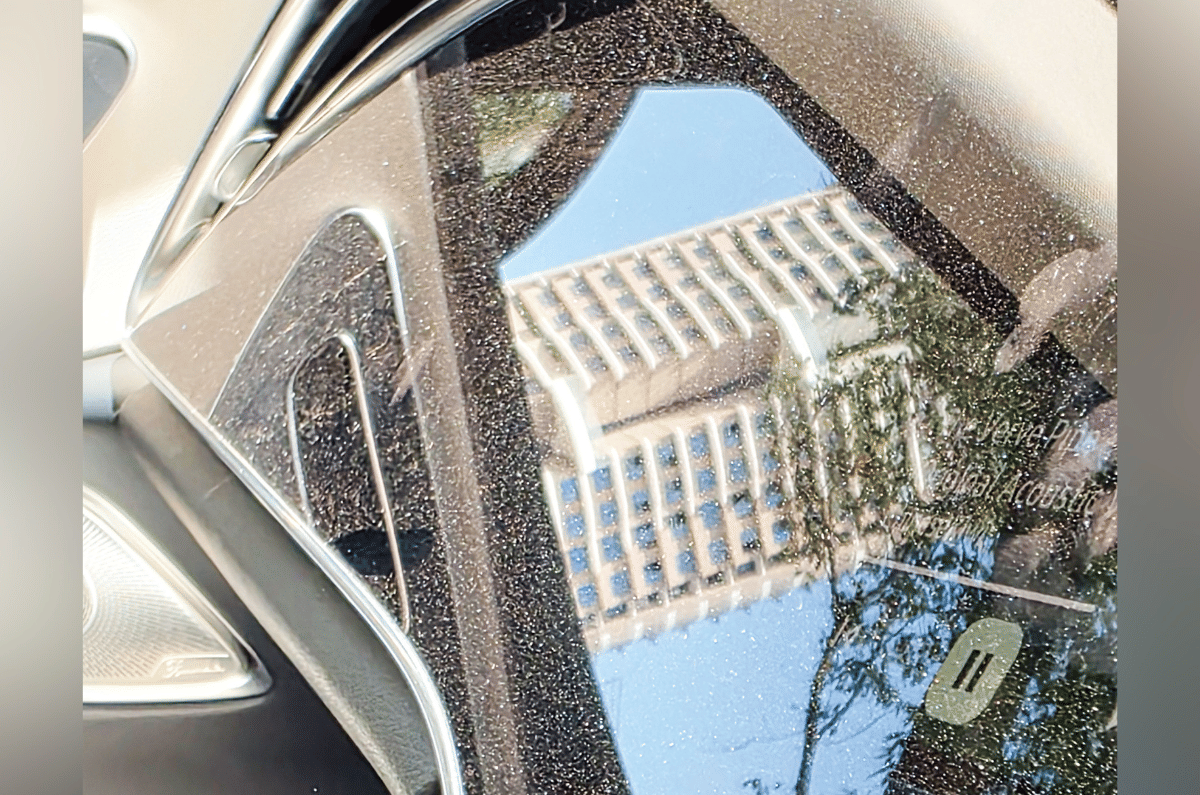
Mercedes-Benz E 220D Superscreen
‘Superscreen’ dashboard collects dust easily and catches a lot of reflections that distract the driver.

A big talking point of this new E-Class was the decision to replace the wood and leather dashboard with a giant panel of screens. I’m glad they’ve retained some rich-feeling open-pore wood on the dash, doors and seats though. The central screen is hugely impressive – bright, crisp and full of detail. But having a glass surface for a dashboard invites dust and reflections, which became a pain when driving in the afternoon sunlight. But that’s a problem for your chauffeur, and if you have an E-Class, chances are you have one in your employ too.

Mercedes-Benz E 220D open pore wood on interior trims
Despite the screens, a generous use of open-pore wood anchors the interior in old-world luxury.

The E 220d is the last diesel standing in its segment, and it’s all the better for it. Once the most vilified fuel in the country, the uncertainty around petrol these days might even turn people back to the black pump. And the smooth, refined, efficient E is a shining example of how good that can be.

Mercedes-Benz E 220d test data

Odometer14,113km
PriceRs 82 lakh (ex-showroom, India)
Economy11.8kpl (this month)
Maintenance costNone
FaultsRear camera doesn’t always deploy
Previous reportMay 2026

IMD Heavy Rain Alert: उत्तर से दक्षिण तक मानसून का कहर! दिल्ली समेत इन राज्यों में 7 अगस्त तक भारी बारिश और तेज़ हवाओं का अलर्ट

IMD Heavy Rain Alert: भारतीय मौसम विभाग (IMD) ने देश के कई हिस्सों में अगले कुछ दिनों तक भारी से बहुत भारी बारिश की चेतावनी जारी की है। मौसम विभाग के अनुसार, 2 से 7 अगस्त के बीच उत्तर, मध्य, पूर्व, पश्चिम, पूर्वोत्तर और दक्षिण भारत के अनेक राज्यों में मूसलाधार बारिश होने की आशंका है। कई इलाकों में गरज-चमक, बिजली गिरने और 30 से 60 किलोमीटर प्रति घंटे की रफ्तार से तेज हवाएं चलने का भी अनुमान है।

IMD ने 2 अगस्त से 7 अगस्त तक देश भर के मौसम का विस्तृत पूर्वानुमान और अलर्ट जारी किया है। अगले कुछ दिनों तक उत्तर, पूर्व, पूर्वोत्तर और दक्षिण भारत के अधिकांश हिस्सों में झमाझम बारिश, तेज आंधी-तूफान और आकाशीय बिजली गिरने की आशंका जताई गई है।

उत्तर भारत में बारिश का अलर्ट

हिमाचल प्रदेश, उत्तराखंड, जम्मू-कश्मीर, पंजाब, हरियाणा, चंडीगढ़, दिल्ली, उत्तर प्रदेश और राजस्थान में अगले कई दिनों तक बारिश का सिलसिला जारी रहने की आशंका है। मौसम विभाग ने हिमाचल प्रदेश, उत्तराखंड, जम्मू-कश्मीर, हरियाणा, पंजाब और उत्तर प्रदेश के कई हिस्सों में भारी बारिश की चेतावनी जारी की है। वहीं, पूर्वी और पश्चिमी राजस्थान में भी कुछ स्थानों पर बहुत भारी बारिश हो सकती है।

मध्य और पूर्वी भारत पर भी मेहरबान रहेगा मानसून

मध्य प्रदेश, छत्तीसगढ़, विदर्भ, बिहार, झारखंड, ओडिशा, पश्चिम बंगाल और सिक्किम में भी व्यापक बारिश होने की आशंका जताई गई है। इसके अलावा बिहार, ओडिशा, झारखंड और गंगीय पश्चिम बंगाल के कई इलाकों में भारी बारिश का अलर्ट जारी किया गया है।

इन राज्यों में तेज बारिश की आशंका

अरुणाचल प्रदेश, असम, मेघालय, नागालैंड, मणिपुर, मिजोरम और त्रिपुरा में भी लगातार बारिश का दौर बना रहेगा। वहीं केरल, कर्नाटक, तमिलनाडु, तेलंगाना, आंध्र प्रदेश और लक्षद्वीप में भी कई स्थानों पर भारी बारिश के साथ तेज हवाएं चलने की आशंका है। कुछ इलाकों में 50 से 70 किलोमीटर प्रति घंटे तक की रफ्तार से हवाएं चल सकती हैं।

पहाड़ी राज्य: हिमाचल प्रदेश, उत्तराखंड और जम्मू-कश्मीर (लद्दाख, गिलगित-बालटिस्तान और मुज़फ़्फ़राबाद) में 2 से 7 अगस्त के दौरान व्यापक स्तर पर भारी बारिश और बिजली चमकने की चेतावनी दी गई है।

मैदानी क्षेत्र: पंजाब, हरियाणा, चंडीगढ़ और दिल्ली: 3 से 4 अगस्त के बीच भारी बारिश दर्ज की जा सकती है।

उत्तर प्रदेश: पश्चिमी यूपी में 3 से 7 अगस्त और पूर्वी यूपी में 2 से 6 अगस्त के बीच भारी बारिश होने की आशंका है।

राजस्थान: पूर्व और पश्चिम राजस्थान में 2 अगस्त को भारी से बहुत भारी बारिश हो सकती है। इसके साथ 30-50 किमी/घंटे की रफ्तार से तेज हवाएं चलने की आशंका है।

कोंकण, गोवा और गुजरात: कोंकण और गोवा में 2 से 7 अगस्त तक लगातार भारी बारिश होगी। गुजरात क्षेत्र और सौराष्ट्र-कच्छ में 2 से 3 अगस्त को भारी बारिश हो सकती है।

दक्षिण भारत: तटीय कर्नाटक, केरल और दक्षिण आंतरिक कर्नाटक में 2 अगस्त को भारी से बहुत भारी बारिश की आशंका है। 2 अगस्त को उत्तरी एवं दक्षिणी आंतरिक कर्नाटक में 50-70 किमी/घंटे की रफ्तार से तेज तूफानी हवाएं (Thundersquall) चल सकती हैं।

तापमान और बारिश की स्थिति

हालिया बारिश: पिछले 24 घंटों में केरल के कन्नानूर (11 सेमी) और त्रिशूर (10 सेमी) में सबसे ज्यादा बारिश दर्ज की गई। जबकि गुजरात के राजकोट में 7 सेमी बारिश हुई।

तापमान: मध्य प्रदेश के खरगोन में देश का सबसे कम न्यूनतम तापमान (18.2°C) और तमिलनाडु के तोंडी में सबसे अधिक अधिकतम तापमान (40.5°C) दर्ज किया गया।

मछुआरों के लिए विशेष चेतावनी

मौसम विभाग ने अरब सागर और बंगाल की खाड़ी के कई हिस्सों में समुद्र उग्र रहने की आशंका जताई है। गुजरात, कर्नाटक, केरल, लक्षद्वीप और श्रीलंका से लगे समुद्री क्षेत्रों में मछुआरों को अगले कुछ दिनों तक समुद्र में नहीं जाने की सलाह दी गई है।

अरब सागर: मौसम विभाग के मुताबिक, 6 अगस्त तक सोमालिया, ओमान तटों, गुजरात, कर्नाटक, केरल तटों और लक्षद्वीप के आसपास समुद्र में भीषण हलचल रहेगी।

बंगाल की खाड़ी: 6 अगस्त तक श्रीलंका तट और अंडमान सागर से सटे इलाकों में तेज हवाओं के कारण मछुआरों को समुद्र में न जाने की सख्त सलाह दी गई है।

बीते 24 घंटे में इन राज्यों में हुई अच्छी बारिश

पिछले 24 घंटों के दौरान असम-मेघालय, उत्तराखंड, हिमाचल प्रदेश, जम्मू-कश्मीर, पूर्वी राजस्थान, पश्चिम उत्तर प्रदेश, तेलंगाना, गुजरात, कोंकण-गोवा, महाराष्ट्र, केरल और कर्नाटक समेत कई राज्यों में व्यापक बारिश दर्ज की गई। केरल और सौराष्ट्र-कच्छ के कुछ इलाकों में भारी बारिश रिकॉर्ड की गई। IMD ने लोगों से खराब मौसम के दौरान सतर्क रहने, जलभराव वाले क्षेत्रों से बचने और स्थानीय प्रशासन द्वारा जारी सलाह का पालन करने की अपील की है।

ये भी पढ़ें- Ethanol Petrol Row: ‘…तो दिल्ली में पेट्रोल की कीमत ₹125 प्रति लीटर होती’; एथेनॉल विवाद पर सरकार का बड़ा दावा

LPG price today: LPG गैस सिलेंडर के दाम में राहत! आज से लागू हुए नए रेट, जानिए दिल्ली समेत देश के प्रमुख शहरों में आज की कीमतें

LPG price today: देशभर में एलपीजी (LPG) सिलेंडर के नए रेट लागू हो गए हैं। सरकारी तेल कंपनियों ने 1 अगस्त से कमर्शियल एलपीजी सिलेंडर की कीमतों में कटौती की है। जबकि 14.2 किलोग्राम वाले घरेलू एलपीजी सिलेंडर की कीमतों में कोई बदलाव नहीं किया गया है। ऐसे में घरेलू उपभोक्ताओं को पहले की तरह ही गैस सिलेंडर मिलेगा। जबकि होटल, रेस्तरां और अन्य व्यावसायिक उपभोक्ताओं को राहत मिली है।

प्रमुख शहरों में घरेलू LPG सिलेंडर की कीमतें

दिल्ली: ₹942

मुंबई: ₹941

कोलकाता: ₹968.50

चेन्नई: ₹958.50

वहीं, 19 किलोग्राम कमर्शियल LPG सिलेंडर की कीमतों में इस महीने ₹200 से अधिक की कटौती की गई है। इसका लाभ होटल, रेस्तरां, ढाबों और अन्य व्यावसायिक प्रतिष्ठानों को मिलेगा। सरकारी तेल कंपनियां हर महीने की पहली तारीख को एलपीजी सिलेंडर के दामों की समीक्षा करती हैं।

कीमतों में बदलाव अंतरराष्ट्रीय एलपीजी बाजार, आयात लागत और अन्य आर्थिक कारकों के आधार पर किया जाता है। घरेलू उपभोक्ताओं के लिए फिलहाल राहत की बात यह है कि रसोई गैस सिलेंडर की कीमतों में कोई बढ़ोतरी नहीं हुई है। वहीं, कमर्शियल सिलेंडर सस्ता होने से व्यापारिक गतिविधियों की लागत पर कुछ राहत मिलने की उम्मीद है।

कमर्शियल सिलेंडर 200 रुपये सस्ता

होटल और रेस्तरां जैसे प्रतिष्ठानों में उपयोग होने वाली कमर्शियल एलपीजी की कीमत में शनिवार को बड़ी कटौती की गई। इसके तहत 19 किलोग्राम के एलपीजी के सिलेंडर के दाम में 192 रुपये की कमी की गयी है। वहीं, विमान ईंधन (एटीएफ) की कीमत में 5 रुपये प्रति लीटर की बढ़ोतरी की गई। यह बदलाव अंतरराष्ट्रीय मानक दरों के रुख को देखते हुए किया गया है।

सार्वजनिक क्षेत्र की तेल कंपनियों से मिली सूचना के अनुसार, दिल्ली में 19 किलोग्राम का कमर्शियल एलपीजी सिलेंडर अब 2,930 रुपये के बजाय 2,738 रुपये का मिलेगा। वहीं, एटीएफ की कीमत 110 रुपये प्रति लीटर से बढ़ाकर 115 रुपये प्रति लीटर कर दी गई है।

कमर्शियल सिलेंडर की कीमतों में दो बार कटौती

यह लगातार दूसरा महीना है, जब कमर्शियल एलपीजी की कीमत में कटौती की गई है। इससे पहले एक जुलाई को 183.50 रुपये प्रति सिलेंडर की कमी की गई थी। वहीं, एटीएफ की कीमत में वृद्धि ने एक जुलाई को की गई लगभग समान कटौती का असर खत्म कर दिया।

एक जुलाई और एक अगस्त को कमर्शियल एलपीजी की कीमतों में की गई कटौती से पहले पश्चिम एशिया संकट के कारण जून में इसकी कीमत रिकॉर्ड स्तर पर पहुंच गई थी। फरवरी के आखिर में संघर्ष शुरू होने के बाद 19 किलोग्राम के कमर्शियल एलपीजी सिलेंडर की कीमत जून में बढ़कर 3,113.50 रुपये हो गई थी।

जबकि फरवरी में यह 1,740.50 रुपये थी। यानी इस दौरान इसमें कुल 1,373 रुपये प्रति सिलेंडर की बढ़ोतरी हुई थी। इसके साथ ही बाजार मूल्य वाले पांच किलो वाले एलपीजी सिलेंडर की कीमत भी 808.50 रुपये से घटाकर 762 रुपये कर दी गई है।

कब जारी होता है नया रेट?

हर महीने की पहली तारीख को एलपीजी की कीमतों में संशोधन किया जाता है। वैट जैसे स्थानीय करों के कारण विभिन्न राज्यों में इनकी कीमतें अलग-अलग होती हैं। फिलहाल आज यानी दो अगस्त को घरेलू रसोई गैस (14.2 किलोग्राम) की कीमत में कोई बदलाव नहीं किया गया है। इसकी कीमत 942 रुपये प्रति सिलेंडर बनी हुई है।

ये भी पढ़ें- Ethanol Petrol Row: ‘…तो दिल्ली में पेट्रोल की कीमत ₹125 प्रति लीटर होती’; एथेनॉल विवाद पर सरकार का बड़ा दावा

घरेलू एलपीजी की कीमत में आखिरी बार सात जून को 29 रुपये प्रति सिलेंडर की बढ़ोतरी की गई थी। इससे पहले पश्चिम एशिया संकट के कारण आपूर्ति प्रभावित होने और अंतरराष्ट्रीय ऊर्जा कीमतों में तेजी के चलते मार्च में 60 रुपये प्रति सिलेंडर की बढ़ोतरी की गई थी। पेट्रोल और डीजल की कीमतों में भी कोई बदलाव नहीं किया गया है। इन दोनों ईंधनों की कीमतों में आखिरी बार मई में लगभग 7.50 रुपये प्रति लीटर की बढ़ोतरी की गई थी।

Petrol Diesel Price Today: सुबह 6 बजे जारी हुए पेट्रोल-डीजल के नए भाव, चेक करें लेटेस्ट रेट

Petrol Diesel Price Today: हर दिन की शुरुआत सिर्फ सूरज की किरणों से नहीं होती, बल्कि पेट्रोल और डीजल की नई कीमतों से भी होती है, जो आम आदमी की जेब पर सीधा असर डालती हैं। सुबह 6 बजे देश की तेल विपणन कंपनियां (OMCs) ताजा दरें जारी करती हैं, जो अंतरराष्ट्रीय बाजार में कच्चे तेल की कीमतों और डॉलर-रुपए की विनिमय दर में आए बदलावों पर आधारित होती हैं। ये बदलाव रोजमर्रा की जिंदगी को प्रभावित करते हैं, चाहे वो ऑफिस जाने वाला व्यक्ति हो या फल-सब्जी बेचने वाला व्यापारी।

ऐसे में हर दिन की कीमतों की जानकारी रखना सिर्फ जरूरी ही नहीं, बल्कि समझदारी भी है। सरकार की यह प्रणाली पारदर्शिता सुनिश्चित करती है ताकि उपभोक्ताओं को किसी तरह की भ्रमित जानकारी न मिले।

आपके शहर में आज का पेट्रोल-डीजल का भाव

ये रहे 02 आगस्त 2026 के प्रमुख शहरों के पेट्रोल-डीजल के ताजा रेट

नई दिल्ली: पेट्रोल ₹102.12 प्रति लीटर और डीजल ₹95.20 प्रति लीटर।

मुंबई: पेट्रोल ₹111.18 और डीजल ₹97.83 प्रति लीटर।

कोलकाता: पेट्रोल ₹113.47 जबकि डीजल ₹99.82 प्रति लीटर।

चेन्नई: पेट्रोल ₹107.77 और डीजल ₹99.55 प्रति लीटर।

गुरुग्राम: पेट्रोल ₹102.77 तथा डीजल ₹95.44 प्रति लीटर।

नोएडा: पेट्रोल ₹102.12 और डीजल ₹95.56 प्रति लीटर।

बेंगलुरु: पेट्रोल ₹110.93 जबकि डीजल ₹98.80 प्रति लीटर।

भुवनेश्वर: पेट्रोल ₹109.92 और डीजल ₹100.92 प्रति लीटर।

चंडीगढ़: पेट्रोल ₹98.10 तथा डीजल ₹86.09 प्रति लीटर।

हैदराबाद: पेट्रोल ₹115.69 और डीजल ₹103.82 प्रति लीटर।

जयपुर: पेट्रोल ₹112.66 जबकि डीजल ₹97.78 प्रति लीटर।

लखनऊ: पेट्रोल ₹102.05 और डीजल ₹95.55 प्रति लीटर।

पटना: पेट्रोल ₹113.35 तथा डीजल ₹99.36 प्रति लीटर।

तिरुवनंतपुरम: पेट्रोल ₹115.49 और डीजल ₹104.40 प्रति लीटर।

पिछले दो साल से स्थिर क्यों हैं कीमतें?

मई 2022 के बाद से केंद्र और कई राज्यों द्वारा टैक्स में कटौती की गई, जिसके बाद पेट्रोल-डीजल की कीमतों में स्थिरता देखी जा रही है। हालांकि अंतरराष्ट्रीय बाजार में उतार-चढ़ाव होता रहता है, फिर भी भारतीय उपभोक्ताओं के लिए कीमतें तुलनात्मक रूप से स्थिर बनी हुई हैं।

किन कारणों से तय होती हैं ईंधन की कीमतें?

  1. कच्चे तेल की कीमतें:

पेट्रोल और डीजल का उत्पादन मुख्य रूप से कच्चे तेल से होता है। जब अंतरराष्ट्रीय स्तर पर कच्चे तेल की कीमतें बढ़ती हैं, तो इसका असर सीधे भारतीय बाजार पर पड़ता है।

  1. डॉलर के मुकाबले रुपया:

भारत अधिकतर कच्चा तेल आयात करता है, और यह डॉलर में खरीदा जाता है। यदि रुपया कमजोर होता है, तो ईंधन महंगा हो जाता है।

  1. सरकारी टैक्स और शुल्क:

केंद्र और राज्य सरकारें पेट्रोल-डीजल पर भारी टैक्स लगाती हैं, जो खुदरा मूल्य का बड़ा हिस्सा होते हैं। यही कारण है कि राज्यों में कीमतों में अंतर होता है।

  1. रिफाइनिंग की लागत:

कच्चे तेल को इस्तेमाल लायक बनाने की प्रक्रिया (रिफाइनिंग) में भी खर्च होता है। ये लागत कच्चे तेल की गुणवत्ता और रिफाइनरी की क्षमता पर निर्भर करती है।

  1. मांग और आपूर्ति का संतुलन:

बाजार में ईंधन की मांग अगर बढ़ जाती है, तो कीमतें भी ऊपर जाने लगती हैं। खासकर त्योहारों, गर्मी या सर्दी के मौसम में ईंधन की खपत ज्यादा होती है।

कैसे करें अपने शहर की कीमतें SMS से चेक?

अगर आप मोबाइल से ईंधन की कीमत जानना चाहते हैं, तो ये प्रक्रिया आसान है:

Indian Oil ग्राहक: अपने शहर का कोड टाइप करें और उसे “RSP” के साथ 9224992249 पर भेजें।

BPCL ग्राहक: “RSP” लिखकर 9223112222 पर भेजें।

HPCL ग्राहक: “HP Price” लिखकर 9222201122 पर भेजें।

Ethanol Petrol Row: ‘…तो दिल्ली में पेट्रोल की कीमत ₹125 प्रति लीटर होती’; एथेनॉल विवाद पर सरकार का बड़ा दावा

Ethanol Blending E20 Petrol Row: पेट्रोलियम मंत्रालय ने एथेनॉल प्रोग्राम का बचाव करते हुए दावा किया है जब ग्लोबल क्रूड ऑयल की कीमतें $135 प्रति बैरल तक पहुंच गई थीं, तब अगर तेल कंपनियों ने फ्यूल में एथेनॉल नहीं मिलाया होता, तो दिल्ली में पेट्रोल की कीमत लगभग ₹125 प्रति लीटर होती। मंत्रालय ने कहा कि लेकिन इसके बजाय ग्राहकों को ₹94.77 प्रति लीटर चुकाना पड़ा। दरअसल एथेनॉल पहले से तय कीमतों पर घरेलू स्तर पर खरीदा गया था। इसने क्रूड ऑयल की कीमतों में उछाल के असर से रिटेल कीमतों को बचाए रखने में मदद की, जिससे संकट के चरम पर लगभग ₹30 प्रति लीटर की बचत हुई।

सरकार ने 28 फरवरी को वेस्ट एशिया में संघर्ष शुरू होने के बाद लगभग 75 दिनों तक पेट्रोल और डीजल की कीमतें स्थिर रखीं। फिर मई में उन्हें 7.5 रुपये प्रति लीटर बढ़ा दिया। दिल्ली में स्टैंडर्ड E20 पेट्रोल (91-ऑक्टेन) की कीमत अब ₹102.12 प्रति लीटर है। जबकि 100-ऑक्टेन पेट्रोल की कीमत ₹169 है। मंत्रालय ने उन आरोपों को भी खारिज कर दिया कि गरीबों के लिए अनाज का इस्तेमाल एथेनॉल बनाने के लिए किया जा रहा था, या इस प्रोग्राम को सपोर्ट करने के लिए सब्सिडी वाले FCI चावल का इस्तेमाल किया जा रहा था।

एफिशिएंसी में 2-6% की कमी!

फ्यूल एफिशिएंसी के सवाल पर सड़क परिवहन मंत्रालय ने लोकसभा में ARAI, SIAM और IOC की एक स्टडी का हवाला देते हुए कहा कि E10 फ्यूल के लिए डिजाइन किए गए BS-III, BS-IV और BS-VI वाहनों में E20 पर चलने पर वाहन की कैटेगरी और उम्र के आधार पर एफिशिएंसी में 2-6% की कमी आ सकती है। मंत्रालय ने पहले 20 जुलाई को राज्यसभा को बताया था कि ऐसे वाहनों में यह कमी लगभग 3-5% तक सीमित है।

दोनों मंत्रालयों ने कहा कि इथेनॉल ब्लेंडेड पेट्रोल प्रोग्राम को एक चरणबद्ध, वैज्ञानिक रूप से प्रमाणित प्रक्रिया के माध्यम से शुरू किया गया था, जिसमें प्रोडक्शन कैपेसिटी और इंफ्रास्ट्रक्चर के बढ़ने के साथ-साथ ब्लेंडिंग का स्तर धीरे-धीरे बढ़ाया गया। सड़क परिवहन मंत्री नितिन गडकरी ने लोकसभा को बताया कि E20 पर स्विच करने का फैसला फ्यूल सिस्टम, इंजन की मजबूती, गाड़ी चलाने में आसानी, मटीरियल की अनुकूलता और उत्सर्जन पर असर की जांच-परख के बाद लिया गया।

ये भी पढ़ें- संडे 2 अगस्त का मौसम: दिल्ली NCR में बारिश पड़ेगी या बढ़ेगी उमस? IMD ने दिया ये पूर्वानुमान

इस प्रक्रिया में वाहन बनाने वाली कंपनियों, तेल मार्केटिंग कंपनियों और चीनी एवं अनाज उद्योगों से भी सलाह-मशविरा किया गया। सरकार ने यह भी कहा कि लैब स्टडीज और असल दुनिया के डेटा से पता चला है कि E20 फ्यूल से गाड़ियों की परफॉर्मेंस पर कोई बुरा असर नहीं पड़ता है। साथ ही, 20 करोड़ से अधिक दो-पहिया वाहन और 3 करोड़ से ज्यादा पेट्रोल कारें इन ब्लेंड्स पर चल चुकी हैं। इनमें एथेनॉल ब्लेंडिंग की वजह से इंजन खराब होने का कोई पक्का सबूत नहीं मिला है।

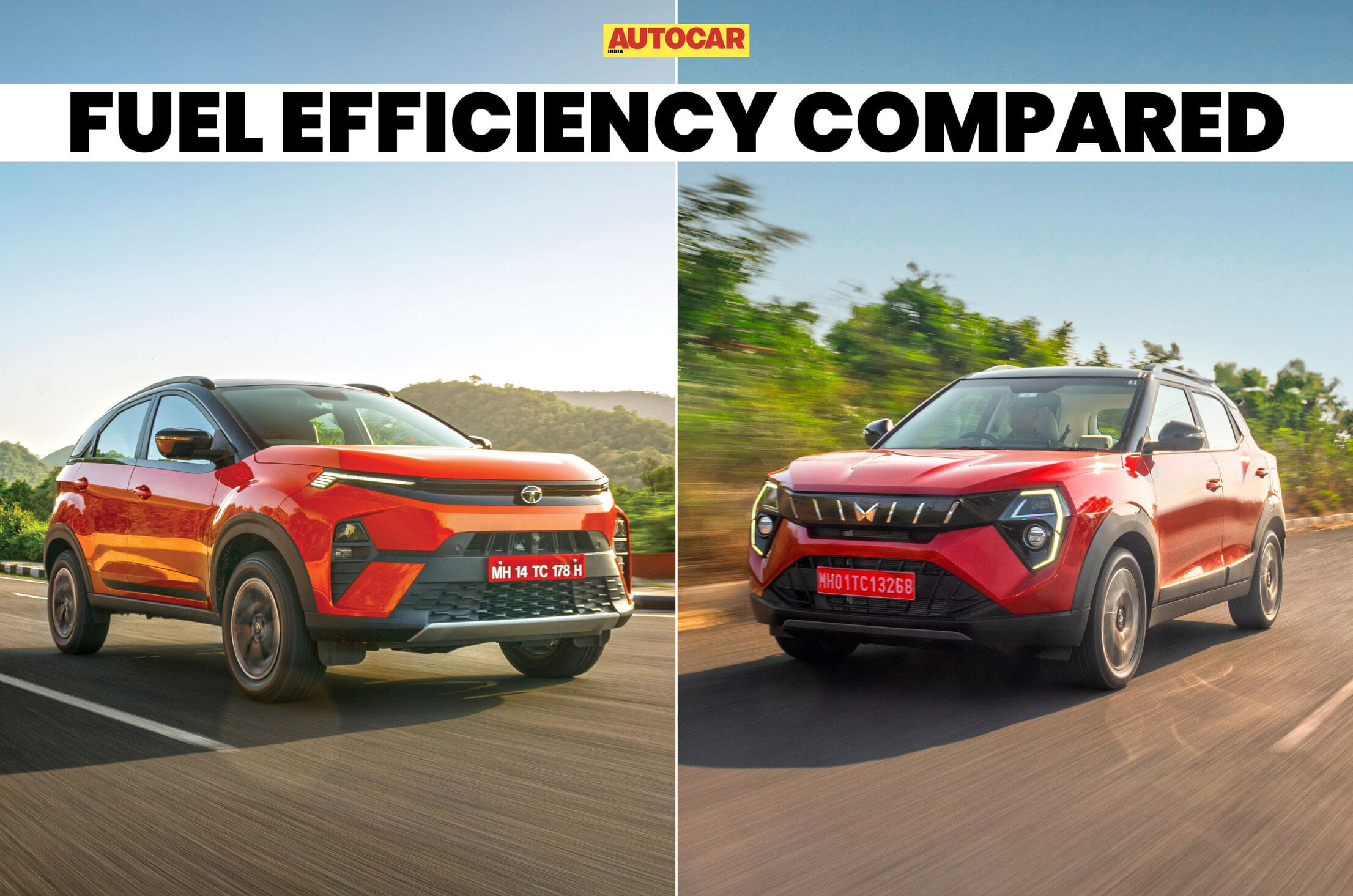
Tata Nexon vs Mahindra XUV 3XO petrol automatic: Real world mileage compared

Tata Nexon vs Mahindra XUV 3XO turbo-petrol automatic comparison

The Tata Nexon and Mahindra XUV 3XO offer buyers two types of turbo-petrol engines. All turbo-petrol versions of the Nexon use multi-point fuel injection (MPFI), with lower trims being mated to an AMT (automated manual transmission) gearbox, while higher trims use a dual-clutch automatic (DCT) gearbox. Meanwhile, all turbo-petrol versions of the XUV 3XO feature a 6-speed torque converter automatic transmission (AT), with gasoline direct injection (GDI) only reserved for the top-spec version. So, if you want the convenience of a proper automatic gearbox plus the performance associated with a turbo-petrol engine without sacrificing fuel economy, which of these two cars should you consider?

Explore full specs, features and a price breakdown in our Nexon vs XUV 3XO comparison.

Tata Nexon vs Mahindra XUV 3XO turbo-petrol automatic: Specifications

While torque spread is comparable in both, the XUV 3XO has a distinct power advantage

Tata Nexon vs Mahindra XUV 3XO automatic: Specifications


Tata Nexon

Mahindra XUV 3XO

Engine

3 cyl, petrol

3 cyl, petrol

Displacement (cc)

1199

1197

Power (hp)

120 (5,500rpm)

131 (5,000rpm)

Torque (Nm)

170 (1,750-4,000rpm)

230 (1,500-3750rpm)

Gearbox

7-speed DCT

6-speed AT

Fuel tank (litres)

44

42

At first glance, the turbo-petrol engines powering the Nexon and XUV 3XO look identical, as both are three-cylinder units with a displacement of 1.2 litres. Since the GDI system typically allows a more complete combustion of fuel, it benefits include more power and better fuel economy over a similar-sized MPFI system.

The XUV 3XO’s direct injection turbo-petrol setup offers 11hp and 60Nm more than its equivalent Nexon version. However, peak torque of these engines is spread out over an identical range of 2,250rpm. The Tata SUV features a 7-speed dual-clutch automatic transmission (DCT), while the top-spec XUV 3XO petrol comes mated to a 6-speed torque converter automatic transmission (AT). Also, the fuel tank of the Tata SUV has a slightly higher capacity, by two litres. 

Tata Nexon vs Mahindra XUV 3XO turbo-petrol automatic: Real-world fuel efficiency

Despite having the punchier engine, the XUV 3XO’s fuel economy is better than the Nexon

Tata Nexon vs Mahindra XUV 3XO automatic: Real-world mileage


Tata Nexon

Mahindra XUV 3XO

Tested city mileage (kpl)

7.70

9.89

Tested highway mileage (kpl)

13.90

13.01

Tested average mileage (kpl)

10.80

11.45

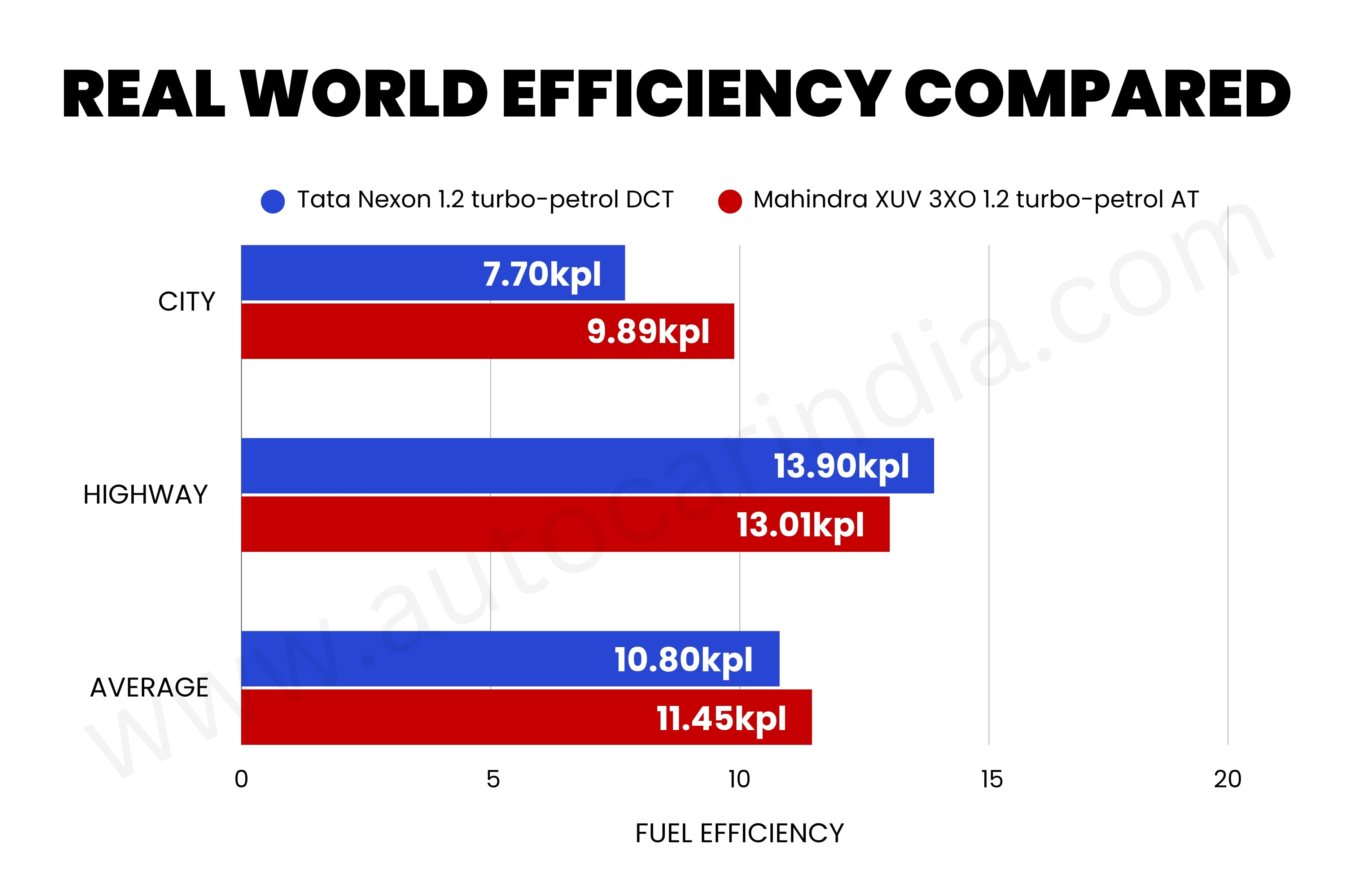
The Tata Nexon returned an average that was 0.65kpl poorer than the Mahindra XUV 3XO. Its low mileage of 7.70kpl in city conditions meant that, even with a higher fuel economy of 13.90kpl on the highway, the Nexon’s overall efficiency still lagged behind the XUV 3XO. The efficiency gains of the Nexon on the highway was helped by the extra ratio in its DCT. Compared to the XUV 3XO’s torque convert AT with six ratios, the Nexon’s 7-speed gearbox allows its engine to spin at a more leisurely speed as you pick up pace.

Tata Nexon vs Mahindra XUV 3XO turbo-petrol automatic comparison chart

In the city, the XUV 3XO had a clear lead over the Nexon, achieving a real-world fuel economy that was higher by 2.19kpl. The Mahindra XUV 3XO’s direct fuel-injection technology allows petrol to be introduced into the engine in a highly measured and precise manner. This reduces fuel consumption and improves combustion when compared to a similarly sized but MPFI-equipped turbo-petrol engine, like in the Nexon.

Tata Nexon vs Mahindra XUV 3XO turbo-petrol automatic: Prices

Tata Nexon vs Mahindra XUV 3XO turbo-petrol automatic prices


Tata Nexon

Mahindra XUV 3XO

Price range (in Rs, lakh)

11.35-13.70

13.28-15.04

The turbo-petrol-automatic variants of both the Tata Nexon and Mahindra XUV 3XO are available in three trim levels. For cost-conscious buyers, the most affordable Nexon with this powertrain setup comes in Rs 1.93 lakh cheaper than a comparable XUV 3XO. This price delta continues to the mid-spec trim as well, where the Mahindra is pricier by Rs 79,000. At the top-end, the XUV 3XO’s turbo-petrol automatic variant costs Rs 1.34 lakh more than the equivalent Nexon. One of the reasons for the XUV 3XO’s higher price is is its direct-injection fuel system, which costs more than a comparable MPFI unit. 

Autocar India’s fuel efficiency testing

Before our real-world fuel efficiency tests, we fill our test cars’ tanks to the brim and maintain tyre pressures based on the manufacturer’s recommendations. These cars are driven in fixed city and highway loops in and around Navi Mumbai, and we maintain certain average speeds. Throughout the tests, there is only one person in each car, running the air conditioner and other electricals, such as the audio system, indicators and wipers, when required, just like a regular user would. Periodic driver swaps further neutralise variations in driver patterns. At the end of each cycle, we calculate efficiency by filling the tanks to full again.

Prices are ex-showroom, India.

Also read

Tata Harrier vs MG Hector petrol automatic: Real world mileage compared

Tata Nexon vs Mahindra XUV 3XO: Real world diesel efficiency compared

3 reasons to buy the Hyundai i20 and 2 to skip it

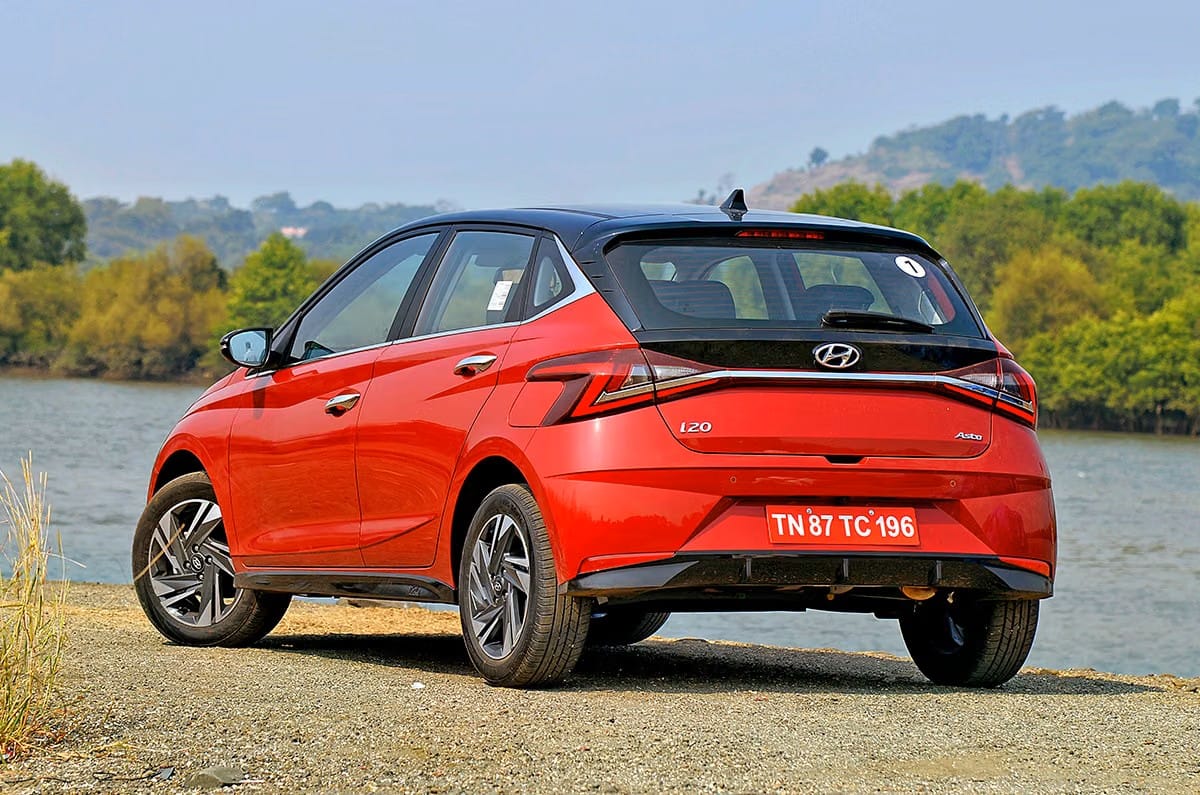
i20

The Hyundai i20 has long been one of the benchmarks in the premium hatchback segment. Along with a spacious cabin, comfortable ride and a feature-rich interior, it offers buyers a choice of manual and automatic transmissions, while those seeking more performance can opt for the sportier i20 N Line. However, its premium pricing (Rs 6 lakh to Rs 11.59 lakh) means it faces stiff competition from both premium hatchbacks and similarly priced compact SUVs. Here’s a look at the Hyundai i20’s biggest strengths and weaknesses.

Pros

1. Spacious and comfortable cabin

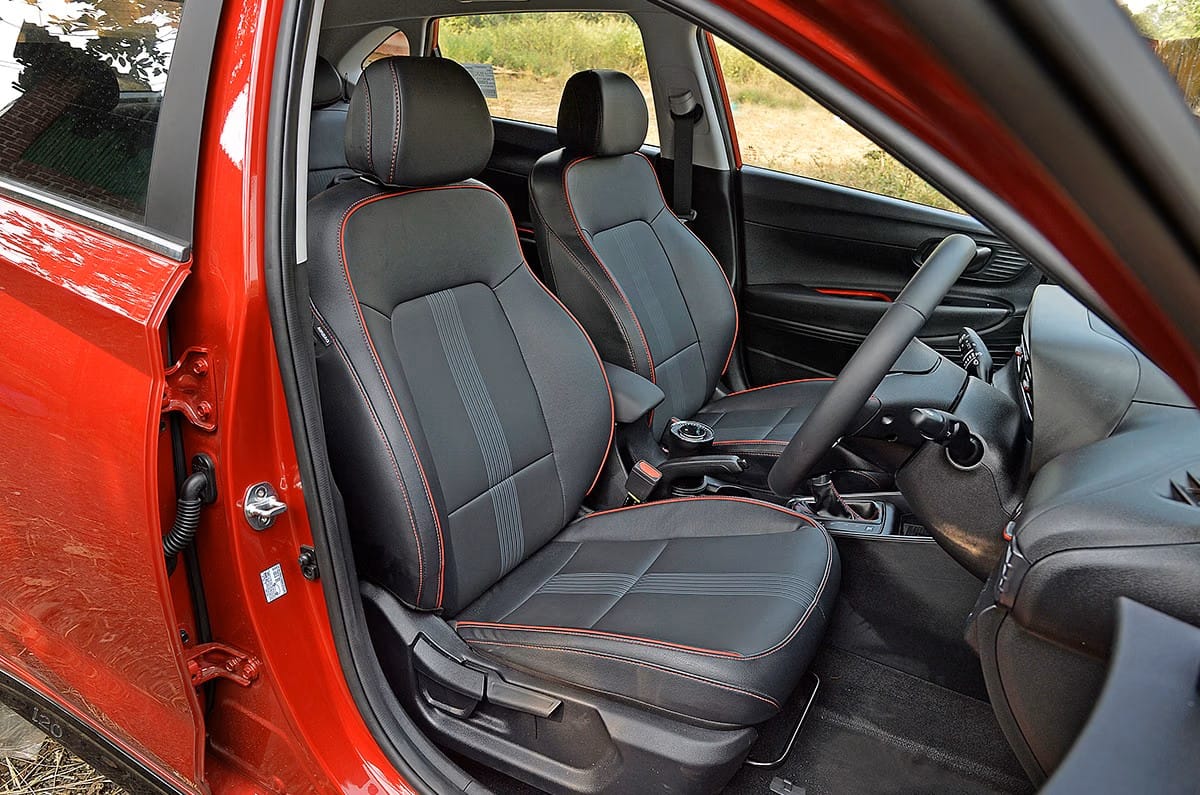
One of the i20’s biggest strengths is its cabin. It offers generous rear-seat space for a premium hatchback, with enough legroom and headroom to comfortably accommodate taller passengers. The front seats are supportive, the dashboard layout is intuitive, and the cabin feels airy thanks to its low-set dashboard. Practicality is another strong point, with a 311-litre boot that’s well suited to everyday use and weekend trips.

2. Well-equipped across the range

The i20 continues to offer one of the strongest feature lists in its class. Higher variants come with a 10.25-inch touchscreen infotainment system, a digital instrument cluster, connected car technology, a Bose sound system, wireless phone charging, automatic climate control, a sunroof and ambient lighting. Safety equipment is equally comprehensive, with six airbags, electronic stability control (ESC), a tyre-pressure monitoring system (TPMS) and Isofix child-seat mounts available on higher trims.

3. Comfortable ride and refined road manners

The i20 is tuned with comfort in mind. Its suspension absorbs broken roads well without feeling unsettled, while the light steering makes it easy to manoeuvre in the city. On the highway, the hatchback feels stable and composed, giving it a more mature driving experience than many of its rivals. Overall, it strikes a good balance between everyday comfort and confident handling.

Cons

1. Expensive for its segment

The i20 is among the most expensive premium hatchbacks on sale. While its cabin quality, comfort and equipment help justify the asking price, buyers shopping in this price bracket also have the option of several compact SUVs, which offer greater ground clearance and a stronger road presence for similar money.

2. The 1.2-litre petrol engine isn’t particularly peppy

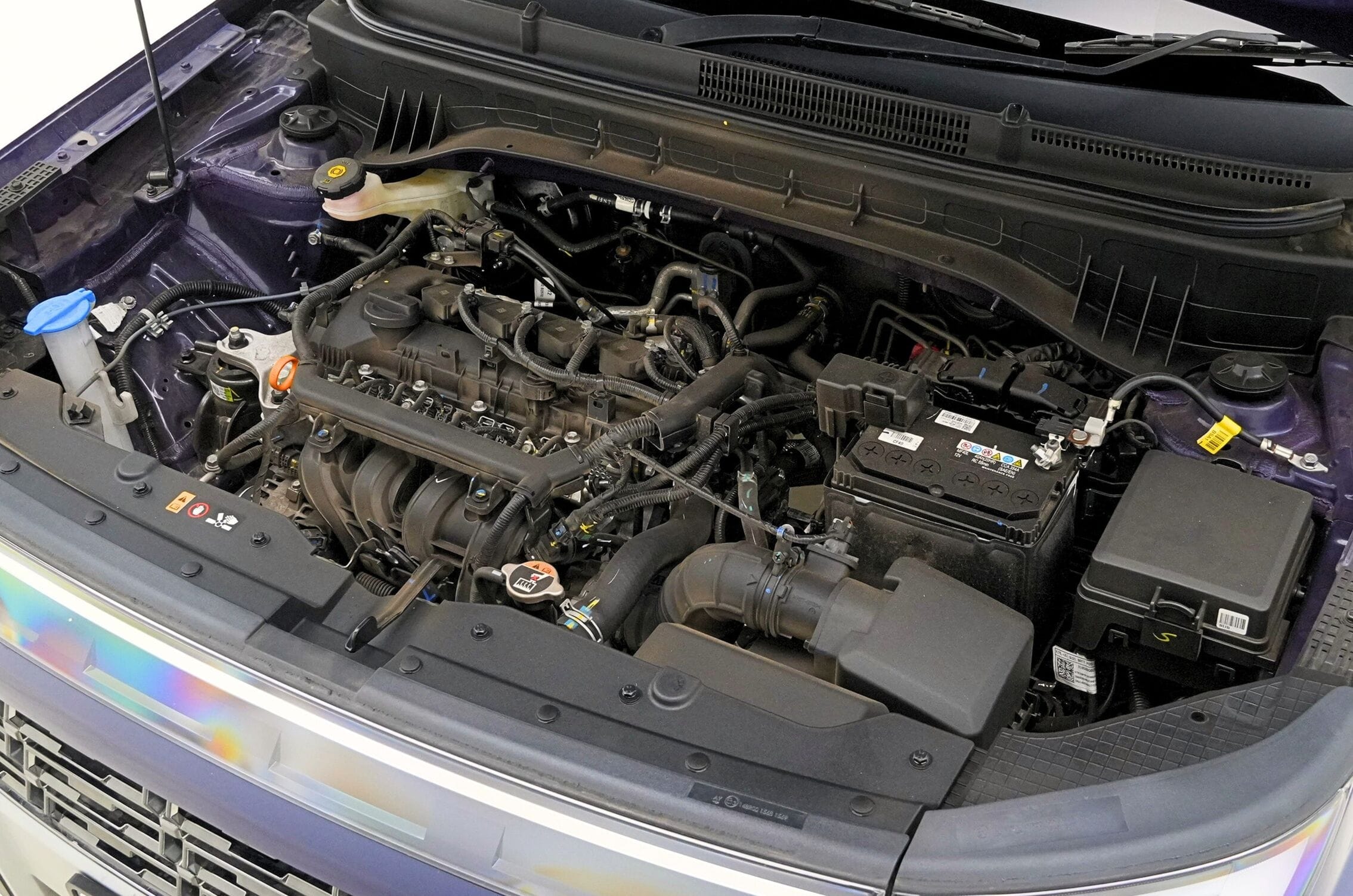
Hyundai 1.2 Kappa engine. 

The naturally aspirated 1.2-litre petrol engine is smooth and refined, but it isn’t particularly strong at lower engine speeds. It often requires downshifts to gather pace in stop-start traffic or during overtaking manoeuvres, making it feel less effortless than some turbo-petrol rivals. Buyers looking for stronger performance may find the standard i20’s engine lacking. The i20 does come with a punchier 1.0-litre turbo-petrol engine on the N Line variants but for a much higher asking price.

Petrol Diesel Price Today: सुबह 6 बजे जारी हुए पेट्रोल-डीजल के नए रेट, जानें आपके शहर का भाव

Petrol Diesel Price Today: हर दिन की शुरुआत सिर्फ सूरज की किरणों से नहीं होती, बल्कि पेट्रोल और डीजल की नई कीमतों से भी होती है, जो आम आदमी की जेब पर सीधा असर डालती हैं। सुबह 6 बजे देश की तेल विपणन कंपनियां (OMCs) ताजा दरें जारी करती हैं, जो अंतरराष्ट्रीय बाजार में कच्चे तेल की कीमतों और डॉलर-रुपए की विनिमय दर में आए बदलावों पर आधारित होती हैं। ये बदलाव रोजमर्रा की जिंदगी को प्रभावित करते हैं, चाहे वो ऑफिस जाने वाला व्यक्ति हो या फल-सब्जी बेचने वाला व्यापारी।

ऐसे में हर दिन की कीमतों की जानकारी रखना सिर्फ जरूरी ही नहीं, बल्कि समझदारी भी है। सरकार की यह प्रणाली पारदर्शिता सुनिश्चित करती है ताकि उपभोक्ताओं को किसी तरह की भ्रमित जानकारी न मिले।

आपके शहर में आज का पेट्रोल-डीजल का भाव

ये रहे 01 आगस्त 2026 के प्रमुख शहरों के पेट्रोल-डीजल के ताजा रेट

नई दिल्ली: पेट्रोल ₹102.12 प्रति लीटर और डीजल ₹95.20 प्रति लीटर।

मुंबई: पेट्रोल ₹111.18 और डीजल ₹97.83 प्रति लीटर।

कोलकाता: पेट्रोल ₹113.47 जबकि डीजल ₹99.82 प्रति लीटर।

चेन्नई: पेट्रोल ₹107.77 और डीजल ₹99.55 प्रति लीटर।

गुरुग्राम: पेट्रोल ₹102.77 तथा डीजल ₹95.44 प्रति लीटर।

नोएडा: पेट्रोल ₹102.12 और डीजल ₹95.56 प्रति लीटर।

बेंगलुरु: पेट्रोल ₹110.93 जबकि डीजल ₹98.80 प्रति लीटर।

भुवनेश्वर: पेट्रोल ₹109.92 और डीजल ₹100.92 प्रति लीटर।

चंडीगढ़: पेट्रोल ₹98.10 तथा डीजल ₹86.09 प्रति लीटर।

हैदराबाद: पेट्रोल ₹115.69 और डीजल ₹103.82 प्रति लीटर।

जयपुर: पेट्रोल ₹112.66 जबकि डीजल ₹97.78 प्रति लीटर।

लखनऊ: पेट्रोल ₹102.05 और डीजल ₹95.55 प्रति लीटर।

पटना: पेट्रोल ₹113.35 तथा डीजल ₹99.36 प्रति लीटर।

तिरुवनंतपुरम: पेट्रोल ₹115.49 और डीजल ₹104.40 प्रति लीटर।

पिछले दो साल से स्थिर क्यों हैं कीमतें?

मई 2022 के बाद से केंद्र और कई राज्यों द्वारा टैक्स में कटौती की गई, जिसके बाद पेट्रोल-डीजल की कीमतों में स्थिरता देखी जा रही है। हालांकि अंतरराष्ट्रीय बाजार में उतार-चढ़ाव होता रहता है, फिर भी भारतीय उपभोक्ताओं के लिए कीमतें तुलनात्मक रूप से स्थिर बनी हुई हैं।

किन कारणों से तय होती हैं ईंधन की कीमतें?

  1. कच्चे तेल की कीमतें:

पेट्रोल और डीजल का उत्पादन मुख्य रूप से कच्चे तेल से होता है। जब अंतरराष्ट्रीय स्तर पर कच्चे तेल की कीमतें बढ़ती हैं, तो इसका असर सीधे भारतीय बाजार पर पड़ता है।

  1. डॉलर के मुकाबले रुपया:

भारत अधिकतर कच्चा तेल आयात करता है, और यह डॉलर में खरीदा जाता है। यदि रुपया कमजोर होता है, तो ईंधन महंगा हो जाता है।

  1. सरकारी टैक्स और शुल्क:

केंद्र और राज्य सरकारें पेट्रोल-डीजल पर भारी टैक्स लगाती हैं, जो खुदरा मूल्य का बड़ा हिस्सा होते हैं। यही कारण है कि राज्यों में कीमतों में अंतर होता है।

  1. रिफाइनिंग की लागत:

कच्चे तेल को इस्तेमाल लायक बनाने की प्रक्रिया (रिफाइनिंग) में भी खर्च होता है। ये लागत कच्चे तेल की गुणवत्ता और रिफाइनरी की क्षमता पर निर्भर करती है।

  1. मांग और आपूर्ति का संतुलन:

बाजार में ईंधन की मांग अगर बढ़ जाती है, तो कीमतें भी ऊपर जाने लगती हैं। खासकर त्योहारों, गर्मी या सर्दी के मौसम में ईंधन की खपत ज्यादा होती है।

कैसे करें अपने शहर की कीमतें SMS से चेक?

अगर आप मोबाइल से ईंधन की कीमत जानना चाहते हैं, तो ये प्रक्रिया आसान है:

Indian Oil ग्राहक: अपने शहर का कोड टाइप करें और उसे “RSP” के साथ 9224992249 पर भेजें।

BPCL ग्राहक: “RSP” लिखकर 9223112222 पर भेजें।

HPCL ग्राहक: “HP Price” लिखकर 9222201122 पर भेजें।

Hyundai to launch Bayon-based midsize SUV this festive season

Hyundai Bayon based SUV

Tarun Garg, MD and CEO of Hyundai India, confirmed on the company’s Q1 FY27 earnings call that the brand will launch a new mid-size SUV during the festive season. Following this, the brand will also launch a new compact electric SUV within this fiscal year.

  1. New mid-size SUV likely to offer an underbody-mounted CNG kit.
  2. Compact electric SUV to sit on a new architecture and utilise Exide batteries.

New Hyundai mid-size SUV: What do we know so far?

To sit below the Creta and likely offer petrol and CNG powertrains 

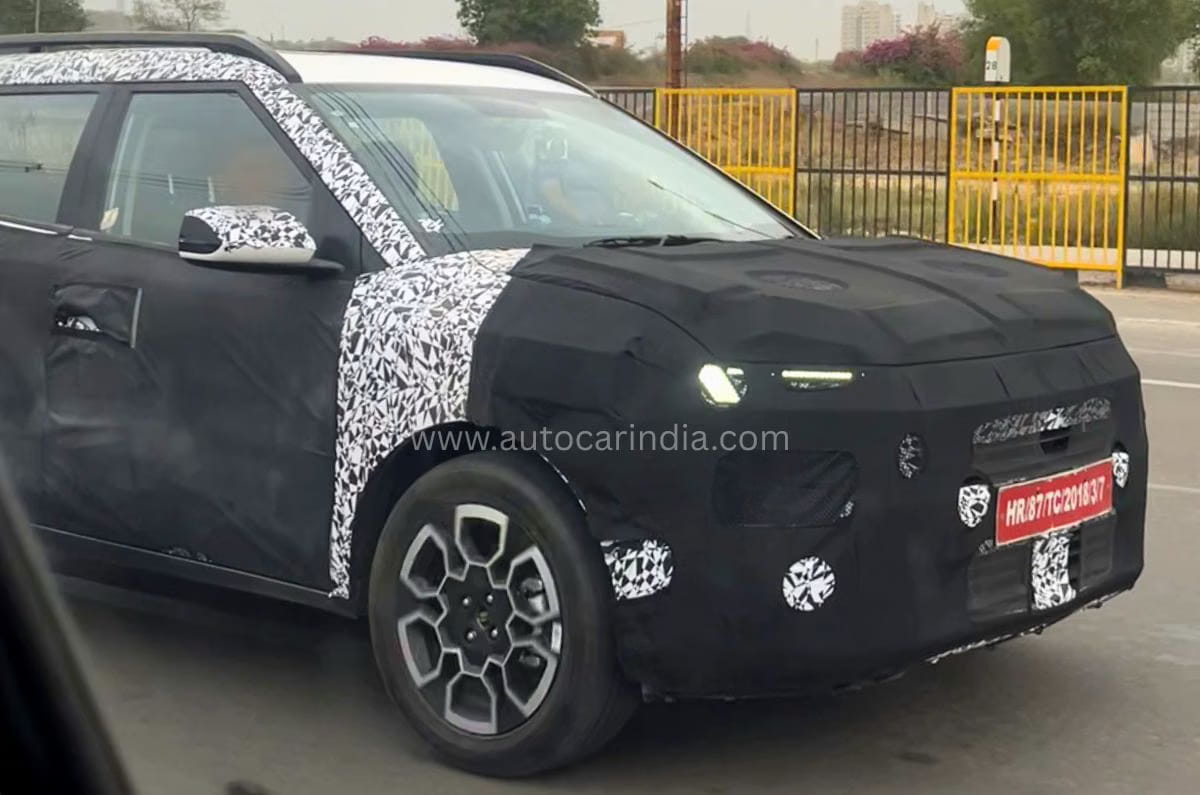
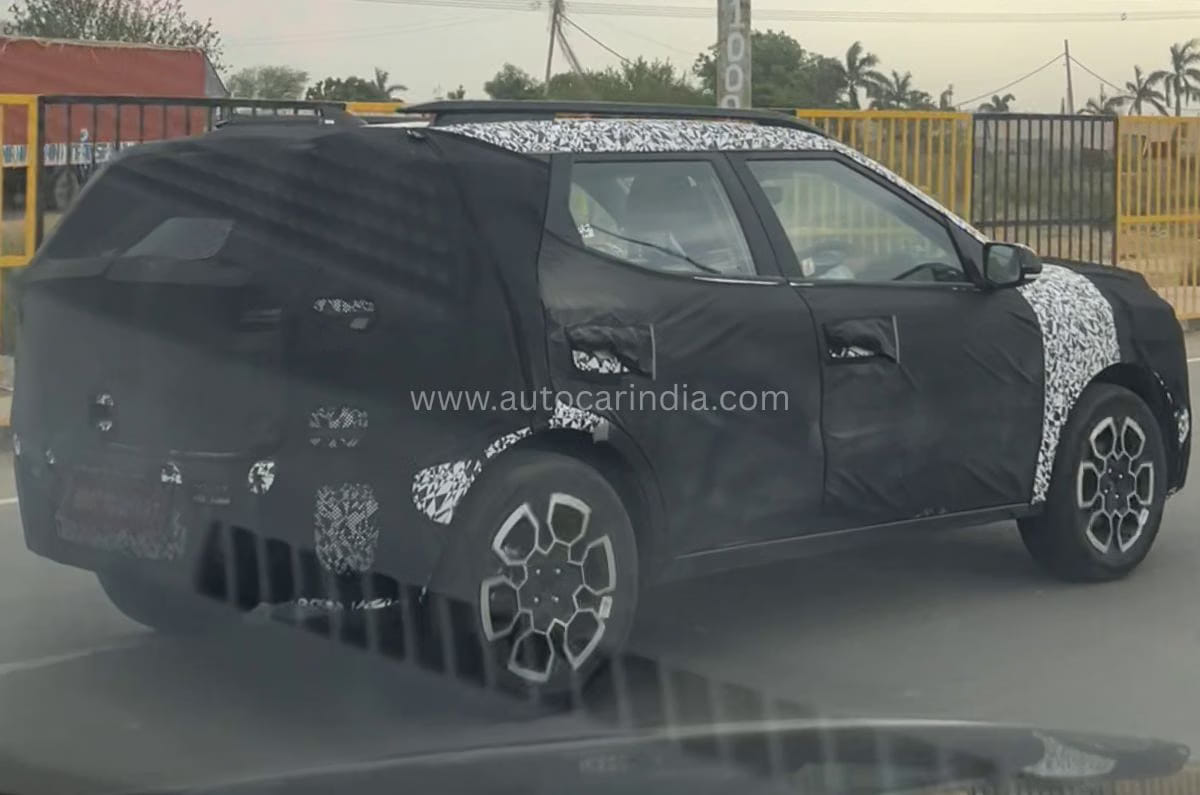
Before the next-generation Creta debuts in 2027, Hyundai will introduce another product in the mid-size SUV space during the festive season to strengthen its presence. This SUV (codename: Bc4i) will utilise the Bayon crossover’s platform that’s sold abroad. It will measure around 4.18 metres in length, suggesting that it would be positioned below the Creta.

Heavily camouflaged mules of this mid-size SUV have been spied abroad and on our roads, giving a glimpse of what it could look like. Prototypes were spotted with a crossover-esque design, roof rails, dual-tone alloys, split lamp design, rising windowline and all-wheel disc brakes. While the interior has not been spied yet, Hyundai is likely to load it up with features and advanced driver assistance systems (ADAS).

The model will be powered by a 1.5-litre naturally aspirated engine, our sources indicate. This engine already powers the Creta and can be paired with either a manual or CVT gearbox. Additionally, Hyundai is expected to pair a CNG kit with this engine, making it the first CNG-powered model above 4 metres in its lineup. The kit would be fitted to its underbody, like the Maruti Victoris, but also have a spare wheel, unlike the Maruti.

With a second contender in the mid-size SUV segment, Hyundai is taking a similar approach to Maruti Suzuki, which has the Victoris and Grand Vitara in this space. While this SUV will come with economical powertrains and occupy the lower rung, the new-gen Creta sitting above it will come with wider powertrain options, including a hybrid. 

New Hyundai compact electric SUV: What to expect?

Expected to rival the likes of the Kia Syros EV, Tata Nexon EV, and Mahindra XUV 3XO EV

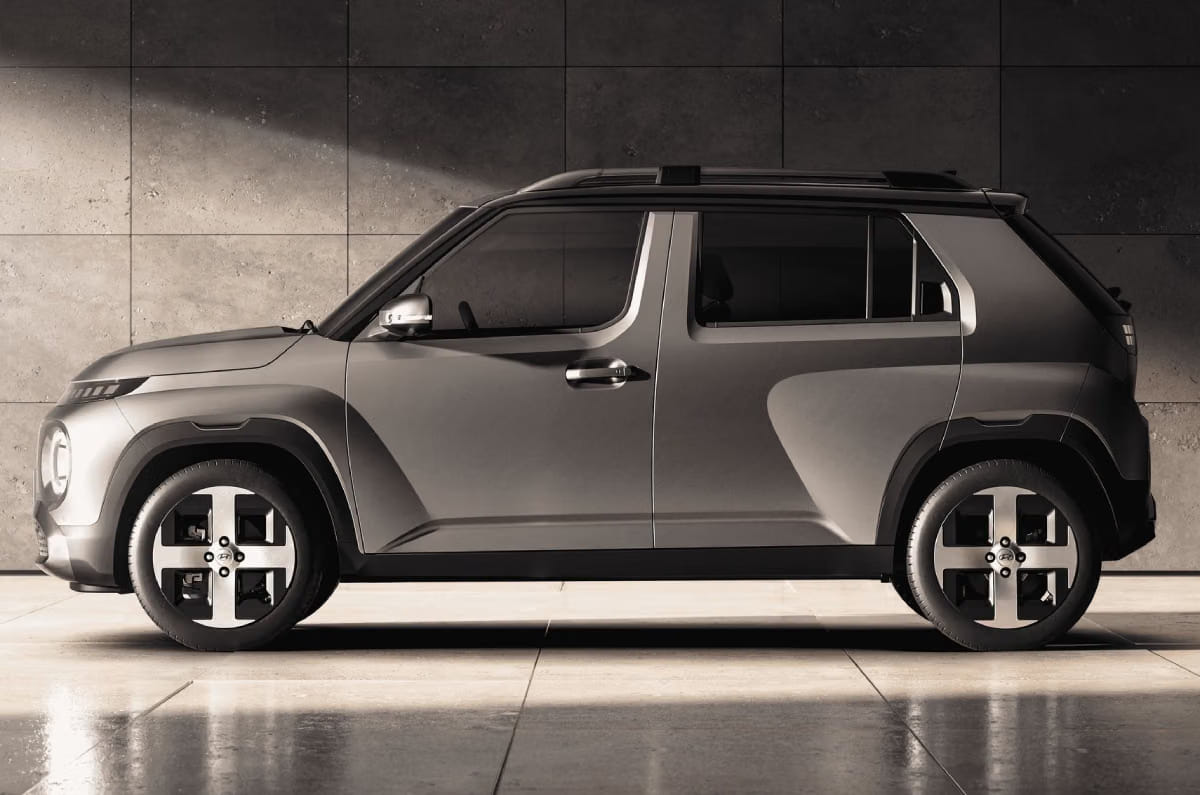
Hyundai Inster used for representation

Following the mid-size SUVs’ launch, Hyundai will also introduce a challenger in the growing compact electric SUV space. The arrival of this SUV was first announced back in 2025, when the carmaker stated that it would be localised and “designed, engineered and built in India for Indian customers.”

During the earnings call, the brand confirmed that the EV would be built on a new architecture rather than being an EV counterpart of the Venue. Codenamed HE1i, it is expected to sit on the E-GMP (K) platform, which is also utilised by the Inster sold abroad. It will be produced at the carmaker’s Sriperumbudur facility in Tamil Nadu and use localised batteries from Exide. The eSUV will be offered in standard range and long range versions. While specifications are yet to be confirmed for this model, for reference, the Euro-spec Inster is offered with 42kWh (standard range) and 49kWh (long range) battery packs with WLTP ranges of 300km and 355km respectively.

With inputs from Mugdha Mishra

MG prices Hector Plus diesel at Rs 20 lakh

MG Hector Plus front quarter static

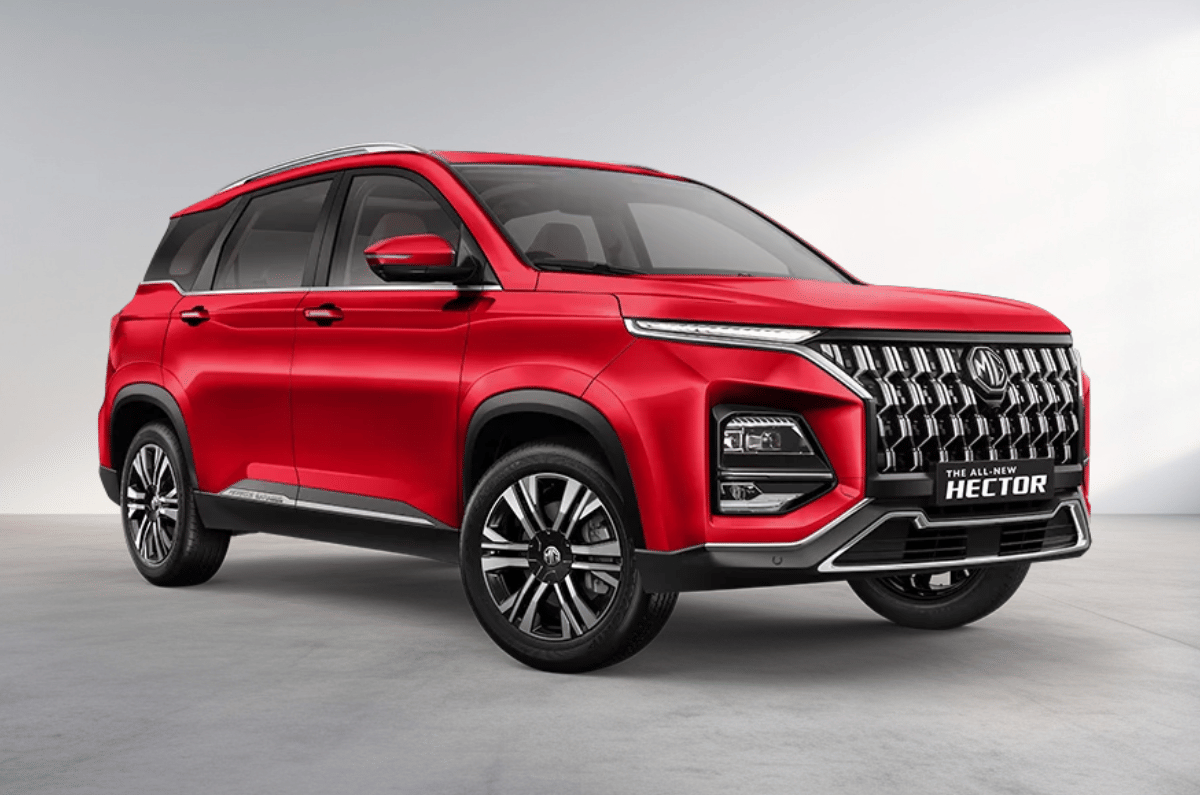
MG has revealed the facelifted Hector Plus diesel price, which costs Rs 20 lakh (ex-showroom). Notably, MG launched the Hector and Hector Plus facelifts in December 2025, but had only revealed the petrol variants’ prices at the time. Nearly seven months later, the manufacturer has brought back the 2.0-litre diesel engine, with a manual transmission.

  1. 2.0-litre diesel engine produces 170hp and 350Nm (same as before)
  2. Gets 7-inch driver’s display, 14-inch infotainment, and powered front seats
  3. Misses out on a powered tailgate, Level-2 ADAS, and a 360-degree camera

MG Hector Plus diesel: All you need to know

Gets the same 2.0-litre diesel engine as the pre-facelift model

With the facelift, MG has continued with the same 2.0-litre diesel engine producing 170hp and 350Nm. It is paired with a 6-speed manual transmission, and there is no automatic gearbox on offer. Interestingly, this diesel engine is the same as on the Tata Harrier and Safari, both of which also get a 6-speed torque-converter automatic gearbox. 

The diesel-powered Hector Plus misses out on some features

For the diesel, MG has introduced a new Sharp Pro (O) trim, which sits below the top-spec Savvy Pro trim. It sports a dual-tone tan-and-black cabin theme and uses leatherette upholstery for the 7 seats, dashboard trims and door pads. The dashboard has a 14-inch touchscreen infotainment system in portrait layout orientation, an 8-inch digital driver’s display, and a 3-spoke steering wheel with physical buttons. 

However, the Sharp Pro (O) misses out on a 360-degree camera, a powered tailgate, Level-2 advanced driver assistance systems (ADAS), and a PM2.5 air purifier. 

It gets powered and ventilated front seats, a panoramic sunroof, a wireless phone charger, an 8-speaker Infinity sound system with a subwoofer and amplifier, and automatic climate control with dedicated vents on the 2nd and 3rd rows. Safety features include 6 airbags, a rear parking camera, an auto-dimming inside rearview mirror (IRVM), a rear wiper and washer, front and rear parking sensors, and a tyre pressure monitoring system (TPMS). 

There are no visual exterior changes compared to the top-spec trim

Aurora Silver color image

On the outside, the one-below-top Sharp Pro (O) trim offers LED headlights, LED fog lamps, LED DRLs, 18-inch alloy wheels and connected LED taillights. It also gets powered outside rearview mirrors (ORVMs) and a rear wiper and washer.

Earlier, MG offered the diesel-powered Hector in multiple trims in both two-row and three-row seating configurations. Now, it is being offered in a single trim with three rows of seats, which has restricted the choice for buyers wanting the Hector diesel. Compared to the Hector, rivals like the Hyundai Alcazar, Mahindra XUV 7XO and Tata Safari offer a wider range of diesel variants and more choices to customers.