Maruti Brezza new vs old: Differences and similarities explained

Maruti Brezza new vs old models compared

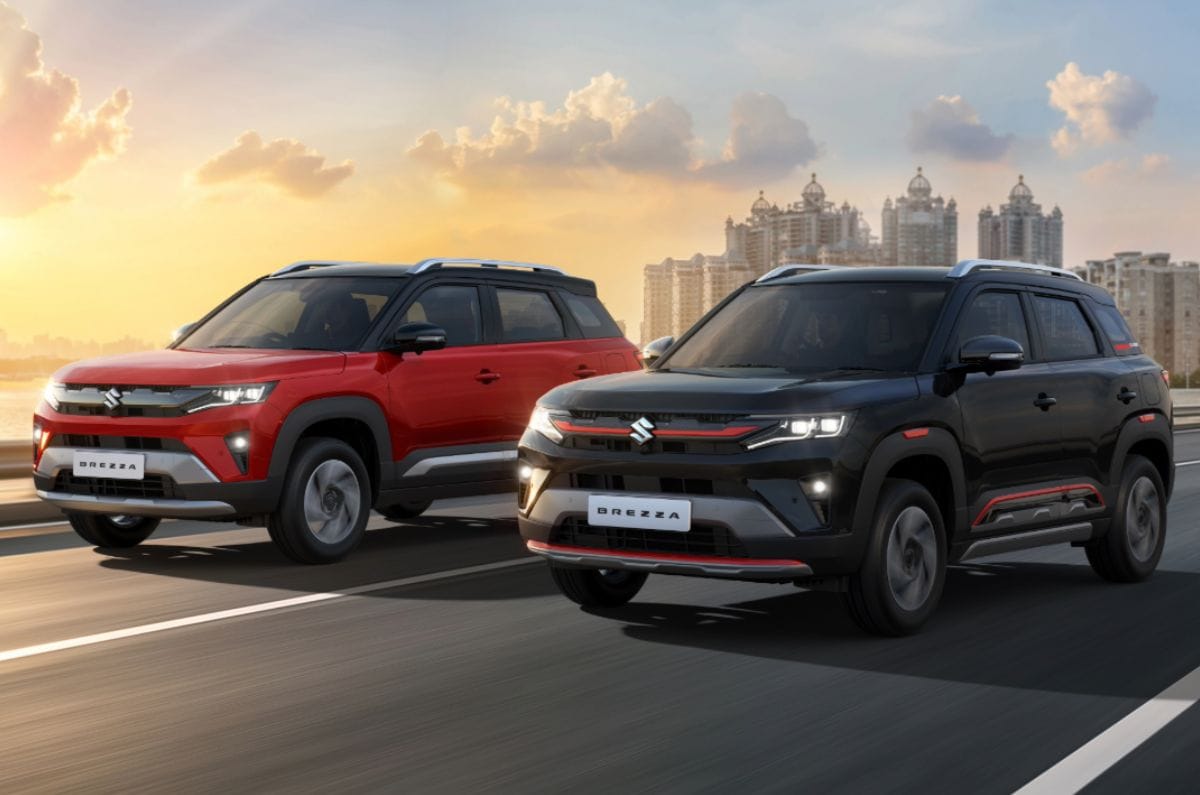
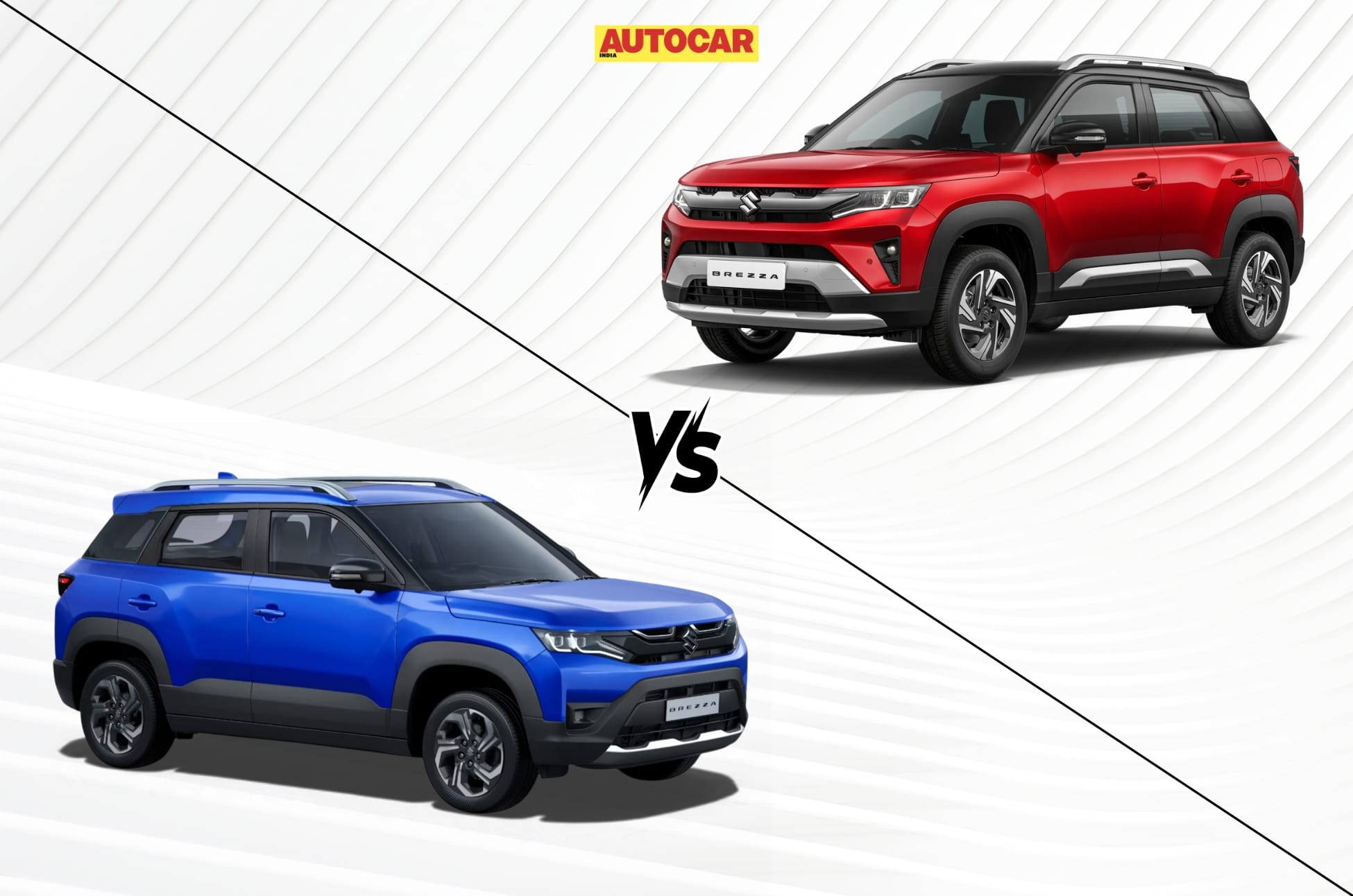
Four years after replacing the Vitara Brezza, the ‘Brezza’ nameplate has received its first lifecycle update. With this, the 2026 Maruti Brezza offers buyers a multitude of new features and styling tweaks that the brand hopes will keep its compact SUV competitive among segment rivals that include the Hyundai Venue, Kia Sonet, Skoda Kylaq and Tata Nexon. Having said that, let’s find out the main differences between the new Maruti Suzuki Brezza and its predecessor.

Maruti Brezza new vs old: Exterior design

Changes on the outside are mostly limited to the soft parts
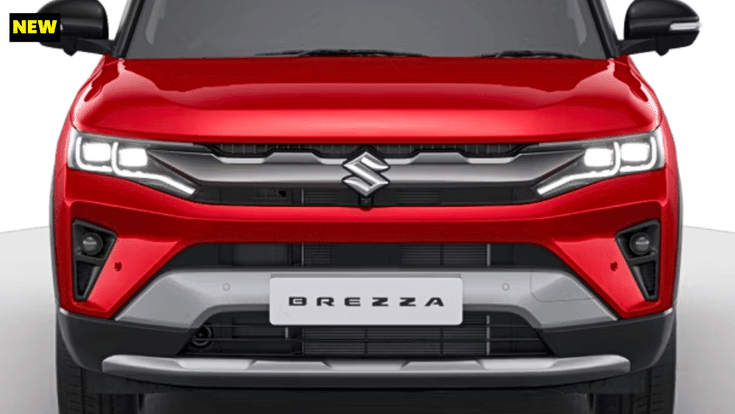
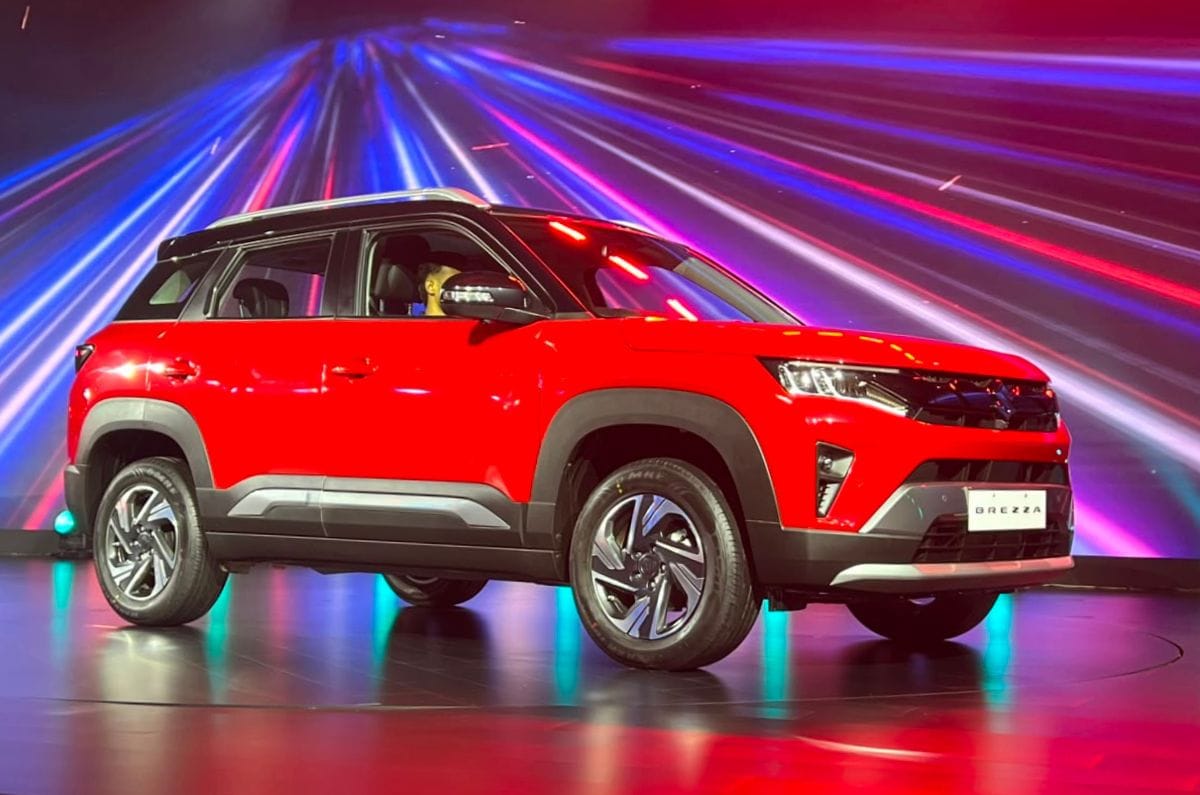
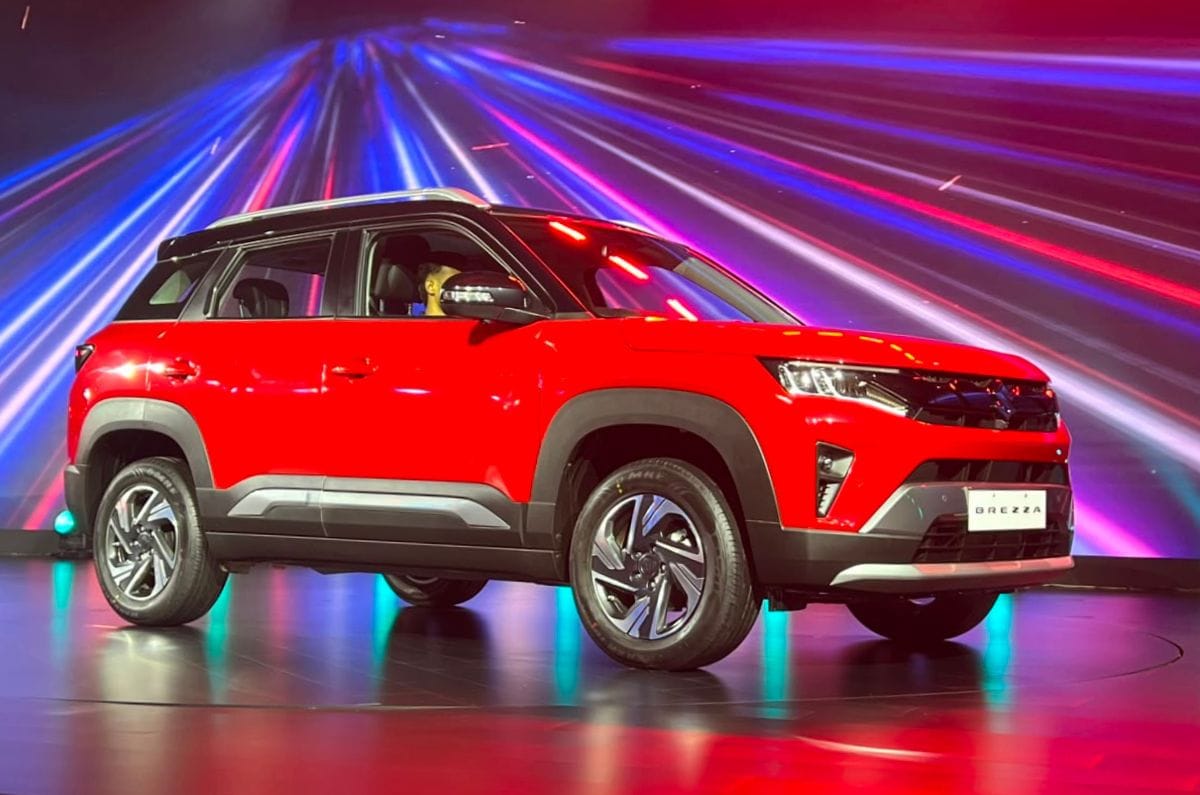
New Maruti Brezza front
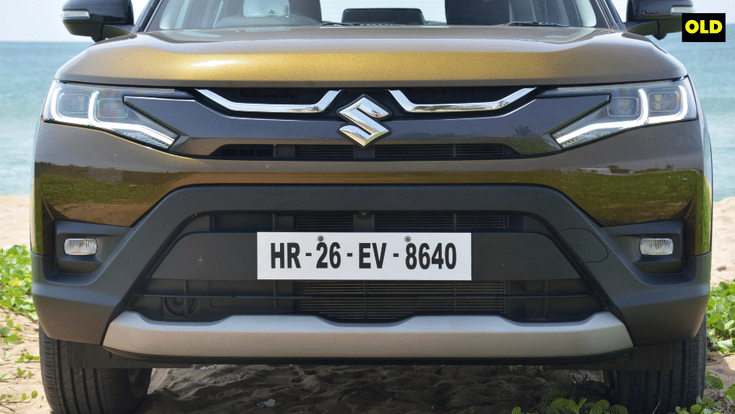
Old Maruti Brezza front
 

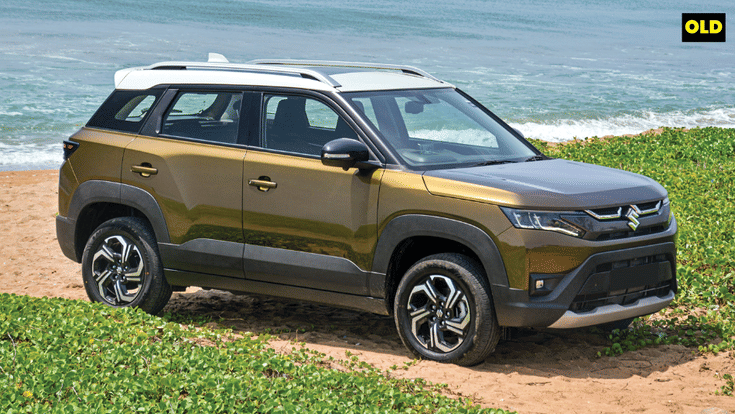
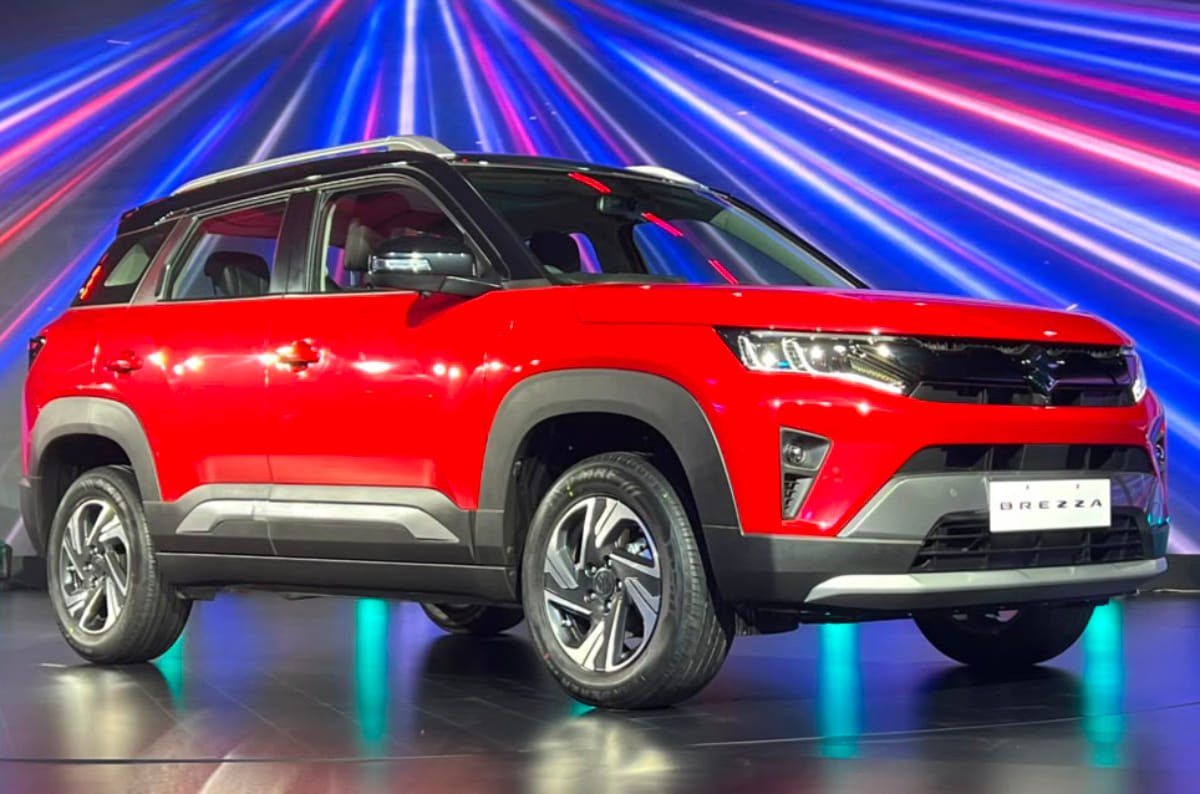
To help differentiate the 2026 Brezza from the old model, Maruti Suzuki has given it a few noticeable styling tweaks. For starters, there’s a new grille at the front and it’s finished in dark chrome. The front bumper has been redesigned as well, and it comes with an additional silver plastic garnish. Maruti has also re-done the front fog-lamp design. The LED units now sit inside a cone-shaped housing and have been moved further up the bumper compared to the old Brezza.
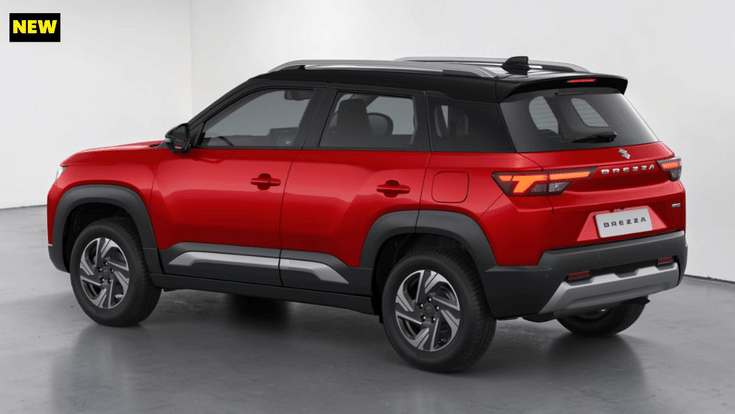
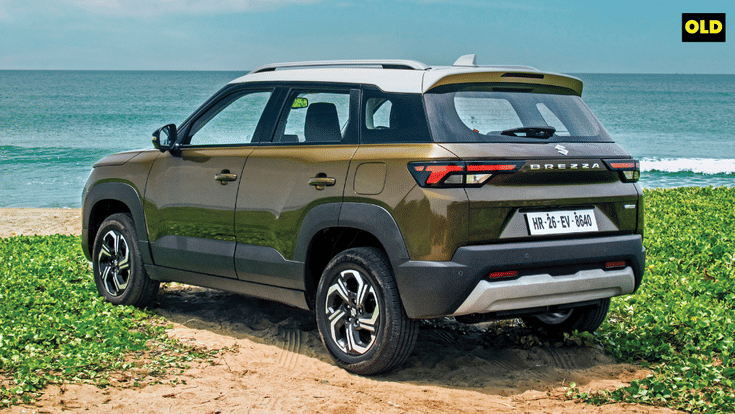
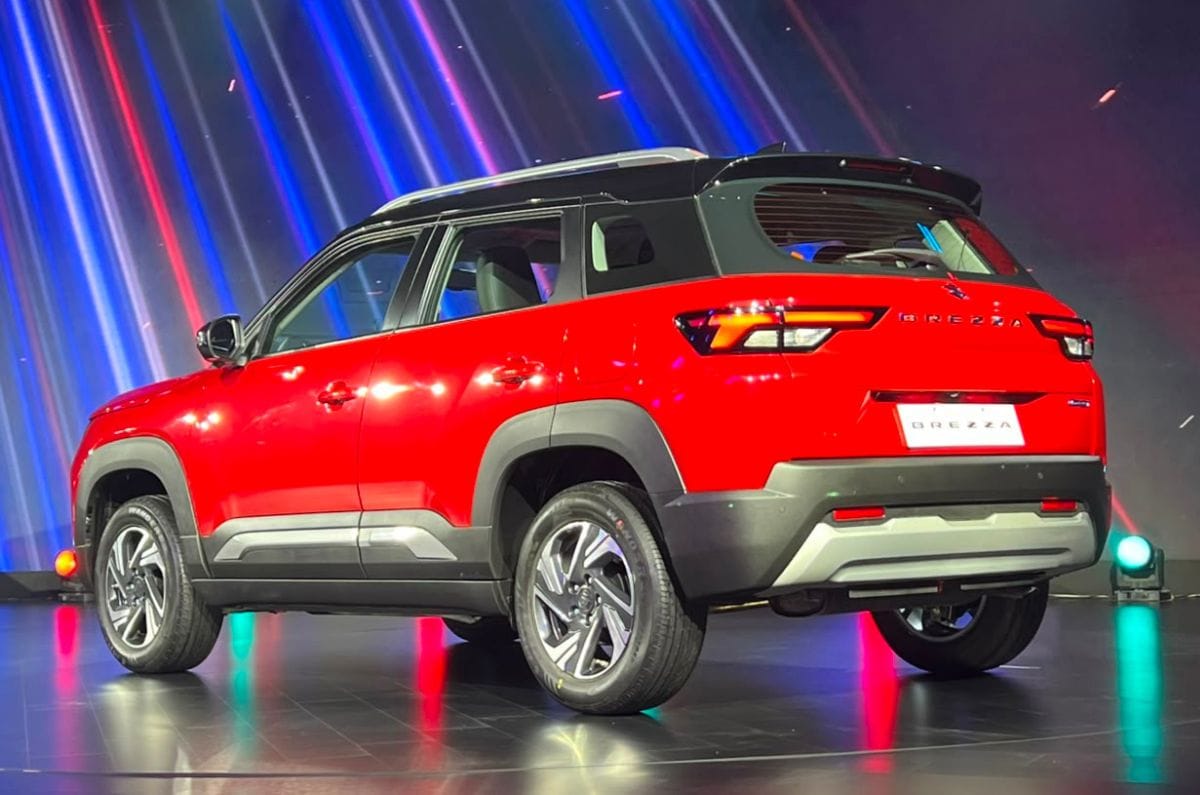
New Maruti Brezza rear quarter
Old Maruti Brezza rear quarter
 

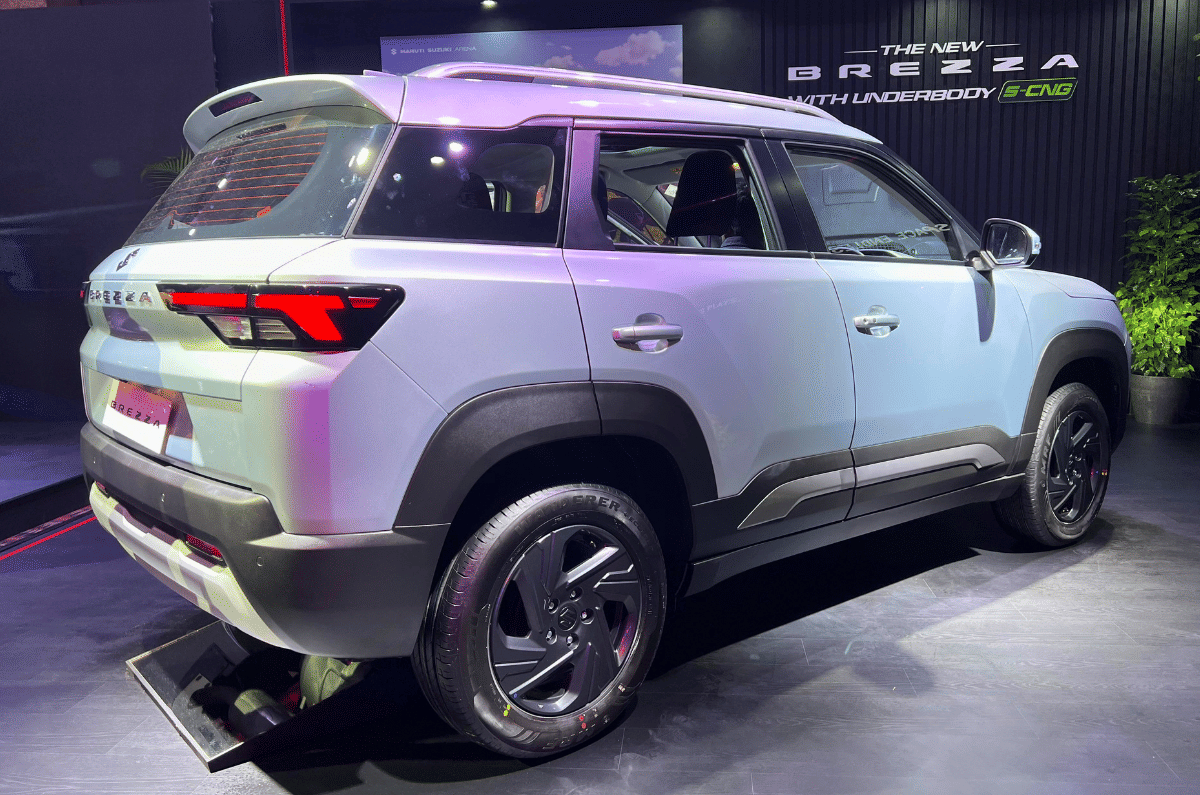
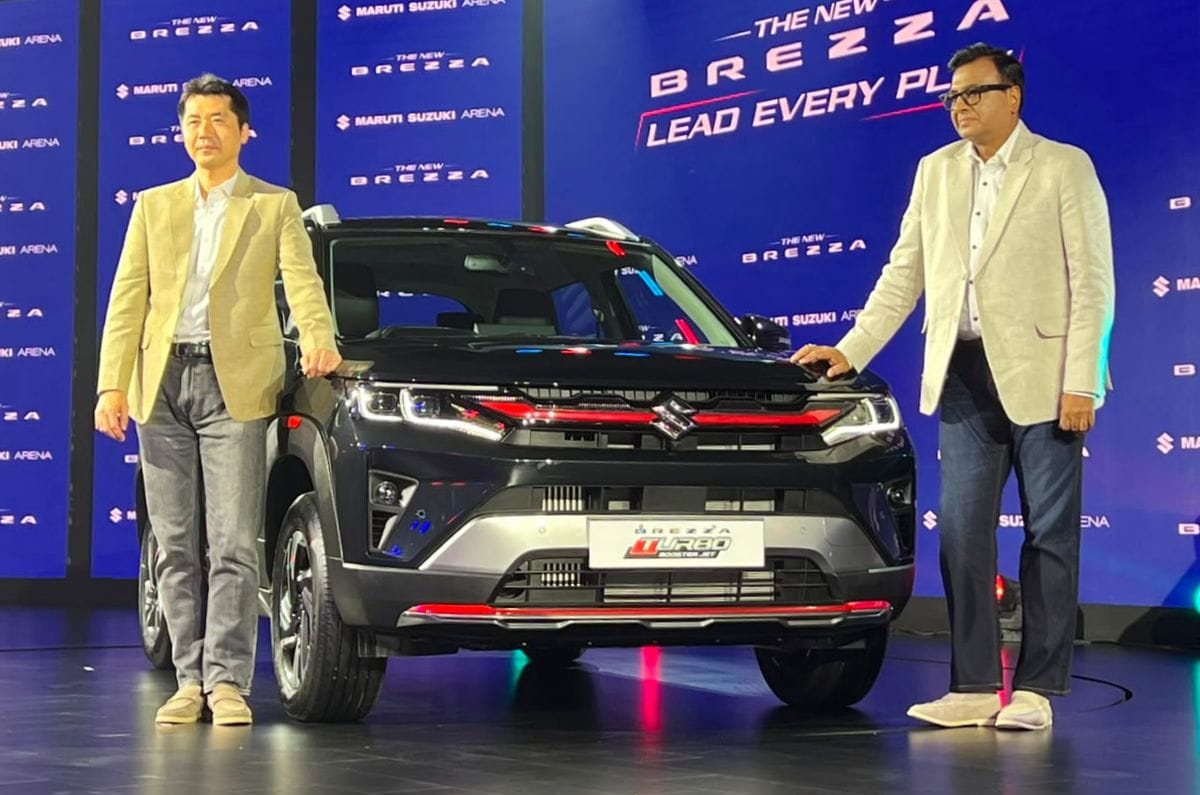
Along the sides, the 2026 Brezza features new 16-inch alloy wheels with a two-tone finish and dual-tone body cladding. The rest of the styling details remain identical to the old model. Maruti has done away with the Brave Khakhi and Exuberant Blue mono-tone colours, replacing them with Vivacious Orange and Lustrous Beige tones. The Sizzling Red with Bluish Black Roof dual-tone colour remains, but the other two options are now Lustrous Beige and Pearl Arctic White with the same ‘Blueish Black’ roof. The rear of the 2026 Brezza looks largely similar to the old model. Finally, the new Brezza Turbo gets red accents all around and different door cladding, along with ‘Turbo Boosterjet’ branding.

Maruti Brezza new vs old: Interior design and features

Few styling tweaks and new features add to this interior’s overall appeal
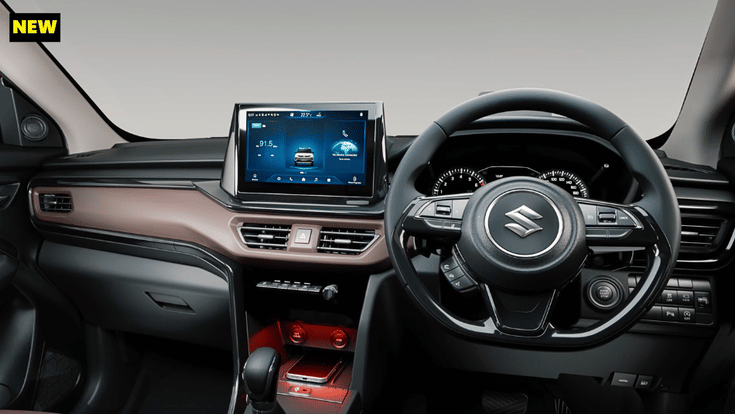
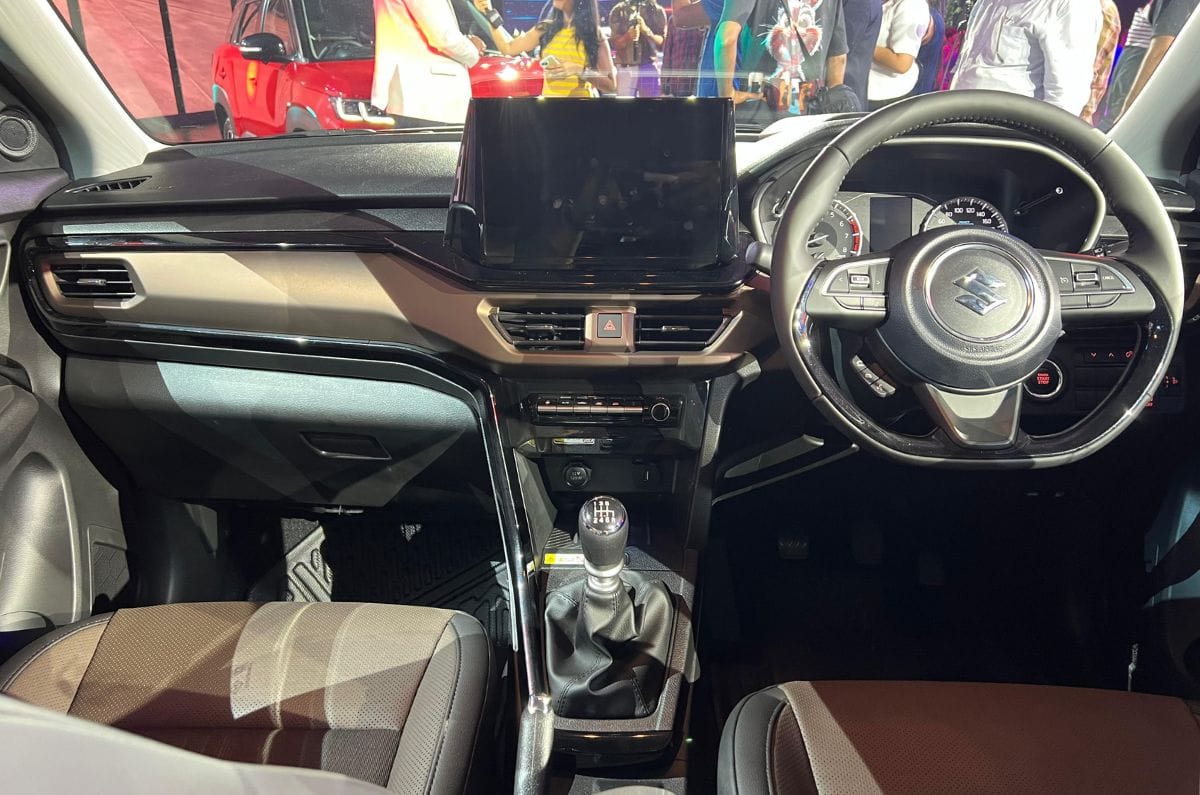
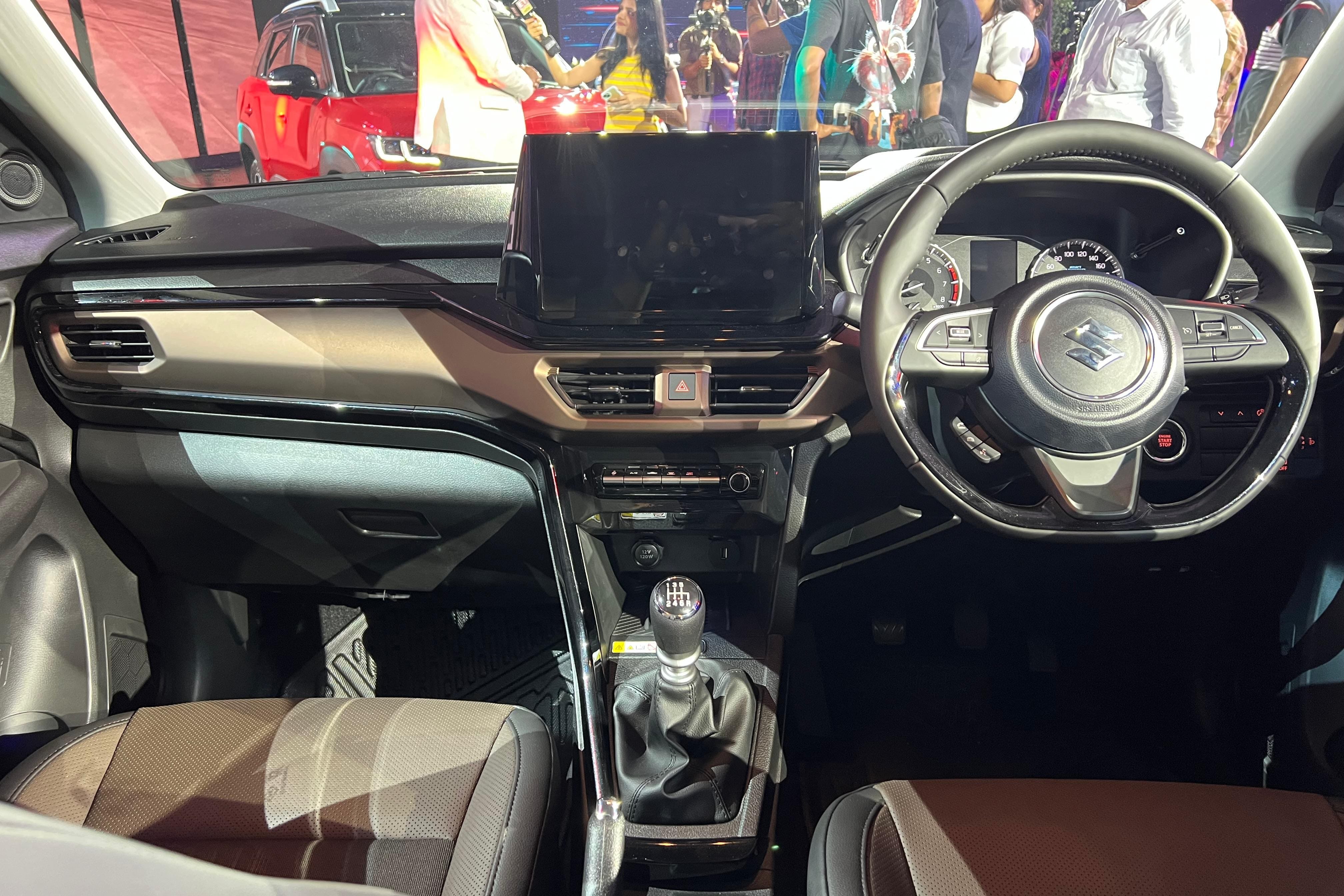
New Maruti Brezza interior design
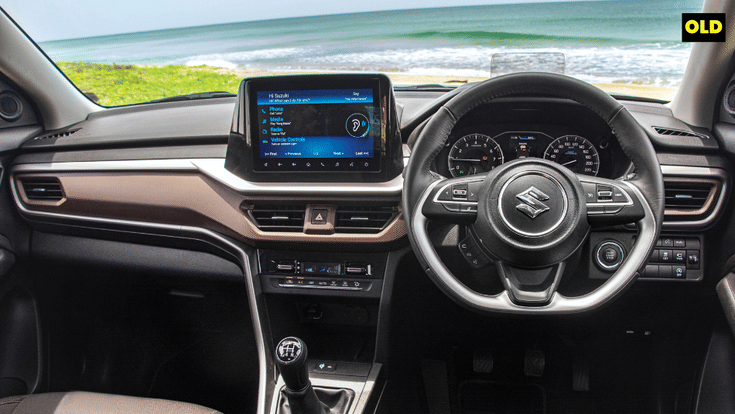
Old Maruti Brezza interior design
 

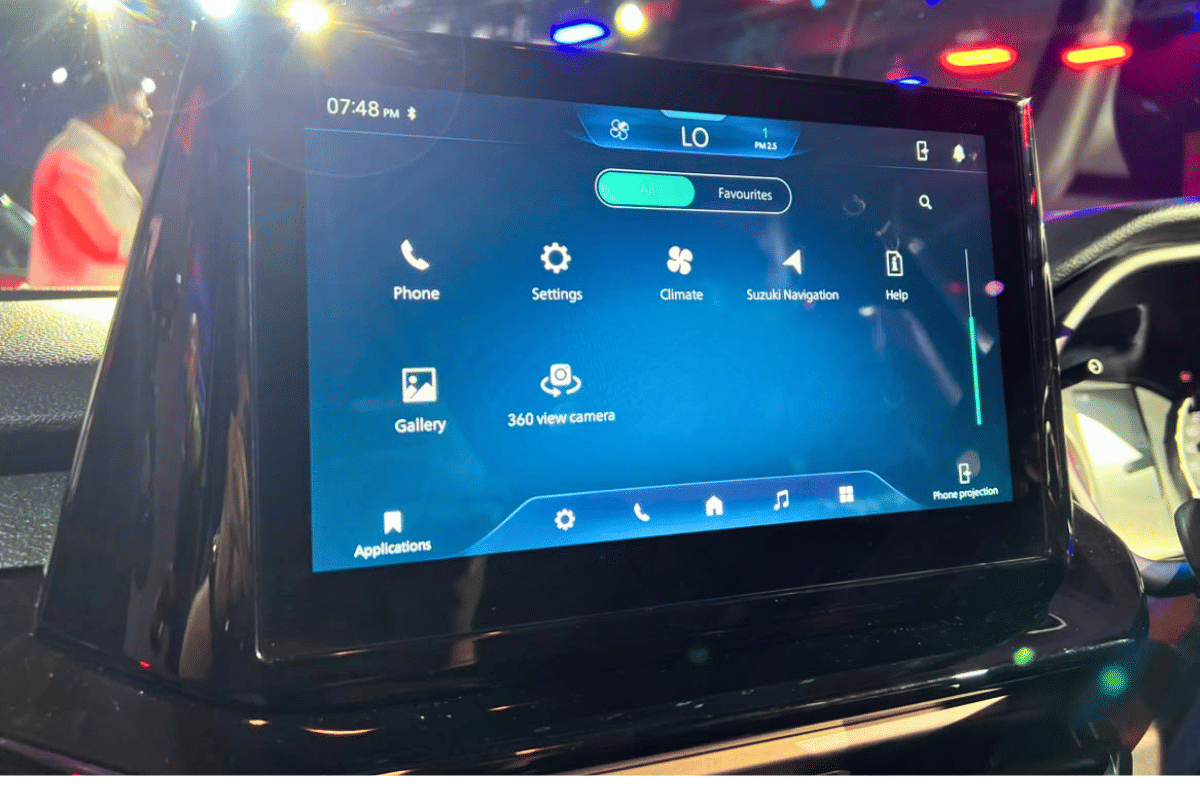
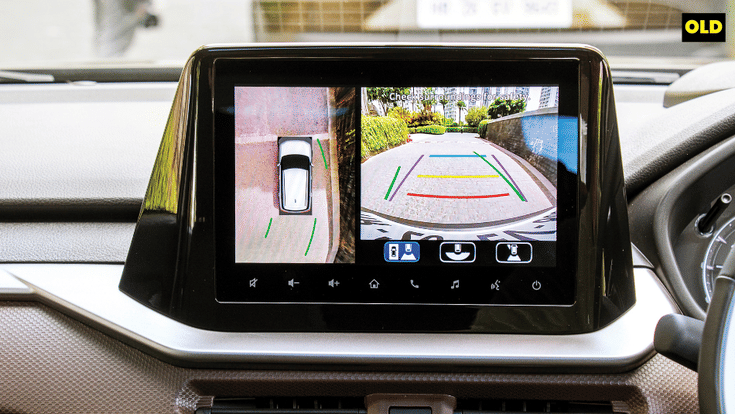
The overall design and layout of the Maruti Brezza’s interior hasn’t changed with the 2026 facelift. However, some of the tweaks that the brand has made are quite easy to spot. The first amongst these is the new 10.1-inch touchscreen head unit, which features the Suzuki SmartPlay Pro X infotainment system. For reference, the previous mode’s SmartPlay Pro+ system came with a 9-inch touchscreen. The silver-coloured plastic trim on the dashboard and doors in the old Brezza have given way to gloss-black trim in the 2026 model. These look nice and premium but are a magnet for fingerprints and scratches.
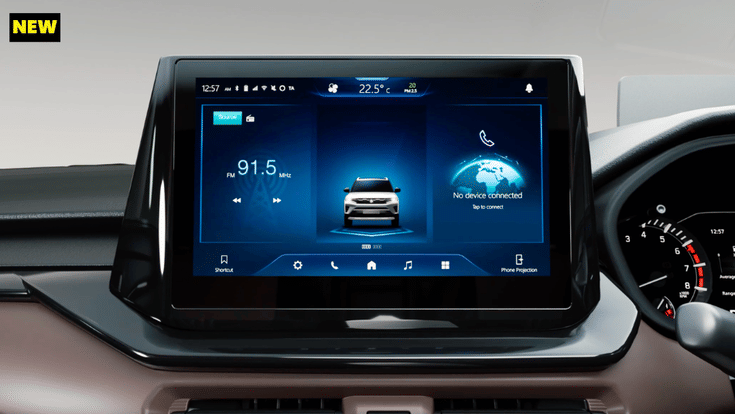
New Maruti Brezza touchscreen
Old Maruti Brezza touchscreen
 

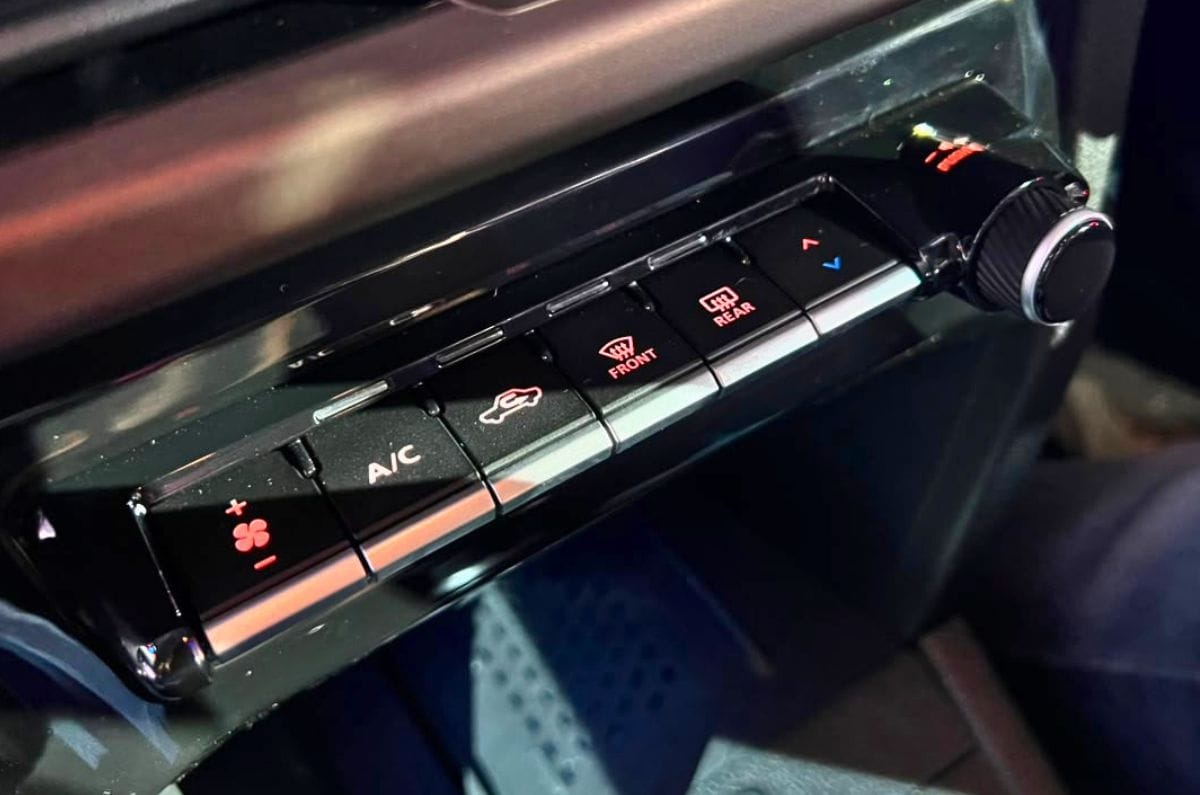
Further down the centre stack, the Brezza facelift gets a new HVAC panel with physical, piano-style keys and a single rotary dial – this has been borrowed from the Victoris. Although stylish to look at, it no longer has a dedicated display to show the temperature and blower speed – these have been moved to the infotainment screen. The climate control does get a PM2.5 filter with an AQI display now, though.
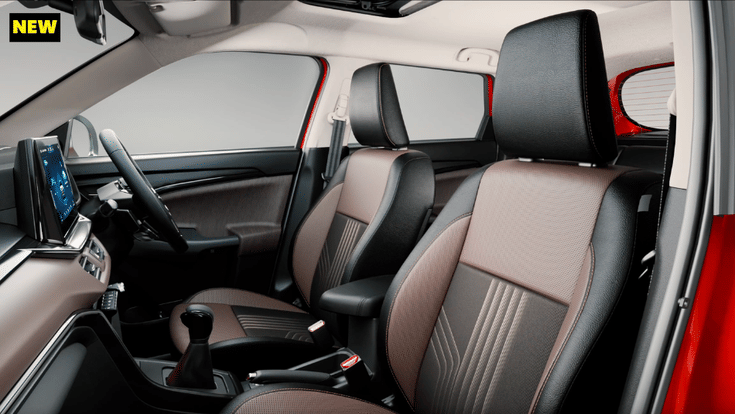
New Maruti Brezza front seats
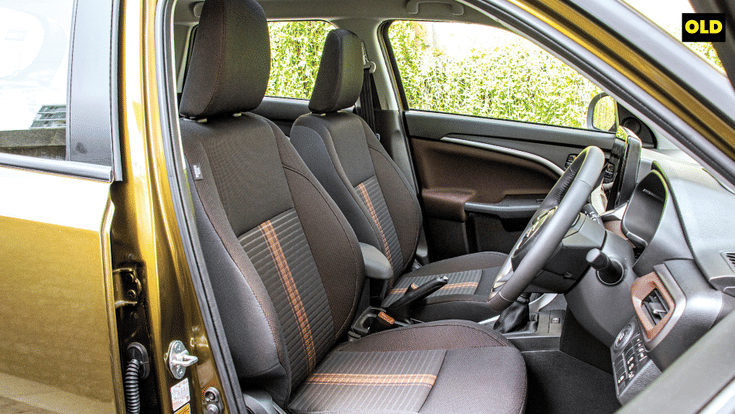
Old Maruti Brezza front seats
 

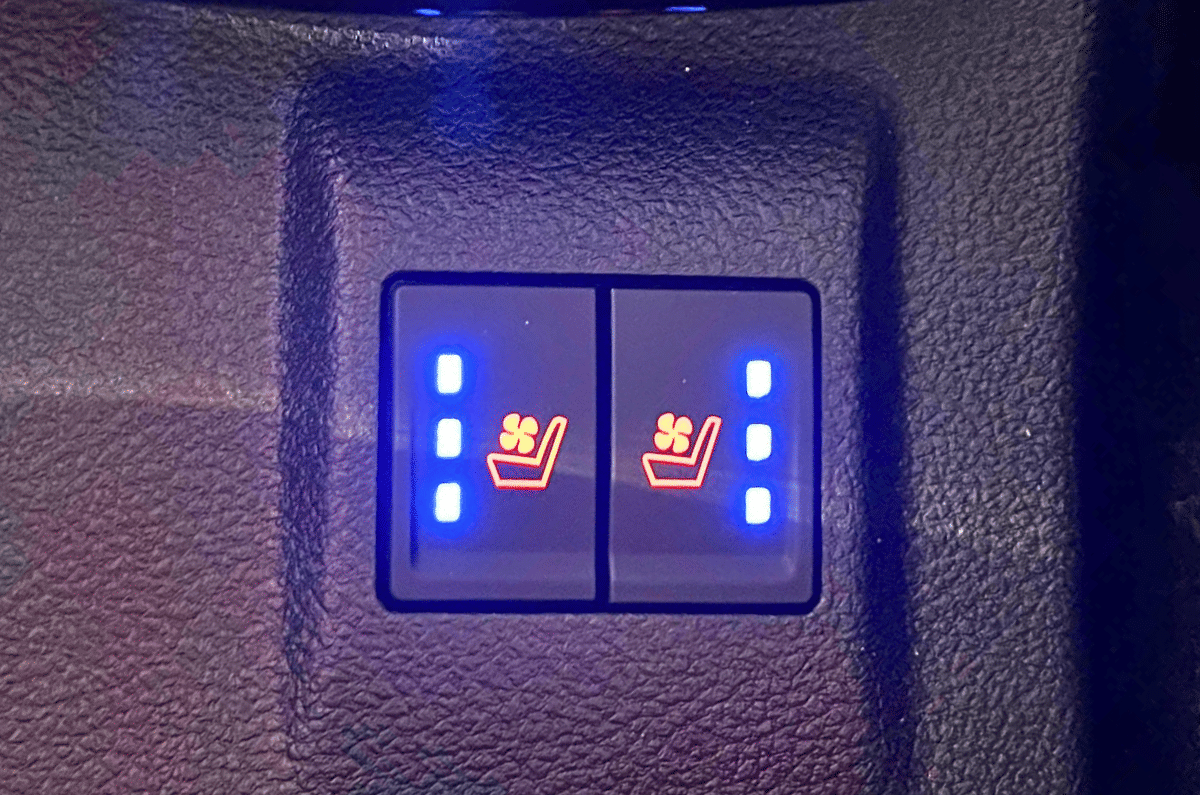
While the design of the steering wheel and instrument cluster remain unchanged, the Brezza now gets suction-type front-seat ventilation, 64-colour ambient lighting, dual-tone part-leatherette seats, Suzuki Navigation built-in, and new driver-assistance features like safe-exit warning, blind-spot warning, lane-departure alert and rear cross-traffic alert.

Maruti Brezza new vs old: Engine and gearbox

Differences between the old and new Brezza are more than skin-deep

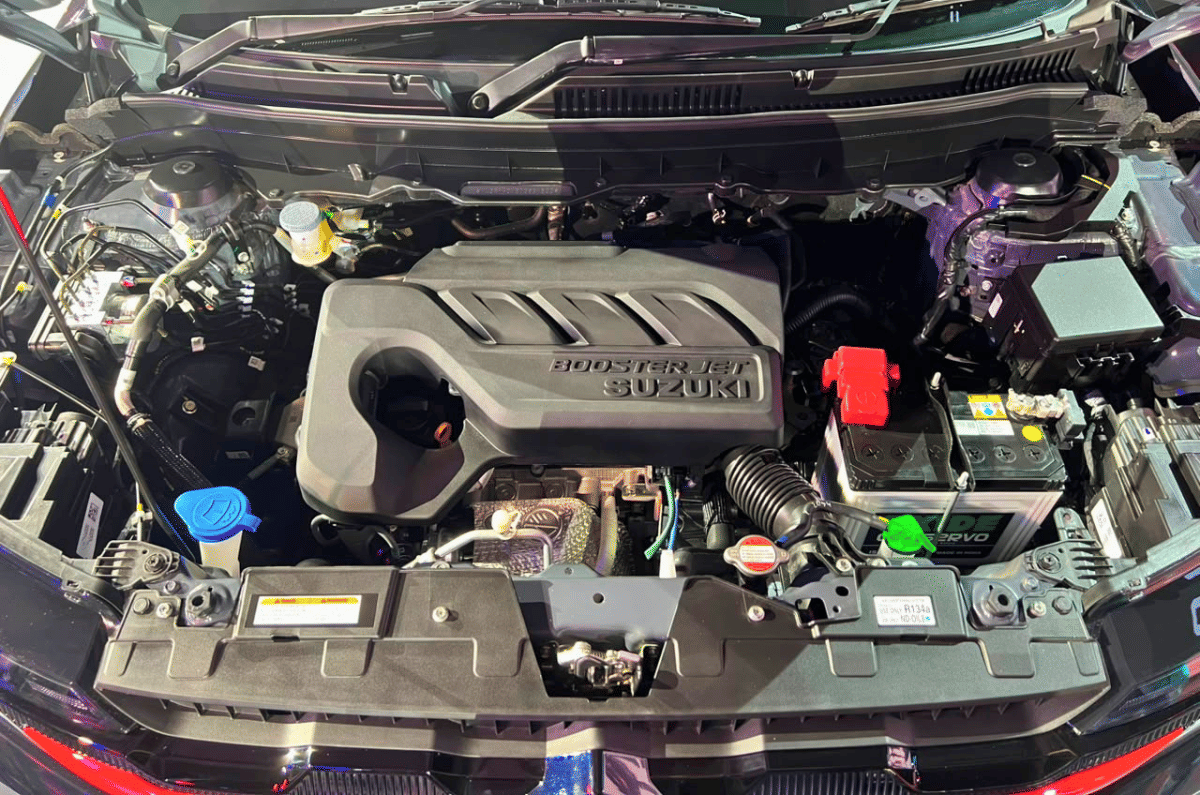
Maruti has carried over the K15C four-cylinder petrol engine with the automatic engine stop-start system from the pre-facelift Brezza. In the 2026 Brezza, this 1.5-litre mill continues to produce 103hp and 139Nm. In its CNG avatar as well, the Brezza facelift’s engine output of 88hp and 122Nm remains the same as the old model. However, the difference with the new model is that it gets underbody CNG tanks, which don’t eat up boot space.
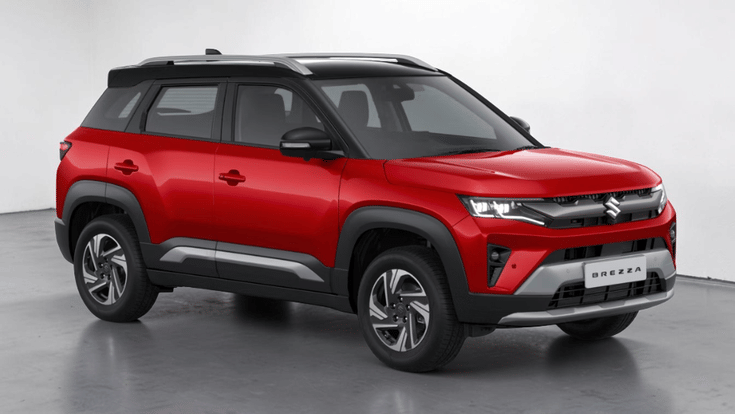
New Maruti Brezza front quarter
Old Maruti Brezza front quarter
 

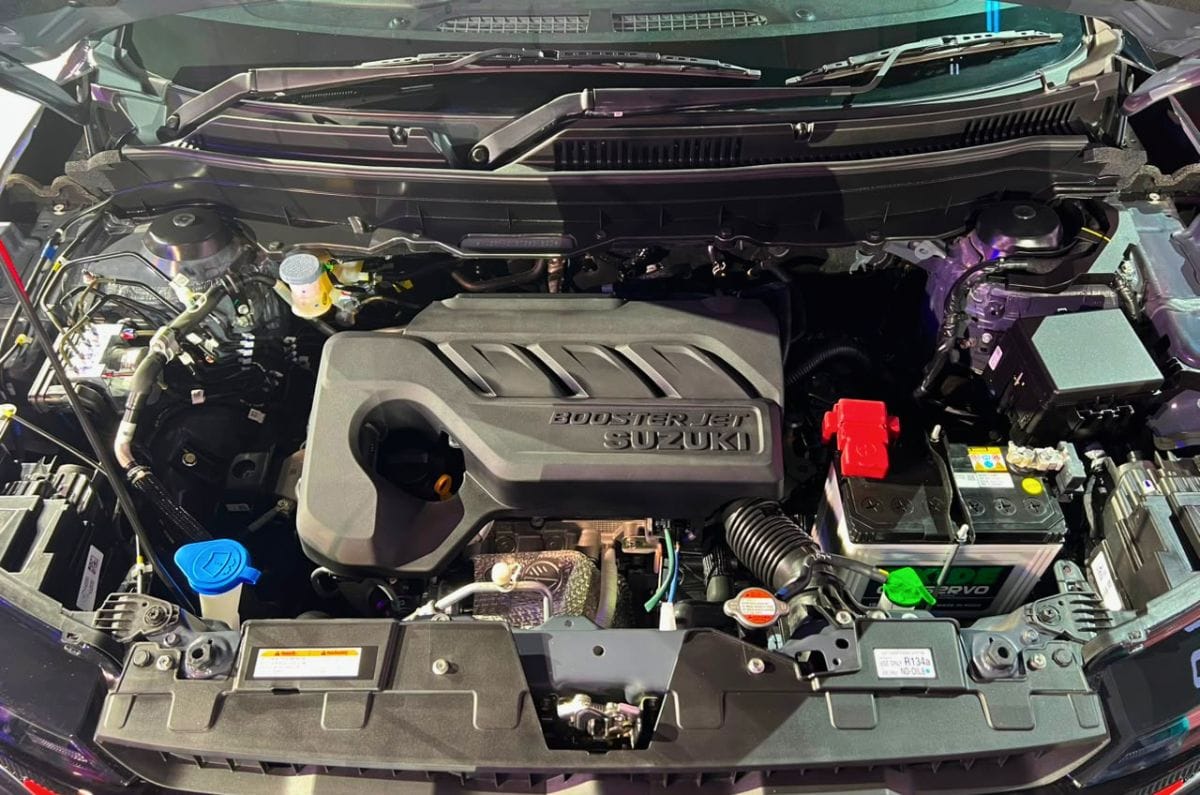
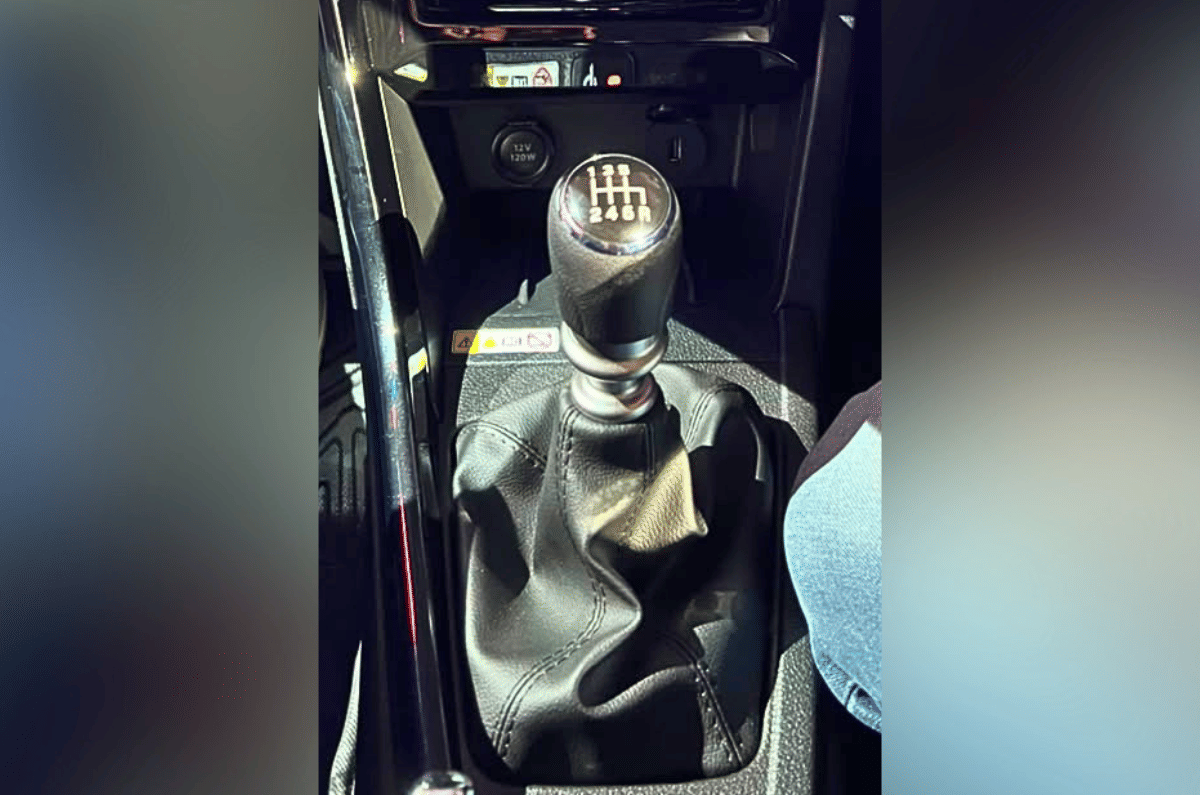
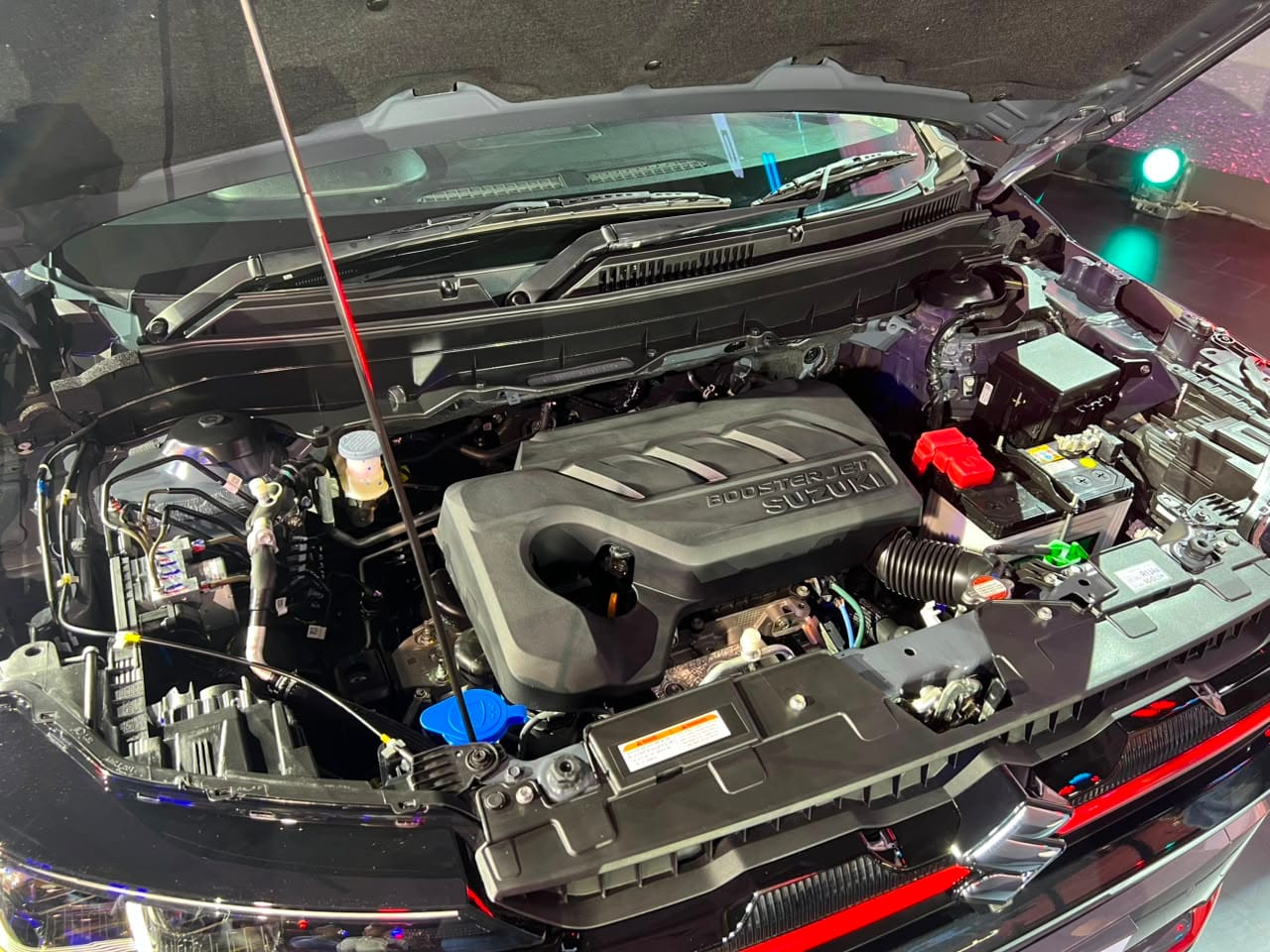
The other difference between the 2026 Maruti Brezza and its predecessor is the inclusion of a 1.0-litre turbo-petrol engine with direct injection. Also used in the Fronx, this ‘Boosterjet’ powerplant has been retuned for the Brezza, so it now makes 110hp and 170Nm. The Turbo and CNG versions are only offered with the new 6-speed manual gearbox, which replaces the old 5-speed unit. Meanwhile, the naturally aspirated engine can be paired with the 6-speed torque converter automatic transmission, which was available with the pre-facelift model as well.

The step up from a 5-speed manual gearbox to a 6-speed unit also means that the 2026 Brezza offers better fuel economy. The pre-facelift Brezza with the naturally aspirated engine and manual gearbox had a claimed mileage of up to 17.80kpl, while its 2026 equivalent claims a figure of up to 21.09kpl. The 2026 Brezza CNG also has a higher claimed fuel economy of 26.90km/kg, where the old model’s was 25.51km/kg. Maruti claims that the new Turbo variants of the Brezza have a fuel economy of up to 20.47kpl.

Maruti Brezza new vs old: Prices

Despite the various updates and additions that the 2026 Maruti Brezza gets over its predecessor, its new Turbo version starts at an introductory price of Rs 7.40 lakh. This is lower than the base price of the pre-facelift model, which started at Rs 8.26 lakh. The 1.0-litre engine of the new Turbo variants make them eligible for higher tax breaks – the old Brezza’s 1.5-litre engine didn’t allow for this. That said, Maruti Suzuki is yet to disclose the prices of the rest of the variants of the 2026 Brezza.

Prices are ex-showroom, Delhi

Also read

2026 Maruti Brezza: All that’s new over its predecessor

3 reasons to buy the Honda ZR-V, and 3 reasons not to

Skoda India Brand director Ashish Gupta on growth, EVs and the brand’s future

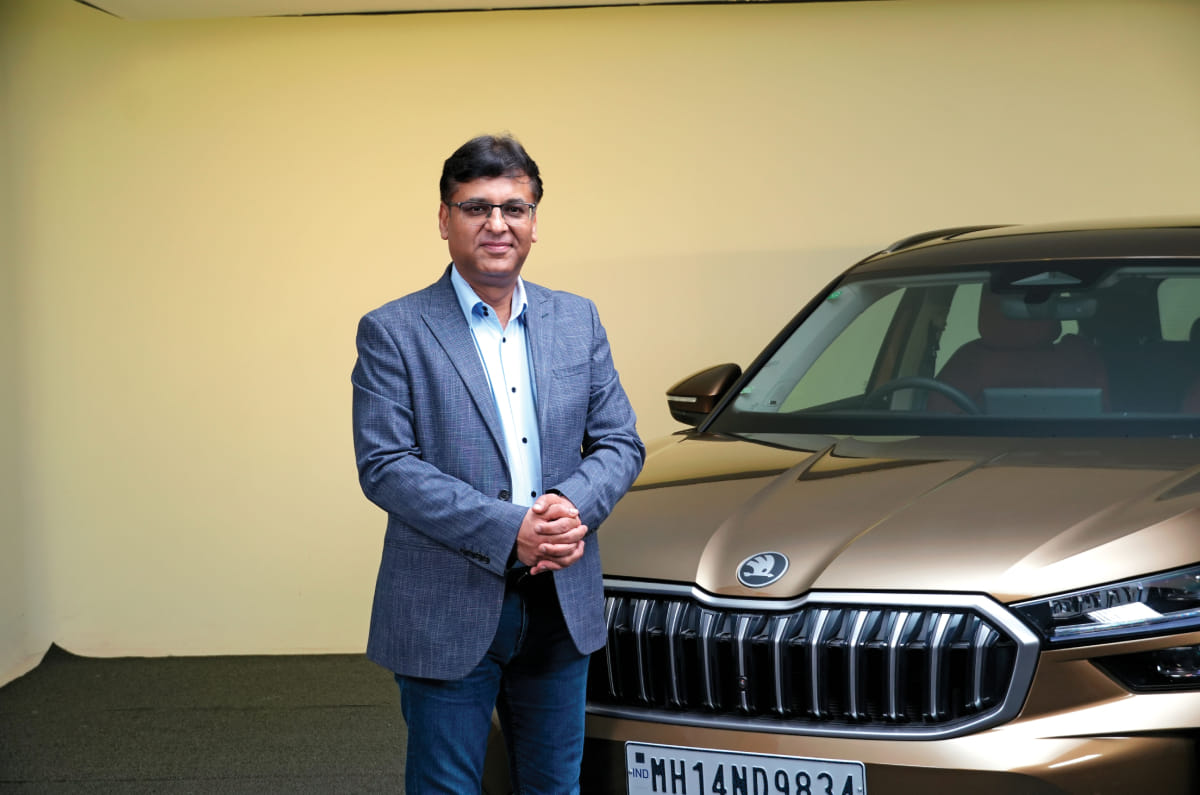
Skoda India Brand director Ashish Gupta

Skoda Auto India has had a busy year, with the launch of the Kylaq, the return of the Kodiaq, an expanding dealer network and plans to strengthen its presence across multiple segments. The company is also preparing for an electric future while continuing to invest in its petrol-powered portfolio. In this interview, Brand Director Ashish Gupta talks about Skoda’s sales growth, the launch of the Kodiaq RS, upcoming model updates, EV strategy and the steps being taken to improve the ownership experience in India.

On his first year at the helm of Skoda India.

Coming from Volkswagen, I’ve basically switched to the other side of the office, but I’d say it’s been challenging but exhilarating. I’m more than satisfied with the year, from the brand side, sales and also setting the foundation for the future. All our KPIs – brand image, awareness, consideration, network coverage, dealer profitability, customer satisfaction, market coverage, etc. – have improved, and we have done really well. In sales, we went from number eleven to seven, and we also became number four in the global sales ranking for Skoda, just slightly behind the UK. 

On the launch of the Kodiaq RS. 

The Kodiaq is our flagship. It came here in 2017, and we have it on sale again. At the same time, this year marks 125 years for Skoda in motorsport, and it’s also about 50 years since the RS badge was first born, so we thought it would be great to bring in the Kodiaq RS as the pinnacle of our engineering and motorsport heritage. It’s coming in as a fully built unit, and we have only 50 units; allocation is a challenge when it’s a bestseller abroad, but we have the option of another batch later on.  

On the Kylaq driving Skoda’s sales growth.

Yes, a large portion of our sales came from the Kylaq, but that was also because we were running out the Kushaq, which was due for an update and has now been launched. So, the demand for the Kushaq was always there. Also, it’s only been two months, so it’s too early to qualify, but we have seen an uptake of about 40% in sales, and the order book is solid.

On the Slavia and the upcoming update. 

The Slavia is a very special model for us. SUVs are the flavour of the season, but sedans are doing fine too, and we are among the few manufacturers in the world that still have a sedan portfolio, all of which are doing well. In India, the Slavia continues our sedan legacy of models like the Octavia, Superb and Rapid, and so, yes, it will see an update, but it’s early to specify details. 

On the company’s electric vehicle plans. 

If you want to be a relevant player in that space, you have to have a local play, so that’s what we are working on. EV penetration was 7% in May, up from 4.5% at the end of last year, so yes, this is a space where we will accelerate our plans, but you cannot do this suddenly, as there are factors like the supply chain to consider. But there’s an international portfolio too that we can look at.

On the possibility of the Peaq making it to India.

Bringing in a global model is very difficult as far as pricing goes, and the EU-FTA, as you know, does not give benefits to EVs for now. So, for now, we have to look at what makes sense, and yes, a larger EV is easier to manage pricing with. And yes, the Peaq is certainly on my radar. We will look at the specifications and see how we can best manage that with pricing, as you cannot have a high-priced CBU but be low on equipment. So, we are working on this. My ambition is to get the global portfolio to India.

On a petrol-only portfolio and flex-fuel cars.

If you see, year to date, the petrol market is about 46%, which used to be above 50% last year, so there is a shift, but the market is also growing by 20%. So even if the share of other fuels is rising, the absolute volume of petrol is increasing, so I’m not worried about our current portfolio. As for flex fuel, yes, ethanol is a longer-term strategy that the government wants, so we have to look at it, and we are, but there is work to manage this, as we have to look at the engine portfolio and manage our strict emission norms too.

On addressing Skoda’s dealer experience.

If you look at our customer experience scores, they have been improving. Sales have grown by almost 12 percent over the last year, and customer experience for service has improved by 18 to 20 percent. So, are we perfect? No, but the trend has improved and is only rising. Also, we are now present at about 335 touchpoints in 183 cities and are just inaugurating our 200th workshop in India, so we are getting closer to our customers. We have competitive service packs and excellent parts availability. Today, we have a parts service rate of more than 96 percent at our warehouses and dealerships, which is among the best in the industry.  

2026 Maruti Brezza turbo petrol vs NA petrol: Differences explained

2026 Maruti Brezza turbo petrol vs NA petrol: Differences explained

The 2026 Maruti Suzuki Brezza has been launched in India with prices starting from Rs 7.40 lakh (ex-showroom). Among the additions Maruti has made to the 2026 Brezza is a 1.0-litre direct-injection turbo-petrol option, which is offered across the SUV’s lineup alongside the naturally aspirated petrol engine. However, some differences distinguish the turbo-petrol variants from the naturally aspirated petrol variants.

2026 Maruti Brezza turbo petrol vs NA petrol: Design differences

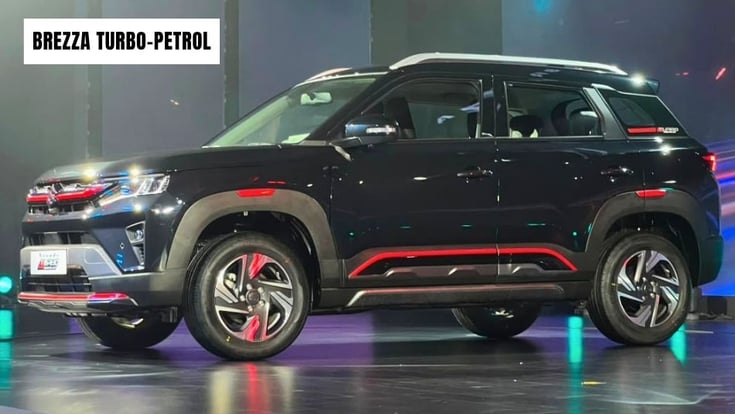
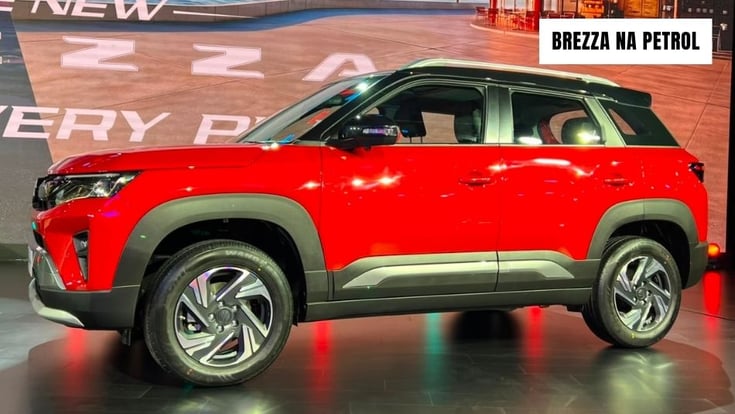
Turbo variants differentiate themselves with some red trims outside

2026 Maruti Brezza turbo petrol
2026 Maruti Brezza NA petrol
 

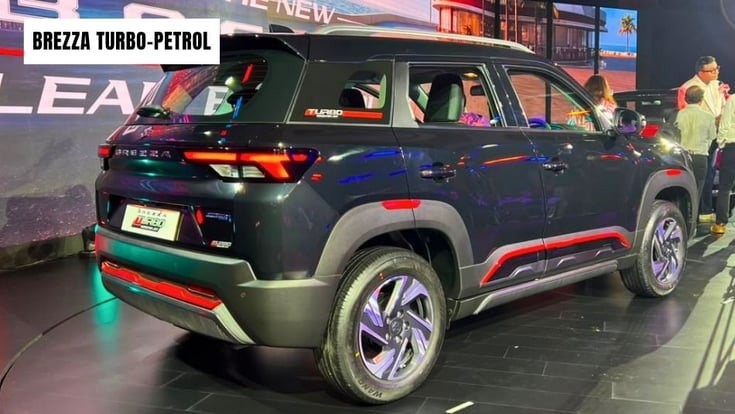
Maruti is offering red exterior trims on the turbo-petrol variants of the Brezza, to differentiate them from the naturally aspirated petrol variants. These red trims, which seem to be aftermarket accessories, can be found on the grille, above the faux silver skid plate on the front and rear bumpers, and on wheel arches and door cladding. Furthermore, the rear quarter glass sports a ‘Turbo Boosterjet” decal, and the tailgate features a ‘Turbo’ badge.

2026 Maruti Brezza turbo petrol
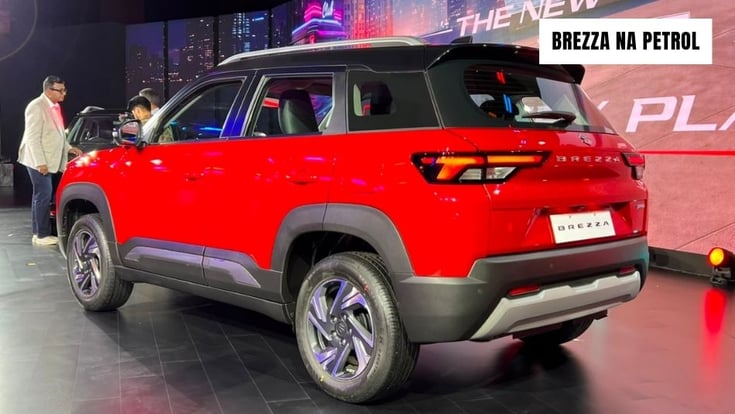
2026 Maruti Brezza NA petrol
 

Everything else, including the dual-pod headlights, LED DRLs, LED fog lamps, 16-inch alloy wheel design, silver roof rails and wraparound LED taillights, is the same on all powertrains. 

Interior design is unchanged across powertrain versions

Unlike the exterior, where the red trims, decals and badges are differentiators, the interior design of both naturally aspirated and turbo-petrol variants is identical. Both versions are offered with a black-and-brown cabin theme, a 3-spoke steering wheel, a 10.1-inch touchscreen infotainment system and analogue dials with a coloured multi-information display (MID). Even the menus on the MID are the same across the powertrain versions. 

2026 Maruti Brezza turbo petrol vs NA petrol: Feature differences

Turbo variants get more features in LXi, VXi and ZXi trims

The Brezza’s top-spec ZXi+ variant offers the same feature set across all powertrain options. However, in the lower LXi, VXi, and ZXi trims, the turbo-petrol variants come with additional equipment compared to the naturally aspirated petrol and CNG versions.

In the LXi trim, the turbo-petrol variants add a rear defogger, a height-adjustable driver’s seat, adjustable rear-seat headrests, and automatic climate control. In the VXi trim, the turbo-petrol variants further gain a reverse parking camera, electrically folding outside rearview mirrors (ORVMs), alloy wheels, and an exclusive Bluish Black exterior colour option. In the ZXi trim, the turbo-petrol variants receive a rear wiper and washer, two tweeters, cruise control, auto headlamps, blind spot warning, safe exit warning, and rear cross-traffic alert.

2026 Maruti Brezza turbo petrol vs NA petrol: Technical differences

The turbo-petrol engine lacks an automatic transmission option

Apart from the visual differences, there are some other technical differences too between the turbo-petrol and naturally aspirated petrol variants. The obvious ones are the differences in cubic capacity and the lack of a cylinder in the turbo unit compared to the naturally aspirated one. What the turbo version also lacks is an automatic gearbox, as this gearbox option is reserved for the naturally aspirated engine on the 2026 Brezza. Interestingly, the Brezza’s turbo-petrol engine is the same as that of the Fronx’s, but the latter is offered with a 6-speed automatic gearbox. Moreover, the turbo-petrol engine is not offered with a CNG option.

2026 Maruti Brezza: All that’s new over its predecessor

Maruti Brezza

The 2026 Maruti Brezza facelift brings several updates over the outgoing model to strengthen its position in the highly competitive mid-size SUV segment. The refreshed SUV borrows a couple of features from the Victoris, Maruti’s flagship Arena SUV, and also gains an additional engine option from the Fronx. Here’s a look at everything that’s new on the updated Brezza.

1. Turbo-petrol engine

Turbo-petrol engine

One of the highlights of the new Brezza is the addition of a turbo-petrol engine option. After the Fronx, the Brezza is the second SUV to get the brand’s 1-litre, 3-cylinder direct injection turbo-petrol motor, producing 110hp and 170Nm. The same unit, for reference, has been tuned to deliver outputs of 100hp and 147.6Nm in the Fronx.

2. 6-speed manual transmission

6-speed manual transmission

While the Fronx pairs a 5-speed manual transmission with its turbo-petrol engine, the Brezza opts for a 6-speed unit. Even, the 1.5-litre naturally aspirated petrol and CNG versions of the Arena SUV get a 6-speed manual transmission as standard, instead of the 5-speed unit on offer before.

3. Underbody CNG tank

Underbody CNG tank

After offering an underbody-mounted CNG tank with the Victoris, the carmaker has added the same to the Brezza. Unlike a conventional CNG cylinder placed in the boot, this arrangement frees up luggage space. However, the updated Brezza no longer comes with a spare wheel, regardless of the powertrain. Instead, it gets a puncture repair kit.

4. Larger 10.1 inch touchscreen

Larger 10.1 inch touchscreen

Another upgrade introduced with the Brezza facelift is a Victoris-like 10.1-inch touchscreen with a new UI/UX interface, replacing the previous 9-inch unit. However, the 4-speaker, 2-tweeter setup has been carried over in the updated SUV. 

5. Front ventilated seats

Front ventilated seats

With the 2026 Brezza facelift, Maruti has finally added front ventilated seats, a feature that was missing from the SUV despite being offered by rivals such as the Hyundai Venue, Tata Nexon, Skoda Kylaq and Kia Syros. The addition improves comfort for both the driver and front passenger. New colours for the ambient lights and leatherette seats have also been added.

6. New safety features

The 2026 Brezza facelift now gets a blind spot warning system, which alerts the driver with a visual warning when another vehicle is travelling in the blind spot. In addition to the blind spot warning system, Maruti has equipped the Brezza with a tyre pressure monitoring system and front parking sensors. The SUV also gets a rear cross-traffic alert, improving safety while reversing out of parking spaces. However, the Brezza still does not get an ADAS suite.

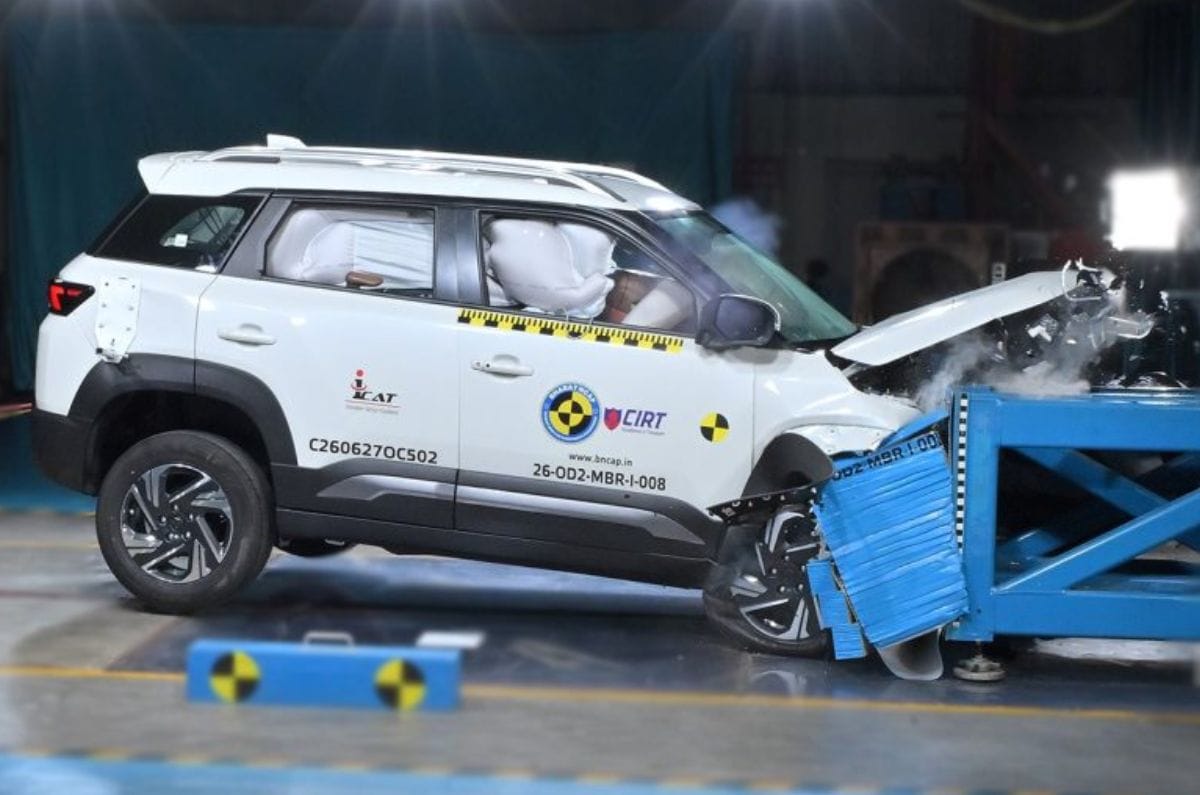
2026 Maruti Brezza scores 5-star Bharat NCAP rating

The 2026 Brezza facelift has undergone Bharat NCAP crash tests, where it secured a full 5-star safety rating. The pre-facelift version, however, was never tested by BNCAP. For those not in the know, the current-generation Brezza is based on the same Global-C platform as its predecessor, but Maruti now calls it the TECT platform. The previous-generation Brezza earned a 4-star Global NCAP crash safety rating.

3 reasons to buy the Honda ZR-V, and 3 reasons not to

Honda ZR-V

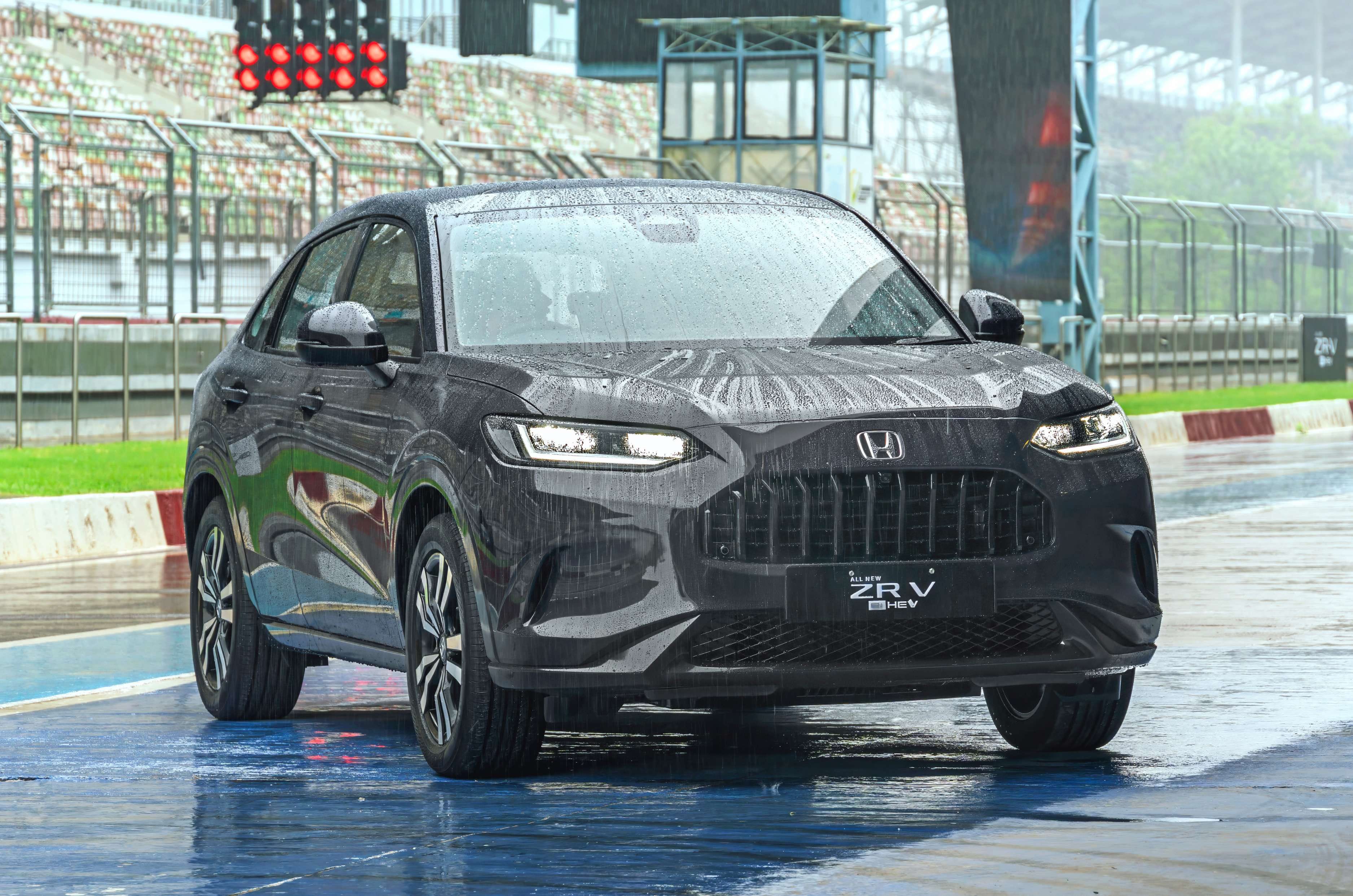
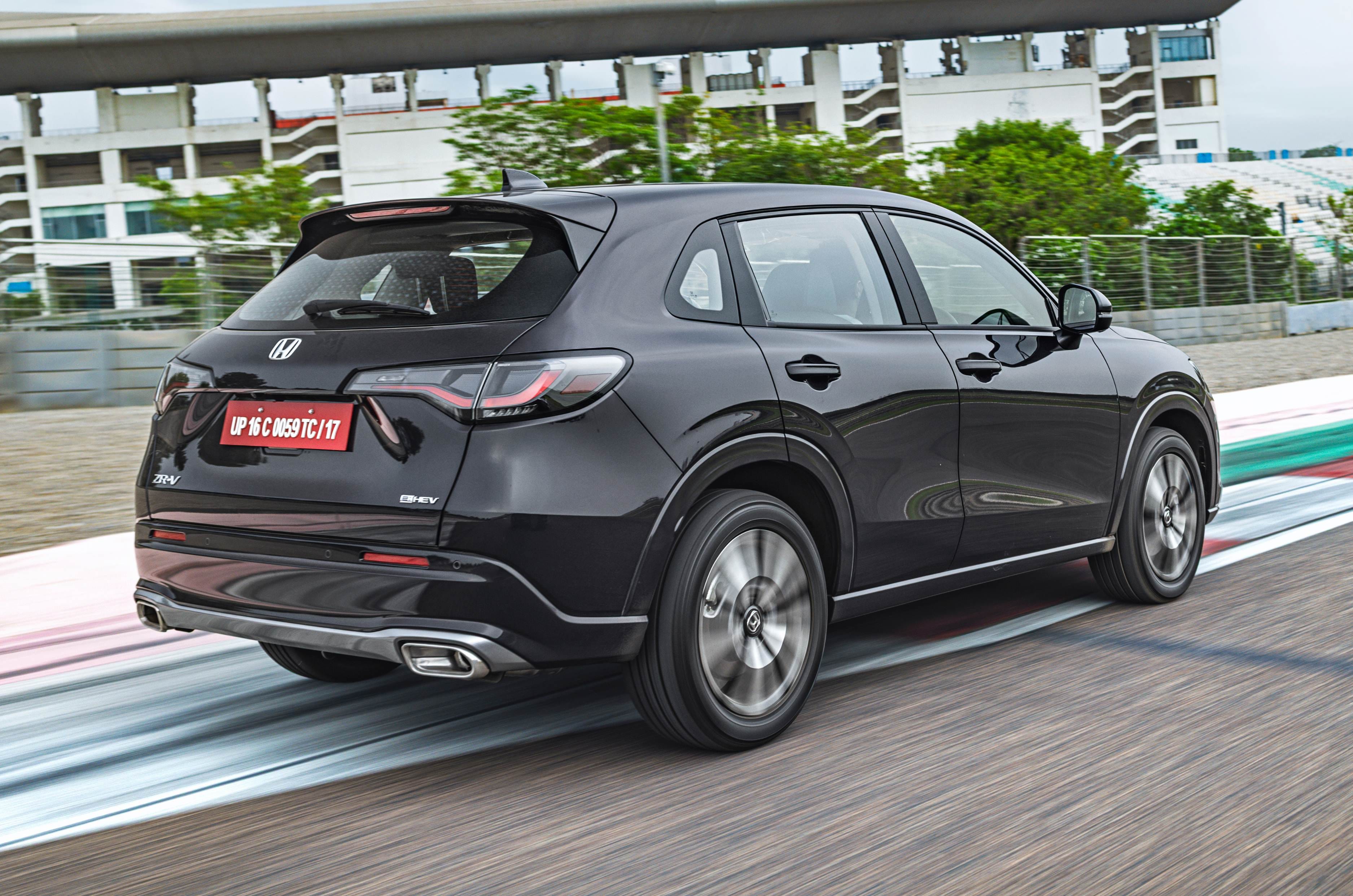
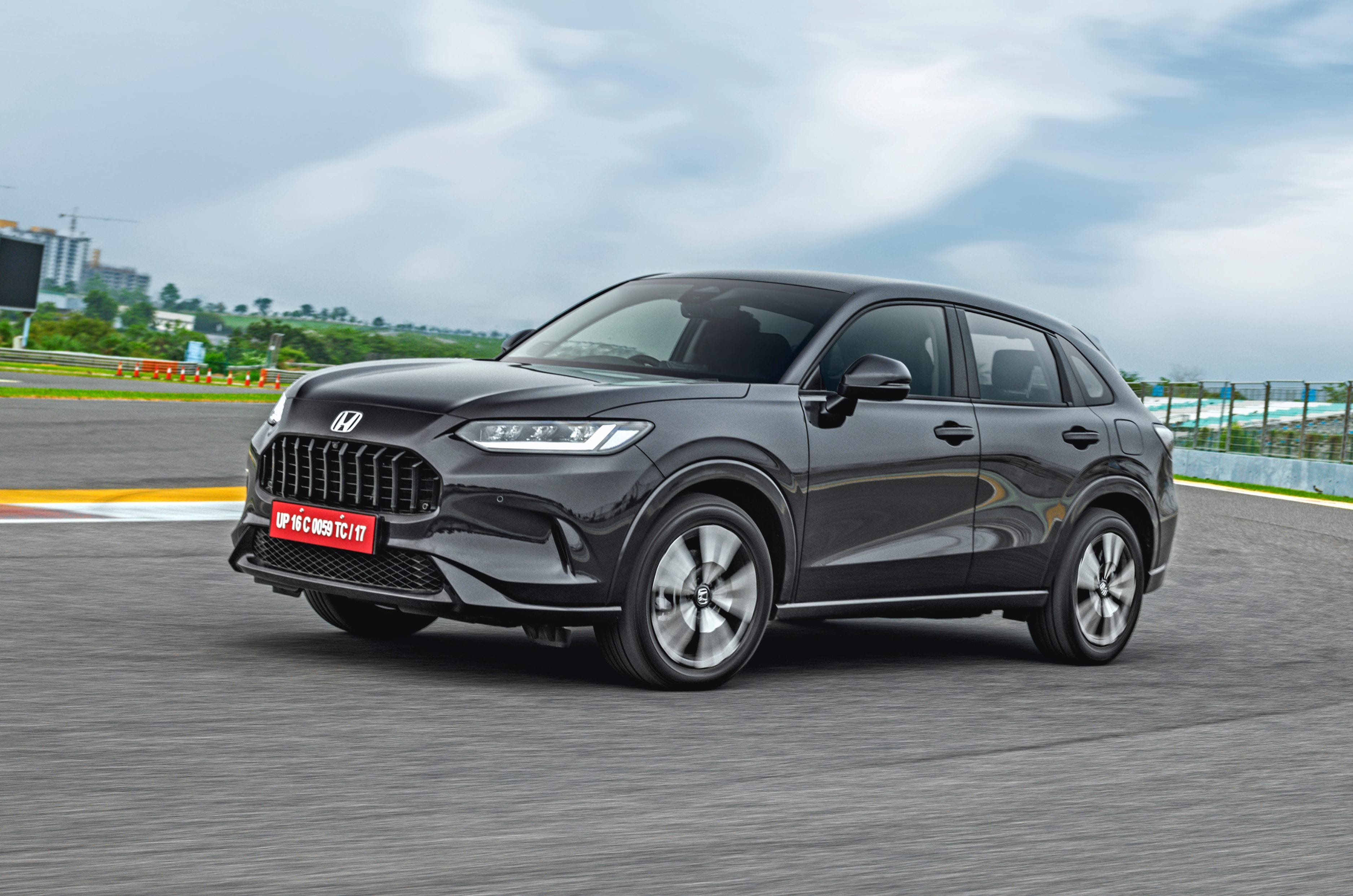
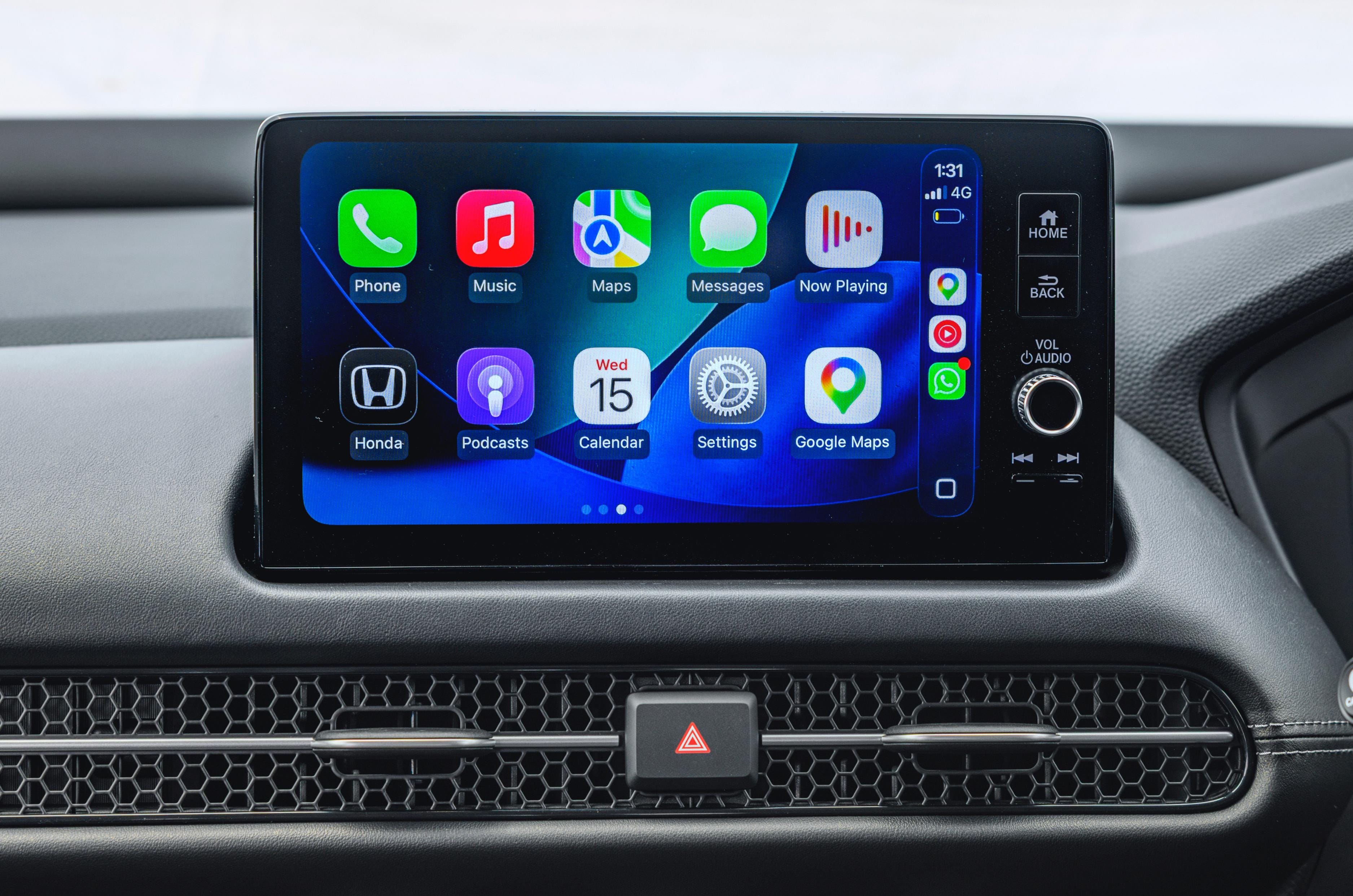
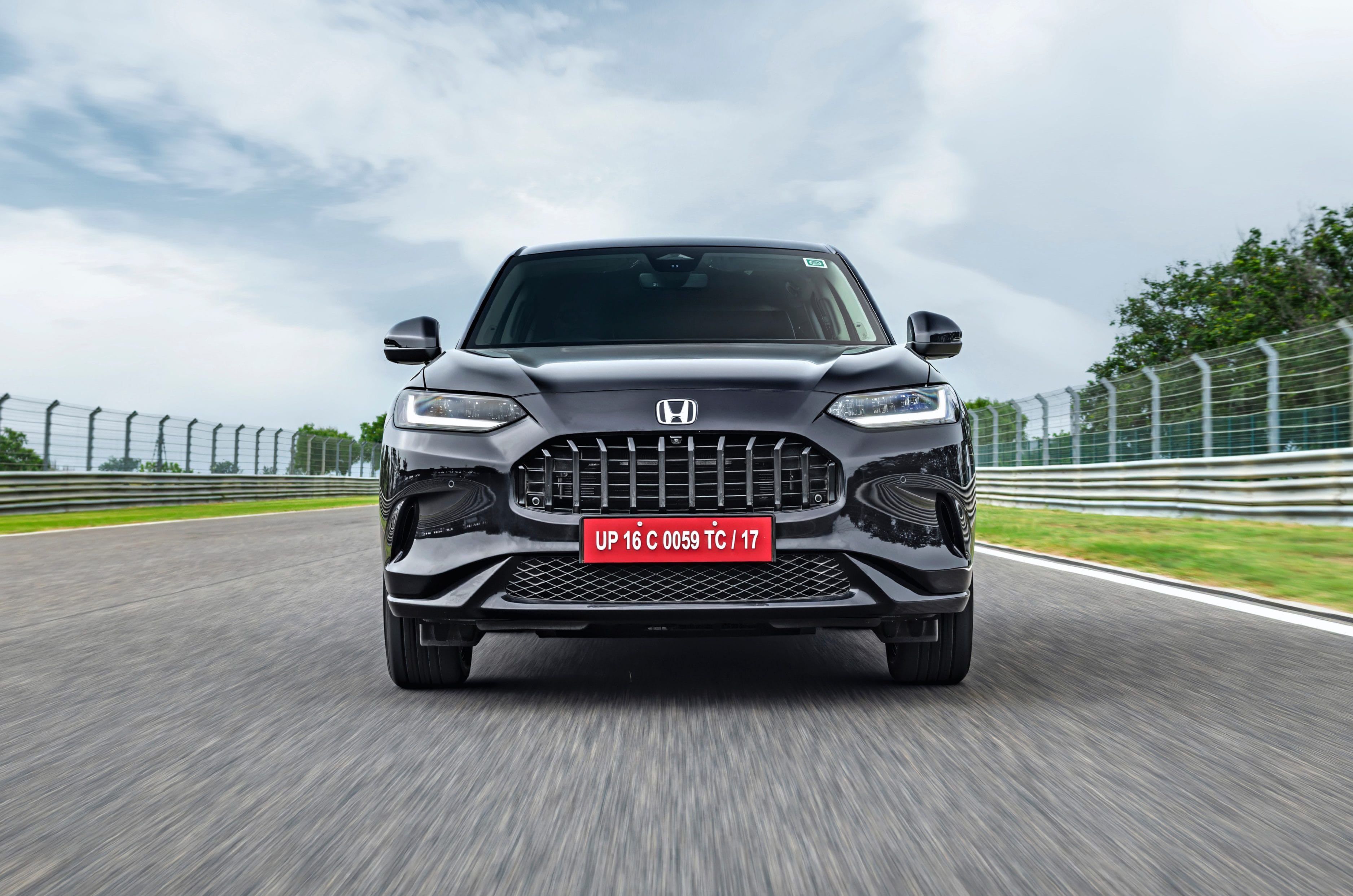
Honda is set to launch the ZR-V hybrid SUV in India as the Japanese carmaker’s new flagship offering for our market. The ZR-V will be sold in India as a fully imported CBU model, and is expected to rival the likes of the Volkswagen Tayron, Jeep Meridian, and Skoda Kodiaq. How compelling a package is the ZR-V at that price? We’ve compiled the upcoming Honda’s most notable strengths and weaknesses below.

Pros

Punchy and refined powertrain

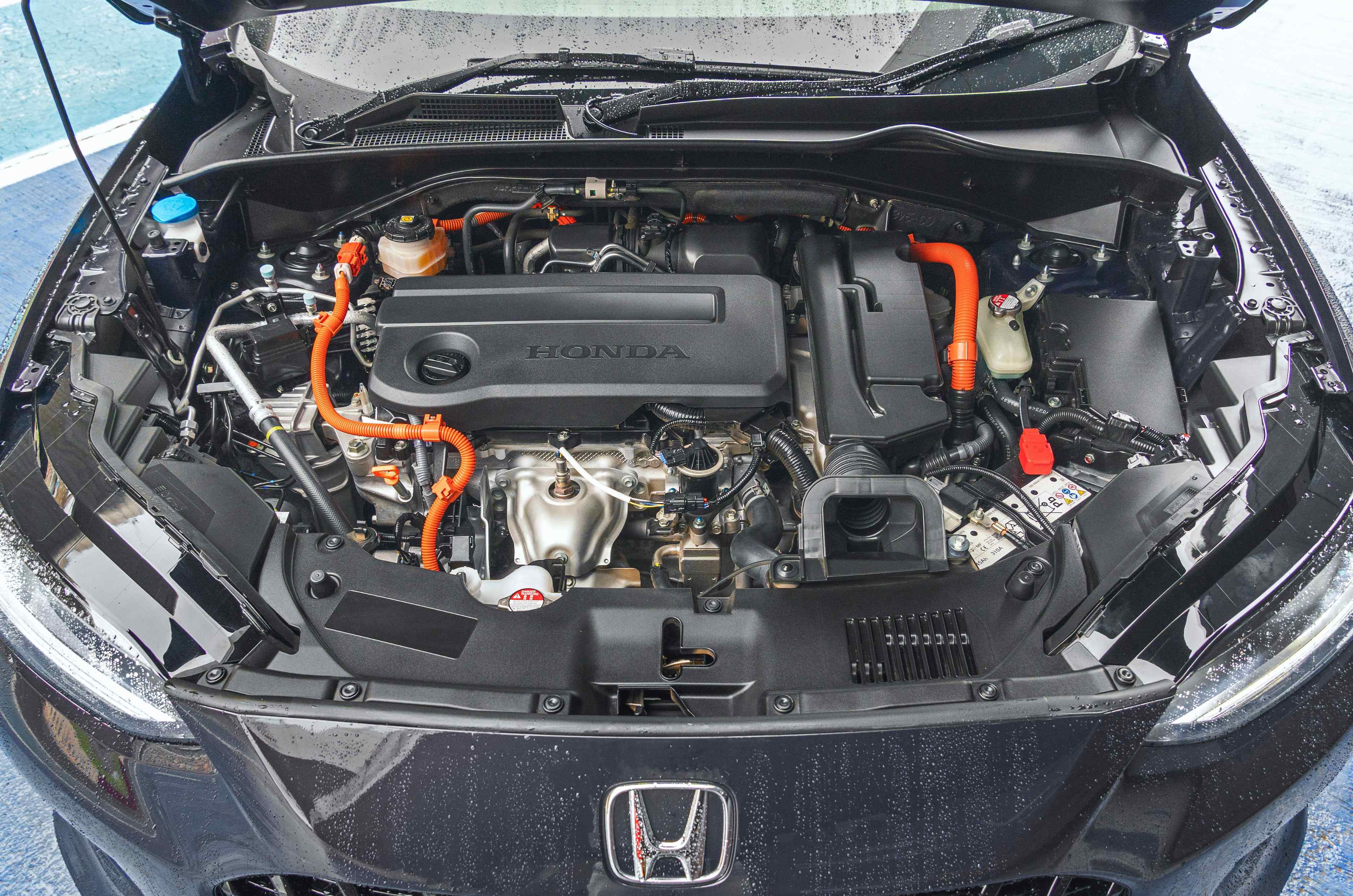
The ZR-V comes with a 2.0-litre naturally aspirated petrol-hybrid powertrain that outputs a combined 184hp and 315Nm, which is routed to the front wheels via an e-CVT. During our BIC track drive of the ZR-V, we found that the SUV deploys all of its torque from the off, which makes it feel rather zippy. Power flows to the wheels in a smooth and linear fashion, and part-throttle inputs feel responsive too.

Overall refinement is excellent, with barely any engine, road, or tyre noise making its way through to the cabin. Provided there’s enough charge in the battery, the ZR-V can even run in pure electric mode at low speeds, thereby reducing NVH levels further. Moreover, Honda claims a 22.8kpl fuel efficiency for the ZR-V, which will likely be appreciated by buyers seeking lower running costs.

Relatively agile handling

Despite its higher-up centre of gravity and front-wheel drive layout, the ZR-V felt nimble and enjoyable to drive around the Buddh International Circuit. The well-weighted and precise steering rack ensured stable and predictable handling around corners, and the ZR-V even held its own around a slalom course, with body control kept well in check.

Well-built interior with good ergonomics

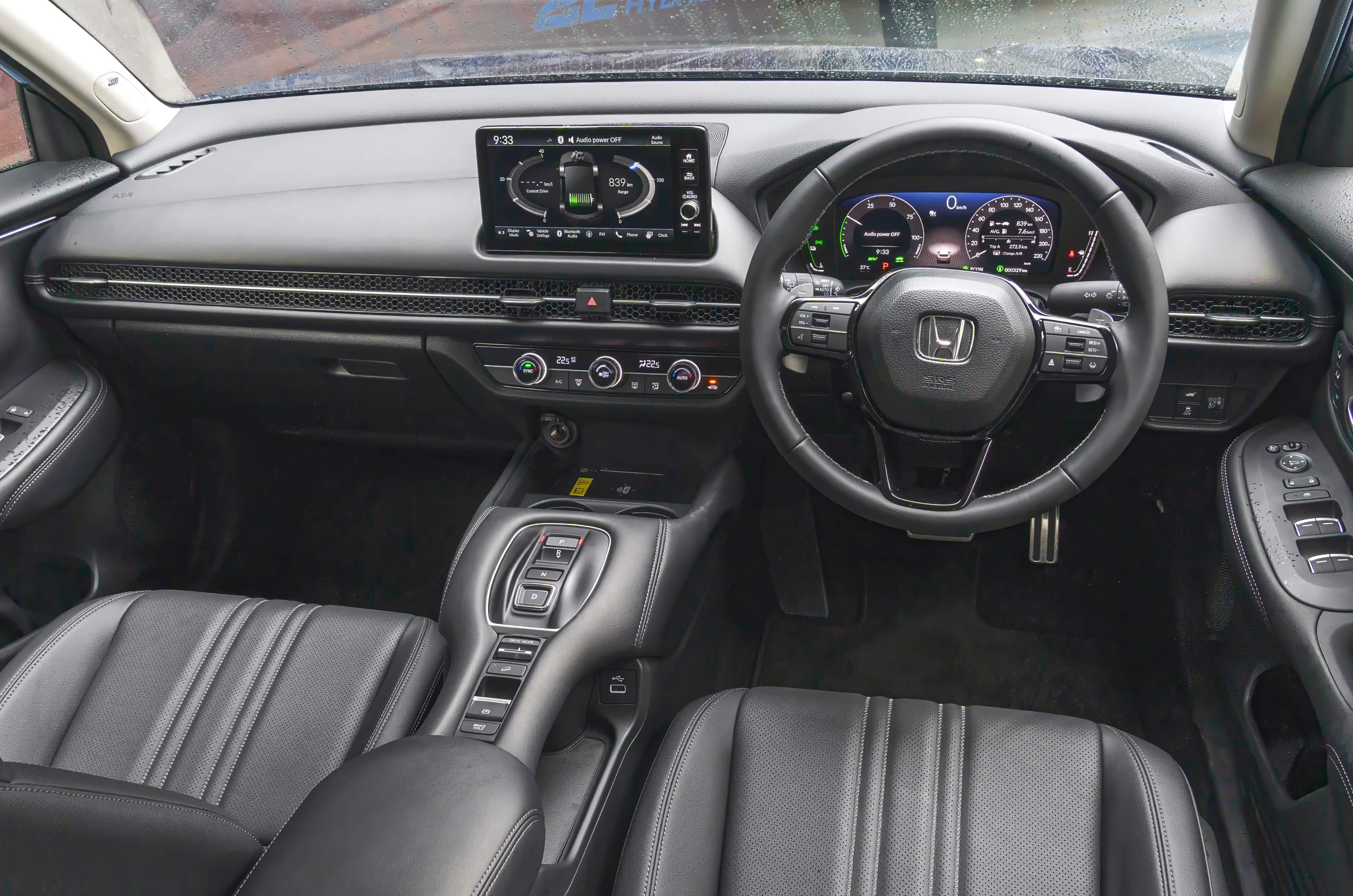
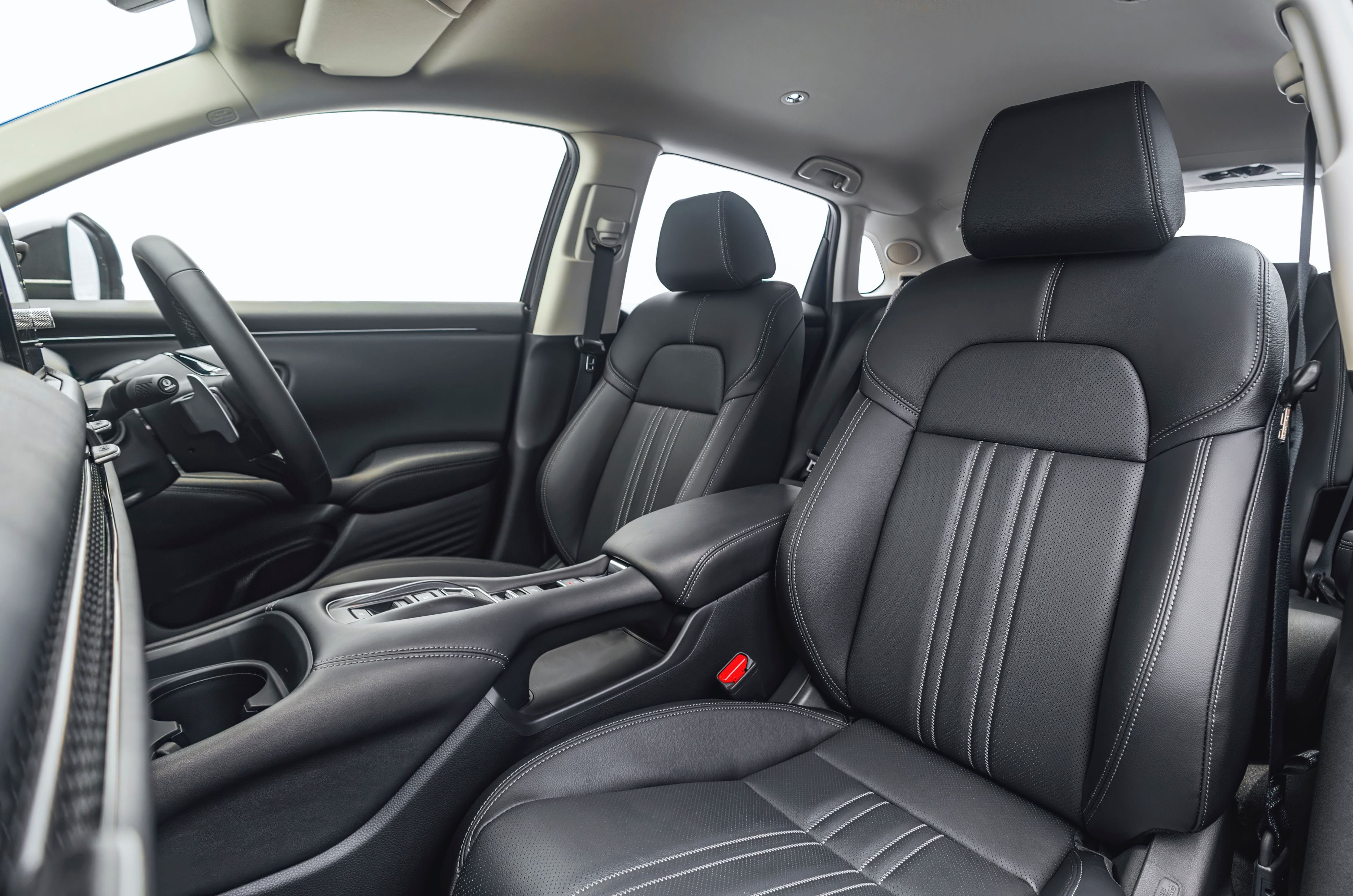
Step inside the ZR-V and you’re greeted by a smartly laid-out dashboard with a plethora of soft-touch materials and premium-feeling trim pieces. The 10.25-inch digital driver’s display also looks neat and well-executed, the front seats feel nicely padded and comfortable, and the low-set dash enables great visibility.

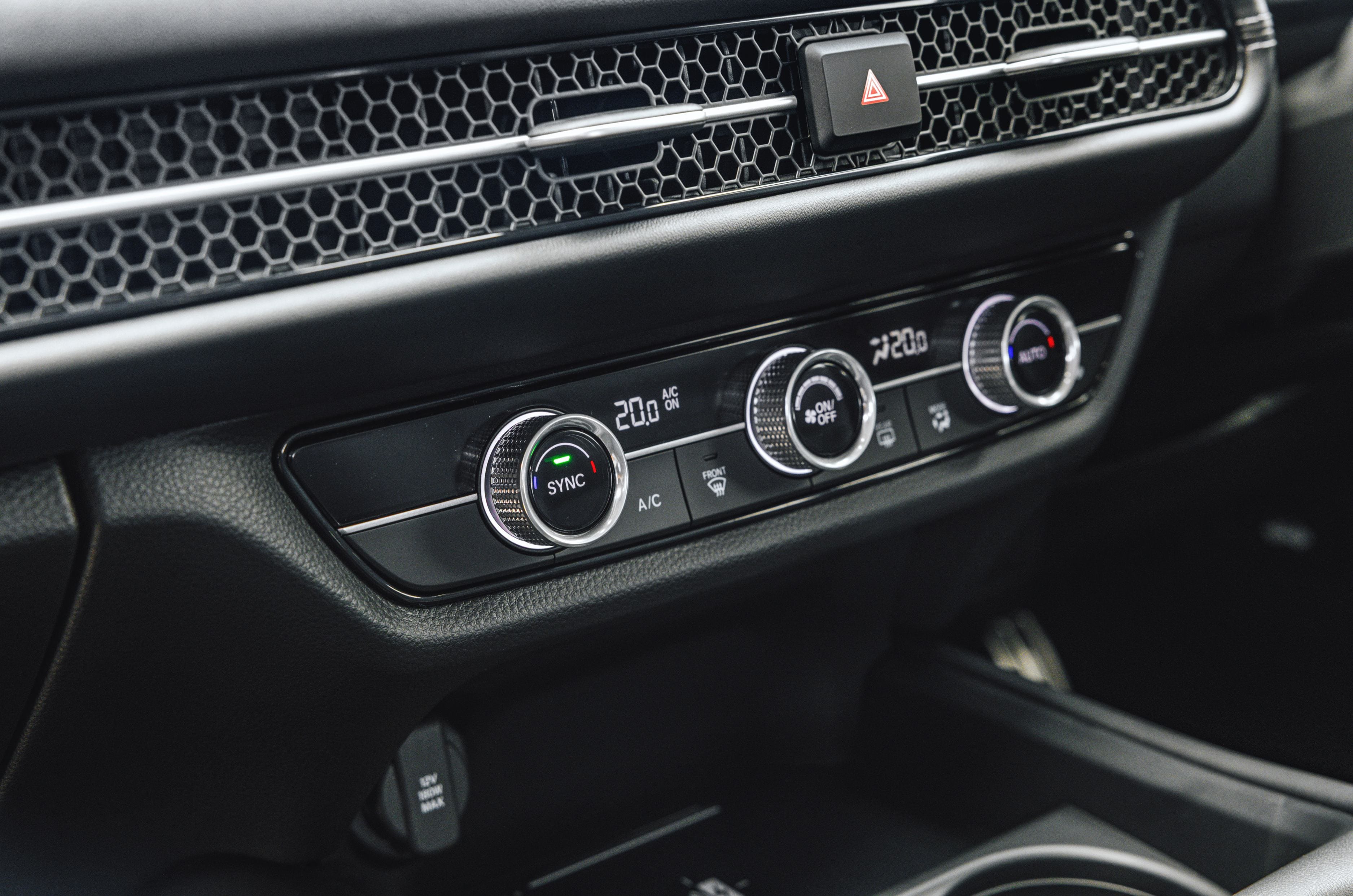
The ZR-V’s dashboard layout isn’t as flashy or tech-laden as some of its rivals, but this isn’t all that bad, as it’s packed with tactile physical controls for nearly every function. There’s a lot of storage space too, including a decently sized glovebox and door bins, and a bridge-type transmission tunnel with a cubby underneath.

Cons

Misses out on some crucial features

A downside of not being as tech-laden as its rivals is that the ZR-V lacks quite a lot of features that buyers may expect at this price point. First off, the ZR-V has a 9-inch infotainment touchscreen, which is bright and works perfectly fine, but is quite small by segment standards – even the much cheaper Honda City has a larger 10.1-inch touchscreen.

The ZR-V also doesn’t get a panoramic sunroof or heated, ventilated, and massaging front seats (the City offers ventilated front seats), and its 360-degree camera is quite low-res too.

Rear seat comfort feels lacking

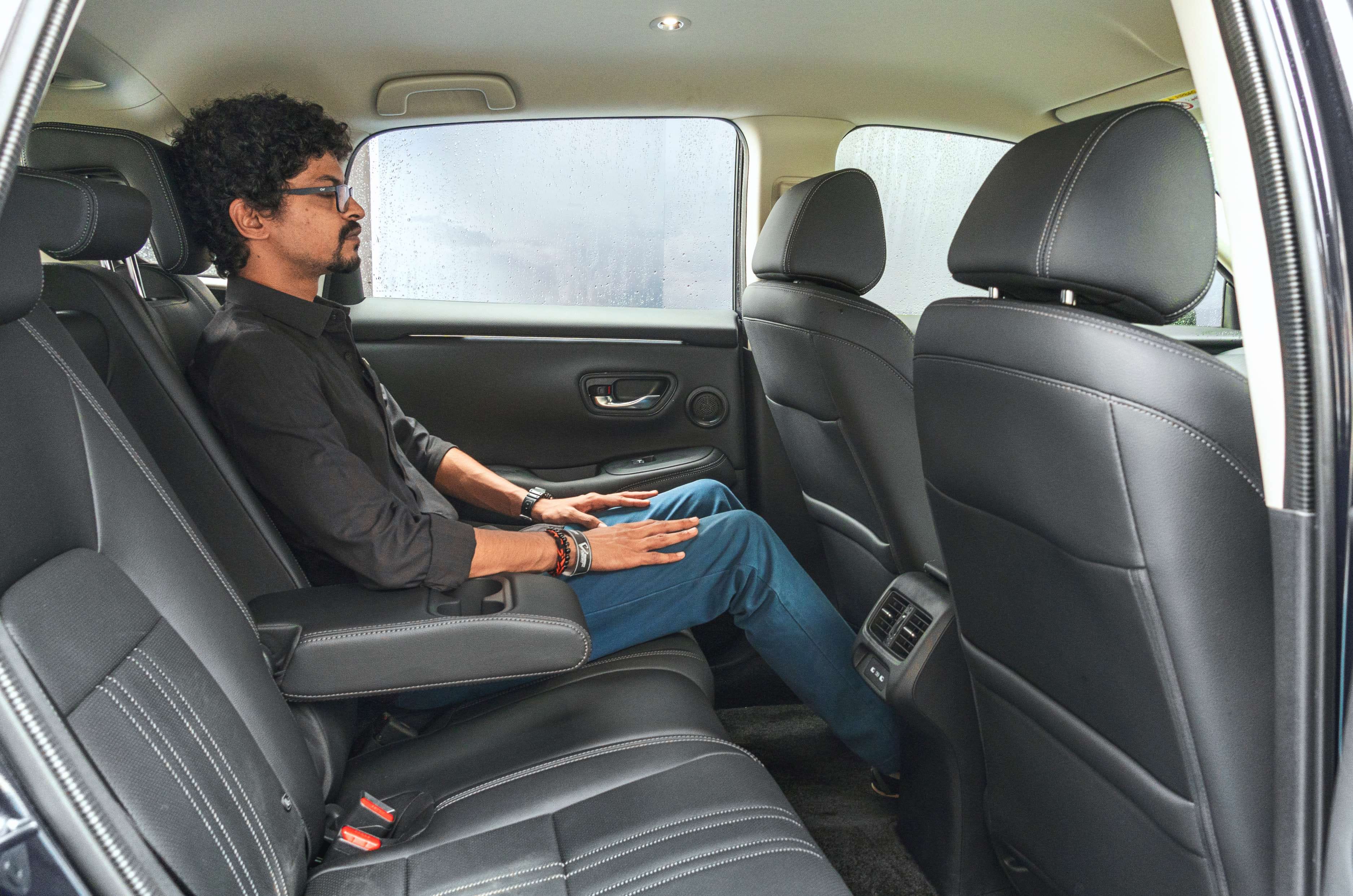
While the ZR-V’s low-set rear bench makes ingress rather easy, it also means that you sit in a somewhat knees-up position, which may not be comfortable over extended periods. There are no rear sunshades to block harsh sunlight either, and the tapering roofline limits headroom for occupants over 6 feet tall.

Expected to be expensive

Since the ZR-V will retail as a CBU, pricing is anticipated to land at around Rs 45 lakh (ex-showroom). At that price, and with all the aforementioned drawbacks, the ZR-V could end up being a hard sell, especially when rivals like the Tayron, Kodiaq, and Meridian are bigger, more feature-loaded, and can even be had as 7-seaters.

Petrol Diesel Price Today: नए रेट जारी, चेक करें आपके शहर में क्या है कीमत

Petrol Diesel Price Today: हर दिन की शुरुआत सिर्फ सूरज की किरणों से नहीं होती, बल्कि पेट्रोल और डीजल की नई कीमतों से भी होती है, जो आम आदमी की जेब पर सीधा असर डालती हैं। सुबह 6 बजे देश की तेल विपणन कंपनियां (OMCs) ताजा दरें जारी करती हैं, जो अंतरराष्ट्रीय बाजार में कच्चे तेल की कीमतों और डॉलर-रुपए की विनिमय दर में आए बदलावों पर आधारित होती हैं। ये बदलाव रोजमर्रा की जिंदगी को प्रभावित करते हैं, चाहे वो ऑफिस जाने वाला व्यक्ति हो या फल-सब्जी बेचने वाला व्यापारी।

ऐसे में हर दिन की कीमतों की जानकारी रखना सिर्फ जरूरी ही नहीं, बल्कि समझदारी भी है। सरकार की यह प्रणाली पारदर्शिता सुनिश्चित करती है ताकि उपभोक्ताओं को किसी तरह की भ्रमित जानकारी न मिले।

आपके शहर में आज का पेट्रोल-डीजल का भाव

ये रहे 25 जुलाई 2026 के प्रमुख शहरों के पेट्रोल-डीजल के ताजा रेट

नई दिल्ली: पेट्रोल ₹102.12 | डीजल ₹95.20

मुंबई: पेट्रोल ₹111.18 | डीजल ₹97.83

कोलकाता: पेट्रोल ₹113.47 | डीजल ₹99.82

चेन्नई: पेट्रोल ₹107.77 | डीजल ₹99.55

गुरुग्राम: पेट्रोल ₹102.77 | डीजल ₹95.44

नोएडा: पेट्रोल ₹102.12 | डीजल ₹95.56

बेंगलुरु: पेट्रोल ₹110.93 | डीजल ₹98.80

भुवनेश्वर: पेट्रोल ₹109.92 | डीजल ₹100.92

चंडीगढ़: पेट्रोल ₹98.10 | डीजल ₹86.09

हैदराबाद: पेट्रोल ₹115.69 | डीजल ₹103.82

जयपुर: पेट्रोल ₹112.66 | डीजल ₹97.78

लखनऊ: पेट्रोल ₹102.05 | डीजल ₹95.55

पटना: पेट्रोल ₹113.35 | डीजल ₹99.36

तिरुवनंतपुरम: पेट्रोल ₹115.49 | डीजल ₹104.40

पिछले दो साल से स्थिर क्यों हैं कीमतें?

मई 2022 के बाद से केंद्र और कई राज्यों द्वारा टैक्स में कटौती की गई, जिसके बाद पेट्रोल-डीजल की कीमतों में स्थिरता देखी जा रही है। हालांकि अंतरराष्ट्रीय बाजार में उतार-चढ़ाव होता रहता है, फिर भी भारतीय उपभोक्ताओं के लिए कीमतें तुलनात्मक रूप से स्थिर बनी हुई हैं।

किन कारणों से तय होती हैं ईंधन की कीमतें?

  1. कच्चे तेल की कीमतें:

पेट्रोल और डीजल का उत्पादन मुख्य रूप से कच्चे तेल से होता है। जब अंतरराष्ट्रीय स्तर पर कच्चे तेल की कीमतें बढ़ती हैं, तो इसका असर सीधे भारतीय बाजार पर पड़ता है।

  1. डॉलर के मुकाबले रुपया:

भारत अधिकतर कच्चा तेल आयात करता है, और यह डॉलर में खरीदा जाता है। यदि रुपया कमजोर होता है, तो ईंधन महंगा हो जाता है।

  1. सरकारी टैक्स और शुल्क:

केंद्र और राज्य सरकारें पेट्रोल-डीजल पर भारी टैक्स लगाती हैं, जो खुदरा मूल्य का बड़ा हिस्सा होते हैं। यही कारण है कि राज्यों में कीमतों में अंतर होता है।

  1. रिफाइनिंग की लागत:

कच्चे तेल को इस्तेमाल लायक बनाने की प्रक्रिया (रिफाइनिंग) में भी खर्च होता है। ये लागत कच्चे तेल की गुणवत्ता और रिफाइनरी की क्षमता पर निर्भर करती है।

  1. मांग और आपूर्ति का संतुलन:

बाजार में ईंधन की मांग अगर बढ़ जाती है, तो कीमतें भी ऊपर जाने लगती हैं। खासकर त्योहारों, गर्मी या सर्दी के मौसम में ईंधन की खपत ज्यादा होती है।

कैसे करें अपने शहर की कीमतें SMS से चेक?

अगर आप मोबाइल से ईंधन की कीमत जानना चाहते हैं, तो ये प्रक्रिया आसान है:

Indian Oil ग्राहक: अपने शहर का कोड टाइप करें और उसे “RSP” के साथ 9224992249 पर भेजें।

BPCL ग्राहक: “RSP” लिखकर 9223112222 पर भेजें।

HPCL ग्राहक: “HP Price” लिखकर 9222201122 पर भेजें।

2026 Maruti Brezza exterior image gallery

2026 Maruti Suzuki Brezza front quarter

This is the first mid-lifecycle update for the Maruti Brezza since its second-generation model was introduced in 2022, and the updates on the outside are rather minimal. The grille design has been slightly reworked, and it gets a new dark chrome finish. The car also gets a revised bumper with repositioned fog lamps housed within triangular surrounds. The headlamps and the LED daytime running lamps (DRLs), however, remain unchanged. In profile, the only notable update is a new set of dual-tone alloy wheels and slightly revised body cladding, while the rear has remained largely unchanged. The turbo-petrol variants are further marked out by red accents on the outside. 

Which variant of the 2026 Maruti Suzuki Brezza should you buy?

Maruti Suzuki Brezza

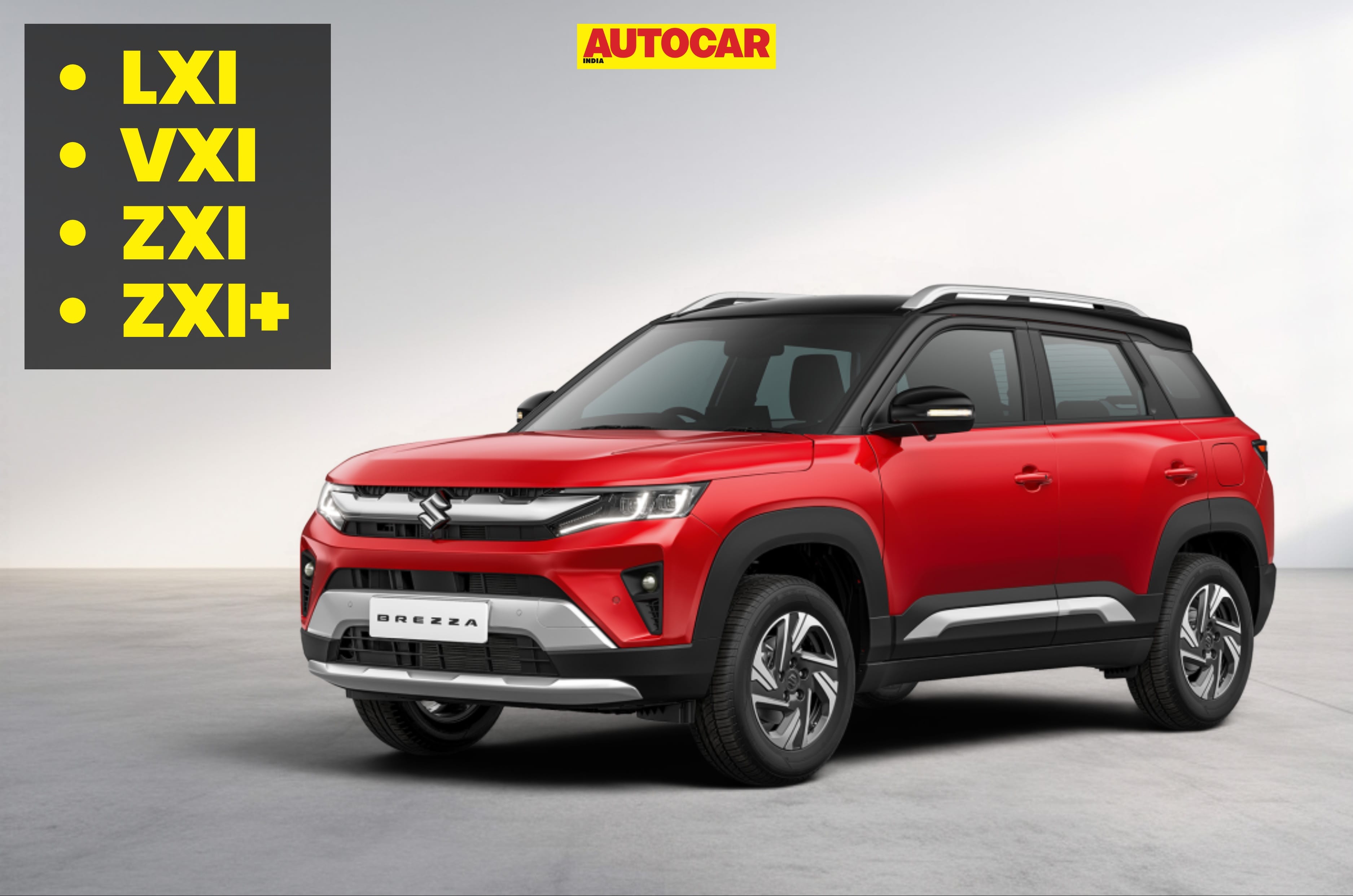
The 2026 Maruti Suzuki Brezza facelift receives updated exterior styling, a revised interior, new convenience and safety features, and a broader powertrain line-up. Buyers can choose from petrol, turbo-petrol and factory-fitted CNG powertrains across four trims – LXi, VXi, ZXi and ZXi+. Here’s a detailed look at what each variant offers and which one you should consider buying.

2026 Maruti Suzuki Brezza facelift powertrains

Maruti Suzuki Brezza facelift variant-wise powertrain options
Variant1.0 Boosterjet 6MT1.5 Petrol 6MT1.5 Petrol 6AT1.5 CNG 6MT
LXiYYY
VXiYYYY
ZXiYYYY
ZXi+YY

The Brezza facelift is priced at a at a starting price of Rs 7.40 lakh and is available with three powertrain options spread across the four-variant line-up. The new 1.0-litre Boosterjet direct injection turbo-petrol engine is offered across all four trims with a 6-speed manual gearbox. The 1.5-litre K15C petrol engine is available with a 6-speed manual on the LXi, VXi and ZXi, while the 6-speed automatic can be had from the VXi onwards, including the range-topping ZXi+. Buyers looking for a factory-fitted CNG option can choose between the LXi, VXi and ZXi variants, as the top-spec ZXi+ is offered only with petrol power.
2026 Maruti Suzuki Brezza facelift colour options

The Brezza facelift is available in nine exterior colours, including monotone and dual-tone finishes. Dual-tone paint schemes are limited to higher variants, while colour availability varies depending on the trim. The ZXi and ZXi+ also get additional premium paint options and dual-tone combinations.

2026 Maruti Suzuki Brezza facelift variant-wise features

LXi 

Powertrains: 1.0 Boosterjet 6MT, 1.5 Petrol 6MT, 1.5 CNG 6MT

  • Six airbags
  • Electronic Stability Program (ESP)
  • Hill Hold Assist
  • Rear parking sensors 
  • ISOFIX child seat mounts
  • Three-point seatbelts for all occupants
  • Tyre repair kit
  • Tilt-adjust steering
  • Keyless entry
  • Driver-side auto up/down power window
  • Rear AC vents
  • Electrically adjustable ORVMs
  • Halogen projector headlamps
  • LED tail-lamps
  • Roof spoiler
  • Shark-fin antenna
  • 16-inch steel wheels with wheel covers
  • Fabric upholstery
  • Manual day/night IRVM
  • Rear defogger (Boosterjet only)
  • Height-adjustable driver’s seat (Boosterjet only)
  • Auto climate control (Boosterjet only)

VXi 

Features over LXi

Powertrains: 1.0 Boosterjet 6MT, 1.5 Petrol 6MT/6AT, 1.5 CNG 6MT

  • 7-inch touchscreen infotainment system
  • Wireless Android Auto and Apple CarPlay
  • ARKAMYS sound system
  • Steering-mounted audio and Bluetooth controls
  • Suzuki voice assistant
  • Remote infotainment app
  • Reverse parking camera (Boosterjet)
  • Automatic climate control 
  • Height-adjustable driver’s seat
  • Rear defogger
  • 16-inch alloy wheels (Boosterjet)
  • Electrically foldable ORVMs (Boosterjet)

ZXi

Features over VXi

Powertrains: 1.0 Boosterjet 6MT, 1.5 Petrol 6MT/6AT, 1.5 CNG 6MT

  • Electric sunroof
  • Push-button start
  • LED projector headlamps
  • Auto headlamps (Boosterjet)
  • Chrome front grille
  • 60:40 split-folding rear seat
  • Roof rails
  • Rear centre armrest
  • Parcel tray
  • Wireless charger 
  • Rear centre armrest with cupholder
  • Ambient lighting
  • Rear wiper and washer (Boosterjet)
  • Cruise control (Boosterjet)
  • Tweeters (Boosterjet)
  • Front parking sensors (Boosterjet)
  • Blind Spot Warning (Boosterjet)
  • Rear Cross Traffic Alert (Boosterjet)
  • Tyre Pressure Monitoring System (Boosterjet)

ZXi+ 

Features over ZXi

Powertrains: 1.0 Boosterjet 6MT, 1.5 Petrol 6AT

  • 10.1-inch touchscreen infotainment system
  • ARKAMYS Surround Sense audio system
  • Connected car technology (Suzuki Connect)
  • Front centre armrest with storage
  • Front sliding armrest
  • LED fog lamps 
  • LED DRLs
  • Cooled glovebox
  • Auto-folding ORVMs
  • Auto-dimming IRVM
  • 360-degree camera 
  • In-built navigation with live traffic updates
  • Rear USB ports (Type-A and Type-C)
  • Internet connectivity
  • Cruise control
  • Alexa Auto voice assistant
  • Over-the-air app updates
  • PM2.5 cabin air filter with AQI display
  • Ventilated front seats
  • Leatherette upholstery
  • 64-colour ambient lighting
  • 16-inch diamond-cut alloy wheels 
  • Leather-wrapped steering wheel
  • Blind Spot Warning
  • Rear Cross Traffic Alert

Which 2026 Maruti Suzuki Brezza facelift variant should you buy?

The ZXi is the sweet spot in the Brezza facelift range. It gets many of the features buyers in this segment are likely to appreciate, including an electric sunroof, LED projector headlamps, wireless charger, push-button start and ambient lighting, while remaining available with all three mainstream powertrains – the 1.5-litre petrol manual, 1.5-litre petrol automatic and factory-fitted CNG. This makes it the most well-rounded variant for most buyers.

If you’re planning to buy the new 1.0-litre Boosterjet turbo-petrol, the ZXi again stands out. In addition to the features mentioned above, it adds equipment such as cruise control, front parking sensors, Blind Spot Warning, Rear Cross Traffic Alert and a tyre pressure monitoring system, making it the best-balanced turbo variant in the Brezza range.

The ZXi+ is best suited to buyers who specifically want the larger 10.1-inch touchscreen, Suzuki Connect connected car technology, ventilated front seats, leatherette upholstery, 360-degree camera and premium cabin features. While it offers the most comprehensive equipment list in the Brezza range, the additional convenience features may not justify the price premium for every buyer.

All prices are ex-showroom, India.

2026 Maruti Suzuki Brezza fuel efficiency figures revealed

Maruti Suzuki Brezza

Maruti Suzuki has released the ARAI-certified fuel efficiency figures for the 2026 Brezza facelift. The updated compact SUV is priced at a starting price of Rs 7.40 lakh and is offered with naturally aspirated petrol, turbo-petrol and CNG powertrains, with claimed fuel efficiency figures ranging from 19.96kpl to 26.90km/kg, depending on the engine and transmission. 

  1. CNG variants claimed efficiency at 26.90km/kg
  2. Turbo-petrol manual variants return up to 20.47kpl
  3. Petrol and CNG variants are more efficient than the outgoing Brezza

The new 1.0-litre direct injection turbo-petrol engine develops 110hp and 170Nm, while the 1.5-litre naturally aspirated petrol engine produces 103hp and 139Nm. The 1.5-litre CNG version develops 88hp and 121.5Nm in CNG mode, while continuing to produce 103hp and 139Nm when running on petrol.

2026 Maruti Brezza fuel efficiency

The CNG-powered Brezza is the most fuel-efficient version in the range, with a claimed 26.90km/kg. Among the petrol variants, the naturally aspirated manual delivers the highest figure at 21.09kpl, while the turbo-petrol manual returns up to 20.47kpl.

2026 Maruti Suzuki Brezza ARAI fuel efficiency
VariantClaimed fuel efficiency
LXi/VXi Turbo20.47kpl
ZXi/ZXi+ Turbo19.96kpl
LXi/VXi MT21.09kpl
ZXi MT20.81kpl
VXi/ZXi/ZXi+ AT20.17kpl
LXi/VXi/ZXi CNG MT26.90km/kg

Fuel efficiency improves across the range

Compared with the outgoing Brezza, every powertrain has recorded a marginal improvement in claimed fuel efficiency.

The naturally aspirated petrol manual in LXi and VXi trims now delivers 21.09kpl, up from 17.80kpl. Fuel efficiency for the ZXi manual has increased from 19.89kpl to 20.81kpl, while automatic variants now return 20.17kpl, compared to 19.80kpl earlier.

The Brezza CNG has also become more efficient, with claimed fuel economy rising from 25.51km/kg to 26.90km/kg.

Turbo-petrol variants return up to 20.47kpl

The facelift introduces a turbo-petrol engine, available in LXi, VXi, ZXi and ZXi+ trims. Claimed fuel efficiency stands at 20.47kpl for the LXi and VXi variants, while the higher ZXi and ZXi+ trims return 19.96kpl.

2026 Maruti Brezza launched at Rs 7.40 lakh

2026 Maruti Brezza

Maruti Suzuki has launched the 2026 Brezza at a starting price of Rs 7.40 lakh. The carmaker’s compact SUV gets major updates, including a new engine option, gearbox, feature additions and minor changes to its exterior. The 2026 Maruti Brezza will take on the likes of the Hyundai Venue, Skoda Kylaq, Tata Nexon, Mahindra XUV 3XO, Kia Sonet and Syros.

  1. New 1.0-litre ‘Boosterjet’ engine produces 110hp and 170Nm.
  2. 5-speed manual gearbox replaced by a new 6-speed unit.
  3. Front seat ventilation, air purifier, larger 10.1-inch touchscreen on board.

2026 Maruti Brezza powertrains 

Finally gets a turbo-petrol and an underbody-mounted CNG kit 

The biggest update for the Brezza comes under its hood. It gets a new 1.0-litre ‘Boosterjet’ direct-injection turbo-petrol engine that develops 110hp and 170Nm. The previous version’s 103hp, 139Nm, 1.5-litre naturally aspirated petrol engine has been retained with the option of pairing it with a CNG kit. However, CNG versions now feature an underbody-mounted kit like the Victoris, which saves boot space. All powertrains are paired with a new 6-speed manual gearbox as standard, while only the 1.5-litre petrol engine offers a 6-speed automatic transmission. 

2026 Maruti Brezza exterior updates

Mild updates bring a revised fascia and new alloy wheel designs

On the outside, Maruti has introduced minor styling updates for its compact SUV. The revised fascia gets a newly designed grille with a panel connecting the headlamps finished in dark chrome. The bumper is slightly redesigned with dark chrome elements and a new look for the faux skid plate. While the LED headlamps with L-shaped DRLs have been carried over, the fog lamps have been positioned slightly upwards and sit in a new triangular housing. 

In profile, the lower sides of the doors feature new dual-tone cladding and the 16-inch alloy wheels have a fresh design. It’s at the rear where the 2026 Brezza does not see as many changes, as it gets the same tail-lamps and bumper design as before.

2026 Maruti Brezza dimensions 

Length (mm)

3,995

Width (mm)

1,790

Height (mm)

1,685

Wheelbase (mm)

2,500

2026 Maruti Brezza interior and feature updates  

Gets a larger infotainment display and front seat ventilation 

Inside, the 2026 Brezza’s cabin gets a revised look. While the same black-and-brown theme is retained, there are newer trim materials, and silver trim pieces from the previous version are now finished in gloss black. The dual-tone leatherette-finished seats feature updated upholstery, and there’s a new set of HVAC switches borrowed from the Victoris.

In the features department, new additions include a larger 10.1-inch (up from 9-inch) Smartplay Pro X infotainment system with built-in navigation and Alexa, 64-colour ambient lighting, front-seat ventilation, air purifier and active cooling for the wireless phone charger. On the safety front, the Brezza now features a tyre pressure monitoring system, blind-spot warning, rear cross-traffic alert, safe exit warning and parking sensors at the front.