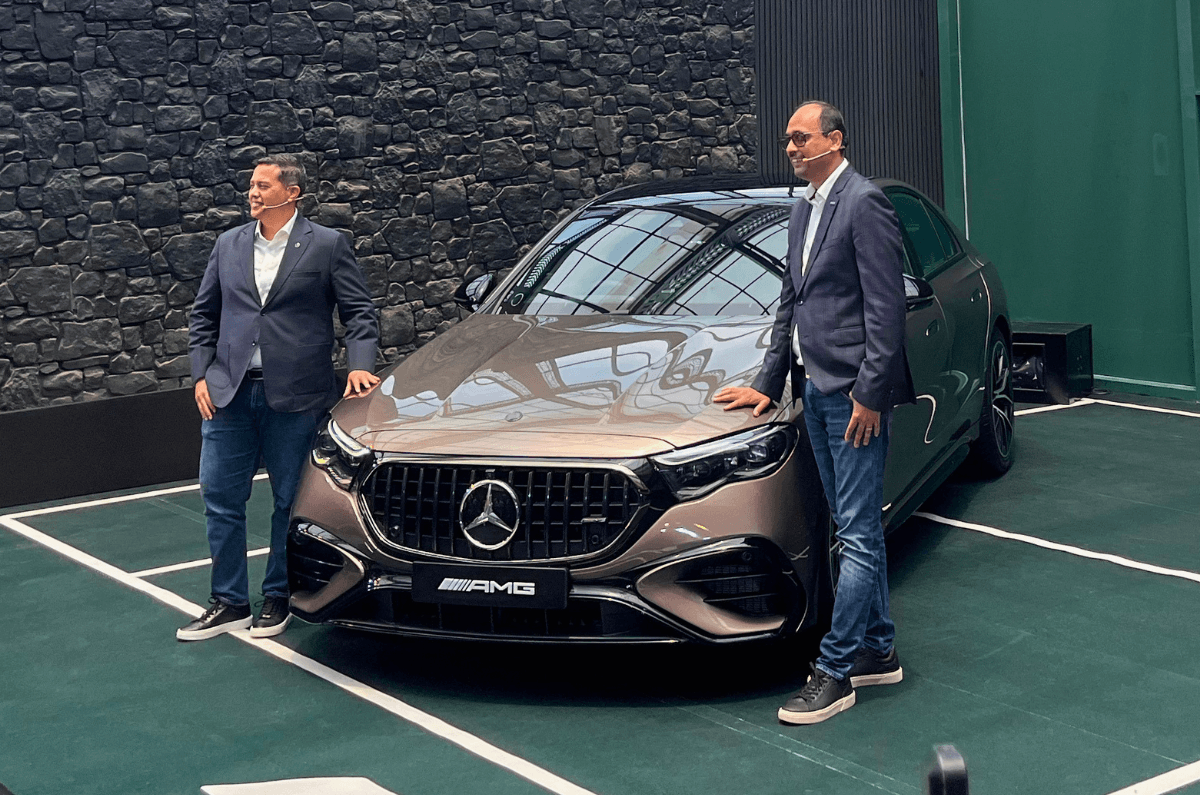
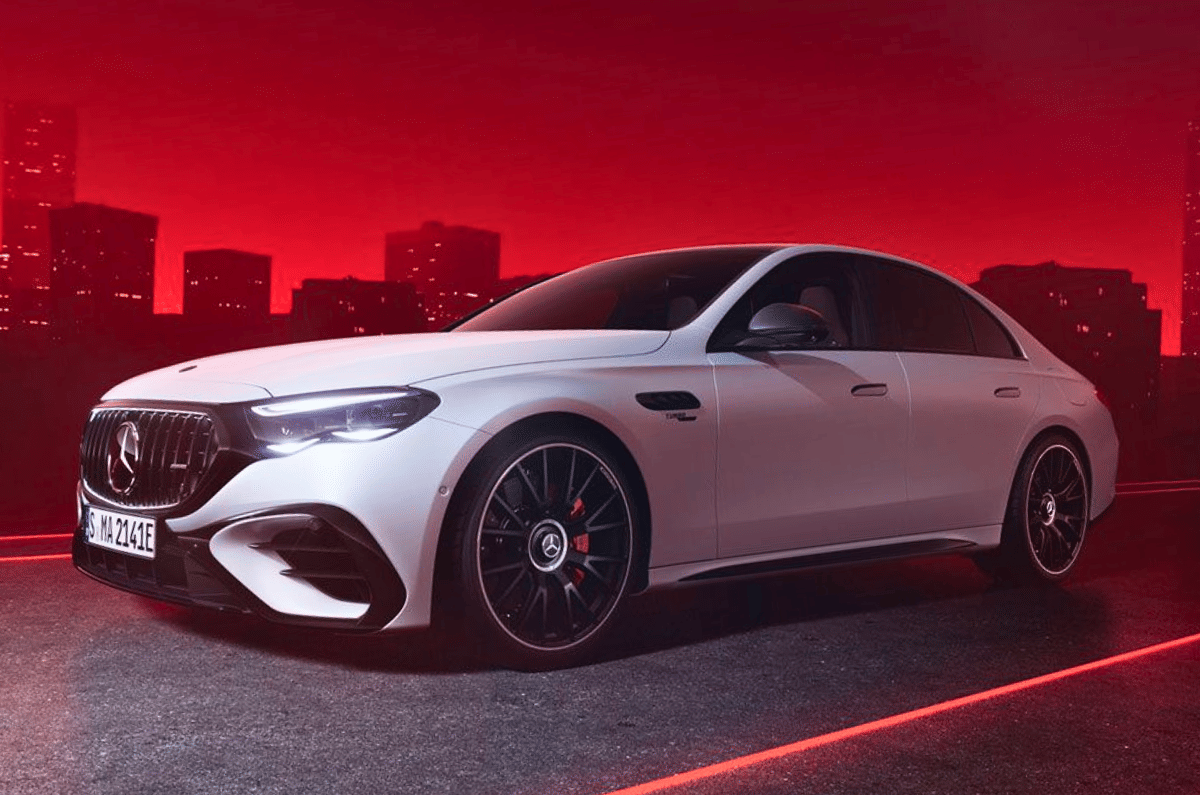
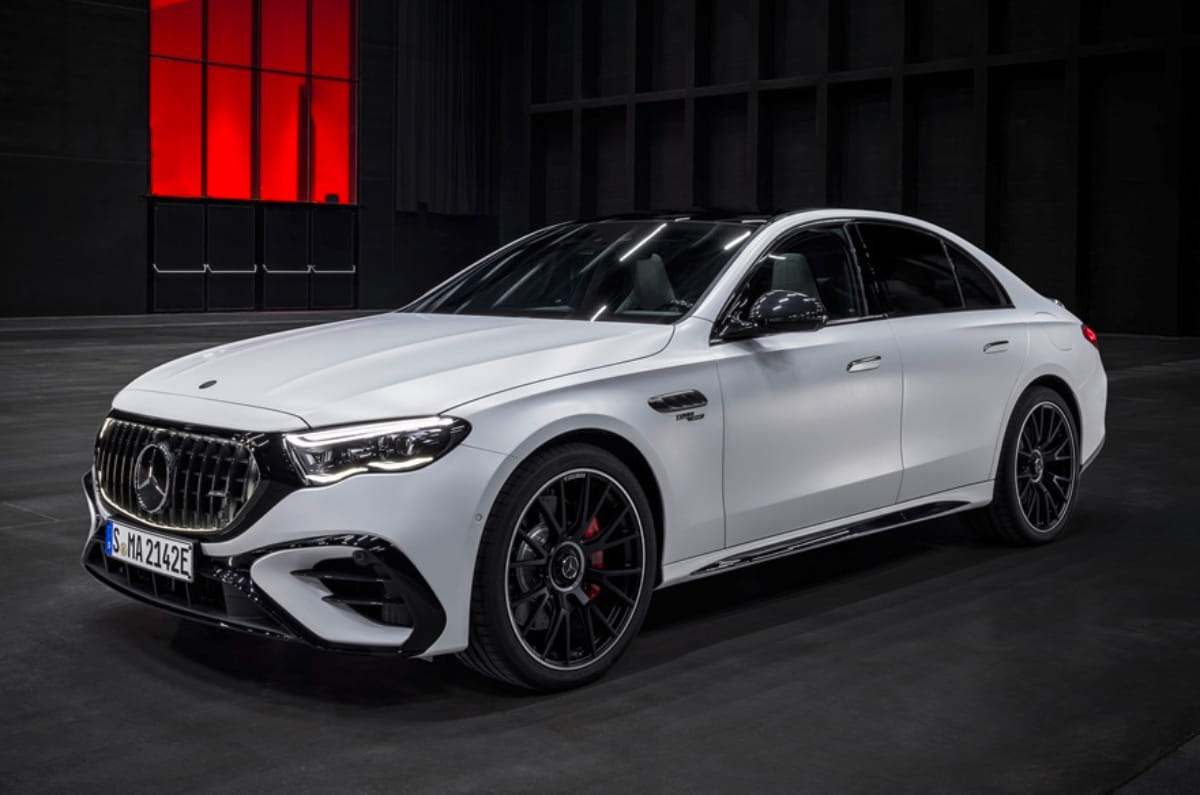
Mercedes-Benz has launched the 2026 AMG E 53 Performance Edition at Rs 1.45 crore, ex-showroom, in India. The carmaker has also introduced the AMG E 53 Racing Edition, priced at Rs 1.48 crore. The performance-focused AMG version of the E-Class was globally revealed in 2024, and it packs both powertrain and mechanical upgrades, along with design tweaks, over the standard sedan.
2026 Mercedes-AMG E 53 powertrain
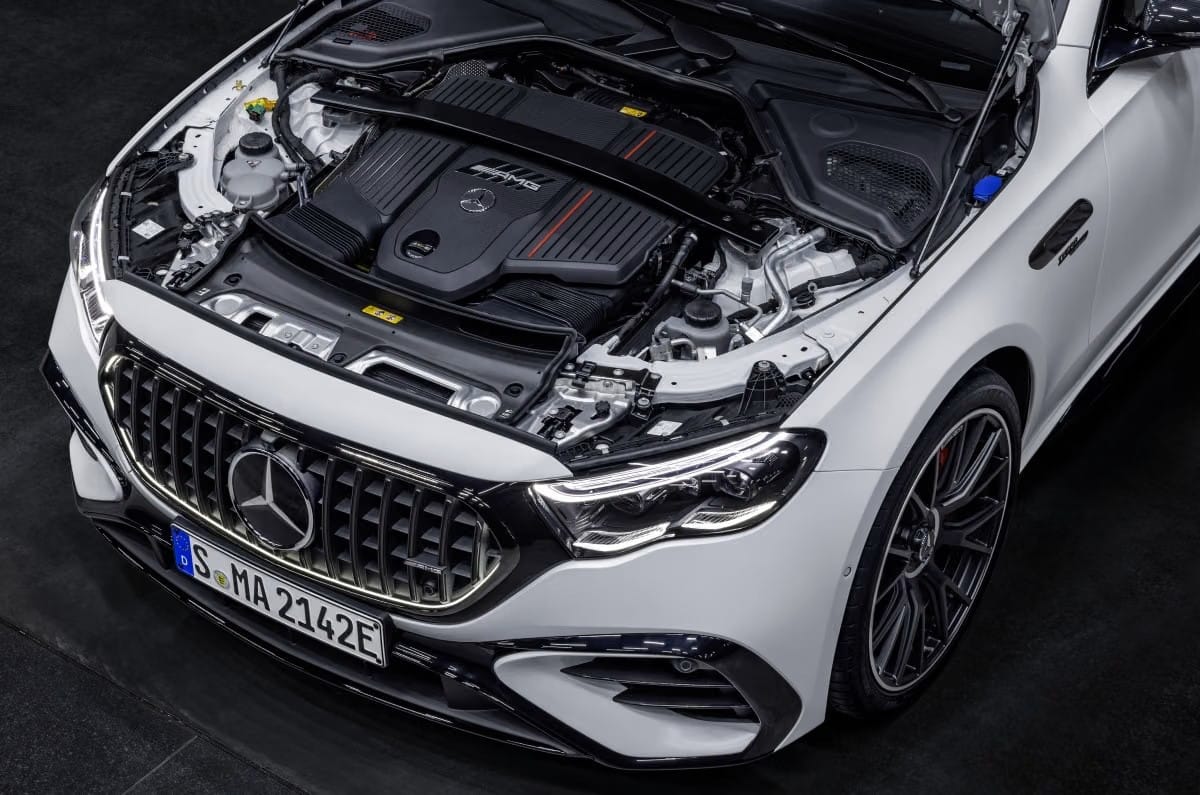
The AMG E 53 has a 3-litre in-line six turbo-petrol engine mated to a 9-speed automatic gearbox, which sends drive to all four wheels via the brand’s 4Matic+ AWD system. Being a plug-in hybrid, it also gets an electric motor paired with a battery pack (21.2kWh usable capacity). Together, this setup produces 585hp and 750Nm, and the 0-100kph sprint is done in 4 seconds. Top speed is rated at 250kph. The E 53 Racing Edition comes with AMG Driver’s Package as standard, which increases the maximum speed to 280kph.
Speaking of charging, the 400V lithium-ion battery takes 20 minutes for a 10-80 percent top-up with a 60kW DC unit. Meanwhile, a 0-100 percent charge takes 2.25 hours with an 11kW AC unit. Mercedes claims an electric-only range of 100km.
Mechanical upgrades over the standard E-Class include an electronic rear limited-slip differential, a high-performance braking system, air suspension and rear-axle steering.
2026 Mercedes-AMG E 53 exterior highlights
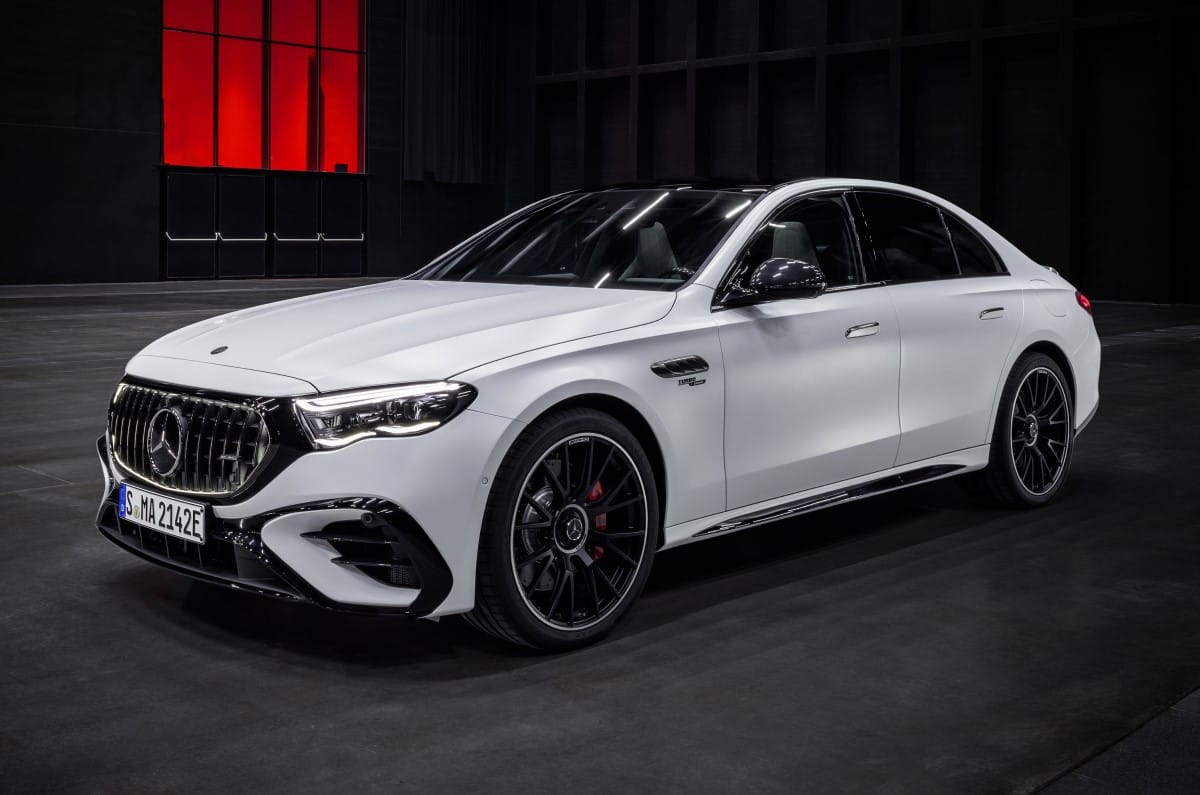
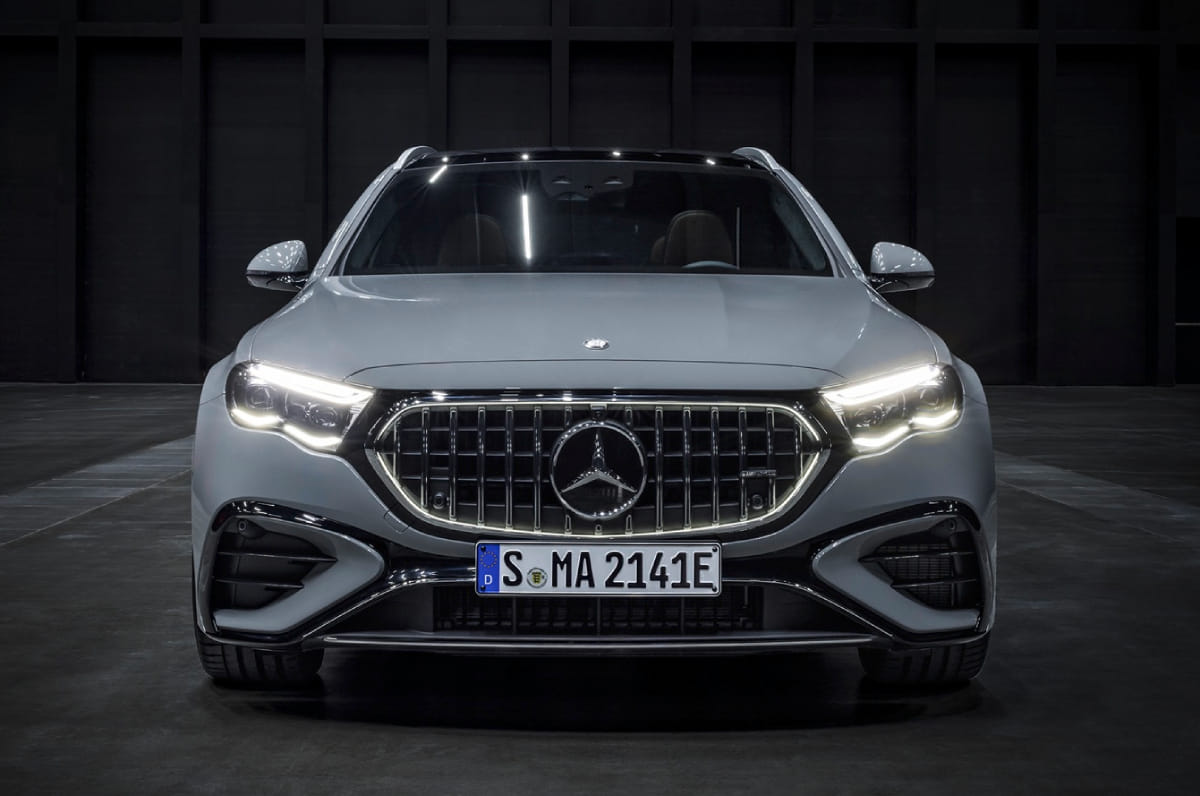
The Mercedes-AMG E 53 gets several design changes that set it apart from the standard E-Class. At the front, it features an AMG-specific grille with vertical slats, a redesigned bumper with larger air intakes, and front fenders widened by 11mm on each side to accommodate the wider front track.
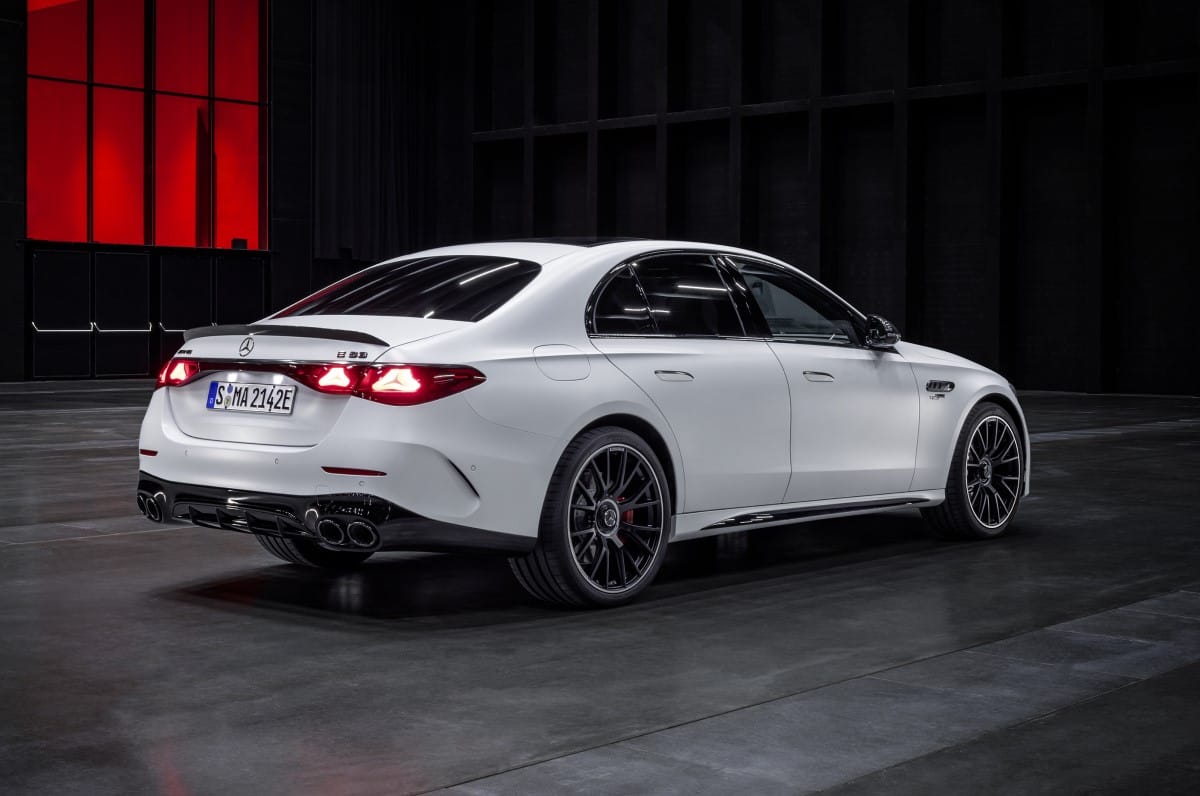
In profile, the E 53 gets flush-fitting door handles, AMG-specific side skirts, and sporty 20-inch alloy wheels, behind which are red-coloured brake callipers. At the rear, it features a boot-lid spoiler, and a rear bumper with a diffuser and quad round exhaust tips.
2026 Mercedes-AMG E 53 interior features
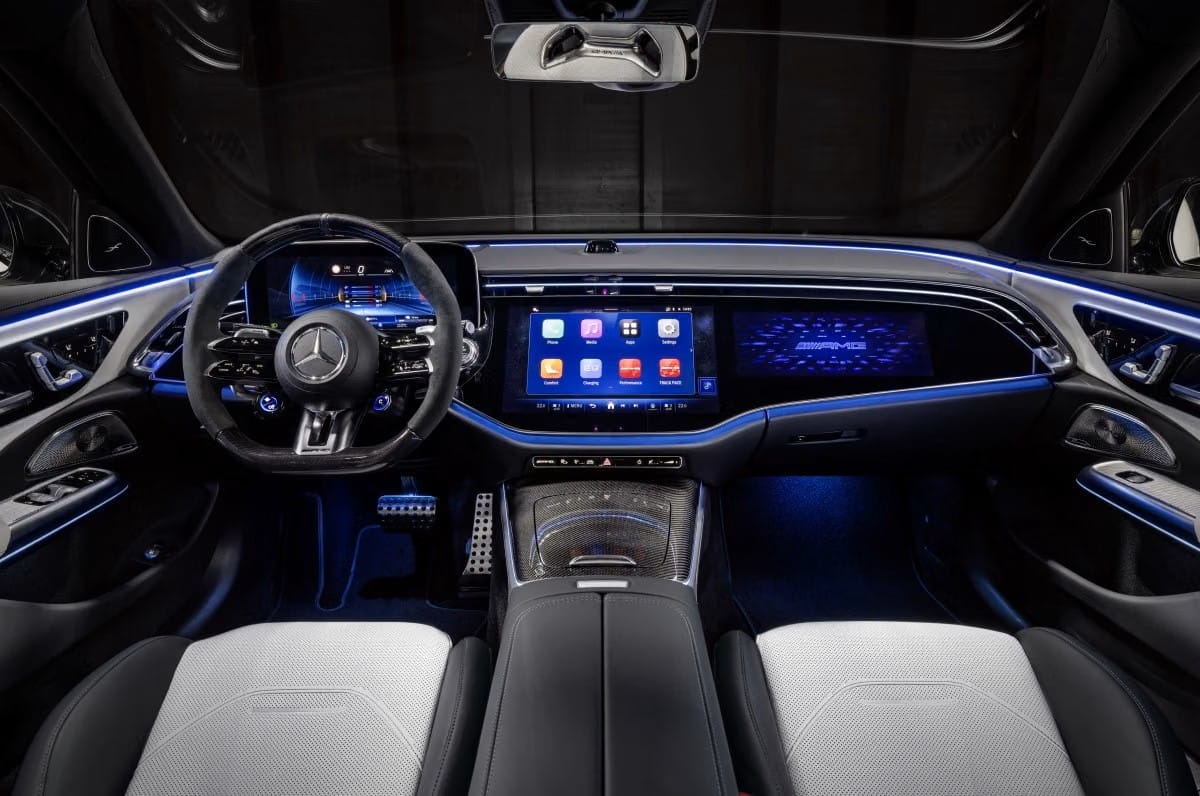
Inside, the AMG E 53 features a 12.3-inch digital driver’s display and a 14.4-inch touchscreen. Other features include a Burmester sound system, a panoramic sunroof, ambient lights, a wireless charger, wireless Android Auto and Apple CarPlay, drive modes, a 360-degree camera setup, multiple airbags and more.
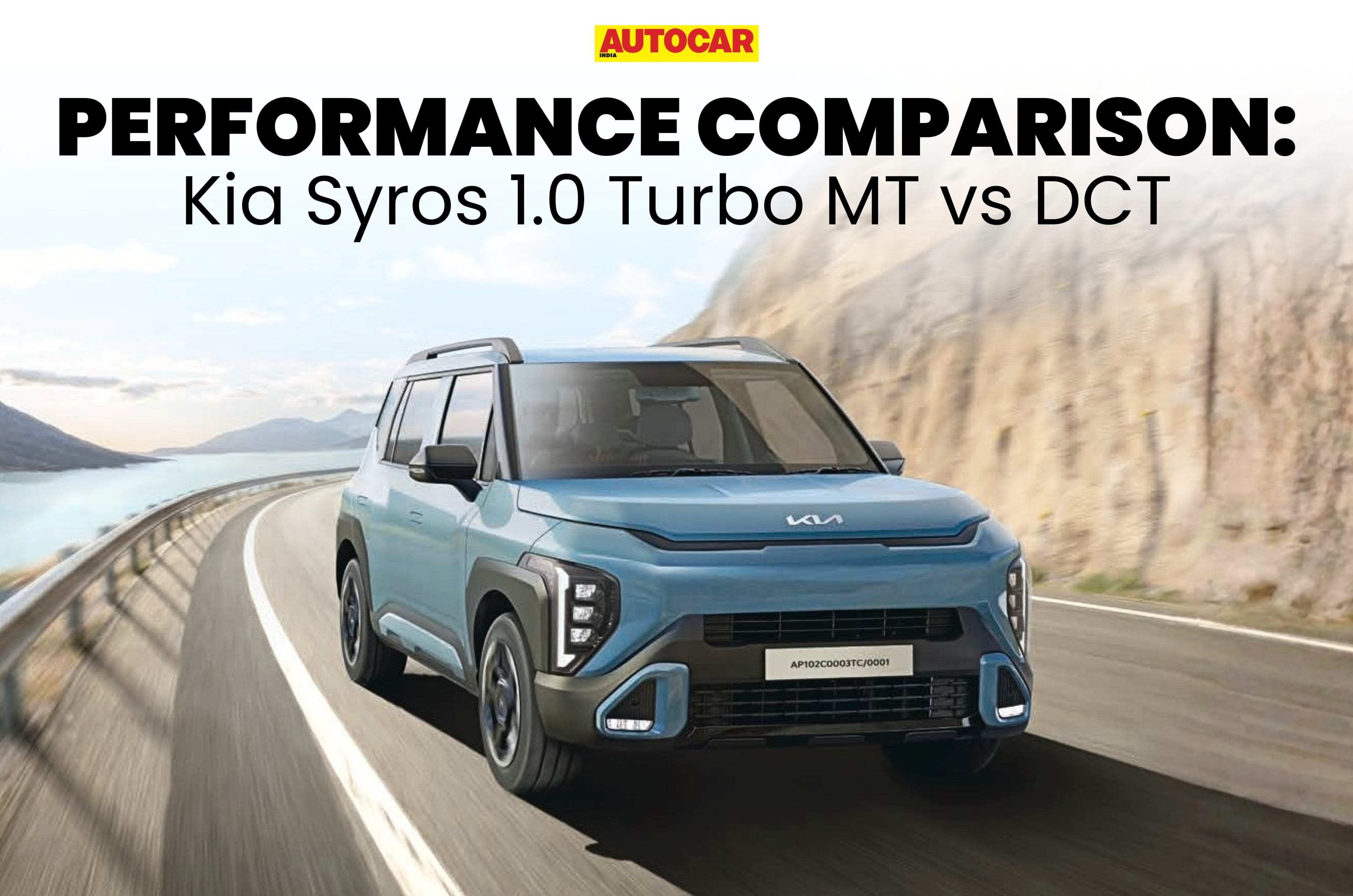
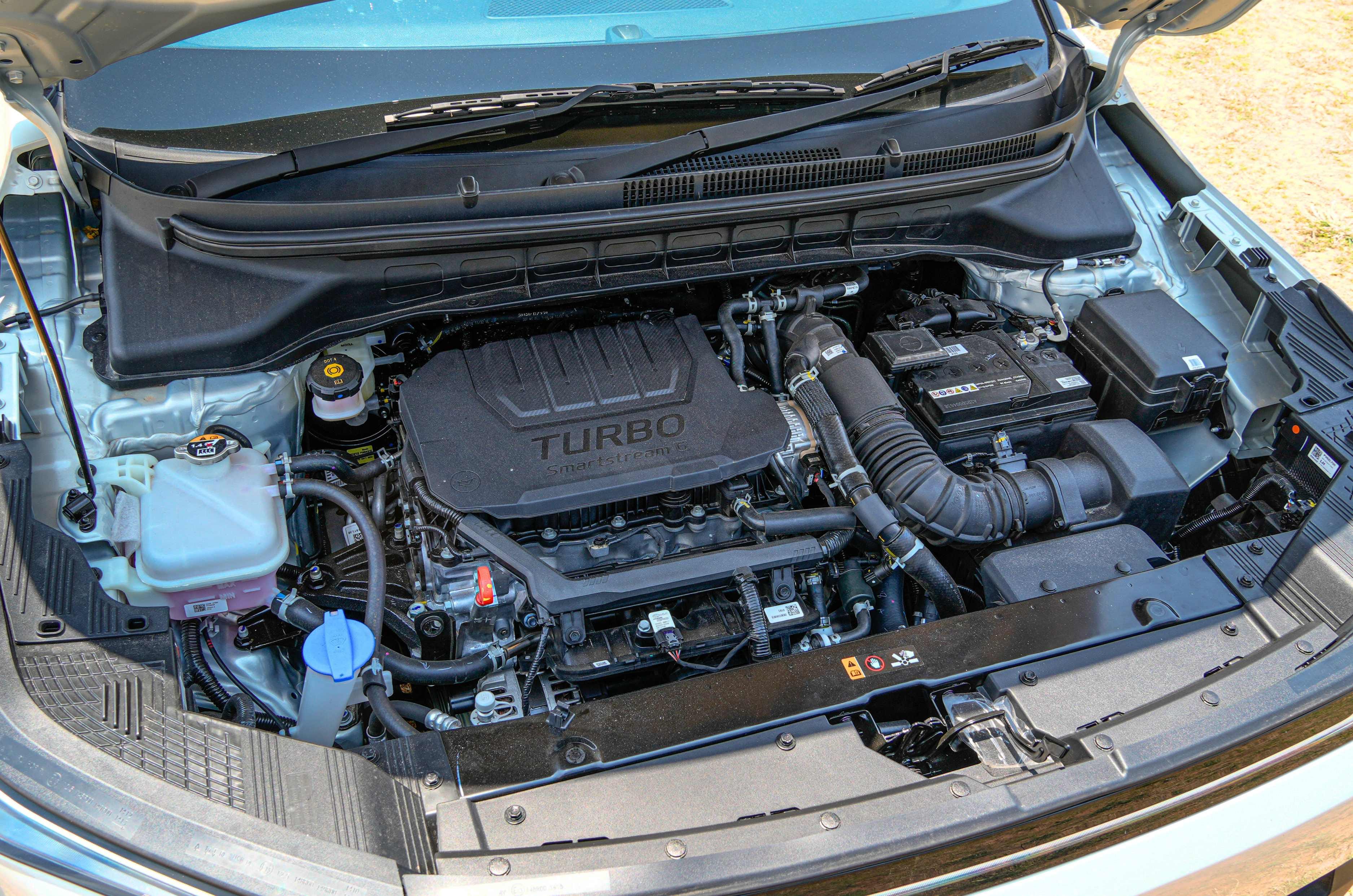
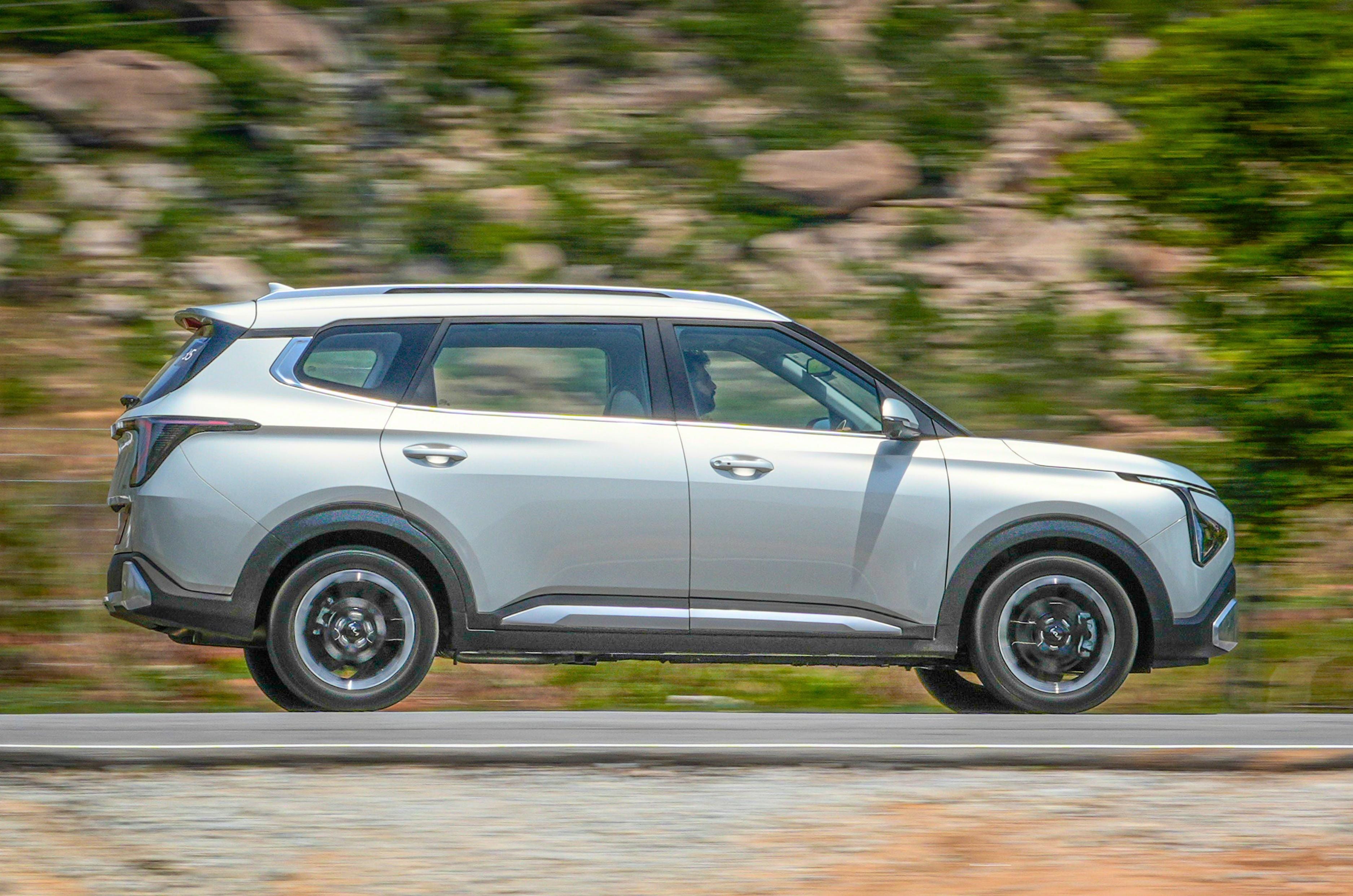
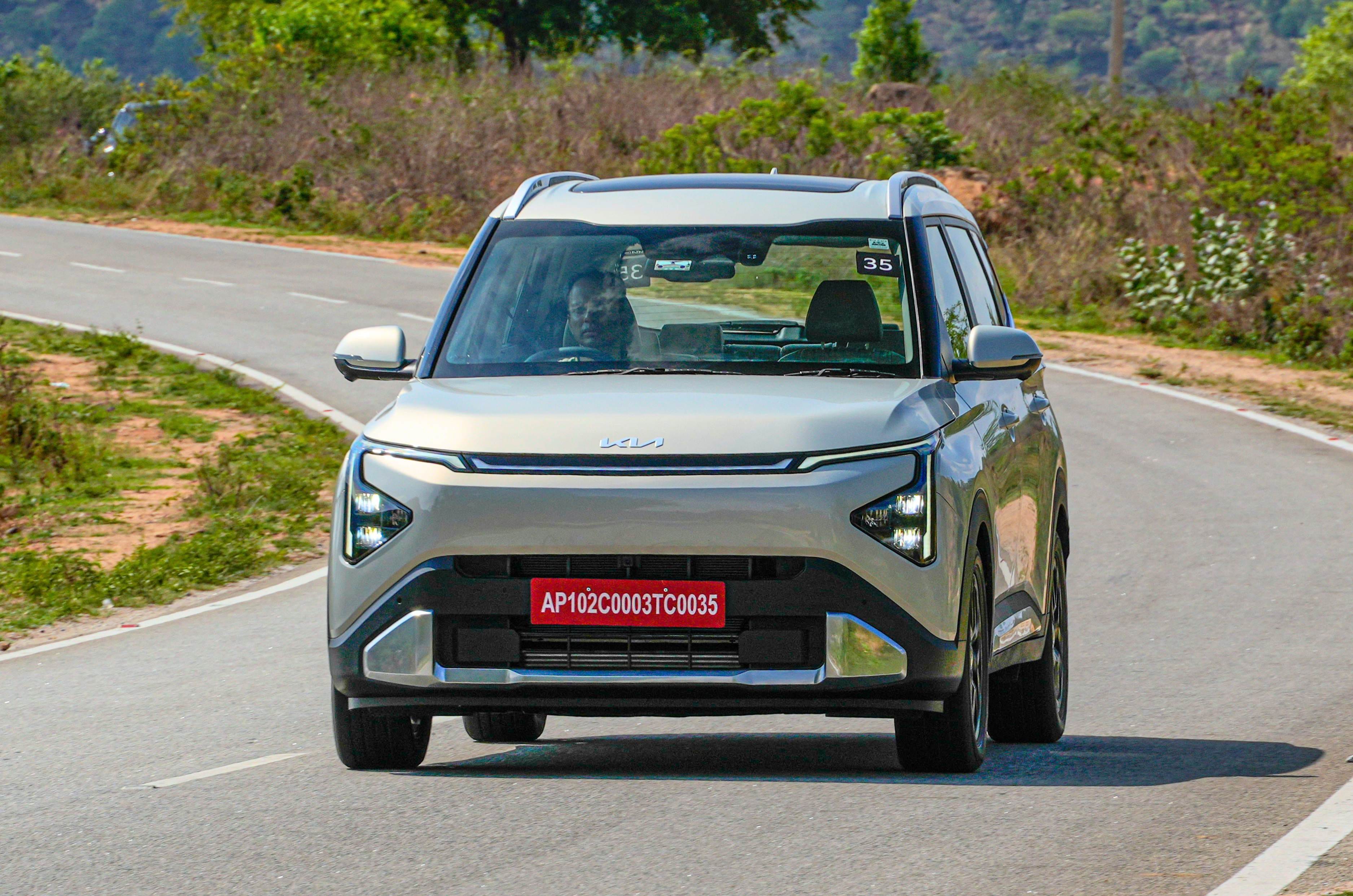
The Kia Syros is the Korean carmaker’s more premium compact SUV for the Indian market, positioned between the Sonet and the Seltos in the manufacturer’s lineup. It is available with a choice of turbo-petrol and diesel engines, with the 1.0-litre turbo-petrol being the most affordable turbocharged petrol offering from Kia in India. Buyers opting for this engine can choose between a 6-speed manual transmission and a 7-speed dual-clutch automatic (DCT). But which of these two powertrain options delivers better performance? Let’s find out.
Kia Syros 1.0L turbo-petrol MT vs DCT: Specifications and price
The Syros turbo MT’s top-end price is similar to the DCT’s starting price
Kia Syros 1.0L turbo-petrol MT vs DCT: Specifications and price
Syros 1.0TP MT
Syros 1.0TP DCT
Engine
3-cyl, turbo-petrol
3-cyl, turbo-petrol
Displacement (cc)
998
998
Power (hp)
120
120
Torque (Nm)
172
172
Gearbox
6-speed MT
7-speed DCT
Fuel tank capacity (litres)
45
45
Price range (Rs, lakh)
8.42-12.02
11.96-15
Both the manual and DCT versions of the Kia Syros’ 1.0-litre turbo-petrol engine have identical outputs of 120hp and 172Nm. A fuel tank capacity of 45 litres is also identical. The price, however, is the distinction, the top-spec manual HTK+ (O) variant costing just Rs 6,000 more than the entry-spec DCT HTK+ variant.
Kia Syros 1.0L turbo-petrol MT vs DCT: 0-100kph acceleration test
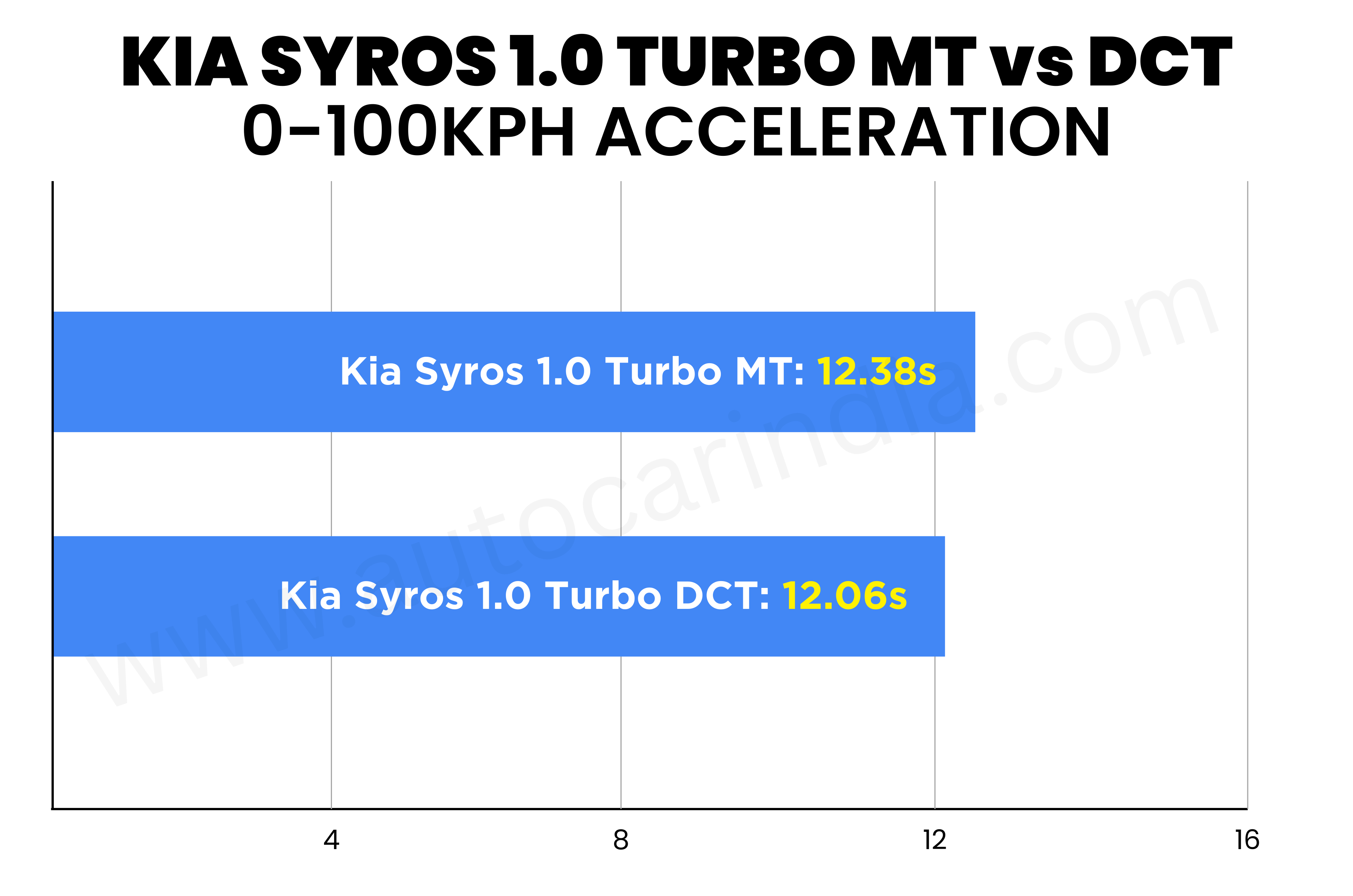
The DCT version starts slower, but clocks a quicker 0-100kph time
Kia Syros 1.0L turbo-petrol MT vs DCT: Acceleration from rest (in seconds)
Syros 1.0TP MT
Syros 1.0TP DCT
20kph
1.26
1.64
40kph
2.85
3.35
60kph
5.27
5.50
80kph
8.08
8.31
100kph
12.38
12.06
120kph
17.56
17.38
In our 0-100kph tests, the Syros turbo MT has better acceleration from the get-go. As the speeds increase, the DCT version catches up. In fact, the Syros turbo-DCT reaches 100kph 0.32 seconds faster than the Syros’ turbo-petrol manual. However, the difference is lessened to 0.18 seconds when both Syros versions reach 120kph.
In our real-world tests, we found that the Kia Syros’ 7-speed DCT offers smoothness over outright performance and is hence slow in comparison to the manual from the get-go. The manual, on the other hand, offers quicker outright acceleration as it allows the clutch to be ‘slipped’.
However, the DCT version has shorter gear ratios that help it stay longer in the optimum rev band. It also readily drops multiple gears with a more-than-normal throttle input, keeping the engine in its power band when quicker acceleration is needed, allowing it to accelerate quicker as speeds build up.
Kia Syros 1.0L turbo-petrol MT vs DCT: Rolling acceleration tests
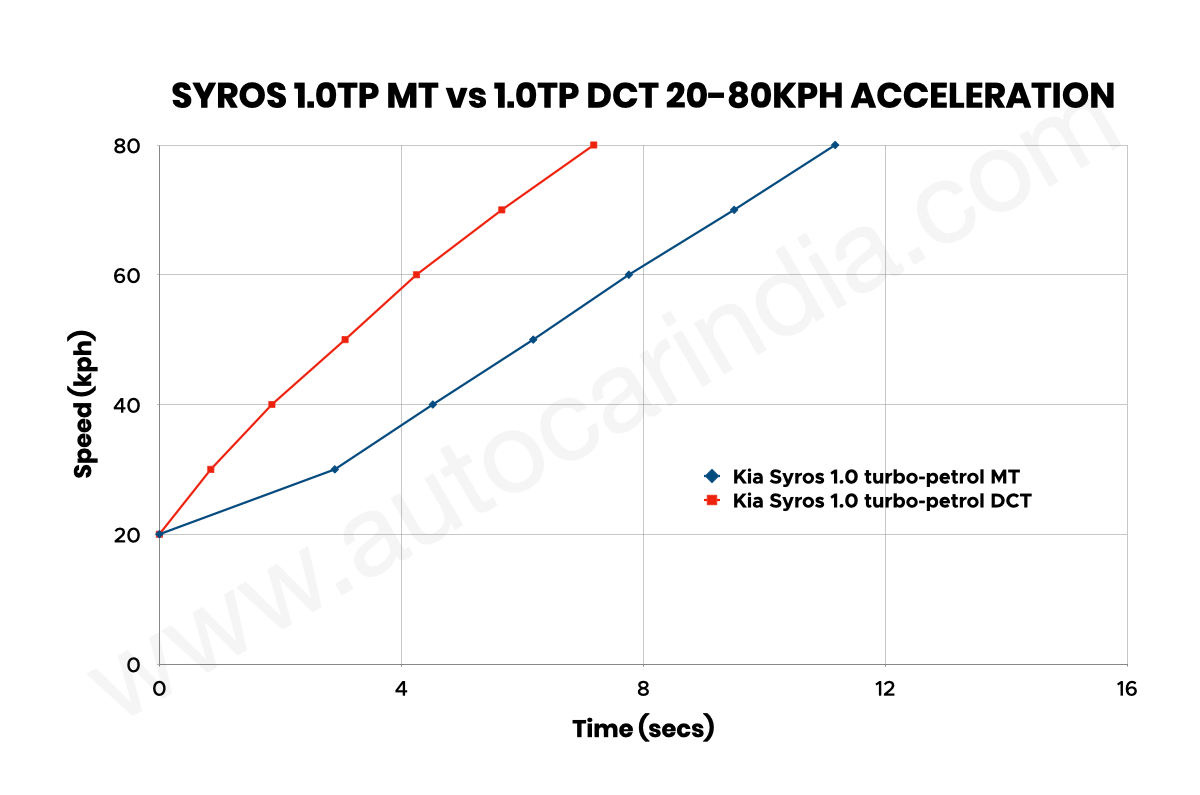
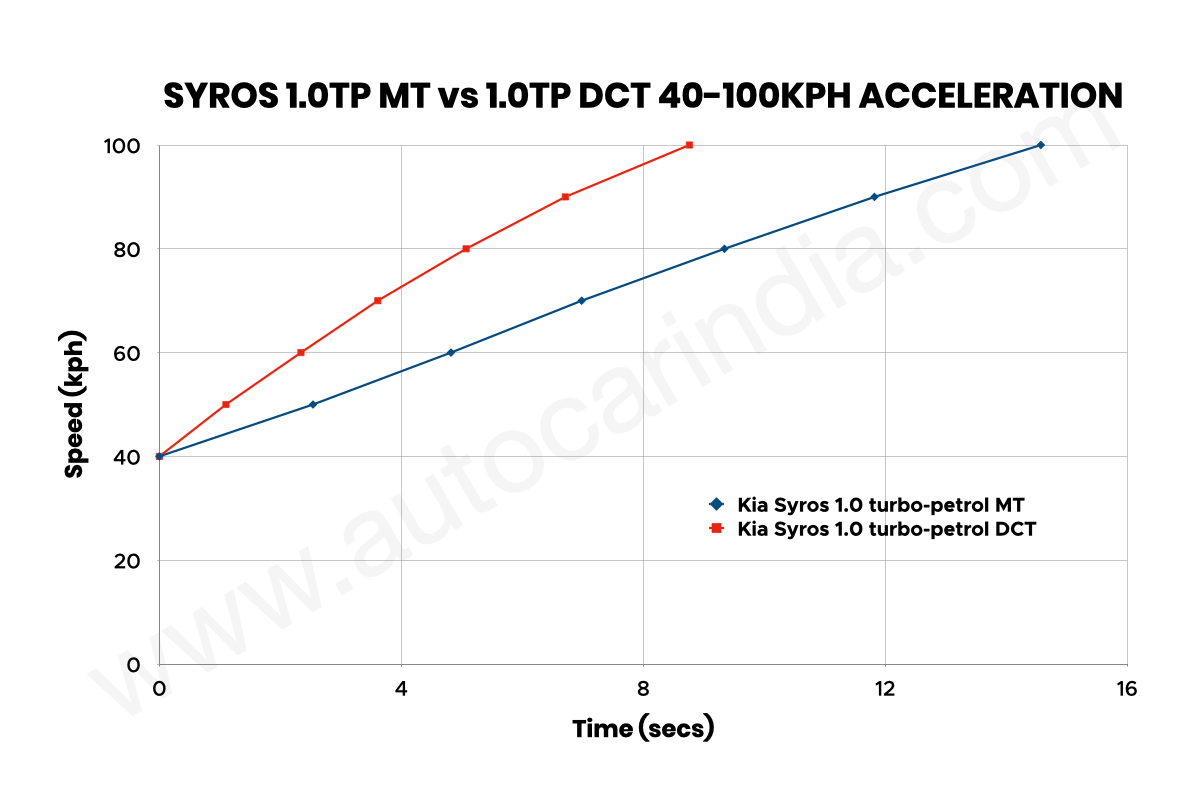
The Syros’ turbo-petrol DCT is a lot quicker than the manual in rolling tests
Kia Syros 1.0L turbo-petrol MT vs DCT: Rolling acceleration (in seconds)
Syros 1.0TP MT
Syros 1.0TP DCT
20-80kph (3rd gear)
11.17
7.18
40-100kph (4th gear)
14.57
8.76
The in-gear acceleration of the manual transmission is also slower than that of the DCT. In third gear, the Syros turbo-petrol DCT takes 3.99 seconds less to reach 80kph and 5.81 seconds less to reach 100kph in fourth gear.
Autocar India’s testing standards
Before we conduct our performance tests, we check and maintain tyre pressures based on the manufacturer’s recommendation and ensure the car has a full tank of fuel. The car is then tested in a controlled environment with two people on board, and the data is collected via highly accurate GPS-based timing equipment.
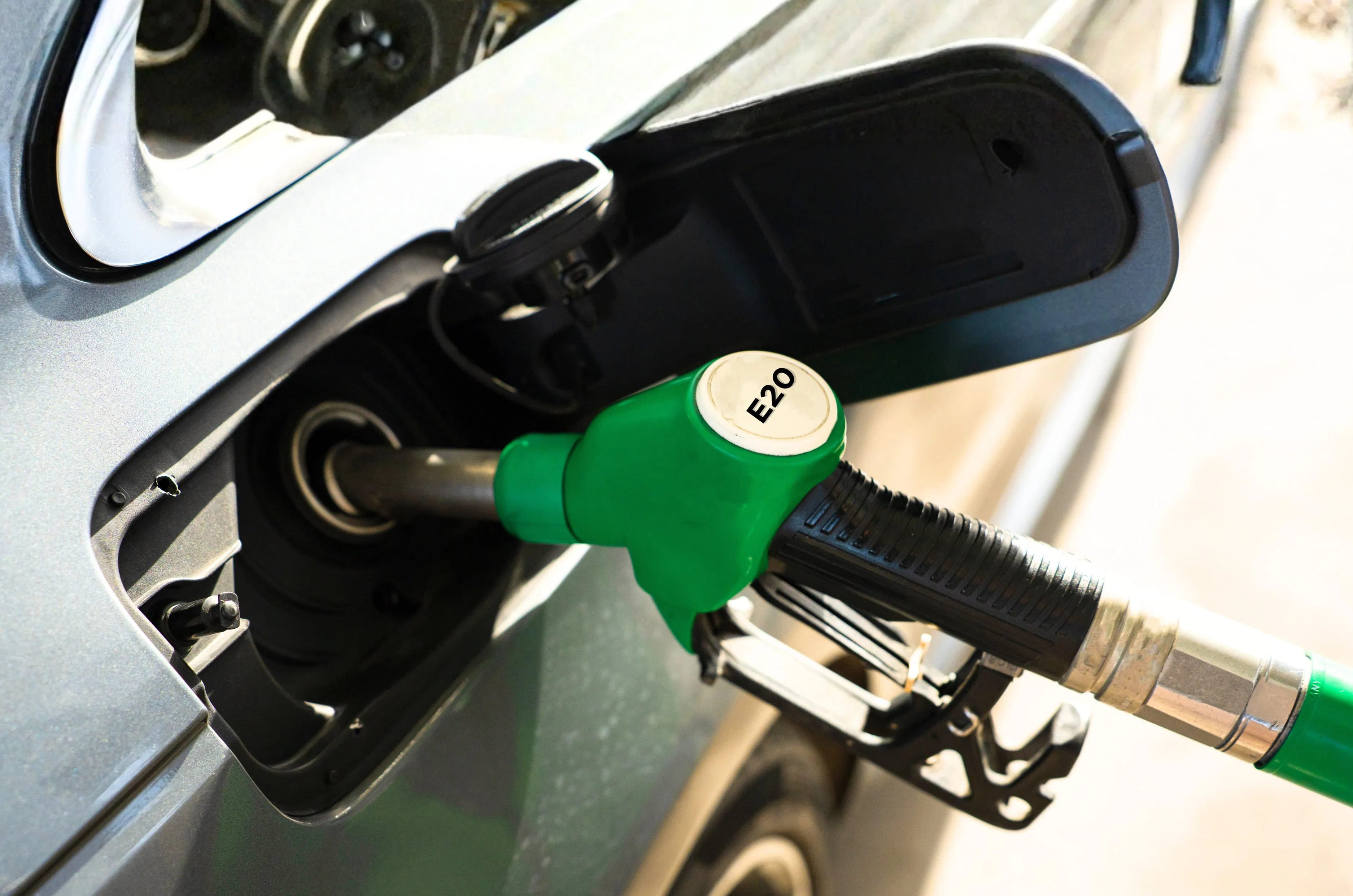
India completed the nationwide rollout of E20 petrol in April last year, making it the standard grade of petrol sold at fuel stations across the country. E20 contains 20 percent ethanol and 80 percent petrol, replacing the lower ethanol blends that were sold previously.
The transition has raised several questions among vehicle owners about compatibility, fuel efficiency, maintenance, warranties and long-term reliability. We separate the facts from the misconceptions and answer the key questions around E20.
1. What is E20 petrol and why has India switched to it?
E20 is fuel blended with 20 percent ethanol and 80 percent petrol. Ethanol is a biofuel produced from agricultural feedstocks such as sugarcane, maize and surplus food grains. India introduced the Ethanol Blended Petrol (EBP) Programme in 2003 with E5 petrol, and while the blended percentage kept varying for a while, it was eventually increased to E10 before completing the nationwide rollout of E20 in 2025, five years ahead of the planned implementation. According to the government, the programme aims to reduce dependence on imported crude oil, improve energy security, lower emissions and create an additional market for agricultural produce.
2. Can I use E20 fuel in my car or bike?
New petrol cars and two-wheelers sold in India today are compatible with E20 petrol. Under the government’s roadmap, vehicle manufacturers were required to make new petrol models manufactured from April 2023 compatible with E20.
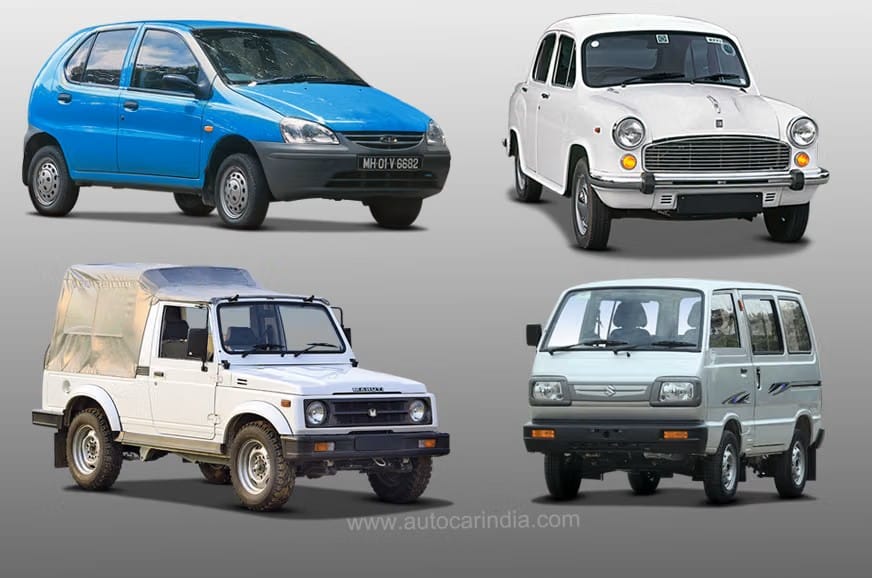
Vehicles manufactured before April 2023 were designed for lower ethanol blends, so compatibility may vary depending on the model and year of manufacturing. However, some brands state that they had E20 material compliance before 2023, for a list click here.
3. How do I know if my car is E20 compatible?
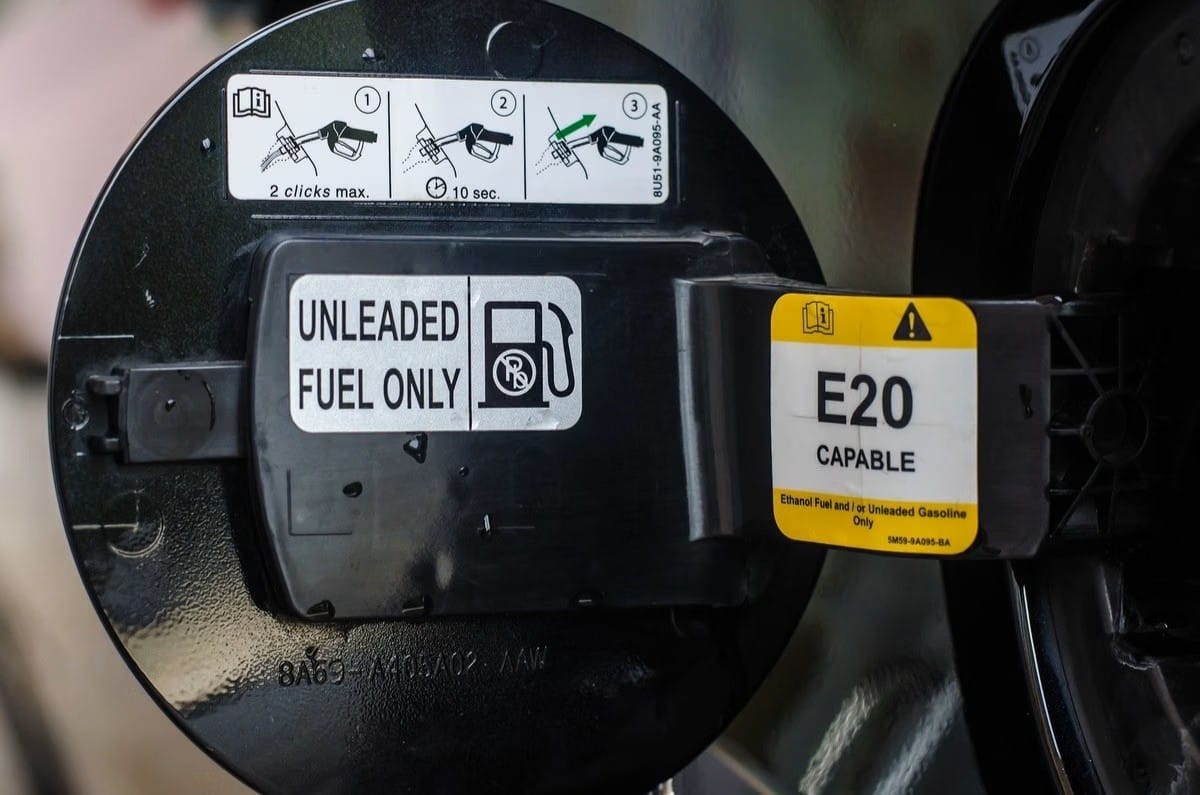
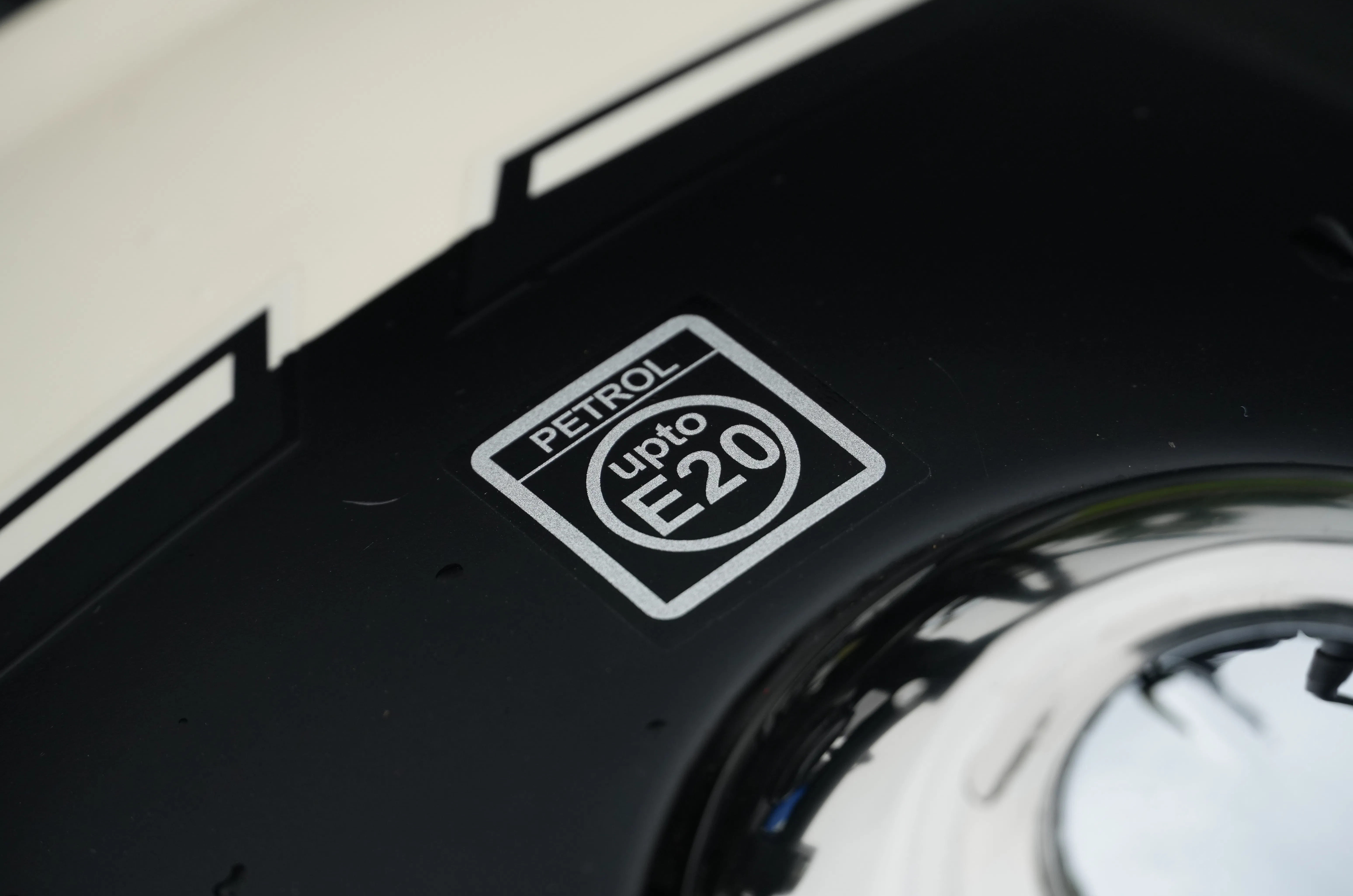
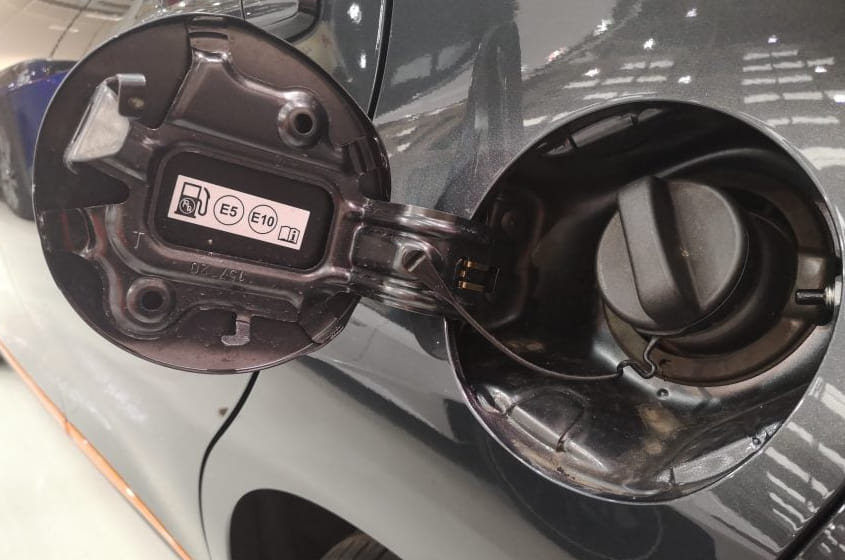
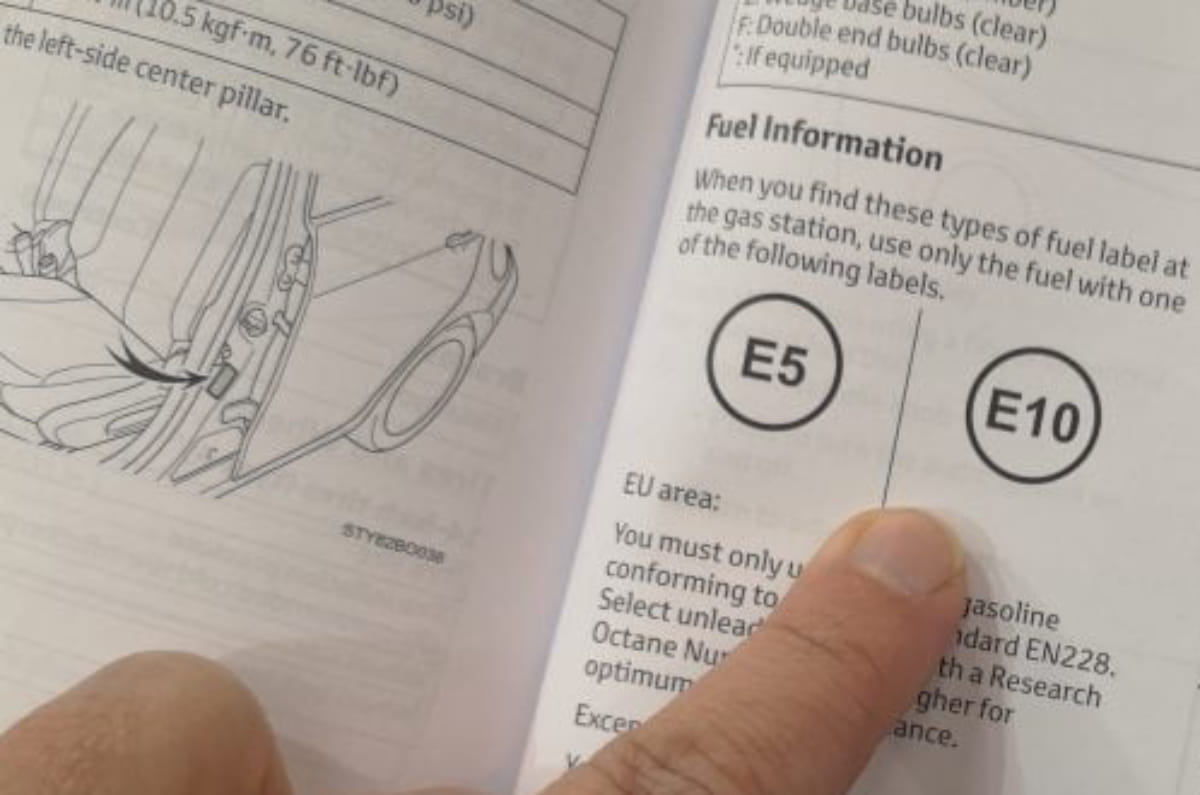
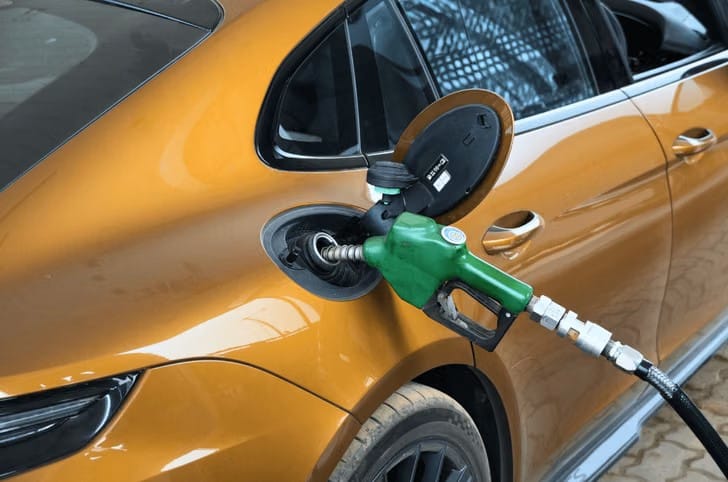
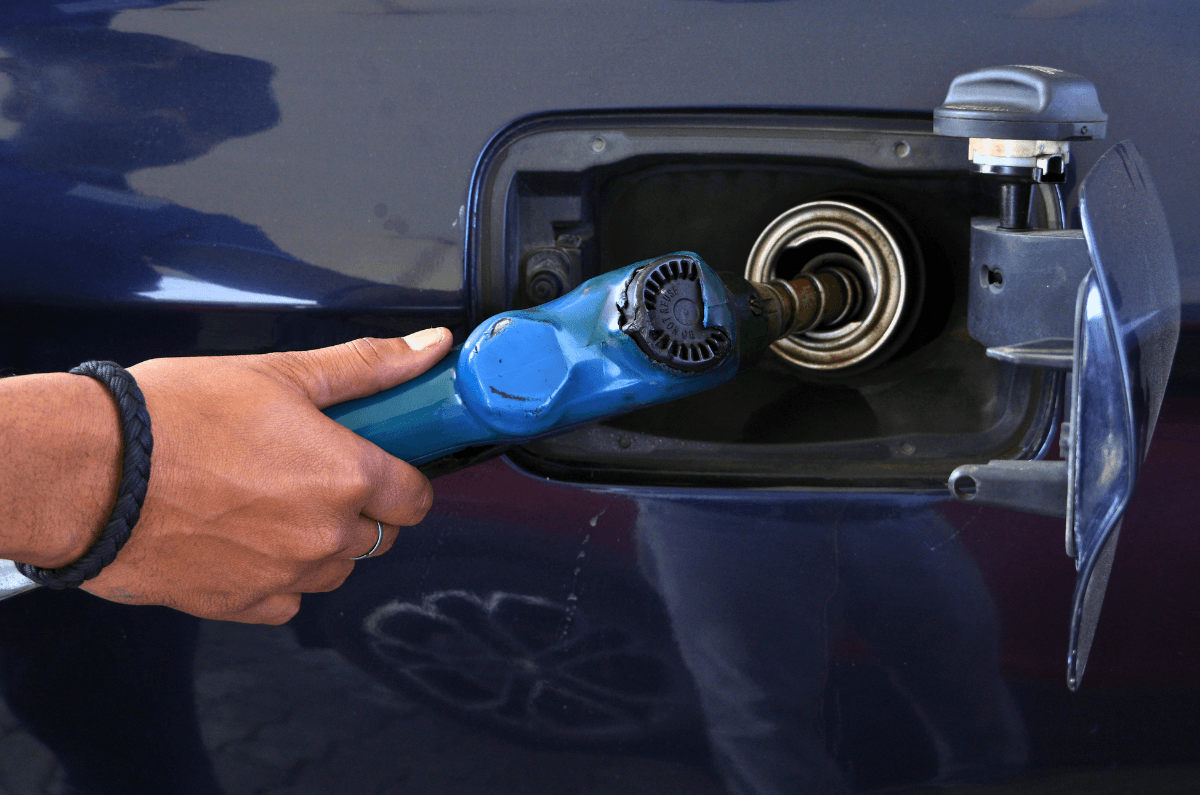
The easiest way is to check your vehicle’s fuel flap or the owner’s manual or contact the manufacturer’s authorised dealership. As part of the government’s E20 roadmap, manufacturers progressively introduced E20-compatible petrol vehicles from 2023 onwards. However, compatibility can vary depending on the model and year of manufacture, so owners should not assume that every petrol vehicle is fully E20-compatible.
4. Can E20 damage older engines or fuel-system components?
Concerns about E20 mainly relate to older vehicles that were not originally designed for higher ethanol blends. While ethanol has not been found to significantly directly affect metal fuel-system components, prolonged exposure to E20 can accelerate wear in some older rubber and plastic parts such as fuel hoses, seals, O-rings, gaskets and certain fuel pipes if they are made from materials that are not ethanol compatible.
Before approving E20, ARAI tested metals, elastomers and plastics commonly used in fuel systems. The study found no significant corrosion of metal components, but certain rubber compounds and plastics used in older vehicles showed greater deterioration than with E10 fuel. These findings prompted manufacturers to use ethanol-compatible materials in newer vehicles. Thus, owners of older vehicles should keep up with regular servicing and follow the manufacturer’s recommended maintenance schedule, increasing the inspection frequency if damage is suspected.
5. Does E20 reduce fuel efficiency?
Yes. E20 fuel generally returns lower fuel efficiency than petrol with a lower ethanol content because ethanol contains less energy than petrol. The exact reduction varies depending on the vehicle, engine and calibration.
E20 vs E10 mileage test results
Creta N Line
Dzire (BS 6)
Polo GT TSI
Dzire (BS 4)
Registration year
2024
2024
2017
2016
Average speed
17.8kph
20.25kph
18.0
19.3
Kpl on E20
10.59
14.24
9.13
9.8
Kpl on E10
12.12
14.81
9.63
11.19
Kpl variance
1.53
0.57
0.50
1.39
% variance
-12.62
-3.84
-5.19
-12.42
ARAI estimates a fuel efficiency drop of 1-6 percent with E20, while some manufacturers put it closer to 7-8 percent. In Autocar India’s real-world testing, both newer E20-compatible cars and older pre-E20 vehicles recorded a measurable drop in mileage when compared with an equivalent E10 blend. Among the newer cars, the Maruti Suzuki Dzire recorded a 3.8 percent drop, while the Hyundai Creta N Line saw a 12.6 percent decline.
Among older BS4-era cars, the Volkswagen Polo GT TSI posted a 5.2 percent drop, while the older Maruti Suzuki Dzire recorded a mileage drop of 12.4 percent.
The results also showed that there is no single figure applicable to every vehicle. Factors such as engine calibration and compression ratio all influence fuel efficiency, meaning some vehicles adapt better to E20 than others.
6. Does E20 improve performance or reduce emissions?
Octane rating test results
Fuel type
RON result
Regular E20 petrol
98.2 RON
XP95
98.8 RON
Yes, but not in a way that most motorists are likely to notice. E20 has a higher-octane rating than regular petrol, which improves resistance to engine knocking and can benefit engines designed to take advantage of higher-octane fuel.
The government says E20 aims to lower emissions by replacing a portion of petrol with domestically produced ethanol which is a renewable fuel. For most motorists, however, the most noticeable effect of switching to E20 is likely to be a small drop in mileage rather than a change in vehicle performance.
7. Is E20’s water contamination issue a real problem?
Image credit – Rushlane
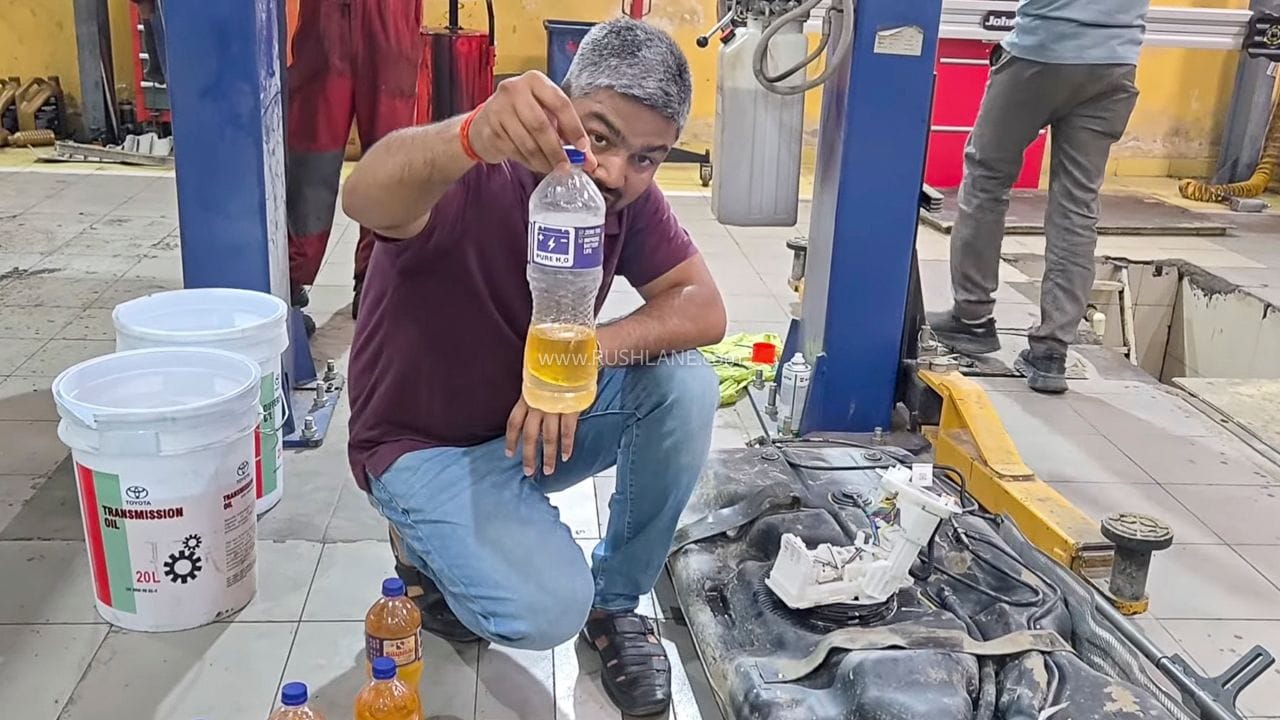
Ethanol is hygroscopic, meaning it has the capability to absorb moisture. As a result, E20 is more susceptible to water contamination if excess moisture enters the fuel during storage or handling. In severe cases, this can lead to phase separation, where the ethanol and water separate from the petrol, affecting fuel quality.
Some petrol pump operators have raised concerns that existing underground storage tanks, particularly during the monsoon or in coastal areas, could be more prone to moisture ingress, increasing the risk of phase separation. However, the government and the Federation of Automobile Dealers Associations (FADA) says that there is no evidence linking E20 itself to widespread fuel contamination or vehicle failures.
8. Will using E20 affect my vehicle’s warranty?
For most owners, no. Vehicle manufacturers have said that using E20 petrol will not affect the warranty of their vehicles, and valid warranties will continue to be honoured. The government, SIAM and several manufacturers have stated that vehicles continue to be covered under their standard warranty terms when fuelled with E20, for a full list click here. SIAM has also said that OEMs will honour the warranty committed to customers for E20 usage, and that insurance claims will remain unaffected.
9. Why isn’t E20 petrol cheaper than regular petrol?
Although E20 contains 20 percent ethanol, it is not cheaper than regular petrol because ethanol currently costs more to procure and blend than petrol under prevailing market conditions. The cost of ethanol procurement, tax, transportation, blending and distribution offsets any potential saving from replacing a portion of petrol with domestically produced ethanol.
Any savings from lower crude oil imports are realised at the national level rather than by consumers through lower pump prices.
10. Why can’t I still buy E10 or pure petrol?
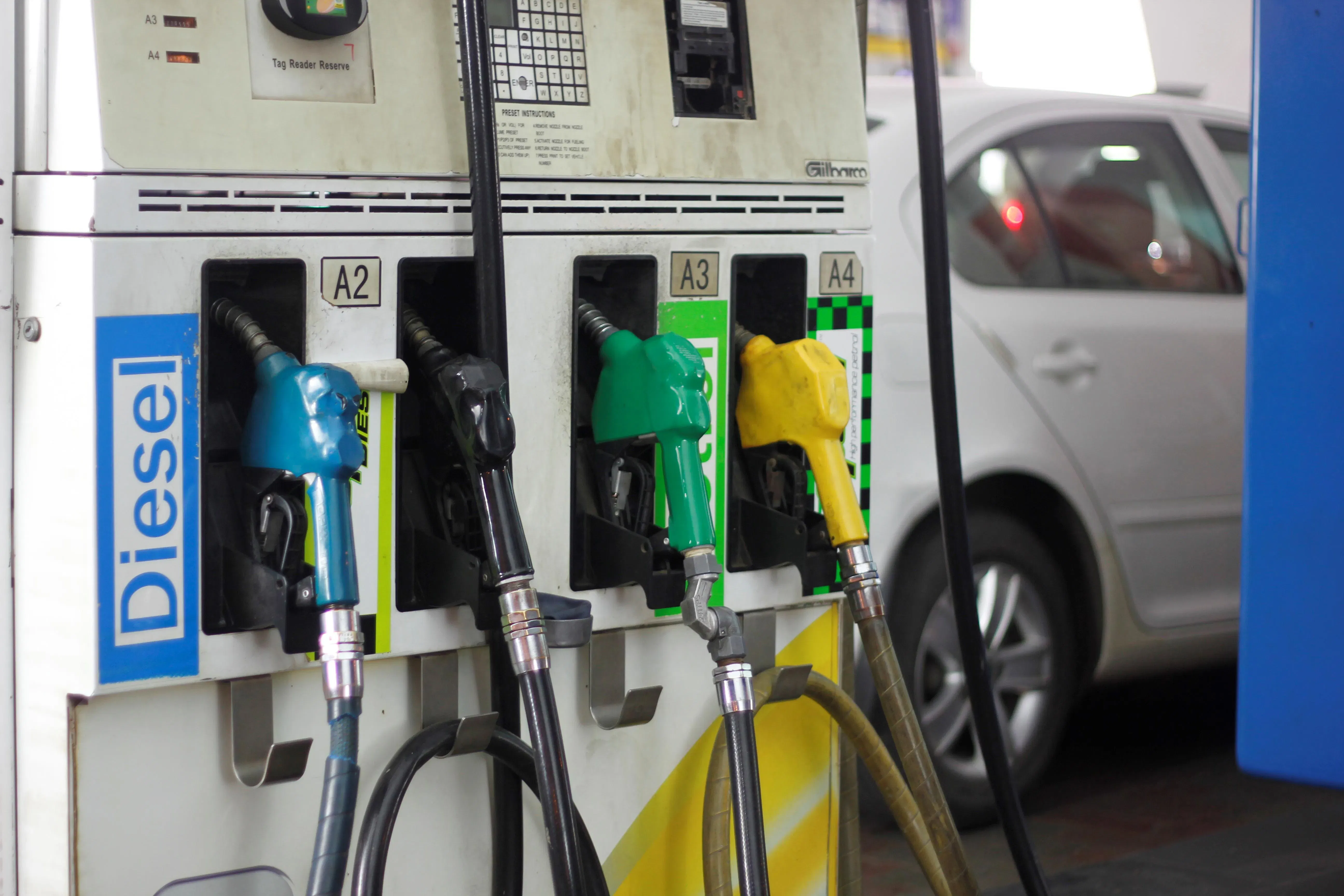
Because by policy E20 is now India’s standard petrol. Following the nationwide rollout of the Ethanol Blending Programme, oil companies have standardised regular petrol and premium 95-octane petrol to an E20 blend. Maintaining parallel supplies of E10 and E20 would require separate storage, transportation and dispensing infrastructure, making nationwide distribution significantly more complex.
As a result, motorists can no longer choose between E10 and E20 at regular fuel stations. The only exception is 100-octane petrol, such as IndianOil XP100 and HP Power100, which remains effectively ethanol-free because it is a niche fuel sold in limited volumes. For most vehicle owners, however, E20 is now the only petrol available.
11. Is the government planning to increase ethanol blending beyond E20?
Not yet, but the groundwork has begun. While the government has said no decision has been taken to mandate petrol with more than 20 percent ethanol, it has begun preparing the regulatory framework for higher blends.
In May 2026, the Bureau of Indian Standards (BIS) notified fuel quality standards for E22, E25, E27 and E30 petrol, indicating that the government is laying the groundwork for future adoption. It has also proposed recognising E85 and E100 fuels under the Central Motor Vehicles Rules.
Separately, the government has tasked the Automotive Research Association of India (ARAI) with studying the impact of E25 petrol on existing E10- and E20-compatible vehicles, including its effect on fuel efficiency, durability, emissions and engine performance under long-term use.
However, any move beyond E20 will require extensive testing and consultation with vehicle manufacturers, fuel companies and research agencies to assess engine durability, emissions and fuel-system compatibility before it is introduced.
12. What should owners of older cars do now?
If your vehicle is not certified as E20-compatible, it does not necessarily mean it will experience immediate problems. However, owners should follow the manufacturer’s guidance, keep up with regular servicing and replace worn fuel-system components as required. It would also be prudent to increase the frequency of inspection of your vehicles fuel system to ensure there is no corrosive damage and catch it before it gets acute.
If you own a classic car, an older imported vehicle or a high-performance model designed for lower ethanol blends, using ethanol-free 100-octane petrol may be worth considering.
13. Can I convert my vehicle to run on E20 fuel?
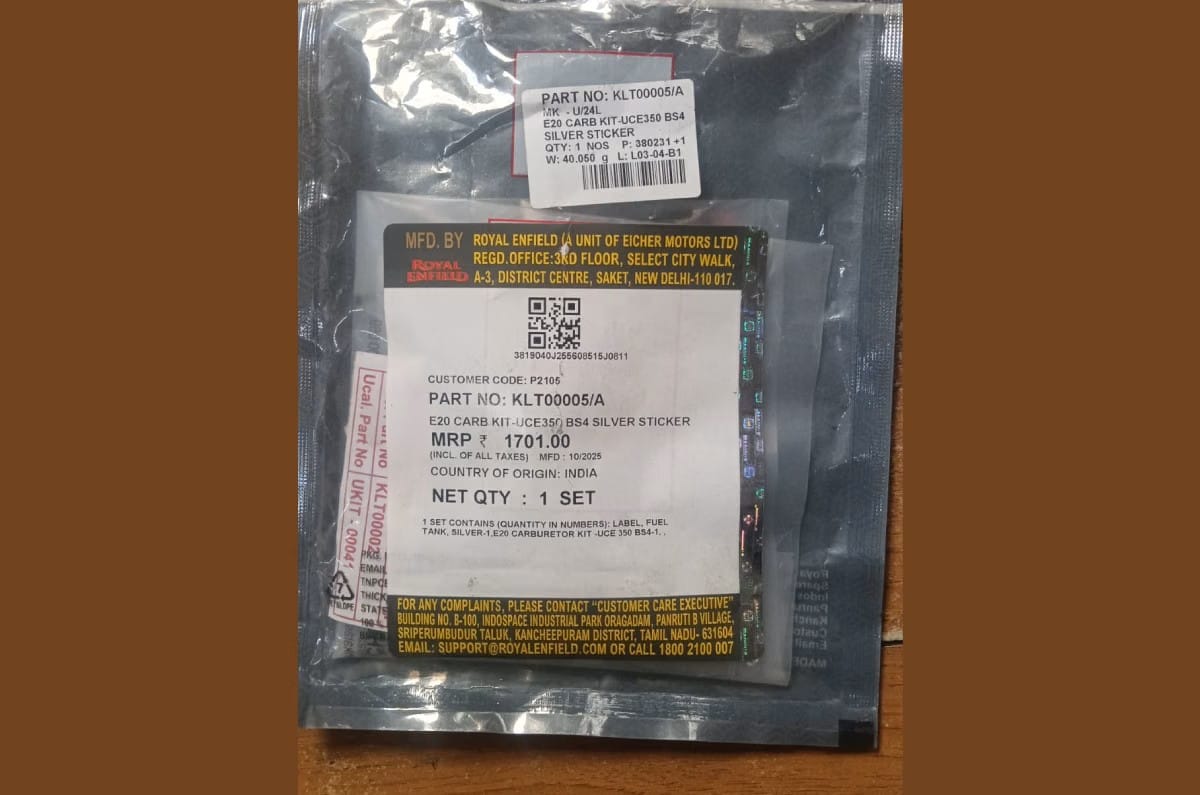
Yes, but official upgrade programmes are currently limited and while a few manufacturers, like Royal Enfield and Maruti Suzuki, had mentioned a plan for these earlier, they don’t have much to say for now. In a recent government press conference that aimed to quell the E20 backlash, Maruti stated that the kits are for R&D purpose only.
Theoretically, it’s possible to replace critical components susceptible to E20 damage with those designed to handle the fuel – especially if your vehicle is still in production – and if you feel the need to, you can go ahead and have parts like fuel lines, fuel pump and gaskets replaced but by your authorised workshops only.
So, should you be worried about E20 petrol?
Not worried, but alert. Modern petrol cars and bikes designed or updated for E20 are engineered to run on the fuel without major issues, and extensive testing by the government, research agencies and manufacturers found no evidence of widespread reliability concerns.That said, E20 is not without trade-offs. Most motorists should expect a small reduction in fuel efficiency.
For owners of older vehicles, it would be wise to pay closer attention to fuel-system maintenance.
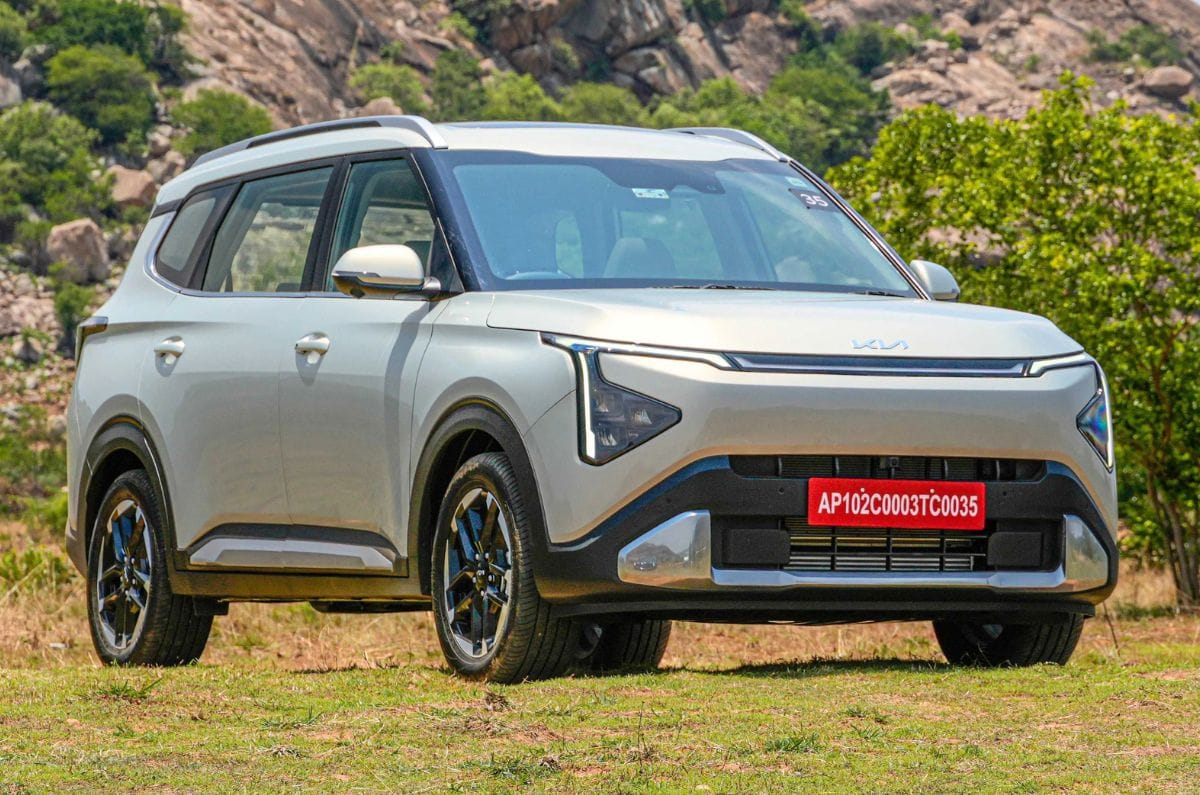
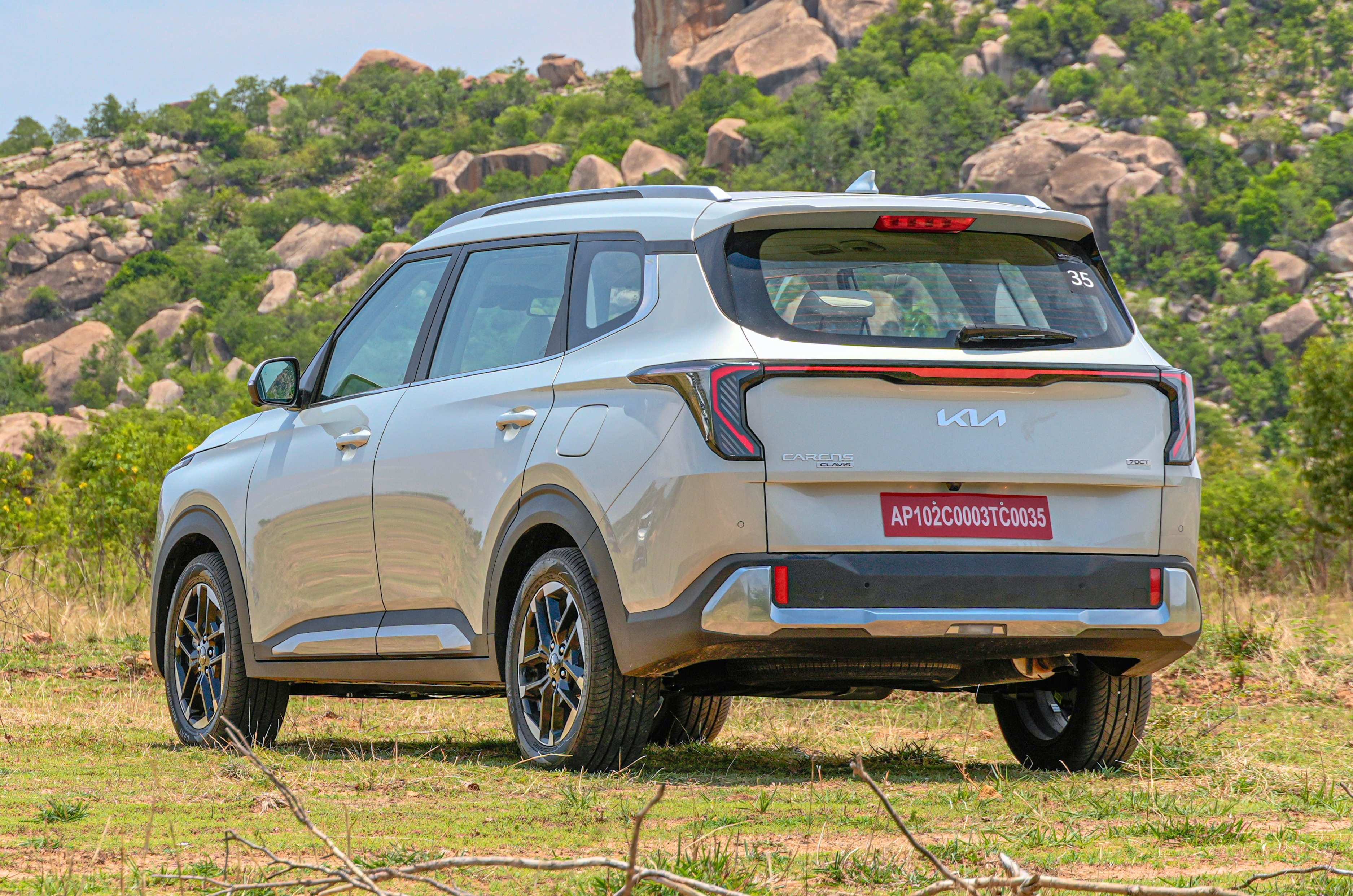
Kia is one of the few automakers in India that has three MPVs in its line-up, with the most popular one being the Carens Clavis. This is a segment that’s witnessed growth in the past couple of years, supporting the Korean brand’s focus on selling multiple MPVs. Built on the same K2 platform as the Carens, the Clavis is aimed at buyers who want more premium styling and feature set spread across more variants and trim levels. Here are some facts to keep in mind before a Carens Clavis.
Reasons to buy the Kia Carens Clavis
Spacious & well-equipped cabin
One of the strongest suits of the Carens Clavis is its tech-rich and practical interior
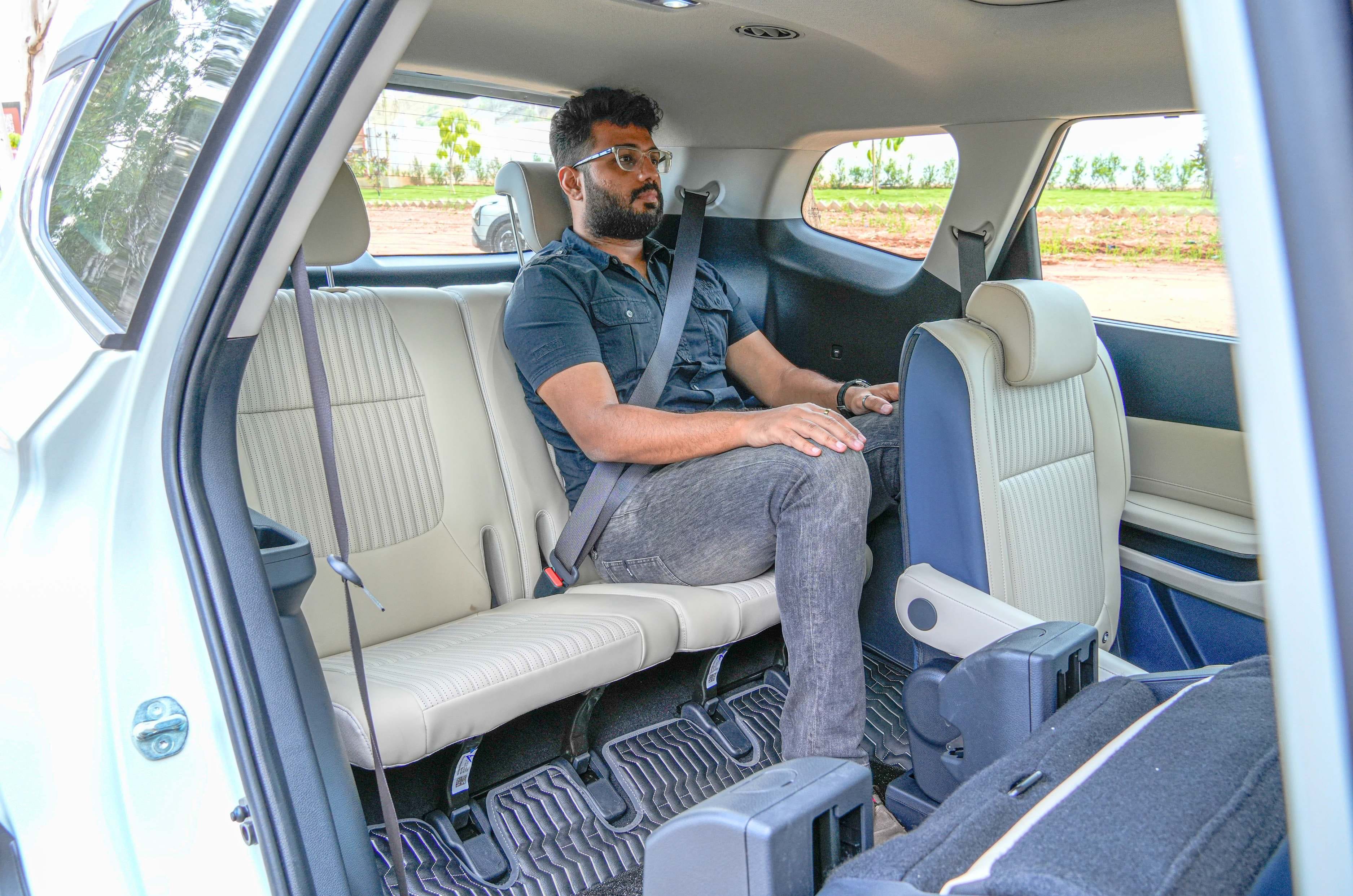
Whether you get the 6-seater or 7-seater version of the Kia Carens Clavis, space isn’t an issue. A one-touch tumble & fold feature means that getting into the third row is pretty straight-forward. This last row also has enough room to accommodate two adults without fuss while also providing dedicated AC vents, USB ports, headrests and three-point seatbelts. With 216 litres of boot space, you can easily store several soft bags.
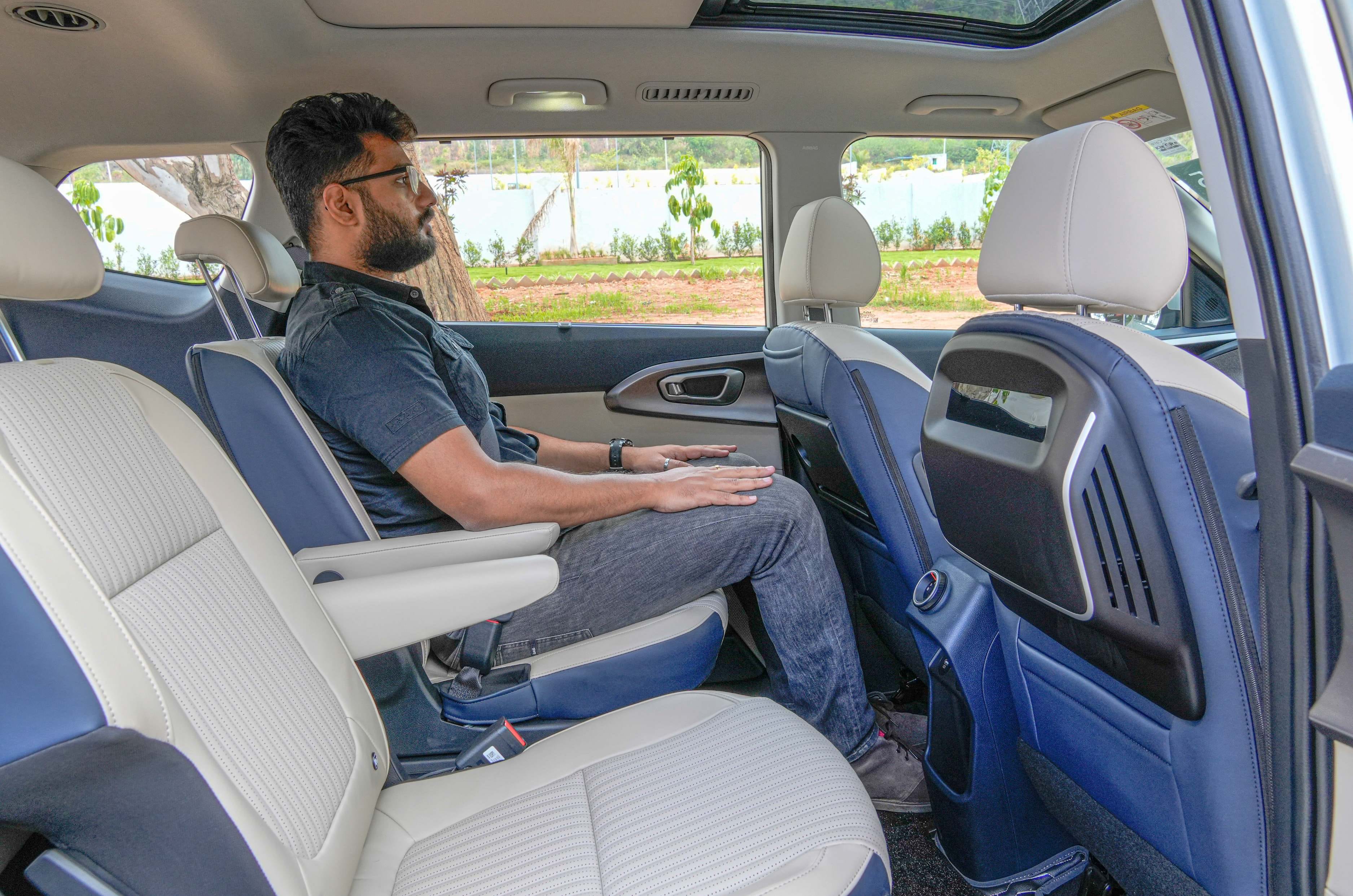
The 6-seater version gets captain seats for the second row that not only look premium but also get individual armrests for extra comfort. There’s no dearth of headroom and kneeroom for the middle-row occupants. Depending on the trim level, this row also benefits from the two-pane panoramic sunroof, blower control, sunblinds, tray table, and air purifier. A manually operated ‘boss’ mode liberates even more room for the occupant seated behind the co-driver’s seat. Passengers will have no trouble with ingress or egress as second-row accessibility is good.
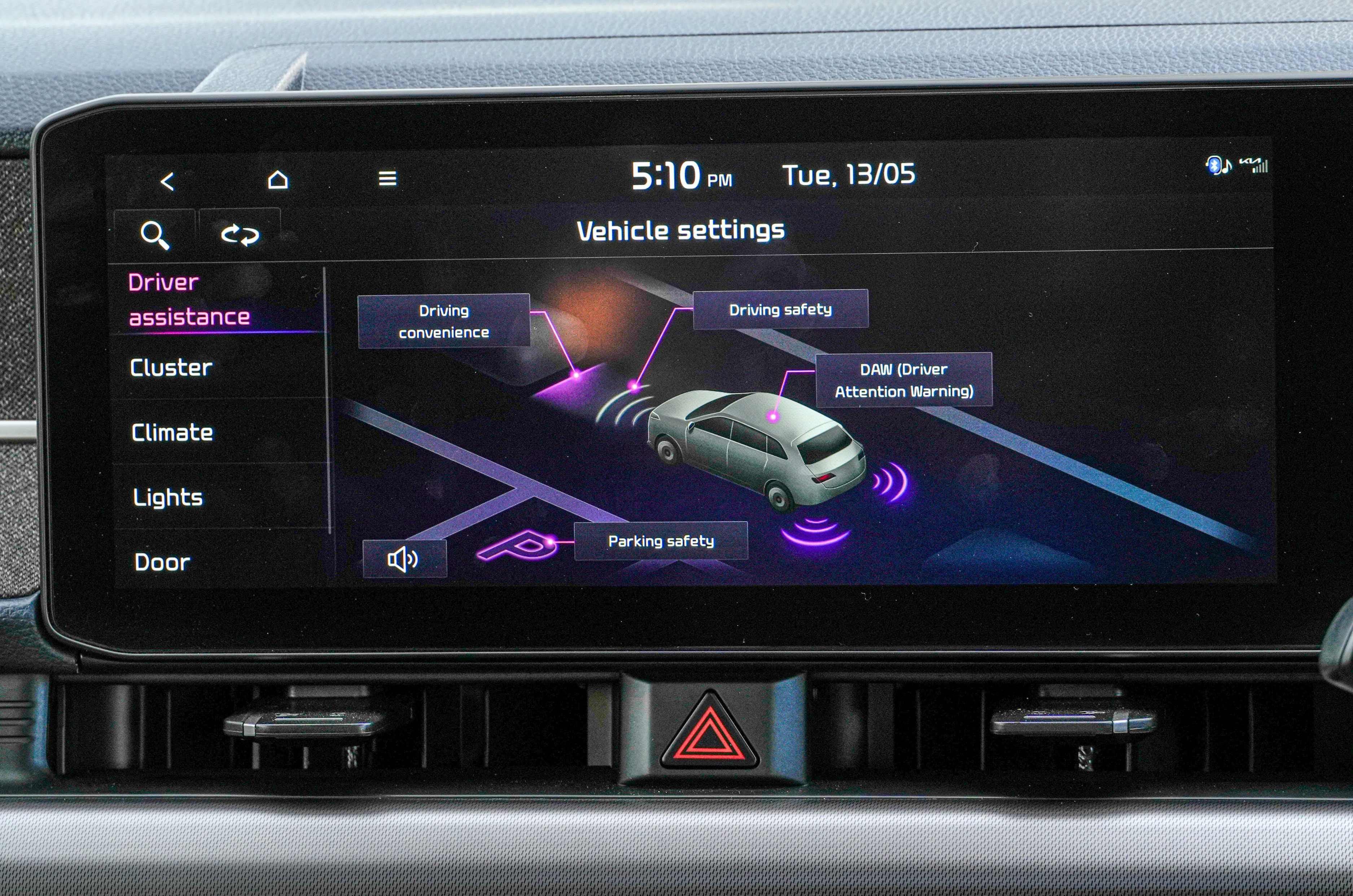
Practicality up front comes from ventilated seats, cooled cupholders and a wireless charger. The dual 12.3-inch screens are high-resolution units that enable a clean and smooth user experience. Some of the other feature highlights here include the 8-speaker Bose audio system, 64-colour ambient lighting system, leatherette upholstery, dashcam, and Level 2 ADAS (Advanced Driver-Assistance Systems). The latter is well-calibrated for our erratic road conditions, particularly functions such as blind-spot monitoring, lane-keeping assist and rear cross-traffic alert.
Powertrain options galore
The Carens Clavis is offered with three engine options four transmission choices
Under the bonnet of the Kia Carens Clavis can be one of three engines: a 1.5-litre naturally aspirated four-cylinder petrol, 1.5-litre direct-injected turbo-petrol, or a 1.5-litre four-cylinder turbo-diesel. A 6-speed manual gearbox is offered with all them. The turbo-petrol mill is also available with a 6-speed iMT (intelligent manual transmission) and a 7-speed DCT (dual-clutch automatic transmission). Meanwhile, the oil burner can be mated to a 6-speed AT (automatic transmission). The only diesel option in the segment, this Kia MPV’s 1.5-litre turbo-diesel engine can return 15-16kpl on highway runs.
Good ride and high-speed stability
This MPV rewards drivers with relaxed driving manners
The 17-inch wheels on the top-spec turbo-petrol variants allow for a pliant-enough ride, with the diesel variants featuring 16-inch rims actually feeling supple. Regardless of the wheel size, the Carens Clavis feels surefooted on the road, staying planted even as speeds rise. The bigger wheels make this MPV take corners decently compared to the variants with the smaller wheels, but this is only true if it’s driven sedately.
Reasons not to buy the Kia Carens Clavis
Not for enthusiastic drivers
Lacklustre powertrains and noticeable body-roll relegates this Kia to sedate driving roles
While the 1.5-litre turbo-petrol engine produces 160hp and 253Nm, it lacks excitement. Pushing it past 4,200rpm does not result in quicker gain of pace, but it instead leads to the engine’s coarse note nearing redline to enter the cabin. The 7-speed DCT, meanwhile, isn’t smooth in the city where it hesitates to shift between lower cogs – this is a gearbox that doesn’t like being rushed.
The Carens Clavis with the diesel engine and 6-speed AT is also good at cruising long distances at highway speeds. However, this oil burner could’ve done with more punch – the issue becoming really noticeable when driving on uphill slopes with a full house. With most of the weight being transferred to the rear, and this being a front-wheel drive (FWD) car, there isn’t enough oomph to pull the Carens Clavis up inclines with ease. This lack of power, combined with the slow downshifts of the automatic gearbox, means that quick overtakes will require some planning.
If you enjoy taking corners with enthusiasm, then the Carens Clavis isn’t for you. The body-roll is especially noticeable in the variants with the 16-inch wheels due to their smaller-section tyres. While the body-roll is less evident in the cars with the 17-inch wheels, taking a corner with any hint of aggressive will lead to body-roll.
Unintuitive touch-enabled buttons
This issue plagues the top trims of the Carens Clavis
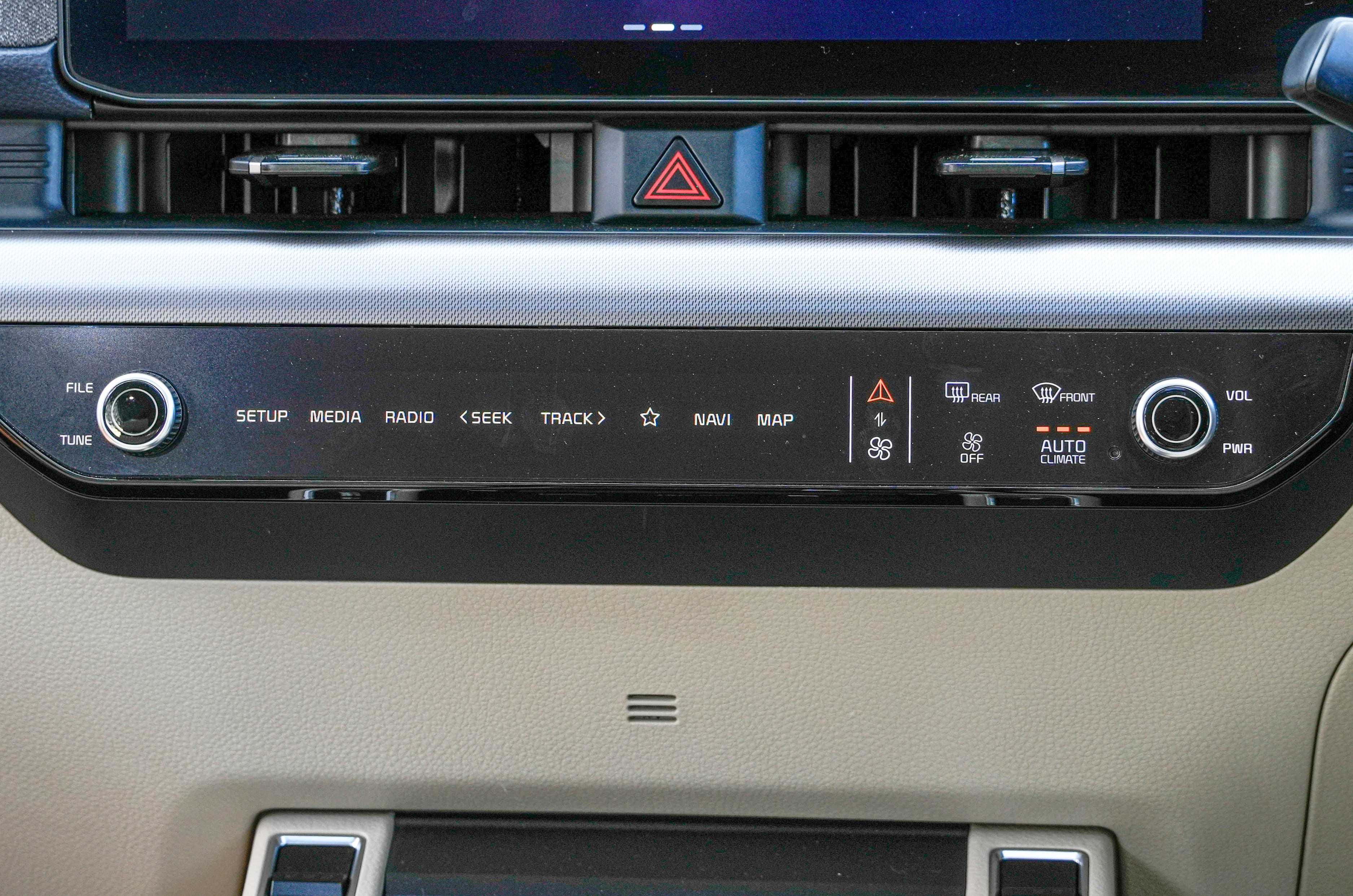
Top trims of the Kia Carens Clavis get a switchable, touch-sensitive panel to operate the car’s HVAC and infotainment systems. Not only is there an issue with reflections catching you out while trying to use this panel, but you could accidentally press the wrong button or control. This can be distracting whilst driving as you’ll have to look away from the road in order to use most of the controls on this panel. Meanwhile, lower trims get easy-to-use physical switchgear for these functions.
Gets pricey quickly
Top variants are far more expensive than rivals
The range-topping variants of the Kia Carens Clavis cost well over Rs 20 lakh, with even mid-spec variants priced north of Rs 15 lakh. When compared to rivals such as the Maruti Suzuki XL6, this makes the Caren Clavis up to Rs 7.14 lakh.
After four years of being on sale, Audi India is slated to replace the second-generation Q3 in India. Our dealer sources have indicated that the third-generation Q3 will launch in October 2026. In the months leading up to its debut, Audi’s entry-level luxury SUV has been spied on our roads.
Third-generation Audi Q3 exterior details
Gets a more aggressive look in comparison to the previous-gen
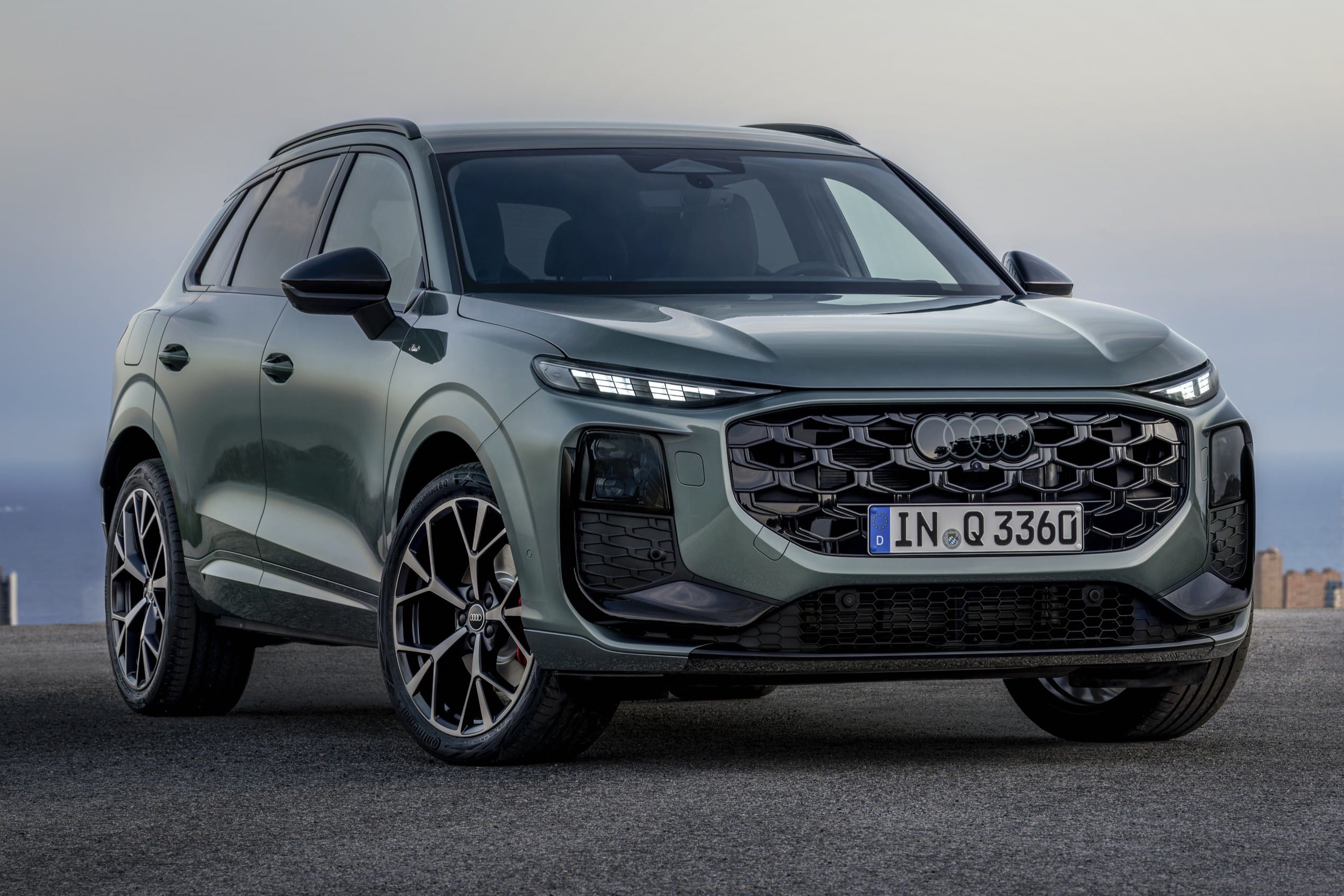
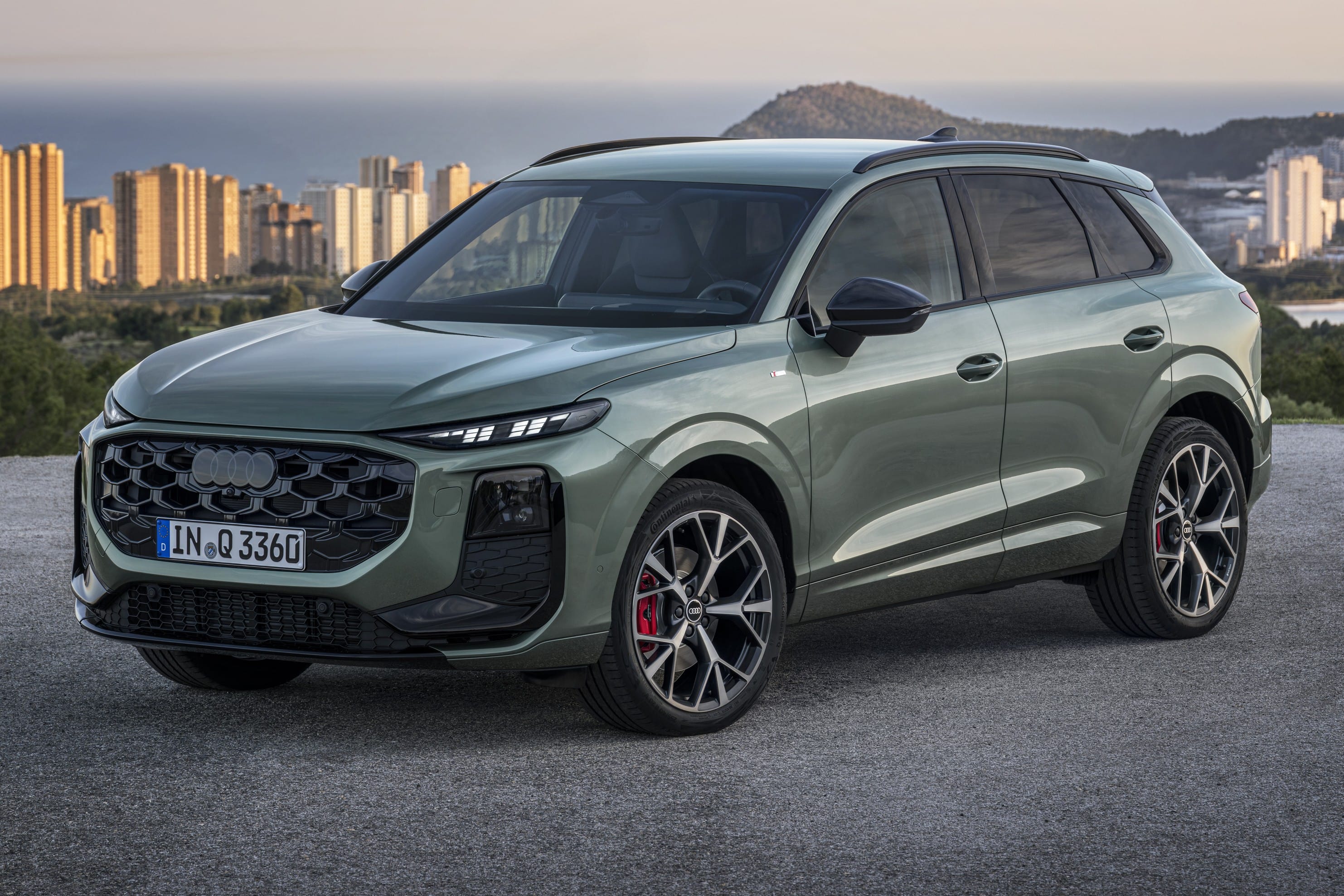
While the previous-gen Q3’s design took an understated approach, the new-gen goes for a flamboyant look. The imposing front-end has a split headlamp design, with slim LED DRLs with four configurable light signatures and vertically stacked LED headlamps. The grille is larger than before, featuring a hexagonal pattern and a 2D Audi logo. The bumper gets a dual-tone look with black surrounds for the headlamps, and there are wide air intakes with a honeycomb pattern.
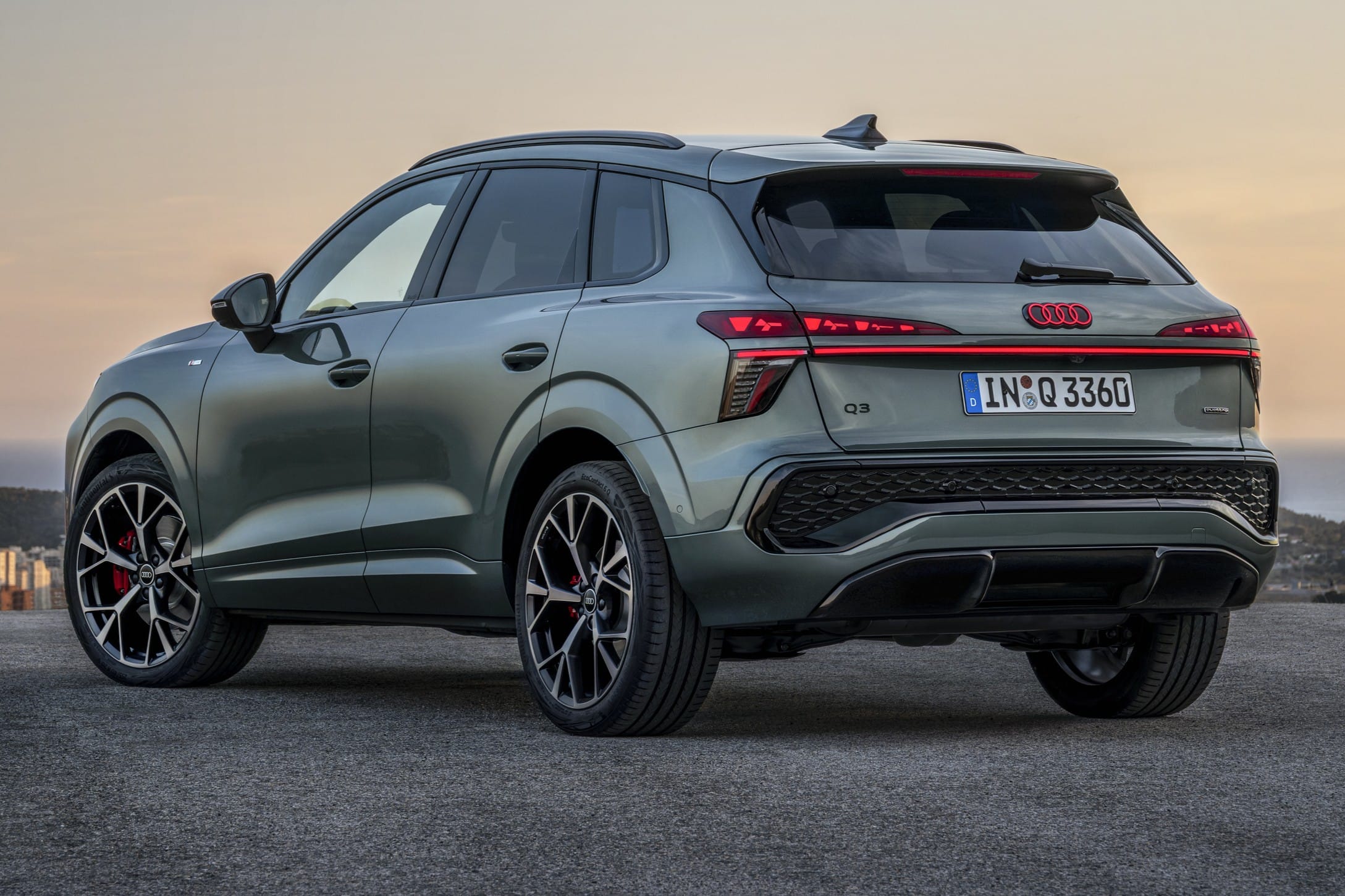
In profile, the Q3 gets a clean design with subtle moulding for the lower side of the doors, and creases over the wheel arches. You also get a split-lamp design for the back, with the main units having a striking design with optional OLED illumination. Additionally, you also get a thin light bar, and the Audi logo is illuminated. Though the global-spec Q3 gets wheel sizes ranging from 18 to 20 inches, expect the India-spec version to have 18-inch rims.
The third-gen Q3 sits on the latest version of the VW Group’s MQB platform. The global-spec version is 4,531mm long, 1,859mm wide, 1,601mm tall, and gets a 2,681mm wheelbase. Compared to the previous generation, it is 96mm longer, 10mm wider, and 6mm shorter, while the wheelbase is 1mm longer.
Third-generation Audi Q3 interior and features
Comes with a driver-focused cabin and updated tech
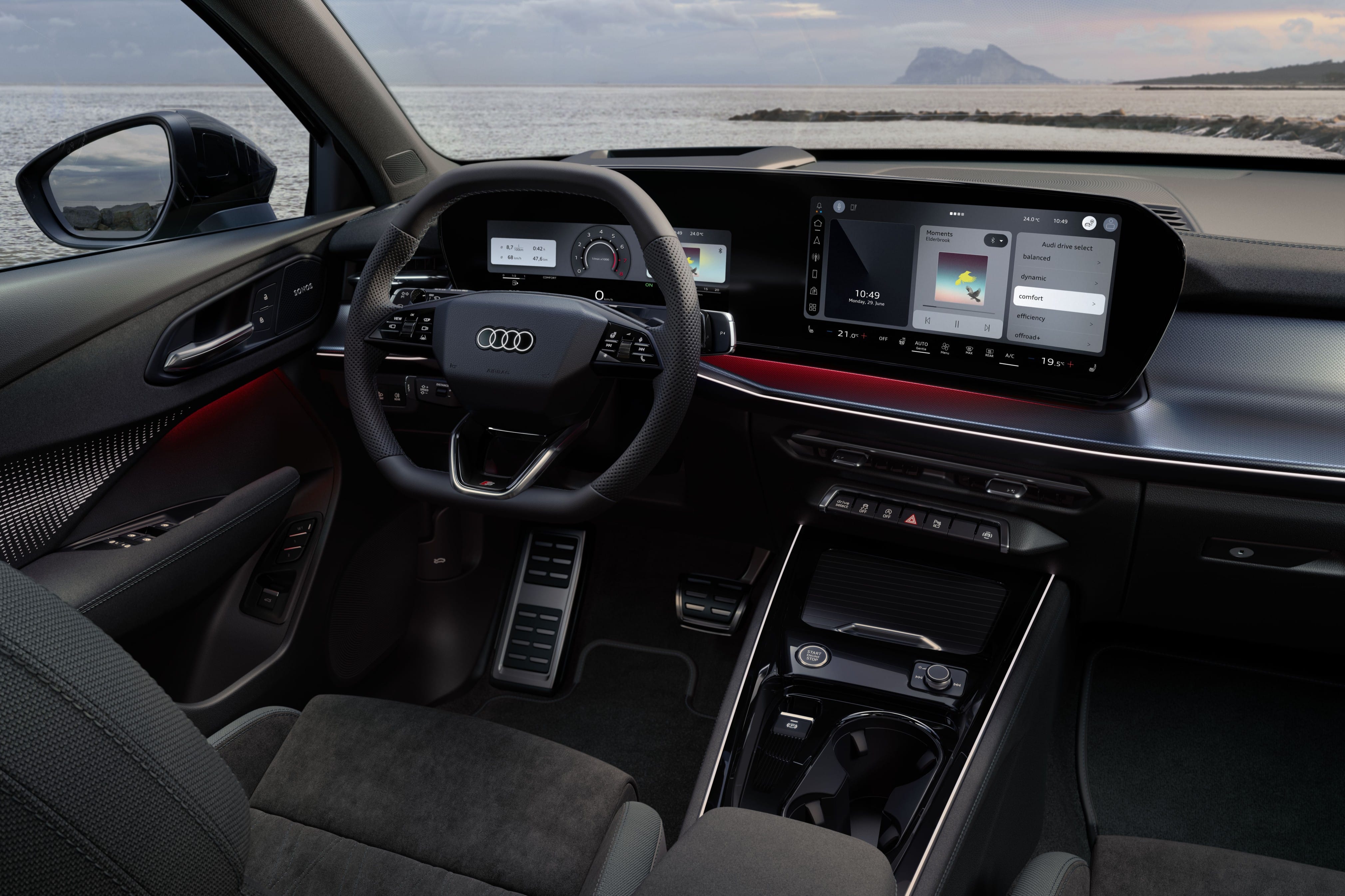
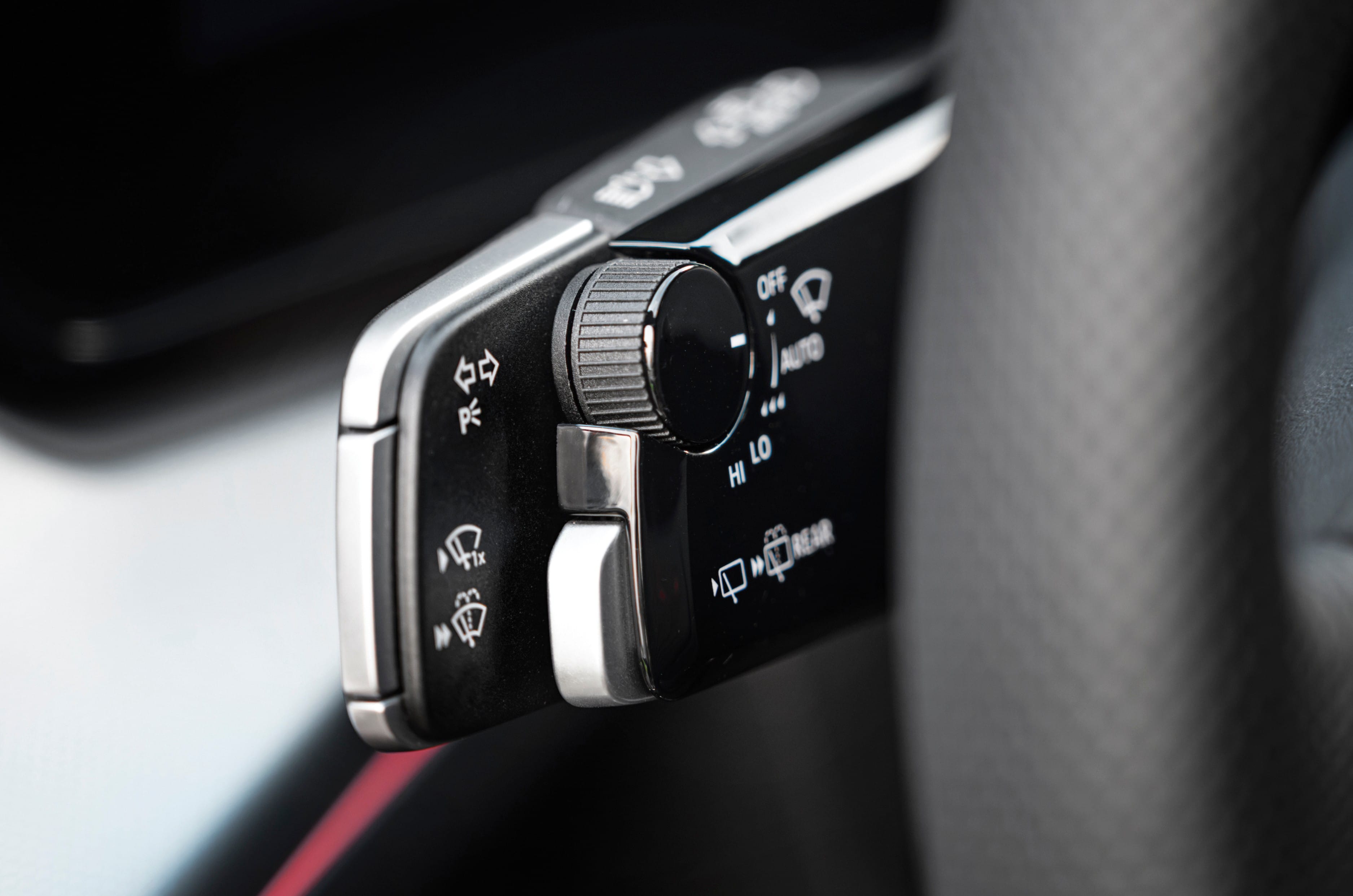
Like the exterior, the interior is also a departure from the current version, with the dashboard angled toward the driver. You get a curved dual-screen setup dominating the dashboard, a new sporty-looking three-spoke flat-bottom steering wheel, and the gear lever has moved from the centre console to the steering column. A unique touch is that controls for the lights, wipers and indicators are combined into a single stalk. However, like most manufacturers, Audi has reduced the number of physical buttons. While the global-spec Q3 gets a black theme for the interior and offers a choice of black or beige seats, it remains to be seen how the India-spec version’s interior would be specced.
As for equipment, the Audi Q3 is expected to have a 11.9-inch digital driver’s display, a 12.8-inch infotainment system with Apple CarPlay and Android Auto, configurable ambient lighting, 3-zone climate control, a panoramic sunroof, a powered driver’s seat, and cooled front seats. The safety kit could include an ADAS suite and a 360-degree camera, along with essentials like 7 airbags, ABS, and ESC.
Third-generation Audi Q3 expected powertrains
Likely to be powered by a single petrol engine
The Q3 is expected to arrive with petrol-only powertrains as its previous generation. It will likely utilise an updated version of the current 2.0-litre TSI unit, churning out 14hp more power at 204hp and 320Nm. A 7-speed DCT handles transmission duties, while you get Quattro AWD as standard.
Third-generation Audi Q3 expected price and rivals
To likely be priced from Rs 50 lakh onward
Expect the new-gen Q3 to be pricier than the previous version. The second-gen that’s currently sold in India has an ex-showroom price of Rs 43.67 lakh to Rs 53 lakh. It will take on the likes of the Mercedes-Benz GLA and the BMW X1. We even had the opportunity to drive the third-gen Q3 in global-spec guise.
The Indian automobile industry has asked the government to introduce a proper system to check the quality of fuel sold at pumps, according to a report by ET Auto. The request comes after many vehicle owners reported issues such as stalling and difficulty in starting their vehicles following the wider rollout of E20 fuel, it stated further.
Industry executives have clarified that E20 itself is not the problem, provided the vehicle is designed to run on it. Instead, they believe contaminated or adulterated fuel is causing these issues. Fuel pump owners have also raised concerns about contaminated fuel.
Hygroscopic nature of ethanol can cause contamination
As per the publication, investigations into customer complaints have found elevated levels of moisture and chloride in some fuel samples. One reason behind this is that ethanol has a tendency to absorb water. Since the existing underground storage tanks and fuel pipelines were originally built for regular petrol, high ethanol blends can cause issues. Water can also enter these tanks through rainwater, moisture, condensation or even fuel tankers supplying petrol.
If the water content in an underground fuel tank rises above 0.5 percent, the ethanol mixes with the water and separates from the petrol. This process, known as phase separation, leaves a layer of petrol on top and a water-ethanol mixture at the bottom. Vehicles that receive fuel from the lower part of the tank may end up with this water-rich mixture instead of E20 fuel.
The report also notes that storage tanks and pipelines made of mild steel are more likely to corrode if not upgraded for higher ethanol blends.
Industry wants an independent fuel-testing body
On condition of anonymity, a senior industry executive told the publication, “The maker cannot be the checker. At present, oil marketing companies (OMCs) check the quality of fuel being dispensed at pumps. An independent body needs to be made responsible to examine whether the fuel being retailed meets the specifications outlined by the Bureau of Indian Standards or BIS (the national body responsible for the standardisation, marking and quality certification of goods).”
According to BIS guidelines, E20 fuel should not contain added detergents, dispersants, silicone, chlorine-based additives or metallic additives.
Another industry executive explained, “The quantum of ethanol being blended in petrol has doubled to 11 billion litres in the last two years. But while the ratio of ethanol in the fuel has increased, the infrastructure remains the same. Trucks which were used in alternate applications are carrying E20 fuel; depots and fuel storage tanks at petrol pumps have not been upgraded. Therefore, the instances of fuel contamination.”
Mercedes-Benz is set to expand its India line-up with the launch of the new AMG E 53 performance sedan on July 23. This AMG version of the Mercedes E-Class was unveiled globally in March 2024 and is now finally headed to India, more than two years later. Here’s everything you need to know about the new Mercedes-AMG E 53.
What is the expected price of the new Mercedes-AMG E 53?
The 2026 Mercedes-AMG E53 price is expected to be around the Rs 2.2 crore (ex-showroom) mark. If that holds, the E 53 will carry a premium of about Rs 29 lakh over the AMG C 63 S E sedan, which costs Rs 1.91 crore.
Is the new Mercedes-AMG E 53 a PHEV?
While the previous E 53 that was on sale in the country came with a 48V mild-hybrid system, the new version is a plug-in hybrid electric vehicle (PHEV). The 2026 performance sedan continues to use a 3.0-litre turbo-petrol straight-six engine, but pairs it with an electric motor integrated into the 9-speed automatic gearbox. Combined, this setup produces 585hp and 750Nm. Drive is sent to all four wheels via the brand’s 4Matic+ AWD system.
With the optional AMG Dynamic Plus package, power increases to 612hp (when Race Start is activated). In this mode, the E 53 can sprint from 0-100kph in 3.8 seconds and reach a top speed of 280kph. It also gets a 21.2kWh lithium-ion battery, offering a claimed electric-only range of over 100km. The 400V battery supports AC charging speeds of up to 11kW. In some markets, an optional 60kW DC fast charger is also on offer, which can charge the battery from 10 to 80 percent in about 20 minutes.
How is the Mercedes-AMG E 53 mechanically different to the regular E-Class?
The E 53 gets several AMG-specific chassis upgrades, including extra bracing at the front and rear axles, an 11mm wider front track, and adaptive suspension with Comfort, Sport, and Sport+ mode settings. Its braking system has also been tuned to work better with the hybrid system’s energy recuperation.
Does the new Mercedes-AMG E 53 look any different from the regular E-Class inside and out?
The Mercedes-AMG E 53 gets a sportier look than the standard E-Class. Up front, it features an AMG-spec grille with illumination, a redesigned bumper with larger air intakes, and front fenders widened by 11mm on each side. Even the design for the wheels stands out. At the rear, it gets a boot-lid spoiler, and a redesigned bumper with a blacked-out diffuser and four round exhaust tips. Inside, the E 53 gets AMG-spec seats (with powered adjustment at the front) and AMG steering wheel.
What features will the new Mercedes-AMG E 53 offer?
It gets a 12.3-inch digital driver’s display and a 14.4-inch touchscreen. In international markets, buyers can also opt for the brand’s Superscreen, which adds a separate display for the front passenger. It remains to be seen if Mercedes offers the Superscreen with the E 53 in India. Other features include Burmester sound system, panoramic sunroof, ambient lights, wireless charger, wireless Android Auto and Apple CarPlay, drive modes, 360-degree camera, multiple airbags and more.
Whom will the new Mercedes-AMG E 53 rival in India
Upon launch, the new Mercedes-AMG E 53 will see competition from models like the BMW M5 and the Porsche Panamera. The M5 is priced at Rs 2.11 crore, ex-showroom, while the Panamera starts at Rs 1.79 crore before options.
Petrol Diesel Price Today: हर दिन की शुरुआत सिर्फ सूरज की किरणों से नहीं होती, बल्कि पेट्रोल और डीजल की नई कीमतों से भी होती है, जो आम आदमी की जेब पर सीधा असर डालती हैं। सुबह 6 बजे देश की तेल विपणन कंपनियां (OMCs) ताजा दरें जारी करती हैं, जो अंतरराष्ट्रीय बाजार में कच्चे तेल की कीमतों और डॉलर-रुपए की विनिमय दर में आए बदलावों पर आधारित होती हैं। ये बदलाव रोजमर्रा की जिंदगी को प्रभावित करते हैं, चाहे वो ऑफिस जाने वाला व्यक्ति हो या फल-सब्जी बेचने वाला व्यापारी।
ऐसे में हर दिन की कीमतों की जानकारी रखना सिर्फ जरूरी ही नहीं, बल्कि समझदारी भी है। सरकार की यह प्रणाली पारदर्शिता सुनिश्चित करती है ताकि उपभोक्ताओं को किसी तरह की भ्रमित जानकारी न मिले।
आपके शहर में आज का पेट्रोल-डीजल का भाव
ये रहे 22 जुलाई 2026 के प्रमुख शहरों के पेट्रोल-डीजल के ताजा रेट —
नई दिल्ली: पेट्रोल ₹102.12 | डीजल ₹95.20
मुंबई: पेट्रोल ₹111.18 | डीजल ₹97.83
कोलकाता: पेट्रोल ₹113.47 | डीजल ₹99.82
चेन्नई: पेट्रोल ₹107.77 | डीजल ₹99.55
गुरुग्राम: पेट्रोल ₹102.77 | डीजल ₹95.44
नोएडा: पेट्रोल ₹102.12 | डीजल ₹95.56
बेंगलुरु: पेट्रोल ₹110.93 | डीजल ₹98.80
भुवनेश्वर: पेट्रोल ₹109.92 | डीजल ₹100.92
चंडीगढ़: पेट्रोल ₹98.10 | डीजल ₹86.09
हैदराबाद: पेट्रोल ₹115.69 | डीजल ₹103.82
जयपुर: पेट्रोल ₹112.66 | डीजल ₹97.78
लखनऊ: पेट्रोल ₹102.05 | डीजल ₹95.55
पटना: पेट्रोल ₹113.35 | डीजल ₹99.36
तिरुवनंतपुरम: पेट्रोल ₹115.49 | डीजल ₹104.40
पिछले दो साल से स्थिर क्यों हैं कीमतें?
मई 2022 के बाद से केंद्र और कई राज्यों द्वारा टैक्स में कटौती की गई, जिसके बाद पेट्रोल-डीजल की कीमतों में स्थिरता देखी जा रही है। हालांकि अंतरराष्ट्रीय बाजार में उतार-चढ़ाव होता रहता है, फिर भी भारतीय उपभोक्ताओं के लिए कीमतें तुलनात्मक रूप से स्थिर बनी हुई हैं।
किन कारणों से तय होती हैं ईंधन की कीमतें?
कच्चे तेल की कीमतें:
पेट्रोल और डीजल का उत्पादन मुख्य रूप से कच्चे तेल से होता है। जब अंतरराष्ट्रीय स्तर पर कच्चे तेल की कीमतें बढ़ती हैं, तो इसका असर सीधे भारतीय बाजार पर पड़ता है।
डॉलर के मुकाबले रुपया:
भारत अधिकतर कच्चा तेल आयात करता है, और यह डॉलर में खरीदा जाता है। यदि रुपया कमजोर होता है, तो ईंधन महंगा हो जाता है।
सरकारी टैक्स और शुल्क:
केंद्र और राज्य सरकारें पेट्रोल-डीजल पर भारी टैक्स लगाती हैं, जो खुदरा मूल्य का बड़ा हिस्सा होते हैं। यही कारण है कि राज्यों में कीमतों में अंतर होता है।
रिफाइनिंग की लागत:
कच्चे तेल को इस्तेमाल लायक बनाने की प्रक्रिया (रिफाइनिंग) में भी खर्च होता है। ये लागत कच्चे तेल की गुणवत्ता और रिफाइनरी की क्षमता पर निर्भर करती है।
मांग और आपूर्ति का संतुलन:
बाजार में ईंधन की मांग अगर बढ़ जाती है, तो कीमतें भी ऊपर जाने लगती हैं। खासकर त्योहारों, गर्मी या सर्दी के मौसम में ईंधन की खपत ज्यादा होती है।
कैसे करें अपने शहर की कीमतें SMS से चेक?
अगर आप मोबाइल से ईंधन की कीमत जानना चाहते हैं, तो ये प्रक्रिया आसान है:
Indian Oil ग्राहक: अपने शहर का कोड टाइप करें और उसे “RSP” के साथ 9224992249 पर भेजें।
BPCL ग्राहक: “RSP” लिखकर 9223112222 पर भेजें।
HPCL ग्राहक: “HP Price” लिखकर 9222201122 पर भेजें।
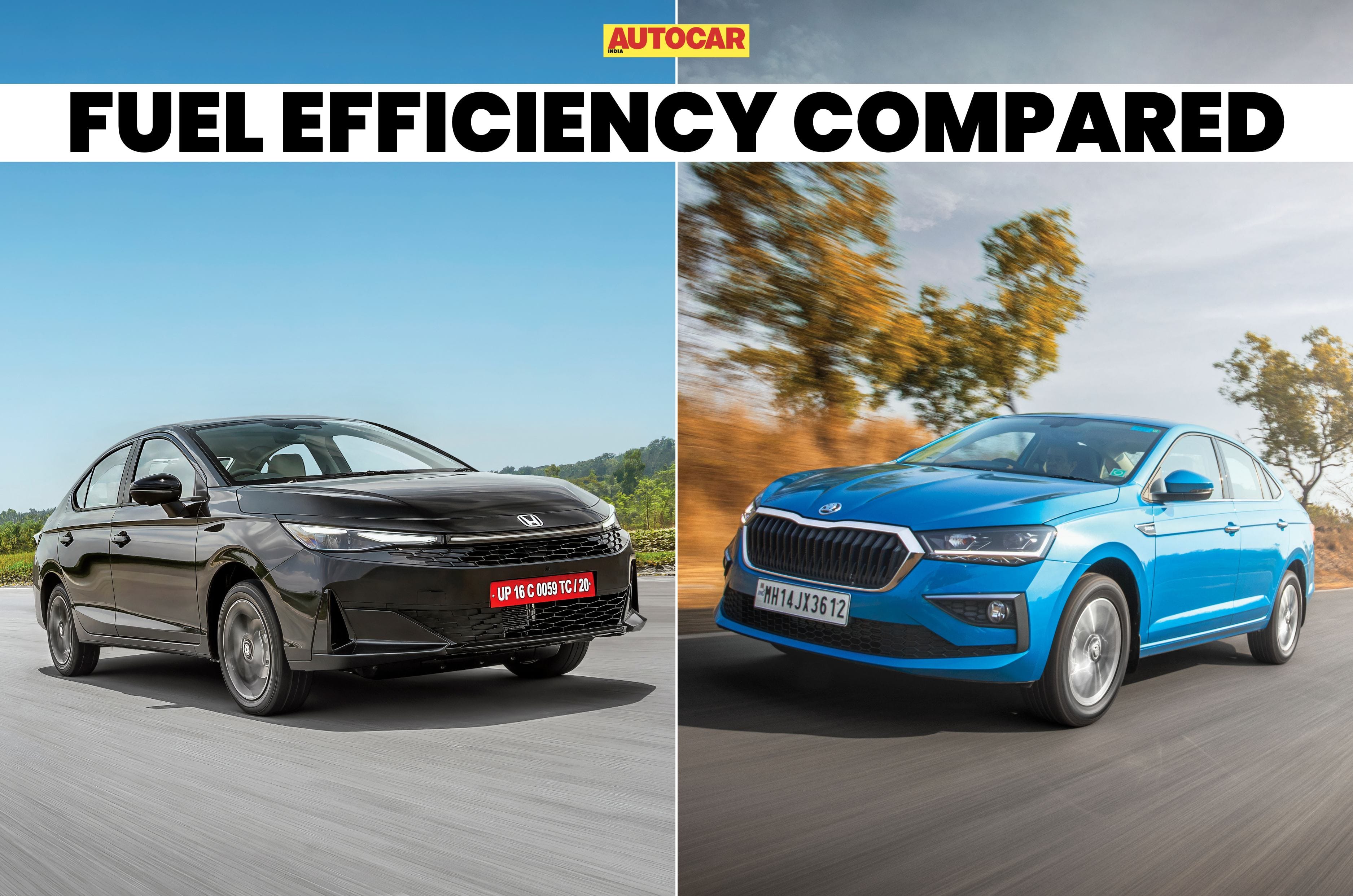
The fifth-gen Honda City is fresh off its second facelift, which aims to make the midsize sedan more compelling against rivals like the Skoda Slavia. Where the Slavia is available with turbo-petrol engines only, the City gets a sole naturally aspirated motor in its petrol variants. We put the petrol automatic versions of the City and Slavia through our real-world test
Honda City vs Skoda Slavia petrol automatic: Price and specs
City
Slavia
Engine
1.5 NA
1.0 turbo / 1.5 turbo
Cylinder count
4
3 / 4
Power (hp)
121
116 / 150
Torque (Nm)
145
178 / 250
Gearbox
CVT
6AT / 7DCT
Fuel tank capacity (litres)
40
45
ARAI mileage (kpl)
17.97
18.73 / 19.36
Price range (Rs, lakh)
14.30-17.15
14.34-16.69 / 18.04-18.19
As noted previously, the City gets a 1.5-litre 4-cyl naturally aspirated petrol engine, whereas the Slavia can be had with either a 1.0-litre 3-cyl or 1.5-litre 4-cyl turbo-petrol mill – both are direct-injection engines. The City’s i-VTEC engine makes slightly more power than the Slavia’s 1.0 TSI, but falls much short of the 1.5 TSI. Torque output, fuel tank capacity, and ARAI-claimed mileage figures are clear victories for the Skoda sedan too.
Slavia 1.5 TSI offers cylinder deactivation feature
The City also comes with a CVT transmission, which is more cost-effective, but not as smooth or responsive as the Slavia 1.0 TSI’s 6-speed torque converter and the 1.5 TSI’s 7-speed dual-clutch automatic. It’s also worth noting that the Slavia 1.5 TSI gets cylinder deactivation tech, which can shut off two cylinders at cruising speeds to save fuel.
In terms of pricing, the City CVT slightly undercuts the Slavia 1.0 TSI AT at the base level, though the latter’s top-spec version is more affordable than the Honda sedan’s fully-loaded variant. Compared to the Slavia 1.5 TSI, the City CVT is cheaper by up to Rs 1.04 lakh.
Honda City vs Skoda Slavia petrol automatic: Real-world mileage
City vs Slavia 1.0 TSI AT
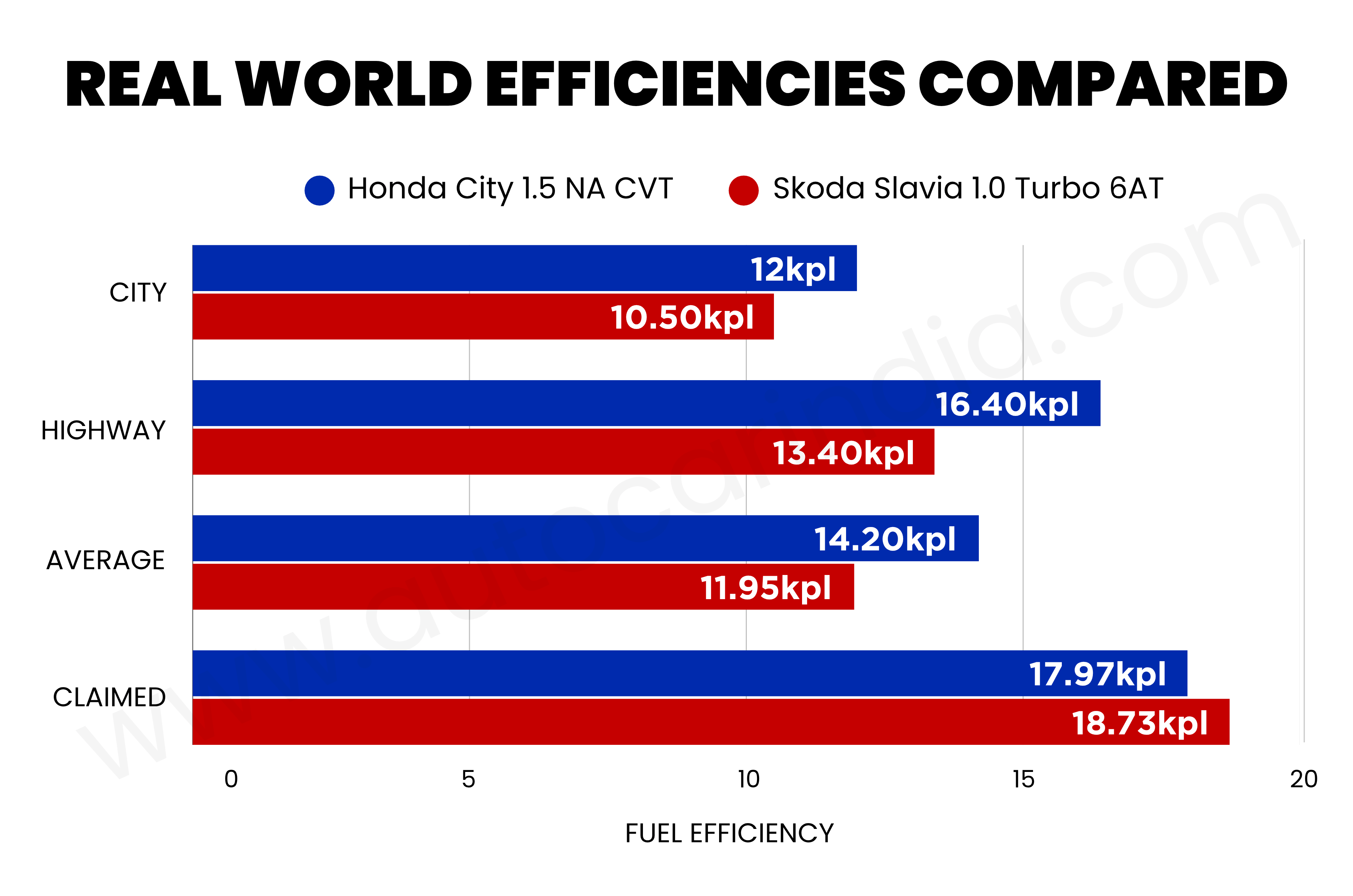
Despite being a cylinder down compared to the City, the Slavia 1.0 TSI yielded lower mileage figures in our real-world testing. In urban conditions, the City eked out a 1.5kpl victory over the Slavia 1.0 TSI, while on the highway, the Honda sedan’s lead widened to a full 3kpl. Looking at their average fuel efficiency figures, the City was 2.25kpl ahead of the Slavia 1.0 TSI.
City vs Slavia 1.5 TSI DCT
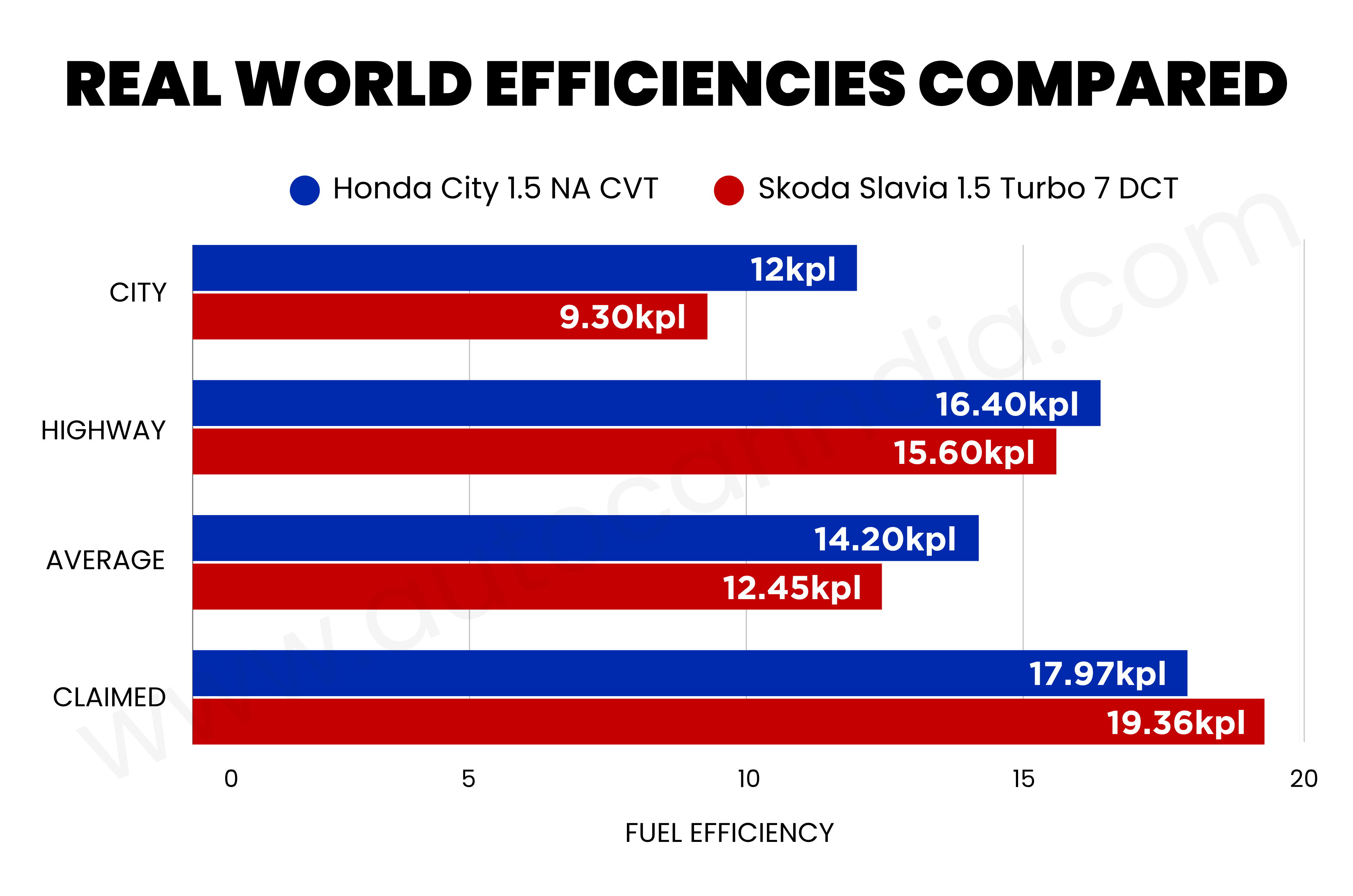
Unsurprisingly, the Slavia 1.5 TSI sipped more fuel than the 1.0 TSI in urban conditions, resulting in a 2.7kpl delta between the City. Thanks to its cylinder deactivation function, though, the Slavia 1.5 TSI majorly closed the mileage gap on the highway, but still fell short of the City by 0.8kpl. All told, the Slavia 1.5 TSI’s average fuel efficiency worked out to 0.5kpl higher than the 1.0 TSI, and 1.75kpl lower than that of the City.
City’s smaller fuel tank lets it down a bit
While the City undeniably offers better real-world mileage, its smaller fuel tank somewhat detracts from the victory. Per the average fuel efficiency numbers, the Honda sedan can travel 568km on a full tank of petrol, while the Slavia 1.0 TSI AT and 1.5 TSI DCT manage real-world range figures of 538km and 560km, respectively. That’s a difference of 8-30km in the City’s favour, which isn’t all that substantial, especially when comparing the 4-cyl versions of each sedan.
Autocar India’s fuel efficiency testing
Before our real-world fuel efficiency tests, we fill our test cars’ tanks to the brim and maintain tyre pressures based on the manufacturer’s recommendations. These cars are driven in fixed city and highway loops in and around Navi Mumbai, and we maintain certain average speeds. Throughout the tests, there is only one person in each car, running the air conditioner and other electricals, such as the audio system, indicators and wipers, when required, just like a regular user would. Periodic driver swaps further neutralise variations in driver patterns. At the end of each cycle, we calculate efficiency by filling the tanks to full again.
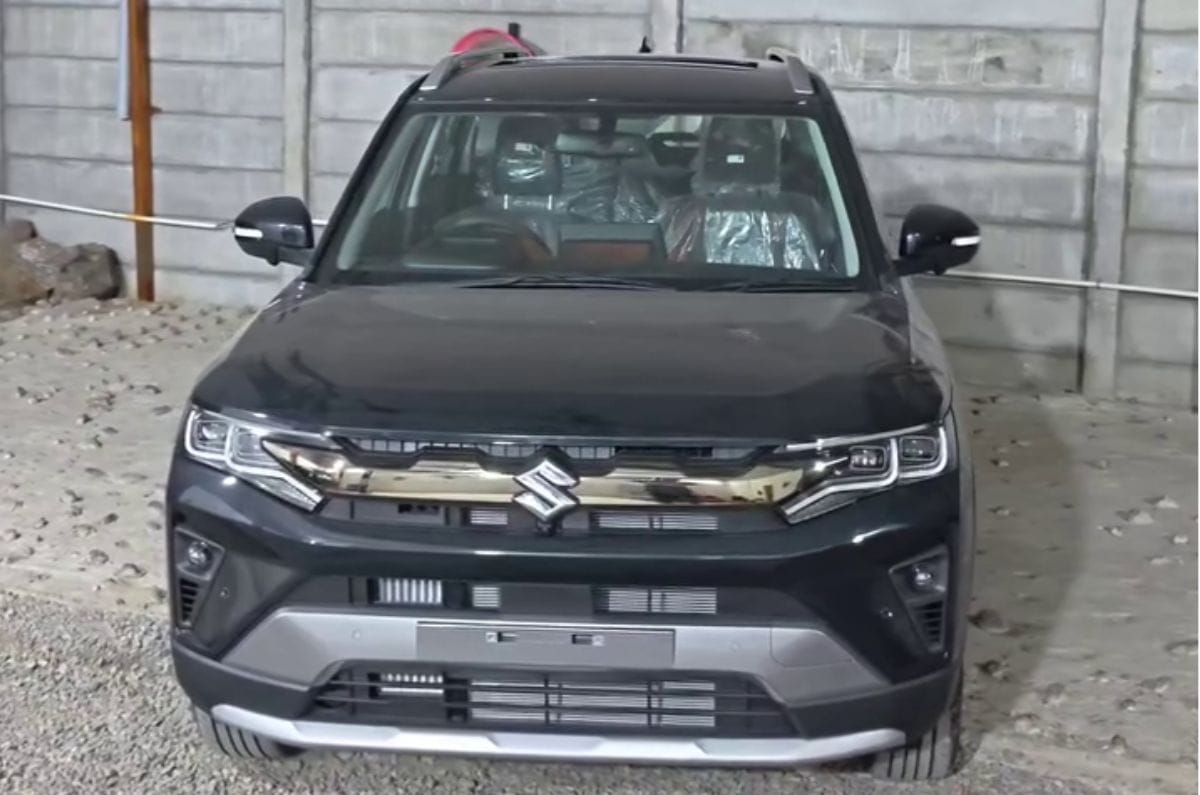
The updated Maruti Suzuki Brezza is one of the most anticipated new cars in the compact segment, and ahead of its launch on July 24, the new Brezza has been spied completely undisguised at a dealership stockyard. It gets subtle cosmetic updates on the outside, important feature upgrades on the inside, but most importantly, a brand-new engine option as well.
Brezza facelift to get new 1.0-litre turbo-petrol engine
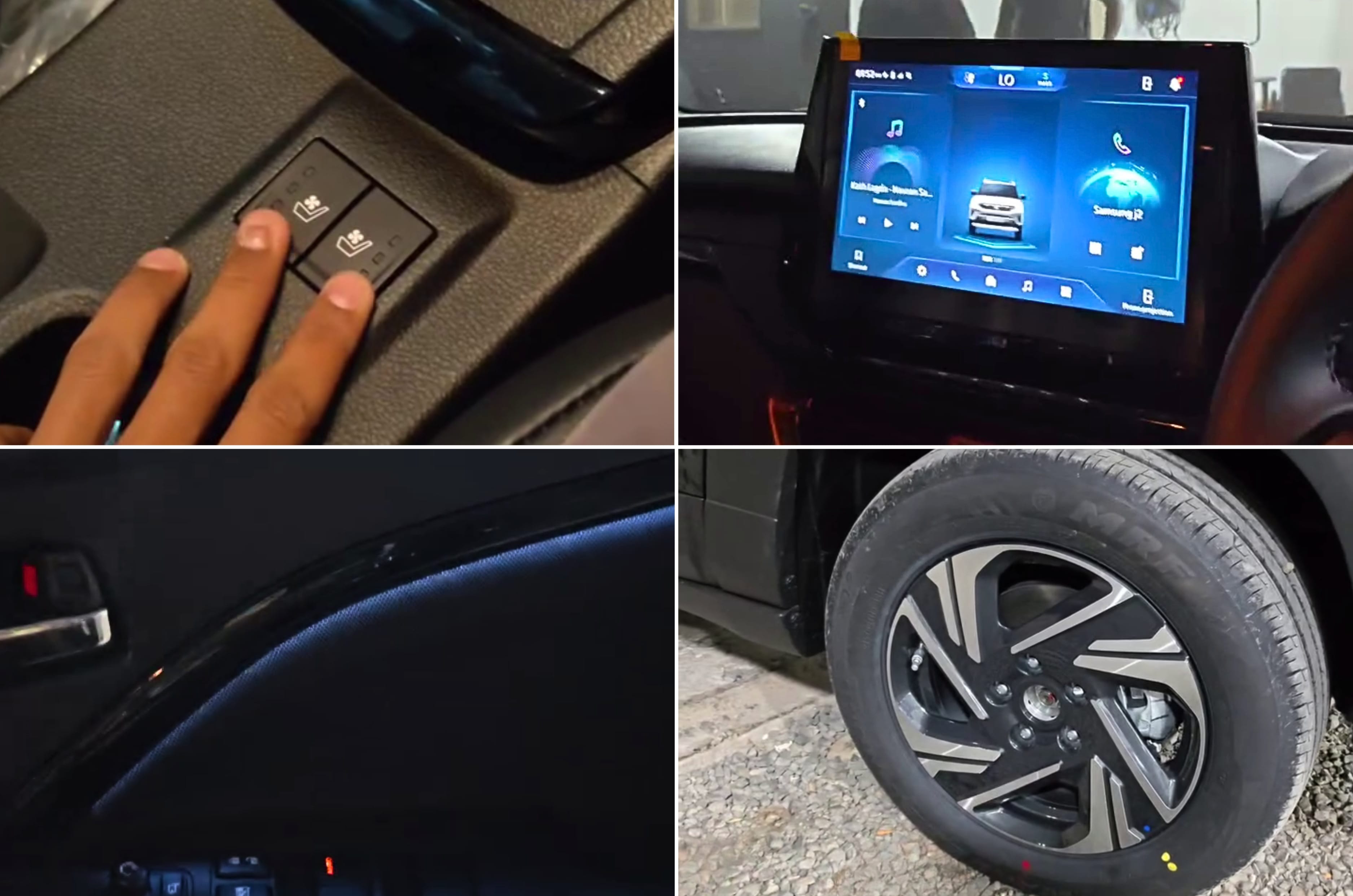
Interior gets new 10.1-inch touchscreen, ventilated seats, ambient lighting
Bookings for the new Brezza are already underway
Maruti Suzuki Brezza facelift exterior and interior updates
This is the first mid-lifecycle update for the Brezza since the second-generation model was introduced in 2022, and the updates on the outside and rather minimal. The grille design has been slightly reworked and it gets a new golden finish as opposed to the grey coloured grille on the current car. It also gets a revised bumper with repositioned fog lamps housed within triangular surrounds. The headlamps and the LED DRLs, however, remain unchanged. In profile, the only notable update includes a new set of dual-tone alloy wheels, while the rear has remained largely unchanged.
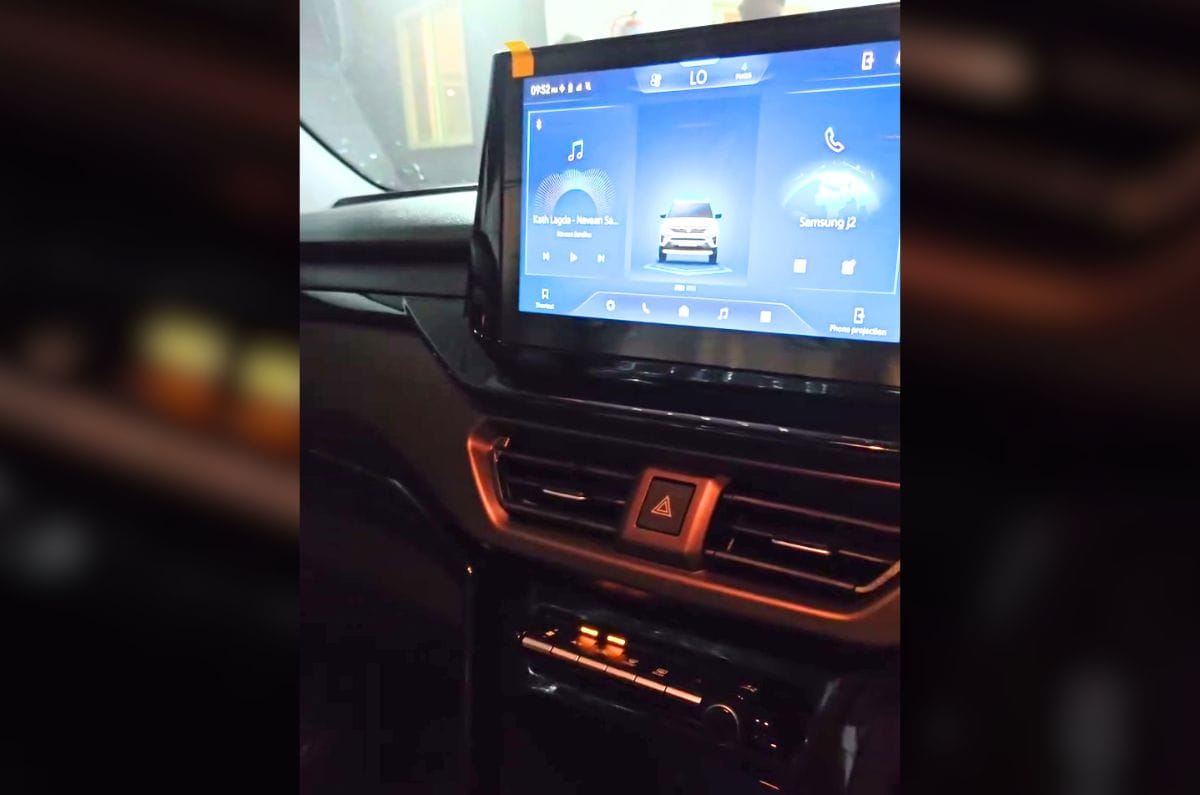
The Brezza will get a larger 10.1-inch touchscreen and revised HVAC controls.
The interior sees more meaningful updates, with the highlight being the 10.1-inch infotainment screen that’s also seen on the Victoris. It also adds ambient lighting, front ventilated seats and revised switchgear for the HVAC controls (also shared with the Victoris). There’s also use of new gloss-black trim materials or the dashboard and door pads. On the safety front, the Brezza now gets front parking sensors and it is also expected to come with LEVEL 2 ADAS suite.
Maruti Suzuki Brezza new engine and specs
The biggest update on the Brezza is the addition of a new engine option. It now gets the 1.0-litre Boosterjet turbo-petrol engine from the Fronx. This 3-cylinder engine is expected to produce 110hp and 170Nm, meaning it will come in a higher state if tune than what it is offered with on the Fronx. Transmission options, however, will be limited to just a 6-speed manual gearbox. Crucially, this engine will finally allow the Brezza to qualify for the sub-4m tax slab.
Other upgrades will include new alloys, ambient lighting and ventilated front seats.
The new 1.0-litre turbo-petrol engine is expected to be offered alongside the existing 103hp, 1.5-litre naturally aspirated petrol engine. The CNG kit paired to this engine is also expected to continue, but it’s now expected to have the Victoris CNG-like underbody tank setup.
It will be interesting to see how Maruti prices the new Brezza. Despite the cosmetic and equipment upgrades, the 1.0-litre engine should help bring down the prices given that it finally qualifies for the sub-4m tax bracket. Whether it undercuts the existing Brezza or is priced roughly the same remains to be seen. For reference, the Brezza currently has an ex-showroom price of Rs 8.26 lakh to Rs 12.86 lakh. It will continue to take on rivals like the Hyundai Venue, Tata Nexon, Skoda Kylaq, Mahindra XUV 3XO, Kia Sonet and Syros.