2026 Maruti Brezza details leaked ahead of launch

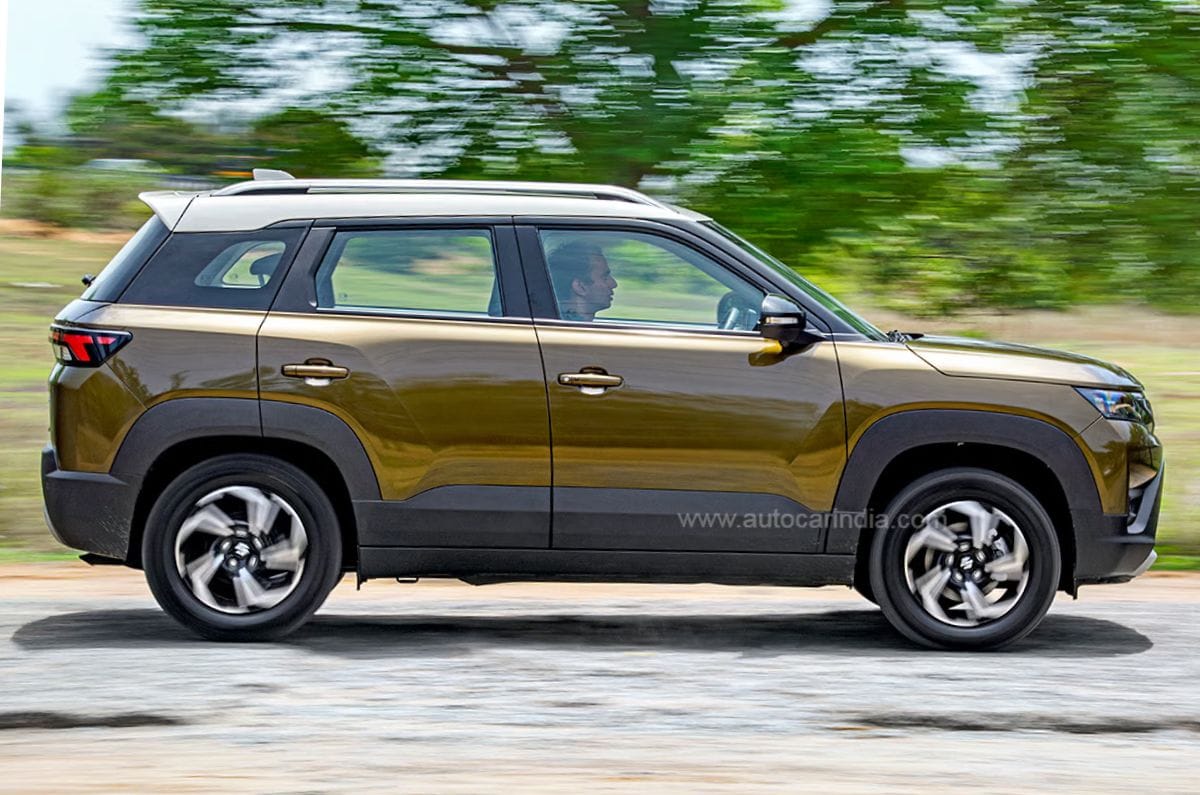
Maruti Brezza side tracking

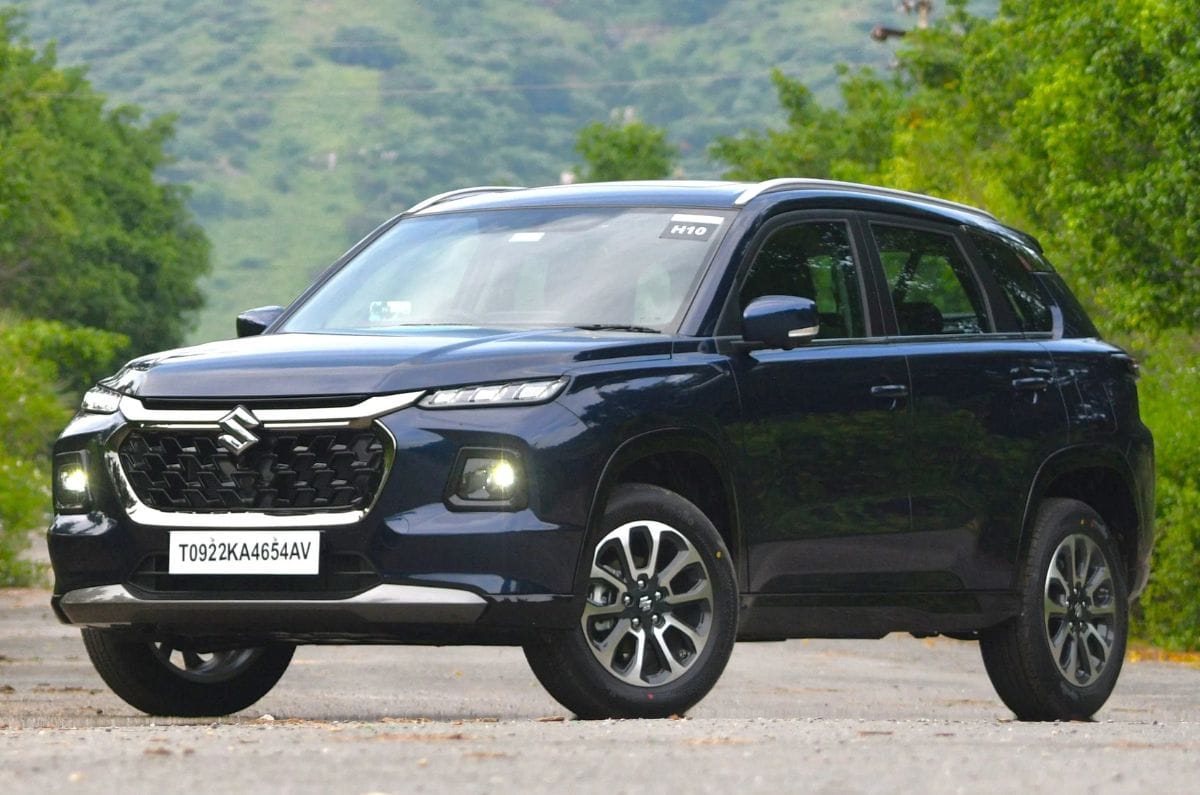
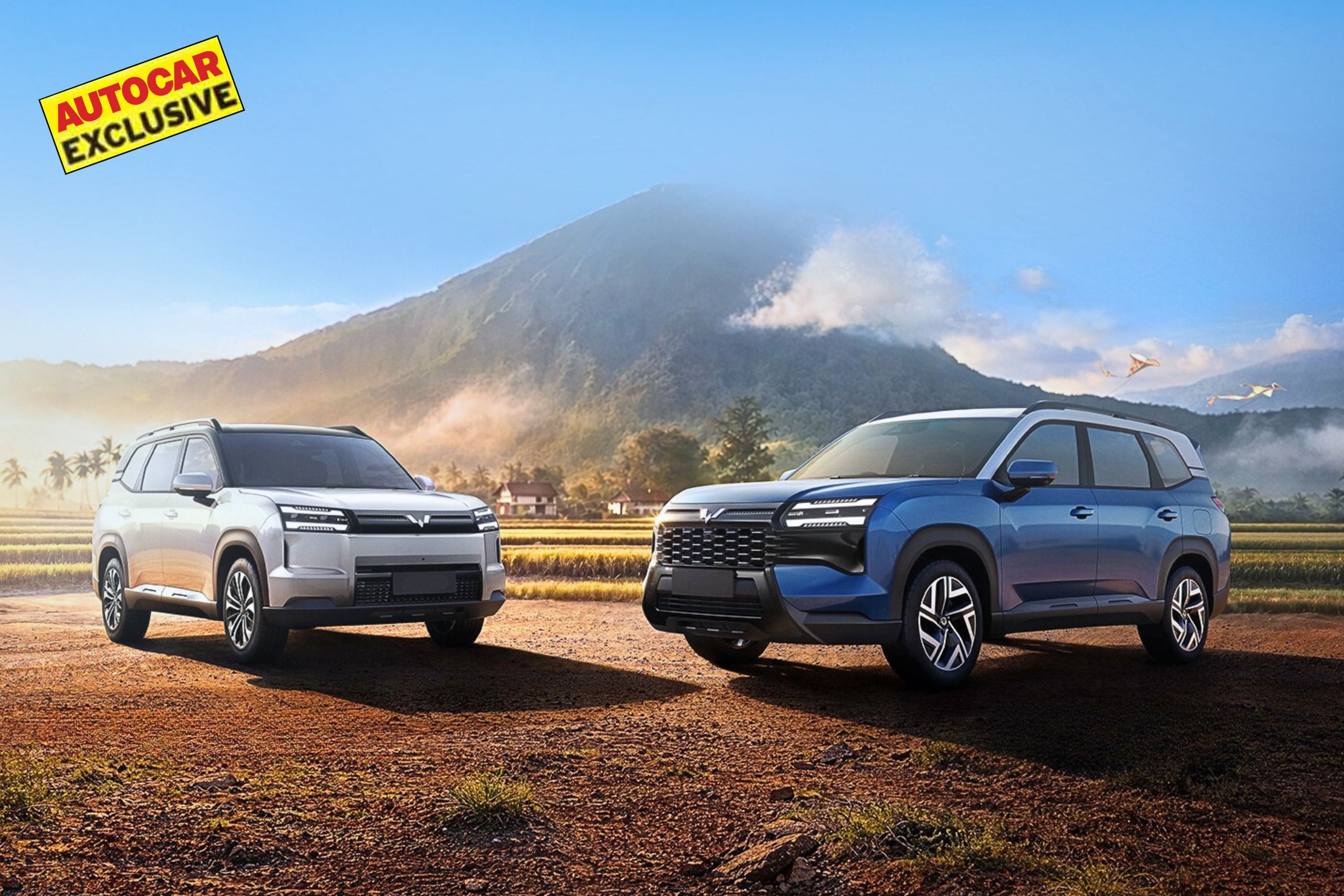
Ahead of its launch on July 24, 2026, specifications and features of the 2026 Maruti Brezza have been leaked on X (previously Twitter) via user @adityalala2000. The leak mentions a new turbo-petrol engine, along with new features and exterior paint options for the 2026 Maruti Brezza. Meanwhile, bookings of the Maruti compact SUV have already commenced. 

2026 Maruti Brezza: What was leaked?

Uptuned Boosterjet engine, underbody CNG kit, and ventilated front seats to come on the 2026 Brezza

The updated Maruti Brezza is expected to get a 1.0-litre ‘Boosterjet’ turbo-petrol unit as the Fronx but in a higher state of tune. On the Brezza, it is likely to produce 110hp and 170Nm, which is 10hp and 26Nm more than the unit powering the Fronx. This engine would be paired to a manual transmission, likely a six-speed unit that was spied on a prototype model.

On the other hand, the 103hp, 139Nm 1.5-litre naturally aspirated petrol engine is expected to be retained along with its manual and automatic transmissions. A CNG kit paired to this engine could continue to be offered, but is expected to have the Victoris CNG-like underbody tank setup.

Additionally, the updated Brezza is likely to have new feature additions, including a larger 10.1-inch infotainment display with built-in apps and Alexa support, ventilated front seats, an air purifier, and 64-colour ambient lighting. New safety features are expected to include blind spot warning, rear cross traffic alert, front parking sensors, and a tyre pressure monitoring system. On the outside, the updated Brezza will likely arrive with an updated look for the bumpers. New monotone paint options, namely Vivacious Orange and Luster Beige, and new dual-tone options, with a black roof for the Arctic White and Luster Beige shades, are likely.

2026 Lexus ES vs rivals: Prices and specifications compared

2026 Lexus ES vs rivals price specifications compared

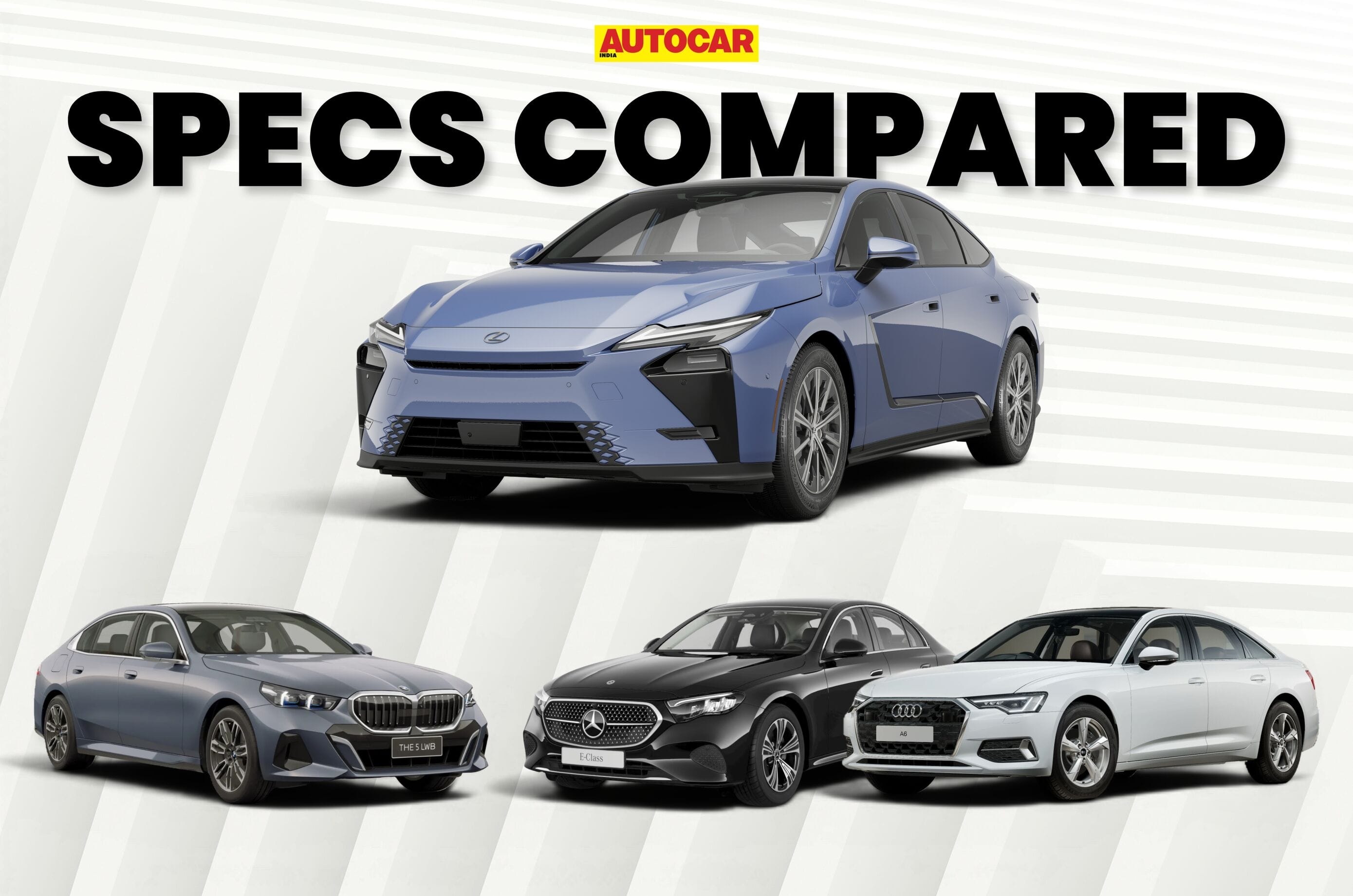
The new-gen Lexus ES initially went on sale in India in all-electric 500e guise a few months ago. Lexus has now launched the strong hybrid 350h version of the new ES in India as well, completing the sedan’s powertrain line-up. We compare the 2026 Lexus ES to its rivals – the Mercedes-Benz E-Class, BMW 5 Series LWB and Audi A6 – on paper to find out how the Japanese luxury sedan stacks up.

2026 Lexus ES vs rivals: Dimensions

ES is one of the longest overall, but has the second-shortest wheelbase

2026 Lexus ES dimensions compared to rivals

 ESE-Class5 Series LWBA6
Length (mm)5,1455,0825,1754,939
Width (mm)1,9201,8801,9001,886
Height (mm)1,5751,4921,5181,470
Wheelbase (mm)2,9503,0943,1052,930
Boot space (litres)377540500530
Wheel size (inches)19-21181918-19

The ES is the widest and tallest car in its segment, and the second-longest overall, falling short of the 5 Series LWB by only 30mm. However, the ES’ wheelbase is trounced by those of the E-Class and 5 Series LWB, and the Lexus sedan also has the smallest boot here. The ES hybrid does get 19-inch wheels as standard, though, beating the likes of the E-Class and A6 – only the ES EV gets 21-inchers.

2026 Lexus ES vs rivals: Powertrains and performance

ES hybrid is not as powerful as 5 Series LWB and A6

2026 Lexus ES powertrains and performance compared to rivals

 ESE-Class5 Series LWBA6
Engine/battery2.5H / 74.68kWh2.0P / 2.0D / 3.0P2.0P2.0P
Motor setupNA / Front+rearNANANA
Mild hybrid systemNA48V48V12V
Cylinder count4 / NA4 / 4 / 644
Power (hp)247 / 343204 / 197 / 381258265
Torque (Nm)235 (E)+270 (M) / 438320 / 440 / 500400370
Gearboxe-CVT / 1-speed AT9-speed AT8-speed AT7-speed DCT
Drive layoutFWD / AWDRWD / RWD / AWDRWDFWD
0-100kph time (sec)7.7 / 5.57.5 / 7.6 / 4.56.56.7
Claimed range (km)– / 580km

H: Hybrid, P: Petrol, D: Diesel

E: Engine, M: Motor

As noted previously, the ES is the only luxury sedan in its class that can be had in strong hybrid and electric guises. The 2.5-litre engine of the ES 350h is the largest 4-cylinder mill in its segment, though it’s beaten in power output by the A6 and 5 Series LWB. The ES hybrid also claims the slowest 0-100kph time in this company, but it’s worth noting that this powertrain is geared more towards fuel efficiency and ease of driving instead of outright performance.

Coming to the ES 500e EV, it’s the second-most powerful here, with the 6-cyl E450 edging ahead – the E-Class stands out as the only sedan in its segment to offer diesel and 6-cyl petrol engine options. Both the ES 500e and E450 uniquely offer AWD as well, but Lexus’ electric sedan takes a full second longer to complete the 0-100kph sprint.

2026 Lexus ES vs rivals: Price

ES hybrid carries the second-lowest price tag in its class

2026 Lexus ES price compared to rivals

 Price range (Rs, lakh)
ES hybrid66.10-71.80
ES EV89.99
E-Class81.50-95.00
5 Series LWB76.60
A664.81-71.66

The Lexus ES 350h hybrid is the second-most affordable option in its segment, beaten only by the A6. It’s worth noting, however, that the A6 currently sold in India is quite old and there’s a new-gen model available globally. Still, the ES hybrid is a whopping Rs 10.5 lakh more affordable than the 5 Series LWB, and undercuts the base E-Class by a staggering Rs 15.4 lakh. As for the ES 500e EV, its price tag can be compared with that of the top-spec E450, which costs Rs 5 lakh more.

All prices are ex-showroom, India.

4 reasons to buy the Tata Curvv and 3 reasons to skip it

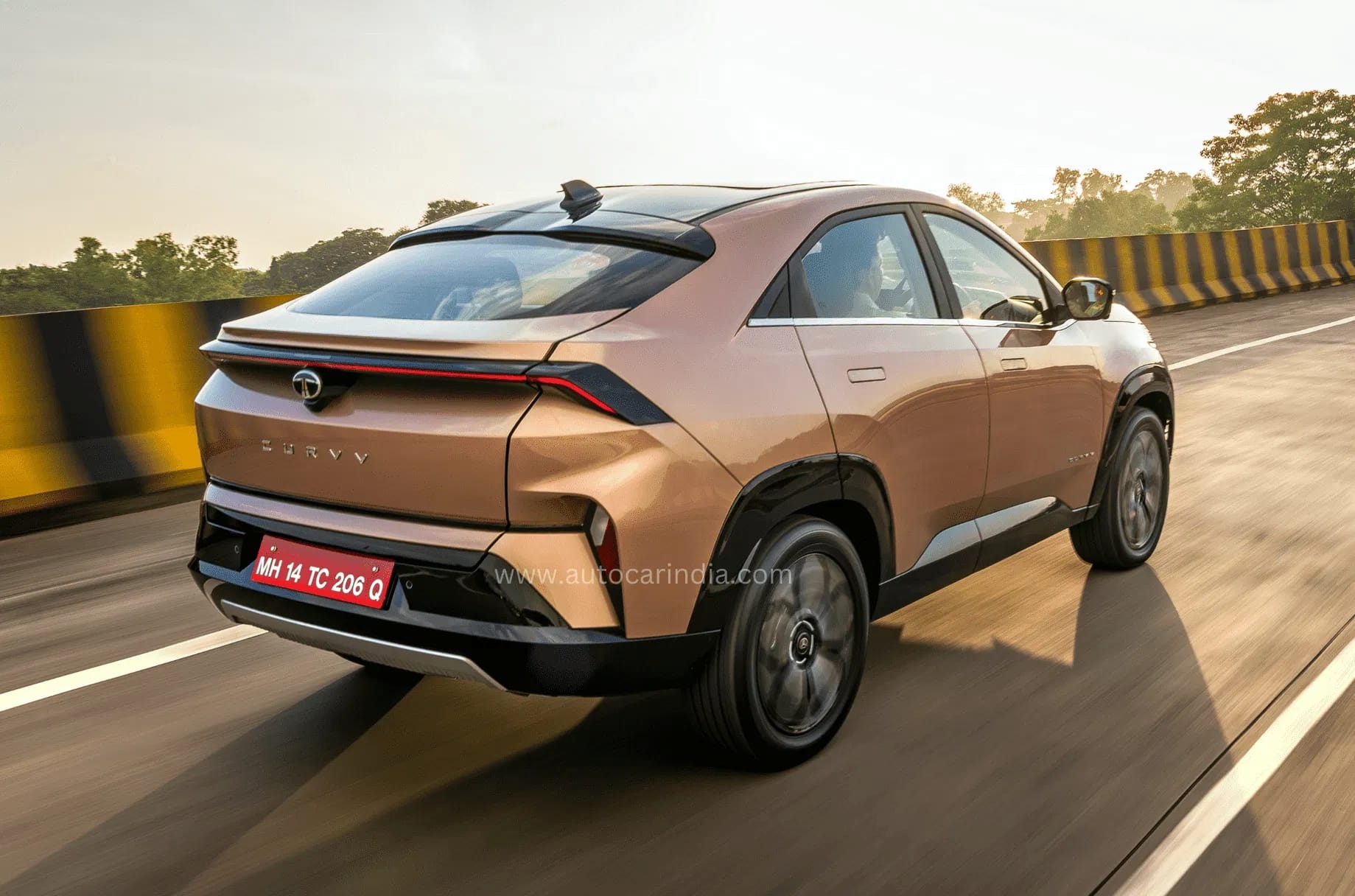
Tata Curvv rear quarter tracking

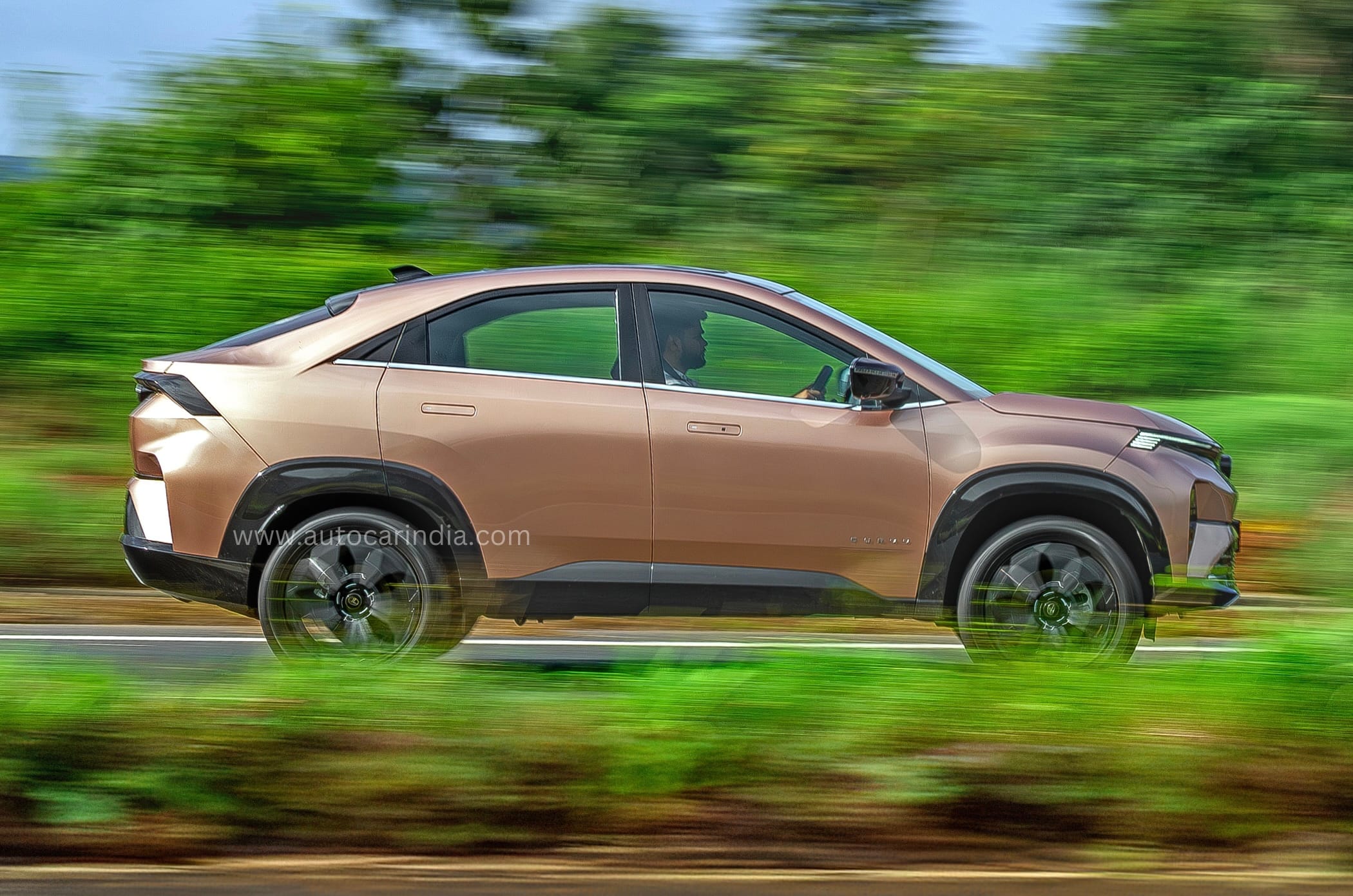
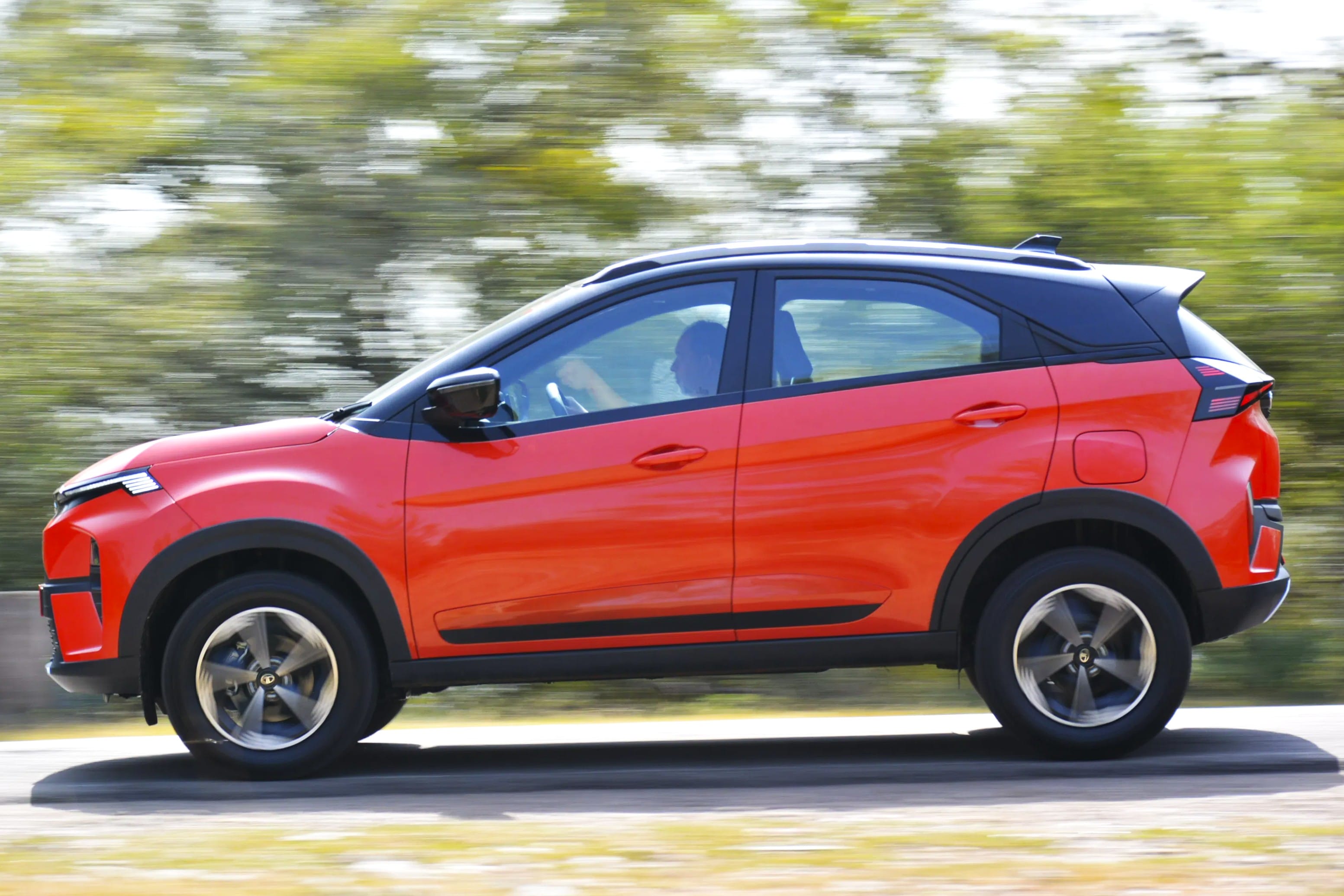
Tata introduced the Curvv as its unique take on the midsize SUV space in 2024. Currently, it is one of the two coupe-SUV models in this heavily contested segment. Built on Tata’s ATLAS platform, the Curvv slots between the compact Nexon and the newer, traditional-looking Sierra in the brand’s SUV line-up. If you’re interested in the Curvv, below are the reasons to consider it, as well as reasons to look elsewhere.

Reasons to buy 

Good ride and handling balance 

Like other Tata models, which are known to have a good balance of ride and handling, the Curvv is no different. It feels tough and takes on broken road patches with ease. Low-speed ride may feel a bit stiff, but it smooths out as you increase speed. Where the Curvv does feel at home is at highway speeds, with composed and mature road manners. Body roll when cornering is also kept well in check, and the steering is precise. 

Diverse powertrain offering 

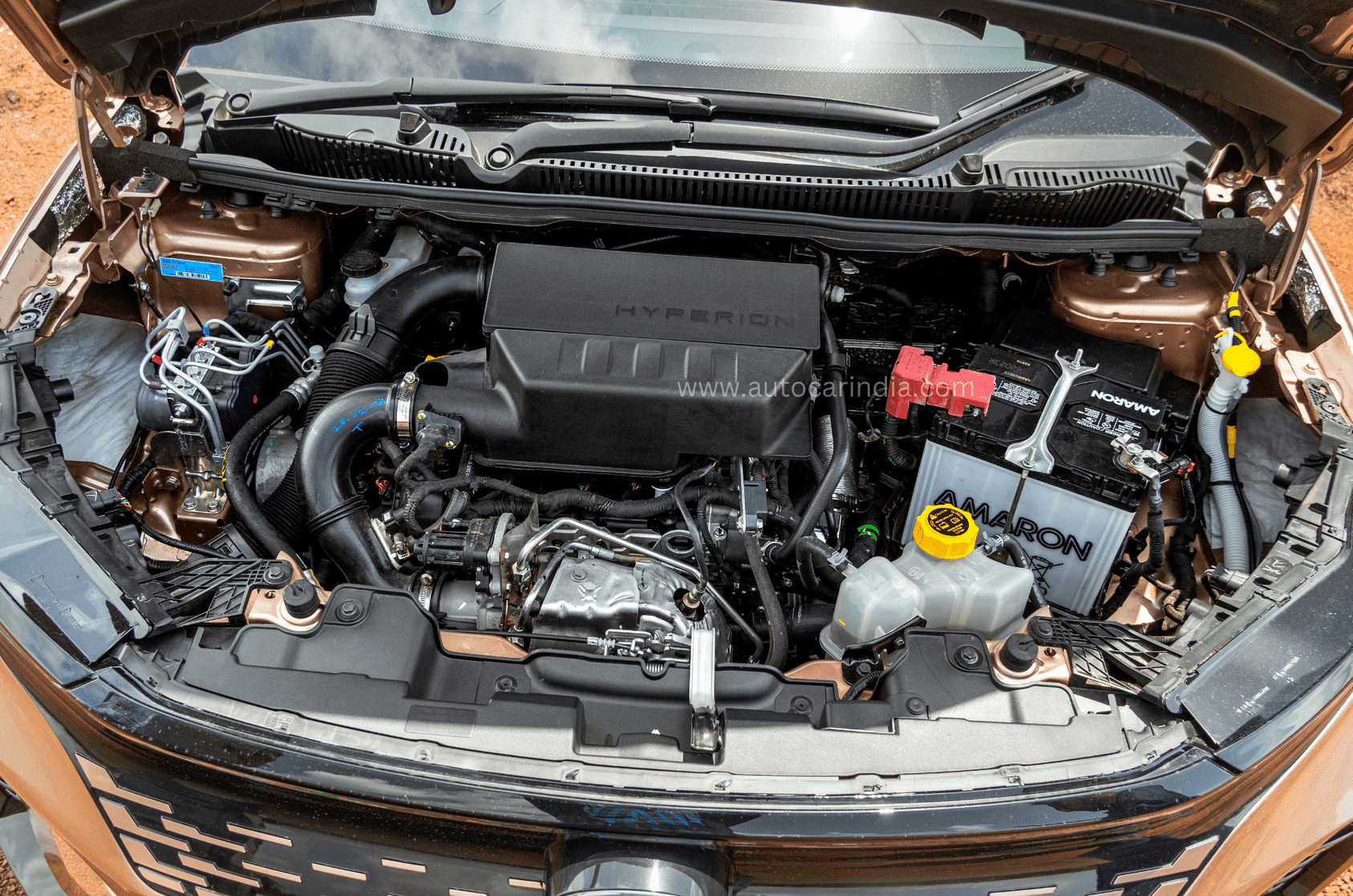
In the mid-size SUV segment, the Curvv is one of the models with a quite diverse powertrain lineup. This includes a 120hp, 170Nm, 1.2-litre turbo-petrol, a 118hp, 260Nm, 1.5-litre diesel, and a 125hp 225Nm 1.2-litre direct-injection turbo-petrol engine. While some SUVs offer only a manual or an automatic gearbox with a particular engine, Tata offers the flexibility of both options, with each of its engines paired to either a 6-speed manual or a 7-speed DCT. 

Well-equipped feature list 

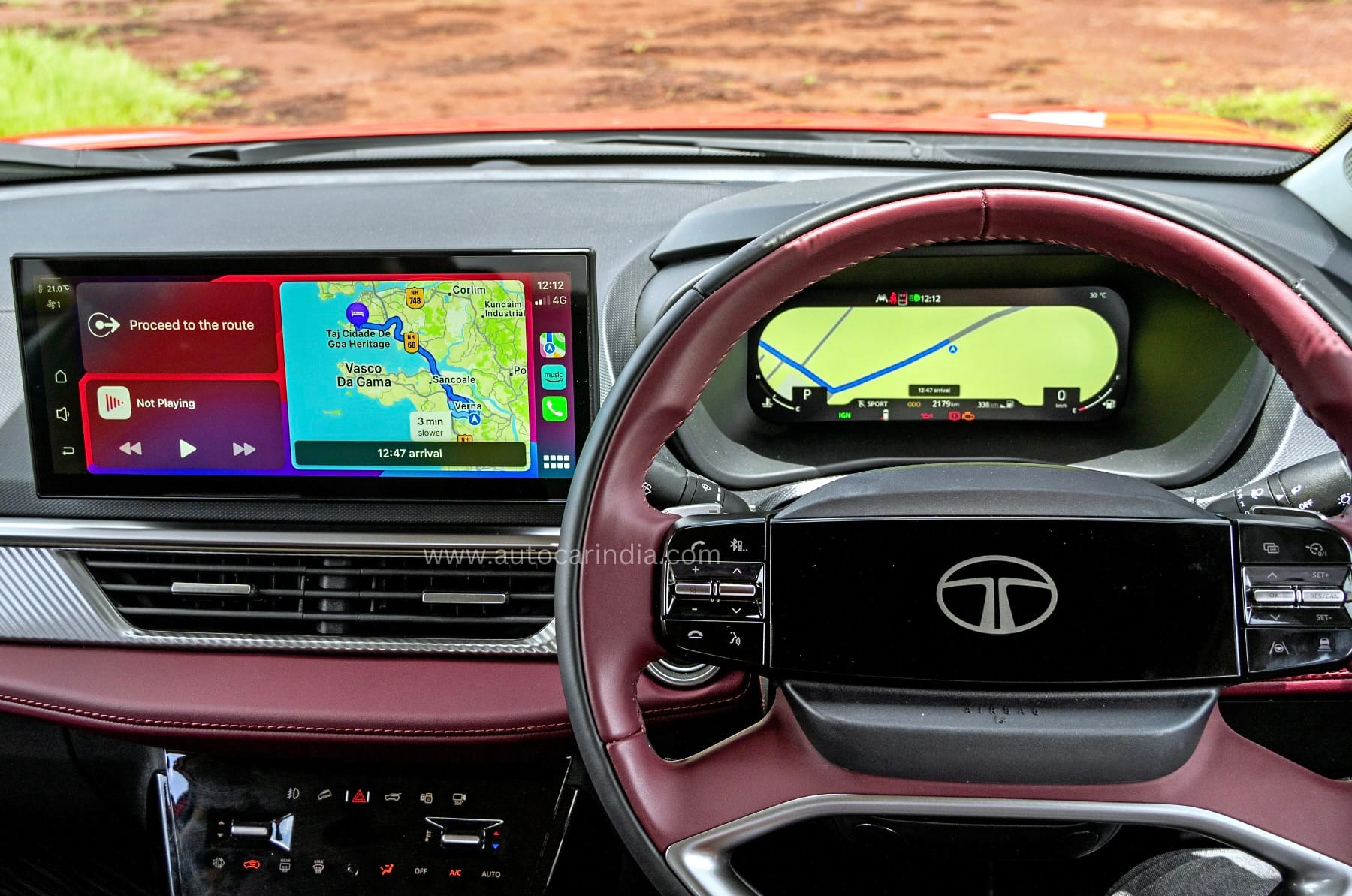
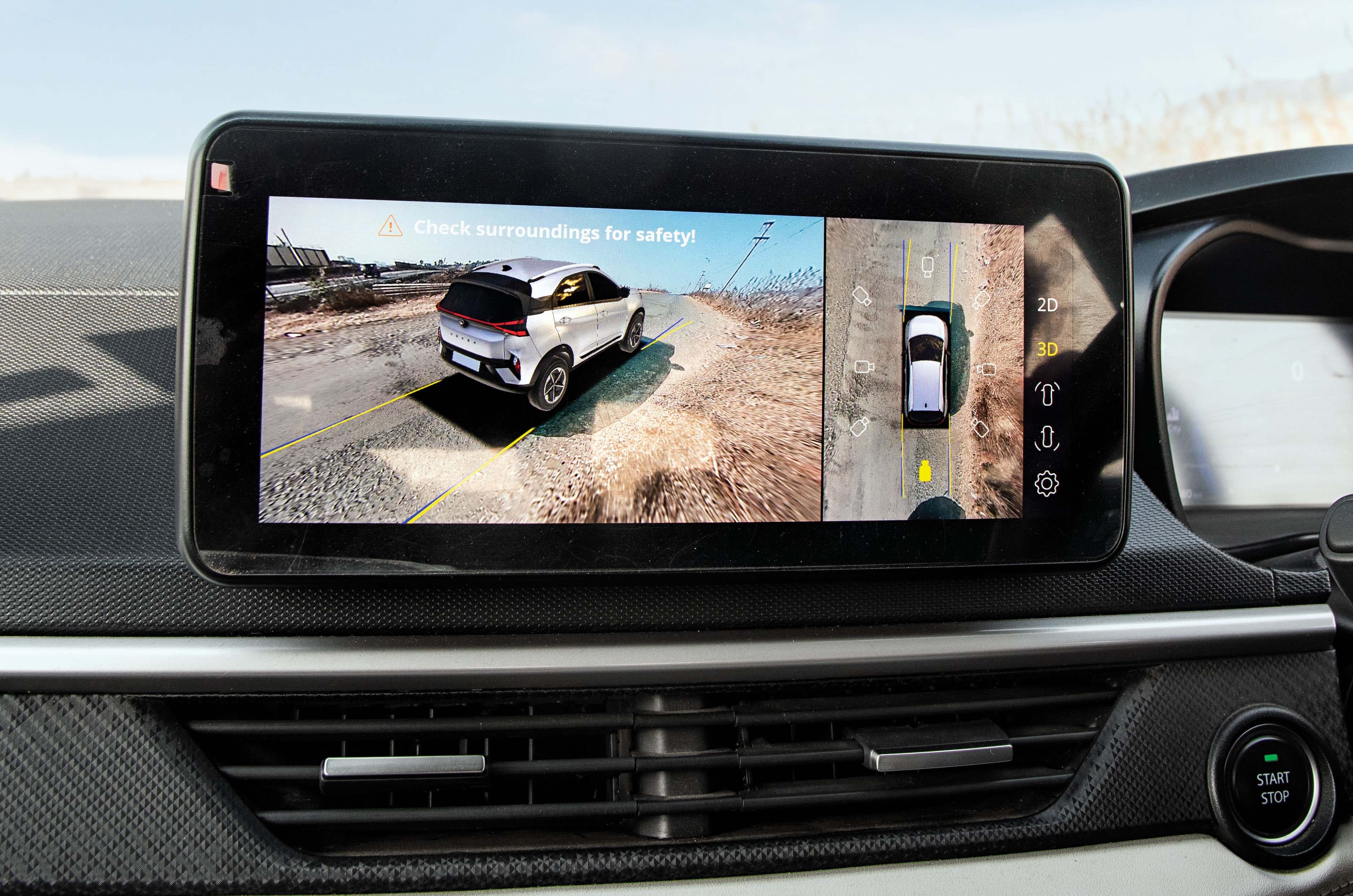
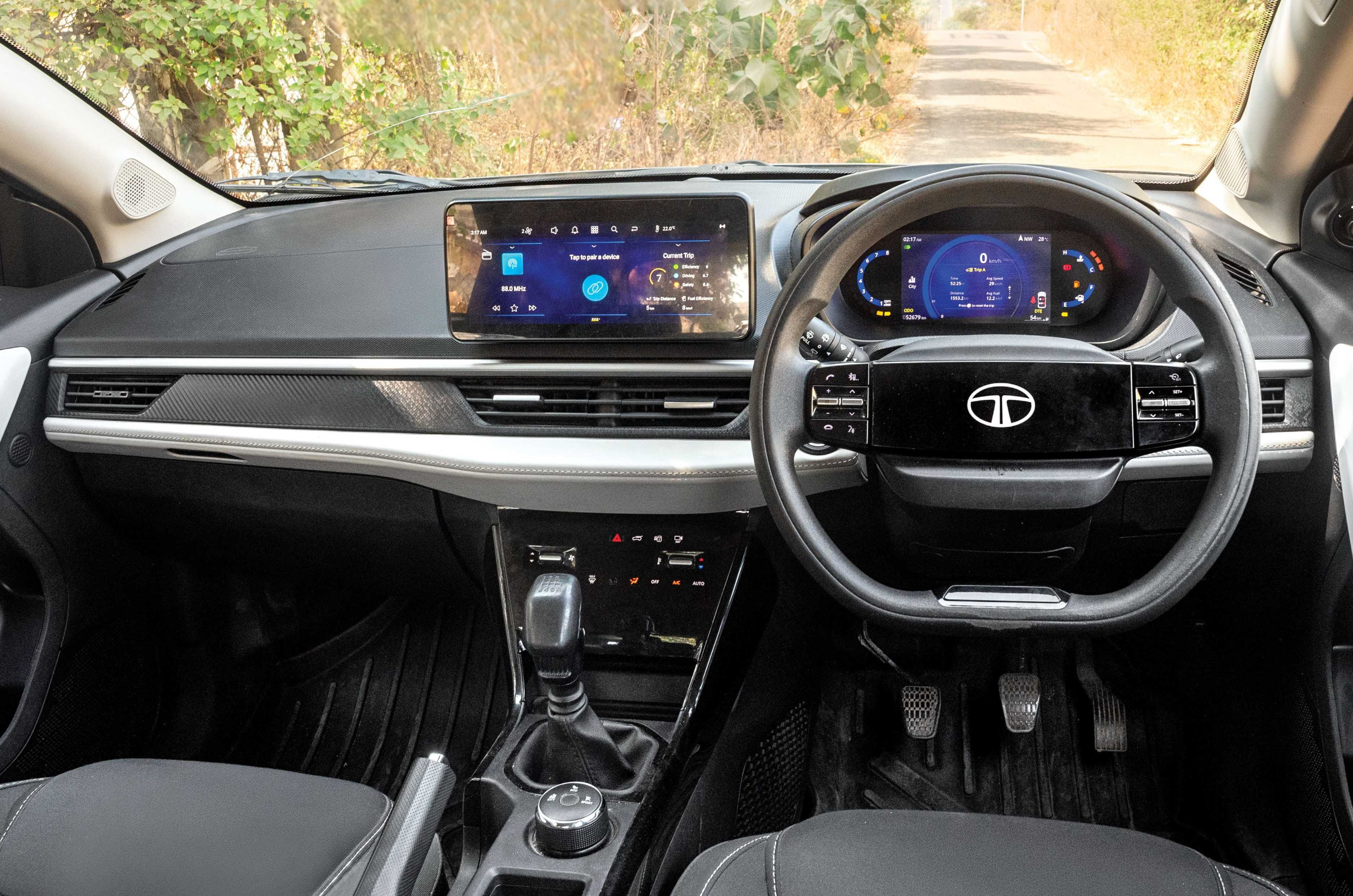
Tata has packed the Curvv with a long list of features. Not only does the Curvv come with tech like a 12.3-inch infotainment display, 10.25-inch digital driver’s display, wireless Apple CarPlay and Android Auto, air purifier, a wireless phone charger, 9-speaker JBL sound system, but it also gets comfort features like a powered driver seat, front seat ventilation, passive ventilation for the rear seats, a panoramic sunroof, rear window sunshades, dual-zone air conditioning, and more. It’s well-equipped on the safety front as well, with level 2 ADAS, a 360-degree camera, blind-spot detection and an auto-dimming IRVM on board. 

Large boot space

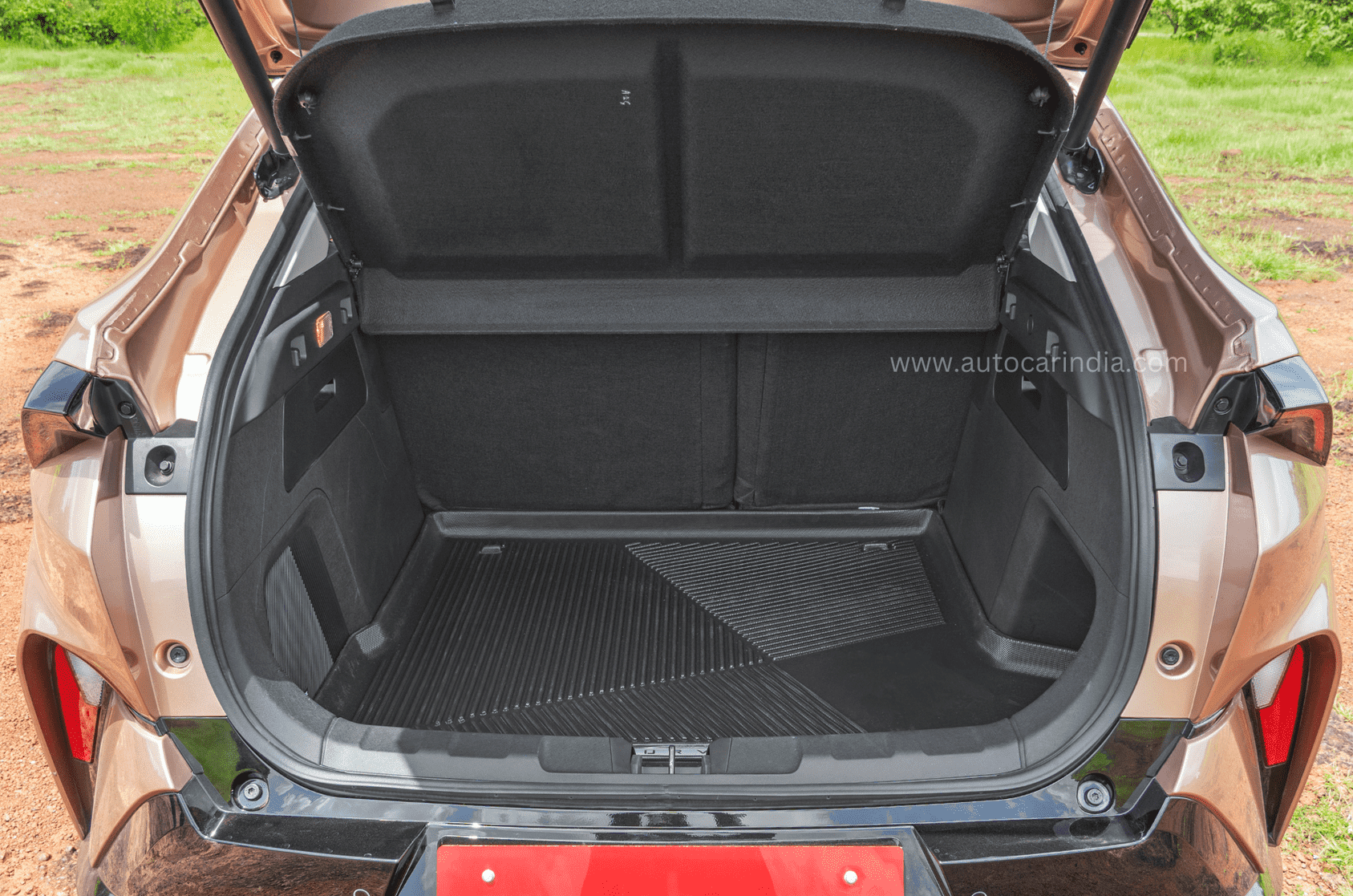
The Curvv is among the models in its class with a large boot space. With a capacity of 500-litres, there’s plenty of room for your luggage needs, and it can also be expanded further by the 60:40 split-folding rear seat.

Reasons to skip 

Limited rear headroom

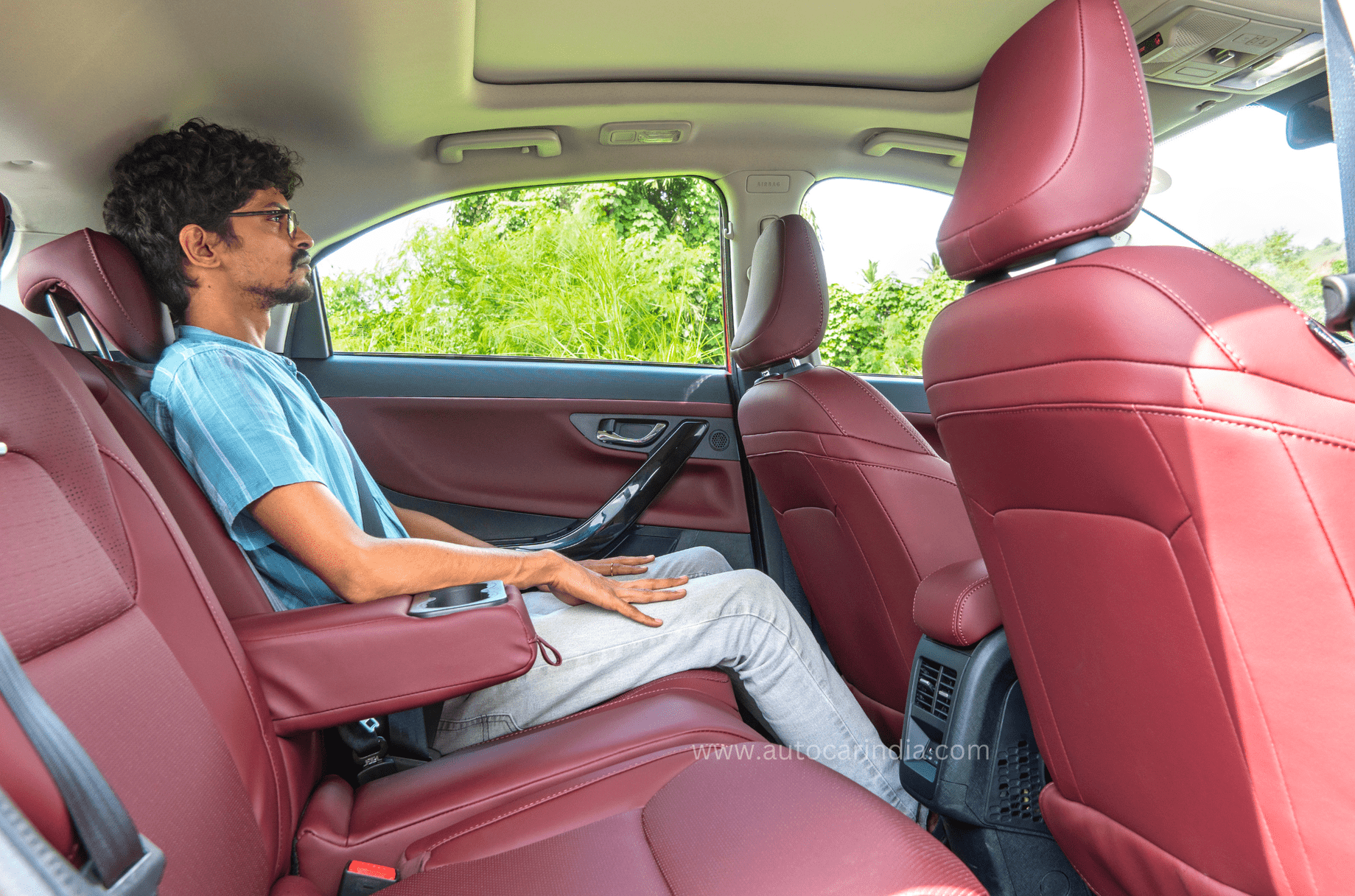
While passengers at the back have adequate legroom, the Curvvs coupe-SUV roofline limits headroom. Though the seat can recline and the headliner is scooped out to help ease things, taller passengers will still find the headroom tight. Additionally, the middle rear seat misses a dedicated headrest, hindering overall comfort. 

Inconsistent fit and finish, ergonomic cabin flaws

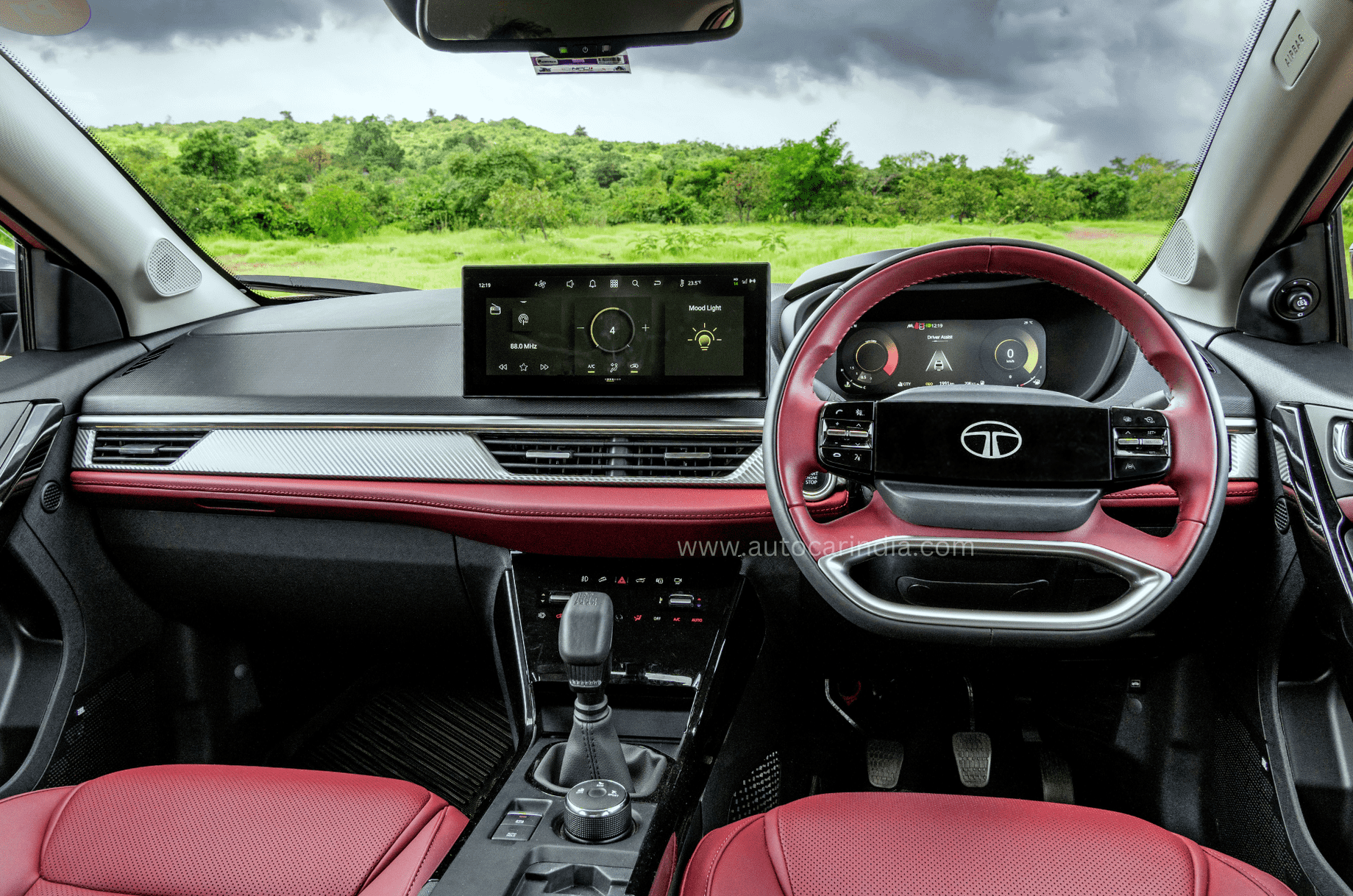
While the quality of materials is acceptable, certain areas of the cabin aren’t finished to a T, which is a common issue with Tata models. While there are cupholders at the front, they’re placed in the glovebox, which makes them unusable. Surprisingly, the front centre console does not get cup holders. Additionally, the 12V socket is hard to reach, as it’s placed in a recessed space ahead of the gear lever; the front centre armrest is too small and doesn’t slide, while the storage space below it is suitable only for small items.

Snappy clutch (manual gearbox)

While shifting gears with the manual gearbox is smooth enough, the snappy behaviour of the clutch pedal and long gear throws take away from overall driver involvement. Furthermore, the gear lever is odd to look at and hold.

Maruti Suzuki responds to Raipur Consumer Court order

Maruti Grand Vitara front quarter static

Maruti Suzuki has responded to the order issued by the District Consumer Disputes Redressal Commission of Raipur. In an official statement, the automaker contested the consumer court’s directions to provide a new, E20-compliant car to the complainant, i.e., Dr. Premraj Debta. Dr. Debta filed a complaint against Maruti Suzuki at Raipur’s consumer court over E20-related damages to his Grand Vitara.

  1. Brand says the car was E20 compatible
  2. Claims it found contamination in the fuel

Maruti challenges consumer court’s orders

Maruti Suzuki has now challenged the consumer court’s direction by stating that the Grand Vitara sold to Dr. Debta was E20 compatible. The automaker went on to say that the car was “fully equipped to handle E20 fuel and this was disclosed in the owner’s manual.”

Pushing back further, Maruti claimed that it has found evidence of contamination in the fuel collected from Dr. Debta’s Grand Vitara. “Several other facts have also not been reflected in the court’s order,” said Maruti Suzuki in its statement. The company said that it is now planning to escalate the matter in a higher court of law, while concluding that it “remains fully committed to quality, safety and customer satisfaction through robust engineering, processes and systems.”

Previously, a customer of a Toyota Innova Hycross found themselves in a similar situation when their car kept suffering frequent breakdowns due to E20 fuel. However, Vikram Gulati, Country Head & Executive Vice President at Toyota Kirloskar Motor, responded to this by saying that the culprit here was contaminated fuel, not E20. Meanwhile, Hindustan Petroleum Corporation Limited (HPCL) stated that during its nation-wide fuel quality tests, the company found no instances of adulteration, contamination, or critical quality lapses.

Maruti E20 Raipur case recap

Just to recap, on July 14, 2026, the District Consumer Disputes Redressal Commission of Raipur ordered Maruti Suzuki to replace Dr. Debta’s Grand Vitara with a new, E20-compatible car. The doctor alleged that his car’s engine had stalled several times due to E20 petrol and that the issue was never permanently fixed by Maruti despite multiple visits to the service centre. Ultimately, the consumer court ordered the automaker to replace the complainant’s car with a brand-new one within 45 days, or pay monetary compensation.

Also read

JSW MG to launch XEV 9S-rivalling electric SUV in August 2026

Next-gen Toyota Hilux teased ahead of launch this month

Kia Syros 1.0 turbo MT vs DCT: Real world mileage compared

Kia Syros 1.0 turbo MT vs DCT: Real world mileage compared

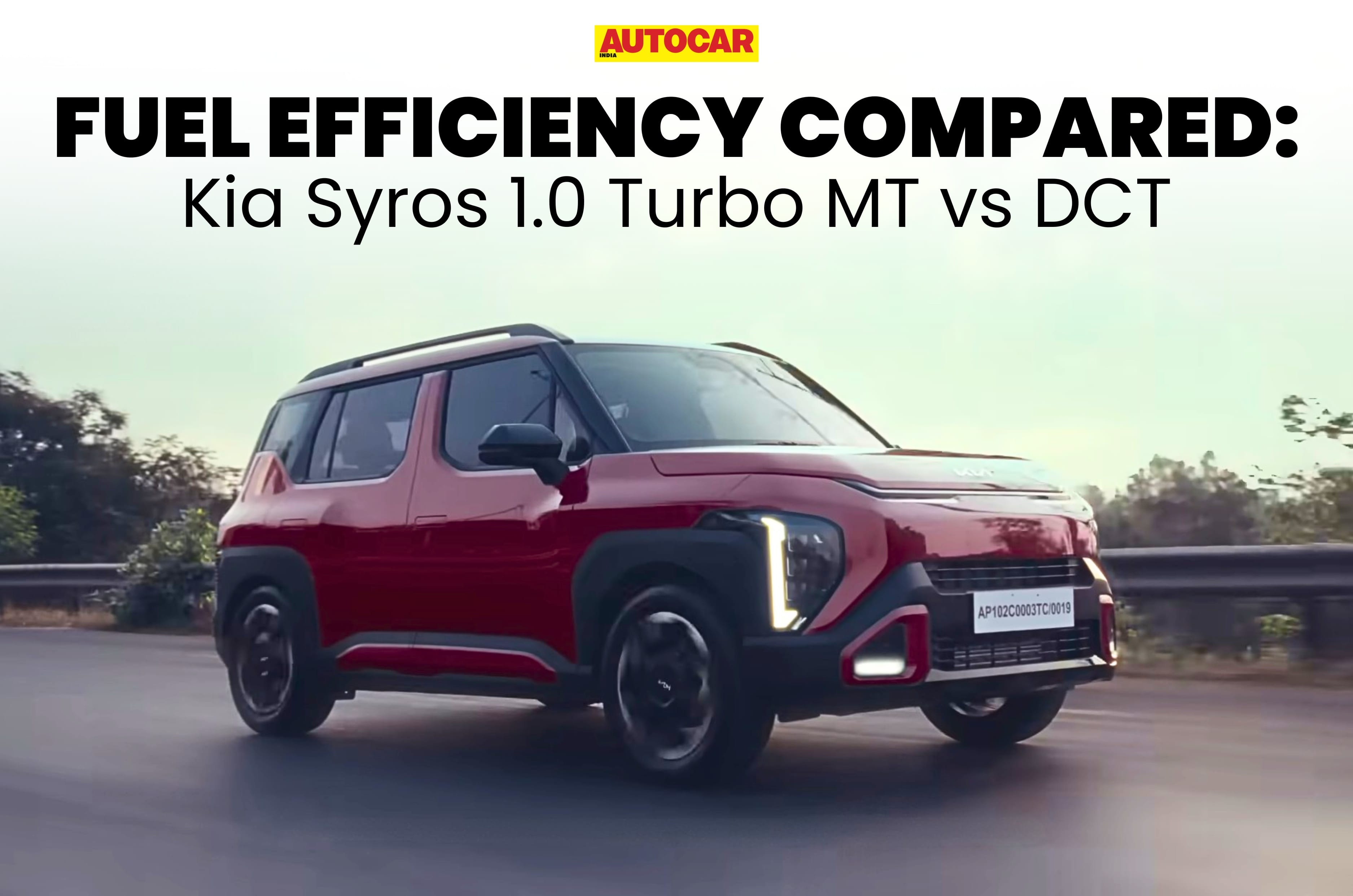
The Kia Syros is a compact SUV that is positioned between the Sonet compact SUV and the Seltos midsize SUV. It is offered with a 1.0-litre turbo-petrol and 1.5-litre diesel engine options. Among these, the turbo-petrol engine comes with manual and DCT options, with claimed fuel efficiency of up to 18.2kpl. But which of these two powertrain options offers more real-world mileage? Let’s find out.

Kia Syros 1.0L turbo-petrol MT vs DCT: Specifications and price

The Syros turbo MT’s top-end price is similar to the DCT’s starting price

Kia Syros 1.0L turbo-petrol MT vs DCT: Specifications and price


Syros 1.0TP MT

Syros 1.0TP DCT

Engine

3-cyl, turbo-petrol

3-cyl, turbo-petrol

Displacement (cc)

998

998

Power (hp)

120

120

Torque (Nm)

172

172

Gearbox

6-speed MT

7-speed DCT

Fuel tank capacity (litres)

45

45

Claimed mileage (kpl)

18.2

17.68

Price range (Rs, lakh)

8.42-12.02

11.96-15

With a total output of 120hp and 172Nm, the Syros has one of the most potent turbo-petrol engines in the segment. It is available with either a 6-speed manual or a 7-speed DCT, with the former claiming to be the more frugal option. The manual version is more affordable than the DCT, and interestingly, the top-end manual’s price is just Rs 6,000 more than the entry-spec DCT variant.

Kia Syros 1.0L turbo-petrol MT vs DCT: Real-world fuel efficiency

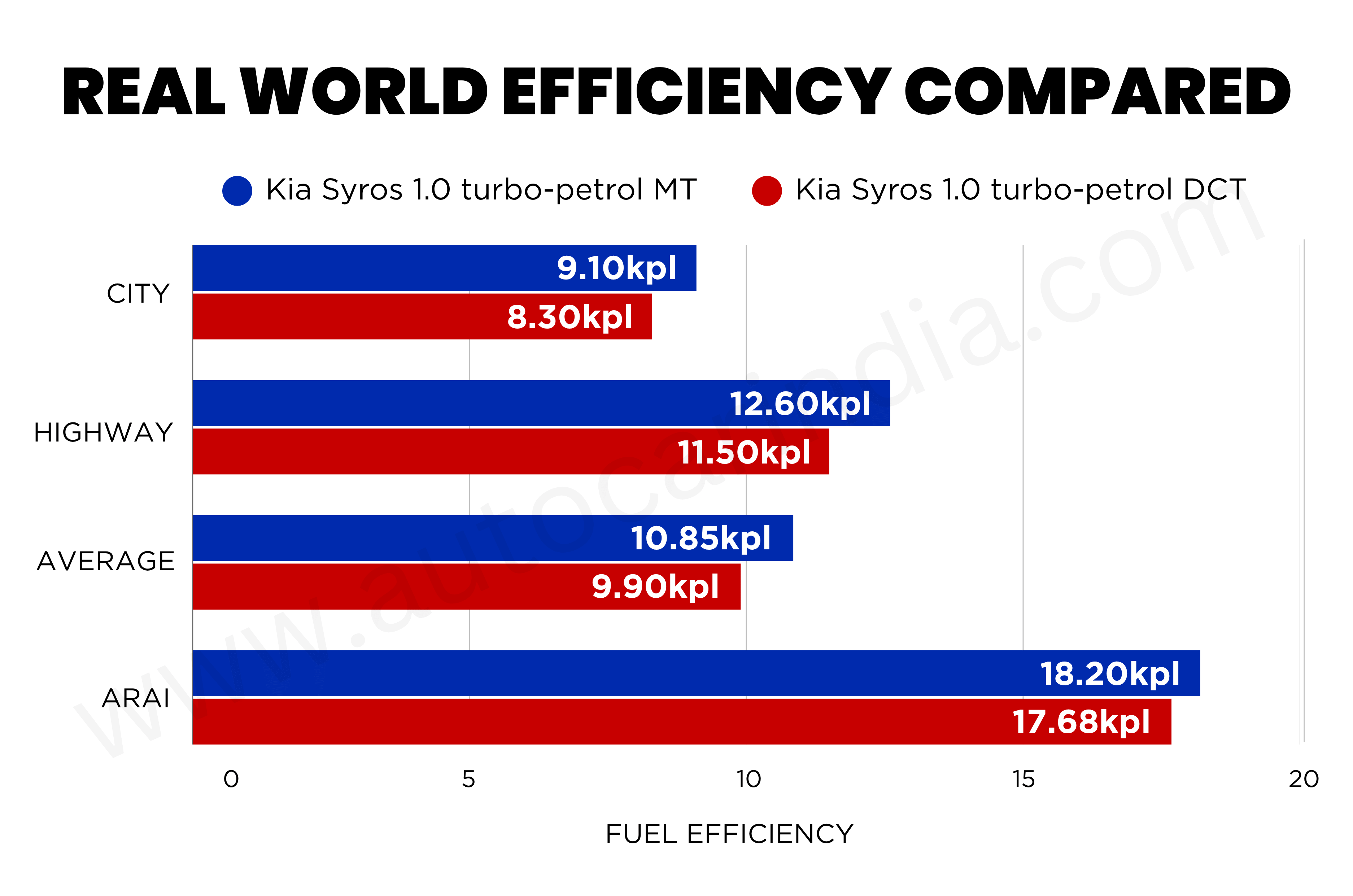
The manual is almost 1kpl more frugal than the DCT

Kia Syros 1.0L turbo-petrol MT vs DCT: Acceleration from rest (in seconds)


Syros 1.0TP MT

Syros 1.0TP DCT

Tested city mileage (kpl)

9.10

8.30

Tested highway mileage (kpl)

12.60

11.50

Tested average mileage (kpl)

10.85 

9.90

In our real-world tests, we found that the manual version was more frugal than the DCT version in both city and highway conditions by 0.81kpl and 1.1kpl, respectively. This results in the Syros turbo-petrol manual being overall 0.95kpl more fuel efficient than the DCT version. 

Autocar India’s fuel efficiency testing

Before our real-world fuel efficiency tests, we fill our test cars’ tanks to the brim and maintain tyre pressures based on the manufacturer’s recommendations. These cars are driven in fixed city and highway loops in and around Navi Mumbai, and we maintain certain average speeds. Throughout the tests, there is only one person in each car, running the air conditioner and other electricals, such as the audio system, indicators and wipers, when required, just like a regular user would. Periodic driver swaps further neutralise variations in driver patterns. At the end of each cycle, we calculate efficiency by filling the tanks to full again.

Prices are ex-showroom, India.

E20 Petrol Row: रायपुर कंज्यूमर कोर्ट के आदेश को चुनौती देगी Maruti Suzuki, अदालत ने नई कार देने का दिया था आदेश

E20 Row: देश की प्रमुख कार निर्माता कंपनी मारुति सुजुकी इंडिया ने कहा है कि वह रायपुर के डिस्ट्रिक्ट कंज्यूमर डिस्प्यूट्स रिड्रेसल कमीशन के 14 जुलाई के आदेश को चुनौती देगी। इस आदेश में कंपनी को एक ग्राहक की गाड़ी को नए E20-कम्पैटिबल मॉडल से बदलने का निर्देश दिया गया था। ग्राहक ने E20 पेट्रोल के इस्तेमाल से जुड़ी समस्याओं की शिकायत की थी। यह आदेश छत्तीसगढ़ के एक ‘ग्रैंड विटारा हाइब्रिड’ मालिक से जुड़ा है, जिन्होंने कंज्यूमर फोरम में शिकायत की थी कि E20 पेट्रोल भरवाने के बाद गाड़ी में तकनीकी खराबी आ गई थी।

खबरों के मुताबिक, कमीशन ने कंपनी को 45 दिनों के भीतर दूसरी गाड़ी देने या RTO और इंश्योरेंस के खर्च समेत 20.5 लाख रुपये का पूरा रिफंड देने का निर्देश दिया था। इस घटनाक्रम पर प्रतिक्रिया देते हुए मारुति सुजुकी ने कहा कि मामले में शामिल गाड़ी पहले से ही E20 कम्पैटिबल थी और ओनर मैनुअल में बताए अनुसार E20 फ्यूल पर चलने में पूरी तरह सक्षम थी। बताया गया है कि कार ग्राहक को जून 2024 में बेची गई थी। लेकिन इसे जनवरी 2023 में बनाया गया था।

फ्यूल में मिलावट के सबूत मिले?

मारुति सुजुकी ने आगे कहा कि ग्राहक की गाड़ी से लिए गए फ्यूल में मिलावट के सबूत मिले हैं । कमीशन के आदेश में कई अन्य महत्वपूर्ण तथ्यों को शामिल नहीं किया गया है। कंपनी ने एक बयान में कहा, “हमें रायपुर के डिस्ट्रिक्ट कंज्यूमर डिस्प्यूट्स रिड्रेसल कमीशन के एक आदेश के बारे में पता चला है, जिसमें मारुति सुजुकी को ग्राहक की गाड़ी को नई E20-कम्पैटिबल कार से बदलने का निर्देश दिया गया है।”

दिग्गज कार कंपनी ने आगे कहा, “इस मामले में शामिल कार E20-कम्पैटिबल थी और E20 फ्यूल के इस्तेमाल के लिए पूरी तरह तैयार थी, जैसा कि ओनर मैनुअल में बताया गया है। ग्राहक की गाड़ी से लिए गए फ्यूल में मिलावट के सबूत हैं। आदेश में कई अन्य महत्वपूर्ण तथ्यों को भी शामिल नहीं किया गया है।”

क्या है पूरा मामला?

यह आदेश छत्तीसगढ़ के एक ‘ग्रैंड विटारा हाइब्रिड’ मालिक से जुड़ा है। उन्होंने कंज्यूमर फोरम में शिकायत की थी कि E20 पेट्रोल भरवाने के बाद गाड़ी में तकनीकी खराबी आ गई थी। खबरों के मुताबिक, कमीशन ने कंपनी को 45 दिनों के भीतर दूसरी गाड़ी देने या RTO और इंश्योरेंस के खर्च समेत 20.5 लाख रुपये का पूरा रिफंड देने का निर्देश दिया था। मारुति सुजुकी ने कहा कि वह इस फैसले के खिलाफ कानूनी रास्ता अपनाएगी।

ये भी पढ़ें- Karnataka Doctor Murder: पति की हत्या और बेटे पर चाकू से हमला… फिर रील देखती रही डॉक्टर पत्नी! कर्नाटक की दिल दहला देने वाली वारदात

एथेनॉल ब्लेंडेड फ्यूल और गाड़ियों की कम्पैटिबिलिटी को लेकर चल रही चर्चाओं के बीच इस मामले ने ध्यान खींचा है। कार कंपनियों का कहना है कि E20-कम्पैटिबल सर्टिफाइड वाहन 20 प्रतिशत तक इथेनॉल वाले ईंधन पर सुरक्षित रूप से चलने के लिए डिजाइन किए गए हैं। बशर्ते कि सप्लाई किया गया ईंधन तय क्वालिटी स्टैंडर्ड्स के अनुरूप हो।

JSW MG to launch XEV 9S-rivalling electric SUV in August 2026

wuling eksion starlight mg scoop

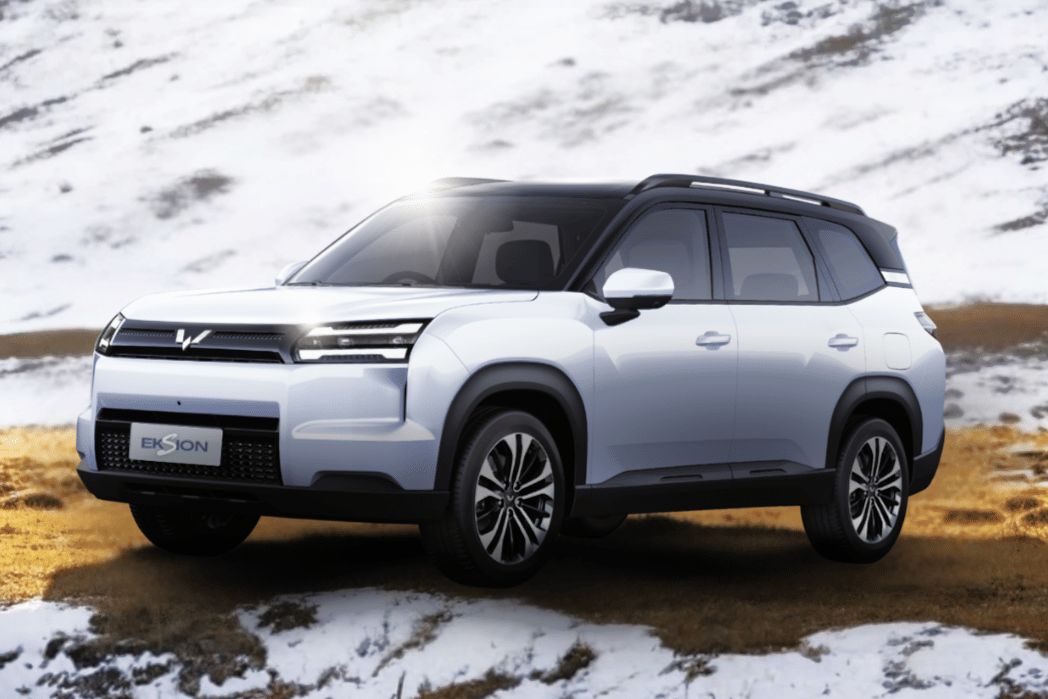
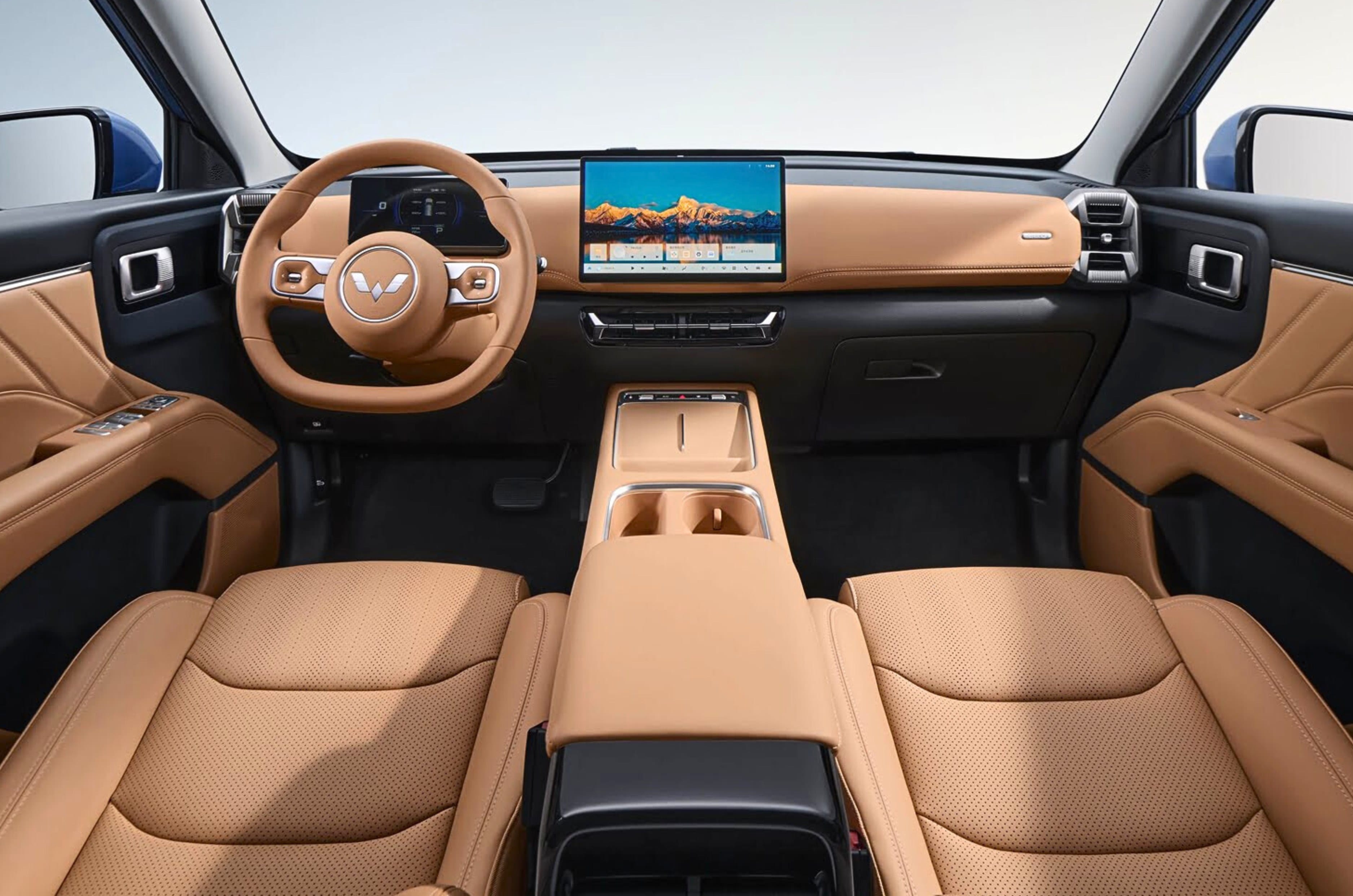
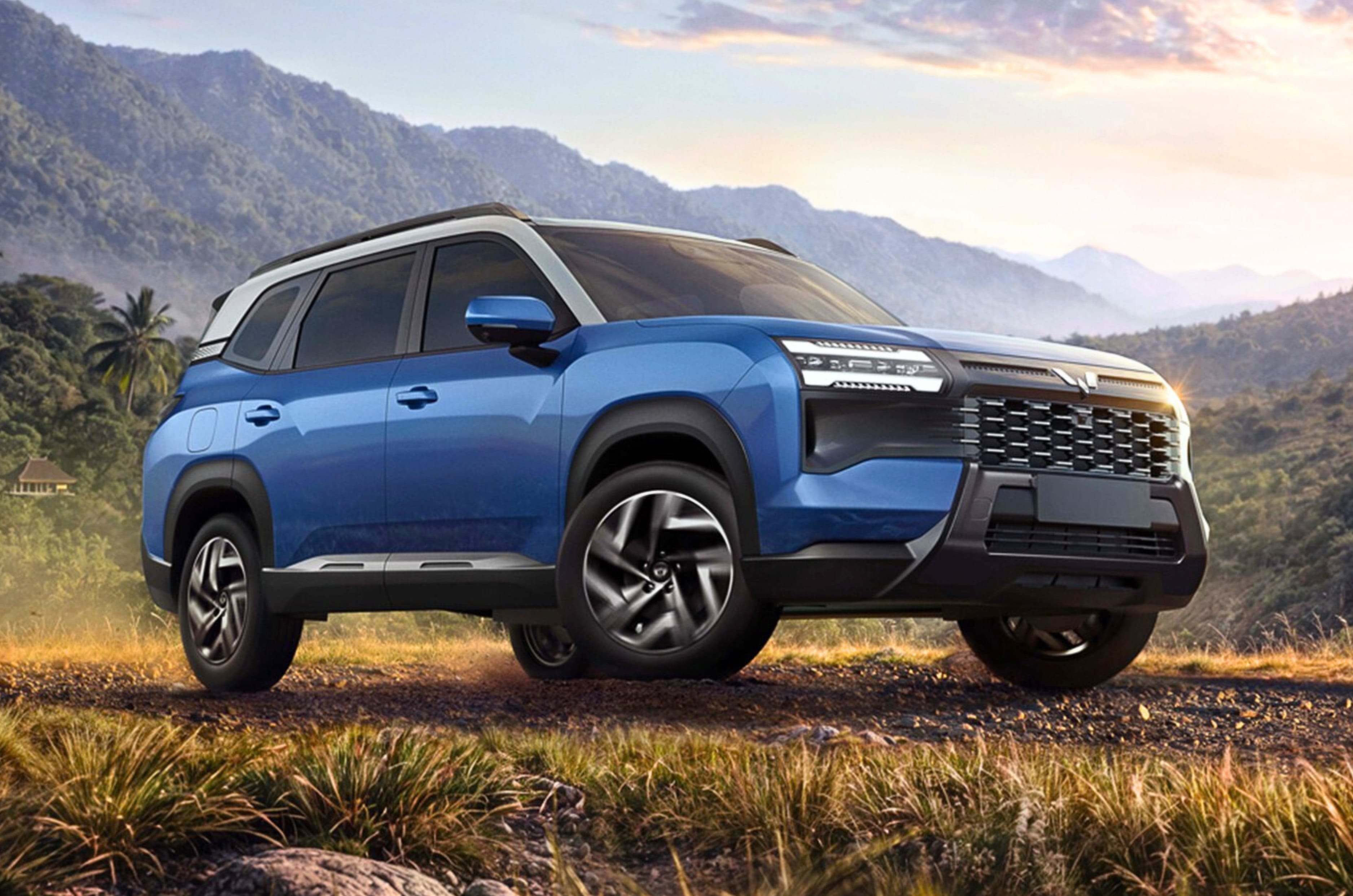
JSW MG unveiled its new ADAPT BEV/hybrid platform earlier today, and we can now confirm the first model to be based on it will be a Mahindra XEV 9S-rivaling EV that goes on sale next month. The model will have much in common with the Indonesia market Wuling Eksion. For those not in the know, Wuling is a sister brand to MG Motors and both come under the broader SAIC umbrella.

Sources tell us JSW MG is targeting keen pricing for its electric SUV, which could undercut the XEV 9S 70kWh that retails for Rs 25.8 lakh (ex-showroom).

MG Eksion-based electric SUV: Battery and range details

The JSW MG electric SUV will be offered with a 69kWh battery pack and an official range of around 600km. For reference, the XEV 9S is offered with three battery pack options – 59kWh (official range 521km), 70kWh (600km) and 79kWh (679km). The 70kWh battery pack is the sweet spot of the XEV 9S line-up and the one JSW MG would like to woo buyers away from.

Wuling Eksion EV. Image used for representation only.

The Eksion’s single motor produces 201hp and 310Nm versus the XEV 9S 70kWh’s 245hp and 380Nm figures. Also, while the Eksion sports a front motor, front wheel drive layout, the XEV 9S uses a rear motor, rear wheel drive arrangement.

MG Eksion-based electric SUV: Exterior and interior details

Measuring 4.7m in length, 1.85m in width and 1.7m in height, the Wuling Eksion closely matches the 4.7m long, 1.9m wide, and 1.7m tall XEV 9S in size. Also like the XEV 9S, the Eksion is offered in a 7 seat configuration which makes it an option of great interest for buyers with large families.

Wuling Eksion interior. Image used for representation only.

In look, the MG electric SUV will feature a boxy, upright stance and an upright tail. The interior features a minimalist design with a 12.8-inch touchscreen being the centrepiece of the dashboard. A digital instrument cluster, panoramic sunroof and powered tail gate are features expected on the model for India.

Eksion-based plug-in hybrid SUV to be pitched as MG’s XUV 7XO rival

JSW MG will keep the momentum going next year with the launch of a plug-in hybrid electric vehicle (PHEV) version of the SUV. While the basic shape will be shared with the BEV, the PHEV will sport some different styling elements.

The PHEV, which will be the second model off the ADAPT platform, pairs a 105hp/130Nm, 1.5-litre Atkinson cycle petrol engine and a 195hp/230Nm electric motor that’s powered by a 20.5kWh LFP battery. Wuling claims a 125km all-electric range and a combined range of over 1,000km for the Eksion PHEV.

Wuling Eksion PHEV. Image used for representation only.

JSW MG would be hoping Indian buyers see the PHEV as the best of both worlds – silent running and low costs of an EV with the freedom of a petrol engine. It is understood that JSW MG has large diesel-automatic SUVs in its crosshairs and is looking to price its PHEV SUV within Rs 1.5 lakh off the Mahindra XUV 7XO diesel-AT.    

EV and PHEV to be in focus

While the ADAPT platform supports battery electric, plug-in hybrid, range extender and strong hybrid powertrains, JSW MG will focus on BEVs and PHEVs to begin with. Speaking to Autocar India, Anurag Mehrotra – MD, JSW, MG Motor India – underlined while there is space for all powertrains “The BEV will continue to have the largest lion’s share of the pie. You will then have the plug-in hybrids, you will then have the (strong) hybrids. Range extender electric vehicles (REEVs) is a relatively new technology, so it is at a much smaller pie of the entire new energy vehicle market.”

Mehrotra also stressed the importance of a multi-powertrain approach from a consumer and manufacturer point of view. “We genuinely believe the answer to India’s electrification journey is not a single powertrain. It has to be multiple and this platform will give us the capital efficiency and at the same time the benefit to the consumer in terms of faster charging, longer range, better driving experience and all powertrains in a single platform.” Mehrotra said.

3 reasons to buy the Tata Nexon, and 2 reasons not to

tata nexon

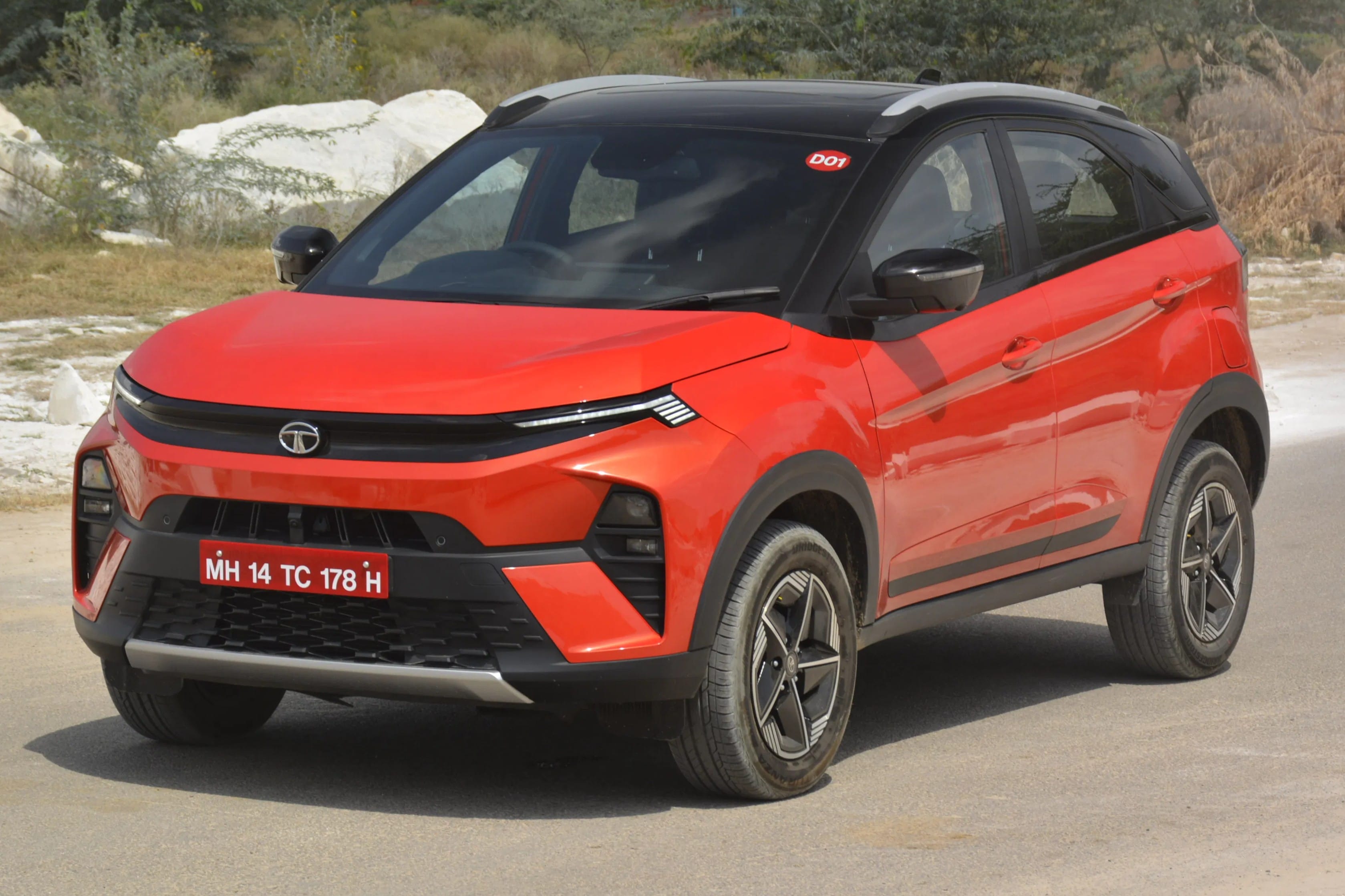
The Tata Nexon first hit the Indian market in 2017, and even after nine years and two facelifts, the compact SUV regularly ranks in the upper echelons of the monthly sales charts. If you’re considering purchasing a Nexon, listed below are three of its most prominent strengths, and two areas where it falls short of rivals.

Pros

Diverse powertrain line-up

Buyers can choose between petrol, diesel, CNG, and electric options

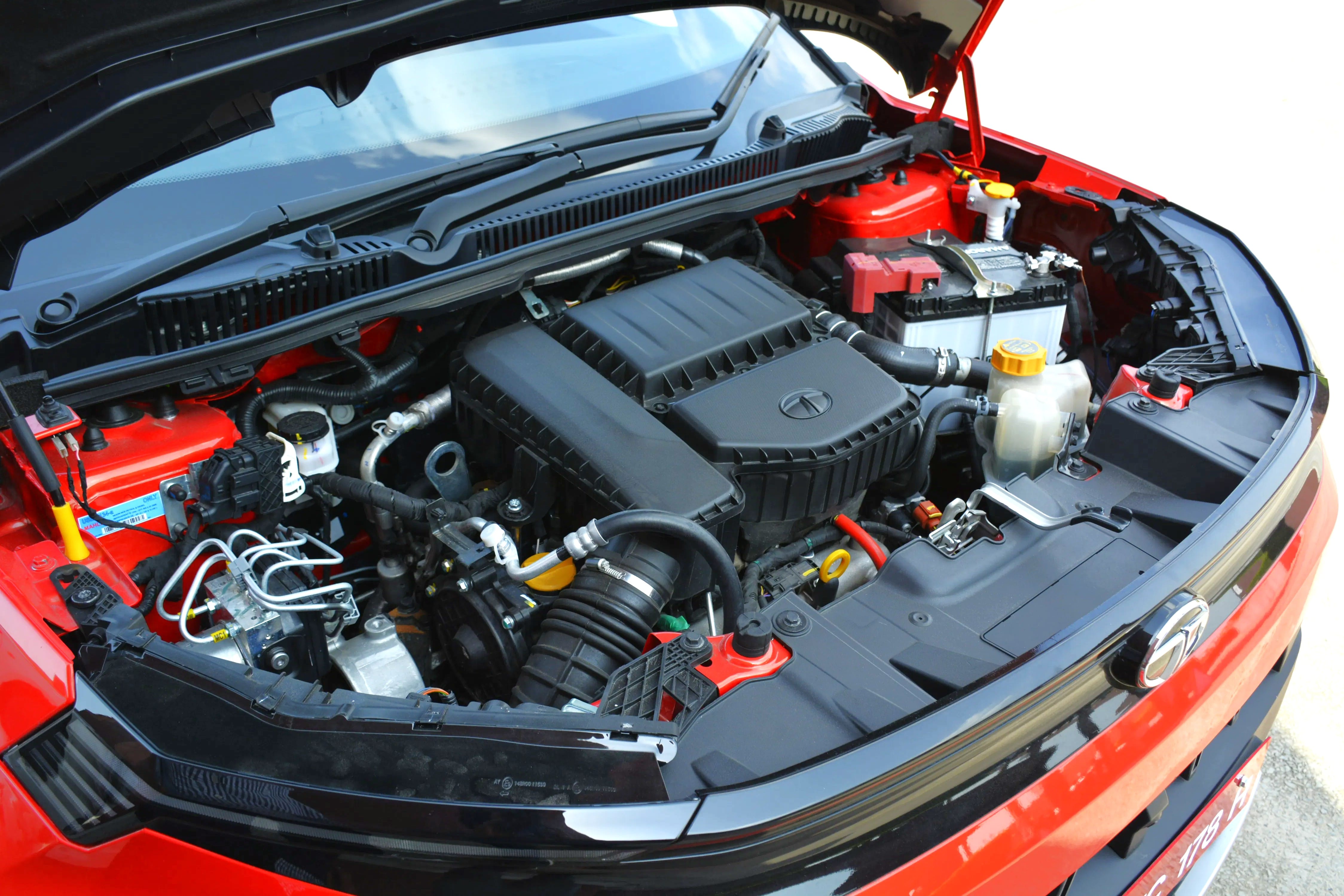
One of the Nexon’s biggest trump cards is its wide array of powertrains on offer: petrol, diesel, CNG, and electric (Nexon EV). Petrol and CNG Nexon buyers get a 1.2-litre 3-cylinder turbocharged engine 120hp and 170Nm in petrol guise, while the CNG makes 100hp instead. The Nexon diesel is powered by a 1.5-litre 4-cylinder mill that develops 115hp and 260Nm, whereas the EV offers 30kWh and 45kWh battery packs.

There’s quite a bit of gearbox choice too. The Nexon petrol alone can be had with one of four gearbox options: 5-speed manual, 6-speed manual, 6-speed AMT, and 7-speed DCT. Diesel variants of the compact SUV offer either a 6-speed manual or 6-speed AMT, while the Nexon CNG gets a 6-speed manual only.

Comfortable ride quality

Can take virtually any broken road in its stride

As we noted in our 2023 Nexon review, the compact SUV rides very well on all types of roads. There’s a hint of stiffness in the ride at low speeds, but as you go faster, it immediately smoothes out. The Nexon rides flat despite its relatively tall 208mm ground clearance, and exhibits impressive body control and bump absorption over broken patches.

Feature-rich cabin

Highlights include dual 10.25-inch displays, panoramic sunroof, and 360-deg camera

Another aspect of the Nexon that struck a chord with Indian buyers is its extensive feature set. Depending on the variant, the Nexon packs goodies like a 10.25-inch infotainment touchscreen, a 10.25-inch digital driver’s display, a panoramic sunroof, an 8-speaker JBL sound system, ventilated front seats, ADAS, connected car tech, a cabin air purifier, auto-dimming IRVM, wireless charging pad, a 360-degree camera, automatic climate control, and more.

Cons

Interior ergonomics and quality could be better

No proper cupholders and distracting touch-capacitive controls

While the Nexon’s interior looks premium at first glance, a closer look reveals some foibles. First off, there are no proper cupholders in the Nexon’s cabin, which can be an annoyance at times. The driver’s seat doesn’t offer electrical adjustment either, and the seat ventilation button is concealed from view because it’s located at the base of the seat.

Tata has also used some gloss-black trim pieces for the Nexon’s interior, which are difficult to keep clean they attract fingerprints and dust. Overall build quality is not that impressive too, and the touch-capacitive controls for the AC and steering can be fiddly to operate while on the move.

6-speed MT not that great

Long throws and snappy clutch

The 6-speed manual offered with the Nexon could do with some more tuning. While the gearbox’s gates are well-defined, its throws are long and the shift action isn’t the most pleasing. The snappy clutch also detracts from the smoothness of the driving experience.

Lexus ES 350h image gallery

Lexus ES 350h front quarter static

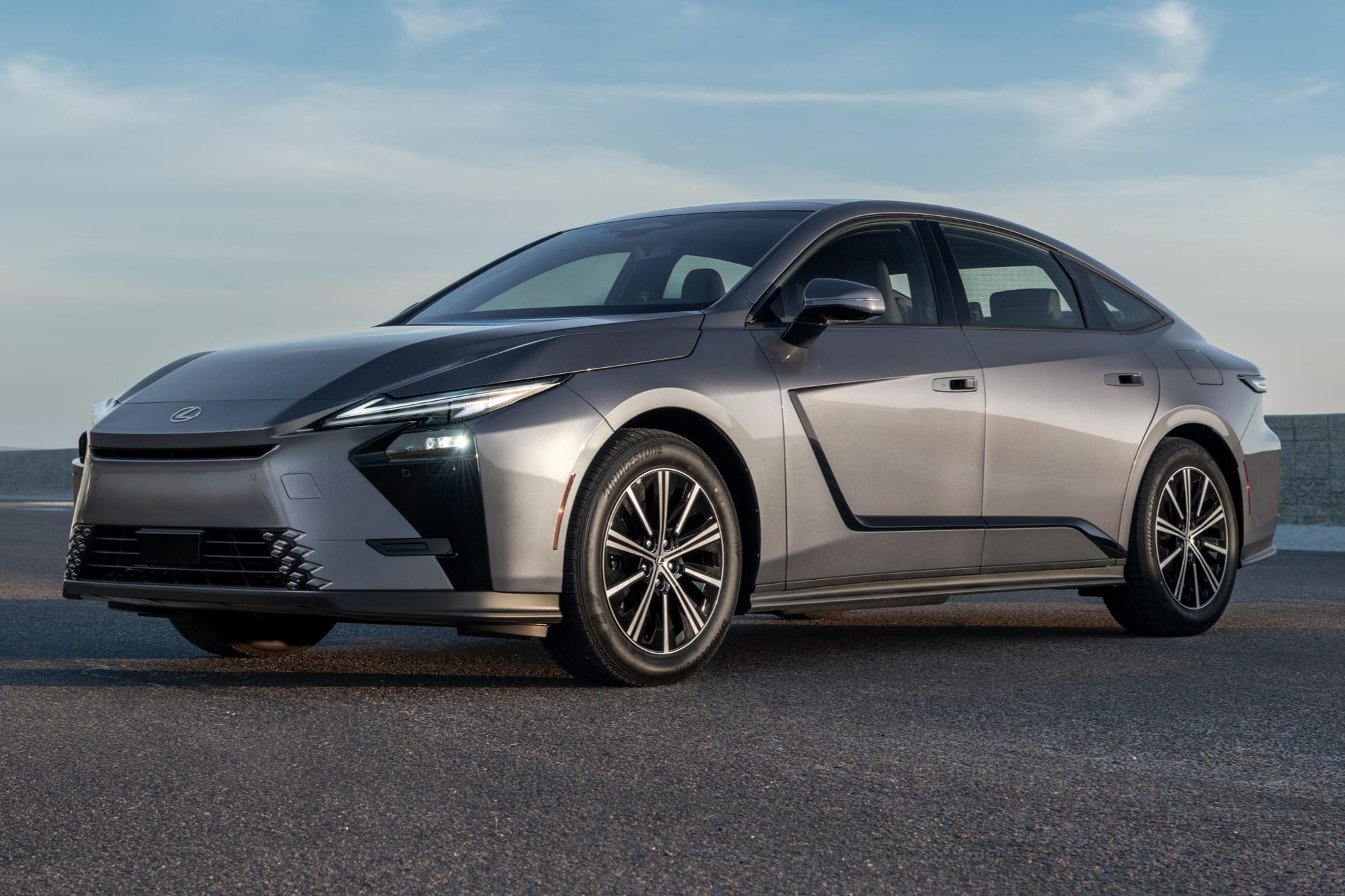
Nearly four months after the all-electric ES 500e, Lexus has finally introduced the hybrid-powered ES 350h. It largely retains the electric versions’ exterior design, which comprises the signature L-shaped DRLs and sealed-off grille at the front, sloping fastback-like roofline and Z-shaped trim from the side, while the rear is characterised by a slim LED tail-lamp and sculpted design for the bumper. The exterior’s minimalist theme continues on the inside, with a clean look for the dashboard that does away with physical buttons and features a large 14-inch infotainment screen, a digital driver’s display, and proximity-sensing buttons that light up when they detect hand movement. Powering the 350h is a strong-hybrid petrol engine that’s mated to an e-CVT. Ex-showroom prices of the ES 350h range between Rs 66.10 lakh and Rs 71.80 lakh. 

LHD model used for representation.

Nissan Tekton vs Hyundai Creta: Whose top trim offers more value?

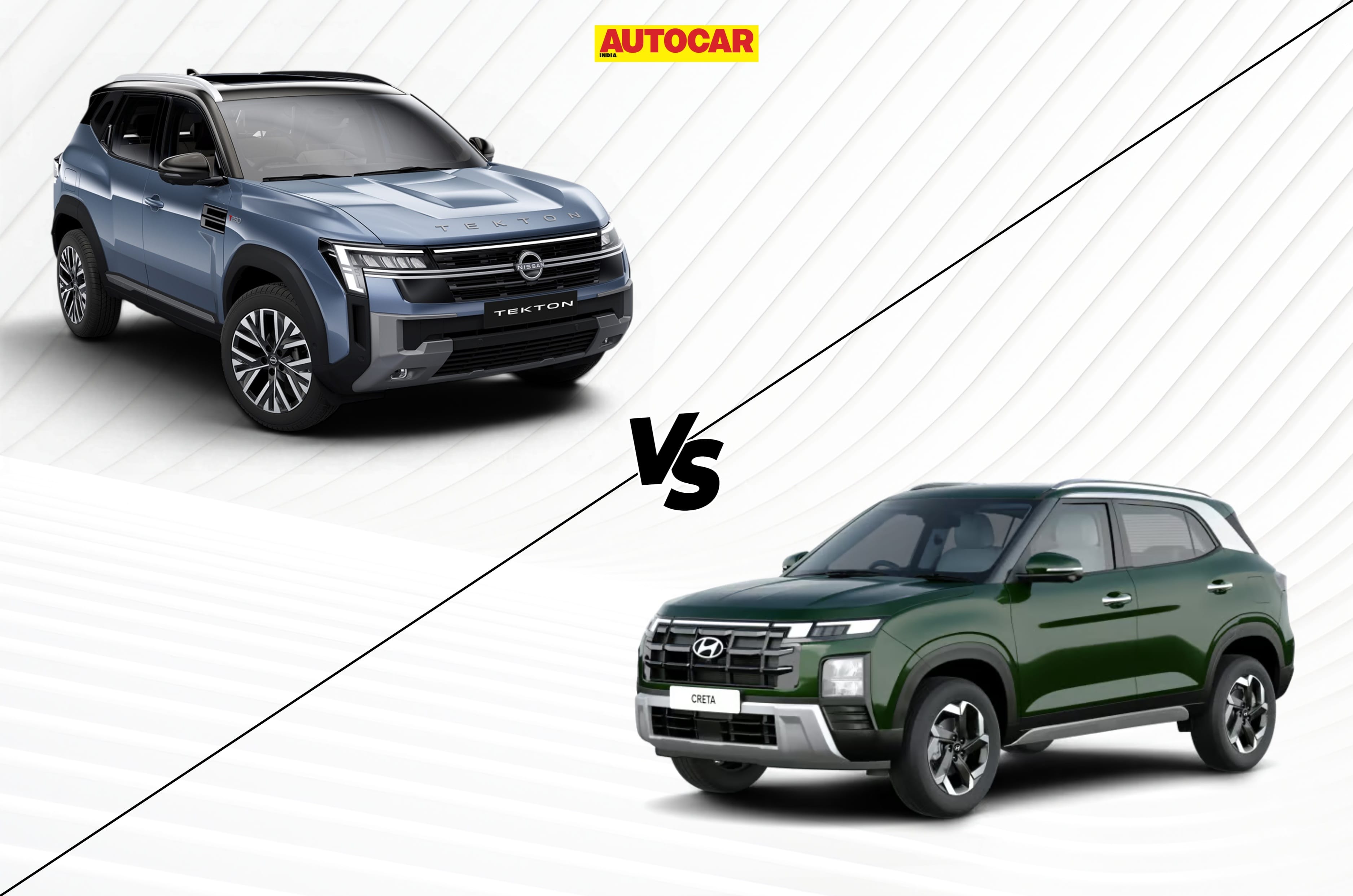
Nissan Tekton vs Hyundai Creta

The arrival of the Tekton has helped Nissan make a much-needed comeback to the popular mid-size SUV segment. On the other hand, Hyundai has championed this space with the Creta, which continues to lead sales. But which of the two SUVs offers better value when you compare their top-spec versions on paper? We find out. For this comparison, we’ve chosen the Tekna+ and King trims of the Tekton and Creta, respectively.

Explore full specs, features, and a price breakdown in our Tekton vs Creta comparison.

Nissan Tekton vs Hyundai Creta: Dimensions

Tekton’s dimensions are higher than those of the Creta’s

Nissan Tekton vs  Duster: Dimensions 


Nissan Tekton

Hyundai Creta

Difference

Length (mm)

4,349

4,330

+19

Width (mm)

1,815

1,790

+25

Height (mm)

1,674

1,635

+39

Wheelbase (mm)

2,657

2,610

+47

Ground clearance (mm)

212

190

+22

Boot space (litres)

518

433

+85

As far as dimensions are concerned, the Tekton is the larger vehicle overall. It is 19mm longer, 25mm wider, and has a 47mm bigger wheelbase. Additionally, it rides 22mm higher off the ground, and its 518-litre boot is the largest in the segment.

Nissan Tekton vs Hyundai Creta: Engine specifications 

Tekton solely powered by turbo-petrol, while Creta gets diesel and NA petrol engines

Nissan Tekton vs Hyundai Creta: Engine specifications 


Nissan Tekton 

Hyundai Creta

Engine options

Turbo-petrol

Naturally aspirated petrol | Turbo-petrol | Diesel

Displacement 

1.0-litre | 1.3-litre 

1.5-litre | 1.5-litre | 1.5-litre

No. of cylinders

3 | 4

4 | 4 | 4

Power (hp)

100 | 163

115 | 160 | 116

Torque (Nm)

166 | 280

144 | 253 | 250

Gearbox 

6MT | 6DCT

6MT/CVT | 7DCT | 6MT/6AT

In top-spec guise, the Tekton is offered with two turbo-petrol engines, whereas the Creta has a diverse powertrain lineup comprising naturally aspirated petrol, turbo-petrol and diesel engines. The same is the case for gearbox options, as the Creta offers different automatic transmissions depending on the engine chosen. The Nissan Tekton’s 1.0-litre and 1.3-litre turbo-petrol units are the least and most powerful engines here, respectively.  

Nissan Tekton vs Hyundai Creta: Exterior features 

Only the Tekton comes with fog lamps

Nissan Tekton vs Hyundai Creta: Exterior


Nissan Tekton

Hyundai Creta

Headlights

Auto LED

Auto LED

Taillights

Connected LED

Connected LED

DRLs

Connected LED

Connected LED

Front fog lamps

LED

No

Rear fog lamps

LED

No

Puddle lamps

Yes

Yes

Wheels

18-inch

18-inch

Powered ORVMs

Yes

Yes

Roof rails

Yes

Yes

Colour

Monotone, dual tone

Monotone, dual tone, matte

On the exterior front, the Tekton and Creta’s top-spec versions come replete with connected LED light setups, 18-inch alloys, powered ORVMs and roof rails. However, front and rear fog lamps are found only on the Tekton. Monotone and dual-tone colour options are on offer with both models, but the Creta is also available with matte-finished paint jobs. 

Nissan Tekton vs Hyundai Creta: Interior and features

Tekton misses out on feel-good features that the Creta gets

Nissan Tekton vs  Hyundai Creta: Interior and features


Nissan Tekton

Hyundai Creta

Driver’s display

10.25-inch

10.25-inch

Infotainment screen

10.1-inch

10.25-inch

Android Auto, Apple CarPlay

Wireless

Wireless

Audio system

6-speaker Arkamys

8-speaker Bose

Sunroof

Panoramic

Panoramic

Climate control

Dual-zone automatic

Dual-zone automatic

Rear AC vents

Yes

Yes

Driver seat adjustment

6-way

8-way with memory

Front passenger seat adjustment

6-way

8-way

Front seat features

Ventilation

Ventilation

Boss mode

No

Powered

Powered tailgate

Yes

No

Seat upholstery

Leatherette

Leatherette

Reclining rear seats 

No

Yes

Steering wheel adjustment

Tilt, telescopic

Tilt, telescopic

Wireless phone charger

Front

Front and rear

Air Purifier

Yes

No

Sunshades

Magnetic (all windows optional)

Retractable (rear windows)

Connected car tech

Yes

Yes

Rear armrest

Yes

Yes

Ambient lighting 

Yes

Yes

USB ports 

4x type-C

4x type-C

The Tekton comes with an air purifier and a powered tailgate over the Creta, but the latter gets a slightly bigger infotainment screen, additional speakers, more adjustment for the powered front seats, driver seat memory, reclining rear seats, boss mode, and an additional wireless phone charger at the back.

Nissan Tekton vs Hyundai Creta: Driving Features

Tekton gets steering modes, while the Creta gets traction modes

Nissan Tekton vs Hyundai Creta: Driving Features 

Driving Features 

Nissan Tekton

Hyundai Creta

Drive modes

Eco, Comfort

Eco, Normal, Sport

Steering modes

Low effort, High effort

No

Traction modes

No

Snow, mud, sand

Paddle Shifters

Automatic only

Automatic only

Cruise Control

Adaptive

Adaptive

While the ‘Eco’ drive mode is common on both SUVs, the Tekton gets a ‘Comfort’ mode, while the Creta features ‘Normal’ and ‘Sport’ driving modes. Steering modes are present only on the Tekton, while the Creta gets traction control modes for different terrains. In top-spec guise, both SUVs have adaptive cruise control and paddle shifters with their automatic variants.

Nissan Tekton vs Hyundai Creta: Safety features

Both SUVs are equally matched with basic and advanced safety tech

Nissan Tekton vs  Kushaq Prestige: Safety features


Nissan Tekton

Hyundai Creta

Airbags

6

6

ADAS

Level 2

Level 2

Camera setup

360-degree

360-degree

Parking sensors

Front and rear

Front and rear

Electronic parking brake

DCT variant only

Yes

TPMS

Yes

Yes

IRVM

Auto-dimming

Auto-dimming

Rear wiper, washer

Yes

Yes

Rear defogger

Yes

Yes

Hill start assist

Yes

Yes

Hill descent control

DCT only

No

ESC

Yes

Yes

Traction control

Yes

Yes

When it comes to safety, both the Tekton and Creta come well-equipped with safety features including six airbags, parking sensors, TPMS, Level 2 ADAS suite and a 360-degree camera setup. The only difference is that while an electronic parking brake is common on both, the former gets it only on automatic versions, while the latter has it with manual gearbox variants as well. 

Nissan Tekton vs Hyundai Creta: Price and verdict

Nissan Tekton Tekna+ vs Kushaq Prestige: Ex-showroom prices 


Nissan Tekton Tekna+ (Rs lakh)

Hyundai Creta King (Rs lakh)


Turbo-petrol MT

16.49

Turbo-petrol DCT

18.59

19.91

Naturally aspirated petrol MT

17.27

Naturally aspirated petrol CVT

18.68

Diesel MT

18.85

Diesel AT

19.77

The only comparable variant between the Tekton and the Creta is their turbo-petrol automatic versions, where the Tekton is Rs 1.32 lakh cheaper. Between the newly launched Tekton and the reigning Creta, we recommend the former. Not only is the Tekton more affordable, especially when you consider turbo-petrol versions, but you also get more torque. While it does miss out on some feel-good features that the Creta gets, it’s not necessarily a deal-breaker. If your monthly usage consists mainly of highway runs, then the Creta diesel makes for a sensible choice.