The Toyota Innova Hycross facelift was spied testing in India for the first time. The spy shots reveal a few details of the facelifted Innova Hycross’ exterior elements, including a new fascia, revised bumpers and fresh lighting units. It is likely to be launched in the country in 2027.
Hints at new headlights and tail-lights
Alloy wheels appear to be unchanged
Expected to get the same powertrains
Toyota Innova Hycross facelift: What was seen?
New grille, sleeker headlights and revised tail-lights could be spotted
While design details of the Toyota Innova Hycross facelift were hidden under camouflage, the spy shots hint at sleeker headlights with new projector units. The grille appears to be squarer than the current Innova Hycross, while the front bumper also appears to be redesigned.
Image source: @habeeb_payyoly on Instagram
There are no visible changes in the profile. The alloy wheels appear similar to those on the current Innova Hycross, and the wheel arches feature prominent bulges for the cladding. However, the rear seems to feature new LED tail-light elements. A rear wiper, a roof-mounted spoiler and a shark-fin antenna could also be seen.
Toyota Innova Hycross facelift: Other expected changes
Interior is likely to be updated with new trims and upholstery
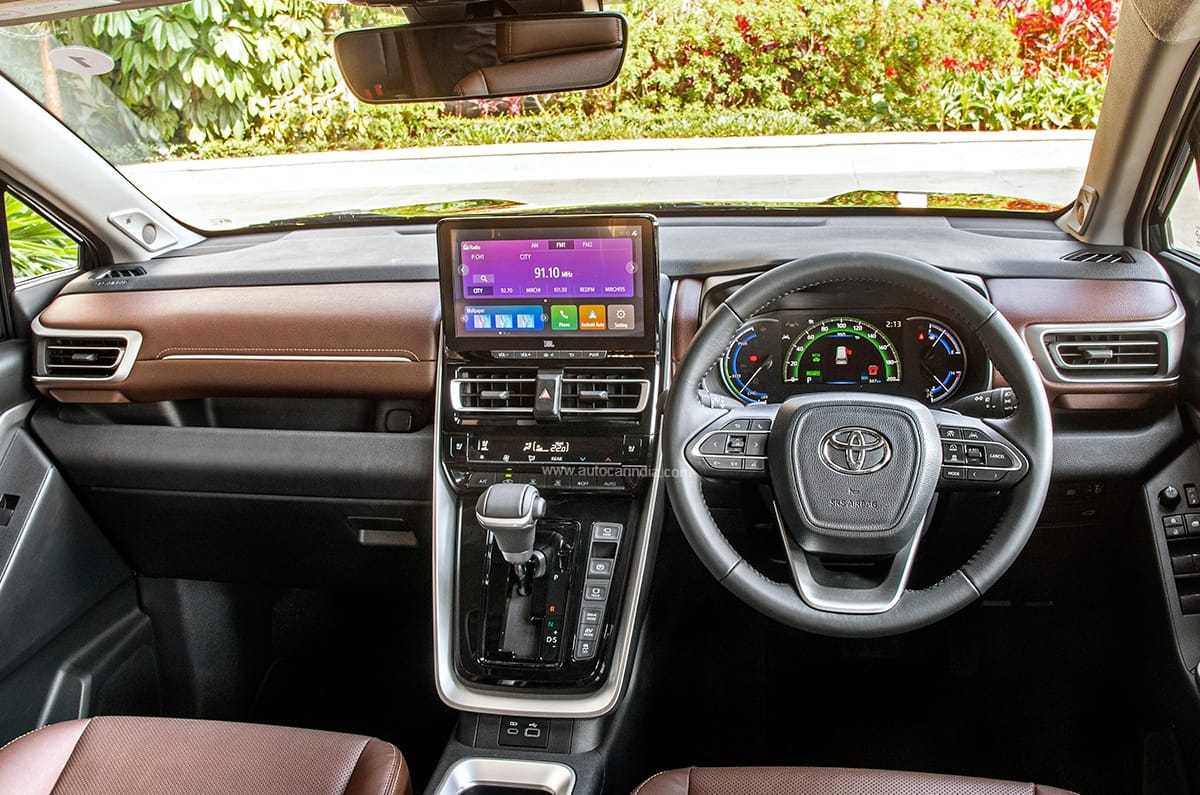
The current Innova Hycross’ dashboard is shown for representational purposes only.
While the interior is yet to be spotted, Toyota is likely to update the Innova Hycross’ interior to make it feel more modern than before. It is likely to get new trims and upholstery, but it remains to be seen if Toyota offers it with new features.
Expected to continue with the same powertrain options
With the facelifted model, Toyota is expected to continue with the current Innova Hycross’ powertrain options. These include a 173hp, 2.0-litre petrol engine mated to a CVT automatic or a 184hp, 2.0-litre petrol-hybrid setup paired with an e-CVT.
Image source: @habeeb_payyoly on Instagram
Toyota usually takes four years to introduce a mid-cycle facelift to its models. As the Innova Hycross was launched in December 2022, the facelifted Innova Hycross is likely to launch in early 2027. It will continue to lock horns with the rebadged Maruti Suzuki Invicto, while serving as a combustion-powered alternative to eMPVs such as the Mahindra XEV 9S and BYD eMax 7.
LPG Price Today: देशभर में घरेलू और कमर्शियल LPG सिलेंडर के उपभोक्ताओं के लिए राहत की खबर है। सरकारी तेल कंपनियों ने मंगलवार (14 जुलाई) को भी 14.2 किलोग्राम वाले घरेलू LPG सिलेंडर के दामों में कोई नई बढ़ोतरी नहीं की है। जून में हुई ₹29 प्रति सिलेंडर की वृद्धि के बाद कीमतें फिलहाल स्थिर बनी हुई हैं। हालांकि, 1 जुलाई को 19 किलोग्राम वाले कमर्शियल LPG सिलेंडर की कीमत में 183.50 रुपये की कटौती की गई थी, जिससे होटल, रेस्तरां और अन्य व्यावसायिक प्रतिष्ठानों को बड़ी राहत मिली है।
जानें अपने शहर का रेट
शहर
घरेलू एलपीजी सिलेंडर (14.2 किलो) कीमत (₹)
कमर्शियल एलपीजी सिलेंडर (19 किलो) कीमत (₹)
दिल्ली
942
2930
नोएडा
939.50
2930
मुंबई
941.50
2885.50
कोलकाता
968
3081.50
पटना
1031.50
3227
लखनऊ
979.50
3052.50
चेन्नई
957.50
3106
चंडीगढ़
951.50
2954.50
जयपुर
945.50
2957.50
हरियाणा
943.50
2932
असम
991
3173.50
इन कारणों से बदलते हैं दाम
तेल कंपनियां (इंडियन ऑयल, भारत पेट्रोलियम और हिंदुस्तान पेट्रोलियम) आमतौर पर हर महीने की पहली तारीख को LPG सिलेंडर की कीमतों में बदलाव करते हैं। इसके बाद अंतरराष्ट्रीय एलपीजी कीमतों, डॉलर-रुपये की विनिमय दर और दूसरे लागतों को देखते हुए नई दरें लागू की जाती हैं।
कैसे जानें ताजा रेट?
आप Indane, Bharat Gas या HP Gas की ऑफिशियल वेबसाइट या मोबाइल ऐप पर जाकर अपने शहर का लेटेस्ट LPG रेट देख सकते हैं। गैस बुकिंग के समय भी अपडेटेड कीमत दिखाई जाती है।
क्यों स्थिर हैं घरेलू दाम?
तेल कंपनियों ने जून में अंतरराष्ट्रीय LPG कीमतों और पश्चिम एशिया में तनाव के कारण घरेलू सिलेंडर महंगा किया था। फिलहाल सरकार और कंपनियों ने घरेलू उपभोक्ताओं पर अतिरिक्त बोझ नहीं डालने का फैसला किया है। इसलिए जुलाई संशोधन में कोई नई बढ़ोतरी नहीं की गई।
अगले महीने बढ़ सकते हैं दाम?
फिलहाल, घरेलू एलपीजी सिलेंडर की कीमतें पहले जैसी ही बनी हुई हैं, जिससे आम उपभोक्ताओं को अभी किसी अतिरिक्त खर्च का सामना नहीं करना पड़ेगा। हालांकि, अगले महीने अंतरराष्ट्रीय ऊर्जा बाजार के रुख और सरकार की नियमित समीक्षा के बाद एलपीजी की कीमतों में बढ़ोतरी या कटौती की घोषणा की जा सकती है।
Petrol Diesel Price Today: हर दिन की शुरुआत सिर्फ सूरज की किरणों से नहीं होती, बल्कि पेट्रोल और डीजल की नई कीमतों से भी होती है, जो आम आदमी की जेब पर सीधा असर डालती हैं। सुबह 6 बजे देश की तेल विपणन कंपनियां (OMCs) ताजा दरें जारी करती हैं, जो अंतरराष्ट्रीय बाजार में कच्चे तेल की कीमतों और डॉलर-रुपए की विनिमय दर में आए बदलावों पर आधारित होती हैं। ये बदलाव रोजमर्रा की जिंदगी को प्रभावित करते हैं, चाहे वो ऑफिस जाने वाला व्यक्ति हो या फल-सब्जी बेचने वाला व्यापारी।
ऐसे में हर दिन की कीमतों की जानकारी रखना सिर्फ जरूरी ही नहीं, बल्कि समझदारी भी है। सरकार की यह प्रणाली पारदर्शिता सुनिश्चित करती है ताकि उपभोक्ताओं को किसी तरह की भ्रमित जानकारी न मिले।
आपके शहर में आज का पेट्रोल-डीजल का भाव
ये रहे 14 जुलाई 2026 के प्रमुख शहरों के पेट्रोल-डीजल के ताजा रेट —
नई दिल्ली: पेट्रोल 102.12 रुपये | डीजल 95.20 रुपये
मुंबई: पेट्रोल 111.18 रुपये | डीजल 97.83 रुपये
कोलकाता: पेट्रोल 113.47 रुपये | डीजल 99.82 रुपये
चेन्नई: पेट्रोल 107.77 रुपये | डीजल 99.55 रुपये
गुरुग्राम: पेट्रोल 102.77 रुपये | डीजल 95.44 रुपये
नोएडा: पेट्रोल 102.12 रुपये | डीजल 95.56 रुपये
बेंगलुरु: पेट्रोल 110.93 रुपये | डीजल 98.80 रुपये
भुवनेश्वर: पेट्रोल 109.92 रुपये | डीजल 100.92 रुपये
चंडीगढ़: पेट्रोल 98.10 रुपये | डीजल 86.09 रुपये
हैदराबाद: पेट्रोल 115.69 रुपये | डीजल 103.82 रुपये
जयपुर: पेट्रोल 112.66 रुपये | डीजल 97.78 रुपये
लखनऊ: पेट्रोल 102.05 रुपये | डीजल 95.55 रुपये
पटना: पेट्रोल 113.35 रुपये | डीजल 99.36 रुपये
तिरुवनंतपुरम: पेट्रोल 115.49 रुपये | डीजल 104.40 रुपये
पिछले दो साल से स्थिर क्यों हैं कीमतें?
मई 2022 के बाद से केंद्र और कई राज्यों द्वारा टैक्स में कटौती की गई, जिसके बाद पेट्रोल-डीजल की कीमतों में स्थिरता देखी जा रही है। हालांकि अंतरराष्ट्रीय बाजार में उतार-चढ़ाव होता रहता है, फिर भी भारतीय उपभोक्ताओं के लिए कीमतें तुलनात्मक रूप से स्थिर बनी हुई हैं।
किन कारणों से तय होती हैं ईंधन की कीमतें?
कच्चे तेल की कीमतें:
पेट्रोल और डीजल का उत्पादन मुख्य रूप से कच्चे तेल से होता है। जब अंतरराष्ट्रीय स्तर पर कच्चे तेल की कीमतें बढ़ती हैं, तो इसका असर सीधे भारतीय बाजार पर पड़ता है।
डॉलर के मुकाबले रुपया:
भारत अधिकतर कच्चा तेल आयात करता है, और यह डॉलर में खरीदा जाता है। यदि रुपया कमजोर होता है, तो ईंधन महंगा हो जाता है।
सरकारी टैक्स और शुल्क:
केंद्र और राज्य सरकारें पेट्रोल-डीजल पर भारी टैक्स लगाती हैं, जो खुदरा मूल्य का बड़ा हिस्सा होते हैं। यही कारण है कि राज्यों में कीमतों में अंतर होता है।
रिफाइनिंग की लागत:
कच्चे तेल को इस्तेमाल लायक बनाने की प्रक्रिया (रिफाइनिंग) में भी खर्च होता है। ये लागत कच्चे तेल की गुणवत्ता और रिफाइनरी की क्षमता पर निर्भर करती है।
मांग और आपूर्ति का संतुलन:
बाजार में ईंधन की मांग अगर बढ़ जाती है, तो कीमतें भी ऊपर जाने लगती हैं। खासकर त्योहारों, गर्मी या सर्दी के मौसम में ईंधन की खपत ज्यादा होती है।
कैसे करें अपने शहर की कीमतें SMS से चेक?
अगर आप मोबाइल से ईंधन की कीमत जानना चाहते हैं, तो ये प्रक्रिया आसान है:
Indian Oil ग्राहक: अपने शहर का कोड टाइप करें और उसे “RSP” के साथ 9224992249 पर भेजें।
BPCL ग्राहक: “RSP” लिखकर 9223112222 पर भेजें।
HPCL ग्राहक: “HP Price” लिखकर 9222201122 पर भेजें।
Kia India has rolled out appealing offers on a variety of models in its portfolio for the period of July 2026. Consumers can avail a range of benefits, including cash discounts, corporate offers, and either scrappage or exchange bonuses. Depending on the model and variant chosen, benefits of up to Rs 1.8 lakh can be had.
Disclaimer: Offers/benefits may vary by city and are subject to stock availability. Buyers are advised to check with their local dealer for exact figures.
Kia Carens Clavis EV offers in July 2026
Benefits of up to Rs 1.8 lakh
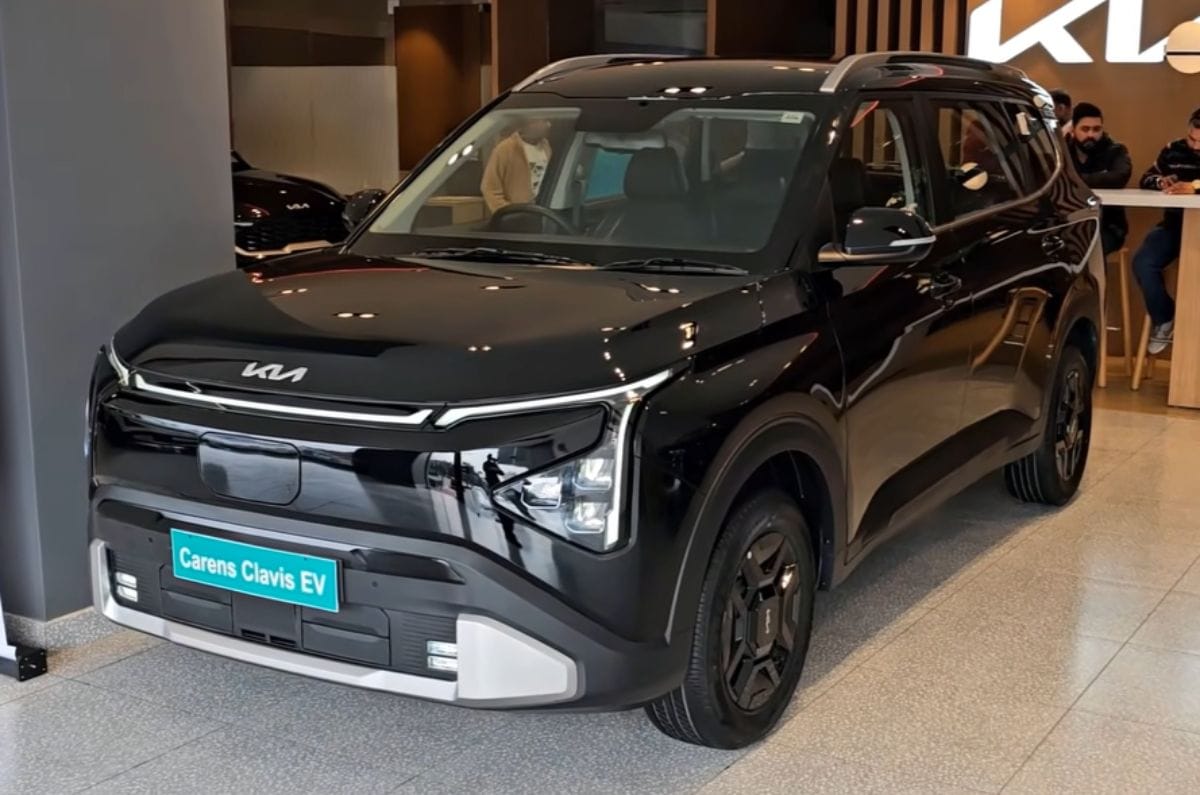
The Carens Clavis EV is available with benefits of up to Rs 1.8 lakh in July 2026. Benefits for MY26 models include a cash discount and loyalty benefit of Rs 20,000, a corporate discount of up to Rs 15,000, and either an exchange or scrappage bonus of Rs 20,000. MY25 versions of the Clavis EV get a cash discount of up to Rs 80,000, a loyalty offer of Rs 20,000, and either an exchange or scrappage bonus of up to Rs 75,000. With 42kWh and 51.4kWh battery packs on offer, and priced between Rs 18 lakh and Rs 25 lakh, it is currently the most affordable electric MPV in the market.
Kia Carnival offers in July 2026
Benefits of up to Rs 1.5 lakh
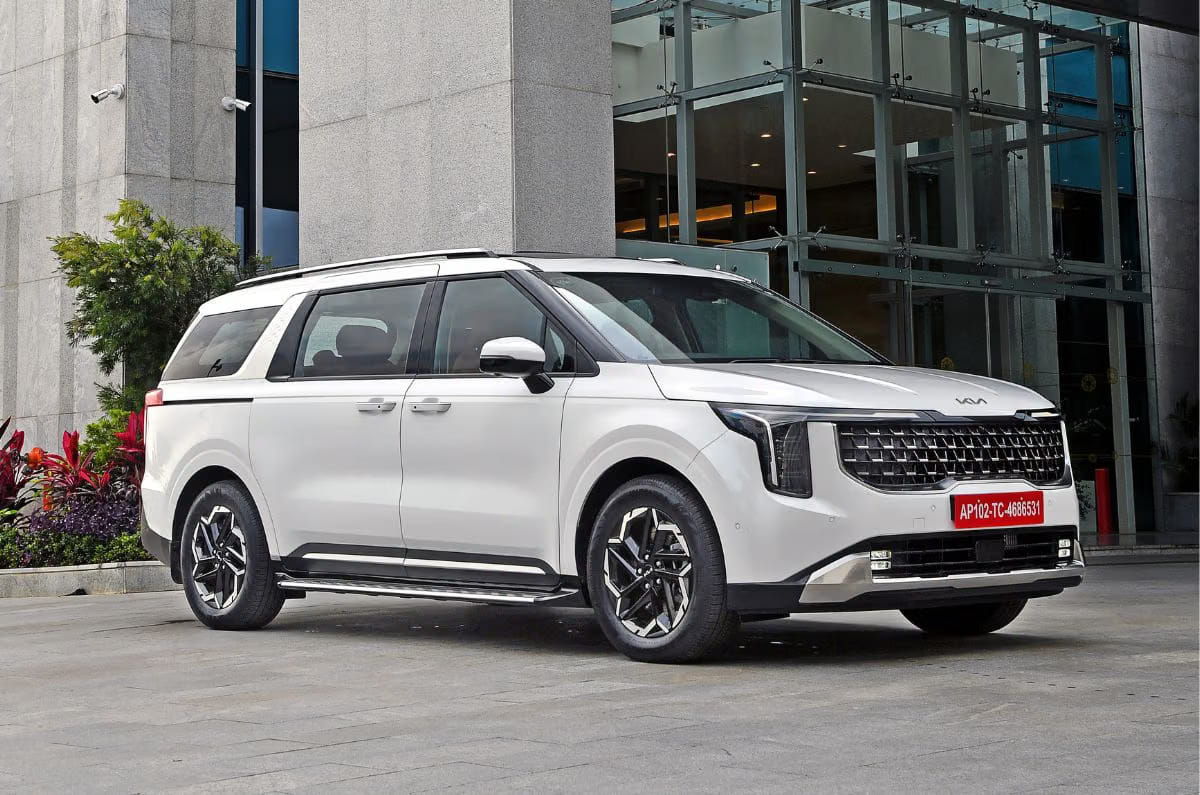
Kia’s most premium Carnival MPV receives benefits of up to Rs 1.5 lakh. For MY26 models, it includes either an exchange or scrappage bonus of up to Rs 1 lakh and a corporate offer of up to Rs 50,000. However, MY25 Carnivals only get a scrappage bonus of Rs 20,000. Powered by a diesel engine and sold in a single fully loaded variant, it is priced at Rs 59.7 lakh. It is a more affordable alternative to the likes of the MG M9 and Toyota Vellfire.
Kia Carens Clavis offers in July 2026
Benefits of up to Rs 1.2 lakh
The Carens Clavis MPV gets benefits of up to Rs 75,000. MY26 models get a cash discount of Rs 10,000, loyalty benefits of Rs 20,000, a corporate offer of up to Rs 15,000 and either an exchange or scrappage bonus of up to Rs 30,000. However, MY25 versions get up to Rs 70,000 cash discount, similar loyalty and exchange/scrappage benefits as MY26 versions, but miss out on corporate offers. Available in petrol, turbo-petrol and diesel engines, the Carens Clavis is priced between Rs 11.27 lakh and Rs 21.67 lakh and rivals the Maruti XL6.
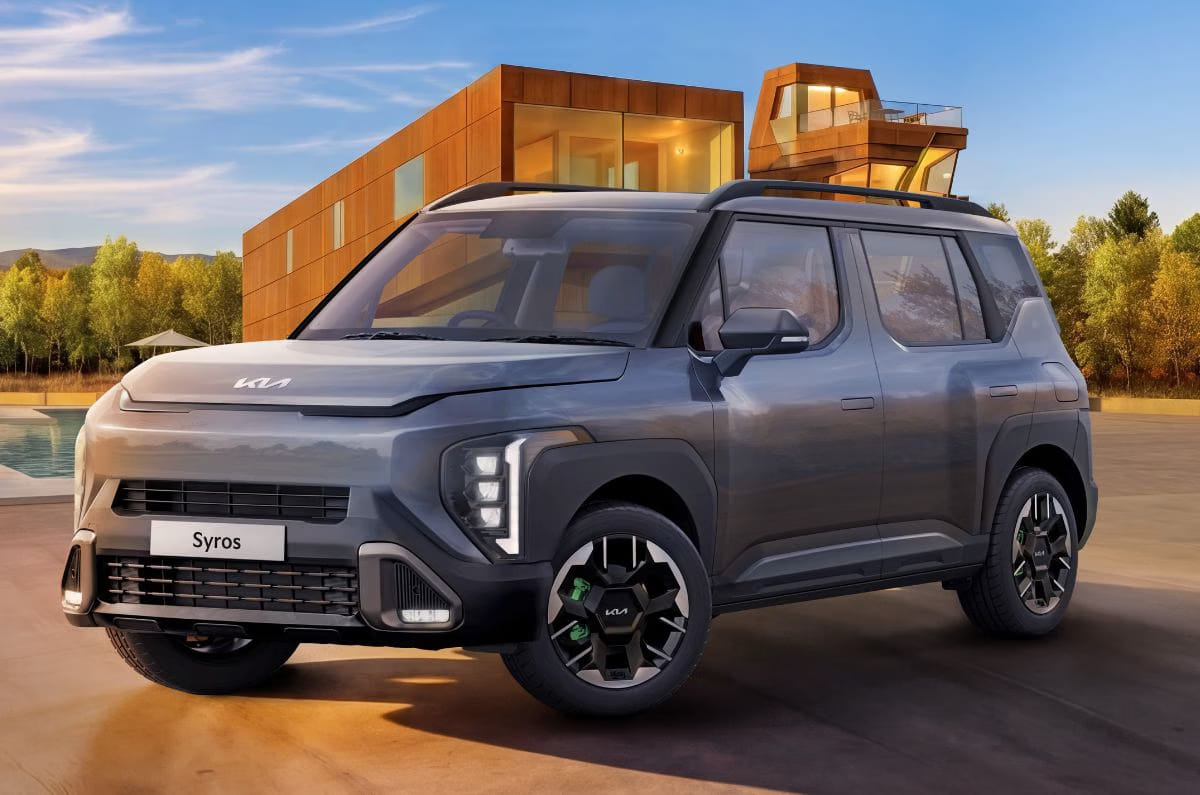
Kia Syros offers in July 2026
Benefits of up to Rs 50,000
The Syros compact SUV is available with benefits of up to Rs 25,000. MY 26 versions get a cash discount of up to Rs 10,000, a corporate offer of up to Rs 15,000 and either an exchange or scrappage bonus of Rs 20,000. Meanwhile, the MY25 Syros gets either an exchange or scrappage offer of up to Rs 50,000. Priced from Rs 8.42 lakh to Rs 15.82 lakh, it is offered with either a turbo-petrol or diesel engine.
Kia Sonet offers in July 2026
Benefits of up to Rs 45,000
Kia’s most affordable model, the Sonet, is available with benefits up to Rs 45,000. For MY26 models, there’s a cash discount of up to Rs 10,000, a corporate offer of up to Rs 15,000, and either an exchange or scrappage offer of up to Rs 20,000. MY25 versions don’t get much benefit except for a scrappage bonus of Rs 15,000. The Sonet is offered with a choice of petrol, turbo-petrol and diesel engines. Priced from Rs 7.41 lakh to Rs 14.37 lakh, it takes on the likes of the Hyundai Venue, Tata Nexon, Skoda Kylaq and Mahindra XUV 3XO.
Kia Seltos offers in July 2026
Benefits of up to Rs 40,000
The Seltos mid-size SUV gets benefits of up to Rs 40,000. While the latest 2nd-gen version gets a scrappage and loyalty benefit of Rs 20,000 each. Offered with petrol, turbo-petrol and diesel engines, the Seltos is priced from Rs 10.99 lakh and goes all the way up to Rs 20 lakh. It is Kia’s answer to the mid-size SUV space, which consists of the Hyundai Creta, Tata Sierra, Renault Duster, Nissan Tekton, Maruti Victoris and Grand Vitara, Toyota Hyryder, Skoda Kushaq and Volkswagen Taigun.
Kia Carens offers in July 2026
Benefits of up to Rs 35,000
The Carens MPV gets the least benefits out of any Kia model here. MY26 models get a corporate offer of up to Rs 15,000 and either an exchange or scrappage bonus of up to Rs 20,000. But MY25 versions of the Carens only get a scrappage bonus of Rs 20,000. It is available in only one trim, powered by either a petrol or diesel engine, with a price range of Rs 11.02 lakh to Rs 12.88 lakh. Additionally, it’s the only Kia car to offer a dealer-level fit CNG kit with the petrol engine. The Carens is Kia’s alternative to the Maruti Ertiga and Toyota Rumion.
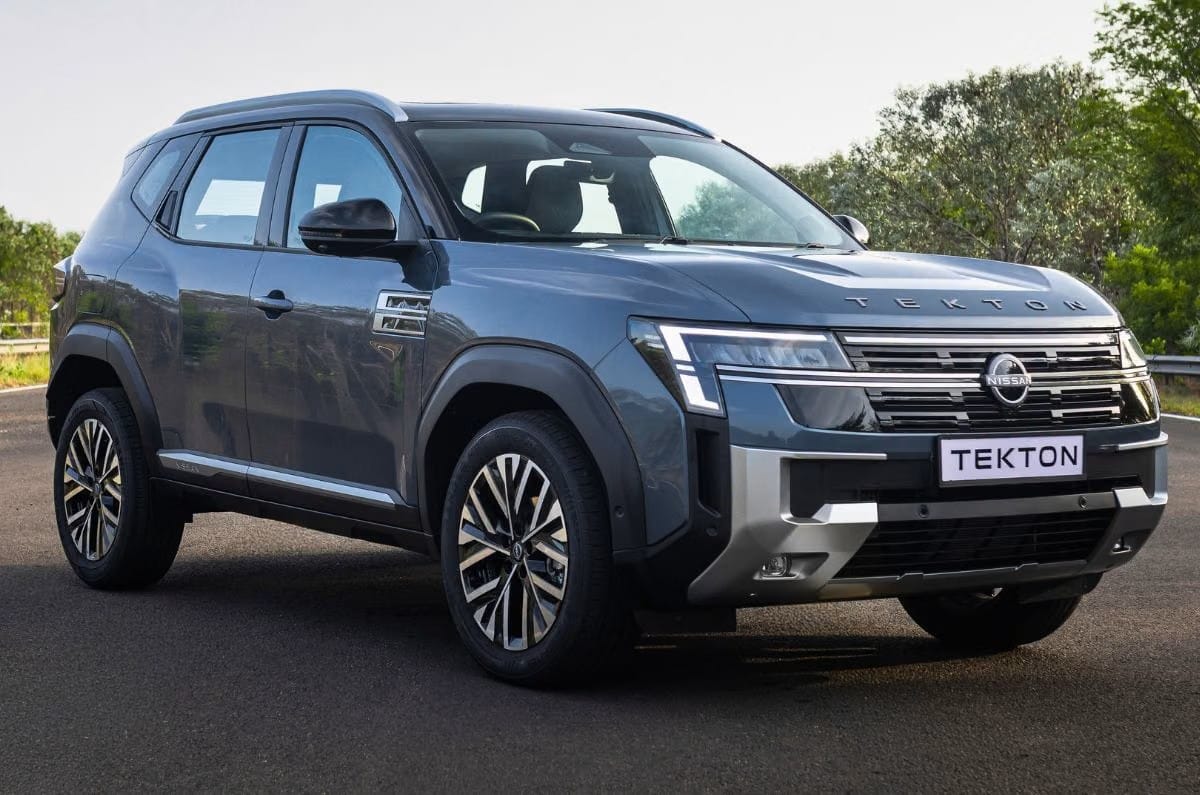
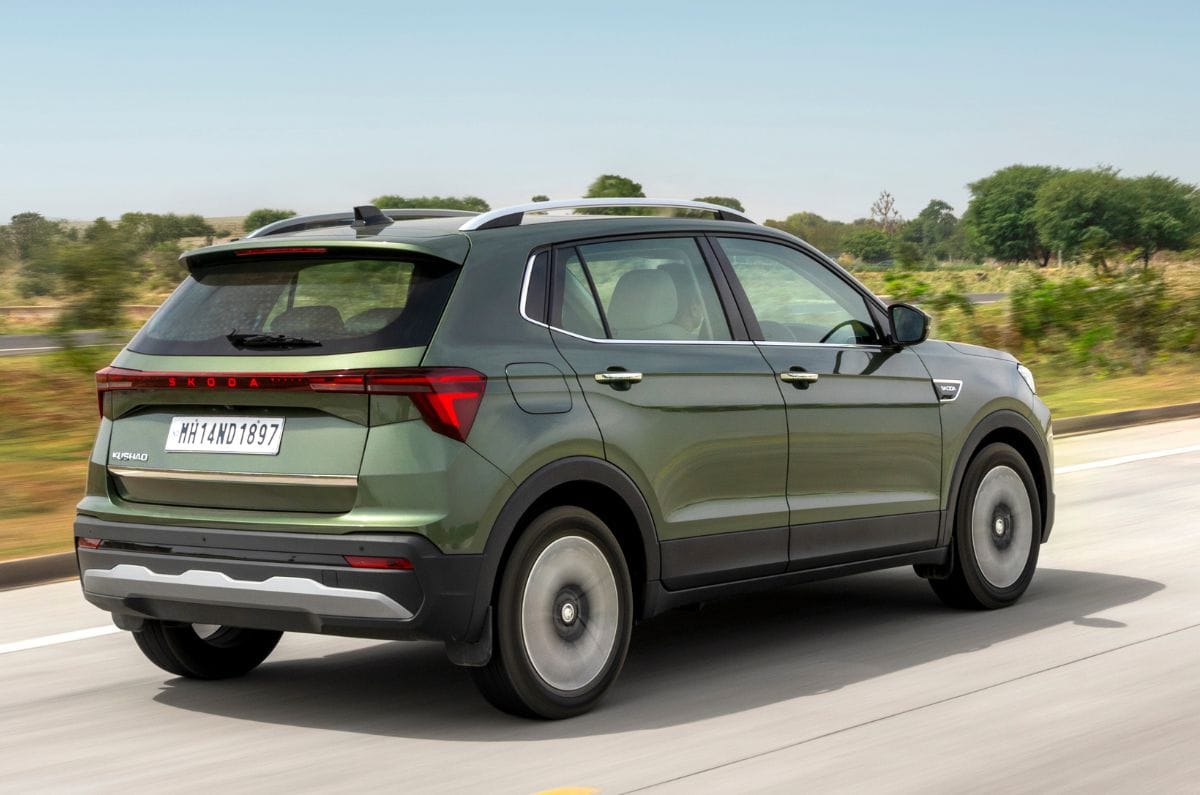
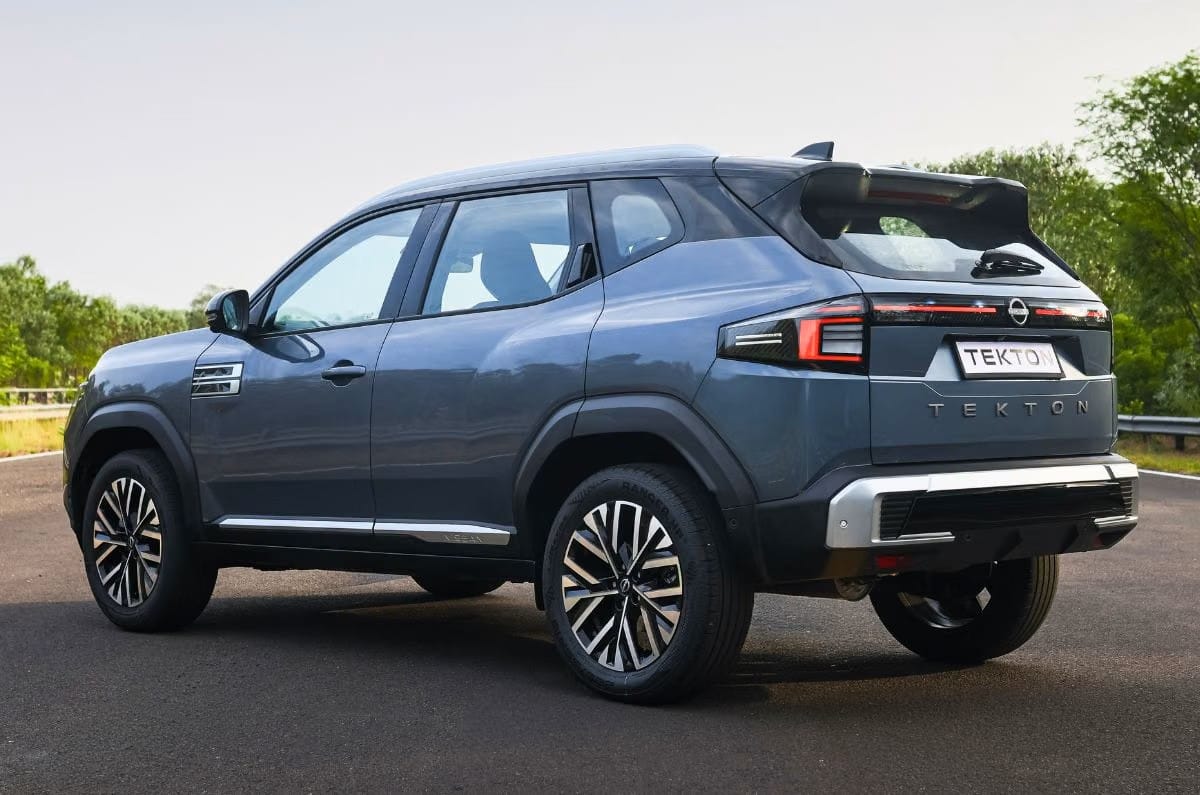
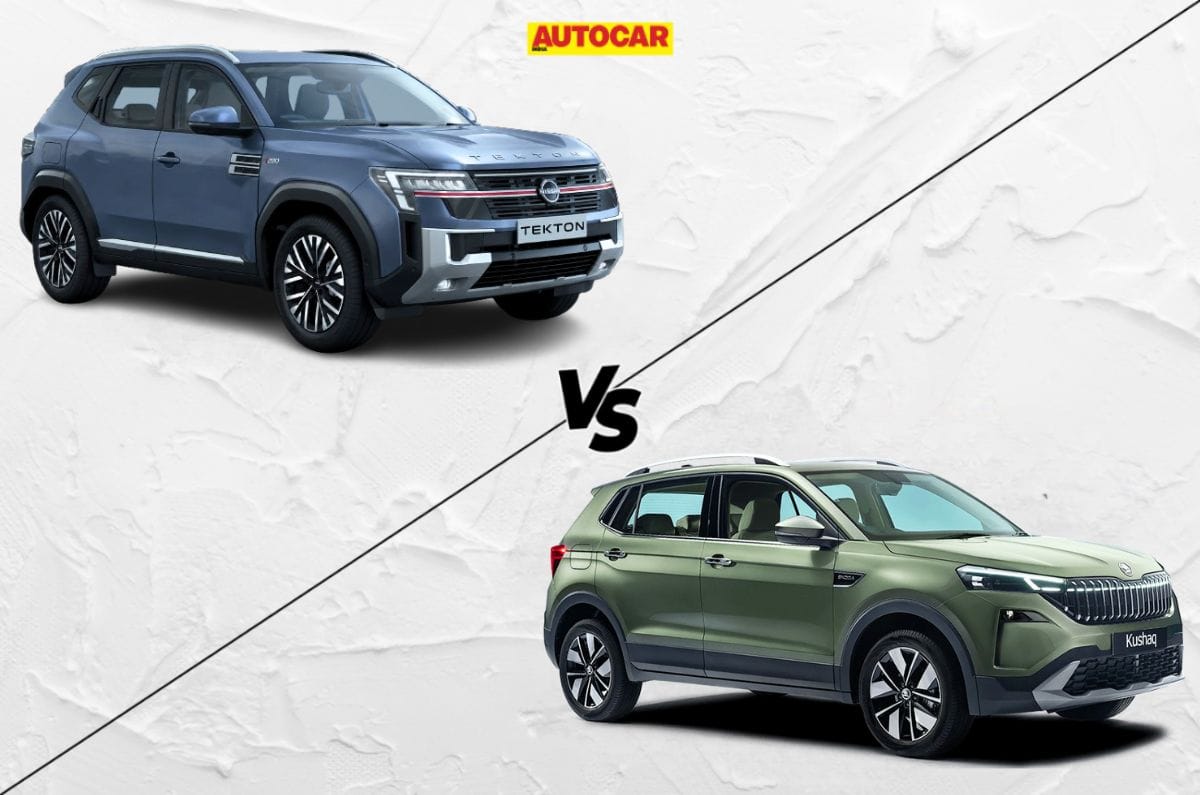
Nissan recently launched the Tekton midsize SUV in India. It is being offered in six trims: Visia, Visia+, Acenta, N-Connecta, Tekna, and Tekna+, with prices ranging from Rs 10.49 lakh to Rs 18.59 lakh (ex-showroom). The Skoda Kushaq is also offered at a similar top-end price. So, which top-spec model should you choose between the Tekton Tekna+ and Kushaq Prestige? Let us find out.
Nissan Tekton vs Skoda Kushaq: Dimensions
The Tekton is much larger than the Kushaq and offers a bigger boot
Nissan Tekton vs Duster: Dimensions and other specifications
Nissan Tekton
Skoda Kushaq
Difference
Length (mm)
4,349
4,229
+120
Width (mm)
1,815
1,760
+55
Height (mm)
1,674
1,612
+62
Wheelbase (mm)
2,657
2,651
+6
Ground clearance (mm)
212
188
+24
Boot space (litres)
518
385
+133
Although the Tekton and Kushaq have a similar wheelbase, the Tekton has larger proportions than the Kushaq and offers a bigger boot. The Tekton also has a 24mm higher ground clearance than the Kushaq.
Nissan Tekton Tekna+ vs Skoda Kushaq Prestige: Powertrain
Both top-spec trims are offered with two turbo-petrol engine options
Nissan Tekton Tekna+ vs Kushaq Prestige: Powertrain
Tekton Tekna+
Kushaq Prestige
Engine*
1.0L TP | 1.3L TP
1.0L TP | 1.5L TP
Power
100hp | 163hp
115hp | 150hp
Torque
160Nm | 280Nm
178Nm | 250Nm
Transmission
6MT | 6DCT
6MT, 8AT | 7DCT
Drivetrain^
FWD
FWD
*TP = Turbo-petrol
^FWD = Front-wheel-drive
Both the Nissan Tekton and the Skoda Kushaq offer two turbo-petrol engines with their respective top trims. Comparing the smaller engines, the Kushaq produces 15hp and 18Nm more than the Tekton, while also offering an automatic transmission option.
The Tekton’s 1.3-litre engine is, however, 13hp and 30Nm more potent than the Kushaq’s larger-capacity 1.5-litre engine. Both manufacturers, however, offer their top-spec trims with such an engine with a DCT only.
Nissan Tekton Tekna+ vs Skoda Kushaq Prestige: Exterior
The Tekton gets larger rims, and everything else is the same as the Kushaq
Nissan Tekton Tekna+ vs Kushaq Prestige: Exterior
Tekton Tekna+
Kushaq Prestige
Headlights
Auto LED
Auto LED
Taillights
Connected LED
Connected LED
DRLs
Connected LED
Segmented LED
Front fog lamps
LED
LED
Rear fog lamps
LED
LED
Puddle lamps
Yes
Yes
Wheels
18-inch
17-inch
Powered ORVMs
Yes
Yes
Roof rails
Yes
Yes
Colour
Mono, Dual tones
Mono, Dual tones
While both top-spec models get all-LED lighting, puddle lamps, powered outside rearview mirrors (ORVMs) and roof rails, the Tekton Tekna+ goes a step further with larger 18-inch alloy wheels compared to the 17-inch units on the Kushaq Prestige.
Nissan Tekton Tekna+ vs Skoda Kushaq Prestige: Interior
The Tekton gets a powered tailgate, but Kushaq offers massage rear seats
Nissan Tekton Tekna+ vs Kushaq Prestige: Interior and features
Tekton Tekna+
Kushaq Prestige
Driver’s display
10.25-inch
10.25-inch
Infotainment screen
10.1-inch
10.1-inch
Android Auto, Apple CarPlay
Wireless
Wireless
Audio system
6-speaker Akamys
7-speaker*
Sunroof
Panoramic
Panoramic
Climate control
Dual-zone
Automatic
Rear AC vents
Yes
Yes
Front seat adjustment
6-way powered
6-way powered
Front seat features
Ventilation
Ventilation
Rear seat features
None
Massage
Powered tailgate
Yes
No
Seat upholstery
Leatherette
Leatherette
Steering wheel adjustment
Tilt, telescopic
Tilt, telescopic
Wireless phone charger
Yes
Yes
Cruise control
Adaptive
Adaptive
*Kushaq’s sound system comprises 6 speakers, an amplifier and a subwoofer
The Kushaq is the only car in the midsize SUV segment to offer a massage function on the rear seats. Over the Tekton, it also offers more speakers. On the other hand, the Tekton Tekna+ is equipped with a powered tailgate and dual-zone AC, which are missing from the Kushaq Prestige. Everything else is the same, including the 10.25-inch driver’s display, 10.1-inch infotainment system, a panoramic sunroof, powered and ventilated front seats and a wireless phone charger.
Nissan Tekton Tekna+ vs Skoda Kushaq Prestige: Safety
The Tekton offers an ADAS suite, which is missing on the Kushaq
Nissan Tekton Tekna+ vs Kushaq Prestige: Safety features
Tekton Tekna+
Kushaq Prestige
Airbags
6
6
ADAS
Level 2
No
Camera setup
360-degree
360-degree
Parking sensors
Front and rear
Front and rear
Electronic parking brake
DCT variant only
DCT variant only
TPMS
Yes
Yes
IRVM
Auto-dimming
Auto-dimming
Rear wiper, washer
Yes
Yes
Rear defogger
Yes
Yes
Hill start assist
Yes
Yes
Hill descent control
DCT only
No
ESC
Yes
Yes
Traction control
Yes
Yes
Both top-spec variants of the Tekton and Kushaq offer similar features like 6 airbags, a 360-degree camera, front and rear parking sensors, an auto-dimming inside rearview mirror (IRVM), a rear wiper and washer. However, the Tekton offers a Level-2 advanced driver assistance system (ADAS) suite and hill descent control, both of which are missing on the Kushaq.
Nissan Tekton Tekna+ vs Skoda Kushaq Prestige: Price, verdict
Top-spec trims of both SUVs come at a similar price
Nissan Tekton Tekna+ vs Kushaq Prestige: Ex-showroom prices (Rs, lakh)
Tekton Tekna+
Kushaq Prestige
Price range
16.49-18.59
16.79-18.79
The starting price of the Nissan Tekton’s Tekna+ trim is Rs 30,000 less than that of the Kushaq Prestige. The top-end price of the Tekton is also Rs 20,000 less than that of the Kushaq. At this lower price point, the Tekton offers a powered tailgate, Level-2 ADAS, dual-zone AC and larger alloy wheels. It is also larger than the Kushaq and offers a larger boot, making it the better top-spec Tekton variant than the Kushaq Prestige.
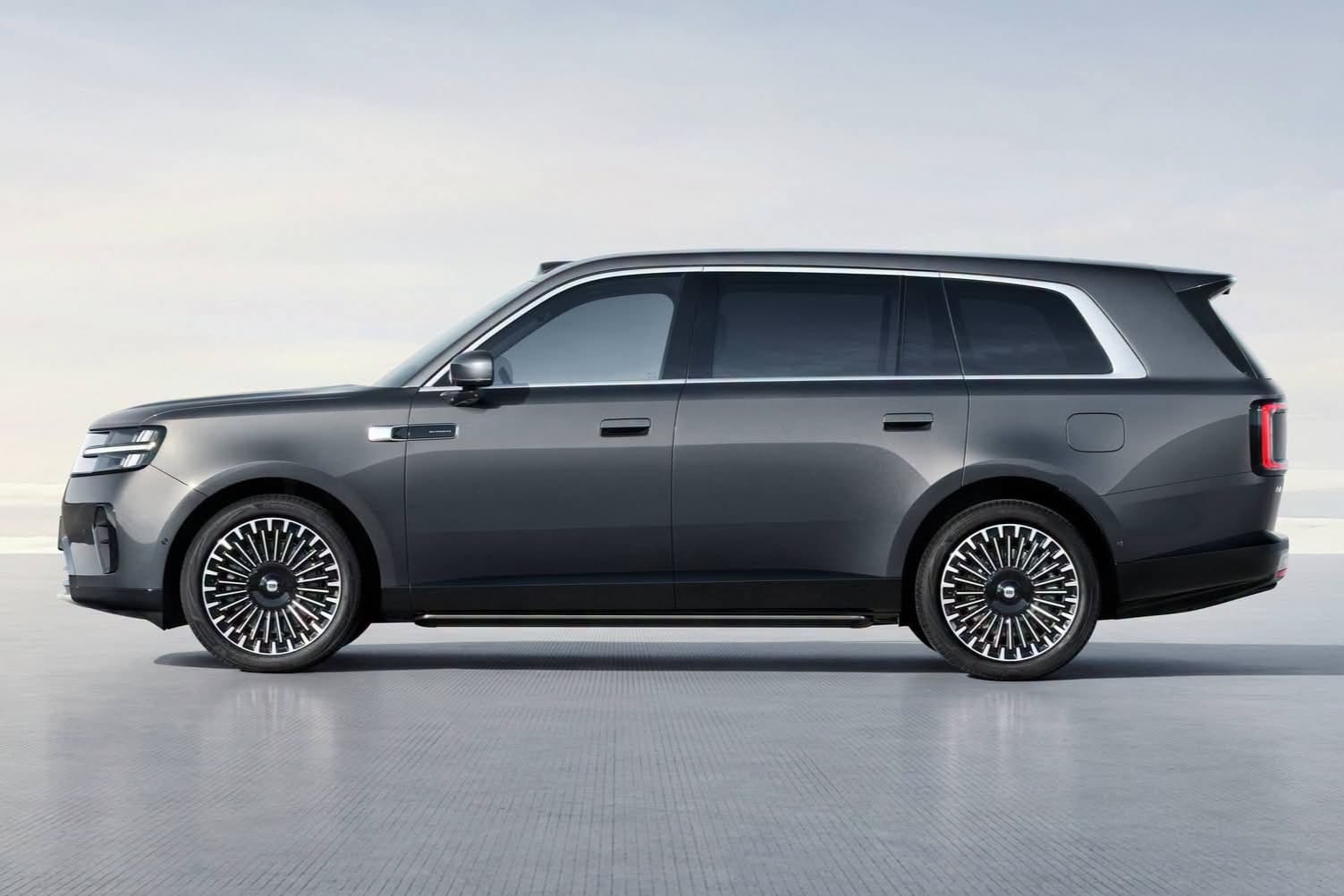
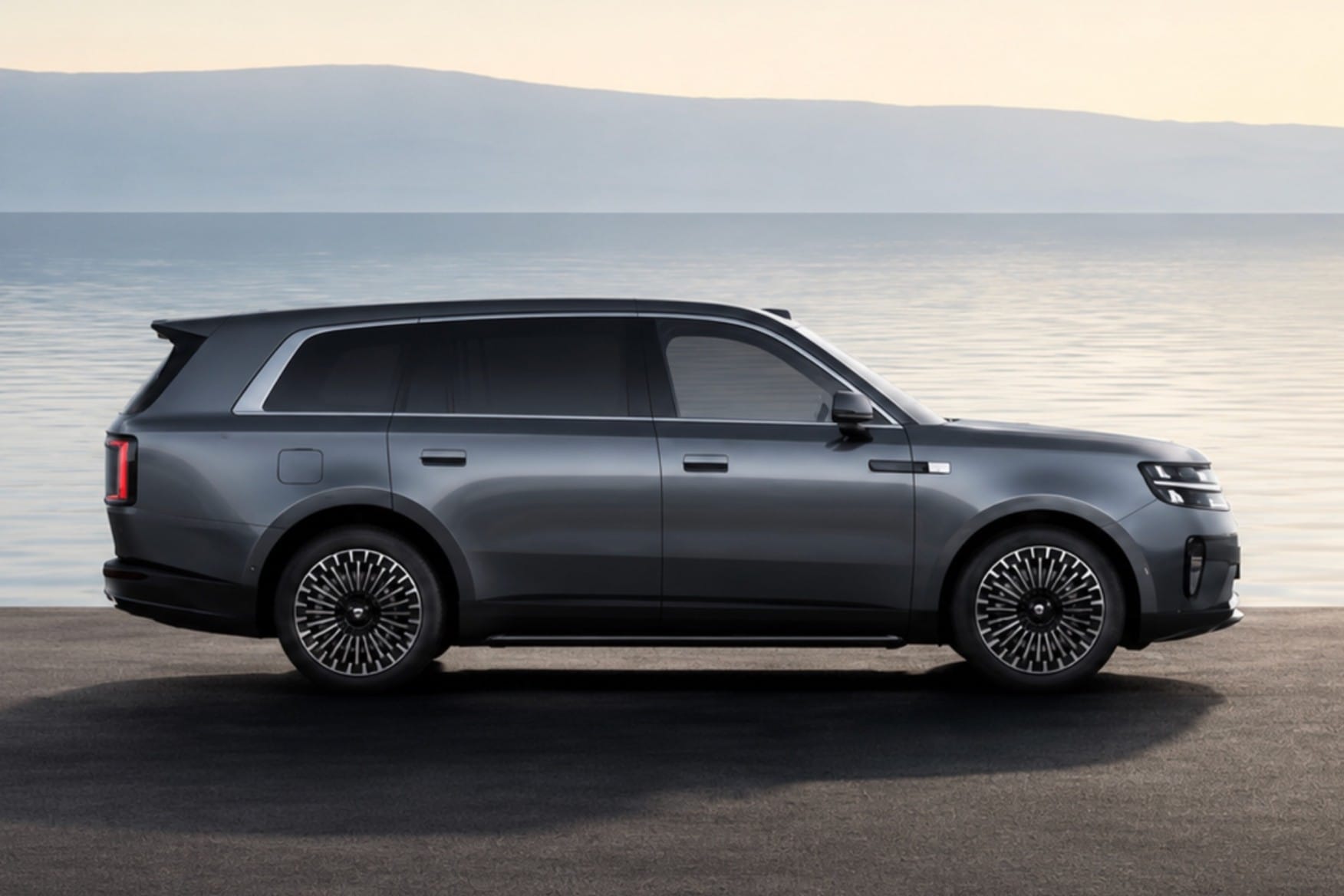
Xiaomi has unveiled the N90, the first model from the Chinese carmaker’s new ‘SkyNomad’ sub-brand. Where the Xiaomi SU7 sedan and YU7 SUV are positioned as more driver-centric offerings, the SkyNomad N90 is a large three-row SUV that prioritises practicality and comfort above all else.
Xiaomi SkyNomad N90 exterior design
Nearly 5.3 metres long and 2 metres wide, weighs 2.8 tonnes
The SkyNomad N90 adopts boxy and upright proportions, which are quite a departure from the more svelte-looking SU7 and YU7. According to a recent filing from China’s ministry of industry and information technology (MIIT), the SkyNomad N90’s top-spec Max variant measures 5,285mm in length, 1,998mm in width, and 1,825mm in height, with a 3,080mm wheelbase and 2.8-tonne kerb weight.
Up front, the SUV sports a full-width section that incorporates LED headlamps, Volvo-like T-shaped DRLs, and a ‘SkyNomad’ wordmark. Below, there’s a wide air dam flanked by discreet vertical air intakes. A LiDAR sensor can also be spotted on the leading edge of the roof. Over to the side, the SkyNomad N90 gets 21-inch alloy wheels, subtle body cladding, flap-type door handles, and a large glass area.
The rear overhang is quite substantial too, indicating a very roomy cabin. At the back, the SkyNomad N90’s defining trait is its rectangular LED light bar, within which sits another ‘SkyNomad’ wordmark. Other than that, there’s a sizable roof spoiler, a mildly raked windscreen, and lots of cladding on the rear bumper.
Xiaomi SkyNomad N90 interior and features
Xiaomi hasn’t fully showcased the SkyNomad N90’s dashboard yet, but in the images provided, we can spot a massive freestanding infotainment touchscreen and little to no physical controls. Other highlights include a tan finish, an entertainment screen for second-row occupants, and a dual-pane sunroof.
5-seat, 7-seat layouts; front seats can swivel back
Coming to seating, this is the main draw of the SkyNomad N90. In the 7-seater variant, it features powered and reclining second-row captain seats with ottomans, while the third row can accommodate up to three occupants. The front seats can swivel back to face the rear seats, and in 5-seater guise, the SkyNomad N90 can even fit a coffee table between the first and second rows.
Xiaomi SkyNomad N90 powertrain and range
1.5-litre turbo-petrol engine, dual electric motors, and 76kWh battery
The SkyNomad N90 is built on Xiaomi’s new Kunlun Architecture, and is the carmaker’s first range-extender EV. Though powertrain details have yet to be officially disclosed, the MIIT filing states that the range-topping SkyNomad N90 Max gets a 1.5-litre turbo-petrol engine that acts solely as a generator, while two electric motors drive the wheels.
Combined output is pegged at 421hp, with a claimed top speed of 190kph. The SkyNomad N90 comes with a 76kWh NMC battery pack as standard, which is good for an all-electric range of up to 370km (claimed). With a drained battery, the 1.5-litre turbo-petrol engine claims a fuel efficiency of 15.9kpl.
MG will reveal a ‘new energy vehicle’ technology in India on July 16, 2026. While additional details are awaited, it could be either a plug-in hybrid (PHEV) or an EV technology showcase. The unveiled powertrain is expected to be available with a rebadged version of the Wuling Starlight 560 SUV, whose design patent was filed in India in March. Codenamed ‘520’, the SUV will be offered as a PHEV and an EV. Here’s everything you need to know about it.
Indonesia-spec PHEV gets a 105hp 1.5L petrol engine and a 20.5kWh battery pack
The EV gets a 69.2kWh battery pack and a 530km claimed range
Has an upright design with all-LED lighting and 18-inch alloy wheels
Wuling Starlight 560-based MG ‘520’: All you need to know
Indonesia-spec PHEV offers over 1,000km, EV offers over 500km range
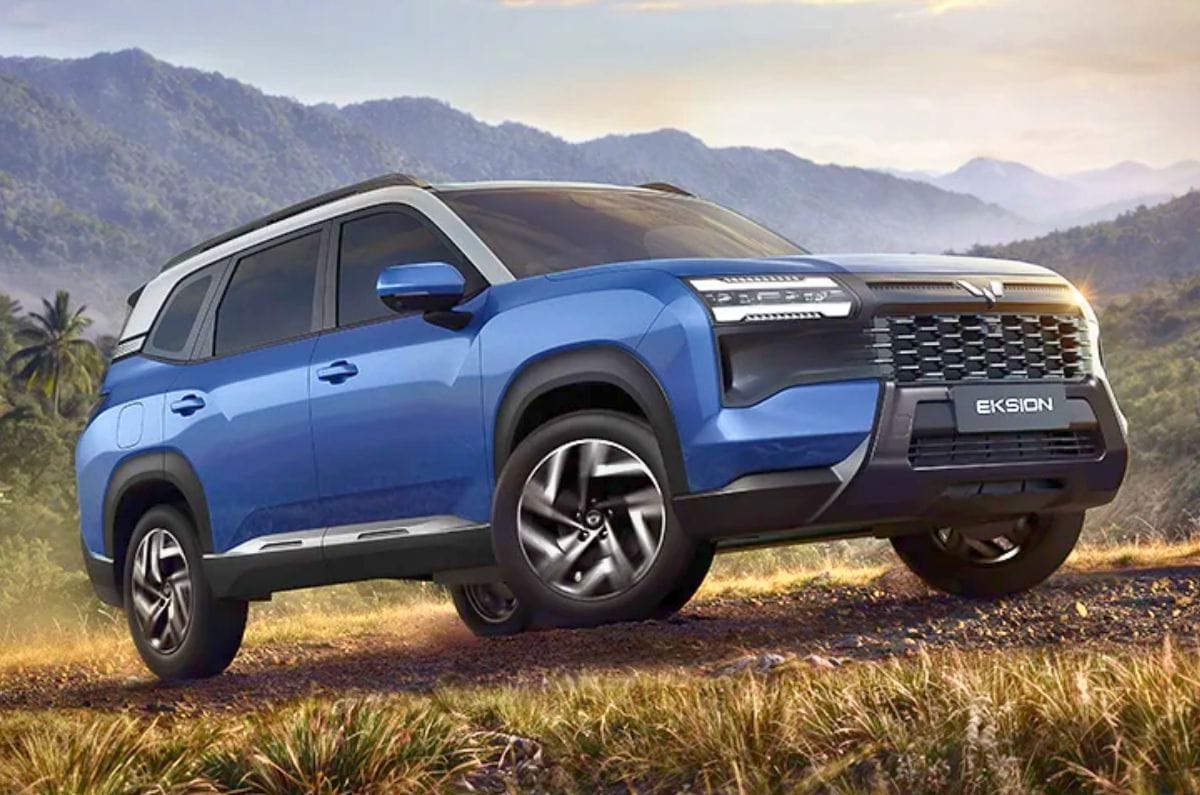
The Starlight 560 is sold as the ‘Eksion’ in the Indonesian market.
The Indonesia-spec model, called the Wuling Eksion, comes with a 105hp 1.5-litre petrol engine and a 20.5kWh battery pack. Its front-wheel-drive setup offers a combined output of 195hp and 230Nm, an all-electric range of 125km and a total range of over 1,000km.
The all-electric version, which gets a 69.2kWh battery pack and a 201hp front-axle-mounted (FWD) electric motor, has a CLTC-claimed range of 530km. It remains to be seen whether MG offers the same PHEV and EV powertrains in the India-spec ‘520’ SUV.
4.7-metre-long SUV has a rugged-looking design
The Wuling Starlight 560 is an upright SUV that measures 4,745mm in length, 1,850mm in width and 1,755mm in height. It has a 2,810mm wheelbase.
Wuling Starlight 560 versions: EV (left) and PHEV (right)
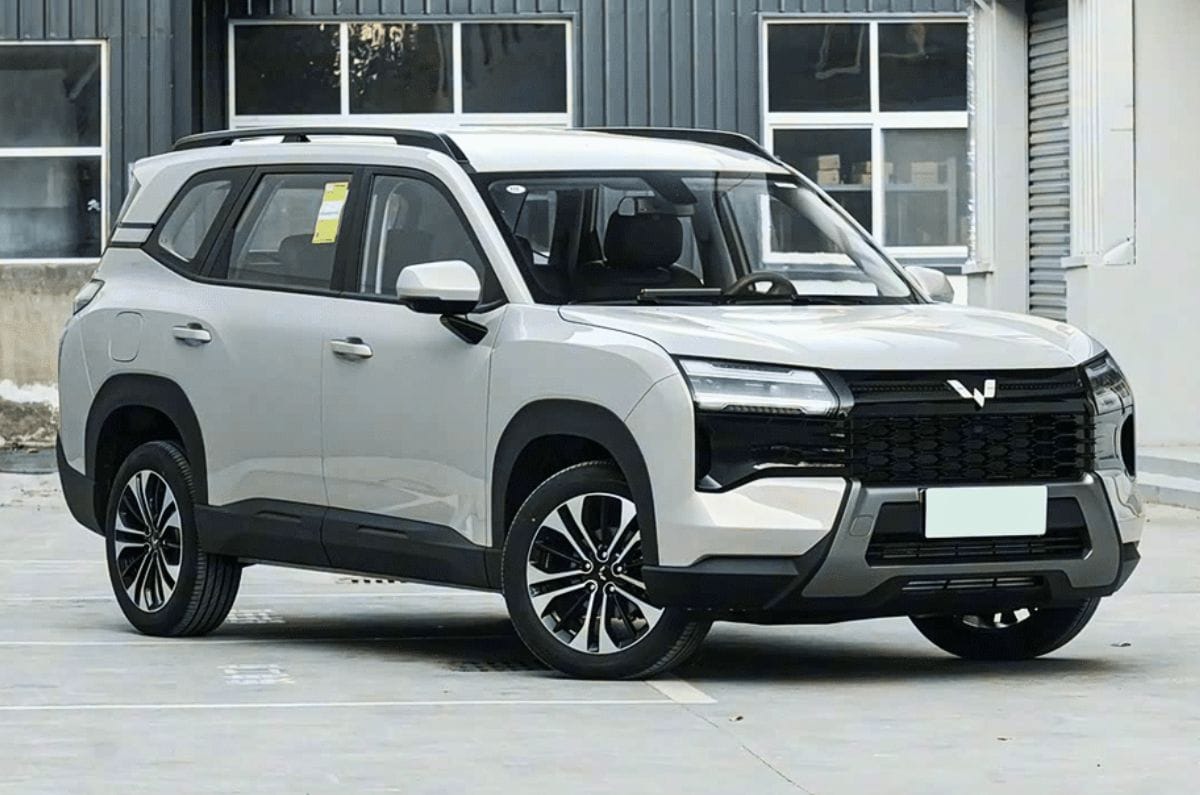
The PHEV’s fascia features a huge all-black grille, which is blanked off in the all-electric version. Both versions, however, get sleek headlamp housings featuring dual projector LED lights and two LED DRL strips. The front bumper has a rugged look thanks to the faux skid plate and black cladding on the lower portion.
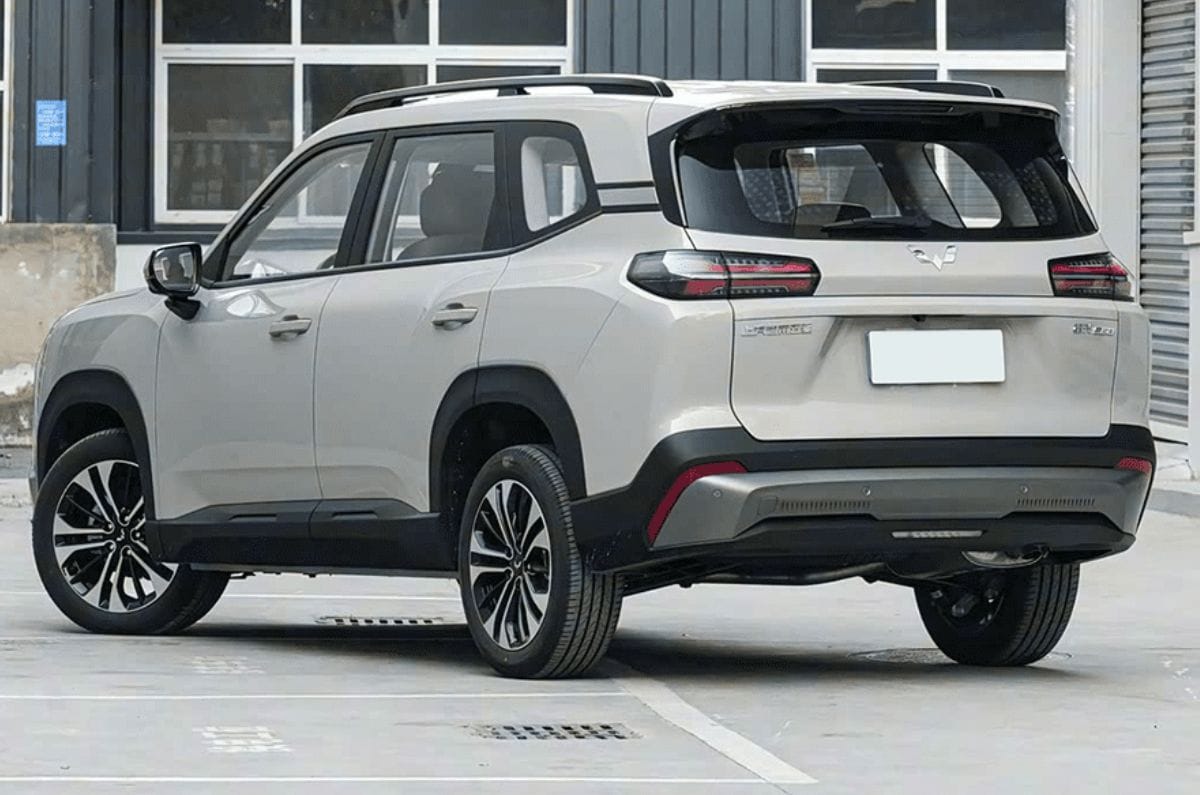
In profile, the international-spec model gets 18-inch dual-tone alloy wheels, thick cladding over the wheel arches and roof rails. The rear design is simple, featuring wraparound LED tail-lights, an all-black bumper and a roof-mounted spoiler.
A minimalist dashboard and a well-rounded feature list
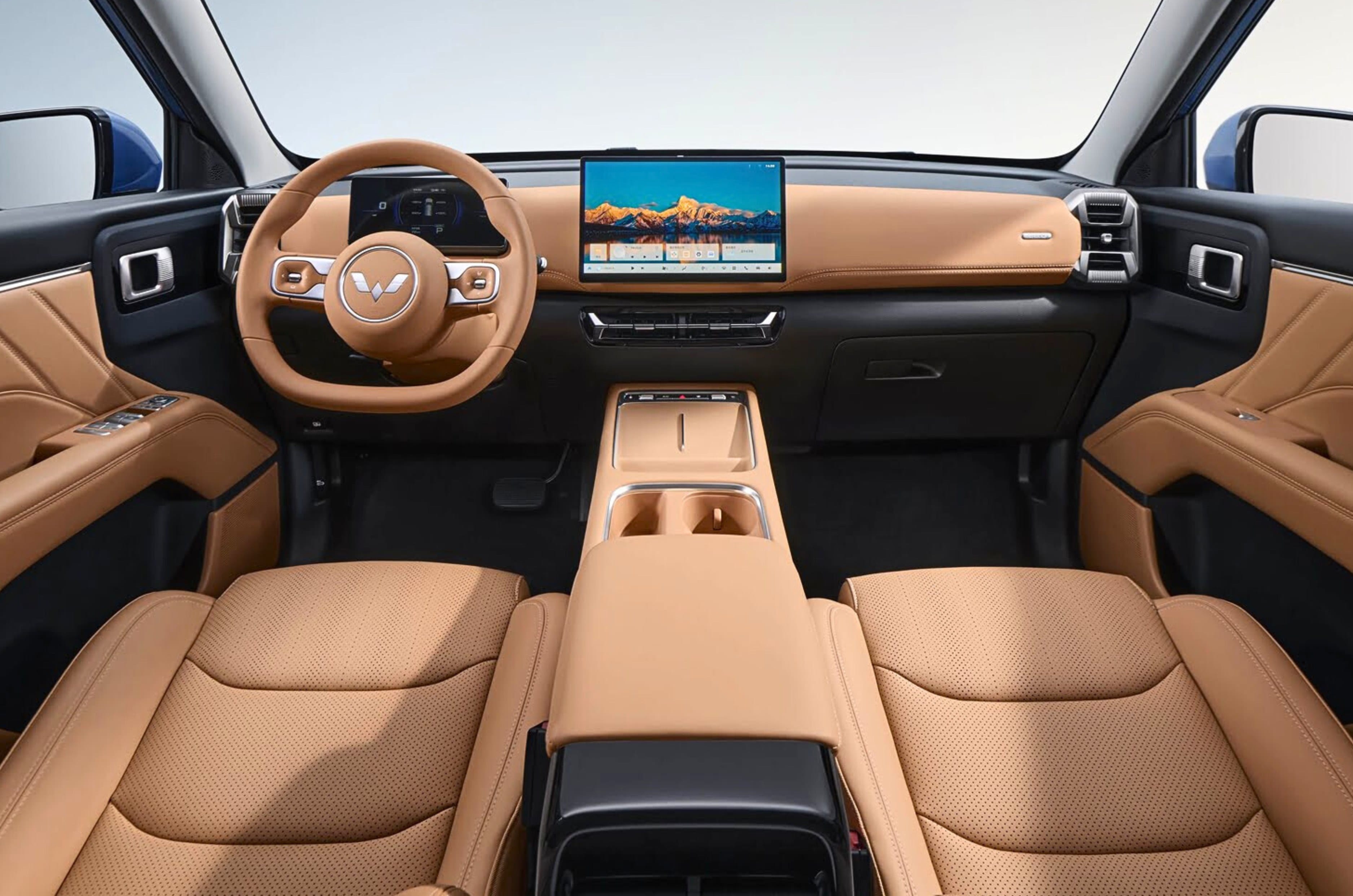
Inside, the Wuling Starlight 560 gets a dual-tone cabin and a minimalistic dashboard layout. There’s a 12.8-inch touchscreen infotainment system, an 8.8-inch digital driver’s display and a 2-spoke steering wheel with buttons for the infotainment functions and cruise control. The SUV can seat up to 7 occupants, and all the seats have leatherette upholstery.
Other features include powered and ventilated front-row seats, 6 speakers, a 50-watt wireless phone charger, a panoramic sunroof and automatic climate control with rear vents. On the safety front, the Starlight 560 gets 6 airbags, a tyre-pressure monitoring system (TPMS), hill-hold assist, an electronic parking brake and advanced driver assistance systems (ADAS). The India-spec model is expected to have a similar set of features.
While pricing details for the upcoming Starlight 560-based MG SUV are unknown, we expect it to be positioned competitively, much like other MG models. The PHEV version could serve as an alternative to the Mahindra XUV 7XO and Tata Safari, while the EV could rival the Mahindra XEV 9S.
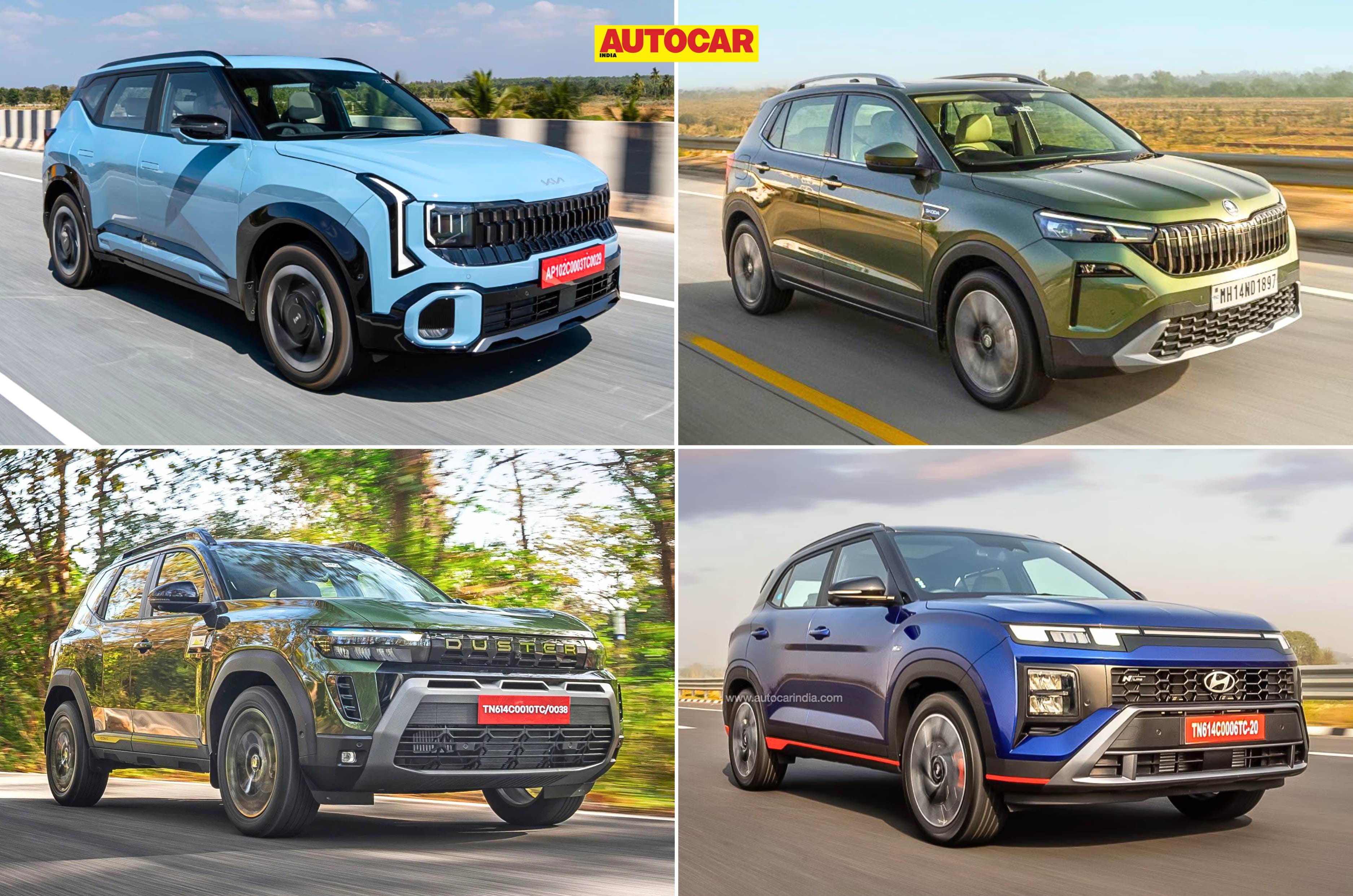
The midsize SUV segment is among the most contested in India, with popular models such as the Hyundai Creta, Tata Sierra, Kia Seltos and Skoda Kushaq fighting for space. A majority of SUVs in this segment come with turbo-petrol engines, which are known to offer good performance and deliver respectable fuel efficiency when driven efficiently. Here, we have compiled a list of the most fuel-efficient turbo-petrol midsize SUVs in India, from lowest to highest. Do note that the list is based on ARAI figures, with real-world numbers expected to vary depending on driving conditions and styles.
Note: The claimed ARAI fuel-efficiency figures for the Mahindra Thar Roxx’s 2.0-litre turbo-petrol and Tata Curvv’s 1.2-litre turbo-petrol engines are yet to be revealed.
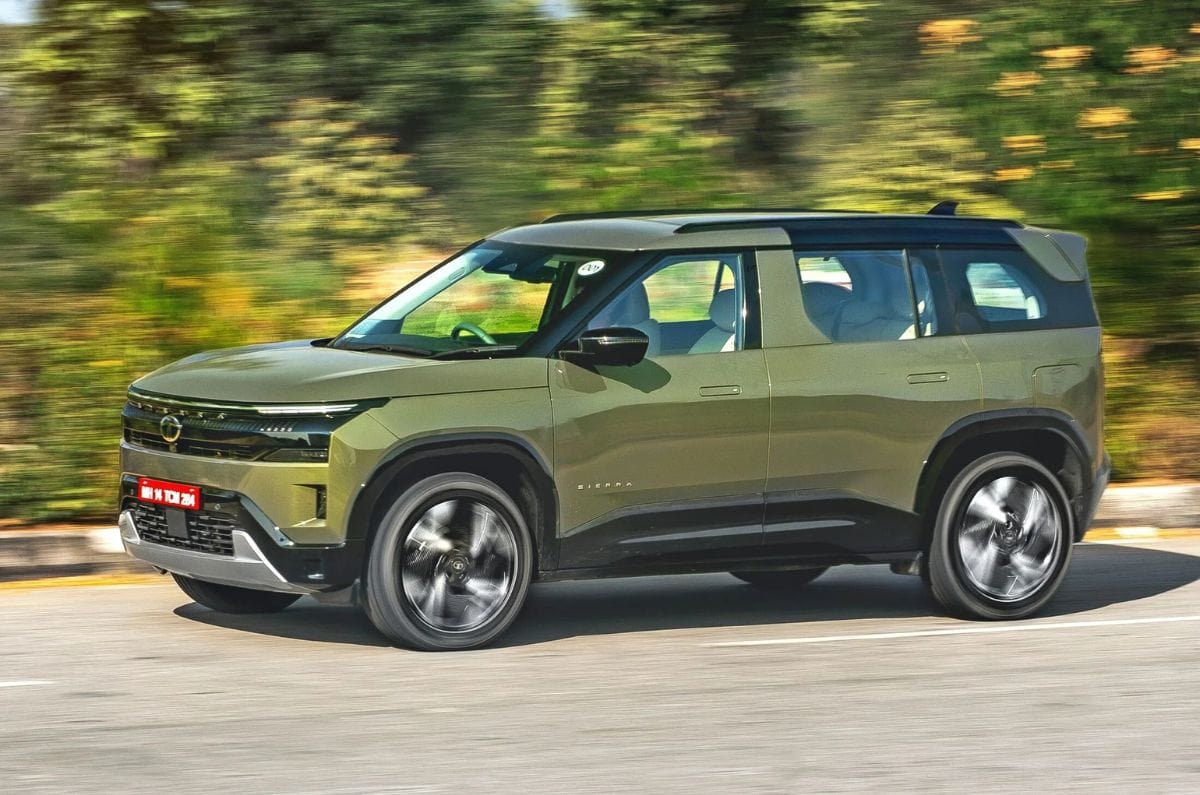
13. Tata Sierra: 1.5-litre turbo-petrol
Claimed mileage of up to 15.3kpl
The Tata Sierra is offered with three engine options: two petrols and a diesel. Of these, the 1.5-litre turbo-petrol is the least frugal, with a claimed mileage of 15.3kpl. Incidentally, the Sierra is also the least fuel-efficient turbo-petrol midsize SUV on this list. The 1.5-litre engine produces 160hp and 255Nm, and is paired only with a 6-speed automatic transmission. This engine is also offered in the bigger Harrier and Safari SUVs but in a higher state of tune.
Tata Sierra ARAI mileage for 1.5-litre turbo-petrol engine
AT claimed mileage
15.30kpl
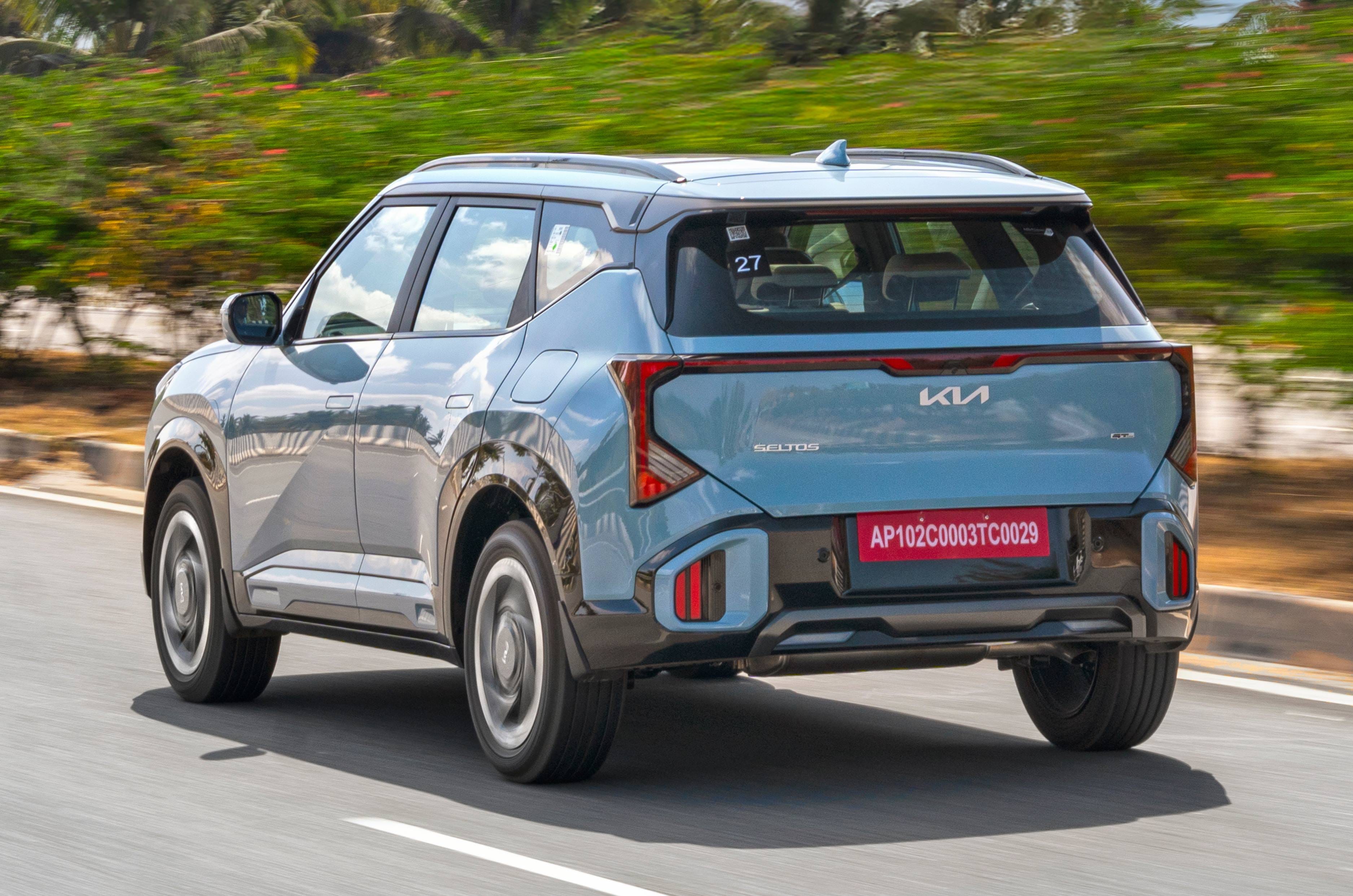
12. Kia Seltos: 1.5-litre turbo-petrol
Claimed mileage of up to 17.50kpl
The Kia Seltos comes with two petrol engine options. The more powerful 160hp, 250Nm 1.5-litre turbo-petrol engine is offered with two gearbox options. While the version with a dual-clutch automatic transmission has a claimed fuel efficiency of 17.5kpl, the one with iMT (clutchless manual) returns 15.60kpl, which is almost 2kpl less than the former – the highest difference for any vehicle in the list.
Kia Seltos ARAI mileage for 1.5-litre turbo-petrol engine
iMT claimed mileage
15.60kpl
DCT claimed mileage
17.50kpl
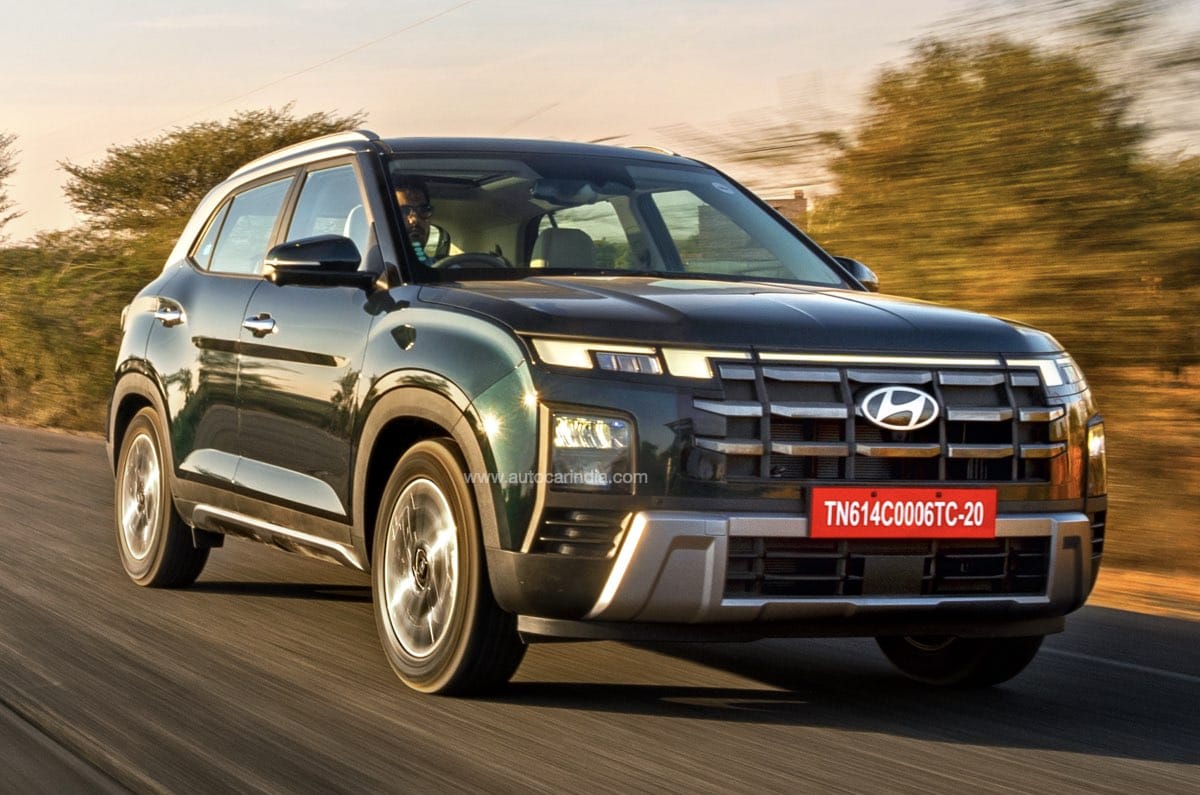
11. Hyundai Creta: 1.5-litre turbo-petrol
Claimed mileage of up to 18.40kpl
The Hyundai Creta has been the bestselling midsize SUV in India for a long time now. It gets the same turbo-petrol engine as the Seltos with exactly the same outputs, yet it delivers better fuel efficiency figures. This could be because the Creta is smaller than the new Seltos and has a lower kerb weight. While the standard Creta turbo-petrol comes only with a DCT, the Creta N Line is offered with a manual as well.
Hyundai Creta ARAI mileage for 1.5-litre turbo-petrol engine
MT claimed mileage
N-Line: 18kpl
DCT claimed mileage
Standard: 18.4kpl, N-Line: 18.2kpl
10. Renault Duster: 1.3-litre turbo-petrol
Claimed mileage of up to 18.45kpl
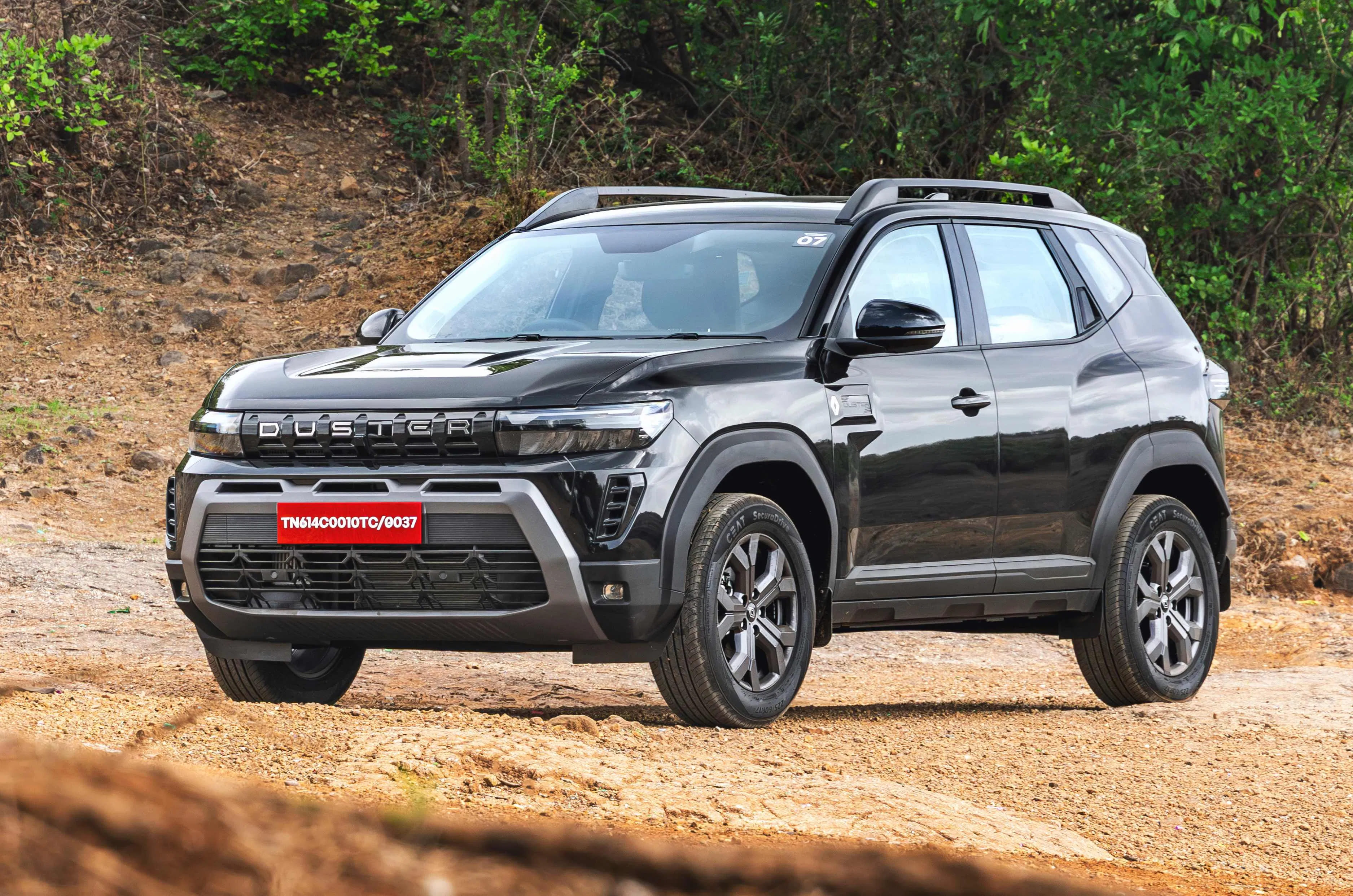
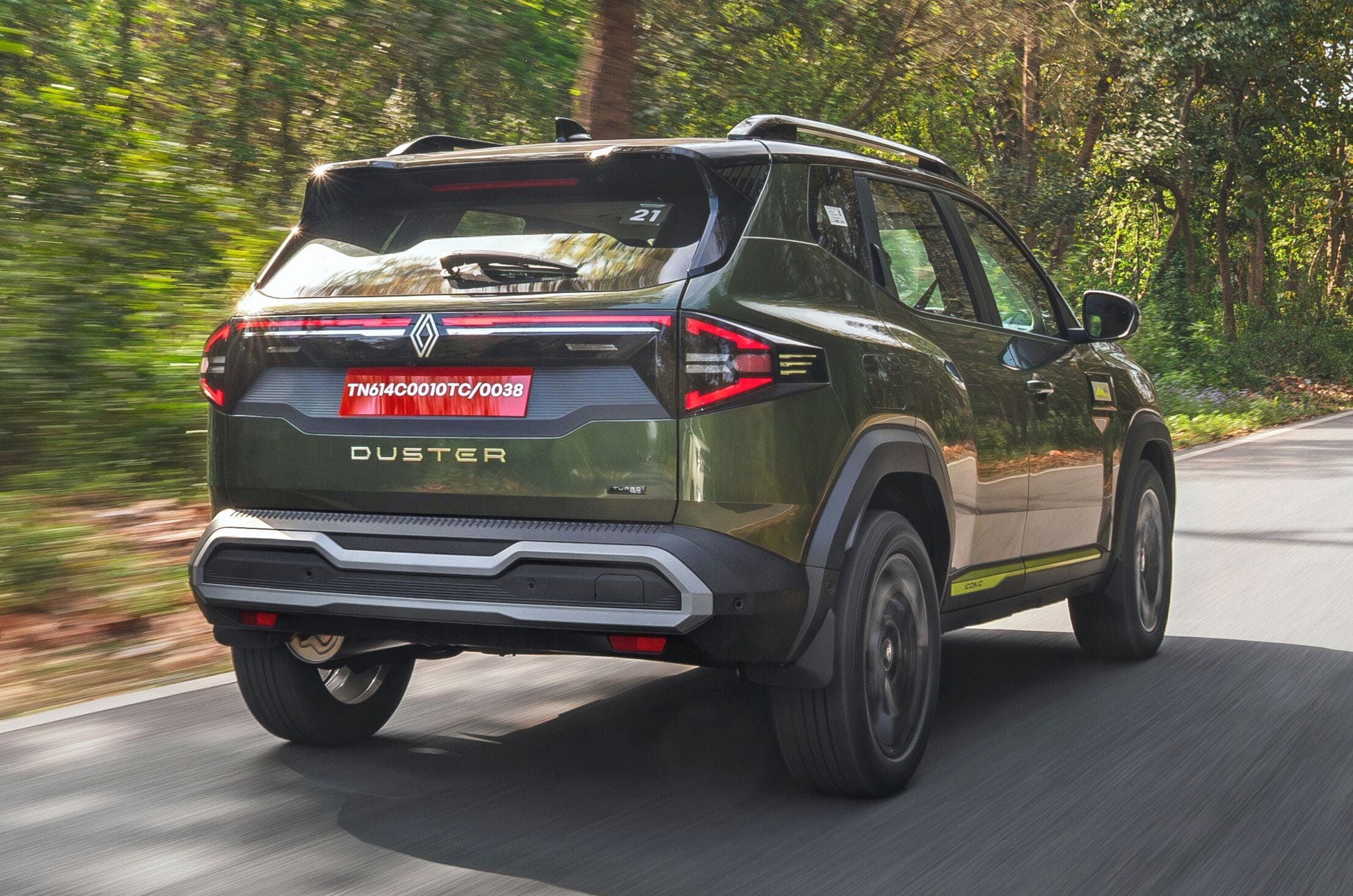
The Duster’s 1.3-litre turbo-petrol engine develops 163hp and 280Nm and is offered with 6-speed manual and 6-speed dual-clutch automatic gearboxes. Interestingly, the DCT version is 0.7kpl more efficient on paper, with a claimed 18.45kpl compared to the manual’s 17.75kpl.
Renault Duster ARAI mileage for 1.3-litre turbo-petrol engine
MT claimed mileage
17.75kpl
AT claimed mileage
18.45kpl
9. Citroen Aircross: 1.2-litre turbo-petrol
Claimed mileage of up to 18.50kpl
The Citroen Aircross is one of the most affordable midsize SUVs in India. It is offered with a choice of naturally aspirated and turbo-petrol engines, the latter of which is available with both manual and automatic transmission options. The Aircross’s turbo-petrol mill produces 110hp, but torque varies by transmission: 190Nm in the manual and 205Nm in the automatic. In terms of ARAI mileage, the manual is 0.9kpl more efficient than the automatic.
Citroen Aircross ARAI mileage for 1.2-litre turbo-petrol engine
MT claimed mileage
18.5kpl
AT claimed mileage
17.6kpl
8. Nissan Tekton: 1.3-litre turbo-petrol
Claimed mileage of up to 18.50kpl
The Nissan Tekton shares its 1.3-litre turbo-petrol engine with the Renault Duster, producing the same 163hp and 280Nm. It is also offered with 6-speed manual and 6-speed dual-clutch automatic gearbox options. The DCT is the more fuel-efficient version, with a claimed 18.5kpl, while the manual returns 17.8kpl. This puts the Tekton’s automatic marginally ahead of the equivalent Duster DCT, which is rated at 18.45kpl.
Nissan Tekton ARAI mileage for 1.3-litre turbo-petrol engine
MT claimed mileage
17.8kpl
DCT claimed mileage
18.5kpl
7. Skoda Kushaq: 1.5-litre turbo-petrol
Claimed mileage of 18.72kpl
The Skoda Kushaq is offered with two turbo-petrol engine options: a 1.0-litre and a 1.5-litre. Among these, the 1.5-litre engine is more powerful with outputs of 150hp and 250Nm torque. However, it is only paired with a 7-speed DCT gearbox, as a 6-speed manual, originally offered with the Kushaq since its introduction in 2021, was discontinued in late 2024.
Skoda Kushaq ARAI mileage for 1.5-litre turbo-petrol engine
DCT claimed mileage
18.72kpl
6. Volkswagen Taigun: 1.5-litre turbo-petrol
Claimed mileage of 18.85kpl
The Kushaq’s 1.5-litre turbo-petrol engine is also available on the Volkswagen Taigun in the same state of tune, that too with only the DCT option. However, the Taigun is 0.13kpl more efficient, likely because it has a kerb weight of up to 1,320kg, which is 2 kg lighter than the Kushaq with a similar powertrain.
Volkswagen Taigun ARAI mileage for 1.5-litre turbo-petrol engine
DCT claimed mileage
18.85kpl
5. Nissan Tekton: 1.0-litre turbo-petrol
Claimed mileage of 19.40kpl
The Tekton’s smaller 1.0-litre three-cylinder turbo-petrol engine develops 100hp and 166Nm and is currently paired only with a 6-speed manual gearbox. With a claimed fuel efficiency of 19.4kpl, it is 1.6kpl more frugal than the Tekton’s 1.3-litre turbo-manual and sits close to the similarly powered Duster’s 19.41kpl figure.
Nissan Tekton ARAI mileage for 1.0-litre turbo-petrol engine
MT claimed mileage
19.40kpl
4. Renault Duster: 1.0-litre turbo-petrol
Claimed mileage of 19.41kpl
The Duster’s 100hp, 166Nm 1.0-litre turbo-petrol engine is paired with a 6-speed manual gearbox and returns a claimed 19.41kpl. It is just 0.01kpl more efficient than the Tekton with the same engine and gearbox combination.
Renault Duster ARAI mileage for 1.0-litre turbo-petrol engine
MT claimed mileage
19.41kpl
3. Citroen Basalt: 1.2-litre turbo-petrol
Claimed mileage of up to 19.50kpl
The Citroen Basalt gets the same 1.2-litre turbo-petrol engine as the Aircross, but it is more efficient – by 1kpl in the MT version and by 1.1kpl in the AT guise. This could be because of its more aerodynamic coupe-SUV shape, making it one of the only two midsize offerings currently featuring this body style. Moreover, the Aircross is offered with an optional third row, taking its kerb weight to 1,320kg, which is 80kg more than the Basalt’s. Even in its 5-seater configuration, the Aircross weighs 35kg more than the Basalt.
Citroen Basalt ARAI mileage for 1.2-litre turbo-petrol engine
MT claimed mileage
19.5kpl
AT claimed mileage
18.7kpl
2. Skoda Kushaq: 1.0-litre turbo-petrol
Claimed mileage of up to 19.66kpl
The Skoda Kushaq’s 116hp 1.0-litre turbo-petrol engine is offered with an 8-speed torque-converter automatic, but unlike the bigger 1.5-litre engine, it is available with a 6-speed manual option as well. The manual version is 0.57kpl more frugal than the automatic one, mainly because of its 35kg lighter weight.
Skoda Kushaq ARAI mileage for 1.0-litre turbo-petrol engine
MT claimed mileage
19.66kpl
AT claimed mileage
19.09kpl
1. Volkswagen Taigun: 1.0-litre turbo-petrol
Claimed mileage of up to 19.98kpl
With the same 1.0-litre turbo-petrol engine as the Kushaq but higher claimed mileage figures of 19.98kpl with a manual transmission and 19.54kpl with an automatic gearbox, the Volkswagen Taigun is the most fuel-efficient turbo-petrol midsize SUV in India. As with the weight difference between their 1.5-litre versions, the Taigun’s 1.0-litre TSI variants are up to 17kg lighter than the Kushaq with the same powertrain, which explains the higher ARAI-rated mileage.
Volkswagen Taigun ARAI mileage for 1.0-litre turbo-petrol engine
LOOK OUT FOR: Suspension rattles, Infotainment issues
The Mahindra XUV 3XO was launched in 2024 as a replacement for the XUV300. But instead of a mild facelift, Mahindra went all out and gave the compact SUV an overhauled exterior, a thoroughly reworked interior, some segment-first features, a new class-leading petrol powertrain and a new name. Mahindra’s smallest offering stands out in the crowded compact SUV segment for its roomy and premium interior and many powertrain options, making it worth considering as a used buy. Here’s what to keep in mind.
Despite the redesigned exterior, the 3XO’s rear section still looks abruptly chopped off, though it doesn’t look as awkward as the XUV300’s. The front styling, too, is bold, distinctive and splits opinion. Inside, quality took a huge step up, with the 3XO’s interior feeling genuinely premium. It’s very good on space too, and can easily accommodate five adults, though the trade-off is one of the smallest boots in the segment.
Petrol, turbo-petrol, and diesel engines; up to 21.8kpl claimed mileage
Mahindra offers the XUV 3XO with three engine options – two petrols and one diesel. The range starts with a 111hp, 1.2-litre, MPFi, turbo-petrol engine that can be had with a 6-speed manual (ARAI-rated 18.89kpl fuel economy) or a 6-speed torque converter automatic (17.96kpl) option. Then there’s a 117hp, 1.5-litre diesel, which comes with a 6-speed manual (20.6kpl) and 6-speed AMT (21.2kpl). Meanwhile, the range topper is a 131hp, 1.2-litre direct-injection turbo-petrol unit, which is available with an Aisin-sourced 6-speed torque converter automatic (18.2kpl) and a 6-speed manual option (20.1kpl).
The diesel makes sense for high-mileage users or for those who do frequent road trips owing to its higher real-world efficiency. Enthusiasts will enjoy the 131hp turbo-petrol for its punchy character and the performance it packs in. However, for most users, the 111hp turbo-petrol will do the job just fine, as it has a good balance of performance, drivability and efficiency. What’s great is that every engine option can be had with an automatic gearbox option for greater convenience.
Mahindra XUV 3XO variants and features
Twin 10.25-inch screens, panoramic sunroof
At launch, there were nine trim lines on offer – MX1, MX2, MX2 Pro, MX3, MX3 Pro, AX5, AX5 L, AX7 and AX7 L. Mahindra later launched a mid-spec RevX trim for the XUV 3XO too. As for features, the top-spec AX7L gets all-LED lighting, a seven-speaker Harman Kardon audio system with a 380W amplifier, a 10.25-inch infotainment screen and driver’s display, panoramic sunroof, AdrenoX Connect connectivity suite, wireless Android Auto and Apple CarPlay, a wireless charger, rear AC vents, and more.
All variants get safety features like 6 airbags, rear disc brakes, ESP and ISOFIX anchors. Higher-spec versions get an electronic parking brake with auto-hold, hill-start and hill-descent assist, a 360-degree camera, a blind spot monitor and Level 2 ADAS. As always, the range-topping variant will give you the best experience given all that it packs in, but for most users, the mid-spec AX5 will also suffice, as it has a good balance of features.
XUV 3XO warranty details
The XUV 3XO is a reliable SUV, with problems few and far between, and it’s backed up by Mahindra’s widespread service network throughout the country. What’s nice is that it comes with a standard warranty of 3 years / 1,00,000km, which can be extended to a total of 5 years or 1,50,000km.
What to look out for in a used Mahindra XUV 3XO
Suspension rattles
Some owners have reported rattling or thudding sounds coming from the suspension when driven through rough patches or potholes. This is often linked to worn out lower control arms. Take a test drive and drive through a rough patch of road, and listen out for any thudding or rattling from the suspension. Many of the suspension components are covered under warranty too, so this is something to keep in mind.
Infotainment issues
Owners have faced issues with the XUV 3XO’s AdrenoX infotainment system like Apple CarPlay/Android Auto disconnections, screen freezing and the reverse camera display getting stuck on a black screen. Before purchasing, check that it functions smoothly, pairs up with your phone easily, and that the system’s software is up to date.
Braking trouble
Mahindra XUV 3XO owners have reported a few distinct brake issues, ranging from inconsistent, spongy brake pedal feel to hissing noises and overly sensitive Automatic Emergency Braking (AEB). Before purchasing, it’s worth getting the brakes checked by an authorised service center.
Second hand Mahindra XUV 3XO price and resale value
Rs 6 lakh-10 lakh
Being a new model that’s still on sale, the XUV 3XO commands good value in the resale market. With such a wide spread of trim levels and powertrain options, you’ll find used options across a wide price range, but refrain from spending over Rs 10 lakh. Look for an example with the extended warranty package, as that’ll give you added peace of mind.
Petrol Diesel Price Today: हर दिन की शुरुआत सिर्फ सूरज की किरणों से नहीं होती, बल्कि पेट्रोल और डीजल की नई कीमतों से भी होती है, जो आम आदमी की जेब पर सीधा असर डालती हैं। सुबह 6 बजे देश की तेल विपणन कंपनियां (OMCs) ताजा दरें जारी करती हैं, जो अंतरराष्ट्रीय बाजार में कच्चे तेल की कीमतों और डॉलर-रुपए की विनिमय दर में आए बदलावों पर आधारित होती हैं। ये बदलाव रोजमर्रा की जिंदगी को प्रभावित करते हैं, चाहे वो ऑफिस जाने वाला व्यक्ति हो या फल-सब्जी बेचने वाला व्यापारी।
ऐसे में हर दिन की कीमतों की जानकारी रखना सिर्फ जरूरी ही नहीं, बल्कि समझदारी भी है। सरकार की यह प्रणाली पारदर्शिता सुनिश्चित करती है ताकि उपभोक्ताओं को किसी तरह की भ्रमित जानकारी न मिले।
आपके शहर में आज का पेट्रोल-डीजल का भाव
ये रहे 12 जुलाई 2026 के प्रमुख शहरों के पेट्रोल-डीजल के ताजा रेट —
नई दिल्ली: पेट्रोल 102.12 रुपये | डीजल 95.20 रुपये
मुंबई: पेट्रोल 111.18 रुपये | डीजल 97.83 रुपये
कोलकाता: पेट्रोल 113.47 रुपये | डीजल 99.82 रुपये
चेन्नई: पेट्रोल 107.77 रुपये | डीजल 99.55 रुपये
गुरुग्राम: पेट्रोल 102.77 रुपये | डीजल 95.44 रुपये
नोएडा: पेट्रोल 102.12 रुपये | डीजल 95.56 रुपये
बेंगलुरु: पेट्रोल 110.93 रुपये | डीजल 98.80 रुपये
भुवनेश्वर: पेट्रोल 109.92 रुपये | डीजल 100.92 रुपये
चंडीगढ़: पेट्रोल 98.10 रुपये | डीजल 86.09 रुपये
हैदराबाद: पेट्रोल 115.69 रुपये | डीजल 103.82 रुपये
जयपुर: पेट्रोल 112.66 रुपये | डीजल 97.78 रुपये
लखनऊ: पेट्रोल 102.05 रुपये | डीजल 95.55 रुपये
पटना: पेट्रोल 113.35 रुपये | डीजल 99.36 रुपये
तिरुवनंतपुरम: पेट्रोल 115.49 रुपये | डीजल 104.40 रुपये
पिछले दो साल से स्थिर क्यों हैं कीमतें?
मई 2022 के बाद से केंद्र और कई राज्यों द्वारा टैक्स में कटौती की गई, जिसके बाद पेट्रोल-डीजल की कीमतों में स्थिरता देखी जा रही है। हालांकि अंतरराष्ट्रीय बाजार में उतार-चढ़ाव होता रहता है, फिर भी भारतीय उपभोक्ताओं के लिए कीमतें तुलनात्मक रूप से स्थिर बनी हुई हैं।
किन कारणों से तय होती हैं ईंधन की कीमतें?
कच्चे तेल की कीमतें:
पेट्रोल और डीजल का उत्पादन मुख्य रूप से कच्चे तेल से होता है। जब अंतरराष्ट्रीय स्तर पर कच्चे तेल की कीमतें बढ़ती हैं, तो इसका असर सीधे भारतीय बाजार पर पड़ता है।
डॉलर के मुकाबले रुपया:
भारत अधिकतर कच्चा तेल आयात करता है, और यह डॉलर में खरीदा जाता है। यदि रुपया कमजोर होता है, तो ईंधन महंगा हो जाता है।
सरकारी टैक्स और शुल्क:
केंद्र और राज्य सरकारें पेट्रोल-डीजल पर भारी टैक्स लगाती हैं, जो खुदरा मूल्य का बड़ा हिस्सा होते हैं। यही कारण है कि राज्यों में कीमतों में अंतर होता है।
रिफाइनिंग की लागत:
कच्चे तेल को इस्तेमाल लायक बनाने की प्रक्रिया (रिफाइनिंग) में भी खर्च होता है। ये लागत कच्चे तेल की गुणवत्ता और रिफाइनरी की क्षमता पर निर्भर करती है।
मांग और आपूर्ति का संतुलन:
बाजार में ईंधन की मांग अगर बढ़ जाती है, तो कीमतें भी ऊपर जाने लगती हैं। खासकर त्योहारों, गर्मी या सर्दी के मौसम में ईंधन की खपत ज्यादा होती है।
कैसे करें अपने शहर की कीमतें SMS से चेक?
अगर आप मोबाइल से ईंधन की कीमत जानना चाहते हैं, तो ये प्रक्रिया आसान है:
Indian Oil ग्राहक: अपने शहर का कोड टाइप करें और उसे “RSP” के साथ 9224992249 पर भेजें।
BPCL ग्राहक: “RSP” लिखकर 9223112222 पर भेजें।
HPCL ग्राहक: “HP Price” लिखकर 9222201122 पर भेजें।

















(18).jpg)