What to expect from the updated Maruti Brezza

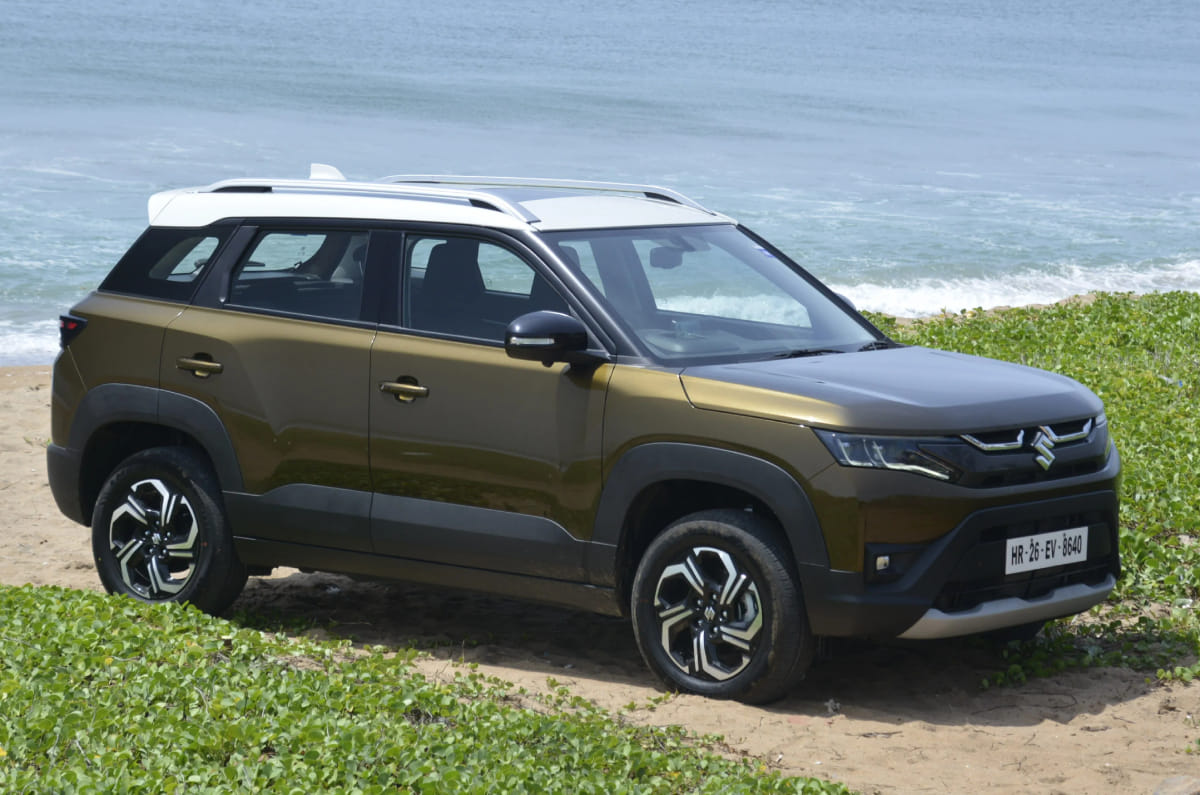
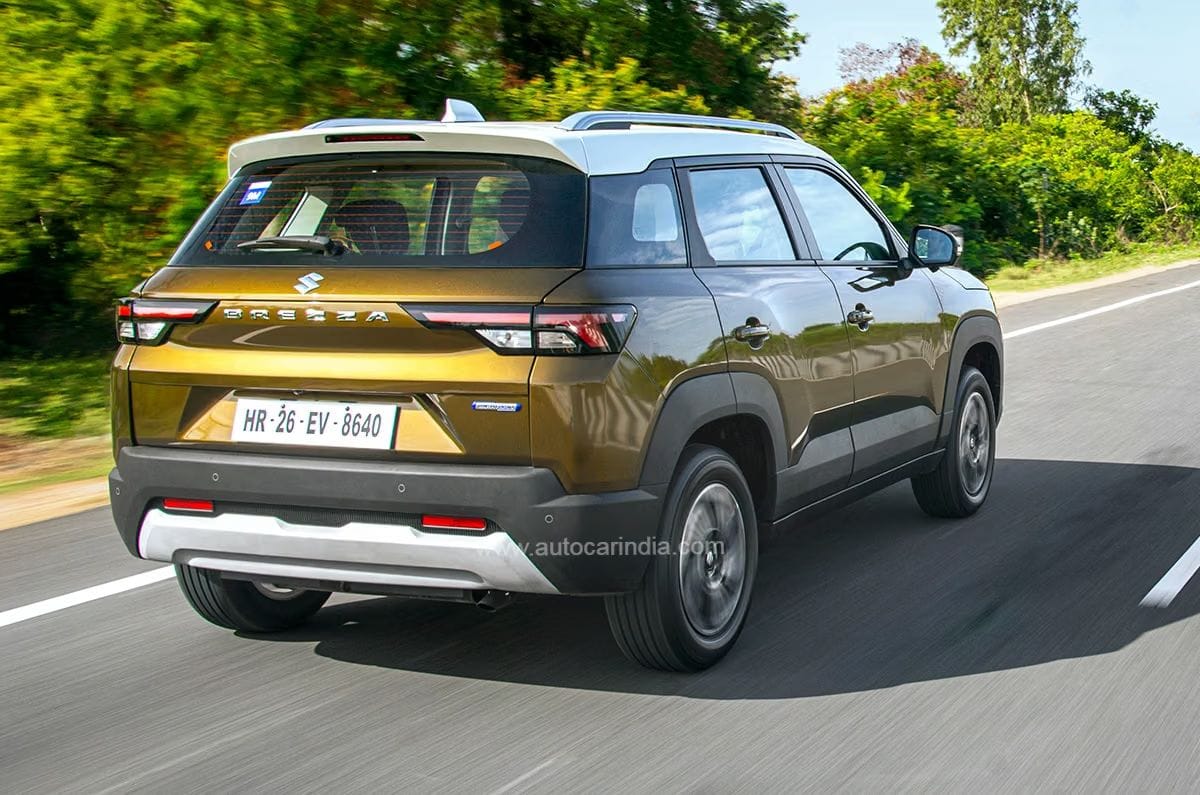
Maruti Brezza rear quarter static

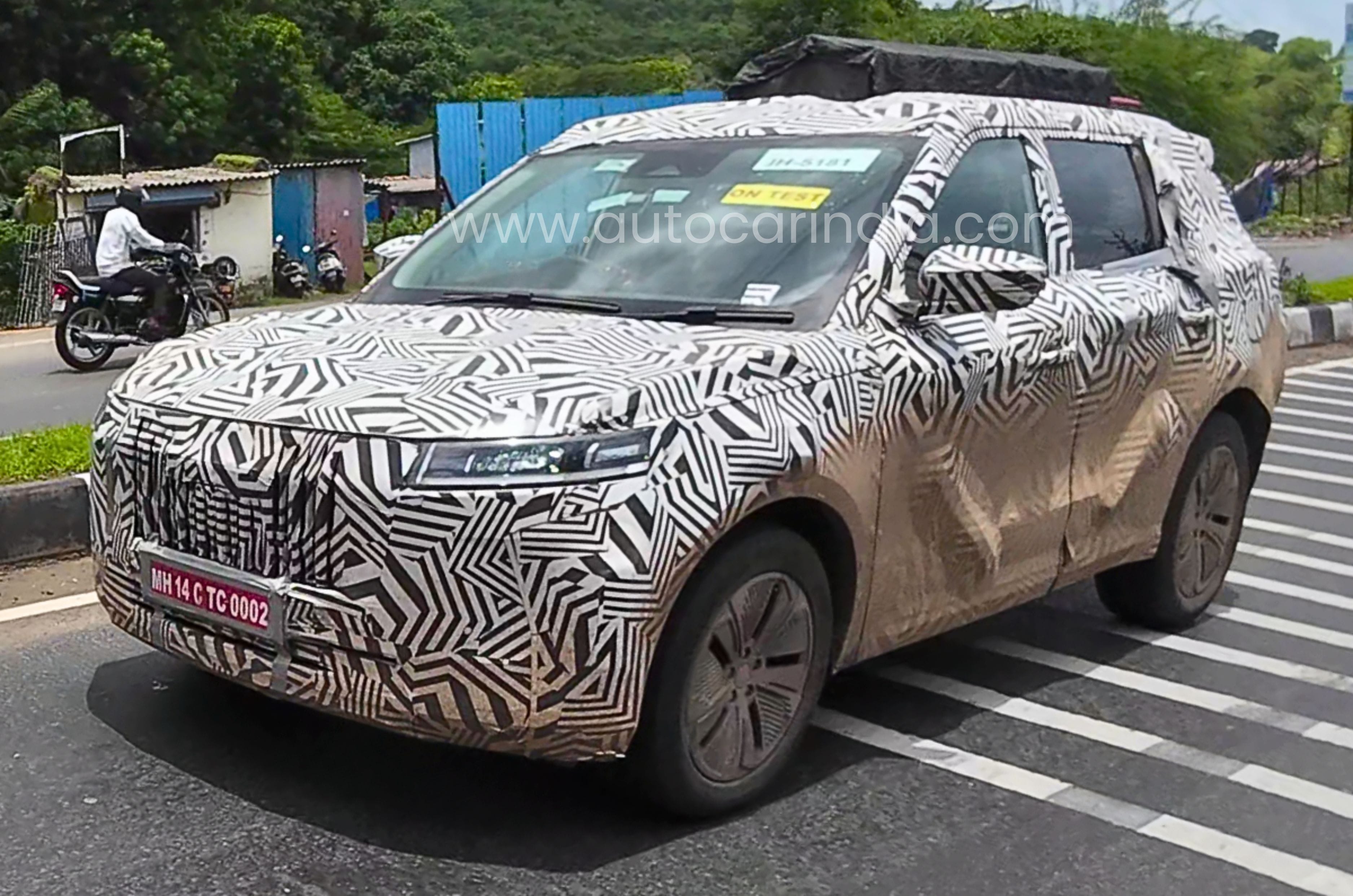
Maruti Suzuki will debut the updated Brezza on July 24, 2026. This will be the first update to the second-generation Brezza, which was first introduced in 2022. Bookings for the compact SUV have already commenced for a token amount of Rs 11,000. Ahead of its debut, here’s everything you can expect from the updated Maruti Brezza.

What exterior changes could the updated Maruti Brezza get?
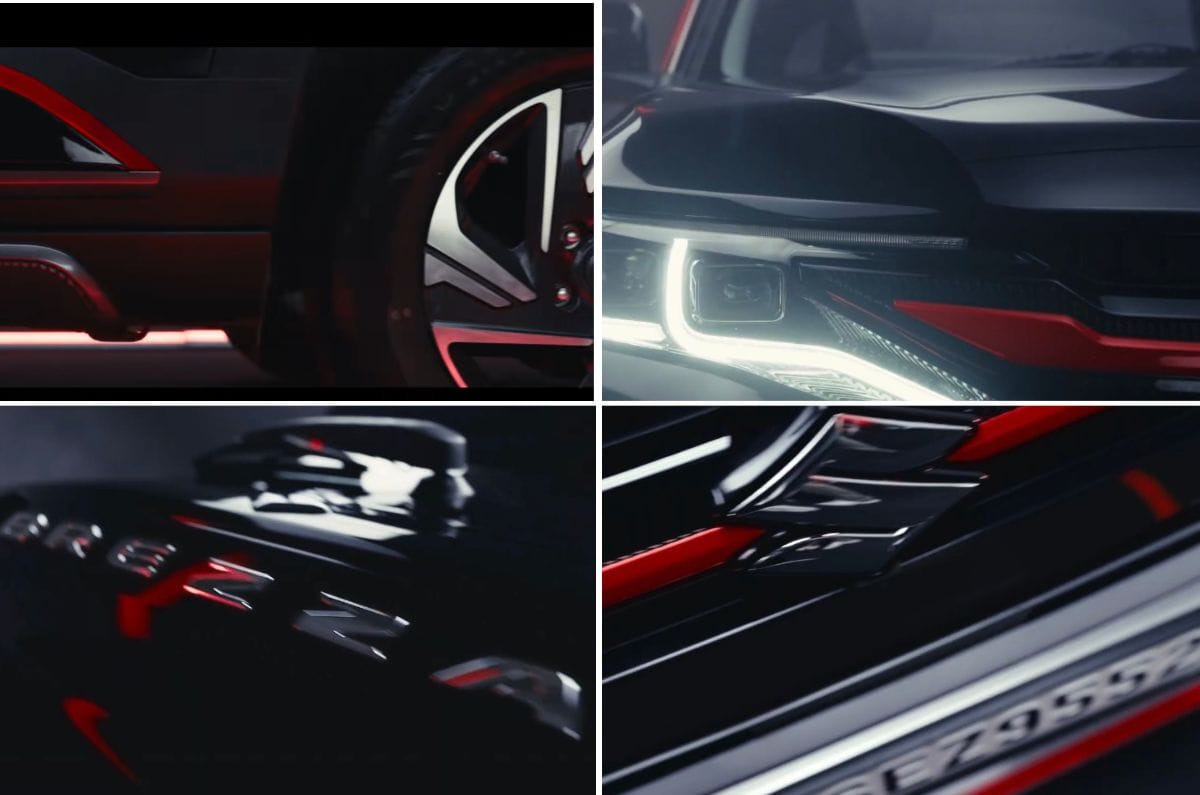
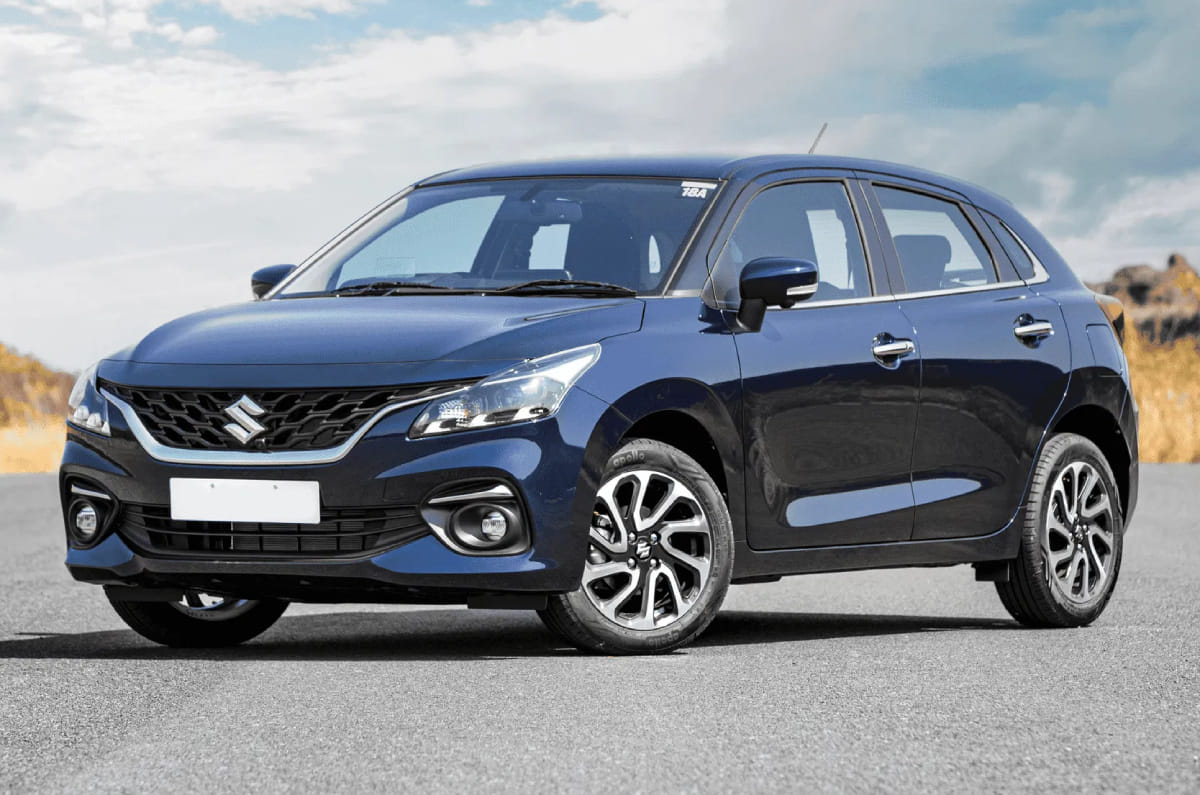
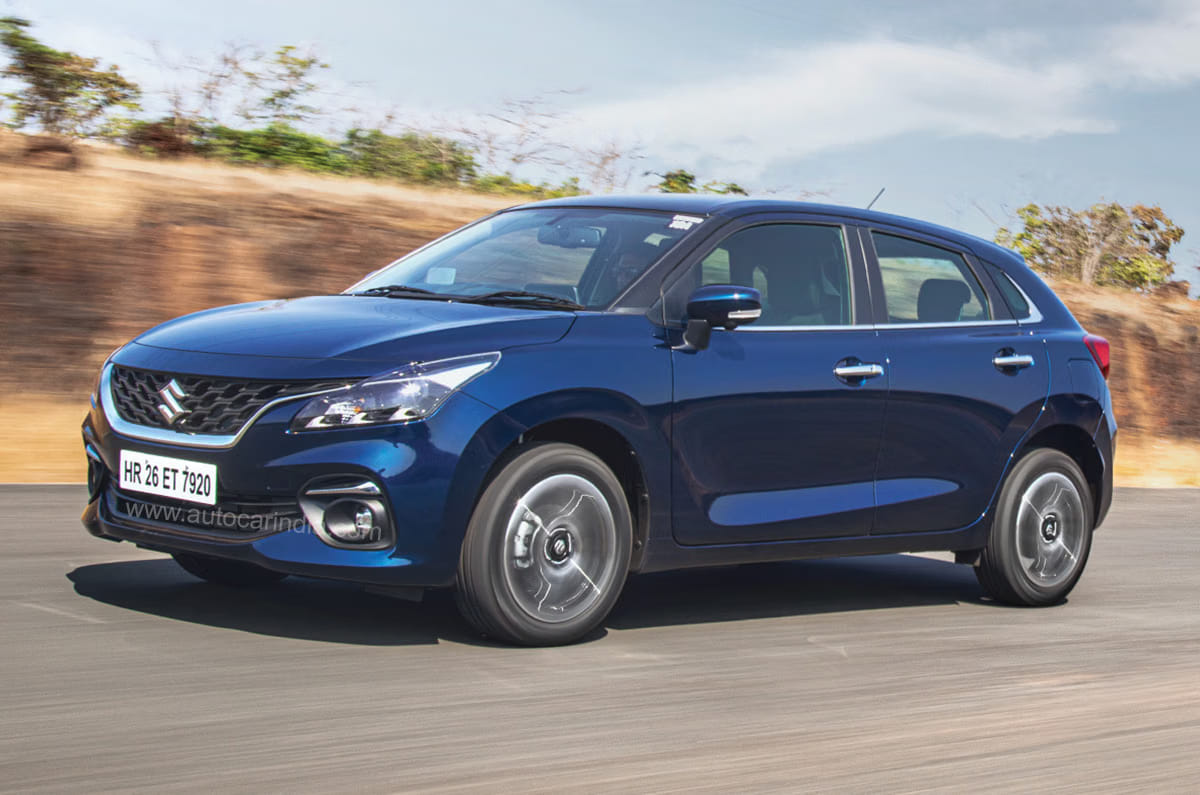
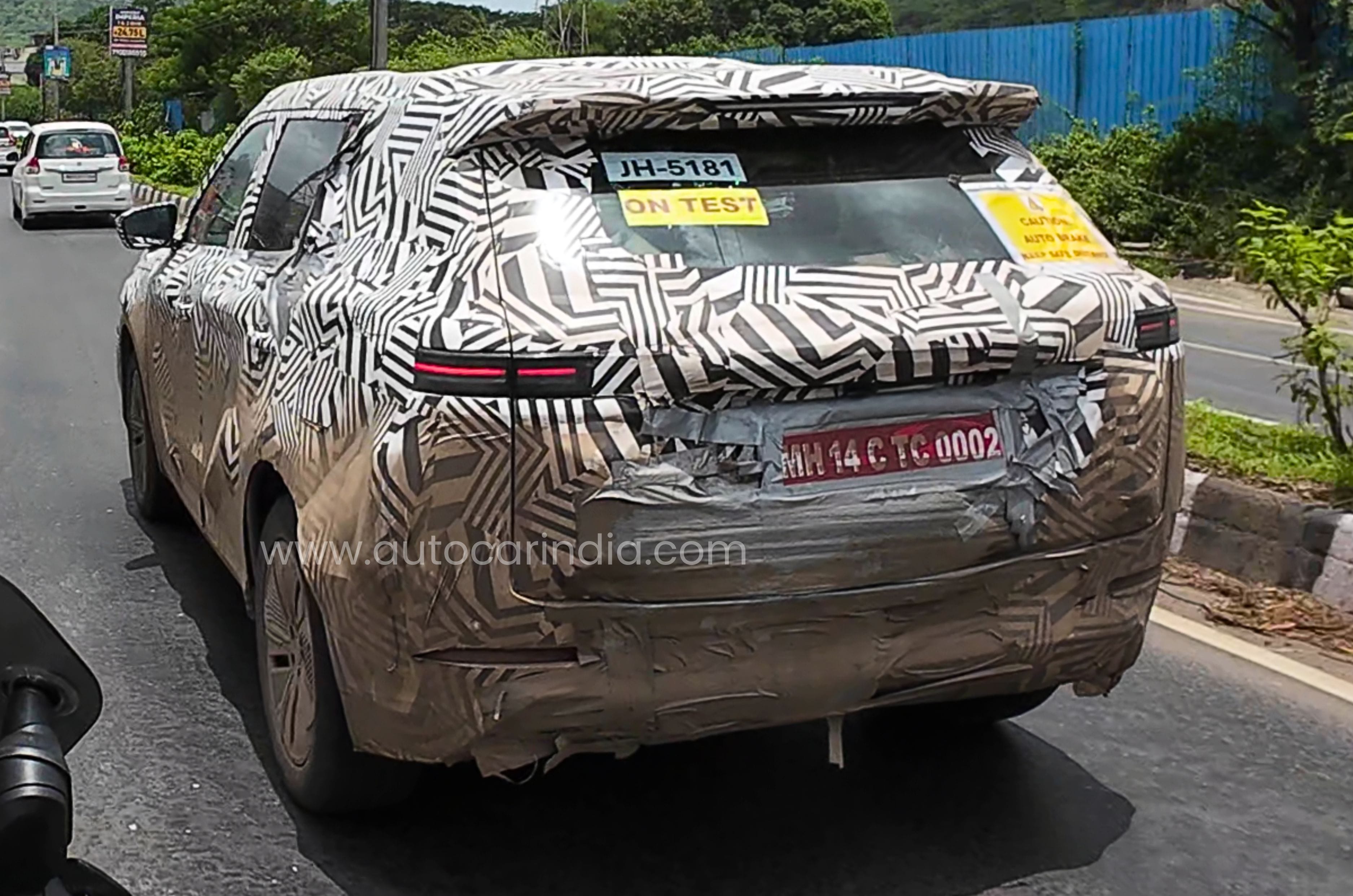
Maruti Suzuki had recently shared a teaser of the updated Brezza online, hinting at new design changes. These include a revised grille design with a thin red strip connecting the headlamps and a red trim for the lower side of the front bumper. Additionally, there’s cladding on the lower side of the doors, while the ‘Brezza’ branding on the tailgate is done in a new font. 

A new design for the alloy wheels was partially spotted and is likely to have a 4-spoke design as seen on the prototypes. The front bumper is restyled, with the squarish fog lamps positioned slightly higher, a silver trim, and a silver faux skid plate. Meanwhile, the LED headlamps with L-shaped DRLs and slim LED tail lamps are retained.

What interior changes and feature additions are likely on the updated Maruti Brezza
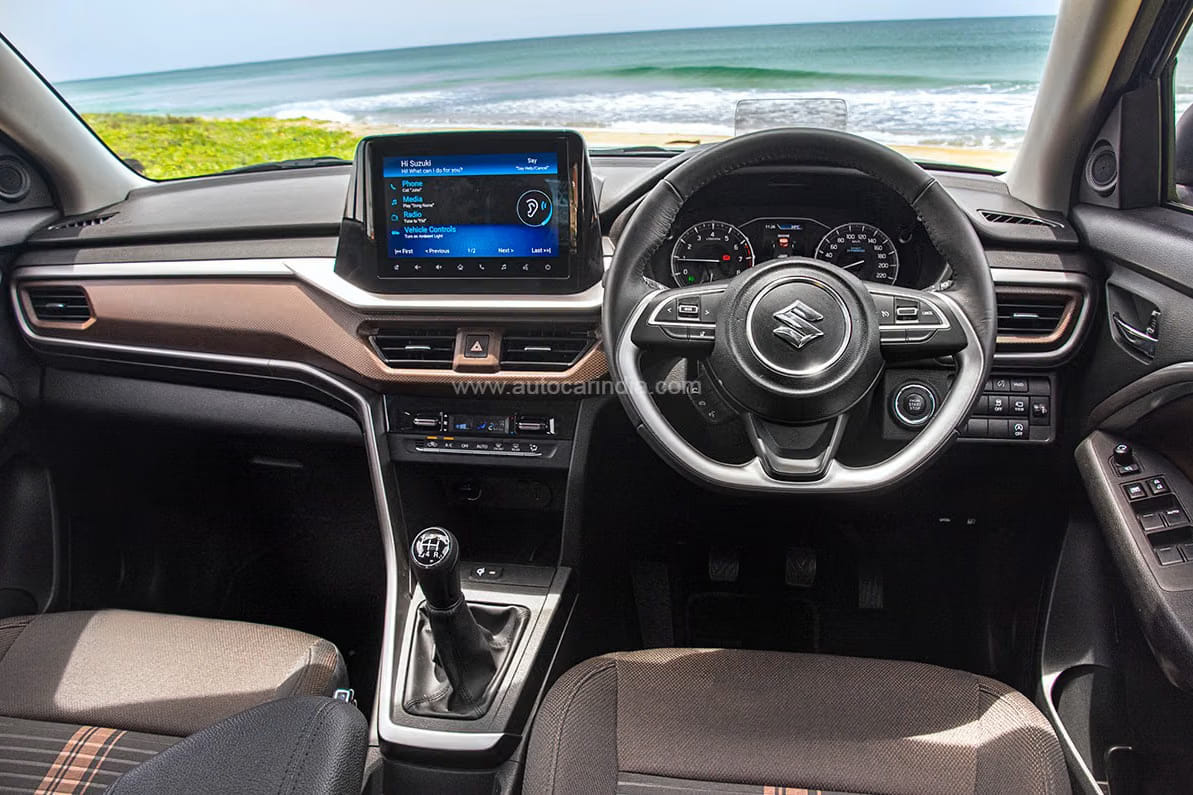
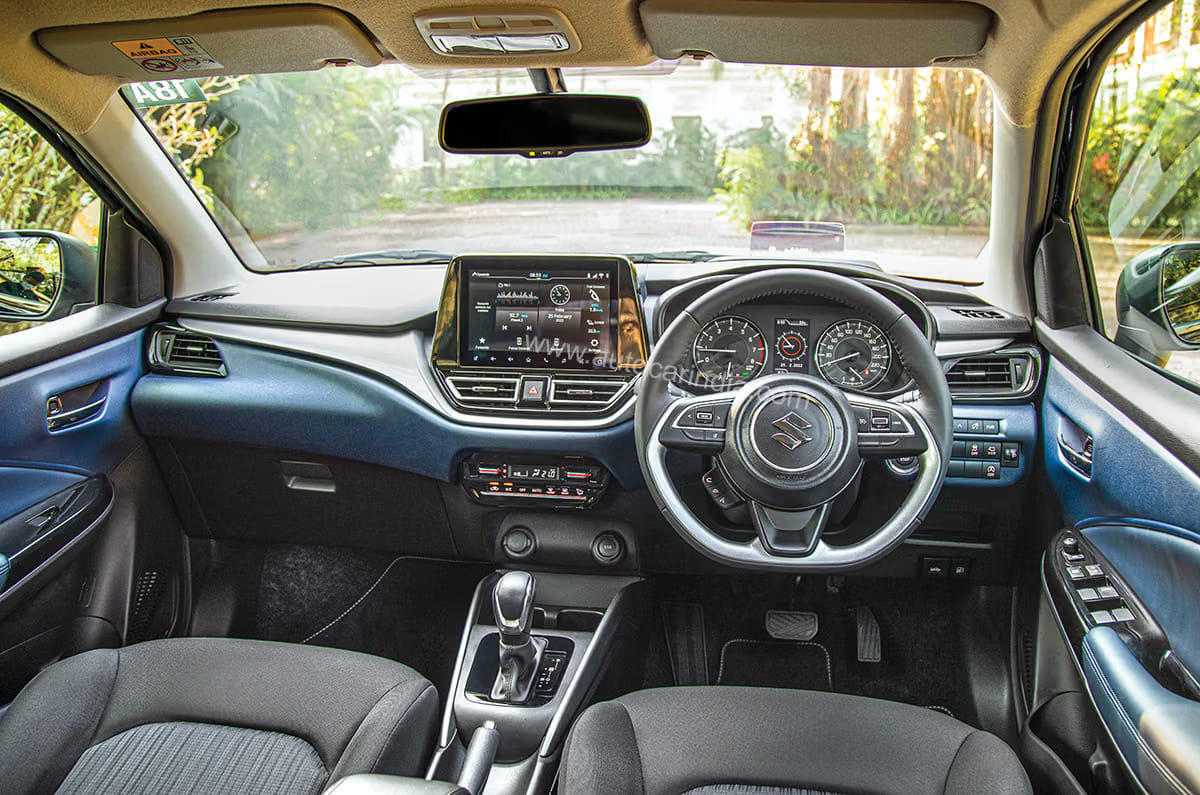
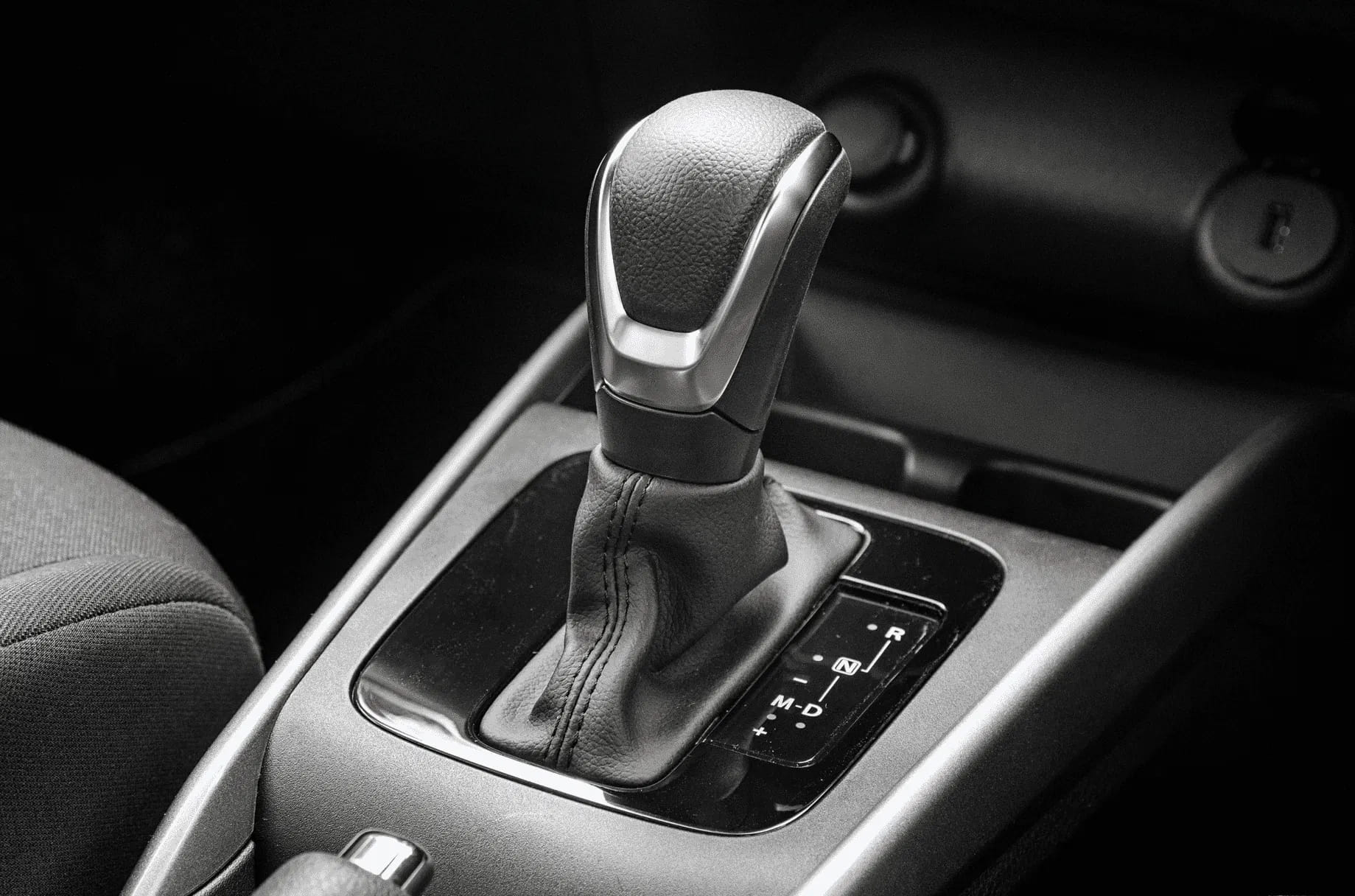
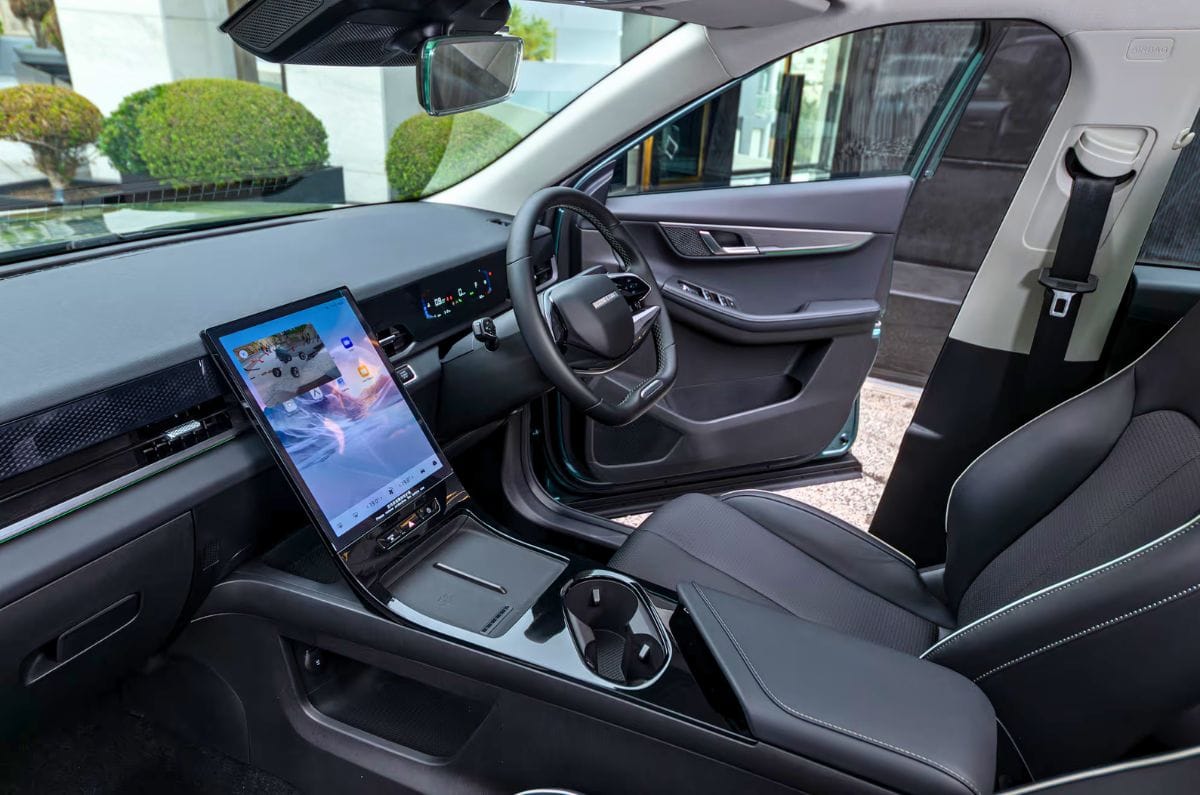
Current Brezza’s interior used for representation.

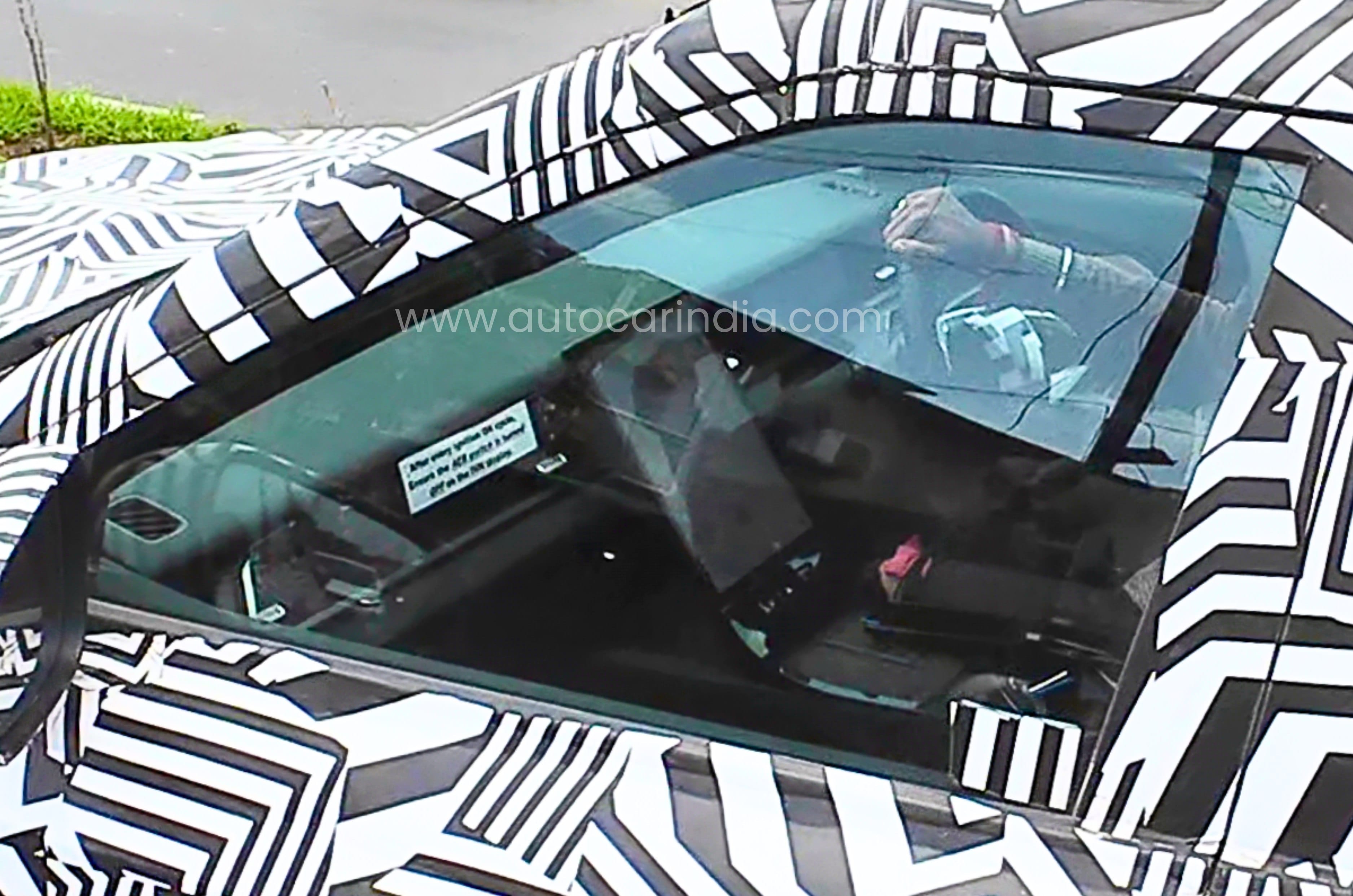
Maruti is expected to keep the overall cabin layout similar to the current version, albeit with an updated colour scheme and trim materials. A glimpse of the cabin from the teaser showcased an HUD unit and a free-standing infotainment screen, which was also there on the current version. The latter could be upgraded from the current 9-inch display to a larger 10.-inch unit from the Victoris.

Additionally, a new comfort feature was spotted in the form of curved side bolstering for the rear headrests. Features like a powered driver’s seat, front-seat ventilation and ambient lighting are expected to make it to the equipment list.  Level 2 ADAS could be part of the safety kit, along with front parking sensors, as the latter was spotted on testing mules.

What powertrains will the updated Maruti Brezza offer?

Credit: @HarshitMakkarvlogs via YouTube

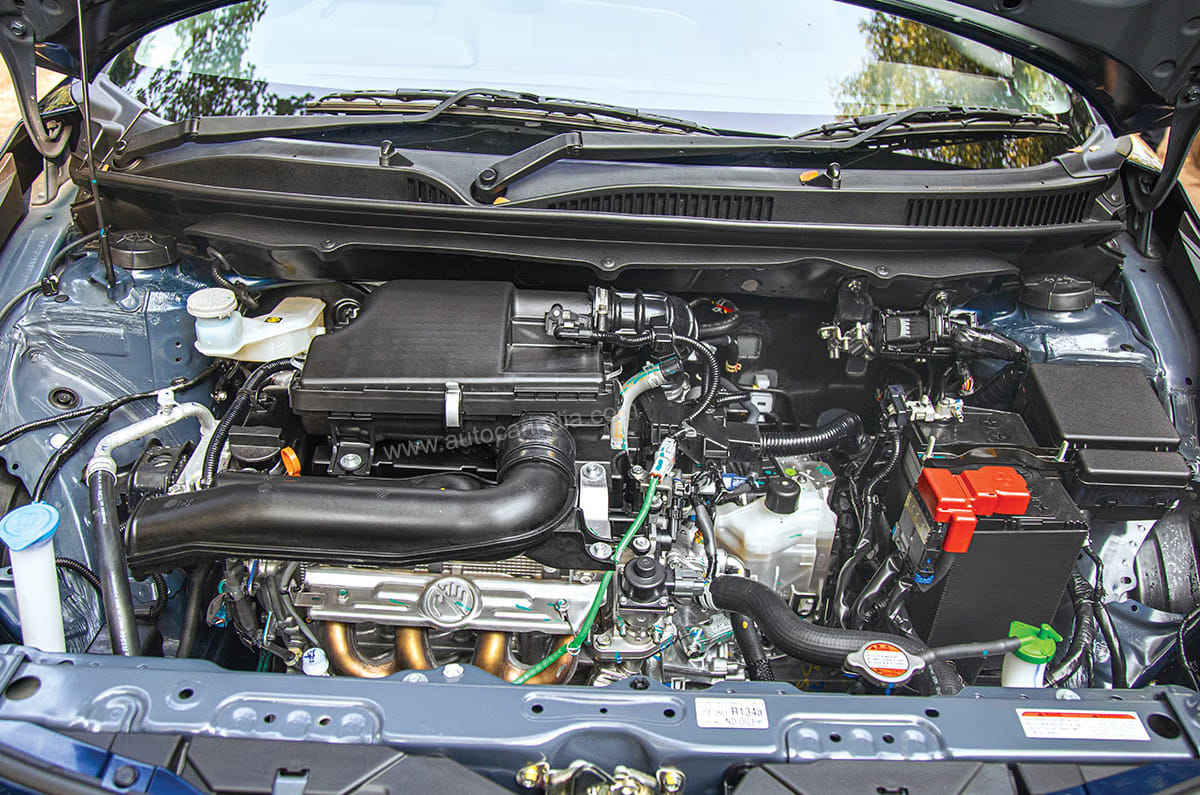
The Brezza is the only compact SUV in the segment that does not offer a turbo-petrol engine. This could change as the Fronx’s 1.0-litre Boosterjet turbo-petrol unit is likely to make it on the Brezza. A 6-speed manual gearbox is likely to be paired with this engine, as a prototype of the Brezza was spotted in February 2026 with this transmission. A CNG kit could be paired with this engine as well.

If powered by the 1.0-litre mill, the Brezza would be eligible for the lower 18 percent GST rate compared to the 28 percent GST rate for the current version’s 1.5-litre naturally aspirated petrol engine.

What is the expected price of the updated Maruti Brezza

The substantial introduction of upgrades over the current version is likely to make the Brezza slightly pricier. The outgoing Brezza has an ex-showroom price of Rs 8.26 lakh to Rs 12.86 lakh. It will continue to take on rivals like the Hyundai Venue, Tata Nexon, Skoda Kylaq, Mahindra XUV 3XO, Kia Sonet and Syros. 

2 reasons to buy the Maruti Suzuki Baleno and 2 to skip it

Baleno

The Maruti Baleno is priced from Rs 5.99 lakh to Rs 9.17 lakh (ex-showroom) and competes with the Hyundai i20, Tata Altroz and Toyota Glanza in the premium hatchback segment. But is it the right hatchback for you? Here are two reasons to buy the Baleno and two reasons why you might want to look elsewhere.

Reasons to buy

1. Spacious and practical cabin

Space is one of the Baleno’s biggest strengths. There is plenty of room in the rear even for tall passengers, while the well-contoured rear seat offers good under-thigh and lateral support. The front seats are comfortable too, with good shoulder and side support. The cabin also gets useful storage spaces, including large door pockets, a well-sized glovebox and cupholders in the centre console.

The Baleno also has a decent 318-litre boot, making it practical for everyday use. However, the high loading lip means loading luggage inside may require slightly more effort as it needs to be lifted higher.

2. Comfortable ride, especially in the city

The Baleno’s suspension deals well with broken roads and other surface imperfections. Its soft setup works particularly well at low and moderate speeds, making it comfortable for city use. The steering is also light at low speeds, which makes the Baleno easy to manoeuvre in traffic and tight spaces.

Body control is good at higher speeds and the steering gains weight as speeds rise. However, some pitch and bounce can be felt from the rear seat at highway speeds.

Reasons to skip

1. Lack of powertrain options

The Baleno is offered with a single 1.2-litre naturally aspirated petrol engine producing 90hp and 113Nm, with a factory-fitted CNG option also available. The petrol engine is smooth at low revs and works well for everyday driving, but has a weak mid-range before picking up again at around 4,000rpm. 

Its lack of engine options is a drawback, especially when rivals offer more choice. The Hyundai i20 N Line gets a more powerful turbo-petrol engine, while the Tata Altroz is also available with a diesel.

2. AMT is not the smoothest automatic

The Baleno’s 5-speed AMT offers the convenience of two-pedal driving, but its shifts aren’t as smooth as the CVT offered on the previous-generation model. There is noticeable hesitation between the first three gears when accelerating beyond crawling speeds, accompanied by the typical head-nod effect associated with AMTs.

A manual mode is available, but there is still a brief pause during gear changes. The AMT works well enough for everyday city driving, but buyers who prioritise smooth automatic shifts may find it lacking.

Petrol Diesel Price Today: पेट्रोल-डीजल की ताजा कीमतें अपडेट, जानें आपके शहर का रेट

Petrol Diesel Price Today:  हर दिन की शुरुआत सिर्फ सूरज की किरणों से नहीं होती, बल्कि पेट्रोल और डीजल की नई कीमतों से भी होती है, जो आम आदमी की जेब पर सीधा असर डालती हैं। सुबह 6 बजे देश की तेल विपणन कंपनियां (OMCs) ताजा दरें जारी करती हैं, जो अंतरराष्ट्रीय बाजार में कच्चे तेल की कीमतों और डॉलर-रुपए की विनिमय दर में आए बदलावों पर आधारित होती हैं। ये बदलाव रोजमर्रा की जिंदगी को प्रभावित करते हैं, चाहे वो ऑफिस जाने वाला व्यक्ति हो या फल-सब्जी बेचने वाला व्यापारी।

ऐसे में हर दिन की कीमतों की जानकारी रखना सिर्फ जरूरी ही नहीं, बल्कि समझदारी भी है। सरकार की यह प्रणाली पारदर्शिता सुनिश्चित करती है ताकि उपभोक्ताओं को किसी तरह की भ्रमित जानकारी न मिले।

आपके शहर में आज का पेट्रोल-डीजल का भाव

ये रहे 15 जुलाई 2026 के प्रमुख शहरों के पेट्रोल-डीजल के ताजा रेट —

नई दिल्ली: पेट्रोल 102.12 रुपये | डीजल 95.20 रुपये

मुंबई: पेट्रोल 111.18 रुपये | डीजल 97.83 रुपये

कोलकाता: पेट्रोल 113.47 रुपये | डीजल 99.82 रुपये

चेन्नई: पेट्रोल 107.77 रुपये | डीजल 99.55 रुपये

गुरुग्राम: पेट्रोल 102.77 रुपये | डीजल 95.44 रुपये

नोएडा: पेट्रोल 102.12 रुपये | डीजल 95.56 रुपये

बेंगलुरु: पेट्रोल 110.93 रुपये | डीजल 98.80 रुपये

भुवनेश्वर: पेट्रोल 109.92 रुपये | डीजल 100.92 रुपये

चंडीगढ़: पेट्रोल 98.10 रुपये | डीजल 86.09 रुपये

हैदराबाद: पेट्रोल 115.69 रुपये | डीजल 103.82 रुपये

जयपुर: पेट्रोल 112.66 रुपये | डीजल 97.78 रुपये

लखनऊ: पेट्रोल 102.05 रुपये | डीजल 95.55 रुपये

पटना: पेट्रोल 113.35 रुपये | डीजल 99.36 रुपये

तिरुवनंतपुरम: पेट्रोल 115.49 रुपये | डीजल 104.40 रुपये

पिछले दो साल से स्थिर क्यों हैं कीमतें?

मई 2022 के बाद से केंद्र और कई राज्यों द्वारा टैक्स में कटौती की गई, जिसके बाद पेट्रोल-डीजल की कीमतों में स्थिरता देखी जा रही है। हालांकि अंतरराष्ट्रीय बाजार में उतार-चढ़ाव होता रहता है, फिर भी भारतीय उपभोक्ताओं के लिए कीमतें तुलनात्मक रूप से स्थिर बनी हुई हैं।

किन कारणों से तय होती हैं ईंधन की कीमतें?

  1. कच्चे तेल की कीमतें:

पेट्रोल और डीजल का उत्पादन मुख्य रूप से कच्चे तेल से होता है। जब अंतरराष्ट्रीय स्तर पर कच्चे तेल की कीमतें बढ़ती हैं, तो इसका असर सीधे भारतीय बाजार पर पड़ता है।

  1. डॉलर के मुकाबले रुपया:

भारत अधिकतर कच्चा तेल आयात करता है, और यह डॉलर में खरीदा जाता है। यदि रुपया कमजोर होता है, तो ईंधन महंगा हो जाता है।

  1. सरकारी टैक्स और शुल्क:

केंद्र और राज्य सरकारें पेट्रोल-डीजल पर भारी टैक्स लगाती हैं, जो खुदरा मूल्य का बड़ा हिस्सा होते हैं। यही कारण है कि राज्यों में कीमतों में अंतर होता है।

  1. रिफाइनिंग की लागत:

कच्चे तेल को इस्तेमाल लायक बनाने की प्रक्रिया (रिफाइनिंग) में भी खर्च होता है। ये लागत कच्चे तेल की गुणवत्ता और रिफाइनरी की क्षमता पर निर्भर करती है।

  1. मांग और आपूर्ति का संतुलन:

बाजार में ईंधन की मांग अगर बढ़ जाती है, तो कीमतें भी ऊपर जाने लगती हैं। खासकर त्योहारों, गर्मी या सर्दी के मौसम में ईंधन की खपत ज्यादा होती है।

कैसे करें अपने शहर की कीमतें SMS से चेक?

अगर आप मोबाइल से ईंधन की कीमत जानना चाहते हैं, तो ये प्रक्रिया आसान है:

Indian Oil ग्राहक: अपने शहर का कोड टाइप करें और उसे “RSP” के साथ 9224992249 पर भेजें।

BPCL ग्राहक: “RSP” लिखकर 9223112222 पर भेजें।

HPCL ग्राहक: “HP Price” लिखकर 9222201122 पर भेजें।

Maruti Suzuki opens bookings for Brezza facelift

Brezza

Maruti Suzuki has opened bookings for the Brezza facelift for a token amount of Rs 11,000. Customers can book the updated compact SUV at Maruti Suzuki Arena dealerships or through the company’s website. The new Brezza is set to debut on July 24 and is expected to get exterior and interior updates, new features and an additional turbo-petrol engine option.

HPCL conducts retail fuel inspections to verify ethanol quality

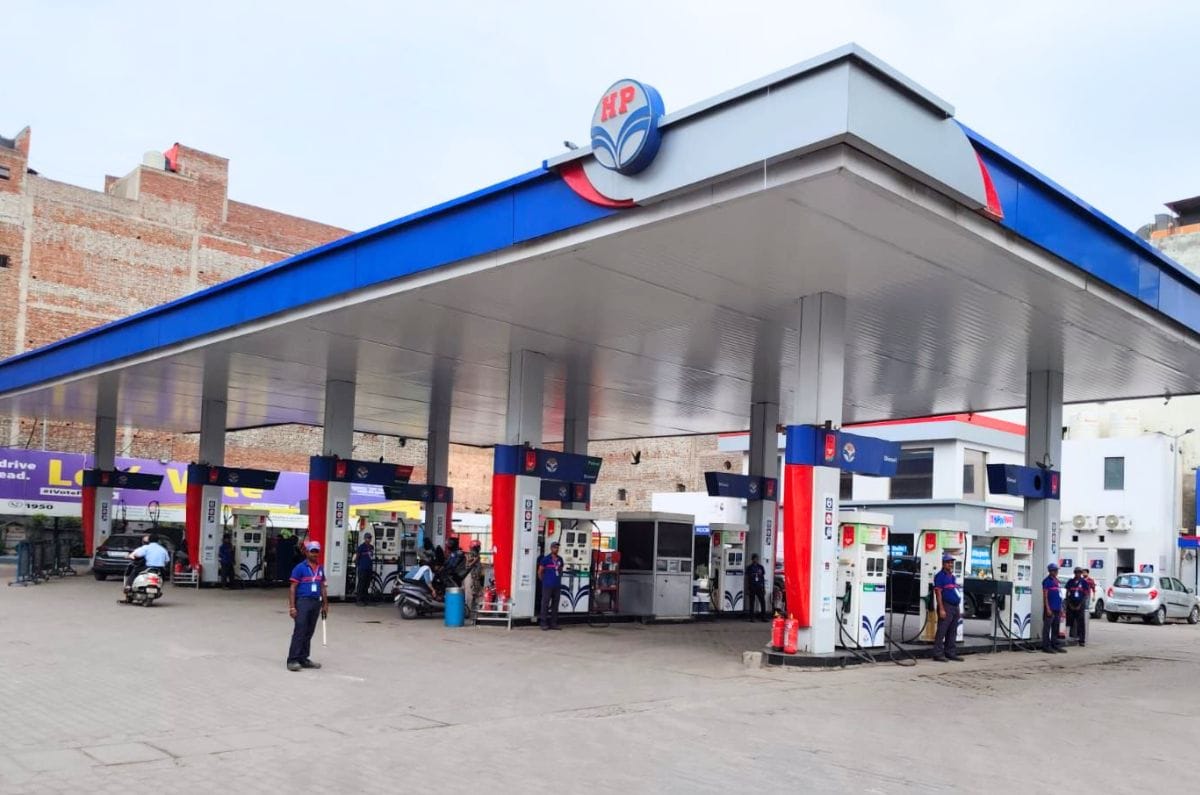
Hindustan Petroleum fuel inspection

Hindustan Petroleum Corporation Limited (HPCL) said that it has completed an extensive nationwide fuel quality surveillance operation across its retail network to monitor ethanol-blended petrol compliance. It said that the inspection cycle concluded with zero reported instances of adulteration, contamination, or critical quality lapses.

  1. HPCL conducted 2,173 unannounced inspections at fuel outlets
  2. Inspection was to specifically verify localized ethanol blending metrics 

According to operational data released by HPCL, field officers executed 2,173 unannounced surprise inspections at retail outlets between July 7 and July 13, 2026, specifically to verify localized ethanol blending metrics. These surprise checks were conducted alongside 1,385 regular field inspections scheduled throughout the network between July 3 and July 13, 2026.

The monitoring campaign also involved the company’s dedicated Quality Assurance Cell, which functions as an internal anti-adulteration division. The unit carried out 93 targeted surprise inspections, while technical teams utilized mobile laboratory facilities to test 49 individual fuel samples directly on-site.

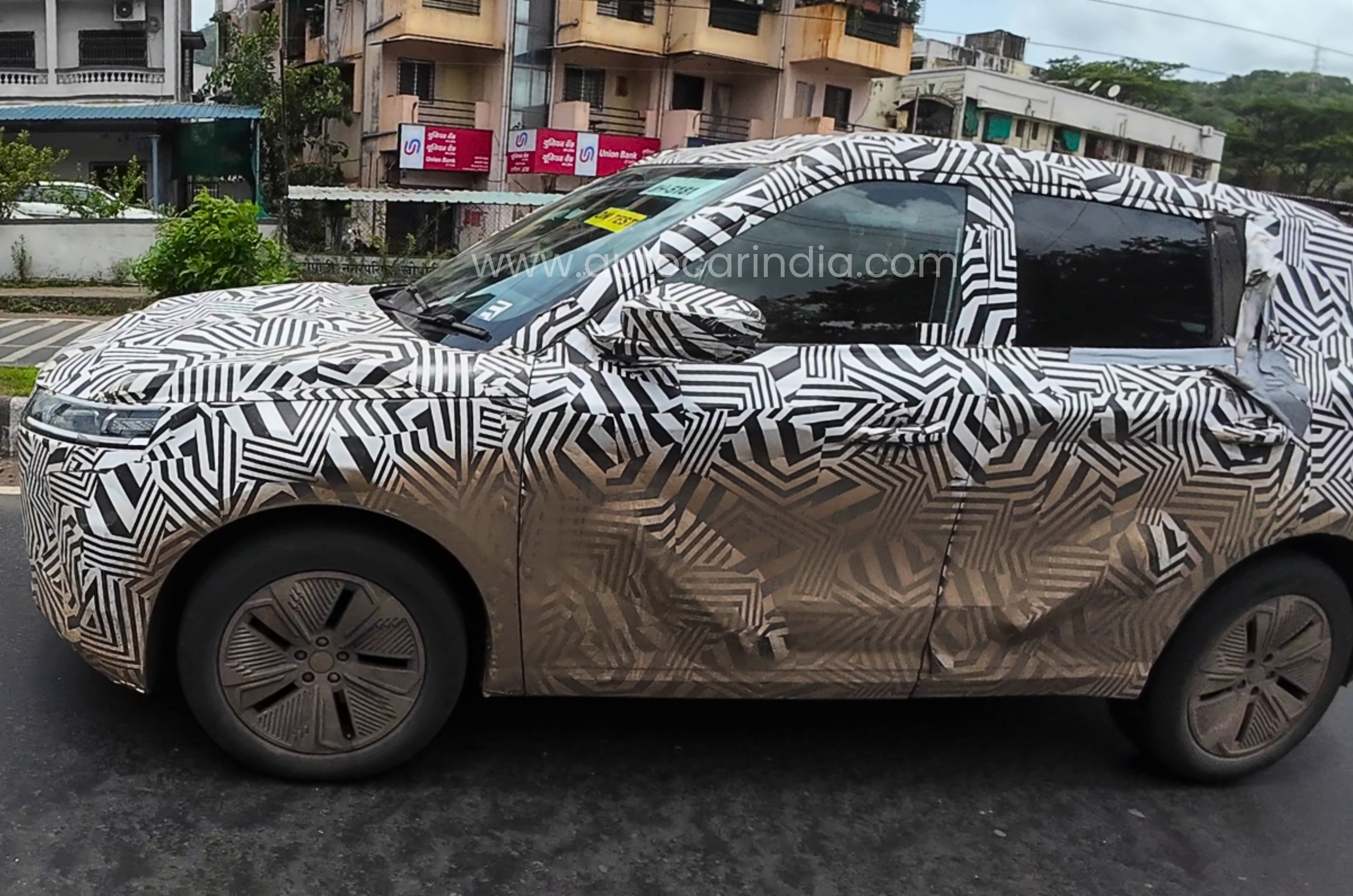
JSW Motors’ Jaecoo J5 SUV spied in ICE avatar for the first time

Jaecoo J5 SUV spied in ICE avatar for the first time in India

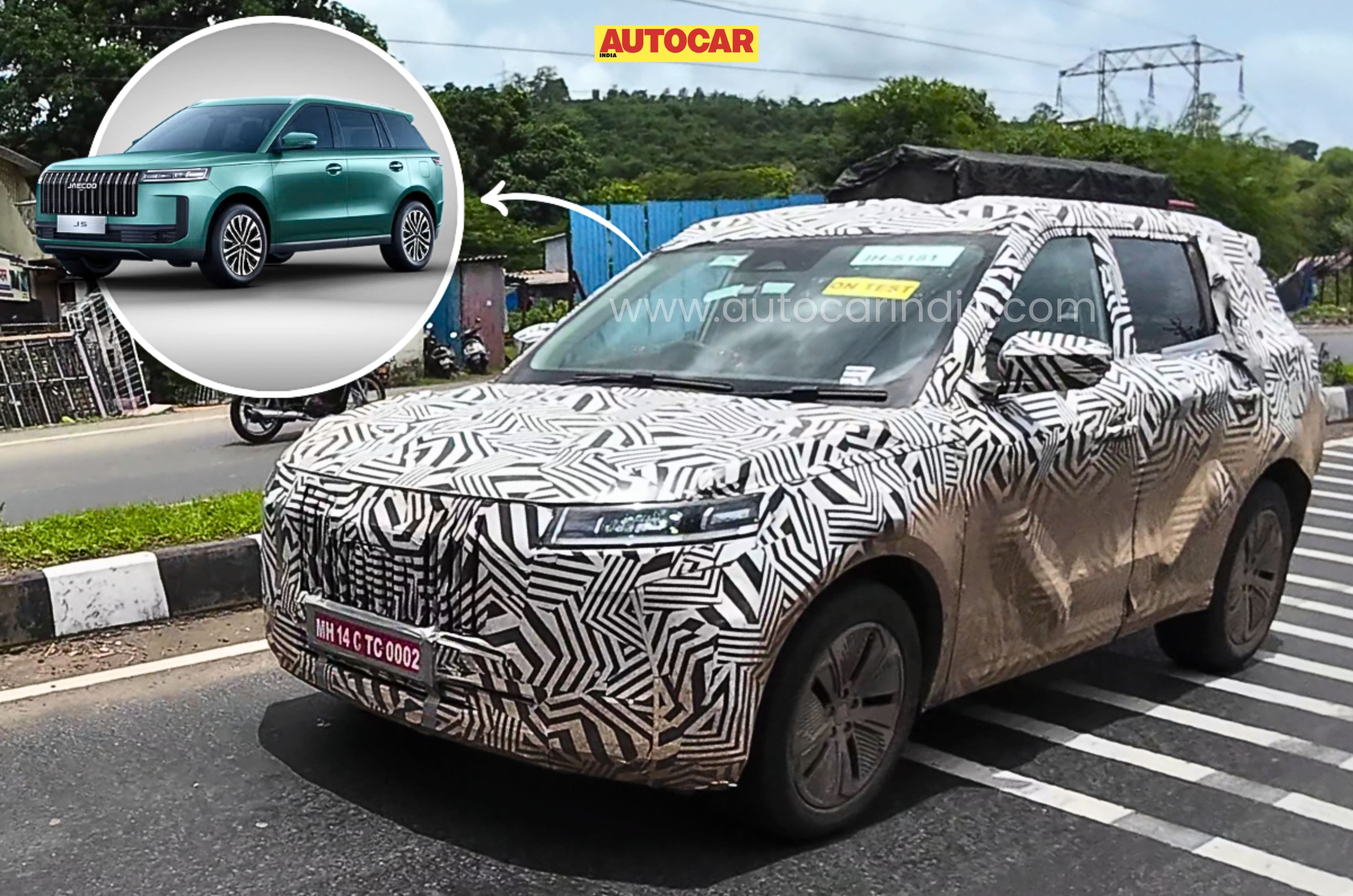
The Jaecoo J5 SUV has been spied testing in an ICE avatar for the first time in India. Interestingly, the latest spy shots suggest the Jaecoo J5 could launch in India with an ICE powertrain, whereas earlier sightings pointed to an all-electric (EV) version only. The new exterior and interior spy shots of the ICE-powered Jaecoo J5 reveal some visible differences from the EV version.

  1. A functional grille, all-LED lighting and 18-inch alloy wheels can be seen
  2. An all-black cabin with a vertically mounted infotainment system was spotted
  3. Offered with a turbo-petrol and strong hybrid petrol internationally

In India, JSW Motors will launch its own standalone SUV based on the Jaecoo J5 under a technology and component licensing agreement with Chery, the Chinese automaker that owns the Jaecoo brand.

Jaecoo J5-based ICE SUV spied: What was spotted?

A functional grille with vertical slats confirms it is the ICE version of the Jaecoo J5

Although the Jaecoo J5-based SUV’s test mule is heavily camouflaged, a few design elements are visible. Among these is a functional grille with vertical slats, confirming it is the ICE version, as the EV features a blanked-off grille. The sleek LED headlights with LED DRL surrounds, however, are the same as those on the EV version. The bumper has a clean design, but it seems to miss out on the fog lamps offered with the international model.

In profile, the international-spec model gets 18-inch wheels. At the rear, slim wraparound LED taillights can be spotted. On the international model, these taillights are joined by a black trim with ‘Jaecoo’ badging in the centre.

The interior design mimics that of the all-electric model

The spy shots also reveal a large vertically oriented infotainment system on the dashboard, likely the same as the international model’s 13.2-inch unit. The international model also gets an 8.8-inch driver’s display, a panoramic sunroof, an 8-speaker Sony sound system, dual-zone climate control, a powered tailgate and a wireless phone charger. It will be interesting to see what features are offered with the India-spec model sold by JSW Motors.

South Africa-spec Jaecoo J5 dashboard shown for representational purposes only.

In terms of safety, the international model gets 7 airbags, a 540-degree camera (surround-view camera with an under-bonnet view function), a tyre pressure monitoring system (TPMS) and an advanced driver assistance system (ADAS) suite. 

Jaecoo J5-based ICE SUV: Expected powertrain

Offered with a turbo-petrol and a strong hybrid petrol engine internationally

Depending on the market, the ICE-powered Jaecoo J5 gets either a turbo-petrol or a strong-hybrid engine option. The 1.5-litre turbo-petrol produces up to 156hp and 275Nm, and is mated to either a 7-speed DCT or a CVT, depending on the market. It allows for a 0-100kph sprint time of 10.2 seconds 

A strong-hybrid version has a 1.5-litre 4-cylinder turbo-petrol engine and an electric motor powered by a 1.83 kWh lithium-ion battery. Combined, this setup produces 224hp and 295Nm. It does a 0-100kph sprint in 7.9 seconds. Jaecoo claims a fuel efficiency of 18.9kpl, allowing a total range of around 1,000km. It will be interesting to see which powertrain option is offered with the India-spec model.

India launch timeline is yet to be revealed

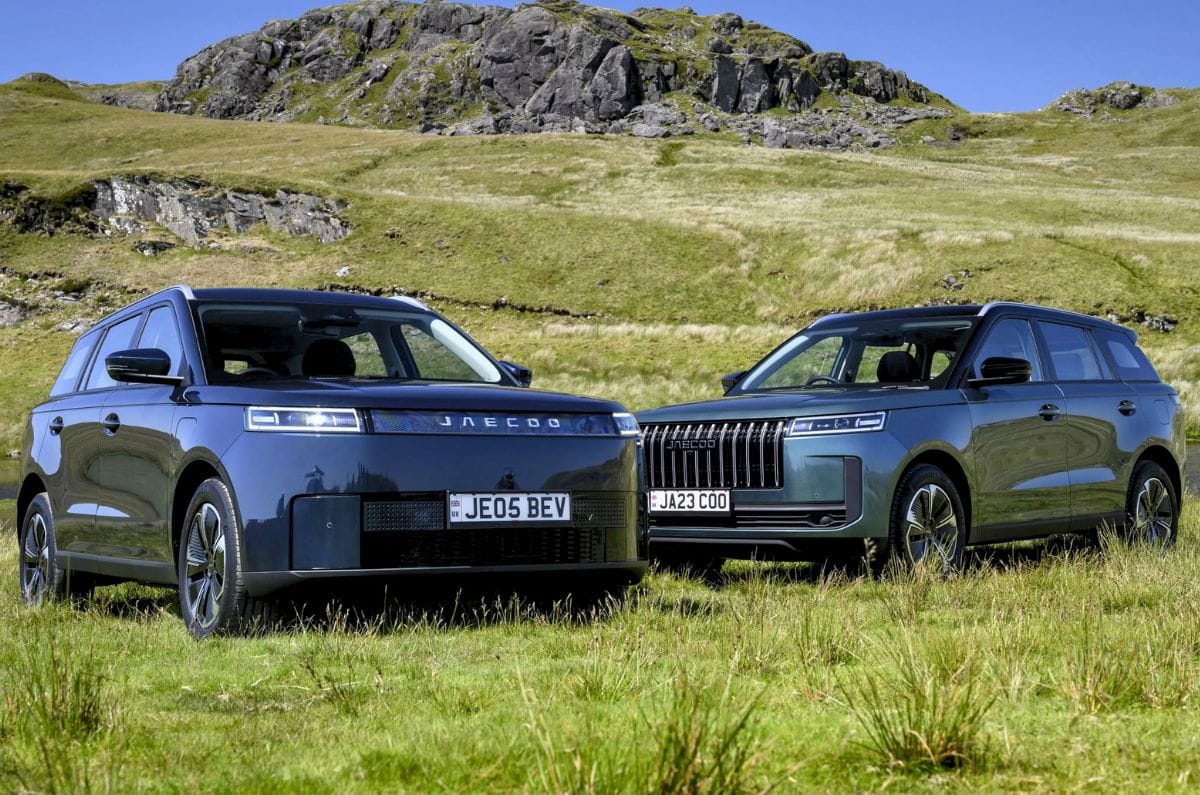
UK-spec Jaecoo J5’s EV (left) and ICE (right) versions shown for representational purposes only.

JSW Motors is expected to start its India operations with the Diwali launch of the Jetour T2-derived hybrid SUV, followed by launches of the SUVs derived from the Jaecoo J5 and iCaur V23. Upon launch, JSW Motors’ Jaecoo J5-based ICE SUV will lock horns with midsize SUVs such as the Hyundai Creta, Tata Sierra, Maruti Suzuki Victoris, Renault Duster and Nissan Tekton. The EV version will rival the Hyundai Creta Electric, Mahindra BE 6, Tata Sierra EV, Vinfast VF6 and Maruti Suzuki eVitara. 

3 reasons to buy the Maruti Wagon R and 2 not to

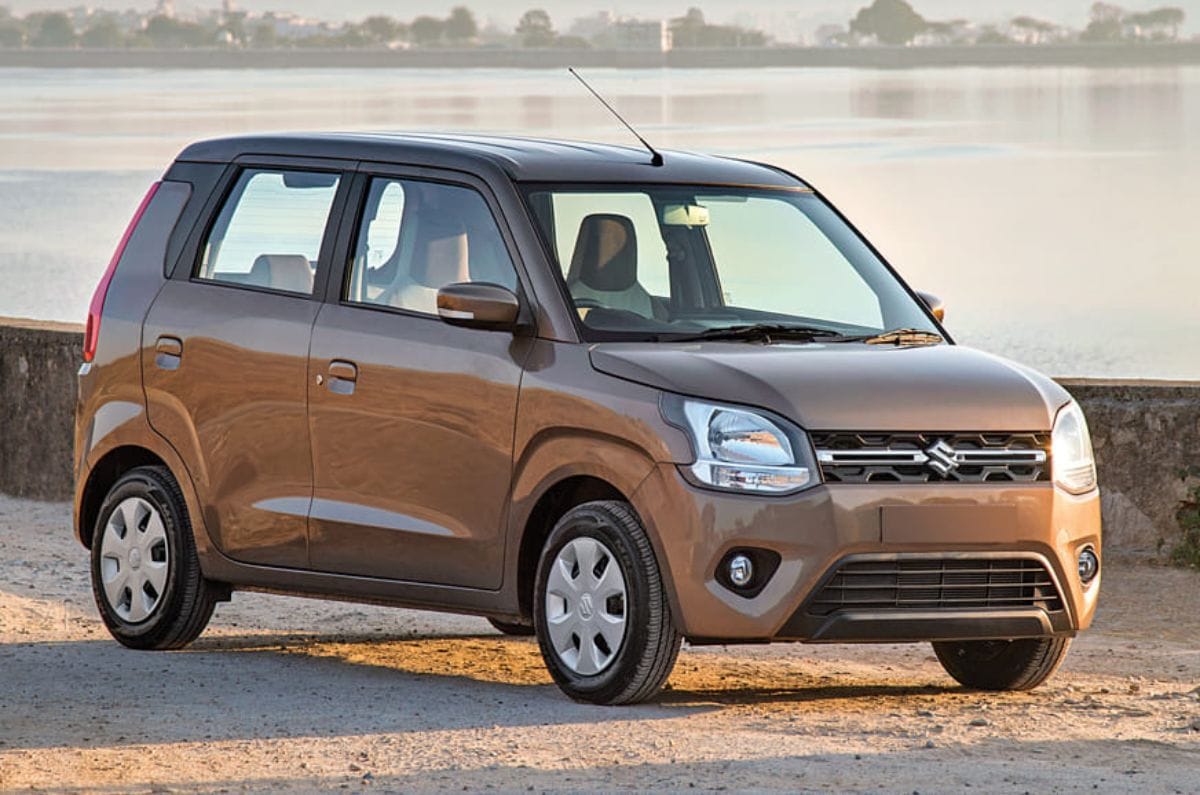
Maruti Wagon R front quarter static

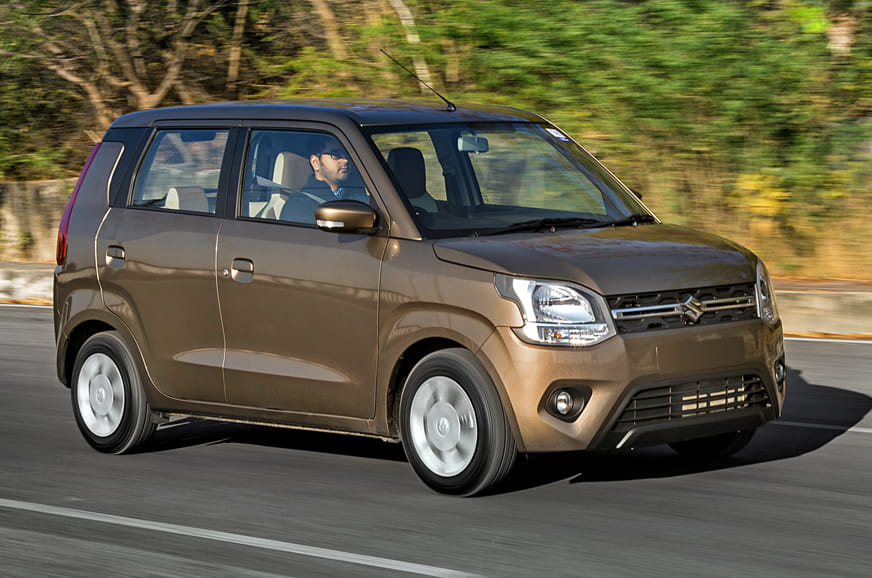
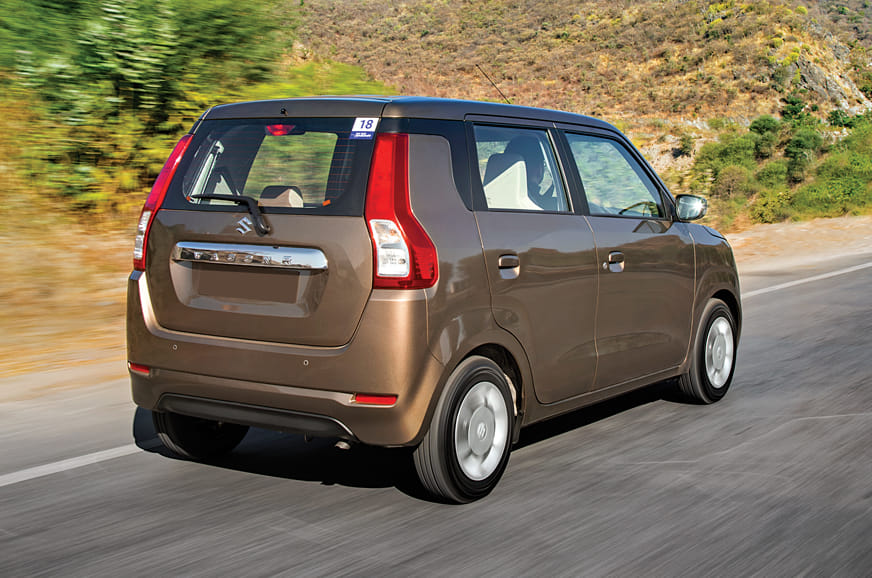
The Wagon R has been one of Maruti Suzuki’s most successful models in its portfolio. It has been on the market here since 1999, and in 2025, it surpassed the 35 lakh production milestone. Currently in third-generation guise, the hatchback offers a choice of 1.0-litre and 1.2-litre engines, with a CNG kit available on the former. Both mills can be paired to either a 5-speed manual or a 5-speed AMT gearbox. If you’re keen on buying a Wagon R, we list out reasons to consider getting one and reasons to look elsewhere.

Reasons to buy 

Spacious and practical cabin 

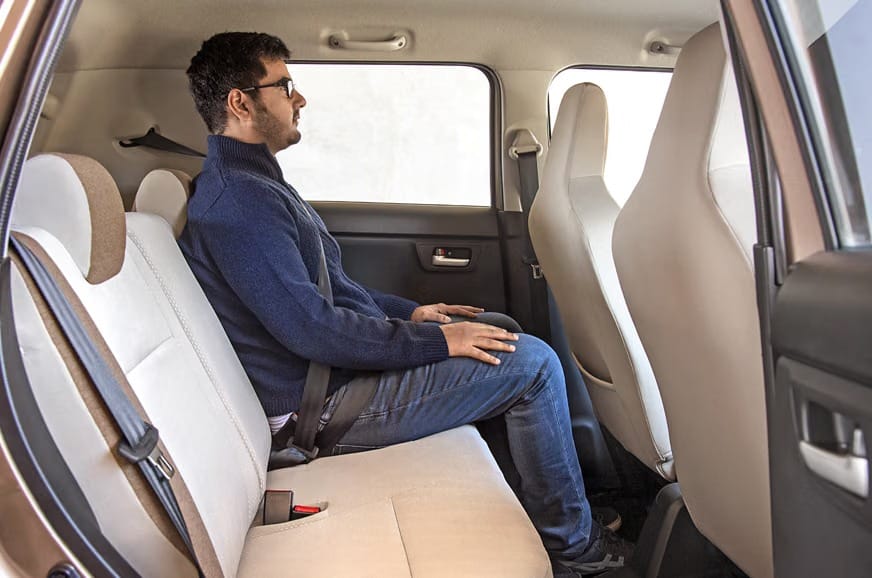
A benefit of the Wagon R’s tall boy design is that it maximises vertical space, making the cabin roomier. The wide cabin lends decent shoulder space between those seated at the front. Meanwhile, the back seat can comfortably accommodate three passengers abreast with plenty of shoulder room, headroom and legroom. Additionally, the cabin gets a large glovebox and sizeable door pockets, while the long and wide 341-litre boot holds decent amounts of luggage.

Peppy and fuel-efficient engine (1.2-litre)

Opting for the top-end ZXi versions of the Wagon R gets you a more powerful 1.2-litre petrol engine. Producing 90hp and 113Nm of torque, it brings great performance combined with the Wagon R’s light footprint. This 1.2-litre unit makes the car feel light on its feet, responds quickly to inputs and has plenty of mid-range punch. The engine is rev-friendly, and you get stronger performance as you go up the power band. Overall fuel efficiency isn’t compromised much, with Maruti claiming 23.56kpl with the manual and 24.43kpl when paired with the AMT gearbox. 

AMT gearbox smoothness

While AMT’s may not be the smoothest gearboxes, in the Wagon R’s case, the typical ‘head nod’ effect is largely between the first and second gears. Things do smooth out when shifting into higher gears. Moreover, it also gets a tiptronic mode that lets you shift gears manually via the lever, and it’s quite responsive. Additionally, it comes in handy not just for taking charge but also to maximise engine braking while on a descent. 

Reasons not to buy 

Lacklustre highway manners

While the Wagon R works best as a city car, the same can’t be said when on the highway. At high speeds, the Wagon R doesn’t readily take to steering changes. Secondly, it’s vulnerable to body roll at high speeds due to its lighter weight and bluff shape, while the light steering does not inspire much confidence on the highway. This definitely isn’t a car for enthusiast drivers. 

Poor NVH levels 

The engines on the Wagon R get noisy when you visit the top end of the power band. Furthermore, a fair amount of road and suspension noise makes its way into the cabin because of its light build. Overall, the Wagon R lacks good sound insulation.

Siddharth Saxena: कौन हैं सिद्धार्थ सक्सेना? जिन्होंने 26 साल की उम्र में एक दिन में कमाए 76.99 करोड़ रुपये!

Who is Siddharth Saxena: इंटरनेट और सोशल मीडिया पर इन दिनों एक भारतीय टेक एंटरप्रेन्योर की कहानी तेजी से वायरल हो रही है। इस शख्स का नाम है सिद्धार्थ सक्सेना। इन्होंने हाल ही में खुलासा किया है कि उन्होंने महज 26 साल की उम्र में एक ही दिन में 8 मिलियन डॉलर (करीब 76.99 करोड़ रुपये) की कमाई की थी। कंटेंट क्रिएटर विराज अला के साथ हुए एक स्ट्रीट इंटरव्यू में सिद्धार्थ ने भारत के एक छोटे से शहर से अमेरिका में मल्टी-मिलियन डॉलर की कंपनियां खड़ी करने तक के अपने इस शानदार सफर के बारे में खुलकर बात की है। आइए जानते हैं कि कौन हैं सिद्धार्थ सक्सेना और उन्होंने यह मुकाम कैसे हासिल किया।

IIT कानपुर से की पढ़ाई, बोले- हार्वर्ड से 20 गुना मुश्किल है एडमिशन

विराज अला को दिए इंटरव्यू में सिद्धार्थ सक्सेना ने अपनी पढ़ाई और करियर के बारे में कई दिलचस्प बातें साझा कीं। सिद्धार्थ ने देश के प्रतिष्ठित संस्थान आईआईटी कानपुर से कंप्यूटर साइंस में बी. टेक की डिग्री हासिल की है। वह साल 2019 में आईआईटी कानपुर से ग्रेजुएट हुए थे। इंटरव्यू के दौरान सिद्धार्थ ने दावा किया कि आईआईटी कानपुर के कंप्यूटर साइंस प्रोग्राम में दाखिला पाना अमेरिका की प्रसिद्ध हार्वर्ड यूनिवर्सिटी में एडमिशन मिलने से 20 गुना ज्यादा कठिन है।

एक दिन में ₹76.99 करोड़ की कमाई का सच

जब इंटरव्यूअर विराज अला ने सिद्धार्थ से पूछा कि उन्होंने एक साल में अधिकतम कितनी कमाई की है, तो सिद्धार्थ ने मुस्कुराते हुए जवाब दिया कि उन्होंने एक ही दिन में 8 मिलियन डॉलर (लगभग 76.99 करोड़ रुपये) कमाए हैं। इस पर जब उनसे पूछा गया कि क्या इसका मतलब यह है कि वह रातों-रात करोड़पति बन गए, तो उन्होंने कहा कि हां, कुछ ऐसा ही कह सकते हैं। उन्होंने महज 26 साल की उम्र में यह मुकाम हासिल कर लिया था। सिद्धार्थ ने बताया कि जब वह 16 साल के थे तब उन्होंने अपने भविष्य में इस तरह की सफलता की बिल्कुल भी उम्मीद नहीं की थी।

कैसा रहा है सिद्धार्थ का करियर और बिजनेस?

आईआईटी कानपुर से 2019 में पास आउट होने के बाद सिद्धार्थ ने मशीन लर्निंग इंजीनियर के रूप में कई राष्ट्रीय और अंतरराष्ट्रीय कंपनियों के साथ काम किया। उनके करियर के सफर में Envestnet, Yodlee, Wadhwani AI जैसी कंपनियों और एल्टो यूनिवर्सिटी, जूमियो कॉर्पोरेशन जैसे संस्थान रहे।

Merlin और Thine के को-फाउंडर

नौकरी के बाद सिद्धार्थ ने एंटरप्रेन्योरशिप की राह चुनी। साल 2022 में सिद्धार्थ ने अपने आईआईटी कानपुर के बैचमेट्स प्रत्यूष राय और शीर्षेंदु सरकार के साथ मिलकर Merlin नाम की एक एआई-पावर्ड क्रोम एक्सटेंशन कंपनी की सह-स्थापना की। रिपोर्ट्स के मुताबिक आज इस कंपनी की वैल्यूएशन लगभग 50 मिलियन डॉलर (करीब 418 करोड़ रुपये से अधिक) है। इसके अलावा सिद्धार्थ एक दूसरे स्टार्टअप Thine के भी को-फाउंडर हैं।

स्टार्टअप्स को लेकर क्या है उनकी सोच?

स्टार्टअप और बिजनेस को लेकर सिद्धार्थ का मानना है कि भारत में सीमित संसाधनों की वजह से बहुत से लोग स्कार्सिटी माइंडसेट (कमी की सोच/सुरक्षित चलने की मानसिकता) के साथ बड़े होते हैं। उनका कहना है कि सफल उद्यमी बनने के लिए इस मानसिकता को बदलकर अबंडेंस माइंडसेट (प्रचुरता की सोच) अपनाना बेहद जरूरी है, जहां लोग खुलकर जोखिम लेने और नए अवसरों की तलाश करने के लिए तैयार रहें।

ये भी पढ़ें- E20 Petrol: एथेनॉल वाले पेट्रोल से इंजन खराब होता है या नहीं? IIT कानपुर की रिसर्च ने दिया बड़ा जवाब

सिद्धार्थ ने दोनों देशों के वर्क-कल्चर की तुलना करते हुए कहा कि अमेरिका में लोग अक्सर काम को इसलिए चुनते हैं क्योंकि वे उसे पसंद करते हैं जबकि भारत में कई बार लोग मजबूरी या जरूरत की वजह से काम करते हैं।

E20 Petrol: एथेनॉल वाले पेट्रोल से इंजन खराब होता है या नहीं? IIT कानपुर की रिसर्च ने दिया बड़ा जवाब

E20 Petrol Row: देश भर में 20 प्रतिशत एथेनॉल मिश्रण वाले पेट्रोल (E20) के रोलआउट को लेकर वाहन मालिकों के मन में कई तरह की चिंताएं और सवाल हैं। सबसे बड़ा सवाल यह है कि क्या एथेनॉल वाले पेट्रोल से गाड़ी का इंजन खराब हो जाता है? इस मामले पर चल रही तमाम बहसों और आशंकाओं के बीच देश के प्रतिष्ठित संस्थान आईआईटी कानपुर के रिसर्चर ने एक बड़ा और राहत देने वाला दावा किया है।

संस्थान के शोधकर्ताओं का कहना है कि उनकी स्टडी में E20 पेट्रोल के इस्तेमाल से वाहनों के माइलेज में कोई खास गिरावट नहीं पाई गई है। इस बात के भी कोई सबूत नहीं मिले हैं कि E20 फ्यूल मौजूदा या पुरानी गाड़ियों के इंजन को किसी भी तरह का नुकसान पहुंचाता है।

माइलेज पर क्या होता है असर? IIT कानपुर की रिसर्च

आपको बता दें कि हाल ही में पेट्रोलियम और प्राकृतिक गैस मंत्रालय ने स्पष्ट किया था कि E20 फ्यूल के इस्तेमाल से कुछ वाहनों में माइलेज 5 प्रतिशत तक कम हो सकता है। हालांकि इसके फायदे इस मामूली नुकसान से कहीं अधिक हैं। पीटीआई की रिपोर्ट के मुताबिक इस पर आईआईटी कानपुर के मैकेनिकल इंजीनियरिंग विभाग के इंजन रिसर्च लेबोरेटरी के प्रोजेक्ट साइंटिस्ट ध्रुव राज कराना ने बताया है कि आईआईटी कानपुर में की गई रिसर्च के मुताबित E20 फ्यूल के इस्तेमाल से माइलेज में होने वाली कमी वास्तव में 5 प्रतिशत से भी कम है।

ध्रुव राज कराना ने स्पष्ट किया कि माइलेज में आने वाली 5 प्रतिशत तक की यह कमी फ्यूल के अलावा दूसरी वजहों से भी हो सकती है। अगर सामान्य या शुद्ध पेट्रोल के साथ भी लगातार दो बार बैक टू बैक टेस्ट किए जाएं तब भी इस तरह के परिणाम आ सकते हैं।

माइलेज कम होने की असली वजह: IIT की स्टडी के मुताबिक माइलेज में होने वाला कोई भी बदलाव फ्यूल से ज्यादा ड्राइवर की ड्राइविंग के तरीके, सड़क की स्थिति और गाड़ी के मेंटनेंस पर निर्भर करता है।

क्या सच में खराब होता है इंजन?

प्रोजेक्ट साइंटिस्ट ध्रुव राज कराना ने बताया कि काफी डिटेल्ड और एक्सटेंसिव टेस्टिंग से यह साबित हुआ है कि E20 फ्यूल के इस्तेमाल से इंजन को कोई नुकसान, जंग या अन्य तकनीकी समस्याएं नहीं होती हैं। उन्होंने सोशल मीडिया पर चल रही उन खबरों को पूरी तरह से खारिज कर दिया जिनमें दावा किया जा रहा है कि E20 पेट्रोल से गाड़ियां खराब हो रही हैं।

कराना ने इन दावों को वैज्ञानिक रूप से निराधार बताया और गाड़ी चलाने वालों को सलाह दी कि वे इंटरनेट पर बिना किसी वेरिफिकेशन के साझा की जाने वाली पोस्ट पर भरोसा करने के बजाय अपनी गाड़ी के मैनुफैक्चरर के मैनुअल और पेट्रोलियम और प्राकृतिक गैस मंत्रालय के दिशानिर्देशों का पालन करें।

E85 फ्यूल का भी हो चुका है सफल परीक्षण

आईआईटी कानपुर की यह रिसर्च प्रोफेसर अविनाश कुमार अग्रवाल के नेतृत्व में चल रही है। वो इस इंजन रिसर्च लेबोरेटरी के प्रमुख हैं। उनकी टीम लंबे समय से एथेनॉल-ब्लेंडेड फ्यूल पर व्यापक शोध कर रही है। टीम ने E85 फ्यूल (जिसमें 85 प्रतिशत एथेनॉल होता है) का भी सफलतापूर्वक परीक्षण किया है। हालांकि ध्रुव राज कराना ने यह भी स्पष्ट किया कि इतने उच्च स्तर के मिश्रण के लिए विशेष रूप से डिजाइन किए गए इंजनों और उनके अनुकूल ईंधन प्रणालियों की जरूरत होती है।

मंत्रालय ने कहा- ‘यह अधिक स्वच्छ और बेहतर फ्यूल है’

एथेनॉल ब्लेंडेड पेट्रोल कार्यक्रम को लेकर हो रही आलोचनाओं का जवाब देने के लिए पेट्रोलियम और प्राकृतिक गैस मंत्रालय ने हाल ही में एक विस्तृत Q&A डॉक्युमेंट जारी किया था। मंत्रालय के मुताबिक E20 पेट्रोल, E10 या शुद्ध पेट्रोल की तुलना में अधिक स्वच्छ, उच्च गुणवत्ता वाला और अधिक कुशल ईंधन है। सरकार ने इसे देश में लागू करने से पहले वर्षों तक वैज्ञानिक परीक्षण किए हैं, वाहन निर्माताओं के साथ व्यापक विचार-विमर्श किया है और देश के भीतर एथेनॉल के उत्पादन को बढ़ाया है। इससे कार्बन उत्सर्जन काफी कम होता है, जो पर्यावरण के लिए बेहद फायदेमंद है।

ये भी पढ़ें- Nitin Gadkari VIDEO: ‘अब हवा में उड़ने वाली बस लाऊंगा…’; केंद्रीय मंत्री नितिन गडकरी का बड़ा ऐलान, जानें- किन शहरों में होगी शुरुआत

Tata Harrier vs Tata Sierra turbo petrol AT real-world mileage compared

Tata Harrier vs Tata Sierra

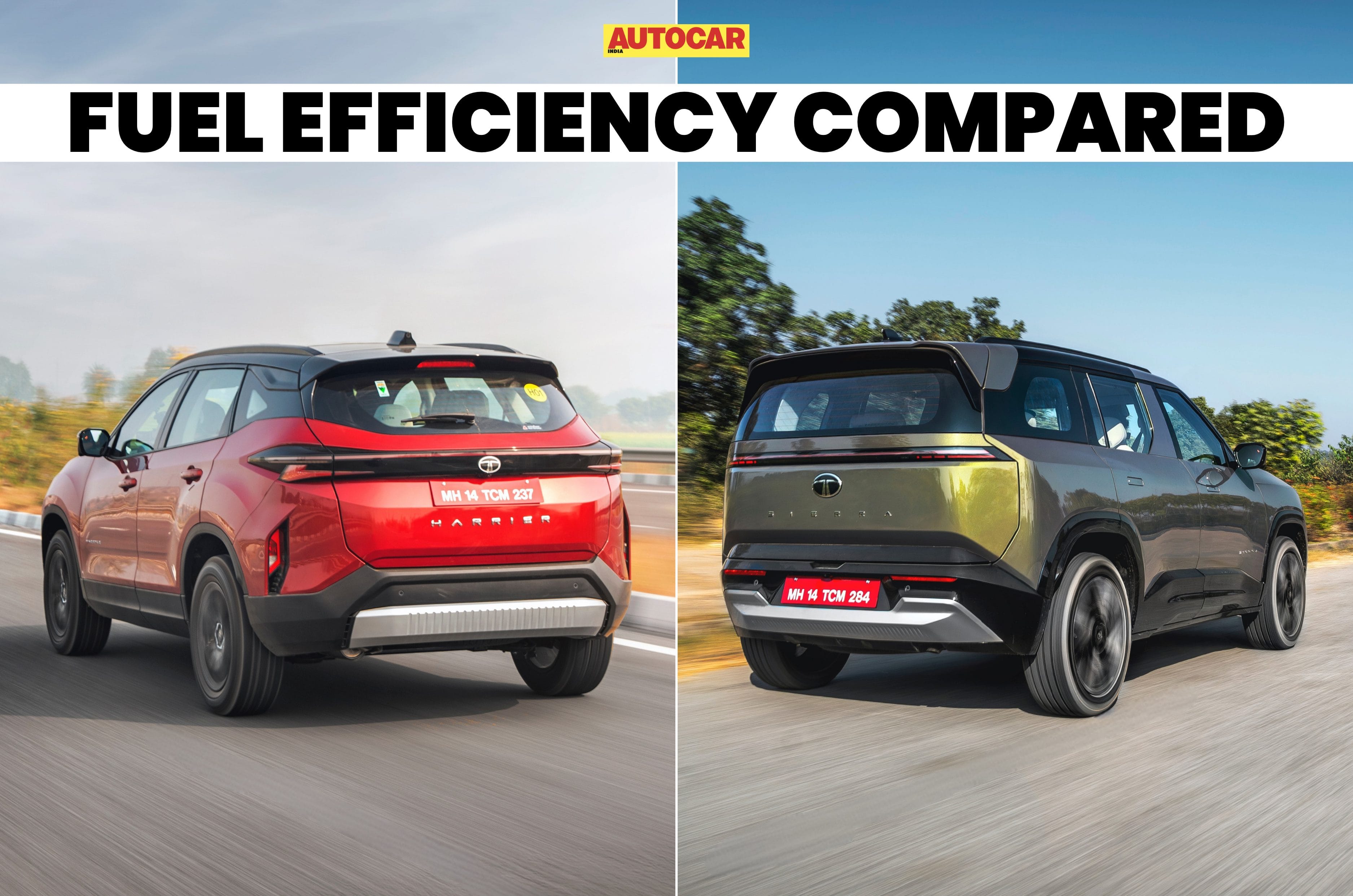
The new 1.5-litre ‘Hyperion’ turbo-petrol engine was developed in-house by Tata and first debuted on the Sierra in 2025. In January 2026, the carmaker introduced this engine into its larger stablemate, the Harrier. Since its inception in 2019, the Harrier has been offered only with a diesel engine. We’ve put the turbo-petrol automatic versions of both SUVs through our real-world mileage tests and compared their efficiency figures to find out which is more frugal. 

Tata Harrier vs Tata Sierra turbo petrol AT: Specifications

Tata Harrier vs Hyundai Alcazar turbo-petrol: Specification and price 


Tata Harrier

Tata Sierra

Engine

4 cyls, turbo-petrol

4 cyls, turbo-petrol

Displacement (cc)

1,498

1,498

Power (hp)

170

160

Torque (Nm)

280

255

Gearbox

6AT

6AT

Fuel tank (litres)

50

50

Kerb weight (kg)

1,738

1,552

Though powered by the same 1.5-litre turbo-petrol engine, both SUVs are tuned differently. While the Sierra’s mill develops 160hp and 255Nm, the Harrier’s unit develops more power and torque at 170hp and 280Nm, respectively. However, the larger Harrier is 186 kg heavier than the Sierra. Common to both SUVs are 6-speed torque-converter automatics and 50-litre fuel tanks. 

Tata Harrier vs Tata Sierra turbo petrol AT:  Real-world fuel efficiency

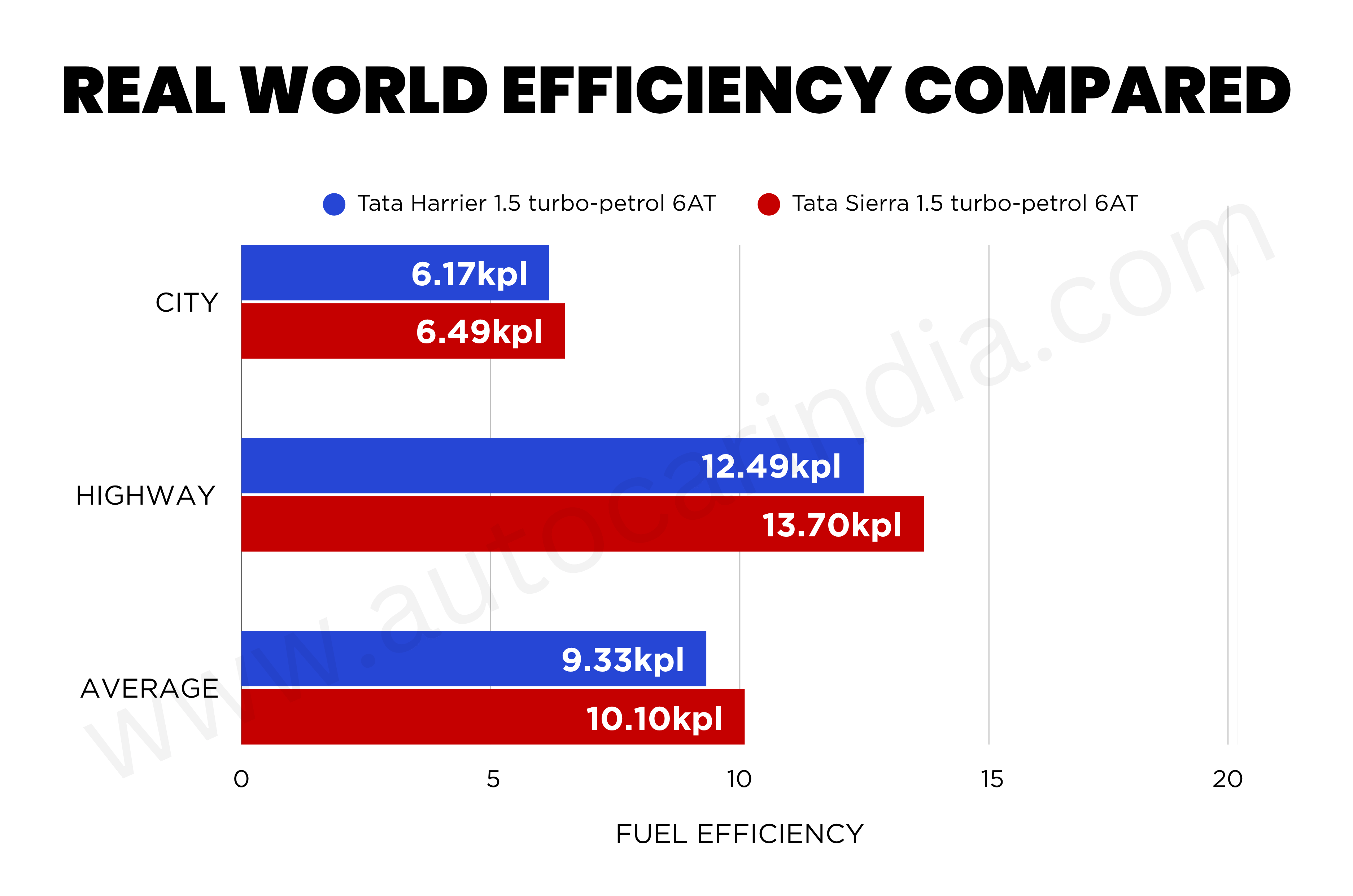
In our real-world fuel efficiency tests, the Sierra’s lighter weight helped it deliver 0.77kpl better fuel efficiency than the Harrier overall. Despite the Harrier getting an ‘Eco’ driving mode over the Sierra to improve fuel efficiency, the latter outperformed it by 0.32kpl in the city. On the highway, the efficiency gap increased to 1.21kpl because at 100kph, the Harrier’s engine runs at 1,900rpm in top gear, whereas the Sierra cruises at 1,750rpm in sixth gear at the same speed.

Tata Harrier vs Tata Sierra turbo petrol AT: Price

Tata Harrier vs Tata Sierra turbo petrol AT: Price


Tata Harrier

Tata Sierra

Petrol automatic price range (Rs lakh)

17.68 – 24.85

17.99 – 20.99

Considering turbo-petrol automatic price ranges, the Harrier turbo petrol automatic is Rs 31,000 cheaper than the Sierra. This is because the engine-gearbox combo is offered on the former’s one above the base trim, while the latter gets it on a mid-level trim onward. At the top end, however, the Harrier is pricier than the Sierra by Rs 3.86 lakh. 

Autocar India’s fuel-efficiency testing

Before our real-world fuel-efficiency tests, we fill our test cars’ tanks to the brim and maintain tyre pressures based on the manufacturer’s recommendations. These cars are driven in fixed city and highway loops in and around Navi Mumbai, and we maintain certain average speeds. Throughout the tests, there is only one person in each car, operating the air conditioner and other electricals, such as the audio system, indicators and wipers, when required, just like a regular user would. Periodic driver swaps further neutralise variations in driver patterns. At the end of each cycle, we calculate efficiency by filling the tanks to full again.