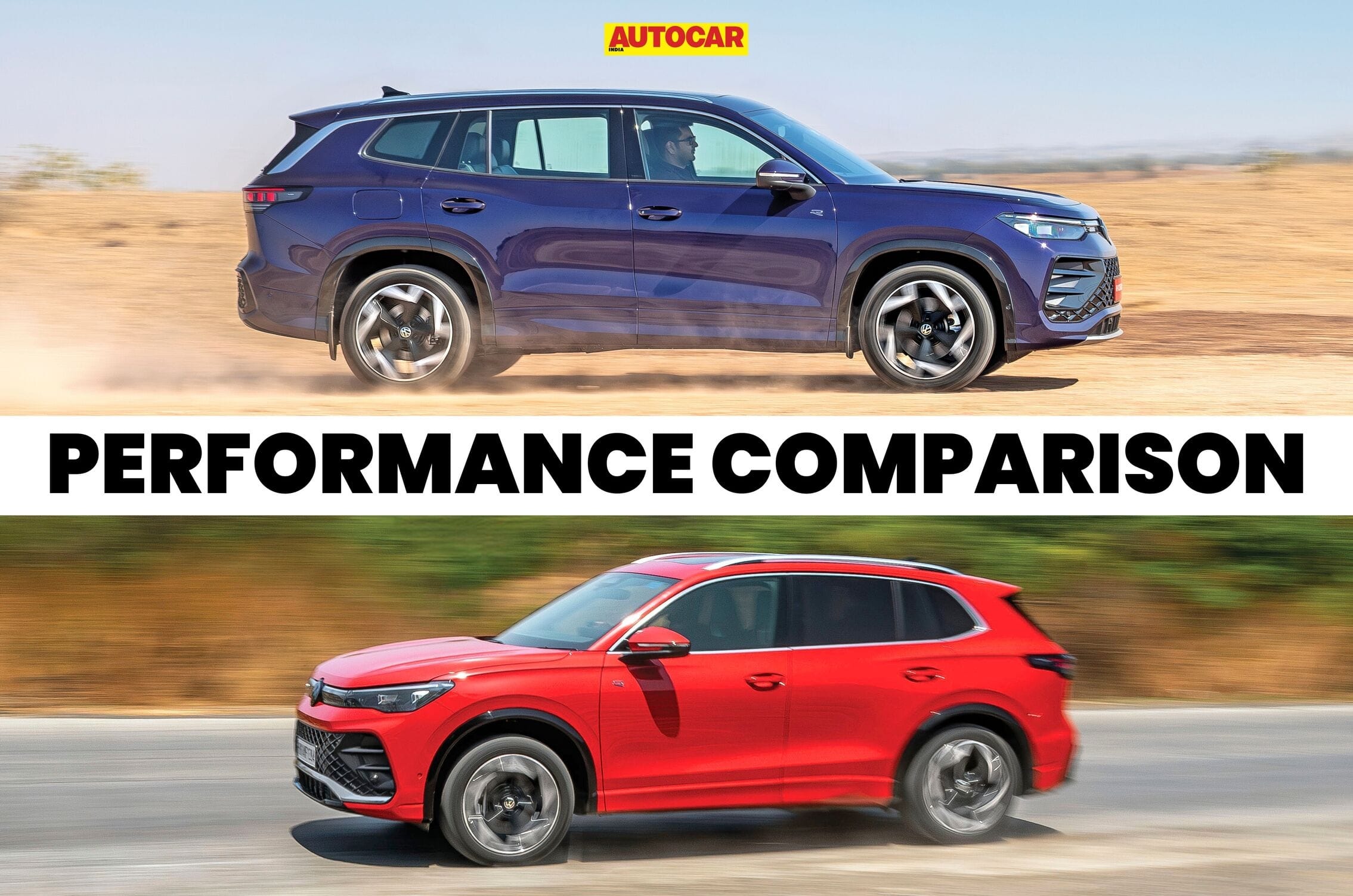
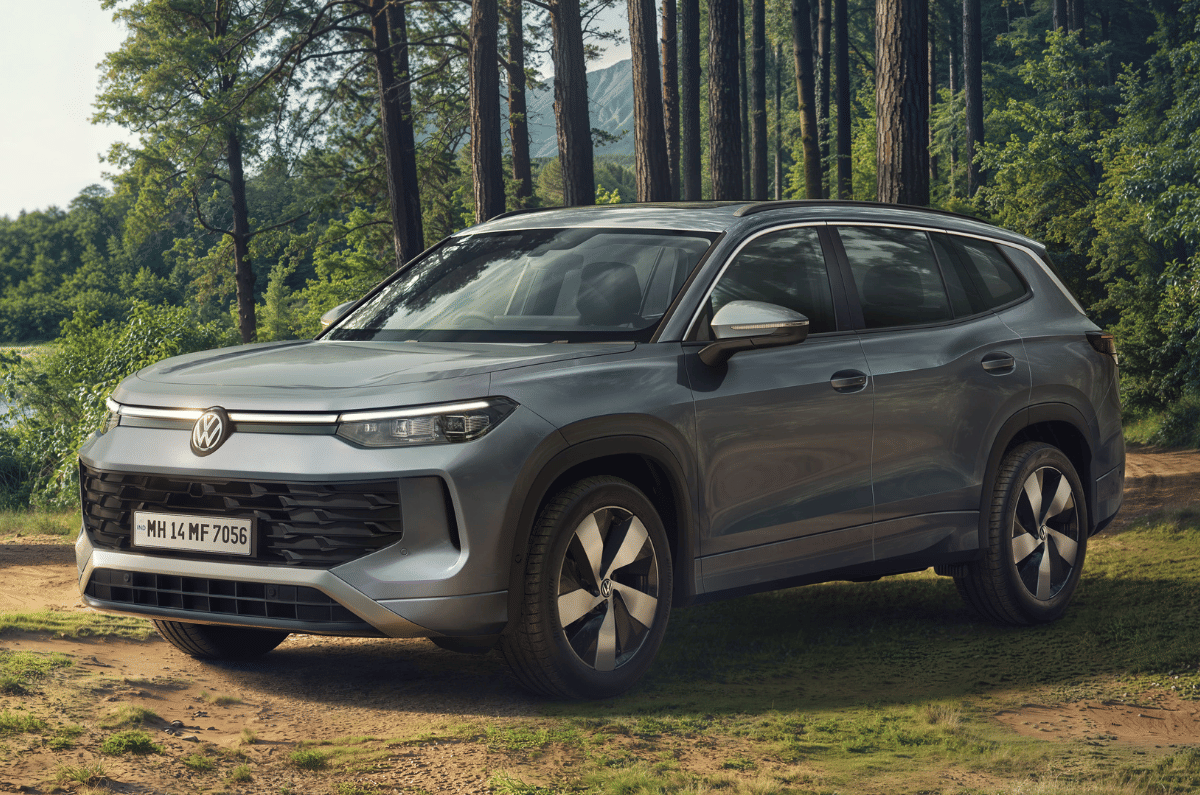
The Tayron R Line and Tiguan R Line sit at the top of Volkswagen’s portfolio in India. Both closely priced SUVs utilise the same platform and engine, but while the former is a 7-seater, the latter gets a 5-seat layout. We’ve tested the real-world performance of both models to find out how each performs with an identical engine and gearbox underneath.
Volkswagen Tayron R Line vs Tiguan R Line: Specifications
Volkswagen Tayron R Line vs Tiguan R Line: Specifications
Specifications
Tayron R Line
Tiguan R Line
Engine
4 cyls, turbo-petrol
4 cyls, turbo-petrol
Displacement (cc)
1,984
1,984
Power (hp)
204
204
Torque (Nm)
320
320
Drive layout
AWD
AWD
Gearbox
7DCT
7DCT
Kerb Weight (kg)
1,864
1,758
Power-to-weight (hp/tonne)
109.44
116.04
Torque-to-weight (Nm/tonne)
171.67
182.02
Powering both the Tayron and Tiguan is Volkswagen’s 2.0L TSI EVO engine, which is a direct-injection turbo-petrol unit. The mill churns out 204hp and 320Nm of torque, with power being sent to all four wheels via a 7-speed DCT gearbox. The only difference here is weight, where the Tiguan is lighter by 106kg leading it to have the better power/torque to weight figures in this comparison.
Volkswagen Tayron R Line vs Tiguan R Line: 0-100kph acceleration test
Volkswagen Tayron R Line vs Tiguan R Line: 0-100kph acceleration timings (seconds)
0-100kph acceleration
Tayron R Line
Tiguan R Line
0-20kph
1.15
1.12
0-40kph
2.16
2.03
0-60kph
3.56
3.26
0-80kph
5.50
5.01
0-100kph
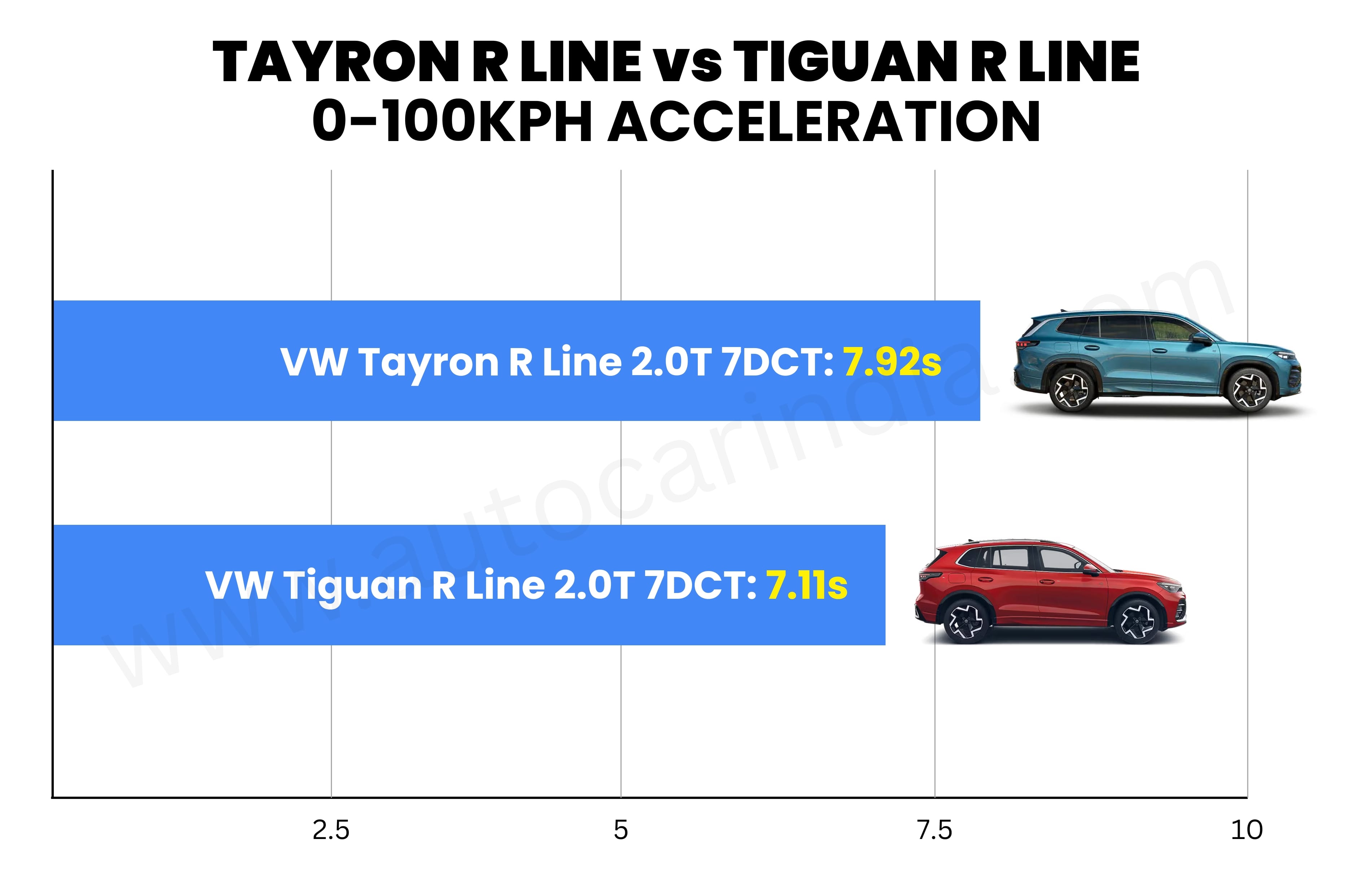
7.92
7.11
0-120kph
11.21
9.89
In our 0-100kph acceleration test, the Tiguan’s lighter weight came to its advantage, allowing it to accelerate 0.81 seconds quicker. At speeds of up to 20kph, both SUVs’ timings are closest, but as speeds increase, the Tiguan increases its gap further. At 120kph, the Tiguan leads over the Tayron by 1.32 seconds.
Volkswagen Tayron R Line vs Tiguan R Line: Rolling acceleration tests
Volkswagen Tayron R Line vs Tiguan R Line: Rolling acceleration tests (seconds)
Tayron R Line
Tiguan R Line
20-80kph (in kickdown)
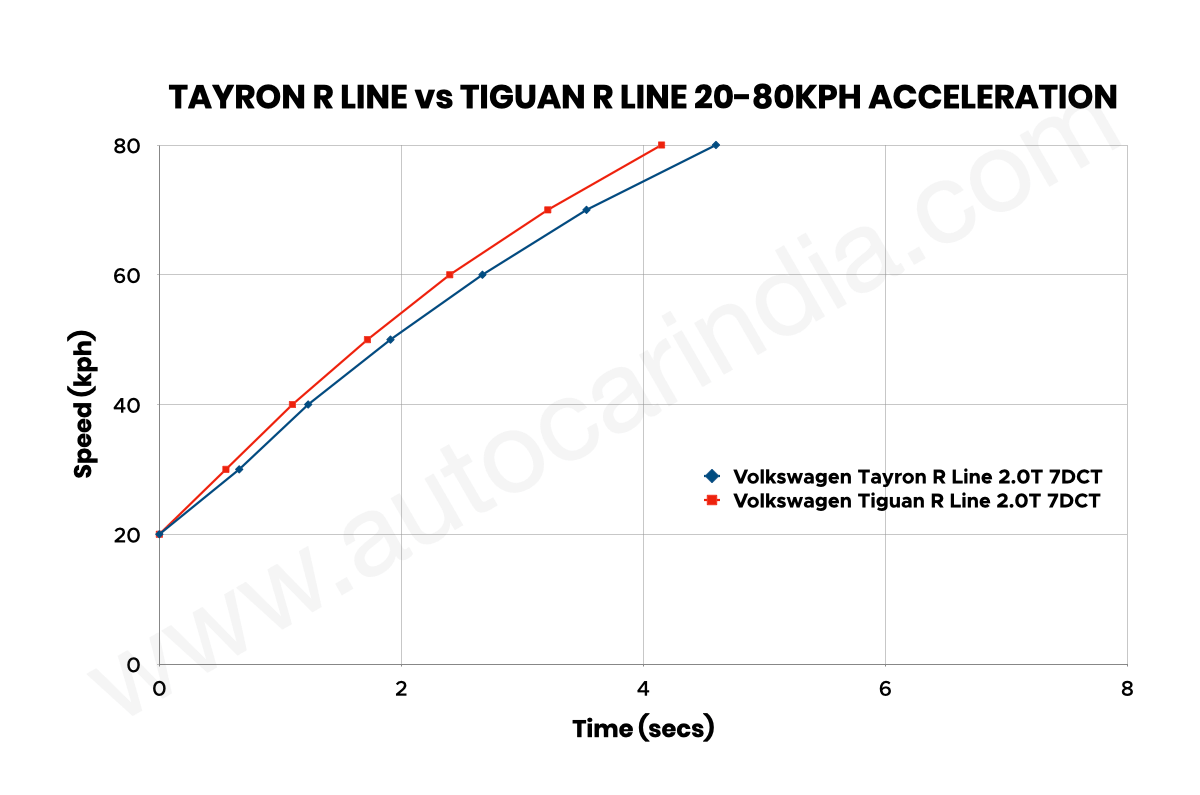
4.6
4.15
40-100kph (in kickdown)
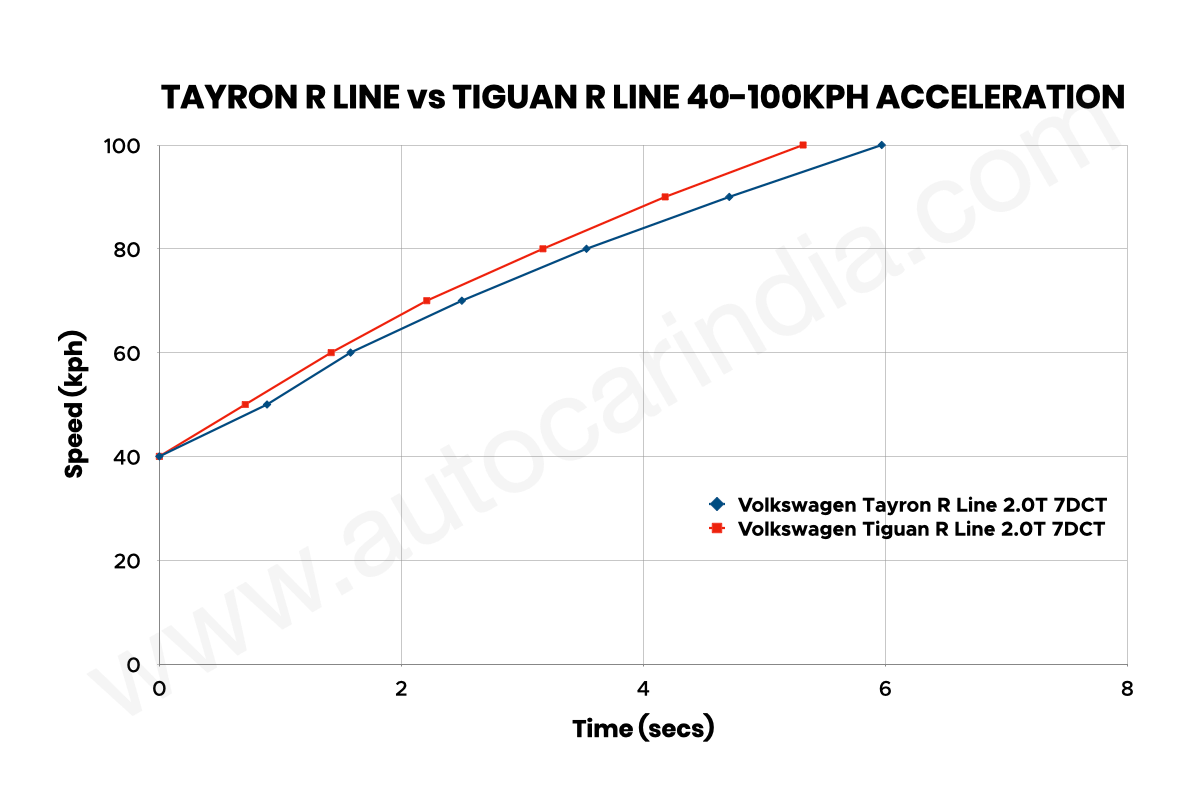
5.97
5.32
Like their respective 0-100kph timings, the Tayron is outshined by the Tiguan in our rolling acceleration tests as well. It was faster in the 20-80kph and 40-100kph acceleration tests by 0.45 seconds and 0.65 seconds, respectively.
Volkswagen Tayron R Line vs Tiguan R Line: Prices
Volkswagen Tayron R Line vs Tiguan R Line: Prices
Tayron R Line
Tiguan R Line
Price (Rs lakh)
46.99
47.11
Despite being the larger SUV with more seats on offer, the Tayron R Line is more affordable than the Tiguan R Line by Rs 12,000. This is because while the larger Tayron is locally assembled in India, the Tiguan, on the other hand, is a CBU model.
Autocar India’s testing standards
Before we conduct our performance tests, we check and maintain tyre pressures based on the manufacturer’s recommendations and ensure the car has a full tank of fuel. The car is then tested in a controlled environment with two people on board, and the data is collected via highly accurate GPS-based timing equipment.
Petrol Diesel Price Today: हर दिन की शुरुआत सिर्फ सूरज की किरणों से नहीं होती, बल्कि पेट्रोल और डीजल की नई कीमतों से भी होती है, जो आम आदमी की जेब पर सीधा असर डालती हैं। सुबह 6 बजे देश की तेल विपणन कंपनियां (OMCs) ताजा दरें जारी करती हैं, जो अंतरराष्ट्रीय बाजार में कच्चे तेल की कीमतों और डॉलर-रुपए की विनिमय दर में आए बदलावों पर आधारित होती हैं। ये बदलाव रोजमर्रा की जिंदगी को प्रभावित करते हैं, चाहे वो ऑफिस जाने वाला व्यक्ति हो या फल-सब्जी बेचने वाला व्यापारी।
ऐसे में हर दिन की कीमतों की जानकारी रखना सिर्फ जरूरी ही नहीं, बल्कि समझदारी भी है। सरकार की यह प्रणाली पारदर्शिता सुनिश्चित करती है ताकि उपभोक्ताओं को किसी तरह की भ्रमित जानकारी न मिले।
आपके शहर में आज का पेट्रोल-डीजल का भाव
ये रहे 11 जुलाई 2026 के प्रमुख शहरों के पेट्रोल-डीजल के ताजा रेट —
नई दिल्ली: पेट्रोल 102.12 रुपये | डीजल 95.20 रुपये
मुंबई: पेट्रोल 111.18 रुपये | डीजल 97.83 रुपये
कोलकाता: पेट्रोल 113.47 रुपये | डीजल 99.82 रुपये
चेन्नई: पेट्रोल 107.77 रुपये | डीजल 99.55 रुपये
गुरुग्राम: पेट्रोल 102.77 रुपये | डीजल 95.44 रुपये
नोएडा: पेट्रोल 102.12 रुपये | डीजल 95.56 रुपये
बेंगलुरु: पेट्रोल 110.93 रुपये | डीजल 98.80 रुपये
भुवनेश्वर: पेट्रोल 109.92 रुपये | डीजल 100.92 रुपये
चंडीगढ़: पेट्रोल 98.10 रुपये | डीजल 86.09 रुपये
हैदराबाद: पेट्रोल 115.69 रुपये | डीजल 103.82 रुपये
जयपुर: पेट्रोल 112.66 रुपये | डीजल 97.78 रुपये
लखनऊ: पेट्रोल 102.05 रुपये | डीजल 95.55 रुपये
पटना: पेट्रोल 113.35 रुपये | डीजल 99.36 रुपये
तिरुवनंतपुरम: पेट्रोल 115.49 रुपये | डीजल 104.40 रुपये
पिछले दो साल से स्थिर क्यों हैं कीमतें?
मई 2022 के बाद से केंद्र और कई राज्यों द्वारा टैक्स में कटौती की गई, जिसके बाद पेट्रोल-डीजल की कीमतों में स्थिरता देखी जा रही है। हालांकि अंतरराष्ट्रीय बाजार में उतार-चढ़ाव होता रहता है, फिर भी भारतीय उपभोक्ताओं के लिए कीमतें तुलनात्मक रूप से स्थिर बनी हुई हैं।
किन कारणों से तय होती हैं ईंधन की कीमतें?
कच्चे तेल की कीमतें:
पेट्रोल और डीजल का उत्पादन मुख्य रूप से कच्चे तेल से होता है। जब अंतरराष्ट्रीय स्तर पर कच्चे तेल की कीमतें बढ़ती हैं, तो इसका असर सीधे भारतीय बाजार पर पड़ता है।
डॉलर के मुकाबले रुपया:
भारत अधिकतर कच्चा तेल आयात करता है, और यह डॉलर में खरीदा जाता है। यदि रुपया कमजोर होता है, तो ईंधन महंगा हो जाता है।
सरकारी टैक्स और शुल्क:
केंद्र और राज्य सरकारें पेट्रोल-डीजल पर भारी टैक्स लगाती हैं, जो खुदरा मूल्य का बड़ा हिस्सा होते हैं। यही कारण है कि राज्यों में कीमतों में अंतर होता है।
रिफाइनिंग की लागत:
कच्चे तेल को इस्तेमाल लायक बनाने की प्रक्रिया (रिफाइनिंग) में भी खर्च होता है। ये लागत कच्चे तेल की गुणवत्ता और रिफाइनरी की क्षमता पर निर्भर करती है।
मांग और आपूर्ति का संतुलन:
बाजार में ईंधन की मांग अगर बढ़ जाती है, तो कीमतें भी ऊपर जाने लगती हैं। खासकर त्योहारों, गर्मी या सर्दी के मौसम में ईंधन की खपत ज्यादा होती है।
कैसे करें अपने शहर की कीमतें SMS से चेक?
अगर आप मोबाइल से ईंधन की कीमत जानना चाहते हैं, तो ये प्रक्रिया आसान है:
Indian Oil ग्राहक: अपने शहर का कोड टाइप करें और उसे “RSP” के साथ 9224992249 पर भेजें।
BPCL ग्राहक: “RSP” लिखकर 9223112222 पर भेजें।
HPCL ग्राहक: “HP Price” लिखकर 9222201122 पर भेजें।
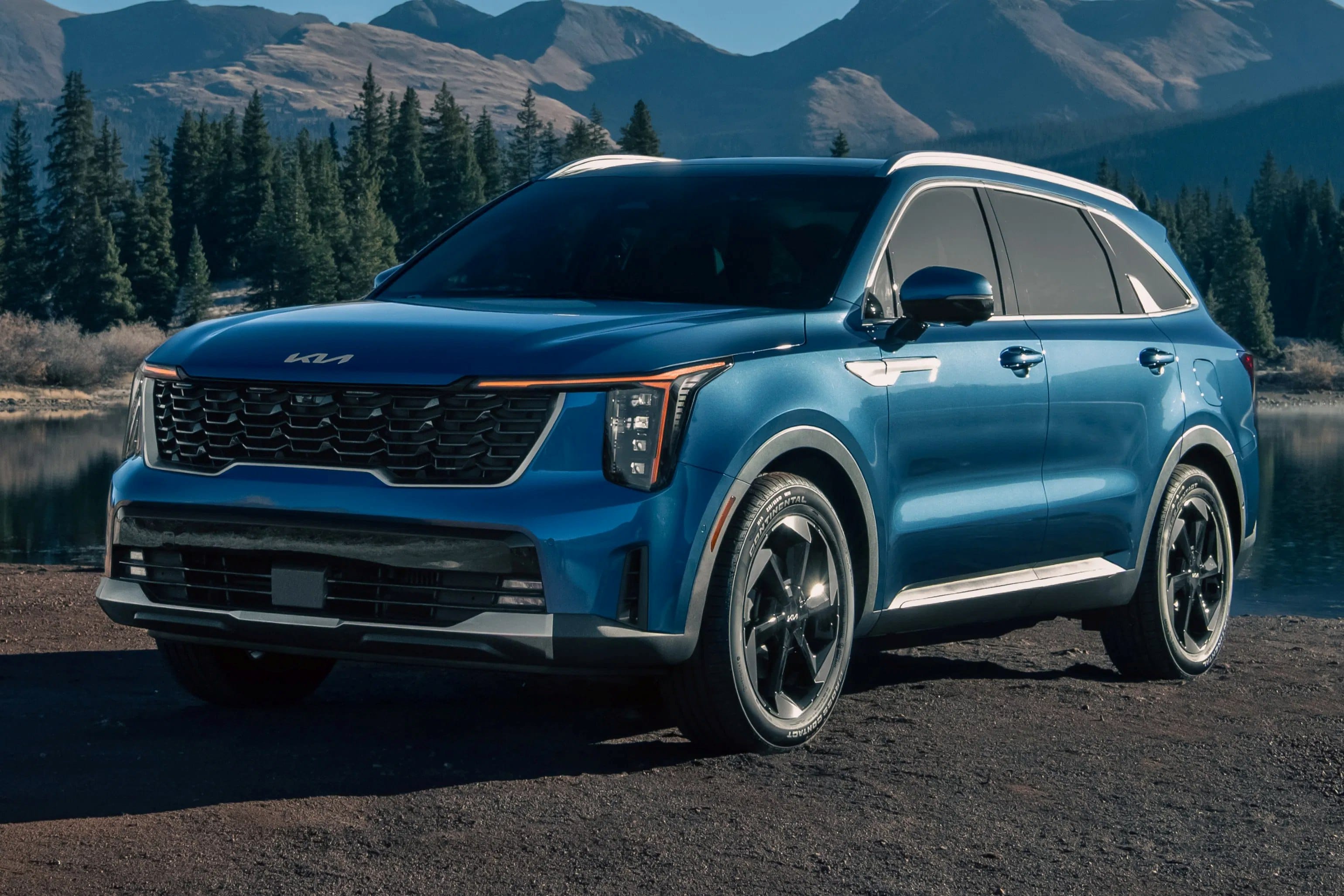
Kia has unofficially commenced pre-bookings for the Sorento for an amount of Rs 25,000, our dealer sources have confirmed. The new model will serve as the flagship ICE-powered SUV of Kia India’s lineup. While the Sorento is expected to debut later this month, our dealer sources have hinted at an October 2026 launch.
Kia Sorento: All that we know so far
Our dealer sources stated that a 1.6-litre strong-hybrid turbo-petrol engine would power the Sorento. While power figures remain under wraps, the UK-spec Sorento, for reference, gets a 1.6-litre strong-hybrid turbo-petrol engine that produces a combined 238hp and 380Nm of torque, and comes mated to a 6-speed torque converter automatic transmission. Depending on the market, the Sorento is offered in FWD or AWD configurations, and it remains to be seen what is brought to India.
Additionally, dealers mentioned that the SUV would offer 5,6, and 7-seater configurations. If that’s the case, it would be the segment’s only model to offer three seating configurations.
Kia Sorento: Additional details
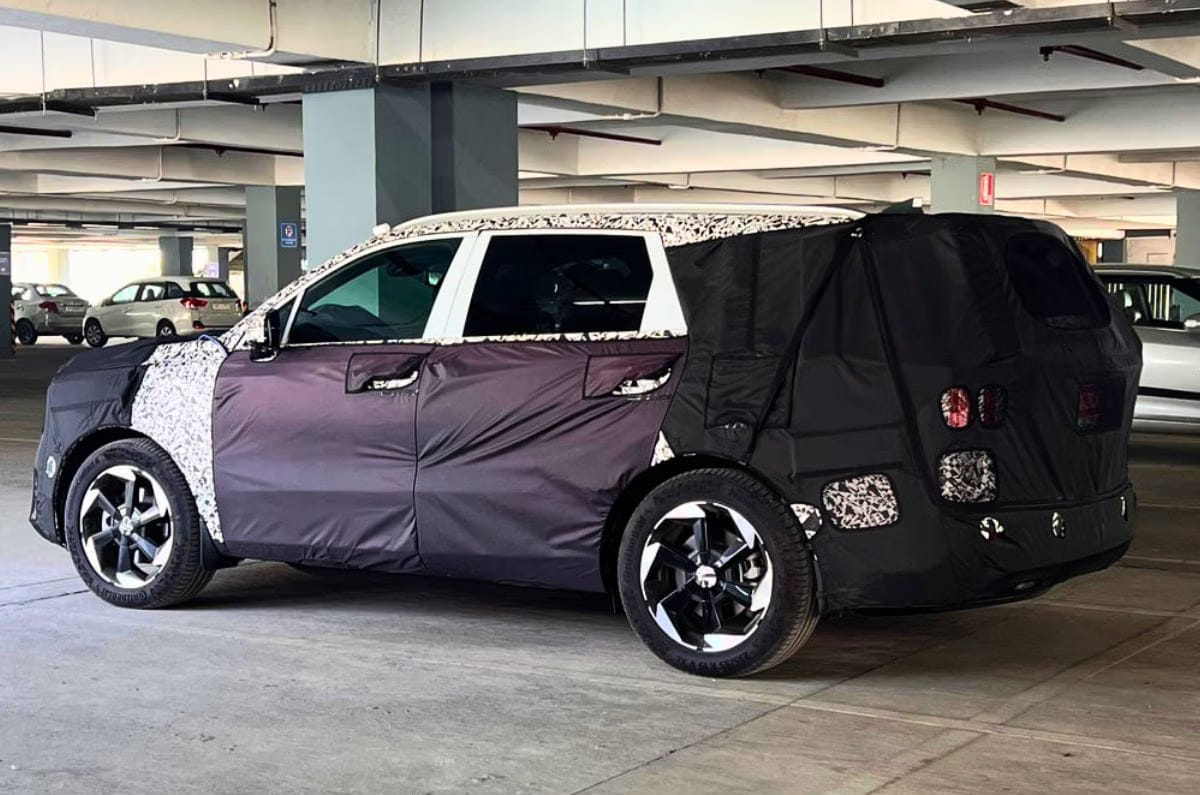
The SUV was first spied on our roads in late 2025.
The global-spec Sorento is 4,815mm long, 1,900mm wide, 1,700mm tall and gets a 2,815mm wheelbase. Being a slightly older model, it does not get the carmaker’s latest ‘Opposite Unite’ design language, though it retains typical Kia design details like the ‘Tiger nose’ inspired grille, and gets roof rails, chrome surrounds for the side windows and dual-tone 19-inch alloy wheels. Heavily camouflaged mules of the SUV have been spied testing previously on our roads. Its interior comes well equipped with features like dual 12.3-inch displays for the instrument and infotainment displays, panoramic sunroof, front seat ventilation, powered driver seat level 2 ADAS, 360-degree camera and more.
The Sorento will be locally assembled in India. With an expected ex-showroom price of Rs 40 lakh to Rs 50 lakh, it will take on the likes of the Skoda Kodiaq and the Volkswagen Tyron.
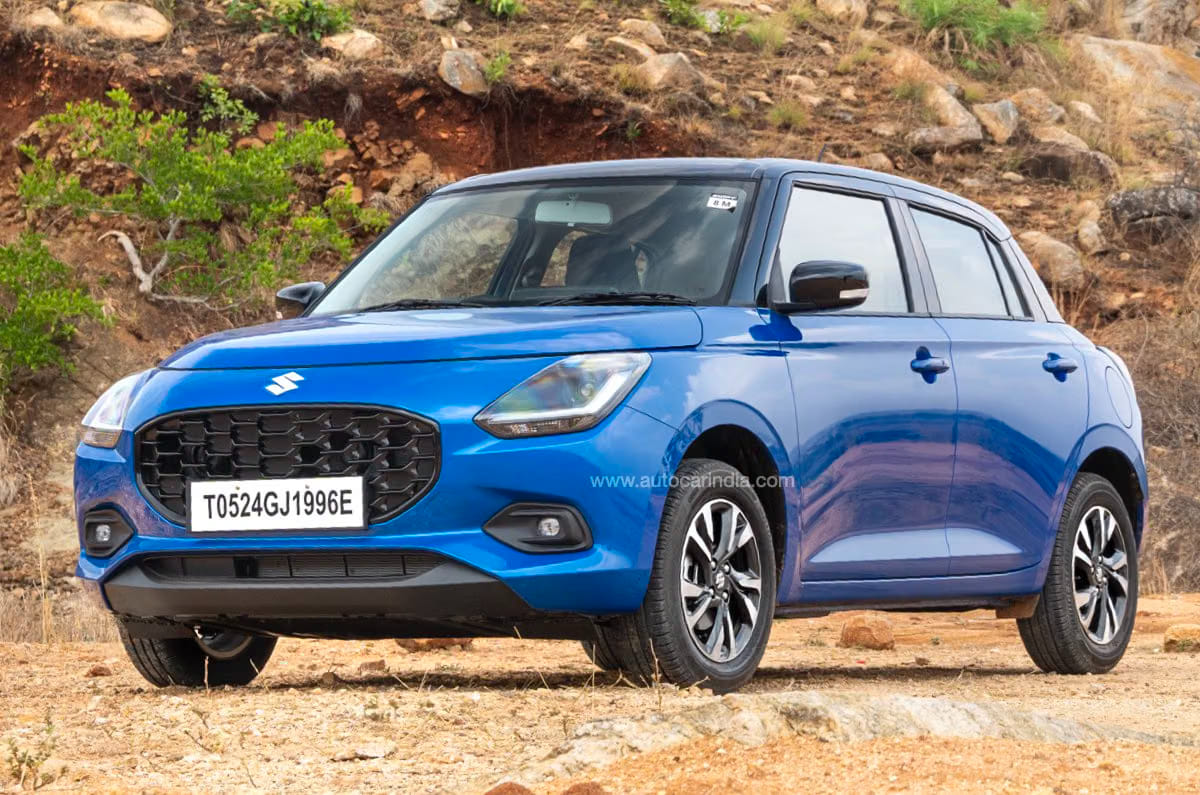
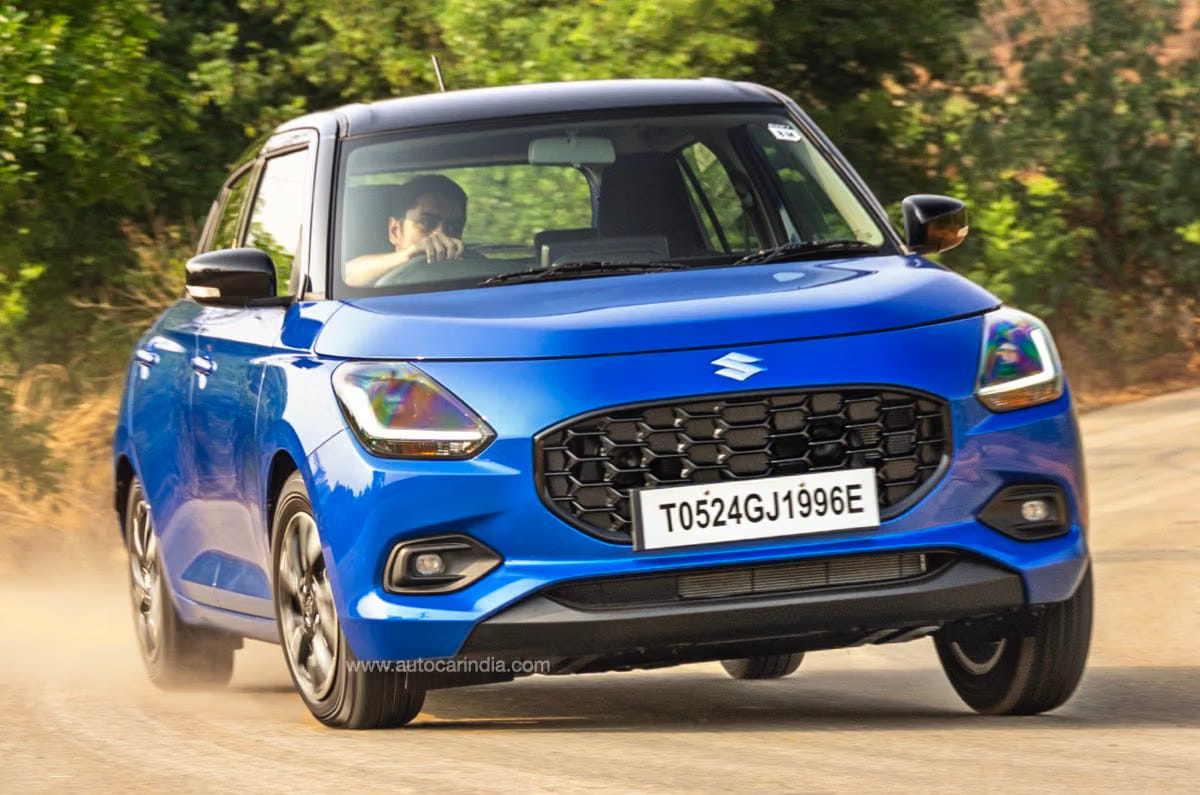
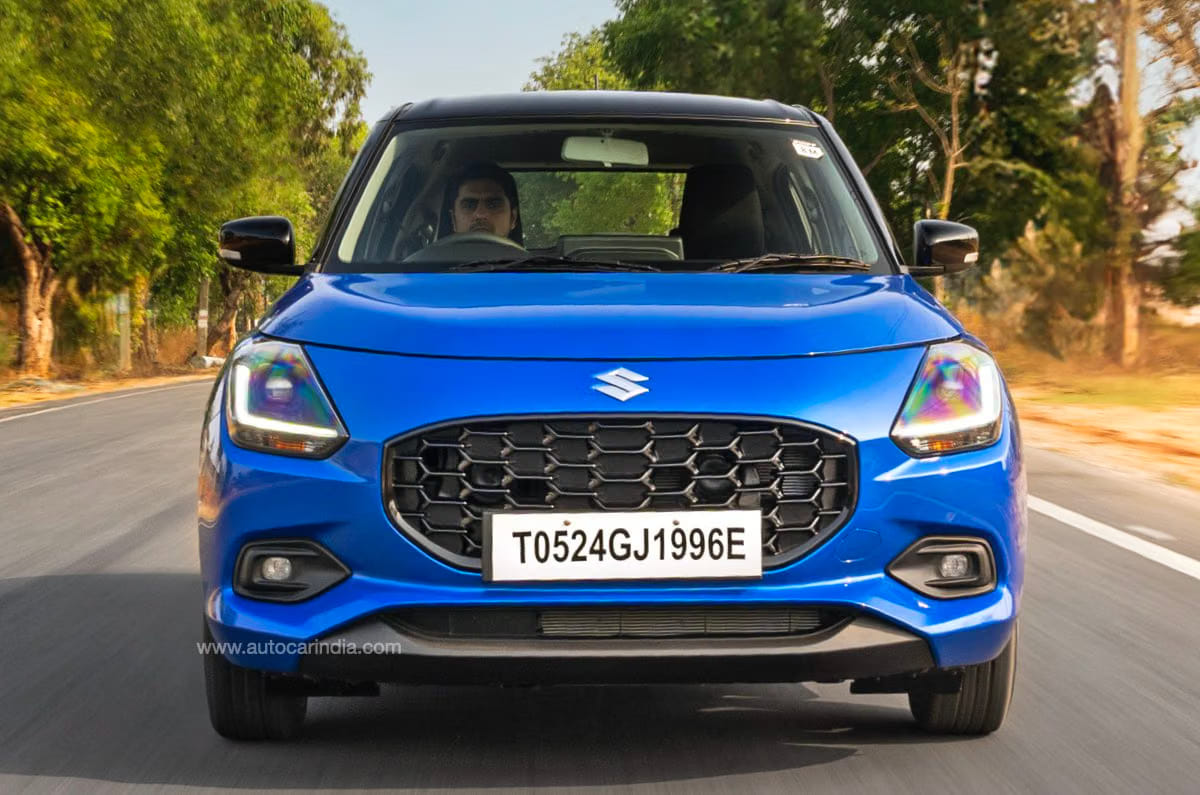
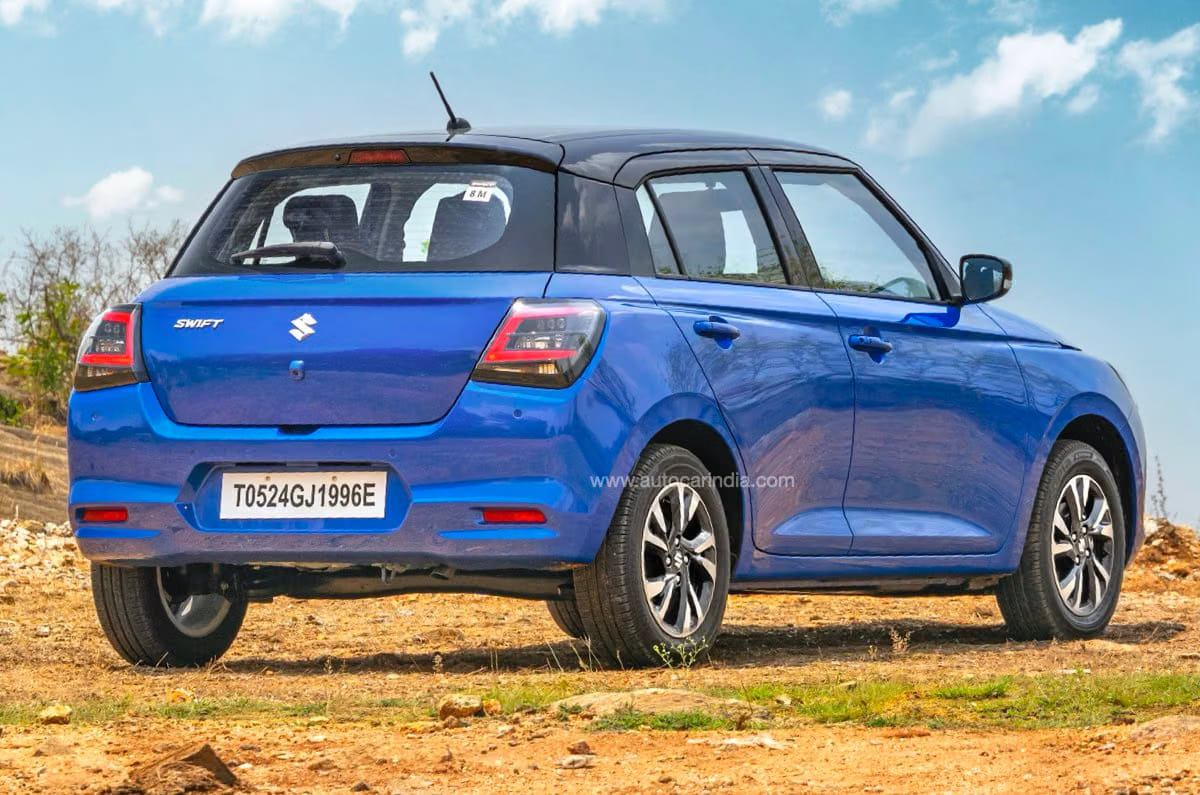
The Maruti Suzuki Swift remains one of the most popular premium hatchbacks in India. It combines compact dimensions with light controls, strong fuel efficiency and engaging driving manners, making it well suited to everyday use. However, buyers should also be aware of a few compromises before making a purchase.
Here are three reasons to consider the Swift, and three reasons to look elsewhere.
Reasons to buy
Excellent real-world fuel efficiency
Low running costs without compromising everyday usability
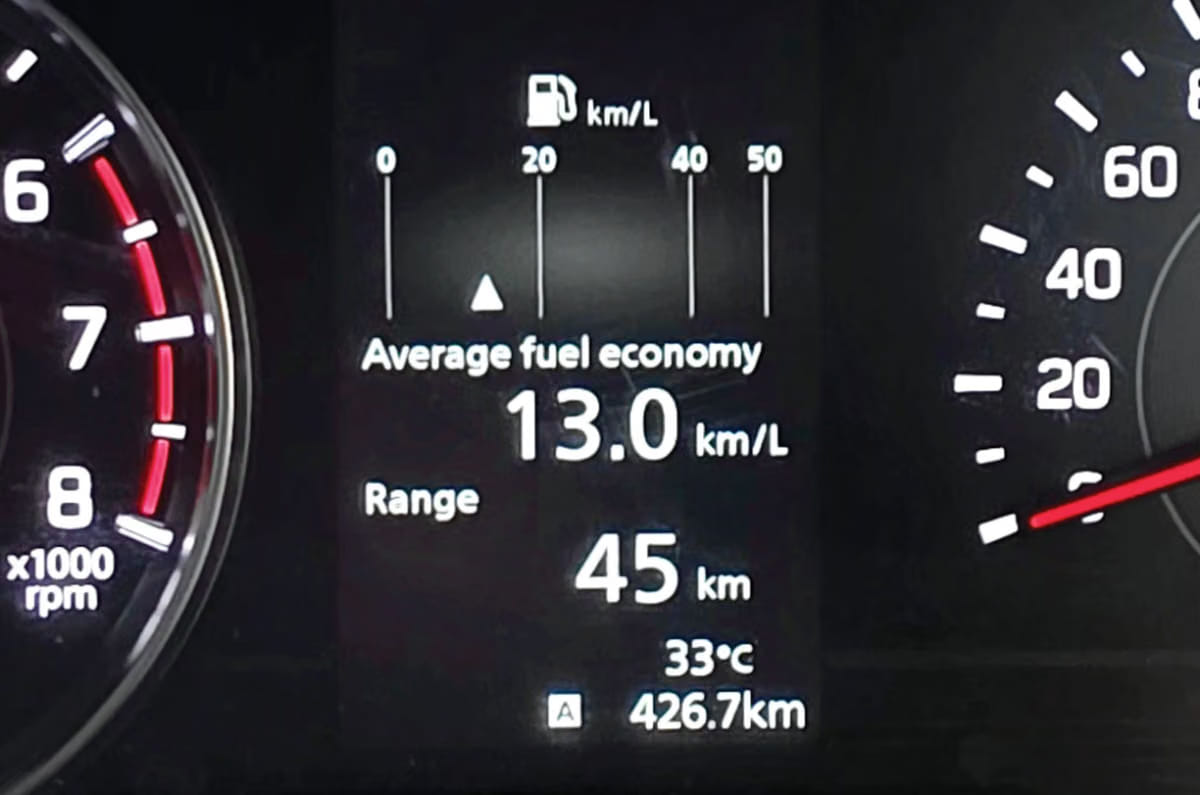
Hilariously good fuel economy, even in rushhour, start-stop traffic.
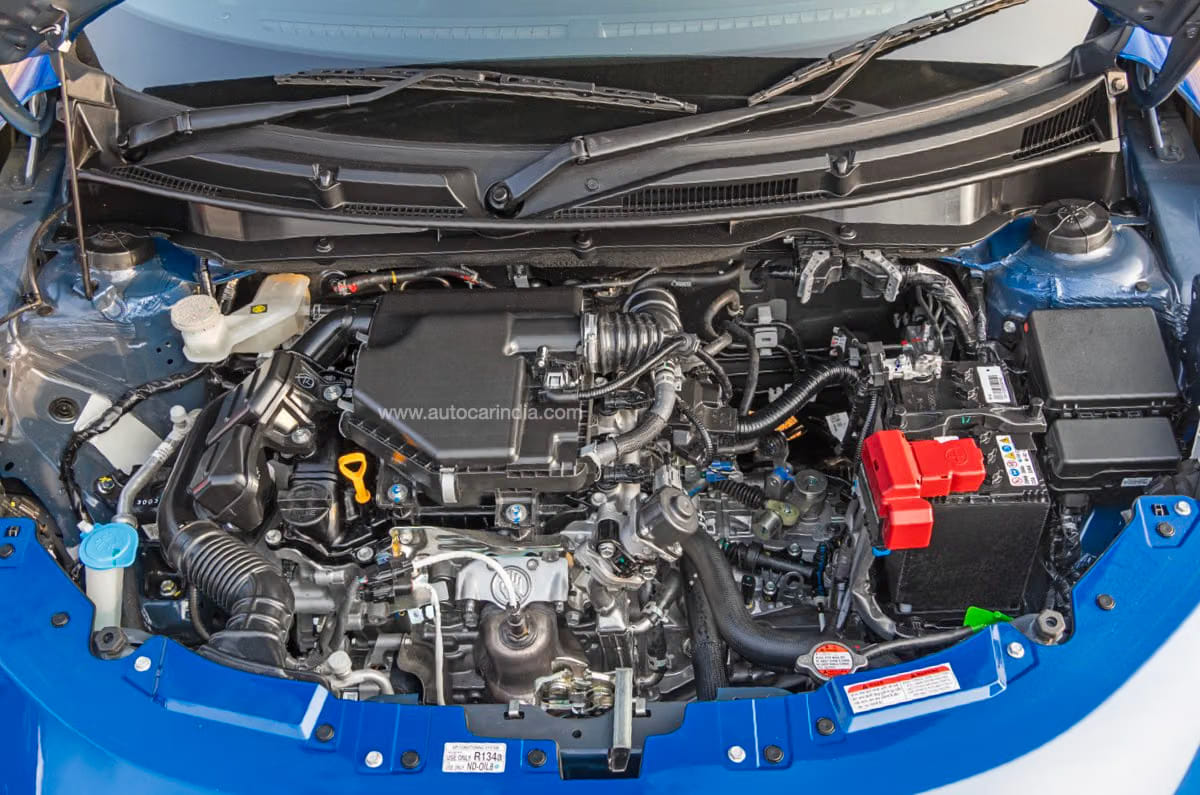
Fuel efficiency is one of the Swift’s biggest strengths. Its 1.2-litre, three-cylinder petrol engine is tuned to prioritise efficiency while remaining easy to drive in everyday conditions. In Autocar India’s real-world tests, the manual returned 14kpl in the city and 19kpl on the highway, while the AMT managed 12.7kpl and 19.1kpl respectively.
The engine delivers smooth low-speed responses, the clutch is light, the 5-speed manual gearbox offers short, precise shifts and is pleasant to use, and the automatic stop-start system further helps reduce fuel consumption in traffic.
Engaging handling and light controls
Fun to drive without compromising everyday usability
The Swift continues to be one of the more enjoyable hatchbacks to drive. Steering is precise, body roll is well controlled and front-end grip inspires confidence on winding roads, while its compact dimensions make it equally easy to manoeuvre through city traffic.
Ride quality is comfortable for everyday driving, although sharper bumps are felt more noticeably than in some rivals. Braking performance is confidence inspiring and the light steering and controls make it effortless to drive every day.
Practical and well equipped
Comfortable cabin with a well-rounded feature list
The Swift offers a comfortable driving position, supportive front seats and adequate rear-seat space for two adults. Storage spaces around the cabin are generous, and the 265-litre boot is sufficient for everyday luggage.
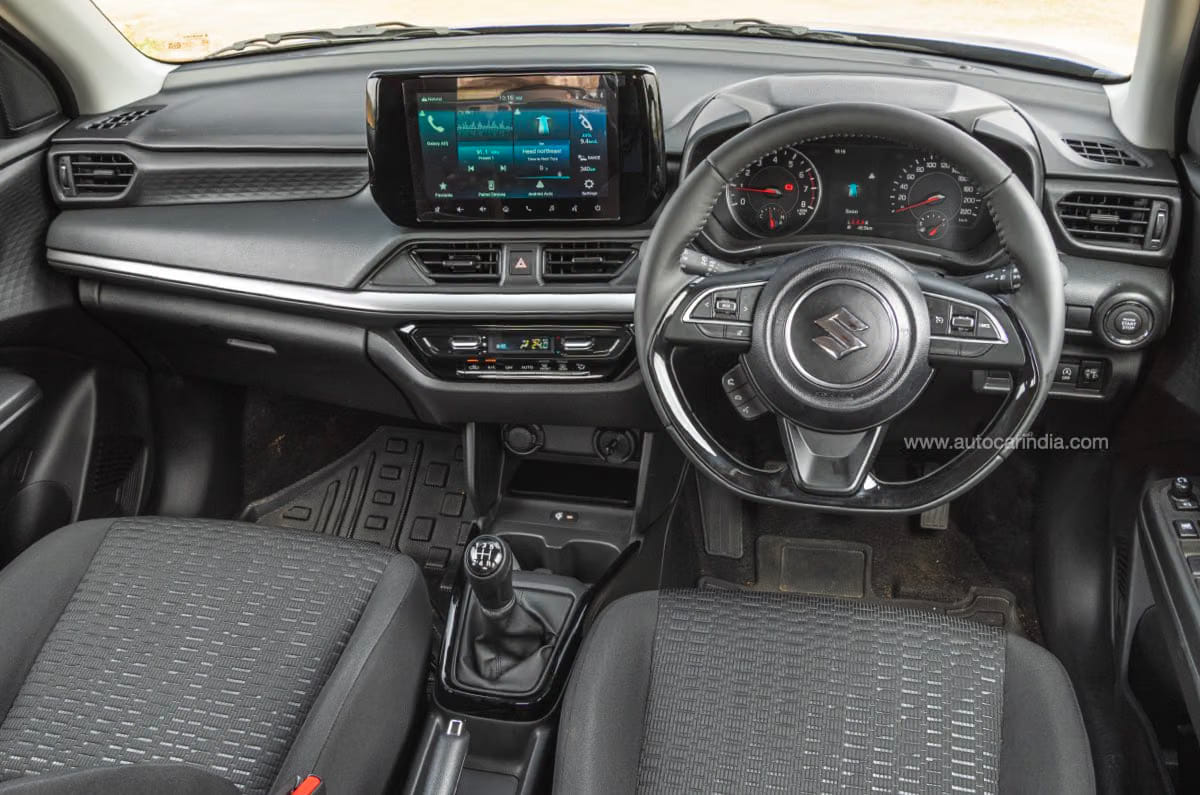
Higher variants add a 9-inch touchscreen with wireless Android Auto and Apple CarPlay, wireless charger, rear AC vents, connected-car technology and automatic climate control. Six airbags are offered as standard across the range, strengthening its safety package.
Reasons to skip
Engine lacks enthusiasm
Performance takes a back seat to efficiency
The Swift’s 1.2-litre petrol engine is refined in everyday driving but isn’t particularly exciting to drive. Its 82hp and 112Nm outputs are adequate for city commuting and highway cruising, but enthusiastic drivers may find the mid-range and top-end performance lacking.
The three-cylinder engine also transmits mild vibrations into the cabin at idle, something buyers accustomed to four-cylinder engines may notice.
AMT feels dated
Convenient in traffic but not the smoothest automatic
The 5-speed AMT works well for relaxed city driving, but under hard acceleration, gearshifts remain slow and noticeable. This affects performance and makes the automatic feel less engaging than the manual version.
Buyers looking for a smoother automatic driving experience may prefer hatchbacks that offer CVT, DCT or torque-converter automatic gearboxes.
Top variants face stronger competition
Pricing overlaps with larger hatchbacks
The Swift’s higher variants are priced close to larger premium hatchbacks such as the Baleno that offer more cabin space, greater comfort and a richer interior experience. While the Swift remains well equipped, its cabin relies heavily on hard plastics, which makes it feel less premium than some rivals.
For buyers shopping at the top end of the range, it is worth comparing alternatives before making a decision.
The central government has asked state chief secretaries to ensure strict action against fuel adulteration and any lapses in the ethanol-blended petrol supply chain. This directive comes as concerns surrounding the quality and compatibility of E20 petrol recently flared up among swathes of motorists.
Centre calls for ‘iron hand’ consequences against fuel adulteration
In a recently-issued Q&A note addressing concerns about the use of E20, the Ministry of Petroleum and Natural Gas said that any procedural lapse in the handling of fuel must be dealt with firmly. It called for “an iron hand against any instance of adulteration” and said there should be zero tolerance for practices that compromise fuel quality.
However, the ministry did not mention whether adulteration had been detected across the E20 supply chain. The release also did not provide details of specific cases, inspections, or penalties imposed by states.
The primary reason behind the crackdown is to distinguish between concerns related to the approved E20 specification, and problems that could arise from adulteration or failures in handling and quality-control procedures. According to the ministry, a lapse at any stage of the supply chain should not be treated as evidence that the prescribed E20 fuel standard is unsafe.
Many motorists have raised concerns about E20, particularly pertaining to mileage drops, reduced performance, and possible damage to fuel system components. Some online reports even linked vehicle breakdowns to E20, when in reality, the culprit was found to be adulterated fuel.
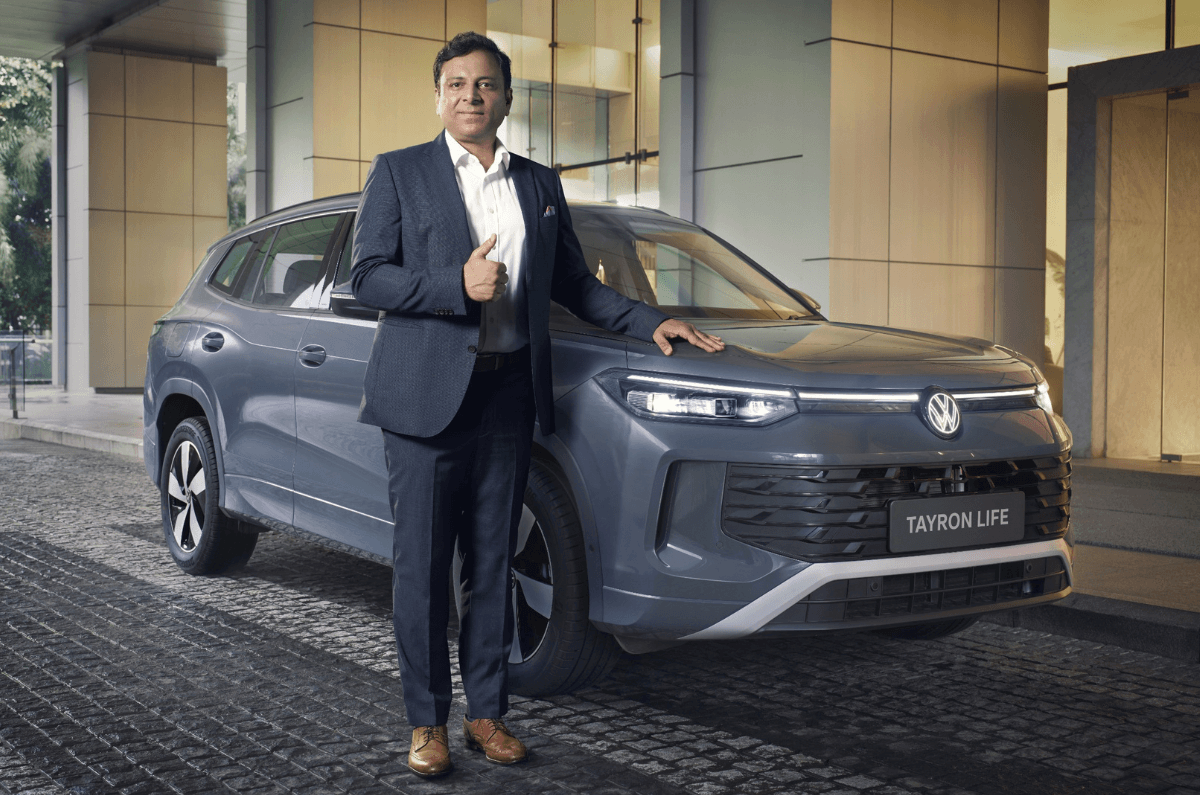
Volkswagen has introduced the lower-spec Tayron Life trim in India at Rs 41.99 lakh, pricing it Rs 5 lakh lower than the range-topping R-Line. Compared to the Tayron R-Line, the Life trim misses out on the sporty cosmetic treatment and a pair of seats in the third row.
Volkswagen Tayron Life engine and gearbox details
The same 204hp, 320Nm 2-litre turbo-petrol unit used in the R-Line also does duty in the Tayron Life. Similarly, transmission duties are handled by a 7-speed dual-clutch automatic gearbox, which sends drive to all four wheels.
Volkswagen Tayron Life exterior highlights
Since it misses out on the R-Line styling package, parts like the front grille, cladding under the doors and over the wheel arches and rear bumper trim are not finished in gloss black. Speaking of the bumper ahead, it has a much cleaner look with L-shaped slats (inverted on the left half section) on the grille. A silver-painted trim is placed below the grille, which complements the overall look. That said, slim Matrix LED headlights and an illuminated VW roundel bridged by a wide light bar are similar to the top-spec trim.
The Tayron is a 4,792mm-long SUV, with a wheelbase of 2,789mm. In profile, it’s easy to notice a different design for the alloy wheels, which measure relatively an inch less at 18 inches. In fact, the wheels resemble those on the Volkswagen Golf GTI. Styling continues to be clean with neat lines. The shoulder line swells from the rear doors to the tail and the silver surround dips down from the roof to the rear glass section. A chrome strip adds to the look as well.
At the back, changes are limited to a simpler design for the bumper, while features like intricately done tail-lights with LED elements, a light bar, illuminated VW logo and roof spoiler have been carried over.
Volkswagen Tayron Life interior and features
Save for the ‘R’ badges on certain parts and third-row seats, not a lot differs when it comes to the interior. Even the list of features between the two trims is largely similar, including a 15-inch touchscreen, a 10.25-inch digital instrument cluster, a panoramic sunroof, three-zone automatic climate control, powered front seats with ventilation and massaging functions, two wireless smartphone charging pads, 360-degree camera, 9 airbags and Level 2 ADAS.
Volkswagen Tayron rivals
The VW Tayron is up against rivals like the Skoda Kodiaq and Jeep Meridian. Like the R-Line, the Life trim is locally assembled at the carmaker’s Chhatrapati Sambhajinagar (previously Aurangabad) facility in Maharashtra.
The Central government has ruled out offering pure petrol, E10 and E20 simultaneously across India, saying maintaining multiple petrol grades would increase costs and create significant logistical challenges. In a question-and-answer note issued on July 10, the Ministry of Petroleum and Natural Gas reiterated that E20 will continue as the country’s standard petrol blend.
Government cites investments made in ethanol production infrastructure
Separate fuel grades would require parallel storage and distribution
E20 to remain the standard petrol blend across India
Government cites distribution challenges
The ministry said India’s fuel distribution network comprises more than one lakh retail outlets, supported by refineries, terminals, depots, pipelines and storage facilities. Maintaining three different petrol grades across this network would require separate storage, inventory management and distribution infrastructure, increasing handling costs and reducing operational efficiency.
The government also rejected comparisons with premium petrol, saying it is a niche product sold in relatively small volumes and does not require a separate nationwide fuel supply chain.
Investments in ethanol infrastructure
The ministry said substantial investments have been made in ethanol production, including distilleries, storage facilities and logistics infrastructure, to support India’s ethanol blending programme. It added that reverting to E10 as the standard petrol blend could leave ethanol production capacity underutilized and affect investments made by farmers, cooperatives, companies and financial institutions.
According to the ministry, India achieved an average 20 percent ethanol blending between November 2025 and June 2026, compared with 19.2 percent during the previous ethanol supply year.
What it means for older vehicles
The question of offering multiple petrol grades has been raised by owners of older vehicles originally certified to run on E10 petrol. The ministry said vehicle manufacturers, component suppliers, testing agencies and research institutions were consulted before the introduction of E20, covering areas such as material compatibility, engine calibration, fuel systems, durability, emissions and fuel economy.
To support its position, the ministry cited field data from Maruti Suzuki and Hero MotoCorp. It said Maruti Suzuki serviced 2.84 crore vehicles during FY2025-26, including 1.5 crore older vehicles that were not originally certified for E20, and reported no E20-related corrosion, abnormal wear or component-life damage. Hero MotoCorp also reported similar field experience.
The ministry acknowledged that some vehicles may record a 3-5 percent reduction in fuel economy when running on E20. However, it said this should be weighed against the fuel’s higher octane rating, as well as the benefits of lower crude oil imports and reduced emissions.
These are claims made by the Petroleum Ministry in support of the E20 programme. The release does not provide an independent comparison of the additional cost of maintaining multiple fuel grades against the benefit of allowing consumers to select fuel based on their vehicle’s original certification.
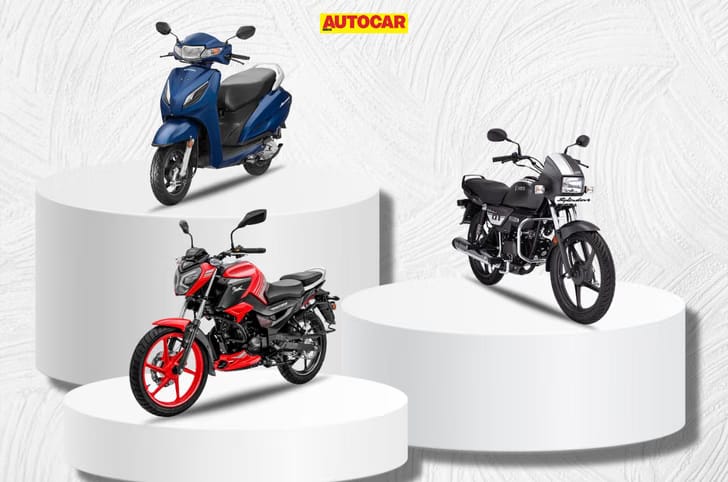
India’s two-wheeler market registered 18.26 lakh units in June 2026, a 21 percent year-on-year increase over the 15.09 lakh units sold in June 2025, according to data from JATO Dynamics India. On a month-on-month basis, volumes eased slightly from the 18.58 lakh units recorded in May, marking a marginal 1.7 percent decline that JATO described as normal seasonal moderation.
Two-wheeler registrations up 21 percent YoY to 18.26 lakh units in June 2026
Electric two-wheelers account for 10.6 percent of monthly registrations
Hero MotoCorp leads with a 26.2 percent market share; Honda close behind at 25.19 percent
India two-wheeler sales in June 2026
Motorcycles continue to dominate registrations, while EVs cross the 10 percent mark
Motorcycles continued to account for the largest share of the market at 59.9 percent of total registrations, followed by scooters at 30.4 percent. Petrol-powered two-wheelers held an 89.3 percent share, while electric models increased their contribution to 10.6 percent of monthly registrations. JATO noted that this reflects the broader growth of the EV segment through 2026, aided in part by the petrol price hikes introduced in May.
Urban markets led demand with 10.92 lakh registrations, followed by rural areas with 4.48 lakh units and major metropolitan cities with 2.86 lakh units. The Hero Splendor Plus was the country’s best-selling two-wheeler in June, ahead of the Honda Activa, TVS Jupiter and Bajaj Pulsar.
Hero MotoCorp retained its position as the market leader with 4.72 lakh registrations and a 26.2 percent share. Honda Motorcycle & Scooter India followed closely with 4.52 lakh units and a 25.19 percent share, with the Activa family continuing to drive volumes. TVS Motor Company registered 2.59 lakh units for a 19.99 percent share, buoyed by strong demand for its scooter lineup and the iQube. Bajaj Auto followed with 1.87 lakh units and a 10.46 percent share, with both the Pulsar range and Chetak EV contributing to volumes, while Suzuki Motorcycle India rounded out the top five with 1.04 lakh units and a 5.83 percent market share.
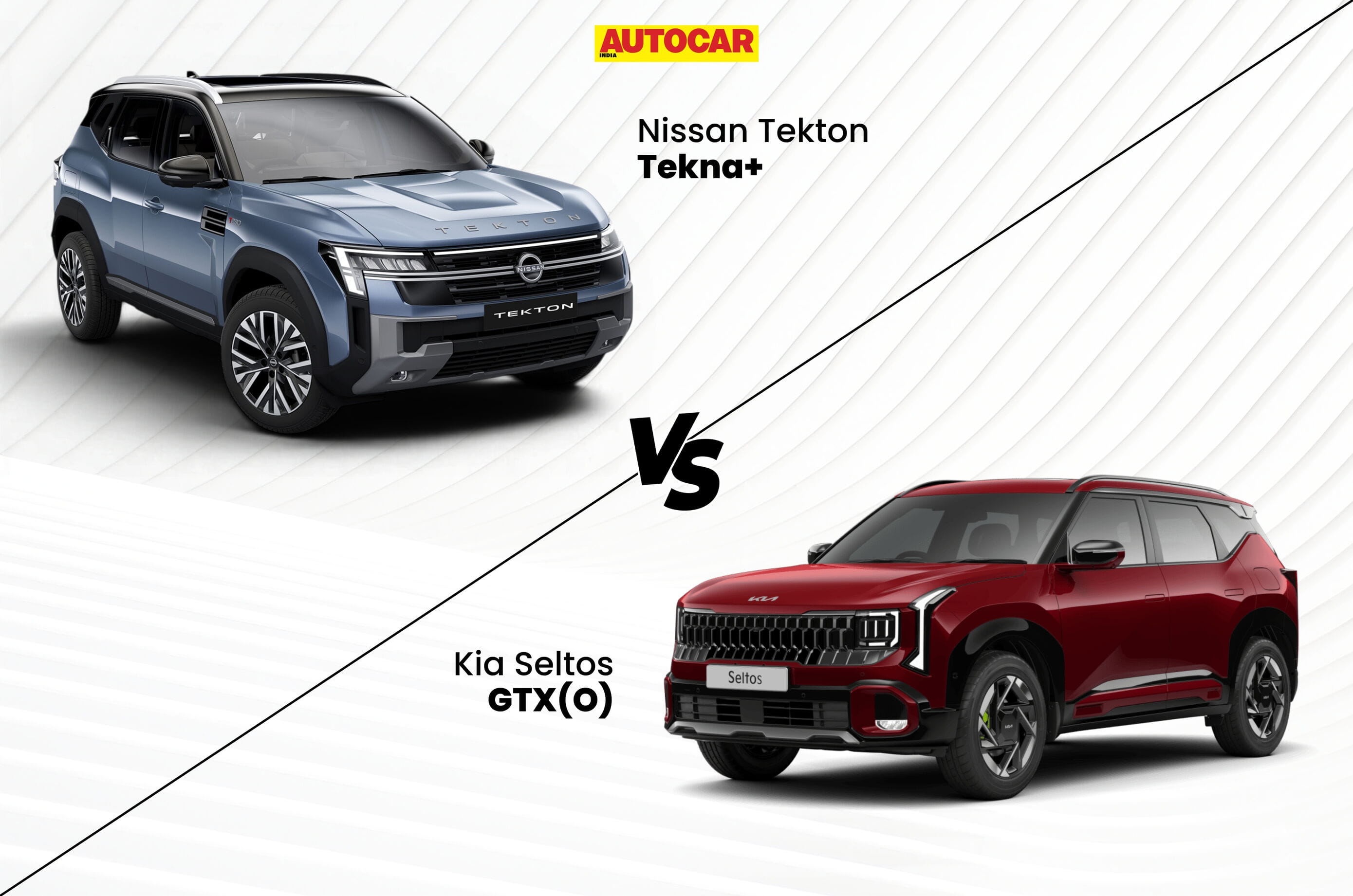
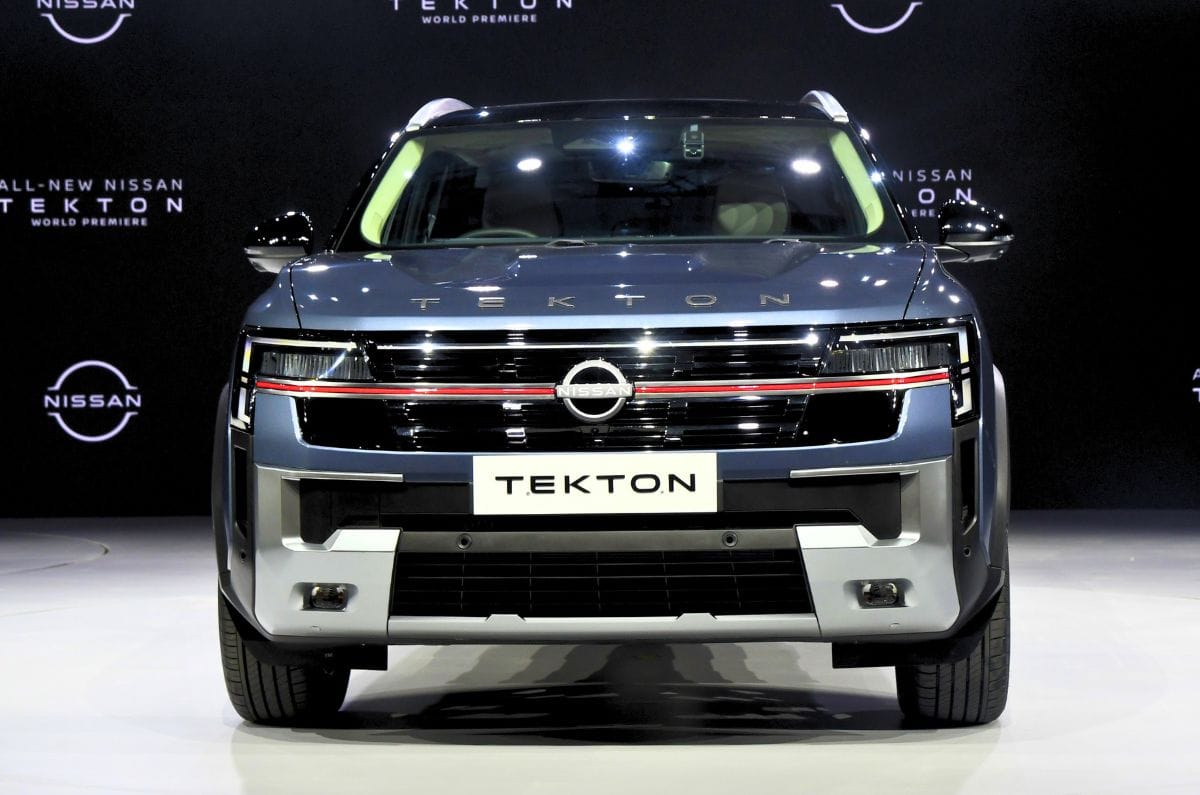
The Nissan Tekton is the latest entrant in the burgeoning midsize SUV segment, within which the Kia Seltos is a very popular option. The Seltos underwent a generational upgrade earlier in 2026, offering larger dimensions, better safety credentials, and more features. To that end, let’s take an in-depth look at the top-spec Tekton Tekna+ and Seltos GTX(O) trims to find out which midsize SUV is better value for money.
Nissan Tekton vs Kia Seltos: Top trim dimensions
Tekton is smaller than Seltos overall, but offers higher ground clearance and boot space
Nissan Tekton vs Kia Seltos top trim dimensions compared
Tekton
Seltos
Difference
Length (mm)
4,349
4,460
-111
Width (mm)
1,815
1,830
-15
Height (mm)
1,674
1,635
+39
Wheelbase (mm)
2,657
2,690
-33
Ground clearance (mm)
212
200
+12
Boot space (litres)
518
447
+71
Wheel size (inches)
18
18
0
Though the Seltos is considerably longer and slightly wider than the Tekton, the Nissan SUV is taller, partly by way of its 12mm higher ground clearance. The Tekton further one-ups the Seltos with a substantially larger boot capacity. In terms of wheel size, however, both midsize SUVs come with 18-inch alloys.
Nissan Tekton vs Kia Seltos: Top trim engine and gearbox options
Tekton has more powerful 4-cyl turbo-petrol engine, but Seltos offers diesel option
Nissan Tekton vs Kia Seltos top trim powertrains compared
Tekton
Seltos
Engine
1.0 turbo-petrol / 1.3-litre turbo-petrol
1.5 diesel / 1.5 turbo-petrol
No. of cylinders
3 / 4
4 / 4
Power (hp)
100 / 163
116 / 160
Torque (Nm)
166 / 280
250 / 253
Gearbox
6MT / 6DCT
6AT / 7DCT
The Tekton is available with 100hp 1.0 turbo-petrol MT and 163hp 1.3 turbo-petrol DCT powertrains in its top-spec Tekna+ trim, whereas the Seltos GTX(O) can be had in either 1.5 turbo-petrol DCT or 1.5 diesel AT guise. Offering the latter powertrain is a major plus point for the Seltos, as many midsize SUV buyers still favour diesel engines.
That said, buyers interested in these SUVs’ 4-cyl turbo-petrol variants would likely lean in the Tekton’s favour, as its 1.3-litre engine is not only smaller than the Seltos’ 1.5-litre mill, but also develops 3hp and 27Nm more. Additionally, the Tekton’s wet-clutch DCT should make for smoother operation at slower speeds than the Seltos’ dry-clutch unit.
It’s also worth noting that for budget-constrained buyers whose usage is primarily in the city, the Tekton’s 1.0 turbo-petrol option is a good choice. However, it’s paired solely with a 6-speed manual, which isn’t as convenient in stop-go city traffic as an automatic transmission.
Nissan Tekton vs Kia Seltos: Top trim exterior features
Tekton stands out with powered tailgate and rear fog lamps
Nissan Tekton vs Kia Seltos top trim exterior features compared
Tekton
Seltos
Headlamps
LED
LED
LED DRLs
Yes
Yes
Welcome/goodbye lighting sequence
Yes
Yes
Puddle lamps
Optional
No
Tail-lamps
Connected LED
Connected LED
Fog lamps
Front, rear
Front
Rear spoiler
Yes
Yes
Electrically adjustable ORVMs
Yes
Yes
Auto-folding ORVMs
Yes
Yes
Shark-fin antenna
Yes
Yes
Roof rails
Yes
Yes
Powered tailgate
Yes
No
Colour
Monotone, dual-tone
Monotone, dual-tone, matte
Both the Tekton and Seltos are quite evenly matched on this front, but the Nissan SUV edges ahead thanks to the inclusion of rear fog lamps and a powered tailgate. The latter feature can be quite handy in instances where your hands are full and you can’t prop the bootlid up yourself.
While the Seltos does offer four more monotone colours than the Tekton does, the Kia SUV only gets two dual-tone options – the Tekton features five. However, the Seltos is the only one here to offer a matte paint finish as part of its X-Line cosmetic package, which can be opted for at no additional cost.
Nissan Tekton vs Kia Seltos: Top trim interior features
Seltos is better-equipped than the Tekton
Nissan Tekton vs Kia Seltos top trim interior features compared
Tekton
Seltos
Panoramic sunroof
Yes
Yes
Touchscreen size
10.1 inches
12.3 inches
Driver’s display
10.25 inches
12.3 inches
Heads-up display
No
Yes
Wireless Apple CarPlay, Android Auto
Yes
Yes
Powered driver seat
6-way
10-way
Memory, welcome functions for driver seat
No
Yes
Powered co-driver seat
6-way
No
Lumbar adjustment
Manual
Powered
Cabin air purifier
Yes
Yes
Automatic climate control
Dual-zone
Dual-zone
Rear AC vents
Yes
Yes
Seat upholstery
Leatherette
Leatherette
Wireless charging pad
Optional
Yes
Sound system
6-speaker Arkamys
8-speaker Bose
Ventilated front seats
Yes
Yes
60:40 split rear seats
Yes
Yes
Rear sunshades
Optional
Yes
Rear armrest
Yes
Yes
Connected car tech
Yes
Yes
Ambient lighting
48 colours
64 colours
Coming to interior features, the Seltos easily takes the victory. Compared to the Tekton, the Seltos gets larger screens, a heads-up display, broader electrical adjustment and powered lumbar adjust for the driver’s seat (along with memory and welcome functions), a Bose sound system with more speakers, and an expanded roster of colours for the ambient lighting system. The Tekton’s sole edge over the Seltos in this department is a powered co-driver seat.
Nissan Tekton vs Kia Seltos: Top trim driving features
Tekton allows you to alter steering feel, Seltos gets terrain modes
Nissan Tekton vs Kia Seltos top trim driving features compared
Tekton
Seltos
Drive modes
Eco, Comfort
Eco, Normal, Sport
Steering modes
Eco, Comfort
No
Paddle Shifters
Yes
Yes
Cruise Control
Adaptive
Adaptive
Terrain modes
No
Snow, Mud, Sand
While the Seltos offers three drive modes instead of the Tekton’s two, the Nissan SUV additionally gets presets to adjust the steering feel. However, the Seltos is the only one here to pack terrain modes.
Nissan Tekton vs Kia Seltos: Top trim safety features
Seltos features more advanced ADAS and built-in dashcams
Nissan Tekton vs Kia Seltos top trim safety features compared
Tekton
Seltos
Bharat NCAP rating
5 stars
5 stars
Airbags
6
6
Parking sensors
Front, rear
Front, rear, side
Camera setup
360-degree
360-degree
Front and rear dashcams
Optional
Yes
Electronic parking brake
DCT only
Yes
ADAS
Level 2
Level 2+
TPMS
Yes
Yes
Driver drowsiness detection
Yes
Yes
Hill start assist
Yes
Yes
Front and rear disc brakes
Yes
Yes
ESC
Yes
Yes
Auto-dimming IRVM
Yes
Yes
Rain-sensing wipers
Yes
Yes
While both SUVs are equipped with pretty much every safety feature you need, the Seltos emerges as the winner thanks to its inclusion of side parking sensors and built-in dashcams. Moreover, the Seltos’ Level 2+ ADAS suite packs 28 features, which is nearly double the Tekton’s 15 ADAS functions.
Nissan Tekton vs Kia Seltos: Top trim prices and verdict
Tekton is up to Rs 5.08 lakh more affordable
Nissan Tekton vs Kia Seltos top trim price compared
Tekton
Seltos
Price range (In Rs, lakh)
16.49-18.59
21.57-21.82
Pricing is a sweeping victory for the Tekton, as its range-topping Tekna+ trim starts at Rs 16.49 lakh by way of the aforementioned budget-friendly 1.0 turbo MT powertrain, whereas the Seltos GTX(O) starts at Rs 21.57 lakh – a delta of over Rs 5 lakh. Comparing the top-spec DCT variants of both SUVs, the Tekton is just shy of Rs 3 lakh cheaper than the Seltos, which is quite a big gap.
Therefore, if your budget is around Rs 20 lakh, the Tekton is the obvious choice. If you can stretch your budget by a few more lakhs, though, the Seltos is the better option. Kia India’s service network and retail footprints are also much more widespread than Nissan’s, which is an important consideration for buyers.
The Nissan Tekton, launched recently in India, marked the manufacturer’s comeback to the midsize SUV segment after the Kicks’ discontinuation in 2023. This badge-engineered version of the Renault Duster is being offered in six trims: Visia, Visia+, Acenta, N-Connecta, Tekna, and Tekna+, offered with either a 100hp, 1.0-litre 3-cylinder turbo-petrol engine or a 163hp, 1.3-litre 4-cylinder turbo-petrol mill. Its ex-showroom prices range from Rs 10.49 lakh to Rs 18.59 lakh.
In case you want to know how much you need to pay to get your hands on one, here are the Nissan Tekton’s on-road prices across major Indian cities.
Nissan Tekton on-road price range
On-road prices of the Tekton range from Rs 11.96 lakh to Rs 23.06 lakh in major cities
Nissan Tekton price range in major Indian cities (in Rs, lakh)
1.0L TP 6MT
1.3L TP 6MT
1.3L TP 6DCT
Ex-showroom
10.49-16.49
14.99-16.39
14.99-18.59
Gurugram (on-road)
11.96-18.80
17.09-18.69
17.09-21.20
Delhi (on-road)
12.17-19.13
17.39-19.02
17.39-21.57
Mumbai (on-road)
12.38-19.46
17.69-19.35
17.69-21.94
Bengaluru (on-road)
12.91-20.29
18.44-20.17
18.44-22.87
Chennai (on-road)
13.01-20.45
18.59-20.33
18.59-23.06
Note: On-road prices may vary based on city-specific registration charges and other cost components, including insurance, FASTag and RTO fees. Please check with your nearest Nissan dealership for exact figures.
Nissan Tekton on-road prices are the lowest in Gurugram among all the mentioned cities. Delhi comes next, followed by Mumbai and Bengaluru. Prices are the highest in Chennai, and compared to Gurugram, the top-spec versions of the 1.0-litre turbo-petrol MT (Tekna+), 1.3-litre turbo-petrol MT (Tekna), and 1.3-litre turbo-petrol DCT (Tekna+) cost an additional Rs 1.65 lakh, Rs 1.64 lakh and Rs 1.86 lakh, respectively.