Petrol Diesel Price Today: पेट्रोल-डीजल के नए रेट जारी, जानें आज का भाव

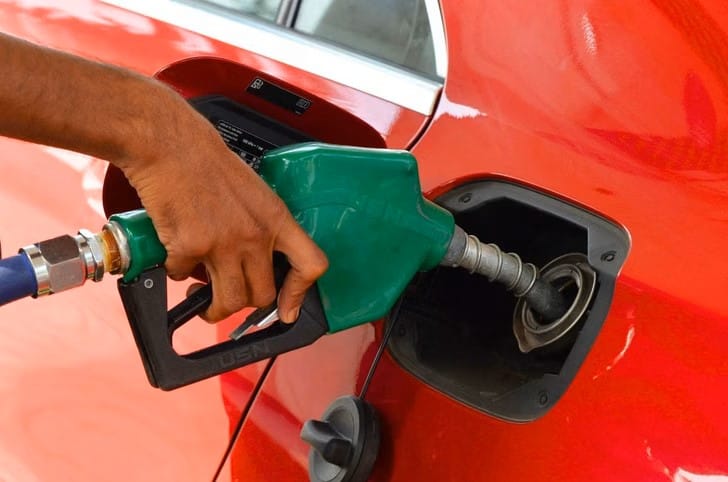
Petrol Diesel Price Today: हर दिन की शुरुआत सिर्फ सूरज की किरणों से नहीं होती, बल्कि पेट्रोल और डीजल की नई कीमतों से भी होती है, जो आम आदमी की जेब पर सीधा असर डालती हैं। सुबह 6 बजे देश की तेल विपणन कंपनियां (OMCs) ताजा दरें जारी करती हैं, जो अंतरराष्ट्रीय बाजार में कच्चे तेल की कीमतों और डॉलर-रुपए की विनिमय दर में आए बदलावों पर आधारित होती हैं। ये बदलाव रोजमर्रा की जिंदगी को प्रभावित करते हैं, चाहे वो ऑफिस जाने वाला व्यक्ति हो या फल-सब्जी बेचने वाला व्यापारी।

ऐसे में हर दिन की कीमतों की जानकारी रखना सिर्फ जरूरी ही नहीं, बल्कि समझदारी भी है। सरकार की यह प्रणाली पारदर्शिता सुनिश्चित करती है ताकि उपभोक्ताओं को किसी तरह की भ्रमित जानकारी न मिले।

आपके शहर में आज का पेट्रोल-डीजल का भाव

ये रहे 09 आगस्त 2026 के प्रमुख शहरों के पेट्रोल-डीजल के ताजा रेट

नई दिल्ली: पेट्रोल ₹102.12 प्रति लीटर और डीजल ₹95.20 प्रति लीटर।

मुंबई: पेट्रोल ₹111.18 और डीजल ₹97.83 प्रति लीटर।

कोलकाता: पेट्रोल ₹113.47 जबकि डीजल ₹99.82 प्रति लीटर।

चेन्नई: पेट्रोल ₹107.77 और डीजल ₹99.55 प्रति लीटर।

गुरुग्राम: पेट्रोल ₹102.77 तथा डीजल ₹95.44 प्रति लीटर।

नोएडा: पेट्रोल ₹102.12 और डीजल ₹95.56 प्रति लीटर।

बेंगलुरु: पेट्रोल ₹110.93 जबकि डीजल ₹98.80 प्रति लीटर।

भुवनेश्वर: पेट्रोल ₹109.92 और डीजल ₹100.92 प्रति लीटर।

चंडीगढ़: पेट्रोल ₹98.10 तथा डीजल ₹86.09 प्रति लीटर।

हैदराबाद: पेट्रोल ₹115.69 और डीजल ₹103.82 प्रति लीटर।

जयपुर: पेट्रोल ₹112.66 जबकि डीजल ₹97.78 प्रति लीटर।

लखनऊ: पेट्रोल ₹102.05 और डीजल ₹95.55 प्रति लीटर।

पटना: पेट्रोल ₹113.35 तथा डीजल ₹99.36 प्रति लीटर।

तिरुवनंतपुरम: पेट्रोल ₹115.49 और डीजल ₹104.40 प्रति लीटर।

पिछले दो साल से स्थिर क्यों हैं कीमतें?

मई 2022 के बाद से केंद्र और कई राज्यों द्वारा टैक्स में कटौती की गई, जिसके बाद पेट्रोल-डीजल की कीमतों में स्थिरता देखी जा रही है। हालांकि अंतरराष्ट्रीय बाजार में उतार-चढ़ाव होता रहता है, फिर भी भारतीय उपभोक्ताओं के लिए कीमतें तुलनात्मक रूप से स्थिर बनी हुई हैं।

किन कारणों से तय होती हैं ईंधन की कीमतें?

  1. कच्चे तेल की कीमतें:

पेट्रोल और डीजल का उत्पादन मुख्य रूप से कच्चे तेल से होता है। जब अंतरराष्ट्रीय स्तर पर कच्चे तेल की कीमतें बढ़ती हैं, तो इसका असर सीधे भारतीय बाजार पर पड़ता है।

  1. डॉलर के मुकाबले रुपया:

भारत अधिकतर कच्चा तेल आयात करता है, और यह डॉलर में खरीदा जाता है। यदि रुपया कमजोर होता है, तो ईंधन महंगा हो जाता है।

  1. सरकारी टैक्स और शुल्क:

केंद्र और राज्य सरकारें पेट्रोल-डीजल पर भारी टैक्स लगाती हैं, जो खुदरा मूल्य का बड़ा हिस्सा होते हैं। यही कारण है कि राज्यों में कीमतों में अंतर होता है।

  1. रिफाइनिंग की लागत:

कच्चे तेल को इस्तेमाल लायक बनाने की प्रक्रिया (रिफाइनिंग) में भी खर्च होता है। ये लागत कच्चे तेल की गुणवत्ता और रिफाइनरी की क्षमता पर निर्भर करती है।

  1. मांग और आपूर्ति का संतुलन:

बाजार में ईंधन की मांग अगर बढ़ जाती है, तो कीमतें भी ऊपर जाने लगती हैं। खासकर त्योहारों, गर्मी या सर्दी के मौसम में ईंधन की खपत ज्यादा होती है।

कैसे करें अपने शहर की कीमतें SMS से चेक?

अगर आप मोबाइल से ईंधन की कीमत जानना चाहते हैं, तो ये प्रक्रिया आसान है:

Indian Oil ग्राहक: अपने शहर का कोड टाइप करें और उसे “RSP” के साथ 9224992249 पर भेजें।

BPCL ग्राहक: “RSP” लिखकर 9223112222 पर भेजें।

HPCL ग्राहक: “HP Price” लिखकर 9222201122 पर भेजें।

Hero Xpulse 210 long-term review, 5,600km report

Hero Xpulse 210 long-term review, 5,600km report

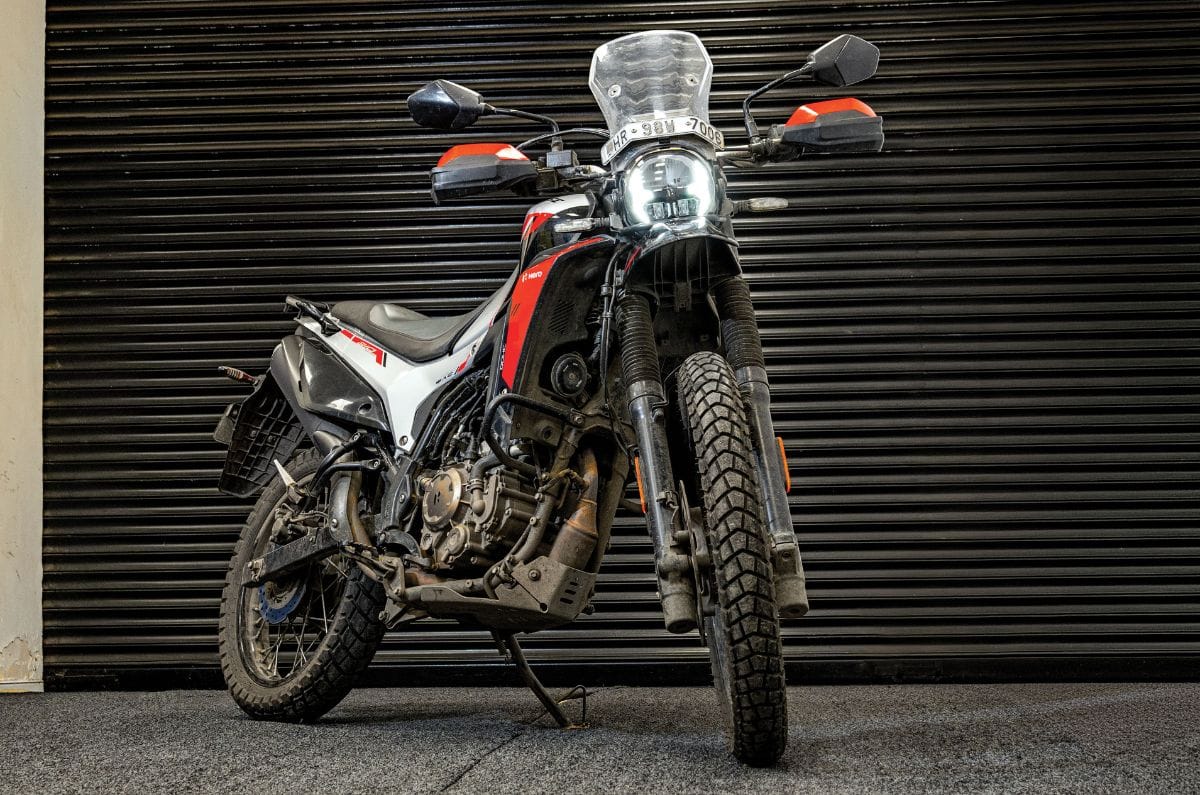
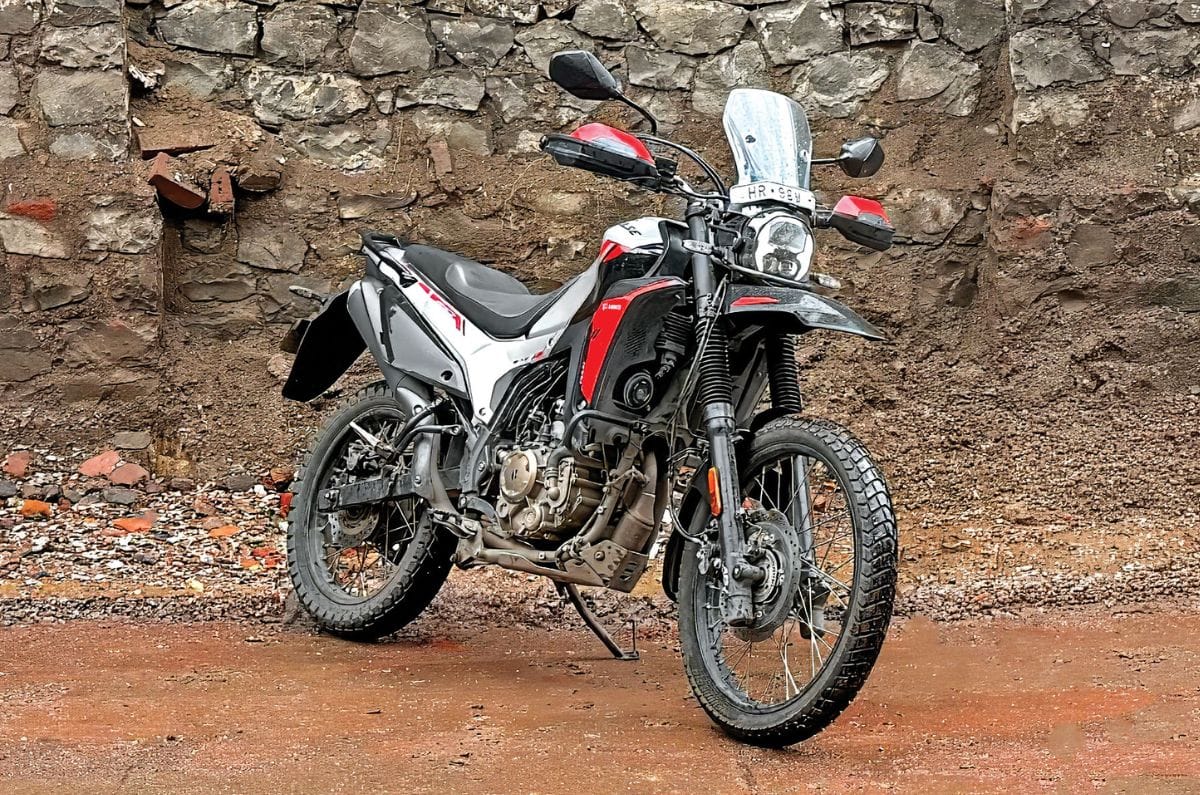
Ever since the Xpulse 210 was launched, I was fascinated by the balance it strikes between a dual-sport motorcycle and an adventure tourer. With its slim midsection, 21-inch front wheel, long-travel suspension and commanding riding position, it seemed like the ideal companion for our less-than-perfect roads. After spending over two months with the bike, I can confidently say it has lived up to those expectations. The odometer has now crossed the 5,600km mark, and the Xpulse continues to reinforce why it’s such a unique proposition.

The 21-inch front wheel and beak lend the Xpulse an imposing stance

There really isn’t another motorcycle at this price point that offers the same blend of everyday usability, touring ability and genuine off-road capability. Spend another Rs 30,000-40,000, and you’ll find yourself looking at the TVS Apache RTX, which is a more touring-oriented adventure motorcycle. The Hero, meanwhile, stays true to its dual-sport roots, making it just as happy on broken roads and dirt trails as it is on the highway.

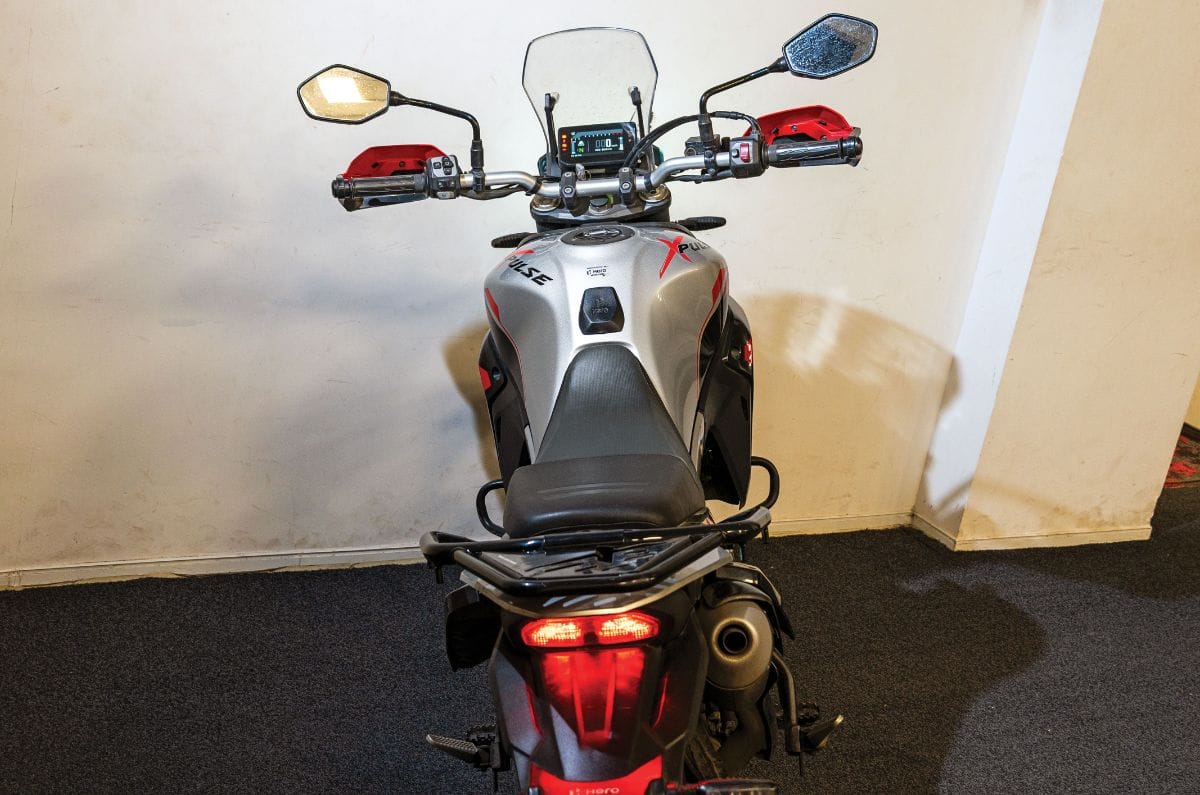
The Xpulse’s relatively narrow proportions make it an excellent commuter.

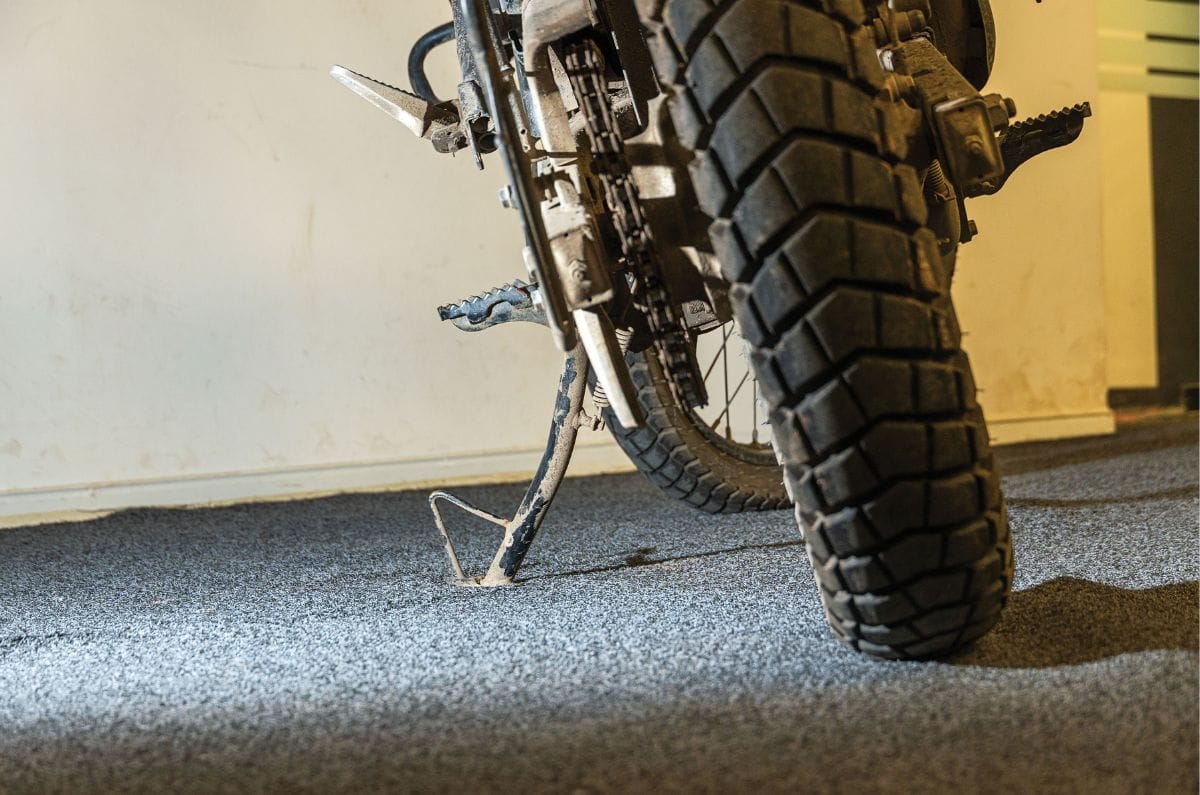
The suspension remains the bike’s standout feature. Mumbai’s cratered roads barely faze it, and the confidence to ride over almost anything without slowing to a crawl is what makes the Xpulse so easy to live with. It opens up new roads within the city that you earlier avoided. The high-mounted LED headlight and sculpted tank flowing into the relatively low seat give it a distinctive, imposing stance. Living with it hasn’t been entirely perfect. The Xpulse has a pronounced lean on its side stand, and the soft suspension causes the bike to settle and readjust as you get off, making parking feel less reassuring than it actually is.

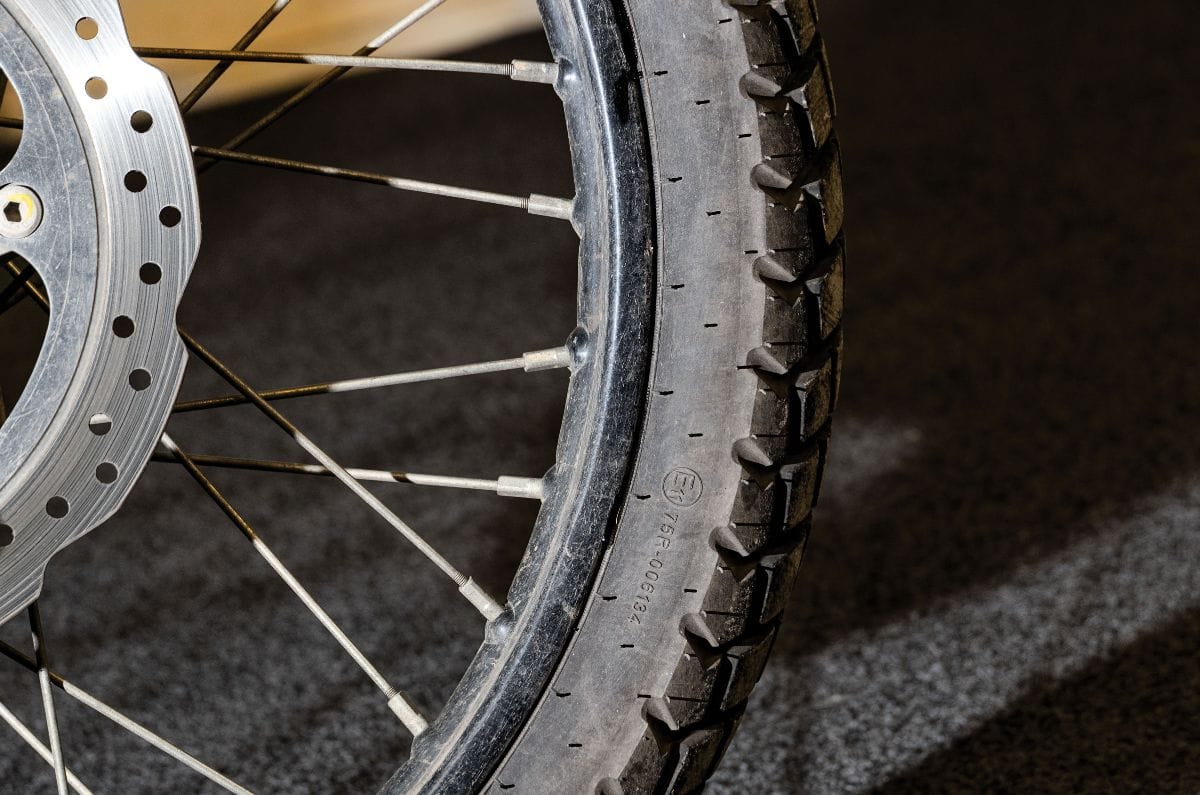
Tubed tyres are great off the road, but can pose an inconvenience if punctured.

The lack of a tubeless tyre option is another compromise. While tubed tyres make sense on a motorcycle designed to venture off-road, they can be a real inconvenience in everyday use. I learnt that the hard way when both the front and rear tyres punctured on the same day. Between pushing the bike to puncture shops, removing the wheels and getting everything back together, I lost well over three hours.

The brakes, too, continue to disappoint. We’d previously complained about the lack of bite and feel, and although the service centre bled the brakes and confirmed the pads didn’t require replacement, the improvement was only marginal. During the same visit, we also queried about the amount of heat being thrown onto the rider’s left leg was normal, but didn’t receive a satisfactory explanation.

It tends to lean excessively on its side stand, which isn’t quite reassuring.

As a motorcycle retailed through Hero’s premium Premia dealership network, the overall service experience and ambience still have plenty of headroom for improvement. Although the service cost was quite reasonable at Rs 2,214, of which, Rs 1,300 went towards oil, Rs 145 for the air filter and Rs 649 for the service charge.

Despite those shortcomings, the Xpulse 210 remains one of the easiest motorcycles to recommend. Few bikes at this price blend commuting fun, decent touring capability and genuine off-road chops as convincingly, and even after 5,500km, we all still find ourselves reaching for its keys.

Petrol Diesel Price Today: आज पेट्रोल-डीजल कितना महंगा या सस्ता? यहां देखें नए दाम

Petrol Diesel Price Today: हर दिन की शुरुआत सिर्फ सूरज की किरणों से नहीं होती, बल्कि पेट्रोल और डीजल की नई कीमतों से भी होती है, जो आम आदमी की जेब पर सीधा असर डालती हैं। सुबह 6 बजे देश की तेल विपणन कंपनियां (OMCs) ताजा दरें जारी करती हैं, जो अंतरराष्ट्रीय बाजार में कच्चे तेल की कीमतों और डॉलर-रुपए की विनिमय दर में आए बदलावों पर आधारित होती हैं। ये बदलाव रोजमर्रा की जिंदगी को प्रभावित करते हैं, चाहे वो ऑफिस जाने वाला व्यक्ति हो या फल-सब्जी बेचने वाला व्यापारी।

ऐसे में हर दिन की कीमतों की जानकारी रखना सिर्फ जरूरी ही नहीं, बल्कि समझदारी भी है। सरकार की यह प्रणाली पारदर्शिता सुनिश्चित करती है ताकि उपभोक्ताओं को किसी तरह की भ्रमित जानकारी न मिले।

आपके शहर में आज का पेट्रोल-डीजल का भाव

ये रहे 08 आगस्त 2026 के प्रमुख शहरों के पेट्रोल-डीजल के ताजा रेट

नई दिल्ली: पेट्रोल ₹102.12 प्रति लीटर और डीजल ₹95.20 प्रति लीटर।

मुंबई: पेट्रोल ₹111.18 और डीजल ₹97.83 प्रति लीटर।

कोलकाता: पेट्रोल ₹113.47 जबकि डीजल ₹99.82 प्रति लीटर।

चेन्नई: पेट्रोल ₹107.77 और डीजल ₹99.55 प्रति लीटर।

गुरुग्राम: पेट्रोल ₹102.77 तथा डीजल ₹95.44 प्रति लीटर।

नोएडा: पेट्रोल ₹102.12 और डीजल ₹95.56 प्रति लीटर।

बेंगलुरु: पेट्रोल ₹110.93 जबकि डीजल ₹98.80 प्रति लीटर।

भुवनेश्वर: पेट्रोल ₹109.92 और डीजल ₹100.92 प्रति लीटर।

चंडीगढ़: पेट्रोल ₹98.10 तथा डीजल ₹86.09 प्रति लीटर।

हैदराबाद: पेट्रोल ₹115.69 और डीजल ₹103.82 प्रति लीटर।

जयपुर: पेट्रोल ₹112.66 जबकि डीजल ₹97.78 प्रति लीटर।

लखनऊ: पेट्रोल ₹102.05 और डीजल ₹95.55 प्रति लीटर।

पटना: पेट्रोल ₹113.35 तथा डीजल ₹99.36 प्रति लीटर।

तिरुवनंतपुरम: पेट्रोल ₹115.49 और डीजल ₹104.40 प्रति लीटर।

पिछले दो साल से स्थिर क्यों हैं कीमतें?

मई 2022 के बाद से केंद्र और कई राज्यों द्वारा टैक्स में कटौती की गई, जिसके बाद पेट्रोल-डीजल की कीमतों में स्थिरता देखी जा रही है। हालांकि अंतरराष्ट्रीय बाजार में उतार-चढ़ाव होता रहता है, फिर भी भारतीय उपभोक्ताओं के लिए कीमतें तुलनात्मक रूप से स्थिर बनी हुई हैं।

किन कारणों से तय होती हैं ईंधन की कीमतें?

  1. कच्चे तेल की कीमतें:

पेट्रोल और डीजल का उत्पादन मुख्य रूप से कच्चे तेल से होता है। जब अंतरराष्ट्रीय स्तर पर कच्चे तेल की कीमतें बढ़ती हैं, तो इसका असर सीधे भारतीय बाजार पर पड़ता है।

  1. डॉलर के मुकाबले रुपया:

भारत अधिकतर कच्चा तेल आयात करता है, और यह डॉलर में खरीदा जाता है। यदि रुपया कमजोर होता है, तो ईंधन महंगा हो जाता है।

  1. सरकारी टैक्स और शुल्क:

केंद्र और राज्य सरकारें पेट्रोल-डीजल पर भारी टैक्स लगाती हैं, जो खुदरा मूल्य का बड़ा हिस्सा होते हैं। यही कारण है कि राज्यों में कीमतों में अंतर होता है।

  1. रिफाइनिंग की लागत:

कच्चे तेल को इस्तेमाल लायक बनाने की प्रक्रिया (रिफाइनिंग) में भी खर्च होता है। ये लागत कच्चे तेल की गुणवत्ता और रिफाइनरी की क्षमता पर निर्भर करती है।

  1. मांग और आपूर्ति का संतुलन:

बाजार में ईंधन की मांग अगर बढ़ जाती है, तो कीमतें भी ऊपर जाने लगती हैं। खासकर त्योहारों, गर्मी या सर्दी के मौसम में ईंधन की खपत ज्यादा होती है।

कैसे करें अपने शहर की कीमतें SMS से चेक?

अगर आप मोबाइल से ईंधन की कीमत जानना चाहते हैं, तो ये प्रक्रिया आसान है:

Indian Oil ग्राहक: अपने शहर का कोड टाइप करें और उसे “RSP” के साथ 9224992249 पर भेजें।

BPCL ग्राहक: “RSP” लिखकर 9223112222 पर भेजें।

HPCL ग्राहक: “HP Price” लिखकर 9222201122 पर भेजें।
Bajaj Pulsar N160 (4V) vs TVS Apache RTR 160 4V: Price and spec comparison

Bajaj Pulsar N160 (4V) vs TVS Apache RTR 160 4V: Price and spec comparison

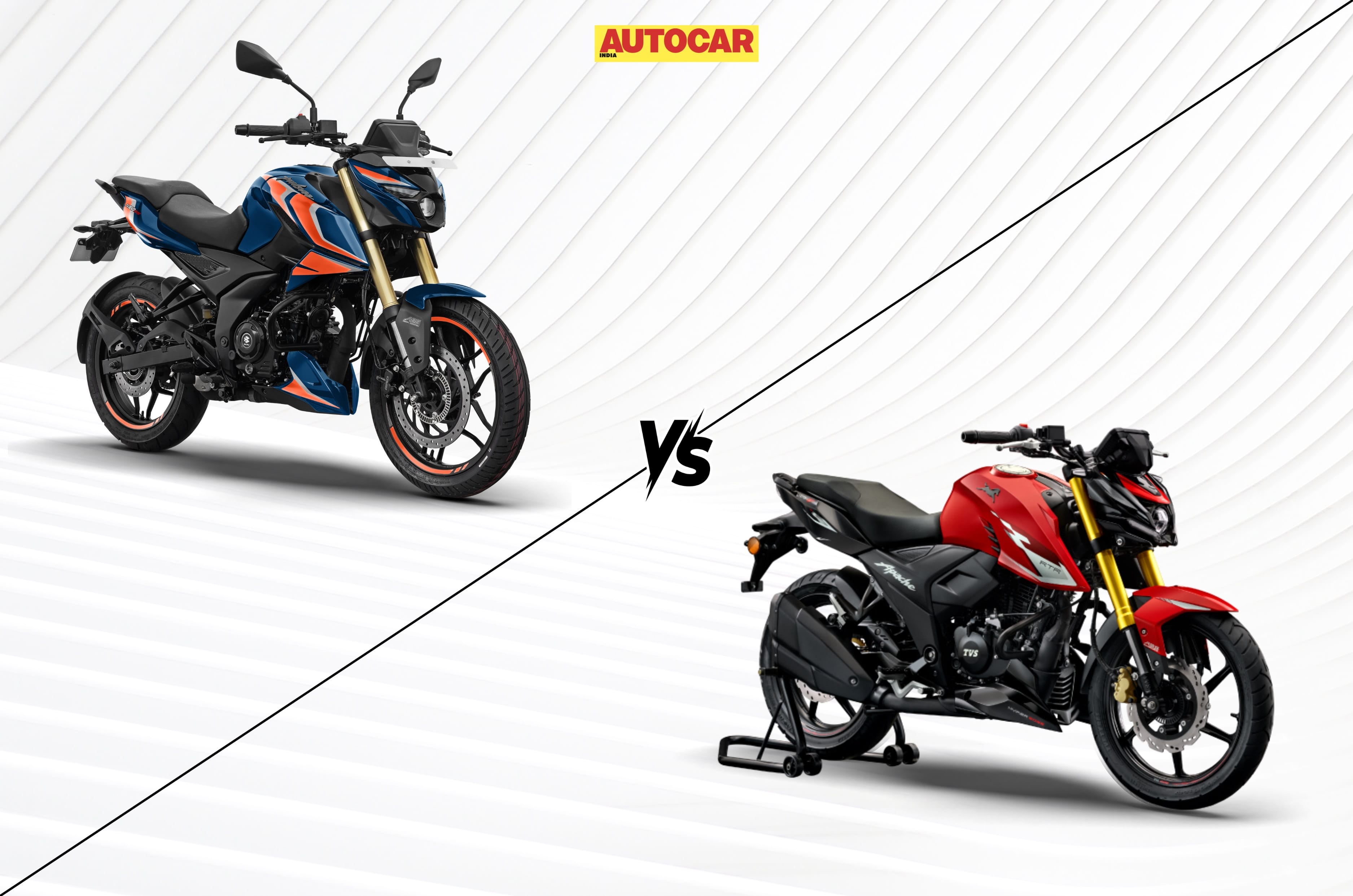
Bajaj has revealed the updated Pulsar N160, celebrating 25 years of the Pulsar brand’s legacy, and a simplified variant nomenclature. The motorcycle now gets a brand-new four valve engine that has more power than before. The higher variant gets a host of new features including a TFT instrument cluster with Google Maps mirroring, traction control, and four ride modes. This is perhaps the biggest challenger yet to the current segment leader, the TVS Apache RTR 160 4V, upgraded last year. Let’s see how the popular street-nakeds compare, on paper.

Bajaj Pulsar N160 (4V) vs TVS Apache RTR 160 4V: Engine and output

Similar peak power and torque figures


Bajaj Pulsar N160 (4V)

TVS Apache RTR 160 4V

Engine

164.5cc, single-cylinder, oil-cooled

159.9cc, single-cylinder, oil-cooled

Power

18.5hp at 9,500rpm

17.55hp at 9,250rpm

Torque

14.4Nm at 8,000rpm

14.73Nm at 7,500rpm

Gearbox

5-speed

5-speed

Power-to-weight ratio

122.52hp/tonne

120.21hp/tonne

Bajaj has given the N160 an all new 4V engine that’s more powerful than the existing 2V engine. You get more power and 0.25Nmslightly loweress torque although both are delivered later in the rev range than on the Pulsar N160 (2V). The 4V engine is also oil-cooled now, an upgrade from the 2V’s air-cooled engine. On the Apache both peak power and torque come in earlier in the rev range.

Bajaj Pulsar N160 (4V) vs TVS Apache RTR 160 4V: Dimensions and weight

Point to Bajaj, mostly


Bajaj Pulsar N160 (4V)

TVS Apache RTR 160 4V

Fuel tank capacity

14 litres

12 litres

Ground clearance

165mm

180mm

Kerb weight

151kg

146kg

Seat height

795mm

790mm

Wheelbase

1,348mm

1,357mm

The new Bajaj Pulsar N160 (4V) weighs 151kg which at first glance looks heavier compared to the Apache’s 146kg. However, the TVS gets a smaller 12-litre fuel tank and for motorcycles of this segment that translates to roughly 100km lesser range which isn’t a small number. As for seat height, the Apache has the upper hand with a 5mm lower seat height. The Apache also touts 15mm more ground clearance over the Pulsar, and a 9mm longer wheelbase.

Bajaj Pulsar N160 (4V) vs TVS Apache RTR 160 4V: Tyres, brakes, and suspension

Level ground


Bajaj Pulsar N160 (4V)

TVS Apache RTR 160 4V

Tyres (F,R)

100/80-17, 130/70R17

90/90-17, 130/70R17

Brakes (F,R)

300mm disc, 230mm disc, dual-channel ABS

270mm disc, 240mm disc, dual-channel ABS

Suspension (F,R)

USD fork, monoshock

USD fork, monoshock

Things start getting a bit more equal in this area, but please note that we are comparing the top variants of both bikes. On paper, the Bajaj gets a larger front tyre but it’s a minor difference. As for brakes, Bajaj has the superior numbers there with a larger front disc rotor. The suspension specifications on both are extremely similar, but real-world experiences may vary. It’s worth mentioning here that until a year or two ago, TVS was the only manufacturer in this segment offering adjustability on both front and rear suspensions, but unfortunately that’s not the case anymore as the brand doesn’t offer that adjustability anymore.

Bajaj Pulsar N160 (4V) vs TVS Apache RTR 160 4V: Features

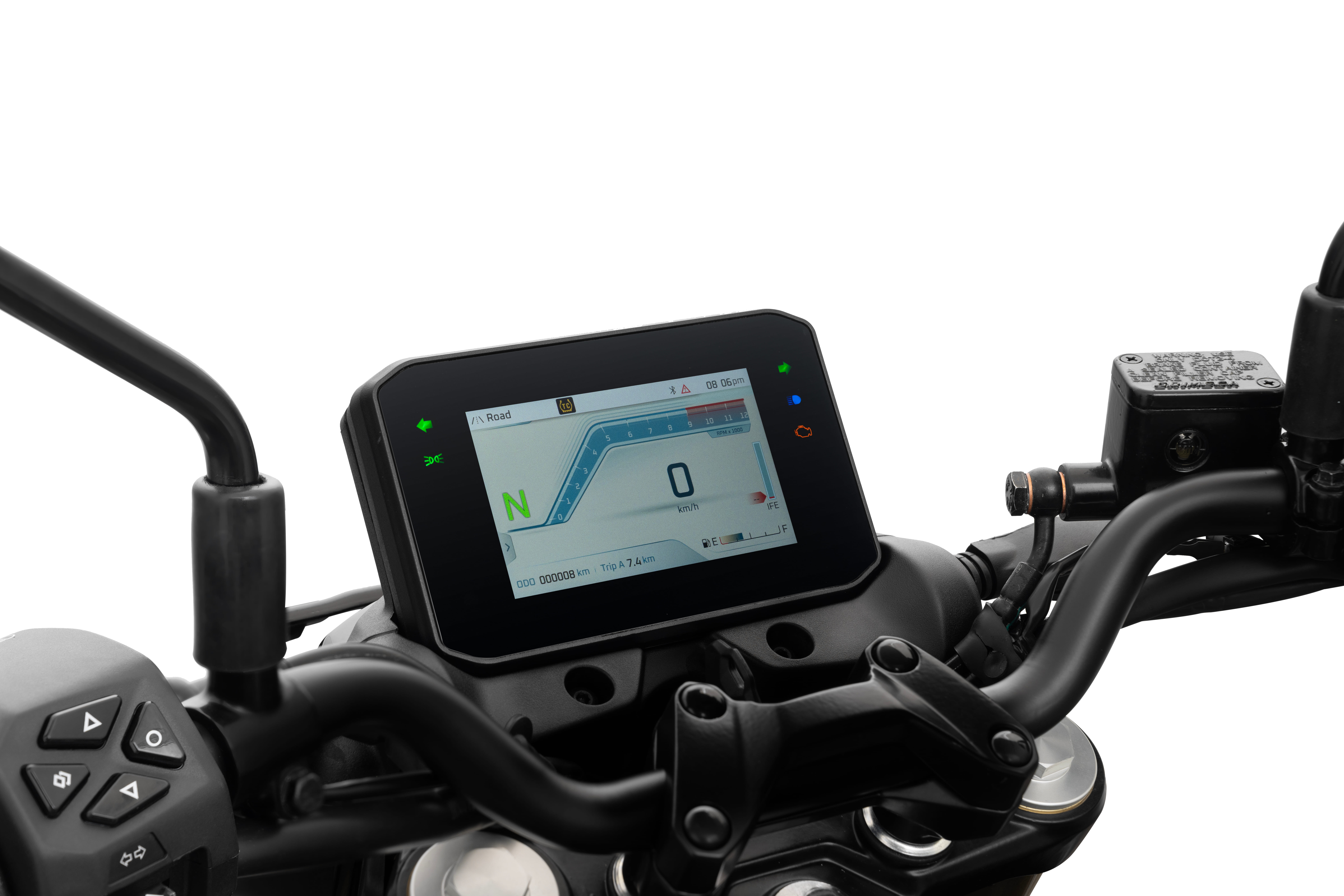
The Pulsar N160 is the first Bajaj model to offer a TFT dash

Offering segment first features has been a TVS specialty for a while now, but Bajaj is now looking to beat them at their own game with the new Pulsar N160. Bajaj offers features like an electronic throttle body and Google Maps mirroring on the top variant of the N160. To get the Google Maps mirroring on a TVS Apache, one currently has to look at the RTX 300. They remain in lockstep with respect to other features like traction control, ride modes, TFT cluster, and a crawl mode to make navigating traffic easier.

Bajaj Pulsar N160 (4V) vs TVS Apache RTR 160 4V: Price

TVS undercuts the Bajaj by Rs 3,000


Bajaj Pulsar N160 (4V)

TVS Apache RTR 160 4V

Price (Top-most variant)

Rs 1.42 lakh

Rs 1.39 lakh

The new Pulsar N160 has two variants, S and SS, and they cost Rs 1.33 lakh and Rs 1.42 lakh respectively (ex-showroom, Delhi). The Apache RTR 160 4V, on the other hand, has four different variants at the time of writing and starts at Rs 1.19 lakh and goes all the way up to Rs 1.39 lakh for the fully loaded top variant. The differences between the two motorcycles are minor, but thankfully clear enough which should make picking one easier.
 

Bajaj Pulsar N160 S, N160 SS launched at Rs 1.34 lakh with new 4-valve engine

 Bajaj Pulsar N160 S, N160 SS launched at Rs 1.34 lakh with new 4-valve engine

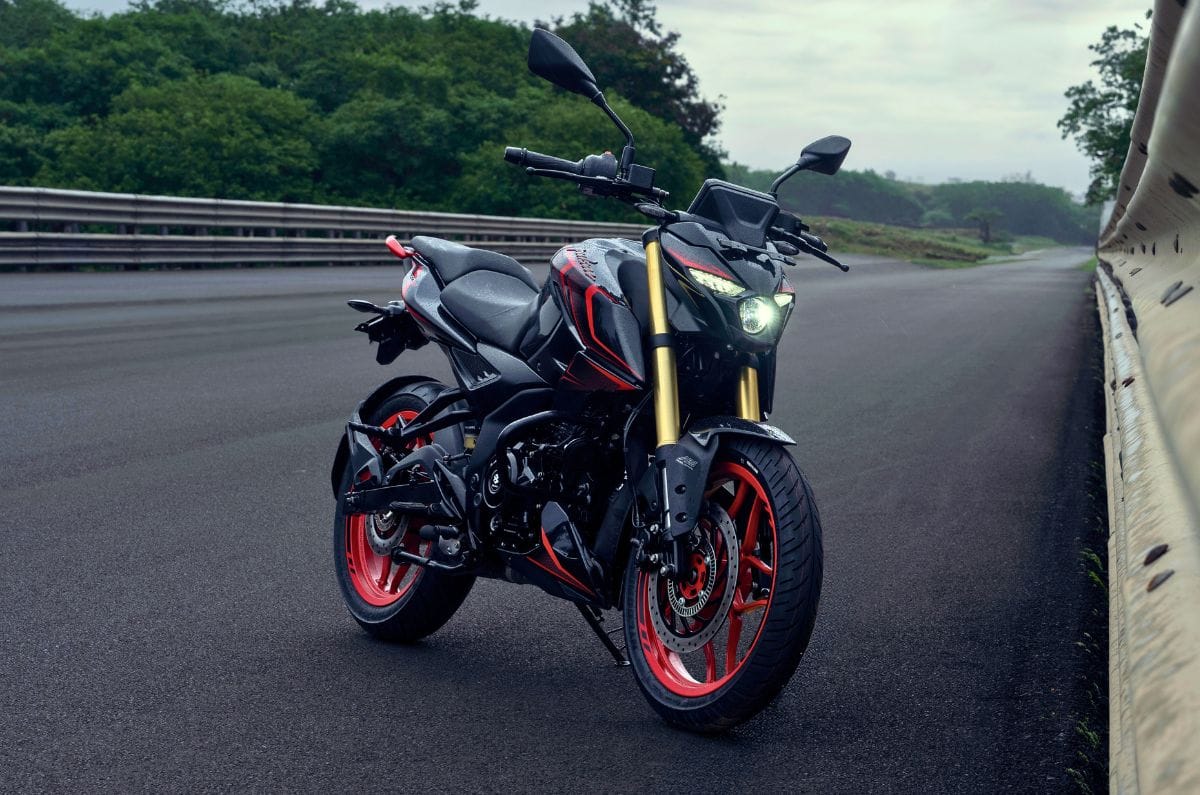
Bajaj Auto has expanded the Pulsar N160 range with the launch of the Pulsar N160 S and Pulsar N160 SS, priced at Rs 1.34 lakh and Rs 1.43 lakh (ex-showroom, Delhi), respectively. The standard Pulsar N160 will continue to be sold alongside the new variants. Compared to the outgoing N160 variants, the new N160 S is Rs 10,708 more expensive, while the flagship N160 SS commands a premium of Rs 14,089. 

  1. N160 S priced at Rs 1.34 lakh; N160 SS at Rs 1.43 lakh
  2. New 165cc, 4-valve engine produces 18.5hp
  3. Gets electronic throttle, ride modes and TFT display

Bajaj Pulsar N160 S, N160 SS: what’s new?

The biggest update is the new 164.5cc, oil-cooled, single-cylinder, 4-valve engine, which produces 18.5PS at 9,500rpm and 14.4Nm at 8,000rpm. Compared to the outgoing 2-valve motor’s 16PS and 14.65Nm, power is up by 2.5PS, while torque drops marginally by 0.25Nm. The engine also switches from a mechanical to an electronic throttle body. 

The electronic throttle enables Road, Rain, Sport and Off-road ride modes, along with Crawl Technology similar to what we see on KTM bikes, which allows the motorcycle to move at low speeds in higher gears with minimal clutch input. The flagship N160 SS additionally gets traction control. 

Other mechanical changes include 37mm USD forks in place of the previous 33mm units and a larger 300mm front disc. The monoshock, 14-litre fuel tank, 1,348mm wheelbase, 165mm ground clearance, 795mm seat height and 151kg kerb weight remain unchanged. 

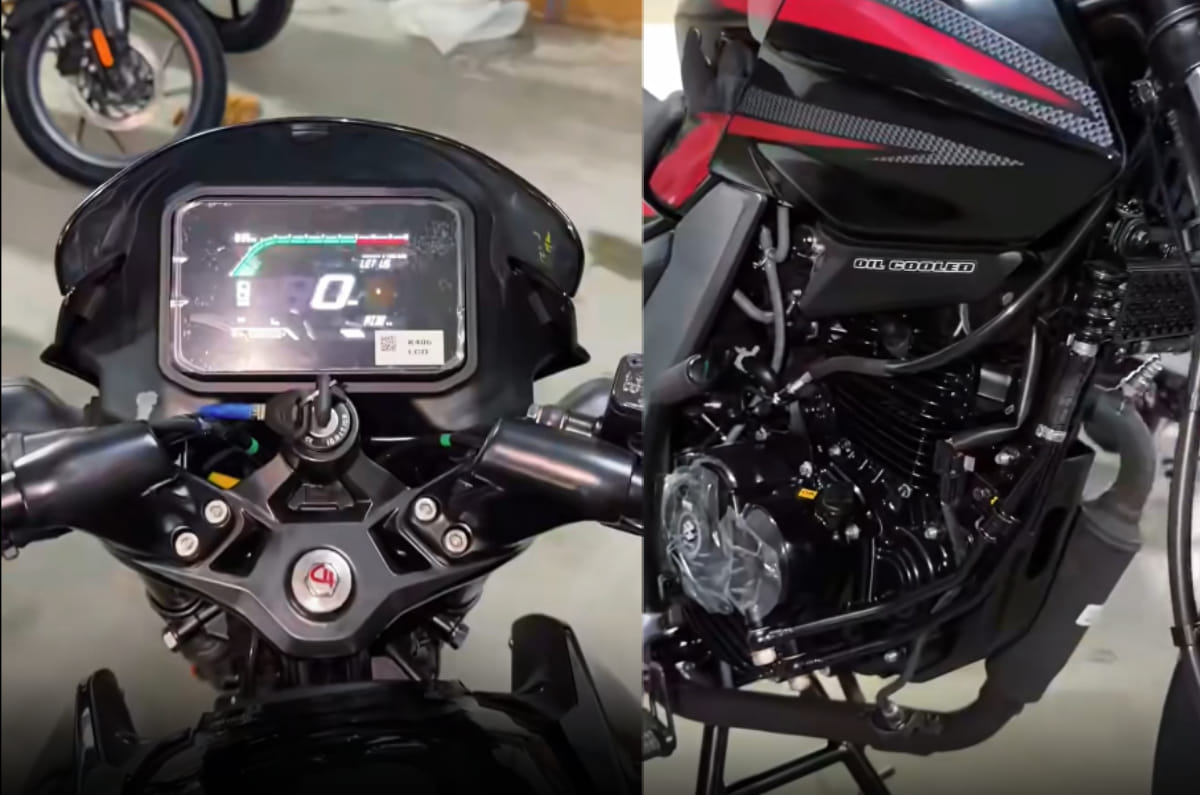
The N160 SS becomes the first Bajaj motorcycle to get a 5-inch TFT display with Google Maps mirroring, while the N160 S continues with an LCD console. Other SS-exclusive additions include adjustable levers and Bluetooth plus Wi-Fi connectivity. Both new variants will be offered in Atlantic Blue, Pearl Metallic White and Brooklyn Black. 

New Bajaj Pulsar 150 leaked before launch

New Pulsar 150 at dealership

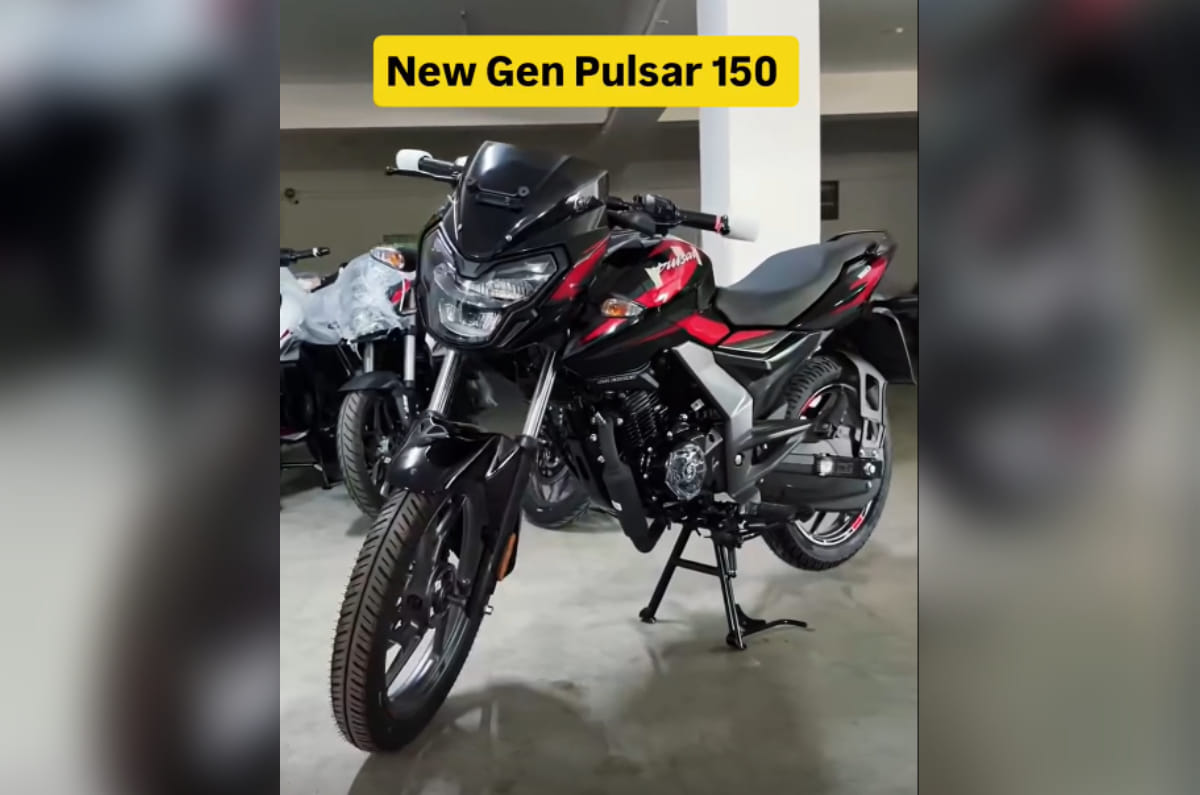
It’s no secret that Bajaj is working on multiple product launches over the next few months. We know the updated Pulsar N160 will launch on August 12, while the all-new Pulsar 125 was also spotted at a dealership earlier this week. Now, the new Bajaj Pulsar 150, too, has been spotted at a dealership, giving a production-ready look at the motorcycle ahead of its expected launch in the near future.

  1. Gets a new air- and oil-cooled engine
  2. Features a new single-downtube frame with monoshock rear suspension

All-new Bajaj Pulsar 150 details

Shares design DNA and platform with the all-new Pulsar 125

The new Pulsar 150 sits on an entirely new platform with a single-downtube frame like the one seen on the all-new Pulsar 125 earlier this week. This replaces the older architecture that has underpinned the Classic Pulsar range for years. Suspension comprises a telescopic fork at the front and a preload-adjustable monoshock at the rear, again mirroring the new Pulsar 125’s setup and marking an upgrade over the outgoing model’s twin-shock arrangement.

More notably, Bajaj has also made a significant change to the engine. The outgoing Pulsar 150 uses an air-cooled motor, but the new unit adds oil cooling. Improved thermal management could also allow Bajaj to extract more performance from the engine, but official output figures are yet to be revealed. For reference, the current Pulsar 150 is powered by a 149.5cc single-cylinder air-cooled engine producing 14hp and 13.3Nm of torque.

Even design-wise, the bike adopts several styling cues from the new Pulsar 125, including a redesigned headlight cowl, the familiar muscular fuel tank with extensions and a sleeker tail section featuring the signature twin LED tail-lights. The updated colour LCD instrument cluster also appears to have been carried over.

Bajaj has scheduled an event for August 12, and we’ve learnt that the updated Pulsar N160 will be among the launches. There is still no official word on whether the all-new Pulsar 125 and Pulsar 150 will also debut at the event. However, given that the new Pulsar 150 has already started reaching dealerships, a launch appears to be just around the corner.

Image source: Akram Saifullah

लकड़ी का फर्नीचर रखना है सालों तक नया? मानसून में अपनाएं ये 5 टिप्स

बरसात के मौसम में बढ़ी हुई नमी सिर्फ दीवारों और कपड़ों को ही नहीं, बल्कि घर के लकड़ी के फर्नीचर को भी नुकसान पहुंचा सकती है। दरवाजे, अलमारी, बेड और खिड़कियों में दीमक लगने का खतरा इस मौसम में काफी बढ़ जाता है। इसे समय रहते ध्यान न दिया जाए, तो दीमक लकड़ी को अंदर से खोखला कर सकती है। कुछ आसान घरेलू उपाय अपनाकर फर्नीचर को लंबे समय तक सुरक्षित रखा जा सकता है।


लौंग के तेल का इस्तेमाल (Clove Oil)

दीमक से बचाव के लिए लौंग का तेल एक आसान घरेलू उपाय है। इसके लिए चार से पांच बूंद लौंग का तेल पानी में मिलाकर स्प्रे बोतल में भर लें। इस मिश्रण का दीमक वाली जगह या लकड़ी के फर्नीचर पर रेगलर छिड़काव करने से दीमक की समस्या धीरे-धीरे कम होने में मदद मिल सकती है।


कपूर और नारियल तेल (Camphor and Coconut Oil)

नारियल के तेल में कपूर के एक-दो टुकड़े मिलाकर लकड़ी के दरवाजे, अलमारी या बेड पर हल्के हाथों से लगाएं। कपूर की तेज खुशबू दीमक को दूर रखने में मददगार है। साथ ही बरसात के मौसम में घर और फर्नीचर को सूखा रखें और समय-समय पर देखते रहें।


हल्दी और सरसों के तेल का मिश्रण (Mustard Oil and Turmeric)

सरसों के तेल में एक चम्मच हल्दी मिलाकर पेस्ट तैयार करें और इसे लकड़ी की सतह पर लगाएं। यह घरेलू उपाय दीमक को दूर रखता है। साथ ही यह लकड़ी की देखभाल करने का भी एक आसान और नेचुरल तरीका माना जाता है।


नींबू और सिरके का स्प्रे (Lemon and Vinegar Solution)

बराबर मात्रा में नींबू का रस और सिरका मिलाकर स्प्रे तैयार करें। इसे दीमक वाली जगह पर छिड़कने से दीमक पनपने की संभावना कम हो सकती है। इसके अलावा नमक और नींबू के रस का मिश्रण भी प्राकृतिक कीटनाशक की तरह इस्तेमाल किया जा सकता है।


करेले के रस का छिड़काव (Bitter Gourd Juice)

करेले का रस केवल सेहत के लिए ही नहीं, बल्कि लकड़ी के फर्नीचर की सुरक्षा के लिए भी उपयोगी है। इसका रस निकालकर दरवाजे, अलमारी या अन्य लकड़ी के सामान पर हल्का छिड़काव करें। ऐसा करने से दीमक लगने का खतरा कम हो सकता है।


नीम और लहसुन का घोल (Neem and Garlic Solution)

नीम की पत्तियों और लहसुन की कलियों को पीसकर पानी में उबाल लें। ठंडा होने के बाद इस घोल को छानकर स्प्रे बोतल में भर लें और दीमक वाली जगह पर छिड़कें। यह उपाय दीमक को दूर रखने में सहायक है और बरसात के मौसम में फर्नीचर की सुरक्षा के लिए इस्तेमाल किया जा सकता है।


नमी और दरारों पर नजर (Furniture Dry and Check Regularly)

दीमक से बचाव के लिए सिर्फ घरेलू नुस्खे ही नहीं, बल्कि हर दिन देखभाल भी जरूरी है। घर में नमी जमा न होने दें, लकड़ी के फर्नीचर को समय-समय पर धूप और हवा लगने दें तथा छोटी-छोटी दरारों या नुकसान को तुरंत ठीक करवाएं। इससे दीमक लगने की संभावना कम हो सकती है।

Which 2026 Mahindra Scorpio N variant should you buy?

2026 Mahindra Scorpio N facelift variants

The 2026 Mahindra Scorpio N facelift offers buyers all the familiar bits that this body-on-frame SUV has been known for while introducing minor cosmetic tweaks and new features on the inside. The 2026 Scorpio N soldiers on with the same powertrain options as its pre-facelift predecessor, but prices have gone up. Having said all that, which variant should you buy?

2026 Mahindra Scorpio N facelift powertrain options

This facelift hasn’t brought about any major mechanical changes to the SUV

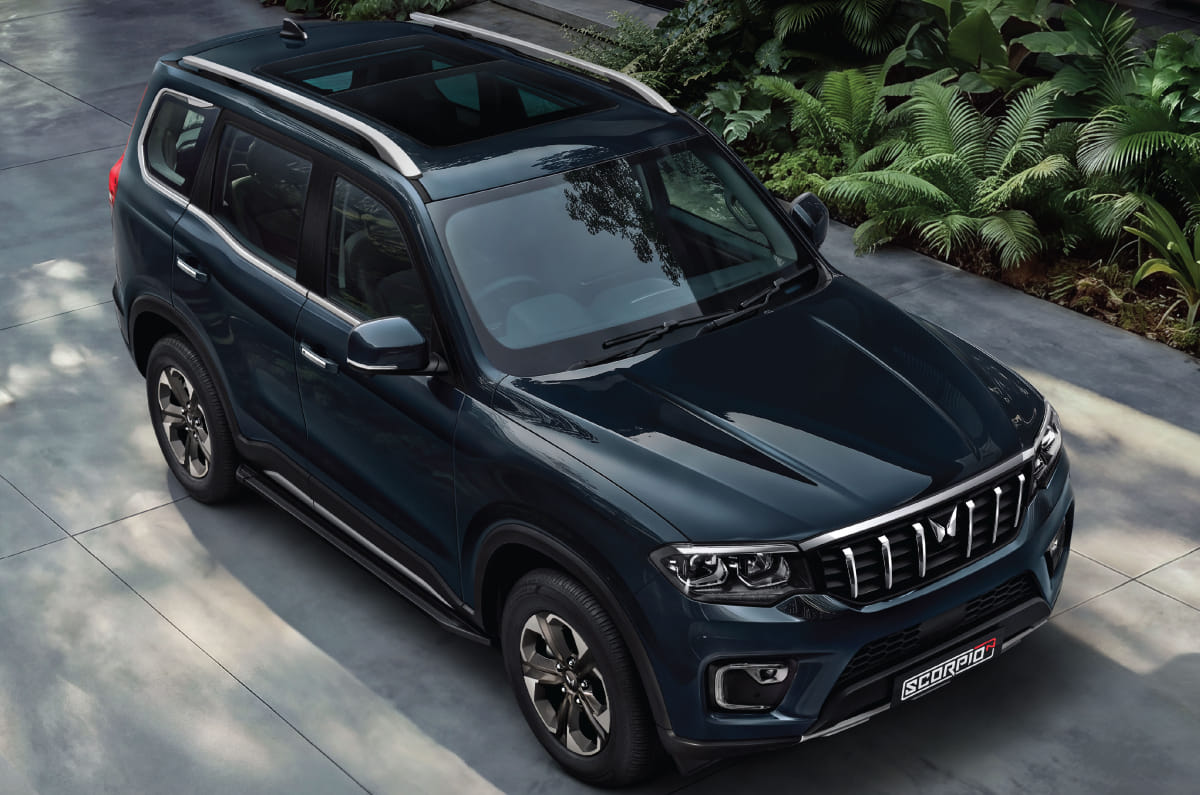
2026 Mahindra Scorpio N facelift front top quarter

Powertrain specifications

Mahindra Scorpio N facelift 2.0 turbo-petrol

Mahindra Scorpio N facelift 2.2 diesel

Type

4 cyls, direct-injection

4 cyls, direct-injection

Displacement

1,997cc

2,184cc

Power

203hp

132hp/175hp

Torque

370Nm/380Nm

370Nm/400Nm

Manual transmission

6-speed MT

6-speed MT

Automatic transmission

6-speed AT

6-speed AT

Drive configuration

2WD

2WD/4WD

Fuel capacity

57 litres

57 litres

Under the vast bonnet of the Scorpio N facelift are the same set of turbocharged engines that powered the previous model. The petrol unit uses the 2.0-litre mStallion direct-injection mill that produces 203hp and 370Nm when mated to a 6-speed manual transmission (MT) or 380Nm of torque when paired with the 6-speed torque-converter automatic (AT). In this case, power is sent only to the rear wheels.

Then there’s the 2.2-litre mHawk direct-injection diesel engine, which is available in two states of tune. In the lower Z2 and Z4 diesel MT variants, this mill develops 132hp and 300Nm of torque – transmission duties are handled by a 6-speed manual gearbox. Higher variants of the diesel-powered Scorpio N facelift get the 175hp version of this oil burner, putting out either 370Nm (MT) or 400Nm (AT) of torque. Do note that four-wheel drive is only available on the diesel variants but can be had with either manual or automatic gearboxes.

2026 Mahindra Scorpio N facelift variant-wise features

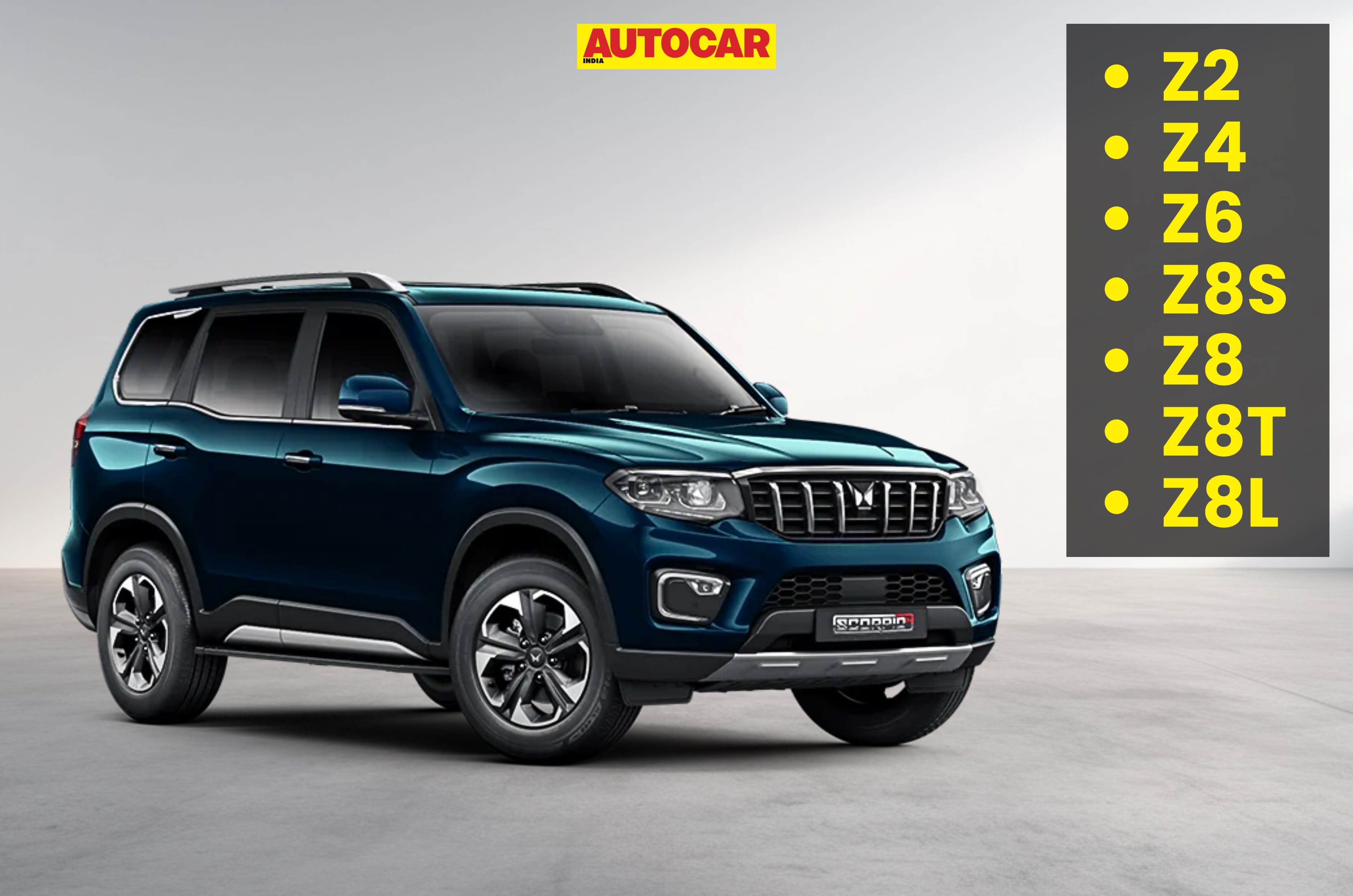
Z2 price range: Rs 13.69 lakh-Rs 14.19 lakh

  • Dual-barrel halogen headlamps
  • ORVM-integrated turn indicators
  • LED tail-lamps
  • 17-inch steel wheels
  • Front and rear disc brakes
  • Steering-mounted audio controls
  • Tilt-adjustable steering
  • Power windows
  • Manually adjustable ORVMs (outside rearview mirrors)
  • One-touch tumble second-row seat
  • Fold and tumble third row
  • Rear-seat centre armrest
  • Manual AC with rear vents
  • 8.0-inch touch-infotainment system
  • 4.2-inch monochrome MID (multi-information display)
  • 4-speaker audio system
  • First- and second-row USB ports
  • Third-row 12-volt outlet
  • 2 airbags
  • Rear parking sensors
  • ABS with EBD
  • Electronic stability control
  • Hill-hold control
  • Hill-descent control
  • Isofix anchors
  • Three-point seatbelts for all rows


Z4 price range: Rs 15.57 lakh-Rs 18.03 lakh

Features over Z2

  • Black roof rails
  • Rear spoiler
  • 17-inch steel wheels with cover
  • Steering-mounted audio and cruise controls
  • Driver’s side ‘anti-pinch’ window function
  • Electrically adjustable ORVMs
  • Driver’s seat-height adjustment and lumbar support
  • Wired Apple CarPlay and Android Auto
  • Rear AC blower control
  • Rear wiper, washer and defogger
  • Selectable 4WD system (Z4 diesel)


Z6 price range: Rs 17.17 lakh-Rs 18.82 lakh

Features over Z4

  • Zip, Zap and Zoom drive modes (diesel 2WD only)
  • Electric sunroof
  • Rearview camera


Z8S price range: Rs 17.79 lakh-Rs 19.89 lakh

Features over Z6

  • LED projector headlamps
  • Sting-shaped LED DRLs (daytime running lamps)
  • Sequential LED turn indicators
  • 17-inch diamond-cut alloy wheels
  • UV- and IR-cut glass (side windows only)
  • Brown and black leatherette upholstery
  • Leather-wrapped steering wheel and gear lever
  • 12.3-inch touch-infotainment system
  • 10.25-inch digital instrument cluster
  • Wireless Apple CarPlay
  • Free one-year Adrenox Connect subscription
  • Built-in Amazon Alexa
  • 65W Type-C front and rear USB ports
  • Front-facing camera
  • Information on roll and pitch, altitude, G-force, etc. (via Adventure Statistics)
  • 6 airbags
  • Driver-drowsiness detection
  • E-call and SOS alert


Z8 price range: Rs 19.86 lakh-Rs 21.41 lakh

Features over Z8S

  • Automatic headlamps and wipers
  • Passive keyless entry
  • Push-button ignition
  • Power-folding ORVMs
  • ‘Anti-pinch’ function for co-driver’s window
  • Dual-zone automatic climate control
  • Wireless charger
  • Free two-year Adrenox Connect subscription
  • TPMS (tyre-pressure monitoring system)


Z8T price range: Rs 20.38 lakh-Rs 24.39 lakh

Features over Z8

  • 18-inch diamond-cut alloy wheels
  • 6-way powered driver’s seat
  • Ventilated front seats
  • 12-speaker Sony audio system
  • Auto-dimming IRVM (inside rearview mirror)
  • Electronic parking brake
  • Selectable 4WD system (Z8T diesel)
  • Normal, Snow, Mud/Ruts and Sand terrain modes (diesel 4WD)
  • Electronic brake-locking differential


Z8L price range: Rs 21.31 lakh-Rs 25.49 lakh

Features over Z8T

  • Panoramic sunroof
  • 540-degree camera system
  • Blind-view monitor
  • Adaptive cruise control (AT versions only)
  • Speed-limit assist (AT versions only)
  • Forward-collision warning
  • Auto-emergency braking
  • Lane-departure alert
  • Lane-keep assist
  • High-beam assist
  • Traffic-sign recognition


2026 Mahindra Scorpio N facelift colours

The facelift has brought with it two new colour options

2026 Mahindra Scorpio N facelift colours

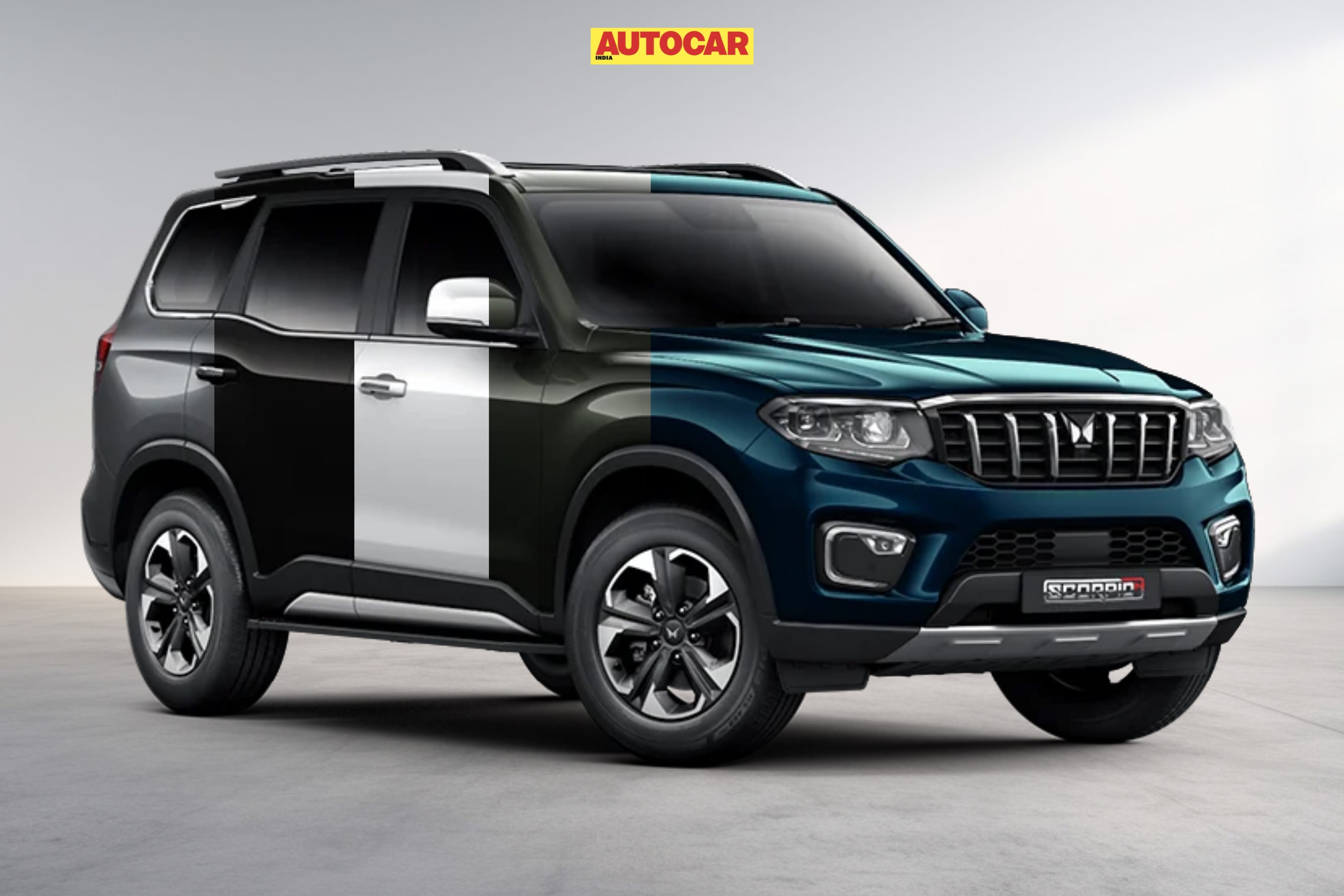
With this update, the Mahindra Scorpio N retains three colours from its predecessor: Deep Forest, Everest White and Stealth Black. However, it does get two new shades. These include an all-new colour, Oceanic, and Galaxy Grey, which replaces another grey option called Valyrian Silver. There are no dual-tone colours available.

2026 Mahindra Scorpio N facelift: Which variant should you buy?

The second-to-top trim with the diesel-automatic powertrain is a good pick

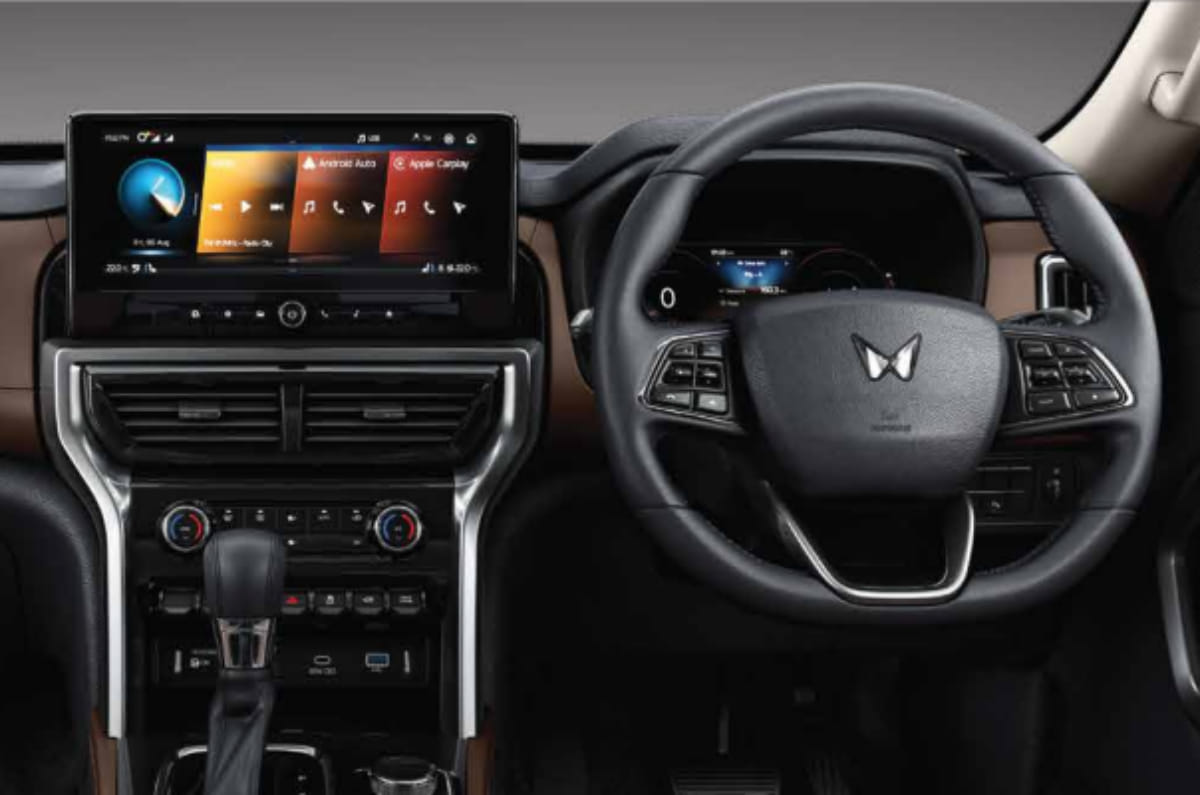
2026 Mahindra Scorpio N facelift interior

The Z8T trim with the turbo-diesel engine and 6-speed torque-converter automatic (AT) is our pick of the bunch. This is because it offers a laundry list of modern convenience and safety features, catering to almost every need that a buyer looking for an SUV at this price point is likely to have. If you’re someone who finds themselves driving through inclement weather regularly, or you intend to do a bit of off-roading, the 4×4 version has enough mechanical and electronic assistance to back you up. However, try to avoid the Z2, Z4 and Z6 trims as these only get two airbags – that’s unacceptable at this price point.

Also read

3 reasons to buy the Mahindra Scorpio Classic, 2 reasons not to

What to expect from the BMW 7 Series, i7 facelift ahead of launch

SIAM withdraws E20 fuel contamination communication

E20

The Society of Indian Automobile Manufacturers (SIAM) has withdrawn its earlier communication to the Ministry of Petroleum and Natural Gas regarding E20 fuel contamination, stating that media reports had selectively quoted excerpts from the document and that some of the figures cited require further verification.

  1. Earlier communication withdrawn pending further verification
  2. SIAM reiterates support for the government’s E20 programme
  3. Petroleum Ministry says enhanced fuel quality checks are in place

The clarification follows media reports that cited portions of the communication relating to chloride and moisture contamination in E20 petrol and an increase in the replacement of certain vehicle components.

SIAM says figures require further verification

In a statement issued on Tuesday night, SIAM said, “SIAM has taken note of certain media reports that have cited excerpts from a SIAM communication, with specific and selective focus on chloride and sulphur content in fuel. SIAM wishes to clarify the matter and place it in its correct context for the benefit of the public and all stakeholders.”

It added that the communication formed part of routine technical discussions between industry bodies, automobile manufacturers, oil marketing companies (OMCs) and testing agencies.

“Some numbers quoted in the communication needs authentication through collection of elaborate data from various regions across the country followed by a comprehensive consultation with our member OEMs,” SIAM said.

The industry body added, “The referred numbers reported in the media need authentication and therefore SIAM is withdrawing its earlier communication.”

A news report published by a leading business channel on Tuesday, which has since been removed, had cited excerpts from the communication, claiming SIAM had flagged a rise in the replacement of fuel injectors, fuel pumps and other components, while also highlighting chloride contamination of up to 500mg/kg in some fuel samples.

Industry body reaffirms support for E20 rollout

SIAM said the Ministry of Petroleum and Natural Gas has already introduced a 3ppm guideline for chloride and sulphur in ethanol blended into petrol, while OMCs have strengthened quality checks across the fuel supply chain. According to the industry body, “all of these steps fully meet the needs of the automobile industry.” 

The industry body also reiterated its support for the nationwide rollout of E20 petrol, stating that there is “no cause for concern” for consumers and that such technical issues have routinely been addressed between automakers and OMCs.

Government reiterates fuel quality monitoring

Earlier on Tuesday, the Petroleum Ministry said fuel quality is monitored regularly by state-run OMCs and highlighted enhanced testing protocols following reports related to SIAM’s communication on E20 fuel quality.