पाक टेस्ट टीम ने नहीं प्रसारित होने दिया इमरान खान के बेटों का दुख, टेस्ट मैच बॉयकॉट करने की दी धमकी

imran khan

पाकिस्तान क्रिकेट बोर्ड ने इंग्लैंड के शीर्ष स्पोर्ट्स चैनल और डजीटल स्पोर्ट्स प्रसारणकर्ता के ख़िलाफ़ औपचारिक शिकायत की है। यह शिकायत तब की गई, जब प्रसारणकर्ता ने लॉर्ड्स में पहले दिन लंच के दौरान पूर्व प्रधानमंत्री और कप्तान इमरान ख़ान के बेटों का इंटरव्यू प्रसारित किया। एक अग्रणी क्रिकेट वेबसाइट को मिली जानकारी के मुताबिक़ PCB ने विरोध के तौर पर ब्रेक के बाद पाकिस्तान की टीम के मैदान पर वापस नहीं उतरने के विकल्प पर भी विचार किया था।

इंग्लैंड के पूर्व कप्तान और मौजूदा स्पोर्ट्स प्रेसेंटर माइक एथर्टन ने यह इंटरव्यू किया था। इसमें इमरान के बेटों सुलेमान और क़ासिम ख़ान ने अपने पिता की सेहत को लेकर चिंता जताई थी। इमरान पिछले तीन साल से जेल में हैं। उनके बेटों ने कहा कि उन्हें अपने पिता की ज़िंदगी को लेकर भी डर है। माना जा रहा है कि PCB ने लंच ब्रेक से पहले ही स्काई स्पोर्ट्स से संपर्क करके इस सेगमेंट को लेकर विरोध दर्ज कराया था। PCB ने कथित तौर पर यह भी चेतावनी दी थी कि अगर इंटरव्यू प्रसारित किया गया, तो पाकिस्तान के खिलाड़ी लंच के बाद मैदान पर वापस नहीं लौटेंगे।

इन बातचीत के दौरान स्काई ने इंटरव्यू को कुछ देर के लिए रोक दिया। लेकिन बाद में उसने 18 मिनट का यह इंटरव्यू प्रसारित कर दिया। जब तक इंटरव्यू ख़त्म हुआ, पाकिस्तान के खिलाड़ी दूसरे सेशन के लिए मैदान पर लौटने की तैयारी कर रहे थे। दूसरा सेशन दोपहर 2:40 बजे शुरू होना था।

एथर्टन ने बुधवार सुबह लॉर्ड्स के राइटर्स रूम में इमरान के बेटों का यह इंटरव्यू किया था। स्काई ने टेस्ट मैच से पहले इस इंटरव्यू की एक छोटी झलक भी दिखाई थी। हालांकि पाकिस्तान में इस सीरीज़ का प्रसारण करने वाले PTV ने इस इंटरव्यू को प्रसारित नहीं किया। पिछले कुछ हफ़्तों से इमरान की सेहत को लेकर लगातार सवाल उठ रहे हैं। उनके बेटे भी उन्हें सही इलाज और बेहतर स्वास्थ्य सुविधाएं दिलाने की कोशिशें तेज़ कर रहे हैं।

पिछले हफ़्ते पाकिस्तान की सुप्रीम कोर्ट ने आदेश दिया था कि इमरान को राजधानी इस्लामाबाद के शिफ़ा अस्पताल में भर्ती कराया जाए। लेकिन इसके बजाय उन्हें सरकारी PIMS अस्पताल ले जाया गया और जांच के कुछ ही समय बाद वापस जेल भेज दिया गया था।

इमरान की बहनों और बेटों ने आरोप लगाया है कि यह सुप्रीम कोर्ट के आदेश का उल्लंघन था। उन्होंने यह भी मांग की है कि इमरान को अपने निजी डॉक्टर से मिलने की इजाज़त दी जाए। पिछले हफ़्ते एथर्टन समेत 21 पूर्व कप्तानों ने पाकिस्तान के प्रधानमंत्री शहबाज़ शरीफ़ को एक ख़त लिखा था। इसमें उन्होंने उनसे अपील की थी कि यह सुनिश्चित किया जाए कि इमरान को जेल में सही इलाज और ज़रूरी स्वास्थ्य सुविधाएं मुहैया कराई जाए।

इस ख़त पर भारत, ऑस्ट्रेलिया, इंग्लैंड, वेस्टइंडीज़ और न्यूज़ीलैंड के पूर्व कप्तानों ने दस्तख़त किए थे। यह फ़रवरी में 14 पूर्व कप्तानों द्वारा लिखे गए एक पिछले ख़त के बाद भेजा गया था। उस पहले ख़त का पाकिस्तान सरकार की तरफ़ से कोई जवाब नहीं आया था।

एक अग्रणी क्रिकेट वेबसाइट ने इस मामले पर PCB की आधिकारिक प्रतिक्रिया के लिए उससे संपर्क भी किया है। वहीं, पाकिस्तान सरकार ने पिछले हफ़्ते एसोसिएटेड प्रेस को दिए एक बयान में उन आरोपों को ख़ारिज किया था कि इमरान के साथ जेल में बदसलूक़ी की गई या उन्हें अपने परिवार और वकीलों से मिलने नहीं दिया गया। सरकार ने कहा था कि अगस्त 2023 में जेल जाने के बाद से इमरान से उनके परिवार, वकीलों और डॉक्टरों ने 900 से ज़्यादा बार मुलाक़ात की है।
Orry: ‘अमृता सिंह की वजह से मैं ट्रॉमा में चला गया था’, सारा अली खान से दोस्ती पर ऑरी ने कही ये बड़ी बात

Orry: ओरहान अवत्रामणि, जिन्हें ‘ओरी’ के नाम से भी जाना जाता है, ने सारा अली खान की मां अमृता सिंह के साथ हुई अनबन के बारे में बात की है। इस अनुभव को अपनी जिंदगी का सबसे मुश्किल दौर बताया है। उन्होंने कहा कि अमृता ने उन्हें “बहुत परेशान” किया और “सच में बहुत बुरा हाल कर दिया था।” ओरी ने यह भी कहा कि इस अनुभव का असर सारा के साथ उनके रिश्ते पर भी पड़ा और इसने उन्हें और मजबूत बनाया।

पिंकविला से बात करते हुए ओरी ने कहा, “2021 में अमृता अली खान ने मुझे बहुत परेशान किया था। यह बहुत ज़्यादा था। मुझे नहीं लगता कि मैं पहले कभी ऐसी किसी चीज़ से गुजरा हूं। यह मेरी जिंदगी का बहुत मुश्किल और बुरा दौर था, उन्होंने सच में मुझे बहुत बुरी हालत में डाल दिया था।”

ओरी ने आगे कहा, “जब मैं उस स्थिति से बाहर निकला, तो लोग कहते थे कि तुम इससे और मजबूत होकर निकलोगे। मुझे लगता था, ‘मुझे इतनी ज्यादा मजबूती की जरूरत नहीं है।’ भला जिंदगी में इतनी मजबूती की किसे जरूरत होती है? फिर मुझे एहसास हुआ कि अब मुझ पर किसी चीज का कोई असर नहीं होता। मतलब, कोई भी चीज मुझे सच में दुखी नहीं करती।”

अपने अनुभव के बारे में बात करते हुए, ओरी ने कहा कि जिस “ट्रॉमा” (मानसिक सदमे) से वह गुजरे, उसने उन्हें और मजबूत बनाया और लोगों की नजर में रहने के दौरान मिली आलोचनाओं का सामना करने में मदद की। उन्होंने बताया, “मुझे लगता है कि उस समय जिस ट्रॉमा से मैं गुज़रा, उसने मुझे इतना मजबूत बना दिया कि जब मैं एक पब्लिक फिगर बना, तो शुरुआत में मुझे जो नफरत मिली, उसने मुझ पर कोई असर नहीं डाला।”

उन्होंने आगे कहा कि भले ही लोग उनकी “बेइज़्ज़ती” करते थे, लेकिन ऐसी आलोचनाओं का उन पर अब कोई भावनात्मक असर नहीं पड़ता। जब उनसे पूछा गया कि उनके और अमृता के बीच असल में क्या हुआ था, तो ओरी ने कहा, “सच कहूं तो, बुरे लोगों के साथ बुरी चीजें ही होती हैं। मैं बस इतना ही कहूंगा।”

ऑरी ने यह नहीं बताया कि अमृता सिंह के साथ उनके कथित झगड़े की असल वजह क्या थी, लेकिन उन्होंने उस अनुभव को बहुत ज़्यादा तकलीफ़देह बताया है। जनवरी 2026 में हिंदुस्तान टाइम्स को दिए एक इंटरव्यू में उन्होंने कहा कि सारा अली खान के साथ दोस्ती करने का मतलब होगा उस “ट्रॉमा” को नजरअंदाज करना या उसे ठीक मान लेना, जो उनकी मां ने उन्हें दिया था। ओरी ने यह भी कहा कि अगर अमृता माफी मांग लें, तो वह इस मामले को भूलने के लिए तैयार हैं। ऑरी अभी ‘खतरों के खिलाड़ी’ में नजर आ रहे हैं।

All Mahindra born EVs to get Google Gemini by January 2027

All Mahindra born EVs to get Google Gemini by January 2027
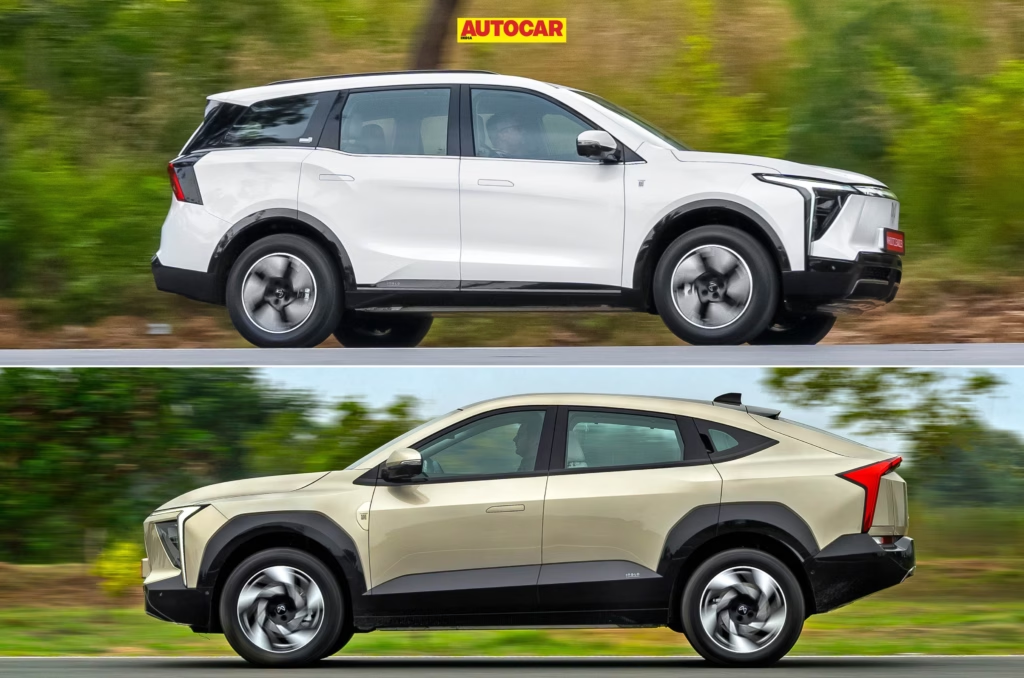
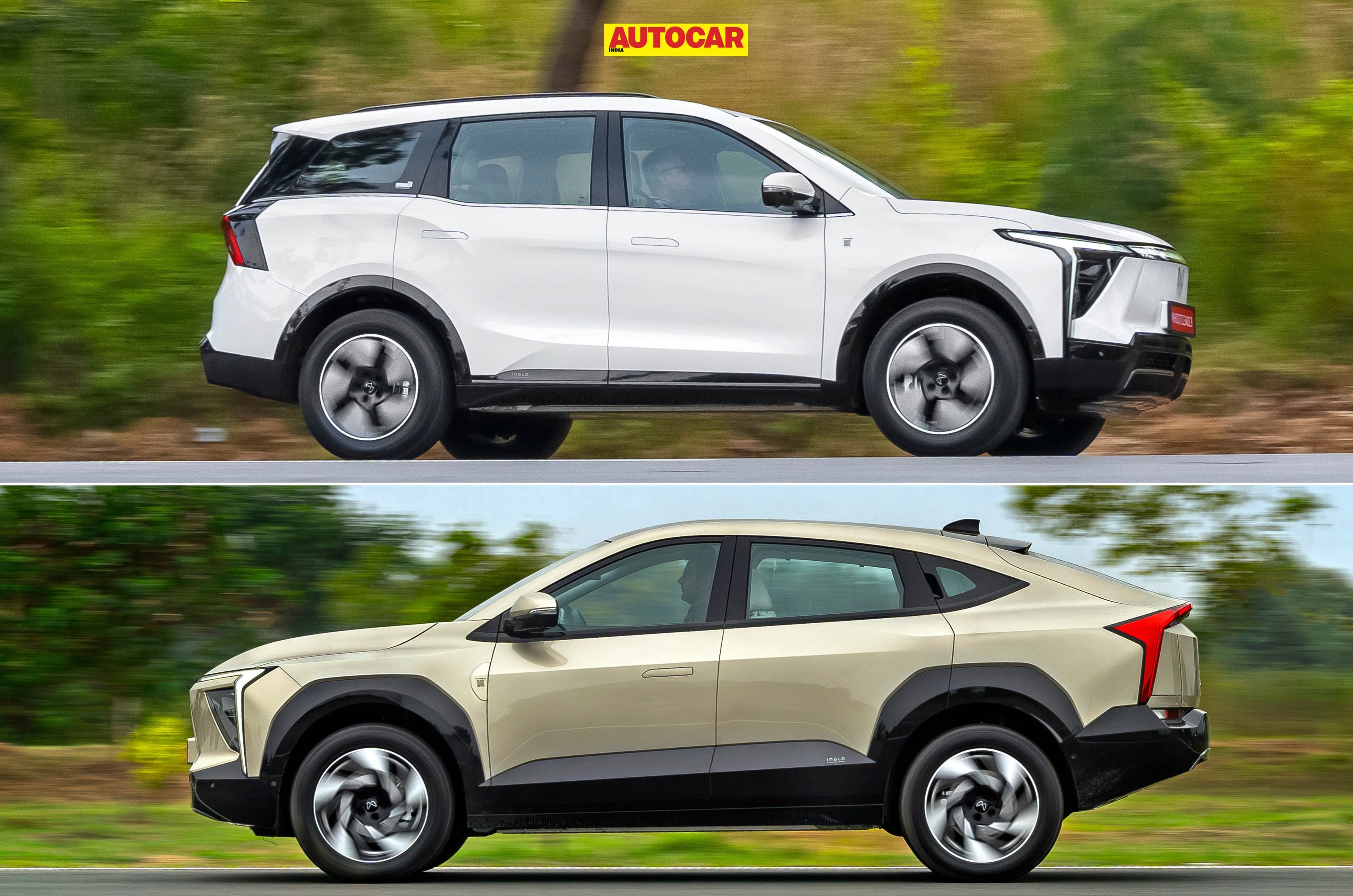
Mahindra XEV 9S and 9e

Mahindra has announced that its electric vehicle line-up will get Google’s Gemini AI assistant by January 2027. “From 1st January 2027, Google Gemini will go live on all other cars, including the original BE 6. That’s the advantage of MAIA architecture,” said R Velusamy, president, Automotive Business, Mahindra and Mahindra, in an interview with Autocar India. Additionally, other software-defined features that debuted on the BE 6 Sporteq will roll out to its existing portfolio in phases from January 2027.

Which software-defined features will the existing line-up get?

The recently introduced BE 6 Sporteq gets Google Gemini from day one, and all upcoming models will also have this feature. Meanwhile, Mahindra’s existing line-up – the XEV 9e, XEV 9S and the older BE 6 – will receive it via an over-the-air (OTA) update by January 2027. Essentially, these vehicles will now get the BE 6 Sporteq’s ‘TEQ’ suite of features, and below is a list of them.

1. TEQ_Talk (Google Gemini)

Mahindra’s in-car MAIA assistant is now powered by Google Gemini, enabling conversational AI features. The brand says it uses 17 specialised AI agents to facilitate natural interactions and supports over 100 core functions and 48 applications, including navigation, entertainment, vehicle controls, general knowledge and more.

2. TEQ_Secure 

This suite brings Secure 360 Pro, which basically lets you keep an eye on your car through its 360-degree camera system and dashcam. With Mahindra’s Me4U app, users can check live footage and recordings, activate audio relay and track their vehicle.  There’s also a digital car key ecosystem across smartphones, smartwatches and NFC key cards. Additionally, cars with a passenger display also come equipped with a parental lock feature.  

3. TEQ_Me 

TEQ_Me brings the user profile with an auto-detection feature that instantly adjusts your vehicle settings, including seat and mirror position, climate control and infotainment preferences, head-up display and drive modes, according to the selected user profile.

4. TEQ_Drive

The TEQ_Drive suite brings several driving features to Mahindra electric SUVs. A custom mode allows users to select and individually fine-tune the drive, suspension and steering modes. There’s also a drift mode that allows “controlled drifting in suitable conditions” by disabling the vehicle’s ESP completely, which wasn’t possible before. 

Moreover, users can now get additional range at zero percent charge with the Revive mode to reach the nearest charger. It essentially adds up to 13km of range, with the Revive SOS mode further adding up to 11km of range during emergencies. The latter can be used only five times in the vehicle’s lifetime. Lastly, Tribe Drive lets you track the locations of your friends and family who also own Mahindra electric SUVs on road trips.

5. TEQ_Play 

This mainly covers in-car entertainment features such as gaming, with support for up to four Bluetooth-enabled controllers along with a karaoke mode. Meanwhile, users can privately stream in-car audio with compatible Bluetooth devices via the private audio feature. Additionally, the ‘GrooveMe Party’ feature syncs the vehicle’s interior and exterior lights with the music playing, which is a cool party trick. 

Upcoming Bajaj dual-sport motorcycle spotted testing again

Upcoming Bajaj dual-sport motorcycle spotted testing again
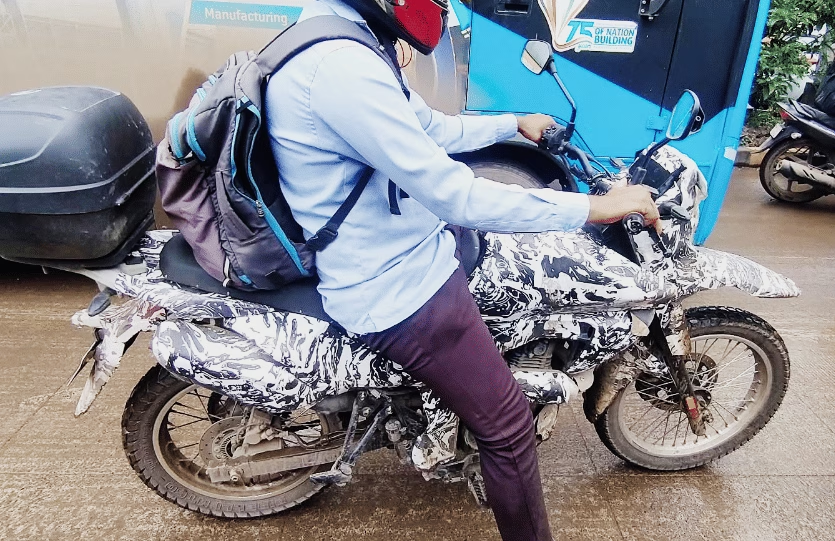
Upcoming Bajaj dual-sport motorcycle right outside shot, showing the engine, wheels, and tyres.

Bajaj has been working on their own dual-sport motorcycle, adding to a long list of new launches expected from the Pune-based manufacturer. The motorcycle has now been spotted testing again, revealing some key details.

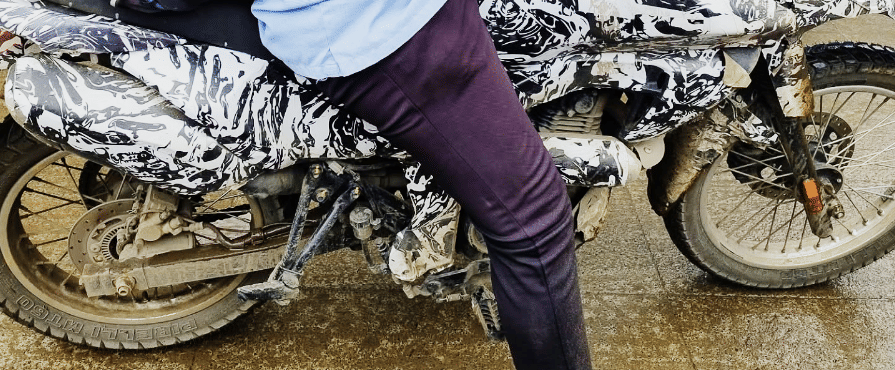
  1. Appears to have a 19 front-17 rear tubed spoke wheels
  2. Spotted testing with Pirelli MT60 tyres
  3. Most likely to launch in LatAm markets first

Proper dual-sport design

With an up-swept exhaust and a tall stance

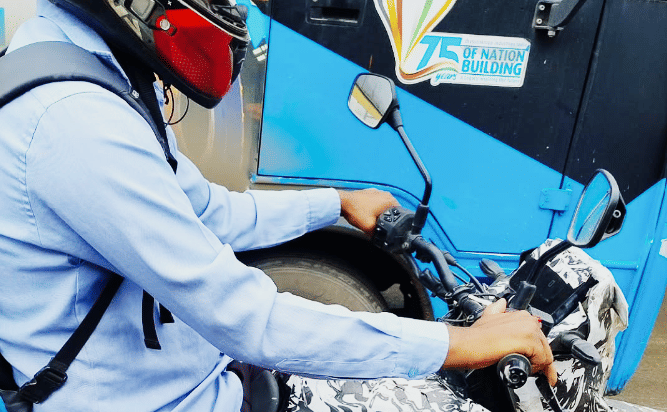
This image gives us a detailed look at a few important things on the motorcycle. We can see a TFT instrument cluster that appears similar to the unit that debuted on the Pulsar N160 S and SS, supporting Google Maps mirroring on the latter. The next detail we can see is the multi-functional switch cube on the left side of the handlebar, presumably to access and navigate through the features the motorcycle will offer. For perspective, some of the brand’s more recent launches like the N160 SS come with modern day features like ride-by-wire which enables rider aids like three ride modes, traction control, and a new crawl function to make riding in traffic easier, and we could see those features on this upcoming dual sport as well.

Upcoming Bajaj dual-sport motorcycle right showing instrument cluster and left switch cube

Being an adventure motorcycle, it understandably has long travel suspension, although exact details are unknown at the moment. The other noteworthy thing is that the motorcycle appears to sport Pirelli MT 60 tyres, but it’ll likely wear different tyres in India to keep the prices affordable. Engine details are still unknown, but as we’d reported earlier it’ll likely be sub-300cc.

The Indian off-road motorcycle market has popular choices like the Hero Xpulse 210 and the Kawasaki KLX230, as well as the KTM 390 Enduro R in the 400cc class. We also have the upcoming Honda XR300 L and XR300 Rally. In an interview with Brazilian media, Bajaj’s Executive Director for the country, Waldyr Ferreira hinted at a launch in the local market towards the end of the year. The timeline for an Indian launch hasn’t been confirmed so far.

Upcoming Bajaj dual-sport right side showing the exhaust and wheels

Image credit: xpulse_trails_1729 on Instagram

Porsche could axe the Taycan by 2030

Porsche could axe the Taycan by 2030
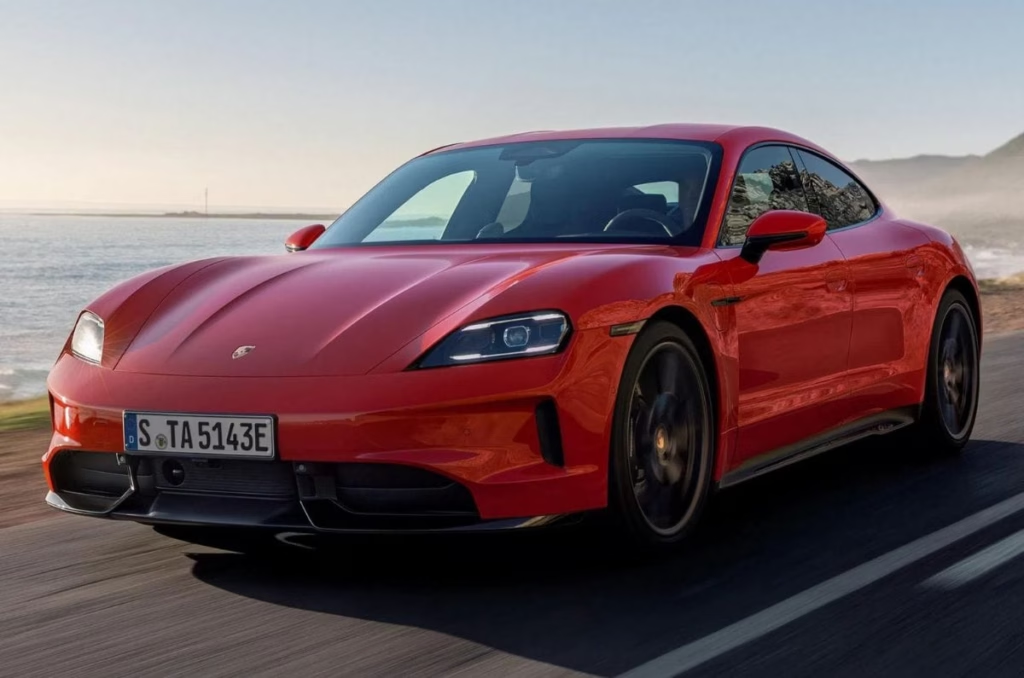
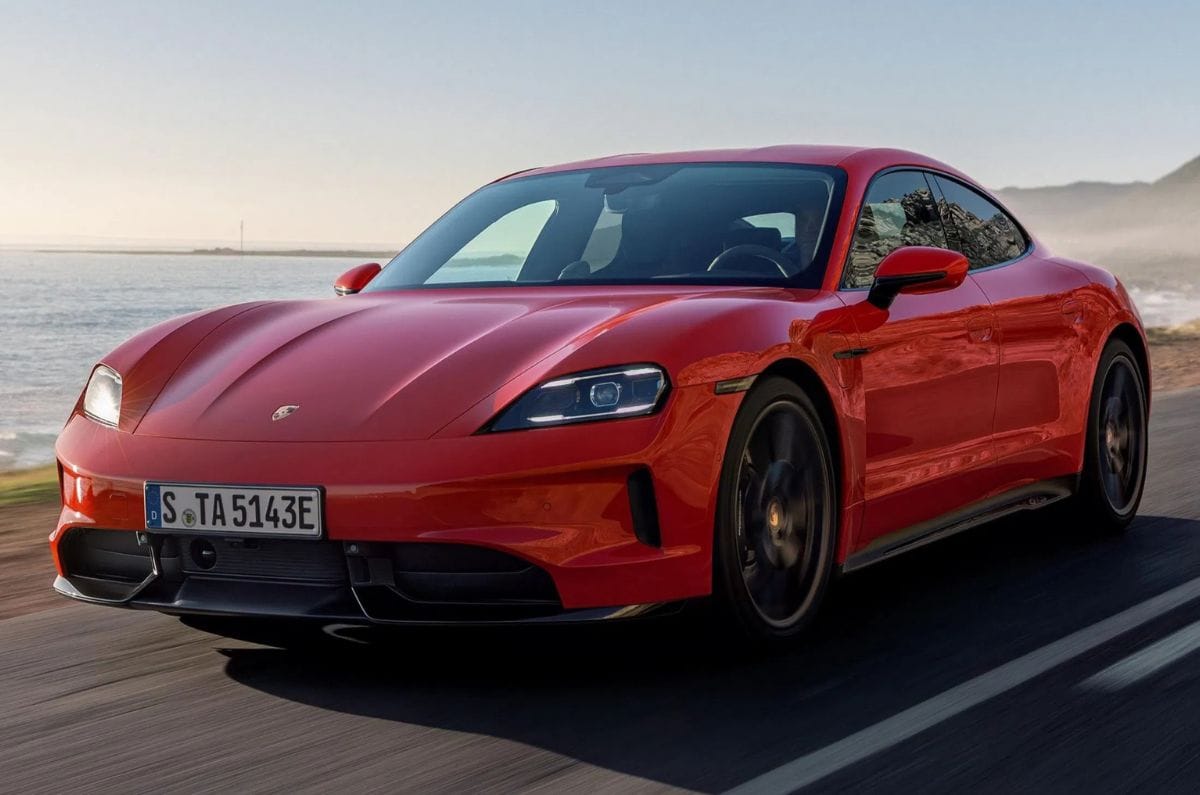
2027 Porsche Taycan front quarter

Porsche could axe the Taycan by 2030, reported German business magazine WirtschaftsWoche. This comes just a couple of months following the global unveiling of the 2027 Taycan, and about five months after Porsche’s plan to merge the Taycan and Panamera nameplates.

  • Plummeting demand cited as a major reason
  • Production of the Taycan has been halted several times

Porsche Taycan faces an uncertain future

Demand for the brand’s first fully electric car has been weak in recent years

After hitting a peak of 40,960 units in 2023, the whole of 2025 saw worldwide sales of the Taycan dropping by over 60 percent (at 16,339 units). Similarly dismal numbers have led Porsche to halt production of the Taycan several times over the years, Autocar UK highlighted. A phased ramp-down aside, Porsche’s plans with the Taycan also included an immediate cessation of its production, as per WirtschaftsWoche’s report.

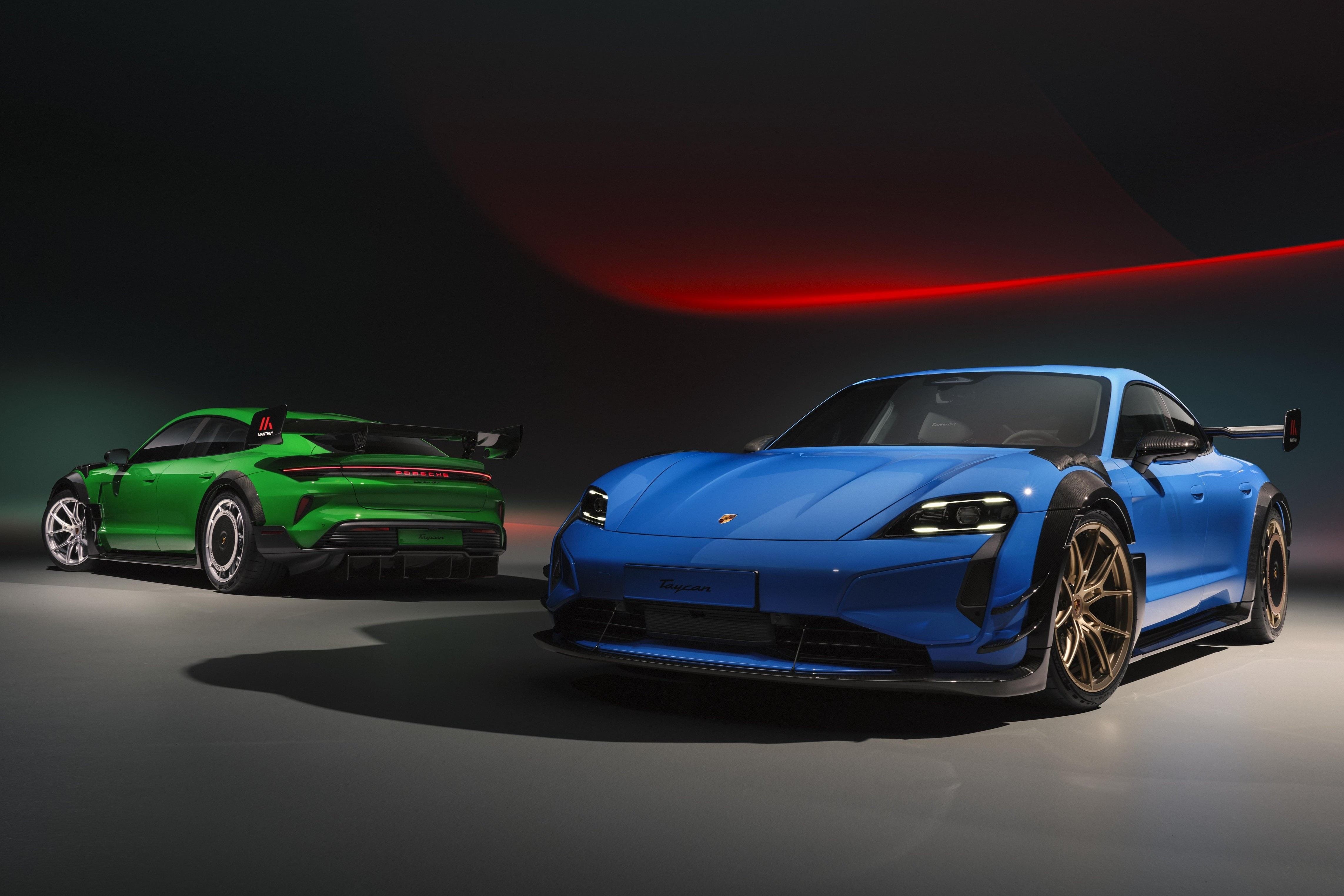
2027 Porsche Taycan with the Manthey kit
2027 Porsche Taycan with the Manthey kit shown for representational purposes only.

Even though the automaker is yet to officially sign on the paperwork, the German report claims that an understanding has been realised with Porsche’s Executive Board and General Works Council agreeing to proceed with a gradual discontinuation. In effect, this means that the Taycan is likely to be made at the automaker’s Stuttgart facility till its production comes to an end.

While the Taycan may bow out, Porsche is unlikely to give up on its aspirations for high-performance electric sedans. A successor is likely to join the Panamera line-up and likely be unified under a single nameplate, similar to what the brand has done before with the Macan and Cayenne line-up, Autocar UK explained. During his interview with the German newspaper Frankfurter Allgemeine Zeitung, Porsche CEO Dr. Michael Leiters, said, “In the short term, we are not planning to discontinue the Taycan. We have invested a lot in the model and want to observe how demand develops.”

Porsche’s production road map

The Leipzig facility handles production of Porsche’s combustion and fully electric models

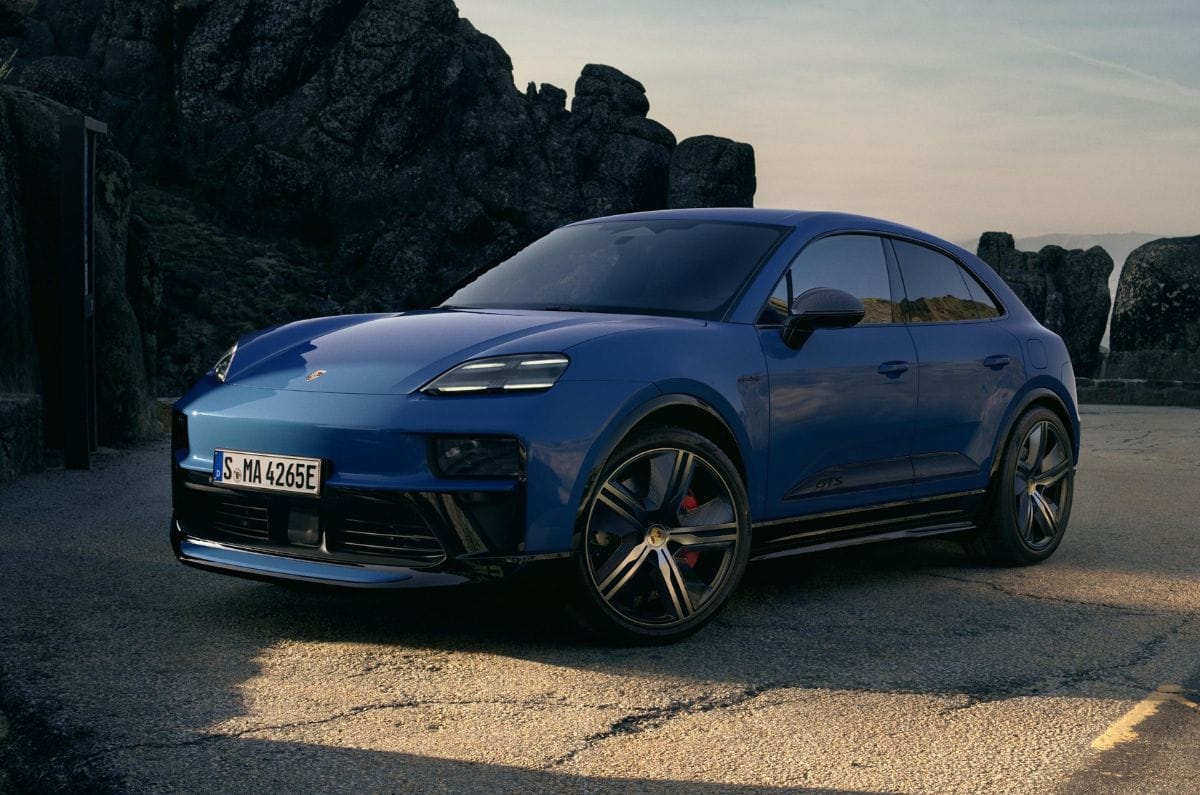
Porsche Macan GTS Electric
Like the Macan Electric, the Taycan’s successor could be produced at Porsche’s Leipzig facility.

Porsche’s Leipzig facility is where models such as the Panamera and Macan Electric are currently produced. However, its capacity isn’t being utilised as optimally as the automaker had once expected, according to Autocar UK. Meanwhile, WirtschaftsWoche’s insider sources claimed that Porsche was intending to move the Taycan’s production from the existing Stuttgart facility to the brand’s more accommodating establishment in Leipzig, whose production line can handle petrol, plug-in hybrid and fully electric models.

If Porsche wishes to consolidate and lower costs by benefiting from economies of scale, it could move the production of the expected Taycan successor to this facility. The German luxury marque has already written off EUR 1.8 billion owing to delays of this upcoming model’s platform development, according to Autocar UK.

Also read

Aston Martin Valen debuts as brand’s most powerful front-engined car

We see a drop in India due to PHEV import duty uncertainty: Lamborghini CEO

Kumar Sanu: ‘मुझे बहुत परेशान किया गया, मूवी माफिया ने अश्लील गाने गाने का दवाब बनाया ‘, कुमार सानू ने 90 के दशक को किया याद

Kumar Sanu: जाने-माने सिंगर कुमार सानू अश्लील गानों के खिलाफ हैं और उन्होंने यह बात साफ तौर पर कही है। एक नए इंटरव्यू में, उन्होंने उन गानों के बारे में बात की जो उन्होंने 1990 के दशक में अपने करियर के पीक पर गाए थे। उन्होंने कहा कि वे ऐसे गाने गाने से बचते थे जो अच्छे नहीं बल्कि अश्लील होते थे, हालांकि, कभी-कभी ‘मूवी माफिया’ के दबाव में उन्हें ऐसा करना पड़ता था।

ज़ूम के साथ एक इंटरव्यू में कुमार सानू ने कहा, “मेरा एक उसूल था कि मैं अपने गानों में अश्लीलता नहीं लाऊंगा। लेकिन एक-दो बार ऐसा हुआ जब मैं इस बात पर कायम नहीं रह पाया क्योंकि मुझ पर इतना दबाव था कि मुझे लगा कि मुझे वे गाने गाने ही होंगे, वरना काम नहीं चलेगा।”

उन्होंने आगे कहा कि ‘फिल्म माफिया’ के दबाव के बावजूद, वह अपने सिद्धांतों पर अडिग हैं और बोले, “मेरे पास एक-दो ऐसे गाने हैं। मेरे एक-दो गाने, जैसे ‘राज गया तबला तबले में…’, इसी श्रेणी में आते हैं। इसके अलावा, मैंने हमेशा से ही अश्लील गानों से परहेज किया है, और आज भी करता हूं। मैं आज तक इसी सिद्धांत पर कायम हूं। तो उसमें एक चीज होती है कि पता नहीं मेरा नुकसान तो बहुत हुआ लेकिन मुझे कोई फर्क नहीं पड़ता।”

हाल ही में कुमार सानू ने पिछले साल पार्श्व गायक उदित नारायण से जुड़े विवाद पर तंज कसा था। द लल्लनटॉप के साथ हाल ही में हुई बातचीत में, सानू से 1990 के दशक में महिला प्रशंसकों के बीच उनकी लोकप्रियता के बारे में पूछा गया, जिस पर उन्होंने प्रशंसकों को किस के बारे में एक तीखे कमेंट के साथ जवाब दिया।

‘आशिकी’ गायक ने कहा, “नहीं मुझे किसी ने किस नहीं। न मैंने किसी को किस किया। न तो मैंने किस दिया, न लिया। मैंने वो सब नहीं किया।”

यह टिप्पणी उदित नारायण के उस वायरल कॉन्सर्ट वीडियो के बाद आई है, जिसमें उन्हें महिला प्रशंसकों को चूमते हुए दिखाया गया था, जिसमें वे एक प्रशंसक को होंठों पर चूमते हुए भी दिखे थे। इस वीडियो को लेकर उन्हें व्यापक आलोचना का सामना करना पड़ा था।

कुमार सानू को हिंदी फिल्म संगीत में सबसे प्रसिद्ध आवाजों में से एक माना जाता है। उनकी 1990 के दशक की हिट फिल्मों में मेरा दिल भी कितना पागल है, एक लड़की को देखा, दो दिल मिल रहे हैं, तुम मिले दिल खिले, तुझे देखा तो ये जाना सनम, आंखों की गुस्ताखियां, चुरा के दिल मेरा, बाजीगर ओ बाजीगर, ये काली काली आंखें और धीरे-धीरे से मेरी जिंदगी में आना शामिल हैं।

Diogo Moreira explains why the Moto2-to-MotoGP jump will be easier than ever

Diogo Moreira explains why the Moto2-to-MotoGP jump will be easier than ever

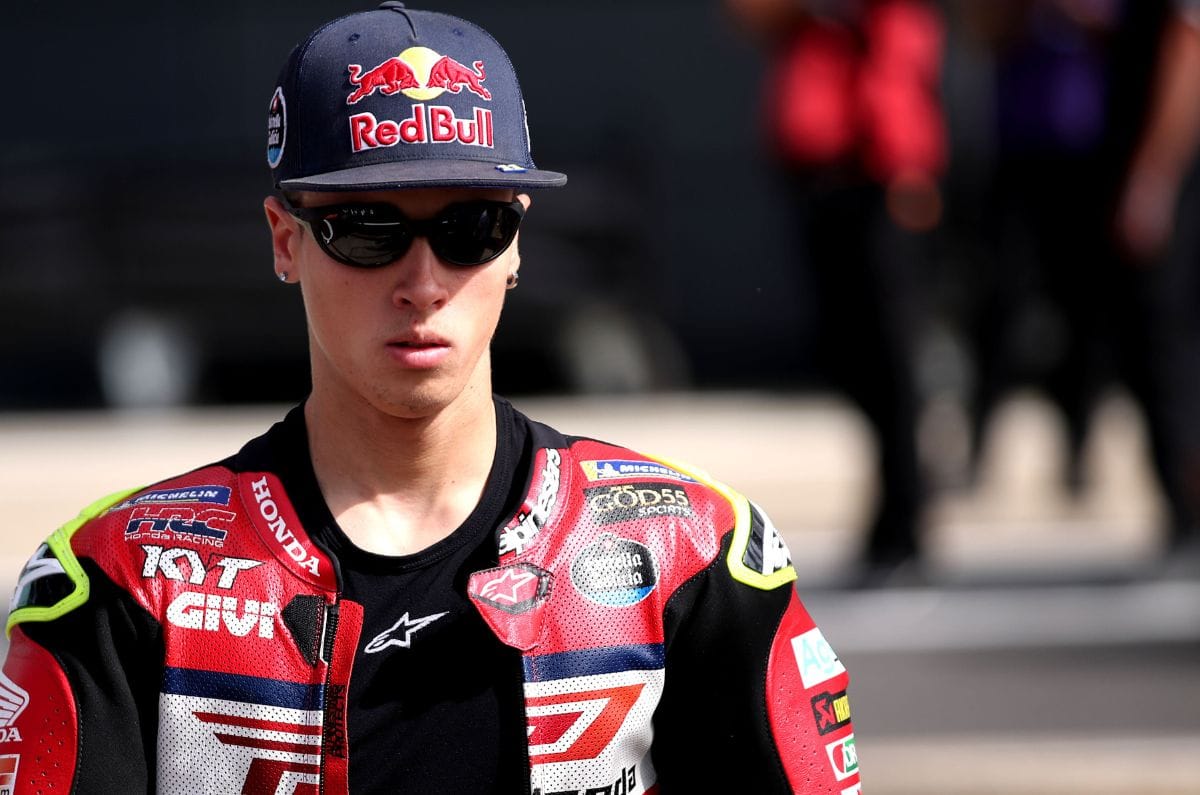
MotoGP is transitioning from 1000cc to 850cc motorcycles in 2027 and Triumph has also revealed a new engine for Moto2 next year. Speaking to Visordown, Diogo Moreira, current rookie rider for the Honda LCR MotoGP team and 2025 Moto2 world champion, said that this should make the jump between the two formats easier and that he’s optimistic about it.

  1. Diogo Moreira’s excited for the new 850cc MotoGP bike
  2. Says the new Moto2 engine will make transition easier for future riders
  3. Triumph says the new engine isn’t based on the Tiger Sport/Trident 800

MotoGP to transition from 1000cc to 850cc engine in 2027

Earlier stepping up from Moto2 to MotoGP meant getting used to a bike that has about 100 more horsepower, much more sophisticated electronics, and carbon ceramic braking systems

In the past, upscaling from a Moto2 bike to a MotoGP bike hasn’t been easy for most riders. Stepping up means getting used to a bike that has about 100 more horsepower, much more sophisticated electronics, and carbon ceramic braking systems. There have been riders like Pedro Acosta who adapted to the changes quickly. On the other hand, current MotoGP riders like Raúl Fernández (2026 British GP winner) and Fabio Di Giannantonio (currently fifth in the world championship) struggled when they first came from Moto2. They got better with time, and of course, with their teams choosing to trust their potential. Moreira himself is currently struggling to stand out on the grid though it is too early to write him off.

When asked about the changes, he said, “But anyway, I think we are happy to be in this new generation because, for me, I think it will be easier to ride this bike because it’s more similar to a Moto2. It should be good.” Moreira’s comments come at an important time for Moto2 and MotoGP when both are set to change substantially next year. MotoGP is downsizing while Moto2 is upsizing which is expected to reduce the steep jump between the two formats.

At this juncture, it bears repeating Triumph’s clarification about their new 2027 engines for Moto2. Since they already have a slightly larger engine, the obvious question was asked and answered. Triumph’s Chief Product Officer Steve Sargent told Visordown in a separate interview, “it’s categorically not the Tiger Sport 800 engine. It’s a completely different set-up.” He added that in 2019, when Triumph took over as Moto2’s exclusive engine supplier from Honda, the existing 765cc triple-cylinder engine was adapted for racing. With the new engine, that process has been reversed with focus on performance as well as durability.

But, he also didn’t say that this racing-first engine will never make it to a road motorcycle. While Triumph’s plans remain shrouded at this time, we can expect to see the learnings from this new race engine being applied to their future road motorcycles, at the very least. If Triumph manages to make the transition easier for riders, not only will that help the brand, but a future Triumph motorcycle with a Moto2 based engine would also be a strong marketing tool. While the gap between Moto2 and MotoGP has narrowed, there’s absolutely no doubt that MotoGP will remain the pinnacle of motorcycle racing. So, all in all, 2027 should likely be a win-win-win for all parties involved.

Audi global CEO backs broader powertrain mix as regional strategy takes shape

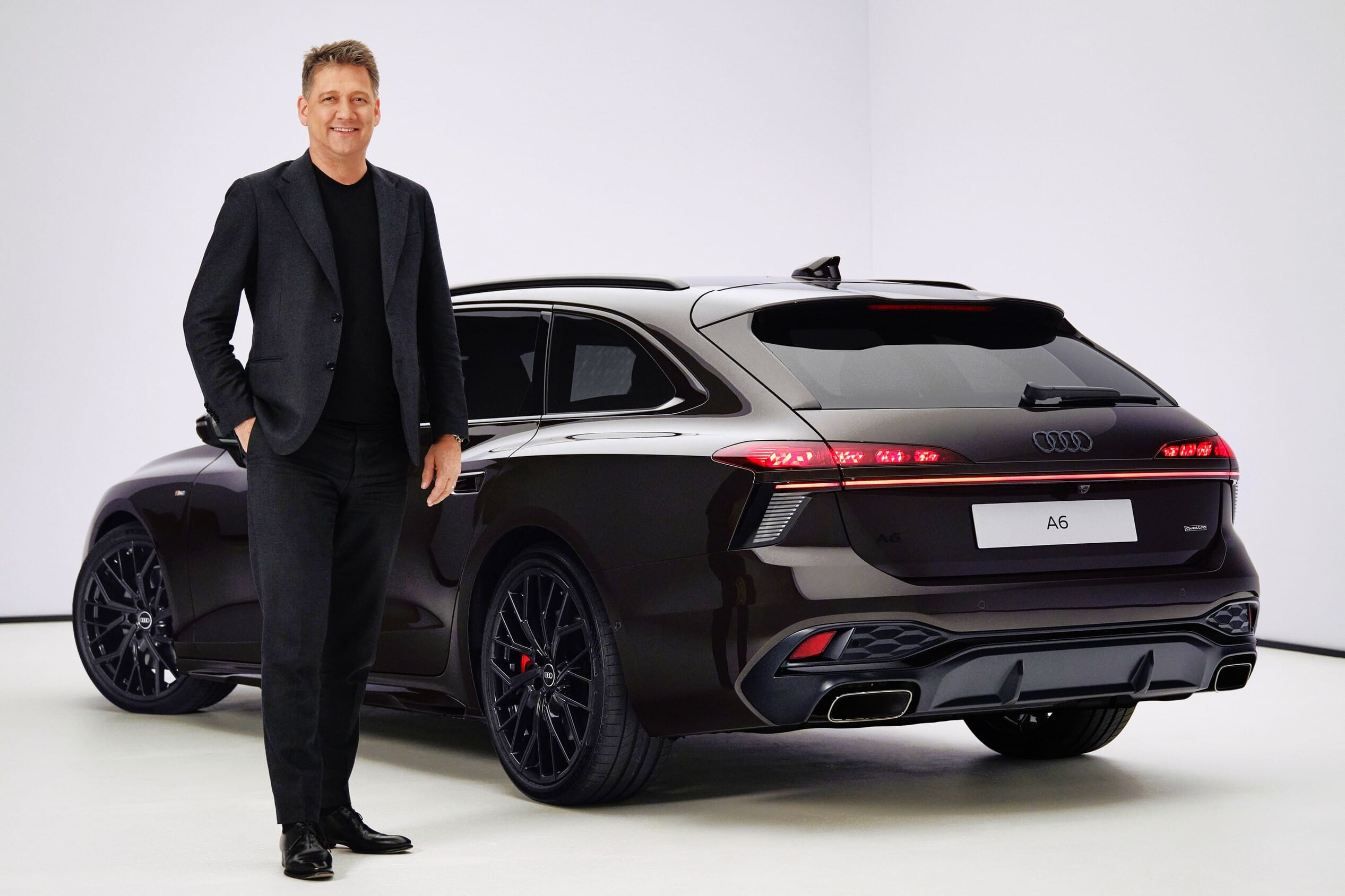
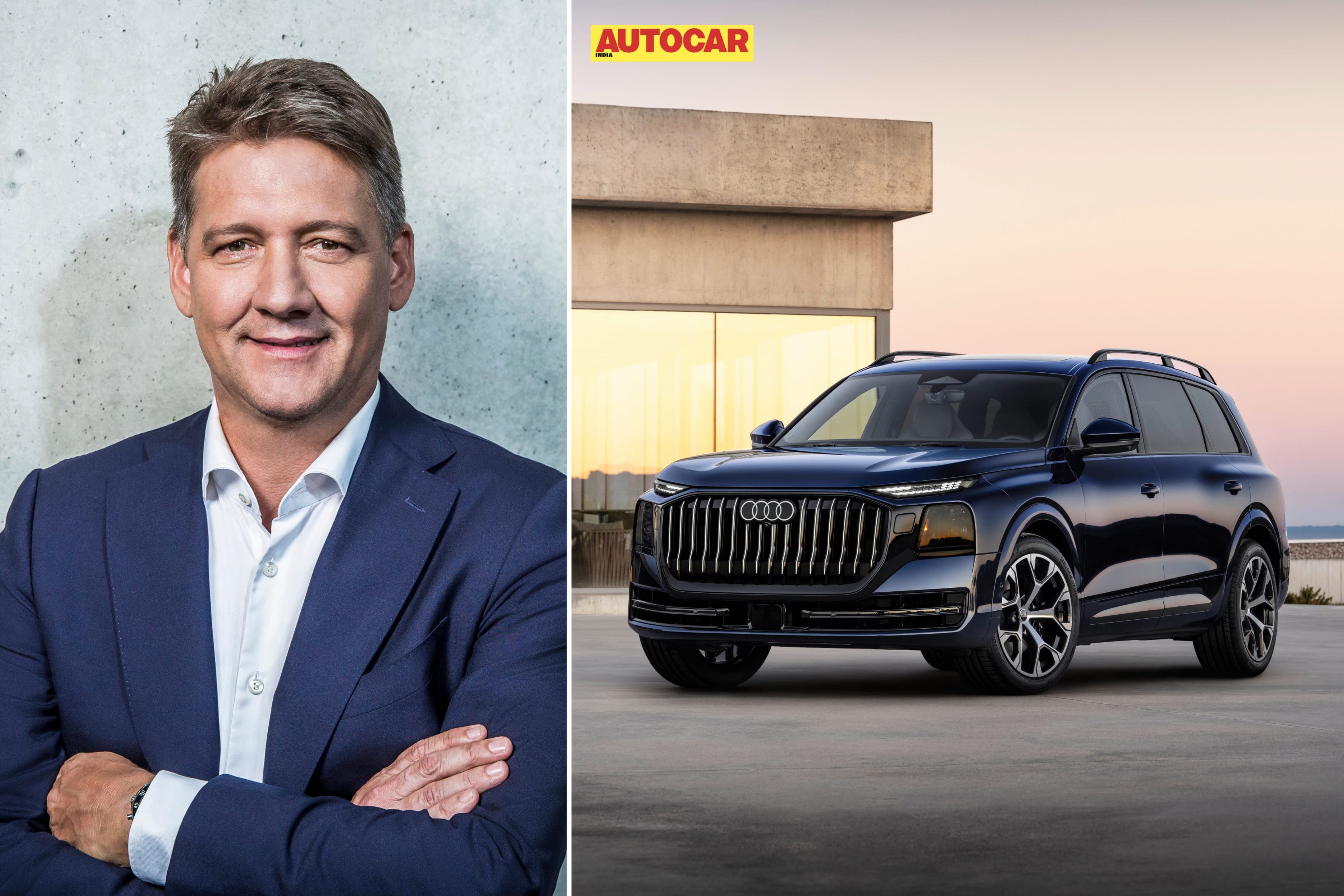
Audi CEO Gernot Dollner next to an A6 Avant

Audi will pursue a broader powertrain strategy spanning battery-electric vehicles, plug-in hybrids and combustion engines, stepping away from its earlier plan to become an all-electric carmaker. Global CEO Gernot Döllner said he reviewed Audi’s all-electric strategy after taking charge and decided that the company needed a more balanced product and powertrain mix to address the varying pace of EV adoption across markets.

“When I joined Audi, there was an all-electric strategy in place, which was one of the first things I reviewed,” Döllner told Autocar India in an exclusive interview. “We found a more balanced strategy between plug-in hybrids, especially important for Europe, combustion engine and electric.”

Global EV sales downturn lent ICE powertrains more time

The slower-than-expected pace of EV adoption in several global markets has extended the relevance of combustion engines and plug-in hybrids. Audi expects to retain a focused combustion-engine and plug-in-hybrid portfolio, particularly for SUVs.

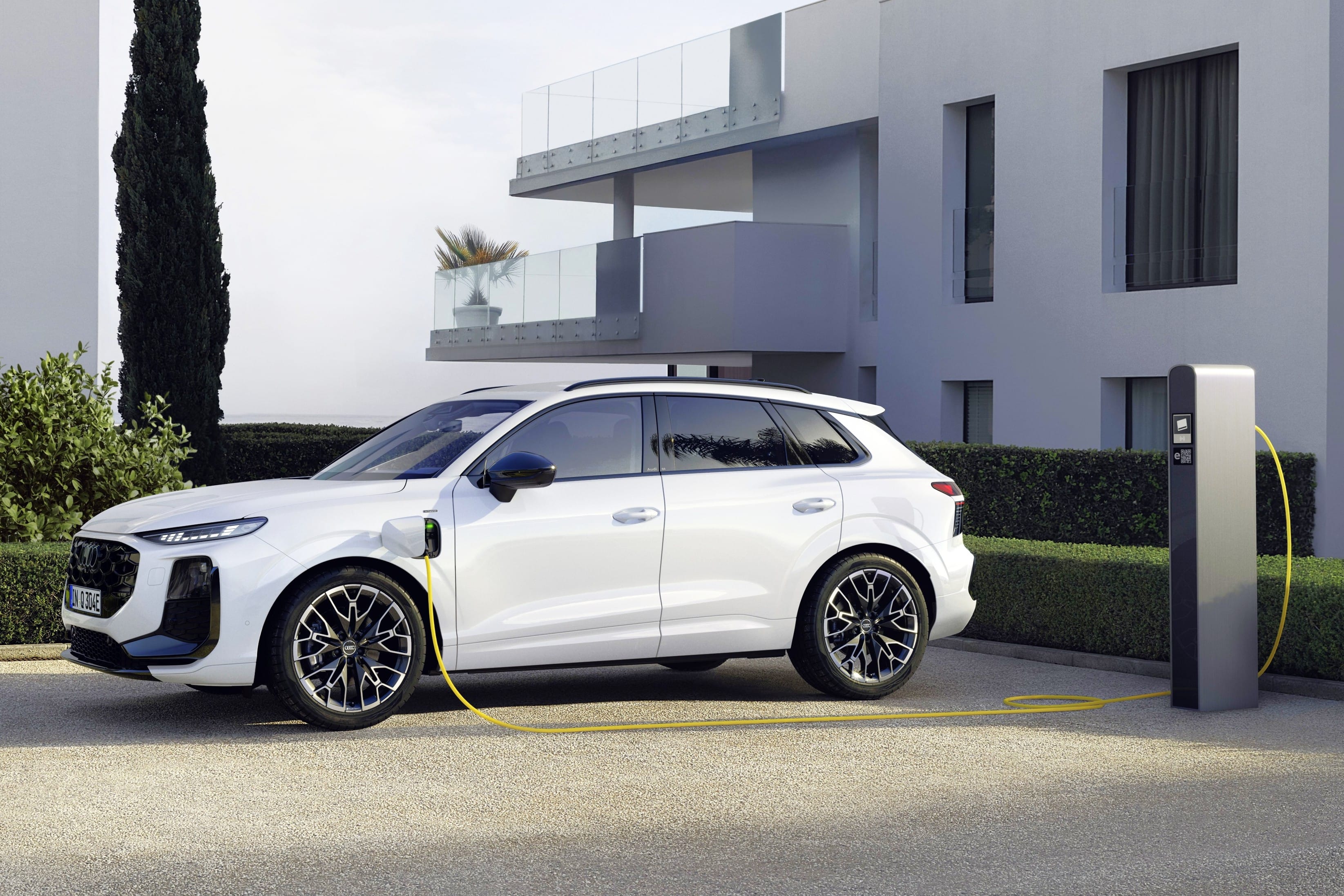
Audi Q3 PHEV

The company has recently completed a major investment cycle covering new petrol and diesel engines, plug-in hybrids and battery-electric vehicles designed to meet Euro 7 and other global regulations.

“For sure, the majority of our investment will be in battery electric. That’s a given,” Döllner said.

Audi will continue to invest selectively in combustion engines, including efficiency improvements and transmission technology, but Döllner expects the pace of innovation to be much faster in EVs.

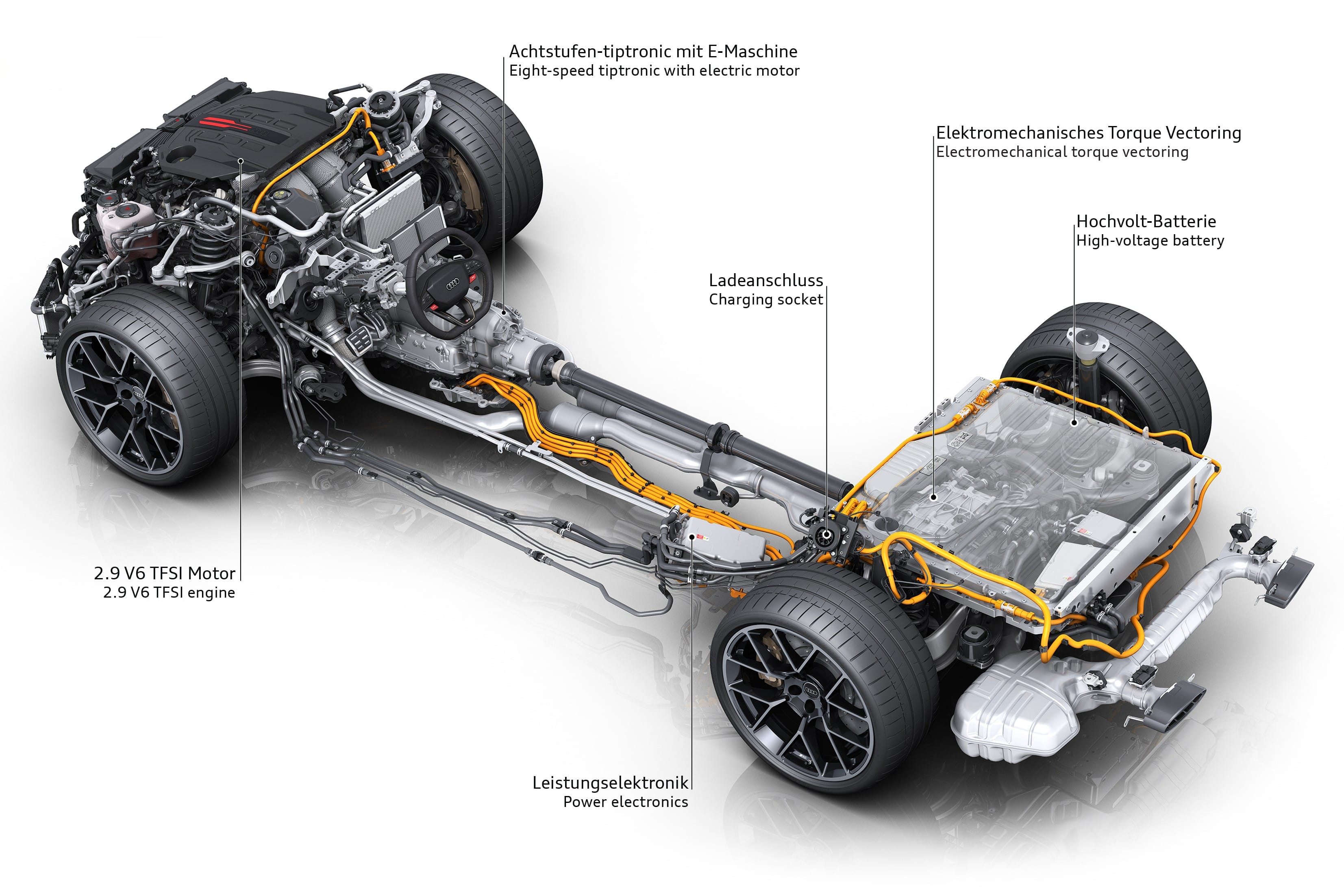
Audi RS5 plug-in hybrid powertrain

“The combustion engine is fairly mature. It’s at the very end of a 100-year innovation cycle, and battery electric is still at the very beginning, to be honest,” he said. “The dominant part of our investment will definitely be on the battery-electric side.”

Electric remains Audi’s leading technology

Audi’s decision to retain combustion engines and plug-in hybrids does not alter its long-term direction towards electric vehicles.

“Electric is, for Audi, still the leading technology,” Döllner said. “It’s our main priority to step by step become more electric.”

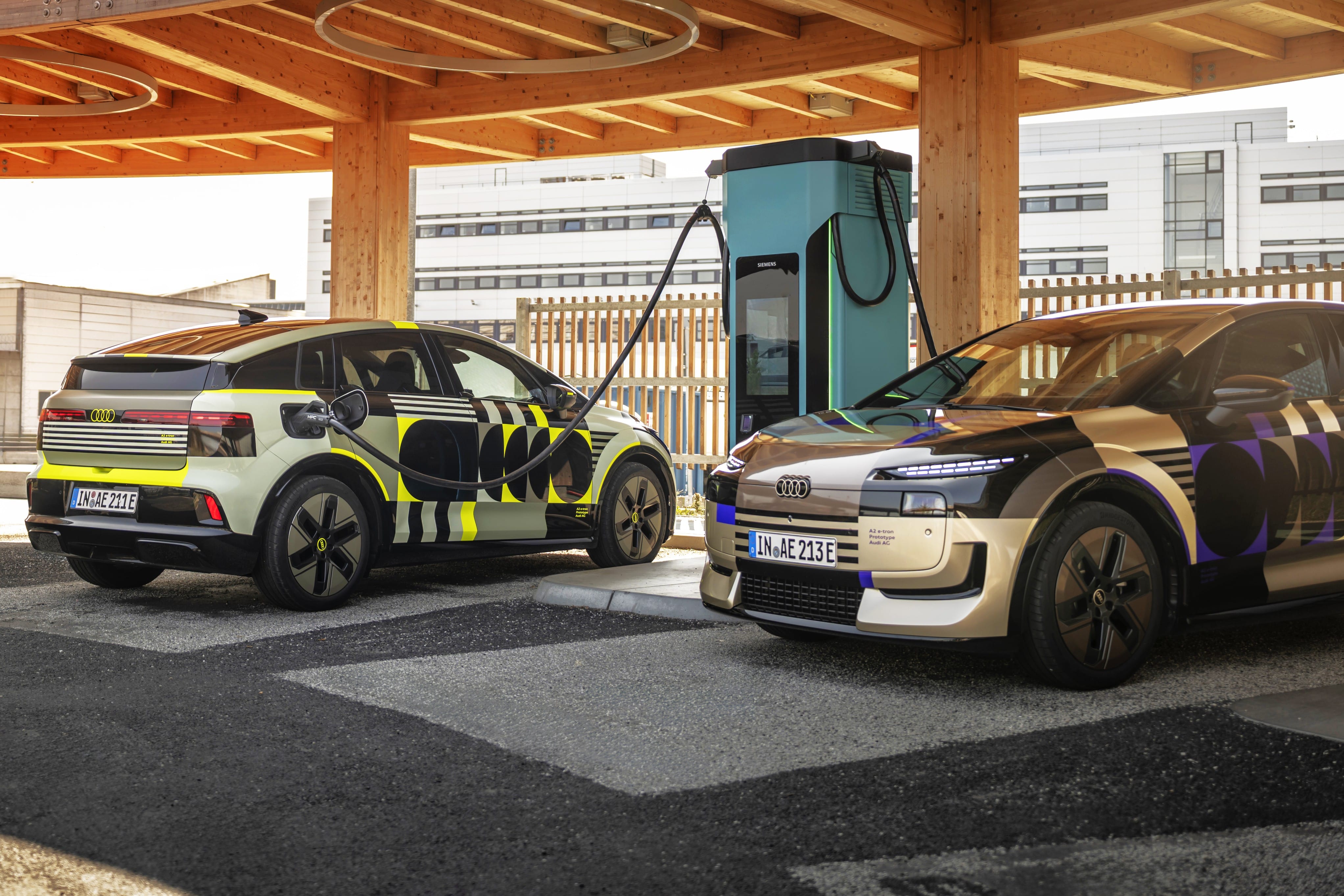
Prototypes of upcoming Audi A2 e-tron

Audi currently has four battery-electric model lines globally and expects to increase this to five by the end of the year, with some available in more than one body style. The company will, however, tailor the powertrain mix to individual regions. Plug-in hybrids will be particularly important in Europe, while the requirements of the US market will influence Audi’s future combustion-engine and PHEV portfolio, especially for SUVs.

In India, Audi’s immediate focus remains on petrol and electric vehicles. Diesel is not part of its current plan. The case for plug-in hybrids will depend partly on whether they receive any benefit under the India-EU FTA. New electric products are also planned for India.

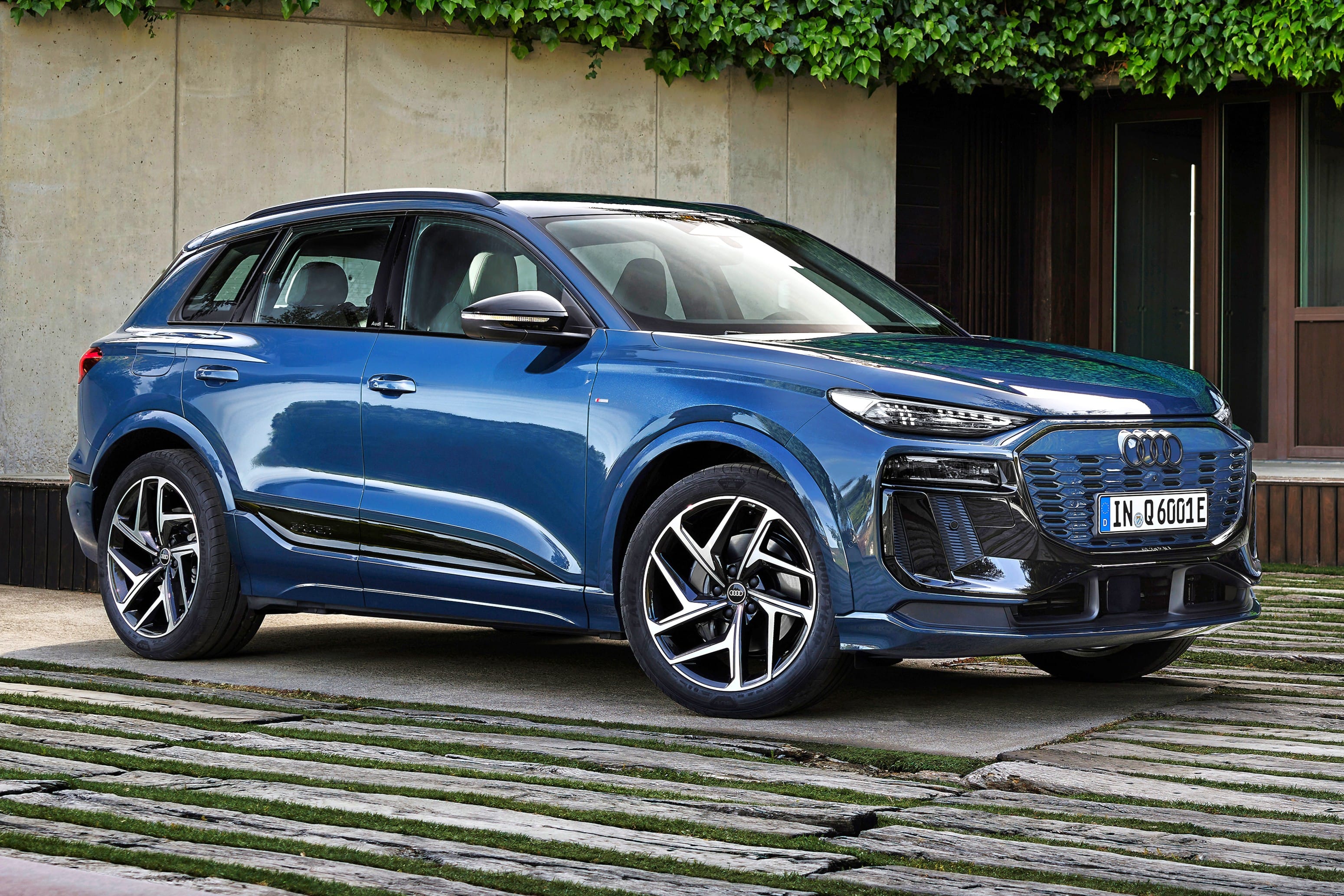
Audi Q6 e-tron

“From what I know, we also have decided to enter with new products in the electric segment in India,” Döllner said.

Audi has decided to assemble an electric vehicle in India, Autocar India learns, although the model and launch timing are still being worked out. The move from fully imported EVs to local assembly is now a question of when, rather than if.

The company was among the first luxury carmakers to enter India’s EV market with models such as the e-tron, e-tron Sportback, e-tron GT and Q8 e-tron. High import duties, however, restricted their reach and affected their resale-value proposition.

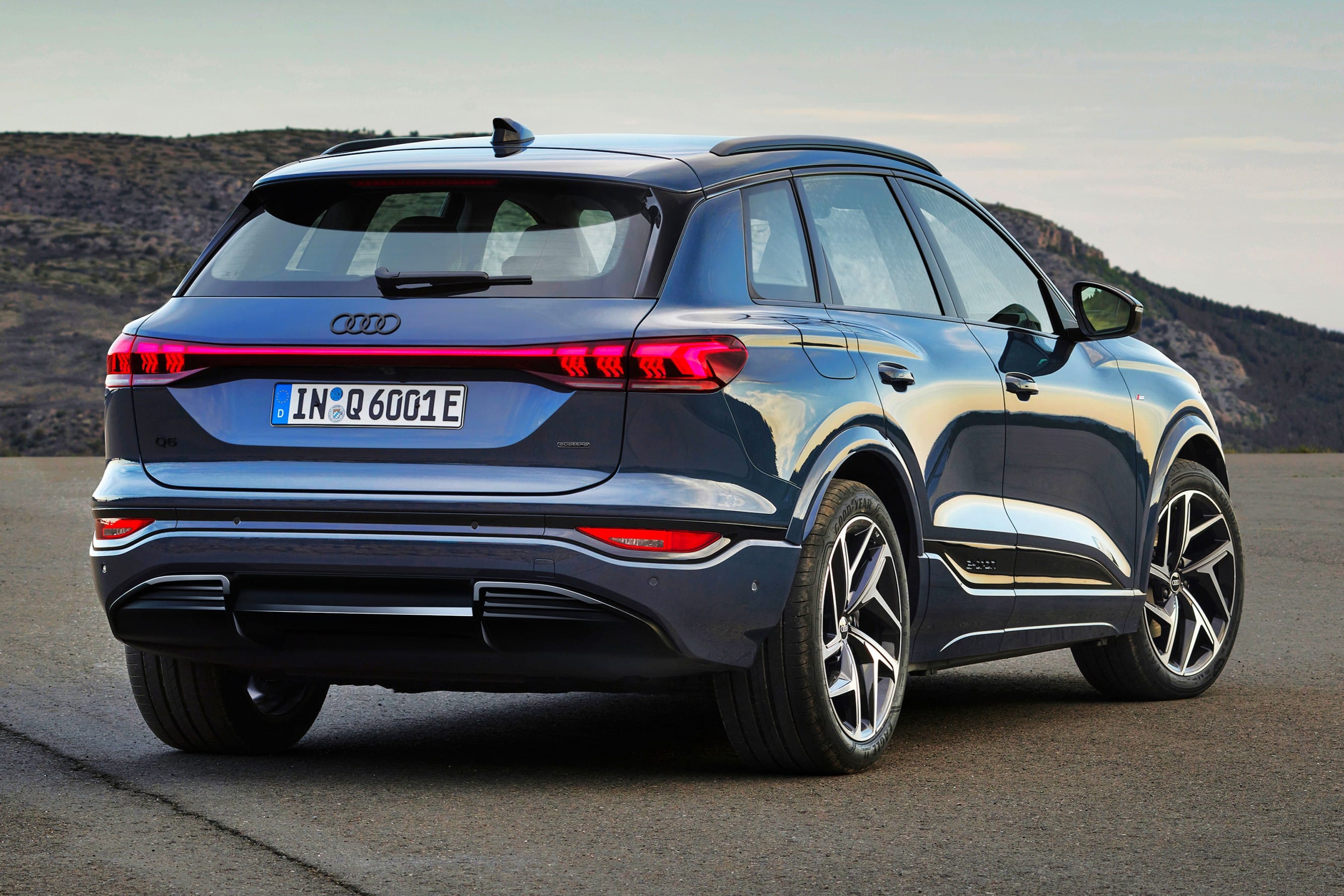
Audi Q6 e-tron

The Q6 e-tron is among the products being studied, but Audi has not decided which EV will be assembled in India. The selected model will need to offer the right combination of volume, pricing and suitability for local conditions.

Audi believes electric SUVs make more practical sense in India because their ground clearance is better suited to local road conditions. Sedans have not been ruled out, but SUVs offer a more practical proposition for battery-electric vehicles in the country.

Regional focus to shape future products

The broader powertrain approach is part of Döllner’s effort to make Audi more responsive to the requirements of individual regions.

“Audi has to act much more regional,” he said. “The times where we had a one size fits all, and we then bring it to China, just extend the wheelbase and do the same car, that doesn’t work anymore. We have to listen carefully to the markets.”

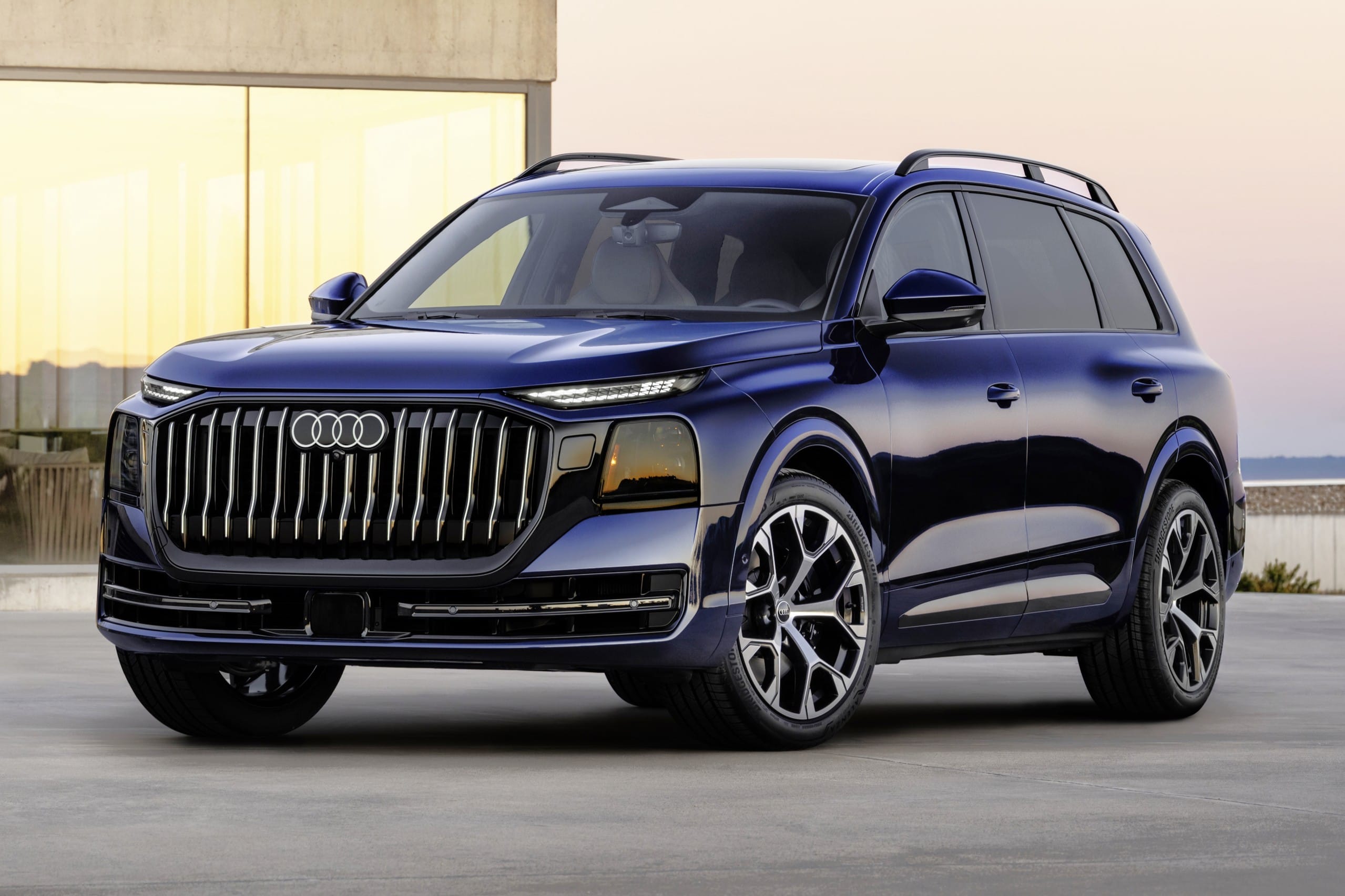
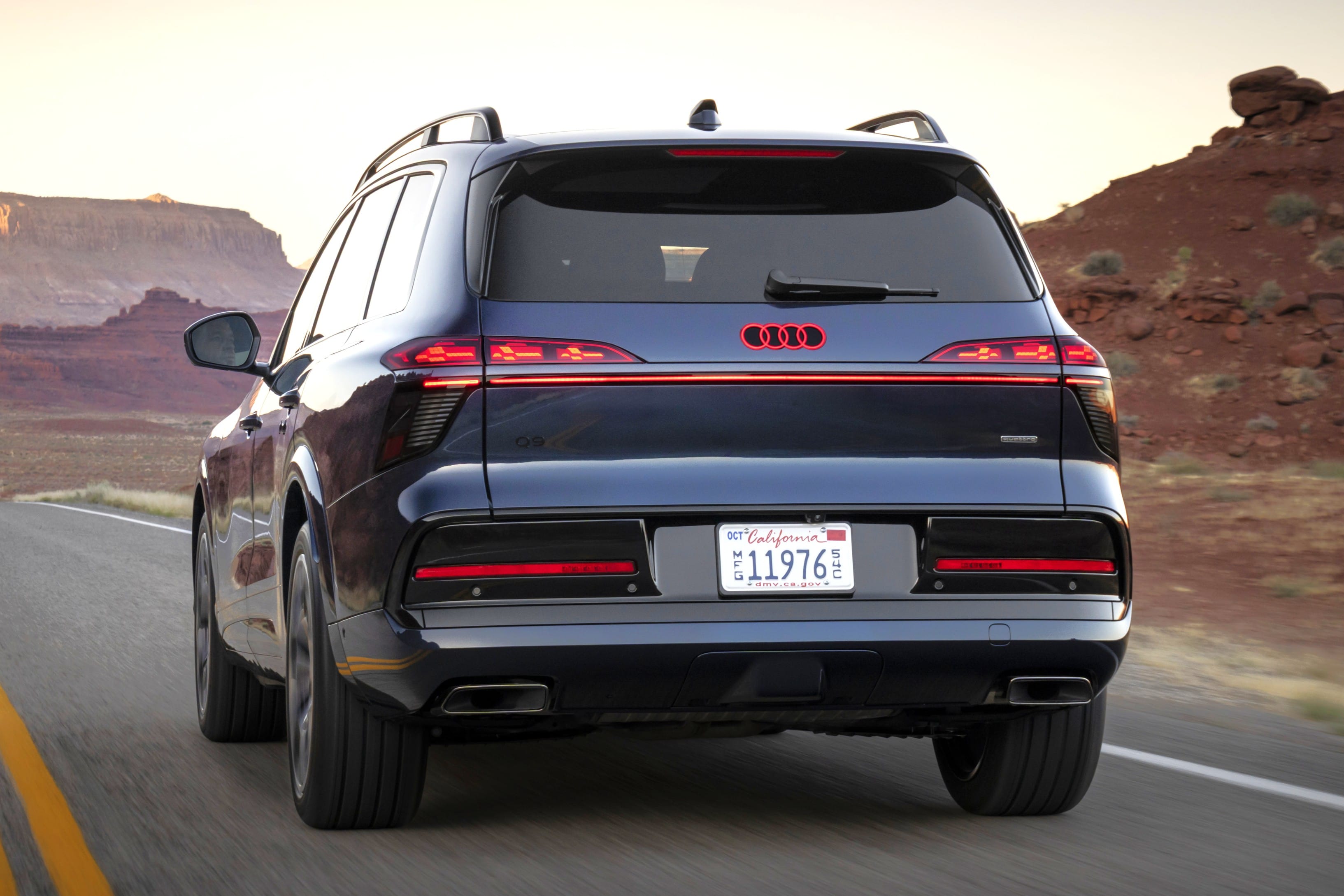
The Q9 is the first clear example of that approach. Conceived around the requirements of American customers, it will be the first Audi to make its market debut in the US.

Audi Q9

“The Q9 is a perfect proof point of a car. The biggest Audi we’ve ever built,” Döllner said. “That car would not be there without the American market.”

India does not yet generate the volumes required for Audi to develop country-specific models. Local requirements covering ground clearance, suspension, tyres, weather, dust and fuel quality are, however, fed into its global development process. The introduction of new models in India is also expected to move closer to their global launches, helping Audi benefit from the interest created when a vehicle is revealed internationally.

Döllner said the improvement in India’s manufacturing and automotive technology has changed how the country is viewed within the global industry.

Audi Q9

“India is also an excellent proof point. It’s really unbelievable what the car industry has developed in India and what level of perfection and technology products are delivered,” he said.

“In the past, there has been this strong European automotive industry, and the world has turned around. Now we have a very dynamic Chinese market, a growing and rising Indian automotive industry. The US is a story of its own.”

“What keeps me awake at night is if we are able to change fast enough,” Döllner said. “We have to speed up.”

You’ll only be in the game if you have local assembly in India: Audi global CEO

Audi India plans

Audi is preparing a new plan for India built around a stronger product portfolio, greater local assembly and faster introduction of its global models, as the German luxury carmaker seeks to regain momentum in one of the world’s most promising automotive markets.

Global CEO Gernot Döllner said India is becoming increasingly important to Audi and the company is now working towards the right product and operating structure for the market. “We will see a substantial portfolio, but it has to be focused to be able to be successful in India,” Döllner told Autocar India in an exclusive interview. “Every successful strategy starts with products. Without products, it does not make sense.”

Audi’s renewal plan with focus on new products 

The renewal will begin with the new-generation Q3 in the fourth quarter of 2026, followed by the A5 in the first half of 2027. The Q9 flagship SUV is also being evaluated for India, with work underway to assemble it locally. These three models could reach the market within around twelve months. Audi also plans to reduce the delay between global and Indian launches, which has left parts of its local range out of step with competitors in recent years.

The carmaker is targeting a doubling of its share of India’s luxury-car market from around 8-9 percent to 18-20 percent over the next three to five years.

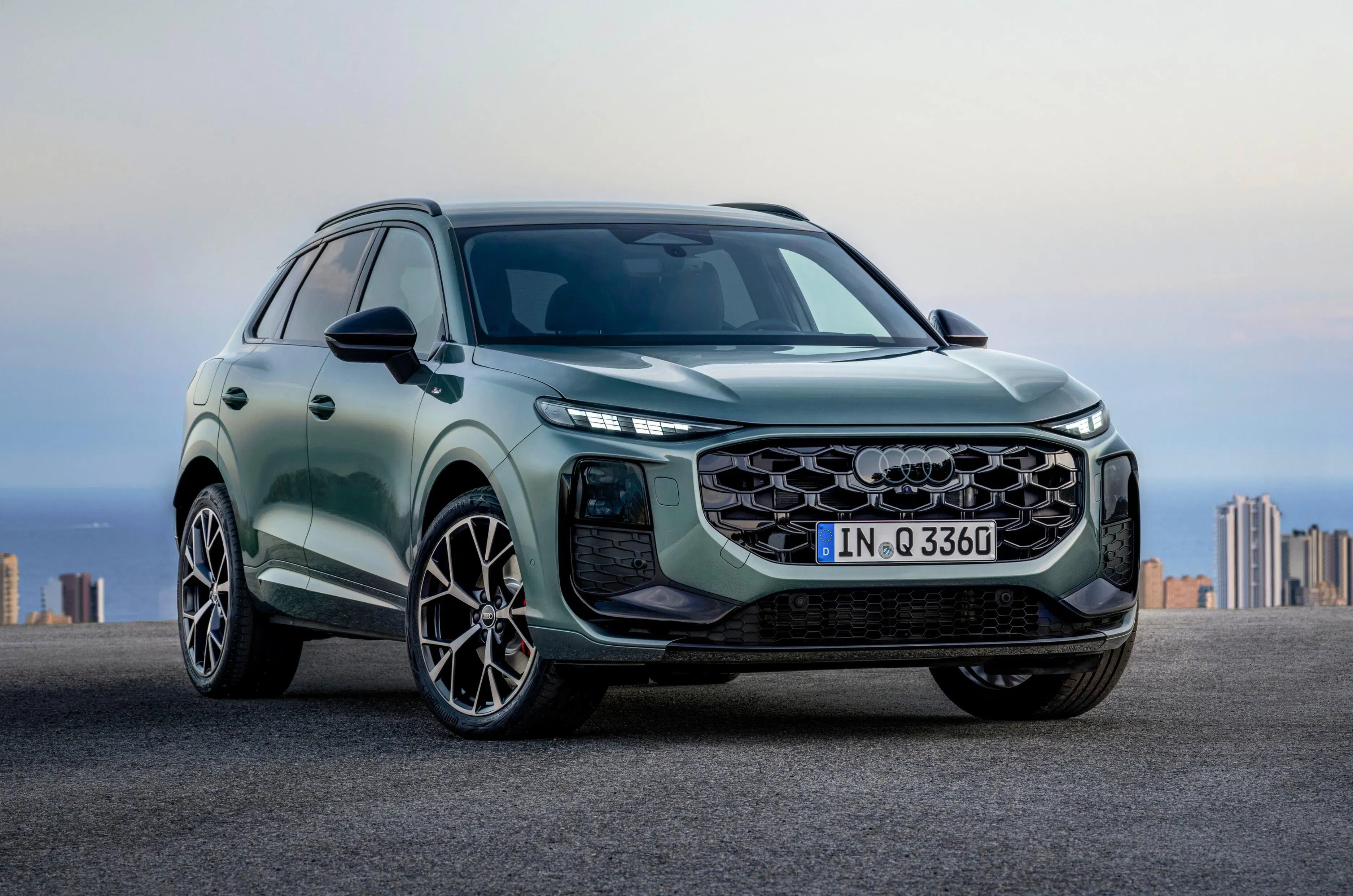
The new-gen Q3 will be the first to arrive under Audi’s new model onslaught. 

“India is an increasingly important market, and we have to be honest. We have been struggling to find the right setup in that market,” Döllner said. “I hope that we now, with the decisions that we have taken over the past years, are able to step by step find our position in the market. Trade agreements will help in the future, but we still have to clean up some things that we did wrong in the past.”

Audi sees the long-term potential but is still working out the volumes and cost structure needed to make the business viable. “We somehow still have not found the right complete volume and setup and business case behind that for the brand,” said Döllner.

Local assembly is only step one

Greater local content will be necessary for Audi to compete in India, where import duties and adverse currency movements have pushed up prices. “You will be only in the game if you have local content and you follow these rules that are implemented. That’s what we have to do,” Döllner said.

Locally assembled models are expected to account for around 90-95 percent of Audi’s future India business, Autocar India learns. Fully imported vehicles will largely be restricted to niche and brand-shaping models.

Audi currently assembles its core models at the Skoda Auto Volkswagen India facility in Chhatrapati Sambhajinagar. The EA888 2.0-litre petrol engine used across much of the range is also assembled in India. The company is working on the local assembly case for the Q9 and studying what would be required to assemble its 3.0-litre engine in India.

Audi is considering localising the 3.0-litre V6 for the Q9 in India. 

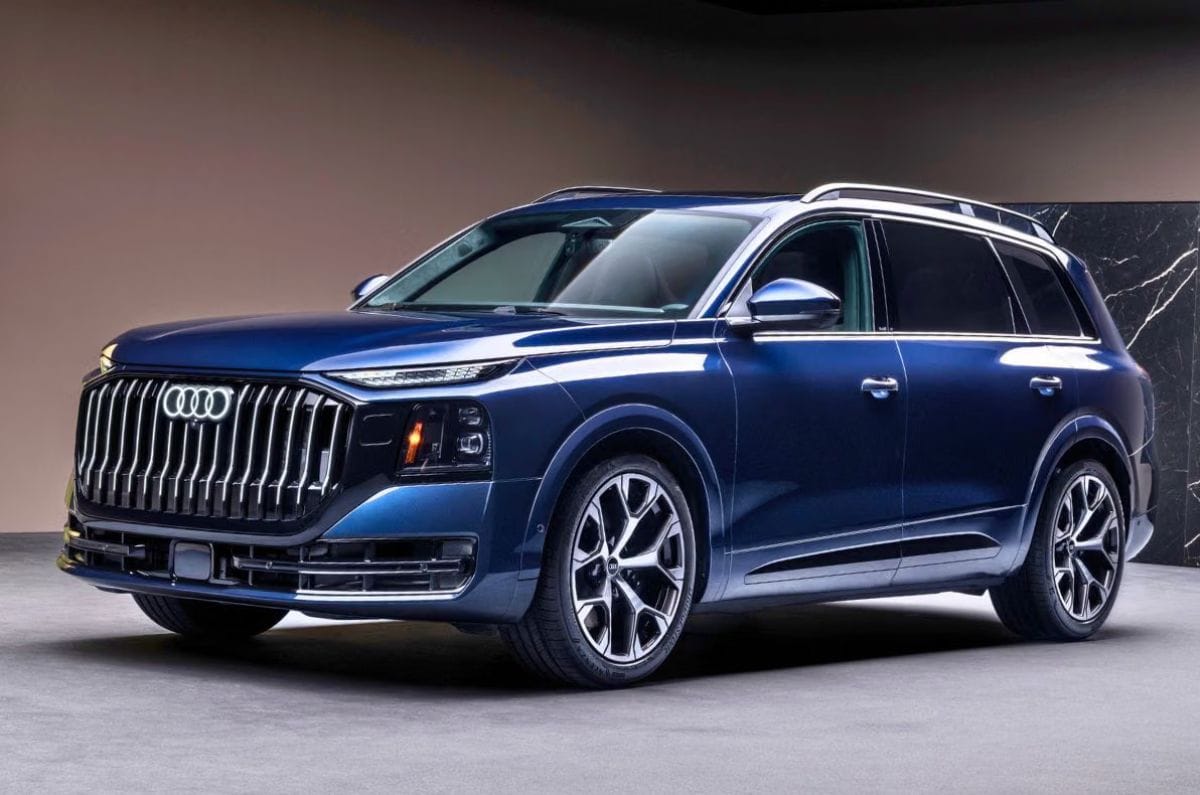
The Q9 will sit above the Q7 and add a new flagship to Audi’s India portfolio. It has been developed with greater emphasis on rear-seat occupants and is expected to offer different seating configurations, an important consideration in India’s chauffeur-driven luxury segment. Deep component sourcing will take longer. The relatively small volumes generated by individual luxury models make it difficult to create a viable domestic supplier base for every part. Audi will widen local assembly first and increase local content where the volumes support it.

New-generation models are becoming more expensive because of additional technology and regulatory requirements. The stronger euro has compounded that increase by raising the cost of imported vehicles and parts.

“The very strong euro compared to the dollar and other currencies is really hitting us badly, especially in markets like India where, due to the big competition, the margins are quite critical,” Döllner said.

Audi does not plan to counter the cost increase by offering stripped-down variants. Its sales data over the past five years shows that Indian luxury-car buyers favour better-equipped versions. The top variant accounts for around 55 percent of sales, the middle version for 35 percent and the entry variant for just 10 percent.

The new Q3 and A5 will therefore be positioned competitively, but pricing alone will not be Audi’s play. The company believes buyers will pay for the latest technology and features if the product delivers enough value.

India-EU FTA opens the door for niche imports 

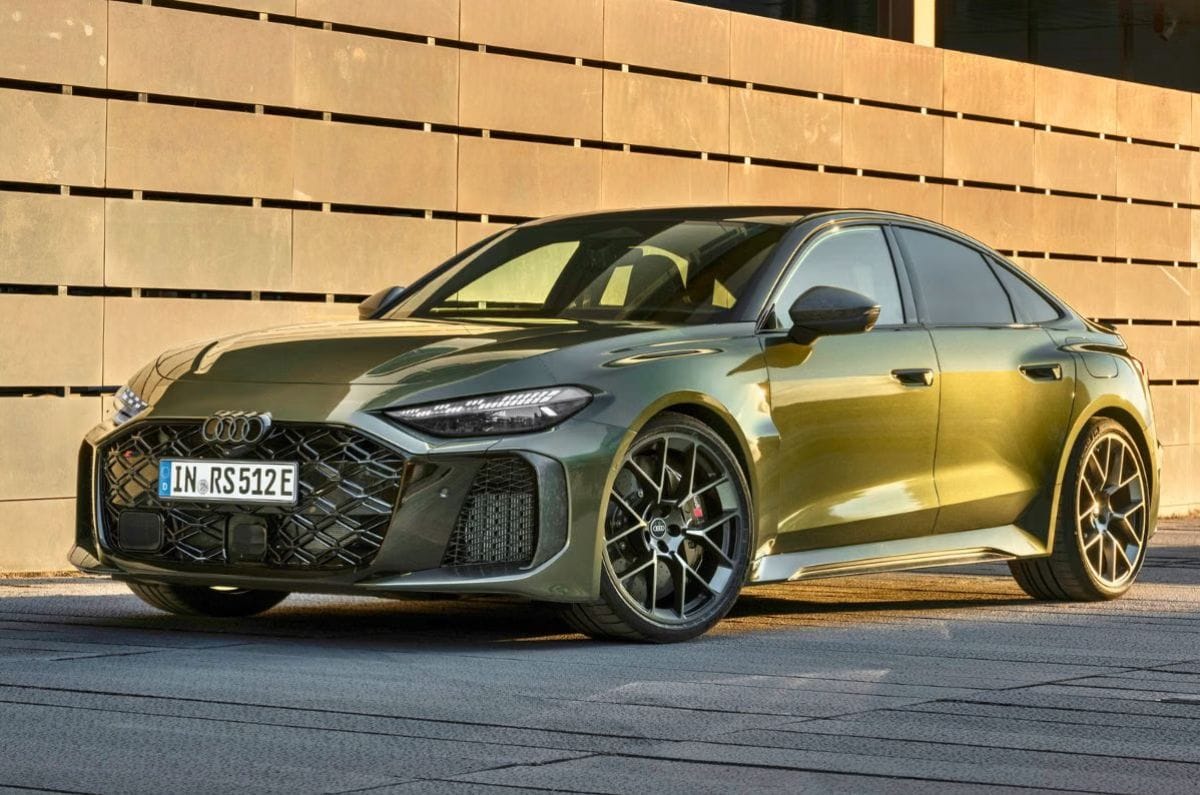
The RS5 is under consideration for India to be brought as a brand shaper. 

The India-EU free trade agreement, expected within nine to twelve months, adds a second lever. Lower duties open the door to niche imports, what Audi India head Balbir Singh Dhillon calls “brand shapers” and “the cherry on the cake.” This could lift CBUs from 5 percent of the mix to perhaps 10. The RS5 is under consideration, though as a plug-in hybrid it sits in a regulatory grey zone: nobody yet knows whether PHEVs will qualify for concessional duties. Pure-ICE bruisers like the RS Q8 face no such ambiguity.

The India-EU FTA could allow Audi to introduce more niche and high-performance models. Imports, however, will remain a small part of the business, with locally assembled models continuing to drive volumes.

Even with a wider locally assembled range, Döllner expects profitability to remain challenging. “Even with the local content, the margin situation in India is not fun,” he said. 

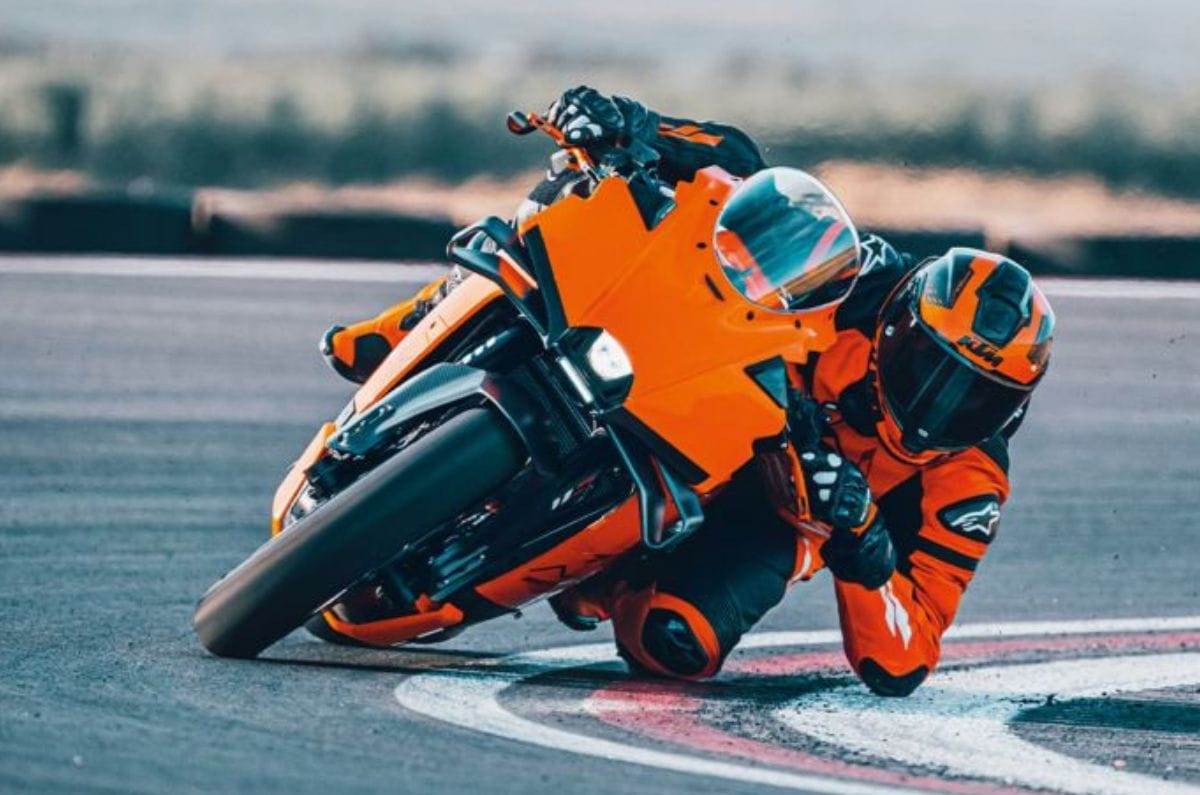
KTM RC 490 and RC 790 confirmed to be in development

KTM RC 490 and RC 790 confirmed to be in development

“Where is the Gen-3 Duke-based RC 390?” has been a pressing question in many people’s minds. While we still wait to hear about the 390, we now know that there’s an RC 490 and a 790 coming, according to KTM CEO Gottfried Neumeister in a recent interview.

  1. RC 490 to be based on a new platform not shared with China-exclusive RC 450
  2. RC 790 should share a lot with the freshly updated KTM 790 Duke

KTM RC 490 and RC 790: What do we know so far?

While it sounds closer to RC 450, RC 490 will be based on a different platform

“We definitely want to extend our RC [supersport] line-up; the 990 was first, and we’ll have a 790 and a 490, like other brands with mid- and lower-class presence and in a segment that is growing,” were his exact words, which tell us two things.

One, there will be not one but two new RC motorcycles, and two, the absence of the 390 could mean that KTM intends for the 490 to be the new entry-level supersport in global markets at least.

Based on previous information, we know that this 490 will not be the same as the China-exclusive RC 450. It will be a new platform, jointly developed by Bajaj and KTM and will likely be derived from the current 390 LC4c platform. It’s reported to use a twin-cylinder engine, with its smoothness likely to be the big differentiator. There’s no official launch timeline as yet.

Ever since the 390 Duke was updated to Gen 3 in mid-2023, KTM fans have been anticipating the update to reach the RC 390 as well. However, that hasn’t happened yet, and the latest RC 390 sold in India still uses the older LC4 373cc engine.

For the RC 790, however, we have a blueprint to look at in the recently revealed 790 Duke. Traditionally, Dukes serve as a precursor to RCs; if that continues to be the case here, the upcoming RC 790 should share the updated LC8c platform and the parallel twin-cylinder engine that makes a similar, if not the exact same, 104hp and 87Nm of torque. However, the power delivery will likely be different to account for the RC’s high-revving nature.

At this point, it’s worth mentioning that KTM had recently launched the 990 RC R, followed by the track-focused 990 RC R Cup. These are currently the newest supersport motorcycles in the Austrian manufacturer’s global portfolio.