Sales of India’s 10 highest-selling passenger vehicles reached 2,00,868 units in July 2026, up 37.55 percent from the 1,46,029 units recorded a in the year-ago period. Last month’s sales figures highlight Maruti Suzuki’s strong hold, with six models featuring among the top 10 bestsellers. Tata Motors was the only other brand with more than one model on the list, while Hyundai and Mahindra had one offering each. Demand remained strong across the board, with all but one model registering double-digit year-on-year growth.
Rank
Model
July 2026 sales (units)
July 2025 sales (units)
YoY growth (percent)
1
Maruti Dzire
23,791
20,895
13.86
2
Maruti Wagon R
23,338
14,710
58.65
3
Maruti Ertiga
21,606
16,604
30.13
4
Maruti Swift
21,538
14,190
51.78
5
Tata Punch, Punch EV
21,313
10,785
97.62
6
Maruti Fronx
19,473
12,872
51.28
7
Maruti Baleno
18,241
12,503
45.89
8
Hyundai Creta, Creta Electric
18,088
16,898
7.04
9
Tata Nexon, Nexon EV
17,471
12,825
36.23
10
Mahindra Scorpio, Scorpio Classic
16,009
13,747
16.45
Total
2,00,868
1,46,029
37.55
1. Maruti Dzire
23,791 units
The Maruti Dzire was India’s bestselling passenger vehicle in July, with sales of 23,791 units, up 13.86 percent from 20,895 units in July 2025. It was also the only sedan to feature among the country’s 10 bestselling models and contributed 11.84 percent of the combined sales of the top 10.
2. Maruti Wagon R
23,338 units
With sales of 23,338 units, the Maruti Wagon R finished second. The hatchback recorded a strong 58.65 percent year-on-year growth, selling 8,628 more units than in July last year. It was also one of the three hatchbacks to feature in the top 10 list, all of which are from Maruti Suzuki. Another highlight of the Wagon R is that it is also available in a flex-fuel version compatible with E85 fuel, an option that none of the other models on this list offer.
3. Maruti Ertiga
21,606 units
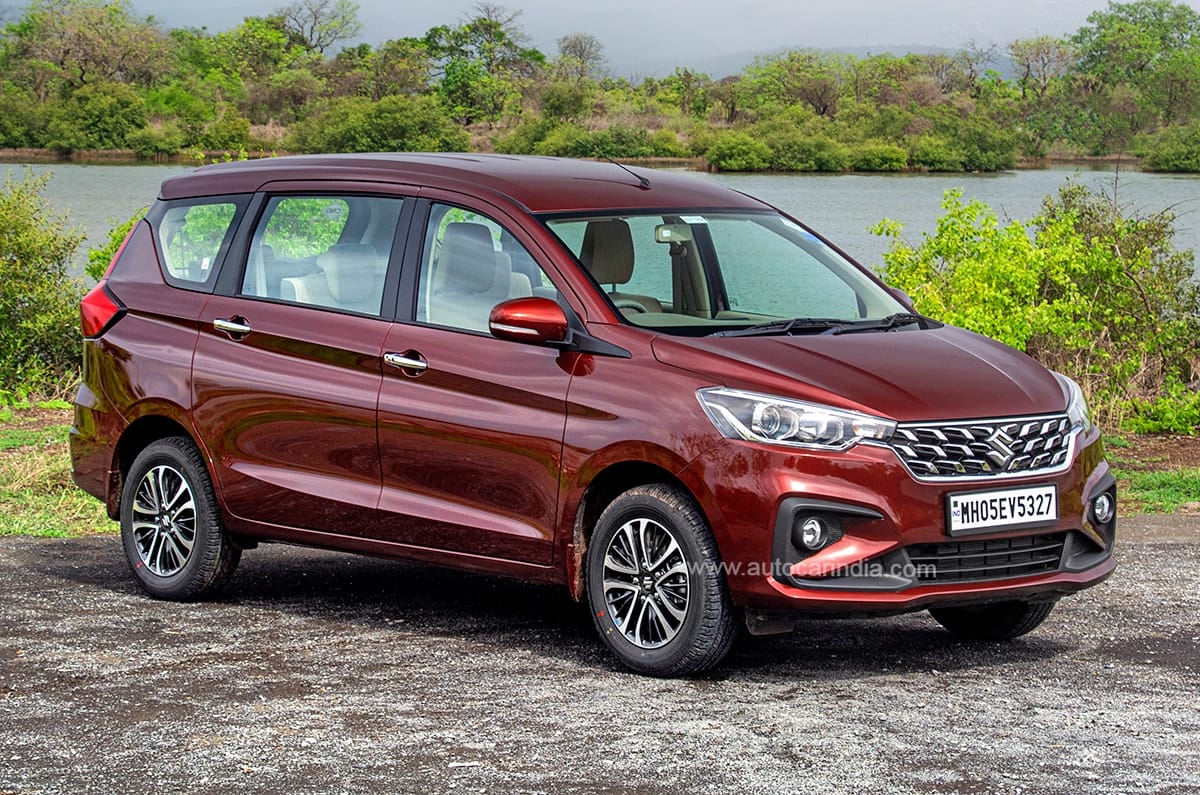
The Maruti Ertiga ranked third with 21,606 units sold, registering 30.13 percent year-on-year growth. Notably, it is the only MPV on the list and managed to secure a place among the country’s three bestselling passenger vehicles.
4. Maruti Swift
21,538 units
Coming in fourth was the Maruti Swift, with sales of 21,538 units. The hatchback recorded a healthy 51.78 percent year-on-year growth and was the second Maruti Suzuki hatchback to feature in the country’s top 10 bestselling models.
5. Tata Punch, Punch EV
21,313 units
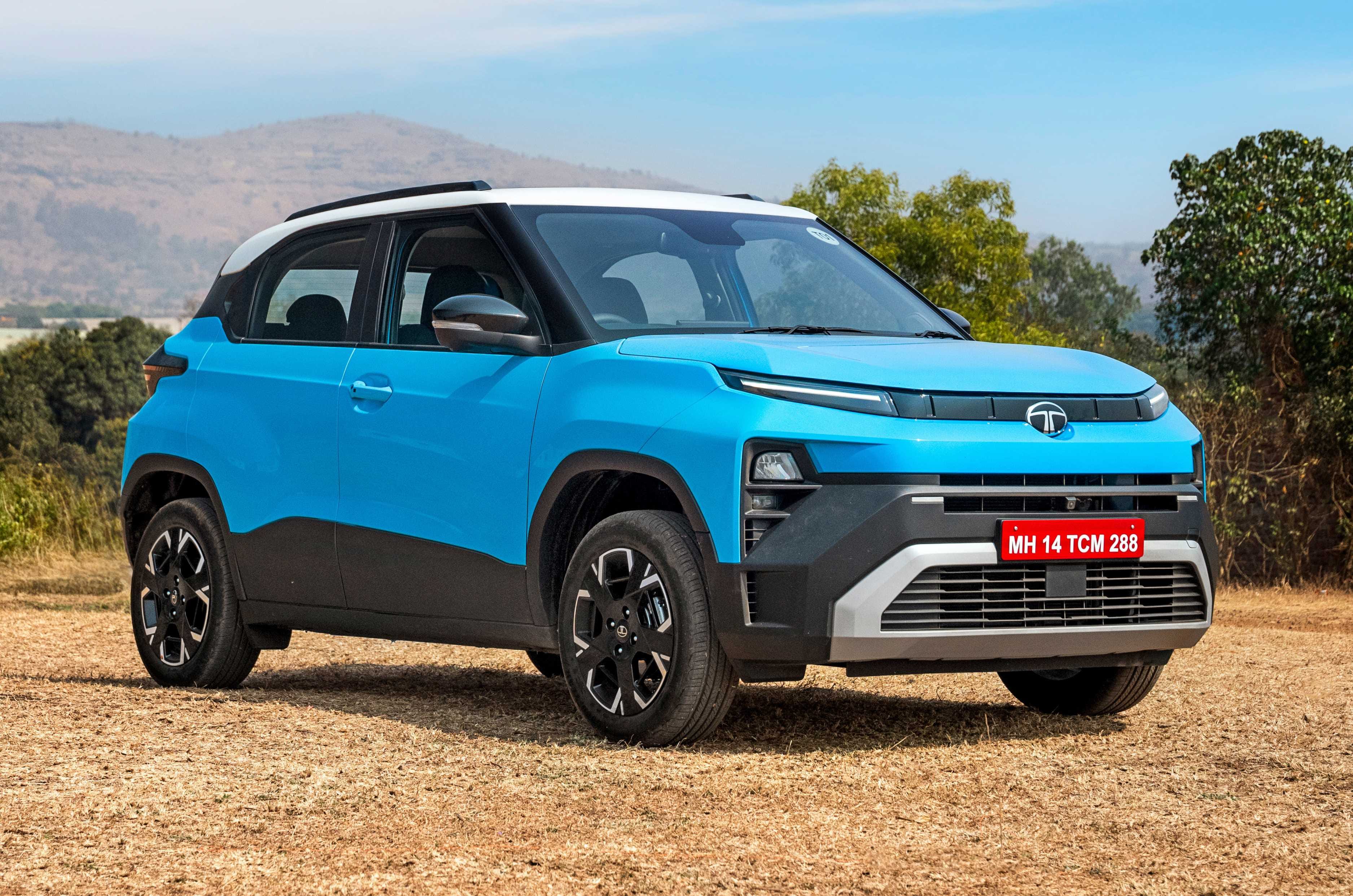
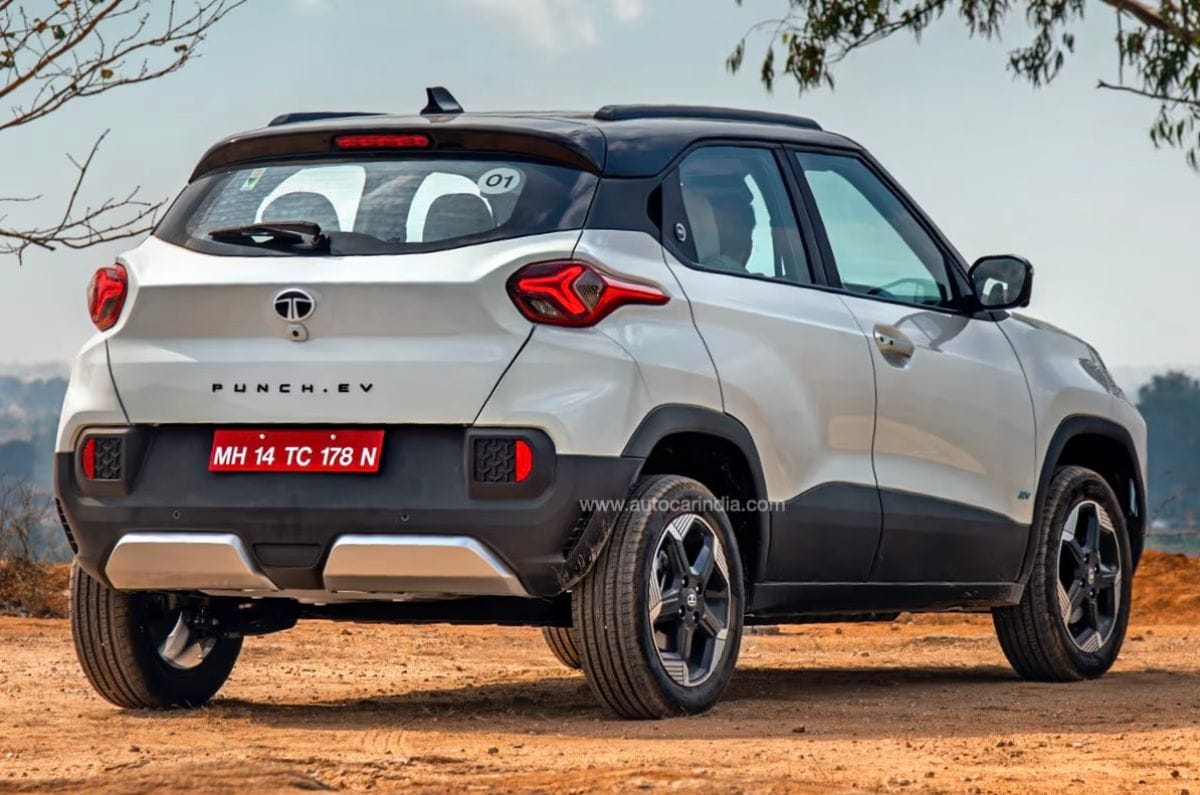
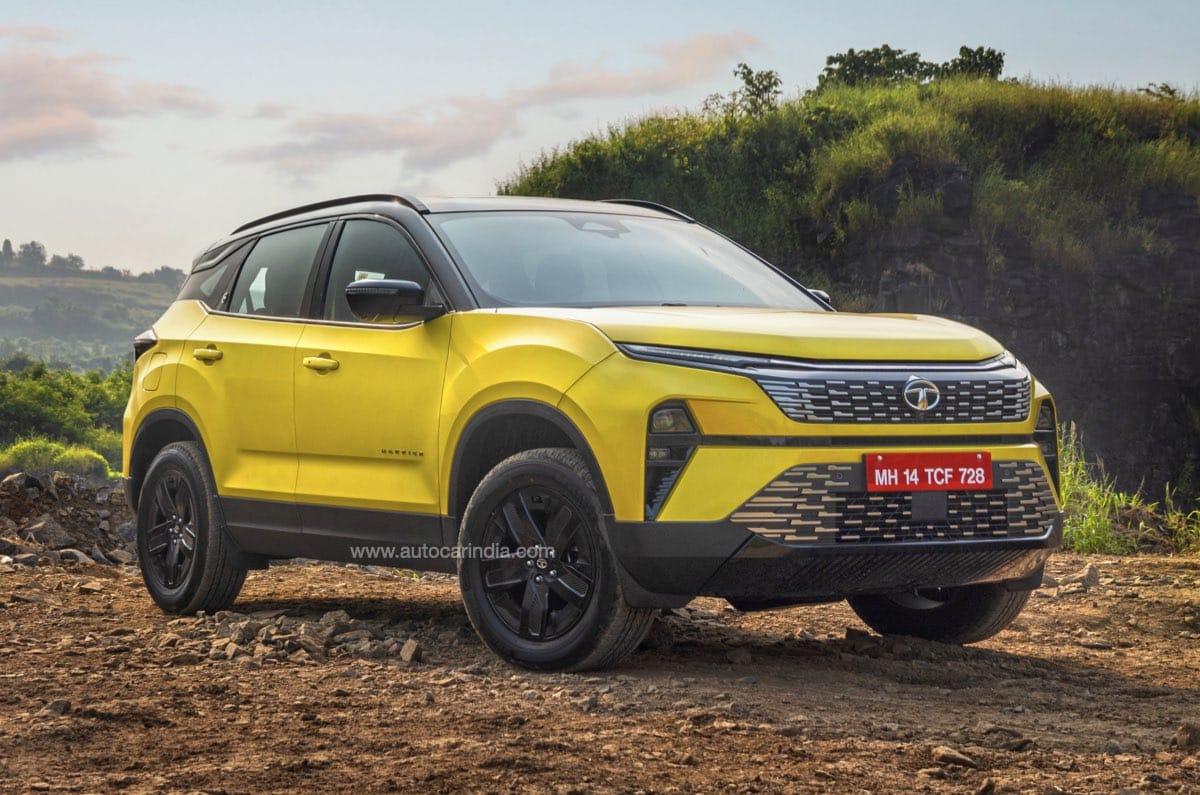
Tata Punch ICE.
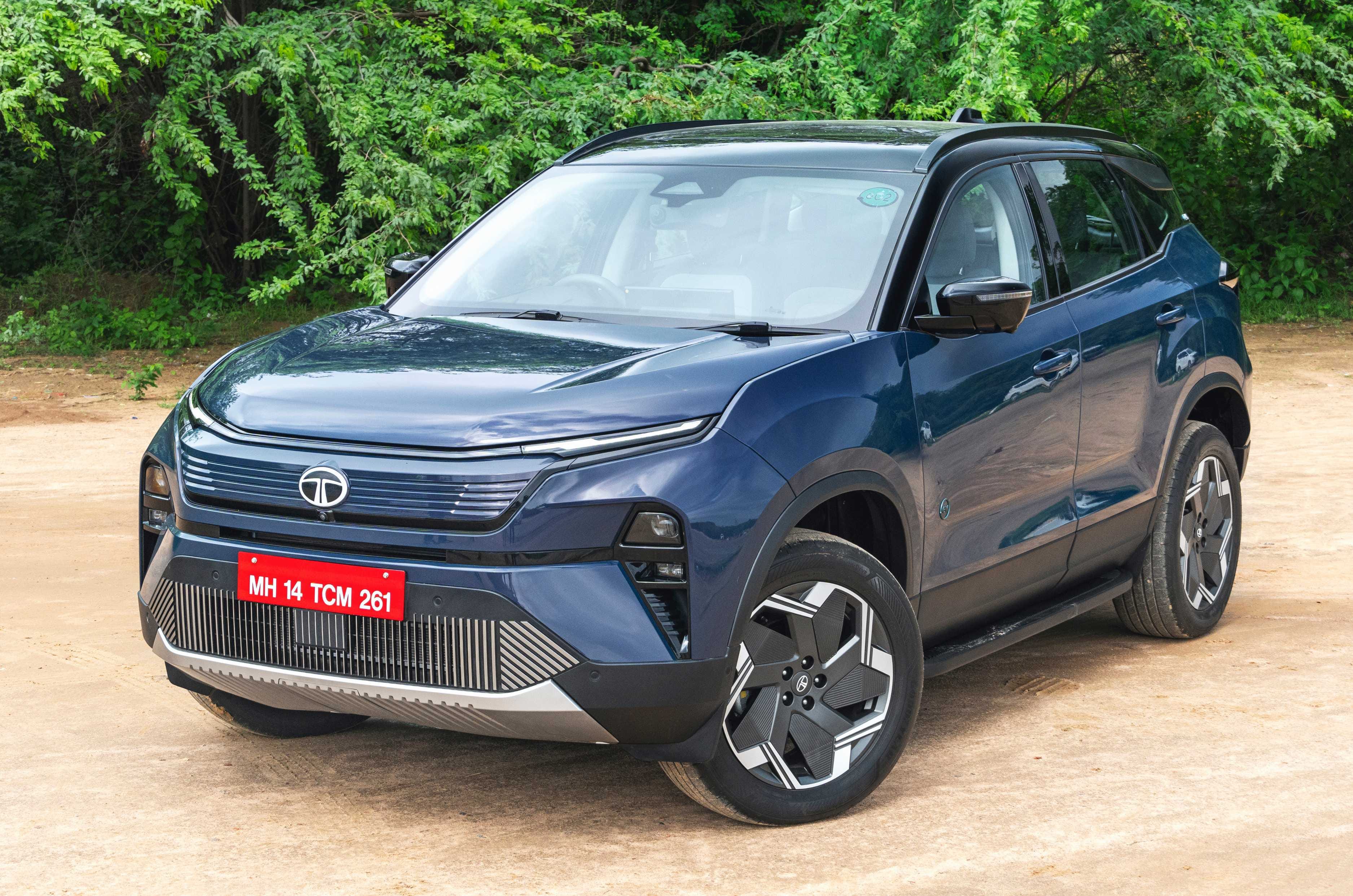
Ranking fifth was the Tata Punch and Punch EV, which together sold 21,313 units. Their combined sales were up 97.62 percent year-on-year, nearly doubling from the same month last year. Compared to other models on this list, the sub-compact SUV registered the highest YoY growth. The Punch also recently crossed the 8 lakh sales mark.
6. Maruti Fronx
19,473 units
Selling 19,473 units, the Maruti Fronx secured the sixth spot, registering a 51.28 percent year-on-year growth. It is also Maruti Suzuki’s highest-selling model retailed through the brand’s premium Nexa dealership network.
7. Maruti Baleno
18,241 units
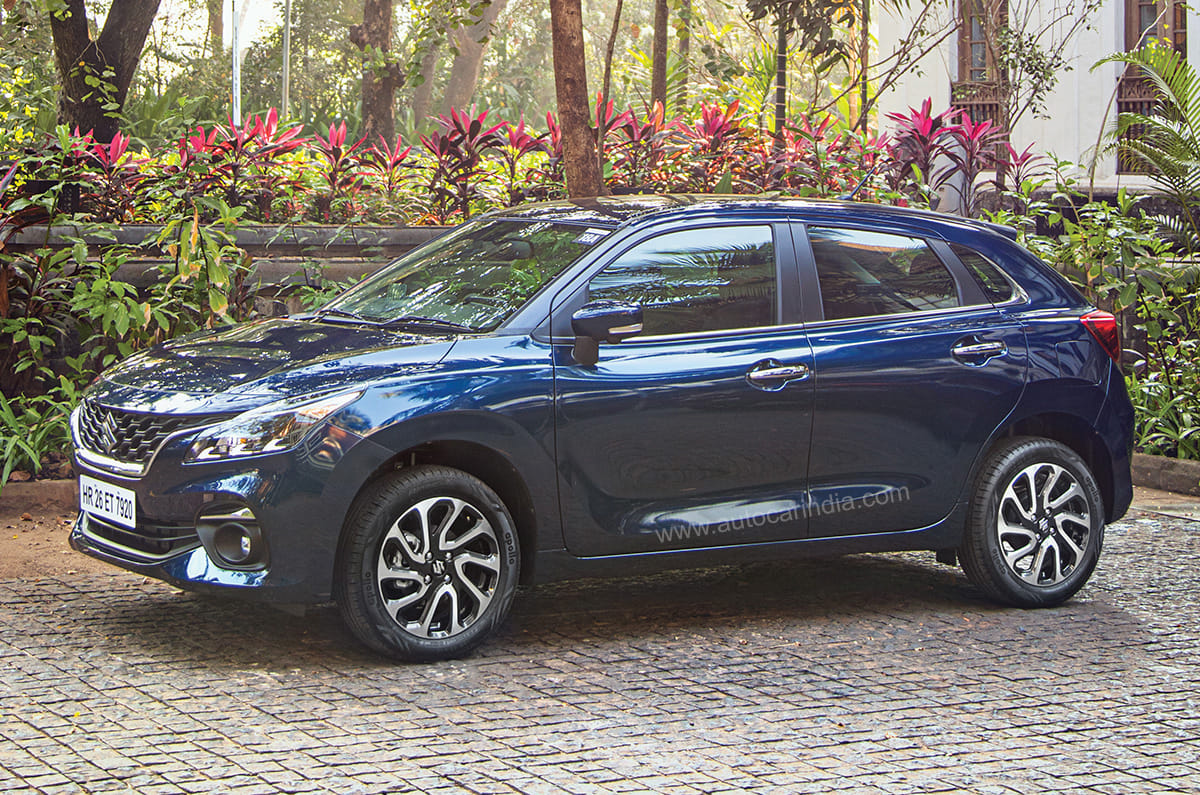
The Maruti Baleno secured the seventh position with 18,241 units, recording a 45.89 percent increase over the same month last year. It rounded off Maruti’s six-model presence in the top 10 and was also the third hatchback on the list. Like the Fronx, the hatchback is retailed through Nexa showrooms.
8. Hyundai Creta, Creta Electric
18,088 units
Next, the Hyundai Creta and Creta Electric together secured the eighth spot with 18,088 units, registering a 7.04 percent year-on-year growth, the lowest among the top 10 models. Recently, Hyundai introduced an assured buyback programme for the Creta Electric, offering a 60 percent buyback value after three years or 45,000km, whichever comes first (terms and conditions apply). The electric SUV is also available with a Battery-as-a-Service (BaaS) option, allowing buyers to lower the upfront purchase cost.
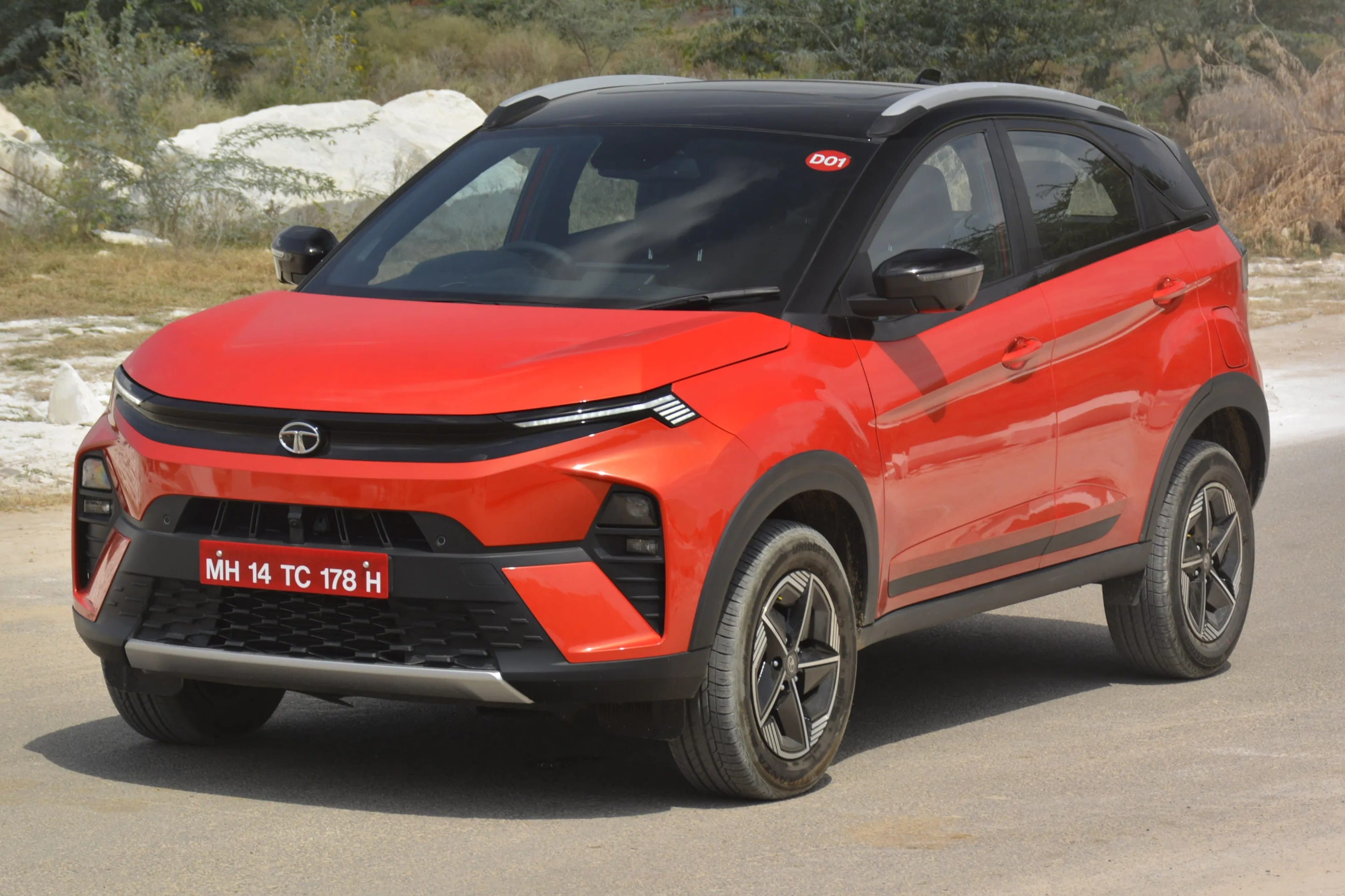
9. Tata Nexon, Nexon EV
17,471 units
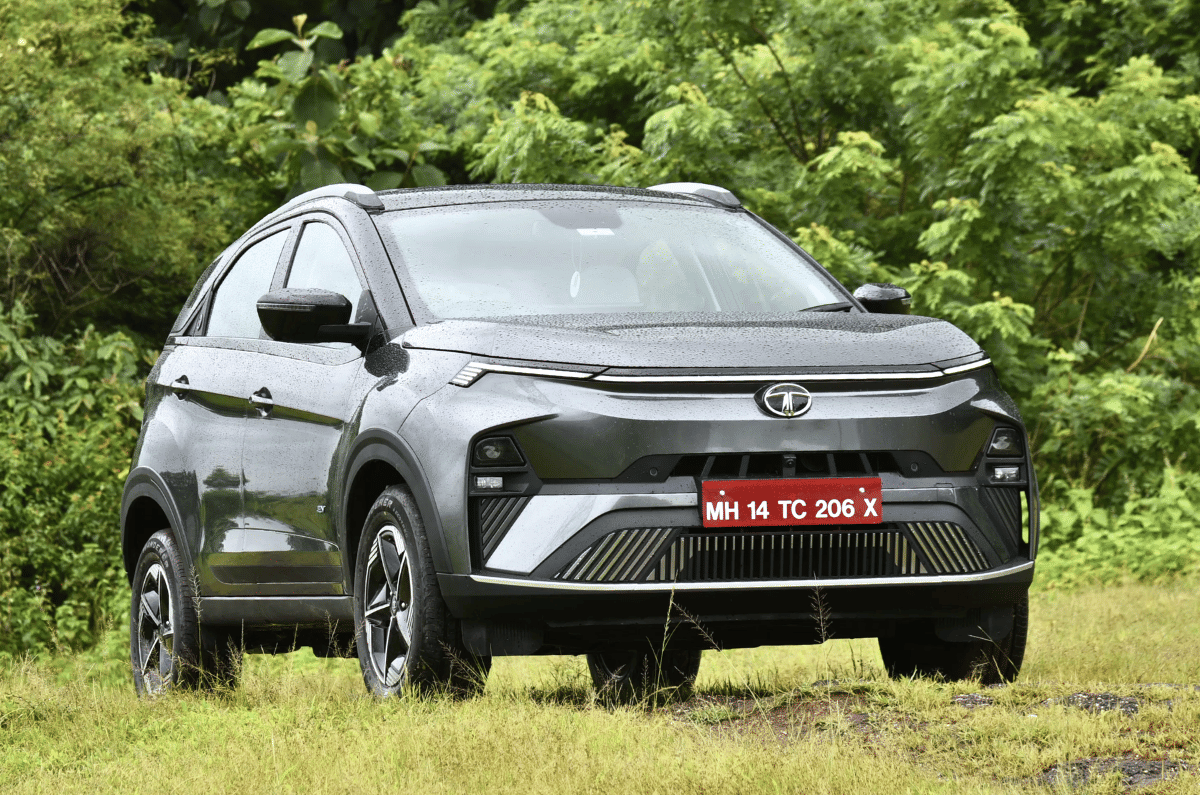
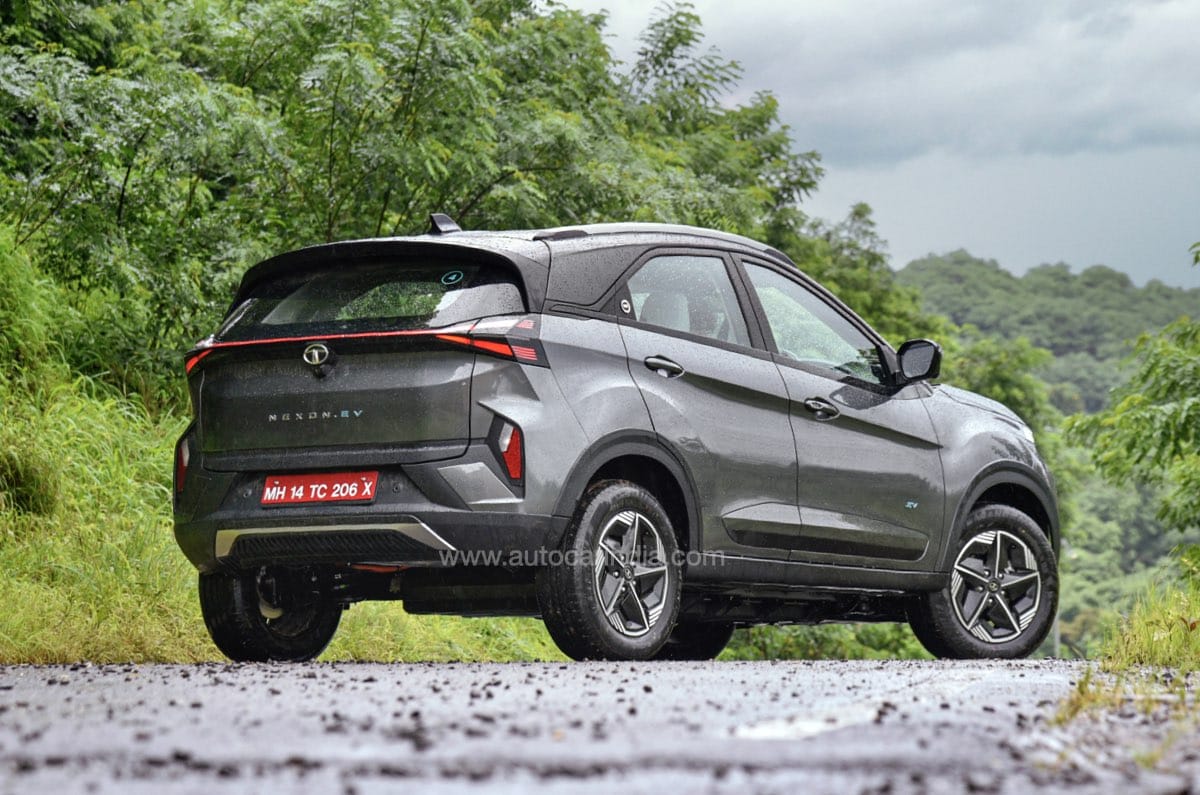
Tata Nexon EV.
The ninth position went to the Tata Nexon and Nexon EV, which together sold 17,471 units in July 2026, recording 36.23 percent year-on-year growth. After the Fronx, the Nexon is the only compact SUV to feature on this list.
10. Mahindra Scorpio, Scorpio Classic
16,009 units
Rounding off the top 10 were the Mahindra Scorpio N and Scorpio Classic with combined sales of 16,009 units, up 16.45 percent over the same month last year. Mahindra rolled out the 2026 update for the Scorpio N just today.
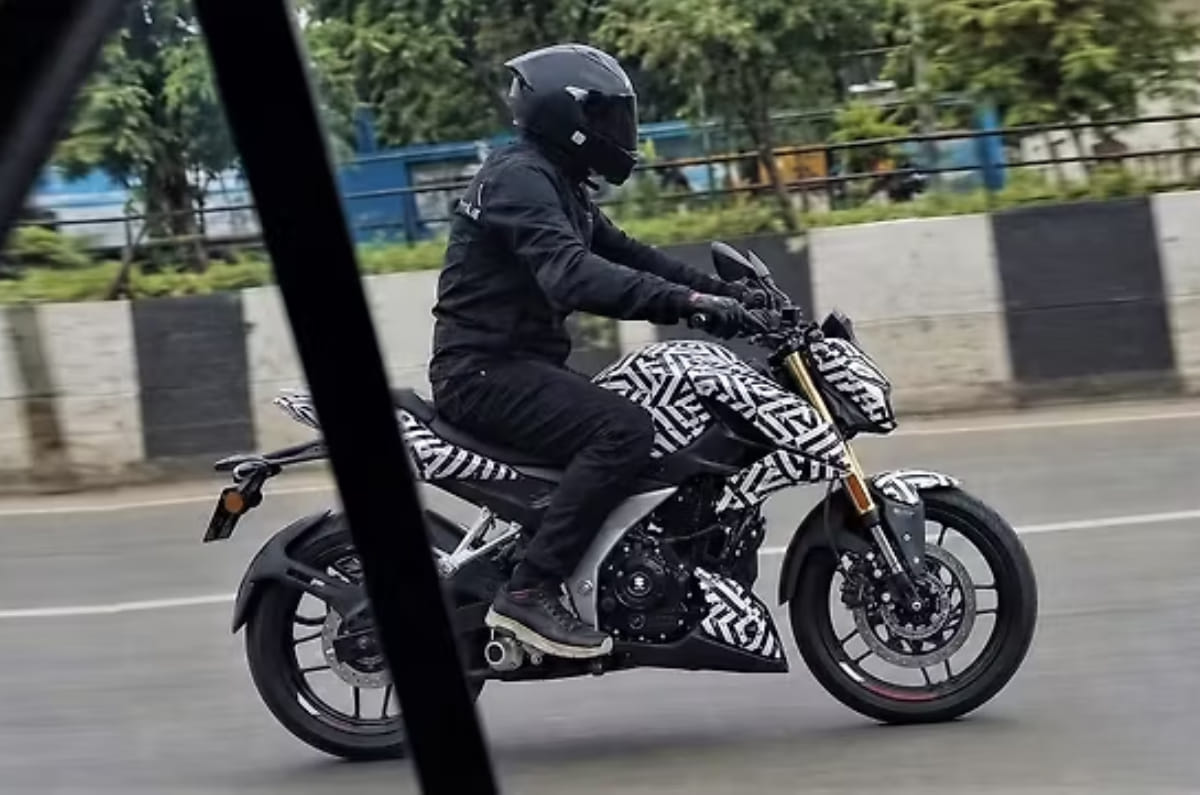
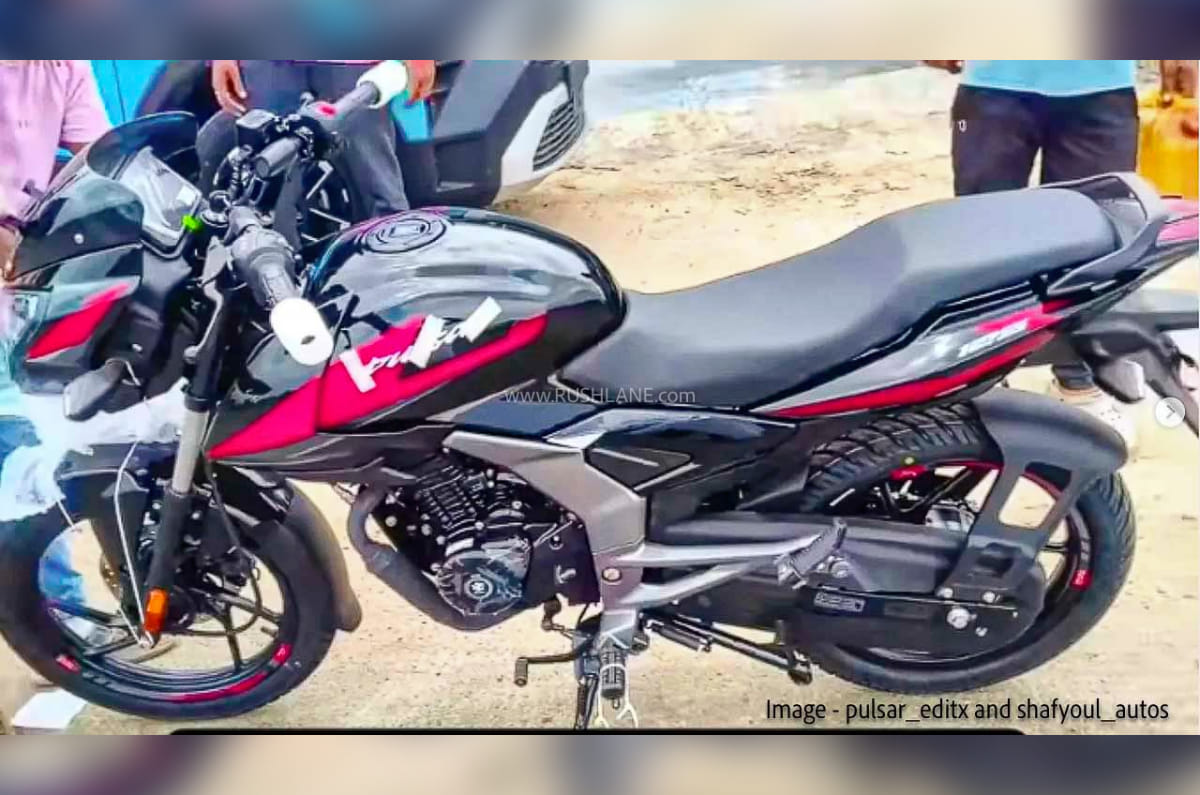
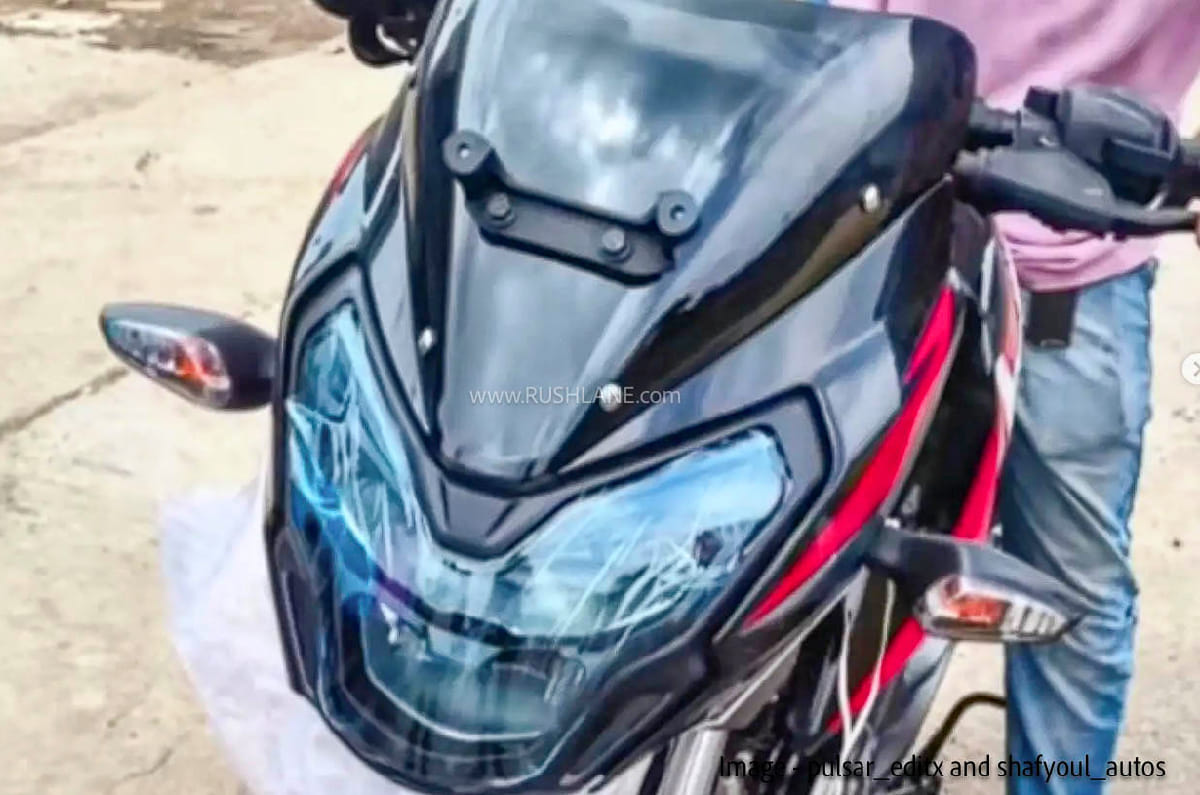
Bajaj has teased the updated Pulsar N160 by sharing an image of a lightly camouflaged test mule on its official Instagram handle. The now-deleted post all but confirms the bike is on its way and will likely be one of the models unveiled at the August 12 event.
Updated Pulsar N160 test mule teased
Gets revised headlight design
Launch expected on August 12
Updated Bajaj Pulsar N160: What to expect
Changes appear focused on the front end; the rest of the bike looks largely unchanged
It’s no secret that Bajaj is preparing a major product offensive ahead of the festive season. The company had earlier confirmed that it would launch 10 new two-wheelers over the coming weeks, including two all-new Pulsars. We’ve also learnt that the August 12 event is expected to focus on the updated N160.
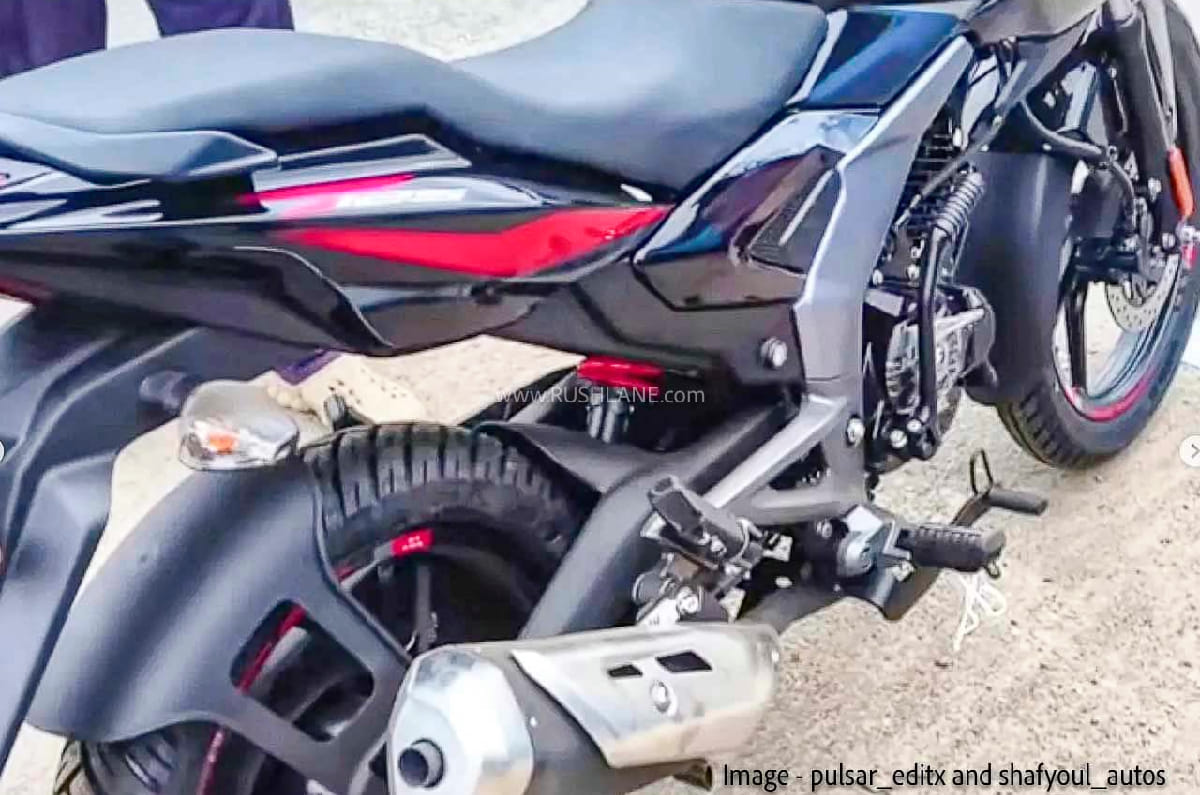
The camouflaged test mule gives us a fair idea of what to expect. For starters, the overall design appears to be largely unchanged, with the bodywork, fuel tank extensions and alloy wheels seemingly carried over. The only clearly visible change is at the front, where the LED DRLs appear to feature a revised design. That said, only the side profile of the bike has been shown, so the full extent of the styling revisions remains to be seen.
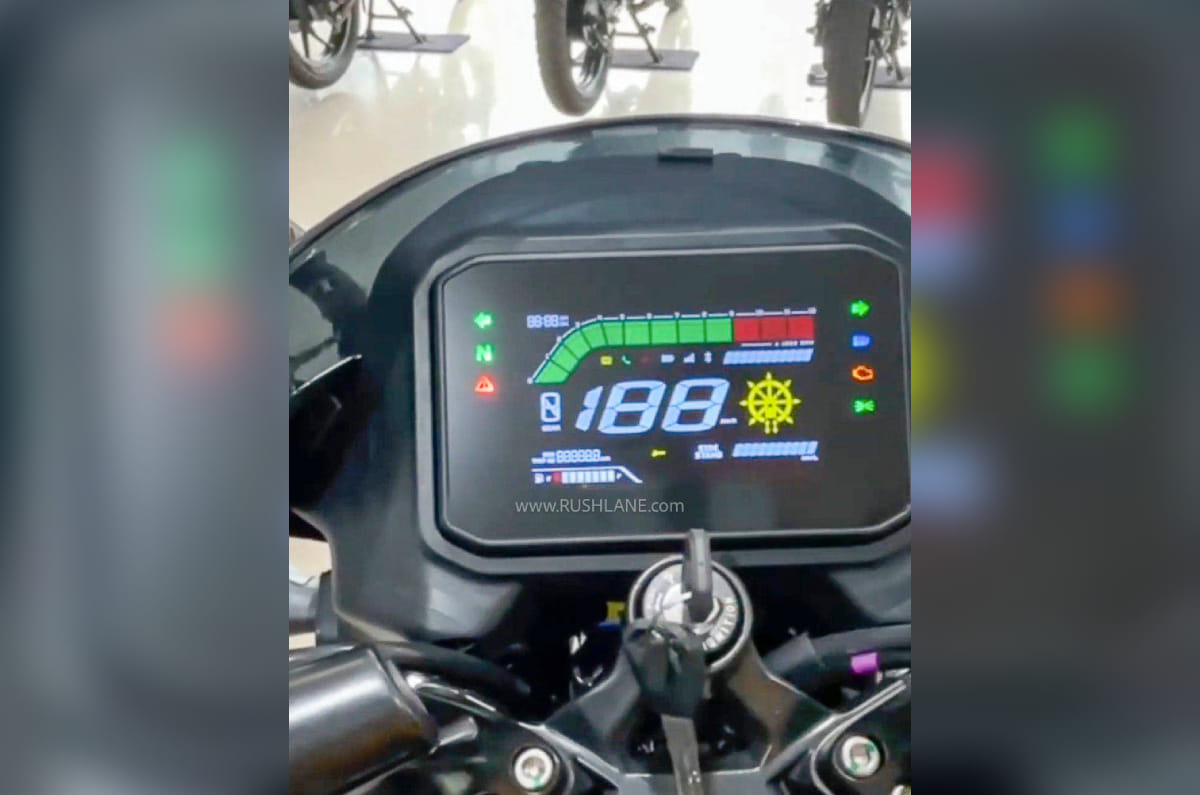
Earlier this week, images of the all-new Pulsar 125 at a dealership surfaced online, revealing far more comprehensive updates including a new chassis and what appears to be a heavily revised engine. It also featured a new colour LCD instrument cluster, and we could see that make its way to the N160 as well, replacing the current bike’s simpler LCD unit.
Mechanically, the engine appears visually unchanged, but we’ll have to wait until the launch to know whether Bajaj has made any revisions beneath the bodywork. One significant update we could see is a switch from the current two-valve engine to a new four-valve unit. For reference, the current Pulsar N160 is powered by a 164.8cc, single-cylinder, air-cooled engine producing 16hp at 8,750rpm and 14.7Nm at 6,750rpm.
The current Pulsar N160 is priced at Rs 1.25 lakh for the single-seat, USD fork variant with single-channel ABS, and Rs 1.32 lakh for the split-seat variant with USD forks and dual-channel ABS.
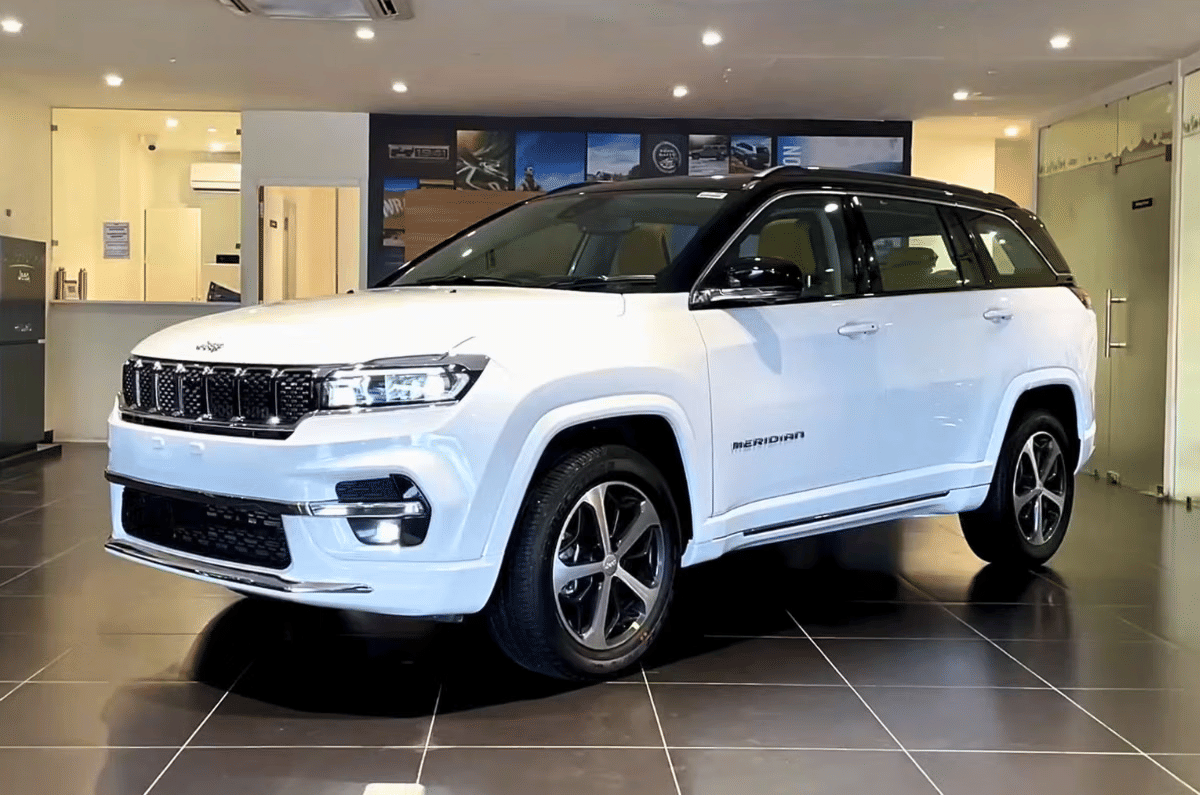
Jeep India is offering discounts of up to Rs 1.65 lakh on the Compass and Meridian this month. The offers include cash discounts, corporate benefits and other special schemes. However, there are no discounts on the Wrangler, while the Grand Cherokee has already sold out for 2026.
Disclaimer: Discounts vary from city to city and are subject to stock availability. Please check with your local nearest Jeep dealership for the exact figures.
Jeep Meridian discounts in August 2026
Up to Rs 1.65 lakh benefits
The Jeep Meridian is available with benefits of up to Rs 1.65 lakh in August. Buyers of MY24 models can also avail corporate benefits of up to Rs 1.3 lakh. In addition, doctors and leasing companies can get benefits of up to Rs 30,000.
The Meridian is powered by a 170hp, 2-litre diesel engine paired with either a 6-speed manual or a 9-speed automatic gearbox. Higher variants are also offered with 4×4. Prices range from Rs 23.33 lakh to Rs 38.26 lakh.
Jeep Compass discounts in August 2026
Up to Rs 1.5 lakh benefits
The Jeep Compass gets benefits of up to Rs 1.5 lakh this month. Jeep is also offering corporate benefits of up to Rs 1.10 lakh on the SUV. Doctors and leasing companies can avail an additional Rs 15,000 benefit, which is half of what is offered on the Meridian.
Like the Meridian, the Compass is powered by the same 170hp, 2-litre diesel engine, available with 6-speed manual and 9-speed automatic gearbox options. Both 4×2 and 4×4 drive layout options are on offer, depending on the trim. The Compass is priced between Rs 17.99 lakh and Rs 30.7 lakh.
Prospective EV buyers headed to a Tata Motors dealership will be offered a variety of benefits in August 2026. Depending on the model and variant, benefits available include cash discounts, exchange offers, plus scrappage and loyalty incentives. Tata’s August 2026 discounts do not include the Tigor EV and Sierra EV, while the Nexon EV gets the lowest benefits this month. The offers mentioned here will be valid till August 31, 2026.
Disclaimer: Offers/benefits may vary by city and are subject to stock availability. Buyers are advised to check with their local dealer for exact figures.
Curvv EV gets highest discounts; Nexon EV gets least
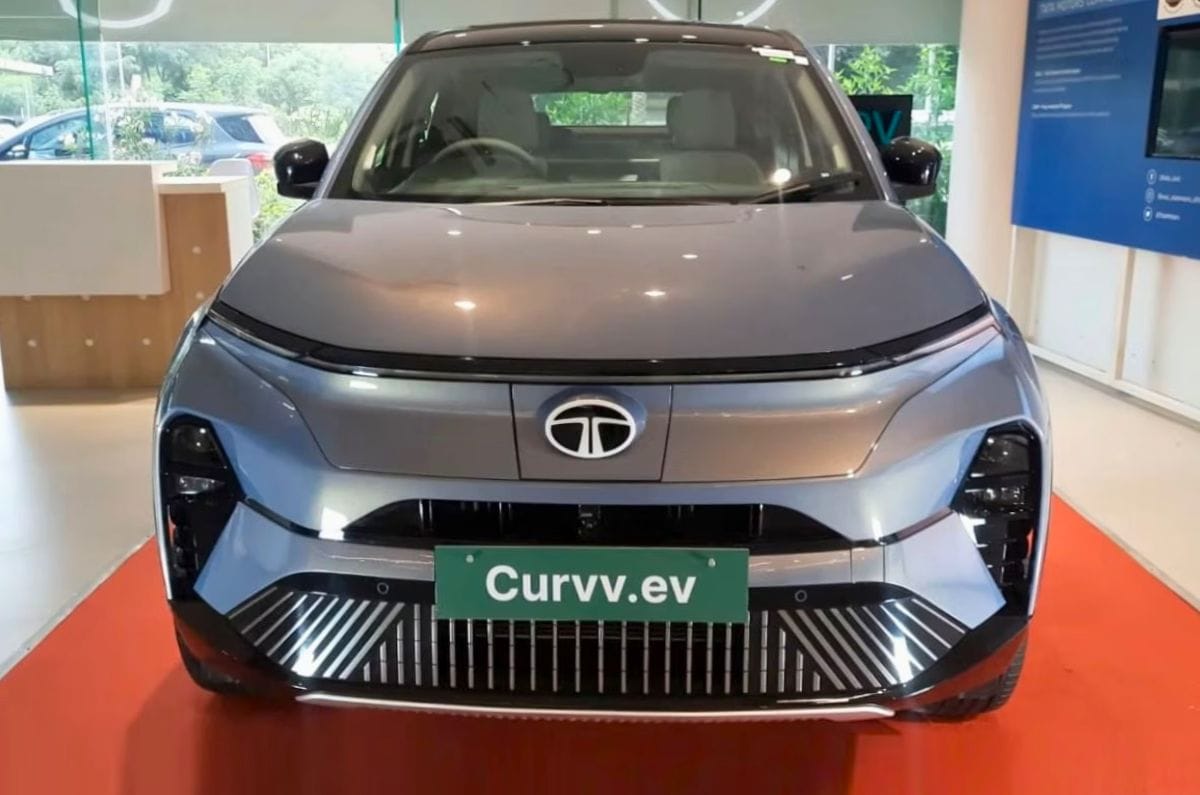
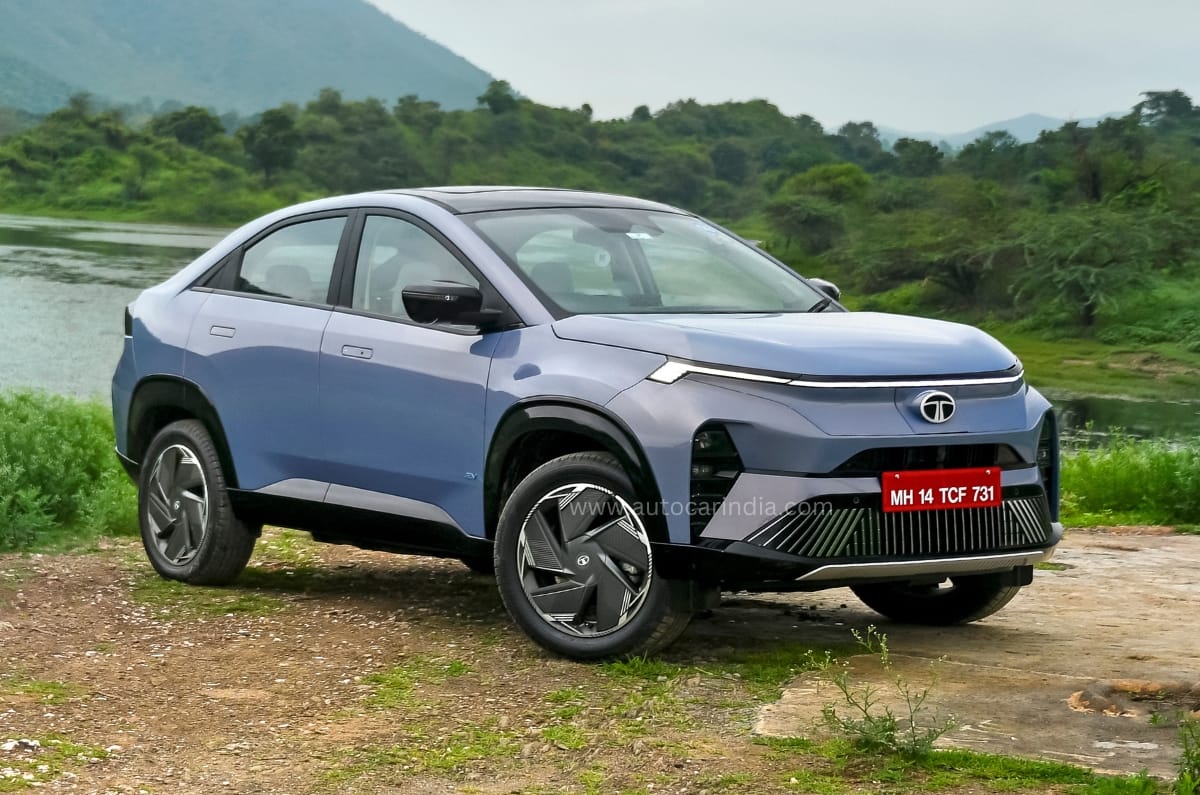
Tata is offering select variants of the Curvv EV with exchange benefits worth Rs 30,000 or scrappage incentives of Rs 35,000. Existing Tata customers opting for a new Curvv X series, switching from either an ICE (internal combustion engine) or EV (electric vehicle) model are also offered with loyalty benefits of Rs 30,000. In all, customers of the Curvv EV X variants can avail discounts up to Rs 65,000.
Those going for a non-X trim of the Tata Curvv EV can avail maximum benefits of up to Rs 3.35 lakh. This is made possible by a cash discount of Rs 3 lakh, plus scrappage incentives of Rs 35,000. These exchanges/scrappage schemes aside, buyers of the Curvv EV Creative trim will be offered with a cash discount of Rs 2.50 lakh – taking the overall discount to Rs 2.85 lakh.
Tata Harrier EV offers in August 2026
Benefits up to Rs 2.75 lakh
Buyers opting for the Adventure, Fearless+ or Empowered trims of the Harrier EV will be offered an exchange bonus of Rs 50,000 or a scrappage incentive worth Rs 75,000. There are loyalty benefits of Rs 50,000 for those moving from an existing Tata ICE model to a new Tata EV, with existing Tata EV owner moving to a new fully electric model being offered Rs 1 lakh.
Tata is also offering customers the ‘Freedom Offer’ this August. It discounts the price of the Harrier EV Adventure trim by an additional Rs 75,000 and by Rs 1 lakh for the Harrier EV’s Fearless+ and Empowered trims. In total, the former is available with benefits of up to Rs 2.50 lakh this August, while the other two can be had with discounts of up to Rs 2.75 lakh.
Tata Punch EV offers in August 2026
Benefits up to Rs 1.45 lakh
Select variants of the Punch EV Medium Range, Long Range, and Smart variants are available this August with an exchange bonus of Rs 30,000 or a scrappage benefit of Rs 35,000. Additionally, cash discounts on the Medium Range is Rs 90,000 and that on the Long Range is Rs 1.10 lakh – overall benefits for the Punch EV Medium Range and Long Range are Rs 1.25 lakh and Rs 1.45 lakh, respectively. Meanwhile, the Smart trim is available with a cash discount of Rs 60,000, with total discounts amounting to up to Rs 95,000.
Tata Tiago EV offers in August 2026
Benefits up to Rs 1.45 lakh
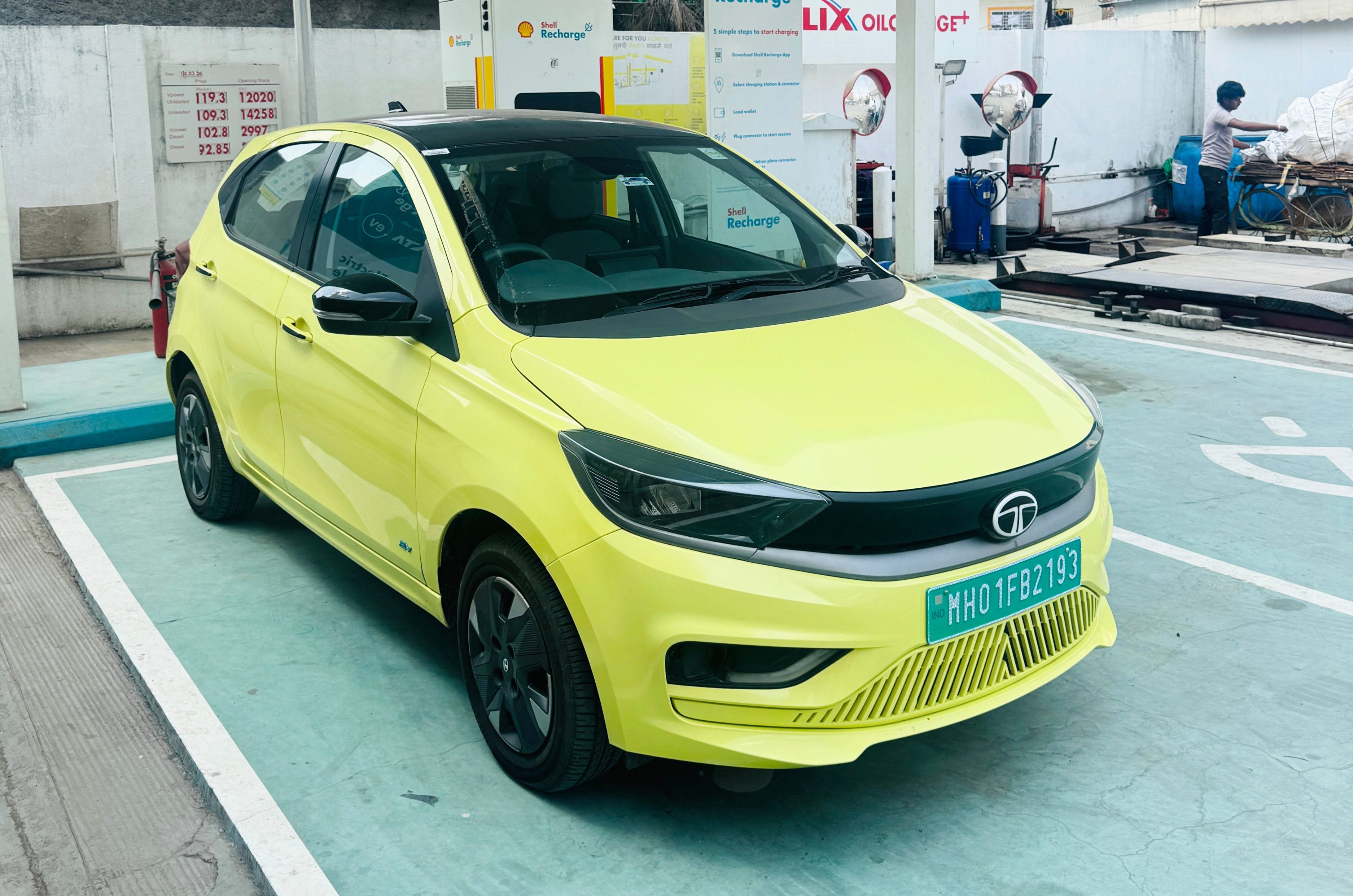
Like the Punch EV, the Tata Tiago EV is also available with August 2026 benefits amounting to up to Rs 1.45 lakh. However, this is only applicable to the LR (Long Range) XT variant of the old model – combining a cash discount of Rs 70,000 and the ‘Freedom Offer’ worth Rs 50,000. Customers can also avail an exchange benefit of Rs 20,000 or a scrappage bonus of Rs 25,000.
The exchange/scrappage benefits are offered with select trims of the Tiago EV MR (Medium Range) and LR (Long Range) variants, too. The former’s total benefits amount to Rs 65,000, whilst the latter’s is Rs 1.25 lakh.
Tata Nexon EV offers in August 2026
Benefits up to Rs 45,000
The Tata Nexon EV is available with benefits of up to Rs 45,000 in August 2026. This takes into account a cash discount of Rs 10,000, a scrappage scheme worth Rs 35,000, or an exchange bonus worth Rs 25,000.
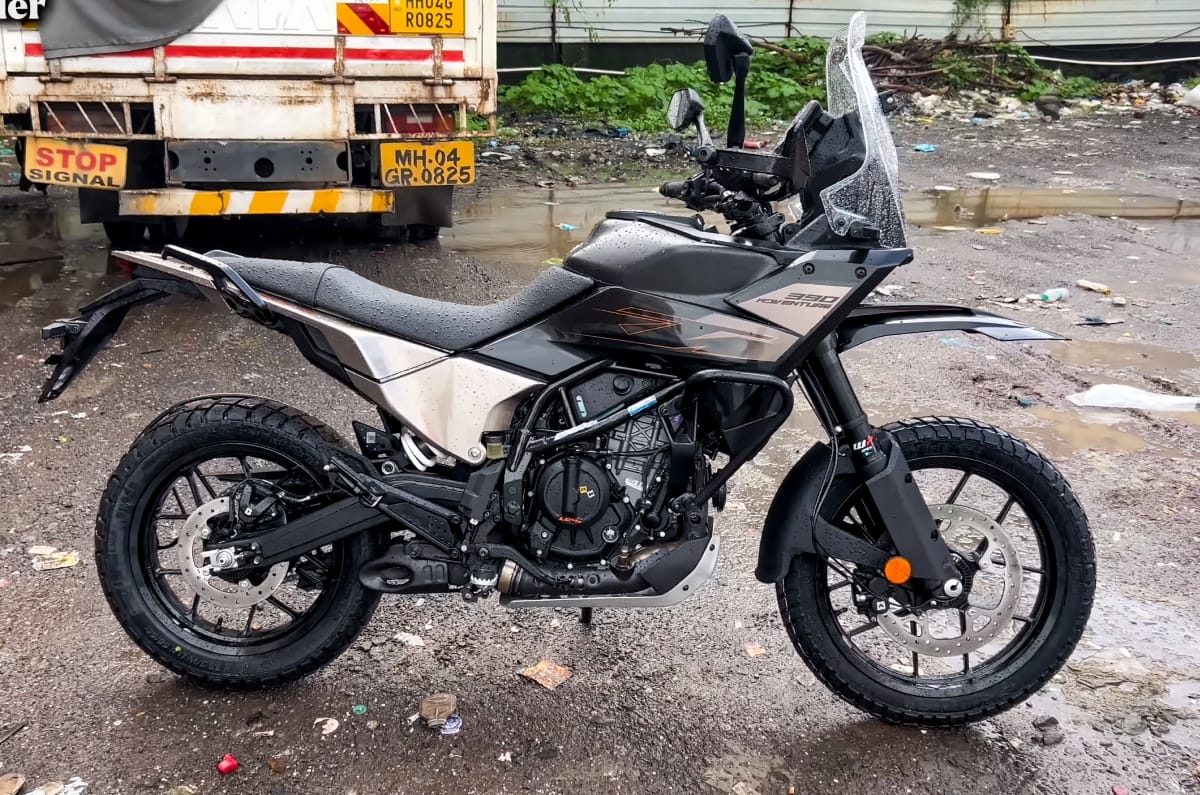
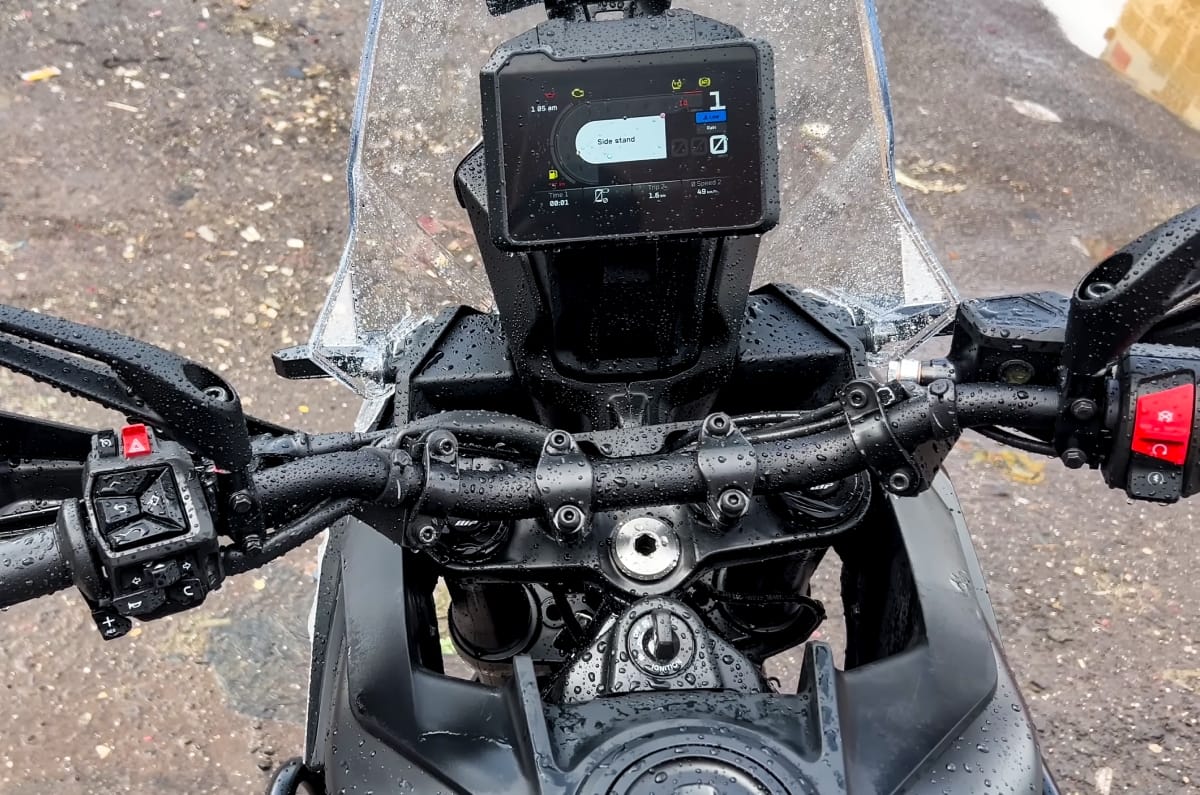
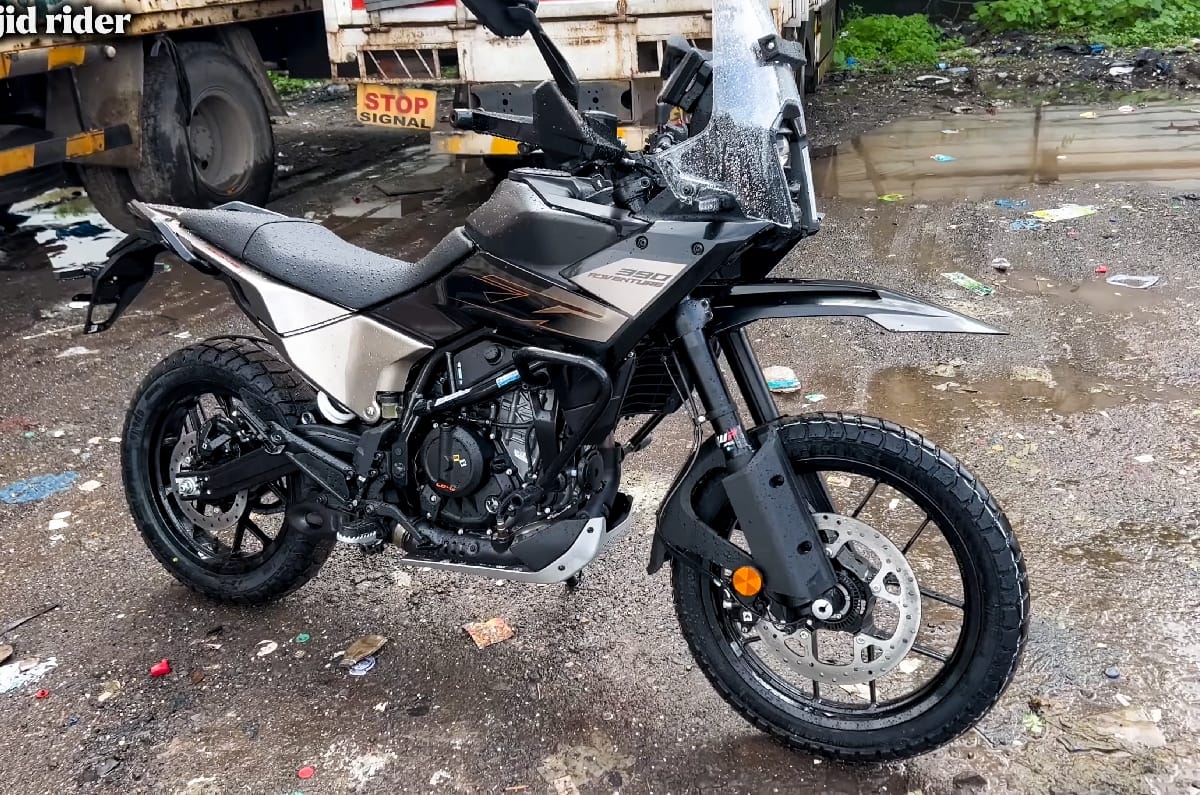
A new black colour of the downsized 350cc KTM 390 Adventure has been spotted at a dealership. Adding a third shade to the colour palette that earlier included a white and an orange colour option. Along with this, the price of the KTM 390 Adventure has also increased by Rs 7,000, which now stands at Rs 2.88 lakh as opposed to Rs 2.81 lakh that it was earlier launched at.
KTM 390 Adventure to be offered with a new black colour
350cc 390 Adventure price increased by Rs 7,000
KTM 390 Adventure new colour
Remains mechanically unchanged.
It is reported that this new shade – dubbed as Ebony Black – is only available with the downsized 350cc KTM 390 Adventure. It offers an option to customers that are looking for an understated look for their KTM, as opposed to white with contrasting orange colour or the orange colour with contrasting white colour.
While this colour includes a base of black and champagne gold, KTM has still managed to add a bit of orange to it. It gets a subtle outline around the KTM logo in orange and even the Adventure branding has an orange outline. While this new colour has only been spotted and hasn’t been launched formally, it remains to be seen if this colour replaces any of the existing colours or is introduced as a third colour option.
Apart from this, the downsized 350cc KTM 390 Adventure is powered by the same 349cc engine that is derived from the earlier LC4c 399cc engine. In its downsized iteration this engine produces 41.5hp and 33.5Nm, mated to a six-speed gearbox.
Alongside this, the price for the 350cc KTM 390 Adventure has also risen by Rs 7,000, now standing at Rs 2.88 lakh (ex-showroom, Delhi).
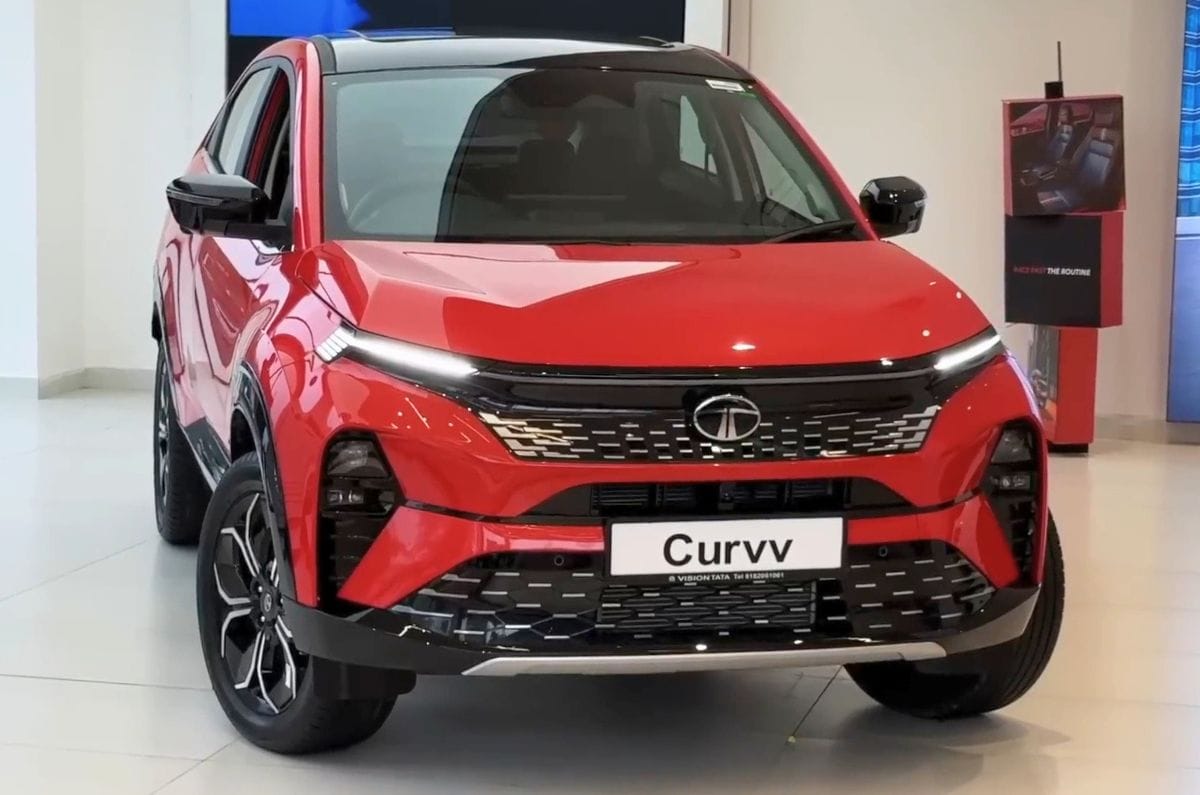
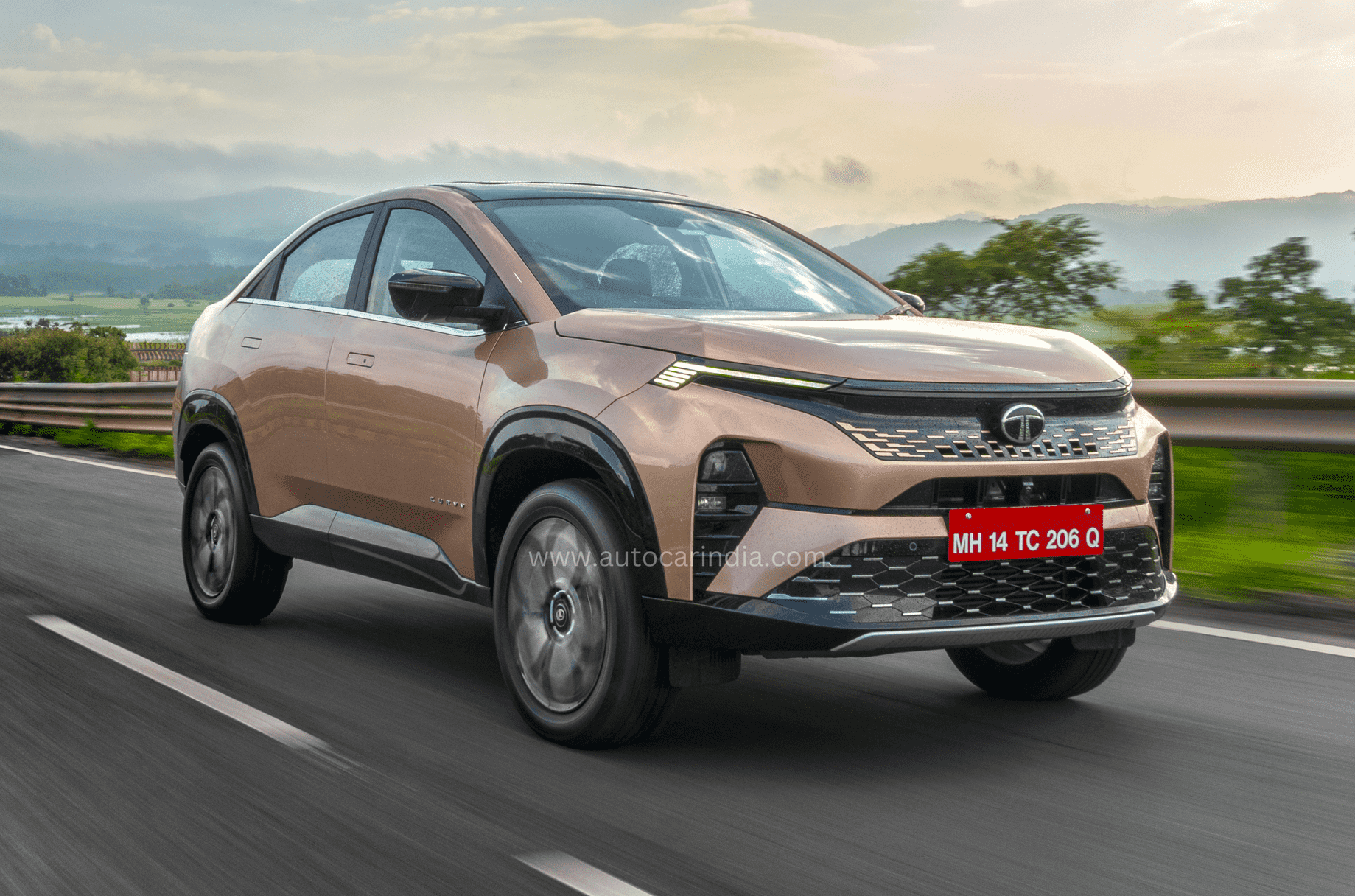
Tata has revealed offers on its combustion-powered cars in August 2026. The Curvv gets the maximum benefits of up to Rs 1.25 lakh this year, and the Nexon, Sierra and Altroz carry offers of over Rs 55,000. The Harrier, Safari, and Tigor are also being offered with some benefits.
Note: The mentioned offers are applicable till August 31 and may vary by city, dealership and stock availability. Please check with your nearest Tata dealership for the exact figures.
Tata Curvv August 2026 offers
Benefits up to Rs 1.25 lakh
Select variants of the Tata Curvv are available with offers up to Rs 1.25 lakh in August 2026, which is the most for any Tata car in the month. The total benefits include discounts of up to Rs 30,000, loyalty bonus of up to Rs 40,000, and an option between a scrappage benefit of Rs 45,000 or an exchange bonus of Rs 40,000.
Tata Nexon August 2026 offers
Benefits up to Rs 75,000
The Tata Nexon compact SUV is available with benefits up to Rs 75,000, including a cash discount of up to Rs 10,000, a scrappage benefit of up to Rs 20,000, and, like the Curvv, an option between a Rs 15,000 exchange benefit and Rs 25,000 scrappage bonus. A ‘Freedom’ offer of Rs 45,000 is also on offer. These benefits are for the petrol variants, while the CNG and diesel variants get offers of up to Rs 60,000 and Rs 20,000, respectively.
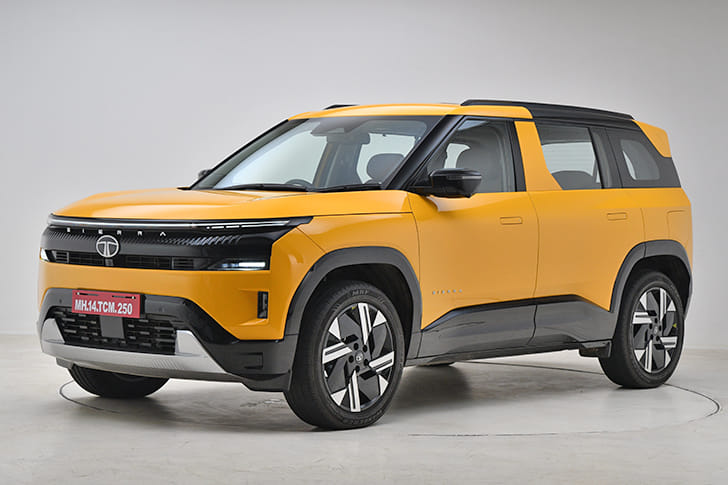
Tata Sierra August 2026 offers
Benefits up to Rs 60,000
Like the Safari and Harrier, the Tata Sierra’s diesel is the only version available with benefits in August 2026. It offers up to Rs 30,000 cash discount and a loyalty benefit of up to Rs 30,000. Tata is also offering a level-up bonus of Rs 30,000.
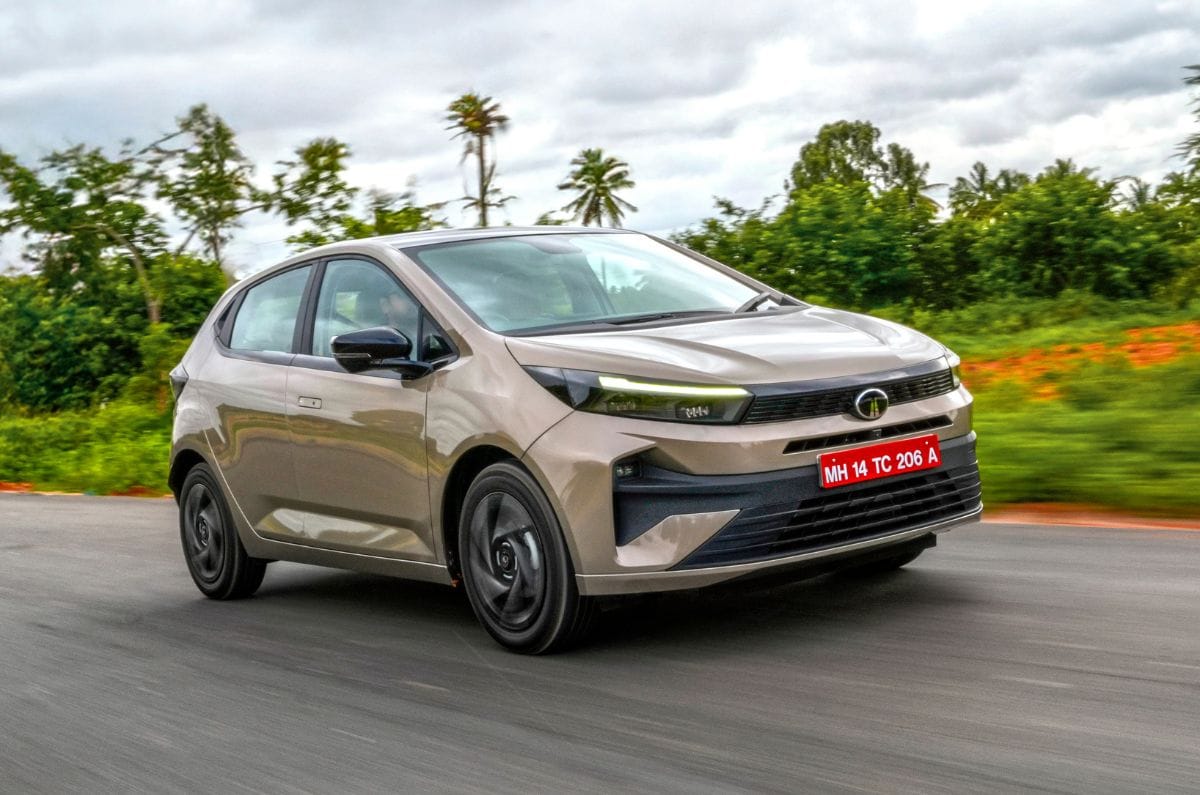
Tata Altroz August 2026 offers
Benefits up to Rs 55,000
In August 2026, the highest Altroz offers of up to Rs 55,000 are available on the CNG variants. This includes a cash discount of up to Rs 15,000, a Freedom offer up to Rs 20,000, and a choice between an exchange benefit of up to Rs 15,000 or a scrappage bonus of Rs 20,000. The petrol and diesel variants, on the other hand, get reduced offers up to Rs 35,000.
Tata Harrier, Safari August 2026 offers
Benefits up to Rs 45,000
Like the Sierra, Diesel variants of the Tata Harrier and Safari are available with identical offers of up to Rs 45,000 this August. These include a cash discount of up to Rs 10,000, and an option between exchange bonus and scrappage benefit of up to Rs 35,000.
Tata Tigor August 2026 offers
Benefits up to Rs 30,000
The Tata Tigor is available with offers of up to 30,000, including a cash discount of Rs 15,000, an exchange bonus of up to Rs 10,000 and a scrappage bonus of up to Rs 15,000. Only one between the exchange and scrappage benefit can be availed by a consumer.
While the 2026 Tata Tiago is not available with any offers, the remaining stock of the previous model is available with benefits of up to Rs 35,000.
Earlier this week, Bajaj confirmed that it would unveil the revamped Classic Pulsar range on August 12. Now, images of the next-generation Pulsar 125 at a dealership have surfaced online, giving us our first clear look at what to expect.
All-new Pulsar 125 spotted at dealership ahead of August 12 launch
Gets a new frame with a rear monoshock
Likely to feature a new engine
All-new Bajaj Pulsar 125: What to expect
The new Pulsar 125 gets an all-new chassis and what appears to be a heavily revised engine
The upcoming Pulsar 125 was spotted testing earlier this year, and these latest images confirm that it sits on a significantly reworked platform. The frame appears to be an entirely new unit, likely a single downtube setup rather than the double cradle chassis used on the outgoing Pulsar 125. Another notable hardware change is the adoption of a rear monoshock, replacing the twin shock absorbers that have been a hallmark of the Classic Pulsar range for over two decades. Up front, the motorcycle continues with a conventional telescopic fork.
The bike runs on 17-inch alloy wheels – the design of which appears similar to what’s seen on the current Pulsar 125 and Pulsar N125 – shod in what appears to be MRF rubber, with a disc brake at the front and a drum at the rear. The bike seen in the images is a single-seat version, but Bajaj could offer a split-seat variant as well. Lastly, the gear lever appears to be a more modern setup of a toe-only shifter without the heel piece seen on older Pulsars.
The bike is expected to feature an all-new engine, and that does appear to be the case visually – the casings look different from the outgoing unit and the exhaust header routing has been redesigned. For reference, the current Pulsar 125 is powered by a 124.4cc single-cylinder engine producing 11.8hp at 8,500rpm and 10.8Nm at 6,500rpm.
Styling retains familiar Pulsar proportions but introduces a number of modern touches. The overall design of the fuel tank and tank shrouds is familiar, but the side panels have been completely redesigned. The tail section also appears slimmer than before, and the motorcycle uses halogen indicators. Another notable update is the addition of a colour LCD instrument cluster.
The new Pulsar 125 will take on rivals such as the TVS Raider 125, Hero Xtreme 125R and Honda CB125 Hornet in one of India’s most competitive motorcycle segments. Pricing will be announced at the August 12 launch, but we could see a slight increase over the current model’s starting price of Rs 92,341 (ex-showroom, Delhi).
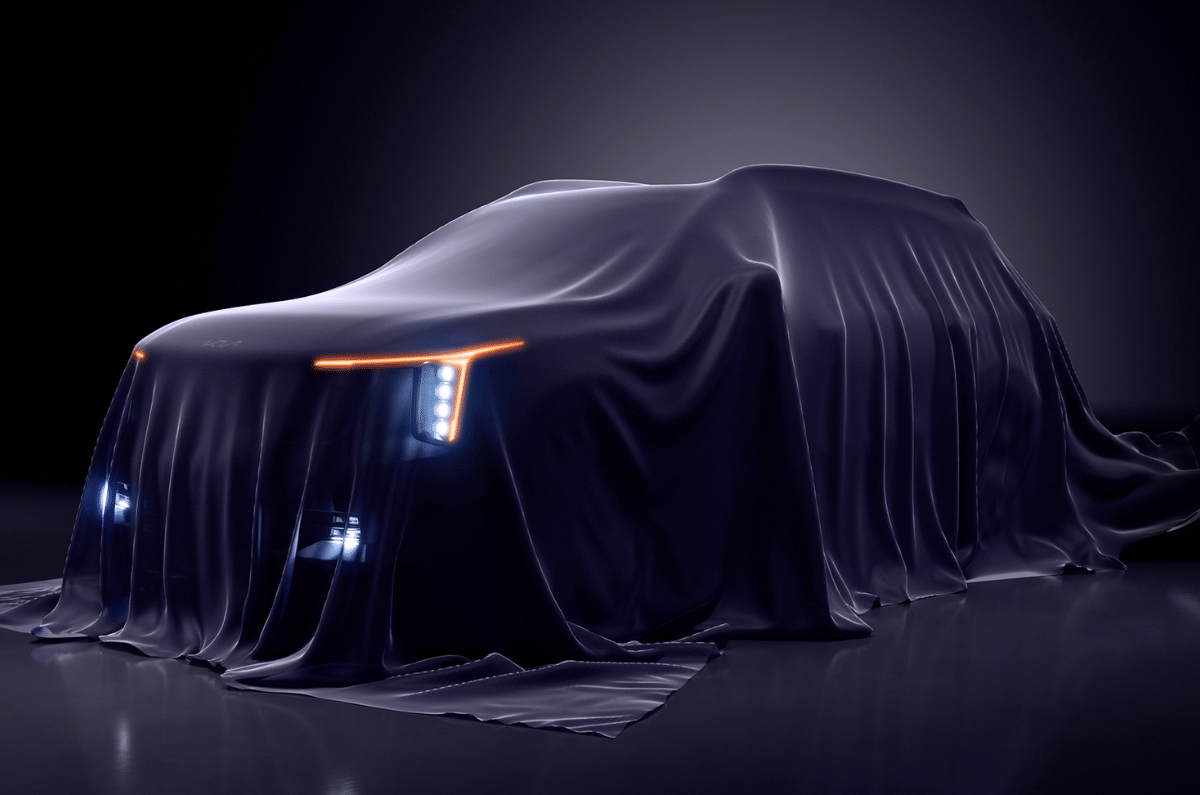
Kia has started accepting official bookings for the upcoming Sorento SUV from today. This comes a few weeks after unofficial bookings had commenced last month, as per our dealer sources. Customers can book the Sorento through their nearest Kia dealership or by visiting the brand’s website.
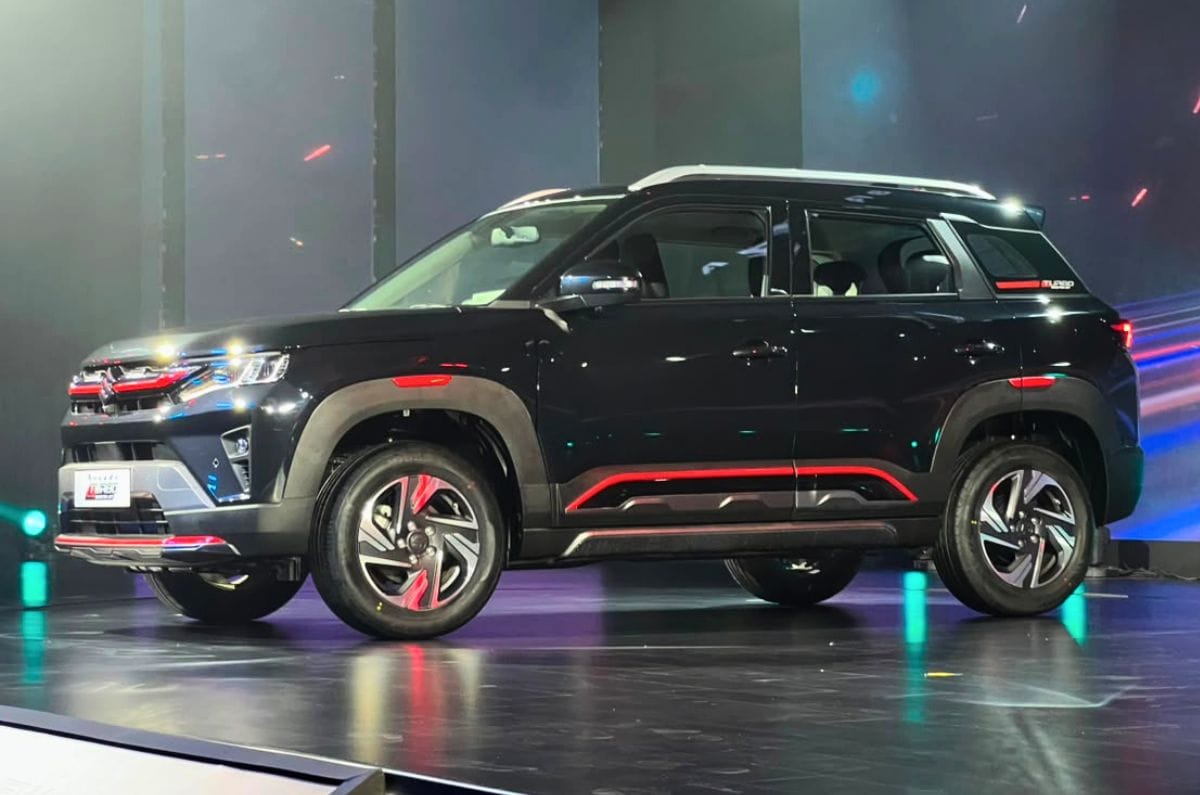
Maruti Suzuki recently launched the 2026 Brezza with prices ranging from Rs 7.40 lakh to Rs 13.55 lakh (ex-showroom). With the midlife update, Maruti has introduced a 1.0-litre direct injection turbo-petrol engine to the Brezza, while also offering a couple of new features and a few new design elements. The 2026 Brezza is being offered in four trims: LXi, VXi, ZXi and ZXi+, and alongside the turbo-petrol engine, a 1.5-litre naturally aspirated petrol mill is also available with a CNG option.
In case you want to know how much you need to pay to get your hands on one, here are the 2026 Maruti Brezza’s on-road prices across major Indian cities.
2026 Maruti Brezza on-road price range
On-road prices of the 2026 Brezza range from Rs 8.26 lakh to Rs 16.81 lakh in major cities
2026 Maruti Brezza price range in major Indian cities (in Rs, lakh)
1.0TP 6MT
1.5P 6MT
1.5P 6AT
1.5CNG 6MT
Ex-showroom
7.40-11.16
8.30-10.50
10.61-13.55
9.30-11.50
Delhi (on-road)
8.26-12.95
9.26-12.18
12.31-15.72
10.67-13.37
Kolkata (on-road)
8.48-12.95
9.51-12.18
12.31-15.72
10.65-13.34
Mumbai (on-road)
8.55-13.17
9.59-12.39
12.52-15.99
10.37-13.11
Bengaluru (on-road)
8.77-13.73
9.84-12.92
13.06-16.67
10.67-13.37
Chennai (on-road)
8.70-13.84
9.76-13.02
13.16-16.81
10.67-13.37
Note: On-road prices may vary based on city-specific registration charges and other cost components, including insurance, FASTag and RTO fees. Please check with your nearest Maruti Suzuki Arena dealership for exact figures.
The 2026 Maruti Suzuki Brezza’s on-road prices are the lowest in Delhi among all the mentioned cities. This is followed by Kolkata, Mumbai and Bengaluru, with Chennai having the highest ask. However, a CNG option on the Brezza is the most affordable in Mumbai. That being said, the difference in on-road price of the top-spec Brezza variants for the 1.0-litre turbo-petrol manual is Rs 89,000, the 1.5-litre petrol manual is Rs 84,000, 1.5-litre petrol automatic is Rs 1.09 lakh.
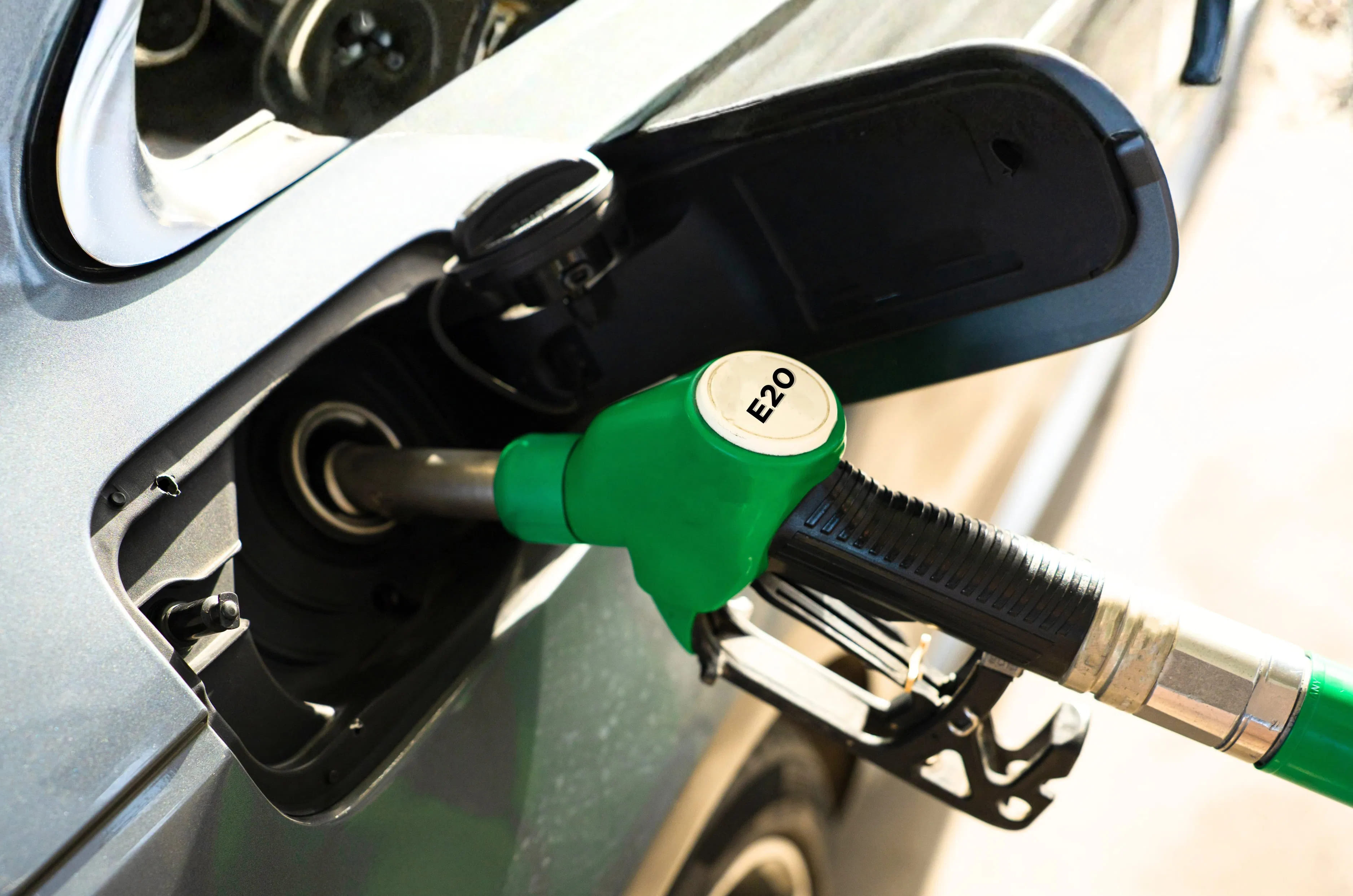
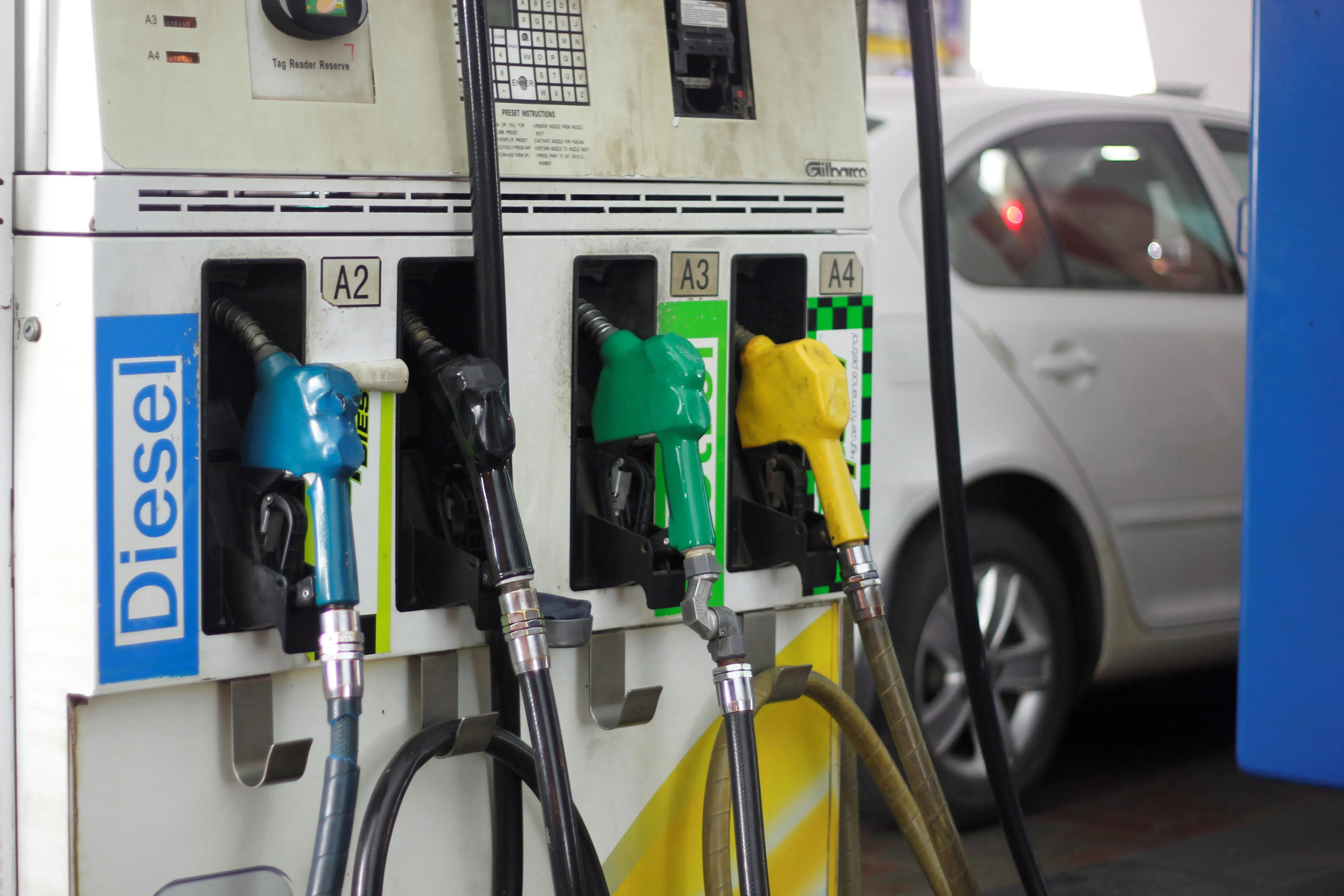
India completed the nationwide rollout of E20 petrol in April last year, making it the standard grade of petrol sold at fuel stations across the country. E20 contains 20 percent ethanol and 80 percent petrol, replacing the lower ethanol blends that were sold previously.
The transition has raised several questions among vehicle owners about compatibility, fuel efficiency, maintenance, warranties and long-term reliability. We separate the facts from the misconceptions and answer the key questions around E20.
1. What is E20 petrol and why has India switched to it?
E20 is fuel blended with 20 percent ethanol and 80 percent petrol. Ethanol is a biofuel produced from agricultural feedstocks such as sugarcane, maize and surplus food grains. India introduced the Ethanol Blended Petrol (EBP) Programme in 2003 with E5 petrol, and while the blended percentage kept varying for a while, it was eventually increased to E10 before completing the nationwide rollout of E20 in 2025, five years ahead of the planned implementation. According to the government, the programme aims to reduce dependence on imported crude oil, improve energy security, lower emissions and create an additional market for agricultural produce.
2. Can I use E20 fuel in my car or bike?
New petrol cars and two-wheelers sold in India today are compatible with E20 petrol. Under the government’s roadmap, vehicle manufacturers were required to make new petrol models manufactured from April 2023 compatible with E20.
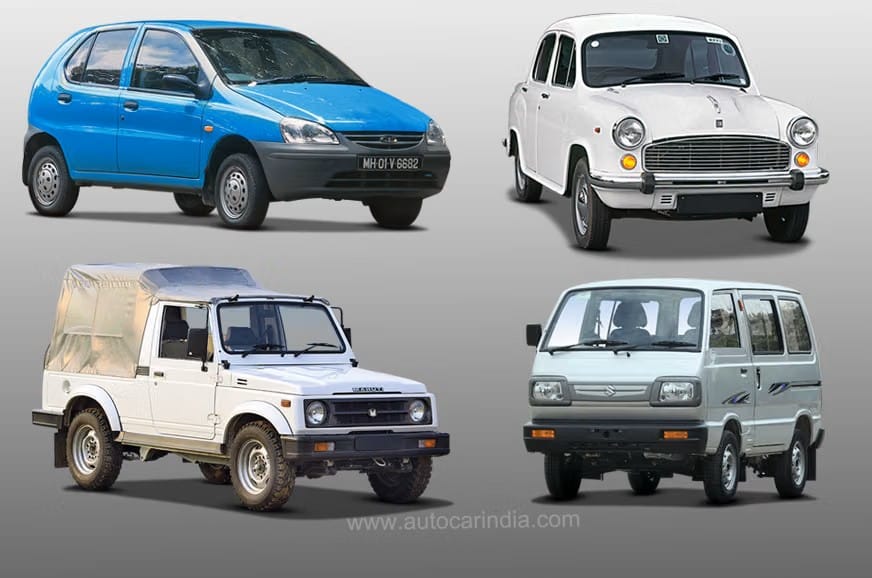
Vehicles manufactured before April 2023 were designed for lower ethanol blends, so compatibility may vary depending on the model and year of manufacturing. However, some brands state that they had E20 material compliance before 2023, for a list click here.
3. How do I know if my car is E20 compatible?
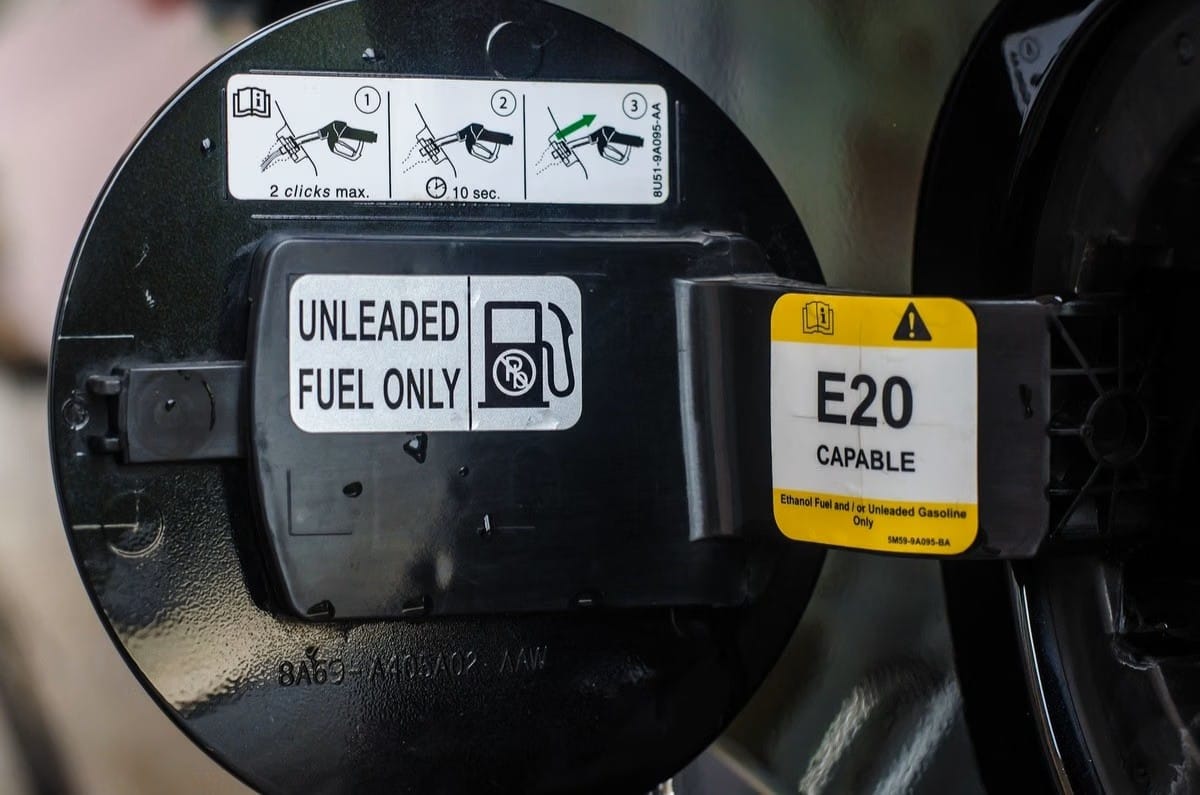
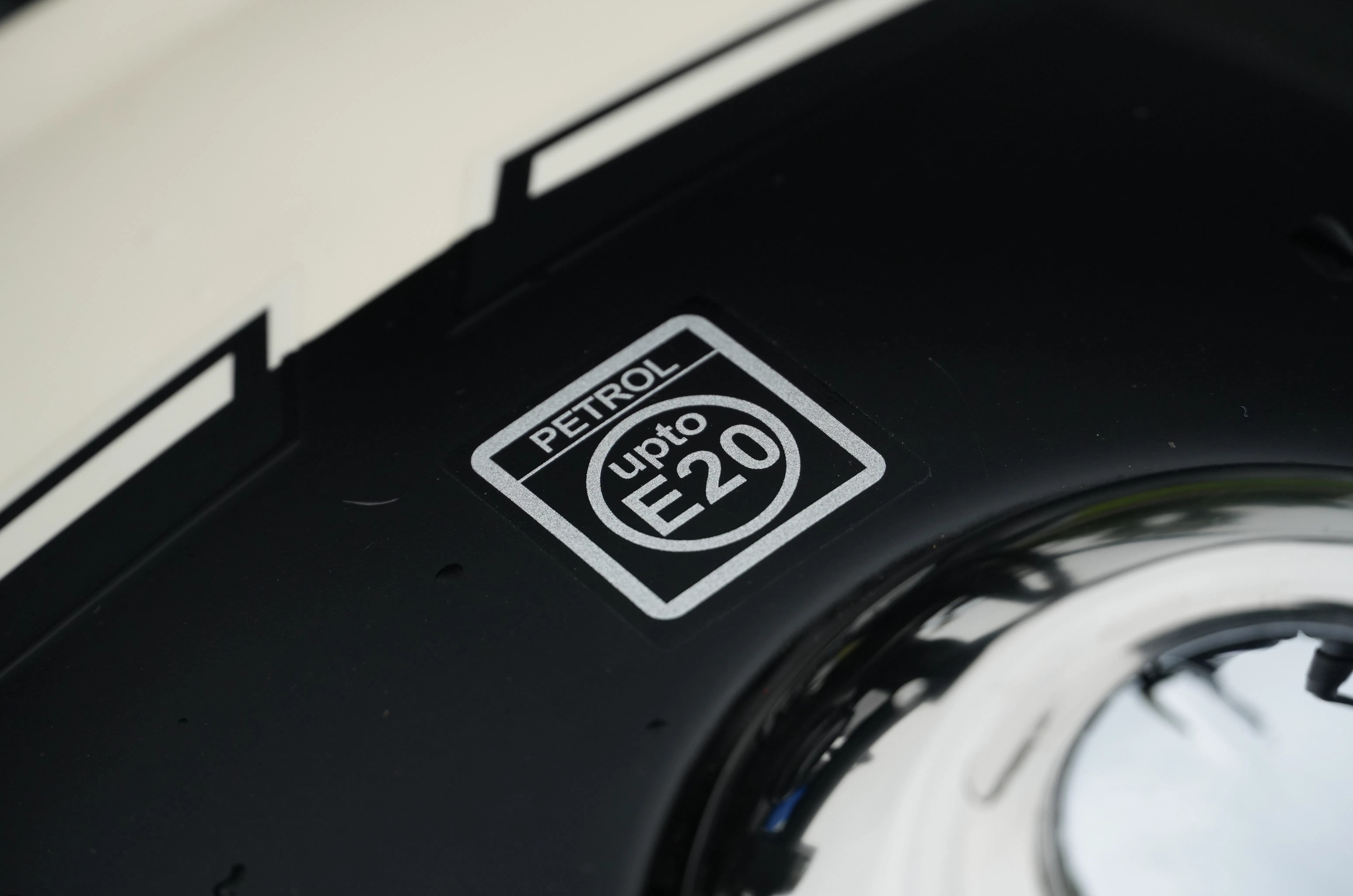
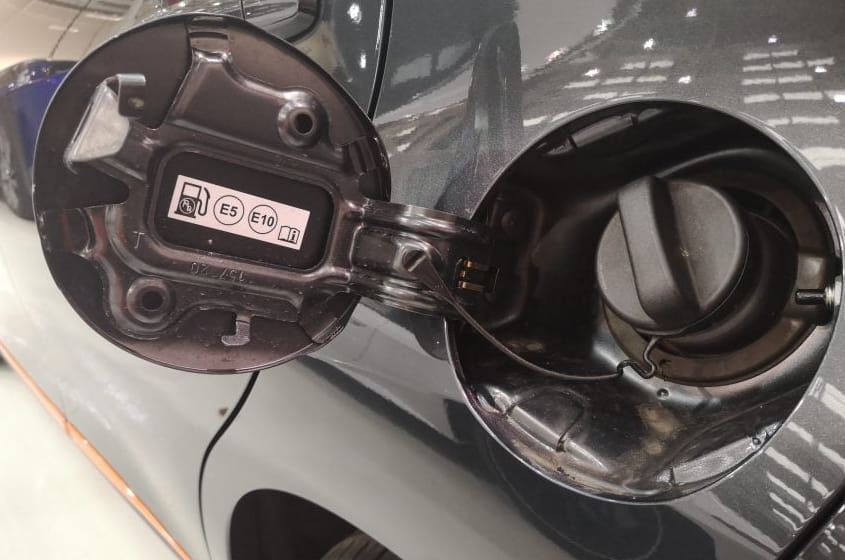
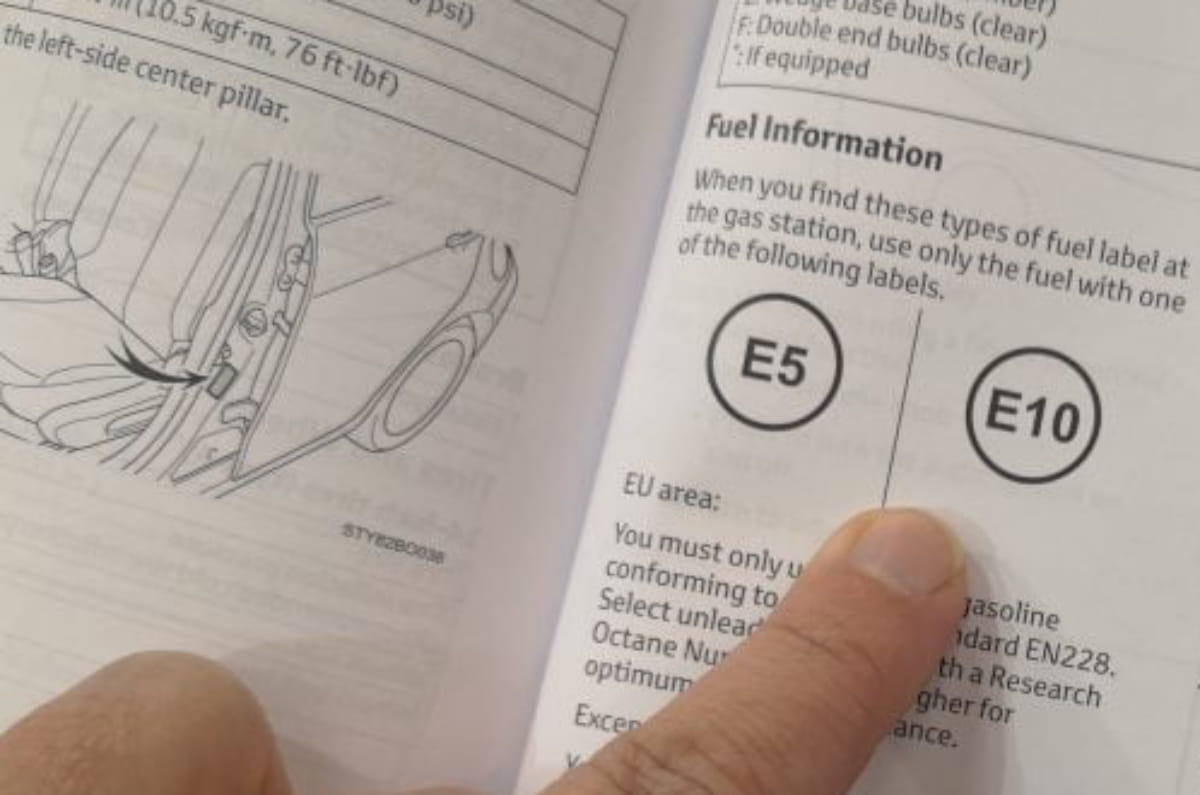
The easiest way is to check your vehicle’s fuel flap or the owner’s manual or contact the manufacturer’s authorised dealership. As part of the government’s E20 roadmap, manufacturers progressively introduced E20-compatible petrol vehicles from 2023 onwards. However, compatibility can vary depending on the model and year of manufacture, so owners should not assume that every petrol vehicle is fully E20-compatible.
4. Can E20 damage older engines or fuel-system components?
Concerns about E20 mainly relate to older vehicles that were not originally designed for higher ethanol blends. While ethanol has not been found to significantly directly affect metal fuel-system components, prolonged exposure to E20 can accelerate wear in some older rubber and plastic parts such as fuel hoses, seals, O-rings, gaskets and certain fuel pipes if they are made from materials that are not ethanol compatible.
Before approving E20, ARAI tested metals, elastomers and plastics commonly used in fuel systems. The study found no significant corrosion of metal components, but certain rubber compounds and plastics used in older vehicles showed greater deterioration than with E10 fuel. These findings prompted manufacturers to use ethanol-compatible materials in newer vehicles. Thus, owners of older vehicles should keep up with regular servicing and follow the manufacturer’s recommended maintenance schedule, increasing the inspection frequency if damage is suspected.
5. Does E20 reduce fuel efficiency?
Yes. E20 fuel generally returns lower fuel efficiency than petrol with a lower ethanol content because ethanol contains less energy than petrol. The exact reduction varies depending on the vehicle, engine and calibration.
E20 vs E10 mileage test results
Creta N Line
Dzire (BS 6)
Polo GT TSI
Dzire (BS 4)
Registration year
2024
2024
2017
2016
Average speed
17.8kph
20.25kph
18.0
19.3
Kpl on E20
10.59
14.24
9.13
9.8
Kpl on E10
12.12
14.81
9.63
11.19
Kpl variance
1.53
0.57
0.50
1.39
% variance
-12.62
-3.84
-5.19
-12.42
ARAI estimates a fuel efficiency drop of 1-6 percent with E20, while some manufacturers put it closer to 7-8 percent. In Autocar India’s real-world testing, both newer E20-compatible cars and older pre-E20 vehicles recorded a measurable drop in mileage when compared with an equivalent E10 blend. Among the newer cars, the Maruti Suzuki Dzire recorded a 3.8 percent drop, while the Hyundai Creta N Line saw a 12.6 percent decline.
Among older BS4-era cars, the Volkswagen Polo GT TSI posted a 5.2 percent drop, while the older Maruti Suzuki Dzire recorded a mileage drop of 12.4 percent.
The results also showed that there is no single figure applicable to every vehicle. Factors such as engine calibration and compression ratio all influence fuel efficiency, meaning some vehicles adapt better to E20 than others.
6. Does E20 improve performance or reduce emissions?
Octane rating test results
Fuel type
RON result
Regular E20 petrol
98.2 RON
XP95
98.8 RON
Yes, but not in a way that most motorists are likely to notice. E20 has a higher-octane rating than regular petrol, which improves resistance to engine knocking and can benefit engines designed to take advantage of higher-octane fuel.
The government says E20 aims to lower emissions by replacing a portion of petrol with domestically produced ethanol which is a renewable fuel. For most motorists, however, the most noticeable effect of switching to E20 is likely to be a small drop in mileage rather than a change in vehicle performance.
7. Is E20’s water contamination issue a real problem?
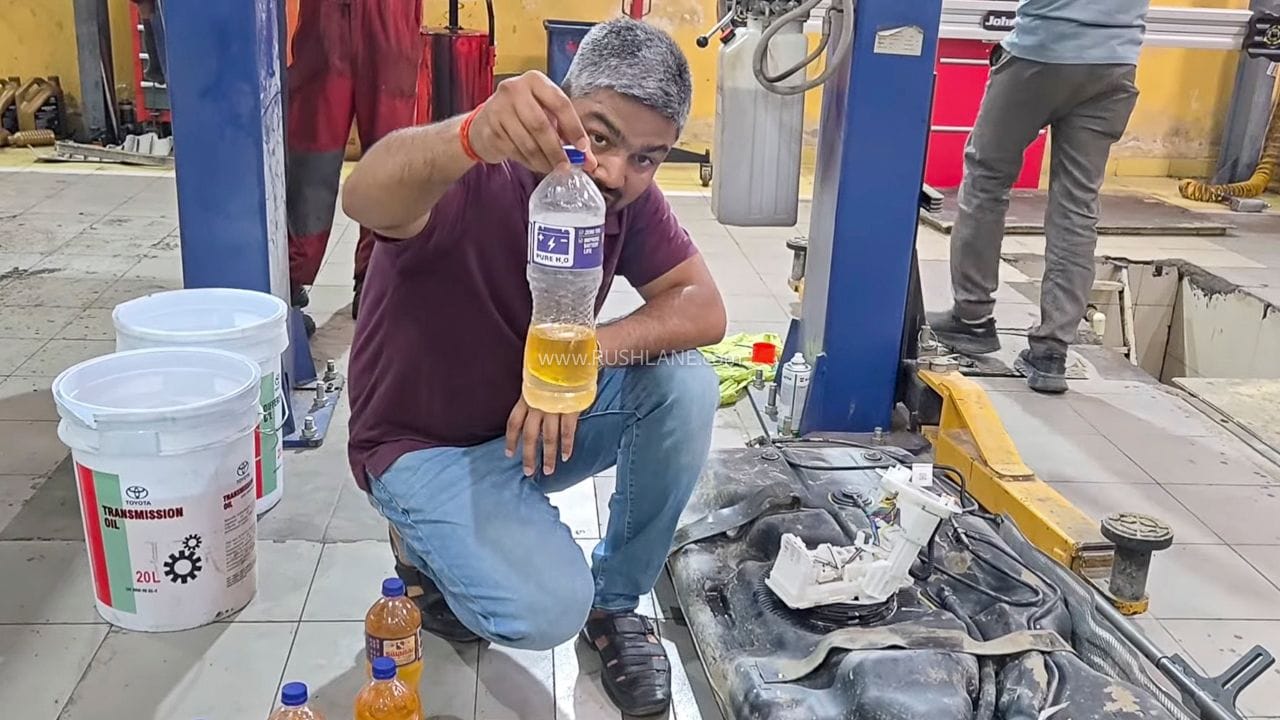
Image credit – Rushlane
Ethanol is hygroscopic, meaning it has the capability to absorb moisture. As a result, E20 is more susceptible to water contamination if excess moisture enters the fuel during storage or handling. In severe cases, this can lead to phase separation, where the ethanol and water separate from the petrol, affecting fuel quality.
Some petrol pump operators have raised concerns that existing underground storage tanks, particularly during the monsoon or in coastal areas, could be more prone to moisture ingress, increasing the risk of phase separation. However, the government and the Federation of Automobile Dealers Associations (FADA) says that there is no evidence linking E20 itself to widespread fuel contamination or vehicle failures.
8. Will using E20 affect my vehicle’s warranty?
For most owners, no. Vehicle manufacturers have said that using E20 petrol will not affect the warranty of their vehicles, and valid warranties will continue to be honoured. The government, SIAM and several manufacturers have stated that vehicles continue to be covered under their standard warranty terms when fuelled with E20, for a full list click here. SIAM has also said that OEMs will honour the warranty committed to customers for E20 usage, and that insurance claims will remain unaffected.
9. Why isn’t E20 petrol cheaper than regular petrol?
Although E20 contains 20 percent ethanol, it is not cheaper than regular petrol because ethanol currently costs more to procure and blend than petrol under prevailing market conditions. The cost of ethanol procurement, tax, transportation, blending and distribution offsets any potential saving from replacing a portion of petrol with domestically produced ethanol.
Any savings from lower crude oil imports are realised at the national level rather than by consumers through lower pump prices.
10. Why can’t I still buy E10 or pure petrol?
Because by policy E20 is now India’s standard petrol. Following the nationwide rollout of the Ethanol Blending Programme, oil companies have standardised regular petrol and premium 95-octane petrol to an E20 blend. Maintaining parallel supplies of E10 and E20 would require separate storage, transportation and dispensing infrastructure, making nationwide distribution significantly more complex.
As a result, motorists can no longer choose between E10 and E20 at regular fuel stations. The only exception is 100-octane petrol, such as IndianOil XP100 and HP Power100, which remains effectively ethanol-free because it is a niche fuel sold in limited volumes. For most vehicle owners, however, E20 is now the only petrol available.
11. Is the government planning to increase ethanol blending beyond E20?
Not yet, but the groundwork has begun. While the government has said no decision has been taken to mandate petrol with more than 20 percent ethanol, it has begun preparing the regulatory framework for higher blends.
In May 2026, the Bureau of Indian Standards (BIS) notified fuel quality standards for E22, E25, E27 and E30 petrol, indicating that the government is laying the groundwork for future adoption. It has also proposed recognising E85 and E100 fuels under the Central Motor Vehicles Rules.
Separately, the government has tasked the Automotive Research Association of India (ARAI) with studying the impact of E25 petrol on existing E10- and E20-compatible vehicles, including its effect on fuel efficiency, durability, emissions and engine performance under long-term use.
However, any move beyond E20 will require extensive testing and consultation with vehicle manufacturers, fuel companies and research agencies to assess engine durability, emissions and fuel-system compatibility before it is introduced.
12. What should owners of older cars do now?
If your vehicle is not certified as E20-compatible, it does not necessarily mean it will experience immediate problems. However, owners should follow the manufacturer’s guidance, keep up with regular servicing and replace worn fuel-system components as required. It would also be prudent to increase the frequency of inspection of your vehicles fuel system to ensure there is no corrosive damage and catch it before it gets acute.
If you own a classic car, an older imported vehicle or a high-performance model designed for lower ethanol blends, using ethanol-free 100-octane petrol may be worth considering.
13. Can I convert my vehicle to run on E20 fuel?
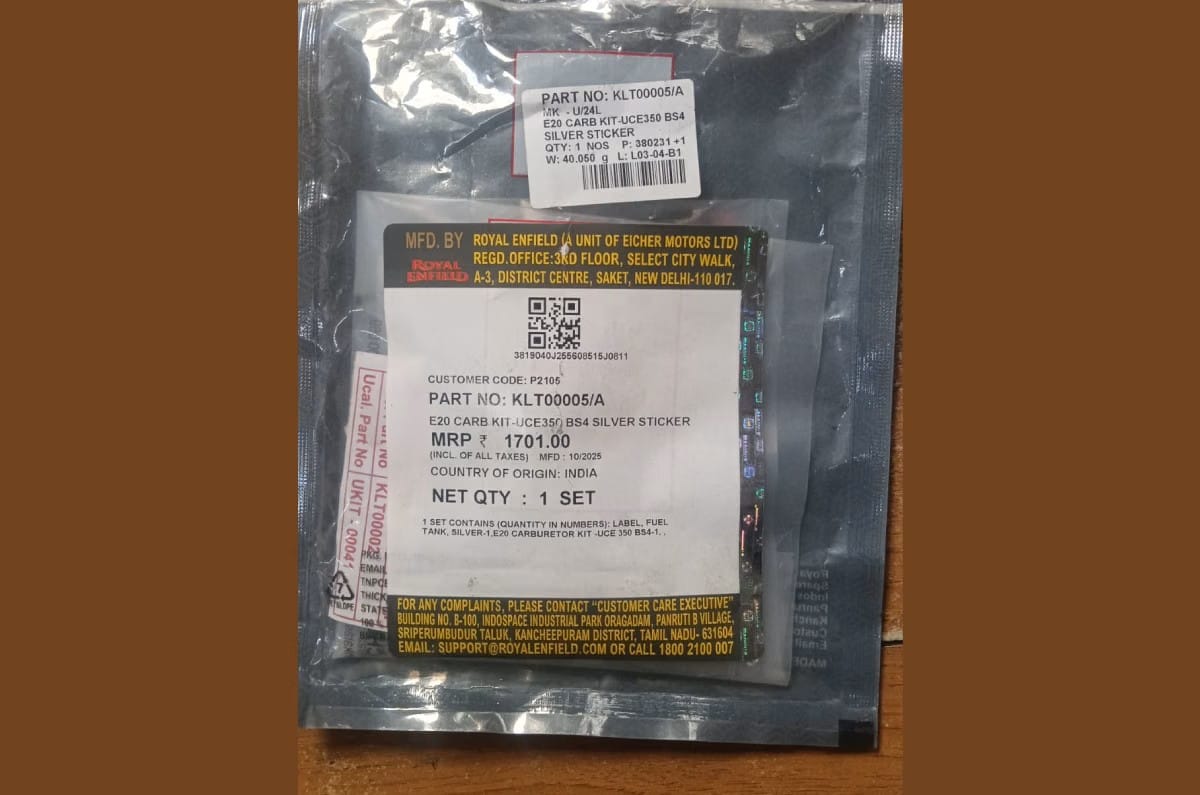
Yes, but official upgrade programmes are currently limited and while a few manufacturers, like Royal Enfield and Maruti Suzuki, had mentioned a plan for these earlier, they don’t have much to say for now. In a recent government press conference that aimed to quell the E20 backlash, Maruti stated that the kits are for R&D purpose only.
Theoretically, it’s possible to replace critical components susceptible to E20 damage with those designed to handle the fuel – especially if your vehicle is still in production – and if you feel the need to, you can go ahead and have parts like fuel lines, fuel pump and gaskets replaced but by your authorised workshops only.
So, should you be worried about E20 petrol?
Not worried, but alert. Modern petrol cars and bikes designed or updated for E20 are engineered to run on the fuel without major issues, and extensive testing by the government, research agencies and manufacturers found no evidence of widespread reliability concerns.That said, E20 is not without trade-offs. Most motorists should expect a small reduction in fuel efficiency.
For owners of older vehicles, it would be wise to pay closer attention to fuel-system maintenance.