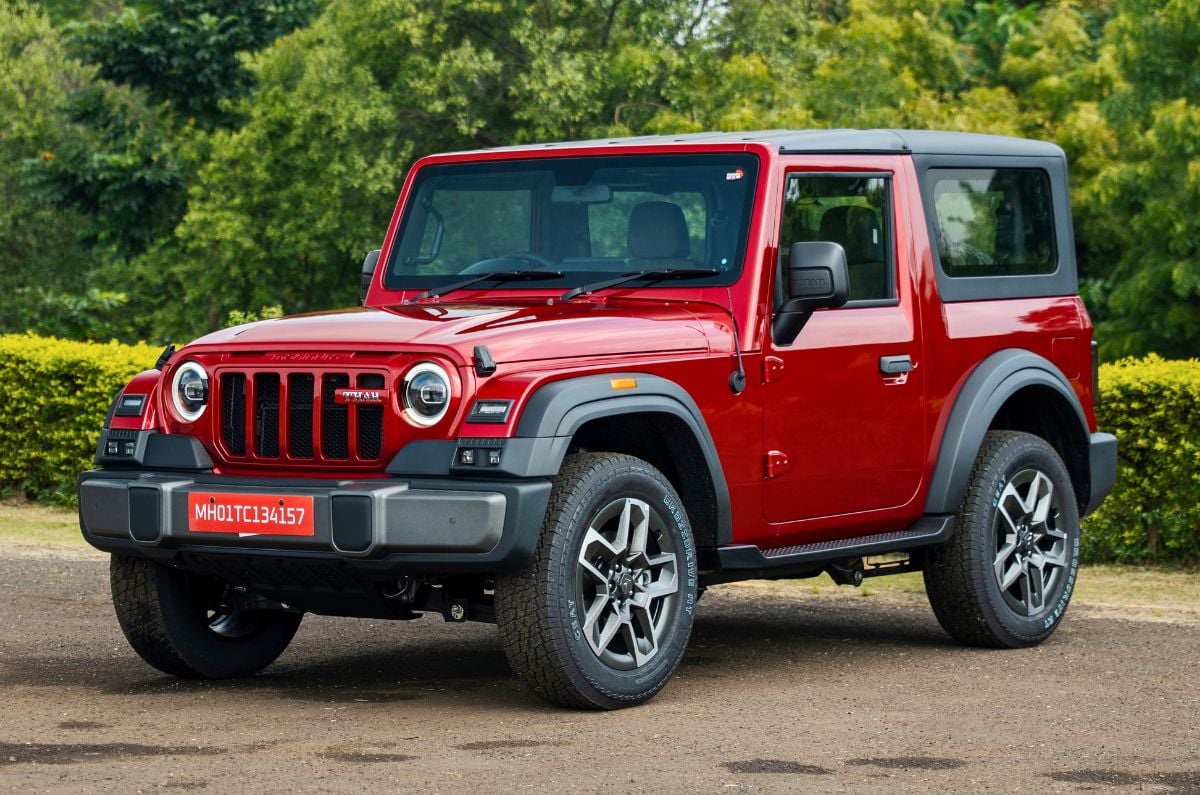
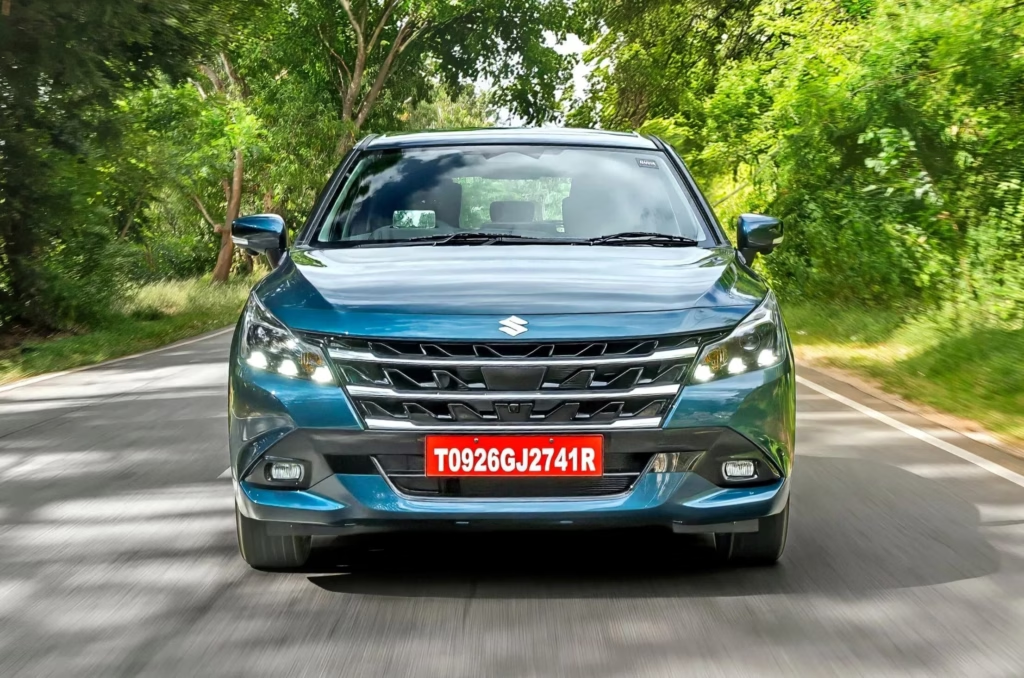
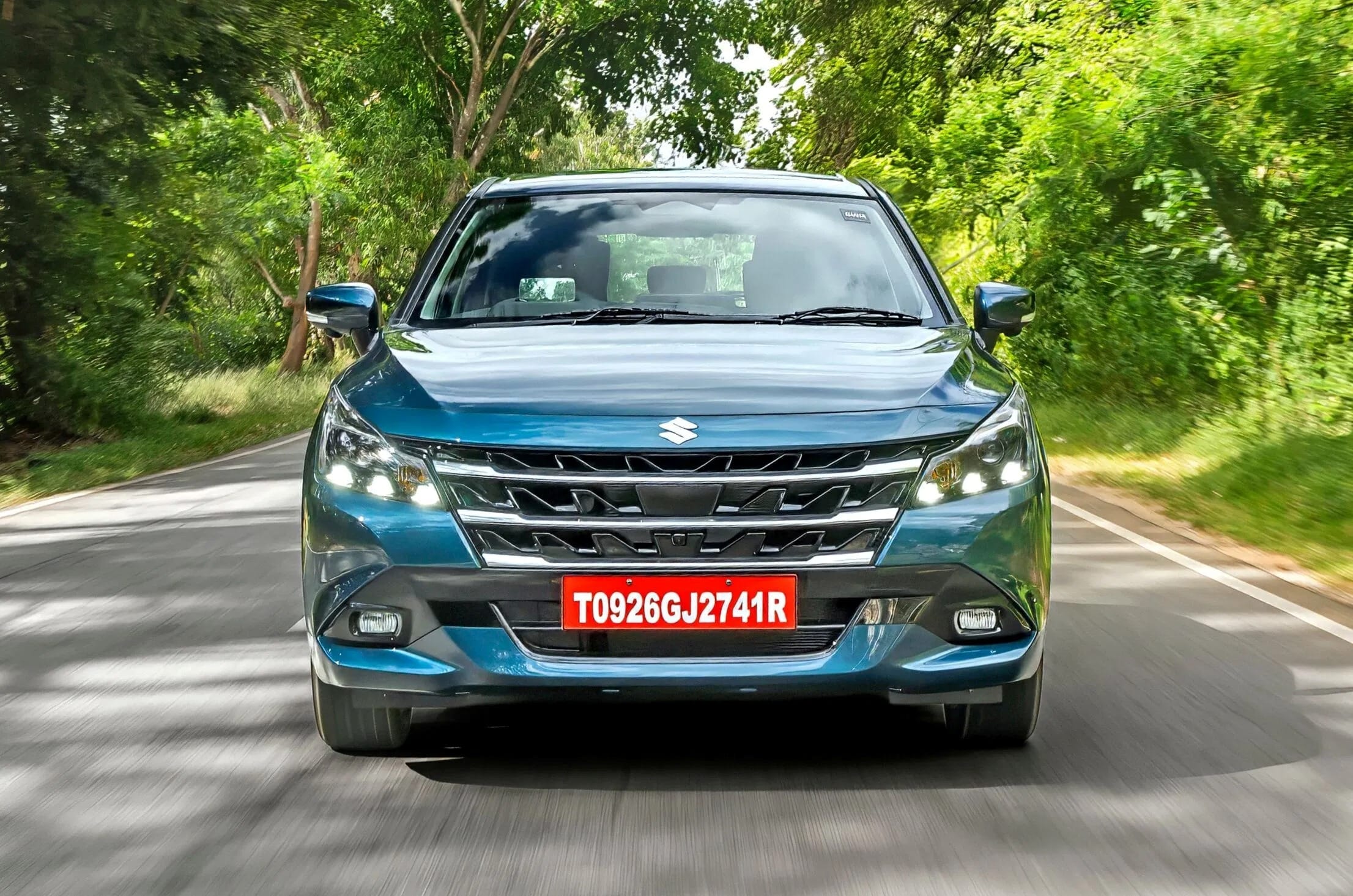
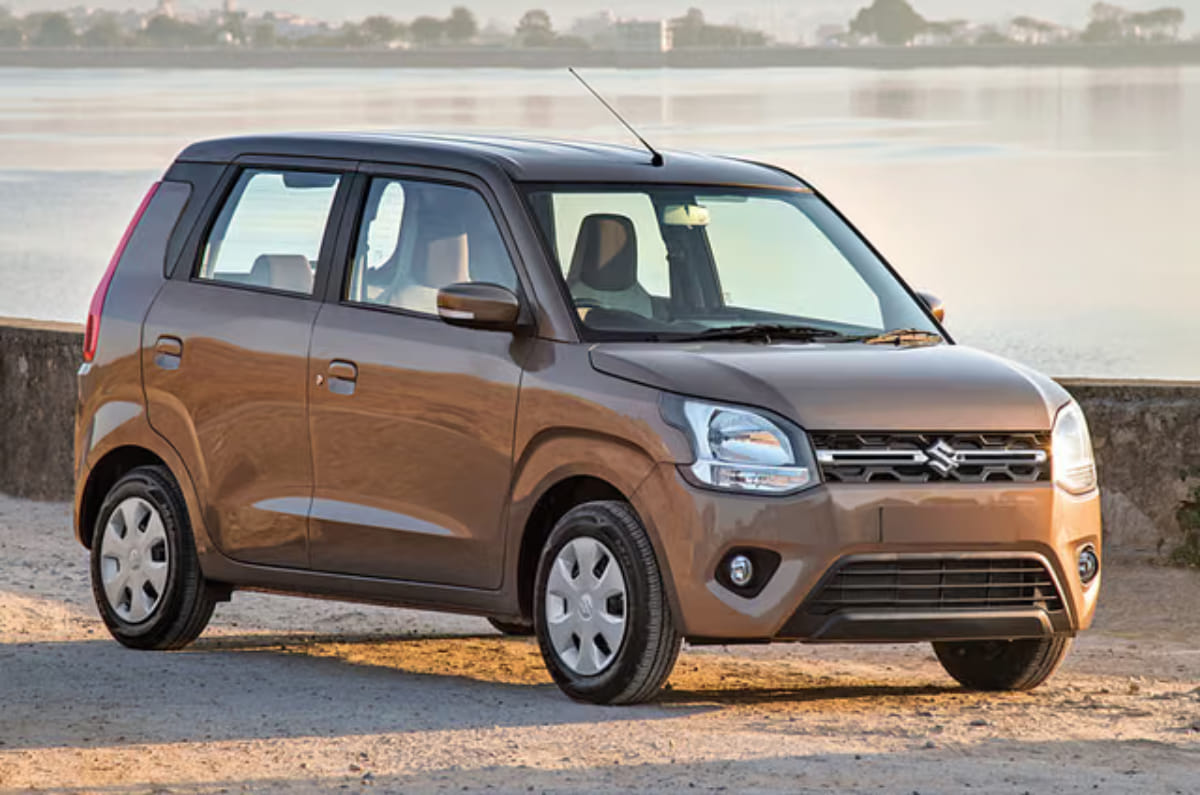
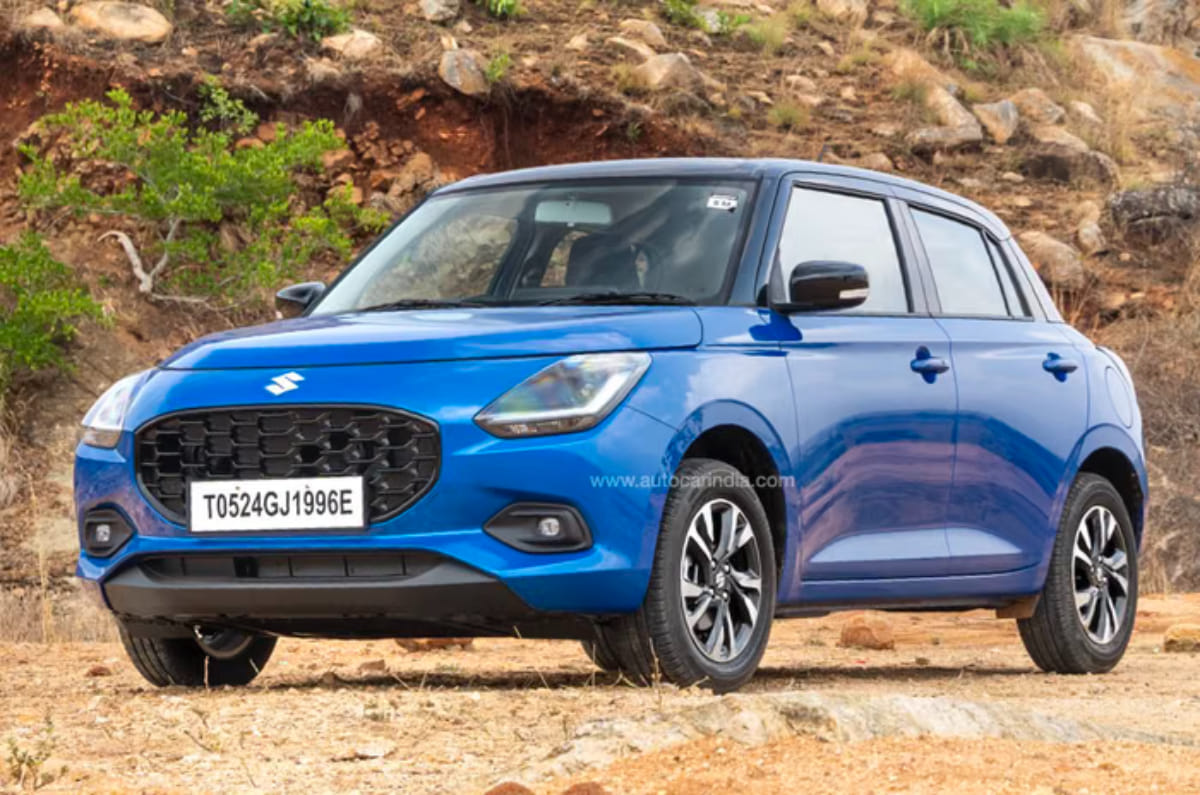
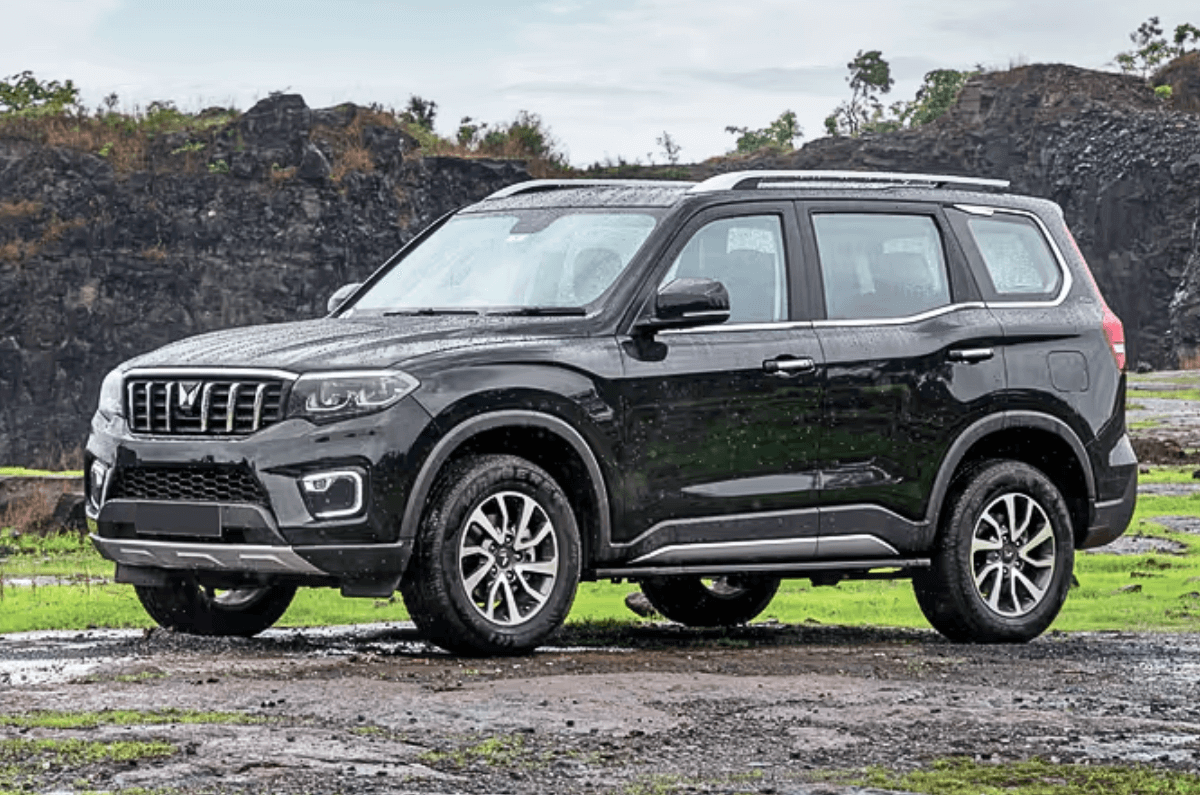
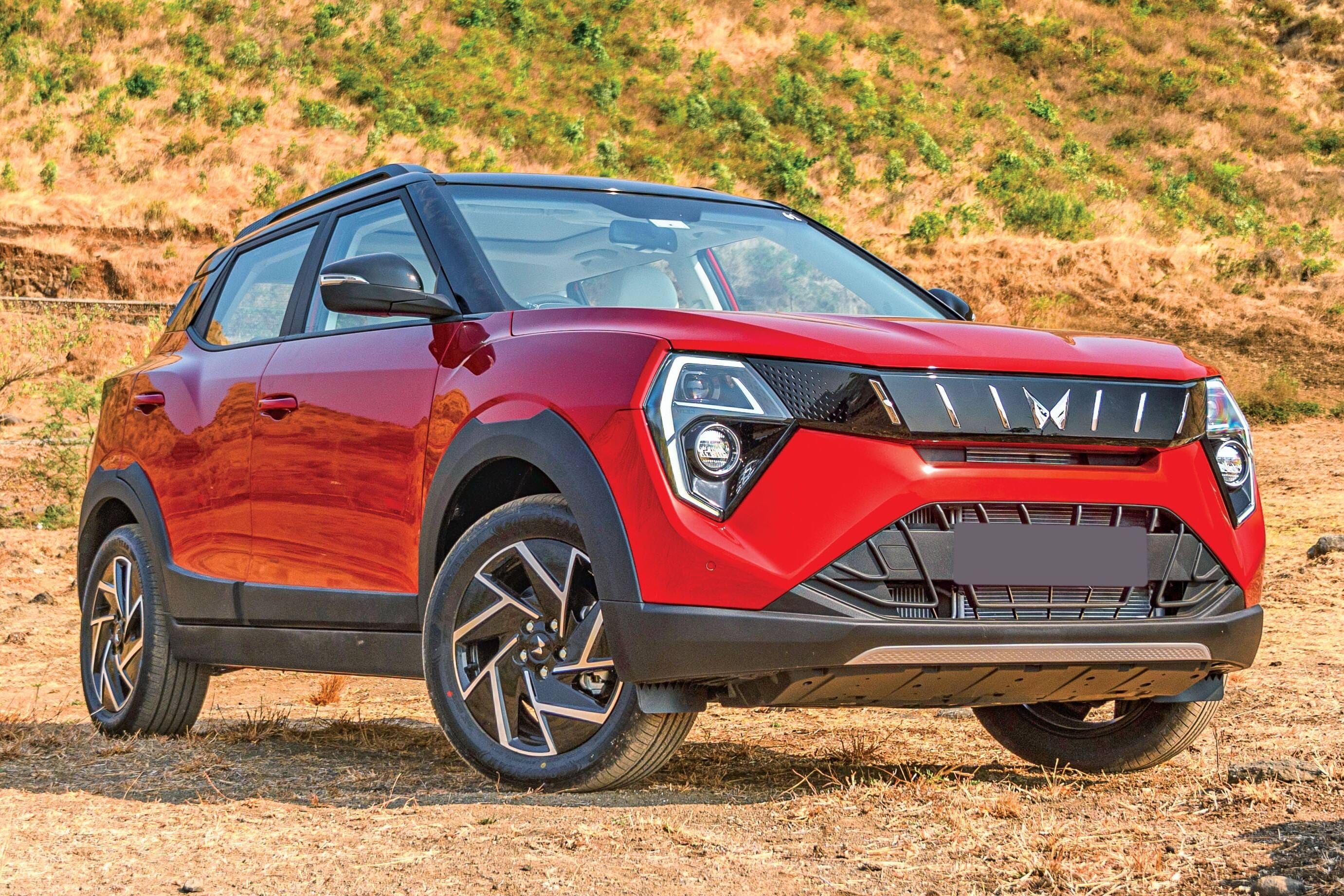
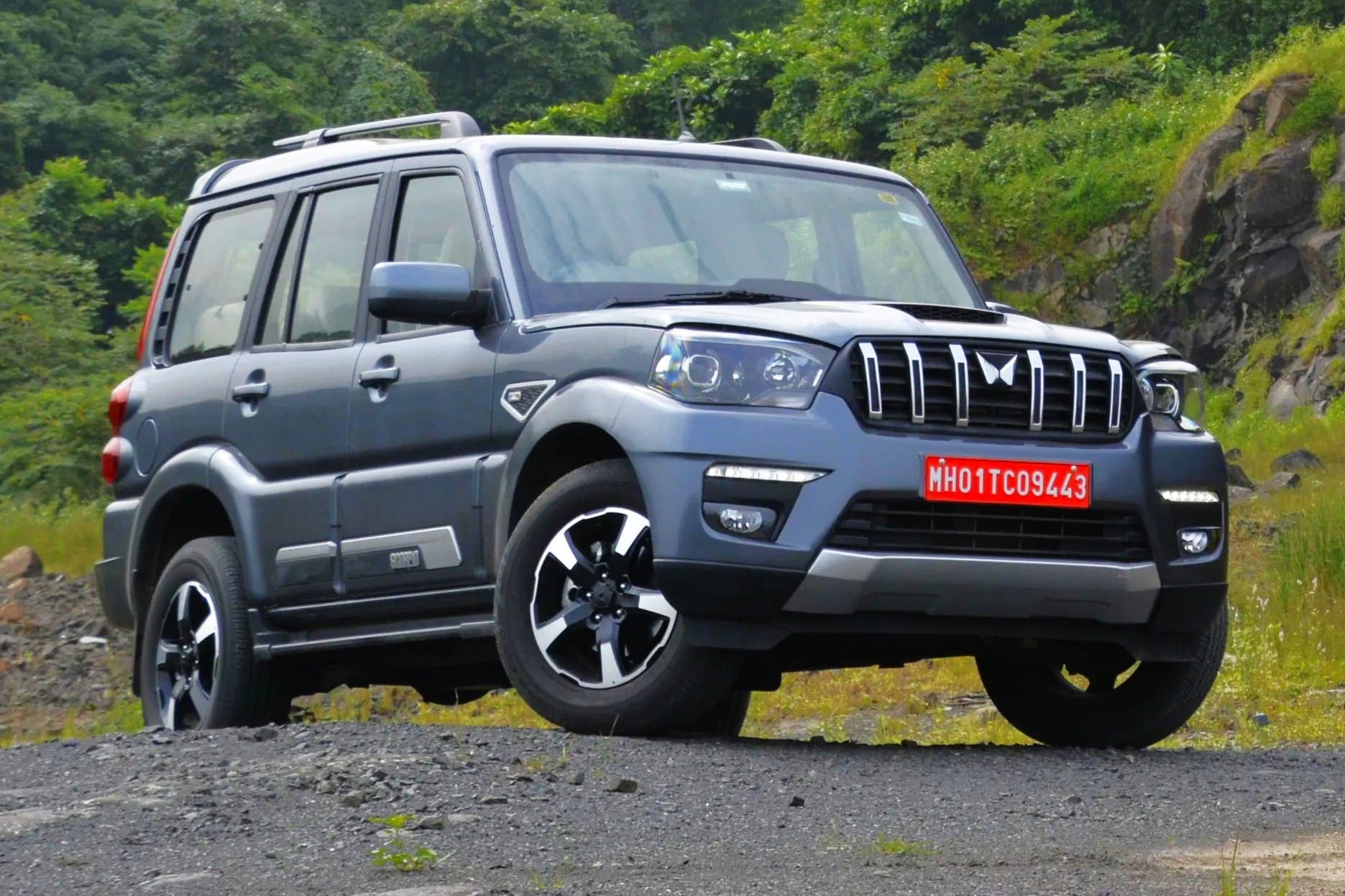
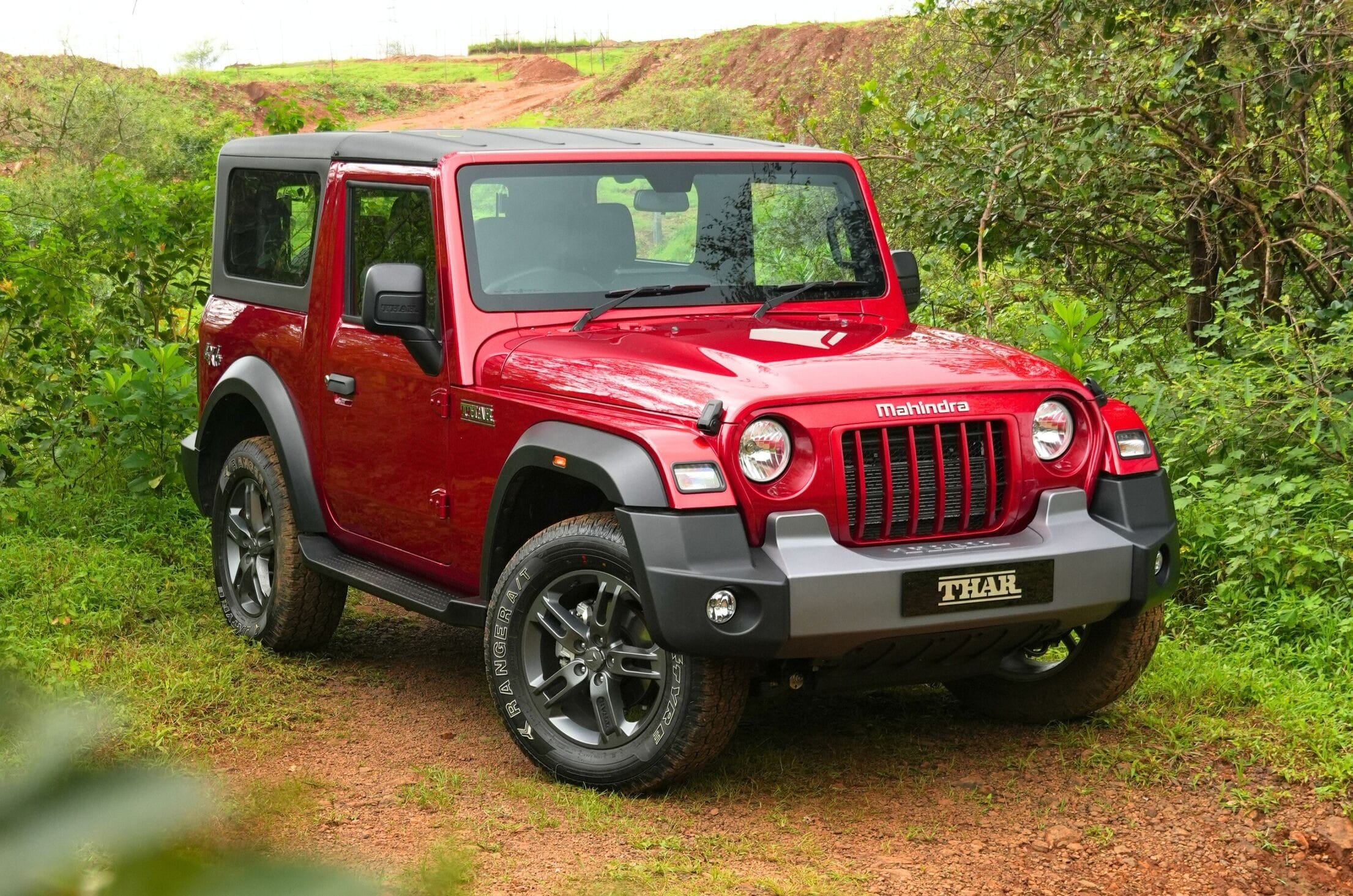
Mahindra recently launched the facelifted Thar, now called the Thar OG, with introductory prices ranging from Rs 10.32 lakh to Rs 18.99 lakh (ex-showroom). It is being offered in three trims: AXT, LXT and ZXT. With the new Thar OG, Mahindra has introduced a new-gen platform, a revised suspension and steering setup, more powerful engines, fresh exterior design elements and a more premium interior.
In case you want to know how much you need to pay to get your hands on one, here are the Mahindra Thar OG’s on-road prices across major Indian cities. Do note that deliveries of the Thar OG will commence from October 11.
Mahindra Thar OG on-road prices
On-road Thar OG prices range from Rs 11.56 lakh to Rs 23.36 lakh in major cities
Mahindra Thar OG on road price in major Indian cities (in Rs, lakh)
Note: On-road prices may vary based on city-specific registration charges and other cost components, including insurance, FASTag and RTO fees. Please check with your nearest Mahindra dealership for exact figures.
Among the major cities mentioned, the Mahindra Thar OG’s on-road price is the lowest in Chandigarh. Kolkata comes next, followed by Delhi and Mumbai. The prices are the highest in Bengaluru, and compared to Chandigarh, the 1.5-litre diesel MT (AXT) costs Rs 1.14 lakh. RWD-AT versions of the 2.0-litre turbo-petrol engine and 2.2-litre diesel engine cost an additional Rs 1.77 lakh and Rs 1.54 lakh, respectively. The top-spec 4WD-AT versions of the turbo-petrol and diesel engines cost an additional Rs 1.95 lakh and Rs 2.09 lakh, respectively, in Bengaluru compared to Chandigarh.
Hyundai has officially commenced bookings for the upcoming Bayon midsize SUV that’s expected to launch next month. Prospective buyers can register an interest online or at their nearest Hyundai dealership. The Bayon will be positioned between the Venue and Creta in the brand’s SUV line-up when it hits the market this festive season.
Upcoming midsize SUV could be just over four metres long
Expected to come with 1.5-litre petrol and CNG powertrain options
Bayon to get new-gen i20-like interior with twin connected screens
Hyundai Bayon exterior and interior
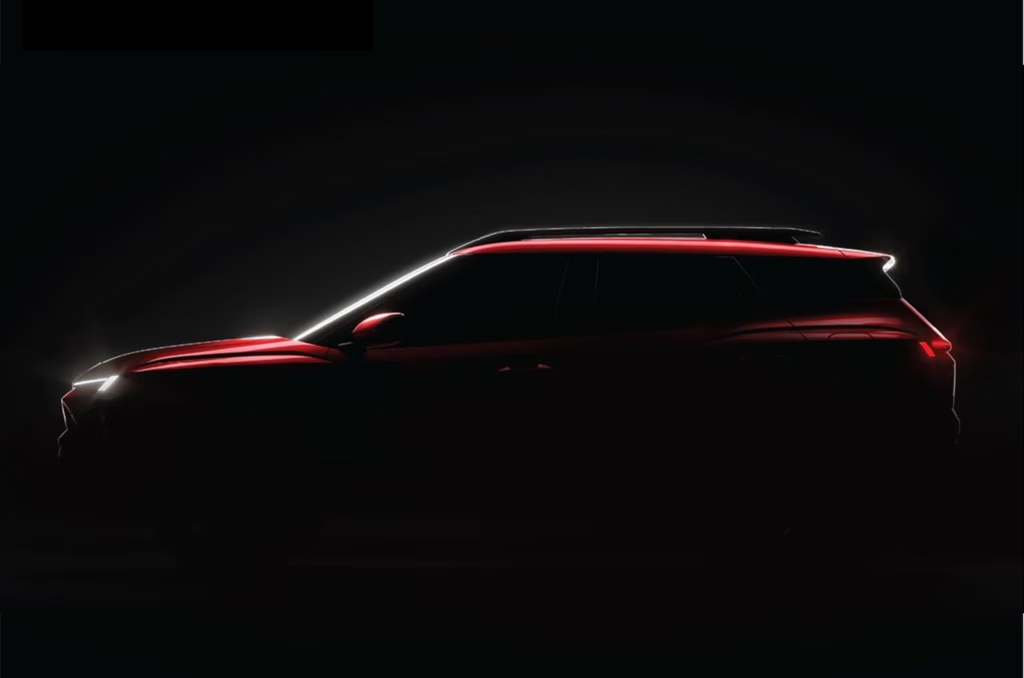
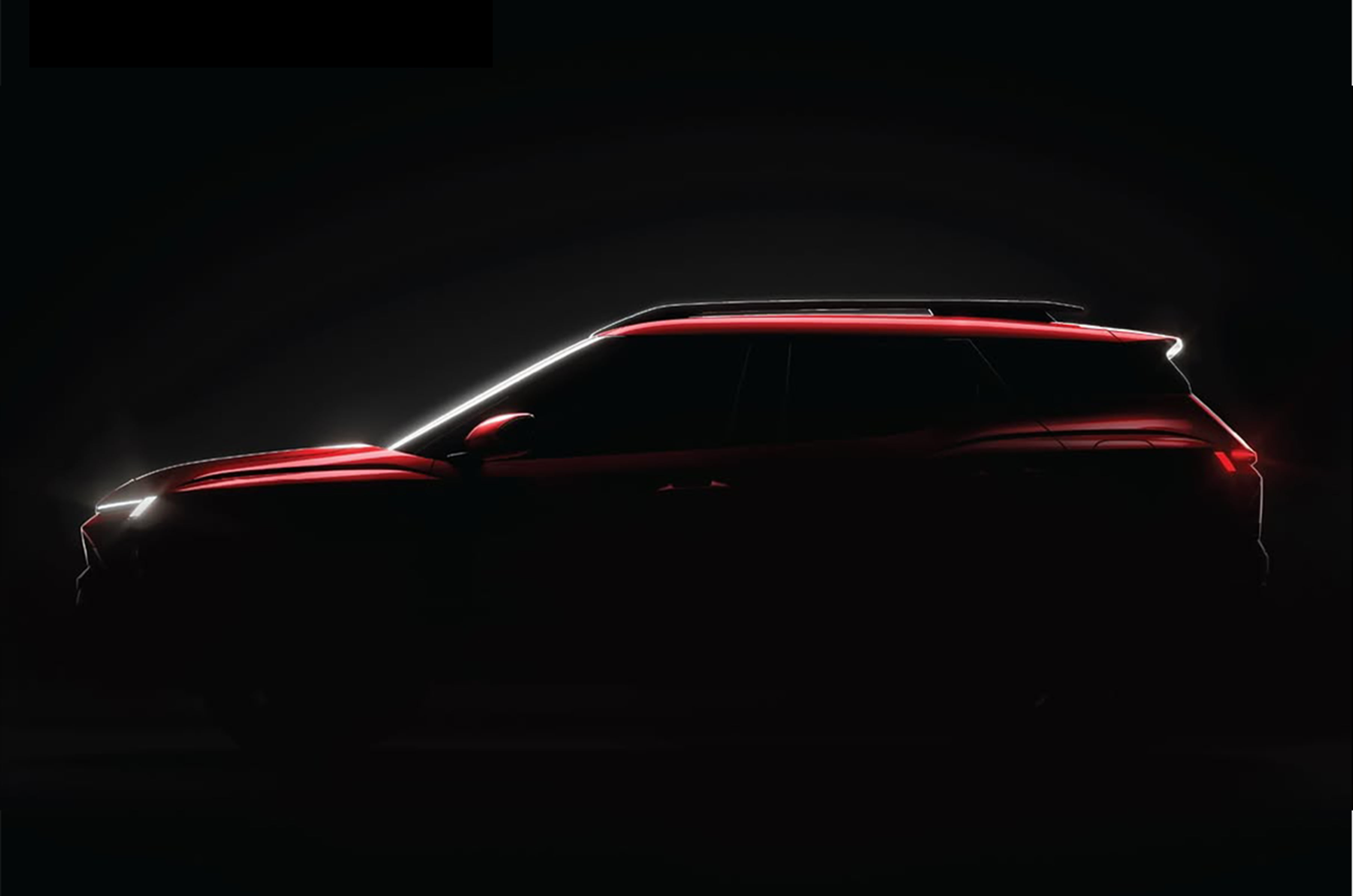
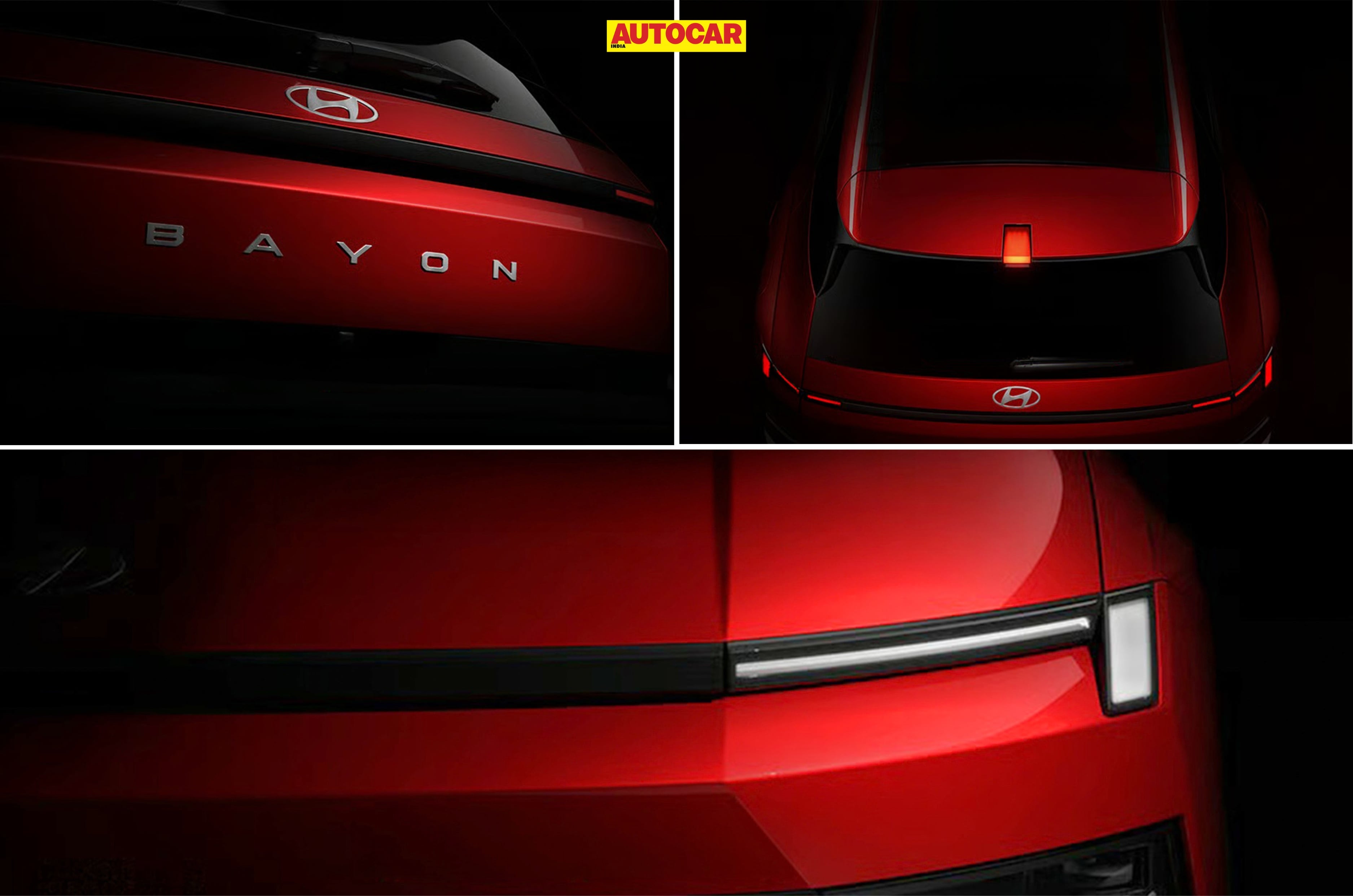
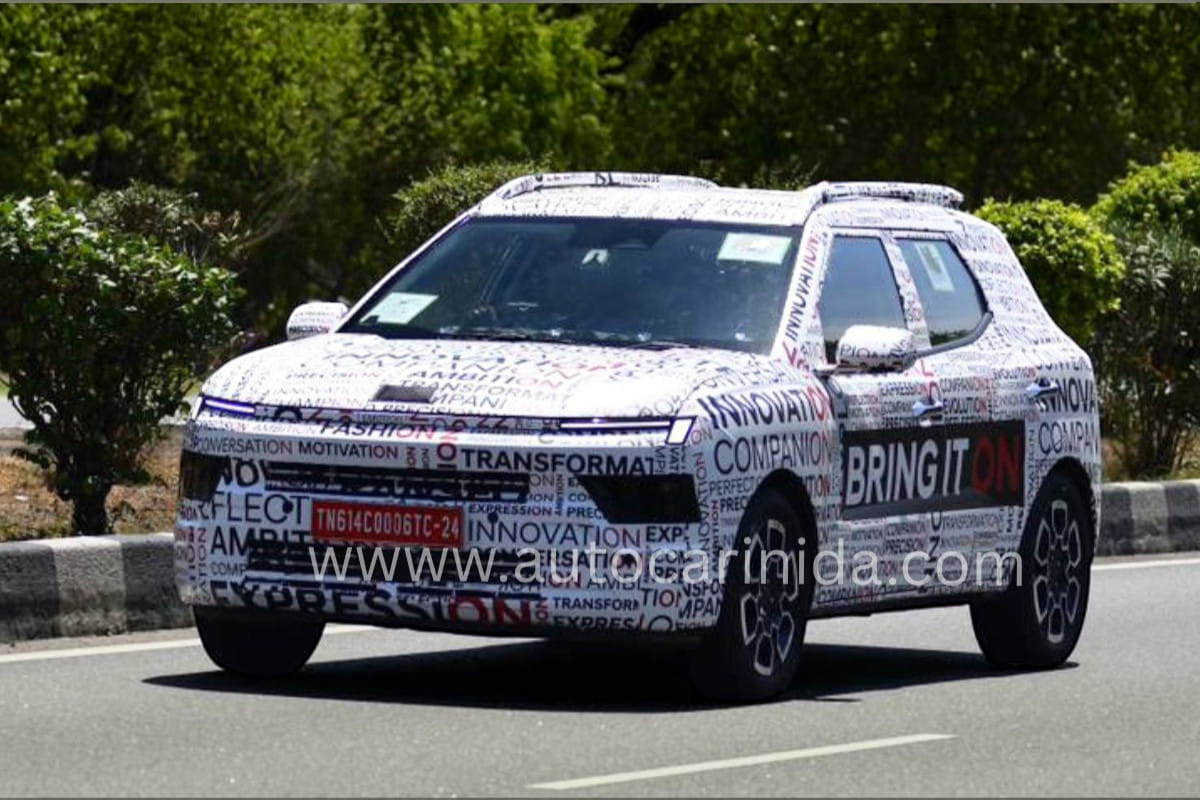
The Bayon has been spied testing on multiple occasions and Hyundai themselves have released several teasers hinting at the new design, so we have a fair idea of what it’s going to look like. The Bayon’s overall stance is of a crossover rather than a boxy, upright SUV. It will sport a split-headlamp setup with half split H-shaped LED DRLs opositioned at the top. The main headlamp is positioned on the bumper, which also houses a rugged-looking skid plate. The fascia also looks well sculpted with sharp character lines and contours.
In profile, the Bayon has a rising window line with a distinct kink at the C-pillar. It will get regular pull-type door handles, functional roof rails and prominently flared wheel arches, much like the Exter. At the back, there’s a slim LED light band mimicking the front LED signature and a pronounced roof spoiler. Overall, the Bayon is expected to measure a little more than 4 metres in length.
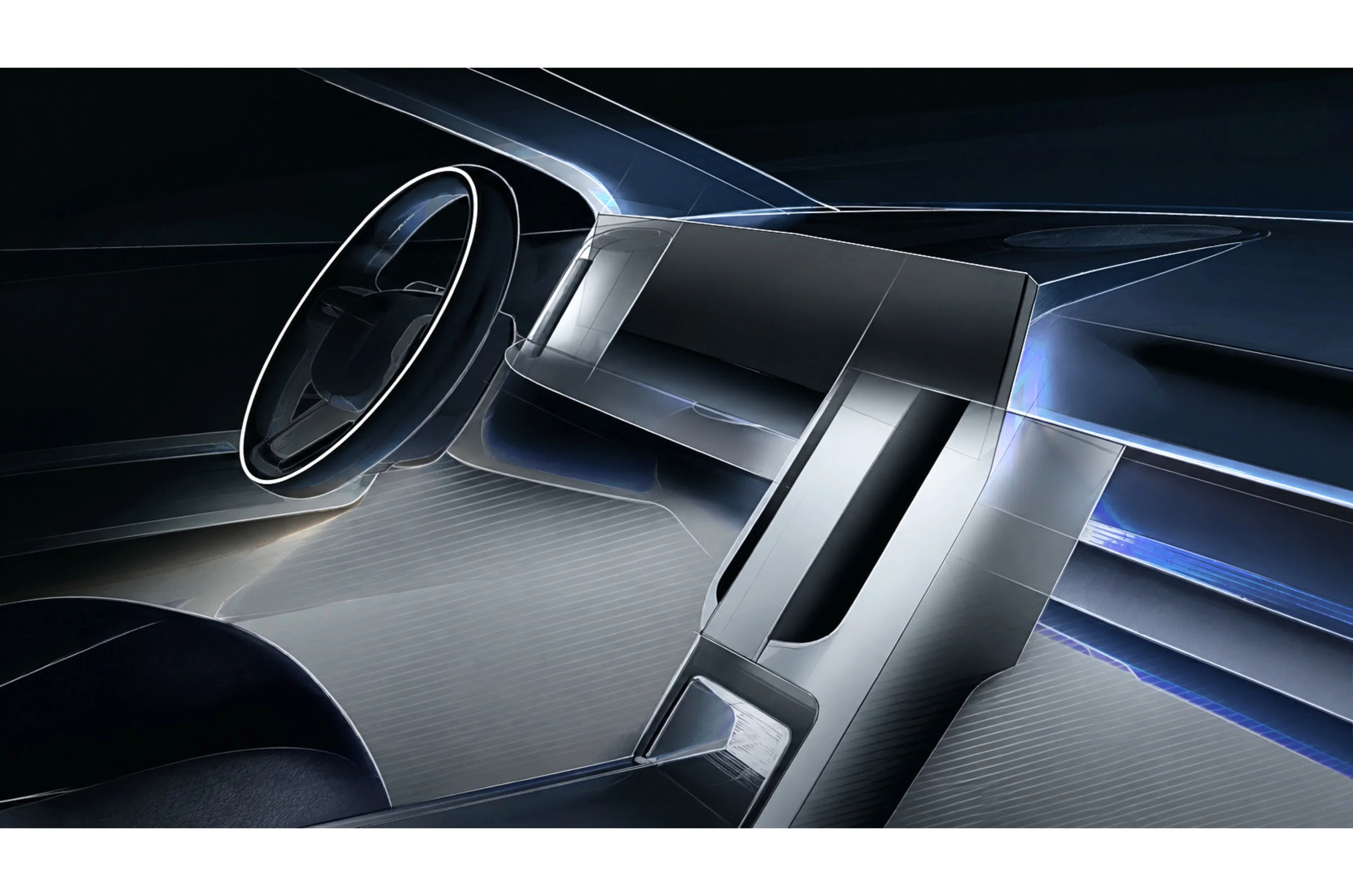
On the inside, the Bayon in India will have a lot in common with the fourth-gen i20 that was recently revealed for Brazil. It will come with twin connected screens and a central dropdown panel housing the physical HVAC controls. The steering wheel with Hyundai’s four-dot motif, the vertical AC vents flanking the centre panel and even the door pads will be very similar to those on the new i20.Like all Hyundais, expect it to be properly kitted out with convenience and safety features.
Hyundai Bayon powertrain options
The Bayon is expected to use the 1.5-litre, four-cylinder naturally aspirated petrol engine, which will be offered with manual and CVT gearbox options. This is the same engine that does duty on the Creta, but the exact state-of-tune remains to be seen. Notably, this engine will also be offered with a factory-fitted CNG kit, likely with an underbody tank, making the Bayon the first Hyundai model over four metres long to be powered by CNG.
The Bayon is expected to priced between Rs 9 lakh and 14 lakh (ex-showroom) when it goes on sale this festive season, giving Hyundai a two-pronged approach to tackle the midsize SUV market, much like Maruti does with the Victoris and Grand Vitara.
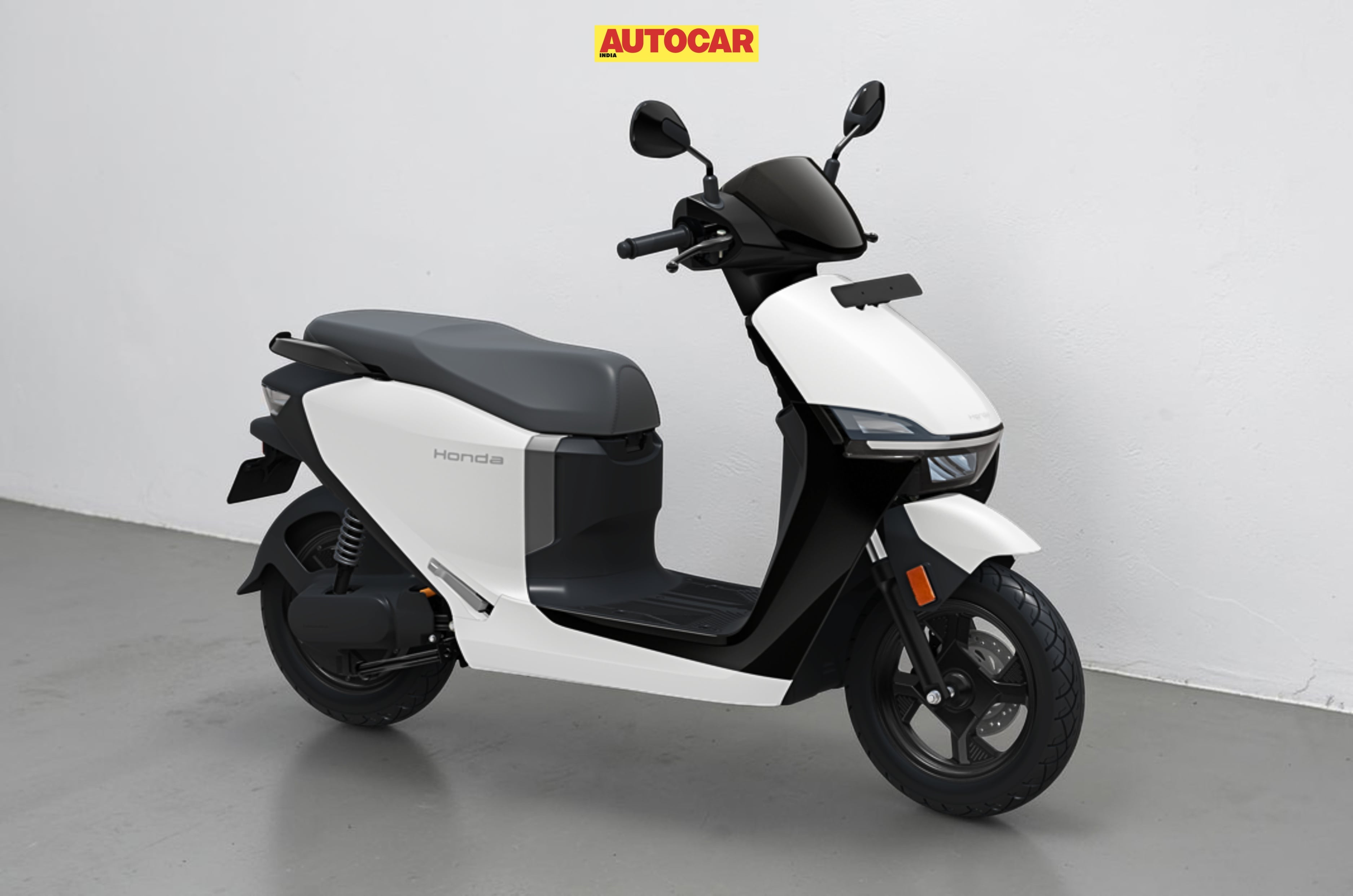
Honda has launched the QC3 at Rs 1.35 lakh, its third electric scooter for India after the QC1 and the Activa e:. The family EV scooter will have a 3kWh battery that can charge to full in approximately four hours, with a zero to 80 percent fill up taking 2 hours and 40 minutes. Honda has announced that the initial roll out of the QC3 will be limited to five cities across the country: Delhi, Agra, Cuttack, Surat, and Kollam with a nationwide rollout to follow in a phased manner.
Gets 32 litres of under seat storage
Has a hub-mounted motor, front disc brake
Honda QC3: What do we know so far?
QC3 will have the most range on any Honda e-scooter in India
Like we mentioned earlier, the QC3 will be Honda’s third EV product for India. Both the QC1 and the Activa e: were thought to be too under-equipped for their asking prices of Rs 90,408 and Rs 1.2 lakh, respectively. The QC3 aims to fix that with a bigger battery than the QC1’s 1.5kWh unit, and markedly more range than the Activa e:’s 102km (claimed, IDC).
Besides the charging times, we reported earlier that the QC3 will get a 5-inch TFT display capable of turn-by-turn navigation, via Honda Roadsync connectivity system. Honda has now revealed the under seat storage to be a respectable 32 litres, markedly higher than the QC1’s 26 litres. The Activa e:’s boot was almost completely occupied by its removable battery.
Thanks to local manufacturing, the QC3 is priced more competitively than Honda’s earlier EVs, at Rs 1.35 lakh, with four colours on offer: Matt Photon Gray Metallic, Pearl Precious White, Pearl Shallow Blue and Pearl Siren Blue. The price makes it a direct rival to the TVS iQube 3.1kWh at Rs 1.30 lakh, the Chetak C3502 at Rs 1.44 lakh, the Vida VX2 Plus 3.1 at Rs 1.03 lakh, and the newly launched Ather Konarc S 161 at Rs 1.45 lakh. All prices are ex-showroom, Delhi.
Honda hasn’t specified when deliveries will start at the time of writing. However, if you live in one of the five cities, bookings can be made at Honda’s website, or at your nearest RedWing dealership for Rs 5,000. With this, we now have prices for seven of the ten products Honda had announced in July, leaving the XR300L, XR300 Rally and the twin-cyl Rebel 500 as the only ones pending to be launched.
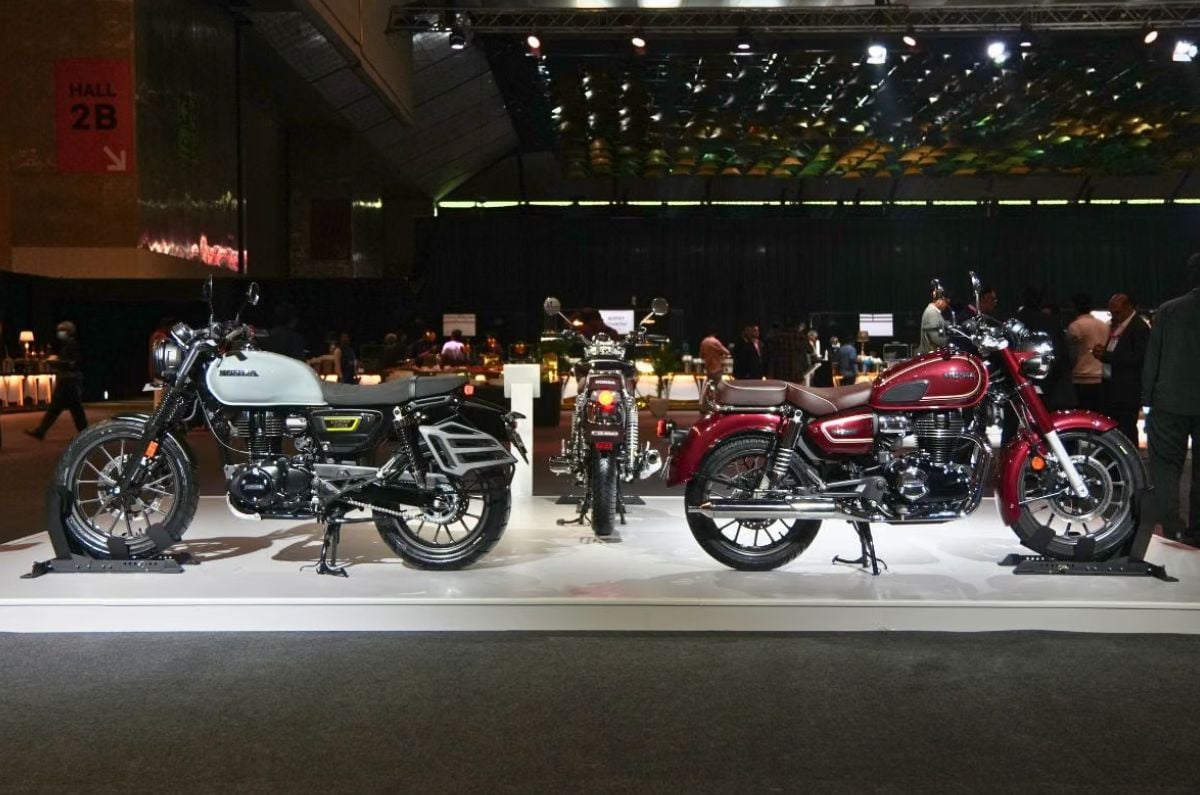
After the first showcase in July, Honda has revealed pricing details for the updated CB350 line-up consisting of three models: CB350, CB350C, and the CB350RS. The RS is available right away, while the other two will be available starting October. Bookings can be made now on Honda’s website or at your nearest BigWing dealership for Rs 5,000.
Most affordable variant now costs Rs 2,000 less; others have received roughly Rs 2,000 price increase
No other mechanical or feature changes
CB350 RS gets one additional colour
What’s new on the Honda CB350 series?
Updated prices across the board, no mechanical or feature changes
There are two main changes to the line-up with this update. First, Honda has simplified the line-up itself by dropping the H’ness suffix. What previously was the H’ness is the new top variant, called the CB350 Chrome.
Model name
Variant
New price
Old price
Difference
CB350
STD
Rs 1,95,200
New variant
–
DLX
Rs 1,97,003
Rs 1,97,900
+Rs 897
Chrome
Rs 1,99,900
Rs 2,00,064 (Previously DLX PRO)
-Rs 164
CB350C
STD
Rs 2,00,300
Rs 1,98,239 (Previously DLX)
+Rs 2,061
DLX
Rs 2,02,700
Rs 2,00,639 (Previously DLX PRO)
+Rs 2,061
Special Edition
Rs 2,04,700
Rs 2,02,639 (Previously DLX PRO Special Edition)
+Rs 2,061
CB350 RS
STD
Rs 1,99,900
Rs 1,97,939 (Previously DLX)
+Rs 1,961
DLX
Rs 2,02,500
Rs 2,00,429 (Previously DLX PRO)
+Rs 2,071
The second update is to the prices and all the variants have received updated pricing, with the entry pricing lowered by Rs 2,000 compared to before thanks to a new CB350 STD variant. Starting with the CB350, the new entry variant costs Rs 1.95 lakh, with the DLX variant taking that up to Rs 1.98 lakh. The new top variant, CB350 Chrome, costs Rs 2 lakh.
Up next is the CB350C, whose Standard variant starts at Rs 2 lakh, followed by the DLX at Rs 2.02 lakh, and the Special Edition at Rs 2.04 lakh. Last is the sporty-scrambler, the CB350 RS. The new RS line-up starts at Rs 2 lakh, sharing its price with the CB350 Chrome. And the new top variant, DLX, commands a Rs 2,500 premium at Rs 2.02 lakh. The RS now also gets an additional Pearl Siren Blue on the DLX variant, and slightly updated stickering on the existing six colours.
Other than these two changes, none of the versions have seen any mechanical or feature changes and continues with the same 348.36cc, single-cylinder, air-cooled engine with 20.7hp and 30Nm of torque. All versions continue to get traction control, dual-channel ABS, slip and assist clutch, and Honda Roadsync smartphone connectivity as standard.
Maruti Suzuki has revealed the full price list of the 2026 Baleno. The carmaker’s premium hatchback has an ex-showroom price ranging from Rs 5.98 lakh to Rs 9.99 lakh. For MY26, the Baleno gets a new three-cylinder naturally aspirated petrol engine, updated fascia, feature additions like Level 2 ADAS, and front seat ventilation along with safety enhancements.
The 2026 Baleno is available in five trim levels, namely, Sigma, Delta, Zeta, Alpha, and Alpha (O). Out of these, the Alpha (O) is a new top-end trim in the Baleno lineup and offers Level 2 ADAS. If you’re considering getting the 2026 Baleno, below is a list of on-road prices across major Indian cities.
2026 Maruti Baleno on-road price range
2026 Maruti Baleno on-road price range in top Indian cities (Rs lakh)
Delhi
Mumbai
Hyderabad
Kolkata
Chennai
Sigma MT
6.50
6.92
7.10
6.86
7.04
Delta MT
7.81
8.09
8.30
8.02
8.23
Delta AMT
8.37
8.67
8.89
8.59
8.82
Delta CNG MT
9.10
8.84
9.10
9.08
9.10
Zeta MT
8.92
9.23
9.47
9.15
9.39
Zeta AMT
9.48
9.81
10.06
9.73
9.98
Zeta CNG MT
10.23
9.95
10.23
10.22
10.23
Alpha MT
10.15
10.52
10.79
10.42
10.70
Alpha AMT
10.71
10.93
11.38
11.00
11.11
Alpha (O) MT
10.57
11.09
11.20
10.84
11.28
Alpha (O) AMT
11.14
11.54
11.84
11.44
11.74
Note: On-road prices may vary based on city-specific registration charges and other cost components, including insurance, FASTag and RTO fees. Please check with your nearest Maruti Suzuki Nexa dealership for the exact figures.
For petrol-powered versions of the Baleno, Delhi has the lowest on-road prices. It is followed by Kolkata and Mumbai. Meanwhile, Chennai and Hyderabad have the highest on-road prices for the petrol MT and petrol AMT versions of the Baleno, respectively. Compared to Delhi, the on-road prices of the petrol MT versions of the Baleno in Chennai are up to Rs 71,000 higher, while petrol AMT variants in Hyderabad are up to Rs 70,000 higher. As far as CNG versions are concerned, Mumbai has the most affordable price range.
Maruti Suzuki is offering discounts on the Victoris, Swift, Wagon R, Alto K10, Celerio, S-Presso and Eeco in September 2026. The highest benefits this month are available on the Victoris strong hybrid, at up to Rs 1.35 lakh, while its petrol and CNG variants get benefits of up to Rs 85,000. These offers comprise cash discounts, exchange or scrappage bonuses, loyalty benefits, additional discounts and institutional discounts, depending on the variant.
Note: These offers are applicable until September 30 and may vary by city, dealership and stock availability. Please check with your nearest Maruti Arena dealership for the exact discounts.
Maruti Victoris discounts in September 2026
Up to Rs 1.35 lakh off
The Victoris strong hybrid gets benefits of up to Rs 1.35 lakh. These include a Rs 20,000 cash discount, exchange benefits of up to Rs 50,000, an additional discount of up to Rs 35,000, a Rs 30,000 loyalty benefit and a Rs 10,000 institutional discount. Customers opting for scrappage can avail of a bonus of up to Rs 45,000 instead of the exchange benefit.
The petrol and CNG variants get benefits of up to Rs 85,000. Both are eligible for an exchange bonus of up to Rs 30,000, an additional discount of up to Rs 15,000, a Rs 20,000 loyalty benefit and a Rs 10,000 institutional discount. The scrappage bonus is capped at Rs 25,000 for petrol variants and Rs 20,000 for CNG variants. The Victoris rivals the Hyundai Creta, Kia Seltos, Tata Sierra and Honda Elevate and is priced from Rs 10.50 lakh to Rs 19.99 lakh.
Maruti Wagon R discounts in September 2026
Up to Rs 57,500 off
The Wagon R petrol gets benefits of up to Rs 57,500, comprising a Rs 30,000 cash discount, exchange bonus of up to Rs 15,000, additional discount of Rs 10,000 and institutional discount of Rs 2,500. Customers opting for scrappage can avail of a Rs 10,000 bonus instead of the exchange benefit. The CNG version gets benefits of up to Rs 47,500, including a Rs 20,000 cash discount, exchange bonus of up to Rs 15,000, additional discount of Rs 10,000 and institutional discount of Rs 2,500. Priced between Rs 4.99 lakh and Rs 7.24 lakh, the Wagon R rivals the Tata Tiago and Citroen C3.
Maruti Alto K10 discounts in September 2026
Up to Rs 52,500 off
The Alto K10 LXi petrol gets benefits of up to Rs 52,500, comprising a Rs 25,000 cash discount, exchange bonus of up to Rs 15,000, additional discount of Rs 10,000 and institutional discount of Rs 2,500. Other petrol variants get benefits of up to Rs 42,500, with the cash discount reduced to Rs 15,000.
CNG variants get benefits of up to Rs 37,500, including a Rs 10,000 cash discount, exchange bonus of up to Rs 15,000, additional discount of Rs 10,000 and institutional discount of Rs 2,500. A Rs 10,000 scrappage bonus is available instead of the exchange benefit. This rival to the Renault Kwid is priced between Rs 3.70 lakh and Rs 5.45 lakh.
Maruti Swift discounts in September 2026
Up to Rs 45,000 off
Petrol variants of the Swift get benefits of up to Rs 45,000, comprising a Rs 15,000 cash discount, exchange bonus of up to Rs 15,000, additional discount of Rs 10,000 and institutional discount of Rs 5,000. A Rs 10,000 scrappage bonus is available instead of the exchange benefit. CNG variants get benefits of up to Rs 30,000, comprising an exchange bonus of up to Rs 15,000, additional discount of Rs 10,000 and institutional discount of Rs 5,000.
The Swift is priced between Rs 5.84 lakh and Rs 8.74 lakh and rivals the Hyundai Grand i10 Nios and Tata Tiago.
Maruti Celerio discounts in September 2026
Up to Rs 42,500 off
The Celerio gets benefits of up to Rs 42,500 across its variants. These comprise a Rs 15,000 cash discount, exchange bonus of up to Rs 15,000 or a Rs 10,000 scrappage bonus , additional discount of Rs 10,000 and institutional discount of Rs 2,500. A rival to the Tata Tiago and Renault Kwid, the Celerio has a starting price of Rs 4.70 lakh, with the top-spec variant costing Rs 6.75 lakh.
Maruti Eeco discounts in September 2026
Up to Rs 42,500 off
The Eeco petrol gets benefits of up to Rs 42,500, comprising a Rs 15,000 cash discount, exchange bonus of up to Rs 15,000, additional discount of Rs 10,000 and institutional discount of Rs 2,500. The CNG version gets benefits of up to Rs 32,500, including a Rs 5,000 cash discount, exchange bonus of up to Rs 15,000, additional discount of Rs 10,000 and institutional discount of Rs 2,500. There is no applicable scrappage bonus for the Eeco this month. The Eeco is priced from Rs 5.28 lakh to Rs 6.46 lakh.
Maruti S-Presso discounts in September 2026
Up to Rs 37,500 off
The S-Presso petrol gets benefits of up to Rs 37,500, comprising a Rs 10,000 cash discount, exchange bonus of up to Rs 15,000, additional discount of Rs 10,000 and institutional discount of Rs 2,500. A Rs 10,000 scrappage bonus is available instead of the exchange benefit. Maruti’s most affordable offering currently, the S-Presso is priced from Rs 3.50 lakh to Rs 5.27 lakh and rivals the Renault Kwid and its stablemate Alto K10.
Offers applicable to Maruti Nexa cars in September 2026 have been revealed. Among all Nexa models, the Grand Vitara is carrying the highest benefits of up to Rs 3.10 lakh, followed by the Invicto, XL6, Jimny and Fronx. However, there are no benefits on the recently launched Baleno facelift and e Vitara EV. Let us take a look at the model-wise offer breakdown for Maruti Suzuki’s Nexa models in India for the month.
Note: These offers are applicable until September 30 and may vary by city, dealership and stock availability. Please check with your nearest Maruti Nexa dealership for the exact figures.
Maruti Grand Vitara September 2026 offers
Up to Rs 3.10 lakh
All Maruti Grand Vitara variants are available with either an exchange bonus of up to Rs 75,000 or a scrappage bonus of up to Rs 45,000, a loyalty bonus of up to Rs 30,000 and a corporate offer of up to Rs 20,000. Select variants are also available with a free 5-year extended warranty. Interestingly, the Grand Vitara’s strong hybrid variants are being offered with a zero road tax benefit, amounting to savings of up to Rs 1.85 lakh. The Maruti Suzuki Grand Vitara is priced from Rs 10.77 lakh to Rs 19.62 lakh and rivals midsize SUVs like the Hyundai Creta, Tata Sierra, Kia Seltos, Renault Duster and Nissan Tekton.
Maruti Invicto September 2026 offers
Up to Rs 1 lakh
The Maruti Invicto MPV is being offered with benefits of up to Rs 1 lakh in September 2026. These include a choice between up to Rs 50,000 exchange bonus or a scrappage bonus of the same amount, a loyalty bonus of up to Rs 30,000 and a corporate offer of up to Rs 20,000. The Maruti Invicto is priced from Rs 24.97 lakh to Rs 28.71 lakh, and locks horns with the Toyota Innova Hycross and can be considered an alternative to the Toyota Innova Crysta.
Maruti XL6 September 2026 offers
Up to Rs 50,000
All Maruti XL6 variants are being offered with benefits up to Rs 50,000, which includes a cash discount of up to Rs 20,000, and a choice between an exchange bonus of up to Rs 30,000 or a scrappage benefit of up to Rs 15,000. The Maruti XL6 prices range from Rs 11.62 lakh to Rs 14.42 lakh, and it rivals the Maruti Suzuki Ertiga, Kia Carens Clavis, Kia Carens and Toyota Rumion.
Maruti Jimny September 2026 offers
Up to Rs 35,000
In September 2026, the Maruti Jimny is being offered with a cash discount of up to Rs 35,000. Other than this, it is not being officially offered with any scrappage, exchange, loyalty or corporate bonuses. The Maruti Jimny’s prices range from Rs 12.54 lakh to Rs 14.52 lakh, and it rivals the Mahindra Thar and Force Gurkha 3-door.
Maruti Fronx September 2026 offers
Up to Rs 20,000
All variants of the Maruti Fronx are offered with an exchange bonus of up to Rs 15,000 or a scrappage bonus of up to Rs 10,000. The turbo-petrol variants are further available with a cash discount of up to Rs 5,000. Prices of the Maruti Suzuki Fronx range from Rs 6.85 lakh to Rs 11.84 lakh, and it serves as an alternative to compact SUVs like the Tata Nexon, Hyundai Venue, Kia Sonet, Mahindra XUV 3XO and Maruti Brezza.
September 2026 offers on Mahindra models, including the Scorpio N, Thar Roxx, 3-door Thar and XUV 3XO. The maximum benefits are available with the older Scorpio N stock, followed by the Thar Roxx. However, the XUV 7XO, or any EV, including BE 6 Sporteq, XEV 9e and XEV 9S, are not carrying any official benefits. Let us take a look at the model-wise offer breakdown for Mahindra models in India for the month of September 2026.
Note: The mentioned offers are applicable till September 30 and may vary by city, dealership and stock availability. Please check with your nearest Mahindra dealership for the exact figures.
Mahindra Scorpio N September 2026 offers
Up to Rs 3 lakh
Older-spec Mahindra Scorpio N
Select variants of the older-stock Mahindra Scorpio N are being offered with benefits up to Rs 3 lakh. This includes consumer offers of up to Rs 1.50 lakh, cash discounts of up to Rs 1.25 lakh and free accessories worth up to Rs 25,000. The current-spec Mahindra Scorpio N is priced from Rs 13.69 lakh to Rs 25.49 lakh and serves as an alternative to 3-row SUVs like the Tata Safari, Mahindra XUV 7XO, MG Hector Plus and Hyundai Alcazar.
Mahindra Thar Roxx September 2026 offers
Up to Rs 2.40 lakh
Select variants of the Mahindra Thar Roxx are available with offers of up to Rs 2.40 lakh in September 2026. Total benefits include consumer offers of up to Rs 1.20 lakh, cash discounts of up to Rs 90,000 and free accessories of up to Rs 30,000, depending on the variant chosen. The Mahindra Thar Roxx prices range from Rs 12.52 lakh to Rs 23.52 lakh. It locks horns with the Force Gurkha 5-door and can be considered an alternative to midsize SUVs like the Hyundai Creta, Tata Sierra and Renault Duster.
Mahindra XUV 3XO September 2026 offers
Up to Rs 1.20 lakh
The Mahindra XUV 3XO is offered with total benefits of up to Rs 1.20 lakh, depending on the selected variant. These include up to Rs 60,000 in consumer offers, up to Rs 40,000 cash discount and up to Rs 20,000 worth of free accessories. The Mahindra XUV 3XO is priced from Rs 7.79 lakh to Rs 15.04 lakh, and rivals compact SUVs such as the Tata Nexon, Hyundai Venue, Kia Sonet, and Maruti Suzuki Brezza.
Mahindra Scorpio Classic September 2026 offers
Up to Rs 1.10 lakh
The Scorpio Classic is being offered with total benefits of up to Rs 1.10 lakh in September 2026. Along with consumer offers worth Rs 50,000, it also includes a cash discount of up to Rs 30,000 and free accessories worth up to Rs 30,000, depending on the variant. Prices of the Mahindra Scorpio Classic range from Rs 3.37 lakh to Rs 17.40 lakh.
Mahindra Thar 3-door September 2026 offers
Up to Rs 1 lakh
Mahindra is offering the 3-door Thar’s four-wheel-drive (4WD) variants with benefits of up to Rs 1 lakh, which includes consumer offers of up to Rs 50,000, cash discounts of up to Rs 30,000 and free accessories worth up to Rs 20,000. The rear-wheel-drive (RWD) variants, however, are offered with no official offers. The Mahindra Thar is priced from Rs 10.32 lakh to Rs 18 lakh and it locks horns with Force Gurkha 3-door and can be considered an alternative to the Maruti Suzuki Jimny.
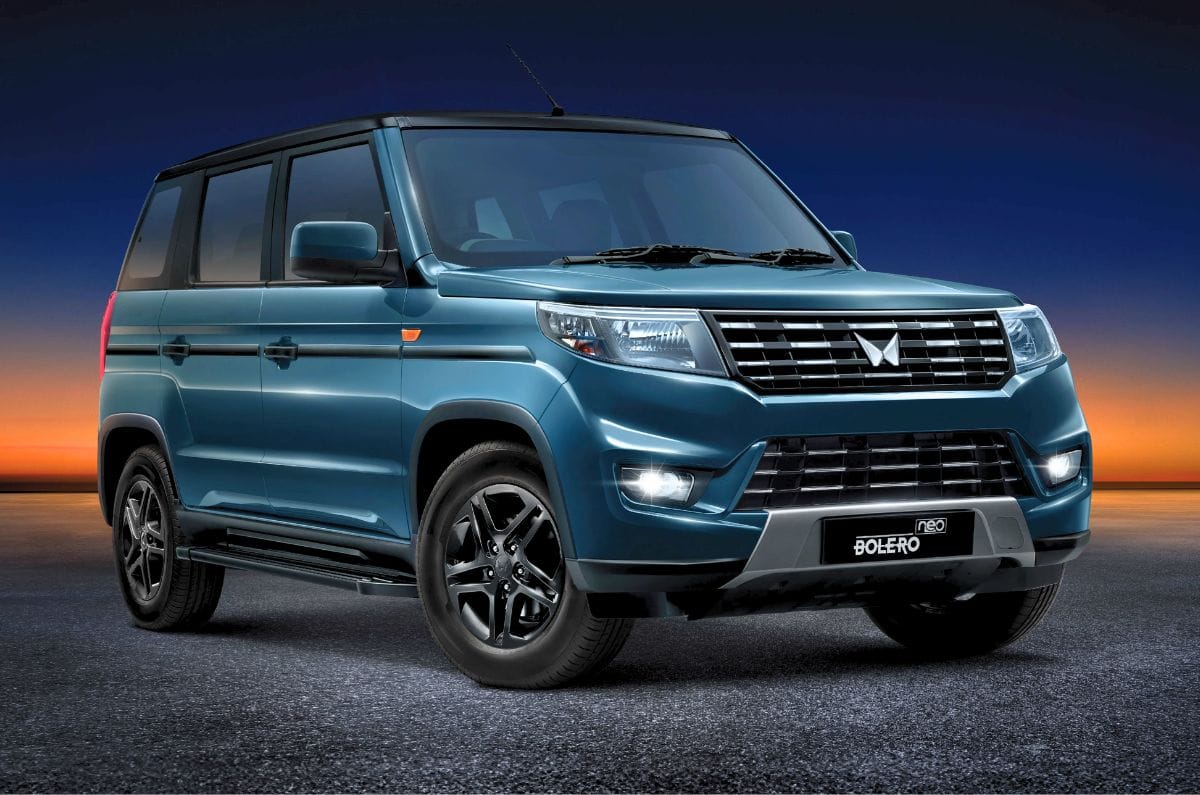
Mahindra Bolero Neo (including Neo Plus) September 2026 offers
Up to Rs 50,000
Mahindra is offering the Bolero Neo Plus with offers up to Rs 50,000, including a consumer offer of up to Rs 25,000, a cash discount of up to Rs 15,000 and free accessories worth up to Rs 10,000, depending on the variant. The Bolero Neo gets lower benefits of up to Rs 20,000, which includes a consumer offer and a cash discount of up to Rs 10,000 each. The Bolero Neo Plus is priced from Rs 11.39 lakh to Rs 13.49 lakh, while the smaller Bolero Neo prices range from Rs 8.99 lakh to Rs 10.79 lakh.
Tata Motors has revealed offers on its combustion-powered cars for September 2026. The highest benefits are available on the Curvv, followed by the Nexon. There are offers on the Altroz, Harrier, Sierra, Sierra, Tigor, and pre-2026 Tiago stock available at some dealerships. These offers will provide some relief from the price hike introduced by the carmaker earlier this month.
Note: These offers, applicable until September 30, may vary by city, dealership and stock availability. Please check with your nearest Tata dealership for the exact figures.
Tata Curvv offers in September 2026
Up to Rs 1.25 lakh
Just like last month, The Tata Curvv is available with offers of up to Rs 1.25 lakh in September. These include a discount of Rs 30,000, a scrappage benefit of Rs 45,000 and a loyalty benefit of Rs 50,000. Tata recently rejigged the Curvv’s variant line-up by introducing more features in entry-level and mid-spec trims.
Tata Nexon offers in September 2026
Up to Rs 75,000
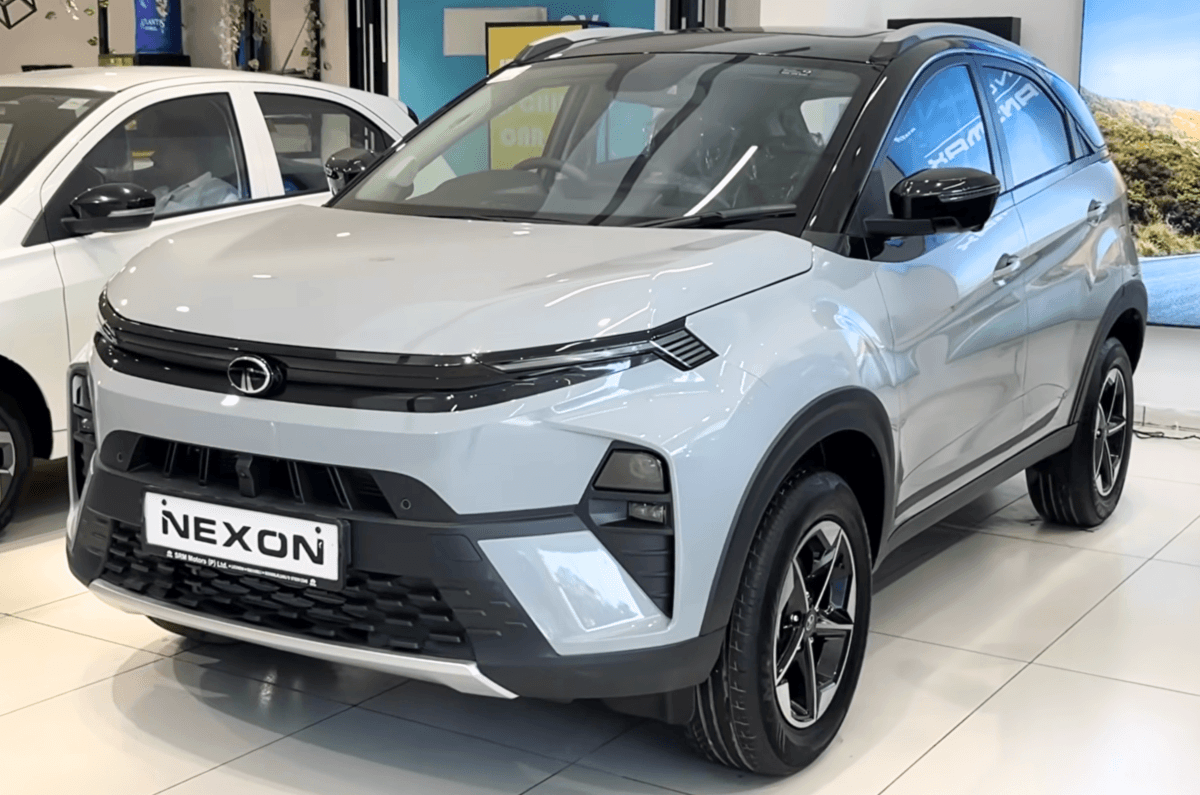
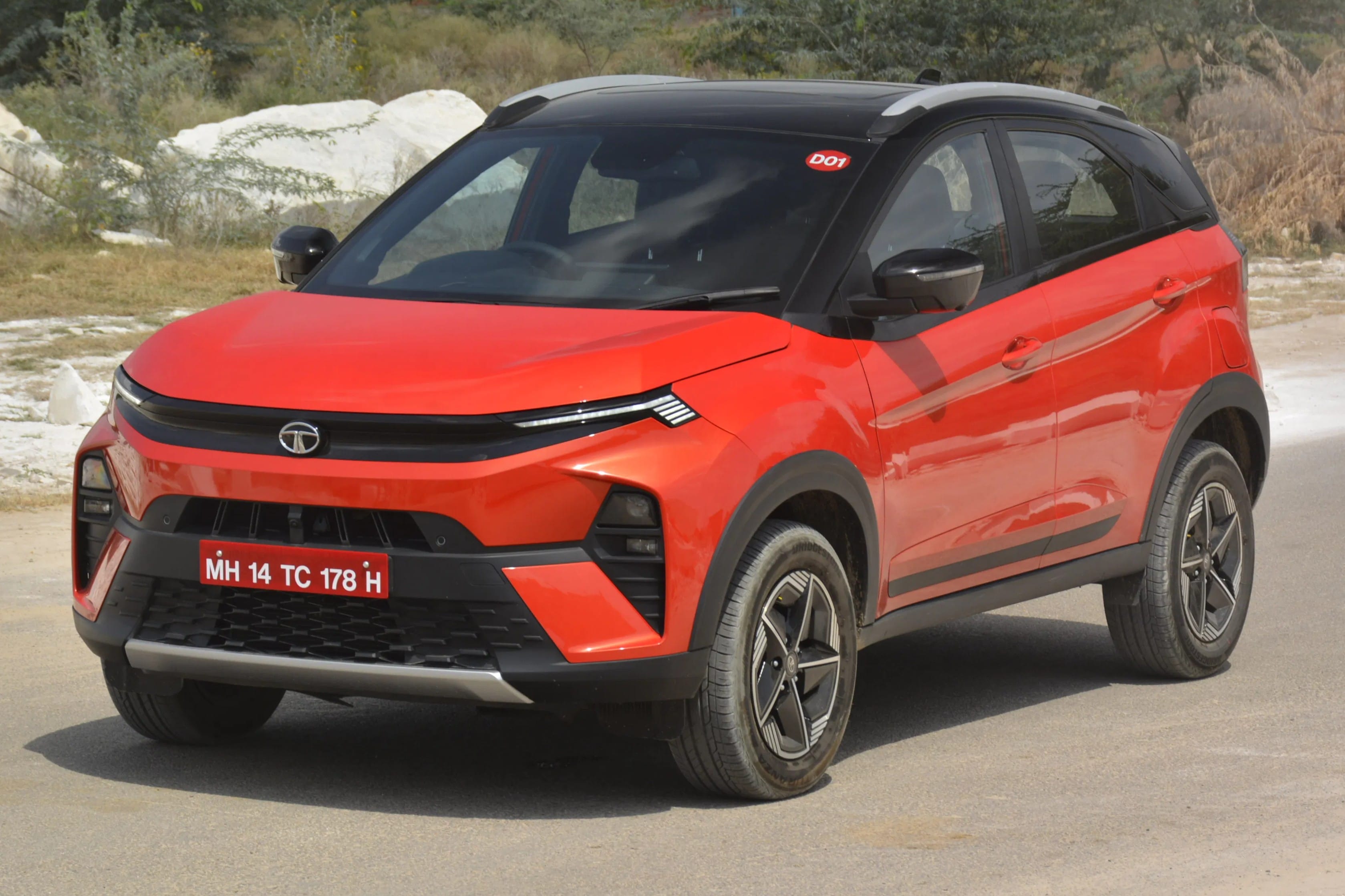
Next, the Tata Nexon is available with offers of up to Rs 75,000. For petrol-manual trims – Smart+, Smart+S, Pure, Pure S, Pure+, Pure+ S and Pure+ PS – the offers include a discount of Rs 10,000, an intervention offer of Rs 45,000 and a scrappage benefit of Rs 20,000. Other petrol trims of the compact SUV get up to Rs 55,000, comprising a discount of Rs 10,000, intervention offer of Rs 25,000 and scrappage benefit of Rs 20,000.
The Nexon CNG gets offers of up to Rs 60,000, including a discount of Rs 10,000, intervention offer of Rs 25,000 and scrappage benefit of Rs 25,000. Meanwhile, the diesel version gets a scrappage benefit of Rs 20,000.
Tata Altroz offers in September 2026
Up to Rs 55,000
The Tata Altroz gets offers of up to Rs 55,000. Petrol trims, excluding Smart, get up to Rs 35,000, including a discount of Rs 15,000 and a scrappage benefit of Rs 20,000. Its CNG version gets up to Rs 55,000, comprising a discount of Rs 15,000, an intervention offer of Rs 20,000 and a scrappage benefit of Rs 20,000. The Altroz diesel gets up to Rs 35,000, including a discount of Rs 15,000 and a scrappage benefit of Rs 20,000.
Tata Harrier offers in September 2026
Up to Rs 45,000
The Tata Harrier diesel gets offers of up to Rs 45,000, including a discount of Rs 10,000 and a scrappage benefit of Rs 35,000. There is no discount on the Harrier turbo-petrol trims.
Tata Safari offers in September 2026
Up to Rs 45,000
Like the Harrier, the Tata Safari diesel also gets offers of up to Rs 45,000 in September. It gets the same discount and scrappage benefits. Also, there is no discount on the Safari turbo-petrol trims.
Pre-2026 Tata Tiago offers in September 2026
Up to Rs 35,000
Pre-2026 Tata Tiago models get offers of up to Rs 35,000. Petrol trims, excluding XE, get a discount of Rs 15,000, an intervention offer of Rs 5,000 and a scrappage benefit of Rs 15,000. The pre-2026 CNG version, also excluding the XE trim, gets the same offers.
Tata Tigor offers in September 2026
Up to Rs 30,000
The Tata Tigor gets offers of up to Rs 30,000. These include a discount of Rs 15,000 and a scrappage benefit of Rs 15,000.
Tata Sierra offers in September 2026
Up to Rs 30,000
Lastly, the Tata Sierra gets offers of up to Rs 30,000 in September 2026. For both the diesel and petrol versions, buyers can avail of a Rs 30,000 benefit through a discount, scrappage or loyalty benefit.
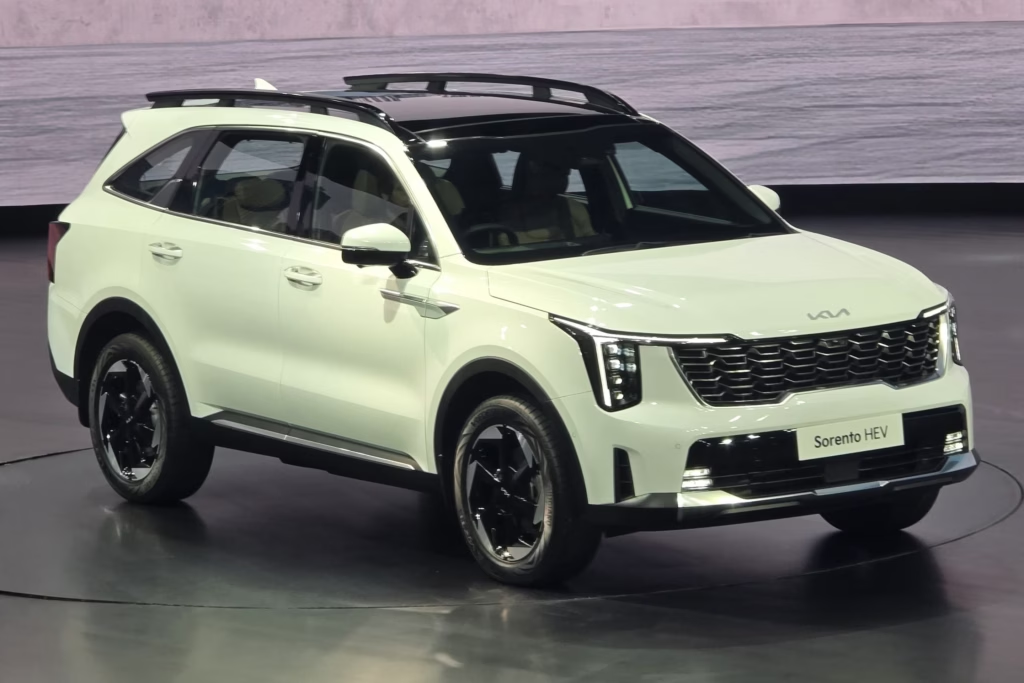
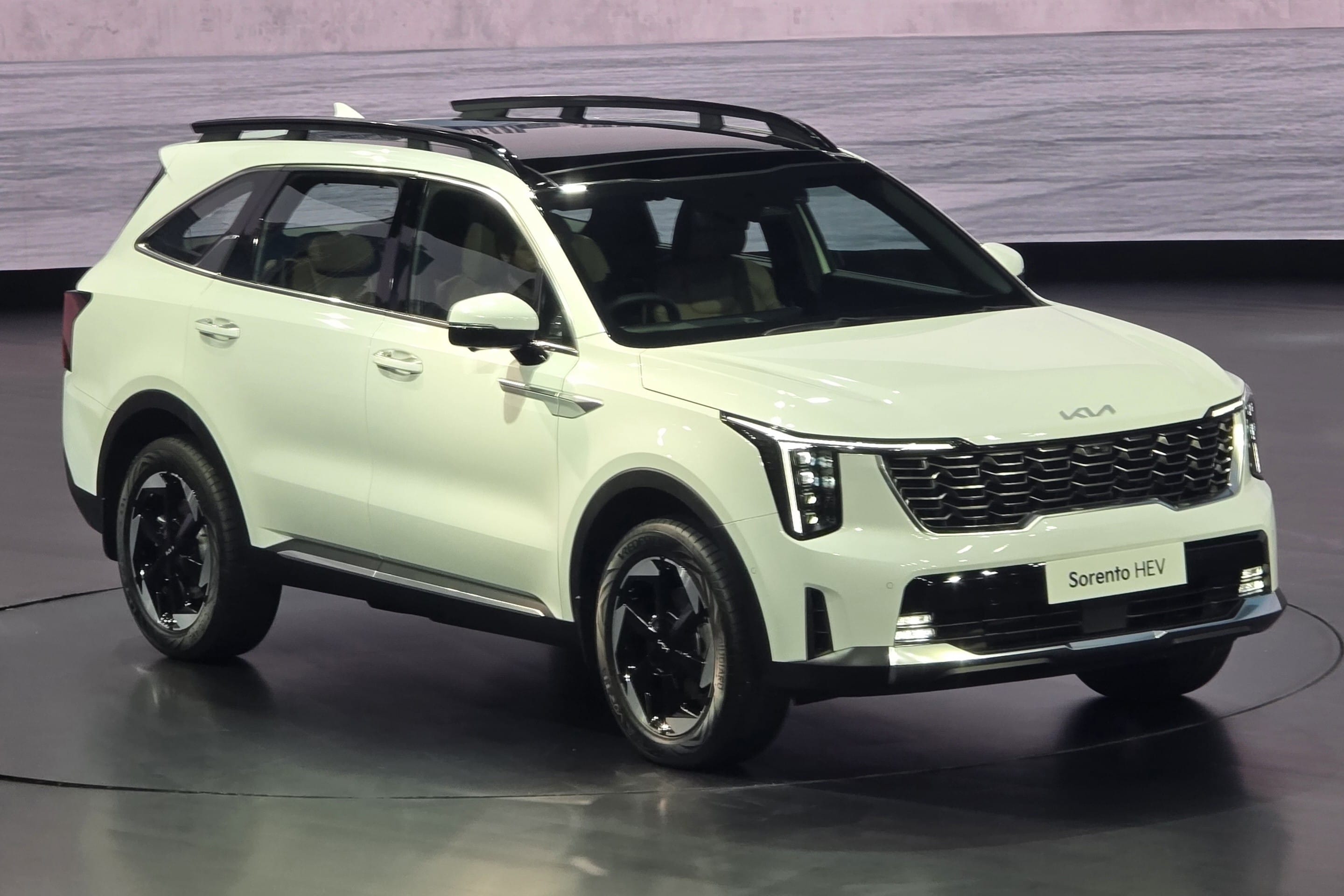
Kia has launched the Sorento in India as the brand’s contender for the premium three-row SUV segment. The Sorento is also Kia’s first hybrid offering for the Indian market, sporting a 1.6-litre direct-injection turbo-petrol strong hybrid setup. A 2.2-litre diesel engine is on offer for the Sorento too. Both powertrains can be had with either front-wheel drive (FWD) or all-wheel drive (AWD).
The Sorento is sold in six trim levels, namely HTE, HTE(O), HTK, HTX. Ex-showroom prices for the three-row Kia SUV start at Rs 27.99 lakh and top off at Rs 40.19 lakh. If you’re interested in bringing a Sorento home, we’ve listed its on-road prices in major cities below.
Kia Sorento on-road price range
Kia Sorento on-road price range in top Indian cities (Rs, lakh)
New Delhi
Mumbai
Bangalore
Chennai
Hybrid FWD 7-seater
35.08-41.79
35.25-42.06
36.72-43.82
37.31-44.52
Hybrid AWD 7-seater
46.26-47.67
46.60-48.03
48.55-50.04
49.33-50.85
Hybrid FWD 6-seater
40.61-42.02
40.86-42.30
42.57-44.07
43.26-44.77
Hybrid AWD 6-seater
46.50-47.91
46.84-48.27
48.80-50.29
49.58-51.10
Diesel FWD 7-seater
33.89-40.71
34.01-40.94
34.85-41.95
35.41-42.62
Diesel AWD 7-seater
45.26-46.70
45.56-47.01
46.68-48.18
47.43-48.95
Diesel FWD 6-seater
39.51-40.95
39.72-41.18
40.71-42.02
41.36-42.88
Diesel AWD 6-seater
45.50-46.94
45.80-47.26
46.93-48.42
47.68-49.20
Disclaimer: On-road prices may vary based on city-specific registration charges and other cost components, including insurance, FASTag and RTO fees. Please check with your nearest Kia dealership for the exact figures.
Of the cities listed, Delhi is the easiest on the pocket for Sorento buyers, followed by Mumbai, Bangalore, and Chennai. The base Sorento hybrid variant is over Rs 2.2 lakh cheaper in Delhi than it is in Chennai, whereas the diesel one has a price gap of over Rs 1.5 lakh between the two cities. Coming to top-spec variants, the Sorento hybrid’s most expensive configuration is over Rs 3 lakh more affordable in Delhi compared to Chennai, while the equivalent diesel version is Rs 2.26 lakh cheaper.