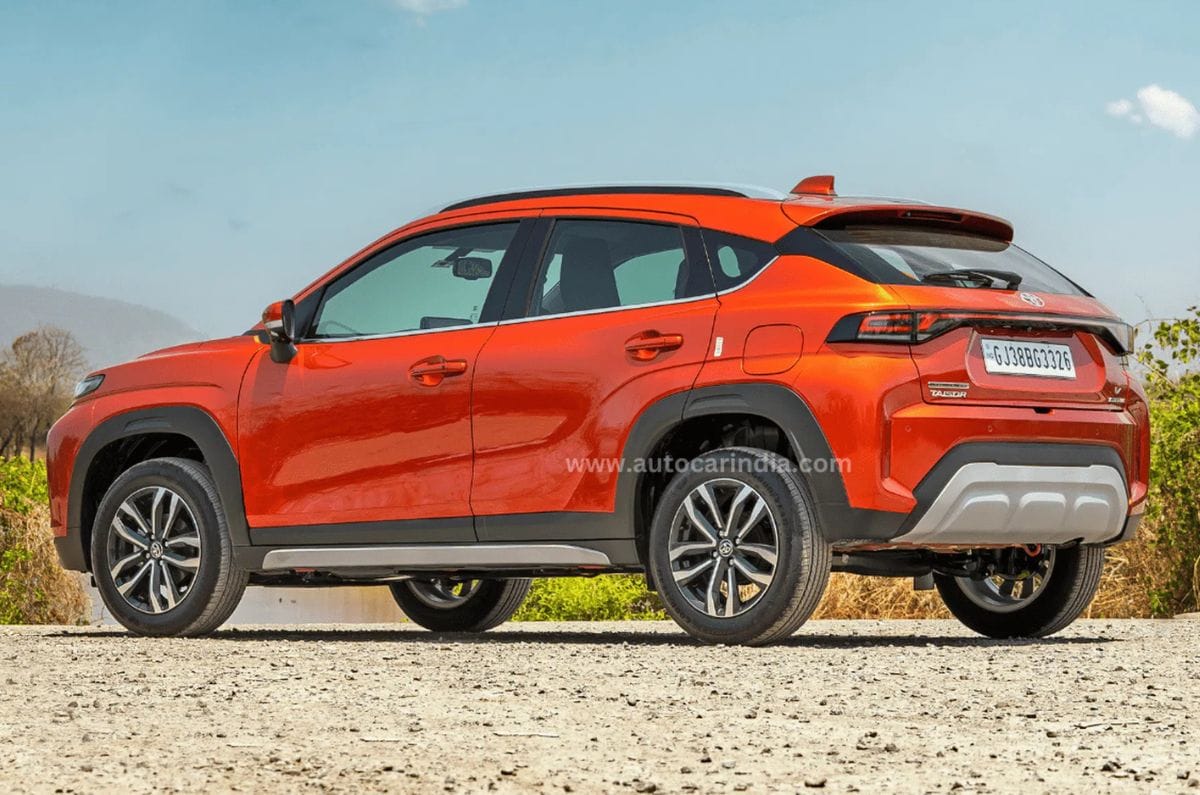
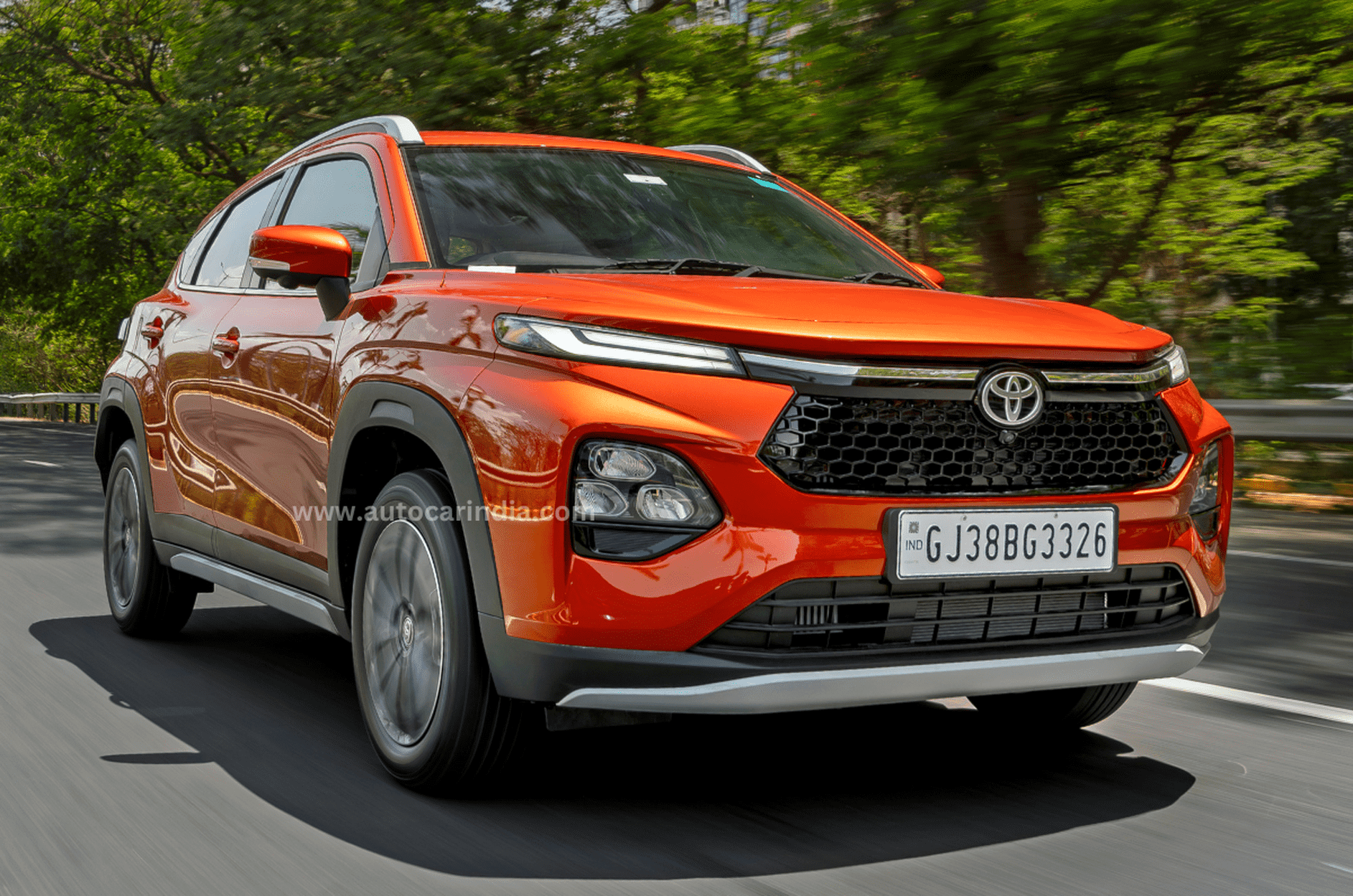
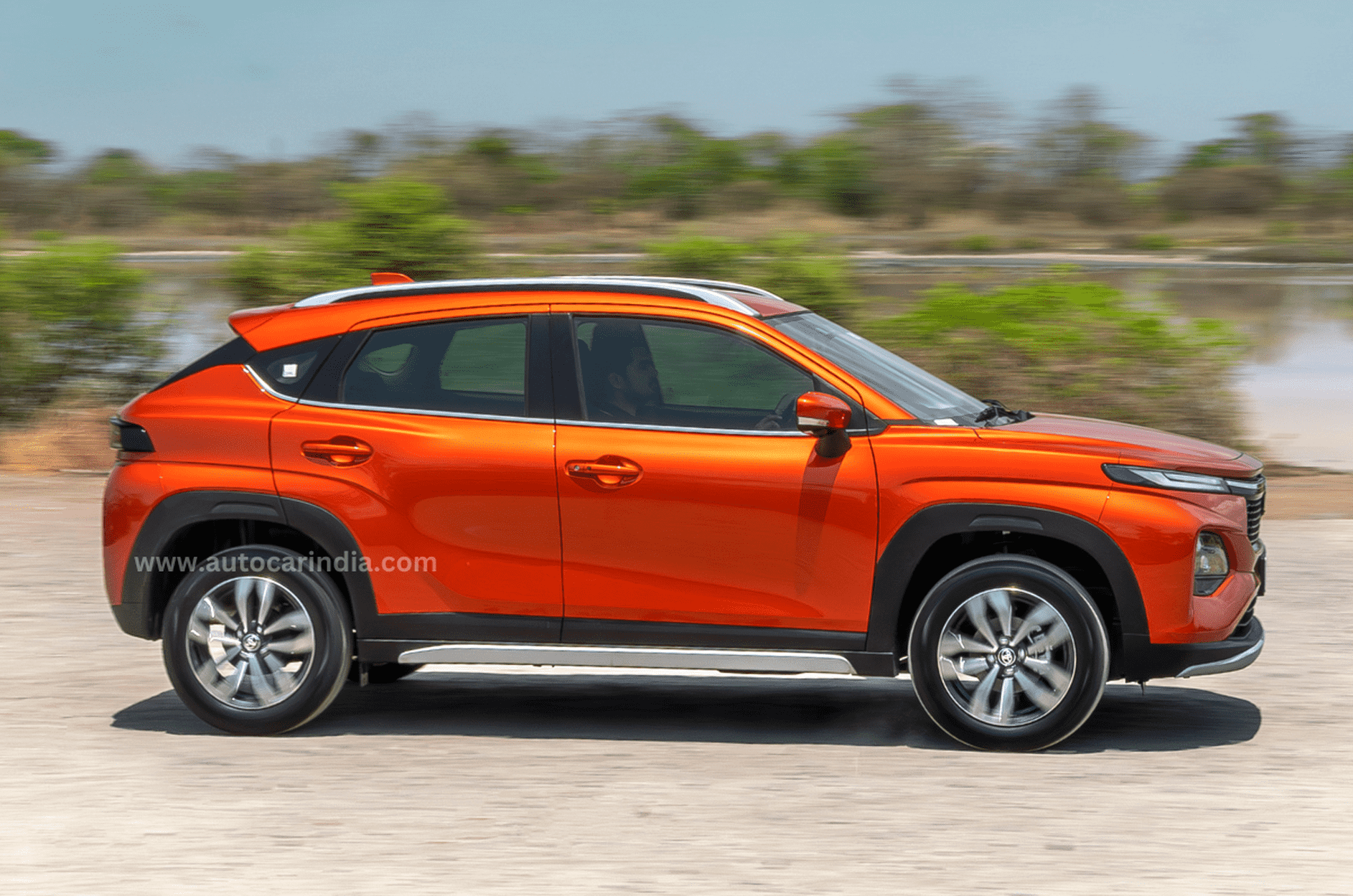
If you are in the market for a compact Toyota SUV, then the Urban Cruiser Taisor is your only option. The Toyota Urban Cruiser Taisor shares a lot of components and feature set with its Maruti Suzuki brethren and is aimed at those who want the premiumness associated with the Toyota badge. Before signing on the dotted line, however, here are a few key facts of the Toyota Taisor you need to keep in mind. First up, the pros…
Capable powertrain
Peppy turbo engine pairs especially well with the automatic gearbox
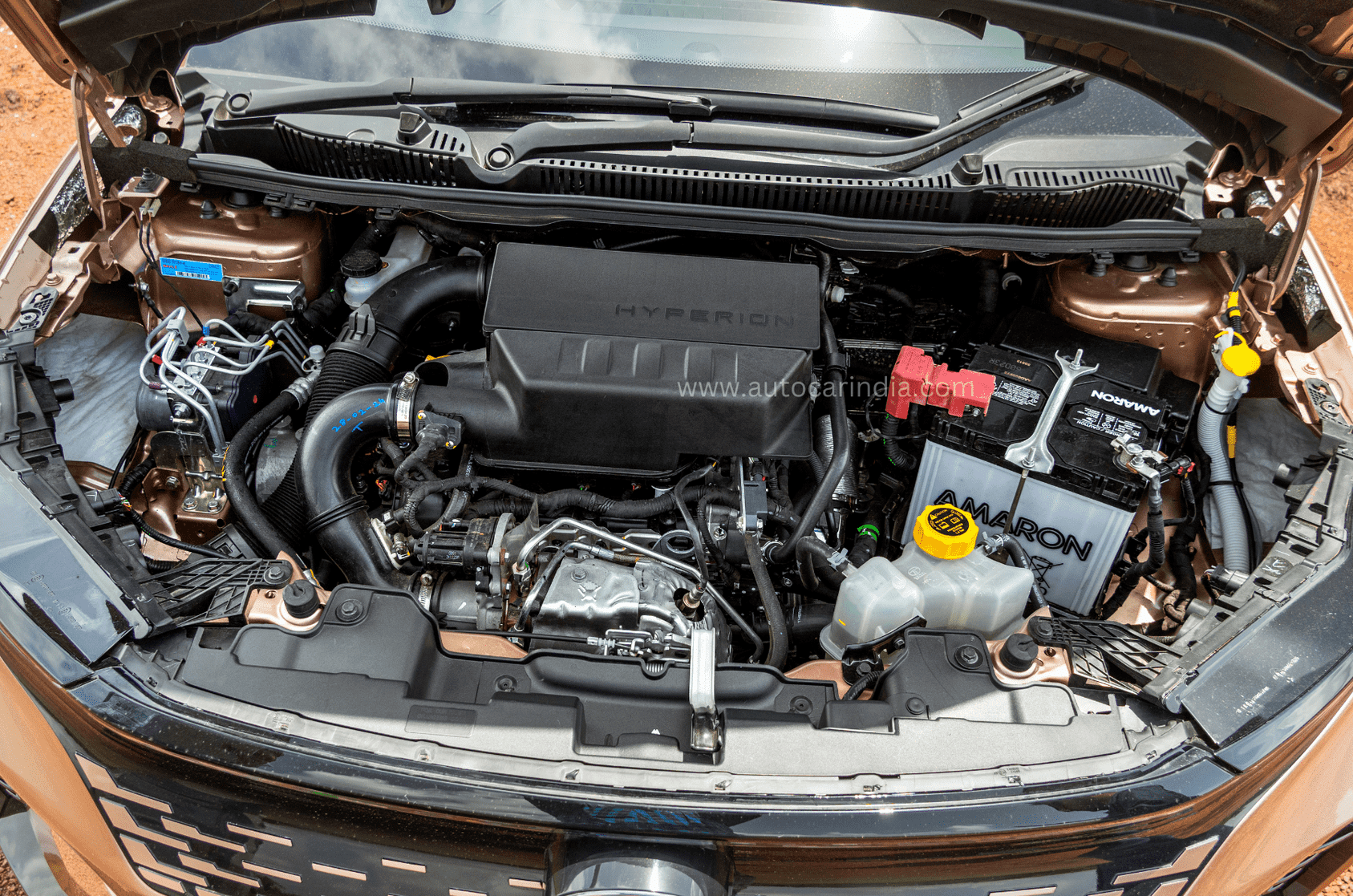
One of the biggest pros of the Toyota Taisor lies under the bonnet. The 1.0-litre three-cylinder turbo-petrol engine with direct injection produces 100hp and 148Nm of torque. This engine makes up for its lack of outright cubic capacity by being eager to rev all the way up to a redline of 6,000rpm. Not only is it peppy and responsive, but this three-pot unit has a linear power delivery – all the while remaining smooth and refined.
Then there’s the 6-speed torque converter automatic gearbox, which is offered with the G and V trims of the Taisor. Like the turbo-petrol engine, this transmission is smooth in its operation too. It also responds promptly to the steering-mounted paddle shifters, and in manual mode, this gearbox does not upshift automatically, increasing driver engagement even more. All of this pays dividends, as we clocked the Taisor Turbo achieving the sprint from 0-100kph in 11.86 seconds. For reference, that’s slightly quicker than the 120hp Kia Sonet with the DCT. The 5-speed manual gearbox of the Taisor is also a pleasure to use, thanks to its light and tactile operation.
Confident handler
Firm suspension and light steering come together well in the Taisor
While the stiffly sprung suspension of the Taisor feels a bit busy at low speeds, things change as the speed climbs. The inherent stiffness inspires confidence as the car feels stable even at triple-digit speeds. At low speeds, the light steering of the Taisor makes lane changes and parking manoeuvres easy to execute. The small turning radius aids manoeuvrability further.
Sorted ergonomics and comfort
Easily accessible controls and comfy rear seats make settling in fuss-free
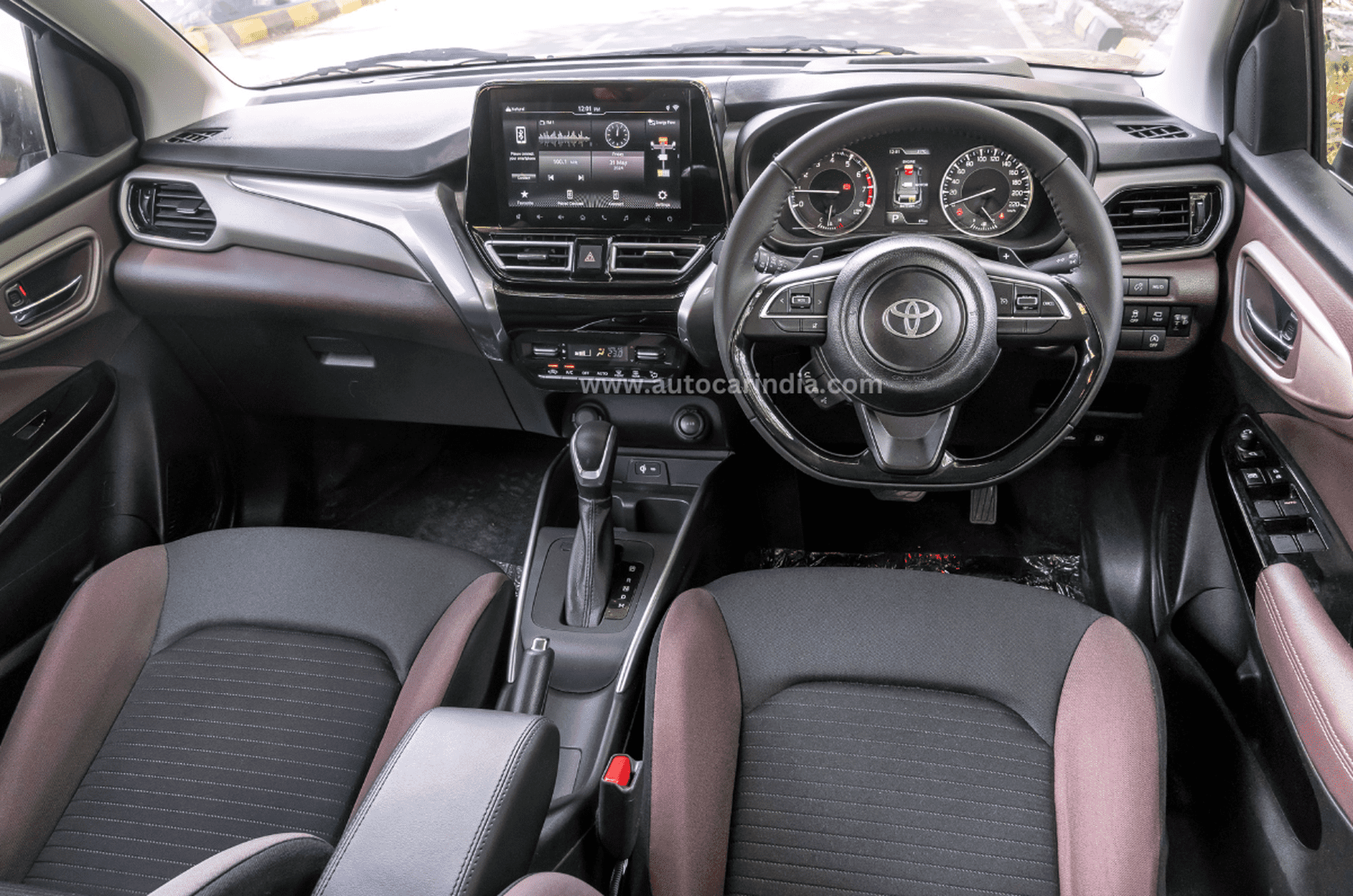
Along with the adjustable seat, tilt and telescopic adjustment for the steering makes getting into a comfortable driving position in the Taisor quite easy. All the controls fall to hand easily, and there’s also an adjustable centre armrest for the driver, that will come in handy over long drives, especially in the case of the automatic version.
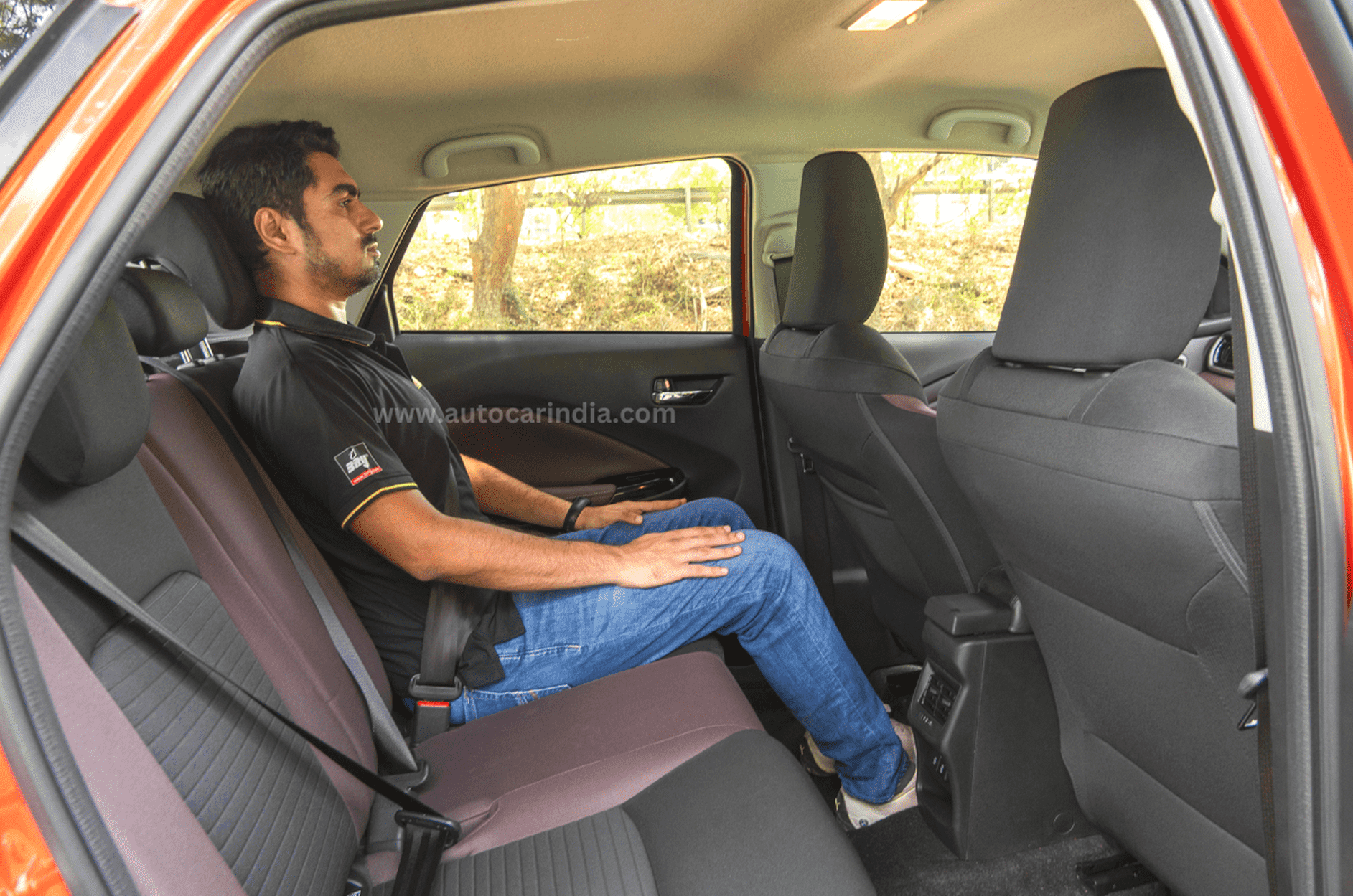
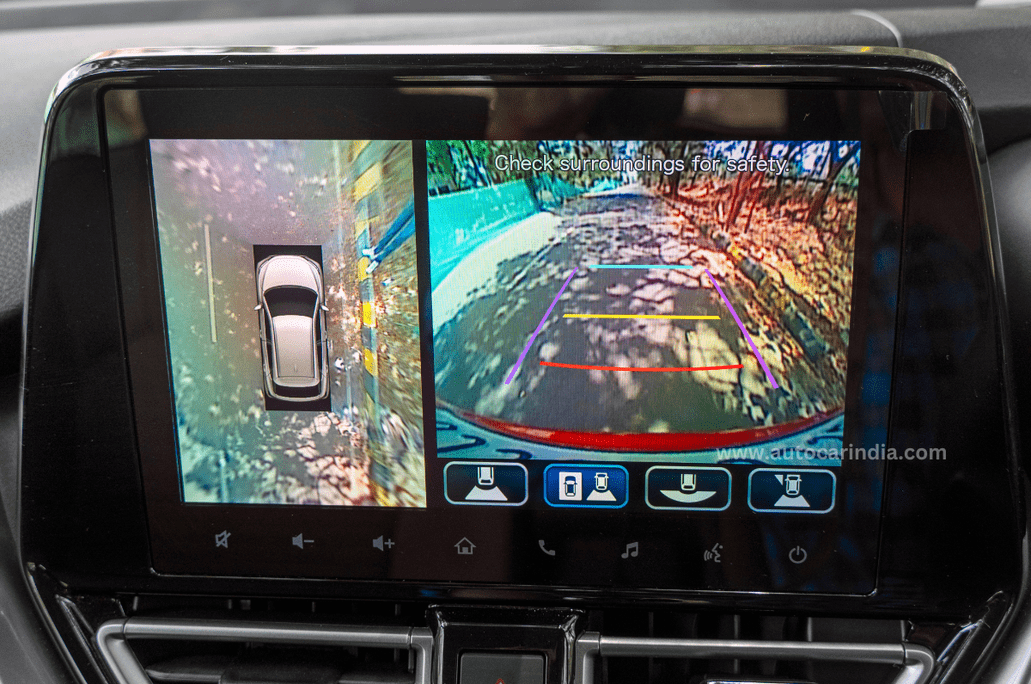
The cabin feels spacious despite the relatively compact size of this car, while the rear seats are comfortable and offer good legroom as well. Adding to this comfort factor and overall safety at the back are features such as rear AC vents, USB Type-C ports, three headrests and three-pointed seatbelts. Also useful is the 360-degree camera system, which helps navigating tight parking spots less tense.
However, the Toyota Taisor is not without its cons. Here are the important ones.
Missing features
The Taisor isn’t as well-equipped as some rivals
While the 360-degree camera is good to have, its low resolution impacts usability to an extent, especially in poor weather or in the dark. The Taisor doesn’t get load sensors for the rear seats, which means the belt reminder chime will go on for 90 seconds unless they are properly buckled. Other missing features here include a powered sunroof, ventilated seats, LED ambient lighting, powered front seats, leatherette upholstery, a rear centre armrest, ADAS and a larger infotainment screen, to name a few.
Sub-optimal insulation and plastic quality
These issues are not as prevalent in newer compact SUVs
There’s no dearth of hard plastics in the Taisor’s cabin, with much of the surfaces being covered in sub-optimal plastic trim. Sound insulation also leaves a lot to be desired, as road and engine noises seep into the cabin easily.
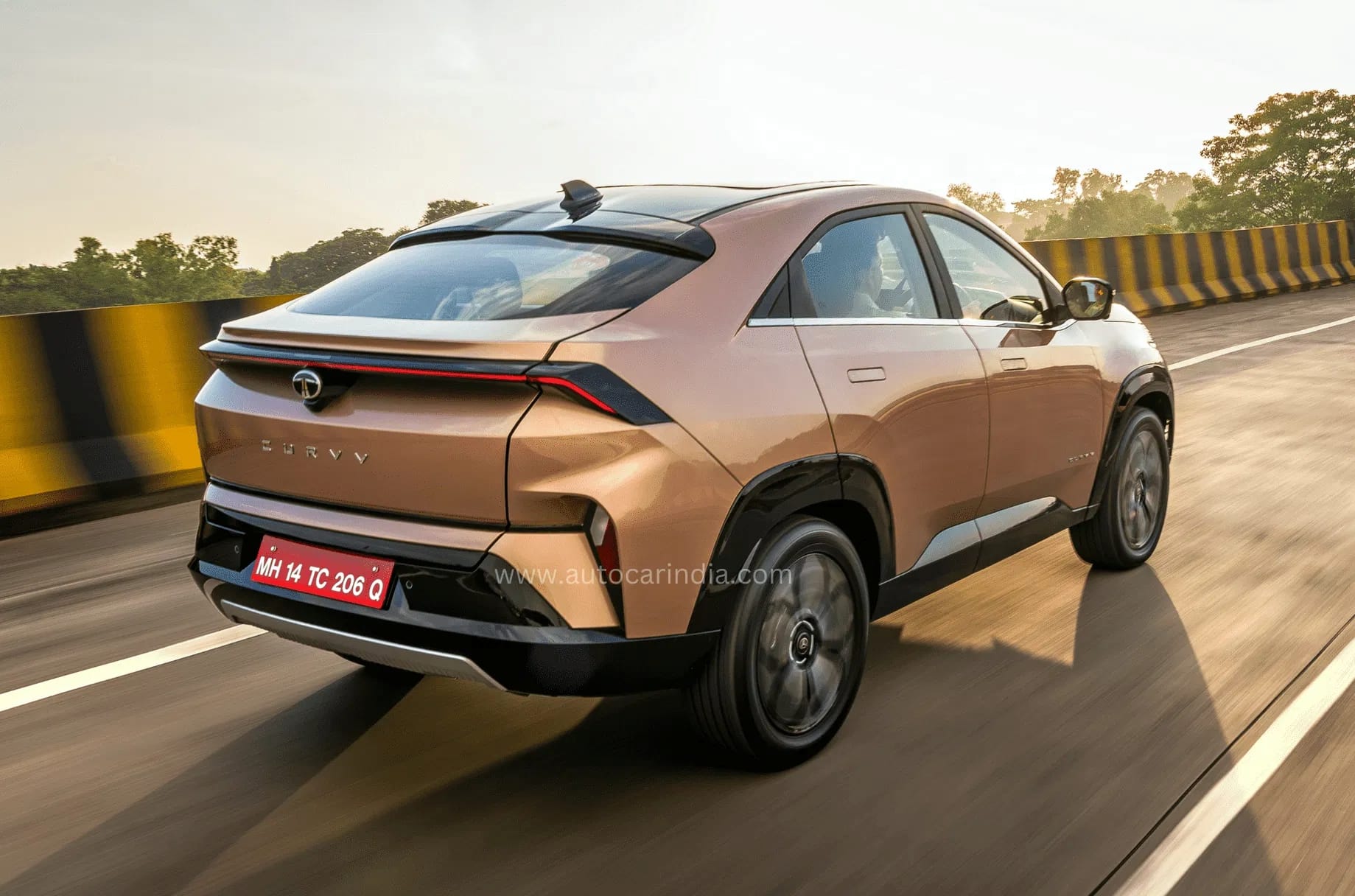
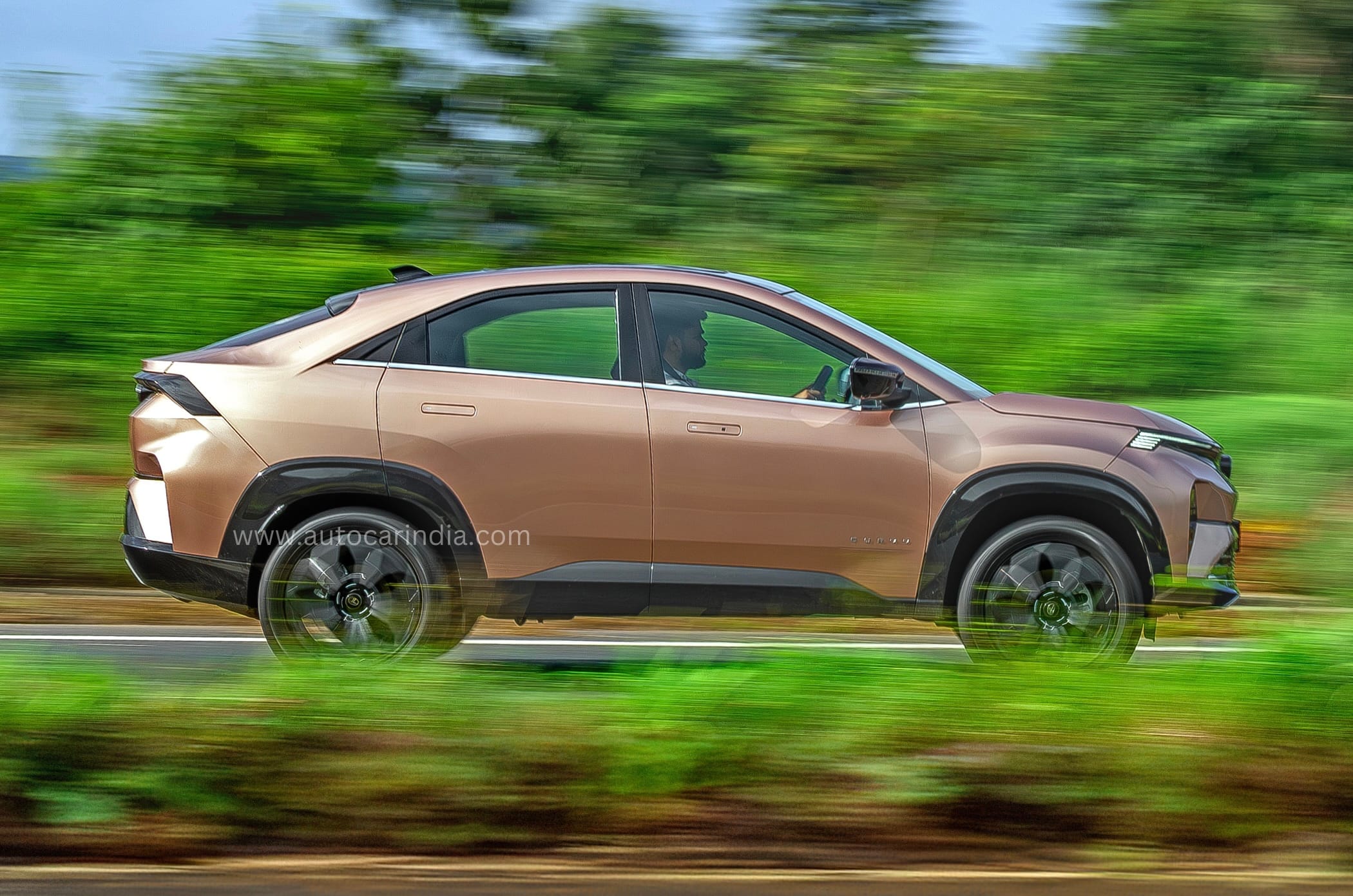
Tata introduced the Curvv as its unique take on the midsize SUV space in 2024. Currently, it is one of the two coupe-SUV models in this heavily contested segment. Built on Tata’s ATLAS platform, the Curvv slots between the compact Nexon and the newer, traditional-looking Sierra in the brand’s SUV line-up. If you’re interested in the Curvv, below are the reasons to consider it, as well as reasons to look elsewhere.
Reasons to buy
Good ride and handling balance
Like other Tata models, which are known to have a good balance of ride and handling, the Curvv is no different. It feels tough and takes on broken road patches with ease. Low-speed ride may feel a bit stiff, but it smooths out as you increase speed. Where the Curvv does feel at home is at highway speeds, with composed and mature road manners. Body roll when cornering is also kept well in check, and the steering is precise.
Diverse powertrain offering
In the mid-size SUV segment, the Curvv is one of the models with a quite diverse powertrain lineup. This includes a 120hp, 170Nm, 1.2-litre turbo-petrol, a 118hp, 260Nm, 1.5-litre diesel, and a 125hp 225Nm 1.2-litre direct-injection turbo-petrol engine. While some SUVs offer only a manual or an automatic gearbox with a particular engine, Tata offers the flexibility of both options, with each of its engines paired to either a 6-speed manual or a 7-speed DCT.
Well-equipped feature list
Tata has packed the Curvv with a long list of features. Not only does the Curvv come with tech like a 12.3-inch infotainment display, 10.25-inch digital driver’s display, wireless Apple CarPlay and Android Auto, air purifier, a wireless phone charger, 9-speaker JBL sound system, but it also gets comfort features like a powered driver seat, front seat ventilation, passive ventilation for the rear seats, a panoramic sunroof, rear window sunshades, dual-zone air conditioning, and more. It’s well-equipped on the safety front as well, with level 2 ADAS, a 360-degree camera, blind-spot detection and an auto-dimming IRVM on board.
Large boot space
The Curvv is among the models in its class with a large boot space. With a capacity of 500-litres, there’s plenty of room for your luggage needs, and it can also be expanded further by the 60:40 split-folding rear seat.
Reasons to skip
Limited rear headroom
While passengers at the back have adequate legroom, the Curvvs coupe-SUV roofline limits headroom. Though the seat can recline and the headliner is scooped out to help ease things, taller passengers will still find the headroom tight. Additionally, the middle rear seat misses a dedicated headrest, hindering overall comfort.
Inconsistent fit and finish, ergonomic cabin flaws
While the quality of materials is acceptable, certain areas of the cabin aren’t finished to a T, which is a common issue with Tata models. While there are cupholders at the front, they’re placed in the glovebox, which makes them unusable. Surprisingly, the front centre console does not get cup holders. Additionally, the 12V socket is hard to reach, as it’s placed in a recessed space ahead of the gear lever; the front centre armrest is too small and doesn’t slide, while the storage space below it is suitable only for small items.
Snappy clutch (manual gearbox)
While shifting gears with the manual gearbox is smooth enough, the snappy behaviour of the clutch pedal and long gear throws take away from overall driver involvement. Furthermore, the gear lever is odd to look at and hold.
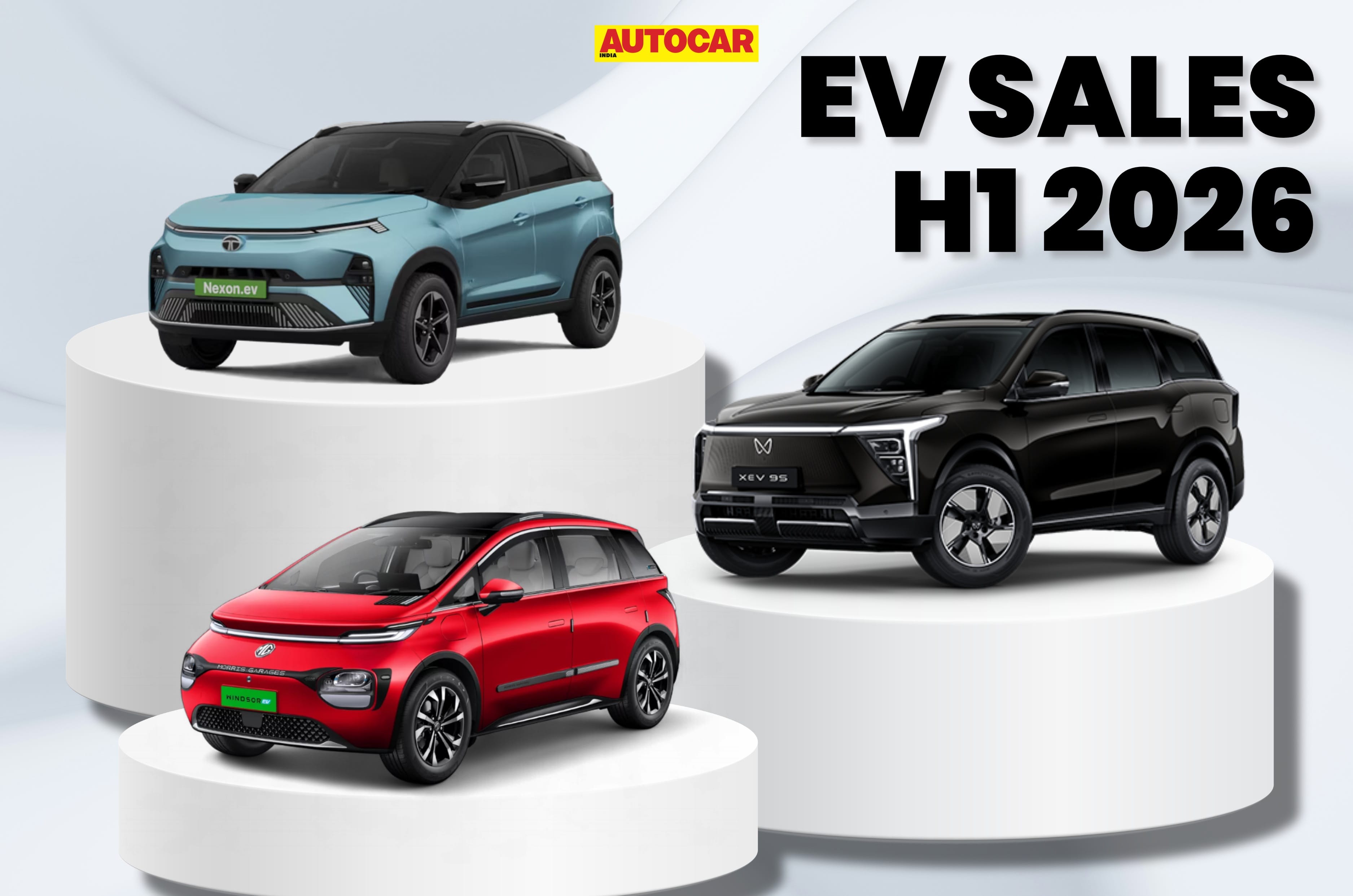
Electric vehicle sales in India rose 79 percent year on year (YoY) to 1,48,023 units in the first half of 2026, up from 82,535 units during the same period last year. Tata Motors retained its lead, while Mahindra recorded the highest growth among the three largest EV makers and moved ahead of JSW MG Motor. New entrants Maruti Suzuki and Vinfast also contributed over 12,000 units to the segment during the six-month period.
Carmaker
H1 2026 sales
H1 2025 sales
YoY change
Market share
Tata Motors
57,370
31,556
82%
39%
Mahindra
34,131
13,801
147%
23%
JSW MG Motor
31,819
26,883
18%
21%
Maruti Suzuki
6,404
–
–
4%
VinFast
5,627
–
–
4%
BYD
3,300
2,507
32%
2%
Hyundai
2,725
4,278
-36%
2%
Kia
2,643
254
941%
2%
Citroen
196
815
-76%
0%
Toyota
33
–
–
0%
Sales accelerated during the second quarter. Year on year, EV registrations rose 64 percent to 62,178 units in January-March and 93 percent to 85,845 units in April-June. June was the first month in which electric passenger vehicle sales crossed 30,000 units, reaching 32,259 units – more than double the 15,203 units recorded in June 2025.
Tata Motors
57,370 units, up 82 percent YoY
Tata Motors retained the top spot with 57,370 electric cars and SUVs sold in H1 2026, an 82 percent increase from 31,556 units a year ago. Its market share increased marginally from 38 percent to 39 percent.
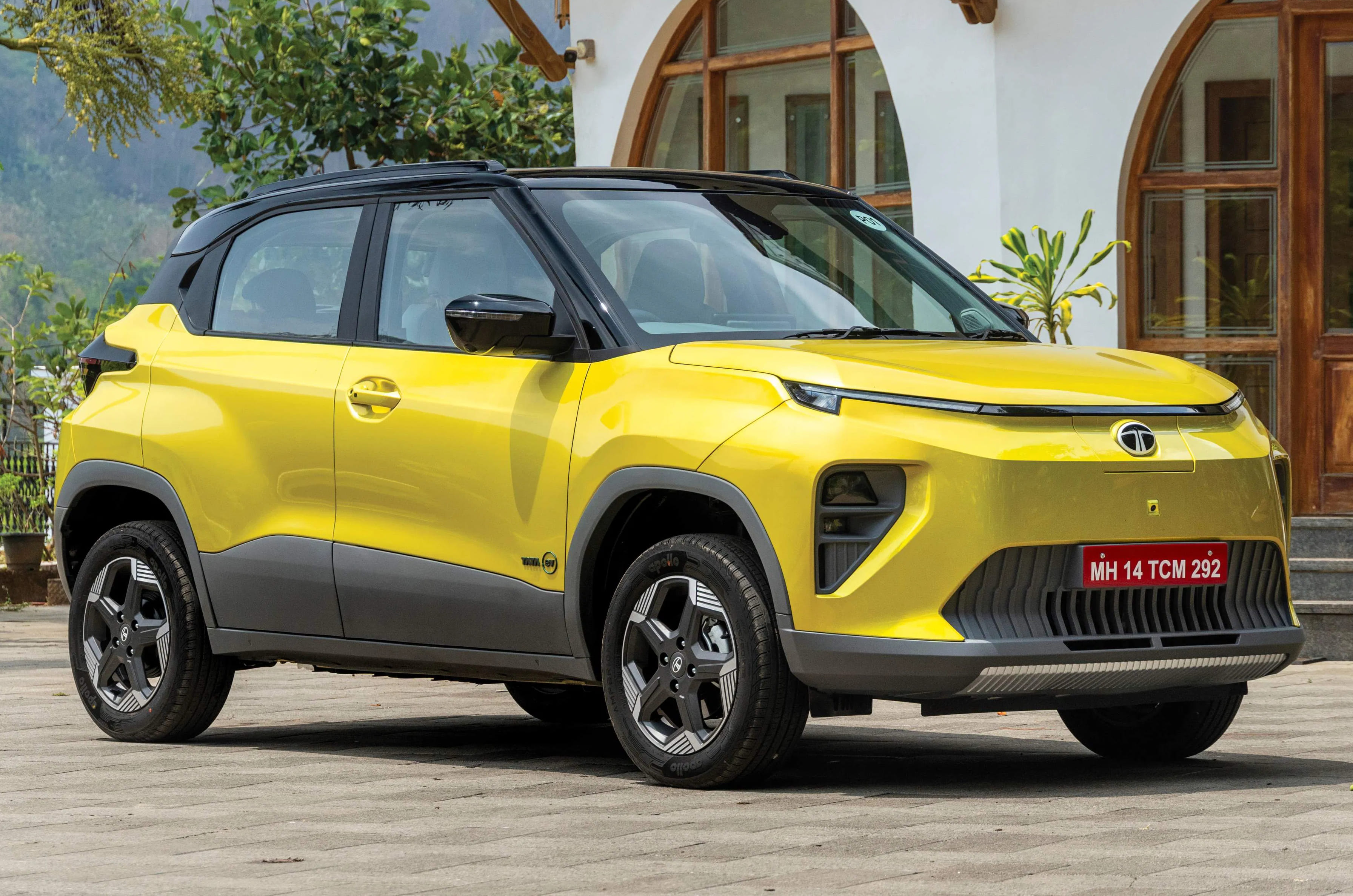
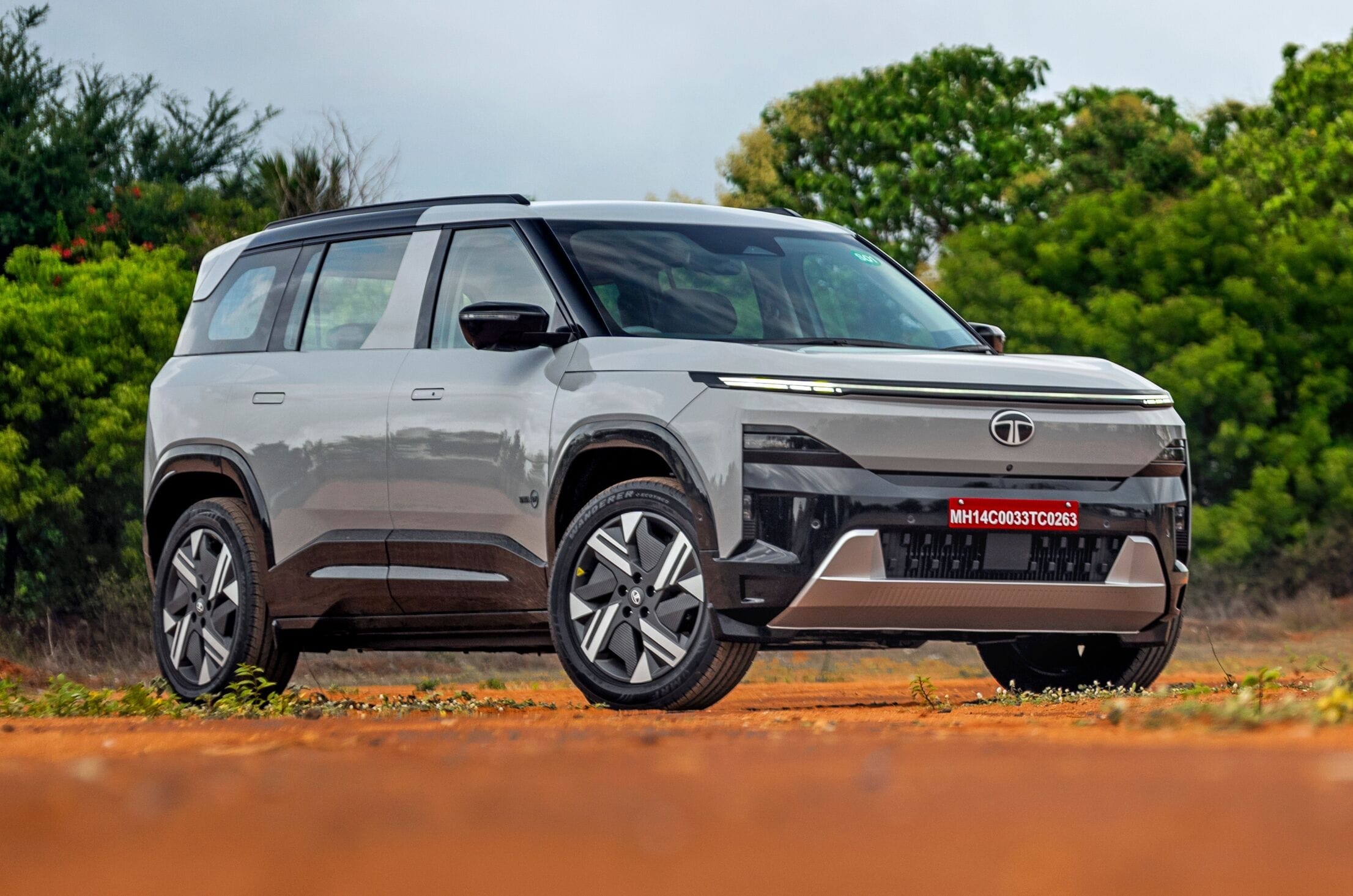
The carmaker crossed 10,000 monthly EV sales in both May and June, selling 10,894 units and a record 12,384 units, respectively. The Nexon EV remains its main volume driver, while the new Punch EV and updated Tiago EV have expanded its line-up. Tata also recently launched the Sierra EV, joining the Harrier EV, Curvv EV and Tigor EV in its electric portfolio.
Mahindra
34,131 units, up 147 percent YoY
Mahindra recorded the highest growth among India’s three largest EV manufacturers, with sales rising 147 percent to 34,131 units from 13,801 units in H1 2025. Its market share increased from 17 percent to 23 percent.
The company moved ahead of JSW MG Motor in March and retained second place through the first half of the year. Monthly sales increased from 5,873 units in March to a record 7,926 units in June. Demand for the BE 6 and XEV 9e has been supplemented by the XEV 9S, Mahindra’s three-row electric SUV launched last November.
JSW MG Motor
31,819 units, up 18 percent YoY
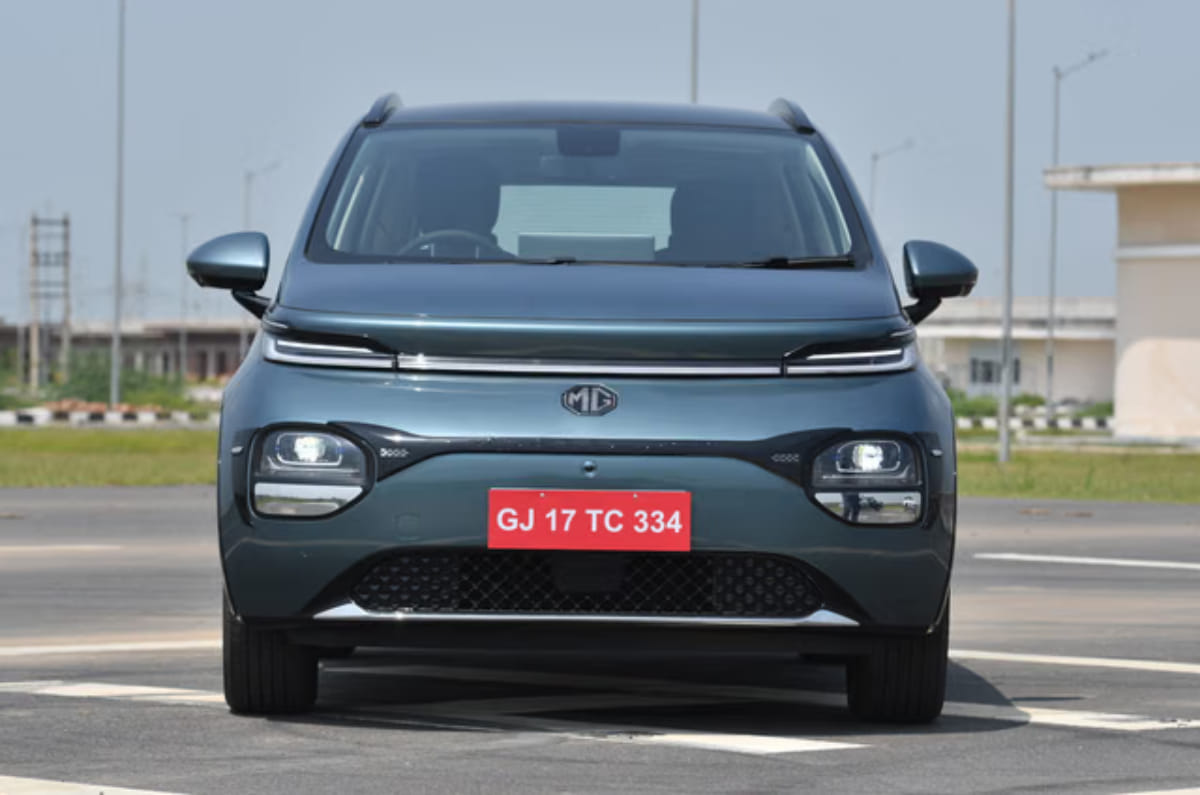
JSW MG Motor sold 31,819 EVs in H1 2026, up 18 percent from 26,883 units in the year-ago period. However, its market share fell from 33 percent to 21 percent as Tata and Mahindra recorded faster growth. The Windsor remains MG’s bestselling electric model, with around 19,000 units sold during the first six months of 2026. MG’s EV line-up also includes the Comet, ZS EV, Cyberster and M9.
Maruti Suzuki
6,404 units
Maruti Suzuki, which entered India’s electric car market with the e Vitara in January, sold 6,404 units in H1 2026, giving it a little over 4 percent market share. Sales increased from 1,460 units in the first quarter to 4,944 units in Q2, with June registrations reaching a record 1,940 units. Maruti is expected to increase e Vitara production from August or September.
Vinfast
5,627 units
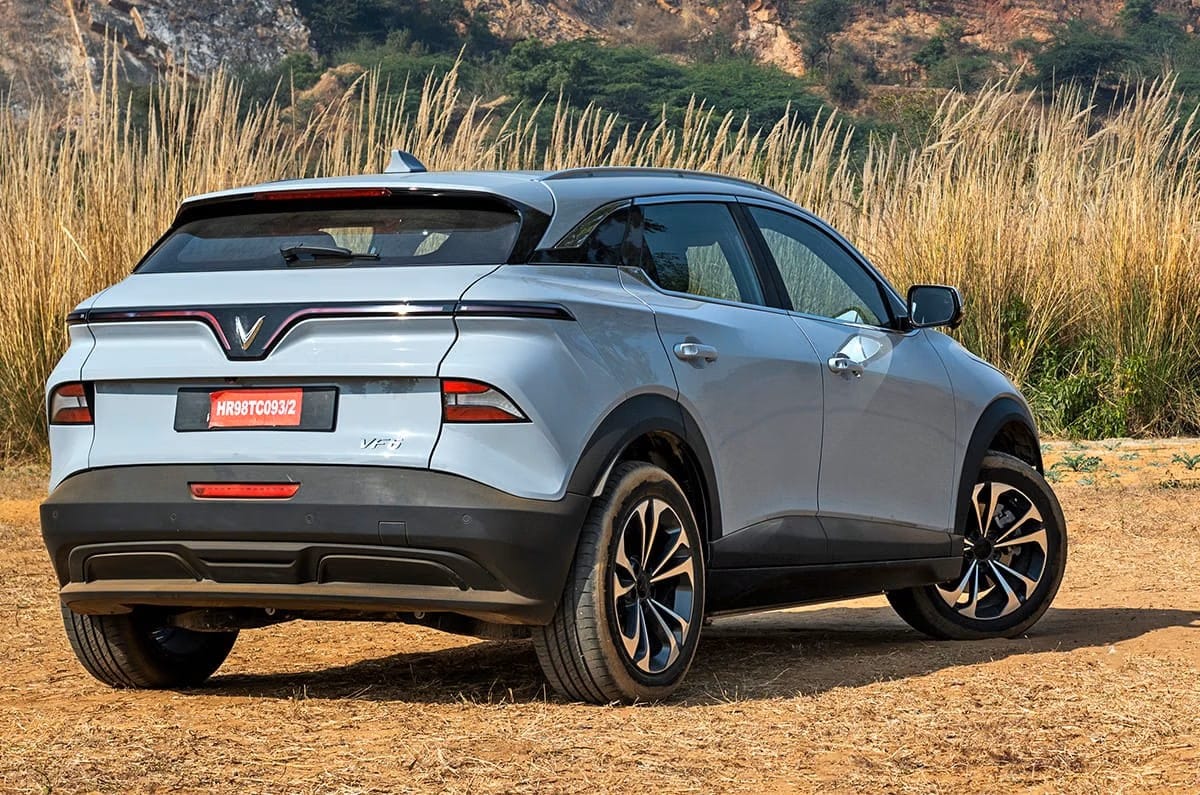
Vinfast recorded 5,627 sales during the first half of 2026, capturing a 3.8 percent market share. Its quarterly sales increased from 1,630 units in Q1 to 3,997 units in Q2, with June sales reaching 1,415 units. The Vietnamese company’s India line-up currently includes the VF6 and VF7 SUVs, along with the VF MPV 7. Vinfast is also expected to expand its range with the VF3 electric hatchback.
BYD
3,300 units, up 32 percent YoY
BYD sold 3,300 electric cars and SUVs in H1 2026, up 32 percent from 2,507 units a year earlier. Q2 sales doubled to 2,199 units from 1,101 units in the first quarter, while June registrations reached a record 895 units. The company has confirmed plans to introduce the Seal U later this year, set to be its first plug-in hybrid model in India.
Hyundai
2,725 units, down 36 percent YoY
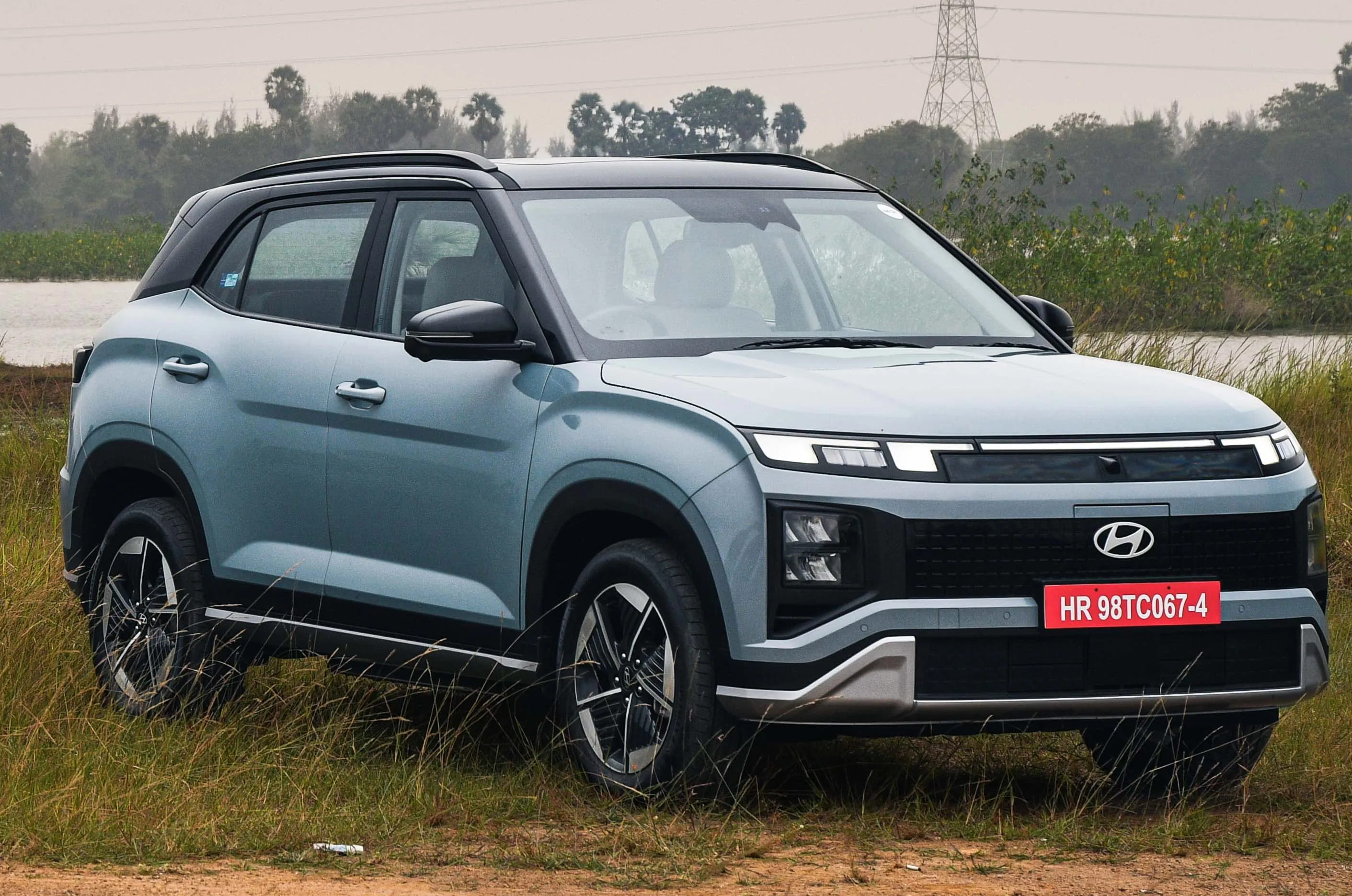
Hyundai was one of the few manufacturers to record lower EV sales, with deliveries falling 36 percent to 2,725 units from 4,278 units in H1 2025. Its market share declined from 5 percent to under 2 percent. Hyundai currently has two electric models on sale in India – the Creta Electric and Ioniq 5 – amid growing competition from Tata, Mahindra and MG, all of which offer EVs across a wider range of price points.
Kia
2,643 units, up 941 percent YoY
Kia recorded 2,643 EV sales in H1 2026, compared with 254 units during the same period last year, an increase of 941 percent. The carmaker finished just 82 units behind Hyundai during the six-month period. The increase follows the addition of the Carens Clavis EV, which joined the EV6 and EV9 in Kia’s electric line-up. Kia sold 1,278 EVs in Q1 and 1,365 units in Q2.
Citroen
196 units, down 76 percent
Citroen recorded 196 EV sales in H1 2026, down 76 percent from 815 units a year earlier. Citroen launched the eC3X in June, with prices starting at Rs 11.99 lakh and a Battery-as-a-Service option.
Toyota
33 units
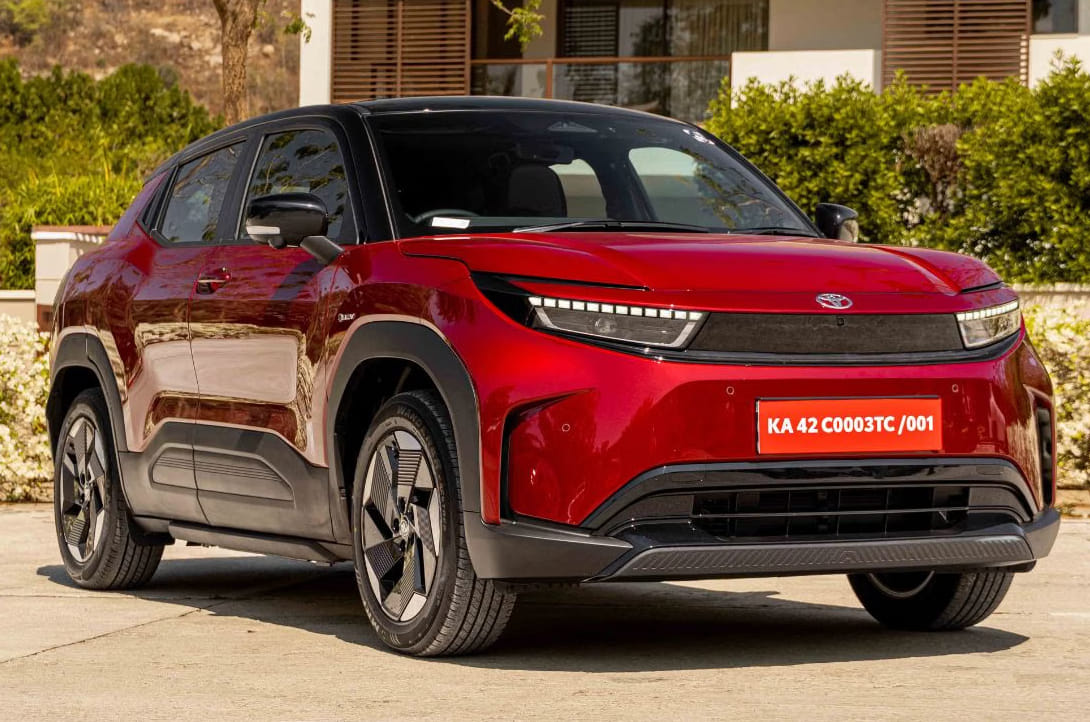
Toyota entered India’s electric passenger vehicle market in May, delivering 33 units of the Urban Cruiser Ebella. The Ebella is Toyota’s version of the Maruti e Vitara and is available in the top-spec E3 variant and offers battery-as-a-service option.
If you’re considering bringing home a Sierra EV, here are three reasons why you should go through with it, and two reasons why you may want to think twice before signing the dotted line.
Pros
Loaded with features
Gets some additional goodies over the ICE Sierra
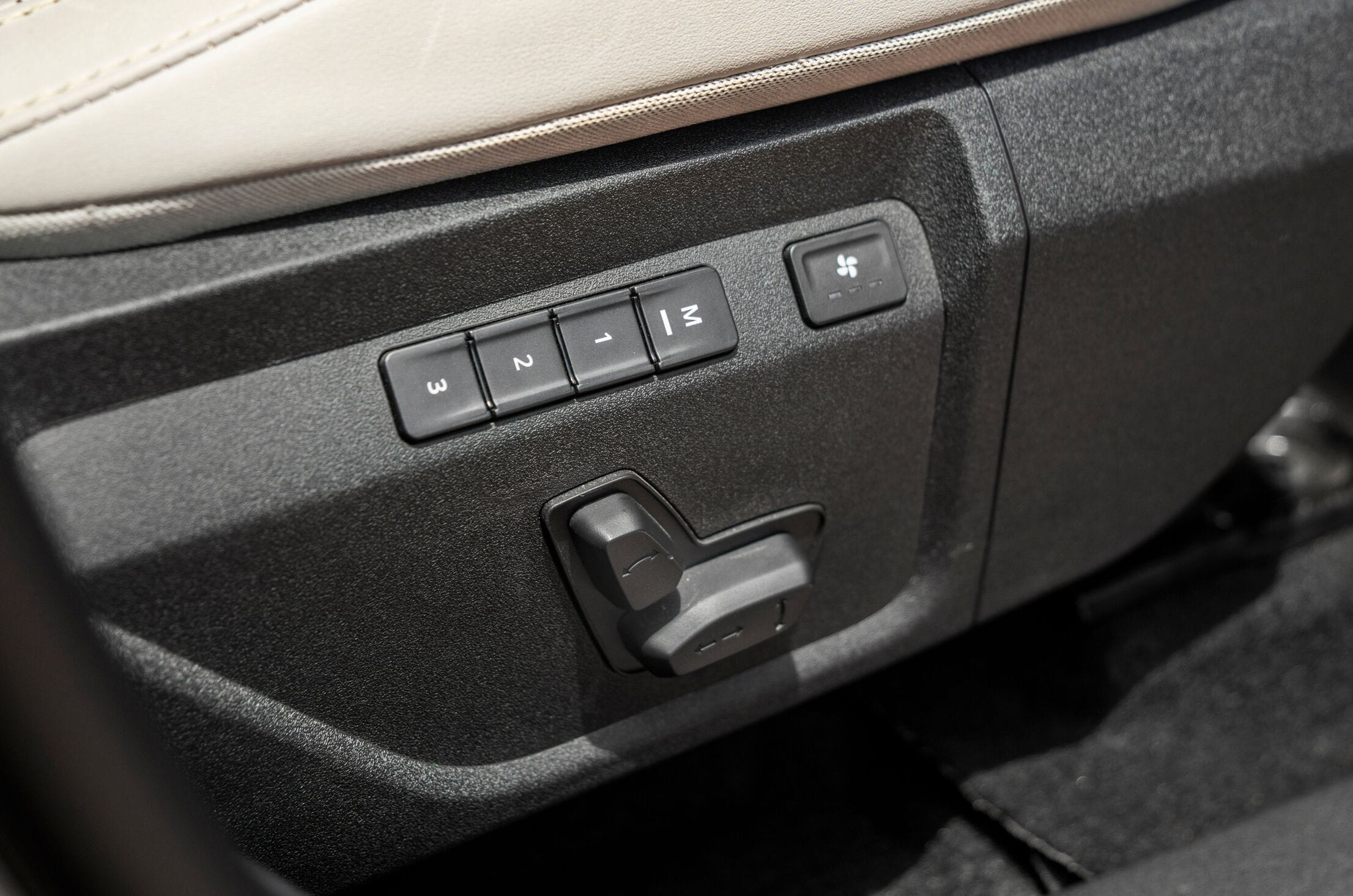
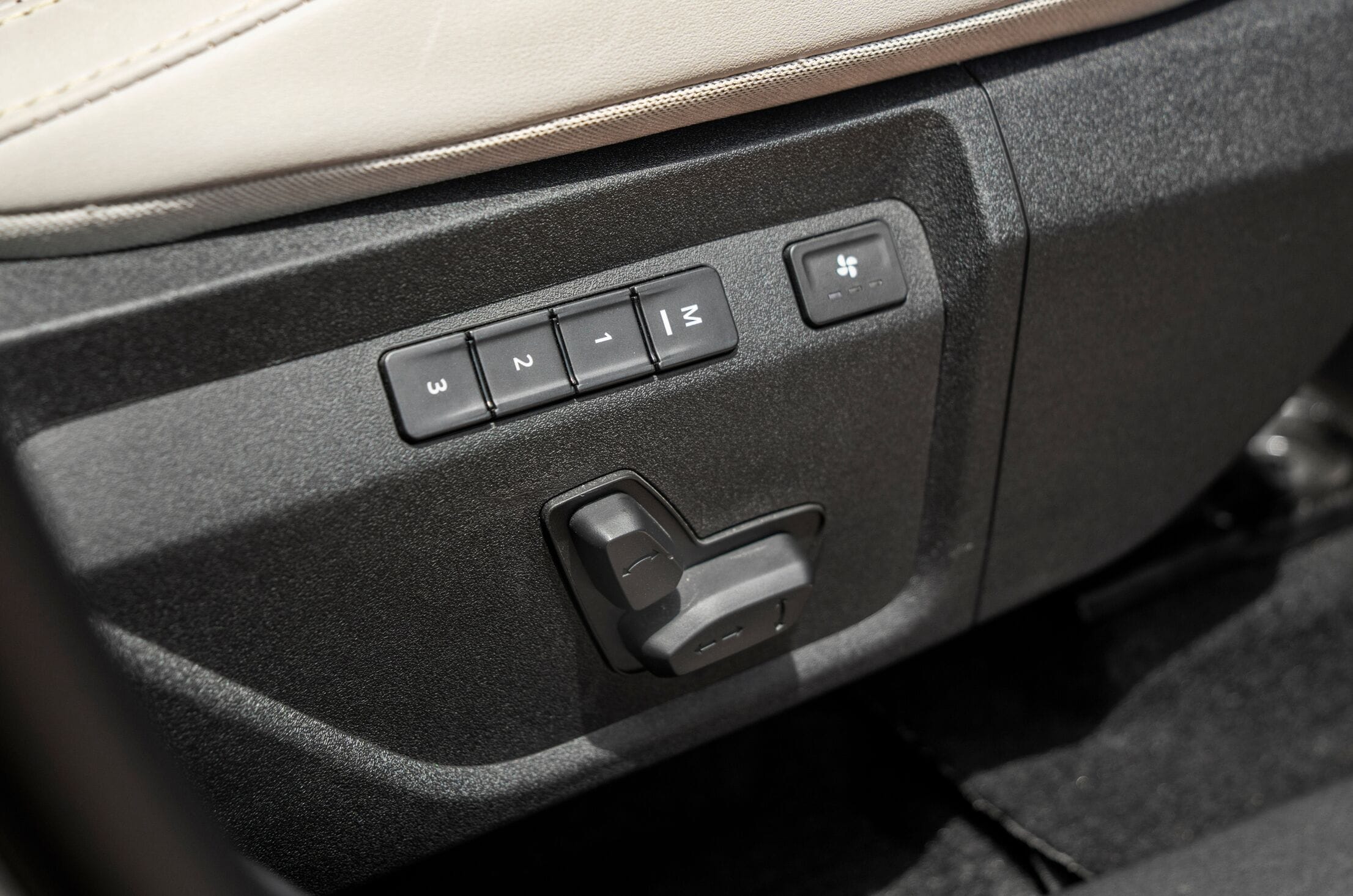
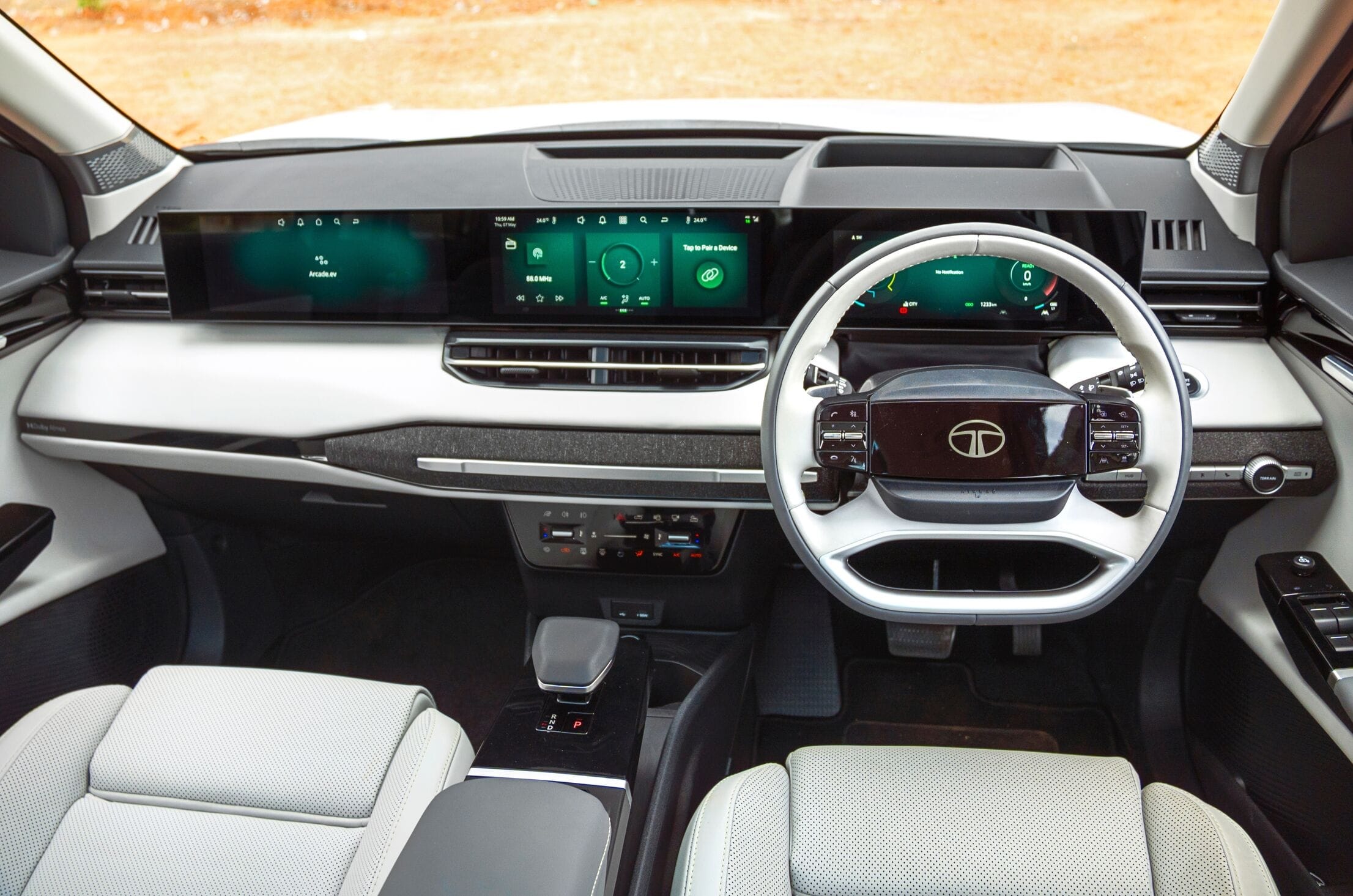
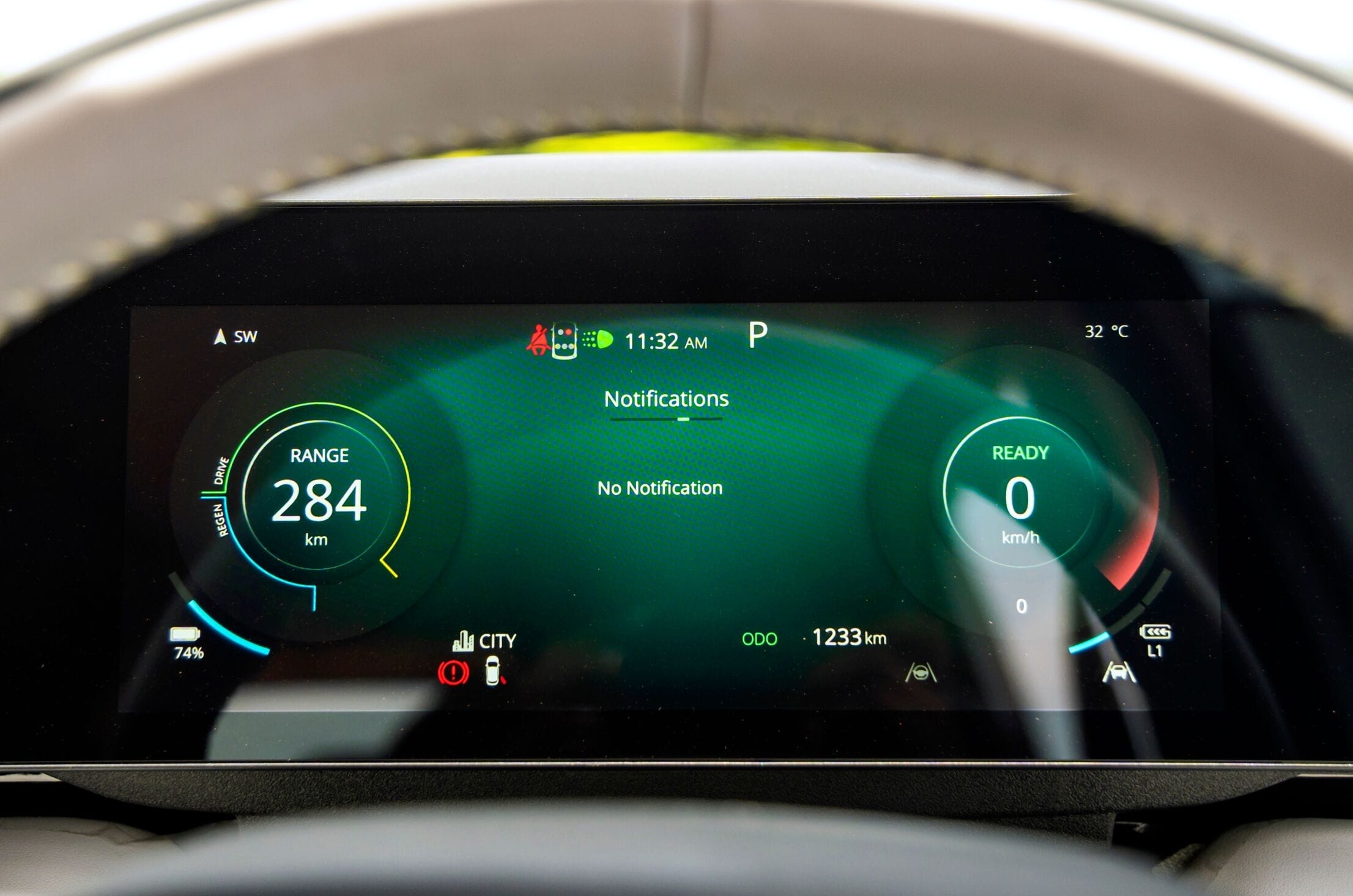
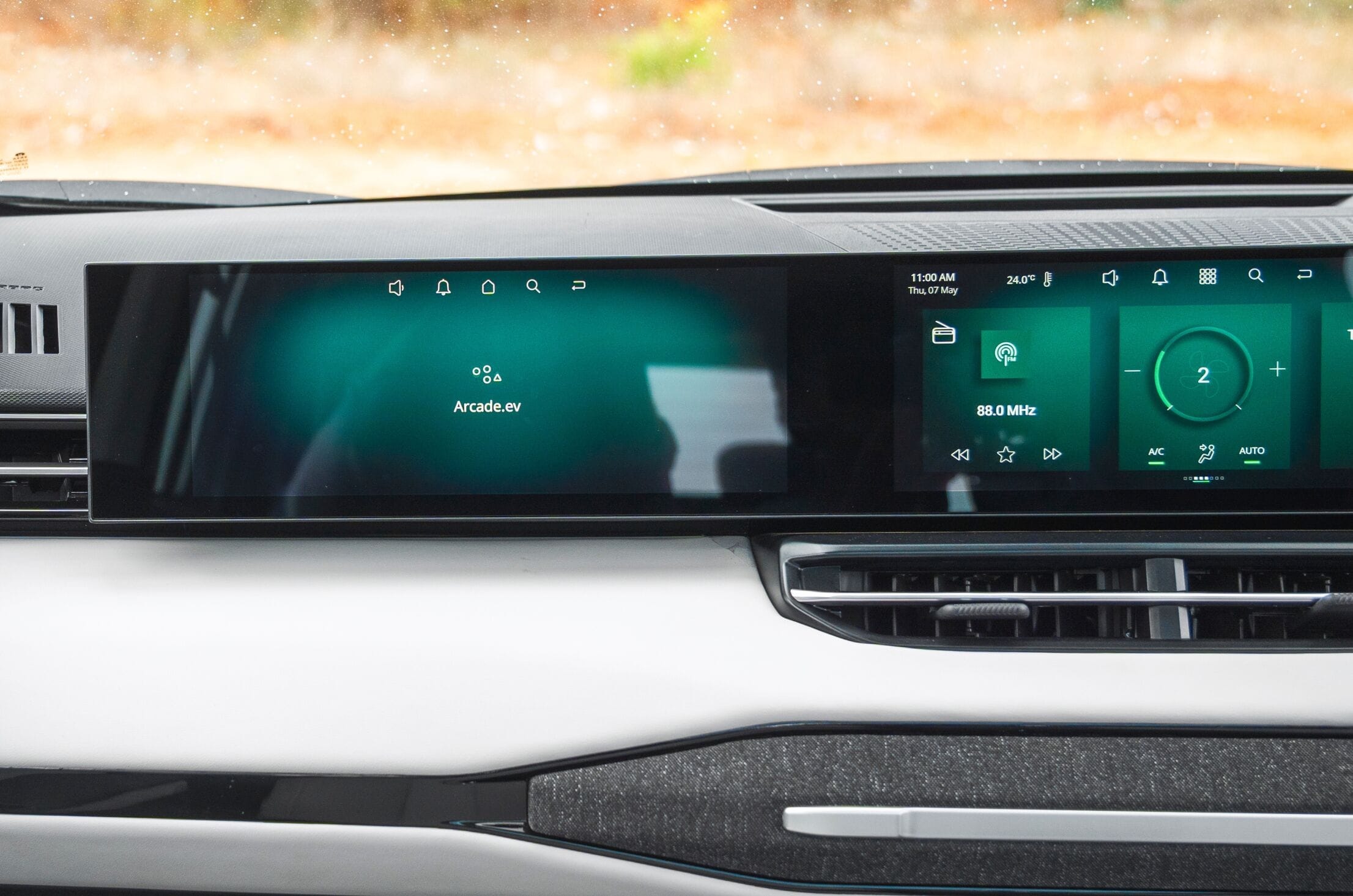
The Sierra EV retains the expansive equipment list of its ICE sibling, including a triple-screen layout (12.3-inch infotainment and passenger screens, 10.25-inch driver’s display), dual-zone climate control, a panoramic sunroof, Level 2 ADAS, a powered tailgate, a 360-degree camera, a wireless charging pad, a 12-speaker JBL Black sound system, ventilated front seats, a powered driver’s seat with memory and welcome functions, and more.
In typical Tata EV fashion, the Sierra EV even packs some bonus features over the ICE version, specifically a powered co-driver seat, an under-floor camera view, auto park assist, a summon mode, vehicle-to-load (V2L) and vehicle-to-vehicle (V2V) charging functions, and a heads-up display along with the triple-screen setup.
Excellent cabin space and practicality
Great for chauffeur-driven buyers
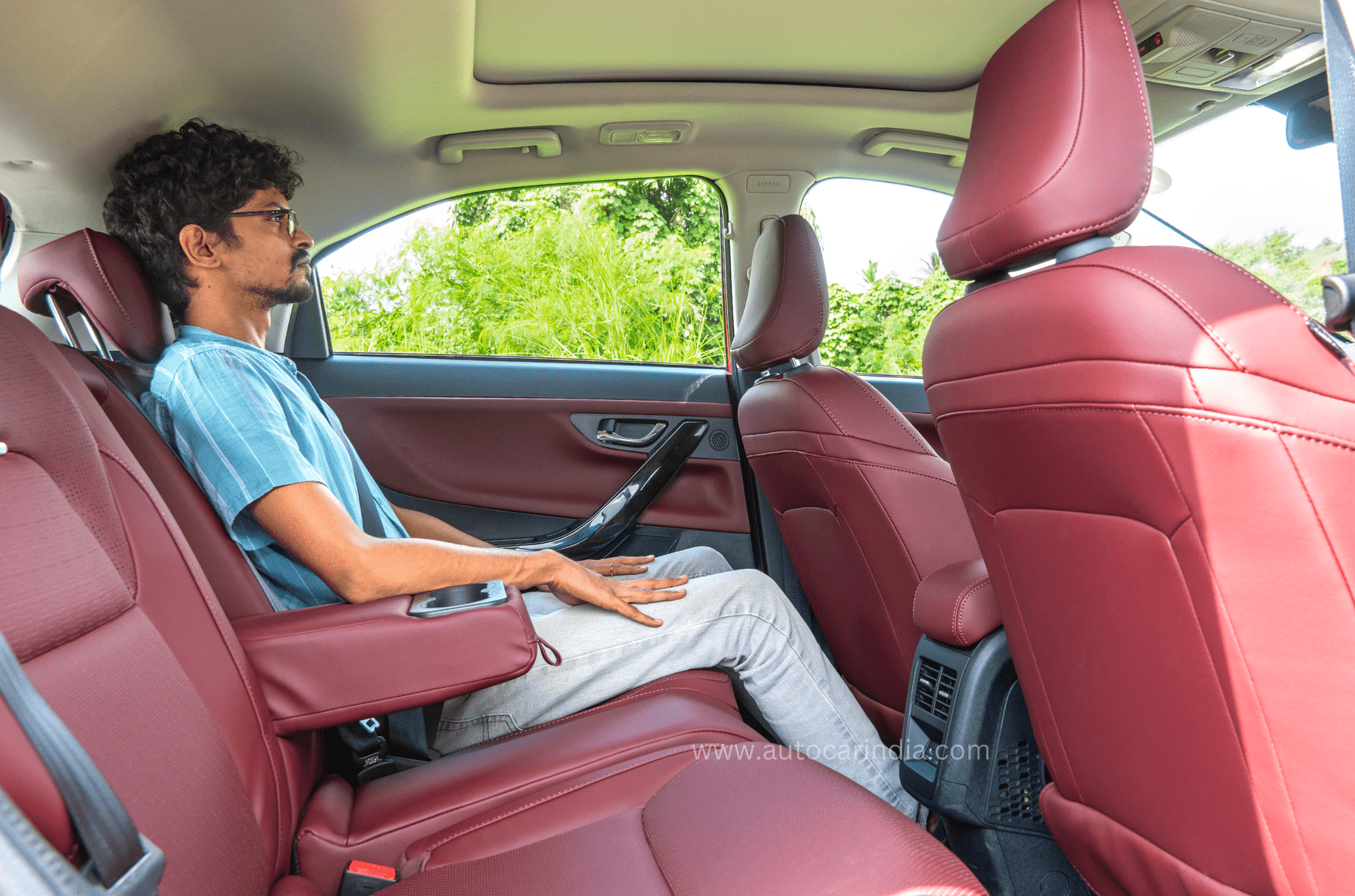
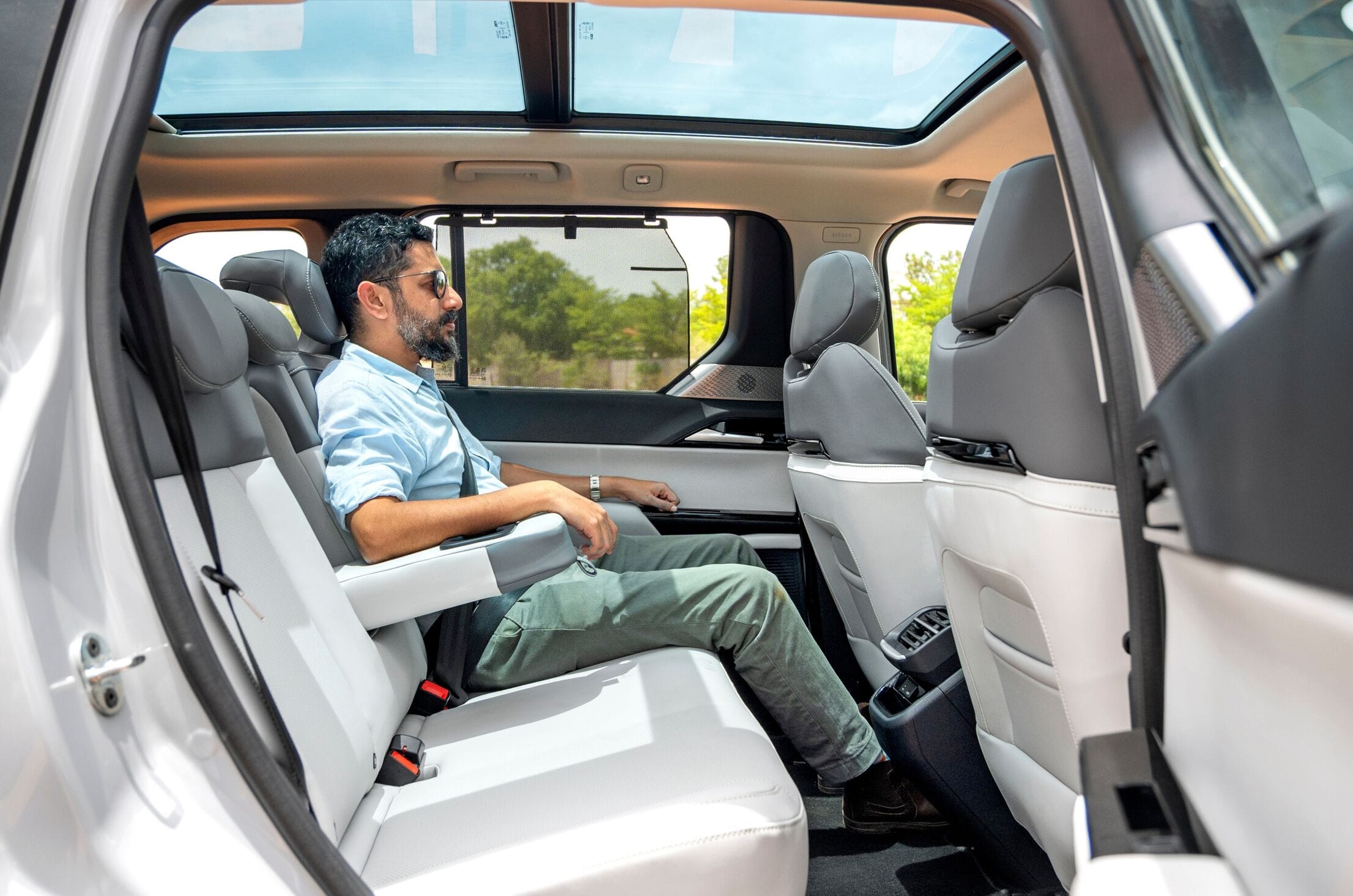
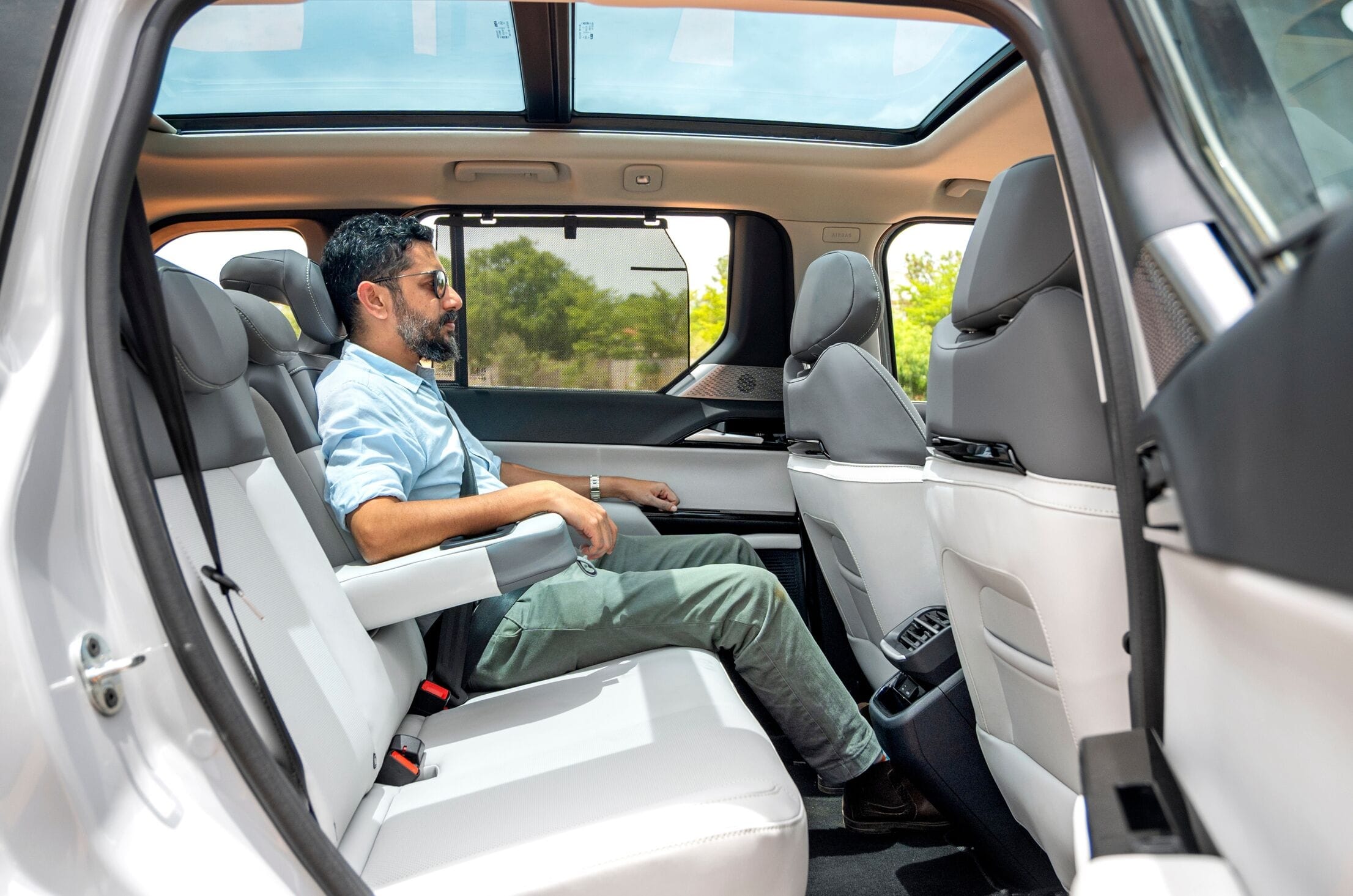
Dimensionally, the Sierra is very similar to its ICE counterpart, which means you get an incredibly roomy and lounge-like interior. Though the floor height has increased by less than an inch compared to that of the ICE Sierra, there’s nary a perceptible difference for occupants. The seats are very comfortable, there’s loads of rear legroom, and the bench even features a small amount of backrest recline.
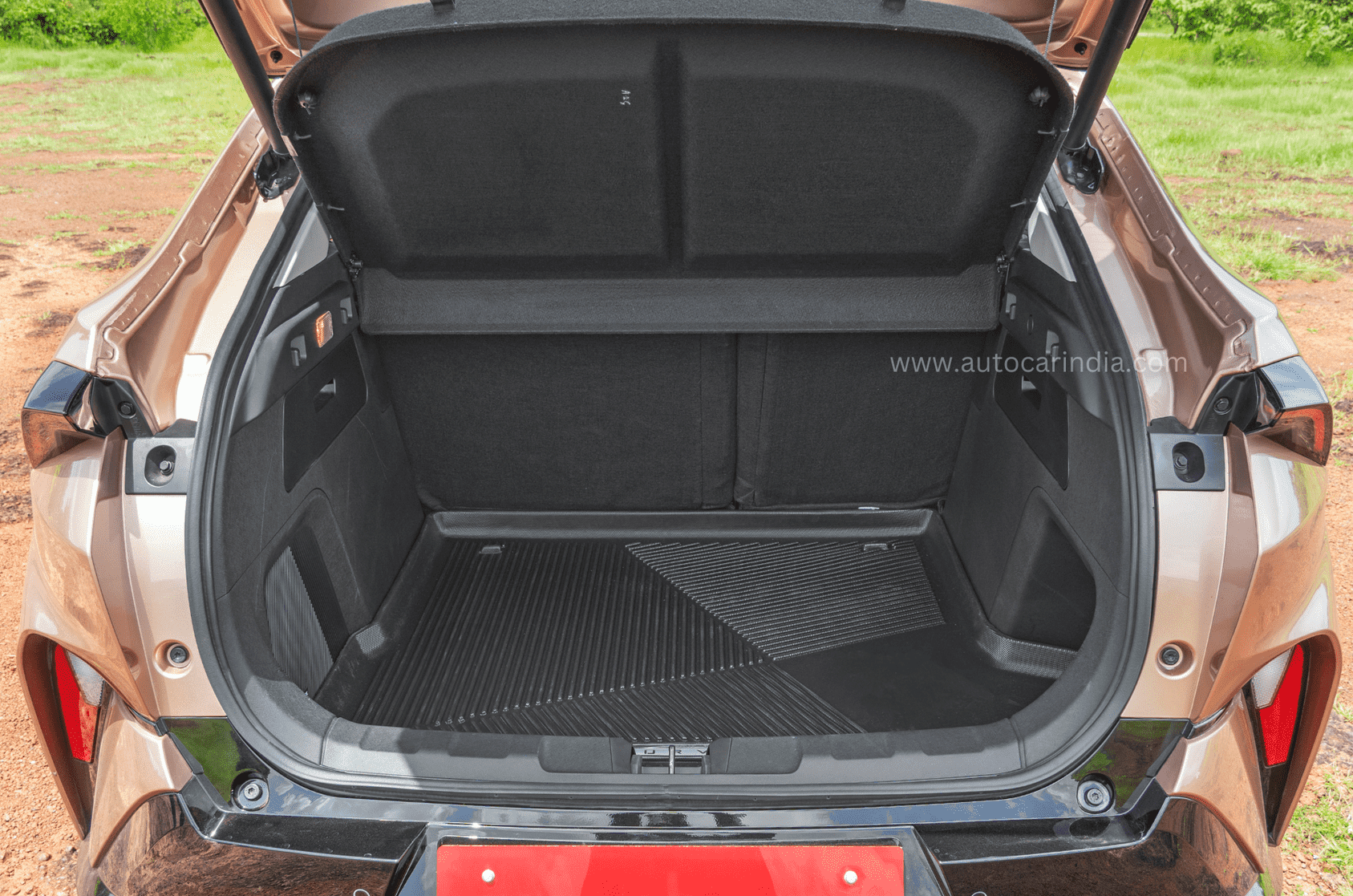
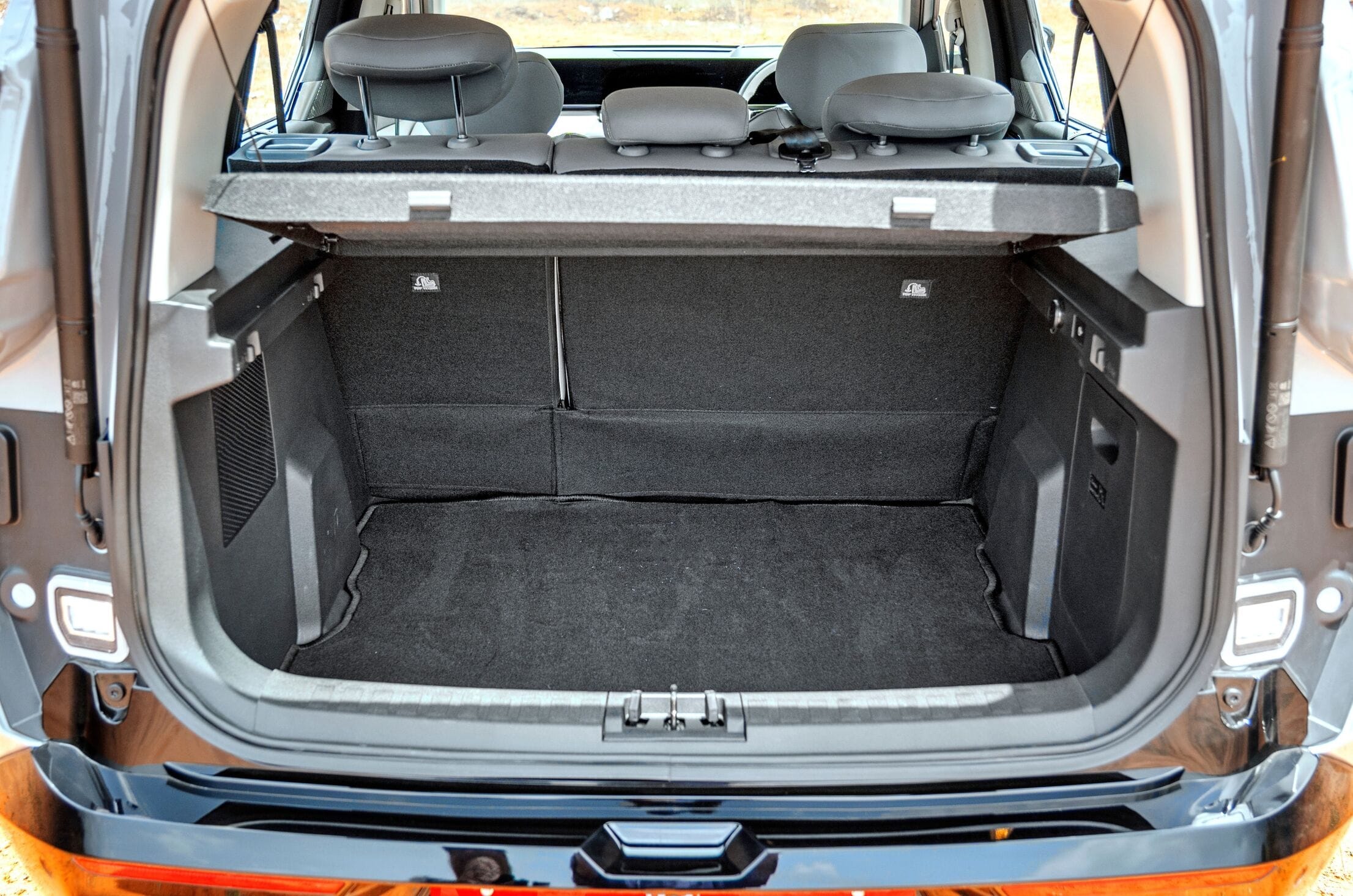
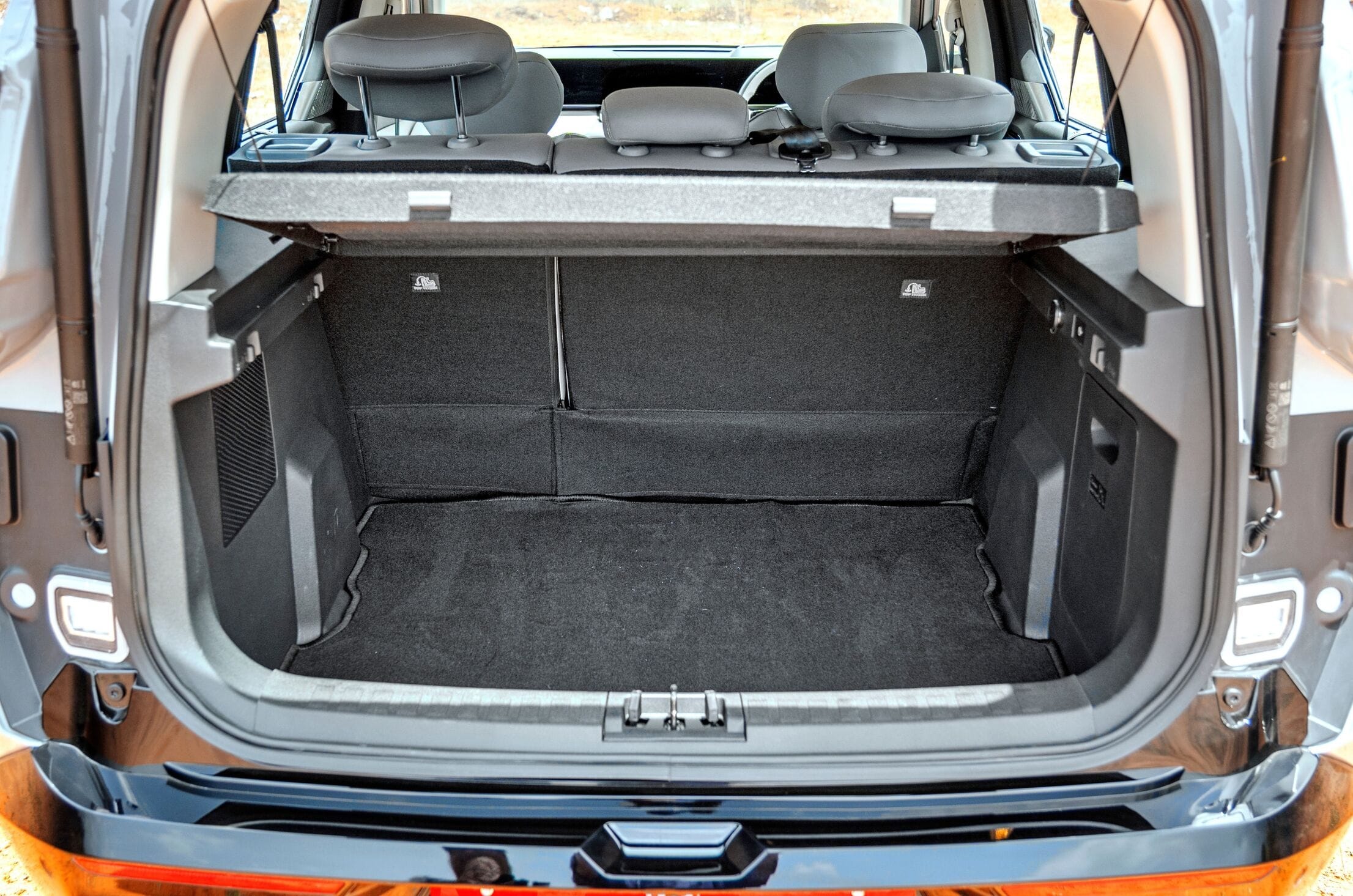
Despite the addition of a rear motor, the Sierra EV’s boot space matches the ICE version’s 622 litres. That’s measured up to the roof, though, and using the conventional method of measurement, which is up to the parcel tray, the Sierra EV should offer roughly 450 litres of boot space. You even get a frunk, which measures 55 litres in the RWD versions and 35 litres in the AWD variant.
Smooth and potent powertrains
Only one in its segment to offer AWD
The Sierra EV can be had with 63kWh and 75kWh battery options, both of which are powered by a 315Nm rear motor (RWD) as standard. In 63kWh RWD guise, the Sierra EV develops 238hp, while the 75kWh RWD versions make 209hp. The top-spec Sierra EV Empowered A 75kWh variant additionally packs a 140hp front motor to form an AWD layout, churning out a segment-best combined output of 306hp and 504Nm.
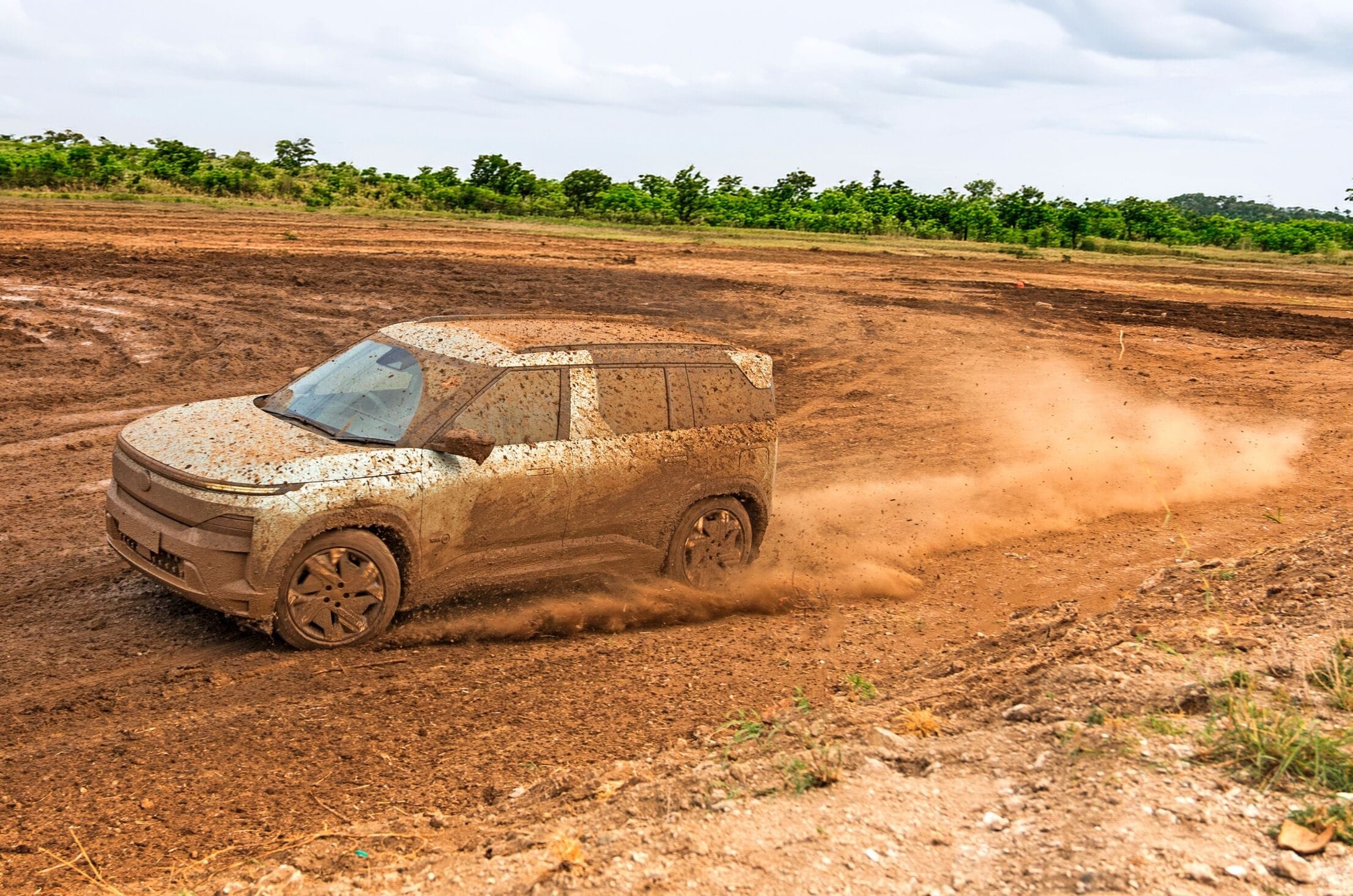
Performance is thereby a strong suit for the AWD Sierra EV, with a claimed 0-100kph time of 5.8 seconds. As we noted in our Sierra EV review, though, the SUV doesn’t feel neck-snappingly quick off the line. Power delivery is progressive and undramatic, which is fine considering the Sierra is, after all, a family SUV. On the curated off-road course we took the Sierra EV AWD on, it proved quite capable too.
As for range, the Sierra EV 75kWh RWD claims the highest ARAI figure of the range at 665km, followed by the 75kWh AWD version at 624km and then the 63kWh RWD version at 535km. These are quite competitive range figures when compared to the Sierra EV’s rivals.
Cons
Poor interior quality and ergonomics
Umbrella holders provided, but with no drain plugs
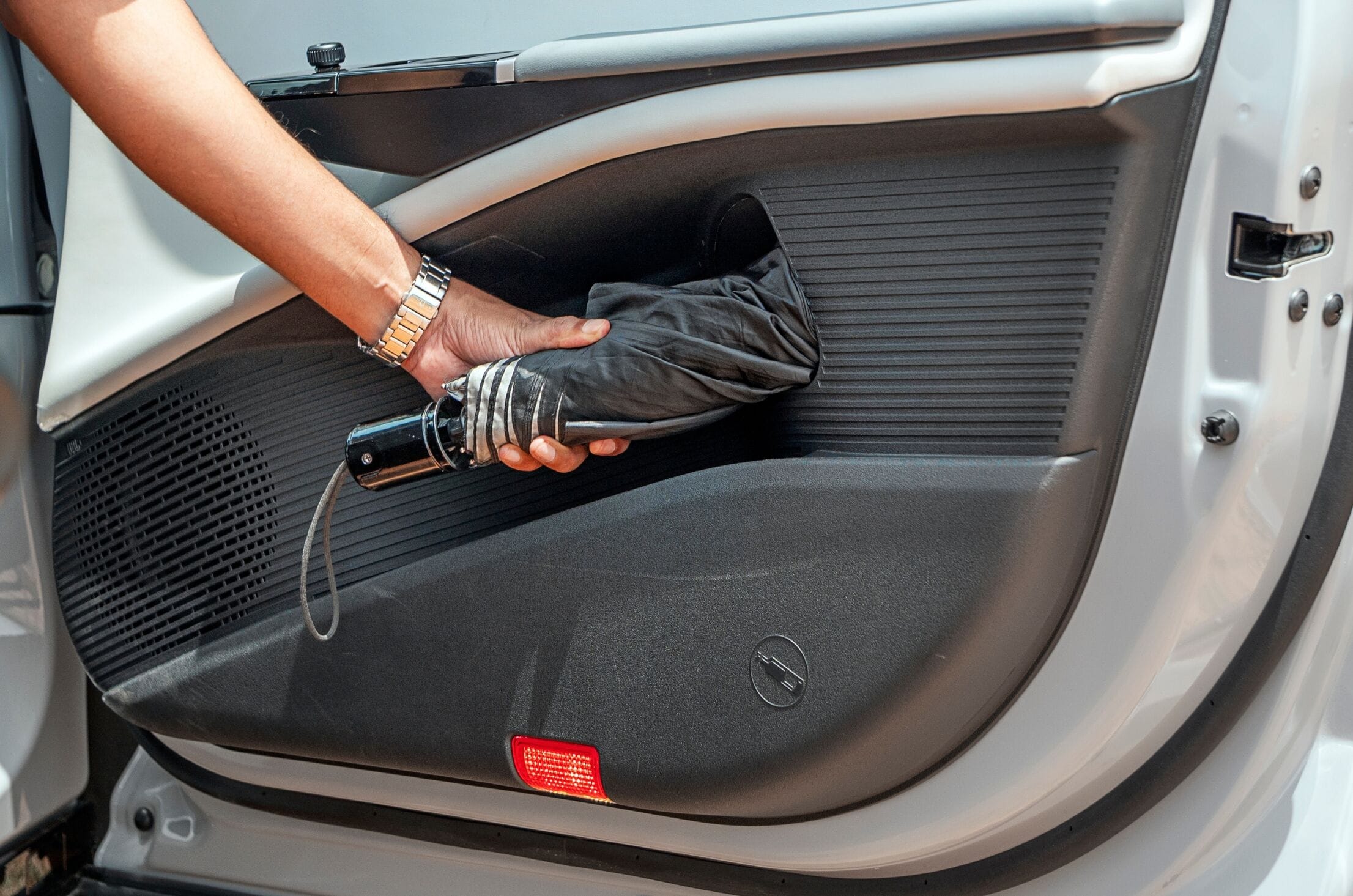
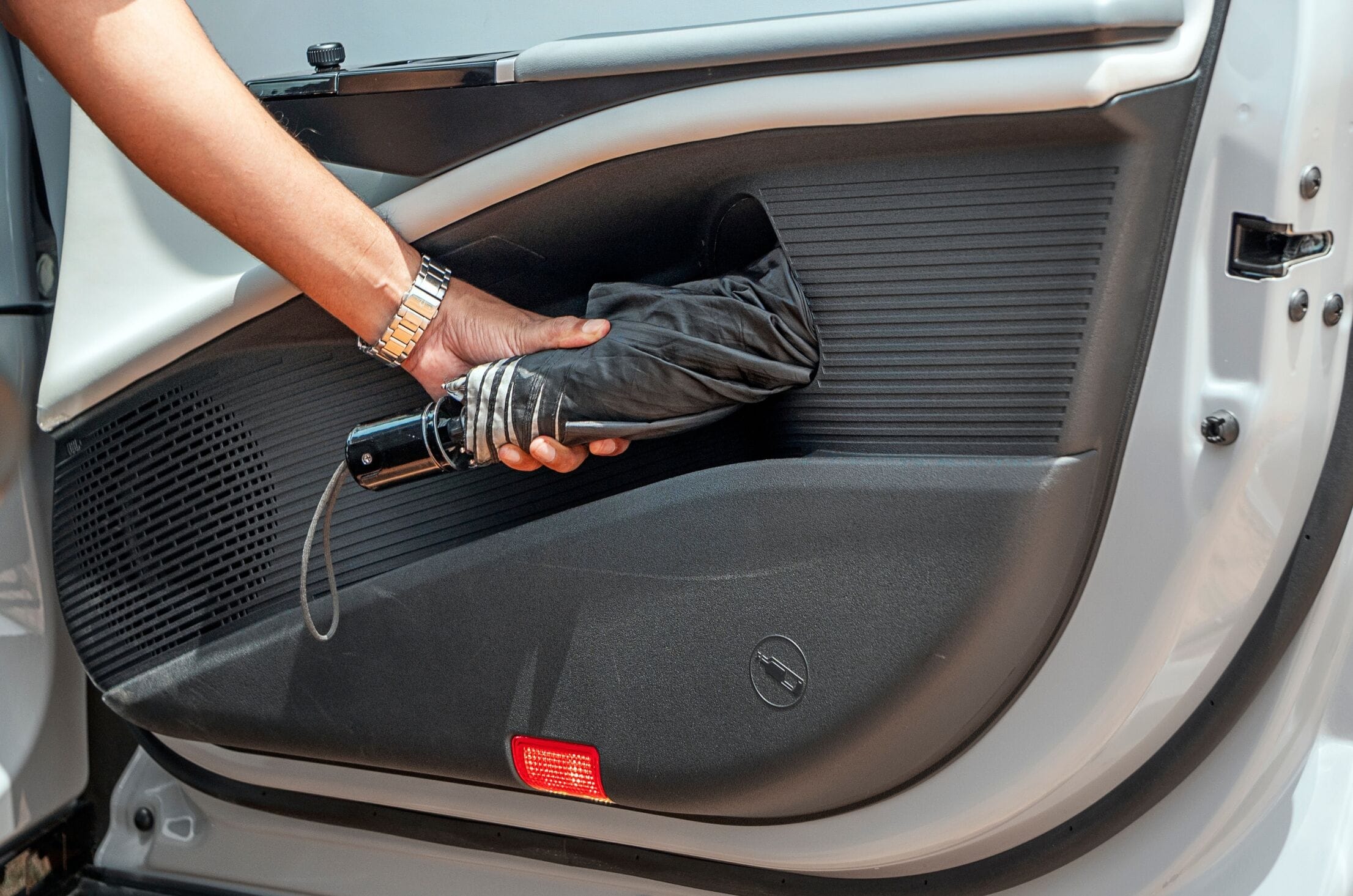
While Tata has upped its game in terms of interior fit and finish, we could still spot hard plastics, rough edges, crooked stitching, and misaligned panels in the Sierra EV. There are some interior design oddities, too, like wasted space below the pedestal-mounted drive selector, narrow and tough-to-reach armrest storage, tiny cupholders placed at the base of the dashboard, no drain plugs for the umbrella holders in the door cards, and conspicuous gaps next to the rear window sunblinds due to the L-shaped B-pillars.
No spare tyre on offer
Removed to accommodate battery pack
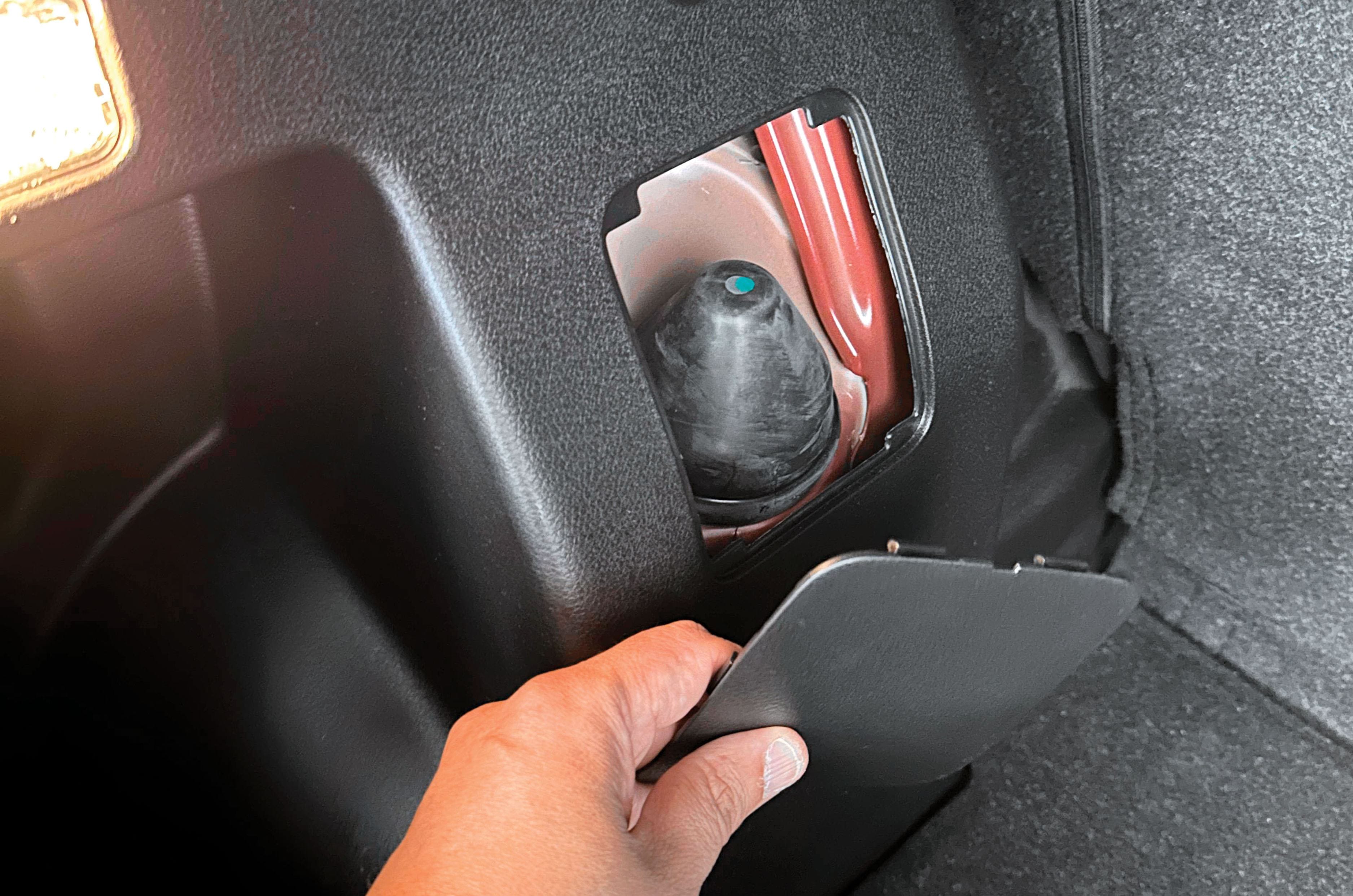
In an effort to accommodate the large battery pack, the Sierra EV sacrifices the underbody-mounted spare tyre of its ICE counterpart, offering only a puncture repair kit instead.
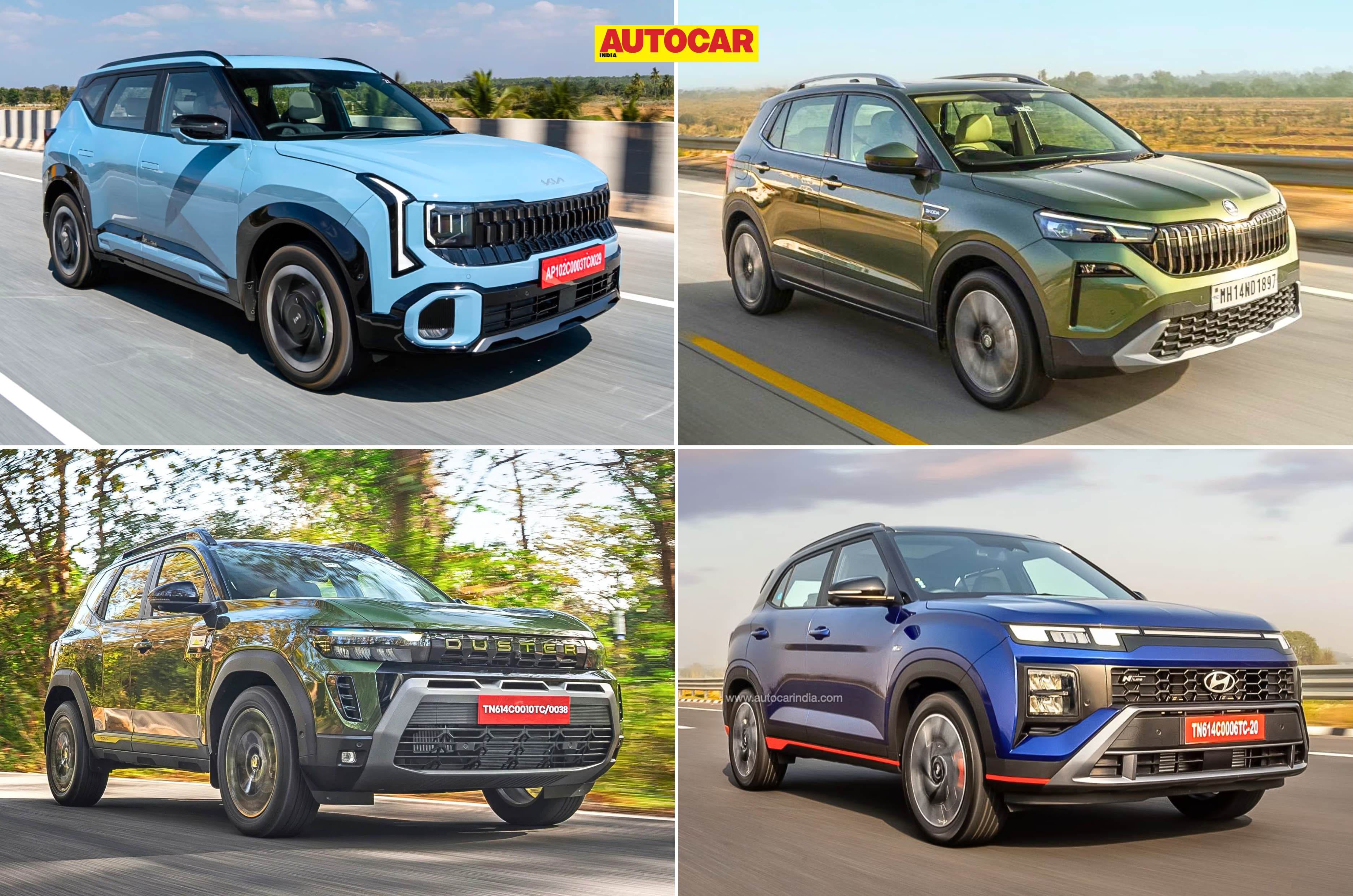
The midsize SUV segment is among the most contested in India, with popular models such as the Hyundai Creta, Tata Sierra, Kia Seltos and Skoda Kushaq fighting for space. A majority of SUVs in this segment come with turbo-petrol engines, which are known to offer good performance and deliver respectable fuel efficiency when driven efficiently. Here, we have compiled a list of the most fuel-efficient turbo-petrol midsize SUVs in India, from lowest to highest. Do note that the list is based on ARAI figures, with real-world numbers expected to vary depending on driving conditions and styles.
Note: The claimed ARAI fuel-efficiency figures for the Mahindra Thar Roxx’s 2.0-litre turbo-petrol and Tata Curvv’s 1.2-litre turbo-petrol engines are yet to be revealed.
13. Tata Sierra: 1.5-litre turbo-petrol
Claimed mileage of up to 15.3kpl
The Tata Sierra is offered with three engine options: two petrols and a diesel. Of these, the 1.5-litre turbo-petrol is the least frugal, with a claimed mileage of 15.3kpl. Incidentally, the Sierra is also the least fuel-efficient turbo-petrol midsize SUV on this list. The 1.5-litre engine produces 160hp and 255Nm, and is paired only with a 6-speed automatic transmission. This engine is also offered in the bigger Harrier and Safari SUVs but in a higher state of tune.
Tata Sierra ARAI mileage for 1.5-litre turbo-petrol engine
AT claimed mileage
15.30kpl
12. Kia Seltos: 1.5-litre turbo-petrol
Claimed mileage of up to 17.50kpl
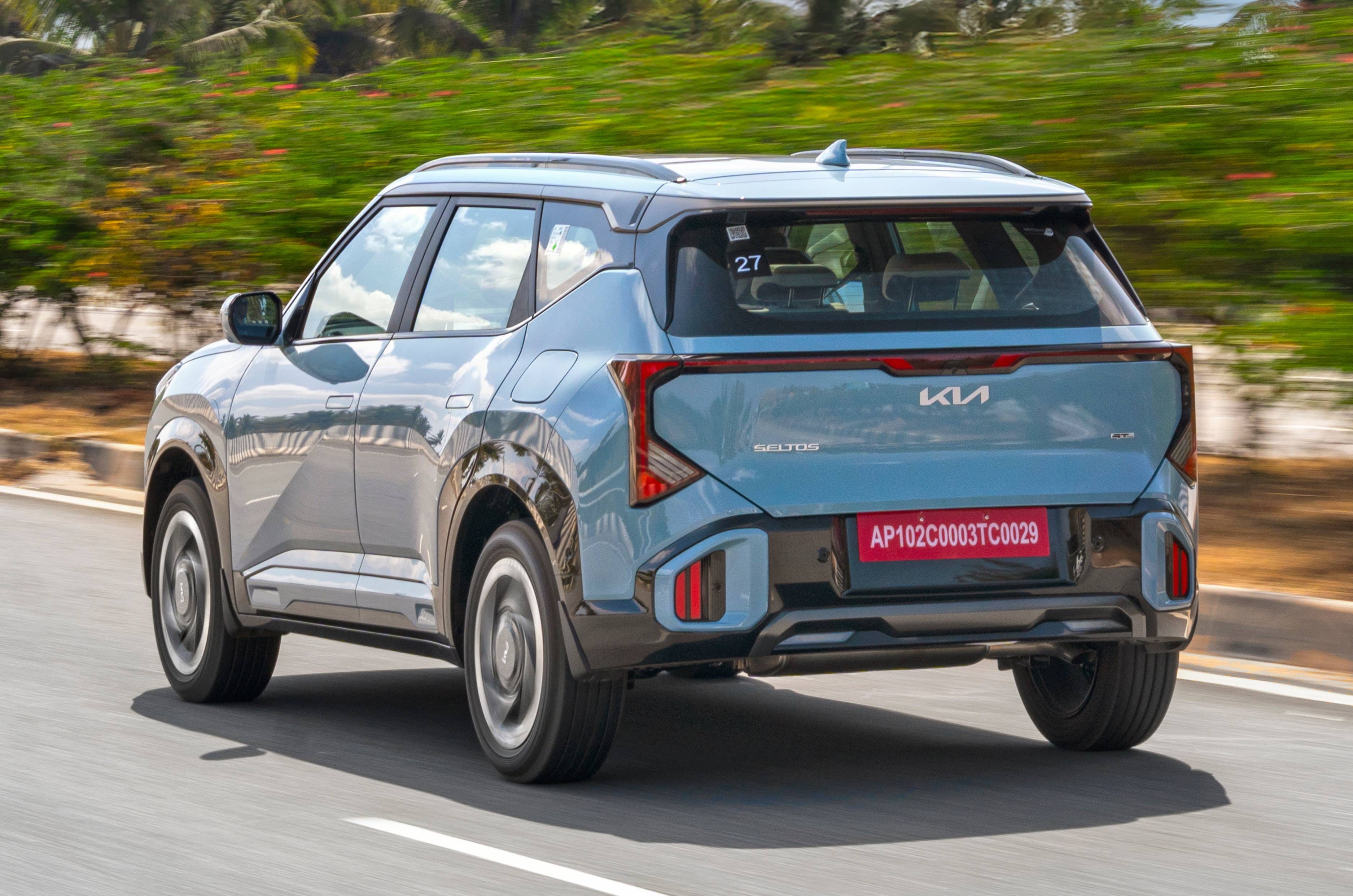
The Kia Seltos comes with two petrol engine options. The more powerful 160hp, 250Nm 1.5-litre turbo-petrol engine is offered with two gearbox options. While the version with a dual-clutch automatic transmission has a claimed fuel efficiency of 17.5kpl, the one with iMT (clutchless manual) returns 15.60kpl, which is almost 2kpl less than the former – the highest difference for any vehicle in the list.
Kia Seltos ARAI mileage for 1.5-litre turbo-petrol engine
iMT claimed mileage
15.60kpl
DCT claimed mileage
17.50kpl
11. Hyundai Creta: 1.5-litre turbo-petrol
Claimed mileage of up to 18.40kpl
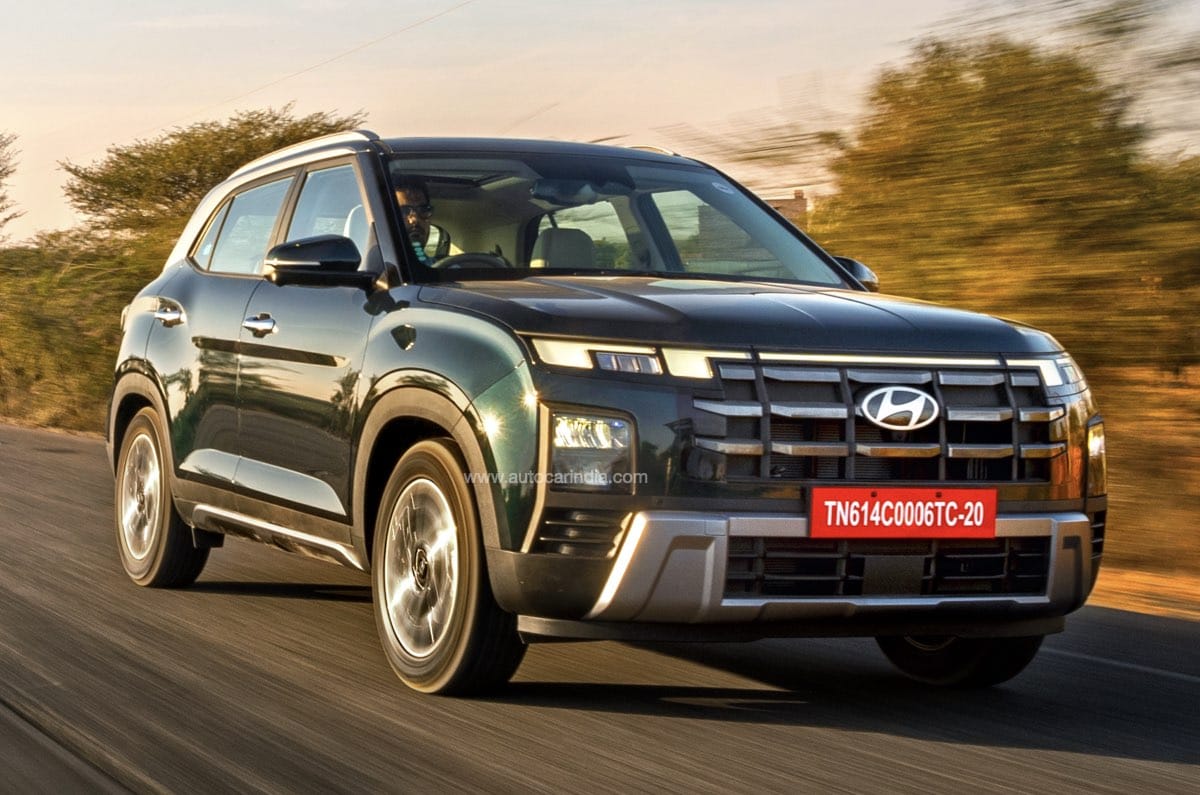
The Hyundai Creta has been the bestselling midsize SUV in India for a long time now. It gets the same turbo-petrol engine as the Seltos with exactly the same outputs, yet it delivers better fuel efficiency figures. This could be because the Creta is smaller than the new Seltos and has a lower kerb weight. While the standard Creta turbo-petrol comes only with a DCT, the Creta N Line is offered with a manual as well.
Hyundai Creta ARAI mileage for 1.5-litre turbo-petrol engine
MT claimed mileage
N-Line: 18kpl
DCT claimed mileage
Standard: 18.4kpl, N-Line: 18.2kpl
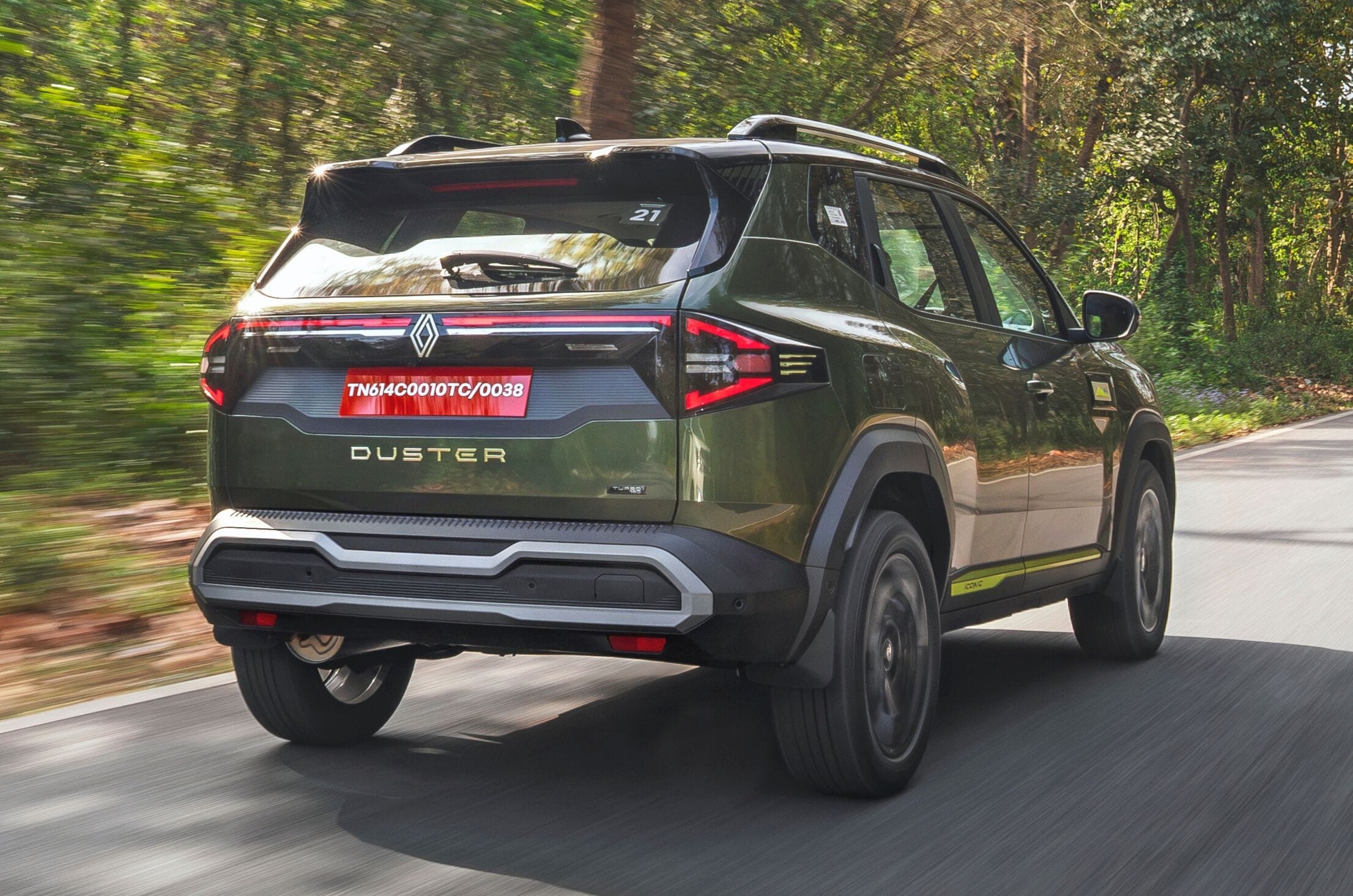
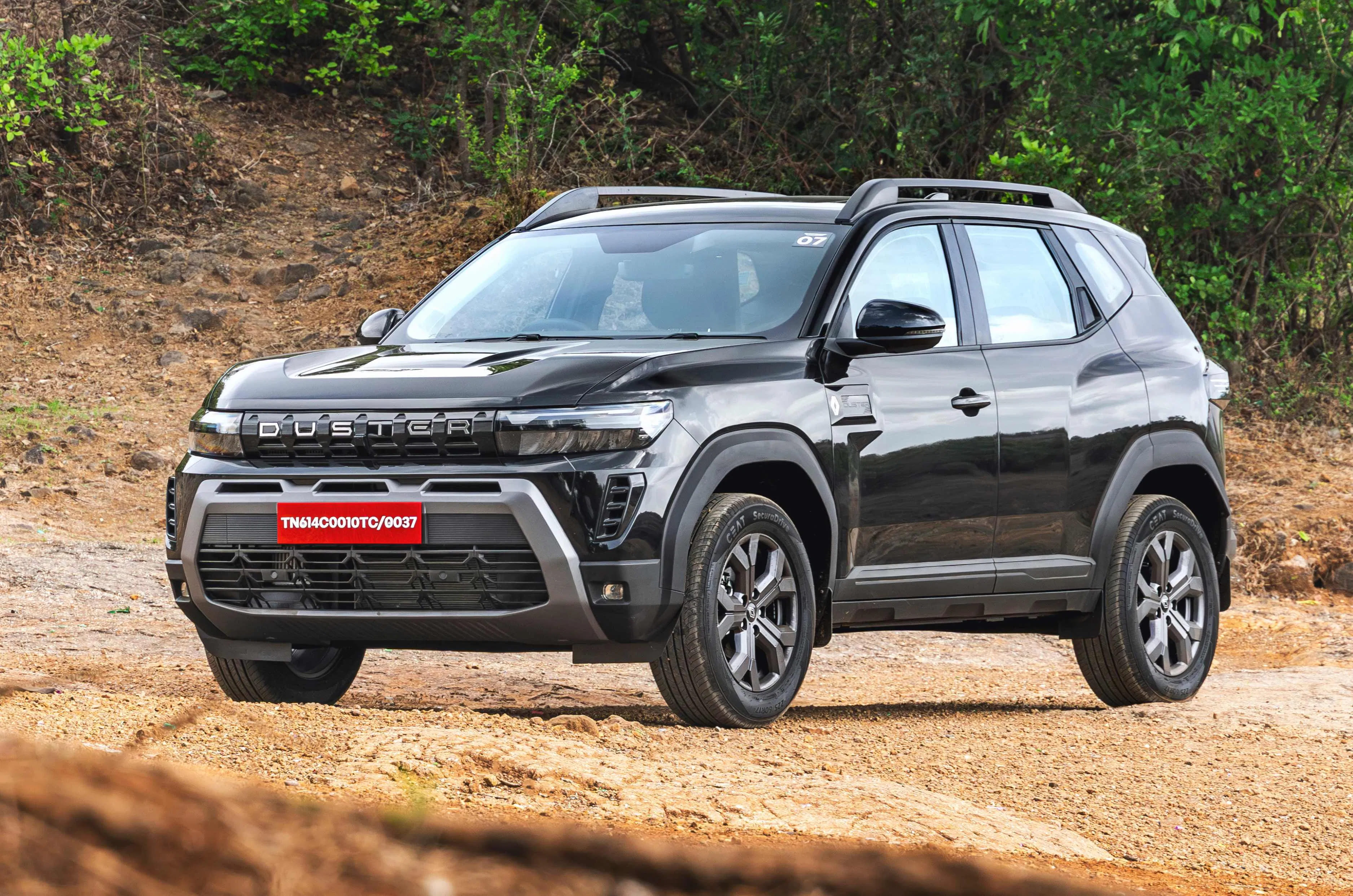
10. Renault Duster: 1.3-litre turbo-petrol
Claimed mileage of up to 18.45kpl
The Duster’s 1.3-litre turbo-petrol engine develops 163hp and 280Nm and is offered with 6-speed manual and 6-speed dual-clutch automatic gearboxes. Interestingly, the DCT version is 0.7kpl more efficient on paper, with a claimed 18.45kpl compared to the manual’s 17.75kpl.
Renault Duster ARAI mileage for 1.3-litre turbo-petrol engine
MT claimed mileage
17.75kpl
AT claimed mileage
18.45kpl
9. Citroen Aircross: 1.2-litre turbo-petrol
Claimed mileage of up to 18.50kpl
The Citroen Aircross is one of the most affordable midsize SUVs in India. It is offered with a choice of naturally aspirated and turbo-petrol engines, the latter of which is available with both manual and automatic transmission options. The Aircross’s turbo-petrol mill produces 110hp, but torque varies by transmission: 190Nm in the manual and 205Nm in the automatic. In terms of ARAI mileage, the manual is 0.9kpl more efficient than the automatic.
Citroen Aircross ARAI mileage for 1.2-litre turbo-petrol engine
MT claimed mileage
18.5kpl
AT claimed mileage
17.6kpl
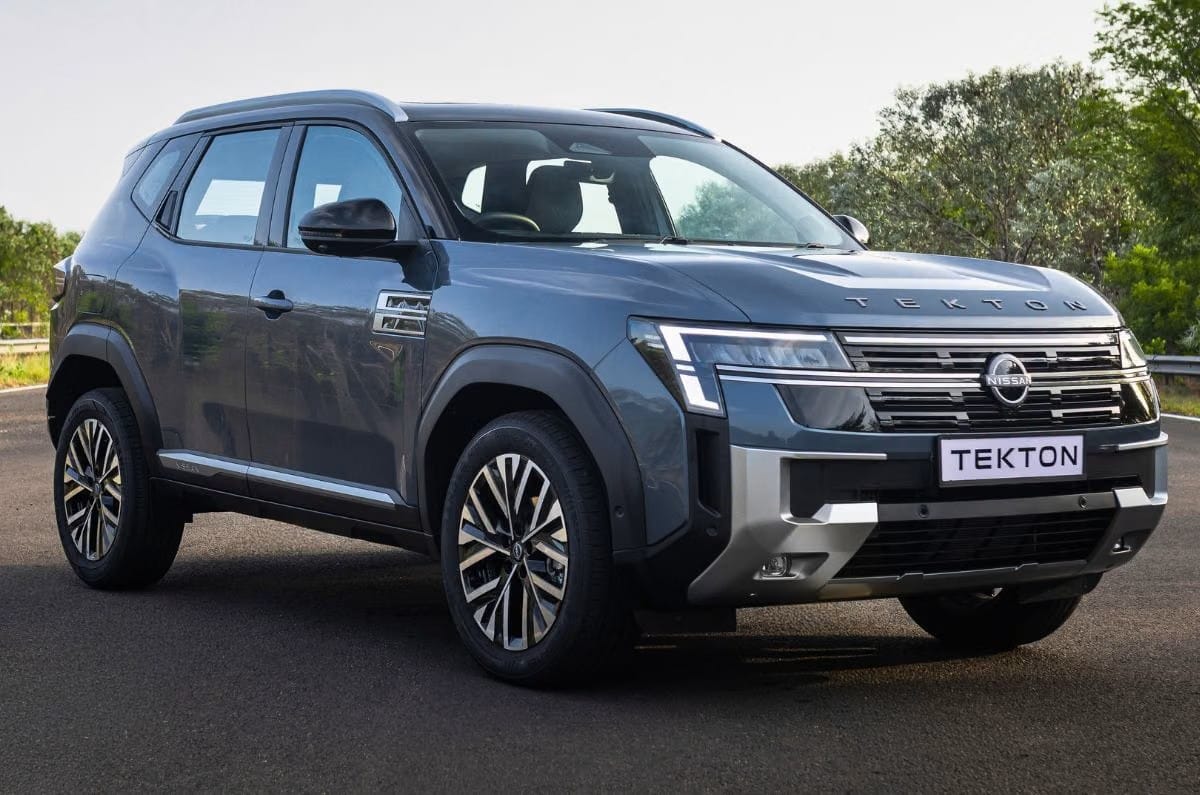
8. Nissan Tekton: 1.3-litre turbo-petrol
Claimed mileage of up to 18.50kpl
The Nissan Tekton shares its 1.3-litre turbo-petrol engine with the Renault Duster, producing the same 163hp and 280Nm. It is also offered with 6-speed manual and 6-speed dual-clutch automatic gearbox options. The DCT is the more fuel-efficient version, with a claimed 18.5kpl, while the manual returns 17.8kpl. This puts the Tekton’s automatic marginally ahead of the equivalent Duster DCT, which is rated at 18.45kpl.
Nissan Tekton ARAI mileage for 1.3-litre turbo-petrol engine
MT claimed mileage
17.8kpl
DCT claimed mileage
18.5kpl
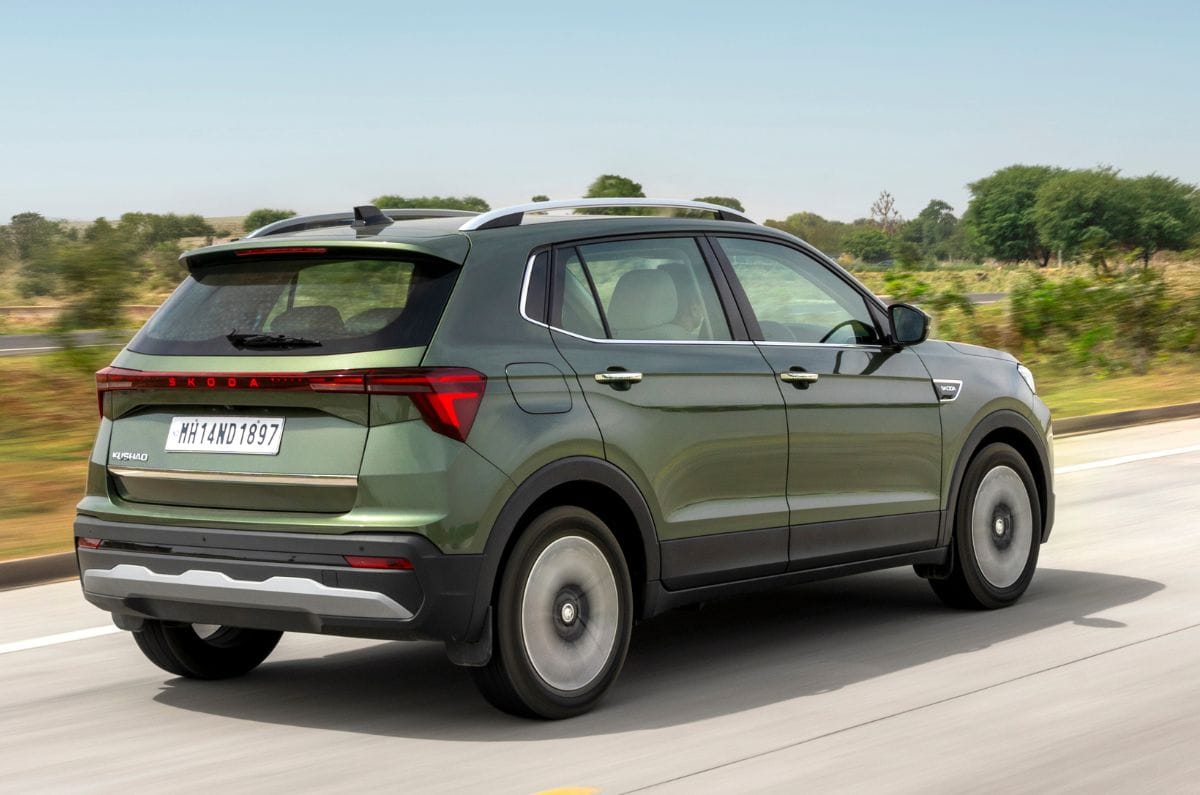
7. Skoda Kushaq: 1.5-litre turbo-petrol
Claimed mileage of 18.72kpl
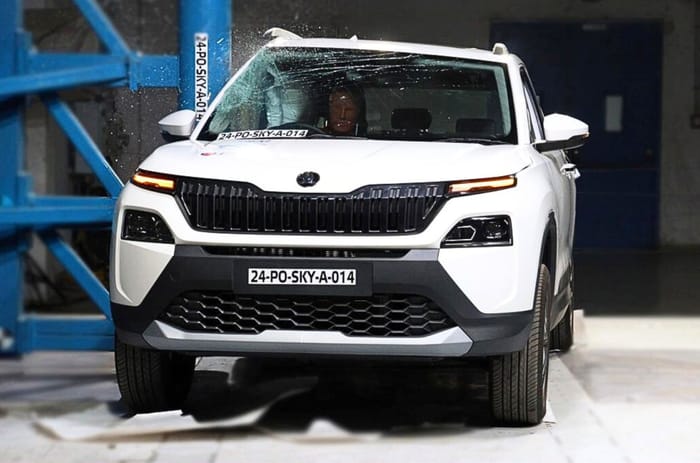
The Skoda Kushaq is offered with two turbo-petrol engine options: a 1.0-litre and a 1.5-litre. Among these, the 1.5-litre engine is more powerful with outputs of 150hp and 250Nm torque. However, it is only paired with a 7-speed DCT gearbox, as a 6-speed manual, originally offered with the Kushaq since its introduction in 2021, was discontinued in late 2024.
Skoda Kushaq ARAI mileage for 1.5-litre turbo-petrol engine
DCT claimed mileage
18.72kpl
6. Volkswagen Taigun: 1.5-litre turbo-petrol
Claimed mileage of 18.85kpl
The Kushaq’s 1.5-litre turbo-petrol engine is also available on the Volkswagen Taigun in the same state of tune, that too with only the DCT option. However, the Taigun is 0.13kpl more efficient, likely because it has a kerb weight of up to 1,320kg, which is 2 kg lighter than the Kushaq with a similar powertrain.
Volkswagen Taigun ARAI mileage for 1.5-litre turbo-petrol engine
DCT claimed mileage
18.85kpl
5. Nissan Tekton: 1.0-litre turbo-petrol
Claimed mileage of 19.40kpl
The Tekton’s smaller 1.0-litre three-cylinder turbo-petrol engine develops 100hp and 166Nm and is currently paired only with a 6-speed manual gearbox. With a claimed fuel efficiency of 19.4kpl, it is 1.6kpl more frugal than the Tekton’s 1.3-litre turbo-manual and sits close to the similarly powered Duster’s 19.41kpl figure.
Nissan Tekton ARAI mileage for 1.0-litre turbo-petrol engine
MT claimed mileage
19.40kpl
4. Renault Duster: 1.0-litre turbo-petrol
Claimed mileage of 19.41kpl
The Duster’s 100hp, 166Nm 1.0-litre turbo-petrol engine is paired with a 6-speed manual gearbox and returns a claimed 19.41kpl. It is just 0.01kpl more efficient than the Tekton with the same engine and gearbox combination.
Renault Duster ARAI mileage for 1.0-litre turbo-petrol engine
MT claimed mileage
19.41kpl
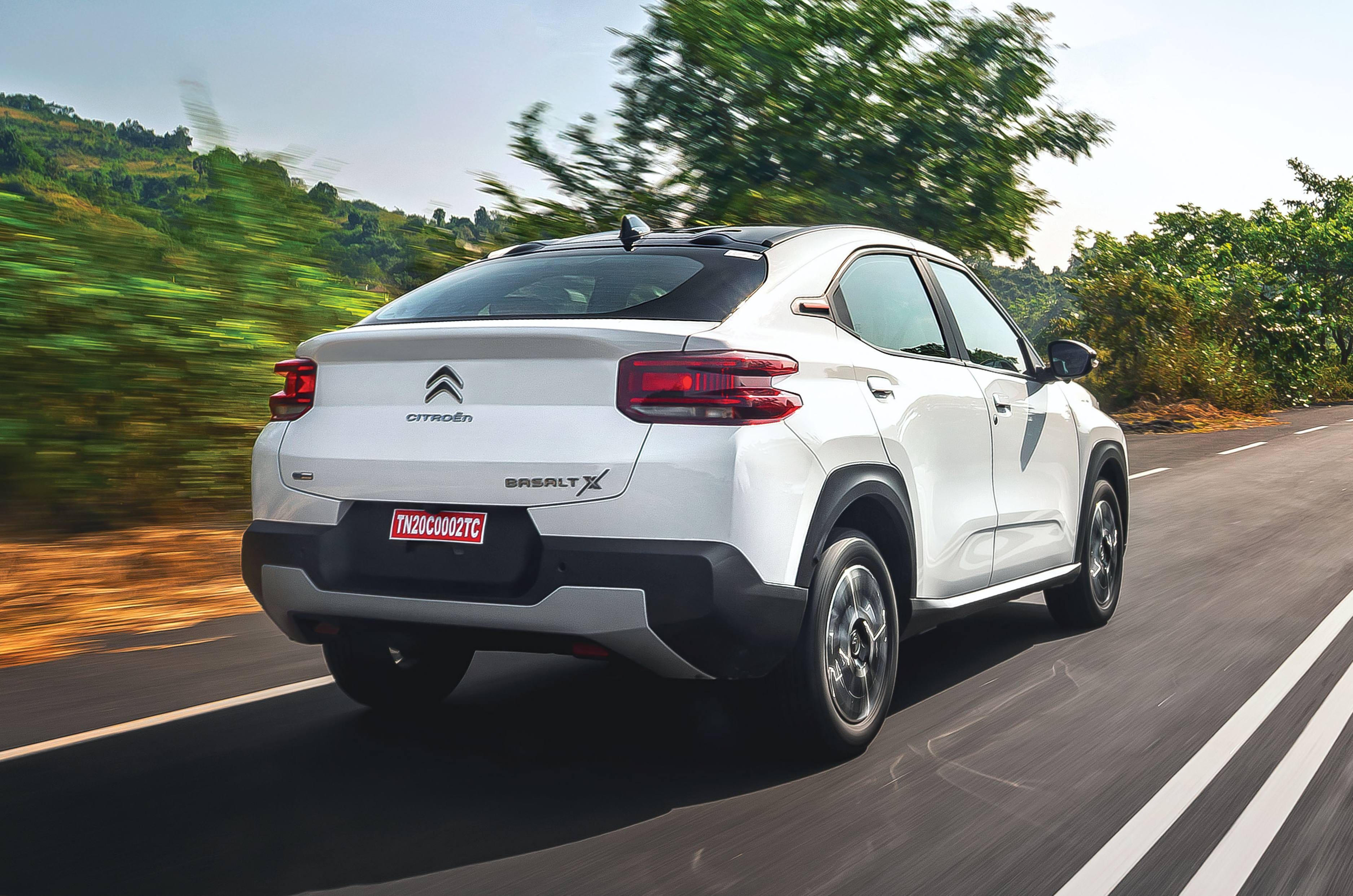
3. Citroen Basalt: 1.2-litre turbo-petrol
Claimed mileage of up to 19.50kpl
The Citroen Basalt gets the same 1.2-litre turbo-petrol engine as the Aircross, but it is more efficient – by 1kpl in the MT version and by 1.1kpl in the AT guise. This could be because of its more aerodynamic coupe-SUV shape, making it one of the only two midsize offerings currently featuring this body style. Moreover, the Aircross is offered with an optional third row, taking its kerb weight to 1,320kg, which is 80kg more than the Basalt’s. Even in its 5-seater configuration, the Aircross weighs 35kg more than the Basalt.
Citroen Basalt ARAI mileage for 1.2-litre turbo-petrol engine
MT claimed mileage
19.5kpl
AT claimed mileage
18.7kpl
2. Skoda Kushaq: 1.0-litre turbo-petrol
Claimed mileage of up to 19.66kpl
The Skoda Kushaq’s 116hp 1.0-litre turbo-petrol engine is offered with an 8-speed torque-converter automatic, but unlike the bigger 1.5-litre engine, it is available with a 6-speed manual option as well. The manual version is 0.57kpl more frugal than the automatic one, mainly because of its 35kg lighter weight.
Skoda Kushaq ARAI mileage for 1.0-litre turbo-petrol engine
MT claimed mileage
19.66kpl
AT claimed mileage
19.09kpl
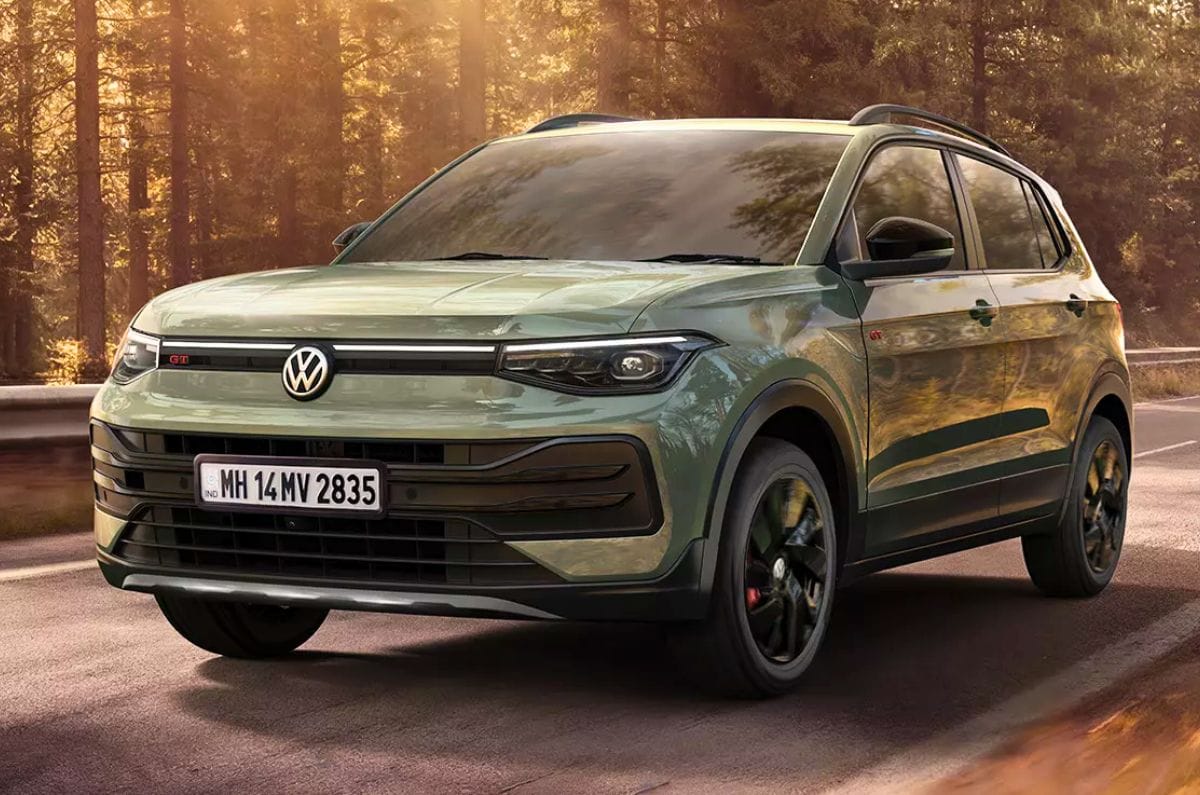
1. Volkswagen Taigun: 1.0-litre turbo-petrol
Claimed mileage of up to 19.98kpl
With the same 1.0-litre turbo-petrol engine as the Kushaq but higher claimed mileage figures of 19.98kpl with a manual transmission and 19.54kpl with an automatic gearbox, the Volkswagen Taigun is the most fuel-efficient turbo-petrol midsize SUV in India. As with the weight difference between their 1.5-litre versions, the Taigun’s 1.0-litre TSI variants are up to 17kg lighter than the Kushaq with the same powertrain, which explains the higher ARAI-rated mileage.
Volkswagen Taigun ARAI mileage for 1.0-litre turbo-petrol engine
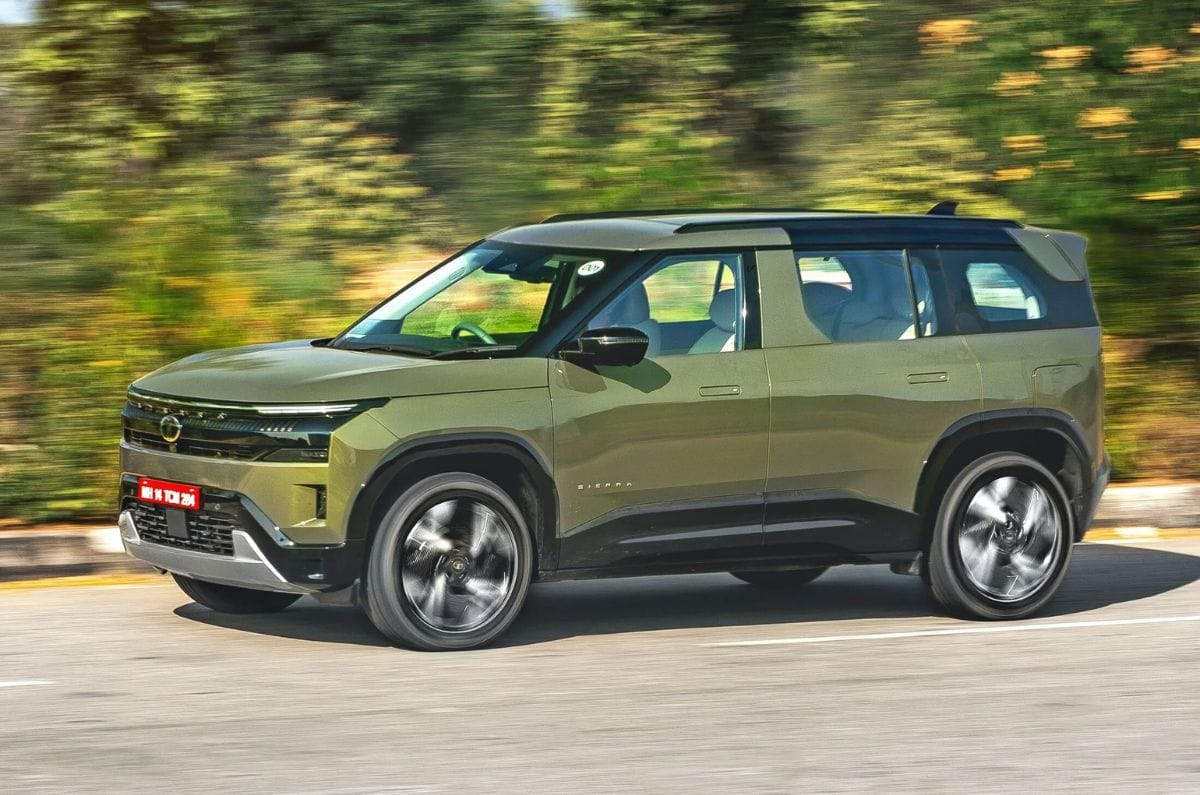
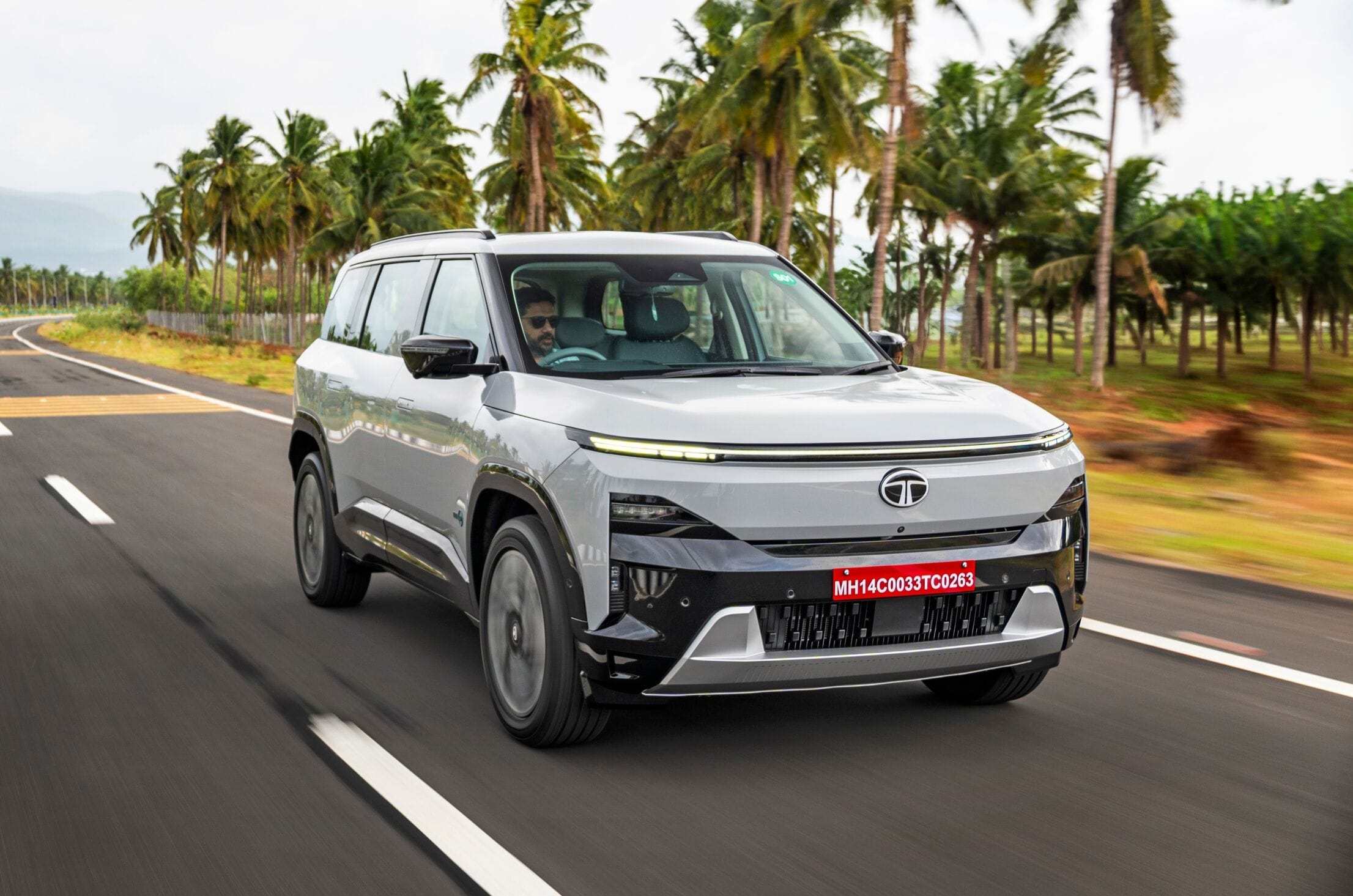
We’ve said in the past, the Sierra is the best Tata model on sale currently, representing the best of the brand’s learnings over the years. We’ve also said Tata’s electric powertrains are better than the equivalent combustion engines on offer. So, combine the two, and it’s undoubtedly a winning formula. But with EV tech and customer expectations moving so rapidly these days, is that necessarily a foregone conclusion?
2026 Tata Sierra EV exterior design and engineering – 9/10
Retains the ICE version’s sharp looks and practicality while incorporating a large battery.
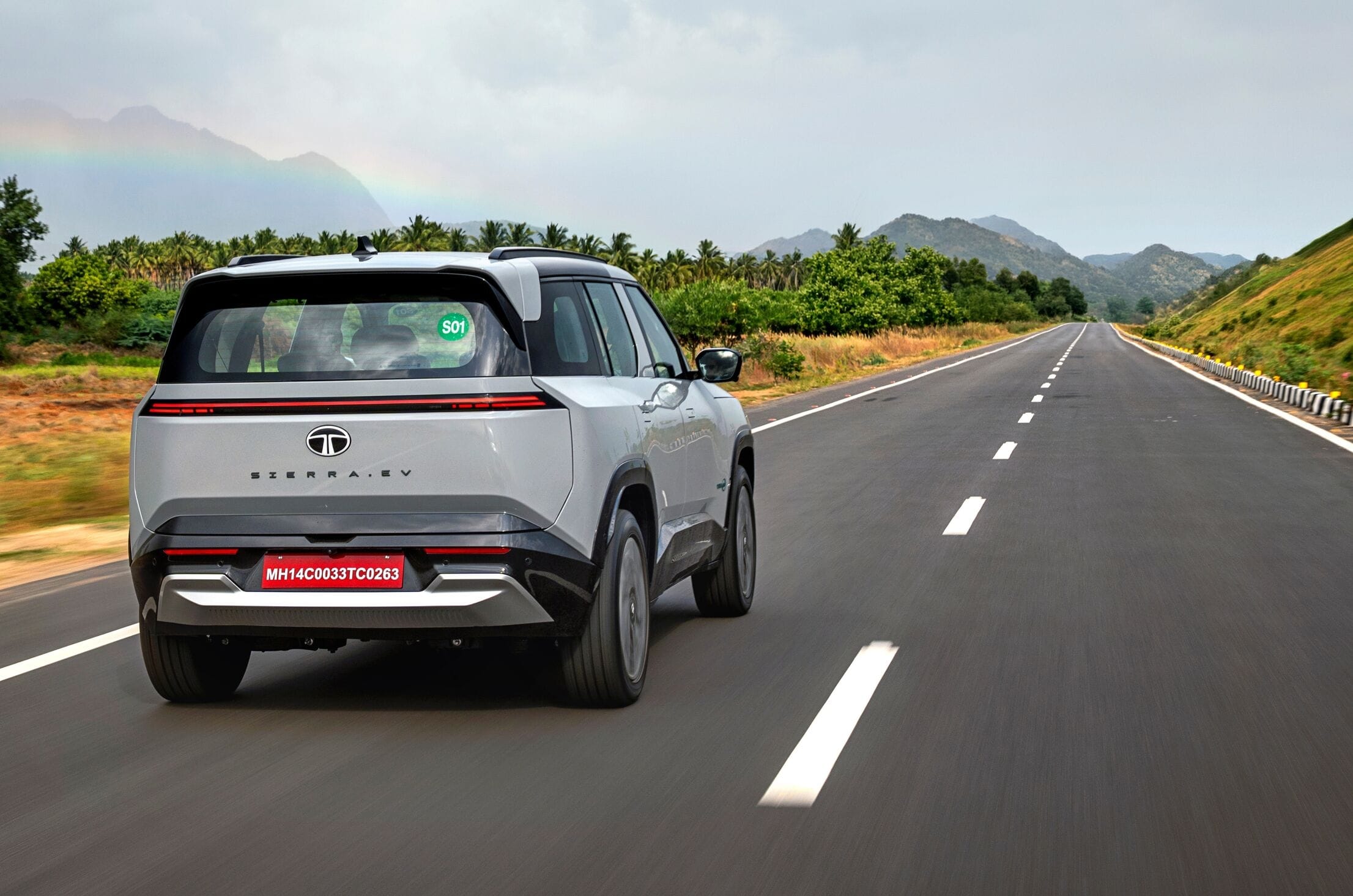
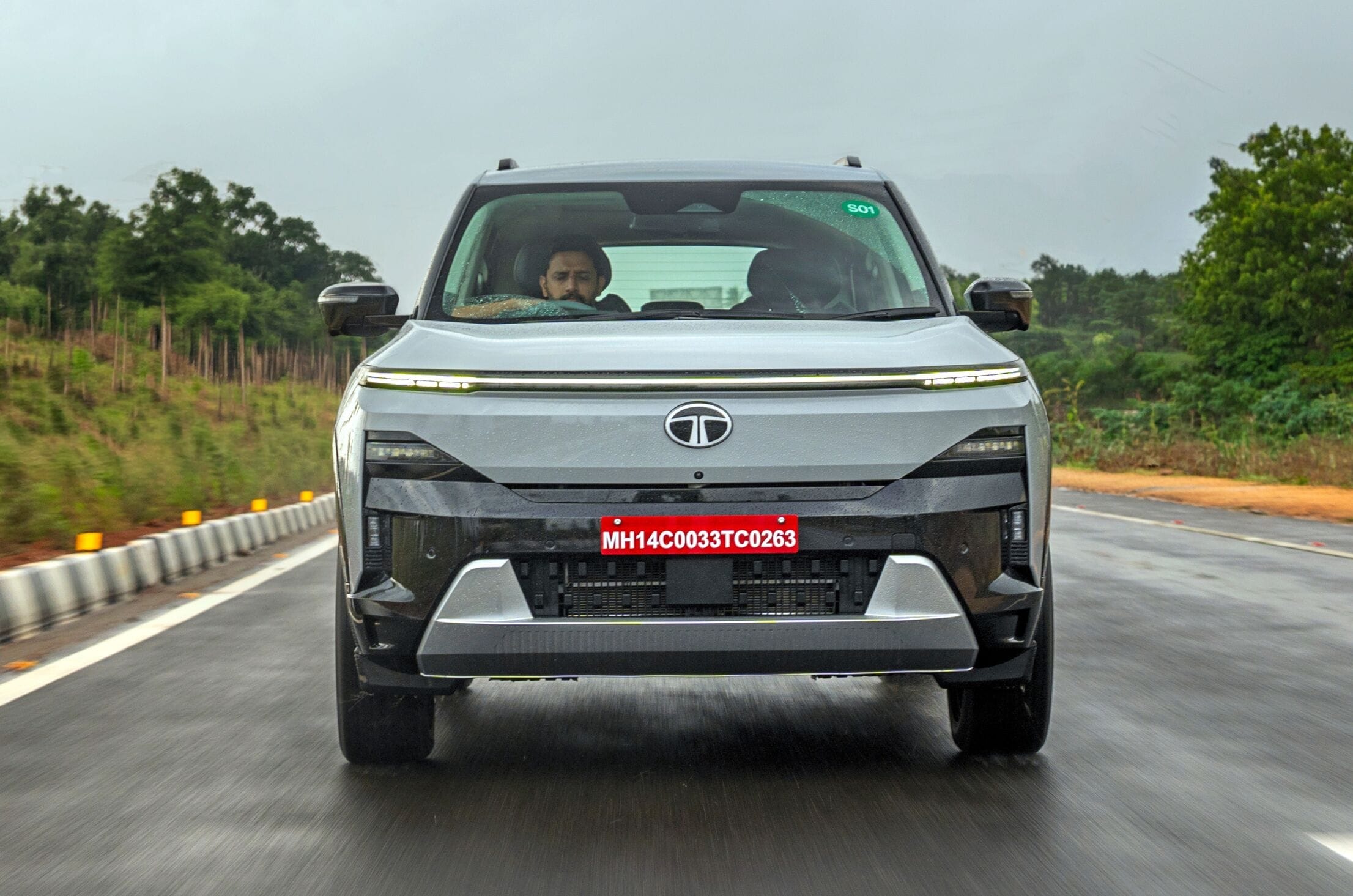
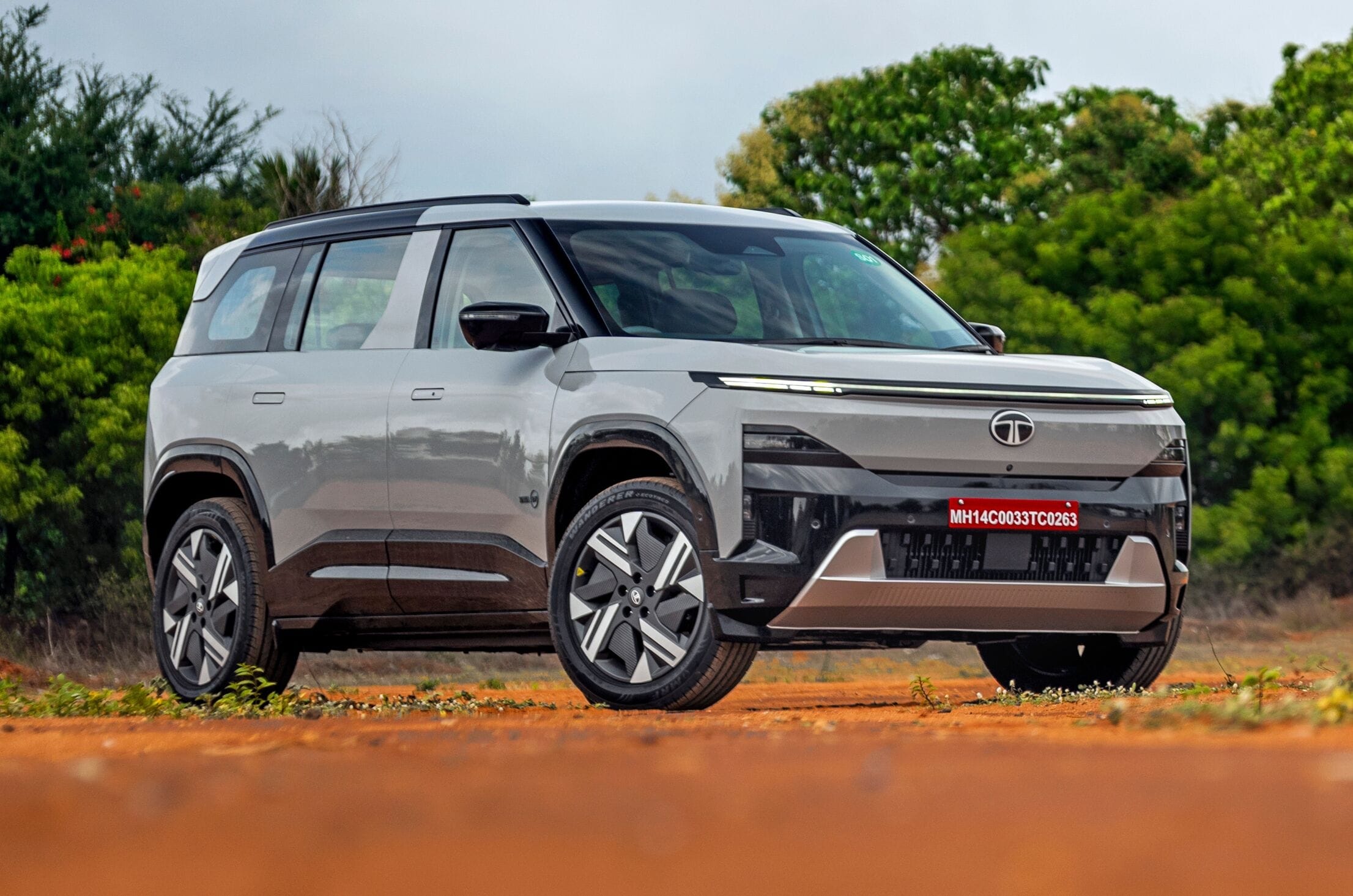
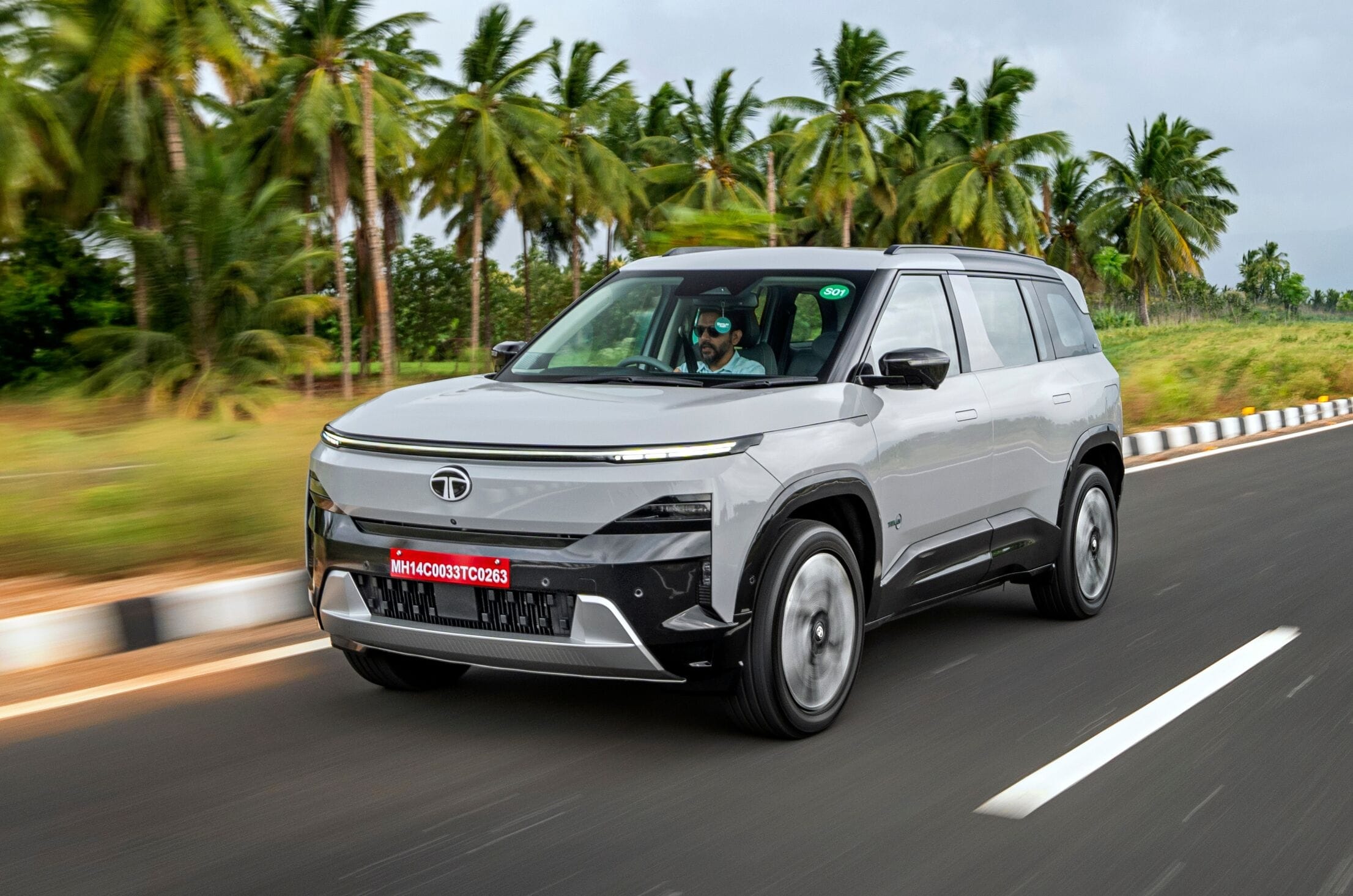
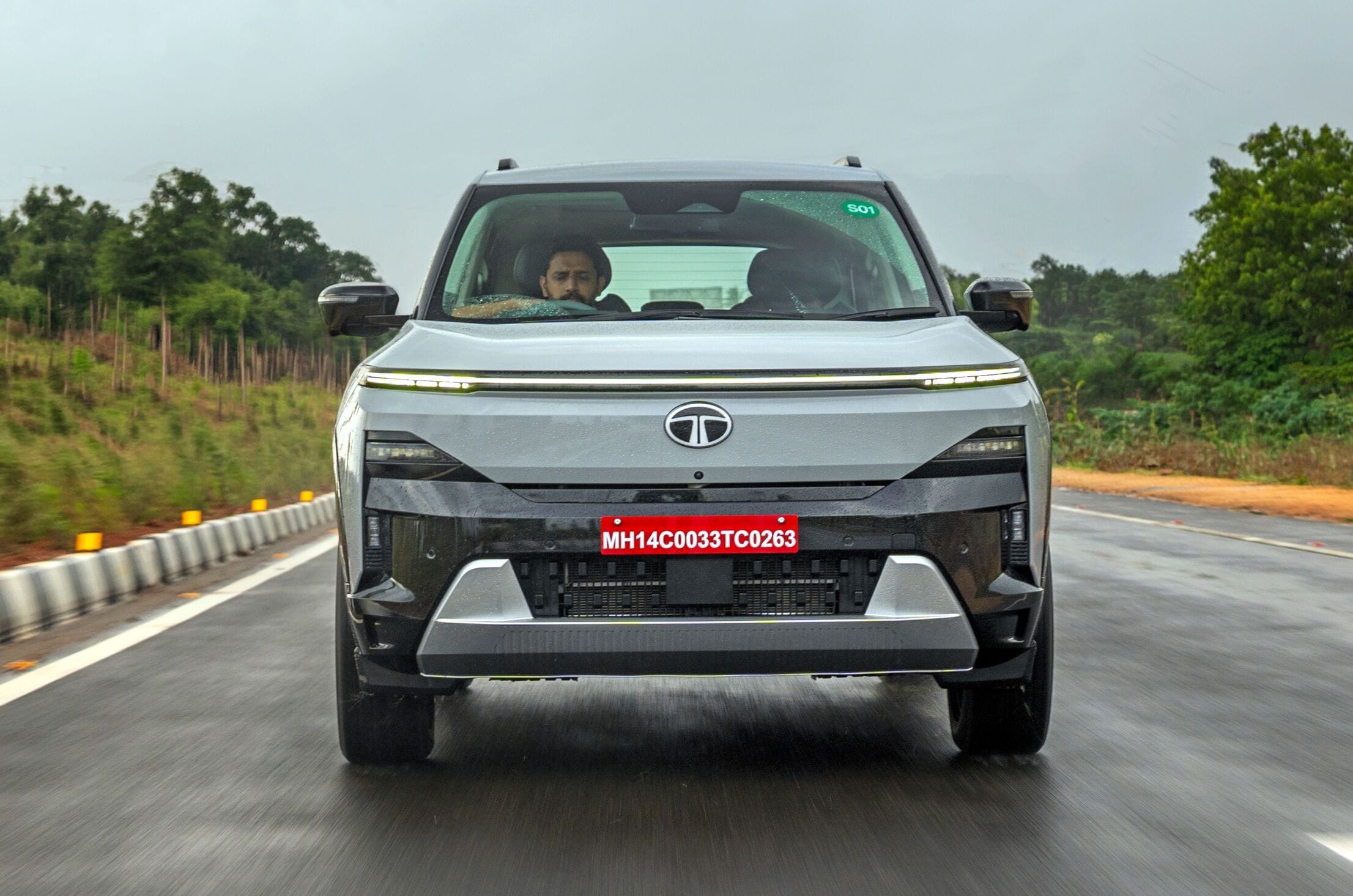
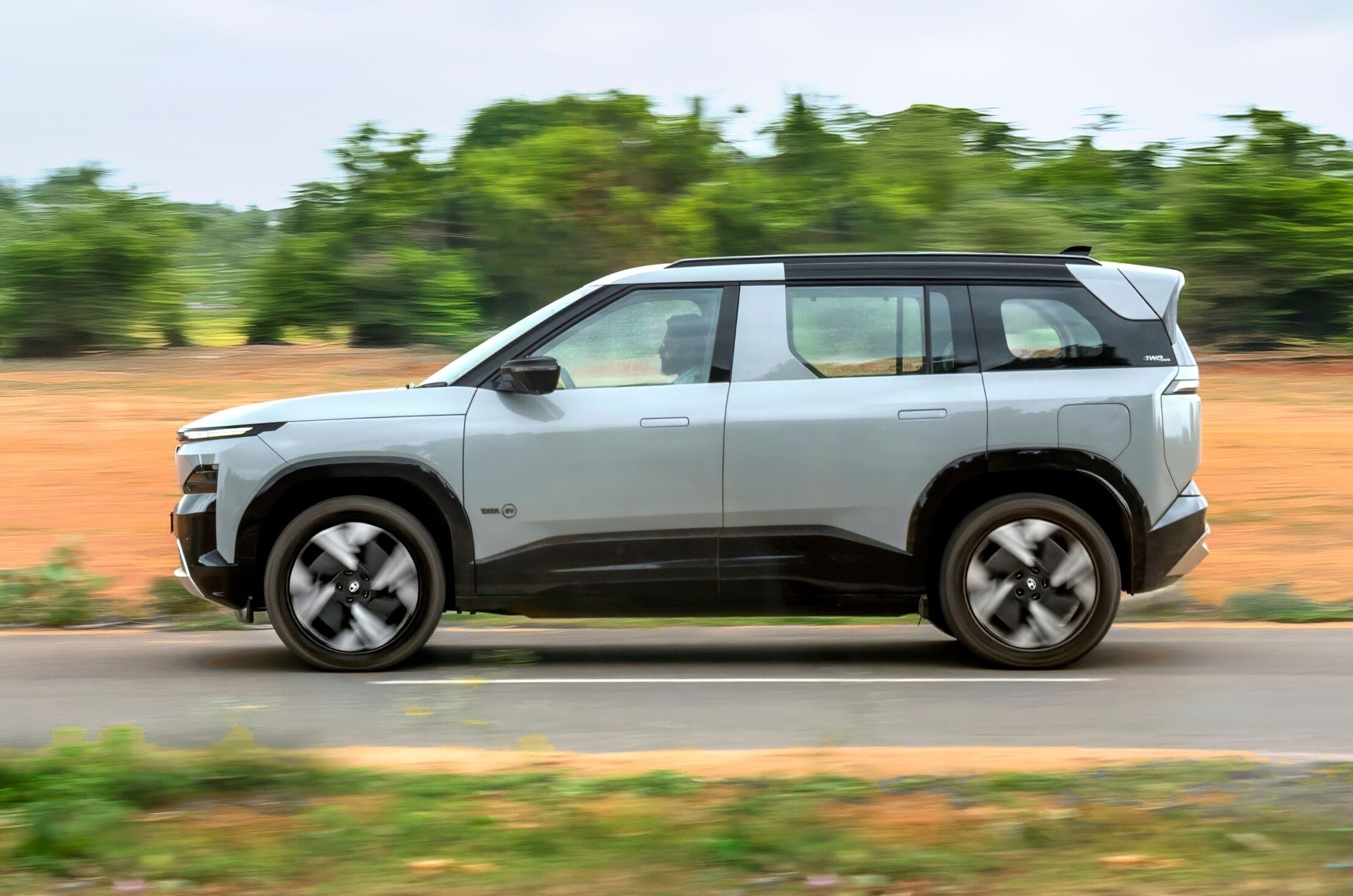
The new Sierra is a bold piece of design, and this has been carried over to – and perhaps even improved – on the electric version. It’s a welcome departure from the notion that all EVs need to be shaped like bars of soap for better aero efficiency. Instead, it is upright and boxy, albeit smoothed out just enough for air to flow over it a bit better.
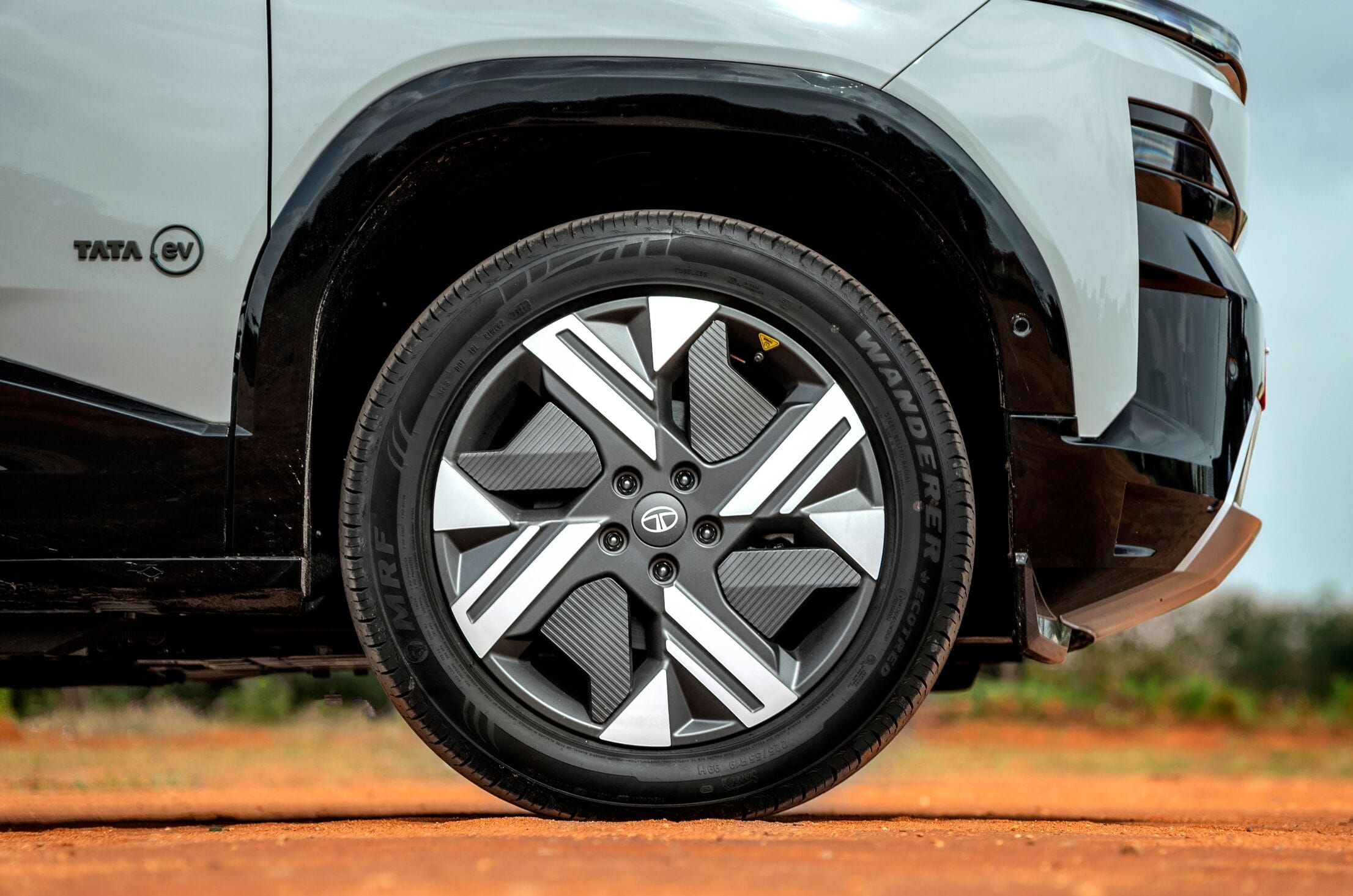
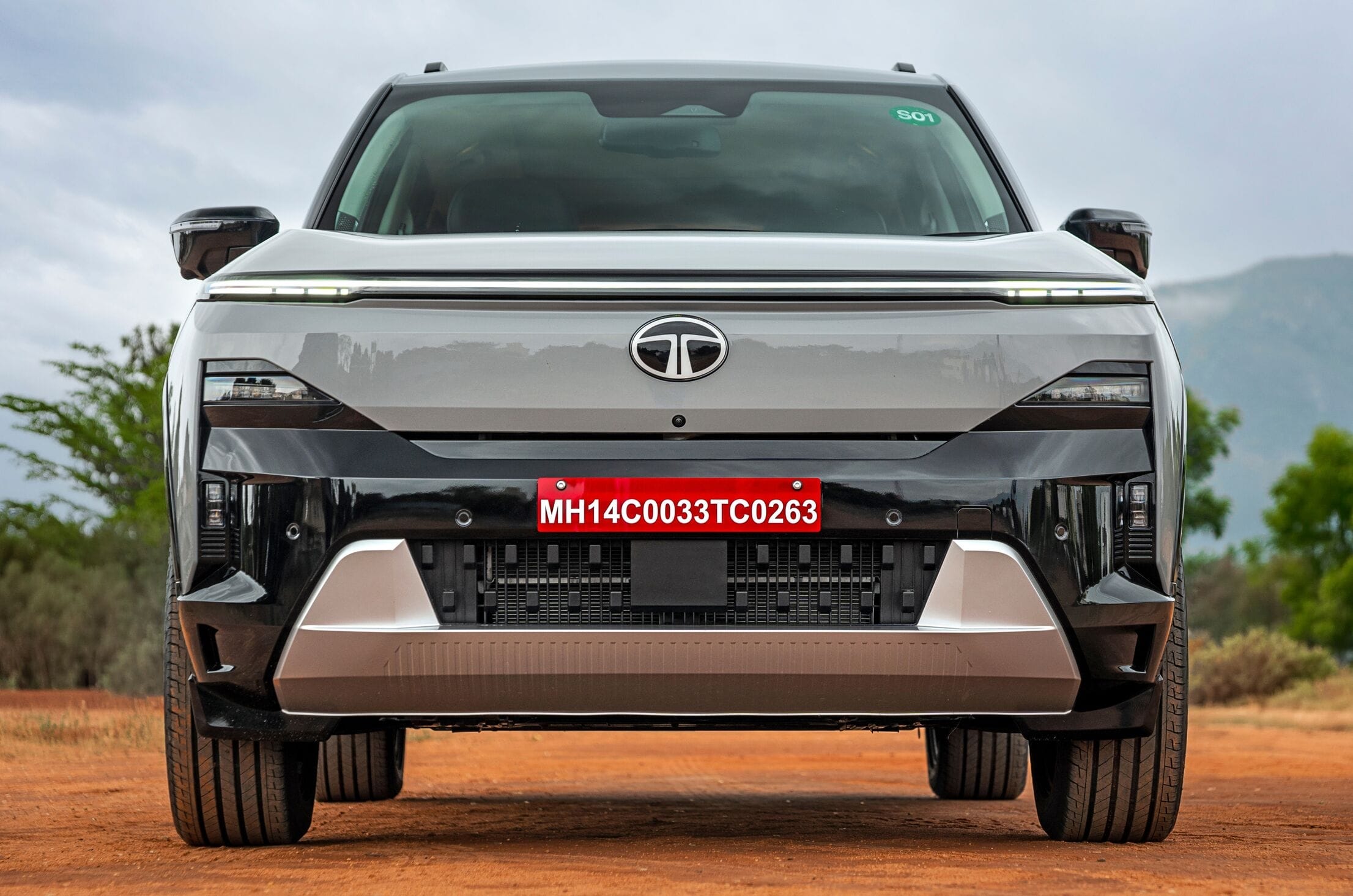
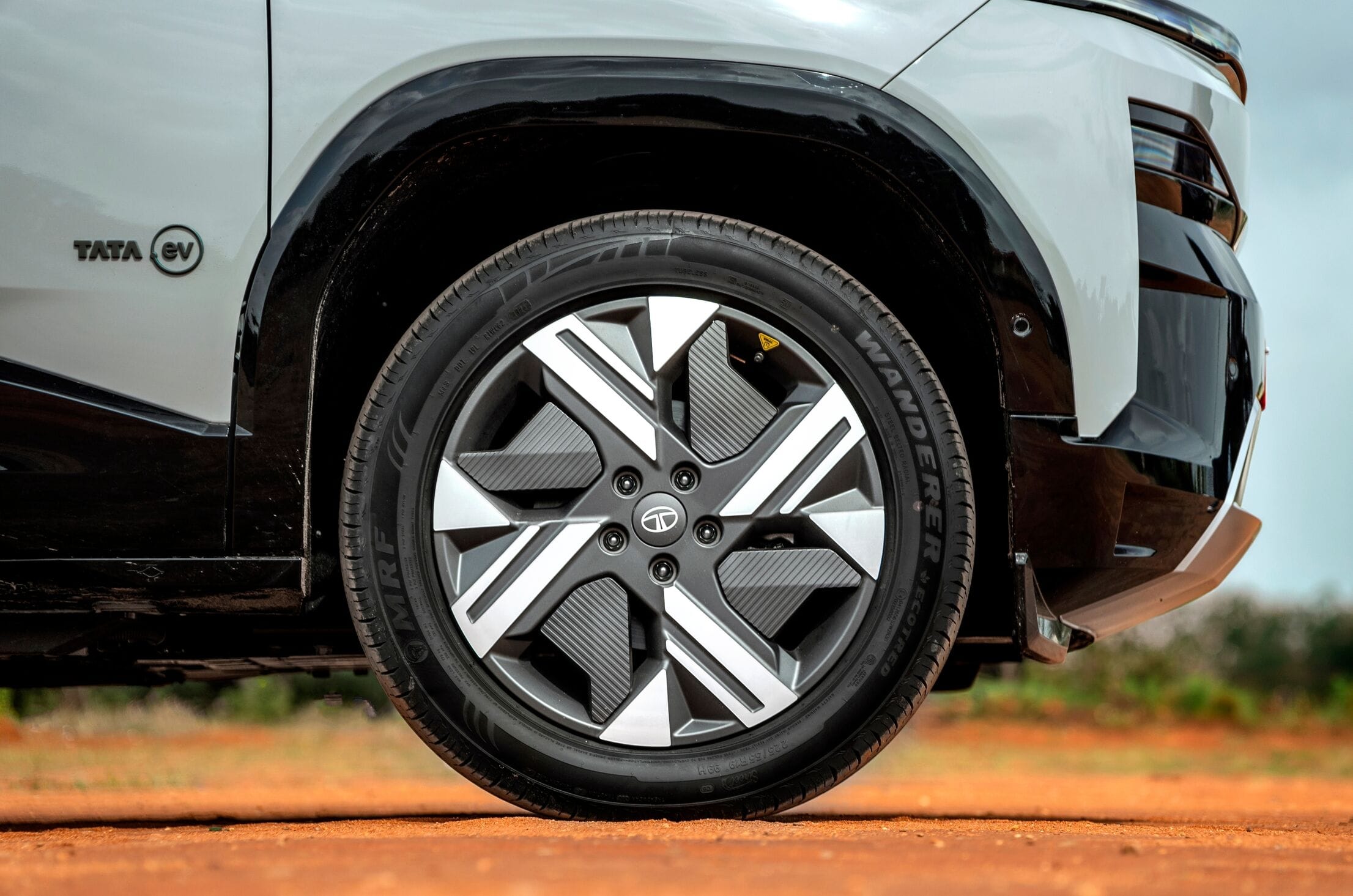
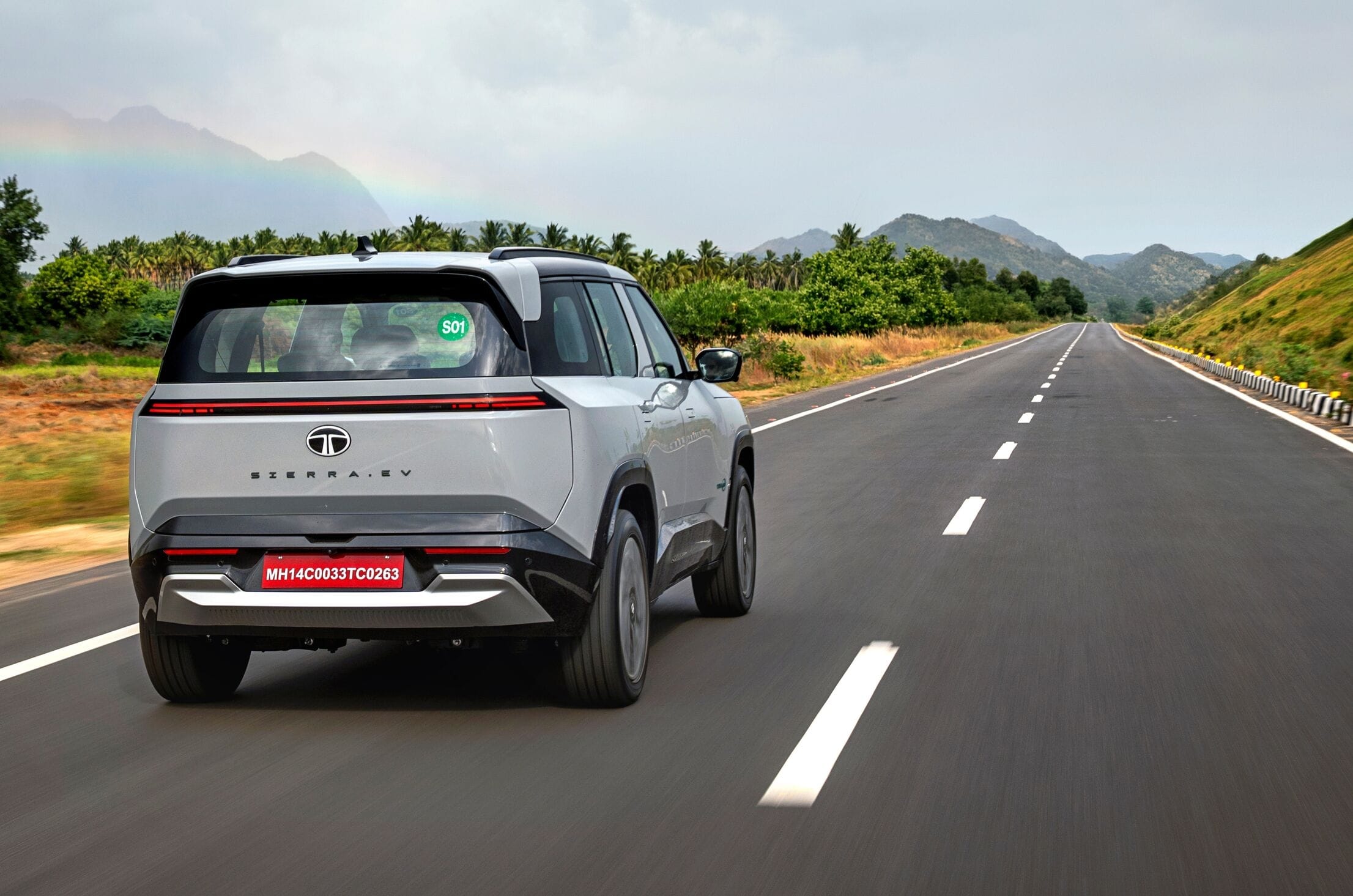
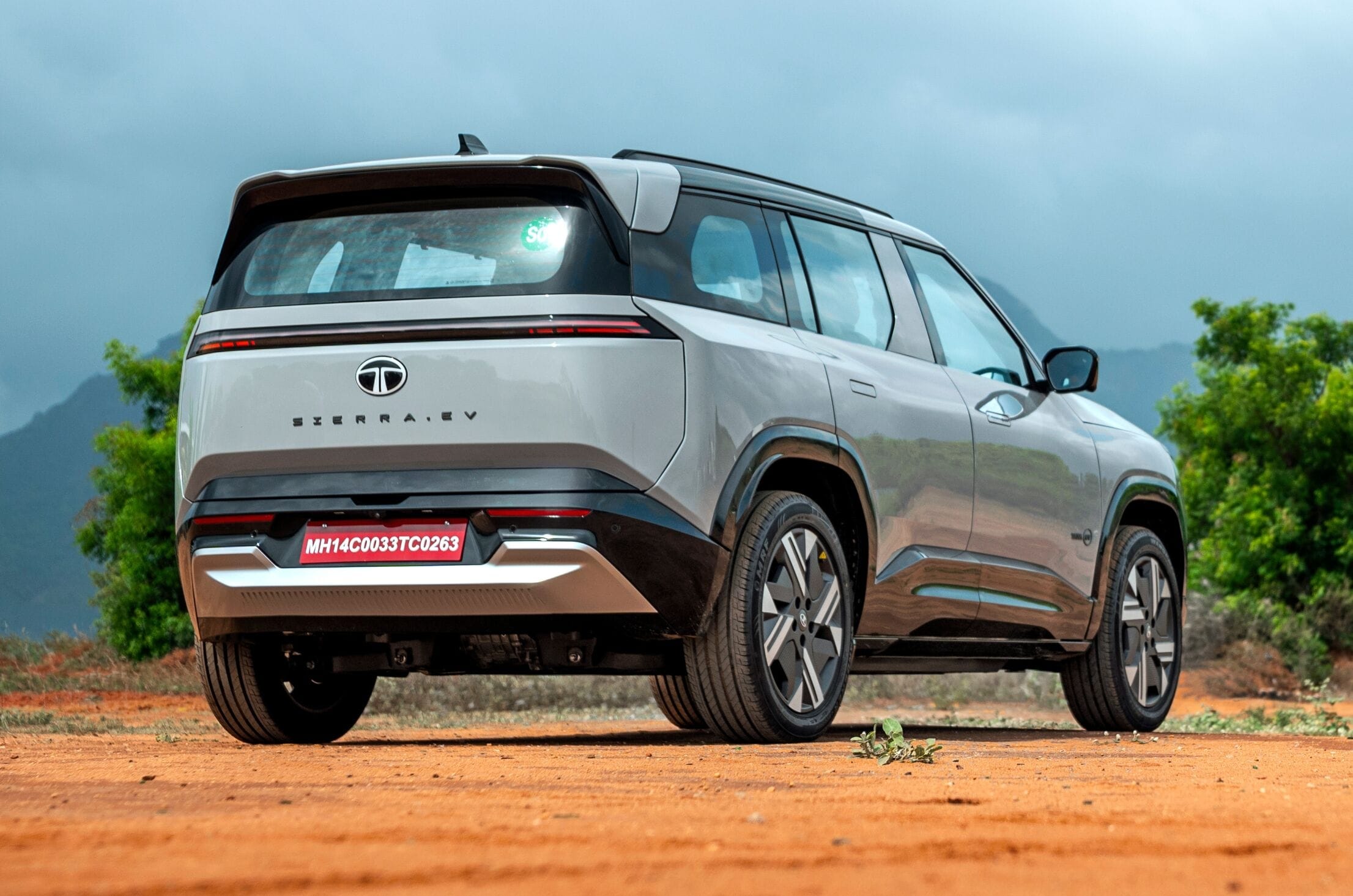
The difference is up front, where the gloss black surround for the headlamps found in the ICE version has been replaced by a body-coloured panel to give that EV-typical ‘grille-less’ look. For contrast, the gloss black treatment has been applied lower down in the bumper instead. Perhaps the wheels could have been more different – they are the same design as the ICE model, albeit in a matte finish rather than gloss. The badges now say ‘Sierra.ev’ on the sides and rear, and have a blue-coloured outer edge.
To the untrained eye, it might not immediately be apparent which version is which, but conversely, this is unmistakably a Sierra, and that is perhaps more important.
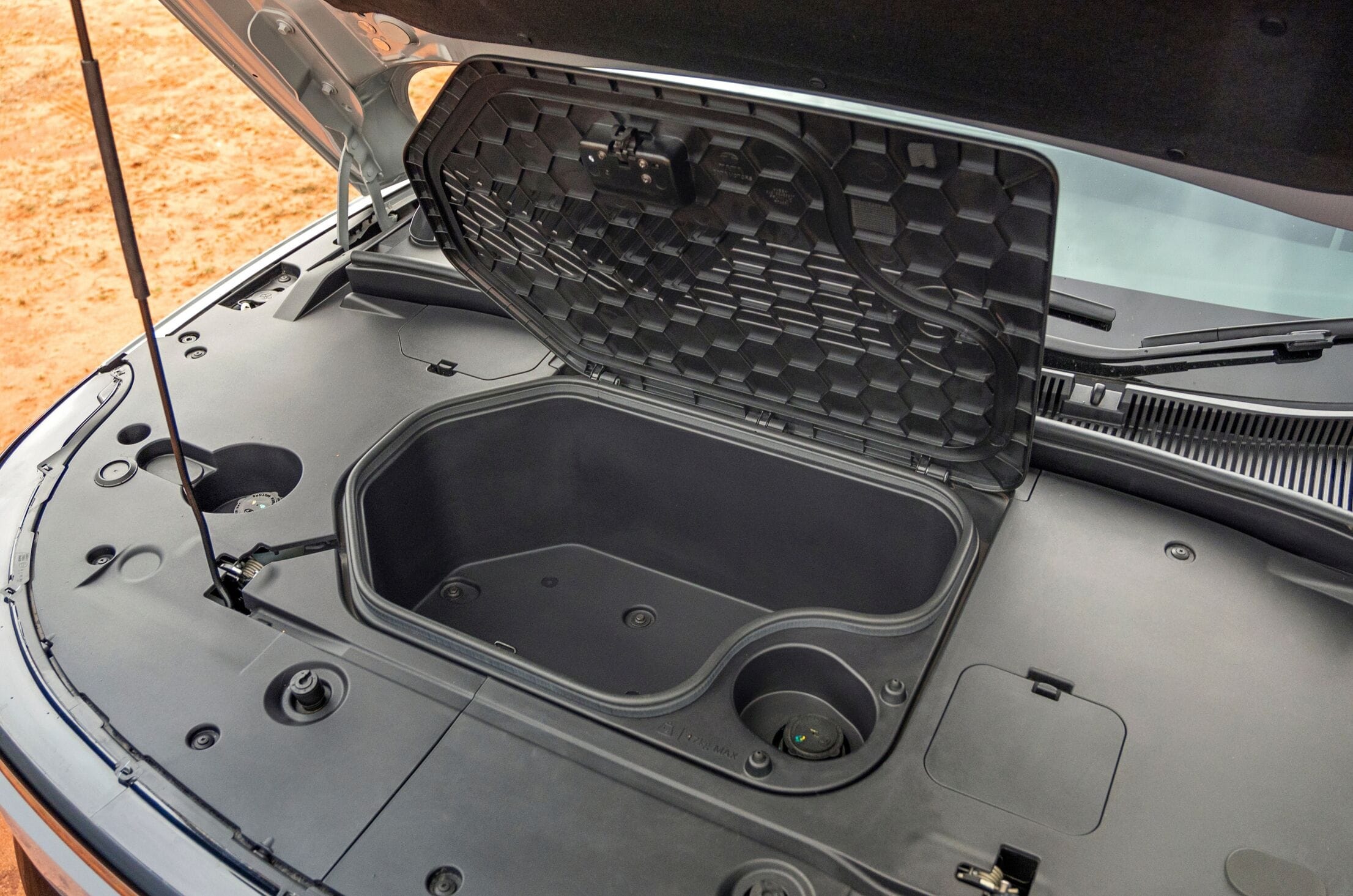
Little practicality has been lost in the move to electric; in fact, some has been gained. Almost as if to drive the point home that, despite the similar looks, this is a pure EV underneath, it gets a frunk that holds 55 litres in the single-motor models, and 35 litres in the dual-motor version. Good enough for the charging cable or small valuables you don’t want to keep in the main boot.
There’s also still 205mm of ground clearance, despite the battery pack, and thanks to its use of prismatic cells and C2P (cell to pack) packaging, it doesn’t weigh or impede on cabin and boot space as much as conventional batteries of similar capacity (like the ones in the Harrier EV).
2026 Tata Sierra EV interior space and comfort – 7/10
Superb space and comfort, though quality inconsistencies and ergonomic gaffes remain.
However, while boot space has been retained at a cavernous 622 litres (floor to roof), a casualty of the battery pack is the spare wheel, which was previously mounted under the body. You now only get a puncture repair kit.
There’s seemingly no compromise to space or comfort in the cabin in the move to electric power. Engineers say the floor height has gone up by less than an inch compared to the ICE Sierra, and in truth there is no perceptible difference when you’re sat in the back seat. It remains spacious and comfortable, and even gets a small amount of backrest recline. The awkward L-shaped B-pillar returns, leaving a conspicuous gap next to the sun blind that could have easily been avoided. As before, you get a gigantic sunroof on top-spec trims that lets in a lot of light.
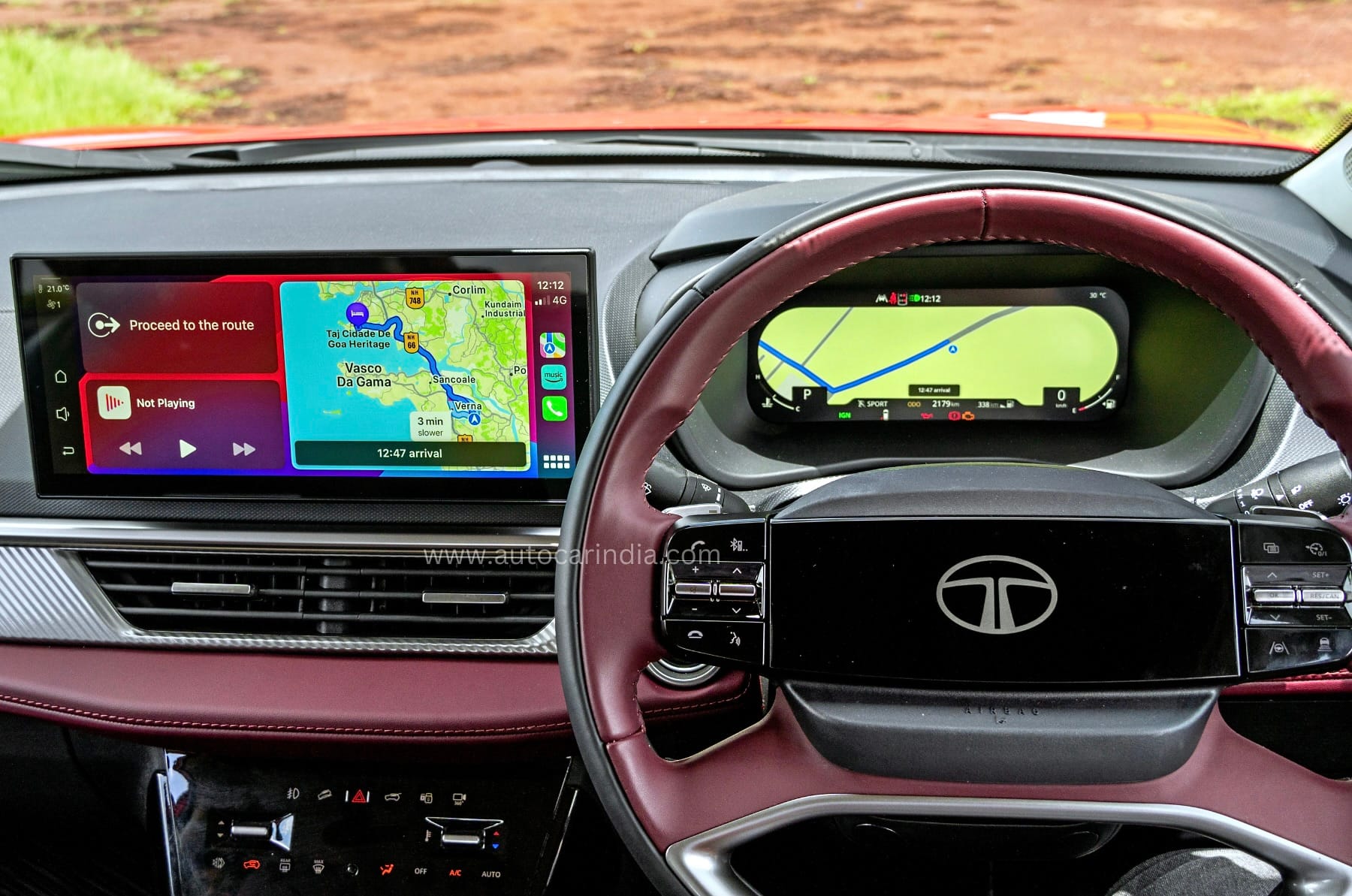
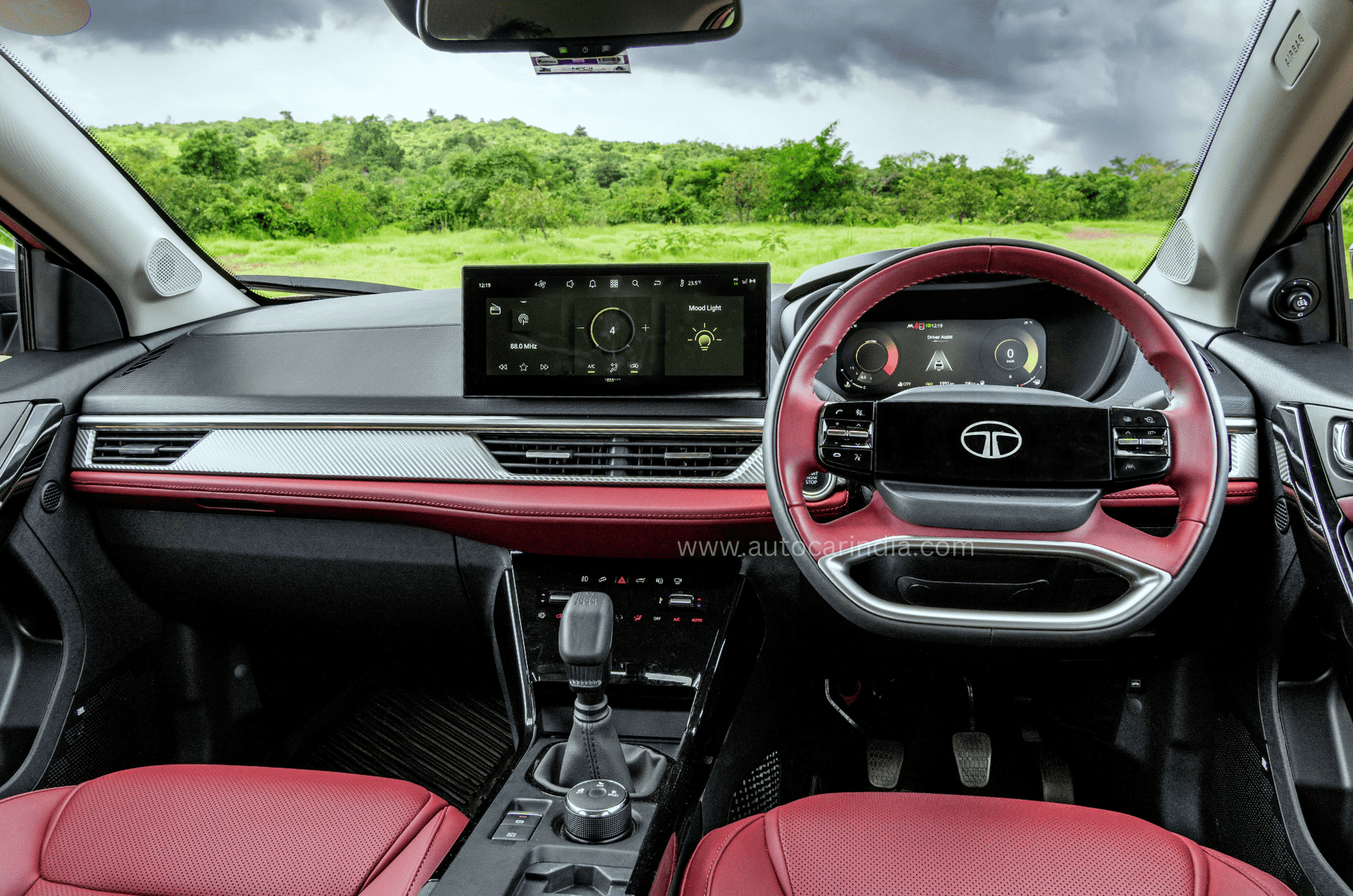
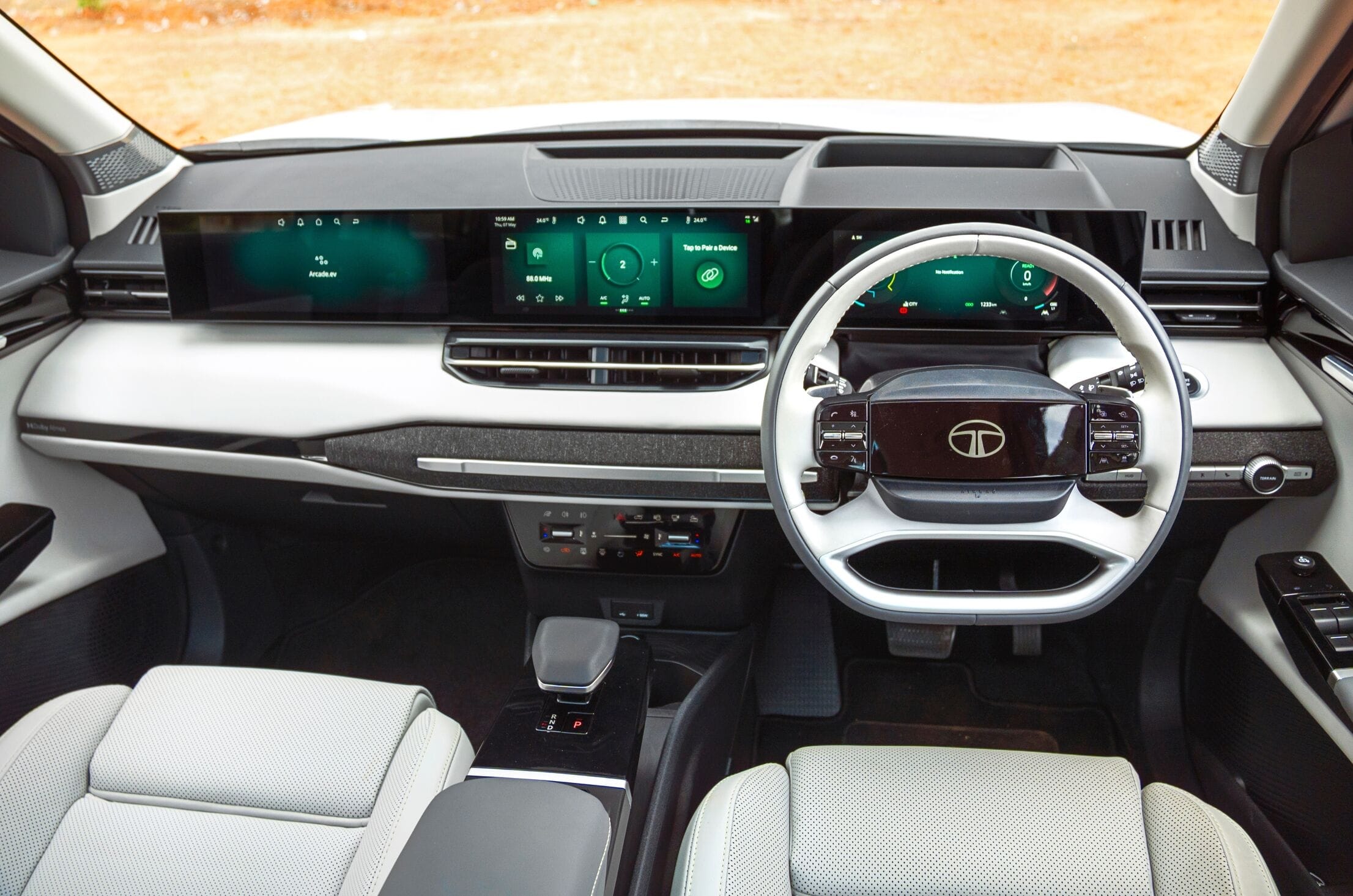
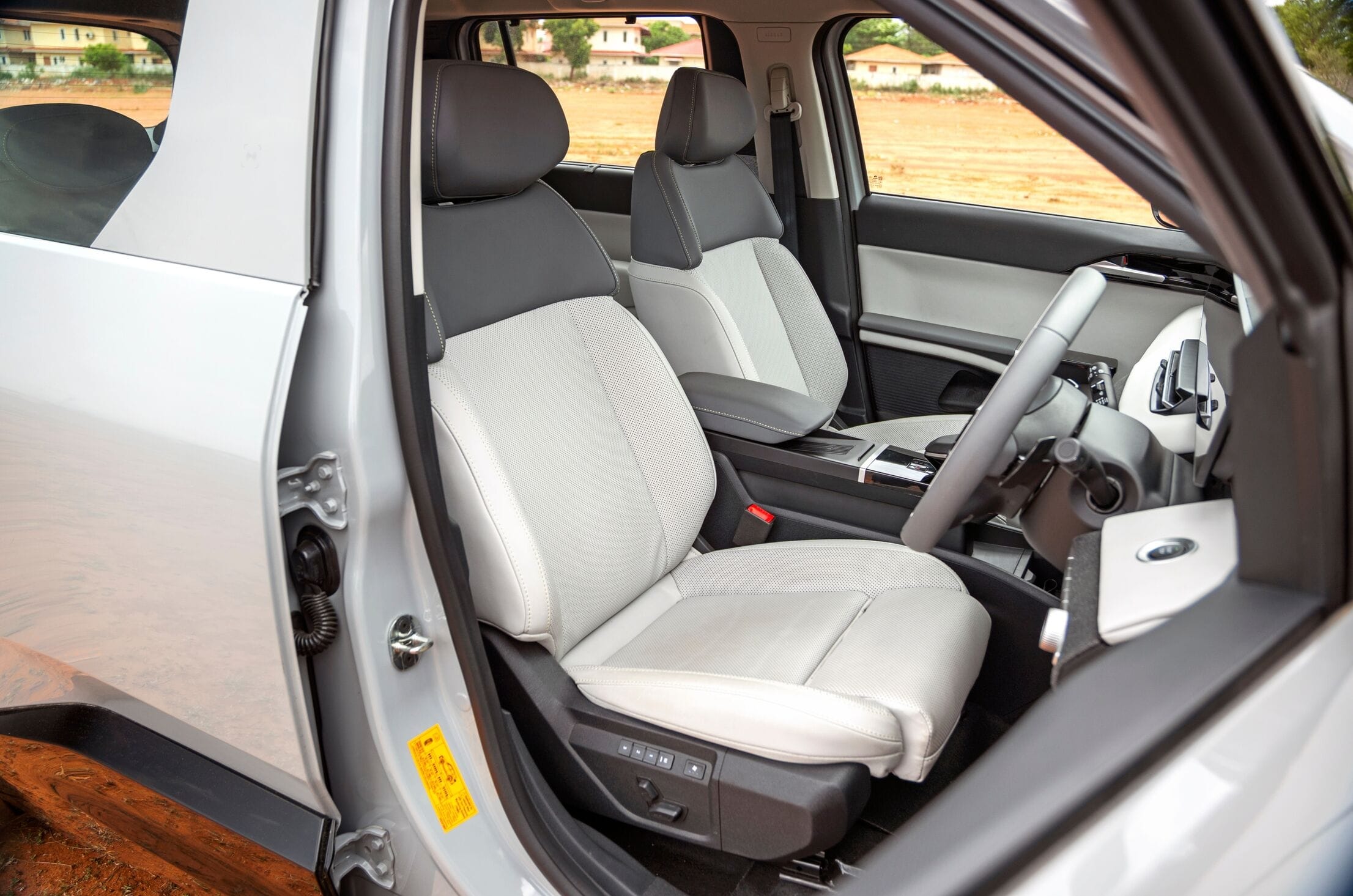
Up front, the lounge-like ambiance remains, with a cream-coloured, leatherette-bound dashboard and a textured fabric surface for the ‘sound bar’ central speaker. The three-screen stack adds a techy vibe to this atmosphere, and between the seats is a pedestal for the drive selector. The front seats are very comfortable and offer a good amount of shoulder support – something often overlooked in seat design.
For every soft surface and attractive trim piece, however, there is visible hard plastic, rough edges, crooked stitching and misaligned panel fit, which are an eyesore, especially at this price. And while the design is attractive, its execution could have been far better considered from a practicality and ergonomics standpoint. For example, the pedestal-mounted drive selector is set at a comfortable height, but wastes the space below it. Consequently, the storage box behind it is narrow, tall and harder to reach, while the cupholders are tiny and forced to the base of the dashboard. And while the inclusion of small umbrella holders in the door cards is a nice touch, there is no drain plug, so surplus water will collect in the door pockets. Good intentions; poor execution.
2026 Tata Sierra EV features and safety – 9/10
Packed to the gills with safety and tech, more so even than the ICE version.
Tata in the last few years has caught up to the features freight train that has the Indian car industry in a stranglehold. The Sierra EV is, thus, one of if not the best equipped in its segment, with every conceivable gizmo imaginable on the top-spec Empowered A variant. And as always, the EV gets a small edge on its ICE counterpart, which comes in the form of a powered front passenger seat, as well as an HUD alongside the three-screen layout (instead of either one or the other).
Those front seats are ventilated too, and the driver gets a memory function. There’s a full ADAS suite, drive modes, regen modes and terrain modes, the panoramic sunroof, dual-zone auto climate control, a 12-speaker JBL Black sound system with Dolby Atmos, an onboard air purifier, connected car tech and much, much more. There’s also a clever integration with Google Maps that predicts what the car’s SOC will be when you reach your destination, helping you plan better.
The screens are crisp and smooth in their animations, although as before, the 10.25-inch driver’s display feels a bit too cluttered; the HUD actually provides a cleaner and more focused driver display. And while Tata is not the first brand to do it, the passenger screen feels like a gimmick, more so now that there is a multiplayer gaming suite that lets all passengers connect their phones to the car and play from their own device.
While there hasn’t been a crash test of the EV specifically, the ICE Sierra scored a 5-star Bharat NCAP rating, which should feasibly carry forward to this car too. Apart from an extensive ADAS suite on the top trim, there are 6 airbags as standard, as well as several other safety features.
2026 Tata Sierra EV performance and refinement – 8/10
Dual-motor QWD version brings AWD to the segment and delivers class-best performance.
The Sierra EV can be had in one of three powertrain configurations – a 63kWh battery with a rear motor, a 75kWh battery with a rear motor, or the one we’ve got to test drive – the 75kWh battery with dual motors. This makes the Sierra the first to bring AWD to this segment and is, expectedly, the most potent version, with a class-leading output of 306hp and 504Nm. Despite weighing in at around 2.1 tonnes, the SUV can sprint to 100kph from a standstill in a claimed 5.8sec. However, while it is undoubtedly capable of that, it doesn’t feel neck-snappingly quick off the line. Instead, it is quite undramatic, and frankly that is fine in a family SUV such as this. It’s a smooth and refined powertrain, as we’ve come to expect from Tata Motors’ EVs over the years.
That said, it perhaps feels a bit too similar to older Tata EVs, considering this is a new-generation model. Where newer EVs now have greater responsiveness off the line, this one still has a small dead zone at the start of the pedal travel, after which power comes in abruptly, and this requires care in stop-go traffic. Thereafter, it’s delivered in a constant lump of torque, where others have managed to program in some sort of progression. A minor criticism, and it’s still a far better experience than any ICE powertrain, but the EV game has since moved on.
There are drive modes, though apart from a noticeable dullness in Eco mode, the rest – City, Sport and Boost – don’t feel too different from one another. Similarly, the regen modes – easily accessible using the steering-mounted paddles – don’t feel all that different from one another.
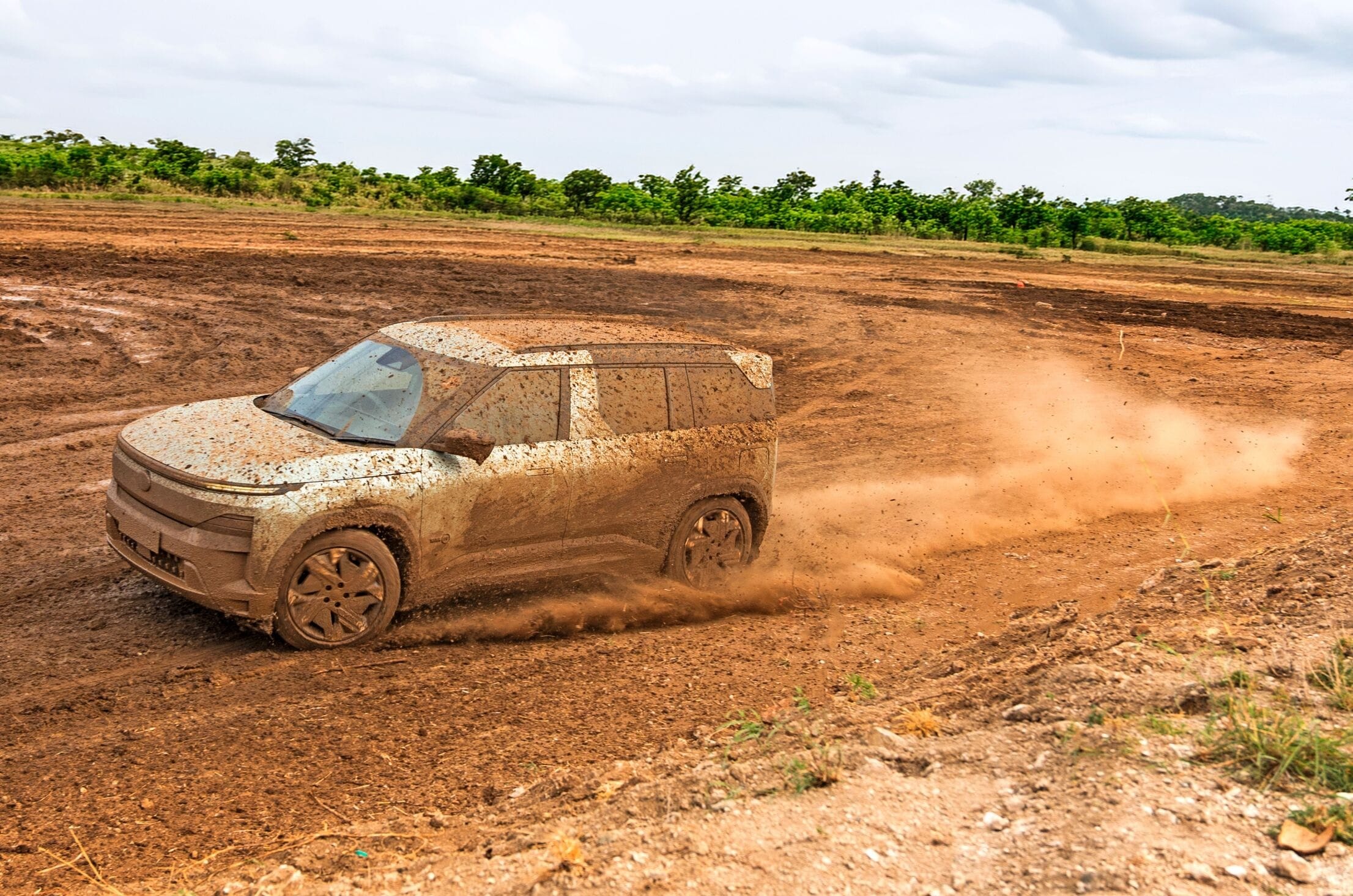
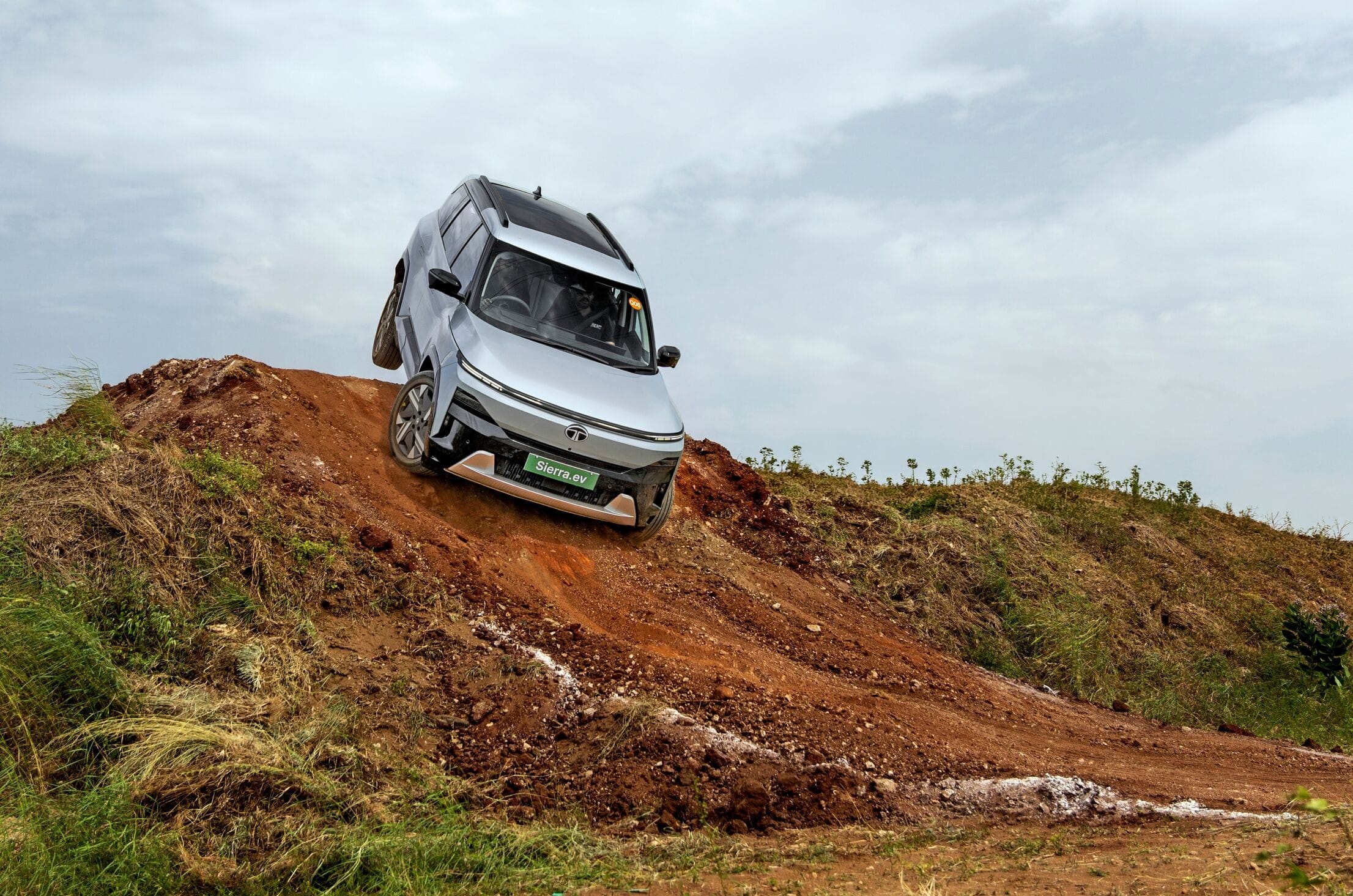
The Sierra EV QWD was rather impressive on the off-road course Tata Motors set up for it, which wasn’t the usual walk in the park, and had some pretty significant obstacles. Put it down to the short overhangs that improve approach and departure angles, or the responsiveness of the e-motors, but the result was surprisingly effortless. We didn’t even need to delve into the terrain modes for the most part, though there were instances where it would fumble shifting torque between the left and right wheels mid obstacle.
2026 Tata Sierra EV range and efficiency – 8/10
Big battery means big numbers, though a real-world test remains.
63kWh and 75kWh are among the bigger batteries offered in this segment, with only the Mahindra BE 6 offering a larger 78kWh unit. The Sierra’s smaller pack is rated at 565km on the MIDC, while the larger at 665km for the single motor and 624km for the dual motor. Tata itself says the MIDC rating won’t be achieved in real-world use, but that the larger battery can deliver upwards of 500km realistically.
When it comes to charging, on a 7.2kW AC charger, the 63kWh pack will take 8.9 hours to get from 10-100 percent, while the 75kWh pack will take 10.5 hours. On a 120kW DC charger, meanwhile, both will do a 20-80 percent top-up in about 26 minutes. At what rate the car actually accepts charge, however, remains to be seen. Tata offers a 15-year warranty on the battery of the Sierra EV, which is reassuring.
2026 Tata Sierra EV ride comfort and handling – 8/10
No compromise on comfort, despite added weight. Handles amicably too.
Tata SUVs have always been great in the dynamics department, and that continues here too. Despite the 19-inch wheels and the 2.1-tonne kerb weight, the Sierra EV can handle any manner of surface with equal composure and comfort. Put it down to the frequency dependent dampers (FDD) but no pothole is too big, nor surface too broken to upset the SUV.
It holds its line well at high speeds and lane change manoeuvres can be made with confidence and little effort. Similarly, at low speeds, the steering is light without feeling loose, letting you change direction easily even in traffic.
High-speed handling too is also pretty engaging, helped no doubt by its lower centre of gravity, and if you really wanted to, you could lean onto the Sierra EV quite hard. That said, it is a tall, high-riding vehicle, so an acceptable amount of body roll is present. The boxy profile, however, does result in some wind noise around the A-pillars at high speed, made more apparent by the silent powertrain.
2026 Tata Sierra EV price and verdict – 7/10
Overlaps with Curvv and Harrier, but feels the better EV than either of them.
It’s not much of a surprise that the Sierra EV is the best Tata you can buy right now, as it the latest product of the brand’s strategy of constant evolution and improvement. It’s not without its flaws, of course, but these feel less like huge deal breakers, and more like matters of finesse in manufacturing and calibration that Tata should take the time to address.
Apart from being a great EV, it’s also just a very good family car, offering space, comfort and the features Indian buyers now expect. The bigger problem for Tata could be where it fits between the Curvv and Harrier EVs, because there is some price overlap, and in our opinion, it surpasses them both overall. And while, at Rs 18.79 lakh to Rs 25.99 lakh, it is priced at the upper end of its segment, it does pack in a lot, and sits on par with the BE 6, which doesn’t have an AWD variant. Which of these two is better is a question for another time, but for now, the Sierra EV has the makings of a winner.
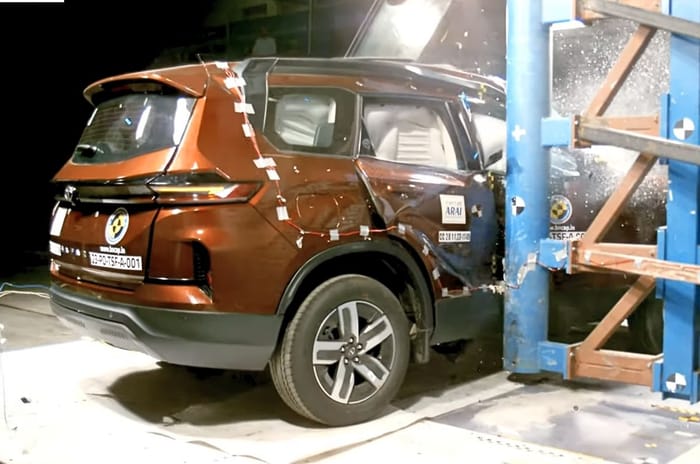
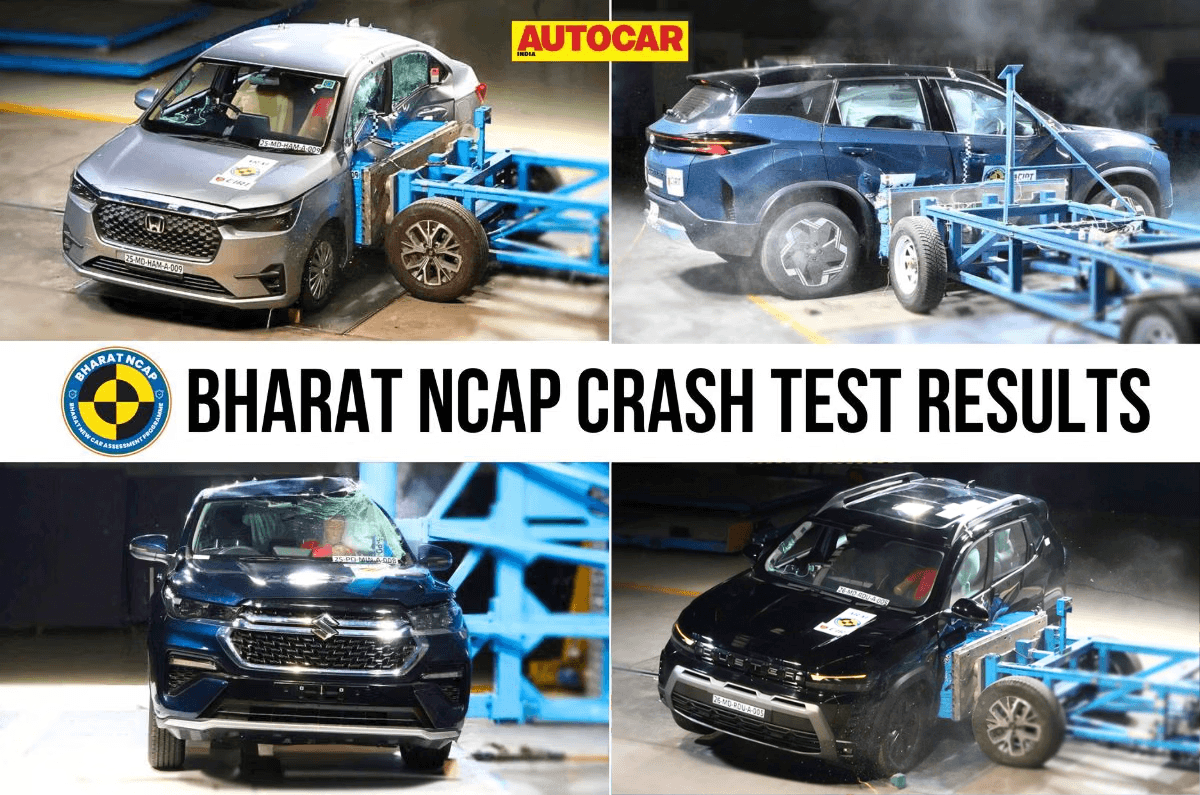
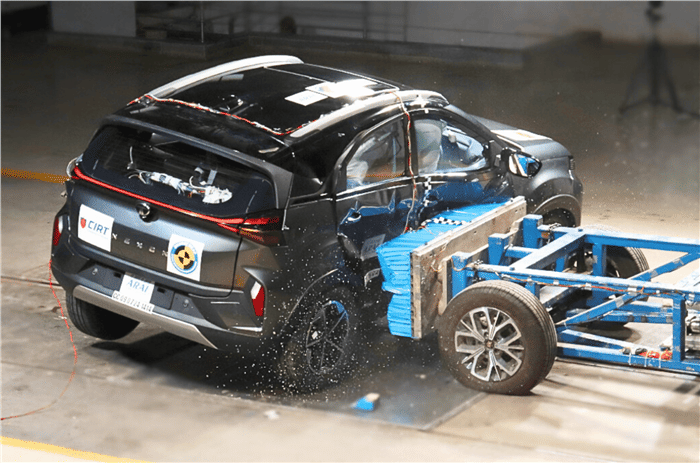
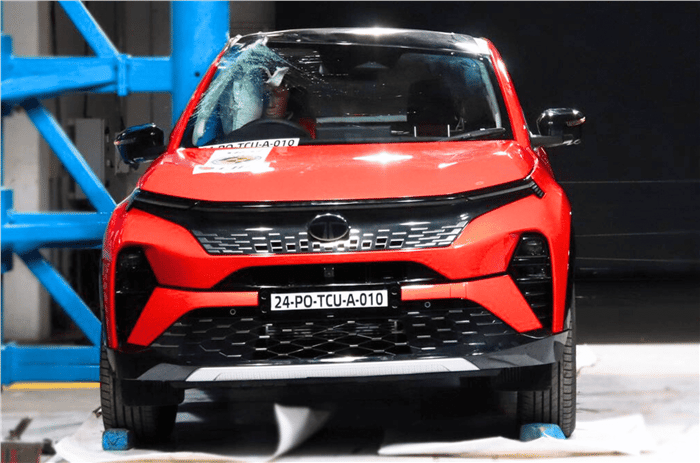
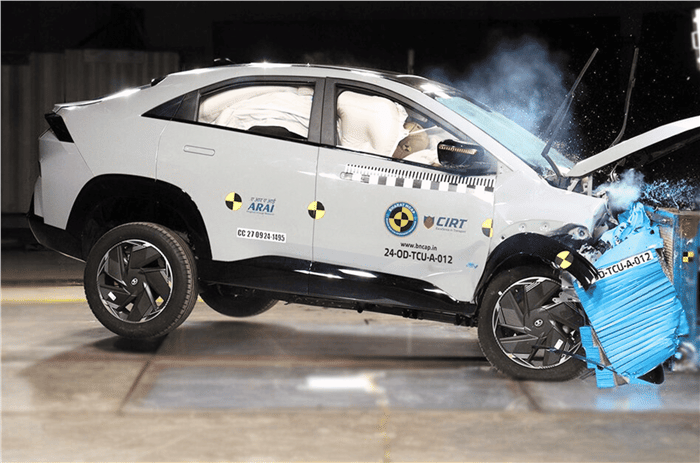
Introduced by the central government in 2023, the Bharat New Car Assessment Program (BNCAP) is responsible for conducting crash tests and awarding scores to cars sold in the country. The government hopes this will help buyers make more informed purchase decisions. Since its inception, Bharat NCAP has tested 31 vehicles, primarily SUVs. Below are the results detailing the crash safety performance of the models that are currently on sale.
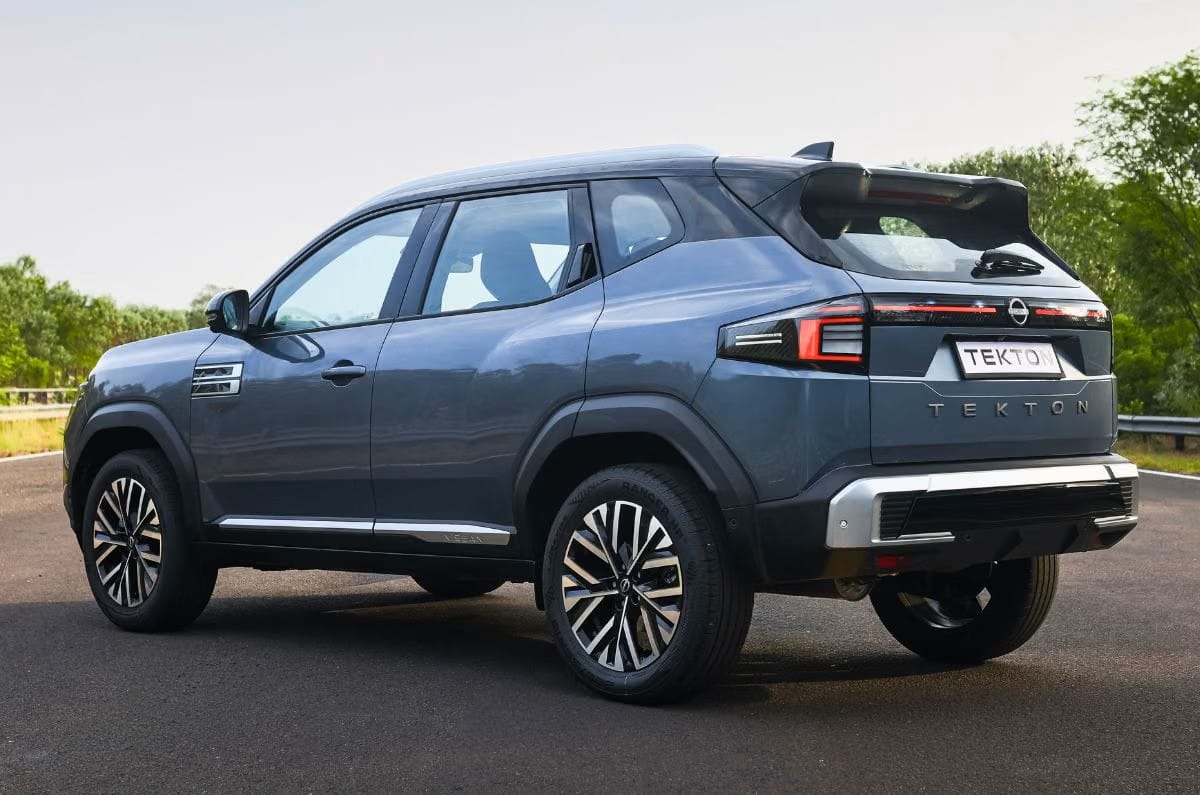
1. Nissan Tekton
BNCAP rating: 5 stars
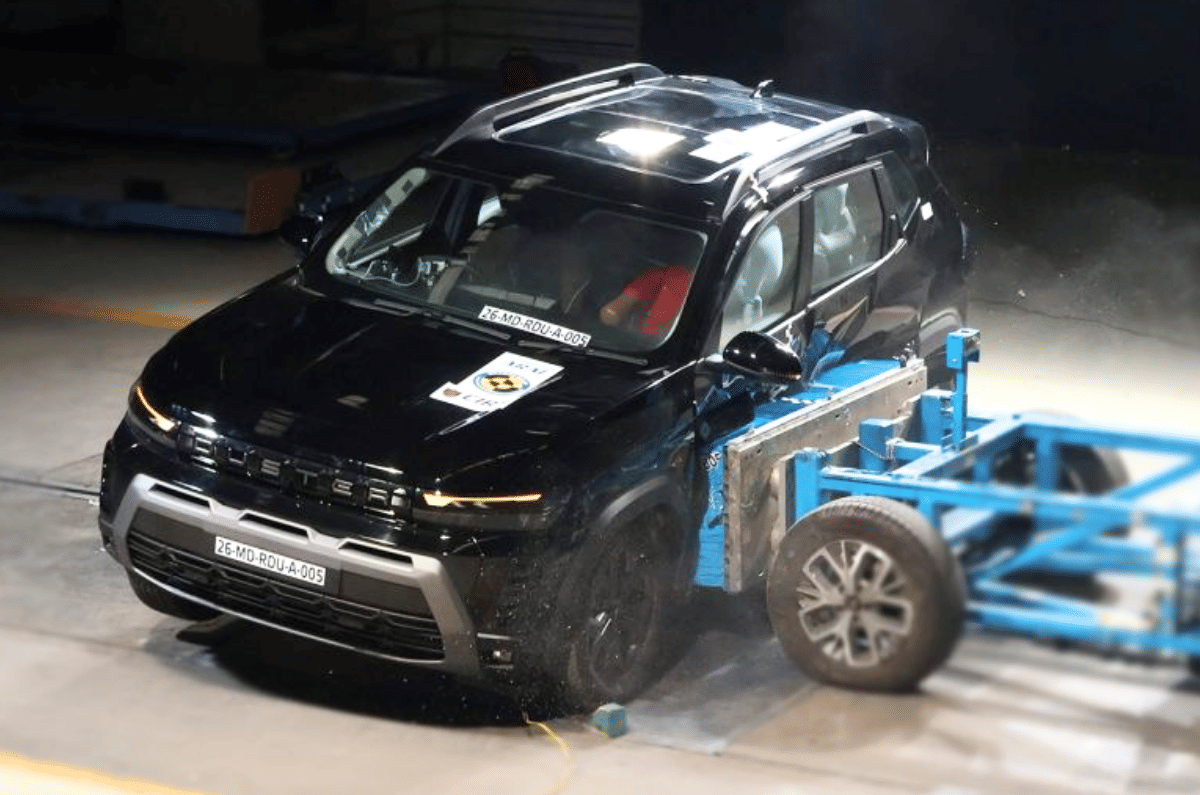
Crash-tested in June 2026 (representational image).
The Nissan Tekton is the latest model to be crash tested by Bharat NCAP, earning a full 5-star safety rating. The SUV scored 30.49 out of 32 points for adult occupant protection (AOP) and 45 out of 49 points for child occupant protection (COP). This 5-star rating applies to all variants of the Tekton. Standard safety features include six airbags, electronic stability control, hill start assist, a tyre pressure monitoring system, and three-point seatbelts for all occupants.
2. Renault Duster
BNCAP rating: 5 stars
Crash-tested in April 2026.
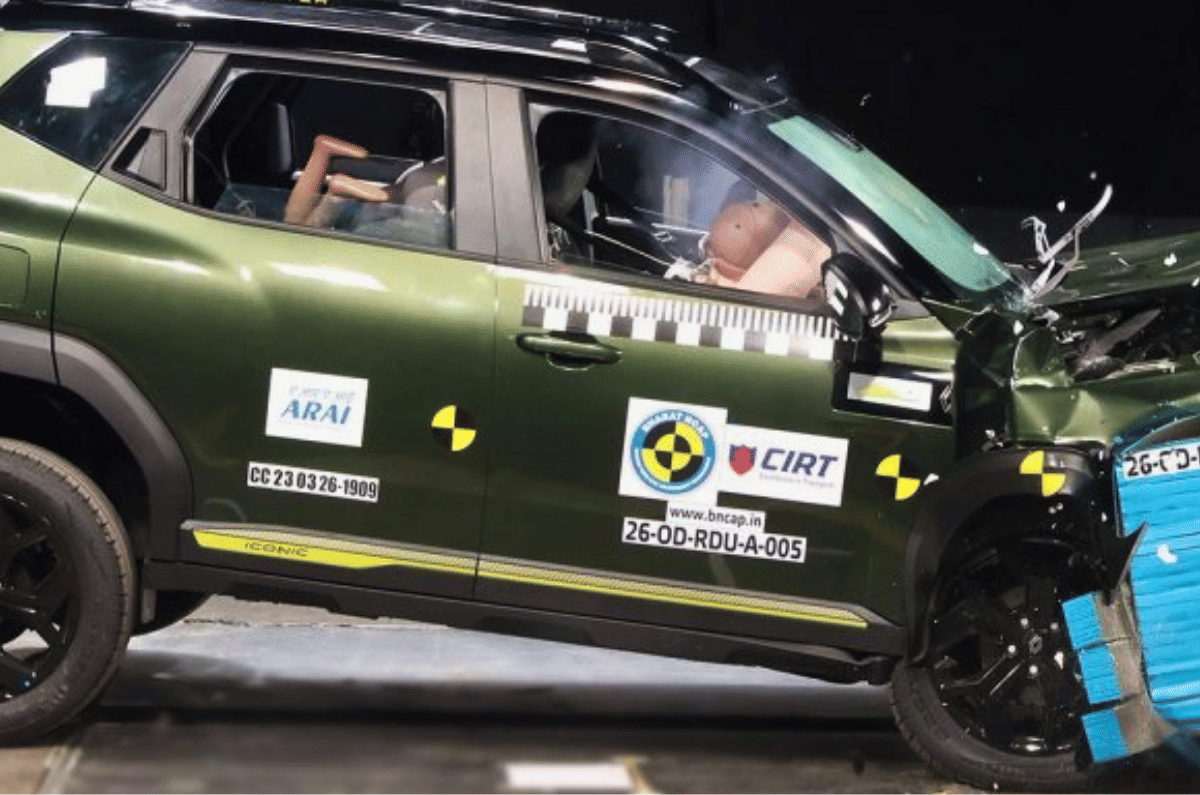
The Renault Duster was crash tested before its badge-engineered sibling, the Tekton, and both SUVs received identical BNCAP scores. All Duster variants feature 6 airbags, along with ABS, ESP, traction control and a tyre-pressure monitoring system.
3. Hyundai Venue
BNCAP rating: 5 stars
Crash-tested in March 2026.
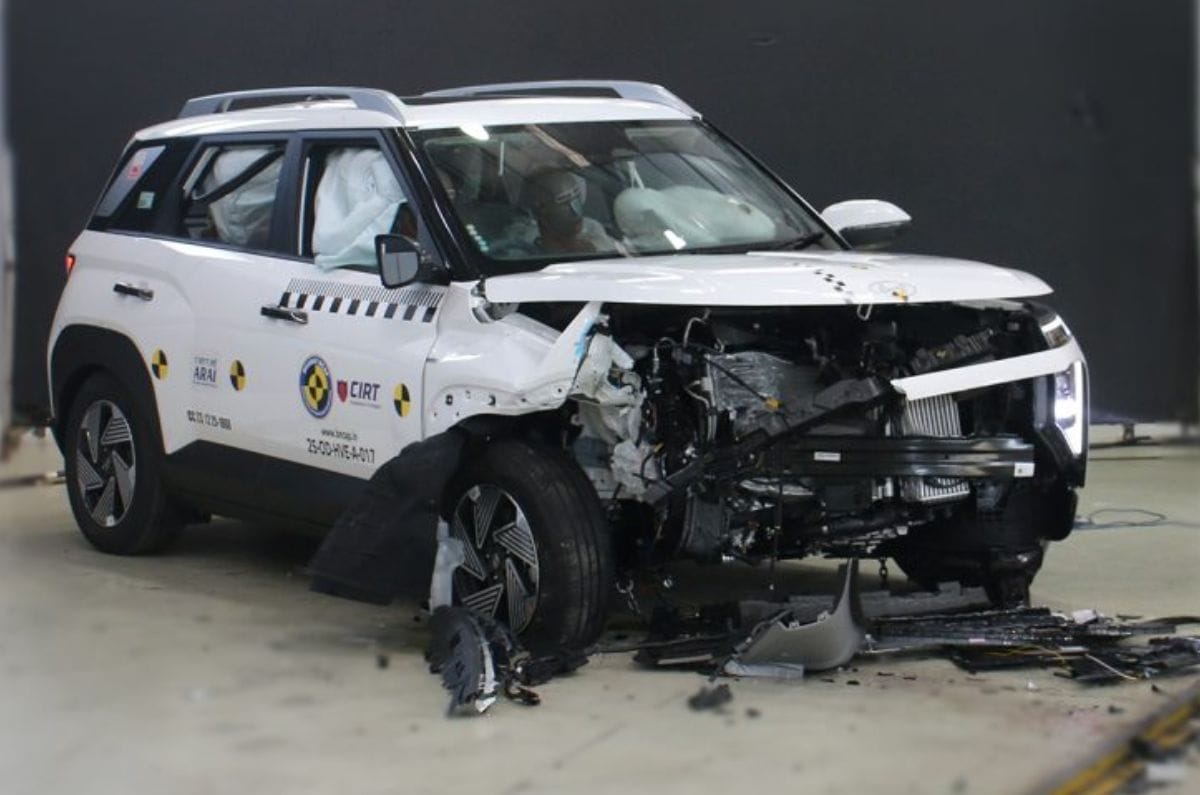
The Hyundai Venue has received a 5-star safety rating from Bharat NCAP, which tested its HX2 diesel-manual and HX10 diesel-automatic variants, but the ratings apply to the entire line-up, including the N Line version. The Venue scored 31.15 out of 32 points in AOP and 44.46 out of 49 in COP. The Hyundai Venue is equipped with 6 airbags, hill-start assist, a tyre-pressure monitoring system (TPMS), 3-point seatbelts with reminders for all seats, rear parking sensors and ISOFIX child-seat anchorages as standard.
4. Kia Seltos
BNCAP rating: 5 stars
Crash-tested in March 2026.
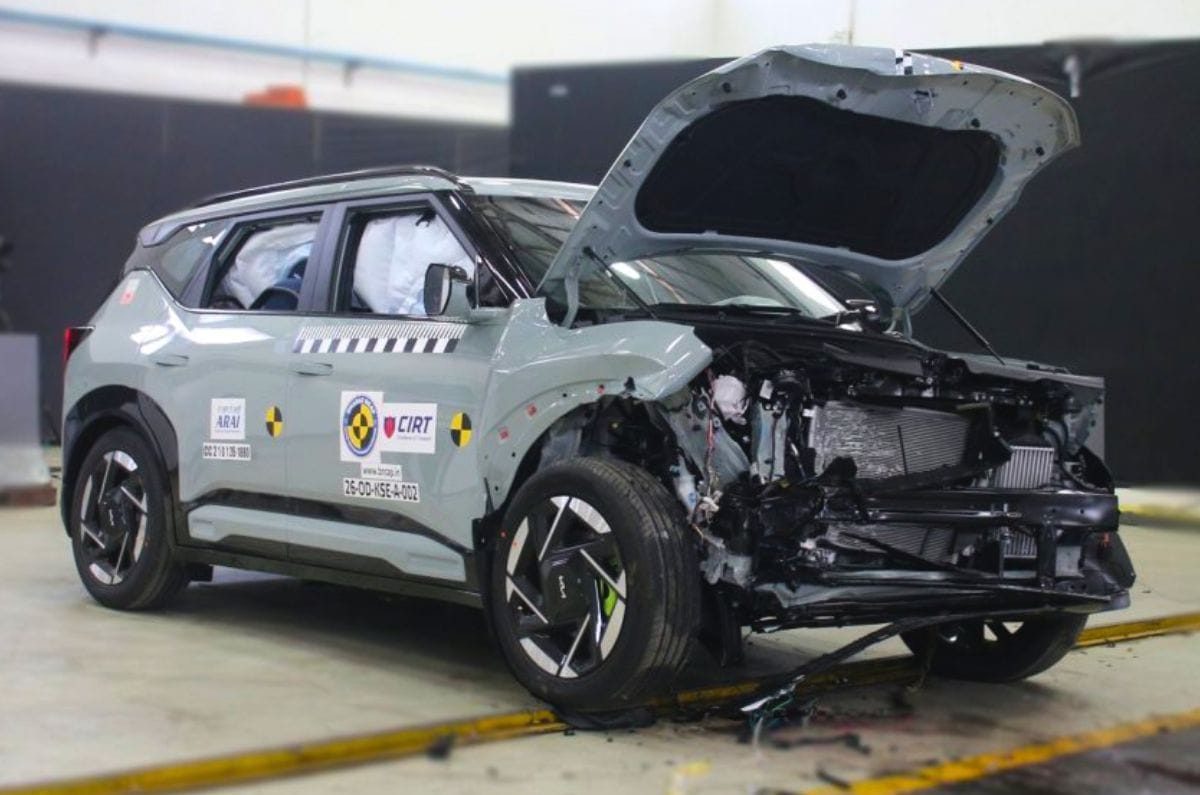
The Kia Seltos is the second car from the brand after the Syros to receive a 5-star safety rating in the Bharat NCAP crash tests. It scored 31.70 points in AOP and 45 in COP. Only the diesel-powered HTE(O) and GTX variants were tested, but the results apply to all variants of the Seltos. The standard safety kit on the Kia Seltos includes 6 airbags, TPMS, a rear parking camera with sensors, disc brakes on all wheels, hill-start and hill-descent control and ISOFIX child-seat anchorages.
5. Tata Sierra
BNCAP rating: 5 stars
Crash-tested in March 2026.
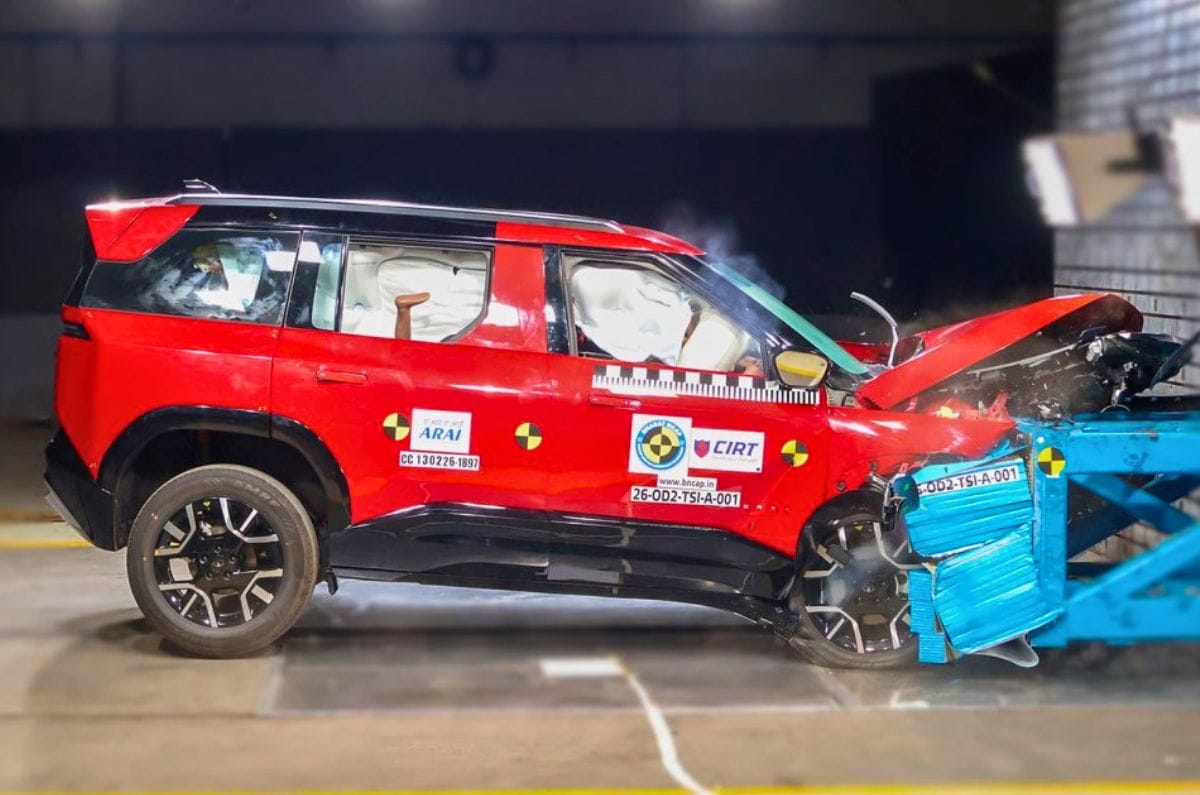
The Sierra is one of the latest Tata model on this list to receive a 5-star safety rating in both AOP and COP, securing 31.14 and 44.43 points, respectively. While BNCAP tested only the midsize SUV’s Adventure+ and Accomplished+ diesel variants, the ratings apply to its entire line-up. As standard, the Sierra gets 6 airbags, rear parking sensors, all-wheel disc brakes, ABS, EBD, ESC, traction control and more.
6. Vinfast VF7
BNCAP rating: 5 stars
Crash-tested in January 2026.
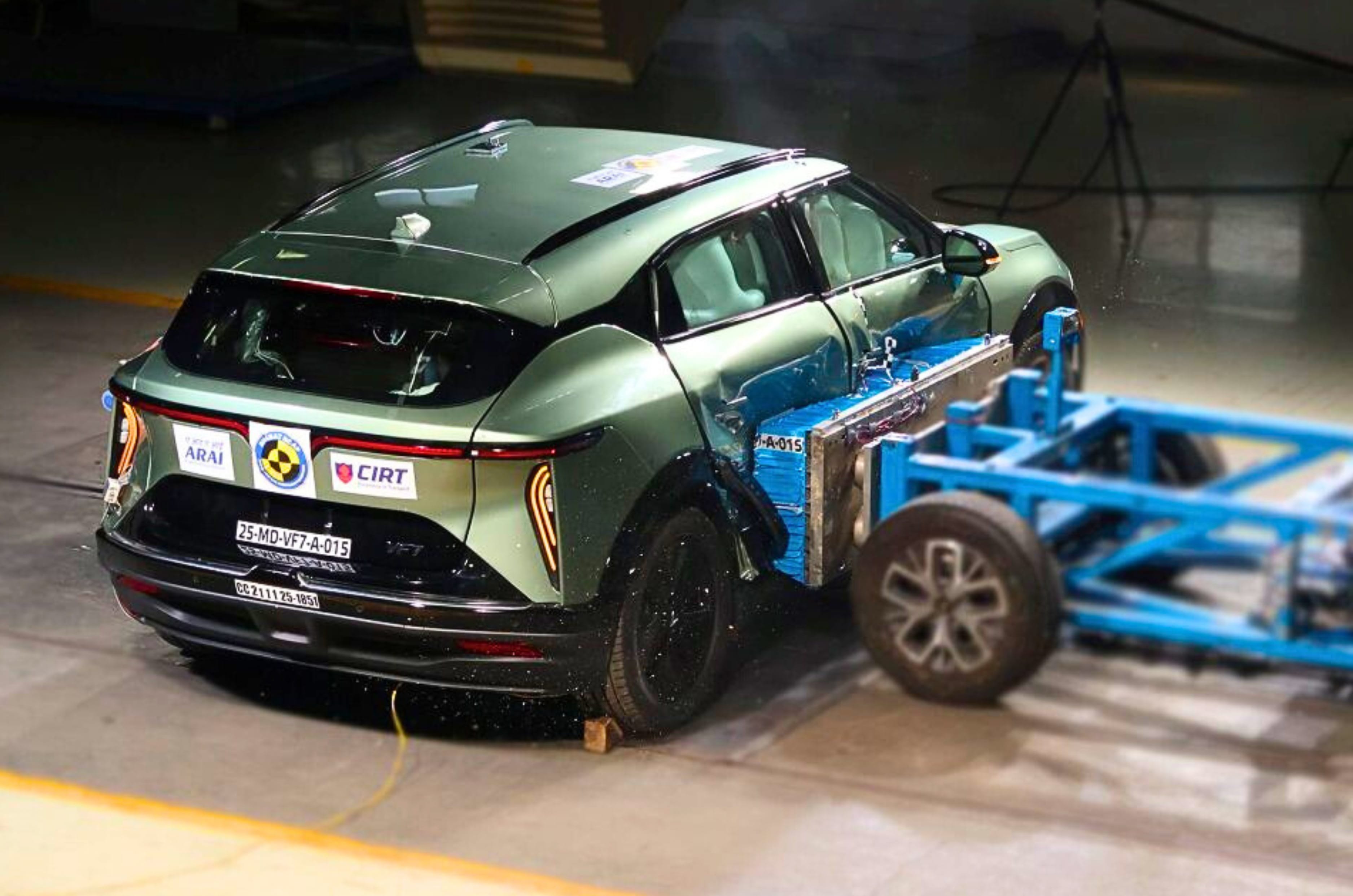
The Vinfast VF7, too, has secured a 5-star safety rating in both adult and child occupant protection, with 28.54 and 45.25 points, respectively. Though Bharat NCAP tested only the VF7 Wind and Sky variants, the rating applies to the entire range. The VF7 offers 7 airbags, ISOFIX anchors, ESC, and more as standard.
7. Vinfast VF6
BNCAP rating: 5 stars
Crash-tested in January 2026.
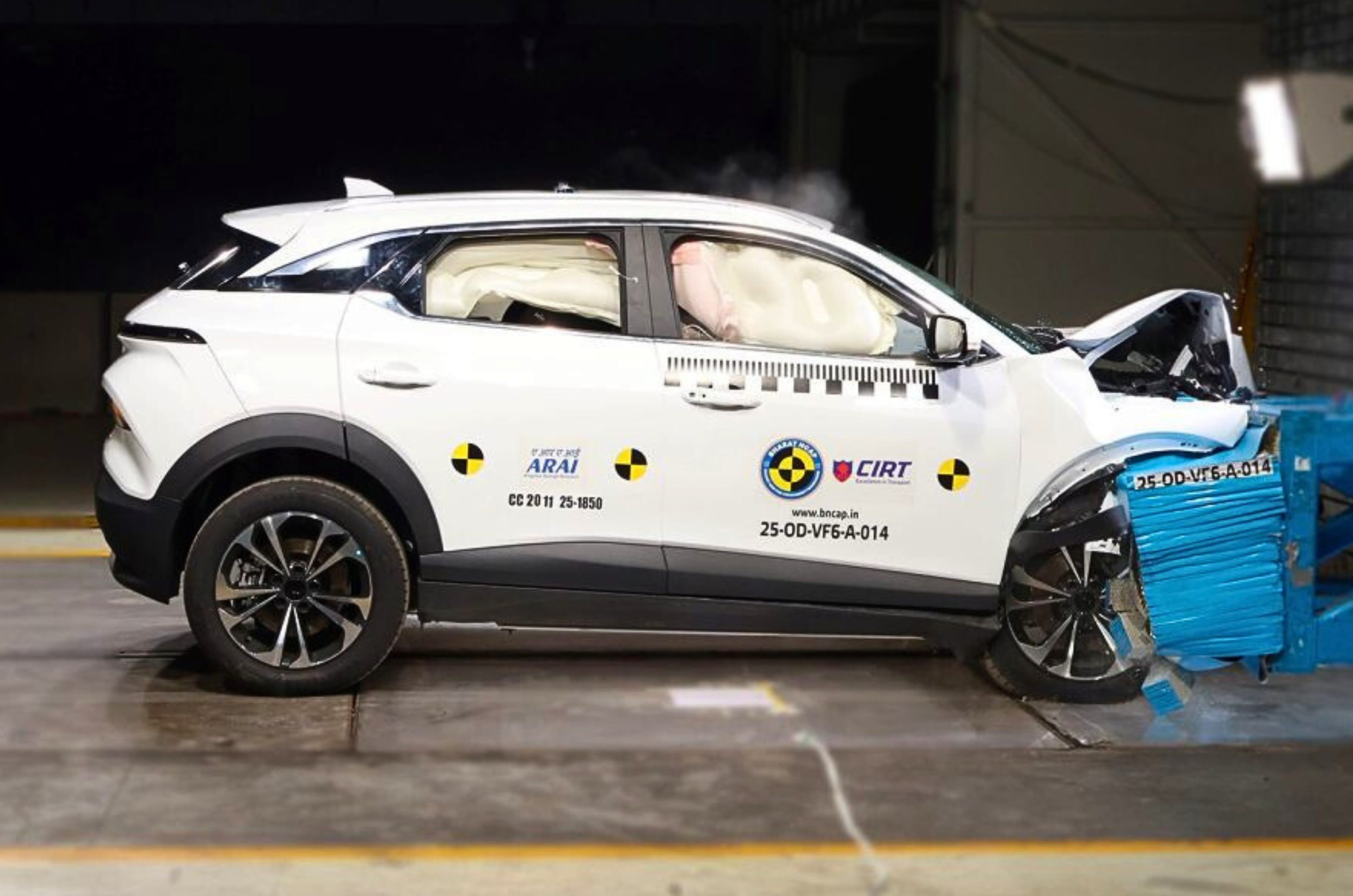
Also receiving a 5-star rating in both adult and child occupant protection, the Vinfast VF6 scored 27.13/32 in AOP and 44.41/49 in COP. Bharat NCAP tested all trims of the VF6 – Earth, Wind and Sky. As standard, the VF6 comes equipped with 7 airbags, including a driver knee airbag, and 3-point seat belts with reminders for all passengers, ESC and ISOFIX anchors for rear outboard seats.
8. Tata Punch
BNCAP rating: 5 stars
Crash-tested in January 2026.
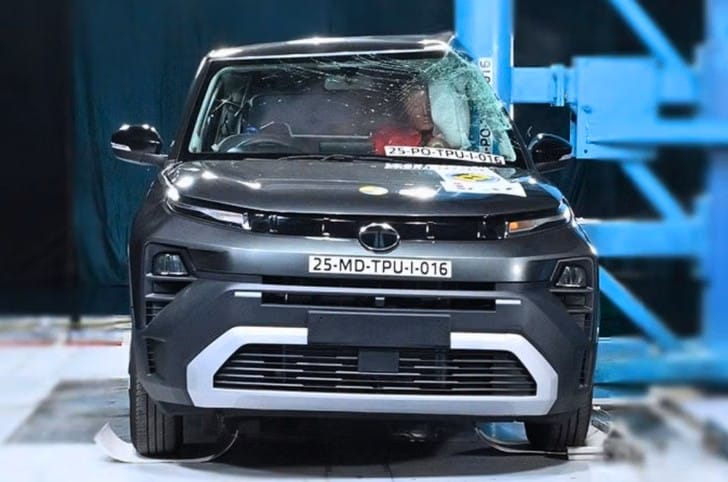
The Tata Punch, with 30.58 points in AOP and 45 points in COP, received a 5-star safety rating in both. The variants tested by Bharat NCAP were the Punch Pure+ CNG AMT and Accomplish CNG MT, but the rating applies to the entire line-up. The Punch’s safety suite features 6 airbags as standard, ESP, rear parking sensors, a tyre-pressure monitoring system, hill-hold and hill-descent control, ISOFIX child-seat anchorages, auto headlamps and rain-sensing wipers.
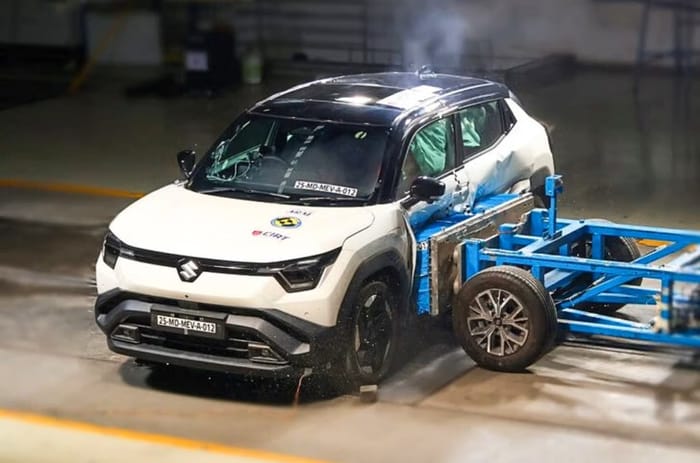
9. Maruti Suzuki e Vitara
BNCAP rating: 5 stars
Crash-tested in December 2025.
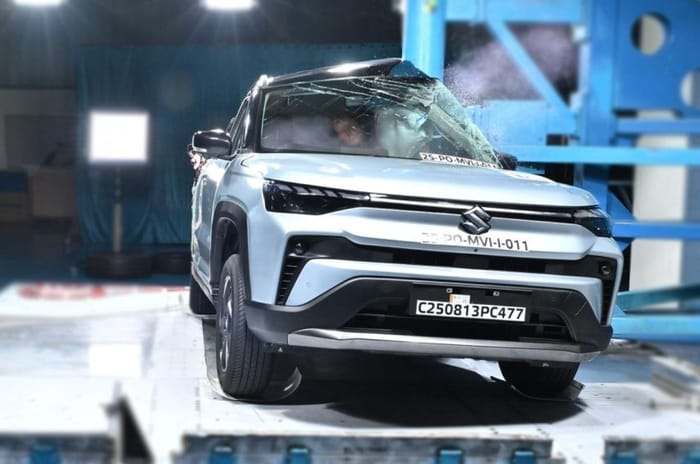
The Maruti Suzuki e Vitara has been awarded a 5-star rating in both AOP and COP, scoring 31.49/32 and 43/49, respectively. Bharat NCAP tested the top-spec Alpha variant with a 61kWh battery pack, and the rating applies to the entire range. Safety features of the e Vitara include 7 airbags, a tyre-pressure monitoring system (TPMS), a Level 2 ADAS suite with lane-keep assist, adaptive cruise control and AEB, rear disc brakes, ISOFIX mounts and a 360-degree camera.
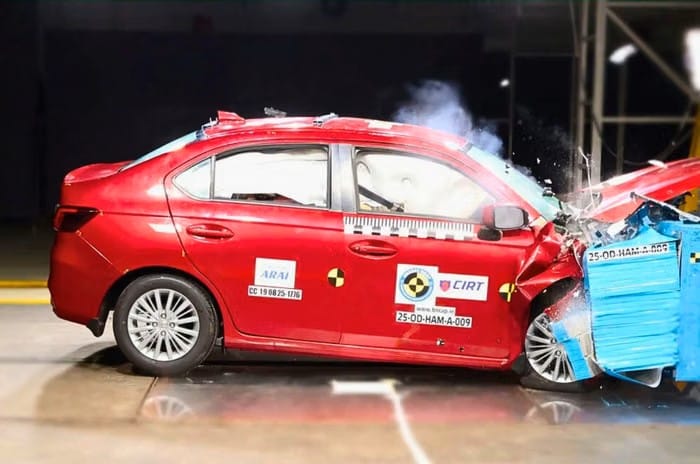
10. Honda Amaze
BNCAP rating: 5 stars
Crash-tested in November 2025.
The third-gen Honda Amaze has been awarded a 5-star safety rating by Bharat NCAP, becoming the second sedan to be tested by the road safety organisation. The Amaze has secured 5 stars in AOP (28.33 out of 32 points) and 4 stars in COP (40.81/49 points). In terms of safety kit, all six variants are equipped with 6 airbags, ISOFIX child-seat anchors, ESC, ABS, rear parking sensors and seat belt reminders as standard.
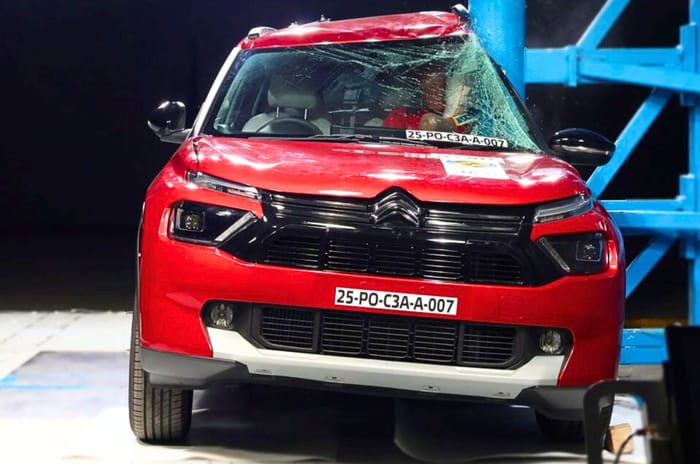
11. Citroen Aircross
BNCAP rating: 5 stars
Crash-tested in September 2025.
The Citroen Aircross, sold in 5- and 7-seat configurations, was awarded 5 stars in AOP and 4 stars in COP. Notably, the AOP and COP crash-safety test ratings are valid for the Aircross 5-seat version’s 1.2-litre petrol and turbo-petrol variants. The Aircross received an AOP score of 27.05/32 and a COP score of 40/49. As standard, the Aircross comes with safety features like 6 airbags, ISOFIX child-seat mounts, electronic stability control, TPMS and hill-hold assist.
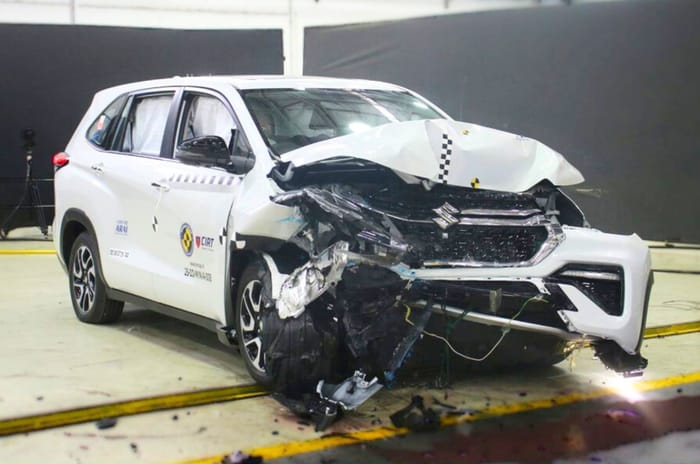
12. Maruti Suzuki Invicto
BNCAP rating: 5 stars
Crash-tested in September 2025.
Like most cars on this list, the Maruti Invicto MPV scored a 5-star rating for both adult and child occupant protection. Maruti’s flagship MPV was awarded 30.43 out of 32 in AOP and 44.90 out of 49 in COP. These safety ratings are applicable to all variants, which have 6 airbags, ABS with EBD, rear disc brakes, and 3-point seatbelts for all passengers as standard. The top-spec Invicto Alpha+ variant adds a 360-degree camera, TPMS, rear defogger and an anti-theft security system.
13. Tata Altroz
BNCAP rating: 5 stars
Crash-tested in September 2025.
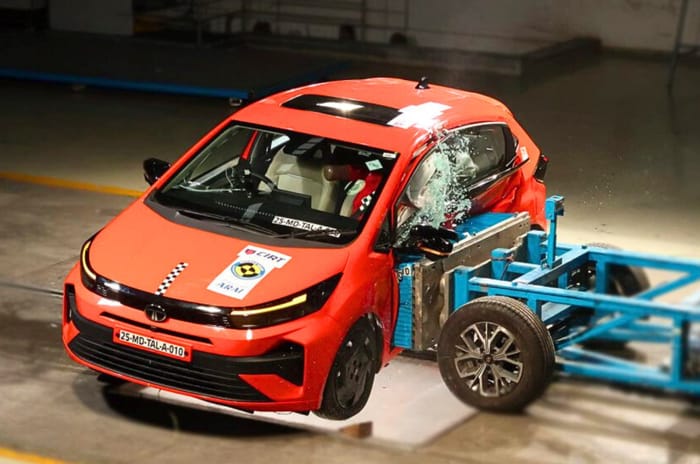
The Tata Altroz has scored a 5-star rating for both adult and child occupant protection. The premium Tata hatchback was awarded 29.65 points out of 32 in AOP and 44.90 out of 49 in COP. These safety ratings are applicable to all variants of the Altroz. Starting from the base model, the Altroz hatchback comes equipped with 6 airbags, ABS, ESC and 3-point seat belts for all passengers. Higher Altroz variants add a 360-degree camera, a blind-spot monitor and TPMS.
14. Maruti Suzuki Victoris
BNCAP rating: 5 stars
Crash-tested in September 2025.
The Maruti Victoris got a 5-star safety rating in both adult and child occupant protection. The Maruti SUV secured 31.66 points out of 32 in AOP and 43 points out of 49 in COP. While BNCAP tested hybrid and petrol-AT variants of Victoris, the safety rating is applicable to the entire line-up. As standard, the Victoris comes equipped with 6 airbags, 3-point seat belts with reminders for all passengers, ESC and ISOFIX anchors for rear outboard seats. Top-spec trims even get a Level 2 ADAS suite.
15. Toyota Innova Hycross
BNCAP rating: 5 stars
Crash-tested in June 2025.
The Toyota Innova Hycross has a 5-star safety rating for both adult and child occupant protection, with 30.47/32 and 45/49 points, respectively. Bharat NCAP tested both petrol and hybrid variants, and the rating applies to the entire Innova Hycross range. As standard, the Innova Hycross comes equipped with 6 airbags, 3-point seat belts with reminders for all passengers, ESC and ISOFIX anchors; top-spec trim also gets an ADAS suite.
16. Tata Harrier EV
BNCAP rating: 5 stars
Crash-tested in June 2025.
The Tata Harrier EV has been rated 5 stars in both adult and child occupant protection, scoring a full 32 points in AOP and 45 out of 49 points in COP. It is only the second vehicle tested by BNCAP to secure maximum points in AOP, the other being the Mahindra XEV 9e. The Harrier EV comes with 6 airbags (7 on Fearless and Empowered), 3-point seat belts with reminders for all passengers, ESC and ISOFIX anchors as standard. Notably, it has slightly better AOP and COP scores than the combustion-powered Harrier, which also has a 5-star BNCAP rating.
17. Maruti Suzuki Dzire
BNCAP rating: 5 stars
Crash-tested in June 2025.
As the first sedan to be tested by Bharat NCAP, the Maruti Suzuki Dzire took home an impressive 5-star safety rating. The compact sedan scored 29.46 out of 32 points for AOP and 41.57 out of 49 points for COP. BNCAP tested the Dzire’s base LXI trim, which comes with standard safety equipment like 6 airbags, ESC, reverse parking sensors, hill-hold assist, and overspeed alerts, among other features, thereby extending the 5-star rating to all variants.
18. Maruti Suzuki Baleno
BNCAP rating: 4 stars
Crash-tested in June 2025.
Maruti Baleno scored four stars in BNCAP’s crash tests; this rating applies to the respective MT and AMT models of Zeta and Alpha variants. Out of 32 points, the AOP score for the Zeta and Alpha variants scored 26.52 points. The COP score was 34.81 for all variants. Standard safety features for the Baleno include 6 airbags, ABS with EBD, brake assist, ESC, hill-hold assist and 3-point seat belts with reminders for all passengers.
19. Tata Nexon EV
BNCAP rating: 5 stars
Crash-tested in April 2025.
The 30kWh and now-discontinued 40.5kWh variants of the Tata Nexon EV achieved a 5-star Bharat NCAP rating for both adult and child protection in May 2024, scoring 29.86/32 and 44.95/49 points, respectively. In April 2025, BNCAP also tested the current range-topping 45kWh variants of the Nexon EV, which received identical AOP and COP scores and, therefore, a 5-star rating. The standard safety features for the Nexon EV include ABS with EBD, 6 airbags, ESP, hill-hold control, ISOFIX child-seat anchor points, rear parking sensors, a rear camera and TPMS.
20. Kia Syros
BNCAP rating: 5 stars
Crash-tested in April 2025.
The Kia Syros compact SUV, with 30.21 out of 32 points in AOP and 44.42 out of 49 points in COP, secured 5-star ratings in both parameters. These ratings are applicable to the entire Syros petrol range. It should be noted that the Syros is Kia’s first SUV to get a 5-star safety rating in a crash test done by BNCAP or GNCAP. Although it uses the K1 platform as the Hyundai Grand i10 (which got 2 stars in the 2020 GNCAP), Kia achieved the top rating by using a reinforced K1 base and adding many hot-stamped parts to the body shell. The Syros offers ABS with EBD, TPMS and 6 airbags (with a passenger-side airbag cut-off switch) as standard safety features.
21. Skoda Kylaq
BNCAP rating: 5 stars
Crash-tested in January 2025.
The Skoda Kylaq compact SUV also got a 5-star rating in both adult and child occupant protection in the BNCAP crash test. Skoda’s compact SUV scored 30.88 out of 32 in AOP and 45 out of 49 in COP. ESC, 6 airbags, 3-point seat belts with reminders for all passengers and ISOFIX anchors for rear outboard seats are some safety features available across its variants.
22. Mahindra XEV 9e
BNCAP rating: 5 stars
Crash-tested in January 2025.
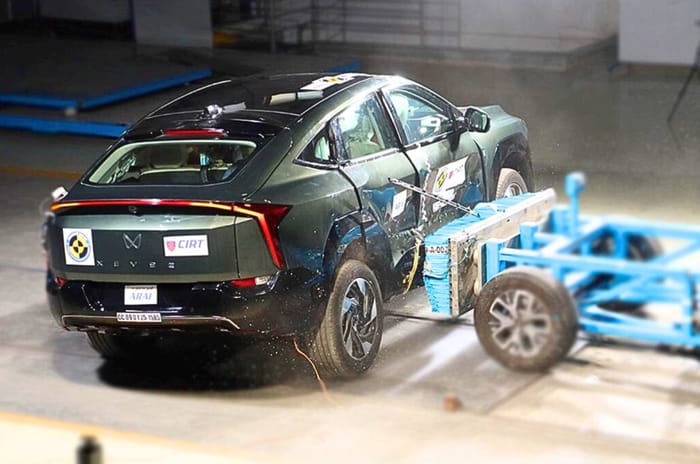
The Mahindra XEV 9e coupe-SUV was awarded a 5-star rating. The electric SUV scored a full 32 points in AOP and 45 out of 49 points in COP. The model tested by BNCAP was the top-spec XEV 9e Pack Three. Safety features like 6 airbags, ISOFIX anchors, rear disc brakes and tyre-pressure monitors are offered starting with the XEV 9e Pack One.
23. Mahindra BE 6
BNCAP rating: 5 stars
Crash-tested in January 2025.
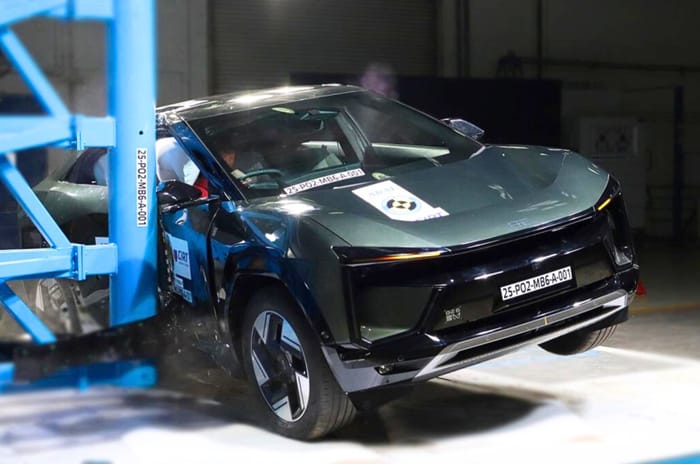
Another electric offering from the SUV specialist, the Mahindra BE 6, also scored a 5-star rating in both AOP and COP. In AOP, the EV received 31.97 points out of 32, and in COP, it got 45 points out of 49. Just like the XEV 9e, the BNCAP crash-tested the range-topping BE 6 Pack Three trim, but Mahindra claims that this rating applies to the base Pack One as well. In terms of standard safety equipment, the BE 6 comes with 6 airbags, a rear camera, parking sensors, TPMS and a driver drowsiness detection system.
24. Mahindra Thar Roxx
BNCAP rating: 5 stars
Crash-tested in November 2024.
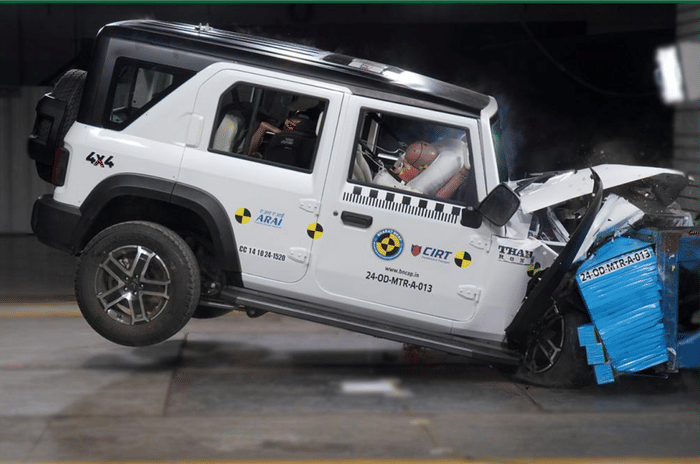
The 5-star rating for the Mahindra Thar Roxx consisted of AOP and COP scores of 31.09 and 45, respectively. This safety rating applies to all the variants of the 5-door SUV. The Thar Roxx complies with AIS-100 pedestrian protection norms for keeping the occupants as well as pedestrians safe when on the go. As standard, it features 6 airbags and a cut-off switch for the passenger-side airbag. Additionally, ISOFIX child-seat anchor points, all 3-point seatbelts with reminders and ESC are offered throughout the range. Like with the XUV 3XO, an ADAS suite is offered in the AX5L and AX7L variants.
25. Mahindra XUV 3XO
BNCAP rating: 5 stars
Crash-tested in November 2024.
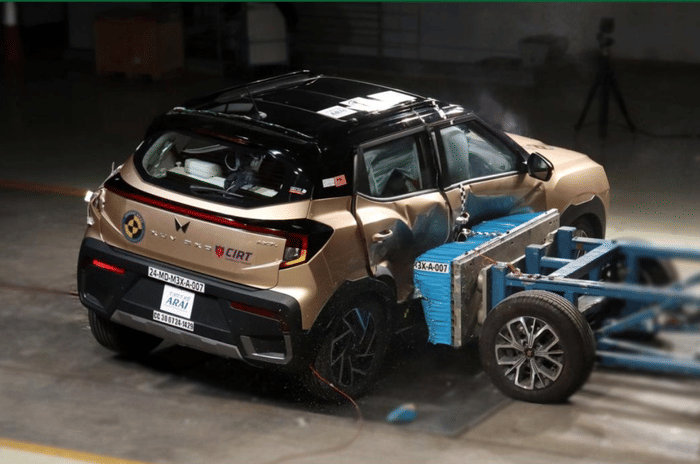
Next up, the Mahindra XUV 3XO continued the 5-star streak with scores of 29.36 in AOP and 43 in COP. BNCAP reported that the MX2 and AX7 L variants were sent by the homegrown brand for testing, but the results apply to the entire XUV 3XO line-up. Also, all trims of the subcompact SUV have 6 airbags, 3-point seatbelts with reminders, ESC, ISOFIX seats and a passenger-side airbag cut-off switch among the standard safety assist technologies. Level 2 ADAS suite, however, is reserved for the AX5 L and AX7 variants.
26. Tata Nexon
BNCAP rating: 5 stars
Crash-tested in October 2024.
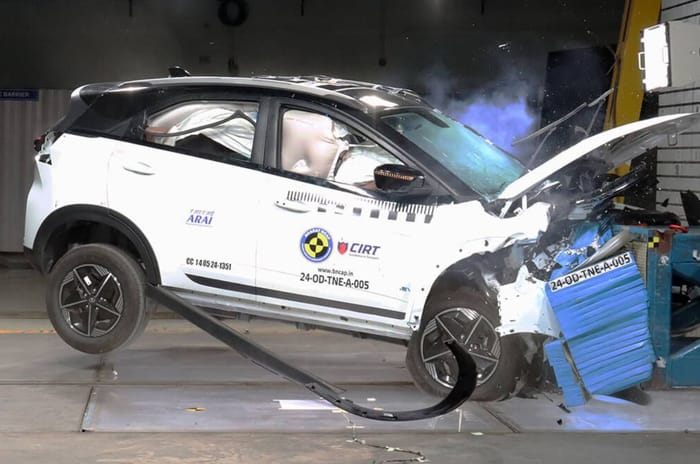
The Tata Nexon secured a perfect 5-star rating for AOP and COP, scoring 29.41 and 43.83 points, respectively. Standard safety features include 6 airbags, ESC, ABS with EBD, ISOFIX child-seat anchor points, rear parking sensors and hill-hold control.
27. Tata Curvv
BNCAP rating: 5 stars
Crash-tested in October 2024.
The Tata Curvv’s crash-test result was revealed alongside the Nexon, and just like the compact SUV, the coupe-SUV scored 5 stars for both adult and child occupant protection. It secured 29.50 points for AOP and 43.66 points for COP. On the safety front, the Curvv gets ABS with EBD, ESC, 6 airbags, hill-hold control and ISOFIX child-seat anchor points as standard across the range.
28. Tata Curvv EV
BNCAP rating: 5 stars
Crash-tested in October 2024.
The Tata Curvv EV secured 5 stars for AOP and COP, scoring 30.81 and 44.83 points, respectively. It gets 6 airbags, ESP, all-wheel disc brakes, a rear camera and rear parking sensors as standard. Higher variants of the electric vehicle also get Level 2 ADAS, just like its ICE twin.
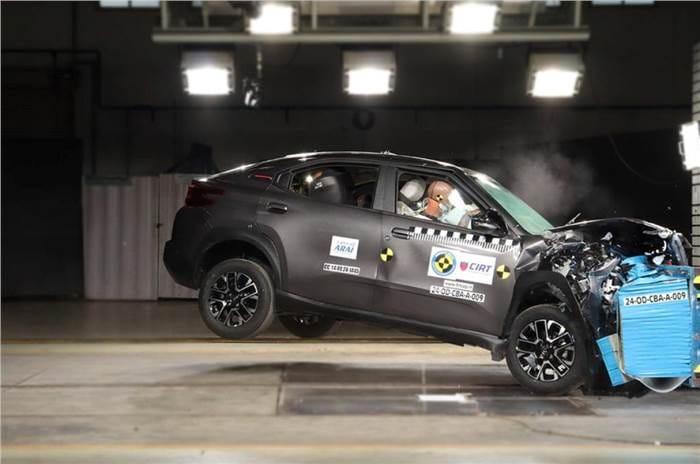
29. Citroen Basalt
BNCAP rating: 4 stars
Crash-tested in October 2024.
The Citroen Basalt was the first car from the brand to have been crash-tested by Bharat NCAP. The coupe-SUV managed to secure 4 stars for AOP (26.19/32) and 4 stars for COP (35.90/49). The Citroen offers the Basalt with 6 airbags, ESP, hill-hold, TPMS, a rearview camera, rear parking sensors and ISOFIX child-seat anchor points.
30. Tata Harrier
BNCAP rating: 5 stars
Crash-tested in December 2023 (representational image).
Tested in December 2023, the Tata Harrier SUV received a 5-star safety rating for both adult and child occupants’ safety, achieving an AOP score of 30.08 and a COP score of 44.54. Tata offers the Harrier with ABS and EBD, corner stability control, 6 airbags, ESP, hill-hold control, ISOFIX child-seat anchor points, traction control and rear parking sensors as standard.
31. Tata Safari
BNCAP rating: 5 stars
Crash-tested in December 2023.
The Tata Safari was also crash-tested in December 2023, securing a 5-star safety rating, matching the Harrier with an AOP score of 30.08 and a COP score of 44.54. As standard, the Tata Safari gets all-wheel disc brakes, 6 airbags, ABS with EBD, corner stability control, ESP, hill-hold control, ISOFIX child-seat anchor points, rear parking sensors, roll-over mitigation and traction control.
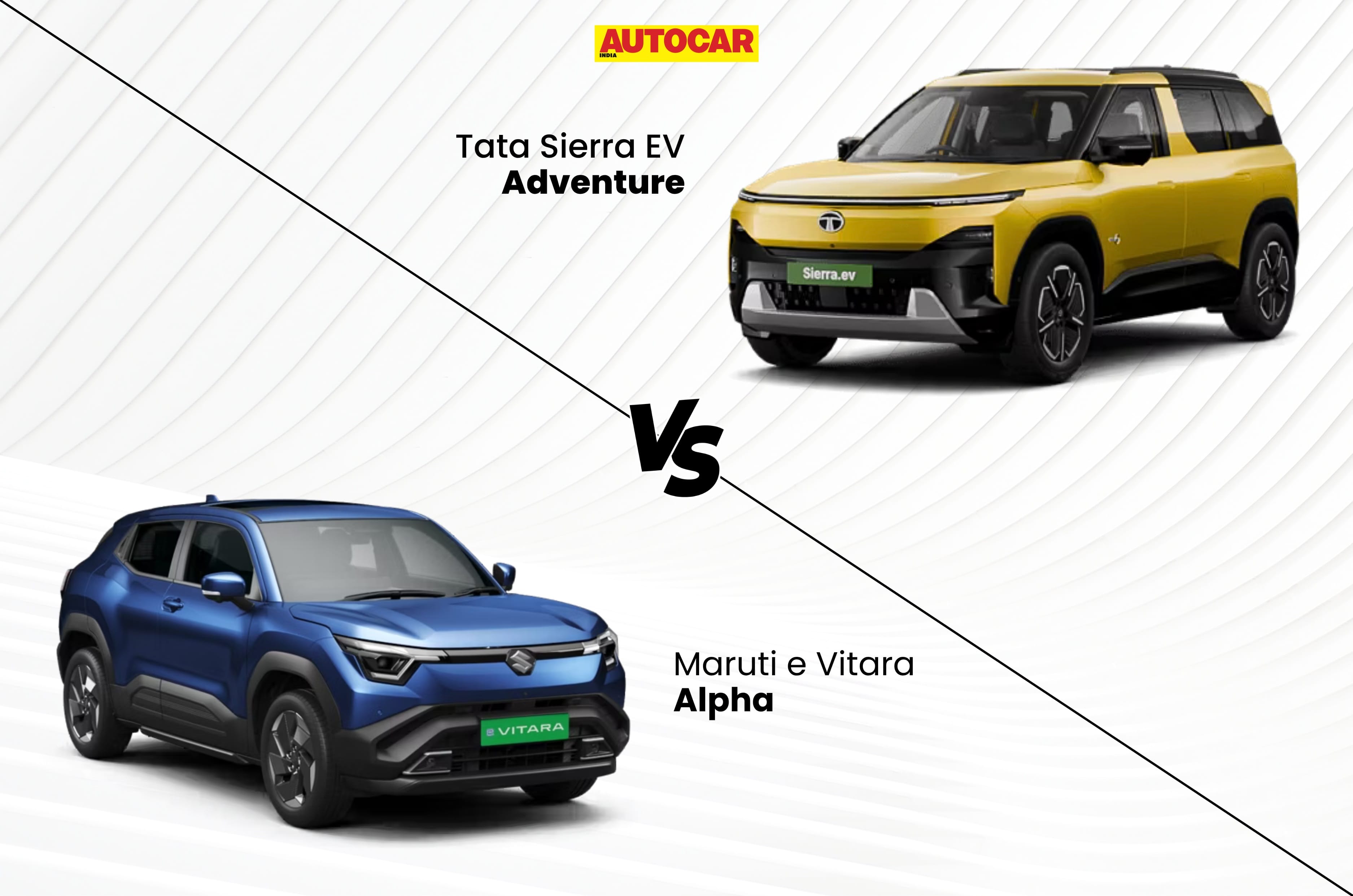
If you’re in the market for an electric midsize SUV priced around Rs 20 lakh, there are plenty of options to choose from. However, today we’ll be looking at the mid-spec Tata Sierra EV with the 63kWh battery, which starts at Rs 20.99 lakh, and the top-spec Maruti e Vitara with the 61kWh battery, priced at Rs 19.99 lakh. Let’s find out how these two midsize SUVs match up when pitted against each other in terms of their dimensions, technical specifications, features and price.
Explore full specs, features and a price breakdown in our Sierra EV vs e Vitara comparison.
Tata Sierra EV mid-spec vs Maruti e Vitara top-spec: Dimensions
Not only is the Tata EV the larger car here, it also has the bigger boot
Tata Sierra EV Adventure 63 vs Maruti e Vitara Alpha dimensions
Tata Sierra EV
Maruti e Vitara
Length (mm)
4,340
4,275
Width (mm)
1,841
1,800
Height (mm)
1,750
1,640
Wheelbase (mm)
2,730
2,700
Boot space (litres)
450
238
Frunk (litres)
55
–
Wheel size (inches)
18
18
Compared to the e Vitara, the Sierra EV is 65mm longer and has a 30mm longer wheelbase. It’s also 41mm wider and stands 110mm taller at the roof. Furthermore, the Sierra EV has the e Vitara beat in terms of luggage-carrying capacity too. Not only does the mid-spec Sierra EV feature a 55-litre frunk, which is missing altogether in the top-spec e Vitara, but the former’s primary boot is a full 212 litres bigger. While the top trim of the Sierra EV gets 19-inch wheels, the Adventure trim sticks to 18 inchers. However, all trims of the e Vitara come with 18-inch alloy wheels.
Tata Sierra EV mid-spec vs Maruti e Vitara top-spec: Exterior features
The mid-spec Sierra EV gets more modern design touches on the outside than the e Vitara
Tata Sierra EV Adventure 63 vs Maruti e Vitara Alpha exterior features
Tata Sierra EV
Maruti e Vitara
LED projector headlamps
Yes (auto)
Yes (auto)
Connected light bar
Yes
No
Front fog lamps
Yes
Yes
Cornering lights
Yes
No
Welcome lights
Yes
No
Powered ORVMs
Yes (with auto-fold function)
Yes (with auto-fold function)
Flush door handles
Yes
No
Body cladding
Yes
Yes
Rear spoiler
Yes
Yes
Compared to the muscular bodywork of the Maruti e Vitara, the Tata Sierra EV sports a more upright and chiselled form. Some of the highlights that the Sierra EV gets but are missing on the e Vitara include additional lighting elements (with suave features like ‘Welcome’ and cornering units), plus front & rear LED light bars. The e Vitara, on the other hand, gets traditional handles for the front doors – the rear units are integrated into the doors. The e Vitara’s body cladding looks quite aggressive, while that of the Sierra EV looks more urbane.
Tata Sierra EV mid-spec vs Maruti e Vitara top-spec: Interior features
Interior of the mid-trim Sierra EV offers a lot of premium-feeling yet useful amenities
Tata Sierra EV Adventure 63 vs Maruti e Vitara Alpha interior features
Tata Sierra EV
Maruti e Vitara
Infotainment screen
12.3-inch
10.1-inch
Digital driver’s display
10.25-inch
10.25-inch
Panoramic sunroof
Yes (voice assisted)
No (fixed single-pane)
Wireless charger
Yes
Yes
Driver’s seat adjustment
6-way manual
10-way powered
Co-driver’s seat adjustment
4-way manual
4-way manual
Thigh-support extender
Yes
No
‘Boss’ mode
Yes
No
Ventilated front seats
Yes
Yes
Automatic climate control
Yes (single-zone)
Yes (dual-zone)
Cooled glovebox
Yes
No
Ambient lighting
Yes
Yes
Audio system
12-speaker JBL Black
8-speaker Infinity
Dolby Atmos
Yes
No
Apple CarPlay & Android Auto
Yes (wireless)
Yes (wireless)
USB Type-C ports
Yes (4 ports)
Yes (4 ports)
Connected car tech
Yes
Yes
Voice assistant
Yes (multiple)
Yes
OTA updates
Yes
Yes
EV route planner
Yes
Yes
Gaming
Yes
No
Rear sunblinds
Yes
No
The interior feature set of the mid-spec Tata Sierra EV Adventure trim is more comprehensive than that of the top-spec Maruti e Vitara. Adding to its creature comforts is the extendable under-thigh support function for the front seats, a ‘boss’ mode to liberate more room at the back, a cooled glovebox, rear sunshades, plus a more premium audio system.
The Tata SUV also gets a large touchscreen, a voice-assisted panoramic sunroof, the brand’s new ‘AirConsole’ gaming system, and native and Amazon Alexa voice assistants. Furthermore, the Sierra EV comes with three 65-watt and one 15-watt Type-C chargers. The e Vitara also gets four USB ports, but they do not support such rapid charging rates.
Tata Sierra EV mid-spec vs Maruti e Vitara top-spec: Other features
Both cars are fairly comparable on this front
Tata Sierra EV Adventure 63 vs Maruti e Vitara Alpha other features
Tata Sierra EV
Maruti e Vitara
Drive modes
Yes (3)
Yes (3)
Terrain modes
Yes (4)
Yes (1)
V2V and V2L
Yes
No
AVAS
Yes
Yes
Where the Sierra EV gets vehicle-to-load (V2L) and vehicle-to-vehicle (V2V) functions, the e Vitara does not. The Maruti EV gets just the Snow terrain mode, while the Sierra EV offers Normal, Wet/Rain, Rough and Custom settings. Both cars feature AVAS, or Acoustic Vehicle Alerting System to alert other road users of their presence.
Tata Sierra EV mid-spec vs Maruti e Vitara top-spec: Safety features
The Tata EV packs a lot more safety nannies than the e Vitara
Tata Sierra EV Adventure 63 vs Maruti e Vitara Alpha safety features
Tata Sierra EV
Maruti e Vitara
Airbags
6
7
ABS with EBD
Yes
Yes
Electronic stability program
Yes
Yes
Hill-hold assist
Yes
Yes
Hill-descent control
Yes
Yes
TPMS
Yes
Yes
360-degree camera
Yes
Yes
Electronic parking brake
Yes (with auto-hold function)
Yes (with auto-hold function)
Auto-dimming IRVM
Yes
Yes
Rain-sensing wipers
Yes
Yes
Auto-dimming IRVM
Yes
Yes
ISOFIX
Yes
Yes
Rear wiper and defogger
Yes
Yes
All-wheel disc brakes
Yes
Yes
Level 2 ADAS
Yes
Yes
The Maruti e Vitara Alpha trim’s Level 2 ADAS (Advanced Driver Assistance Systems) includes adaptive cruise control, front collision warning, auto-emergency braking, blind-spot warning, rear cross-traffic alert, lane-departure warning with lane-departure prevention and adaptive high-beam assist. These are all safety equipment that the Sierra EV offers as well. However, the e Vitara comes with 7 airbags, while the Sierra EV gets the usual 6. Both models get surround-view cameras, front & rear parking sensors, an SOS calling function and an electronic parking brake with auto-hold.
Tata Sierra EV mid-spec vs Maruti e Vitara top-spec: Range and performance
While their battery capacities are comparable, the Sierra EV boasts a distinct power advantage
Tata Sierra EV Adventure 63 vs Maruti e Vitara Alpha range and performance
Tata Sierra EV
Maruti e Vitara
Battery size (kWh)
63
61
Electric motor setup
Single motor, rear
Single motor, front
Drive layout
RWD
FWD
Power (hp)
238
174
Torque (Nm)
315
193
Claimed 0-100kph
–
8.7 seconds
Claimed range (km)
535
543
AC charging
8.9 hrs at 7.2kW (10-100%)
9 hrs at 7.4kW (10-100%)
DC fast charging
25 mins at 110kW (20-80%)
45 mins at 70kW (10-80%)
In terms of battery size, the Sierra EV’s mid-spec variant possess a capacity advantage of 2kWh over the top-spec e Vitara. However, it’s the Maruti EV that manages more range – albeit the difference here is minimal. The Sierra EV’s rear-mounted electric motor is also punchier, offering 64hp and 122Nm more than the e Vitara’s peak output figures.
While both cars are equipped with a single electric motor, the Sierra’s unit powers the rear wheels instead of the front ones. This also means that the Sierra EV should be able to put its power down better than the front-wheel-drive e Vitara, especially on inclines or when the vehicle’s fully loaded. Tata Motors hasn’t specified the 0-100kph time of the mid-spec Sierra EV, but Maruti Suzuki claims that the top-spec e Vitara can do it in 8.7 seconds.
Both Sierra EV and e Vitara support similar AC charging speeds, thus requiring a comparable amount of time to go from 10-100 percent SoC. However, the Tata SUV is capable of accepting higher DC fast-charging rates, which allows it to reach 80 percent SoC ahead of the e Vitara. That said, the Maruti EV DC charging time accounts for the time taken for the battery to go from 10-80 percent, instead of the Sierra EV’s 20-80 percent.
Conclusion
The top-spec Maruti e Vitara Alpha variant is priced at Rs 20.00 lakh, while the mid-spec Tata Sierra EV 63 Adventure variant is priced at Rs 20.99 lakh. While the e Vitara offers 7 airbags and a little extra claimed range, the Sierra EV with the 63kWh battery pack and in the Adventure trim offers better value overall. It has more power, larger dimensions and a lengthy list of features – all of which make the Tata Sierra EV a better value-for-money buy here.
Stocks to Watch: शेयर बाजार में 7 जुलाई को कई स्टॉक्स खबरों के चलते फोकस में रह सकते हैं। इनमें कुछ कंपनियों ने जून तिमाही के मजबूत बिजनेस अपडेट जारी किए हैं। कुछ ने अधिग्रहण, मर्जर, फंड जुटाने और नई साझेदारी जैसे बड़े ऐलान किए हैं। इन कंपनियों के शेयरों में हलचल देखने को मिल सकती है।
Cochin Shipyard
सरकारी शिपबिल्डिंग कंपनी Cochin Shipyard में सरकार OFS के जरिए हिस्सेदारी बेचेगी। पहले 2.52% हिस्सेदारी बिक्री के लिए लाई जाएगी। ज्यादा मांग होने पर इतनी ही अतिरिक्त हिस्सेदारी भी बेची जा सकती है। OFS का फ्लोर प्राइस 1,400 रुपये प्रति शेयर रखा गया है। 7 जुलाई को गैर-रिटेल और 8 जुलाई को रिटेल निवेशक बोली लगा सकेंगे।
Tata Motors PV
टाटा ग्रुप की ऑटो कंपनी Tata Motors Passenger Vehicles Ltd ने जून तिमाही में शानदार प्रदर्शन किया। Punch और Nexon का प्रोडक्शन 80,001 से बढ़कर 1,17,711 यूनिट हो गया। Curvv और Sierra की बिक्री 8,272 यूनिट से बढ़कर 25,150 यूनिट पहुंच गई। यानी लगभग तीन गुना बढ़ोतरी हुई।
Trent
टाटा ग्रुप की रिटेल कंपनी Trent Ltd ने जून तिमाही में अच्छा कारोबार किया है। कंपनी का स्टैंडअलोन रेवेन्यू सालाना आधार पर 19% बढ़ा है। इस ग्रोथ की सबसे बड़ी वजह Westside और Zudio स्टोर्स का लगातार विस्तार रहा।
Torrent Pharmaceuticals
फार्मा कंपनी Torrent Pharmaceuticals को कानूनी राहत मिली है। NCLT की अहमदाबाद बेंच ने JB Chemicals & Pharmaceuticals के कंपनी में विलय को मंजूरी दे दी है। अब दोनों कंपनियों के मर्जर की प्रक्रिया आगे बढ़ सकेगी।
Tata Motors Passenger Vehicles
ऑटो कंपनी Tata Motors Passenger Vehicles Ltd ने जून तिमाही में अपने ज्यादातर पैसेंजर व्हीकल मॉडल्स की बिक्री और प्रोडक्शन बढ़ाया है। कंपनी के मुताबिक, Punch, Nexon, Curvv, Sierra, Safari और Harrier जैसे मॉडल्स की मांग मजबूत रही।
Varun Beverages
एफएमसीजी कंपनी Varun Beverages Ltd ने केन्या में बड़ा अधिग्रहण किया है। कंपनी की इकाई VBL Industries (Kenya) Ltd ने Devyani Food Industries (Kenya) Ltd के डेयरी ड्रिंक्स, जूस और पैकेज्ड ड्रिंकिंग वॉटर कारोबार को खरीदने का समझौता किया है। इस डील की कीमत 3.2 करोड़ डॉलर, यानी करीब 305 करोड़ रुपये है।
Titan
टाटा ग्रुप की ज्वेलरी कंपनी Titan Company Ltd ने जून तिमाही में दमदार कारोबार किया है। कंपनी के कंज्यूमर बिजनेस में 41% की ग्रोथ दर्ज की गई। ज्वेलरी बिजनेस 39% बढ़ा। घड़ियों और आईकेयर कारोबार में भी 23-23% की बढ़ोतरी रही। कंपनी ने इस दौरान 77 नए स्टोर भी खोले।
Hexaware Technologies
आईटी सर्विसेज कंपनी Hexaware Technologies Ltd ने SmartRent Inc. के साथ नई साझेदारी की है। दोनों कंपनियां मिलकर AI आधारित सॉल्यूशंस तैयार करेंगी। इनकी मदद से कस्टमर ऑपरेशंस और रेवेन्यू से जुड़े कामों को ज्यादा तेज और स्मार्ट बनाया जाएगा।
PNB Housing Finance
हाउसिंग फाइनेंस कंपनी PNB Housing Finance का बोर्ड 10 जुलाई को बैठक करेगा। इस बैठक में नॉन-कन्वर्टिबल डिबेंचर (NCDs) के जरिए फंड जुटाने के प्रस्ताव पर विचार किया जाएगा। अगर बोर्ड मंजूरी देता है, तो कंपनी बॉन्ड जारी कर पूंजी जुटा सकती है।
Blue Jet Healthcare
फार्मा कंपनी Blue Jet Healthcare ने ग्रोथ के लिए 600 करोड़ रुपये का क्वालिफाइड इंस्टीट्यूशनल प्लेसमेंट (QIP) लॉन्च किया है। इश्यू का सांकेतिक भाव 506 रुपये प्रति शेयर रखा गया है, जो सोमवार के बंद भाव 572 रुपये से करीब 10% कम है। कंपनी ने SEBI के नियमों के तहत 531.70 रुपये प्रति शेयर का फ्लोर प्राइस भी तय किया है।
Disclaimer: यहां मुहैया जानकारी सिर्फ सूचना के लिए दी जा रही है। यहां बताना जरूरी है कि मार्केट में निवेश बाजार जोखिमों के अधीन है। निवेशक के तौर पर पैसा लगाने से पहले हमेशा एक्सपर्ट से सलाह लें। मनीकंट्रोल की तरफ से किसी को भी पैसा लगाने की यहां कभी भी सलाह नहीं दी जाती है।
Crude Oil Price: कच्चे तेल की कीमतों में इस साल बड़ी गिरावट देखने को मिल सकती है। Crystol Energy के ग्लोबल एडवाइजर Christof Ruehl का मानना है कि अगर हालात ऐसे ही रहे, तो कच्चे तेल का भाव 60 डॉलर प्रति बैरल से भी नीचे जा सकता है। फिलहाल, कच्चा तेल 72 डॉलर के आसपास बना हुआ है।
हालांकि, इसमें सबसे बड़ा रोल चीन का होगा। अगर चीन अपने रणनीतिक तेल भंडार (Strategic Petroleum Reserve) को भरने में देरी करता है, तो कीमतों पर और दबाव आ सकता है।
सप्लाई ज्यादा होगी, मांग घटेगी
Christof Ruehl का कहना है कि आने वाले महीनों में तेल का उत्पादन खपत से ज्यादा रह सकता है। उनके मुताबिक, Strait of Hormuz से जहाजों की आवाजाही अब धीरे-धीरे सामान्य हो रही है। हाल के भू-राजनीतिक तनाव भी कम हुए हैं। इसका मतलब है कि बाजार में तेल की सप्लाई पहले के मुकाबले आसान होगी।
उनका मानना है कि साल की दूसरी छमाही में तेल की कीमतों की दिशा काफी हद तक चीन तय करेगा। सवाल सिर्फ इतना है कि चीन तेल कब खरीदता है और कितनी मात्रा में खरीदता है।
60 डॉलर से नीचे क्यों जा सकता है तेल?
Christof Ruehl का कहना है कि अगर चीन सस्ती कीमत का इंतजार करता है और खरीदारी टाल देता है, तो कच्चे तेल का भाव कुछ समय के लिए 60 डॉलर प्रति बैरल से नीचे भी जा सकता है।
हालांकि, उन्हें यह भी लगता है कि 60 डॉलर के नीचे जाते ही चीन अपने रणनीतिक भंडार को भरने के लिए बड़ी खरीदारी शुरू कर सकता है। ऐसा हुआ, तो कीमतों को सहारा मिल सकता है।
OPEC+ भी बढ़ा रहा है उत्पादन
तेल की सप्लाई बढ़ने की एक और वजह OPEC+ है। Ruehl का कहना है कि OPEC+ देशों ने हाल ही में उत्पादन बढ़ाया है। इसके अलावा UAE, रूस, इराक और ईरान जैसे देश भी ज्यादा तेल निकाल रहे हैं।
यानी बाजार में तेल की कमी नहीं दिख रही। सप्लाई लगातार बढ़ रही है। ऐसे में कीमतों पर दबाव बना रह सकता है।
OPEC के सामने भी मुश्किल
Christof Ruehl का मानना है कि आने वाले वर्षों में OPEC के सामने बड़ी चुनौती आ सकती है। अगर दुनिया में तेल की मांग अपने सबसे ऊंचे स्तर पर पहुंचकर घटने लगती है, तो तेल उत्पादक देशों के बीच बाजार हिस्सेदारी की लड़ाई और तेज हो जाएगी।
उनका कहना है कि अगर भविष्य में 2025 को ‘पीक ऑयल डिमांड’ का साल माना गया, तो यह पूरी ऑयल इंडस्ट्री के लिए गेम चेंजर साबित होगा।
उन्होंने यह भी कहा कि अगर भविष्य में और देश UAE की तरह OPEC छोड़ने का फैसला करते हैं, तो बाकी सदस्य देशों पर प्रतिस्पर्धा का दबाव और बढ़ जाएगा।
अभी सबसे बड़ा फैक्टर क्या है?
Christof Ruehl का मानना है कि फिलहाल तेल की कीमतों के लिए सबसे बड़ा जोखिम गिरावट का है। बशर्ते कोई नया बड़ा भू-राजनीतिक संकट न खड़ा हो।
हालांकि, उनके मुताबिक 60 डॉलर प्रति बैरल का स्तर काफी अहम है। अगर कीमतें इससे नीचे जाती हैं, तो चीन बड़ी खरीदारी करके बाजार को सहारा दे सकता है। यही वजह है कि आने वाले महीनों में पूरी दुनिया की नजर चीन की खरीदारी पर रहेगी।
Disclaimer: मनीकंट्रोल.कॉम पर दिए गए सलाह या विचार एक्सपर्ट/ब्रोकरेज फर्म के अपने निजी विचार होते हैं। वेबसाइट या मैनेजमेंट इसके लिए उत्तरदायी नहीं है। यूजर्स को मनीकंट्रोल की सलाह है कि कोई भी निवेश निर्णय लेने से पहले हमेशा सर्टिफाइड एक्सपर्ट की सलाह लें।










.jpg?w=700&c=0)
.jpg?w=700&c=0)


.jpg?w=700&c=0)
.png?w=700&c=0)