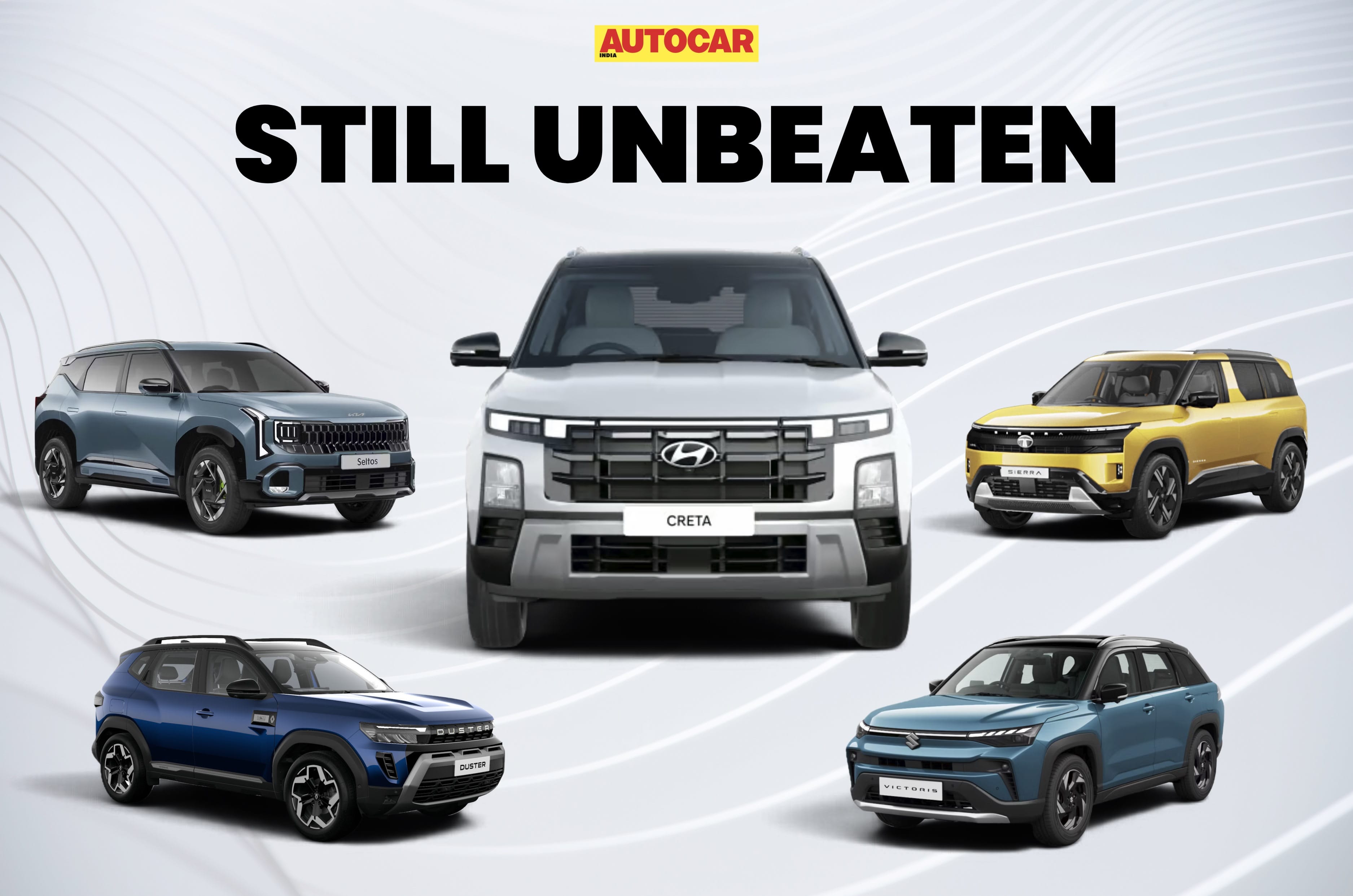
Has the latest crop of midsize SUVs dented the Hyundai Creta’s dominance?

hyundai creta h1 2026 sales compared to rivals

The Hyundai Creta wasn’t the first midsize SUV to hit the Indian market, but it sure is the most popular one of them all. At the start of 2026, however, many believed that the Creta’s dominance on the sales charts was in jeopardy on account of new and upcoming entrants in the midsize SUV space, like the Maruti Suzuki Victoris, Tata Sierra, Kia Seltos, and Renault Duster, as well as the facelifted Skoda Kushaq and Volkswagen Taigun.

If things were to pan out that way, it would be bad news for Hyundai, since the Creta is the Korean carmaker’s bread-and-butter in India. Now that we have sales data for the first half of calendar 2026, and production, deliveries have stabilized for this fresh barrage of midsize SUVs, let’s take a look if any model has eaten into the Creta’s market, or if the Hyundai SUV continues to rule its segment.

Hyundai Creta vs latest midsize SUV sales in H1 2026

ModelJanuaryFebruaryMarchAprilMayJuneTotal
Hyundai Creta^17,92117,93817,83815,29115,2357,16891,391
Maruti Victoris15,24013,02111,06213,70110,85310,03573,912
Kia Seltos*10,63910,30811,04110,56610,5979,65462,805
Tata Sierra7,0037,1009,0037,3166,6066,39243,420
Skoda Kushaq*^^2,3071,8511,3109926,460
Renault Duster1,4022,3591,2671,0116,039
Volkswagen Taigun*^^1,5431,2811,1824,006

^Includes Creta Electric sales

*May include carryover sales of outgoing models

^^Sales counted from the facelift’s month of launch

Six months into 2026, the Creta has managed to retain its moniker of midsize SUV sales champion, averaging over 15,000 sales a month. Compared to H1 2025 (1,00,560 units sold), the Creta’s sales are actually 9.12 percent down YoY, but the Hyundai SUV is still far ahead of its rivals on the chart. That said, though the newer midsize SUVs haven’t dethroned the Creta, they’ve done a lot to grow the segment.
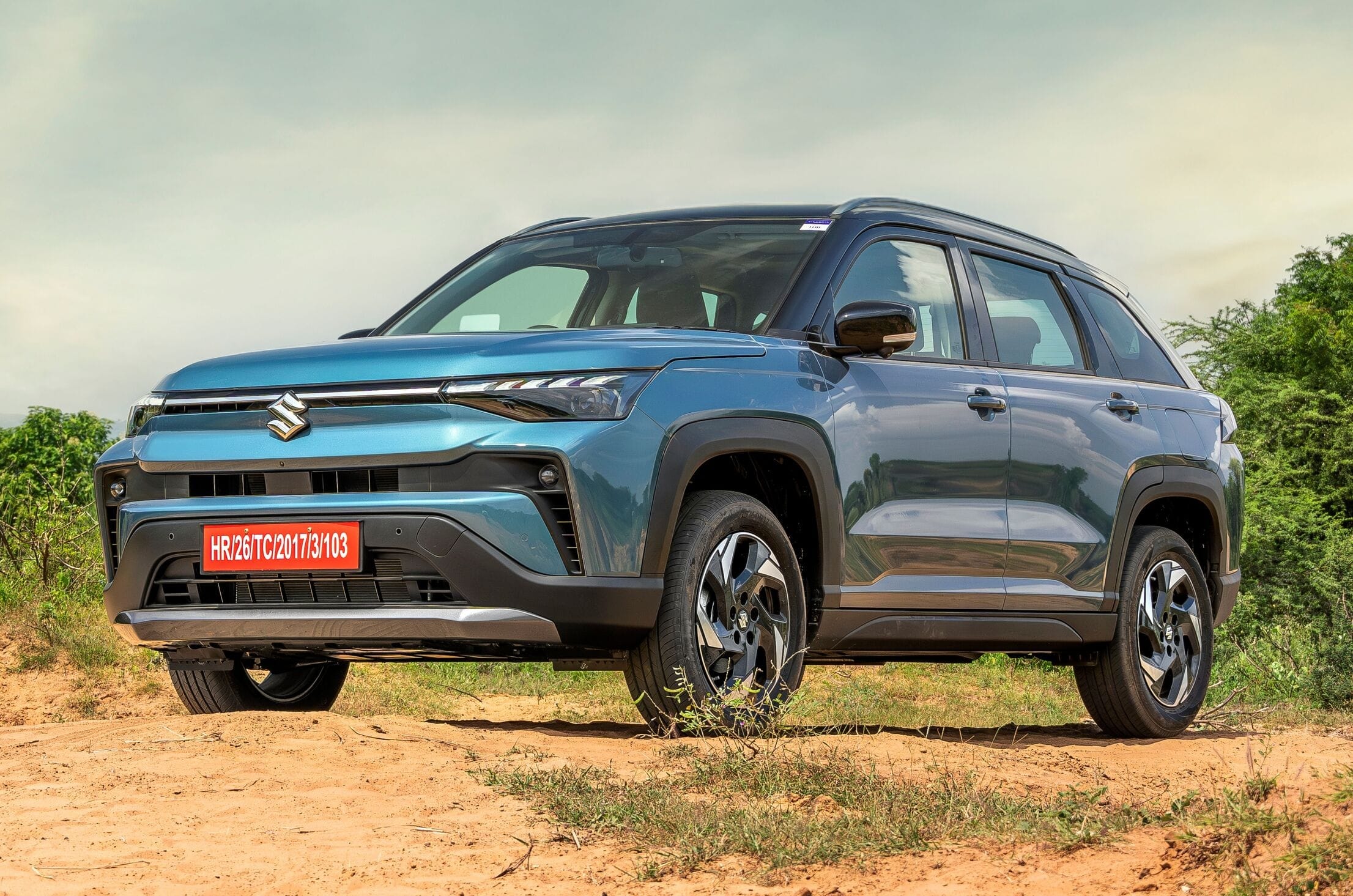
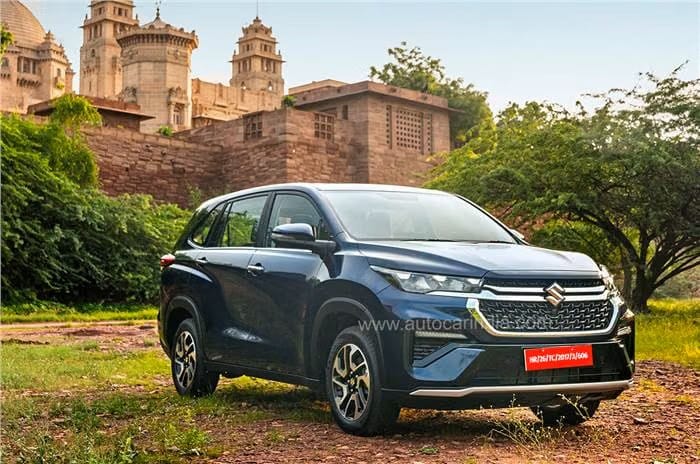
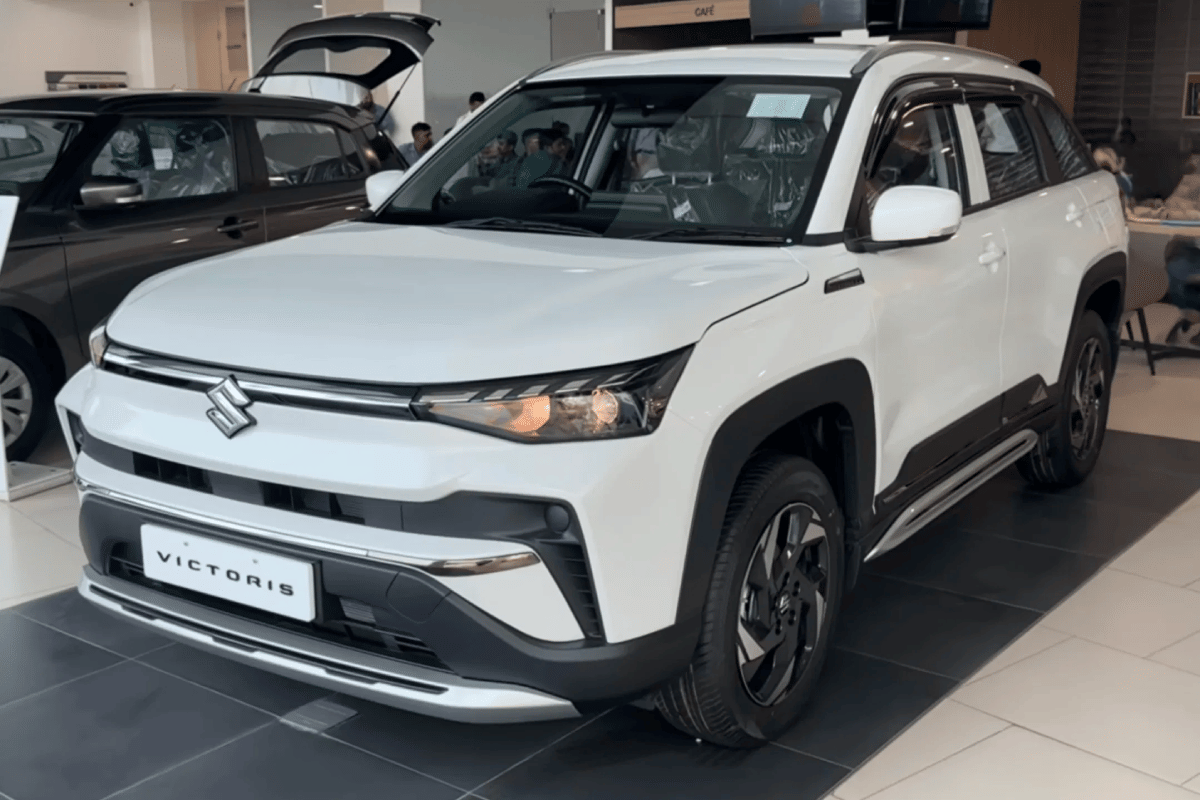
The next bestselling midsize SUV during H1 2026 was the Victoris, which fell 17,479 units behind the Creta. For perspective, you could fit the sales of the Duster, Kushaq, and Taigun within that gap and still come up around 1,000 units short. Launched in September 2025, the Victoris had a few months to establish itself in the market, and differentiates itself from the Creta by offering CNG and strong hybrid powertrains, which appeal to buyers seeking practicality and fuel efficiency, as well as Maruti’s famed peace of mind.
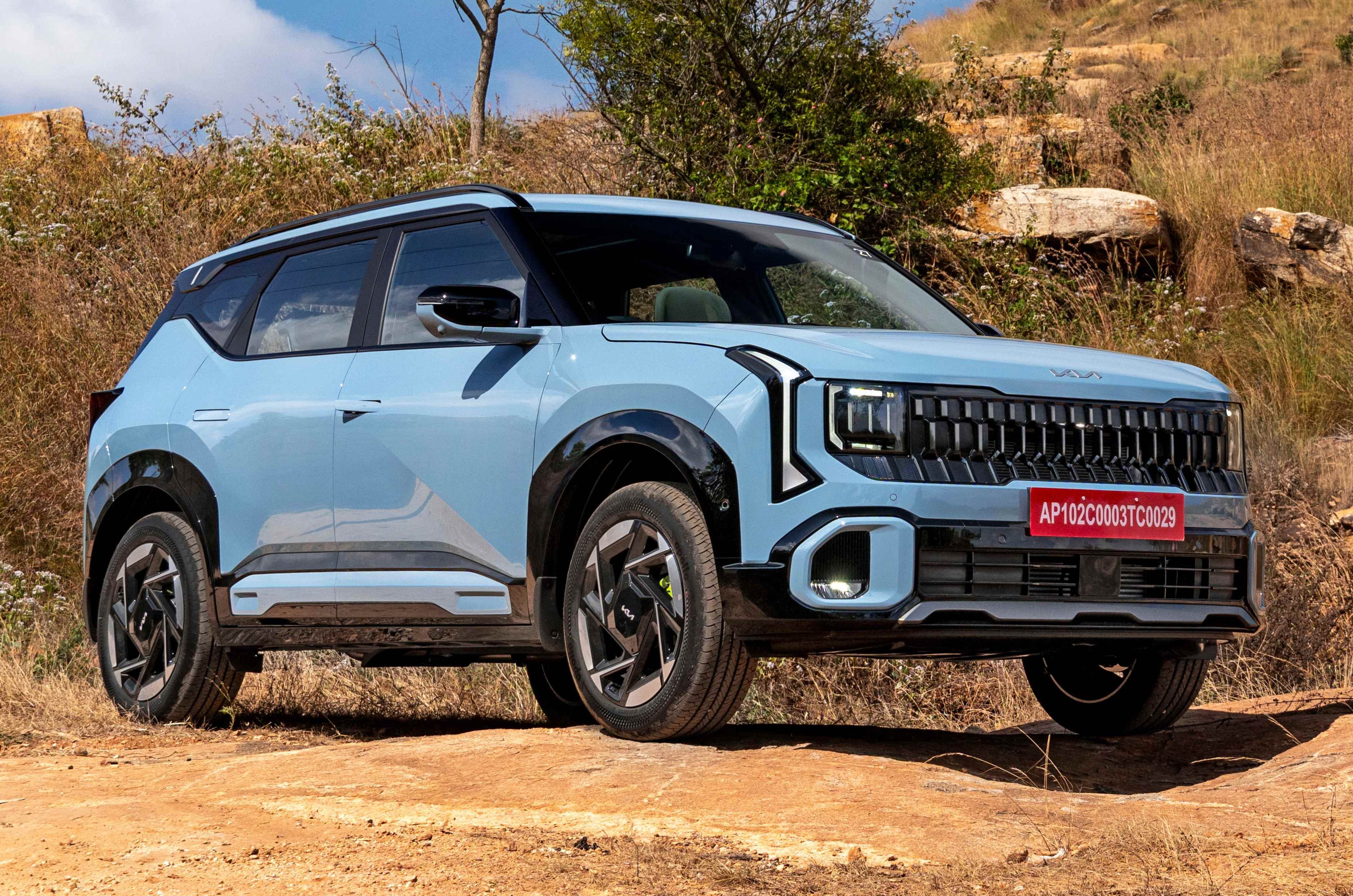
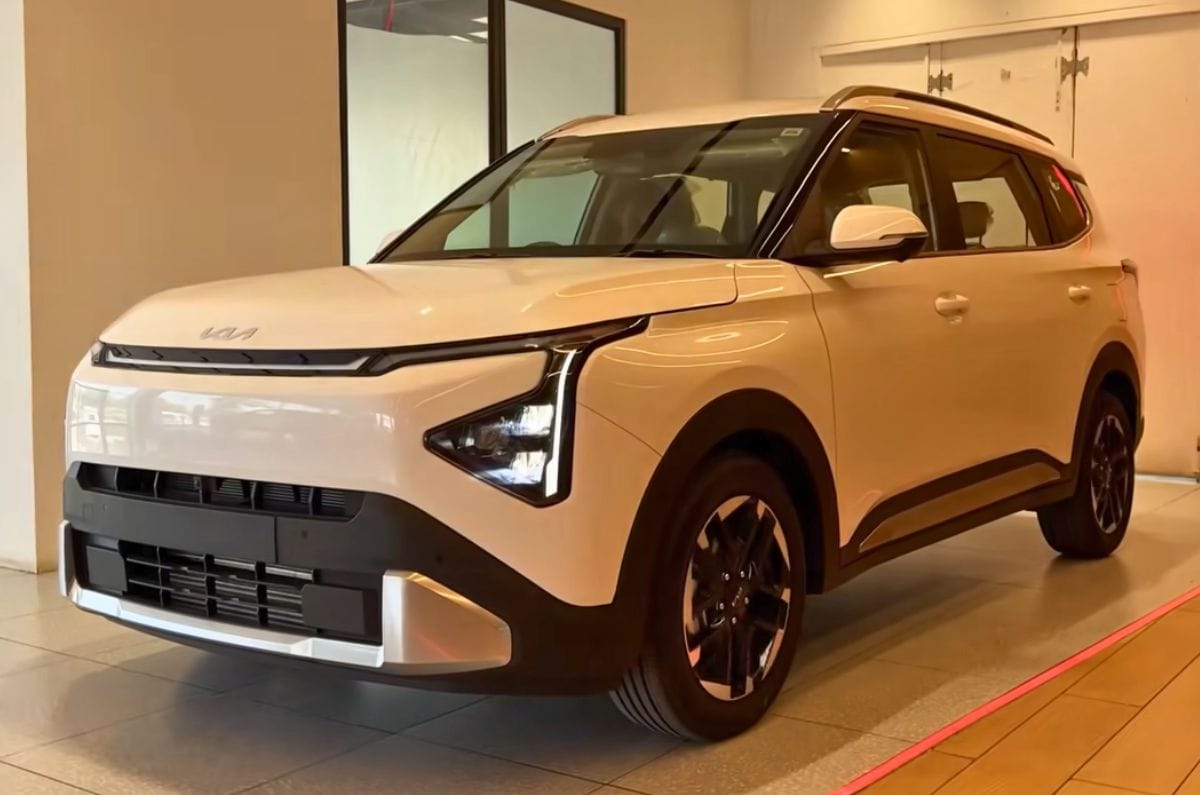
In third position comes the Seltos, which in theory should’ve been stiff competition for the Creta, with the Kia SUV offering a near-identical set of powertrains, a more modern platform (which will even underpin the next-gen Creta), similar pricing, and greater safety credentials by way of a 5-star Bharat NCAP rating. That said, the Seltos did record a whopping 70.28 percent YoY surge in sales, clearly reflecting the boosted popularity of the second-gen model.
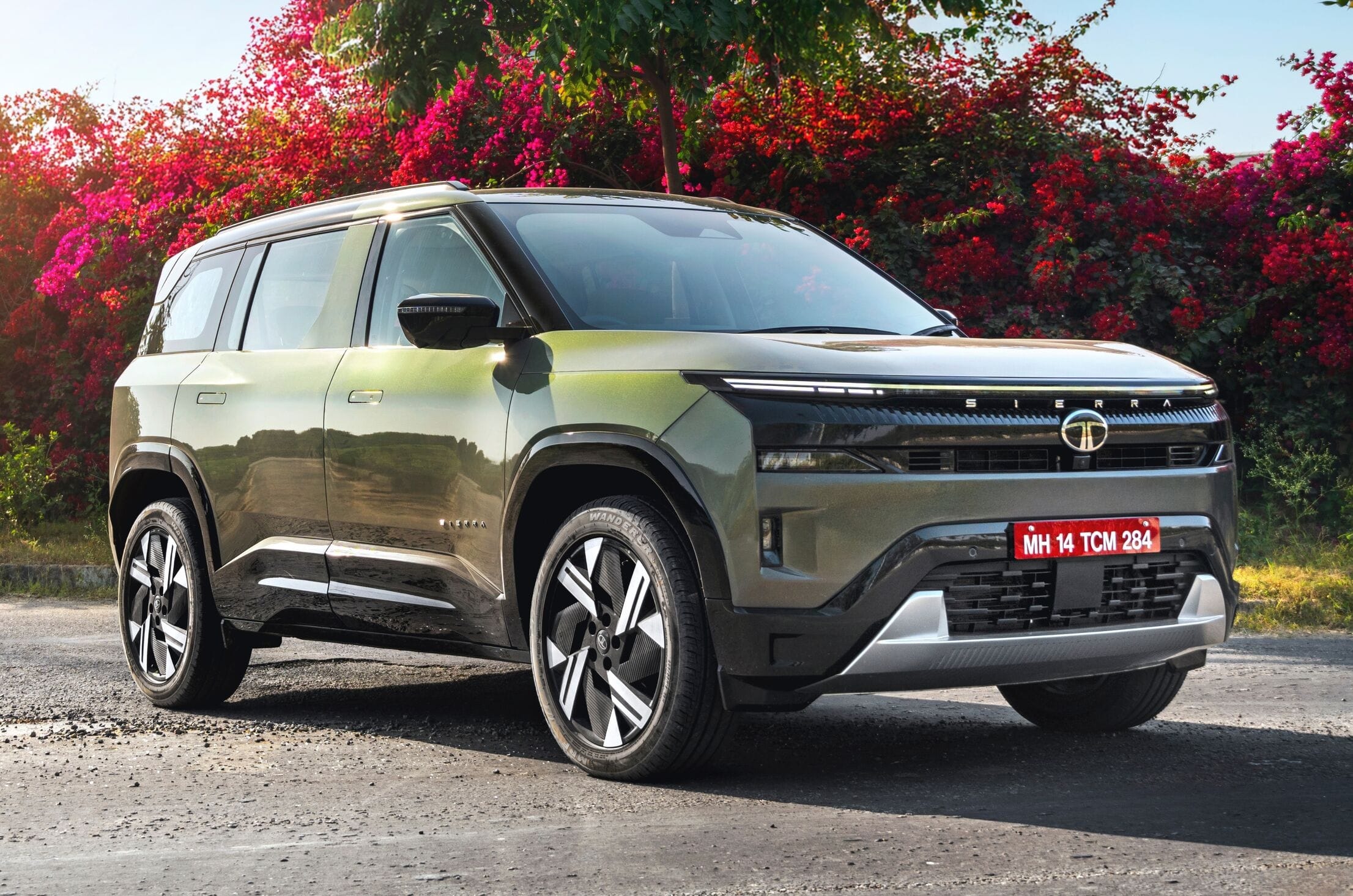
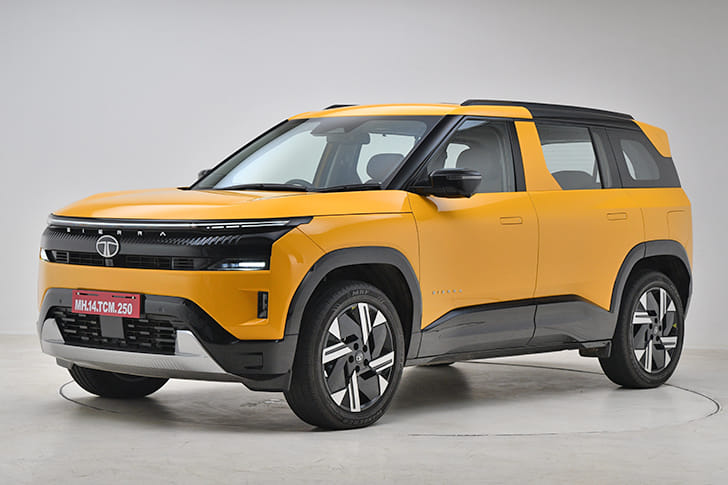
The Sierra is Tata’s most formidable contender against the Creta to date, but sold less than half of what the Hyundai SUV did in H1 2026. It should be noted that the Sierra’s sales were initially production-constrained, with Tata steadily increasing manufacturing capacity every month to meet demand. The Sierra is undoubtedly a more feature-packed offering than the Creta, but also costs more. Concerns around fit-and-finish and Tata’s aftersales experience also play a role here.
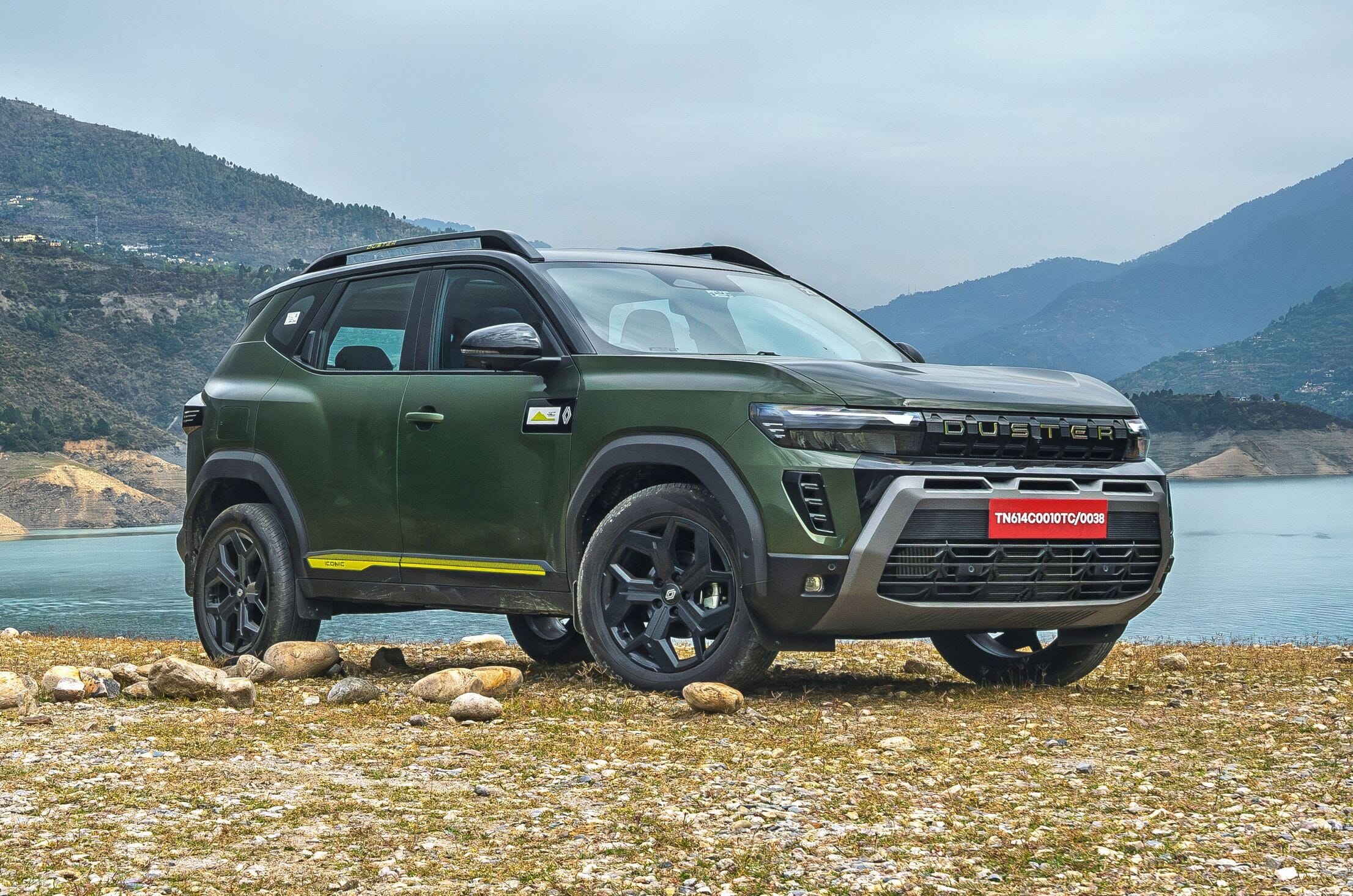
Renault made its long-awaited return to the midsize SUV space with the new Duster in March, with deliveries commenced in April, but it hasn’t quite set the H1 sales chart alight. Like the Sierra, the Duster’s production is being increased in a phased manner, which could explain the relatively low sales numbers. The Duster has a lot going for it, like aggressive pricing, muscular looks, and a competitive feature set, but the SUV’s exclusively turbo-petrol powertrain line-up limits its appeal for many buyers. A strong hybrid powertrain is set to join the Duster line-up by Diwali 2026, and could pique buyer interest further.
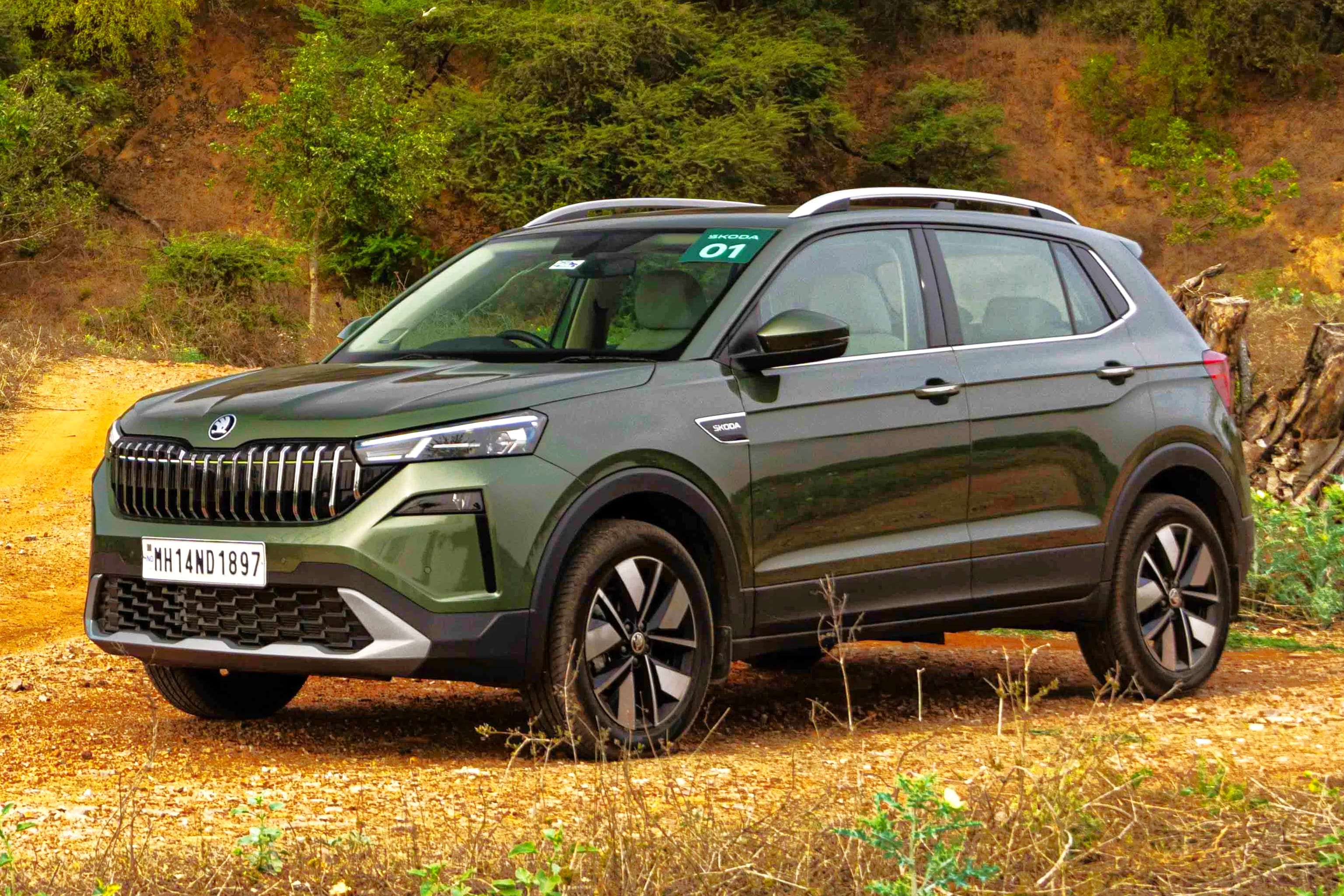
Facelifts of the Kushaq and Taigun were launched in March and April, respectively – nearly five years since the midsize SUVs originally went on sale in India. Both packed some long-requested feature additions and changes, which led to demand spikes in subsequent months. Much like the Duster, though, the Kushaq and Taigun are available with turbo-petrol engines only, and are also on the dimensionally smaller side of the segment, which means they’re best-suited for enthusiast buyers.

Why does the Creta keep selling?
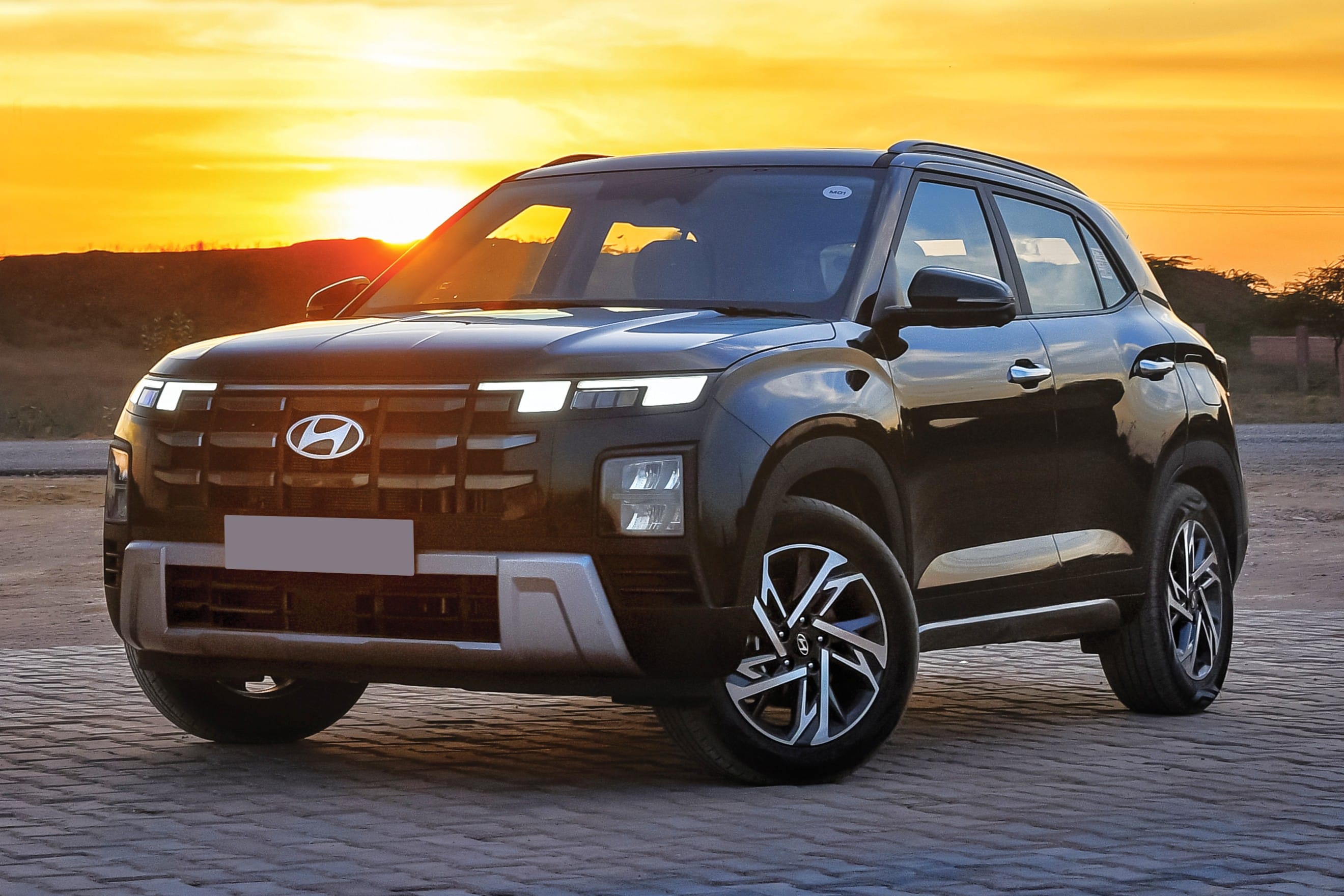
The biggest reason behind the Creta’s persistent reign on the midsize SUV sales charts is its deeply well-established brand name and perception. Many Indian car buyers are very conservative and safe in their purchasing decisions, and seeing a consistently high number of Cretas on the road every single day builds the image of it being the best option in the segment by virtue of sheer popularity. Not to mention, the more ubiquitous and established the car, the better its resale value, which is also very important to most Indian buyers.
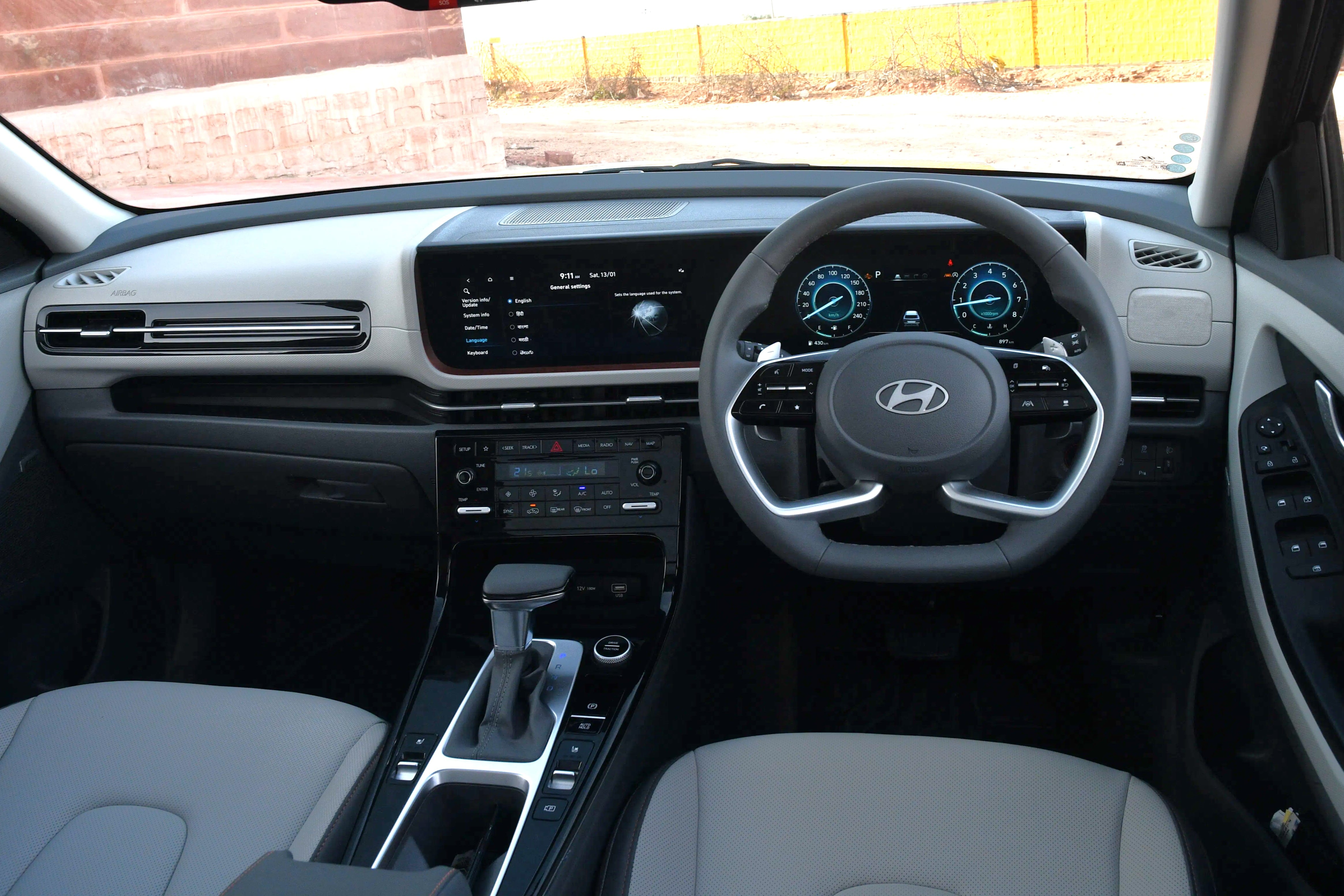
Another key driver behind the Creta’s popularity is its proven reliability and no-nonsense ownership experience. Though many of the Creta’s rivals are just as, if not more durable, the Hyundai SUV’s reliability comes alongside a decently long list of features, a comfortable and well-built interior, great levels of refinement, a wide variety of powertrains, and an easy driving experience – making for an excellent overall package.
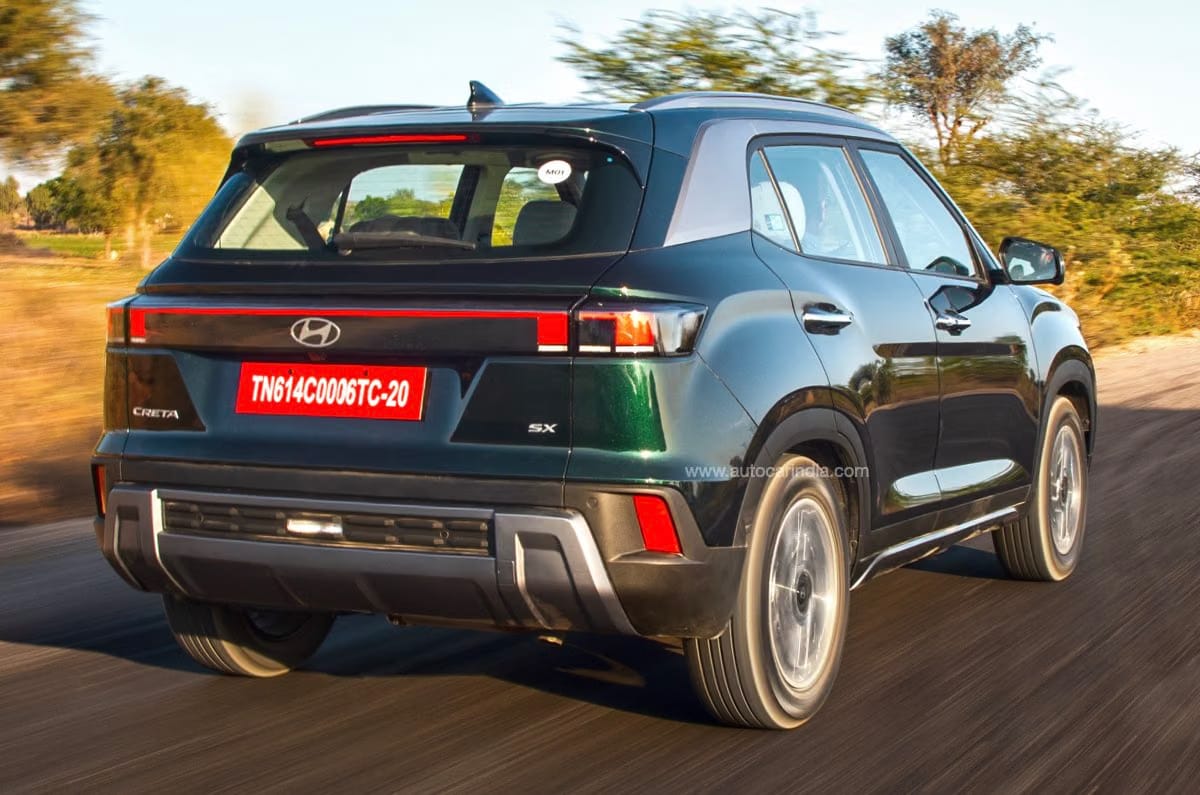
The Creta is even among the few in its segment to offer a diesel engine, which many midsize SUV buyers still prefer. For those who primarily commute in the city, there’s a smooth naturally aspirated petrol engine on offer, while enthusiast buyers can pick from the sporty Creta N Line range, which is powered by a direct-injection turbo-petrol motor. Basically, there’s something for everyone, and that’s exactly why the Creta is still unbeaten.

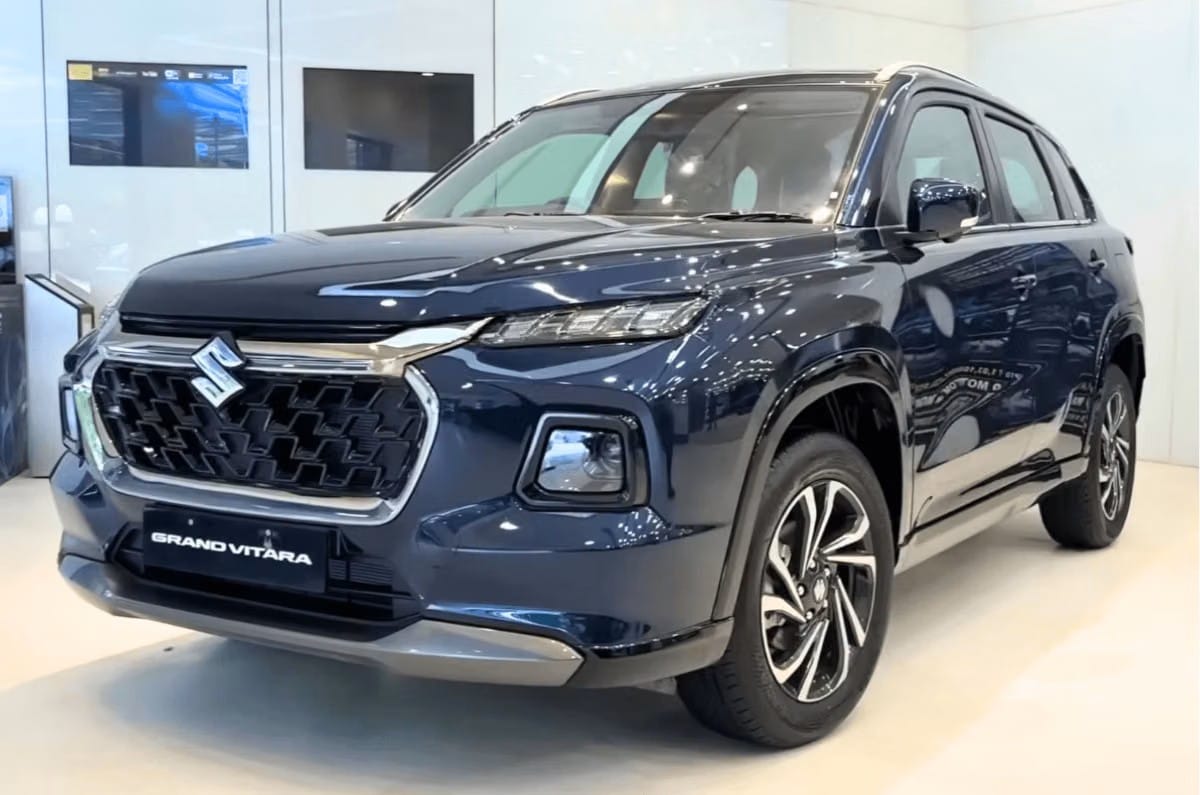
Benefits of up to Rs 1.30 lakh on Maruti Grand Vitara in August 2026

Maruti Grand Vitara

Maruti Suzuki is offering discounts across its Nexa line-up in August 2026. The offers include cash discounts, exchange or scrappage bonuses, loyalty upgrade benefits and institutional discounts, depending on the model and variant. The highest benefits this month are available on the Invicto, while the Grand Vitara, XL6, Jimny, Baleno and Fronx also receive offers.

Disclaimer: Offers may vary by city and are subject to stock availability. Check with your nearest dealer for exact details.

Maruti Invicto discounts in August 2026

Up to Rs 1.55 lakh off

The Invicto attracts the highest discounts in the Nexa range this month, with benefits of up to Rs 1.55 lakh. These include a Rs 55,000 cash discount, an exchange bonus of up to Rs 50,000 or a Rs 50,000 scrappage bonus, a Rs 30,000 loyalty bonus and a Rs 20,000 institutional discount.

Priced between Rs 24.97 lakh and Rs 28.61 lakh, the Invicto is Maruti Suzuki’s flagship MPV and rivals the Toyota Innova Hycross.

Maruti Grand Vitara discounts in August 2026

Up to Rs 1.30 lakh off

The Grand Vitara Sigma petrol receives the highest discounts of up to Rs 1.30 lakh. Delta petrol variants are available with benefits of up to Rs 1.20 lakh, while Zeta, Alpha and AWD variants get offers worth Rs 1.20 lakh, along with a complimentary five-year extended warranty.

Strong hybrid variants also receive plenty of benefits, totaling up to Rs 1.25 lakh along with zero road tax (worth up to Rs 1.85 lakh in Delhi), a five-year extended warranty. The benefits comprise of an exchange bonus of up to Rs 75,000 or a Rs 45,000 scrappage bonus, a Rs 30,000 loyalty upgrade bonus and a Rs 20,000 institutional discount. Delta CNG variants get benefits of up to Rs 1.05 lakh, while Zeta CNG variants receive up to Rs 95,000.

The Grand Vitara is priced from Rs 10.77 lakh to Rs 19.57 lakh and rivals the Hyundai Creta, Kia Seltos, Honda Elevate, Toyota Hyryder and Tata Sierra.

Maruti XL6 discounts in August 2026

Up to Rs 50,000 off

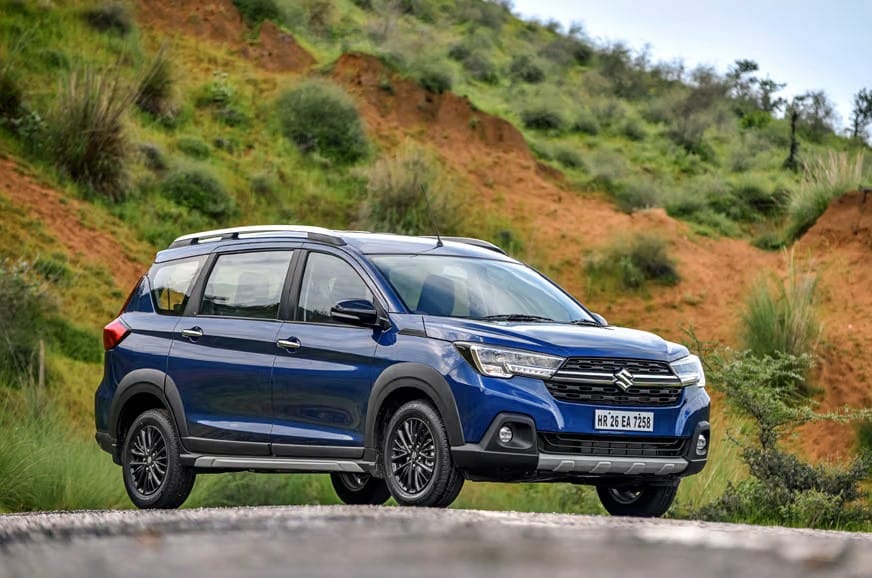
Petrol and CNG variants of the XL6 are available with benefits of up to Rs 50,000. The offer comprises a Rs 20,000 cash discount, an exchange bonus of up to Rs 30,000 or a Rs 15,000 scrappage bonus, and a Rs 10,000 institutional discount. The XL6 is priced between Rs 11.57 lakh and Rs 14.37 lakh and serves as the premium six-seat sibling to the Ertiga.

Maruti Jimny discounts in August 2026

Up to Rs 35,000 off

All variants of the Jimny are available with a Rs 35,000 cash discount this month. No exchange, scrappage, loyalty or institutional benefits are being offered. The Jimny is priced between Rs 12.39 lakh and Rs 14.37 lakh and rivals the Mahindra Thar and Force Gurkha.

Maruti Baleno discounts in August 2026

Up to Rs 30,000 off

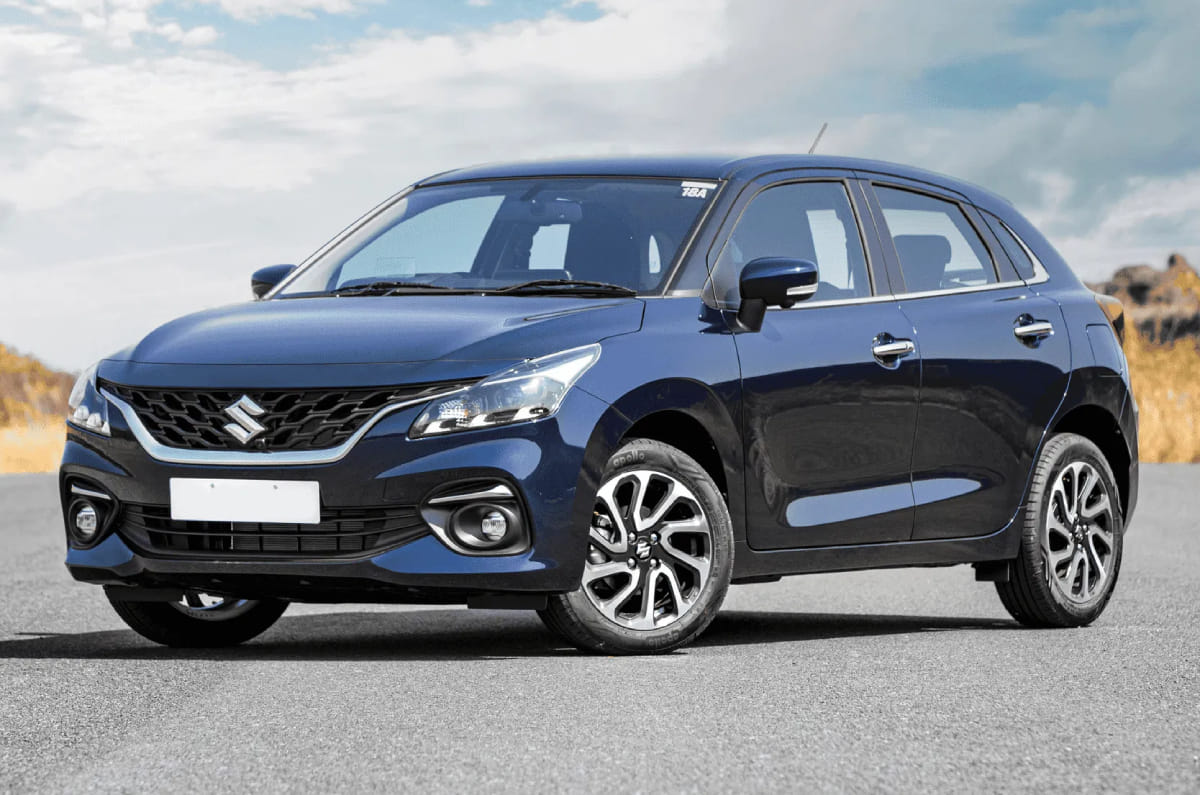
Petrol manual and AMT variants of the Baleno receive benefits of up to Rs 30,000, while CNG variants are available with discounts of up to Rs 25,000. Petrol variants get a Rs 5,000 cash discount, an exchange bonus of up to Rs 25,000 or a Rs 10,000 scrappage bonus, while CNG variants miss out on the cash offer but receive the same exchange or scrappage benefits. Priced between Rs 5.99 lakh and Rs 9.17 lakh, the Baleno rivals premium hatchbacks such as the Hyundai i20 and Tata Altroz.

Maruti Fronx discounts in August 2026

Up to Rs 20,000 off

The turbo-petrol Fronx gets the highest discounts this month, with benefits of up to Rs 20,000. Petrol and CNG variants are available with offers of up to Rs 15,000. Turbo variants additionally receive a Rs 5,000 cash discount, while all variants are eligible for an exchange bonus of up to Rs 15,000 or a Rs 10,000 scrappage bonus, along with a Rs 5,000 institutional discount. The Fronx is priced from Rs 6.85 lakh to Rs 11.84 lakh and rivals the Toyota Taisor, Tata Nexon, Hyundai Venue, Kia Sonet, Mahindra XUV 3XO and Nissan Magnite.

All prices are ex-showroom, India.

Maruti Victoris gets up to Rs 1.35 lakh discount in August 2026

Maruti Victoris

Maruti Suzuki is offering discounts across much of its Arena line-up, including the Victoris, Swift, Wagon R, Alto K10, Celerio, S-Presso and Eeco, in August 2026. The highest benefits are available on the Victoris, with savings of up to Rs 1.35 lakh. These offers comprise cash discounts, exchange or scrappage bonuses, loyalty benefits and institutional discounts, depending on the variant.

Disclaimer: Offers may vary by city and are subject to stock availability. Check with your nearest dealer for exact details.

Maruti Victoris discounts in August 2026

Up to Rs 1.35 lakh off

The Victoris strong hybrid attracts the highest benefits this month, with total discounts of up to Rs 1.35 lakh. These include a Rs 20,000 cash discount, an exchange bonus of up to Rs 75,000 or a Rs 45,000 scrappage bonus, a Rs 30,000 loyalty upgrade bonus and a Rs 10,000 institutional discount.

Petrol and CNG variants, meanwhile, are available with benefits of up to Rs 85,000. Both are eligible for an exchange bonus of up to Rs 55,000, while customers opting for the scrappage scheme can avail of benefits of up to Rs 25,000 on petrol variants and Rs 20,000 on CNG variants. These variants also receive a Rs 20,000 loyalty upgrade bonus and a Rs 10,000 institutional discount.

Priced between Rs 10.50 lakh and Rs 19.99 lakh, the Victoris rivals the Hyundai Creta, Kia Seltos, Tata Sierra and Honda Elevate.

Maruti Wagon R discounts in August 2026

Up to Rs 52,500 off

The Wagon R is available with benefits of up to Rs 52,500 across its petrol and CNG range. Buyers can avail of a Rs 25,000 cash discount, an exchange bonus of up to Rs 25,000 or a Rs 10,000 scrappage bonus, along with a Rs 2,500 institutional discount.

Priced between Rs 4.99 lakh and Rs 7.24 lakh, the Wagon R rivals the Tata Tiago and Citroen C3.

Maruti Alto K10 discounts in August 2026

Up to Rs 52,500 off

In the Alto K10 line-up, the LXi petrol variant gets the highest benefits of Rs 52,500, while other petrol variants are available with discounts of up to Rs 42,500. Benefits on CNG variants are capped at Rs 37,500.

Depending on the variant, buyers can avail of a cash discount of up to Rs 25,000, an exchange bonus of up to Rs 25,000 or a Rs 10,000 scrappage bonus, and a Rs 2,500 institutional discount. This rival to the Renault Kwid is priced between Rs 3.70 lakh and Rs 5.45 lakh.

Maruti Celerio discounts in August 2026

Up to Rs 42,500 off

Benefits of up to Rs 42,500 are available across the Celerio range this month. The offer includes a Rs 15,000 cash discount, an exchange bonus of up to Rs 25,000 or a Rs 10,000 scrappage bonus, along with a Rs 2,500 institutional discount. A rival to the Tata Tiago and Renault Kwid, the Celerio has a starting price of Rs 4.70 lakh and costs Rs 6.73 lakh for the top-spec variant.

Maruti Eeco discounts in August 2026

Up to Rs 42,500 off

Petrol variants of the Eeco receive benefits of up to Rs 42,500, while CNG versions are eligible for discounts of up to Rs 32,500. Petrol models get a Rs 15,000 cash discount, whereas CNG variants receive Rs 5,000. Both are offered with an exchange bonus of up to Rs 25,000, along with a Rs 2,500 institutional discount. The Eeco is priced between Rs 5.23 lakh and Rs 6.41 lakh.

Maruti Swift discounts in August 2026

Up to Rs 40,000 off

Petrol variants of the Swift are available with benefits of up to Rs 40,000, including a Rs 10,000 cash discount, an exchange bonus of up to Rs 25,000 or a Rs 10,000 scrappage bonus, and a Rs 5,000 institutional discount. CNG variants receive lower benefits of up to Rs 30,000, as they are not eligible for a cash discount this month.

The Swift is priced between Rs 5.79 lakh and Rs 8.69 lakh and rivals the Hyundai Grand i10 Nios and Tata Tiago.

Maruti S-Presso discounts in August 2026

Up to Rs 37,500 off

All variants of the S-Presso are being offered with benefits of up to Rs 37,500. Buyers can avail of a Rs 10,000 cash discount, an exchange bonus of up to Rs 25,000 or a Rs 10,000 scrappage bonus, and a Rs 2,500 institutional discount. Maruti’s most affordable offering currently, the S-Presso is priced from Rs 3.50 lakh to Rs 5.25 lakh and rivals the Renault Kwid and its stablemate Alto K10.

All prices are ex-showroom, India.

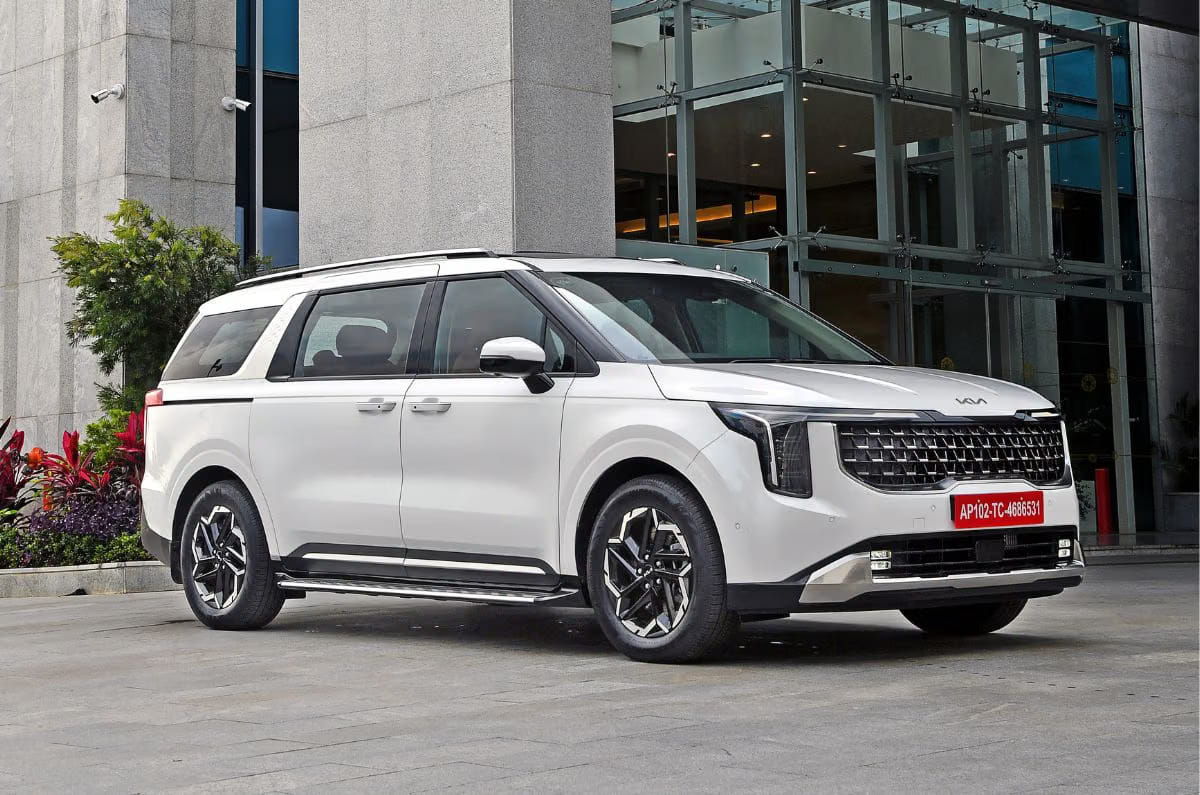
Kia Carens Clavis gets benefits of up to Rs 1.2 lakh in August 2026

Kia Carens Clavis front quarter static

With the newly launched Syros EV and the flagship Sorento SUV inbound, Kia India has been strengthening its presence in our market. At the same time, the Korean carmaker is providing appealing offers on select models currently across its lineup in August 2026. Except for the EV6 and EV9, the remaining models in Kia’s portfolio get cash discounts, exchange or scrappage offers, and corporate benefits. 

Disclaimer: Offers/benefits may vary by city and are subject to stock availability. Buyers are advised to check with their local dealer for exact figures.

Kia Carens Clavis offers in August 2026

Benefits of up to Rs 1.2 lakh 

The Carens Clavis MPV is available with benefits of up to Rs 1.2 lakh. MY26 models get a cash discount of Rs 10,000, a loyalty benefit of Rs 20,000, a corporate offer of up to Rs 15,000 and either an exchange or scrappage bonus of up to Rs 30,000. 

However, MY25 models of the Clavis get up to Rs 75,000 cash discount, and have the same loyalty, exchange/scrappage benefits as the MY26 models, but miss out on a corporate offer. Moreover, only MY25 turbo-petrol variants of the MPV get free extended warranty coverage. Priced from Rs 11.27 lakh to Rs 21.67 lakh, it rivals the likes of the Maruti XL6. 

Kia Carnival offers in August 2026 

Benefits of up to Rs 1.5 lakh

At up to Rs 1.5 lakh, the Carnival receives the highest benefits among all Kia models this month. MY26 versions either an exchange or scrappage offer of up to Rs 1 lakh, and a corporate offer of up to Rs 50,000, while MY25 versions get only a scrappage offer of Rs 20,000. The Carnival is Kia’s most expensive ICE model in our market and is priced at Rs 59.65 lakh.

Kia Carens Clavis EV offers in August 2026

Benefits of up to Rs 55,000 

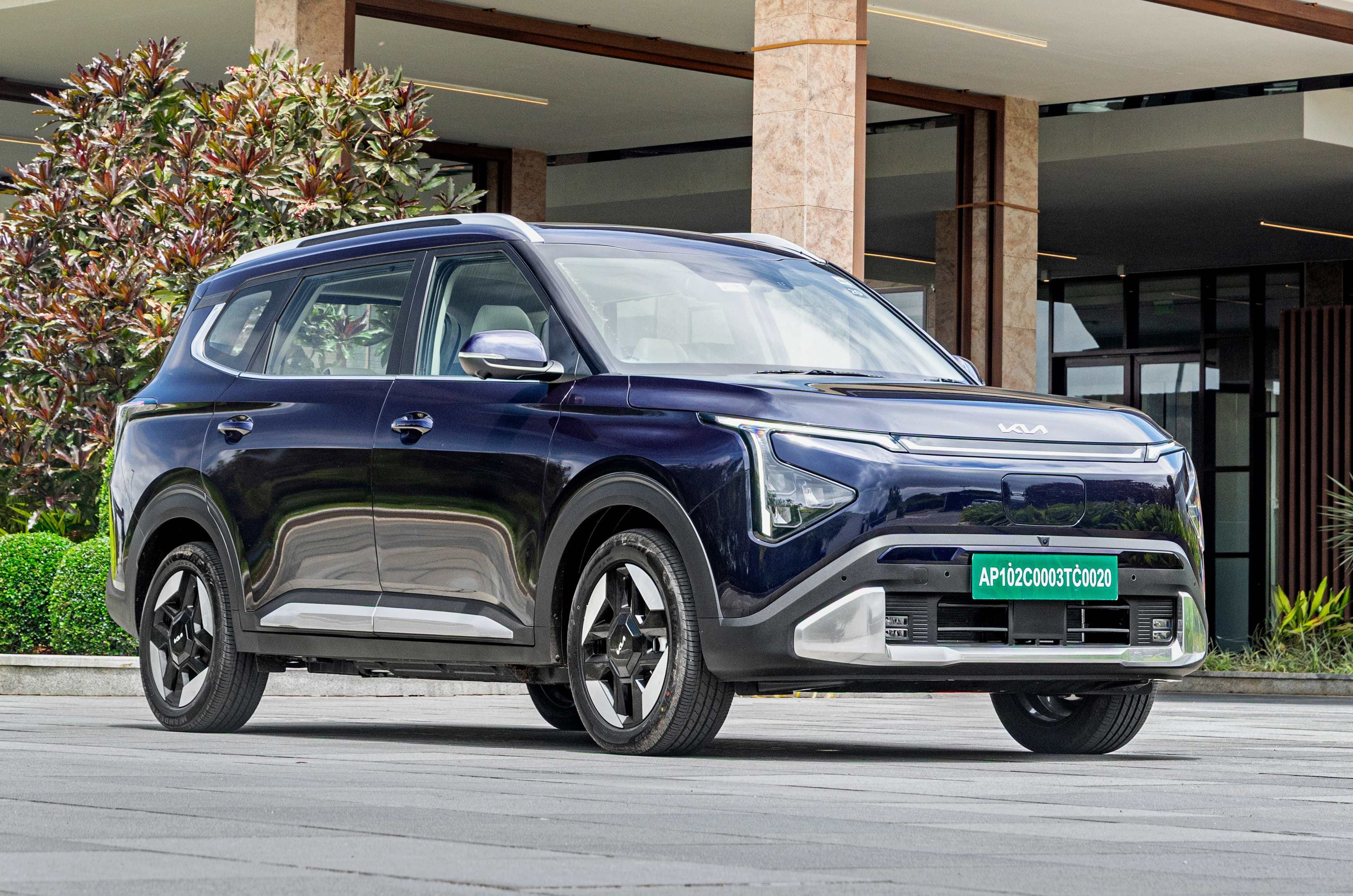
The all-electric counterpart of the Carens Clavis is offered with benefits of up to Rs 55,000. MY26 versions of the Carens Clavis EV are eligible for a loyalty benefit and corporate offer of Rs 20,0000 and up to Rs 15,000, respectively. Additionally, it’s also available with either a scrappage or exchange offer of Rs 20,000. For MY25 models, only the extended range (ER) variants come with loyalty and scrappage benefits of Rs 20,000 each. Currently, the most affordable electric MPV in our market, it has a price range of Rs 18.04 lakh to Rs 25 lakh. It is Kia’s answer to the BYD e MAX 7 and an MPV alternative to the likes of the Mahindra XEV 9S.

Kia Syros offers in August 2026

Benefits of up to Rs 50,000

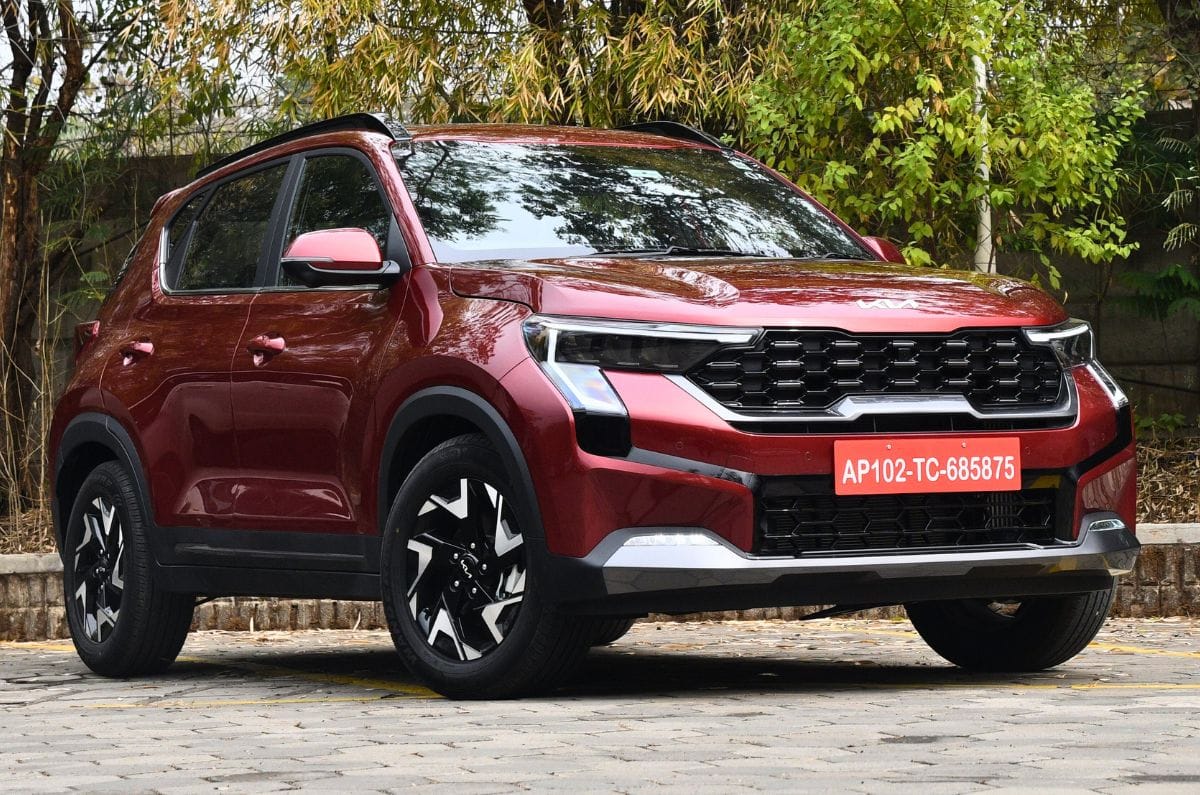
The Syros compact SUV is available with benefits of up to Rs 50,000. The new MY26 model gets a cash discount of up to Rs 10,000, a corporate offer of up to Rs 15,000 and either an exchange or scrappage offer of Rs 20,000. On the other hand, MY25 versions get an exchange or scrappage offer of up to Rs 50,000. Like the Carens Clavis, even the Syros gets free extended warranty. It has a price range of Rs 8.42 lakh to Rs 15.82 lakh, and takes on the likes of the Mahindra XUV 3XO, Hyundai Venue, and Maruti Brezza.

Kia Sonet offers in August 2026

Benefits of up to Rs 45,000

The most affordable Kia offering in India, the Sonet is offered with benefits of up to Rs 45,000. For MY26 models, you get a cash discount of up to Rs 10,000, a corporate offer of up to Rs 15,000, and either an exchange or scrappage benefit of up to Rs 20,000, while MY25 versions of the Sonet only get a scrappage offer. Priced from Rs 7.41 lakh to Rs 14.37 lakh, it takes on rivals like the Skoda Kushaq, Tata Nexon, and contenders alongside the Syros.

Kia Seltos offers in August 2026 

Benefits of up to Rs 40,000

The second-generation Seltos, which was introduced earlier this year, is available with benefits of up to Rs 40,000. These include a loyalty benefit and scrappage bonus of Rs 20,000 each. 

Meanwhile, the first-generation Seltos only gets a scrappage offer. The second-generation Seltos is priced from Rs 11 lakh and up to Rs 21.82 lakh. The Seltos is Kia’s contender in the mid-size SUV space, which consists of rivals like the Hyundai Creta, Volkswagen Taigun, Renault Duster, Tata Sierra, Skoda Kushaq, MG Astor, Citroen Aircross, Maruti Victoris and Grand Vitara.

Kia Carens offers in August 2026

Benefits of up to Rs 35,000

The budget Kia Carens MPV is offered with benefits up to Rs 35,000. MY26 models get a corporate offer of up to Rs 15,000 and either a scrappage or exchange bonus of up to Rs 20,000. On the other hand, MY25 versions get only a scrappage offer. The Carens rivals the Maruti Ertiga and Toyota Rumion, while its price ranges between Rs 11.02 lakh and Rs 12.88 lakh. 

All prices are ex-showroom, India

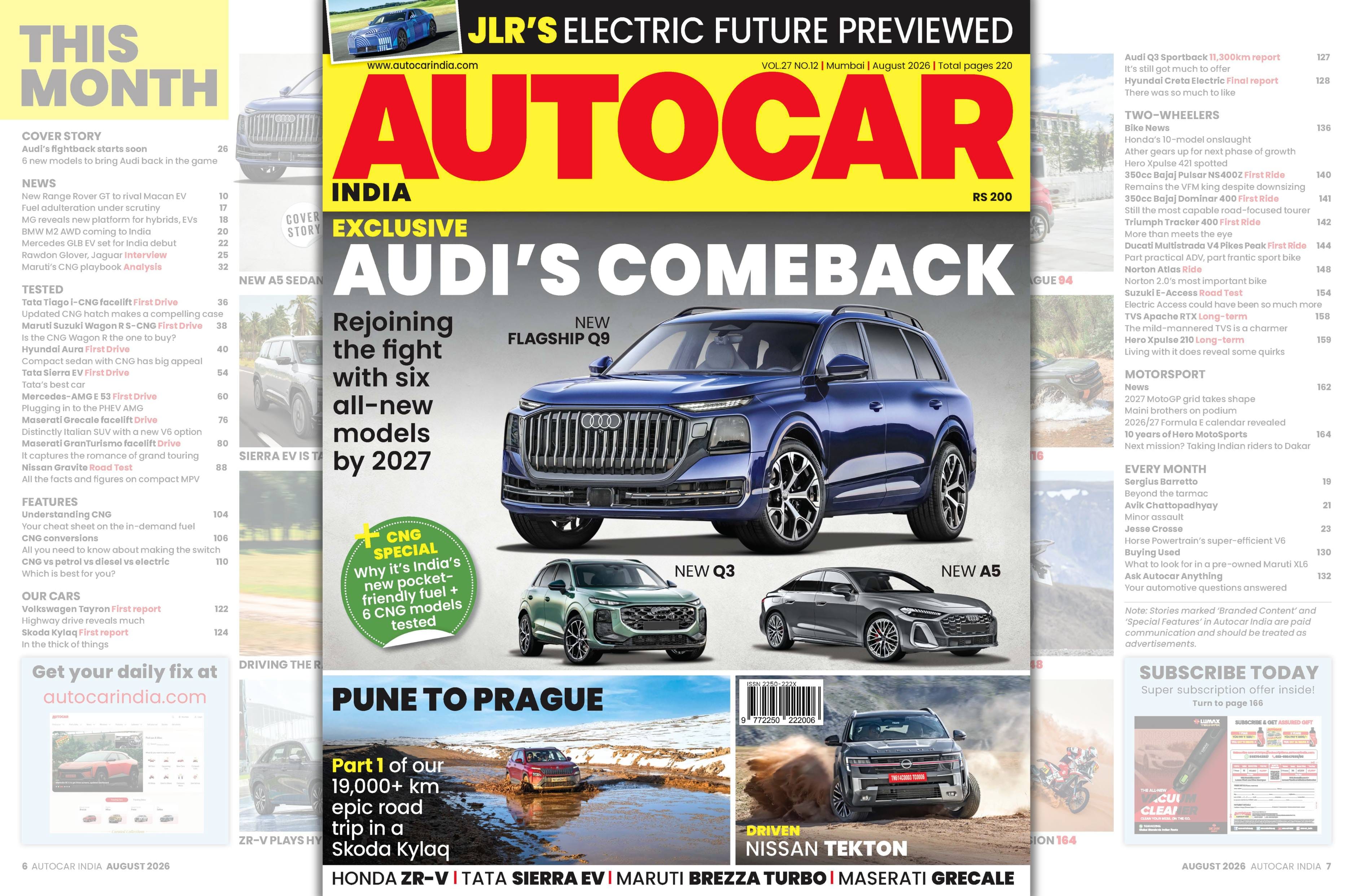
Audi’s big India comeback, Tata Sierra EV first drive: Autocar India August 2026

Autocar India August 2026

Our August 2026 issue has all the exclusive details of Audi India’s most ambitious product offensive in over a decade, with six all-new locally assembled models planned over the next 18 months. We also get behind the wheel of Jaguar’s camouflaged Type 01 prototype and drive the Range Rover Sport EV at Goodwood. Closer to home, we find out if the Tata Sierra EV lives up to its billing as the best Tata on sale, while the Nissan Tekton is put through a 700km-plus real-world test from Chandigarh to Leh. We also break down India’s new most popular fuel in our CNG special, with five models tested back-to-back. On two wheels, the new Norton Atlas is ridden in Iceland, while a special Ducati takes on some of Maharashtra’s tricky trails. All this while a Skoda Kylaq sets off on an epic 19,351km drive from Pune to Prague.

Audi’s Big Comeback: Cover Story

Audi was once India’s bestselling luxury brand. Today, it is a shadow of that. Now, with six all-new locally assembled models planned by end-2027, the four rings are back on the offensive. We have all the details and speak to Audi India head Balbir Singh Dhillon and Audi AG chairman Gernot Dollner about the upcoming cars. 

Jaguar Type 01: Drive

Jaguar has walked away from 90 years of combustion heritage, cancelled every existing model and started again with a blank sheet of paper. The Type 01 is the result – a five-metre all-electric grand tourer with a 1,000hp three-motor setup, 600km of range and a starting price north of Rs 3 crore. We drive a camouflaged prototype at JLR’s Gaydon test track to find out if the boldest bet in the car industry’s history has legs. 

Range Rover Sport EV: Drive

Under its familiar skin sits an 800V architecture, two Land Rover-developed 326hp motors and a 118.5kWh battery validated over 60,000 hours of testing. The electric Range Rover Sport arrives in India around March 2027 and could set a new luxury benchmark for the brand. We drive a prototype at Goodwood to find out if it lives up to that promise. 

Tata Sierra EV: First Drive

The best Tata in years gets the brand’s smoothest powertrain yet. The Sierra EV comes in rear-wheel-drive and all-wheel-drive forms, with the AWD variant making a class-leading 306hp and bringing the first AWD option in this segment. We drive all variants, including a proper off-road test, to see if it lives up to the hype. 

Honda ZR-V: Drive

Honda’s first hybrid SUV in India arrives as a full import from Japan, packing a 184hp strong-hybrid powertrain and a claimed 22.8kpl. We get a brief first taste at the Buddh International Circuit to find out if it delivers on its promise.

Mercedes-AMG E 53 Hybrid 4Matic+: First Drive

The new E 53 pairs a 3.0-litre straight-six with a 28.6kWh battery for 585hp and up to 100km of electric range. It is a PHEV AMG that also does daily commutes without a drop of fuel. But has electrification enhanced the AMG experience, or diluted it? 

CNG Special: Features

CNG now accounts for nearly 20 percent of India’s passenger car market. We explain everything you need to know about the fuel – what it is, how it works and whether an aftermarket conversion makes sense. We also road test five CNG models: the Tata Tiago iCNG, Maruti Wagon R S-CNG, Hyundai Aura CNG, Maruti Brezza Turbo (petrol) and Maruti Victoris S-CNG.

Tata Nexon: Petrol vs Diesel vs Electric vs CNG

The Nexon is one of the few cars in India offered with four distinct powertrain options. We test every variant – turbo-petrol, diesel, CNG and electric – with real-world performance and efficiency figures to find the sweet spot of the range. The result might just surprise you.

Skoda Kylaq: Pune to Prague, Part 1

A made-in-India Skoda Kylaq sets off on a near-20,000km adventure from its birthplace at Skoda’s Chakan plant to Skoda Auto’s headquarters in Prague. Part 1 covers India, Nepal, Tibet and China – including a detour to Mount Everest Base Camp.

Norton Atlas: Ride

TVS’s second Norton – and the brand’s most important – debuts in Iceland. The Atlas is a 585cc parallel-twin adventure tourer with 70hp, a full electronics suite and 19-inch front wheel. We ride 200km of sweeping mountain roads and gravel trails to find out if it can justify the hype and, crucially, a competitive price tag.

Ducati Multistrada V4 Pikes Peak: First Ride

The most focused Multistrada money can buy blurs the line between a practical ADV and an out-and-out sport bike. With Ohlins semi-active suspension, a single-sided swingarm and a race-mode, it promises to be two bikes in one. We find out if the price premium is worth it.

Suzuki E-Access: Road Test

Suzuki’s first electric scooter carries a big name and an even bigger price tag. It gets some things right, but in a segment that rewards value, performance and range, does the Access badge alone justify the Rs 1.92 lakh asking price?

Autocar India August 2026 Issue

Our August 2026 issue has all the exclusive details of Audi India’s most ambitious product offensive in over a decade, with six all-new locally assembled models planned over the next 18 months. We also get behind the wheel of Jaguar’s camouflaged Type 01 prototype and drive the Range Rover Sport EV at Goodwood. Closer to home, we find out if the Tata Sierra EV lives up to its billing as the best Tata on sale, while the Nissan Tekton is put through a 700km-plus real-world test from Chandigarh to Leh. We also break down India’s new most popular fuel in our CNG special, with five models tested back-to-back. On two wheels, the new Norton Atlas is ridden in Iceland, while a special Ducati takes on some of Maharashtra’s tricky trails . All this while a Skoda Kylaq sets off on an epic 19,351km drive from Pune to Prague.

Audi’s Big Comeback: Cover Story

Audi was once India’s bestselling luxury brand. Today, it is a shadow of that. Now, with six all-new locally assembled models planned by end-2027, the four rings are back on the offensive. We have all the details, and speak to Audi India head Balbir Singh Dhillon and Audi AG chairman Gernot Döllner about the upcoming cars.

Jaguar Type 01: Drive

Jaguar has walked away from 90 years of combustion heritage, cancelled every existing model and started again with a blank sheet of paper. The Type 01 is the result – a five-metre all-electric grand tourer with a 1,000hp three-motor setup, 600km of range and a starting price north of Rs 3 crore. We drive a camouflaged prototype at JLR’s Gaydon test track to find out if the boldest bet in the car industry’s history has legs.

Range Rover Sport EV: Drive

Under its familiar skin sits an 800V architecture, two Land Rover-developed 326hp motors and a 118.5kWh battery validated over 60,000 hours of testing. The electric Range Rover Sport arrives in India around March 2027 and could set a new luxury benchmark for the brand. We drive a prototype at Goodwood to find out if it lives up to that promise.

Tata Sierra EV: First Drive

The best Tata in years gets the brand’s smoothest powertrain yet. The Sierra EV comes in rear-wheel and all-wheel-drive forms, with the AWD variant making a class-leading 306hp and bringing the first AWD option in this segment. We drive all variants, including a proper off-road test, to see if it lives up to the hype.

Honda ZR-V: Drive

Honda’s first hybrid SUV in India arrives as a full import from Japan, packing a 184hp strong-hybrid powertrain and a claimed 22.8kpl. We get a brief first taste at the Buddh International Circuit to find out if it delivers on its promise.

Mercedes-AMG E 53 Hybrid 4Matic+: First Drive

The new E 53 pairs a 3.0-litre straight-six with a 28.6kWh battery for 585hp and up to 100km of electric range. It is a PHEV AMG that also does daily commutes without a drop of fuel. But has electrification enhanced the AMG experience, or diluted it?

CNG Special: Features

CNG now accounts for nearly 20 percent of India’s passenger car market. We explain everything you need to know about the fuel – what it is, how it works and whether an aftermarket conversion makes sense. We also road test five CNG models: the Tata Tiago iCNG, Maruti Wagon R S-CNG, Hyundai Aura CNG, Maruti Brezza Turbo (petrol) and Maruti Victoris S-CNG.

Tata Nexon: Petrol vs Diesel vs Electric vs CNG

The Nexon is one of the few cars in India offered with four distinct powertrain options. We test every variant – turbo-petrol, diesel, CNG and electric – with real-world performance and efficiency figures to find the sweet spot of the range. The result might just surprise you.

Skoda Kylaq: Pune to Prague, Part 1

A made-in-India Skoda Kylaq sets off on a near-20,000km adventure from its birthplace at Skoda’s Chakan plant to Skoda Auto’s headquarters in Prague. Part 1 covers India, Nepal, Tibet and China – including a detour to Mount Everest Base Camp.

Norton Atlas: Ride

TVS’s second Norton – and the brand’s most important – debuts in Iceland. The Atlas is a 585cc parallel-twin adventure tourer with 70hp, a full electronics suite and 19-inch front wheel. We ride 200km of sweeping mountain roads and gravel trails to find out if it can justify the hype and, crucially, a competitive price tag.

Ducati Multistrada V4 Pikes Peak: First Ride

The most focused Multistrada money can buy blurs the line between a practical ADV and an out-and-out sport bike. With Öhlins semi-active suspension, a single-sided swingarm and a race-mode, it promises to be two bikes in one. We find out if the price premium is worth it.

Suzuki E-Access: Road Test

Suzuki’s first electric scooter carries a big name and an even bigger price tag. It gets some things right, but in a segment that rewards value, performance and range, does the Access badge alone justify the Rs 1.92 lakh asking price?

3 reasons to buy the Tata Curvv EV, 2 reasons not to

3 reasons to buy the Tata Curvv EV, 2 reasons not to

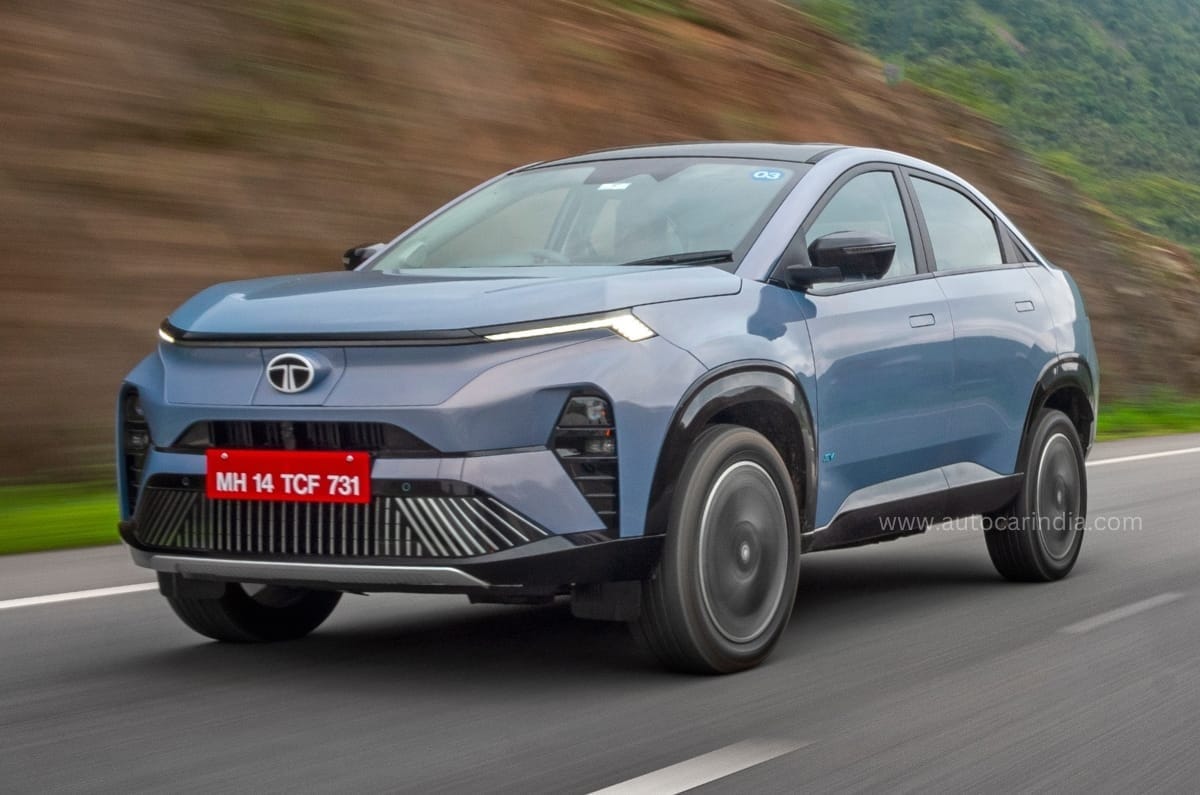
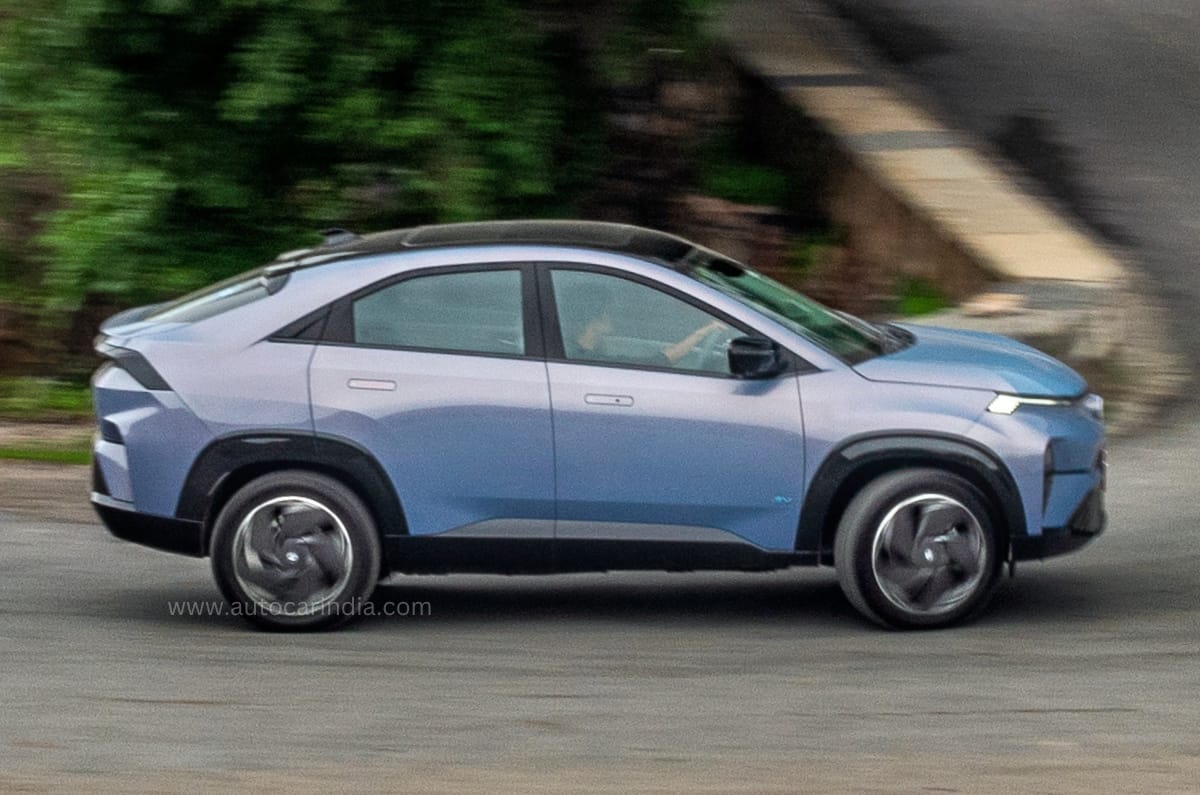
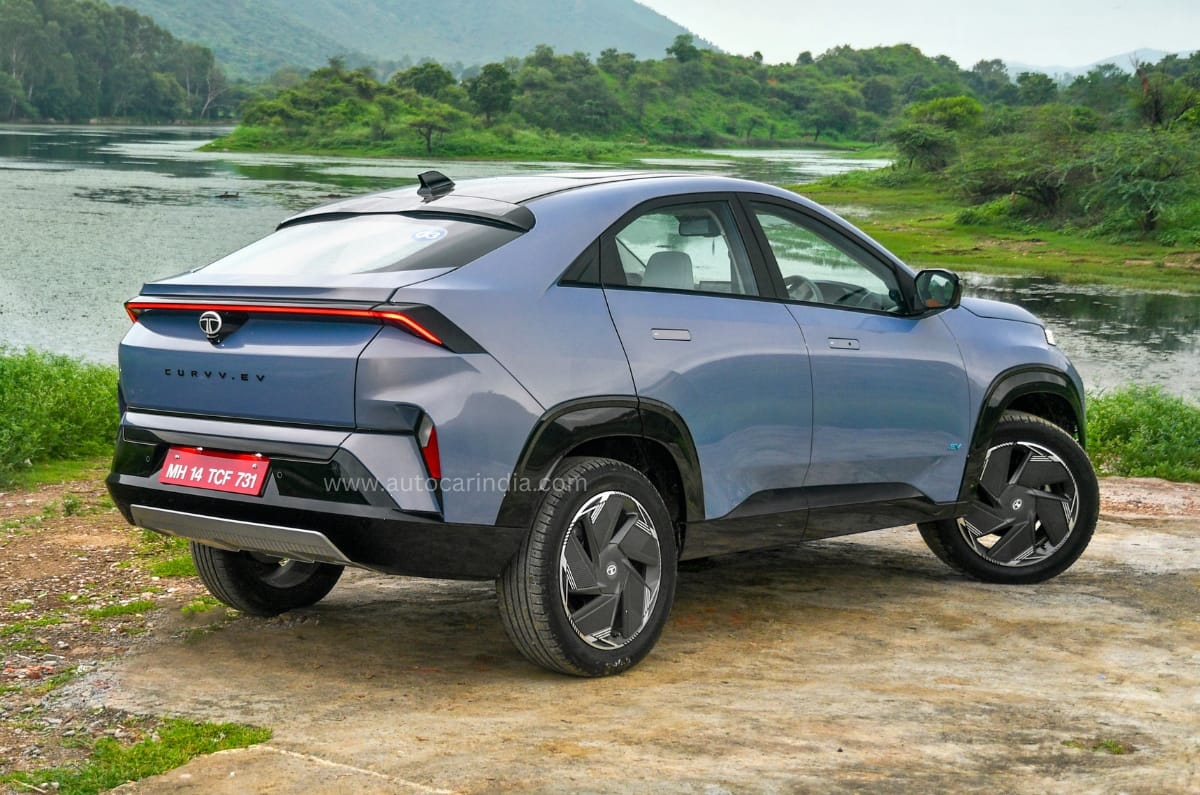
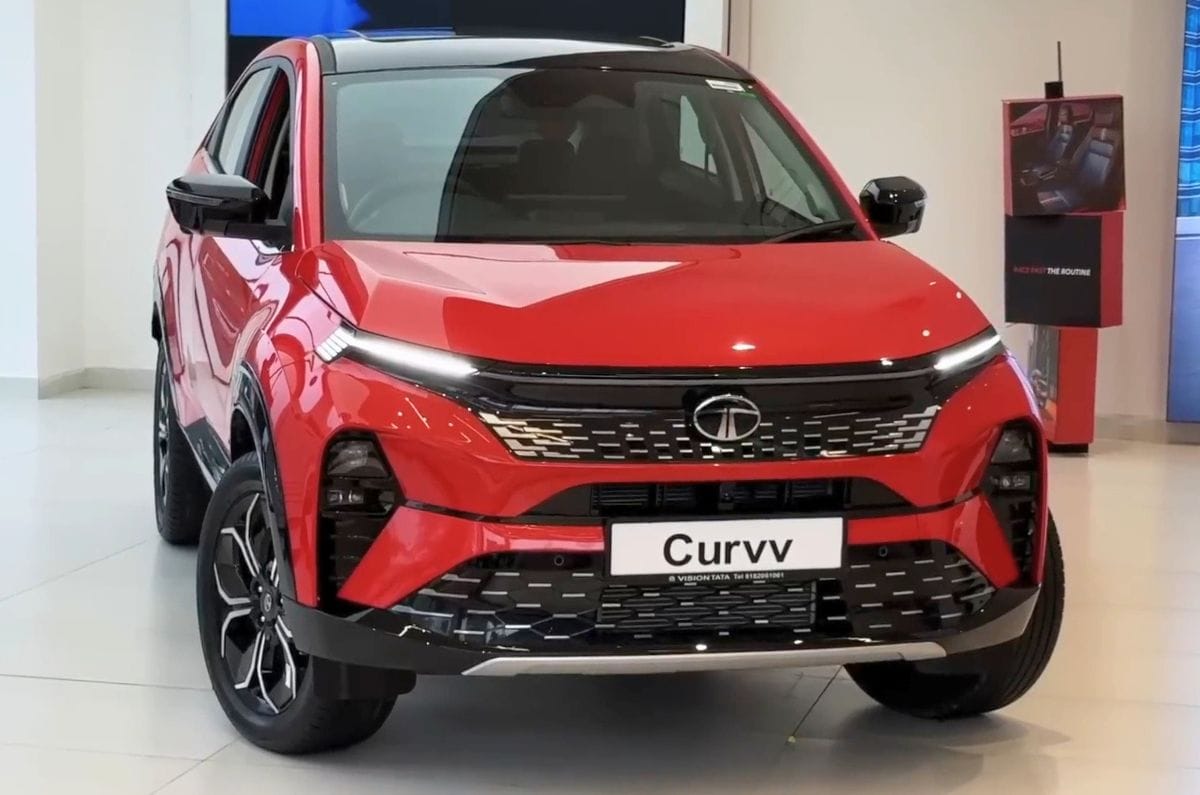
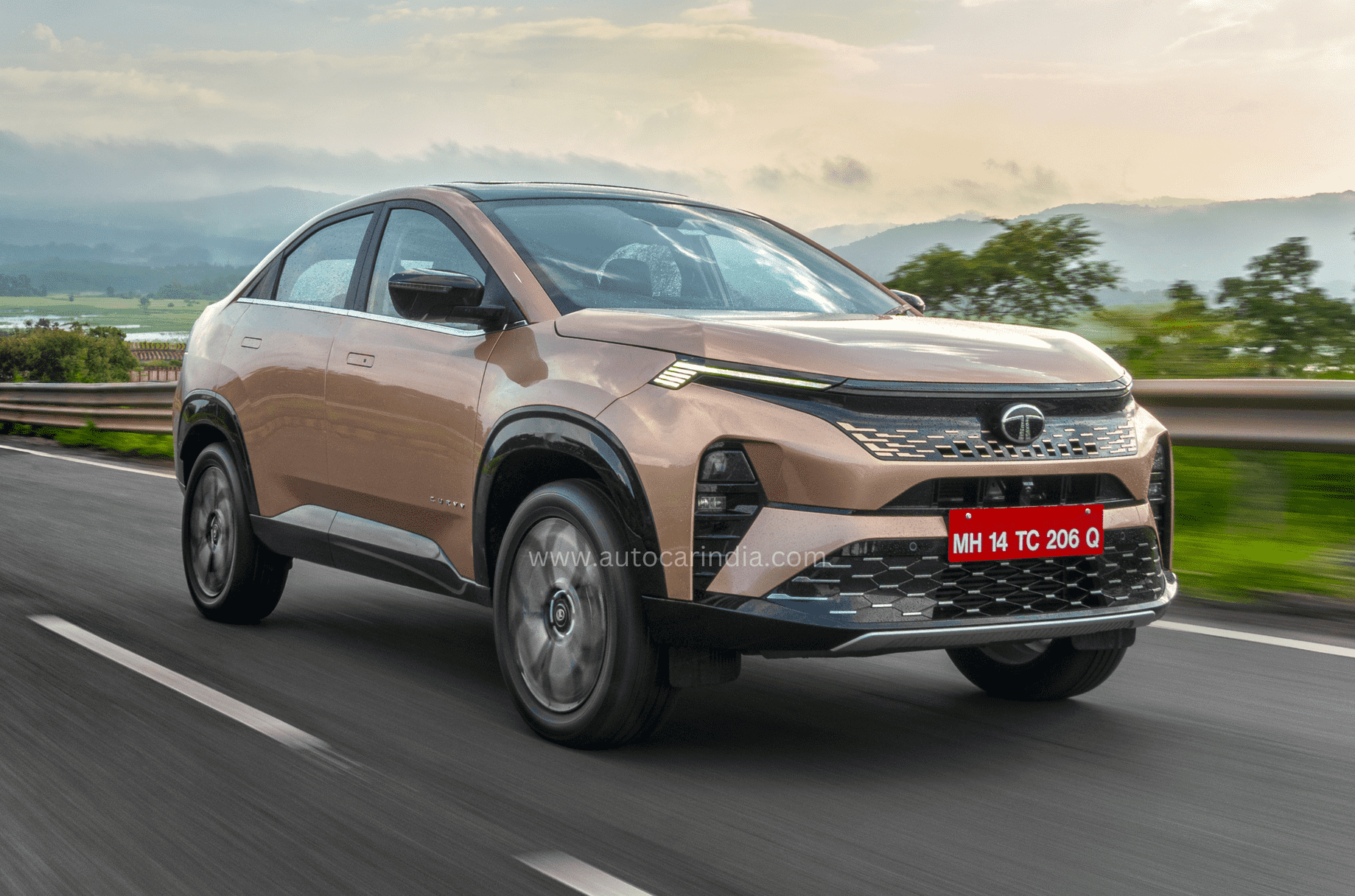
Tata launched the Curvv EV in 2024 as a distinct-looking coupe-SUV in the heavily contested midsize class. In the manufacturer’s lineup, it sits between the smaller Nexon EV and larger Sierra EV, and along with the different looks, it also offers a feature-loaded cabin, spacious cabin, a large battery pack and a powerful electric motor. If you’re interested in the Curvv EV, here are the reasons to consider it, and some reasons to think otherwise.

Reasons to buy

Offers good performance without compromising on range

The Tata Curvv EV is offered with a 55kWh battery pack and produces 167hp and 215Nm from its front-axle-mounted (FWD) electric motor. It gets three drive modes: Eco, City and Sport, which alter the throttle response based on the chosen mode. The Curvv EV is the most energetic in Sport mode, offering full torque reserve at the tap of the accelerator pedal, unlike the other two modes where torque output is restricted to around 70 percent. Tata claims a 0-100kph time of 8.6 seconds for the Curvv, but in our real-world tests, it completed the 0-100kph sprint in 9.25 seconds in Sport mode. The fact that the Tata Curvv EV did a 0-100kph run in 11.6 seconds with the most docile Eco mode shows its quick acceleration.

However, quick acceleration does not come at the expense of efficiency, as in our real-world tests, we found that the Curvv EV’s 55kWh variant offered an economy of 6.64km/kWh, translating to a total range of 365km, which allows for intracity travel.

Offers a lot of comfort and convenience features

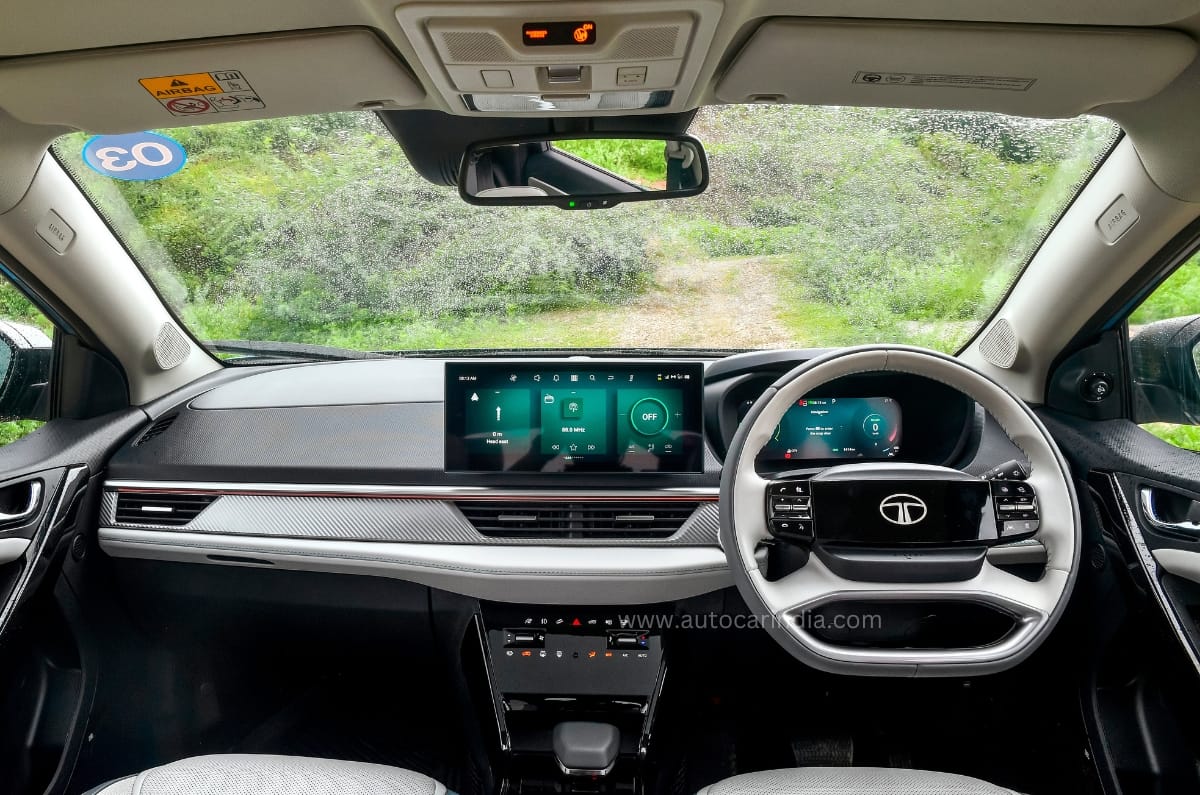
Like other Tata EV offerings, the Curvv EV is also loaded with features to its gills. It gets a 12.3-inch touchscreen infotainment system and a 10.25-inch digital driver’s display, the latter of which can be configured to show navigation. However, when using turn indicators, it shows the blind spot monitor feed instead of the navigation. This can be avoided if the blind spot monitor display is configured to display on the touchscreen. Both screens are crisp and have menus, but it is easy to get used to them. The infotainment system is offered with Tata’s arcade.ev app suite, which includes streaming services and games that can be used when the Curvv EV is charging. 
Other features include a panoramic sunroof, configurable ambient lighting, an electric tailgate with gesture control, a 9-speaker JBL sound system, a wireless phone charger with cooling vents, powered and ventilated front seats, and Level-2 advanced driver assistance systems (ADAS). 

It is a value-for-money offering in its class

With prices ranging from Rs 16.99 lakh to Rs 19.19 lakh, the Tata Curvv EV is on par with the petrol/diesel midsize SUVs, and undercuts rivals like the Hyundai Creta Electric, Mahindra BE 6, and Tata Sierra. At this price, it is offered with concept-car-like looks, a spacious interior, a feature-loaded cabin, a large battery and a potent electric motor, making it one of the most value-for-money offerings in its class.

Reasons to skip

Taller passengers may feel uncomfortable on the rear seats

The coupe-SUV design of the Curvv EV eats up the headroom on the rear seats, which will be uncomfortable for taller passengers, especially if they are taller than 6 feet. Such passengers will also find the under-thigh support underwhelming, as they have to sit in a knees-up position due to the battery cells placed under the floor. However, legroom is in plenty and will be appreciated by passengers of all sizes. 

It suffers from some ergonomic issues

The Curvv EV shares much of its dashboard design with the Nexon EV,  and hence, does not get proper cupholders for the front passengers. The cupholders are placed inside the glovebox, which does not make them usable, especially on the move. The phone charging ports are placed ahead of the drive selector knob and are hard to reach. The storage space under the front centre armrest is also small. However, the fit and finish inside the cabin is decent for the Curvv EV’s price.

Benefits up to Rs 1.25 lakh on Tata Curvv in August 2026

Benefits up to Rs 1.25 lakh on Tata Curvv in August 2026

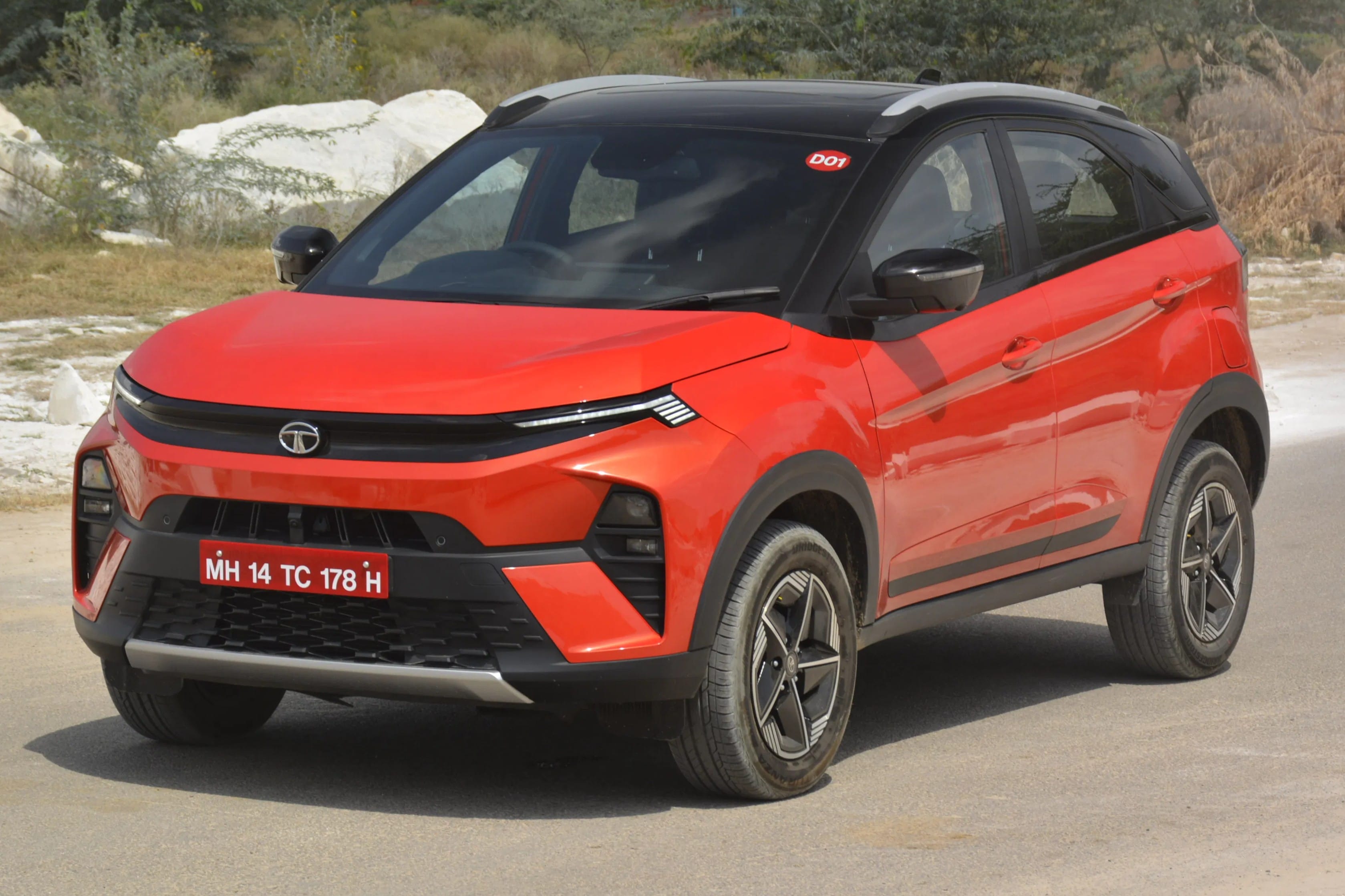
Tata has revealed offers on its combustion-powered cars in August 2026. The Curvv gets the maximum benefits of up to Rs 1.25 lakh this year, and the Nexon, Sierra and Altroz carry offers of over Rs 55,000. The Harrier, Safari, and Tigor are also being offered with some benefits.  

Note: The mentioned offers are applicable till August 31 and may vary by city, dealership and stock availability. Please check with your nearest Tata dealership for the exact figures.

Tata Curvv August 2026 offers

Benefits up to Rs 1.25 lakh

Select variants of the Tata Curvv are available with offers up to Rs 1.25 lakh in August 2026, which is the most for any Tata car in the month. The total benefits include discounts of up to Rs 30,000, loyalty bonus of up to Rs 40,000, and an option between a scrappage benefit of Rs 45,000 or an exchange bonus of Rs 40,000. 

Tata Nexon August 2026 offers

Benefits up to Rs 75,000

The Tata Nexon compact SUV is available with benefits up to Rs 75,000, including a cash discount of up to Rs 10,000, a scrappage benefit of up to Rs 20,000, and, like the Curvv, an option between a Rs 15,000 exchange benefit and Rs 25,000 scrappage bonus. A ‘Freedom’ offer of Rs 45,000 is also on offer. These benefits are for the petrol variants, while the CNG and diesel variants get offers of up to Rs 60,000 and Rs 20,000, respectively. 

Tata Sierra August 2026 offers

Benefits up to Rs 60,000

Like the Safari and Harrier, the Tata Sierra’s diesel is the only version available with benefits in August 2026. It offers up to Rs 30,000 cash discount and a loyalty benefit of up to Rs 30,000. Tata is also offering a level-up bonus of Rs 30,000. 

Tata Altroz August 2026 offers

Benefits up to Rs 55,000

In August 2026, the highest Altroz offers of up to Rs 55,000 are available on the CNG variants. This includes a cash discount of up to Rs 15,000, a Freedom offer up to Rs 20,000, and a choice between an exchange benefit of up to Rs 15,000 or a scrappage bonus of Rs 20,000. The petrol and diesel variants, on the other hand, get reduced offers up to Rs 35,000. 

Tata Harrier, Safari August 2026 offers

Benefits up to Rs 45,000

Like the Sierra, Diesel variants of the Tata Harrier and Safari are available with identical offers of up to Rs 45,000 this August. These include a cash discount of up to Rs 10,000, and an option between exchange bonus and scrappage benefit of up to Rs 35,000.  

Tata Tigor August 2026 offers

Benefits up to Rs 30,000

The Tata Tigor is available with offers of up to 30,000, including a cash discount of Rs 15,000, an exchange bonus of up to Rs 10,000 and a scrappage bonus of up to Rs 15,000. Only one between the exchange and scrappage benefit can be availed by a consumer. 

While the 2026 Tata Tiago is not available with any offers, the remaining stock of the previous model is available with benefits of up to Rs 35,000. 

Upcoming BYD Atto 2 midsize SUV spotted testing in India

Upcoming BYD Atto 2 midsize SUV spotted testing in India

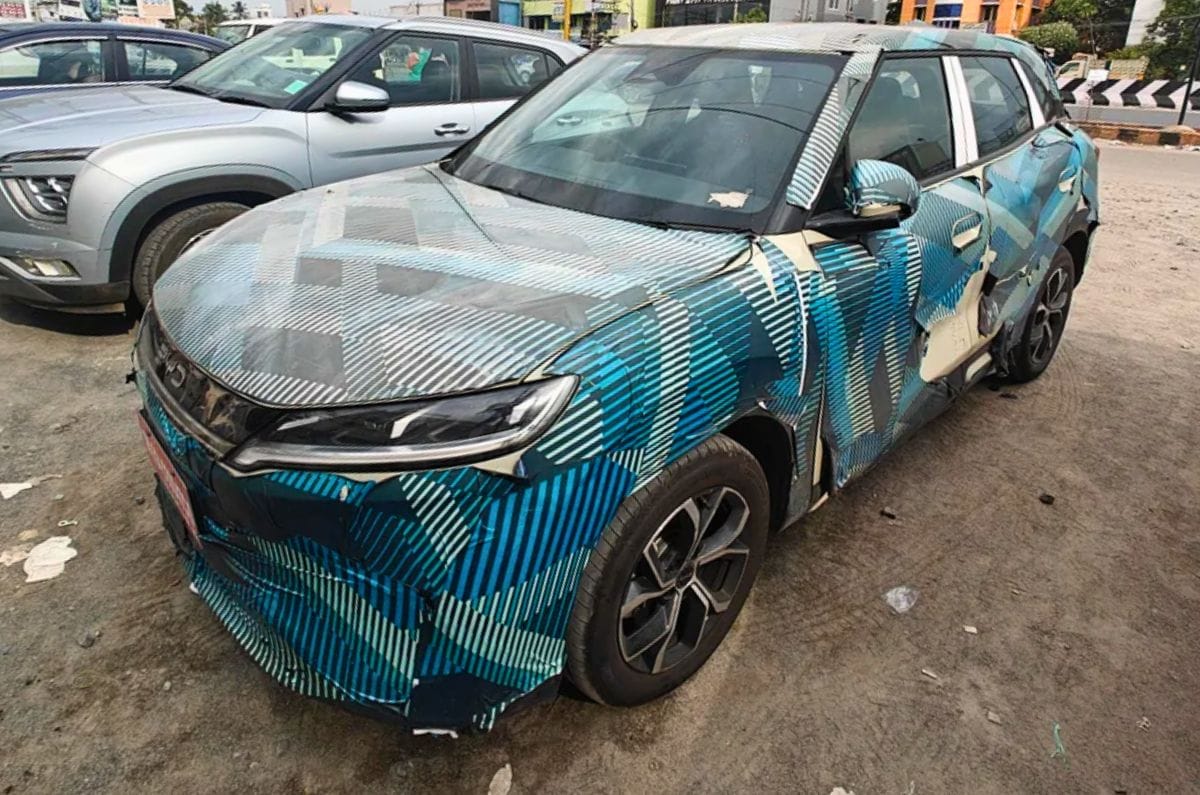
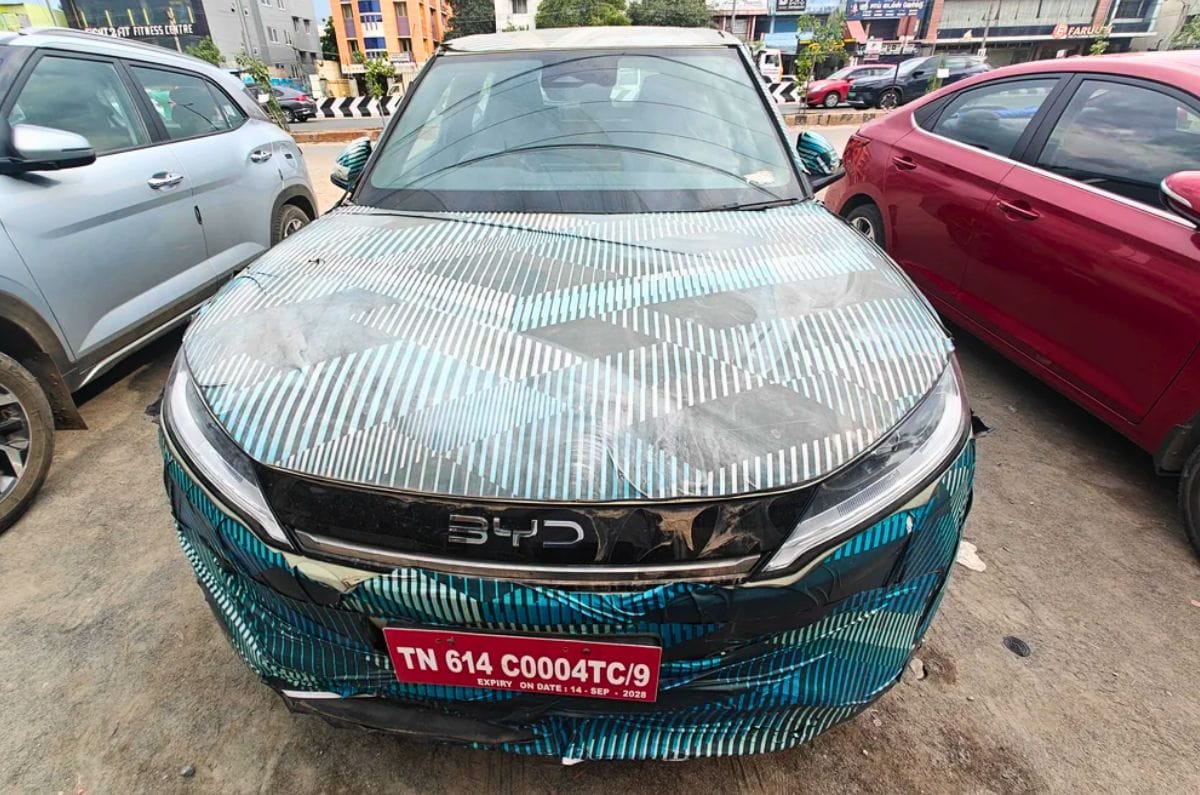
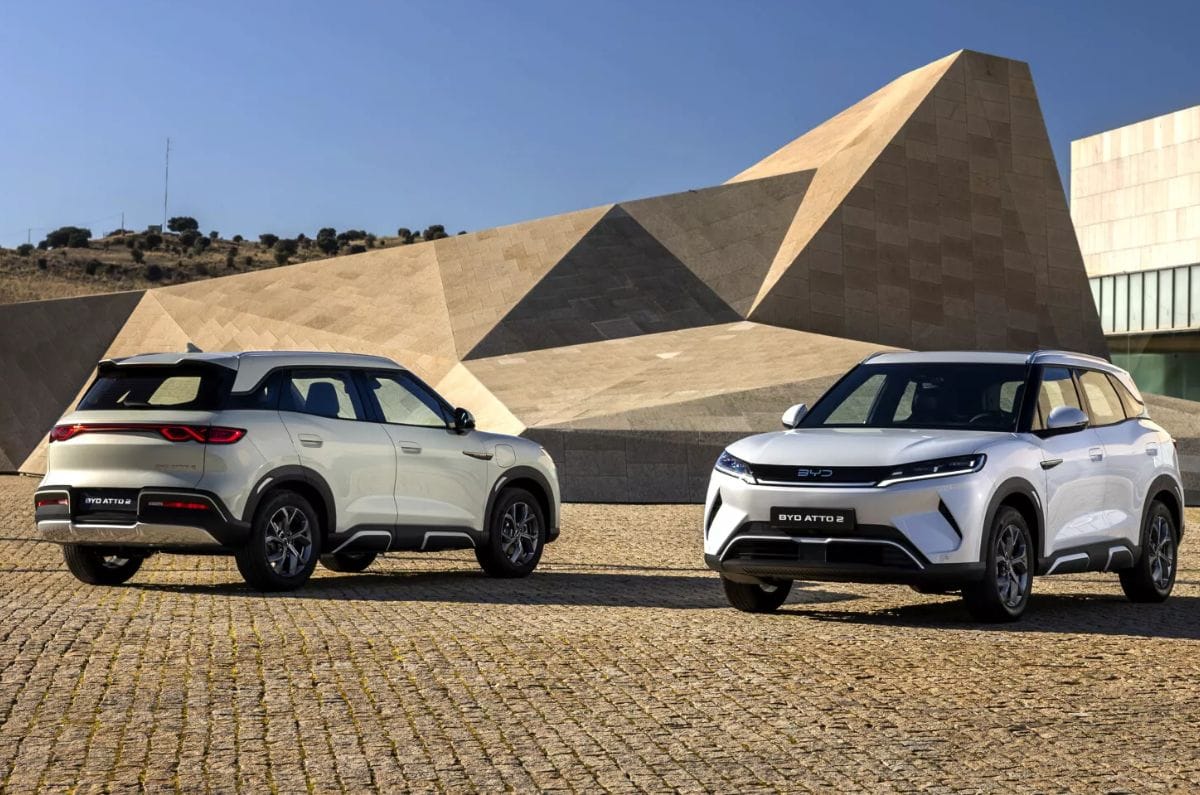
The BYD Atto 2 midsize SUV, expected to launch in India this year, has been spotted testing again. The spy shots reveal some exterior design elements of the upcoming Atto 2 similar to the internationally available model. The Atto 2 is offered in both EV and PHEV versions internationally. 
  1. Spy shots show the SUV’s front fascia and the side profile
  2. Europe-spec EV gets up to 64.8kWh battery with 430km range
  3. PHEV gets a 1.5L petrol engine and up to 18kWh battery

BYD Atto 2 spied: What was spotted?

Shows sleek LED headlights, alloy wheel design and a free-standing infotainment 

Image source: @lostcheetos on r/CarsIndia

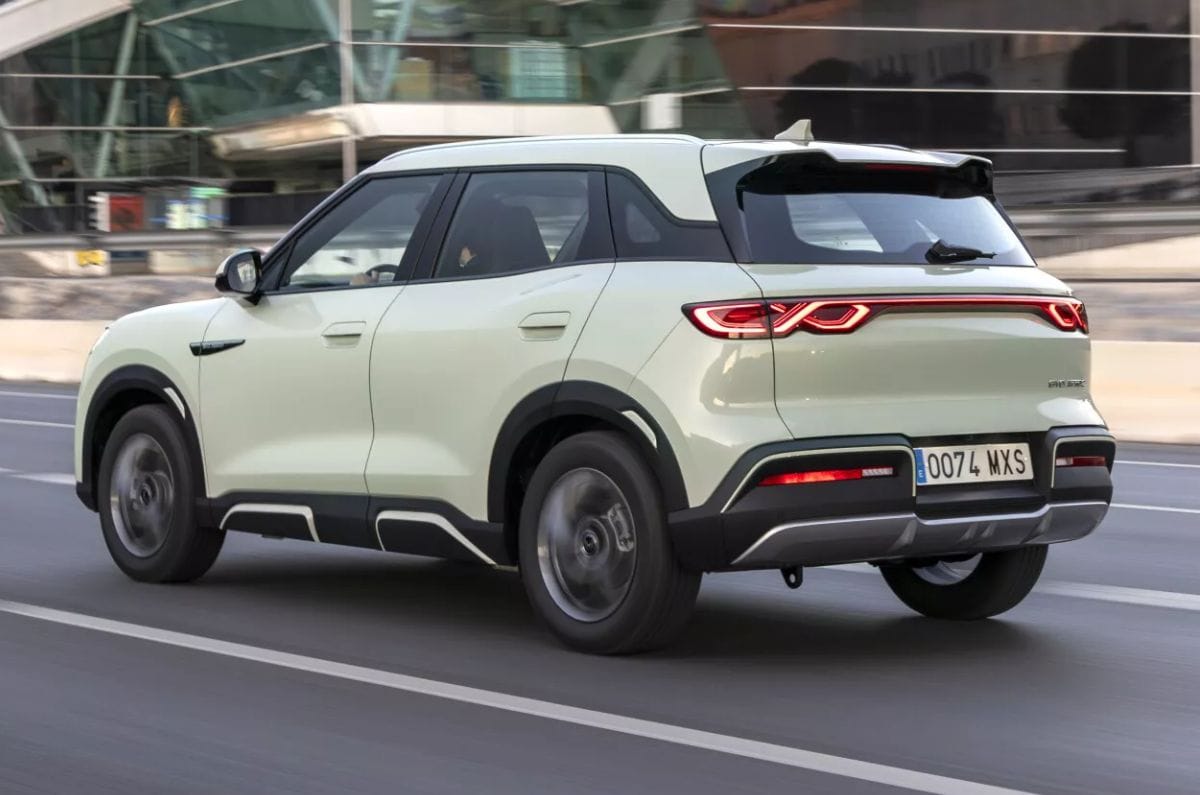
The spy shots show the Atto 2’s fascia and side profile, and although under camouflage, some design elements can be seen. These include the sleek headlights joined by a gloss-black trim with a BYD badge, the petal-shaped design elements on the alloys and the simple door handles. Keen-eyed viewers can also spot black cladding on the wheel arches and lower portion of the body. While the rear design is yet to be spied, it is expected to have connected LED taillights and a black bumper with some silver accents, like the international model.

A closer look inside the test mule reveals a camera-based ADAS sensor on the windscreen, a free-standing touchscreen infotainment system, and all-black upholstery on the seats. 

Upcoming BYD Atto 2: Other details

The EV has a WLTP-claimed range of 430km, and the PHEV has a 1,000 km range

As mentioned earlier, the Atto 2 is offered in both all-electric (EV) and plug-in hybrid (PHEV) versions. In the European market, the Atto 2 EV is available with either a 45.1kWh or a 64.8kWh battery, with a WLTP-claimed range of up to 430km. Both battery versions are available with a front-axle-mounted (FWD) electric motor producing up to 201hp and 310Nm. BYD claims a 0-100kph time of 7.9 seconds and a top speed of 170kph. 

International-spec BYD Atto 2 shown for representative purposes only.

The plug-in hybrid version, called the Atto 2 DM-i, is offered with a 97hp 1.5-litre 4-cylinder petrol engine and a choice of 7.8kWh or 18kWh battery mated with a 197hp front-axle-mounted (FWD) electric motor. The Atto 2 PHEV has a combined system output of up to 212hp and 300Nm and a total WLTP-claimed range of 1,000km. 

Gets two interior themes and a minimalistic dashboard with two screens 

International-spec BYD Atto 2’s dashboard shown for representative purposes only.

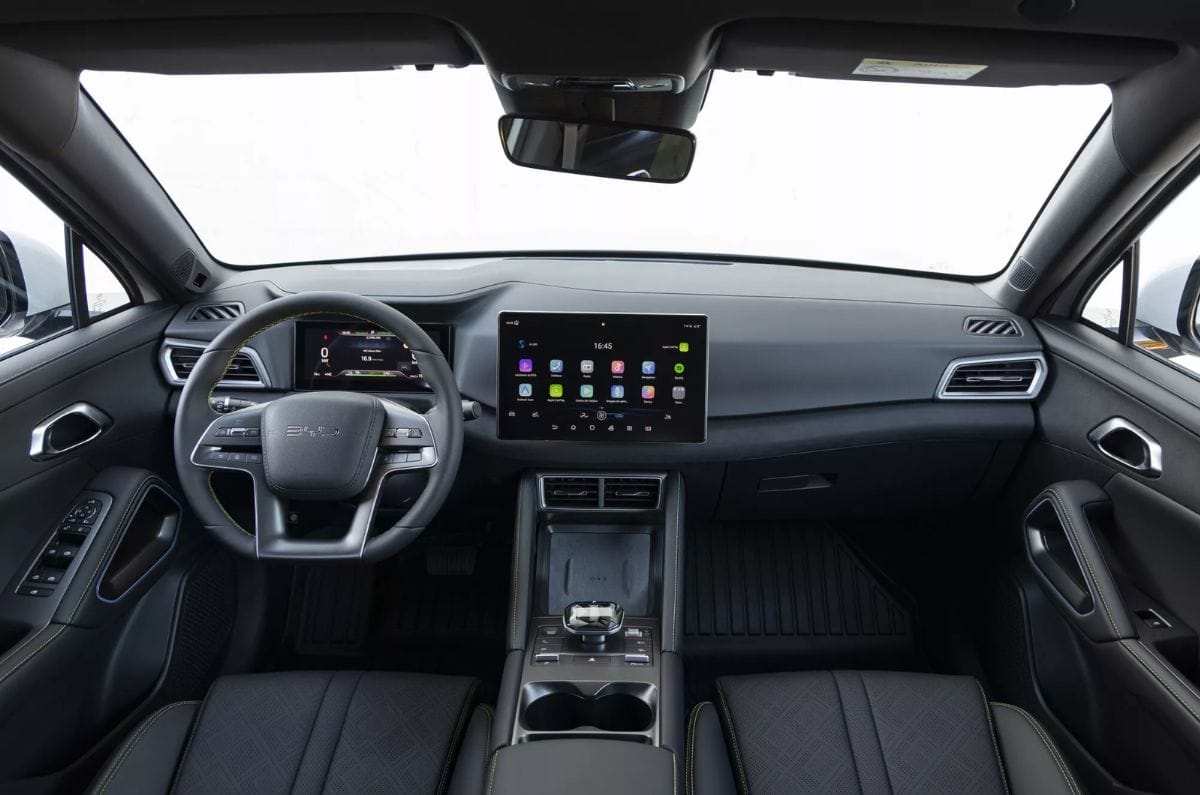
The Atto 2’s cabin is identical for both the EV and PHEV versions, offered with either an all-black or a beige-and-black interior theme. The minimalistic dashboard features a free-standing 12.8-inch rotatable touchscreen infotainment system with integrated AC controls, an 8.8-inch digital driver’s display, and a chunky 3-spoke steering wheel with physical buttons. Features include a panoramic sunroof, 6-speaker audio system, a 50W wireless phone charger, a 360-degree camera, a vehicle-to-load (V2L) charging function, and front and rear parking sensors. The India-spec model could get a similar feature suite.

Currently, BYD sells only EVs in India. However, the manufacturer showcased its proprietary DM-i plug-in hybrid in June, revealing that the Seal U will launch as the first model with this powertrain by the end of 2026. So, it remains to be seen whether BYD expands its plug-in-hybrid plans to the Atto 2, or offers it in an electric-only guise in the country.

International-spec BYD Atto 2 shown for representative purposes only.

The BYD Atto 2 EV is expected to rival the Hyundai Creta Electric, Tata Sierra EV, Mahindra BE 6 and Maruti e Vitara. The Atto 2 PHEV will offer a more efficient option to the Hyundai Creta, Kia Seltos, Tata Sierra, Renault Duster, Nissan Tekton, Maruti Victoris and Grand Vitara, and MG Astor.

Mahindra BE 6 to get three screens, updated dashboard

Mahindra BE 6 to get three screens and updated dashboard

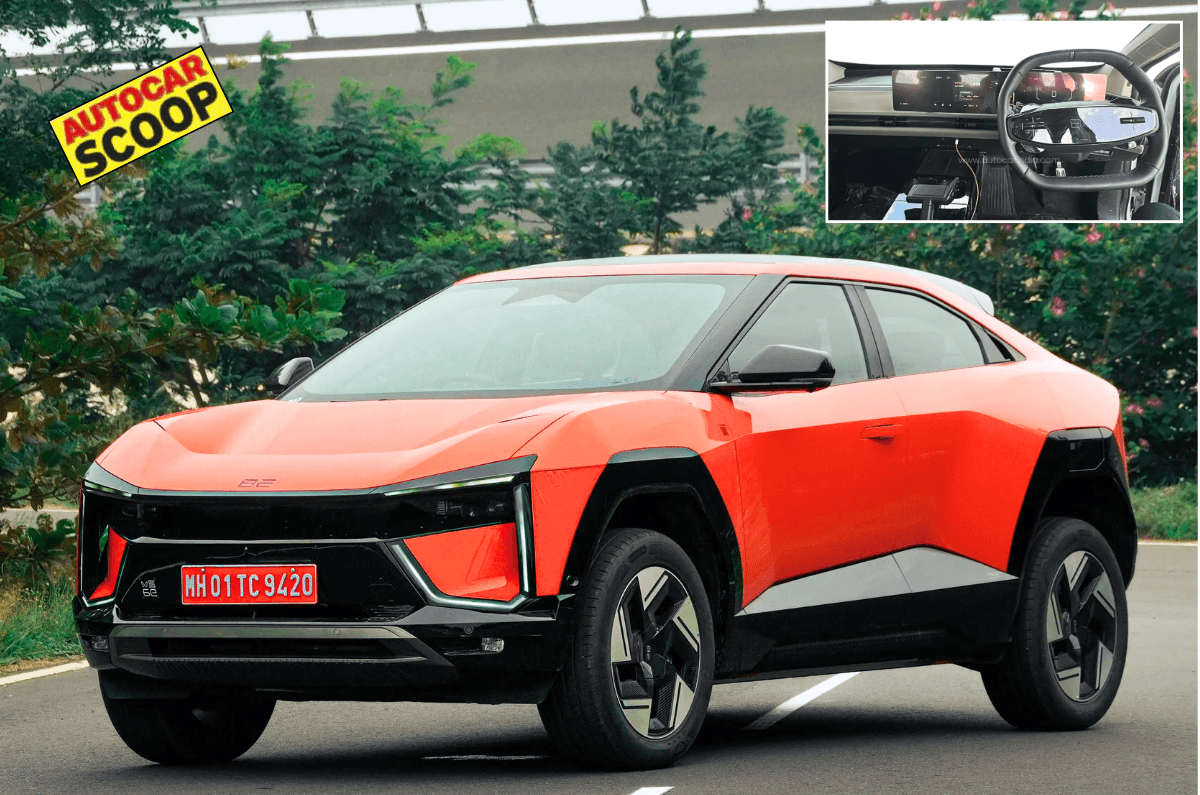
The Mahindra BE 6 is set to receive a passenger screen, a redesigned dashboard and a new upholstery colour, we can exclusively report. Since the Mahindra electric SUV was launched only in November 2024, a mid-lifecycle update is still some time away, and these changes could instead arrive with a model year update.

Updated Mahindra BE 6 interior details

Mahindra BE 6 interior

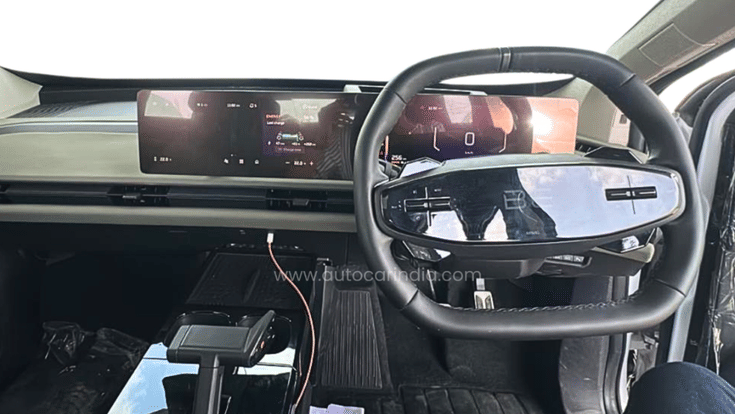
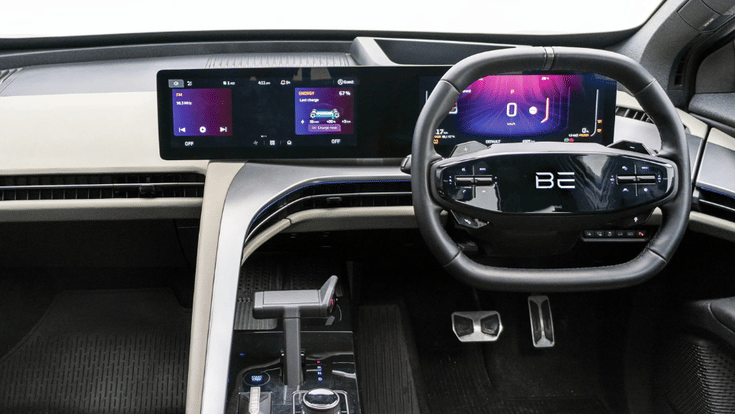
New BE 6 dashboard (left), current BE 6 dashboard (right).

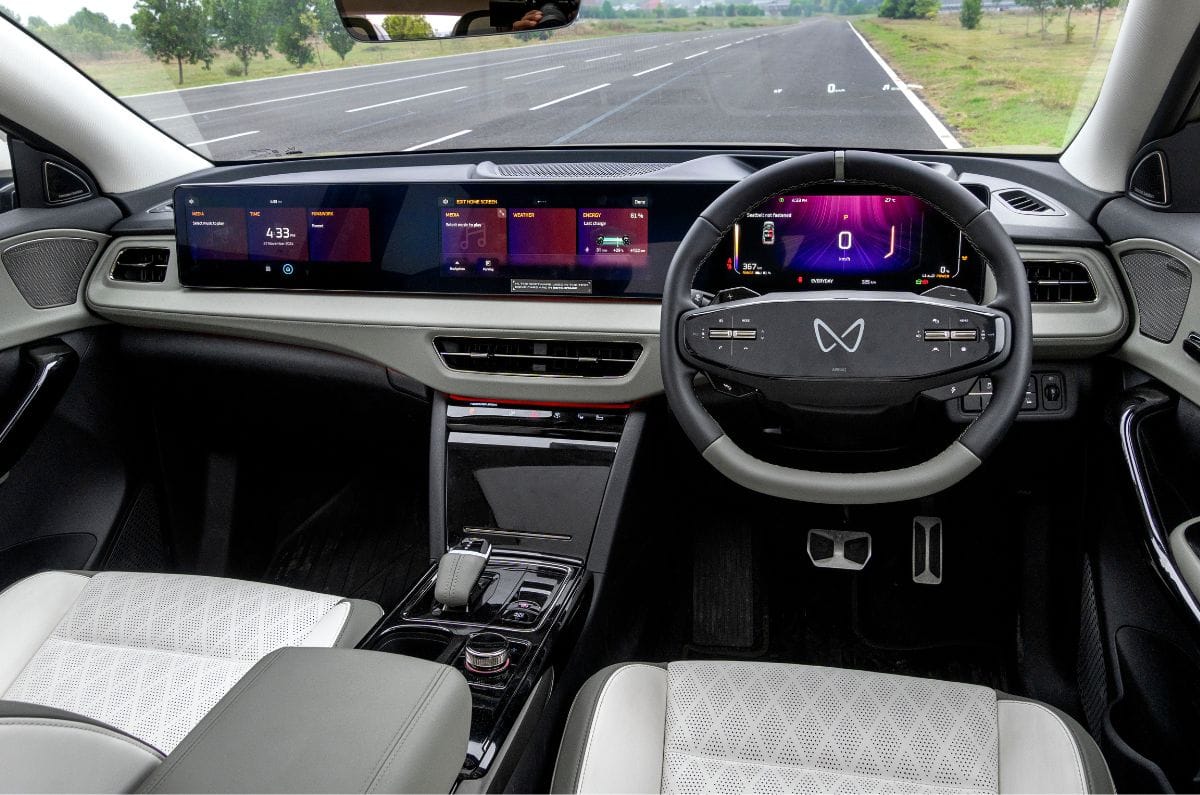
Mahindra already offers a three-screen setup in the XEV 9e and XEV 9S, and the same unit is expected to make its way to the BE 6. It’s not yet clear whether Mahindra will offer the three-screen setup across the line-up or limit it to the top-spec trims. Triple screens are becoming increasingly common, with even Tata Motors now offering them on some of its models. Adding the feature should help Mahindra keep the BE 6 competitive in the segment.

Mahindra XEV 9e screens
Mahindra XEV 9e’s interior shown here for representation.

The carmaker is also readying a version with a more conventional dashboard layout, devoid of the halo-like loop around the driver’s area offered in the current EV. The loop doesn’t leave enough space for a second cupholder and also makes the wireless charger and USB Type-C ports difficult to access from the passenger side, issues we had pointed out in our BE 6 review. Whether this becomes the standard design or is offered alongside the current layout remains to be seen.

Instead of the current black-and-grey theme for the upholstery, the BE 6 is going to get a new black-and-tan colour combination. The BE 6 already offers an extensive feature list, and these updates should further strengthen its appeal against midsize SUV rivals like the Tata Sierra EV and Hyundai Creta Electric.

The Mahindra BE 6 is priced between Rs 18.90 lakh and Rs 26.90 lakh and a small price hike is likely once these updates are introduced. For reference, the Sierra EV is priced between Rs 18.79 lakh and Rs 25.99 lakh, while the Creta Electric costs between Rs 18.03 lakh and Rs 23.67 lakh. Mahindra is yet to announce a launch timeline for the updated BE 6.

Ex-showroom prices mentioned above are as of July 29, 2026.