All you need to know about the Nissan Tekton

Nissan Tekton

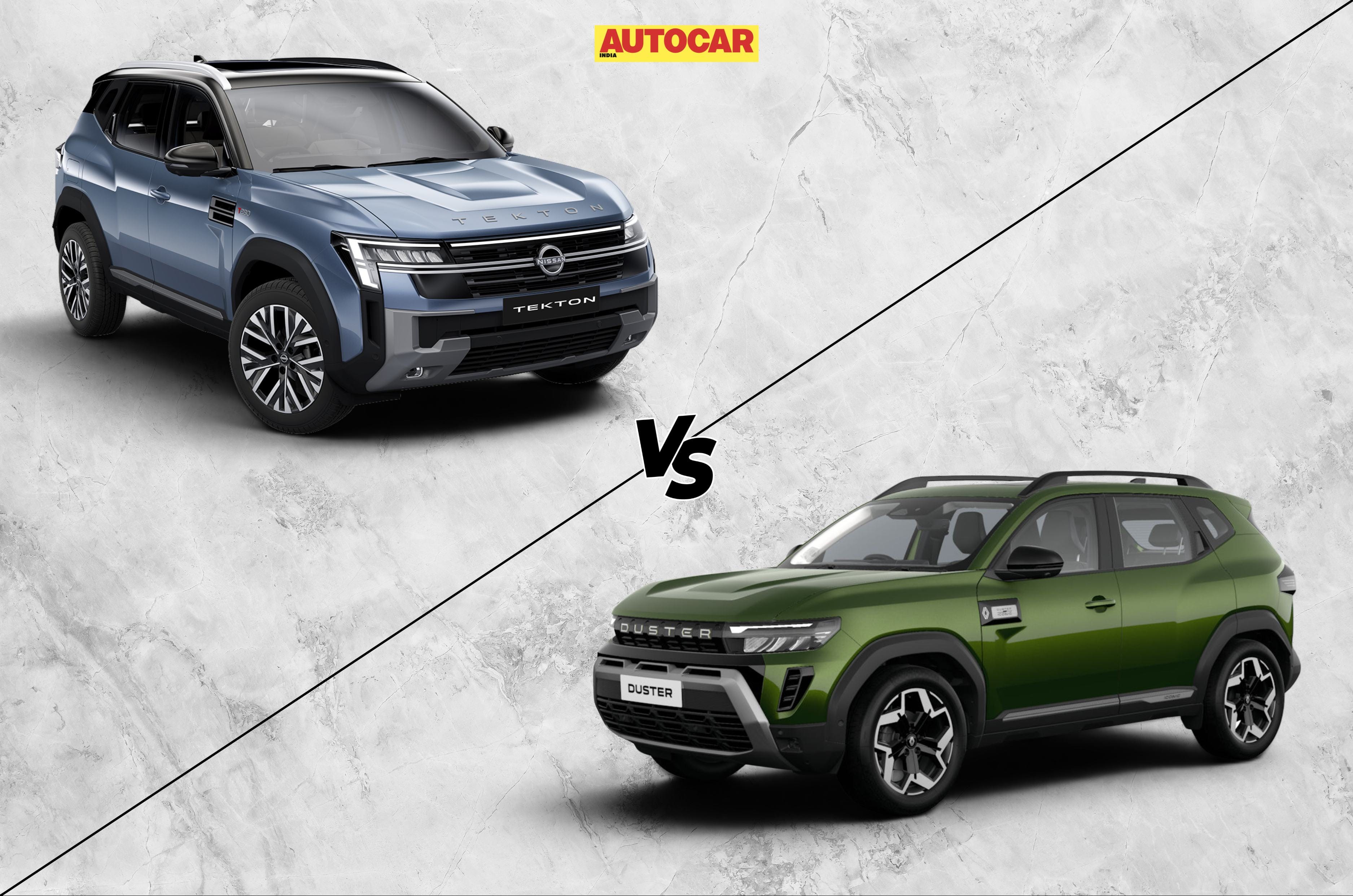
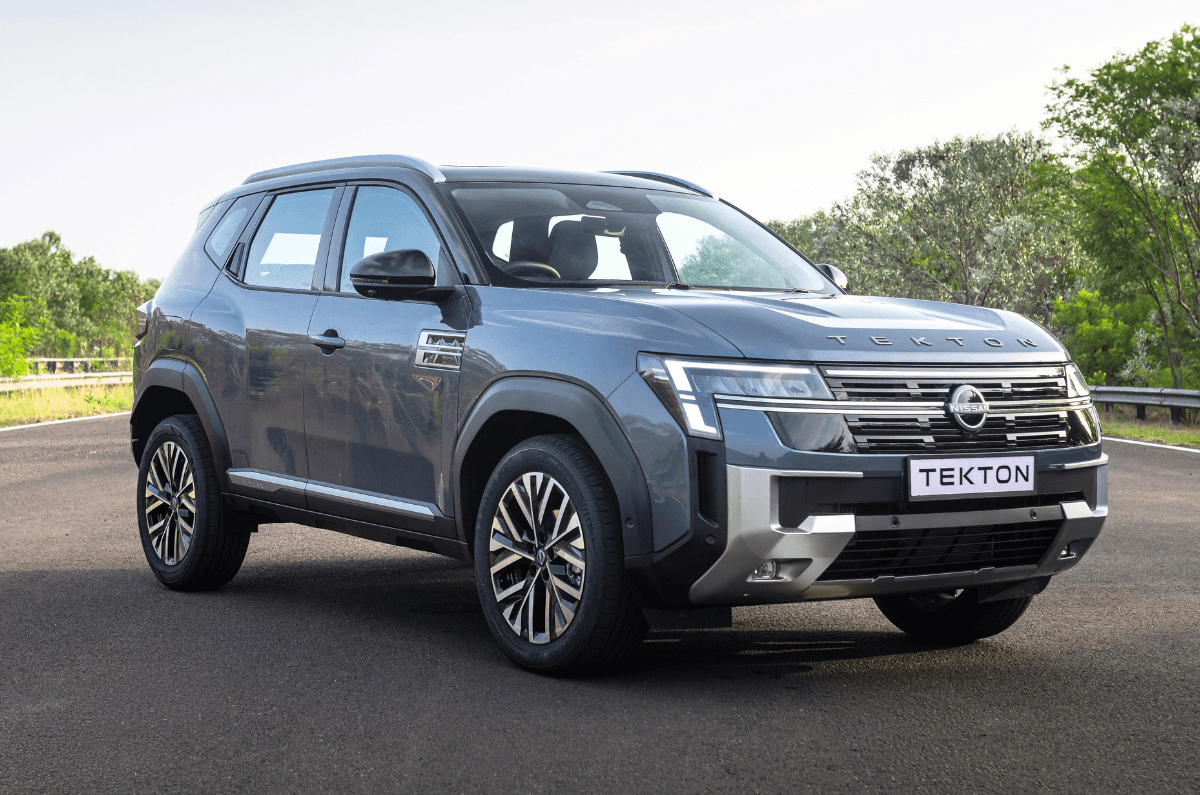
After several delays, Nissan has finally launched the Tekton in India. The SUV is the carmaker’s version of the Renault Duster, featuring a few design changes while sharing the same underpinnings. Competing with the likes of the Hyundai Creta, Kia Seltos, Tata Sierra, Maruti Grand Vitara and more, here’s everything you should know about Nissan’s new midsize SUV contender.

Is the Nissan Tekton pricier than the Renault Duster?
Nissan Tekton

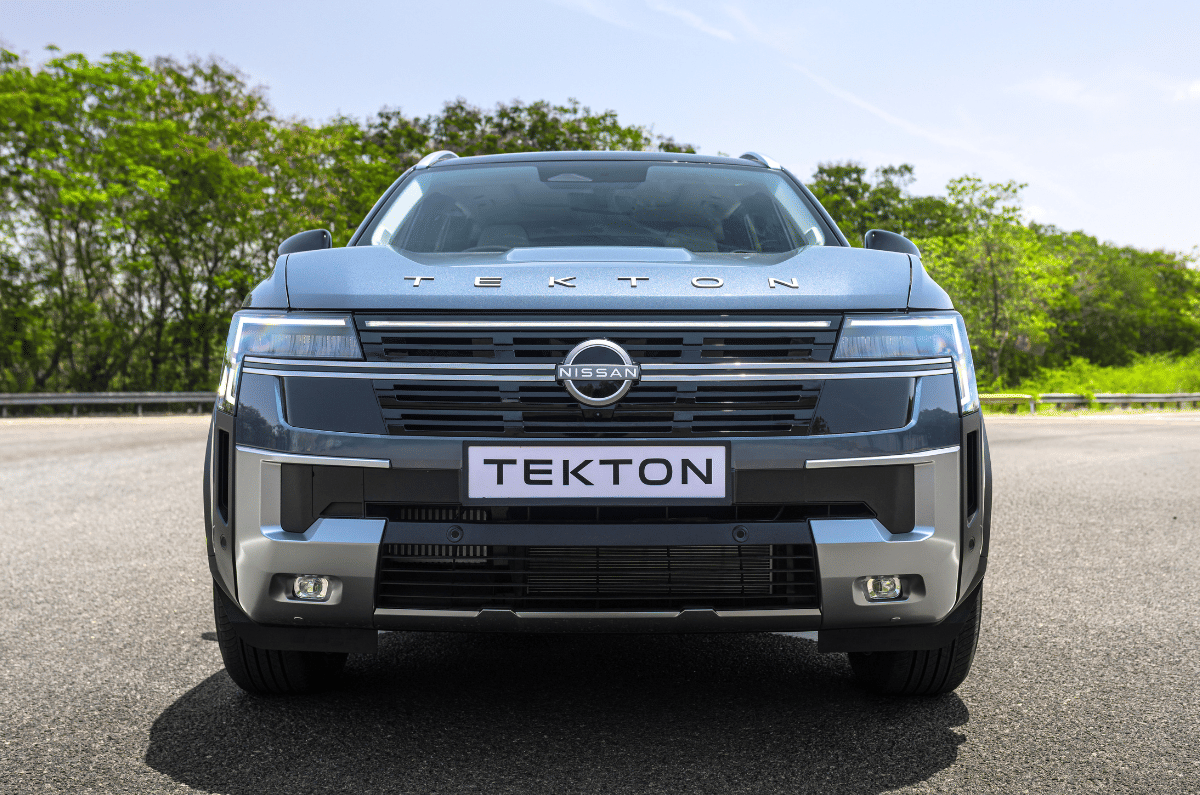
The Tekton range starts at Rs 10.49 lakh, ex-showroom, similar to the Duster. At the entry level, the Tekton is priced on par with the Duster and is among the most affordable midsize SUVs, with only the MG Astor and Citroen Aircross costing less. The Maruti Victoris follows with a premium of just Rs 1,000, while the Maruti Grand Vitara, Hyundai Creta, Kia Seltos, Tata Sierra, Skoda Kushaq, Volkswagen Taigun, Toyota Hyryder and Honda Elevate are all priced higher.

At the top end, the Tekton costs Rs 10,000 more than the Duster at Rs 18.59 lakh. Even then, it’s still cheaper than the Seltos, Creta, Sierra, Hyryder, Victoris, and Grand Vitara. The Aircross remains the most affordable midsize SUV by a wide margin.

When will the Nissan Tekton hybrid launch in India

As we have exclusively reported before, the Tekton will not be adding a hybrid powertrain option. Renault will be keeping the Horse Powertrain-derived strong hybrid system exclusive for the Duster, positioning it as a key competitive advantage in the increasingly crowded midsize SUV space.

The Tekton offers a choice between 100hp 1-litre and 163hp 1.3-litre turbo-petrol engine options. A 6-speed manual gearbox is standard, but an automatic gearbox, a 6-speed dual-clutch unit in this case, is offered with the more powerful mill only.

What is the fuel-efficiency of the Nissan Tekton?

PowertrainClaimed fuel efficiency (kpl)
100hp 1L turbo-petrol 6MT19.41
163hp 1.3L turbo-petrol 6MT17.8
163hp 1.3L turbo-petrol 6DCT18.5

Evidently, the 1.0-litre turbo-petrol paired with a manual gearbox delivers the highest efficiency at 19.41kpl in the line-up. The 1.3-litre turbo-petrol returns 18.5kpl with the dual-clutch automatic and 17.8kpl with the manual gearbox. Since the powertrains are shared between the Nissan and Renault badge-engineered SUVs, their claimed fuel-efficiency figures are similar. 

Is the Nissan Tekton larger in overall size than its rivals?
Nissan Tekton

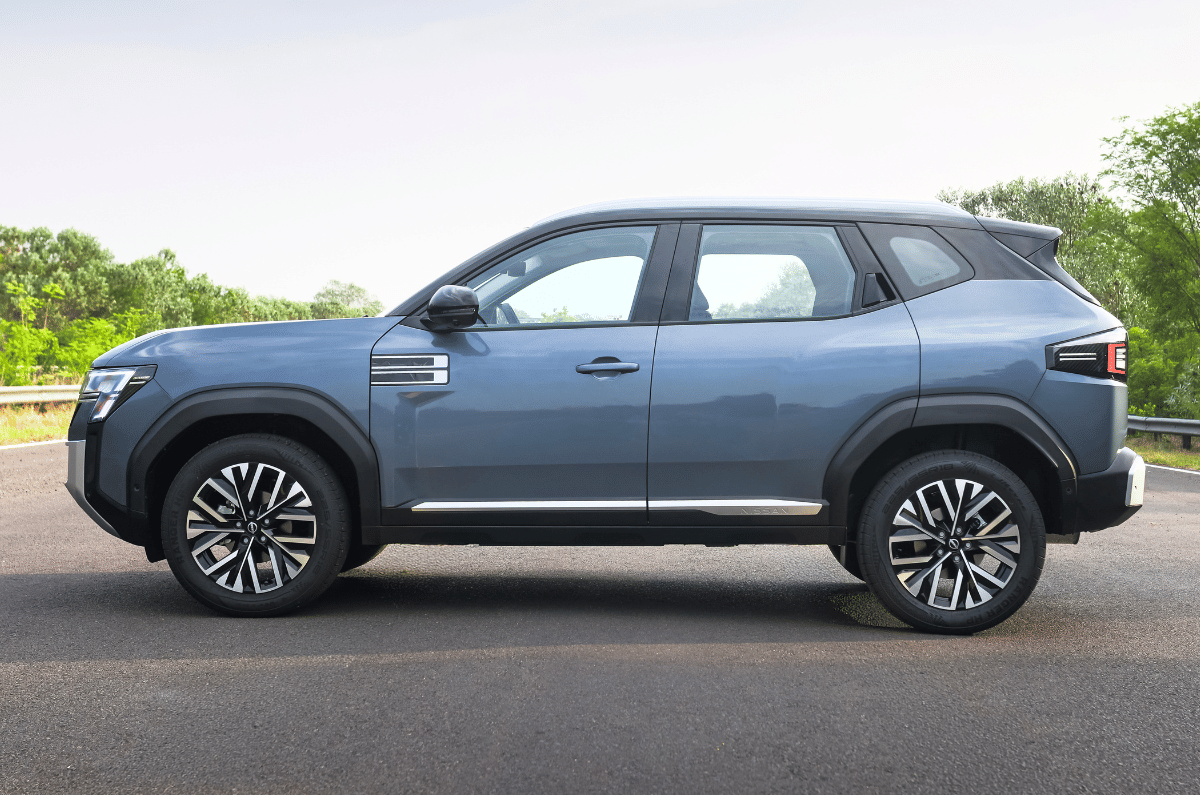
The Tekton shares its height, wheelbase, ground clearance and wheel size options with the Duster. It is, however, 6mm longer and 2mm wider due to its different styling. Compared to its midsize SUV rivals, the Tekton is longer than the Sierra, Creta, Grand Vitara, Kushaq, Taigun, Elevate, Astor and Aircross. However, it falls short of the Seltos by 111mm, the Hyryder by 16mm and the Victoris by 11mm. When it comes to wheelbase, the Sierra leads the segment, followed by the Seltos, Aircross, and then the Tekton. 

The Nissan SUV’s 212mm ground clearance is the second-highest in the segment after the Elevate. It also shares the largest 518-litre boot capacity in the segment with the Duster.

Does the Nissan Tekton have a spacious interior?
Nissan Tekton

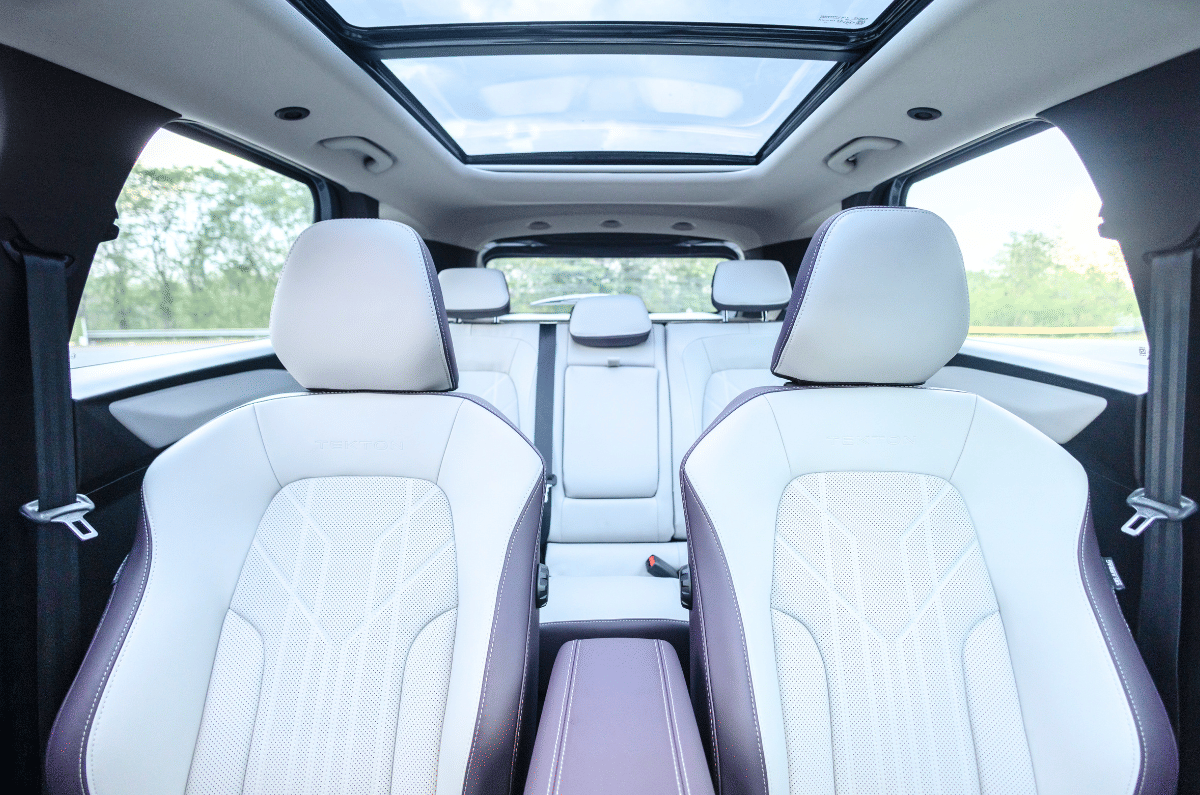
Its front seats are supportive and well-cushioned, and they also feature electric adjustment and ventilation. The rear seat is comfortable for two adults, while a third passenger can fit in. However, the limited shoulder room and the transmission hump make it less comfortable for three occupants over longer journeys.

At the rear, there’s enough kneeroom and plenty of headroom for six-footers. The large panoramic sunroof and windows make the cabin feel airy. Rear passengers also get a centre armrest with cup holders, dedicated AC vents and charging ports.

Which Nissan Tekton variant should you buy?
Nissan Tekton

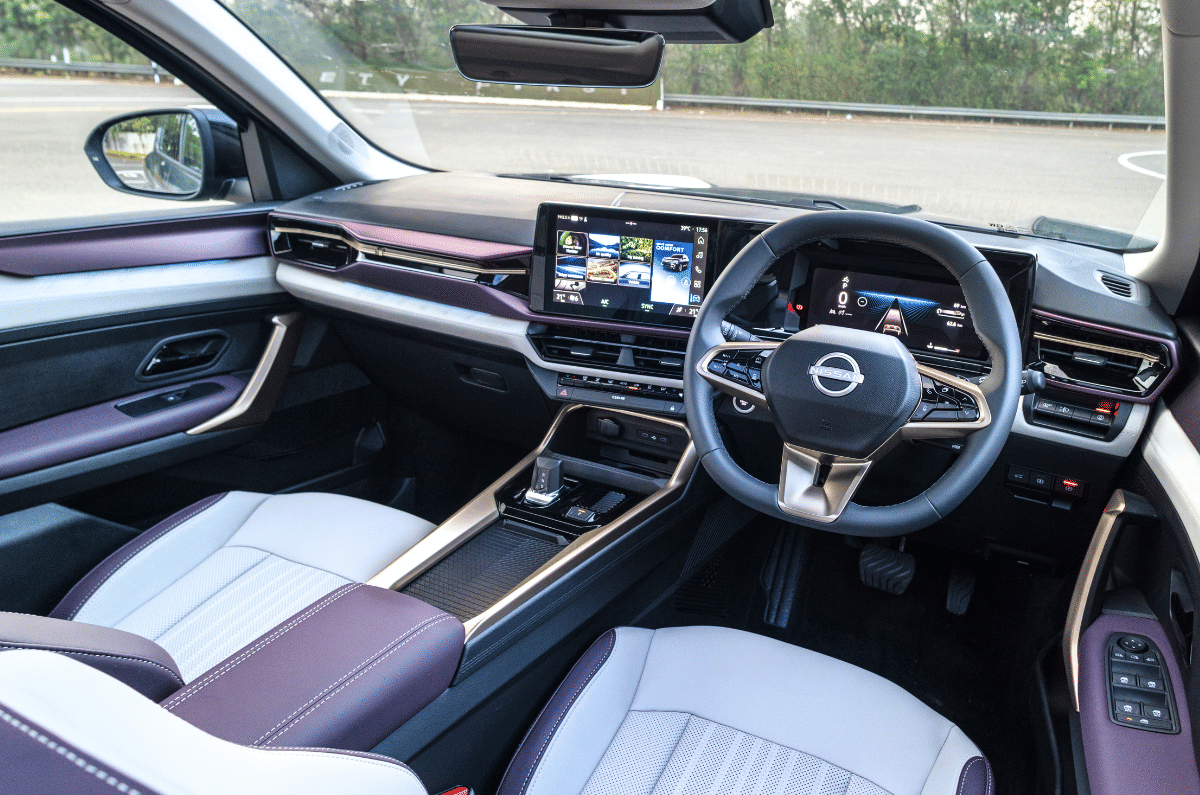
The N-Connecta trim, priced between Rs 13.69 lakh and Rs 16.49 lakh, ex-showroom, is our pick of the Tekton range. It packs a good mix of features, including a 10.25-inch digital instrument cluster, a panoramic sunroof, dual-zone climate control, 18-inch alloy wheels, wireless charger a six-speaker sound system and more. Buyers also get a choice between the two turbo-petrol engine options, along with their respective manual and automatic gearbox pairings.

Higher Tekton trims add features like Google integration for the touchscreen, ventilated front seats, MyNISSAN connected car tech, powered tailgate, 360-degree camera, Level 2 ADAS and more.

Nissan Tekton vs rivals: Price, specifications compared

Nissan Tekton vs rivals price specifications compared

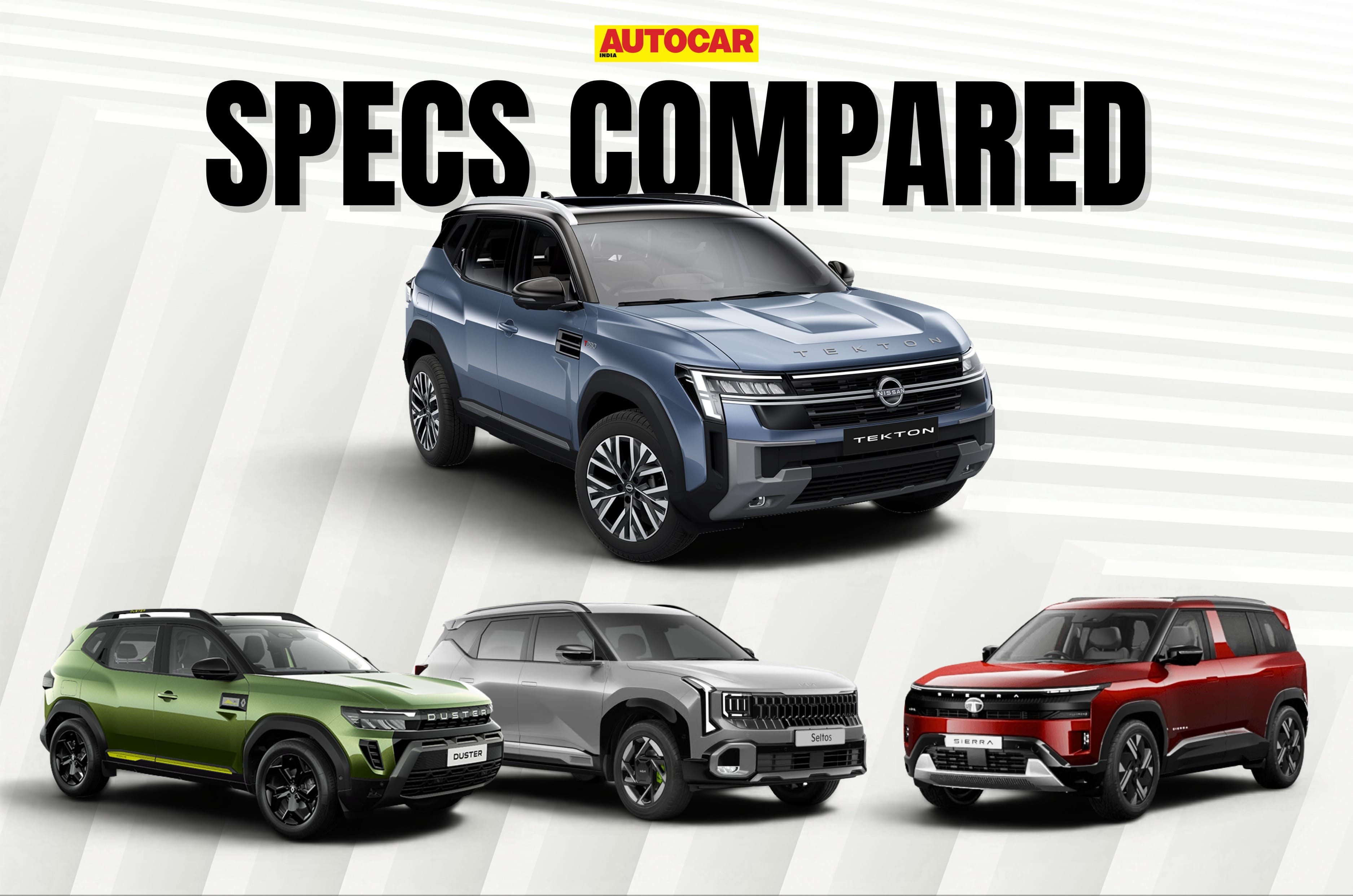
The Nissan Tekton has finally arrived as the Japanese carmaker’s contender for the hotly contested midsize SUV space. It’s based on the same platform as that of the new Renault Duster, so both SUVs are very similar on the mechanical front. Let’s have a look at how the Tekton stacks up on paper against its Renault-badged platform sibling, as well as midsize SUV rivals like the Hyundai Creta, Kia Seltos, Tata Sierra, Maruti Victoris, Honda Elevate, Toyota Hyryder, Skoda Kushaq, Volkswagen Taigun, and more.

Nissan Tekton vs rivals: Dimensions

Tekton and Duster offer the largest boots

Nissan Tekton vs rivals dimensions compared


Length (mm)

Width (mm)

Height (mm)

Wheelbase (mm)

Ground clearance (mm)

Boot space (L)

Wheel size (inch)

Tekton4,3491,8151,6592,65721251817-18

Duster

4,343

1,813

1,659

2,657

212

518

17-18

Creta

4,330

1,790

1,635

2,610

190

433

16-18

Sierra

4,340

1,841

1,715

2,730

205

450

17-19

Seltos

4,460

1,830

1,635

2,690

200

447

16-18

Victoris

4,360

1,795

1,655

2,600

210

446

17

Grand Vitara

4,345

1,795

1,645

2,600

210

373

17

Hyryder

4,365

1,795

1,645

2,600

210

373

17

Kushaq

4,229

1,760

1,612

2,651

188

385

16-17

Taigun

4,221

1,760

1,612

2,651

188

385

16-17

Elevate

4,312

1,790

1,650

2,650

220

458

16-17

Astor

4,323

1,809

1,650

2,585

205

359

17

Aircross

4,323

1,796

1,665

2,671

200

444

16-17

Dimensionally, the Tekton is identical to the Duster in terms of height, wheelbase, ground clearance, wheel size, though the Nissan SUV is 6mm longer overall and 2mm wider on account of styling differences. The Tekton is also longer than the Sierra, Creta, Grand Vitara, Kushaq, Taigun, Elevate, Astor, and Aircross, but falls short of the Seltos by 111mm, the Hyryder by 16mm, and the Victoris by 11mm.

On the wheelbase front, though, the Sierra comes out on top, followed by the Seltos, Aircross, and then the Tekton and Duster. The Tekton claws back some points in the ground clearance department, with its 212mm figure ranking the second-highest among its rivals, beaten only by the Elevate. The Tekton and Duster also have the largest boot capacities in the midsize SUV segment. Lastly, the Tekton’s wheel sizes are competitive by class standards, with the Sierra being the only one to offer 19-inch wheels.

Nissan Tekton vs rivals: Engine and gearbox options

Tekton shares its turbo-petrol engines with the Duster; won’t get strong hybrid option

Nissan Tekton vs rivals powertrains compared


Engine

Cylinders

Power (hp)

Torque (Nm)

Transmission

Drive layout

Tekton1.0T | 1.3T3 | 4100 | 163166 | 2806MT | 6MT, 7DCTFWD

Duster

1.0T | 1.3T | 1.8H*

3 | 4 | 4

100 | 163 | 160

166 | 280 | 172

6MT | 6MT, 7DCT | 8DHT^

FWD

Creta

1.5P | 1.5T | 1.5D

4 | 4 | 4

115 | 160 | 116

144 | 253 | 250

6MT, CVT | 6MT, 7DCT | 6MT, 6AT

FWD

Sierra

1.5P | 1.5T | 1.5D

4 | 4 | 4

106 | 160 | 118

145 | 255 | 280

6MT, 7DCT | 6AT | 6MT, 6AT

FWD

Seltos

1.5P | 1.5T | 1.5D

4 | 4 | 4

115 | 160 | 116

144 | 253 | 250

6MT, CVT | 6IMT, 7DCT | 6MT, 6AT

FWD

Victoris

1.5P | 1.5C | 1.5H

4 | 4 | 3

103 | 89 | 116

139 | 121.5 | 141

5MT, 6AT | 5MT | eCVT

FWD, AWD

Grand Vitara

1.5P | 1.5C | 1.5H

4 | 4 | 3

103 | 89 | 116

139 | 121.5 | 141

5MT, 6AT | 5MT | eCVT

FWD, AWD

Hyryder

1.5P | 1.5C | 1.5H

4 | 4 | 3

103 | 89 | 116

139 | 121.5 | 141

5MT, 6AT | 5MT | eCVT

FWD

Kushaq

1.0T | 1.5T

3 | 4

115 | 150

178 | 250

6MT, 8AT | 7DCT

FWD

Taigun

1.0T | 1.5T

3 | 4

115 | 150

178 | 250

6MT, 8AT | 7DCT

FWD

Elevate

1.5P

4

121

145

6MT, CVT

FWD

Astor

1.5P

4

110

144

5MT, CVT

FWD

Aircross

1.2P | 1.2T

3 | 3

82 | 110

115 | 205

5MT | 6MT, 6AT

FWD

P = Naturally-aspirated petrol; T = Turbo-petrol; H = Strong hybrid; D = Diesel; C = CNG

*Renault Duster hybrid to be launched by Diwali 2026.

^DHT = Dedicated Hybrid Transmission

Expectedly, the Tekton comes with the same 100hp 1.0-litre MPFI and 163hp 1.3-litre direct-injection turbo-petrol engines available with the Duster. The latter engine is the most powerful in its segment, despite being down on displacement compared to the 1.5-litre direct-injection turbo-petrol mills offered for the Creta, Sierra, Seltos, Kushaq, and Taigun.

However, the Tekton’s smaller 3-cylinder turbo-petrol motor is up to 15hp weaker compared to those of the Taigun, Kushaq, and Aircross. There’s no CNG, or naturally aspirated petrol engine option available with the Tekton, either, putting it out of direct contention with the likes of the Grand Vitara, Victoris, Elevate, Astor, and Hyryder, nor does the Nissan SUV offer a diesel engine, which many midsize SUV buyers prefer.

Moreover, despite the shared platform, the Tekton will miss out on the 1.8-litre strong hybrid powertrain that will debut on the Duster later this year. Renault will keep the hybrid option exclusive to the Duster as the French carmaker spearheaded the development of the platform and wants to position the SUV higher up the value chain.

In terms of gearbox options, the Tekton is identical to the Duster. The 1.0-litre turbo-petrol engine is paired solely with a 6-speed manual, whereas the 1.3-litre mill additionally offers a 6-speed wet-clutch DCT. Compared to the dry-clutch DCTs offered by the Creta, Seltos, Taigun, and Kushaq, the Tekton’s wet-clutch unit should be smoother at slow speeds.

The Tekton is a front-wheel drive model only, which is par for the course for this segment. Only the Victoris and Grand Vitara offer all-wheel drive, that too with their 1.5 petrol AT powertrains.

Nissan Tekton vs rivals: Price

Tekton undercuts most of its midsize SUV rivals

Nissan Tekton vs rivals price compared

 Price range (Rs, lakh)
Tekton10.49-18.59

Duster

10.49-18.49

Creta (including N Line)

10.91-19.95

Sierra

11.49-21.29

Seltos

11.00-21.57

Victoris

10.50-19.99

Grand Vitara

10.77-19.57

Hyryder

11.31-19.99

Kushaq

10.69-18.99

Taigun

11.00-19.00

Elevate

11.60-16.16

Astor

9.79-15.30

Aircross

8.89-14.14

When it comes to starting price, the Tekton matches the Duster and is one of the most affordable midsize SUVs at the base level, beaten only by the Astor and Aircross. The Victoris comes next with a near-negligible Rs 1,000 premium over the Tekton, followed by the Kushaq, Grand Vitara, Creta, Seltos, Taigun, Hyryder, Sierra, and Elevate, in that order.

The Tekton does cost Rs 10,000 more than the Duster when comparing top-spec variants, but even so, it’s substantially easier on the pocket than the likes of the Seltos, Creta, Sierra, Hyryder, Victoris, and Grand Vitara. The Aircross remains the most affordable midsize SUV by a long shot.

All prices are ex-showroom, India.

Nissan Tekton vs Renault Duster: Differences, similarities explained

Nissan Tekton vs Renault Duster

Nissan has finally launched its version of the Renault Duster, the Tekton. While the two midsize SUVs share the same mechanical underpinnings, they slightly differ in terms of design. Interestingly, this isn’t Nissan’s first take on the Duster, as the brand had previously sold the Terrano. In this feature, we take a closer look at how the Tekton differs from the Renault SUV, both inside and out.

Nissan Tekton vs Renault Duster: Exterior

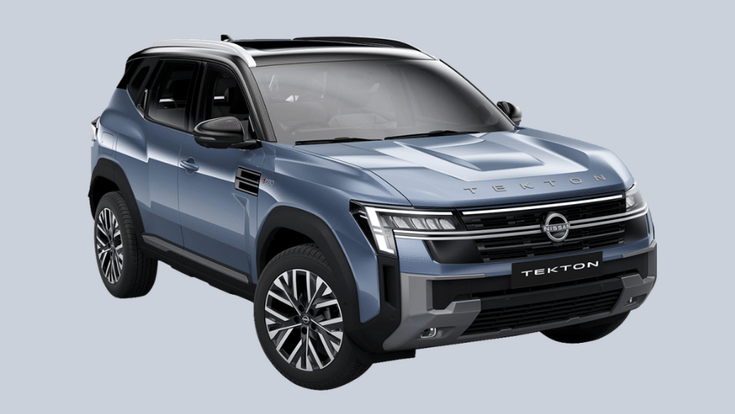
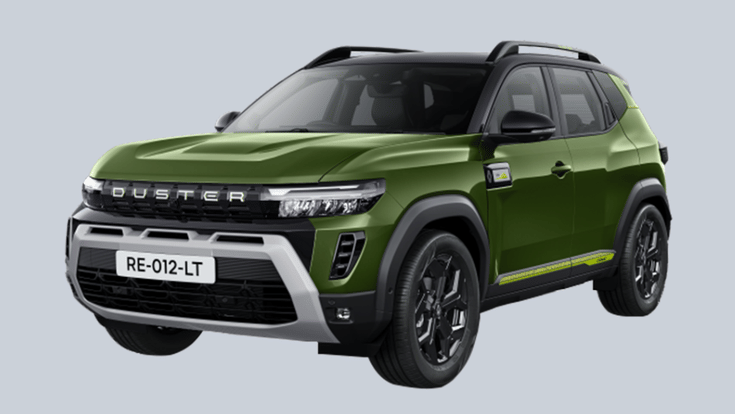
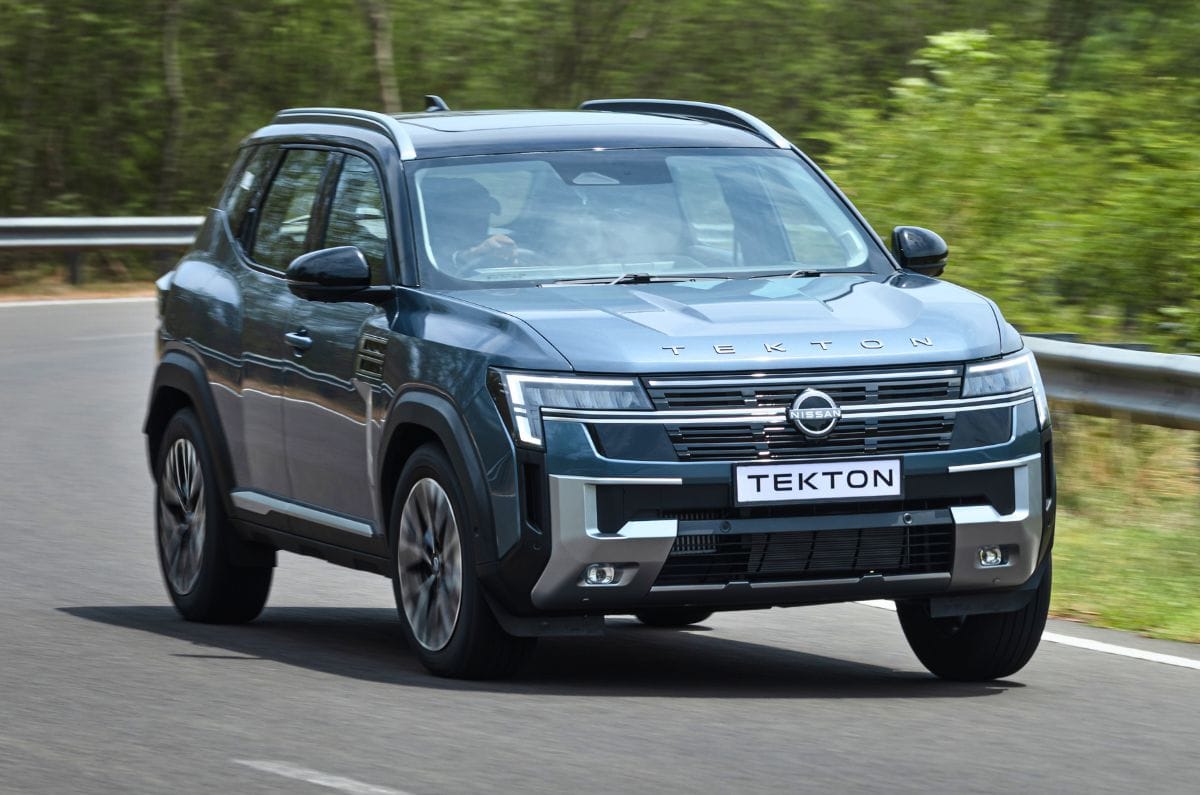
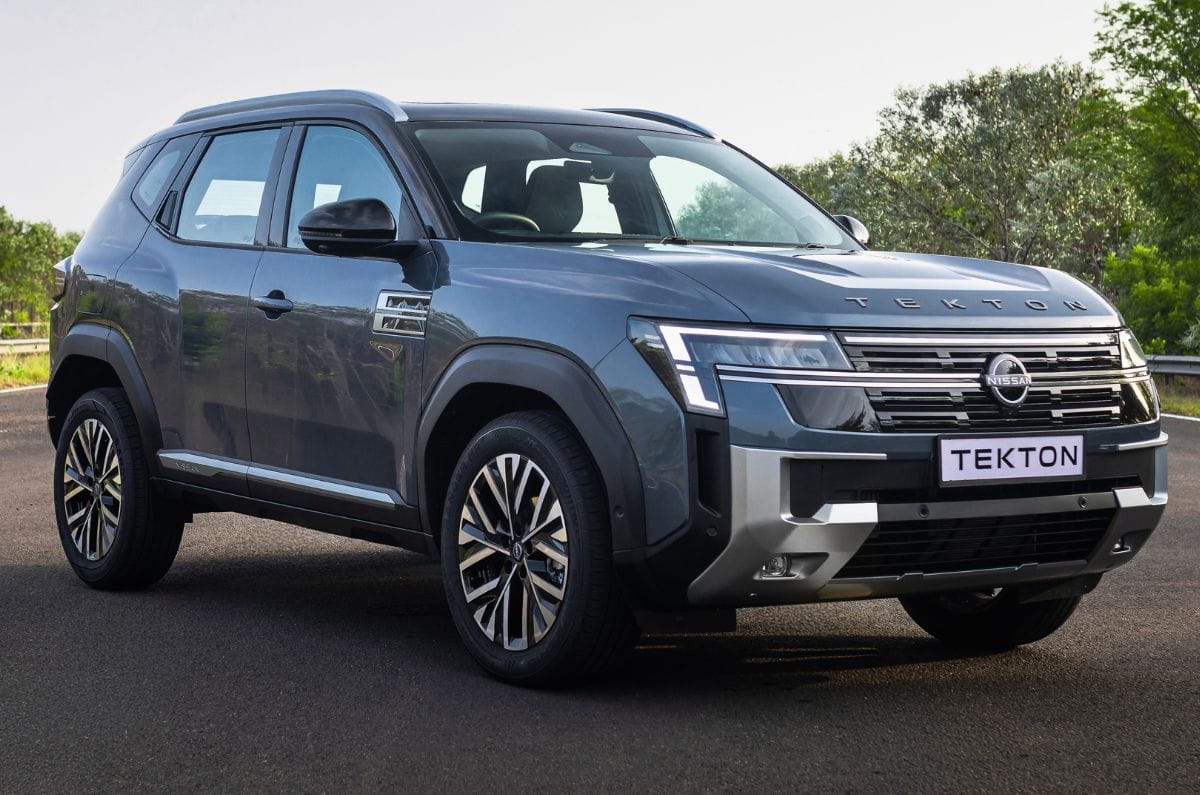
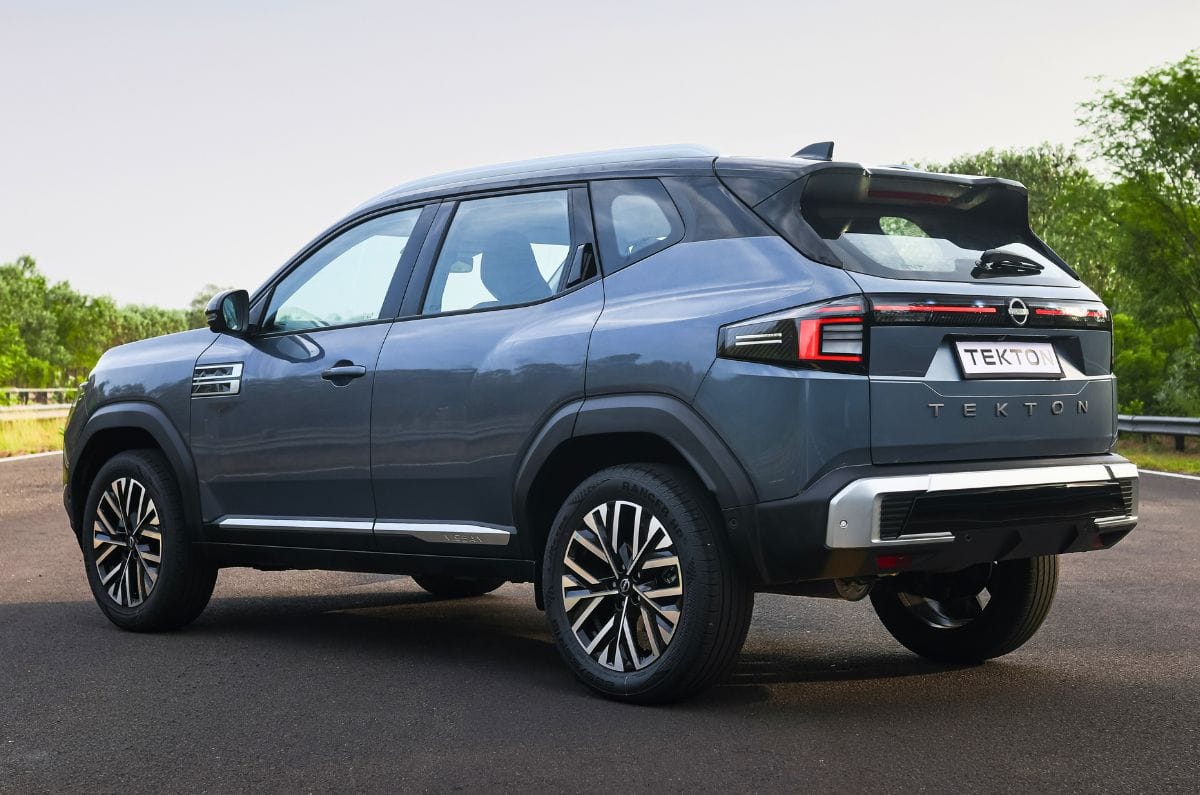
Nissan claims that the Tekton’s design is inspired by the Patrol flagship SUV, which lends it a more squared-off appearance than the Renault Duster. While the overall silhouette is similar, the Tekton separates itself with slimmer LED headlights, connected by a light bar. Even the C-shaped design of the DRLs is different from the Duster’s eyebrow-shaped units. Nissan has opted for a traditional front grille with the logo in the centre, while the ‘TEKTON’ lettering is present on the bonnet. Another standout for the Tekton comes in the form of a red strip, which flanks the logo on the grille. The Renault SUV, meanwhile, places the ‘DUSTER’ lettering on the grille. Tweaks have also been made to the front bumper of the Tekton, with lesser use of silver-finished trims.

Nissan Tekton
Renault Duster
 

In profile, details like a multi-spoke design for the 18-inch alloy wheels, variant-specific badging with C-shaped graphics on the front fenders and silver-finished roof rails make the Tekton stand out. A good dose of cladding over the wheel arches and under the doors, pull-type door handles at the front and C-pillar-mounted ones at the rear and shark-fin antenna are common between the two.

Unlike the triangular tail-lamps of the Duster, the Tekton opts for a C-shaped signature, which is a nod to the Patrol. This signature also trickles down to silver trims on the rear bumper.

Nissan Tekton vs Renault Duster: Interior

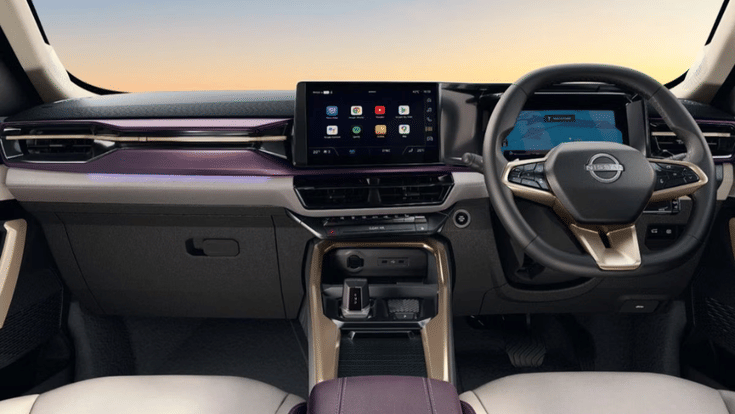
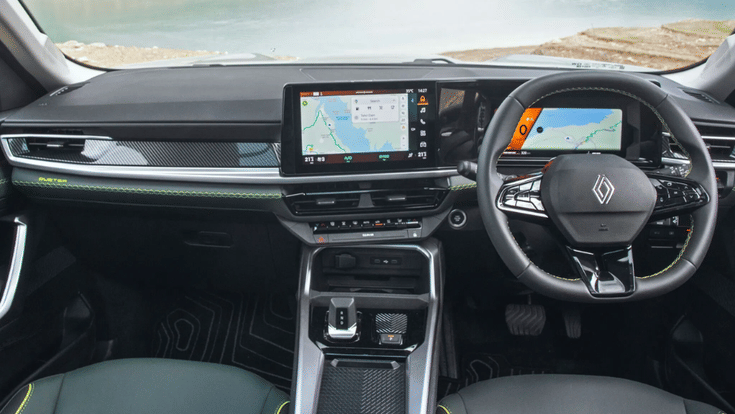
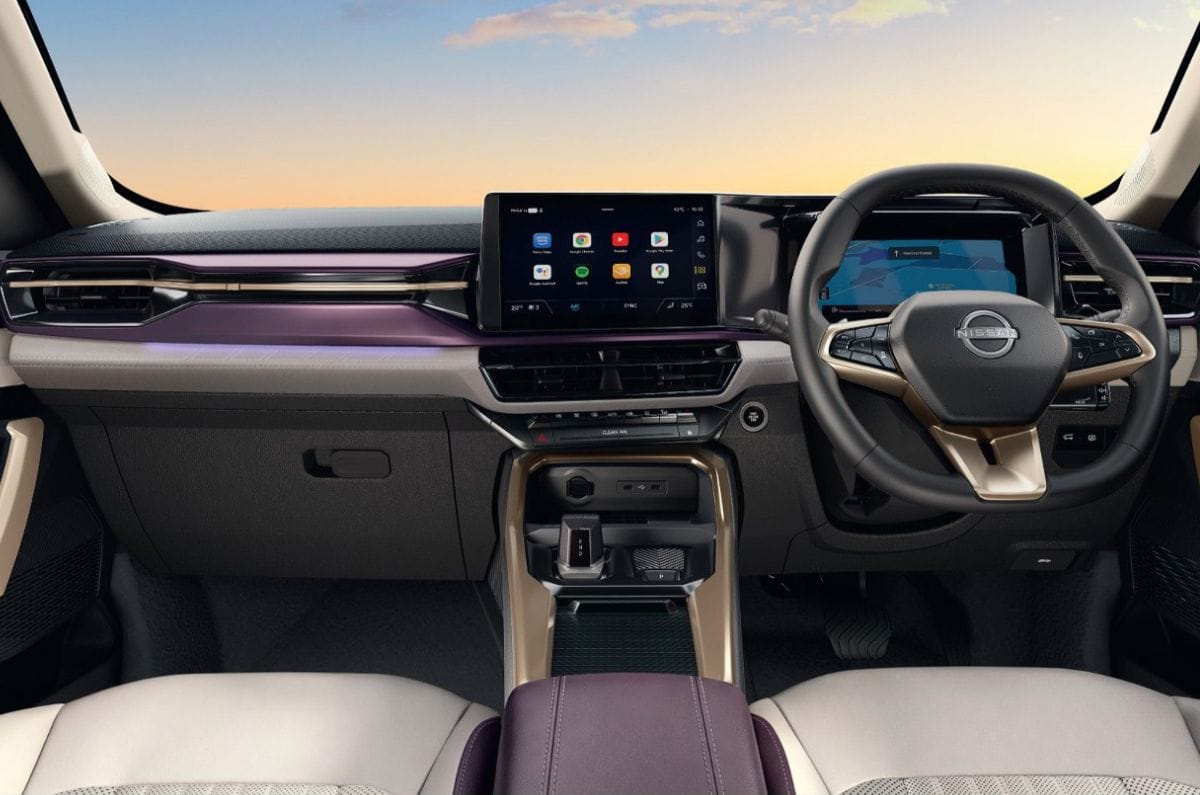
Inside, the top-spec Tekton features a dual-tone rose gold and burgundy upholstery, instead of the Duster’s black-and-green theme. Further distinction is made by gold finished inserts on the three-spoke steering wheels, dashboard, centre console and door handles.

Nissan Tekton
Renault Duster
 

Speaking of features, both pack a similar set of features, including a 10.1-inch touchscreen, 10.25-inch digital driver’s display, panoramic sunroof, a wireless phone charger and 6-way adjustable and ventilated front seats. Safety suite includes 6 airbags, Level 2 ADAS, a 360-degree camera with blind-spot assist, an electronic parking brake and front and rear parking sensors. Like the Duster, the Nissan has received a full five-star crash safety rating from the Bharat NCAP.

Nissan Tekton vs Renault Duster: Powertrains

Like the Duster, the Tekton comes with 100hp 1-litre and 163hp 1.3-litre turbo-petrol engine options. Similarly, a 6-speed manual gearbox is on offer with both engines, but an automatic gearbox – a 7-speed DCT in this case – is limited to the more powerful mill. Even the mileage figures of these powertrain options are similar, as can be seen in the table below. As we had exclsuively reported earlier, the Tekton will not receive the 160hp 1.8-litre strong-hybrid powertrain, set to be introduced with the Duster by Diwali.

Nissan Tekton vs Renault Duster claimed fuel-efficiency (kpl)

SUVTektonDuster
100hp 1L turbo-petrol MT19.419.41
163hp 1.3L turbo-petrol MT17.817.75
163hp 1.3L turbo-petrol DCT18.518.45

Nissan Tekton vs Renault Duster: Price

Like the Duster, the Nissan Tekton starts at Rs 10.49 lakh, ex-showroom. However, the Tekton is priced Rs 10,000 less at the top-end at Rs 18.59 lakh. Competing in the midsize SUV space, the Tekton will compete with the Maruti Grand Vitara and Victoris, Hyundai Creta, Kia Seltos, Tata Sierra, Honda Elevate, Skoda Kushaq and Volkswagen Taigun.

Nissan Tekton launched in India at Rs 10.49 lakh

Nissan Tekton midsize SUV launched in India

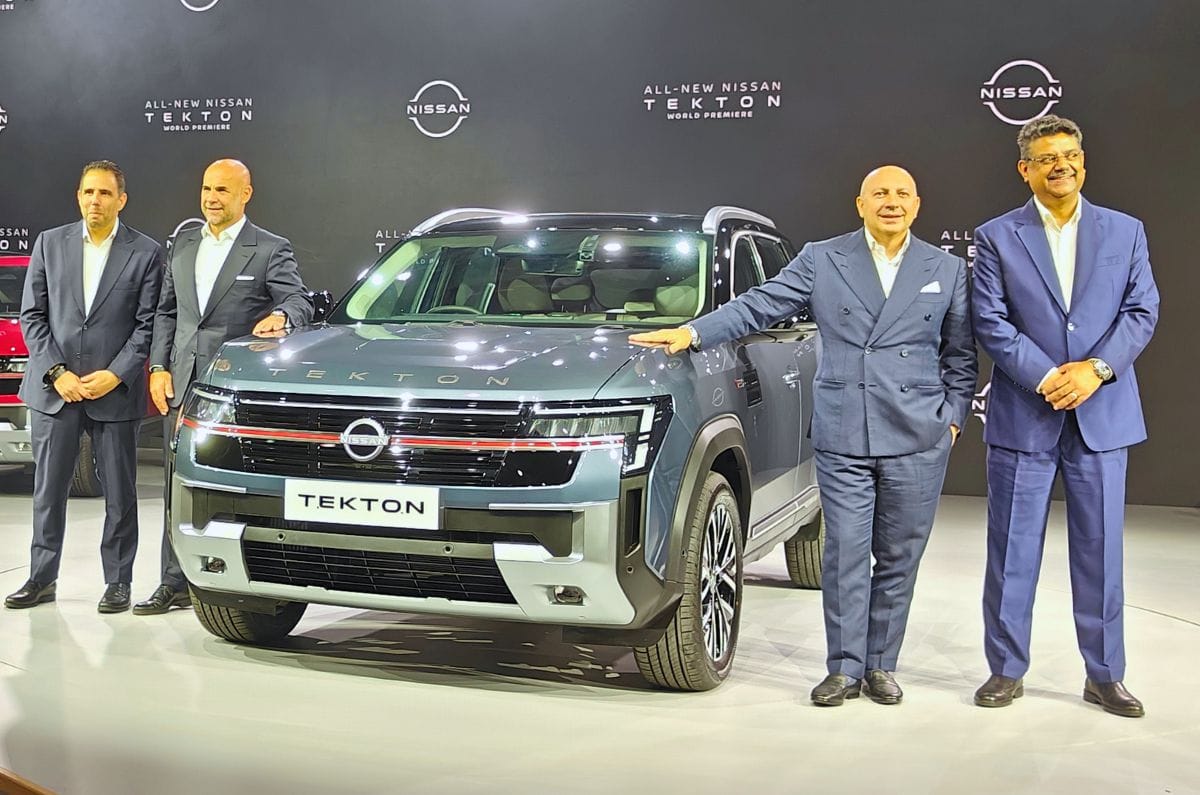
After teasing it for some time now, Nissan has launched the Tekton midsize SUV at Rs 10.49 lakh (ex-showroom). It is Nissan’s badge-engineered version of the Renault Duster and is being offered in six trims: Visia, Visia+, Acenta, N-Connecta, Tekna, and Tekna+. Bookings for the midsize SUV are open, and deliveries start on July 20. 

  1. Borrows the Duster’s 1.0L and 1.3L turbo-petrol engines
  2. Exterior design is bolder and boxier than the Duster
  3. Gets the same features as the Duster, with a new dual-tone cabin theme

2026 Nissan Tekton: Variant-wise prices

Ex-showroom prices range from Rs 10.49 lakh to Rs 18.59 lakh

2026 Nissan Tekton: Variant-wise ex-showroom prices in India (Rs, lakh)


1.0L TP 6MT

1.3L TP 6MT

1.3L TP 6DCT

Visia

10.49

Visia+

11.14

Acenta

11.79

14.99

N-Connecta

13.69

14.99

16.49

Tekna

15.39

16.39

17.79

Tekna+

16.49

18.59

The Nissan Tekton’s prices range from Rs 10.49 lakh to Rs 18.59 lakh, which are similar to the Renault Duster’s. 

2026 Nissan Tekton: Powertrain details

Offered with two turbo-petrol engine options

The Nissan Tekton shares its powertrains with the Renault Duster, offering two turbo-petrol engine options. The entry-level 1.0-litre three-cylinder turbo-petrol develops 100hp and 166Nm of torque and comes paired exclusively with a 6-speed manual gearbox. Higher up the range, the 1.3-litre four-cylinder turbo-petrol produces 163hp and 280Nm, and is available with either a 6-speed manual or a 6-speed dual-clutch automatic (DCT).

Nissan claims that the 1.0-litre engine does a 0-100kph sprint in 12.46 seconds, and has a claimed range of 19.4kpl. The manual version of the larger 1.3-litre turbo-petrol engine does a 0-100kph run in 9.51 seconds and has a fuel efficiency of 17.8kpl. The DCT version claims a 9.89-second 0-100kph time and a fuel efficiency of 18.5kpl. 

As reported earlier, the Duster’s 160hp, 1.8-litre strong hybrid engine will not make its way to the Tekton. On the Duster, however, this engine will debut during the festive season.

2026 Nissan Tekton: Exterior design

Gets Patrol-like design elements that make it look boxier than the Duster

The Tekton’s front-end design is heavily inspired by the Patrol, lending it a more squared-off appearance than the Renault Duster. It gets an upright grille featuring twin chrome slats flanked by slim LED headlamps. A full-width C-shaped LED daytime running light connects the two headlamps. There’s a red strip underneath the headlamps. The bonnet gets pronounced creases and carries Tekton lettering. The lower bumper features a dual-tone finish with a faux silver skid plate and LED fog lamps.

In profile, the Tekton has a Duster-like silhouette. However, Nissan has differentiated it with a new design for the 18-inch alloy wheels. It gets flared wheel arches and a distinctive silver trim insert on the front doors. The front doors use conventional pull-type handles, while the rear doors have integrated handles on the C-pillars.

At the rear, the Tekton features a full-width LED light bar integrated into C-shaped tail-lamps, mirroring the lighting treatment at the front. A roof-mounted spoiler sits above the upright tailgate, while the lower bumper adopts the same dual-tone finish with a silver skid plate insert seen up front. Unlike the Duster, the tailgate is finished in a single body colour rather than a contrasting black panel, resulting in a cleaner-looking design. There’s also a Tekton lettering on the tailgate.

Here are the dimensions of the Nissan Tekton:

Nissan Tekton dimensions and other specifications

Length (mm)

4,348

Width (mm)

1,815

Height (mm)

1,674

Wheelbase (mm)

2,657

Ground clearance (mm)

212

Boot space (litres)

518 (measured to the parcel shelf)

The Nissan Tekton is being offered in six colour options: Onyx Black, Blade Silver, Pearl White, Flare Garnet Red, Indigo Blue, and Moonbow Gray. All these colours are available as both monotone and dual-tone options. 

2026 Nissan Tekton: Interior design and features

Offered with a dual-tone rose gold and burgundy cabin theme

Inside, the top-spec Nissan Tekton features a dual-tone rose gold and burgundy dashboard with a 3-spoke steering wheel, a 10.1-inch freestanding touchscreen infotainment system and a 10.25-inch digital driver’s display. The seats have leatherette upholstery and offer adjustable headrests for all passengers.

Other features include a panoramic sunroof, a wireless phone charger, a powered tailgate, and 6-way adjustable and ventilated front seats. Safety features include 6 airbags, Level-2 advanced driver assistance systems (ADAS), a 360-degree camera with blind-spot assist, an electronic parking brake, and front and rear parking sensors. As it is based on the Renault Duster, it gets a 5-star Bharat NCAP rating. Nissan says that it is capable of achieving a 5-star Global NCAP rating.  

The Nissan Tekton rivals the Renault Duster, Hyundai Creta, Kia Seltos, Tata Sierra, Maruti Victoris, Maruti Grand Vitara, Toyota Hyryder, Citroen Aircross, Skoda Kushaq, Volkswagen Taigun and MG Astor

Prices are ex-showroom, India.

Upcoming SUVs India: Nissan Tekton से लेकर Toyota Hilux तक, इस महीने लॉन्च होंगी ये 5 नई SUVs

Upcoming SUVs India: अगर आप इस महीने नई कार खरीदने की सोच रहे हैं, तो थोड़ा और इंतजार करना फायदेमंद हो सकता है। दरअसल, कई ऑटो कंपनियां नई SUV लॉन्च करने, मौजूदा मॉडल को अपडेट करने और लग्जरी गाड़ियां लॉन्च करने की तैयारी में हैं, जिससे खरीदारों को अलग-अलग कीमतों में कई नए वेरिएंट चुनने का मौका मिलेगा। अब चलिए जानते हैं आने वाली इन 5 नई कारों के फीचर्स के बारे में।

Nissan Tekton

निसान भारतीय बाजार में अपनी नई मिड-साइज SUV Nissan Tekton को लॉन्च करने की तैयारी कर रही है। उम्मीद है कि यह SUV हाल के वर्षों में ब्रांड के सबसे अहम प्रोडक्ट्स में से एक होगी और Hyundai Creta, Kia Seltos, Maruti Suzuki Grand Vitara, Toyota Urban Cruiser Hyryder, Honda Elevate, Renault Duster और Tata Sierra जैसे मॉडल्स वाले सबसे ज्यादा कॉम्पिटिशन वाले सेगमेंट में मुकाबला करेगी। इंजन की बात करें तो, इस SUV में 1.3-लीटर टर्बो-पेट्रोल इंजन दिया जा सकता है, जो मैनुअल और ऑटोमैटिक ट्रांसमिशन दोनों ऑप्शन के साथ आ सकता है।

Maruti Suzuki Brezza Facelift

Brezza लॉन्च होने के बाद से ही भारत की पसंदीदा कॉम्पैक्ट SUV में से एक रही है, और ऐसा लगता है कि Maruti Suzuki इस महीने इसे बड़े पैमाने पर अपडेट (मिड-साइकिल रीवैम्प) करने की योजना बना रही है। नई Brezza में कुछ कॉस्मेटिक बदलाव, इंटीरियर में सुधार और नए फीचर्स मिलने की उम्मीद है। इसमें 1.5-लीटर नैचुरली एस्पिरेटेड पेट्रोल इंजन के साथ 1.0-लीटर टर्बो पेट्रोल इंजन मिल सकता है। इसके अलावा, इसमें नया अंडरबॉडी CNG टैंक दिया जा सकता है, जिससे सामान रखने के लिए ज्यादा बूट स्पेस मिलेगा। इसे मैनुअल और ऑटोमैटिक ट्रांसमिशन दोनों विकल्पों के साथ पेश किए जाने की उम्मीद है। नई Brezza का मुकाबला Tata Nexon, Kia Sonet, Mahindra XUV 3XO, Hyundai Venue और Skoda Kylaq जैसी कारों से जारी रहेगा।

Honda ZR-V Hybrid

Honda भारत में अपनी नई प्रीमियम SUV Honda ZR-V Hybrid को लॉन्च करने की तैयारी कर रही है। इसे Completely Built Unit (CBU) के तौर पर भारत लाया जाएगा। यह SUV कंपनी की मौजूदा Honda Elevate से ऊपर की पोजिशन पर होगी और Honda के SUV पोर्टफोलियो को मजबूत करेगी।

Honda ZR-V Hybrid में कंपनी की e:HEV स्ट्रॉन्ग हाइब्रिड टेक्नोलॉजी दी जाएगी। यह SUV करीब 40 लाख रुपये के सेगमेंट में आने की उम्मीद है और यह उन ग्राहकों को टारगेट करेगी जो प्रीमियम SUV खरीदना चाहते हैं। इंजन की बात करें तो, इसमें 2.0 लीटर स्ट्रॉन्ग-हाइब्रिड पेट्रोल इंजन मिलेगा, जिसे e-CVT ऑटोमैटिक ट्रांसमिशन के साथ जोड़ा जाएगा।

भारतीय बाजार में इसका मुकाबला Volkswagen Tiguan, Volkswagen Tayron, Skoda Kodiaq और Jeep Meridian जैसी प्रीमियम SUVs से होगा।

2026 Toyota Hilux

2026 Toyota Hilux नए डिजाइन, बेहतर इंटीरियर और ज्यादा एडवांस टेक्नोलॉजी के साथ आने वाली है। हालांकि, इसमें पहले जैसी मजबूत और दमदार पिकअप ट्रक वाली पहचान बरकरार रहेगी। यह गाड़ी उन ग्राहकों को पसंद आ सकती है, जो एक मजबूत और भरोसेमंद पिकअप ट्रक की तलाश में हैं। इसमें 2.8 लीटर टर्बो-डीजल इंजन मिलने की उम्मीद है।

इस SUV में इंजन के साथ 6-स्पीड मैनुअल और 6-स्पीड ऑटोमैटिक गियरबॉक्स के विकल्प दिए जा सकते हैं। इसके अलावा, इसमें फोर-व्हील ड्राइव (4WD) सिस्टम भी मिलने की संभावना है, जो इसे ऑफ-रोड ड्राइविंग के लिए बेहतर बनाएगा।

Wuling Starlight 560 पर आधारित JSW-MG SUV

उम्मीद है कि JSW MG Motor India इस महीने के आखिर में थ्री-रो वाली एक नई SUV पेश करेगी, जो शायद दुनिया भर में बिकने वाली Wuling Starlight 560 पर आधारित होगी। इस मॉडल में सात सीटों वाला केबिन, बड़ी टचस्क्रीन और पैनोरमिक सनरूफ होने की उम्मीद है। इसे या तो 1.5-लीटर प्लग-इन हाइब्रिड (195 hp, 1,000 km से ज्यादा की क्लेम्ड रेंज) या 69.2 kWh ऑल-इलेक्ट्रिक पावरट्रेन (201 hp, 530 km तक की CLTC रेंज) के साथ पेश किया जा सकता है।

यह भी पढ़ें: Yamaha का नया इलेक्ट्रिक स्कूटर लॉन्च, मिलेगी 117 km की IDC रेंज, जानें कीमत

Tata Sierra EV mid-spec vs Maruti e Vitara top-spec: Features and specs compared

Tata Sierra EV mid-spec vs Maruti e Vitara top-spec comparison

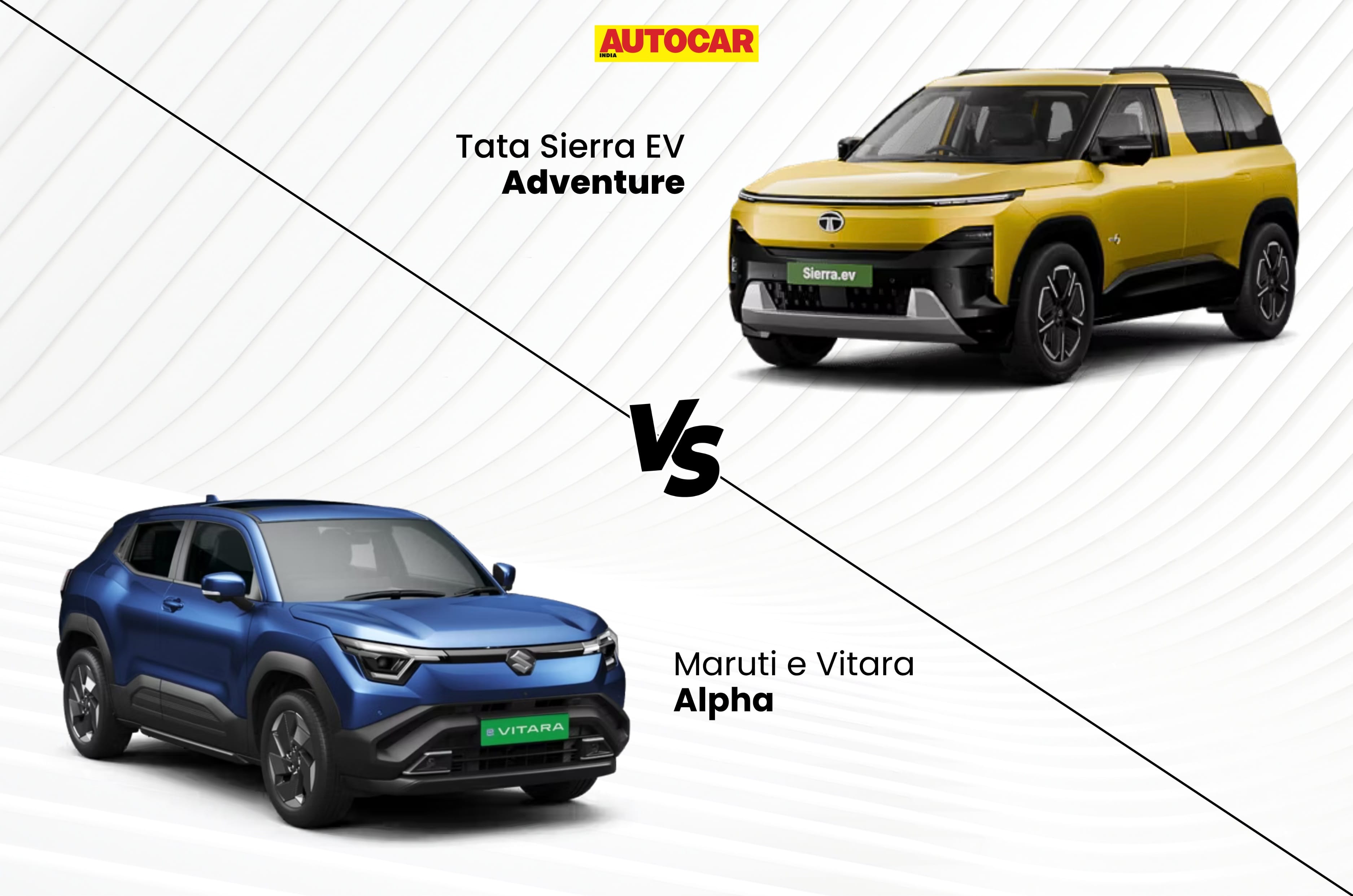
If you’re in the market for an electric midsize SUV priced around Rs 20 lakh, there are plenty of options to choose from. However, today we’ll be looking at the mid-spec Tata Sierra EV with the 63kWh battery, which starts at Rs 20.99 lakh, and the top-spec Maruti e Vitara with the 61kWh battery, priced at Rs 19.99 lakh. Let’s find out how these two midsize SUVs match up when pitted against each other in terms of their dimensions, technical specifications, features and price. 

Explore full specs, features and a price breakdown in our Sierra EV vs e Vitara comparison.

Tata Sierra EV mid-spec vs Maruti e Vitara top-spec: Dimensions

Not only is the Tata EV the larger car here, it also has the bigger boot

Tata Sierra EV Adventure 63 vs Maruti e Vitara Alpha dimensions


Tata Sierra EV

Maruti e Vitara

Length (mm)

4,340

4,275

Width (mm)

1,841

1,800

Height (mm)

1,750

1,640

Wheelbase (mm)

2,730

2,700

Boot space (litres)

450

238

Frunk (litres)

55

Wheel size (inches)

18

18

Compared to the e Vitara, the Sierra EV is 65mm longer and has a 30mm longer wheelbase. It’s also 41mm wider and stands 110mm taller at the roof. Furthermore, the Sierra EV has the e Vitara beat in terms of luggage-carrying capacity too. Not only does the mid-spec Sierra EV feature a 55-litre frunk, which is missing altogether in the top-spec e Vitara, but the former’s primary boot is a full 212 litres bigger. While the top trim of the Sierra EV gets 19-inch wheels, the Adventure trim sticks to 18 inchers. However, all trims of the e Vitara come with 18-inch alloy wheels.

Tata Sierra EV mid-spec vs Maruti e Vitara top-spec: Exterior features

The mid-spec Sierra EV gets more modern design touches on the outside than the e Vitara

Tata Sierra EV Adventure 63 vs Maruti e Vitara Alpha exterior features


Tata Sierra EV

Maruti e Vitara

LED projector headlamps

Yes (auto)

Yes (auto)

Connected light bar

Yes

No

Front fog lamps

Yes

Yes

Cornering lights

Yes

No

Welcome lights

Yes

No

Powered ORVMs

Yes (with auto-fold function)

Yes (with auto-fold function)

Flush door handles

Yes

No

Body cladding

Yes

Yes

Rear spoiler

Yes

Yes

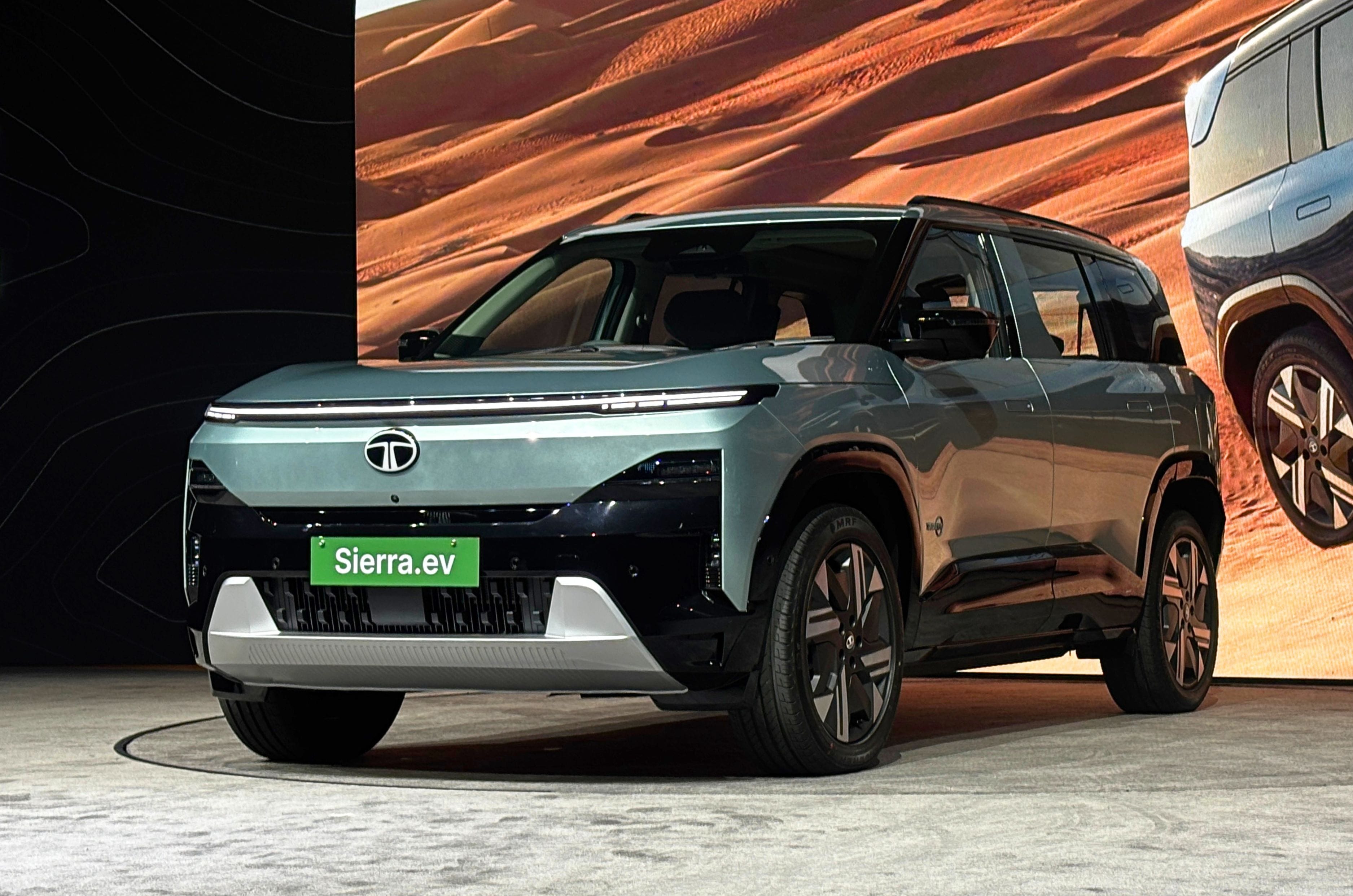
Compared to the muscular bodywork of the Maruti e Vitara, the Tata Sierra EV sports a more upright and chiselled form. Some of the highlights that the Sierra EV gets but are missing on the e Vitara include additional lighting elements (with suave features like ‘Welcome’ and cornering units), plus front & rear LED light bars. The e Vitara, on the other hand, gets traditional handles for the front doors – the rear units are integrated into the doors. The e Vitara’s body cladding looks quite aggressive, while that of the Sierra EV looks more urbane.

Tata Sierra EV mid-spec vs Maruti e Vitara top-spec: Interior features

Interior of the mid-trim Sierra EV offers a lot of premium-feeling yet useful amenities

Tata Sierra EV Adventure 63 vs Maruti e Vitara Alpha interior features


Tata Sierra EV

Maruti e Vitara

Infotainment screen

12.3-inch

10.1-inch

Digital driver’s display

10.25-inch

10.25-inch

Panoramic sunroof

Yes (voice assisted)

No (fixed single-pane)

Wireless charger

Yes

Yes

Driver’s seat adjustment

6-way manual

10-way powered

Co-driver’s seat adjustment

4-way manual

4-way manual

Thigh-support extender

Yes

No

‘Boss’ mode

Yes

No

Ventilated front seats

Yes

Yes

Automatic climate control

Yes (single-zone)

Yes (dual-zone)

Cooled glovebox

Yes

No

Ambient lighting

Yes

Yes

Audio system

12-speaker JBL Black

8-speaker Infinity

Dolby Atmos

Yes

No

Apple CarPlay & Android Auto

Yes (wireless)

Yes (wireless)

USB Type-C ports

Yes (4 ports)

Yes (4 ports)

Connected car tech

Yes

Yes

Voice assistant

Yes (multiple)

Yes

OTA updates

Yes

Yes

EV route planner

Yes

Yes

Gaming

Yes

No

Rear sunblinds

Yes

No

The interior feature set of the mid-spec Tata Sierra EV Adventure trim is more comprehensive than that of the top-spec Maruti e Vitara. Adding to its creature comforts is the extendable under-thigh support function for the front seats, a ‘boss’ mode to liberate more room at the back, a cooled glovebox, rear sunshades, plus a more premium audio system.

The Tata SUV also gets a large touchscreen, a voice-assisted panoramic sunroof, the brand’s new ‘AirConsole’ gaming system, and native and Amazon Alexa voice assistants. Furthermore, the Sierra EV comes with three 65-watt and one 15-watt Type-C chargers. The e Vitara also gets four USB ports, but they do not support such rapid charging rates.

Tata Sierra EV mid-spec vs Maruti e Vitara top-spec: Other features

Both cars are fairly comparable on this front

Tata Sierra EV Adventure 63 vs Maruti e Vitara Alpha other features


Tata Sierra EV

Maruti e Vitara

Drive modes

Yes (3)

Yes (3)

Terrain modes

Yes (4)

Yes (1)

V2V and V2L

Yes

No

AVAS

Yes

Yes

Where the Sierra EV gets vehicle-to-load (V2L) and vehicle-to-vehicle (V2V) functions, the e Vitara does not. The Maruti EV gets just the Snow terrain mode, while the Sierra EV offers Normal, Wet/Rain, Rough and Custom settings. Both cars feature AVAS, or Acoustic Vehicle Alerting System to alert other road users of their presence.

Tata Sierra EV mid-spec vs Maruti e Vitara top-spec: Safety features

The Tata EV packs a lot more safety nannies than the e Vitara

Tata Sierra EV Adventure 63 vs Maruti e Vitara Alpha safety features


Tata Sierra EV

Maruti e Vitara

Airbags

6

7

ABS with EBD

Yes

Yes

Electronic stability program

Yes

Yes

Hill-hold assist

Yes

Yes

Hill-descent control

Yes

Yes

TPMS

Yes

Yes

360-degree camera

Yes

Yes

Electronic parking brake

Yes (with auto-hold function)

Yes (with auto-hold function)

Auto-dimming IRVM

Yes

Yes

Rain-sensing wipers

Yes

Yes

Auto-dimming IRVM

Yes

Yes

ISOFIX

Yes

Yes

Rear wiper and defogger

Yes

Yes

All-wheel disc brakes

Yes

Yes

Level 2 ADAS

Yes

Yes

The Maruti e Vitara Alpha trim’s Level 2 ADAS (Advanced Driver Assistance Systems) includes adaptive cruise control, front collision warning, auto-emergency braking, blind-spot warning, rear cross-traffic alert, lane-departure warning with lane-departure prevention and adaptive high-beam assist. These are all safety equipment that the Sierra EV offers as well. However, the e Vitara comes with 7 airbags, while the Sierra EV gets the usual 6. Both models get surround-view cameras, front & rear parking sensors, an SOS calling function and an electronic parking brake with auto-hold.

Tata Sierra EV mid-spec vs Maruti e Vitara top-spec: Range and performance

While their battery capacities are comparable, the Sierra EV boasts a distinct power advantage

Tata Sierra EV Adventure 63 vs Maruti e Vitara Alpha range and performance


Tata Sierra EV

Maruti e Vitara

Battery size (kWh)

63

61

Electric motor setup

Single motor, rear

Single motor, front

Drive layout

RWD

FWD

Power (hp)

238

174

Torque (Nm)

315

193

Claimed 0-100kph

8.7 seconds

Claimed range (km)

535

543

AC charging

8.9 hrs at 7.2kW (10-100%)

9 hrs at 7.4kW (10-100%)

DC fast charging

25 mins at 110kW (20-80%)

45 mins at 70kW (10-80%)

In terms of battery size, the Sierra EV’s mid-spec variant possess a capacity advantage of 2kWh over the top-spec e Vitara. However, it’s the Maruti EV that manages more range – albeit the difference here is minimal. The Sierra EV’s rear-mounted electric motor is also punchier, offering 64hp and 122Nm more than the e Vitara’s peak output figures.

While both cars are equipped with a single electric motor, the Sierra’s unit powers the rear wheels instead of the front ones. This also means that the Sierra EV should be able to put its power down better than the front-wheel-drive e Vitara, especially on inclines or when the vehicle’s fully loaded. Tata Motors hasn’t specified the 0-100kph time of the mid-spec Sierra EV, but Maruti Suzuki claims that the top-spec e Vitara can do it in 8.7 seconds.

Both Sierra EV and e Vitara support similar AC charging speeds, thus requiring a comparable amount of time to go from 10-100 percent SoC. However, the Tata SUV is capable of accepting higher DC fast-charging rates, which allows it to reach 80 percent SoC ahead of the e Vitara. That said, the Maruti EV DC charging time accounts for the time taken for the battery to go from 10-80 percent, instead of the Sierra EV’s 20-80 percent.

Conclusion

The top-spec Maruti e Vitara Alpha variant is priced at Rs 20.00 lakh, while the mid-spec Tata Sierra EV 63 Adventure variant is priced at Rs 20.99 lakh. While the e Vitara offers 7 airbags and a little extra claimed range, the Sierra EV with the 63kWh battery pack and in the Adventure trim offers better value overall. It has more power, larger dimensions and a lengthy list of features – all of which make the Tata Sierra EV a better value-for-money buy here.

Prices mentioned are ex-showroom, Delhi.

Also read

Maruti e Vitara vs Tata Curvv EV compared: Which should you buy?

Tata Sierra EV top-spec vs Harrier EV mid-spec: Features, specs compared

9 जुलाई को होगा Nissan Tekton का ग्लोबल डेब्यू, Creta-Seltos को देगी कड़ी टक्कर

Nissan 9 जुलाई को अपनी बिल्कुल नई SUV Tekton ग्लोबल लेवल पर पेश कर सकती है, जिससे इसकी वापसी भारत के तेजी से बढ़ते मिड-साइज SUV सेगमेंट में होगी। वहीं, ग्लोबल लॉन्च से पहले जापानी कार कंपनी ने Nissan Tekton के कुछ ऑफिशियल टीजर जारी किए हैं। इसके अलावा कई स्पाई शॉट्स भी सामने आए हैं, जिनसे SUV के डिजाइन और फीचर्स से जुड़ी कुछ जानकारियां सामने आई हैं।

उम्मीद है कि Nissan Tekton के प्लेटफॉर्म और मैकेनिकल पार्ट्स Renault Duster जैसे ही होंगे। इसके अलावा, यह SUV भारतीय बाजार में Hyundai Creta, Kia Seltos, Tata Sierra, Maruti Suzuki Grand Vitara, Toyota Urban Cruiser Hyryder और Maruti Suzuki Victoris से मुकाबला करेगी।

हालांकि भारत में निसान टेक्टॉन की लॉन्च की तारीख का अभी ऐलान नहीं हुआ है, लेकिन उम्मीद है कि ग्लोबल डेब्यू के कुछ महीनों के अंदर ही यह SUV देश में आ जाएगी।

Nissan Patrol से प्रेरित डिजाइन

Nissan Tekton का डिजाइन कंपनी की खास SUV, Nissan Patrol से काफी मिलता-जुलता है, इसलिए इसे अक्सर ‘Baby Patrol’ कहा जाता है। वहीं, SUV के ऑफिशियल टीजर से इसके बोल्ड फ्रंट लुक का पता चलता है, जिसमें Nissan की सिग्नेचर ग्रिल, C-शेप के LED हेडलैंप और ऊंचा व मजबूत स्टांस देखने को मिलता है।

हाल ही में आई स्पाई तस्वीरों से SUV के पिछले हिस्से के डिजाइन का भी पता चला है। नई तस्वीर में कनेक्टेड LED टेललैंप दिख रहे हैं, जो काफी हद तक Renault Duster जैसे हैं, हालांकि इनकी लाइटिंग स्टाइल में थोड़ा बदलाव किया गया है। अपनी Renault सिस्टर कार की तरह, इस SUV के टेलगेट पर बड़े अक्षरों में ‘TEKTON’ लिखा है, जबकि पिछले बंपर का डिजाइन ज्यादा साफ-सुथरा और सिंपल है।

कुल मिलाकर, Duster के साथ अपना प्लेटफॉर्म शेयर करने के बावजूद, इस SUV में Nissan का खास स्टाइल बरकरार रहने की उम्मीद है।

अनुमानित फीचर्स

Nissan ने अभी तक पूरी इक्विपमेंट लिस्ट का खुलासा नहीं किया है, लेकिन उम्मीद है कि टेक्टॉन में कई तरह के फीचर्स का पैकेज मिलेगा।

अनुमान के मुताबिक, Tekton में बड़ा टचस्क्रीन इंफोटेनमेंट सिस्टम, पूरी तरह डिजिटल इंस्ट्रूमेंट क्लस्टर, कनेक्टेड कार टेक्नोलॉजी, वायरलेस फोन चार्जिंग, वेंटिलेटेड फ्रंट सीट्स, ऑटोमैटिक क्लाइमेट कंट्रोल, कई ड्राइव मोड्स और पैनोरमिक सनरूफ जैसे फीचर्स मिल सकते हैं।

सेफ्टी के मामले में भी यह SUV काफी मजबूत हो सकती है। इसमें 6 एयरबैग, 360-डिग्री कैमरा और एडवांस्ड ड्राइवर असिस्टेंस सिस्टम (ADAS) जैसे फीचर्स मिलने की उम्मीद है।

इंजन विकल्प (अनुमानित)

उम्मीद है कि Nissan Tekton का पावरट्रेन लाइन-अप Renault Duster जैसा ही होगा।

इसके एंट्री-लेवल वेरिएंट में 1.0-लीटर टर्बो-पेट्रोल इंजन मिल सकता है, जो 100 PS की पावर और 160 Nm का टॉर्क देगा। इसे छह-स्पीड मैनुअल गियरबॉक्स के साथ जोड़ा जाएगा।

वहीं, इसके टॉप वेरिएंट्स में 1.3-लीटर टर्बो-पेट्रोल इंजन मिलने की उम्मीद है, जो 163 PS की पावर और 280 Nm का टॉर्क देगा। इस इंजन के साथ छह-स्पीड मैनुअल और छह-स्पीड डुअल-क्लच ऑटोमैटिक ट्रांसमिशन, दोनों विकल्प मिलने की संभावना है। दोनों पेट्रोल इंजन E20 फ्यूल के अनुकूल हैं।

इसके अलावा, इस SUV में Renault का Strong Hybrid E-Tech 160 पावरट्रेन भी मिलने की उम्मीद है। इसमें 1.8-लीटर पेट्रोल इंजन के साथ 1.4 kWh का बैटरी पैक दिया गया है, जो कुल मिलाकर 160 PS की पावर और 172 Nm का टॉर्क देता है। साथ ही, यह शहर में गाड़ी चलाते समय काफी हद तक सिर्फ इलेक्ट्रिक मोड पर चलने की सुविधा भी देता है।

प्रोडक्शन, अनुमानित कीमत और भारत में लॉन्च

Nissan Tekton को चेन्नई में Renault-Nissan Alliance प्लांट में बनाया जाएगा, जो घरेलू और एक्सपोर्ट दोनों मार्केट के लिए गाड़ियां बनाता है। हालांकि, कंपनी ने अभी तक इसकी आधिकारिक कीमत का ऐलान नहीं किया है, लेकिन भारत में Nissan Tekton की कीमत 10 लाख रुपये से 20 लाख रुपये (एक्स-शोरूम) के बीच होने की उम्मीद है। वहीं इसकी लॉन्च कीमत, या भारत में Tekton की कीमत, इसके मार्केट में आने के समय के आस-पास कन्फर्म की जाएगी।

9 जुलाई को होने वाली अनवीलिंग (पहली झलक) से इसके स्पेसिफिकेशन्स और इंटरनेशनल लॉन्च प्लान के बारे में और जानकारी मिलेगी। हालांकि Nissan ने अभी तक भारत में Nissan Tekton की लॉन्च डेट कन्फर्म नहीं की है, लेकिन उम्मीद है कि ग्लोबल डेब्यू के बाद यह SUV देश के मिड-साइज SUV सेगमेंट में Nissan की लंबे समय बाद वापसी को दर्शाएगी।

कॉम्पिटिटिव कीमत, कई पावरट्रेन ऑप्शन और बेहतरीन फीचर्स के साथ, Tekton के हाल के वर्षों में Nissan India के सबसे अहम नए लॉन्च में से एक बनने की उम्मीद है।

यह भी पढ़ें: कम इनकम में कार खरीदना अब हुआ और आसान, सैलरी बेस पर ऐसे करें सही बजट प्लान!

Tata Sierra EV on-road prices listed in top Indian cities

Tata Sierra EV front quarter static

Tata‘s second all-wheel-drive (AWD) offering in its all-electric range, the Sierra EV, was recently launched in India. It borrows most of its interior and exterior design, as well as the feature suite, from its combustion-powered Sierra, introducing new colour themes and some EV-specific features. It is offered with two battery pack options: 63kWh or 75kWh, both with a rear-axle-mounted (RWD) motor, with the larger battery also getting a dual-motor AWD option. The Sierra EV is being offered in five trims: Pure, Pure S, Adventure, Empowered, and Empowered A, priced between Rs 18.79 lakh and Rs 25.99 lakh (ex-showroom).

If you are interested, here are the Tata Sierra EV’s on-road prices across major Indian cities to help you understand how much you need to pay to get your hands on one.

Tata Sierra EV on-road price range

RWD variants are priced up to Rs 26.91 lakh, and AWD costs up to Rs 28.19 lakh

Tata Sierra EV price range in top Indian cities (in Rs, lakh)


63kWh RWD

75kWh RWD

75kWh AWD

Ex-showroom, India

18.79-22.79

22.19-24.79

25.99

Kolkata (on-road)

19.39-23.43

22.82-25.95

26.66

Chennai (on-road)

20.13-24.31

22.69-26.41

27.66

Mumbai (on-road)

20.19-24.38

23.75-26.91

28.19

Note: On-road prices may vary based on city-specific registration charges and other cost components, including insurance, FASTag and RTO fees. Please check with your nearest Tata Motors dealership for the exact figures.

As the table shows, Kolkata offers the lowest Tata Sierra prices among the listed cities, followed by Chennai and Mumbai. The top-spec 63kWh RWD (Empowered 63) is Rs 95,000 cheaper in Kolkata than in Mumbai, while the 75kWh RWD (Empowered A 75) costs Rs 96,000 less. The largest gap is for the range-topping 75kWh AWD (Empowered A 75 AWD), which is priced at Rs 1.53 lakh lower in Kolkata.

What to expect from Nissan Tekton ahead of its launch tomorrow

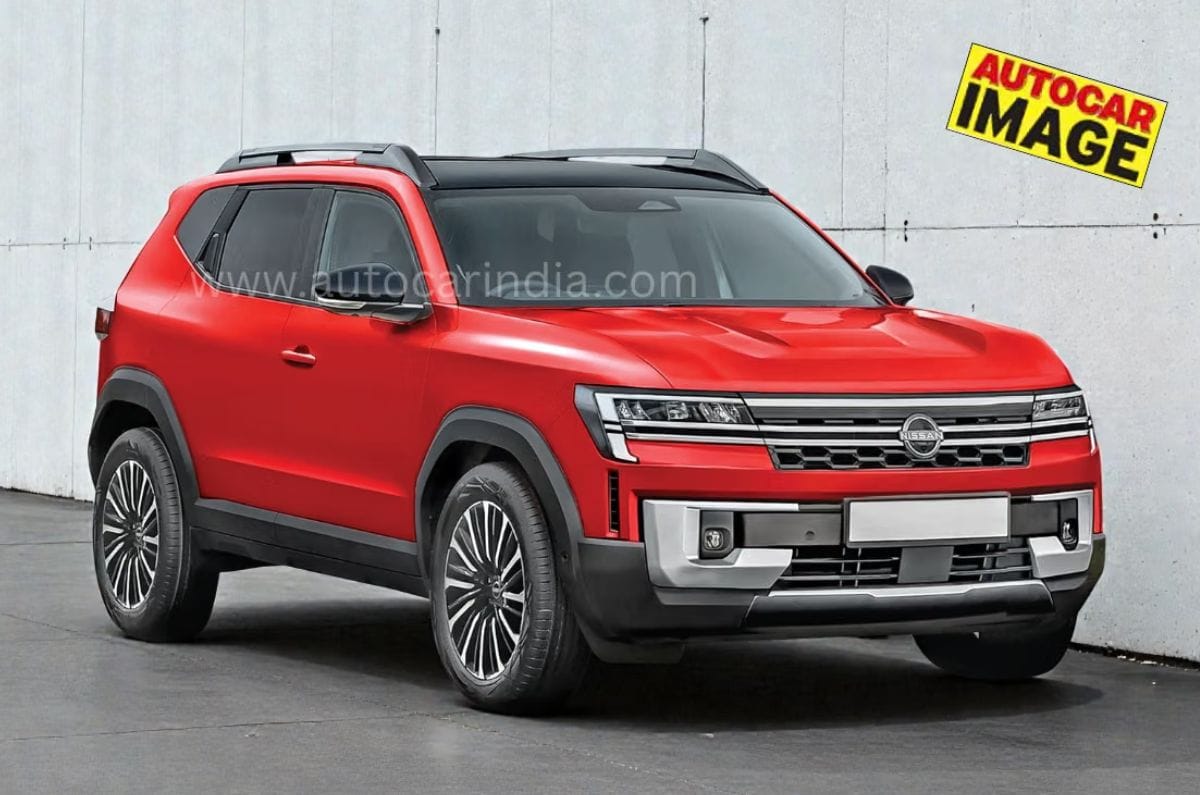
Nissan Tekton Autocar rendering

The midsize SUV space is truly a segment which no manufacturer can ignore. There are already a dozen models in this space, and now Nissan will be the latest entrant with the upcoming Tekton SUV, marking its return to this segment since the discontinuation of the Kicks back in 2023. The Nissan Tekton will be a badge-engineered Renault Duster, sharing its platform and powertrains, but with a completely different top hat. Ahead of its official debut tomorrow, here’s everything we know about the Nissan’s new midsize SUV. 

How different will be the Tekton from the Duster?  

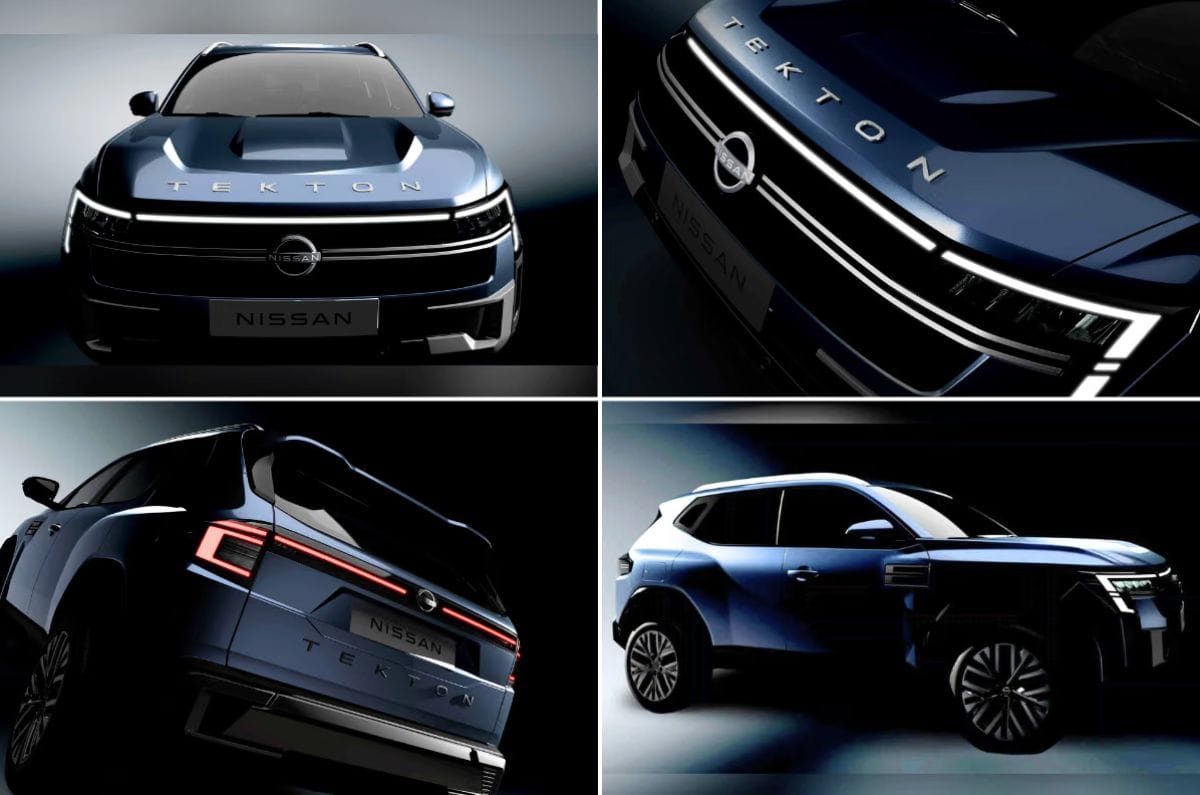
Nissan Tekton teasers released so far. 

Like every badge-engineered model, there will be some commonality between the Duster and the Tekton. Exterior panels like the doors, front and rear fenders and the bonnet could be carried over, but teaser shots have indicated that the Tekton will gets its own unique fascia replete with distinct LED lighting signatures. Nissan says that the Tekton’s design has been inspired by its flagship Patrol SUV that’s very popular in some markets abroad. On the inside, the Nissan Tekton is expected to carry over most of the features and technology from the Duster, but it’s expected to have a unique dashboard design with its own colours, trims and textures. 

What engine options will the Nissan Tekton offer?

Like the Duster, the Tekton will offer 100hp, 1.0-litre and 163hp, 1.3-litre turbo-petrol engine options. A 6-speed manual gearbox will be offered with both engines, but an automatic gearbox – a 7-speed DCT in this case – is likely to be limited to the larger engine option only. The Duster is also due to receive a 160hp 1.8-litre strong-hybrid powertrain by Diwali this year, but it remains to be seen if the same will be offered on the Nissan SUV. 

What features are expected on the Nissan Tekton?

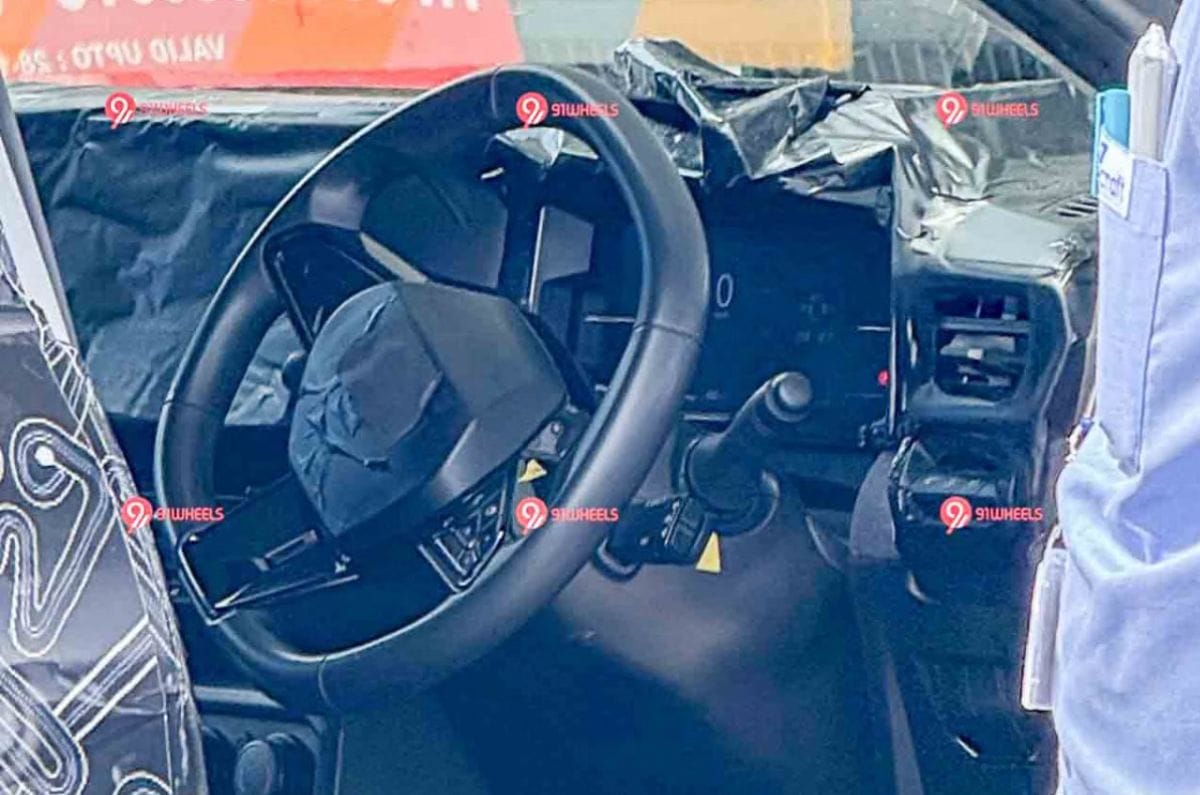
Spied interior of Nissan Tekton (Image Credit: 91 wheels)

Top-spec variants of the Tekton are expected to come equipped with a 10.25-inch digital driver’s display, a 10.1-inch infotainment system with Google integration, wireless Apple CarPlay and Android Auto, a wireless phone charger, front-seat ventilation and a panoramic sunroof. As for safety equipment, the Tekton could come with 6 airbags as standard, ABS and EBD, a 360-degree camera with a blind-spot monitor, an electronic parking brake with auto hold and a tyre-pressure monitoring system (TPMS). The Duster comes fairly well-equipped in its lower trims, so it’ll be interesting to see the Tekton’s spread of features across its different trims. 

What is Tekton’s expected price and who are its rivals?

The Tekton is likely to be priced similarly to the Duster, which starts at Rs 10.49 lakh and goes up to Rs 18.69 lakh for the top-spec turbo-petrol variant. In addition to the Duster, the Tekton will take on SUVs such as the Tata SierraHyundai CretaKia SeltosSkoda KushaqVolkswagen TaigunHonda ElevateMG Astor and Maruti Grand Vitara and Victoris.

Tata Sierra EV top-spec vs Harrier EV mid-spec: Features, specs compared

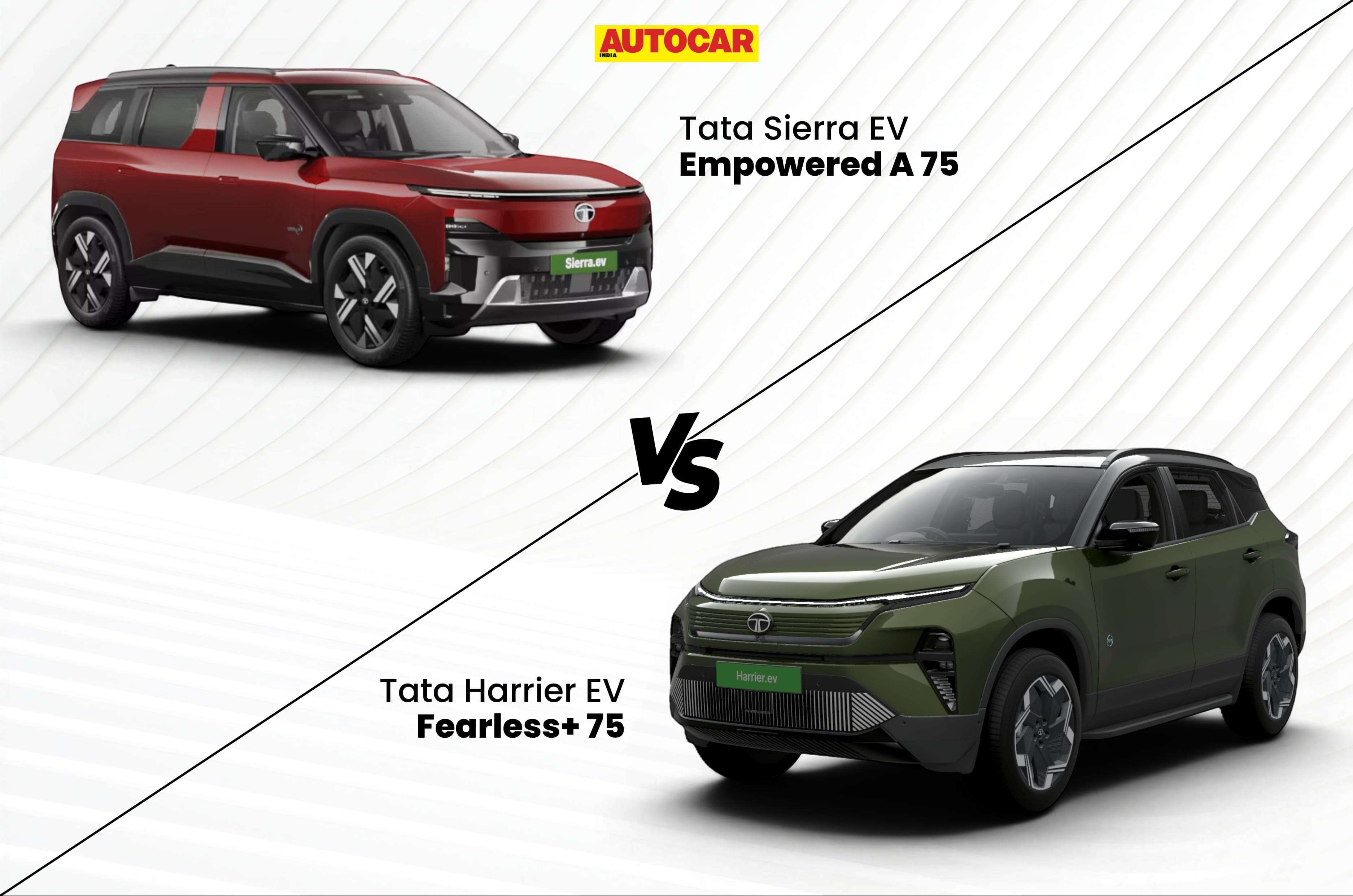
Tata Sierra EV top-spec vs Harrier EV mid-spec variants compared

The recently launched Tata Sierra EV is positioned right below its larger sibling, the Harrier EV. However, there’s quite a lot of pricing overlap between the two Tata electric SUVs. To that end, we’ve compared the top-spec Sierra EV Empowered A 75 to the mid-spec Harrier EV Fearless+ 75 to find out which variant delivers better value on paper.

Explore full specs, features, and a price breakdown in our Sierra EV vs Harrier EV comparison.

Tata Sierra EV top-spec vs Harrier EV mid-spec: Dimensions

Harrier EV is longer and wider, but Sierra EV is taller and offers greater boot space

Tata Sierra EV Empowered A 75 vs Harrier EV Fearless+ 75 dimensions

 Sierra EVHarrier EV
Length (mm)4,3404,607
Width (mm)1,8411,922
Height (mm)1,7501,740
Wheelbase (mm)2,7302,741
Boot space (litres)622502
Frunk space (litres)55 (RWD) / 35 (AWD)67 (RWD) / 35 (AWD)
Wheel size (inches)1919

Expectedly, the Harrier EV is 267mm longer than the Sierra EV, but there’s only an 11mm difference between their wheelbases, suggesting that the smaller SUV doesn’t lose out on much interior space. While the Harrier EV is 81mm wider than the Sierra EV, the latter is 10mm taller. Wheel sizes are matched at 19 inches for both electric SUVs.

Interestingly, the Sierra EV offers 120 litres of additional boot space over the Harrier EV – it’s worth nothing that both SUVs’ boot capacity is measured up until the roof, as opposed to the conventional method, which is up to the parcel tray. In terms of frunk capacity, the RWD Harrier EV offers the bigger one, while their AWD versions are matched in this regard.

Tata Sierra EV top-spec vs Harrier EV mid-spec: Battery and range

Harrier EV offers more power, Sierra EV is quicker and claims higher range figures

Tata Sierra EV Empowered A 75 vs Harrier EV Fearless+ 75 powertrains

 Sierra EVHarrier EV
Battery size (kWh)7575
Motor setupSingle, rear / Dual, front and rearSingle, rear / Dual, front and rear
Power (hp)209 / 306238 / 313
Torque (Nm)315 / 504315 / 504
Drive layoutRWD / AWDRWD / AWD
Claimed 0-100kph time (seconds)5.8 (AWD)6.3 (AWD)
MIDC range (km)665 / 624627 / 622

Both the Sierra EV and Harrier EV get 75kWh battery packs, along with single-motor (RWD) and dual-motor (AWD) options. The Harrier EV edges ahead in terms of powertrain output, though the RWD versions of both SUVs feature identical torque figures. Despite the Sierra EV’s slightly lower output, its AWD variant is half a second quicker in the 0-100kph run compared to that of the Harrier EV – this is on account of the Sierra EV being smaller and lighter.

Similarly, MIDC-claimed range is a total victory for the Sierra EV as well. The Sierra EV AWD’s claimed range is 2km higher than that of the Harrier EV AWD, while the RWD version can travel 38km more on a single charge.

Tata Sierra EV top-spec vs Harrier EV mid-spec: Charging times

Both electric SUVs trade punches here

Tata Sierra EV Empowered A 75 vs Harrier EV Fearless+ 75 charging times and warranty details

 Sierra EVHarrier EV
AC charging time (10-100 percent)10.5hrs (7.2kW)10.7hrs (7.2kW)
DC charging time (20-80 percent)26mins (120kW)25mins (120kW)
Battery warrantyLifetime warranty and unlimited kilometresLifetime warranty and unlimited kilometres
Motor warranty8 years/1,60,000km (whichever is earlier)8 years/1,60,000km (whichever is earlier)
Vehicle warranty3 years/1,25,000km (whichever is earlier) 3 years/1,25,000km (whichever is earlier) 

Despite battery capacities being identical for both electric SUVs, the Harrier EV takes slightly longer to charge from 10-100 percent via a 7.2kW AC outlet. On the other hand, the Harrier EV is marginally quicker in a 20-80 percent top-up from a 120kW DC fast charger. Tata offers the same battery, motor, and vehicle warranties for the Harrier EV and Sierra EV, so buyers can rest easy on this front.

Tata Sierra EV top-spec vs Harrier EV mid-spec: Exterior features

Harrier EV additionally offers side step and charging indicator function for the front light bar

Tata Sierra EV Empowered A 75 vs Harrier EV Fearless+ 75 exterior features

 Sierra EVHarrier EV
HeadlampsAutomatic LEDAutomatic LED
Front light barLEDLED
Welcome/goodbye sequenceYesYes
Charging indicator in light barNoYes
Front fog lampsLEDLED
Cornering lampsYesYes
Tail-lampsLEDLED
Rear fog lampsYesYes
Sequential indicatorsYesYes
Side stepNoYes
Electrically adjustable ORVMs with auto-foldYesYes
Rear spoilerYesYes
Rear wiper and washerYesYes
Shark-fin antennaYesYes
Roof railsYesYes
Puddle lampsYesYes

Coming to exterior features, the Sierra EV and Harrier EV are near-identical. However, the Sierra EV does miss out on a charging indicator in the front light bar, with it instead being situated on the charging port. The Harrier EV additionally offers a side step too, which makes ingress and egress a tad easier.

Tata Sierra EV top-spec vs Harrier EV mid-spec: Interior features

Sierra EV is the only Tata electric car to offer a triple-screen setup

Tata Sierra EV Empowered A 75 vs Harrier EV Fearless+ 75 interior features

 Sierra EVHarrier EV
Touchscreen12.3 inches12.3 inches
Digital driver’s display10.25 inches10.25 inches
Passenger display12.3 inchesNo
Heads-up displayYesNo
Automatic climate controlDual-zoneDual-zone
Steering-mounted controlsYesYes
Ambient lightsYesYes
Panoramic sunroofYesYes
Powered driver seat6-way adjustment6-way adjustment
Driver seat functionsMemory and welcomeMemory and welcome
Powered co-driver seat4-way adjustment4-way adjustment
Ventilated front seatsYesYes
Boss modeYesNo
Sound system12-speaker JBL Black10-speaker JBL Black
Wireless charging padYesYes
Cabin air purifierYesYes
Powered windowsFront and rearFront and rear
Rear sunshadeYesYes
Rear AC ventsYesYes
Rear centre armrestYesYes
Connected car techYesYes
V2L, V2V functionalityYesYes

Despite its lower positioning, the Sierra EV pulls a clear lead over the Harrier EV in terms of cabin equipment. Features like a 12.3-inch passenger display, a 12-speaker JBL sound system, and a heads-up display are not offered even on the top-spec Harrier variant. In fact, the Sierra EV is the only electric Tata to come with a triple-screen setup at the moment.

Tata Sierra EV top-spec vs Harrier EV mid-spec: Driving features

Sierra EV comes with extra terrain mode and adaptive cruise control

Tata Sierra EV Empowered A 75 vs Harrier EV Fearless+ 75 driving features

 Sierra EVHarrier EV
Drive modesEco, City, SportEco, City, Sport
Battery regen modesYesYes
Terrain modesNormal, Wet, Rough, CustomNormal, Wet, Rough
Cruise controlAdaptive with stop/go functionsYes
Drift modeYesYes
Boost modeAWD onlyAWD only
Low-speed cruise controlAWD onlyAWD only
Extra terrain modes (AWD only)YesYes

Both the top-spec Sierra EV and mid-spec Harrier EV are very similar on the driving features front. However, the Sierra EV gets an additional ‘Custom’ terrain mode in the RWD version, as well as adaptive cruise control with stop and go functionality. The latter is much more convenient than the Harrier EV’s standard cruise control, as it can automatically adjust the speed based on proximity to nearby vehicles, and even come to a standstill and set off by itself. AWD versions of both SUVs get additional terrain modes too, namely Snow/Grass, Mud-Ruts, Sand, Rock Crawl, and Custom.

Tata Sierra EV top-spec vs Harrier EV mid-spec: Safety features

Harrier EV has 7 airbags and 5-star BNCAP rating, Sierra EV gets Level 2 ADAS and better camera setup

Tata Sierra EV Empowered A 75 vs Harrier EV Fearless+ 75 safety features

 Sierra EVHarrier EV
Bharat NCAP ratingYet to be tested5 stars
Airbags67
Level 2 ADASYesNo
Camera setup540-degreeRear only
Parking sensorsFront and rearFront and rear
Disc brakesFront and rearFront and rear
ABS with EBDYesYes
Electronic stability program (ESP)YesYes
TPMSYesYes
Electronic parking brake with auto-holdYesYes
Auto-dimming IRVMYesYes
Rain-sensing wipersYesYes
Rear defoggerYesYes
Driver drowsiness detectionNoYes
Acoustic vehicle alarm system (AVAS)YesYes

In the safety department, the Harrier EV holds some notable advantages, specifically a 5-star Bharat NCAP rating (the Sierra EV is yet to be tested, but will likely perform well too), 7 airbags, and driver drowsiness detection. The Sierra EV, though, trades punches with the Harrier EV thanks to safety features like Level 2 ADAS and a 540-degree camera (360-degree with underfloor view).

Tata Sierra EV top-spec vs Harrier EV mid-spec: Prices and verdict

Sierra EV is up to Rs 70,000 cheaper

Tata Sierra EV Empowered A 75 vs Harrier EV Fearless+ 75 price* (Rs, lakh)

 Sierra EVHarrier EVDifference
RWDRs 24.79 lakhRs 25.19 lakhRs 40,000
AWDRs 25.99 lakhRs 26.69 lakhRs 70,000

*Exclusive of home charger and installation, which costs Rs 49,000 extra.

The Sierra EV Empowered A 75 clearly emerges as the better option over the Harrier EV Fearless+ 75, as the smaller SUV offers considerably more comfort and convenience features, a larger boot, higher claimed range figures, similar powertrain outputs and charging speeds, and greater performance – all while being Rs 40,000-70,000 more affordable.

All prices are ex-showroom, India.