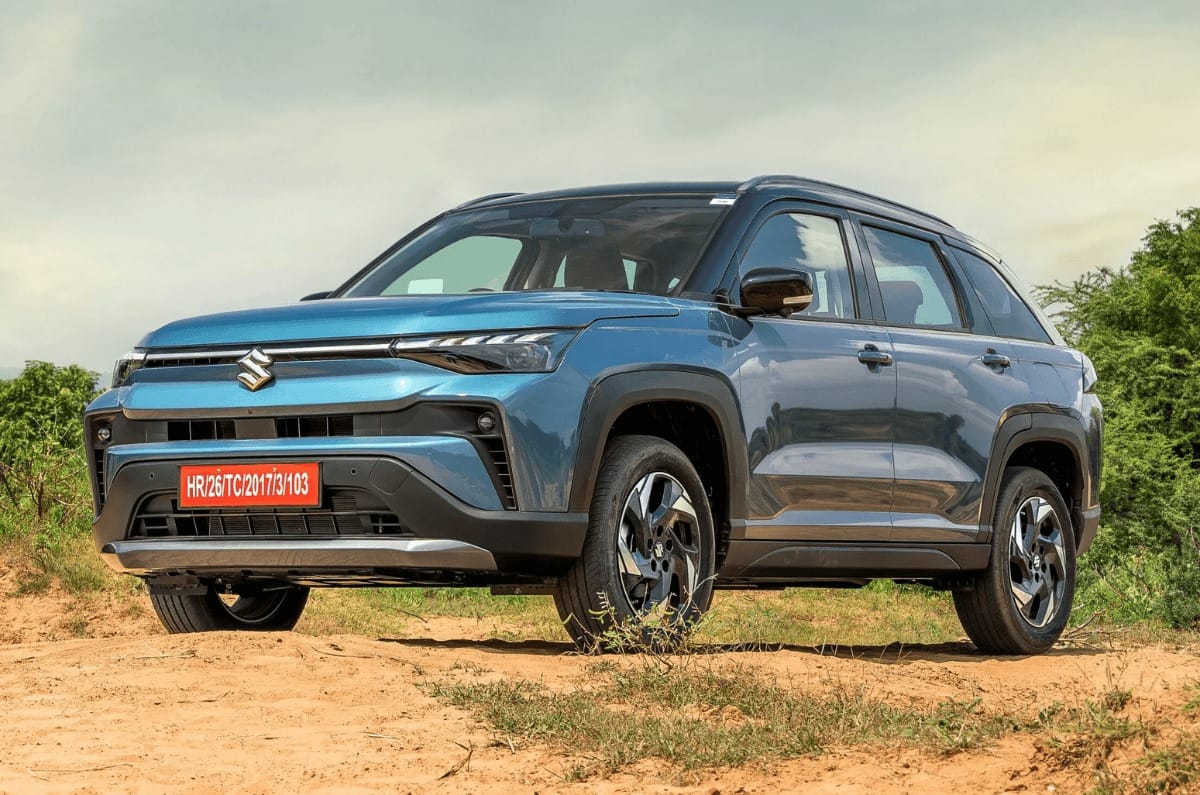
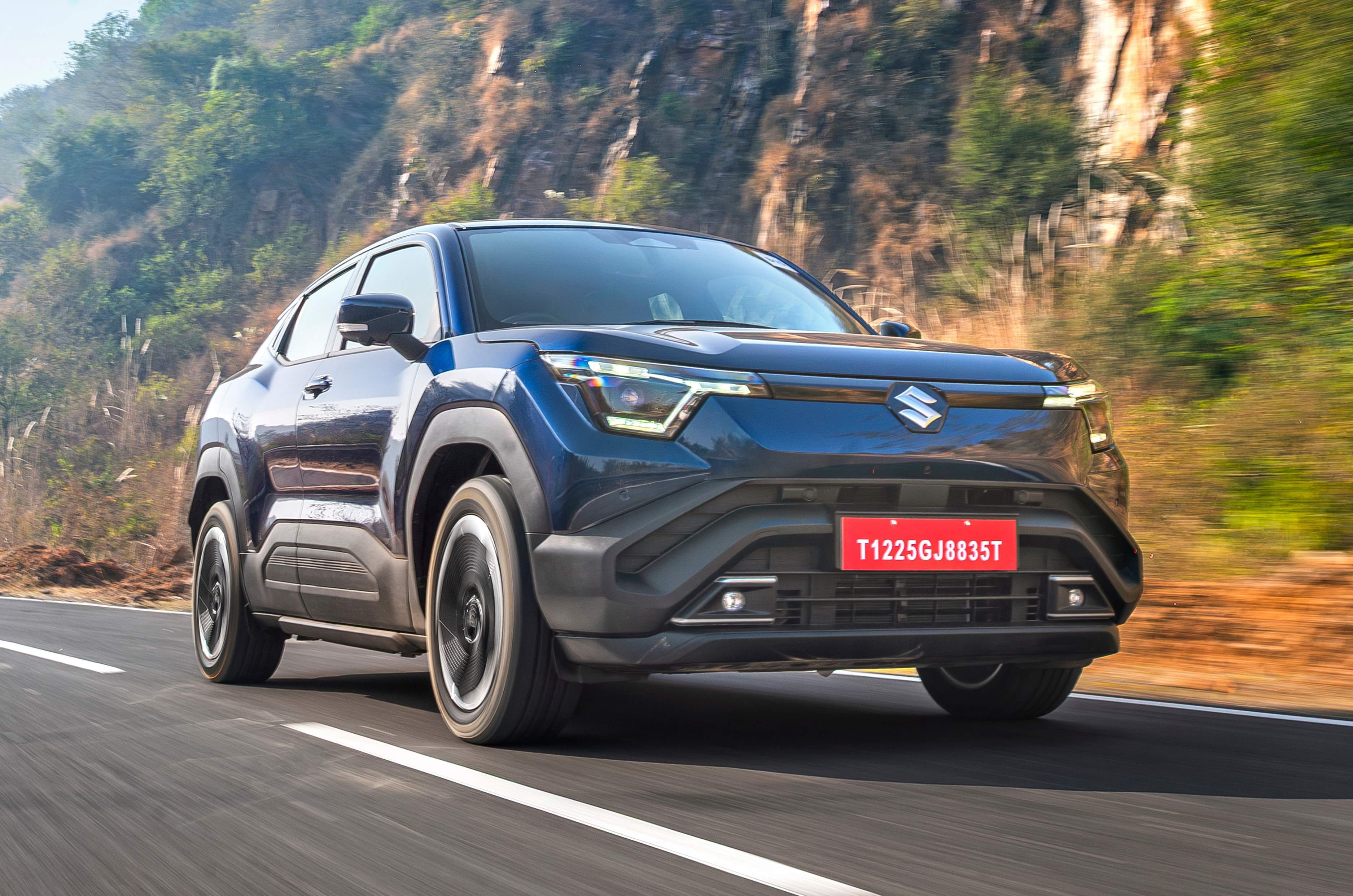
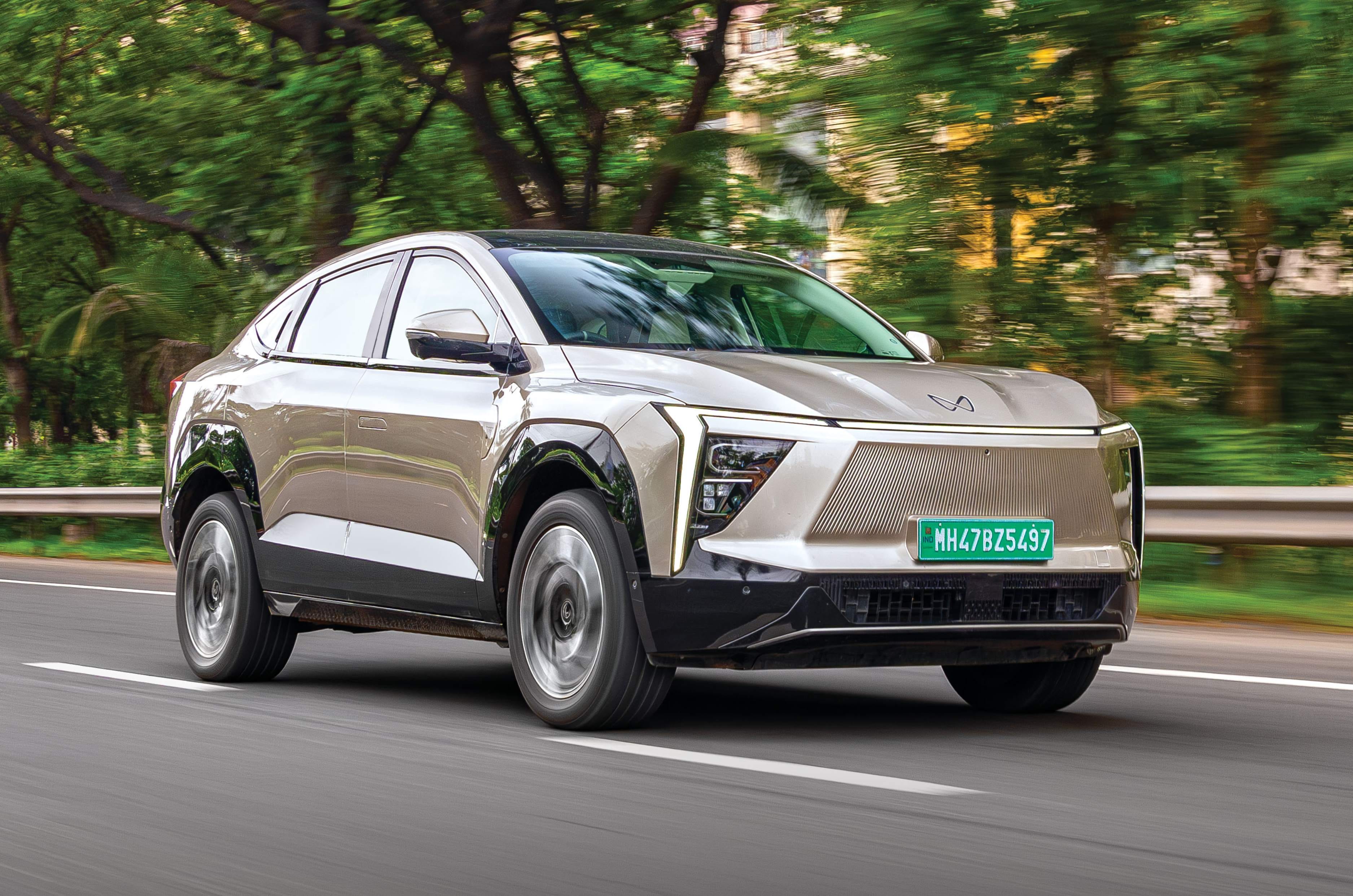
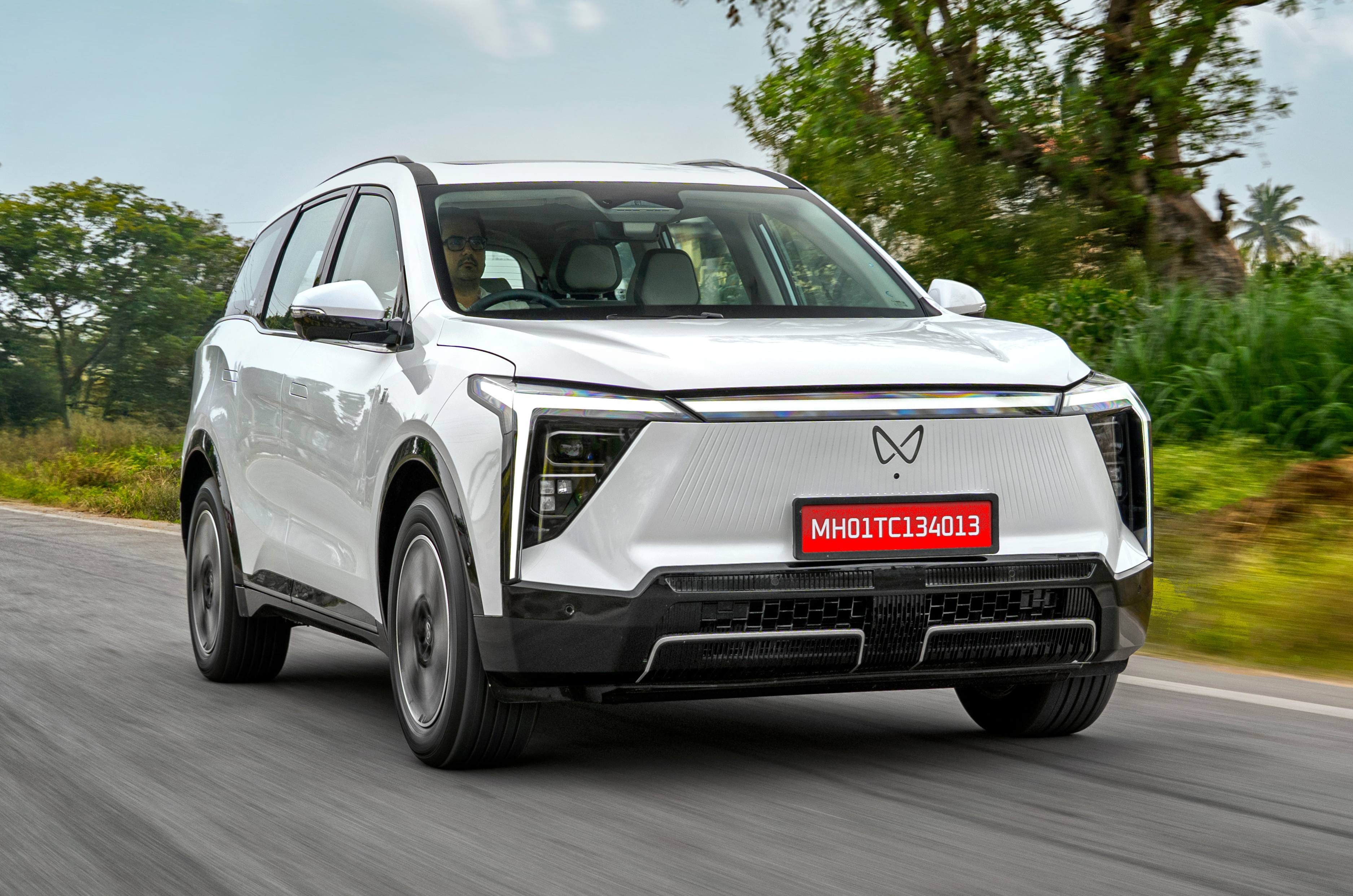
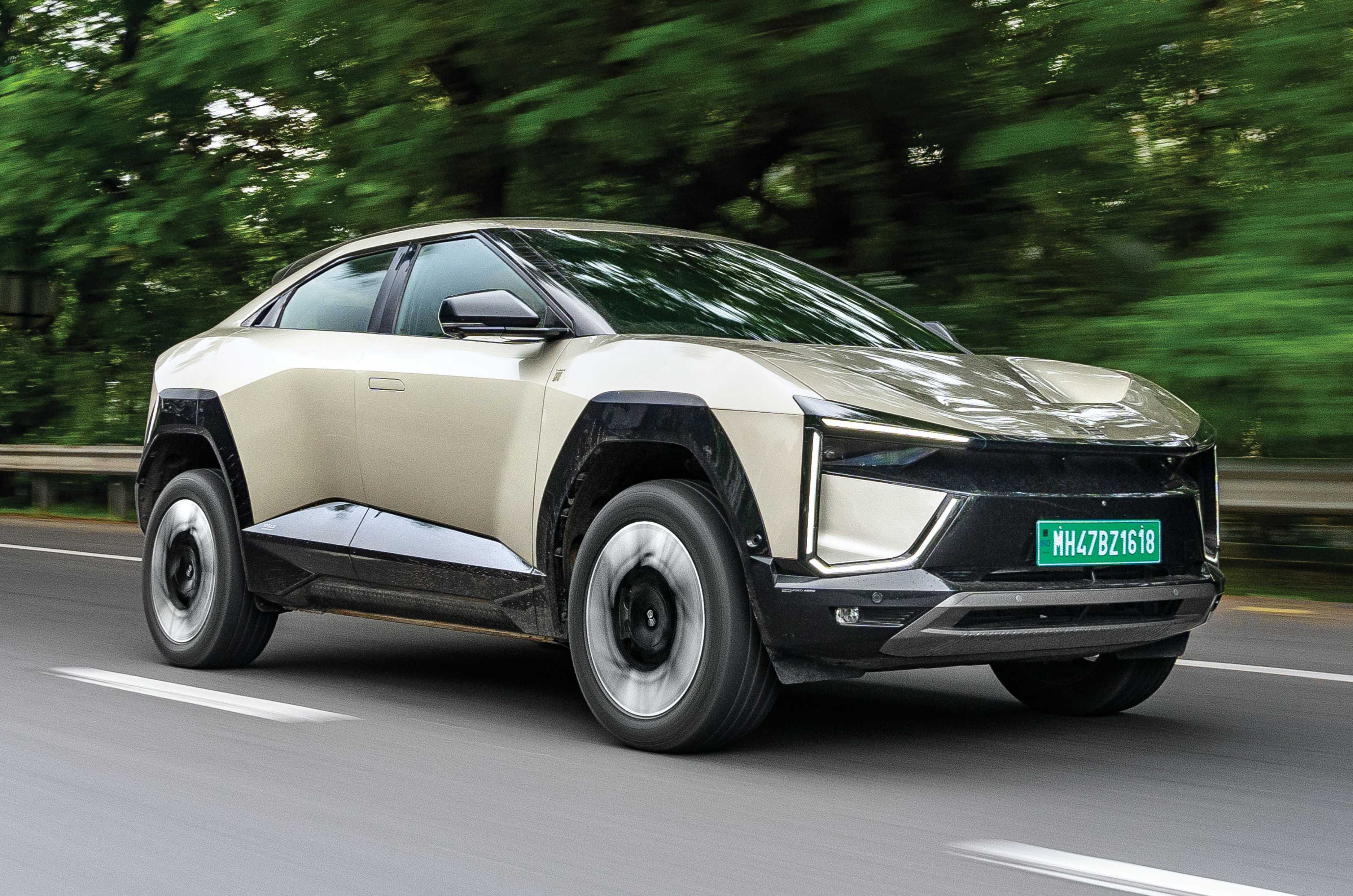
Prices of select variants of the Victoris SUV have been reduced by Rs 39,000. This comes after the Maruti Victoris crossed the 1 lakh sales milestone in June, a feat the manufacturer said was achieved in just 8 months, faster than the Grand Vitara. In fact, the Victoris has been clocking over 10,000 sales per month in 2026, and a price reduction is expected to boost sales.
MT and AT variants of ZXi (O) and ZXi+ (O) trims witness price cuts
Prices of the Victoris’ CNG and strong hybrid variants are unchanged
Variant-wise features of the Victoris are unaffected by the price rejig
Maruti Suzuki Victoris: Old vs new prices
A panoramic sunroof on the Victoris has become more affordable now
Maruti Suzuki Victoris July 2026 prices for mild hybrid petrol variants (Rs, lakh)
Variant
New price
Old price
Price difference
LXi MT
10.50
10.50
None
VXi MT
11.80
11.80
None
VXi AT
13.36
13.36
None
ZXi MT
13.57
13.57
None
ZXi (O) MT
13.69
14.08
– Rs 39,000
ZXi AT
15.13
15.13
None
ZXi+ MT
15.24
15.24
None
ZXi (O) AT
15.25
15.64
– Rs 39,000
ZXi+ (O) MT
15.43
15.82
– Rs 39,000
ZXI+ AT
17.19
17.19
None
ZXi+ (O) AT
17.38
17.77
– Rs 39,000
ZXi+ AT AWD
18.64
18.64
None
ZXi+ (O) AT AWD
19.22
19.22
None
As the table suggests, prices of the ZXi (O) MT, ZXi (O) AT, ZXi+ (O) MT, and ZXi+ (O) AT have been reduced by Rs 39,000. Since these (O) variants add a panoramic sunroof over their standard counterparts, buyers can now get a Victoris with a panoramic sunroof at a more affordable price. The price range of Victoris variants with a naturally aspirated petrol engine, however, is unchanged.
CNG prices are the same and range from Rs 11.50 lakh to Rs 14.57 lakh
Maruti Suzuki Victoris July 2026 prices for CNG variants (Rs, lakh)
Variant
New price
Old price
Price difference
LXi CNG MT
11.50
11.50
None
VXi CNG MT
12.80
12.80
None
ZXi CNG MT
14.57
14.57
None
Unlike the naturally aspirated petrol variants, the CNG variants come at the same price as before. These range from Rs 11.50 lakh to Rs 14.57 lakh.
Strong hybrid prices are also unchanged
Maruti Suzuki Victoris July 2026 prices for strong hybrid petrol variants (Rs, lakh)
Variant
New price
Old price
Price difference
VXi eCVT
16.38
16.38
None
ZXi eCVT
17.80
17.80
None
ZXi (O) eCVT
18.39
18.39
None
ZXi+ eCVT
19.47
19.47
None
ZXi+ (O) eCVT
19.99
19.99
None
Like CNG, the strong hybrid petrol variants have seen no price rejig and continue to range from Rs 16.38 lakh to Rs 19.99 lakh.
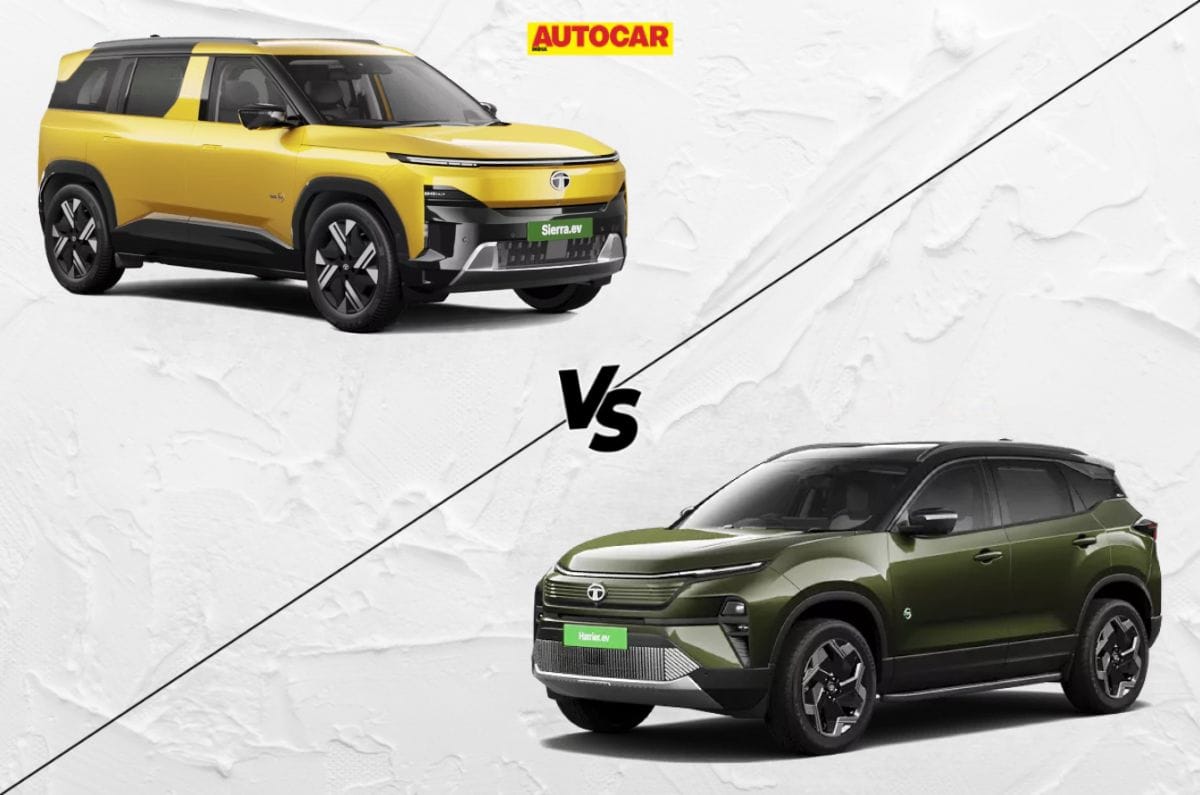
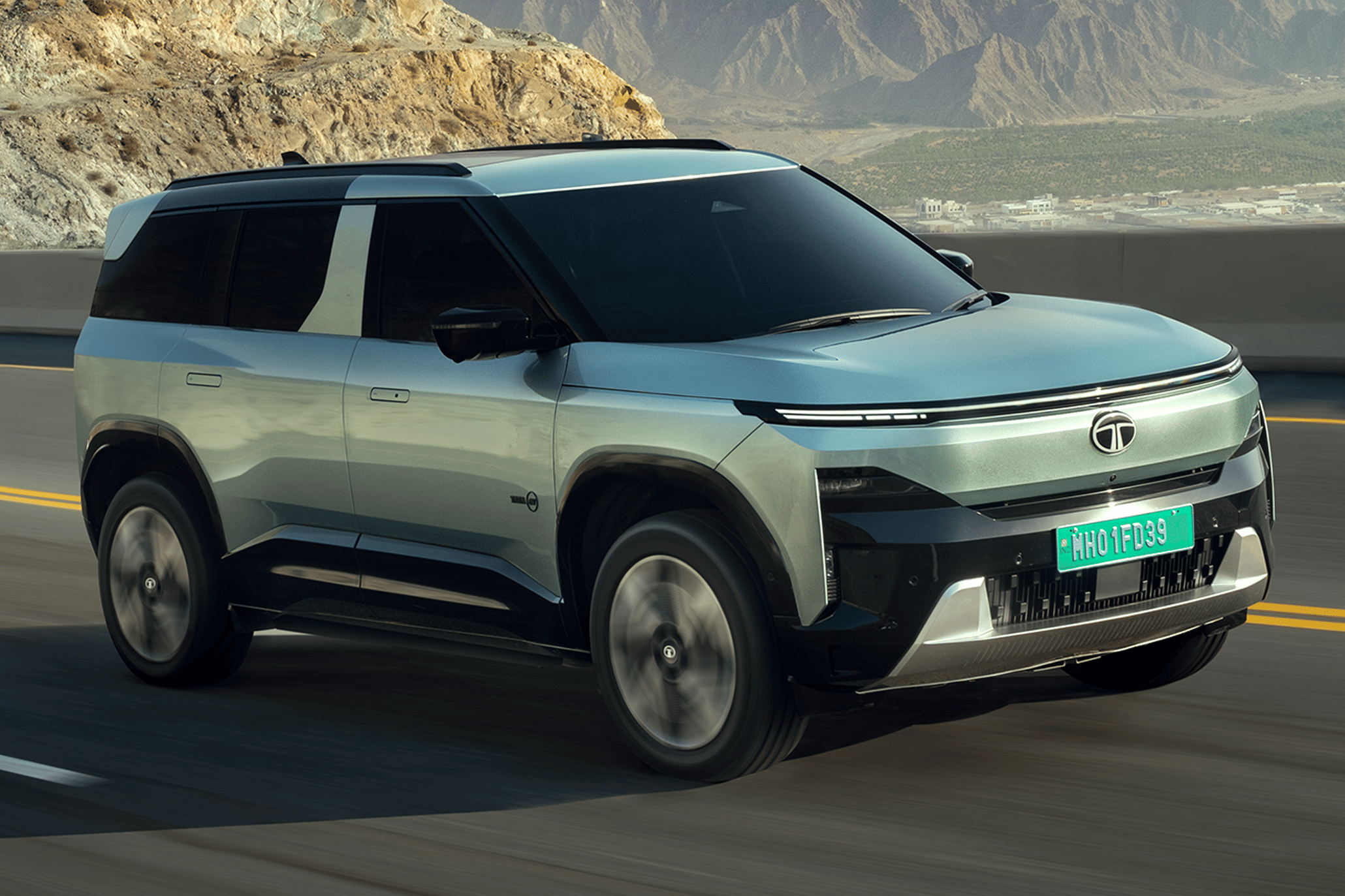
The Tata Sierra EV was recently launched as the manufacturer’s second all-electric offering with a dual-motor AWD choice. It is positioned between the Curvv EV and Harrier EV, the latter of which is also offered with an AWD option. So, between the Sierra EV and Harrier EV, whose top trim offers more features and better specifications? Let us find out.
Tata Sierra EV vs Harrier EV: Dimensions
Although smaller in size, the Sierra EV offers a larger boot and frunk
Tata Sierra EV vs Harrier EV dimensions and other specifications
Sierra EV
Harrier EV
Difference
Length (mm)
4340
4607
-267
Width (mm)
1841
1922
-81
Height (mm)
1750
1740
+10
Wheelbase (mm)
2730
2741
-11
Ground clearance (mm)
205
–
–
Boot space (litres)
622
502
+120
Frunk space (litres)
55
35
+20
Number of seats
5
5
–
While the height and wheelbase of both the Sierra EV and Harrier EV are similar, the Harrier EV is longer and wider by a considerable margin. However, the Sierra EV offers a 120-litre larger boot space and a 20-litre larger frunk.
Notably, Tata has not revealed the official ground clearance figures of the Harrier EV, but it is likely to be similar to the Sierra EV’s 205mm ground clearance.
Tata Sierra EV vs Harrier EV: Powertrain
Both get similar battery packs, but the Harrier EV offers more potent electric motors
Tata Sierra EV vs Harrier EV: Powertrain specifications
Sierra EV RWD
Harrier EV RWD
Sierra EV AWD
Harrier EV AWD
Battery pack
75kWh
75kWh
75kWh
75kWh
eMotor configuration*
RWD
RWD
AWD
AWD
Power (hp)
209
238
140 (front), 209 (rear)
158 (front), 238 (rear)
Torque (Nm)
315
315
504
504
Claimed range (km)
665
627
624
622
*RWD = Rear-wheel-drive; AWD = All-wheel-drive
Top-spec trims of both the Sierra EV and the Harrier EV get identical 75kWh battery packs powering either a rear-axle-mounted (RWD) motor or dual electric motors (AWD). The Harrier EV RWD produces 29hp more than the Sierra EV RWD and has a higher claimed range.
With the AWD setup, the combined torque output of both SUVs is 504Nm, but their power outputs differ. The Harrier EV is the more powerful eSUV, its front and rear motors producing 18hp and 29 more than the Sierra EV, respectively. The claimed range of both Tata EVs is similar too.
Notably, the Sierra EV’s lower variants are offered with a 63kWh battery with an RWD motor, and the Harrier EV is also available with a smaller 65kWh battery with an RWD setup.
Tata Sierra EV vs Harrier EV: Exterior
Both eSUVs offer identical exterior features
Tata Sierra EV vs Harrier EV: Exterior
Sierra EV Empowered A
Harrier EV Empowered
Headlights
Auto projector LED
Auto projector LED
Taillights
Connected LED
Connected LED
DRLs
Connected LED
Connected LED
Front fog lamps
LED, cornering function
LED, cornering function
Flush door handles
Yes
Yes
Wheels
19-inch alloy
19-inch alloy
Powered ORVMs
Yes
Yes
Roof rails
Yes
Yes
Sharkfin antenna
Yes
Yes
Colour
Monotone, Dual tone
Monotone, Dual tone
Exterior features on both the top-spec Sierra EV and Harrier EV are identical. These include an all-LED lighting setup, 19-inch rims, powered outside rearview mirrors (ORVMS) and roof rails.
Tata Sierra EV vs Harrier EV: Interior and features
Sierra EV offers three screens and more speakers, but misses out on boss mode
Tata Sierra EV vs Harrier EV: Interior and features
Sierra EV Empowered A
Harrier EV Empowered
Driver’s display
10.25-inch
10.25-inch
Infotainment screen
12.3-inch
14.5-inch
Passenger display
12.3-inch
–
Android Auto, Apple CarPlay
Yes, wireless
Yes, wireless
Audio system
12-speaker JBL
10-speaker JBL Black
On-board navigation
Yes
Yes
Sunroof
Panoramic
Panoramic
Powered tailgate
Yes
Yes
Climate control
Dual-zone
Dual-zone
Air purifier
Yes
Yes
Seat upholstery
Leatherette
Leatherette
Steering wheel adjustment
Tilt, telescopic
Tilt, telescopic
Wireless phone charger
Yes
Yes
Driver seat adjustment
6-way powered
6-way powered
Driver’s seat features
Ventilation, memory, welcome
Ventilation, memory, welcome
Co-driver’s seat adjustment
4-way powered
4-way powered
Co-driver’s seat features
Ventilation
Ventilation
Rear seat features
–
Boss mode
Rear window sunshade
Yes
Yes
Head-up display (HUD)
Yes
No
Vehicle-to-load (V2L)
Yes
Yes
Vehicle-to-vehicle (V2V)
Yes
Yes
One of the Tata Sierra EV’s USPs is a triple-screen setup, which is not even offered on the pricier Harrier EV. Compared to the Harrier EV, the Sierra EV also gets 2 more speakers and a coloured HUD.
The flagship Harrier EV, however, offers a larger touchscreen infotainment system and powered boss mode on the co-driver’s seat, which are not available on the Sierra EV. Other features are identical to both eSUVs.
Tata Sierra EV vs Harrier EV: Driving tech
Both electric SUVs are on par with each other in terms of driving tech
Tata Sierra EV vs Harrier EV: Driving technology
Sierra EV Empowered A
Harrier EV Empowered
Drive modes
Boost (AWD only), Eco, City, Sport
Boost (AWD only), Eco, City, Sport
RWD terrain modes
4
4
AWD terrain modes
6
6
Paddle shifters for regen
Yes
Yes
Cruise control
Adaptive
Adaptive
The Tata Sierra EV and Harrier EV share the same acti.ev+ platform, which is why they offer identical driving tech. These include 3 drive modes and up to 6 terrain modes (depending on the drivetrain).
Tata Sierra EV vs Harrier EV: Safety
Harrier EV gets an additional knee airbag and a digital IRVM
Tata Sierra EV vs Harrier EV: Safety features
Sierra EV Empowered A
Harrier EV Empowered
Airbags
6
7
ADAS
Level 2
Level 2
Camera setup
540-degree
540-degree
Parking sensors
Front and rear
Front and rear
Electronic parking brake
Yes
Yes
All-wheel disc brakes
Yes
Yes
TPMS
Yes
Yes
IRVM
Auto-dimming
Digital
Rear wiper, washer
Yes
Yes
Hill start assist
Yes
Yes
Hill descent control
Yes
Yes
ESC
Yes
Yes
Traction control
Yes
Yes
Over the Sierra EV, the top-spec Tata Harrier EV Empowered offer an additional knee airbag and a digital inside rearview mirror (IRVM). Other features, a 540-degree camera (with an under-bonnet view) and Level 2 ADAS, are identical on both EVs.
Tata Sierra EV vs Harrier EV: Price and verdict
Sierra EV is around Rs 3 lakh more affordable than the Harrier EV
Sierra EV Empowered A vs Harrier EV Empowered ex-showroom price
Sierra EV Empowered A
Harrier EV Empowered
Difference
RWD price
Rs 24.79 lakh
Rs 27.69 lakh
– Rs 2.90 lakh
AWD price
Rs 25.99 lakh
Rs 29.19 lakh
– Rs 3.20 lakh
The top-spec Tata Harrier EV’s Empowered trim is around Rs 3 lakh pricier than the Sierra EV’s fully loaded Empowered A trim. Although the Harrier EV is larger, the Sierra EV offers more boot space and a higher claimed range with both RWD and AWD. Unlike the Harrier EV, it gets features like a dedicated screen for the co-driver and more speakers, while getting the same driving tech as the Harrier EV. Although it misses out on boss mode, an additional knee airbag and a digital IRVM, a Rs 3 lakh difference makes the Sierra EV a better value-for-money proposition.
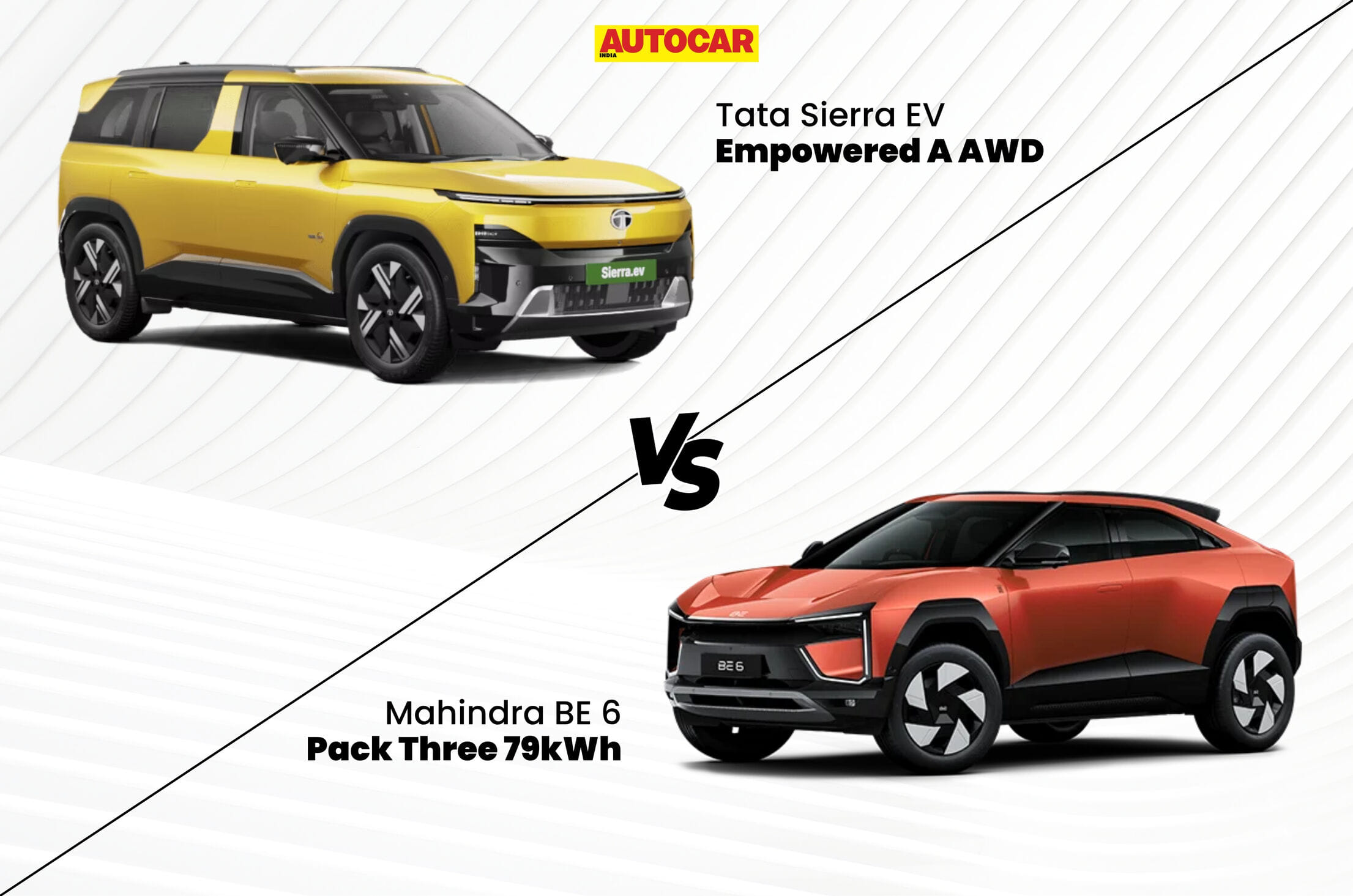
With the mid-size electric SUV space getting highly competitive over time, the Mahindra BE 6 comes as a popular option with its futuristic looks, large battery and powerful motor. With the Sierra EV’s arrival, Tata is aiming squarely for the BE 6. From dimensions and powertrains to features and price, we compare both eSUVs’ top-spec versions on paper to determine the better value proposition. Here, we’ve chosen the Empowered A trim of the Sierra EV and the Pack Three trim of the BE 6.
According to our mid-size eSUV specification comparison, the Sierra EV and the Mahindra BE 6 were among the largest models. While the Sierra EV is taller and has a larger frunk, the BE 6 is longer, wider, has a longer wheelbase, and slightly more ground clearance and boot. Overall, the BE 6 is larger, albeit marginally.
Tata Sierra EV vs Mahindra BE 6: Battery and range
Tata Sierra EV vs Mahindra BE 6: Battery and range
Sierra EV
Mahindra BE 6
Battery size (kWh)
75
79
Motor setup
RWD | AWD
RWD
Power (hp)
209 | 140 (front) 240 (rear)
286
Torque (Nm)
315 | 504
380
ARAI range (km)
665 | 624
683
In top-specification guise, the Sierra EV and Mahindra BE 6 feature among the largest battery packs in the segment, with the latter being slightly bigger. But the Sierra more than makes up for it by being the only eSUV to have an AWD version. There’s also a single-motor RWD version offered on the Empowered A trim of the Sierra EV. While the BE 6’s single motor produces more power than the front and rear motors on the Sierra EV, the Sierra EV delivers 124Nm of additional torque in AWD guise. However, the BE 6 gets higher claimed range figures in comparison to the Sierra EV.
Tata Sierra EV vs Mahindra BE 6: Charging times
Tata Sierra EV vs Mahindra BE 6: Charging times
Sierra EV
Mahindra BE 6
Battery size (kWh)
75
79
AC charging output support (kW)
7.2
7.2, 11.2
DC charging output support (kW)
110, 120
180
AC charging time (hours)
8.9 | 10.5 (10-100%)
11.7, 8 (0-100%)
DC charging time (minutes)
25 | 26 (20-80%)
20 (20-80%)
As far as charging is concerned, the BE 6 supports faster AC and DC charging speeds compared to the Sierra EV. Only their DC charging speeds are comparable, with the Sierra EV’s time being up to 6 minutes slower than the BE 6’s.
Tata Sierra EV vs Mahindra BE 6: Exterior features
Tata Sierra EV vs Mahindra BE 6: Exterior features
Sierra EV
Mahindra BE 6
Headlights
Auto LED
Auto LED
Tail-lights
LED
LED
DRLs
Yes
Yes
Welcome/goodbye animation
Yes
Yes
Fog lamps
Front and rear
Front
Puddle lamps
Yes
No
Sequential indicators
Yes
Yes
Flush door handles
Yes
Yes
Rear spoiler
Yes
Yes
Power-adjustable and folding ORVMs
Yes
Yes
Rain-sensing wipers
Yes
Yes
Rear wiper/washer
Yes
No
Shark-fin antenna
Yes
No
Colours
Monotone
Monotone
Wheels
19-inch
19-inch
On the outside, both the Sierra EV and BE 6 come with LED lighting, welcome and goodbye animations, sequential turn indicators, and the largest-in-segment 19-inch alloys. But the Sierra EV comes with rear fog lamps, puddle lamps, a rear wiper/ washer, and a shark fin antenna. However, the BE 6 gets motorised opening for the front flush door handles, while the Sierra EV’s flush door handles are manually operated.
Tata Sierra EV vs Mahindra BE 6: Interior features
Tata Sierra EV vs Mahindra BE 6: Interior features
Sierra EV
Mahindra BE 6
Infotainment screen
12.3-inch
12.3-inch
Driver’s display
10.25-inch
12.3-inch
Passenger display
12.3-inch
No
Head-up display
Yes
Yes
In-built navigation
Yes
No
Infotainment-based gaming console
Yes
No
In-car payments
Yes
No
Powered driver’s seat
6-way
6-way
Front seat thigh support
Yes
No
Driver seat memory and welcome function
Yes
Yes
Powered front passenger seat
4-way
No
Cooled front seats
Yes
Yes
Reclining rear seats
Yes
Yes
Boss mode
Yes
No
Wireless Android Auto, Apple CarPlay
Yes
Yes
Audio system
12-speaker JBL Black
16-speaker Harman Kardon
Dolby Atmos
Yes
Yes
Sunroof
Openable panoramic
Fixed-glass panoramic
Rear AC vents
Yes
Yes
Climate control
Dual-zone
Dual-zone
Seat upholstery
Leatherette
Leatherette
Wireless phone charger
Yes
Yes
Ambient lighting
Yes
Yes
Front centre armrest
Yes
Yes
Rear centre armrest
Yes
Yes
USB ports
4x Type-C
4x Type-C
NFC-based key card
Yes
No
Powered tailgate
Yes
Yes
Air purifier
Yes
Yes
Connected car tech
Yes
Yes
Rear sunshades
Yes
No
OTA updates
Yes
Yes
While the BE 6 gets the larger digital driver’s display and more speakers than the Sierra EV, the latter, however, pips the former by offering an additional passenger display, built-in navigation, a powered front passenger seat, boss mode, and rear window sunshades. While the panoramic sunroof in the Sierra EV is openable, the BE 6 gets a fixed glass roof.
Tata Sierra EV vs Mahindra BE 6: Driving tech
Tata Sierra EV vs Mahindra BE 6: Driving tech
Sierra EV
BE 6
Boost mode
Yes
No
Drive modes
Normal, Eco, Sport
Default, Range, Everyday, Race
Terrain modes
Normal, Grass, Snow, Mud-ruts, Gravel, Sand, Rock Crawl, Custom
Snow
Off-road assist
Yes
No
Cruise Control
Adaptive
Adaptive
Drift mode
Yes
No
While drive modes and adaptive cruise control are present on both eSUVs, the Sierra EV’s AWD allows more adjustability to your drive. The BE 6 offers only snow mode, while the Sierra EV betters it with Normal, Grass, Snow, Mud-ruts, Gravel, Sand, Rock Crawl, and Custom terrain modes. Additionally, the Sierra EV also offers a drift mode and boost mode, with the latter surging power on demand.
Tata Sierra EV vs Mahindra BE 6: Safety
Tata Sierra EV vs Mahindra BE 6: Safety
Sierra EV
BE 6
Airbags
6
6
ABS and EBD
Yes
Yes
ADAS
Level 2+
Level 2+
Automatic parking assist
Yes
Yes
Camera setup
540-degree
360-degree
Parking sensors
Front and rear
Front and rear
Electric parking brake
Yes
Yes
Disc brakes
All-wheels
All-wheels
TPMS
Yes
Yes
IRVM
Auto-dimming
Auto-dimming
Hill-hold control
Yes
Yes
ESC
Yes
Yes
When it comes to safety features, the Sierra EV and BE 6 come loaded. Not only do both eSUVs cover the basics like 6 airbags, hill hold control, and ESC, but they are the segment’s only SUVs with Level 2+ ADAS and automatic parking assist. The latter feature also enables you to park/unpark your vehicle via your smartphone. But the Sierra EV nudges ahead minutely with additional cameras for the under-bonnet area on top of its 360-degree camera setup.
Tata Sierra EV vs Mahindra BE 6: Price and verdict
Tata Sierra EV vs Mahindra BE 6: Price and verdict
Sierra EV AWD
Mahindra BE 6
Ex-showroom price (Rs lakh)
24.79 – 25.99
26.90
The Sierra EV is up to Rs 2.11 lakh cheaper than the BE 6 in top-spec guise, depending on the chosen variant. Between the two, it is the Sierra EV we recommend. While the BE 6 has larger dimensions and a higher claimed range, the Sierra EV brings more features and an AWD system, all while being more affordable at the same time, making it the better value proposition.
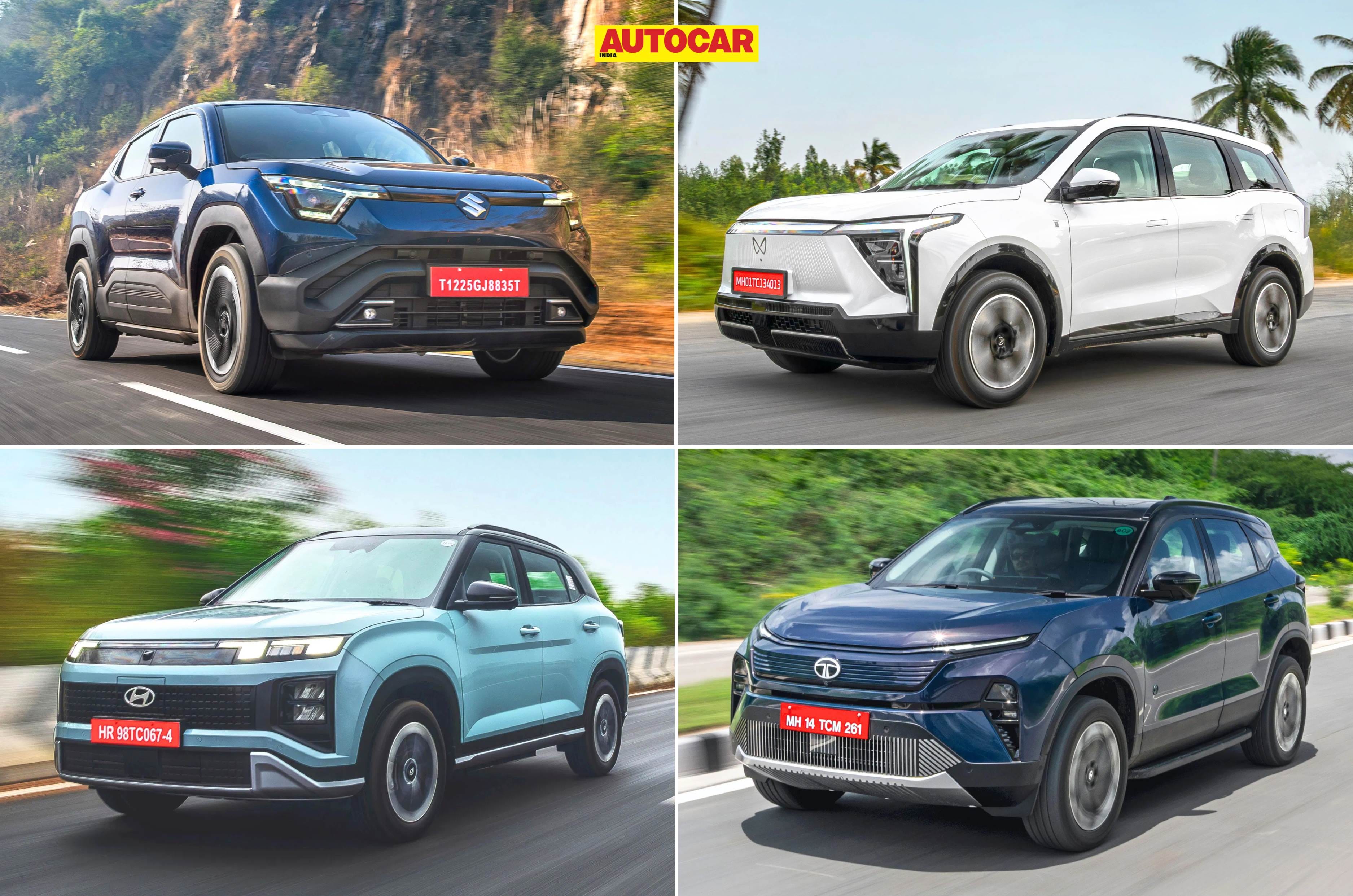
The midsize SUV segment is not only one of the most contested among combustion-powered cars but also among electric vehicles, with 12 different EVs on sale. This form factor allows carmakers to offer large enough batteries for a usable range while also equipping them with the latest in-car tech at a competitive price. Here we have ranked all the midsize electric SUVs currently available in India as per their ARAI-claimed range. Let’s find out which model can go the farthest on a single charge.
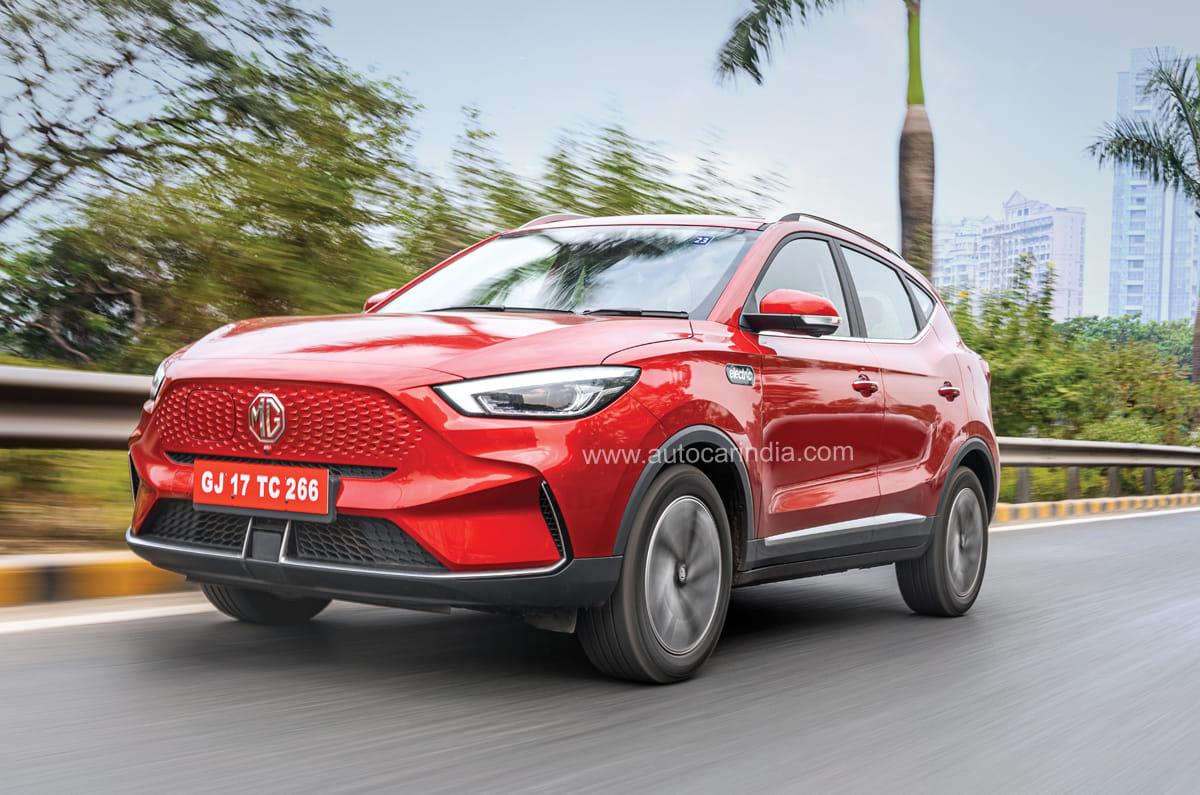
12. MG ZS EV
Up to 461km claimed range
MG ZS EV battery specifications and ARAI range
Specifications
MG ZS EV
Battery pack (kWh)
50.3
ARAI-claimed range (km)
461
Price (Rs lakh)
17.99-20.75
The ZS EV is the electric equivalent of the MG Astor, adapted from an ICE platform. While it is the oldest midsize electric SUV currently on sale in India, its 50kWh battery pack is on par with even the newer offerings. However, a claimed range of 461km is just fine and places it last on this list. The battery powers a front-axle-mounted (FWD) electric motor that produces 177hp and 280Nm.
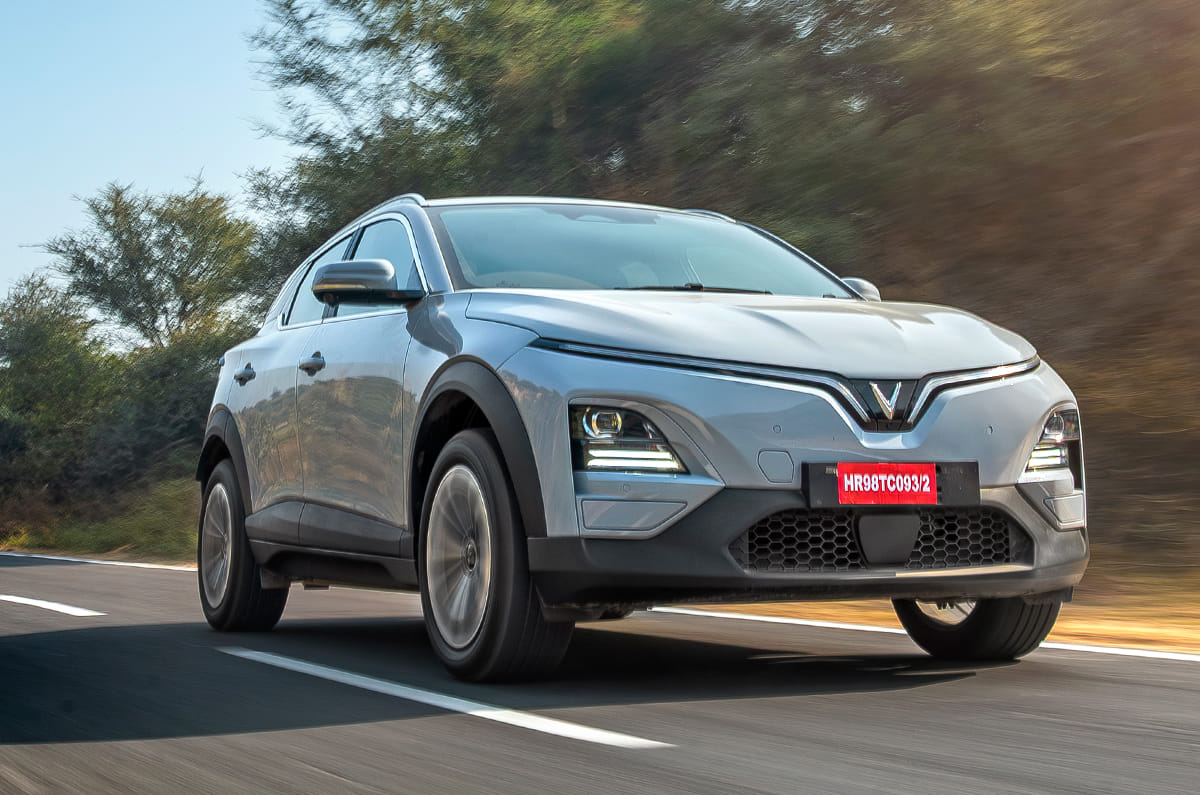
11. Vinfast VF6
Up to 468km claimed range
Vinfast VF6 battery specifications and ARAI range
Specifications
Vinfast VF6
Battery pack (kWh)
59.6
ARAI-claimed range (km)
463-468
Price (Rs lakh)
17.29-19.19
Vinfast’s most affordable EV in India, the VF6, comes with a fairly large battery pack compared to the older ZS EV, but it does not help much in the claimed range department. While the lower trims offer an ARAI-rated range of 463km, the higher ones claim a slightly better 468km. This is likely due to different tuning of the drivetrain, as the lower trims get a 177hp, 250Nm motor, while the higher-spec trims are offered with a 204hp, 310Nm unit.
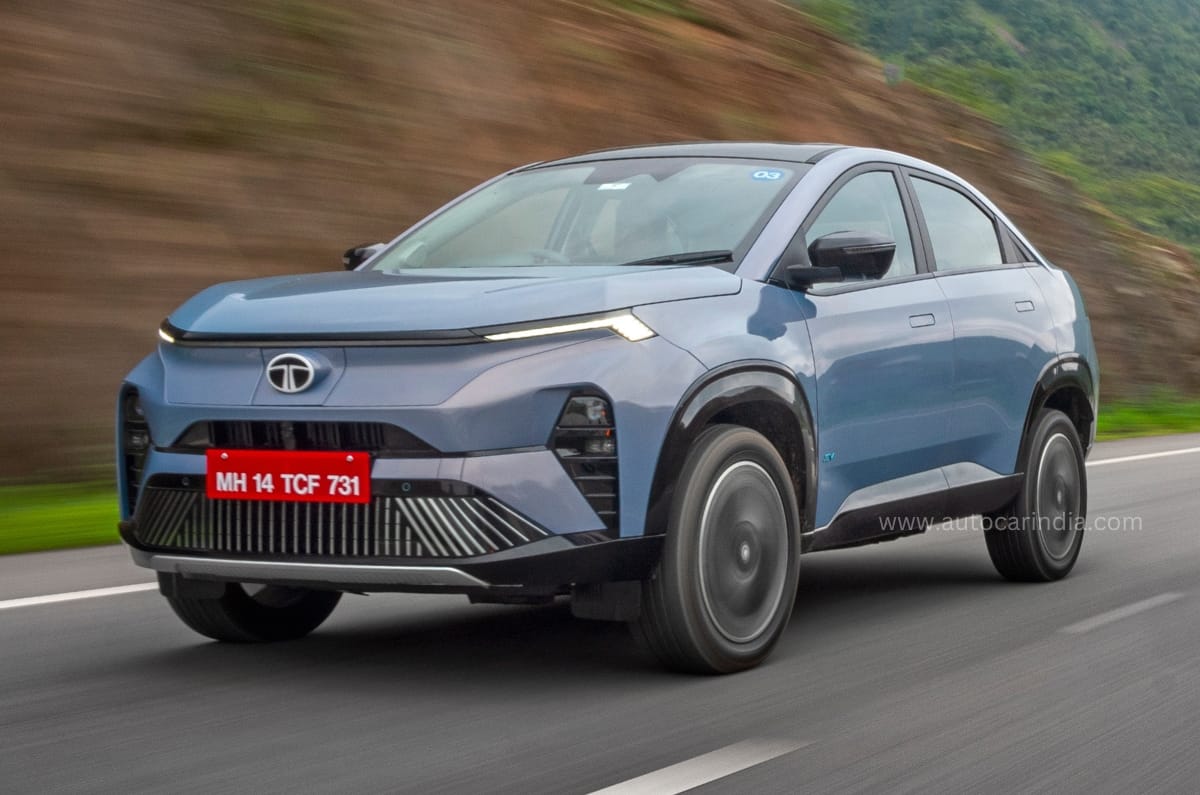
10. Tata Curvv EV
Up to 502km claimed range
Tata Curvv EV battery specifications and ARAI range
Specifications
Tata Curvv EV
Battery pack (kWh)
55
ARAI-claimed range (km)
502
Price (Rs lakh)
16.99-19.19
In this segment, the Tata Curvv EV sets itself apart with a coupe-SUV body style. It is based on the Nexon platform that has been heavily modified for an electric powertrain. Although its 55kWh smaller than the VF6’s, it has a higher claimed range. The front-mounted motor makes 167hp and 215Nm. The Curvv is also offered in a combustion-powered avatar, with petrol and diesel powertrain options.
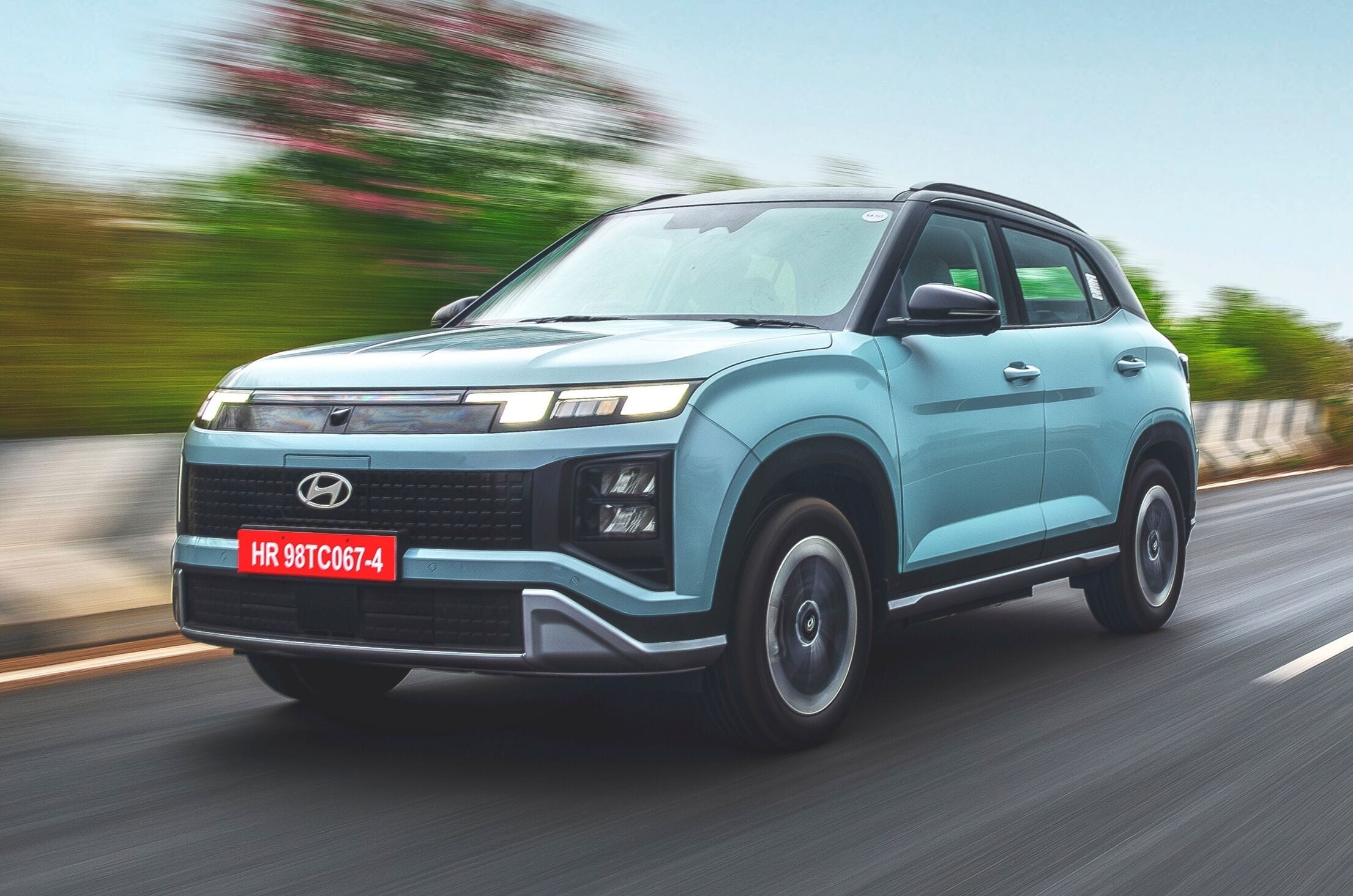
9. Hyundai Creta Electric
Up to 510km claimed range
Hyundai Creta Electric battery specifications and ARAI range
Specifications
Hyundai Creta Electric
Battery pack (kWh)
42 | 51.4
ARAI-claimed range (km)
420 | 510
Price (Rs lakh)
18.02-23.67
The Creta is a bestseller in its segment by a big margin, and a fraction of its total sales are from the all-electric iteration, the Hyundai Creta Electric. It gets two battery options, 42kWh and 51.4kWh, and the smaller battery’s 420km claimed range is the lowest in the segment. The larger pack’s range improves to a respectable 510km. While power figures are 135hp and 171hp for the 42kWh and 51.4kWh batteries, respectively, the torque is 255Nm for both.
8. BYD Atto 3
Up to 521km claimed range
BYD Atto 3 battery specifications and ARAI range
Specifications
BYD Atto 3
Battery pack (kWh)
49.92 | 60.48
ARAI-claimed range (km)
468 | 521
Price (Rs lakh)
24.99-33.99
The BYD Atto 3 is the only model here that is not locally made in India. It is brought to India via the CKD (completely knocked down kits) route, which explains its expensive price tag. At the higher end of its price range, it offers the larger battery pack with a claimed range of 521km, which is less than the Tata-Mahindra rivals that offer over 600km of range at a similar price. The Atto 3 is a born EV and therefore does not have an ICE equivalent. At 4.45 metres long, it is also a tad larger than other SUVs on this list. Like the Creta Electric, it gets two battery pack options, both mated to a 204hp, 310Nm front-axle-mounted electric motor.
7. Vinfast VF7
Up to 532km claimed range
Vinfast VF7 battery specifications and ARAI range
Specifications
Vinfast VF7
Battery pack (kWh)
59.6 | 70.8
ARAI-claimed range (km)
438 | 510-532
Price (Rs lakh)
21.89-26.79
The Vinfast VF7, launched alongside the VF6, is offered with two battery packs. The smaller battery comes paired with a 177hp, 250Nm front-axle-mounted electric motor, while the larger 70.8kWh unit is available in both FWD and AWD setups. The FWD version produces 204hp and 310Nm, while the AWD iteration puts out 353hp and 500Nm. Interestingly, not only is the VF7 the most affordable EV in India with an AWD setup, but it is also one of the fastest mass-market offerings with a claimed 0-100kph time of 5.8 seconds. Both its battery packs offer a claimed range on par with most other SUVs in this segment.
6. Maruti Suzuki e Vitara
Up to 543km claimed range
Maruti Suzuki e Vitara battery specifications and ARAI range
Specifications
Maruti Suzuki e Vitara
Battery pack (kWh)
49 | 61
ARAI-claimed range (km)
440 | 543
Price (Rs lakh)
15.99-19.79
Maruti Suzuki’s first EV in India, the e Vitara, is the most affordable midsize electric SUV in India. Moreover, it is offered with a Battery-as-a-Service (BaaS) scheme, like the ZS EV, which lowers the upfront price. It is available with two battery pack options but only with a front-axle-mounted electric motor, unlike the international-spec EV that gets an AWD option too. While the 49kWh version produces 144hp, the 61kWh makes 174hp; the 193Nm torque is common for both. At a top-end price of Rs 19.79 lakh, the e Vitara’s claimed range of 543km is comparatively higher than similarly priced rivals, which mostly quote sub-500km figures.
5. Tata Harrier EV
Up to 627km claimed range
Tata Harrier EV battery specifications and ARAI range
Specifications
Tata Harrier EV
Battery pack (kWh)
65 | 75
ARAI-claimed range (km)
538 | 622-627
Price (Rs lakh)
21.49-29.48
The Tata Harrier EV sits at the top of Tata’s EV lineup. It gets an AWD layout, but this drivetrain is offered with the higher-spec trims with the 75kWh battery pack. Lower trims feature an RWD setup that produces 175hp and 315Nm. The AWD version gets the same rear-axle motor along with a 116hp front-axle-mounted unit for a total of 504Nm. With a claimed 0-100kph sprint time of 6.3 seconds, the Harrier EV AWD is slightly slower than the Vinfast VF7 and also costs more.
4. Mahindra XEV 9e
Up to 656km claimed range
Mahindra XEV 9e battery specifications and ARAI range
Specifications
Mahindra XEV 9e
Battery pack (kWh)
59 | 79
ARAI-claimed range (km)
522 | 656
Price (Rs lakh)
21.90-30.50
The XEV 9e is a born-electric SUV, which, incidentally, uses BYD’s proprietary Blade cell technology in its battery pack. This rear-wheel-drive model’s motor produces 231hp with the 59kWh battery and 286hp with the 79kWh unit; torque is 380Nm for both. The claimed range is over 650km for the 79kWh version. Although the XEV 9e leans towards the expensive side, its specifications help it offer great value for the price.
3. Mahindra XEV 9S
Up to 679km claimed range
Mahindra XEV 9S battery specifications and ARAI range
Specifications
Mahindra XEV 9S
Battery pack (kWh)
59 | 70 | 79
ARAI-claimed range (km)
521 | 600 | 679
Price (Rs lakh)
19.95-29.45
The Mahindra XEV 9S is the first mass-market 3-row electric SUV in India, and it is the only model on this list to get three battery pack options. All come paired with a rear-wheel-drive motor that produces 380Nm but have different power outputs – 231hp in the 59kWh version, 245hp in the 70kWh version and 286hp in the 79kWh version. Notably, even though the XEV 9S gets bigger battery packs and an additional row compared to the XEV 9e, it has a lower price tag, making it offer more value for less money.
2. Tata Sierra EV
Up to 665km claimed range
The Sierra EV is Tata’s latest addition to its EV range, slotting between the Cuvv EV and Harrier EV. It is powered by either a 63kWh or a 75kWh battery pack from the Harrier. The latter option also offers an AWD layout, while an RWD layout is standard. With the 63kWh battery pack, the motor produces 238hp, while it delivers 208hp in the 75kWh guise, with torque at 315Nm in both versions. Meanwhile, AWD versions add a front-mounted motor developing 140hp, while torque is bumped to 504Nm. Tata claims a 0-100kph time of 5.8 seconds for the AWD version, equaling that of the VF7’s.
Tata Sierra EV battery specifications and ARAI range
Specifications
Tata Sierra EV
Battery pack (kWh)
63 | 75
ARAI-claimed range (km)
566 | 665, 624 (AWD)
Price (Rs lakh)
18.49-25.90
1. Mahindra BE 6
Up to 683km claimed range
Mahindra BE 6 battery specifications and ARAI range
Specifications
Mahindra BE 6
Battery pack (kWh)
59 | 79
ARAI-claimed range (km)
548 | 683
Price (Rs lakh)
18.90-26.90
The BE 6 is identical to the XEV 9e under its skin, so it carries over the same rear-wheel-drive layout and battery pack options, arguably in a more stylish package. It is also slightly smaller and lighter than the XEV 9e, which is what gives it the edge in terms of range. With 683km on a single charge with the larger 79kWh battery pack, it has the highest claimed range among all mainstream electric SUVs in India.
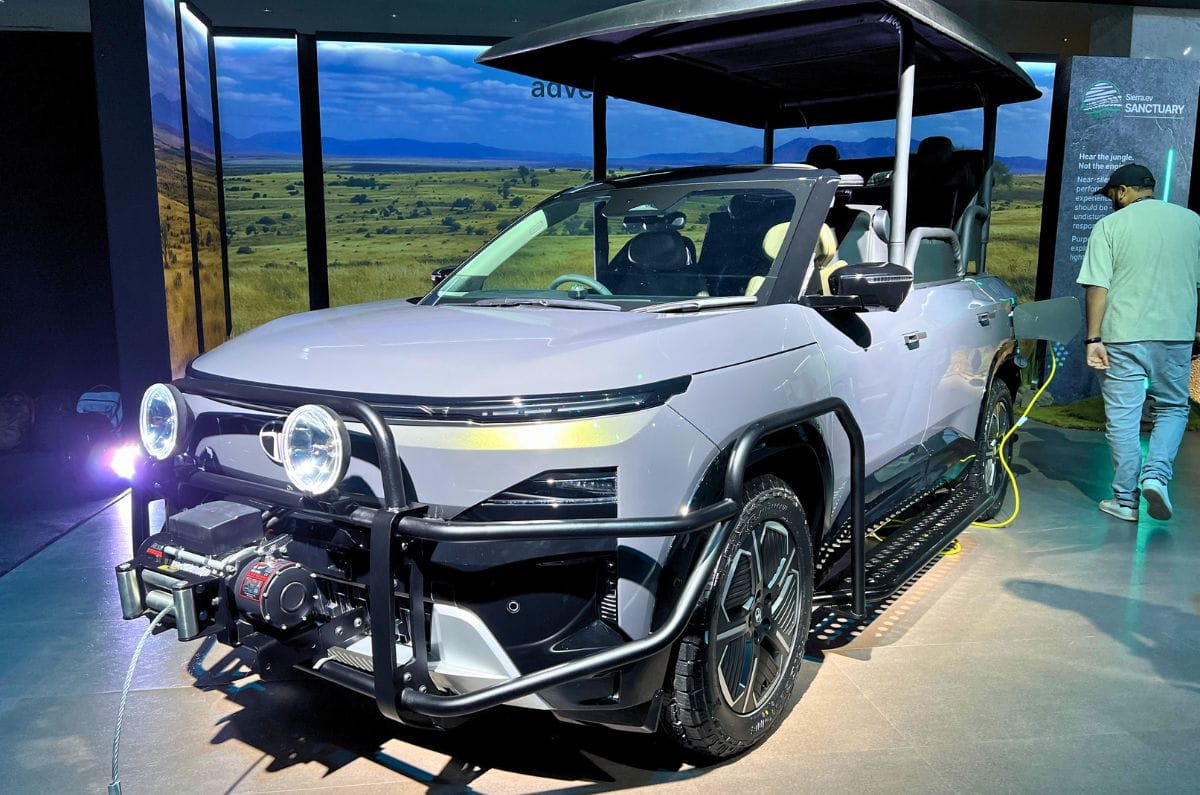
Along with the regular variants of the Sierra EV, Tata Motors has also unveiled the Sanctuary Edition. As its name suggests, the Tata Sierra EV Sanctuary Edition is specifically meant to take occupants out into the wilderness without disturbing the wildlife with the sound and emissions from a combustion-powered vehicle. Tata is yet to disclose the price of the Sierra EV Sanctuary Edition, but it will be offered in multiple colours and various accessories to accommodate a safari outing.
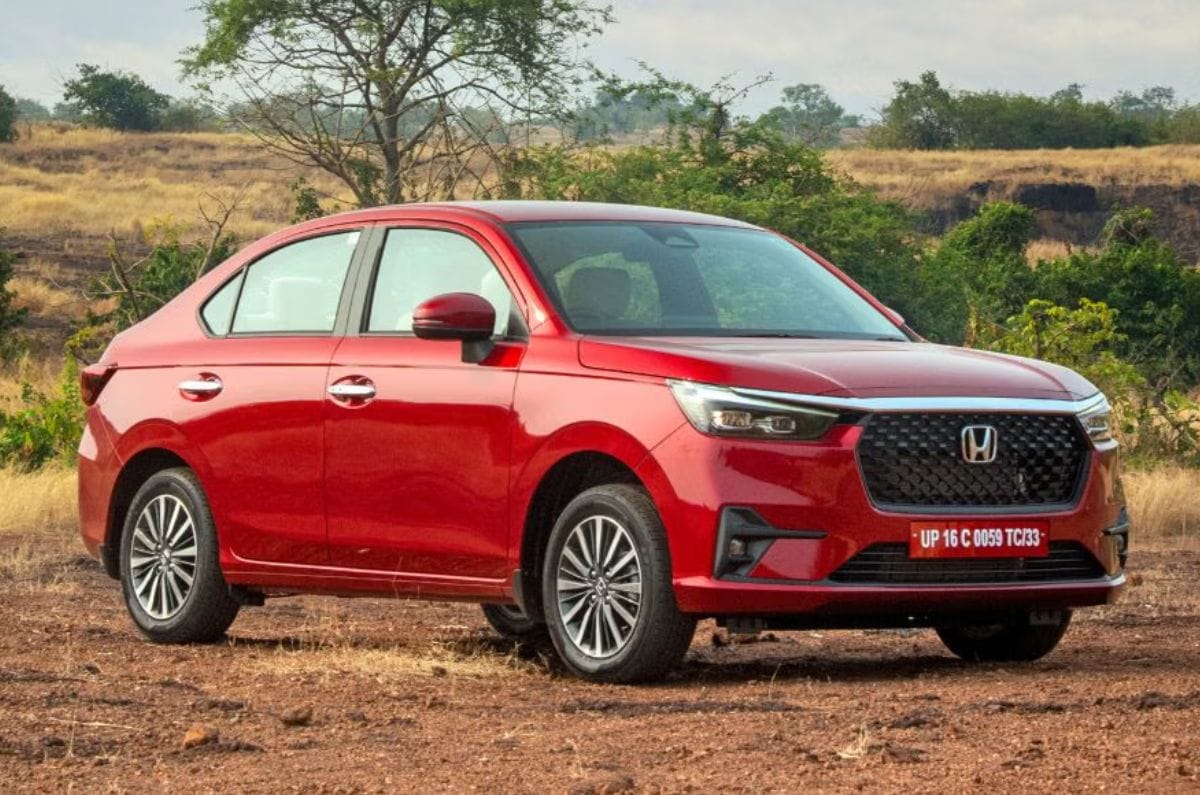
Honda has revealed the offers available with its models in July 2026. While the Elevate gets the maximum benefits this month, the Honda City, which received a facelift in June, carries no offers this month. Offers are available on the Honda Amaze’s second- and third-generation models too.
Note: All offers are valid till July 31, 2026 and may vary by city and stock availability. Please check with your nearest Honda dealership for the exact figures.
Honda Elevate July 2026 offers
Benefits up to Rs 2.15 lakh
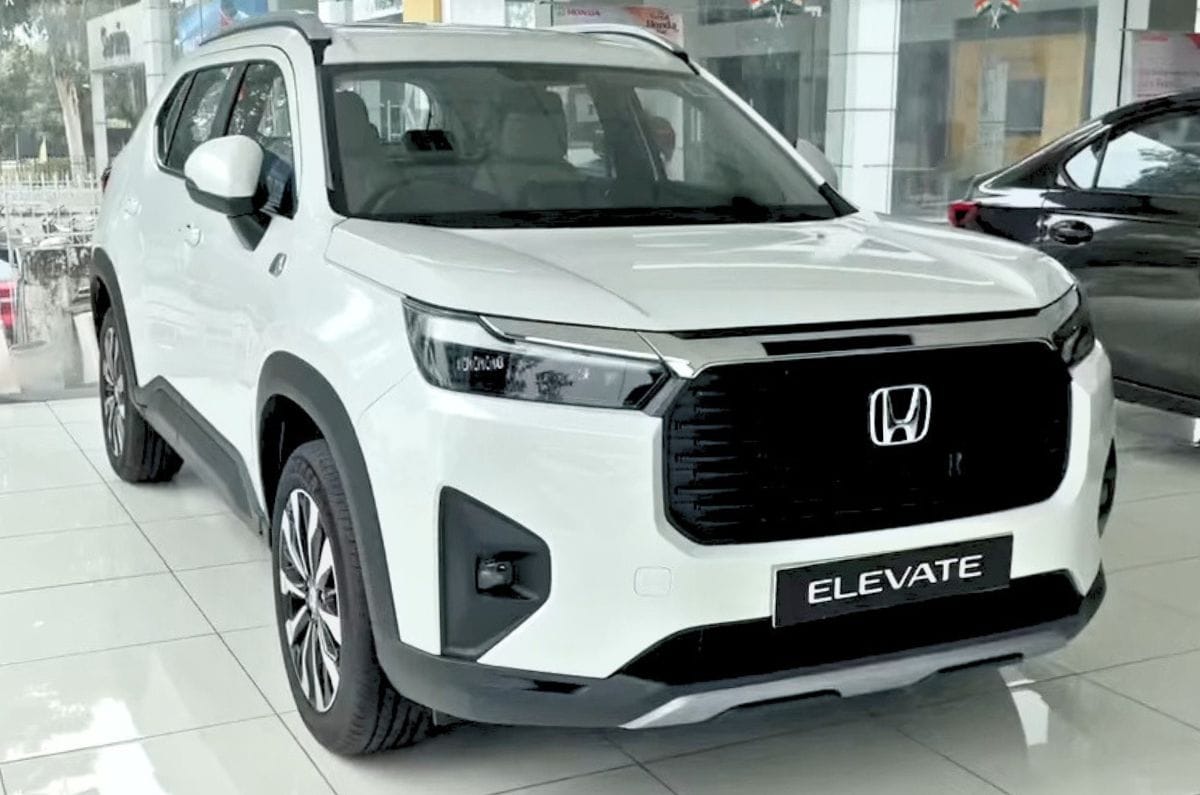
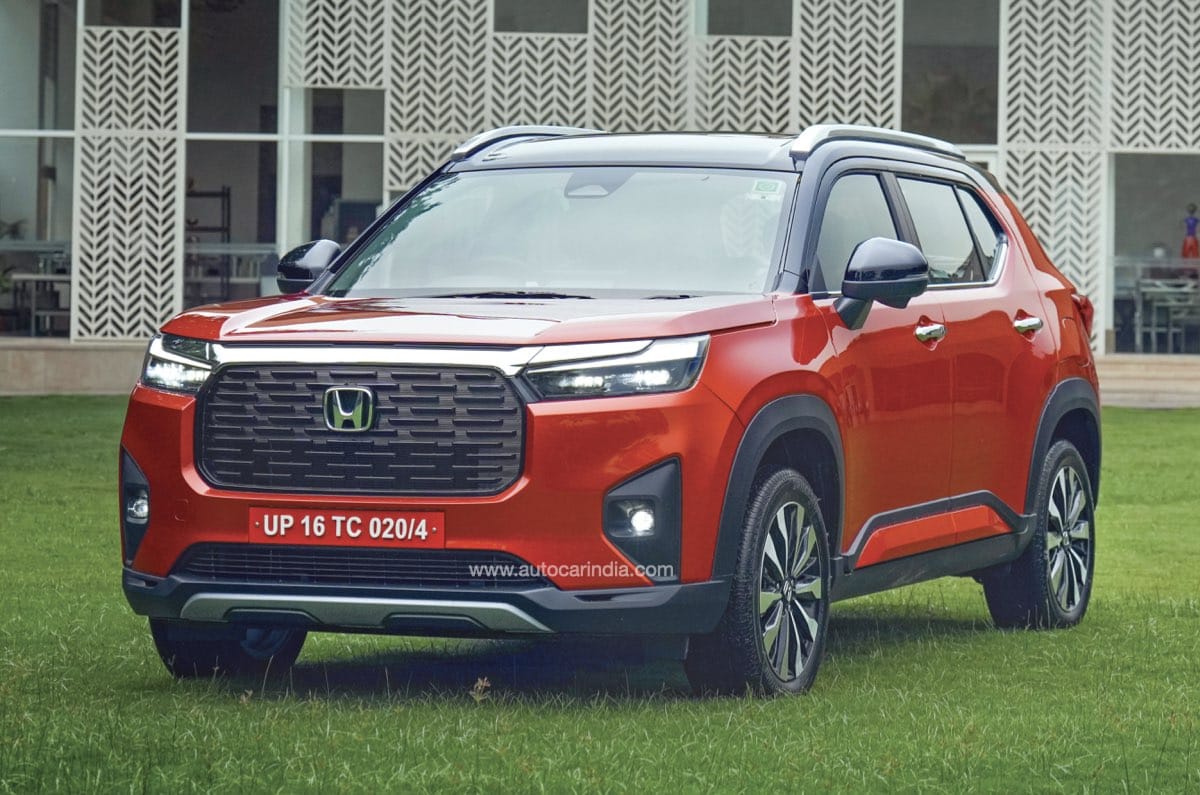
The Elevate is available with benefits of up to Rs 2.15 lakh, the most for any Honda car in July 2026. This includes a cash discount of up to Rs 40,000, an exchange benefit of up to Rs 30,000, corporate offers and loyalty benefits. A 7-year extended warranty is also available at a discounted price. Prices of the Honda Elevate range from Rs 11.60 lakh to Rs 16.16 lakh, and it rivals the Hyundai Creta, Kia Seltos, Tata Sierra, Maruti Victoris, Maruti Grand Vitara and Renault Duster.
Honda Amaze July 2026 offers
Benefits up to Rs 67,000
The Amaze’s newer third-generation model is available with the highest benefits of up to Rs 67,000, which include a cash discount of Rs 15,000 and an exchange benefit of up to Rs 15,000. Like the Elevate, the 3rd-gen Amaze is available with some loyalty benefits and a 7-year extended warranty at a discounted price. The second-generation model, in contrast, carries benefits of up to Rs 58,000.
The second-gen Amaze is priced from Rs 6.98 lakh to Rs 7.80 lakh, while the 3rd-gen model is priced from Rs 7.51 lakh to Rs 10 lakh. Both generations of the Amaze lock horns with the Maruti Dzire, Tata Tigor and Hyundai Aura.
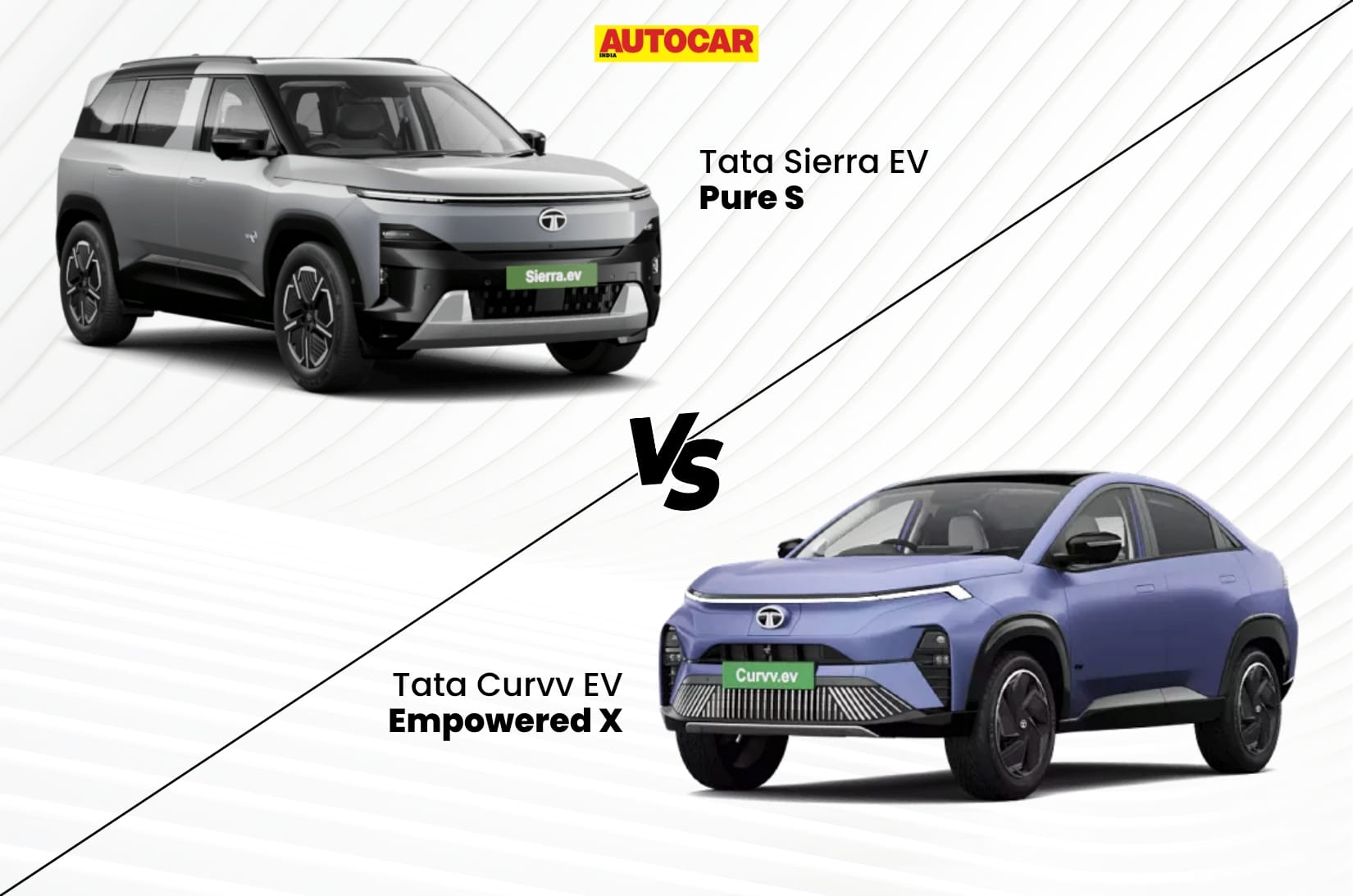
The Tata Sierra EV is the most recent all-electric offering in the manufacturer’s lineup, which is positioned between the Curvv EV and Harrier EV. The new Sierra EV is priced from Rs 18.79 lakh to Rs 25.99 lakh, while the Curvv EV’s prices range from Rs 16.99 lakh to Rs 19.19 lakh. So, if you have a budget of around Rs 20 lakh, should you go for the top-spec Curvv EV Empowered X or the similarly priced one-above-base Sierra EV Pure S variant? Let’s find out.
Tata Sierra EV Pure S vs Curvv EV Empowered X: Dimensions
Sierra EV has larger dimensions and offers additional boot space
Tata Sierra EV vs Curvv EV : Dimensions and other specifications
Sierra EV
Curvv EV
Difference
Length (mm)
4340
4310
+30
Width (mm)
1841
1810
+31
Height (mm)
1750
1637
+113
Wheelbase (mm)
2730
2560
+170
Ground clearance (mm)
205
186
+19
Boot space (litres)
622
500
+122
Frunk space (litres)
55
11.6
+43.4
Number of seats
5
5
–
Both Tata EVs are offered with 5 seats, but the Sierra EV is larger than the Curvv EV in all respects. While the differences in height and width won’t matter much in the real world, the Sierra EV’s 113mm-taller height and 170mm-longer wheelbase are expected to translate into better cabin space than the Curvv EV. The Sierra EV also offers 19mm higher ground clearance, a 122-litre larger boot, and 40+ litres of additional frunk space, making it more practical than the Curvv EV.
Tata Sierra EV Pure S vs Curvv EV Empowered X: Powertrain
Sierra EV Pure S packs a larger battery and a more potent electric motor
Tata Sierra EV Pure S vs Curvv EV Empowered X : Powertrain
Sierra EV Pure S
Curvv EV Empowered X
Battery pack
63kWh
55kWh
eMotor configuration*
RWD
FWD
Power
209hp
165hp
Torque
315Nm
215Nm
Claimed range
665km
502km
*RWD = Rear wheel drive, FWD = Front wheel drive
The Sierra EV’s Pure S variant has a slightly larger battery pack, enabling a whopping 163km higher claimed range compared to the Curvv EV’s Empowered X variant. Respective variants of both Tata EVs are offered with a single-motor setup, but with different layouts. Notably, the top-spec Sierra EV is also available with a dual-motor AWD system with a larger 75kWh battery, but at a much higher price point. The Curvv EV, however, is only offered in a FWD configuration with a 55kWh battery across its lineup.
Along with a larger battery, the Sierra EV 63kWh version is also offered with a more powerful motor, producing 44hp and 100Nm more than the Curvv EV.
Tata Sierra EV Pure S vs Curvv EV Empowered X: Exterior
Both EV variants offer similar exterior features
Tata Sierra EV Pure S vs Curvv EV Empowered X: Exterior
Sierra EV Pure S
Curvv EV Empowered X
Headlights
Auto projector LED
Auto projector LED
Tail-lights
Connected LED
Connected LED
DRLs
Connected LED
Connected LED
Front fog lamps
LED, cornering function
LED, cornering function
Flush door handles
Yes
Yes
Wheels
18-inch alloy
18-inch alloys
Powered ORVMs
Yes
Yes
Roof rails
Yes
No
Sharkfin antenna
Yes
Yes
Colour
Monotone
Monotone
Except for the missing roof rails on the Curvv EV, the exterior features on both the Tata Sierra EV Pure S and Curvv EV Empowered S are the same. Both EVs get all-LED lighting, flush-type door handles, 18-inch alloys and a shark-fin antenna.
Tata Sierra EV Pure S vs Curvv EV Empowered X: Interior, features
A powered driver’s seat and a powered tailgate are not offered with the Sierra EV Pure S
Tata Sierra EV Pure S vs Curvv EV Empowered X: Interior and features
Sierra EV Pure S
Curvv EV Empowered X
Driver’s display
10.25-inch
10.25-inch
Infotainment screen
12.3-inch
12.3-inch
Passenger display
No
No
Android Auto, Apple CarPlay
Yes, wireless
Yes, wireless
Audio system
8-speaker
9-speaker JBL*
On-board navigation
Yes
Yes
Sunroof
Panoramic
Panoramic
Powered tailgate
No
Yes, with gesture support
Climate control
Automatic
Automatic
Rear AC vents
Yes
Yes
Air purifier
PM2.5 filter only
Yes
Seat upholstery
Fabric
Leatherette
Steering wheel adjustment
Tilt, telescopic
Tilt
Wireless phone charger
Yes
Yes
Driver seat adjustment
Manual
6-way powered
Co-driver’s seat adjustment
Manual
Manual
Front seat features
–
Ventilation
Rear window sunshade
Yes
Yes
Vehicle-to-load (V2L)
Yes
Yes
Vehicle-to-vehicle (V2V)
Yes
Yes
*Curvv EV’s sound system includes JBL-sourced 8 speakers and a subwoofer
The top-spec Curvv EV Empowered X gets a few additional features over the lower-spec Sierra EV Pure S, including a powered driver’s seat with ventilation function, a powered tailgate, a subwoofer and leatherette seat upholstery. The Curvv EV also gets a full-blown air purifier, while the Sierra EV’s one-over-base Pure S trim offers only a PM2.5 air filter.
Other features like the 10.25-inch and 12.3-inch screens, a panoramic sunroof, a wireless phone charger, V2L and V2V charging support and auto climate control with rear vents are common to both EVs.
Tata Sierra EV Pure S vs Curvv EV Empowered X: Driving tech
The Curvv EV offers adaptive cruise control over the Sierra EV’s Pure S variant
Tata Sierra EV Pure S vs Curvv EV Empowered X: Driving technology
Sierra EV Pure S
Curvv EV Empowered X
Drive modes
Eco, City, Sport
Eco, City, Sport
Paddle shifters for regen
Yes
Yes
Cruise control
Yes
Adaptive
Both EV variants are offered with the same drive modes and paddle shifters to control the battery regeneration level. The difference, however, is that the top-spec Curvv EV gets adaptive cruise control, while the Sierra EV Pure S gets standard cruise control.
Tata Sierra EV Pure S vs Curvv EV Empowered X: Safety features
Curvv EV gets an ADAS suite and a 360-degree camera over Sierra EV Pure S
Tata Sierra EV Pure S vs Curvv EV Empowered X: Safety features
Sierra EV Pure S
Curvv EV Empowered X
Airbags
6
6
ADAS
No
Level 2
Camera setup
Rear
360-degree
Parking sensors
Front and rear
Front and rear
Electronic parking brake
Yes
Yes
All-wheel disc brakes
Yes
Yes
TPMS
Yes
Yes
IRVM
Manually-adjustable
Auto-dimming
Rear wiper, washer
Yes
No
Hill start assist
Yes
Yes
Hill descent control
Yes
Yes
ESC
Yes
Yes
Traction control
Yes
Yes
Safety features such as 6 airbags, front and rear parking sensors, a tyre pressure monitoring system (TPMS) and disc brakes on all wheels are common to both EVs. The top-spec Curvv EV Empowered X, however, goes a step further and offers a 360-degree camera, an auto-dimming inside rearview mirror, and a Level-2 advanced driver assistance system (ADAS).
Tata Sierra EV Pure S vs Curvv EV Empowered X: Price, verdict
Sierra EV Pure S offers more claimed range but misses out on some premium features
Sierra EV Pure S vs Curvv EV Empowered X: ex-showroom price
Model variant
Price
Tata Sierra EV Pure S 63kWh
Rs 19.99 lakh
Tata Curvv EV Empowered X 55kWh
Rs 19.19 lakh
The lower-spec Tata Sierra EV is Rs 80,000 pricier than the top-spec Curvv EV Empowered X. However, at the higher price, the Sierra EV Pure S offers a larger battery pack with a higher claimed range. The Tata Sierra EV is also larger, which translates to better cabin space. Although it misses out on premium features like a powered driver’s seat, a powered tailgate, Level-2 ADAS and a 360-degree camera, it offers a decent feature suite. All of this makes the Sierra EV Pure S a better offering compared to the Curvv EV Empowered X.
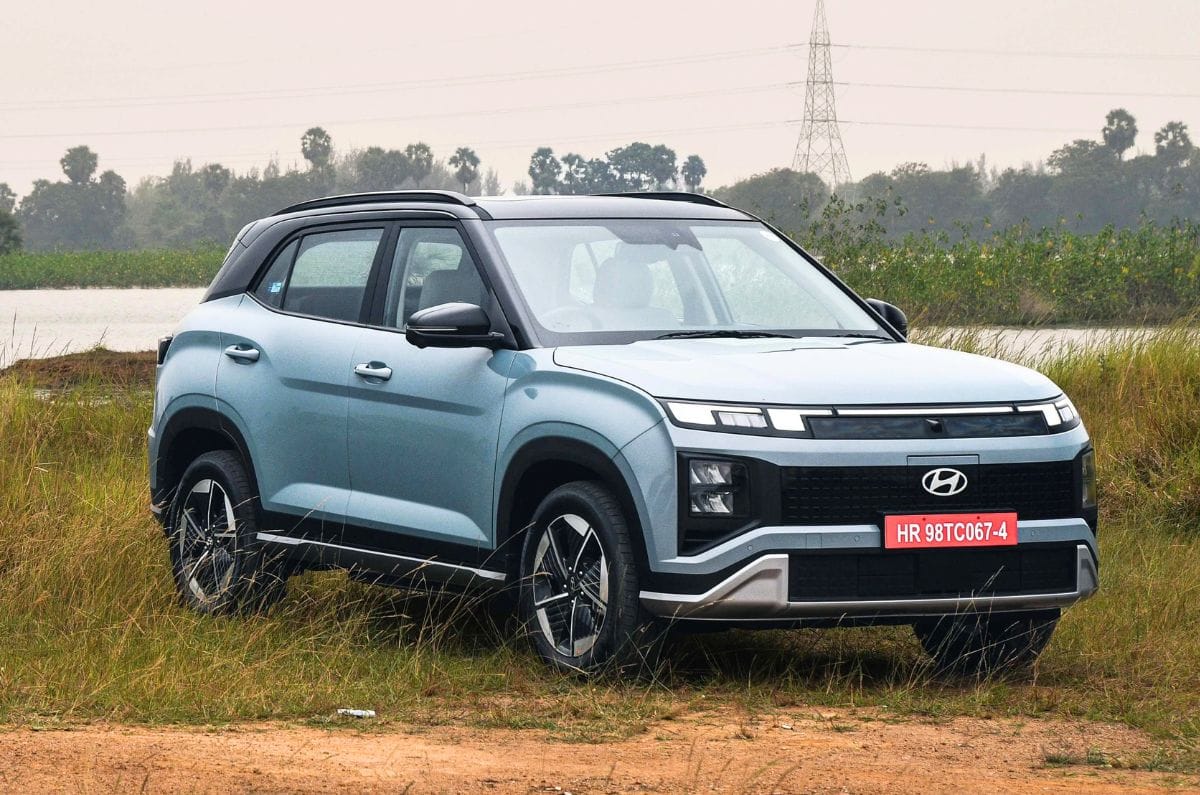
Hyundai has introduced Battery-as-a-Service (BaaS) on the Creta Electric in an effort to reduce the initial acquisition cost. With BaaS, prices for the Creta Electric start from Rs 10.99 lakh, and Hyundai is charging Rs 3.90 for per kilometre usage. The company, however, hasn’t provided a detailed variant-wise breakup of the BaaS prices yet.
Creta Electric also updated with a side step
Hyundai is now the 7th carmaker to offer BaaS with EVs
JSW MG Motor was the first to introduce BaaS with the Windsor EV in India in 2024, and since then, several other carmakers like Citroen, Kia, Maruti and Toyota have joined the bandwagon. Hyundai becomes the seventh carmaker to now offer BaaS with its EV. Mahindra and Vinfast, however, are among the only major EV players to not offer BaaS.
Hyundai Creta Electric: what’s new?
The Creta Electric range is priced from Rs 18.03 lakh – Rs 24.70 lakh (ex-showroom), which means BaaS effectively reduces the entry price by about Rs 7 lakh. Customers will have to pay additionally as per their usage, which is more like an EMI on the battery.
Alongside BaaS, Hyundai has also updated the Creta Electric with an integrated side step for easier ingress and egress. The carmaker is now also offering a 7.4kW AC wall box charger with the HC variants in the Creta Electric line-up; so long it was only available with an 11kW AC charger.
Hyundai Creta Electric battery and range
The Creta Electric is offered with two battery pack options: 42kWh and 51.4kWh. The former returns a claimed range of 420km while the latter has a claimed range of 510km. Powering the Creta Electric is a single motor on the front axle that drives the front wheels. In the Long-Range variant, this motor produces 171hp while the smaller battery gets a 135hp electric motor.
Tata Motors is offering cash discounts, exchange/ scrappage bonuses, loyalty benefits and intervention offers of up to Rs 1.2 lakh on its ICE cars in July, save for the Punch and current Tiago. This also means that for the first time, the Tata Sierra is on sale with an offer. These offers will provide some respite from the recent price hike to buyers. Keep reading to find out model-wise offers that you can avail on an MY26 Tata car this month.
Disclaimer: Offers/ benefits may vary by city and are subject to stock availability. Buyers are advised to check with their local dealer for exact figures.
Tata Curvv offers in July 2026
Benefits of up to Rs 1.2 lakh
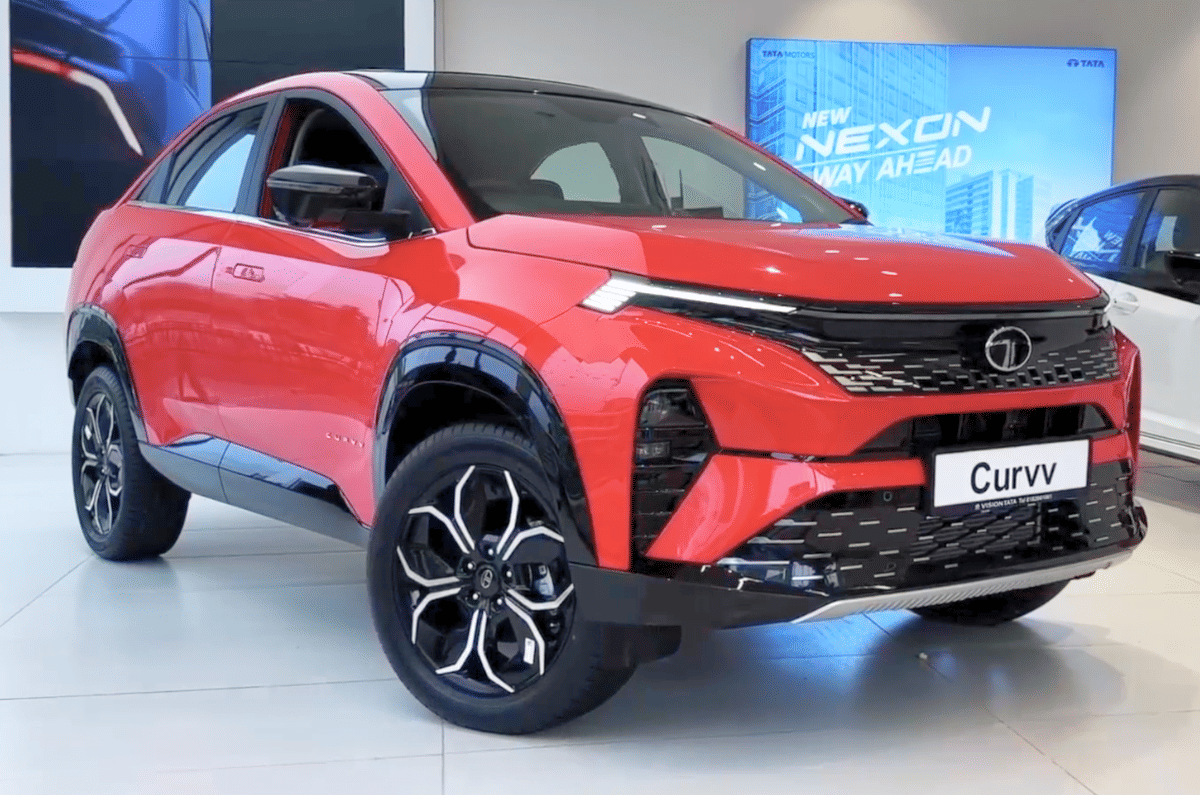
The Indian carmaker is offering benefits of up to Rs 1.2 lakh on the entire Curvv range. All Tata Curvv variants come with a cash discount of up to Rs 30,000, along with exchange and loyalty offers of Rs 40,000 and Rs 50,000, respectively. The coupe SUV is priced from Rs 9.76 lakh to Rs 18.96 lakh.
Tata Nexon offers in July 2026
Benefits of up to Rs 60,000
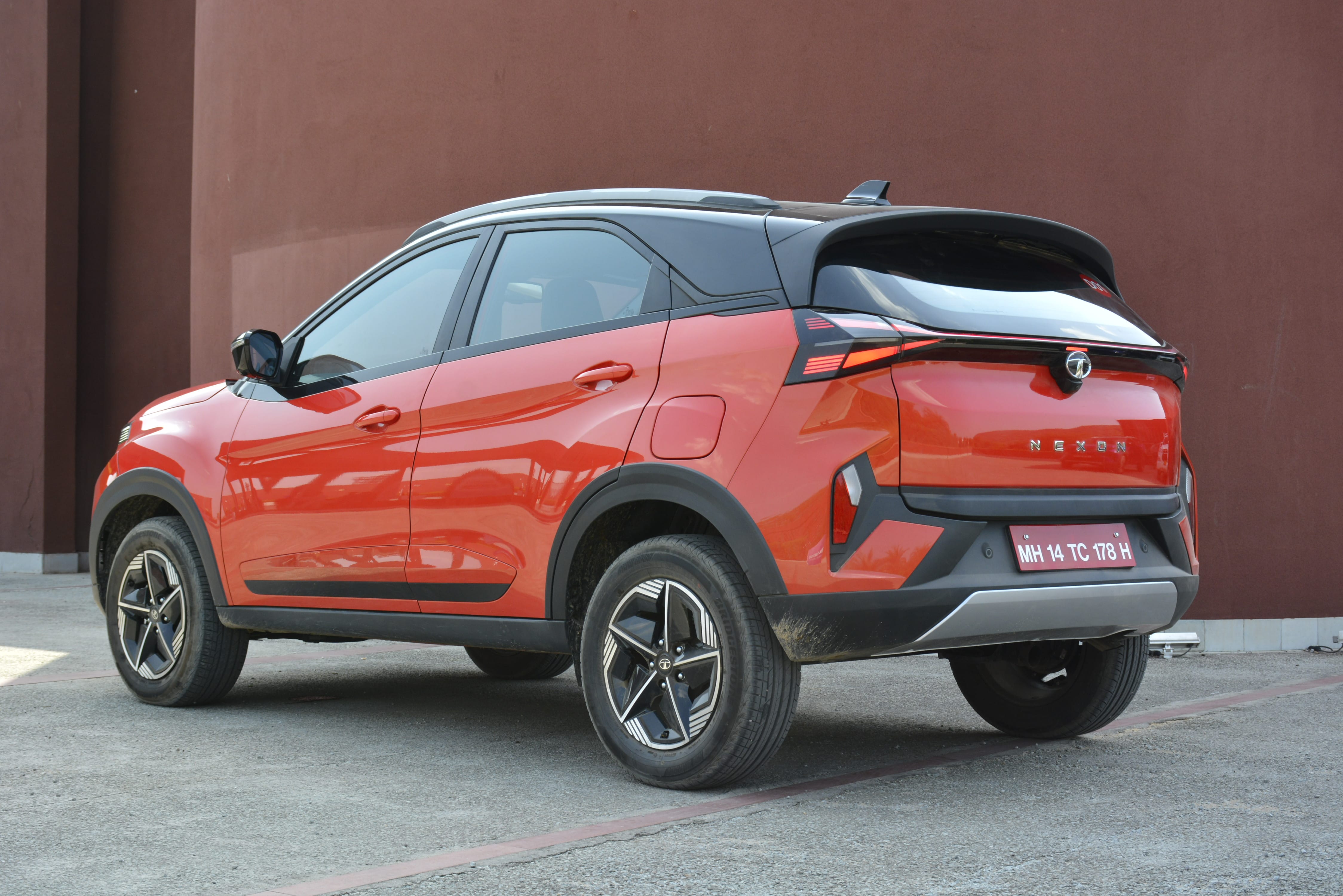
Offers of up to Rs 60,000 on the Nexon are available in July 2026, depending on the powertrain. The Tata Nexon petrol gets up to Rs 10,000 cash discount, Rs 20,000 scrappage bonus and Rs 25,000 intervention offer. The Nexon CNG comes with the same discount and intervention offer, but takes up the scrappage bonus to up to Rs 25,000. Meanwhile, the Nexon diesel is available with just a scrappage bonus of up to Rs 20,000. The Nexon starts at Rs 7.37 lakh and goes up to Rs 13.70 lakh.
Tata Altroz offers in July 2026
Benefits of up to Rs 55,000
The Tata Altroz premium hatchback gets offers of up to Rs 55,000 in July. The petrol variants get up to Rs 15,000 cash discount and Rs 20,000 scrappage bonus. The Altroz CNG comes with the same cash discount and scrappage bonus, along with an intervention offer of up to Rs 20,000. Meanwhile, the Altroz diesel is available with up to Rs 15,000 cash discount and a Rs 20,000 scrappage bonus. The Altroz has a price bracket of Rs 6.3 lakh to Rs 10.65 lakh.
Tata Harrier offers in July 2026
Benefits of up to Rs 45,000
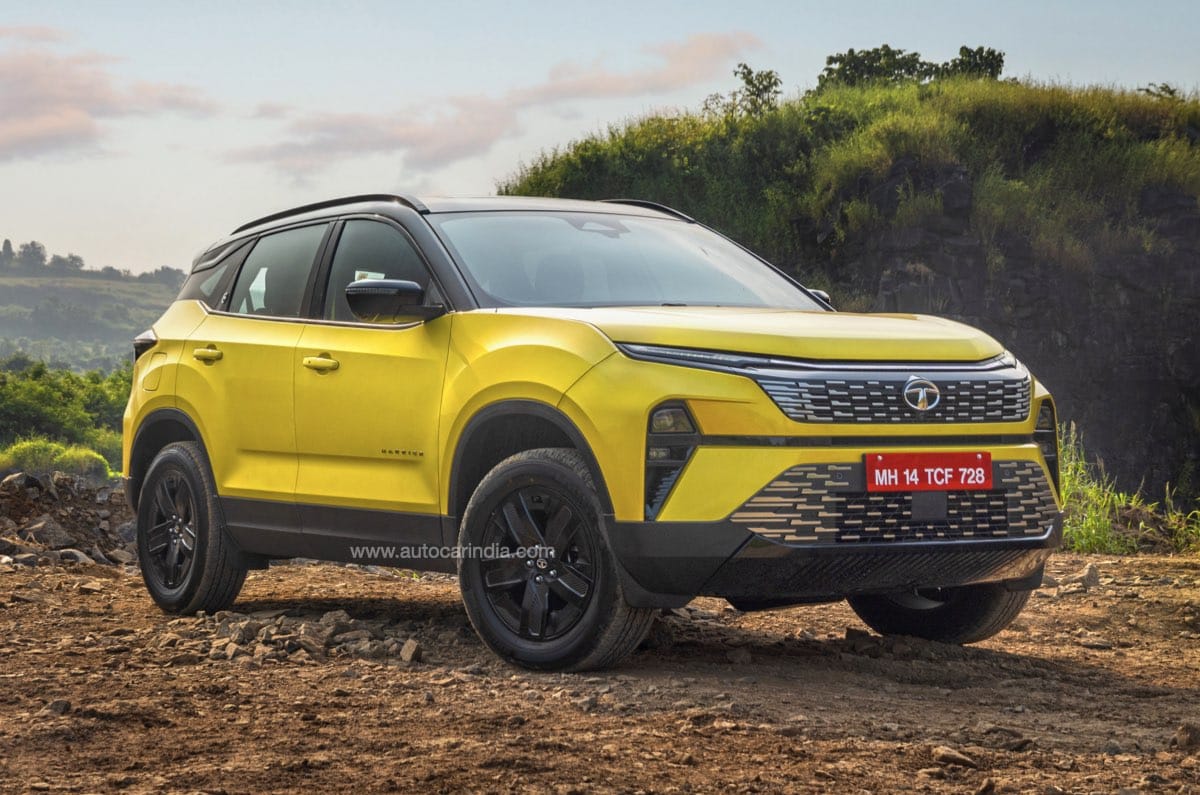
Unlike the models so far which have powertrain-wise benefits, the Tata Harrier offers them exclusively on its diesel variants. They get a discount of up to Rs 10,000 and Rs 35,000 scrappage benefit in this month. The Harrier is priced between Rs 13 lakh and Rs 24.25 lakh.
Tata Safari offers in July 2026
Benefits of up to Rs 45,000
Like the Harrier, the same cash discount and scrappage benefit apply to the Tata Safari diesel range. The Safari costs Rs 13.40 lakh at the base level and maxes out at Rs 25 lakh at the top end.
Pre-facelift Tata Tiago offers in July 2026
Benefits of up to Rs 35,000
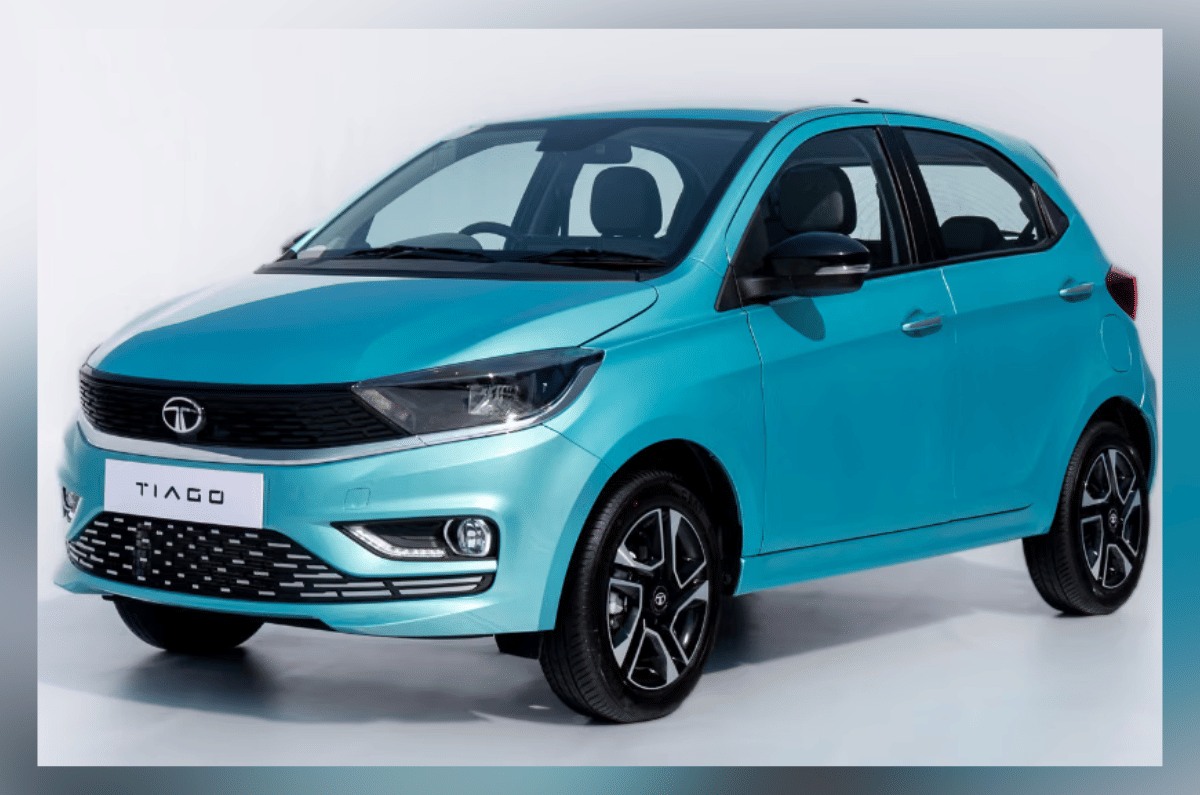
The remaining inventory of the pre-facelift Tata Tiago is on sale with offers of up to Rs 35,000. Excluding the XE variant, both the Tiago petrol and Tiago CNG get up to Rs 15,000 cash discount, Rs 15,000 scrappage bonus and Rs 5,000 intervention offer.
Tata Tigor offers in July 2026
Benefits of up to Rs 30,000
Next, the Tata Tigor sedan comes with offers of up to Rs 30,000, including a cash discount of Rs 15,000, as well as a scrappage benefit of Rs 15,000. The Tigor starts at Rs 5.55 lakh and tops out at Rs 8.84 lakh.
Tata Sierra offers in July 2026
Benefits of up to Rs 25,000
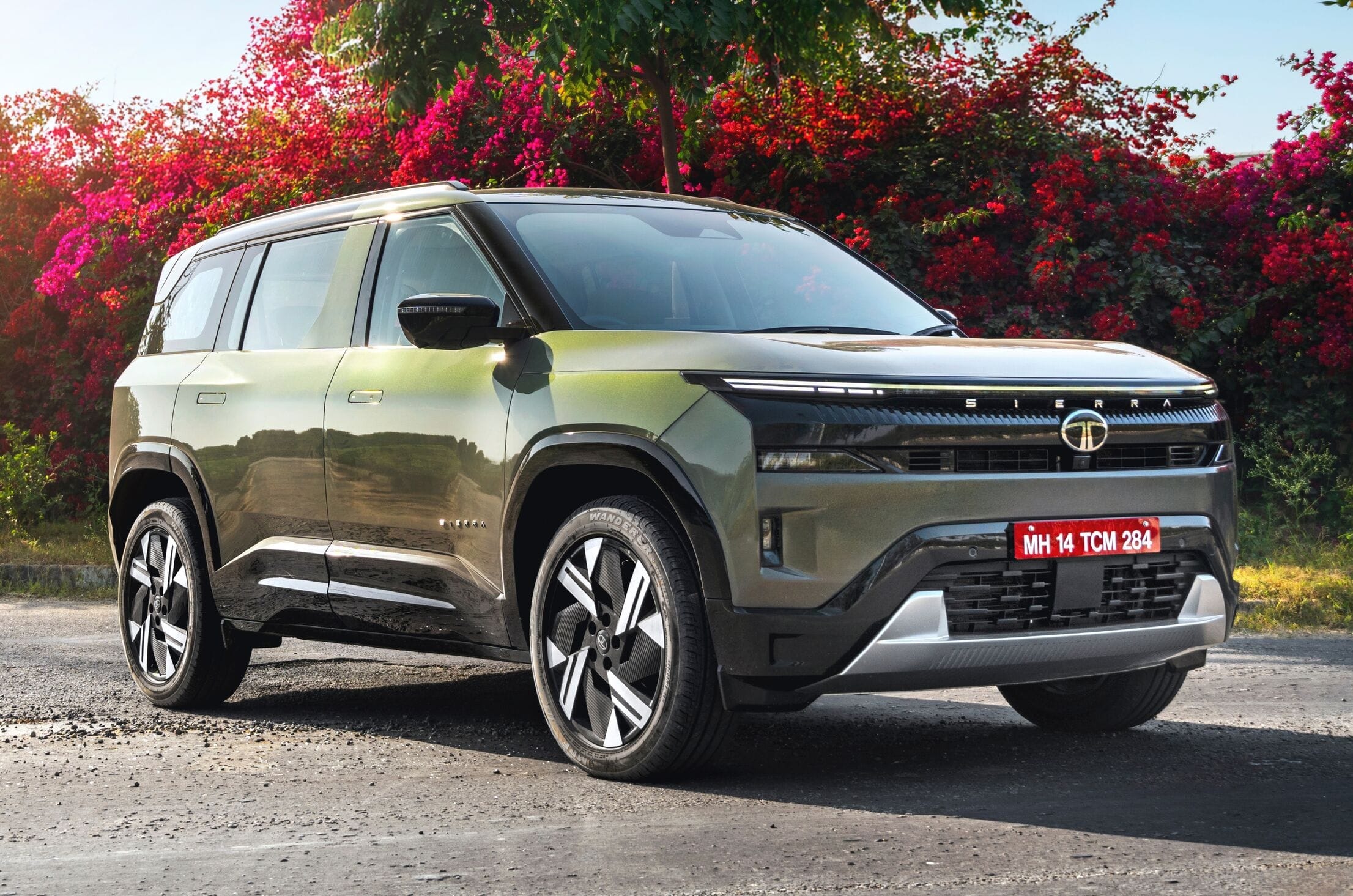
A loyalty bonus going up to Rs 25,000 is being offered with the Tata Sierra diesel variants. As mentioned before, this is the first time an offer is available with the Sierra SUV. The Sierra is priced from Rs 11.49 lakh to Rs 21.29 lakh.