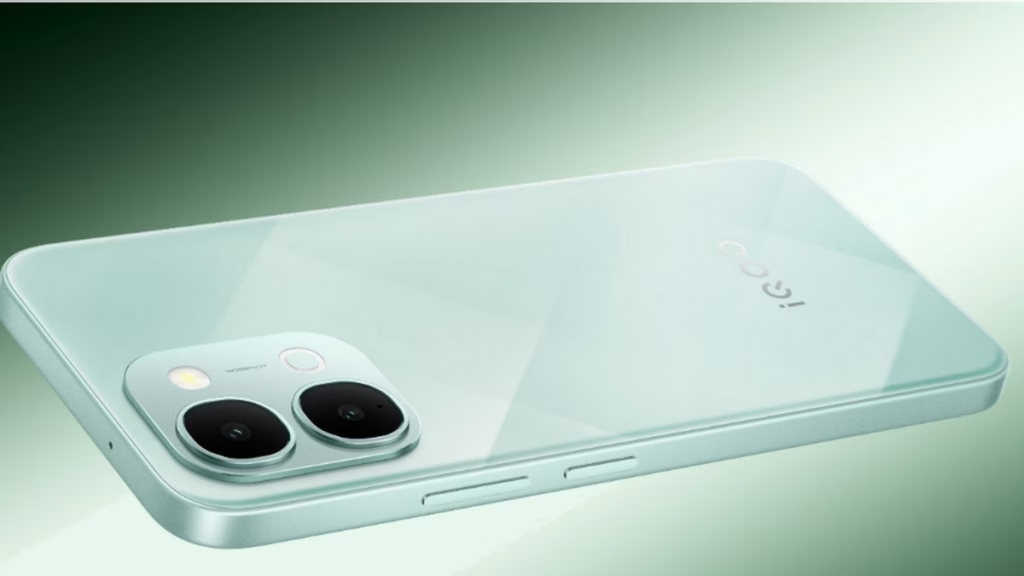
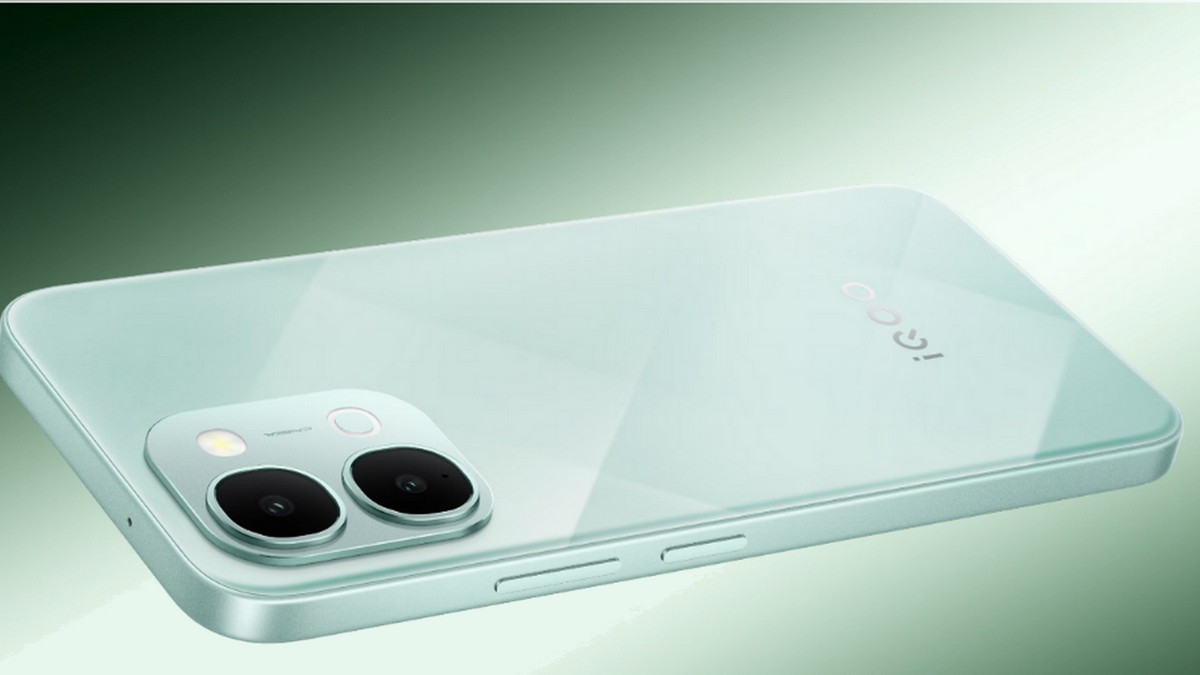
iQOO Z11x 5G : 7200mAh Battery वाला धांसू 5G फोन लॉन्च, 50MP कैमरा और 120Hz डिस्प्ले, कीमत जानकार हो जाएंगे हैरान

iQOO Z11x 5G : 7200mAh Battery वाला धांसू 5G फोन लॉन्च, 50MP कैमरा और 120Hz डिस्प्ले, कीमत जानकार हो जाएंगे हैरान

iQOO Z11x 5G

iQOO ने भारत में अपना नया 5G स्मार्टफोन iQOO Z11x 5G लॉन्च कर दिया है। कंपनी ने इस फोन को खास तौर पर लंबी बैटरी लाइफ, दमदार परफॉर्मेंस, गेमिंग, मजबूत बिल्ड और AI फीचर्स को ध्यान में रखकर पेश किया है। फोन की शुरुआती कीमत ₹28,999 है, जबकि लॉन्च ऑफर के तहत इसे प्रभावी तौर पर ₹27,499 में खरीदा जा सकता है।

ALSO READ: Satya Niketan building collapse : दिल्ली में 5 मंजिला इमारत भरभराकर गिरी, 7 मौतें, हाईकोर्ट ने पूछा- किसकी थी जिम्मेदारी?

फोन में 7200mAh की बड़ी बैटरी, MediaTek Dimensity 7400-Turbo प्रोसेसर, 8GB RAM, 120Hz FHD+ डिस्प्ले और 50MP Sony का मुख्य कैमरा दिया गया है। इसके अलावा फोन Android 16 आधारित OriginOS 6 पर चलता है और इसे IP68/IP69 रेटिंग मिली है।

ALSO READ: Electric Scooter : Simple Wave का Review, दमदार परफॉर्मेंस के साथ 243 KM तक रेंज, खूबियां और कीमत भी जानना जरूरी

iQOO Z11x 5G की कीमत और ऑफर

iQOO Z11x 5G का 8GB RAM + 128GB स्टोरेज मॉडल ₹28,999 में लॉन्च किया गया है। चुनिंदा लॉन्च ऑफर्स के तहत ग्राहक इसे ₹27,499 की प्रभावी कीमत पर खरीद सकते हैं। ICICI Bank और HDFC Bank के चुनिंदा क्रेडिट कार्ड से भुगतान करने पर ₹1,500 तक का इंस्टेंट डिस्काउंट मिलेगा। इसके साथ ही 6 महीने तक नो-कॉस्ट EMI का विकल्प भी दिया जा रहा है। फोन की बिक्री 14 सितंबर दोपहर 12 बजे से शुरू होगी। इसे Amazon India, iQOO के ऑनलाइन स्टोर, चुनिंदा Vivo एक्सक्लूसिव स्टोर्स और अन्य रिटेल आउटलेट्स से खरीदा जा सकेगा। फोन को Titan Black और Prismatic Green कलर में पेश किया गया है।

इन स्मार्टफोन्स से होगी टक्कर


भारत के ₹25,000 से ₹30,000 वाले सेगमेंट में iQOO Z11x 5G को कई मजबूत विकल्पों से मुकाबला करना होगा। इनमें Motorola Edge 70 Fusion, vivo V60e, OnePlus Nord CE 6 Lite 5G, Tecno Pova Curve 2 और Redmi Note 17 5G जैसे मॉडल शामिल हैं। कुछ प्रतिद्वंद्वी फोन में AMOLED डिस्प्ले, ज्यादा तेज चार्जिंग या बड़ी बैटरी मिलती है। वहीं iQOO Z11x का फोकस परफॉर्मेंस, बैटरी, गेमिंग, ड्यूरेबिलिटी और AI फीचर्स के संतुलन पर है।

Dimensity 7400-Turbo प्रोसेसर और 8GB RAM


iQOO Z11x 5G में MediaTek Dimensity 7400-Turbo प्रोसेसर दिया गया है, जिसे 4nm प्रोसेस पर तैयार किया गया है। इसमें चार Cortex-A78 परफॉर्मेंस कोर और चार Cortex-A55 एफिशिएंसी कोर हैं। कंपनी के मुताबिक, फोन ने AnTuTu बेंचमार्क पर 8.90 लाख से ज्यादा स्कोर हासिल किया है। ऐसे में रोजमर्रा के भारी काम, मल्टीटास्किंग और मोबाइल गेमिंग के लिए फोन को दमदार विकल्प माना जा सकता है। फोन में 8GB LPDDR4X RAM और 128GB UFS 2.2 स्टोरेज है। Extended RAM फीचर के जरिए अतिरिक्त 8GB तक वर्चुअल RAM का इस्तेमाल किया जा सकता है।


गेमिंग के लिए खास फीचर्स


गेमिंग के दौरान बेहतर अनुभव के लिए फोन में Dual 10x Super Touch Control, Monster Mode, Gaming HyperSense Audio, Game Timer, गेम वाइब्रेशन, इन-गेम नोटिफिकेशन ओवरले और Game Voice Changer जैसे फीचर्स दिए गए हैं। इसके अलावा AI SuperLink बेहतर नेटवर्क कनेक्टिविटी के लिए काम करता है। फोन में Bluetooth 5.4 और डुअल स्टीरियो स्पीकर भी हैं, जो कंपनी के मुताबिक 400 प्रतिशत तक वॉल्यूम सपोर्ट करते हैं।


7200mAh बैटरी बनी सबसे बड़ी खासियत


iQOO Z11x 5G की सबसे बड़ी खासियत इसकी 7200mAh बैटरी है। कंपनी का दावा है कि निर्धारित टेस्टिंग परिस्थितियों में यह बैटरी:


  • 40 घंटे तक वीडियो प्लेबैक
  • 15.4 घंटे तक गेमिंग
  • 10.7 घंटे तक लगातार लाइव स्ट्रीमिंग
  • 51 घंटे तक 4G वॉयस कॉल
  • 13.9 दिन तक स्टैंडबाय


का बैकअप दे सकती है।


फोन में 44W FlashCharge सपोर्ट दिया गया है। कंपनी के अनुसार सिर्फ 10 मिनट चार्ज करने पर करीब 6 घंटे तक का टॉकटाइम मिल सकता है। बैटरी को 1 से 50 प्रतिशत तक चार्ज होने में करीब 43 मिनट और 1 से 100 प्रतिशत तक चार्ज होने में लगभग 91 मिनट लगते हैं।


Bypass Charging से गेमिंग के दौरान गर्मी कम करने की कोशिश


फोन में Bypass Charging फीचर भी है। भारी इस्तेमाल के दौरान यह बैटरी को लगातार चार्ज करने के बजाय सीधे फोन को पावर देने में मदद करता है, जिससे गेमिंग जैसे कामों के दौरान गर्मी को नियंत्रित करने में मदद मिल सकती है। Overnight Charging Protection फीचर रात में चार्जिंग को 80 प्रतिशत पर रोक सकता है और यूजर के जागने के समय के अनुसार दोबारा चार्जिंग शुरू कर सकता है।


6.76 इंच का 120Hz डिस्प्ले


iQOO Z11x 5G में 6.76 इंच का FHD+ LCD डिस्प्ले दिया गया है। इसका रेजोल्यूशन 2344×1080 पिक्सल और रिफ्रेश रेट 120Hz तक है। 120Hz रिफ्रेश रेट की वजह से स्क्रॉलिंग, एनिमेशन, सोशल मीडिया और गेमिंग का अनुभव ज्यादा स्मूद रहने की उम्मीद है। आउटडोर विजिबिलिटी के लिए इसमें 1200 निट्स तक High Brightness Mode दिया गया है।

लंबे समय तक फोन इस्तेमाल करने वाले यूजर्स के लिए TÜV Rheinland Low Blue Light सर्टिफिकेशन और Eye Comfort सिस्टम भी दिया गया है। Sleep Comfort Mode सोने से पहले स्क्रीन के कलर टेम्परेचर को धीरे-धीरे बदलता है। वहीं Anti-Motion Sickness Mode यात्रा के दौरान फोन देखने से होने वाली परेशानी को कम करने के लिए विजुअल संकेतों का इस्तेमाल करता है।


50MP Sony कैमरा और 32MP सेल्फी कैमरा


फोटोग्राफी के लिए फोन में 50MP Sony IMX852 AI मेन कैमरा दिया गया है। इसके साथ 2MP बोकेह सेंसर मिलता है। सेल्फी और वीडियो कॉल के लिए फोन में 32MP फ्रंट कैमरा है। फोन की खास बात यह है कि फ्रंट और रियर दोनों कैमरों से 4K वीडियो रिकॉर्डिंग 30fps पर की जा सकती है। Video Electronic Image Stabilisation वीडियो को ज्यादा स्थिर बनाने में मदद करता है।


कैमरा सॉफ्टवेयर में Dual-View Video, रिकॉर्डिंग के दौरान फ्रंट और रियर कैमरा स्विच करने की सुविधा, 4K वीडियो को Live Photo में बदलने और वीडियो फ्रेम क्रॉप करने जैसे विकल्प हैं। AI फीचर्स में AI Erase, AI UHD, Ultra HD Document और Smart Editing शामिल हैं। फोन Live Photo और Underwater Photography को भी सपोर्ट करता है।


IP68 और IP69 रेटिंग से मजबूत हुई सुरक्षा


iQOO Z11x 5G में IP68 और IP69 डस्ट वॉटर रेजिस्टेंस दिया गया है। कंपनी के मुताबिक फोन को मिलिट्री-ग्रेड ड्यूरेबिलिटी भी दी गई है। फोन गीले और तैलीय हाथों से टच इनपुट को भी सपोर्ट करता है। पानी और धूल के संपर्क में आने के बाद One-Tap Water and Dust Ejection फीचर अतिरिक्त सुरक्षा में मदद करता है।


Android 16 और AI फीचर्स


iQOO Z11x 5G Android 16 आधारित OriginOS 6 पर चलता है। कंपनी फोन के लिए 2 साल तक ऑपरेटिंग सिस्टम अपग्रेड और 4 साल तक सिक्योरिटी अपडेट देने का वादा कर रही है। फोन में कई AI आधारित फीचर्स दिए गए हैं। Circle to Search की मदद से स्क्रीन पर किसी वस्तु या टेक्स्ट को सर्कल करके उसके बारे में जानकारी खोजी जा सकती है। AI Captions रियल टाइम ट्रांसक्रिप्शन और ट्रांसलेशन में मदद करता है। AI Creation टेक्स्ट को बेहतर बनाने, जानकारी का सारांश तैयार करने, अनुवाद और आइडिया ब्रेनस्टॉर्मिंग में मदद करता है।


छात्रों के लिए खास AI फीचर


स्टूडेंट्स के लिए AI Transcript Assist उपयोगी हो सकता है। यह रिकॉर्ड किए गए ऑडियो को टेक्स्ट में बदल सकता है और लंबे ट्रांसक्रिप्ट को छोटे नोट्स में बदलने में मदद करता है। इसके अलावा Screen Translation, Free Transfer, Private Space, Origin Island, Drag & Go और Copy & Go जैसे फीचर्स भी मिलते हैं।


₹30,000 से कम कीमत में कितना मजबूत है iQOO Z11x 5G?


₹28,999 की कीमत पर iQOO ने सिर्फ एक फीचर के बजाय कई खूबियों का कॉम्बिनेशन देने की कोशिश की है। इसमें 7200mAh बैटरी, Dimensity 7400-Turbo, 120Hz डिस्प्ले, 50MP Sony कैमरा, 32MP सेल्फी कैमरा, 4K वीडियो रिकॉर्डिंग और IP68/IP69 रेटिंग मिलती है।

हालांकि, इसकी 44W चार्जिंग स्पीड कुछ प्रतिस्पर्धी फोन से कम है। इतनी बड़ी बैटरी को फुल चार्ज होने में कंपनी के अनुसार करीब 91 मिनट लगते हैं। इसके अलावा फोन में LPDDR4X RAM और UFS 2.2 स्टोरेज का इस्तेमाल किया गया है। एक और कमी यह है कि इस कीमत के आसपास कुछ प्रतिस्पर्धी स्मार्टफोन AMOLED डिस्प्ले देते हैं, जबकि iQOO Z11x में LCD पैनल है।


भारत में बनेगा iQOO Z11x 5G

iQOO Z11x 5G का निर्माण भारत में vivo की ग्रेटर नोएडा फैसिलिटी में किया जाएगा। कंपनी के मुताबिक iQOO ग्राहकों को देशभर में 700 से ज्यादा कंपनी-ओन्ड सर्विस सेंटर की सुविधा भी मिलेगी।


किसके लिए बेहतर विकल्प?

अगर आपकी प्राथमिकता लंबी बैटरी लाइफ, गेमिंग, दमदार प्रोसेसर, मजबूत बॉडी और AI फीचर्स हैं, तो iQOO Z11x 5G ₹30,000 से कम कीमत वाले सेगमेंट में एक दिलचस्प विकल्प हो सकता है। वहीं अगर आपकी पहली प्राथमिकता AMOLED डिस्प्ले या बेहद तेज चार्जिंग है, तो खरीदने से पहले दूसरे विकल्पों की तुलना करना बेहतर रहेगा।


Satya Niketan building collapse : दिल्ली में 5 मंजिला इमारत भरभराकर गिरी, 7 मौतें, हाईकोर्ट ने पूछा- किसकी थी जिम्मेदारी?

Satya Niketan building collapse : दिल्ली में 5 मंजिला इमारत भरभराकर गिरी, 7 मौतें, हाईकोर्ट ने पूछा- किसकी थी जिम्मेदारी?

delhi building collapse

दिल्ली के सत्य निकेतन में इमारत गिरने की घटना को दिल्ली हाईकोर्ट ने सोमवार को बेहद दुर्भाग्यपूर्ण बताया। इस हादसे में 7 लोगों की मौत हुई थी, जबकि कई अन्य लोग घायल हुए हैं। पुलिस ने बताया कि हादसे में सात लोगों की मौत हुई है। कोर्ट ने कहा कि इस हादसे की जिम्मेदारी केवल इमारत मालिकों तक सीमित नहीं हो सकती, बल्कि दिल्ली नगर निगम (MCD) और दिल्ली विश्वविद्यालय (DU) की भूमिका पर भी सवाल उठते हैं।

ALSO READ: Electric Scooter : Simple Wave का Review, दमदार परफॉर्मेंस के साथ 243 KM तक रेंज, खूबियां और कीमत भी जानना जरूरी

सत्य निकेतन बिल्डिंग हादसे ने राजधानी में इमारतों की सुरक्षा, अवैध या असुरक्षित निर्माण और छात्रों के लिए सुरक्षित आवास की व्यवस्था को लेकर एक बार फिर गंभीर सवाल खड़े कर दिए हैं। मुख्य न्यायाधीश देवेंद्र कुमार उपाध्याय और न्यायमूर्ति तेजस करिया की पीठ ने मामले की सुनवाई करते हुए अधिकारियों को राहत और बचाव अभियान तेज करने का निर्देश दिया।

कोर्ट ने कहा कि मलबे में अभी भी कोई व्यक्ति फंसा हो सकता है, इसलिए संभावित लोगों को बचाने के लिए हरसंभव प्रयास किए जाने चाहिए। हाईकोर्ट ने कहा कि इस त्रासदी की जिम्मेदारी सिर्फ उस इमारत के मालिकों की नहीं है जो ढह गई। अदालत ने MCD और DU की जिम्मेदारी पर भी सवाल उठाया।  कोर्ट के मुताबिक, दिल्ली विश्वविद्यालय में पढ़ने वाले दूसरे शहरों से आने वाले कई छात्र निजी पेइंग गेस्ट (PG) सुविधाओं पर निर्भर रहते हैं।

ALSO READ: LPG Cylinder Booking Rule Changed : अब गांव-शहर में 25 दिन बाद बुक होगा घरेलू गैस सिलेंडर, सरकार ने दी बड़ी राहत

अदालत ने कहा कि ऐसे छात्रों के लिए पर्याप्त आवास उपलब्ध कराने में व्यवस्था की ओर से कमी रही है।

 दिल्ली हाईकोर्ट ने अधिकारियों को निर्देश दिया कि बचाव अभियान में तेजी लाई जाए और मलबे के नीचे किसी व्यक्ति के फंसे होने की आशंका को देखते हुए पूरी गंभीरता से अभियान चलाया जाए। अदालत की टिप्पणी के बाद अब मामले में सिर्फ बिल्डिंग मालिकों की जिम्मेदारी ही नहीं, बल्कि MCD की निगरानी व्यवस्था और DU की छात्र आवास व्यवस्था भी जांच के दायरे में आ गई है।


एनडीआरएफ ने कहा- बचाव अभियान अभी भी जारी 

एनडीआरएफ  ने सोमवार को बताया कि दक्षिणी दिल्ली के सत्य निकेतन में एक दिन पहले इमारत ढहने की घटना के बाद बचाव एजेंसियों ने अब तक मलबे से 12 लोगों को बाहर निकाला है, जबकि मलबे के नीचे फंसे लोगों की सटीक संख्या का अभी पता नहीं चल पाया है। यह बचाव अभियान सोमवार को भी दिनभर जारी रहने की उम्मीद है।

ALSO READ: ChatGPT Users के लिए बड़ी खबर, Plus सब्सक्राइबर्स के लिए GPT-6 Astra का रोलआउट शुरू, जानिए कैसे मिलेगा एक्सेस

एनडीआरएफ के महानिरीक्षक (आईजी) नरेंद्र बुंदेला ने कहा कि केंद्रीय आपदा मोचन बल के पास मलबे के नीचे फंसे लोगों की संख्या को लेकर 'कोई निश्चित आंकड़ा' नहीं है। उन्होंने बताया कि एनडीआरएफ घटनास्थल पर लोगों के जिंदा होने के संकेतों की तलाश के लिए कटर, हाइड्रोलिक जैक और प्रशिक्षित श्वान दलों का इस्तेमाल कर रहा है। रविवार से ही एनडीआरएफ की दो तकनीकी टीम घटनास्थल पर तैनात हैं।

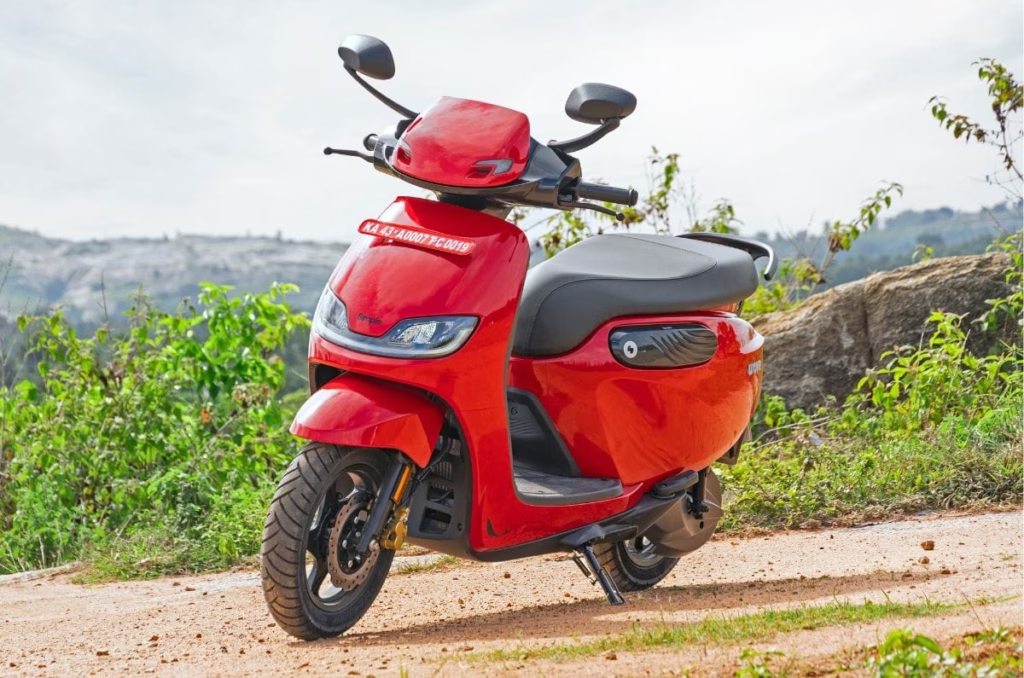
Electric Scooter : Simple Wave का Review, दमदार परफॉर्मेंस के साथ 243 KM तक रेंज, खूबियां और कीमत भी जानना जरूरी

Electric Scooter : Simple Wave का Review, दमदार परफॉर्मेंस के साथ 243 KM तक रेंज, खूबियां और कीमत भी जानना जरूरी

simple wave electic scooter

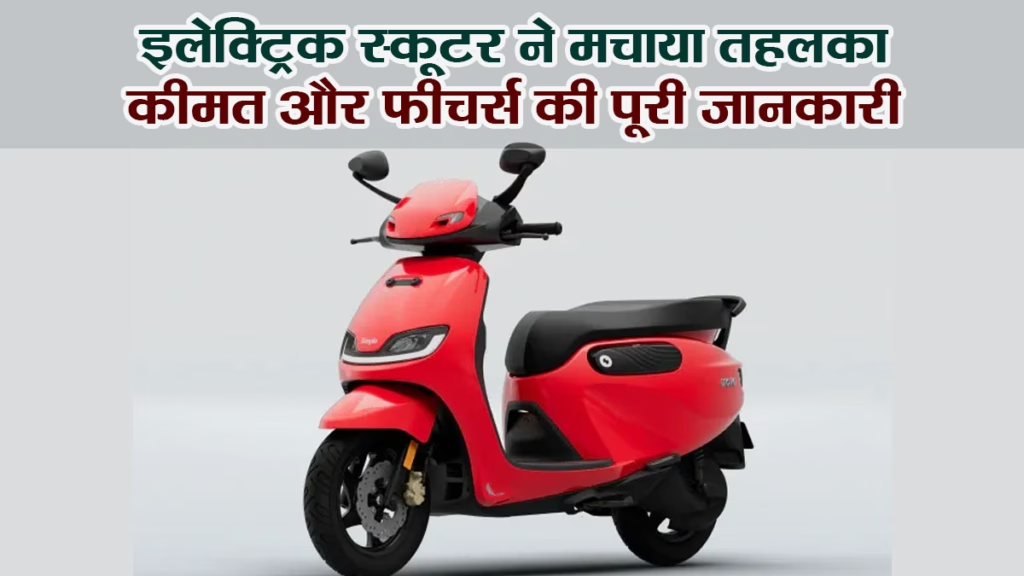
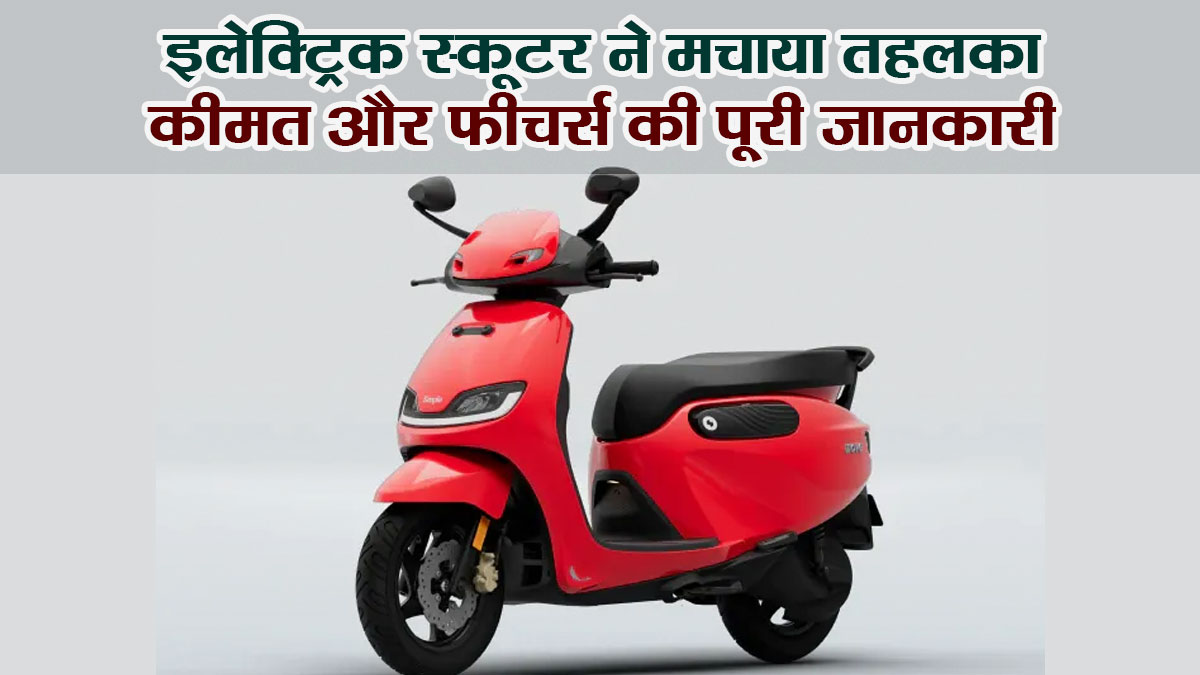
Simple Energy ने भारतीय इलेक्ट्रिक स्कूटर बाजार में अपने नए Simple Wave के साथ प्रैक्टिकल और फैमिली-फ्रेंडली खरीदारों को टारगेट किया है। कंपनी का यह नया इलेक्ट्रिक स्कूटर कई बैटरी विकल्पों, अच्छे स्टोरेज स्पेस और आधुनिक फीचर्स के साथ आता है। टॉप वेरिएंट में कंपनी 243 किलोमीटर तक की IDC-claimed रेंज का दावा करती है। Simple Wave में 8.6 BHP की इलेक्ट्रिक मोटर दी गई है, जो स्कूटर को अच्छा प्रदर्शन देती है। इसमें अलग-अलग राइडिंग मोड भी मिलते हैं, जिससे राइडर अपनी जरूरत के अनुसार राइडिंग एक्सपीरियंस को बदल सकता है।

ALSO READ: Electric Scooter : महंगे पेट्रोल से मिलेगा छुटकारा, बाजार में आया सस्ता इलेक्ट्रिक स्कूटर, 3kWh बैटरी और USB पोर्ट

Simple Energy ने अपना पहला इलेक्ट्रिक स्कूटर One साल 2021 में लॉन्च किया था, जबकि इसकी डिलीवरी अगले साल शुरू हुई। कंपनी ने इस साल One का Gen 2 वर्जन भी पेश किया। फिलहाल Simple Energy की मैन्युफैक्चरिंग क्षमता करीब 3,000 यूनिट प्रति माह है और कंपनी 63 शहरों में लगभग 1,500 इलेक्ट्रिक स्कूटर बेच रही है। कंपनी के मुताबिक सप्लाई चेन से जुड़ी समस्याओं के कारण वह अपनी पूरी उत्पादन क्षमता का इस्तेमाल नहीं कर पा रही है।

ALSO READ: ChatGPT Users के लिए बड़ी खबर, Plus सब्सक्राइबर्स के लिए GPT-6 Astra का रोलआउट शुरू, जानिए कैसे मिलेगा एक्सेस

Simple Wave में प्रैक्टिकल डिजाइन पर जोर

भारतीय बाजार में स्कूटर लंबे समय से रोजमर्रा के आवागमन का एक प्रैक्टिकल साधन रहे हैं। यही वजह है कि नए दौर के इलेक्ट्रिक स्कूटरों में भी केवल परफॉर्मेंस के बजाय प्रैक्टिकलिटी काफी महत्वपूर्ण हो गई है। Simple Wave को इसी सोच के साथ तैयार किया गया है। इसमें Simple One के अंडरपिनिंग्स और पावरट्रेन का इस्तेमाल किया गया है, लेकिन इसका डिजाइन परिवार और रोजमर्रा के इस्तेमाल को ध्यान में रखकर किया गया है। इसमें बड़ा सीट, पर्याप्त स्टोरेज और अपेक्षाकृत साफ-सुथरा डिजाइन मिलता है।


Simple Wave की खासियतें

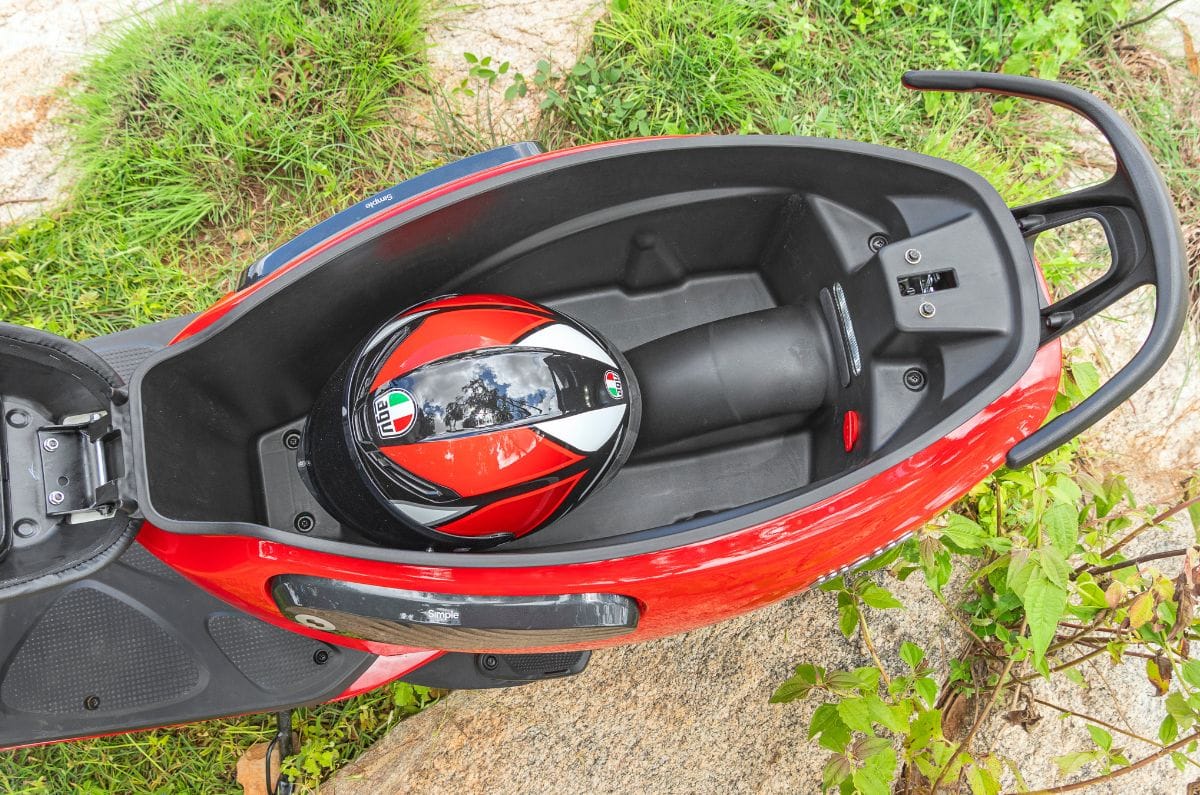
Simple Wave की सबसे बड़ी खूबियों में इसकी प्रैक्टिकलिटी शामिल है। इसमें बड़ा सीटिंग एरिया और काफी स्टोरेज स्पेस दिया गया है। स्कूटर में 63 लीटर का बड़ा बूट स्पेस मिलता है, जो रोजमर्रा के इस्तेमाल और परिवार के लिए काफी उपयोगी हो सकता है।


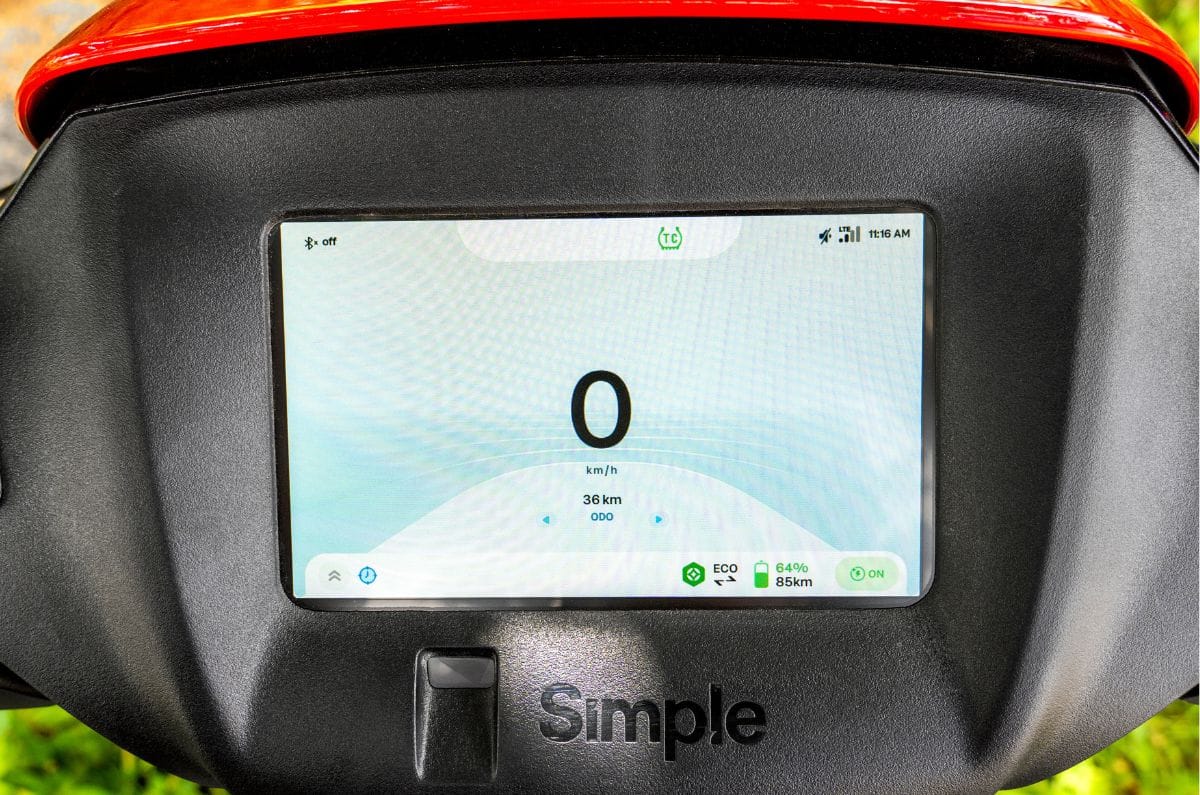
खराब सड़कों पर इसका सस्पेंशन अच्छा काम करता है। वहीं हाई स्पीड पर भी इसकी स्थिरता प्रभावशाली बताई गई है। कम स्पीड पर स्कूटर को संभालना और ट्रैफिक में इसे मोड़ना भी आसान महसूस होता है। फीचर्स की बात करें तो Simple Wave में 7-इंच TFT डिस्प्ले, ट्रैक्शन कंट्रोल, हिल होल्ड और टर्न-बाय-टर्न नेविगेशन जैसे फीचर्स दिए गए हैं। इसके अलावा जियो-फेंसिंग, टाइम-फेंसिंग, लोकेशन शेयरिंग और फोन पेयरिंग के जरिए कॉल व म्यूजिक कंट्रोल करने की सुविधा भी मिलती है।

Simple Wave की कमियां


हालांकि फीचर्स और प्रैक्टिकलिटी के मामले में Simple Wave प्रभावित करता है, लेकिन इसकी कीमत कुछ खरीदारों को ज्यादा लग सकती है। खासकर 5 kWh बैटरी वाले टॉप वेरिएंट की कीमत 1.89 लाख रुपये (एक्स-शोरूम) है। स्कूटर का डिजाइन काफी पारंपरिक है, हालांकि इसमें कुछ अलग तरह के डिजाइन एलिमेंट भी देखने को मिलते हैं। इतनी कीमत को देखते हुए फिट और फिनिश का स्तर और बेहतर हो सकता था।

ALSO READ: ChatGPT Users के लिए बड़ी खबर, Plus सब्सक्राइबर्स के लिए GPT-6 Astra का रोलआउट शुरू, जानिए कैसे मिलेगा एक्सेस

सीट सॉफ्ट है, लेकिन लंबी दूरी की राइड में यह उतनी सपोर्टिव महसूस नहीं होती। वहीं कम सीट हाइट के कारण लंबे कद के राइडर्स को घुटने ज्यादा ऊपर रखने वाली पोजिशन में बैठना पड़ सकता है। स्कूटर में रीजनरेटिव ब्रेकिंग के अलग-अलग लेवल को एडजस्ट करने का विकल्प भी नहीं है और स्टैंडर्ड कैलिब्रेशन बहुत मजबूत महसूस नहीं होता। इसके अलावा Simple Energy का सेल्स और सर्विस नेटवर्क अभी भी कई बड़े प्रतिद्वंद्वियों की तुलना में सीमित है।


Simple Wave बैटरी और रेंज

Simple Wave में Mid-mounted Permanent Magnet Synchronous Motor (PMSM) दी गई है, जिसे चेन ड्राइव के साथ जोड़ा गया है। कंपनी इसे अलग-अलग बैटरी विकल्पों में पेश करती है।

बैटरी IDC-claimed रेंज

  • 2.2 kWh 110 KM
  • 2.7 kWh 132 KM
  • 3.7 kWh 171 KM
  • 5 kWh 243 KM


रिव्यू के दौरान 3.7 kWh बैटरी पैक और TFT डिस्प्ले वाले Simple Wave को बेंगलुरु के बाहरी इलाके में स्थित नंदी हिल्स के आसपास चलाकर देखा गया।


Simple Wave की कीमत


Simple Wave को कंपनी ने Wave S, Wave और Wave+ नाम से तीन वेरिएंट में पेश किया है। बेस मॉडल में 2.2 kWh और 2.7 kWh बैटरी विकल्प मिलते हैं। मिड-स्पेक वेरिएंट में 3.7 kWh बैटरी और टॉप-स्पेक Wave+ में 5 kWh बैटरी दी गई है।

वेरिएंट कीमत (एक्स-शोरूम)

  • Wave S 2.2 kWh ₹1,09,999
  • Wave S 2.7 kWh LCD ₹1,39,999
  • Wave S 2.7 kWh TFT ₹1,49,999
  • Wave 3.7 kWh LCD ₹1,59,999
  • Wave 3.7 kWh TFT ₹1,74,999
  • Wave+ 5 kWh TFT ₹1,89,999
     

Simple Wave को लेकर क्या कहते हैं एक्सपर्ट्‍स

अगर आपकी प्राथमिकता रेंज, स्टोरेज, आरामदायक सस्पेंशन और फीचर्स से लैस फैमिली इलेक्ट्रिक स्कूटर है, तो Simple Wave एक दिलचस्प विकल्प हो सकता है। खासकर इसका 63 लीटर बूट स्पेस और 243 KM तक की दावा की गई रेंज इसे अलग पहचान देते हैं। हालांकि खरीदने से पहले इसकी कीमत, फिट-फिनिश और आपके शहर में Simple Energy के सर्विस नेटवर्क को जरूर ध्यान में रखना चाहिए।

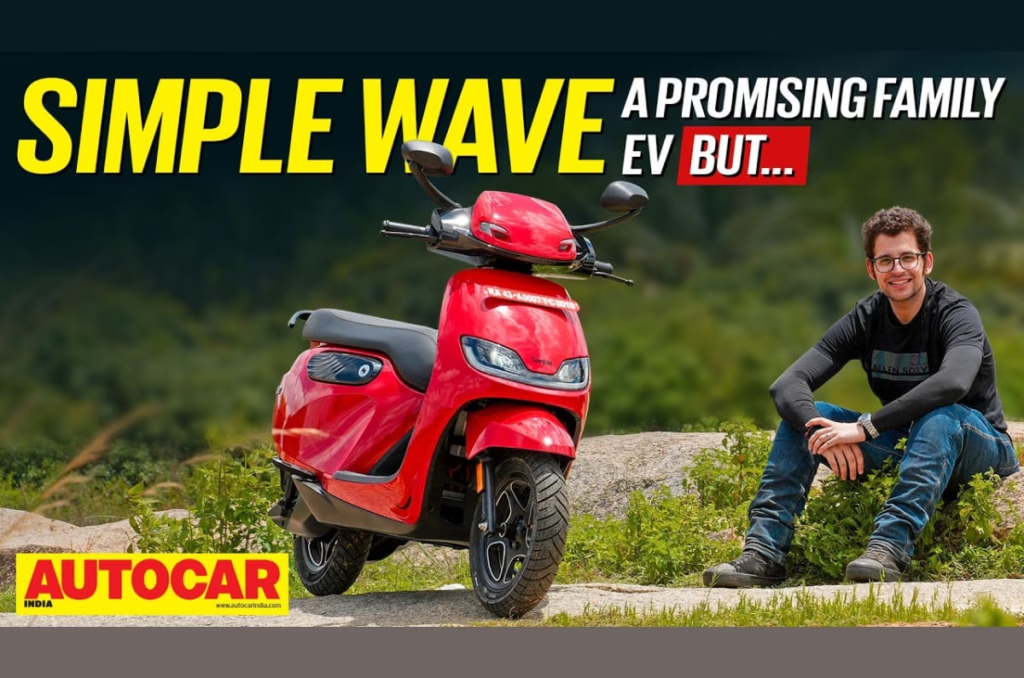
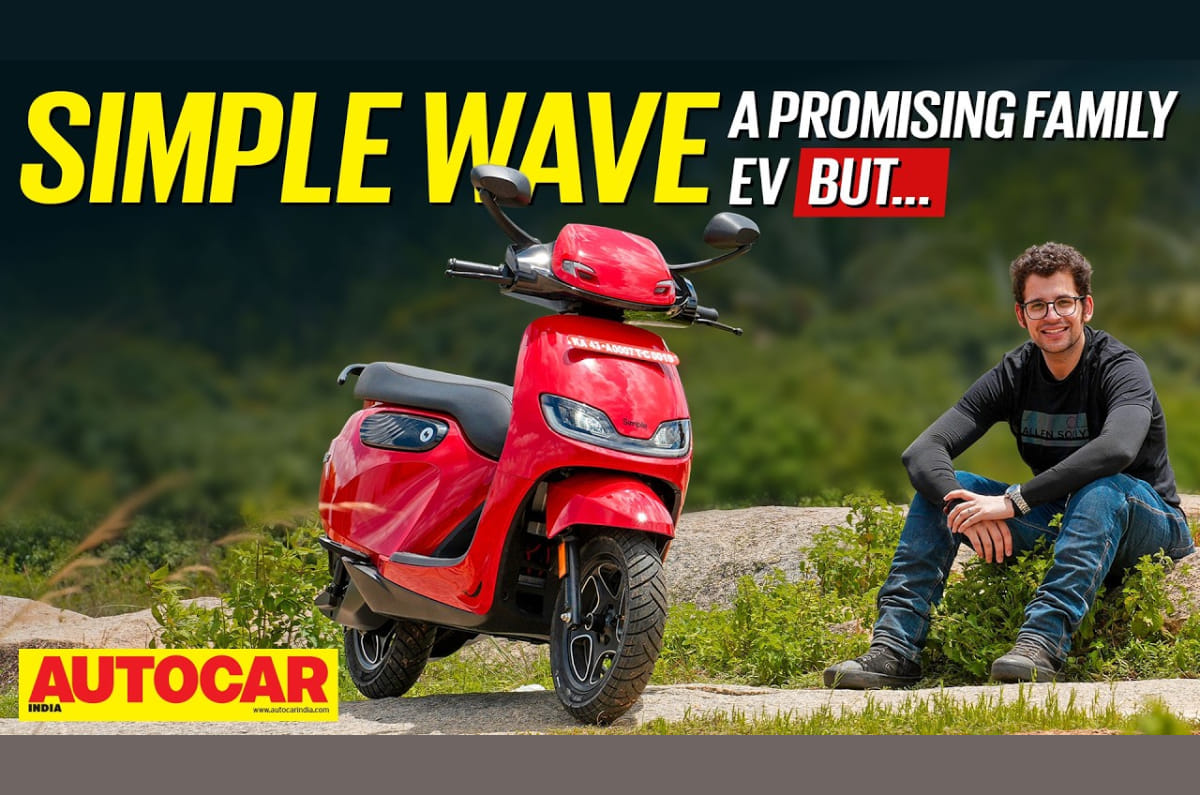
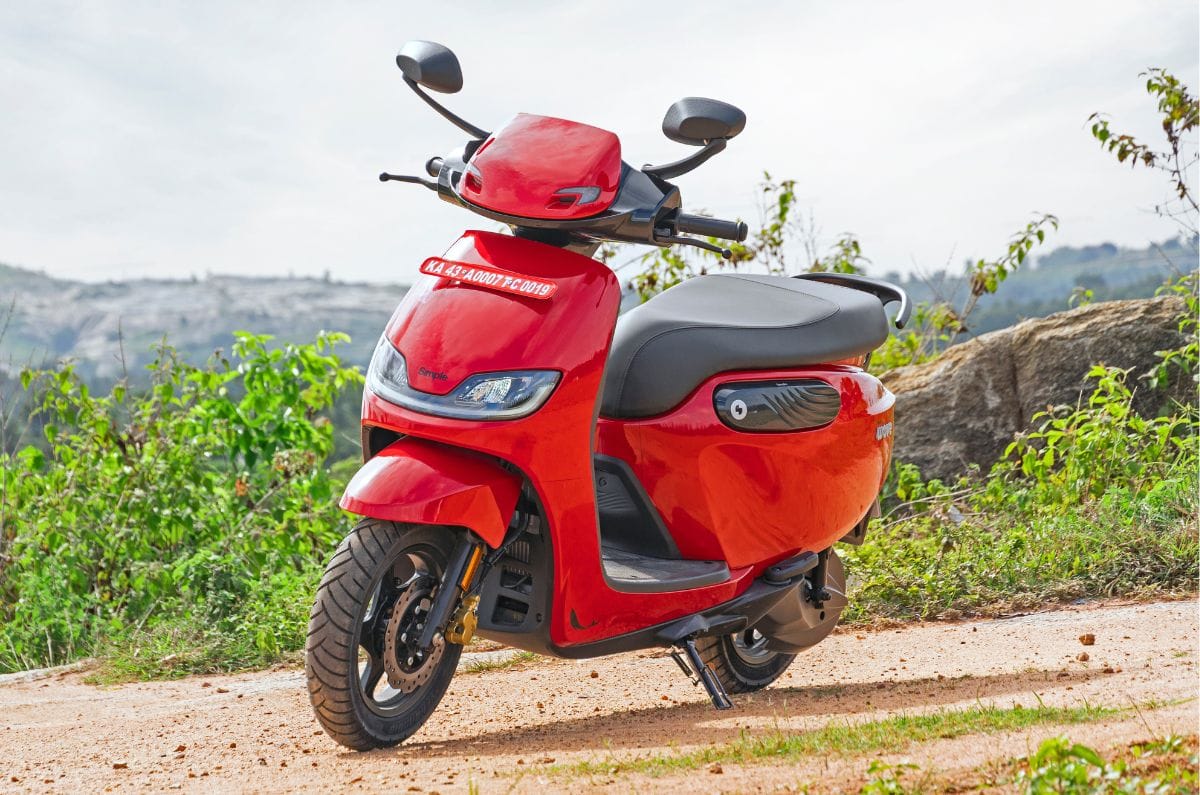
Simple Wave 3.7 review: A promising family EV but…

Simple Wave 3.7 review: A promising family EV but…
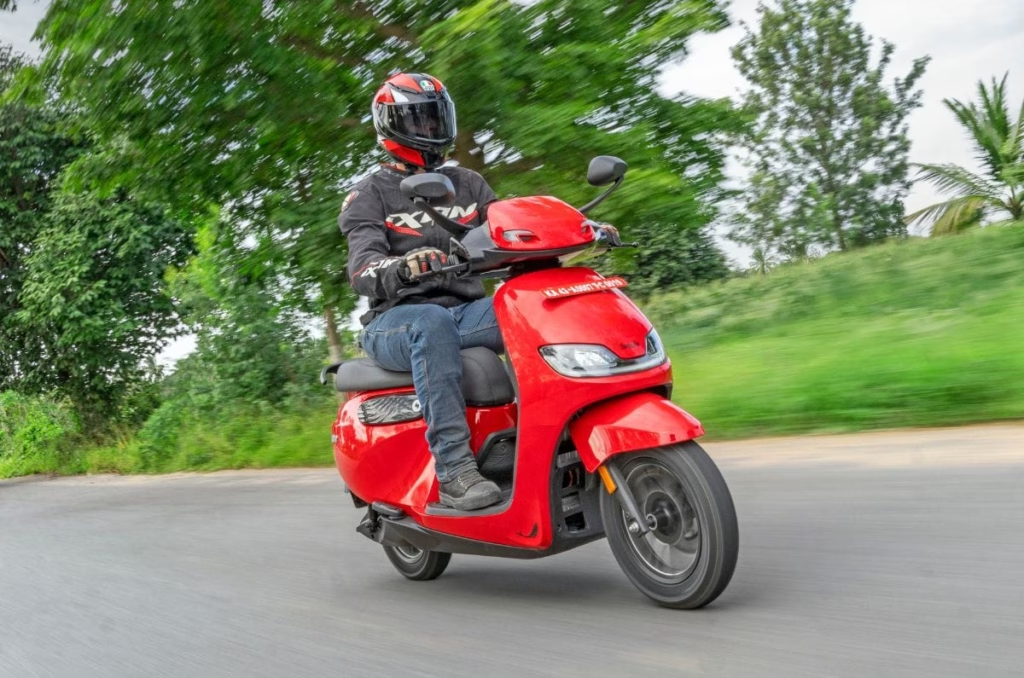
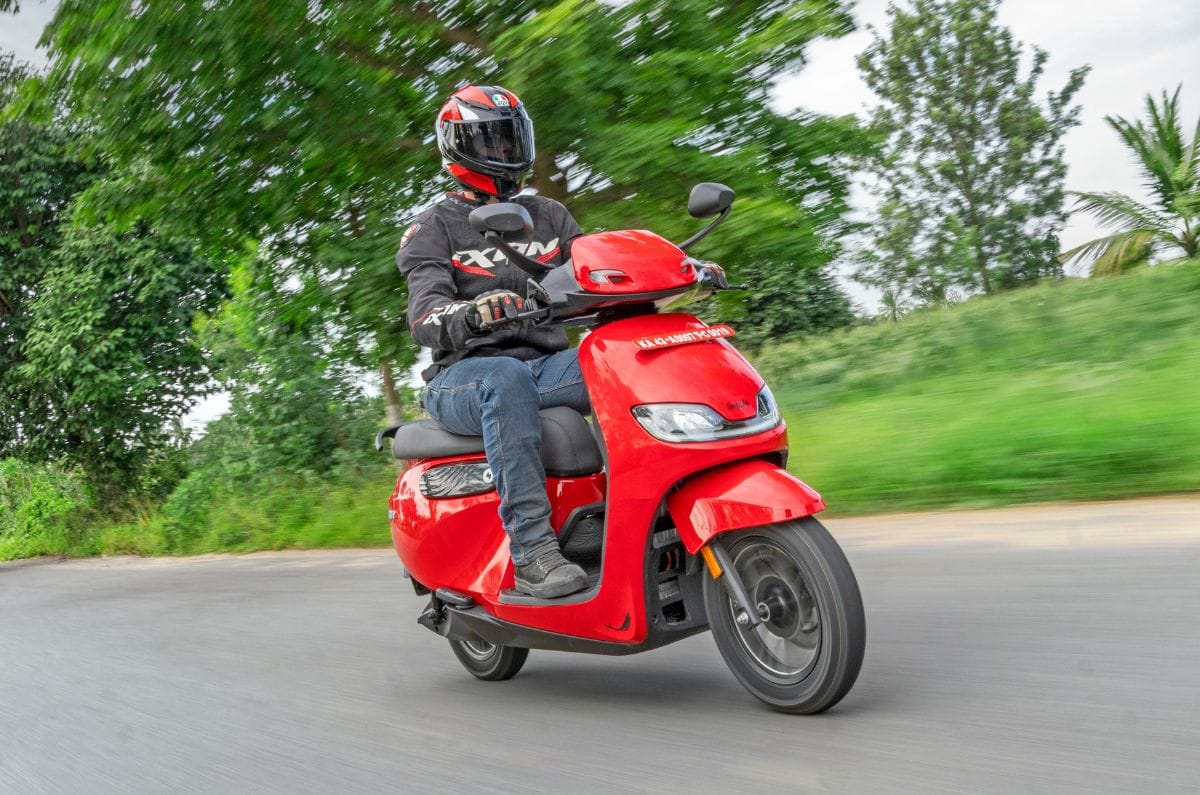
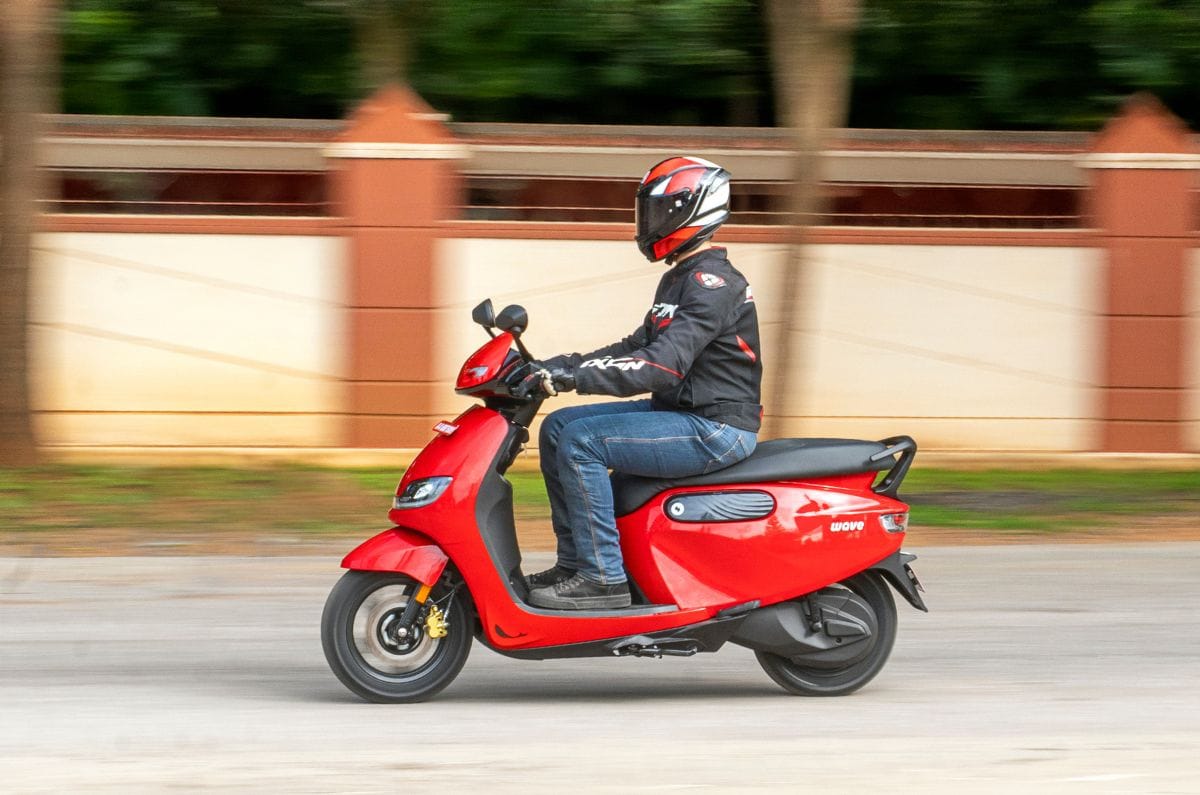
Simple Wave 3.7 tracking shot

The Simple Wave is an interesting proposition in the increasingly crowded electric scooter space. Its rounded, smooth looks certainly grab attention and, as we found out, it is comfortable, spacious and offers brisk performance. There’s plenty to like here, so let’s dive right in.

Simple Wave Design and quality – 8/10

Looks unique and features many chassis changes over the One

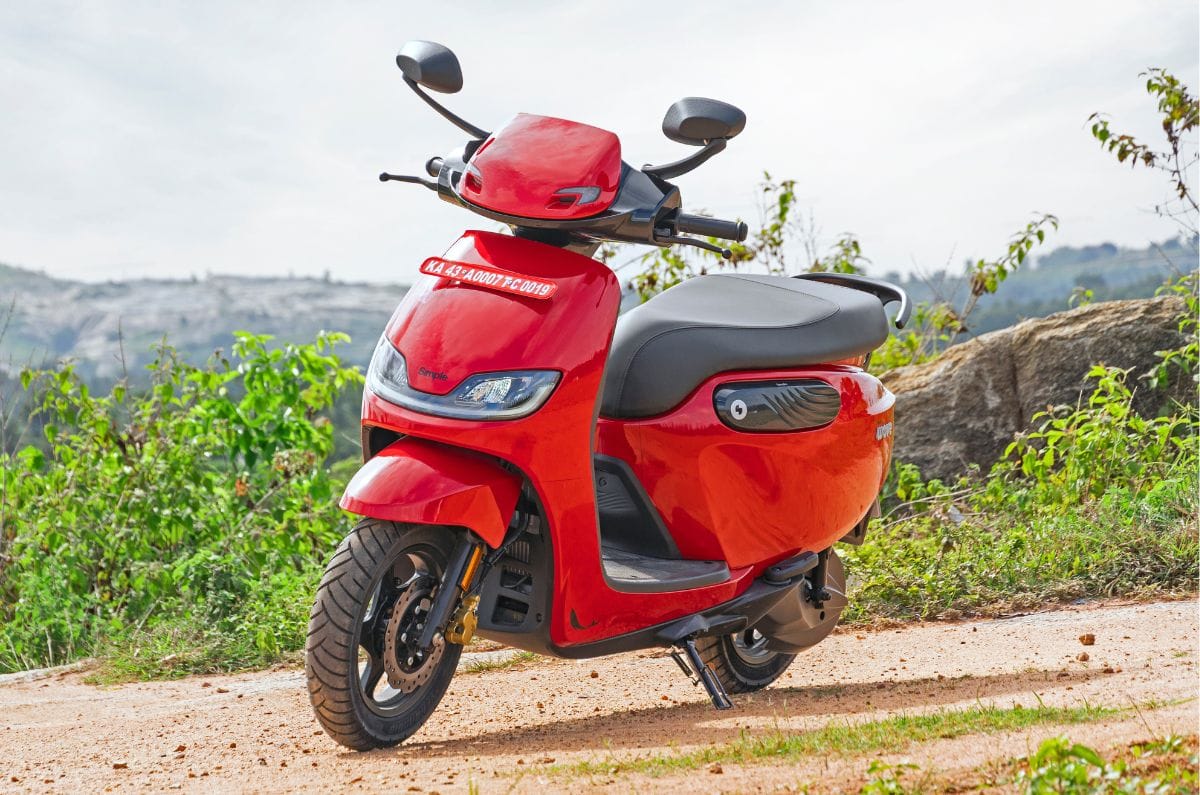
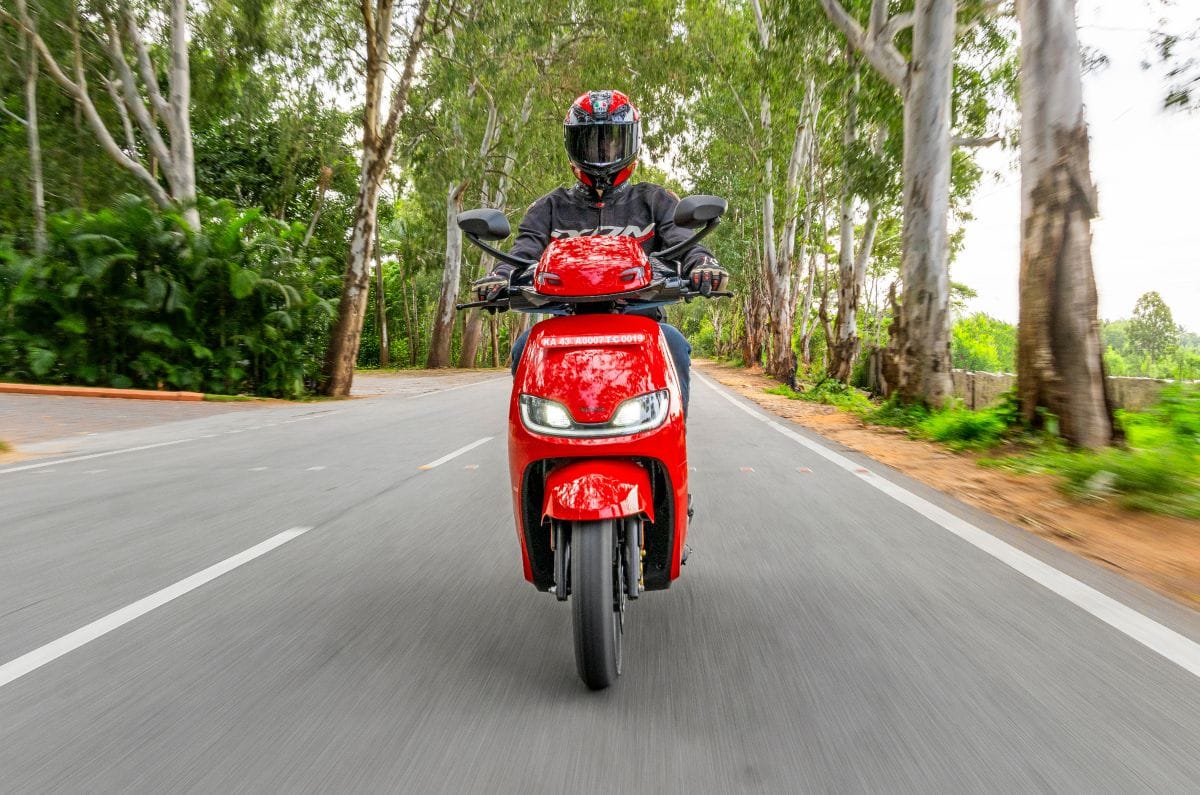
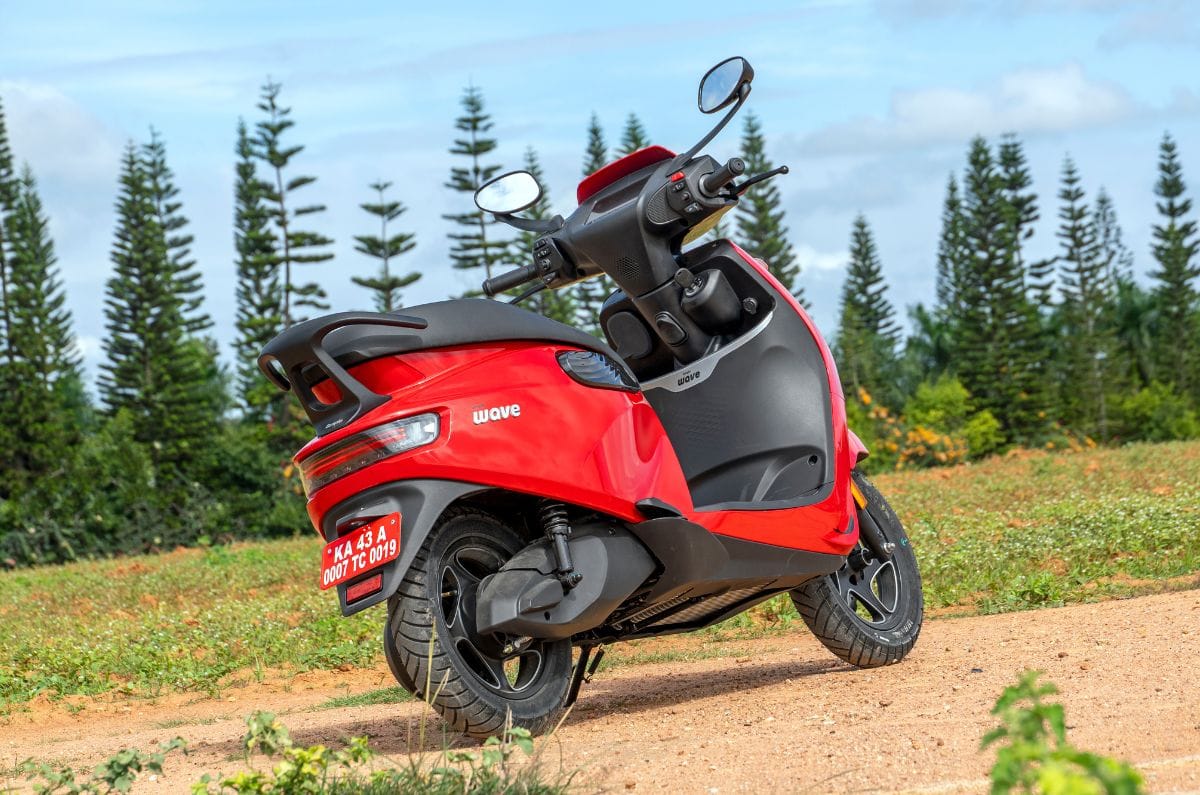
Design is subjective, of course, but the Wave looks good to my eyes with its smooth, rounded edges and distinctive silhouette. It’s got a good level of finish too, and the brighter colour options – red and blue – help it stand out. Simple has designed the Wave as a more accessible, family-oriented scooter, without making it look or feel built down to a cost.

It has a quirky design and surely stands out, especially in the brighter colour options.

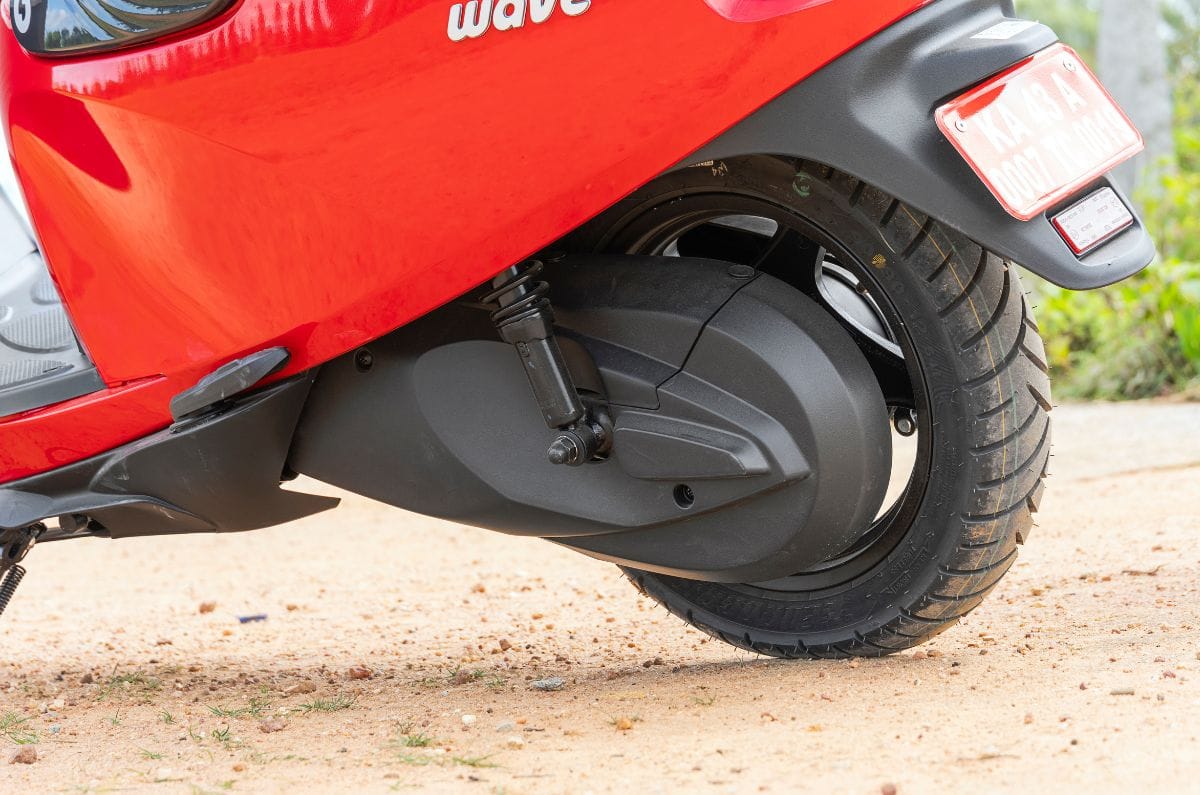
Compared to the sporty Simple One, the Wave’s chassis is quite different. The rear subframe has been reworked to accommodate the bigger boot and twin shocks (which replace the One’s monoshock). The Wave also uses a simpler, more cost-effective tubular swingarm instead of the cast unit on the One.

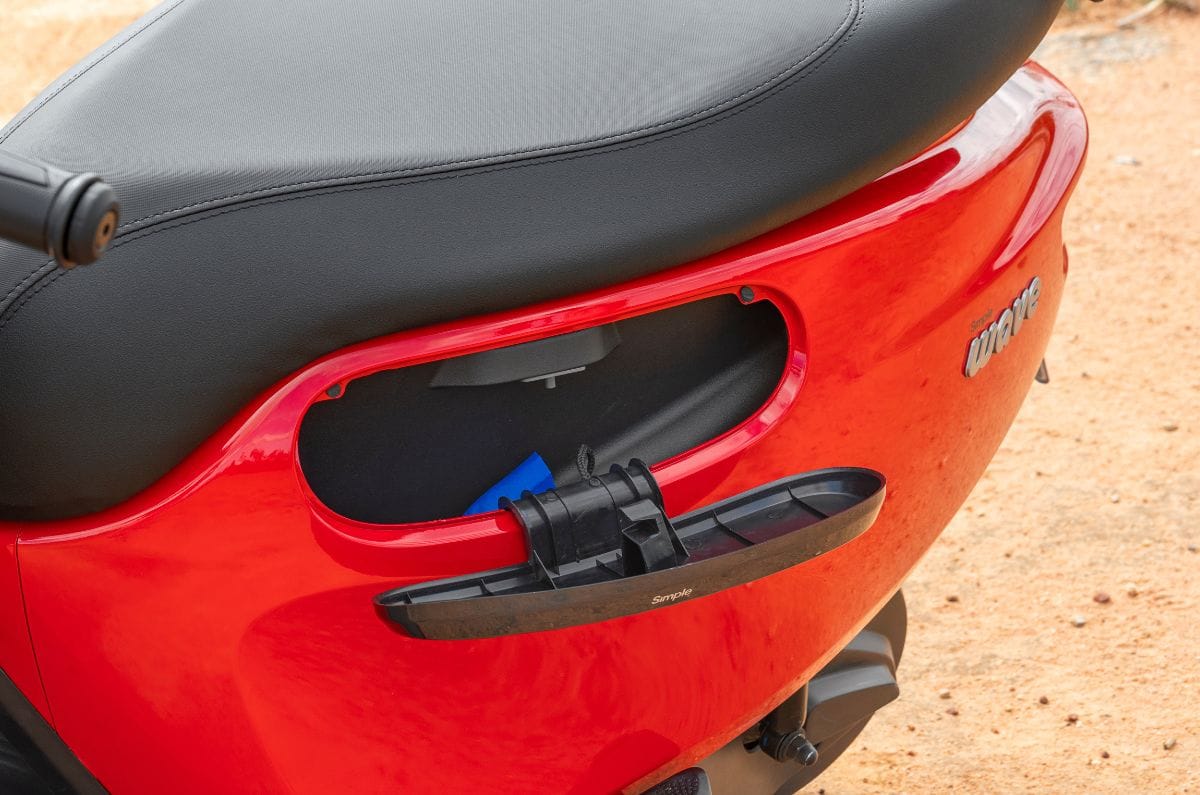
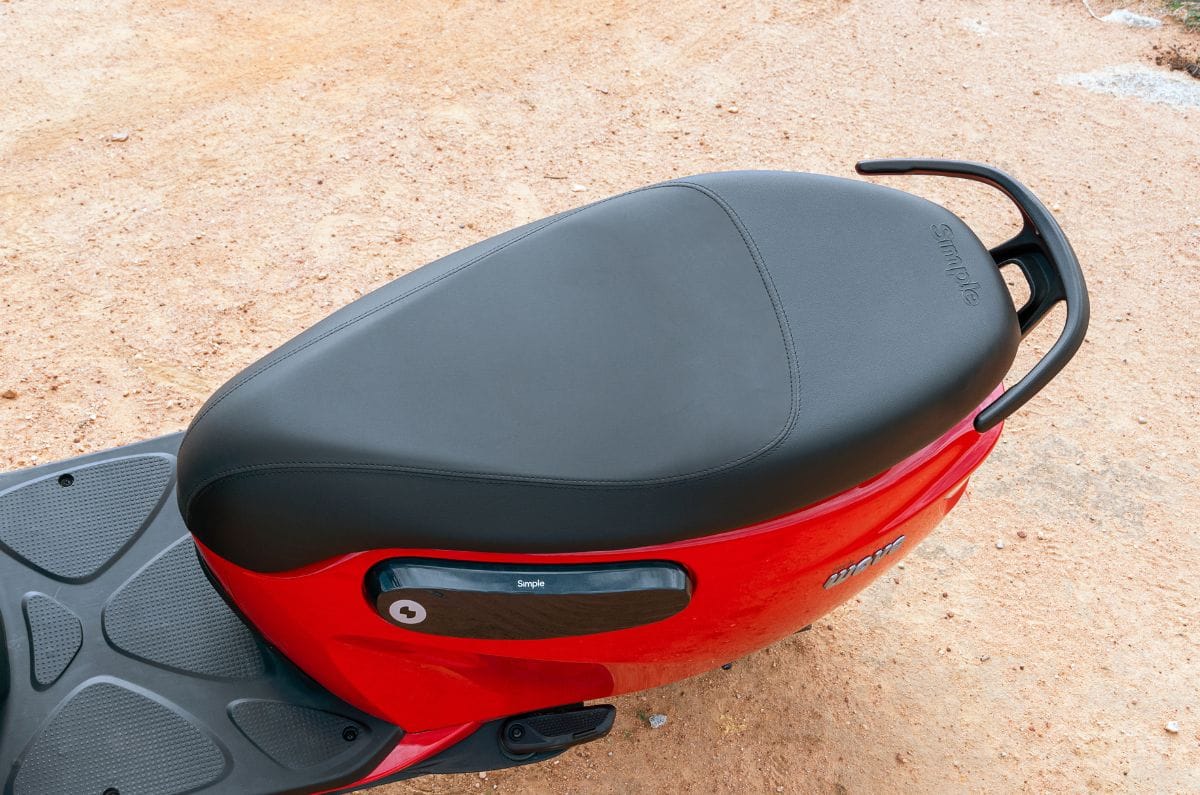
Lockable and weatherproof 4L“Pill” storage cubbies are a thoughtful touch, RH cubby is an accessory.

Simple Wave Ergonomics and comfort – 9/10

Offers a supple ride and ample space for two people

The differences only get more pronounced once you sit on the Wave. Its seat is long, wide and will easily accommodate two full-size adults, while its relatively low 775mm seat height makes it friendly for shorter riders.

That low seat height is no accident either; Simple took feedback from customers who had the One and incorporated it into the Wave. This is why the Wave also has a lower handlebar to make it more approachable for shorter and female riders. This has a trade-off, however. Taller riders will find the handlebar fouls their knees during tight, lock-to-lock U-turns.

Riding position is spot-on and ride comfort too is excellent.

Other than that, the Wave is rather sorted ergonomically. Ride comfort is excellent for a scooter, and that isn’t a surprise given that the Simple One itself was quite comfortable. The Wave builds on that with a composed and plush ride that suits its intended role.

Depending on the variant, the Wave weighs between 121-128kg with the 3.7kWh TFT variant provided to us sitting roughly in the middle of that range (124.5kg). We found the Wave handled predictably, without any unwelcome surprises, feeling stable and sure-footed without compromising agility expected of a scooter.

Spacious, well-paded seat can comfortably seat 2 full-size adults.

Simple Wave Performance and range – 9/10

Performance is more than sufficient, Eco mode truly usable

Like the One, the Wave offers really brisk performance, but still feels approachable enough for everyday use. The 3.7 version gets three riding modes – Eco, Ride and Sport – and both Ride and Sport offer more than enough performance for everyday use, which isn’t really a surprise. In Ride the top speed is 75kph, whereas Sport takes it up to 90kph (speedo-indicated, not actual).

The real surprise, however, is Eco mode. Yes, it feels duller than the other two modes, but it isn’t crippled in the way Eco modes on other EVs. The Wave can still get up to around 50-55kph quite respectably and overtake traffic, making Eco genuinely usable even on faster roads or in a big city.

It handles predictably and surefootedly in all scenarios.

Given that the Wave uses the same motor as the OneS making 6.4kW and 52Nm, this performance is no surprise. However, on the Wave, the motor drives the rear wheel via a chain drive, not a belt as seen on the One models.. While a chain will be more maintenance-intensive than a belt, replacing it should be more affordable. Simple has worked to reduce powertrain noise with measures such as a rubber-damped sprocket, but there is still some motor noise. However, it’s much quieter than an Ather Rizta or 450, although far from dead silent like an Ather Konarc or TVS iQube.

Another welcome change to the One is the throttle response. Unlike the older One models we tested, where the scooter could continue accelerating briefly after the throttle was closed, the Wave’s accelerator behaves much more intuitively. It also gets traction control, although the throttle calibration is so smooth, you’re unlikely to need it in dry conditions but it will be a useful safety net in the wet.

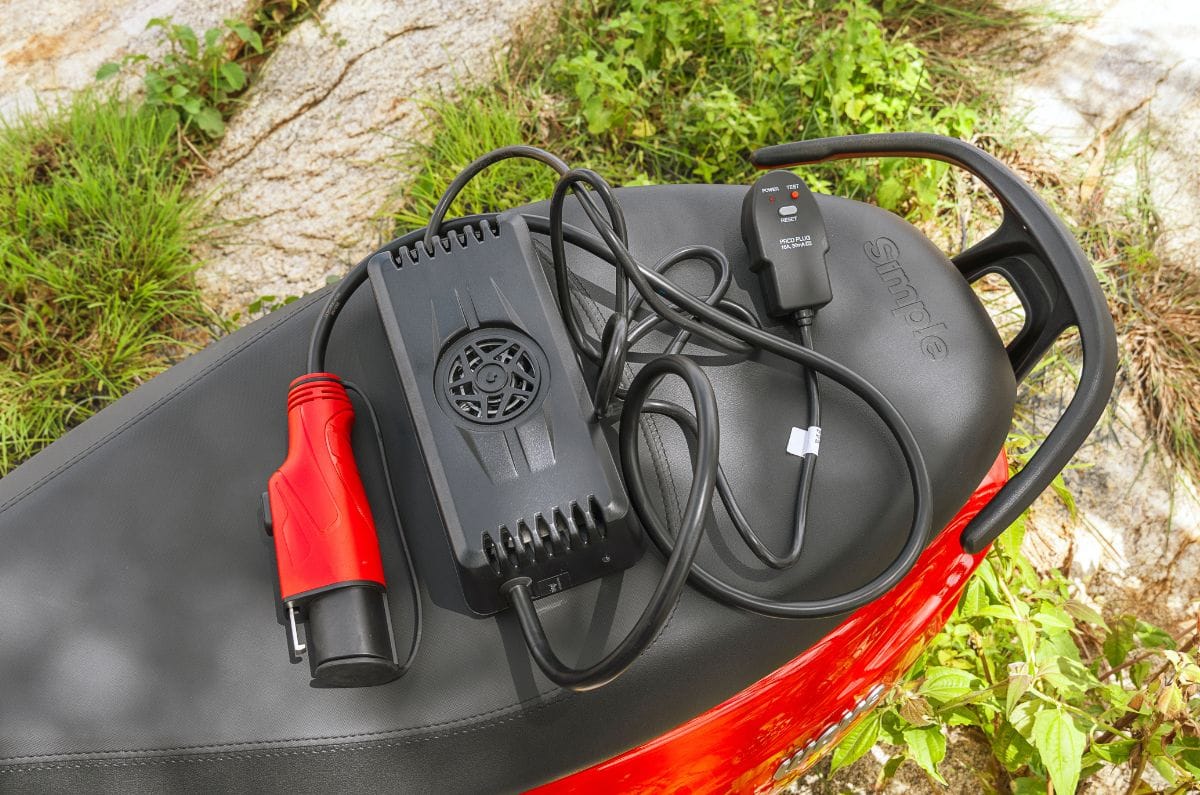
Fast 750W charger is standard on all variants.

Powering the Wave are four battery packs, depending on the variant you choose: 2.2kWh, 2.7kWh, 3.7kWh and 5kWh. The IDC ranges Simple claims are 110km, 132km, 171km and 243km, respectively. The first two use LFP (Lithium Ferrous Phosphate) chemistry, while the larger batteries use NCA (Nickel Cobalt Aluminium) cells.

The range indicator also appears to be quite trustworthy although we’ll reserve final judgement on real-world range until we can conduct a full test back in Mumbai. What is also nice is that all variants of the Wave come with a fast 750W charger which enables a pretty quick 0-80 percent claimed charging time of 3hr30min on the 3.7kWh version we were riding.

The standard warranty on the Wave is three years/30,000km, with five years/50,000km and 15 years/2 lakh km extended options also available. The price of these optional longer warranties has not been shared with us.

The Wave’s motor feeds power to the rear wheel via a chain, not a belt like on the One.

Simple Wave Features – 9/10

Massive 63L boot and Pill storage cubbies are very useful

While range without sacrificing usable performance is surely valuable on an EV, practicality is an important consideration as well. Storage is one of the Wave’s big strengths. There’s a useful front cubby, while the two “Pill” storage boxes on either side of the body panels are particularly nifty allowing you quick access to essentials you may need to reach for without having to get off the scooter. Each offers 4 litres of lockable weatherproof storage; the left one is standard, while the right is an accessory.

An undoubtedly big USP on the Wave is its cavernous 63L boot, the largest on any Indian scooter to date.

What is also an undoubtedly big USP on the Wave is its cavernous 63 litre boot, which is the largest on any Indian scooter to date. This should prove to be more than enough for everyone in the family! That being said, 63 litres is an enormous number and while this boot is undoubtedly big, I’m do find myself struggling to comprehend how it is nearly 50 percent bigger than the already cavernous 43 litre boot in the River Indie.

There’s plenty of technology too, including hill hold, drop-safe functionality, theft alerts and Bluetooth connectivity to your phone via the app. The TFT-equipped versions bring even more tech, while the brake-lock clasp is a small but useful touch.

TFT display is well laid-out and has a lot of tech but misses touch functionality.

Simple Wave Price and verdict – 8/10

Scooter has a lot of strengths but is pricey; company yet to prove itself

There isn’t a lot to dislike about the Wave as a scooter. It’s comfortable, spacious, well finished and quick enough to serve its intended purpose very well. However, for all its accomplishments, the Wave doesn’t come cheap. Sure, the Rs 1.10 lakh starting price is tempting, but as you climb the variants ladder, the Wave gets seriously expensive, topping out at Rs 1.90 lakh (ex-showroom, Bengaluru). That said, Simple is one of the few brands offering the option of a 5kWh battery in the family e-scooter space, which is commendable.

However, more than pricing, the bigger issue is that the company is yet to properly scale up its dealer network and establish an aftersales network that delivers the premium experience a buyer will expect after shelling out the money Simple is asking for. The Wave is a good product, but customers paying a premium for an electric scooter will expect not just a solid product but also dependable after-sales support.

The Wave has a lot of strengths but Simple is yet to prove itself in the market.

Ultimately, the Wave’s biggest challenge is that it comes from a start-up that has made plenty of big promises and statements over the past five years but still has a lot to prove. Its dealer network remains minuscule compared with the big players, and long-term reliability still remains unknown.

There’s a lot for Simple to do, but the good news is that the Wave is a genuinely likeable product. If the company can iron out the business side of things, the Wave has the potential to catapult Simple from just another niche start up to a much bigger player. Of course, doing so is a huge challenge and not an overnight process. Simple has a long road ahead of it, but the good news is that it finally has a convincing product to aid in that journey. 
 

Simple Wave: Price and variants explained

Simple Wave: Price and variants explained
Simple Wave static

The Simple Wave marks the brand’s entry into the mainstream family scooter segment, representing a significant departure from the performance-focused One series of scooters. Built on an updated platform, it prioritises practicality over performance and is offered in six models split across three variants – Wave S, Wave and Wave +.

All six use a PMSM motor with a chain-drive transmission and share identical suspension and braking hardware. All variants also come bundled with a 750W portable charger as standard. Here’s what each variant offers and what sets them apart.

Simple Wave variant breakdown

Wave S 2.2

The entry-level Wave S 2.2 uses the smallest 2.2kWh battery in the range, offering a claimed IDC range of 110km. This base variant is also the only one of the lot to feature a less powerful motor, with peak power capped at 4.5kW; the others produce a peak power figure of 6.4kW. The scooter gets three riding modes – Eco, EcoX and Ride – and comes with a 5-inch EBN display. It’s priced at Rs 1.10 lakh.

Wave S 2.7 EBN

The next variant in the lineup builds on what the base Wave S has to offer, adding a larger 2.7kWh battery that raises the claimed IDC range to 132km. It has a top speed of 75kph and retains the same three riding modes. It also gets the 5-inch EBN display, while a 0-80 percent charge takes 3 hours and 30 minutes. This variant is priced at Rs 1.40 lakh.

Wave S 2.7 TFT

Mechanically identical to the Wave S 2.7 EBN, the only notable difference is the addition of a 7-inch TFT display. This unlocks Bluetooth connectivity, turn-by-turn navigation, GPS tracking, call and music controls, and OTA updates. The Wave S 2.7 with the TFT display is priced at Rs 1.50 lakh.

Wave 3.7 EBN

The mid-spec Wave steps up to a 3.7kWh battery for a claimed IDC range of 171km, along with a higher 90kph top speed enabled by an additional Sport mode on top of Eco, EcoX and Ride. It also gains GripSense traction control, which is not offered on the Wave S variants. A 0-80 percent charge takes 4 hours on account of the larger battery pack. With the 5-inch EBN display, the scooter is priced at Rs 1.60 lakh.

Wave 3.7 TFT

Identical to the Wave 3.7 EBN in terms of battery, range, charge time, performance and riding modes, this variant instead gets a 7-inch TFT display with the full connected features suite. It’s priced at Rs 1.75 lakh.

Wave + 5 TFT

The range-topping Wave + uses the largest 5kWh battery, which takes 5 hours and 20 minutes for a 0-80 percent charge, but also offers the highest claimed range of 243km. The scooter retains the same 90kph top speed and four riding modes as the Wave and gets the 7-inch TFT display as standard, along with the GripSense traction control system. It’s priced at Rs 1.90 lakh.

All prices, ex-showroom, Bengaluru.


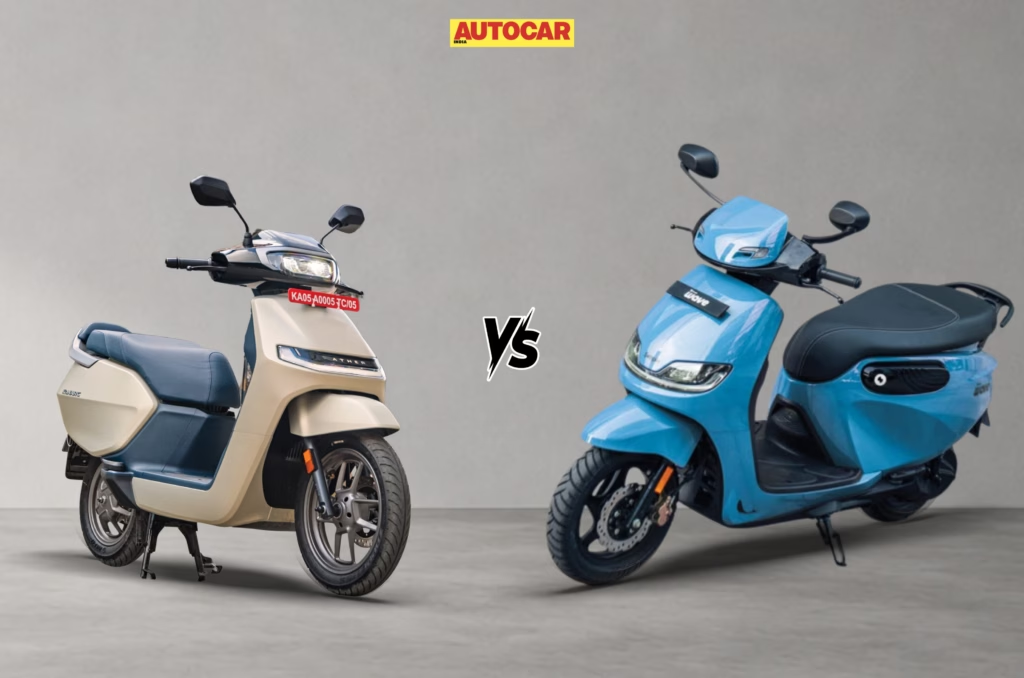
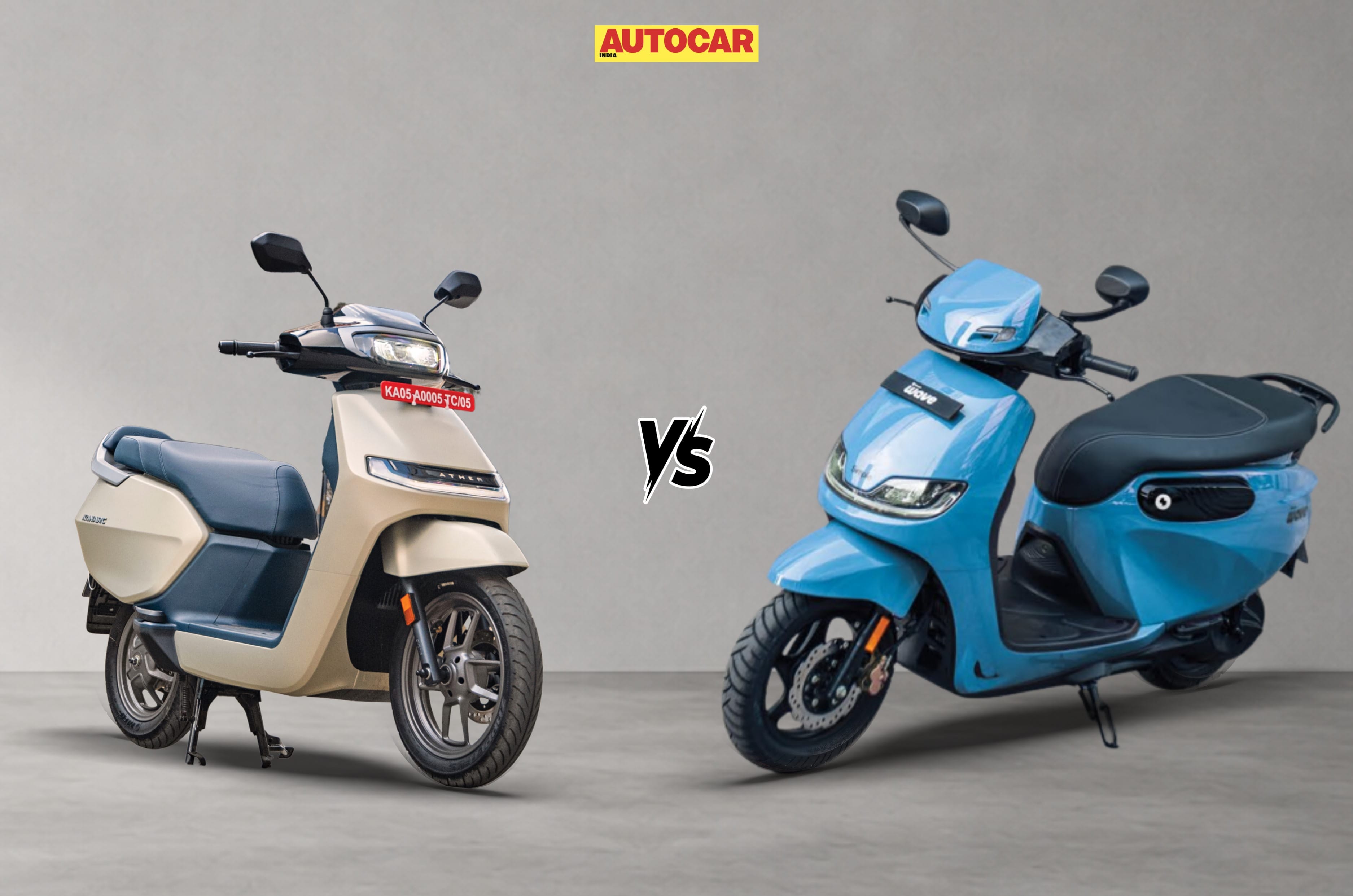
Simple Wave vs Ather Konarc: Price and specifications compared

Simple Wave vs Ather Konarc: Price and specifications compared
Image showing the Ather Konarc in Celestial Gold colour and Simple Wave in Polar Blue colour.

The Indian two-wheeler EV market is gaining momentum with legacy manufacturers expected to sell close to 10 lakh units by the end of the year. But the EV start-ups look to put up a tough fight to the sales numbers with Ather and Simple, both Bengaluru based EV makers, launching new EV family scooters. The Ather Konarc S 161 will be available from later this month and Simple has announced that deliveries for the Wave also start this month. Let’s see how both of them compare on paper.

Simple Wave vs Ather Konarc S 161: Motor, battery, and charging

Simple offers more power, battery, and faster standard charger


Simple Wave

Ather Konarc S 161

Peak motor power

6.4kW

4.7kW

Rated torque

NA

16Nm

Claimed top speed

90kph

70kph

Battery capacity

3.7kWh

3.5kWh

Claimed charging time (0-80 percent)

4hr

5h40m

IDC range

171km

161km

Simple’s scooter brings in a strong first punch with a higher powered motor and a marginally bigger battery than the Ather Konarc S. It also has a notably higher top speed as compared to the Konarc. The Wave comes bundled with a faster 750W off-board charger which enables it to charge to 80 percent almost two hours faster than the Konarc, which gets a 450W on-board charger as standard. However, Ather gives the option to add another 450W off-board charger to enable faster 900W charging. Simple currently doesn’t offer such an option for the Wave.

Simple Wave vs Ather Konarc S 161: Dimensions and underpinnings

Konarc gets a lower seat, but weighs more


Simple Wave

Ather Konarc S 161

Wheelbase

1347mm

1352mm

Seat height

775mm

770mm

Ground clearance

175mm

NA

Kerb weight

124.5kg

129kg

On paper, the Konarc has a marginally longer wheelbase than the Wave, but do note that the Wave boasts the longest seat in the country at 920mm, a title earlier held by Ather’s Rizta. For what it’s worth, we did not face any issues with the Konarc, space-wise or comfort-wise. Ather’s scooter also has a slightly lower seat height but it’s a negligible difference to most users. What’s not negligible is its 4.5kg additional weight over the Simple Wave, but it’s explained by the Konarc using metal body panels.

Simple Wave vs Ather Konarc S 161: Brakes, tyres, and suspension

Konarc gets larger tyres


Simple Wave

Ather Konarc S 161

Tyres (F,R)

90/90-12, 90/90-12

90/90-14, 100/90-12

Brakes (F,R)

220mm disc, drum

220mm disc, 130mm drum

Suspension (F,R)

Telescopic, twin shock

Telescopic, monoshock

The Ather Konarc is the first Ather to get a 14-inch tyre, even if it’s just at the front; and its rear tyre is larger than the Wave, which sticks to a 12-inch at both ends. Both scooters have a front disc brake and a rear drum brake although Simple hasn’t clarified the size of the Wave’s rear drum. On the suspension side of things, the major difference is that the Wave uses a twin shock rear suspension, whereas the Konarc gets a monoshock unit.

Simple Wave vs Ather Konarc S 161: Features

Features filled to the brim, for an added price

Features have been the trump card for almost all EVs from their inception and Ather has led that charge from the front. Simple appears to have caught up to Ather with both the scooters matching each other on features like fall safe, hill-hold, smartphone connectivity, and a TFT cluster on the top variants and a LCD cluster on the lower variants. Simple does offer you a choice between the TFT and the LCD cluster on the Wave (TFT costs Rs 15,000 extra), whereas Ather has reserved the TFT cluster for the Z line, due to launch next year. Features-wise, both companies offer turn-by-turn navigation, call and SMS alerts, GPS tracking, etc., Ather Konarc S’ gets most of those features in its LCD cluster, but Simple has reserved all of these for the TFT cluster variants.

A majority of these features do require additional subscriptions. Ather’s is a one-time cost of Rs 17,000 (Ather StackPro) for the Konarc S 161 variant. Simple, on the other hand, offers two kinds of subscription plans. The first plan is a one-time purchase to add Tyre Pressure Monitoring System (TPMS) and Connectivity modules. The second plan is a yearly subscription that enables all the smart features the company has to offer. At the time of writing, Simple hasn’t revealed the prices for the Wave line-up yet. Just for perspective, for the One scooter with a 5kWh battery, you have to pay a Rs 3,687 one-time payment for the first plan and Rs 2,999 per year for the second plan. To be clear, it’s possible to buy and use either scooter without subscribing to these add-ons, but the experience will feel a lot like a typical ICE scooter.

Simple Wave vs Ather Konarc S 161: Price

Ather gets the better starting price


Simple Wave

Ather Konarc S 161

Price (ex-showroom, Bengaluru)

Rs 1.60-1.75 lakh

Rs 1.45 lakh

For all that it offers and the longest seat in the scooter industry and 63L boot space and and additional 7 litres of cubby storage, spread across the scooter with innovative spots like Pill-storage, the Simple Wave costs Rs 1.60 lakh for the LCD cluster variant and Rs 15,000 extra for the TFT variant. The Ather Konarc without Ather StackPro comes in at Rs 1.45 lakh and with it would go up to Rs 1.60 lakh. While Ather has officially announced that the Konarc S 161 variant will be available from later this month, Simple hasn’t clarified if their “deliveries in September” claim applies to all six of their variants. If you’re interested in either scooter, we’d suggest that you check out and test ride them before deciding.
 

Simple Wave इलेक्ट्रिक स्कूटर लॉन्च, मिलेगा 70L स्टोरेज और 243km रेंज, जानें कीमत और फीचर्स

Simple Wave Electric Scooter: Simple Energy ने अपना पहला फैमिली-ओरिएंटेड इलेक्ट्रिक स्कूटर ‘Wave’ लॉन्च कर दिया है। इसकी शुरुआती कीमत ₹1.10 लाख (एक्स-शोरूम) है और इसके टॉप-एंड मॉडल ‘Wave+’ की रेंज एक बार चार्ज करने पर 243km है। फैमिली स्कूटर खरीदने वाले भारतीय ग्राहकों के लिए, यह कीमत इस सेगमेंट की लीडर कंपनियों को सीधी टक्कर देती है। साथ ही, इसमें कुल 70 लीटर तक का स्टोरेज स्पेस मिलता है, जिसमें 4 लीटर का एक खास Auxiliary ‘Pill’ कम्पार्टमेंट भी शामिल है। यह एक ऐसा फीचर है जो ज्यादातर दूसरी कंपनियों के स्कूटर में नहीं मिलता है।

Simple Energy ने Wave को तीन वेरिएंट और कुल छह मॉडल में पेश किया है। इनमें 2.2kWh से लेकर 5kWh तक की चार अलग-अलग बैटरी क्षमता के विकल्प मिलते हैं। कंपनी के मुताबिक, इसकी डिलीवरी सितंबर के आखिरी हफ्ते से शुरू होगी।

Simple Wave Electric Scooter: कीमत और बैटरी विकल्प

Wave Electric Scooter लाइनअप को Wave S, Wave और Wave+ में बांटा गया है। ये मॉडल बैटरी साइज, डिस्प्ले टाइप और कनेक्टेड फीचर्स के आधार पर 6 अलग-अलग वर्जन में आते हैं। बेस मॉडल ‘Wave S EBN’ में 2.2kWh की बैटरी और 6.03hp की मोटर है, जिससे 110km (IDC) की रेंज मिलती है। वहीं, 2.7kWh और 3.7kWh बैटरी पैक वाले मॉडल में ज्यादा पावरफुल 8.58hp की मोटर मिलती है, जिससे रेंज क्रमशः 132km और 171km हो जाती है।

‘Wave+’ इस रेंज का टॉप मॉडल है, जिसमें kWh की बैटरी मिलती है और कंपनी 243 किलोमीटर IDC रेंज का दावा करती है। इसकी टॉप स्पीड 90km/h है, जबकि इसमें 179Nm का व्हील टॉर्क मिलता है। बताई गई सभी कीमतें शुरुआती हैं और Simple Energy ने यह कन्फर्म नहीं किया है कि अलग-अलग वेरिएंट की कीमतें बढ़ने से पहले ये शुरुआती कीमतें कितने समय तक लागू रहेंगी।

Simple Wave Electric Scooter: चार्जिंग, चेसिस और पानी में चलने की क्षमता

इसके टॉप वेरिएंट को 0 से 80% तक फास्ट चार्ज होने में लगभग 2 घंटे 15 मिनट लगते हैं, जबकि सभी वेरिएंट्स के साथ घर पर रेगुलर चार्जिंग के लिए 750W का पोर्टेबल चार्जर मिलता है। यह स्कूटर ट्यूबलर स्टील फ्रेम पर बना है, जिसमें टेलीस्कोपिक फ्रंट फोर्क्स और ट्विन रियर शॉक्स दिए गए हैं। इसमें 12-इंच के अलॉय व्हील्स के साथ-साथ फ्रंट डिस्क और रियर ड्रम ब्रेक का सेटअप है, जिसमें कंबाइंड ब्रेकिंग सिस्टम भी मिलता है। इसका ग्राउंड क्लीयरेंस 175mm है और यह 300mm गहरे पानी में भी चल सकता है। यह उन खरीदारों के लिए बहुत काम की बात है जो मानसून के दौरान बाढ़ की संभावना वाले भारतीय शहरों में रहते हैं।

स्टोरेज, डिस्प्ले और उपलब्धता

Simple Wave की सबसे खास बात इसका स्टोरेज स्पेस है। स्कूटर में कुल 70 लीटर तक का स्टोरेज मिलता है। इसमें सीट के नीचे 63 लीटर का स्टोरेज, 3 लीटर का ग्लव बॉक्स और नया 4 लीटर का Pill यूनिट शामिल है। हालांकि, Simple Energy ने अभी तक यह साफ नहीं किया है कि Pill यूनिट को स्कूटर में कहां लगाया गया है और इसका इस्तेमाल किस तरह किया जाएगा।

इसके हायर वेरिएंट्स में 7 इंच का TFT डिस्प्ले दिया गया है। इसमें GPS ट्रैकिंग, OTA अपडेट और हिल-होल्ड असिस्ट जैसे फीचर्स मिलते हैं। वहीं, बेस वेरिएंट्स में 5 इंच का EBN डिस्प्ले दिया गया है।

Simple Wave की बुकिंग अभी Simple Energy के आउटलेट्स और कंपनी की वेबसाइट पर शुरू हो गई है। इसकी डिलीवरी सितंबर के आखिरी हफ्ते से शुरू होने की उम्मीद है।

यह भी पढ़ें: भारत के रईस पेट्रोल-डीजल गाड़ियों को छोड़ खरीद रहे ये महंगी EV, समझिए अमीरों में तेजी से क्यों बढ़ा लग्जरी EVs का क्रेज