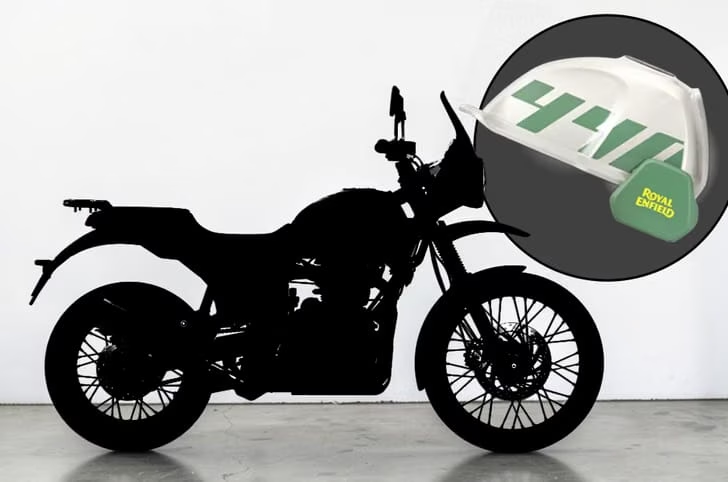
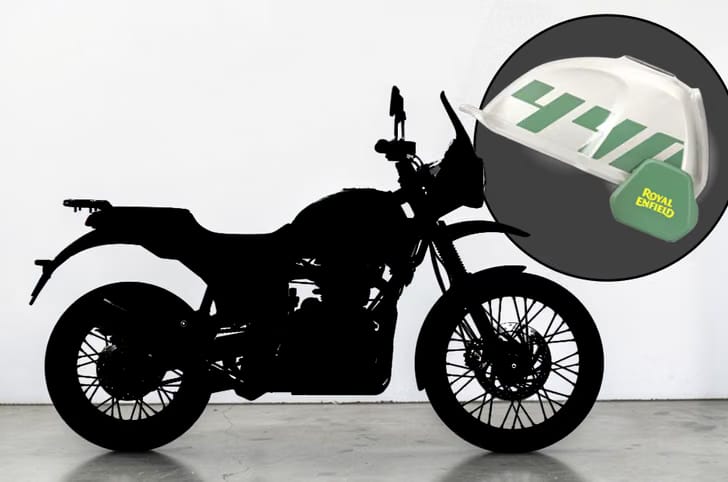
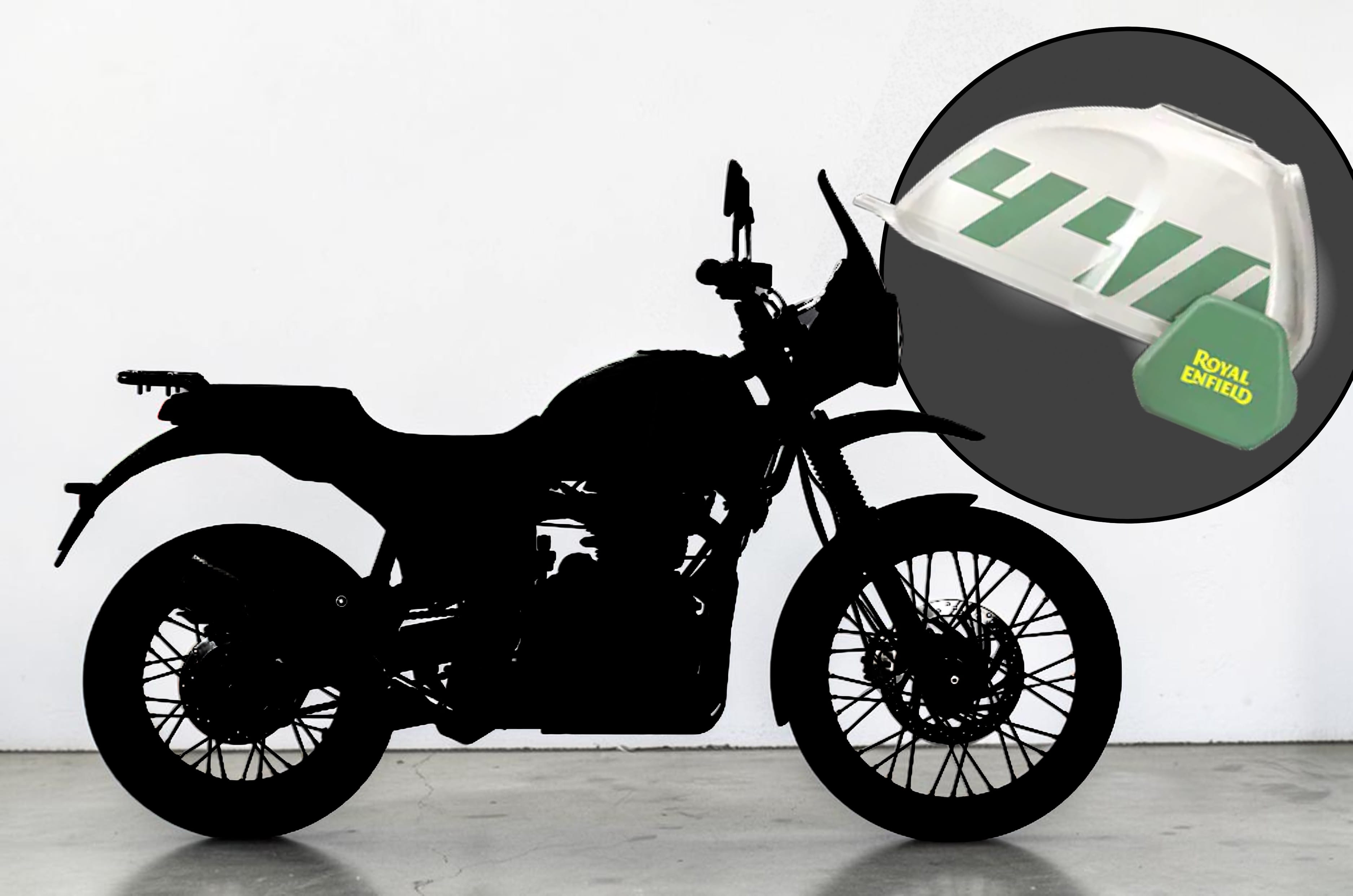
Royal Enfield has confirmed that the Himalayan 440 will launch on September 4. We’d first reported back in April that Royal Enfield was working on the Himalayan 440, and learnt last week that a launch was imminent. The bike is expected to fill the gap between the Scram 440 and the Himalayan 450, offering a more accessible, less technologically complex alternative to the latter.
Based on the Scram 440’s LS440 engine
Expected to get a 21-inch front wheel and increased suspension travel
Royal Enfield Himalayan 440: What we know so far
The 21-inch front wheel and spoked rims will be the main differentiators over the Scram 440
The Himalayan 440 will be built on the same foundation as the updated Scram 440, using the LS440 engine. On the Scram, it produces 25.4hp at 6,250rpm and 34Nm at 4,000rpm, which is marginally higher than the 411’s 24.5hp and 32Nm, thanks to a 3mm larger bore. No mechanical changes to the engine are expected, mirroring how the Himalayan 411 and Scram 411 shared identical powerplants.
The most significant difference over the Scram 440 will be the wheel setup. The Scram 440 uses a 19-inch front and 17-inch rear wheel combination suited to road use, while the Himalayan 440 is expected to return to the 411’s off-road-oriented 21-inch front wheel, likely with tubed wire-spoke rims. Suspension travel is also expected to step up to 200mm at the front, like on the Himalayan 411, from the 190mm on the Scram.
The Himalayan 440 is not expected to be as technologically complex as the Himalayan 450, which brought a TFT display, turn-by-turn navigation, a USD front fork and a 6-speed gearbox with a slipper clutch to the lineup. Instead, the 440 is expected to cater to buyers who prefer the simpler, more familiar character of the 411.
Currently, the Scram 440 is priced from Rs 2.25 lakh to Rs 2.32 lakh, while the Himalayan 450 costs Rs 3.08 lakh to Rs 3.40 lakh. Somewhere between those two models is where the Royal Enfield Himalayan 440 is likely to be positioned.
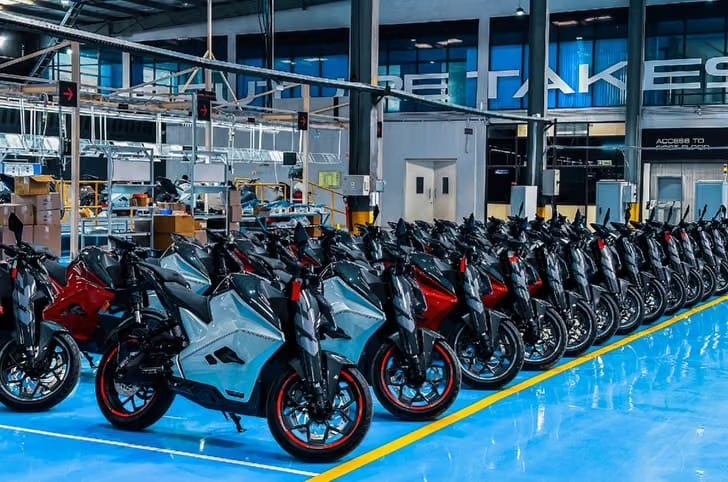
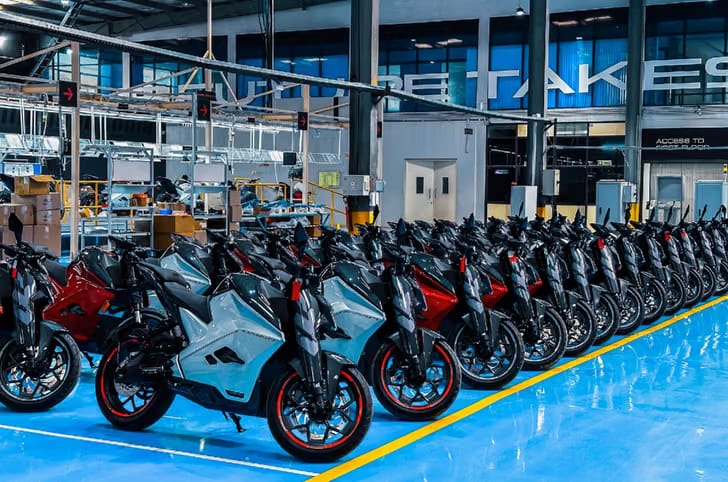
Since their inception, Ultraviolette Automotive has been focussed on the premium end of the EV two-wheeler market with their products prices from Rs 2.49 lakh to Rs 4.59 lakh, a challenge for high sales numbers. However, with the changing winds in the ICE world, Ultraviolette looks to have turned a corner for the better. With almost no direct competition, this shouldn’t be a surprise, but it’s noteworthy regardless.
Ultraviolette registers 406 percent increase in sales YoY
BaaS and more versatile X-47 model looks to have helped this
Ultraviolette has two more lower price models in the works
Largest EV motorcycle monthly sales in July 2026
Only behind Revolt and Oben
As per the retail sales data on the Vaahan portal, Ultraviolette Automotive has delivered 694 units in July 2026, a 406 percent increase compared to last year. Till July 2026, the brand has sold 3200 vehicles, the best since the brand was founded in 2023. Although the increase in sales numbers could be attributed to them offering more products, it’s hard not to consider this a sign of premium motorcycle buyers now trusting EV motorcycles more.
The brand is showing no signs of slowing down either. Already present in 40 locations across India, the brand intends to increase that number to 100 by the end of 2026. It’s worth mentioning that they had recently opened their first showroom in the North east, in Aizwal, Mizoram. The focussed efforts from the brand should help them finish the year on a high note, considering the upcoming festive season.
If we consider the sales numbers of other EV manufacturers who sell motorcycles, the brands ahead of Ultraviolette are Revolt Motors (6,876 units so far in 2026) and Oben Electric (3,347 units so far in 2026). However, it should be noted that Ultraviolette operates at a considerably higher premium level compared to these two brands. Other EV manufacturers who currently offer EV motorcycles in their lineup are Ola, KLB Komaki, Matter Motor Works, Okaya EV, Wardwizard Innovations, and the latest entrant Royal Enfield with their Flying Flea sub brand.
In addition to their current lineup of four motorcycles (F77 Mach 2, F77 Superstreet, X-47, and X-47 Desert Wing), Ultraviolette is also preparing to launch their first-ever scooter, the Tesseract, and an off-roader, the Shockwave. The Shockwave, starting at Rs 1.75 lakh, is aimed at eco-friendly and efficient city commutes and short weekend, adventure-focussed rides. The Tesseract on the other hand is expected to be priced at Rs 1.45 lakh with a claimed 261km IDC range and a top speed of 125kph. Deliveries for the Shockwave were previously supposed to start in Q2 2026 (we’re currently in Q3), and the Tesseract delivery has been delayed to Q1 of 2027.
What made this possible for Ultraviolette
The brand has upcoming challenges and opportunities
The two biggest factors that look to have helped the brand increase their numbers are the BaaS option from the brand for all their motorcycles and of course, the uncertainty surrounding ICE vehicles at the moment. The brand, however, is also looking to improve their existing international presence. Speaking to Autocar Professional, the CEO Narayan Subramaniam said “India is a key market but we were clear right at the start that we need to take this brand global. Europe is critical because it has amongst the most stringent certification processes. While the F-77 has been certified for sale in Europe, certification for the X-47 is at an advanced stage, and the bike should hit the European market this year as well. At present, we are in about 10 countries across Europe, including Germany, France, the UK, Spain, Portugal, the Netherlands, Belgium and Italy.”
With their current momentum and the upcoming favourable winds, the brand is looking to increase their numbers and subsequently their market share further. The only other player currently capable to take them head on, surprisingly, is Royal Enfield, who started selling their Flying Flea C6 in April 2026 with a Scrambler-like S6 on the way; but, their sales numbers are much lower with the brand selling a total of 124 units till July 2026. That said, the Flying Flea C6 is currently available only in Bengaluru.
Developments on the EV motorcycle space have been slow mainly because customers are expected to pay higher prices for a less capable machine for the money, especially compared to their ICE counterparts. The EV two-wheeler market has so far been carried forward by scooters. As such, EV motorcycles doing even a small fraction of the 13 million vehicle sales done by ICE two-wheelers should be phenomenal, and assuming Ultraviolette Automotive continues to make the right moves, it should remain a key name in the field.
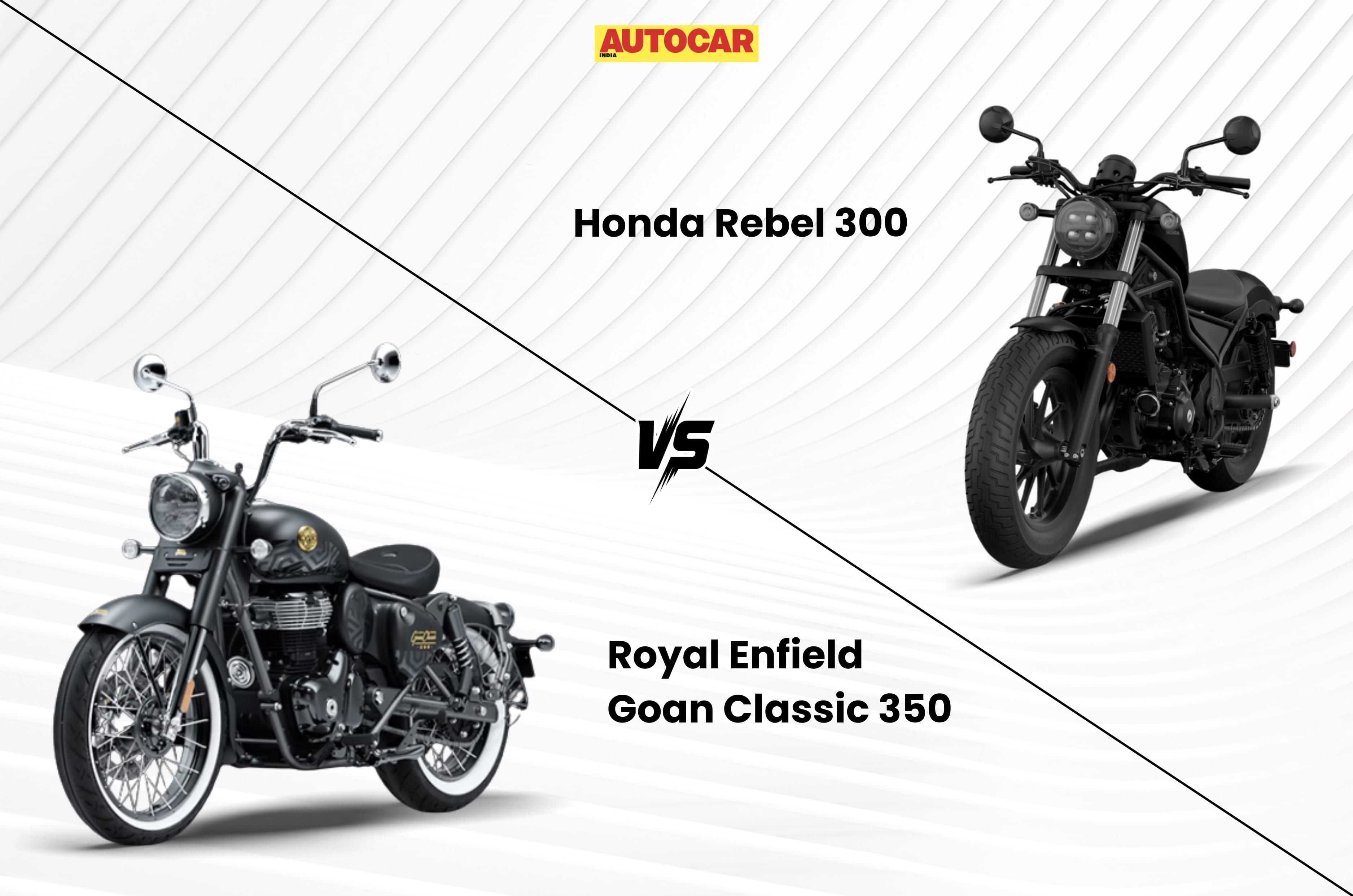
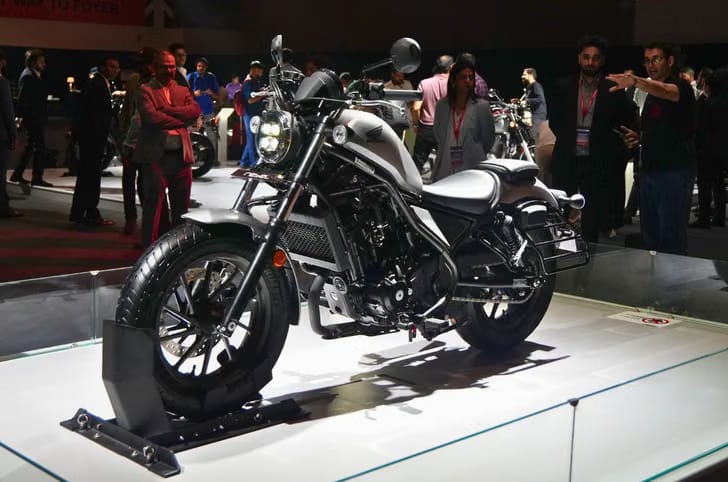
Honda Rebel 300 was one of the ten products announced for India by the company on their July 2026 mega reveal. Currently, its direct competitor in the segment will be the Royal Enfield Goan Classic 350. Unlike Royal Enfield, Honda seems to be taking a more modern approach to it’s bobber motorcycle with a more modern design and small but meaningful tech implementations. Even though we don’t have the official price or a launch date for the Rebel 300, we know enough details about it to see how it stacks up against the Goan Classic 350 on paper.
Honda Rebel 300 vs Royal Enfield Goan Classic 350: Engine and output
Modern vs neo-retro
Honda Rebel 300
Royal Enfield Goan Classic 350
Engine
286cc, single-cylinder, liquid-cooled
349cc, single-cylinder, air-cooled
Power
30hp
19.9hp
Torque
27.5Nm
27Nm
Transmission
6-speed
5-speed
Power-to-weight ratio
174.42hp/tonne
101.02hp/tonne
The fundamental differences between the two motorcycles start right from their engines. The Goan Classic 350 uses its extremely popular J-series 349cc single-cylinder engine powering five different Royal Enfield motorcycles at the moment. Honda is using a 286cc single-cylinder engine that was last seen in India on the CB300R. Do note that the Rebel 300 is expected to be offered in India in both ‘normal’ and E-Clutch versions (that negates the need to use the clutch to change gears). While both the motorcycles offer the same torque, it is the Honda that offers more power.
Honda Rebel 300 vs Royal Enfield Goan Classic 350: Dimensions and weight
Honda Rebel 300
Royal Enfield Goan Classic 350
Fuel tank capacity
11 litres
13 litres
Ground clearance
NA
170mm
Kerb weight
171.9kg
197kg
Seat height
691mm
750mm
Wheelbase
1491mm
1400mm
Honda is lighter, lower, and longer
The Goan Classic 350 is the heavier one of these two motorcycles, by a mile. However, Royal Enfield has earned a reputation for its hefty footprints so this shouldn’t come as a surprise to most. For what it’s worth, the Royal Enfield does get a 2-litre larger fuel tank compared to the Honda, but the latter, in addition to being lighter, also gets a much lower seat height and a longer wheelbase. At the time of publishing, we do not have the ground clearance for the Rebel 300.
Honda Rebel 300 vs Royal Enfield Goan Classic 350: Tyres, brakes, and suspension
Rebel 300 has bigger tyres but smaller rim at front
Honda Rebel 300
Royal Enfield Goan Classic 350
Tyres (F, R)
130/90-16, 150/80-16
100/90-19, 130/90-16
Brakes (F, R)
296mm disc, 240mm disc, dual-channel ABS
300mm disc, 270mm disc, dual-channel ABS
Suspension (F, R)
Telescopic fork, dual shock
Telescopic fork, dual shock
Honda Rebel 300 vs Royal Enfield Goan Classic 350: Features
Honda takes the lead
As is expected of retros, both motorcycles offer a lean list of features, but Honda has the slight edge. Both motorcycles offer dual-channel ABS as standard, but Honda is expected to give the Rebel 300 a full TFT instrument cluster in India, replacing the negative LCD cluster in the international model. Royal Enfield does give their tripper navigation pod as standard on the Goan Classic 350. One feature that Royal Enfield can’t match, however, is Honda’s E-Clutch system. This system on the Rebel 300 essentially negates the need to engage the clutch to change gears which makes it similar to—but not the same as— a bi-directional quickshifter. At this point, it’s worth mentioning that Royal Enfield has started updating its 350cc line-up with a slipper clutch, but the Goan Classic 350 is yet to get it.
Honda Rebel 300 vs Royal Enfield Goan Classic 350: Price
At the time of publishing, we don’t know the official price for the Honda Rebel 300, but we have been led to believe that it’ll be priced at Rs 2.10-2.20 lakh (ex-showroom) when it’s expected to launch in November 2026; which puts it right against the Goan Classic 350 that currently costs Rs 2.25 lakh (ex-showroom). Even though their paths cross, these two motorcycles shouldn’t confuse many, especially once both are available for test rides.
Back in April 2026, Autocar India exclusively revealed that Royal Enfield is working on a Himalayan 440, based on the updated Scram 440 but with the Himalayan 411’s looks. We now have a supposed launch timeline which is in September 2026. The Scram 440 was a miniscule improvement on paper from the Scram 411, but a noticeably better product. We can expect the same with the Himalayan 440 as well.
Launch expected in September 2026
Will share most mechanicals with the Scram 440/Himalayan 411
Unlikely to be as tech-forward as the Guerrilla/Himalayan 450
Why a Himalayan 440?
For fans of the Himalayan 411 who haven’t quite taken to the Himalayan 450
The Himalayan (450) was an improvement over the 411 by all counts. It had a more powerful, modern engine, and features like a TFT instrument cluster, turn-by-turn navigation, and USD front fork; most of which were a first for Royal Enfield. However, many of the Himalayan 411 fans felt that it was more complicated than their beloved ADV.
Although the Scram 440’s sales figures aren’t openly available, Royal Enfield clearly believes that there’s financial sense in making a Himalayan 440. To recap, the Scram 440’s LS440 engine makes 25.4hp at 6,250rpm and 34Nm at 4,000rpm; a marginal improvement over the LS411’s 24.5hp at 6,500rpm and 32Nm at 4,250rpm, thanks to a 3mm larger bore. We don’t expect any changes to the engine on the Himalayan 440, considering the Himalayan 411 and Scram 411 shared identical engines.
Big difference between Scram and Himalayan will be the wheel setup
And possibly 10mm longer suspension travel too
The major difference between the Himalayan 440 and the Scram 440 should be the wheel setup. The Scram, being a road-focused motorcycle, uses a 19-inch front wheel with a 17-inch rear wheel. The 411 debuted with tubed spoke wheels, with alloy, tubeless wheels later coming in with the Scram 440. The Himalayan being off-road-oriented, the front wheel is expected to be a 21-inch unit and it will likely stick to the spoked rims with tubed tyres. The other difference is the suspension travel. The Himalayan 411’s front wheel had 200mm of travel, which dropped to 190mm for the Scrams. We’d expect that to be 200mm again on the Himalayan 440.
Besides that, the Himalayan 440 should be similar if not identical to the Scram 440. Which likely means that it won’t have the new, slightly cumbersome switchgear, a 6-speed gearbox without a slipper clutch, and the tripper pod. Compared to the current Himalayan’s 825mm seat height, the 440’s is expected to be more accessible, around 800mm, which was the 411’s seat height. Currently we don’t have the prices, but the Scram 440 retails for Rs 2.32 lakh (ex-showroom, Chennai) for the top variant, while the Himalayan 450’s top variant costs Rs 3.39 lakh (ex-showroom, Chennai). This gives the Himalayan 440 a nice middleground to slot into, but we will know for sure closer to September 2026.
Ather Energy is exploring whether to accelerate the second phase of its upcoming Aurangabad manufacturing facility as demand for electric scooters continues to outpace expectations, with the company saying its planned capacity could come under pressure if current growth trends persist.
The company’s co-founder and CEO, Tarun Mehta, said the company has begun considering an earlier rollout of Phase 2 after a sharp rise in demand in recent months. He added that the recently completed Rs 2,500-crore fund raise gives the company the flexibility to move ahead with the expansion without waiting for Phase 1 to mature.
EL platform based family scooter to launch on August 29
EL production to initially begin from Hosur, before shifting to Aurangabad
Ather’s electric bike still quite a ways away
Aurangabad Plant to Add 5 Lakh Units Annual Capacity
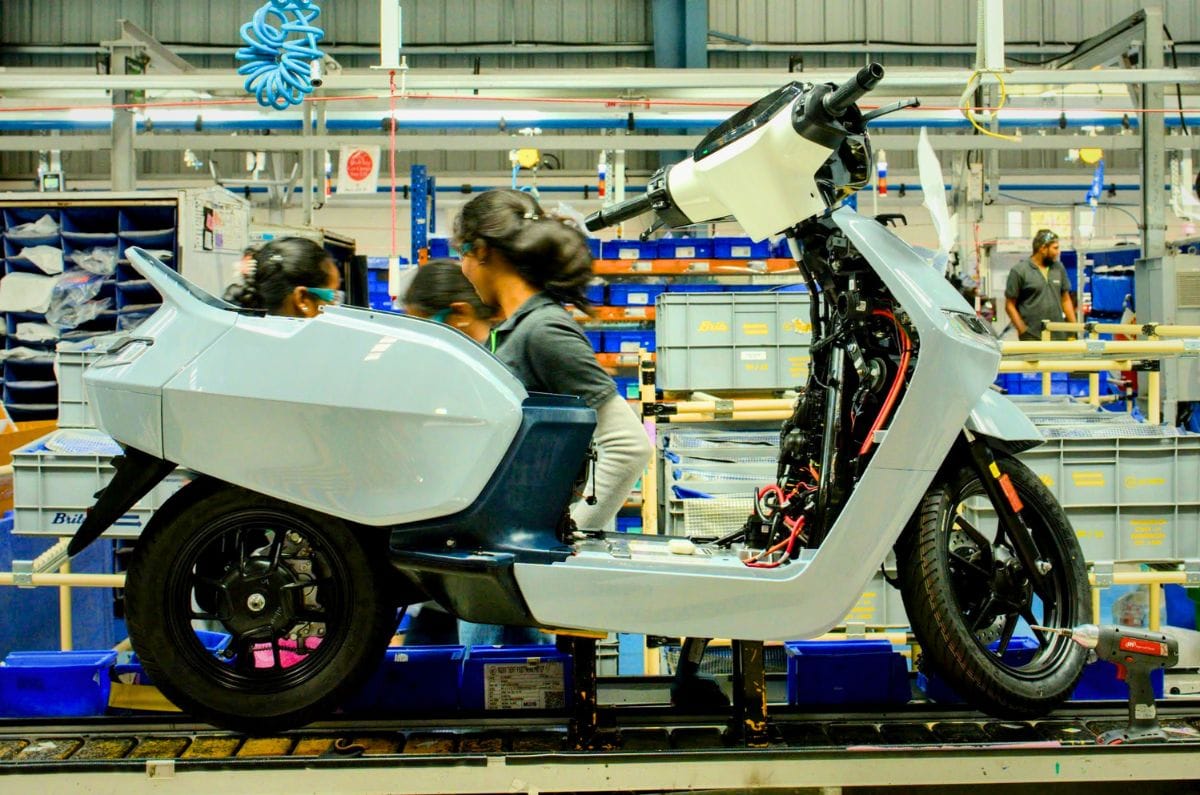
The comments come as Ather prepares to commission the first phase of its Aurangabad, or AURIC, manufacturing facility in a couple of months. The company currently manufactures electric scooters from its Hosur plant, which has an annual production capacity of 4.2 lakh units. Mehta said the facility is now operating at almost full utilisation following steady production ramp-up during the first quarter.
Once the Aurangabad plant comes live, it will add another 5 lakh units of annual capacity, taking Ather’s total manufacturing capacity to 9.2 lakh units a year. He added that the Aurangabad facility is progressing as planned, with the assembly line already installed, the paint shop under trial and warehouse and utility work nearing completion ahead of commercial operations later this year. However, Mehta said even that may prove insufficient if the current pace of demand continues.
“GoLive of Auric will take our total capacity up from 4.2 lakh units to 9.2 lakh units later this calendar year. But we believe demand is ramping up very fast. 9.2 lakh units per annum is only 77,000 units a month. We believe on current demand trajectories, even this may be tight in the coming quarters. Which is why I think we were lucky here when we took Aurangabad land. We took a larger land capacity and we had always planned for Auric phase two,” he said.
EV Demand Outpaces Supply
Demand has risen sharply over the past few months, according to the company, resulting in supply constraints across several markets. Mehta said dealer inventories have fallen from 14 days to just three days, while some dealerships have temporarily stopped accepting fresh pre-orders because waiting periods have stretched to around two months or more. The company estimates it could have retailed another 13,000 to 15,000 scooters every month if sufficient production capacity had been available.
“There are 50,000 pre-orders, despite the fact that in many states now, our dealers are no longer even accepting new pre-orders, because the waiting times are now hitting two months or even higher. The underlying demand we strongly believe is very, very high,” Mehta said. “We believe today that of the 30,000 units that we retail average in Q1, we could have probably sold an incremental 13,000 to 15,000 units extra every month.”
New EL Scooter Platform Set to Launch on August 29
Ather expects demand to receive another boost with the launch of its first new scooter based on its brand-new EL platform on August 29. Production of the vehicle has already begun at the Hosur plant, homologation has been completed and high-volume trials are underway.
Initially, production will continue from Hosur before gradually shifting to Aurangabad as the new facility ramps up. The company plans to scale manufacturing capacity for the EL platform to about 60,000 units a month across the two plants. The EL platform will underpin multiple future scooter models and forms part of Ather’s strategy to expand production and meet rising demand for electric scooters.
Ather electric bike still at least 2 years away
Even as it prepares to debut a fresh onslaught of new products based on its EL platform, Ather Energy has no plans to enter the electric motorcycle segment in the near term. According to Ather Energy co-founder and Chief Executive Officer Tarun Mehta, the company’s strategy is to first concentrate on rolling out products based on its new EL platform before entering the electric motorcycle space.
“At this point, we are focused on the EL platform and getting at least the first, maybe two products, maybe another product out on it in the next year,” Mehta said to investors. Ather had earlier said it is developing a dedicated motorcycle platform, codenamed Zenith, alongside its EL scooter architecture. The comments indicate that Ather is now taking a measured approach towards a segment that is still at an early stage of adoption.
“Motorcycles are starting to look interesting. But Ather may not be the pioneer this time. We may watch the market. We want to see how consumers respond, which segments show a willingness and an interest towards the segment before we make our maiden launch here,” Mehta said.
He added that an electric motorcycle from Ather is not expected anytime soon. “So this, I would say, more than a year away, for sure. Probably two years plus.” he said. The company’s strategy comes at a time when India’s electric two-wheeler market continues to be led by scooters, while electric motorcycles account for only a miniscule share of overall EV sales.
Royal Enfield has begun sales of its Flying Flea C6 electric motorcycle on a small scale, while startups including Ultraviolette, Revolt and Oben are expanding their presence. Other legacy players like Bajaj Auto and Hero MotoCorp are also developing their own electric motorcycle platforms, although a debut from either brand is still some time away. Ather, however, plans to observe how the market evolves before committing resources to the category.
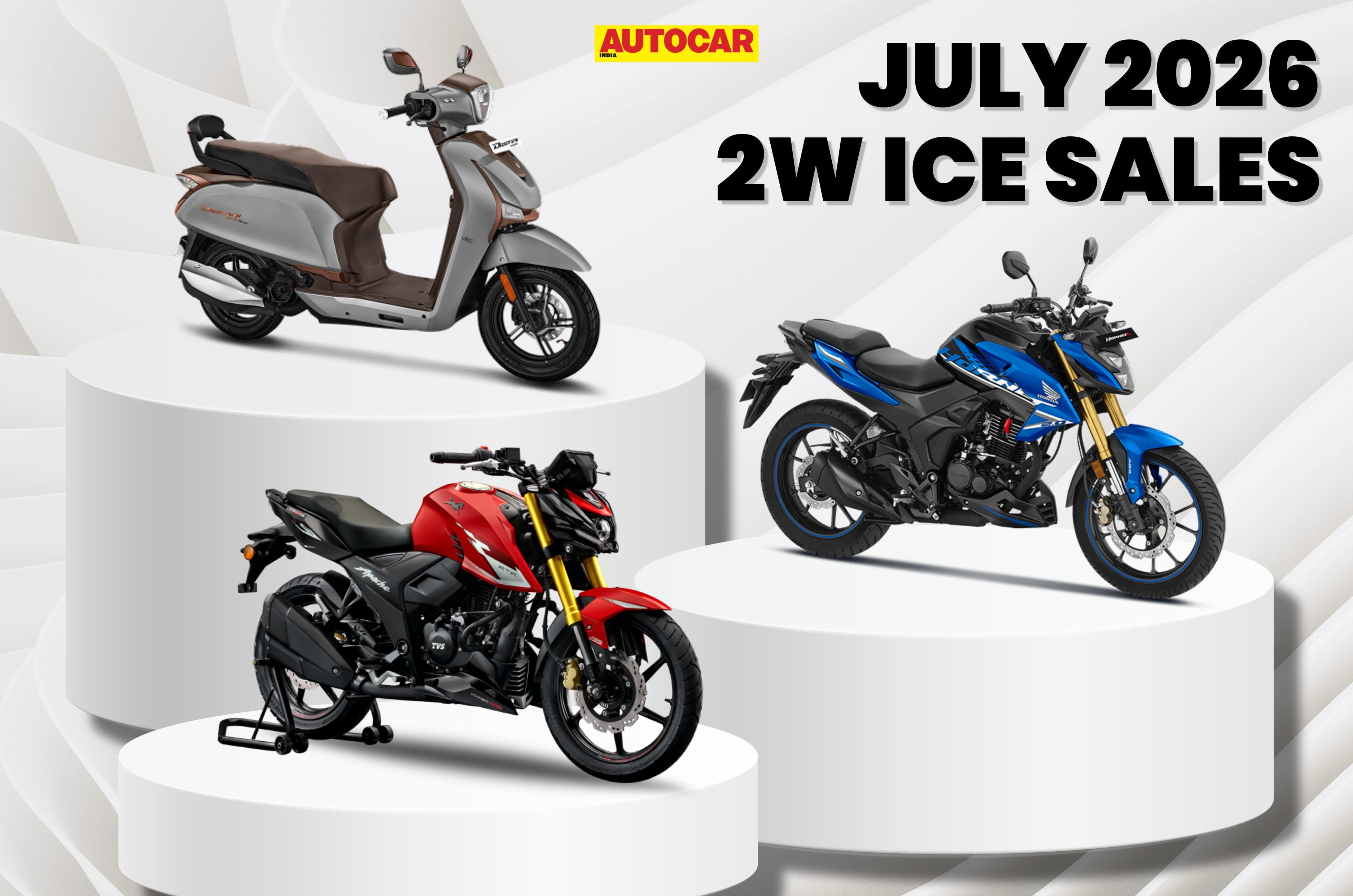
As India gears up to enter the festive season, ICE two-wheeler sales have started to report a small but noticeable uptick, for most manufacturers at least. Here’s how each of the big six two-wheeler heavyweights in the market performed in the month of July 2026.
Hero: 5,01,403 units
Hero MotoCorp continues to be at the top of this pile, albeit it reported a small 0.29 percent decrease compared to its sales in June 2026 (5,02,890 units). By contrast, the company reported a healthy 21.58 percent increase in comparison to its sales in July 2025 (4,12,397 units). It bears mentioning that Hero bundles the growing sales numbers of its electric subsidiary, Vida, which is now in the top 5 bestselling brands in the country.
Hero’s biggest adventure bike, the Xpulse 421, has been spotted testing for the first time up in the mountains and it seems quite close to being production ready. The company exported 32,013 units in July, which was a decrease compared to the 38,269 units in June.
Honda: 4,76,436 units
Honda Motorcycle and Scooter India (HMSI) is in its usual runner-up position behind Hero, and it reported a small 1.59 percent increase compared to its sales in June 2026 (4,68,956 units). Similarly, the company also reported an 2.17 percent increase in comparison to its July 2025 sales figure of 4,66,331 units.
Honda recently revealed a bevy of new made-in-India sub-500cc premium two-wheelers including the likes of the Rebel 300 and 500 bobbers, CB500 neo-retro single, ADV160 maxi-scooter and XR300 off-roader twins. Expect this push in the premium space from Honda to pose a significantly revamped threat to Hero’s longstanding #1 spot. HMSI exported 66,498 units in July, which was an increase over the 59,325 units it sent abroad in June.
TVS: 4,37,394 units
TVS Motor Company has cemented its #3 position in India and of late, its numbers have been much closer to Honda ahead of it than Bajaj trailing it. In July 2026, the company reported a 6.42 percent increase compared to the 4,11,014 units it sold in June 2026. In a similar vein, TVS also reported a substantial xx percent increase in comparison to its sales in July 2025 (3,08,720 units). It’s worth noting that TVS – India’s electric two-wheeler sales leader – doesn’t bundle in the sales of its electric scooter trifecta – iQube, Orbiter and X – into the number above.
TVS is working hard behind the scenes to set up its Paddock premium bike dealer network which will also sell the Norton range in India. The Hosur-based marque is India’s second largest two-wheeler exporter and it shipped 1,65,744 units overseas in July, up from 1,54,403 units exported in June.
Bajaj: 1,65,747 units
Bajaj Auto is in its usual number four spot and it reported a marginal 0.72 percent decline last month in comparison to its sales in June 2026 (1,66,956 units). However, it did report a 19 percent increase when compared to its July 2025 sales of 1,39,279 units. It bears mentioning that Bajaj bundles in the sales of the sub-400cc KTM and Triumph models it manufactures as well as those of the Chetak electric scooter – India’s second bestselling e-scooter – into the number above.
The Classic Pulsar models are due to be revamped in the coming weeks and expect Bajaj to ride a surging wave of demand for these as the festive season gets well and truly underway. Bajaj is India’s largest two-wheeler exporter and it sent 2,22,972 units overseas in July, a slight improvement over the 2,22,439 units it exported in June.
Suzuki: 1,23,216 units
Suzuki Motorcycle India Pvt. Ltd. (SMIPL) reported its best-ever monthly sales in July, and in doing so recorded a significant 35.01 percent increase over the 91,264 units it sold in June 2026. Even in comparison to its sales in July 2025 (96,029 units), Suzuki reported a 28.31 percent increase.
Suzuki shipped 19,769 units overseas in July, which was lower than the 23,766 units it exported in June.
Royal Enfield: 1,05,317 units
Royal Enfield sold more than 1 lakh units domestically in July and in doing so, it reported a 2.32 percent increase when compared to its sales in June 2026 (1,02,930 units). Even in comparison to its sales in July 2025 (76,254 units), the company reported a healthy 38.11 percent increment. Recently, RE expanded the reach of its Flying Flea electric brand to multiple locations across Bengaluru, after beginning sales of the C6 in the recent past.
The company exported 12,915 units in July, higher than the 11,102 units it sold abroad in June.
Stocks to Watch: सोमवार, 3 अगस्त के कारोबार में कई शेयरों पर निवेशकों की खास नजर रहेगी। कुछ कंपनियों ने दमदार तिमाही नतीजे पेश किए हैं। कुछ को बड़े ऑर्डर और अहम कारोबारी अपडेट मिले हैं। वहीं, जुलाई ऑटो सेल्स के आंकड़ों ने भी कई ऑटो शेयरों को फोकस में ला दिया है। ऐसे में इन 20 स्टॉक्स में सोमवार को बड़ी हलचल देखने को मिल सकती है।
Maruti Suzuki
ऑटोमोबाइल सेक्टर की कंपनी मारुति सुजुकी ने जून तिमाही में मिले-जुले नतीजे पेश किए। कंपनी का शुद्ध मुनाफा 10.8% घटकर ₹3,352 करोड़ रहा, लेकिन यह बाजार के अनुमान से बेहतर रहा। वहीं, रेवेन्यू में अच्छी बढ़त दर्ज हुई। हालांकि ऑपरेटिंग मार्जिन पर दबाव बना रहा।
CDSL
डिपॉजिटरी सर्विसेज कंपनी CDSL का जून तिमाही में कंसोलिडेटेड शुद्ध मुनाफा 15% बढ़कर ₹117.51 करोड़ हो गया। आय में भी बढ़ोतरी दर्ज की गई। हालांकि, सालाना आधार पर कंपनी के मार्जिन में कुछ गिरावट देखने को मिली।
Indian Oil Corporation
सरकारी ऑयल मार्केटिंग कंपनी इंडियन ऑयल कॉर्पोरेशन (IOC) को जून तिमाही में ₹2,661.3 करोड़ का स्टैंडअलोन घाटा हुआ। यह घाटा बाजार के अनुमान से भी ज्यादा रहा। इसका मतलब कि कंपनी का प्रदर्शन उम्मीद से कमजोर रहा।
Muthoot Finance
गोल्ड लोन देने वाली एनबीएफसी कंपनी मुथूट फाइनेंस का जून तिमाही में शुद्ध मुनाफा करीब 39% बढ़ा। कंपनी की नेट इंटरेस्ट इनकम (NII) और ब्याज आय में भी मजबूत बढ़ोतरी दर्ज की गई। गोल्ड लोन कारोबार ने प्रदर्शन को सहारा दिया।
ITC
एफएमसीजी और सिगरेट कारोबार वाली कंपनी आईटीसी का स्टैंडअलोन शुद्ध मुनाफा 27.1% घटकर ₹3,578.8 करोड़ रह गया। वहीं, रेवेन्यू 14.4% घटकर ₹16,908 करोड़ पर आ गया। कंपनी का प्रदर्शन पिछले साल के मुकाबले कमजोर रहा।
Aarti Drugs
फार्मा कंपनी आरती ड्रग्स का जून तिमाही में शुद्ध मुनाफा 6.9% घटकर ₹50.17 करोड़ रह गया। हालांकि, कंपनी का रेवेन्यू 19% बढ़कर ₹702.78 करोड़ पहुंच गया। यानी बिक्री बढ़ी, लेकिन मुनाफे पर दबाव रहा।
Sarda Energy & Minerals
स्टील और पावर सेक्टर की कंपनी सारदा एनर्जी एंड मिनरल्स का जून तिमाही में कंसोलिडेटेड शुद्ध मुनाफा 5.5% बढ़कर ₹458.25 करोड़ हो गया। कंपनी ने पिछले साल के मुकाबले बेहतर प्रदर्शन किया।
GPT Infra
इंफ्रास्ट्रक्चर कंपनी GPT Infra का जून तिमाही में कंसोलिडेटेड शुद्ध मुनाफा 5% बढ़कर ₹24.63 करोड़ रहा। हालांकि, इस दौरान कंपनी की आय 3% घटकर ₹302.07 करोड़ रह गई।
NALCO
सरकारी एल्युमिनियम कंपनी NALCO ने जून तिमाही में मजबूत नतीजे पेश किए। कंपनी का मुनाफा करीब 91% और आय 39% से ज्यादा बढ़ी। बेहतर प्रदर्शन से निवेशकों की नजर इस स्टॉक पर रहेगी।
Raymond Lifestyle
लाइफस्टाइल और परिधान कंपनी रेमंड लाइफस्टाइल की आय जून तिमाही में करीब 6% बढ़ी। हालांकि, बढ़ते खर्च की वजह से कंपनी का शुद्ध घाटा बढ़ गया। इसके बावजूद EBITDA और मार्जिन में सुधार दर्ज किया गया।
Sterlite Technologies
टेलीकॉम नेटवर्क और ऑप्टिकल फाइबर कंपनी स्टरलाइट टेक्नोलॉजीज को एक घरेलू टेलीकॉम ऑपरेटर से ₹960 करोड़ का मल्टी-ईयर सप्लाई एग्रीमेंट मिला है। कंपनी अगले दो साल तक ऑप्टिकल फाइबर केबल की सप्लाई करेगी।
Marathon Nextgen Realty
रियल एस्टेट कंपनी मैराथन नेक्स्टजेन रियल्टी ने मुंबई के सेवरी माइक्रो-मार्केट में एक रेजिडेंशियल रीडेवलपमेंट प्रोजेक्ट शुरू किया है। इस प्रोजेक्ट की ग्रॉस डेवलपमेंट वैल्यू (GDV) करीब ₹450 करोड़ है। इससे कंपनी की मुंबई में मौजूदगी और मजबूत होने की उम्मीद है।
Nilkamal
प्लास्टिक फर्नीचर और मटीरियल हैंडलिंग कंपनी नीलकमल का जून तिमाही में मुनाफा 59% से ज्यादा बढ़ा। हालांकि, इस दौरान कंपनी की आय में गिरावट रही। खर्च कम होने और बेहतर ऑपरेटिंग प्रदर्शन से मुनाफा बढ़ा।
APL Apollo
स्टील ट्यूब बनाने वाली कंपनी APL Apollo का जून तिमाही में कंसोलिडेटेड शुद्ध मुनाफा 11% बढ़कर ₹263 करोड़ हो गया। पिछले साल इसी तिमाही में यह ₹237 करोड़ था।
Glenmark Pharmaceuticals
फार्मा कंपनी ग्लेनमार्क फार्मास्यूटिकल्स का जून तिमाही में कंसोलिडेटेड शुद्ध मुनाफा 930% बढ़कर ₹483 करोड़ पहुंच गया। पिछले साल इसी अवधि में कंपनी ने ₹47 करोड़ का मुनाफा कमाया था।
ABB India
इलेक्ट्रिफिकेशन और ऑटोमेशन कंपनी ABB India का दूसरी तिमाही में स्टैंडअलोन शुद्ध मुनाफा 3% बढ़कर ₹362.3 करोड़ रहा। पिछले साल इसी तिमाही में यह ₹352 करोड़ था।
Jupiter Life Line Hospitals
मल्टी-स्पेशियलिटी हॉस्पिटल चेन जुपिटर लाइफ लाइन हॉस्पिटल्स का जून तिमाही में शुद्ध मुनाफा 14.6% घटकर ₹37.5 करोड़ रह गया। पिछले साल इसी तिमाही में यह ₹43.9 करोड़ था।
Blue Dart Express
लॉजिस्टिक्स और एक्सप्रेस पार्सल कंपनी ब्लू डार्ट एक्सप्रेस का जून तिमाही में मुनाफा 81.2% बढ़ा। कंपनी ने इसका श्रेय मजबूत रेवेन्यू ग्रोथ और बेहतर ऑपरेटिंग प्रदर्शन को दिया।
NCC
इंफ्रास्ट्रक्चर कंपनी NCC को जुलाई में ₹1,052.71 करोड़ के तीन नए ऑर्डर मिले हैं। ये ऑर्डर कंपनी के बिल्डिंग्स और वॉटर डिविजन से जुड़े हैं। इससे कंपनी की ऑर्डर बुक और मजबूत होगी।
Powerica
पावर सॉल्यूशंस कंपनी पावरिका ने Gujarat Urja Vikas Nigam Ltd (GUVNL) के साथ 100 मेगावाट विंड पावर प्रोजेक्ट के लिए पावर परचेज एग्रीमेंट (PPA) साइन किया है। इससे कंपनी के रिन्यूएबल एनर्जी कारोबार को मजबूती मिलने की उम्मीद है।
July Auto Sales
ऑटो सेक्टर की कई कंपनियों ने जुलाई में मजबूत बिक्री दर्ज की। Hero MotoCorp की बिक्री 19% बढ़कर 5.33 लाख यूनिट, Maruti Suzuki की 33.7% बढ़कर 2.41 लाख यूनिट, Hyundai की 25.4% बढ़कर 75,360 यूनिट और Mahindra & Mahindra की कुल बिक्री 1.04 लाख यूनिट रही। Tata Motors की पैसेंजर व्हीकल बिक्री अनुमान से बेहतर रही। Eicher Motors की Royal Enfield बिक्री 34% बढ़ी।
Disclaimer: यहां मुहैया जानकारी सिर्फ सूचना के लिए दी जा रही है। यहां बताना जरूरी है कि मार्केट में निवेश बाजार जोखिमों के अधीन है। निवेशक के तौर पर पैसा लगाने से पहले हमेशा एक्सपर्ट से सलाह लें। मनीकंट्रोल की तरफ से किसी को भी पैसा लगाने की यहां कभी भी सलाह नहीं दी जाती है।
अगर आप Royal Enfield के फैन हैं, तो आपके लिए अच्छी खबर है। कंपनी ने जुलाई 2026 में शानदार बिक्री दर्ज की है। इस दौरान Royal Enfield की कुल मोटरसाइकिल बिक्री 34% बढ़कर 1,18,232 यूनिट पर पहुंच गई। इस शानदार प्रदर्शन में सबसे बड़ा योगदान घरेलू बाजार का रहा, जबकि विदेशों में भी कंपनी की बिक्री में हल्की बढ़त देखने को मिली।
बता दें कि जुलाई 2026 में भारत में Royal Enfield की 1,05,317 मोटरसाइकिलें बिकीं, जबकि पिछले साल इसी महीने यह आंकड़ा 76,254 यूनिट था। वहीं, कंपनी का एक्सपोर्ट भी बढ़कर 12,915 यूनिट हो गया, जो जुलाई 2025 में 11,791 यूनिट था। इन आंकड़ों से साफ है कि भारतीय बाजार में Royal Enfield की बाइक्स की मांग लगातार मजबूत बनी हुई है। साथ ही, विदेशी बाजारों में भी कंपनी अपनी पकड़ धीरे-धीरे मजबूत कर रही है।
अगर चालू वित्त वर्ष में अब तक की बात करें, तो Royal Enfield ने कुल 4,48,659 मोटरसाइकिलें बेची हैं। यह पिछले वित्त वर्ष की इसी अवधि में बिके 3,53,573 यूनिट के मुकाबले 27% ज्यादा है। वहीं, अप्रैल से जुलाई 2026 के बीच घरेलू बाजार में कंपनी की बिक्री बढ़कर 4,06,491 यूनिट हो गई। हालांकि, इस दौरान एक्सपोर्ट 42,168 यूनिट रहा, जो पिछले साल की समान अवधि के 48,540 यूनिट के मुकाबले कम है।
कंपनी ने क्या कहा?
सेल्स अपडेट के साथ-साथ, Royal Enfield ने बताया कि उसका Flying Flea इलेक्ट्रिक मोबिलिटी ब्रांड बेंगलुरु में अपना दायरा बढ़ा रहा है। जयनगर में अपना पहला स्टोर खोलने के बाद, ब्रांड ने 10 नए सेल्स और सर्विस टचपॉइंट्स जोड़े हैं। यह विस्तार ‘Flying Flea C6’ में बढ़ती दिलचस्पी को दिखाता है और संकेत देता है कि Flying Flea अपने इलेक्ट्रिक बिजनेस को शहर के बड़े कस्टमर बेस के लिए तैयार कर रही है।
इसके अलावा, कंपनी ने 2026 Classic 350 में भी कुछ अपडेट्स किए हैं, जिनमें असिस्ट और स्लिपर क्लच और USB टाइप-C फास्ट चार्जिंग पोर्ट शामिल हैं। ये ऐसे बदलाव हैं जो कागज पर भले ही छोटे लगें, लेकिन रोजाना के इस्तेमाल में अक्सर मायने रखते हैं, खासकर उन राइडर्स के लिए जो ट्रैफिक में या रोजाना आने-जाने में लंबा समय बिताते हैं।
मैन्युफैक्चरिंग के मोर्चे पर, कंपनी ने कहा कि वह आंध्र प्रदेश में अपने 1,225 करोड़ रुपये के ग्रीनफील्ड प्लांट के पहले चरण पर काम आगे बढ़ा रही है। पूरी तरह चालू होने पर, इस फैसिलिटी से सालाना 450,000 मोटरसाइकिल तक की कैपेसिटी जुड़ने की उम्मीद है, और इसे FY2029-30 तक पूरा करने का लक्ष्य रखा गया है।
Honda unveiled the Rebel 300 and Rebel 500 earlier this month, and we now have a clearer idea of their expected pricing and launch timelines.
Rebel 300 launch likely in November 2026
Rebel 500 launch targeted for January-February 2027
Honda Rebel 300, Rebel 500 price details
The E-Clutch variants could command a significant premium over the standard motorcycles
The Rebel 300 and Rebel 500 are fairly familiar names for Indian enthusiasts. Honda has been hinting at the arrival of both for years now, and the latter was also briefly available in our market, where it was last priced at around Rs 5.12 lakh (ex-showroom, Delhi) after the GST rate hike. However, the bikes are now set to be made in India with a high level of localization, so we can expect more competitive pricing.
The Rebel 300 is powered by a 286cc single-cylinder, liquid-cooled engine producing around 30hp and 27.5Nm, while the Rebel 500 uses a 471cc parallel-twin producing 46hp and 43.3Nm.
Our understanding is that the smaller Rebel 300 will feature a higher level of localization and is expected to be priced at around Rs 2.1 to 2.2 lakh for the standard bike while the E-Clutch variant will be much more expensive. It’s still uncertain how much more expensive this could be, but the difference is likely to be in the tens of thousands..
Between the E-Clutch and the base model, the aggressive pricing would put it on par with rivals such as the Royal Enfield Goan Classic 350 (Rs 2.35 lakh), and the Jawa 42 Bobber (Rs 2.10 lakh-Rs 2.32 lakh). The Rebel 300 is expected to go on sale in November this year.
The Rebel 500, meanwhile, will initially see about 50 percent localization, with core components like the engine still not being manufactured here. However, Honda is working on localizing that as well, which could lead to lower prices in the future. For now, the Rebel 500 is expected to be priced at around Rs 4.7 lakh although it is unclear whether this will be for the standard or E-Clutch variant. Its launch is targeted for January-February 2027.
While this represents a reduction over the Rebel 500’s previous asking price, the 40 percent GST now applicable to motorcycles above 350cc limits the price benefits that localisation could have delivered. Even so, both bikes are popular globally, and Honda’s decision to localise them should make them much stronger value propositions in our market.
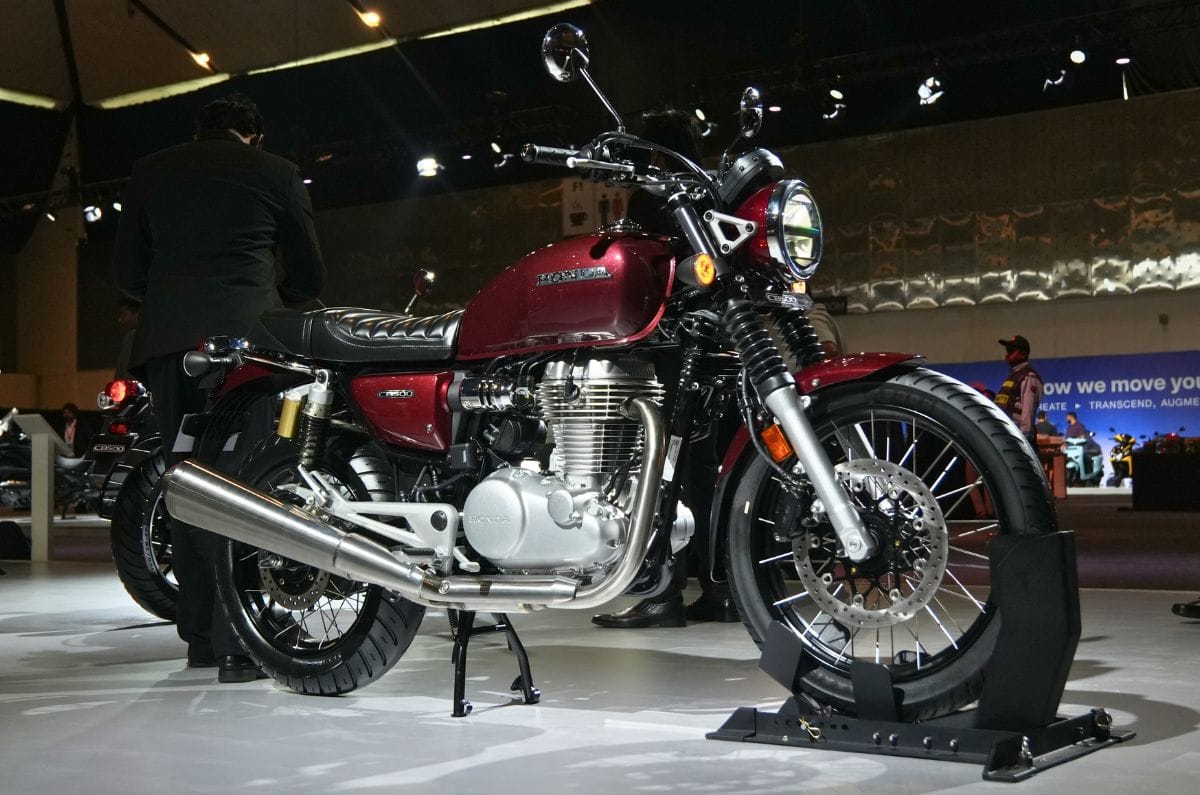
The CB500 was one of the hot-ticket reveals from Honda Motorcycle and Scooter India (HMSI) recently and it enters a segment of the market where it will sit virtually in a class of its own. The CB500 is based on the same platform as the CB350 line of bikes but with nuanced differences.
Powered by a 501cc, long-stroke thumper
Launch likely to happen around October-November
Likely to slot in between Harley-Davidson X440 and RE Interceptor 650
Powered by a 501cc, air/oil-cooled, single-cylinder engine making 28hp and 43.3Nm of torque, the CB500 sits virtually in a league of its own, occupying the space vacated by the erstwhile Royal Enfield 500cc models. While the CB350 models have competitive pricing, sitting around the Rs 2 lakh ballpark (ex-showroom, Delhi), the CB500 will be considerably more expensive.
This is partly due to the larger engine and additional features but a large contributing factor is the higher GST rate. The new regime taxes two-wheelers above 350cc at 40 percent, which is more than double the 18 percent tax levied on machines below that mark.
As a result, it is likely that the CB500 will slot into the market between Rs 2.80 lakh – Rs 3.00 lakh (ex-showroom) upon its launch, which is likely to take place in October-November 2026. While this is sure to relegate it to a niche audience, the CB500 – on paper, at least – promises a unique riding experience in today’s marketplace.
Upon launch, there will be three variants on offer. The base CB500 will come with simple colours and alloy wheels, the mid-spec variant will have metallic finish solid paint and cross-spoke rims permitting tubeless tyres and the top model will have exclusive colours and graphics as well as those aforementioned laced rims.
The nearest challengers to the CB500 are the Hero-built Harley-DavidsonX440 models (Rs 2.35 lakh – Rs 2.85 lakh), although the X440s use a smaller engine with lesser torque. At its price point, the CB500 will slot in below the Royal Enfield 650s, which start at Rs 3.39 lakh (ex-showroom, Chennai) with the Interceptor 650.