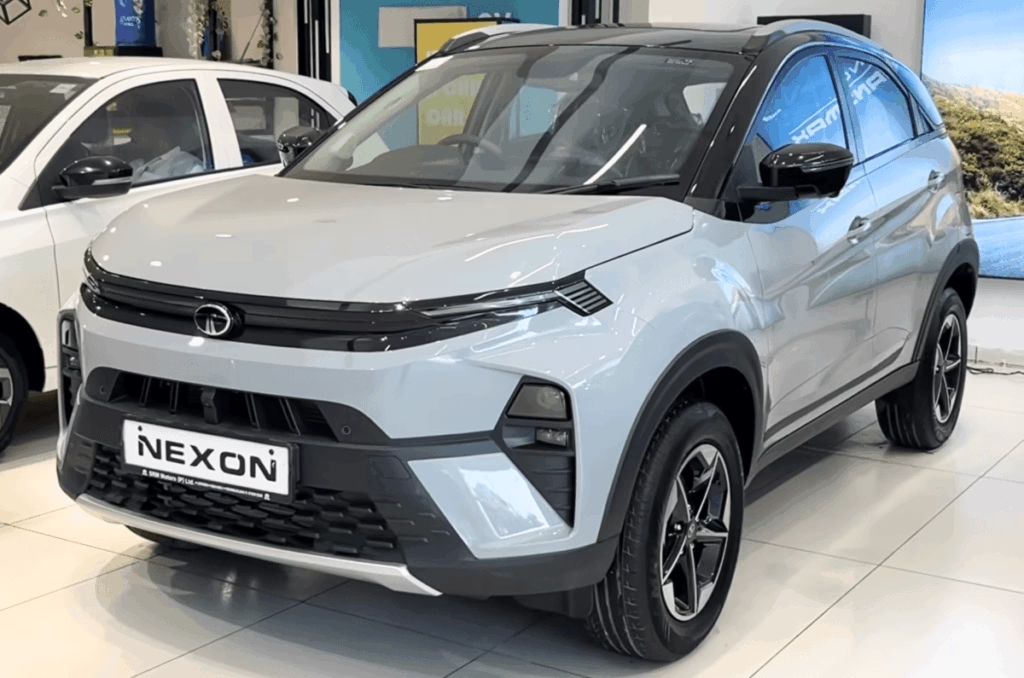
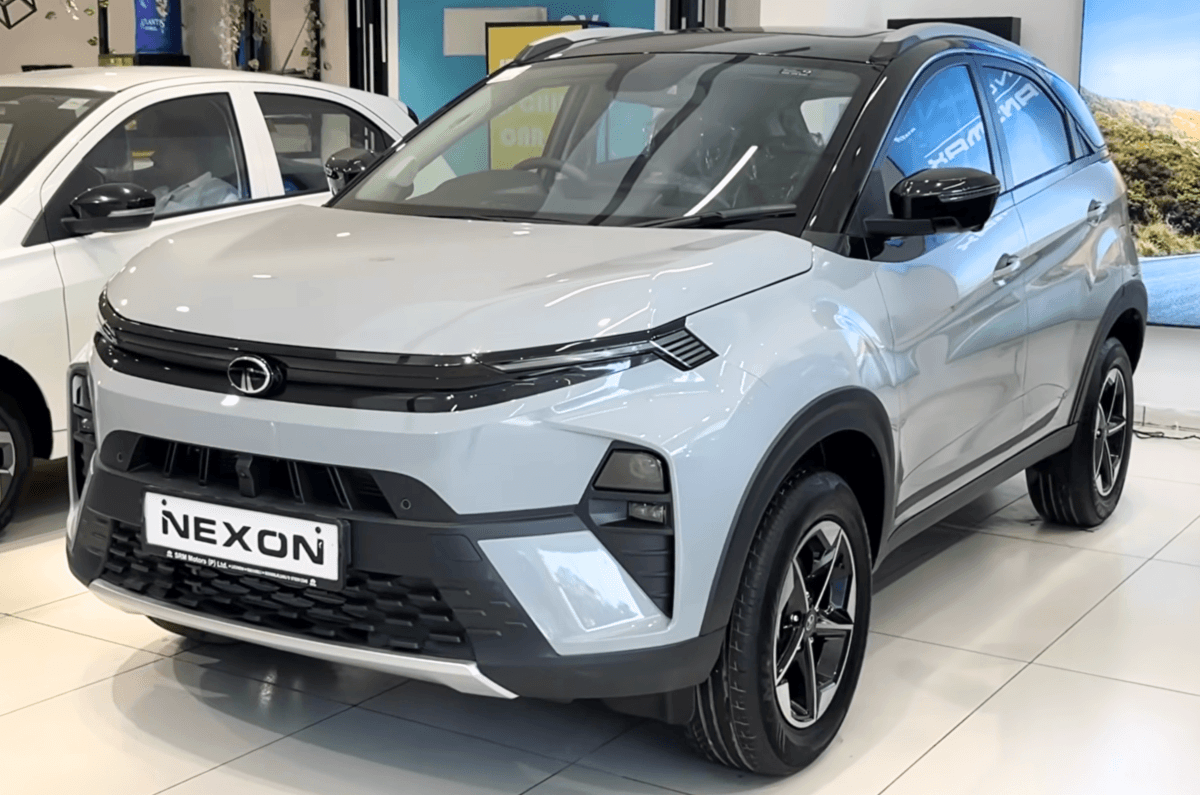
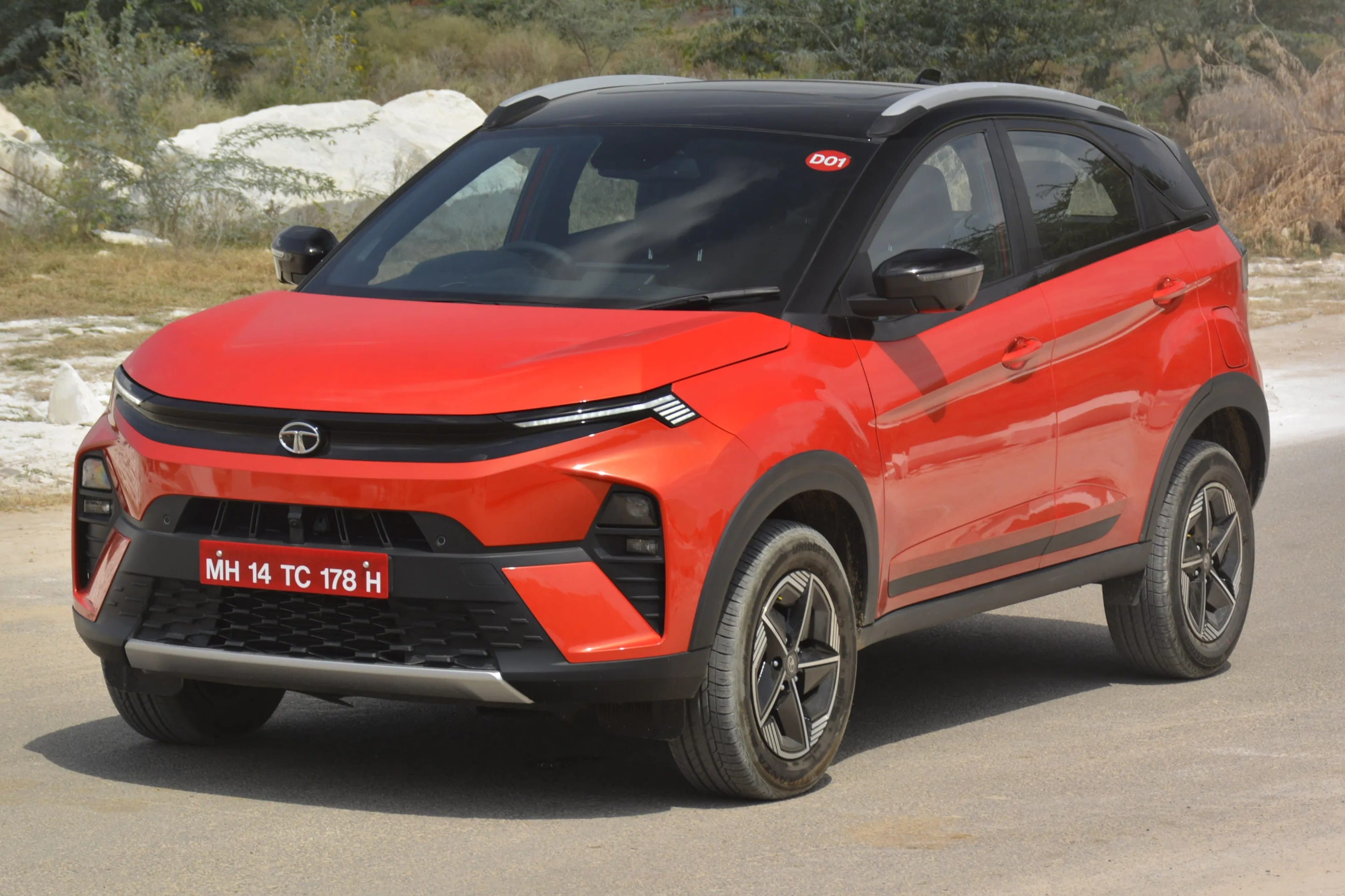
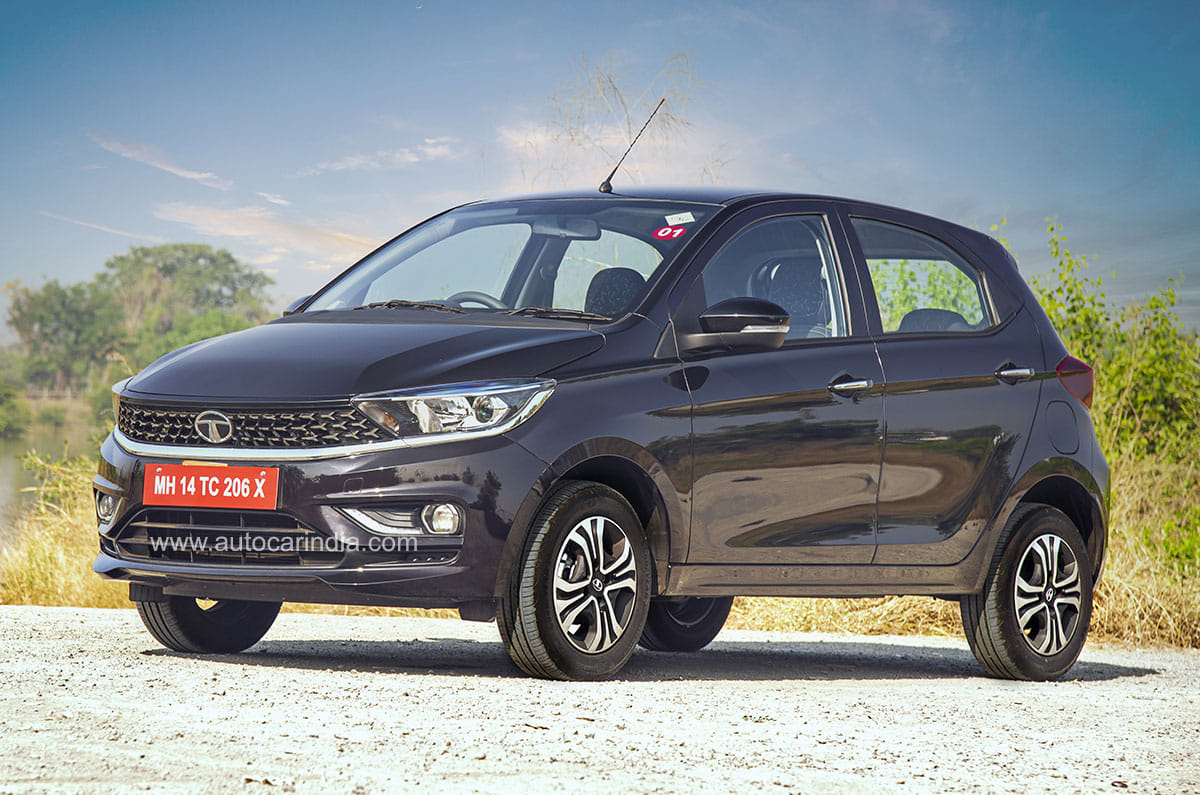
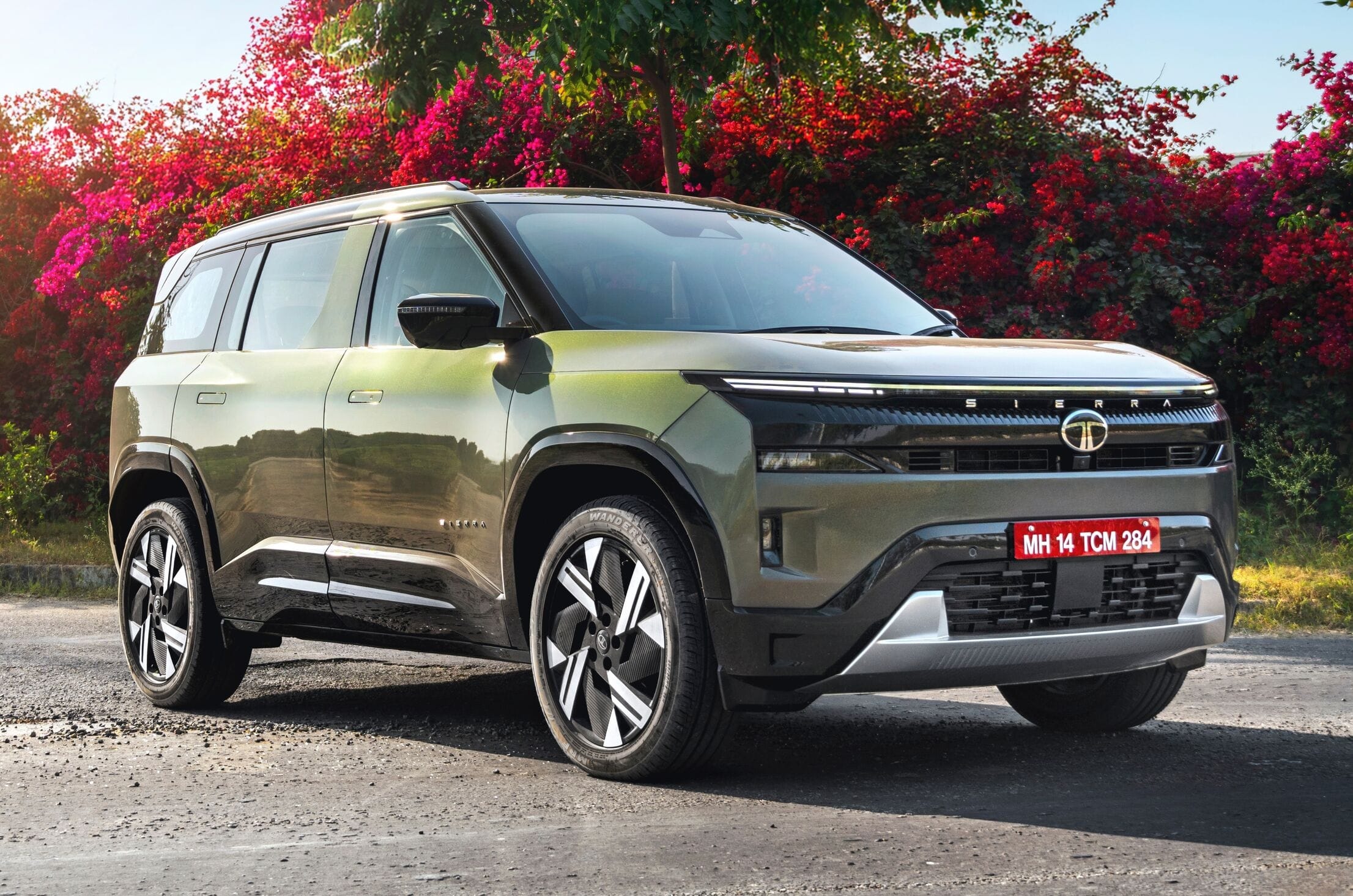
Tata Motors has revealed offers on its combustion-powered cars for September 2026. The highest benefits are available on the Curvv, followed by the Nexon. There are offers on the Altroz, Harrier, Sierra, Sierra, Tigor, and pre-2026 Tiago stock available at some dealerships. These offers will provide some relief from the price hike introduced by the carmaker earlier this month.
Note: These offers, applicable until September 30, may vary by city, dealership and stock availability. Please check with your nearest Tata dealership for the exact figures.
Tata Curvv offers in September 2026
Up to Rs 1.25 lakh
Just like last month, The Tata Curvv is available with offers of up to Rs 1.25 lakh in September. These include a discount of Rs 30,000, a scrappage benefit of Rs 45,000 and a loyalty benefit of Rs 50,000. Tata recently rejigged the Curvv’s variant line-up by introducing more features in entry-level and mid-spec trims.
Tata Nexon offers in September 2026
Up to Rs 75,000
Next, the Tata Nexon is available with offers of up to Rs 75,000. For petrol-manual trims – Smart+, Smart+S, Pure, Pure S, Pure+, Pure+ S and Pure+ PS – the offers include a discount of Rs 10,000, an intervention offer of Rs 45,000 and a scrappage benefit of Rs 20,000. Other petrol trims of the compact SUV get up to Rs 55,000, comprising a discount of Rs 10,000, intervention offer of Rs 25,000 and scrappage benefit of Rs 20,000.
The Nexon CNG gets offers of up to Rs 60,000, including a discount of Rs 10,000, intervention offer of Rs 25,000 and scrappage benefit of Rs 25,000. Meanwhile, the diesel version gets a scrappage benefit of Rs 20,000.
Tata Altroz offers in September 2026
Up to Rs 55,000
The Tata Altroz gets offers of up to Rs 55,000. Petrol trims, excluding Smart, get up to Rs 35,000, including a discount of Rs 15,000 and a scrappage benefit of Rs 20,000. Its CNG version gets up to Rs 55,000, comprising a discount of Rs 15,000, an intervention offer of Rs 20,000 and a scrappage benefit of Rs 20,000. The Altroz diesel gets up to Rs 35,000, including a discount of Rs 15,000 and a scrappage benefit of Rs 20,000.
Tata Harrier offers in September 2026
Up to Rs 45,000
The Tata Harrier diesel gets offers of up to Rs 45,000, including a discount of Rs 10,000 and a scrappage benefit of Rs 35,000. There is no discount on the Harrier turbo-petrol trims.
Tata Safari offers in September 2026
Up to Rs 45,000
Like the Harrier, the Tata Safari diesel also gets offers of up to Rs 45,000 in September. It gets the same discount and scrappage benefits. Also, there is no discount on the Safari turbo-petrol trims.
Pre-2026 Tata Tiago offers in September 2026
Up to Rs 35,000
Pre-2026 Tata Tiago models get offers of up to Rs 35,000. Petrol trims, excluding XE, get a discount of Rs 15,000, an intervention offer of Rs 5,000 and a scrappage benefit of Rs 15,000. The pre-2026 CNG version, also excluding the XE trim, gets the same offers.
Tata Tigor offers in September 2026
Up to Rs 30,000
The Tata Tigor gets offers of up to Rs 30,000. These include a discount of Rs 15,000 and a scrappage benefit of Rs 15,000.
Tata Sierra offers in September 2026
Up to Rs 30,000
Lastly, the Tata Sierra gets offers of up to Rs 30,000 in September 2026. For both the diesel and petrol versions, buyers can avail of a Rs 30,000 benefit through a discount, scrappage or loyalty benefit.
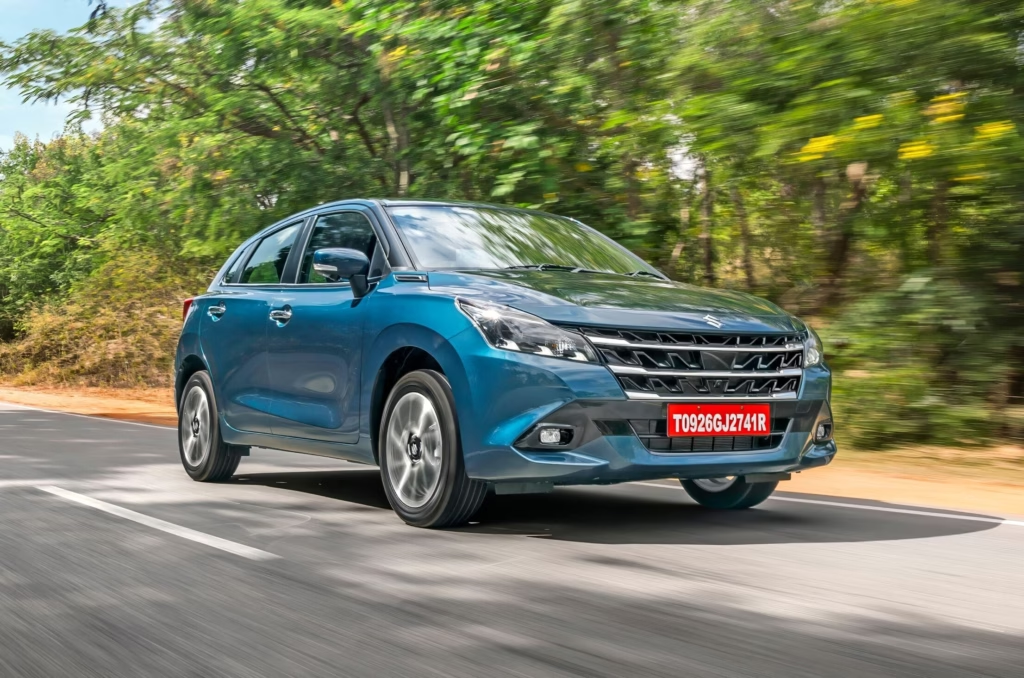
The Maruti Suzuki Baleno has proven to be hugely successful, with the premium hatchback going home to 1.9 million buyers since its introduction in 2015. And in a time when compact SUVs are all the rage, the Baleno continues to buck the trend and bring in the numbers for the brand. And now in a bid to keep it fresh and relevant, Maruti Suzuki has updated it with a tweaked design, new comfort and safety features and even a new petrol engine.
Maruti Baleno Exterior Design and Engineering – 7/10
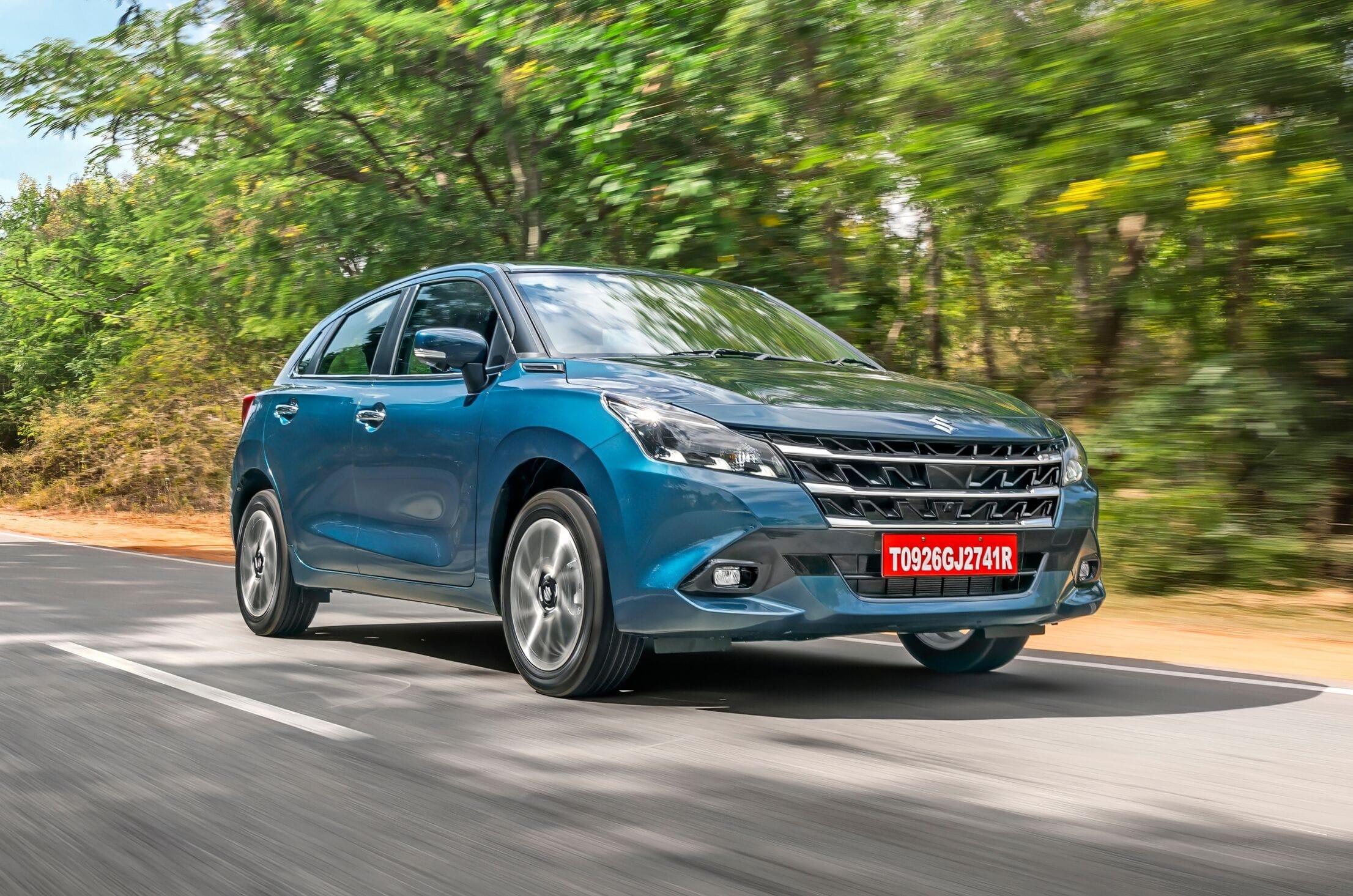
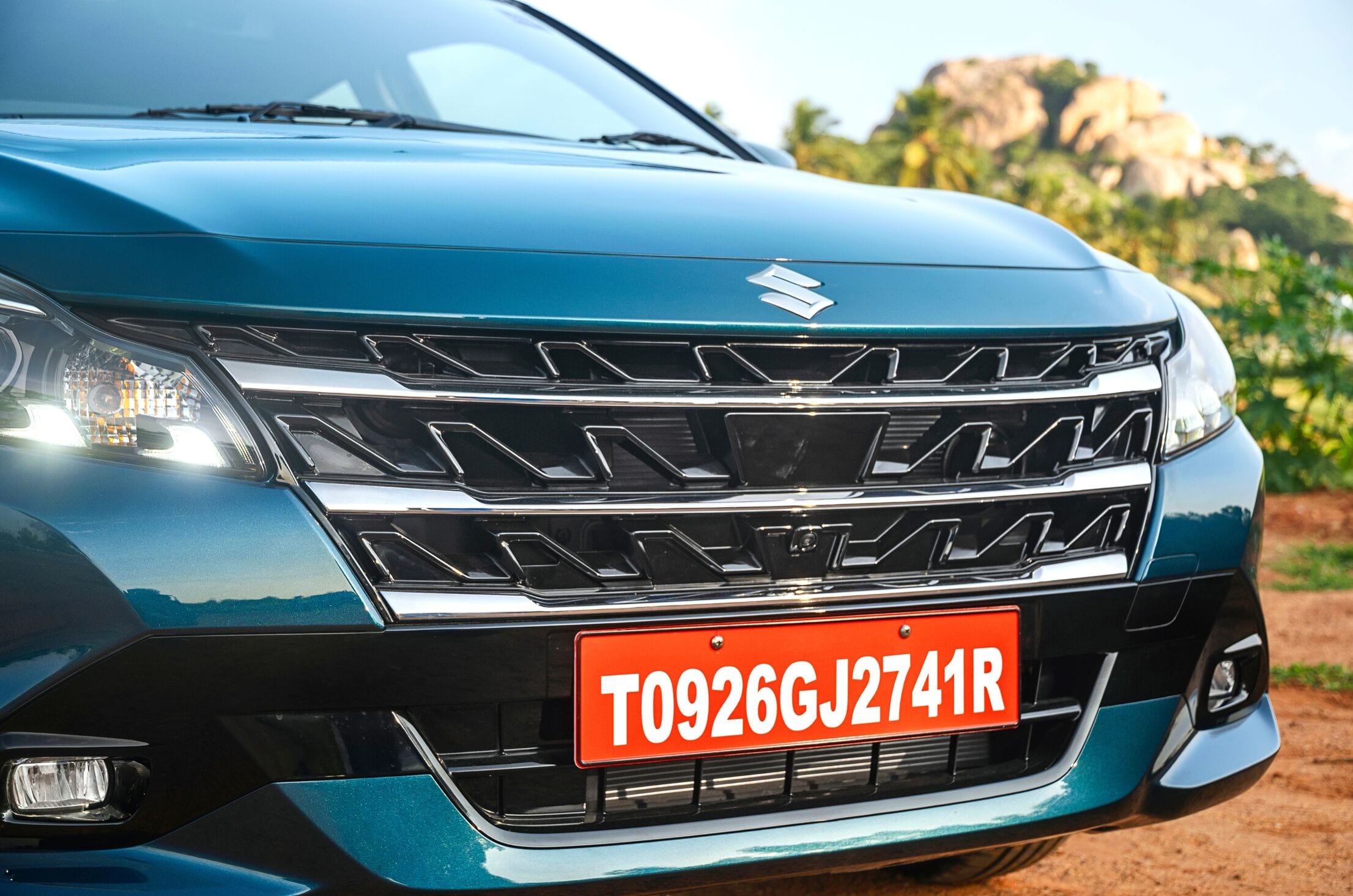
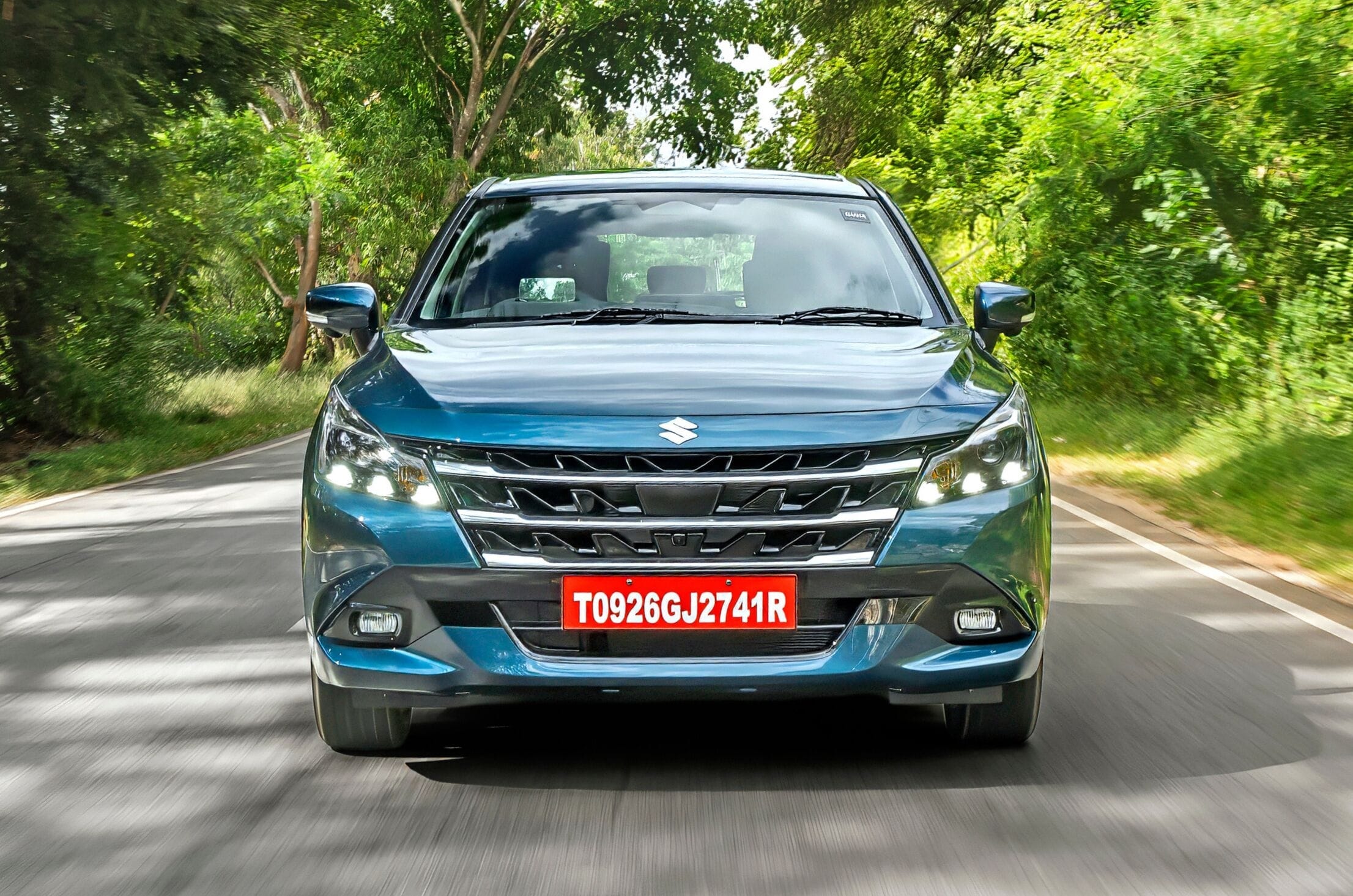
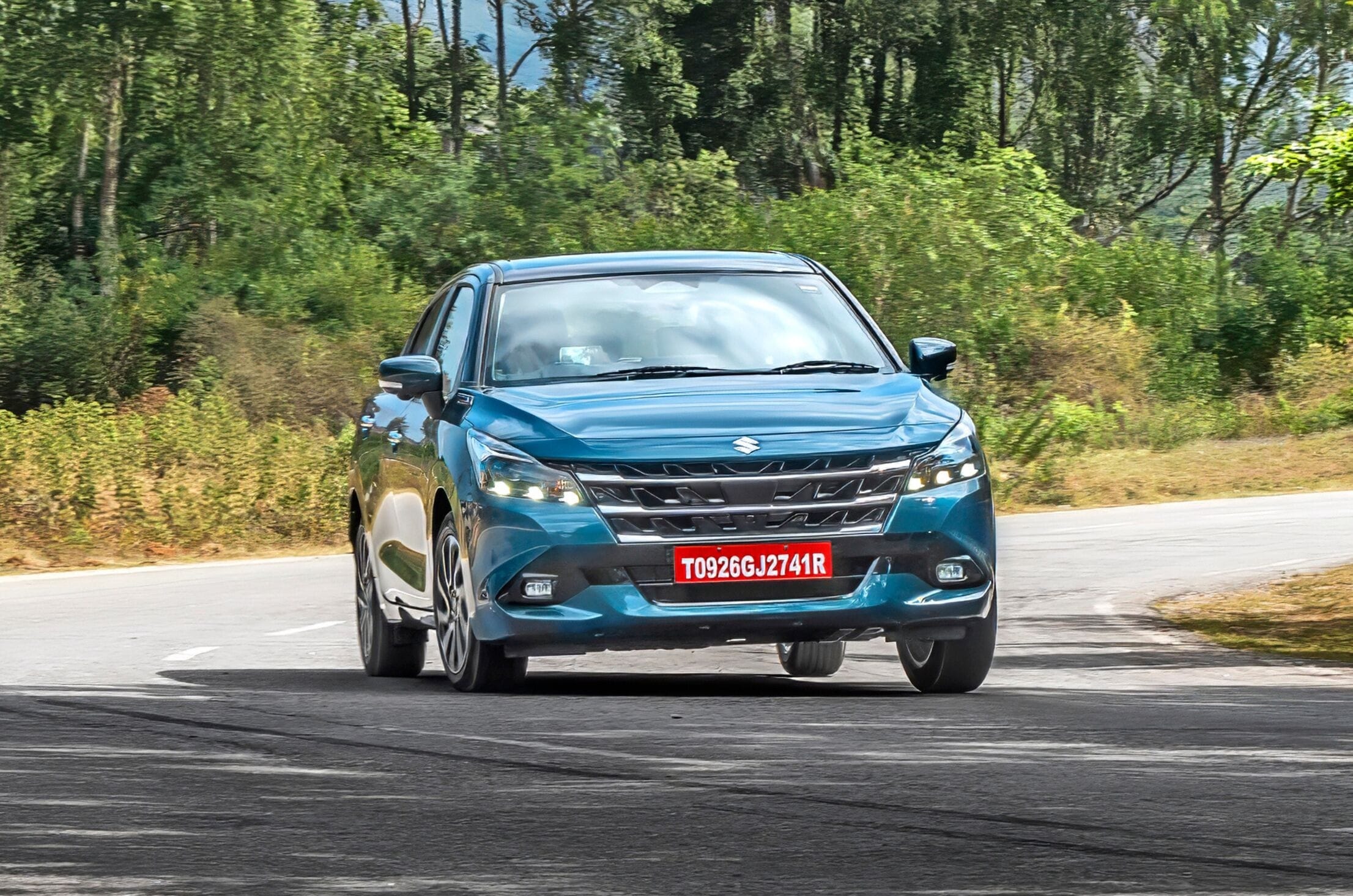
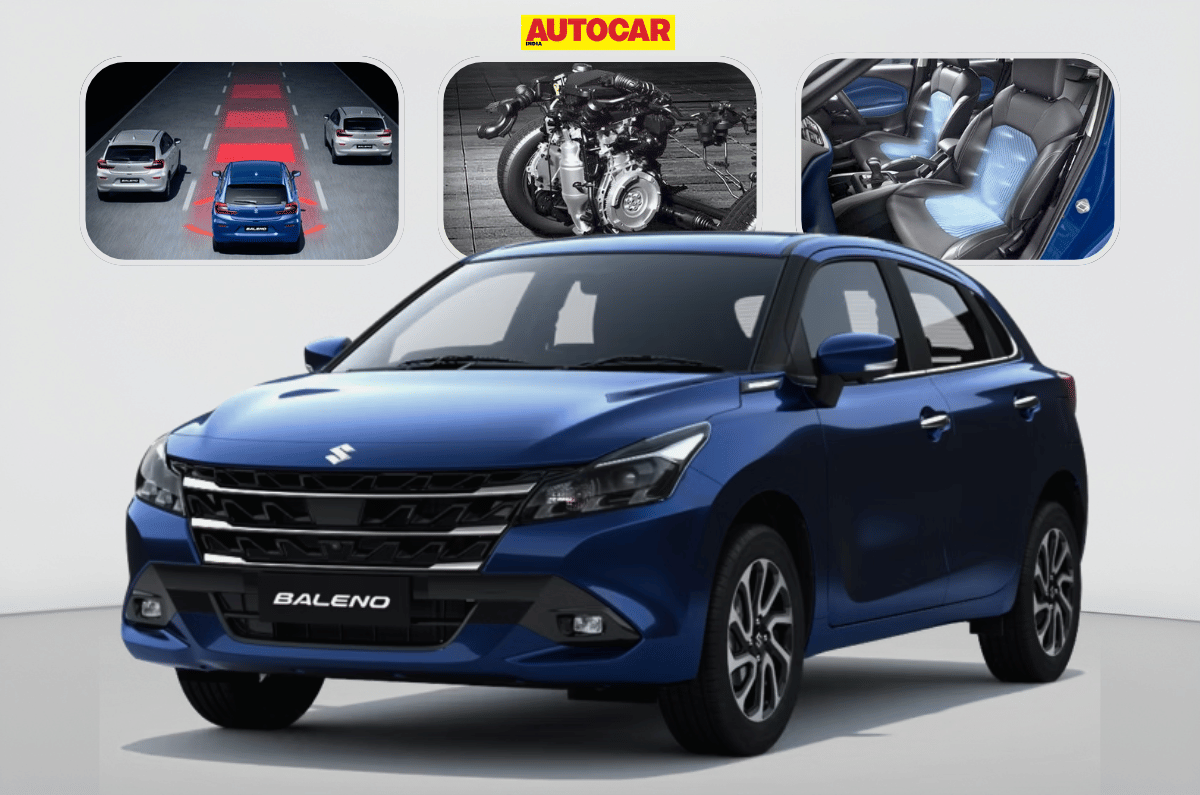
Being a mid-life-cycle update, the Baleno doesn’t get a design overhaul but rather tweaked styling with the bulk of the design changes concentrated at the front end. The grille is now much larger than before with three horizontal chrome slats and gloss black detailing, with a radar module in the centre for the new ADAS tech. The bumper is new too and features a gloss black trim that links the new LED fog lamps and the Suzuki logo has also been moved above the grille. Otherwise, the clamshell bonnet with the two character lines and the LED headlamps with the three-block DRL signature are carried over unchanged.
Gets a new larger grille with chrome slats, a new bumper and new fog lamps.
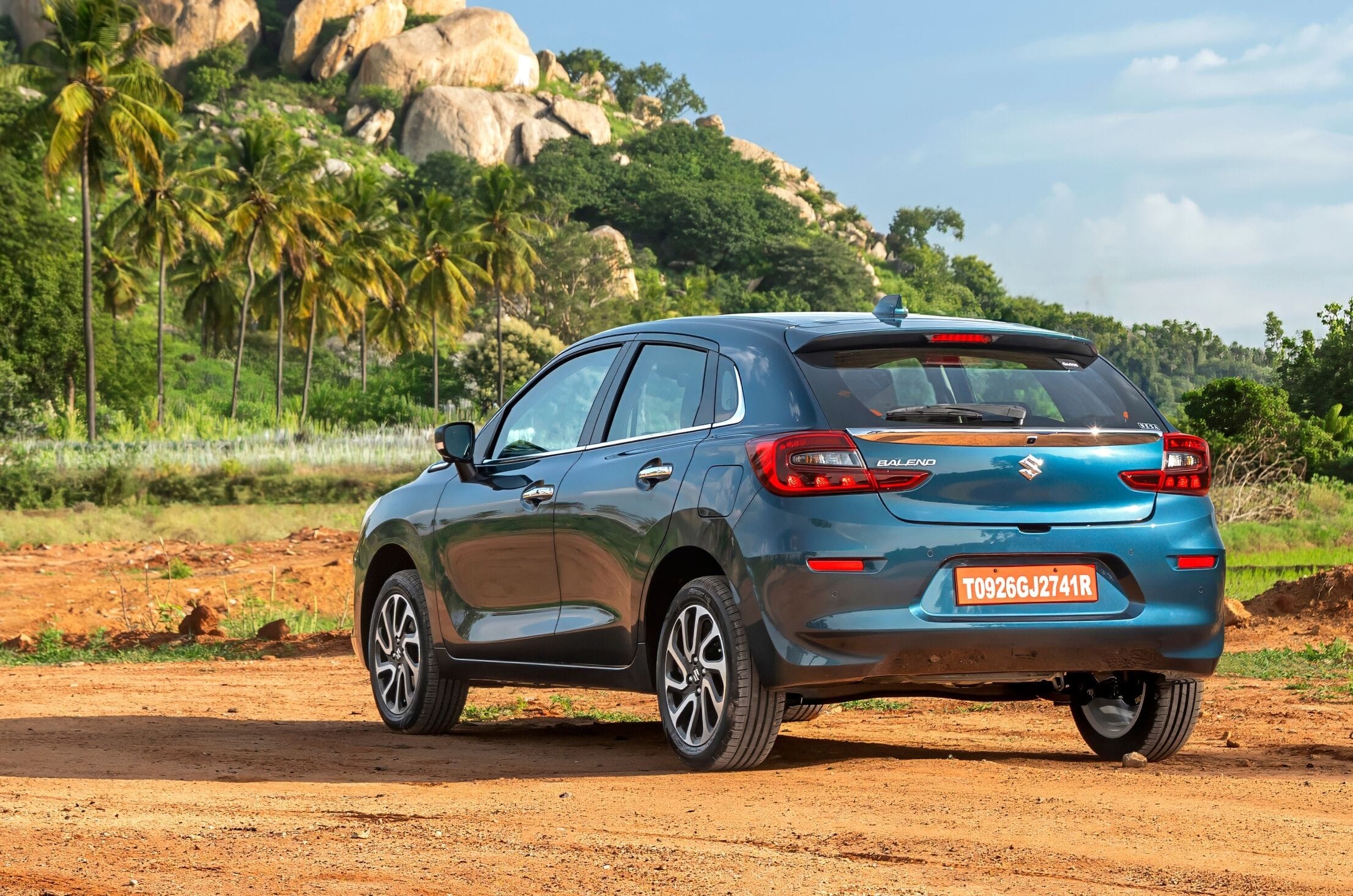
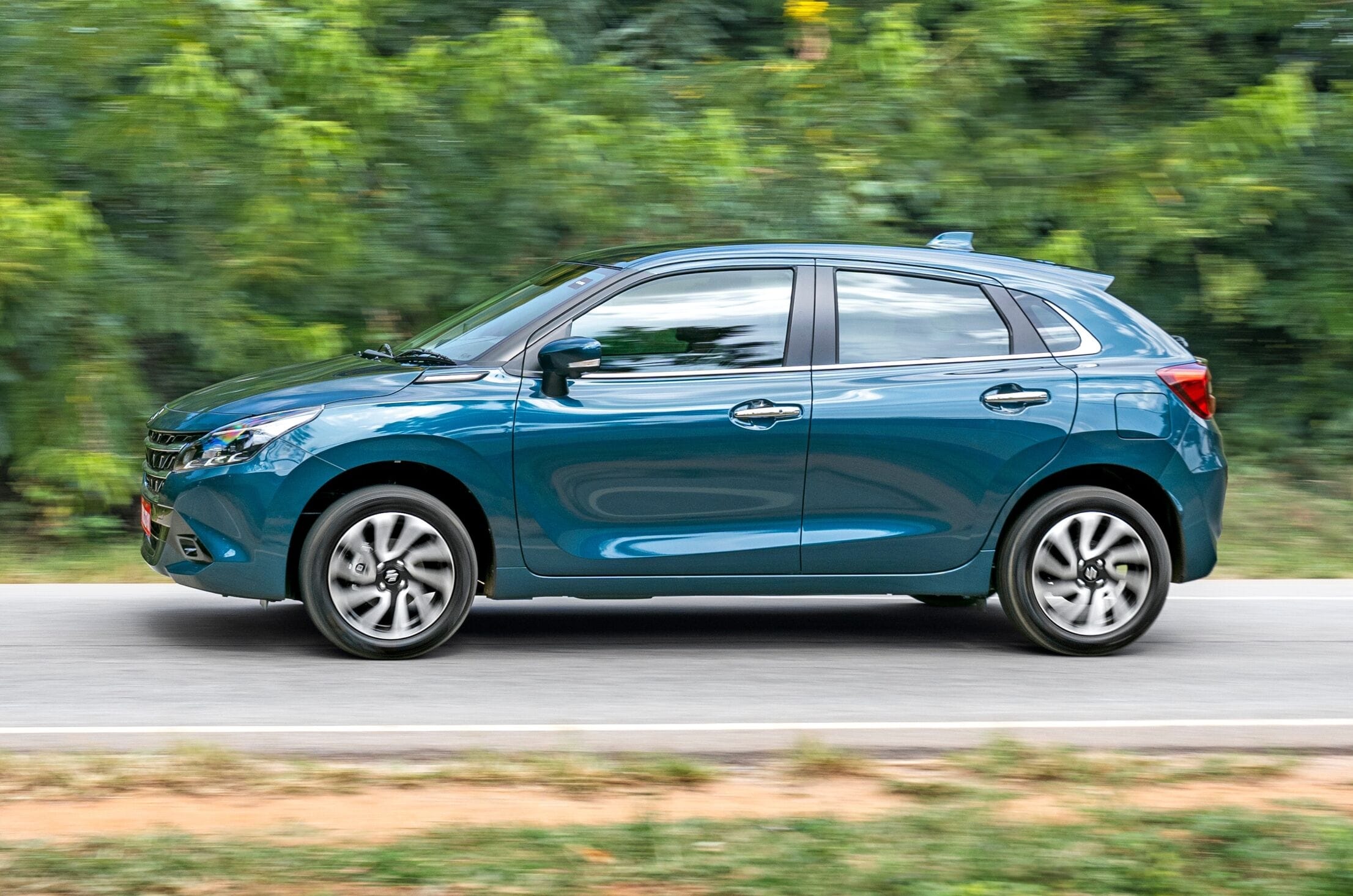
Changes along the sides are minimal, with the only distinguishing factors being a chrome garnish on the front fender and a shark fin antenna on the roof. The facelift retains the older Baleno’s chrome lining under the windows that extends up till the C-pillar, chrome door handles and the dual-tone 16-inch alloy wheels on this top-spec Alpha (O) variant.
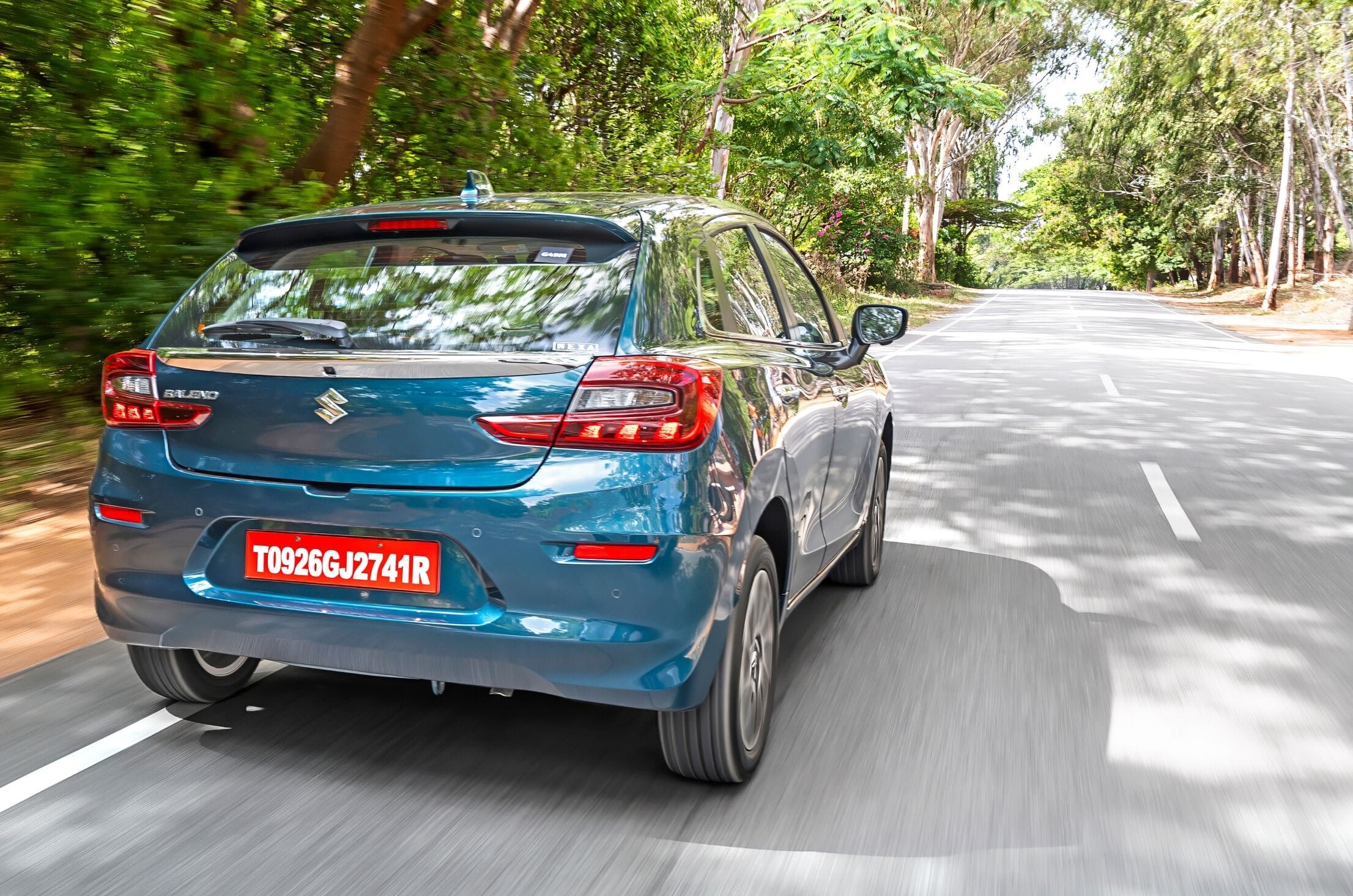
The rear however, stays identical to the pre-facelift Baleno with its C-shaped LED taillamps that also feature the three-block pattern, a chrome band running across the tailgate and a small, roof-mounted spoiler. There’s also a new Enigmatic Teal Green paint shade as seen in the pictures here. Overall, the Baleno sticks to the formula that’s made it as successful as it is with minor tweaks in order to keep it fresh. The front grille, though, splits opinion and certainly doesn’t appear as cohesive as the one on the model it replaces.
Rear stays identical to the pre-facelift model, with the same dual-tone alloys as well
Maruti Baleno Interior Space and Comfort – 8/10
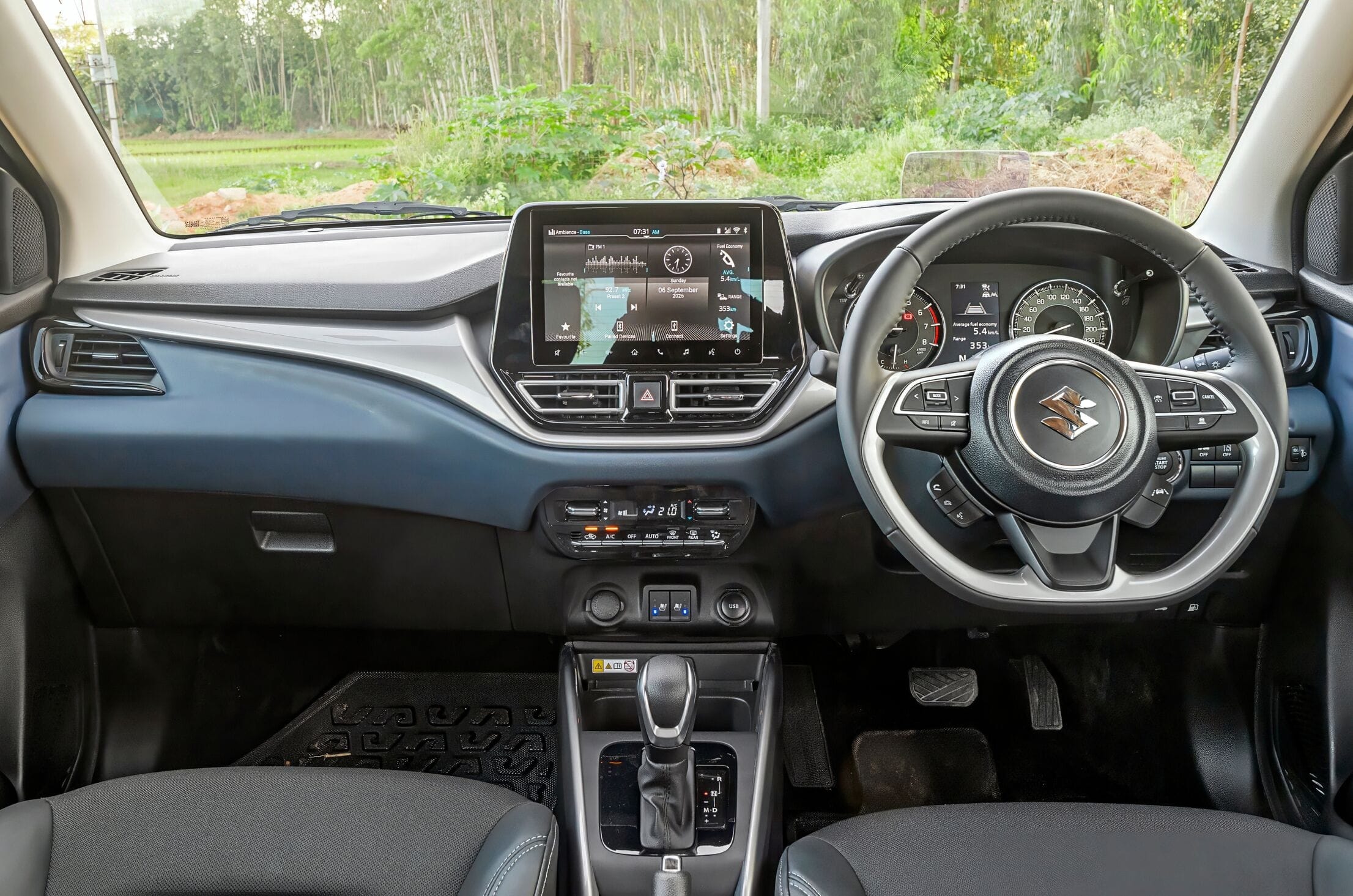
The interior of the Baleno facelift stays near-identical, with the same layered, V-shaped dashboard, flat-bottom three-spoke steering wheel and dual-tone black and blue colour scheme. There have been some tweaks however. The steering now features buttons on the right side for the adaptive cruise control and lane keep assist, there are more buttons on the right of the steering too (near the start/stop button) to turn off certain ADAS features and the seats now feature part-leatherette upholstery. The seats still majorly feature fabric upholstery but the outer edges are now finished in leatherette, which helps up the premium feel.
Layered dashboard with a dual-tone black-and-blue interior theme is carried over unchanged
Otherwise, this cabin is made up of good quality materials, particularly the soft touch leather wrapped steering and the padded elbow rests on the doorcards. The only sore points are the hard plastics and the simple woven roofliner. It’s a practical place too, with big door pockets, a decent-sized glovebox and storage in the centre console, with big cupholders and a small bin under the centre armrest.
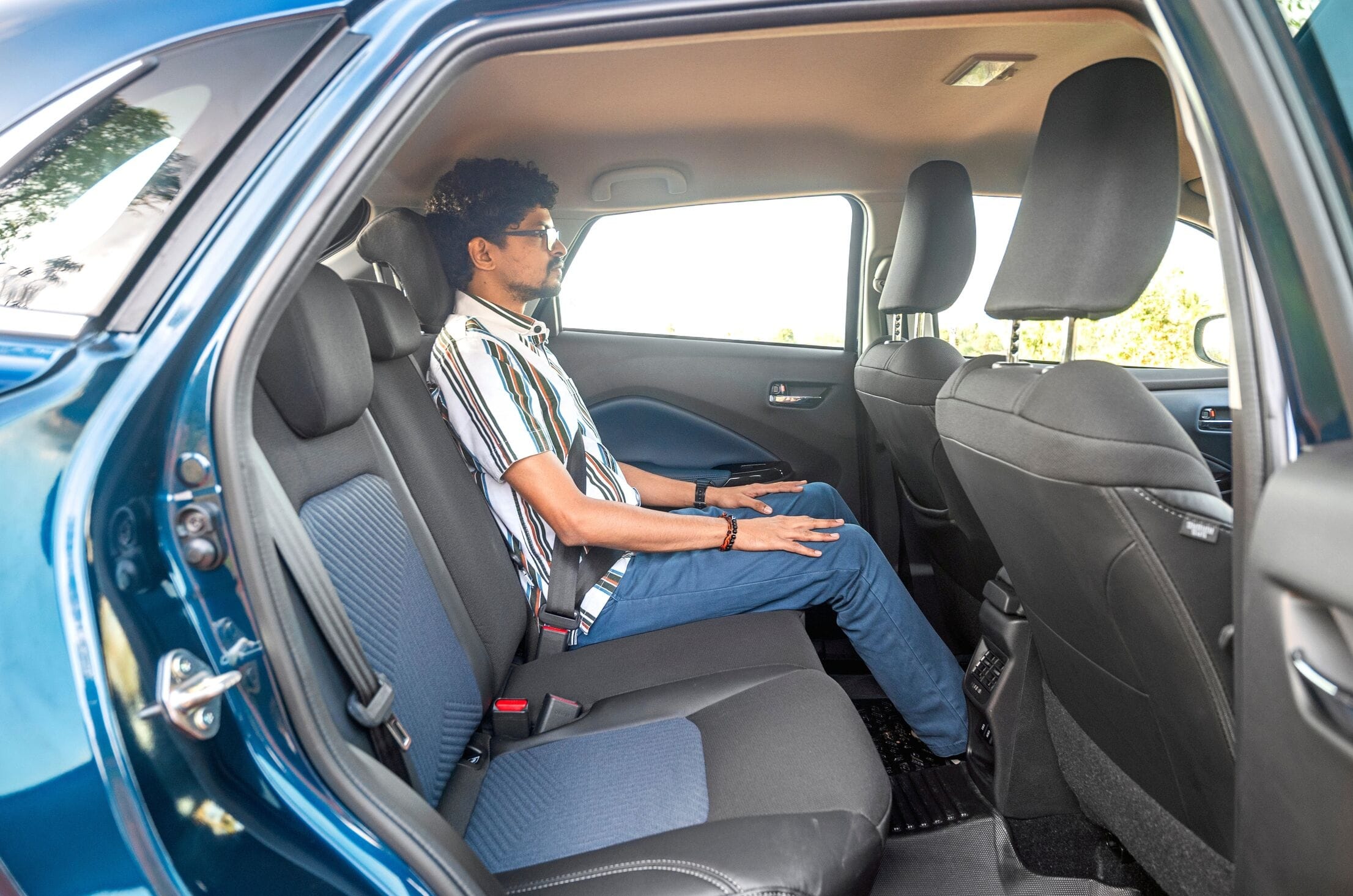
The front seats are unchanged and that’s a good thing as they are accommodating, supportive and offer nice cushioning. Thanks to the height adjustable driver’s seat and tilt/telescopic steering, finding an ideal driving position is an easy affair. Space at the rear is excellent, and even tall passengers won’t find a shortage of headroom or legroom. There’s good underthigh support, the seat cushioning is on point and on the whole, this is a comfy place to be. A welcome addition is an adjustable headrest and three-point seatbelt for the rear centre passenger. Rear passengers also get dedicated AC vents and USB charging ports.
Rear seat space is excellent and even tall passengers won’t find a shortage of headroom or legroom
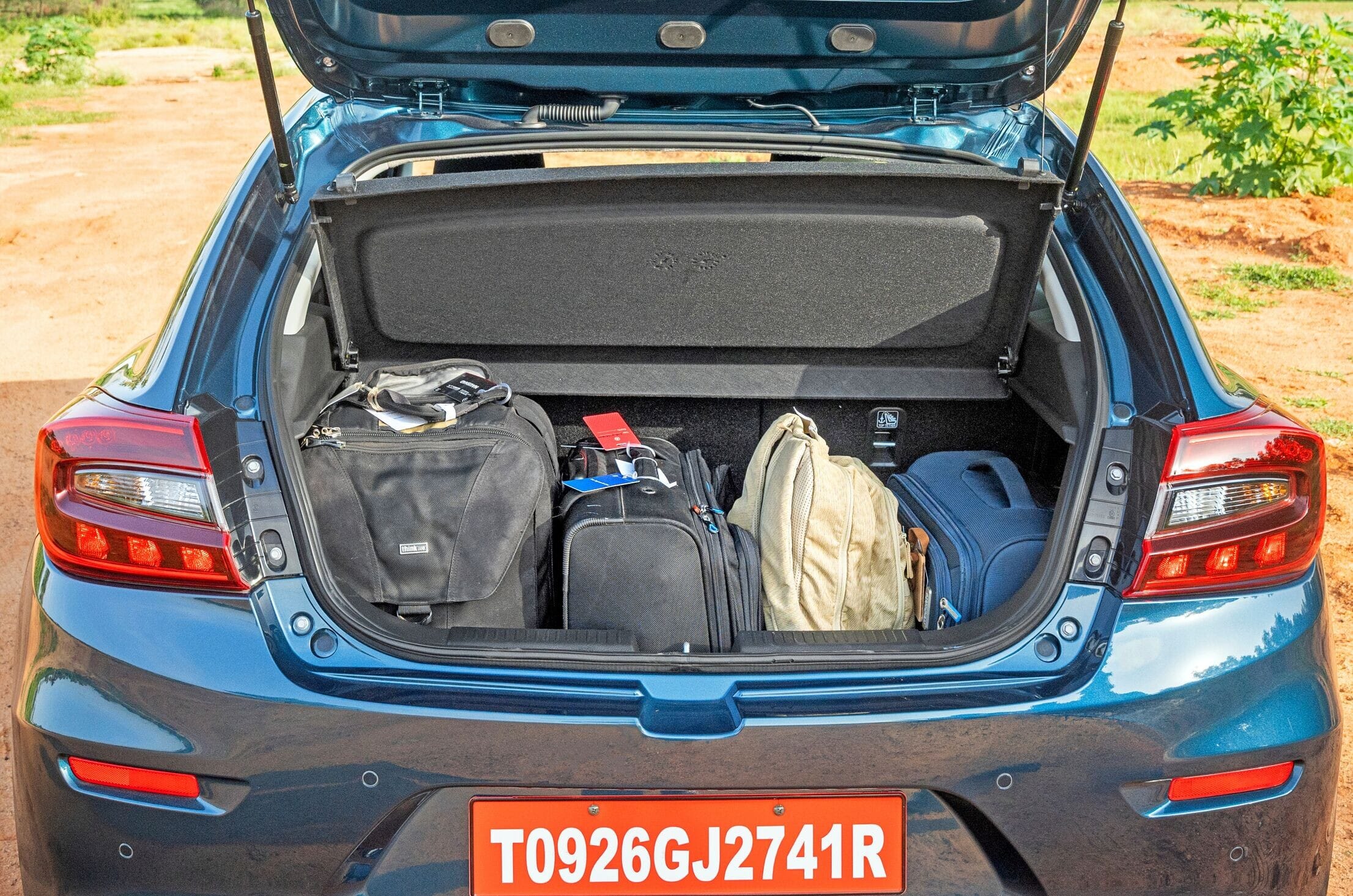
What further enhances overall comfort are the UV-cut glasses, which helps keep the heat out. As for boot space, it’s a sizable 318 litres, though the loading lip is quite high. It’s also nice to see that it retains a spare tyre under the boot floor, when many modern cars are pivoting to puncture repair kits.
Boot is a sizeable 318-litres though the loading lip is quite high; continues to get a spare tyre
Maruti Baleno Features and Safety – 9/10
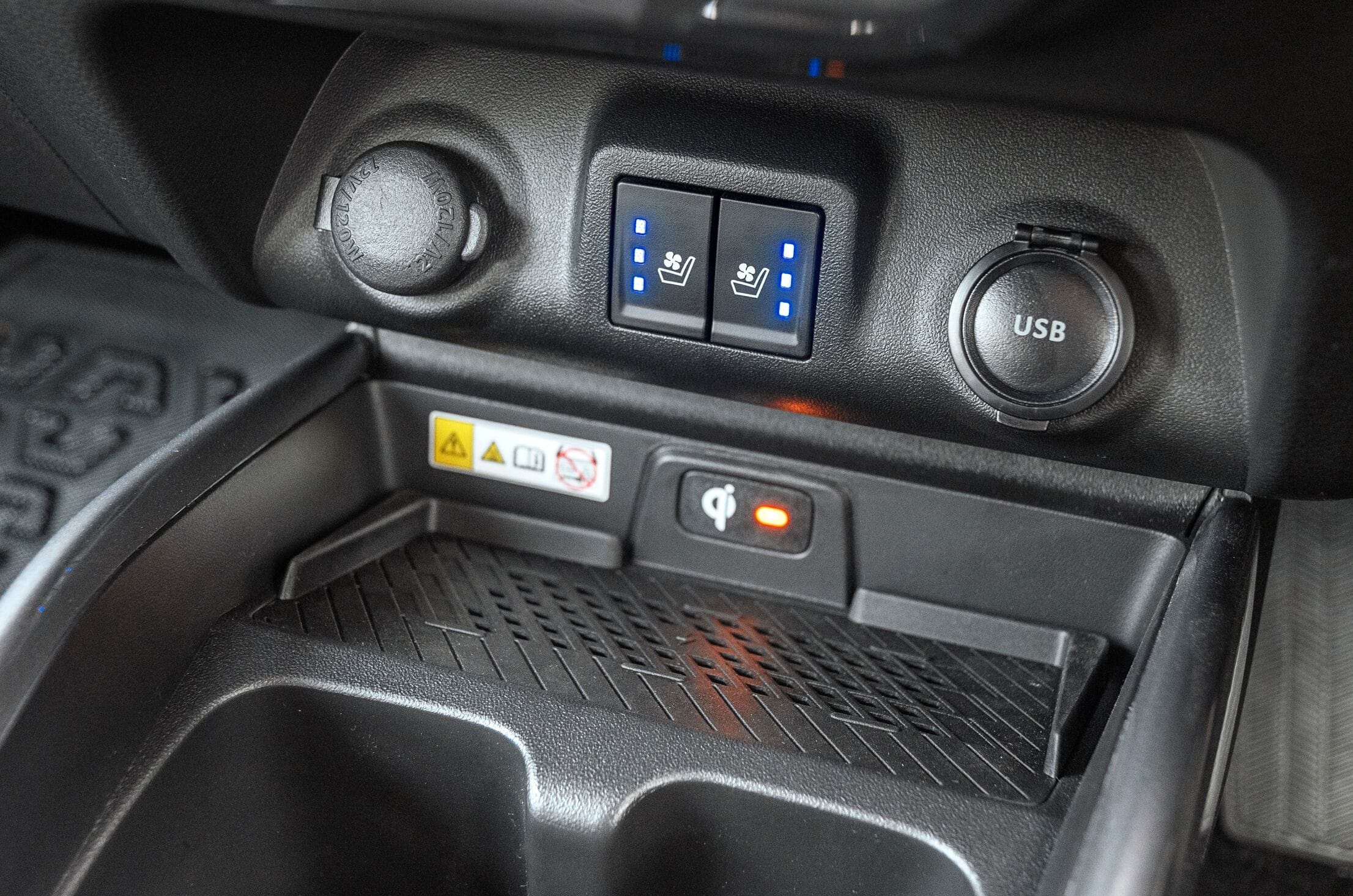
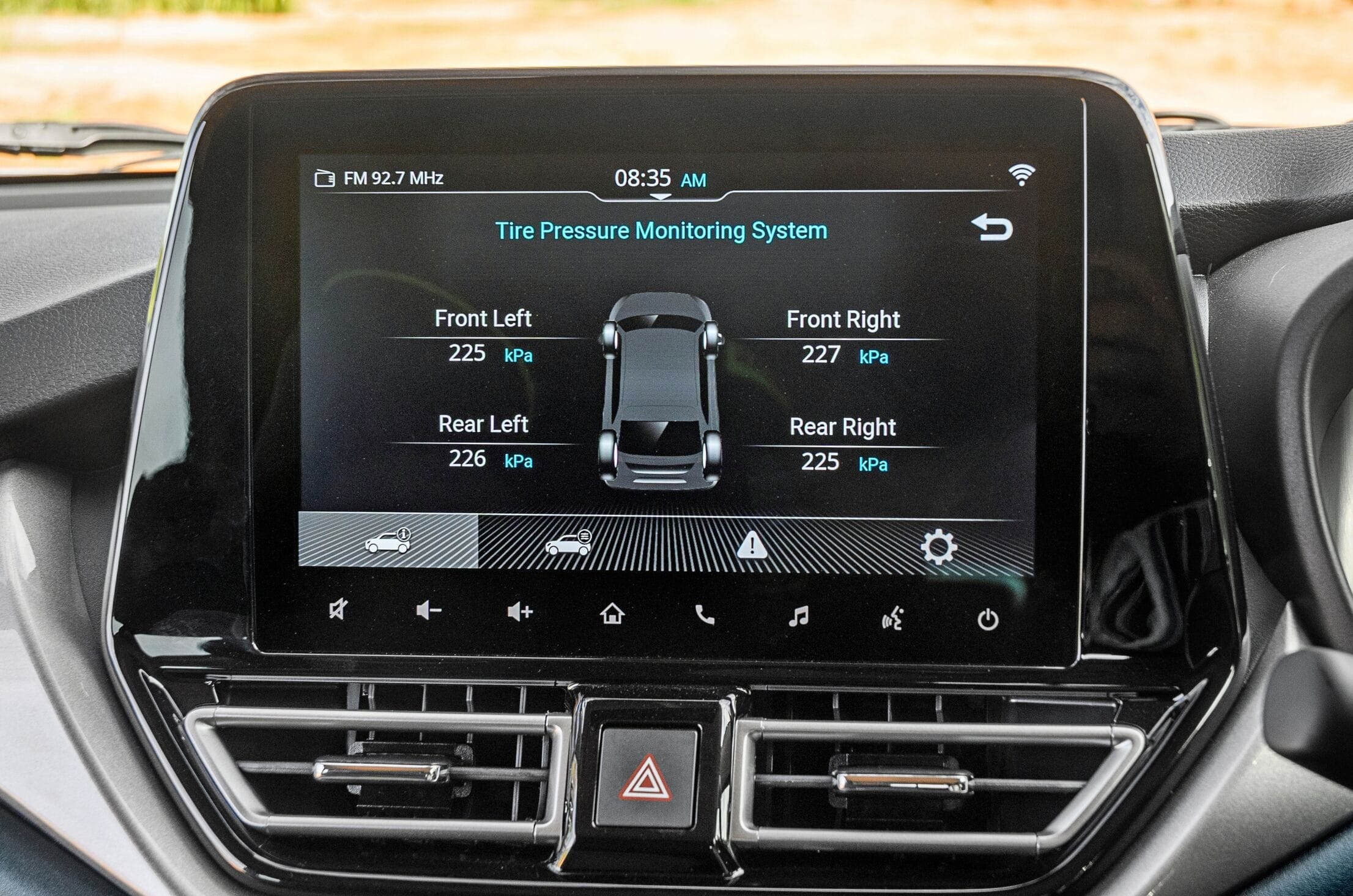
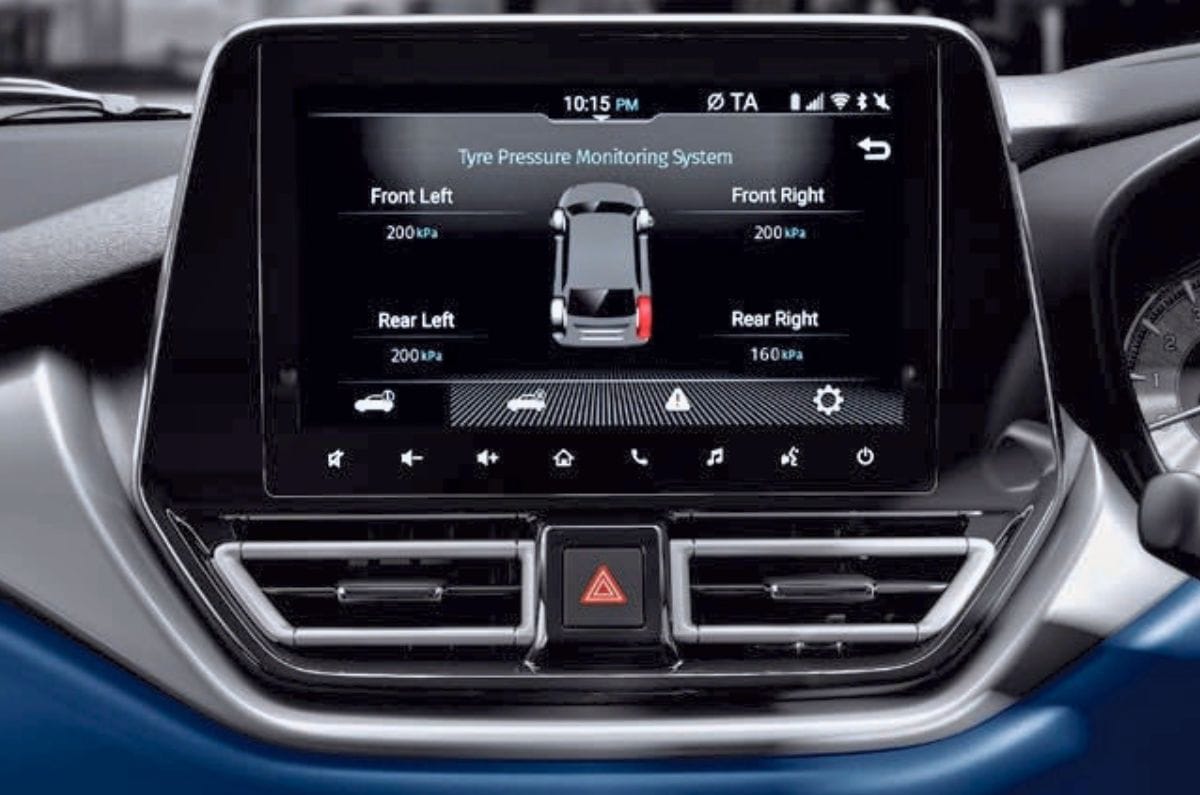
There have been some important additions when it comes to features, as the Baleno now gets ventilated front seats, a cooled wireless phone charger, a tyre pressure monitoring system, a Clarion sound system, and perhaps most importantly, segment-first ADAS Level 2 features.
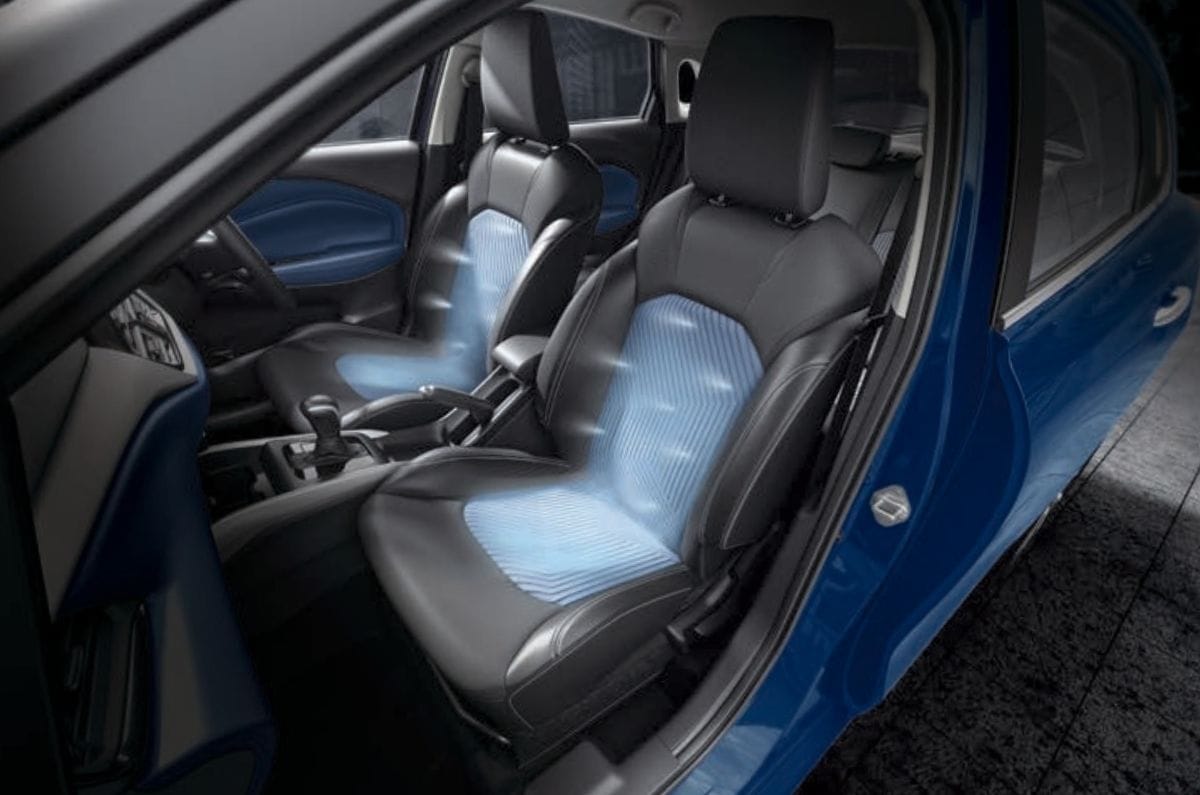
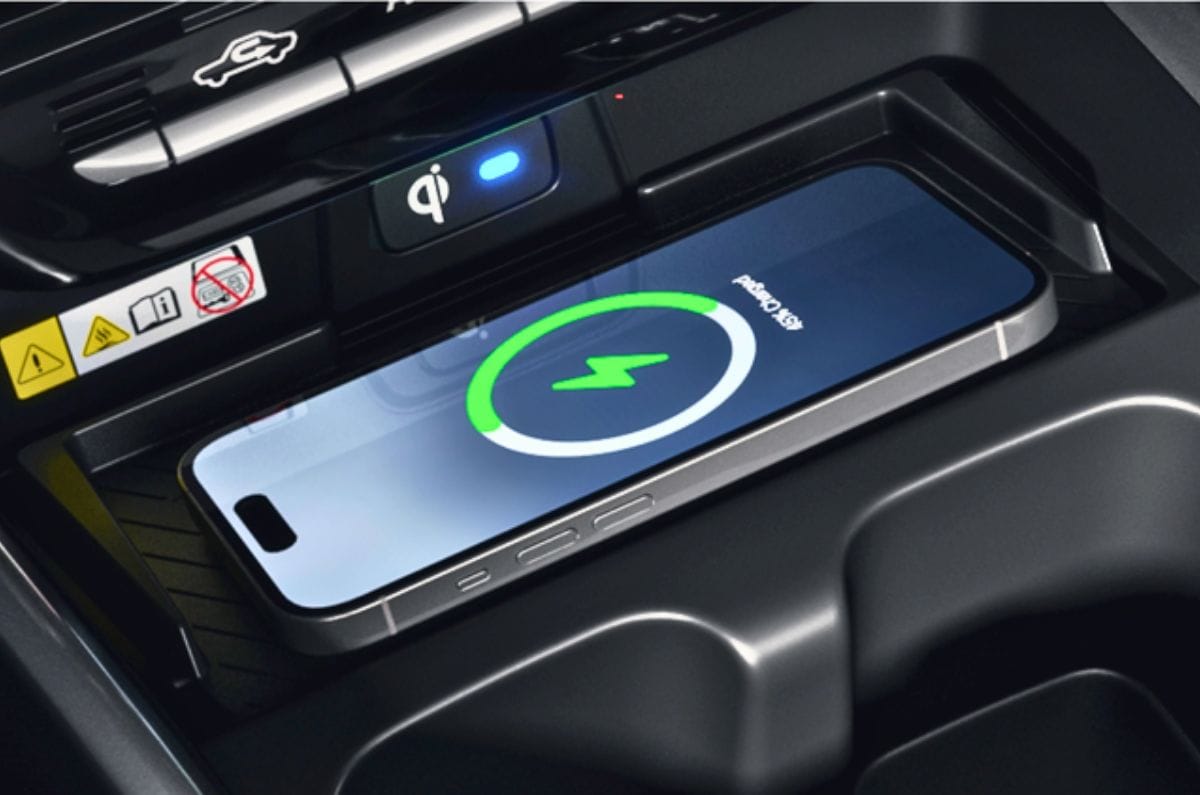
Ventilated front seats and a cooled wireless charging pad are among the new additions
Other than that, the features list was fairly expansive as is, with this top-spec Alpha (O) also getting a 9-inch infotainment touchscreen with wireless smartphone integration, auto climate control, a heads-up display, colour MID, auto headlamps, auto-dimming IRVM, keyless entry and go, rear wiper/washer, connected car tech and more. Safety kit includes 6 airbags as standard, traction control, a 360-degree parking camera (its quite low res though) and ISOFIX child seat mounts. The outgoing Baleno had a 4-star crash safety rating from Bharat NCAP and that should be the case for this one as well.
9-inch touchscreen has been retained; now features a TPMS
Of the newer features, the ventilated front seats work effectively though the blower is quite audible while the wireless charger charges your phone’s battery at a good rate without overheating it. The TPMS too worked as intended, while the Clarion audio system is better than the outgoing model’s it still falls short of what rivals offer.
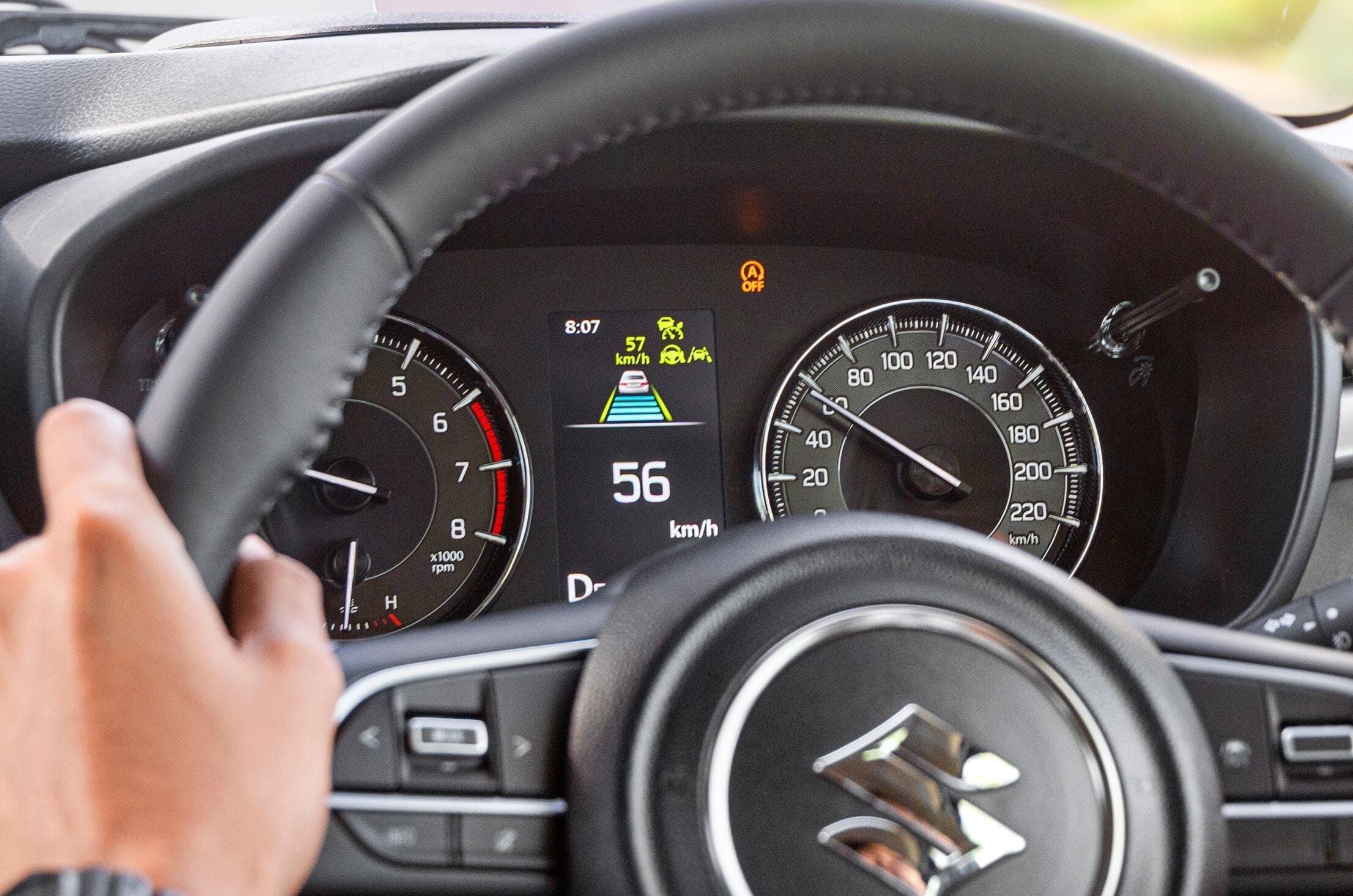
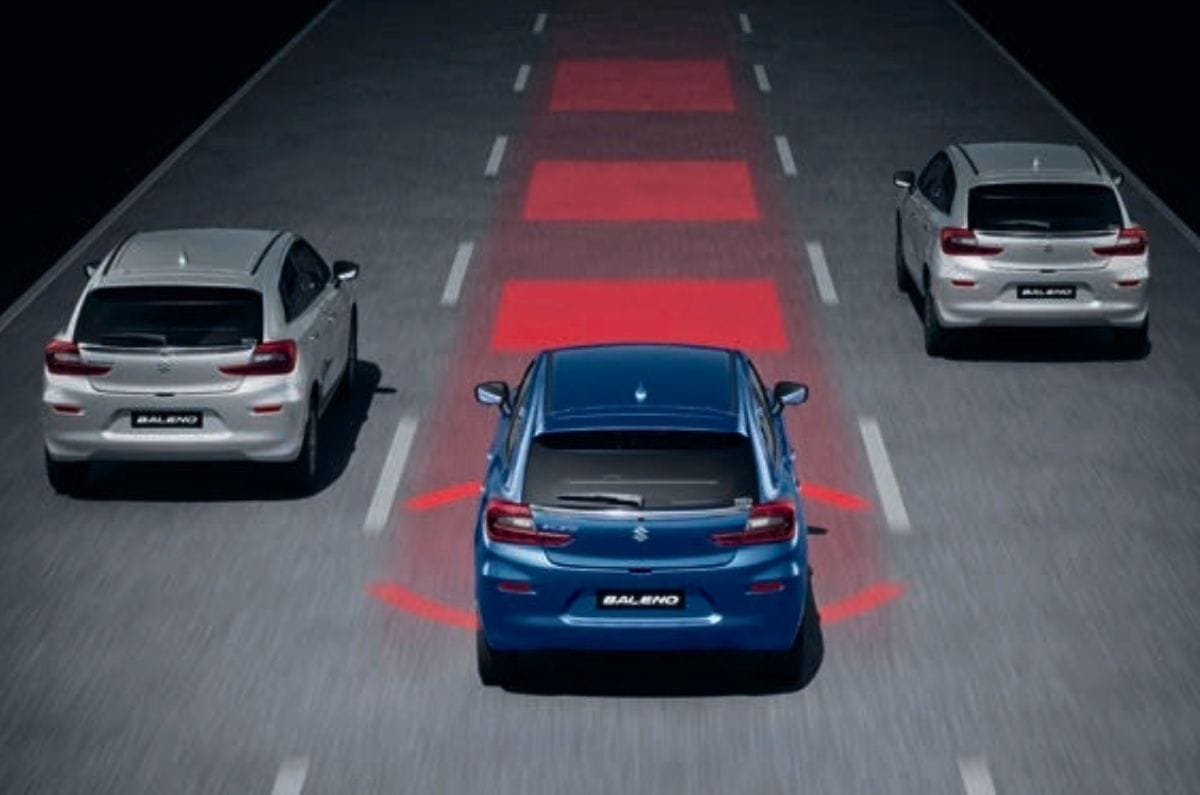
The addition of Level 2 ADAS tech however, greatly boosts the Baleno’s safety quotient. It’s a camera and radar-based system that brings in features like auto emergency braking, adaptive cruise control, lane keep assist, lane departure warning and more. On our brief test drive, the ADAS features worked as intended and seemed well calibrated as they weren’t overly intrusive. However, if you turn off the ADAS features they will automatically switch back on everytime you start the car.
Gets segment-first Level 2 ADAS features which seemed well calibrated for our conditions
As for features then, the Baleno facelift takes a step up and almost has all bases covered. Only things missing are a rear centre armrest and a sunroof, both of which its rivals offer.
Maruti Baleno Performance and Refinement – 8/10
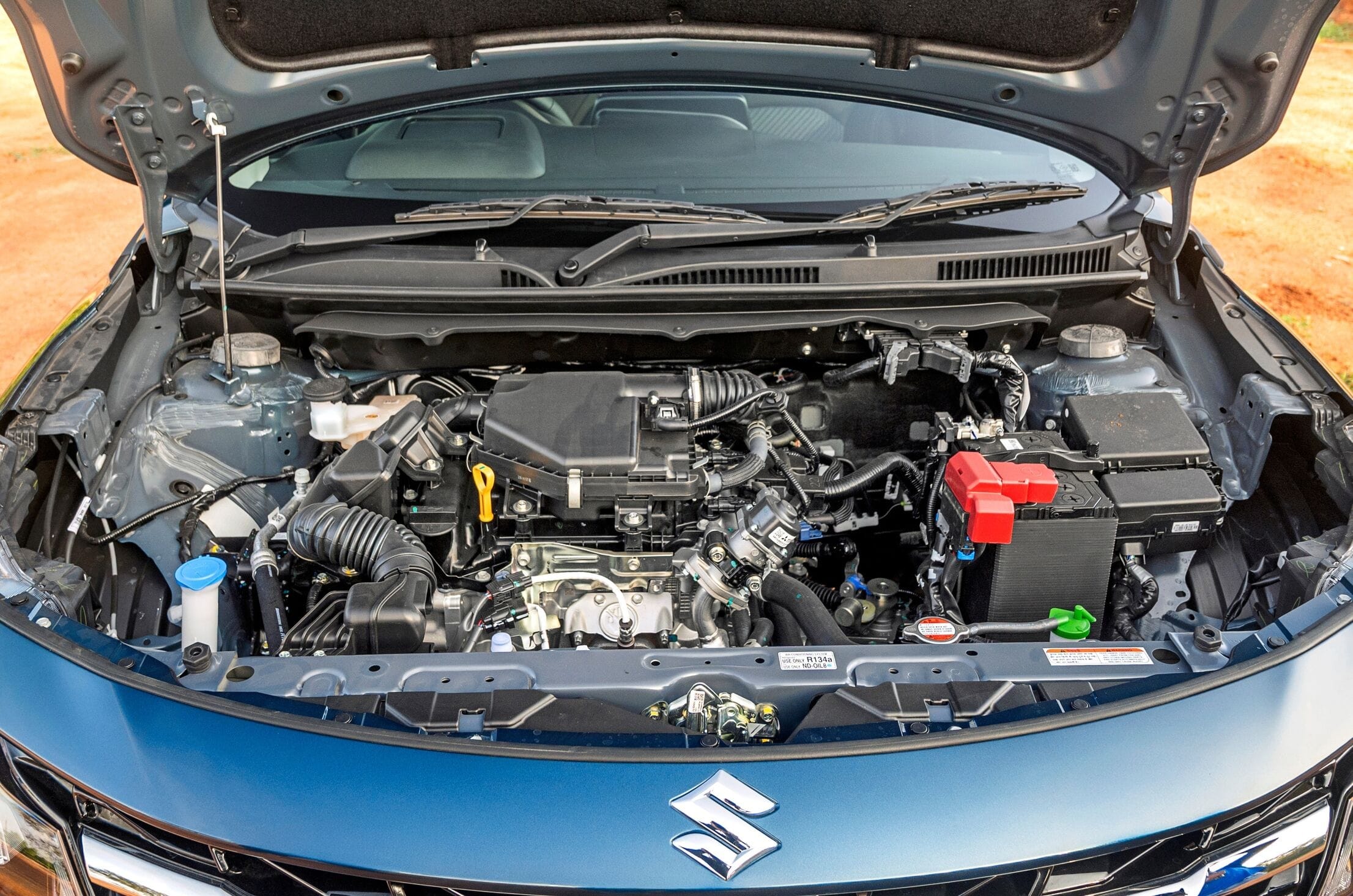
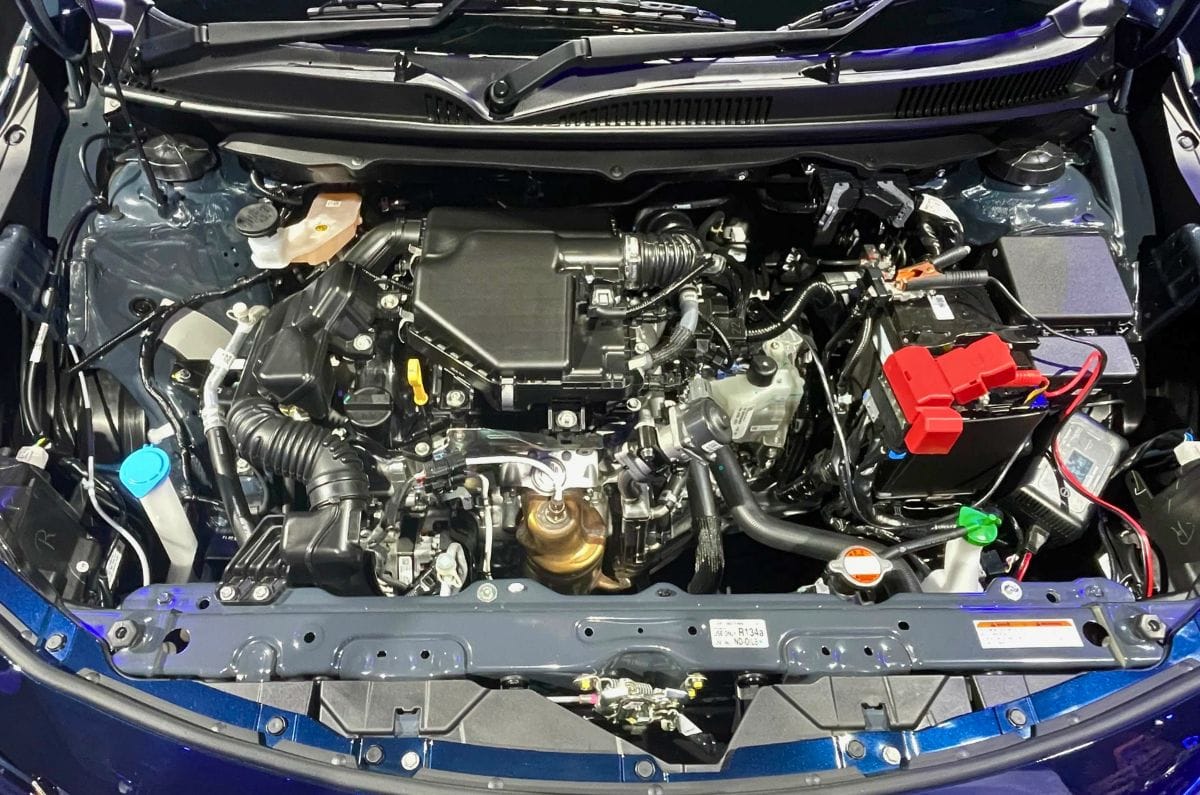
By far the biggest change with the facelift comes under the hood and it’s rare that we get to see a new engine with a facelift. Out goes the 1.2-litre, four-cylinder, K-series engine and in comes the 1.2-litre, three-cylinder, Z-series engine from the likes of the Swift and the Dzire. Yes, the Baleno is down a cylinder and as such, down on output too. The Z12E engine makes 83hp and 112Nm, which is 7hp and 1Nm lower than the older K12N engine. Maruti has moved to this engine as it is newer, is less polluting, more efficient and also opens it up to the possibility of hybridisation in the future.
New Z-series engine impresses with its drivability, low end response and promises more efficiency
This Z-series naturally aspirated engine is one of the most refined three-cylinder engines around. There is some of that typical three-cylinder thrum at idle but that smoothens out as the revs climb. It’s fairly quiet too at idle and it’s only when you’re at the top of the rev range that it becomes audible inside the cabin.
As we’ve experienced in the Swift and Dzire, this Z-series engine impresses with its low-end response and drivability. Power builds in a smooth linear manner, it moves off the line cleanly and part-throttle responses are good too. However, it doesn’t feel as peppy as the older K-series engine and doesn’t feel as strong at the top of the rev range. And considering that it’s down on power and heavier than the outgoing car, it isn’t as quick in terms of outright acceleration. But for a daily urban runabout, this engine is up to the task. For reference, we managed a 0-100kph time of 13.03sec and 15.89sec for the Swift MT and Swift AMT, respectively and you can expect the Baleno to be slightly slower than this owing to its higher kerb weight.
Power builds in a smooth linear manner and part-throttle responses are good, too.
As was the case earlier, the Baleno facelift can be had with either a 5-speed manual or a 5-speed AMT automatic. The manual gearbox is particularly impressive with its effortlessness and our pick of the two. The clutch pedal is light and easy to modulate, while the gearbox is smooth and has nice, short throws and well defined gates.
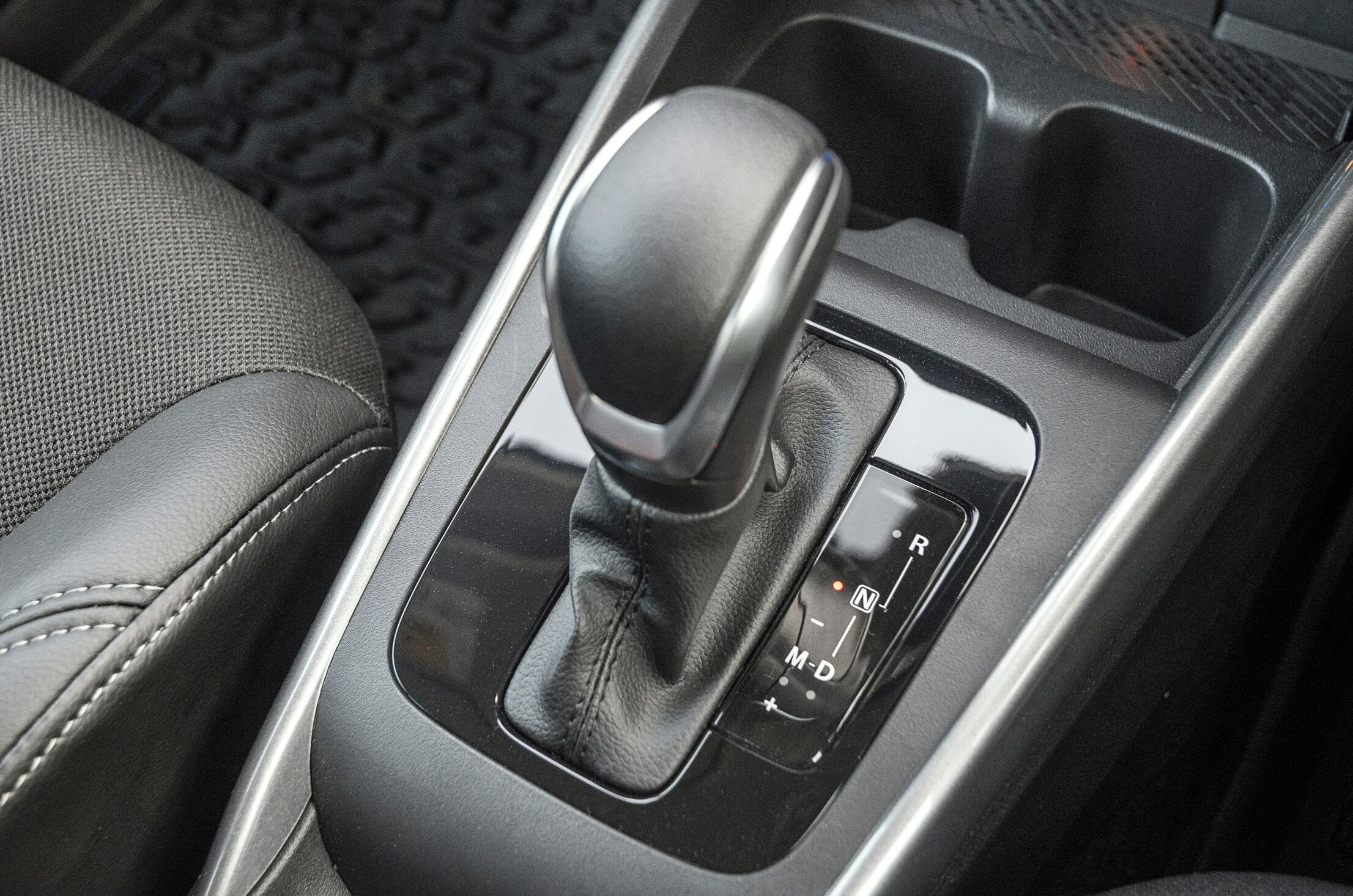
In comparison to its rivals, which offer more sophisticated automatics in the form of a CVT and a DCT, the Baleno only comes with a simpler, more cost-effective AMT. The AMT makes for a good option for those who wish for greater convenience and it’s smooth as far as AMTs go. There is still that noticeable headnod effect that you get between shifts and it is hesitant when you try to make a quick overtake, as it takes some time to downshift. That can be alleviated however, by shifting to manual mode via the gear lever and what’s nice is that it won’t auto upshift in this mode.
AMT adds a layer of convenience but feels hesitant when you try to make a quick overtake
A factory-fitted CNG option is also available with the Baleno facelift. It uses the same engine but power and torque outputs fall to 70hp and 102Nm, respectively, when run on CNG, and it can only be had with the 5-speed manual gearbox. However, we’re yet to experience the Baleno facelift CNG.
Maruti Baleno Mileage and Efficiency – 9/10
Both manual and AMT variants see an improvement in claimed efficiency with the new engine.
The biggest advantage with the move to the Z-series engine comes in the form of fuel efficiency. The Baleno petrol-manual is now claimed to return 23.80kpl (1.45kpl more), while the AMT is said to do 24.77kpl, which is a 1.83kpl improvement. The Baleno CNG meanwhile, sees an improvement of 3km/kg, with a claimed 33.61km/kg. As always, these are claimed figures tested in ideal conditions and expect real-world fuel efficiency to be lower. What’s interesting is that the Baleno has become more efficient despite becoming up to 30kg heavier than the outgoing version.
Maruti Baleno Ride Comfort and Handling – 8/10
As before, the Baleno continues to impress with its ride comfort. The suspension has a softness to it, which means low speed ride is excellent and it’s only the sharpest bumps and big potholes that manage to unsettle it. It also manages to iron out road imperfections with considerable ease and stays composed at higher speeds, with well-contained vertical and side-to-side movements.
Good body control with minimal roll and the steering weighs up nicely as you pick up the pace
Handling isn’t its strongest suit but the Baleno displays good body control with minimal roll around the corners. The steering, meanwhile, is light at low speeds, which aids city driving, but it adds some reassuring weight as you pick up the pace which is confidence-inspiring. It’s not particularly feelsome but that’s nothing to complain about, given its an urban premium hatchback. As for braking, it continues with the same discs up front and drums at the rear setup and the stopping power is more than adequate. On the whole then, the Baleno feels mature and composed on the move.
Maruti Baleno Value for Money – 8/10
The Maruti Baleno facelift is priced from Rs 6.10 lakh (ex-showroom, India), though this is a special festive price and Maruti is yet to disclose complete variant-wise pricing. It continues to get a 3 year/1,00,000km standard warranty and as before, rivals other premium hatchbacks in the Hyundai i20 and Tata Altroz, both of which are priced from Rs 6 lakh (ex-showroom, India).
The added features and the promise of greater fuel efficiency just further enhance the Baleno’s appeal
There are some drawbacks of course, like the hesitant AMT automatic and it doesn’t feel as peppy as the older K-series Baleno. But those pale in comparison to the Baleno’s inherent strengths of a spacious and comfortable cabin, an effortless drive thanks to its light controls, a refined engine and a good ride comfort and handling balance. The added comfort and safety features and the promise of greater fuel efficiency with the new engine just further enhance its appeal. As such, the Baleno is all set to retain its spot at the top of the premium hatchback chain.
The Maruti Suzuki Baleno is not just the bestselling premium hatchback but among India’s bestselling cars. The updated model, then, is a big deal. We tell you all that’s changed and how it all comes together.
The Maruti Baleno facelift has been launched with prices starting at Rs 6.10 lakh (ex-showroom). It is offered in five trims: Sigma, Delta, Zeta, Alpha and Alpha (O), although Maruti is yet to reveal the full variant-wise pricing. The facelifted Baleno gets an updated fascia along with several functional additions. Here’s a look at these new features:
1.2-litre 3-cylinder ‘Z12E’ petrol engine
Gets the same engine as the Swift and Dzire
With the facelifted model, Maruti has replaced the older model’s K12N four-cylinder engine with a new Z12E 1.2-litre, three-cylinder naturally aspirated petrol engine producing 83hp and 112Nm. It is paired with either a 5-speed manual or a 5-speed automated manual gearbox (AMT), and is the same engine that powers the Swift and Dzire. While it makes 7hp and 1Nm less than the outgoing engine, fuel efficiency has improved to 23.80kpl with the MT (up by 1.45kpl) and 24.77kpl with the AMT (up by 1.83kpl).
The 1.2-litre engine is also available with CNG in the mid-spec Delta and Zeta trims, only with the manual gearbox. In this guise, it produces 70hp and 102Nm and delivers a claimed 33.61km per kg, which is 3km per kg more than the previous model.
Level 2 ADAS
Third Maruti model to come with an ADAS suite
The Maruti Baleno is offered with a Level 2 advanced driver assistance system (ADAS) suite, making it the only car in its segment to offer the technology. The suite includes features such as adaptive cruise control, automatic emergency braking, lane keep assist and high-beam assist. It is available only on the top-spec Alpha (O) trim. With the addition of ADAS, the Baleno becomes the third Maruti model in India to offer the technology, after the Victoris and e Vitara.
Ventilated front seats
Only car in the segment currently to offer this feature
Ventilated seats have become an important feature in India, particularly given the country’s hot and humid climate. The Maruti Baleno gets them on the higher-spec Alpha and Alpha (O) trims, making it the only car in its segment to offer the feature. The Tata Altroz Racer also offered ventilated seats, but it was discontinued in 2025 and was not carried over to the facelifted Altroz.
Wireless phone charger
Zeta, Alpha and Alpha(O) trims are offered with this feature
The Maruti Baleno facelift is also equipped with a wireless phone charger with a cooling function that helps keep the phone cool while charging. It is offered from the mid-spec Zeta trim onwards.
Clairon sound system
Higher-spec Alpha and Alpha (O) trims get this sound system
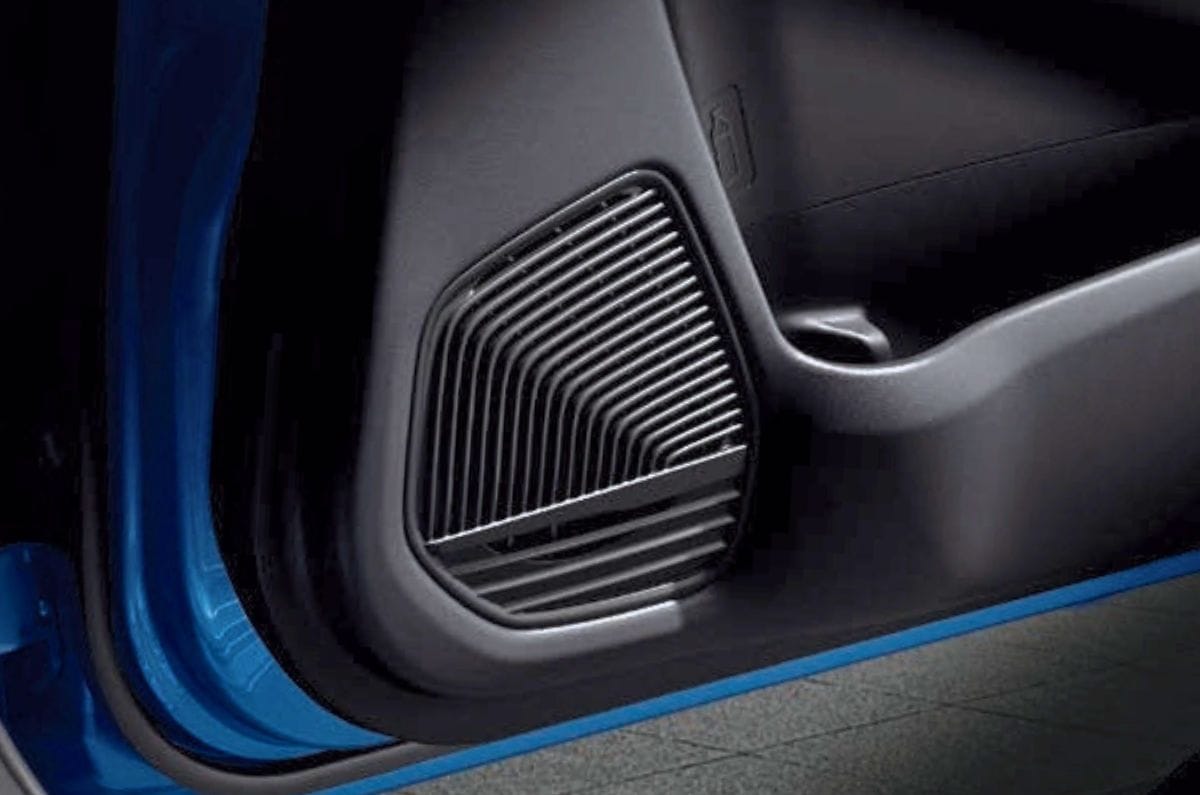
The Maruti Baleno facelift gets a new Clarion sound system with four speakers and two tweeters, offered on the higher-spec Alpha and Alpha (O) trims. The previous model also featured a four-speaker, two-tweeter setup on these trims, but it was not a branded unit.
Tyre pressure monitoring system
Offered with all trims except the base-spec Sigma
A tyre pressure monitoring system (TPMS) has become one of the most crucial safety features in cars today, and the Baleno facelift now gets it as a new addition. However, it is offered only from the Zeta trim onwards, leaving the base Delta without the feature.
As mentioned earlier, Maruti is yet to reveal the full variant-wise pricing of the Baleno facelift, which is expected to be announced soon. Once revealed, the pricing will give a clearer picture of how the facelifted premium hatchback stacks up against rivals such as the Tata Altroz, Hyundai i20 and Toyota Glanza.
Kia has announced a range of enticing offers for buyers this September. These schemes come in the form of cash offers, exchange or scrappage benefits, loyalty incentives and corporate discounts. The most lucrative of deals are being offered with the Carnival and Carens Clavis MPV range. Kia’s discounts will be valid from September 1 to September 30, 2026.
Disclaimer: Offers/benefits may vary by city and are subject to stock availability. Buyers are advised to check with their local dealer for exact figures.
Kia Carnival offers in September 2026
Benefits up to Rs 1.50 lakh
The Korean brand’s flagship MPV in India, the Carnival, is being offered with benefits amounting to Rs 1.50 lakh this month. This is only applicable on the 2026 model year (MY26) of the Kia Carnival, and it takes into account an exchange offer of Rs 1 lakh and a corporate discount of up to Rs 50,000. There’s only one variant of the Kia Carnival on sale, which is priced at Rs 59.65 lakh.
Kia Carens Clavis offers in September 2026
Benefits up to Rs 1.20 lakh
Select internal-combustion variants of the MY25 Carens Clavis are available this month with cash offers of Rs 70,000 and loyalty benefits of Rs 20,000. Buyers can also avail exchange offers worth Rs 30,000 or scrappage incentives of Rs 20,000. In all, the Carens Clavis (MY25) can be had with benefits amounting to Rs 1.20 lakh.
Meanwhile, select variants of the Carens Clavis (MY26) available with discounts of up to Rs 65,000. This includes a cash offer of Rs 10,000, loyalty incentives of Rs 20,000, an exchange benefit of Rs 30,000 or a scrappage discount of Rs 20,000. The Kia Carens Clavis is priced between Rs 11.39 lakh and Rs 20.00 lakh.
Kia Carens Clavis EV offers in September 2026
Benefits up to Rs 55,000
The Carens Clavis EV is available in September 2026 with a loyalty bonus of Rs 20,000, a corporate discount of up to Rs 15,000, an exchange or scrappage offer worth Rs 20,000. These benefits are only offered with MY26 cars, and their combined value goes up to Rs 55,000. Meanwhile, the Kia Carens Clavis EV is priced from Rs 18.04 lakh to Rs 25.00 lakh.
Kia Sonet offers in September 2026
Benefits up to Rs 50,000
Buyers going for the Kia Sonet (MY26) this month can avail discounts totalling Rs 50,000. Depending on the variant, there’s a cash offer of Rs 15,000 and a corporate scheme worth up to Rs 15,000. Then there’s an exchange discount of Rs 20,000 or a scrappage incentive worth Rs 15,000. The price of the Kia Sonet ranges between Rs 7.41 lakh and Rs 13.80 lakh.
Kia Syros offers in September 2026
Benefits up to Rs 35,000
Those buying an internal-combustion variant of the Syros (MY26) will be offered a corporate discount worth up to Rs 15,000. They can also choose from either an exchange offer or scrappage benefits worth Rs 20,000 – the combined discount on the Syros stands at Rs 35,000. Meanwhile, the Kia Syros ICE line-up starts at Rs 8.42 lakh and goes up to Rs 15.00 lakh.
Kia Carens offers in September 2026
Benefits up to Rs 35,000
The non-CNG variants of the MY26 Kia Carens are being offered with a corporate discount of up to Rs 15,000 and scrappage benefits amounting to Rs 20,000 or an exchange offer worth Rs 10,000. Like with the Syros, customers of the Carens can avail discounts of up to Rs 35,000 this month. There’s only one variant of the Kia Carens, which comes in at Rs 11.12 lakh.
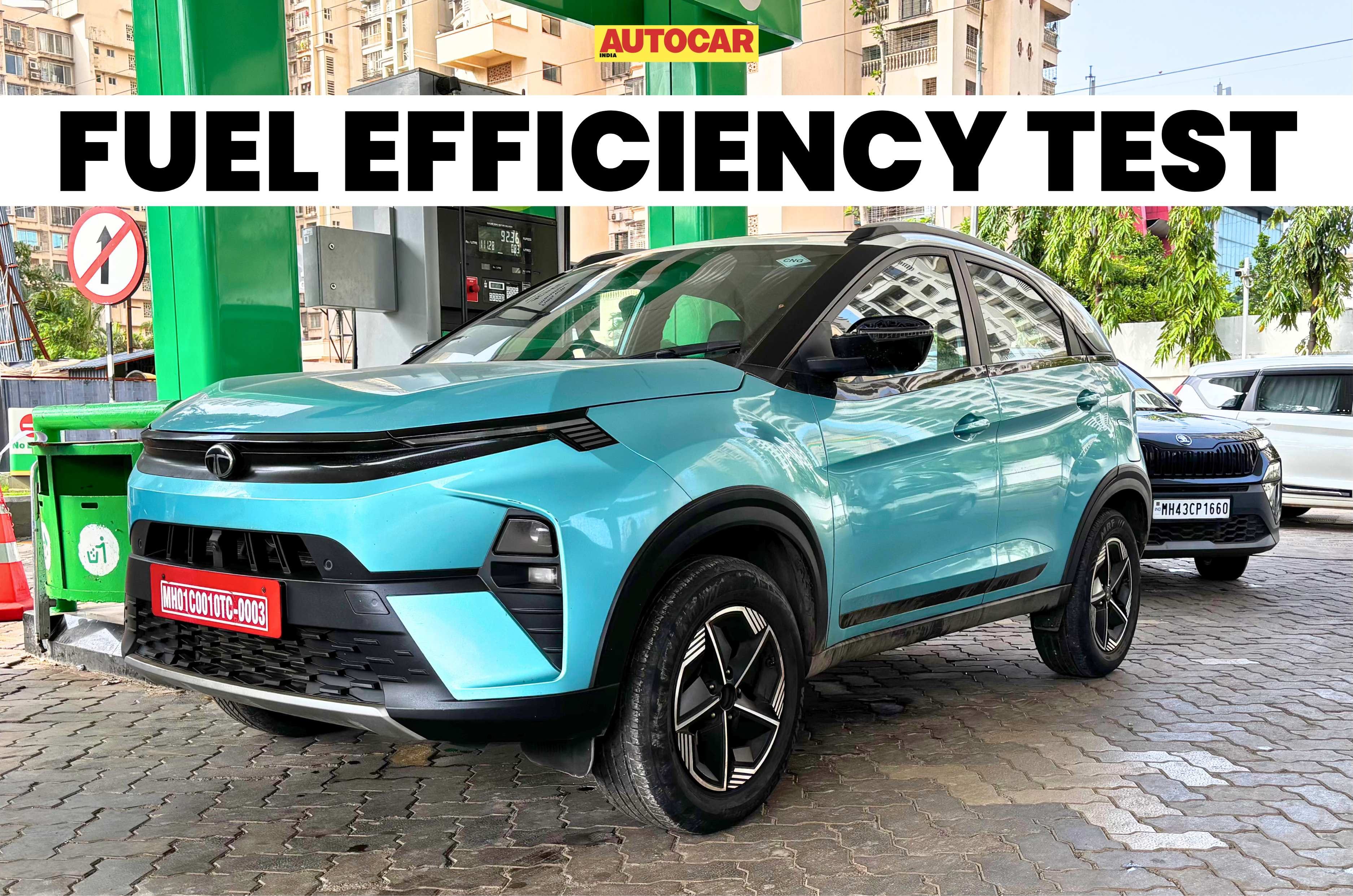
The Tata Nexon iCNG is the first turbocharged CNG vehicle sold in India with a factory-fitted CNG kit. Available in all variants, the CNG range is priced between Rs. 8,34,990 for the base trim and Rs. 13,29,990 for the top-spec Fearless+PS trim, priced at a premium of between Rs. 70,000 and Rs. 1,15,000 over comparable petrol variants.
We’ve now put the Tata Nexon iCNG to the test to see how it fares.
Powering the Nexon iCNG is a 1.2-litre, three-cylinder turbo-petrol engine as seen in the regular Nexon and is paired to a six-speed manual transmission. While the torque remains the same as the petrol unit at 170Nm, power is down by 20hp in the CNG version, now producing 100hp. It features a twin-tank CNG system with a capacity of 60 litres or 9kg, smartly placed below the boot floor to free up a respectable 321 litres of luggage space.
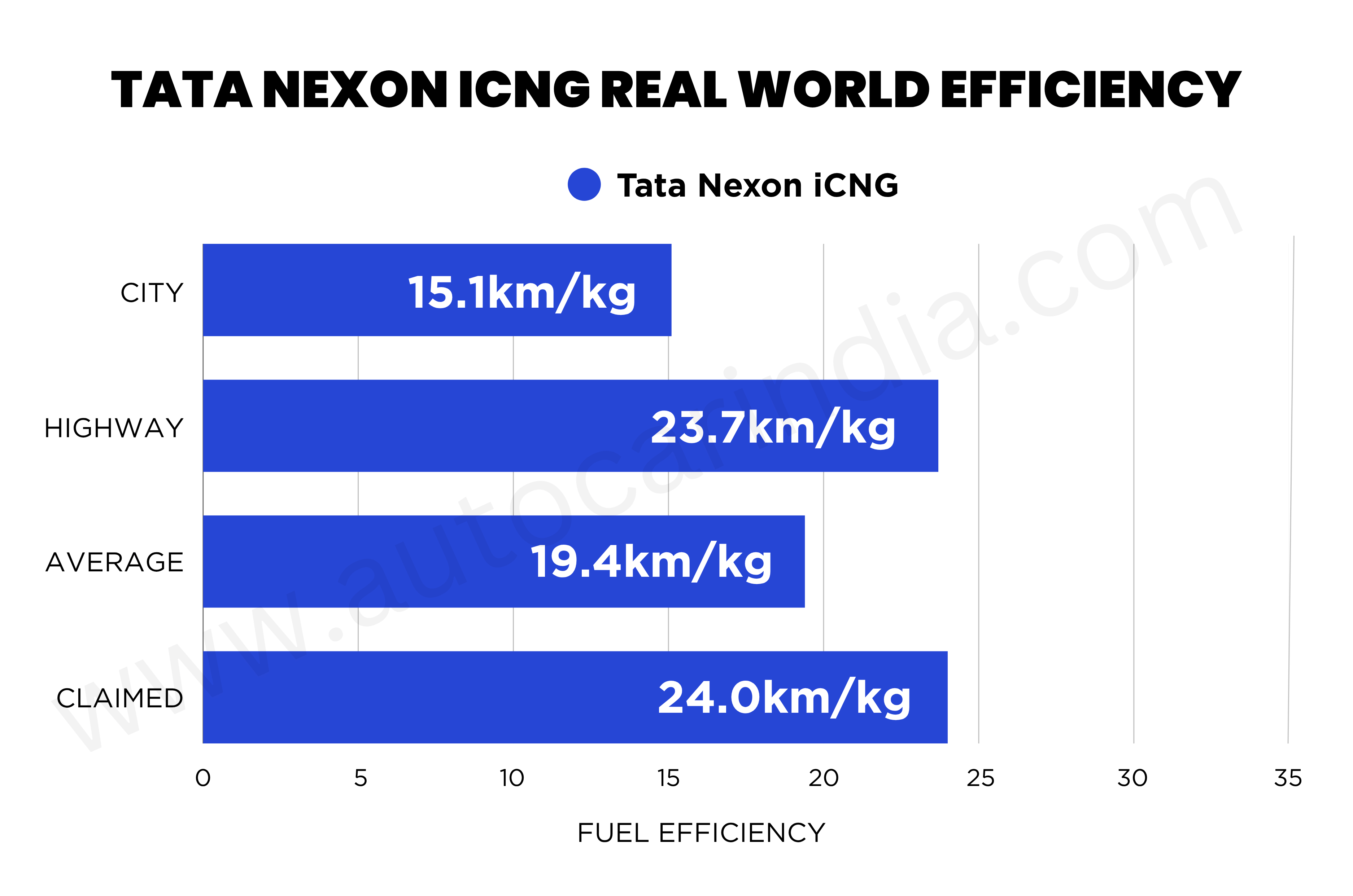
In our tests, the Nexon iCNG delivered 15.1km/kg in the city and 23.7km/kg on the highway, for an average overall real-world efficiency of 19.4km/kg. What’s commendable is that its highway efficiency is close to its ARAI-claimed efficiency of 24km/kg.
When refilled from empty, we managed to fill 7.5kg of CNG as opposed to Tata’s claim of 9kg. CNG filling depends on ambient temperature and pump pressure, so under optimal conditions, achieving 8.5-9kg should be possible.
With the overall average fuel efficiency of 19.4km/kg, you can expect a real-world range of 145-160km on a full tank of CNG.
Autocar India’s fuel-efficiency testing
Since CNG tanks are more difficult to fill consistently due to variables such as ambient temperature and pump pressure, we did not use our standard tankful-to-tankful methodology. Instead, for our real-world tests, we emptied the CNG tank and refilled it with 2kg of CNG. We then drove the vehicle in city conditions until the gas was exhausted. The same process was repeated for the highway run. Throughout both tests, the Nexon iCNG was driven exclusively in CNG mode.
Before our real-world fuel efficiency tests, we maintain tyre pressures based on the manufacturer’s recommendations. These cars are driven in fixed city and highway loops in and around Navi Mumbai, and we maintain certain average speeds. Throughout the tests, there is only one person in each car, and the aircon is set to 22deg C in full-auto mode. We operate other electricals, such as the audio system, indicators and wipers, just like a regular user would. Periodic driver swaps further neutralise variations in driver patterns.
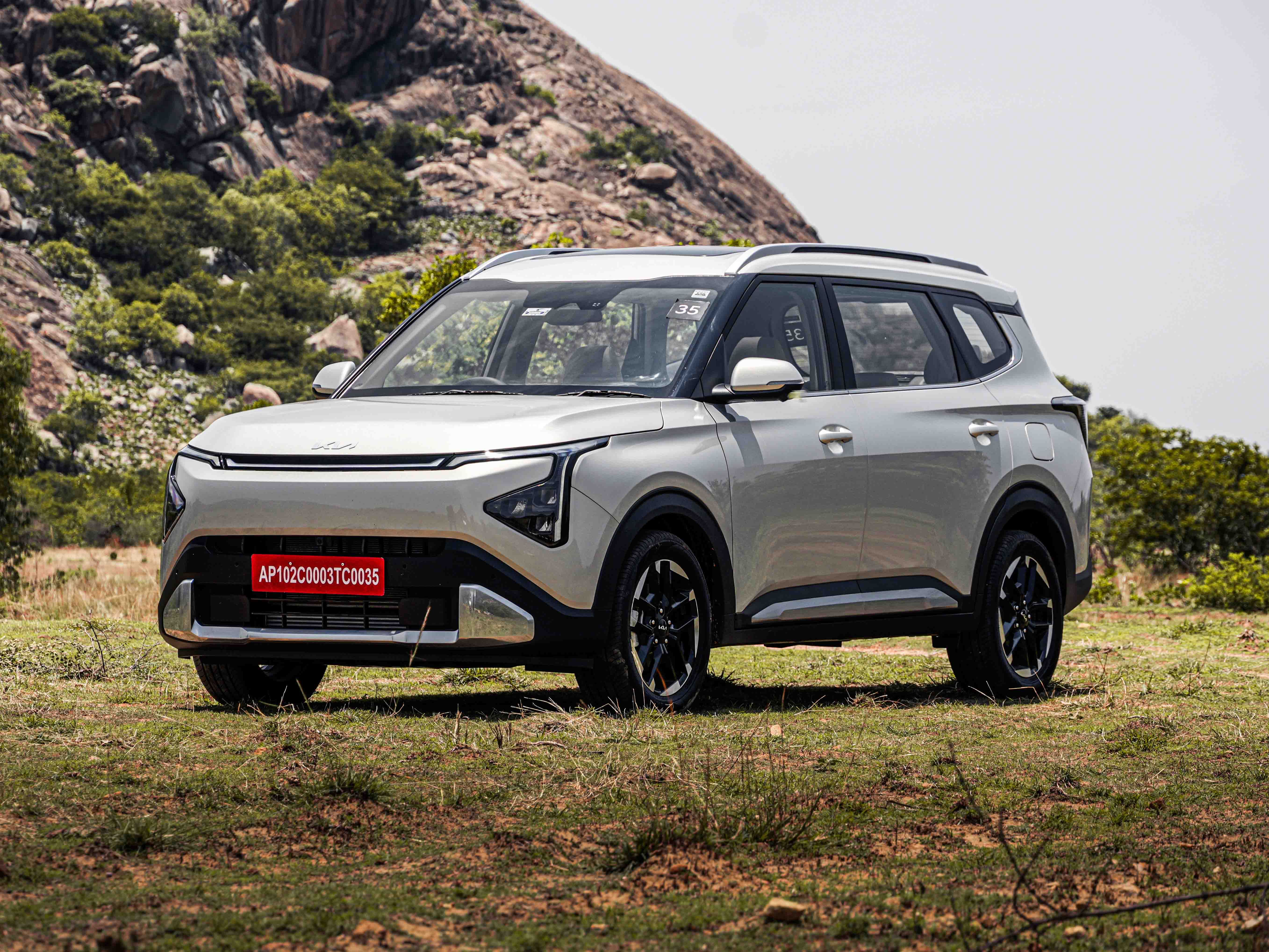
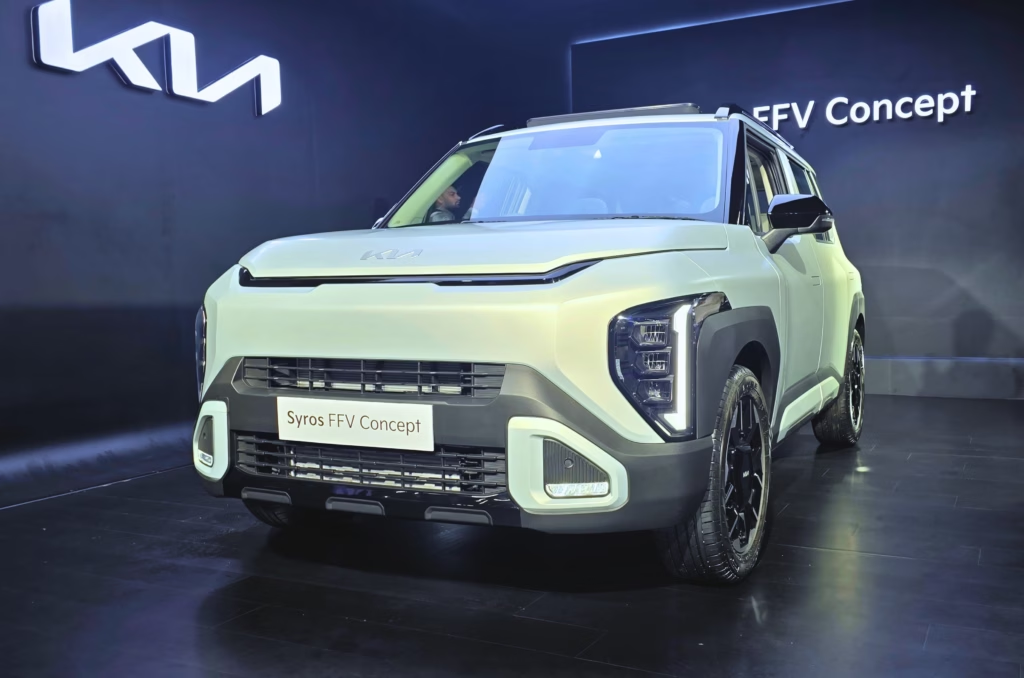
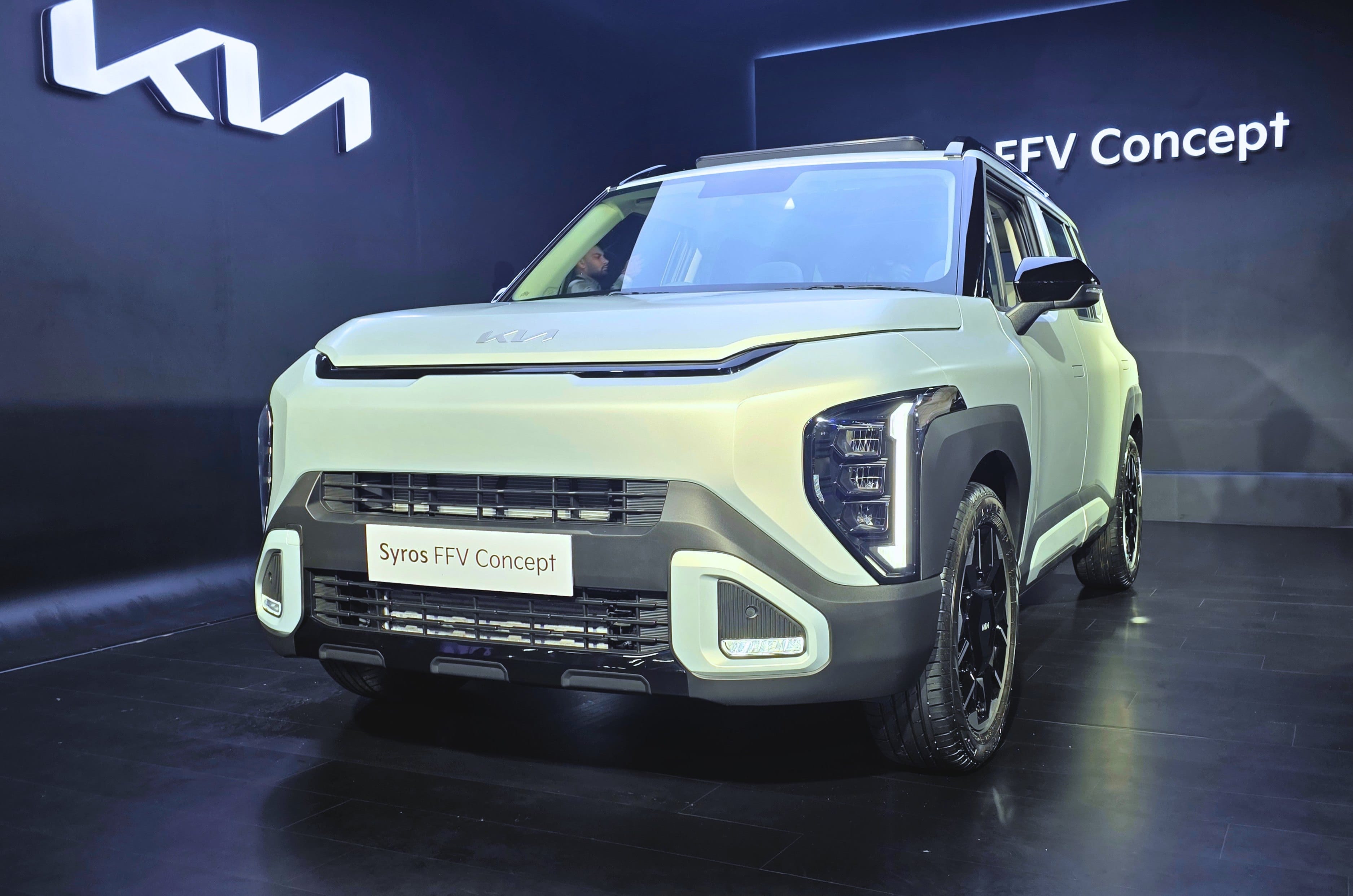
In a bid to join the flex–fuel race in India, Kia has unveiled the Syros FFV concept, its first flex-fuel car in India. The carmaker says that the Syros flex-fuel can run on pure petrol, pure ethanol, and varying ethanol-petrol blends. Kia is yet to confirm when a production-spec version will come to our market.
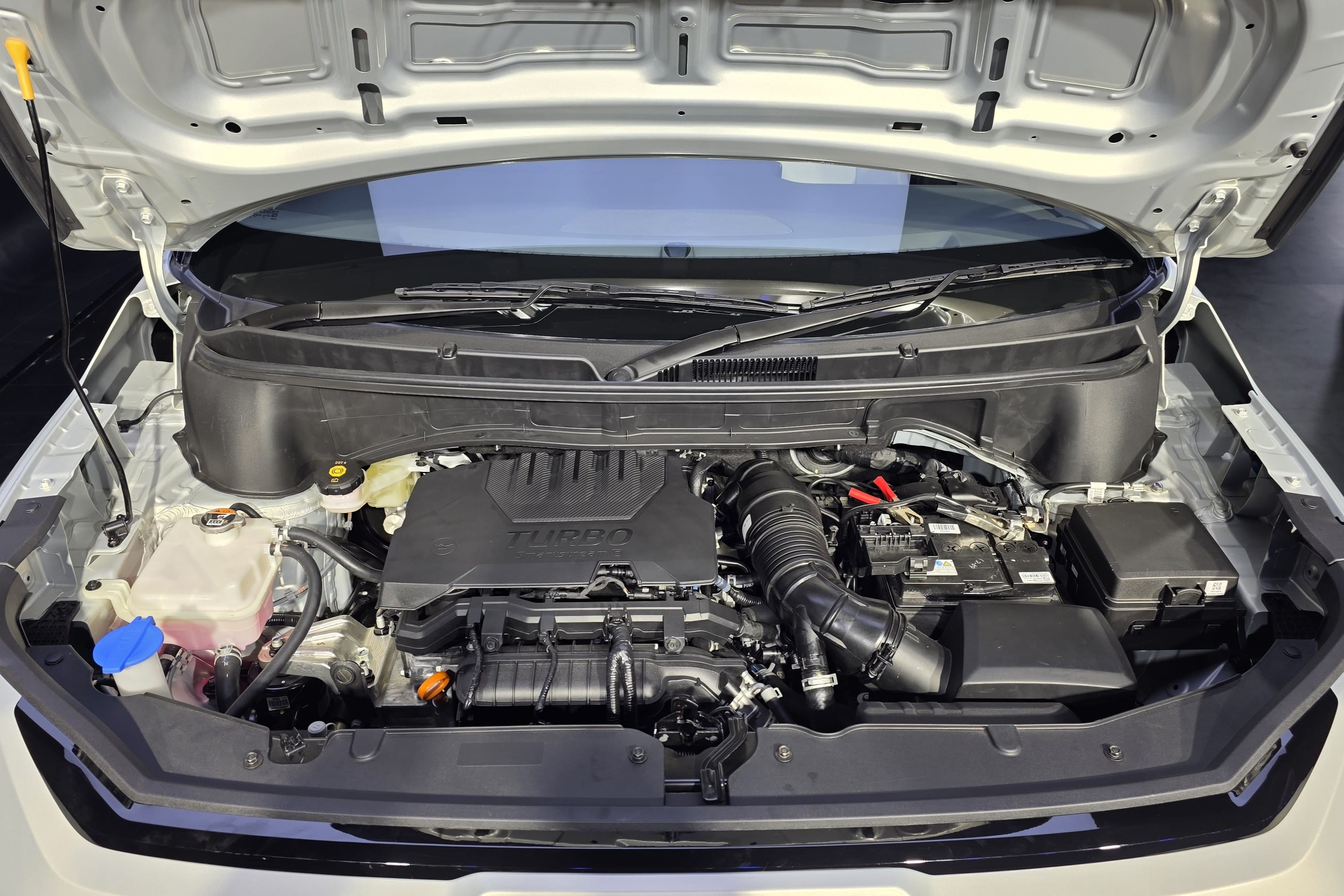
Utilises a 1.0-litre direct-injection turbo-petrol engine.
The engine comes with an upgraded ECU, TCU, and fuel system.
Transmission duties handled by a 6-speed automatic gearbox.
Kia Syros flex-fuel concept: Powertrain details
Powering the Syros flex-fuel is a 1.0-litre, three-cylinder, direct-injection turbo-petrol engine. However, the carmaker has not confirmed the power outputs of this engine. For compatibility with varying ethanol blends, Kia has tweaked components like its ECU, TCU, and fuel system. Unlike the standard Syros turbo-petrol that’s paired to a 7-speed DCT, the Syros flex fuel is mated with a 6-speed torque converter automatic.
Kia Syros flex-fuel concept: Exterior and interior
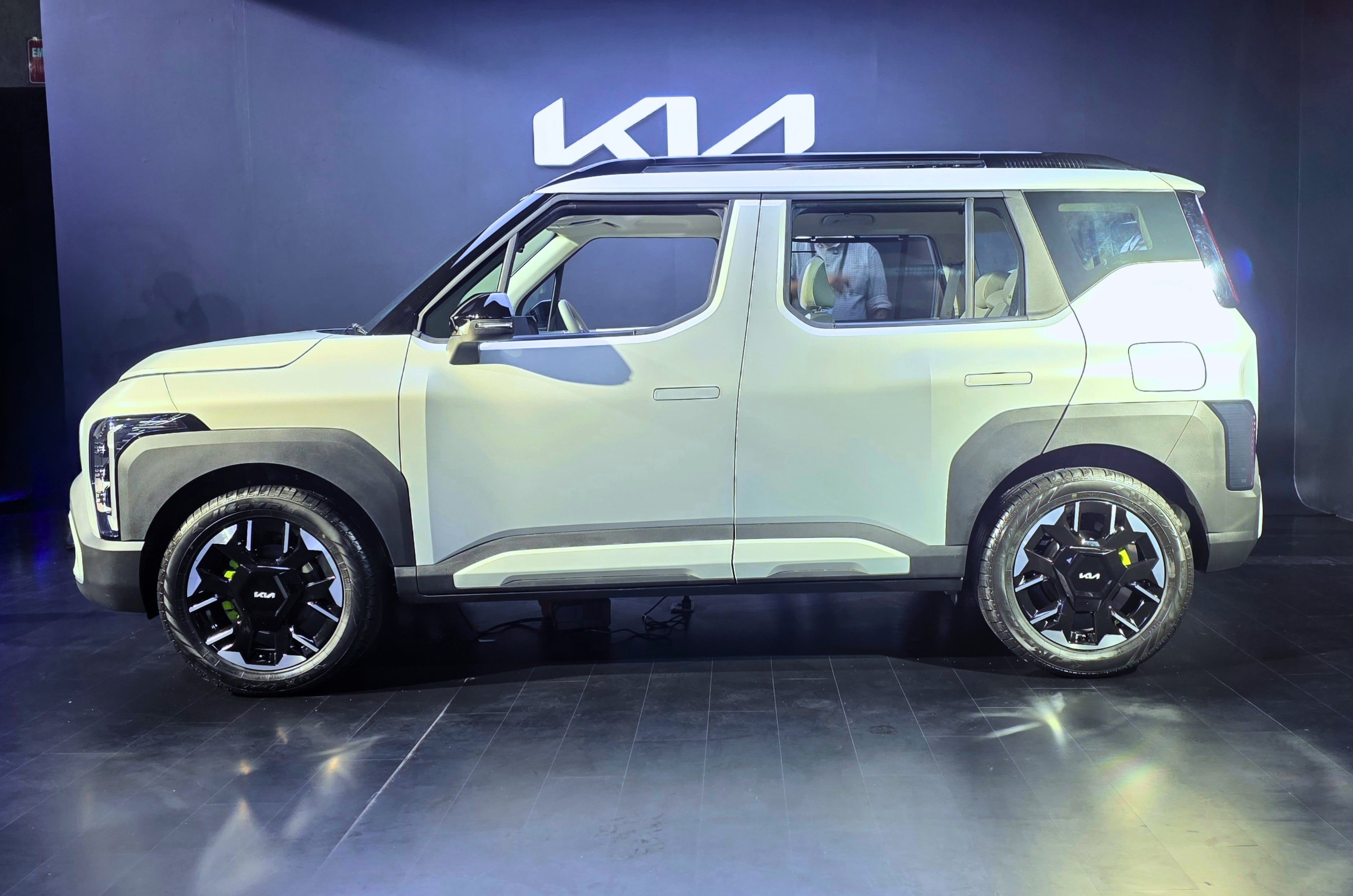
Apart from E85 compatibility, the Syros flex-fuel’s exterior remains unchanged from the standard model. You continue to get the familiar boxy, ‘tall-boy’ silhouette, ice-cube LED headlamps with DRLs, 17-inch dual-tone alloy wheels, roof rails, dual-tone bumpers, and high-mounted L-shaped LED signatures at the back.
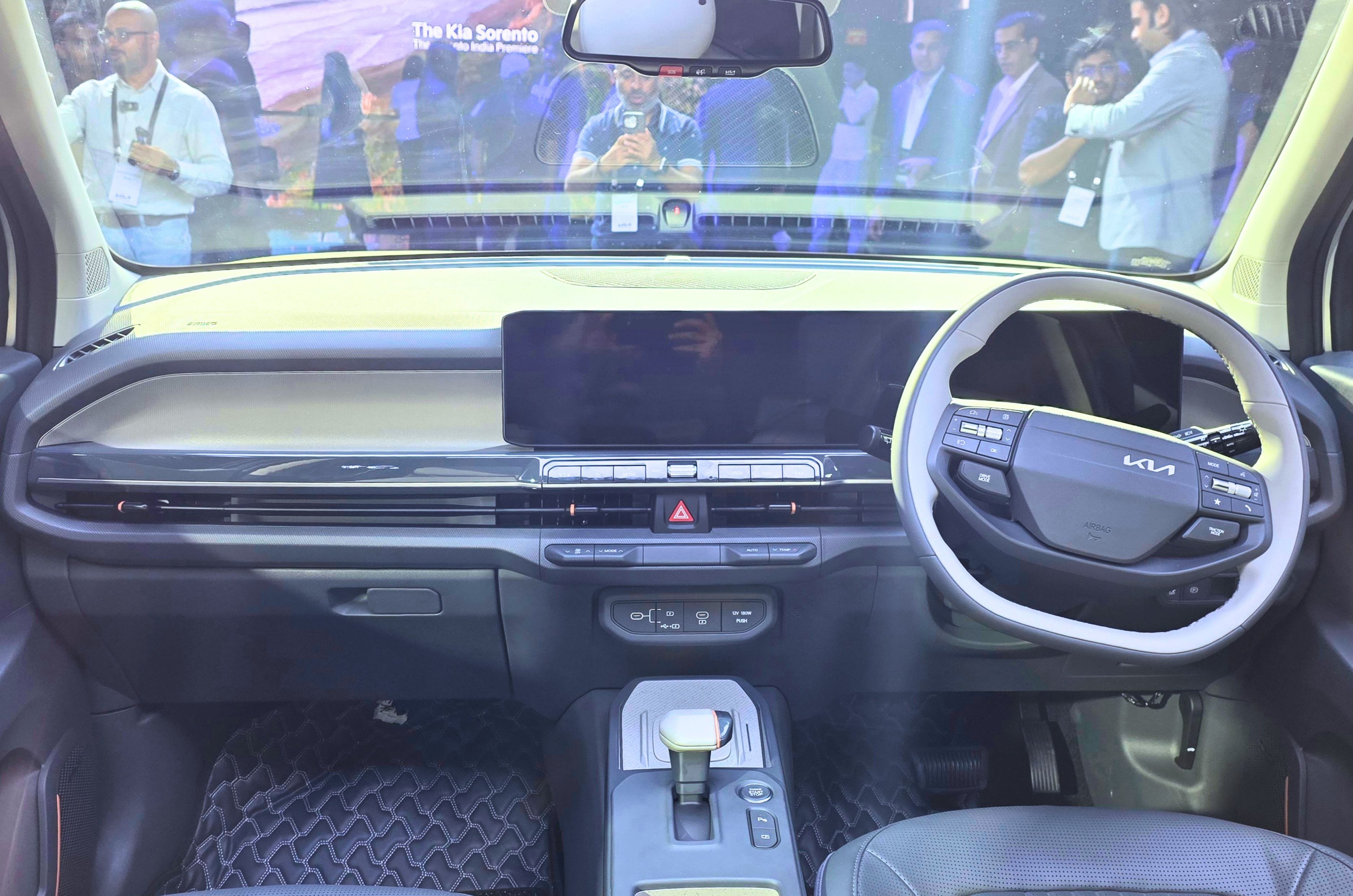
Like the exterior, the interior of the Syros flex-fuel is quite similar to the standard model. The dashboard is dominated by a triple-screen display for the digital instrument cluster, infotainment system, and HVAC controls, while you get an array of physical buttons at the centre. Lower down is a wireless phone charger, the same gear lever, and storage spaces as seen on the standard Syros.
With the debut, Kia is India’s second manufacturer to debut a flex-fuel car. Earlier this year, Maruti Suzuki was the first to unveil the Wagon R flex fuel, which currently retails at Rs 7.24 lakh. Kia joins the list of carmakers who are working on bringing flex fuel cars to India, as the government pushes for higher ethanol-blended petrol in an effort to reduce crude oil imports.
“We are ready with the next level of Bharat Stage [emission] standards and the final consultations are underway. We hopefully should be in a position to bring out the draft in a couple of months’ time for the BS 7 introduction,” Ministry of Road Transport and Highways (MoRTH) Secretary V Umashankar said at the 2026 SIAM Annual Convention in Delhi.
Bharat Stage norms limit the emissions of pollutants like hydrocarbons, sulphur and oxides of nitrogen from vehicles. India currently follows BS6 Phase 2 (or BS6.2) norms, which came into effect on April 1, 2023. “I think the industry is also preparing itself for it. The key challenge there would be the timelines,” Umashankar added.
What changes with BS7?
BS7 will put a greater focus on pollution levels from vehicles in real-world driving conditions rather than laboratory testing. Unlike the dramatic transition from BS4 to BS6, the move to BS7 is a natural progression from BS6. This should put relatively less pressure on manufacturers to upgrade their vehicles. Prices may also go up slightly due to the upgrades. Some models could even be discontinued if upgrading them to meet BS7 norms is not financially viable, something that we saw during the move from BS4 to BS6 in 2020.
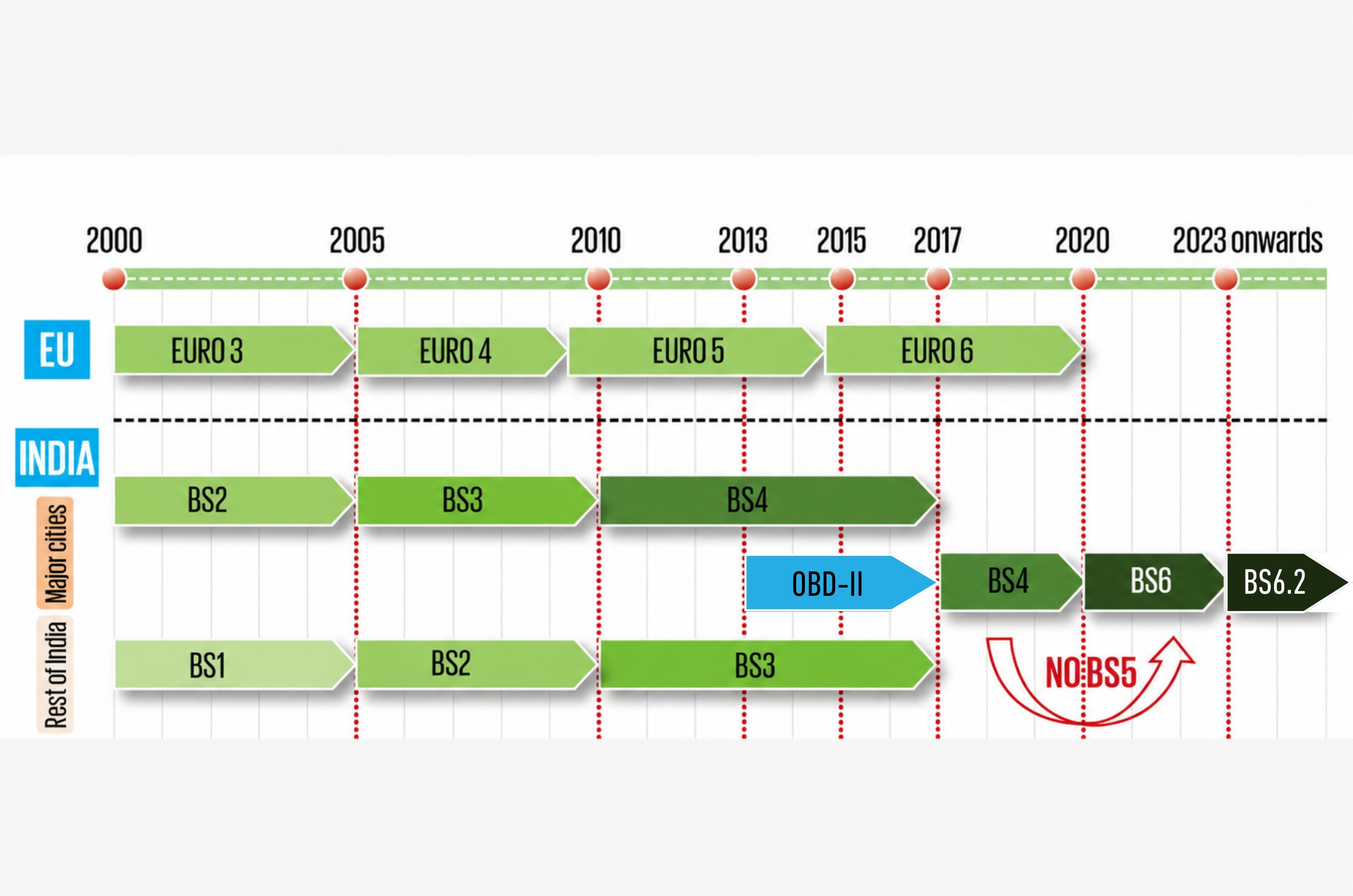
Bharat Stage emission norms so far
Bharat Stage emission norms were introduced in India in the year 2000 with the implementation of BS1 standards, while also rolling out BS2 across major cities in a phased manner. BS2 was based on European emission regulations, with the main difference being the test cycle’s top speed – 90kph versus 120kph in Europe.
India remained one stage behind Europe until 2010, after which the oil industry could not supply the low-sulphur fuel needed to progress to BS5 before eventually leapfrogging from BS4 to BS6 in 2020.
How are CAFE norms different from BS standards?
Corporate Average Fuel Economy (CAFE) norms deal with overall fuel consumption, specifically the quantity of fuel consumed. Imposed on a carmaker’s entire fleet, and not on an individual model, it’s a limit set on the total emission of carbon dioxide produced. These norms force manufacturers to make more fuel efficient cars, which impacts many other things. Whereas, Bharat Stage norms measure emissions at a vehicular level.
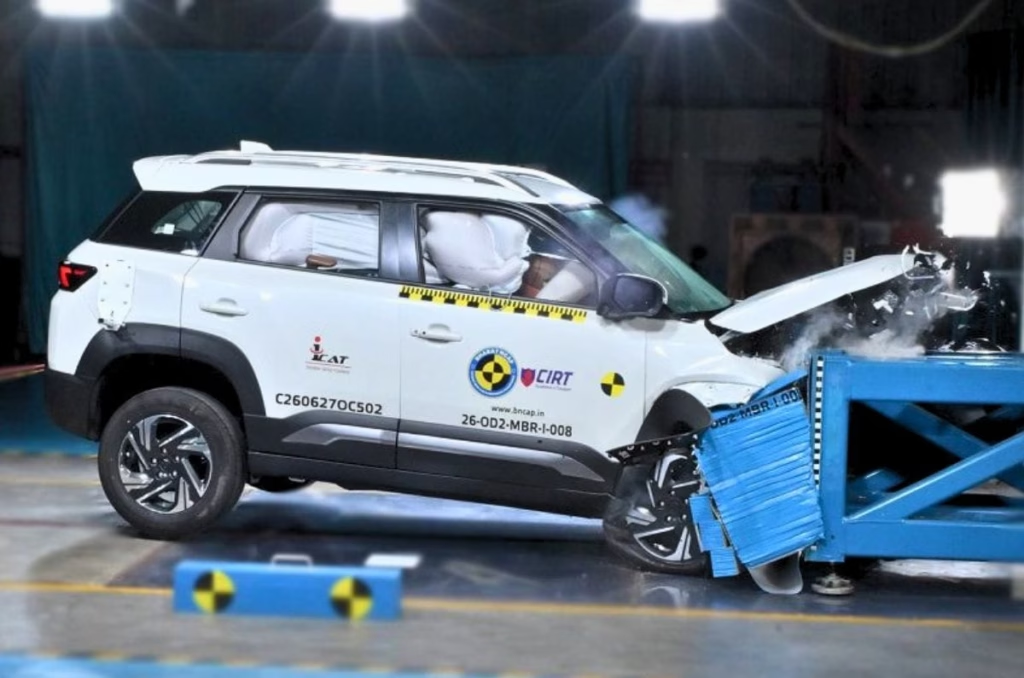
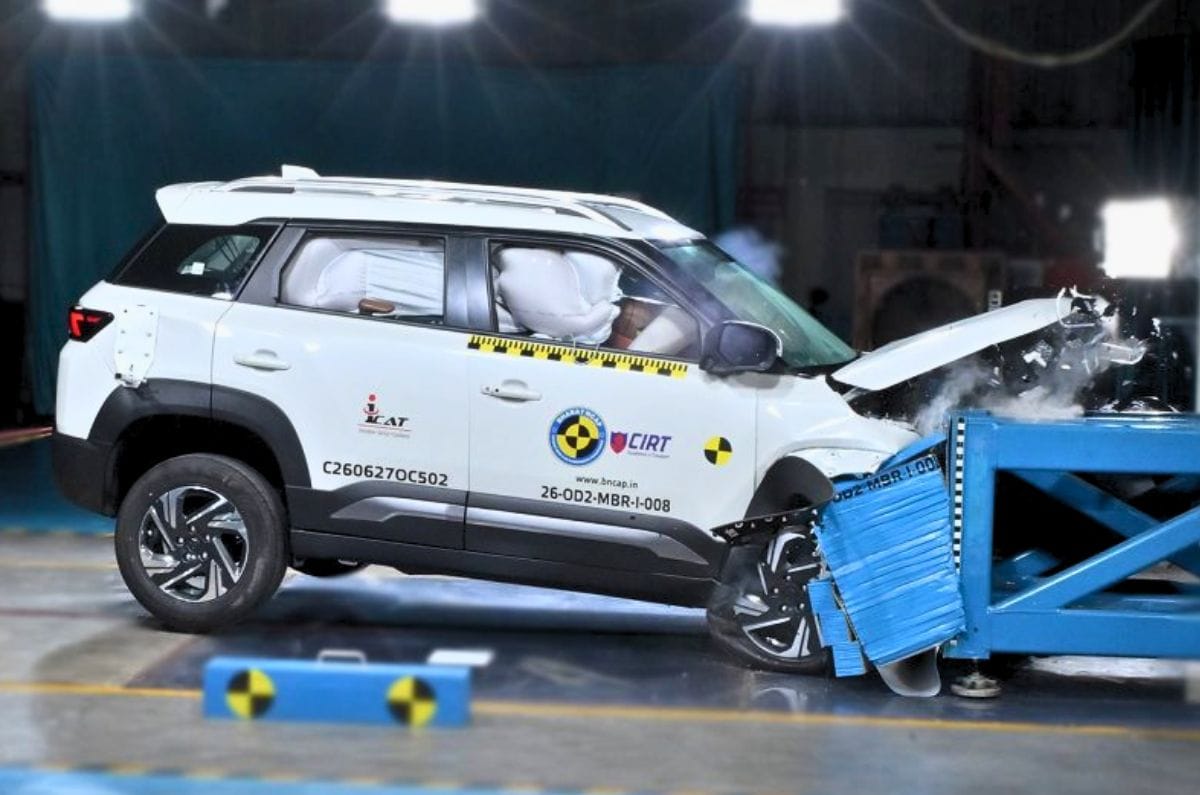
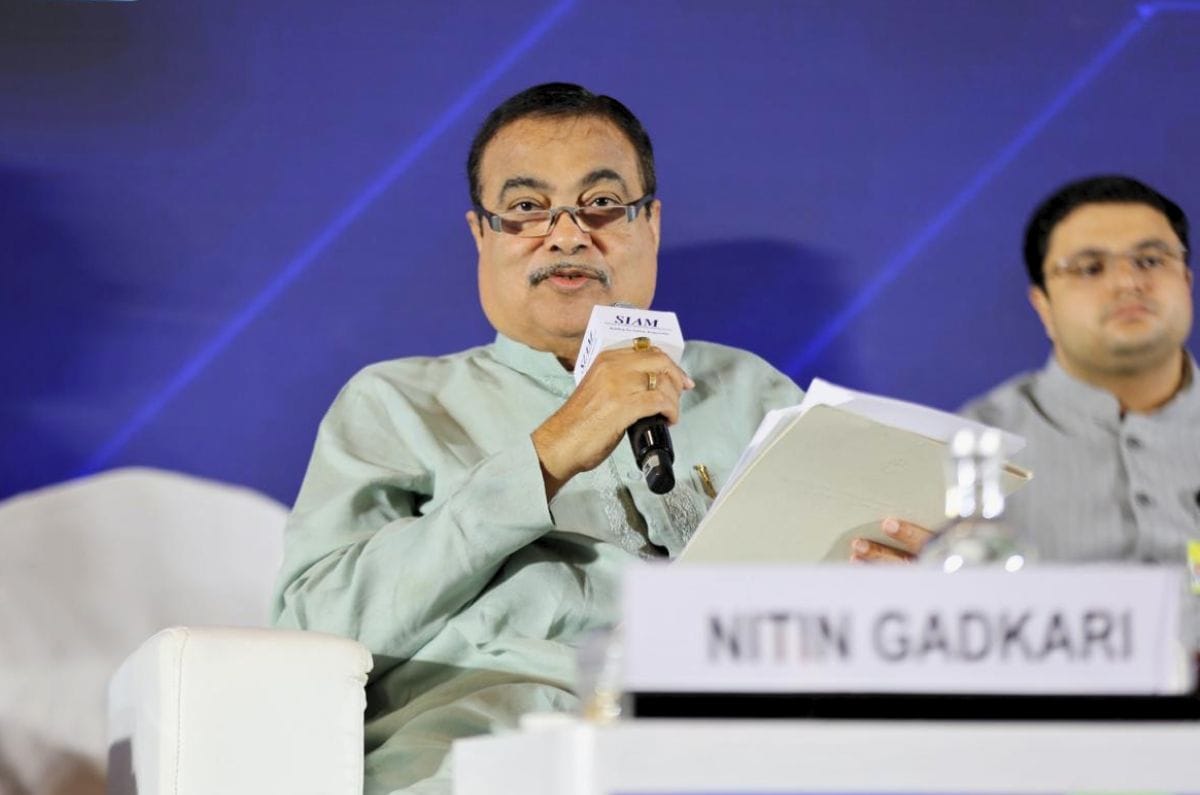
At the 66th SIAM Annual Convention, Union Minister of Road Transport and Highways, Nitin Gadkari, revealed that the government is preparing for the second phase of Bharat NCAP that’s set to take effect from October 2027. The new phase of the BNCAP, Gadkari said, is planned to broaden the vehicle assessment programme to areas such as crash avoidance, pedestrian safety and post-crash response.
Entire crash chain will be evaluated, expanding beyond occupant protection
Gadkari invited manufacturers to submit suggestions based on global safety practices
Bharat NCAP 2.0 plans: What was revealed?
“Entire crash chain” to be evaluated with the Bharat NCAP 2.0 programme
“We are going ahead with making Bharat NCAP 2. This is a very important program [which will be] valid from October 2027,” said Gadkari while addressing the SIAM convention. The next phase is expected to assess a wider range of safety parameters. “We are going to evaluate the entire crash chain,” he added while identifying three broad areas – avoiding a crash, pedestrian protection, and post-crash evacuation and care – rather than focusing only on how vehicles protect occupants during a crash.
Image source: @siamindia on X
The ministry will also look at new safety technologies available globally as well as solutions being developed by Indian start-ups. Gadkari also invited vehicle manufacturers to submit suggestions based on their research, technical experience and safety practices followed in other markets “If you have any good suggestions, don’t hesitate, come to us”, he said.
Notified draft rules from MoRTH in November 2025 proposed 100-point evaluation criteria
In November 2025, MoRTH proposed new rules for the next phase of Bharat NCAP under AIS-197 (Revision 1), aimed at making the car safety testing programme more detailed and stricter. Under the proposed system, cars would receive a score out of 100 based on five areas: crash protection (55 points), protection for pedestrians and other vulnerable road users (20 points), safe driving features (10 points), accident avoidance technology (10 points), and post-crash safety (5 points).
The requirements for a 5-star safety rating would also become tougher. From 2027, a car would need to score at least 70 out of 100 to receive 5 stars, while from 2029, the minimum score would increase to 80 points.
The proposal also calls for more crash tests. In addition to the existing tests, cars would have to undergo a 50kph full-width frontal crash test, a 32kph oblique pole impact test and a 50kph rear-impact test. The speed of the existing side-pole test would also increase from 29kph to 32kph. Another major change is that cars would need to offer curtain airbags and electronic stability control (ESC) as standard to qualify for a star rating.