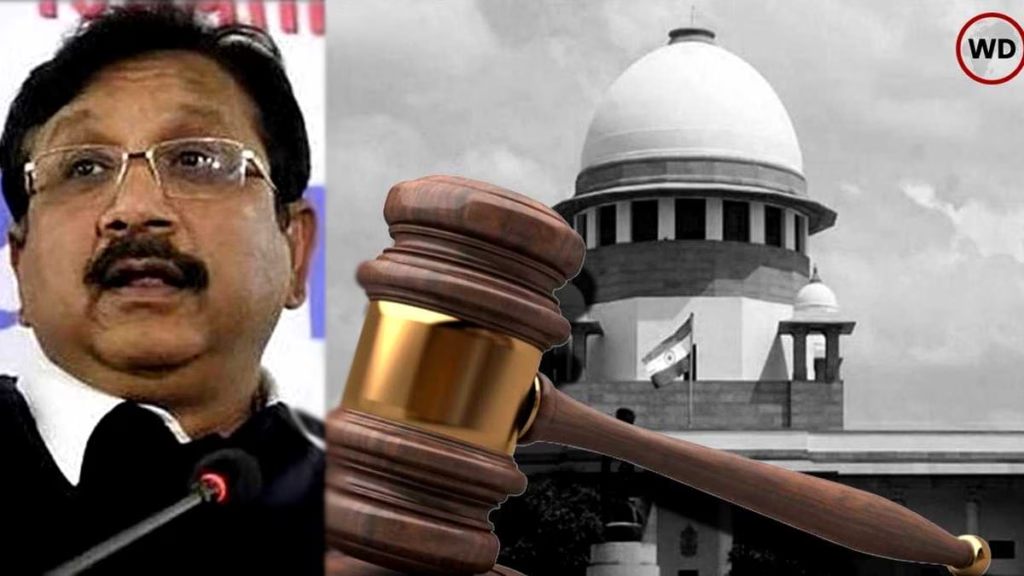
कर्नल सोफिया कुरैशी पर विवादित टिप्पणी करने वाले मध्यप्रदेश के जनजातीय कार्य मंत्री विजय शाह के खिलाफ अभियोजन की मंजूरी को लेकर मंगलवार को हुई मोहन कैबिनेट की बैठक में कोई प्रस्ताव नहीं आया। बैठक से पहले शाह के खिलाफ अभियोजन स्वीकृति नहीं देने का प्रस्ताव कैबिनेट में रखे जाने की चर्चा थी, लेकिन अंतिम समय में इसे एजेंडे से हटा दिया गया। अब राज्य सरकार के सामने 31 अगस्त को होने वाली सुप्रीम कोर्ट की सुनवाई से पहले अपना पक्ष रखने की चुनौती है।
मंगलवार को मंत्रालय में हुई कैबिनेट बैठक में मंत्री विजय शाह पर केस चलाने के लिए सरकार के स्तर पर अभियोजन स्वीकृति देने के प्रस्ताव की चर्चा थी लेकिन कैबिनेट बैठक मे यह प्रस्ताव नहीं आया है। कैबिनेट मंत्री राकेश सिंह से जब इस विषय में सवाल किया गया तो उन्होंने साफ कहा कि ऐसा कोई प्रस्ताव कैबिनेट में नहीं आया। वहीं मंत्रालय के सूत्रों के मुताबिक कैबिनेट की बैठक में में मौजूद अफसरों को बाहर कर इस पूरे विषय पर चर्चा हुई।
क्या है पूरा मामला?- कैबिनेट मंत्री विजय शाह से जुडा यह पूरा मामला मई 2025 का है। पहलगाम आतंकी हमले के बाद ऑपरेशन सिंदूर के तहत पाकिस्तान और पीओके में आतंकी ठिकानों पर कार्रवाई की थी। इस ऑपरेशन की जानकारी मीडिया को देने वाली सैन्य अधिकारियों की टीम में कर्नल सोफिया कुरैशी भी शामिल थीं। 11 मई 2025 को महू के रायकुंडा गांव में आयोजित एक कार्यक्रम में विजय शाह ने कर्नल सोफिया कुरैशी को लेकर ऐसी टिप्पणी की, जिसे उनके धर्म और पहलगाम हमले के आतंकियों के समुदाय से जोड़कर देखा गया। इस पूरे मामले मध्यप्रदेश हाईकोर्ट ने मामले का स्वत: संज्ञान लिया और शाह के खिलाफ एफआईआर दर्ज करने का आदेश दिया। हाईकोर्ट ने टिप्पणी को बेहद आपत्तिजनक माना था। इसके बाद मामला सुप्रीम कोर्ट पहुंचा।
सुप्रीम कोर्ट ने मामले की जांच के लिए विशेष जांच दल यानी SIT गठित की। SIT ने जांच पूरी करने के बाद विजय शाह के खिलाफ भारतीय न्याय संहिता की धारा 196(1)(a) के तहत अभियोजन की अनुमति मांगी। यही अनुमति लंबे समय से राज्य सरकार के पास लंबित है। जनवरी 2026 में सुप्रीम कोर्ट ने मध्यप्रदेश सरकार को अभियोजन स्वीकृति पर दो सप्ताह के भीतर निर्णय लेने का निर्देश दिया था। इसके बाद भी फैसला नहीं हुआ। मई में सुप्रीम कोर्ट ने फिर सरकार के रुख पर नाराजगी जताई और आदेश के पालन के लिए समय दिया। जुलाई की स्थिति रिपोर्ट में भी सरकार की ओर से जरूरी दस्तावेज दाखिल नहीं किए जाने की बात सामने आई थी।
अब सुप्रीम कोर्ट में मामले की अगली सुनवाई 31 अगस्त को होनी है। मंगलवार की कैबिनेट में अभियोजन स्वीकृति का प्रस्ताव नहीं आने के बाद माना जा रहा है कि सरकार अदालत के सामने अपना पक्ष रखने के लिए हलफनामा दाखिल कर सकती है। गौरतलब है कि मंत्री विजय शाह इस विवाद के बाद सार्वजनिक रूप से माफी मांग चुके हैं और उनका कहना रहा है कि उनका उद्देश्य कर्नल सोफिया कुरैशी या भारतीय सेना का अपमान करना नहीं था। हालांकि, सुप्रीम कोर्ट उनकी माफी और मामले में सरकार की देरी को लेकर पहले ही सख्त रुख अपना चुका है।
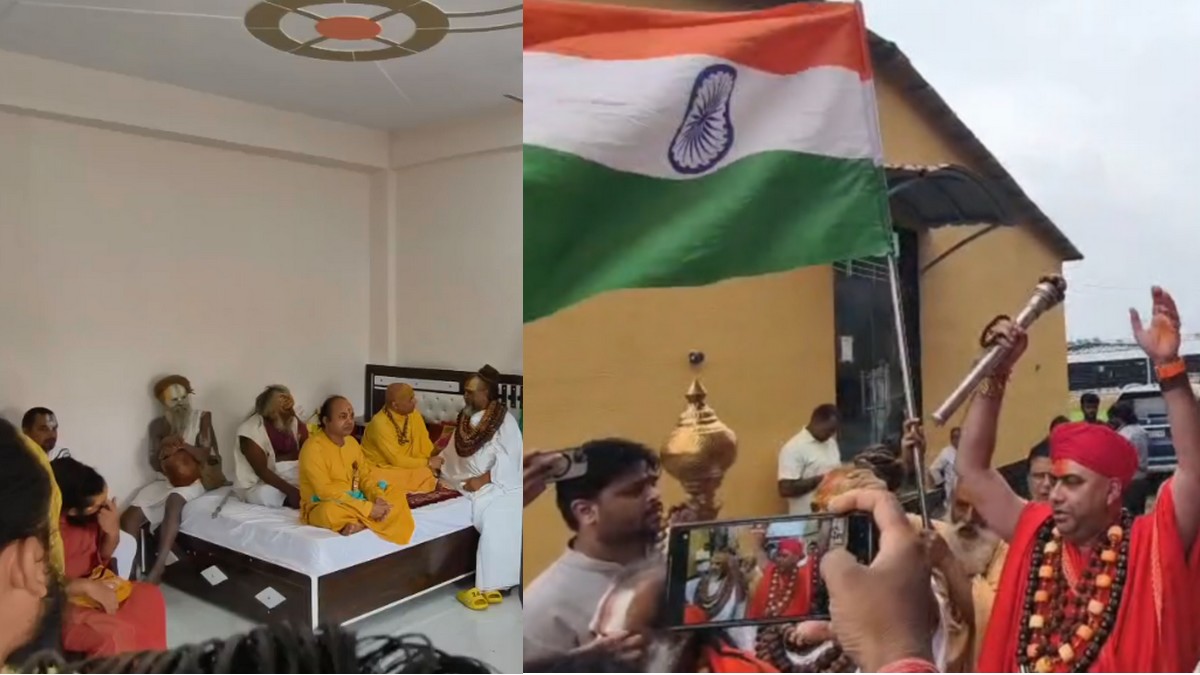
अयोध्या से इस वक्त बड़ी खबर सामने आ रही है। राम मंदिर ट्रस्ट के पूर्व महासचिव चंपत राय के विरोधी गुट के संतों की प्रस्तावित बैठक को पुलिस द्वारा रोक दिए जाने का आरोप लगा है। बताया जा रहा है कि यह बैठक रामायणम आश्रम में आयोजित होनी थी। संतों का आरोप है कि स्थानीय पुलिस ने रामायणम आश्रम में ताला लगवा दिया और कुछ समय के लिए वहां मौजूद संतों को नजरबंद रखा। इसके बाद संतों ने जिला प्रशासन पर मिलीभगत का आरोप लगाते हुए जमकर नारेबाजी की।
प्रदर्शन के दौरान संतों ने 'चंदा चोरों अयोध्या छोड़ो' के नारे लगाए। संतों ने आरोप लगाया कि चढ़ावा प्रकरण में जिम्मेदार लोगों को बचाने का प्रयास किया जा रहा है। विरोधी गुट के संतों ने चेतावनी दी कि जल्द ही एक लाख संतों को लेकर अयोध्या में बड़ी बैठक आयोजित की जाएगी। संतों ने वर्तमान राम मंदिर ट्रस्ट को भंग कर संतों का नया ट्रस्ट बनाए जाने की मांग भी उठाई।
महंत जन्मेजय शरण ने कहा कि राम मंदिर में चंदा व चढ़ावा चोरी की निष्पक्ष जांच होनी चाहिए जिसे प्रदेश के मुख्यमंत्री योगीजी ने अयोध्या मे कई बार कही है कि दूध का दूध व पानी का पानी हो तो वहीं होना चाहिए, महंत दिलीप त्यागी ने कहा की राम मंदिर मे चढ़ावा चोरी से अयोध्या की गरिमा – महिमा की वैश्विक स्तर पऱ बदनामी हुई है जिसका कोई निराकरण नहीं हुआ।
उन्होंने कहा कि हमारा केंद्र व प्रदेश की सरकार से मांग है कि SIT की जांच व उससे इनको क्लीन चिट मिलने का कोई मतलब नहीं है। उन्होंने कहा कि ट्रस्ट बनाने का आदेश सर्वोच्च न्यायलय ने दिया था और भारत सरकार के निर्देश पऱ ट्रस्ट बना है इसलिए SIT कुछ नहीं कर सकती है। राम मंदिर चढ़ावा चोरी जांच के लिए सुप्रीम कोर्ट के द्वारा रिटायर्ड जजों की एक कमेटी बनाई जाए और उनके द्वारा जांच कराई जाए।
साथ ही इस ट्रस्ट को भंग किया जाए। संत प्रकाशनन्द उर्फ कम्प्यूटर बाबा ने कहा कि आज हमारे संत समाज की शांतिपूर्वक चलने वाली संगोष्ठी थी। इसके माध्यम से हम ज्ञापन प्रशासन को सौपते परन्तु जिस प्रकार से यह कार्य हुआ है। चंदा चोरों को बचाया जा रहा है। इसमें जिला प्रशासन भी शामिल है। इसीलिए हम लोगों को रोका जा रहा है। ताला लगा दिया गया। उन्होंने कहा कि हम चुप नहीं बैठेंगे।
इसकी आवाज पूरे देश के संतों के साथ उठाएंगे। उन्होंने कहा कि राम मंदिर मे हुई चोरी के अभी तक केवल छोटी मछलियां ही पकड़ी गई हैं। बड़ी मछली बाहर जिनका नाम दुनिया जानती है, संतों की बैठक मे शामिल होने आए संत प्रकाशनन्द ने कहा की हम लोगों ने शांतिपूर्ण ढंग से अपने कार्यक्रम को आयोजित किया था। इसके पूर्व भी हम लोगों ने कई जगह व दिल्ली में शांतिपूर्वक बैठक की थी।
कोई दिक्कत किसी को नहीं हुई किन्तु श्रीराम की नगरी अयोध्या मे उनके मंदिर के चढ़ावे की चोरी को लेकर होने वाली साधु-संतों की बैठक को रोका जा रहा है, हमें धमकियां दी जा रही है। उन्होंने कहा कि अब हमें लगता है कि चढ़ावा चोरी का लाभ स्थानीय प्रशासन को भी मिला है इसीलिए हम लोगो को रोका जा रहा है। उन्होंने कहा कि हमारे संतों को बंद कर दिया गया। उन्होंने कहा कि हम लोग अयोध्या एक लाख संतो के साथ आएंगे और जन-जन आंदोलन होगा। देखते हैं कि कितने लोगों को जेल भेजा जाता है। हम लोग मरेंगे तो राम के लिए जिएंगे तो राम के लिए।
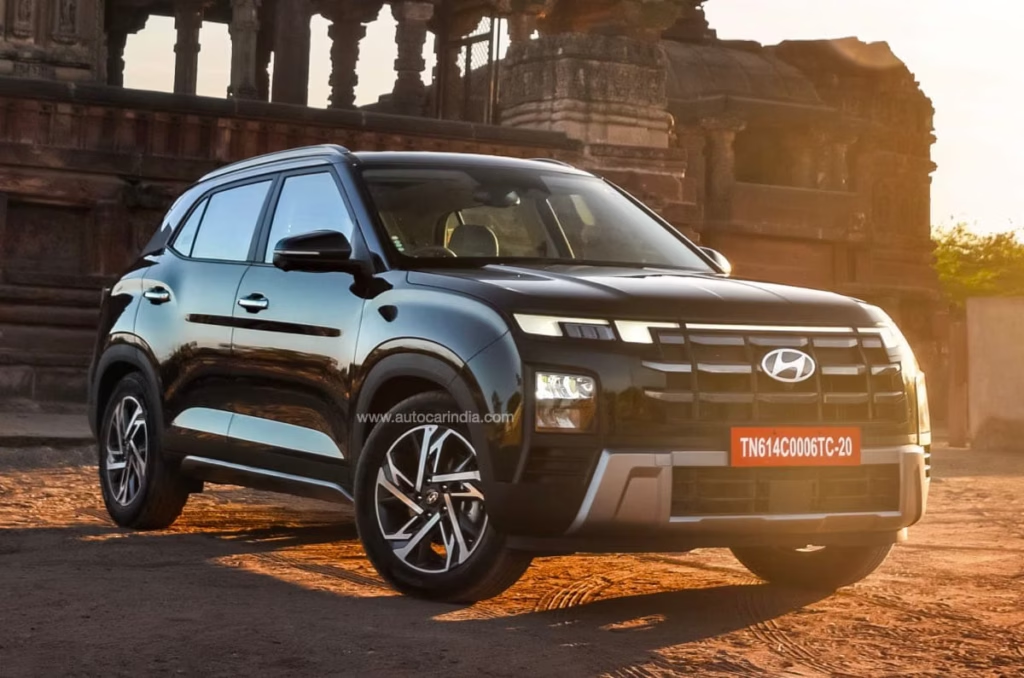
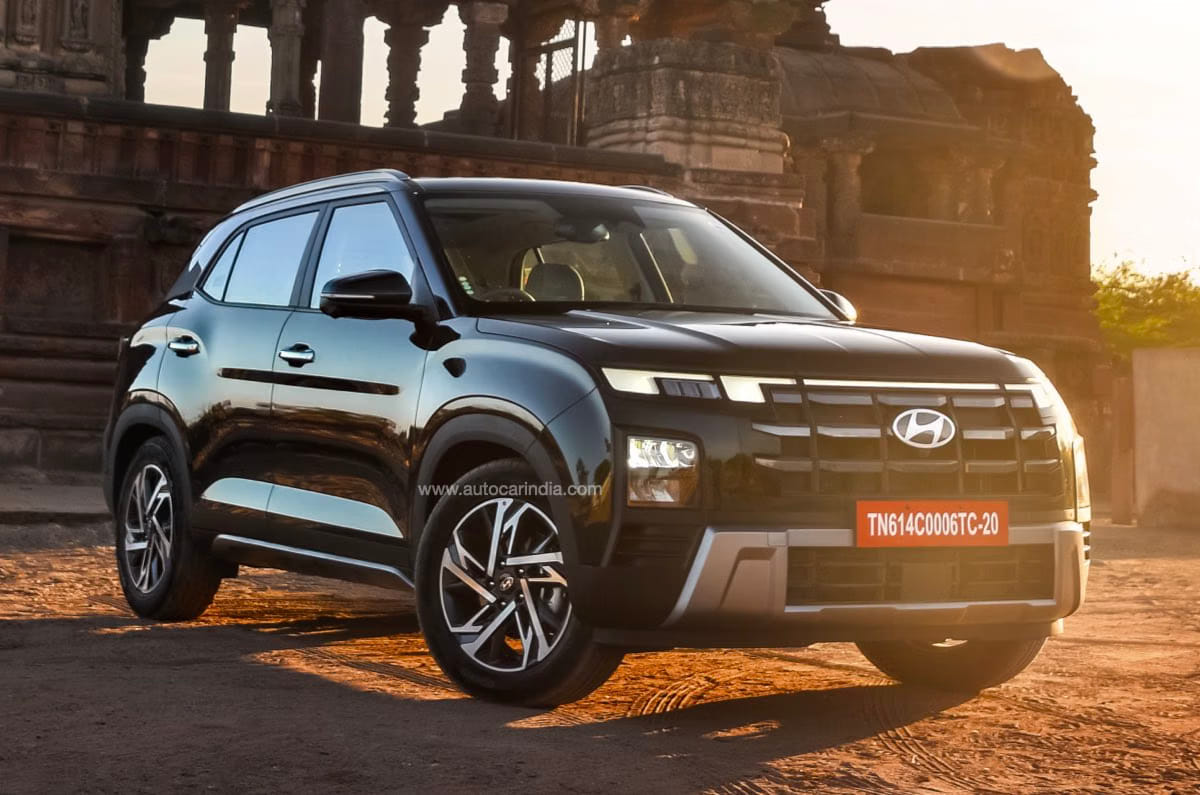
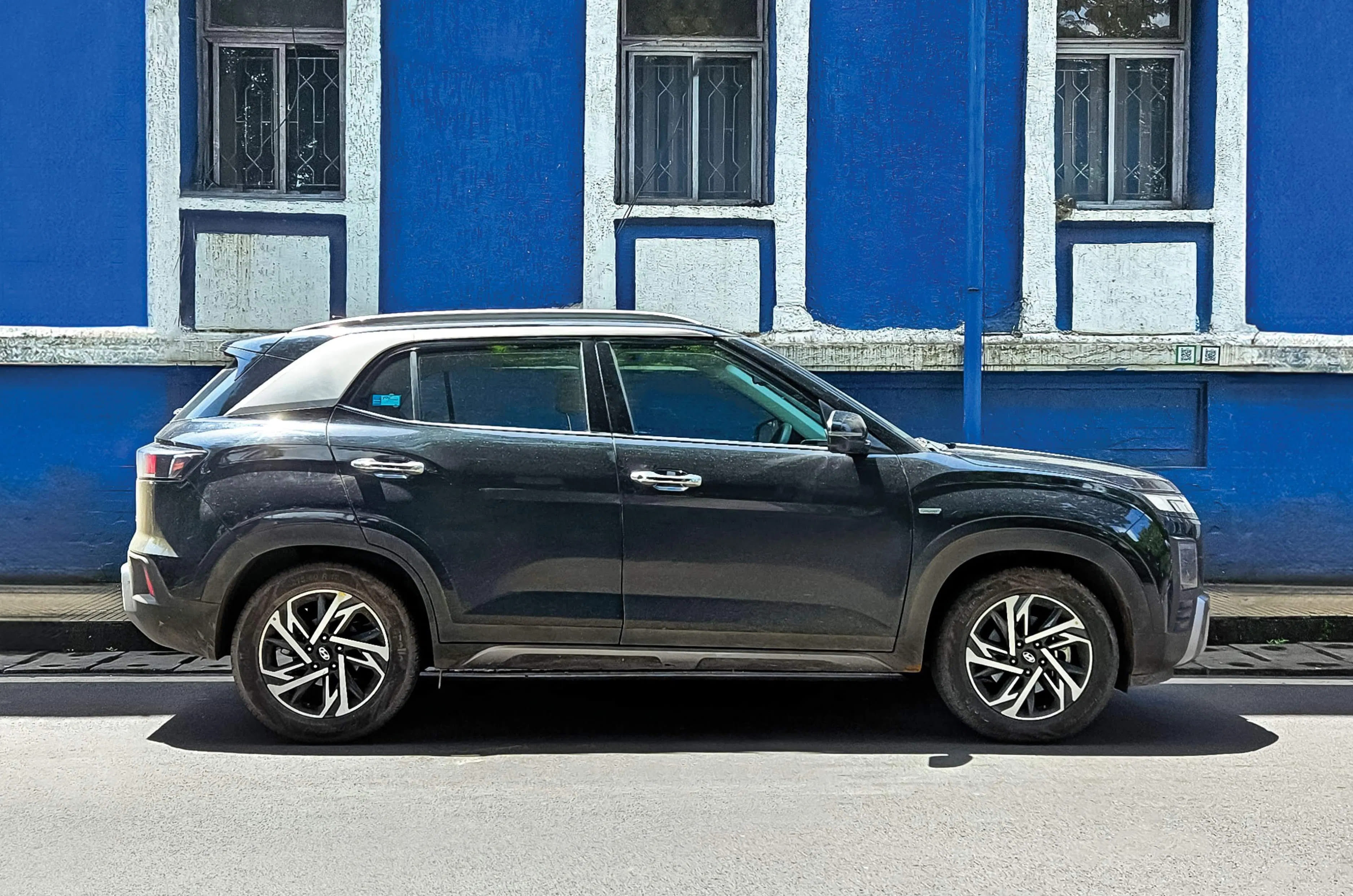
The Hyundai Creta has built its reputation on a spacious cabin, a long list of features and a wide choice of powertrains. The current model is offered with a 1.5-litre naturally aspirated petrol, 1.5-litre diesel and 1.5-litre turbo-petrol engine, with multiple gearbox options across the range. However, it isn’t without its shortcomings. Here are three reasons to consider the Creta and two reasons why you may want to look elsewhere.
Pros
1. Spacious and comfortable interior
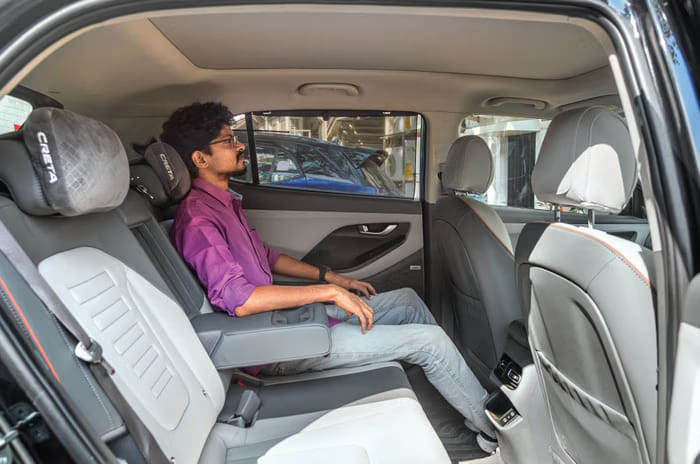
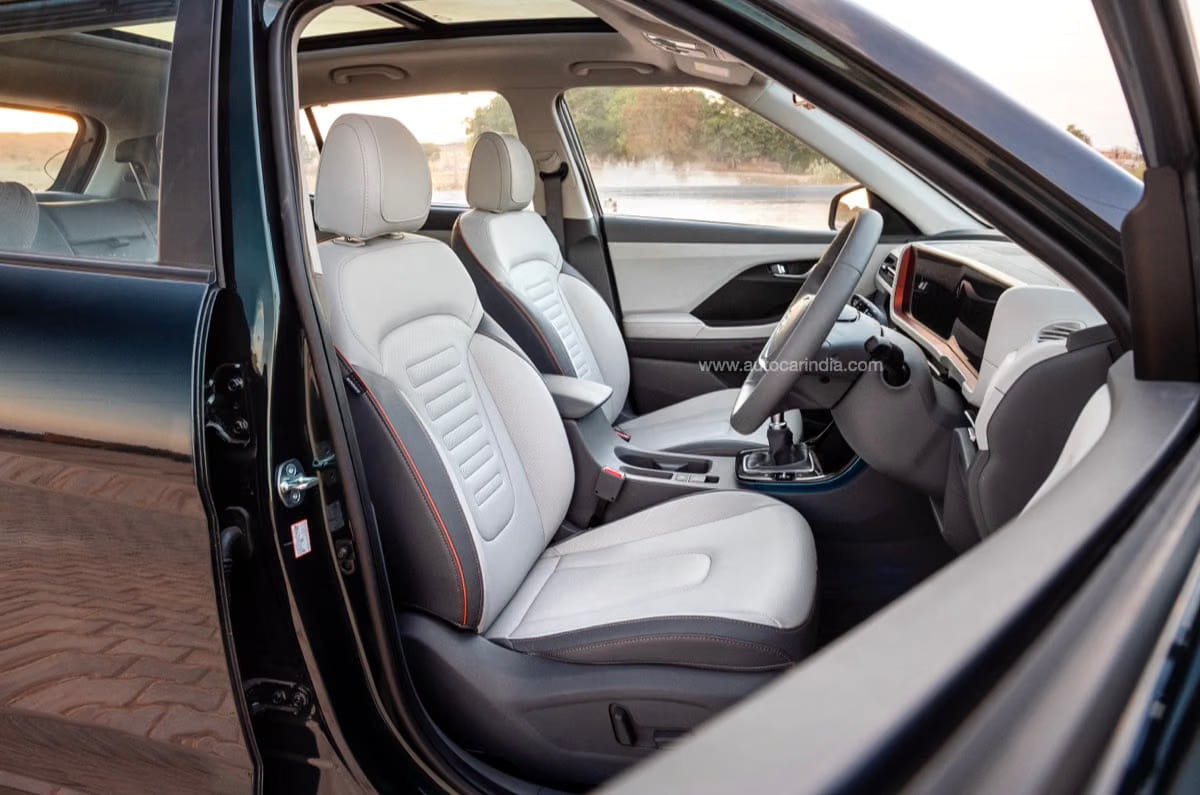
The Creta’s cabin is one of its strongest points, particularly for buyers who regularly carry passengers. There is good legroom in the rear and enough width for three adults to sit across the bench. The rear seat also gets a reclining backrest, an armrest, sunshades and neck pillows, while two USB Type-C ports are available for charging.
The front seats are comfortable and the large glasshouse provides good all-round visibility. With a manageable 4.3m length and light steering, the Creta is also easy to use in the city.
2. Feature-packed
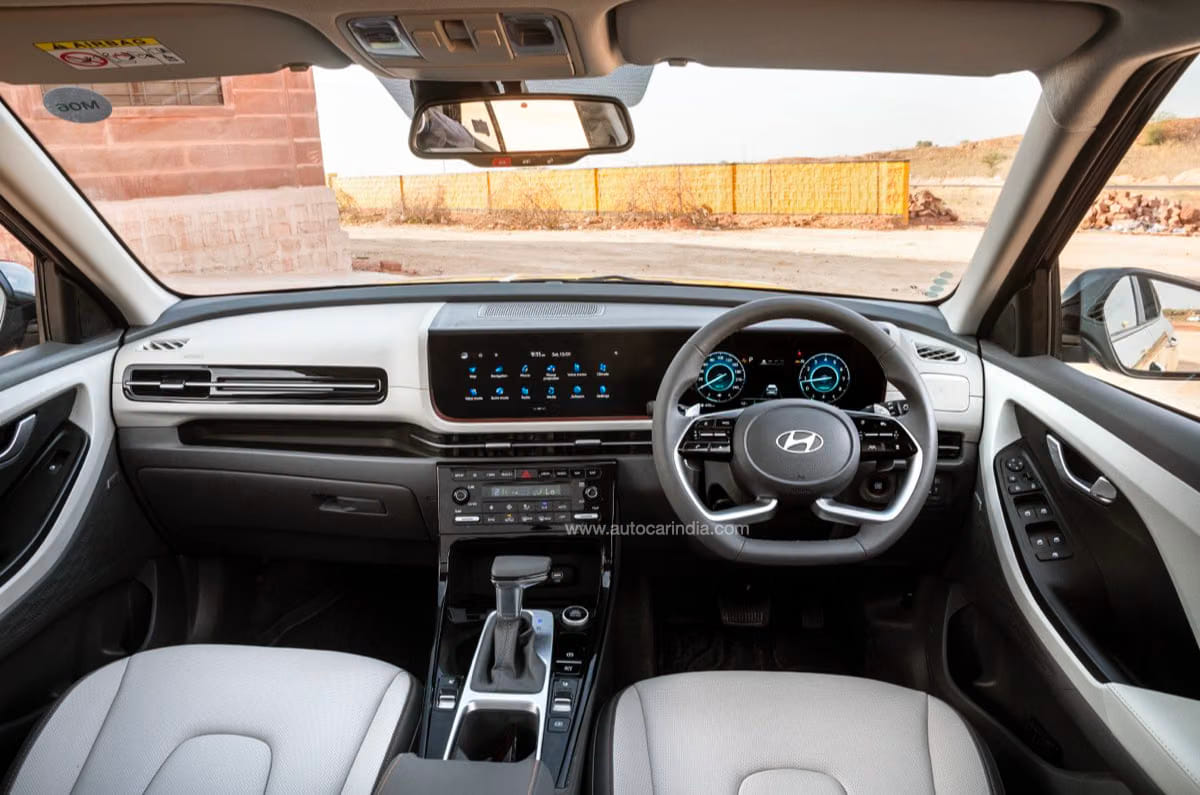
The Creta is among the better-equipped SUVs in its class. Depending on the variant, equipment includes a 10.25-inch touchscreen, 10.25-inch digital driver’s display, panoramic sunroof, ventilated front seats, powered driver’s seat, dual-zone climate control, an air purifier, 360-degree camera and Bose audio system. Higher variants also get Level 2 ADAS, including features such as adaptive cruise control, lane keep assist and autonomous emergency braking. The Creta also offers connected-car features and retains physical controls for the air-conditioning, making frequently used functions easy to operate without relying entirely on the touchscreen.
3. Wide powertrain lineup
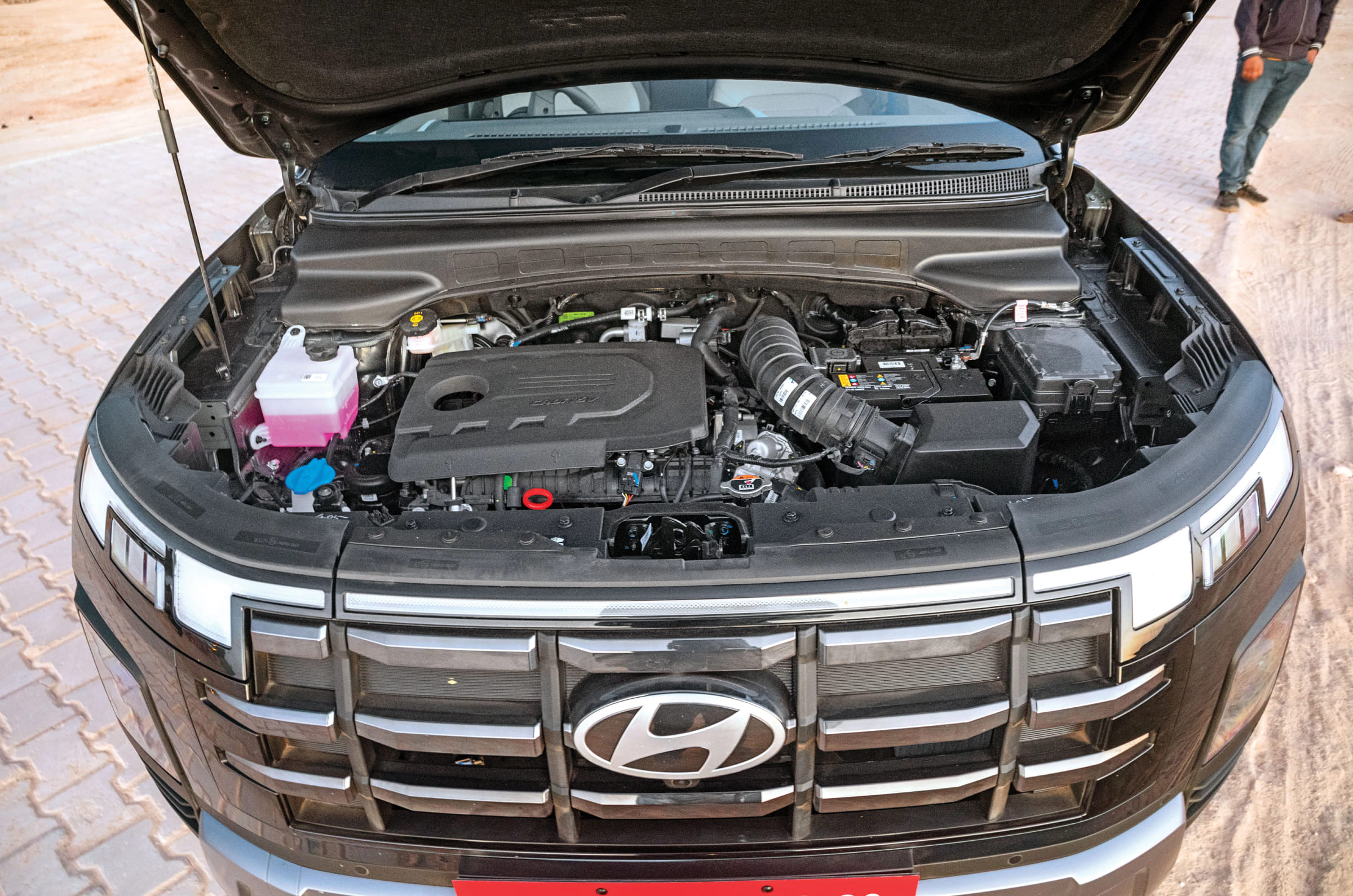
The Creta offers one of the widest powertrain choices in the midsize SUV segment. It is available in 27 variants, with three engines to choose from: a 115hp 1.5-litre petrol, a 160hp 1.5-litre turbo-petrol and a 116hp 1.5-litre diesel. Depending on the engine, buyers can choose from a six-speed manual, CVT, six-speed torque convertor automatic or seven-speed dual-clutch automatic.
There is also the sportier N Line for buyers looking for a more performance-focused Creta. Combined with the choice of engines, gearboxes and trims, the range caters to a broad mix of requirements.
Cons
1. Some cabin plastics could be better
While the Creta’s cabin looks modern and its materials have generally pleasing textures, the quality of some of the plastics falls short of the best in the segment. There are no soft-touch materials on the dashboard and the fit and finish isn’t Hyundai’s best, with the gloss finish on the centre console also appearing uneven in places.
There are a few other minor shortcomings too. The rear centre passenger does not get a headrest, while the front armrest is not adjustable for length.
2. Top versions are pricey
The Hyundai Creta’s top-spec versions are priced up to Rs 20.11 lakh (ex-showroom). For comparison, the Renault Duster tops out at Rs 18.49 lakh, while the Skoda Kushaq goes up to Rs 18.99 lakh. That puts it Rs 1.62 lakh above the Duster and Rs 1.12 lakh above the Kushaq, making the top-spec Creta a relatively expensive proposition compared with some of its similarly sized alternatives.
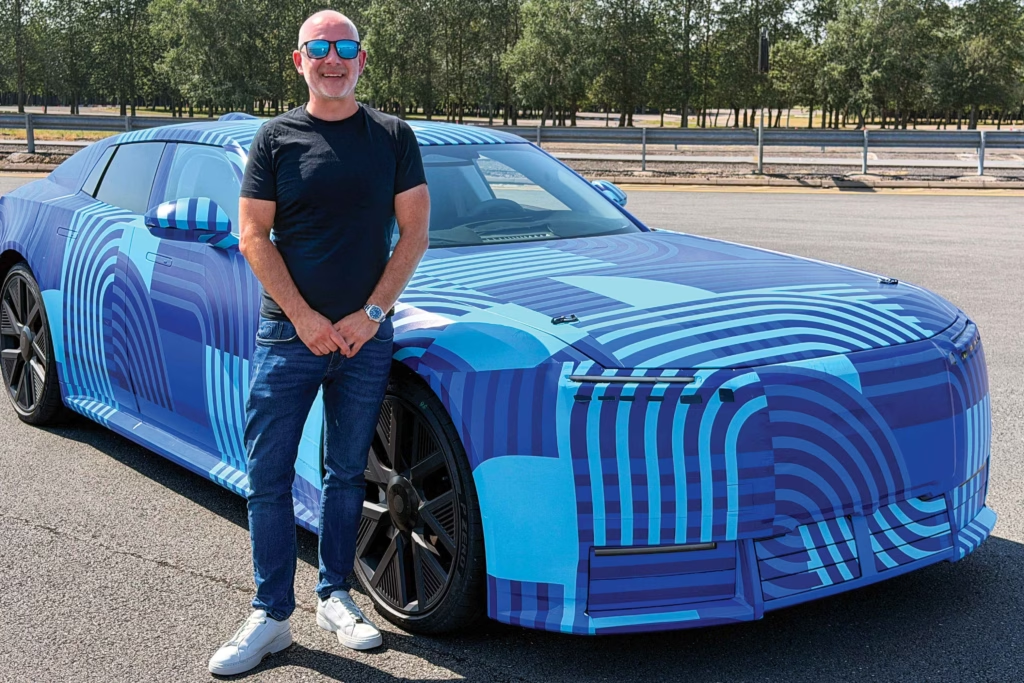
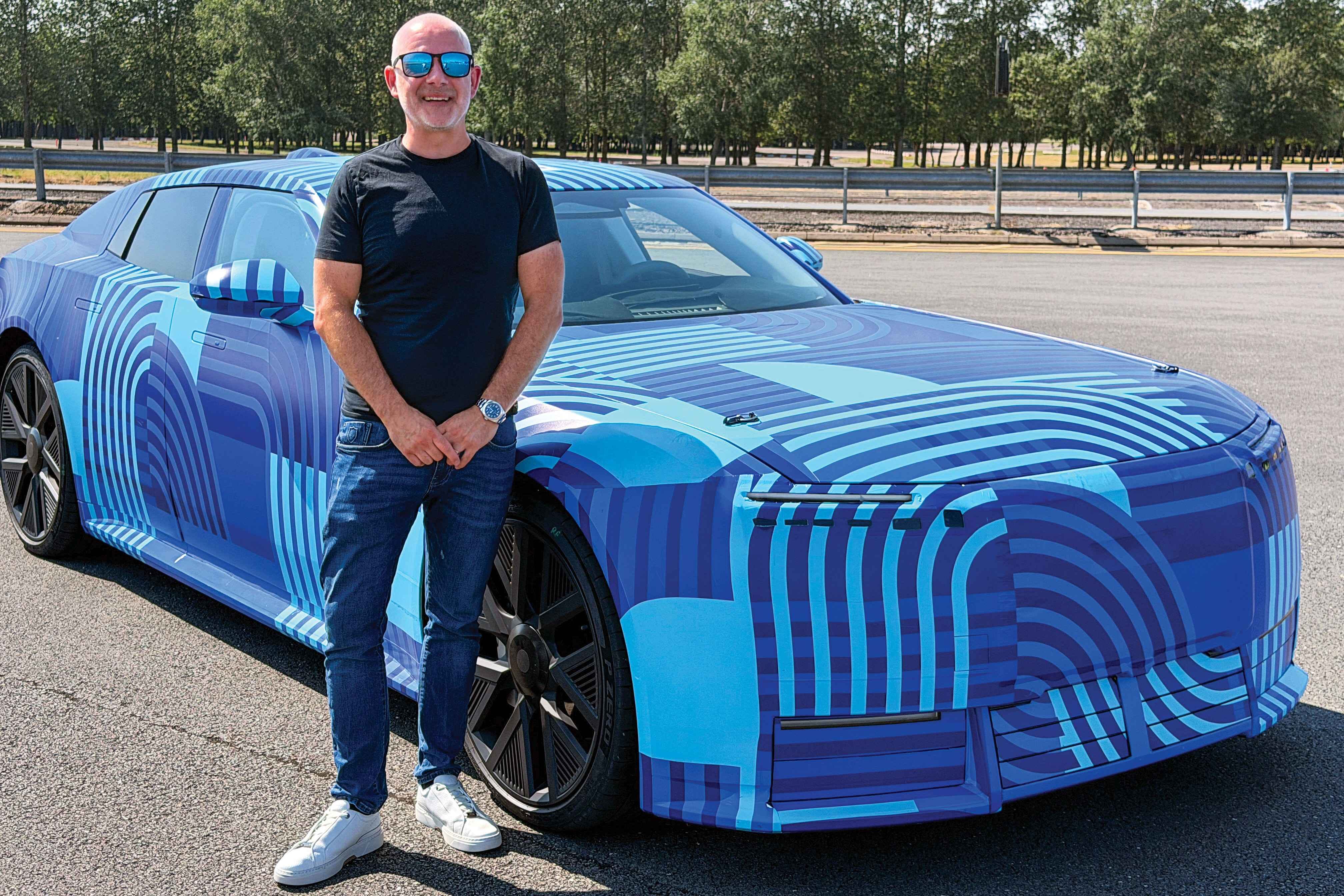
Rawdon Glover has worked with the JLR group for over thirteen years and took charge as Managing Director three years ago. From the sidelines of our first drive with the Jaguar Type 01, we speak to Glover, who tells us about Jaguar’s new direction, taking risky decisions, core markets and upcoming products.
Why the major shift in the positioning of Jaguar?
Putting Jaguar back on a firm footing for the next 90 years is the main job. And if you look at the task, it’s brand management where sometimes you need small incremental changes. But if you look at today’s technical changes, competitive context, how the brand was performing globally and a host of factors, what was called for was a big shift. That requires you to be bold and confident.
Why go for a radical and polarising design?
We’re ok with polarising. If you look at our history, it was bold evolutions, for example the XJS, the spiritual successor to the E-Type. It would have been easy to say let’s just make a modern example of the E-Type, but that’s not what we did, and if you look back at reviews, it was applauded for its dynamics and refinement, but the design was seen as polarising. Now it’s a design icon. So, I’d rather have four out of ten absolutely love the car, rather than have everyone go – yeah, it’s ok.
Isn’t going all-electric a massively risky move?
The EV landscape is evolving rapidly, many new brands are coming in, and I believe one will crack the EV glass ceiling, so why not Jaguar? So we ripped up the EV rulebook because, in the luxury space, it wasn’t working. So it’s not designed as an EV without an engine and a really cab-forward layout. But it’s about presence and performance, and to deliver the level of performance and refinement, electric is best.
Would the car sit above the XJ in terms of price? All of the vehicles coming off this platform would be between GBP 1,20,000 and GBP 1,50,000. We see a white space at the top end of the premium segment, but underneath established luxury players. That’s where we want to be, and with this vehicle what you get is the stature, the presence, the drama of those uber-luxury brands at the top end of the premium price point.
What are the core markets, and how does India figure in the plan?
We used to sell in 130 markets, but we’ll narrow this to just eight or nine, with 85 percent of the volume. North America will remain a large part, China will become important, and the UK, Germany and some Nordics, where they have really embraced EVs, will be the mainstay. Then in markets like the Middle East and India, which have been small, we think we can really break into them now. The retail would, of course, still be through the existing JLR network.
FTAs do not favour EVs, so is the 01 capable of being locally assembled?
Manufacturing this outside of the UK is not currently in the plan. All production will be built out of Solihull, so all exports to other markets will be CBUs, but that doesn’t rule out local production outside UK. As you know, the geopolitical situation is so fluid at the moment, but in time we could consider production elsewhere.
Is there a more chauffeur-driven offering from Jaguar coming?
The 01 is unashamedly driver-focussed, it has four comfortable seats, but it’s a four-door GT, not a four-door sedan designed as a luxury chauffeur-driven car. There will be other vehicles off this platform that will share the same design language, but will have a distinct personality and target different groups, and they would be accessible to a wider audience. So, yes absolutely, there will be a chauffeur-driven-focused model from Jaguar.
Would an SUV body style be part of the portfolio?
What you shouldn’t expect from us is a high-sided Jaguar that is a Range Rover competitor. We already have the best SUV on the planet, and part of the house of brand’s strategy is to differentiate the brands. All I can say, for now, is that you can expect a variety of vehicles from us, and there will be vehicles slightly higher positioned, but all will drive like a Jaguar.
How has it been working with Tata Motors?
Unwavering is the word. There is nobody more dedicated and passionate about our success than the shareholders, and that’s an incredibly privileged position to be in. It puts a little pressure, but having somebody like PB Balaji come onto our board is great. He’s been on the journey with us, he understands it inside and out, and for him, Jaguar is personal. It’s important to our chairman and even was to Ratan Tata. I was reading stories about Ratan Tata driving about in his father’s XK120, so it’s really important to Tata that Jaguar wins. In all my interactions with the board, there is never talk of tempering ambitions, it’s always, just go for it.
Rawdon Glover has worked with the JLR group for over 13 years and took charge as Managing Director 3 years ago. From the sidelines of our first drive with the Jaguar Type 01, we speak to Glover, who tells us about Jaguar’s new direction, taking risky decisions, core markets and upcoming products.
Why the major shift in the positioning of Jaguar?
Putting Jaguar back on a firm footing for the next 90 years is the main job. And if you look at the task, it’s brand management where sometimes you need small incremental changes. But if you look at today’s technical changes, competitive context, how the brand was performing globally and a host of factors, what was called for was a big shift. That requires you to be bold and confident.
Why go for a radical and polarising design?
We’re ok with polarising. If you look at our history, it was bold evolutions, for example the XJS, the spiritual successor to the E-Type. It would have been easy to say let’s just make a modern example of the E-Type, but that’s not what we did, and if you look back at reviews, it was applauded for its dynamics and refinement, but the design was seen as polarising. Now it’s a design icon. So, I’d rather have four out of ten absolutely love the car, rather than have everyone go – yeah, it’s ok.
Isn’t going all-electric a massively risky move?
The EV landscape is evolving rapidly, many new brands are coming in, and I believe one will crack the EV glass ceiling, so why not Jaguar? So we ripped up the EV rulebook because, in the luxury space, it wasn’t working. So it’s not designed as an EV without an engine and a really cab-forward layout. But it’s about presence and performance, and to deliver the level of performance and refinement, electric is best.
Would the car sit above the XJ in terms of price? All of the vehicles coming off this platform would be between GBP 1,20,000 and GBP 1,50,000. We see a white space at the top end of the premium segment, but underneath established luxury players. That’s where we want to be, and with this vehicle what you get is the stature, the presence, the drama of those uber-luxury brands at the top end of the premium price point.
What are the core markets, and how does India figure in the plan?
We used to sell in 130 markets, but we’ll narrow this to just eight or nine, with 85 percent of the volume. North America will remain a large part, China will become important, and the UK, Germany and some Nordics, where they have really embraced EVs, will be the mainstay. Then in markets like the Middle East and India, which have been small, we think we can really break into them now. The retail would, of course, still be through the existing JLR network.
FTAs do not favour EVs, so is the 01 capable of being locally assembled?
Manufacturing this outside of the UK is not currently in the plan. All production will be built out of Solihull, so all exports to other markets will be CBUs, but that doesn’t rule out local production outside UK. As you know, the geopolitical situation is so fluid at the moment, but in time we could consider production elsewhere.
Is there a more chauffeur-driven offering from Jaguar coming?
The 01 is unashamedly driver-focussed, it has four comfortable seats, but it’s a four-door GT, not a four-door sedan designed as a luxury chauffeur-driven car. There will be other vehicles off this platform that will share the same design language, but will have a distinct personality and target different groups, and they would be accessible to a wider audience. So, yes absolutely, there will be a chauffeur-driven-focused model from Jaguar.
Would an SUV body style be part of the portfolio?
What you shouldn’t expect from us is a high-sided Jaguar that is a Range Rover competitor. We already have the best SUV on the planet, and part of the house of brand’s strategy is to differentiate the brands. All I can say, for now, is that you can expect a variety of vehicles from us, and there will be vehicles slightly higher positioned, but all will drive like a Jaguar.
How has it been working with Tata Motors?
Unwavering is the word. There is nobody more dedicated and passionate about our success than the shareholders, and that’s an incredibly privileged position to be in. It puts a little pressure, but having somebody like PB Balaji come onto our board is great. He’s been on the journey with us, he understands it inside and out, and for him, Jaguar is personal. It’s important to our chairman and even was to Ratan Tata. I was reading stories about Ratan Tata driving about in his father’s XK120, so it’s really important to Tata that Jaguar wins. In all my interactions with the board, there is never talk of tempering ambitions, it’s always, just go for it.
सुप्रीम कोर्ट ने शनिवार को नेशनल ग्रीन ट्रिब्यूनल (NGT) के 2017 के उस आदेश को रद्द कर दिया, जिसमें ‘आर्ट ऑफ लिविंग फाउंडेशन’ को दिल्ली में 2016 में हुए ‘वर्ल्ड कल्चर फेस्टिवल’ के दौरान यमुना के बाढ़ वाले इलाके (फ्लडप्लेन) को हुए नुकसान के लिए जिम्मेदार ठहराया गया था। साथ ही, कोर्ट ने दिल्ली डेवलपमेंट अथॉरिटी (DDA) को निर्देश दिया कि वह संगठन द्वारा जमा किए गए 5 करोड़ रुपये के पर्यावरण मुआवजे की रकम वापस करे।
सुनवाई के दौरान जस्टिस सतीश चंद्र शर्मा और जस्टिस एन. कोटिश्वर सिंह की बेंच ने ‘व्यक्ति विकास केंद्र इंडिया’ की अपील को मंजूरी दे दी। यह ‘आर्ट ऑफ लिविंग फाउंडेशन’ से जुड़ा एक रजिस्टर्ड पब्लिक चैरिटेबल ट्रस्ट है।
सुप्रीम कोर्ट ने कहा कि ऐसा कोई सीधा सबूत नहीं मिला, जिससे यह साबित हो सके कि वर्ल्ड कल्चर फेस्टिवल और यमुना के बाढ़ क्षेत्र को हुए नुकसान के बीच सीधा संबंध था। कोर्ट ने कहा कि किसी व्यक्ति या संस्था को पर्यावरण को हुए नुकसान के लिए पूरी तरह जिम्मेदार तभी ठहराया जा सकता है, जब उसके कथित काम और पर्यावरण को हुए नुकसान के बीच सीधा और स्पष्ट संबंध साबित हो।
कोर्ट ने यह भी पाया कि NGT ने अपील करने वाले को अपना पक्ष रखने का पर्याप्त मौका नहीं दिया था और जरूरी जानकारी को नजरअंदाज किया था। कोर्ट ने ध्यान दिया कि कार्यक्रम स्थल पहले से ही जर्जर हालत में था।
सुप्रीम कोर्ट ने DDA की आलोचना की
‘आर्ट ऑफ लिविंग फाउंडेशन’ को राहत देते हुए, सुप्रीम कोर्ट ने यमुना के सक्रिय बाढ़-मैदान (फ्लडप्लेन) पर कार्यक्रम आयोजित करने की अनुमति देने के लिए DDA की आलोचना की।
कोर्ट ने कहा, “जिस तरह से DDA ने यमुना के सक्रिय बाढ़-मैदान पर कार्यक्रम आयोजित करने की अनुमति दी, वह गलत था।”
कोर्ट ने पाया कि DDA बाढ़-मैदान की सुरक्षा की अपनी कानूनी जिम्मेदारी निभाने में नाकाम रहा और उस इलाके के लिए जिम्मेदार अथॉरिटी के तौर पर उस पर किए गए भरोसे का उल्लंघन किया।
हालांकि, कोर्ट ने साफ किया कि अपील में DDA द्वारा दी गई अनुमति की वैधता कोई मुद्दा नहीं थी।
सुप्रीम कोर्ट ने DDA को NGT के निर्देशों के अनुसार यमुना बाढ़-मैदान के पुनर्वास का काम जारी रखने का निर्देश दिया। कोर्ट ने देखा कि पुनर्वास का काम पहले ही शुरू हो चुका था और इसे जारी रखने का आदेश दिया।
5 करोड़ रुपये का मुआवजा कैसे तय हुआ
NGT ने दिसंबर 2017 में ‘आर्ट ऑफ लिविंग’ पर 5 करोड़ रुपये का पर्यावरण मुआवजा लगाया था। यह मुआवजा 11 से 13 मार्च, 2016 तक हुए ‘वर्ल्ड कल्चर फेस्टिवल’ की तैयारियों के दौरान फ्लडप्लेन (नदी के किनारे की जमीन) को हुए नुकसान के लिए लगाया गया था।
फेस्टिवल के पहले दिन, यानी 11 मार्च को, आयोजकों ने NGT से पूरी रकम जमा करने के लिए चार हफ्ते का समय मांगा। ट्रिब्यूनल ने उस दिन शुरुआती तौर पर 25 लाख रुपये जमा करने की इजाजत दी और बाकी बचे 4.75 करोड़ रुपये जमा करने के लिए तीन हफ्ते का समय दिया।
संगठन ने 25 लाख रुपये जमा कर दिए। इसके बाद उसने NGT से अनुरोध किया कि बाकी 4.75 करोड़ रुपये को भुगतान के बजाय बैंक गारंटी के रूप में स्वीकार किया जाए। संगठन ने यह भी प्रस्ताव दिया कि इस रकम का इस्तेमाल इलाके में बायोडायवर्सिटी पार्क बनाने के लिए किया जाए।
बाद में पूरी 5 करोड़ रुपये की मुआवजा राशि जमा कर दी गई। इसके बाद व्यक्ति विकास केंद्र ने NGT के इस फैसले को सुप्रीम कोर्ट में चुनौती दी।
कर्नाटक जमीन अतिक्रमण मामला
सुप्रीम कोर्ट का यह फैसला कर्नाटक हाई कोर्ट के उस आदेश पर रोक लगाने के कुछ हफ्ते बाद आया है, जिसमें ‘आर्ट ऑफ लिविंग फाउंडेशन’, उससे जुड़ी संस्थाओं और अन्य लोगों पर बड़े पैमाने पर जमीन पर कब्जा करने के आरोपों की जांच के लिए एक स्पेशल इन्वेस्टिगेशन टीम (SIT) बनाने का सरकारी आदेश दिया गया था।
3 अगस्त को जस्टिस ई.एस. इंदिरेश ने ‘वेद विज्ञान महा विद्या पीठ ट्रस्ट’ (जो ‘आर्ट ऑफ़ लिविंग’ से जुड़ी संस्था है) की याचिका पर एक अंतरिम आदेश पारित किया। इस ट्रस्ट ने SIT बनाने के 17 जुलाई, 2026 के सरकारी आदेश को चुनौती दी थी।
SIT को कग्गलिपुरा गांव के सर्वे नंबर 46 और आस-पास के इलाकों में कथित कब्जे की जांच का काम सौंपा गया था। इसमें कई अधिकारी शामिल थे, जिनमें बेंगलुरु डिवीजन के रीजनल कमिश्नर और रेवेन्यू डिपार्टमेंट के कानूनी सलाहकार के तौर पर काम कर रहे एक रिटायर्ड जिला जज शामिल थे।
SIT के खिलाफ तर्क
याचिकाकर्ता की ओर से सीनियर एडवोकेट श्रीरंगा एस. ने तर्क दिया कि ट्रस्ट और ‘आर्ट ऑफ लिविंग फाउंडेशन’ ने अपनी जमीन की ‘पोडी’ और ‘हुदबस्त’ (यानी सीमा तय करने और सर्वे) के लिए कई बार रेवेन्यू अधिकारियों से संपर्क किया था, लेकिन कोई कार्रवाई नहीं हुई।
याचिकाकर्ता ने कहा कि बिना जमीन की सीमाएं तय किए और कानून के मुताबिक संयुक्त सर्वे कराए सरकार यह नहीं कह सकती कि सरकारी जमीन पर अतिक्रमण हुआ है।
एडवोकेट सुमना नागानंद के जरिए दायर याचिका में SIT बनाने के कानूनी आधार को चुनौती दी गई। इसमें तर्क दिया गया कि कर्नाटक लैंड रेवेन्यू एक्ट, 1964 की धारा 195 सरकारी अधिकारियों को अपनी शक्तियां दूसरों को सौंपने की इजाजत तो देती है, लेकिन SIT बनाने का अधिकार नहीं देती।
याचिका में ‘कर्नाटक लैंड ग्रैबिंग प्रोहिबिशन एक्ट, 2011’ की धारा 8 का भी हवाला दिया गया। इसमें कहा गया कि यह कानून को लागू करने और उसका कामकाज देखने के लिए तहसीलदार के पद से नीचे के अधिकारी की नियुक्ति की इजाजत तो देता है, लेकिन सरकार को कोई जांच एजेंसी बनाने का अधिकार नहीं देता।
याचिकाकर्ता ने SIT में ‘शिरास्तेदारों’ (Shirastedars) को शामिल करने पर भी आपत्ति जताई। उनका तर्क था कि कानून तहसीलदार के पद से नीचे के अधिकारियों की नियुक्ति की इजाजत नहीं देता। साथ ही, एक रिटायर्ड जिला जज को “लिटिगेशन मैनेजमेंट कंसल्टेंट” के तौर पर नियुक्त करने पर भी सवाल उठाए गए।
उचित प्रक्रिया पर सवाल
याचिका में दलील दी गई कि कर्नाटक लैंड ग्रैबिंग प्रोहिबिशन एक्ट के तहत बनाई गई विशेष अदालत के पास जमीन अतिक्रमण के मामलों पर सुनवाई शुरू करने का अधिकार है। इसके बावजूद सरकार ने उस अदालत में कार्रवाई शुरू किए बिना ही SIT का गठन कर दिया।
याचिका में रीजनल कमिश्नर अमलान आदित्य बिस्वास को SIT का प्रमुख बनाए जाने पर भी सवाल उठाया गया। सरकार के आदेश में बिस्वास की एक रिपोर्ट का हवाला दिया गया था। उन्होंने 7 जुलाई को सरकार को पत्र लिखकर कहा था कि ट्रस्ट और अन्य लोगों ने प्रथम दृष्टया सरकारी जमीन पर अतिक्रमण किया है।
याचिकाकर्ता ने दलील दी कि जिस अधिकारी ने पहले ही अतिक्रमण की बात कही है, उसी को SIT का प्रमुख बनाना पक्षपातपूर्ण और भेदभावपूर्ण है।
सरकार के आदेश में सितंबर 2025 में हाई कोर्ट की डिवीजन बेंच के एक आदेश का भी हवाला दिया गया था। इस आदेश में अधिकारियों को कथित अतिक्रमण के मामले में कानून के मुताबिक कार्रवाई करने का निर्देश दिया गया था। हालांकि, याचिकाकर्ता ने दलील दी कि इसके बाद की कार्रवाई में कानूनी प्रक्रिया का ठीक से पालन नहीं किया गया।
कर्नाटक हाई कोर्ट को यह भी बताया गया कि कथित जमीन अतिक्रमण के मामले में ट्रस्ट के एक पदाधिकारी के खिलाफ आपराधिक मामला पहले से अदालत में लंबित है।
कर्नाटक का यह मामला SIT के गठन की वैधता और जमीन से जुड़े आरोपों की जांच में राज्य सरकार की ओर से अपनाई गई प्रक्रिया से जुड़ा है। वहीं, सुप्रीम कोर्ट में दायर अपील का मामला 2016 के वर्ल्ड कल्चर फेस्टिवल के दौरान यमुना के बाढ़ क्षेत्र को कथित नुकसान के लिए आर्ट ऑफ लिविंग की जिम्मेदारी से जुड़ा था।
The Range Rover Sport EV has been a long time coming. After what feels like an eternity of teasers and test mules, the electric Range Rovers will finally be launched globally in September this year and should arrive in Indian showrooms around March 2027. Look at the car and you may wonder what took the company so long, because this appears to be just the regular Range Rover Sport. That, as it turns out, is entirely the point.
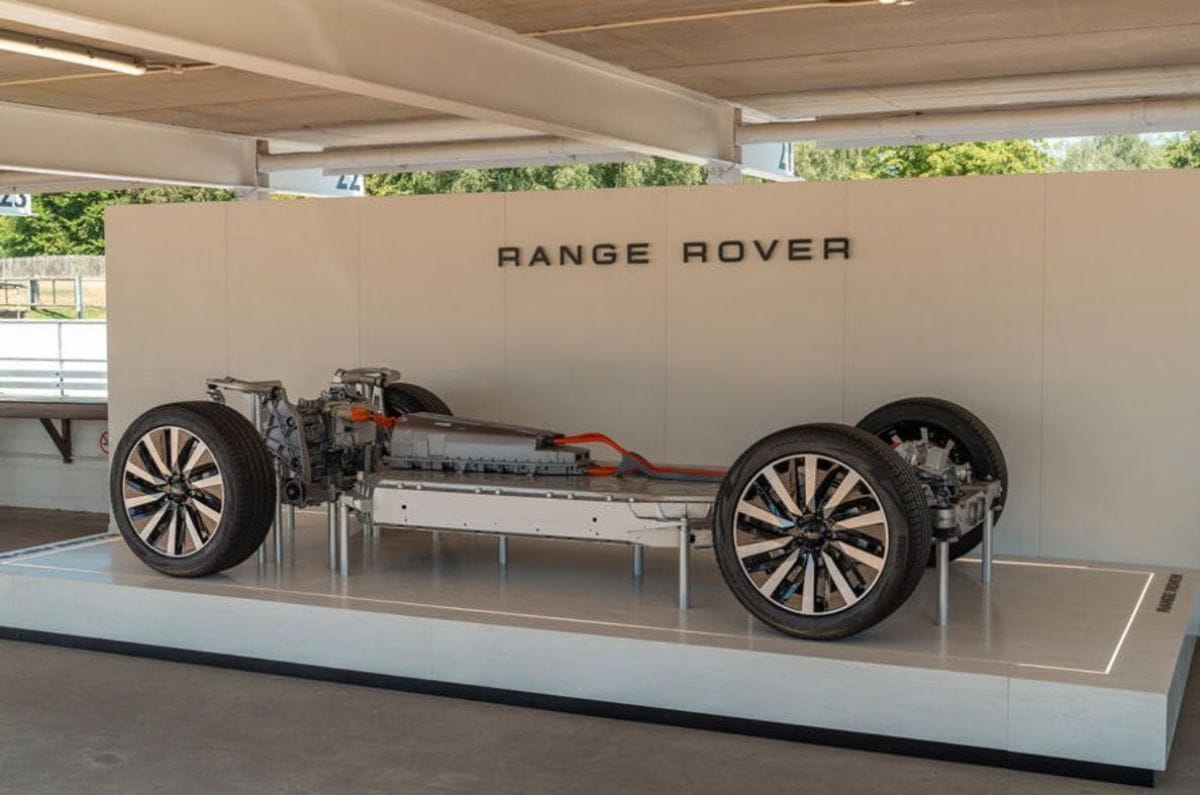
Under the familiar skin sit 300 patents’ worth of tech, a new 800V electrical architecture, two 326hp motors and a 118.5kWh battery, all validated over 60,000 hours of testing, the most for any Range Rover yet. The motors are Land Rover’s own design, developed in-house because nothing off the shelf could deliver the kind of instant, finely controlled torque the brand demanded for serious off-roading. The only real giveaways on the outside are a grille with narrower air slots and a new set of alloys with a more aero design, in keeping with the EV theme. Land Rover deliberately didn’t tamper with the styling because customers were clear – don’t change it, just make it better.
The new architecture, motors and battery have gone through 60,000 hours of testing.
So, is it better? A specially curated lap of the Goodwood circuit, complete with gravel stages and some party tricks, was our chance to find out.
Range Rover Sport Electric Prototype: performance, ride and handling
Set off, and the first impression is of eerie silence. All you can hear is the blower working overtime on a hot Goodwood day. Even when the tarmac ends and the gravel begins, the Sport EV feels like a magic carpet, gliding along on a pillow of velvet. The ride quality is absolutely exceptional, better even than the standard car’s, and that’s saying something.
When you want a quick turn of pace, the combined 550hp and 850Nm don’t leave you wanting. Engage launch control, and the Sport EV catapults forward hard enough to be a genuine shock, though the delivery is measured rather than manic. There is, however, a hint of torque steer from the front axle under hard acceleration, a slight tug at the wheel that reminds you how much force is being exerted. The brakes on our prototype also felt a bit grabby, with a sharp initial bite. Land Rover engineers admit this isn’t the final calibration and say production cars will have a more progressive pedal feel.
The Sport EV feels like a magic carpet, gliding along on a pillow of velvet.
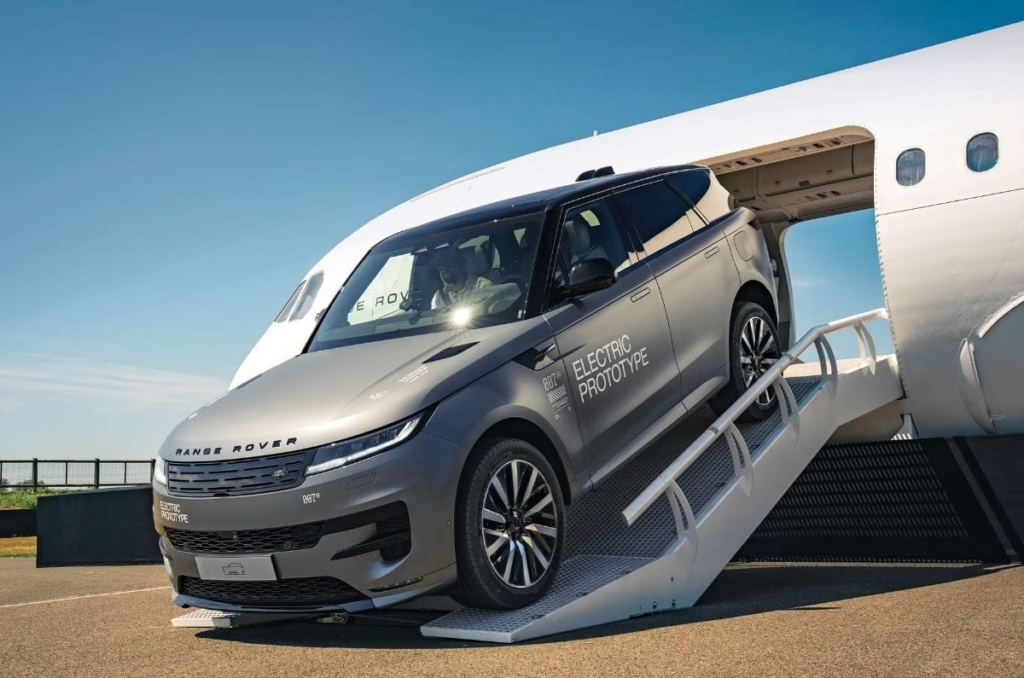
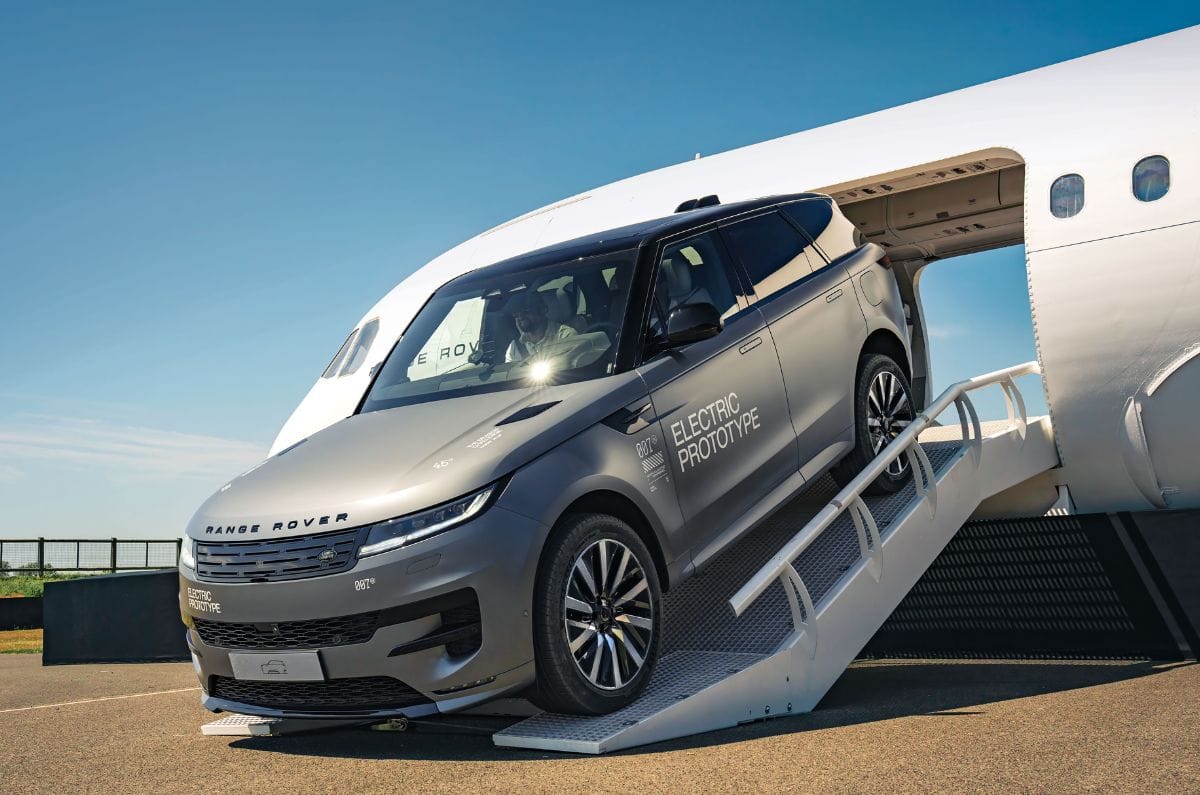
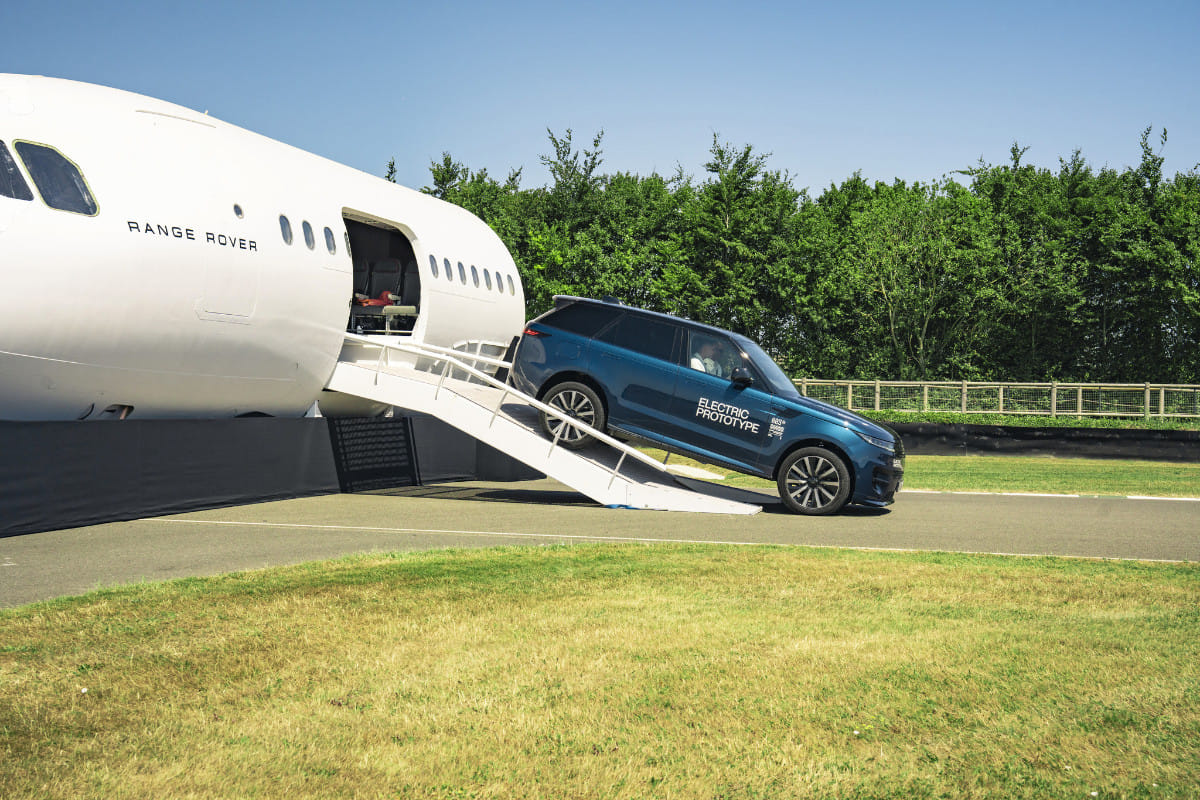
Then came the fun exercises, laid out to prove that this plush, polished and uber-refined Range Rover can do things no owner would ever dare attempt. The Sport EV climbed a staircase – a cheeky nod to the brand’s world record 999-step climb – and we even drove it through the fuselage of an Airbus. Silly? Absolutely. But it showcased what makes an electric drivetrain so effective off road. Torque arrives instantly from zero rpm and builds with perfect linearity, and because the electronics can meter out drive to each motor with such precision, there’s no need for the old hardware of locking diffs and low-range gearboxes. Raise the suspension to off-road height, let the cameras and hill descent control do their thing, and the car simply walks over obstacles. The single-pedal mode is something the engineers have finally nailed too, and it works seamlessly alongside hill descent control when needed.
The big surprise is how tidily this near 2.8-tonne SUV handles. Flick the wheel suddenly, and you can feel the mass move, but otherwise, it stays impressively planted through corners, helped by a centre of gravity that sits a significant 73mm lower than in the combustion car. Range Rovers have always had a top-heavy feel when pushed; this one doesn’t.
Questions remain. A real-world range of 531km is promised, but given the bluff shape and sheer size of this flagship EV, that figure could prove optimistic if driven briskly. Some owners may have liked the convenience of a frunk in their EV, which is absent, and packaging the rear motor has killed off any seven-seat option. Then again, these are misses most owners may not miss at all.
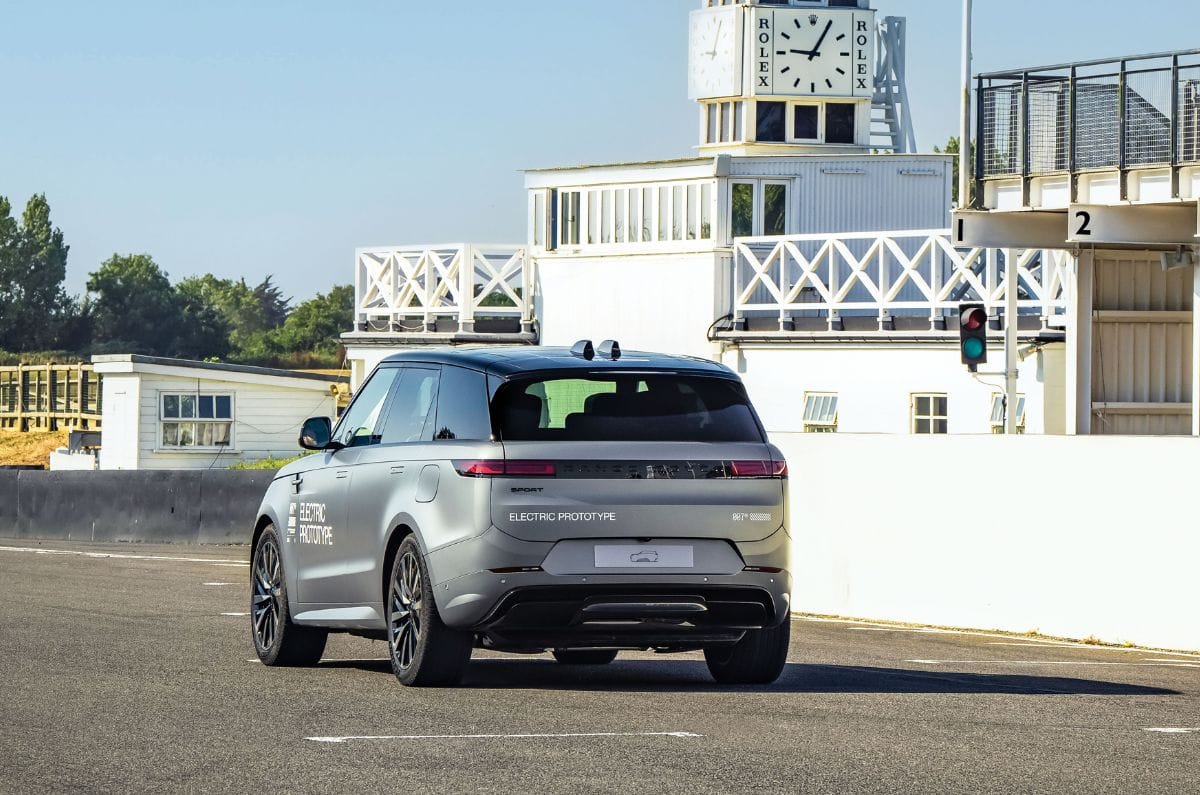
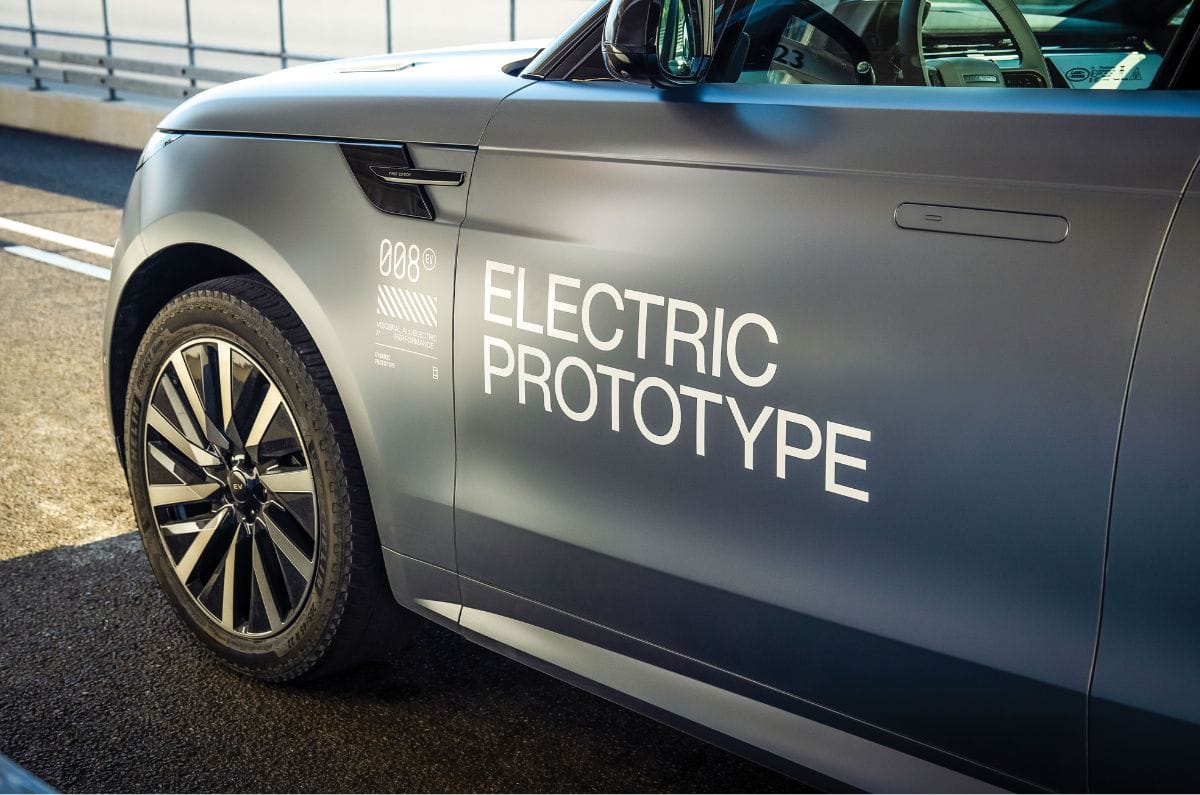
Prototype badging aside, there’s little to separate this from the combustion-engined Sport.
Pricing isn’t announced yet, but expect it to sit above the locally assembled combustion equivalents. More importantly, on this evidence, it will set a new benchmark for luxury for the brand. The electric Range Rover Sport doesn’t reinvent the formula, but it quietly perfects it.
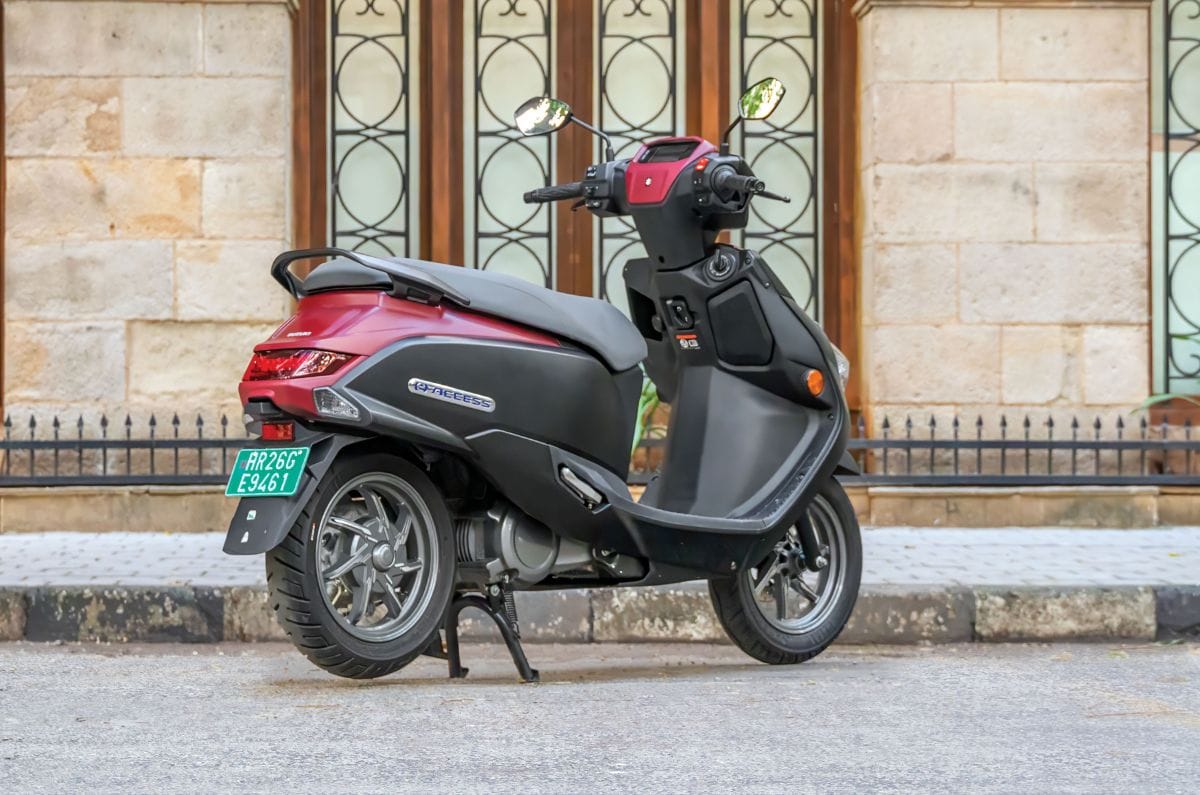
Suzuki first showed the e-Access back in January 2025, but it was actually launched only a year later, in January 2026. While the e-Access has definitely lost the first mover advantage in the burgeoning EV market, has it at least come prepared?
e-Access Design and Features – 6/10
Unusual design won’t be to everyone’s tastes, features aren’t ground-breaking.
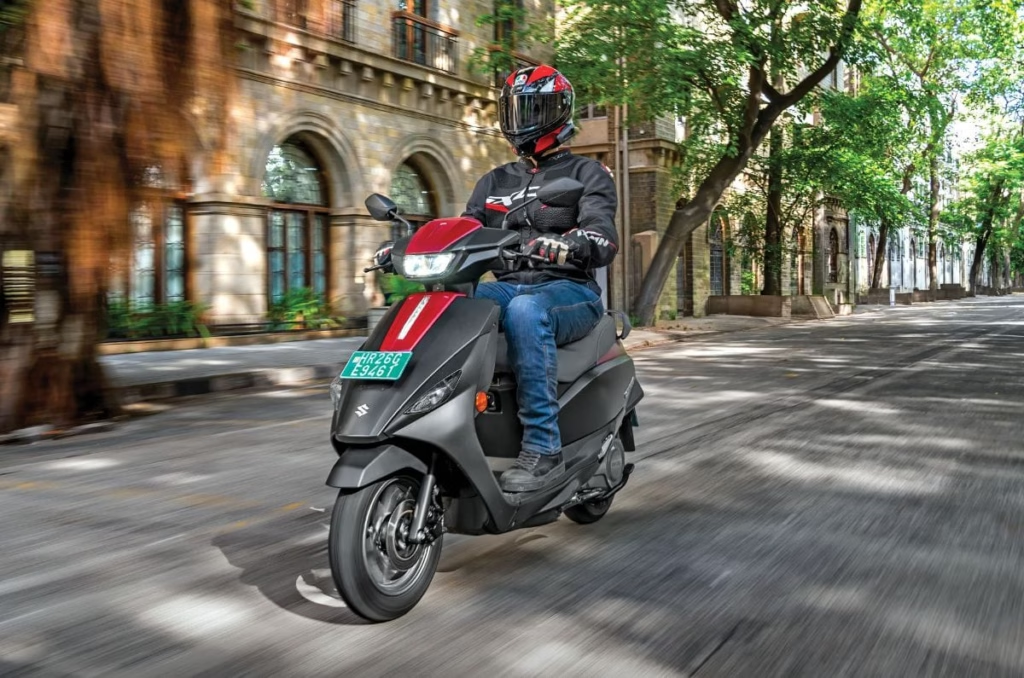
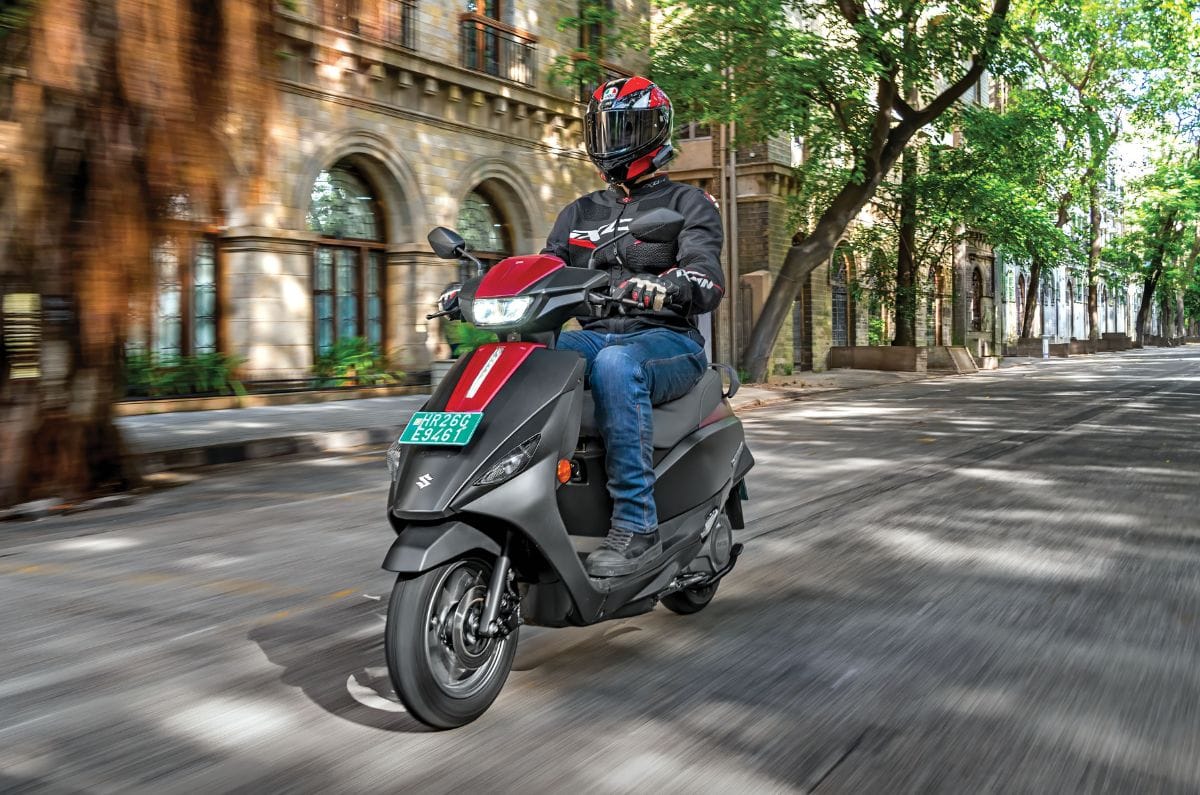
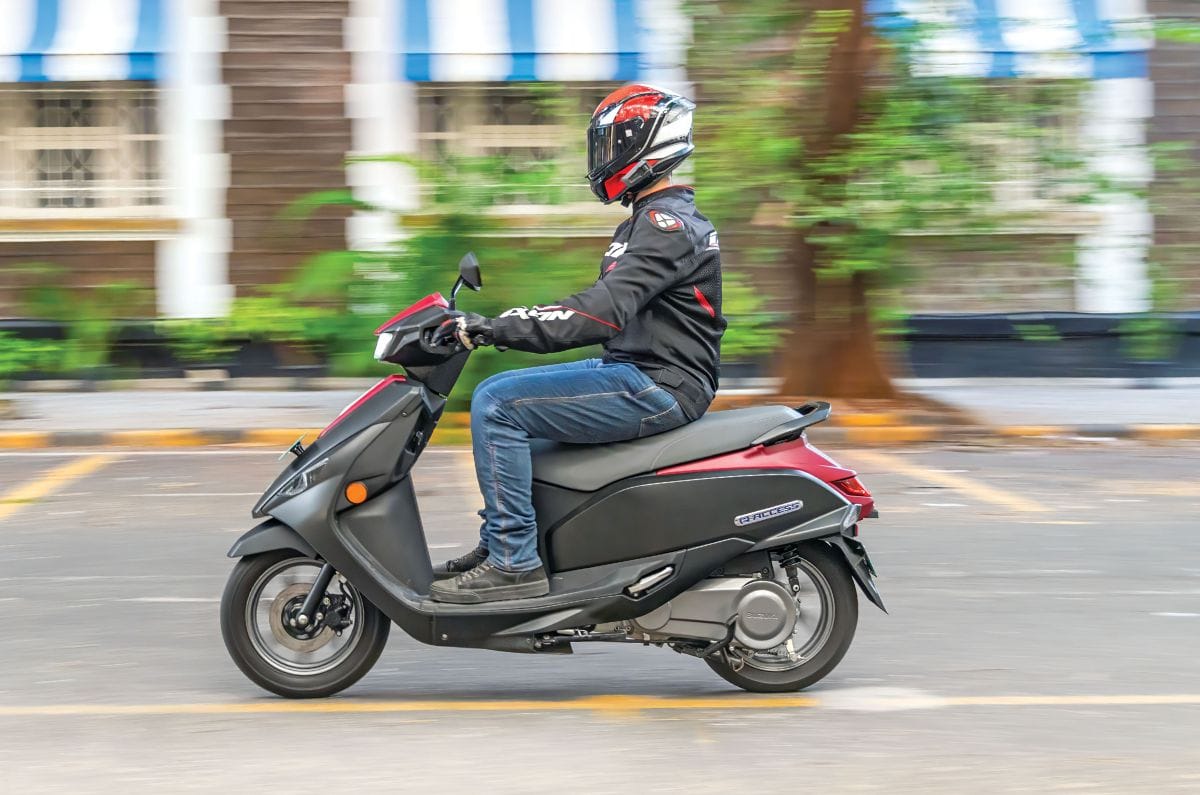
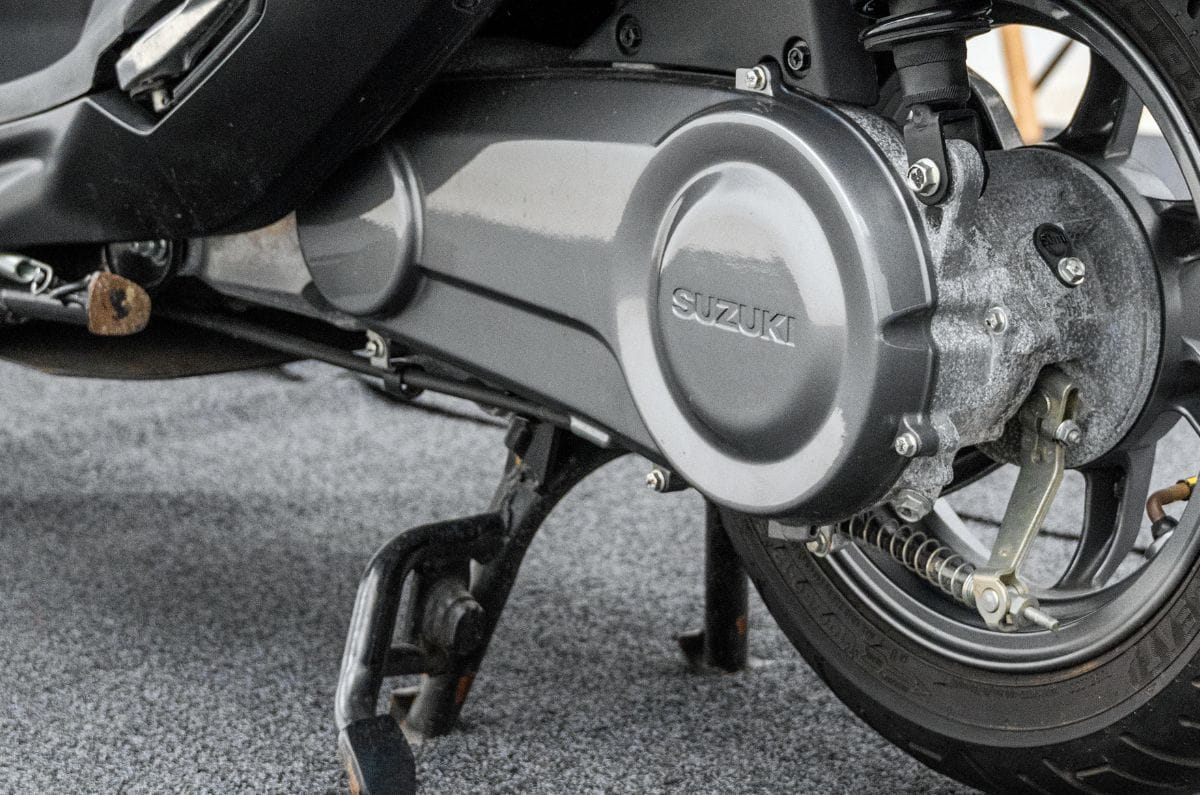
The e-Access is a ground-up new product, which has very little shared with its massively popular petrol-powered namesake. Its design is a clean-sheet one, and most people found it quite polarising. The swooping, double ‘duck-bill’ front end, mated to a contrasting, boxy rear section, doesn’t really gel well cohesively. Like all Suzuki two-wheelers, the e-Access feels solidly built, and the quality is quite decent too.
Decent is also a good way to describe its feature set, which includes the same bright and logically laid-out 4.2-inch TFT display as the 125cc Access and Burgman Street. In terms of riding modes, there are 3 in total – Eco, Ride B and Ride A – but on the move, you can only switch between Eco and either of the Ride modes. Both Ride A and Ride B give you full power, and the only difference is in the levels of regenerative braking. A has stronger regen, while in B, it is more gentle. To toggle between A and B, you have to be at a standstill, and this is a needless hoop to jump through.
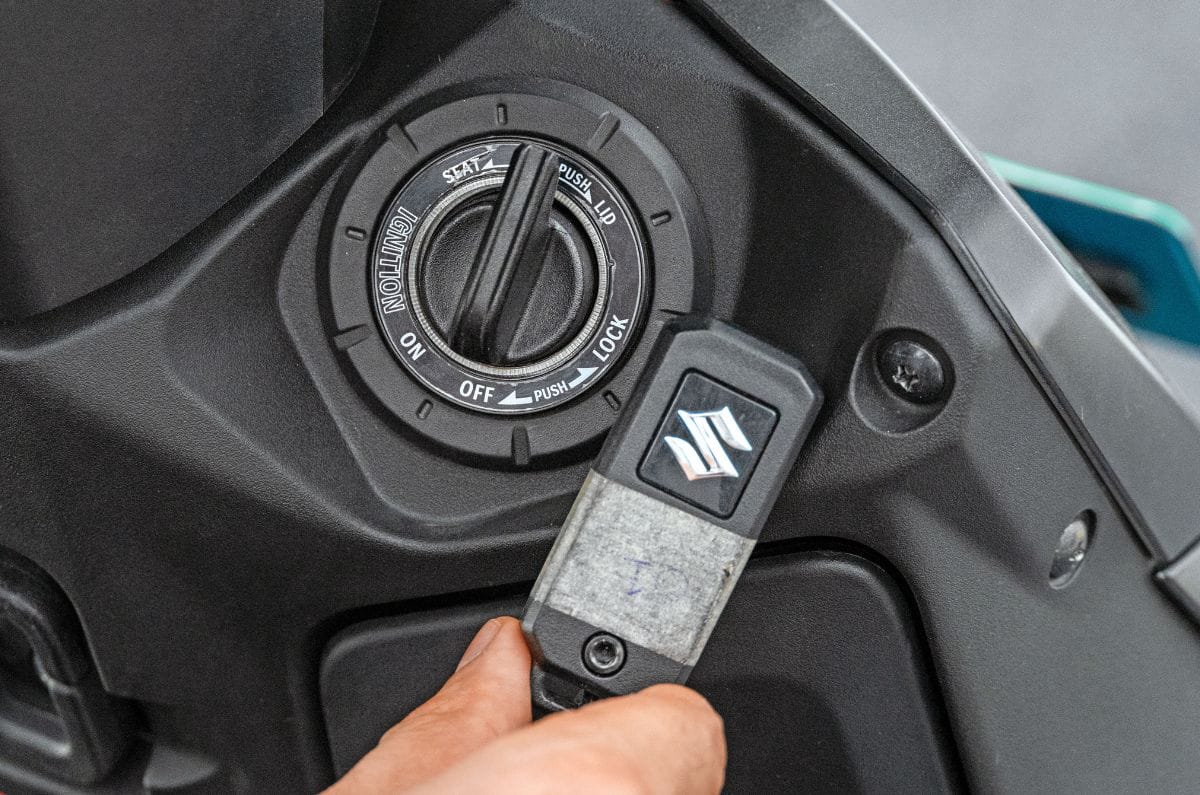
Keyless ignition convenient to have, and very few e-scooters offer it today.
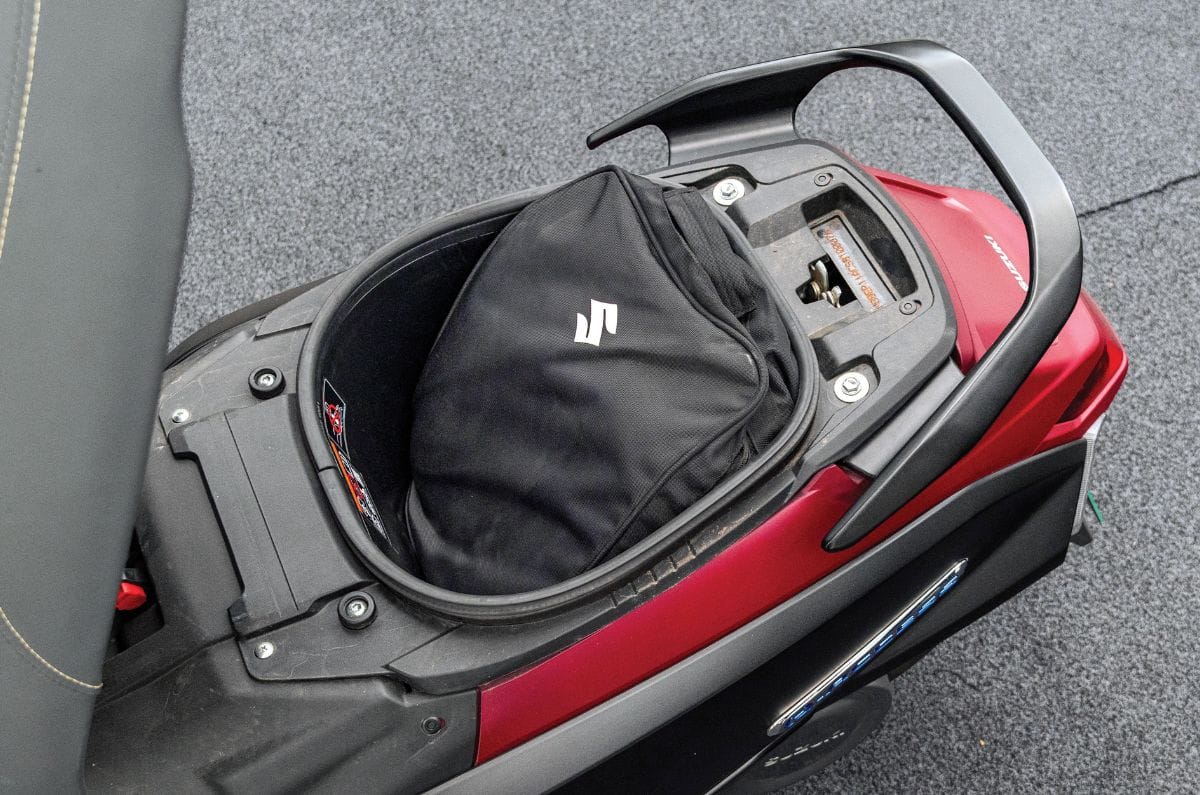
The feature set also includes a very convenient keyless ignition system, a spacious, open cubby on the front apron with a USB-A charger and an oddly-shaped, very small 17-litre underseat boot. In an age where most rivals routinely offer 30-35 litres of boot space, the e-Access falls woefully short, and in fact, even the latest-gen ICE Access gives you more.
17L boot feels archaic today, charger cables need to be folded just right to fit inside.
It comes with a reasonably sized 600W charger, which took 6 hours flat to top up a flat battery to full. Suzuki also provides a well-thought-out bag in which you can store the charger, which is another neat touch. However, if you don’t pack the charger’s cables just right and place the bag inside the boot, it won’t close. Moreover, once the charger is in the boot, there’s very little free space available. This is a consequence of Suzuki positioning the batteries under the seat, which also has some ramifications on the scooter’s handling, but more on that later.
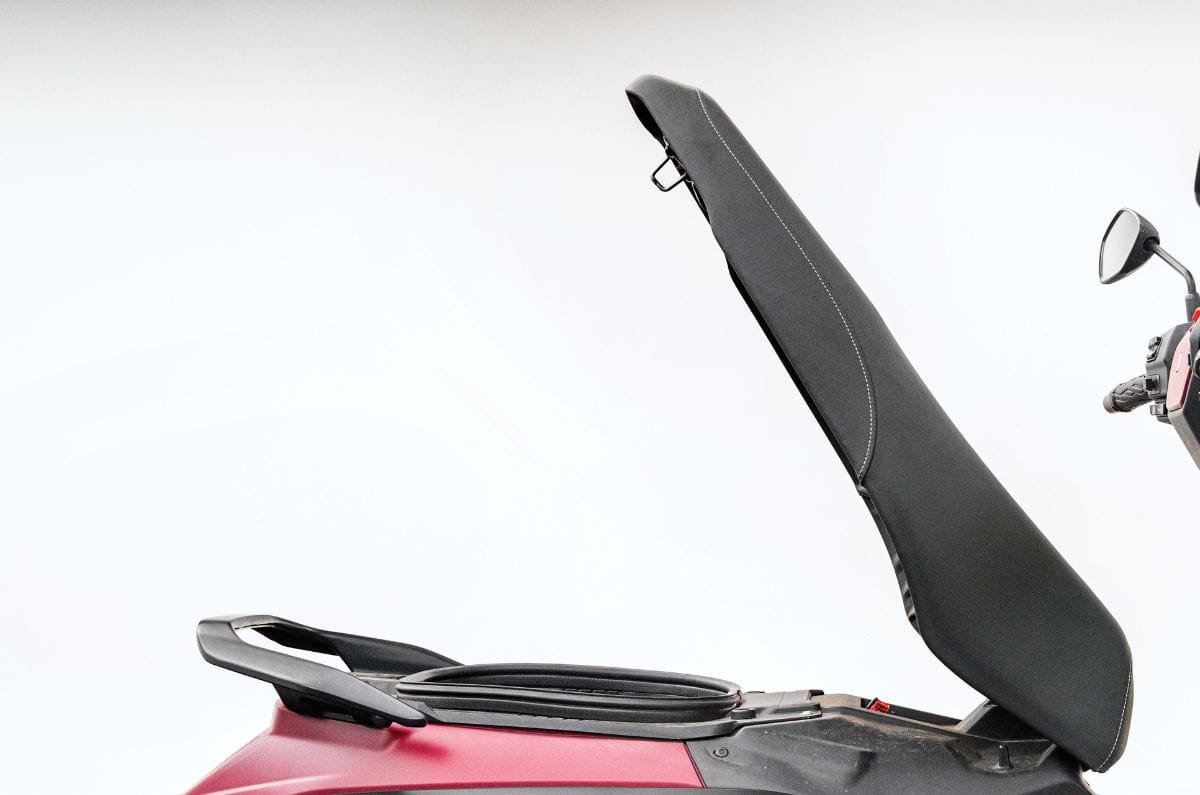
One silver lining is that the e-Access’ seat stays in the position you leave it in once you open it, courtesy of a small spring-loaded mechanism at the hinge, which is quite a neat touch.
Seat stays open on its own without needing to keep it manually propped open.
e-Access Performance and Range – 6/10
Range and performance are just about adequate.
Every EV has shortcomings, but the important question is, can they be overlooked in the interest of the savings it brings via lower running costs? Unlike most mainstream manufacturers, which use NMC (Nickel Manganese Cobalt) batteries, Suzuki has chosen LFP (Lithium Ferrous Phosphate) chemistry for the e-Access. LFP cells typically have a longer life and lower risk of thermal runaway incidents, but the trade-off is lower energy density, and ergo, lower range.
Neutral ergonomics and well-judged suspension help keep you comfortable.
With a 3.072kWh LFP battery pack and a claimed 95km IDC range, range was never going to be the e-Access’ USP. In our tests, using Ride A mode (maximum power, maximum regenerative braking), we managed to cover a little over 88km on a single charge. This is a decent number in isolation, but quite a bit lower compared to rivals with similarly sized batteries, which can cover upwards of 100km.
One positive is that, once the range indicator had calibrated to our riding style, its predictions proved to be accurate, and the number shown on screen could be relied upon as the actual distance you’d go. Using Eco mode will obviously increase range on a single charge, but performance will be much gentler. What is nice is that even in Eco, the e-Access can maintain pace with big-city traffic as well as climb flyovers.
Motor delivers power in a predictable, unhurried manner, but the powertrain is quite noisy.
While the performance never feels inadequate, it is definitely a letdown on a machine bearing the ‘Access’ badge. In our tests, the e-Access took nearly 12 seconds to complete the 0-60kph sprint, which not only makes it slower than most other well-known e-scooters, but also much slower than the Access 125 that takes 7.68s for the same test. In fact, its performance, even in the most powerful Ride A mode, is so mellow that even the gentle Honda Activa 110 would leave it in the dust in a traffic-light grand prix. Another bug bear we have with the e-Access’ powertrain is that the powertrain is on the noisier side among all the reputed EVs on sale today.
e-Access Ride and Handling – 7/10
It’s light, easy and intuitive to ride, but over-eager handling is a mismatch.
To sit on, the e-Access feels pleasantly ‘normal’, and while this is certainly a compact machine, taller riders will be reasonably accommodated. However, while its low 765mm perch will be welcoming for shorter folks, riders over 6 feet will find it a bit too low. With a flat seat, spacious floorboard and well-tuned suspension, the e-Access is quite a comfortable machine and will isolate you to a great degree from all but the worst of bumps on our roads.
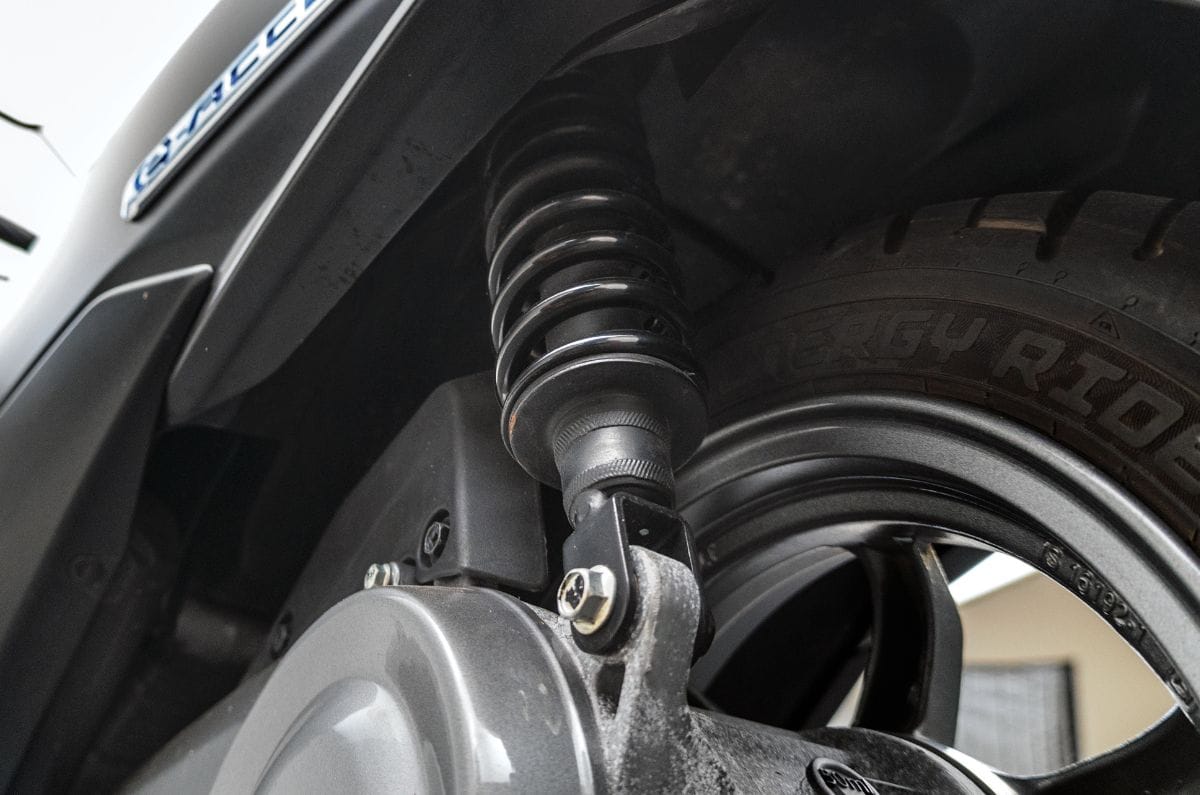
Suspension is well set up and shields you from bumps, but is more taut than floaty.
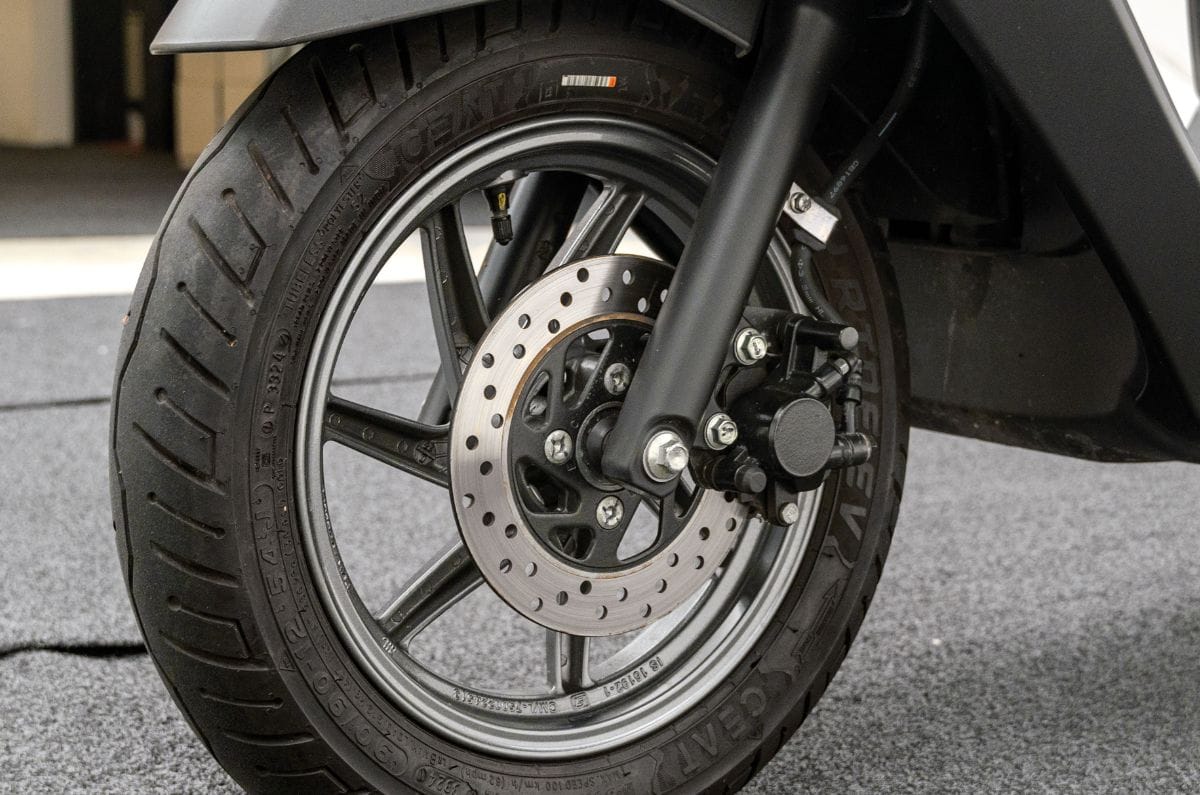
Like the new Burgman, its suspension is not overtly soft and feels quite taut, which isn’t necessarily a deal breaker, but something to watch out for. Braking power is quite good, although the lack of ABS and a sharp bite mean you have to be mindful when slowing down.
Brakes work well, but are quite sharp and bitey. Lack of ABS is a downer at this price.
At 122kg, it is fairly light, and slicing through traffic is a breeze. In fact, the scooter displays a tendency to lean over onto its side quicker than you’d expect, which is partly down to its smaller 12-in wheels and thinner tyres. It is also another consequence of Suzuki mounting the battery pack vertically under the seat. As a result of the centre of gravity being fairly high, the e-Access almost ‘falls’ into a corner, and this behaviour won’t be to everyone’s liking.
e-Access Price and Verdict – 6/10
All said and done, it’s not the average features, tiny storage area, mellow performance or lacklustre range which will dissuade you from buying it. These are all things that buyers could overlook in exchange for the quality assurance that comes with the Suzuki Access name. However, the deal breaker here is the super-steep Rs 1.92 lakh asking price, which is very difficult to justify when similarly specced, proven options from reputed Indian brands like TVS, Bajaj, Vida (Hero) and Ather cost up to Rs 60,000 less.
Gets some things right, but it’s far too expensive.
The e-Access gets some things right, like good comfort, and has typical Japanese strengths, like the promise of reliability, longevity and good quality. However, today’s market values a good price point without compromising on range, storage and quick charging times. For the e-Access to follow in the successful footsteps of its ICE namesake, simply leveraging an established name and charging an unreasonably stiff premium for it is unlikely to pay off.
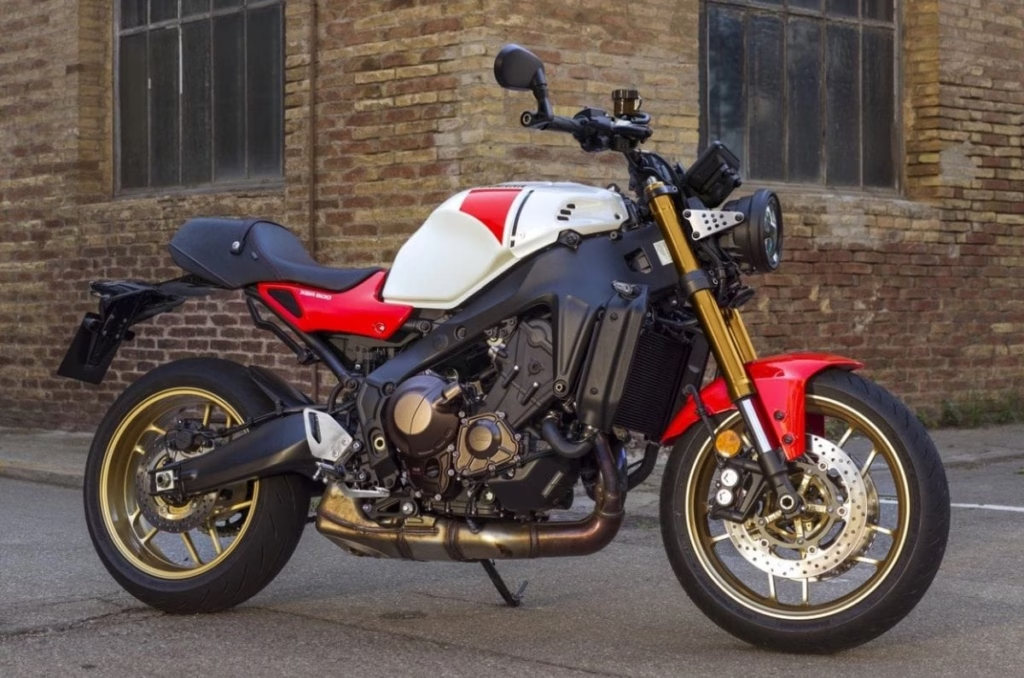
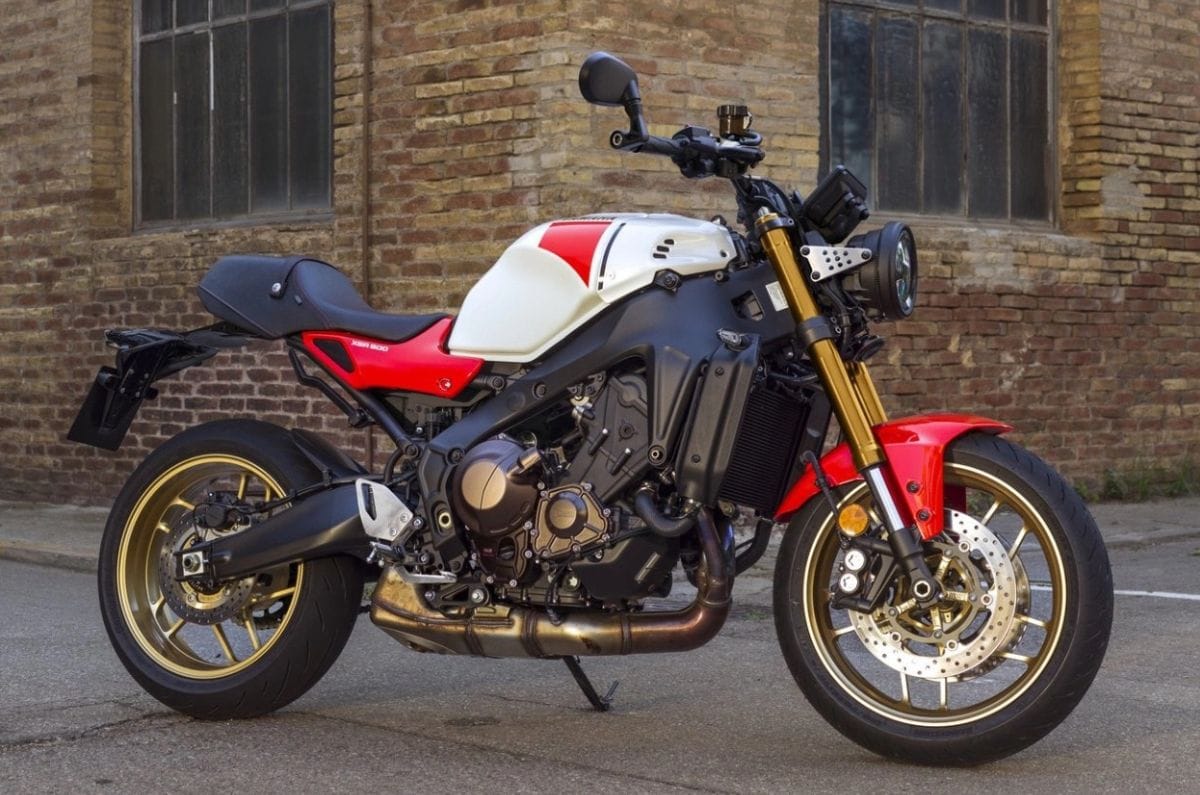
Yamaha appears to be preparing a higher-spec version of its retro-styled XSR900. An XSR900 SP has surfaced in US regulatory filings, pointing to the possibility of a new performance-focused variant of the 890cc neo-retro motorcycle.
XSR900 SP name appears in Yamaha’s US NHTSA filings
Expected to share the 117.4hp CP3 engine with the standard XSR900
Could borrow premium suspension and braking hardware from the MT-09 SP
Yamaha XSR900 SP: what the filings reveal
The XSR900 SP has appeared in vehicle identification number (VIN) filings submitted by Yamaha to the US National Highway Traffic Safety Administration (NHTSA). The documents list both a standard XSR900 SP and a California-spec version, indicating that Yamaha is preparing the model for the 2027 model year.
The filings show that the XSR900 SP will use Yamaha’s 890cc, three-cylinder CP3 engine, with a peak output of 117.4hp. This is identical to the output listed for the standard XSR900, as well as the MT-09, Tracer 9 and R9 in the same documentation. This suggests that the SP variant will focus on chassis and equipment upgrades rather than additional engine performance.
XSR900 SP could get MT-09 SP hardware
While Yamaha has not revealed the equipment list for the XSR900 SP, the motorcycle’s relationship with the MT-09 SP gives a strong indication of what could change.
The MT-09 SP gets DLC-coated front forks, an Öhlins rear shock, Brembo Stylema brake calipers and additional electronic features over the standard MT-09. Yamaha could bring similar upgrades to the XSR900 SP, giving the neo-retro motorcycle a more premium chassis and braking package.
There is one caveat to the filings. The latest NHTSA documents list the XSR900 SP but do not mention the XSR900 GP, while separate California Air Resources Board (CARB) documents for the 2027 XSR900 range list the XSR900 GP but not the SP. This could be down to an error in one of the filings or the documents being updated at different times.
The VIN information does, however, point towards the XSR900 SP being a new variant rather than simply the XSR900 GP being introduced in another market. The SP gets a different VIN prefix from the existing XSR900 GP, further strengthening the case that Yamaha is developing the model.
There is no word yet on when Yamaha will officially reveal the XSR900 SP or which overseas markets will receive it.
Yamaha R2 to launch in India next week
Closer to home, Yamaha is preparing to launch the much-anticipated R2 in India on August 27. The company has already opened pre-bookings for the motorcycle at Rs 10,000, ahead of its official debut.
The R2 is expected to sit above the R15 in Yamaha’s Indian line-up and is being developed and manufactured in India for both domestic sales and exports. Yamaha has yet to reveal its complete specifications, but the motorcycle is expected to use a larger-capacity single-cylinder engine than the R15.
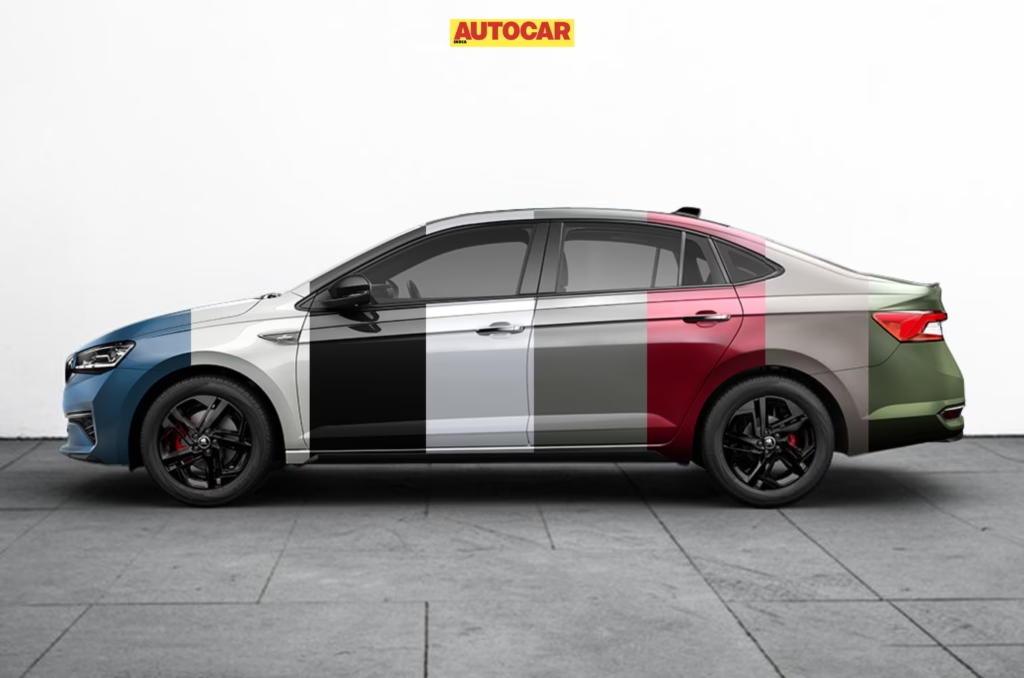
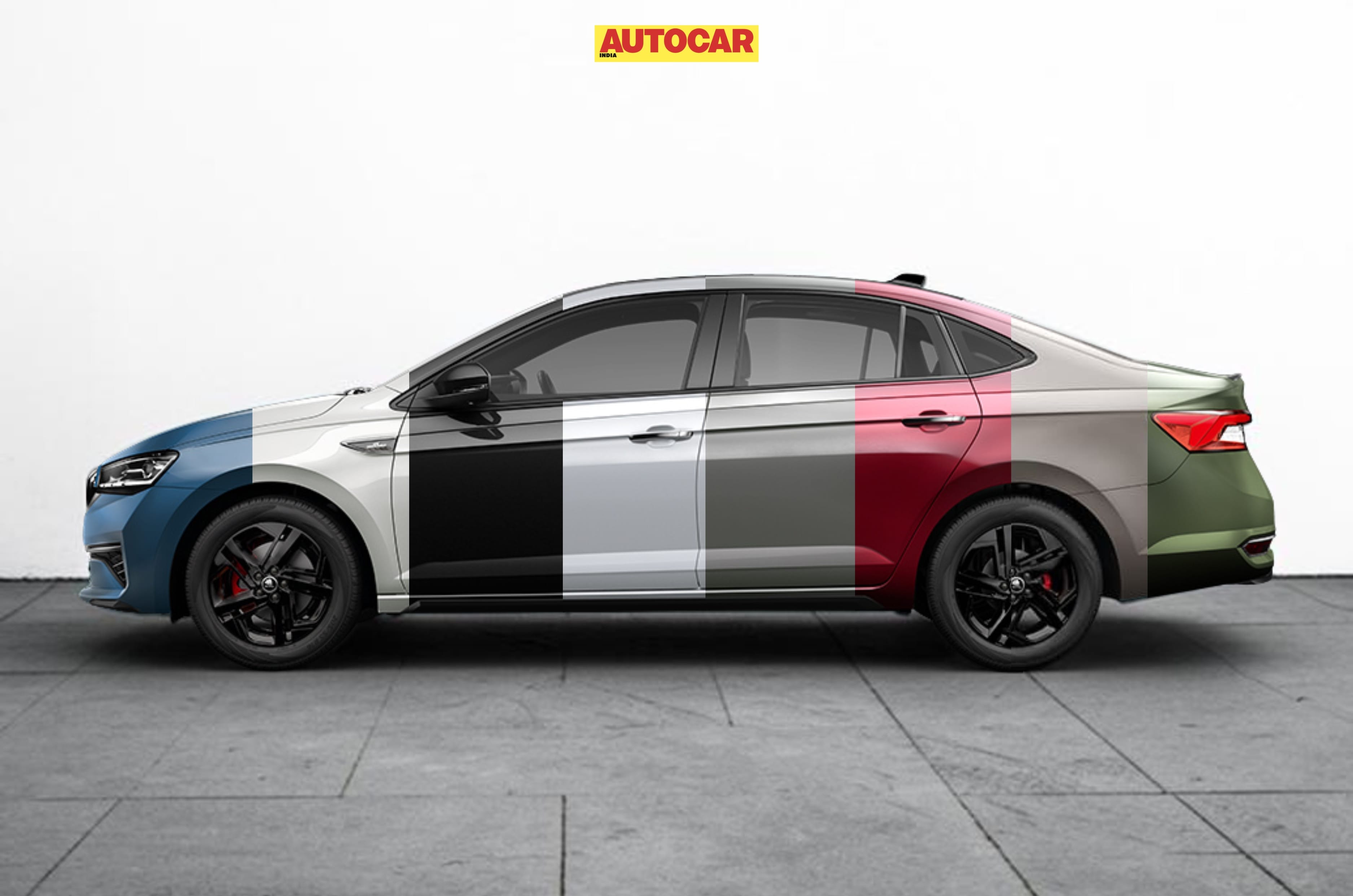
Along with the Slavia facelift, Skoda has also introduced its sportier-looking Monte Carlo versions. These versions sit at the top of Slavia’s trim lineup, beside Prestige and bring in several cosmetic upgrades. These include a gloss black finish for the 16-inch alloy wheels, red brake callipers, red accents on the grille, and Monte Carlo badges. The interior comes with an all-black theme with red accents and red stitching for the seats. Additionally, Monte Carlo versions exclusively get a dual-tone paint job with a black roof for certain colours. Paint choices for the Skoda Slavia facelift Monte Carlo include Lava Blue, Deep Black, Cherry Red, Candy White, Brilliant Silver, Steel Grey, Shimla Green and Cappuccino Beige.