ESDS सॉफ्टवेयर सॉल्यूशन का ₹720 करोड़ का IPO 1 सितंबर को बंद हो चुका है। इसे कुल 142.88 गुना सब्सक्रिप्शन मिला। अब आज, 2 सितंबर को इसका अलॉटमेंट फाइनल हो रहा है। इसके बाद शेयरों की लिस्टिंग 4 सितंबर को NSE और BSE पर होने वाली है। ग्रे मार्केट में कंपनी का शेयर 58.74 प्रतिशत प्रीमियम पर ट्रेड कर रहा है। ग्रे मार्केट एक अनऑथराइज्ड मार्केट है, जहां किसी कंपनी के शेयर उसकी लिस्टिंग तक ट्रेड करते हैं।
जिन लोगों ने ESDS सॉफ्टवेयर सॉल्यूशन के IPO में पैसे लगाए हैं, वे इसकी रजिस्ट्रार MUFG Intime India Pvt.Ltd. और स्टॉक एक्सचेंज BSE की वेबसाइट के जरिए अलॉटमेंट स्टेटस चेक कर सकते हैं। इसकी प्रोसेस इस तरह है…
BSE पर कैसे करें चेक
https://www.bseindia.com/investors/appli_check.aspx पर जाएं।
इश्यू का टाइप ‘इक्विटी’ चुनें।
ड्रॉपडाउन मेन्यू से ESDS Software Solution IPO चुनें।
एप्लीकेशन नंबर या PAN डिटेल एंटर करें।
‘कैप्चा’ डालें।
‘Submit’ बटन पर क्लिक करें।
MUFG Intime की वेबसाइट से कैसे करें चेक
https://in.mpms.mufg.com/Initial_Offer/public-issues.html पर जाएं।
कंपनी नेम में ESDS Software Solution सिलेक्ट करें।
PAN या एप्लीकेशन नंबर या DP/क्लाइंट ID या अकाउंट नंबर/IFSC में से एक को सिलेक्ट कर डिटेल डालें।
Submit पर क्लिक करें।
इस IPO के लिए प्राइस बैंड ₹408-₹429 प्रति शेयर था। क्वालिफाइड इंस्टीट्यूशनल बायर्स के लिए रिजर्व हिस्सा 274.97 गुना, नॉन इंस्टीट्यूशनल इनवेस्टर्स के लिए रिजर्व हिस्सा 202.87 गुना और रिटेल इनवेस्टर्स के लिए रिजर्व हिस्सा 41.68 गुना भरा। कंपनी AI-इनेबल्ड क्लाउड, मैनेज्ड सर्विसेज, डेटा सेंटर इंफ्रास्ट्रक्चर और सॉफ्टवेयर सॉल्यूशंस मुहैया कराती है। कंपनी इंफ्रास्ट्रक्चर-एज-अ-सर्विस (IaaS), मैनेज्ड सर्विसेज और सॉफ्टवेयर-एज-अ-सर्विस (SaaS) जैसी एंड-टू-एंड सर्विसेज देती है।
कंपनी ने IPO से पहले एंकर इनवेस्टर्स से ₹216 करोड़ जुटाए। कंपनी का वित्त वर्ष 2025-26 में रेवेन्यू 28 प्रतिशत बढ़कर 480.65 करोड़ रुपये हो गया। शुद्ध मुनाफा 117 प्रतिशत की बढ़त के साथ 120.82 करोड़ रुपये रहा। इस बीच कंपनी पर 42.92 करोड़ रुपये की उधारी थी। एक साल पहले रेवेन्यू 376.64 करोड़ रुपये और शुद्ध मुनाफा 55.61 करोड़ रुपये था।
Disclaimer: यहां मुहैया जानकारी सिर्फ सूचना के लिए दी जा रही है। यहां बताना जरूरी है कि मार्केट में निवेश बाजार जोखिमों के अधीन है। निवेशक के तौर पर पैसा लगाने से पहले हमेशा एक्सपर्ट से सलाह लें। मनीकंट्रोल की तरफ से किसी को भी पैसा लगाने की यहां कभी भी सलाह नहीं दी जाती है।
प्रायोरिटी ज्यूल्स का ₹91.50 करोड़ का IPO 100.45 गुना सब्सक्रिप्शन के साथ बंद हो गया है। अब 2 सितंबर को अलॉटमेंट फाइनल होने की उम्मीद है। इसके बाद कंपनी के शेयरों की लिस्टिंग NSE और BSE पर 4 सितंबर को हो सकती है। IPO में क्वालिफाइड इंस्टीट्यूशनल बायर्स के लिए रिजर्व हिस्सा 39.87 गुना, नॉन इंस्टीट्यूशनल इनवेस्टर्स के लिए रिजर्व हिस्सा 166.49 गुना और रिटेल इनवेस्टर्स के लिए रिजर्व हिस्सा 106.76 गुना भरा।
जिन लोगों ने प्रायोरिटी ज्यूल्स के IPO में पैसे लगाए हैं, वे इसकी रजिस्ट्रार MUFG Intime India Pvt.Ltd. और स्टॉक एक्सचेंज BSE की वेबसाइट के जरिए अलॉटमेंट स्टेटस चेक कर सकते हैं। इसकी प्रोसेस इस तरह है…
BSE पर कैसे करें चेक
https://www.bseindia.com/investors/appli_check.aspx पर जाएं।
इश्यू का टाइप ‘इक्विटी’ चुनें।
ड्रॉपडाउन मेन्यू से Priority Jewels IPO चुनें।
एप्लीकेशन नंबर या PAN डिटेल एंटर करें।
‘कैप्चा’ डालें।
‘Submit’ बटन पर क्लिक करें।
MUFG Intime की वेबसाइट से कैसे करें चेक
https://in.mpms.mufg.com/Initial_Offer/public-issues.html पर जाएं।
कंपनी नेम में Priority Jewels सिलेक्ट करें।
PAN या एप्लीकेशन नंबर या DP/क्लाइंट ID या अकाउंट नंबर/IFSC में से एक को सिलेक्ट कर डिटेल डालें।
Submit पर क्लिक करें।
इस IPO में 45.75 लाख नए शेयर जारी हुए। फाइनल इश्यू प्राइस ₹200 प्रति शेयर रहा। कंपनी ने IPO की ओपनिंग से पहले एंकर इनवेस्टर्स से ₹27.45 करोड़ जुटाए। ग्रे मार्केट में प्रायोरिटी ज्यूल्स का शेयर 15.50 प्रतिशत प्रीमियम पर ट्रेड कर रहा है। ग्रे मार्केट एक अनऑथराइज्ड मार्केट है, जहां किसी कंपनी के शेयर उसकी लिस्टिंग तक ट्रेड करते हैं।
क्या-क्या बनाती है कंपनी
प्रायोरिटी ज्यूल्स हीरे जड़ी सोने और प्लेटिनम की फाइन ज्वेलरी डिजाइन करती है, बनाती है और बेचती है। यह रोज पहनी जाने वाली ज्वेलरी जैसे अंगूठी, झुमके, पेंडेंट, नेकलेस, ब्रेसलेट के साथ-साथ खास मौकों पर पहनी जाने वाली ज्वेलरी भी बेचती है। कंपनी भारत और दुनिया भर में स्वतंत्र ज्वेलर्स और ज्वेलरी चेन्स को अपने प्रोडक्ट बेचती है, जैसे कि कैरटलेन ट्रेडिंग प्राइवेट लिमिटेड, कल्याण ज्वेलर्स, रिलायंस रिटेल, मालाबार गोल्ड एंड डायमंड्स, त्रिभुवनदास भीमजी झवेरी लिमिटेड, सेनको गोल्ड लिमिटेड।
प्रायोरिटी ज्यूल्स की 21 राज्यों और 3 केंद्र शासित प्रदेशों में अच्छी मौजूदगी है। यह अमेरिका, UAE, हांगकांग और नॉर्वे सहित 13 देशों में अपने प्रोडक्ट एक्सपोर्ट करती है। इसकी मुंबई में 2 ज्वेलरी मैन्युफैक्चरिंग फैसिलिटी हैं।
IPO के पैसे कैसे इस्तेमाल करेगी Priority Jewels
कंपनी अपने पब्लिक इश्यू से हुई कमाई का इस्तेमाल कर्ज चुकाने के लिए और आम कॉरपोरेट उद्देश्यों के लिए करेगी। प्रायोरिटी ज्यूल्स का अप्रैल-जून 2026 तिमाही में रेवेन्यू ₹147.40 करोड़ रहा। शुद्ध मुनाफा ₹6.48 करोड़ दर्ज किया गया। इस बीच कंपनी पर ₹110.49 करोड़ की उधारी थी। वित्त वर्ष 2025-26 में रेवेन्यू 24 प्रतिशत बढ़कर ₹539 करोड़ और शुद्ध मुनाफा 68 प्रतिशत की बढ़ोतरी के साथ ₹17.65 करोड़ हो गया।
Disclaimer: यहां मुहैया जानकारी सिर्फ सूचना के लिए दी जा रही है। यहां बताना जरूरी है कि मार्केट में निवेश बाजार जोखिमों के अधीन है। निवेशक के तौर पर पैसा लगाने से पहले हमेशा एक्सपर्ट से सलाह लें। मनीकंट्रोल की तरफ से किसी को भी पैसा लगाने की यहां कभी भी सलाह नहीं दी जाती है।
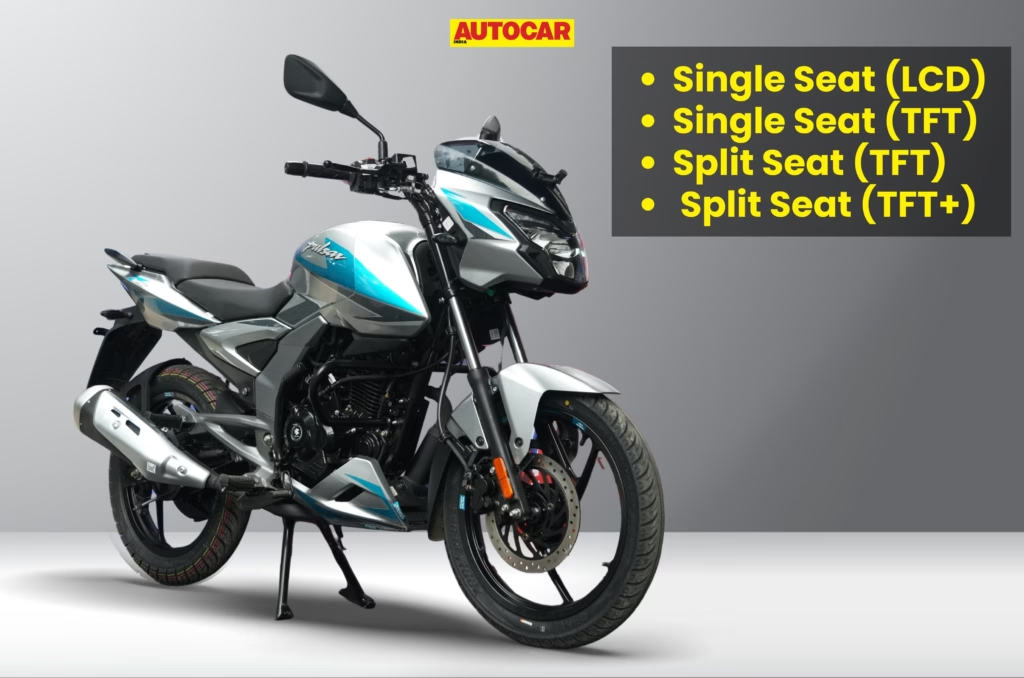
Bajaj has updated the Pulsar 125 comprehensively with the new version having four variants, compared to two on the previous iteration. Similar to the Pulsar 150, the aim is to offer value for money and to wit, Bajaj has packed in a sizable set of features into each variant, but how do they differ from each other? Fret not, let us help.
All prices mentioned are ex-showroom, Delhi.
Bajaj Pulsar 125 variant breakdown
Pulsar 125 Single Seat (LCD)
All four variants share the new single-cradle chassis and the 124.58cc engine making 12.1hp at 8,500rpm and 11.4Nm torque at 6,500 rpm, a marginal bump of 0.3hp and 0.6Nm over the 124.38cc engine on the previous gen. All four variants share the same LED headlight and taillight, tyres, and front and rear suspensions. Bluetooth and turn-by-turn navigation is also common to all of them.
The base Single Seat (LCD) variant, like the name implies, gets a single seat piece and an LCD instrument cluster. It gets a 240mm front disc with a 130mm rear drum brake as well as Combined Braking System (CBS) as standard. It uses bulb indicators and offers a USB type-C port as an optional extra accessory. This variant is priced at Rs 92,900.
Pulsar 125 Single Seat (TFT)
The second variant, once again mentioned in the name, replaces the LCD instrument cluster with a 5-inch TFT display. Other areas in the ride package see upgrades as well. This variant adds three ride modes, an integrated starter generator (ISG), and gets the USB Type-C port as standard fitment. There’s also a larger 260mm front disc and the indicators are LED as well, with hazard lights function. Bajaj has priced this variant at Rs 99,291, Rs 6,391 step up over the base variant.
Pulsar 125 Split Seat (TFT)
The next variant swaps the single seat pad for a split rider and pillion pads for just over a lakh of rupees. It’s otherwise identical to the previous variant.
Pulsar 125 Split Seat (TFT+)
Don’t let the + mislead you into thinking that this top variant is another small step up. There are three upgrades on this one. Starting with the cluster itself, the TFT display on this one exclusively gets WiFi support, enabling Google Maps mirroring for navigation. It’s also the only one getting a belly pan as standard for added protection to the engine sump and it gets a dual-horn, compared to the single-horn on the rest. For these three features, this variant’s asking price is Rs 1.04 lakh, roughly Rs 4,000 over the last variant.
Augmont Enterprises IPO Allotment: बुलियन और गोल्ड ट्रेडिंग प्लेटफॉर्म का ऑपरेट करने वाली कंपनी ऑगमोंट एंटरप्राइज के ₹825 करोड़ के आईपीओ का आज, 27 अगस्त को अलॉटमेंट होना है। इस इश्यू को निवेशकों से बंपर रिस्पांस मिला था और नेशनल स्टॉक एक्सचेंज के आंकड़ों के मुताबिक यह आईपीओ कुल 105.78 गुना सब्सक्राइब हुआ है।
कैसा रहा सब्सक्रिप्शन?
कंपनी के ऑफर पर मौजूद 77.15 लाख (77,15,999) शेयरों के मुकाबले कुल 81.61 करोड़ (81,61,83,836) शेयरों के लिए बोलियां प्राप्त हुई थीं:
क्वालिफाइड इंस्टीट्यूशनल बायर्स (QIB): इस कैटेगरी में सबसे तगड़ा रिस्पॉन्स देखने को मिला और यह हिस्सा 226.96 गुना भरा।
नॉन-इंस्टीट्यूशनल इन्वेस्टर्स (NII): एनआईआई कैटेगरी में आईपीओ 121.47 गुना सब्सक्राइब हुआ।
रिटेल निवेशक: रिटेल निवेशकों का हिस्सा 30.98 गुना भरा है।
अलॉटमेंट, रिफंड और लिस्टिंग की तारीखें
अलॉटमेंट फाइनल होने की तारीख: 27 अगस्त 2026
रिफंड और शेयर क्रेडिट की तारीख: 28 अगस्त 2026
शेयर लिस्टिंग की तारीख: 31 अगस्त 2026 (BSE और NSE पर)
कैसी रहा है वित्तीय प्रदर्शन
वित्त वर्ष 2025-26 में कंपनी का नेट प्रॉफिट 53.3% बढ़कर ₹348.3 करोड़ रहा, जो FY25 में ₹227.2 करोड़ था। कंपनी का कुल राजस्व 42.2% बढ़कर ₹94,186.2 करोड़ पर पहुंच गया। कंपनी फ्रेश इश्यू से मिलने वाले ₹620 करोड़ में से ₹465 करोड़ का इस्तेमाल वर्किंग कैपिटल की जरूरतों और इन्वेंट्री बढ़ाने के लिए करेगी, जो इसके विशाल बुलियन ट्रेडिंग बिजनेस के संचालन के लिए बेहद जरूरी है।
GMP से 40% लिस्टिंग गेन का संकेत
ग्रे मार्केट प्रीमियम पर नजर रखने वाली वेबसाइट ‘InvestorGain’ के मुताबिक, 27 अगस्त को ऑगमोंट एंटरप्राइज के शेयर ₹315 के जीएमपी पर ट्रेड कर रहे हैं। ₹788 के अपर प्राइस बैंड के हिसाब से शेयर ग्रे मार्केट में ₹1,103 पर लिस्ट होने का इशारा दे रहा है, जो करीब 39.97% (करीब 40%) के लिस्टिंग गेन को दर्शाता है।
इन 3 तरीकों से आसानी से चेक करें स्टेटस
अगर आपने भी इस आईपीओ में बोली लगाई है, तो आप अलॉटमेंट प्रक्रिया पूरी होते ही रजिस्ट्रार (MUFG Intime India) या बीएसई/एनएसई की वेबसाइट पर अपना स्टेटस चेक कर सकते हैं:
1. रजिस्ट्रार (MUFG Intime India) के जरिए स्टेटस देखें:
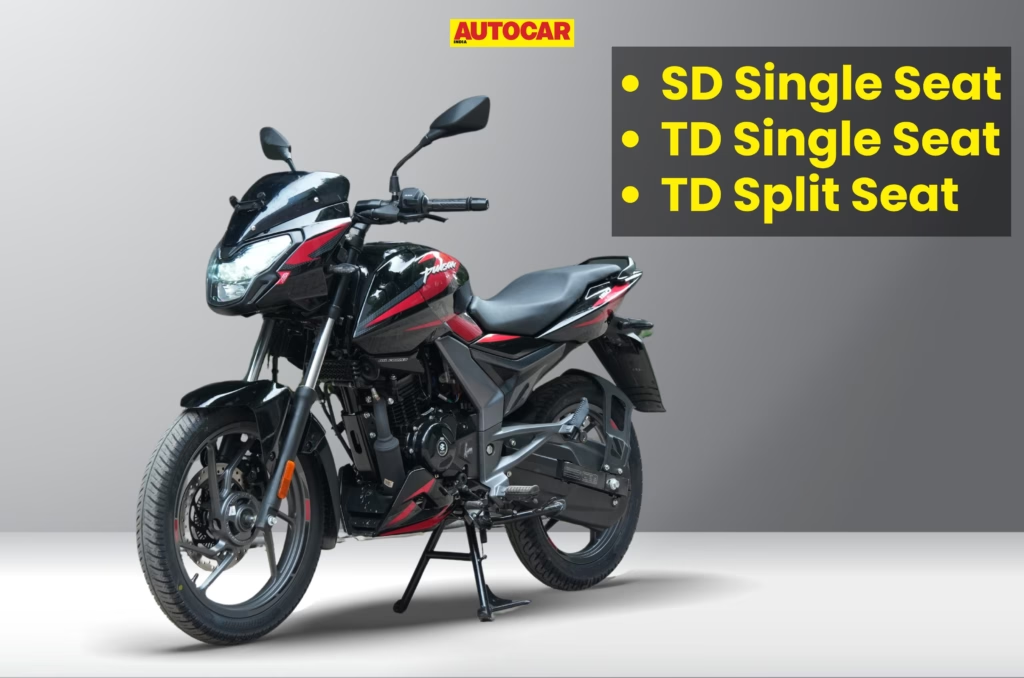
The all-new Bajaj Pulsar 150 arrives on a completely new platform with a revised engine, a new single-cradle frame, monoshock rear suspension and a host of new features. It is offered in three variants, all of which share the same mechanical package but differ in features and some hardware. Here’s a breakdown of what each variant has to offer.
Pulsar 150 variant breakdown
Pulsar 150 SD Single Seat
All three variants get the same 149.5cc, single-cylinder engine that produces peak output figures of 14hp at 8,000rpm and 14.1Nm of torque at 6,500rpm.
The base SD Single Seat variant gets a 5-inch colour LCD display with Bluetooth and turn-by-turn navigation. Braking comes from a 260mm front disc and a 130mm rear drum, and it’s the only variant of the three to miss out on ISG, a belly pan and hazard lights. It does, however, get the same ride modes and crawl mode as the other two. It’s priced at Rs 1.15 lakh (ex-showroom, Delhi).
Pulsar 150 TD Single Seat
Stepping up to the TD Single Seat swaps in a 5-inch TFT display with Bluetooth, along with an Integrated Starter Generator (ISG) that enables a stop-start system and silent restarts. It also gains a 230mm rear disc brake in place of the drum, a belly pan and hazard lights. It’s priced at Rs 1.22 lakh.
Pulsar 150 TD Split Seat
The range-topping TD Split Seat carries over the TD Single Seat’s ISG, disc brakes, belly pan and hazard lights, but steps up to a 5-inch TFT display with Wi-Fi support that enables Google Maps mirroring – also seen on the Pulsar N160 SS. It’s the only variant of the three with a split-seat design and is priced at Rs 1.23 lakh.
क्या प्राइवेट कंपनियां आपका इनकम टैक्स रिटर्न या प्रोविडेंट फंड रिकॉर्ड एक्सेस कर सकती हैं? सुप्रीम कोर्ट ने सरकार से उन आरोपों की जांच करने को कहा है जिनमें यह कहा गया है कि प्राइवेट वेरिफिकेशन कंपनियां लोगों के एंप्लॉयमेंट और फाइनेंशियल जानकारियां एक्सेस कर रही हैं और उनका व्यावसायिक इस्तेमाल कर रही हैं।
आईटीआर और ईपीएफओ को डेटा को संवेदनशील माना जाता है
सरकार ने एक जनहित याचिका पर यह निर्देश जारी किया है। इस याचिका में कहा गया है कि एक ऐसा कमर्शियल ईकोसिस्टम बना है, जिसमें EPFO/UAN Records और PAN से जुड़े फाइनेंशियल डेटा को प्राइवेट कंपनियां एक्सेस कर रही हैं। ऐसे डेटा को काफी संवेदनशील माना जाता है।
याचिकाकर्ता ने प्राइवेट कंपनियों के डेटा के एक्सेस पर सवाल उठाए हैं
सुप्रीम कोर्ट ने हालांकि किसी कंपनी को ऐसी जानकारियां गैरकानूनी तरीके से एक्सेस करते नहीं पाया है। उसने यह भी नहीं कहा है कि प्राइवेट कंपनियों के पास लोगों के आईटीआर और ईपीएफओ रिकॉर्ड के इस्तेमाल की आजादी है। लेकिन, इस याचिका से एक बड़ा मसले को लेकर सवाल उठे हैं, जो करोड़ों भारतीयों से जुड़ा है।
डेटा एक्सेस के मसले से जुड़े तीन अहम सवाल सामने आए हैं
इस मसले से जुड़े कई सवाल हैं। पहला, सरकारी एजेंसियों के पास लोगों की जो व्यक्तिगत जानकारियां हैं, उनमें से किन जानकारियों का इस्तेमाल प्राइवेट कंपनियां कर सकती हैं? दूसरा, उनके इस्तेमाल का तरीका क्या होगा? तीसरा, क्या वे व्यक्ति विशेष से उसकी इन जानकारियों के इस्तेमाल की इजाजत लेती हैं?
सुप्रीम कोर्ट ने व्यक्तिगत जानकारियों के इस्तेमाल पर चिंता जताई है
सुप्रीम कोर्ट ने लोगों की संवेदनशील व्यक्तिगत जानकारियों के कथित दुरुपयोग पर चिंता जताई है। उसने सरकार से इस मामले की जांच करने को कहा है। चीफ जस्टिस सूर्यकांत और जस्टिस जॉयमाल्या बागची और जस्टिस वी मोहना की बेंच ने कहा कि सरकार इस समस्या पर लगाम लगाने के तरीके पर विचार कर सकती है। वह इस फील्ड के एक्सपर्ट्स की मदद ले सकती है।
याचिकाकर्ता ने कुछ प्राइवेट सर्विसेज के एडवर्टाइजमेंट पर सवाल उठाए हैं
याचिकाकर्ता ने अपनी शिकायत में उन प्राइवेट सर्विसेज का जिक्र किया है, जो कथित रूप से ‘ईपीएफओ पासबुक एपीआई’, ‘फॉर्म26 एपीआई’ और ‘इनकम टैक्स रिटर्न एपीआई’ जैसे प्रो़क्ट्स का विज्ञापन देती हैं। उन्होंने कहा है कि इससे यह सवाल उठता है कि ऐसी संवेदनशील जानकारियां कैसे हासिल या वेरिफाय की जा रही हैं।
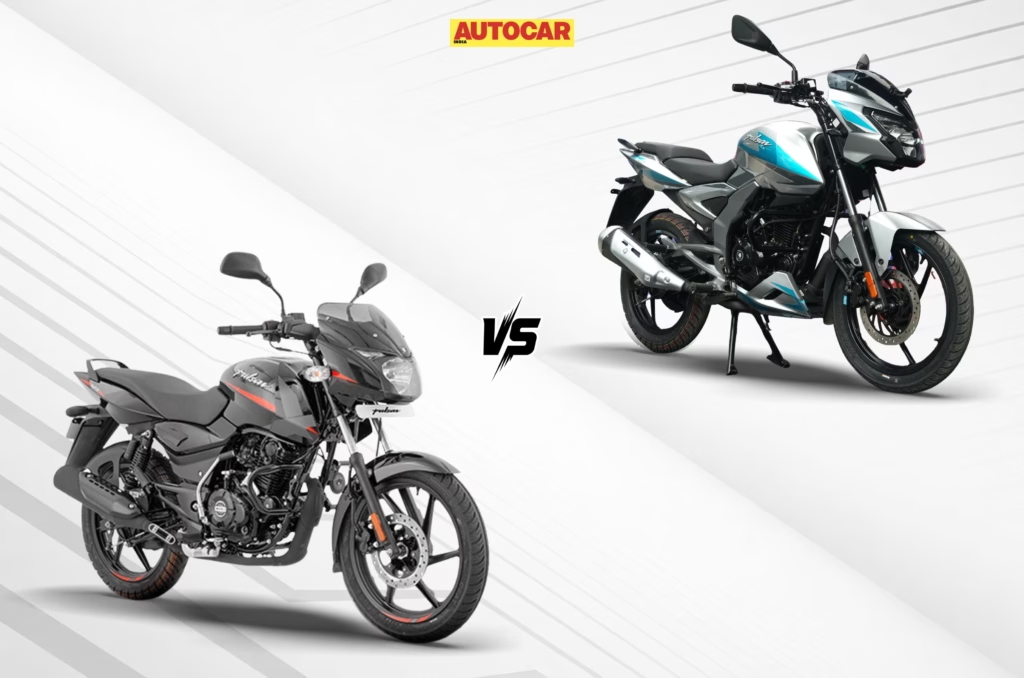
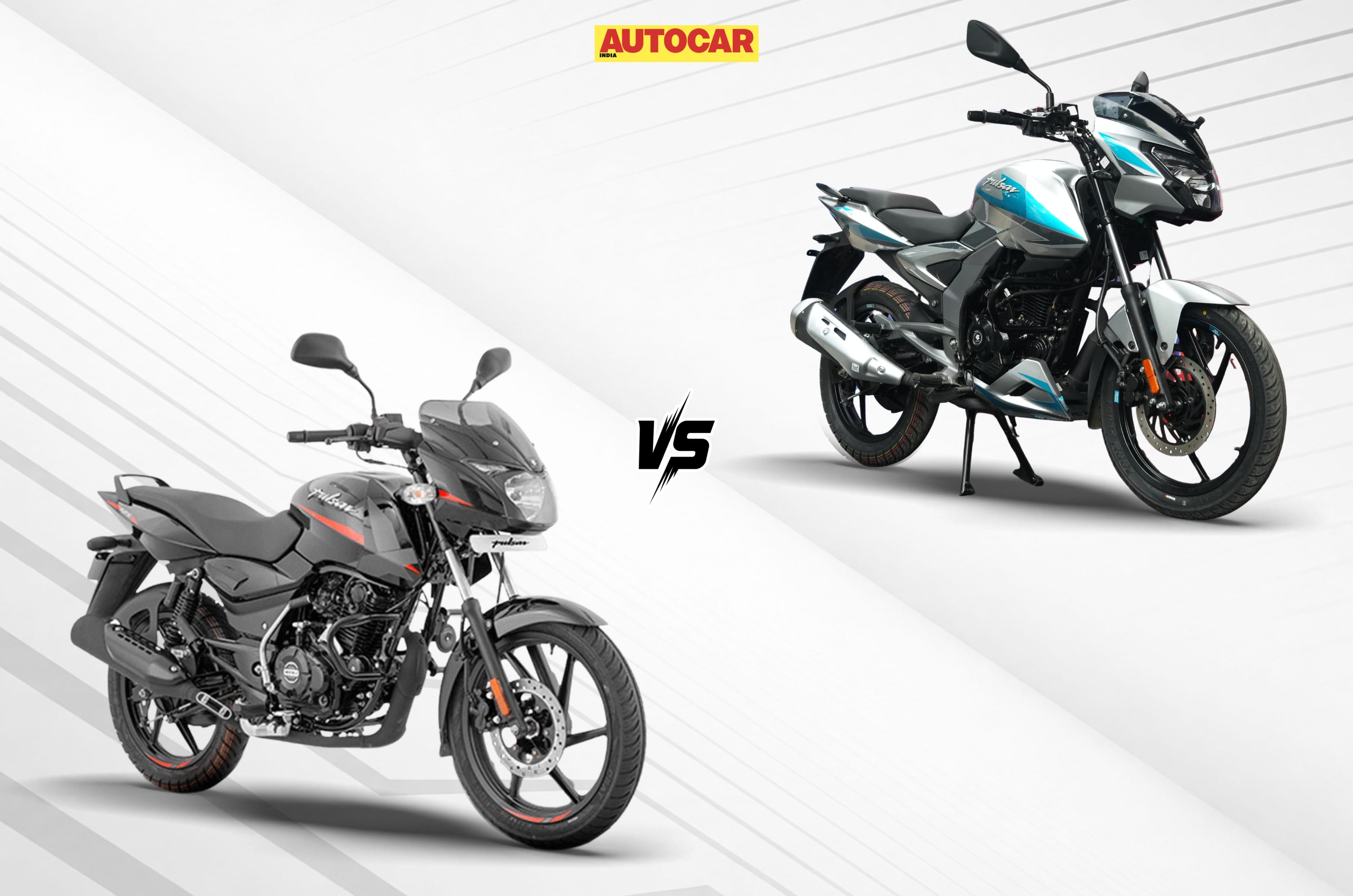
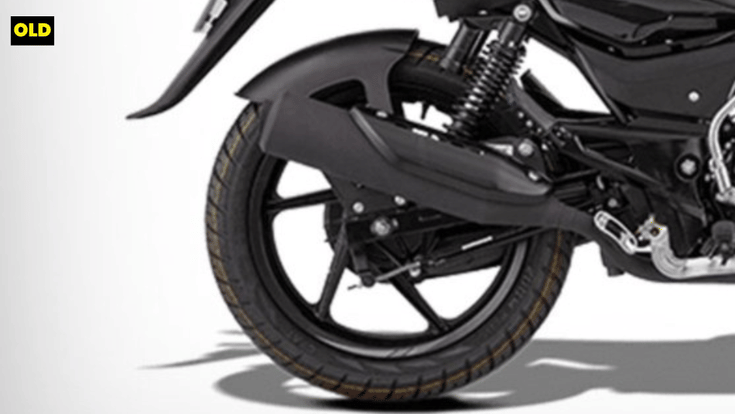
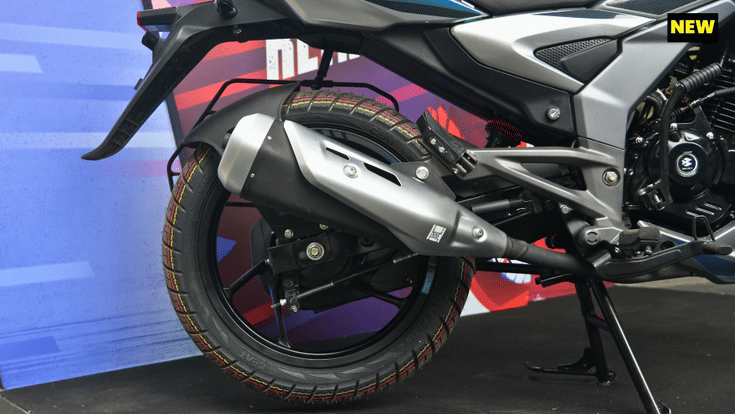
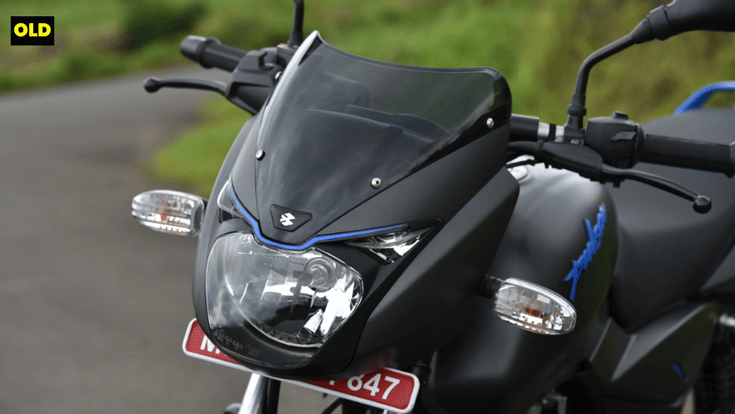
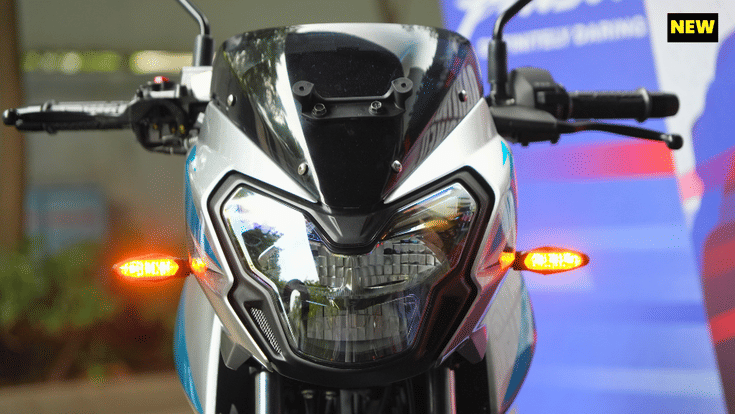
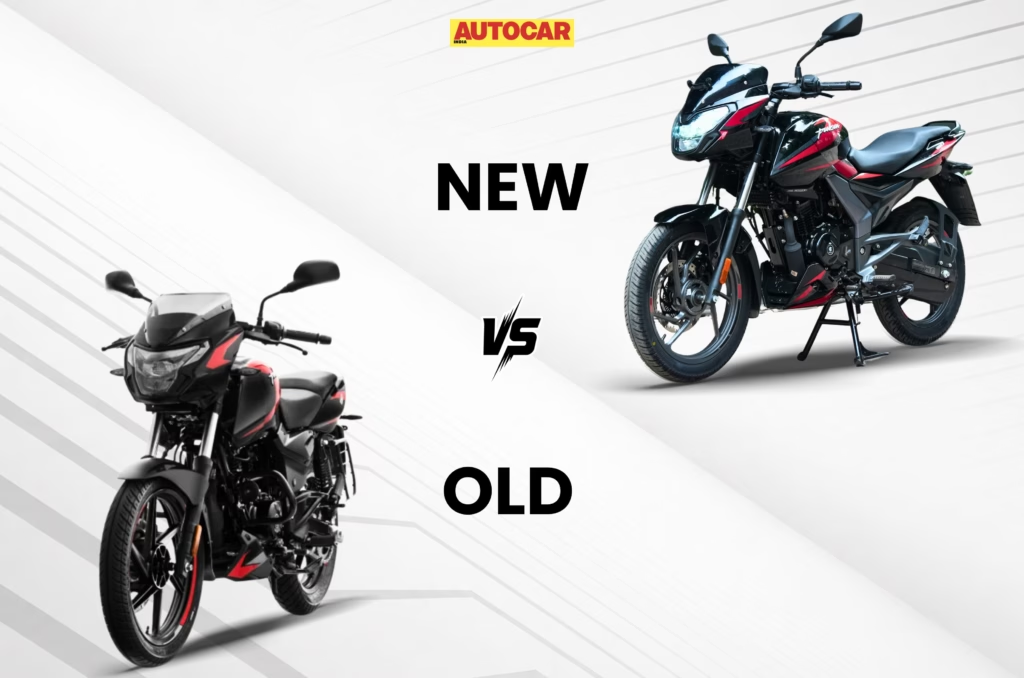
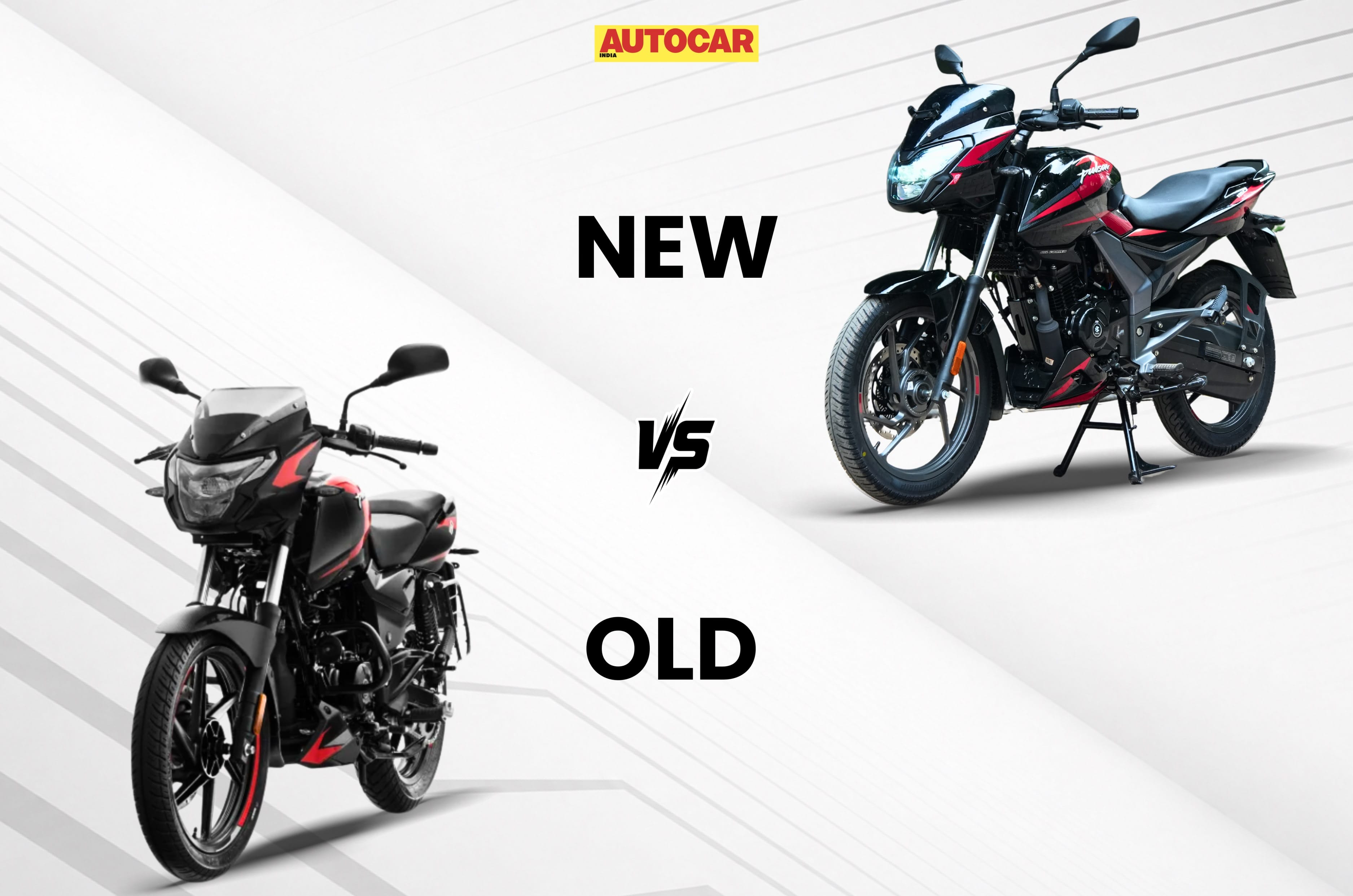
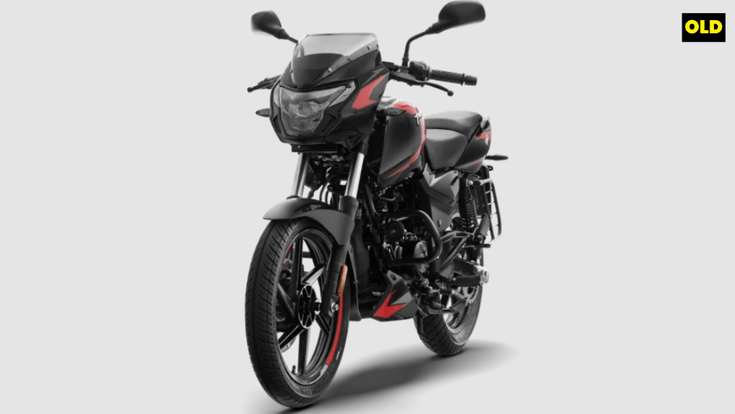
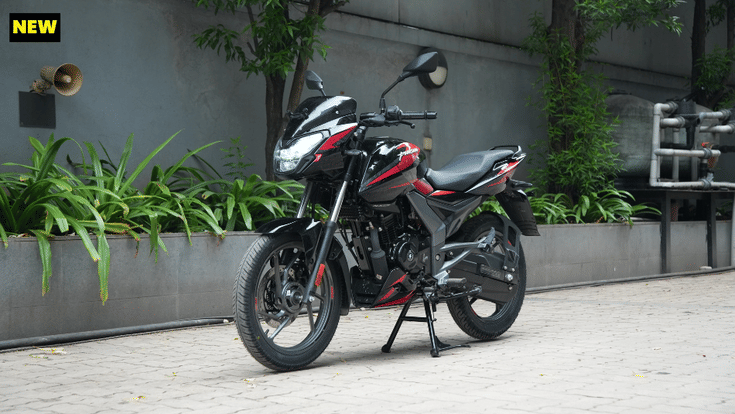
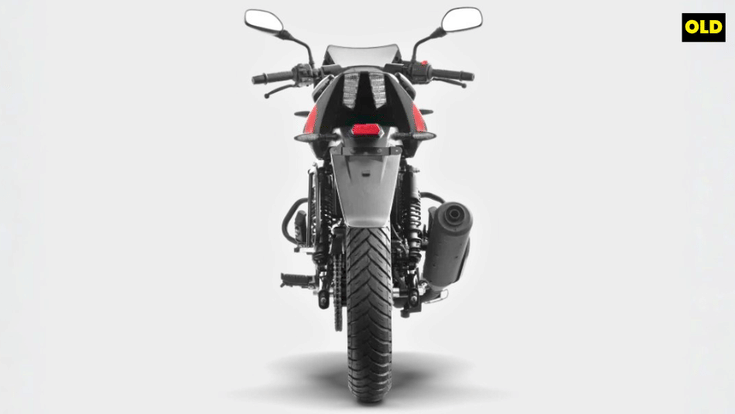
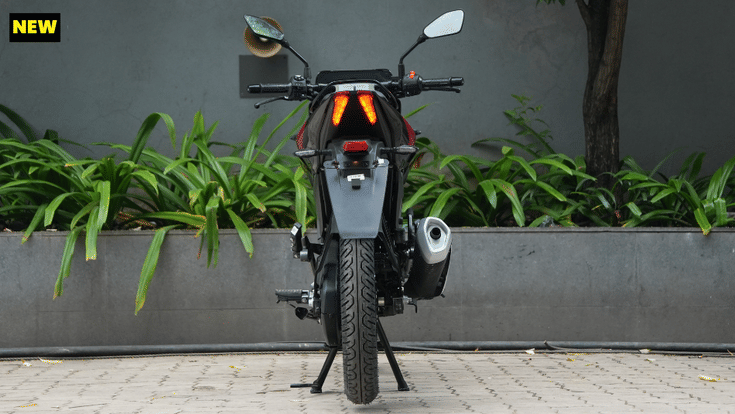
With the discontinuation of the N125 in India, the Pulsar 125 had gained attention back as the entry-level Pulsar model and Bajaj has just revamped it from the ground-up. Some of the obvious upgrades are to the engine, frame, and suspension. However, with the line-up expanding to four variants from two earlier, what exactly sets the new Pulsar 125 apart from the old? Let’s find out.
Note: At the time of writing, Bajaj hasn’t shared the exact dimensions and kerb weight for the new Pulsar 125 so this comparison skips that. We’ll update the story once we get those details.
Bajaj Pulsar 125 New vs Old: Engine
More power and torque at the same points in the rev range
New Bajaj Pulsar 125
Old Bajaj Pulsar 125
Engine
124.58cc single-cylinder, air-cooled
124.38cc single-cylinder, air-cooled
Power
12.1hp at 8,500rpm
11.8hp at 8,500rpm
Torque
11.4Nm at 6,500rpm
10.8Nm at 6,500rpm
Transmission
5-speed
5-speed
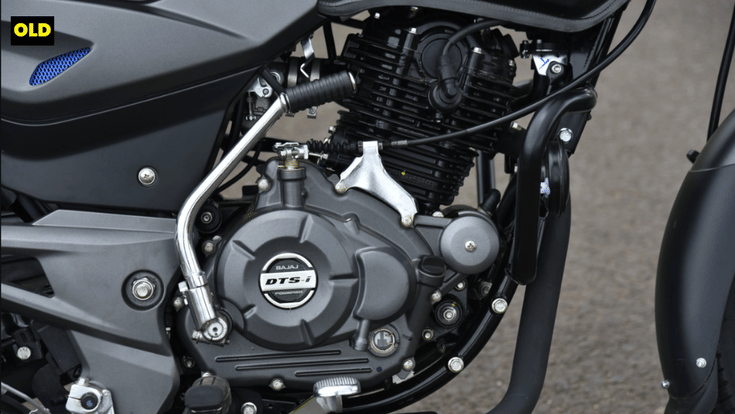
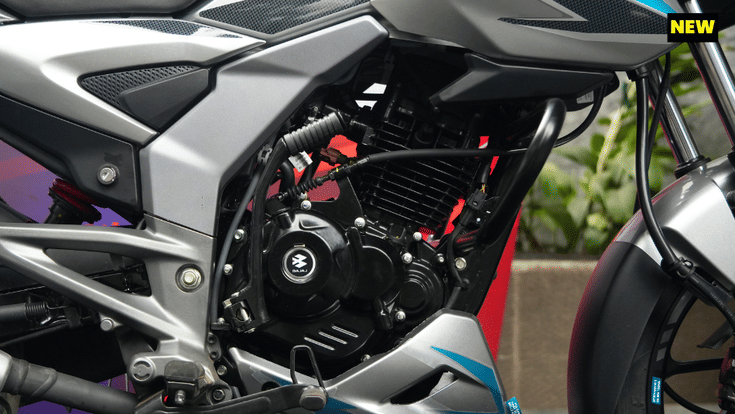
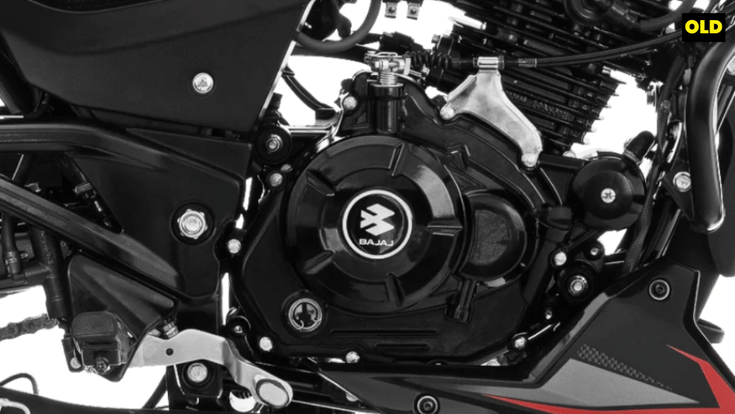
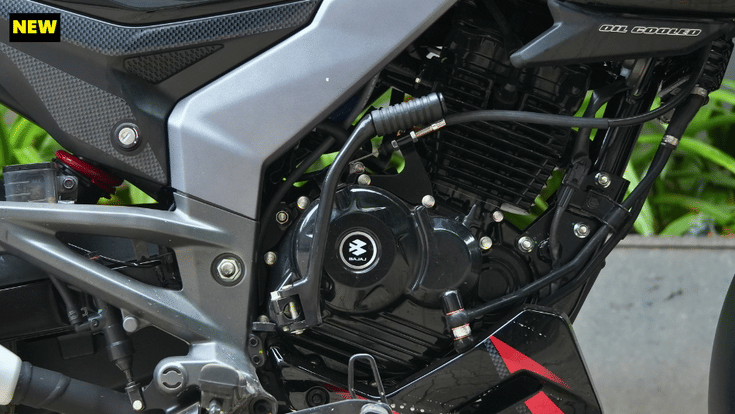
Similar to the all-new Pulsar 150, the new Pulsar 125’s engine also looks similar to the outgoing one at first glance, but that’s not the case. The cubic capacity on the new engine has increased by two-tenths and Bajaj has extracted marginally more power and torque delivered at similar rpm as before. Bajaj also claims that 80 percent of the torque is available from 3,000rpm onwards. On paper, it’s easy to dismiss this improvement as minuscule, but it bodes well with Bajaj’s placement of the 125 as an easy city commuter.
Unlike the new Pulsar 150’s oil-cooled engine, the 125 sticks to an air-cooled unit. Transmission also remains 5-speed, but Bajaj claims an upgraded gearbox for low end tractability. The power-to-weight ratio has supposedly improved, and Bajaj says acceleration has as well, but we’ll have to wait until we put the bike through our tests to confirm so.
Bajaj Pulsar 125 New vs Old: Chassis, headlight, and suspension
Chassis and suspension see major changes
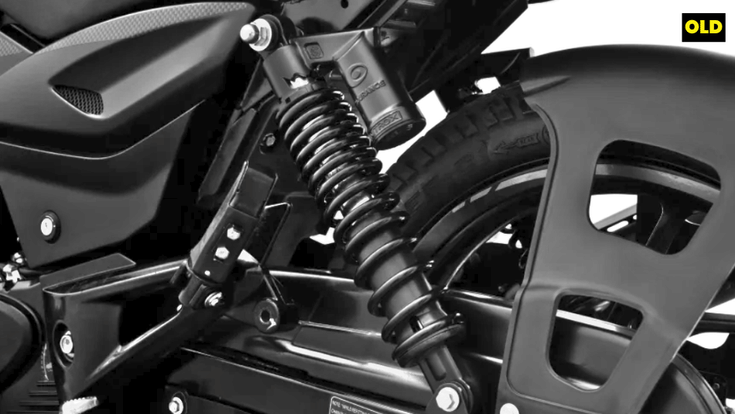
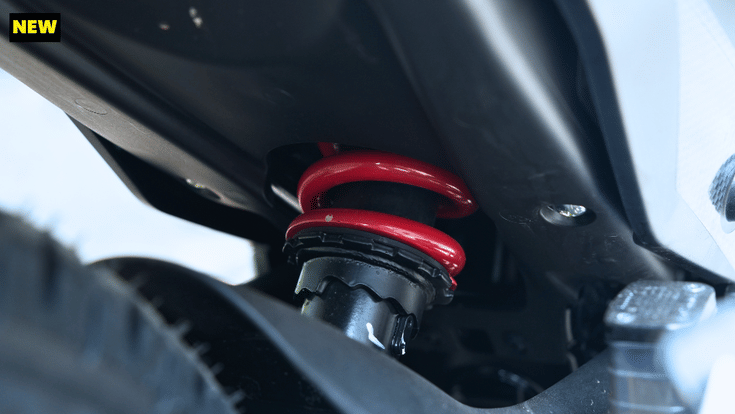
Keeping in line with the all-new theme, Bajaj has also changed the chassis and the suspension setup on the new Pulsar 125. The existing dual-cradle frame has been swapped for a single-cradle or diamond frame with the engine now acting as a stressed member. Bajaj says the change enables the Pulsar 125 to have greater stiffness, enabling better handling and stability.
Though the fork is still a right side up (RSU) telescopic unit, the new Pulsar 125 upgrades the diameter by 1mm to 31mm, but with a 10mm shorter 125mm travel. The rear suspension has also seen improvements with the familiar twin-shock setup being swapped for a monoshock unit and the travel has been increased by 8mm to 110mm. Bajaj attributes greater stability in straight lines and corners on the new Pulsar 125 to the brand-new monoshock setup.
The lighting setup has also been changed, although by a tiny amount. While the headlight and taillight continue to be LED across the board, Bajaj has slightly redesigned the fairing on the new Pulsar 125. Out of the four variants, the LED indicators and hazard lights are only available on the top three variants; only the top-most variant gets a belly pan as standard.
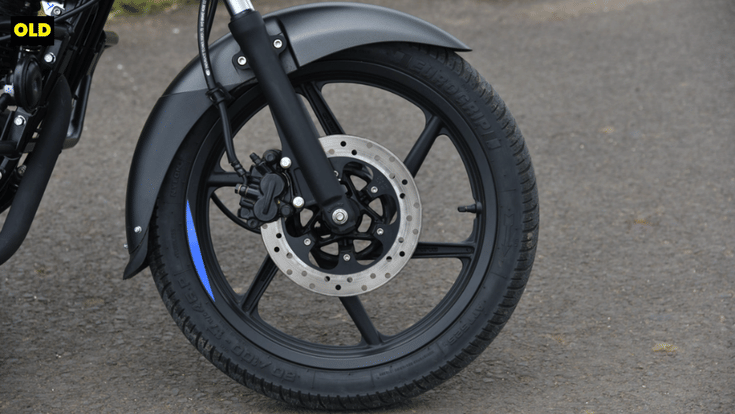
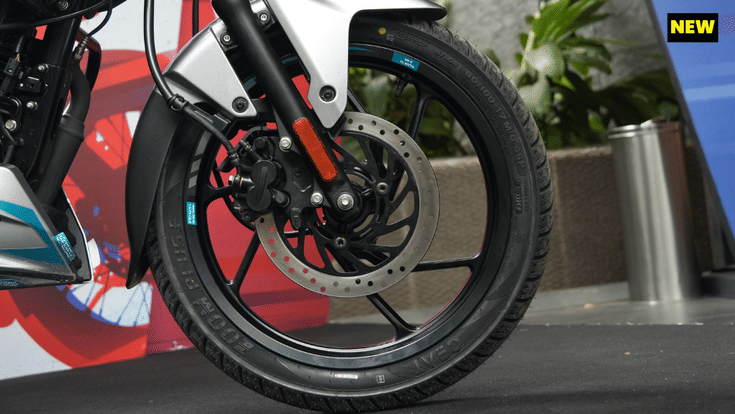
While the tyre sizes remain unchanged on the new Pulsar 125, Bajaj has increased the front disc size on the top three variants. ABS in any form continues to be missing, with the motorcycle offering Combined Braking System (CBS) as standard instead.
Bajaj Pulsar 125 New vs Old: Features
TFT Cluster and ride modes are major upgrades
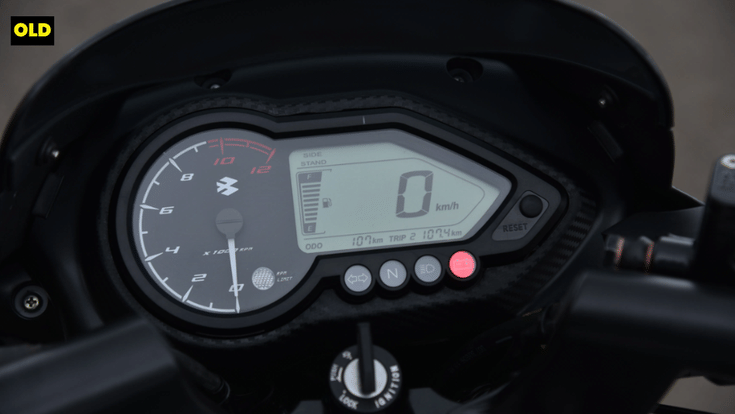
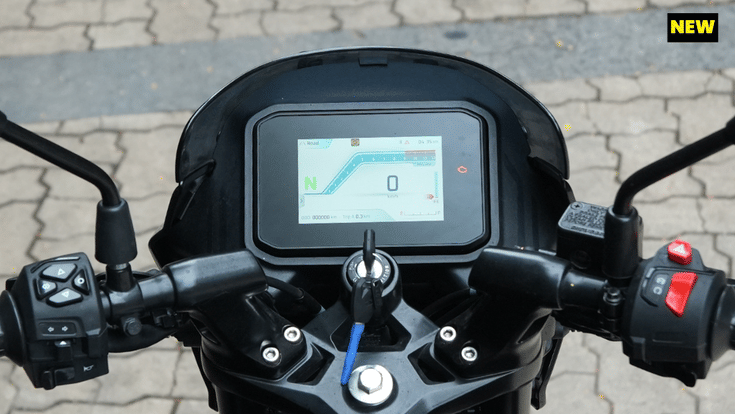
The biggest feature addition to the new Pulsar 125 starts with what you’ll see on every ride, the instrument cluster. The base variant now gets a 5-inch LCD cluster, the mid and top variants getting a 5-inch TFT cluster. Connected features like music control and call and SMS alerts are common to all four variants—thanks to the standard Bluetooth—though WiFi is limited to the top variant. Thanks to WiFi, the top variant alone gets Google Maps mirroring for navigation, whereas the others have turn-by-turn navigation.
The TFT cluster can also store important documents like licence and RC for quick access. To charge up your devices on the go, the new Pulsar 125 gives you a USB type-C port, an upgrade to the previous version’s USB type-A port. However, it’s a paid extra on the base variant. What’s standard on all variants are the three ride modes, Road, Rain, and Sport. In order to make city riding easier still, the new Pulsar 125 also gets crawl tech and ISG (Integrated Starter Generator). The former makes stop-and-go traffic easier to handle; whereas the latter, available on the top three variants, gives you silent start and a stop-start system to conserve fuel.
Bajaj Pulsar 125 New vs Old: Price
New 125’s noticeably more expensive
New Bajaj Pulsar 125
Old Bajaj Pulsar 125
Price (ex-showroom, Delhi)
Rs 92,900 – Rs 1.04 lakh
Rs 81,556 – Rs 94,518
With all the new changes and features, the new Pulsar 125 starts at Rs 92,900 for the base variant and goes up to Rs 1.04 lakh for the top variant, cracking the one lakh mark. That’s a steep increase over the outgoing model’s price range. The new Pulsar 125 does make forward strides in almost every area, but we’ll have to wait until we ride the bike to comment on whether the changes justify the unmissable premium.
Tempsens Instruments IPO Allotment: इंडस्ट्रियल इक्विपमेंट सेक्टर की Tempsens Instruments के IPO के लिए आज, 25 अगस्त को शेयरों का अलॉटमेंट हो सकता है। ₹650 करोड़ के इस IPO को निवेशकों का जबरदस्त रिस्पॉन्स मिला है। इश्यू कुल 184.07 गुना सब्सक्राइब हुआ है।
सबसे ज्यादा दिलचस्पी नॉन-इंस्टीट्यूशनल इनवेस्टर्स यानी NII की रही। इस कैटेगरी में IPO 314.44 गुना सब्सक्राइब हुआ। क्वालिफाइड इंस्टीट्यूशनल बायर्स यानी QIB ने 302.88 गुना बोली लगाई। रिटेल इनवेस्टर्स की कैटेगरी भी 60.69 गुना सब्सक्राइब हुई।
Tempsens Instruments IPO की लिस्टिंग
कंपनी ने IPO के लिए ₹285 से ₹300 प्रति शेयर का प्राइस बैंड तय किया था। IPO 20 अगस्त को खुला था। 24 अगस्त को इसकी बोली बंद हो गई। अब निवेशकों की नजर अलॉटमेंट पर है। कंपनी के शेयर 28 अगस्त को BSE और NSE पर लिस्ट हो सकते हैं।
GMP से लिस्टिंग पर कितना फायदा दिख रहा है?
Tempsens Instruments के शेयर को ग्रे मार्केट में भी काफी अच्छा रिस्पॉन्स मिल रहा है। InvestorGain के मुताबिक, 25 अगस्त को इसका GMP करीब ₹317 था।
कंपनी के IPO का अपर प्राइस बैंड ₹300 है। ऐसे में ₹317 का GMP जोड़ें तो अनुमानित लिस्टिंग कीमत करीब ₹617 बनती है। यानी ₹300 के IPO Price के मुकाबले करीब 105.67% प्रीमियम का अनुमान लगाया जा रहा था। हालांकि, यह रिटर्न की कोई गारंटी नहीं है।
अगर आपने भी इस IPO में पैसा लगाया है, तो अलॉटमेंट स्टेटस ऑनलाइन चेक कर सकते हैं। इसके लिए KFin Technologies और NSE की वेबसाइट का इस्तेमाल किया जा सकता है।
Disclaimer: यहां मुहैया जानकारी सिर्फ सूचना के लिए दी जा रही है। यहां बताना जरूरी है कि मार्केट में निवेश बाजार जोखिमों के अधीन है। निवेशक के तौर पर पैसा लगाने से पहले हमेशा एक्सपर्ट से सलाह लें। मनीकंट्रोल की तरफ से किसी को भी पैसा लगाने की यहां कभी भी सलाह नहीं दी जाती है।
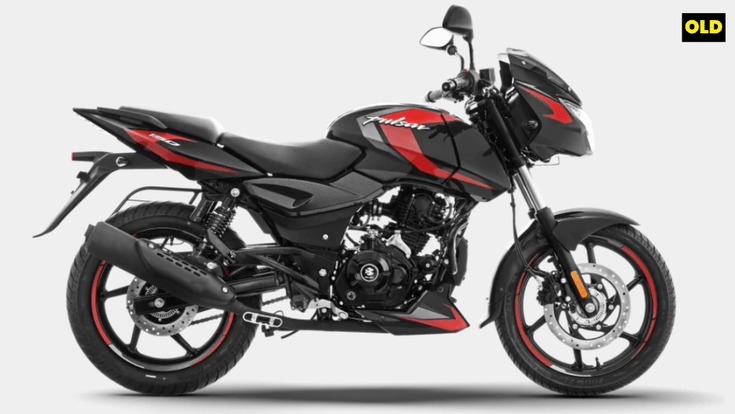
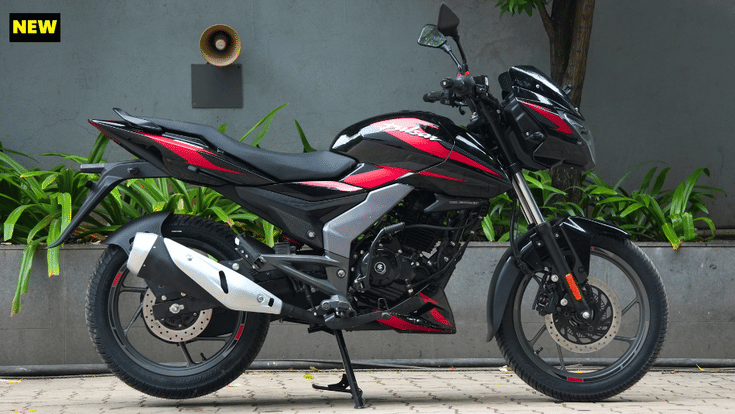
After what seems like a long, drawn-out process, Bajaj has finally launched the all-new classic Pulsar 150 and Pulsar 125. The new Pulsar 150 brings a lot to the line, with a new engine and frame, along with a whole lot of new features. However, it has also lost some of the features from the previous Pulsar 150 it replaces. Let’s see what those are, in detail. At the end, you can decide if the proverbial “old is gold” applies to the Pulsar 150 too.
Note: At the time of writing, Bajaj hasn’t shared the exact dimensions and kerb weight for the new Pulsar 150, so this comparison skips that part. We’ll update this once we get the details from Bajaj.
Bajaj Pulsar 150 new vs old: Engine changes
Same power but more torque than before
New Bajaj Pulsar 150
Old Bajaj Pulsar 150
Engine
149.5cc, single-cylinder, oil-cooled
149.5cc, single-cylinder, air-cooled
Power
14hp at 8,000rpm
14hp at 8,500rpm
Torque
14.1Nm at 6,500rpm
13.2Nm at 6,500rpm
Transmission
5-speed
5-speed
Both models have a 149.5cc engine, but they are anything but the same. The old one, for example, was an air-cooled unit, but the new engine upgrades to oil cooling. And while the power figure remains the same, it’s delivered 500rpm earlier. Torque, on the other hand, has increased.
Considering that the cubic capacity itself remains unchanged, this is a commendable improvement from Bajaj. The company also claims an improved 0-60kph timing owing to an improved power-to-weight ratio. However, we don’t know by how much that has improved.
Bajaj Pulsar 150 new vs old: Chassis, headlight and suspension
The older Pulsar had a bigger fork
Keeping in line with the all-new theme, Bajaj has also changed the chassis and the suspension setup on the new Pulsar 150. The dual-cradle frame has been swapped for a simpler single-cradle or diamond frame, with the engine now acting as a stressed member. Bajaj says the change gives the Pulsar 150 greater stiffness, enabling better handling and stability.
The fork on the new Pulsar 150 remains a right-side-up (RSU) telescopic unit. However, the previous top variant of the Pulsar 150, Split Seat, had a larger 37mm fork with 130mm of travel. The base variant had a 31mm fork with an even longer 135mm of travel. The new Pulsar 150 swaps both for an in-between 33mm-diameter fork and a shorter 125mm travel. While the reduced travel is unlikely to compromise the bike’s functionality by a noticeable amount, it’s worth mentioning nevertheless. The rear suspension, on the other hand, has seen improvements across the board. The familiar twin-shock setup has been chucked for a brand-new monoshock unit, and the travel has been increased by 8mm to 110mm. Bajaj claims the change gives the Pulsar 150 greater straight-line and cornering stability.
The lighting setup on the Pulsar has also changed. While the headlight and tail-light continue to be LED across the board, Bajaj has slightly redesigned the fairing on the new Pulsar 150. The LED indicators that were previously standard, though, are now only available on the top two variants. The new Pulsar 150 also has hazard lights but only on the top two variants. These two variants get the belly pan as standard, too.
Bajaj Pulsar 150 new vs old: Wheels, tyres and brakes
Moving on to the tyres, the top variant of the outgoing Pulsar 150 had larger tyres at both the front and rear. The new one, however, standardises the base variant’s tyre sizes for all three variants. The same goes for the front brakes. Both old and new Pulsar 150s stick to having single-channel ABS as standard. If you need dual-channel ABS, you would have to upgrade to the Pulsar N160’s top variant.
Bajaj Pulsar 150 New vs Old: Features
Host of new features on the new Pulsar 150
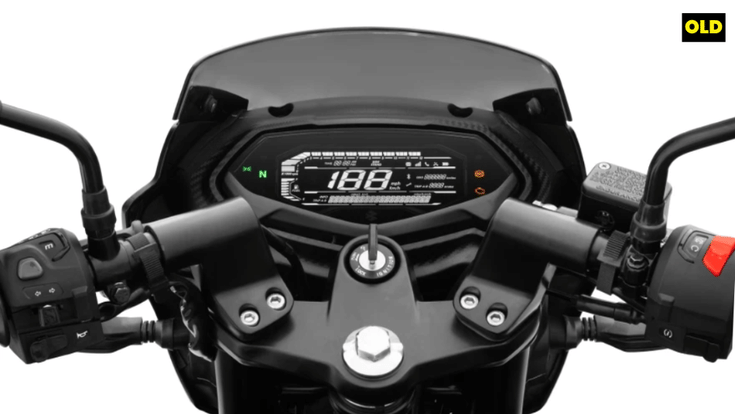
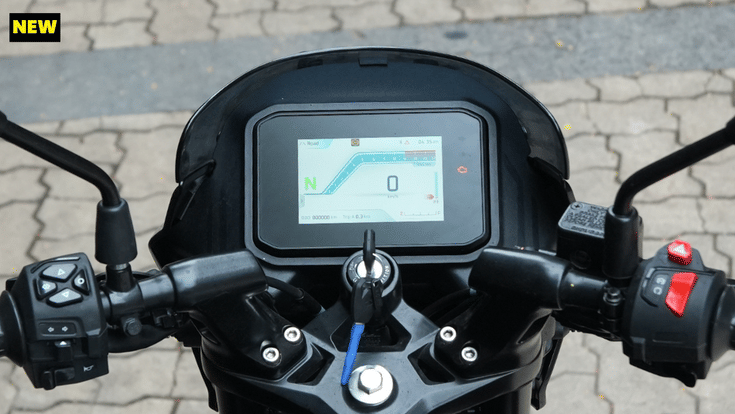
This is the one area where the new Pulsar 150 unabashedly moves things forward. The previous Pulsar 150’s base variant had a semi-digital instrument cluster, and the top variant had the negative LCD instrument cluster. Both are gone now, with a new 5-inch LCD cluster taking their place on the base variant and the mid and top variants getting a 5-inch TFT cluster. All three variants come with Bluetooth as standard, while the top variant even adds WiFi support. All three get connected features such as music control and call and SMS alerts.
However, only the TFT cluster can store important documents like the licence and RC for quick access. Additionally, the top variant exclusively gets Google Maps mirroring for navigation, whereas the other two stick to turn-by-turn navigation. If you are worried that the navigation will drain your phone’s battery, the new Pulsar 150 also gives you a USB Type-C port, an upgrade from the previous version’s USB Type-A port, but only on the top two variants.
The Pulsar 150 has three ride modes – Road, Rain and Sport – with crawl tech and an integrated starter generator (ISG) adding to the convenience. ISG is once again exclusive to the top two variants. Crawl tech makes navigating stop-and-go traffic easier, whereas ISG gives you a silent start and a stop-start system to help conserve fuel.
Bajaj Pulsar 150 New vs Old: Price
Costlier by at least Rs 4,000
New Bajaj Pulsar 150
Old Bajaj Pulsar 150
Price range (in Rs)
1.15 lakh-1.23 lakh
1.11 lakh-1.18 lakh
With all the new changes and features, the new Pulsar 150 starts at Rs 1.15 lakh for the base variant and goes up to Rs 1.23 lakh for the top variant. For context, the old Pulsar 150’s price ranged between Rs 1.11 lakh and Rs 1.18 lakh. While the new Pulsar 150 gives you more features, it also lacks some things compared to the older model. Deciding whether it’s really an upgrade therefore requires a test ride, as the real-world experience is hard to conclude based on the spec sheet alone.
Jeep has launched the Compass 85th Anniversary Edition in India to commemorate 85 years of the brand globally. It is based on the higher-spec Model S (O) trim with identical prices starting at Rs 26.70 lakh (ex-showroom). It has a limited production run of only 85 units. Compared to the standard Compass, it offers some exterior decals, black alloy wheels, an all-black cabin with gold-coloured accents and a few additional features.
Equipped with a 2.0L diesel engine with MT, AT options
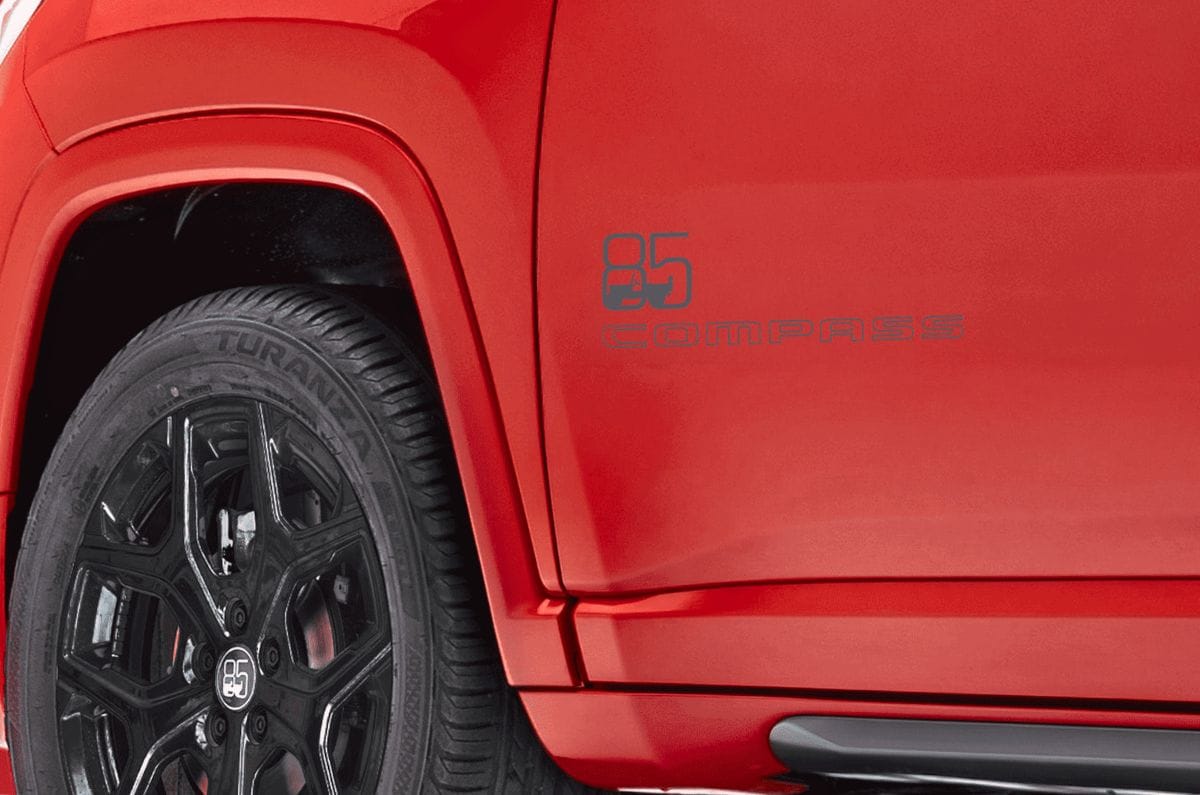
On the outside, the only changes are the new ‘85’ decals on the doors, tailgate and wheel hub caps, and gloss-black 18-inch black alloy wheels. Everything else is the same, including the LED headlights with eyebrow-shaped LED DRLs, a black grille with 7 slats, LED fog lamps, alloy wheel design, LED taillights and LED rear fog lamps.
Sports an all-black cabin with gold accents, and offers some new features
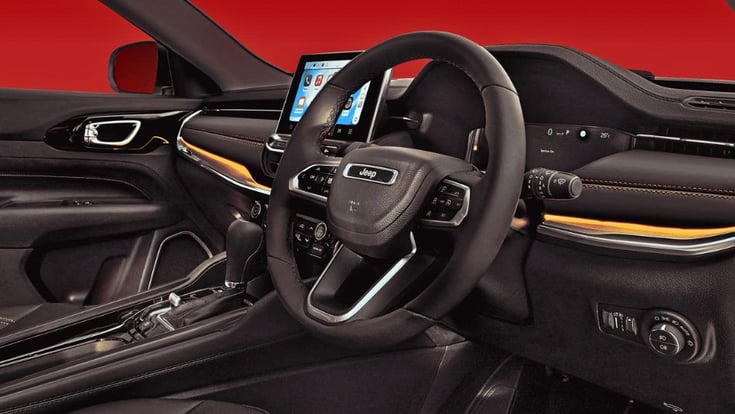
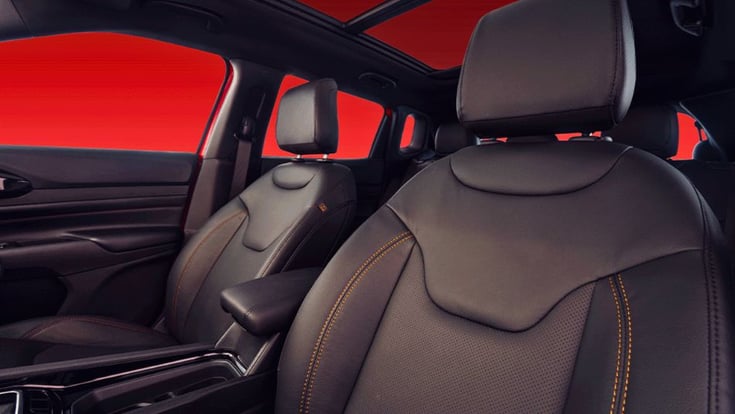
Inside, the Jeep Compass 85th Anniversary Edition is offered with an all-black cabin that looks sporty, with Mayan Gold accents for contrast. The seats also get black leatherette upholstery with the same gold-coloured stitching. This golden hue is also extended to the ambient lighting and illumination on the panoramic sunroof’s sides.
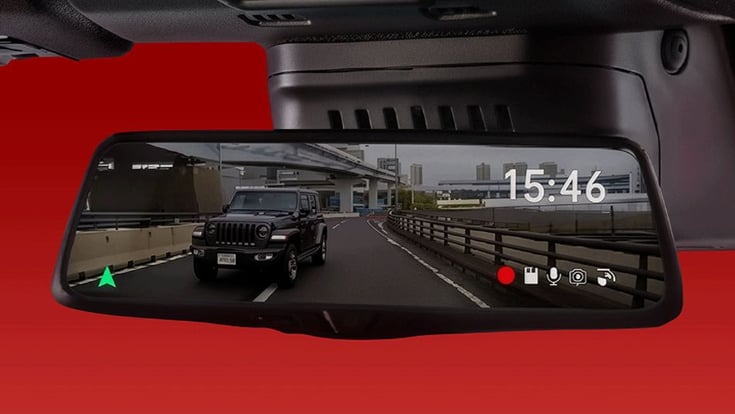
The Compass 85th Anniversary Edition is also available with an 85th Anniversary AXS accessory pack that equips it with additions like illuminated elements on the panoramic sunroof, a digital inside rearview mirror (IRVM), and front and rear dashcams. Other features are the same as the standard Compass, including powered and ventilated front seats, memory function on the driver’s seat, a 10.1-inch touchscreen infotainment system, a 9-speaker Alpine sound system, dual-zone climate control and a wireless phone charger.
Gets the same powertrains as the standard Compass Model S (O)
The Compass 85th Anniversary Edition is powered by the same 2.0-litre diesel engine that produces 170hp and 350Nm. It is offered with a 6-speed manual or a 9-speed automatic transmission, the latter of which is also available with a four-wheel-drive (4WD) option.
Notably, the Jeep Compass 85th Anniversary Edition shares its entire price range with the Model S (O) trim, but Jeep has yet to announce the price of the 85th Anniversary AXS accessory pack. Bookings are open at pan-India Jeep dealerships and the Jeep India website.