2 reasons to buy the Toyota Fortuner, 2 reasons not to

2 reasons to buy the Toyota Fortuner, 2 reasons not to

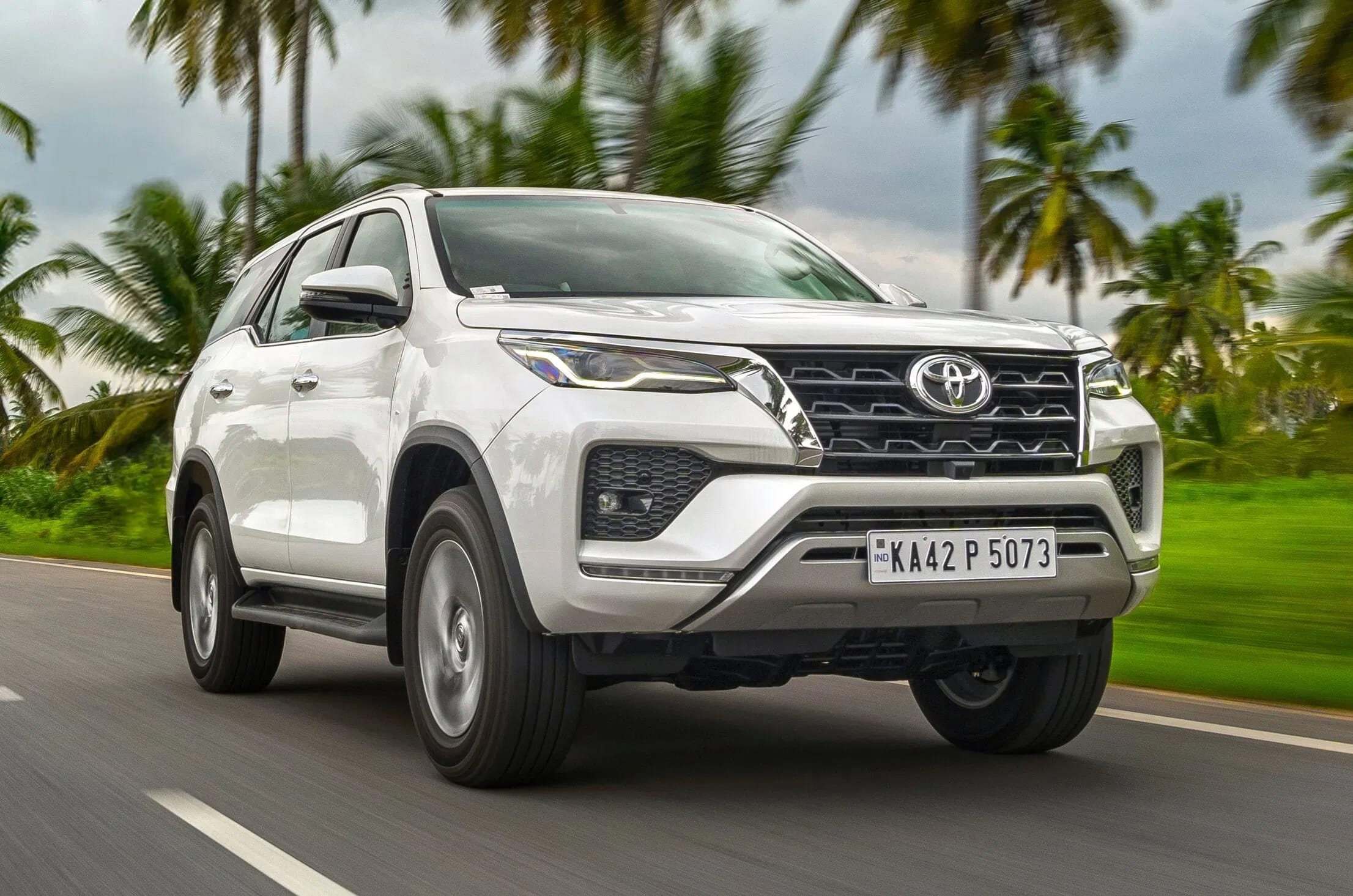
The Toyota Fortuner is one of the most popular SUVs in India and continues to be among Toyota’s bestselling models. It is known for its powerful engines, rugged construction, off-road ability, and Toyota’s reputation for reliability. The SUV is currently available in its second-generation facelift, which was launched in 2021. If you’re planning to buy one, here are two reasons to consider the Fortuner and two reasons why you may want to look at other options. Let’s start with the positives.

Reasons to buy the Toyota Fortuner:

Feels indestructible

Robust suspension and body-on-frame construction make it feel bulletproof
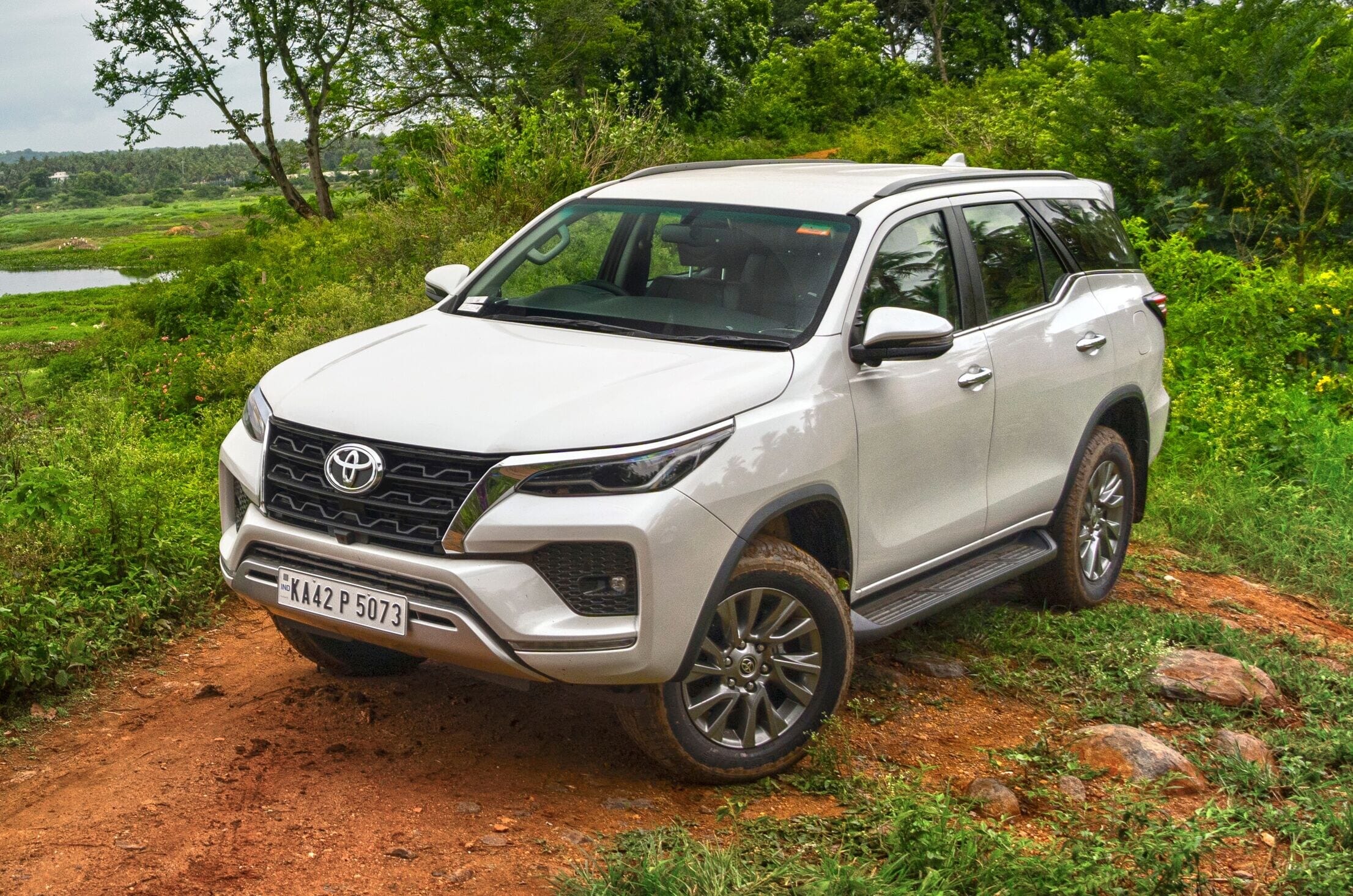
The Toyota Fortuner’s body-on-frame construction makes it feel solid and built to last. Its suspension is tough and is designed to handle rough roads with ease. While the ride feels firm at low speeds and small bumps can be felt inside the cabin, the suspension handles large potholes, broken roads, and unpaved tracks without much trouble.

The Fortuner is also one of the most capable off-road SUVs in its segment. It comes with a low-range transfer case, Multi-Terrain Select (MTS) modes, an electronic differential lock, and a water wading capacity of 700 mm. These features make it easy to drive through muddy trails, rocky paths, steep inclines, and even waterlogged roads. Whether you’re heading to the mountains or exploring off the beaten path, the Fortuner has the hardware to handle it with confidence.

Offers a strong performance

The torquey diesel engine allows for a sub-10s 0-100kph real-world run time
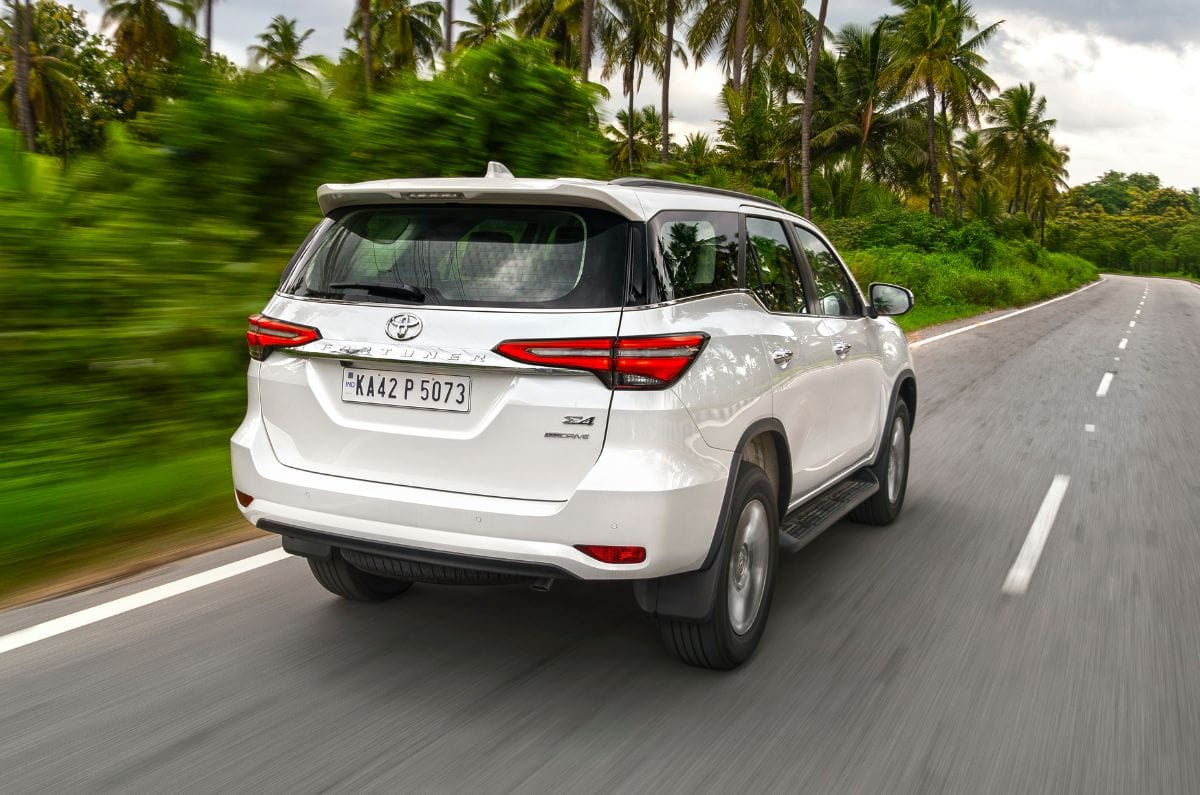
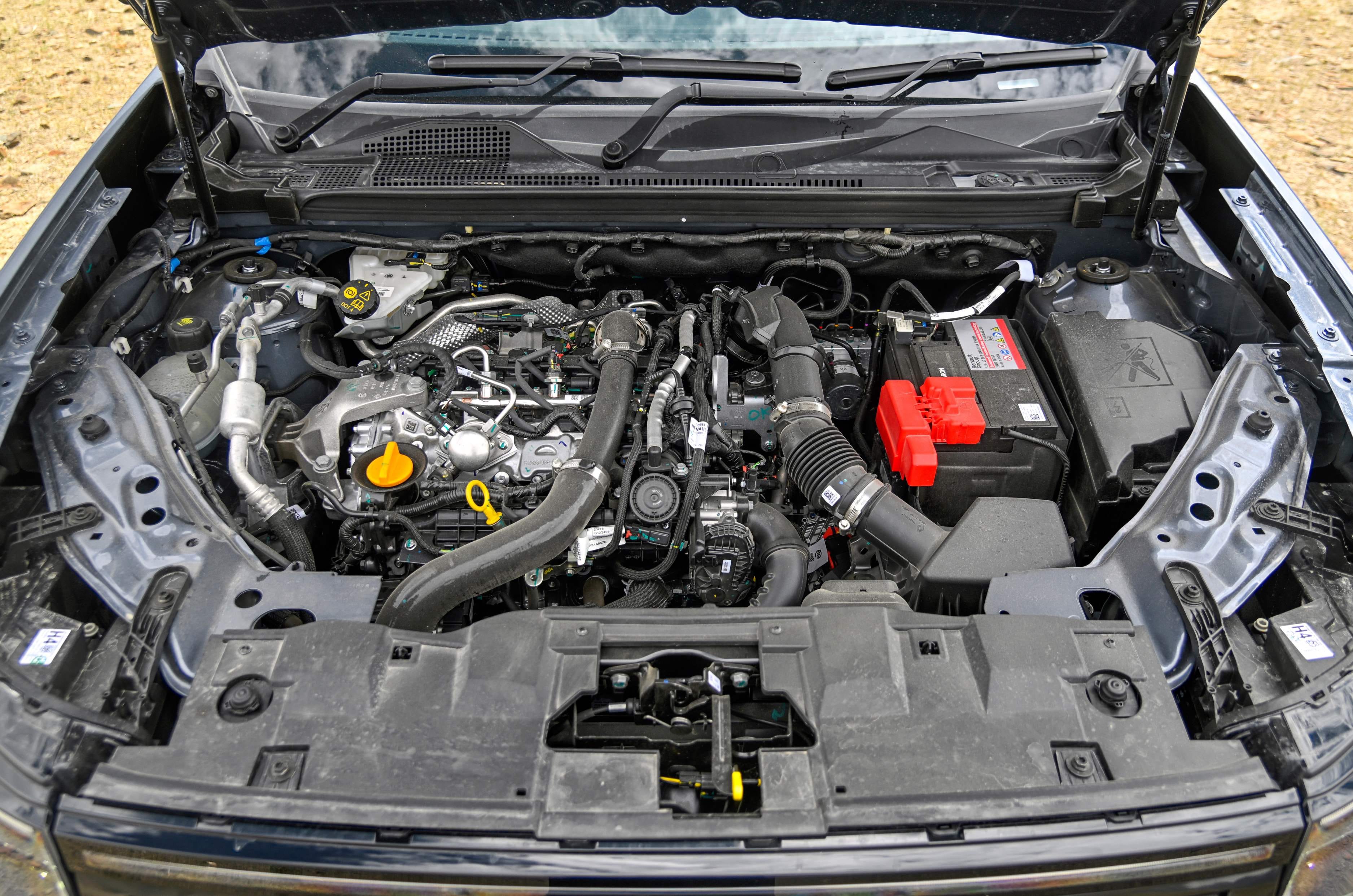
One of the Fortuner’s biggest strengths is its engine options. It is offered with a 2.7-litre petrol engine that makes 166hp and 245Nm, and a 2.8-litre diesel engine that produces 204hp and up to 500Nm. The diesel engine is also available with a 48V mild-hybrid system.

We tested the diesel-automatic version, which sprinted from 0-100 kmph in 9.96 seconds. That’s impressive for an SUV of this size and weight. The diesel engine delivers its maximum torque from low revs, so the Fortuner feels effortless to drive in the city and while overtaking on highways. It doesn’t need to be revved hard, although performance starts to taper off at higher revs.

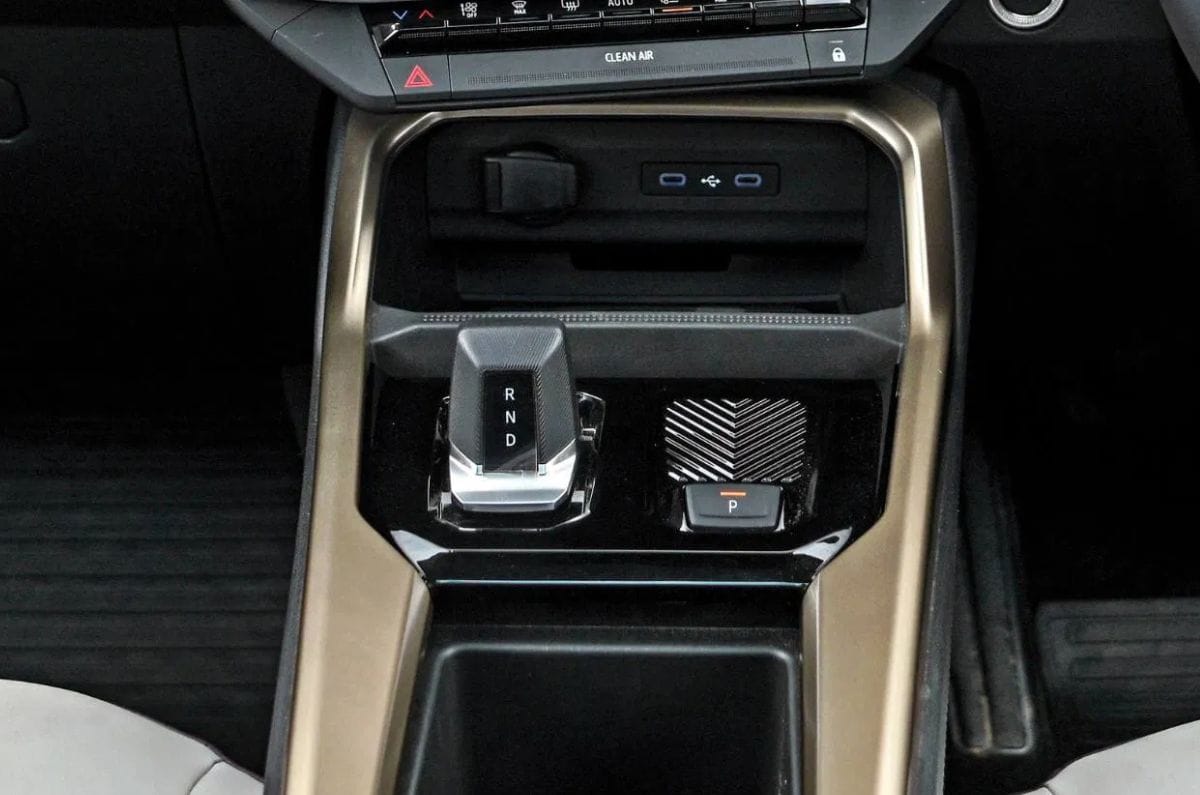
The six-speed automatic gearbox is tuned for smooth and reliable performance rather than quick gear changes. It works well for daily driving and long-distance cruising, but enthusiasts may find it less engaging than the faster-shifting automatic transmissions offered by some newer SUVs.

Reasons to not buy the Toyota Fortuner:

Interior does not feel premium

The cabin looks dated and misses out on a lot of feel-good features
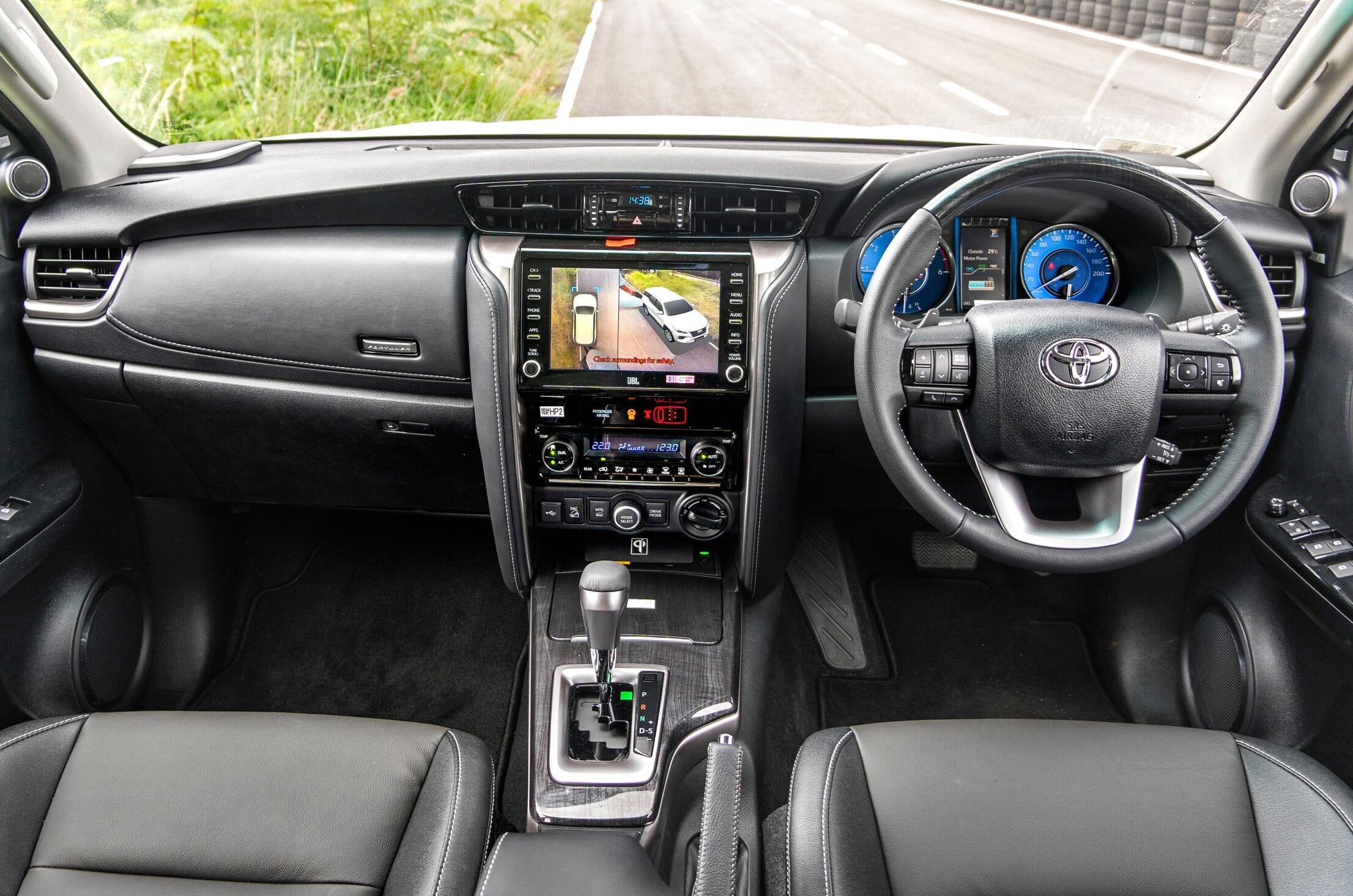
The Toyota Fortuner’s interior is starting to feel dated compared to newer rivals. While the 2021 facelift brought some updates, the overall dashboard design and cabin layout have remained largely unchanged since the second-generation model arrived in India. Compared to SUVs like the MG Majestor, Skoda Kodiaq, Volkswagen Tayron, and Jeep Meridian, the Fortuner’s cabin does not feel as modern or premium. The use of hard plastics and average-quality switches also remind you that this is an older design. At a price point that goes close to Rs 50 lakh, the cabin feels like it could offer more in terms of quality and sophistication.

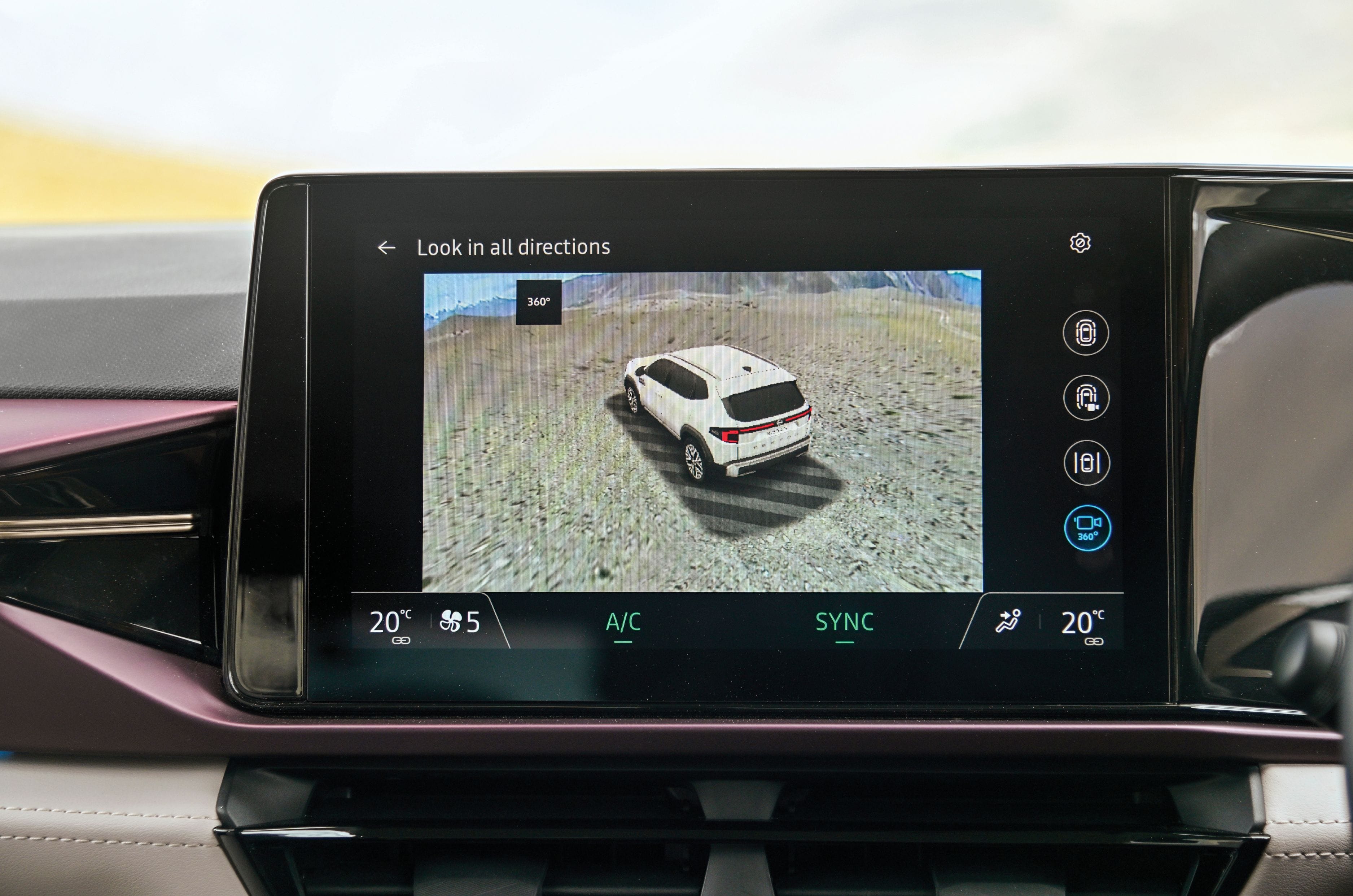
The Fortuner’s feature list is another area where it falls behind newer rivals. It gets useful features like ventilated front seats, an 8-inch touchscreen infotainment system, dual-zone climate control, an 11-speaker JBL audio system, a 360-degree camera, and a powered tailgate on select variants. However, it misses out on features like a sunroof, advanced driver assistance system (ADAS), powered front seats, and an electronic parking brake, which are now available in several more affordable SUVs. Even the 360-degree camera quality feels average compared to newer competitors, making the Fortuner feel less tech-focused than its rivals.

Prices are on the steeper end

The Fortuner is priced at a premium over its rivals

Toyota Fortuner ex-showroom prices vs rivals

Model

Price range

Toyota Fortuner

Rs 34.76 lakh to Rs 50.46 lakh

MG Majestor

Rs 40.99 lakh to Rs 44.99 lakh

Jeep Meridian

Rs 23.33 lakh to Rs 35.96 lakh

Skoda Kodiaq

Rs 36.99 lakh to Rs 46.99 lakh

Volkswagen Tayron

Rs 41.99 lakh to Rs 46.99 lakh

The Toyota Fortuner is priced from Rs 34.76 lakh to Rs 50.46 lakh (ex-showroom), making it one of the most expensive SUVs in its segment. At this price, it is expected to offer a more premium experience, but its dated cabin, average material quality, and missing modern features make it feel expensive compared to newer rivals.

However, the Fortuner’s appeal goes beyond features and cabin quality. Its rugged construction, off-road capability, proven reliability, strong resale value, and Toyota’s widespread service network continue to attract buyers. For many, the confidence of owning a durable and low-maintenance SUV outweighs the lack of premium features offered by newer rivals. These qualities have helped the Fortuner maintain a strong following in India, despite falling behind competitors in areas like interior quality and technology.

Prices are ex-showroom, India. 

3 reasons to buy the Nissan Tekton and 3 to avoid it

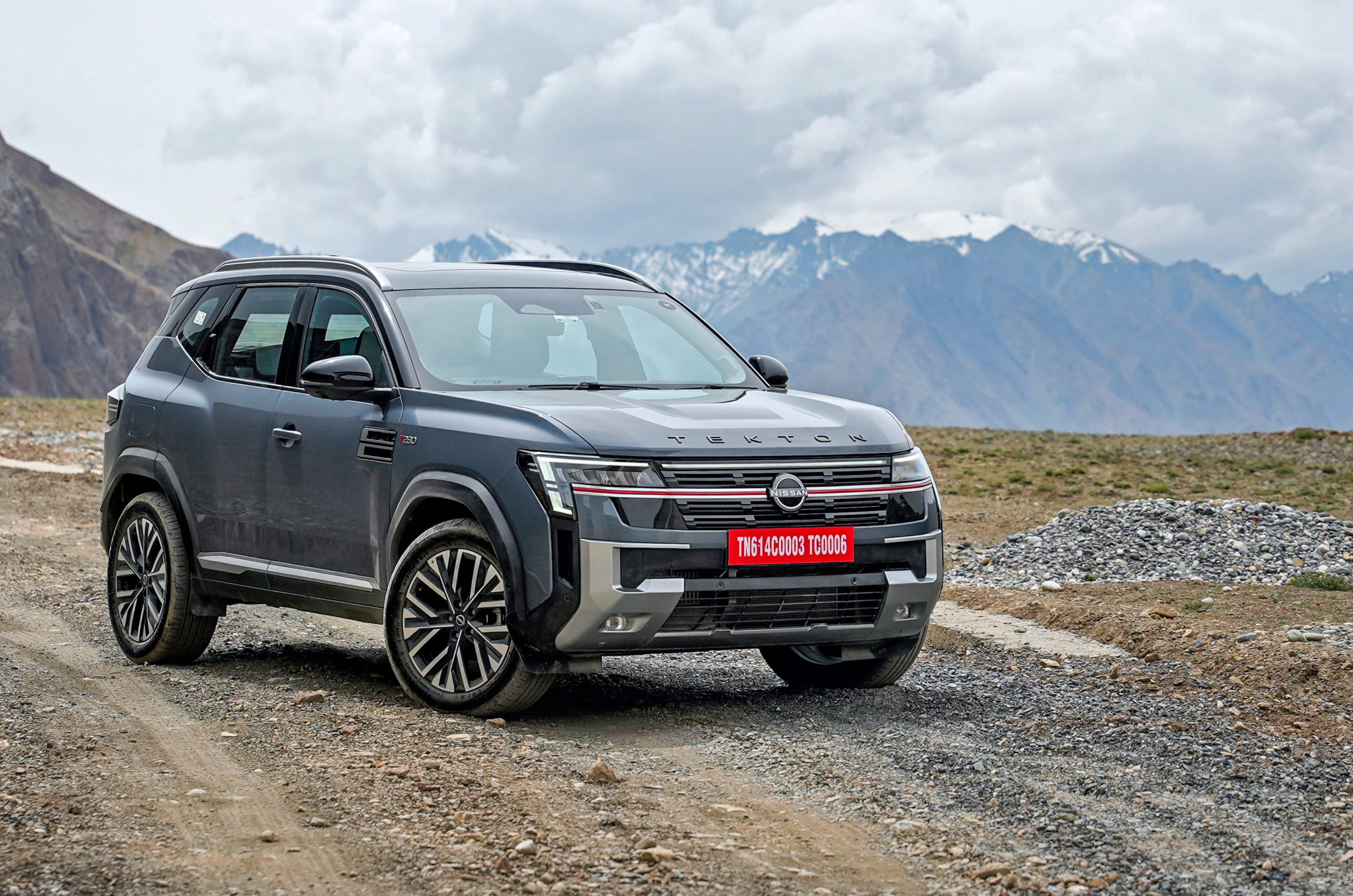
Nissan Tekton front three quarter

The Nissan Tekton joined the ever-ballooning midsize SUV segment in July 2026, becoming the third model in the Japanese brand’s India line-up. Priced between Rs 10.49 lakh and Rs 18.59 lakh (ex-showroom), the Tekton is Nissan’s flagship offering in the country. As a direct alternative to its platform sibling, the Renault Duster, does the Tekton offer compelling reasons for you to seriously consider it? Let’s find out.

Reasons to buy the Nissan Tekton

Polished dynamics

The Tekton strikes a great balance between ride and handling

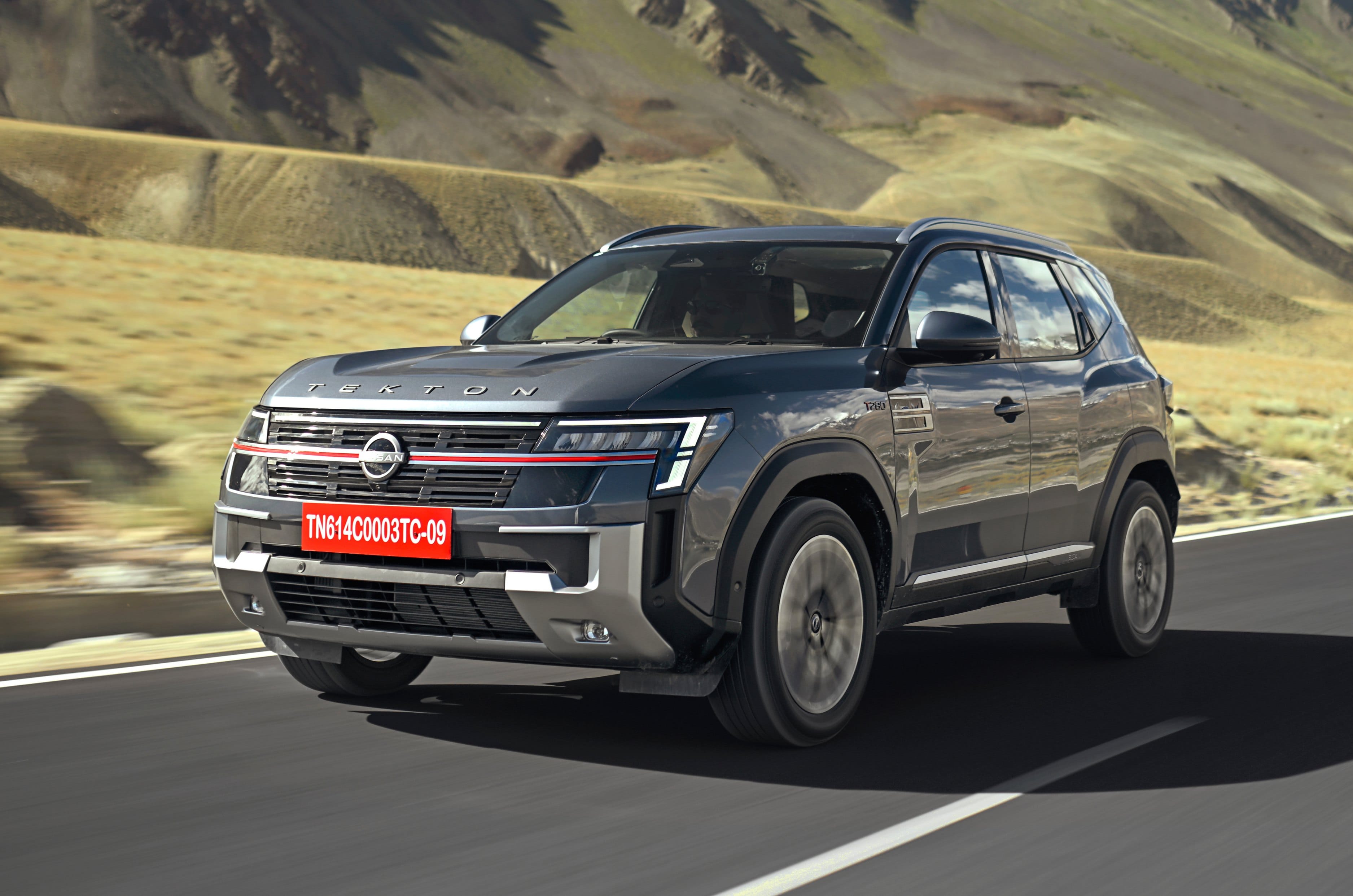
Nissan Tekton front three quarter tracking

If you are someone who loves getting behind the wheel of your midsize SUV but doesn’t want the ride quality to be compromised, the Nissan Tekton is a worthy candidate. Even hitting large potholes does not unsettle this SUV, merely registering in your ears. The ride remains supple and forgiving, absorbing road imperfections without complaints. There’s also no underlying, uncomfortable firmness to the Tekton’s ride at city speeds either.

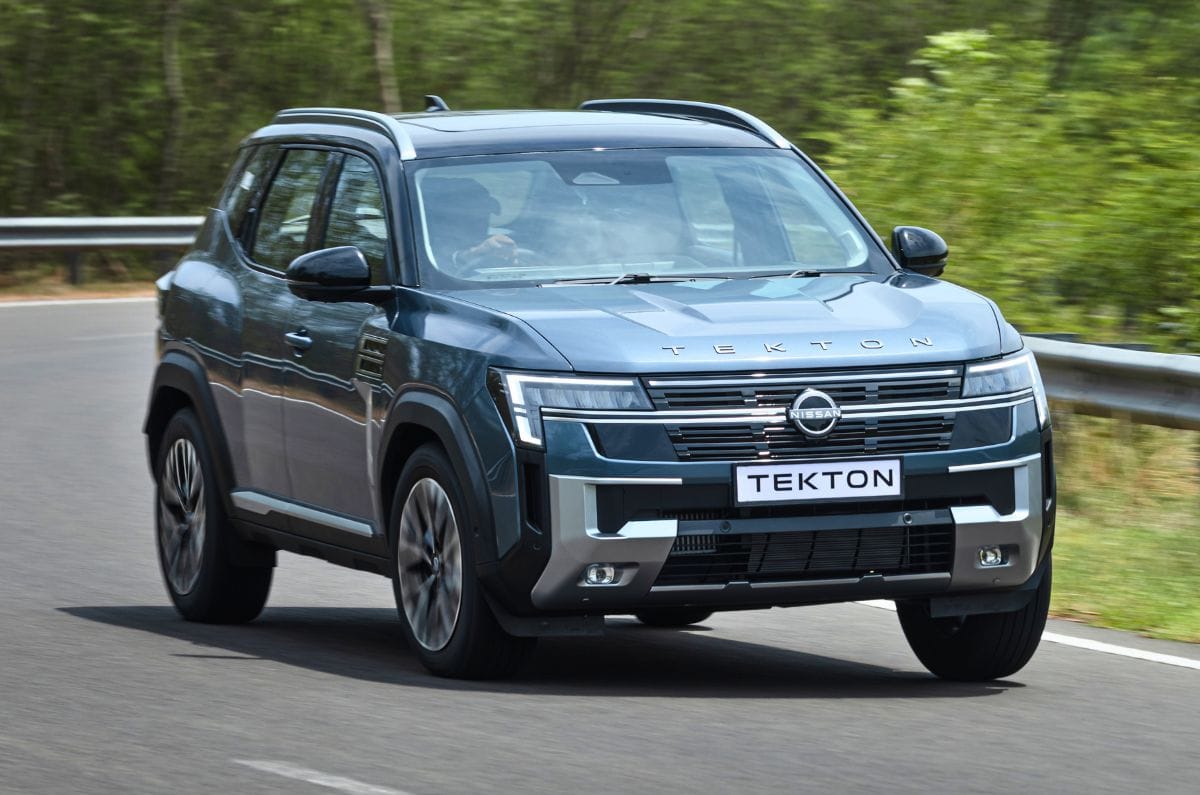
Nissan Tekton cornering

Once you get going, you realise that the Tekton likes changing directions – its eagerness to turn does not come at the cost of uncontained body roll. The ‘Light’ and ‘Heavy’ steering modes work as intended, making the wheel feelsome and precise. Then there are the brakes, which offer plenty of stopping power, while the pedal itself feels natural too. All of these factors inspire confidence and let you push the Tekton a bit more. 

Well-designed and tech-rich cabin

Stepping inside the Tekton reveals a premium-looking and well-equipped space

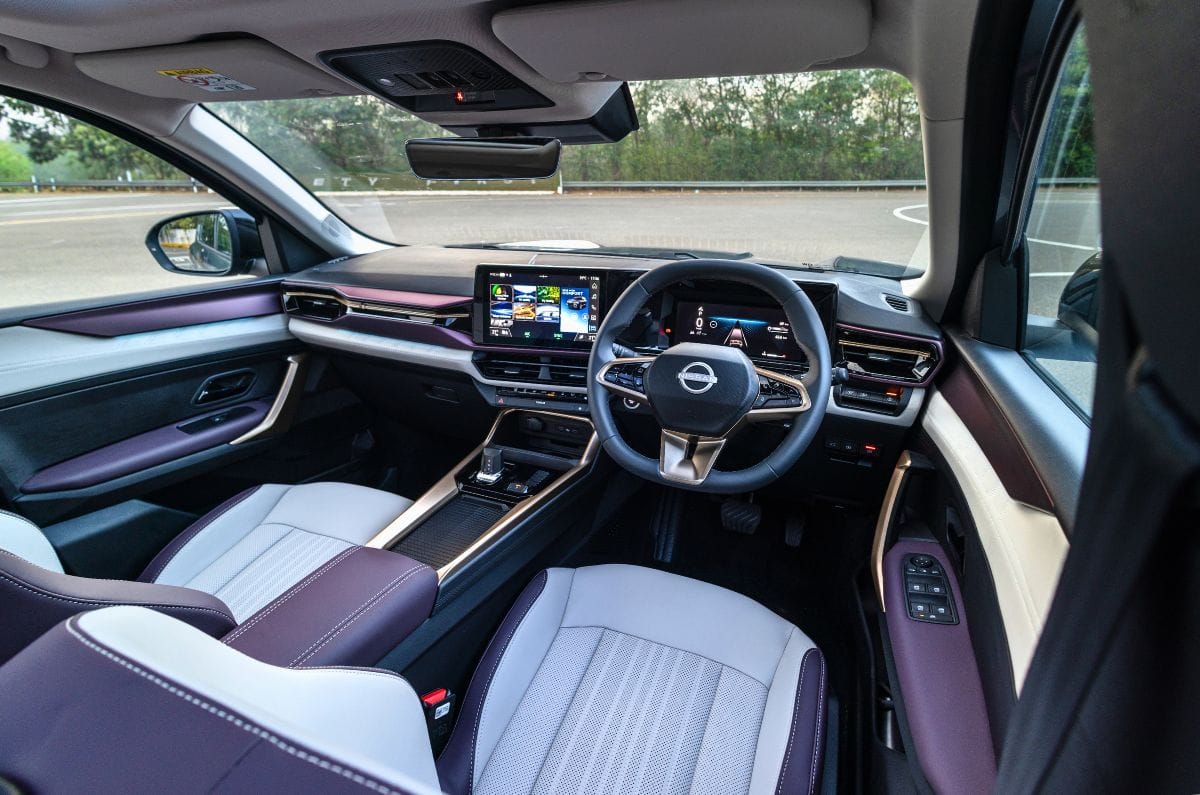
Nissan Tekton interiorCombined with the classy-looking leatherette padding on the dash and door pads, plus the burgundy, gold and light cream colour scheme, the interior of the top-spec Nissan Tekton looks upmarket. The driving position is great and provides excellent all-round visibility, while the seats themselves are comfy enough to be occupied even over long-distance drives.
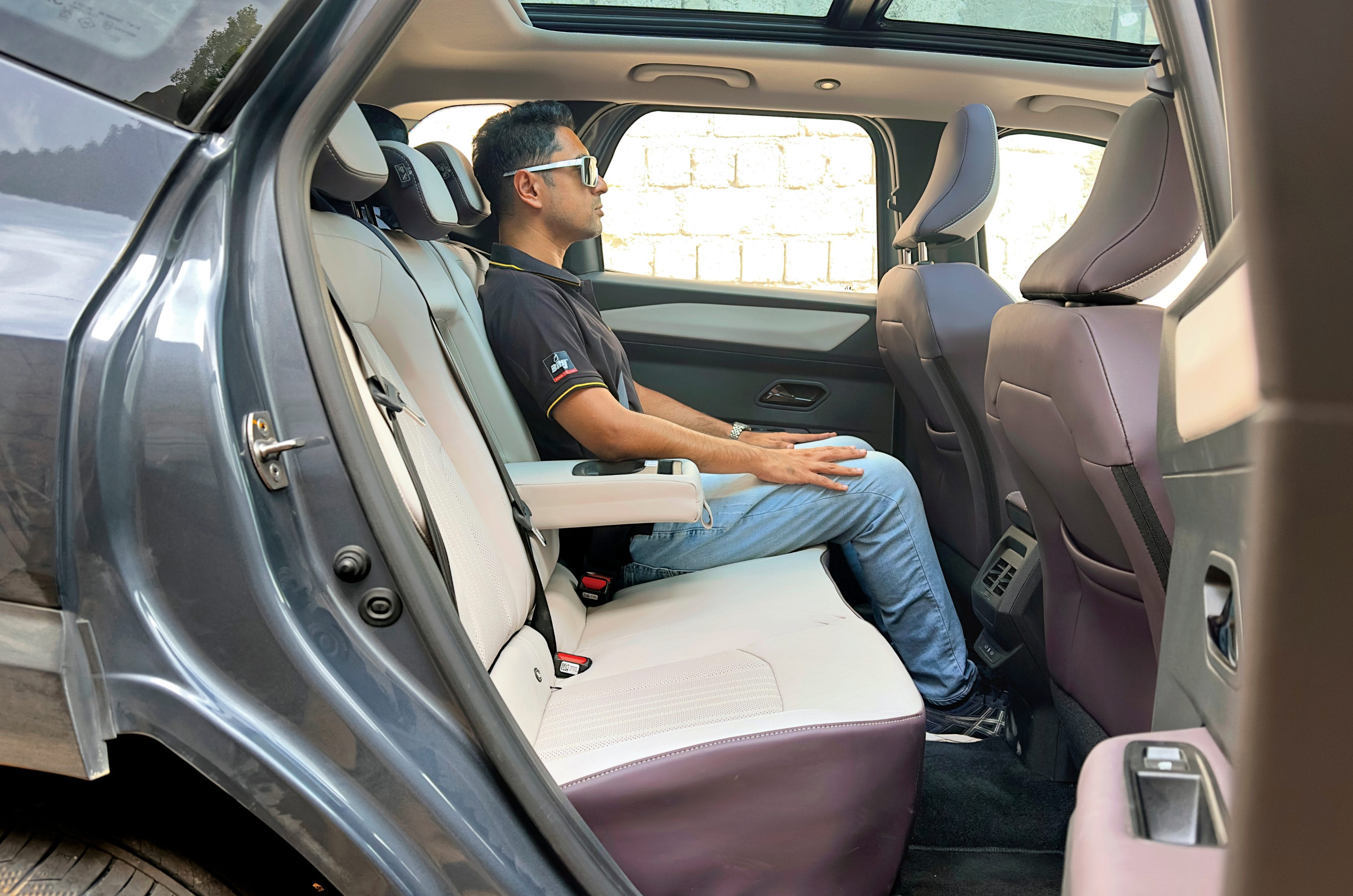
Nissan Tekton rear seats

Apart from good under-thigh support and backrest angle, the rear seats offer plenty of space under the front seats, allowing the outer two occupants to stretch out and get comfortable. Furthermore, those at the back have access to USB charging ports, a centre armrest with cup holders and AC vents, with higher variants also benefiting from a panoramic sunroof.

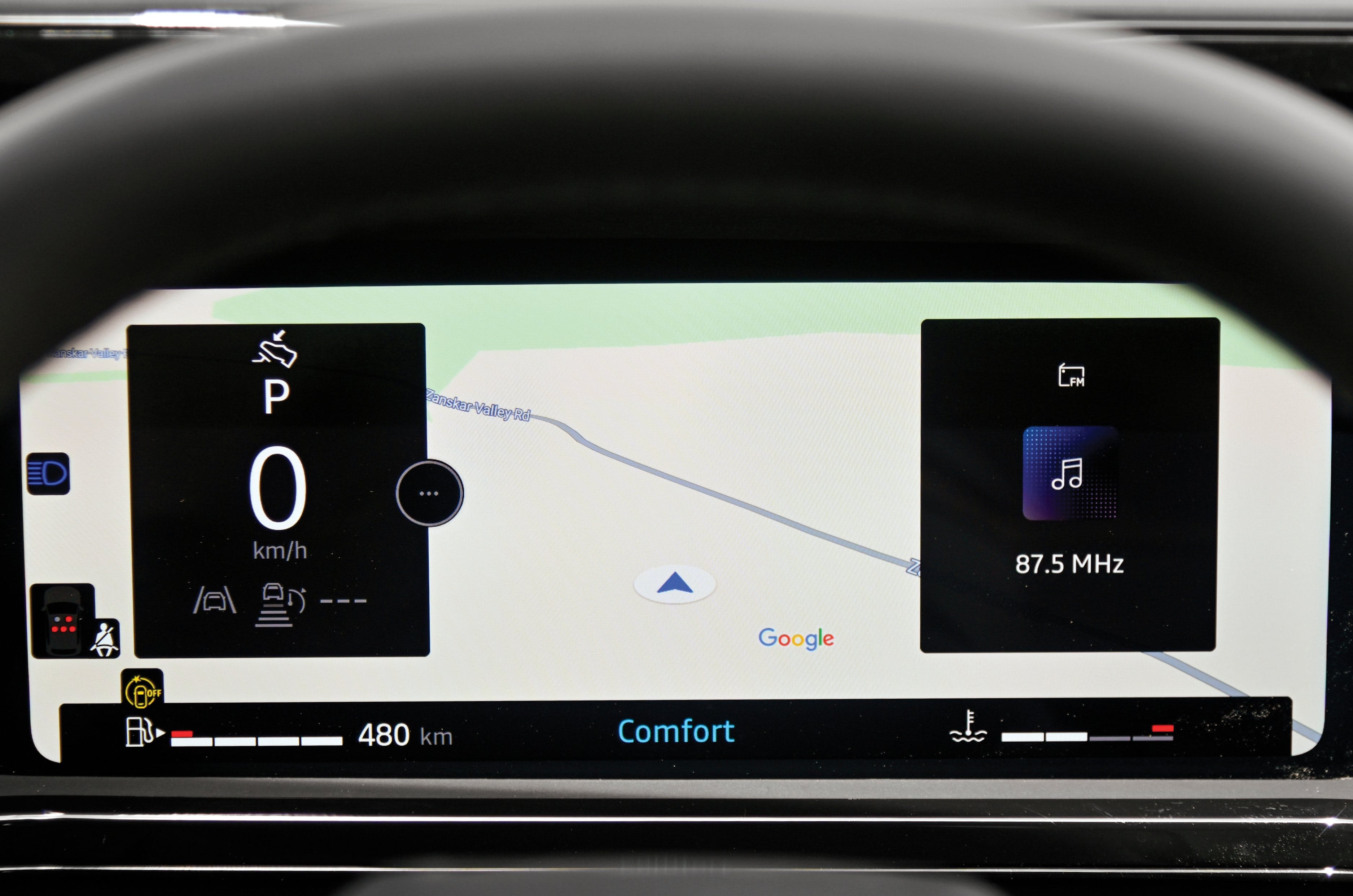
Nissan Tekton digital instrument cluster

The well-designed digital instrument cluster with its multiple display modes is easy to figure out and use on the move. Coming in handy is tech such as powered front seats with ventilation, wireless Apple CarPlay and Android Auto, built-in Google apps and voice assistance, dual-zone climate control and Level 2 ADAS. Sorted ergonomics make reaching various switchgear and controls an easy affair. There are enough storage cubbies on offer, too.

Spacious boot

The Tekton’s boot can handle family outings or airport pickups

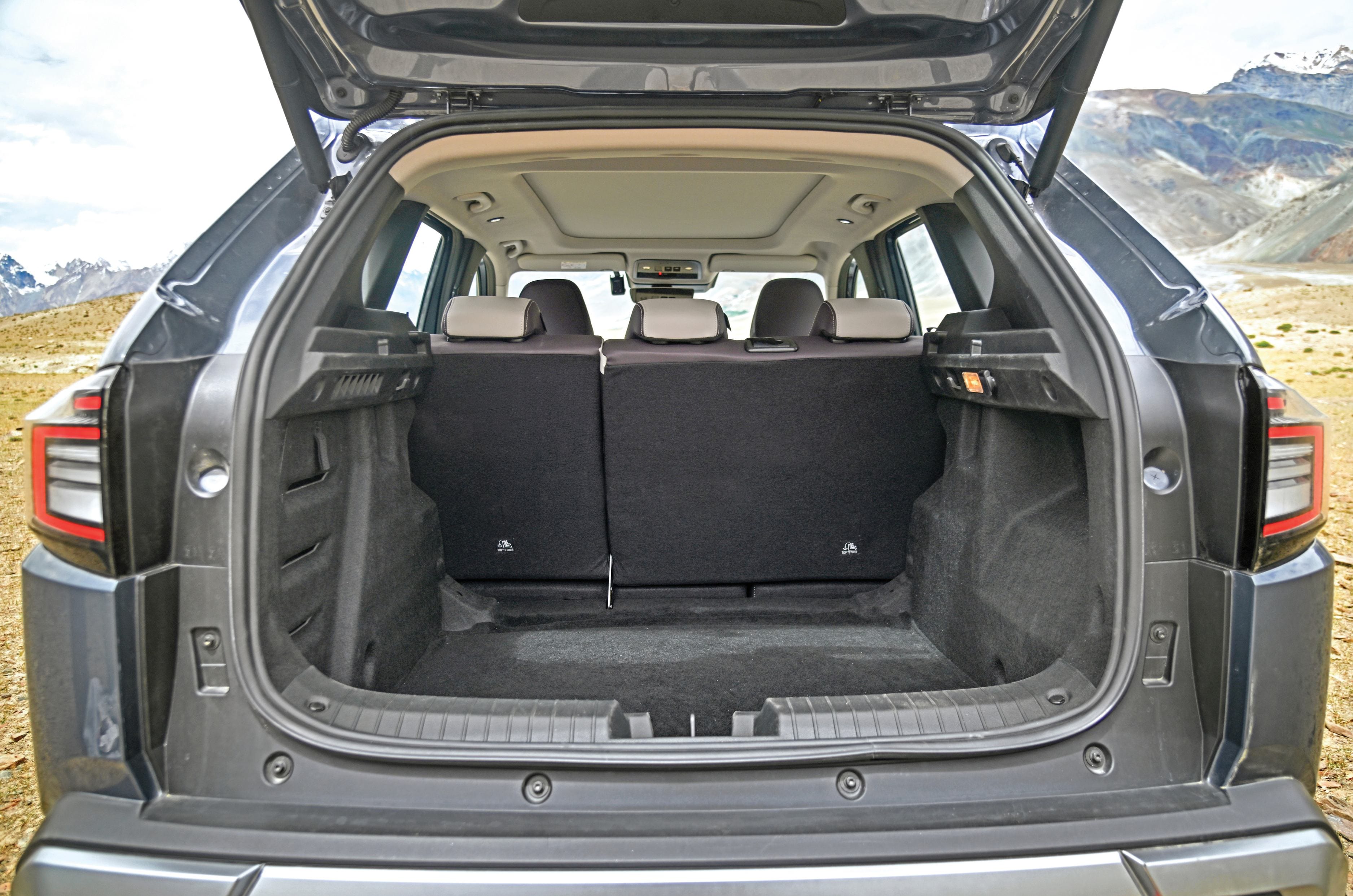
Nissan Tekton boot space

The square shape of the Nissan Tekton’s boot makes it easy to load cargo. Moreover, its 518-litre luggage capacity is the best in the segment – whether you are planning a long road trip or have to shuttle to and from the airport, space won’t be a constraining factor. What’s even more impressive here is that the Tekton’s boot also houses a full-size spare wheel. This alleviates concerns surrounding a flat tyre, should you encounter one.

Reasons not to buy the Nissan Tekton

Sub-par engine performance

Base engine isn’t apt enough, while the larger engine isn’t ideal either

The base 100hp 1.0-litre turbo-petrol engine featuring multi-point fuel injection lacks grunt and isn’t particularly refined, with usable power only good enough for city commutes. The turbo lag is evident till you go past 3,000rpm, requiring the driver to shift gears regularly to keep the engine on the boil. The 6-speed manual transmission (MT) on duty gets shorter gearing to help matters, but you’ll need to slip the clutch to tackle steep inclines, which will be an inconvenience. The gear shifts aren’t as slick as those of a comparable Hyundai Creta or a Kia Seltos.

Nissan Tekton 1.3 engine

Moving up to the larger, 163hp 1.3-litre turbo-petrol engine with direct injection doesn’t alleviate all of the issues either. Despite this engine’s higher output than the smaller mill, its weak bottom end can leave the Tekton struggling to get up and go on steep inclines, especially with the engine stop-start function enabled. While it offers more refinement and performance, there’s still noticeable turbo lag below 2,500rpm.

Nissan Tekton DCT gearbox

The 6-speed dual-clutch transmission (DCT) shifts between cogs smoothly, but its responses aren’t as quick as one might expect from the type. It upshifts early, perhaps in a bid to boost efficiency, but this makes it feel less responsive. This means you’ll have to take manual control by using the paddleshifters if you want to execute an overtake in a hurry. There’s also no Sport mode to quicken gear shifts – only Comfort and Eco modes are provided. While we are yet to put the Tekton through our rigorous performance tests, the performance on hand is unlikely to impress some buyers.

Lacklustre fuel economy

The Tekton will not be setting mileage benchmarks in the segment

Since the powertrain is mechanically identical to the Duster’s, the fuel economy of the Nissan Tekton in the real world is unlikely to impress. For reference, the Duster with the 1.0-litre engine and 6-speed MT returned 10.98kpl. Meanwhile, the 1.3-litre version recorded 10.47kpl and 10.64kpl with the DCT and MT gearboxes, respectively.

Some features lack execution

Nissan Tekton 360-degree camera

The Nissan Tekton has a few shortcomings when it comes to the quality of some of its features. The 360-degree camera system, for instance, is lacking in outright resolution, which hampers its usability under certain conditions. While the ADAS suite is comprehensive, the lane-keep assist isn’t good at keeping the SUV centred in a lane. Even the adaptive cruise control has its shortcomings – it doesn’t accelerate the Tekton back to its set speed once the traffic starts moving.

Also read

3 reasons to buy the Mahindra XUV 3XO and 2 to skip it

Tata Tiago vs Hyundai Grand i10 Nios performance compared

Realty Stocks : निफ्टी रियल्टी इंडेक्स ने लगाई जबरदस्त छलांग, एनालिस्ट्स को इन चुनिंदा शेयरों में अभी नजर आ रहा दम

Real Estate Stocks : पिछले महीने निफ्टी रियल्टी इंडेक्स सबसे अच्छा प्रदर्शन करने वाला सेक्टोरल इंडेक्स रहा है। इसमें 10.8% की बढ़त हुई और इसने बाकी सभी सेक्टर इंडेक्स से बेहतर प्रदर्शन किया। मजबूत बिक्री,नए प्रोजेक्ट्स की अच्छी पाइपलाइन और रेजिडेंशियल रियल एस्टेट साइकल के बने रहने की उम्मीदों के चलते इन्वेस्टर्स लिस्टेड डेवलपर्स में रुचि ले रहे हैं। इसके चलते इस सेक्टर में अच्छी तेजी आई है।

निफ्टी रियल्टी इंडेक्स ने इस अवधि में दूसरे सेक्टर इंडेक्सों के मुकाबले काफी बेहतर प्रदर्शन किया है। इसी दौरान,निफ्टी IT इंडेक्स में 3.6% की बढ़त हुई,जबकि बैंकिंग,फाइनेंशियल सर्विस और अधिकांश दूसरे सेक्टर में मामूली बढ़त हुई या फिर उनमें सुस्ती रही। निफ्टी रियल्टी की यह बढ़त व्यापक रही जिसमें लोढ़ा डेवलपर्स,गोदरेज प्रॉपर्टीज़,प्रेस्टीज एस्टेट्स प्रोजेक्ट्स,ब्रिगेड एंटरप्राइजेज,ओबेरॉय रियल्टी,फीनिक्स मिल्स और अनंत राज जैसे शेयरों की अहम भूमिका रही।

मिरे एसेट शेरखान के रिसर्च एनालिस्ट अक्षय शेट्टी का कहना है कि यह तेजी किसी एक वजह से नहीं,बल्कि बेहतर मैक्रो स्थितियों और कंपनियों के मज़बूत होते फंडामेंटल्स के मिले-जुले असर से आ रही है। भू-राजनीतिक तनाव कम होने और कच्चे तेल की कीमतों में सुधार से जोखिम लेने की क्षमता बेहतर हुई है। साथ ही,बड़े लिस्टेड डेवलपर्स लगातार अच्छी प्री-सेल्स,मजबूत बिज़नेस डेवलपमेंट और लॉन्च की मजबूत पाइपलाइन की जानकारी दे रहे हैं,जिससे यह भरोसा मजबूत होता है कि रेजिडेंशियल रियल एस्टेट का साइकिल कायम है।

उन्होंने बताया कि 2026 की पहली छमाही में भारतीय रियल एस्टेट सेक्टर में संस्थागत निवेशकों ने लगभग 4.3-4.4 अरब डॉलर निवेश किया जो सालाना आधार पर 23-25% की बढ़ोतरी दिखाता है। कुल बैंक क्रेडिट ग्रोथ लगभग 18% रही,जबकि हाउसिंग लोन में सालाना आधार पर लगभग 11% की बढ़ोतरी देखने को मिली जिससे मांग में तेजी के संकेत मिल रहे हैं।

ब्याज दरों के कम रहने की उम्मीद से भी लोगों का भरोसा बढ़ा है। RBI का रेपो रेट 5.25% है और होम लोन की दरें लगभग 7.1% से शुरू हो रही हैं, जिससे घर खरीदना आसान हो गया है।

मोतीलाल ओसवाल फाइनेंशियल सर्विसेज की AVP और रिसर्च एनालिस्ट स्नेहा पोद्दार ने कहा कि यह तेजी रेजिडेंशियल रियल एस्टेट मार्केट में आए स्ट्रक्चरल सुधारों को दिखाती है। हाउसिंग सेक्टर की स्थिति अच्छी बनी हुई है। डिमांड अपने पीक लेवल से थोड़ी कम हुई है,लेकिन सप्लाई पर कंट्रोल रहा है,जिससे इन्वेंट्री का बहुत ज्यादा स्टॉक जमा नहीं हुआ है। लिस्टेड डेवलपर्स ने पिछले चार-पांच सालों में अपना कर्ज काफी कम किया है,जिससे कैश जेनरेशन बेहतर हुआ है और उनकी बैलेंस शीट मज़बूत हुई है।

उन्होंने यह भी कहा कि इंडस्ट्री में कंसोलिडेशन की वजह से बड़े ब्रांडेड डेवलपर्स लगातार मार्केट शेयर बढ़ा रहे हैं। साथ ही,प्रीमियम हाउसिंग सेगमेंट में मजबूत डिमांड और बेहतर बैलेंस शीट की वजह से डेवलपर्स जमीन के बड़े सौदे कर रहे हैं और नए इलाकों में अपना कारोबार फैला रहे हैं।

कहां करें निवेश?

पिछले महीने में हुई जबरदस्त बढ़त के बावजूद,एनालिस्ट्स का कहना है कि निवेशकों को इस सेक्टर में अच्छे रिटर्न के लिए अब चुनिंदा क्विलिटी शेयरों पर ही फोकस करना चाहिए। लिस्टेड कंपनियों में एनालिस्ट्स अब मजबूत बैलेंस शीट और समय पर काम पूरा करने की क्षमता वाले बड़े डेवलपर्स को प्राथमिकता दे रहे हैं।

अक्षय शेट्टी को मुंबई मेट्रोपॉलिटन रीजन में काम करने के तरीके,अच्छे कलेक्शन,प्रीमियम लॉन्च और सोच-समझकर होने वाले कैपिटल एलोकेशन के कारण लोढ़ा डेवलपर्स सबसे ज्यादा पसंद है। इसके अलावी उनको गोदरेज प्रॉपर्टीज भी पसंद है। उनका मानना है कि कंपनी को मज़बूत बिज़नेस डेवलपमेंट पाइपलाइन और एसेट-लाइट विस्तार की रणनीति क फायदा मिलेगा। अनंत राज भी उनकी फेवरिट लिस्ट में शामिल है। उनका कहना है कि इस कंपनी को रियल एस्टेट बिजनेस के साथ-साथ बढ़ते डेटा सेंटर प्लेटफॉर्म का भी फायदा मिलेगा।

स्नेहा पोद्दार ने कहा कि ने कहा कि मोतीलाल ओसवाल की पसंदीदा कंपनियों में लोढ़ा डेवलपर्स,DLF और गोदरेज प्रॉपर्टीज शामिल हैं,क्योंकि इनके पास अच्छा फ्री कैश फ्लो,प्रीमियम प्रोजेक्ट पाइपलाइन और काम करने की मजबूत क्षमता है।


जल्द ही अदाणी एयरपोर्ट और GMR ग्रुप भी उड़ा सकेंगे अपने यात्री जहाज, सरकार नियमों में बड़े बदलाव की तैयारी में


डिस्क्लेमर: मनीकंट्रोल.कॉम पर दिए गए विचार एक्सपर्ट के अपने निजी विचार होते हैं। वेबसाइट या मैनेजमेंट इसके लिए उत्तरदाई नहीं है। यूजर्स को मनी कंट्रोल की सलाह है कि कोई भी निवेश निर्णय लेने से पहले सर्टिफाइड एक्सपर्ट की सलाह लें।

5 things to know before buying the Keeway Hypevolt-R

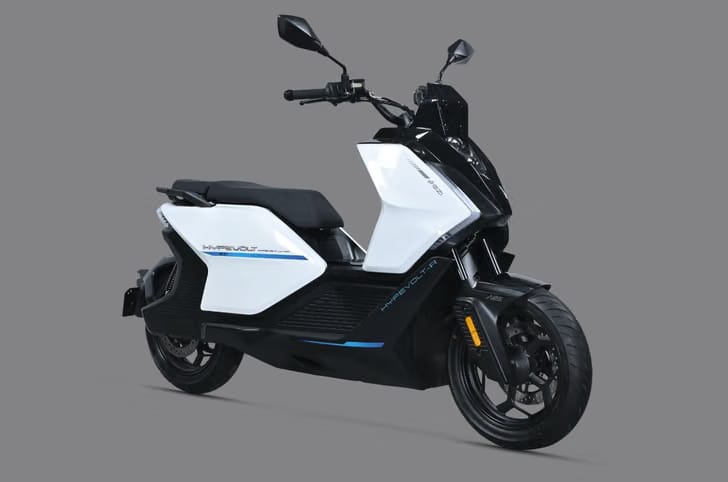
Keeway Hypevolt-R studio image

The Keeway Hypevolt-R is the Chinese brand’s first electric scooter for the Indian market and, on paper, is an impressive proposition. At its price point, it occupies a middle ground between most mainstream electric scooters and more niche offerings like the TVS X and Yamaha Aerox-E. Here are answers to some of the most commonly asked questions about the scooter.

What is the price of the Keeway Hypevolt-R?

The Keeway Hypevolt-R is priced at Rs 1.99 lakh (ex-showroom, India). Keeway has described this as an introductory price, suggesting it may increase in the future. Bookings are currently open through the brand’s official website for a token amount of Rs 5,000. The scooter is available in two colour options – Crystal White and Platinum Grey.

What motor does the Keeway Hypevolt-R use?

The Keeway Hypevolt-R is powered by a mid-mounted permanent magnet synchronous motor producing 12kW of peak power. Keeway claims the scooter can sprint from 0-40kph in 2.3 seconds and reach a top speed of 115kph. It also gets three riding modes – Eco, Normal and Sport.

What is the range and charging time of the Keeway Hypevolt-R?

The Keeway Hypevolt-R uses a dual 5kWh removable battery setup with a claimed IDC range of 180km. Both batteries can be charged either on or off the scooter. Using the onboard charger, a 0-80 percent charge takes approximately three hours.

What features does the Keeway Hypevolt-R have?

The Hypevolt-R comes with a comprehensive feature list for its price. It gets projector LED headlamps with a full-width LED light bar, a 5-inch TFT display with Bluetooth connectivity, reverse mode, USB Type-A and Type-C charging ports, and 27 litres of underseat storage. On the safety front, it gets dual-channel ABS, traction control, hill-hold control, hill-descent control, cruise control, blind-spot detection and a rear-view camera.

What is the seat height and weight of the Keeway Hypevolt-R?

The Keeway Hypevolt-R has a seat height of 770mm and weighs 140kg. That makes it slightly heavier than the Yamaha Aerox-E (139kg) and the TVS X (134kg), but it is also more powerful than both, producing 12kW compared to their respective outputs of 9.4kW and 11.7kW.

All Mercedes-Benz cars sold since January 2026 are E25-compliant

Mercedes benz E25

Mercedes-Benz India has said every car it has sold in the country since January 2026 is compatible with E25 ethanol-blended petrol, making it one of the first luxury carmakers in India to prepare its portfolio ahead of any mandate for higher ethanol blends.

The announcement comes months after India completed the nationwide rollout of E20 petrol. More recently, the Bureau of Indian Standards (BIS) notified technical standards for higher ethanol blends, including E22, E25, E27 and E30, signalling the government’s efforts to prepare the regulatory framework for fuels beyond E20.

  1. Mercedes cars in India have been E20-compatible since 2020
  2. Announcement made at the launch of the AMG E 53 plug-in hybrid
  3. Company to go ahead with a multi-powertrain strategy in India

Mercedes-Benz prepared line-up ahead of future ethanol norms

Speaking at the launch of the Mercedes-AMG E 53, Mercedes-Benz India Managing Director and CEO Santosh Iyer said the company upgraded its India portfolio in anticipation of future fuel regulations. Explaining the decision, Iyer said Mercedes-Benz wanted to prepare its products ahead of any future regulation. “The Mercedes customers expect that we will learn the legislation and upcoming trends. There are a lot of discussions on E25. It may not happen, but we want to offer cars which are compliant,” he said.

According to Iyer, Mercedes-Benz adopted E25 compatibility to future-proof its products as discussions continue around increasing ethanol blending beyond E20. He added that the company had similarly made its India line-up E20-compatible from 2020, around three years before the fuel became mandatory.

Announcement follows recent E20 fuel quality concerns

The announcement comes weeks after Mercedes-Benz highlighted concerns over fuel adulteration, rather than the E20 blend itself. The company had said inconsistent fuel quality could affect vehicle performance and called for stricter quality control as higher ethanol blends are introduced.

Mercedes-Benz to continue offering multiple powertrains

Mercedes-Benz said it will continue offering a mix of internal combustion engine, battery electric and plug-in hybrid models in India instead of focusing on a single powertrain technology. “Our job and responsibility is to offer good options across the spectrum, including gasoline with an E25,” he said.

The AMG E 53 launched alongside the announcement is the brand’s second plug-in hybrid model in India after the recently introduced S-Class Plug-in Hybrid, and the first electrified AMG E-Class in the country. Mercedes-Benz says customer demand in India continues to be spread across conventional ICE models and electrified vehicles, supporting its multi-powertrain strategy.

19 गेंदों में 4 चौके और छक्के, जिम्बाब्वे के खिलाफ वैभव सूर्यवंशी का पहला अर्धशतक

टी-20 अंतरराष्ट्रीय के सबसे युवा बल्लेबाजों में शुमार वैभव सूर्यवंशी ने पहला अर्धशतक जड़कर अपने आगमन की खबर सुनाई है। जिम्बाब्वे के खिलाफ 125 रनों के लक्ष्य का पीछा करने उतरी भारतीय टीम के लिए वैभव सूर्यवंशी ने पहले पॉवरप्ले में ही अपनी तूफानी बल्लेबाजी के बलबूते पर मैच को खत्म कर दिया।

उन्होंने 18 गेंदो में टी-20 अंतरराष्ट्रीय में अपना पहला अर्धशतक पूरा किया। हालांकि अगली ही गेंद पर वह अपना विकेट गंवा बैठे। इस दौरान उन्होंने 4 चौके और छक्के लगाए। उनको रिचर्ड नगवारा ने बेन करन के हाथों कैच आउट करवाया।

इससे पहले वैभव सूर्यवंशी को इंग्लैंड के दौरे पर मौका मिला था लेकिन वह वहां पर 15 रनों के स्कोर को पार नहीं कर पाए।इंग्लैंड के खिलाफ दूसरे टी-20 अंतरराष्ट्रीय मैच में वह 10 गेंदो में 2 चौके मारकर सिर्फ 14 रन बना पाए। तीसरे टी-20 अंतरराष्ट्रीय मैच में वह 5 गेंदो में 2 छक्के की मदद से 13 रन बना पाए। चौथे  टी-20 अंतरराष्ट्रीय मैच में वह 10 गेंदों में 1 चौका और छक्का लगाकर सिर्फ 15 रन बना पाए।हालांकि आज उन्होंने अपना विकेट नहीं फेंका और 50 पार जाकर ही रुके।

F1 Sim Racing India Open format explained

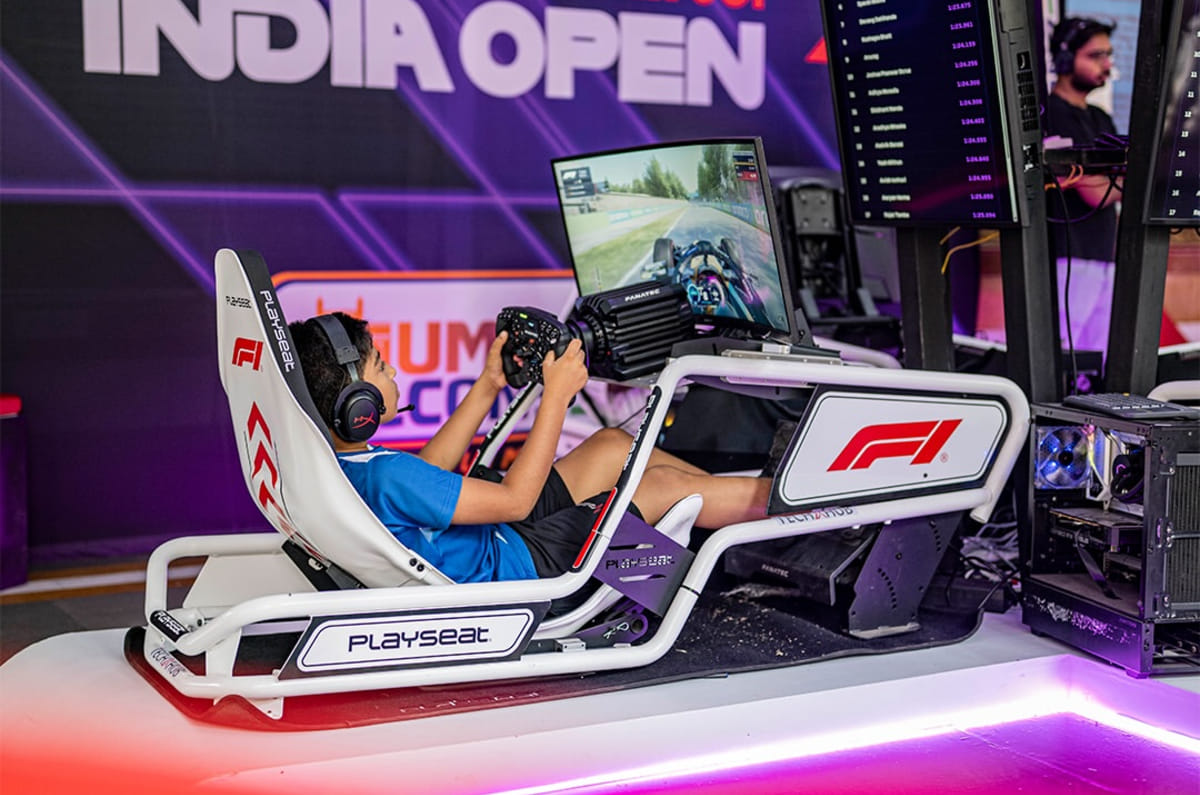
F1 Sim Racing India Open

India’s first official F1-sanctioned sim racing competition is currently underway. Run by Mumbai Falcons, F1 Sim Racing India Open offers Indian fans and budding racers a different, and far more accessible entry point to motorsport. In fact, Mumbai Falcons already has plans in place to bridge the gap between sim and real-world racing, giving the best performing participants the chance to join its driver development programme.

  1. Two categories: Junior and Senior
  2. Finale to be held in Mumbai in November 2026 

From sim racing to single seaters

Mumbai Falcons

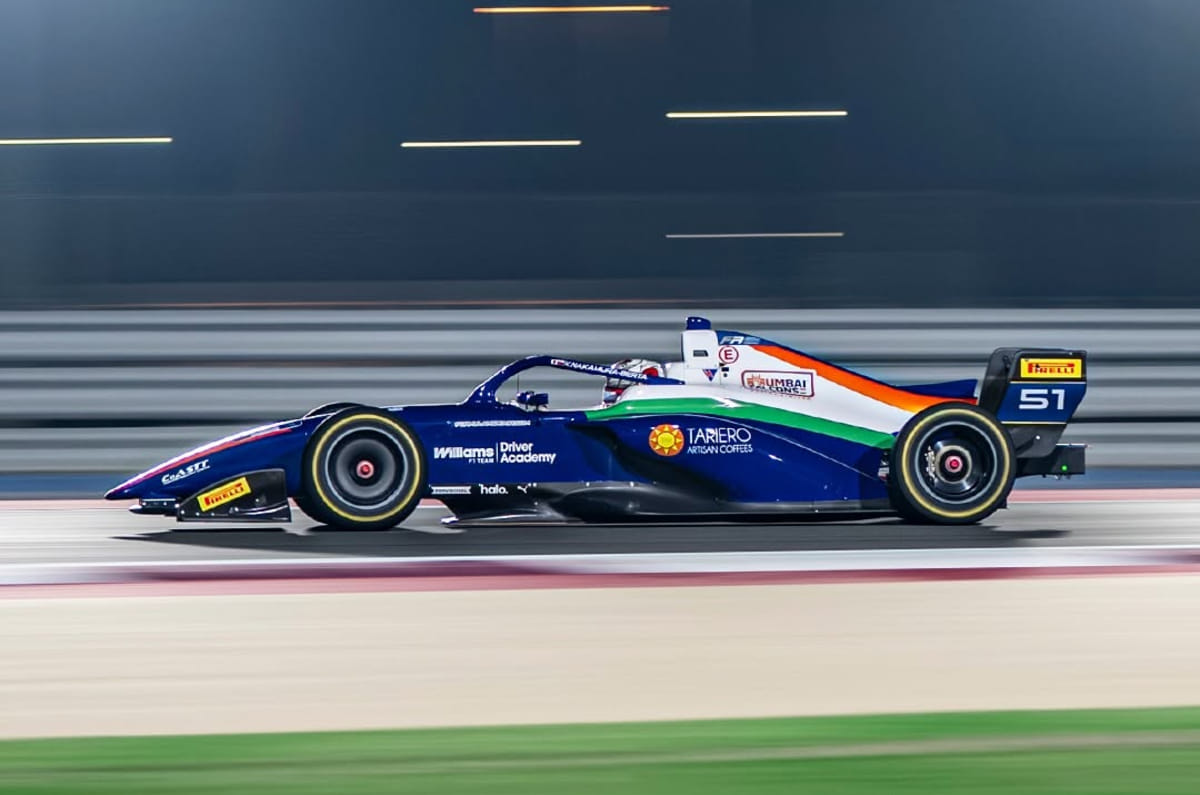
Over the years, Mumbai Falcons has fielded teams in several international karting and Formula Regional championships. The team has played a crucial role in the junior careers of prominent drivers, including Kimi Antonelli, Oliver Bearman, Arvid Lindblad and Kush Maini. 

Speaking to Autocar India, Mumbai Falcons Racing Limited’s Managing Director Ameet Gadhoke explained that the idea for the F1 Sim Racing India Open stemmed from the team’s experience in single-seater racing. “I’ve seen how important sim racing was for [our drivers] before they went onto the track,” he stated. 

The team isn’t treating sim racing as a separate category; instead, it forms a key part of Mumbai Falcons’ driver development pathway. The best performers in the F1 Sim Racing India Open will join the team’s ‘Agla Star’ programme, with the top 1,000 players earning the chance to train with 4-stroke karts. The top 100 from here will then move up to 2-stroke karts, and those who impress the most will then be trained to step up to single-seater racing.

“The idea is to find the Agla Star. We want a guy or girl to come from here and go into single seaters as fast as possible. We’re doing a talent hunt programme, we’re not [just] doing sim racing,” Gadhoke explained. “So for those who actually understand motorsport, but cannot afford it, this is the pathway. The idea is if this person is good, then we take him out of the group, put him in real karts and then go into single seaters.”

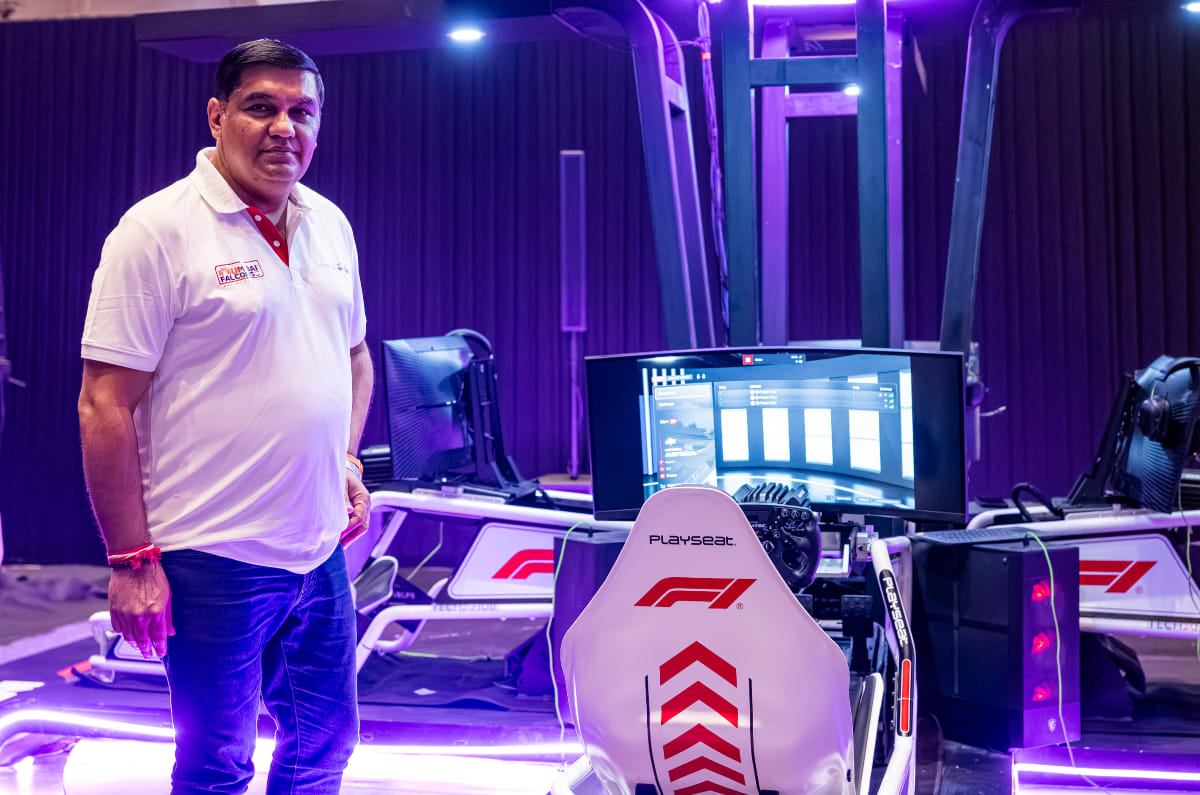
Mumbai Falcons Racing Limited Managing Director Ameet Gadhoke
Mumbai Falcons Racing Limited’s Managing Director Ameet Gadhoke

Mumbai Falcons has also teamed up with several schools across India for this. As the team explained, the goal with this is “to introduce students to sim racing, motorsport technology and structured talent development opportunities at an early age”. As part of this initiative, partner schools will receive simulator infrastructure, training support and structured learning modules. Gadhoke says he’s targeting partnering with around 1,000 schools across 20 cities in India.

F1 also runs its own global sim racing championship, which often acts as a launchpad for wider opportunities in both sim racing, as well as motorsport in general. Gadhoke shared that Mumbai Falcons is also exploring representing India in this F1 Sim Racing World Championship.

F1 Sim Racing India entry fees, format

F1 Sim Racing India open format

Open to both newcomers and experiences players, the F1 Sim Racing India open is divided into two categories – Junior (ages 10-14) and Senior (above 14 years old). Registrations are currently underway, with the F1 Standard package costing Rs 3,499, and the F1 Elite package costing Rs 4,999. While the former simply gives access to competition entry, the more expensive F1 Elite package also includes priority slot for the zonal qualifiers, a 30-minute tutorial, telemetry data, 10 percent discount for online coaching and 10 percent discount on merchandise.

The competition is divided into 10 zones across the country. Phase 1 includes online laps as well as Mumbai Falcons’ school programme. For this, all those who have registered can compete on the F1 25 game through rough Steam, PlayStation Network, Xbox Live or via an EA Play membership. 

Participants can set their fastest lap times on one selected circuit within a 60-day window. Ranking is based on lap time, so the faster your lap, the higher your position. Participants can also continue trying to improve their lap times during the 60-day window.
The top 5,000 juniors and 5,000 seniors from each zone will then make it to the Zonal stage. The 50 fastest juniors and 50 fastest seniors from each zone qualify for the national finals.

F1 Sim Racing India Open: Finals

F1 Sim Racing India finals

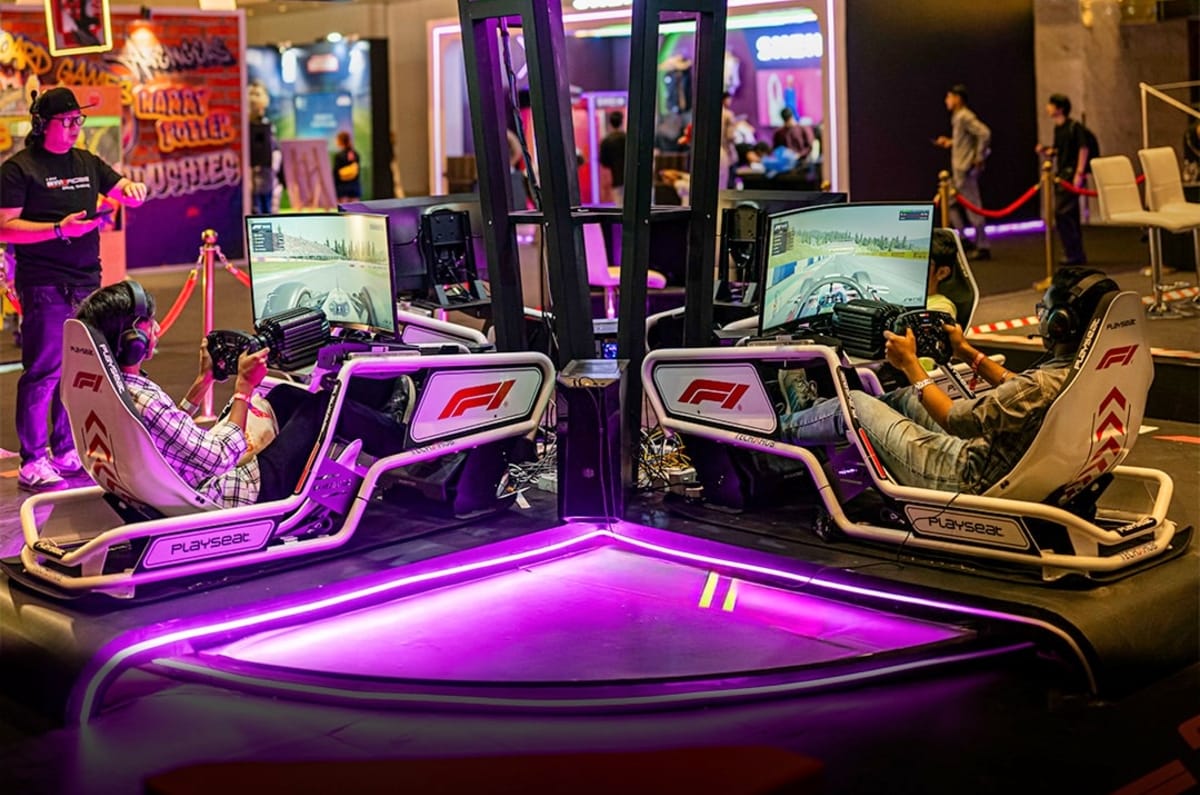
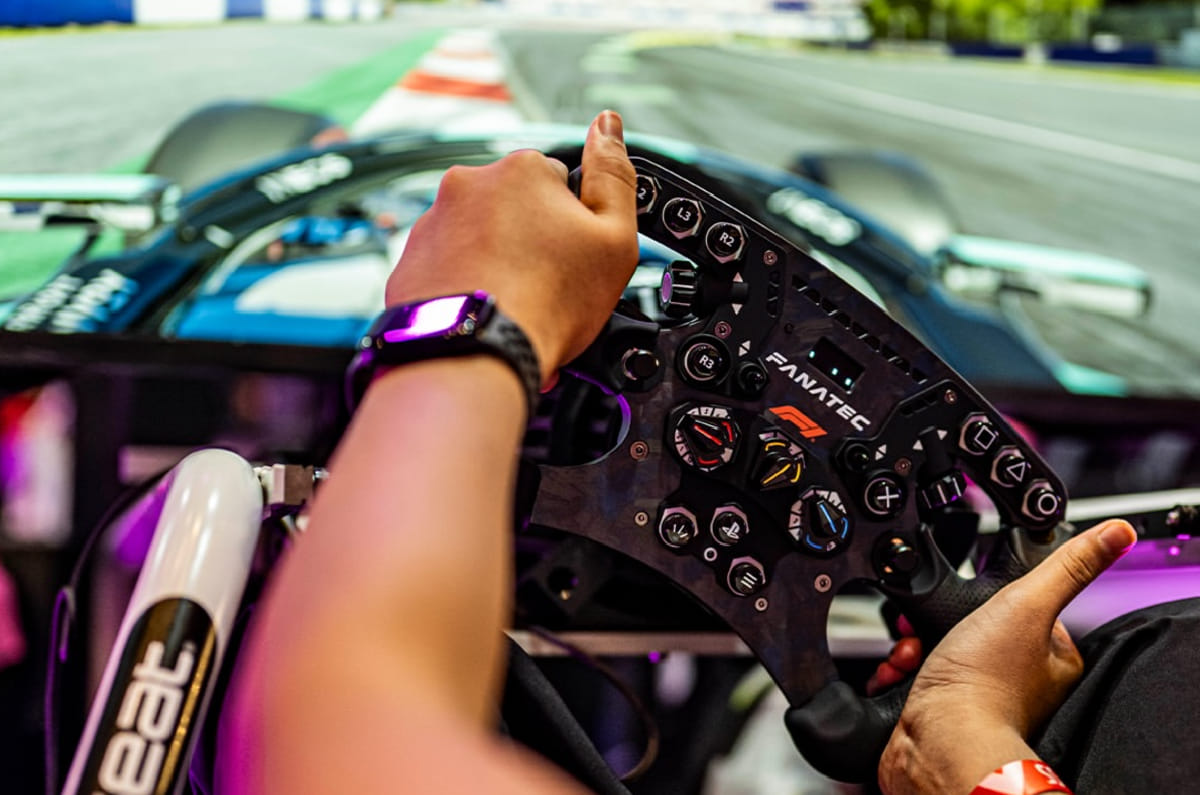
The national finals is slated to be held in Mumbai’s NSCI Dome in November 2026. Here, participants will compete in the Playseat Formula Intelligence F1 Edition cockpit, along with the Fanatec ClubSport Racing Wheel F1 system. 

The top 30 from each category will progress to the last stage. The junior finalists will then compete across nine races, while the senior finalists will compete across 12 races. The Junior and Senior champion will each win Rs 1 crore. 
 

Tata Tiago vs Hyundai Grand i10 Nios performance compared

Tata Tiago vs Hyundai Grand i10 Nios performance compared

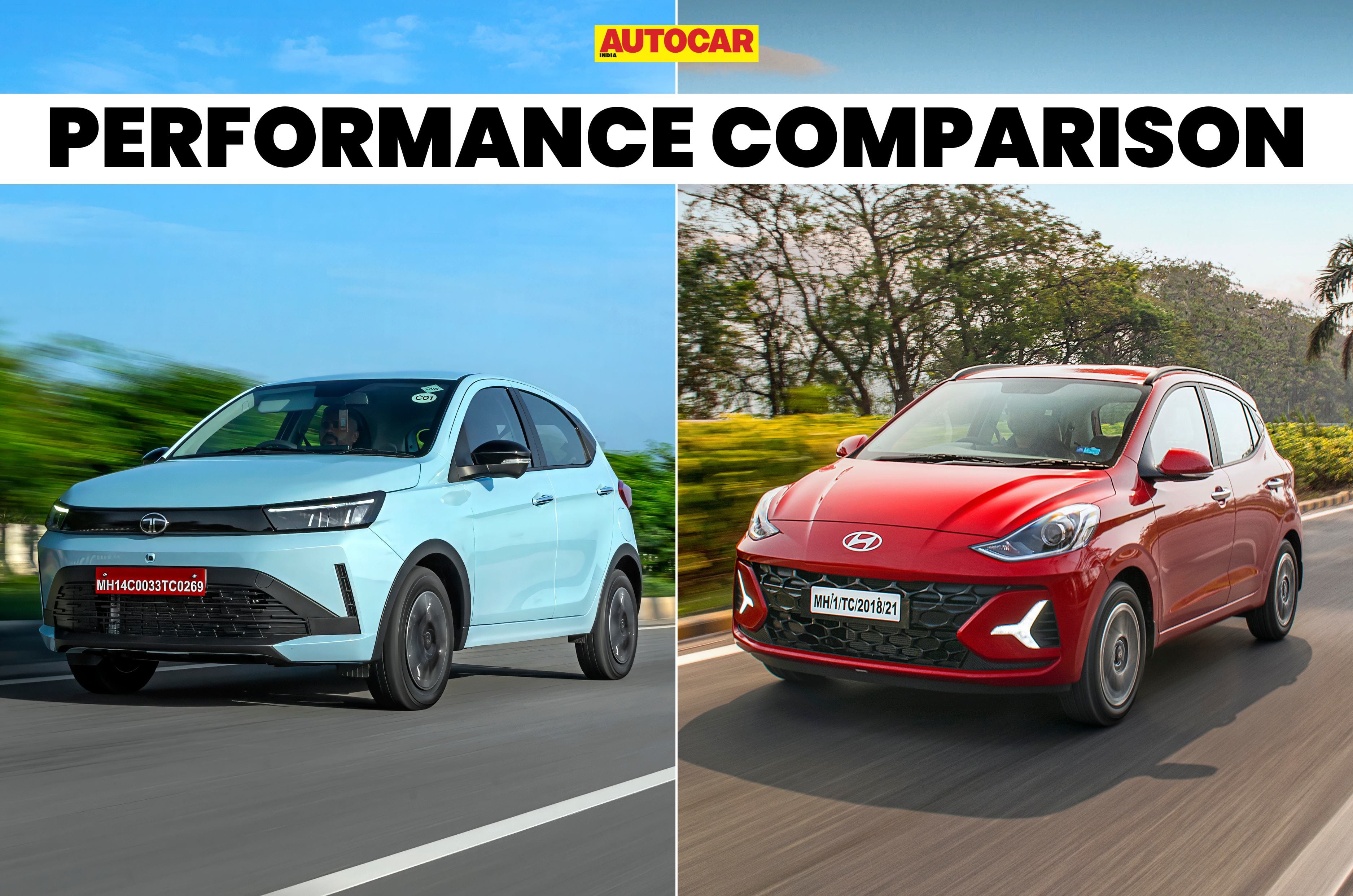
If you’re looking to buy your first-ever car, the Tata Tiago and Hyundai Grand i10 Nios come across as affordable yet sizeable and feature-rich options. But which between the two offers better pep in town? Here, we’ve tested the 0-100kph acceleration and rolling acceleration performance of both hatchbacks to determine the quicker model. For this comparison, we evaluated their respective naturally aspirated petrol engines paired with a manual gearbox.

Explore full specs, features, and a price breakdown in our Tiago vs Grand i10 Nios comparison.

Tata Tiago vs Hyundai Grand i10 Nios specifications 

Tiago churns out slightly more power than the Nios

Tata Tiago vs Hyundai Grand i10 Nios: Specifications 

Specifications

Tata Tiago

Hyundai Grand i10

Engine 

3 cyls, naturally aspirated petrol

4 cyls, naturally aspirated petrol

Displacement (cc)

1199 

1197

Power (hp)

86

83

Torque (Nm)

113

114

Drive layout 

FWD

FWD

Gearbox 

5MT

5MT

Fuel tank (litres)

35

37

1.2-litre naturally aspirated petrol engines power both the Tiago and the Grand i10 Nios. But while the former has a three-cylinder mill, the latter gets a four-cylinder unit. But while the Tiago develops 3hp more power, the Nios has a slight edge in torque output by 1 Nm. Additionally, the latter gets a slightly bigger fuel tank. What’s similar on both hatchbacks is a front-wheel drive layout and a 5-speed manual handling transmission duties.

Tata Tiago vs Hyundai Grand i10 Nios: 0-100kph acceleration times 

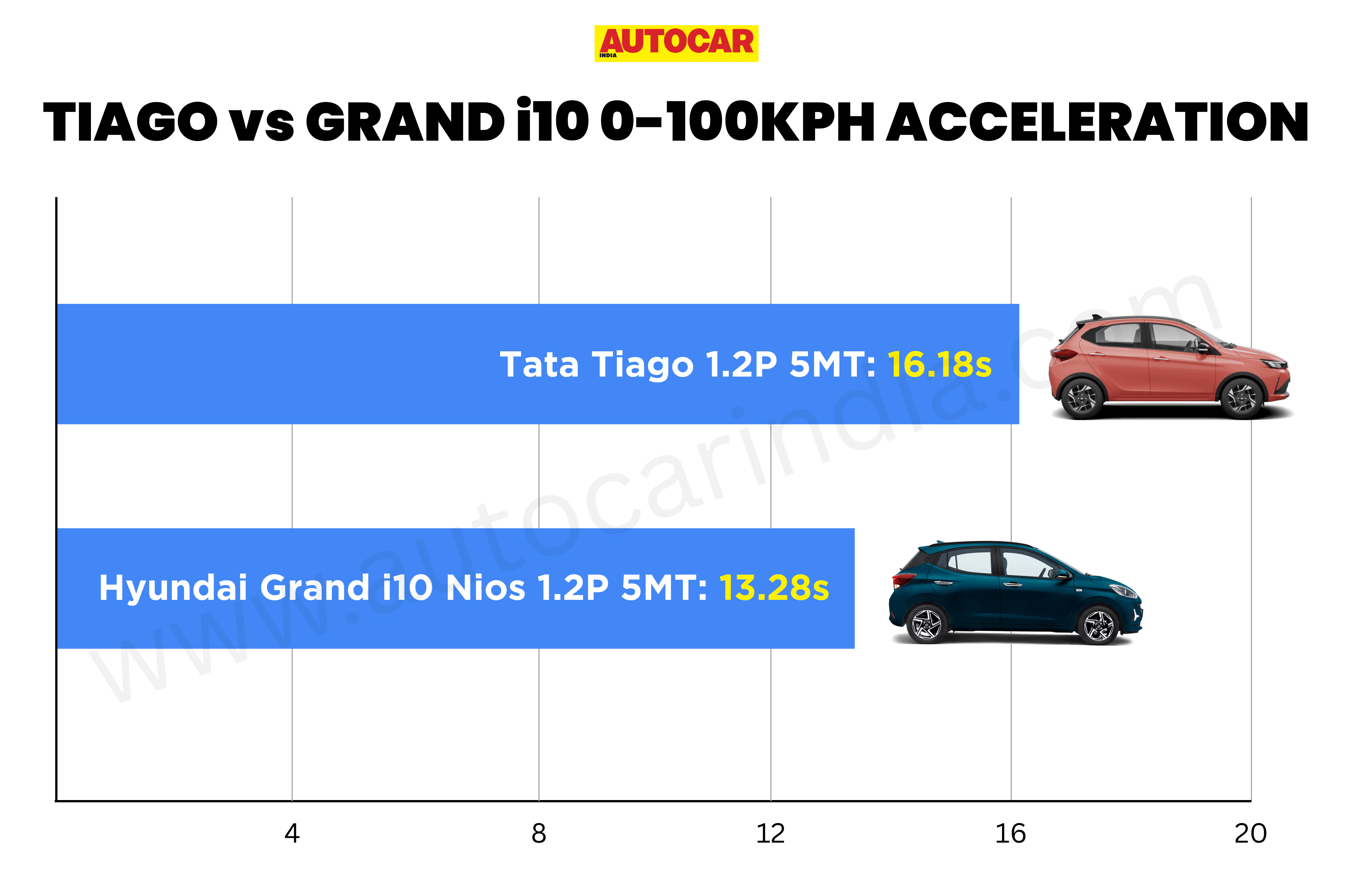
In our 0-100kph acceleration test, the Grand i10 Nios delivered a 2.9-second quicker time. Thanks to Hyundai’s smoother engine and gearshifts coupled with easier clutch modulation, it managed to outperform the Tiago despite developing slightly less power. 

Tata Tiago vs Hyundai Grand i10 Nios: Rolling acceleration times 

Grand i10 Nios manages to lead in-gear acceleration timings as well


Tata Tiago

Hyundai Grand i10 Nios 

20-80kph (in kickdown)

16.36

14

40-100kph (in kickdown)

23.44

22.44

Even in rolling acceleration tests, the Grand i10 Nios managed to pull ahead of the Tiago. It performed 2.36 seconds and 1 second quicker than the Tiago in the 20-80kph and 40-100kph tests, respectively.

Tata Tiago vs Hyundai Grand i10 Nios: Prices 

Tiago more affordable by up to Rs 90,000

Tata Tiago vs Hyundai Grand i10 Nios: Prices 


Tata Tiago

Hyundai Grand i10 Nios 

Price (Rs lakh, ex-showroom)

4.70 – 7.30

5.60 – 7.52

Price-wise, the Tiago is more affordable than the Grand i10 by a fair margin. At the base and top-end, the Grand i10 is pricier than the Tiago by Rs 90,000 and Rs 22,000, respectively. 

Autocar India’s testing standards

Before we conduct our performance tests, we check and maintain tyre pressures based on the manufacturer’s recommendations and ensure the car has a full tank of fuel. The car is then tested in a controlled environment with two people on board, and the data is collected via highly accurate GPS-based timing equipment.

आंध्र प्रदेश के कारपेंटर की बेटी दुनिया के पहले ‘All-Girls Lunar Mission’ के लिए चुनी गईं, जानिए कौन हैं 14 साल की कंदुला जेसी

कहते हैं, ‘सफलता उम्र की मोहताज नहीं होती’। आंध्र प्रदेश के धवलेश्वरम की कंदुला जेसी पर भी ये बात सही बैठती है। महज 14 साल की छोटी सी उम्र में उन्होंने जो उपलब्धि हासिल की है, उसकी वजह से हर कहीं उनकी चर्चा की जा रही है। कंदुला को ऐतिहासिक स्पेस मिशन शक्तिसैट के लिए चुना गया है। यह दुनिया का पहला ग्लोबल ऑल-गर्ल्स लूनर क्यूबसैट मिशन है।

इस मिशन की ट्रेनिंग 23 अगस्त को नई दिल्ली में शुरू होगी। छात्रों का बनाया हुआ लूनर क्यूबसैट 11 अक्टूबर को श्रीहरिकोटा से लॉन्च होगा। उन्हें उम्मीद है कि यह मिशन भारतीय अंतरिक्ष अनुसंधान केंद्र (ISRO) में करियर और भविष्य में लूनर एक्सप्लोरेशन की ओर पहला कदम होगा।

दुनिया का पहला ग्लोबल ऑल-गर्ल्स लूनर मिशन

मिशन शक्तिसैट एक अंतरराष्ट्रीय STEM इनिशिएटिव है। इसका मकसद अधिक से अधिक लड़कियों को स्पेस साइंस और इंजीनियरिंग में आने के लिए प्रेरित करना है। यह प्रतिभागी क्यूबसैट को डिजाइन करने, बनाने और ऑपरेट करने में मदद करेंगे, जो भविष्य के लूनर मिशन के लिए प्लान किया गया एक छोटा सैटेलाइट है। यह प्रोग्राम सैटेलाइट टेक्नोलॉजी, मिशन प्लानिंग और स्पेस रिसर्च में हैंड्स-ऑन ट्रेनिंग भी देता है।

कौन हैं 14 साल की कंदुला जेसी?

जेसी धवलेश्वरम के जिला परिषद गर्ल्स हाई स्कूल में पढ़ती हैं। विज्ञान के प्रति उसके जुनून को स्कूल की अटल टिंकरिंग लैब में उसके शिक्षकों ने पहचाना। कंदुला ने लगभग 550 ऑनलाइन प्रशिक्षण सत्र पूरे किए। उन्होंने उपग्रह प्रणाली, प्रणोदन और ऊष्मागतिकी जैसे विषयों को कवर किया। इंटरव्यू के दौरान अंतरराष्ट्रीय विशेषज्ञों से मिलने की तैयारी में मदद करने के लिए उसने अपनी अंग्रेजी भाषा की क्षमताओं को और बढ़ाया। कंदुला आंध्र प्रदेश धवलेश्वरम के एक बढ़ई की बेटी है। उन्होंने 108 देशों के लगभग 12,000 आवेदकों में से चुने गए 20 भारतीय भगीदारों के बीच ये जगह बनाई है। वह फाइनल लिस्ट में जगह बनाने वाली आंध्र प्रदेश की अकेली स्टूडेंट भी हैं।

कौन कर रहा है इस मिशन का संचालन?

शक्तिसैट मिशन STEM शिक्षा और अंतर्राष्ट्रीय अंतरिक्ष पेशेवरों के एक समूह द्वारा आयोजित किया जा रहा है।  कार्यक्रम का उद्देश्य उपग्रहों के विकास के माध्यम से अंतर्राष्ट्रीय अंतरिक्ष उद्योग में अधिक लड़कियों को शामिल करना है।

उसके परिवार के लिए गर्व का क्षण!

बढ़ई पिता की बेटी कंदुला के परिवार को कुछ आर्थिक कठिनाइयों की वजह से बाद में उसका दाखिला एक सरकारी स्कूल में करा दिया गया। हालाकि, वह अपने सपने के प्रति दृढ़ थी। उसका चयन उसके माता-पिता, शिक्षकों और समुदाय के लिए गर्व का क्षण बन गया है।

CBSE 12th Supplementary Admit Card 2026: 12वीं कक्षा की सप्लीमेंट्री परीक्षा का एडमिट कार्ड जारी, बोर्ड की आधिकारिक वेबसाइट से करें डाउनलोड

Mahindra Vision S prototype spied with new design details

Mahindra Vision S prototype spied front

A camouflaged prototype of Mahindra’s all-new SUV has been spied in the town of Kaza in Spiti Valley, Himachal Pradesh, our source indicated. Considering this region sits at an elevation of 3,650 metres above sea level, it appears that Mahindra is conduction high-altitude tests of its upcoming sub-4-metre SUV. The production-spec model of the Vision S, whose concept was first revealed in August 2025, will likely be slotted above the XUV 3XO in the brand’s line-up.

  • Spy shots confirm short overhangs, boxy silhouette, flush door handles and more.
  • Features include LED headlamps and panoramic sunroof.

Mahindra Vision S prototype: Exterior design details

The new spy footage reveals several exterior details of the brand’s upcoming SUV

Mahindra Vision S prototype spied front fascia

At the front of the prototype is Mahindra’s new six-slat grille, flanking which are sleek LED headlamps. These could sport the same L-shaped design first seen in the Vision S concept. The front fascia of the prototype reveals a muscular-looking clamshell bonnet and a prominent lower air dam with a concealed centre trim, which could be the radar module as part of the car’s ADAS (Advanced Driver Assistance Systems) suite.

The dark patch on top of the windshield is likely where the rain sensors are located. The spy shots show pronounced wheel arches, similar to those seen on the concept car, plus a panoramic sunroof and large ORVMs (outer rearview mirrors). Following the design language of the concept, the prototype features short overhangs, flush door handles, a flat roofline, chunky side cladding, deep wheel wells, a rising beltline towards the rear, and a fuel-filler cap above the left-rear wheel arch.

Mahindra Vision S prototype spied rear

The upright-looking rear of this Mahindra SUV prototype features vertically oriented LED tail-lamps, a spare wheel mounted to the side-hinged tailgate, a stubby roof spoiler with an integrated high-mounted stop lamp, a sharkfin antenna, and a relatively flush-looking rear bumper. Overall, the boxy proportions and upright stance of the Vision S concept is noticeable here on the prototype as well.

Mahindra Vision S prototype: Expected interior and powertrain details

The production-spec model is expected with a feature-rich cabin and multiple powertrains

Mahindra Vision S prototype interior

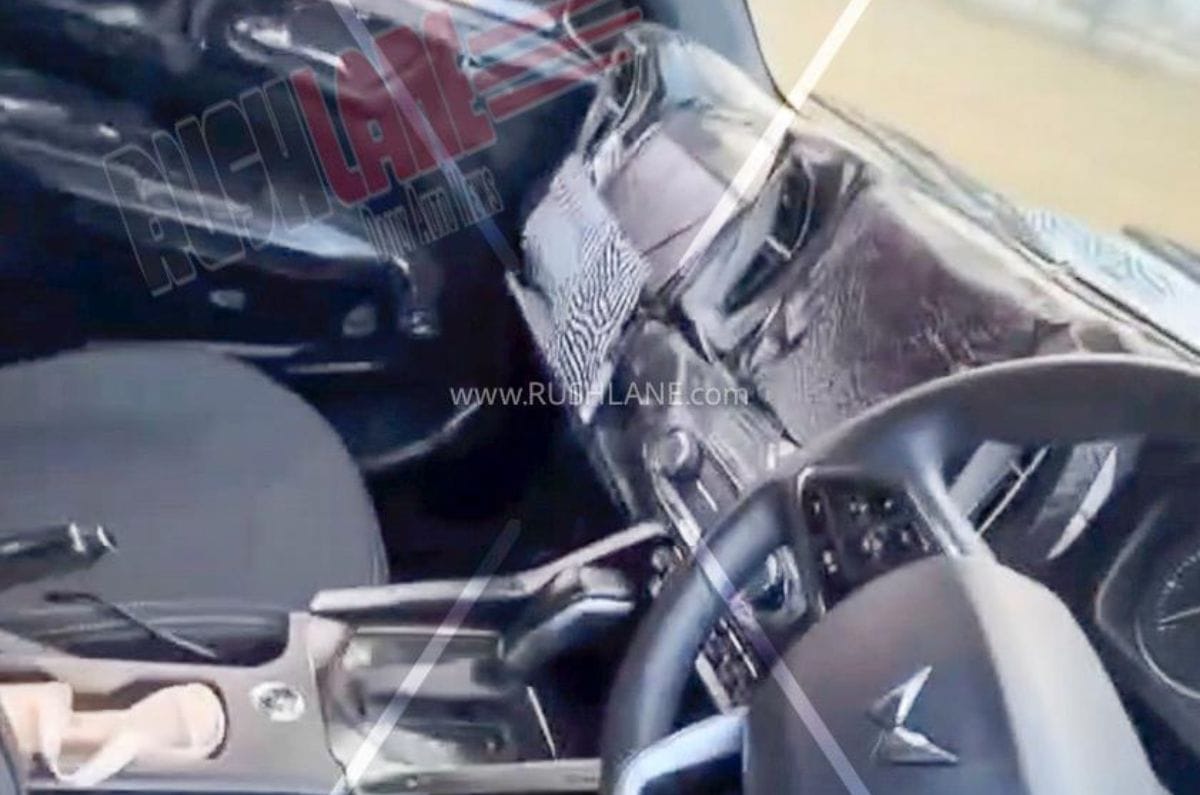
The new spy footage doesn’t reveal many details about the interior of this upcoming Mahindra SUV. However, previous spy shots have shown a version of this interior. To recap, there will be an upright dashboard with an integrated infotainment display, curved AC vents and physical switchgear, and a leather-wrapped steering wheel.

Underpinning the Vision S concept was Mahindra’s new Nu_IQ platform, which supports petrol, diesel, hybrid and fully electric powertrains. While Mahindra hasn’t specified a launch date for this upcoming compact SUV, it’s expected to make its debut sometime in 2027.

Exterior spy shots: adventure_addicted.in (Instagram)

Interior spy shot: RushLane

Also read

Toyota Innova Hycross facelift spied with revamped fascia

Range Rover GT: The Grand Tourer that Breaks the Mould