Gold Price Today: दो दिनो में ₹10100 चढ़ा सोना, चांदी भी महंगी, चेक करें 10 शहरों में 24 से 18 कैरट के लेटेस्ट भाव

Gold Rate Today in India: कच्चे तेल में उछाल के बावजूद मजबूत डिमांड के चलते सोने-चांदी की चमक आज बढ़ी है। गोल्ड की बात करें तो एक दिन की गिरावट के बाद लगातार दो दिनों में 10 ग्राम 24 कैरट वाला गोल्ड ₹1860 और 22 कैरट वाला ₹1710 सस्ता हुआ है तो 9 अगस्त की एक दिन की स्थिरता से पहले लगातार चार दिनों में 24 कैरट वाला 10 ग्राम गोल्ड ₹8350 और 22 कैरट वाला ₹7650 महंगा हुआ था। 10 अगस्त को 24 कैरट वाला 10 ग्राम गोल्ड ₹380 और 22 कैरट वाला ₹350 सस्ता हुआ था। आज की बात करें तो राजधानी दिल्ली में आज 24 कैरट और 22 कैरट वाला 10 ग्राम गोल्ड ₹10 महंगा हुआ है। चांदी की बात करें तो आज इसकी भी चमक बढ़ी है। लगातार तीन दिनों की स्थिरता के बाद लगातार दूसरे दिन यह महंगी हुई है और इन दो दिनो में एक किलो चांदी ₹10100 ऊपर चढ़ी है।

सिटीवाइज गोल्ड के भाव

देश के 10 बड़े शहरों में 18 कैरट, 22 कैरट और 24 कैरट शुद्धता वाले 10 ग्राम सोने की कीमत क्या है, आइए जानते हैं…

शहर 24 कैरट 10 ग्राम गोल्ड भाव 22 कैरट 10 ग्राम गोल्ड भाव 18 कैरट 10 ग्राम गोल्ड भाव
दिल्ली₹1,53,980₹1,41,160₹1,15,530
मुंबई₹1,53,830₹1,41,010₹1,15,380
कोलकाता₹1,53,830₹1,41,010₹1,15,380
चेन्नई₹1,54,380₹1,41,510₹1,19,310
बेंगलुरू₹1,53,830₹1,41,010₹1,15,380
हैदराबाद₹1,53,830₹1,41,010₹1,15,380
लखनऊ₹1,53,980₹1,41,160₹1,15,530
पटना₹1,53,880₹1,41,060₹1,15,430
जयपुर₹1,53,980₹1,41,160₹1,15,530
अहमदाबाद₹1,53,880₹1,41,060₹1,15,430

तीन दिनों की स्थिरता के बाद लगातार दूसरे दिन चढ़ी चांदी

चांदी की बात करें तो लगातार तीन दिनों की स्थिरता के बाद आज लगातार दूसरे दिन इसके भाव बढ़े है। इन दो दिनों में एक किलो चांदी ₹10,100 महंगी हुई है। आज दिल्ली में एक किलो चांदी ₹100 चढ़कर ₹2,55,100 के भाव में बिक रही है। बाकी अहम महानगरों की बात करें तो मुंबई और कोलकाता में भी यह इसी भाव पर बिक रही है। हालांकि चेन्नई में एक किलो चांदी का भाव ₹2,60,100 है यानी कि चारों बड़े महानगरों में सबसे महंगी चांदी चेन्नई में बिक रही है।

क्या कहना है एक्सपर्ट का

जेएम फाइनेंशियल सर्विसेज के ईबीजी कमोडिटी और करेंसी रिसर्च के सीनियर वाइस प्रेसिडेंट प्रणव मेर के मुताबिक शॉर्ट टर्म में सोने-चांदी की चमक बढ़ सकती है। प्रमण का मानना है कि 10 ग्राम सोना ₹1.57 और 1 किलो चांदी ₹2.80 लाख का हो सकता है। लेमन मार्केट डेस्क के रिसर्च हेड गौरव गर्ग का कहना है कि अमेरिका में इनफ्लेशन का डेटा आने से पहले इनवेस्टर्स सोने में दिलचस्पी दिखा रहे हैं और इस कारण सोने की चमक बढ़ रही है तो चांदी में भी इनवेस्टमेंट और इंडस्ट्रियल डिमांड स्ट्रॉन्ग है। अमेरिका में इनफ्लेशन के आंकड़े 12 अगस्त को आएंगे।

भारतीय घरों में दुनिया के टॉप 10 सेंट्रल बैंकों के कुल रिजर्व से भी ज्यादा सोना! 

डिस्क्लेमर: मनीकंट्रोल.कॉम पर दिए गए सलाह या विचार एक्सपर्ट/ब्रोकरेज फर्म के अपने निजी विचार होते हैं। वेबसाइट या मैनेजमेंट इसके लिए उत्तरदायी नहीं है। यूजर्स को मनीकंट्रोल की सलाह है कि कोई भी निवेश निर्णय लेने से पहले हमेशा सर्टिफाइड एक्सपर्ट की सलाह लें।

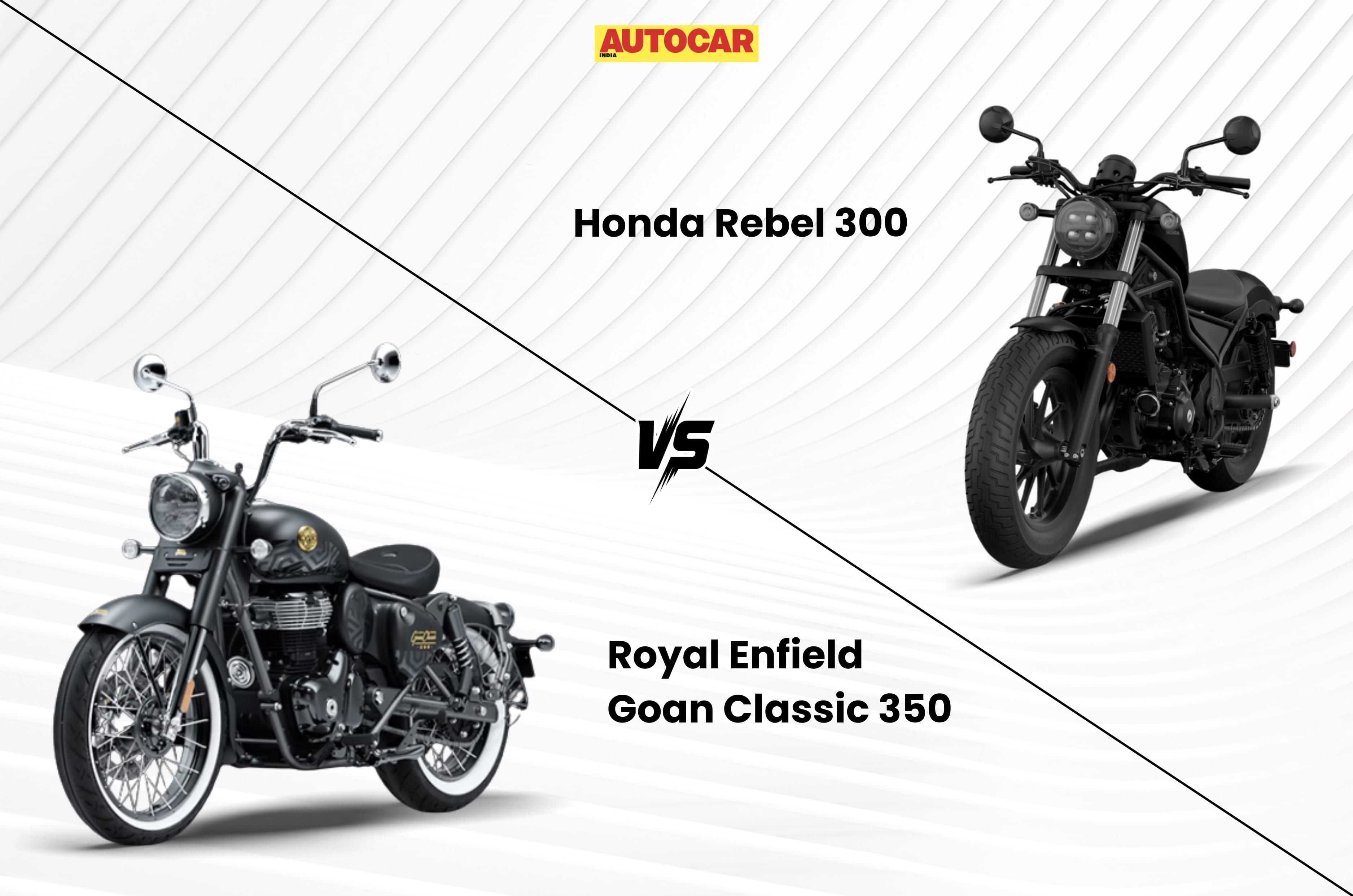
Honda Rebel 300 vs Royal Enfield Goan Classic 350: Specification comparison

Honda Rebel 300 vs Royal Enfield Goan Classic 350: Specification comparison

Honda Rebel 300 was one of the ten products announced for India by the company on their July 2026 mega reveal. Currently, its direct competitor in the segment will be the Royal Enfield Goan Classic 350. Unlike Royal Enfield, Honda seems to be taking a more modern approach to it’s bobber motorcycle with a more modern design and small but meaningful tech implementations. Even though we don’t have the official price or a launch date for the Rebel 300, we know enough details about it to see how it stacks up against the Goan Classic 350 on paper.

Honda Rebel 300 vs Royal Enfield Goan Classic 350: Engine and output

Modern vs neo-retro


Honda Rebel 300

Royal Enfield Goan Classic 350

Engine

286cc, single-cylinder, liquid-cooled

349cc, single-cylinder, air-cooled

Power

30hp

19.9hp

Torque

27.5Nm

27Nm

Transmission

6-speed

5-speed

Power-to-weight ratio

174.42hp/tonne

101.02hp/tonne

The fundamental differences between the two motorcycles start right from their engines. The Goan Classic 350 uses its extremely popular J-series 349cc single-cylinder engine powering five different Royal Enfield motorcycles at the moment. Honda is using a 286cc single-cylinder engine that was last seen in India on the CB300R. Do note that the Rebel 300 is expected to be offered in India in both ‘normal’ and E-Clutch versions (that negates the need to use the clutch to change gears). While both the motorcycles offer the same torque, it is the Honda that offers more power.

Honda Rebel 300 vs Royal Enfield Goan Classic 350: Dimensions and weight


Honda Rebel 300

Royal Enfield Goan Classic 350

Fuel tank capacity

11 litres

13 litres

Ground clearance

NA

170mm

Kerb weight

171.9kg

197kg

Seat height

691mm

750mm

Wheelbase

1491mm

1400mm

Honda is lighter, lower, and longer

The Goan Classic 350 is the heavier one of these two motorcycles, by a mile. However, Royal Enfield has earned a reputation for its hefty footprints so this shouldn’t come as a surprise to most. For what it’s worth, the Royal Enfield does get a 2-litre larger fuel tank compared to the Honda, but the latter, in addition to being lighter, also gets a much lower seat height and a longer wheelbase. At the time of publishing, we do not have the ground clearance for the Rebel 300.

Honda Rebel 300 vs Royal Enfield Goan Classic 350: Tyres, brakes, and suspension

Rebel 300 has bigger tyres but smaller rim at front


Honda Rebel 300

Royal Enfield Goan Classic 350

Tyres (F, R)

130/90-16, 150/80-16

100/90-19, 130/90-16

Brakes (F, R)

296mm disc, 240mm disc, dual-channel ABS

300mm disc, 270mm disc, dual-channel ABS

Suspension (F, R)

Telescopic fork, dual shock

Telescopic fork, dual shock

Honda Rebel 300 vs Royal Enfield Goan Classic 350: Features

Honda takes the lead

As is expected of retros, both motorcycles offer a lean list of features, but Honda has the slight edge. Both motorcycles offer dual-channel ABS as standard, but Honda is expected to give the Rebel 300 a full TFT instrument cluster in India, replacing the negative LCD cluster in the international model. Royal Enfield does give their tripper navigation pod as standard on the Goan Classic 350. One feature that Royal Enfield can’t match, however, is Honda’s E-Clutch system. This system on the Rebel 300 essentially negates the need to engage the clutch to change gears which makes it similar to—but not the same as— a bi-directional quickshifter. At this point, it’s worth mentioning that Royal Enfield has started updating its 350cc line-up with a slipper clutch, but the Goan Classic 350 is yet to get it.

Honda Rebel 300 vs Royal Enfield Goan Classic 350: Price

At the time of publishing, we don’t know the official price for the Honda Rebel 300, but we have been led to believe that it’ll be priced at Rs 2.10-2.20 lakh (ex-showroom) when it’s expected to launch in November 2026; which puts it right against the Goan Classic 350 that currently costs Rs 2.25 lakh (ex-showroom). Even though their paths cross, these two motorcycles shouldn’t confuse many, especially once both are available for test rides.

स्कूल टीचर जेब में ₹10000 लेकर दिल्ली आया, खड़ी कर दी ₹80000 करोड़ की कंपनी; जानिए हैवेल्स के मालिक की पूरी कहानी

Havells India Success Story: 1958 की बात है। पंजाब का एक 21 साल का स्कूल टीचर नौकरी छोड़कर दिल्ली पहुंचा। जेब में सिर्फ 10,000 रुपये थे। कोई बड़ा कारोबारी परिवार नहीं था। इंजीनियरिंग की डिग्री भी नहीं थी। लेकिन बिजली के सामान के कारोबार की थोड़ी समझ थी और अपना कारोबार खड़ा करने का इरादा था।

उस युवक का नाम था कीमत राय गुप्ता। दिल्ली के पुराने इलाके भागीरथ पैलेस में उन्होंने बिजली के सामान की ट्रेडिंग शुरू की। छह दशक से ज्यादा समय बाद उसी छोटे कारोबार का नाम Havells India है। आज कंपनी की मार्केट वैल्यू करीब 80,000 करोड़ रुपये है और इसके प्रोडक्ट 70 से ज्यादा देशों में पहुंचते हैं।

लेकिन 10,000 रुपये से 80,000 करोड़ रुपये तक का यह सफर सीधी लाइन में नहीं चला। इसमें कई ऐसे फैसले आए, जिन्होंने कंपनी की दिशा बदल दी।

भागीरथ पैलेस से शुरुआत

कीमत राय गुप्ता का जन्म 1937 में मालेरकोटला में हुआ था। पढ़ाई पूरी करने के बजाय उन्होंने कारोबार का रास्ता चुना और 1958 में दिल्ली आ गए। उन्होंने भागीरथ पैलेस में Guptaji & Company शुरू की।

उस समय भागीरथ पैलेस बिजली के सामान के बड़े थोक बाजार के रूप में जाना जाता था। गुप्ता ने शुरुआत में केबल, वायर, स्विचगियर और दूसरे इलेक्ट्रिकल सामान की ट्रेडिंग की।

कारोबार छोटा था, लेकिन यहां उन्होंने एक ऐसी चीज सीखी जो आगे चलकर बहुत काम आई। उन्हें समझ आने लगा कि ग्राहक सिर्फ सस्ता सामान नहीं चाहता। उसे सही समय पर सामान चाहिए। भरोसेमंद सप्लायर चाहिए। और सबसे जरूरी, लगातार अच्छी सर्विस चाहिए। यही तजुर्बा आगे Havells की नींव बना।

Havells ब्रांड ₹7 लाख में खरीदा

कहानी में बड़ा मोड़ 1971 में आया। गुप्ता ने करीब 7 लाख रुपये में Havells ब्रांड खरीद लिया। उस समय यह कोई बड़ा और चमकदार ब्रांड नहीं था। कारोबार संघर्ष कर रहा था। लेकिन गुप्ता को इस नाम की पहचान पहले से थी। उन्होंने ब्रांड को खत्म करने के बजाय उसी नाम के साथ आगे बढ़ने का फैसला किया।

यहीं से उनका नजरिया बदल गया। अब मकसद सिर्फ दूसरे निर्माताओं का सामान खरीदकर बेचना नहीं था। वह अपना सामान बनाना चाहते थे। अपना ब्रांड खड़ा करना चाहते थे। यह फैसला छोटा दिख सकता है, लेकिन Havells की पूरी कहानी में यही सबसे अहम मोड़ था।

ट्रेडिंग से मैन्युफैक्चरिंग तक

गुप्ता ने धीरे-धीरे मैन्युफैक्चरिंग में पैसा लगाना शुरू किया। 1976 में दिल्ली के कीर्ति नगर में Havells का पहला मैन्युफैक्चरिंग प्लांट लगा। यहां रीवायरेबल स्विच और चेंजओवर स्विच बनाए जाते थे।

अब कंपनी सिर्फ बाजार में मौजूद दूसरे ब्रांडों पर निर्भर नहीं थी। उसके पास अपना उत्पादन था। इसका मतलब था कि कंपनी प्रोडक्ट की क्वालिटी, उपलब्धता और डिजाइन पर ज्यादा नियंत्रण रख सकती थी। आगे चलकर Havells ने एनर्जी मीटर और दूसरे इलेक्ट्रिकल प्रोडक्ट्स में भी कदम बढ़ाया। कंपनी धीरे-धीरे ट्रेडर से निर्माता बनने लगी।

कंपनी बनी, फिर शेयर बाजार पहुंची

8 अगस्त 1983 को Havells India की स्थापना हुई। अगले दशक में कंपनी का कारोबार और विस्तार बढ़ता गया। दिसंबर 1993 में कंपनी का पब्लिक इश्यू आया और इसके शेयर शेयर बाजार में लिस्ट हुए।

यह कंपनी के लिए बड़ा बदलाव था। अब Havells सिर्फ एक परिवार का कारोबार नहीं था। इसमें पब्लिक शेयरहोल्डर्स भी थे। कंपनी के पास आगे विस्तार के लिए पूंजी जुटाने का रास्ता भी खुल गया। इसी दौर में Havells ने दूसरी कंपनियों और ब्रांड्स को अपने साथ जोड़ना शुरू किया।

दूसरी कंपनियां खरीदीं, कारोबार बढ़ाया

Havells ने Towers and Transformers जैसे कारोबारों का अधिग्रहण किया। रिपोर्टों के मुताबिक, कंपनी ने एक घाटे में चल रहे कारोबार को भी अपने साथ जोड़ने के बाद करीब एक साल में मुनाफे में ला दिया।

इसके बाद Standard Electricals और Crabtree India जैसे नाम भी Havells के पोर्टफोलियो में आए। यहां कंपनी की रणनीति साफ दिखाई देने लगी थी। सिर्फ अपना कारोबार बढ़ाना लक्ष्य नहीं था। अलग-अलग प्रोडक्ट, ब्रांड और मैन्युफैक्चरिंग क्षमता को एक साथ जोड़ना था।

बेटे ने संभाली कमान

कीमत राय गुप्ता के बेटे अनिल राय गुप्ता 1992 में Havells से जुड़े। आगे चलकर उनके नेतृत्व में कंपनी का फोकस आम ग्राहक तक और ज्यादा पहुंच बनाने पर गया।

Havells ने पंखे, लाइटिंग, मॉड्यूलर स्विच, वॉटर हीटर और घरेलू उपकरणों जैसे प्रोडक्ट्स में विस्तार किया। कंपनी अब सिर्फ इलेक्ट्रिकल सामान बनाने वाली कंपनी नहीं रह गई थी। वह धीरे-धीरे घरों में इस्तेमाल होने वाले प्रोडक्ट्स का ब्रांड बन रही थी। यही बदलाव आगे की ग्रोथ का बड़ा आधार बना।

फिर आया सबसे बड़ा दांव

साल 2007 में Havells ने एक बड़ा फैसला लिया। कंपनी ने यूरोप की बड़ी लाइटिंग कंपनी Sylvania Lighting International को करीब 227.5 मिलियन यूरो में खरीद लिया। उस समय यह सौदा करीब 1,400 करोड़ रुपये का था।

इस अधिग्रहण से Havells को तुरंत अंतरराष्ट्रीय बाजार में बड़ा नेटवर्क मिल गया। स्थापित ब्रांड और डिस्ट्रीब्यूशन नेटवर्क भी मिला। लेकिन यह दांव उम्मीद के मुताबिक आसान नहीं रहा।

विदेशी कारोबार बना चुनौती

2008 की ग्लोबल फाइनेंशियल क्राइसिस ने हालात बदल दिए। करेंसी में उतार-चढ़ाव हुआ। Sylvania के कारोबार को संभालना भी आसान नहीं रहा। अधिग्रहण से मिलने वाले फायदे के बजाय कंपनी पर दबाव बढ़ने लगा।

Havells ने यहां एक और अहम फैसला लिया। उसने सिर्फ इसलिए कारोबार पकड़े नहीं रखा कि उसके लिए बड़ी रकम खर्च हो चुकी थी। 2016 में Havells ने अपने लाइटिंग बिजनेस में 80% हिस्सेदारी Shanghai Feilo Acoustics को बेच दी। यह फैसला बताता है कि कंपनी के लिए विस्तार से ज्यादा जरूरी पूंजी और मैनेजमेंट का सही इस्तेमाल था।

Lloyd ने बदल दिया गेम

इसके बाद Havells ने भारत के कंज्यूमर मार्केट पर और ज्यादा ध्यान लगाया। 2017 में कंपनी ने Lloyd Electric & Engineering का कंज्यूमर ड्यूरेबल्स कारोबार करीब 1,600 करोड़ रुपये के एंटरप्राइज वैल्यू पर खरीदा।

Lloyd के साथ Havells को एयर कंडीशनर, वॉशिंग मशीन, रेफ्रिजरेटर और टेलीविजन जैसे बड़े कंज्यूमर इलेक्ट्रॉनिक्स सेगमेंट में सीधी एंट्री मिली। यह अधिग्रहण भी कंपनी की रणनीति का हिस्सा था। Havells पारंपरिक इलेक्ट्रिकल प्रोडक्ट्स से आगे बढ़कर घर के बड़े अप्लायंसेज तक पहुंचना चाहती थी।

₹10,000 से ₹80,000 करोड़ तक

कीमत राय गुप्ता का निधन नवंबर 2014 में 77 साल की उम्र में हुआ। तब तक उनका छोटा सा कारोबार एक बड़ी लिस्टेड कंपनी बन चुका था। आज Havells का कारोबार केबल और वायर, स्विचगियर, पंखे, लाइटिंग, एयर कंडीशनर, वॉटर हीटर और घरेलू उपकरणों तक फैला है। कंपनी के पोर्टफोलियो में Havells, Lloyd, Crabtree और Standard जैसे ब्रांड हैं।

11 अगस्त 2026 को Havells का शेयर करीब 1,278 रुपये पर बंद हुआ। और कंपनी का मार्केट कैप करीब 80,123 करोड़ रुपये था। यानी जिस कारोबार की शुरुआत एक युवा ने दिल्ली के थोक बाजार में 10,000 रुपये से की थी, वह करीब 68 साल बाद 80,000 करोड़ रुपये की कंपनी बन चुका है।

इस कहानी की सबसे दिलचस्प बात सिर्फ रकम नहीं है। असली कहानी उन फैसलों की है जो सही समय पर लिए गए। पहले ट्रेडिंग छोड़ी और मैन्युफैक्चरिंग में आए। फिर अपना ब्रांड बनाया। जरूरत पड़ी तो दूसरी कंपनियां खरीदीं। विदेशी दांव फंसा तो उससे बाहर निकल गए। और फिर भारतीय कंज्यूमर मार्केट पर फोकस कर दिया।

यही वजह है कि Havells की कहानी सिर्फ एक इलेक्ट्रिकल कंपनी के बनने की कहानी नहीं है। यह समय के साथ बिजनेस मॉडल बदलने की कहानी भी है।

SIP for Child: 18 साल का होने से पहले बच्चा बन जाएगा करोड़पति! समझिए कितना निवेश करना होगा और कैसे करें प्लानिंग


Bata India Q1 Results: फुटवियर कंपनी का मुनाफा 23% बढ़ा, ₹25 के डिविडेंड का ऐलान

Bata India Q1 Results: फुटवियर कंपनी Bata India ने जून तिमाही में बेहतर प्रदर्शन किया। कंपनी का कंसोलिडेटेड नेट प्रॉफिट सालाना आधार पर 23.1% बढ़कर 64 करोड़ रुपये हो गया। पिछले साल की समान तिमाही में यह 52 करोड़ रुपये था।

रेवेन्यू और EBITDA में भी बढ़त

बाटा का ऑपरेशंस से रेवेन्यू 3.9% बढ़कर 979 करोड़ रुपये हो गया। एक साल पहले यह 942 करोड़ रुपये था। वहीं, EBITDA 2.6% बढ़कर 204 करोड़ रुपये रहा। पिछले साल यह 199 करोड़ रुपये था।

हालांकि, EBITDA मार्जिन थोड़ा घटा है। यह पिछले साल के 21.1% से घटकर 20.8% रह गया।

₹25 के अंतरिम डिविडेंड का ऐलान

Bata India के बोर्ड ने FY27 के लिए हर शेयर पर 25 रुपये का अंतरिम डिविडेंड घोषित किया है। शेयर की फेस वैल्यू 5 रुपये है। यानी यह फेस वैल्यू का 500% डिविडेंड है।

डिविडेंड के लिए 19 अगस्त 2026 रिकॉर्ड डेट तय की गई है। पात्र शेयरधारकों को डिविडेंड का भुगतान 2 सितंबर 2026 से किया जाएगा।

Bata India के शेयरों का हाल

नतीजों से पहले मंगलवार को Bata India का शेयर NSE पर 1.94% गिरकर 699 रुपये पर बंद हुआ। पिछले 6 महीने में शेयर 22.76% गिरा है। वहीं, 1 साल में स्टॉक 40.93% क्रैश हो चुका है। कंपनी का मार्केट कैप 8.99 हजार करोड़ रुपये है।

Bata India का बिजनेस क्या है

Bata India प्रमुख फुटवियर कंपनी है। यह पुरुषों, महिलाओं और बच्चों के लिए जूते, सैंडल, चप्पल और स्पोर्ट्स फुटवियर बेचती है। कंपनी अपने प्रोडक्ट्स को Bata स्टोर्स, मल्टी ब्रांड आउटलेट्स और ऑनलाइन प्लेटफॉर्म के जरिए बेचती है। इसके अलावा, कंपनी अपने फुटवियर के साथ बैग, बेल्ट और दूसरी एक्सेसरीज भी बेचती है।

कंडोम बनाने वाली कंपनी का शेयर बना रॉकेट, एक महीने में 33% चढ़ा

Disclaimer: यहां मुहैया जानकारी सिर्फ सूचना के लिए दी जा रही है। यहां बताना जरूरी है कि मार्केट में निवेश बाजार जोखिमों के अधीन है। निवेशक के तौर पर पैसा लगाने से पहले हमेशा एक्सपर्ट से सलाह लें। मनीकंट्रोल की तरफ से किसी को भी पैसा लगाने की यहां कभी भी सलाह नहीं दी जाती है।

3 reasons to buy the Honda Amaze and 3 reasons to avoid it

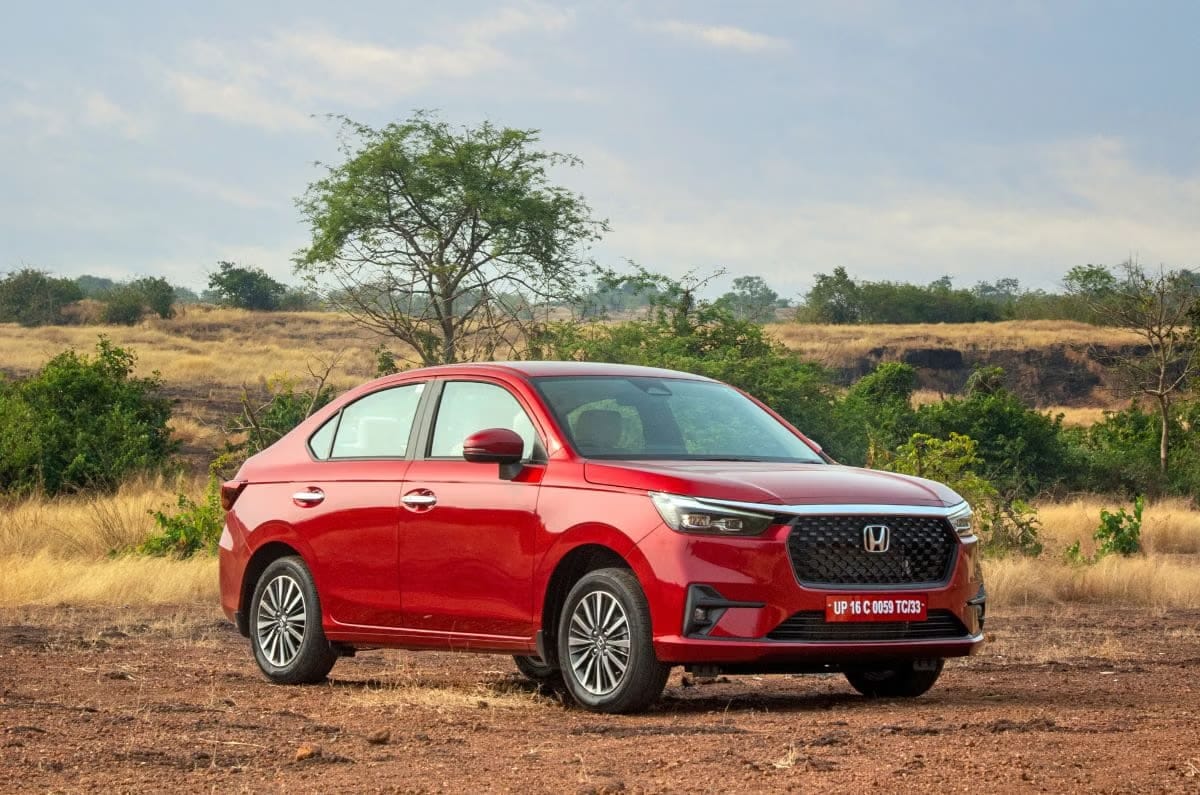
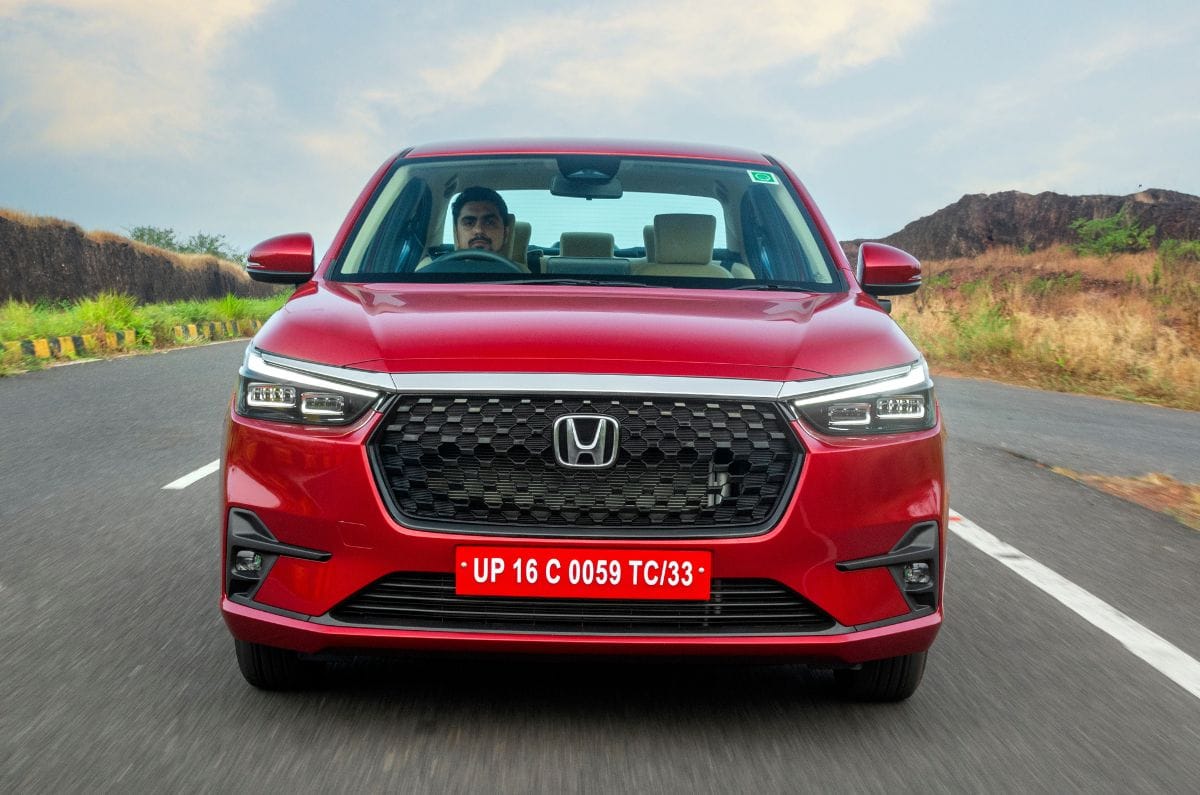
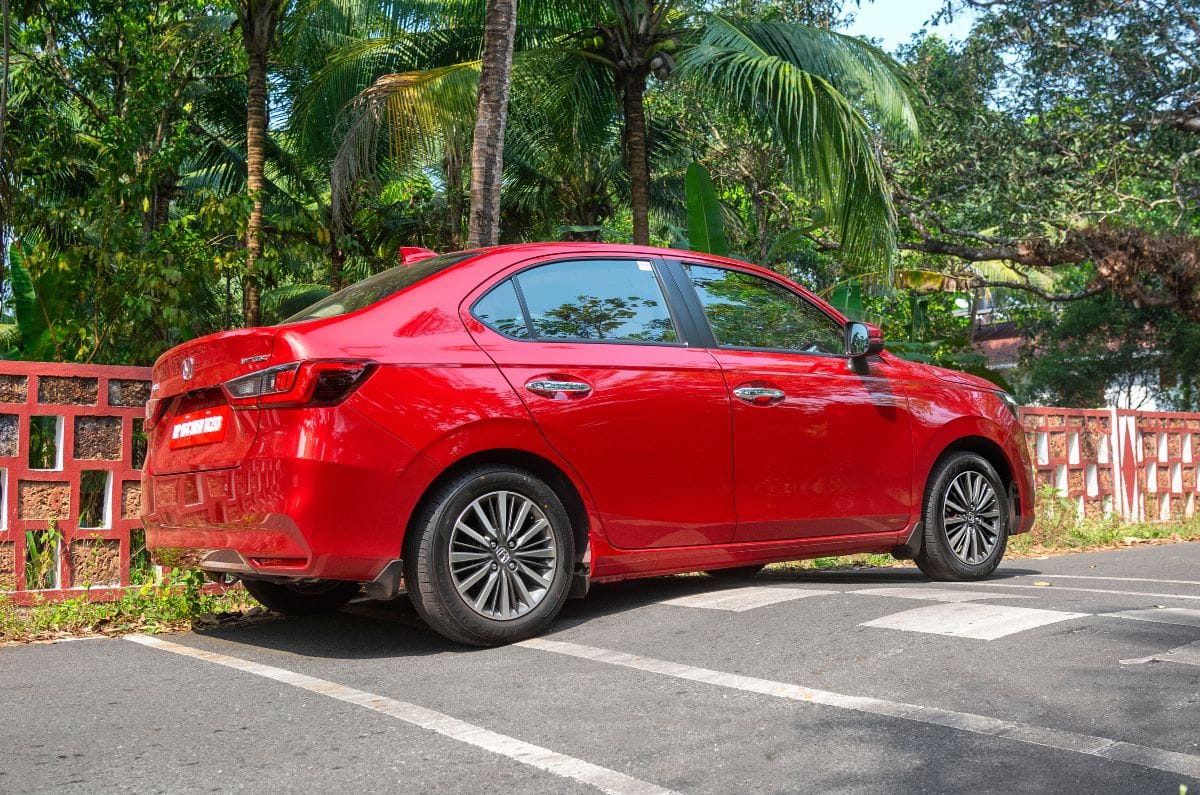
Honda Amaze front three quarter static

Honda sells both the second-gen and third-gen iterations of the Amaze in India. However, our focus here would be solely on the latter as it’s the latest and thus the best-equipped to tussle with other sub-4-metre sedans. As the Japanese brand’s most affordable offering, the Amaze carries a price tag of between Rs 7.65 lakh and 10.00 lakh (ex-showroom). Considering the brand’s badge appeal and some segment-first features, should you buy the Honda Amaze? Let’s find out.

Reasons to buy the Honda Amaze

Rear-seat comfort and a spacious boot

Usable interior space and a large boot add practicality to the Amaze

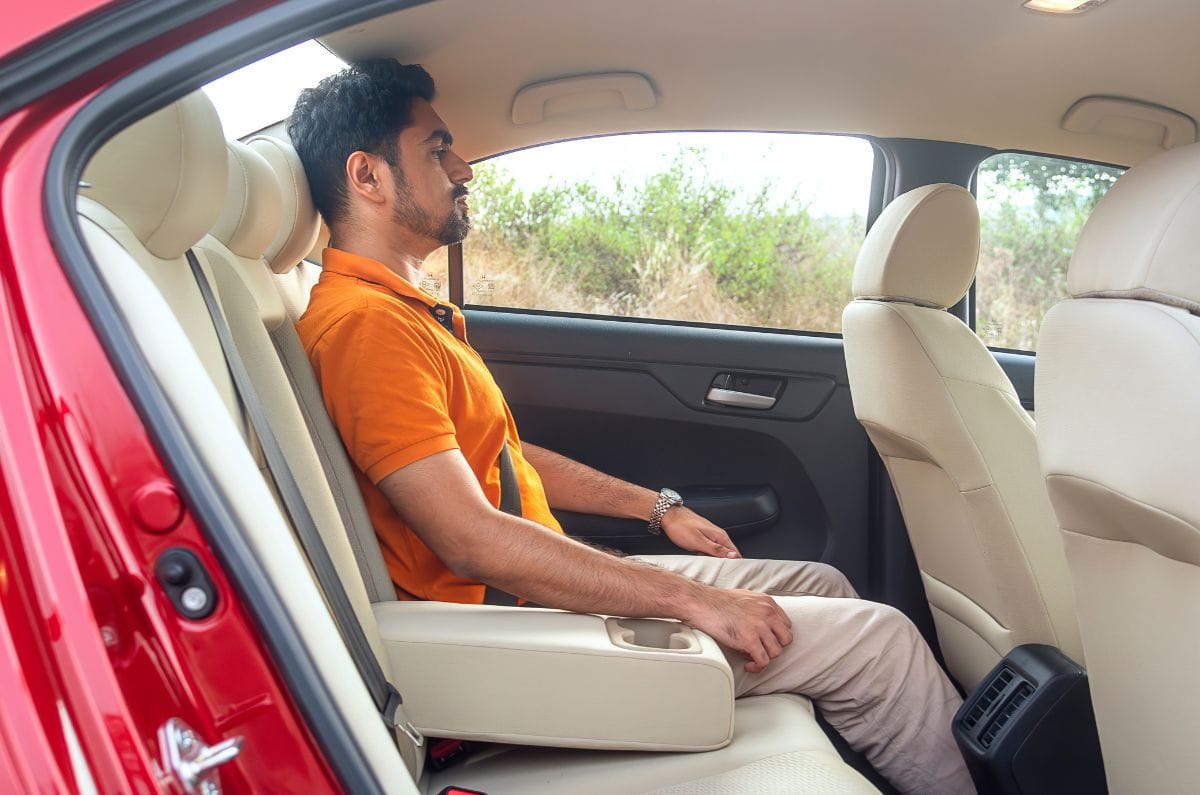
Honda Amaze rear seats

The rear seats of the Amaze are especially more comfortable than the front ones. Not only do the outer seats provide ample support, but their backrest angle is good too. Making these back seats more comfortable is the usable amount of kneeroom and legroom on offer, partly helped by the scooped-out portion of the front seatbacks. Further aiding comfort here are the dedicated AC vents, a centre armrest with cupholders, and headrests for all three passengers.

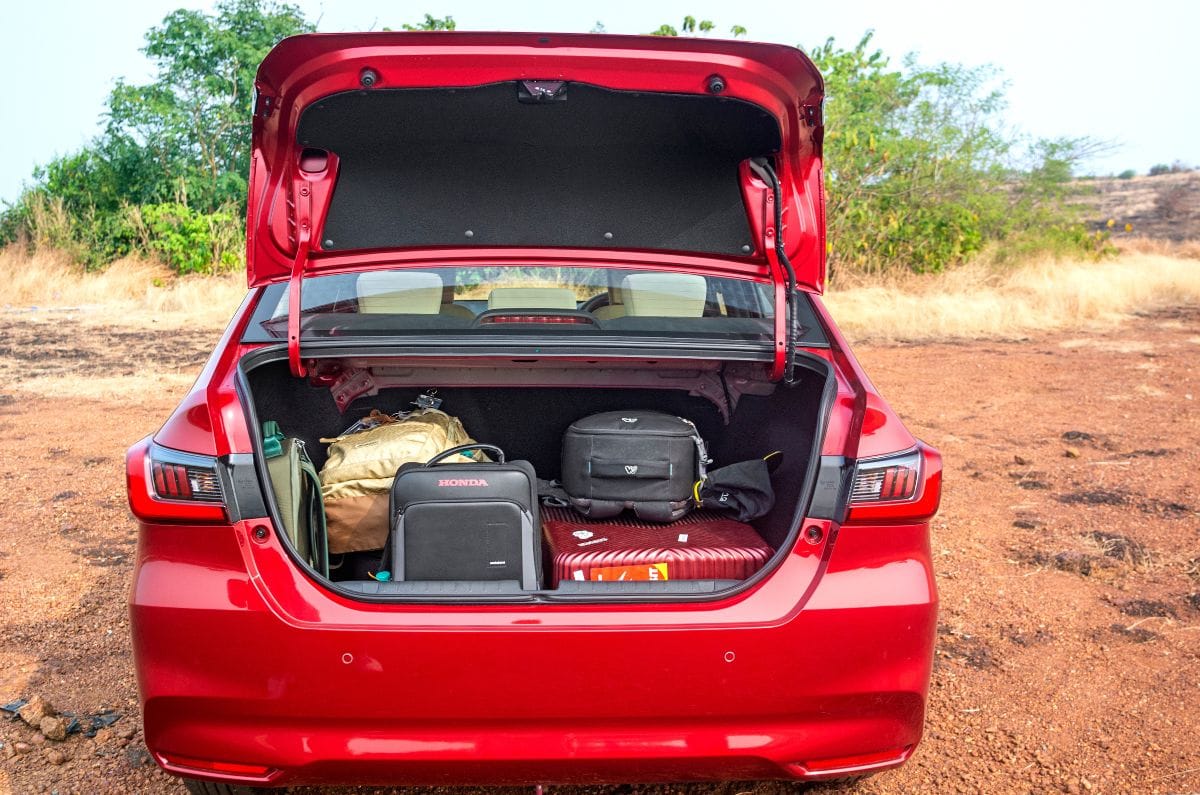
Honda Amaze boot space

As for the Amaze’s luggage-carrying capacity, its 416-litre boot is one of the most spacious in the segment, easily trumping the Maruti Dzire and Hyundai Aura. While the loading lip is high, The Amaze’s boot offers plenty of width and depth to accommodate your luggage.

Easy to live with

The Amaze gets several user-friendly details right while also feeling more premium

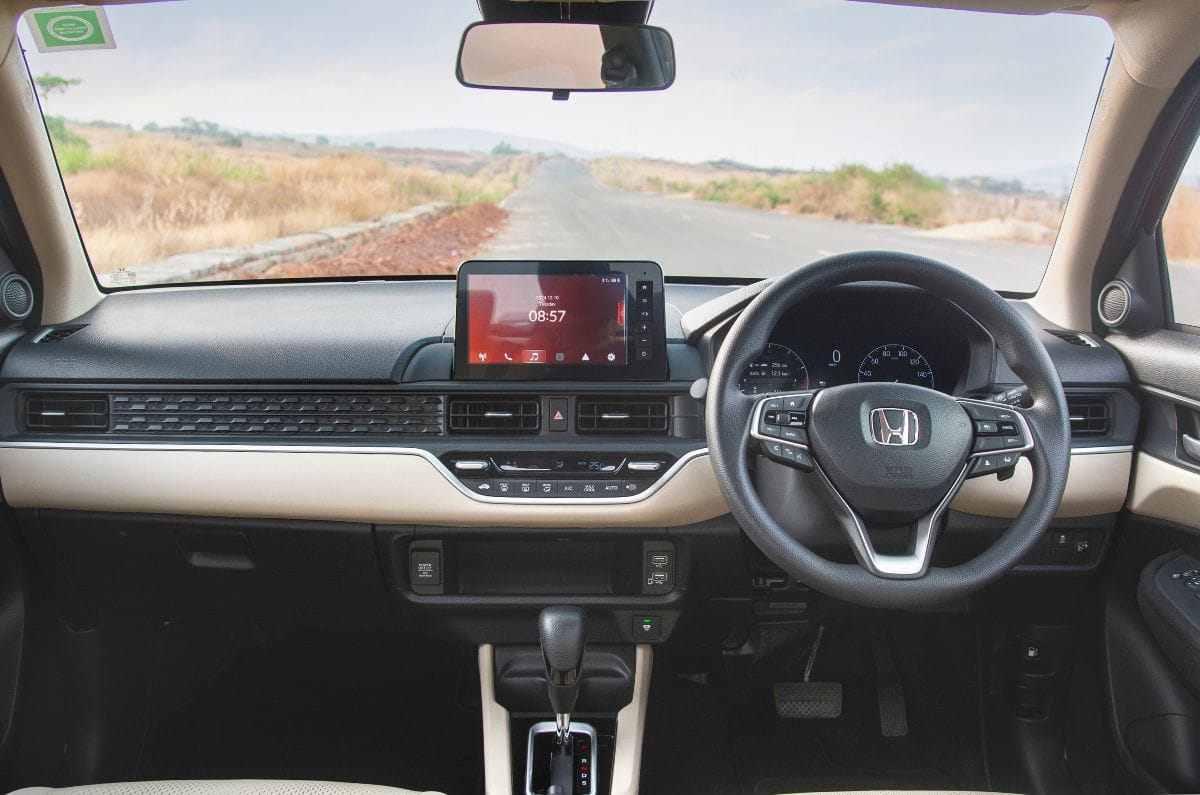
The Amaze’s beige-black interior theme, an expansive glass area and a low-set dashboard make its cabin feel light and airy. This two-tone colour scheme, along with the high perceived quality and overall levels of fit & finish, make the Honda Amaze’s interior feel more premium over its rivals.

Honda Amaze interior

The light steering and clutch, a tight turning radius plus an easy-to-use manual gearbox mixed with good all-round visibility, make pottering around town easy. If you go for the CVT (continuously variable transmission) option, driving the Honda Amaze becomes a hassle-free affair. It comes with paddle shifters that react promptly and also come in handy when there’s a need for engine braking. Meanwhile, the physical controls for the HVAC system allow users to adjust the temperature or the fan speed without getting too distracted.

ADAS is available

This is the only car in its class to feature advanced driver-assistance systems

Honda Amaze front tracking

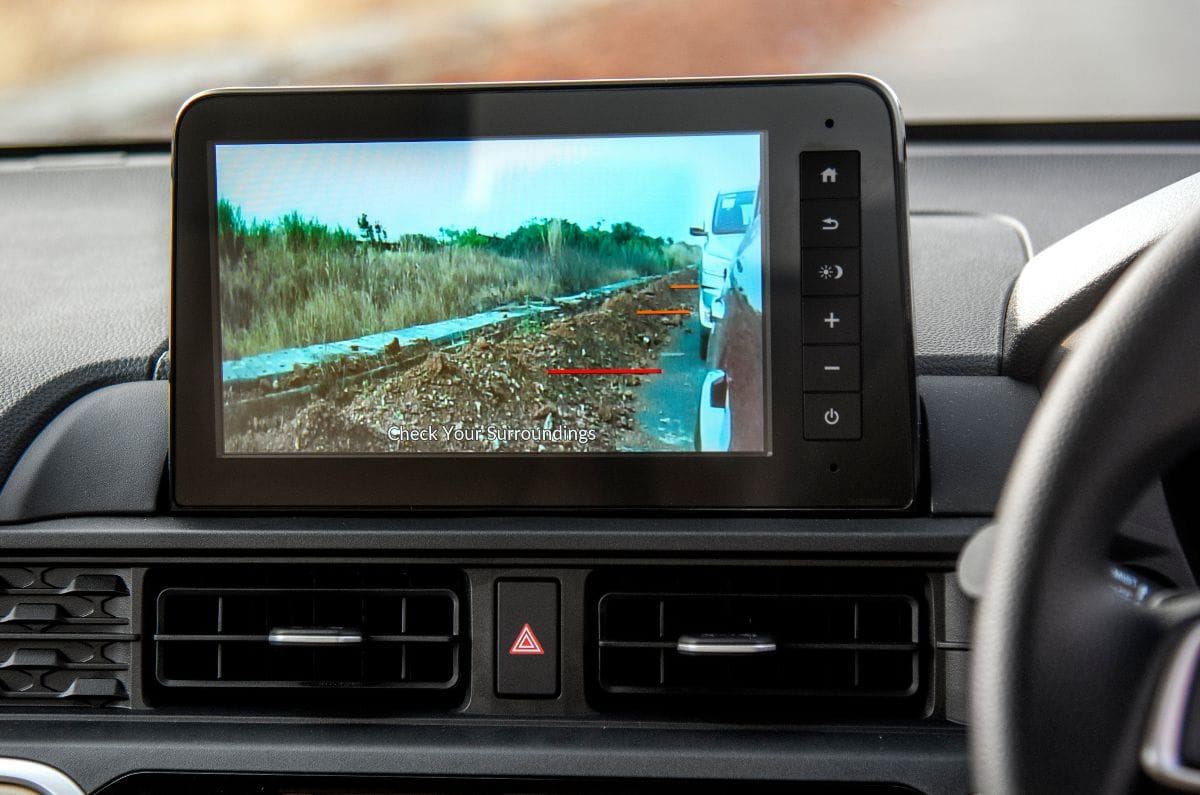
The Amaze is offered with the camera-based Honda Sensing ADAS (advanced driver-assistance systems) suite on the top-spec ZX trim. For those who want that extra layer of active safety nannies, features such as adaptive cruise control with autonomous emergency braking, lane-keeping assist and automatic high-beam will be useful add-ons. The Amaze can also be had with the brand’s LaneWatch Camera system, which displays the camera feed on the infotainment screen, aiding situational awareness.

Reasons to avoid the Honda Amaze

Poor cabin insulation

The Amaze’s cabin is quite an audible one

One of the aspects of driving the Honda Amaze is its lack of proper cabin insulation. Apart from engine and road noises, even ambient sounds from the outside world make it into this cabin with relative ease. This means that the Amaze’s cabin never really feels as relaxing as it could have been.

Underwhelming performance

This Honda sedan lacks engine punch to keep up with some rivals

The 1.2-litre four-cylinder petrol engine of the Honda Amaze is happy to rev to its redline without complaint, but it isn’t a punchy unit. While there’s enough grunt once you get past the 4500rpm mark, this engine feels weak below 2,000rpm. Honda has tried to counter this by providing shorter ratios for the first and second gears.

Honda Amaze soft suspension

However, this leads to one having to downshift constantly when driving in bumper-to-bumper traffic or even when trying to drive away from speed-breakers. Even though the CVT masks this engine’s weak low-end and mid-range performance, pushing it results in the type’s characteristic rubber-band effect becoming apparent. The soft suspension means that the Amaze sags under load, raising the risk of scraping the belly on large speed-breakers. It also causes the Amaze to roll noticeably in the corners.

Pricier than rivals

The Amaze remains the most expensive offering in its segment

Honda Amaze LaneWatch camera

Unlike the top-spec Maruti Dzire, which is Rs 64,000 cheaper the fully loaded Honda Amaze, it still gets a powered sunroof and a 360-degree camera setup. The Amaze also lacks Type-C USB ports, offering just Type-A and 12-volt outlets. While the higher price tag of the top-spec trim can be explained away due to the inclusion of ADAS, buyers would still want the aforementioned missing features at this price bracket.

Also read

Tata Sierra vs Kia Seltos diesel AT performance comparison

Kia Seltos vs Tata Sierra diesel automatic: Real world mileage compared

Tata Sierra vs Kia Seltos diesel AT performance comparison

Tata Sierra vs Kia Seltos diesel AT performance comparison

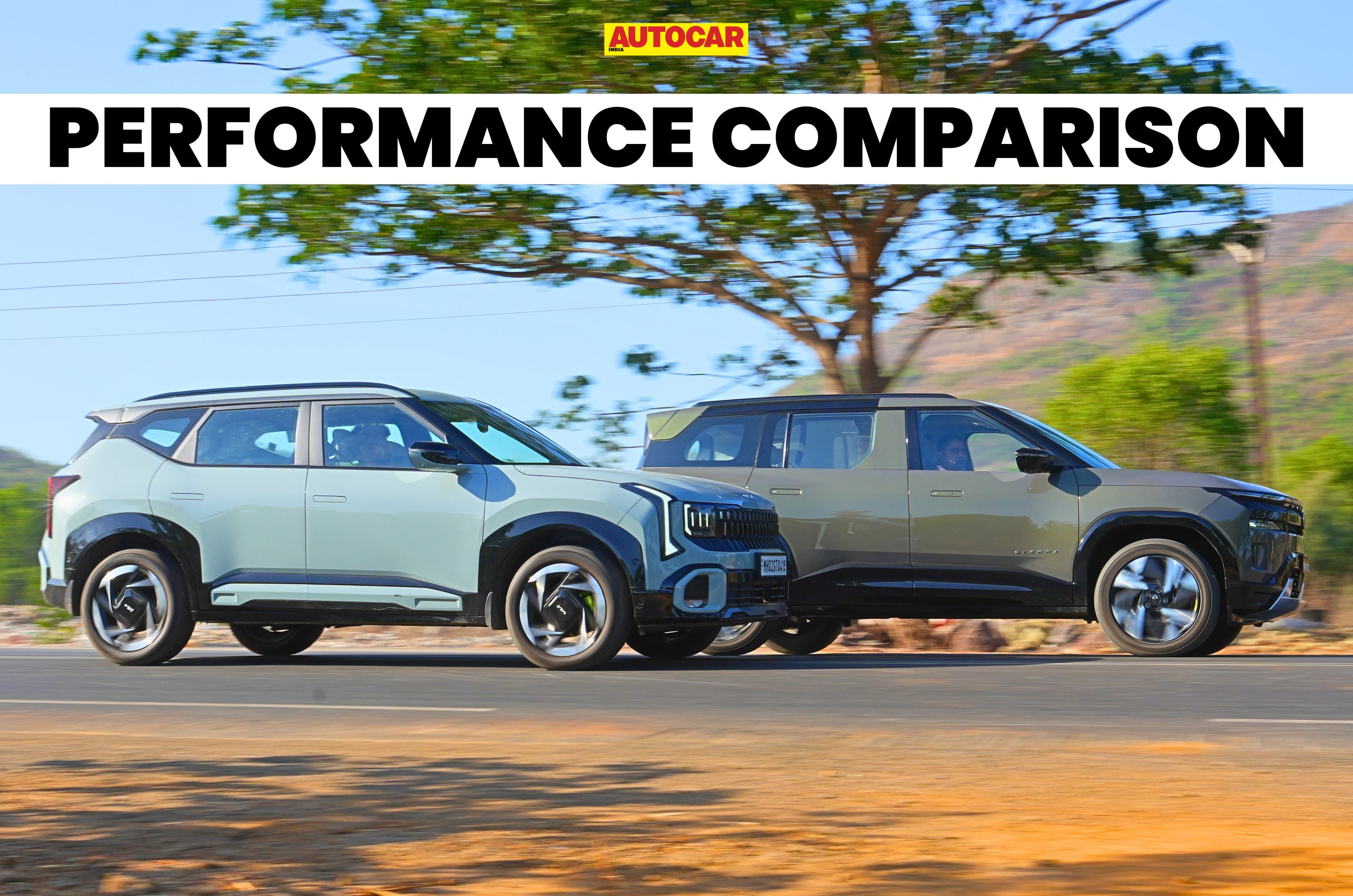
The Tata Sierra and Kia Seltos are among the few mid-size SUVs available with a diesel engine option. We have already compared their fuel efficiency figures, but this time we are looking at how the two perform in terms of acceleration. It should be noted that the Seltos diesel AT was tested in slightly wet conditions at a temperature of 27deg C. Here is how the two SUVs compare.

Tata Sierra vs Kia Seltos diesel AT: Specifications

SUVSierraSeltos
Cylinder count44
Displacement1497cc1493cc
Power118hp at 4000rpm 116hp at 4000rpm
Torque280Nm at 1500-2750rpm250Nm at 1500-2750rpm
Automatic transmission6-speed torque converter6-speed torque converter
Tyre size19 inch18 inch

The Tata Sierra and Kia Seltos use four-cylinder diesel engines with nearly the same displacement, at 1,497cc and 1,493cc, respectively. The Sierra makes 118hp, which is 2hp more than the Seltos’ 116hp. Its bigger advantage is torque, with 280Nm compared with 250Nm for the Seltos. Notably, the Sierra AT diesel makes 20Nm more torque than the manual version.

Both SUVs get a six-speed torque-converter automatic gearbox and are also equipped with a variable-geometry turbocharger, which helps improve power delivery and reduce turbo lag. In terms of wheel size, the Sierra gets 19-inch tyres, while the Seltos is equipped with 18-inch units.

Tata Sierra vs Kia Seltos diesel AT: 0-100kph sprint

SUVSierraSeltos
20kph (s)1.441.36
40kph (s)3.533.11
60kph (s)5.935.81
80kph (s)9.319
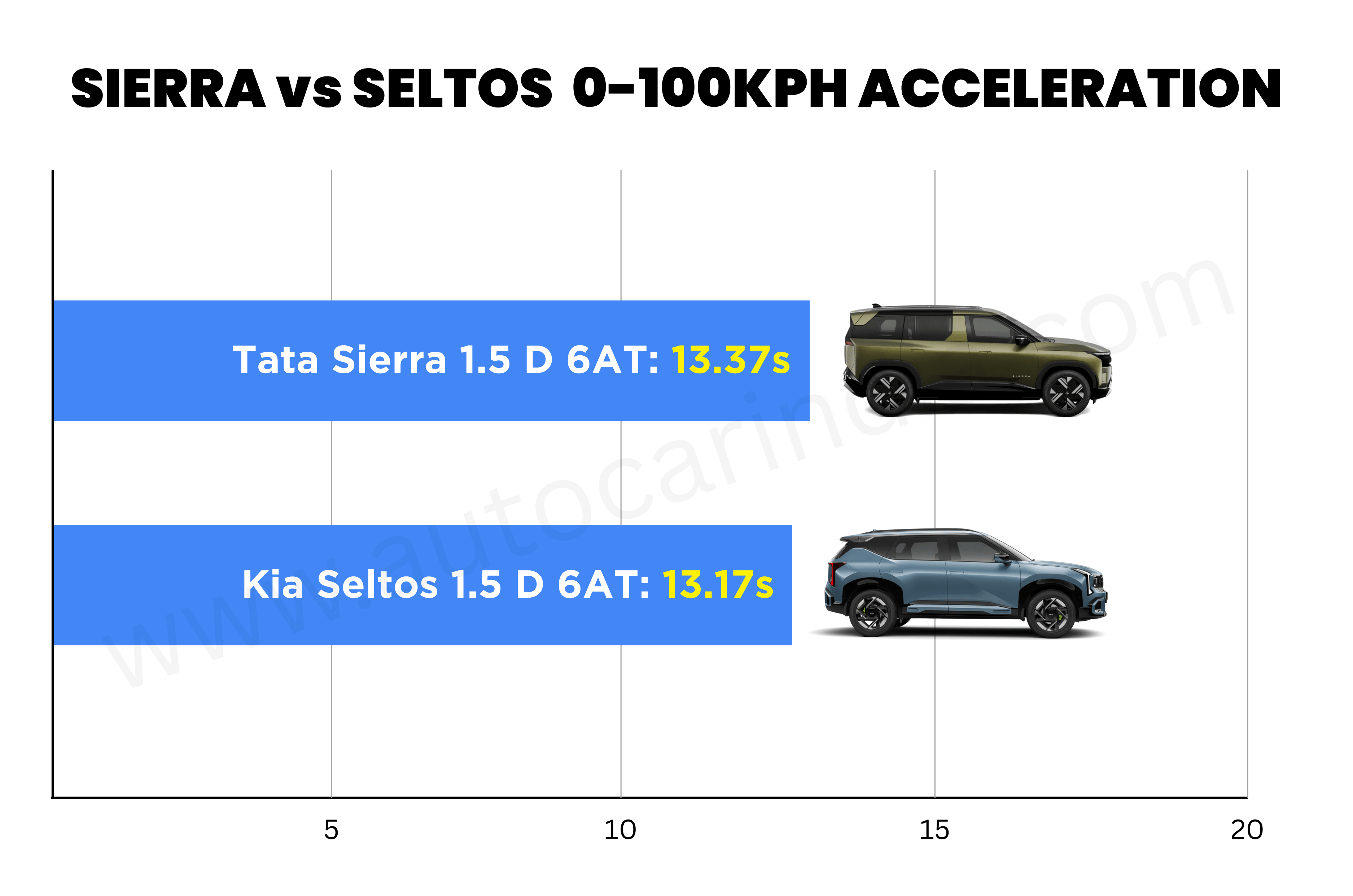
100kph (s)13.3713.17

In our tests, the Kia Seltos is quicker than the Tata Sierra in accelerating from a standstill to the 100kph mark. From 0-20kph, the Seltos takes 1.36 seconds, 0.08 seconds quicker than the Sierra’s 1.44 seconds figure. The gap increases to 0.42 seconds at 40kph, with the Seltos taking 3.11 seconds versus 3.53 seconds for the Sierra.

Tata Sierra vs Kia Seltos diesel AT 0-100kph sprint

At 60kph, the Seltos takes 5.81 seconds, just 0.12 seconds quicker than the Sierra’s 5.93 seconds. The difference is even smaller at 80kph, where the Seltos takes 9 seconds compared with 9.31 seconds for the Tata SUV. At 100kph, the Kia SUV completes the run in 13.17 seconds, while the Sierra takes 13.37 seconds, making it 0.20 seconds quicker.

Tata Sierra vs Kia Seltos diesel AT: Rolling acceleration

In the 20-80kph run, with the cars in third gear and using kickdown, the Seltos is quicker than the Sierra. It takes 7.72 seconds to complete the run, compared with 7.97 seconds for the Sierra, giving it a 0.25 second advantage.

The result reverses in the 40-100kph fourth-gear kickdown test. Here, the Sierra takes 9.42 seconds, making it 0.62 seconds quicker than the Seltos, which completes the run in 10.04 seconds.

Tata Sierra vs Kia Seltos diesel AT: Prices

SUVSierraSeltos
Price range (Rs lakh)15.99-21.2915.32-21.82

The Kia Seltos has a lower starting price at Rs 15.32 lakh, compared with Rs 15.99 lakh for the Tata Sierra, making it Rs 67,000 cheaper at the base end. However, the Sierra has a lower top-spec price of Rs 21.29 lakh, while the Seltos goes up to Rs 21.82 lakh, making the Sierra Rs 53,000 cheaper at the top end.

Autocar India’s performance testing standards

Before we conduct our performance tests, we check and maintain tyre pressures based on the manufacturer’s recommendations and ensure the car has a full tank of fuel. The car is then tested in a controlled environment with two people on board, and the data is collected via highly accurate GPS-based timing equipment.

Ex-showroom prices are as of August 11, 2026.

Balrampur Chini Q1 Results: चीनी कंपनी का मुनाफा 14% घटा, रेवेन्यू बढ़ा; नए इंडिपेंडेंट डायरेक्टर की नियुक्ति

Balrampur Chini Q1 Results: चीनी कंपनी Balrampur Chini Mills का जून तिमाही प्रदर्शन मिला-जुला रहा। कंपनी का शुद्ध मुनाफा सालाना आधार पर 14.5% घटकर 44.1 करोड़ रुपये रह गया। पिछले साल इसी तिमाही में मुनाफा 51.6 करोड़ रुपये था।

रेवेन्यू बढ़ा, लेकिन EBITDA घटा

बलरामपुर चीनी मिल्स का रेवेन्यू 6% बढ़कर 1,636.8 करोड़ रुपये हो गया। एक साल पहले यह 1,542.3 करोड़ रुपये था। हालांकि, ऑपरेशनल कमाई पर दबाव रहा। EBITDA 15% घटकर 114 करोड़ रुपये रह गया। पिछले साल यह 134.3 करोड़ रुपये था।

EBITDA मार्जिन भी 8.71% से घटकर 6.96% हो गया। यानी बिक्री बढ़ने के बावजूद कंपनी की कमाई का मार्जिन कमजोर हुआ।

वर्तिका शुक्ला बनीं इंडिपेंडेंट डायरेक्टर

बलरामपुर चीनी मिल्स ने वर्तिका शुक्ला को एडिशनल डायरेक्टर और नॉन-एग्जीक्यूटिव इंडिपेंडेंट डायरेक्टर नियुक्त किया है। उनका कार्यकाल 11 अगस्त 2026 से 10 अगस्त 2031 तक पांच साल का होगा। कंपनी के मुताबिक, शुक्ला को इंजीनियरिंग कंसल्टेंसी, प्रोजेक्ट मैनेजमेंट, बिजनेस स्ट्रैटेजी और एनर्जी सेक्टर में 38 साल से ज्यादा का अनुभव है।

उन्होंने अपने करियर के 38 साल Engineers India Limited (EIL) में बिताए हैं। यह पेट्रोलियम और प्राकृतिक गैस मंत्रालय के तहत काम करने वाली कंपनी है। उन्हें बड़े प्रोजेक्ट्स, बिजनेस डायवर्सिफिकेशन और सस्टेनेबिलिटी से जुड़े काम का भी अनुभव है।

बलरामपुर चीनी मिल्स के शेयरों का हाल

बलरामपुर चीनी मिल्स का शेयर 4.62% गिरकर 625 रुपये पर बंद हुआ। पिछले 6 महीने में स्टॉक 35.52% दिया है। कंपनी का मार्केट कैप 12.72 हजार करोड़ रुपये है।

Balrampur Chini Mills एक प्रमुख चीनी और एथेनॉल बनाने वाली कंपनी है। इसका मुख्य कारोबार गन्ने की पेराई करके चीनी बनाना है। इसके अलावा कंपनी गन्ने के रस और शीरे से एथेनॉल तैयार करती है, जिसका इस्तेमाल पेट्रोल में मिलाने के लिए होता है। कंपनी बिजली उत्पादन के कारोबार में भी है। गन्ने की पेराई से निकलने वाले बगास का इस्तेमाल कर यह को-जनरेशन प्लांट से बिजली बनाती है।

Vedanta Group: इन कंपनियों में हिस्सेदारी खरीद-बेच सकते हैं प्रमोटर, ₹3000 करोड़ तक जुटाने की तैयारी

Disclaimer: यहां मुहैया जानकारी सिर्फ सूचना के लिए दी जा रही है। यहां बताना जरूरी है कि मार्केट में निवेश बाजार जोखिमों के अधीन है। निवेशक के तौर पर पैसा लगाने से पहले हमेशा एक्सपर्ट से सलाह लें। मनीकंट्रोल की तरफ से किसी को भी पैसा लगाने की यहां कभी भी सलाह नहीं दी जाती है।

Plastic Banknotes: ₹10 और ₹20 के प्लास्टिक नोटों पर बड़ा अपडेट! RBI को एक अरब के फील्ड ट्रायल को मिली हरी झंडी

Polymer Banknotes Field Trial in India: क्या आपने कभी पानी में नहीं भीगने वाले या जेब में रखे-रखे न फटने वाले नोटों के बारे में सुना है? जल्द ही आपके हाथ में ऐसे प्लास्टिक या पॉलिमर वाले ₹10 और ₹20 के नोट दिख सकते हैं। केंद्र सरकार ने संसद में जानकारी दी है कि उसने फील्ड ट्रायल के लिए ₹10 और ₹20 के 1 अरब पॉलिमर बैंकनोट्स पेश करने के प्रस्ताव को मंजूरी दे दी है।

वित्त मंत्री निर्मला सीतारमण ने राज्यसभा में एक लिखित जवाब में बताया कि भारतीय रिजर्व बैंक (RBI) के केंद्रीय बोर्ड की सिफारिश के आधार पर, RBI अधिनियम, 1934 की धारा 25 के तहत यह मंजूरी दी गई है।

कागज के नोटों के साथ ही चलेंगे पॉलिमर नोट

सरकार द्वारा दी गई जानकारी के मुताबिक, ये नए पॉलिमर नोट अचानक से पुराने नोटों को बंद नहीं करेंगे। ये पॉलिमर बैंकनोट्स बाजार में वर्तमान में चल रहे कागज पर आधारित नोटों के साथ ही सर्कुलेशन में रहेंगे। फील्ड ट्रायल के सफल समापन के बाद ही इन दोनों मूल्यवर्गों में पॉलिमर नोटों को नियमित रूप से जारी किया जाएगा।

RBI ने सूचित किया है कि इन नोटों की छपाई की प्रक्रिया अभी शुरुआती चरण में है। इसलिए, अभी इसके जारी होने की सटीक तारीख या इस पर होने वाले संभावित खर्च का अनुमान नहीं लगाया जा सकता।

क्यों खास होते हैं प्लास्टिक वाले नोट?

छोटे मूल्यवर्ग के नोट (जैसे- ₹10 और ₹20) लोगों के हाथों में बहुत तेजी से घूमते हैं, जिससे वे जल्दी गंदे हो जाते हैं, फट जाते हैं या पानी में भीगकर खराब हो जाते हैं। पॉलिमर नोट सामान्य कागज के नोटों की तुलना में 3 से 4 गुना अधिक लंबे समय तक चलते हैं। पानी या पसीने में भीगने पर ये नोट खराब नहीं होते। इन नोटों में सुरक्षा के ऐसे फीचर्स शामिल किए जा सकते हैं, जिनकी नकल करना बेहद मुश्किल होता है।

What to expect from Mahindra’s 2026 Independence Day event

Mahindra 2026 Independence Day event

Over the past few years, Mahindra celebrated Independence Day by debuting all-new models (Thar Roxx and XUV700), concept cars that preview upcoming models (Vision S, Vision T, Thar.e, and more), or even fresh platforms and technologies (Nu_IQ and INGLO). The tradition will continue in 2026, with Mahindra set to host a blowout on August 15. Here’s what you can expect.

Closer-to-production-spec Mahindra Scorpio N pickup truck

Mahindra’s Hilux rival is likely just days away from its unveil

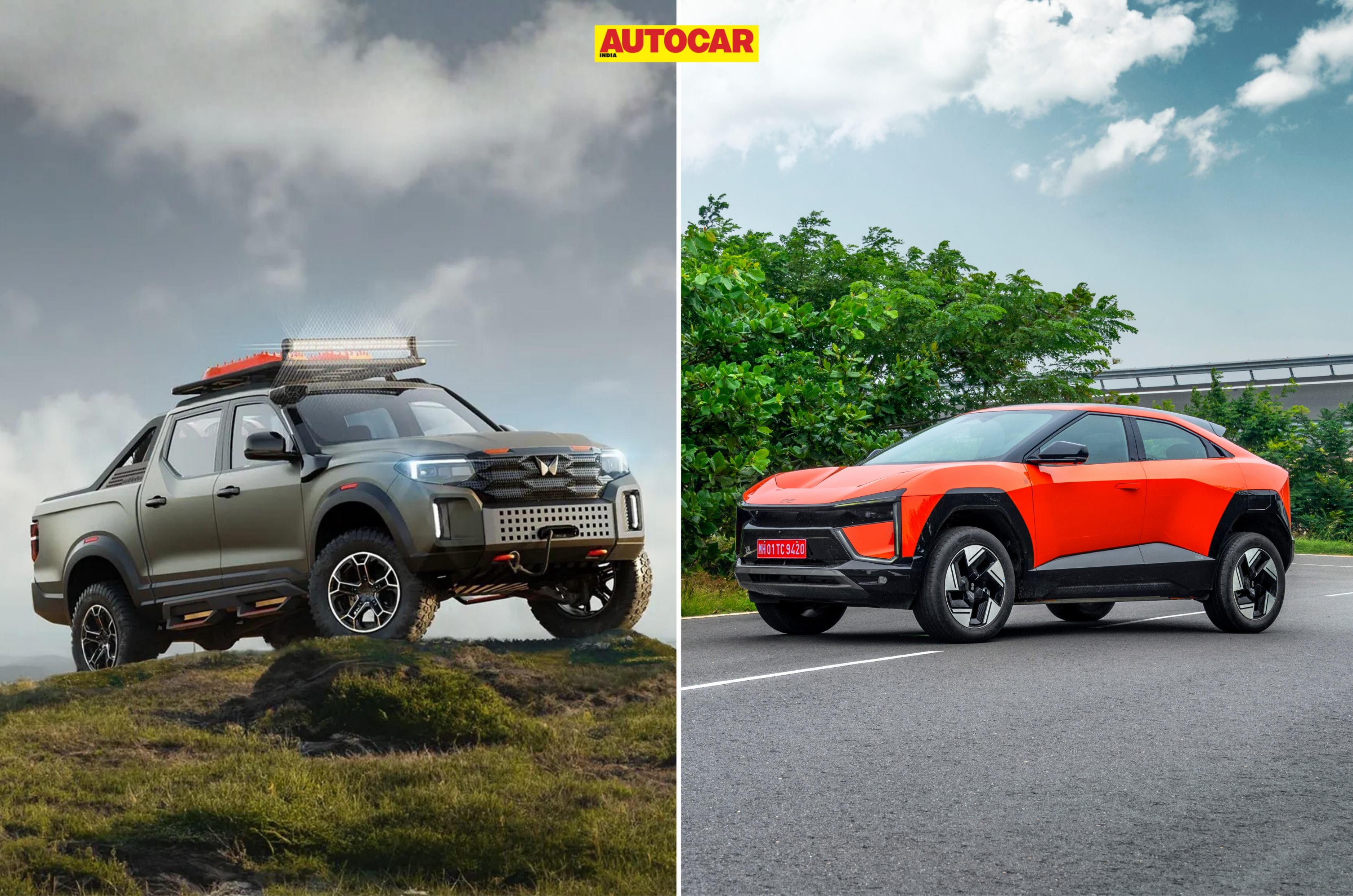
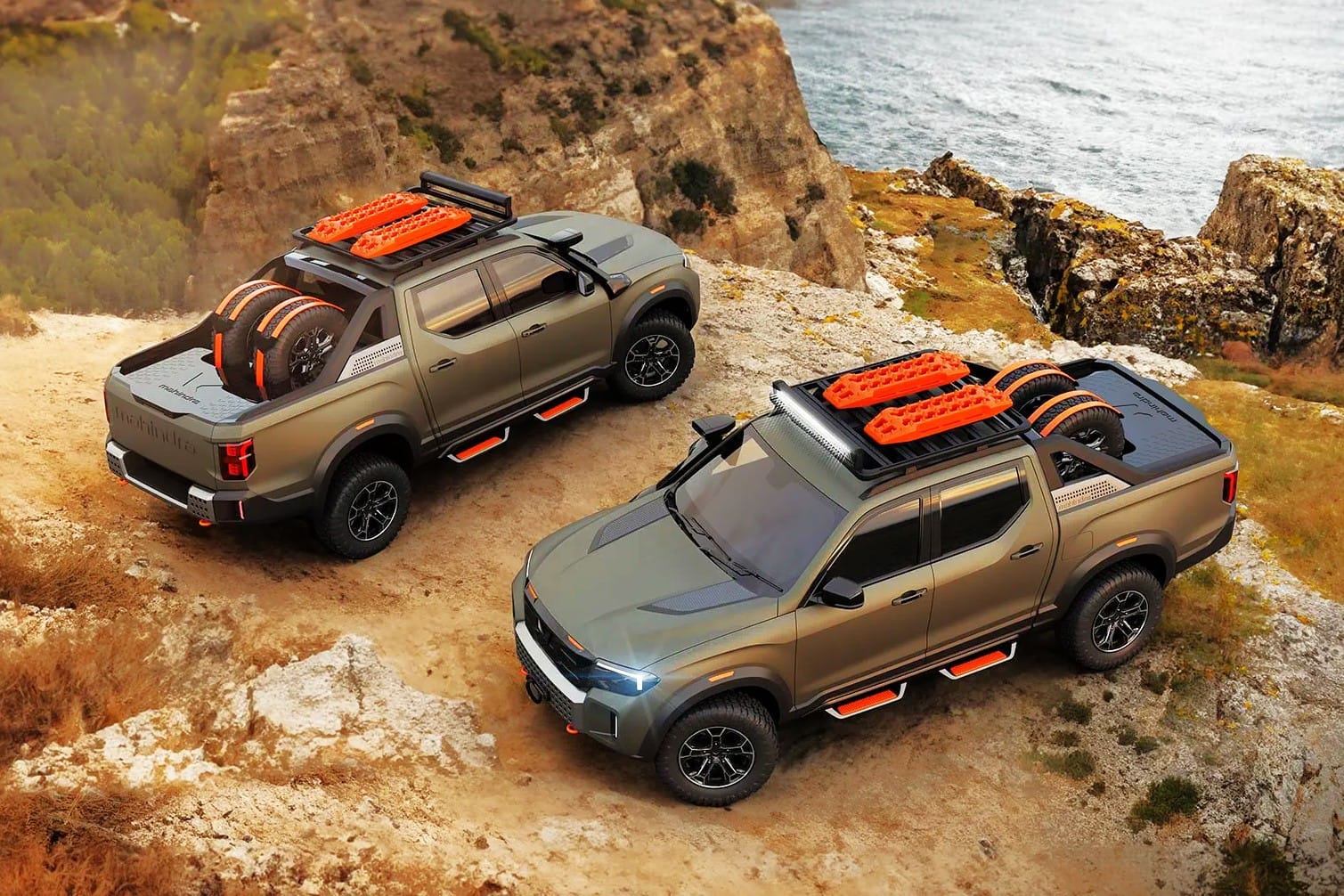
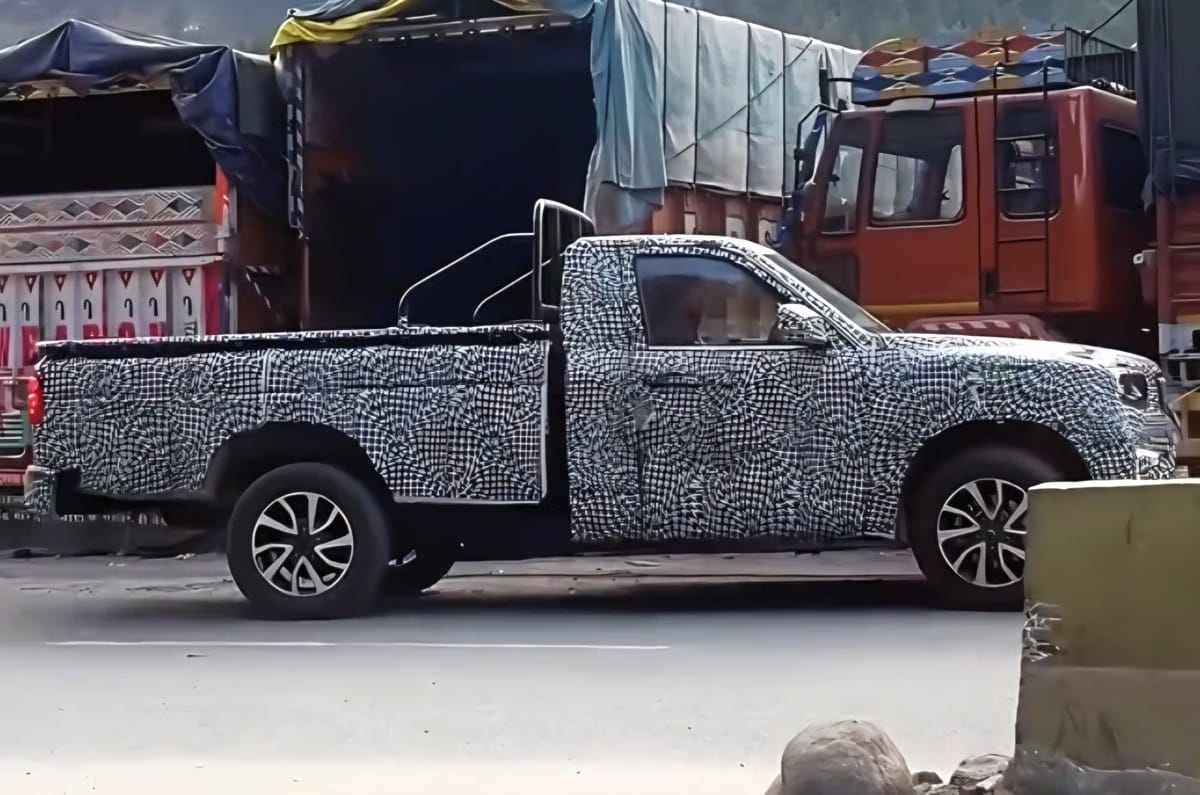
First previewed at Mahindra’s 2023 Independence Day event by way of the Global Pik Up Concept, the Scorpio N pickup truck is expected to finally break cover in a closer-to-production guise at this year’s celebration. Mahindra has been testing the Scorpio N pickup on Indian roads for quite some time, with prototypes sporting a single-cab configuration and an extended load bed. It remains to be seen if the final versions will sport a similar body style.

Credit: vashusinghyt via Instagram

Styling elements for the pickup truck are anticipated to largely mirror those of the Scorpio N SUV, possibly with more rugged cues for differentiation. Under the bonnet, we expect the Scorpio N pickup to retain the SUV’s 203hp 2.0-litre direct-injection turbo-petrol and 175hp 2.2-litre diesel engines, with 6-speed manual and 6-speed automatic gearbox options. 4WD is expected to be on offer as well.

The Scorpio N pickup is likely to rival the Toyota Hilux, which has done well to grow the popularity of the lifestyle pickup truck segment in India and make it a more lucrative space – one where Mahindra’s formula of tough, off-road-capable ladder-frame offerings fits quite well.

Mahindra BE 6 Sporteq variant

Gets triple-display setup and more conventional dashboard design

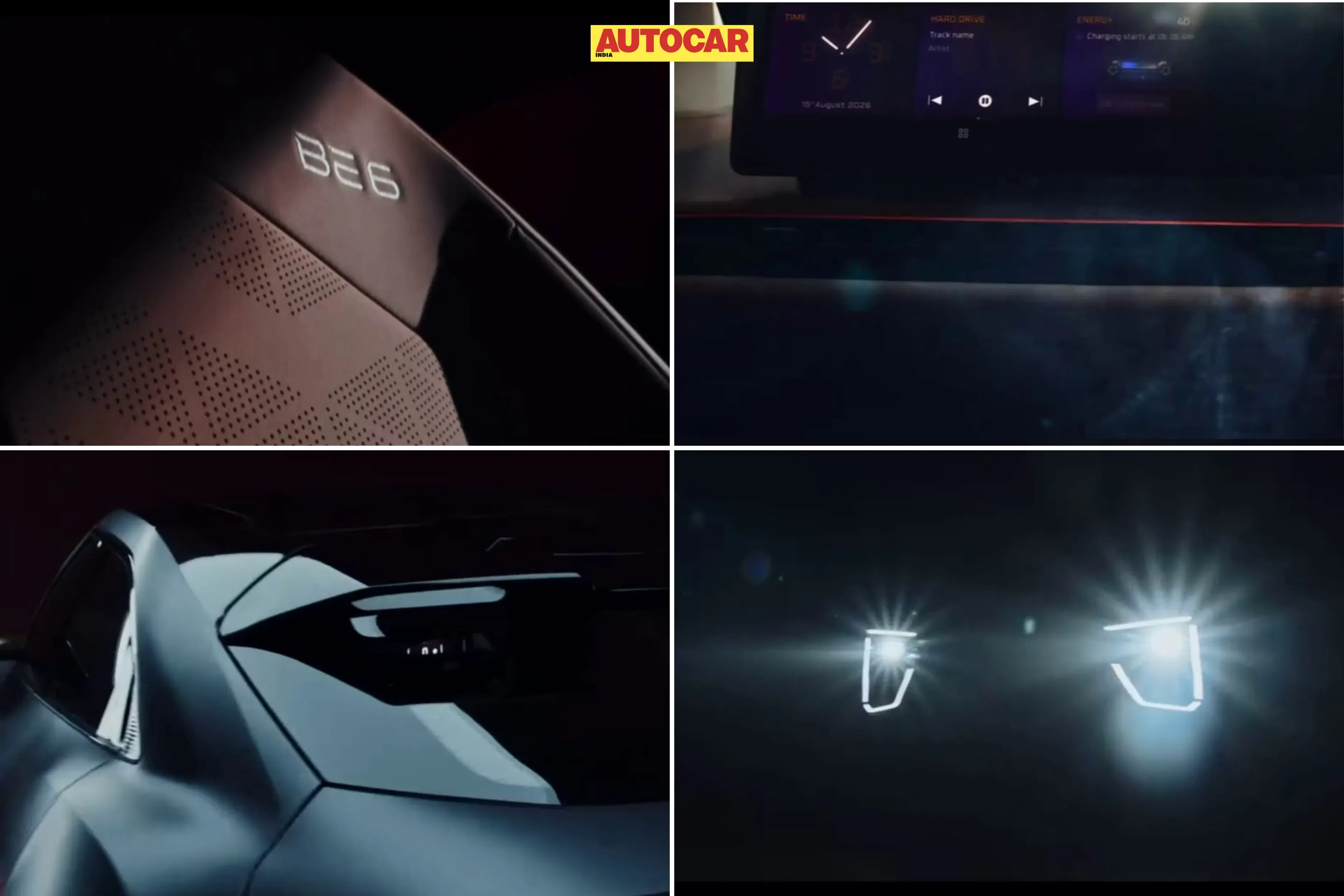
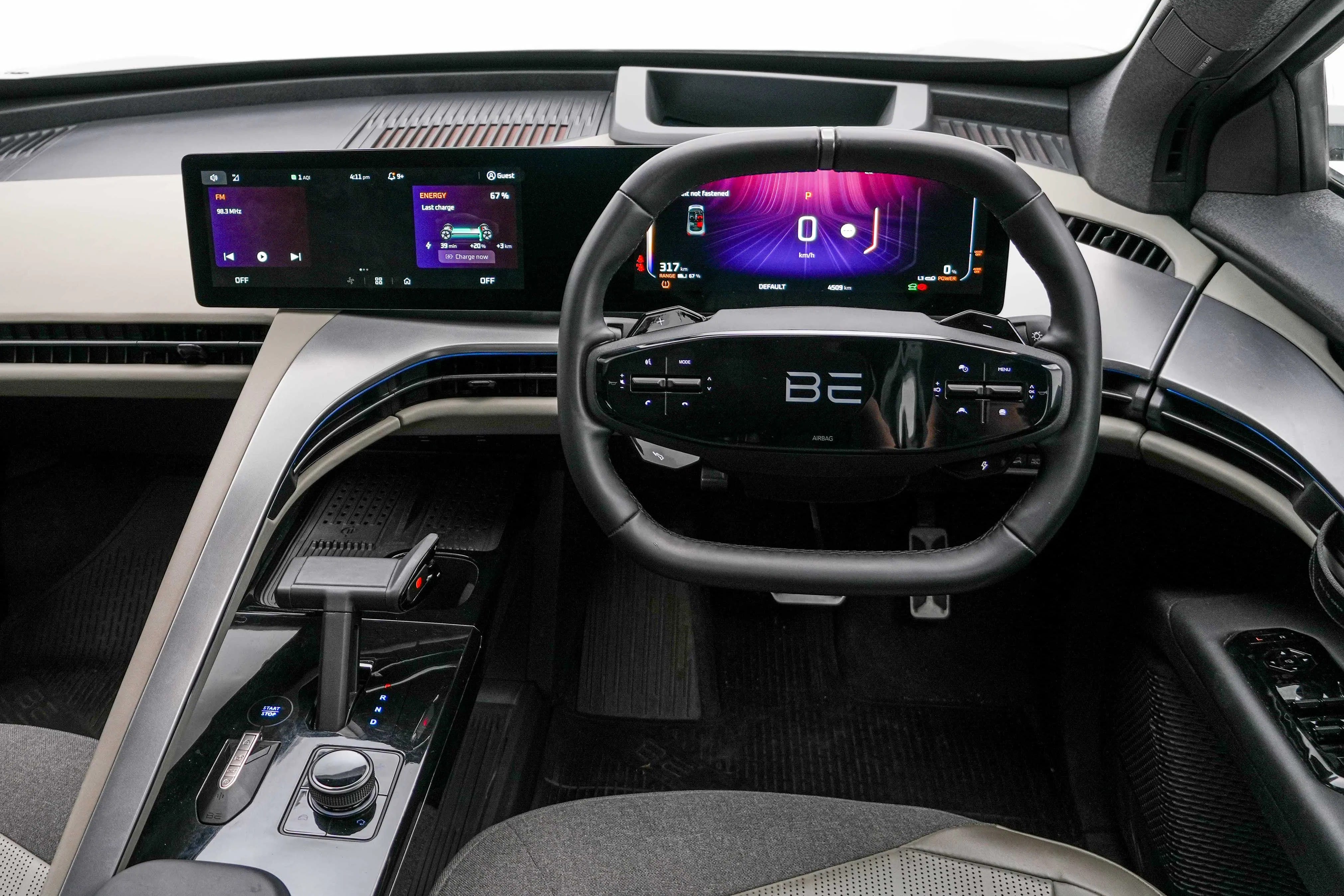
Mahindra will debut a new Sporteq variant of the BE 6 electric SUV on August 15. The BE 6 Sporteq’s key update is the addition of a passenger display on the inside, forming a triple-screen setup like those of the larger XEV 9e and XEV 9S. It will also sport a redesigned dashboard that eschews the large divider between the front seats, which was an ergonomic flaw that restricted access to the wireless charging pad and USB Type-C ports for the co-driver, and did not leave enough space for a second cupholder.

Current Mahindra BE 6 dashboard. Image used for representation only.

In addition to the aforementioned updates, the BE 6 Sporteq may offer new interior upholstery and colour options. Since the Sporteq is likely to be positioned as the new top-spec BE 6 variant, expect it to come with the 79kWh, rear-motor powertrain outputting 286hp and 380Nm, and claiming an MIDC range of 683km. As for pricing, the BE 6 Sporteq is anticipated to command a slight premium over the current top-spec Pack Three 79kWh variant, which costs Rs 26.9 lakh (ex-showroom).