रितेश हिंडोचा को 3 साल की उम्र में Down Syndrome होने का पता चला। लेकिन उनके परिवार ने उन्हें कभी सीमाओं में नहीं बाँधा। Swimming, Speech Classes, Sports, लोगों से जुड़ना, हर कदम ने उनका आत्मविश्वास बढ़ाया।
45 साल की उम्र में भी रितेश उसी जोश के साथ ज़िंदगी जीते हैं। Covid के दौरान शुरू हुआ उनका Instagram आज लाखों लोगों तक मुस्कान और उम्मीद पहुँचा रहा है। इतना ही नहीं, उन्होंने आमिर खान की फिल्म ‘सितारे ज़मीन पर’ में भी काम किया।
रितेश की कहानी याद दिलाती है कि सही साथ, प्यार और भरोसा किसी भी Diagnosis से बड़ा हो सकता है।
@riteshhindocha
Person with Down Syndrome Achievement, Family Support for Down Syndrome Child, Down Syndrome Influencer
खुलकर जीना सिखाते हैं ये Down Syndrome कलाकार | Ritesh Hindocha
India-Nepal Sugauli Treaty: भारत और नेपाल के बीच जारी सीमा विवाद के बीच नेपाल सरकार की ओर से एक हैरान करने वाला कबूलनामा सामने आया है। नेपाल के विदेश मंत्री शिशिर खनाल ने संसद में स्वीकार किया है कि सरकार को इस बात की पक्की जानकारी नहीं है कि उसके पास 1816 की ऐतिहासिक सुगौली संधि और 1950 की नेपाल-भारत संधि के मूल दस्तावेज मौजूद हैं या नहीं। ब्रिटिश भारत के साथ नेपाल की सीमा तय करने वाली यह संधि दोनों देशों के सीमांकन का मुख्य आधार रही है।
नेपाल की प्रतिनिधि सभा में एक सवाल का जवाब देते हुए विदेश मंत्री शिशिर खनाल ने कहा कि सरकार के पास 1816 की संधि से जुड़े दस्तावेजों के रिकॉर्ड तो मौजूद हैं, लेकिन उनमें से कोई आधिकारिक मूल संधि पत्र है या नहीं, इसकी पुष्टि नहीं की जा सकती।
नेपाल की संसद में विदेश मंत्री बोले- नेशनल आर्काइव्स में हैं रिकॉर्ड, पर मूल दस्तावेज स्पष्ट नहीं
विदेश मंत्री खनाल ने स्पष्ट किया कि वैसे तो देश के नेशनल आर्काइव्स में कुछ कागजात संरक्षित हैं लेकिन तमाम सरकारी विभागों में की गई व्यापक खोजबीन के बाद भी हस्ताक्षर युक्त स्पष्ट और मूल संधि पत्र का पता नहीं चल सका है। संसद में बोलते हुए खनाल ने कहा कि नेपाल सरकार के पास इस बात की कोई स्पष्ट जानकारी नहीं है कि हमारे पास आधिकारिक संधि दस्तावेज मौजूद हैं या नहीं। रिकॉर्ड दिखाते हैं कि कुछ संधियों से संबंधित दस्तावेज नेशनल आर्काइव्स में रखे गए हैं। लेकिन क्या वे वास्तव में आधिकारिक और मूल संधियां हैं, इसे लेकर हमारे पास स्पष्ट जानकारी नहीं है।
आपको बता दें कि 1814-1816 के एंग्लो-नेपाल युद्ध के बाद नेपाल साम्राज्य और ब्रिटिश ईस्ट इंडिया कंपनी के बीच 1816 में सुगौली की संधि पर हस्ताक्षर किए गए थे। इस संधि ने नेपाल के क्षेत्र को काफी हद तक कम कर दिया था और इसकी आधुनिक सीमाओं की रूपरेखा तय की थी।
लिपुलेख दर्रे पर भारत-चीन व्यापार और नए विवाद की वजह
नेपाल सरकार का यह बयान ऐसे समय में आया है जब लिपुलेख दर्रे के जरिए भारत और चीन के बीच व्यापार फिर से शुरू होने को लेकर एक नया विवाद खड़ा हो गया है। नेपाल ने इस व्यापार मार्ग का विरोध करते हुए दावा किया है कि लिपुलेख, कालापानी और लिंपियाधुरा उसके क्षेत्र के अंतर्गत आते हैं।
मौजूदा सीमा विवाद मुख्य रूप से काली (या महाकाली) नदी की व्याख्या पर केंद्रित है, जिसे 1816 की सुगौली संधि ने नेपाल की पश्चिमी सीमा के रूप में स्थापित किया था। नेपाल का तर्क है कि इस नदी का उद्गम लिंपियाधुरा से होता है। इस व्याख्या के आधार पर लिपुलेख, कालापानी और लिंपियाधुरा नदी के पूर्व में स्थित हैं और इसलिए वे नेपाल का हिस्सा हैं।
भारत ने नेपाल के इस दावे को सिरे से खारिज कर दिया है। भारत का कहना है कि यह पूरा क्षेत्र लंबे समय से उसके प्रशासनिक नियंत्रण में रहा है। भारत ने अपने रुख के समर्थन में ऐतिहासिक रिकॉर्ड और नक्शों का भी हवाला दिया है।
गायब दस्तावेजों की पुरानी पहेली: 1950 की संधि के कागजात भी नदारद
मूल संधियों के गायब होने या न मिलने की यह अनिश्चितता नई नहीं है। साल 2016 में भी नेपाल को तब मुश्किलों का सामना करना पड़ा था जब दोनों देशों के बीच बने प्रबुद्ध व्यक्ति समूह द्वारा 1950 की नेपाल-भारत शांति और मित्रता संधि की समीक्षा या उसे बदलने पर विचार किया जा रहा था। उस समय भी नेपाल सरकार 1950 की संधि की मूल प्रति खोजने में असमर्थ रही थी।
द काठमांडू पोस्ट की रिपोर्ट के मुताबिक, इसके बाद हुई एक संसदीय जांच में सरकारी दफ्तरों, अभिलेखागारों, संग्रहालयों और दूसरे भंडारों में काफी तलाशी ली गई थी, लेकिन सुगौली संधि और 1950 की संधि की मूल प्रतियां नहीं मिल सकी थीं।
इसके बाद साल 2019 में तत्कालीन विदेश मंत्री प्रदीप ज्ञावली ने भी स्वीकार किया था कि नेपाल के पास दोनों समझौतों की प्रतियां (कॉपी) तो हैं लेकिन वे मूल प्रतियां हैं या नहीं, यह स्थापित नहीं किया जा सका है। तब ज्ञावली ने कहा था कि हमारे पास दोनों संधियां मौजूद हैं, लेकिन हमें फोरेंसिक रूप से यह सत्यापित करना होगा कि ये प्रतियां ओरिजनल हैं या नहीं।
LG Electronics India Q1 Results: इलेक्ट्रॉनिक्स कंपनी LG Electronics India ने जून तिमाही में मजबूत नतीजे दिए हैं। कंपनी का नेट प्रॉफिट सालाना आधार पर 27.2% बढ़कर ₹652.8 करोड़ हो गया। पिछले साल इसी तिमाही में यह ₹513.2 करोड़ था।
कंपनी का रेवेन्यू भी 15.5% बढ़कर ₹7,233.3 करोड़ पहुंच गया। एक साल पहले यह ₹6,262.9 करोड़ था। यानी कमाई और मुनाफा दोनों में अच्छी बढ़त दिखी।
ऑपरेटिंग कमाई भी मजबूत रही
LG Electronics India का EBITDA 26.2% बढ़कर ₹904.2 करोड़ हो गया। पिछले साल यह ₹716.2 करोड़ था। वहीं, EBITDA मार्जिन 11.4% से बढ़कर 12.5% हो गया। यानी कंपनी पहले से बेहतर कमाई कर रही है।
AC की बिक्री ने बढ़ाया भरोसा
एयर कंडीशनर की मजबूत मांग कंपनी के लिए बड़ा सहारा बनी। साल 2026 की पहली तिमाही में LG ने 10 लाख से ज्यादा AC बेचे। अब कंपनी को पूरे साल में 20 लाख से ज्यादा यूनिट बेचने की उम्मीद है।
कंपनी के डायरेक्टर और को-चीफ सेल्स एंड मार्केटिंग ऑफिसर संजय चिटकारा ने कहा कि डीलरों के पास स्टॉक अब सामान्य स्तर पर है। रिटेलर भी त्योहारी सीजन की तैयारी में जुट गए हैं। अगर मांग ऐसे ही बनी रही, तो कंपनी अपने सालाना अनुमान से बेहतर प्रदर्शन कर सकती है।
LG Electronics India के शेयर
LG Electronics का शेयर गुरुवार को 1580 रुपये पर लगभग फ्लैट बंद हुआ। पिछले 6 महीने में स्टॉक ने 4.55% का रिटर्न दिया है। वहीं 1 साल के दौरान इसमें करीब 6% की गिरावट आई है। कंपनी का मार्केट कैप 1.07 लाख करोड़ रुपये है।
LG Electronics India का कारोबार
LG Electronics India, LG Electronics की सब्सिडियरी है। कंपनी भारत में टीवी, रेफ्रिजरेटर, वॉशिंग मशीन, एयर कंडीशनर, IT प्रोडक्ट्स और व्हीकल सॉल्यूशंस बनाती और बेचती है। यह एक्सपोर्ट बढ़ाने की तैयारी भी कर रही है।
Disclaimer: यहां मुहैया जानकारी सिर्फ सूचना के लिए दी जा रही है। यहां बताना जरूरी है कि मार्केट में निवेश बाजार जोखिमों के अधीन है। निवेशक के तौर पर पैसा लगाने से पहले हमेशा एक्सपर्ट से सलाह लें। मनीकंट्रोल की तरफ से किसी को भी पैसा लगाने की यहां कभी भी सलाह नहीं दी जाती है।
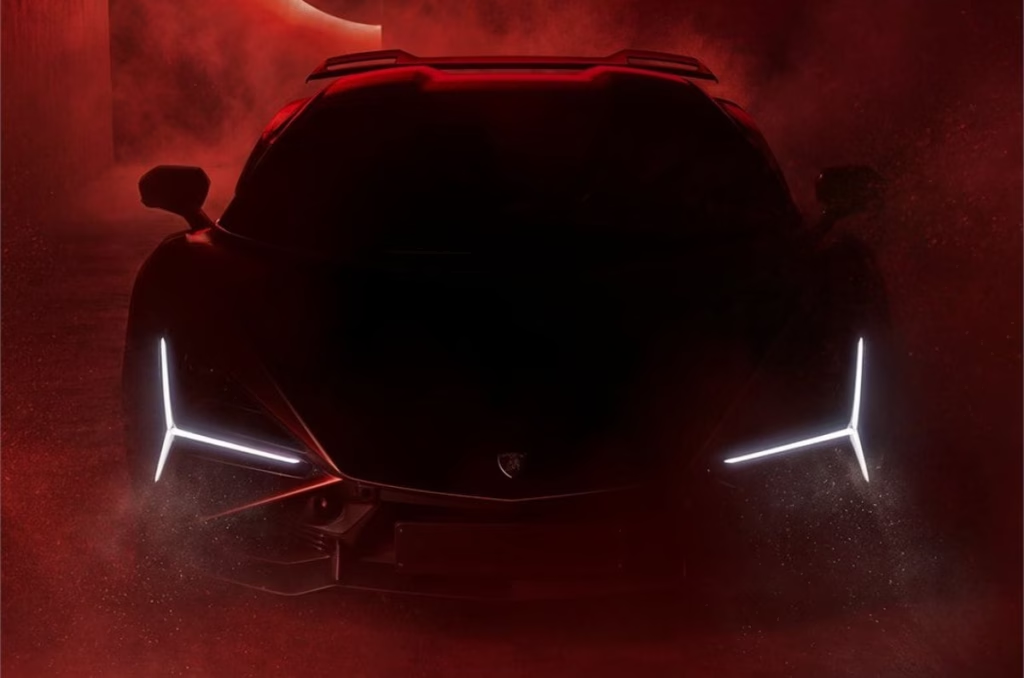
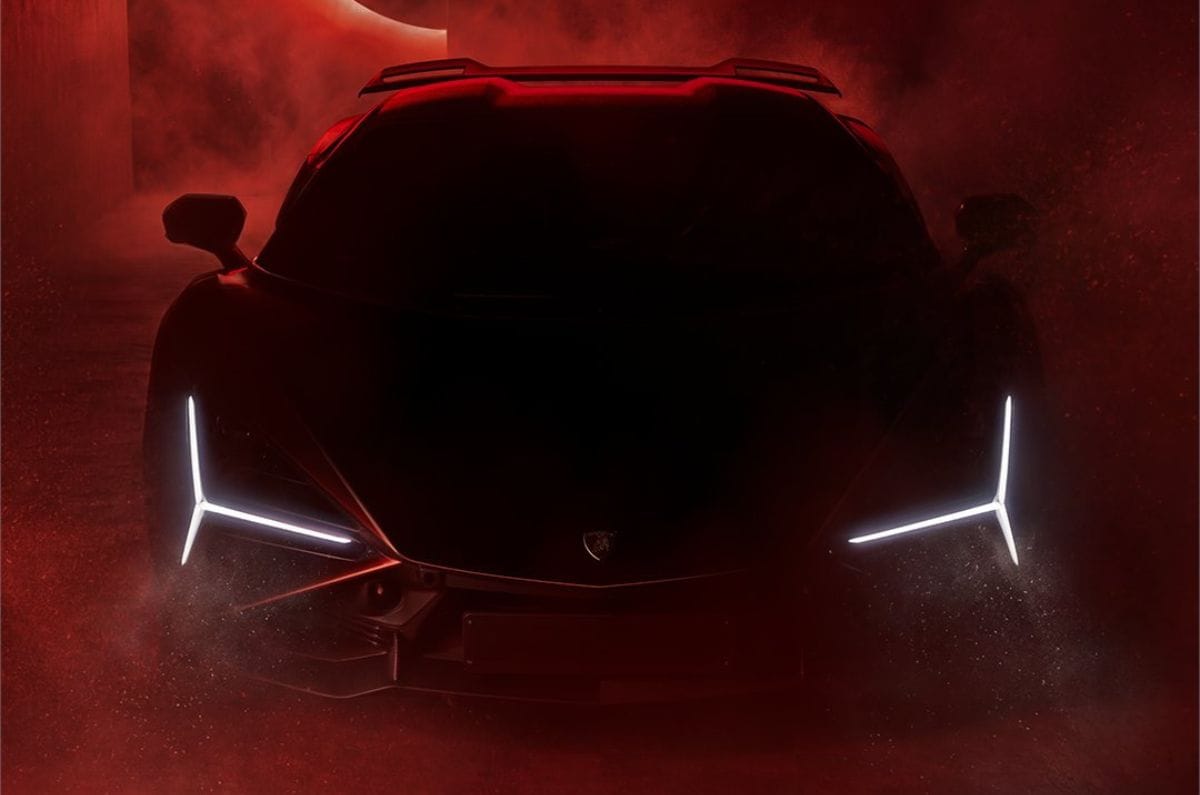
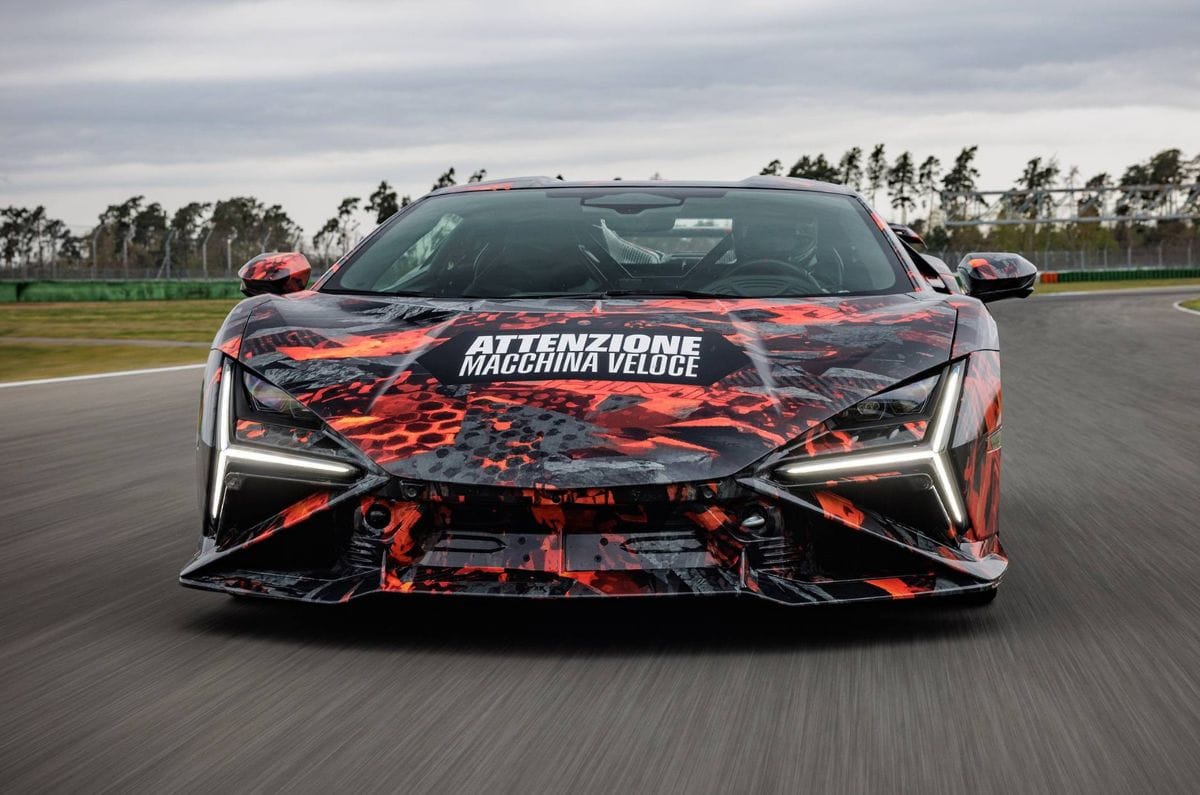
Lamborghini has teased the upcoming Revuelto SV, which is due for its global debut on August 14, 2026, at the Monterey Car Week. This comes just a week after the brand released images of a camouflaged test mule of its V12 supercar belting around Hockenheimring in Germany. Upon its arrival, the Revuelto SV will become the latest in the line of Lamborghini’s SV line-up that includes the erstwhile Aventador SV. The ‘SV’ stands for Super Veloce, which roughly translates to ‘Super Speed’.
Exterior features more aggressive intakes and specialised aero
Interior to come with version-specific detailing and trim
Hybrid powertrain to offer more power
Lamborghini Revuelto SV: What we know so far
Exterior
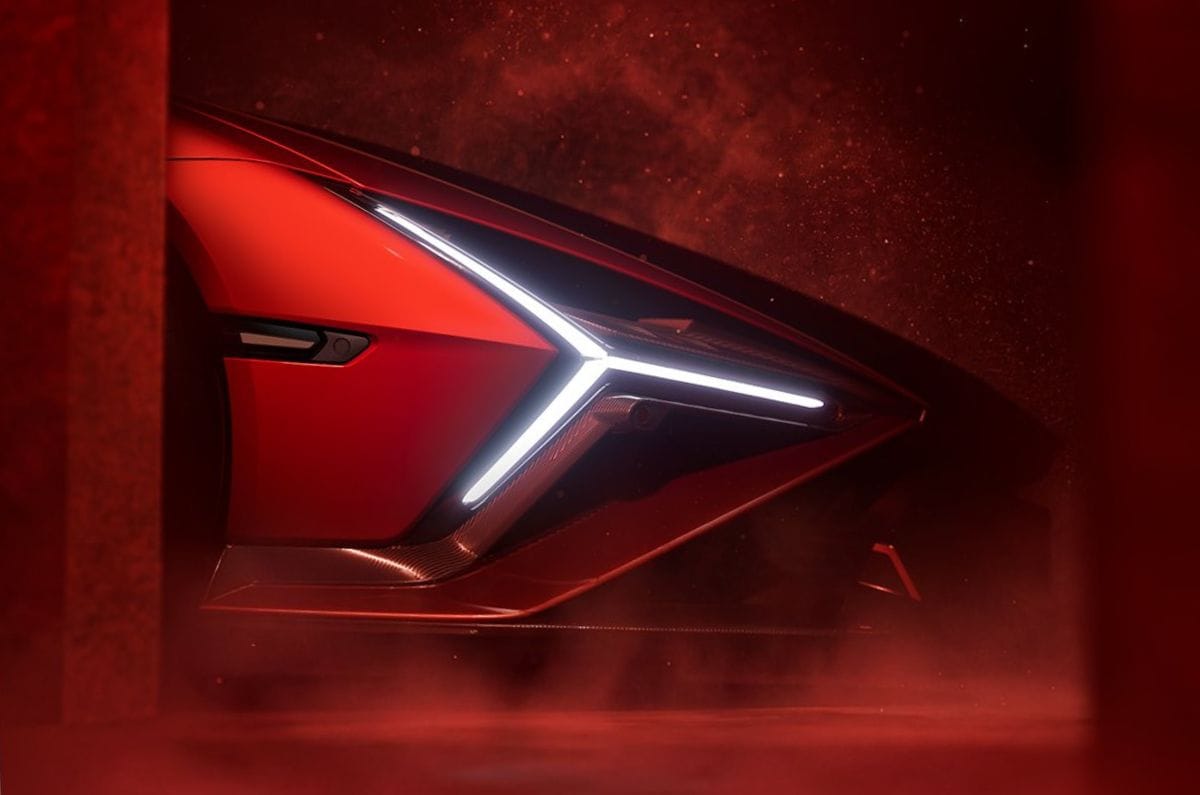
Lamborghini’s latest teaser shows the front bumper of the Revuelto SV in greater detail.
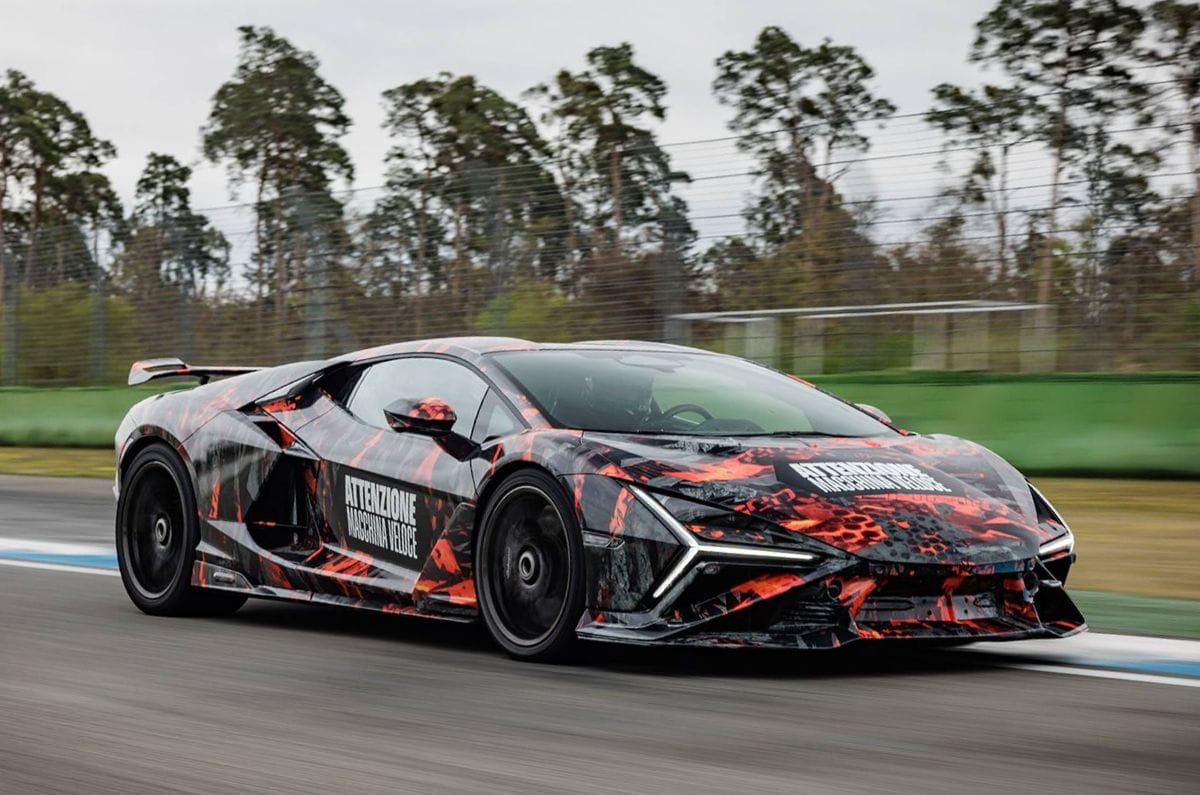
Much of the Revuelto SV’s performance enhancement measures on the outside over the standard model are quite discernible. The fascia looks even sportier as the heavily revised bumper features new carbon-fibre elements plus a larger and more aggressive front splitter and intakes.
Test mule of the Lamborghini Revuelto SV at Hockenheimring, Germany.
Lamborghini has also added a large fixed wing at the back, while a specially designed underbody and active flaps are also likely additions to enhance the Revuelto SV’s aerodynamic performance on the track. Similarly, lightweight carbon-fibre wheels and race-spec brakes are expected to be part of the package as well, along with unique paint options and exterior detailing exclusive to the SV.
Interior
Test mule of the Lamborghini Revuelto SV at Hockenheimring, Germany.
The first teaser campaign from the brand provides us a glimpse into the Lamborghini Revuelto SV’s interior. Noticeable in the interior image is a heavy-duty roll cage, exposed metal surfaces and a bare-bones rear-cabin section. Other details that are visible here include a leather & carbon fibre-trimmed steering wheel with a red centre marker and carbon-fibre shift paddles. The bucket seats are also likely to be carbon-fibre units, whilst the shrouding for the digital driver’s display uses the same weight-saving material. The Revuelto SV’s interior could feature plenty of Alcantara/suede, depending on how a customer specs it. One can also expect to see ‘SV’ branding and other edition-specific detailing on this interior.
Powertrain and performance
Powering the Lamborghini Revuelto SV will be the familiar 6.5-litre naturally aspirated V12, along with three electric motors and a compact lithium-ion battery pack. Lamborghini is likely to have reworked the 8-speed dual-clutch transmission for quicker shifts, and the combined output from the hybrid powertrain is expected to go up as well.
Test mule of the Lamborghini Revuelto SV at Hockenheimring, Germany.
Lamborghini recently set a lap record of 1:41.6 at the Hockenheimring track, with the brand claiming this to be the fastest lap ever recorded at this facility by a production car. The standard Revuelto offers 1,015hp and 725Nm of torque, allowing it to hit a top speed of over 350kph and accelerate from 0-100kph in a claimed 2.5 seconds. The SV is likely to be even faster, with retuned suspension and sharper steering also expected for improved handling on the track.
अगर आप नया स्मार्टफोन लेने की सोच रहे हैं, तो Realme का Realme 16x 5G फोन में भारत में अब खरीदने के लिए उपलब्ध है। इस हैंडसेट में MediaTek Dimensity 6300 चिपसेट, 6.8-इंच की डिस्प्ले, 50MP रियर कैमरा और 8MP सेल्फी कैमरा दिया गया है। इसके अलावा, Realme 16x 5G में 7,000mAh की बैटरी दी गई है, जो 45W फास्ट चार्जिंग को सपोर्ट करती है।
Realme 16x 5G की भारत में कीमत और ऑफर
भारत में Realme 16x 5G के बेस वेरिएंट (4GB RAM और 128GB स्टोरेज) की कीमत ₹25,999 से शुरू होती है। जबकि यह 6GB + 128GB और 6GB + 256GB RAM और स्टोरेज कॉन्फ़िगरेशन में भी उपलब्ध है, जिनकी कीमत क्रमशः ₹27,999 और ₹30,999 है।
बता दें कि Realme 16x 5G को Endurance Brown और Glory White कलर ऑप्शन में लॉन्च किया गया है। इसे Flipkart और Realme India की वेबसाइट के जरिए खरीदा जा सकता है।
Realme 16x 5G पर मिल रहे ऑफर्स
पहली सेल के तहत, ग्राहक ₹2,000 की सीधी छूट का फायदा उठा सकते हैं। इससे तीनों वेरिएंट की असल कीमत घटकर क्रमशः ₹23,999, ₹25,999 और ₹28,999 हो जाती है। इसके अलावा, खरीदार क्रेडिट कार्ड EMI ट्रांजैक्शन पर ₹1,000 की छूट या ₹3,000 तक का एक्सचेंज ऑफर भी पा सकते हैं।
इसके साथ ही, कंपनी उन लोगों को 10 महीने तक की नो-कॉस्ट EMI की सुविधा दे रहा है, जो स्मार्टफोन की पूरी कीमत एक बार में नहीं चुकाना चाहते।
Realme 16x 5G के फीचर्स और स्पेसिफिकेशन्स
डुअल-सिम (नैनो) वाला Realme 16x 5G, Android 16 पर आधारित Realme UI 7.0 पर चलता है। इसमें 6.8-इंच की HD+ (720×1,570 पिक्सल) LCD स्क्रीन है, जिसका रिफ्रेश रेट 144Hz तक, टच सैंपलिंग रेट 180Hz और ब्राइटनेस 1200 निट्स (HBM) तक है।
इस हैंडसेट में MediaTek Dimensity 6300 चिपसेट दिया गया है, साथ ही इसमें 6GB तक RAM और 256GB तक ऑनबोर्ड स्टोरेज मिलती है। Realme ने इसमें 5,300 sq mm का AirFlow वेपर चैंबर कूलिंग सिस्टम और GT Boost गेमिंग ऑप्टिमाइजेशन इंजन भी दिया है।
कैमरे की बात करें तो Realme 16x 5G में f/1.8 अपर्चर वाला 50MP का रियर कैमरा है। इसमें सेल्फी और वीडियो कॉल के लिए f/2.0 अपर्चर वाला 8MP का फ्रंट कैमरा भी दिया गया है।
इसके अलावा, इस हैंडसेट में कनेक्टिविटी के लिए Wi-Fi, 5G, Bluetooth 5.3 और USB Type-C पोर्ट जैसे ऑप्शन मिलते हैं। पावर की बात करें तो, Realme 16x 5G में 7,000mAh की बैटरी है दी गई है, जो 45W फास्ट चार्जिंग, बायपास चार्जिंग और रिवर्स चार्जिंग को सपोर्ट करती है। इसका साइज 166.47 x 78.23 x 8.88mm और वजन 217g है।
Solar Industries Q1 Results: डिफेंस और विस्फोटक बनाने वाली कंपनी Solar Industries India ने वित्त वर्ष 2027 की पहली तिमाही में शानदार नतीजे दर्ज किए हैं। कंपनी का नेट प्रॉफिट सालाना आधार पर 92.7% बढ़कर ₹652.6 करोड़ हो गया। पिछले साल की इसी तिमाही में यह ₹338.7 करोड़ था।
कंपनी का रेवेन्यू भी 71.2% बढ़कर ₹3,688.2 करोड़ पहुंच गया। एक साल पहले यह ₹2,154.5 करोड़ था।
EBITDA 94% बढ़ा
सोलर इंडस्ट्रीज का EBITDA 93.6% बढ़कर ₹1,035.2 करोड़ हो गया। पिछले साल यह ₹534.9 करोड़ था। वहीं, EBITDA मार्जिन 24.8% से बढ़कर 28.1% हो गया।
मैनेजिंग डायरेक्टर और CEO मनीष नुवाल ने कहा कि यह कंपनी का अब तक का सबसे ज्यादा तिमाही रेवेन्यू, EBITDA, प्री-टैक्स प्रॉफिट और नेट प्रॉफिट है।
डिफेंस कारोबार में 123% की छलांग
सोलर इंडस्ट्रीज का डिफेंस कारोबार 123% बढ़ा। यही पहली तिमाही की सबसे बड़ी ग्रोथ का कारण रहा।
कंपनी ने कहा कि स्वदेशी डिफेंस प्रोडक्ट्स की बढ़ती रेंज और भारत के साथ विदेशी ग्राहकों से बढ़ते ऑर्डर का फायदा मिल रहा है। नुवाल ने कहा कि कंपनी को भारत और वैश्विक स्तर पर डिफेंस पार्टनर बनाने की रणनीति अब नतीजों में दिखने लगी है।
₹21,350 करोड़ का ऑर्डर बुक
सोलर इंडस्ट्रीज की कुल ऑर्डर बुक ₹21,350 करोड़ तक पहुंच गई है। कंपनी को उम्मीद है कि आने वाली तिमाहियों में और बड़े ऑर्डर मिल सकते हैं।
सोलर इंडस्ट्रीज का अंतरराष्ट्रीय विस्फोटक कारोबार भी 65% बढ़ा। कंपनी का कहना है कि बढ़ते ऑर्डर, नए बाजार और लगातार निवेश उसकी वैश्विक मौजूदगी को और मजबूत करेंगे।
FY27 का लक्ष्य बरकरार
सोलर इंडस्ट्रीज ने वित्त वर्ष 2027 के लिए ₹14,000 करोड़ के रेवेन्यू लक्ष्य को बरकरार रखा है। मजबूत शुरुआत, बड़ा ऑर्डर बुक और निवेश योजनाओं के दम पर कंपनी को इस लक्ष्य पर भरोसा है।
कंपनी ने FY27 में ₹2,050 करोड़ के कैपेक्स की योजना बनाई है। इसमें से पहली तिमाही में करीब ₹450 करोड़ खर्च किए जा चुके हैं।
Solar Industries के शेयर
सोलर इंडस्ट्रीज का शेयर गुरुवार को 8.52% उछलकर ₹20,325 पर बंद हुआ। पिछले 6 महीने में स्टॉक 55.83% बढ़ा है। वहीं बीते 5 साल में इसने 1,054% का मल्टीबैगर रिटर्न दिया है। कंपनी का मार्केट कैप 1.84 लाख करोड़ रुपये है।
Disclaimer: यहां मुहैया जानकारी सिर्फ सूचना के लिए दी जा रही है। यहां बताना जरूरी है कि मार्केट में निवेश बाजार जोखिमों के अधीन है। निवेशक के तौर पर पैसा लगाने से पहले हमेशा एक्सपर्ट से सलाह लें। मनीकंट्रोल की तरफ से किसी को भी पैसा लगाने की यहां कभी भी सलाह नहीं दी जाती है।
A 2027 Ducati Panigale V4 SP has been confirmed via a California Air Resources Board (CARB) certification in the US. According to reports, the filing was originally submitted for the 2027 Panigale V4 line-up in March, but Ducati updated it in July to add an SP variant to the certification.
2027 Ducati Panigale V4 SP confirmed via US emission certification
Will use the same 1,103cc engine as the standard 2027 Panigale V4
Expected to add a dry clutch, carbon-fibre wheels and upgraded Brembo brakes
2027 Ducati Panigale V4 SP: What to expect
The previous-generation Panigale V4 was available in both SP and SP2 variants
The SP nameplate – which stands for Sport Production – has, in recent history, typically represented the top-of-the-line version of a production Ducati. The brand introduced a Panigale V4 SP for the 2021 model year, followed by an SP2 for 2022. Both were positioned above the standard Panigale V4 S but below the track-homologated V4 R.
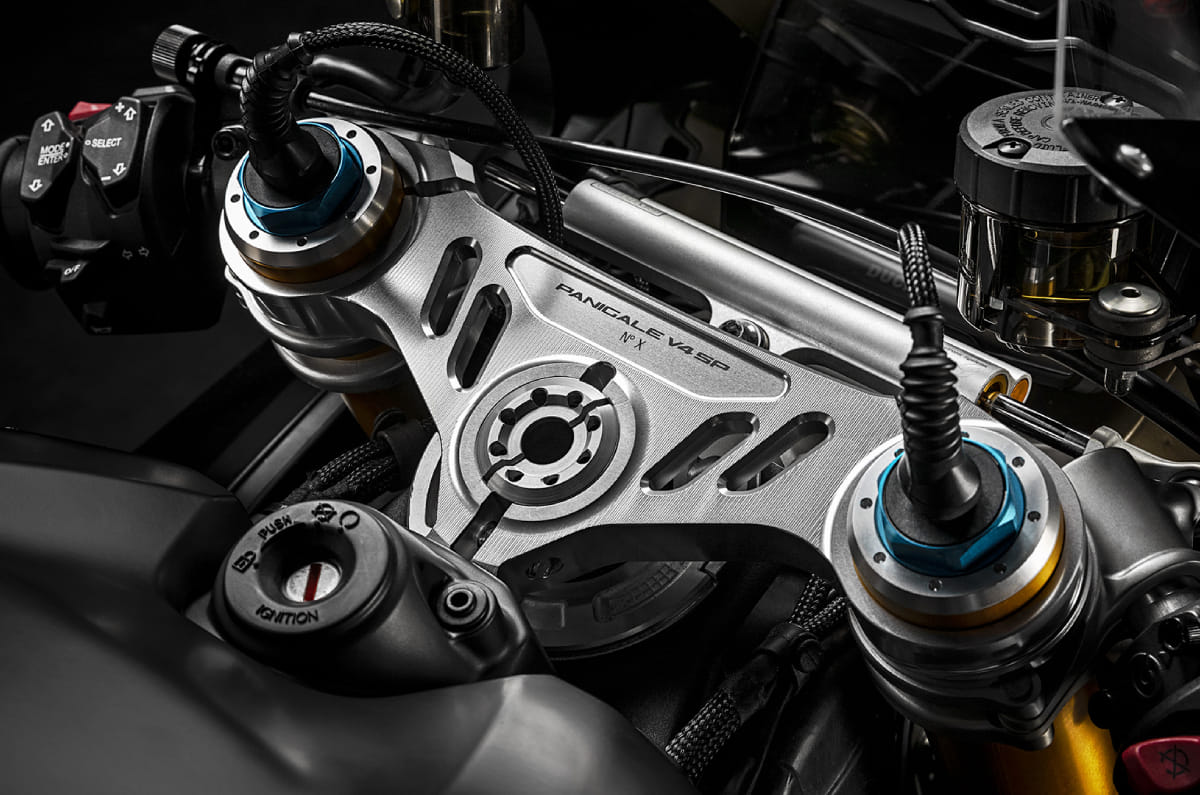
Based on that precedent, we could see the 2027 Panigale V4 SP offer similar upgrades to those seen on its predecessors – a dry clutch replacing the standard hydraulic unit, carbon-fibre wheels, a lightweight chain, adjustable billet-aluminium footpegs, a brushed-aluminium fuel tank and upgraded Brembo braking hardware. The engine will likely be shared with the rest of the road-going 2027 Panigale V4 line-up, and we’ll have to wait to see if output figures change with the SP badge. Notably, that wasn’t the case with the last generation. For reference, the 1,103cc V4 in the standard bike produces 216hp and 120.9Nm.
Currently, the global Panigale V4 line-up includes the standard V4, the V4 S, the track-homologated V4 R and the V4 S 100 limited-run model as part of the Centenario collection. All except the latter are also available in India. Ducati has been prompt in making most of its global models available in our market, so when the V4 SP does go into production, we could expect it to launch here as well. It will likely command a premium over the Rs 39.79 lakh (ex-showroom, India) price of the V4 S.
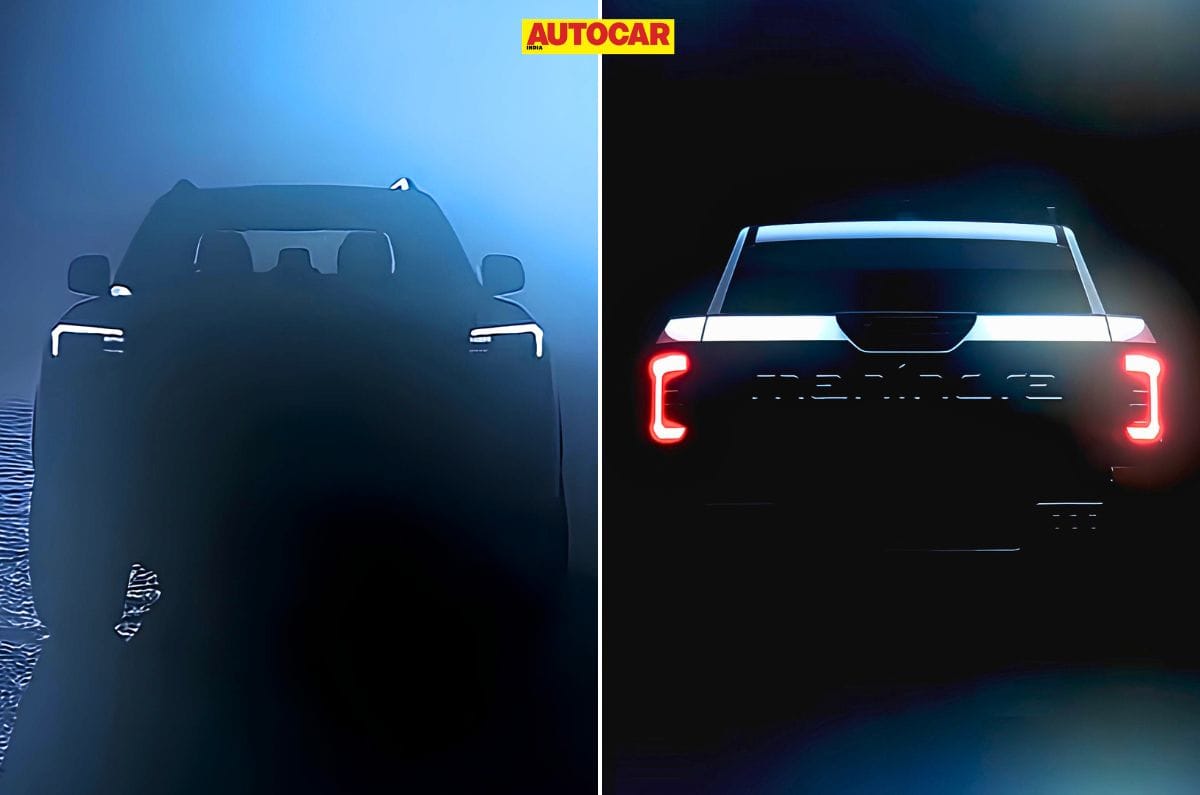
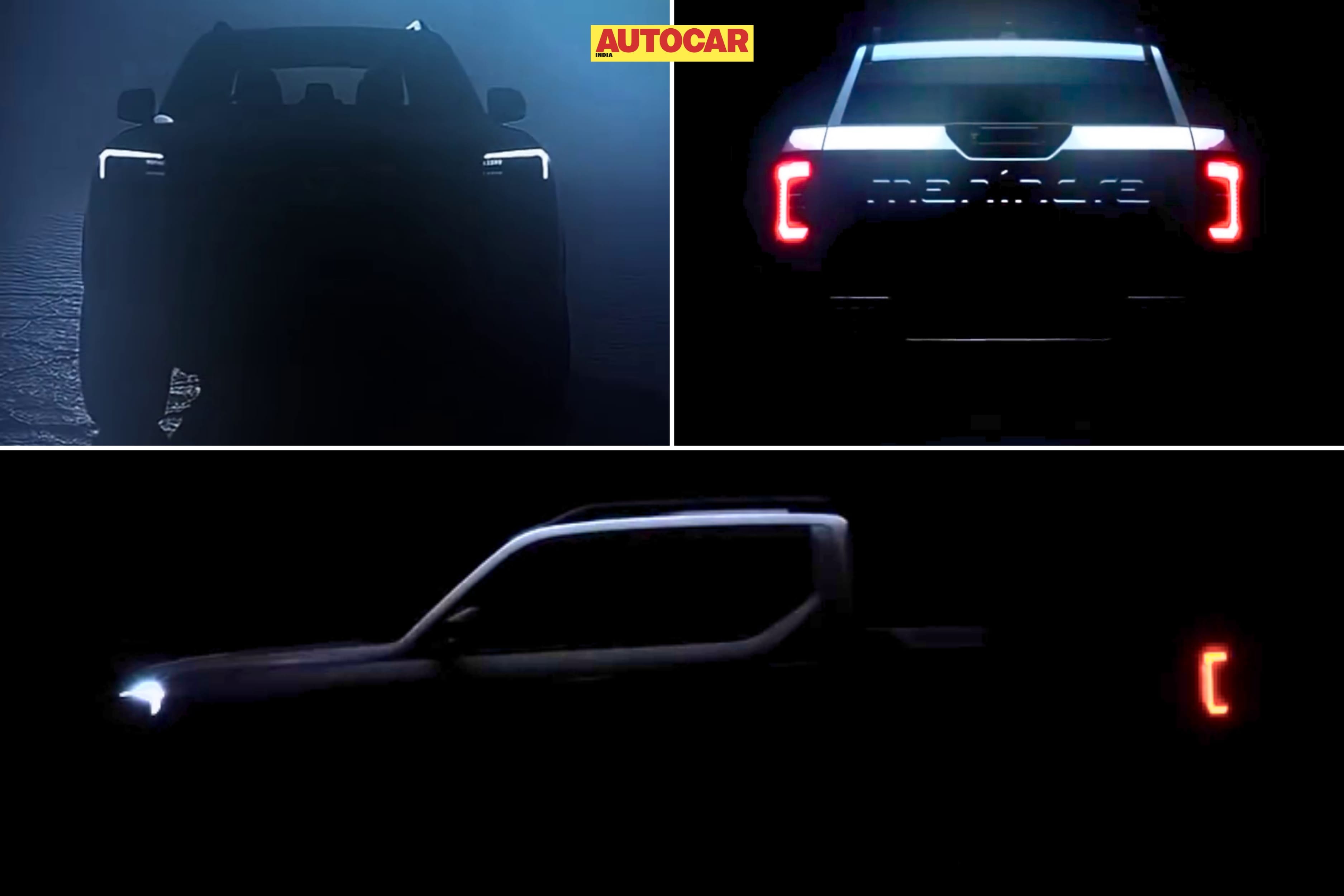
Mahindra is gearing up for its 2026 Independence Day event, where it will reveal a Scorpio N-based pickup and some new BE 6 EV iterations. The pickup is the production version of the 2023 Mahindra Global Pik Up concept, and the teaser reveals it will borrow a lot from the Scorpio N SUV. Here’s everything you can expect from the Mahindra Scorpio N-based pickup ahead of its debut tomorrow.
1. When will the Mahindra Scorpio N pickup launch in India
Mahindra will reveal it at its upcoming Independence Day event
2023 Mahindra Global Pik Up concept shown for representational purposes only.
Mahindra recently teased the Scorpio N-based pickup, revealing that the production models will debut on August 14 at its Independence Day event. The Mahindra Scorpio N-based pickup could launch in the coming months.
2. What is the expected price of the Mahindra Scorpio N pickup?
Expected to be priced in the Rs 16 lakh-26 lakh range
The upcoming Scorpio N-based pickup is expected to be priced between Rs 16 lakh and Rs 26 lakh, around a few lakh rupees more than the Scorpio N SUV.
3. What will the production version of the Mahindra Scorpio N pickup be called?
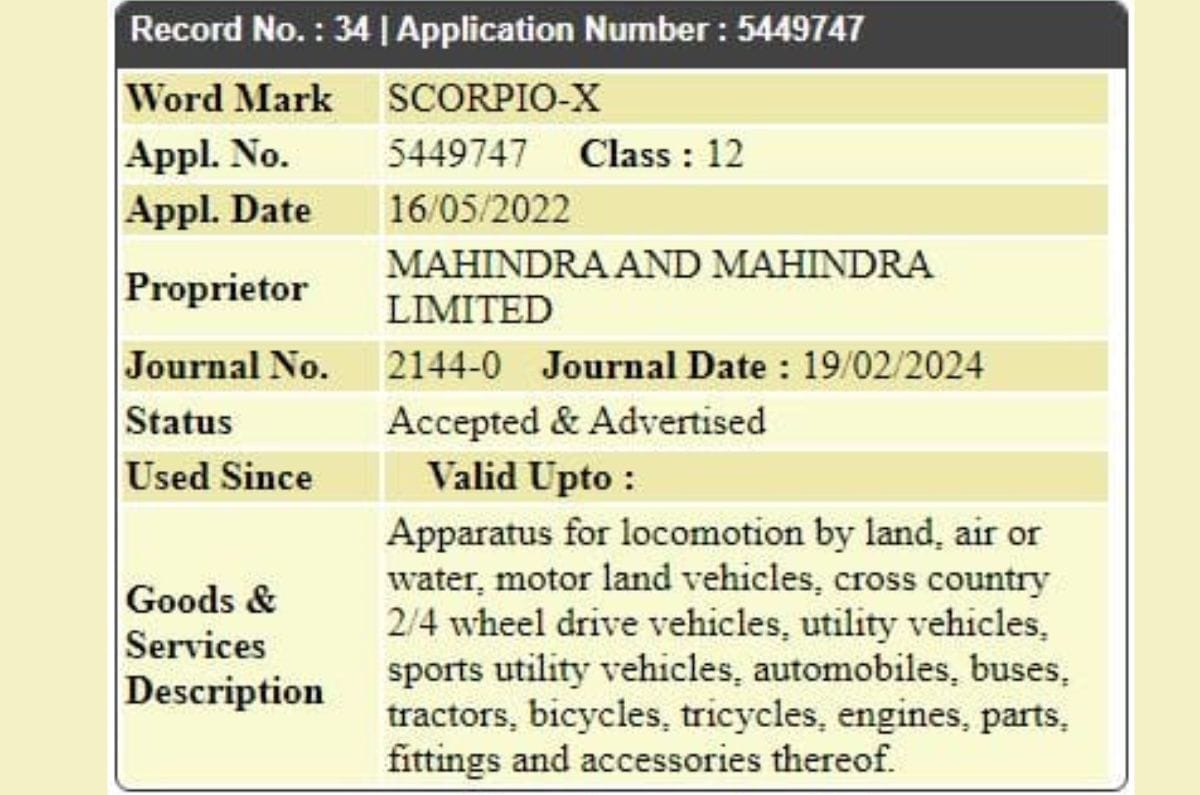
Mahindra could call it the Scorpio X, a name it trademarked in 2024
Mahindra trademarked the ‘Scorpio-X’ name in 2024, but has not used it since. Given that the upcoming pickup is based on the Scorpio N, the unused trademark could be used for the pickup.
4. What engine options will the Mahindra Scorpio N pickup offer?
Mahindra could offer it with the same engines as the Scorpio N SUV
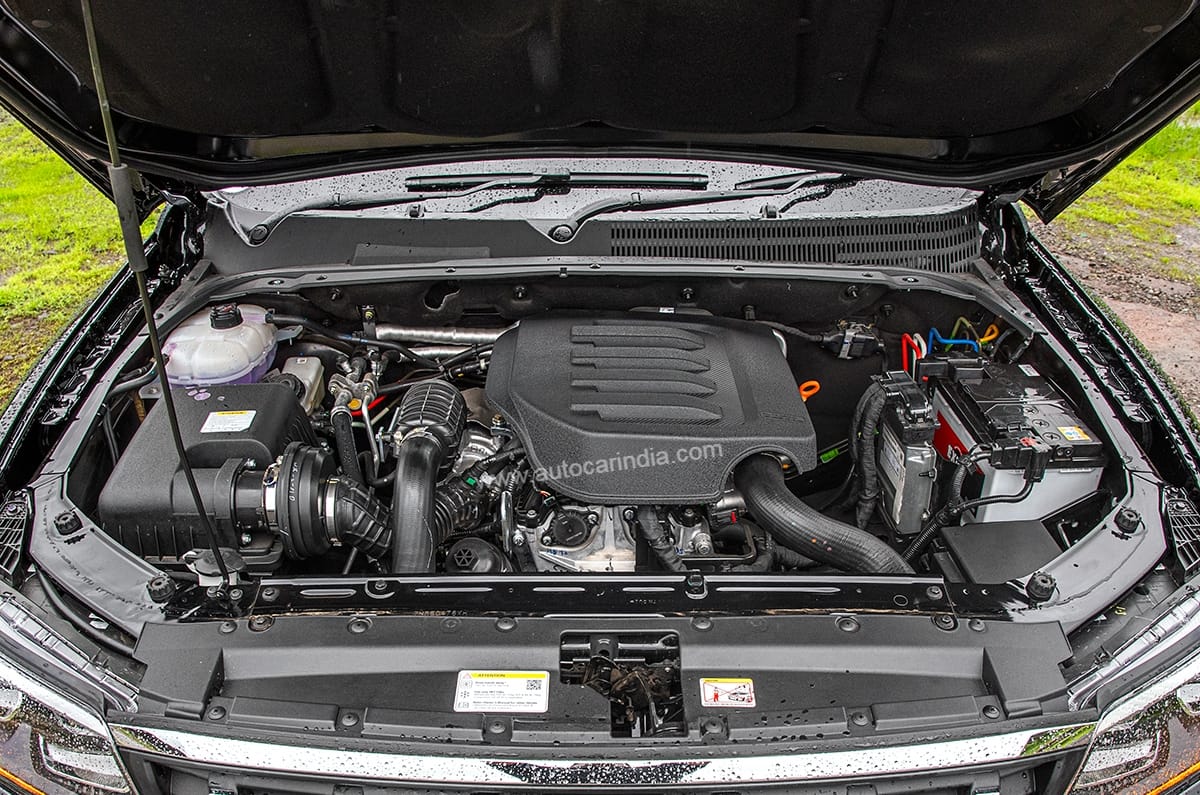
While the technical details of the Scorpio N-based pickup are still under wraps, it will share the ladder-frame chassis and mechanicals with the Scorpio N SUV, including the petrol and diesel options. For reference, the Scorpio N gets a choice between a 2.0-litre direct-injection turbo-petrol engine paired with a 6-speed manual or a 6-speed automatic transmission. It produces 203hp and up to 380Nm, depending on the gearbox. It also gets a 2.2-litre direct-injection diesel engine, paired with the same manual and automatic transmission options, producing up to 175hp and 400Nm, depending on the transmission option.
5. Will the Mahindra Scorpio N pickup be a 4×4 model?
A 4WD Scorpio N-based pickup is expected alongside a 2WD version
As the upcoming Mahindra Scorpio N-based pickup would borrow the SUV’s mechanicals, a four-wheel-drive (4WD) option is expected to be available as well alongside a 2WD choice. Currently, the Scorpio N gets this 4×4 setup, with both transmission options for the 2.2-litre diesel engine.
6. What are the design changes on the Mahindra Scorpio N pickup?
Will get slimmer headlights, a large truck bed and C-shaped tail lights
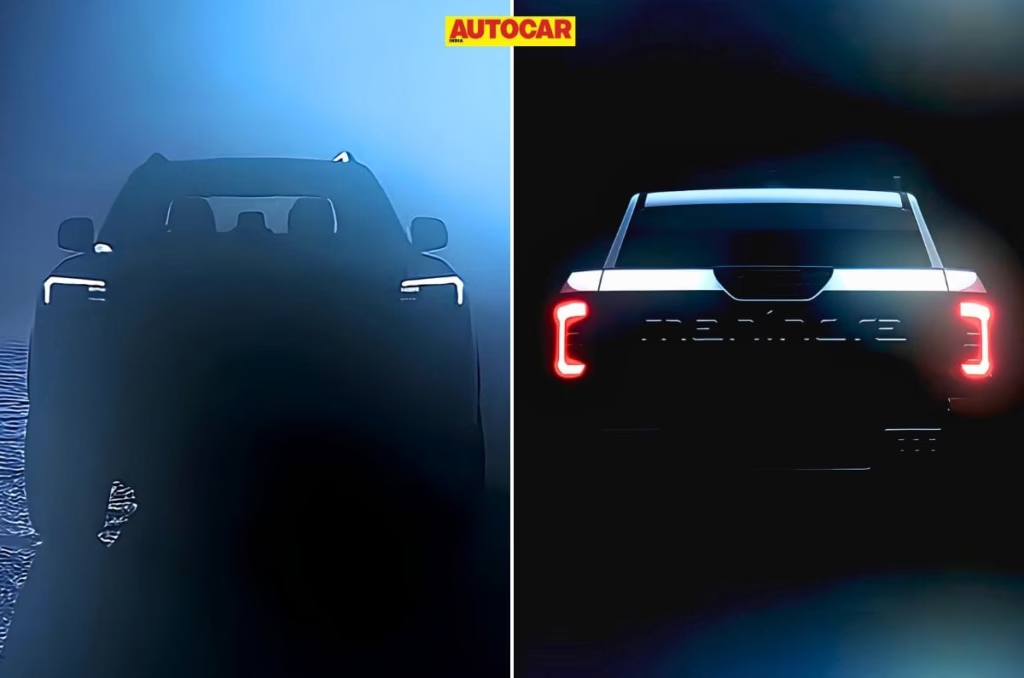
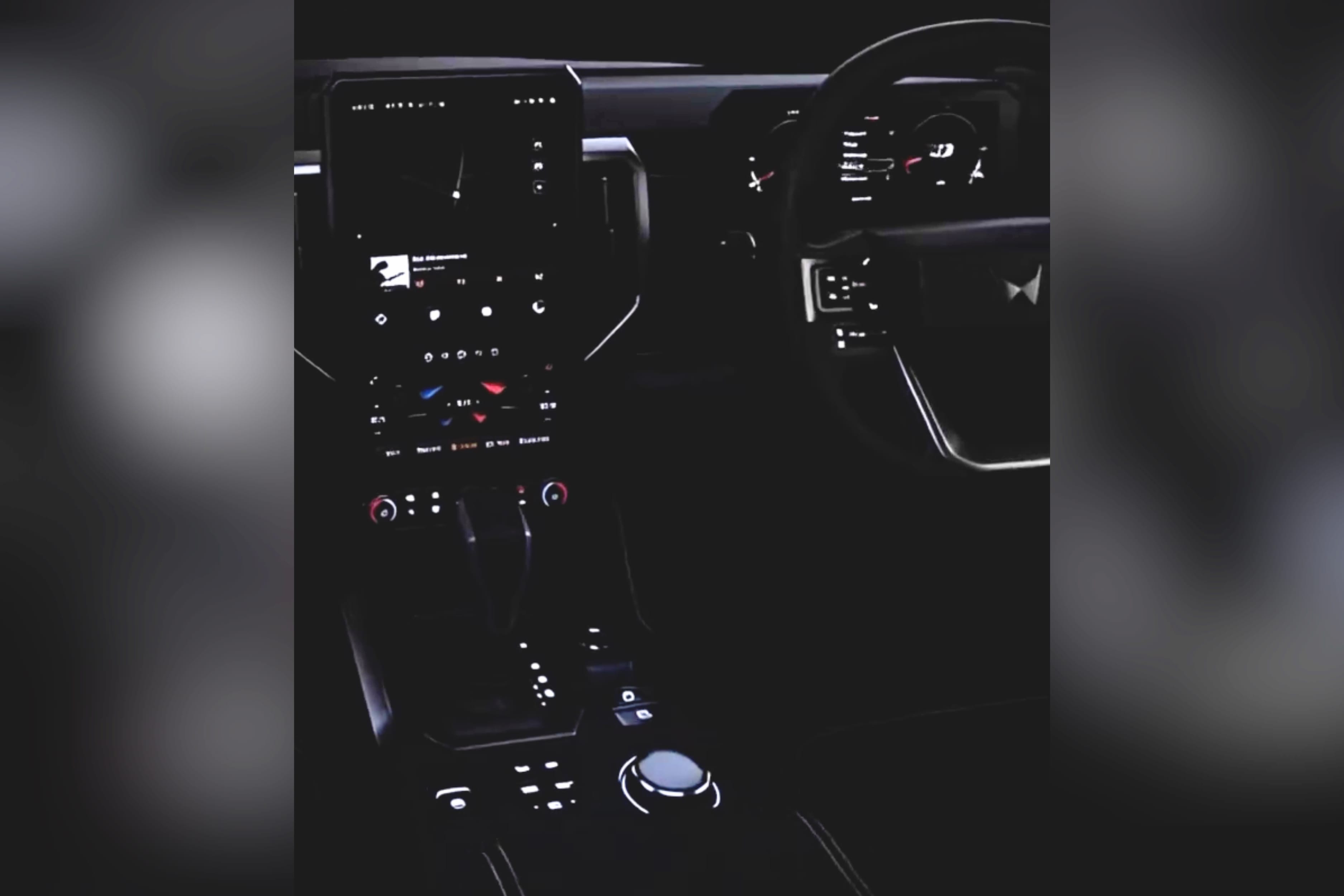
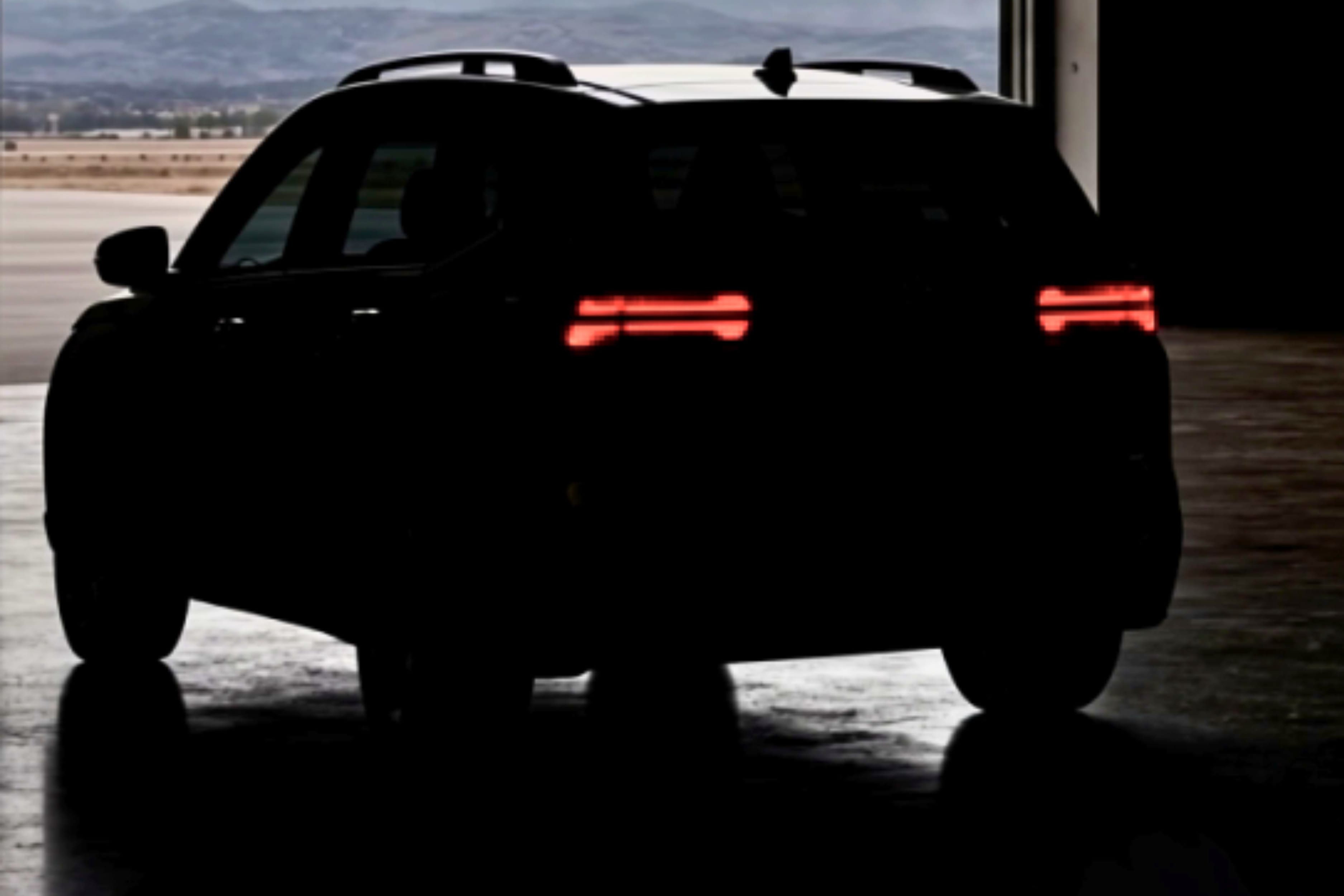
The teaser video revealed a glimpse of the upcoming pickup, showing some exterior and interior details. Outside, the Scorpio N-based pickup will get a different set of LED headlights with L-shaped LED DRLs, a distinct grille with honeycomb mesh elements and a revised design for the rear doors. To accommodate the larger truck bed at the rear, Mahindra could offer the pickup with a wheelbase larger than the Scorpio N’s 2,750mm. It will also get slimmer C-shaped LED taillights, and the tailgate will feature embossed ‘Mahindra’ lettering.
Will get a larger infotainment system, a new steering wheel and Level-2 ADAS
Inside, a larger portrait-oriented touchscreen infotainment system and rotary dials for the dual-zone climate controls will be offered in the Scorpio N-based pickup. A chunkier 3-spoke steering wheel, inspired by the Vision T prototype, and a digital driver’s display with the same UI as the current Scorpio N, could also be spotted. Mahindra will also offer it with Level-2 ADAS, semi-automatic parking assistance, 5G-based connected-car technology, and a sunroof, as announced at the Global Pik Up concept’s 2023 unveiling.
7. Which models will the Mahindra Scorpio N pickup rival in India
The upcoming Mahindra pickup will rival the Hilux and V-Cross
The Mahindra Scorpio N-based pickup will rival the Toyota Hilux and Isuzu V-Cross, which are priced from Rs 31.99 lakh and Rs 25.50 lakh (ex-showroom), respectively. In Mahindra’s lineup, it will be positioned above the Bolero Camper, priced from Rs 10.10 lakh to Rs 10.86 lakh (ex-showroom).
JSW MG has teased its upcoming new SUV for India, which is to be called the Hector Tomahawk, our sources have indicated. The official launch date is set for August 26, 2026. Sold as the Wuling Eksion in the Indonesian market, the upcoming Hector Tomahawk will sit atop JSW MG’s new ADAPT (Advanced Drive Architecture Platform Technology) platform. The Hector Tomahawk will be launched as a fully electric model first, and will be slotted above the Hector in the brand’s line-up in India.
Teaser confirms rectangular headlamps, signature LED DRLs, a panoramic sunroof and more
Will be offered in EV guise first; PHEV could arrive later
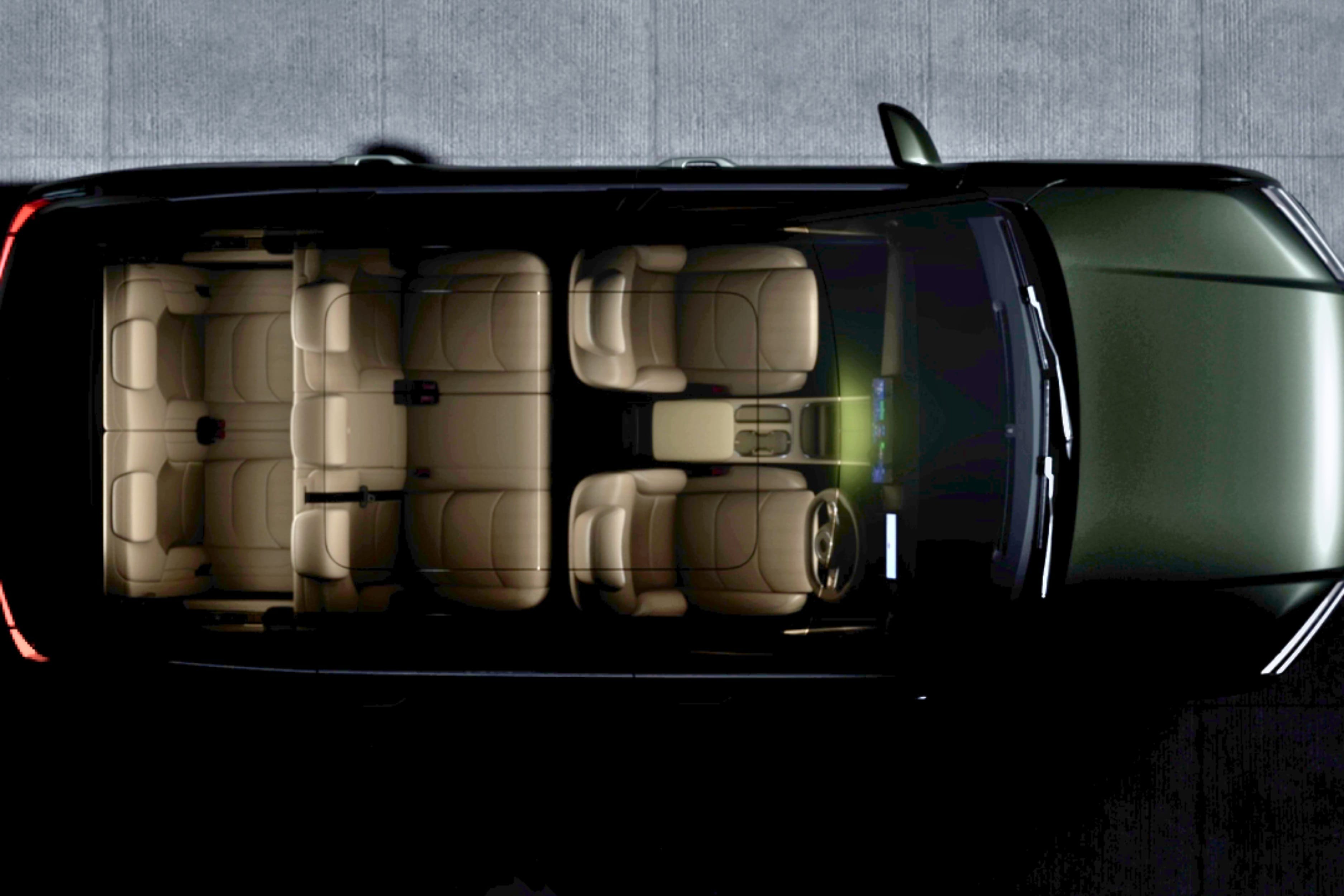
Seating for 7 occupants; bench-style second row
JSW MG Hector Tomahawk exterior design
The teaser offers a few important design details on the outside of this upcoming MG SUV
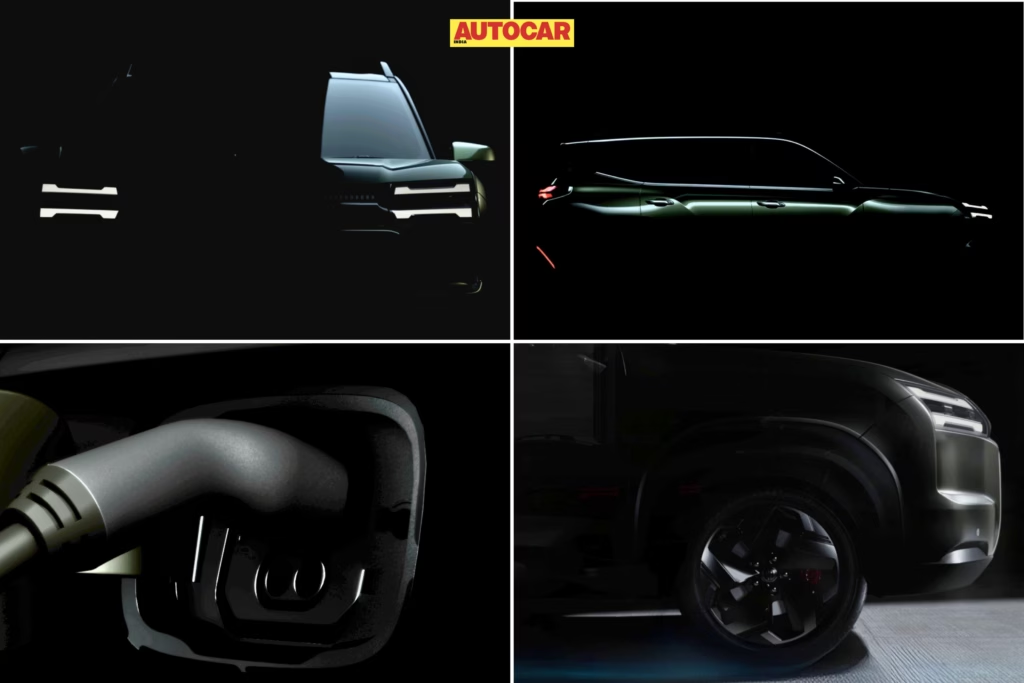
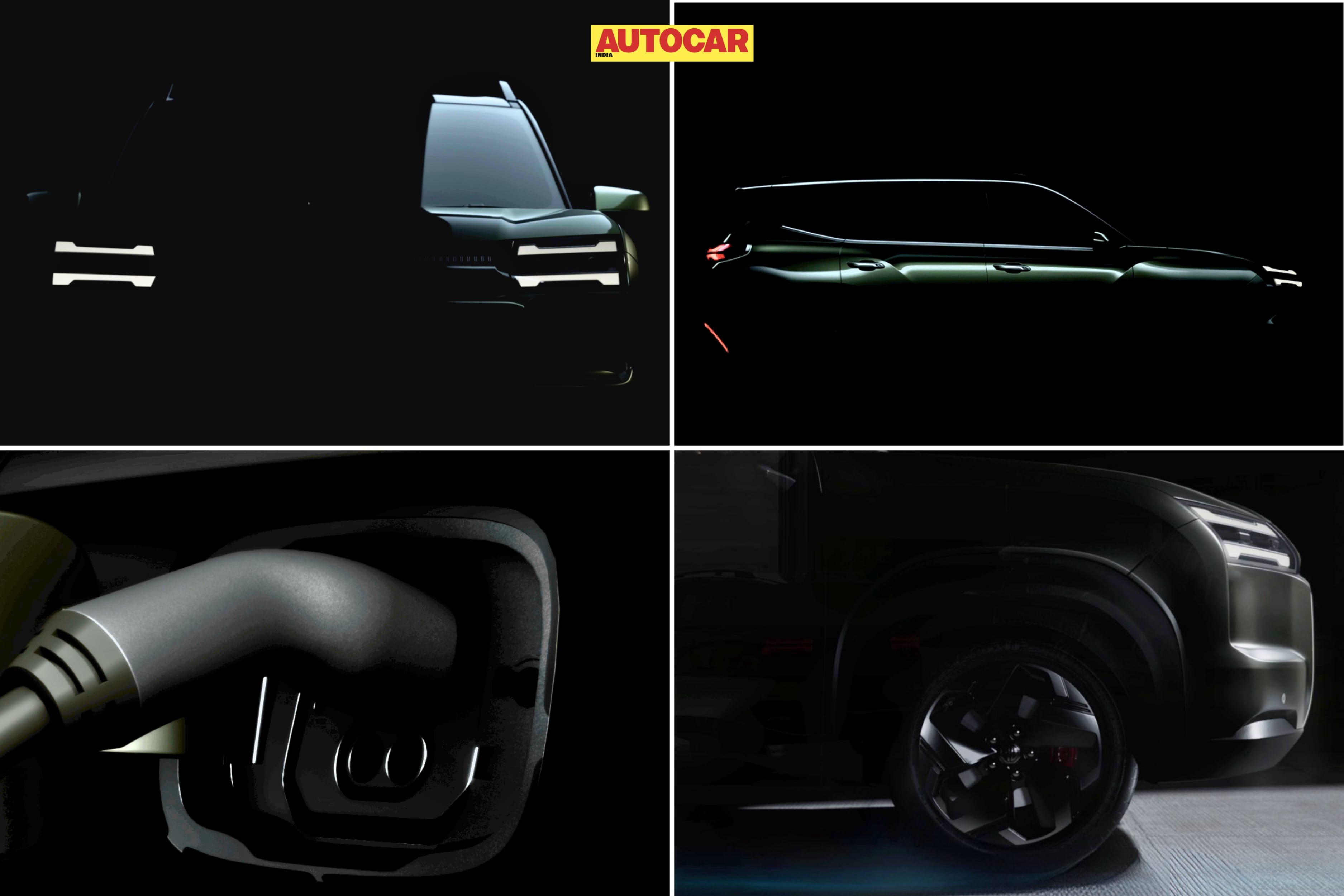
The official teaser confirms the rectangular LED headlamps first seen in spy shots. It also reveals details like the twin-element LED DRLs (daytime running lights) at the front and rear of the Hector Tomahawk. Observable details here also include the silver-finished alloy wheels, black plastic cladding under the doors, pronounced front fenders, pull-type door handles, prominent roof rails and wraparound LED tail-lamps. It’s clear from the teaser that the Hector Tomahawk sports chrome garnish along the windowline, plus a relatively flat roofline that leads to a roof spoiler.
In terms of dimensions, the JSW MG Hector Tomahawk is likely to have similar dimensions as the Wuling Eksion 7-seater that’s sold in Indonesia. For reference, the latter measures 4,745mm in length, 1,850mm in width, 1,755mm in height, and has a wheelbase of 2,9810mm. Its two-tone exterior colour options are likely to be offered in our market, too.
JSW MG Hector Tomahawk interior design and features
Apart from the exterior, the brand’s latest teaser also confirms a few details upcoming Hector Tomahawk’s interior. For starters, we now know that there will be 7 seats on offer, with a bench-style arrangement for the second row. The teaser also shows a beige colour theme for this cabin, along with a panoramic sunroof as part of the equipment that’ll be on offer. While more details are to be confirmed, the Hector Tomahawk EV could share much of the rest of its design and feature set with the Wuling Eksion. This means a minimalistic cabin with physical switchgear on and behind the two-spoke steering wheel, on the centre console and the doors.
Depending on the trim level, the equipment on offer include a powered tailgate, leatherette upholstery, powered and ventilated front seats, a 12.8-inch touch-infotainment head unit, an 8.8-inch digital driver’s display, a 50-watt wireless charger, automatic climate control with AC vents for the second and third rows, a 360-degree camera system, an electronic parking brake, six airbags, and an ADAS (Advanced Driver Assistance Systems) suite, among others.
JSW MG Hector Tomahawk powertrain details
ADAPT platform supports battery-electric, plug-in hybrid, range-extender and strong-hybrid powertrains
While JSW MG is likely to reveal the Hector Tomahawk PHEV (plug-in hybrid) on August 26 as well, the brand’s teaser suggests that the ADAPT-based SUV will be introduced in its EV avatar first. The fully electric version of the Wuling Eksion EV that’s available in Indonesia is equipped with a single front-mounted electric motor that generates 201hp and 310Nm, allowing a claimed top speed of 160kph. It’s backed by a 69.2kWh LFP (Lithium Iron Phosphate) battery pack with a CLTC (China Light-Duty Vehicle Test Cycle) range of up to 530km.
The Hector Tomahawk PHEV is also likely to share its powertrain setup with its Eksion counterpart. For reference, the latter comes with a single electric motor that produces up to 195hp and 230Nm on its own, while the 1.5-litre naturally aspirated petrol engine puts out 105hp and 130Nm. There’s also a 20.5kWh battery pack in the equation, and the maximum all-electric range of the Eksion PHEV is a claimed 125km. JSW MG’s ADAPT platform is capable of supporting battery-electric, plug-in hybrid, range-extender and strong-hybrid powertrains.
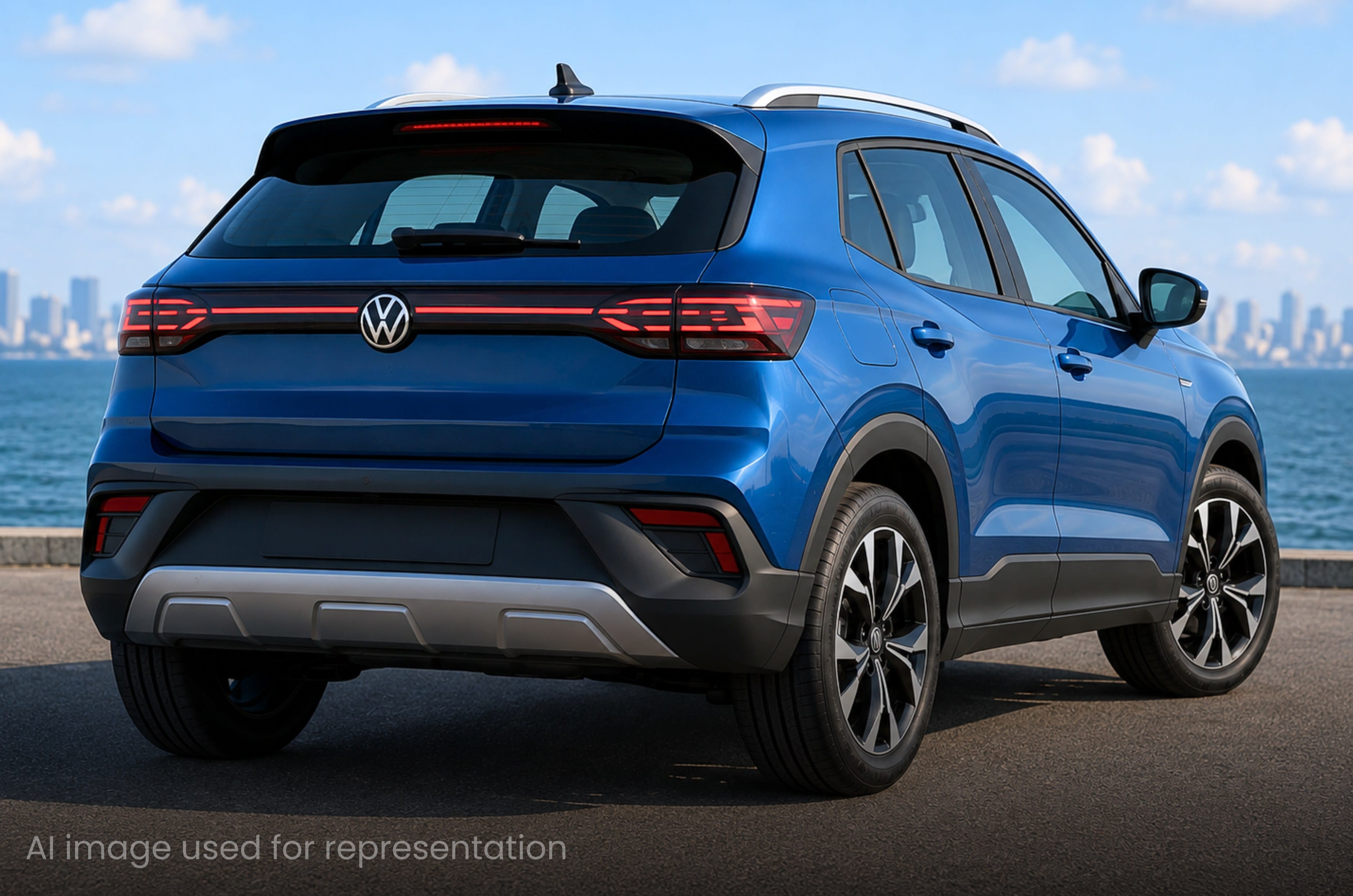
Volkswagen has been working on its version of the Skoda Kylaq, which we first reported on six months ago. Volkswagen India has now secured global approval for the project, which is estimated to cost around 25 million euros (Rs 275 crore). The green light paves the way for Volkswagen’s re-entry into India’s high-volume sub-four-metre vehicle market, which the brand had exited following the discontinuation of the Ameo compact sedan and Polo hatchback.
VW compact SUV to share powertrain options with Kylaq
Differentiation will come in the form of design, features and positioning
Will mark VW’s return to the sub-4m space since the discontinuation of Polo
Volkswagen compact SUV: what to expect?
The programme will mark an important step in a broader expansion of Volkswagen’s India portfolio, allowing the brand to reach customers in segments below the Taigun and Virtus.
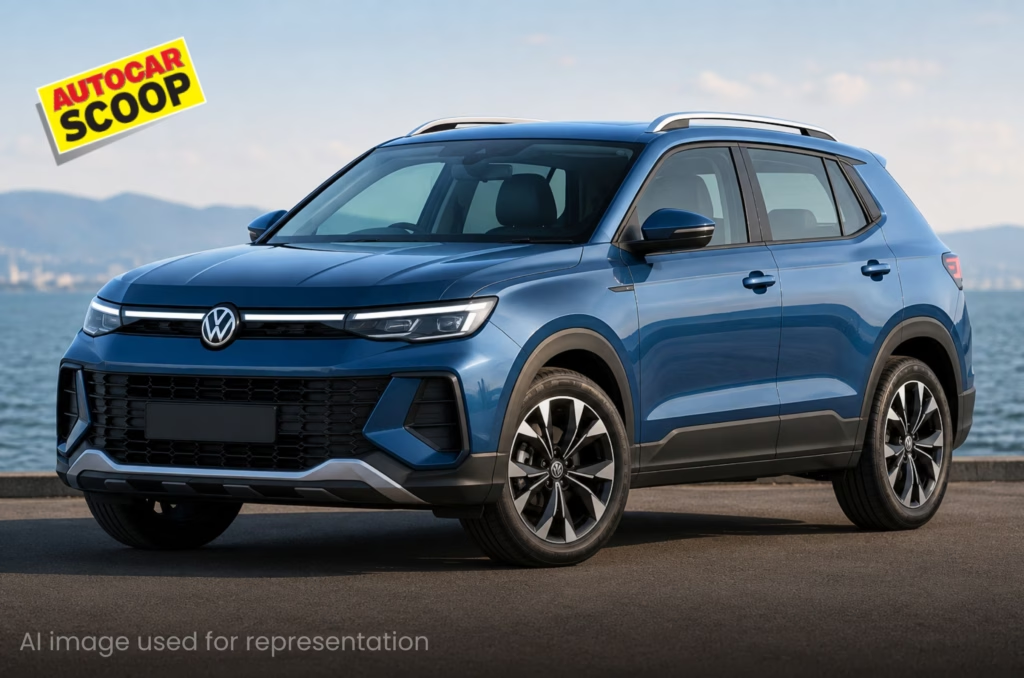
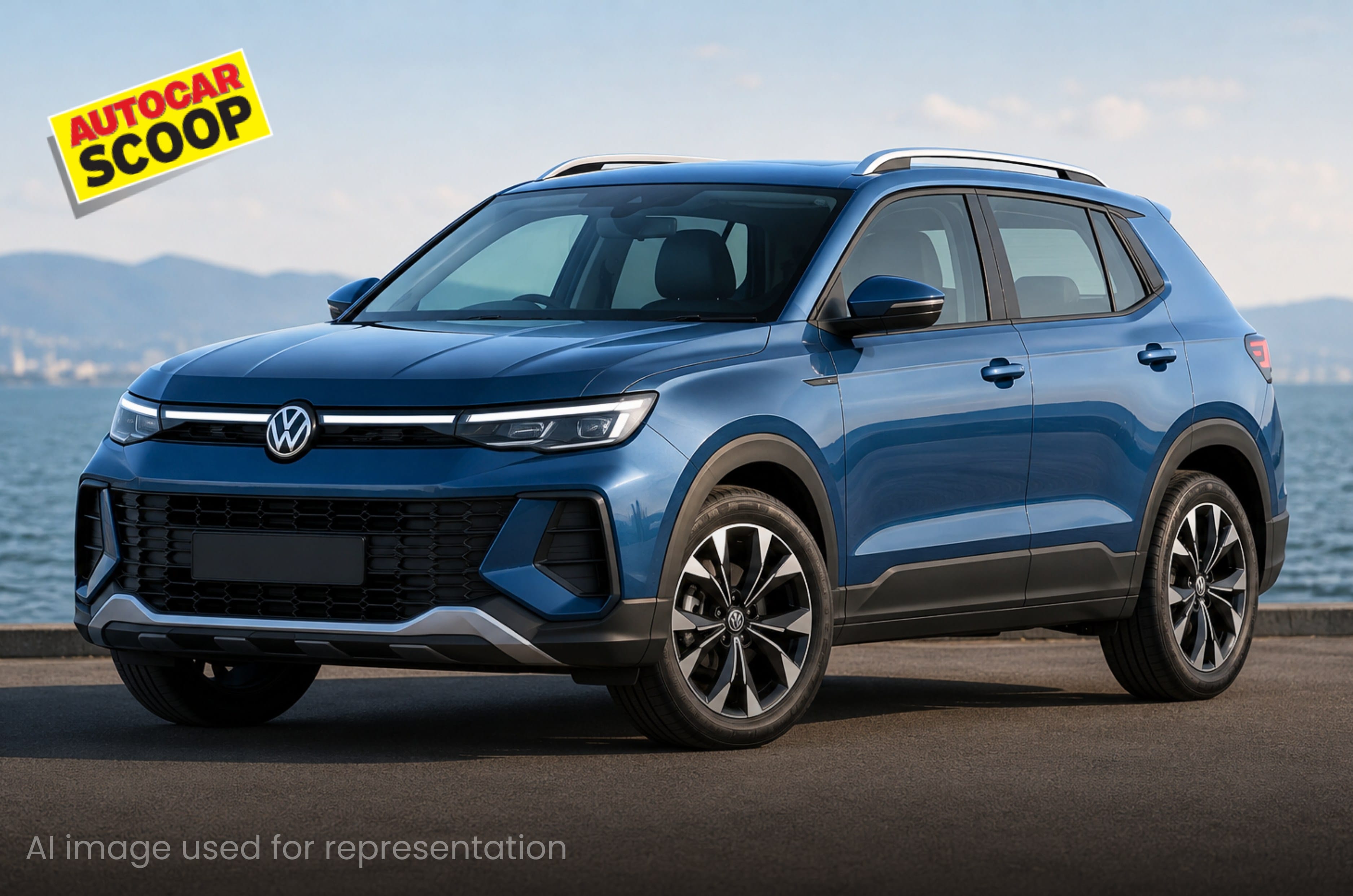
The new compact SUV will essentially be a badge-engineered version of the Kylaq, but will receive substantial design changes to give it a distinct Volkswagen identity. The differentiation is expected to extend to the exterior, interior, features and positioning.
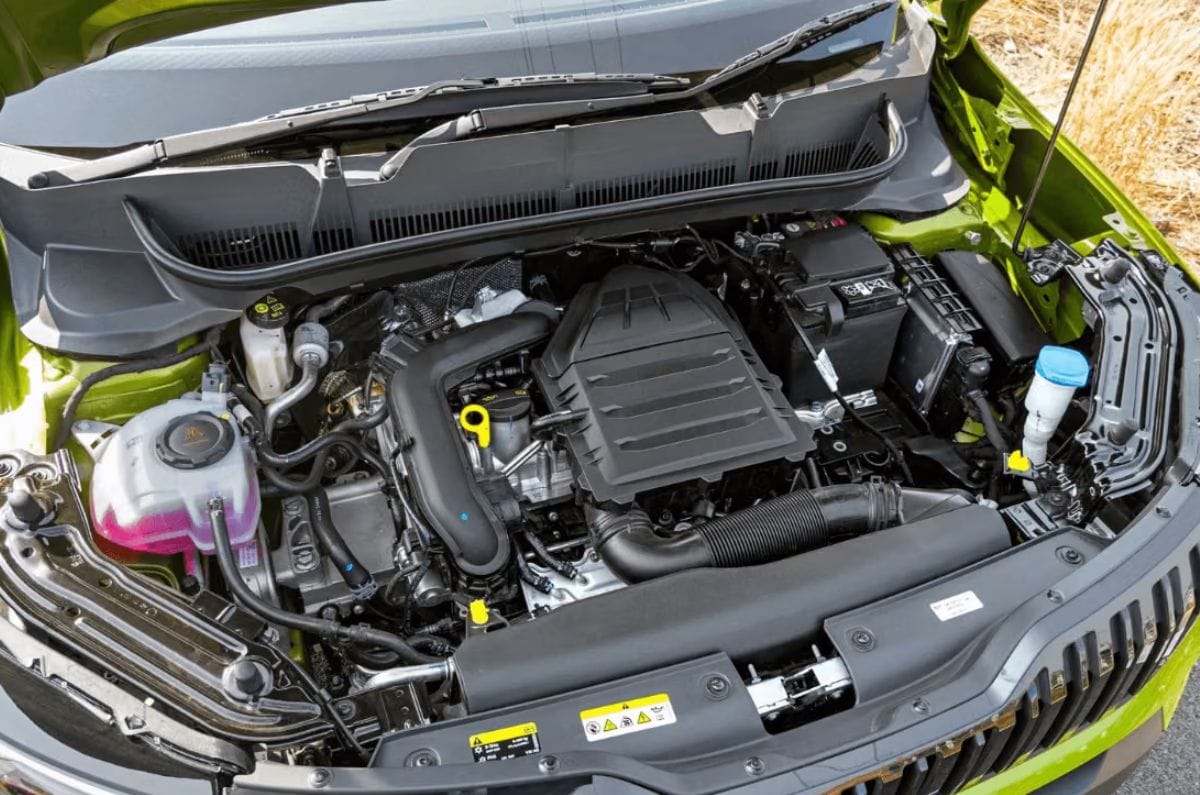
The 1.0-litre TSI engine will be shared with the Kylaq
It will use the same 1.0-litre TSI petrol engine as the Kylaq, paired with manual and automatic gearbox options. At launch, the Volkswagen compact SUV will get an 8-speed automatic transmission rather than the 6-speed automatic currently offered on the Kylaq. The Kylaq, however, is also expected to receive the 8-speeder with its next update.
It’s unclear what the compact SUV will be named upon launch, but Volkswagen already sells the Tera in the Brazilian market that’s closely related to the Skoda Kylaq. It remains to be seen what it will be called here in India. Prices can be expected to range between Rs 8-13 lakh (ex-showroom).
Scope of the compact SUV segment
The model will give Volkswagen access to one of India’s largest vehicle categories. The broader sub-four-metre SUV market, comprising compact and micro-SUVs, currently generates monthly sales of around 1.1 lakh units. The category accounts for around 30 percent of India’s passenger vehicle sales and more than half of utility vehicle volumes. Its growth has been supported by hatchback buyers moving to SUVs, the drastic reduction of GST from 28 percent to 18 percent last year on cars meeting prescribed length and engine-capacity limits, and the availability of multiple powertrain options.
The market is led by Tata Motors with the Punch and Nexon, followed by Maruti Suzuki with the Fronx and Brezza. Sister brand Skoda too has grown significantly after the launch of the Kylaq last year, further underscoring the need for a compact SUV in VW’s portfolio.
This will mark VW’s return to the compact SUV space since the Polo was discontinued in 2022.
Volkswagen’s locally produced portfolio is currently limited to the Taigun and Virtus, both positioned above the compact vehicle market. The Kylaq-based SUV will lower the entry point to the Volkswagen brand and give it access to a substantially larger customer base.
Additional volumes from the compact SUV could also improve capacity utilisation at Skoda Auto Volkswagen India’s Chakan plant and deliver better economies of scale, helping lower costs for both Volkswagen and Skoda.