

अमेरिकी राष्ट्रपति डोनाल्ड ट्रम्प ने यूरोपीय संघ को गंभीर टैरिफ लगाने की धमकी दी है। ट्रम्प ने कहा, अगर यूरोपीय संघ कनाडा को अपना पहला ‘एसोसिएट मेंबर’ बनाने की योजना पर आगे बढ़ता है तो अमेरिका यूरोप पर बहुत भारी टैरिफ लगा सकता है। जरूरत पड़ने पर यूरोप के साथ व्यापार भी रोक सकता है। ट्रम्प की धमकी के कुछ ही समय बाद कनाडा के प्रधानमंत्री मार्क कार्नी ने साफ कर दिया कि कनाडा अपनी विदेश नीति और दूसरे देशों के साथ समझौते खुद तय करेगा। यूरोपीय संसद में गुरुवार को भाषण देते हुए कार्नी ने कहा, “कोई भी यह तय नहीं करेगा कि हम अंतरराष्ट्रीय स्तर पर किसके साथ समझौते कर सकते हैं।” खबर लगातार अपडेट हो रही है…
अमेरिका के साथ बढ़ते तनाव के बीच कनाडा अब यूरोप के करीब जाने की तैयारी में है। वह यूरोपीय संघ (EU) का पहला ‘एसोसिएट मेंबर’ बनने जा रहा है। एसोसिएट मेंबर के तौर पर कनाडा यूरोपीय संघ के 27 देशों में शामिल नहीं होगा और उसे वोटिंग का अधिकार भी नहीं मिलेगा, लेकिन रक्षा, AI, टेक्नोलॉजी, ऊर्जा, जरूरी खनिज और व्यापार जैसे मामलों में यूरोपीय संघ के साथ उसका सहयोग बढ़ेगा। इसके साथ ही कनाडा ब्रिटेन और यूक्रेन जैसे यूरोपीय संघ से बाहर के देशों के साथ यूरोप की सुरक्षा मजबूत करने के लिए एक नई सिक्योरिटी काउंसिल में भी शामिल हो सकता है। कनाडा के प्रधानमंत्री ने यूरोपीय संघ के साथ जुड़ने की इच्छा जताई थी
यूरोपीय संघ की अध्यक्ष उर्सुला वॉन डेर लेयेन ने बुधवार को कहा कि यूरोपीय संघ कनाडा के लिए अपने दरवाजे खोलना चाहता है। इस दौरान कनाडा के प्रधानमंत्री मार्क कार्नी भी मौजूद थे। कार्नी ने पिछले हफ्ते यूरोपीय संघ के साथ एक ‘गठबंधन’ बनाने की इच्छा जताई थी। कनाडा के लिए यूरोपीय संघ को नई व्यवस्था बनानी पड़ेगी यूरोपीय संघ के नियमों में अभी ‘एसोसिएट मेंबर’ जैसी कोई सदस्यता नहीं है। इसलिए अगर कनाडा को यह दर्जा देना है, तो यूरोपीय संघ को इसके लिए नए नियम बनाने होंगे और सदस्य देशों की सहमति लेनी होगी। इस तरह का विचार पहली बार इस साल जर्मनी के चांसलर फ्रेडरिक मर्ज ने यूक्रेन के लिए रखा था। लेकिन यूक्रेन ने इसमें ज्यादा रुचि नहीं दिखाई, क्योंकि वह यूरोपीय संघ का पूरा सदस्य बनना चाहता है। उस योजना के तहत यूक्रेन को यूरोपीय संघ की बैठकों में हिस्सा लेने और कुछ संस्थाओं में प्रतिनिधित्व का मौका मिल सकता था। उसे यूरोपीय संघ की कुछ योजनाओं और फंड का लाभ भी मिलता, लेकिन अन्य सदस्य देशों की तरह फैसलों पर वोट देने का अधिकार नहीं होता। यूरोपीय संघ और कनाडा के बीच व्यापार बढ़ा अमेरिका की ओर से लगाए गए टैरिफ और चीन से बढ़ती कारोबारी चुनौती के बीच यूरोपीय संघ और कनाडा पहले से ही एक-दूसरे के साथ मिलकर काम कर रहे हैं। दोनों के बीच CETA नाम का व्यापार समझौता है, जिससे ज्यादातर सामानों पर लगने वाला आयात शुल्क खत्म हो चुका है। इसका असर यह हुआ कि 2016 के बाद से EU और कनाडा के बीच कारोबार 80% से ज्यादा बढ़ गया। इस साल कनाडा यूरोप के एक बड़े रक्षा फंड से जुड़ने वाला पहला गैर-यूरोपीय देश भी बना है। वॉन डेर लेयेन ने कहा कि दुनिया में ताकत सिर्फ बड़े या अमीर देशों के पास नहीं होनी चाहिए। लोकतांत्रिक देशों को यह हक होना चाहिए कि वे अपनी पसंद के साझेदार चुन सकें। उन्होंने कहा कि इसी सोच के तहत यूरोप और कनाडा अपने रिश्ते और मजबूत कर रहे हैं। अमेरिका और कनाडा के बीच ट्रेड वॉर जारी अमेरिका और कनाडा के बीच व्यापार विवाद करीब 18 महीने से जारी है। जुलाई में ट्रम्प ने कनाडा पर अमेरिकी उद्योगों के साथ भेदभाव करने का आरोप लगाया था। इसके बाद ट्रम्प ने एक पुराने कानून का इस्तेमाल करते हुए चुनिंदा कनाडाई सामान पर 50% तक टैरिफ लगाने का फैसला किया। इसके बाद कनाडा ने कई अमेरिकी सामान पर 50% तक जवाबी टैरिफ लागू किया था। इसके पहले दोनों देशों के बीच कई महीनों तक बातचीत चली, लेकिन 21 अगस्त में यह बातचीत टूट गई। इसके बाद दोनों के बीच टैरिफ वॉर शुरू हो गई। ————————- ये खबर भी पढ़ें… अमेरिका का कनाडा के डेयरी प्रोडक्ट और शराब पर बैन: मोटरसाइकिलों पर भी रोक अमेरिकी राष्ट्रपति डोनाल्ड ट्रम्प ने कनाडा से आने वाले डेयरी प्रोडक्ट, शराब और मोटरसाइकिलों पर रोक लगाने का फैसला किया है। पूरी खबर यहां पढ़ें…
यूरोपीय यूनियन (EU) भीषण गर्मी को आपदा मानते हुए इससे निपटने के लिए नया हीटवेव प्लान बनाएगा। यूरोपीय आयोग की अध्यक्ष उर्सुला वॉन डेर लेयेन ने बुधवार को कहा कि इस साल की गर्मी ने यूरोप को बड़ा सबक दिया है। उन्होंने बताया कि हीटवेव के दौरान यूरोप में 35 हजार से ज्यादा मौतें हुईं। तेज गर्मी से नदियों सूख गई और कई देशों में जंगलों में भयानक आग लगी। अब जंगलों की आग पर जल्दी काबू पाने के लिए EU आग बुझाने वाले विमानों का अपना बड़ा बेड़ा तैयार करेगा। गर्मी के कारण डेन्यूब, राइन जैसी नदियों का पानी कम हुआ भीषण गर्मी के कारण यूरोप की कई बड़ी नदियों में पानी कम हो गया। इनमें डेन्यूब, राइन और फ्रांस की गारोन नदी भी शामिल हैं। वॉन डेर लेयेन ने कहा कि कई अस्पताल और बुजुर्गों के केयर होम इतनी ज्यादा गर्मी की चपेट में आ गए कि वहां रहना मुश्किल हो गया। उनके मुताबिक, गर्मी का असर शुरुआती अनुमान से कहीं ज्यादा रहा। खतरे वाले 100 इलाकों की पहचान करेगा EU इस साल यूरोप के कई देशों में जंगलों में भयानक आग लगी। इससे करीब 6.60 लाख हेक्टेयर जमीन जल गई और करीब 1.2 करोड़ टन फसलें बर्बाद हो गईं। उर्सुला वॉन डेर लेयेन ने कहा कि EU अब आग के सबसे ज्यादा खतरे वाले 100 इलाकों की पहचान करेगा। इन इलाकों में आग लगने के खतरे और उससे बचने की तैयारी की जांच की जाएगी। अभी EU के पास आग बुझाने वाले विमानों का छोटा बेड़ा है। आग लगने पर EU सदस्य देशों के बीच विमान, पानी के टैंकर और राहतकर्मी भेजने की व्यवस्था भी करता है। अब इस पूरी व्यवस्था को और बड़ा किया जाएगा। इस योजना को बेहतर बनाने के लिए अनुभवी फायरफाइटर्स और राहत टीमों से भी सुझाव लिए जा रहे हैं। जंगल की आग बुझाते समय जान गंवाने वाले पायलट को याद किया EU कमीशन की अध्यक्ष वॉन डेर लेयेन ने ग्रीस में आग बुझाते समय जान गंवाने वाले डेनमार्क के हेलिकॉप्टर पायलट रूने किंडल को भी याद किया। अगस्त में जंगल की आग बुझाने के दौरान उनकी मौत हो गई थी। वॉन डेर लेयेन ने कहा कि रूने ने दूसरों की जान बचाने के लिए अपनी जान दे दी। उनके नाम का जिक्र होते ही यूरोपीय संसद में लोगों ने तालियां बजाईं। जलवायु परिवर्तन की वजह से यूरोप में गर्मी और बढ़ेगी वर्ल्ड वेदर एट्रिब्यूशन की एक स्टडी के मुताबिक, जलवायु परिवर्तन की वजह से यूरोप में इस साल इतनी ज्यादा गर्मी देखने को मिली। वॉन डेर लेयेन ने कहा कि यूरोप दुनिया के औसत तापमान के मुकाबले करीब दोगुनी तेजी से गर्म हो रहा है। उनके मुताबिक आने वाले सालों में यूरोप को तेज गर्मी और ज्यादा झेलनी पड़ सकती है। यूरोप दुनिया के औसत से दोगुनी तेजी से क्यों गर्म हो रहा है? आर्कटिक का असर यूरोप आर्कटिक के काफी करीब है। आर्कटिक दुनिया के बाकी हिस्सों के मुकाबले ज्यादा तेजी से गर्म हो रहा है। इसका असर यूरोप के मौसम और तापमान पर भी पड़ रहा है। जमीन समुद्र से जल्दी गर्म होती है जमीन समुद्र के मुकाबले जल्दी गर्म होती है। यूरोप का बड़ा हिस्सा जमीन पर है, इसलिए यहां तापमान तेजी से बढ़ रहा है। हवाओं का बदलता पैटर्न यूरोप में हवा और जेट स्ट्रीम के रास्ते में बदलाव भी गर्मी बढ़ा रहा है। कई बार गर्म हवा एक जगह लंबे समय तक फंस जाती है। इससे हीटवेव ज्यादा तेज और लंबे समय तक चलती है। ————————— ये खबर भी पढ़ें… जंगली कुत्ते मादा की तलाश में 4000 km घूमे: 9 महीने तक जोड़ीदार तलाशते रहे जाम्बिया के काफ्यू नेशनल पार्क से निकले तीन अफ्रीकी जंगली कुत्तों ने साथी और नया इलाका तलाशने के लिए करीब 4,126 किमी का सफर तय किया। पूरी खबर यहां पढ़ें…
UK के एकजुट रहने पर एक बार फिर सवाल उठने लगे हैं। स्कॉटलैंड, वेल्स और नॉर्दर्न आयरलैंड के फर्स्ट मिनिस्टर सोमवार को वेल्स की राजधानी कार्डिफ में मिलेंगे। स्कॉटलैंड, वेल्स और नॉर्दर्न आयरलैंड की सरकार के प्रमुख को फर्स्ट मिनिस्टर कहा जाता है। इनके साथ अलग देश आयरलैंड की पार्टी सिन फेन की अध्यक्ष मैरी लू मैकडोनाल्ड भी रहेंगी। बैठक में नेता हर क्षेत्र को अपना भविष्य खुद तय करने का अधिकार देने की बात पर साझा बयान जारी कर सकते हैं। इसमें जरूरत पड़ने पर आजादी या दूसरे बड़े बदलावों पर जनमत संग्रह कराने की बात भी शामिल है। इस बैठक से UK पर दबाव बढ़ सकता है। UK से अलग होने के पक्ष में तीनों जगहों की पार्टियां ब्रिटेन की केंद्र सरकार देश को एकजुट रखने के पक्ष में है। लेकिन स्कॉटलैंड, वेल्स और नॉर्दर्न आयरलैंड में ज्यादा अधिकार और बड़े बदलाव की मांग बढ़ रही है। इन तीनों जगहों पर ऐसी पार्टियां प्रभावशाली हैं जो ब्रिटेन की मौजूदा व्यवस्था में बदलाव चाहती हैं। स्कॉटलैंड में SNP आजादी का समर्थन करती है। वेल्स में प्लाइड कम्री भी आजादी की मांग करती है। वहीं नॉर्दर्न आयरलैंड में सिन फेन आयरलैंड के साथ जुड़ने का समर्थन करती है। द टेलीग्राफ की रिपोर्ट के मुताबिक, स्कॉटलैंड के फर्स्ट मिनिस्टर जॉन स्विनी और वेल्स के फर्स्ट मिनिस्टर रुन एपी इओर्थवर्ट के साथ नॉर्दर्न आयरलैंड का नेतृत्व भी साझा घोषणा का समर्थन कर सकता है। बैठक में आजादी और संवैधानिक बदलाव के अलावा अर्थव्यवस्था, ऊर्जा, यूरोप और दूसरे देशों से रिश्ते मजबूत करने पर भी चर्चा होगी। स्कॉटलैंड में फिर जनमत संग्रह की चर्चा स्कॉटलैंड की आजादी इस पूरी बहस का सबसे बड़ा मुद्दा है। ब्रिटेन के प्रधानमंत्री एंडी बर्नहम ने हाल ही में कहा था कि अगर स्कॉटलैंड और नॉर्दर्न आयरलैंड में आजादी के पक्ष में लोगों के बीच सहमति बनती है, तो एक और जनमत संग्रह पर विचार किया जा सकता है। SNP ने बर्नहम के इस बयान को तुरंत मुद्दा बना लिया। इसके बाद में बर्नहम को सफाई देनी पड़ी। उन्होंने स्कॉटलैंड के फर्स्ट मिनिस्टर स्विनी को चिट्ठी लिखकर कहा कि अगले आम चुनाव से पहले आजादी पर जनमत संग्रह नहीं कराया जाएगा। नॉर्दर्न आयरलैंड को लेकर भी उन्होंने कहा कि अभी ब्रिटेन से अलग होने को लेकर ऐसा माहौल नहीं है। बर्नहम ने 2024 के चुनावी घोषणापत्र का हवाला देते हुए कहा कि लेबर पार्टी स्कॉटलैंड की आजादी या एक और जनमत संग्रह का समर्थन नहीं करती। स्विनी – UK पर एकजुट रहने का दबाव बढ़ा स्विनी ने बर्नहम के बयान पर सवाल उठाते हुए कहा कि पहली बार स्कॉटलैंड, वेल्स और नॉर्दर्न आयरलैंड में ऐसे फर्स्ट मिनिस्टर हैं जो आजादी के पक्ष में हैं। उनके मुताबिक, इससे साफ है कि ब्रिटेन को एकजुट रखने वाली मौजूदा व्यवस्था पर दबाव बढ़ रहा है। वहीं, वेल्स में भी ज्यादा अधिकार की मांग तेज हो गई है। मई में हुए चुनाव में वहां ब्रिटेन की मौजूदा व्यवस्था पर सवाल उठाने वाली पार्टियों को मजबूती मिली है।
96 सीट पर हुए चुनाव में अलग देश की समर्थक प्लाइड कम्री को 43 जबकि लेबर पार्टी को सिर्फ 9 सीटें मिलीं। इस चुनाव के बाद प्लाइड कम्री के रुन एपी इओर्थवर्ट वेल्स के फर्स्ट मिनिस्टर बने। नॉर्दर्न आयरलैंड के पास आयरलैंड से जुड़ने का रास्ता नॉर्दर्न आयरलैंड का मामला स्कॉटलैंड और वेल्स से अलग है। 1998 के गुड फ्राइडे समझौते के तहत अगर यह संभावना दिखे कि नॉर्दर्न आयरलैंड के ज्यादातर लोग ब्रिटेन से अलग होकर आयरलैंड के साथ जुड़ना चाहते हैं, तो वहां जनमत संग्रह कराया जा सकता है। यहां की नेता सिन फेन का कहना है कि कार्डिफ की बैठक में भी इसी अधिकार की बात उठाई जाएगी कि हर देश और क्षेत्र को लोकतांत्रिक तरीके से अपना भविष्य तय करने का मौका मिलना चाहिए। ट्रम्प के बयान से आयरलैंड के एकीकरण की चर्चा बढ़ी अमेरिकी राष्ट्रपति डोनाल्ड ट्रम्प ने भी हाल में आयरलैंड के एकीकरण पर बयान दिया है। शनिवार को डबलिन दौरे के दौरान ट्रम्प ने कहा कि वह आयरलैंड को एक देश के रूप में देखना पसंद करेंगे। अमेरिकी राष्ट्रपतियों का इस मुद्दे पर आमतौर पर सावधानी भरा रुख रहा है। ऐसे में ट्रम्प का बयान इस बहस को और चर्चा में ले आया है। मामला सिर्फ आजादी का नहीं, पैसा और यूरोप भी अहम कार्डिफ की बैठक सिर्फ ब्रिटेन से अलग होने की मांग तक सीमित नहीं है। तीनों जगहों की कई प्रमुख पार्टियां यूरोपीय यूनियन के साथ करीबी रिश्तों की समर्थक हैं। UK 2020 में आधिकारिक तौर पर यूरोपीय यूनियन से आजाद हो गया था। इसके लिए 2016 में वोटिंग हुई थी। अगर स्कॉटलैंड या वेल्स भविष्य में आजाद होते हैं, तो वे EU की सदस्यता के लिए आवेदन कर सकते हैं। वहीं अगर नॉर्दर्न आयरलैंड आयरलैंड में शामिल होता है, तो वह EU का हिस्सा बन जाएगा, क्योंकि आयरलैंड पहले से EU का सदस्य है। अब जानिए कि ये तीनों इलाके ब्रिटेन से कैसे जुड़े और अब अलग होने की मांग क्यों हो रही है… स्कॉटलैंड करीब 300 साल पहले स्कॉटलैंड और इंग्लैंड दो अलग-अलग देश थे। दोनों के अपने राजा, संसद और कानून थे। साल 1603 में इंग्लैंड की महारानी एलिजाबेथ प्रथम की मौत हो गई। उनका कोई वारिस नहीं था। तब स्कॉटलैंड के राजा जेम्स VI इंग्लैंड के भी राजा बन गए। यानी अब एक ही व्यक्ति दो देशों का राजा था, लेकिन दोनों देश फिर भी अलग-अलग थे। इसके करीब 100 साल बाद बड़ा फैसला हुआ। 1707 में स्कॉटलैंड और इंग्लैंड की संसद ने समझौता किया। दोनों देश मिलकर ग्रेट ब्रिटेन बन गए। इसके बाद दोनों की अलग-अलग संसद नहीं रही और एक साझा संसद बनी। अलग देश बनने की मांग कब तेज हुई 20वीं सदी में स्कॉटलैंड की आजादी की मांग को राजनीतिक ताकत मिलने लगी। 1934 में स्कॉटिश नेशनल पार्टी (NSP) बनी, जिसका मकसद स्कॉटलैंड को अलग देश बनाना था। इसके बाद यह मुद्दा धीरे-धीरे मजबूत होता गया। 1999 में स्कॉटलैंड को अपनी संसद और सरकार वापस मिली। इससे स्कॉटलैंड को शिक्षा, स्वास्थ्य जैसे कई मामलों में खुद फैसले लेने का अधिकार मिला, लेकिन रक्षा और विदेश नीति जैसे बड़े मुद्दे अब भी ब्रिटेन की केंद्र सरकार के पास रहे। फिर आया 2014 का जनमत संग्रह। स्कॉटलैंड के लोगों से पूछा गया कि क्या वे UK से अलग होकर स्वतंत्र देश बनना चाहते हैं। करीब 55% लोगों ने अलग होने के खिलाफ और 45% ने समर्थन में वोट दिया। इसलिए स्कॉटलैंड UK का हिस्सा बना रहा। साल 2016 के बाद स्कॉटलैंड में आजादी की मांग फिर तेज होने लगी। दरअसल स्कॉटलैंड के ज्यादातर लोगों ने 2016 में यूरोपीय यूनियन में बने रहने के लिए वोट किया था, जबकि पूरे UK ने EU छोड़ने का फैसला किया। वेल्स 13वीं सदी में इंग्लैंड के राजा एडवर्ड प्रथम ने वेल्स पर कब्जा कर लिया। इंग्लैंड के साथ जुड़ने के बावजूद वेल्स ने अपनी भाषा, संस्कृति और पहचान बनाए रखी। 19वीं और 20वीं सदी में इन्हें बचाने के आंदोलन तेज हुए। इसी दौर में 1925 में प्लाइड कम्री पार्टी बनी। शुरुआत में पार्टी का जोर वेल्श भाषा और संस्कृति बचाने पर था। बाद में उसने वेल्स को ज्यादा अधिकार और फिर स्वतंत्र देश बनाने की मांग शुरू की। 1999 में वेल्स को अपनी अलग संसद और सरकार मिली। हालांकि रक्षा और विदेश नीति जैसे बड़े मुद्दे अभी भी UK सरकार के पास हैं। वेल्स में आजादी की मांग स्कॉटलैंड के मुकाबले कमजोर है। लेकिन प्लाइड कम्री इसे लगातार राजनीतिक मुद्दा बनाए हुए है। नॉर्दर्न आयरलैंड वेल्स, स्कॉटलैंड और इंग्लैंड ग्रेट ब्रिटेन का हिस्सा बन चुके थे। 1801 में आयरलैंड भी इसमें शामिल हो गया। हालांकि शुरुआत से ही आयरलैंड के कई हिस्से में इसका विरोध जारी रहा। लंबे संघर्ष के बाद 1922 में आयरलैंड का ज्यादातर हिस्सा UK से अलग होकर स्वतंत्र देश बन गया। लेकिन आयरलैंड का उत्तरी हिस्सा यानी नॉर्दर्न आयरलैंड UK के साथ ही रहा। नॉर्दर्न आयरलैंड में ब्रिटेन के समर्थकों को यूनियनिस्ट कहा जाता है। ये ईसाई धर्म के प्रोटेस्टेंट समुदाय के लोग थे। दूसरी तरफ आयरिश राष्ट्रवादी और ज्यादातर कैथोलिक समुदाय था, जिसका एक बड़ा हिस्सा आयरलैंड के साथ जुड़ना चाहता था। आज भी नॉर्दर्न आयरलैंड में दो तरह की सोच मौजूद है। कुछ लोग UK के साथ रहना चाहते हैं, जबकि कुछ आयरलैंड के साथ एकीकरण चाहते हैं।

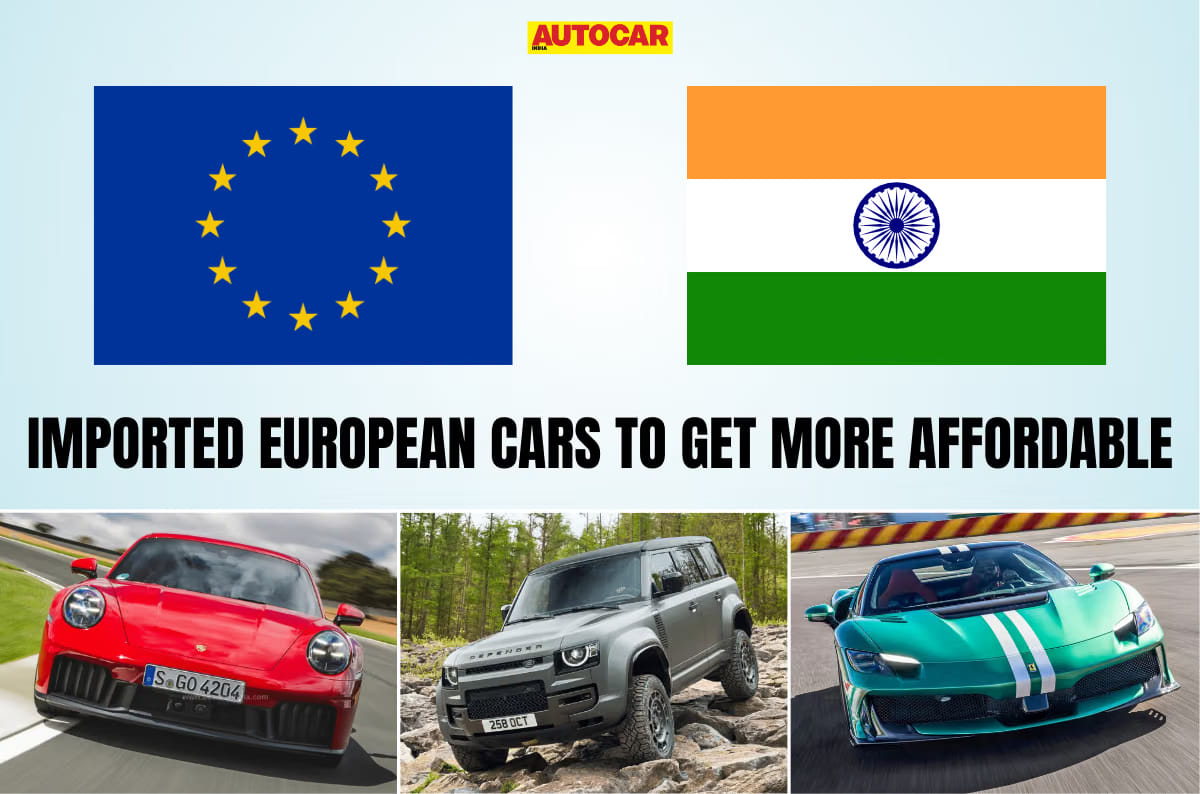
The India-EU Free Trade Agreement (FTA), once signed and implemented, will allow European carmakers to import 1 lakh completely built-up (CBU) internal-combustion engine (ICE) and non-plug-in hybrid cars into India at concessional import duties in the first year, according to the tariff schedule under the deal. The quota will gradually rise to 1.6 lakh vehicles from the 10th year.
The negotiations concluded in January 2026. The agreement is yet to be signed and will require completion of the respective internal procedures before it can enter into force. It is expected to be signed by the end of this year and could come into effect from 2027.
- First-year quota covers 1 lakh CBU cars
- Import duty within quota starts at 30 percent
- Quota rises to 1.6 lakh cars from 10th year
Lower duties for imported cars
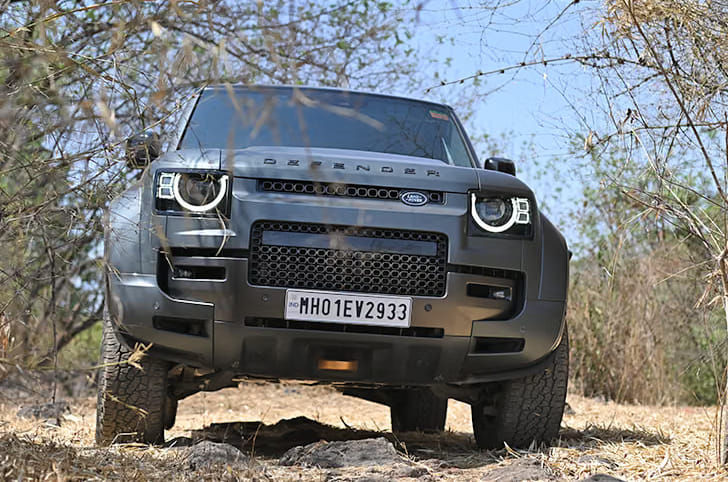
In the first year, ICE and non-plug-in hybrid cars priced between 15,000 euros and 35,000 euros will attract a 35 percent import duty within the quota. Cars priced between 35,000 euros and 50,000 euros, as well as those above 50,000 euros, will attract a 30 percent duty. Cars priced below 15,000 euros will not receive a tariff concession in the first year.
The 1 lakh-unit quota will be divided across three price bands, with 34,000 units allocated to cars priced between 15,000 euros and 35,000 euros, and 33,000 units each for the 35,000-50,000 euro and above-50,000 euro categories.
The quota will increase to 1.075 lakh vehicles in the second year, 1.3 lakh in the fifth year and 1.6 lakh from the 10th year. The preferential duty across all three price bands will be 10 percent from the 10th year.
EVs and plug-in hybrids get separate quota
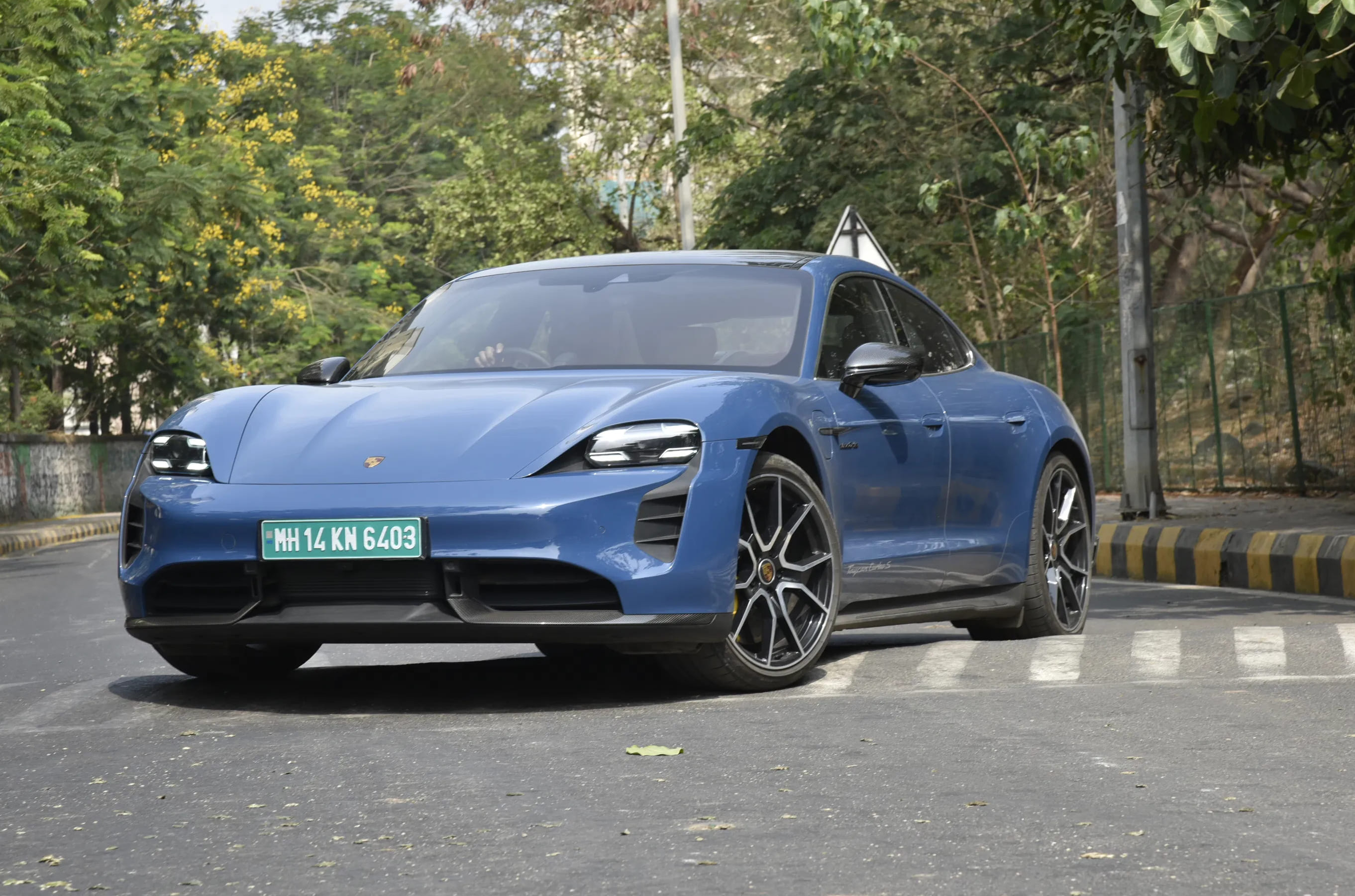
Pure electric and plug-in hybrid cars will not receive concessional access under this initial quota. Their preferential access will begin from the fifth year for vehicles priced above 20,000 euros.
A separate quota for battery-electric and plug-in hybrid CBUs will start at 20,000 vehicles in the fifth year and increase to 90,000 vehicles by the 14th year. The preferential duty will be 30 percent in the fifth year and will fall to 10 percent from the 10th year.
Cars imported outside the quota will continue to attract higher duties, ranging from 66-110 percent initially. These rates are scheduled to fall to 30-35 percent by the 10th year.
European carmakers could expand CBU imports
The lower duties could make it more viable for European manufacturers such as Volkswagen, Mercedes-Benz and BMW to bring more CBUs from Europe. The deal could particularly help them introduce a wider range of niche, performance and high-end models that are currently less viable to import at higher duties.
The FTA also provides reciprocal concessions for cars exported from India to the EU.
जेन टेक्नोलॉजीज डिफेंस सिमुलेशन और एंट्री-ड्रोन सॉल्यूशंस ऑफर करती है। सरकार डिफेंस पर खर्च बढ़ा रही है। इसके अलावा अगली पीढ़ी के वारफेयर सिस्टम्स की मांग बढ़ रही है। इसका फायदा जेन टेक्नोलॉजी को मिलेगा। कंपनी एयर फोर्स सिमुलेटर मार्केट में उतरी है। एंटी-ड्रोन सेगमेंट में भी कंपनी के लिए बड़े मौके है। कंपनी अमेरिकी बाजार में बिजनेस का विस्तार कर रही है। इससे मीडियम और लॉन्ग टर्म में कंपनी की ग्रोथ को सपोर्ट मिलेगा।
1239 करोड़ रुपये की ऑर्डर बुक जून तिमाही में
Zen Technologies की कंसॉलिडेटेड ऑर्डर बुक 30 जून, 2026 को 1,239 करोड़ रुपये की थी। FY26 की मार्च तिमाही के अंत में ऑर्डर बुक 1,336 करोड़ रुपये की थी। तिमाही दर तिमाही आधार पर ऑर्डर बुक में गिरावट की वजह जून तिमाही में बेहतर एग्जिक्यूशन है। कंपनी की ऑर्डर बुक में इक्विपमेंट ऑर्डर की हिस्सेदारी 921 करोड़ है, जबकि 318 करोड़ रुपये के ऑर्डर AMC के हैं।
मार्च तक 2700 करोड़ रुपये की ऑर्डर बुक की उम्मीद
कंपनी नए ऑर्डर्स के लिए 700-800 करोड़ रुपये के सिमुलेटर ऑर्डर्स पर विचार कर रही है। कंपनी को FY27 के अंत तक ऑर्डर बुक करीब 2,500 करोड़ रुपये पहुंच जाने की उम्मीद है। एंटी-ड्रोन सिस्टम की बढ़ती मांग का फायदा भी कंपनी को मिलेगा। घरेलू बाजार के साथ ही कंपनी मिडिल ईस्ट, अफ्रीका, साऊथईस्ट एशिया और CIS देशों में बिजनेस का विस्तार कर रही है। कंपनी की नजरें EU और नॉर्थ और साऊथ मार्केट्स पर भी हैं।
जून तिमाही में रेवेन्यू के मोर्चे पर कमजोर प्रदर्शन
जून तिमाही में कंपनी के रेवेन्यू में साल दर साल आधार पर 10.5 फीसदी गिरावट आई। EBITDA साल दर साल आधार पर 40.2 फीसदी घटकर 39 करोड़ रुपये रह गया। इसका असर कंपनी के टैक्स बाद प्रॉफिट (PAT) पर पड़ा, जो करीब 34 करोड़ रुपये रहा। सितंबर तिमाही में ऑर्डर एग्जिक्यूशन की रफ्तार बढ़ने की उम्मीद है।
कपैसिटी बढ़ाने के लिए अधिग्रहण पर विचार
अगले दो साल तक कंपनी की ग्रोथ में सिमुलेटर्स और एंट्री-ड्रोन सिस्टम्स का बड़ा हाथ रह सकता है। इंटरसेप्टर ड्रोन, हार्ड-किल सिस्टम्स, रोबोटिक्स, ऑटोनोमस व्हीकल्स और इंटिग्रेटेड स्मार्ट बॉर्डर सॉल्यूशंस से भी ग्रोथ को सपोर्ट मिलेगा। कंपनी अपनी क्षमता बढ़ाने के लिए अधिग्रहण पर भी विचार कर रही है। इससे रेवेन्यू का स्रोत भी बढ़ेगा।
यह भी पढ़ें: BSE का शेयर एनएसई के आईपीओ के ऐलान से 3% फिसला, क्या यह इसे खरीदने का सही मौका है?
52 हफ्ते के हाई से शेयर 14.5 फीसदी नीचे
Zen Technologies का शेयर 11 सितंबर को 1.25 फीसदी गिरकर 1,728.10 रुपये पर बंद हुआ। इस साल यह शेयर 27 फीसदी से ज्यादा चढ़ा है। कंपनी का शेयर इस साल 19 अगस्त को 2,044 रुपये पर पहुंच गया था, जो इसका 52 हफ्ते का सबसे ज्यादा प्राइस है। अभी इस लेवल से यह करीब 14.5 फीसदी नीचे है। सरकार के डिफेंस इक्विपमेंट के इंपोर्ट पर निर्भरता घटाने और एक्सपोर्ट बढ़ाने पर फोकस का फायदा जेन टेक्नोलॉजीज को मिलेगा।
डिसक्लेमर: मनीकंट्रोल पर एक्सपर्ट्स की तरफ से व्यक्त विचार उनके अपने विचार होते हैं। ये वेबसाइट या इसके मैनेजमेंट के विचार नहीं होते। मनीकंट्रोल की यूजर्स को सलाह है कि उन्हें निवेश का फैसला लेने से पहले सर्टिफायड एक्सपर्ट्स की राय लेनी चाहिए।
एस्टोनिया के रक्षा मंत्री हानो पेवकुर ने इस्तीफा दे दिया है। उनके इस्तीफे की वजह यूक्रेन के लिए की गई करीब 768 करोड़ रुपए की एक डील है। सौदे के तहत भारतीय कंपनी से जुड़ी इटली की एक फर्म को गोला-बारूद सप्लाई का कॉन्ट्रैक्ट दिया गया था। आरोप है कि कंपनी के पास तोप के गोले बनाने या बेचने का अनुभव नहीं था। इसके बावजूद उसे बड़ा कॉन्ट्रैक्ट दिया गया और भारी रकम एडवांस में दी गई। कंपनी के साथ किए गए थे 4 समझौते 2024 में एस्टोनिया के सेंटर फॉर डिफेंस इन्वेस्टमेंट ने तोप के गोलों की खरीद के लिए डेटासेल एसआरएल के साथ चार समझौते किए। यह कंपनी इटली में रजिस्टर्ड है। मार्च 2024 में इसे भारतीय कंपनी नेको डिफेंस म्यूनिशंस ने खरीदा था। पहला कॉन्ट्रैक्ट अगस्त 2024 में हुआ था। इसके तहत करीब 1.5 करोड़ यूरो एडवांस दिए गए। इसके बाद दूसरे और फिर दो अन्य कॉन्ट्रैक्ट किए गए। चारों सौदों में एडवांस भुगतान करीब 7 करोड़ यूरो तक पहुंच गया। नवंबर 2024 तक यूक्रेन पहुंचने थे गोले गोला-बारूद का पहला बैच नवंबर 2024 में यूक्रेन पहुंचना था, लेकिन डेटासेल ने देरी की। बाद में जो सामान पहुंचा, उसे लेकर भी सवाल उठाए गए। अधिकारियों के मुताबिक, कुछ खेप अधूरी थी और उसमें गोले चलाने के लिए जरूरी हिस्से मौजूद नहीं थे। इनमें फ्यूज, प्रोपेलेंट चार्ज और प्राइमर जैसे हिस्से शामिल बताए गए हैं। इसलिए एस्टोनिया ने कुछ सामान को स्वीकार नहीं किया। कंपनी ने आरोपों को खारिज किया डेटासेल ने एस्टोनिया के आरोपों को स्वीकार नहीं किया है। कंपनी का कहना है कि उसने बड़ी मात्रा में सामान तैयार किया और उसकी सप्लाई के लिए बिल भी दिए। कंपनी ने यह भी कहा कि डिलीवरी में देरी के पीछे अलग-अलग देशों से मंजूरी और जरूरी दस्तावेज मिलने में हुई देरी जैसी वजहें थीं। एस्टोनिया के 768 करोड़ रुपए अटके एस्टोनिया ने इस सौदे में करीब 768 करोड़ रुपए दिए थे। अब वह इस रकम को वापस पाने की कोशिश कर रहा है। अनुबंध को लेकर मामला मध्यस्थता तक पहुंच गया है। अगर पैसा वापस नहीं मिला तो एस्टोनिया पर इस रकम का वित्तीय बोझ पड़ सकता है। यूरोपीय आयोग भी एस्टोनिया के साथ इस मामले पर बातचीत कर रहा है। EU के फंड से आया था पैसा इस सौदे में इस्तेमाल हुआ पैसा यूरोपीय संघ की यूरोपियन पीस फैसिलिटी (EPF) से आया था। यह फंड यूक्रेन को सैन्य सहायता देने के लिए इस्तेमाल किया जा रहा है। अब सवाल यह है कि अगर एस्टोनिया कंपनी से पैसा वापस नहीं ले पाया तो इस फंड का क्या होगा। यूरोपीय आयोग इस मामले में एस्टोनियाई अधिकारियों के संपर्क में है। मंत्री बोले- हर सौदे की जिम्मेदारी मेरी रक्षा मंत्री हानो पेवकुर ने कहा कि मंत्री खुद हर हथियार खरीद के कॉन्ट्रैक्ट पर बातचीत नहीं करता। उन्होंने यह भी कहा कि उन्होंने संबंधित कॉन्ट्रैक्ट व्यक्तिगत रूप से नहीं पढ़े थे। लेकिन उनके मुताबिक, मंत्रालय के काम की राजनीतिक जिम्मेदारी रक्षा मंत्री की होती है। इसी वजह से उन्होंने इस्तीफा देने का फैसला किया। जांच में खरीद प्रक्रिया पर भी सवाल एस्टोनिया के राष्ट्रीय लेखा कार्यालय ने इस सौदे को लेकर गंभीर सवाल उठाए हैं। जांच का एक बड़ा मुद्दा यह है कि इतने बड़े रक्षा सौदे में ऐसी कंपनी को कैसे चुना गया, जिसके पास तोप के गोले की सप्लाई का पहले का अनुभव नहीं था। यानी विवाद सिर्फ इस बात पर नहीं है कि गोले समय पर पहुंचे या नहीं। सवाल यह भी है कि कंपनी का चयन कैसे हुआ और इतनी बड़ी रकम एडवांस में क्यों दी गई। ————————- यह खबर भी पढ़ें… जयशंकर बोले- तेल खरीद पर रोक से जंग नहीं थमेगी: बातचीत से ही खत्म होगी, भारत यूक्रेन युद्ध खत्म कराने के लिए मध्यस्थता को तैयार केंद्रीय विदेश मंत्री एस. जयशंकर ने कहा कि रूस-यूक्रेन जंग का समाधान इस बात से नहीं निकलेगा कि कोई देश रूसी तेल खरीदता है या नहीं। पूरी खबर पढ़ें…
एस्टोनिया के रक्षा मंत्री हानो पेवकुर ने इस्तीफा दे दिया है। उनके इस्तीफे की वजह यूक्रेन के लिए की गई करीब 768 करोड़ रुपए की एक डील है। सौदे के तहत भारतीय कंपनी से जुड़ी इटली की एक फर्म को गोला-बारूद सप्लाई का कॉन्ट्रैक्ट दिया गया था। आरोप है कि कंपनी के पास तोप के गोले बनाने या बेचने का अनुभव नहीं था। इसके बावजूद उसे बड़ा कॉन्ट्रैक्ट दिया गया और भारी रकम एडवांस में दी गई। कंपनी के साथ किए गए थे 4 समझौते 2024 में एस्टोनिया के सेंटर फॉर डिफेंस इन्वेस्टमेंट ने तोप के गोलों की खरीद के लिए डेटासेल एसआरएल के साथ चार समझौते किए। यह कंपनी इटली में रजिस्टर्ड है। नवंबर 2024 तक यूक्रेन पहुंचने थे गोले गोला-बारूद का पहला बैच नवंबर 2024 में यूक्रेन पहुंचना था, लेकिन डेटासेल ने देरी की। बाद में जो सामान पहुंचा, उसे लेकर भी सवाल उठाए गए। अधिकारियों के मुताबिक, कुछ खेप अधूरी थी और उसमें गोले चलाने के लिए जरूरी हिस्से मौजूद नहीं थे। इनमें फ्यूज, प्रोपेलेंट चार्ज और प्राइमर जैसे हिस्से शामिल हैं। इसलिए एस्टोनिया ने कुछ सामान को स्वीकार नहीं किया। कंपनी ने आरोपों को खारिज किया डेटासेल ने एस्टोनिया के आरोपों को खारिज कर दिया है। कंपनी का कहना है कि उसने बड़ी मात्रा में सामान तैयार किया और उसकी सप्लाई के लिए बिल भी दिए। कंपनी ने यह भी कहा कि डिलीवरी में देरी के पीछे अलग-अलग देशों से मंजूरी और जरूरी दस्तावेज मिलने में हुई देरी जैसी वजहें थीं। एस्टोनिया के 768 करोड़ रुपए अटके एस्टोनिया ने इस सौदे में करीब 768 करोड़ रुपए दिए थे। अब वह इस रकम को वापस पाने की कोशिश कर रहा है। अगर पैसा वापस नहीं मिला तो एस्टोनिया पर इस रकम का वित्तीय बोझ पड़ सकता है। यूरोपीय आयोग भी एस्टोनिया के साथ इस मामले पर बातचीत कर रहा है। EU के फंड से आया था पैसा इस सौदे में इस्तेमाल हुआ पैसा यूरोपीय संघ की यूरोपियन पीस फैसिलिटी (EPF) से आया था। यह फंड यूक्रेन को सैन्य सहायता देने के लिए इस्तेमाल किया जा रहा है। अब सवाल यह है कि अगर एस्टोनिया कंपनी से पैसा वापस नहीं ले पाया तो इस फंड का क्या होगा। यूरोपीय आयोग इस मामले में एस्टोनियाई अधिकारियों के संपर्क में है। जांच में खरीद प्रक्रिया पर भी सवाल एस्टोनिया के राष्ट्रीय लेखा कार्यालय ने इस सौदे को लेकर गंभीर सवाल उठाए हैं। जांच का एक बड़ा मुद्दा यह है कि इतने बड़े रक्षा सौदे में ऐसी कंपनी को कैसे चुना गया, जिसके पास तोप के गोले की सप्लाई का पहले का अनुभव नहीं था। यानी विवाद सिर्फ इस बात पर नहीं है कि गोले समय पर पहुंचे या नहीं। सवाल यह भी है कि कंपनी का चयन कैसे हुआ और इतनी बड़ी रकम एडवांस में क्यों दी गई। ————————- यह खबर भी पढ़ें… जयशंकर बोले- तेल खरीद पर रोक से जंग नहीं थमेगी: बातचीत से ही खत्म होगी, भारत यूक्रेन युद्ध खत्म कराने के लिए मध्यस्थता को तैयार केंद्रीय विदेश मंत्री एस. जयशंकर ने कहा कि रूस-यूक्रेन जंग का समाधान इस बात से नहीं निकलेगा कि कोई देश रूसी तेल खरीदता है या नहीं। पूरी खबर पढ़ें…
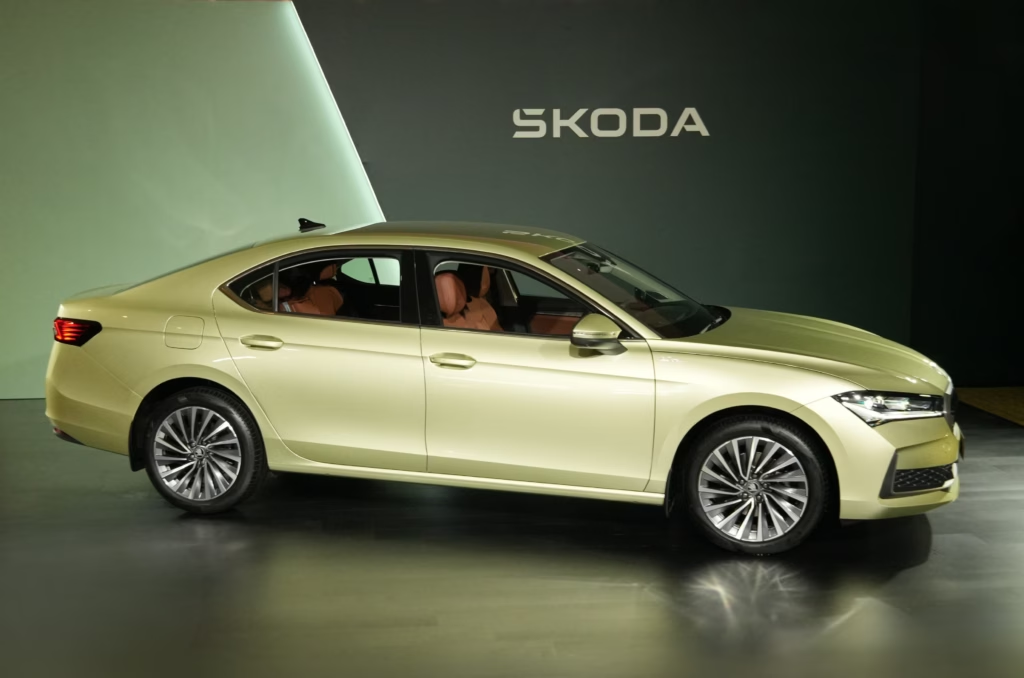
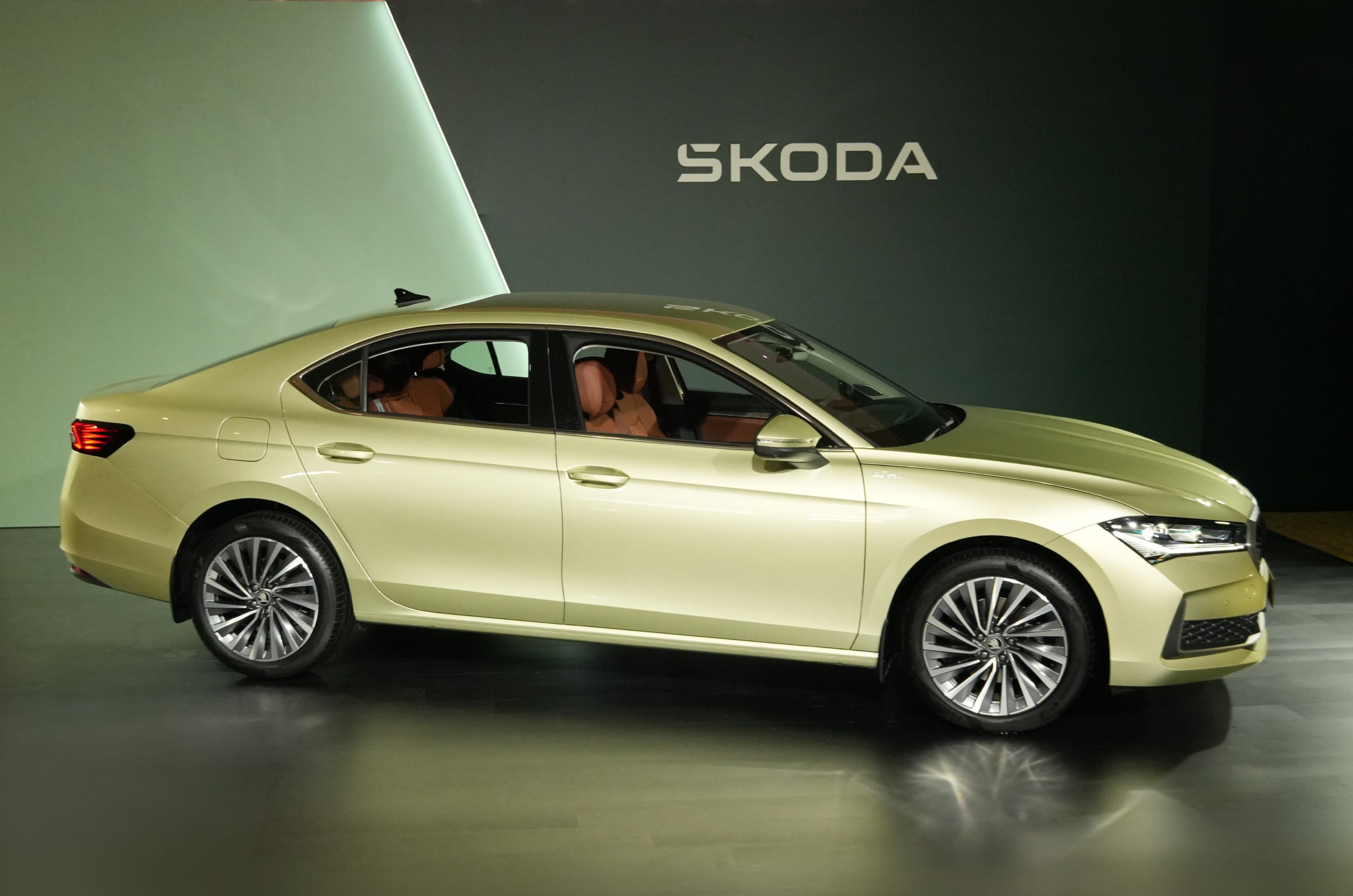
Skoda will be bringing the fourth-generation Superb to India in 2027 in its top-spec Laurin & Klement (L&K) trim, no less. However, this time around, the premium sedan will be offered in diesel guise – a first for the brand since it discontinued diesel models in India when BS6 emission norms took effect in 2020. Without further ado, here’s all you need to know about the upcoming 2027 Skoda Superb diesel.
1. How much will the 2027 Skoda Superb diesel cost?
Skoda will bring the 2027 Superb diesel to India in limited numbers via the CBU (completely built units) route, with the expected starting price to be around Rs 50 lakh (ex-showroom). This means that the fully imported fourth-gen Superb diesel could be priced along the same lines as the Toyota Camry, which also has the price benefit of being a CKD (completely knocked down) model.
2. When will deliveries of the 2027 Skoda Superb diesel start in India
The reason why Skoda is yet to finalise on the price of the India-spec Superb diesel has to do with the upcoming India-EU Free Trade Agreement (FTA), which is set to come into effect by early 2027. While the FTA’s lower import duties will benefit fully imported modes like the Skoda Superb, the brand is awaiting further clarity before announcing its price. We know that the premium sedan will reach our shores in Q1 or Q2 of 2027 and will only be available in limited numbers.
3. What engine and gearbox will the 2027 Skoda Superb diesel get?
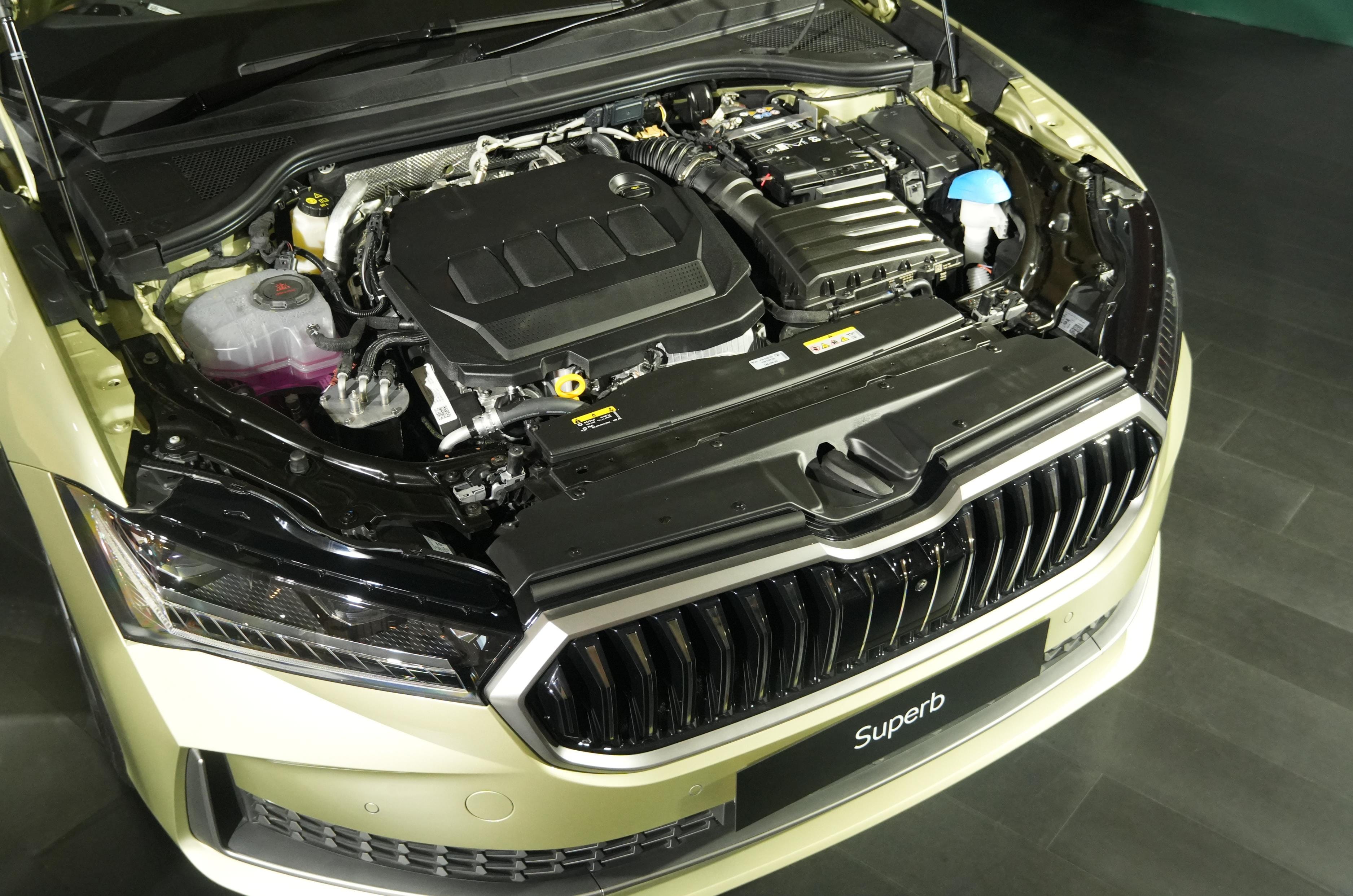
Under the bonnet of the 2027 Skoda Superb sits a 2.0-litre four-cylinder turbocharged diesel (TDI) engine rated at 150hp and 360Nm of torque. This transverse-mounted engine comes mated to a 7-speed dual-clutch automatic transmission (DCT) and drives the front wheels. Drive modes aside, the 2027 Skoda Superb for India will get the brand’s Progressive Dynamic Steering and Dynamic Chassis Control (DCC) systems. Skoda says that these automatically adjust the car’s ride and handling balance depending on the drive mode, road conditions and vehicle speed.
4. What are the exterior highlights of the 2027 Skoda Superb diesel?
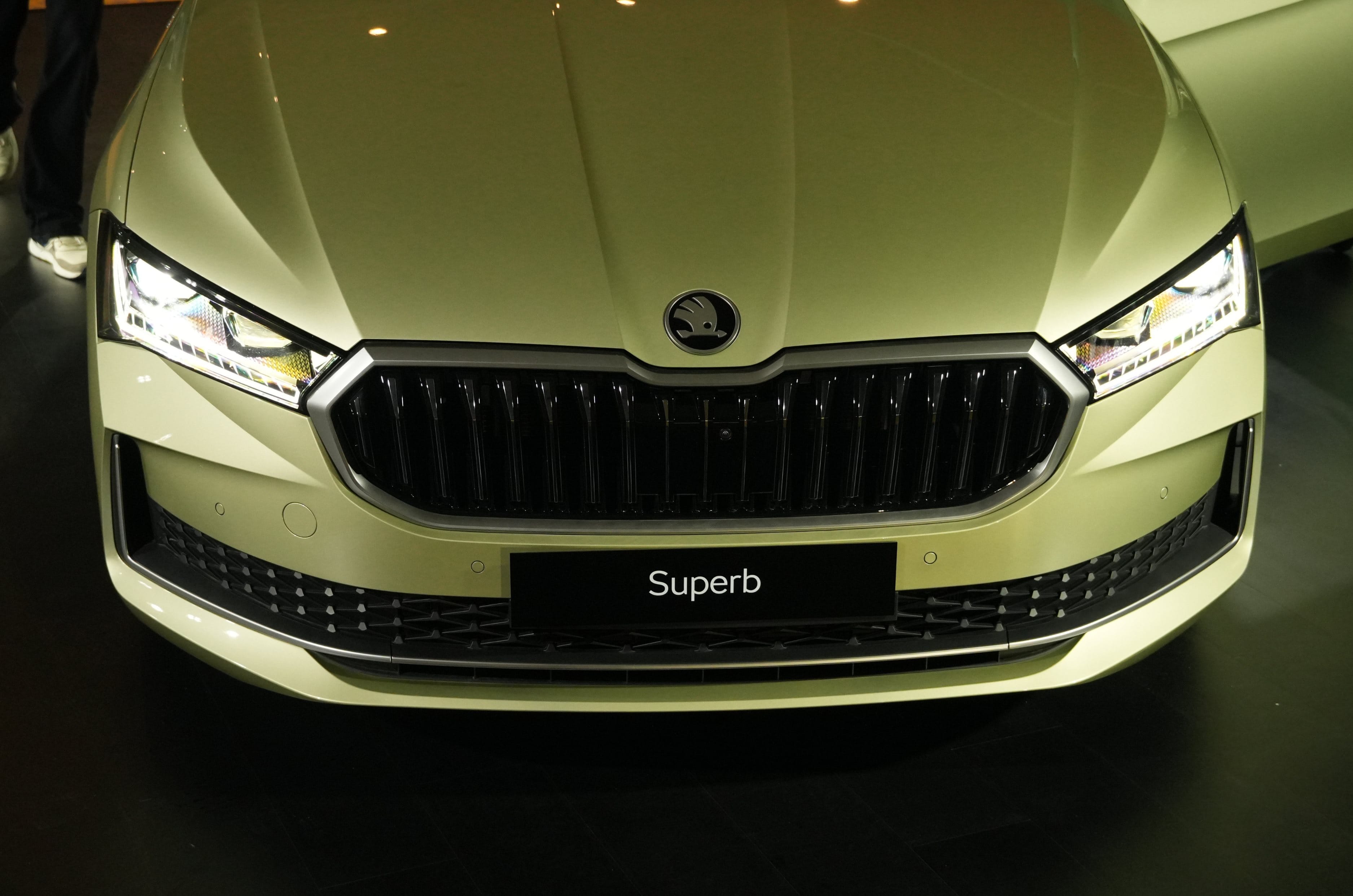
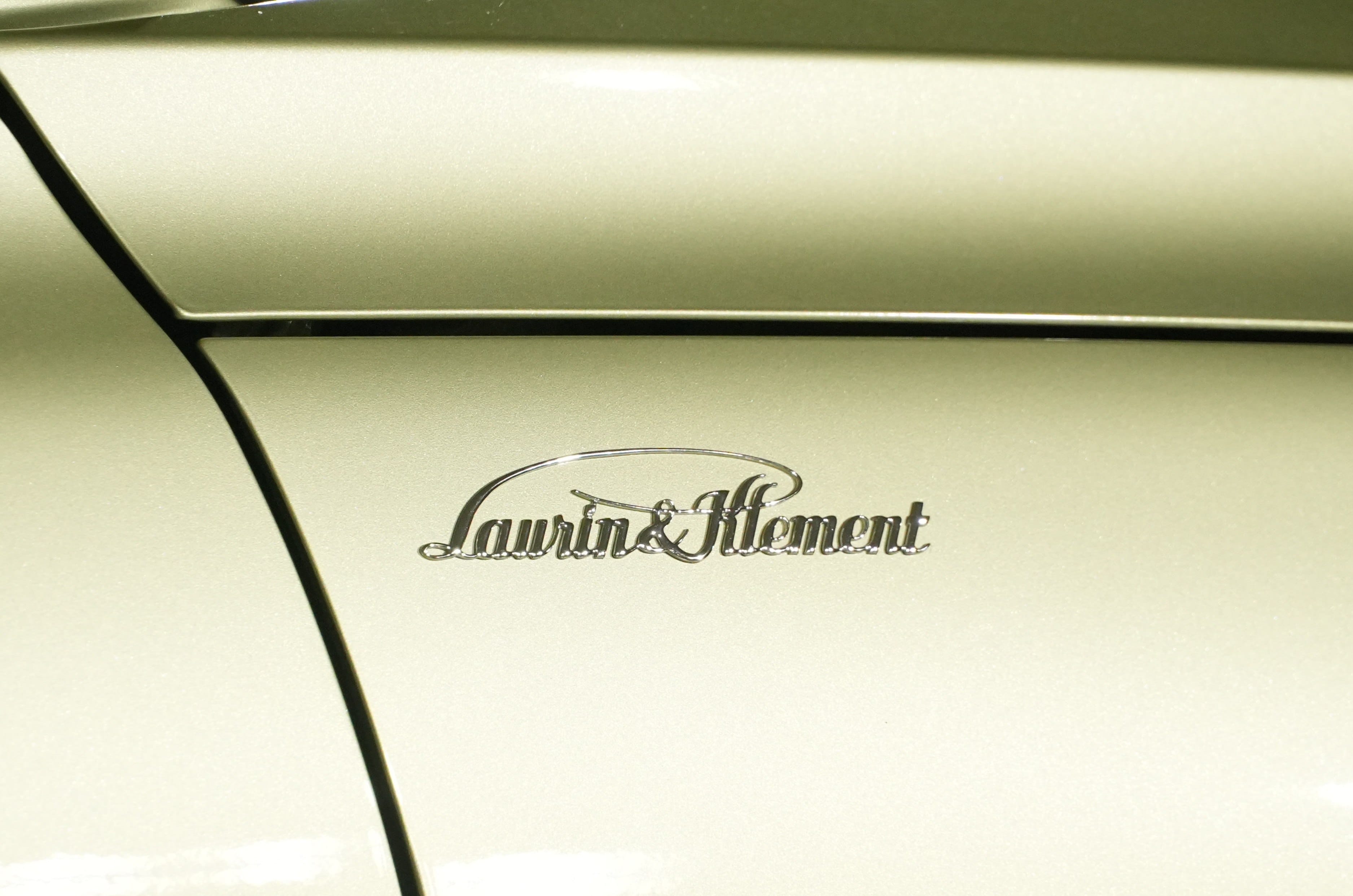
The top-spec L&K trim of the Skoda Superb diesel comes with Matrix LED headlamps with ‘Skoda Crystal Lighting’ branding, a large black grille with shiny surrounds, full-LED tail lamps with sequential turn indicators, 18-inch alloy wheels with turbine-like detailing, ‘Laurin & Klement’ badging on the front fenders, chrome garnish for the windowline, and a simplistic bootlid with large ‘SKODA’ lettering.
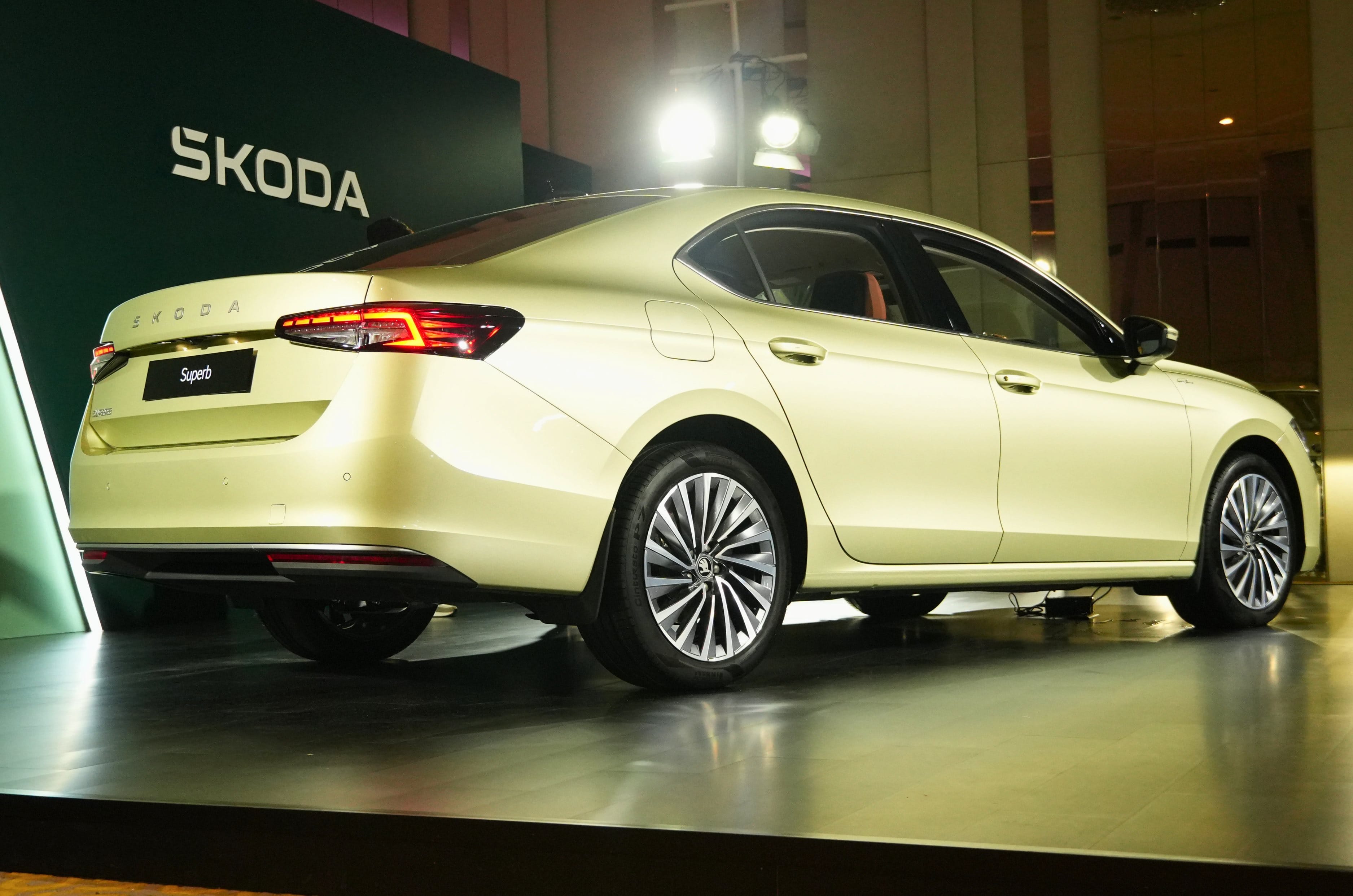
Opening the power-operated bootlid reveals the Superb’s familiar liftback design and a 645-litre luggage space. There are storage cubbies here too, along with bag hooks, an extendable cargo cover, a space-saver spare wheel, flip-down rear seat releases and through-loading for carrying longer items. Overall, the 2027 Skoda Superb looks elegant and premium, while its liftback design offers more practicality than a typical three-box sedan.
5. Does the interior of the 2027 Skoda Superb diesel feel premium enough?
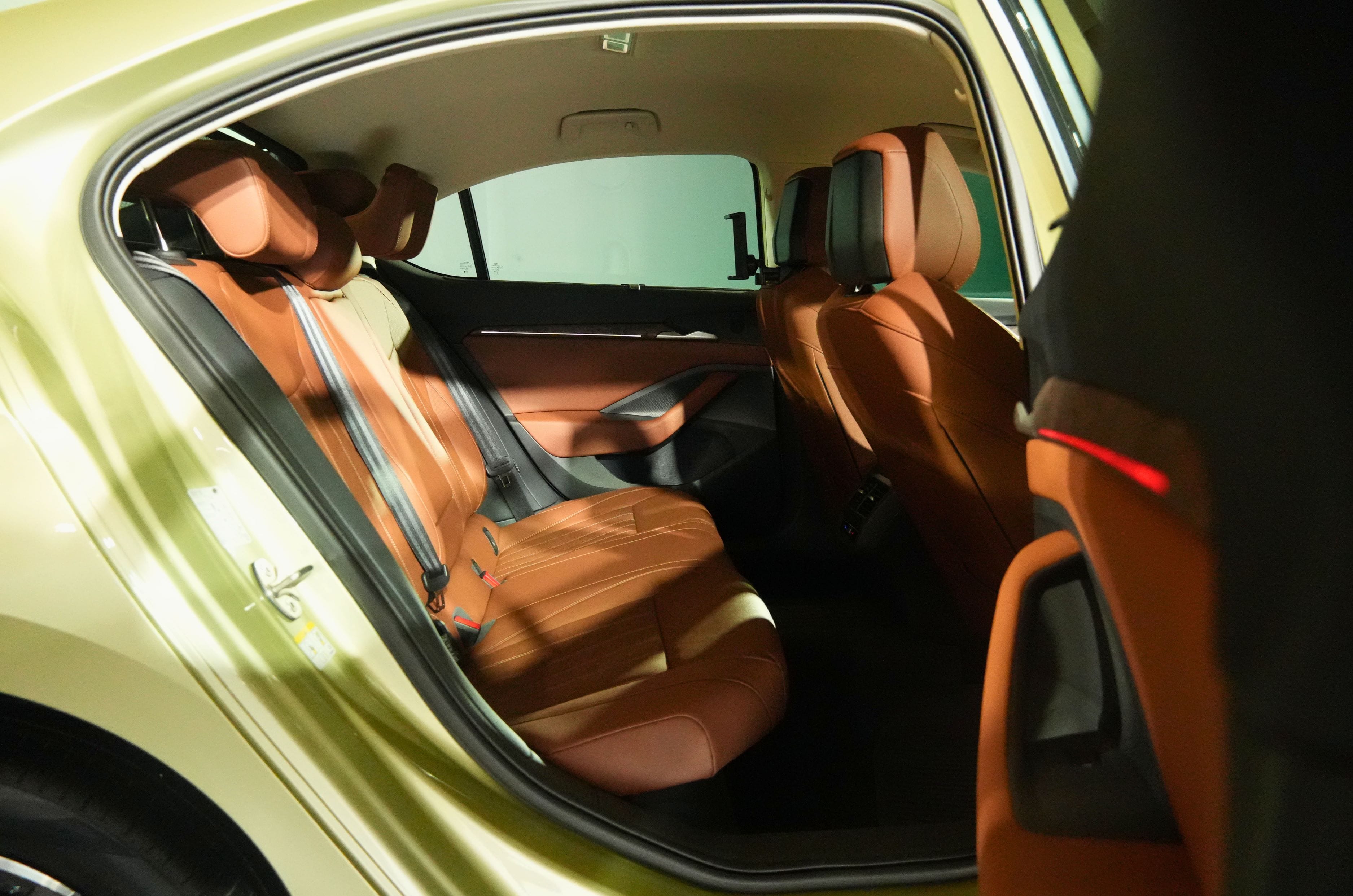
The 2027 Skoda Superb, like its predecessors, is aimed at buyers who prefer to be seated at the back. There’s plenty of space for rear-seat occupants – no shortage of legroom or kneeroom – even taller folks shouldn’t have trouble stretching out. The interior is upholstered in what Skoda calls “Cognac leather”, which looks premium.
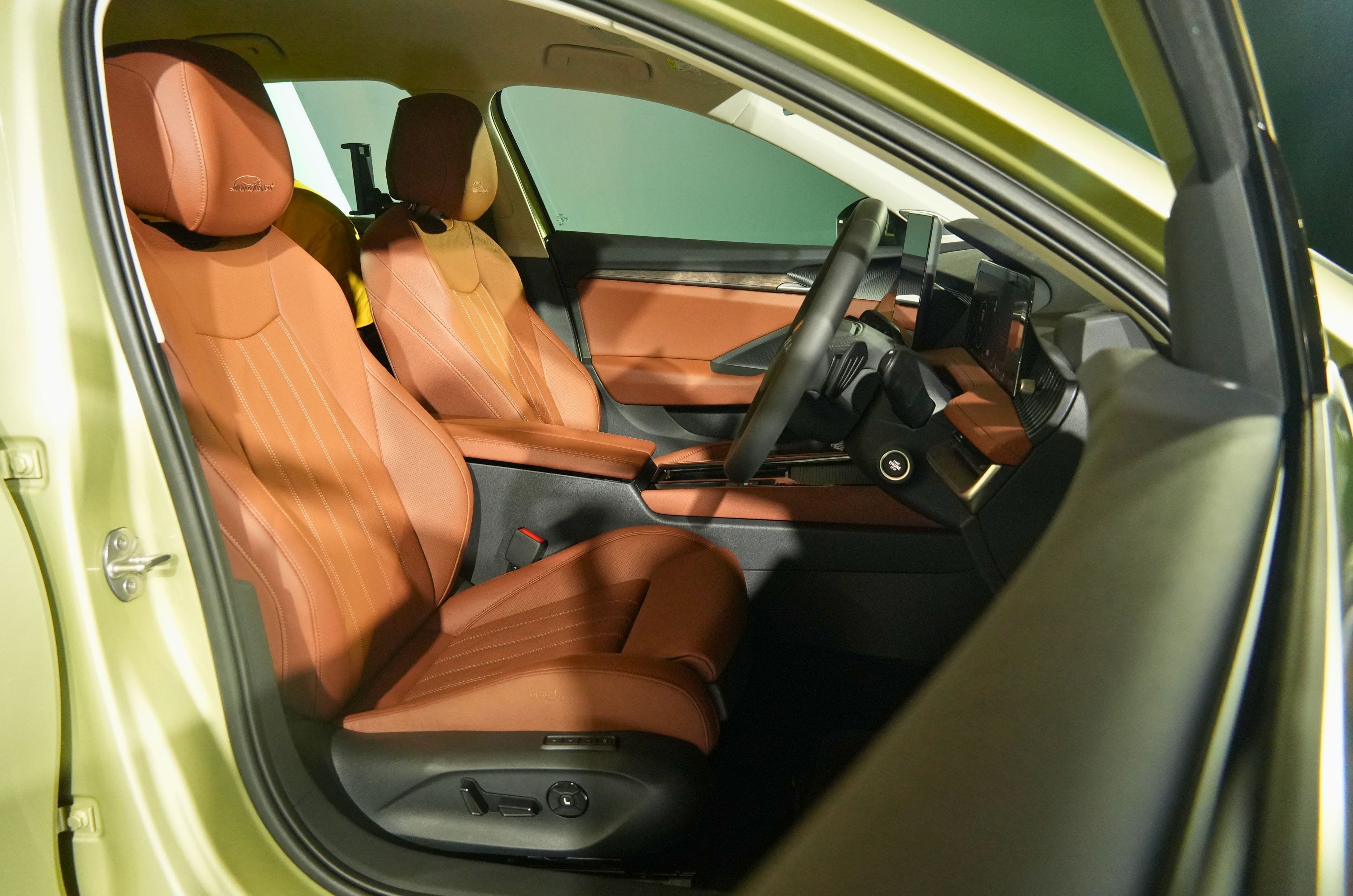
The quality and tactility of the physical dials up front feel good, too. These dials integrate multiple functions and users can cycle through the climate control and seat ventilation & heating settings easily. There’s a covered storage tray beneath these dials and another even deeper storage cubby under the front-centre armrest. The front seats look nice and are multi-way powered and have a memory feature, of course.
6. What are some of the feature highlights of the 2027 Skoda Superb diesel?
Enhancing comfort further is a ‘Rear Sleep Packagage, which bring sunblinds for the rear-side windows as well as for the rear windscreen, and specially designed ‘wings’ on the headrests to help support your head should you fall asleep. There’s a fold-down armrest with cupholders and also a slot for holding a smartphone – the backrest of the front seats also get such device holders.
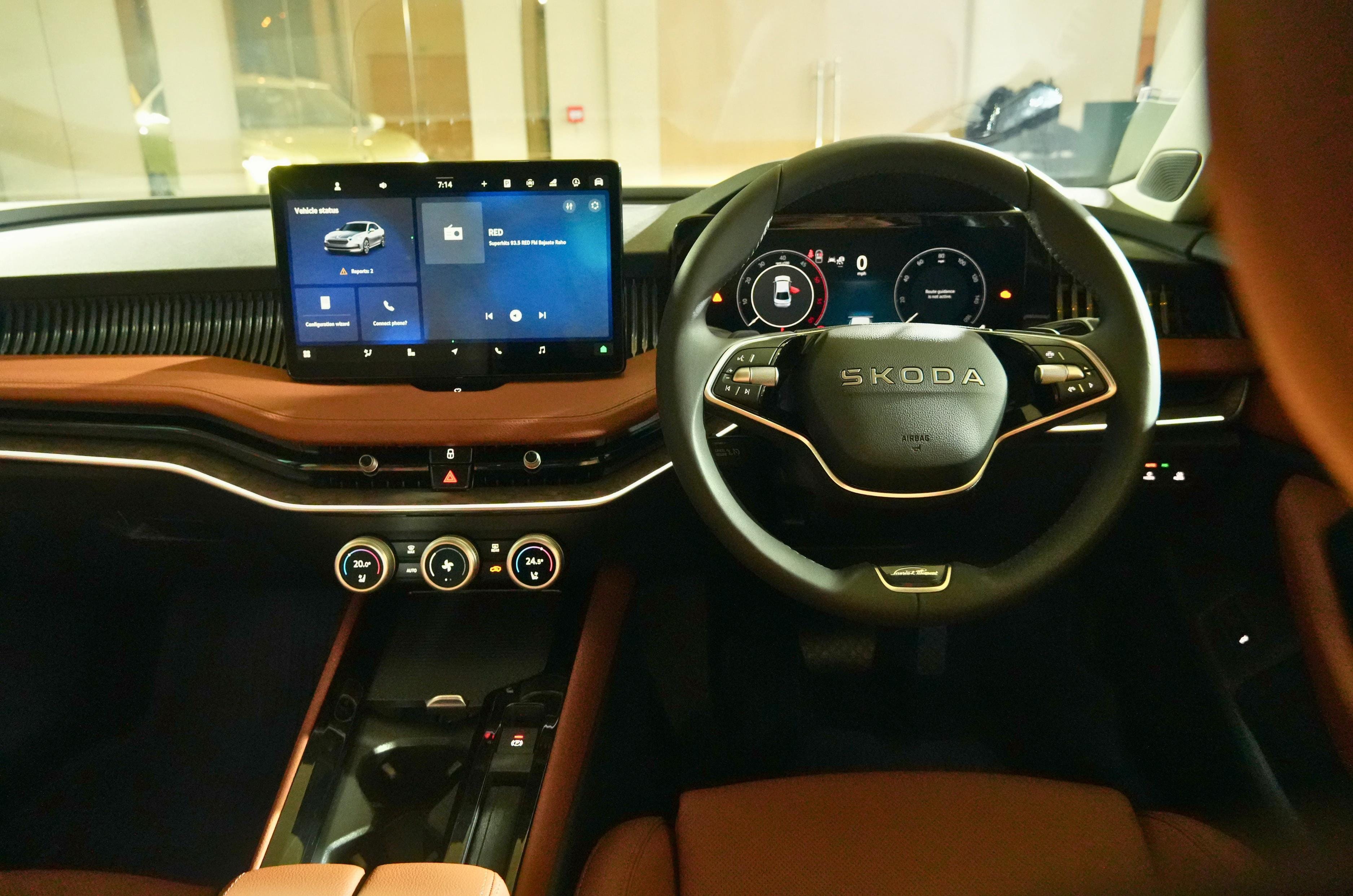
Other highlights inside the 2027 Skoda Superb diesel include roof-mounted LED reading lights, a dedicated climate control zone for the rear seats (it’s a three-zone system), backlit USB charging ports, a 14-speaker Canton audio system, multi-colour LED ambient lighting, a wireless charging slot at the front, a 12.9-inch touch-infotainment system, 360-degree cameras, Level 2 ADAS and 10 airbags. However, the 2027 Superb misses out on a sunroof and recline-adjustable rear seats, among a few other features.
Also read
All you need to know about the Mahindra Scorpio Lifestyler
Kia Sonet vs Toyota Taisor turbo-petrol automatic performance compared
Volkswagen is preparing for a much bigger push in India, with the company reviewing its broader product, powertrain and investment plans. While a locally produced compact SUV has already been confirmed for launch next year and is expected to drive volumes, the brand is also looking at the India-EU free trade agreement (FTA) as an opportunity to bring select niche models from its global portfolio here.
“FTA has been announced in Europe. It is a huge opportunity to bring a certain sort of niche models to widen the portfolio for the consumer to offer some exciting models every now and then, which is great,” Member of the Board of Management of Volkswagen AG and CEO of Volkswagen Brand Thomas Schafer told us. He did not reveal which models could be on the cards, but said the company is taking a long-term view and will study market conditions over the next few months before making a decision.
VW’s renewed focus for India
Schafer’s India visit comes as Volkswagen reviews its global business strategy amid geopolitical tensions, changing trade policies and a growing move towards regional manufacturing. “So, globally, we see almost like a decoupling. You have a geopolitical situation and the old business model where everything’s focused on Europe, and then you export to other markets is long gone. At the same time, you have a very different dynamic in China than in the US, which is putting import duties on Europe under certain attacks. So, in that game, you have to change your business model; you have to adapt it. And that’s what we’re busy doing,” he added.
This shift could benefit India. Along with the growing domestic market, Volkswagen sees India as an important hub for engineering, IT and R&D. “We will focus a lot on India going forward. Not only because the market is exciting and growing and creating more opportunity for the future, but also the sort of knowledge base that you have here in India,” he said.
Volkswagen also sees exports as an important way to build scale out of India. The company already exports vehicles made in the country to more than 40 markets, with Mexico being one of the major markets that imports vehicles from India. “So, exports are an important part of our business, and we will always strengthen that going forward,” he said. For the upcoming compact SUV, export potential could also help boost volumes and strengthen the business case.
More powertrains can be offered at the right time
Volkswagen’s current portfolio comprises cars powered by turbo-petrol engines, even as CNG and diesel remain in demand and EVs are gaining momentum. “So, what is clear is, in the long run, there will be strong electrification, especially also in India…You see it accelerating, probably driven by the conflict in the Middle East and the oil situation,” he said.
At the same time, he clarified that be it flex-fuel, CNG, diesel or EV, the brand has the technology already on sale in certain parts of the world. “We have flex-fuel, super strong in South America for years; we have CNG, diesel and EVs, it’s all there…When it’s the right time to localise it, we will localise it,” Schafer said.
The challenge, he said, is deciding when and how to use each powertrain technology. “The dynamics in India and the market shift have been quite significant even in the last couple of months. So, to be honest, we haven’t concluded our planning on that, but the good thing is that we have it and we can deploy it if and when it is the right situation,” he stated. Volkswagen is also evaluating its next-generation models and newer platforms, but these plans are still under consideration.
Cost remains a major hurdle for VW in India
Cost has been one of Volkswagen’s biggest challenges in India. Schafer said the company has spent the past few years working on two key areas: ensuring that its products retain the core characteristics of the Volkswagen brand while simultaneously reducing the cost base. “We worked over the last four years very focused on the cars that we bring to the market now are through and through Volkswagen in terms of quality, brand fit. And, yes, our cost base is traditionally high because we are very much focused on Europe and especially Germany,” he added.
India, he said, will play an important role in Volkswagen’s efforts to reduce costs, especially through more cost-effective development and manufacturing. “Part of the programs that’s been in the media over the last, especially two years, has been reducing our cost base, developing more in more cost-efficient places like in India very much, but also shifting production from high-cost locations into lower-cost locations,” he said.
Volkswagen is now working on its next set of products, investment plans and powertrain options for India. With India becoming an increasingly important part of its global strategy, there is plenty to look forward to from the brand in the coming years.