Delhi Lakshmi Yojana First Installment: कंफर्म हो गया, 26 अगस्त को लक्ष्मी योजना की जारी होगी पहली किस्त, ऐसे चेक करें स्टेटस

Delhi Lakshmi Yojana First Installment: दिल्ली की महिलाओं के लिए एक बड़ी खुशखबरी सामने आई है। दिल्ली सरकार की महत्वाकांक्षी दिल्ली लक्ष्मी योजना की पहली किस्त 26 अगस्त को जारी होने जा रही है। दिल्ली की मुख्यमंत्री रेखा गुप्ता बुधवार को एक भव्य कार्यक्रम के दौरान लाभार्थियों के खातों में 2500 रुपये की पहली किस्त ट्रांसफर करेंगी। इस योजना की शुरुआत दिल्ली में महिलाओं को आर्थिक रूप से सशक्त, आत्मनिर्भर और स्वावलंबी बनाने के उद्देश्य से की गई है।

तालकटोरा स्टेडियम में भव्य कार्यक्रम, 2500 महिलाओं को मिलेगी किस्त

इस योजना की पहली किस्त जारी करने के लिए दिल्ली सरकार द्वारा तालकटोरा स्टेडियम में एक भव्य कार्यक्रम का आयोजन किया जा रहा है। यह कार्यक्रम 26 अगस्त की सुबह 11 बजे शुरू होगा। इस विशेष समारोह में लगभग 2500 महिलाओं को सांकेतिक रूप से पहली किस्त दी जाएगी। आपको बता दें कि दिल्ली लक्ष्मी योजना 1 अगस्त से प्रभावी हुई थी और अब तक इस योजना के तहत 6 लाख से अधिक महिलाओं ने अपना पंजीकरण कराया है।

2500 रुपये का पूरा गणित: बैंक खाते और एफडी/आरडी का नियम

दिल्ली लक्ष्मी योजना के तहत पात्र महिलाओं को हर महीने 2500 रुपये की वित्तीय सहायता प्रदान की जानी है। ये मदद 1 सितंबर से लाभार्थियों के बैंक खातों में जमा होना शुरू हो जाएगी। हालांकि इस 2500 रुपये की राशि को पूरा का पूरा अकाउंट में नहीं भेजा जाएगा। बाय डिफॉल्ट 2500 रुपये में से 1500 रुपये लाभार्थी महिला के RD या फिक्स्ड डिपॉजिट (खाते में जमा किए जाएंगे। बाकी 1000 रुपये लाभार्थी के उस बैंक खाते में ट्रांसफर किए जाएंगे जो सेंट्रल बैंक डिजिटल करेंसी वॉलेट से जुड़ा होगा। आरडी या एफडी में जमा की गई राशि पर 31 जुलाई 2029 तक लॉक-इन पीरियड लागू रहेगा।

अगर कोई लाभार्थी महिला चाहे तो वह पूरी 2500 रुपये की राशि को भी एफडी या आरडी में जमा करने का विकल्प चुन सकती है, जिस पर भी समान समय तक लॉक-इन पीरियड लागू रहेगा।

ऐसे चेक करें अपनी एप्लीकेशन का स्टेटस

अगर आपने दिल्ली लक्ष्मी योजना के लिए आवेदन किया है और अपने आवेदन की स्थिति देखना चाहते हैं, तो इन आसान स्टेप्स का पालन कर सकते हैं:

  • सबसे पहले दिल्ली लक्ष्मी योजना के आधिकारिक पोर्टल dly.delhi.gov.in पर जाएं।
  • होमपेज पर दिखाई दे रहे Track Application विकल्प पर क्लिक करें।
  • इसके बाद आपके सामने एक नया पेज खुलेगा, जहां आपको अपना पंजीकृत मोबाइल नंबर, जन्म तिथि और स्क्रीन पर दिखाई दे रहा कैप्चा डालना करना होगा।
  • सभी जानकारी भरने के बाद Sign In बटन पर क्लिक करें। इसके बाद आपके आवेदन का स्टेटस स्क्रीन पर प्रदर्शित हो जाएगा।

क्या अभी भी किया जा सकता है आवेदन?

जो महिलाएं अभी तक इस योजना में आवेदन नहीं कर सकी हैं, वे पोर्टल पर जाकर कभी भी आवेदन कर सकती हैं। दिल्ली लक्ष्मी योजना के लिए आवेदन प्रक्रिया पूरे साल खुली रहेगी। इसके लिए महिलाएं dly.delhi.gov.in/Account/Login पर जाकर आवेदन कर सकती हैं। हर महीने की अंतिम तारीख को उस महीने मिलने वाले आवेदनों के लिए कट-ऑफ तारीख माना जाएगा। इसके बाद स्वीकृत होने वाले पात्र आवेदनों को अगले महीने से योजना का लाभ दिया जाएगा।

कौन कर सकता है आवेदन? पात्रता और शर्तें

दिल्ली लक्ष्मी योजना का लाभ उठाने के लिए सरकार ने कुछ जरूरी पात्रता मापदंड तय किए हैं-

  • आवेदन जमा करने की तिथि पर महिला की आयु 21 से 60 वर्ष के बीच होनी चाहिए और वह अपने परिवार की सबसे बड़ी महिला सदस्य होनी चाहिए।
  • परिवार की वार्षिक आय 2.5 लाख रुपये से अधिक नहीं होनी चाहिए।
  • महिला दिल्ली की पंजीकृत मतदाता होनी चाहिए। इसके अलावा आवेदक, उसके पति या उसके माता-पिता में से कोई भी आवेदन की तिथि पर कम से कम 10 वर्षों से दिल्ली का निवासी होना चाहिए।
  • पिछले 12 महीनों के दौरान परिवार की बिजली की खपत 2400 यूनिट से अधिक नहीं होनी चाहिए।

कौन नहीं होगा पात्र?

  • सरकारी पेंशन या नियमित वित्तीय सहायता प्राप्त करने वाली महिलाएं इस योजना के लिए पात्र नहीं हैं।
  • आयकरदाता, जीएसटी भरने वाले, सरकारी कर्मचारी और जन प्रतिनिधि इस योजना से बाहर रखे गए हैं।
  • अगर आवेदक या उसके परिवार का कोई सदस्य चार पहिया वाहन का मालिक है या सरकार, सार्वजनिक क्षेत्र के उपक्रम, बोर्ड या स्थानीय निकाय में काम करता है तो लाभ नहीं मिलेगा।
  • जिन आवेदकों के 3 से अधिक बच्चे हैं या जिनका आपराधिक रिकॉर्ड है, वे भी इस योजना की शर्तों के तहत अपात्र हैं।

यह भी पढ़ें: Gold Silver Prices Today: दिल्ली में सोने में तूफानी तेजी जारी, चांदी 3500 रुपये फिसली

Bajaj Pulsar 125 New vs Old: Price and differences explained

Bajaj Pulsar 125 New vs Old: Price and differences explained
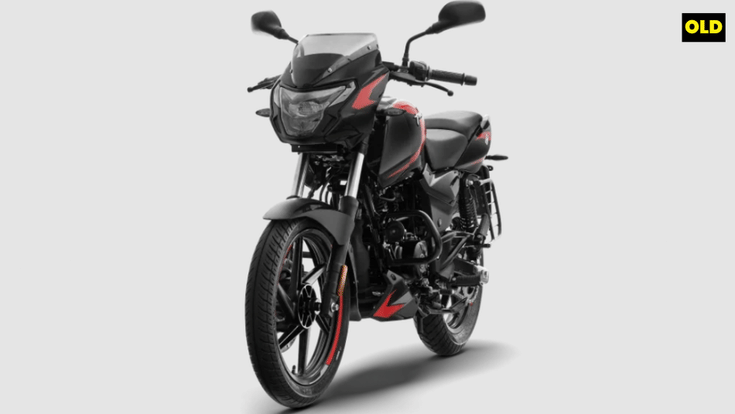
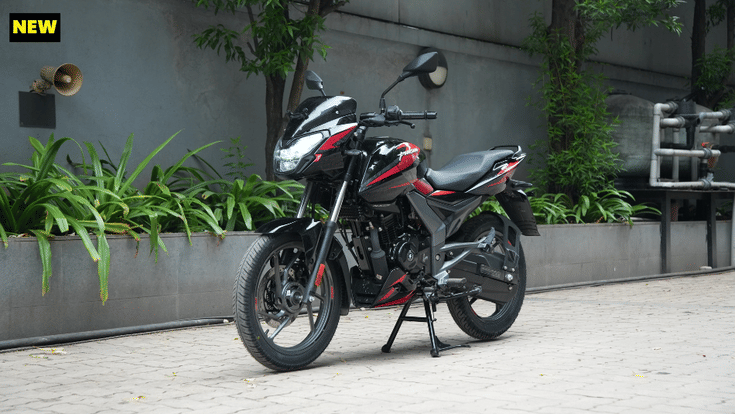
Lead image showing front right quarter shots of the outgoing and the new Pulsar 125

With the discontinuation of the N125 in India, the Pulsar 125 had gained attention back as the entry-level Pulsar model and Bajaj has just revamped it from the ground-up. Some of the obvious upgrades are to the engine, frame, and suspension. However, with the line-up expanding to four variants from two earlier, what exactly sets the new Pulsar 125 apart from the old? Let’s find out.

Note: At the time of writing, Bajaj hasn’t shared the exact dimensions and kerb weight for the new Pulsar 125 so this comparison skips that. We’ll update the story once we get those details.

Bajaj Pulsar 125 New vs Old: Engine

More power and torque at the same points in the rev range


New Bajaj Pulsar 125

Old Bajaj Pulsar 125

Engine

124.58cc single-cylinder, air-cooled

124.38cc single-cylinder, air-cooled

Power

12.1hp at 8,500rpm

11.8hp at 8,500rpm

Torque

11.4Nm at 6,500rpm

10.8Nm at 6,500rpm

Transmission

5-speed

5-speed

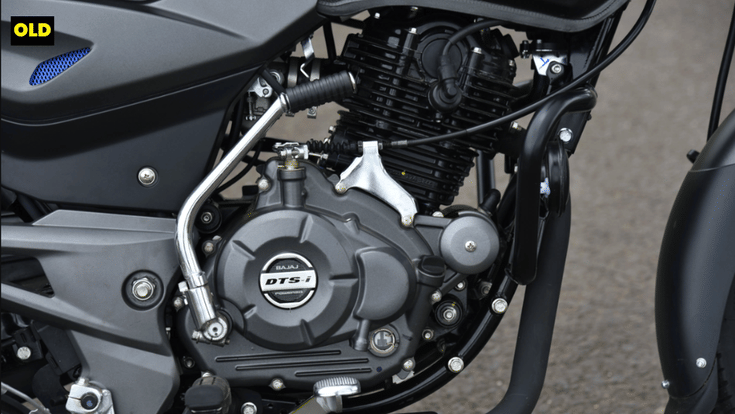
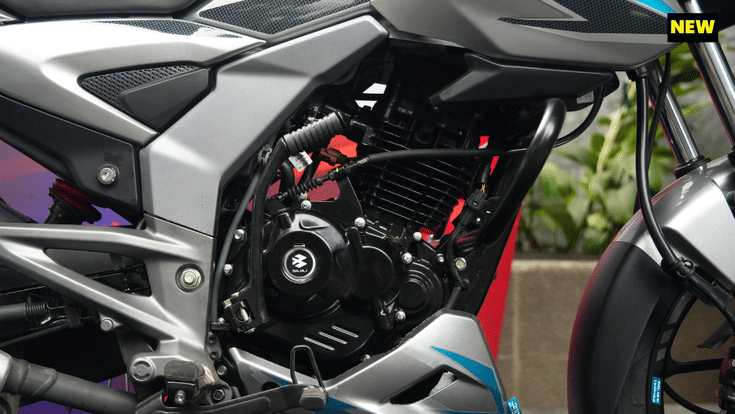
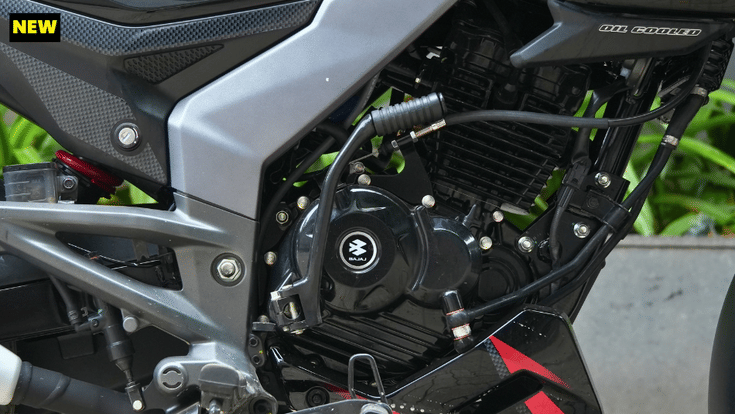
Similar to the all-new Pulsar 150, the new Pulsar 125’s engine also looks similar to the outgoing one at first glance, but that’s not the case. The cubic capacity on the new engine has increased by two-tenths and Bajaj has extracted marginally more power and torque delivered at similar rpm as before. Bajaj also claims that 80 percent of the torque is available from 3,000rpm onwards. On paper, it’s easy to dismiss this improvement as minuscule, but it bodes well with Bajaj’s placement of the 125 as an easy city commuter.

Unlike the new Pulsar 150’s oil-cooled engine, the 125 sticks to an air-cooled unit. Transmission also remains 5-speed, but Bajaj claims an upgraded gearbox for low end tractability. The power-to-weight ratio has supposedly improved, and Bajaj says acceleration has as well, but we’ll have to wait until we put the bike through our tests to confirm so.

Right side close up of the outgoing Pulsar 125's engine
Right side close up of the new Pulsar 125's engine


Bajaj Pulsar 125 New vs Old: Chassis, headlight, and suspension

Chassis and suspension see major changes

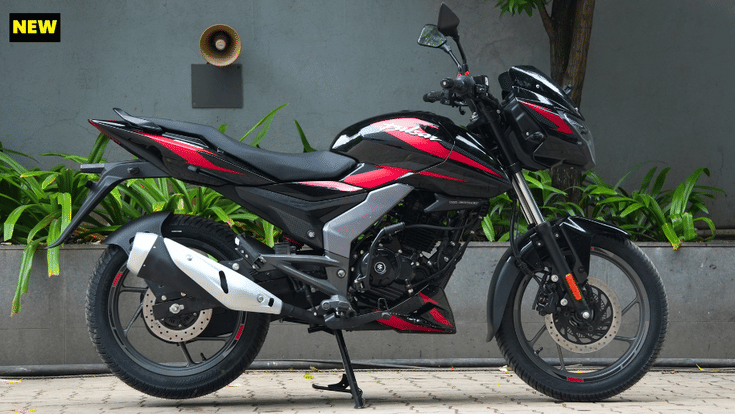
Keeping in line with the all-new theme, Bajaj has also changed the chassis and the suspension setup on the new Pulsar 125. The existing dual-cradle frame has been swapped for a single-cradle or diamond frame with the engine now acting as a stressed member. Bajaj says the change enables the Pulsar 125 to have greater stiffness, enabling better handling and stability.

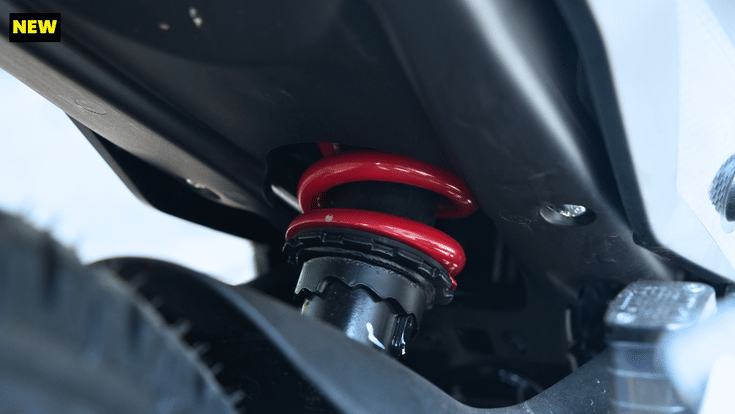
Right close up of the outgoing Pulsar 125's rear wheel showing the suspension
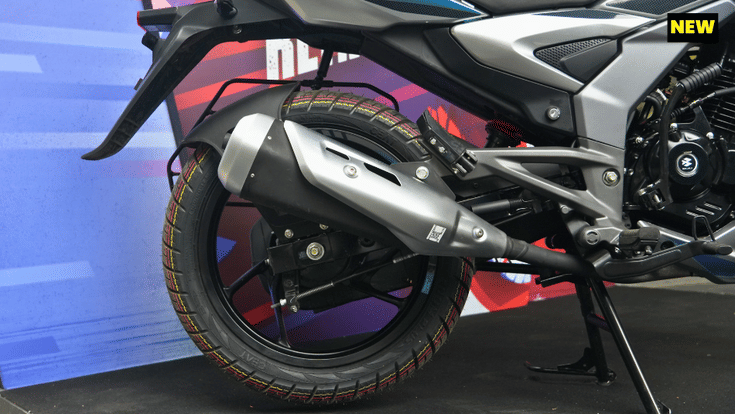
Right close up of the new Pulsar 125's rear wheel showing the suspension


Though the fork is still a right side up (RSU) telescopic unit, the new Pulsar 125 upgrades the diameter by 1mm to 31mm, but with a 10mm shorter 125mm travel. The rear suspension has also seen improvements with the familiar twin-shock setup being swapped for a monoshock unit and the travel has been increased by 8mm to 110mm. Bajaj attributes greater stability in straight lines and corners on the new Pulsar 125 to the brand-new monoshock setup.

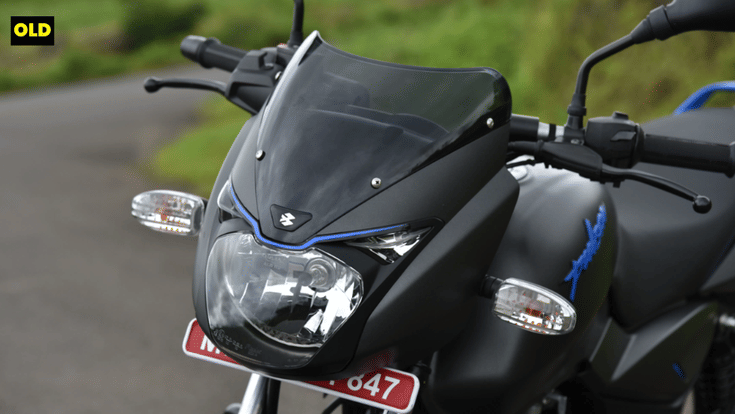
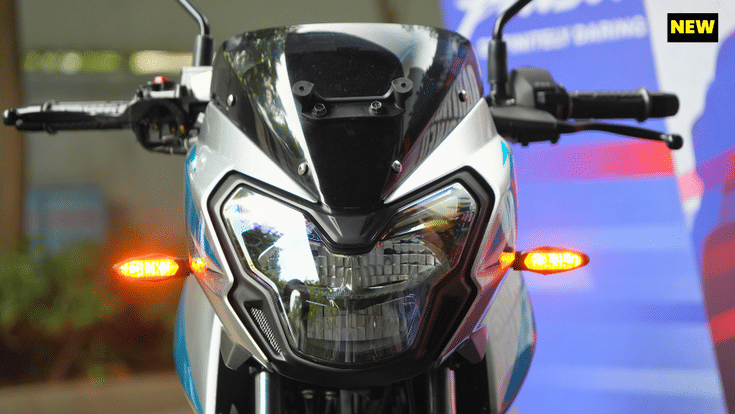
The lighting setup has also been changed, although by a tiny amount. While the headlight and taillight continue to be LED across the board, Bajaj has slightly redesigned the fairing on the new Pulsar 125. Out of the four variants, the LED indicators and hazard lights are only available on the top three variants; only the top-most variant gets a belly pan as standard.

Front close up of the outgoing Pulsar 125's headlight fairing
Front close up of the new Pulsar 125's headlight fairing


Bajaj Pulsar 125 New vs Old: Tyres and brakes

Higher variants get a larger front disc


New Bajaj Pulsar 125

Old Bajaj Pulsar 125

Tyres (F/R)

80/100-17 / 100/90-17

80/100-17 / 100/90-17

Brakes (F/R)

240mm disc, 130mm drum (base)/260mm disc, 130mm drum (other three)

240mm disc, 130mm drum

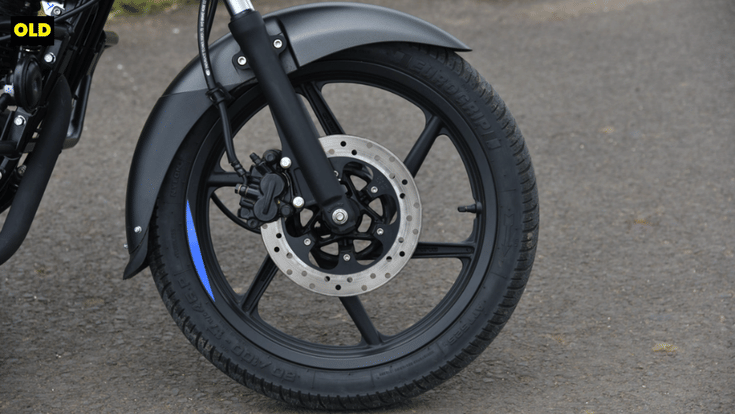
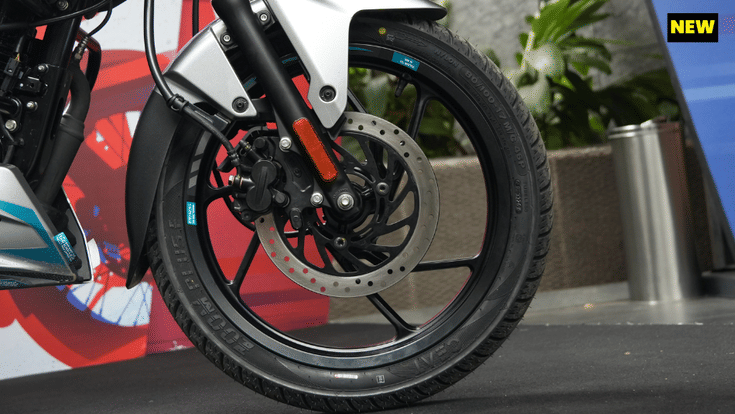
While the tyre sizes remain unchanged on the new Pulsar 125, Bajaj has increased the front disc size on the top three variants. ABS in any form continues to be missing, with the motorcycle offering Combined Braking System (CBS) as standard instead.

Front wheel right shot of the outgoing Pulsar 125
Front wheel right shot of the new Pulsar 125


Bajaj Pulsar 125 New vs Old: Features

TFT Cluster and ride modes are major upgrades

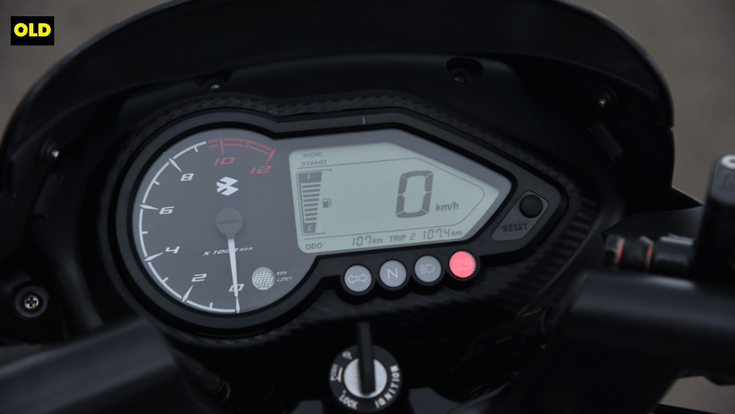
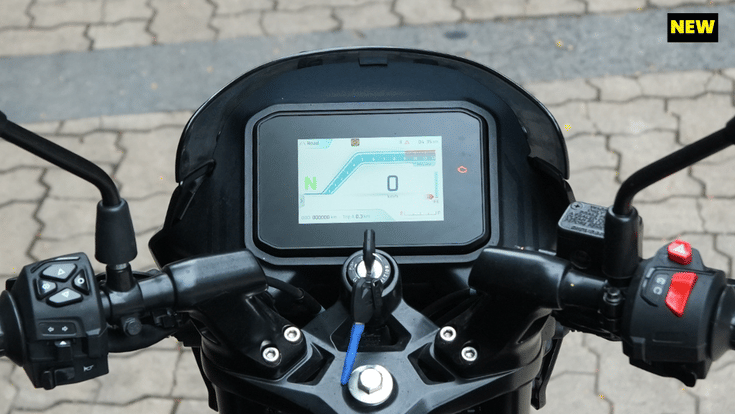
Close up of the outgoing Pulsar 125 base variant instrument cluster
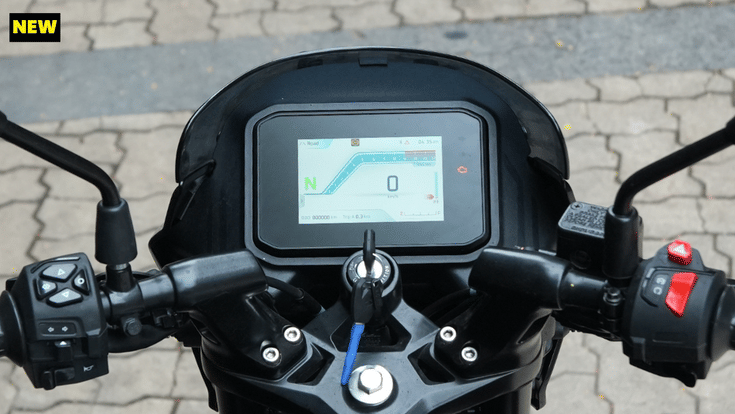
Close up of the new Pulsar 125 top variant instrument cluster


The biggest feature addition to the new Pulsar 125 starts with what you’ll see on every ride, the instrument cluster. The base variant now gets a 5-inch LCD cluster, the mid and top variants getting a 5-inch TFT cluster. Connected features like music control and call and SMS alerts are common to all four variants—thanks to the standard Bluetooth—though WiFi is limited to the top variant. Thanks to WiFi, the top variant alone gets Google Maps mirroring for navigation, whereas the others have turn-by-turn navigation.

The TFT cluster can also store important documents like licence and RC for quick access. To charge up your devices on the go, the new Pulsar 125 gives you a USB type-C port, an upgrade to the previous version’s USB type-A port. However, it’s a paid extra on the base variant. What’s standard on all variants are the three ride modes, Road, Rain, and Sport. In order to make city riding easier still, the new Pulsar 125 also gets crawl tech and ISG (Integrated Starter Generator). The former makes stop-and-go traffic easier to handle; whereas the latter, available on the top three variants, gives you silent start and a stop-start system to conserve fuel.

Bajaj Pulsar 125 New vs Old: Price

New 125’s noticeably more expensive


New Bajaj Pulsar 125

Old Bajaj Pulsar 125

Price (ex-showroom, Delhi)

Rs 92,900 – Rs 1.04 lakh

Rs 81,556 – Rs 94,518

With all the new changes and features, the new Pulsar 125 starts at Rs 92,900 for the base variant and goes up to Rs 1.04 lakh for the top variant, cracking the one lakh mark. That’s a steep increase over the outgoing model’s price range. The new Pulsar 125 does make forward strides in almost every area, but we’ll have to wait until we ride the bike to comment on whether the changes justify the unmissable premium.

All prices are ex-showroom, Delhi.
 

Spinny partners with Nissan, MG and Tesla for exclusive benefits

Spinny partners with Nissan, MG and Tesla for exclusive benefits
Spinny

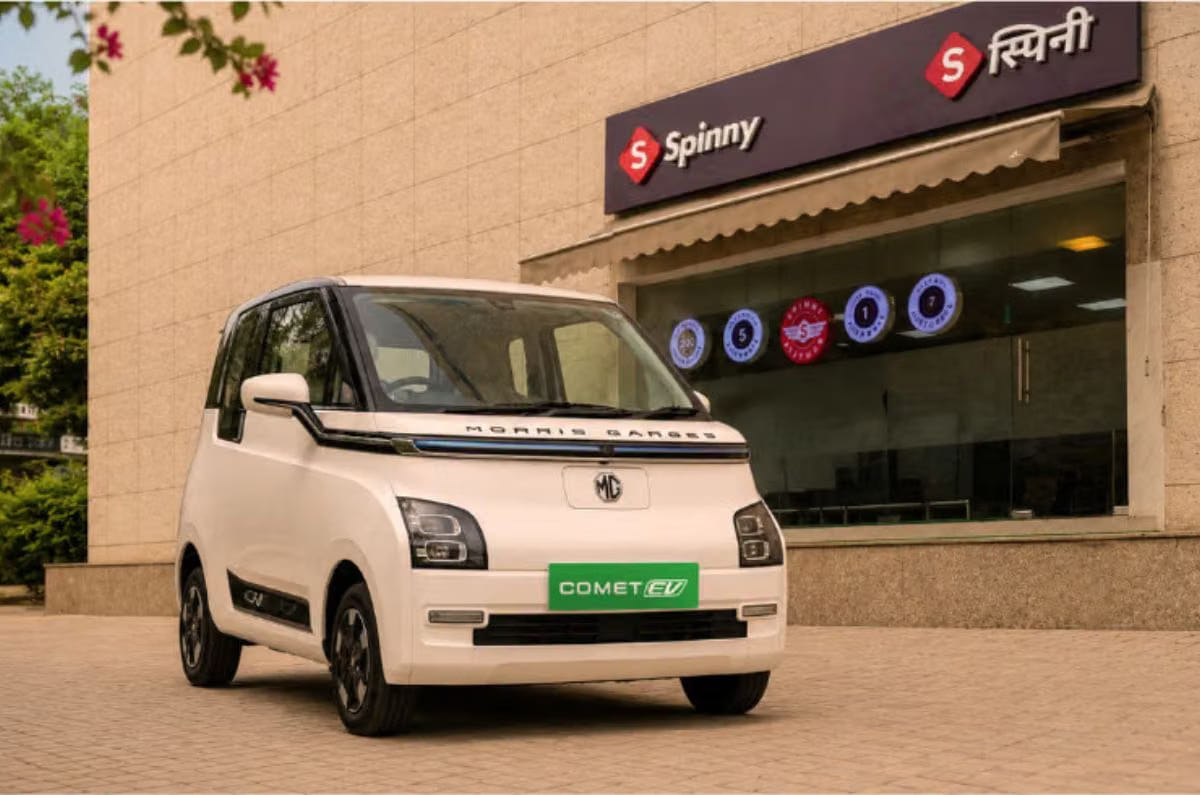
Spinny has expanded its partnerships with Nissan, JSW MG Motor and Tesla, covering new-car exchanges, pre-owned EVs and other vehicle ownership services. The tie-ups span different stages of the ownership cycle, including buying, selling, exchanging and upgrading vehicles.

  1. Nissan customers can get exchange benefits of up to Rs 75,000
  2. Tesla has appointed Spinny as a preferred exchange partner
  3. JSW MG Motor India partnership focuses on certified pre-owned EVs

Spinny operates across more than 80 cities with 57+ Car Hubs, 17 Spinny Parks and 15+ Integrated Restoration Centres, according to the company.

Nissan, Tesla exchange programmes

Under the Nissan partnership, customers buying a new Nissan can have their existing vehicle evaluated and exchanged through Spinny. The programme includes a 55-minute vehicle exchange process and benefits of up to Rs 75,000. A Spinny-issued Buying Letter is accepted as proof of exchange.

Tesla has appointed Spinny as a preferred exchange partner under its Switch and Save programme. The arrangement allows customers to sell an existing internal-combustion vehicle when buying a new Tesla.

Spinny expands pre-owned EV operations

The partnership with JSW MG Motor India focuses on the pre-owned EV market. It combines JSW MG Motor India’s electric-mobility expertise with Spinny’s vehicle evaluation, certification, refurbishment and retail capabilities.

The programme covers the MG Comet EV, MG Windsor EV and MG ZS EV. Customers buying certified pre-owned MG EVs through Spinny will receive a battery health assessment and certification, continuity of the OEM warranty and fixed pricing, along with Spinny’s inspection and refurbishment processes.

Spinny said its EV evaluation process also includes battery health assessment and certification for customers selling their electric vehicles. The service is currently available in Bengaluru, Chennai, Delhi NCR, Hyderabad, Kochi, Mumbai, Pune, Jaipur, Ahmedabad, Kolkata, Lucknow, Chandigarh and Coimbatore.

दिल्ली-NCR में दूसरे दिन भी बारिश का कहर, गुरुग्राम में कर्मचारियों को WFH की सलाह

Delhi-NCR Weather: दिल्ली-एनसीआर में सोमवार, 24 अगस्त को हुई तेज बारिश से राजधानी और आसपास के इलाकों में लोगों को काफी परेशानी हुई। भारी बारिश की वजह से सड़कों पर पानी भर गया था और लोगों को आने-जाने में परेशानी का सामना करना पड़ा। दिल्ली के साथ-साथ गुरुग्राम के कई हिस्सों में भी पानी भरने से लोगों को आवाजाही में काफी दिक्कत हुई। वहीं आज मंगलवार, 25 अगस्त को भी दिल्ली में तेज बारिश का दौर देखने को मिला। इससे राजधानी के कई इलाकों में जलभराव की स्थिति बन गई है। मौसम विभाग ने आने वाले दिनों में भी दिल्ली में मौसम बदलने और बारिश होने की संभावना जताई है।

आज दिल्ली में दिन भर होगी बारिश

मौसम विभाग के मुताबिक, दिल्ली में आज आसमान में बादल छाए रह सकते हैं और दिन के अलग-अलग समय पर बारिश होने की संभावना है। सुबह से दोपहर के बीच बारिश हो सकती है, जबकि दोपहर बाद या शाम को भी कुछ इलाकों में बारिश देखने को मिल सकती है। इस दौरान राजधानी का अधिकतम तापमान 34 से 36 डिग्री सेल्सियस के आसपास रह सकता है, वहीं न्यूनतम तापमान 25 से 27 डिग्री सेल्सियस के बीच रहने का अनुमान है।

हवाई सेवाओं पर भी पड़ा असर

सोमवार को दिल्ली में तेज बारिश और खराब मौसम का असर हवाई सेवाओं और सड़कों पर साफ दिखाई दिया। आंधी, बिजली चमकने और तेज हवाओं के कारण इंदिरा गांधी अंतरराष्ट्रीय हवाई अड्डे से कम से कम 15 उड़ानों को दूसरे शहरों के लिए भेजना पड़ा, जबकि कई उड़ानों में देरी हुई और कुछ रद्द भी की गईं। राजधानी के कई इलाकों में भारी बारिश के कारण जलभराव और ट्रैफिक जाम की समस्या सामने आई।

दिल्ली में कहां पर कितनी हुई बारिश

दिल्ली में इस साल अगस्त में सामान्य से ज्यादा बारिश हुई है। 24 अगस्त तक सफदरजंग में 246.2 मिमी बारिश दर्ज हुई, जो सामान्य से करीब 29 प्रतिशत ज्यादा है। वहीं आयानगर में 266.3 मिमी बारिश हुई, जो सामान्य से लगभग 66 प्रतिशत अधिक है। भारी बारिश के दौरान जनकपुरी में 70 मिमी, आयानगर में 69.1 मिमी, पालम में 58.2 मिमी, रिज में 43.2 मिमी, लोदी रोड में 41.7 मिमी और सफदरजंग में 34.6 मिमी बारिश दर्ज की गई।

दिल्ली ने इन जगहों पर भरा पानी

दिल्ली में भारी बारिश के बाद कई प्रमुख सड़कों और अंडरपास में पानी भर गया, जिससे यातायात की रफ्तार धीमी हो गई। कनॉट प्लेस, आईटीओ, भैरों मार्ग, मथुरा रोड, सराय काले खां और जखीरा अंडरपास में जलभराव की वजह से लोगों को परेशानी हुई। सोशल मीडिया पर सामने आए वीडियो में संगम विहार में छात्र पानी से होकर गुजरते नजर आए। इसके अलावा सदर बाजार, कमला नगर, बुराड़ी, सीआर पार्क और अलकनंदा जैसे इलाकों में भी बारिश का पानी भरने की खबर सामने आई। राजधानी के कई हिस्सों में लोगों को आने-जाने में दिक्कत का सामना करना पड़ा।

कर्मचारियों को घर से काम करने को कहा

दिल्ली से सटे गुरुग्राम में भी भारी बारिश के कारण कई इलाकों में जलभराव की समस्या सामने आई। यहां करीब 38 मिमी बारिश दर्ज की गई। राजीव चौक, हीरो होंडा चौक, इफको चौक और नरसिंहपुर के आसपास सड़कों पर पानी भर गया, जिससे लोगों को आने-जाने में परेशानी हुई। सोहना रोड पर कुछ स्कूल बसें और एंबुलेंस भी पानी में फंस गईं। खराब मौसम को देखते हुए गुरुग्राम प्रशासन ने मंगलवार को कॉर्पोरेट कंपनियों से कर्मचारियों को घर से काम कराने की अपील की। वहीं स्कूलों और अन्य शिक्षण संस्थानों को ऑनलाइन कक्षाएं चलाने के निर्देश दिए गए।

Bajaj Pulsar 150 new vs old: Price and differences explained

Bajaj Pulsar 150 new vs old: Price and differences explained
Bajaj Pulsar 150 New vs Old: Price and differences explained

After what seems like a long, drawn-out process, Bajaj has finally launched the all-new classic Pulsar 150 and Pulsar 125. The new Pulsar 150 brings a lot to the line, with a new engine and frame, along with a whole lot of new features. However, it has also lost some of the features from the previous Pulsar 150 it replaces. Let’s see what those are, in detail. At the end, you can decide if the proverbial “old is gold” applies to the Pulsar 150 too.

Note: At the time of writing, Bajaj hasn’t shared the exact dimensions and kerb weight for the new Pulsar 150, so this comparison skips that part. We’ll update this once we get the details from Bajaj.

Bajaj Pulsar 150 new vs old: Engine changes

Same power but more torque than before


New Bajaj Pulsar 150

Old Bajaj Pulsar 150

Engine

149.5cc, single-cylinder, oil-cooled

149.5cc, single-cylinder, air-cooled

Power

14hp at 8,000rpm

14hp at 8,500rpm

Torque

14.1Nm at 6,500rpm

13.2Nm at 6,500rpm

Transmission

5-speed

5-speed

Both models have a 149.5cc engine, but they are anything but the same. The old one, for example, was an air-cooled unit, but the new engine upgrades to oil cooling. And while the power figure remains the same, it’s delivered 500rpm earlier. Torque, on the other hand, has increased.

Bajaj Pulsar 150 old engine
Bajaj Pulsar 150 New engine


Considering that the cubic capacity itself remains unchanged, this is a commendable improvement from Bajaj. The company also claims an improved 0-60kph timing owing to an improved power-to-weight ratio. However, we don’t know by how much that has improved.

Bajaj Pulsar 150 new vs old: Chassis, headlight and suspension

The older Pulsar had a bigger fork

Bajaj Pulsar 150 rear shocks
Bajaj Pulsar 150 monoshock


Keeping in line with the all-new theme, Bajaj has also changed the chassis and the suspension setup on the new Pulsar 150. The dual-cradle frame has been swapped for a simpler single-cradle or diamond frame, with the engine now acting as a stressed member. Bajaj says the change gives the Pulsar 150 greater stiffness, enabling better handling and stability.

Bajaj Pulsar 150 front three quarter headlight
Bajaj Pulsar 150 new front three quarter headlight


The fork on the new Pulsar 150 remains a right-side-up (RSU) telescopic unit. However, the previous top variant of the Pulsar 150, Split Seat, had a larger 37mm fork with 130mm of travel. The base variant had a 31mm fork with an even longer 135mm of travel. The new Pulsar 150 swaps both for an in-between 33mm-diameter fork and a shorter 125mm travel. While the reduced travel is unlikely to compromise the bike’s functionality by a noticeable amount, it’s worth mentioning nevertheless. The rear suspension, on the other hand, has seen improvements across the board. The familiar twin-shock setup has been chucked for a brand-new monoshock unit, and the travel has been increased by 8mm to 110mm. Bajaj claims the change gives the Pulsar 150 greater straight-line and cornering stability.

Bajaj Pulsar 150 right side profile old
Bajaj Pulsar 150 right side profile new


The lighting setup on the Pulsar has also changed. While the headlight and tail-light continue to be LED across the board, Bajaj has slightly redesigned the fairing on the new Pulsar 150. The LED indicators that were previously standard, though, are now only available on the top two variants. The new Pulsar 150 also has hazard lights but only on the top two variants. These two variants get the belly pan as standard, too.

Bajaj Pulsar 150 new vs old: Wheels, tyres and brakes

New Pulsar 150 has smaller tyres and brakes


New Bajaj Pulsar 150

Old Bajaj Pulsar 150

Tyres (F, R)

80/100-17, 100/90-17

80/100-17, 100/90-17 (base); 90/90-17, 120/80-17 (top)

Brakes (F, R)

260mm disc, 130mm drum (base); 260mm disc, 230mm disc (mid and top)

260mm disc, 130mm drum (base); 280mm disc, 230mm disc (top)

ABS

Single-channel ABS

Single-channel ABS

Moving on to the tyres, the top variant of the outgoing Pulsar 150 had larger tyres at both the front and rear. The new one, however, standardises the base variant’s tyre sizes for all three variants. The same goes for the front brakes. Both old and new Pulsar 150s stick to having single-channel ABS as standard. If you need dual-channel ABS, you would have to upgrade to the Pulsar N160’s top variant.

Bajaj Pulsar 150 New vs Old: Features

Host of new features on the new Pulsar 150

This is the one area where the new Pulsar 150 unabashedly moves things forward. The previous Pulsar 150’s base variant had a semi-digital instrument cluster, and the top variant had the negative LCD instrument cluster. Both are gone now, with a new 5-inch LCD cluster taking their place on the base variant and the mid and top variants getting a 5-inch TFT cluster. All three variants come with Bluetooth as standard, while the top variant even adds WiFi support. All three get connected features such as music control and call and SMS alerts.

Bajaj Pulsar 150 old dash
Bajaj Pulsar 150 New dash


However, only the TFT cluster can store important documents like the licence and RC for quick access. Additionally, the top variant exclusively gets Google Maps mirroring for navigation, whereas the other two stick to turn-by-turn navigation. If you are worried that the navigation will drain your phone’s battery, the new Pulsar 150 also gives you a USB Type-C port, an upgrade from the previous version’s USB Type-A port, but only on the top two variants.

The Pulsar 150 has three ride modes – Road, Rain and Sport – with crawl tech and an integrated starter generator (ISG) adding to the convenience. ISG is once again exclusive to the top two variants. Crawl tech makes navigating stop-and-go traffic easier, whereas ISG gives you a silent start and a stop-start system to help conserve fuel.

Bajaj Pulsar 150 New vs Old: Price

Costlier by at least Rs 4,000 

Bajaj Pulsar 150 rear profile
Bajaj Pulsar 150 new rear profile


New Bajaj Pulsar 150

Old Bajaj Pulsar 150

Price range (in Rs)

1.15 lakh-1.23 lakh

1.11 lakh-1.18 lakh

With all the new changes and features, the new Pulsar 150 starts at Rs 1.15 lakh for the base variant and goes up to Rs 1.23 lakh for the top variant. For context, the old Pulsar 150’s price ranged between Rs 1.11 lakh and Rs 1.18 lakh. While the new Pulsar 150 gives you more features, it also lacks some things compared to the older model. Deciding whether it’s really an upgrade therefore requires a test ride, as the real-world experience is hard to conclude based on the spec sheet alone.

Prices are ex-showroom, Delhi.


CJP का 5 सितंबर को दिल्ली में बड़ा विरोध मार्च, वादाखिलाफी पर सरकार को घेरा

CJP का 5 सितंबर को दिल्ली में बड़ा विरोध मार्च, वादाखिलाफी पर सरकार को घेरा

CJP Delhi march: जंतर-मंतर पर एक महीने से अधिक समय तक आंदोलन चलाने वाली कॉकरोच जनता पार्टी (CJP) ने 5 सितंबर को नई दिल्ली में एक बड़े शांतिपूर्ण विरोध मार्च का ऐलान किया है। पार्टी ने आरोप लगाया है कि सरकार ने 25 जुलाई को युवाओं से किए गए अपने वादों को पूरा नहीं किया है।

5 सितंबर को दिल्ली में शांतिपूर्ण विरोध मार्च

राजधानी दिल्ली में एक बार फिर युवाओं और छात्र संगठनों का बड़ा जुटान देखने को मिल सकता है। CJP के नेतृत्व में यह मार्च 5 सितंबर को इंडिया गेट से शुरू होकर नई दिल्ली पुलिस मुख्यालय की ओर बढ़ेगा। CJP के सह-संयोजक सौरव दास के अनुसार, इस मार्च का नेतृत्व नीट (NEET) परीक्षा से जुड़े मामलों में जान गंवाने वाले छात्रों और पुलिस की बर्बरता के शिकार लोगों के परिवार करेंगे। ALSO READ: CJP के दीपके ने लिखा शिक्षा मंत्रियों को पत्र, सरकारी स्कूलों की बदहाली पर उठाए 6 तीखे सवाल

सरकार परलापरवाही का आरोप

CJP ने हाल ही में हुई ऑनलाइन कार्यसमिति की बैठक में यह समीक्षा की कि एक महीना बीत जाने के बाद भी सरकार ने मुआवजे और मुकदमे वापस लेने के अपने वादों पर अमल नहीं किया है। पार्टी का कहना है कि उनके धैर्य और सद्भावना को कमजोरी न समझा जाए, इसलिए अब वे एक बार फिर सड़कों पर उतरने के लिए विवश हैं। ALSO READ: जयपुर में CJP के स्कूल दौरे पर बवाल, ग्रामीणों ने कार्यकर्ताओं को गांव से निकाला; क्या बोले आशुतोष रांका?

क्या है पूरा मामला और क्यों हो रहा है विरोध?

पिछले दिनों नीट पेपर लीक के खिलाफ जंतर-मंतर पर CJP के नेतृत्व में बड़ा आंदोलन चला था। उस दौरान सरकार के आश्वासन और सद्भावना के चलते 25 जुलाई को देशव्यापी विरोध प्रदर्शन वापस ले लिया गया था। हालांकि प्रदर्शनकारियों की मांग के अनुरूप शिक्षा मंत्री धर्मेन्द्र प्रधान का इस्तीफा हो चुका है। सीजेपी की अन्य मांगों में नीट पेपर लीक के कारण आत्महत्या करने वाले छात्रों के परिवारों को 1 करोड़ रुपए का मुआवजा, प्रदर्शनकारियों के खिलाफ दर्ज मुकदमों को पूरी तरह रद्द करना भी शामिल है।

मेरे पास 5 गाय हैं और भी रखने के लिए जगह… सीतापुर की पूनम देवी की ये बात सुनते ही CM योगी ने पशुधन विभाग को दिया ये आदेश

उत्तर प्रदेश के मुख्यमंत्री योगी आदित्यनाथ की दिनचर्या कितनी भी व्यस्त क्यों न हो, जनता से सीधे संवाद का सिलसिला जारी रहता है। सोमवार को लखनऊ में अपने सरकारी आवास पर सीएम योगी ने जनता दर्शन कार्यक्रम के दौरान बड़ी संख्या में लोगों से मुलाकात की। उन्होंने लोगों की समस्याएं और शिकायतें सुनीं और मौके पर मौजूद संबंधित अधिकारियों को इनके जल्द और प्रभावी समाधान के निर्देश दिए।

इस दौरान सीतापुर के हरगांव की रहने वाली पूनम देवी भी सीएम योगी आदित्यनाथ के जनता दरबार में पहुंचीं। उन्होंने मुख्यमंत्री से मिलकर गाय पालन के जरिए अपने परिवार को आत्मनिर्भर बनाने की इच्छा जाहिर की। पूनम के पास पहले से ही पांच गायें हैं और उन्होंने और गायें उपलब्ध कराने की मांग की। पूनम ने बताया की उनके पास अन्य गोवंश रखने के लिए पर्याप्त जगह भी हैं।

इस पर मुख्यमंत्री ने अतिरिक्त मुख्य सचिव (पशुपालन) को निर्देश दिया कि उन्हें बेसहारा गायें उपलब्ध कराई जाएं और यह सुनिश्चित किया जाए कि उन्हें ‘मुख्यमंत्री सहभागिता योजना’ का लाभ मिले, ताकि वह गोसेवा के साथ दूथ की बिक्री से परिवार की आय बढ़ा सकें।

श्रावण मास में मुख्यमंत्री से आश्वासन मिलने पर जताया आभार

अपने जनता दर्शन कार्यक्रम में सीएम योगी आदित्यनाथ ने गोसेवा के महत्व का भी उल्लेख किया। उन्होंने कहा, गोमाता में 33 कोटि देवताओं का वास माना गया है। सीएम योगी ने पूनम से कहा कि मन से गोसेवा करें, क्योंकि श्रद्धा और मन से की गई गोसेवा से जीवन की बाधाएं और कष्ट दूर होते हैं। पूनम देवी ने भी अपनी इच्छा पूरी करने की दिशा में मुख्यमंत्री की ओर से मिले भरोसे के लिए आभार जताया। उन्होंने कहा कि श्रावण मास में मुख्यमंत्री के सामने अपनी बात रखने और मदद का आश्वासन मिलने से उन्हें खुशी हुई है।

दिव्यांग की जमीन पर कब्जे की शिकायत

बता दें कि जनता दर्शन के दौरान अलग-अलग जिलों से पहुंचे लोगों ने मुख्यमंत्री योगी आदित्यनाथ के सामने अपनी समस्याएं रखीं। इसी दौरान एक दिव्यांग व्यक्ति ने अपनी जमीन पर अवैध कब्जे की शिकायत मुख्यमंत्री से की। योगी आदित्यनाथ ने उसकी बात गंभीरता से सुनी और संबंधित अधिकारियों को मामले की जांच कराकर नियमानुसार कार्रवाई करने के निर्देश दिए। उन्होंने पीड़ित को हर संभव मदद दिलाने और उसकी समस्या का उचित समाधान सुनिश्चित करने को कहा।

यह भी पढ़ें: Delhi Rains: दिल्ली-NCR में भारी बारिश से हवाई सेवा प्रभावित! 250 से ज्यादा उड़ानें लेट, 15 फ्लाइट डायवर्ट

Delhi Rains: दिल्ली-NCR में भारी बारिश से हवाई सेवा प्रभावित! 250 से ज्यादा उड़ानें लेट, 15 फ्लाइट डायवर्ट

Delhi Rains: दिल्ली-NCR में सोमवार (24 अगस्त) को हुई मूसलाधार बारिश का असर सड़क ट्रैफिक के साथ-साथ हवाई सेवाओं पर भी पड़ा। दिल्ली के इंदिरा गांधी इंटरनेशनल एयरपोर्ट (IGIA) पर 250 से ज्यादा उड़ानें देरी से चल रही हैं। जबकि मौसम खराब होने के कारण 15 उड़ानों को दूसरे शहरों की ओर डायवर्ट करना पड़ा। डायवर्ट की गई उड़ानों में तीन इंटरनेशनल फ्लाइट भी शामिल हैं। इनमें से 12 उड़ानों को जयपुर, 2 को चंडीगढ़ और 1 उड़ान को लखनऊ भेजा गया। हालांकि, मौसम में सुधार के साथ दिन आगे बढ़ने पर उड़ान संचालन के सामान्य होने की उम्मीद जताई गई है।

भारी बारिश से दिल्ली में जलभराव और ट्रैफिक जाम

दिल्ली में सोमवार को हुई तेज बारिश के कारण कई इलाकों में जलभराव की स्थिति पैदा हो गई। सड़कों पर पानी भरने से कई जगहों पर यातायात की रफ्तार धीमी रही और लंबे ट्रैफिक जाम की स्थिति देखने को मिली। इसी बीच भारत मौसम विज्ञान विभाग (IMD) ने दिल्ली के कई जिलों में भारी बारिश को लेकर रेड अलर्ट जारी किया है। जबकि कुछ अन्य इलाकों के लिए मध्यम बारिश का येलो अलर्ट जारी किया गया।

एयरलाइंस ने यात्रियों को किया अलर्ट

मौसम की स्थिति को देखते हुए कई एयरलाइंस ने यात्रियों को अपनी उड़ान का स्टेटस चेक करने की सलाह दी है। एयरलाइंस ने यह भी चेतावनी दी कि खराब मौसम का असर कनेक्टिंग फ्लाइट्स पर भी पड़ सकता है। एयर इंडिया (Air India) ने यात्रियों को बताया कि दिल्ली से आने-जाने वाली उड़ानों का संचालन प्रतिकूल मौसम से प्रभावित हो सकता है। इंडिगो (IndiGo) ने कहा कि दिल्ली के ऊपर खराब मौसम के कारण उड़ानों के शेड्यूल पर असर पड़ा है। एयरलाइन ने यात्रियों से धैर्य रखने और उड़ान की स्थिति पर नजर बनाए रखने की अपील की।

स्पाइसजेट (SpiceJet) ने भी यात्रियों को आगाह करते हुए कहा कि दिल्ली में खराब मौसम के कारण सभी आने-जाने वाली उड़ानें और उनसे जुड़ी कनेक्टिंग उड़ानें प्रभावित हो सकती हैं। यात्रियों से एयरपोर्ट जाने से पहले अपनी फ्लाइट का स्टेटस जांचने को कहा गया। वहीं, अकासा एयर (Akasa Air) ने कहा कि दिल्ली में गंभीर मौसम की स्थिति के कारण उसके नेटवर्क की कुछ उड़ानें प्रभावित हुई हैं और यात्रियों को हुई असुविधा के लिए उसने खेद जताया।

यात्रियों के लिए जरूरी सलाह

मौसम खराब होने की स्थिति में यात्रियों को एयरपोर्ट निकलने से पहले अपनी फ्लाइट का ताजा स्टेटस जरूर चेक करने, अतिरिक्त यात्रा समय लेकर चलने और कनेक्टिंग फ्लाइट वाले यात्रियों को एयरलाइन के अपडेट पर नजर रखने की सलाह दी गई है।

दक्षिण-पूर्वी दिल्ली, पूर्वी दिल्ली, शाहदरा, मध्य दिल्ली, उत्तर-पूर्वी दिल्ली, दक्षिणी दिल्ली, नई दिल्ली, दक्षिण-पश्चिमी दिल्ली, पश्चिमी दिल्ली, उत्तर-पश्चिमी दिल्ली और उत्तरी दिल्ली के कुछ स्थानों पर बादलों की गरज और बिजली की चमक के साथ भारी बारिश हुई। यात्रियों ने सोशल मीडिया पर शहर के कुछ हिस्सों में ट्रैफिक जाम और जलभराव की शिकायत की।

‘रेड’ और ‘ऑरेंज’ अलर्ट जारी

दिल्ली में भारी बारिश के बाद मौसम विभाग ने रेड और ऑरेंज अलर्ट जारी करते हुए अगले कुछ घंटों में बादलों की गरज और बिजली की चमक के साथ तेज से मध्यम बारिश और 40 किलोमीटर प्रति घंटे तक की रफ्तार से हवाएं चलने का पूर्वानुमान जताया है। भारत मौसम विज्ञान विभाग (आईएमडी) के अनुसार, सुबह 8:30 बजे से 11:30 बजे के बीच दिल्ली में सबसे अधिक 28 मिलीमीटर (मिमी) बारिश छतरपुर में दर्ज की गई। इसके बाद लोधी रोड में 24.6 मिमी और पीतमपुरा में 18.5 मिमी बारिश हुई।

इस दौरान रिज में पांच मिमी, मयूर विहार में 1.5 मिमी, सफदरजंग में एक मिमी और आयानगर में 0.1 मिमी बारिश दर्ज की गई। कई इलाकों में बारिश के साथ तेज हवाएं भी चलीं। न्यू अशोक नगर मेट्रो स्टेशन, बुराड़ी, सीआर पार्क और अलकनंदा के आसपास जलभराव की सूचना मिली। यात्रियों ने भी सोशल मीडिया पर ट्रैफिक जाम और जलभराव वाले मार्गों की जानकारी शेयर की।

ये भी पढे़ं- Tukaram Mundhe: मुंबई में ‘एक रेड रोज’ से बदल रहे हैं खाने के नियम! महाराष्ट्र के FDA चीफ तुकाराम मुंढे का एक्शन वायरल

दिल्ली में सोमवार को शहर के प्रमुख मौसम केंद्र सफदरजंग में न्यूनतम तापमान 27.8 डिग्री सेल्सियस दर्ज किया गया, जो इस मौसम के सामान्य तापमान से 1.4 डिग्री अधिक है। रिज में सबसे कम न्यूनतम तापमान 24 डिग्री सेल्सियस दर्ज किया गया। आईएमडी के अनुसार, अधिकतम तापमान 34 डिग्री सेल्सियस के आसपास रहने की संभावना है।

All-new Classic Bajaj Pulsar 125 launched from Rs 92,990

All-new Classic Bajaj Pulsar 125 launched from Rs 92,990

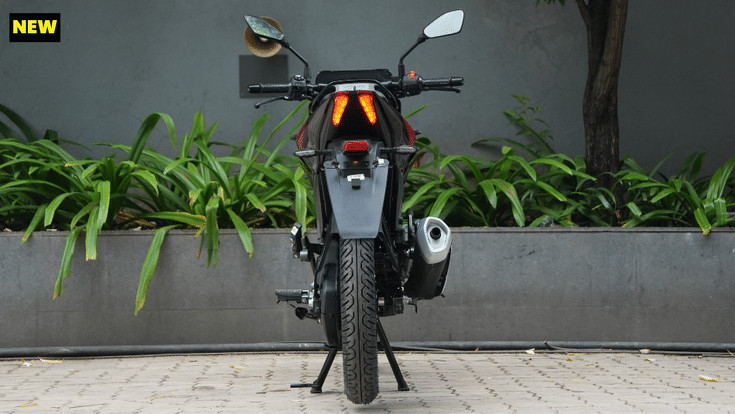
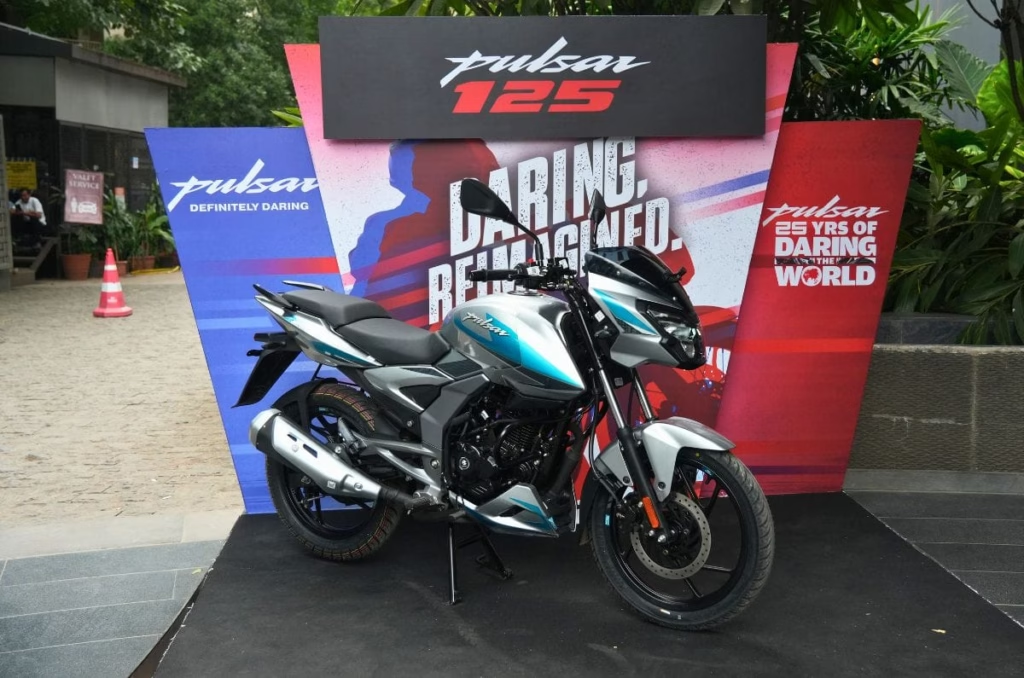
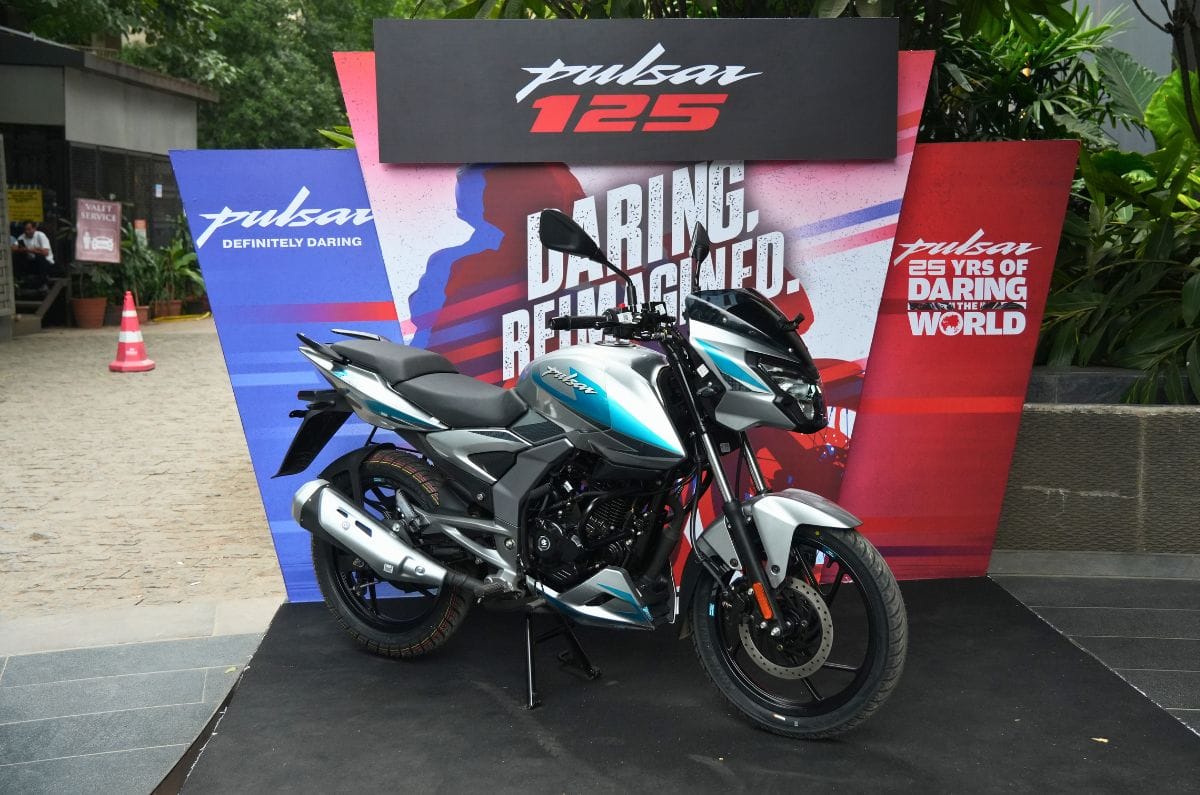
We exclusively broke the story, early this year, that Bajaj is planning on updating the Classic Pulsar range. After months of anticipation, the Chakan-based brand has finally launched the all-new Pulsar 125 as part of Pulsar’s 25th anniversary celebrations. The updated 125cc motorcycle gets a new engine and gearbox, a stiffer frame, monoshock suspension and a 5-inch TFT console with prices starting at Rs 92,990.

  1. New 124.58cc engine makes 12hp and 11Nm
  2. Gets monoshock suspension and new diamond-type frame
  3. Priced at Rs 92,990 (ex-showroom, Delhi)

Bajaj Pulsar 125 engine and specs

The new Pulsar 125 is powered by a 124.58cc, single-cylinder, air/oil-cooled engine producing 12.1hp at 8,500rpm (gain of 0.3hp) and 11.4Nm at 6,500rpm (gain of 0.6Nm). Bajaj claims it is the most powerful 125cc motorcycle in the market – a title earlier held by the now discontinued Pulsar N125. The engine is paired with an all-new 5-speed gearbox, which is claimed to improve tractive effort in the lower gears and deliver stronger low-speed performance.

Bajaj also claims an improved power-to-weight ratio enables quicker 0-60kph acceleration, although it has not specified an acceleration time.

The Pulsar 125 gets a new diamond-type frame with increased stiffness, with the engine acting as a stressed member. Bajaj says this setup improves ride stability and handling. Suspension duties are now handled by a gas-charged monoshock at the rear. 

Bajaj Pulsar 125 features

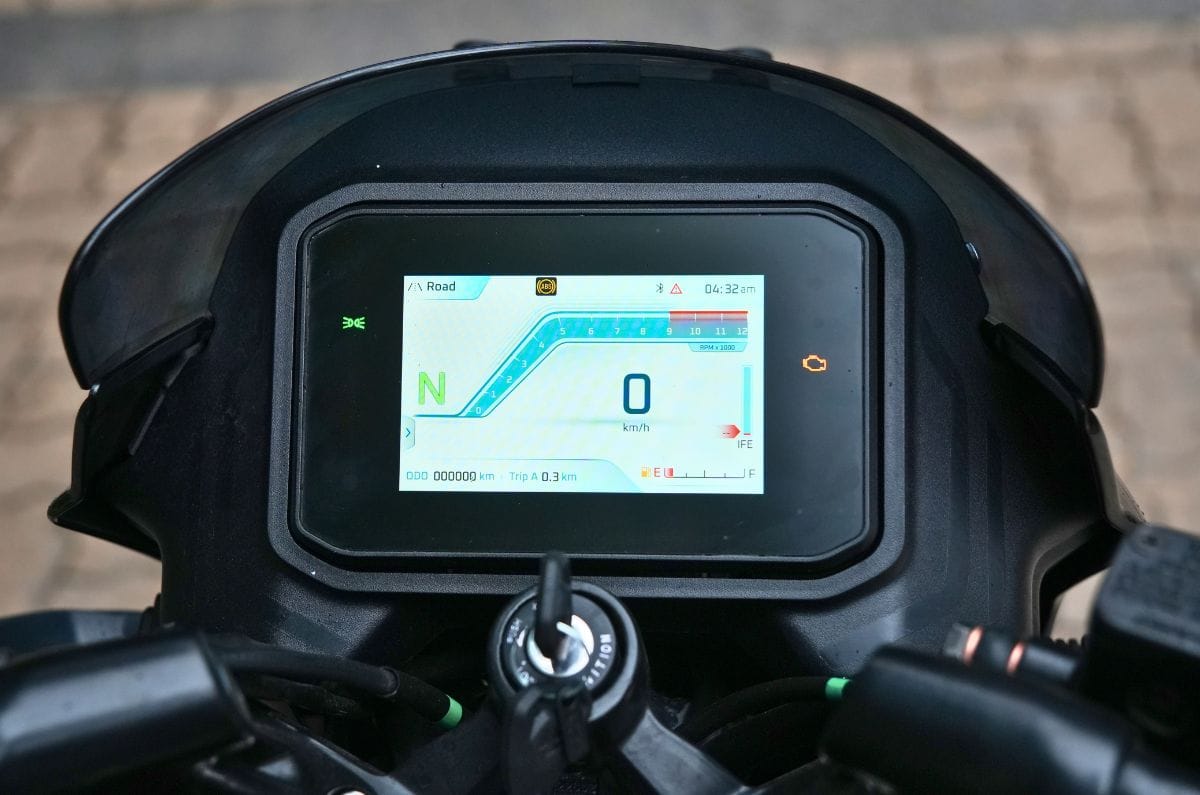
A major update is the addition of a 5-inch TFT console that debuted with the N160 SS. It supports Google Maps mirroring and navigation, while also allowing riders to store vehicle documents such as the registration certificate and insurance details.

The console also displays live call and message alerts and provides music controls. The Pulsar 125 additionally gets three ride modes: Road, Rain and Sport.

Another new feature is Crawl Tech – similar to KTM models – which is designed to provide greater control during low-speed riding in traffic.

The Pulsar 125 gets a redesigned Wolf-Eye LED headlamp with larger optics, although it could only be offered . The motorcycle also features an Integrated Starter Generator (ISG) on the top three variants. The system enables automatic start-stop functionality, which Bajaj says helps improve fuel economy and enables silent starts. The new Bajaj Pulsar 125 is priced at Rs 92,990 for the LCD variant and goes up to Rs 1.04 lakh for the top-spec TFT variant(ex-showroom, Delhi).

Delhi Weather: दिल्ली-एनसीआर में मूसलाधार बारिश, कई जिलों के लिए रेड और ऑरेंज अलर्ट! यहां जानिए मौसम पर क्या है अपडेट

Delhi-NCR Heavy Rain: दिल्ली एनसीआर में सावन के आखिरी सोमवार को अचानक मौसम का मिजाज एकदम बदल गया और कई हिस्सों में मूसलाधार बारिश देखने को मिली। सुबह करीब 10:30 बजे ही काले बादलों की वजह से अंधेरा छा गया। इस भारी बारिश की वजह से पूरे एनसीआर में जगह जगह में जलभराव और ट्रैफिक को लेकर दिक्कतें दिखने लगी हैं। इस बीच भारत मौसम विज्ञान विभाग (IMD) ने अलग-अलग इलाकों के लिए रेड और ऑरेंज अलर्ट जारी किया है।

दिल्ली-एनसीआर में बादलों का डेरा और अलर्ट

हमारी सहयोगी News 18 की रिपोर्ट के मुताबिक दिल्ली, नई दिल्ली, नोएडा और गुरुग्राम में आज दिन भर रुक-रुक कर बारिश और गरज के साथ बौछारें पड़ने की संभावना जताई गई है। दिल्ली में आंशिक रूप से बादल छाए रहने के साथ-साथ अलग-अलग इलाकों में गरज-चमक के साथ अचानक बारिश के स्पेल देखने को मिल सकते हैं।

नोएडा और गुरुग्राम में भी पूरे एनसीआर में फैले मानसूनी पैटर्न की वजह से इसी तरह का मौसम बना रहेगा। बारिश के चलते विजिबिलिटी में कमी आ सकती है और सड़कों पर ट्रैफिक की स्पीड स्लो रह सकती है।

तेज हवाओं के साथ दिल्ली के तापमान का हाल

मौसम विभाग के अनुसार इस दौरान 60 से 70 किलोमीटर प्रति घंटे की रफ्तार से तेज हवाएं चलने की उम्मीद है। अगर बीते 24 घंटों की बात करें तो सोमवार सुबह 8:30 बजे तक दिल्ली के विभिन्न सेंटरों पर हल्की बारिश दर्ज की गई थी। सफदरजंग में 3.4 मिमी, पालम में 10.6 मिमी और लोधी रोड पर 2.7 मिमी बारिश रिकॉर्ड की गई।

उत्तराखंड, ओडिशा और तेलंगाना समेत कई राज्यों में भारी बारिश का अनुमान

मौसम विभाग ने सोमवार को सिर्फ दिल्ली ही नहीं, बल्कि उत्तराखंड, ओडिशा और तेलंगाना के कुछ हिस्सों में भी भारी बारिश का पूर्वानुमान दिया है। खासकर ओडिशा में अत्यधिक तेज बारिश होने की संभावना जताई गई है, जबकि कई दूसरे क्षेत्रों में गरज के साथ आकाशीय बिजली चमकने और तेज हवाएं चलने का अलर्ट है। दिल्ली, नोएडा और गुरुग्राम के निवासियों को सलाह दी गई है कि वे मौसम में होने वाले अचानक बदलावों के लिए तैयार रहें और बारिश के दौरान यात्रा करते समय खास सावधानी बरतें।