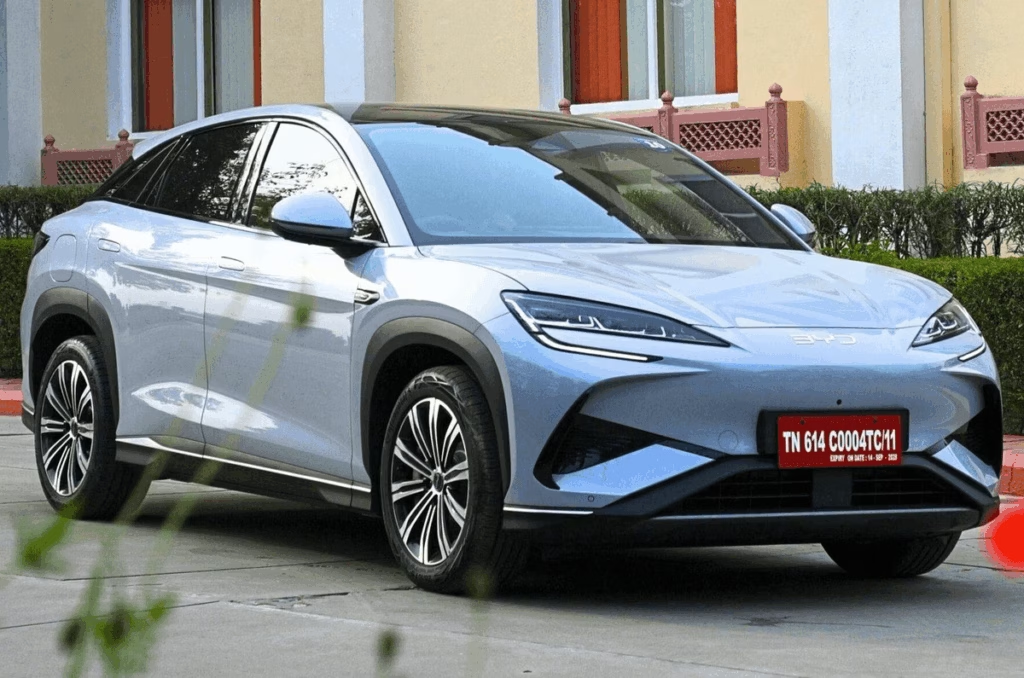
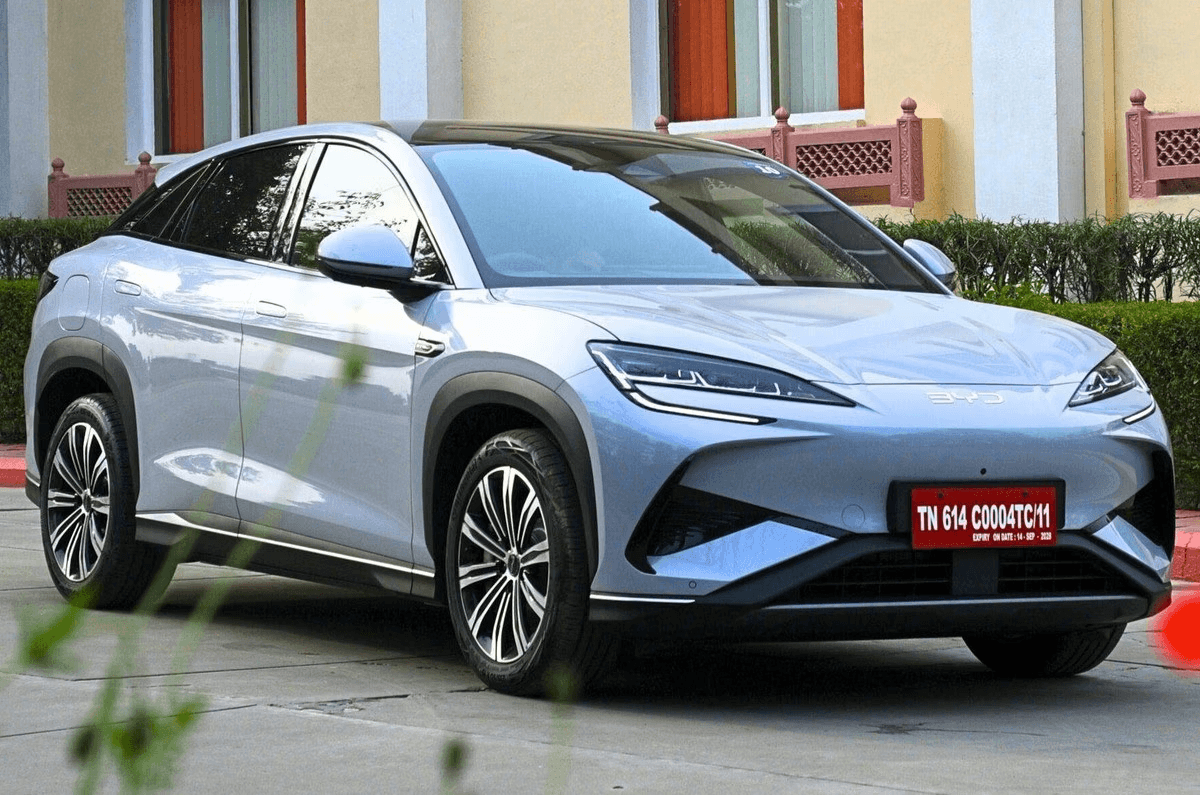
To make the BYD Sealion 7 EV more accessible, the Chinese carmaker has introduced the new Dynamic trim at Rs 41.90 lakh, ex-showroom. It replaces the Rs 49.90 lakh-Premium as the base trim and is Rs 8 lakh cheaper. Compared to the rest of the line-up, the Sealion 7 Dynamic gets a smaller battery and fewer features.
The CAFE 3 norms are just eight months away. Things will certainly get tighter and tougher for automakers, in terms of upping the number of clean power options as well as light-weighting their current brawn-ish SUVs. If one has to bring a 30 percent reduction in fleet-average performance and move from MIDC to WLTP test results, an automaker has very little leeway in terms of just about making it.
As a product planner, I would seriously take this as an opportunity to bring the focus back onto the entry-level small car. In fact, all product planners should be doing the same, irrespective of what your current portfolio is. The policymakers are sending out a clear message to the Indian automobile industry – relook and revive the small car, for you have neglected it for quite some time now!
And why not? It’s not just for developing markets; look at the developed world too. The otherwise ostentatious European is seriously evaluating the small car once again. Even the more aware and conscious American is. Japan has always been a ready reference for all. Tomorrow’s car buyer is going frugal and smart once again. Going back to the basics. Without compromising on comfort and features. And the automakers have prepared themselves for such times. Some started almost a decade ago, with varying outcomes, but the efforts have been commendable and great teachers on how to approach the future.
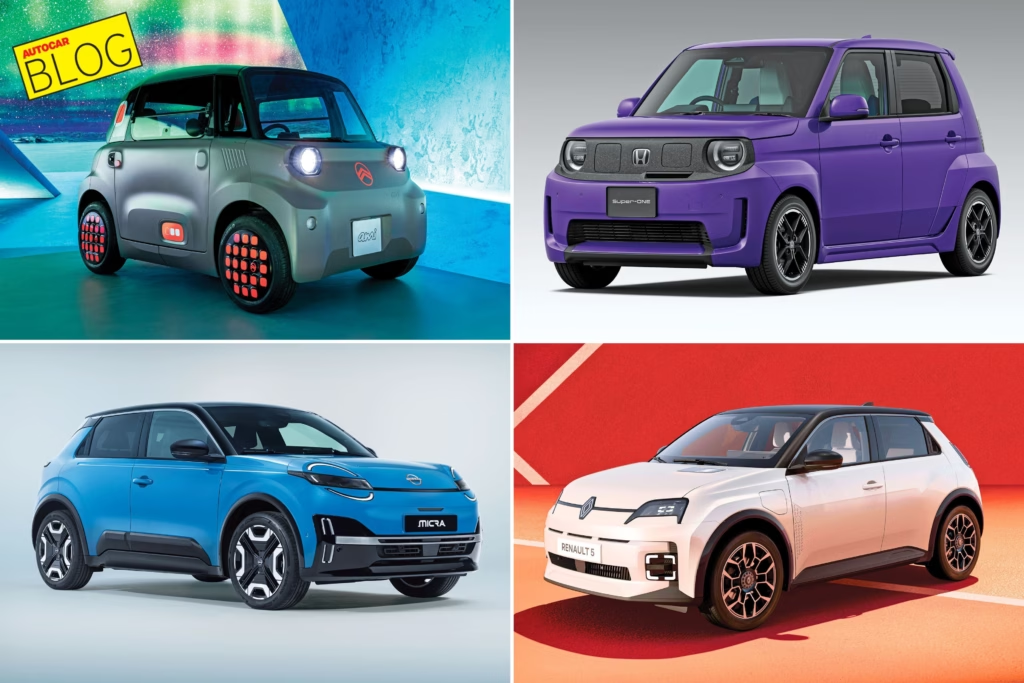
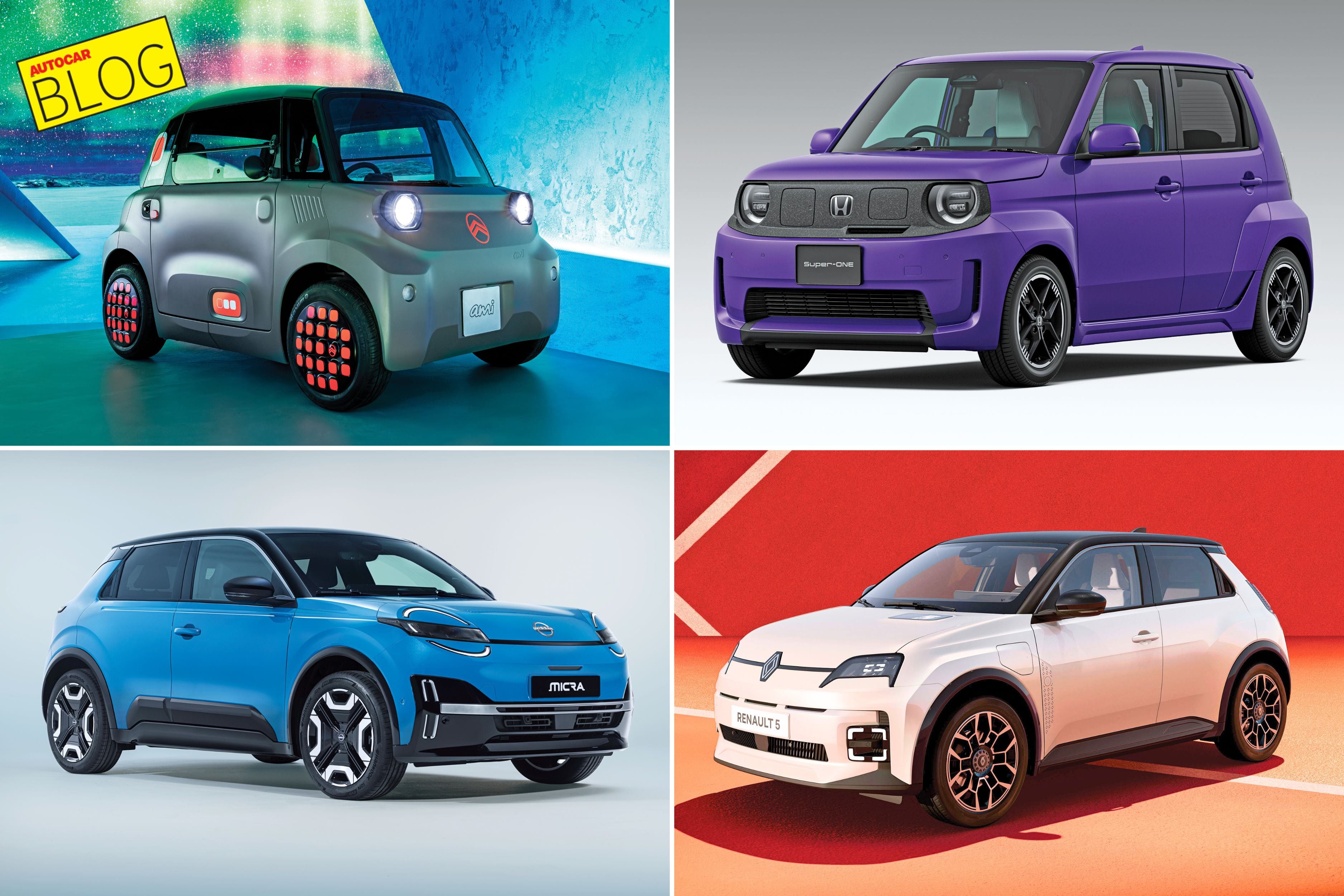
The Citroën Ami. The Fiat Topolino and Multiplina. The Renault 5 and its hot hatchback cousin, the Alpine A290. The Nissan Micra. The Smart For2. The Honda Super N. The Microlino and Microletta. And I have not even gone into what the Chinese have launched over the last 12 months.
This is the attack of the “minors”. Electric. Power-packed. Feature-rich. Head-turning looks. Both microcars as well as conventional entry-level little runabouts. They are not cheap-looking, frugally engineered, cost-compromised, low-on-status offers that one never wants. They are clean, conscious and very cool. They cater to the sceptical youth and the wizened elder alike.
For years, Japan and Europe have been the homes of such cars. It is time India takes over that role. And it makes perfect business sense too. If we are to increase car penetration and grow the market to a size even half of that of China, given our consumption power, there is no other way but to make the entry-level car the hero of the script. Whether electric, CNG or hybrid. It is the responsibility of brands like Maruti Suzuki, Hyundai, Toyota, Tata and Honda to make this happen. Only then will we create a mature and sustainable market with a rich and robust pipeline of two-wheeler owners who will want to look up!
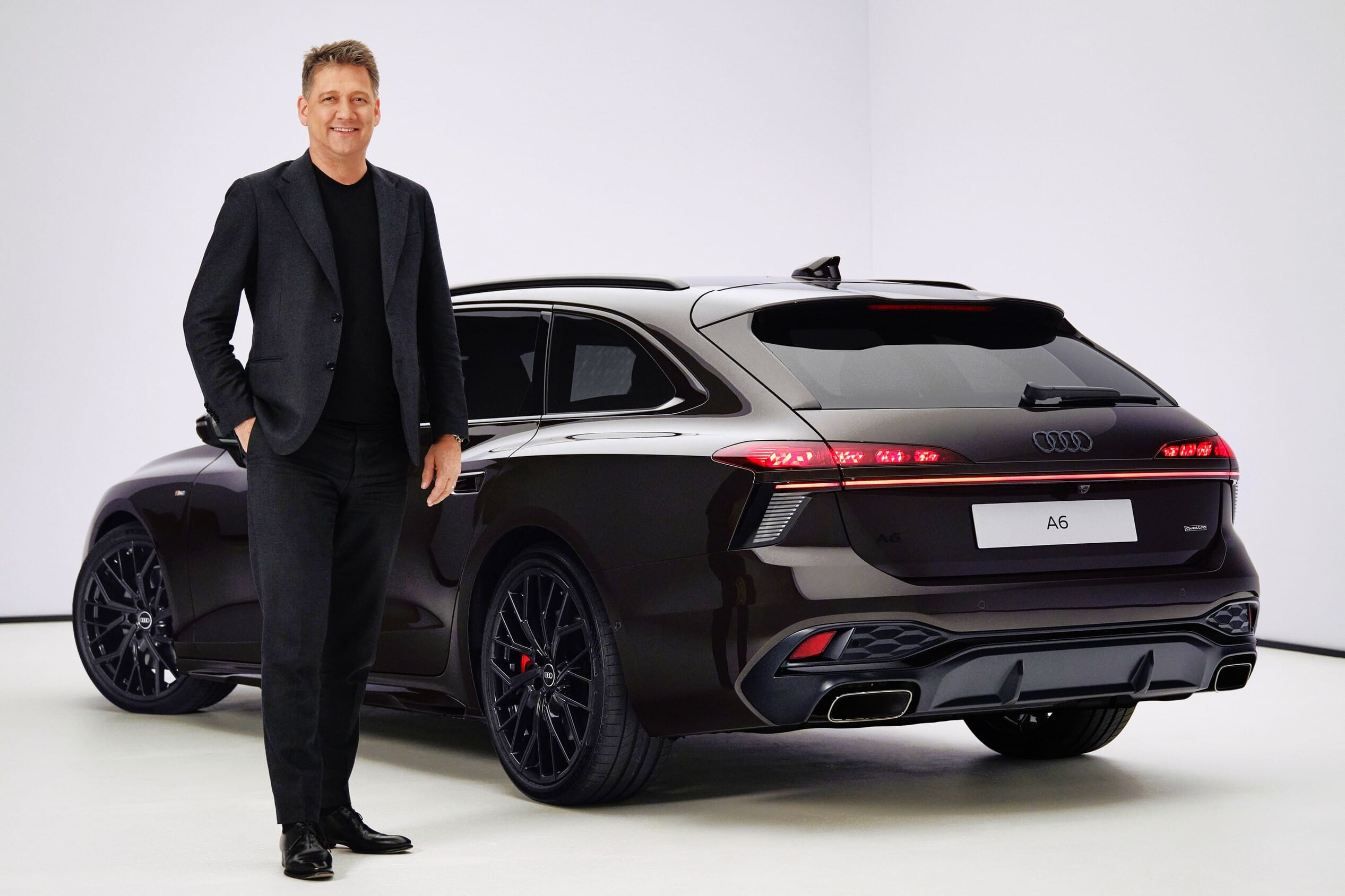
Audi will pursue a broader powertrain strategy spanning battery-electric vehicles, plug-in hybrids and combustion engines, stepping away from its earlier plan to become an all-electric carmaker. Global CEO Gernot Döllner said he reviewed Audi’s all-electric strategy after taking charge and decided that the company needed a more balanced product and powertrain mix to address the varying pace of EV adoption across markets.
“When I joined Audi, there was an all-electric strategy in place, which was one of the first things I reviewed,” Döllner told Autocar India in an exclusive interview. “We found a more balanced strategy between plug-in hybrids, especially important for Europe, combustion engine and electric.”
Global EV sales downturn lent ICE powertrains more time
The slower-than-expected pace of EV adoption in several global markets has extended the relevance of combustion engines and plug-in hybrids. Audi expects to retain a focused combustion-engine and plug-in-hybrid portfolio, particularly for SUVs.
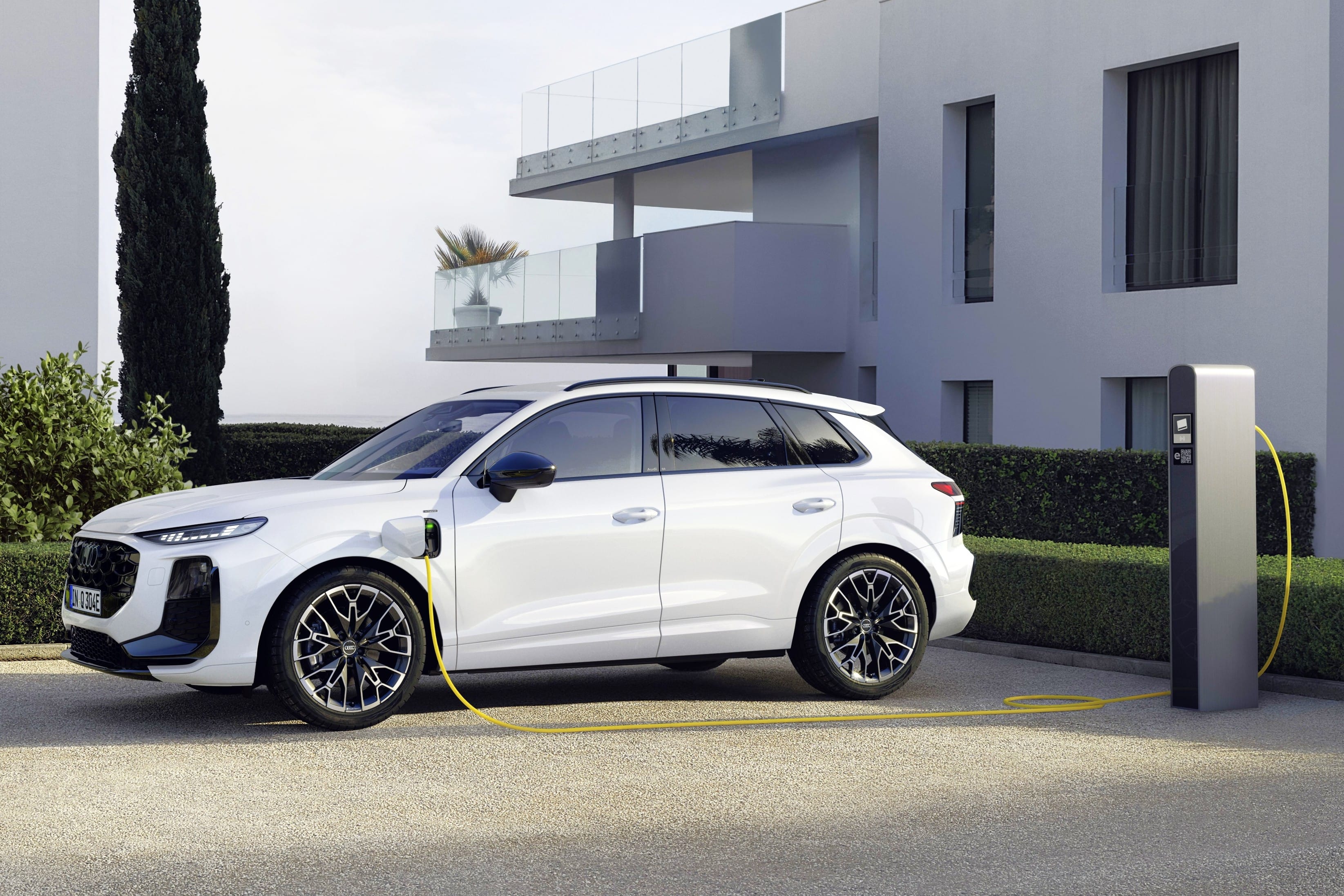
Audi Q3 PHEV
The company has recently completed a major investment cycle covering new petrol and diesel engines, plug-in hybrids and battery-electric vehicles designed to meet Euro 7 and other global regulations.
“For sure, the majority of our investment will be in battery electric. That’s a given,” Döllner said.
Audi will continue to invest selectively in combustion engines, including efficiency improvements and transmission technology, but Döllner expects the pace of innovation to be much faster in EVs.
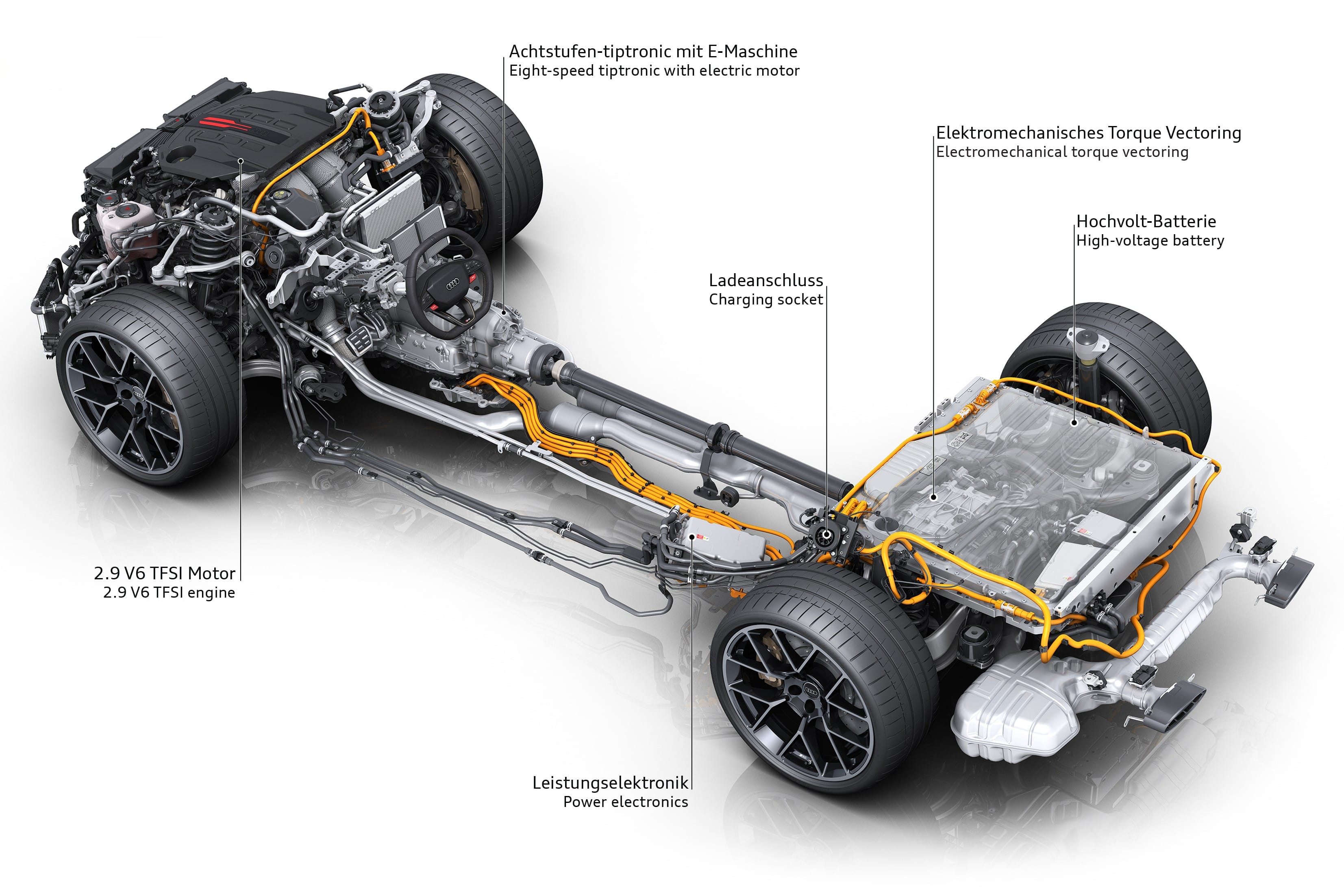
Audi RS5 plug-in hybrid powertrain
“The combustion engine is fairly mature. It’s at the very end of a 100-year innovation cycle, and battery electric is still at the very beginning, to be honest,” he said. “The dominant part of our investment will definitely be on the battery-electric side.”
Electric remains Audi’s leading technology
Audi’s decision to retain combustion engines and plug-in hybrids does not alter its long-term direction towards electric vehicles.
“Electric is, for Audi, still the leading technology,” Döllner said. “It’s our main priority to step by step become more electric.”
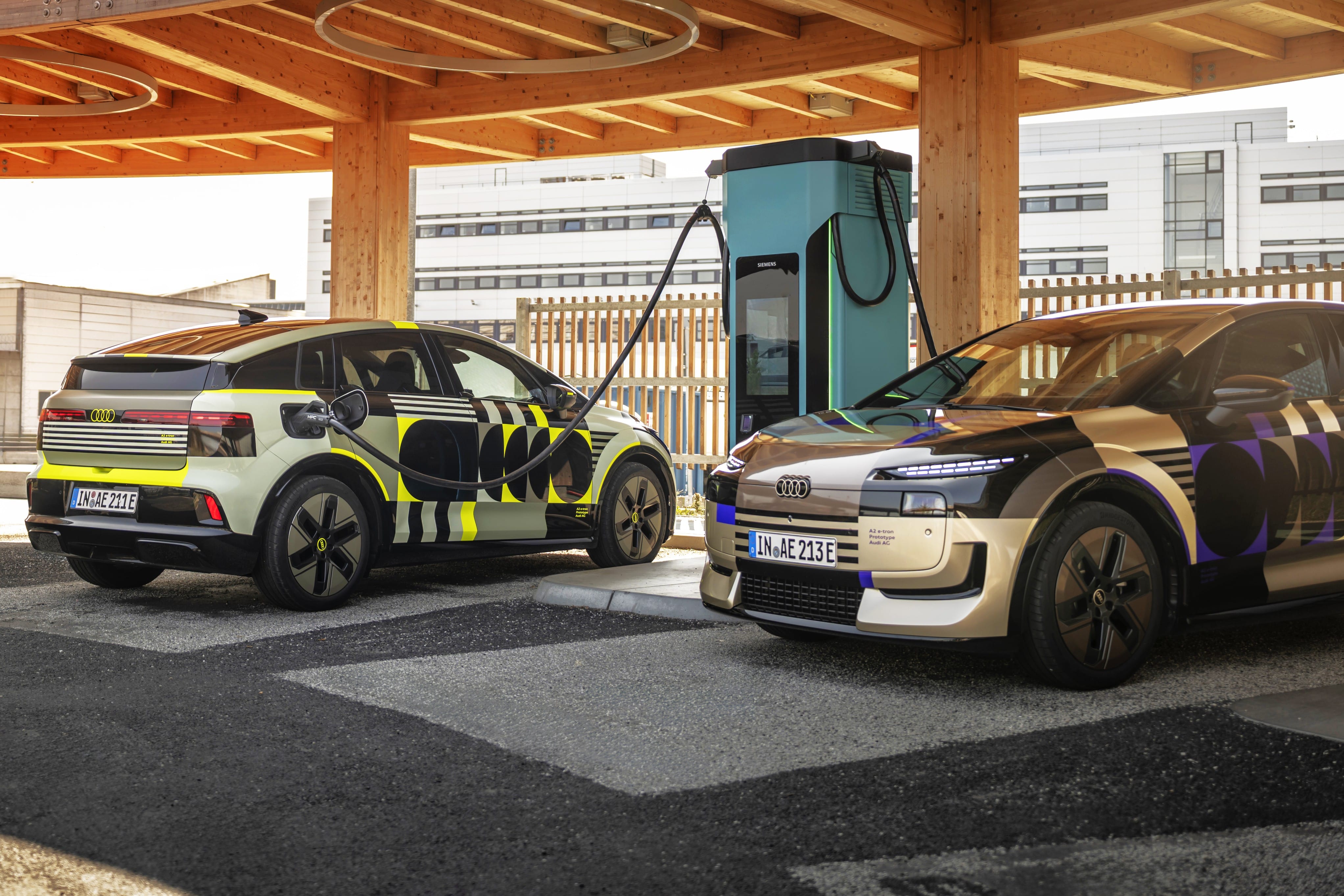
Prototypes of upcoming Audi A2 e-tron
Audi currently has four battery-electric model lines globally and expects to increase this to five by the end of the year, with some available in more than one body style. The company will, however, tailor the powertrain mix to individual regions. Plug-in hybrids will be particularly important in Europe, while the requirements of the US market will influence Audi’s future combustion-engine and PHEV portfolio, especially for SUVs.
In India, Audi’s immediate focus remains on petrol and electric vehicles. Diesel is not part of its current plan. The case for plug-in hybrids will depend partly on whether they receive any benefit under the India-EU FTA. New electric products are also planned for India.
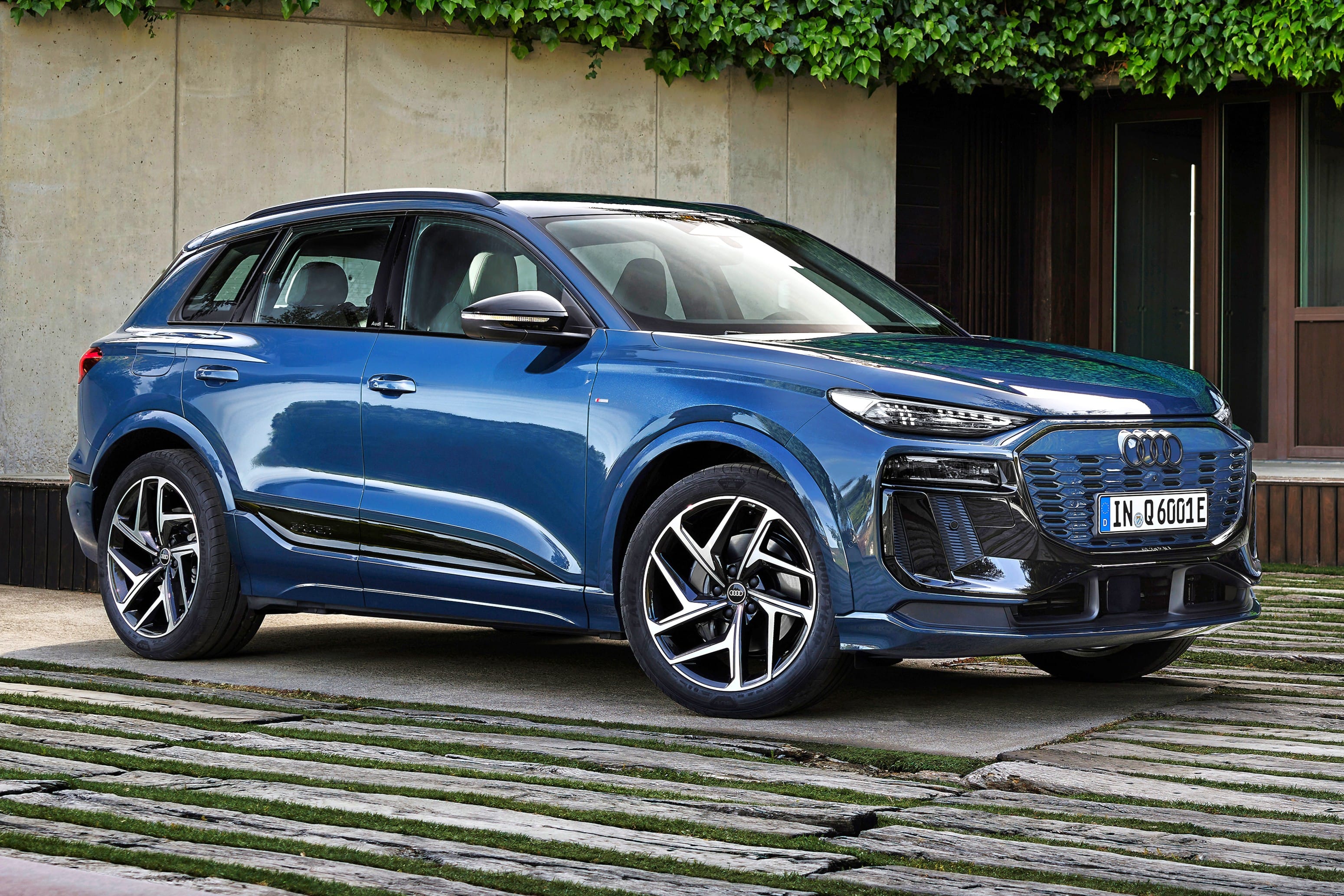
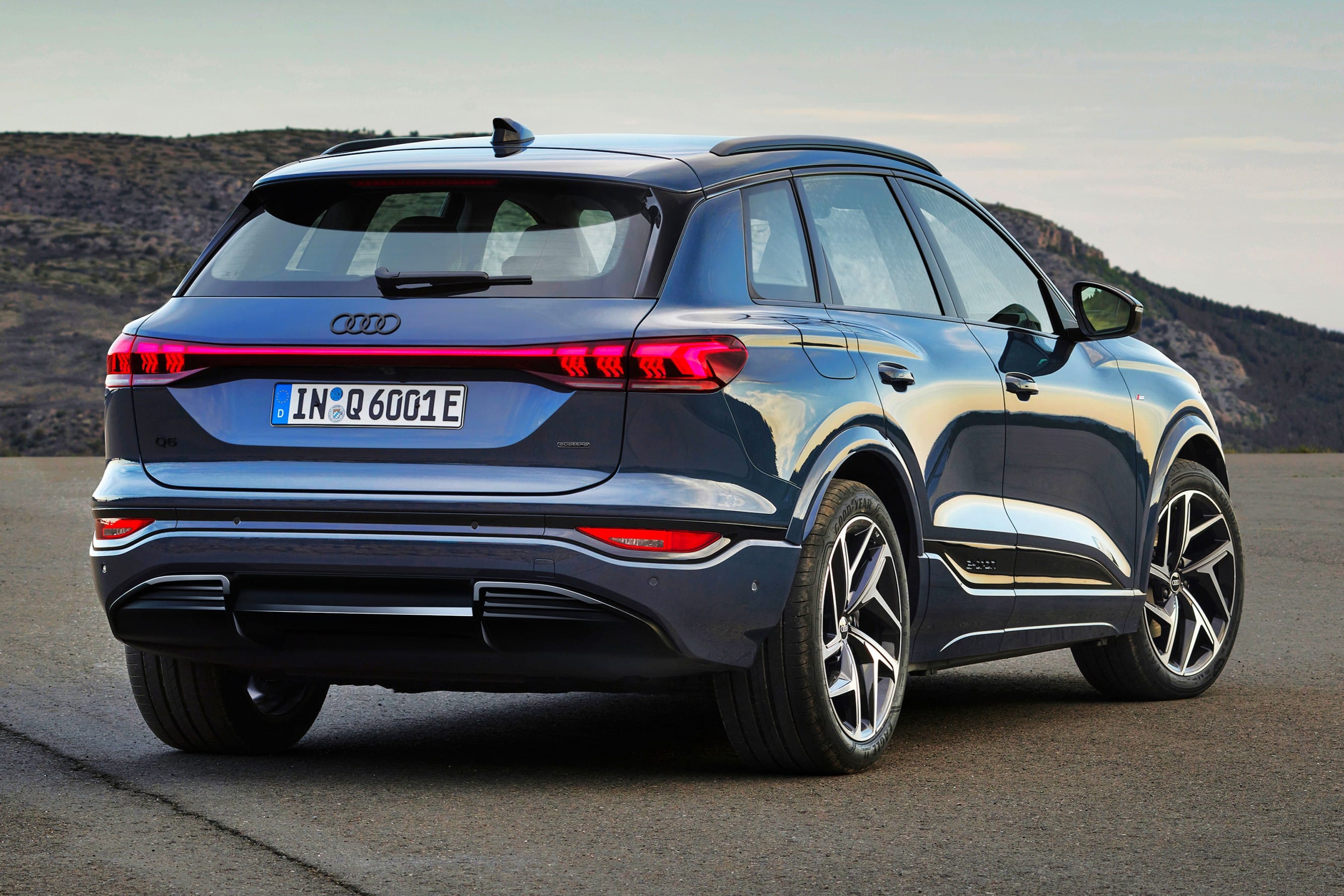
Audi Q6 e-tron
“From what I know, we also have decided to enter with new products in the electric segment in India,” Döllner said.
Audi has decided to assemble an electric vehicle in India, Autocar India learns, although the model and launch timing are still being worked out. The move from fully imported EVs to local assembly is now a question of when, rather than if.
The company was among the first luxury carmakers to enter India’s EV market with models such as the e-tron, e-tron Sportback, e-tron GT and Q8 e-tron. High import duties, however, restricted their reach and affected their resale-value proposition.
Audi Q6 e-tron
The Q6 e-tron is among the products being studied, but Audi has not decided which EV will be assembled in India. The selected model will need to offer the right combination of volume, pricing and suitability for local conditions.
Audi believes electric SUVs make more practical sense in India because their ground clearance is better suited to local road conditions. Sedans have not been ruled out, but SUVs offer a more practical proposition for battery-electric vehicles in the country.
Regional focus to shape future products
The broader powertrain approach is part of Döllner’s effort to make Audi more responsive to the requirements of individual regions.
“Audi has to act much more regional,” he said. “The times where we had a one size fits all, and we then bring it to China, just extend the wheelbase and do the same car, that doesn’t work anymore. We have to listen carefully to the markets.”
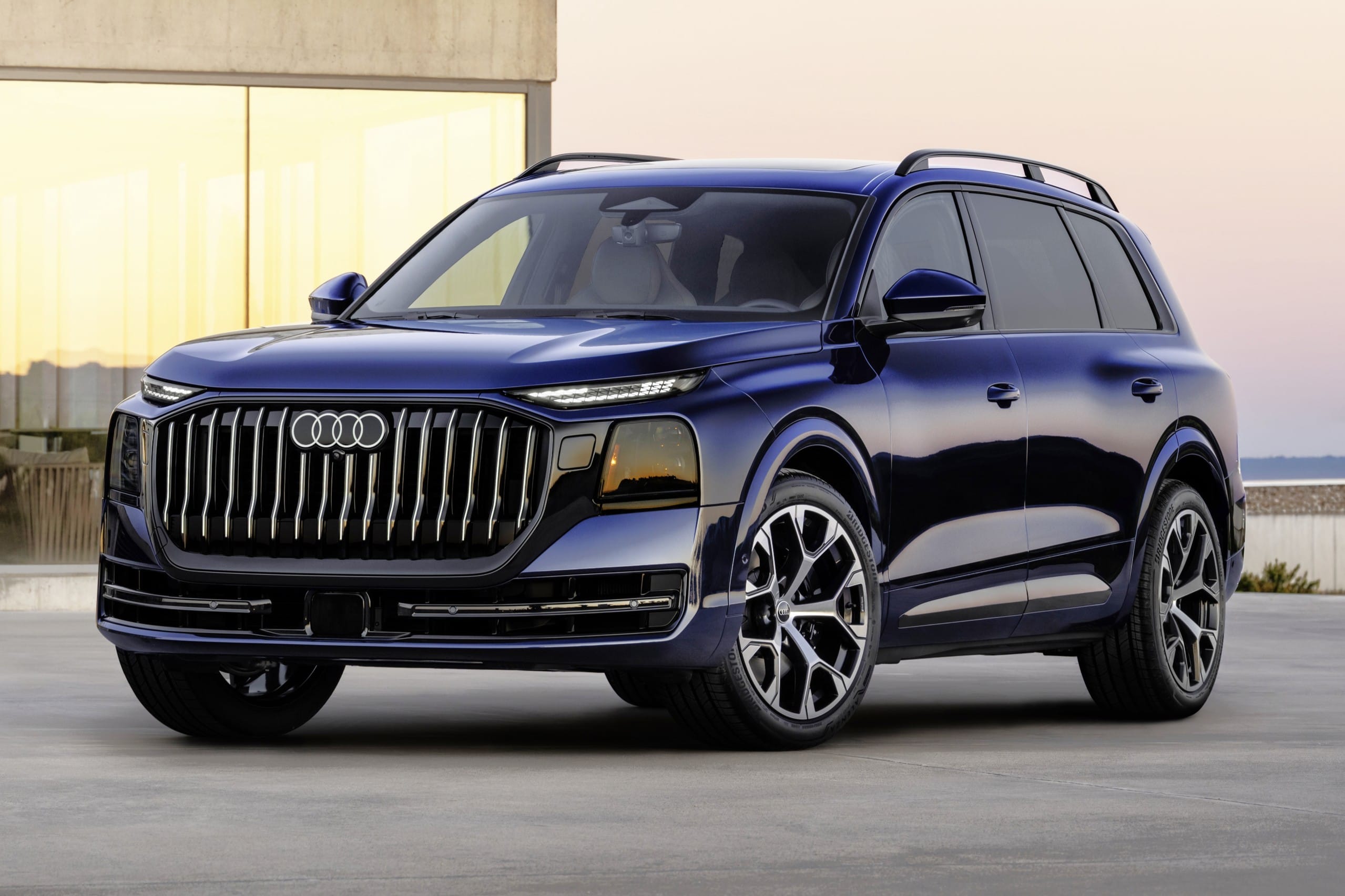
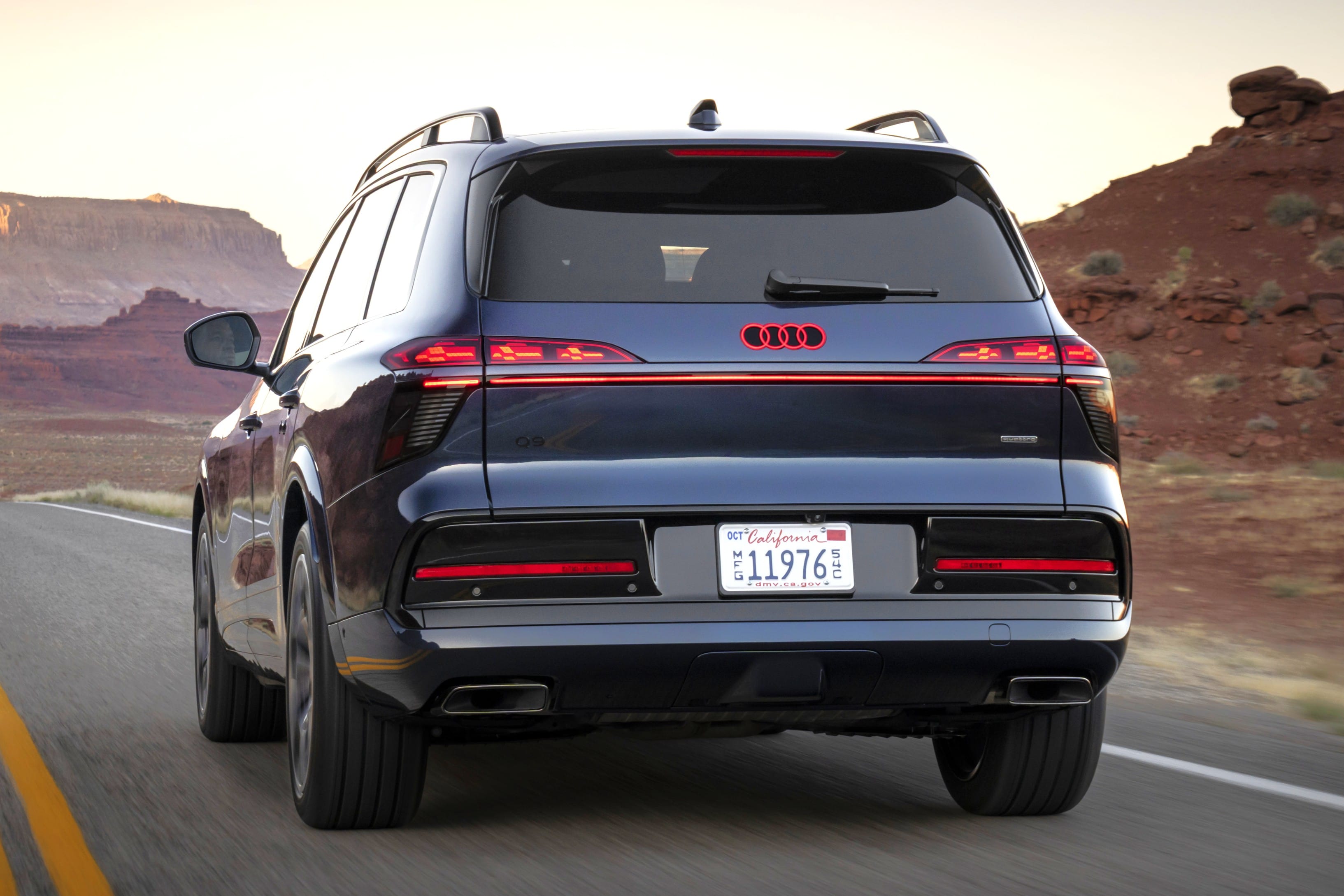
The Q9 is the first clear example of that approach. Conceived around the requirements of American customers, it will be the first Audi to make its market debut in the US.
Audi Q9
“The Q9 is a perfect proof point of a car. The biggest Audi we’ve ever built,” Döllner said. “That car would not be there without the American market.”
India does not yet generate the volumes required for Audi to develop country-specific models. Local requirements covering ground clearance, suspension, tyres, weather, dust and fuel quality are, however, fed into its global development process. The introduction of new models in India is also expected to move closer to their global launches, helping Audi benefit from the interest created when a vehicle is revealed internationally.
Döllner said the improvement in India’s manufacturing and automotive technology has changed how the country is viewed within the global industry.
Audi Q9
“India is also an excellent proof point. It’s really unbelievable what the car industry has developed in India and what level of perfection and technology products are delivered,” he said.
“In the past, there has been this strong European automotive industry, and the world has turned around. Now we have a very dynamic Chinese market, a growing and rising Indian automotive industry. The US is a story of its own.”
“What keeps me awake at night is if we are able to change fast enough,” Döllner said. “We have to speed up.”
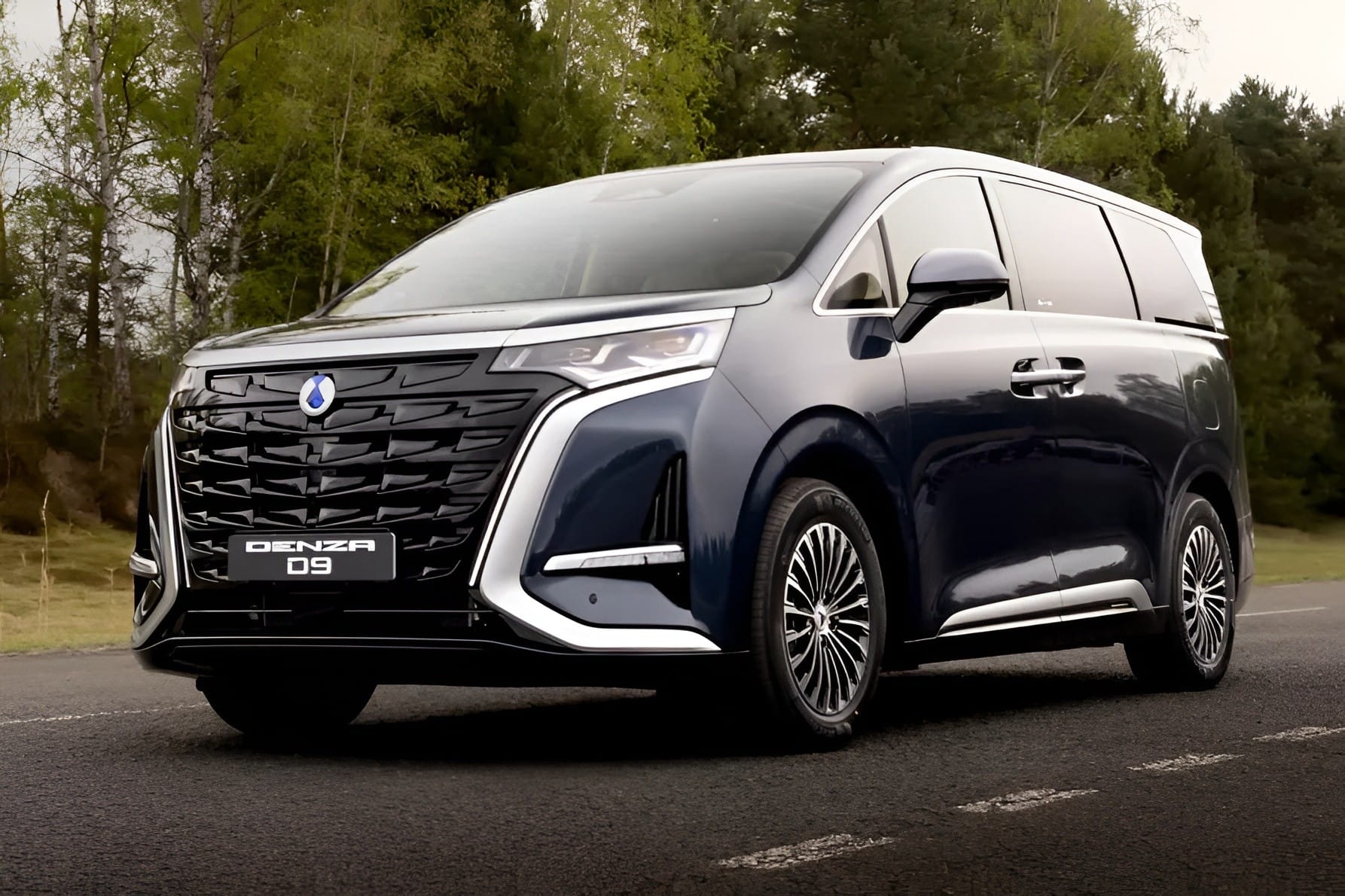
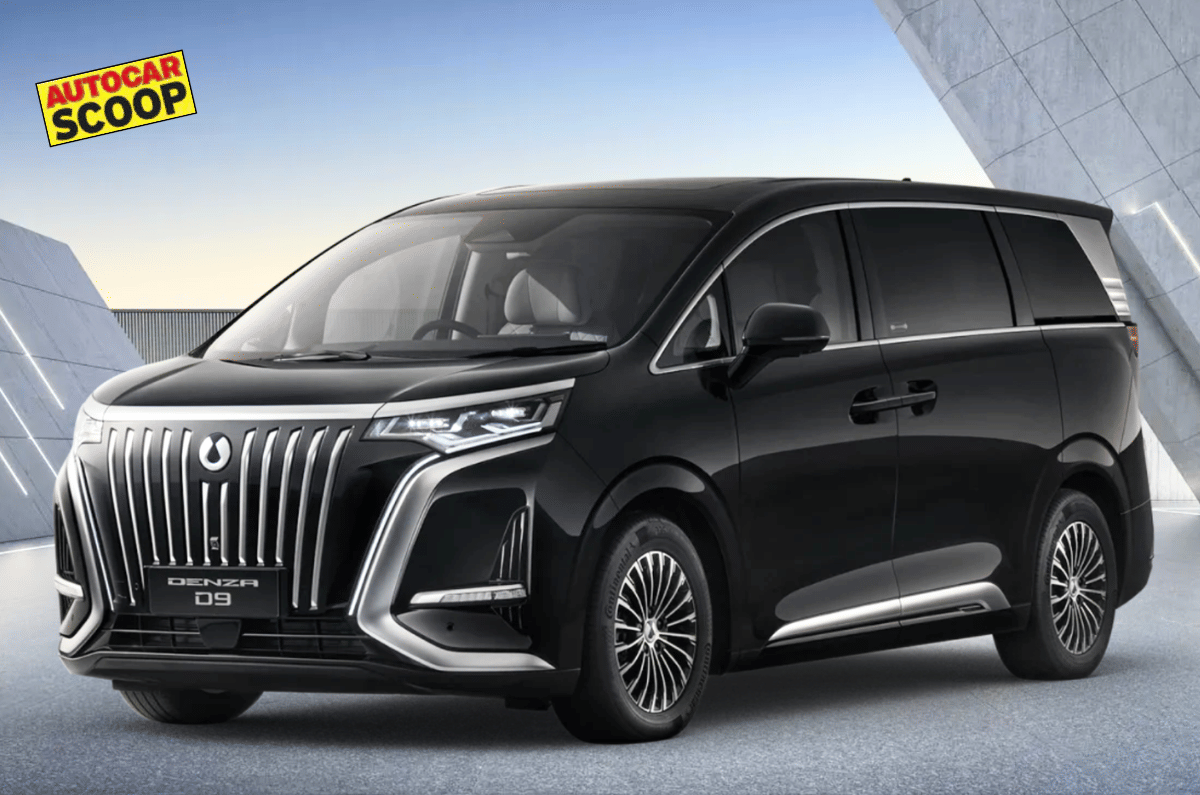
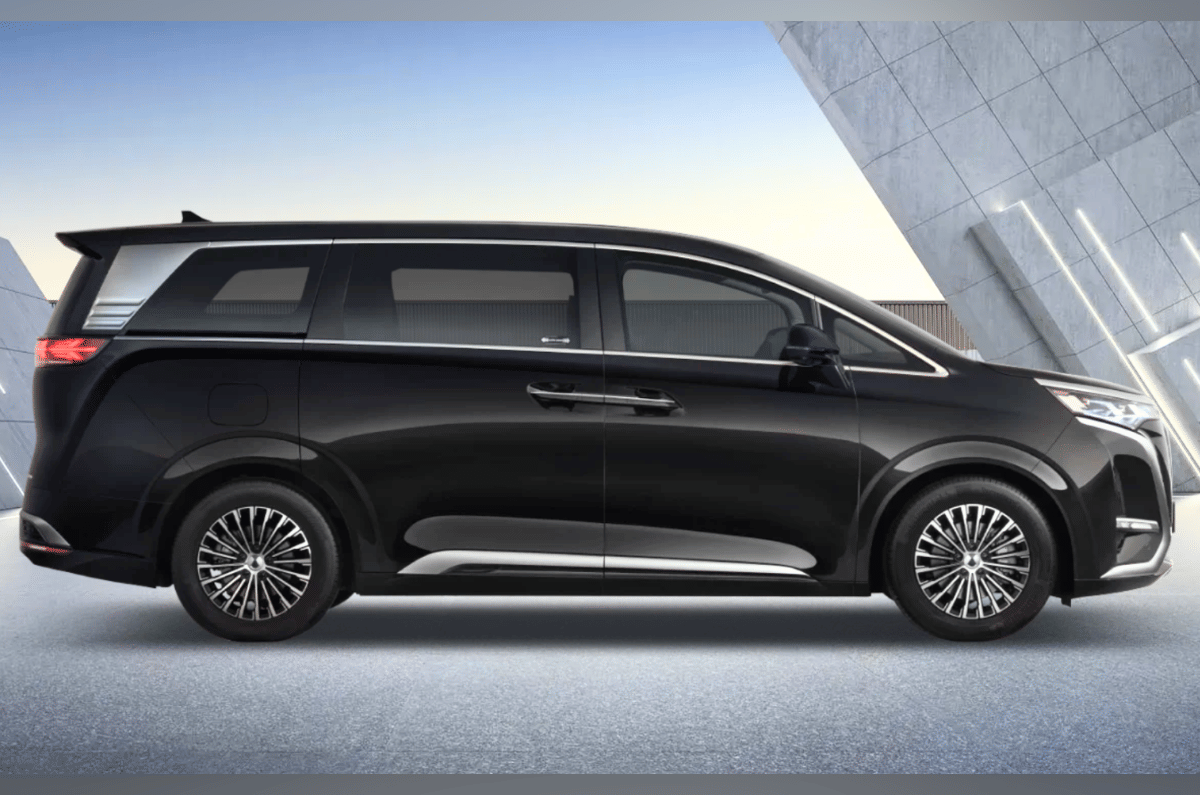
We exclusively reported that BYD would bring its luxury sub-brand Denza to our market. The Chinese carmaker will enter our shores with the debut of the D9 luxury MPV. While a festive season launch is being considered, if delayed, it could be moved to the Bharat Mobility Global Expo in February 2027. Ahead of its arrival in India, here’s all that you can expect from the Denza D9.
1. What seating configurations will the Denza D9 offer?
The Denza D9 is expected to offer a 2+2+3 seating configuration. Rivals like the Toyota Vellfire and Lexus LM offer the same configuration, while the latter offers a 2+2 configuration as well. The MG M9 and Mercedes-Benz V-Class offer a 2+2+2 configuration, while the Merc is also available in a 2+2 seat layout like the LM.
2. How large is the Denza D9?
Denza D9
MG M9
Toyota Vellfire
Lexus LM
Mercedes-Benz V-Class
Length (mm)
5,250
5,270
5,005
5,125
5,370
Width (mm)
1,960
2,000
1,850
1,890
1,928
Height (mm)
1,920
1.800
1,950
1,940
1,901
Wheelbase (mm)
3,110
3,200
3,000
3,000
3,430
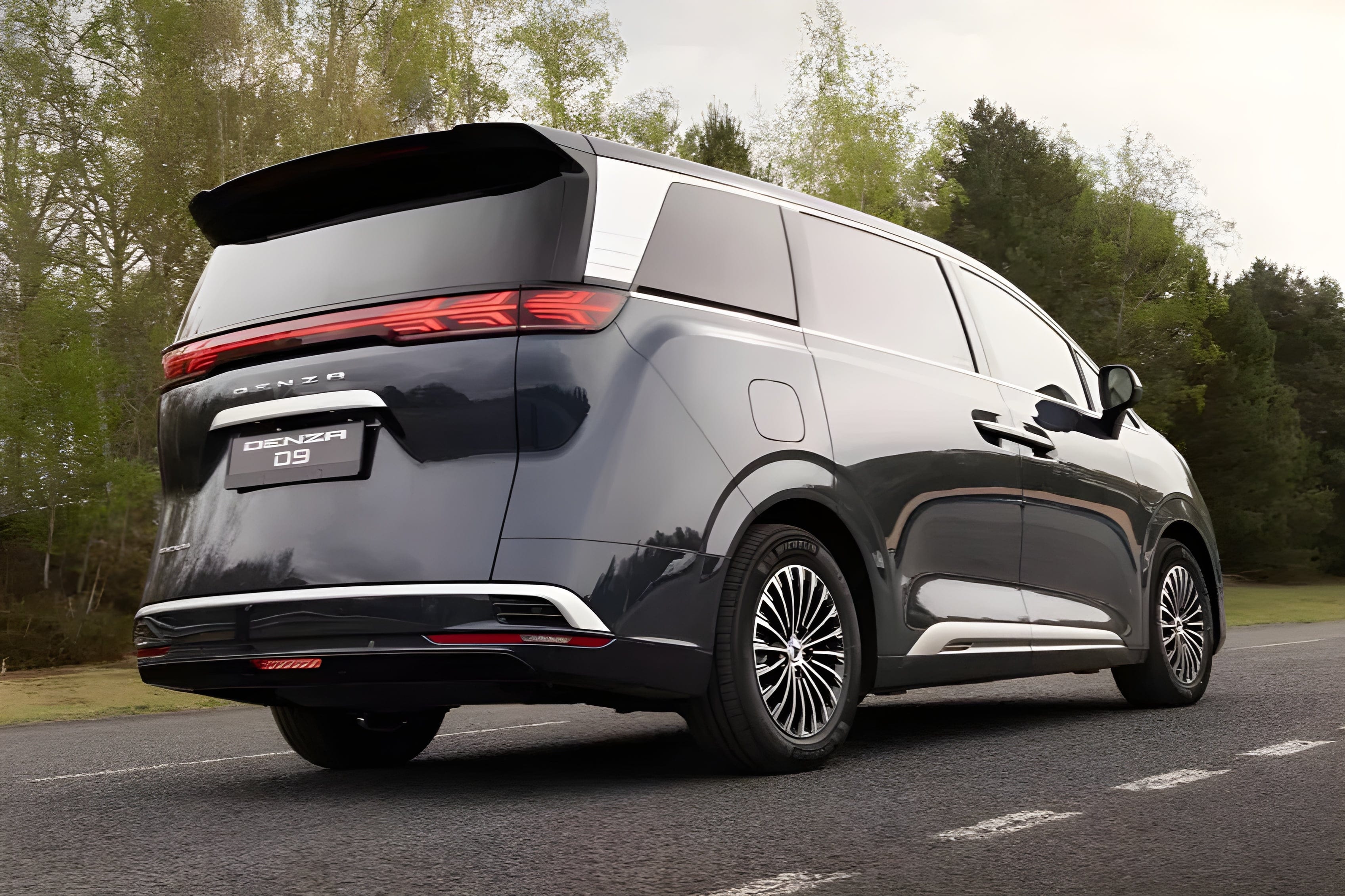
The global-spec Denza D9 is 5,250mm long, 1,960mm wide, 1,920mm tall and has a 3,110mm wheelbase. Compared to other luxury MPVs in our market, the D9 is longer, wider and has a longer wheelbase longer than the Toyota and Lexus, but is shorter than the other two. But compared to the M9 and Mercedes-Benz V-Class, the D9’s dimensions are overall smaller.
3. Will the Denza D9 arrive in India as a CBU or be locally assembled?
Initially, the Denza D9 is expected to be sold as a full import in India. This will allow Denza to enter the market quickly, assess demand and take long-term decisions accordingly.
4. What features are expected on the Denza D9?
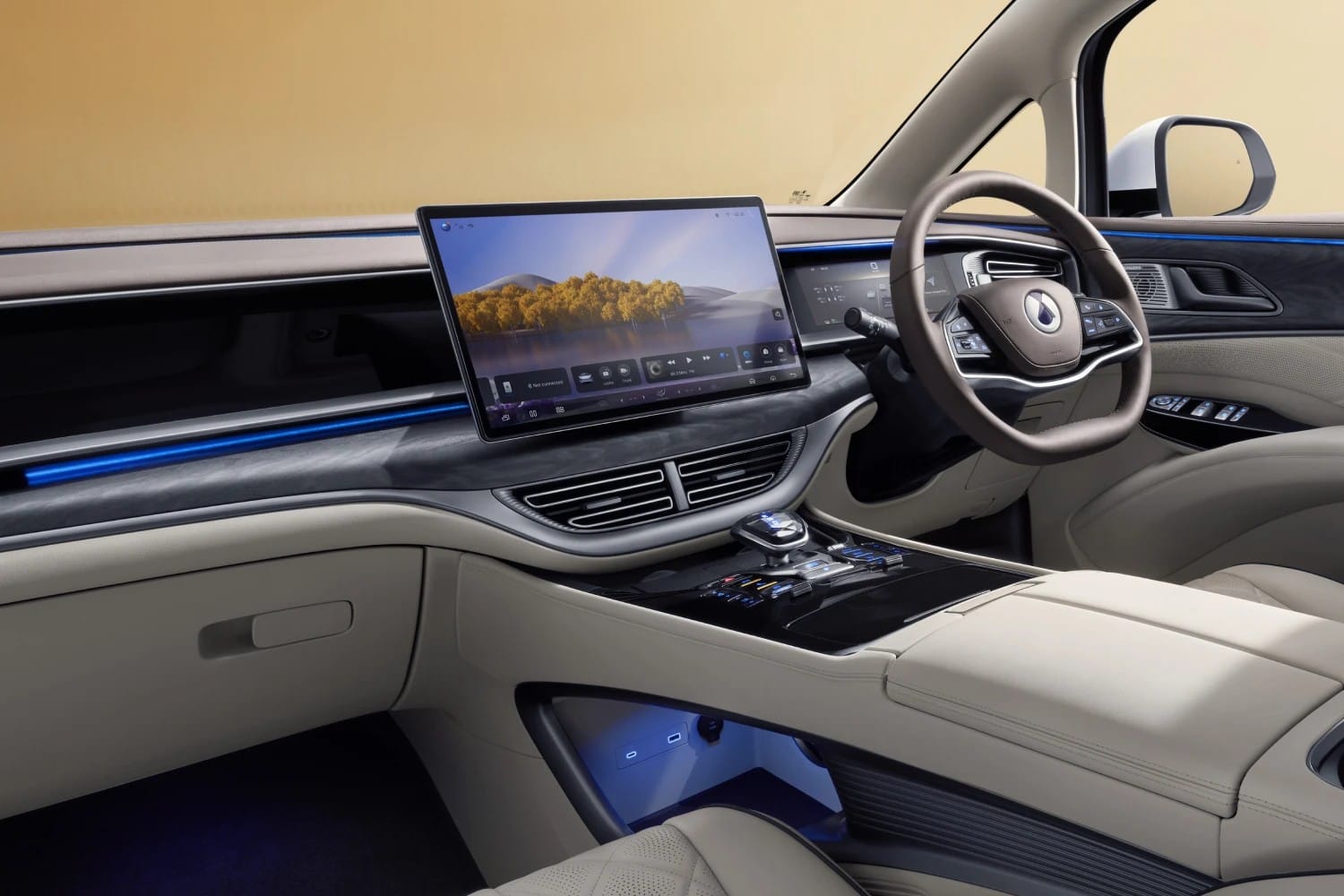
As for equipment, the global-spec D9 gets a 15.6-inch infotainment screen with Apple CarPlay and Android Auto, 10.25-inch digital driver’s display, panoramic sunroof, 8-way powered front seats with ventilation and massage functions, ambient lighting, triple-zone air conditioning, 14-speaker Dynaudio audio system, air purifier, wireless phone charger, 12-inch head-up display, powered tailgate and sliding rear doors.
Safety features include multiple airbags, an ADAS suite, surround view cameras, ESC, traction control, ISOFIX Mounts, hill hold control, driver fatigue warning and distraction detection, TPMS, and an auto-dimming IRVM.
5. What features are the second row occupants likely to get in the Denza D9?
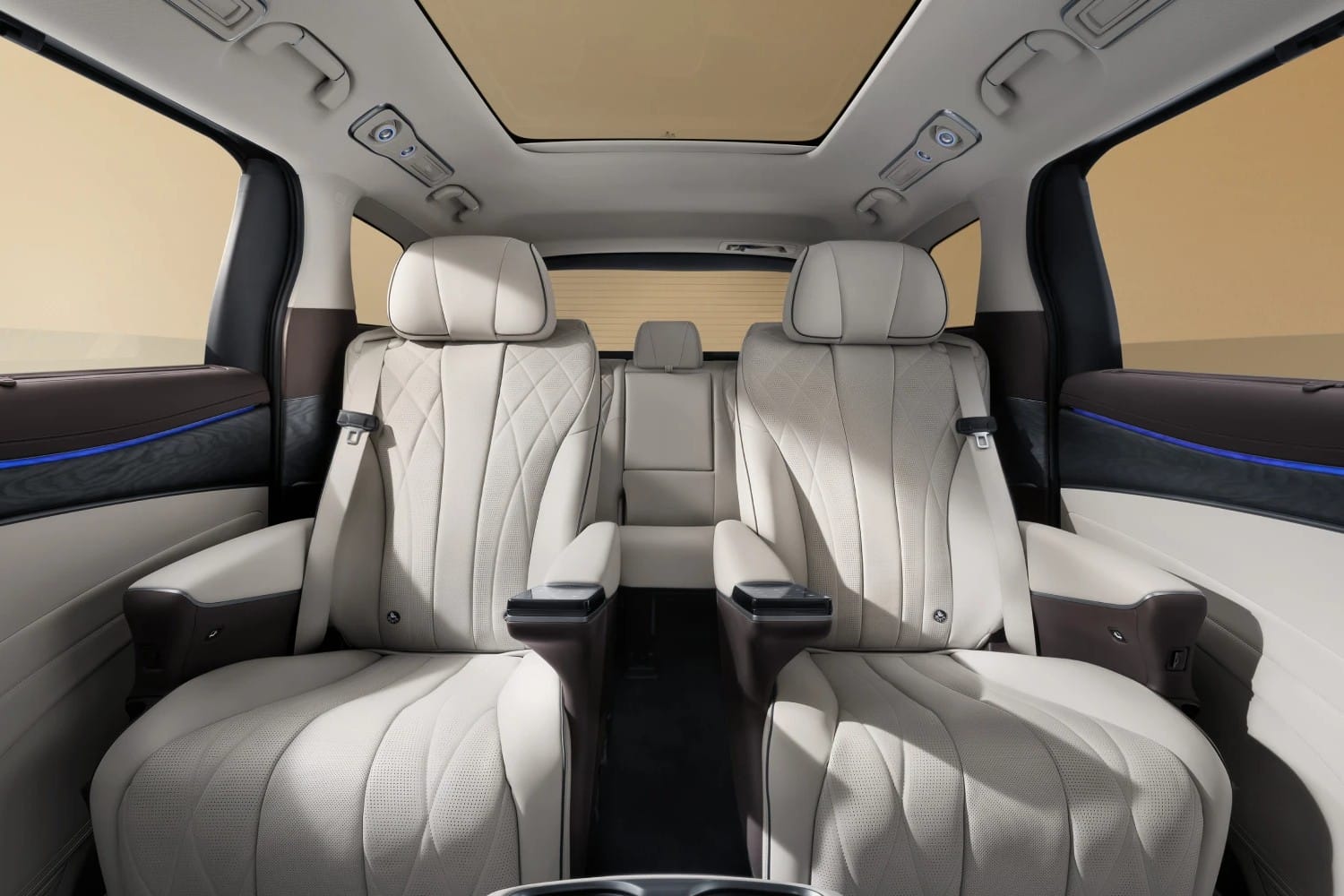
The second row captain chairs have built-in leg rests and have 10-way power adjustment with memory and come with ventilation and massage functions. There’s also a powered boss mode, retractable tables, and a refrigerator as well. Additionally, LED displays integrated within the armrests of the second row seats control various car functions.
6. What powertrains are expected to power the Denza D9?
Globally, the Denza D9 is available in all-electric and plug-in hybrid versions. However, BYD is likely considering the former option for India, as EVs are subject to a lower 5 percent GST. Plug-in hybrid variants could be considered at a later stage.
While exact specifications remain under wraps, the global-spec D9 electric is powered by a 103.6kW battery pack. This battery pack can be had in a FWD configuration with a motor producing 314hp and 360Nm of torque. AWD versions add a 61hp, 110Nm motor, bringing the combined power output to 373hp and 470Nm of torque.
FWD versions get an NEDC-claimed range of 600km, while AWD versions have a claimed range of 580km. As far as charging is concerned, the D9 supports up to 11kW and 166kW outputs on AC and DC charging, respectively.
7. Will the Denza D9 be sold alongside other models from the BYD stable?
To maintain distinction between BYD and its sub-brand, the Denza D9 is expected to be sold via dedicated Denza outlets rather than through its existing retail network.
8. What is the expected price of the Denza D9?
Expect the Denza D9 to have an ex-showroom price of around Rs 90 lakh. The D9 will compete in the growing luxury MPV space and will be positioned above the all-electric MG M9 (Rs 79.95 lakh), but undercut the strong-hybrid-powered Toyota Vellfire (Rs 1.20 crore) and Lexus LM (Rs 2.20 crore to Rs 2.75 crore), and the Mercedes V-Class (Rs 1.40 crore), which offers petrol and diesel engines.
RPG एंटरप्राइजेज के चेयरमैन ने चीनी रिटेल चेन ‘पैंग डोंग लाई’ के फाउंडर और रिटेल टाइकून ‘यू डोंग लाई’ द्वारा शुरू की गई एक अनोखी पॉलिसी का जिक्र किया। यह पॉलिसी एक आसान सिद्धांत पर काम करती है- “अगर आप खुश नहीं हैं, तो काम पर न आएं।” इस सिस्टम के तहत, मैनेजमेंट छुट्टी देने से मना नहीं कर सकता, क्योंकि इसका मकसद कर्मचारियों को आराम का समय खुद तय करने की आजादी देना है।
हर्ष गोयनका ने एक्स पर पोस्ट शेयर किया है। उन्होंने लिखा- चीन की रिटेल कंपनी ‘पैंग डोंग लाई’ अपने कर्मचारियों को 10 दिन की पेड “अनहैपी लीव” देती है। कंपनी के फाउंडर यू डोंगलाई की सोच साफ है- “अगर आप खुश नहीं हैं, तो काम पर न आएं।” कहा जाता है कि मैनेजर इस तरह की छुट्टी की रिक्वेस्ट को मना नहीं कर सकते।
उन्होंने आगे लिखा-क्या यह कुछ ज़्यादा ही है? शायद। हमें इस बात पर और गहराई से सोचने की ज़रूरत है कि क्या भारतीय माहौल में ‘अनहैपी लीव’ की जरूरत है या फिर क्या बर्नआउट (काम के तनाव से होने वाली थकान) को रोकने और ऐसा वर्कप्लेस बनाने का कोई बेहतर तरीका हो सकता है, जहां लोग सच में काम पर आना चाहें।
Chinese retailer Pang Dong Lai gives employees 10 days of paid “unhappy leave.” Founder Yu Donglai’s philosophy is simple “If you’re not happy, don’t come to work.” Managers are reportedly not allowed to refuse the request.
गोयनका ने बदलते ग्लोबल वर्क कल्चर को देखते हुए यह पोस्ट शेयर किया है। लेकिन उनके प्रोफेशनल नेटवर्क में इसे लेकर बहुत अलग-अलग तरह की प्रतिक्रियाएं देखने को मिलीं। कमेंट बॉक्स में लोग-लोग अपने विचार शेयर कर रहे हैं।
कुछ लोगों को उनका ये सजेशन पसंद नहीं आया। लोगों का कहना है कि अगर पूरी टीमें परफॉर्मेंस टारगेट पूरे न होने के बाद महीने के आखिरी दिनों जैसी अहम तारीखों पर “अनहैप्पी लीव” (unhappy leave) के लिए अप्लाई करती हैं, तो यह खतरनाक हो सकता है। कंपनी पर गहरा असर पड़ेगा।
वहीं कई प्रोफेशनल्स का तर्क है कि छुट्टी देने से सिस्टम की कई समस्याओं को ठीक नहीं किया जा सकता है। वहीं कुछ ने कहा कि लीडर्स को अटेंडेंस मैनेज करने के बजाय “उत्साह बढ़ाने” पर ध्यान देना चाहिए, जिससे मेंटल हेल्थ की वजह से छुट्टी लेने की जरूरत अपने आप कम हो जाएगी।
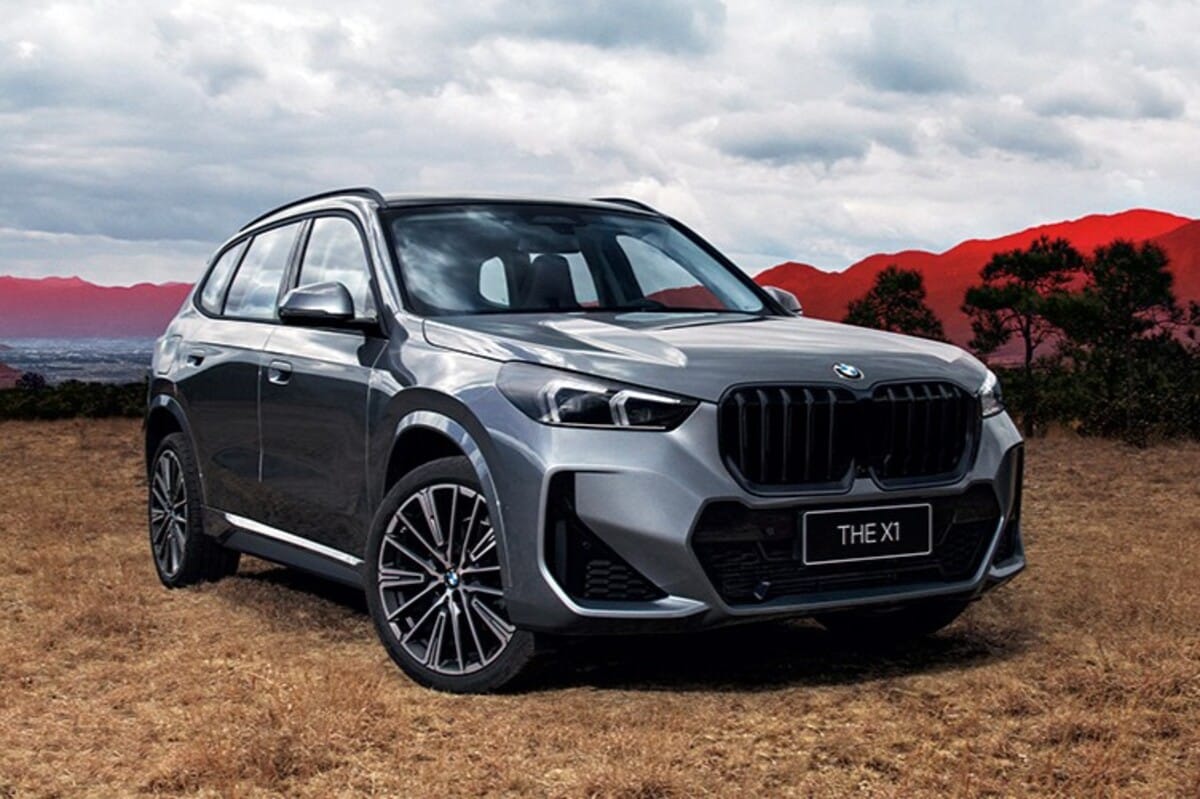
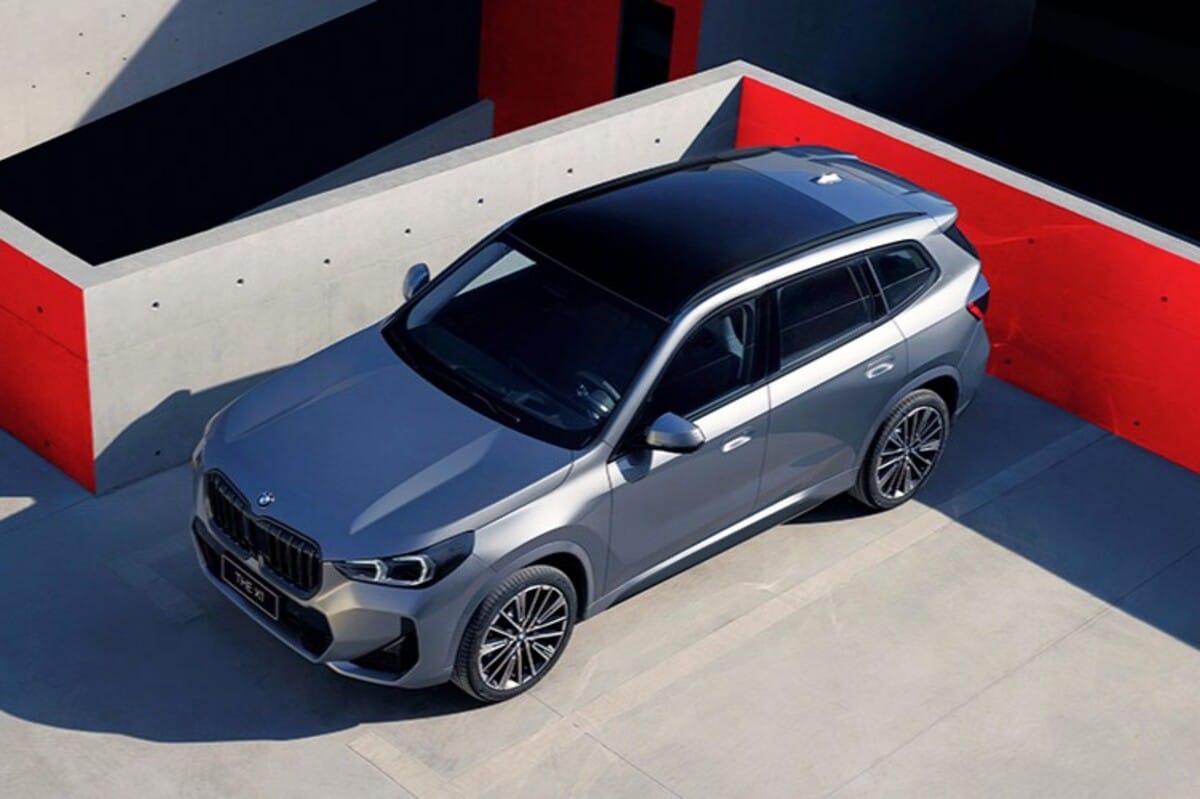
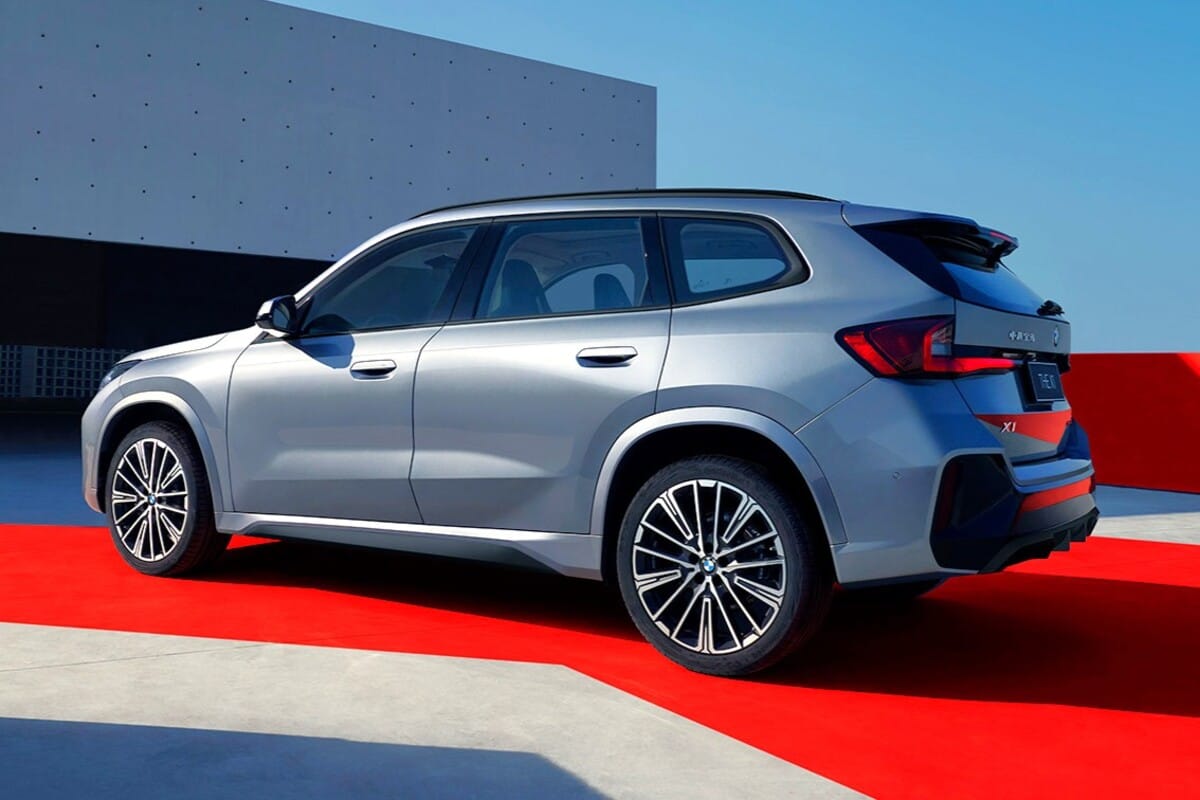
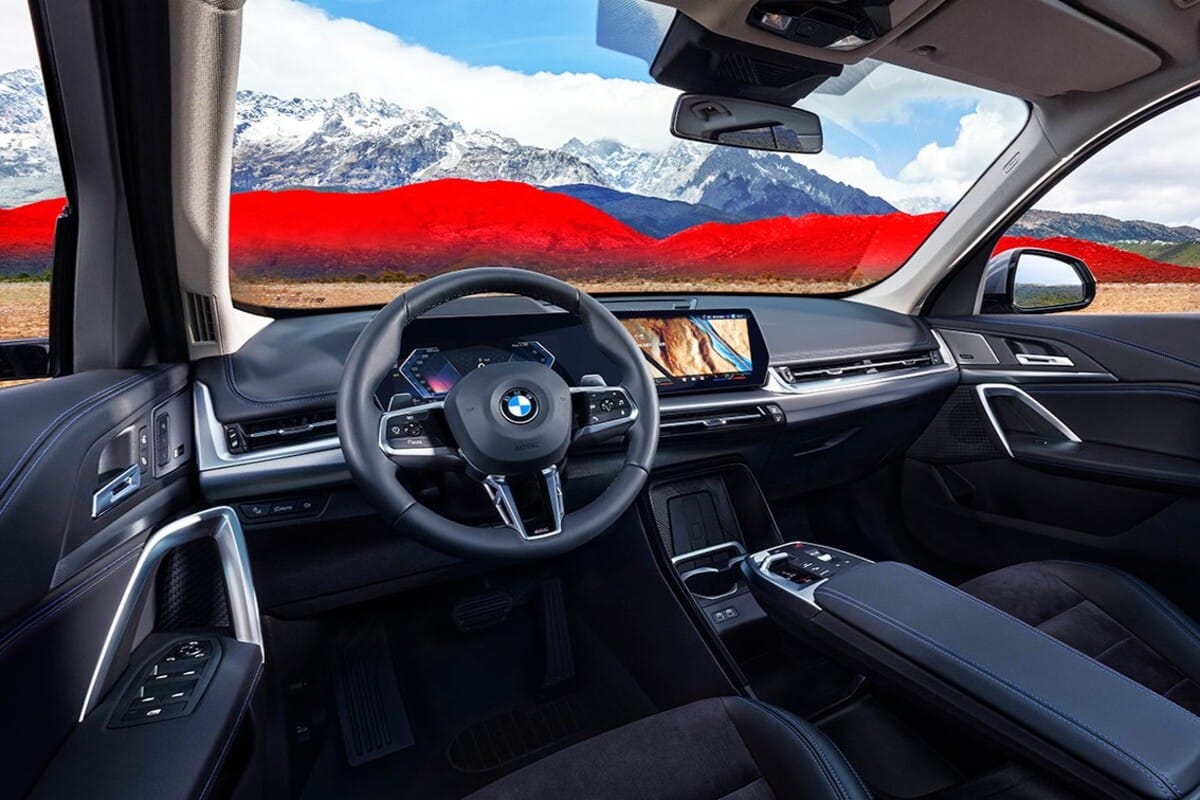
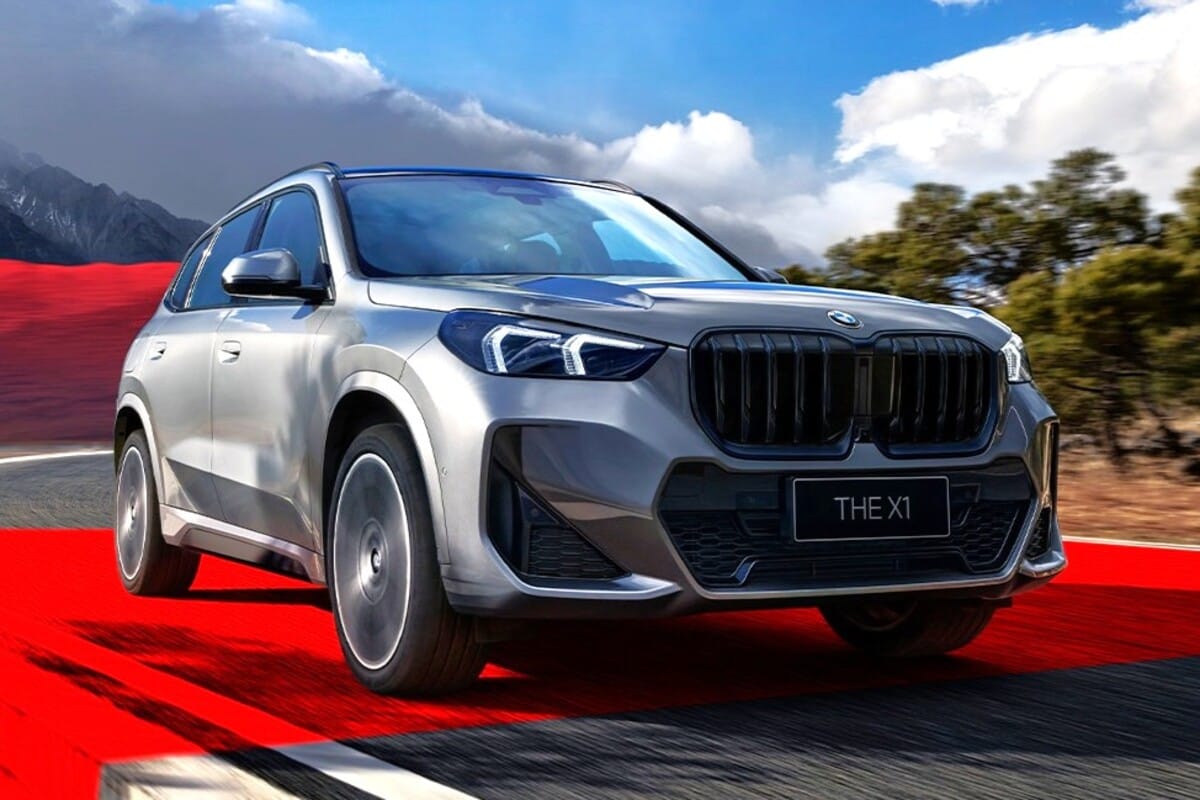
BMW will launch the X1 LWB in India on Friday, August 21. A stretched version of the standard X1 SUV and the ICE equivalent to the iX1 LWB – both of which are sold here too – the X1 LWB will serve as BMW’s most affordable combustion-powered long-wheelbase model for the Indian market. Like other long-wheelbase BMWs, the X1 LWB was originally conceived for the Chinese market, where the SUV has been on sale since 2023.
BMW X1 LWB exterior design
116mm longer than standard X1
Stretching the tape at 4,616mm long, 1,845mm wide, 1,641mm tall, and with a wheelbase of 2,802mm, the X1 LWB is 116mm longer (110mm increase in wheelbase) and 11mm taller than its SWB counterpart. There are otherwise no changes on the styling front compared to the standard X1, so the LWB continues to offer sleek LED headlamps and tail-lamps, large kidney grilles up front, and a relatively low-slung crossover-esque profile.
The China-spec X1 LWB gets 19-inch alloy wheels as standard (20-inchers optional), but these could be downsized for the India-spec version in the interest of ride quality – the standard X1 and iX1 LWB come with 18-inchers here.
BMW X1 LWB interior and features
Increased rear legroom, higher bench and wider headrest cushions
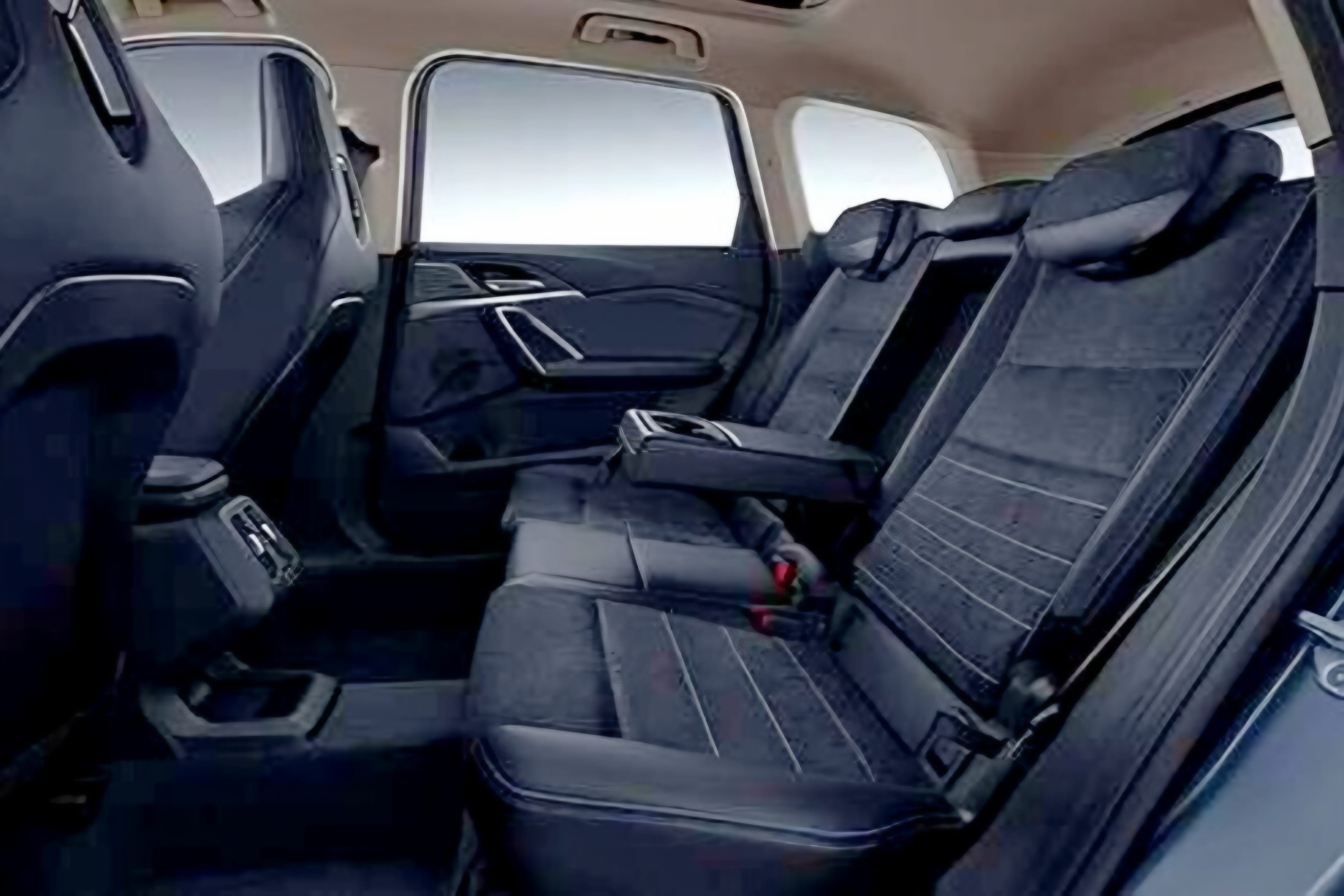
Expectedly, the interior layout of the X1 LWB is identical to that of its SWB counterpart, save for an upgraded experience for rear occupants – generous increase in legroom, 27mm bump in seat height and 37mm wider headrest cushions. At 540 litres, the X1 LWB’s boot is also larger than the standard X1’s 476-litre capacity.
The features list includes a 10.7-inch infotainment touchscreen, a 10.25-inch digital driver’s display, a wireless charging pad, powered front seats, automatic climate control, a powered tailgate, a digital key, a Harman Kardon sound system, connected car tech, auto park assist and more.
BMW X1 LWB engine and gearbox options
2.0-litre turbo-petrol mill and 7-speed DCT
In India, the standard X1 is sold in two variants, sDrive18i and sDrive18d, offering 1.5-litre 3-cyl turbo-petrol and 2.0-litre 4-cyl diesel engines, respectively. However, the China-spec X1 LWB gets neither of those engines. Instead, it’s sold in sDrive25Li FWD and xDrive25Li AWD guises, and powered by a 2.0-litre 4-cyl turbo-petrol motor that outputs 204hp and 300Nm – up 68hp and 70Nm over the sDrive18i – and is paired with a 7-speed dual-clutch automatic. 0-100kph comes up in 7.9 seconds for the FWD version and 7.7 seconds for the AWD X1 LWB. Top speed is rated at up to 229kph.
BMW X1 LWB price estimate and positioning
No direct rivals in the Indian luxury car market
Pricing for the standard X1 starts at Rs 50.9 lakh and tops off at Rs 52.9 lakh in India, so expect the X1 LWB to command a premium, especially if BMW offers it with the more powerful 2.0-litre turbo-petrol engine. The X1 LWB will sit in a unique spot of the market, as there are no long-wheelbase entry-level luxury SUVs to rival it at the moment.
Skoda Auto Volkswagen India and the JSW Group are in the final stages of discussions for a manufacturing joint venture, we have learned. The two companies are likely to sign a non-binding memorandum of understanding (MoU) within the next two months. The proposed venture is currently being discussed as a 51:49 joint venture, with the JSW Group expected to hold the majority stake.
Emails seeking comments were sent to Skoda Auto Volkswagen India and the JSW Group on Tuesday, but neither company responded till the time of publishing. Autocar Professional, our sister publication, understands senior global executives from Skoda Auto and Volkswagen are expected to visit India in the second fortnight of August. The proposed alliance with the JSW Group is expected to be among the key subjects on the agenda as the two sides work towards signing the non-binding MoU.
Equity infusion could fund EV development
The proposed partnership comes as Skoda Auto Volkswagen India prepares its next round of investments in electrification and localisation. The equity infusion from the JSW Group is expected to fund the development and localisation of electric vehicles and support future product programmes.
A large part of the investment is expected to go towards vehicles based on the India Main Platform (IMP), Volkswagen Group’s EV architecture for India. The IMP is derived from the China Main Platform (CMP), allowing the group to use an existing EV architecture and adapt it to Indian regulations, the local supplier base and localisation requirements.
The platform is expected to underpin multiple electric SUVs for the Skoda and Volkswagen brands over the next few years. Higher localisation will be key to bringing down costs and reducing dependence on imports. The scope of discussions goes beyond manufacturing. We understand that the sales and marketing operations across the group’s brands are also part of the talks. A few years ago, the sales organisations of Skoda, Volkswagen, Audi, Porsche and Lamborghini were integrated with the manufacturing business under Skoda Auto Volkswagen India. This has also brought the premium brands within the scope of the discussions.
JSW’s broader automotive strategy
For the JSW Group, the proposed venture is part of a broader effort to build an integrated automotive business across passenger vehicles, commercial vehicles, batteries, manufacturing and exports. Unlike JSW MG Motor India, the proposed Skoda Auto Volkswagen venture will have no Chinese participation, allowing the group to further de-risk its automotive business from China-linked partnerships. We understand the alliance will also help diversify JSW Group’s passenger vehicle operations while creating a Make in India manufacturing base serving both domestic and export markets by leveraging Volkswagen Group’s global production and distribution network. The proposed India-EU Free Trade Agreement is also expected to strengthen the business case for exports from India to Europe over the longer term, making exports an important part of the proposed alliance.
The partnership also fits into the group’s wider automotive plans. JSW already has its joint venture with MG, has set up JSW Motors as a separate passenger vehicle business for products outside the MG alliance, operates JSW Greentech for buses and commercial vehicles, and is investing in cell manufacturing and localisation. The group is looking to connect these businesses with its existing strengths in steel, paints and energy, creating greater vertical integration across its automotive operations.
Localisation of some models being studied
We understand the alliance will also look to leverage manufacturing assets across the JSW Group wherever feasible. This includes the JSW Motors facility at Sambhaji Nagar, formerly Aurangabad, where higher localisation of products such as the Skoda Kodiaq and select Audi models is being evaluated. The aim is to improve localisation levels while making better use of the group’s existing manufacturing footprint.
The alliance is also evaluating the localisation of the next-generation Kodiaq platform. If approved, it could underpin a locally manufactured three-row SUV positioned in the Mahindra XUV 7XO segment. Localising the platform would allow Skoda Auto Volkswagen to compete in one of the country’s largest SUV segments with significantly higher local content.
Following the signing of the non-binding MoU, the two sides are expected to finalise the equity structure, including the shareholding pattern, before moving towards definitive agreements and the required approvals. The discussions are currently centred on a 51:49 joint venture, with the JSW Group expected to hold the majority stake.
BYD, the world’s largest electric vehicle maker, is in the final stages of bringing its luxury brand Denza to India, with the D9 executive MPV likely to lead the rollout, we have learned. The Chinese carmaker is targeting its first launch around Diwali 2026. However, the launch could move to the Bharat Mobility Global Expo in February 2027 if there is a delay.
It is studying a portfolio of two to three Denza models for India, largely positioned in the Rs 80 lakh-Rs 1 crore price bracket within the first year itself. If the D9 arrives around Diwali, BYD is likely to use the mobility show for a broader showcase of the Denza brand and its proposed India portfolio.
D9 to lead India rollout
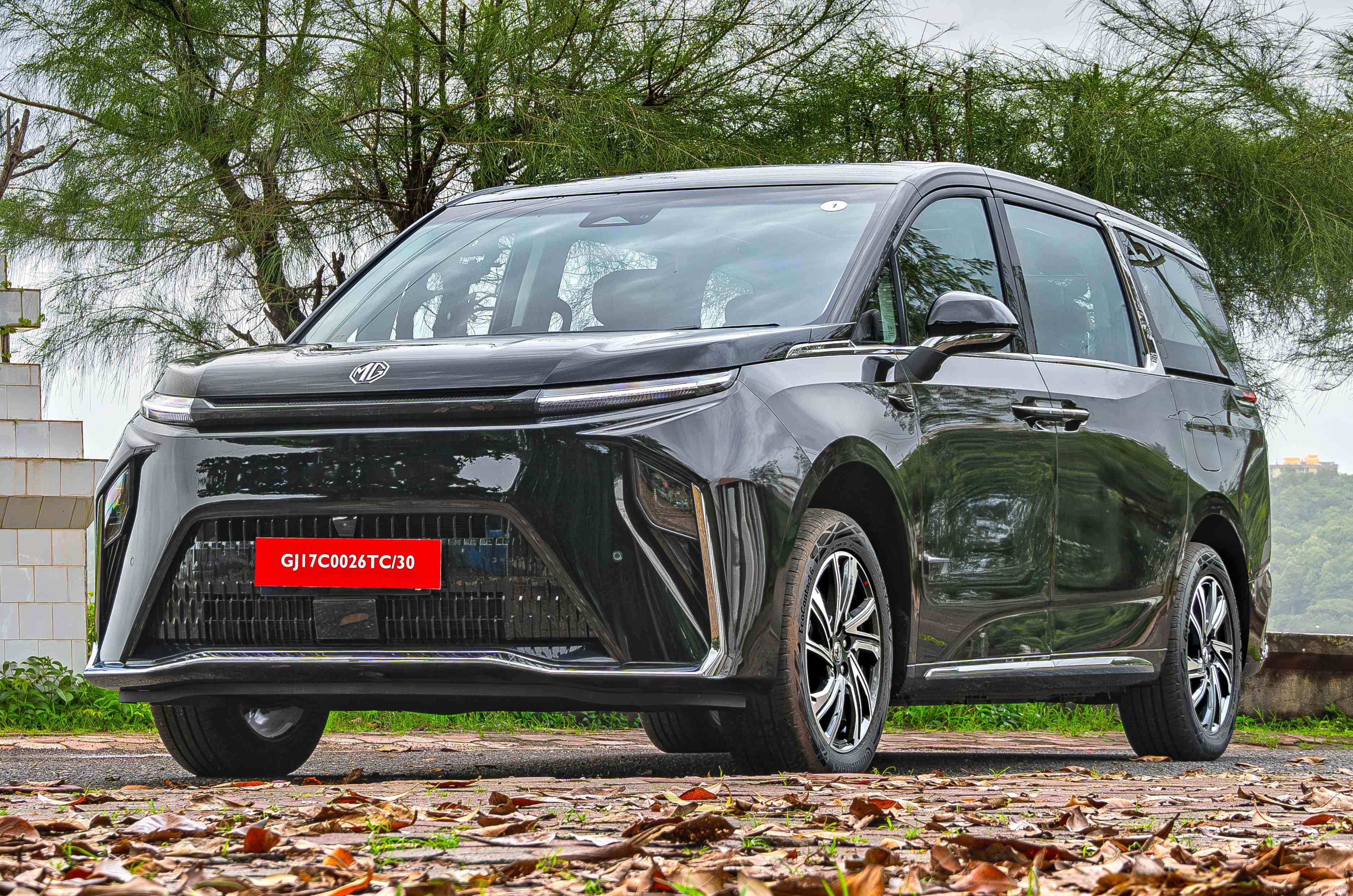
The D9 will compete directly with the electric MG M9 and occupy the space below the Toyota Vellfire and Lexus LM. The Toyota Vellfire is priced between Rs 1.20 crore and Rs 1.30 crore, while the Lexus LM ranges from Rs 2.15 crore to Rs 2.69 crore. This leaves room for BYD to position the D9 as an executive electric MPV in the Rs 80 lakh-Rs 1 crore bracket.
International-spec BYD Denza D9 electric MPV shown for representative purposes only.
The D9 is available globally with electric and plug-in hybrid powertrains. BYD is likely to give priority to the electric version in India. Plug-in hybrids face a significant tax disadvantage over pure electric vehicles, which are subject to 5 percent GST, making the PHEV harder to price competitively. The plug-in hybrid version could be considered at a later stage.
D9 could be sold via dedicated Denza outlets
Initially, the Denza models are expected to be imported as completely built units (CBUs). This will allow BYD to enter the market quickly and assess demand before taking a call on its longer-term India plans. BYD may also set up dedicated Denza outlets rather than sell the models through its existing retail network. This would separate Denza from BYD’s current line-up, which comprises the Atto 3, Seal, Sealion 7 and eMax 7.
MG M9 electric MPV.
The D9 will arrive at a time when the executive MPV segment is seeing fresh activity. The MG M9 has brought an electric alternative to the segment, while the Vellfire and Lexus LM operate at significantly higher price points. BYD is likely to position the D9 above the MG M9 but below the two Toyota group models, targeting buyers seeking a chauffeur-driven alternative to a luxury SUV.
Denza will take BYD into a price bracket dominated by established luxury brands. The challenge will not be limited to the product. BYD will also have to convince buyers that its retail and after-sales experience can meet expectations in the Rs 80 lakh-Rs 1 crore segment.
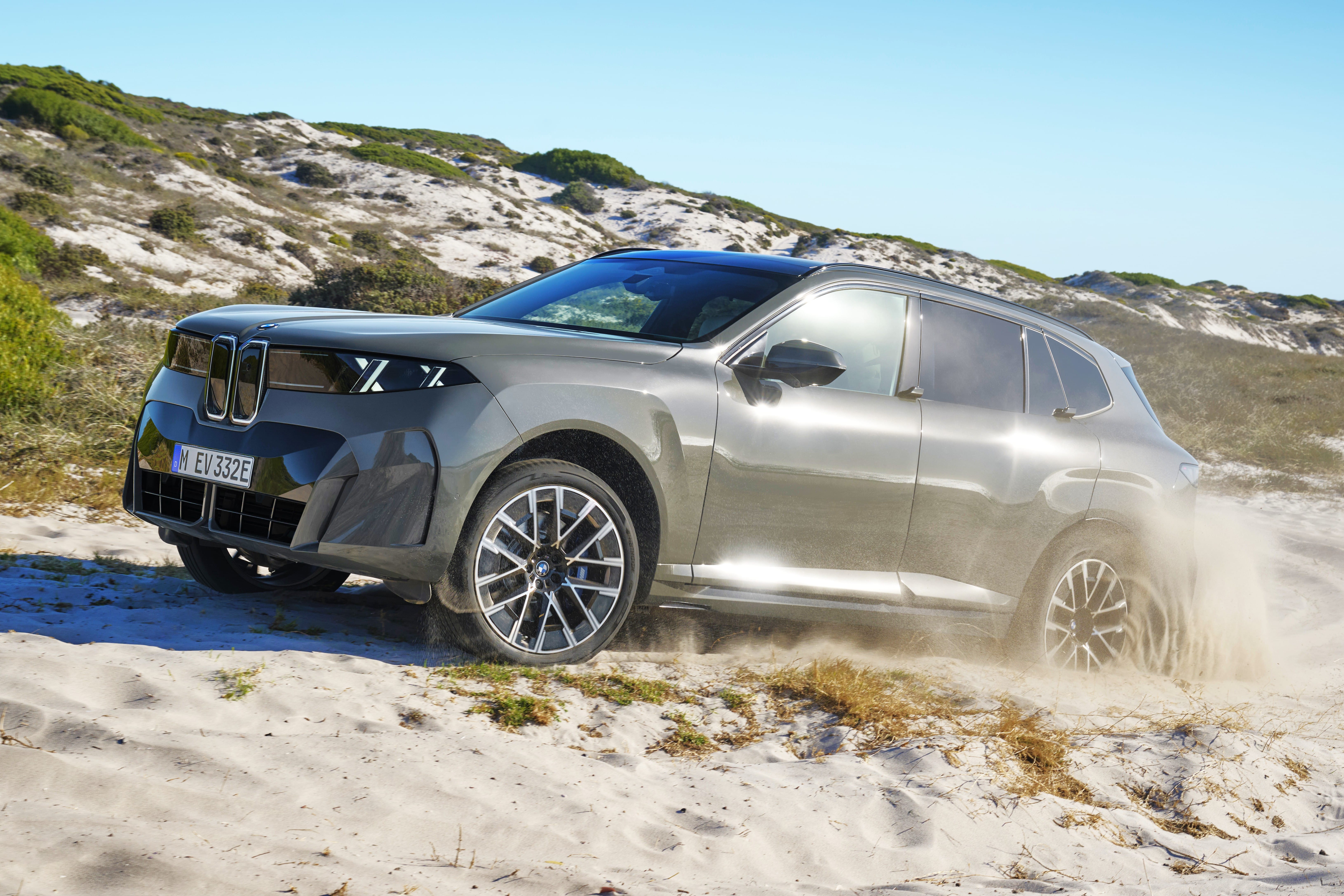
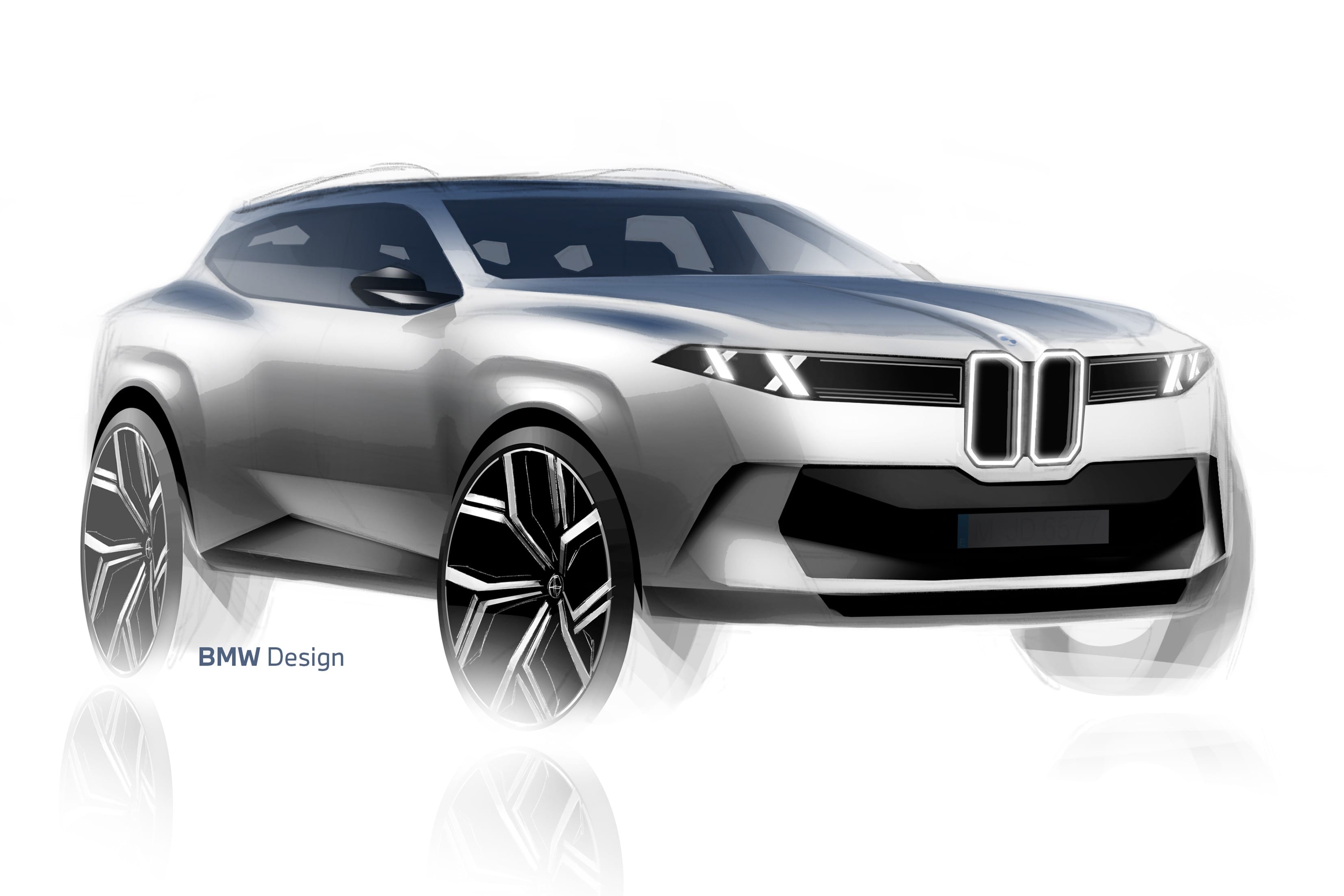
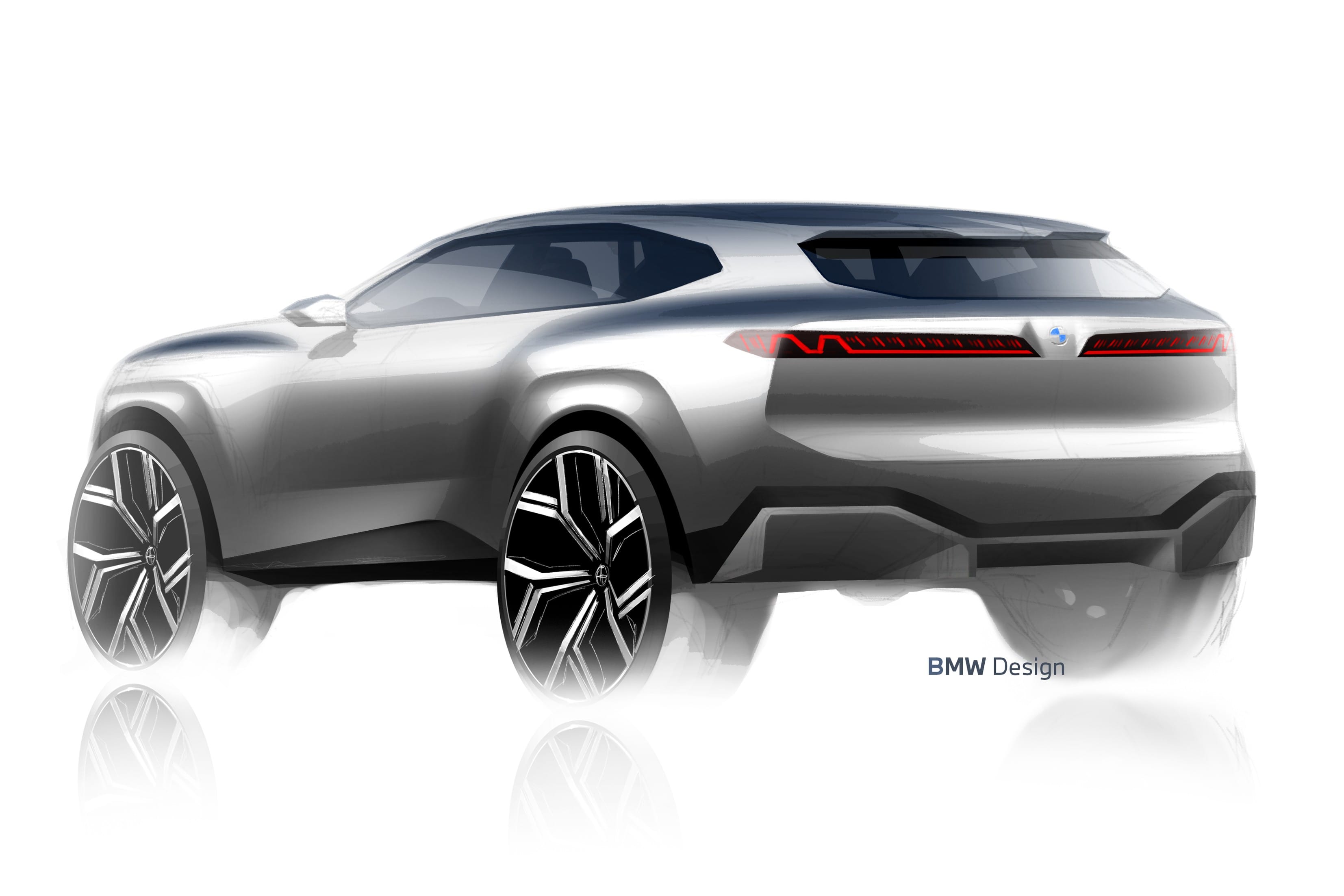
BMW’s luxury off-roader project, codenamed G74, has reportedly failed to receive final internal approval and is on hold due to changing global market conditions. The rugged luxury SUV was purported to be BMW’s rival to the Mercedes-Benz G-Class and Land Rover Defender, but it’s now uncertain whether it will ever reach production.
Market pressures prompt BMW to re-evaluate product portfolio
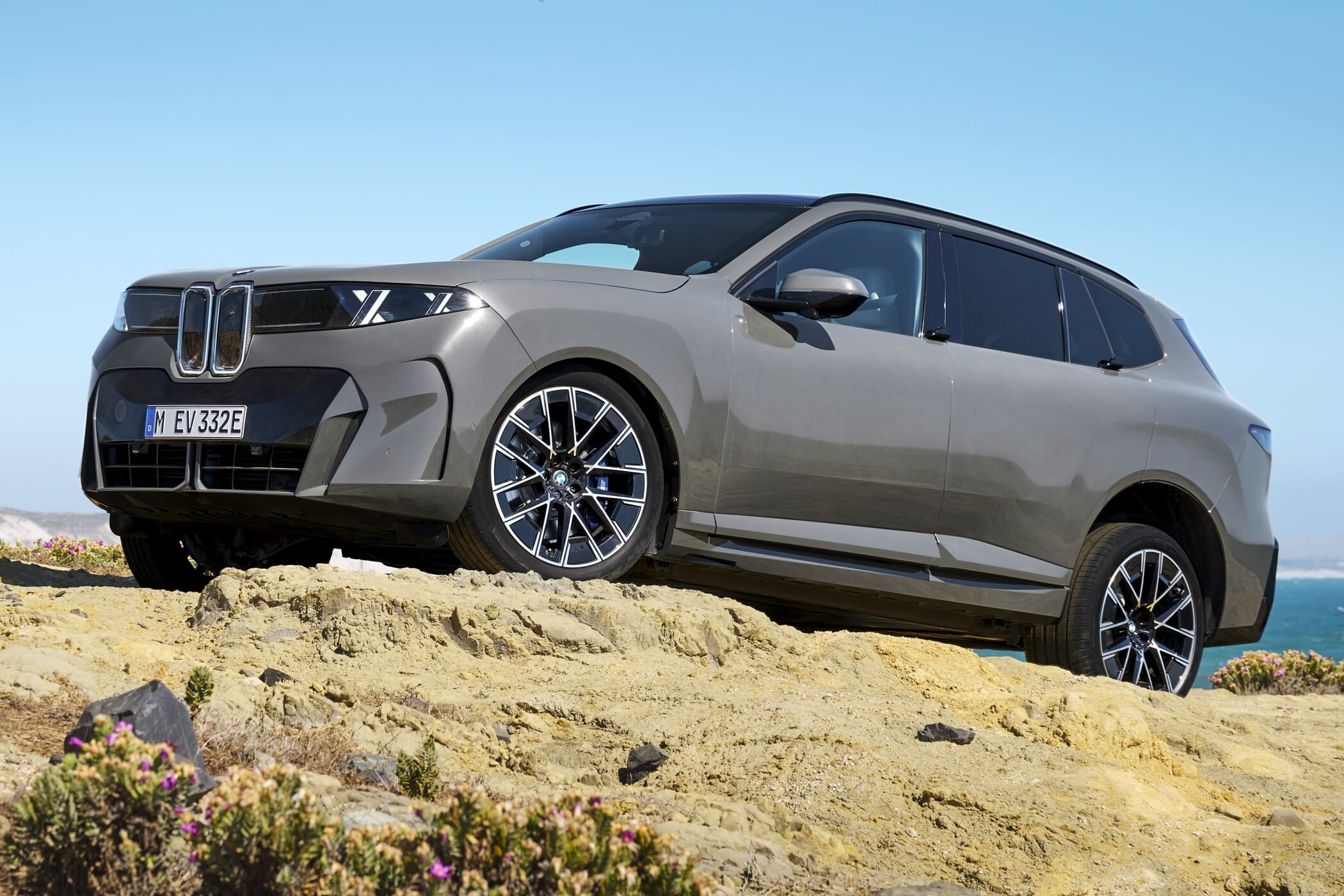
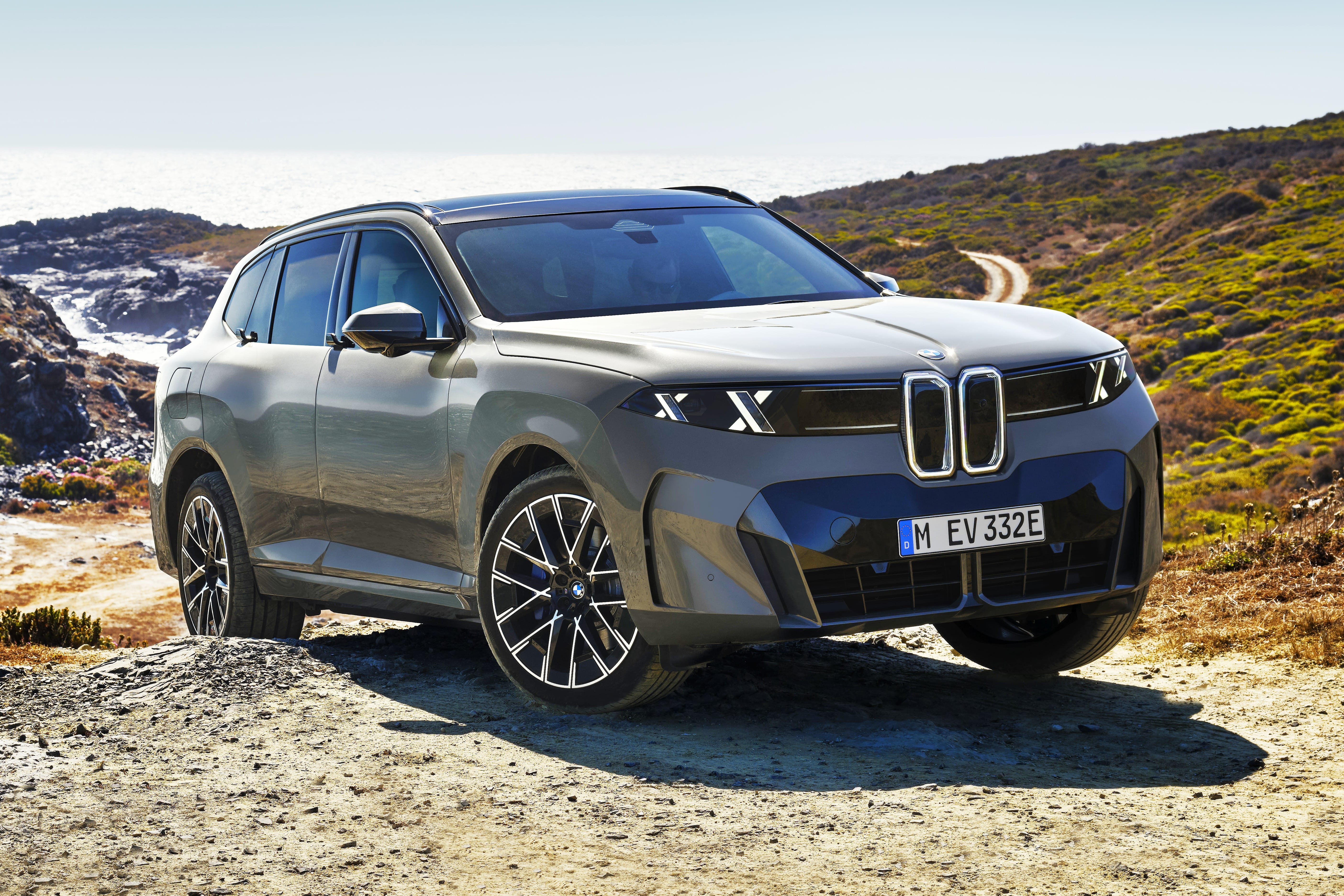
Fifth-gen BMW X5. Image used for representation only.
According to recent media reports, one of the reasons behind the G74 project’s halt is concern over the size of the luxury off-roader segment relative to the investment required to develop a dedicated model. BMW is also adopting a more disciplined approach to its model portfolio in light of increasing competition in markets like China, as well as tariffs, trade barriers, currency fluctuations, tightening emissions regulations in Europe, and broader geopolitical uncertainty.
Speaking after the company’s second-quarter financial results, CEO Milan Nedeljković said BMW is re-evaluating which technologies, model variants, and powertrains it will need in the coming years instead of assuming existing development programmes remain viable. “In all these areas, we are taking significant steps and increasing the pace. For example, we are once again reviewing which technologies, model variants and drivetrains we will need in the future. In addition, we are looking at where new partnerships could make economic and technological sense,” he noted.
Fifth-gen BMW X5. Image used for representation only.
Nedeljković highlighted the rapid deterioration of market conditions in China as a key concern for the portfolio review. He said Chinese manufacturers are increasingly expanding into Europe, Latin America, and other global markets, creating additional competitive pressure. Although Nedeljković did not mention the G74 directly, insiders claim the off-road SUV has already become one of the first casualties of BMW’s ongoing product review.
The G74 was reportedly targeting a 2029 launch, and sources say BMW can still approve or cancel projects up to around 18 months before production begins. BMW has not officially confirmed the cancellation of the G74 yet, and since the project is currently on hold rather than permanently scrapped, there remains scope for it to return if market conditions improve.
Everything we know about the BMW G74 off-road SUV
Fifth-gen BMW X5 design document. Image used for representation only.
While BMW never officially confirmed the existence of the G74 project, reports over the past few years suggested the carmaker was developing a purpose-built off-road SUV to rival the G-Class and Defender. In reference to the luxury off-roader segment, a senior BMW manager told Autocar UK in 2025: “We’re aware of the market potential [of such a vehicle]. It’s more than just discussions. We have been planning this for a while. It will definitely need an internal combustion engine.” Earlier this year, BMW M boss Frank van Meel even added to the speculation by stating he ‘wouldn’t say no’ to an off-road SUV fettled by the performance division.
The G74 project was expected to be underpinned by a heavily-modified derivative of the existing CLAR platform, which also underpins the fifth-gen BMW X5. This would have allowed the G74 to be offered with multiple powertrain options, including plug-in hybrid and fully electric, and the SUV’s production was ostensibly planned for BMW’s Spartanburg plant in South Carolina.
Fifth-gen BMW X5 design document. Image used for representation only.
Reports suggest the BMW G74 was designed with a 7-seat layout in mind, while the exterior featured a rugged iteration of the Neue Klasse design language and a bootlid-mounted spare wheel. The SUV was even mooted to be christened the X8, and serve as a spiritual successor to the BMW XM, which is expected to be discontinued in 2028.
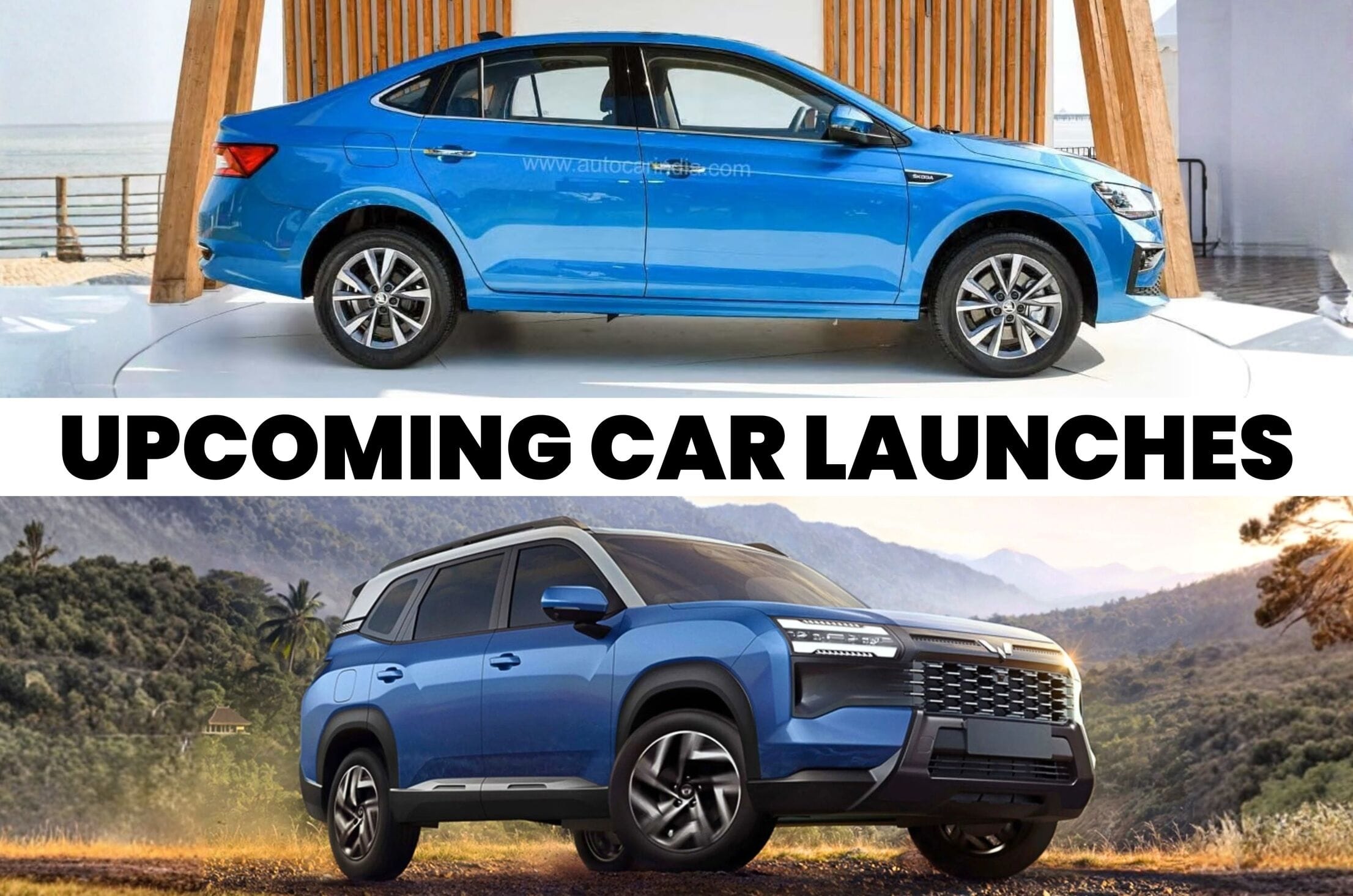
July was a stacked month for car launches in India. It was during these 31 days that we got models such as the Maruti Suzuki Brezza facelift, ninth-gen Toyota Hilux, Nissan Tekton and Honda ZR-V. It appears that August 2026 is set to be a fairly busy month for new car launches in India, too. Here are some cars that we know will be introduced next month, and some that could.
Mahindra Scorpio N facelift
Debut date: August 15, 2026
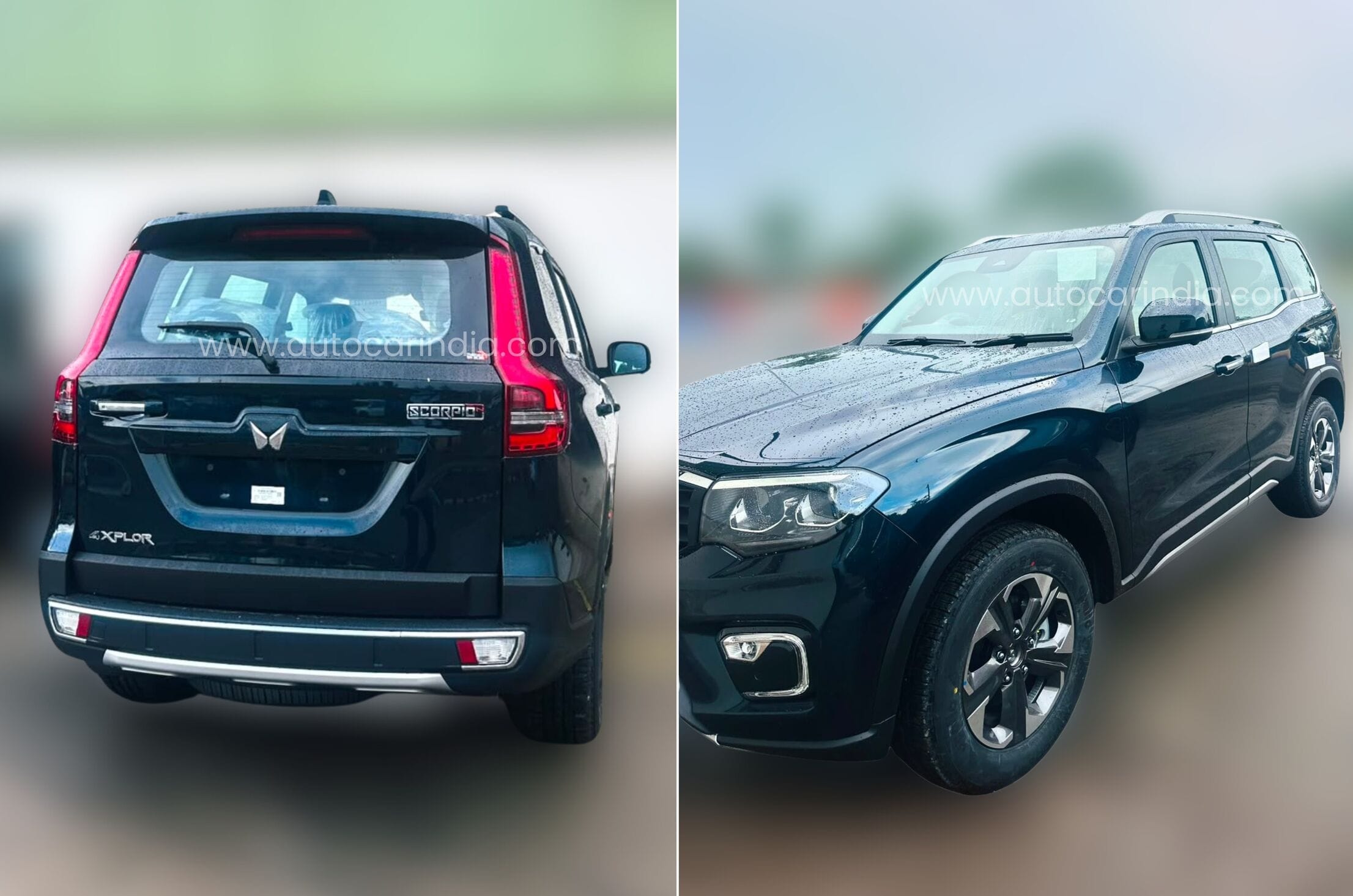
One of the cars that Mahindra could debut this Independence Day is the Scorpio N facelift. It’ll be mechanically unchanged over the outgoing model, but the exterior will now feature new two-tone alloy wheels. Unlike the exterior, there are more updates to the interior of the Scorpio N facelift.
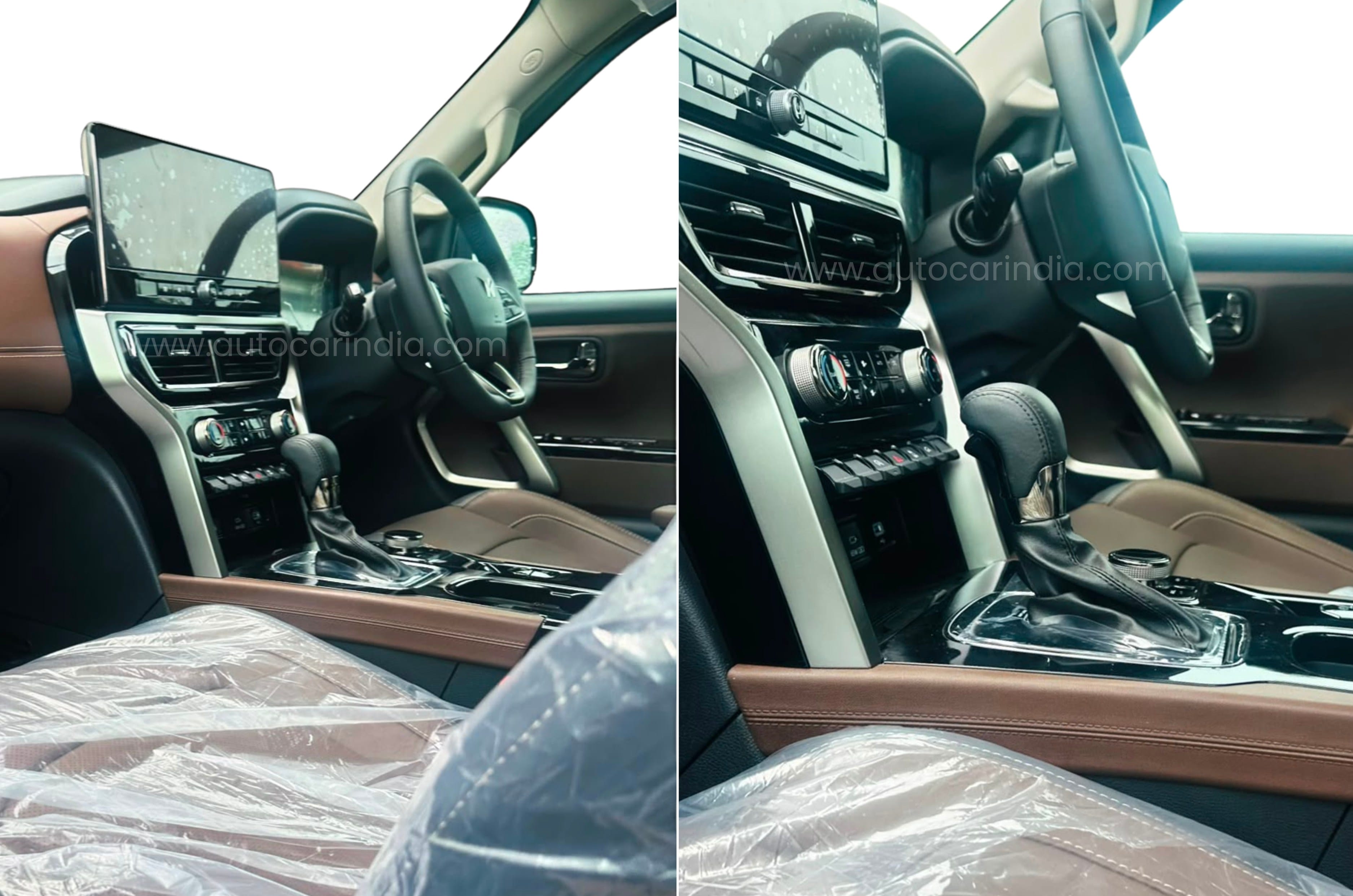
Recently leaked images show a revised centre console with repositioned AC vents and a new tablet-style infotainment touchscreen mounted above. There’s also a new digital driver’s display visible in these spy shots. These screens look similar to the 10.25-inch units found on the Thar Roxx. These updates could push up the price of the Mahindra Scorpio N facelift, with the pre-facelift model currently priced from Rs 13.49 lakh to Rs 24.95 lakh.
Updated Mahindra BE 6
Debut date: August 15, 2026
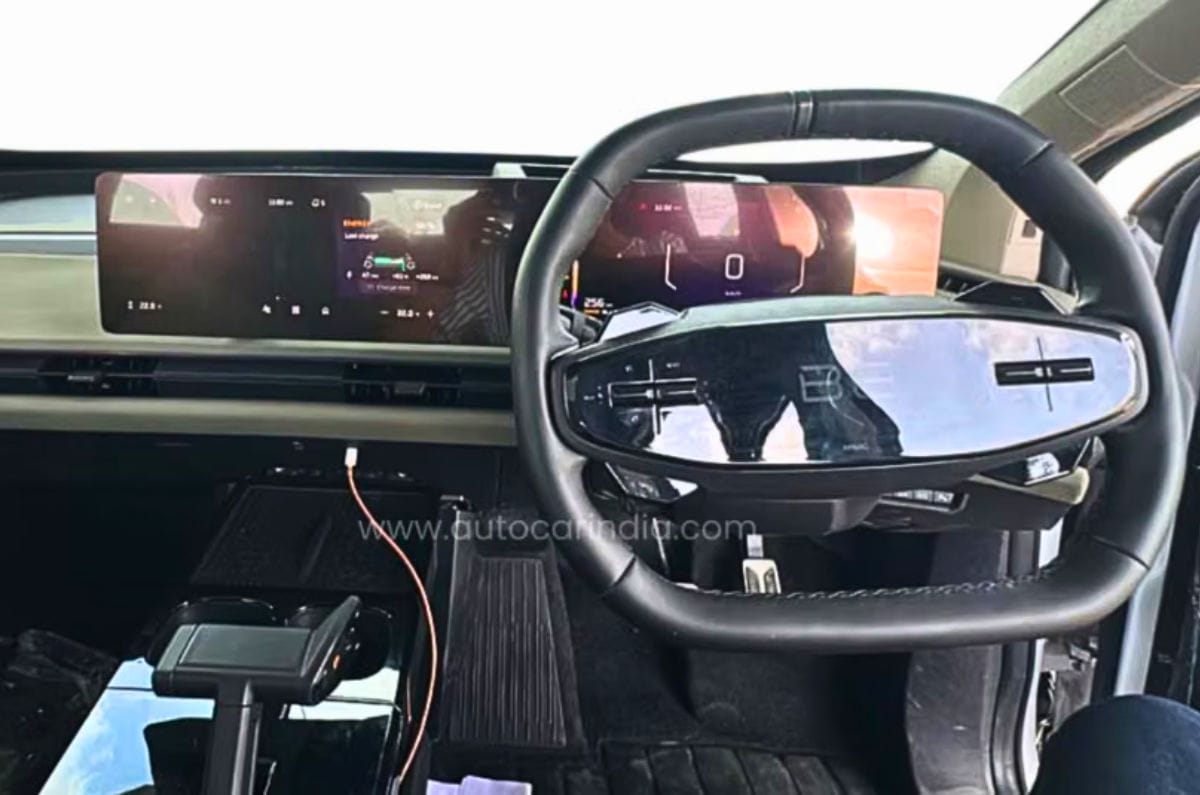
Another Mahindra car that could be introduced on August 15 is the updated BE 6. While the midsize EV is still relatively new in the market (launched in November 2024), Mahindra is expected to spec it up with a triple-screen setup as seen in the brand’s other models such as the XEV 9e, XEV 9S and also the combustion-powered XUV 7XO.
Another big change on the inside is the deletion of the distinctive halo design effect that separates the driver and front passenger in the outgoing model, as shown in this spy shot. Mahindra is also set to offer a new black-and-tan colour upholstery with the updated BE 6. The rest of the updated Mahindra BE 6 is unlikely to see major updates, though prices are likely to be revised upward. For reference, the EV is currently priced between Rs 18.90 lakh to Rs 26.90 lakh.
Near-production Mahindra Vision S
Debut date: August 15, 2026
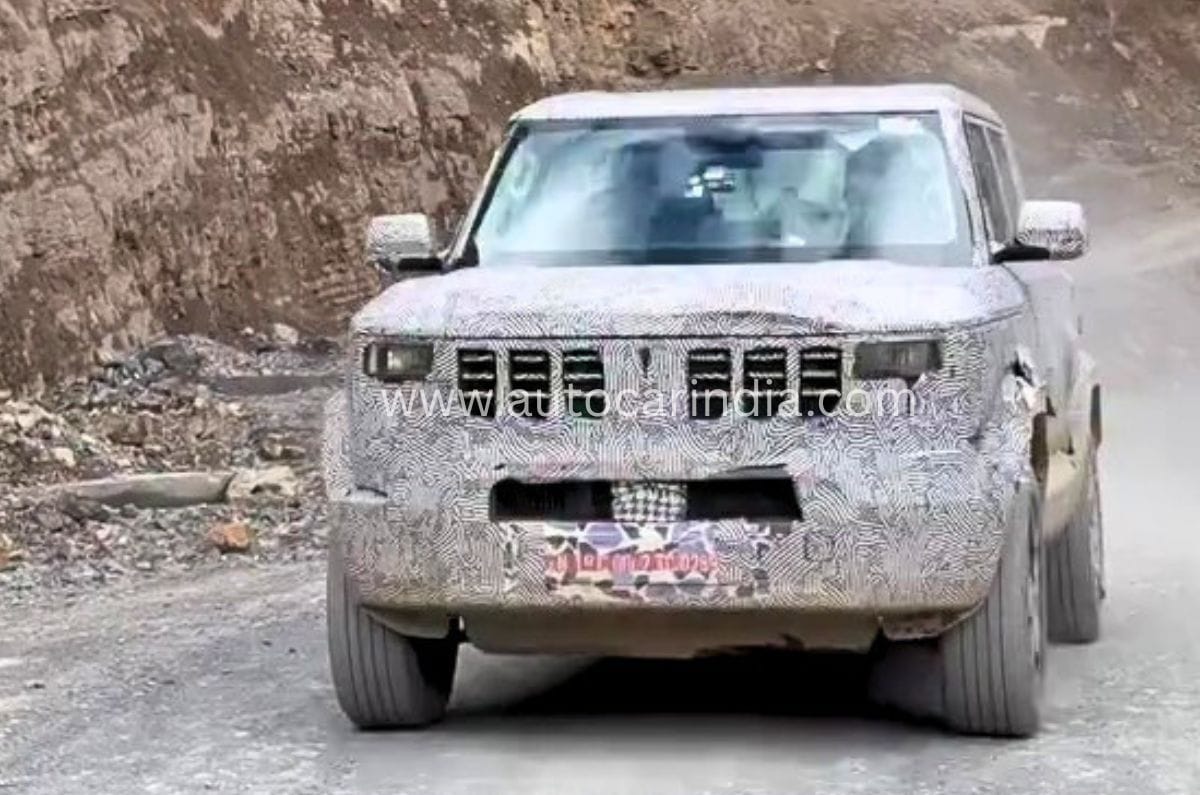
Mahindra has been busy testing the Vision S prototype for a while now, and a public debut of its near-production version is expected this Independence Day. Note that the production-spec model is still sometime away from being launched, which is expected to happen in 2027. While the actual name of this new compact SUV remains under wraps, it’ll be slotted above the XUV 3XO in Mahindra’s line-up. The Vision S concept was underpinned by the Nu_IQ platform, meaning compatibility compatible with petrol, diesel, hybrid and fully electric powertrains.
Skoda Slavia facelift
Debut date: August 18, 2026
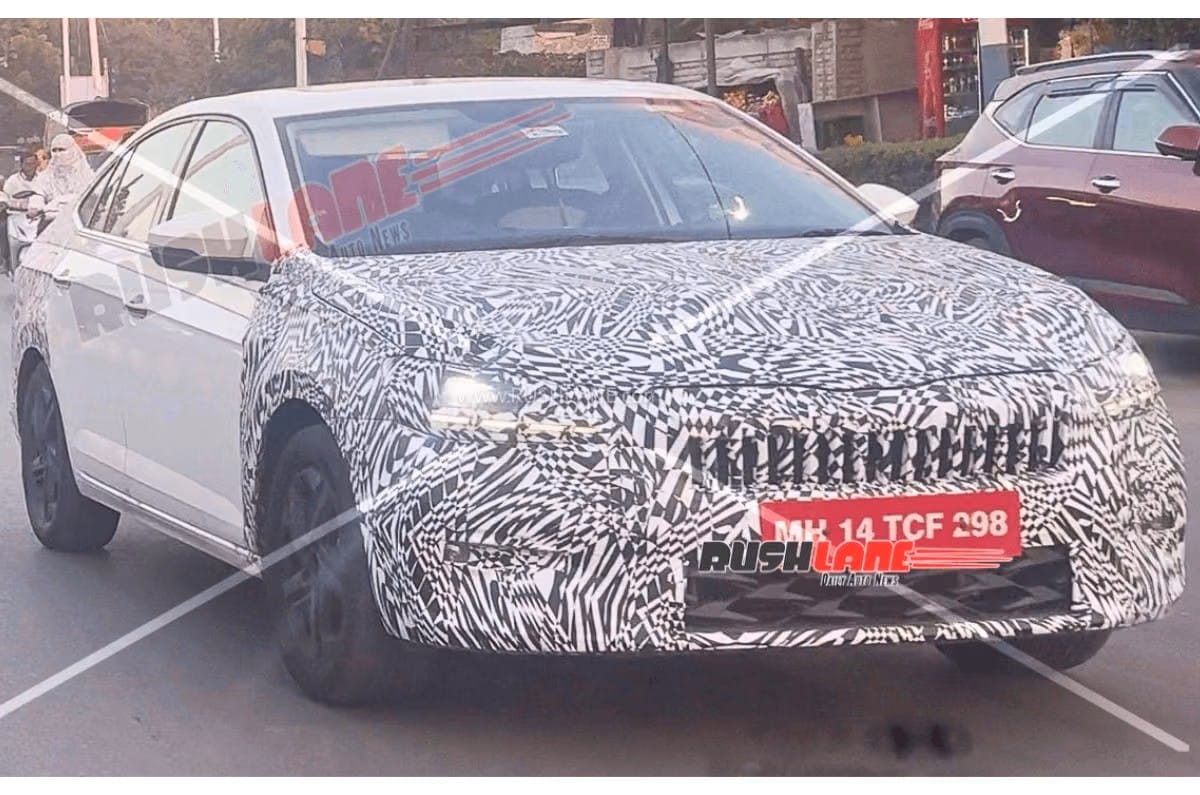
The Skoda Slavia was first launched in February 2022. Four-and-a-half years on, the Czech brand will be introducing the Slavia facelift come August 18, 2026. Changes on the outside of this updated midsize sedan include a new front grille with integrated LED elements and revised front and rear lights. The Slavia facelift is also expected to get mildly redesigned bumpers, a new design for the alloy wheels and front parking sensors.
The Skoda Slavia facelift could feature new cabin upholstery, and perhaps even the massage function for the rear seats as seen in the Kushaq facelift. This update could also bring a larger 10.25-inch digital driver’s display. While the 1.0-litre TSI and 1.5-litre TSI engines are to be carried over, the former is expected to be offered with a new 8-speed torque-converter automatic gearbox. All of these updates could raise prices, which currently range from Rs 10.00 lakh to Rs 18.19 lakh.
New MG EV, PHEV
Debut date: August 2026 (date unknown)
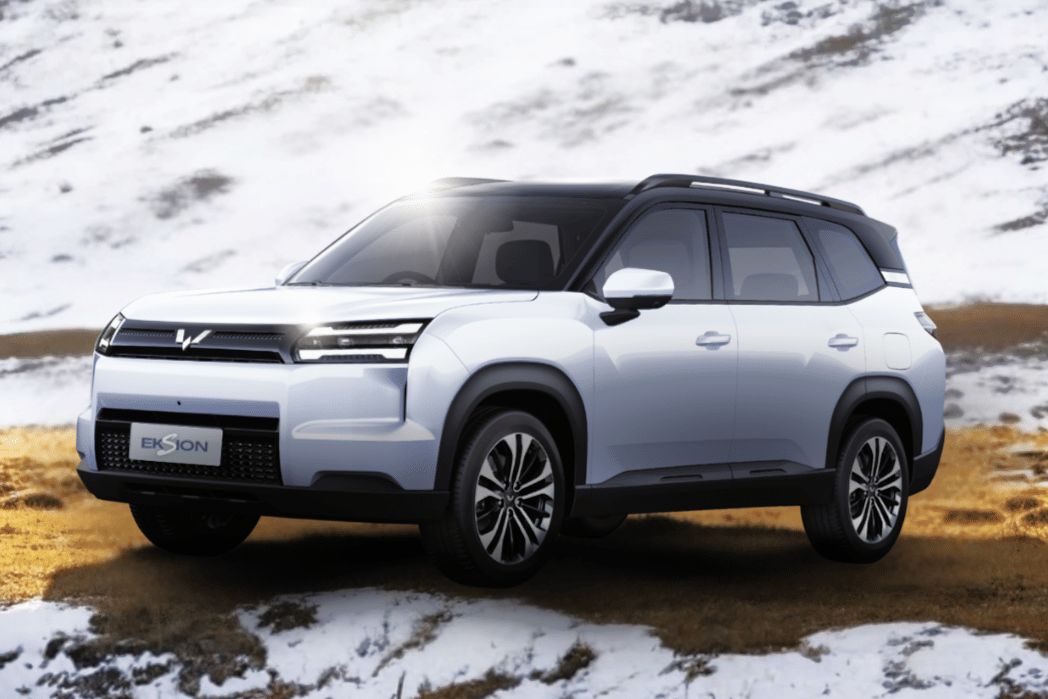
Based on the Chinese-market Wuling Eksion SUV, JSW MG is set to debut its India-spec all-electric and PHEV (plug-in hybrid vehicle) versions this August. The upcoming JSW MG SUV will be underpinned by the brand’s ADAPT (Advanced Drive Architecture Platform Technology) platform. The new Eksion-based electric SUV will rival the likes of the Mahindra XEV 9S, while the plug-in hybrid version is to take on the diesel-automatic variants of the Mahindra XUV 7XO and Tata Safari.
Wuling Eksion EV shown for representation purposes only.
The fully electric model will feature a 69kWh battery pack and a single, front-mounted electric motor generating 201hp and 310Nm. The upcoming EV’s official claimed range is around 600km. As for the new plug-in hybrid SUV, it combines a 1.5-litre Atkinson-cycle petrol engine, an electric motor and a 20.5kWh LFP battery pack. The latter produces up to 195hp and 230Nm, whilst the petrol engine makes 105hp and 130Nm of its own. For the Eksion PHEV version, Wuling claims an all-electric range of 125km and a combined range north of 1,000km.