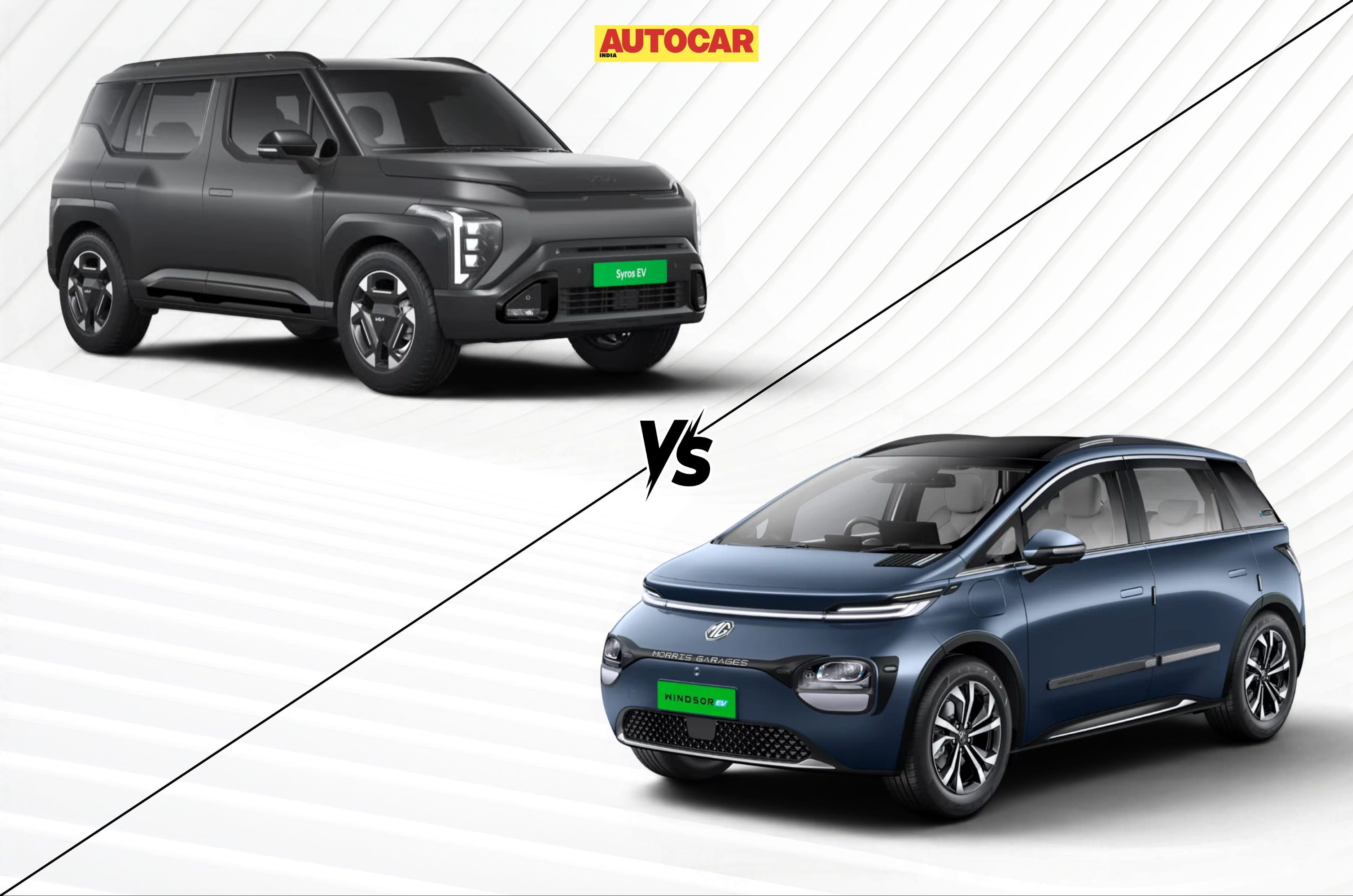
Kia Syros EV vs MG Windsor EV top-spec: Specs, features and price compared

Kia Syros EV vs MG Windsor EV comparison

Basically a badge-engineered version of the Chinese Wuling Cloud EV, the MG Windsor is a midsize EV that sits between the brand’s Comet and ZS EV models. On the other hand, the Kia Syros EV is the Korean automaker’s most affordable electric car in India and is based on the Hyundai Motor Group’s K1 platform. Compared to the Windsor, the Syros EV is a compact (sub-4-metre) model. However, not only are the top-spec variants of these cars priced really close to each other, their battery sizes are quite comparable too.

Explore full specs, features and a price breakdown in our Syros EV and Windsor EV comparison.

Kia Syros EV X-Line ER vs MG Windsor EV Essence Pro: Dimensions

The Windsor EV undeniably has the size advantage over the smaller Syros EV

Kia Syros EV X-Line ER vs MG Windsor EV Essence Pro dimensions


Kia Syros EV

MG Windsor EV

Length (mm)

3,995

4,295

Width (mm)

1,805

1,850

Height (mm)

1,670

1,677

Wheelbase (mm)

2,550

2,700

Boot space (litres)

390

579

Frunk (litres)

16

Wheel size (inches)

17

18

The Windsor EV is 300mm longer and 45mm wider than the Syros EV – the MG offers 150mm more wheelbase than the Kia, too. While there isn’t much between them in terms of height, the Windsor EV’s boot is 189 litres larger than that of the Syros EV. The latter’s wheels are also an inch smaller. Interestingly though, the Kia EV offers a 16-litre frunk (front trunk) – the MG has no frunk at all.

Kia Syros EV X-Line ER vs MG Windsor EV Essence Pro: Powertrain

The top-spec Syros EV offers more range and a punchier electric motor setup 

Kia Syros EV X-Line ER vs MG Windsor EV Essence Pro powertrain options


Kia Syros EV

MG Windsor EV

Battery size (kWh)

51.4

52.9

Electric motor setup

Single, front (FWD)

Single, front (FWD)

Power (hp)

171

136

Torque (Nm)

255

200

Claimed 0-100kph

8.1 seconds

Claimed range (km)

526

449

AC charging

7.25 hrs at 7.4kW (10-100%)

9.5 hrs at 7.4kW (10-100%)

DC fast charging

39 mins at 100kW (10-80%)

50 mins at 60kW (20-80%)

The X-Line ER (Extended Range) variant of the Kia Syros EV gets a 51.4kWh lithium-ion battery pack, which is just 1.5kWh smaller than the unit powering the top-spec MG Windsor. Despite this capacity disadvantage, the Syros EV’s claimed range is actually higher, by 77km higher.

Compared to the top-spec MG Windsor’s 60kW DC fast-charging capability, the Syros EV’s DC fast-charging limit is 40kW higher. Unlike MG, Kia’s claimed DC fast-charging time accounts for a SoC (state of charge) of 10-80 percent and not 20-80 percent. Taking all this into account, the Syros EV can be unplugged from a DC fast charger 11 minutes sooner, which would benefit regular long-distance users.

While neither automaker has listed the kerb weight of their cars, the smaller Syros EV is likely to be lighter than the Windsor EV. The former’s front-mounted electric motor also offers 35hp and 55Nm more. These two factors combine to give the Syros EV a claimed naught to 100kph sprint time of 8.1 seconds.

Kia Syros EV X-Line ER vs MG Windsor EV Essence Pro: Exterior features

The Windsor gets a couple more useful features here; the Syros has some ‘feel-good’ ones

Kia Syros EV X-Line ER vs MG Windsor EV Essence Pro exterior features


Kia Syros EV

MG Windsor EV

LED headlamps

Yes (auto)

Yes (auto projectors)

Connected light bar

No

Yes

Front fog lamps

Yes

No

Rear fog lamps

No

Yes

Cornering lights

No

Yes

Welcome lights

Yes

No

Puddle lamps

Yes

No

Powered ORVMs

Yes (with auto-fold function)

Yes (with auto-fold function)

Flush door handles

Yes

Yes

Body cladding

Yes

No

Roof rails

Yes

Yes

Rear spoiler

Yes

Yes

Powered tailgate

No

Yes

Colours

Mono-tone

Mono-tone

Both these cars are reasonably well-equipped in their respective top-spec variants. However, there are some distinct differences between the features that are offered in each. The Syros EV comes with front fog lamps plus fancier ‘welcome’ lighting functions as well as puddle lamps that project the ‘Kia’ logo – these make for a more premium experience when approaching the car. The Syros EV also goes for a rugged look, featuring black plastic cladding on the wheel arches and bumpers.

Compared to the Syros EV’s stylish multi-reflector LED headlamps, the Windsor EV uses projector LED units. While it doesn’t get front fog lamps, the MG features cornering lamps that can prove useful when driving in the dark. At the back, the top-spec Windsor EV gains a powered tailgate – another handy feature especially when your hands are occupied.

Kia Syros EV X-Line ER vs MG Windsor EV Essence Pro: Interior features

If you like a minimalistic interior that’s also feature-packed, the MG Windsor won’t disappoint

Kia Syros EV X-Line ER vs MG Windsor EV Essence Pro interior features


Kia Syros EV

MG Windsor EV

Infotainment screen

12.3-inch

15.6-inch

Digital driver’s display

12.3-inch

8.8-inch

HVAC screen

5.0-inch

No

Panoramic sunroof

Yes

Yes (fixed)

Wireless charger

Yes

Yes

Driver’s seat adjustment

4-way powered

6-way powered

Co-driver’s seat adjustment

4-way manual

4-way manual

Ventilated seats

Yes (front & rear)

Yes (front only)

Leatherette upholstery

Yes

Yes

Split rear seats

Yes

Yes

Automatic climate control

Yes (single-zone)

Yes (single-zone)

Ambient lighting

Yes (64 colours)

Yes (256 colours)

Audio system

8-speaker Harman Kardon

9-speaker Infinity

Apple CarPlay & Android Auto

Yes (wireless)

Yes (wireless)

USB Type-C ports

Yes (5 ports)

Yes (5 ports)

Connected car tech

Yes

Yes

Voice assistant

Yes

Yes

OTA updates

Yes

Yes

Gaming

No

Yes

Rear sunblinds

Yes

No

Rear armrest

Yes (with cupholders)

Yes (with cupholders)

Both cars come with wireless charging, leatherette seats, connected-car tech, and multiple USB ports for added convenience. However, in its top-spec X-Line ER avatar, the Kia Syros EV offers a third screen specifically to control the HVAC (heating, ventilation and air-conditioning) system. That said, there are physical buttons to operate this system, too. The Kia EV also gets a larger driver’s display, a panoramic sunroof that opens, ventilation function for the front & rear seats, plus rear sunblinds. Furthermore, the Syros EV’s interior design, quality and layout of its switchgear, plus the overall usability remain easily sufficient.

As for the fully loaded Essence Pro variant of the MG Windsor EV, its pièce de résistance is the massive 15.6-inch infotainment screen. Given its minimalistic interior layout, almost every control or feature is integrated into this main display. While this screen can be distracting, it comes with multiple customisation options and integrates various games and streaming services. Compared to the Syros EV’s 64-colour ambient lighting system, the Windsor’s supports 256 colours. Its driver’s seat also gets 6-way power adjustment, while the Inifinity premium audio rig features 9 speakers instead of the Kia’s 8-speaker setup.

Kia Syros EV X-Line ER vs MG Windsor EV Essence Pro: Safety features

Neither car is missing out on much when it comes to their respective safety tech

Kia Syros EV X-Line ER vs MG Windsor EV Essence Pro safety features


Kia Syros EV

MG Windsor EV

Airbags

6

6

ABS with EBD

Yes

Yes

Electronic stability program

Yes

Yes

Hill-hold assist

Yes

Yes

Hill-descent control

No

Yes

TPMS

Yes

Yes

Parking sensors

Yes (front & rear)

Yes (front & rear)

360-degree camera

Yes

Yes

Dashcam

Yes

No

Electronic parking brake

Yes (with auto-hold function)

Yes (with auto-hold function)

Auto-dimming IRVM

Yes

Yes

Rain-sensing wipers

Yes

Yes

ISOFIX

Yes

Yes

Rear wiper and defogger

Yes

Yes (defogger only)

All-wheel disc brakes

Yes

Yes

Level 2 ADAS

Yes

Yes

Only the top-spec variants of these EVs get Level 2 ADAS (Advanced Driver Assistance Systems). Some of the ADAS features shared between the two include adaptive cruise control, forward collision warning, lane-departure alert with lane-keeping assistance, and automatic emergency braking. Where the Windsor EV gets hill-descent control, the Syros EV comes with a dashcam and a rear wiper.

Kia Syros EV X-Line ER vs MG Windsor EV Essence Pro: Other features

Neither car is missing out on much when it comes to their respective safety tech

Kia Syros EV X-Line ER vs MG Windsor EV Essence Pro other features


Kia Syros EV

MG Windsor EV

Drive modes

Yes (3)

Yes (4)

Terrain modes

No

No

Single-pedal driving

Yes

No

V2V and V2L

Yes

Yes

AVAS

Yes

No

The Windsor EV comes with Eco+, Eco, Normal and Sport drive modes, while the Syros EV only gets Eco, Normal and Sport. Neither car features variable terrain modes, but both support vehicle-to-load (V2L) and vehicle-to-vehicle (V2V) functions for better practicality during regular family outings, such as picnics and long-distance trips. The Syros EV also comes with a dedicated Virtual Engine Sound System (VESS) to caution other motorists and pedestrians of the vehicle’s presence.

Conclusion

Kia Syros EV X-Line ER vs MG Windsor EV Essence Pro prices


Kia Syros EV

MG Windsor EV

Prices (In Rs, lakh)

20.00

19.00

Apart from being less expensive, the Windsor EV is a larger car with plenty of room on the inside and in the boot, compared to the compact Syros EV. However, the Kia makes a solid case for itself by offering good interior space and build quality, better overall performance, plenty of features, plus a good blend of digital real-estate and intuitive physical controls. If you need the added perks that a bigger car offers without having to spend the ‘big car’ money, the MG Windsor EV will suit your needs just fine. Picking the top-spec Kia Syros EV won’t be a disappointment either as long as you can justify its bloated price tag.

Also read

Tata Sierra EV Empowered vs Hyundai Creta Electric Excellence LR: Which to buy?

Kia Syros EV vs Tata Nexon EV: Whose top trim offers better value?


Adishwar Group plans new approach for premium motorcycle business in India

Adishwar Group plans new approach for premium motorcycle business in India

Between 2022-2023, AARI (Adishwar Auto Ride India) Pvt. Ltd. introduced as many as sixteen new models under lesser known Chinese brands like Keeway, Moto Morini and Zontes – all of which were new to our market at the time. Since then the company has greatly streamlined its product portfolio. 

  1. New launches will only happen if the products make business sense
  2. Smaller dealer format being considered for tier 2, tier 3 towns

This is especially true for Keeway, which now only has four products on sale, half of what it did in the recent past. AARI has also deliberately scaled back sales of Zontes bikes in India, although aftersales and service support for existing customers will not be impacted. 

Vikas Jhabakh, MD, AARI elaborated, “If you remember a few years back, we had scaled up quite a lot. And in retrospect, maybe quite quickly in a very short period. I think that that realization came to us.”

“With all OEMs, we’ve gotten extremely picky [with what we launch]. If we don’t think it’s a fit for more than one reason, we are very comfortable pushing back saying, thank you, but we won’t take this. Whether it is for price reasons or product [related] reasons.”

Vikas Jhabakh, Managing Director of Adishwar Auto Ride India pvt. ltd.

Currently, the company wants to streamline the number of offerings it has and focus only on retaining models that have cemented a business case for themselves. Case in point, the Keeway V302C has carved out a niche for itself despite commanding a steep Rs 4.49 lakh (ex-showroom, India) sticker price. Vikas claims that, for a small demographic, this 300cc cruiser with a V-Twin engine keeps generating repeat sales and this is the exact niche it wants to target. 

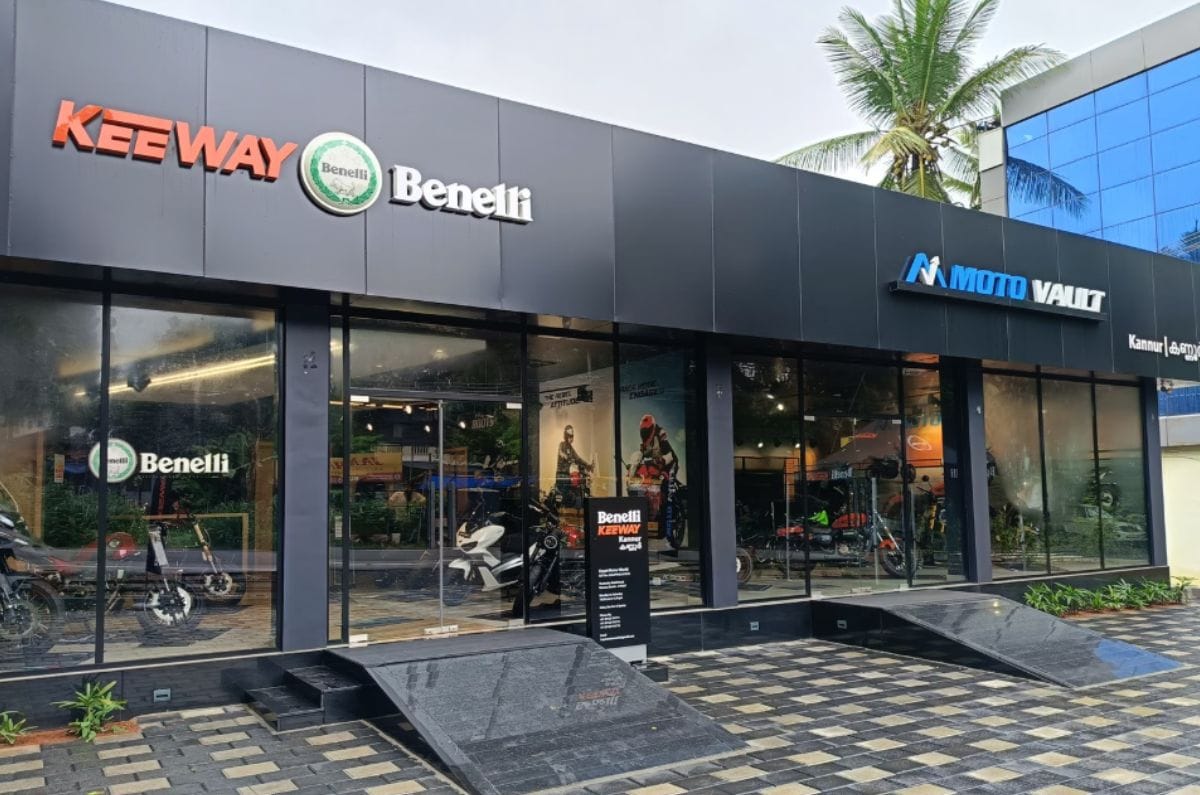
AARI also wants to maintain a healthy relationship with its dealers and ensure they continue to generate business as well as stick around for a long time. On that topic, Vikas said, “I think a better dealer network is always beneficial for customers. You don’t want to be too far away from a product. You don’t want to be too far away from a service centre. Not only have we consolidated on brand and product portfolio, we’ve consolidated on the dealer network also, where we have 37 dealers across the country.” 

In fact, the company is also exploring a new dealer format for smaller tier-2 and tier-3 towns in India. He added, “We are now exploring short store formats in tier two, tier three, [towns] where we only work for products which are priced under Rs 2.50 lakh. Do small stores and workshops, give accessibility to the market, where they don’t have to go to the closest tier 1 city.”

New Benelli, Keeway and Moto Morini launches on the horizon

New Benelli, Keeway and Moto Morini launches on the horizon

There has been an extended period of silence from Adishwar Auto Ride India (AARI) Pvt. Ltd., the company that retails brands like Benelli, Keeway, Moto Morini, Zontes and QJMotor, when it comes to new product launches. We recently had the opportunity to speak to Vikas Jhabakh, MD, who shed some light on the business as well as what to expect from these Chinese brands in the near future. 

  1. New Benelli product likely to launch this year or early 2027
  2. TNT600i ruled out for India return due to emissions norms and E20 fuel

New product launches planned across all brands, starting with Benelli

Keeway and Moto Morini are also due to see new launches

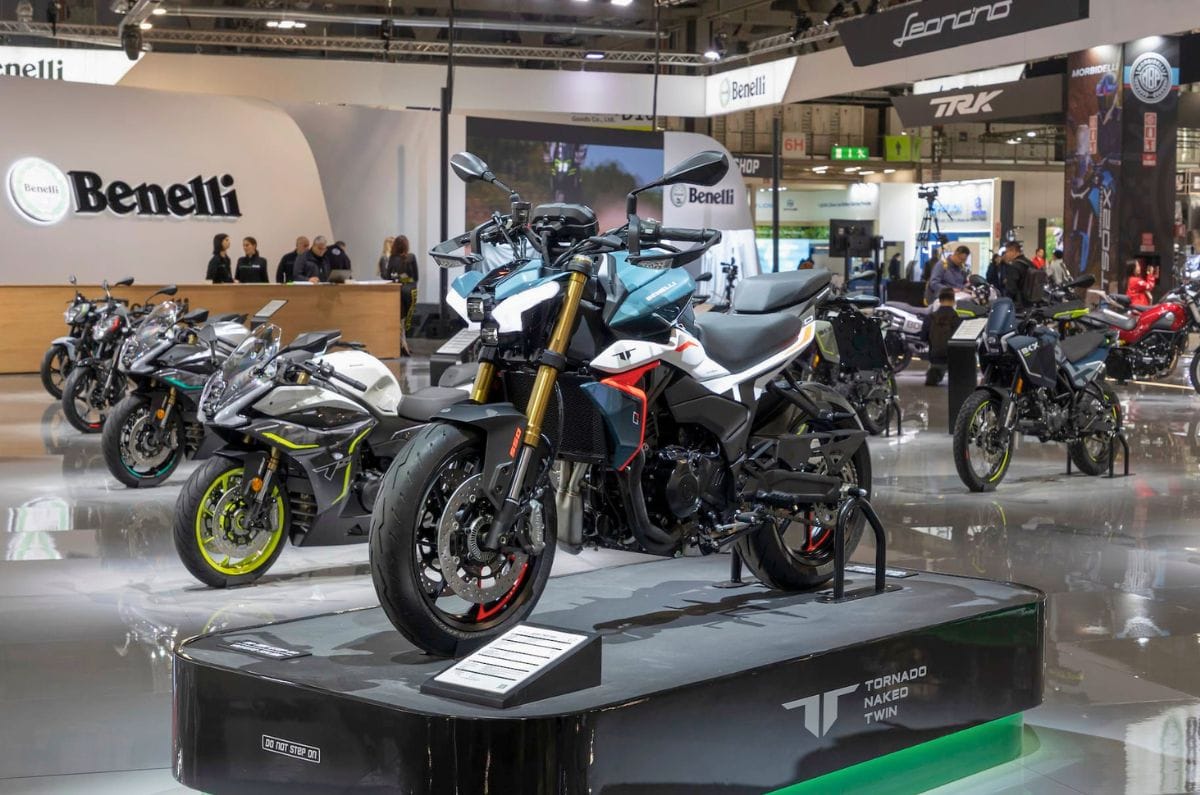
While AARI has had a relatively muted past 18 months (more on that below), the company has plans to launch more models across the various brands in its umbrella. Benelli, Vikas said, is the most important brand name for AARI and there will be more launches under its umbrella. “For Benelli, we will definitely bring in one product before the end of this year. We are under homologation right now. So we are fairly confident.” 

“With Benelli, the strategy is one product every year for the next three years, including this year. So, let us say one this year, one next year, one the year after that. I think Benelli has always been our bread and butter brand that is going to be there. And we’re also exploring more products. Some within Benelli, some within Keeway, one Moto Morini specifically that we’re looking at.”

Vikas Jhabakh, Managing Director of Adishwar Auto Ride India Pvt. Ltd.

Benelli currently has four models in India, all based on the same 502cc, twin-cyl platform – Leoncino neo-retro, 502C sporty cruiser, TRK 502 and TRK 502X ADVs. While Vikas declined to identify any future products, he did rule out the return of the popular four-cylinder TNT600i sport naked. The reason being that the bike is neither emissions nor E20 fuel compatible and ensuring it does will need significant investment and testing. 

Keeway too will see further products coming in, although they could be rebadged Benda models, like the V302C currently sold here. Coming to Moto Morini, Vikas explicitly mentioned that AARI is looking at “one specific product.” While no indication was given about what that model could be, we believe the Alltrhike 450 adventure bike is a good candidate for our market. With CFMoto’s India re-entry plans on hold, the Moto Morini Alltrhike 450 could offer a rather similar experience because it is based on the same engine and chassis platform. 

For future Keeway and Moto Morini launches, no concrete timelines were shared. 

5 things to know before buying the Keeway Hypevolt-R

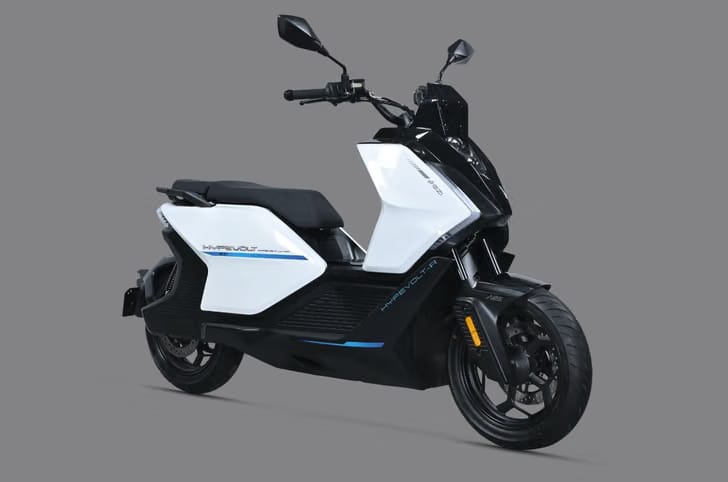
Keeway Hypevolt-R studio image

The Keeway Hypevolt-R is the Chinese brand’s first electric scooter for the Indian market and, on paper, is an impressive proposition. At its price point, it occupies a middle ground between most mainstream electric scooters and more niche offerings like the TVS X and Yamaha Aerox-E. Here are answers to some of the most commonly asked questions about the scooter.

What is the price of the Keeway Hypevolt-R?

The Keeway Hypevolt-R is priced at Rs 1.99 lakh (ex-showroom, India). Keeway has described this as an introductory price, suggesting it may increase in the future. Bookings are currently open through the brand’s official website for a token amount of Rs 5,000. The scooter is available in two colour options – Crystal White and Platinum Grey.

What motor does the Keeway Hypevolt-R use?

The Keeway Hypevolt-R is powered by a mid-mounted permanent magnet synchronous motor producing 12kW of peak power. Keeway claims the scooter can sprint from 0-40kph in 2.3 seconds and reach a top speed of 115kph. It also gets three riding modes – Eco, Normal and Sport.

What is the range and charging time of the Keeway Hypevolt-R?

The Keeway Hypevolt-R uses a dual 5kWh removable battery setup with a claimed IDC range of 180km. Both batteries can be charged either on or off the scooter. Using the onboard charger, a 0-80 percent charge takes approximately three hours.

What features does the Keeway Hypevolt-R have?

The Hypevolt-R comes with a comprehensive feature list for its price. It gets projector LED headlamps with a full-width LED light bar, a 5-inch TFT display with Bluetooth connectivity, reverse mode, USB Type-A and Type-C charging ports, and 27 litres of underseat storage. On the safety front, it gets dual-channel ABS, traction control, hill-hold control, hill-descent control, cruise control, blind-spot detection and a rear-view camera.

What is the seat height and weight of the Keeway Hypevolt-R?

The Keeway Hypevolt-R has a seat height of 770mm and weighs 140kg. That makes it slightly heavier than the Yamaha Aerox-E (139kg) and the TVS X (134kg), but it is also more powerful than both, producing 12kW compared to their respective outputs of 9.4kW and 11.7kW.

Tata Motors begins platform testing for Avinya models

Tata Avinya EV testing

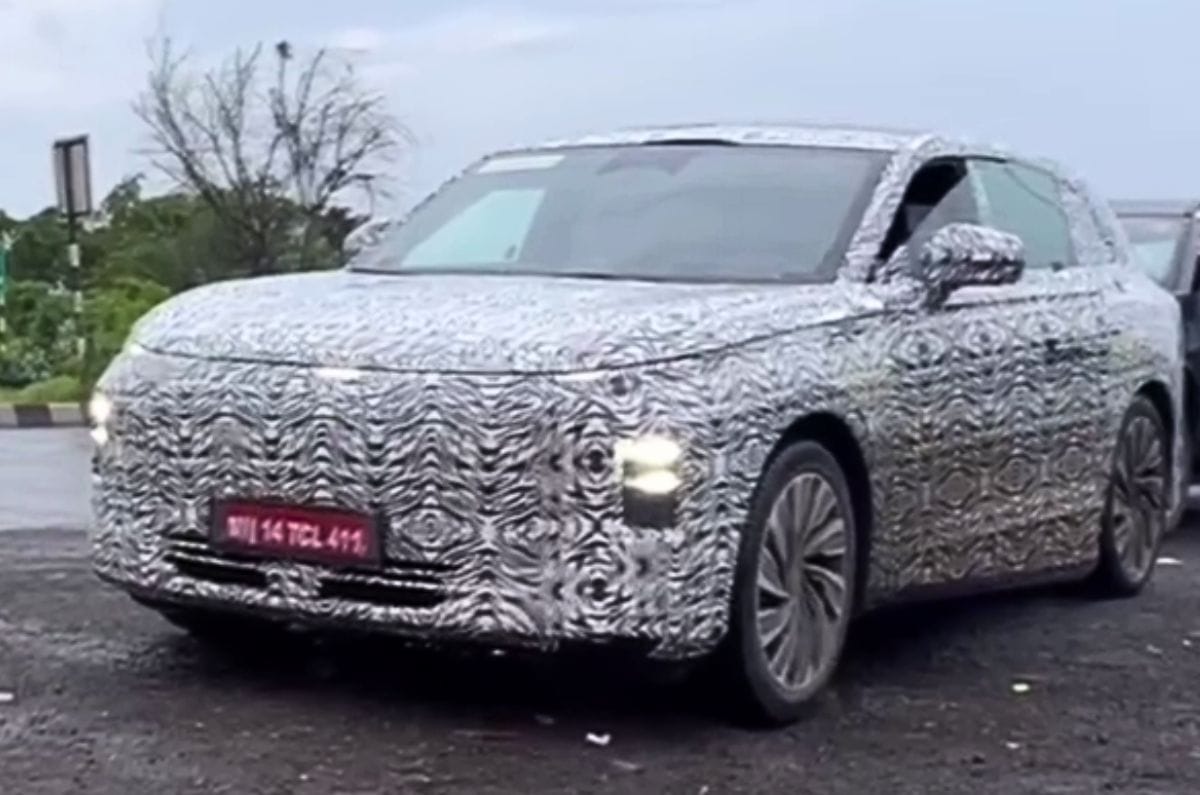
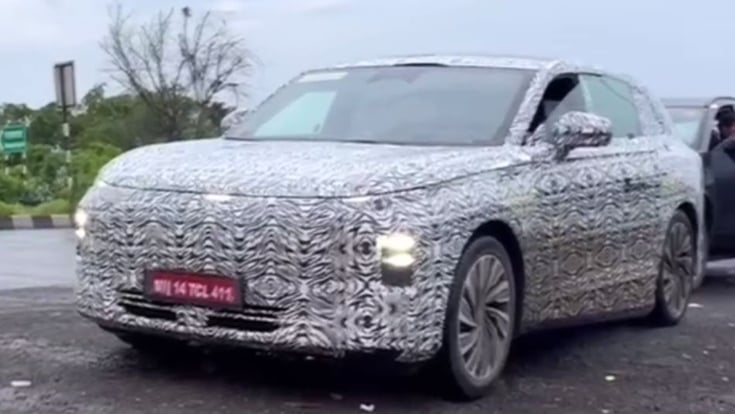
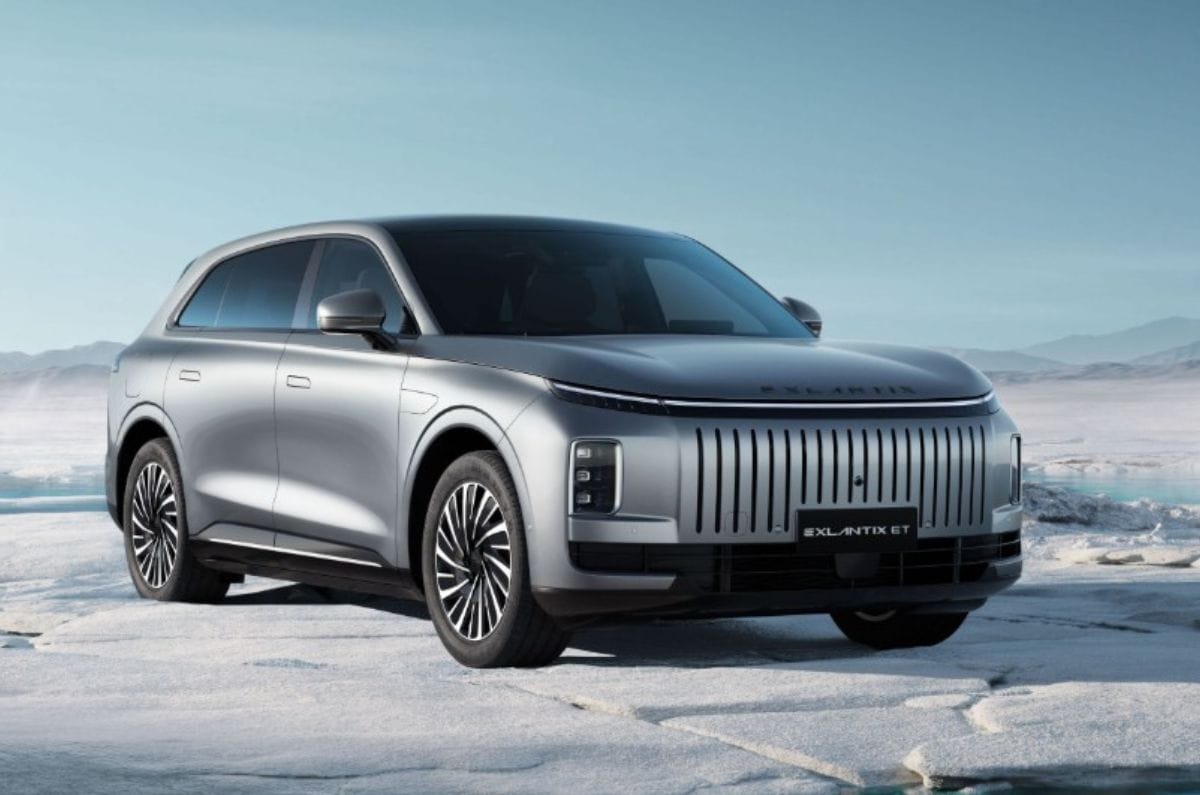
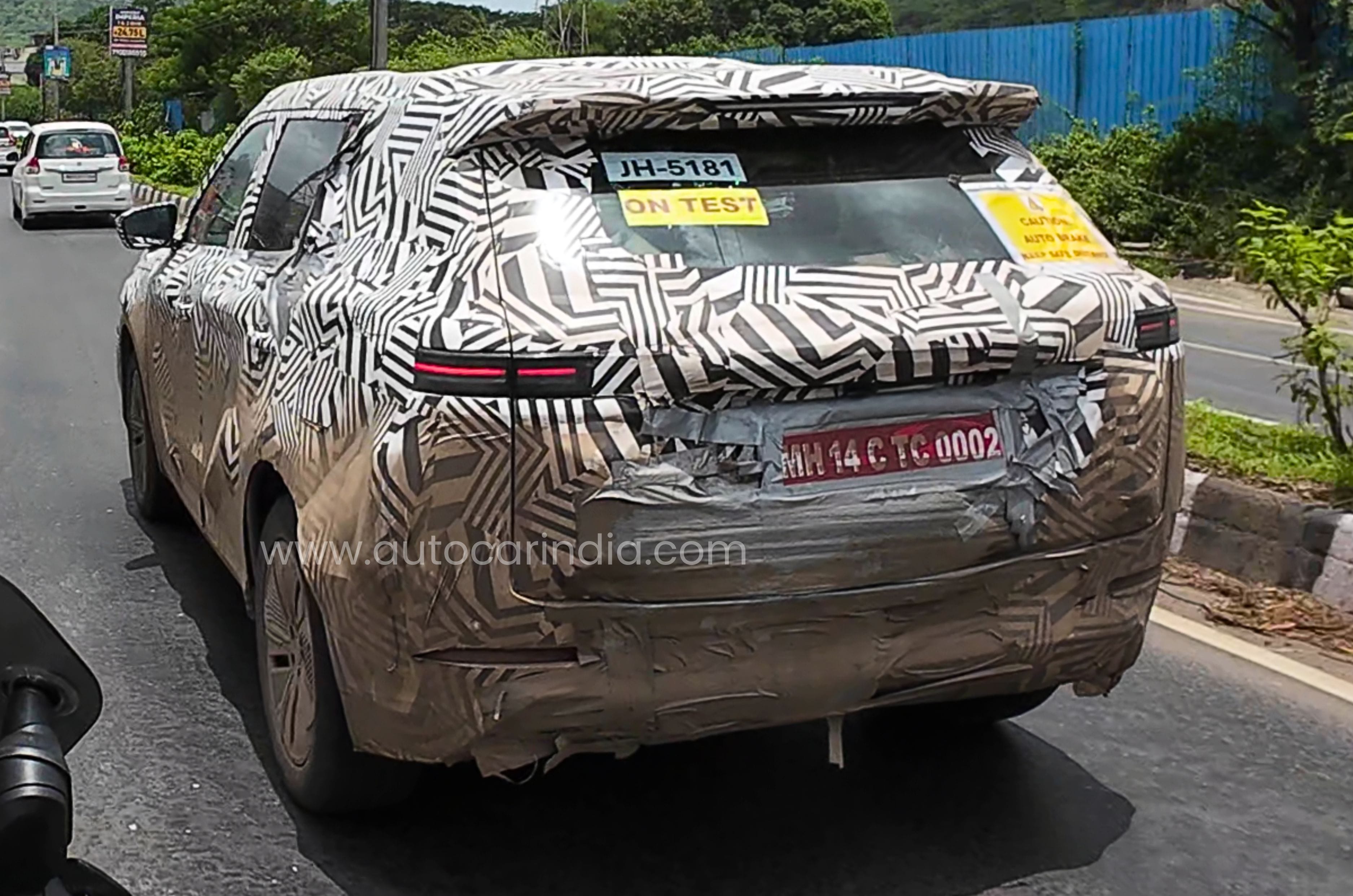
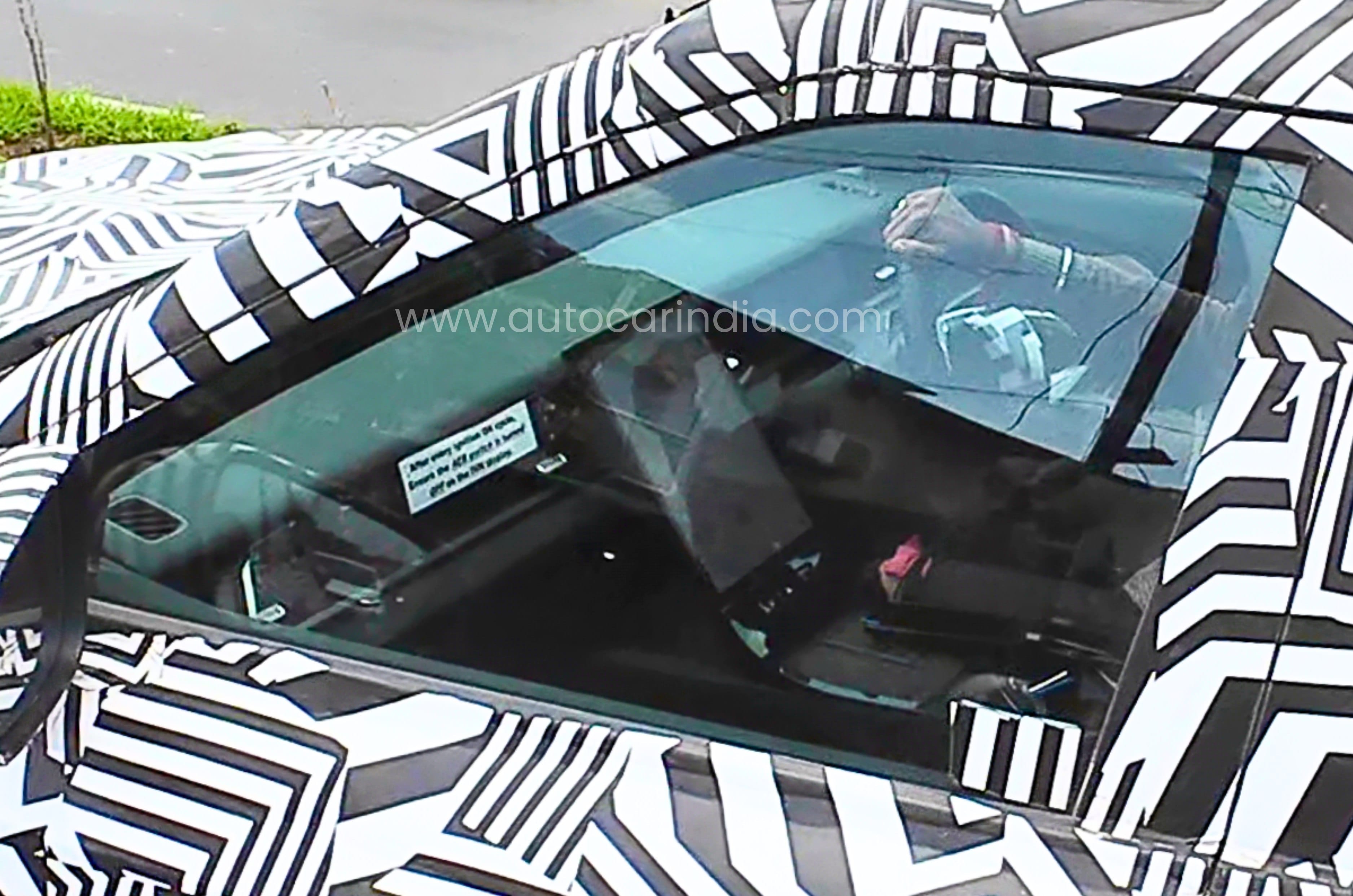
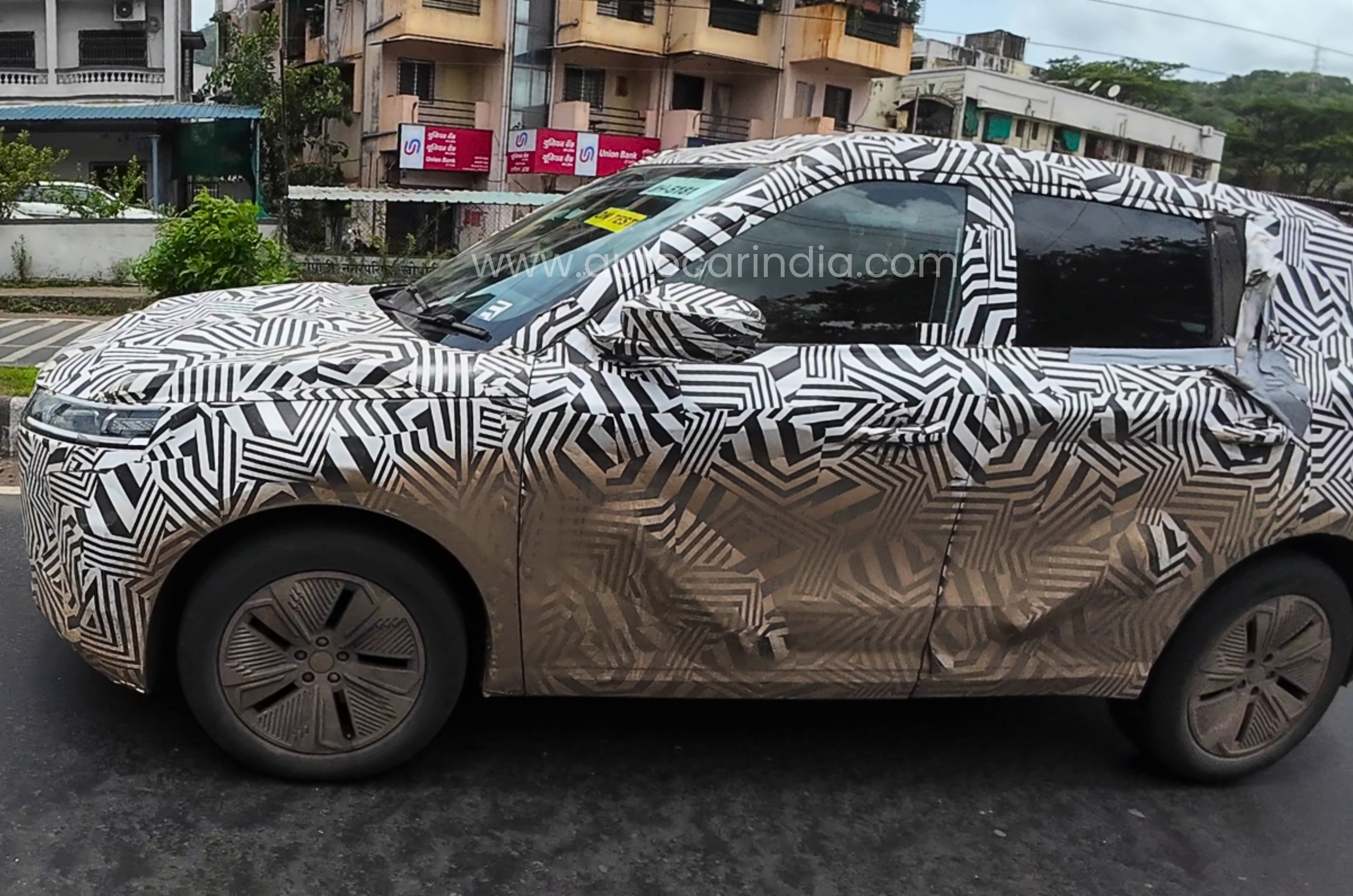
A new camouflaged prototype vehicle was recently spied testing in India, which many online reports speculated to be one of Tata’s upcoming Avinya models. Contrary to those reports, however, the spotted test mule is actually the Sterra ET, an SUV manufactured by Chinese automaker Exceed, a premium brand of Chery. Incidentally, the Exceed Sterra ET is based on the same Chery-JLR platform which Tata Motors recently announced will be underpinning its upcoming Avinya range. 

Tata Avinya EVs to Chery’s E0X platform 

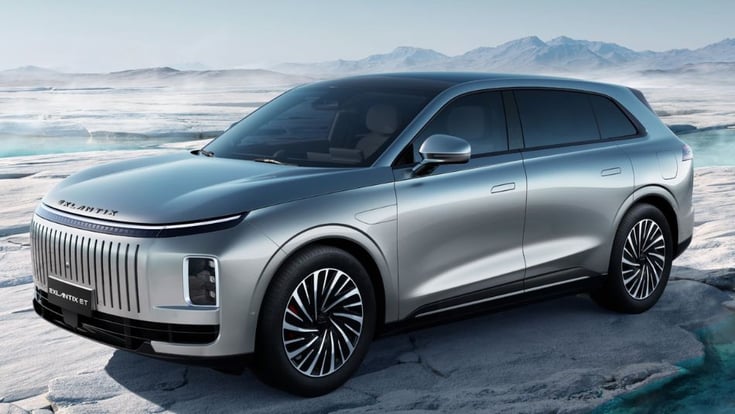
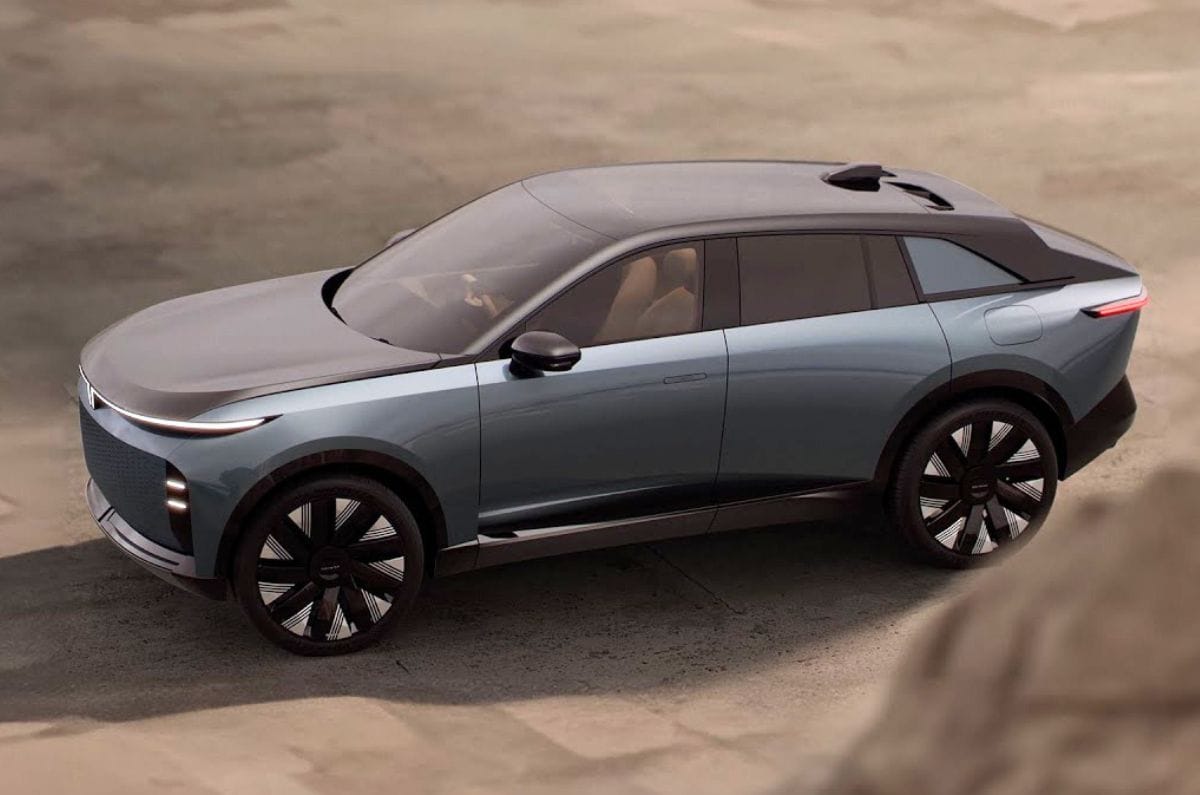
Tata Motors recently confirmed that the Avinya range of models will be underpinned by the Freelander EV platform produced by Chery-JLR in China. Known as the E0X, this platform also underpins several other models in the Chinese market like the Exceed Sterra ES and Sterra ET, the latter of which has been spied testing on our roads. It’s also known as the Exceed Exlantix ET in markets outside China. 

Spied Tata test mule
Exceed Sterra ET


Essentially, the company is using the Exceed Sterra ET as a test bed for its upcoming Avinya EVs, but the spied test mule doesn’t preview any Avinya model in particular, even though its proportions are very similar to the Avinya X concept. 

While Avinya EV’s underlying mechanical architecture is expected to be similar to other models based on the E0X platform, Tata Motors is understood to be reworking key parts of the electronics, software and vehicle systems for Indian market requirements.

Exceed Sterra ET: what is it?

The Sterra ET is a near-5-meter-long SUV that’s available with both all-electric and range-extender hybrid powertrain options. It’s Exeed’s second product in its Sterra lineup after the Sterra ES sedan.

The Sterra ET is also known as the Exlantix ET in markets outside China. 

In all-electric guise, the Sterra ET gets an 800V architecture and can support batteries of up to 100kWh in size. It comes in either rear-wheel drive or all-wheel drive configurations and is claimed to return up to 760km of range in the CLTC cycle. Meanwhile, the range-extender hybrid versions use a 400V architecture and are powered by a 1.5-litre turbo-petrol engine coupled with either a 32kWh or a 41.2kWh battery packs. This, too, comes in both rear-wheel drive and all-wheel drive configurations, and is said to return a combined range of up to 1518 km on the CLTC cycle. 

First production model under Avinya brand is due in 2027. 

It remains to be seen which powertrain configurations Tata chooses for its Avinya range of EVs. The Sterra ET also gets Level 2 ADAS features, OTA updates and V2L capabilities.  

The first production model under the Avinya brand will be the Avinya X, due for a market launch in 2027. 

Image Source: torq_uenation via Instagram 

JSW Motors’ Jaecoo J5 SUV spied in ICE avatar for the first time

Jaecoo J5 SUV spied in ICE avatar for the first time in India

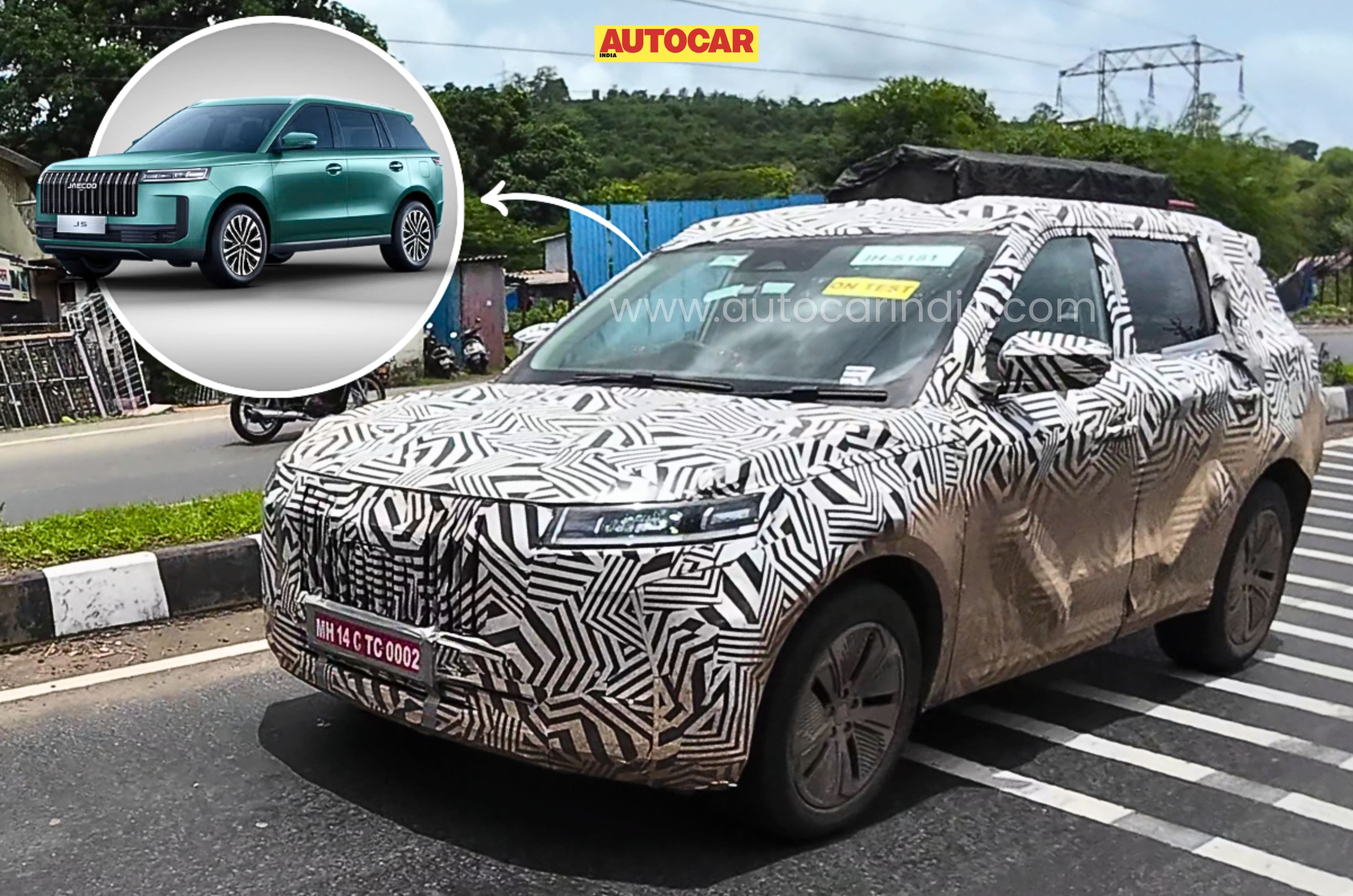
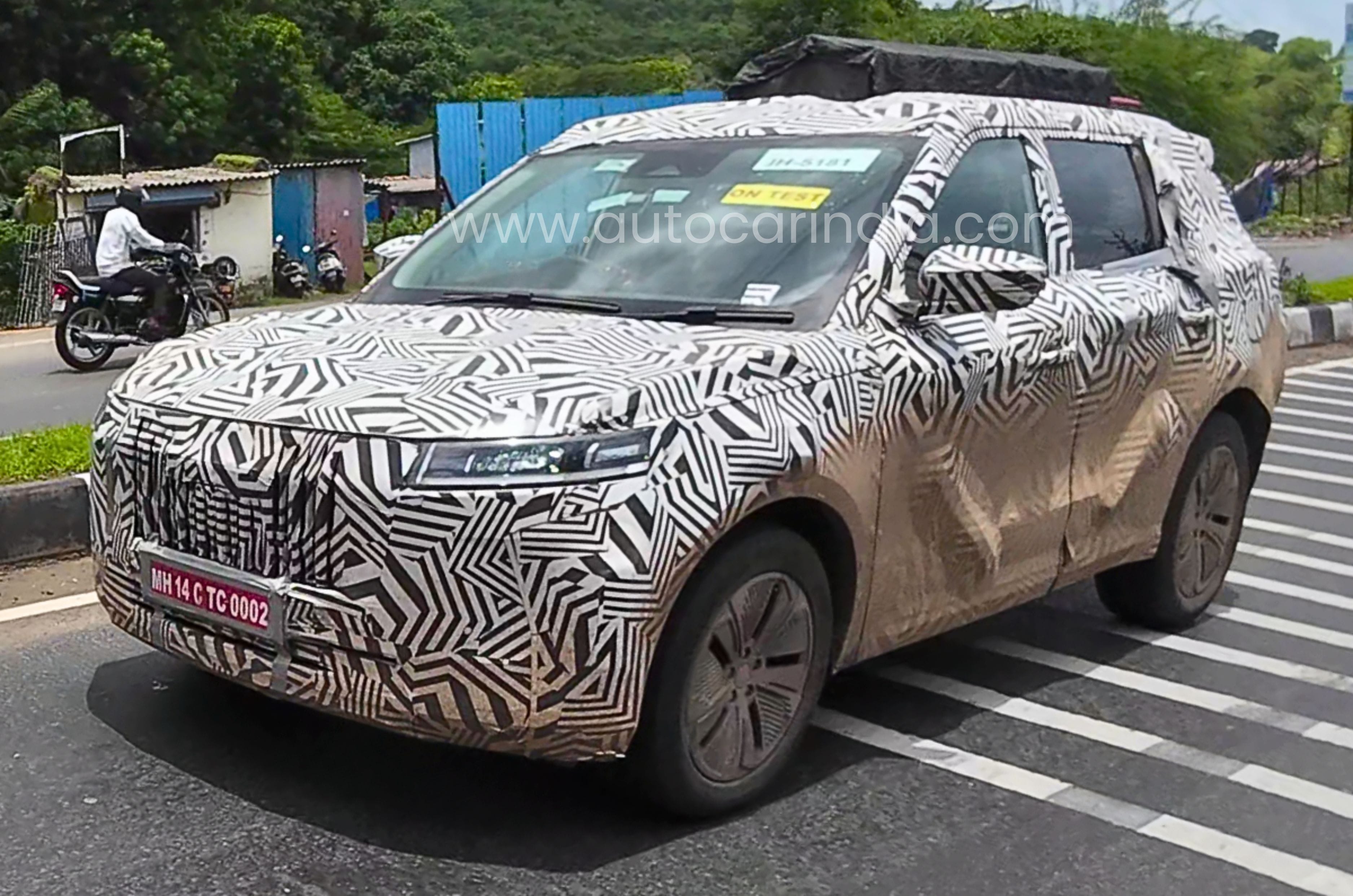
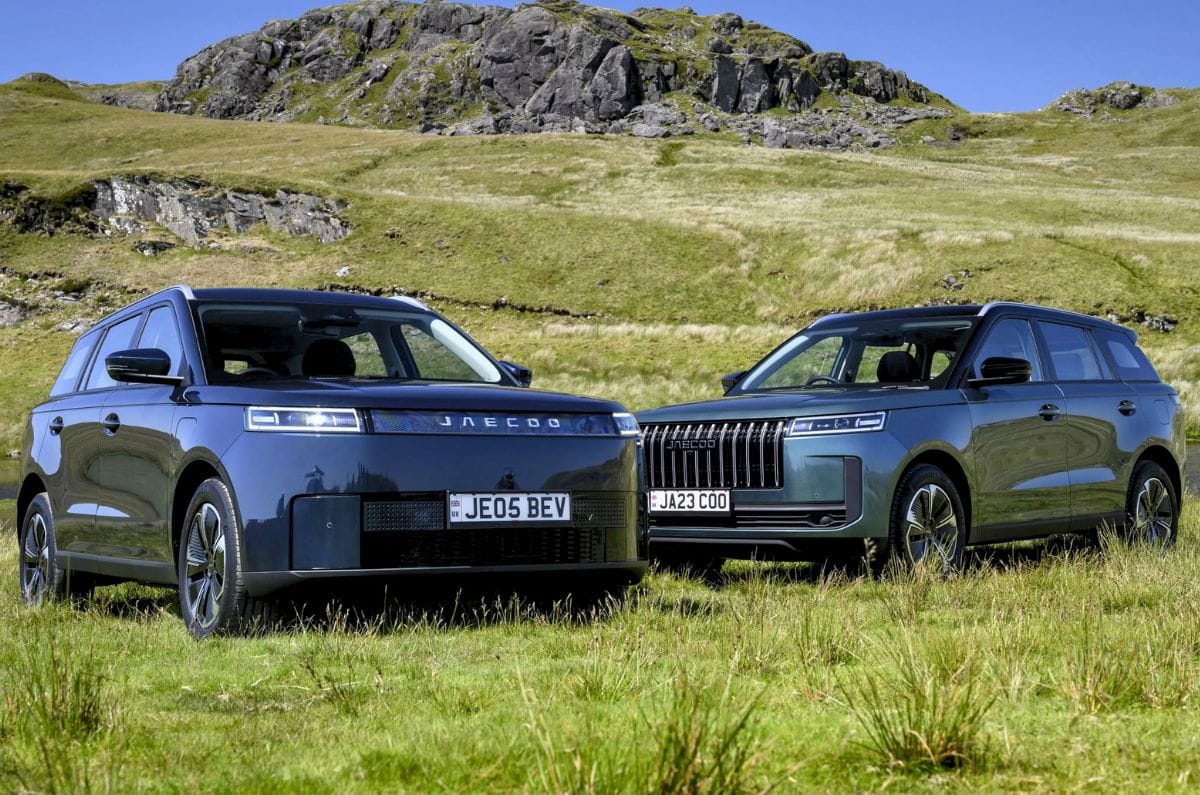
The Jaecoo J5 SUV has been spied testing in an ICE avatar for the first time in India. Interestingly, the latest spy shots suggest the Jaecoo J5 could launch in India with an ICE powertrain, whereas earlier sightings pointed to an all-electric (EV) version only. The new exterior and interior spy shots of the ICE-powered Jaecoo J5 reveal some visible differences from the EV version.

  1. A functional grille, all-LED lighting and 18-inch alloy wheels can be seen
  2. An all-black cabin with a vertically mounted infotainment system was spotted
  3. Offered with a turbo-petrol and strong hybrid petrol internationally

In India, JSW Motors will launch its own standalone SUV based on the Jaecoo J5 under a technology and component licensing agreement with Chery, the Chinese automaker that owns the Jaecoo brand.

Jaecoo J5-based ICE SUV spied: What was spotted?

A functional grille with vertical slats confirms it is the ICE version of the Jaecoo J5

Although the Jaecoo J5-based SUV’s test mule is heavily camouflaged, a few design elements are visible. Among these is a functional grille with vertical slats, confirming it is the ICE version, as the EV features a blanked-off grille. The sleek LED headlights with LED DRL surrounds, however, are the same as those on the EV version. The bumper has a clean design, but it seems to miss out on the fog lamps offered with the international model.

In profile, the international-spec model gets 18-inch wheels. At the rear, slim wraparound LED taillights can be spotted. On the international model, these taillights are joined by a black trim with ‘Jaecoo’ badging in the centre.

The interior design mimics that of the all-electric model

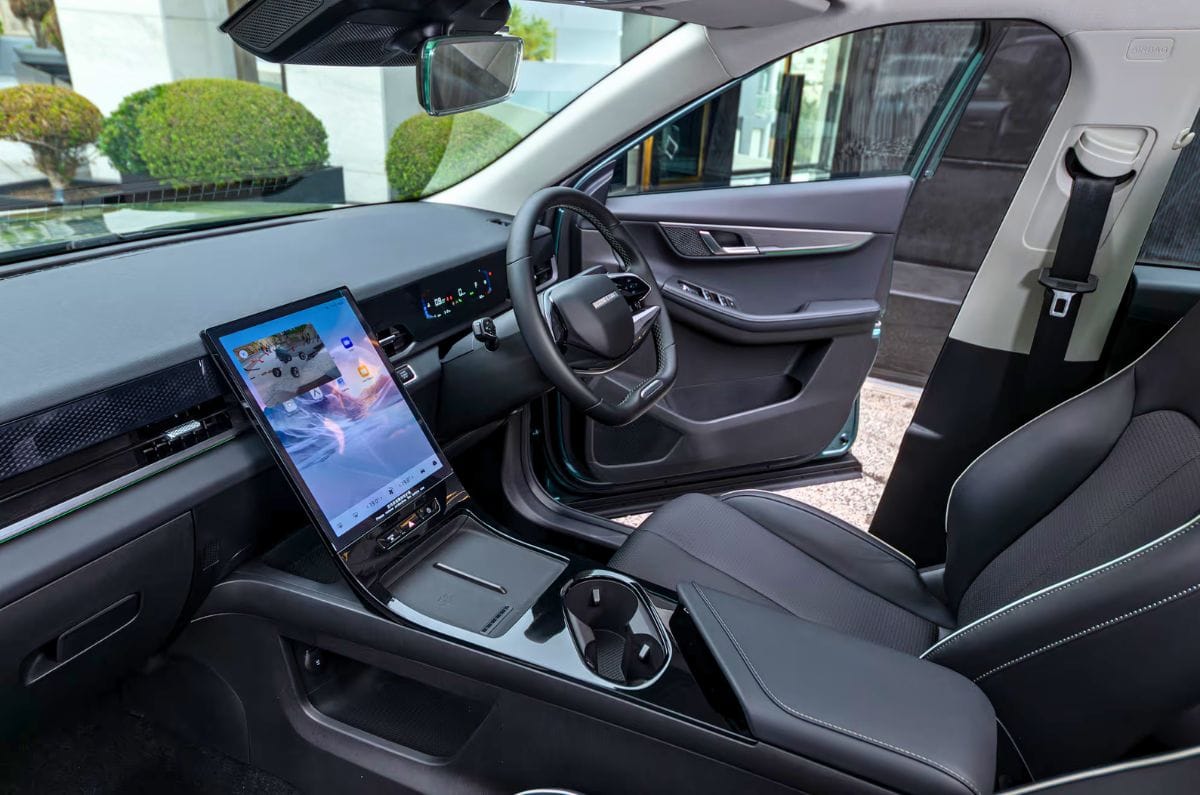
The spy shots also reveal a large vertically oriented infotainment system on the dashboard, likely the same as the international model’s 13.2-inch unit. The international model also gets an 8.8-inch driver’s display, a panoramic sunroof, an 8-speaker Sony sound system, dual-zone climate control, a powered tailgate and a wireless phone charger. It will be interesting to see what features are offered with the India-spec model sold by JSW Motors.

South Africa-spec Jaecoo J5 dashboard shown for representational purposes only.

In terms of safety, the international model gets 7 airbags, a 540-degree camera (surround-view camera with an under-bonnet view function), a tyre pressure monitoring system (TPMS) and an advanced driver assistance system (ADAS) suite. 

Jaecoo J5-based ICE SUV: Expected powertrain

Offered with a turbo-petrol and a strong hybrid petrol engine internationally

Depending on the market, the ICE-powered Jaecoo J5 gets either a turbo-petrol or a strong-hybrid engine option. The 1.5-litre turbo-petrol produces up to 156hp and 275Nm, and is mated to either a 7-speed DCT or a CVT, depending on the market. It allows for a 0-100kph sprint time of 10.2 seconds 

A strong-hybrid version has a 1.5-litre 4-cylinder turbo-petrol engine and an electric motor powered by a 1.83 kWh lithium-ion battery. Combined, this setup produces 224hp and 295Nm. It does a 0-100kph sprint in 7.9 seconds. Jaecoo claims a fuel efficiency of 18.9kpl, allowing a total range of around 1,000km. It will be interesting to see which powertrain option is offered with the India-spec model.

India launch timeline is yet to be revealed

UK-spec Jaecoo J5’s EV (left) and ICE (right) versions shown for representational purposes only.

JSW Motors is expected to start its India operations with the Diwali launch of the Jetour T2-derived hybrid SUV, followed by launches of the SUVs derived from the Jaecoo J5 and iCaur V23. Upon launch, JSW Motors’ Jaecoo J5-based ICE SUV will lock horns with midsize SUVs such as the Hyundai Creta, Tata Sierra, Maruti Suzuki Victoris, Renault Duster and Nissan Tekton. The EV version will rival the Hyundai Creta Electric, Mahindra BE 6, Tata Sierra EV, Vinfast VF6 and Maruti Suzuki eVitara. 

Xiaomi SkyNomad N90 hybrid revealed with flexible seating layout

Xiaomi SkyNomad N90

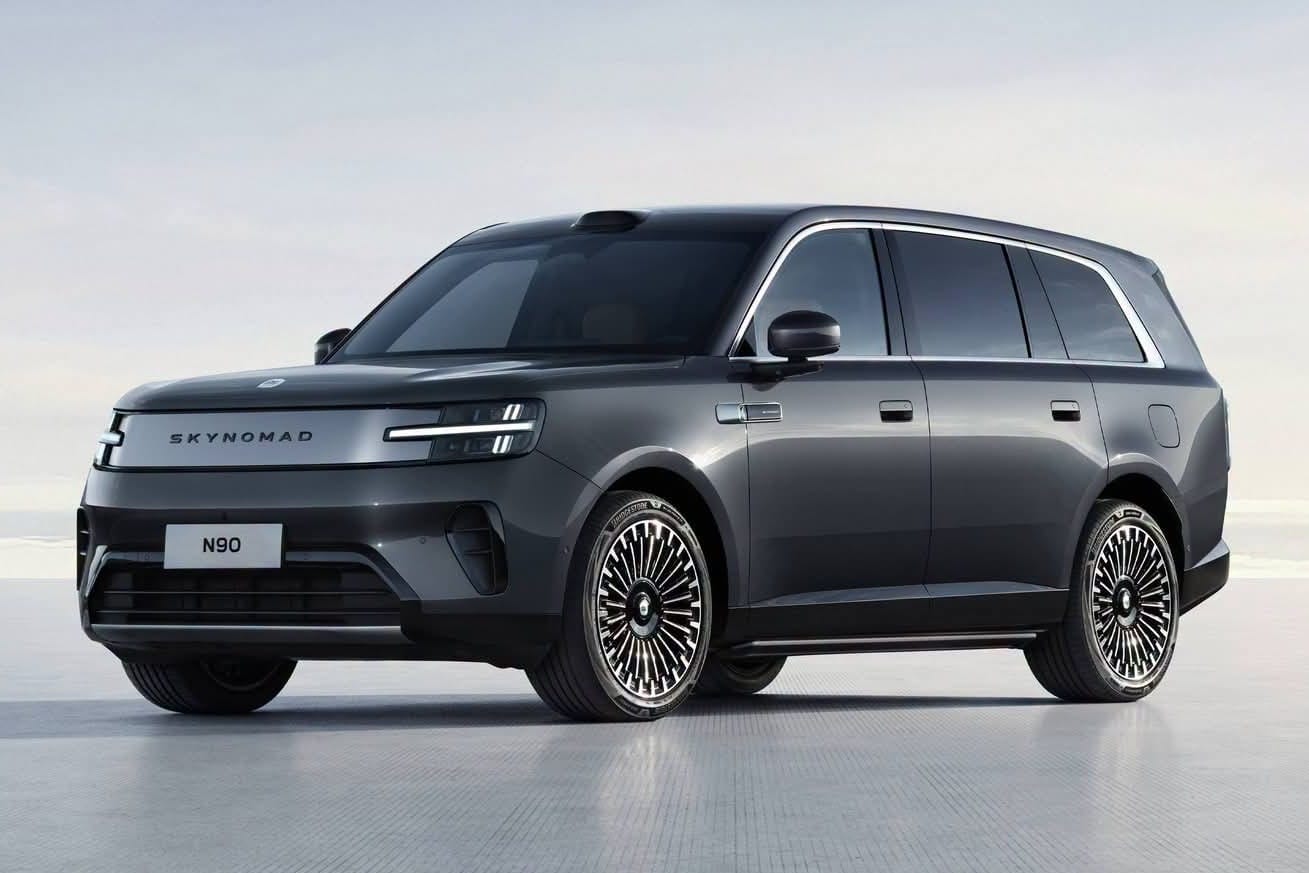
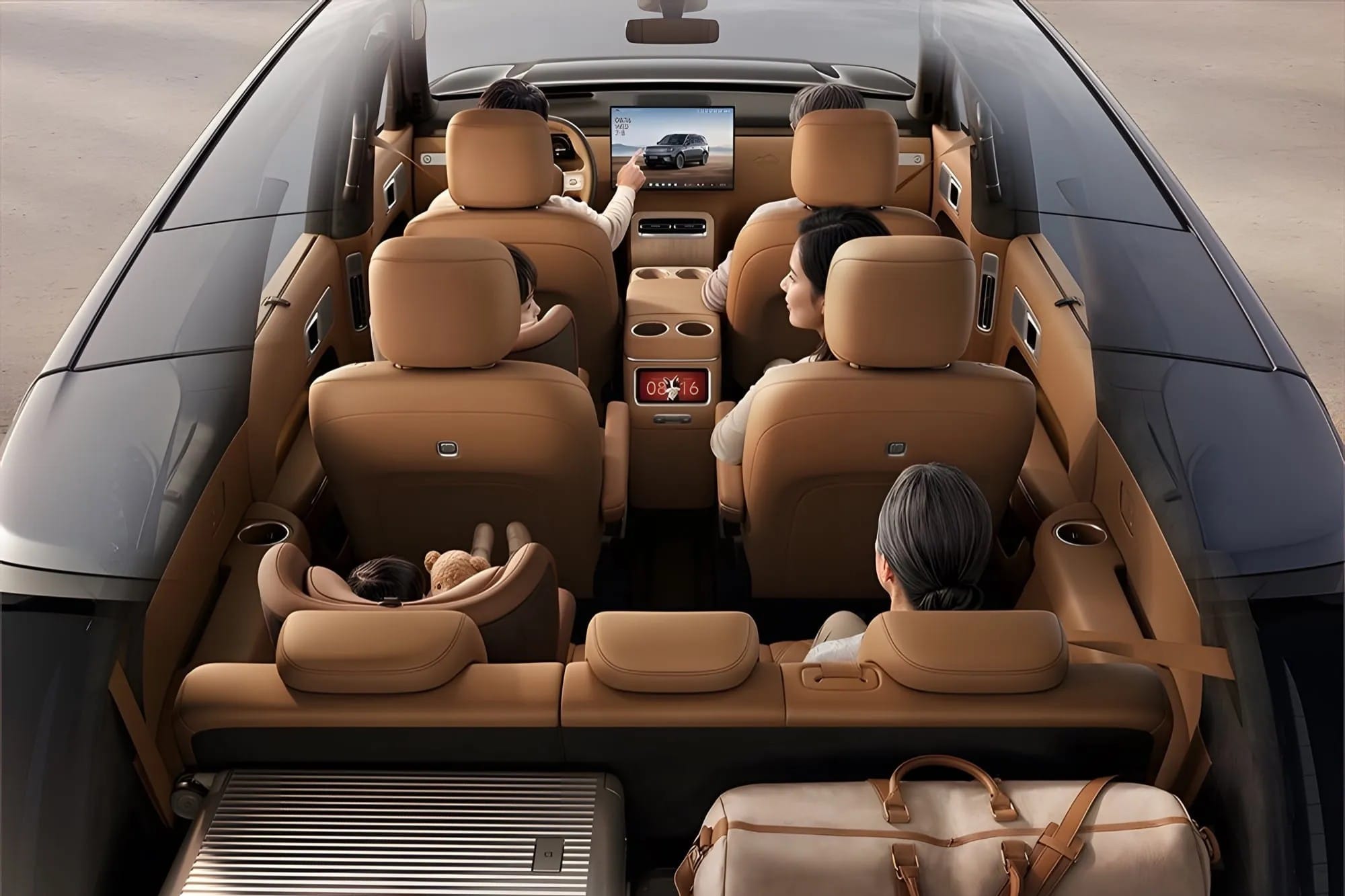
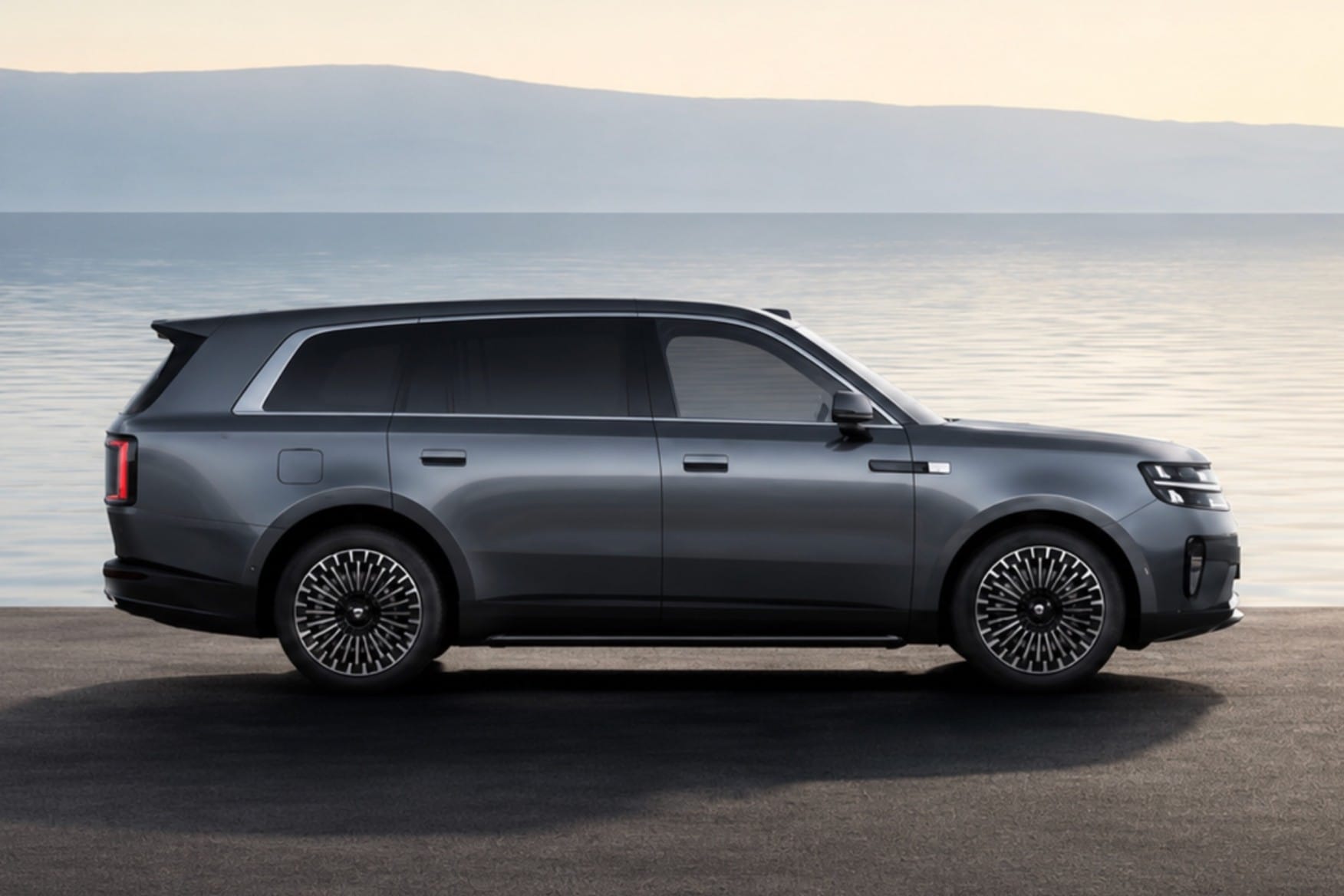
Xiaomi has unveiled the N90, the first model from the Chinese carmaker’s new ‘SkyNomad’ sub-brand. Where the Xiaomi SU7 sedan and YU7 SUV are positioned as more driver-centric offerings, the SkyNomad N90 is a large three-row SUV that prioritises practicality and comfort above all else.

Xiaomi SkyNomad N90 exterior design

Nearly 5.3 metres long and 2 metres wide, weighs 2.8 tonnes

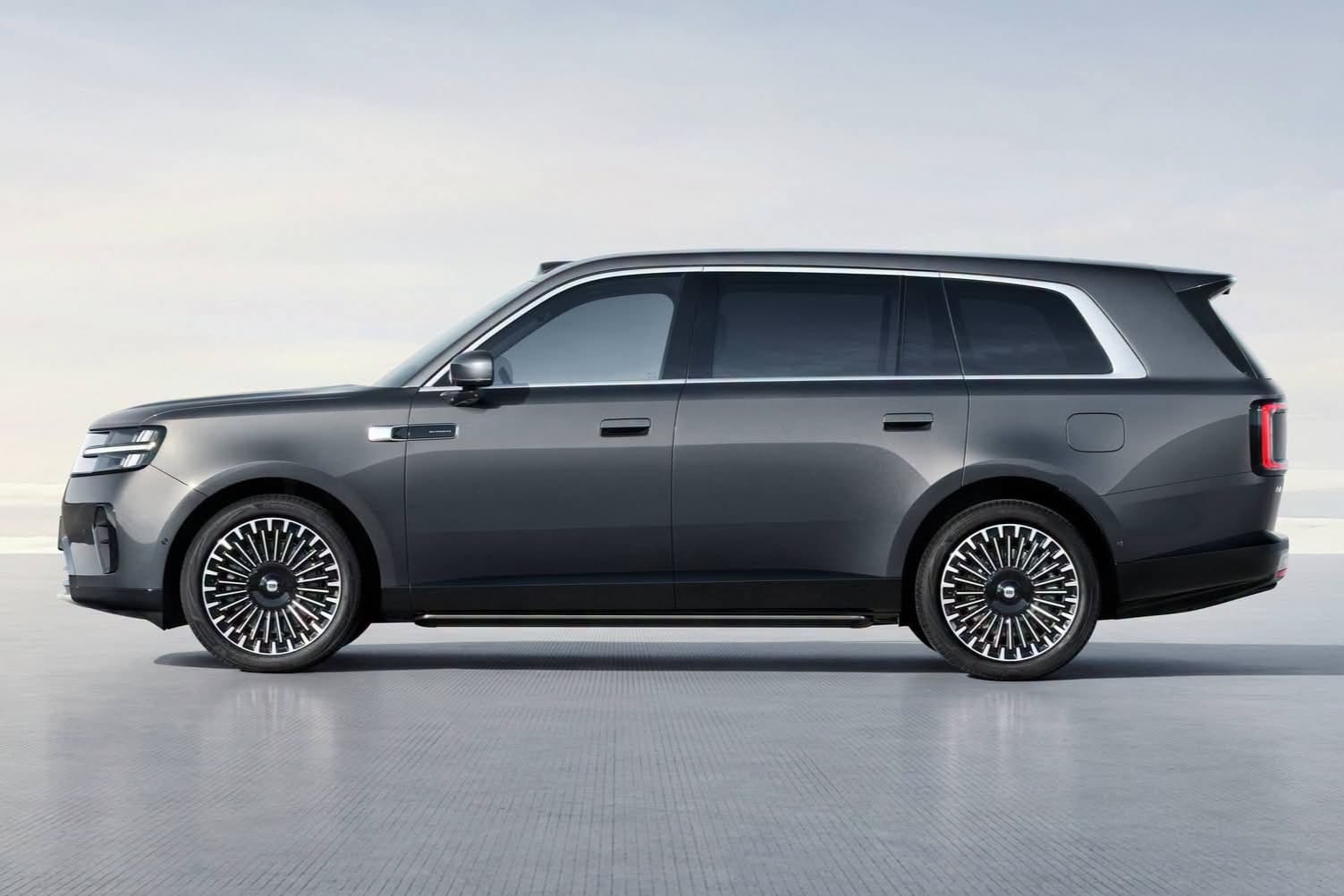
The SkyNomad N90 adopts boxy and upright proportions, which are quite a departure from the more svelte-looking SU7 and YU7. According to a recent filing from China’s ministry of industry and information technology (MIIT), the SkyNomad N90’s top-spec Max variant measures 5,285mm in length, 1,998mm in width, and 1,825mm in height, with a 3,080mm wheelbase and 2.8-tonne kerb weight.

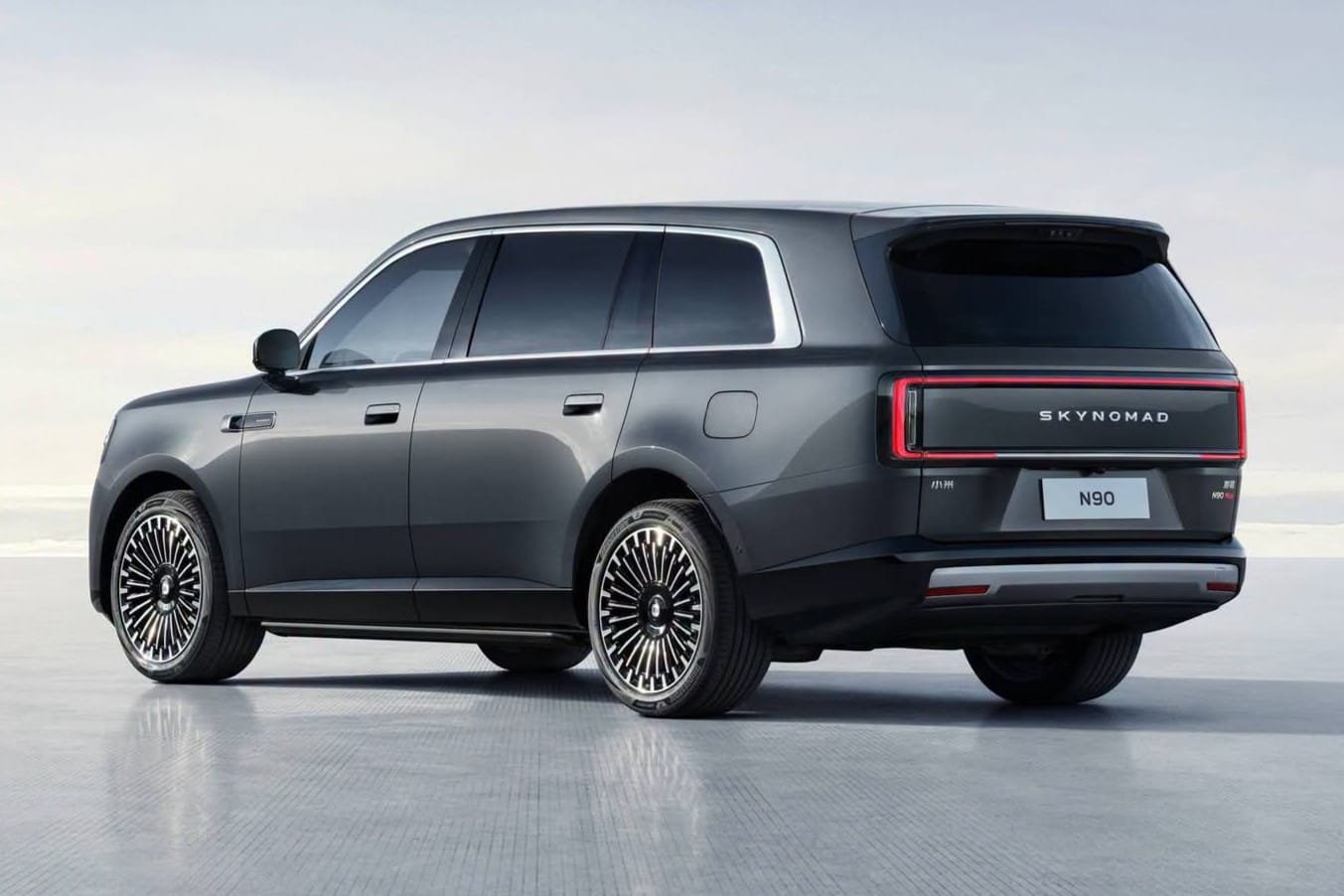
Up front, the SUV sports a full-width section that incorporates LED headlamps, Volvo-like T-shaped DRLs, and a ‘SkyNomad’ wordmark. Below, there’s a wide air dam flanked by discreet vertical air intakes. A LiDAR sensor can also be spotted on the leading edge of the roof. Over to the side, the SkyNomad N90 gets 21-inch alloy wheels, subtle body cladding, flap-type door handles, and a large glass area.

The rear overhang is quite substantial too, indicating a very roomy cabin. At the back, the SkyNomad N90’s defining trait is its rectangular LED light bar, within which sits another ‘SkyNomad’ wordmark. Other than that, there’s a sizable roof spoiler, a mildly raked windscreen, and lots of cladding on the rear bumper.

Xiaomi SkyNomad N90 interior and features

Xiaomi hasn’t fully showcased the SkyNomad N90’s dashboard yet, but in the images provided, we can spot a massive freestanding infotainment touchscreen and little to no physical controls. Other highlights include a tan finish, an entertainment screen for second-row occupants, and a dual-pane sunroof.

5-seat, 7-seat layouts; front seats can swivel back

Coming to seating, this is the main draw of the SkyNomad N90. In the 7-seater variant, it features powered and reclining second-row captain seats with ottomans, while the third row can accommodate up to three occupants. The front seats can swivel back to face the rear seats, and in 5-seater guise, the SkyNomad N90 can even fit a coffee table between the first and second rows.

Xiaomi SkyNomad N90 powertrain and range

1.5-litre turbo-petrol engine, dual electric motors, and 76kWh battery

The SkyNomad N90 is built on Xiaomi’s new Kunlun Architecture, and is the carmaker’s first range-extender EV. Though powertrain details have yet to be officially disclosed, the MIIT filing states that the range-topping SkyNomad N90 Max gets a 1.5-litre turbo-petrol engine that acts solely as a generator, while two electric motors drive the wheels.

Combined output is pegged at 421hp, with a claimed top speed of 190kph. The SkyNomad N90 comes with a 76kWh NMC battery pack as standard, which is good for an all-electric range of up to 370km (claimed). With a drained battery, the 1.5-litre turbo-petrol engine claims a fuel efficiency of 15.9kpl.

Volkswagen Group to cut model line-up by up to 50 percent by 2030

VW

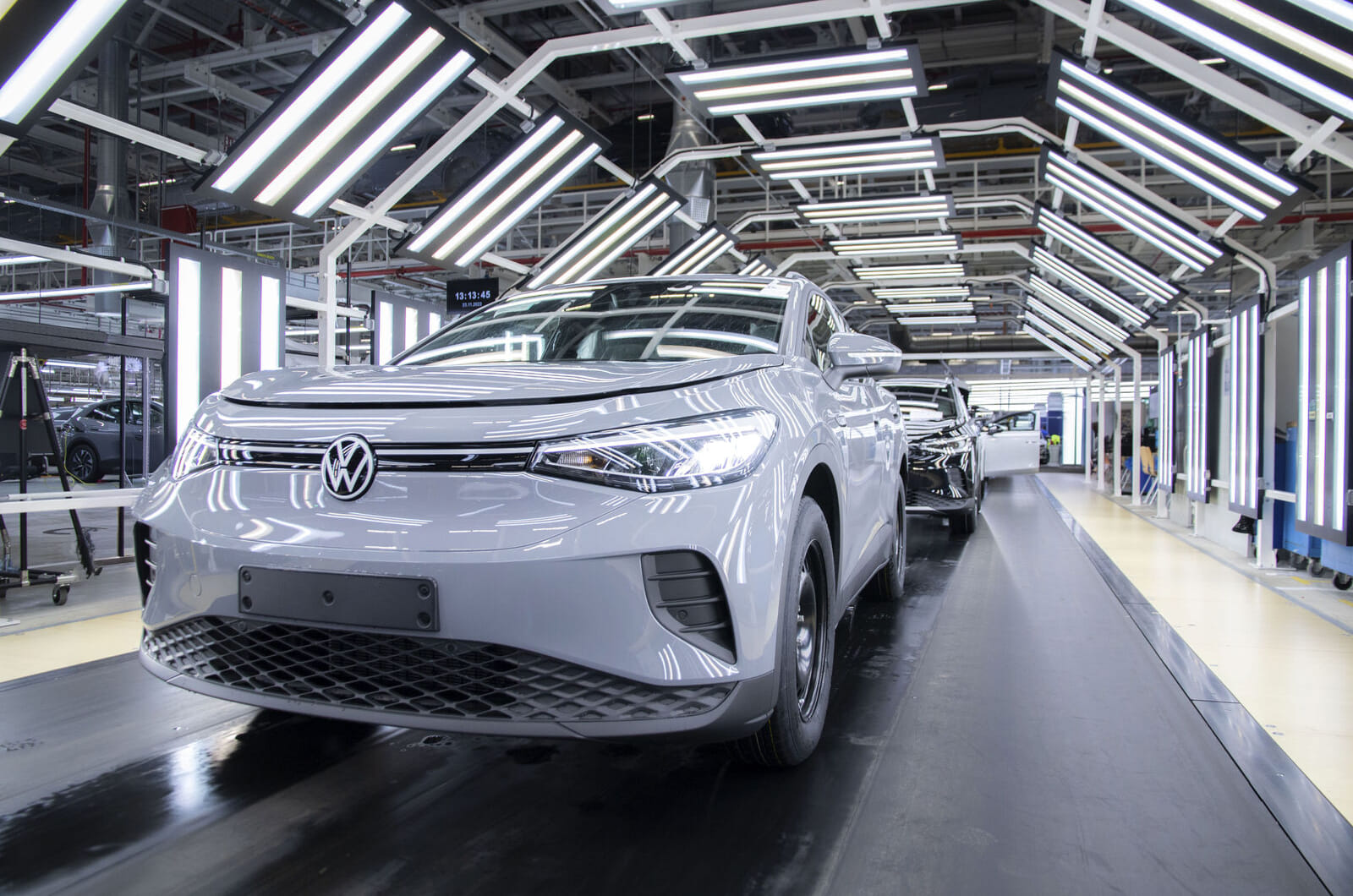
The Volkswagen Group plans to reduce its global model line-up by up to 50 percent by 2030 as part of a wider restructuring of its business. The Group will also cut the number of variant options offered across its portfolio by up to 75 percent and reduce production capacity, as it looks to lower costs and simplify its operations. Volkswagen has not named the models that will be discontinued.

  1. Future line-up to focus on the ‘most attractive market segments’
  2. Annual production capacity to fall to around 9 million vehicles, from 10 million
  3. Platforms and electronic architectures will also be consolidated

Volkswagen Group to halve model line-up by 2030

The product changes form part of 12 initiatives that the Volkswagen Group plans to implement by 2030. The company said it will gradually “streamline” its model line-up by up to 50 percent, concentrating its portfolio on “the most attractive market segments”.

Volkswagen is also targeting a 75 percent reduction in what it calls “offering complexity”, which includes the number of equipment options available across its models. The company said this will allow it to focus investment and development resources on products that deliver the “greatest added value for customers and the highest value contribution” to the Group.

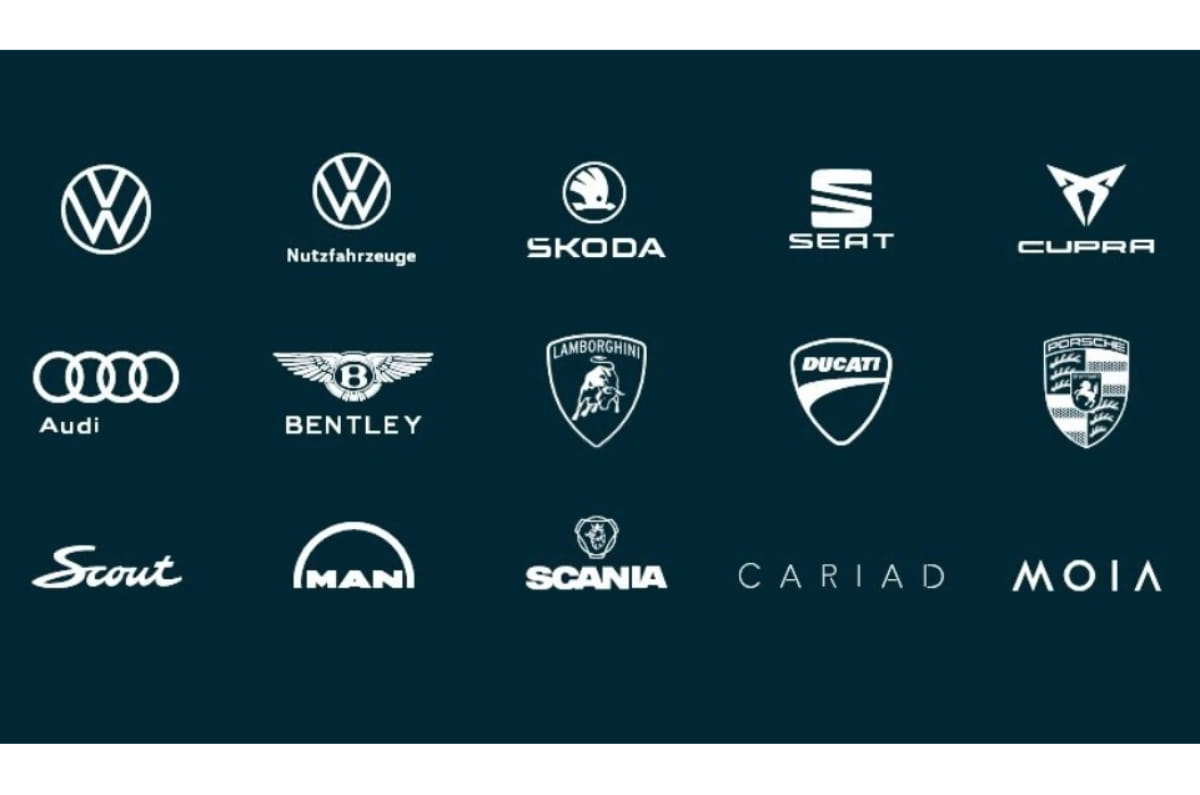
The Group has not confirmed which models will be affected by the reduction. Its portfolio spans Volkswagen, Skoda, Seat, Cupra, Audi, Porsche, Bentley and Lamborghini, among other brands.

“We are making the Volkswagen Group faster, more resilient and more competitive, through less complexity, focused technologies, and an even stronger alignment of products, development and production with regional markets,” said Volkswagen Group CEO Oliver Blume.

VW Group to reduce platforms, production capacity

Volkswagen also plans to reduce the number of platforms and electronic architectures used across the Group, with the aim of increasing the use of common technologies across its brands. The company will focus on technologies with what it describes as “high scaling potential”.

Annual production capacity will be reduced to around 9 million vehicles. Before the Covid-19 pandemic, the Group had established capacity to produce around 12 million vehicles annually and has already reduced this by about 2 million units. Volkswagen said further reductions are planned in Europe and China.

The restructuring comes as Volkswagen faces increased competition from Chinese carmakers, regulatory pressures, tariffs and geopolitical tensions. These factors have contributed to the Group’s profits falling by around half since 2021.

Up to 100,000 Volkswagen Group job cuts reported

The restructuring could also result in further workforce and factory reductions. Around 50,000 job cuts had already been outlined under earlier restructuring measures. Reports suggest Volkswagen could increase its planned workforce reduction to a total of 100,000 jobs and close four plants in Germany. However, the Group has not confirmed further job cuts or factory closures. 

The plants reportedly under consideration for closure are Hanover, Emden, Zwickau and Audi’s Neckarsulm facility. It remains unclear whether the sites would be closed or whether Volkswagen could seek buyers for them.

ICE Age 2.0: Converting EVs to ICE

Horse powertrain C15

Conceived with no concessions to internal combustion propulsion, ‘born electrics’ were heralded as the future. Manufacturers poured millions into their development, and it is estimated that globally $1.2 trillion was committed to the entire EV ecosystem, $500 billion of which was from automakers.

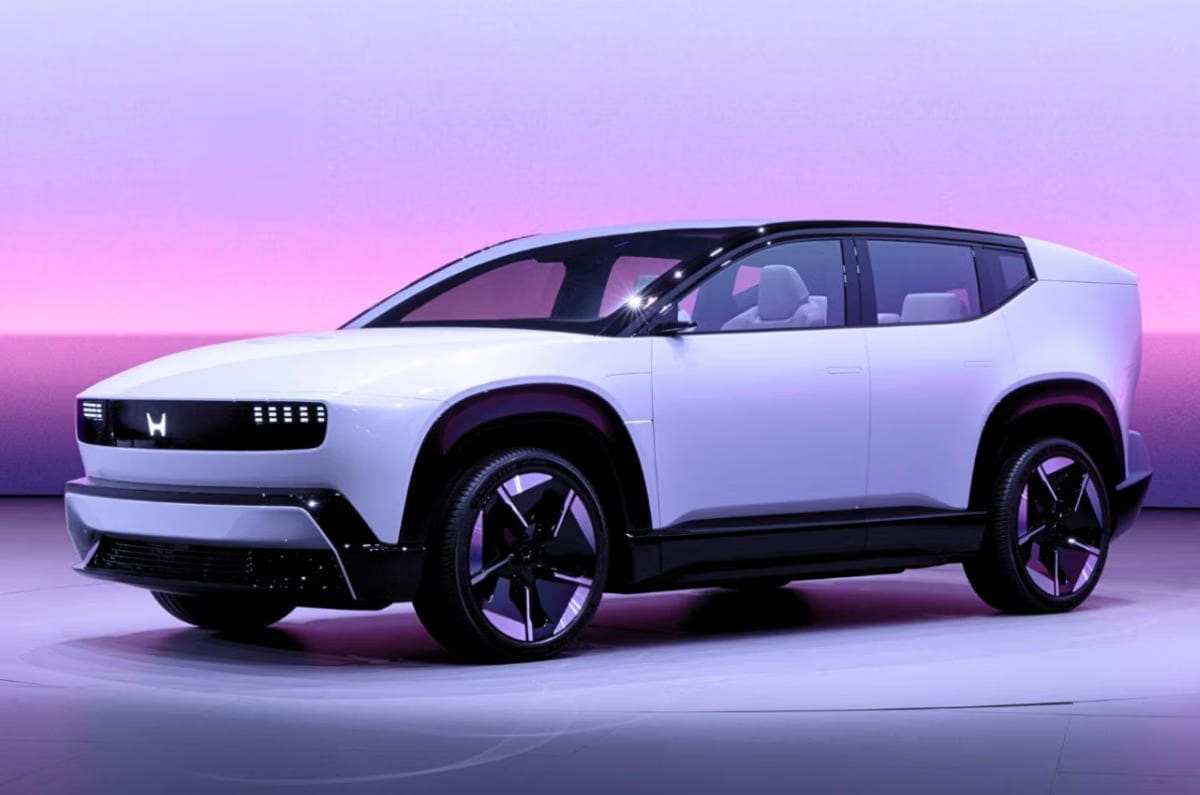
But with global EV sales well below projections, manufacturers are left with hard decisions. The Stellantis group, for instance, confirmed a $26 billion write-off over its EV projects, while Honda said its annual operating loss would be between 270-570 billion yen, due to losses associated with the reassessment of its electrification strategy. Earlier this year, the Japanese carmaker scrapped its much-hyped ‘0 Series’ EV project, though the made-in-India 0 Alpha SUV, which is said to use components from the Elevate, is still on track.

Honda has cancelled its 0 Series EV Project altogether

The write-offs and cancellations are understandable in the context of born-electrics, as while there have been many ICE-to-EV conversions, it’s a lot harder the other way around. Conceived with no engine and gearbox in mind, space to accommodate this bulky hardware is the first hurdle they need to clear. There’s also space needed for subsystems like driveshafts, fuel and exhaust systems which leads to the other complication of thermal management. Beyond the exhaust system, internal combustion engines have higher cooling requirements than EVs, and thus airflow management needs to be addressed.

Another challenge is crashworthiness. Again, having never had to hold an engine and gearbox, the crash structure of these cars was never designed with this massive mass in mind. These changes thus require time and expensive re-engineering.

However, tough as it is, some brands are looking at re-engineering born-EVs to use some form of internal combustion. The VW Group is one such example, as is homegrown automaker Mahindra. While it sold about 16,000 EVs in FY2026 – the bulk of them coming from its born-electric line-up – it needs higher volumes given the investments in their development. The Chinese, too, who were very quick with born-electrics, are looking at the ICE switch.

Ice Age 2.0

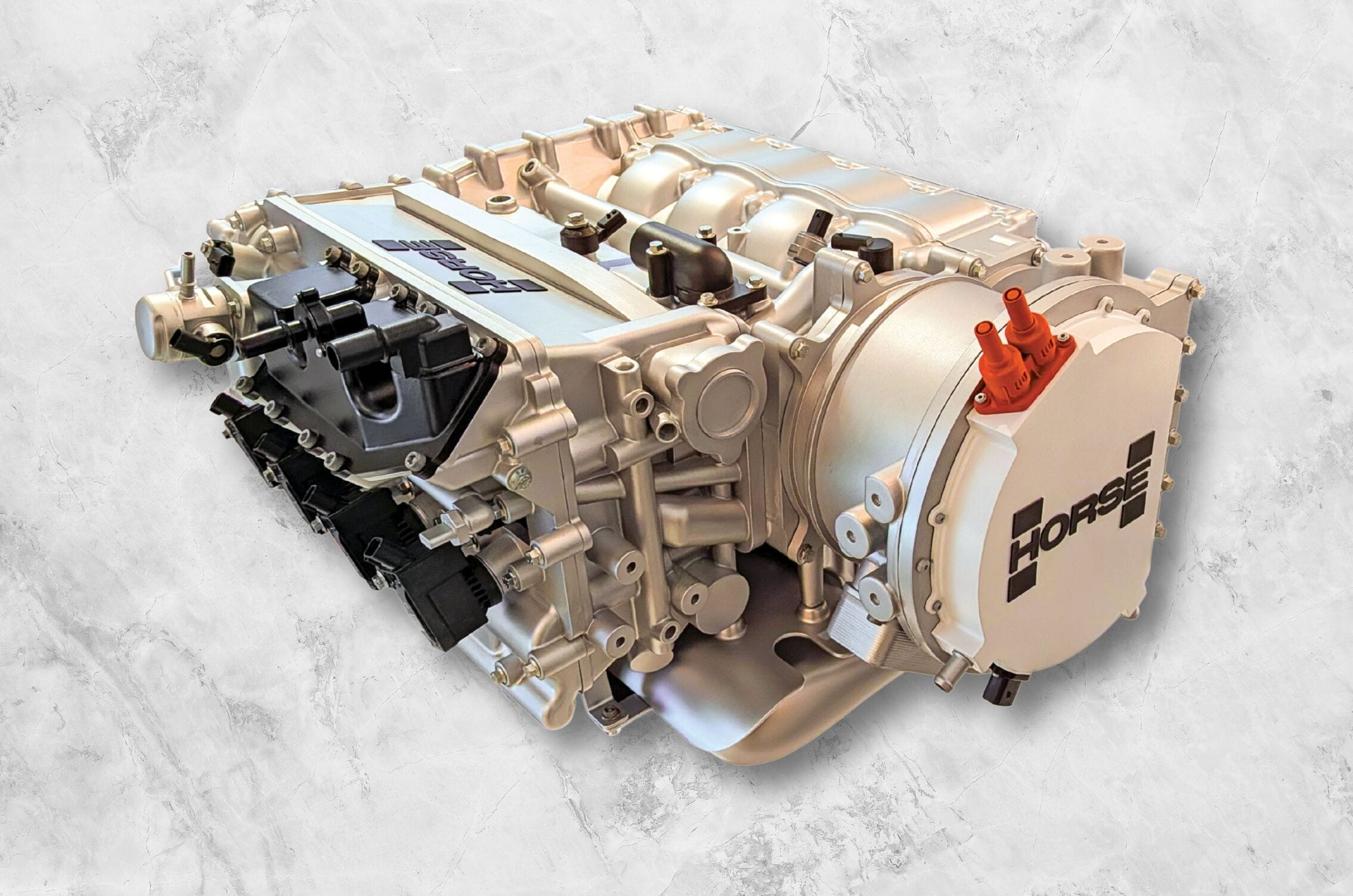
In this scenario, Horse Powertrain might hold the panacea – the C15 powertrain. Showcased at the Vienna Motor Symposium in April this year, the C15 unit is a compact, all-in-one powertrain designed to replace the electric drive unit of a born-electric and transform it into a range-extender hybrid. The integrated unit consists of a 1.5-litre, 4-cylinder engine, hybrid transmission, electric motor and the full suite of power electronics.

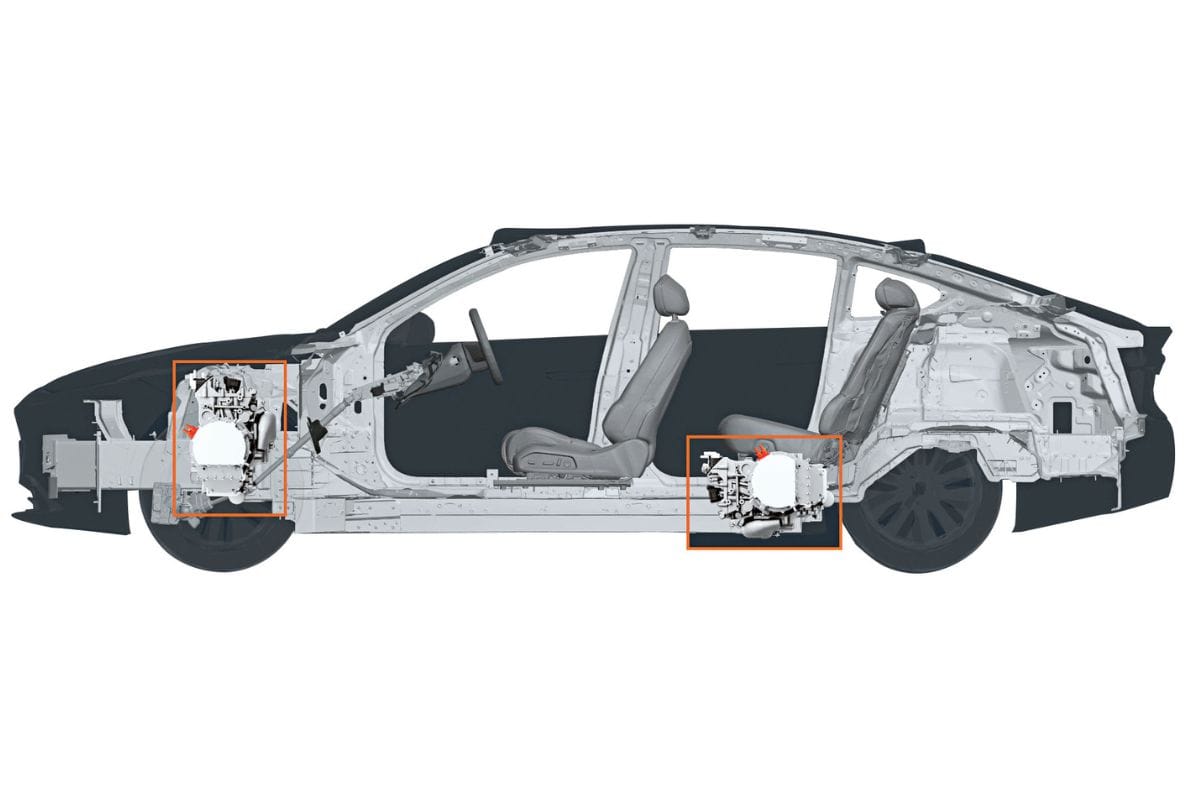
C15 powertrain can be installed at the front or rear and in either a vertical or horizontal orientation.

Furthermore, Horse says the unit is modular and can have further systems bolted on, depending on manufacturer requirements, like turbocharging or even a traditional gearbox, should direct-to-wheel drive be required. Adding to its flexibility, the engine can be packaged vertically or even horizontally, and the company says systems like lubrication are capable for either installation type. It can also be located at the front or rear of the vehicle, so as to warrant fewer modifications and re-engineering for a brand. 64 percent of its components are parts from existing powertrains, and this, Horse says, brings down the unit’s cost. So far, there’s no word on when it would come to market, but the brand says work is already underway, and the first model with the C15 unit should see the light of day by 2028.  

On the face of it, converting a born-electric to ICE might seem like a retrograde step in the journey towards electrification. However, it’s clear this journey is far longer than previously thought, and a born-electric-to-ICE conversion will certainly help a manufacturer’s business viability in the immediate term. Furthermore, in this scenario of internal combustion living longer, hybridisation helps lowering fuel consumption and emissions. Thus, a retrograde step this might be, but one that can help build the future.

Q&A Jesus Frances Busto –  Strategy & RAE Director, Horse Technologies

On the company structure

Horse Powertrain is a joint venture between Renault, Geely and Saudi Aramco, but we are an independent global powertrain supplier. So we can supply, work with, and integrate this (C15) with any manufacturer that is interested in it. It’s part of our new story at Horse Powertrain.

On the C15’s requirement

Brands have invested a lot into born-electric platforms, and many have even got the products ready and out into the market. But yes, they now would need to have an option to cope with this adoption towards EVs, and a hybrid with a range-extender setup is a good possibility for this.

On the C15’s specialities 

The C15 solves the problem of space, and we have solved it not by miniaturisation, but with innovative redesign and repackaging. We can install this vertically or even horizontally, and when we do this, one of the points we have to solve is lubrication, so we have a scavenge function circulating oil through and through correctly.

On a market launch

As you would understand, we cannot disclose our clients at the moment or specific launch dates, but we are working with brands, and we should see this in the market by early 2028.

Nissan platform-based cars can be built at the Renault Chennai plant

Nissan manufacturing in India

Early last year, Nissan exited its manufacturing joint venture with Renault and has since launched two Renault based models – the Gravite, a sister car to the Triber and the Tekton, its version of the Duster. Thus, Nissan’s locally built portfolio comprises entirely of shared platform products. That however does not need to be the case. 

When asked about the possibility of building Nissan platform-based vehicles at the Renault plant, Guillaume Cartier Chief Performance Officer at Nissan confirmed the possibility and said “yes we can have a car on a Nissan platform manufactured at RNAIPL” 

Reserved Production Capacity

Towards that end, Nissan has already a production capacity reservation with Renault. The plants total current output too is far from its total capacity, thus, room for additional products is available. Nissan also has its own engineering team at the R&D facility it partners with Renault, which it says is capable of undertaking its own product development work as well as independent model lifecycle management too. Thus, lifecycle management for products like the Tekton for instance can run distinct from Renault’s plans says Nissan. 

As for independent products, we had reported earlier that Nissan is exploring the possibility of building its newly unveiled Nissan Terrano SUV in India. Built along with Nissan’s Chinese partners Dongfeng, the new platform provides for various body types as well as powertrain options and these products form a good fit for our market which demands low prices, plenty of equipment and frequent updates.

Additional Investment 

While shared platforms make sense for both partners, it is important for Nissan to have a strategy not tied in completely to Renault, both for its brand identity as well as strategic reasons. For instance, we understand the Tekton is currently not be offered with Renault’s upcoming strong-hybrid powertrain as sources indicate Renault wishes to keep the 1.8-litre hybrid system exclusive and use it as a competitive advantage in an increasingly crowded midsize SUV space.

Theoretically, Nissan could work around this with its own technologies. “Our product plans can be built along with our partner, or with our own platform, or technologies too” says Cartier, however it comes down to investments required.  We understand the €700 million investment is already spoken for, thus further product plans would require additional investments, something that Nissan will have to stump up if it’s wants success here. Nissan says though, it is very keen on the Indian market with Cartier stressing again that its plans are long term and which is why it has secured its local production capacity, retained its engineering as well as financial arm in India and expanded its network.